

Business RadioX ®

  • Home
  • Business RadioX ® Communities
    • Southeast
      • Alabama
        • Birmingham
      • Florida
        • Orlando
        • Pensacola
        • South Florida
        • Tampa
        • Tallahassee
      • Georgia
        • Atlanta
        • Cherokee
        • Forsyth
        • Greater Perimeter
        • Gwinnett
        • North Fulton
        • North Georgia
        • Northeast Georgia
        • Rome
        • Savannah
      • Louisiana
        • New Orleans
      • North Carolina
        • Charlotte
        • Raleigh
      • Tennessee
        • Chattanooga
        • Nashville
      • Virginia
        • Richmond
    • South Central
      • Arkansas
        • Northwest Arkansas
    • Midwest
      • Illinois
        • Chicago
      • Michigan
        • Detroit
      • Minnesota
        • Minneapolis St. Paul
      • Missouri
        • St. Louis
      • Ohio
        • Cleveland
        • Columbus
        • Dayton
    • Southwest
      • Arizona
        • Phoenix
        • Tucson
        • Valley
      • Texas
        • Austin
        • Dallas
        • Houston
    • West
      • California
        • Bay Area
        • LA
        • Pasadena
      • Colorado
        • Denver
      • Hawaii
        • Oahu
  • FAQs
  • About Us
    • Our Mission
    • Our Audience
    • Why It Works
    • What People Are Saying
    • BRX in the News
  • Resources
    • BRX Pro Tips
    • B2B Marketing: The 4Rs
    • High Velocity Selling Habits
    • Why Most B2B Media Strategies Fail
    • 9 Reasons To Sponsor A Business RadioX ® Show
  • Partner With Us
  • Veteran Business RadioX ®

GWBC Radio: Laura Davis with Laura A. Davis & Associates

May 18, 2020 by angishields

LauraA.Davis_
GWBC Radio
GWBC Radio: Laura Davis with Laura A. Davis & Associates
Loading
00:00 /
RSS Feed
Share
Link
Embed

Download file

LogoLauraA.Davis_

LauraA.Davis_Laura A. Davis is the CEO and Founder of Laura A. Davis & Associates, Inc., an Atlanta-based transformational executive coaching, leadership and team development, and DiSC assessment training firm.

Since 1998, Laura has been coaching leaders at all levels of Fortune 500 and mid-sized companies to become more emotionally intelligent, agile, and aware of their role in creating a healthy, engaged corporate culture. Organizations must become agile in today’s world of disruption and agile organizations are made up of agile, emotionally intelligent people.

Laura and her associates also focus on assisting teams within organizations to become more cohesive by building cultures of high trust, productivity, accountability, and collective results. Laura and her team offer leading-edge mindsets, skillsets, and toolsets needed to create high performance and inspired success.

Prior to starting her business, Laura held both line and staff marketing management positions at Exxon, Equifax, and UPS. She was an Adjunct Professor of Business Studies at Mercer University and holds an MBA in Marketing from Emory University. Laura earned the coveted Master Certified Coaching designation through the ICF in 1998 and maintains that credential through her ongoing study and dedication to the profession.

Her ongoing thought leadership is demonstrated in the talks she gives at professional industry conferences around the country. She is a contributing author to “A Guide to Getting It: Self-Esteem” and has published articles in leading industry publications such as Choice magazine, ATD newsletters, and more. She has appeared on “Good Day Atlanta” and numerous internet radio shows to talk about emerging organizational leadership best practices. Laura A. Davis and Associates, Inc. is also a certified woman-owned business through WBENC.

Connect with Laura on LinkedIn and Facebook.

Show Transcript

Intro: [00:00:04] Broadcasting live from the Business RadioX studios in Atlanta, Georgia, it’s time for GWBC Radio’s Open for Business. Now, here’s your host.

Lee Kantor: [00:00:18] Lee Kantor here. Another episode of GWBC Radio’s Open for Business. And this is going to be a fun one. I have with me today Laura A. Davis. And she’s with Laura A. Davis & Associates. Welcome, Laura.

Laura A. Davis: [00:00:31] Thank you so much. It’s a joy to be here this afternoon.

Lee Kantor: [00:00:34] Well, before we get too far into things, tell us about your work. Who do you serve, and what do you do?

Laura A. Davis: [00:00:41] Absolutely, sure. We’ve been in business now since 1995. So, that’s quite a long time, have seen lots of changes. And today, our work is more important than ever. What we really do is help leader be more emotionally intelligent and more agile in today’s world. And we certainly can do that virtually. And then, we really focus on building cohesive teams. People are on teams at least 60% of the time or more these days. And now, the fact that they’re operating virtually in remote ways, it makes it even more challenging. But basically, everything we do is helping organizations be healthy, as well as smart strategically that’s really developing the right kind of culture to really be productive and effective in today’s world work.

Lee Kantor: [00:01:34] Now that a lot of people are working remotely rather than face to face, are there different challenges when you’re trying to kind of be empathetic and be emotionally available?

Laura A. Davis: [00:01:48] Yes, that’s a great question. Even before the events of the past few months, there have been some macro trends that have been driving virtual collaboration. Technology, certainly, is requiring us to change the way that we work. It puts pressure on all of us to keep up. It’s interesting because there’s so much global collaboration and a flattening of organizational structures. People are now working on teams with people from different countries, from different cultures, operating in different time zones. So, that’s more complex. They’re dealing with a more diverse workforce.

Laura A. Davis: [00:02:28] And then, I mentioned the changes in the organizational structure, we’re really moving away from traditional hierarchies to more of a matrix networked kind of organizational structure. And so, that really requires a lot of communication, collaboration and speed. And now that we’re all working remotely, we really have to be intentional about being more human than ever, really thinking about how to communicate. You mentioned being more empathetic. It’s interesting because we do executive coach leaders and mid-level leaders, and we do training and corporate culture change. And these leaders, many times, are used to driving for results. And sometimes, being empathetic is a challenge. So, we work on that mindset and skillset quite a bit, actually.

Lee Kantor: [00:03:27] So, now, is there a different kind of challenge when you’re coaching client over video or over the phone as opposed to face to face where you can kind of judge by body language, maybe they’re leaning in, leaning backwards, arms crossed, like things that maybe are different cues you’re getting through the phone or through video than you would be in person?

Laura A. Davis: [00:03:57] Yes. Yeah, it’s a great question. The good news is Zoom and other platforms allow you to see people. And my team and I had them working virtually as coaches for many, many years. So, this isn’t new to us. There are still many things you can pick up in someone’s tone of voice. And actually, there are some advantages to coaching and working remotely in that you don’t have to deal with traffic, or getting in and out of the building, and that kind of thing. So, it really requires a heightened focus.

Laura A. Davis: [00:04:32] Now, my team and myself, we’ve been doing this a long time, but to answer your question more directly, I think, many times, the leaders are now challenged with picking up on these nuances when they’re working with their teams. And one of the things we coach people to do is make sure that they do check in with people personally and allow time for that. This is not the time to be overly efficient. It’s the time to really be exceedingly human and recognize that people have all of these new distractions now with pets at home and children at home, and maybe they don’t have an office set up that is conducive to really working effectively. It varies because some of my clients have been virtual for many years, and others, this is a brand-new work environment for them. So, it really spans a broad spectrum there.

Lee Kantor: [00:05:30] Now, how are you counselling your clients when it comes to this level of uncertainty when a lot of the employees maybe are looking to the leader to have a game plan or to have some sort of roadmap for what’s ahead? And in today’s world, it’s obvious everybody’s roadmap’s out the window at this point. So, the leader is going to be more vulnerable and has to maybe show emotions in a way that’s different than they have in the past.

Laura A. Davis: [00:06:01] Yes. I’m so glad you mentioned that because one of the key skill sets that’s always been needed that more than ever before is is building trust. And you mentioned vulnerability. And I work quite a bit with program, an assessment-based learning experience that’s called the Five Behaviors of a Cohesive Team. And it’s based on the book, The Five Dysfunctions of a Team, written by Pat Lencioni. And I’m an authorized partner for Wiley. And Wiley only goes to market through authorized partners like myself – independent business owners, coaches, trainers, consultants, et cetera. And so, we spend a lot of time helping leaders and teams learn to build trust quickly.

Laura A. Davis: [00:06:46] And one of the key things is to be vulnerable, and be willing to admit when they don’t have all the answers, and being willing to admit if they need help. And that’s not something we’ve been taught as children. We were taught to be team members by just being nice or we should know that kind of culture. And so, it’s common that people tend to want to hide their flaws, and not challenge the status quo, and try and achieve consensus. And a leader, sometimes, because they might think it appears stronger to feel like they know the answers, can come across as being insensitive and out of touch.

Laura A. Davis: [00:07:35] So, what I coach people to do is say what they know. We’re going to work with them to develop a rallying cry and a work motto, basically, for the team to get something accomplished. And everyone participates in that, so everybody has a voice which really contributes to buy-in and clarity. But you can’t pretend you know all the answers, and you need to be willing to say, “We don’t know, but you’re going to have a voice, and we’re all going to co create this together. And together, we’re going to be focused on this goal and not let ourselves get overly distracted by trying to predict the future.”

Lee Kantor: [00:08:23] Now, how are you helping your clients navigate this uncertainty in terms of innovation? Some people’s business plans are out the window and that they can’t do – even if they’d like to, they couldn’t do what they used to do. And some of them, I’m talking to a lot of people, some of them are saying, “I’m going to just wait this out. And then, I’ll pop my head out a few months, and then see what’s what.” And then, others are like, “Look, we’re going to figure this out. Yesterday, we couldn’t do ABC. But today, we can do DEF. And then, we’re going to just try to find the market for that.”

Laura A. Davis: [00:08:59] Exactly, yes. Well, the latter is obviously preferable. And I think it’s a very natural reaction to want to hunker down and sort of hide, but that’s not productive. And it is much more productive to be looking for the opportunity. And while that sounds trite almost, there will be amazing opportunities for innovation and opportunities to work in brand-new ways that we can’t necessarily envision yet. And there are a lot of other macro trends, such as artificial intelligence and, really, it’s going to change the talent landscape significantly. I do believe there will be more flexible working arrangements, even when we “go back to work.”

Laura A. Davis: [00:09:47] But it’s interesting, most of my clients currently have obviously been impacted, but they just really need to think about creatively what’s the most important next thing we can do to serve our clients. And depending on who their customers are, there’s a different answer. You have companies who are struggling with keeping their workers safe as they’re first-responder type organizations. But there are other organizations, more in the majority in terms of my client base, which are just trying to figure out, what does this new normal look like, and where do we want to focus our energies and attention for the foreseeable future?

Lee Kantor: [00:10:39] Now, what advice would you give to young people that are maybe now just getting into the workforce, and this is a different workforce that maybe they went several years in college for?

Laura A. Davis: [00:10:50] Yes, interesting. Well, again, I am a passionate believer in emotional intelligence and really understanding yourself. So, the first piece of that is self-awareness. And that’s why I love the Everything DiSC Assessment and the Five Behaviors, and we also have a total talent management tool called PXT Select. And that helps people, all of them help people see what their natural strengths are, and what their challenges are, and what they need to do differently to be more effective in a variety of situations. I did not learn of these tools until I was just 15 years into my career. So, one of the things I think would be fabulous for newer workers to seek out, really, at any stage of the employee lifecycle is, what is it that I’m really good at, where do I need to improve, how can I developed myself and manage myself, so that I can be more agile, and adaptable, and flexible in a variety of situations, and I can communicate what my ideas and thoughts are effectively.

Laura A. Davis: [00:12:03] And again, that comes back to developing a corporate culture where that is received. I’ve been working for many years. And in a traditional hierarchy, sometimes, it’s not safe to speak up and share a dissenting opinion. So, many times, I’m coaching senior leaders, do your best to be open to these new ideas because even if they’re not fully baked or they may not be exactly actionable, there’s probably a grain of a good idea in there, and you want to encourage that kind of thinking and innovative flexibility.

Lee Kantor: [00:12:37] Now, how has GWBC impacted your firm and you personally?

Laura A. Davis: [00:12:46] Well, I have been relatively … well, I’ve joined many years ago, and I’ve been a women-owned WBENC company for the past three years. And I had an opportunity to go to the conference in Baltimore last year. And it was a really wonderful experience meeting other women business leaders and learning about different industries. I happen to be a voracious learner. And so, I study a lot of different … I follow a lot of different people, professional associations, and so forth. But I think, again, the connections that you make through an organization like GWBC are invaluable, especially in today’s world. And that’s really what I’ve gained is meeting and being able to collaborate with some amazing women leaders.

Lee Kantor: [00:13:44] And it sounds like in your work and philosophically that you realize the importance of relationships, and service, and helping people get the outcome they desire. Do you have any advice for the women-owned businesses out there to get involved with an organization like GWBC?

Laura A. Davis: [00:14:07] Yes. I think it’s great. You hit the nail on the head. I’m glad that you could discern that. But yes, I think it’s very, very important to have effective relationships, connections. Sometimes, we have … well, we all have blind spots. And sometimes, we can’t see the forest for the trees. And it’s really helpful to have a network of people and and be able to mastermind with people who might have a unique perspective that could be really valuable for you. So, yes, I would, for sure, encourage participation. And hopefully, we’ll all be able to do that face-to-face [indiscernible]

Lee Kantor: [00:14:47] Now, before we wrap, do you have any kind of pieces of actionable advice for that person that’s now dealing with a remote team for the first time ever, and they want to make sure that they are staying attuned to what emotionally where their team is at? Is there something, some low hanging fruit that this leader can be doing or paying attention to?

Laura A. Davis: [00:15:11] Yes, I think the main thing to think about is building trust, and making sure that you are vulnerable and open to suggestion, and that you are really clear about involving people in the process of decision making, and that you encourage and engage in productive conflict. So, those are two key things right there. And I said it earlier out, I’ll say it again, it’s just really reach out and understand yourself and others from a more human perspective. And that’s why some of the tools we use, like DiSC and the Five Behaviors and so forth can be so valuable because it gives scientifically measured data to validate what you might know about someone else. And it’s very, very useful to appreciate that people see the world in very different ways. They’re not acting the way they’re acting to make your life miserable or because there is something wrong with them. They just bring something to the table. We all have our our strengths, our emotional intelligence strengths. And if we know that, then we can work with our strengths, and mitigate some of our challenges, and just be that much more effective when we’re working together on a team.

Lee Kantor: [00:16:31] Now, if somebody wanted to learn more, and have more substantive conversation, and maybe take their emotional intelligence to a higher level, what’s the best way to get a hold of you and your team?

Laura A. Davis: [00:16:44] Absolutely. So, what I would recommend is they join our community. So, you can go to www.lauraadavis.com. Someone got to domain name first, a real estate agent in Texas, Laura Davis. Remember, there’s an additional A. And you’ll see a pop-up and sign up for our community because, in fact, this Wednesday, we’re facilitating a webinar on why cohesive teams are more effective than ever. I’m going to be doing one on Agile EQ and how to really understand that whole concept in a couple of weeks. So, you’ll get on our list. And feel free to e-mail me or just give me a call. It’s laura@lauraadavis.com. And I’d love to have a conversation with anybody and help them see what their next best step might be.

Lee Kantor: [00:17:36] Good stuff, Laura. Thank you so much for sharing your story. And once again, that’s lauraadavis.com for more information. Thanks again, Laura.

Laura A. Davis: [00:17:46] Thank you. My pleasure.

Lee Kantor: [00:17:48] All right. This is Lee Kantor. We’ll see you all again next time on GWBC Radio.

About Your Host

Roz-Lewis-GWBCRoz Lewis is President & CEO – Greater Women’s Business Council (GWBC®), a regional partner organization of the Women’s Business Enterprise National Council (WBENC) and a member of the WBENC Board of Directors.

Previous career roles at Delta Air Lines included Flight Attendant, In-Flight Supervisor and Program Manager, Corporate Supplier Diversity.

During her career she has received numerous awards and accolades. Most notable: Atlanta Business Chronicle’s 2018 Diversity & Inclusion award; 2017 inducted into the WBE Hall of Fame by the American Institute of Diversity and Commerce and 2010 – Women Out Front Award from Georgia Tech University.

She has written and been featured in articles on GWBC® and supplier diversity for Forbes Magazine SE, Minority Business Enterprise, The Atlanta Tribune, WE- USA, Minorities and Women in Business magazines. Her quotes are published in The Girls Guide to Building a Million Dollar Business book by Susan Wilson Solovic and Guide Coaching by Ellen M. Dotts, Monique A. Honaman and Stacy L. Sollenberger. Recently, she appeared on Atlanta Business Chronicle’s BIZ on 11Alive, WXIA to talk about the importance of mentoring for women.

In 2010, Lewis was invited to the White House for Council on Women and Girls Entrepreneur Conference for the announcement of the Small Business Administration (SBA) new Women Owned Small Business Rule approved by Congress. In 2014, she was invited to the White House to participate in sessions on small business priorities and the Affordable Care Act.

Roz Lewis received her BS degree from Florida International University, Miami, FL and has the following training/certifications: Certified Purchasing Managers (CPM); Certified Professional in Supplier Diversity (CPSD), Institute for Supply Management (ISM)of Supplier Diversity and Procurement: Diversity Leadership Academy of Atlanta (DLAA), Negotiations, Supply Management Strategies and Analytical Purchasing.

Connect with Roz on LinkedIn.

About GWBC

The Greater Women’s Business Council (GWBC®) is at the forefront of redefining women business enterprises (WBEs). An increasing focus on supplier diversity means major corporations are viewing our WBEs as innovative, flexible and competitive solutions. The number of women-owned businesses is rising to reflect an increasingly diverse consumer base of women making a majority of buying decision for herself, her family and her business. GWBC-Logo

GWBC® has partnered with dozens of major companies who are committed to providing a sustainable foundation through our guiding principles to bring education, training and the standardization of national certification to women businesses in Georgia, North Carolina and South Carolina


Ashish Mistry with KontrolFreek

May 18, 2020 by angishields

KontrolFreek
Atlanta Business Radio
Ashish Mistry with KontrolFreek
Loading
00:00 /
RSS Feed
Share
Link
Embed

Download file

Onpay-blue

Brought to you by OnPay. Built in Atlanta, OnPay is the top-rated payroll and HR software anywhere. Get one month free at OnPay.com.

KontrolFreekAs President and CEO of KontrolFreek, Ashish Mistry oversees the company’s strategies across all key business divisions including sales, marketing, and operations.

Under his leadership, KontrolFreek has experienced a staggering growth over the past year and has emerged as a brand to watch in the consumer electronics and video games industries.

Follow KontrolFreek on Facebook and Twitter.

What You’ll Learn in This Episode

  • What KontrolFreek is
  • What motivated KontrolFreek to donate sales to a series of key local, national and global COVID-19 relief efforts
  • How KontrolFreek products can help customers play more comfortably at home

About Our Sponsor

OnPayOnPay-Dots is a fast-growing software company that offers small businesses and accountants the best payroll in the cloud backed up by a team of helpful, friendly experts. And as a payroll service provider with more than 30 years of experience, we know how to get it right.

Whether business owners have three employees or 1,000, OnPay makes payroll fast and easy. We also serve nonprofits, restaurants, religious organizations, and ag businesses without skipping a beat.

Follow OnPay on LinkedIn, Facebook and Twitter.

Entrepreneur and Author Bob Tinker

May 18, 2020 by angishields

rita-trehanfeatureimage-1500x1500
Daring to
Entrepreneur and Author Bob Tinker
Loading
00:00 /
RSS Feed
Share
Link
Embed

Download file

Welcome to Daring To, a podcast that finds out how CEOs and entrepreneurs navigate today’s business world – the conventions they’re breaking, the challenges they’ve faced and the decisions that they’ve made, and lastly, just what makes them different.

Bob-Tinker-Survival-to-ThrivalBob Tinker is a 3-time entrepreneur. Most recently, Bob was founding CEO of mobile security company, MobileIron, from 2008 to 2016. He led MobileIron from 3 people and initial idea to over 12,000 enterprise customers and $150M of revenue, and an IPO in 2014. During the five-year period from 2009-2013 MobileIron was named the fastest growing technology company in the world and ranked #1 in Deloitte’s Fast 500 Index.

Inspired by the question, “What do you wish you could tell yourself 15 years ago as a newbie entrepreneur?”, Bob recently co-authored the book series, Survival to Thrival: The Enterprise Startup Guide. The book is #1 on Google search for “Enterprise Startup Book”. Bob’s 2nd book — Change or Be Changed — was just released in late 2019.

[Personal trivia: Bob grew up in the midwest, and lived in Silicon Valley for over 20 yrs. He collects Onomatopoeias from different languages, is obsessed with fruit trees, and has an oddly good muppet voice.]

Connect with Bob on LinkedIn and follow Survival to Thrival on LinkedIn.

Show Transcript

Intro: [00:00:02] Welcome to Daring To, a podcast that finds out how CEOs and entrepreneurs navigate today’s business world, the conventions they’re breaking, the challenges they faced, and the decisions that they’ve made. And lastly, just what makes them different?

Rita Tehran: [00:00:19] Well, hi, listeners, and welcome to Daring To. And today, joining me on the podcast, I’ve got really interesting guests, I can’t wait to get started talking to Bob Tinker. He is a serial entrepreneur, three-time entrepreneur, had one of the fastest growing technology companies in the world, believe it or not, which was ranked number one by Deloitte in their Fast 500 index. It was a company that was focused on mobile security called MobileIron.

Rita Tehran: [00:00:45] That was the last of one of his ventures, which eventually was IPO, which started with like three people. Can you imagine, three people? And then, it became $150 million company revenue, right? So, I mean, that’s pretty amazing. But that’s not just the first venture that he’s had. He’s been very successful as an entrepreneur. So, we’re going to have lots of questions. He’s had written two books, both of which I have found riveting. One is called Survival to Thrival, and the other is Change or Be Changed. Now, Bob, welcome to the podcast.

Bob Tinker: [00:01:20] Thank you, Rita. Great to be here.

Rita Tehran: [00:01:22] So, listen, let’s dive into it, right? Because I did read-

Bob Tinker: [00:01:26] Yes.

Rita Tehran: [00:01:26] … the book, Changed or Be Changed. And I’m like, “Here’s a guy that is like a serial entrepreneur, a successful entrepreneur, but he describes the entrepreneurial journey in a really interesting way.” You talked about aging the soul that it’s like it can be lonely; that when you first start out, the first thing that you’re really focusing on is making sure that you don’t die as a business. But yet, within that, you also conjure up this amazing view of what it feels like when you grow a company to success and talk about just the amount of self-awareness and personal growth that you get as an entrepreneur.

Rita Tehran: [00:02:13] And that while the journey might be hard, it sounds absolutely exhilarating. So, I kind of juxtaposed all of those emotions and feelings and go, “Wow!” Tell me what it’s like that made you … I mean, it’s probably why you decided to write the book, right? But did you start out as a young kid going, “I’m going to be an entrepreneur. That’s what I’m going to be. I can tell that. Even I think it’s gonna be painful, I’m going to do it anyway.” How did you start?

Bob Tinker: [00:02:44] I love that you used the word juxtaposition because that’s exactly what it’s like to sort of try and get a company off the ground, and build it, and the highs and lows, things that go great, things that go terrible. I would even go as far as to say that sometimes, it feels actually a little more schizophrenic than that. It really does feel very split personality. And in many ways, like starting a company is kind of irrational.

Rita Tehran: [00:03:14] Tell me more. How could it be irrational? All these entrepreneurs that are listening right now going like, “You think? Bob is telling me I’m going to be irrational.”

Bob Tinker: [00:03:22] Usually, what happens is you’ve got a good job somewhere, you’ve been successful, and you’re like, “I’m going to quit that, go start a company that most likely will fail, and I’m going to work my tail off, and it’s going to be awesome and miserable at the same time.” It is kind of an irrational thing to go do. But when you have an idea or just believe that something needs to exist, and you want to go try and build it, you just got to take the leap and go do it.

Bob Tinker: [00:03:58] When Ajay and Suresh, my two co-founders of MobileIron, approached me to join them as CEO in 2007, I was at Cisco. My last company had been bought by Cisco. And I had a great job there, actually. But when I saw the idea that Suresh and Ajay were working on, I had this, “Oh, crap. I got to go do that,” reaction. And I left, vested stock on the table. My Midwestern father executive thought I was crazy leaving. But sometimes, you just gotta go do it. And it’s an irrational act in some ways, but like many great things in life, they often start with somewhat of an irrational act.

Rita Tehran: [00:04:46] What were you most scared about? I mean, obviously, you like leaving all the stock options and the security. So, moving into that role as CEO in a startup is different to being part of a big enterprise organization like Cisco. What was the thing that you’d say, “That kept me up at night”? If there was one thing that was really, “Yeah,” and then you’re like, “Oh, crap,” what was it?

Bob Tinker: [00:05:09] Yeah, the thing I was most scared, I was to rewind back to 2007 when I was jumping into the chair with Suresh and Ajay. The I was most scared of is failing as a first time CEO, failing Ajay and Suresh as my co-founders if I were not to be a good first-time CEO. I’d never been a CEO before. It’s sort of a big job, and it was a big compliment that they’re willing to bring me on board, but I was scared that my biggest fear was actually don’t do a good job as first-time CEO and actually screw up a perfectly good startup opportunity for these guys.

Bob Tinker: [00:05:47] And I actually spent some time trying to figure out how to answer that question. So, I’m actually not sure I’ve ever told this story before, but I’m like probably 40 or something like that. And-

Rita Tehran: [00:06:05] Young. I like that, young.

Bob Tinker: [00:06:07] Yeah, yeah.

Rita Tehran: [00:06:08] Yeah.

Bob Tinker: [00:06:08] I think, it depends on your point of view. Okay.

Rita Tehran: [00:06:09] It’s definitely young in my books.

Bob Tinker: [00:06:13] So, at 40, I’ve been an executive, never been a CEO. And I wanted to figure out, like, if I thought I could do a good job at this and not screw it up. And so, one of the questions I asked myself was, would I be able to actually hire people – more experienced, smarter, better at their jobs than I was? Because I couldn’t. Like then, I actually wouldn’t be a very good CEO, and I would actually be a roadblock for the team. So-

Rita Tehran: [00:06:47] Is that hard though, Bob? Isn’t that hard though, Bob? Don’t you think that people find that hard? As much as they want to, maybe that’s one of the things that leaders find difficult to be in that position where you actually trying to hire and have talent that is better than you, potentially? Do you think CEOs generally find that hard?

Bob Tinker: [00:07:08] Oh, yeah. And look, it’s actually one of the key criteria of the job, right? Because in the beginning, it’s just sort of you and a small team. But eventually, the job shifts to be more like you sort of do the analogy of like superhero analogy. The first CEO job is kind of like Captain America was put in the woods or Wonder Woman was put into the woods. It’s like you in a small team like back in a tree getting punched and getting dirty. But then, the CEO job turns into more like Captain America, The Avengers, where it’s like you and a band of superheroes. And you have to be able to hire grade A superheros who all have better superpowers than you. You need a marketing superhero, product superhero, engineering superhero, a finance superhero. And they better be better at their jobs than you are. Otherwise, you’re not hiring the right person.

Bob Tinker: [00:07:57] So, I think one of the most important criteria for an early and mid-stage CEO is, can they hire people better than them? And candidly, I was worried that I wasn’t far enough along my career that I’d be able to do that. So, I called one of my old colleagues. So, my previous company, he was one of my peer executives. He’s the CFO, and I was the VP of Business Development. His name is Jim Buckley. I called Jim, and I said, “Hey, Jim.” We didn’t talk in like a year. “I have an important question for you. And please be honest because it affects other people.”

Bob Tinker: [00:08:36] And the question was, “Here’s what I’m thinking about doing. I’m worried about not being able to hire strong executives at this point in my career. If I were to go do this, Jim, like, would you ever come work for me someday?” And Jim’s a super seasoned and super senior CFO. And Jim was like, “Yeah, I would.” I was like,”Seriously, Jim. Please tell me because, look, there are people whose careers are on the line here.” He said, “No, yeah. I would.” So, that was one of the ways I went, at least, to try and figure out whether I thought I could hire people with more experience than [inaudible].

Rita Tehran: [00:09:11] It’s a great litmus test, right? Because if people are willing-

Bob Tinker: [00:09:13] Yeah.

Rita Tehran: [00:09:13] … to follow you, then that says, “Hey, look, you’ve got something that they want to be part of,” or “You’ve got some type booty’s that they really believe in,” and all those and more, right? So, that’s a great fellowship litmus test for leaders to ask. It’s a great question to go and actually solicit. It’s asking-

Bob Tinker: [00:09:34] Here’s the fun anecdote there is that six months later, Jim joined as our consulting CFO, and then actually became our full-time CFO. And he and I worked together to build the company from zero to a hundred million.

Rita Tehran: [00:09:48] He made a good decision. There’s a CFO that read that right. And look, it’s interesting as you talk about it. I mean, in Changed or Be Changed. I love that phrase. I use it myself. And it’s the fact that you actually bring to reality what happens with startups, right? That’s sort of when you start out as the three-person company, maybe a two-person company, to then suddenly growing. And with that growth, not only is it company growth that happens, but there’s also growth within the company itself, right, whether it’s the company culture, whether it’s the people, whether it’s-.

Bob Tinker: [00:10:28] Exactly.

Rita Tehran: [00:10:28] … the CEO role. And so, tell us about that because I think that there are some really interesting … I kind of likened it to it’s a plant that’s starting to grow, and you start like, “Look at what I can do. I can grow all these great leaves. And now, I’m growing all these flowers and just flourishing.” But actually, you need a lot around it as well as it grows because things change. So, when do you think the first sort of aha moment comes in for a new CEO where they go, “Actually, it’s not the same as it was when I first took this on. I need to think differently. I need to be different”? And from your own experience, when’s that first sort of, I don’t know, transition if you like?

Bob Tinker: [00:11:13] The first time that hits is at about 50 people in my experience. And the book, Changed or Be Changed, like many things, sort of the inspiration for that was born from a frustration like many things. And what frustrated me, having been a first-time CEO and being in the fortunate position to be part of a company that we grew from zero to a thousand people, is that I don’t feel like I was very well prepared for how the CEO job was going to change as the company changed, right? As we grew from zero to 50, 50 to 150, 150 to 450, 450 to a thousand, the company changed. And as a result, my job as CEO changed. It’s not like I woke up one day with a different title or anything. It’s like I’m still a CEO, but my job’s different. And I didn’t feel like anybody kinda sat me down and said, “Hey, Bob, as your job changes…” I’m sorry, “As your company changes, your job changes. So, therefore, you have to change.” And-

Rita Tehran: [00:12:26] And why would you, right? You are successful. What you were doing was bringing success. Why would you need to change?

Bob Tinker: [00:12:32] Exactly. That’s the irony of it is that what I discovered the hard way is that the very things that actually helped make me successful in sort of the first CEO stage become the very things that sort of hold me back, get my way, and screw things up at the next. And so, to answer your question, like what made me start to realize, “Uh-oh, this is not working,” was I started to fail at things, things stopped working that used to work. Like, it’s kind of weird when all the sudden, you’re like the things that used to work suddenly stopped working. And it’s kind of maddening, actually.

Rita Tehran: [00:13:13] And you go like, “It must be somebody else. It can’t be me, can it? Because, like, look, I started the company. I got it going. So, what else is going on in this environment that is causing this?”

Bob Tinker: [00:13:23] Yes. Sometimes, that’s the reaction, “Okay. Maybe it’s the environment.” I think, one of the more important characteristics of a CEO that is particularly a first timer is a little bit of self-awareness because when something’s not going right, it’s sort of like a parent. Like if your kids are acting out,  you can blame it on the kids or, often, you got to kind of look in the mirror and be like, “What am I doing that’s contributing to the situation?” It gets kind of the same thing when you’re a CEO. Something’s not going right with the company. Sometimes, it’s the situation or the team of the company. Sometimes, it’s you. So, you got to look in the mirror and be like, “What am I doing to contribute to this situation?”

Bob Tinker: [00:14:01] And I’ll give you a really specific example. So, when MobileIron got to about 50 people, two things changed that, suddenly, what used to work stopped working. So, the first thing was when we grew from like 45 to 55 people, I felt like we got worse. You think when you add people, you get better, but there’s this weird organizational break point where like 50 people, the human brain loses its ability to track one-to-one connections. And all of a sudden, what used to work sort of organically just started failing. Like, I remember my customer success team and my QA team, it used to organically be able to stay in touch on customer issues. Now, we’re like dropping balls between.

Bob Tinker: [00:14:48] I’m like, “What happened? We actually hired more people. We should be getting better.” The irony was, as we got bigger, like the way we used to behave, and that applied to the team, it also applied to me that that was about when … like, look, and like a lot of founding CEOs in tech, like I was sort of a product customer person. Like I like spending time on product and customers. And I was good at it. And that was what was important in the very beginning of the company is you work with few people because you’re just trying to survive. You’re just trying to find some customers and sort of prove that you have a business that’s worth getting more capital.

Bob Tinker: [00:15:26] But then, once we started winning some early customers and started to grow that I kept spending my time on product and customer stuff, which is fine. But my team – and I give them huge credit for this – basically sat me down and was like, “Hey, Bob, we are not getting from you what we need. Like, we need you to be the CEO of the whole company, not just product stuff and customer stuff.” And that was kind of a wake-up call for me, right that the things that I was gravitating towards because that’s what the company needed and I was good at, I had to change my behavior to be the CEO of the whole company. Like, “What are we doing on go-to market? What are you doing on team? What are we doing on finance?” Like, I needed to be thinking across all the different swim lanes of the business, not just spending time in sort of my comfort zone that I had gotten good at over the last year and a half as we were sort of getting the company off the ground.

Rita Tehran: [00:16:22] So, let me just ask about that. That’s quite brave of your organization to actually confront you with that. There are often sort of-

Bob Tinker: [00:16:30] Yes, it was.

Rita Tehran: [00:16:30] …  situations that you wouldn’t find that, even in a small startup, even if they’ve known you for a long time. What do you think it was that-

Bob Tinker: [00:16:40] What enabled that?

Rita Tehran: [00:16:41] Yeah. What was your secret sauce that enabled people to sort of like stare you in the face and go, “Hey, take a look in the mirror. You might not like what you see, but you need to hear this”? What do you think it was?

Bob Tinker: [00:16:56] So, there are two things. One was culture that in the very beginning of getting MobileIron off the ground, we sat down as a team, which is actually the three core founders. The second meeting we had as a team was what type of culture do we want to have as a company? And one of the things that was important to us was a concept we called intellectual honesty, which is, “Hey, celebrate the good, but it’s okay to talk about the bad.” And we had sort of built that into the culture where it’s OK to sort of, you know, put a stinker on the table and say this isn’t working or something’s broken. This is not going well and it’s okay to do that. So, I think, culturally, the team was wired, and we had made it safe to sort of talk about the bad stuff.

Bob Tinker: [00:17:51] The second thing that enabled that conversation and that feedback from the team to me was that I regularly asked my team for feedback on me. I’d be like, “Hey, do you have any feedback for me? What can I be doing better than I’m not doing?” And at first, they’re like, “Yeah, yeah, yeah, whatever. We’re not going to really tell you what we really think.”

Rita Tehran: [00:18:16] They said, “We love you, Bob.”

Bob Tinker: [00:18:16] But, eventually, if you sort of keep asking the question, and they give you feedback, the key is how you react as a CEO and leader, like if you get defensive or trying to…

BRX Pro Tip:Using Signage in Your Studio

May 18, 2020 by angishields

Franchise Bible Coach Radio: Sean Manning with Payroll Vault Franchising

May 18, 2020 by angishields

Payroll-Vault
Denver Business Radio
Franchise Bible Coach Radio: Sean Manning with Payroll Vault Franchising
Loading
00:00 /
RSS Feed
Share
Link
Embed

Download file

Sean-Manning-Payroll-VaultAs CEO of Payroll Vault Franchising, LLC— a nationally based payroll service business—Sean Manning works with entrepreneurs to help them successfully leverage the incredible opportunity offered by the payroll industry.

Payroll Vault has re-defined payroll—offering a sound, efficient model that provides clients with outstanding service and support while also offering a lucrative, scalable franchise opportunity for entrepreneurs looking to launch a highly profitable payroll business. Outsourced payroll services continue to prove a must-have for business owners who are too busy running their businesses to keep up with the complexities of payroll.

In addition to leading Payroll Vault, Sean is a nationally recognized speaker and the author of Six Steps to Small Business Success. He’s also published numerous industry articles and whitepapers. Sean provides consulting and coaching through Manning Business Solutions to help entrepreneurs grow their businesses.

Connect with Sean on LinkedIn and follow Payroll Vault on LinkedIn, Facebook and Twitter.

About the Show

The Franchise Bible Coach Radio Podcast with Rick and Rob features no-nonsense franchise industry best practices and proprietary strategies that franchisors and FranchiseBibleCoachRadioTilefranchise owners can implement to improve their profitability and operational efficiencies.

Our show guests are franchise superstars and everyday heroes that share their tips for growth and strategies to survive and thrive during the current challenges.

About Your Hosts

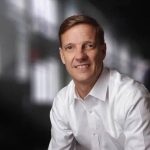
Rick-GrossmanRick Grossman has been involved in the franchise industry since 1994. He franchised his first company and grew it to 49 locations in 19 states during the mid to late 1990s. He served as the Chief Executive Officer and primary trainer focusing on franchise owner relations and creating tools and technologies to increase franchisee success.

Rick developed and launched his second franchise organization in 2003. He led this company as the CEO and CMO growing to over 150 locations in less than three years. He developed the high tech/high touch franchise recruiting and sales system.

Both companies achieved ranking on Entrepreneur Magazine’s Franchise 500 List. During this period Rick served as a business and marketing consultant to small business and multimillion dollar enterprises. He also consulted with franchise owners and prospective franchisees, franchisors, and companies seeking to franchise.

Rick had the honor of working with his mentor, Erwin Keup as a contributing Author for the 7th edition of Entrepreneur Magazine’s Franchise Bible published by Entrepreneur Press.

Mr. Grossmann has been chosen as the new Author of Franchise Bible and his 8th Edition was released worldwide in January of 2017. He currently serves as an executive coach and strategist for multiple franchise clients.

Follow Franchise Bible Coach on Facebook.

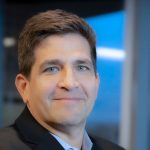
RobGandleyHeadShot250x250Rob Gandley has served as SeoSamba’s Vice President and Strategic Partner since 2015.

With 25 years of experience in entrepreneurship, digital marketing, sales, and technology, he continues to focus on leading the expansion of SeoSamba’s product and service capabilities and US market penetration. SeoSamba specializes in centralized marketing technology built for multi-location business models and continues to win industry awards and grow consistently year over year.

Concurrent with his work at SeoSamba, Gandley is a strategic growth consultant and CEO of FranchiseNow, a digital marketing and sales consulting firm.  Gandley consults digital businesses, entrepreneurs, coaches and multi-location businesses across diverse industries.  Prior to SeoSamba, he built an Internet Marketing business and platform responsible for generating over 100,000 qualified franchise development leads used by more than 400 US-based franchise brands for rapid business expansion.

Gandley also held various senior sales and management positions with IT and Internet pioneers like PSINet, AT&T, and SunGard Data Systems from (1993-2005) where he set sales records for sales and revenue growth at each company.  He graduated from Pennsylvania State University’s Smeal Business School in 92’ with a BS degree in Finance and emphasis on Marketing.

Connect with Rob on LinkedIn.

Andy Tran with Lush Nail Bar

May 17, 2020 by angishields

Lush-Nail-Bar-Logo
Atlanta Business Radio
Andy Tran with Lush Nail Bar
Loading
00:00 /
RSS Feed
Share
Link
Embed

Download file

Onpay-blue

Brought to you by OnPay. Built in Atlanta, OnPay is the top-rated payroll and HR software anywhere. Get one month free at OnPay.com.

Andy-Tran-Lush-Nail-BarAndy Tran is CEO of Lush Nail Bar, Atlantic Station’s premier luxury nail salon that boasts over 300 polish choices from reputable brands such as OPI and Essie.

Their advanced nail technicians are highly trained in services such as manicures, pedicures, gel nails, acrylics and special paints such as holographic, chrome, and glow nails.

Follow Lush Nail Bar on Facebook, Twitter and Instagram.

About Our Sponsor

OnPay’sOnPay-Dots payroll services and HR software give you more time to focus on what’s most important. Rated “Excellent” by PC Magazine, we make it easy to pay employees fast, we automate all payroll taxes, and we even keep all your HR and benefits organized and compliant.

Our award-winning customer service includes an accuracy guarantee, deep integrations with popular accounting software, and we’ll even enter all your employee information for you — whether you have five employees or 500. Take a closer look to see all the ways we can save you time and money in the back office.


Follow OnPay on LinkedIn, Facebook and Twitter.

Tagged With: and friendly, luxurious, Sanitary

Joseph J. Busch, Jr. with The Busch Center

May 16, 2020 by angishields

Busch-Center
Atlanta Business Radio
Joseph J. Busch, Jr. with The Busch Center
Loading
00:00 /
RSS Feed
Share
Link
Embed

Download file

Onpay-blue

Brought to you by OnPay. Built in Atlanta, OnPay is the top-rated payroll and HR software anywhere. Get one month free at OnPay.com.

dr-joseph-buschJoseph J. Busch, Jr. has read more than 15,000 mpMRI scans and performed and more than 1,700 MRI in-bore targeted biopsies over the last 11 years.

Dr. Busch brings a culmination of 40+ years in Diagnostic Radiology and hundreds of international research studies to Busch Center in Alpharetta, Georgia. His approach focuses on preventative screening, accurate diagnosis with personalized care.

Dr. Busch began using mpMRI in 2010. He was trained by the world’s leading experts, including Professors Jelle Barentsz and Jurgen Futterer, on how to perform targeted biopsy of the prostate using mpMRI. Dr. Busch now works alongside Professors Jelle Barentsz and Jurgen Futterer on prostate cancer and treatment.

Dr. Busch also collaborates with Professor Anwar Padhani, the world’s leading authority on Whole Body Imaging, studying and learning Whole Body MRI techniques for diagnosis and response to therapy. Dr. Busch is interpreting PSMA and F18 Axumin PET/CT scans for recurrent prostate cancer in post-treatment men.

Dr. Busch is also part of the European and USA prostate working groups. He has lectured and taught mpMRI at RSNA, Johns Hopkins, and Scottsdale, Arizona, and is a member of the ESUR, International Cancer Imaging Society and RSNA.

Follow Busch Center on LinkedIn.

What You’ll Learn in This Episode

  • How Dr. Busch got started in Radiology
  • What drew him to open his business
  • About the Busch Center

About Our Sponsor

OnPayOnPay-Dots is a fast-growing software company that offers small businesses and accountants the best payroll in the cloud backed up by a team of helpful, friendly experts. And as a payroll service provider with more than 30 years of experience, we know how to get it right.

Whether business owners have three employees or 1,000, OnPay makes payroll fast and easy. We also serve nonprofits, restaurants, religious organizations, and ag businesses without skipping a beat.

Follow OnPay on LinkedIn, Facebook and Twitter.

Tagged With: prostate cancer, prostate cancer treatment Atlanta, prostate treatment

TMB E37: Mary Foote PipelineAZ, COVID-19 impact

May 15, 2020 by angishields

Tucson Business Radio
TMB E37: Mary Foote PipelineAZ, COVID-19 impact
Loading
00:00 /
RSS Feed
Share
Link
Embed

Download file

Mary Foote, Director/
Partnership for Economic Innovation and Pipeline AZ
1475 N Scottsdale Road,
Scottsdale, AZ
480.205.1568
mfoote@pipelineaz.com
www.c19az.com
SOCIAL MEDIA: Facebook | Instagram | LinkedIn | Twitter |

Mary Foote serves as Director for the Partnership for Economic Innovation, the parent organization of Pipeline AZ. She has been in economic development for more than ten years, focusing on tax incentives, business attraction and retention, innovation ecosystems, and workforce development. Mary is actively involved in her community through board participation and volunteering. She also oversees Valley Leadership’s Jobs and Economy initiatives. She lives in Phoenix and is currently quarantining with her pitbull-mix, Hayden.

About Pipeline AZ

The mission of Pipeline AZ is to connect job seekers with rewarding careers, helping them connect the dots through career exploration, training programs, internships, and apprenticeships made possible through collaboration between Arizona industries and educators.

Right now, Pipeline AZ is working to help alleviate the impact of COVID-19 by aggregating realtime immediate job openings and offering pathways to future careers for all out-of-work Arizona’s, connecting those affected by the crisis with industries in need.

Partnership for Economic Innovation (PEI)

We believe innovation’s next challenge isn’t exponential growth, it’s exponential impact. That’s PEI is investing in community-building technology and R&D designed to make Greater Phoenix more resilient and empower individuals to take agency over change.

Our mission is to transform Greater Phoenix into a top global market for innovation, fueled by world-class research centers, advanced industries, and creative entrepreneurs.

Read more about Our Mission During Crisis | #C19AZ.

Forty-Niner Golf & CC – Tucson’s Hidden Jewel

Tagged With: Mary Foote PipelineAZ, Tucson Means Business

ATDC Radio: Take 5 – Omni Legal, Moonlight Therapeutics, Agency Spotter, Versusen, & Oncolens

May 15, 2020 by angishields

About Your Host

Jane McCracken returns to ATDC as a Startup Catalyst, having started her career here many years ago. She then moved into venture capital and investment banking both in the United States and Europe before joining an early-stage, medical diagnostics company as chief financial officer.  During her time there, she raised $60 million and completed eight international acquisitions. The company was listed on both the London and Oslo stock exchanges.

Jane then worked with two venture-backed companies.  She joined the founders of an online travel company as CEO, and took it from startup to the world’s second-largest hotel booking site before Travelocity acquired it. At the request of her venture investors, Jane then joined a computer games developer as CEO and turned around the faltering enterprise before it was sold to a NASDAQ-listed games company.

Most recently, Jane was CEO of an oncology-focused clinical research company, which grew from startup to a multinational firm with $15 million in annual revenue and offices across Europe and the United States.  The company was financed through its own cash flow and was sold in early 2012 to a larger clinical research organization.

Jane continues to work with fast growing companies — in interim and full-time positions — as a consultant, board member, and angel investor. In addition, Jane has served on boards for public and private companies, as well as government-related and non-profit organizations. She is a frequent speaker and panelist at conferences, companies, and universities and is an active volunteer in her community. Jane obtained her bachelor’s degree from Wake Forest University and her master’s degree at the Georgia Institute of Technology.

Connect with Jane on LinkedIn.

  • « Previous Page
  • 1
  • …
  • 422
  • 423
  • 424
  • 425
  • 426
  • …
  • 1320
  • Next Page »

Business RadioX ® Network


Our Most Recent Episode

CONNECT WITH US

  • Email
  • Facebook
  • LinkedIn
  • Twitter
  • YouTube

Our Mission

We help local business leaders get the word out about the important work they’re doing to serve their market, their community, and their profession.

We support and celebrate business by sharing positive business stories that traditional media ignores. Some media leans left. Some media leans right. We lean business.

Sponsor a Show

Build Relationships and Grow Your Business. Click here for more details.

Partner With Us

Discover More Here

Terms and Conditions
Privacy Policy

Connect with us

Want to keep up with the latest in pro-business news across the network? Follow us on social media for the latest stories!
  • Email
  • Facebook
  • Google+
  • LinkedIn
  • Twitter
  • YouTube

Business RadioX® Headquarters
1000 Abernathy Rd. NE
Building 400, Suite L-10
Sandy Springs, GA 30328

© 2025 Business RadioX ® · Rainmaker Platform

BRXStudioCoversLA

Wait! Don’t Miss an Episode of LA Business Radio

BRXStudioCoversDENVER

Wait! Don’t Miss an Episode of Denver Business Radio

BRXStudioCoversPENSACOLA

Wait! Don’t Miss an Episode of Pensacola Business Radio

BRXStudioCoversBIRMINGHAM

Wait! Don’t Miss an Episode of Birmingham Business Radio

BRXStudioCoversTALLAHASSEE

Wait! Don’t Miss an Episode of Tallahassee Business Radio

BRXStudioCoversRALEIGH

Wait! Don’t Miss an Episode of Raleigh Business Radio

BRXStudioCoversRICHMONDNoWhite

Wait! Don’t Miss an Episode of Richmond Business Radio

BRXStudioCoversNASHVILLENoWhite

Wait! Don’t Miss an Episode of Nashville Business Radio

BRXStudioCoversDETROIT

Wait! Don’t Miss an Episode of Detroit Business Radio

BRXStudioCoversSTLOUIS

Wait! Don’t Miss an Episode of St. Louis Business Radio

BRXStudioCoversCOLUMBUS-small

Wait! Don’t Miss an Episode of Columbus Business Radio

Coachthecoach-08-08

Wait! Don’t Miss an Episode of Coach the Coach

BRXStudioCoversBAYAREA

Wait! Don’t Miss an Episode of Bay Area Business Radio

BRXStudioCoversCHICAGO

Wait! Don’t Miss an Episode of Chicago Business Radio

Wait! Don’t Miss an Episode of Atlanta Business Radio