Business RadioX ®

  • Home
  • Business RadioX ® Communities
    • Southeast
      • Alabama
        • Birmingham
      • Florida
        • Orlando
        • Pensacola
        • South Florida
        • Tampa
        • Tallahassee
      • Georgia
        • Atlanta
        • Cherokee
        • Forsyth
        • Greater Perimeter
        • Gwinnett
        • North Fulton
        • North Georgia
        • Northeast Georgia
        • Rome
        • Savannah
      • Louisiana
        • New Orleans
      • North Carolina
        • Charlotte
        • Raleigh
      • Tennessee
        • Chattanooga
        • Nashville
      • Virginia
        • Richmond
    • South Central
      • Arkansas
        • Northwest Arkansas
    • Midwest
      • Illinois
        • Chicago
      • Michigan
        • Detroit
      • Minnesota
        • Minneapolis St. Paul
      • Missouri
        • St. Louis
      • Ohio
        • Cleveland
        • Columbus
        • Dayton
    • Southwest
      • Arizona
        • Phoenix
        • Tucson
        • Valley
      • Texas
        • Austin
        • Dallas
        • Houston
    • West
      • California
        • Bay Area
        • LA
        • Pasadena
      • Colorado
        • Denver
      • Hawaii
        • Oahu
  • FAQs
  • About Us
    • Our Mission
    • Our Audience
    • Why It Works
    • What People Are Saying
    • BRX in the News
  • Resources
    • BRX Pro Tips
    • B2B Marketing: The 4Rs
    • High Velocity Selling Habits
    • Why Most B2B Media Strategies Fail
    • 9 Reasons To Sponsor A Business RadioX ® Show
  • Partner With Us
  • Veteran Business RadioX ®

Barry Cohen With AdLab Media Communications

September 28, 2021 by Jacob Lapera

BarryCohen
Coach The Coach
Barry Cohen With AdLab Media Communications
Loading
00:00 /
RSS Feed
Share
Link
Embed

Download file

adlab

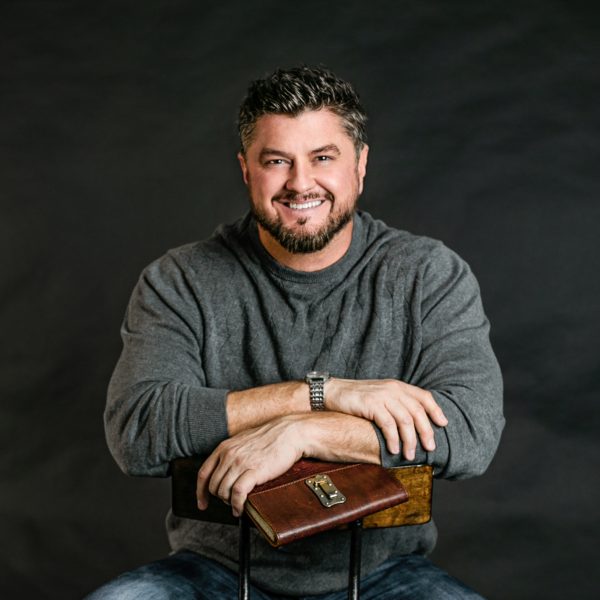
BarryCohenFor over 40 years, Barry has plied his trade in the media and publishing field. For the past 20 years, Barry Cohen has served as principal of NJ-based AdLab Media Communications, LLC, a firm specializing in natural consumer products.

His current activity involves elevating the status of entrepreneurs and professionals through thought leadership/authority marketing. Prior to that, he held positions with New York radio stations WPAT and WOR, and served as General Manager of WKCW, a Virginia radio station.

Barry is the author of a widely reviewed advertising guide book for smaller companies, entitled 10 WAYS TO SCREW UP AN AD CAMPAIGN. He is co-author of the books Startup Smarts, and Comin’ Home.

In addition, he has edited and/or promoted two dozen books for other authors. Barry has also written guest columns for Floorcovering Weekly, Radio & Records, Radio Ink, and Professional Performance, New Jersey Business, magazines, as well as Tiempo de Mercadeo in Colombia, South America.

A familiar speaker on advertising, publicity & publishing, Barry has addressed national and regional organizations, including the Radio Advertising Bureau, Interep, the Concert Industry Consortium, the Mid-Year Radio Symposium, the Natural Products Expo East, the US Small Business Administration, The Institute for Entrepreneurial Leadership, the NJ Florists Association, the Financial Institutions Marketing Association, the Mid-Jersey Business Expo and the Gateway Small Business Expo, in addition to the American Marketing Association, TD Bank, Lakeland Bank, The New York Marketing Association and guest lectures at Seton Hall & Kean Universities, as well as the County College of Morris.

He is the recipient of several creative awards, from the NJ Ad Club, the Dynamic Graphics Foundation, Association of Graphic Communicators and the Silver Microphone Awards.

Connect with Barry on LinkedIn.

What You’ll Learn In This Episode

  • Why coaches and consultants should write and publish
  • Is writing a book difficult and time-consuming?
  • Does it cost a lot to publish?
  • Does publishing really work for unknown authors?

This transcript is machine transcribed by Sonix

TRANSCRIPT

Intro: [00:00:02] Broadcasting live from the Business RadioX Studios in Atlanta, Georgia. It’s time for Coach the Coach radio brought to you by the Business RadioX Ambassador Program, the no cost business development strategy for coaches who want to spend more time serving local business clients and less time selling them. Go to brxambassador.com To learn more. Now, here’s your host.

Lee Kantor: [00:00:33] Lee Kantor here, another episode of Coach the Coach Radio, and this is going to be an interesting one, everybody, so make sure you got paper and pencil ready to take some notes. This is going to be good stuff today on the show, we have Barry Cohen with AdLab Media Communications. Welcome, Barry.

Barry Cohen: [00:00:50] Welcome. Thank you.

Lee Kantor: [00:00:51] Well, I’m excited to get updated. What’s going on at Ad Lab Media Communications?

Barry Cohen: [00:00:58] Well, we’re doing it. Ad Lab is working with coaches and consultants to help them become thought leaders perceive thought leaders in their industry. I mean, how do we do that? We do that by helping them create and promote their intellectual property.

Lee Kantor: [00:01:10] Now, a lot of coaches out there really struggle in this area. They know they know some stuff, but they have a difficult time of getting the folks that are trying to get as as clients to really appreciate how much they know. So how do you work with a coach to get kind of some of that intellectual property out of their head and in either into a book or an audio book or whatever form you help them kind of repurpose it into?

Barry Cohen: [00:01:36] Yeah, great question. And that’s exactly what we do. We get it out in as many possible ways as we can because people are consuming their content on multiple platforms. So there’s a variety of ways to do it. So one way, of course, is if you’ve got somebody that really can take it and run with it, you know, we’ll just work with them and publish their work and take it from good to great. But then, as you said, not everybody can do that. Some people struggle. So one of the ways that we can do that is, of course, ghostwriting. I call it collaborative ghostwriting. And what we’ve found to be successful is today, again, with technology, we will interview somebody like you’re doing with me right now on Zoom will record the audio right. We’ll have Zoom process and then we’ll run it through transcription software. And then we’ll take the speech to text transcript and edit that and create a book from it. We’re actually doing that right now, so that’s one way. All right. You know, other ways are, of course, you know, giving people just the, you know, guidance and the critique and the hand-holding. But here’s what people need to know. What coaches need to understand is that, first of all, there’s still a great cachet to publishing. I like to say that Publisher Parish is the new business manager. You know, in academia, that was always the mantra. If professors didn’t publish, they didn’t get retained, tenured, promoted, but it’s fast becoming the standard in business. If you think about it all the business leaders, you know, love him or hate him. Donald Trump. Jack Welch, the late CEO of GE.

Barry Cohen: [00:03:07] You know Robert Kiyosaki, the rich dad, poor dad, real estate guy, Guy Kawasaki. They’re all authors. But again, you don’t have to be famous to be an author. In fact, it works the other way around. The authorship will help you to become famous. So, yeah, again, it’s not as daunting a task as you think. I have one coach right now that is doing it where I would say the tail wagging the dog. We’re first creating the articles and the podcast, and then we’re compiling that into a book. I’ve got another one that has done a course and now is sending me the transcripts of the course. I’m turning that into a book. So, you know, think of it this way. Everybody knows somebody whose kid wants to be the next American Idol, right, so in order to do that, they need three things. They need airplay. They need a record deal and they need public performance. It’s the same thing with coaches and consultants. You need public speaking engagements. You need product, the book and the intellectual property, and you need publicity. And that’s where we come in. It’s not as daunting a task as people may think and again today getting published. The barriers to entry have come down. You know, you no longer have to have a big legacy publisher behind you. There’s a lot of great self-publishing options out there. And again, technology, for example, print on demand. You don’t have to have a garage full of 5000 books today. Every single one of our clients books is printed, bound and shipped as ordered, so they have no physical inventory to maintain.

Lee Kantor: [00:04:38] Now, you mentioned a word earlier and the word was famous, and a lot of folks think that that’s the objective is to become famous in some manner, and my counsel to people in this regard is you just want to be famous to the people who hire you like you don’t have to be famous to the world. But if you’re a coaching dentist, you just have to be famous among dentists. You know, you don’t have to have the same strategy as somebody who wants, you know, worldwide fame. You just want fame in your niche.

Barry Cohen: [00:05:11] And so true.

Lee Kantor: [00:05:13] So now how do you kind of help your client understand that? Because then when your audience is kind of has more parameters like that, then everything becomes easier, the marketing becomes easier. Everything, the writing becomes easier. You can go kind of inside baseball and talk really the minutia of what you’re doing and show depth in your knowledge, rather than kind of general generalized content that most worldwide famous, you know, people have. It’s not really specific. It’s just general kind of life advice.

Barry Cohen: [00:05:47] Yeah. Leigh, you hit the nail on the head. The key word is audience. I always tell all of my authors, all my clients, that you have to start by defining, defining and refining your audience to really understand exactly who they are. When you know who they are and you know what interests them. Then you know how to write for them. You know what the tone should be. You know the style that you should use, and you’ll also know then who to promote it to, and we will know how to help them find that audience. You know, in other words, where does that audience live? What content do they consume? You know, what publications do they read? What programs do they listen to or watch? And you know, and that’s what it’s all about. It’s all about shaping that. You know, I can’t help but emphasize again the importance of if you want to become the expert in your space and not just the practitioner publishing will help you get there. It will raise your profile and credibility and make you that perceived thought leader in your arena. It also will help you to attract speaking fees and higher speaking fees if you’re a published author. You know, again, I did this myself, so whatever advice I give, I’m just following the path that I took myself.

Lee Kantor: [00:07:05] Right, and that’s one of those things where when you have a speaking opportunity, you can include and everybody gets a book and, you know, if I’m going to go and do training at your at your office, everybody gets a book like you can build this into your pricing, into your offerings.

Barry Cohen: [00:07:23] Exactly. And there’s still a great cachet to being a published author. And again, the very definition of publishing has changed. So, you know, let’s clarify that for a minute. The book may become the centerpiece of what should become whole product line. You know, somebody very wise who’s done a lot more books than I did said to me early on in my publishing journey. He said. You don’t make your money on a twelve point ninety five paperback, and it’s true. Most of us that are writing are not writing in order to sell a million books. But what he emphasized to me was the importance of building out the product line, and I’ll explain what I mean by that. You take the book, and as you said before, the key word is repurposing the content, so when you have the book, the e-book, the audio book, the podcasts right, the live speaking engagements and the CDs and DVDs of the lives speaking engagements, you know, eventually you’re going to have we in a box for two hundred hours instead of twelve ninety five for one paperback. And while you sleep, you sell a couple of those and you’re certainly making your money. But again, for the most part, people are using this to attract attention to them, not necessarily to to generate income from it. It’s to, you know, to get people to notice them and to hire them. And, you know, let’s go back to what I said before about those three things. You know, the public performance, you know, the product and the publicity.

Barry Cohen: [00:08:47] Each one of these feeds into the other. So if you’ve got a book right, you get speaking engagements. And if you get speaking engagements, you get publicity around them, you get publicity and you know, because you’re getting media attention, then right away, you’re the star, you’re the expert, you’re the person up on the dais that knows what’s going on. And then people are attracted to you to do business. And we’ve proven this, you know, we’ve had clients that have become very successful and they were never published before. Some of them hadn’t even done public speaking before. We’ve got a couple of them that, you know, we’ve gotten really good media coverage because part of what we do is to shape that product so that it stands out from the rest. You know, I’m known for coming up with titles and, you know, don’t let anybody tell you you don’t judge a book by its cover because you do. You know, how many seconds are you going to spend looking at the thumbnail on Amazon before you decided you’re going to buy it? If you walk into a Barnes and Noble and you’ll look at the spine of a book, how long are you going to look at it before you decide to pull it off the shelf? So know part of that is I bring a marketing perspective as an advertising guy to publishing. I look at the book as a product. I look at the at the author as a product that has to be marketed

Lee Kantor: [00:10:02] Right and everything has to holistically work together so that you get the most bang for your buck. Because all of this, it is an investment of time and resources in order to pull this off. Now let’s take. I’d like to go down a couple of different paths. Sure, let’s go. I’m I’m maybe saying I’m an executive and I just got laid off and now I’m going to be a coach. Ok, so I’m kind of unknown. I don’t have really a body of work yet, but I believe in what you’re saying. I believe what you say is true. So I I don’t really have a pile of content other than, you know, I know a lot of stuff, but it’s still just kind of, you know, not on paper and pencil pencil yet. So how do you work with me in my path? Like what would my journey working with you look like in order to get some of the the brilliance I have out of my head and then launch me into the coaching world?

Barry Cohen: [00:10:55] Yeah, excellent question. What I usually do is I have a what I call a thought starter questionnaire, and I’ll send that to people. And if they’re serious, they’ll take that questionnaire and they’ll answer those questions and then share their answers with me. That questionnaire will become the basis for an outline, and then the outline can be fleshed out into a book. And then, as we said, the derivative works can be backed out of that. Now we’ve taken excerpts from clients books and turn them into articles, turn them into blog posts, turn them into guest columns and guest posts.

Lee Kantor: [00:11:27] So that kind of engagement where it’s kind of starting from kind of blank sheet of paper. What’s the time and like a ballpark of the cost to get me, you know, a finished product and now on my way, like some escape velocity?

Barry Cohen: [00:11:42] Ok. Yeah, good point. Provided the back and forth is is timely, right? You know, we’re each sending work back and forth to one another because I’m going to be critiquing it and shuttling it back to you and and you’re going to be then, you know, revising and sending it back to me provided that that rhythm is in place. It shouldn’t take more than, you know, in most cases, three to six months to have a finished product, depending on, you know, how much content we’re talking about the weight of it. I mean, you know, I’ve done books that are 150 pages of done books that are 450 pages, but it shouldn’t be that daunting and should really be, let’s say, you know, three to six months of the outside process, in some cases, even less. We just did one for a Stony Brook University professor recently who does process improvement, and he moved through it in record time. I believe that we probably did it in under three months. And in terms of cost, again, depending on what we working with, if we’re working with a draft that just needs to be taken from good to great. You know, it’s one cost structure.

Barry Cohen: [00:12:50] If we’re taking something from ground zero, as you described before, you know, and basically pulling it out of your head, you know, then it’s a different arrangement. So again, to not be evasive, to give you an idea, you know, let’s state it in ranges. Generally, if somebody sends me a draft, right, it just needs to be improved. You know, we’re looking at some not in the stratosphere, you know, something and maybe the two to 3000 range to complete it and have a, you know, ready to go manuscript when it comes to something that we have to do really a lot of hand-holding. And like I said, either, you know, either start from nothing. Develop the outline with them and flesh it out. Or as I said before, do the, you know, the Zoom brain dump. Then you know, we’re more likely to to want to do a monthly retainer. We don’t do our ways because it’s a blank check. I like to have a predictable. In that case, it’s probably going to be somewhere in the neighborhood of maybe a thousand to fifteen hundred a month and usually that’s completed again within a six month time frame or less.

Lee Kantor: [00:13:56] And then at the end of the day, the person their books on Amazon, their books exist.

Barry Cohen: [00:14:02] It’s not so. So this takes you to the to the point of having a completed manuscript now to go from there. Then they have to decide we’ll give them options. They have to decide, do they want to use one of the self-publishing programs out there? Right. So the return key services that can do everything from designing the cover to, you know, setting the, you know, formatting the interior of the book to getting the ISBN barcodes and putting it up on Amazon. So those services usually if it’s a color cover black and white interior book, those services usually range around, maybe give or take several hundred dollars one time fee. And that’s done now. On the other hand, if it’s a book that we feel is really worthy of it, we now have our own publishing imprint. And if if we put it through there, then it’s not self-publishing, they’re not paying for it.

Lee Kantor: [00:14:58] And then it’s it’s more traditionally published at that point.

Barry Cohen: [00:15:01] Yes, but by a small, independent publisher, but it’s more traditionally published, correct?

Lee Kantor: [00:15:06] And so the elements that I’m hearing are the creation of the content. That’s one, you know, maybe the first phase of the launch or the rocket ship. Then you have the actual kind of distribution through an Amazon or a publishing firm of some kind. And then the third part would be the publicity and the marketing around it.

Barry Cohen: [00:15:26] Correct. Exactly. And publicity and promotion is again usually done like a standard PR firm on a retainer basis. You know, we’ll establish again a predictable, fixed, you know, retainer for a period of usually six months, and then the author can reevaluate and decide if they want to do anymore or not. And that involves doing everything from, you know, collaboratively drafting press releases to coming up with a target media list again, collaboratively to us, aggressively pitching and following up. We don’t just spam it out there and leave it until we get an answer, and it takes usually six touches before you get a yes or no from a media outlet. And they’re we’re soliciting everything from book reviews to articles to feature stories to excerpts of the book.

Lee Kantor: [00:16:18] Right. So then I mean, so the bottom line end of the day of this, it’s like golf. You know, you can spend as little or as you as much as you want on your clubs, right? So it’s the same thing here. Like if you do a lot of the work, the author does a lot of the work and does a lot of the legwork. It’s definitely in the thousands. If you want to do the whole white glove, hands off thing. You’re talking tens of thousand ten twenty thousand at the end of the day.

Barry Cohen: [00:16:44] Yeah, but probably not more than that. It’s like I said, it’s not in the stratosphere. It really isn’t

Lee Kantor: [00:16:49] Right. I mean, I think that anybody that is has a practice or is coming from corporate, that number shouldn’t scare anybody. But but it just you go ahead.

Barry Cohen: [00:17:00] It’s good that you mention that because, you know, it’s the perfect vehicle for somebody transitioning out of corporate and into consulting and coaching because so many people that are going into that space don’t have an entrepreneurial background and they’re going to need that extra rocket fuel to make themselves credible. And what they have to realize is that when you hang your shingle out, you’re starting all over again. Doesn’t matter what you did incorporate. People are still going to look at you and say, But what can you do for me now, right?

Lee Kantor: [00:17:30] Like when you had Deloitte at the back of your email address, you were getting people returning your call. But when it’s, you know, Bob Smith, not so much. And that’s a harsh reality for a lot of corporate people. I think they think that they still have the same cachet when they had the corporation behind them.

Barry Cohen: [00:17:47] Yes, it’s true. And you know, I just dealt with somebody recently that was in that position, and he thought that he was going to go after the same size clients that he did before. And I said, no, I said, those folks already have McKinsey or Booz Allen Hamilton, you know, on retainer. I said, You know, you’ve got to you’ve got to move down a tier, right?

Lee Kantor: [00:18:07] You’ve got to earn your way back up the ladder under your own kind of umbrella. And that’s where the book is so useful. Now we’ve been talking about people from scratch. What if? And I would imagine this is good advice for anybody that is maybe a year or two out and sees like, Oh, you know, there’s a reorg in my future and I might be laid off at any point now. It’s probably a good idea for that person to start a blog, I would imagine. So they have some content. So when they do get laid off or they retire, they already have kind of a framework or a, you know, kind of some content to pull from so they can accelerate this whole process. And so you’re not creating a book or a concept or course from scratch, you’re already kind of developing the bones of it. Do you work with folks at that stage, you know, to help them kind of plan out, like maybe to come in and say, OK, we’re not going to do much work here, just strategize and say, OK, you know what, in two years you want to retire. Why don’t we build at least the, you know, the scaffolding now and start? Get you working on some of this without my help, but I’ll just give you some guidance at the earliest stage and then you go off. Then when that time comes and then we reconnect back again and then now we’re going to ready to take this and then compile it and repurpose it.

Barry Cohen: [00:19:21] Yes, you know, the answer to that is a simple yes. You know, I have worked with people that way and we can work with people that way and we will work with people that way. And, you know, we’ll also give them some of the hacks and the shortcuts, so to speak, and and give an idea. Ok, here’s you know, here’s a podcast platform that you can start on. You can take your blog post now and turn it into a podcast. You know, we’ll give them some, you know, general direction on, you know, like how to, you know, how to position an article so that it’s going to resonate with, you know, with an editor or producer or reporter? Yeah, you know, we’ll give. And that kind of a launch pad.

Lee Kantor: [00:20:00] So now if somebody wants to learn more about your offering, get a hold of you or somebody on the team, what’s the best way to do that?

Barry Cohen: [00:20:08] Well, email is publicist seven four zero at gmail.com and they can look at the website publishing mentors, and I can give you a phone as well. All right. Daytime phone on Eastern Time is Area Code nine seven three five eight zero three five three four.

Lee Kantor: [00:20:30] Good stuff, Barry, and congratulations on all the success you’ve helped so many people, you know, take their practice to the next level.

Barry Cohen: [00:20:38] Thank you. That’s what we do.

Lee Kantor: [00:20:40] All right, this is Lee Kantor, we’ll see you next time on Coach the Coach radio.


Tagged With: AdLab Media Communications, Barry Cohen

Special Episode: Wealth and Wellness Coach Leah Davis

September 27, 2021 by Jacob Lapera

Leah-Davis
Coach The Coach
Special Episode: Wealth and Wellness Coach Leah Davis
Loading
00:00 /
RSS Feed
Share
Link
Embed

Download file

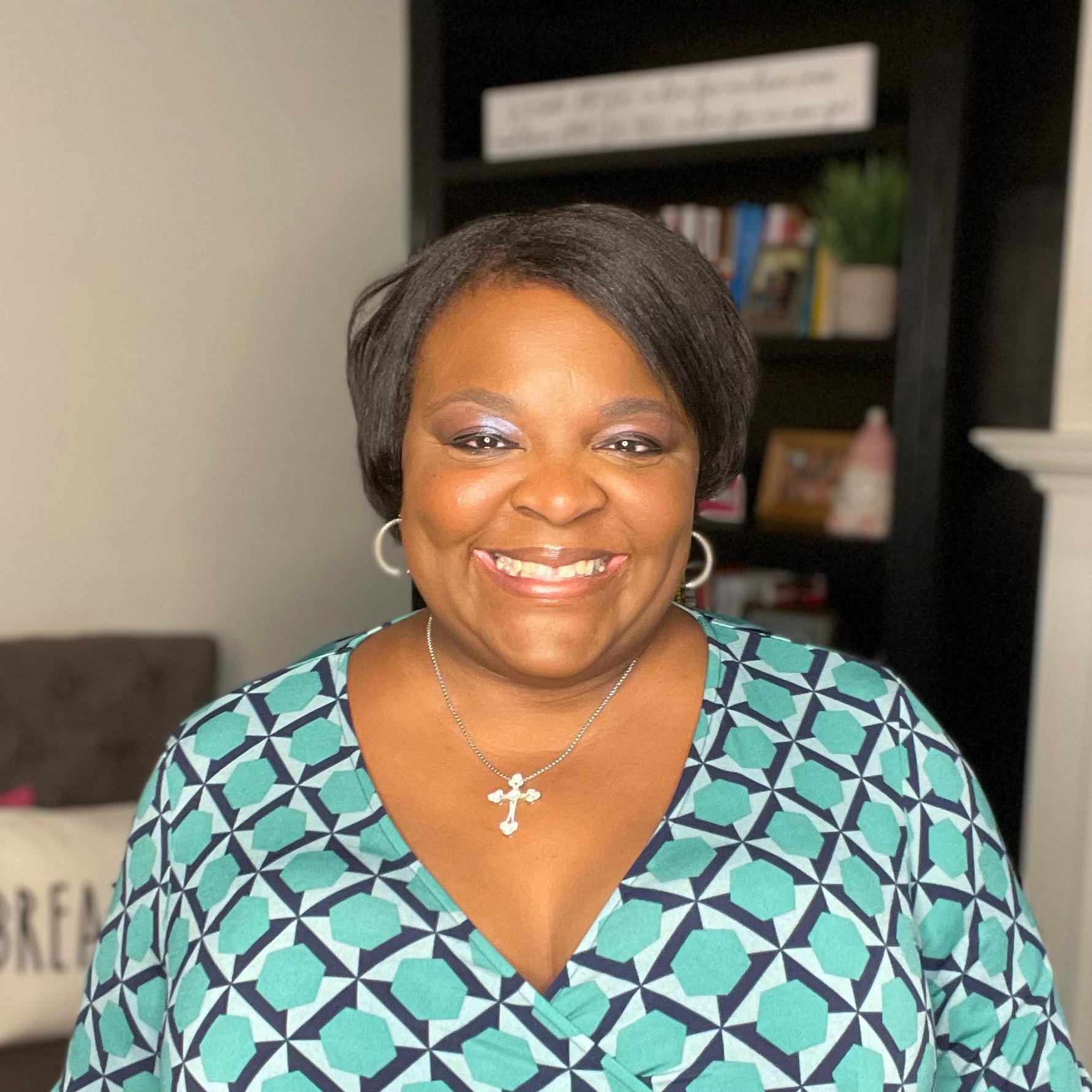
Leah-Davis-headshotLeah Davis is a dedicated wealth and wellness coach for women of color and she is committed to helping her clients achieve economic stability.

Leah has a profound awareness of the unique challenges women of color experience as they transform their wealth legacy.

Leah had more than five years of experience as a financial advisor before beginning her career as a wealth and wellness coach. In her role as a financial advisor, Leah guided her clients as they navigated the challenges of planning for their financial future and establishing intergenerational wealth.

Leah is a certified domestic violence advocate and brings a trauma-informed approach to her work with clients. She understands the complexities of gender-based violence, addiction, substance abuse, and recovery.

Leah creates a safe space for her clients to feel seen and heard as she guides them towards wealth-building.

Connect with Leah on LinkedIn, Facebook, and Twitter.

This transcript is machine transcribed by Sonix

TRANSCRIPT

Intro: [00:00:02] Broadcasting live from the Business RadioX Studios in Atlanta, Georgia. It’s time for Coach the Coach radio brought to you by the Business RadioX Ambassador Program, the no cost business development strategy for coaches who want to spend more time serving local business clients and less time selling them. Go to B.R. Ambassador to learn more. Now, here’s your host.

Stone Payton: [00:00:33] Welcome to this very special edition of Coach the Coach Radio Stone Payton Lee Kantor here with you. Lee, I have so been looking forward to this particular interview. We’re going to get a chance to visit with a young lady who has just had a marvelous impact on our organization and with and through the work that we’re doing. Brought that to the West Coast and out to the Bay Area. So I look forward to speaking with her in just a moment. But while I have you, let me ask you a question, man, you have been interviewing a lot of coaches for some time now, and I know even more so in the last several weeks. How’s it going, man? Are you having fun? Are you still learning stuff from these practitioners?

Lee Kantor: [00:01:16] Yeah, this is one of the my favorite shows that we do because it is such a collaborative giving group and these are folks that are out there trying their whole job every day is to helping other people be better. And I’m a big fan of that, and that’s what we’re trying to do. A Business RadioX is help our clients and guests be better and give them something of value that’s going to help them in their career in some manner and then in their life. And what I’m hearing from a lot of folks is, you know, they’re all doing kind of coaching in some form or fashion, but they each do it kind of in their own special way, you know, in their own kind of they all have some secret sauce. And what I like about this part of the series that we’re adding to the mix is in this episode that we’re producing, we’re trying to get kind of granular and tactical and really focus on how our listeners and how our coaches can really improve and get more out of kind of the marketing work they’re doing because that’s kind of our expertize. And so that’s why I love doing the show. I love talking to coaches every day, and I love doing this particular episode of the show where we’re really kind of getting in the weeds and getting granular on how to help them help themselves to get one more client.

Stone Payton: [00:02:40] All right, well, tear up, Lee, who are you going to be interviewing today?

Lee Kantor: [00:02:44] Well, today on the show, we have Leah Davis, and she’s with Leah Davis coaching, and her tagline is inspiring women of color to claim their wealth legacy. She’s also the full disclosure of the Business RadioX ambassador for the Bay Area. Welcome, Leah.

Leah Davis: [00:03:01] Hi there. It’s so good to be here with the two of you. Thank you.

Lee Kantor: [00:03:05] Well, Leah, before we get too far into things, tell us about your coaching practice. You know, for our listeners, let people know who you coach and kind of the a little kind of elevator pitch about your coaching practice.

Leah Davis: [00:03:18] Wonderful. Thank you. Yes. So as a wealth coach, I enjoy supporting diverse women entrepreneurs as they get crystal clear about the dream. So it’s a lot of discussions about their money management habits that they may or may not be doing. That’s moving them towards the vision they have for their future. And throughout the coaching process, it’s really important to me that I provide education about the women’s wealth gap and how they are being impacted the most as women of color we are. And we’ll work together on a doable plan of short term and long term financial stability things so that they can build and protect the wealth legacy and overcome those barriers that are common with women who are experiencing this. And when we’re furthest behind in the wealth gap. And then on the wellness side, that’s more of a holistic process. So most of us have experienced trauma at some point in our life and being a person of color in this country, we definitely have. So I really focus on the impact that childhood domestic violence and intimate partner violence affects their physical and emotional responses to managing their finances. And so because most women that have experienced violence towards them have a harder time envisioning their future because we’ve been in survival mode for so long. So with this holistic approach, it’s a physical, emotional and even a spiritual focus to guide women towards feeling safe with their money. And then they can no longer second-guess the decisions that they make learning to trust themselves and others and life in general.

Lee Kantor: [00:04:37] Now for our listeners, can you share maybe one story of kind of the before and after where somebody came to you and maybe was struggling and maybe was frustrated and then they started working with you? And then they were able to kind of kind of right the ship a little bit.

Leah Davis: [00:04:54] Yes. Thank you for that question. I have a wonderful story of actually one of my first clients when I started my business and she had approached me wanting to overcome this habit that she had, where she kept giving her money to women that she was supporting. So she works in the management at a nonprofit, and she also has experience of domestic violence advocate. And she’s also a survivor herself. And so she found that she would be supporting women outside in the community by sending the money. They would hit her up and say, Hey, you know, I need a place to stay. And so she sent her like a thousand dollars or something, and she would do this automatically without taking a look at her finances. And she realized she was driving herself crazy because then she was pulling money out of her own savings, giving it to other people. But she felt this inherent need to make sure that they were OK, and she also had a lot of trauma around money and her family. She had an older brother who had unfortunately committed suicide when his business had failed, and he was no longer, I guess, believed that he was someone to be feeling proud within their family. And so that really took a toll on her family. And so the conversations about money and success, it was all just really, really dark for her. And so when she came to me, we really just started chipping away about her experience with money. Her relationship with money. She’s also survived domestic violence, like I mentioned.

Leah Davis: [00:06:14] And then one of the key components, though, is that she really wanted to also buy a house and be able to have conversations with her partner about, you know, purchasing a home together. And so she had so much fear around meeting with other friends of hers that could assist them with applying for a loan because she didn’t want to talk about her credit. She couldn’t talk about money. And so we started unpacking that throughout the coaching. And it turns out when she was able to send over her Excel spreadsheet that she had it took. We had a 12 week coaching session, and I think it was around the seventh or eighth session where she finally sent that to me. She had kept saying she was going to send it to me from the beginning, and she sent it to me and it was, you know, about twenty thousand of debt. And to her, that was just so much and there was so much pain around that and a shame. And she had not ever talked to anyone about this, that she experienced just with me. And in that session at the end, she just realized how difficult it was, but how much better she felt and having that conversation with me. And so shortly after, she explained to me that she’d been carrying that for about 13 years, that her previous partner, where she had experienced that domestic violence, there was financial abuse and her credit had been ruined by this individual who had taken advantage of her. And so that was a lot of pain for her over 13 years carrying that.

Leah Davis: [00:07:33] So once we went through that process, then she felt so free and able to talk to her partner about the debt that she carried. And she explained to me at another session that he looked at her like that. It, you know, he was thinking it was like hundreds of thousands of dollars the way that she had not wanted to talk about it, and so together they began working on a plan. She’s sort of paying down that debt through the coaching. We worked on how she could respond to those phone calls she was receiving from women in the community looking for her support, and she learned how to pause. Waited twenty four hours, let them know and to think about it. And then we also worked together. So she created her buckets of money. So she really wanted to make sure she could continue supporting these women but have her limits a cap on it. And so she had a designated fund, and so she felt really confident now where she can look at that and say, OK, I may or may not be able to support you and then transfer the money to them. And then now she’s moved, and they’re in the process now of buying a home, her new partner. So she’s learned some amazing money management habits, communicating, setting up boundaries and still being able to do what she really wanted to do, which was to be able to support other women so they can get some stability as they’re recovering from domestic violence.

Lee Kantor: [00:08:45] Wow, that is a powerful story, and it shows you that you probably relieved so much stress you helped her kind of, you know, kind of dissipate a lot of the angst and stress and, like you said, shame that maybe she was having and then reframe it in a way that she’s probably living a more balanced life.

Leah Davis: [00:09:06] Yes. Yes, I mean, I she she also works in nonprofit world as far as fundraising, and it also really impacted her ability to have conversations with her team about going out there and raising this money to support other women of color because she got shamed. She also said she knew that it was impacting her role, and she wanted to be able to bring more money. And they’re bringing in the dollars now. The organization where she’s at because her energy has shifted her relationship with money has shifted her relationship with herself and others. She’s doing amazing now and I’m so proud of her.

Lee Kantor: [00:09:41] And that’s the kind of ripple effects that good coaching can have on an individual. You think you’re just helping that individual, but actually you’re helping all the folks around that person as well as they learn the skills they need to kind of level up, then that is permeating their network and their community. And that’s where change really can happen in a powerful way. Congratulations on that.

Leah Davis: [00:10:03] Yes, thank you.

Lee Kantor: [00:10:04] Now, in this episode, we’re trying to kind of help our coaches get one more client in my head. That’s what we’re trying to do is help everybody get one more client. And the way that we’re doing that is trying to help our coaches learn how to get the most out of an interview or some of the social media that they’re doing. A lot of folks nowadays are being interviewed on different kinds of shows or podcasts and and they think that a lot of them think that, Oh, I just do this interview and then I’m done and then business is going to come my way. So that’s all I have to do because I’m doing the work of doing that interview. But the the most successful coaches, I think, take it one step further and say, You know what, now that I have this content, there’s going to be other ways that I can leverage this content, and I should kind of wring out as much value as possible from any piece of content that’s created, whether it’s me as just the interviewee or it’s me as the interviewer or the person that’s involved in the creating of the content. But I’m going to kind of get the most out of any interview experience, and you’re someone who does a great job on social media. Can you share a little bit about how you kind of, you know, use social media and use kind of interviews or shows as a way to kind of grow your network, serve your network and maybe support and celebrate other people in your network?

Leah Davis: [00:11:28] Yes, I can definitely share that. First and foremost, it was important for me to hire somebody because this is not my this is not my jam. I, you know, when I first started out with my coaching, I was like, OK, I’ll push a little here on Facebook and let me try to create my own little social media calendar. And I couldn’t stick with it because, you know, my mom, I’m working and running a business, and I didn’t know what I was doing. So what I did was I had already previously met with a gal who had originally done my first web site and I met with her and I said, You know, how much does it cost for your services? And at the time, I didn’t have the funds for it. So I said, You know what? I’m just going to sit with this and the money’s going to come eventually somewhere. And so what I did do is I applied for a business loan through a seed fee. And once that was approved, I use those funds specifically for my marketing team and to get me out there. That was the first and foremost because, like I said, I don’t know what I’m doing. I got to hire somebody. And so with that, it’s been an amazing journey and it’s been a learning one for me, too. So when it comes to like repurposing the content in their interviews, it’s actually a step back getting out there. So I will proactively reach out to other shows.

Leah Davis: [00:12:39] Send an email and say, you know, these are topics I’d like to cover or are you interested? I may or may not get a response, but they’re in my pipeline now to continue following up with them. And for those that have then I can have a conversation with them if that’s the process that they have and then do an interview with them. And what I do enjoy doing, what my marketing lead has done a great job at is cross promotion. This is all new to me. I have no idea what this is because I’m the worst since social media. I’m learning, though. And so whenever there’s an interview, an opportunity to have, we make sure we have a plan to cross-promote on our social media platforms, which is for me is LinkedIn, Facebook and Instagram. So, for example, I’ll use Bay Area Business Radio as an example for this. When there’s a guest who’s going to be on the show, we just check if they’re interested in cross promoting. My marketing lead has put together the content for this. We have a link. So when someone confirms their date that they’re going to be on the show, then they use that link. And once they complete their name and some basic information and their headshot, it gets funneled to our marketing, my marketing lead, who then has the timeline to go ahead and create the graphic that we then use on our social media platforms. And we also make sure that we cross, promote in email using newsletters.

Leah Davis: [00:13:58] So I will send out on my email list when the show is done with the link for that interview, for that individual, and then they will send it out to their email list as well. And a link to that and also invite and encourage anyone on their email list to reach out to me if they’re interested and being on the show as well. So that’s been a wonderful way in which we’ve been doing the cross promotion and getting the content out there. And as far as repurposing for myself on my website, my marketing lady, she went ahead and put in like a clip on my website of my interview from Business RadioX. I first came on board and so when you go to my main page at Coach the Coach, there’s an actual clip on there where you can click on it and listen to it. And it’s me talking about the work that I do. And I love that because it’s me, it’s my voice. It’s authentic, it’s real. And it’s not just maybe a picture on a screen with a little bit of content of my bio on there. So I think it’s just a really nice touch that she’s put on my website for that. So that’s some of the things that we’re doing when it comes to the promoting and using the social media platforms to get myself out there more as well as those who are interviewed.

Lee Kantor: [00:15:07] And I think you brought up an important word, and I think that this is something that a lot of folks maybe take for granted and you use the word authentic. I think folks out there are a little kind of more marketing savvy nowadays, and they don’t like the slick, perfect content that they prefer an authentic human to human interaction, rather than something perfectly polished and slick. It just creates more listen ability, more relatability, and it is more authentic. And I think that that’s what folks are hungry for nowadays. Do you find that as well?

Leah Davis: [00:15:45] I completely agree. There’s one thing that we have noticed is that I will get more traffic to a post if it’s an image of me and it’s just authentic and real. I can put other images out there of, you know, other graphics out there, you know, all my social media and some content on there. But it’s just not. It just doesn’t get as much traffic onto that posting, but whenever it’s me, for whatever reason, like you’re saying, I think it’s just authentic. We get more traffic and responses that way.

Lee Kantor: [00:16:17] So now you mentioned you mentioned that this is kind of at this point, it’s almost like a machine you have, right, you have a way to reach out to folks to get them to interact with you and possibly interview you. You have a way to take the content and then repurpose it on a variety of platforms. You have a way to cross-promote with any of the people that you’re working with, so you create these Win-Win conversations. And then at the end, you have a way to kind of put all the content in a place where it can be found, you know, in the future, so it becomes evergreen content. Has that just happened because you hired these experts to help you build this and then any advice for folks out there if they are trying to build their own kind of content machine that you’ve kind of built?

Leah Davis: [00:17:03] Great question. I would say it’s a combination of me hiring also my experience, so I took my experience as a financial adviser. It seems like eons ago and what I learned out in the field and how to do some of the sales outreach, but I just wasn’t experience the marketing side. So I have my experience combined with the team that I hired on the marketing side and we piece it together. And I’m glad that you said it sounds like it’s a machine because for me right now it sounds like pieces, and I honestly just hired somebody else to help me on the business development workflow side. So I’m working on that now where I’m going to have things more automated from the start when I’m contacted through my website with a phone call or through email. And from there, we’re working on a system and a workflow process to be able to follow up to keep track of the system to where this lead is at so that I can keep track of it and get that into an interview or potentially have that person’s interested in becoming a client, then I’m going to have that in a workflow as well. So the the machine is kind of an infancy stage right now, but it’s about to get really slick with the expertize of the other individual that I recently hired to help me on this business development side, which I think is so important because I don’t have that. I mean, I I’m great at coaching, I’m great at talking, I’m great at listening. When it comes to business development and marketing weak points here for me. So I’ve realized I really got to rely on other professionals that they’re going to see things that I don’t even know or aware of. And then together, between my experience and my vision and their expertize, I think this is really going to take us somewhere far.

Lee Kantor: [00:18:48] And then when that’s in place, then you’re going to be able to really, I think, benefit from the fact that everybody’s in their lane doing what they do, right. You’ll have this machine that’s bubbling up prospects and leads for you so that you can focus on what you’re great at the coaching and they interacting in the human to human relationship. So I think that if you can build that, that would be great. And maybe you can come back on to let us know what are the components to share with other people so they can kind of accelerate their learning curve and maybe smooth out some of the the hiccups that they’re finding in their career? Because that’s what all the coaches that I find that I talked to every day are just super passionate about what they do. And then sometimes they get bogged down on some of the stuff, like you said that they’re not that’s not their superpower. And then it frustrates them and they feel like maybe this isn’t the right calling. And a lot of times sometimes you just need a little guidance from somebody who’s been there and done that to help you kind of get back on track in terms of living into that mission that you you intended to.

Leah Davis: [00:19:50] Yes, I completely agree with you on that end, you know, even through the certification program I went through, there was no training on marketing or business development is purely coaching. So that’s something that I think hopefully will change with this particular certification that I received on the financial coaching side at some point because I think that is something really, really key, a key ingredient for a successful coaching business. And I understand the feeling of getting burnt out. I mean, just recently, right before I hired this gal for the business development side, I was feeling really bogged down and I was feeling a losing a little bit of inspiration and just kind of avoiding like, Oh, I got to do something like this and what am I to do here? And just feeling overwhelmed? But once I had my sessions with her, it’s like, Oh my goodness, I see the light, you know, because I don’t want to be doing things that I don’t enjoy doing. I understand there are some aspects of running a business, but yeah, it’s not all beautiful and we do need to do the work, but the percentage of my time does not need to be spent doing the things that I don’t love doing. So I really want to be able to focus on doing what I love doing outsourcing to those who are experts and things I don’t really enjoy because I want to keep my energy and joy up so that I can continue doing what I love, and in turn, that is going to be received and seen by those that I’m reaching out to serve.

Lee Kantor: [00:21:15] Good stuff, Leah, now if somebody wants to get a hold of you for coaching, what is the best way to do that?

Leah Davis: [00:21:21] They can go to my website, the best place, which is Leah coaching. That’s LDH CEO. And if you don’t know how to spell coaching, I’m also on Instagram at leea coaching.

Lee Kantor: [00:21:37] Good stuff, so you learn something there.

Stone Payton: [00:21:39] Well, I did, and I had one more question before we wrap it, it’s kind of related to this burnout, this burnout business, when someone is like you, Leia. And candidly, in my experience like Leia and may I mean like Lee and sometimes maybe even like me, when you pour this much of yourself into your profession, into your calling. I know that you can that we can all become a little bit susceptible. We can get tired. Do you have any discipline or do you have a place beyond sessions like you were describing where you go for inspiration or where you go to get recharged?

Leah Davis: [00:22:15] I am very disciplined when it comes to my self care. I get up, I would say, Monday through Friday. I train hard and CrossFit, so but prior to getting up in the morning, I pray and meditate every morning, even on the weekends. That is my go to to give me that inspiration and to keep me grounded and motivated. And you know what, when there’s when there’s times when I’m having a sleepless night, I’m going to listen to something inspirational where it is going to remind me there’s there’s more involved in the work that I’m doing. It’s not just about me, it’s about doing my part to help others heal and to move forward in their lives, and it will help their families in the community. So listening to different audio books, I have a bunch of different folks I listen to that are inspirational, some spiritual leaders, and that’s what it is that I do on my end. To do that and also I will, I will step back. I have no problems. Just realize, like, you know what? I’m not feeling it today, so I’m just going to, you know, focus on something a little bit less energy output and take care of myself and eat something yummy and roll up my sleeves tomorrow and see where I’m at.

Stone Payton: [00:23:25] Well, I’m not nearly as disciplined as you are, but I certainly feel like I can intellectually understand the value of it. As I strive to be more disciplined, I can promise you and our listeners this I one of the places I’m going to go for inspiration and to recharge as Bay Area Business Radio as I’ve got, I’m going to go there. I’m going to continue to go to Coach the Coach radio. This has been an absolute delight having you on the show one more time before we wrap best coordinates for people to reach out and connect with you. Maybe have a conversation with you about any of the topics that we covered today or anything else they want to talk about.

Leah Davis: [00:24:03] Take me out of my website. It’s Leah Coach the Coach Leah coaching, I’m also on Instagram at my handle, Leah coaching Find you there.

Stone Payton: [00:24:14] Fantastic. All right, this is Stone Payton for Lee Kantor and our guest today, Leah Davis and everyone here at the Business RadioX family saying we’ll see you next time on Coach the Coach radio.


Tagged With: Leah Davis, Special Episode, Wealth and Wellness Coach

Jodi-Kay Edwards With Alignment Is The New Hustle

September 24, 2021 by Jacob Lapera

Coach The Coach
Coach The Coach
Jodi-Kay Edwards With Alignment Is The New Hustle
Loading
00:00 /
RSS Feed
Share
Link
Embed

Download file

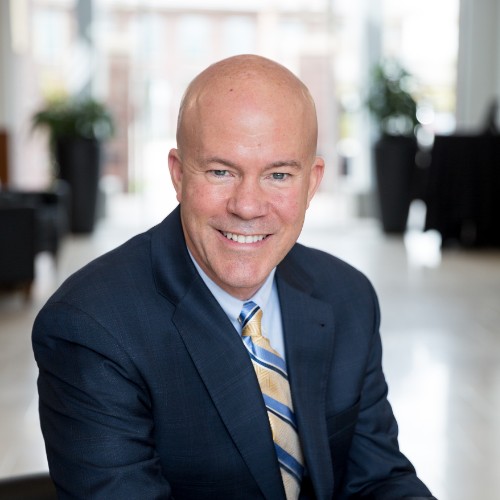
Jodi-KayShaunaEdwardsJodi-Kay Edwards is the founder of Alignment Is The New Hustle, a business strategy and personal development brand helping creatives & CEOs improve their performance mentally and strategically.

Her mission is to empower entrepreneurs worldwide to create lucrative lives and businesses so they can grow their impact and income in a way that is unique to them.

Connect with Jodi-Kay on LinkedIn.

What You’ll Learn In This Episode

  • Building a better brand Simplifying the way you do business

This transcript is machine transcribed by Sonix

TRANSCRIPT

Intro: [00:00:02] Broadcasting live from the Business RadioX Studios in Atlanta, Georgia. It’s time for Coach the Coach radio brought to you by the Business RadioX Ambassador Program, the no cost business development strategy for coaches who want to spend more time serving local business clients and less time selling them. Go to brxambassador.com To learn more. Now here’s your host.

Lee Kantor: [00:00:33] Lee Kantor here, another episode of Coach the Coach Radio, and this is going to be a good one today on the show, we have Jodi-Kay Edwards with alignment is the new hustle. Welcome to Kay.

Jodi-Kay Edwards: [00:00:44] Hi, Lee, thanks for having me.

Lee Kantor: [00:00:45] Well, I’m excited to learn what you’re up to. Tell us about your practice. How are you serving, folks?

Jodi-Kay Edwards: [00:00:50] Right now we are offering personal development and business strategy sessions. The whole idea is to fall into alignment with your authentic self and find your messaging online so people can learn more about the brand itself.

Lee Kantor: [00:01:02] So what’s your backstory? How did you get into this line of work?

Jodi-Kay Edwards: [00:01:06] Backstory, born in Jamaica, moved to America, just caught up in the whole American dream. The hustle, right? We we were the hustle from a very young age, and I realized very quickly that hustle led to burnout. It leads to a lot of really great opportunities and money and things like that as well. But I was like, You know what? There has to be a better way, and I realized that when you can align your mind and your thoughts first, instead of just always taking all this action, if we can put some intentionality behind it, it’s a little bit easier to get the same level of success or same version of success that we’re looking for.

Lee Kantor: [00:01:37] Now, do you kind of have a sweet spot in terms of the type of client that you serve? Is it focus, you know, on creatives or is it on makers or on, you know, executives, leaders like who? Who do? Who is the folks that really resonate with your message?

Jodi-Kay Edwards: [00:01:52] So a majority of my clients generally have some type of spirituality, background, whether they’re interested in law of attraction or they understand this whole realm of personal development. A lot of my marketing copy speaks towards that, but I do primarily focus on creatives and CEOs. So I do brand management for some artists who are in the music industry as like our higher level packages and coaching services and then people like myself who are, you know, just want to do the coaching at this level. And then artists, it just really captures the creative side and then the CEOs when it comes to corporations, small businesses of mind, but large businesses as well.

Lee Kantor: [00:02:30] Now what’s the pain that they’re having, where your team is the right answer for them? Like, what are they going through? What are they frustrated with? Where they kind of raise their hand and say, I need some help here?

Jodi-Kay Edwards: [00:02:42] I love this question, and I always believe that as coaches, we should be the product of what we’re selling. So my ability to just hop on this interview and not even prep for it and just know my unique selling point, my value proposition, my niche, my industry have a clear understanding of my messaging and my marketing and how to explain that. That’s the biggest thing and the biggest transformation that our clients go through. It’s by taking them through the various exercises so they can see their worth, they can see their value and of course, communicate that value so they can show up online, get seen and get paid. So without communicating that they’re not getting paid. And then content marketing and social media marketing feels super confusing when it can really just be as simple as understanding the value that you provide and being able to communicate that online.

Lee Kantor: [00:03:27] So can you share some some advice for these folks that are struggling or are there some things they can be doing right now without engaging your services that maybe low hanging fruit for them so they can kind of get some momentum?

Jodi-Kay Edwards: [00:03:41] Yeah, absolutely. There’s so much free content out there in the world, and I always say information without implementation is just information. So even in my free content, I’m showing your free content or other people’s free content. It’s really just looking at what you need right now. What does your business need right now? What do you need right now to move to that next level to bring you one step closer to success? And it’s not consuming more information. It’s being hyper intentional and creating almost like a free blueprint. We’re all selling some type of blueprint, right? So it’s creating your own unique blueprint based off of what you feel. Your pain points in your business are right now, and you can go ahead and take that free information that’s out there. It’s part of our sales funnel for us as coaches, but we put it out there because it really actually does help people. So if someone was able to shift their mindset from just all this free content, I don’t know how to do with it to like, Oh, here’s another free training. Here’s another thing during that webinar listen to that podcast and don’t just consume the content. Listen to how they sell. Listen to the marketing phrases or the keywords that they use. And if that’s applicable in your business, go ahead and write those down and start using those things in your business right now.

Lee Kantor: [00:04:51] Now, have you any examples where you can talk about maybe a client that was struggling or maybe plateaued or was frustrated and you’ve been able to help them get to a new level? Obviously, don’t name the name or the company name, but just maybe the challenge they were having and what you did to help them kind of get to the new level?

Jodi-Kay Edwards: [00:05:11] Yeah, absolutely. I have lots of different creatives, so I’ll give you one of my creatives. I’ll put like my website designers and developers in that area. And she was stuck at around two hundred to five hundred dollars per month, and we were able to scale her business after just about 90 days of working together to about five thousand dollars per month. And really the biggest thing she came to me with a brand, so a lot of people might think, Oh, well, I don’t need a coach, I don’t need this. I don’t need that. Well, a lot of people can’t even explain the difference between branding and marketing. So then, of course, when we can take a look at tightening up a brand, how do you want people to feel? How do you want people to engage? What do you want people to think about your business? And then we pair that with an actual marketing campaign or marketing strategy. We can start to fine tune the ways that we promote our offers. So by officers getting together and figuring out a few of her, her branding elements and putting an actual marketing campaign behind it to push her branding elements out into the world so she could be the go to expert in her industry. She was able to see a return on investment, mostly from her social media, expanding, reaching new people and, of course, being able to book more sales calls. And then, of course, in the sales training that we do, being able to close more leads and raise her prices.

Lee Kantor: [00:06:31] Now you mentioned you mentioned a couple of phrases, and you’re right, most people don’t understand kind of the nuance between them. But can you explain to folks the difference between branding and marketing?

Jodi-Kay Edwards: [00:06:41] Yeah, I’m actually coming out with a webinar on this because it wasn’t until this year that I realized there’s so many people were were confused on that. But something that is that makes it a little bit easier is the brand isn’t just the logo that’s an element of your brand. A lot of people think I’m working on my branding, I’m going to rebrand, I’m going to do my colors, I’m going to do the logo, I’m going to do all those things. And while those do play a great, huge role of your brand, that’s not your brand alone. So when you think of a brand, think about Wendy’s and think about Taco Bell or even think about Wendy’s, and let’s pick a fast food. Maybe Sonic. We might have noticed that one DS has this personification to their brand. Wendy’s always kind of talk smack about Taco Bell. If you look at Wendy’s Twitter, it’s hilarious. So what sets them apart and their brand apart from other fast food chains and other fast food brands is that they have this memorable experience. They incorporate humor into their brand. So then of course, they have their logo, they have the little red headed girl with the freckles, and that logo has evolved over time, like many of our locals do as entrepreneurs.

Jodi-Kay Edwards: [00:07:47] But that part alone doesn’t do anything. Now what does Wendy’s do? They take that, and they have these marketing campaigns. We see the commercials. They might work with influencers and we might see someone biting into a juicy burger. Now, all of a sudden, we have the branded elements that increase the like, know and trust. We like, know and trust Wendy’s for x y z reasons, which we don’t have time to go into detail here today. But then the marketing campaign pushes it out at hyper relevant times in the industry for them to generate sales. And those two things coming together create brand awareness. And also, like I said earlier, increases the like non trust factor, which also feeds into the business cycle and the sales cycle of our businesses so we can generate sales, not just generate content and burn out on free content and not just sell, sell, sell all the time. It’s a powerful combination when we know how to make the branding and the marketing together.

Lee Kantor: [00:08:44] Now in your work, are you also helping your client kind of land on appropriate pricing?

Jodi-Kay Edwards: [00:08:51] Absolutely. Pricing, definitely for me, I can speak personally stems from this intrinsic value, and there’s so many people out there that say charger with charger worth, and I do believe in that. It’s something that I have said as well. But if you’re just new and you don’t know how to facilitate a transformation for someone, there’s going to be this disconnect between you charging ten thousand for a package where you’re really just in it for the money versus you knowing this is a ten thousand dollar transformation and I can talk about it like it’s a hundred thousand dollar transformation. So when it comes to pricing, I’m really helping my clients and say, Hey, I want to make sure that you eat. I want to make sure that you’re charging your value, and I want to make sure that you feel confident enough about this offer that you can communicate that value to someone else. What becomes a no brainer for them? And then behind the scenes, because I believe in ethical marketing that you actually know how to get that person, all the things that you’re promising them.

Lee Kantor: [00:09:48] Now, do you find that some people when you start talking about marketing, you talk about pricing, they start feeling kind of icky that they, you know, they’re trying to serve people, they’re trying to help people. And the money kind of complicates things and it makes them uncomfortable.

Jodi-Kay Edwards: [00:10:03] Yeah, absolutely, and I always say, if you understand how to provide a service before the sale, those should not be any of my clients who are feeling icky or feeling like they don’t have any value where they have to give away their best stuff for free all the time. Generally, the people that feel sleazy when it comes to selling are the people who haven’t taken the time to understand if they can even help that person, so they’re pushing the sale forward. Now, if it’s me and I’m talking to someone, I have no problem selling because I know through my framework I’m trying to identify their problems. I’m looking within my company and saying, Hey, you know what? I actually have the right people in place. I have the right trainers, I have the right coaches, I have myself, I have the right courses, tools, resources to actually help me with that problem. Do you want to hop on a sales call? But I’m not going to offer someone something based off of the fact that they have money just because someone has money to pay those prices does not make them a, we call it, NCLH marketing qualified lead. So you have your leads and you have your qualified leads, and we need to spend a lot more time qualifying our leads for our product suite versus just putting offerings out there and saying no one’s buying well, you have to identify who’s who’s an actual buyer and who’s someone who’s just a supporter in your audience.

Lee Kantor: [00:11:20] Now do you have an exercise you can share for our listeners to help them identify who that ideal prospect looks like?

Jodi-Kay Edwards: [00:11:27] Yeah, absolutely. There’s so many different ways we can do this, but when we start at the top of our funnel, so that would that might be someone engages with our social media content and we say, Hey, tap a link in my bio, go ahead and download this thing. They put their name in their email and right there they’ve they’ve said yes to something. They’ve said yes is something that you’re promising. Now, let’s say that funnel is like a simple three step email funnel. You, you do email number one. You give them the thing that you promise you introduce to your email number to you, trigger a pain point or remind them of a pressure point, something that they want. And email number three, you solve that pain or pleasure point, and you’re able to fill the gap with your specific offer there. And maybe instead of sending them to a landing page, you’re actually just inviting them to hop on a call with you. Now, the people that say yes and open your emails right then and there, they’re qualifying themselves. They’re interested because before they open the email, they had to look at the email subject line. And then from there they had to actually read the content of the email. And then from there they actually had to click the link. And maybe you can if you’re looking at your analytics this deep as we all should, and so we can understand if our marketing is working or not, maybe that person has or has actually clicked the link.

Jodi-Kay Edwards: [00:12:38] Now, if you have it a little bit more advanced, you’re retargeting people who click that link with a Facebook ad or something like that. They might be targeted and tagged and all those things with the Pixel. But for you at like the basic level, you might just be saying they said yes to me multiple times. Let me go ahead and connect with them on a deeper level. They’ve already been qualified. Now what? A lot of us are maybe taught to do at the beginning, which I don’t necessarily agree with, is go to your Instagram DM. A bunch of random people do the cold calling, and while that works for some people, it doesn’t work for a majority of us because we’re super in our head about the sale and it’s confusing and it just leads to a lot of rejection. So if you find that what you’re doing right now, you’re getting a lot of no’s. Take a look at are you actually qualifying those leads with your content? Are they actual? Are you giving them a chance to say yes to you? Or are you just assuming that they’re lead because they have a pocket book and a beating heart?

Lee Kantor: [00:13:37] Yeah, that’s great advice. That’s so important if you’re not aiming this right, it’s going to be a lot of stress and a lot of anxiety on your part. You don’t have to work that hard if you’re doing this right.

Jodi-Kay Edwards: [00:13:51] Through that to that

Lee Kantor: [00:13:52] Now on this show, one of the reasons we do the show is to help coaches learn from each other. Can you share with our listeners how you got your last client? How did the last person that wrote you a check come into your world?

Jodi-Kay Edwards: [00:14:06] It was the easiest last client. I do something that I will give you guys here is I borrow other people’s audiences like I’m doing right now. I either get pitched to be on podcast or teach a lot of different summits. I also am speaker. I speak on stages, so while I have my marketing going on in the background, I have this strategy that I believe it’s never too early to implement where you collaborate with other people in your industry. And I was actually able to be fully booked out a few months ago just by being on a really large podcast in my industry. And then my last client that came on board actually found me from that podcast interview that was out earlier this year.

Lee Kantor: [00:14:46] Good stuff. Well, thank you so much for sharing your story today. If somebody wants to get a hold of you, what is the website?

Jodi-Kay Edwards: [00:14:54] You can find me at w-w-what jodi handlers dot com. I’m also on all social media at Jodi had rates.

Lee Kantor: [00:15:01] And that’s Jodi K a y e d debit cards, right?

Jodi-Kay Edwards: [00:15:08] Yep. Yep, Jodi I K-Y Edwards. You got it.

Lee Kantor: [00:15:13] All right. Well, thank you again for sharing your story. You’re doing important work, and we appreciate you.

Jodi-Kay Edwards: [00:15:17] Thank you so much. I appreciate it. Have a good one.

Lee Kantor: [00:15:19] All right, this is Lee Kantor. We’ll see, y’all next time on Coach the Coach radio.

Tagged With: Alignment Is The New Hustle, Jodi-Kay Shauna Edwards

Dr. Julianna Hynes With Julianna Hynes and Associates

September 24, 2021 by Jacob Lapera

Bay Area Business Radio
Dr. Julianna Hynes With Julianna Hynes and Associates
Loading
00:00 /
RSS Feed
Share
Link
Embed

Download file

Leah-Davis-Ambassador-logo1

Dr. Julianna Hynes is a global leadership development and advancement strategist, coach, facilitator, and author. She is known for her expertise in women’s leadership.

Dr. Hynes earned her Ph.D. in Organizational Psychology and focused her dissertation on successful Black women leaders. She learned that having professional savvy, being a continuous learner, garnering the right support and accountability, and drafting and executing an actionable and measurable plan was the secret to advancement for any leader.

In her latest book, Leading on Purpose: The Black Woman’s Guide to Shattering the Glass Ceiling, Dr. Hynes springboards off the lessons learned in her research and shares the principles, insights, and strategies needed to thrive professionally. This book is for diverse talent and their champions alike.

Dr. Hynes enjoys working with various professionals at various levels in their careers, from high-performing individual contributors to seasoned VPs, in industries such as healthcare and technology

She works with clients on developing key skills, building confidence, and shifting their mindsets to a more intentional way of leading.

Connect with Dr. Julianna on LinkedIn and Twitter and follow her Facebook Page.

What You’ll Learn In This Episode

  • Leading on Purpose: The Black Woman’s Guide to Shattering The Glass Ceiling
  • Key skills/techniques for women to work on development in order to maintain momentum in their career while working remotely
  • Strategies for women looking to successfully pivot their career
  • How women can overcome lack of confidence or feelings of imposter syndrome in work settings
  • Maintaining work/life balance and how to manage self-care

This transcript is machine transcribed by Sonix

TRANSCRIPT

Intro: [00:00:06] Broadcasting live from the Business RadioX Studios in the Bay Area. It’s time for Bay Area Business Radio. Now here’s your host

Lee Kantor: [00:00:17] Lee Kantor here, another episode of Bay Area Business Radio and this is going to be a fun one. But before we get started, it’s important to recognize our sponsor, Leah Davis, coaching inspiring women of color to claim their wealth legacy. Today on Bay Area Business Radio, we have Dr. Juliana Hines with Julianna Hynes and Associates. Welcome, Julianna.

Dr. Julianna Hynes: [00:00:40] Thank you, Lee. Pleasure to be here.

Lee Kantor: [00:00:42] Well, I’m excited to learn what you’re up to. Tell us about your practice. How are you serving, folks?

Dr. Julianna Hynes: [00:00:47] Yeah, so thank you for that. I really this really started. It was birthed out of my own early career experiences. When I went into the workforce, I was a lot younger, female, black, new college graduate, and I worked with a lot of older white men, made tons more money than I did, and there was just a mismatch between leadership, them and those being led like me. And so I got to a point that I really just consciously thought there’s got to be a better way. There’s got to be a better way for me to develop as this young, ambitious person, person and professional. And there’s got to be a better way for them to lead as leaders and particularly someone that’s a person of color female just different from them. And so I started my business, Julianna Hines Associates, to address that challenge, and I work with business execs of all the way throughout the organization. If you consider yourself a leader, I work with you and on more interpersonal skills such as influence and communication and showing up as an executive.

Lee Kantor: [00:02:09] Now, when you were starting out in your career and you had this thought, Hey, this is this is a happening to me, I think it’s probably impacting other people and I’m want to solve this kind of complex problem. Sure. What were some of the baby steps you took from that kind of epiphany? Hey, there’s a problem here, too. Now where you are today launching this, you know, kind of global leadership program that you have. So obviously that was a journey and it didn’t happen overnight. But what were some of the steps you took so others can learn from that journey?

Dr. Julianna Hynes: [00:02:43] Absolutely. So from the time that I had the revelation, I was in grad school and I was getting my degree in clinical psychology, a master’s degree. And from these experiences, I shifted my focus to organizational psychology. And I often joke that those that needed the therapy weren’t going to see therapists. They were still in the organization. So that’s where I want it to be. And so I got a little bit more education and experience under my belt. And then when I started my business, I was working full time at another company. By then, I had just got remarried and had a baby and I was in my PhD program. So that seemed to be the ideal time, if you will, to start my business because I was juggling a lot and starting my business would have been advantageous and was advantageous for my family so I could be home when I needed to be. And so that’s those were the beginnings, the steps I took, and I am actually walking my 16 year old daughter through this. Now she’s starting her business, and I first decided I had to legitimize my business. So get a fictitious business name, get a license and do all the things that were required of me by the state and county to be an official business. I got the website and business cards and all of that good stuff, but I would say the biggest thing that I did and I recommend whether someone’s starting a business or growing their career or just want to do more with their life is building relationships and networking. And I did a lot of that just calling people being introduced to people having lots of lunches, and I like to eat. So that was fun or coffees and just sitting down and talking with people about their perspectives, their companies, what are their challenges? And the more I did that, the more that informed the work I’m doing now.

Lee Kantor: [00:04:53] Now, a lot of people believe that their network is their net worth, and it sounds like you’re a believer of that as well. Any. Hips for the young people out there who may feel like they don’t have a way to reciprocate and that it isn’t peer to peer that they’re looking for help and they don’t have much to offer, this person that has is more seasoned than them. Do you have any advice for them on how to kind of, you know, kind of improve their network?

Dr. Julianna Hynes: [00:05:20] Absolutely. So a couple of things. First, I definitely get you want to give back in some way. And it doesn’t have to be necessarily quid pro quo in that they you have as much experience as the person you’re talking with. You might be able to share some things with them that they don’t know. Being a younger person, they might. You might be able to help them figure out something like technology or social media. You might come across an article that you just share with that person and let them know, Hey. From our conversation or just thinking about you. Here’s an article I thought you would find helpful. And then in terms of expanding the network, I really am a believer of talking with the people that are in your closest circle and finding out who they know because they have their own networks and asking for a warm introduction to another person. And even if that’s a little bit scary, then practice on some of the other people. Think about what? What are you going to say? What questions do you have and what do you really want the result of the meeting to be? Oftentimes, especially if someone’s in job search, they’re thinking, OK, I have to get a job, but that’s not really the intent of sitting down with someone. They might not have a job for you, or they might not have something for your business if you’re a business owner. But just having that relationship expands your ideas and also opens doors to meet other people.

Lee Kantor: [00:06:53] Now I’ve found that I from talking with a lot of different people that kind of getting involved in associations and groups around your business or whatever you’re doing and then volunteering, taking leadership roles that really kind of can change the way people see you. And it’s something that young people. I don’t know if they really appreciate how much value that that provides not only to the association, but how it elevates them and their position in the minds of the leaders that are also members of that group.

Dr. Julianna Hynes: [00:07:26] Absolutely. And that visibility is so important because then people get to see you in action, so to speak, without any pressure or without them having to be concerned about, was this person trying to sell to me? They just see you doing your thing.

Lee Kantor: [00:07:45] Now you decided to write the book Leading On Purpose, The Black Woman’s guide to shattering the glass ceiling. Was this something that came about because, you know, you’ve just been gathering all this information and you’re maybe frustrated at the speed of which change happens? And then you just wanted to share everything you’ve kind of learned thus far in this book and get to get it to as many people as possible.

Dr. Julianna Hynes: [00:08:10] Yeah, exactly. So the book was birthed out of the outcome or results of my doctoral dissertation. I study successful black female leaders and learned some of the strategies that they use, the challenges that they face. And it was just such a gift for me to sit down and have the conversations. I wanted to afford anyone and everyone the opportunity to have the experience that I did, and so the book was the best way to do that. And yeah, it really is. For those who are starting out in their career, how how do you want to think about building your career, but also for those that are already more seasoned than their career? There’s some great nuggets and reminders for them as well.

Lee Kantor: [00:09:01] Now, do you find that some folks kind of don’t approach their career strategically, that they kind of are just floating around and then of someone offers them a job and then they start doing that and then they get frustrated and they look for another job and they leap over there and then they get frustrated. But because they’re not really kind of leading, you know, kind of living on purpose, they’re kind of just kind of exactly.

Dr. Julianna Hynes: [00:09:24] That’s what. Yeah, yeah. So. And that was me. I thought I was going to be a therapist until I had this experience and I took a what was called a visionary leadership class in one of my grad school classes. And it really opened my eyes to having a vision, having a strategy, being intentional. And in that class, I had the opportunity to do my first vision board and really dream and think about what do I want my life to look like and what do I want it to be? And it was amazing. I mean, there’s this thing called the reticular activating system, and all of this stuff gets stored there, even though we don’t remember. But having that vision really put me in on track to where I am today. At the time I did my vision I was I was in a graduate program, not my PhD, so I hadn’t had that, but that was on my vision board. I wasn’t in a house. I’m in the house I bought now and that was on my vision board. I wasn’t married at the time. I’m remarried kids. So everything that I wanted my life to be just by putting it on paper and putting it in front of me really made a difference and help me to really help me to realize that being intentional, deliberate living your life leading on purpose can really be not only advantageous for us as individuals, but our communities, our organizations, the businesses that we want to bring about.

Lee Kantor: [00:10:57] Now do you find that? I don’t know if this is just black women, women, just the human beings, just as a whole that a typical person doesn’t aim high enough, that they’re they’re just kind of almost selling themselves short, that there can be so much more. But for whatever reason, they don’t want to dream big enough. And that I would imagine that that exercise of the vision board really almost forces you to dream bigger.

Dr. Julianna Hynes: [00:11:28] It gives you permission to dream bigger. When I was about a week or so ago, I was working with my daughter on hers and she wants to go into the beauty industry and I said, Who would be your ideal client if you were to work with anybody that you could? And she named Rihanna, and I thought, that is such a big vision in that it’s so great. And my daughter was like, Well, I’ll probably never work with her. You never know just by you putting it out there and by you having that idea of who you want to work with, it’s going to draw you down that road. So yeah, I encourage people to dream big and don’t censor their their dreams or their vision. There will be plenty of time to do that. But just to start, just think dream idealize, whatever it is you need to do to to dream as big as possible.

Lee Kantor: [00:12:27] Now, do you think that the reason a lot of people don’t dream bigger is that maybe when they were younger that people kind of squashed some of those dreams early? And then just kind of they just people kind of learned that, hey, that’s silly. That’s impossible. And then they don’t. Then it’s almost like they’re cutting them off at their legs. They don’t. They stop trying because what’s the purpose?

Dr. Julianna Hynes: [00:12:53] Right? Absolutely. So mindset is what you’re really speaking to is big for someone if they’re going to go after a dream or a goal. And especially as a business person, because they’re going to be a lot of ups and downs as they go through this journey. And so having that North Star, if you will, having that confidence in yourself that you can do it regardless of what anyone else is telling you. When we first started this part of the conversation I quote came to mind by less I think it’s less brown. That said, if you shoot for the moon and miss, you’ll land somewhere among the stars. And I thought that was so great because it just opens up opportunities that you never know. You’ll you’ll make if you’re not or get an opportunity to do certain things if you don’t even shoot for that goal that you want.

Lee Kantor: [00:13:50] Yeah, that’s being a parent myself. I know that was something that I was being very mindful about with my child is that I didn’t want to be the one to tell him he couldn’t do something. I was always trying to say, Why not you? Why not you? Because life is hard enough. And a parent, I think, shouldn’t be the the dream killer. They should be the one that’s enabling as many dreams to come true as possible.

Dr. Julianna Hynes: [00:14:18] I agree. I tell my kids I’m their biggest cheerleader, right?

Lee Kantor: [00:14:22] And they can count on me to be rooting for them and I and that’s and that gives them the security to kind of be bolder, I think.

Dr. Julianna Hynes: [00:14:30] Yes, yes. And you’re right. And that’s part of the intentionality as well is I speak into my children’s lives as often as I can. There’s the discipline side, but there’s also the side that saying you can do it and I believe in you. And how can I support you or do I? What do I need to do to invest in you? And also encouraging them to learn the lessons along the way. I can’t do everything for them, but I’m here to definitely be that that wind beneath their wings, so to speak right?

Lee Kantor: [00:15:03] And give them places to kind of fail safely. It’s better to fail, like in a lot of ways younger where the stakes aren’t as high as opposed to never failing. And then all of a sudden something big happens and then you fail in and then people don’t have kind of the resilience to handle it.

Dr. Julianna Hynes: [00:15:22] Absolutely. I wholeheartedly agree.

Lee Kantor: [00:15:25] Now are there any kind of key skills that you’d like to share for women to work on in order to kind of have that escape velocity in their career to make it the way they would like it to be?

Dr. Julianna Hynes: [00:15:37] Yeah, great question. Thank you. So from my dissertation, I really teased out and found a few things from talking with these amazing women, and there were really three pillars that supported their advancement. The first was professional savvy, and that’s where you find all the interpersonal skills, influence, executive presence, communication, all those things. So how do you know what to develop? I always encourage leaders to do an assessment, ask for feedback, do a three sixty, whatever they need to get the information from others about how they’re showing up. How what are their strengths? And then also, what are their development opportunities? And that’s. Are a lot of professionals stop and often get frustrated because they’re doing all these things and still not getting the opportunities. So the second pillar is around support and accountability and finding the mentors, the sponsors, the coaches, friends, family, colleagues, whomever to provide that support to you that you can talk to, brainstorm with ask questions of. And then with that, the accountability piece that you’re sharing something with someone like that dream we were talking about. Once you share it with someone, it kind of puts a little bit more pressure on you to accomplish it. So you have that person being really encouraging and saying, Hey, what’s going on with this? Or How can I support you? And so that’s the second pillar and then the last pillar a lot of professionals don’t think about as well, which is a strategy. So putting a plan in place, one that’s measurable, one that’s actionable, one that is going to keep you motivated to advance to those those levels wherever you want to go in your career or to build a business. So I always speak about those three pillars when I share with leaders really what is their success strategy around advancement or starting a business?

Lee Kantor: [00:17:56] Now, can you share a little bit about who that ideal client is for you? Is it that kind of high achieving woman that is kind of rocketing up the corporate ladder? Is it the person that’s frustrated or plateaued and doesn’t know what’s happened and seeing other people be promoted around them? Or is it the organization that says, you know what? We have to invest in our people and then put a program in place to help them be the best them they can be?

Dr. Julianna Hynes: [00:18:25] Yeah, so all of the above is who I work with. My ideal client is that first one, the high achieving woman black woman who really just needs a safe space to share challenges and difficulties to brainstorm ideas around how to overcome one thing or another. And typically, the organizations bring me in. So they’re identifying this person as a high potential to be in the C-suite, and this person needs a little bit more development in a certain area. So they’ll call me in to work with the executive women and help them shore up some of the skills that they will need to be more successful.

Lee Kantor: [00:19:16] Now, are you finding at the corporate level that having a coach or investing in their people in terms of coaching is something that’s more accepted and is kind of moving further down the food chain, if you will, when it comes to more and more people having access to this kind of service because it seems like there’s a lot more acceptance accepting of coaching nowadays than maybe there were, you know, 10 years ago.

Dr. Julianna Hynes: [00:19:44] Yes, absolutely. I firmly believe in coaching. I was first a trainer when I was in HR and then I became a trainer and training’s great. And sharing new concepts or perspectives or ideas with a group of people is an amazing opportunity. What I found, though, is that someone will go to training, they’ll learn all this good stuff, they’ll leave and all. They’re all excited about it, and then they’ll go back to their group or team or company that hasn’t taken the training and they get indoctrinated again back into that culture. If the culture doesn’t change, it’s really hard to bring different mindsets or a new attitude back. So coaching really ingrained those lessons so I could teach communication in a class to 10 people in a year or even six months. Those 10 people, it’ll probably be very little they retained. But if I coach someone on communication for six months and I go back to them another six months, typically they’ve now incorporated those behaviors. I fully think coaching should be offered at every level. I really do see an opportunity for organizations to offer it further down the pipeline because then they’ll see more a more robust, stronger pipeline of leaders, people that are ready to take on those roles because they’ve already prepare for them earlier in their careers.

Lee Kantor: [00:21:27] And I would I would also believe that that you’re going to change the culture of the company. If you believe in your people that much, you’re investing that much in them.

Dr. Julianna Hynes: [00:21:36] Absolutely. Absolutely. Yeah. Well, and go ahead.

Lee Kantor: [00:21:40] I’m sorry.

Dr. Julianna Hynes: [00:21:41] I was just going to say it’s a great way to show your key talent that you believe in them. That investment really goes a long way for I’ve talked to leaders and they are so excited to get a coach and they don’t want to let the company down. They don’t want to let their manager down because they understand the investment that’s going into it.

Lee Kantor: [00:22:04] Well, Julianna, congratulations on all the success you’re doing. Important work and we appreciate you. If somebody wants to learn more about your book, about maybe getting on your calendar to have more substantive conversation. Is there a website they can go to?

Dr. Julianna Hynes: [00:22:22] Yes. So my web address is the same as my name, Juliana Haines dot com, and I have a gift on the website for anyone who is interested. It’s leading on purpose tools for getting unstuck, focused and in action. So as for those that do feel like they’re plateaued and they’re trying to figure out what’s next, it’s a great book for them and my contact information and calendars on my website, as well as the books that I have produced already.

Lee Kantor: [00:22:57] And that’s Jli A. and a h. Y. Juliana Heins, thank you so much for sharing your story today.

Dr. Julianna Hynes: [00:23:07] Thank you for your time and for having me.

Lee Kantor: [00:23:10] All right, this is Lee Kantor. We’ll see next time. Bay Area Business Radio.


Tagged With: Julianna Hynes, Julianna Hynes & Associates

Raj Subrameyer With ChaiLatte Consulting

September 24, 2021 by Jacob Lapera

Coach The Coach
Coach The Coach
Raj Subrameyer With ChaiLatte Consulting
Loading
00:00 /
RSS Feed
Share
Link
Embed

Download file

RajSubrameyerRaj Subrameyer is a tech career strategist focusing on helping people to land their dream job and become successful leaders. He is passionate about guiding professionals to maximize their opportunities and discover their zone of genius.

He has given multiple TEDx talks and is a sought-after speaker at various conferences and has been featured in numerous podcasts and publications, including Entrepreneur, CEOWorld Magazine, Authority Magazine, Career Addict, Thrive Global, Addicted2Success and The Good Men Project.

He is also the author of the new book – Skyrocket Your Career. His areas of expertise include career advancement, leadership, motivation, productivity and entrepreneurship.

In his spare time, he loves traveling and enjoying craft beer. You can find more info about how he serves people through his website.

Connect with Raj on Facebook, LinkedIn and Twitter.

What You’ll Learn In This Episode

  • Mindset, consistency, leadership, entrepreneurship, and career development
  • Some strategies people can use to find jobs
  • How to be successful in your career
  • Advice for people who are looking to make a positive impact in their life and others
  • Strategies to ace interviews
  • Strategies for salary negotiation
  • Stay motivated to accomplish our goals
  • Avoid burnout
  • Stay productive and manage work/life balance

This transcript is machine transcribed by Sonix

TRANSCRIPT

Intro: [00:00:02] Broadcasting live from the Business RadioX Studios in Atlanta, Georgia. It’s time for Coach the Coach radio brought to you by the Business RadioX Ambassador Program, the no cost business development strategy for coaches who want to spend more time serving local business clients and less time selling them. Go to B.R. Ambassador to learn more. Now here’s your host.

Lee Kantor: [00:00:33] Lee Kantor here, another episode of Coach the Coach Radio, and this is going to be a fun one today on the show, we have Raj SubraMeyer with ChaiLatte Consulting. Welcome Raj.

Raj Subrameyer: [00:00:44] Hey, how’s it going?

Lee Kantor: [00:00:45] It is going well. I am so excited to hear from you. Tell us about Chai Latte Consulting. How are you serving, folks?

Raj Subrameyer: [00:00:53] So I’m a tech career strategist, so what that means is I’m I help people in the tech space to find the dream job and become successful leaders. And I’ve been in the tech space for over 15 years now and I help other people to get unstuck in their career. So that’s the main part of what I do. As part of trial, I did consulting. But two other things which I also do is I speak at a lot of conferences and private events for companies. In fact, as we attack and I’m actually going to give my second TED stack this week on Saturday, and finally, I do a lot of writing. I love writing and sharing my knowledge and various topics, which includes motivation, entrepreneurship, leadership, career advancement. And I write for a lot of large publications and tech companies as well. So that’s how I serve people.

Lee Kantor: [00:01:48] So what’s your back story? How did you get to where you are today?

Raj Subrameyer: [00:01:54] So I grew up in the southern part of India, living in a really conservative family and from a young age, I had this inferiority complex believing that I wasn’t good enough. That is partly because my dad, he studied in scholarships throughout his life and then there I have my brother who is a genius who has three masters and a Ph.D.. And then there was the average kid who didn’t do well in anything, you name it academic sports stating I was average and everything. And when I grew up from academics was pushed quite a bit, and since I couldn’t excel like other people when it comes to academics. My initial childhood was very depressing and had anxiety, stress, and I was an introverted, shy kid. But later on, during my second year of undergrad, I got this awakening that all this well, I’ve been living a life based on other people’s opinions. I was letting other people’s opinions be my reality, right? And in the process of not disappointing other people. I was disappointing myself, so once I came to that realization, I decided that, you know what? I’m going to transform my life. I’m really tired of living this kind of life, and I know I have my skill set. I know I. I’m here for a reason. I’m going to figure it out. And that’s when the real transformation happened. And fast forwarding 16 years down the line, I followed various strategies. Learn so many different things. Gone to so many different experiences to transform my life from a shy, introverted kid earning a minimum salary into running a six figure business and becoming an international keynote speaker and author as well. So that’s kind of my high level story in a nutshell and why I do what I do right now.

Lee Kantor: [00:03:47] So now I’m sure you’ve worked with lots of different folks coming from lots of different backgrounds. Is there a thread among them all when it comes to this kind of self-belief? That may be that they’re not aiming high enough or they’re they’re kind of sabotaging their own success or their, you know, kind of living a life for someone else. Are you seeing kind of some similarities among folks from different backgrounds?

Raj Subrameyer: [00:04:13] Definitely. So irrespective of the back, irrespective of the backgrounds, the cultural differences and where they grew up at this mental block. Happens really young for a lot of people, and once they become adults, it continues to chain them from possibilities, right? It’s a big obstacle for them and change starts from shifting your mindset from a place of scarcity to abundance in the sense you need to believe that, OK, you’re here for a reason and you have a skill set and you just have to figure what that is, right? So only when you come to the realization, then the real change starts because there’s the saying, right? And then in English, where we say you can take a horse to the pond but not make a drink. So I see a lot of a majority of the people I actually I meet. They have a mental block and they’re afraid of the unknown what the future holds for them, and so they’re afraid to take the next step. And what I tell them is just start small, and if doesn’t work, then try another thing. If it doesn’t work, try another thing. Experiment with things, and that’s when you find your true passion and purpose as well.

Lee Kantor: [00:05:33] So now how do you help, folks? Kind of. Align their journey with kind of their superpowers, because if you ask some folks, they’ll go, Look, my ideal day is just playing video games and partying. That’s my purpose. I want a job that lets me do that. And how do you move people from kind of these maybe superficial desires and wants to like this? Like you said, this kind of more mission driven and more aligned with values driven journey.

Raj Subrameyer: [00:06:07] So first of all, yeah, I wish I had that job where I just play video games and party all night, but I’m just kidding. But the point is to to really find what your strengths are and align your focus based on that. I recommend everyone, even your listeners, to do a simple exercise. It’s called the mind dump exercise. The way you do it is, it’s really simple. You just take a notepad and a pen and put a vertical line through the middle of the paper and on the left column of the paper. Write down all the things you love to do and like to do or want to do. And then on the right side of the column, write down all the things you hate to do or you don’t want to do and do that in an uninterrupted manner, say, for 30 minutes to an hour. No Facebook and text messaging because this is thing, folks. All the things you want to do in life is actually in your brain. You just have to unlock it and make it visual. And this exercise helps to do that. And when you finish doing this exercise, what are you going to see is based on your strengths and things you want to do? You can start seeing patterns in terms of what you really want to do in life. So, for example, say it noted down, You love communicating, you love collaborating. You love creativity. You hate being micromanaged. You. You want to make an impact. Yeah. Then maybe you probably want to join a mission driven company where these trends can be utilized, right? So you could start figuring out different patterns. And based on that, you could figure out, OK, why do you want to focus on and then proceed accordingly?

Lee Kantor: [00:07:50] Now are you finding that in today’s world, you know this. Hopefully we’re post-pandemic at this point, but the mentality has shifted from people. Maybe when they were younger, saying I have to get a job, I have to work for someone else. My life is going to be working for someone else to more and more folks saying, You know what, I am going to control my own destiny. I want to be in charge of my career in terms of what my kind of work life is going to be, and I’m going to be an entrepreneur.

Raj Subrameyer: [00:08:21] Definitely, so in the past six or seven years, we are seeing a trend where there have been a lot of new programs, a lot of new companies, not of New Start, which are encouraging people who have the entrepreneurial mindset to give them a channel to do things right, to experiment and figure out things. And I see that trend, which has been progressing for the past five or six years. And right now, if you see in the age of social media where you have YouTube online courses, like a lot of free online courses, you do not necessarily need to have a degree to actually do the job. You could just learn stuff from YouTube videos and online courses and still do a job, say, for example, of a software developer. Right. So I think we live in an amazing era where you have a freedom to do a lot of things. So once you explore your strengths and figure out what do you want to do? I think the opportunities are endless. And yes, the future is really bright for entrepreneurs, and I believe everyone has an entrepreneurial mindset. It’s just about taking action on it. That’s what it boils down to.

Lee Kantor: [00:09:33] So now how do you help people who who might kind of aspire to be entrepreneurs but maybe lack that self-confidence or or have some fear when it comes to the structure and the framework of what an entrepreneur’s life is like because an entrepreneur is kind of an eat what you kill world, you have to, you know, kind of find the business, you have to serve the business, you have to get paid for the business and you’re ultimately responsible. You’re wearing multiple hats. Whereas if you get a job, I’m a cog in the machine. I can just hang out here, you know, I can, you know, slowly kind of manage my career up that infamous ladder and then live a life that way without having to worry about maybe some of the things that an entrepreneur has to worry about.

Raj Subrameyer: [00:10:25] That’s a great question, and I think a lot of people need to hear this. So first things first, we all need to understand that in life, especially when it comes to jobs, there’s no security. There’s only opportunity. So what do I mean by that? So people say who work for the big companies like LinkedIn, Salesforce, Microsoft data their jobs were secure, but when COVID hit, even they laid off thousands of people. So people who worked at the company for four months got laid off with people who work for the company for 20 years. It didn’t matter. So if you think they’re secure in your job and your full time job, then you just kidding yourself. So that having that context now coming to entrepreneurship, people have this wrong notion that OK, to be an entrepreneur, OK, you just have to take risk and then blindly go into something. No, that is not the case at all. For example, the way I started my own business was, I had a full time job, but then started experimenting with different things as a side hustle, right? So I started doing workshops and training programs for I.T. professionals. And then soon I realized that, OK, I’ve been doing this for six months, and it’s not giving me the passion that the joy I wanted to get from work.

Raj Subrameyer: [00:11:47] And then I started pivoting to various things. And then for the past three and a half years have been coaching people so you can have a side hustle experiment with different things. And once you find that niche, the thing which gives you joy, which you get, which has the possibility for a sustainable business, then you slowly start taking the leap in making a side hustle, your full time hustle. Right. So there is a method and madness, and when you talk about risks, you have risk everywhere in your full time job, working for someone or running your own business. It all boils down to what you’re doing, whether you have a plan. What is your backup plan if things go bad, like when COVID hit? And are you ready to pivot and try to figure out, OK, in the current situation, what best can I do? If you have those four kind of mindset in the way of thinking, then anyone can survive. No matter whether you work for someone or whether you run your own business

Lee Kantor: [00:12:47] Now are the principles the same when it comes to money? Like, is it the same strategy if I’m negotiating a salary with a prospective boss as it is as an entrepreneur from negotiating being paid for a service?

Raj Subrameyer: [00:13:03] Mm hmm. So I think that. A couple of the basic concepts is the same, which is you have to have the conversation based on data and facts, right? So for example, say you’re negotiating your salary with the company, you want to go online to Glassdoor and other websites and do research on what you need to get paid for the experience you have. And based on the knowledge you’re going to say, Hey, based on my research, based on my seven plus years experience and based on the cost of living, this is what I think will make me happy. And this is what matches my skill set, right? So you’re making a case based on data and facts, and the same holds true even if you’re running your own business. So say, for example, you’re talking to a potential client, you are going to tell them that, Hey, I’ve helped over 50 plus clients and you can see the results on my website, but the testimonials and what I could bring to the table. So based on my experience and based on things you know, I could offer, this is what I’m worth. So what do you think about it? Right. So it’s kind of a similar conversation and it’s kind of a similar concept. But I would say that, yeah, with clients, when talking to clients, you need to be a better salesperson and better communicator than just in to a company during a salary negotiation, right? Because I think that’s where the differences, but the basic concepts are the same where you approach the conversation with data and facts and let your emotions aside, because when you get emotions in a conversation, then people focus on the emotion, but not on the actual data and what topic are talking about, right? So that is something to think about.

Lee Kantor: [00:14:53] Now, I’m sure you would agree that in today’s world, being a lifelong learner is a must have that quality. You must have that. This isn’t you can’t kind of rest on your laurels in today’s world if you want to stay relevant for any period of time. Are there some things that you would recommend folks do to invest in themselves?

Raj Subrameyer: [00:15:12] Oh, 100 percent. Especially in the post-COVID era, we are seeing the nature of job exchange where people have figured out that you can be productive doing remote work, and since a lot of jobs were lost during the COVID period, now people are looking for jobs. So the odds are at least a thousand thousands of people are applying for the same job you are applying for or if you’re already. If you already have a job at a company, the odds are there are six people up for promotion, but there’s only one slot left right. So why should they choose you compared to other people? That’s where this extra learning you do is going to come in the picture. So the way you could actually add extra skill sets is you could go to different online websites, which offers courses like Coursera, Udemy, Khan Academy, LinkedIn Learning and add extra skills to add extra courses to your already existing skill set. And when they when it comes to decision making and they see that you have taken those extra courses and show proactive ness to constantly learn, then you are going to be preferred compared to other people.

Raj Subrameyer: [00:16:27] And also, it makes you more marketable because the name of the game right now is being jack of all trades and master of none, which means that you need to know the basics of a lot of things because you tend to wear multiple hats when you join a company. And taking these extra courses is going to give you insights into various different topics and you are going to stand out from other people. So those are some ways you could, you know, learn and also you can hire coaches or mentors who could help you out because this is a thing, folks. If a person has already gone through that journey, you don’t have to reinvent the wheel. Just have a coach or a mentor who could support you, who has already gone through the journey and just get the golden nuggets to get you on the faster track instead of, you know, spending 10 years to get to the gate to the same level. So those are some things you want to consider when it comes to learning.

Lee Kantor: [00:17:22] Now, if someone’s out there that is looking for a job, what would be your strategy that you would share with them? Like, it’s hard for me to believe that jobs can be had, like putting your name in a job board or applying like in a mass way or an anonymous way. I would think that if I was looking for a job today, I would spend a lot of time looking at my network, looking at who knows who aiming at certain companies and then be more strategic and targeted through people I already know that can refer me in, rather than just hope that my resume gets found in a in a kind of a mass way that seems to be like trying to win the lottery.

Raj Subrameyer: [00:18:06] Oh, that’s really well said. And that’s the current problem we are facing because people think your jobs are strategies ad hoc where you have a single resume and then just keep applying for jobs and then you it to the universe saying, OK, some job is going to, you know, magically come to you. Now that’s not the way it should work. So here’s a quick look three to four step strategy for anyone who is looking for new jobs, right? We already talked about the mind dump exercise. That’s the first thing you need to do based on that. Figure out four to five career options which align with your strengths and from then from from that list. Choose the top three career options. Ok, first focus on the top three and for those top three career options have three different types of resumes with the right keywords related to the job because the number one mistake people make is using the same resume for whatever kind of jobs. And that’s not going to work, folks, so make sure you have the right information related to the job you want. That means you’ll have three different types of resumes in the use case and just going through right now. And then I’m going to LinkedIn profile to reflect different keywords in all those three resumes that you have so that you set it up in such a way that it reflects the ideal job you want, right? The reason you have an updated LinkedIn profile with the right keywords is everything you put on LinkedIn is rich SEO information with just search engine optimization information. And what recruiters do is they use recruiting softwares and then say they’re looking for a software developer. They would put keywords such as programing, collaboration, teamwork, Java and those keywords.

Raj Subrameyer: [00:19:53] And if you have those listed on your LinkedIn, you are going to show up in the results, right? So we cover LinkedIn and then the next final thing you want to do is start applying for jobs and track your job application process in an Excel sheet. Because this one is going to happen, folks, you’re going to be 100 jobs in the year in your job application process. Then all of a sudden you’re going to get a call when you’re at a grocery store saying, I’m company, I’m calling from company ABC about the software developer Jeff. Do we have a minute? Do you have a minute to talk about it? You have no clue about what the job description was because you applied for a hundred companies and out of nowhere you’re getting a call right? During these cases, what are you going to do is if you’re tracking your jobs, you could say, Oh, just give me a minute, let me get into a quiet place. And in one minute, what are you going to do is you’re going to go into this Excel sheet where you’ve been tracking your jobs and then look at the job description. And now you have some context when you talk, you see what I’m saying. So doing all of these steps is going to help you strategically apply for jobs instead of, you know, randomly going through the motions of life. And also for more information, you can definitely check out my website and also you have templates there. You can download about the different things I mentioned. And of course, you could always get my book as well. But at least these strategies is going to really set you up for success to start with.

Lee Kantor: [00:21:25] Well, let’s talk a bit about your book, skyrocket your career. Tell us about that and what someone will find if they get the book.

Raj Subrameyer: [00:21:35] So this is a thing. Currently, people feel anxious about their job security. They have this fear of the unknowns, and a lot of people want to mention their career, but they don’t know how to do so because they don’t know what strategies to follow. I wasn’t the exact same situation in 2008, where I applied for four thousand two hundred and ninety three jobs, one two nine three jobs and I got one job out of it and that was not an internship, but it was a full time. It was not a full time job, but it was an internship. And that whole experience going through this application process of over a thousand plus, Jeffs taught me a lot about how to apply for jobs and how to strategically market yourself and fast forwarding 15 years down the line. I’ve gone through so many different roles. I’ve attended 100 100 plus interviews and I’ve conducted even more right? And I wanted a book which gives all the strategies which could help people get unstuck, help them find jobs, be successful at a job and also set themselves miles apart from the competition. So that’s where the book is about. So for anyone reading the book you’re going to the book is going to take you through the entire job lifecycle process, which is from starting from searching for a job, then how to attend interviews, how to negotiate salary. Once you get a job, how to be successful in it. And then once you’re successful, how to set yourself apart from the competition. So that’s where the book is about. It’s only ninety nine pages, and I’ve been very grateful and lucky that my book hit number five on the Amazon bestseller list, and it just got the best nonfiction book award from Reader’s Favorite, which is a pretty big organization. So the point is, if you are stuck in your career looking for ideas to move forward and you really want some motivation, then probably this is the book for you.

Lee Kantor: [00:23:39] Well, congratulations on all of the success, Raj. You’re doing important work and we appreciate you. If somebody wants to learn more or maybe have a substantive, more substantive conversation with you or somebody on your team, or get a hold of the book or any of your other resources, what’s the website?

Raj Subrameyer: [00:23:54] So I’m my life’s work can be found on my main website, which is Raj Subra dot com, which is, ah, a sub genre. And if you want to know more about the book and download a free chapter so that you can make a judgment, whether the book is for you, go to skyrocket your career books. Just those two websites will have all the information about me and let you know how to connect with me. And of course, I live on LinkedIn, so make sure you connect with me on LinkedIn and follow me because if you found this content valuable, I post same similar kind of content on a daily basis on LinkedIn as well. So if you follow me, you’re going to get that on your news feeds as well.

Lee Kantor: [00:24:41] Well, thank you again for sharing your story today, Raj.

Raj Subrameyer: [00:24:44] Thank you so much for having me. It was a pleasure.

Lee Kantor: [00:24:46] All right, this is Lee Kantor will sail next time on Coach the Coach radio.

Tagged With: ChaiLatte Consulting, Raj Subrameyer

Alecia Wellen With Alecia Wellen Coaching

September 24, 2021 by Jacob Lapera

Coach The Coach
Coach The Coach
Alecia Wellen With Alecia Wellen Coaching
Loading
00:00 /
RSS Feed
Share
Link
Embed

Download file

AleciaWellenAlecia Wellen brings over 20 years of corporate experience in the financial sector where she has contributed in compliance, marketing, operations and sales capacities.

As the Founder + CEO of her own coaching and consulting firm she offers professional coaching, consulting and Reiki to national and international leaders and high achievers looking to leverage their inflection points to reach a higher potential, whether it be in their personal or professional lives.

She is seasoned in helping entrepreneurs, executives and small businesses explore where they are now, how they want to accelerate and where they want to go next.

Helping individuals and small businesses optimize themselves in times of transition is where she thrives.

Alecia holds BS in Marketing from Metropolitan State College of Denver, MBA in Finance from Regis University, Series 7, Series 24, Series 66 and Series 99 FINRA registrations and is a Usui Reiki Master. With over 700 hours of coaching she holds the Certified Professional Co-Active Coach (CPCC) and Professional Certified Coach (PCC) credentials.

She is also an Affiliate Member, IOC, at McLean Hospital, Harvard Medical School affiliate.

Connect with Alecia on LinkedIn.

What You’ll Learn In This Episode

  • Coaching and entrepreneurship
  • Journey to coaching and balancing being a working mom

This transcript is machine transcribed by Sonix

TRANSCRIPT

Intro: [00:00:02] Broadcasting live from the Business RadioX Studios in Atlanta, Georgia. It’s time for Coach the Coach radio brought to you by the Business RadioX Ambassador Program, the no cost business development strategy for coaches who want to spend more time serving local business clients and less time selling them. Go to brxambassador.com To learn more. Now, here’s your host.

Lee Kantor: [00:00:33] Lee Kantor here, another episode of Coach the Coach Radio, and this is going to be a fun one today on the show, we have Alicia Wellen with Alicia Wellen coaching welcome.

Alecia Wellen: [00:00:43] Hi, thank you. So happy to be here.

Lee Kantor: [00:00:45] Well, I’m excited to learn about your practice. Tell us how you’re serving, folks.

Alecia Wellen: [00:00:50] So I do a little bit of coaching, a little bit of consulting, so it’s a nice mix of both. I work predominantly with executives, entrepreneurs and small businesses. And really the common denominator for any of them is just whoever is going through a period of transition, whether that’s growth in the business, entering or exiting C-suite, just various transitions in life and business. And I show up to support them, however they need me to be.

Lee Kantor: [00:01:19] So what’s your back story? Were you always a coach or is this kind of a new adventure for you?

Alecia Wellen: [00:01:25] It’s somewhat of a new adventure. I do have a twenty one year finance career under my belt. Have always really enjoyed that. Have nothing bad to say about a really great experience, you know, through all of the firms that I’ve worked with over those twenty one years, I always participated in a mentoring program, whether that be a mentor or a mentee, and I always found a lot of purpose in those relationships. And I started getting really great feedback from some of the people that I worked with, you know, kind of asking, Hey, why don’t you do this for a living? You should get paid for this. You’re so good at it. And I heard it enough that I decided, you know, maybe I should pay attention to that a little bit more and dove into it. So, you know, I thought I’ll never regret learning something new, so I decided to look into a coaching certification program. There’s a lot of people out there that call themselves coaches, and it was important for me if I went this route to be credentialed. And so I looked into some programs. So I took one one step forward and the universe took 10. And before I knew it, I was certified and receiving referrals. And that’s sort of how it came to be.

Lee Kantor: [00:02:29] Now, when you were in your kind of corporate world and they were using terms like mentor mentee, it’s that was that kind of where coaching was in their kind of language. And they’re kind of the way they were going to to market in terms of how they’re serving their people, that this was only for a handful of people. It wasn’t, maybe not throughout the entire organization. And are you seeing that change a little bit?

Alecia Wellen: [00:03:02] Yeah, so in my experience, it really was something that was made available to everybody, regardless of what position you held at the firms, anybody could, you know, pair up with a mentor and a mentee and go for, you know, a year period or six month period of, you know, various growth places. And so it was the programs within the firms was very much that. Although, you know, our executives within the firms were made available to executive coaches outside of the firm. And so there was a little bit of both. I think that what I am seeing now is just really a lot of different companies embracing that coach mentality and wanting someone either actually on staff that they’re sort of ready, readily available for anyone who’s interested in it or they’re going to third parties such as myself hiring in and having you spend a certain amount of time with a certain number of people or a certain group of people during a peak transition or a certain project, or as they’re ready to execute something. And so there’s there’s definitely a new temperature out there of people sort of embracing the coaching aspect of the business and kind of farming that out. Or, like I said, in some cases, actually hiring people in for those jobs.

Lee Kantor: [00:04:17] Now, if you were to advise an enterprise level organization that was wanting to implement some sort of a coaching program, what would be some of the do’s and don’ts?

Alecia Wellen: [00:04:28] That’s a great question. I would say, you know, interview many coaches, I think like I had touched on earlier, a lot of people call themselves coach. And so really being clear and intentional about what you want for your firm or your company in the way of coaching and sort of what purpose you’re you’re looking to fill their, you know, interview a lot of different ones, see where the chemistry is, the sort of who fits which bill for you and really, you know, make it accessible. I think in the past, it’s always been sort of a privilege, right? If you’re in the C-suite and you’re an executive, you can have access to something like a business coach. But it’s really a genuine and very rich resource for anybody in the firm. You know, I found a lot of purpose in mentoring and coaching people that are new into the workforce or as they’re transitioning into managing people for the first time. And so really making that available to everyone, regardless of what their title is, I think is really something to offer. If you’re going to have a program like that, I think one of the don’ts is to only hire one coach and sort of force that person to fit into every mold for every person. You know, lots of coaches bring different things to the table. So you might have a coach that works really great with executives or really great with middle managers or with different projects and things. And so you’ve got to look for that, that sweet spot for yourself. So really, I think the biggest thing to be mindful of is is who you’re bringing in and for what purpose. And it doesn’t have to be a one size fits all.

Lee Kantor: [00:06:01] Now, in your journey from being kind of a corporate person to being an entrepreneur, was that a difficult transition to go from maybe a larger enterprise that had a lot of resources and a lot of kind of an ecosystem around it to now? Hey, this is Alisha’s kind of thing, and then she’s got to make you wear a lot of hats.

Alecia Wellen: [00:06:23] Mm hmm. Yeah, you know, I’ve held a lot of different capacities and titles throughout my career in the corporate world. You know, I’ve got an undergrad in marketing, I have a master’s in finance. And then as far as my credentials inside firms, you know, various things sales, marketing, compliance, operations, management. So you know, it’s kind of those pillars of business, right, that that I’ve gotten through education and job experience that has really, you know, supported me in the entrepreneurial space. And so I won’t tell you that it wasn’t a scary transition. It certainly is. You know, when you’re kind of going out on your own and looking to do something like this and to your point, letting go of the safety net, it can be a little scary. But that’s really what drove me. There’s a passion there. There’s an excitement there. I was very motivated to see what I could do and where I could take this, this coaching business. And so it was a little bit of a transition. But I did have some confidence from my past experiences, my network of people, the exposure that I had within the corporate world, along with my credentials and education.

Lee Kantor: [00:07:26] So any advice for other people, maybe that are thinking about leaving a corporate setting and going there own and doing their own thing? Is there any advice you would give to that person, you know, to make a smoother transition?

Alecia Wellen: [00:07:42] Well, face your fear, right? Get rid of that imposter syndrome and just do it right, you’ve got to try it in order to know. So first and foremost, just do the thing. If you’re hearing a nagging in your life and you’re chasing a sort of fulfillment that you think you’re ready for it. Listen, it’s it’s if it’s not scary, it’s probably not worth it. So I say power through that faced your imposter syndrome and go for it. And the other piece, you know, which is kind of a nice platform to speak about entire coach. There’s lots of people out there that have done it before you. There’s a lot of people that can get excited with you and for you and help support, you know, people that have done it, people that have coached people to do it. So look for some resources and support there. So no one take the step and no to look for some support and resources in the way of a coach or a mentor mentee or another business that can support you.

Lee Kantor: [00:08:36] Now, having kind of worked on both sides of this kind of world, any thing that you would like to share for someone who has never had a coach before. Maybe something that that happens when you’re working with the coach that this person may not think or may not be aware of. That is part of what you kind of experience when you’re working with the coach.

Alecia Wellen: [00:09:01] You know, that’s a great question, too. You know, if you’re going to enter into a coaching relationship, you know, be open to explore, right? The coach’s job is really to create a container for exploration and discovery. I don’t recommend a rigid agenda of any kind, which is funny for me to say because I’m very much type a person and I love structure and organization. But as far as coaching goes, you’re you’re doing something that you can’t quite account for if you’re looking to level up and become the next best version of yourself and really transform. You can’t account for what’s going to happen. You can’t gauge every step of the way and taking steps one through 50 to get there. There’s a little bit of that, but there’s also a lot of magic and wonder that happens if you allow space to receive coaching and really see a different perspective that you never thought was there or you’ve never realized was there. And so it’s really up to the coach to tease that out and facilitate that transformation. A lot of times it’s tapping into something that has always been there, but it’s deep down and you’ve got your saboteur kind of in the way telling you you’re not good enough to do it. You’re not credentialed enough. You’re maybe too old. You, whatever the limiting beliefs are, but sort of shining that light on those blind spots and finding your leader within to get rid of those limiting beliefs is super important. But it’s really affording the magic and wonder of coaching. It’s really affording that space of exploration and discovery so that you can tap into something that is either lying dormant or you just never knew was there and you bring it to the surface for the first time.

Lee Kantor: [00:10:42] Now you use phrases like imposter syndrome saboteur. And if a person isn’t self-aware enough to see those things in play, are there symptoms or are there some things happening that maybe you can say, Well, you may not call it a saboteur, but if you’re doing a B and C, that might be construed as sabotaging, you know, or if you’re saying you don’t have imposter syndrome, but if you’re doing a B and C, that might be what imposter syndrome looks like to the outside person. So are there things that you can share that maybe are happening in a person’s life that might kind of open their eyes that, hey, maybe these things are happening to me and I’m just not aware or I’m not at a place yet where I’m vulnerable enough to make myself aware that these things are happening.

Alecia Wellen: [00:11:39] Yeah, you bet. You know, being fearful is one, you know, negative self-talk, keeping yourself safe, playing small, playing safe, you know, not getting over hurdles that you really want to, you know, having your eye on a prize but not quite getting there. Repeating patterns where I keep going through the same pattern all the time, whether it’s a relationship or a job or whatever the case may be, but you see a repeating pattern that you keep going through the same things over and over. You’re kind of in that that vicious cycle of imposter syndrome. And so, you know, if you want to take the step forward, but you just don’t, that’s a clear indication that there’s a saboteur in there somewhere. It can also resonate very much as perfectionism. You go halfway and then it’s not exactly what you want it to be, or it’s not as perfect as you want it to be. So you sort of abandon it or you pivot to something else. And so it’s really about the coach helping you find the value and the resonance and then standing up to those limiting beliefs that saboteur. But it can look like all of the things that I mentioned. And you know, quite frankly, I’m going to make a general blanket statement here. In my tenure, I have yet to meet anyone who doesn’t suffer from some type of limiting belief. I think we all have it. I think it’s all there somewhere and can kind of manifest and present different for everybody. But a real flag for me as a coach is if someone says, Oh yeah, I’m not subject to that, that doesn’t apply. I want to get curious and ask some questions and really dig into that because I think we’ve all got it in some way, shape or form.

Lee Kantor: [00:13:19] So now in a person’s journey in life, how much of the time should be just spent, you know, trying to get to a new level? Like, how much time should you be investing in yourself, bettering yourself? Is this something that is that’s just that’s the definition of life. That’s what you should be doing as a human being? Or is there times when you should be pausing, reflecting, being grateful, appreciative and staying in that state for a while?

Alecia Wellen: [00:13:49] Well, I, you know, the word should is operative there, Leigh, I think anything done out of obligation is probably not going to be valuable in resonant and you’re not going to get to the endpoint that you want. And so, you know, there’s not really a tried and true everyone should spend x amount of time or X amount of hours or months working on themselves. It’s really about, you know, what do you as an individual want to do? But also, who do you want to be in this life? How do you want to contribute to your life and others? And, you know, giving back in various ways, and that’s the beauty and coaching for me is that no two clients are the same. So that looks and feels different for everybody. It’s a very unique path, a very unique experience. And so, you know, it depends on who you are and what you want to do and how you want to accelerate forward. And so there’s not a secret sauce that that magically works for everybody. I do think that every person has something inside them where they want to do better. No better, be better. And you know, that’s kind of the seasons of life, right? You get to different graduation days throughout your life and you’re chasing something. And so we naturally mature, but you kind of get to a place where you look around and think, Oh my gosh, how did I get here? What am I doing? Do I want to do this? And you know, you kind of take inventory of who you are, what you’re doing and what you want to do next. And so it’s it’s really kind of getting to that point in various times in our life where we just look around and think just what I want to do is this who I want to be. And and that’s sort of where the next growth phase start.

Lee Kantor: [00:15:27] And that’s really one of the benefits of working with a coach is to kind of probe those those kind of areas.

Alecia Wellen: [00:15:35] Absolutely, yeah.

Lee Kantor: [00:15:37] Now, one of the reasons we do this show is to help coaches learn from each other. Can you share with our listeners how you got your last client?

Alecia Wellen: [00:15:48] Um, well, I’m in a unique spot. You know, I don’t do a ton of marketing, I do a little bit, but I would say 90 percent of my clients come through referral, which is a really beautiful compliment from my clients. If they’re sending me people or I have a repeat client, that it’s validation for me that what I’m doing is meaningful. The reason I’m coaching is really to coach for the greater good and to really give back. That’s really the whole point of me doing this. It’s very fulfilling to me. And so, you know, the very last clients I got was very simply a text message. It was pretty informal and it was, hey, one of your classmates from your coaching program, you really stood out to them and I’m looking for a coach and they recommended you. So how can we get started? How can we connect? And so it’s really predominantly referrals that come my way. And to answer your question specifically about my most recent, it was it was very much that through a referral.

Lee Kantor: [00:16:43] Now are you doing anything that helps the referrals come or are you just doing good work and then they just happen organically?

Alecia Wellen: [00:16:52] You know, for me, this started out as a side hustle, right? So I myself am very much in a growth phase. And so I only work with a certain number of clients for a certain period of time throughout the year. I care a lot about quality over quantity. And so it’s for right now, it’s doing the best work that I can like. I said, giving back and helping people and sort of watching them blossom in their own graduation days. And so we’ll see where it goes from here. But for now, it’s really just doing the work that I know that I’m good at. And having that come back to me in the way of new clients or, like I said, repeat clients. So that’s kind of how it is for now.

Lee Kantor: [00:17:32] Well, if somebody wants to learn more, have a more substantive conversation with you. What is the website?

Alecia Wellen: [00:17:39] So my website is very simply Alicia Whelan dot com. I also do have an Instagram page, Alicia Whelan coaching as well.

Lee Kantor: [00:17:48] And that’s Allie CIA W.E.F LLC and. You got it. Well, thank you so much for sharing your story today, you’re doing important work and we appreciate you.

Alecia Wellen: [00:18:01] Also, well, thank you so much for having me, this has been really nice, I really appreciate Vietnam.

Lee Kantor: [00:18:05] All right, this is Lee Kantor will sail next time on Coach the Coach radio.

Tagged With: Alecia Wellen

Steve Denton With Ware2Go

September 24, 2021 by Jacob Lapera

Atlanta Business Radio
Steve Denton With Ware2Go
Loading
00:00 /
RSS Feed
Share
Link
Embed

Download file

Steve Denton is the CEO of Ware2Go, a UPS company. Digital technology and AI executive, Steve Denton has spent 20 years reimagining digital sales channels to level the playing field for companies to compete and win.

A serial entrepreneur with deep expertise in digital technology, ecommerce and AI and a proven track record of building high-performance organizations, Denton has now turned his focus to creating smarter fulfillment networks and democratizing 1 to 2-day delivery as the CEO of Ware2Go.

Prior to joining Ware2Go, Denton was President and CRO of Collectivei, a company that uses B2B data to make sales organizations more informed, efficient and profitable.

He served as CEO of GSI Media, which sold to eBay in 2011, then as GM and VP of eBay Enterprise Marketing Solutions, where he oversaw billions in ecommerce revenue and ran nine advertising and martech companies.

He also served as President and CEO of Rakuten LinkShare after serving in multiple executive positions at LinkShare prior to its acquisition by Rakuten. Prior to his career in technology, Steve held leadership roles at FedEx and Pepsi.

He is passionate about leveraging technology to solve complex problems and enable merchants of all sizes to compete in the new era of Business to Everyone (B2E).

What You’ll Learn In This Episode

  • Supply Chain Challenges for Merchants Ahead of Holiday Season
  • Who would benefit from working with Ware2Go
  • the biggest challenges your customers are facing
  • Advice for merchants selling across multiple marketplaces and sales channels this holiday season

About Our Sponsor

OnPay’sOnPay-Dots payroll services and HR software give you more time to focus on what’s most important. Rated “Excellent” by PC Magazine, we make it easy to pay employees fast, we automate all payroll taxes, and we even keep all your HR and benefits organized and compliant.

Our award-winning customer service includes an accuracy guarantee, deep integrations with popular accounting software, and we’ll even enter all your employee information for you — whether you have five employees or 500. Take a closer look to see all the ways we can save you time and money in the back office.

Follow OnPay on LinkedIn, Facebook, and Twitter

This transcript is machine transcribed by Sonix

TRANSCRIPT

Intro: [00:00:04] Broadcasting live from the Business RadioX Studios in Atlanta, Georgia. It’s time for Atlanta Business Radio brought to you by onpay Atlanta’s new standard in payroll. Now here’s your host.

Lee Kantor: [00:00:24] Lee Kantor here, another episode of Atlanta Business Radio, and this is going to be a good one, but before we get started, it’s important to recognize our sponsor on pay. Without them, we could not be sharing these important stories today on the Atlanta Business Radio. We have Steve Denton with where2go. Welcome, Steve.

Steve Denton: [00:00:43] Hey, Lee. Good, good to talk to you, and thanks for having me on the show.

Lee Kantor: [00:00:46] Well, I’m excited to learn what you’re up to. Tell us about where to go. How are you serving, folks?

Steve Denton: [00:00:52] Well, I think the best way to think about us is think about us like you think about Uber or you think about Airbnb. Right. We’re we’re a technology company. But instead of connecting riders and drivers or hosts and folks that want to stay in their houses, we connect merchants who have products to sell into a network of warehouses across the country that all have different capabilities and and capacity. We connect that through one single technology platform. We connect them through Tier one carriers and transportation providers and layer in enterprise quality data insights and business intelligence, so that these small and midsize businesses have really three things. One, supply chain with a footprint that allows them to offer two day delivery to anyone in the country via ground to flexibility to be able to meet the demands of today’s evolving supply chain change and three enterprise grade analytics and business intelligence so they can compete and win at today’s sales environment.

Lee Kantor: [00:01:52] Now, when you say small to midsize, how are you defining that and what makes kind of the profile of that customer that fits that, that description?

Steve Denton: [00:02:00] Sure. Our typical customer does anywhere between, say, $5 million a year in gross merchandise sales, two hundred and fifty million a year of gross merchandise sales. We certainly have clients that are are less than that that might have some specific needs or some unique challenges and certainly have many that are above that, but that’s right there in that sweet spot for us.

Lee Kantor: [00:02:20] So now what are some of the challenges that they’re facing, where you’re the right fit for them?

Steve Denton: [00:02:26] I think I think the biggest challenge is if you think about today’s entrepreneurs, you know, they’re really great marketers. They’re great at selling products, manufacturing products, providing great service and but where their challenge is, you know, competing with large enterprises on the supply chain side, right? So if you think about it, I think that digital landscape is really leveled the playing field so that companies of all sizes can compete digitally for sales, different budgets, but certainly can compete. But when it comes to supply chain, you’re shipping out of your own garage or your basement or a storage facility that you have in your area of the country. It’s really hard for you to compete for today’s connected consumer that expects access to the world’s inventory at a transparent price point. They want those goods tomorrow or the next day, and they’re not interested in paying for shipping, and they want an easy returns process. So it’s just it’s an area where you don’t have a level playing field. So for for those merchants who want to compete for global customers and want to offer the same experience to those consumers that an enterprise would offer, we help them and we level that playing field and we do it in a way that is asset light doesn’t require a capital commitment and works very much like Uber. It’s a pay as you go model. So that flexibility and that intelligence and that footprint for them tied to Tier one service providers is actually a huge way for them to win and compete in today’s economy.

Lee Kantor: [00:03:56] So now walk me through logistically how that’s going to happen. Say that I am that person you described. I have a giant warehouse or I’m using a giant warehouse in my market and I’m saying, You know what? I want to serve folks coast to coast. Let’s start with America. So now what do I have to do different? How do I kind of partner with you and how do you help me kind of solve this problem?

Steve Denton: [00:04:18] Sure. So so let’s use a real use case. Let’s say you’re based here in Atlanta and you’ve got a warehouse here and you’ve got thirty two percent of your customers on the West Coast. So those West Coast customers really now have a ground option of four day delivery, four to five day ground, or you can send it air. Either one’s going to either drive a lower customer engagement score because I’m not willing to wait four to five days for that or two. You’re going to have to eat it in margin because you’re going to subsidize it because I’m probably not interested as a consumer paying for air when I can just get it delivered to me in one or two days from somewhere else. So what we would do is we take a look at your sales history or technology, a technology platform called Network View and analyzes your sales. It looks at your sales projections and maps it out and says, Hey, let’s keep your warehouse in Atlanta, right? You own that. That’s your asset. Let’s subsidize that with the warehouse in Sparks, Nevada. And with that new footprint, you’re going to be able to offer eighty eight percent of your customers today or less ground delivery. We figure out the technology figures out the percentage of the inventory and the SKUs based on your sales and your projected sales to play some forward stage and sparks Nevada.

Steve Denton: [00:05:33] That’s a simple technology integration. We’re connected to see you’re on Shopify, that’s your cart. So it connects to your Shopify cart or distributed order management system routes the orders either to the Sparks warehouse or your Atlanta warehouse. They get shipped out either from you in Atlanta or our team out in sparks, and then we close the loop. Are you with your accounting system and your CRM so that you can email when the tracking number and we close it out financially in your QuickBooks or whatever financial application you’re using? So it’s relatively straightforward set up, it’s all done through technology. And the nice thing about it is you’re getting involved and you’re paying as you go. If you ship 10 packages, you’ll pay for 10 and you’ll pay for the labor for 10. If you ship two hundred, you pay for the labor for two hundred and the shipping for two hundred. So in today’s economy, right, we’re warehouse workers are really hard to find and you’ve got a labor shortage there. That flexible labor model labor model works really well for you and allows you to execute against that in a way you couldn’t do it on your own.

Lee Kantor: [00:06:34] So now if folks aren’t kind of leveraging your platform and are kind of doing it by themselves, is that really contributing to some of these supply chain issues that you’re hearing so much about nowadays?

Steve Denton: [00:06:48] No, I mean, it would be it’s hard to do it on your own. But most of the supply chain issues that that are happening today, it’s not really a function of folks trying to do it on their own. You really got three three pinch points. They’re one. Manufacturing’s been online all year, but the ports are jammed up. I think recently I read an article there’s like seventy two container freighters out in the Port of Los Angeles, right? And just starting to work around the clock. And so you’re having trouble right now getting goods into the country. So that’s creating a pinch point. The other side of that is you’ve got more inventory in this country than you’ve had previously. So you’ve got a ton of inventory in this country right now that didn’t sell last year. So depending on where you were from a good standpoint on the side of the pandemic, if you were selling exercise equipment or you were selling consumer products or health care equipment or Home Office goods, things like that, then you probably made out pretty well in terms of sales. If you were on the other side of that, maybe apparel and things like that, you’re sitting on a lot of inventory right now. So you’ve got record levels of inventory in this country, record levels of inventory coming in and about five and a half percent vacancy rates in the warehouses. You combine that with the port congestion and then the shift of B to B to B to C or as I like to call, I call it business to everyone. You’ve got capacity issues in the transportation providers. That’s what’s causing your biggest pinch points right now. Those three things.

Lee Kantor: [00:08:24] So how does this get resolved?

Steve Denton: [00:08:27] Well, I think one, you’re going to see the holiday season start early, right? So retailers right now are concerned about having enough inventory for the holiday season. At the same time, they’re sitting on a decent amount of inventory. So I think you’re going to see holiday promotions moved away early this year in order to do a couple of things. One, clear out old inventory. So I think you’re going to see a lot of buy one get one and the get one is going to be some inventory that needs to get moved too. I don’t think you’re going to see a ton of deep discounting, as you’ve seen in previous holiday season, just because the lack of inventory that a lot of these retailers and merchants are going to have. And then and then lastly, consumer behavior, right? I mean, I think you’re hard-pressed to ask anyone that, you know, did they receive or ship a holiday gift last year that got delivered late and most of them would probably raise their hand and say yes. And I think from a consumer standpoint, we kind of saw the impact of that on last holiday season. So I think there’s a good opportunity to shift consumer behavior and pull it forward for the holiday season this year.

Steve Denton: [00:09:37] So you you’ll start seeing holiday sales or holiday promotions like any day now it’s all going to get pulled forward. We need to drive in early quarter, get the goods cleared out of the warehouses, drive sales and and free up the congestion in the ports. And that’s why they’re working 24 seven. And and then the last thing about it is being smart about where you’re placing your inventory. It doesn’t make any sense to place inventory that’s going to sit for nine months in a in a in a warehouse that’s near Port City, right? You’re tying up valuable space and you’re paying a premium for that. If you’ve got goods that need to go into long term storage because that’s just the reality of what it is right now, it makes sense to work with a company like ours or other providers to find long term storage needs in the center of the country where you’re going to pay less. There’s more availability from warehouse space and free up that warehouse space and the port cities, which is typically on the coast now.

Lee Kantor: [00:10:34] Do you think that this is going to create some scar tissue for some people that used to maybe doing things like just in time? And then now they’re saying, look, we’ve got to hold on to some stuff because we can’t trust this supply chain anymore.

Steve Denton: [00:10:49] Yeah, just in time has been really hard. That’s been a. Hard way to execute for the last two years, right? The lean process is really smart, but it’s been hard to execute just for the unforeseen. So you’re already starting to see those shifts, right? I mean, you see right now the number of electronics, whether whether they’re cars or exercise equipment that are just sitting because they don’t have the right computer chips. We see a lot of goods coming in for our customers that are coming and it might be missing two or three items. So it’s creating this whole new economy. Lee, around different service providers that are actually installing these in the warehouses or the distribution facilities when it was actually happening previously at the manufacturing center overseas. So. So I think from a scar tissue standpoint, it’s the diversification of the suppliers and and spreading that out over the year and building a little bit more buffer in your inventory, which ultimately is just more costly. We’ll come through the other side of this. I mean, last year, there were issues that challenge last year. This time was manufacturing had been offline, right? So the big issue was cargo jets being able to get the inventory into the country this year. Manufacturing’s been online, so it’s the cargo ships that are having trouble getting into the country and it’s just a longer transit time. So definitely scar tissue built up. It’s having people rethink their supply chain, especially from the manufacturing side, and carrying more inventory than they normally would carry, which is again, why you’re seeing more inventory coming into this country right now.

Lee Kantor: [00:12:24] So now, as part of where to goes kind of scope of service, are you seeing that adjustment in that side as well? Like, you’re kind of putting the last pieces of the pie together for some folks?

Steve Denton: [00:12:36] Well, it’s interesting because when we started the business right, our our offering really started once you got the goods into the country, right? So we would inbound your goods from whatever port you were bringing them into in the country. Or maybe you had brought them into a staging warehouse and then we would take it from there into our network and and we would do the warehousing in the last mile as as times have changed, right? And more and more of these customers or clients need need more help. We’ve expanded our services to actually start working directly with the manufacturers and importing those goods from from overseas destinations and getting involved early and often just because our technology provides better visibility into it. And then frankly, as part of being a UPS company, we’ve got access to resources and assets that a lot of our customers don’t, so we can bring those to bear for the benefit of our clients and and their consumers. It works out good. So we’ve had to expand our offerings to move further up the food chain to provide a more end to end experience versus just final warehousing and last mile.

Lee Kantor: [00:13:49] So now what advice do you have for folks that are selling in multiple marketplaces and sales channels for the holiday season? Is it is the diecast already? Is there anything to be done?

Steve Denton: [00:14:03] Well, I think I think look, digital channels allow you a lot of flexibility and you know, more often, you know, you can turn the dial up and turn the dial down. With with with a lot less lead time right than traditional sales channels. So as more and more of merchants and retailers and manufacturers are selling digitally and selling more and more digitally, the nuances of that really come around. The first one is around inventory, right? So the first the first thing a lot of folks need to think about is fencing their inventory. And what I mean by fencing their inventory is, let’s say you’re working in multiple marketplaces, you’re working on Amazon, maybe you’re working on eBay or Wayfair and you’ve got multiple marketplaces where you’re working. You need to be able to fence your inventory and say, Okay, I’ve got just make up a number. I got a thousand units, you know, I don’t want to make the entire thousand units available to all the channels equally, because you might have different margins and different channels. You might have different price points. There’s different levels of expectations. So the first thing you need to be able to do is fence your inventory. And so I’m going to make four hundred of these available on Amazon. I’m going to make 200 available on eBay, and I’m going to reserve some of this for direct sales, right? The folks that are directly navigating to my site, people that are on my email list, consumers that I have a relationship with directly versus just through marketplaces. So fencing the inventory is one of those things that a lot of folks learn the hard way, because if you’re if you’re in one of these channels, right, and they run a blow up sale and and things go gangbusters, you can quickly find yourself out of inventory, which seems like a good idea, except for those consumers that you’ve built a relationship that are on your email list and they’re coming directly to your site, navigating and finding that.

Steve Denton: [00:15:50] Promoted, but you don’t have the inventory, so fencing that inventory is really critical. And I always like to pass that on. It’s just a digital sales best practice. And then I think on the supply chain side is really having a diversified footprint, right? Because you’re going to be able to get these goods in the hands of your consumers because I think you’re going to see if you’re not going to see discounting. As deep or steep as you’ve seen it in previous holiday seasons, then the consumers then are going to be looking for fast and free delivery. And recently we ran a study and it shows like seventy two percent of the merchants are planning on free and fast delivery this holiday season, where 36 percent of them only do it year round. So I think you’re going to see a premium on that and then you’re going to see a premium on easy returns. Right, and if you can’t compete there, it’s going to be really tough, so venture inventory? Have a diversified footprint. And free and fast shipping, easy returns, and then the last piece is you’ve got to go early. You can’t wait. Right, because if you wait too late, you’ve just you’ve got to pull it forward and it’s going to give you a better experience.

Lee Kantor: [00:17:03] Well, good stuff. Congratulations on all the success. If somebody wants to learn more, have a more substantive conversation with you or somebody on your team. What’s the website?

Steve Denton: [00:17:11] Sure, it’s WW w where to go, and that’s where are the number to go. And we’d love to have a conversation with you.

Lee Kantor: [00:17:23] All right, Steve, thank you so much for sharing your story today.

Steve Denton: [00:17:26] Thanks, Leigh. You guys have a great week and thanks for the time.

Lee Kantor: [00:17:29] All right, this is Lee Kantor. We’ll see you next time on Atlanta Business Radio.


Tagged With: Steve Denton, Ware2Go

Jamie Cecil With The Brass Tap

September 24, 2021 by Jacob Lapera

Franchise Marketing Radio
Jamie Cecil With The Brass Tap
Loading
00:00 /
RSS Feed
Share
Link
Embed

Download file

Brought To You By SeoSamba . . . Comprehensive, High Performing Marketing Solutions For Mature And Emerging Franchise Brands . . . To Supercharge Your Franchise Marketing, Go To seosamba.com.

Jamie Cecil with The Brass Tap, graduated from the University of Kentucky with a Bachelor of Science in Hotel, Motel and Restaurant Management.

For the past 20 years, he has worked for various restaurant groups in franchise development and operations roles.

Follow The Brass Tap on Facebook, Twitter and Instagram.

This transcript is machine transcribed by Sonix

TRANSCRIPT

Intro: [00:00:07] Welcome to Franchise Marketing Radio, brought to you by SEO Samba Comprehensive, high performing marketing solutions for mature and emerging franchise brands to supercharge your franchise marketing. Go to SEOSamba.com that’s SEOSamba.com.

Lee Kantor: [00:00:32] Lee Kantor here, another episode of Franchise Marketing Radio, and this is going to be a good one today on the show, we have Jamie Cecil with brass tap. Welcome.

Jamie Cecil: [00:00:41] Thank you, Lee. Appreciate it. Thanks for having me.

Lee Kantor: [00:00:43] Well, I’m excited to learn more about what you’re up to. Tell us a little bit about the brass tap. How are you serving, folks?

Jamie Cecil: [00:00:50] Well, in Brass Tap is a it’s a craft beer bar kind of entertainment venue. We have an extensive local kind of brewery offerings local craft beer, specialty cocktails, premium wines. When we pair that with a great company of food items as well, so every location is a little bit a little bit unique. About three thousand thirty two hundred square feet. Nice, comfortable feel. We’ve been franchising now since twenty twelve and things are going well.

Lee Kantor: [00:01:21] Now, can you tell us a little bit about the history? Did it start out with kind of being a franchise in mind or was this kind of a local hangout that just organically grew?

Jamie Cecil: [00:01:31] Yeah, you know, it started in 2008. There were three partners that got together, and they kind of saw a unique kind of a niche, if you will, for craft beer. And they were like, you know, no one’s really doing it and no one. Some people that were doing it weren’t doing it well. So they created this thing, and it was just at the time it was just craft beer and wine. There was no food component and they opened the first one up and here in Tampa and Wesley Chapel back in 2008, and it went well and then they started franchising it on their own realized that that wasn’t a good option, or they weren’t doing it very well. So we, as FSC got involved in twenty twelve and quickly craft beer was at that time was still very esoteric. You know, you couldn’t go anywhere and everywhere and find a craft beer. You know, now you go to Walmart everywhere and find craft beer. So we we found out through a bunch of surveys and things like that that we needed to bring on liquor. And we also brought on food as well because at first we were having, you know, restaurants come from outside and bringing food in. So we’re like, let’s, let’s keep that money in here. So we’ve done a great job with our menu and then brought liquor on them on board as well.

Lee Kantor: [00:02:45] And that’s just part of the natural evolution of the the business, right? You’re just listening to your customers and they’re kind of guiding you into what they want to need.

Jamie Cecil: [00:02:54] Exactly, exactly. The key thing was, you know, we we didn’t want to novo because there’s, you know, a lot of people out there, they just drink cocktails. So a craft beer bar is not going to really appeal to them. So bringing that alcohol bring in the upgraded wine and obviously bringing the food is done several things. One, it’s increased the sales and it’s and it’s really helped kind of elongate the stay when people come. And it’s something crews increase the sales, like I said a second ago.

Lee Kantor: [00:03:23] Now are you finding that craft beer and craft brewing is now kind of raised everybody’s game? Everybody is kind of having to to be a little better where maybe as a society we were tolerating not so great beer, you know, a few decades ago.

Jamie Cecil: [00:03:41] Yeah, it’s funny you say that because our opening team goes out and you know, when we first started opening brass taps, twenty twelve twenty thirteen, they would ask their, you know, the people that were actually for training, but they OK, you know, what is everybody think a craft beer, you know, they get they might get a a stellar or something like that and they’re like, Oh my gosh. Now craft beer, when they ask that question, you know, people, oh yeah. You know, zombie dust or there, talk all these great craft beers. So definitely craft beers is definitely more mainstream now, and the people’s knowledge of it has increased greatly over the years.

Lee Kantor: [00:04:17] Now, do you see that trend just continuing to blossom? Is this are we at kind of the beginning of this, even though it seems like in a lot of places, there’s a lot of choices now that there weren’t before, but it seems like we’re kind of in the beginning of this curve. Not it hasn’t reached maturity by any stretch, I wouldn’t imagine nationwide.

Jamie Cecil: [00:04:35] We agree 100 percent. You know, there’s still a lot, but there’s craft breweries open up left and right. Obviously, 20 20 put a little little halt on the craft brewing kind of bolt. But twenty one we’re seeing craft breweries open, left and right and people that are producing great craft beer. That’s who we want to partner with when we come into town. We let all the craft breweries know that we’re coming and they definitely want to be on our on our wall. We’ve got 60 types of craft beer and you know, they fight to get on that wall, right?

Lee Kantor: [00:05:09] You become almost like a hub of all the choices, right?

Jamie Cecil: [00:05:14] Exactly. Yeah. And we’ll do things like we’ll do what we call a tap takeover, for example, and we’ll we’ll partner with a particular brewery. And, you know, depending on how many of their brewing at the time, it could be 10, 15 or 20, and they’ll come over and they’ll take over those 15 20 taps and we’ll do a a special just on. On their their beers for that night, and those things really draw a great crowd because, you know, people like that that that that newness and the idea of they can come to one spot and get a whole bunch of different craft beer instead of kind of skipping all over town, right?

Lee Kantor: [00:05:45] Like you become the curator for the community.

Jamie Cecil: [00:05:49] Exactly.

Lee Kantor: [00:05:50] Now, when you started kind of when you got into the franchising stuff, obviously it wasn’t as you didn’t have all of the kind of these kind of flywheels going at the same time. Do you see a future? Like what is what is the kind of the next iteration of this? You’ve added the the cocktails, you’ve added, the wine, you’ve added the food and you’re the curator in the community. Are there new things in the horizon that you’re looking at adding to the mix as well?

Jamie Cecil: [00:06:19] You know, obviously it just now it’s finally it just keeps polishing it. You know, right now we’re testing a new line of gourmet grilled cheeses and some of our locations. You know, there’s five different gourmet grilled cheeses that we’re working on. We’re also rolling out a brunch program that is obviously it’s done extremely well in the locations that have started. So those are, you know, you talk about what are we work on next? Those are kind of the things that are going to help just continue to elevate Brass Town.

Lee Kantor: [00:06:47] Right? It sounds like you’re really you have kind of now all the pillars are in place and now you’re just kind of, like you said, polishing them all up.

Jamie Cecil: [00:06:55] Exactly. Yeah.

Lee Kantor: [00:06:57] Now, how did you help your folks kind of manage the pandemic and still managing the pandemic? Like this, to me, is one of the the powers of franchising and being with the right franchise partner, having kind of a lot of brains solving on this problem can help the folks as opposed to being a mom and pop in the local market where they don’t have all these resources. But can you share how you’ve helped your folks kind of survive and thrive in this environment?

Jamie Cecil: [00:07:24] Almost definitely. And yeah, that was it was an interesting year last year, of course. You know, one of the things that we did, obviously the day it happened. Chris Elliott, our CEO, we called all the executive team together like, OK, you know, it’s kind of like battle stations. How can we help our franchisees stay in business? Because nobody, you know, there’s not there wasn’t a playbook on this thing. So several of the things that we did, you know, we reduced and eliminated royalties, you know, put all royalties and market fees on on hold for all of our franchisees. Then we went to bat on the other PPP money. When those things came out, that was a massive document for the four franchises for everybody to read. Scott Lewis, our CEO, sat down and went page by page on that thing and really helped our franchisees kind of walk through. How do I apply for this money? How do I get it? What do I need to do? We work with the franchisees to help them get their money. The other thing that we did, we work with our franchisees and on my side, on the development side, with their leases reaching out to the landlords and walking them through and how how we can help the the landlords understand better what’s going on in our world. And fortunately, we were we were able to save a bunch of stores. You know, we we didn’t have any closures last year and brass tap this year is having its best year ever from a sales standpoint, obviously from a deal signing standpoint as well. So I’m really proud of how we helped our franchisees kind of weather this storm that unfortunately there wasn’t a playbook for

Lee Kantor: [00:08:58] Right and that shows kind of the nimbleness of the organization and and just kind of the all hands on deck attitude. And that’s what I’m sure new franchisees are want to hear those stories because that gives them some comfort in their decision. Now do you find that that the way the economy is set up now in this year and in the coming year that this is kind of a I don’t want to say a golden age for franchises, but it seems like there’s a lot of interest in franchising now as people are either kind of sick and tired of the grind and and want to kind of have a say in terms of their financial future and then are kind of taking personal accountability and looking at franchising as a path to secure their financial future. Are you seeing that as well at the Brass tab?

Jamie Cecil: [00:09:51] Oh yeah, most definitely. People, people want to control their their destiny. Like you said, they don’t want someone else going, Oh, OK, today you have a job, by the way. Tomorrow you don’t they they want to. They want to control their their future and franchising. And obviously, the brass tap is a great vehicle for for doing that. You know, you are your own boss and you can you can make a make a great success out of this thing. So yeah, so we’re seeing a lot of people that want to control their future step up and join brass tap.

Lee Kantor: [00:10:26] So now what is that ideal franchisee look like for you? Or is it somebody that has? Has kind of hospitality, food service, background or is it that kind of enterprise level executive?

Jamie Cecil: [00:10:36] Let see a key because it’s, you know, we do have food and there’s a little bit of liquor. But I tell you just a strong business acumen and understanding how business works and how to take care of customers. So strong business acumen, ability to, to want, need and desire to to serve the community. Restaurant experience helps. But again, our training program is going to help them kind of understand all the moving pieces of brass tap.

Lee Kantor: [00:11:07] And then so so you are getting some of those kind of corporate refugees that are saying, Hey, you know, I’m done or I got laid off for the last time and reordered out of this. I am going to do this on my own and then they raise their hand and go, You know what? In Tampa, I went to this place. I really liked it, and I think that would be a cool thing to open in my town.

Jamie Cecil: [00:11:26] Exactly. Yep, most definitely. We’re seeing we’re seeing a strong influx of that.

Lee Kantor: [00:11:30] And then when they go through that process, is there any kind of how would you advise them on choosing a franchise? And obviously, you know, you have the brass, Tobias. But when someone’s going from corporate into this kind of a world, what are some of the things they should be looking out for?

Jamie Cecil: [00:11:47] Well, you know, I mean, there’s a there’s a myriad of them. Obviously, the PhD is kind of the place to start and work your way through that and obviously get they need to pick something that they’re they have a passion for, you know, and we’re forcing at the brass tap. You know, most people have always wanted to own their own bar, right? So at the brass tap, it’s, you know, I want to own my own bar. Well, we have the vehicle to help you do that. So, you know, that’s a unique selling point that we have a brass tap because at some point and everybody’s everyone’s setting the bar going, man, we could own one of these. This would be fun to do, wouldn’t it? And then obviously a little turn in the economy and now people want to control their own destiny. So brass tap fits perfectly with that.

Lee Kantor: [00:12:32] So now let’s talk about the craft brewers that are out there that want to partner with the brass tap. What do they have to do to get on your radar to kind of show that they got the right stuff to be on your in your bar?

Jamie Cecil: [00:12:45] Well, we try and do local craft beer. So for example, the tap while in Tampa is going to be different than the tap wall in Dallas, Texas, which can be different than the tap ball in Kalispell, Montana. So, you know, reaching out to the local franchisee if there’s if they’re a craft brewer in the state of Montana, reaching out to the franchisee there in Kalispell, Montana, and checking in with him, that would be a perfect way to do it. Or they can obviously reach out to me and we can put them in contact.

Lee Kantor: [00:13:16] So it’s all kind of the boots on the ground are the ones that are in charge of discovery in terms of, you know, what’s the newest, latest and greatest in their local market?

Jamie Cecil: [00:13:25] Yeah, exactly. Now, you know, obviously we help them. You know, we have a craft brewery expert in-house that can help with that. But you know, most, most guys, once they get up and running, they get it and then they’re out kind of feeling it, you know, tasting beers and all that kind of good stuff. So but starting out, yeah, we’ve got an in-house craft brewery expert that that helps with that relationship.

Lee Kantor: [00:13:50] Now, are you seeing parts of the country that, you know, this kind of craft brewing is bubbling up in areas maybe you didn’t anticipate? Or is this kind of nationwide at this point?

Jamie Cecil: [00:13:59] It’s nationwide at this point. You know, obviously, California started this craze many, many years ago and is still kind of the kingpin for craft brewery or craft brewers. And but we’re seeing it in Texas. We’re seeing it in Florida, we’re seeing it in Oklahoma. I mean, there’s craft breweries blowing up all over the place. So it’s it’s literally nationwide. But I mean, if you want to give someone the kind of the thrown California is kind of the kingpin of craft brewery, good stuff.

Lee Kantor: [00:14:27] Well, congratulations on all the success. If somebody wants to get a hold of you and learn more about the opportunity, what’s the website?

Jamie Cecil: [00:14:34] Our website is Brass Tap Beer Bar.

Lee Kantor: [00:14:38] Good stuff, Jamie. Well, thank you again for sharing your story today.

Jamie Cecil: [00:14:43] Thanks, Lee, I appreciate the time.

Lee Kantor: [00:14:45] All right, this is Lee Kantor, we’ll see all next time on Franchise Marketing Radio.

Tagged With: Jamie Cecil, The Brass Tap

Deb Foy With Novus Global

September 23, 2021 by Jacob Lapera

Coach The Coach
Coach The Coach
Deb Foy With Novus Global
Loading
00:00 /
RSS Feed
Share
Link
Embed

Download file

Deb Foy With Novus Global, discovered her passion for the human race after receiving her own coaching experience through a transformative season in her own life.

She fearlessly left behind a successful IT career to embark on a new adventure in the coaching space, and has since reinvented herself into a six-figure executive coach. She simply invites people, teams, and companies to flirt with their greatness and live out their best version of themselves.

As an associate partner and coach for the Meta performance institute, she believes that everyone can transform their life and live the life they were meant to live and fulfill what they are capable of, her story is living proof.

Her life’s mission is to create a space for people to redefine, reinvent, and live fully alive in what’s possible. Deb’s deep care and inspirational ethos has led her to become a sought-after coach with Fortune 500 companies.

Connect with Deb on LinkedIn.

What You’ll Learn In This Episode

  • How people operate out of 4 human survival needs

This transcript is machine transcribed by Sonix

TRANSCRIPT

Intro: [00:00:02] Broadcasting live from the Business RadioX Studios in Atlanta, Georgia. It’s time for Coach the Coach radio brought to you by the Business RadioX Ambassador Program, the no cost business development strategy for coaches who want to spend more time serving local business clients and less time selling them. Go to brxambassador.com To learn more. Now, here’s your host.

Lee Kantor: [00:00:33] Lee Kantor here, another episode of Coach the Coach Radio, and this is going to be a fun one today on the show, we have Deb Foy with Novus Global. Welcome, Deb.

Deb Foy: [00:00:43] Hey, thanks for having me.

Lee Kantor: [00:00:45] Well, I’m excited to learn what you’re up to. Tell us a little bit about your practice. How are you serving, folks?

Deb Foy: [00:00:50] Yeah, so I get to create sacred spaces with individuals and allow them to really tap into their full potential and live the life and career that they are capable living.

Lee Kantor: [00:01:04] Now what’s your back story? How did you get into this line of work?

Deb Foy: [00:01:08] I hired a coach and my life transformed and I was able to do exactly what I told you live to my fullest capacity. And now I get to actually do that with others.

Lee Kantor: [00:01:19] Now what were you doing where you thought a coach could help you?

Deb Foy: [00:01:23] I was an I.T. executive running teams. Thought I was running teams to their fullest capability and realizing that I really wasn’t, but not not knowing that. And so this really opened up a lot of things for me to really work with people and have them truly look at what is holding them back.

Lee Kantor: [00:01:45] Now, with getting a coach at that time, was that something you thought of on your own? You said, Hey, I need a coach or was that something that your organization you were with said, You know what? Coaching is important to us, and we’re going to assign coaches to certain people.

Deb Foy: [00:01:59] And I know there is an individual in my life that said, I think you need a coach. And then I actually paid for it out of my own pocket at first. And then, yeah, and then the rest is history. I was able to really start to get results that I was always looking for. And then, you know, other people then started to support it.

Lee Kantor: [00:02:22] Now, do you find that in companies today, there are more open to coaching and that coaching is just part of the kind of way they serve their employees?

Deb Foy: [00:02:32] I think it’s I think it’s turning into that. I still think there is a ramp up for people to really understand what coaching can do, not only just for the individual but for teams and the actual culture within companies.

Lee Kantor: [00:02:48] So what are some of the ways that you see a coach kind of helping transform somebody to be kind of a better them?

Deb Foy: [00:02:57] Yeah. So often when I I I coach individuals like in corporate America, is that we we don’t really show up pre-determined. And to get max value out of things, we just kind of show up and just let life. We live life. So we kind of show up in and disempowered ways and we kind of get in our own way and we don’t even see that we do that because that’s our default. And that’s how we kind of just show up and operate from our our operating system, if you will.

Lee Kantor: [00:03:34] Now there’s a line from a movie. I forgot what movie was, but the character said he’s a twig on the river of life. And and that’s kind of struck me because I think a lot of people, it’s how you described they were kind of just just going along with the current and whatever happens, you know, they’re kind of reacting to it as it happens. It sounds like in your kind of framework, it’s more you get to be more proactive and make more choices.

Deb Foy: [00:04:01] Absolutely. Yeah. And I and I love what comes to mind is the for human survival needs when you talk about the twig because we talk about like that in a lazy river. You know, we all most of us have been in the lazy river. You just hop on a tube and you kind of go where it takes you. And that’s exactly I love that twig and analogy because like when when we have an awareness around some of the things and how we operate, we don’t necessarily want to go where that current is taking us.

Lee Kantor: [00:04:31] So tell us about those for human survival needs and how your framework helps us kind of get the most out of ourselves.

Deb Foy: [00:04:40] Yeah. So the first one would be looking good. And in most cases, we’re more committed to one or a cocktail of these four needs. And you know, when when you see somebody walking down the street and they actually trip and fall, what’s the first thing that they typically do is they get up and they look around and see if anybody saw them because we’re really focused on looking looking good, right?

Lee Kantor: [00:05:08] And it’s something that they’re less concerned about their own well-being. But if somebody saw them, that would be more hurtful to themselves.

Deb Foy: [00:05:17] Right. And so that that shows up that can show up in many different aspects in our lives. But just think about in the corporate setting when we show up at a in a boardroom or a meeting of some type that we show up and we’re more committed to looking good than anything else, whatever the meeting is about kind of thing. And so that that shows up more than just walking down the street and then stumbling. The second one would be feeling good. And again, you know, we have we have a may have a tough day and we want to like stop the pain, right? And what are we typically want to do is we want to come home. We want to like grab our favorite snack foods, sit down and maybe not flex it out because we just want to feel good. We want to we want to self comfort and we’re focused on that more than anything else sometimes. And that shows up in many other facets too of I’m just really more focused on just feeling good in this moment in time.

Lee Kantor: [00:06:13] So what are the other two

Deb Foy: [00:06:16] The other two is? One of my favorites is being right more than sex or heroin. Our brain wants to be right about something. And I always ask, what do people’s brain want to be right about? And it’s usually around our limitations when we have a story that we usually share in the space of, you know, your kid gets their license, you throw them the keys, the car and you say, get, you know, be home by eleven o’clock. And so story plays out. Where are the parents at ten point fifty nine, usually right at that door, waiting for that kid to come home and the kid comes home and it’s ten fifty nine. And what’s the first thing that’s said to them? Is cutting it close, aren’t you? Because why? Because they wanted to be right. Right? I’m not saying so. And again, how that shows up in so many aspects of our life. So, so the last one is being in control. And so we we as human beings, we want to be in control and so, so often we don’t plan ahead. You know, so often I’ve been late for a meeting. So you find yourself at the light, the green light, and you’re like, you know, come on, come on, baby change change because we want to be in control and we feel like we’re in control, but yet we are in control. But it’s that need so these for human survival needs at any one time that we’re more committed to or a cocktail of them that kind of gets in the way and is possibly a pattern that shows up in our life, that gets in the way of the very things that we say that we want.

Lee Kantor: [00:07:56] So then we we have kind of most people you believe have kind of a north star. There is something that they are aiming at. And then some of these, I guess you call them survival needs get in the way of them achieving that because there are almost self-sabotaging themselves as they go towards that goal.

Deb Foy: [00:08:16] Absolutely. Yeah, we all have a, like you say, North Star. We like to say vision, right? We all do have a vision regardless, regardless if it’s written down or not that we are moving towards and they’re all always movement in our lives. But then yet we are more committed to one of these four things, and there’s a host of other things that we, you know, gaps in our lives that that hold us back, that we allow to hold us back. And we don’t we don’t even know our relationship or narrative around these things, typically.

Lee Kantor: [00:08:48] So is that where a coach can come in and ask some probing questions and really kind of dig maybe layers deep and not just take things at face value and really kind of probe and see what is that vision? What is the steps they’re taking and make them aware of some of the self-sabotage, or maybe just kind of unconscious activities that they’ve been doing?

Deb Foy: [00:09:13] Absolutely. And it’s a space like no other that is able if people show up in that vulnerable, authentic way, going like this is what’s going on. This is how it is occurring to me. And this is what is kind of getting in my way. We can unpack those things and the very things that we’re always available to them will become crystal clear and more in focus. And therefore they’re able to then move toward and move the needle towards those very things that they want instead of the things that they didn’t want.

Lee Kantor: [00:09:43] Now do you find that the folks that can be vulnerable and have enough kind of self-awareness to even raise their hand to be open to having coaching are are kind of going to get the most out of this? And the folks that maybe need the most coaching are the ones that aren’t self-aware and that they do not kind of look deeper into themselves.

Deb Foy: [00:10:09] Yeah. So so what? What comes up for me when you share that is that everyone comes to the space in a different level of awareness and we are we’re able as coaches to work with whatever level of awareness that they have and to open that up for them. And so, yeah, the ones that possibly know that that they have a different level of awareness and want something different possibly would start in a different place. And those that maybe don’t have awareness would start in in a different place. But we can get those all those people into a place where they’re moving the needle and actually achieving the results that they’re looking to achieve in their life.

Lee Kantor: [00:10:52] Now is this framework that you’ve developed. Is this something that you developed yourself or is this something that you’ve just kind of cobbled together from other folks? How did you come about this?

Deb Foy: [00:11:04] Well, yeah. Well, no. This global, we kind of our foundation and my methodology focuses on the human survival needs, but also focuses around what we call go live. And it stands for growth, ownership, love, integrity, vision and energy. And when you unpack your relationship in the narratives around that, for individuals, teams and cultures within companies, people begin to show up differently. People begin to really start to tap into their energy and their potential like they’ve never have before.

Lee Kantor: [00:11:46] Now in your work, do you work primarily with individuals, maybe entrepreneurs? Or is it something you go to enterprise level organizations and work with entire teams?

Deb Foy: [00:11:56] We do both, and we actually branch out into other avenues as well and work with a lot of professional athletes as well.

Lee Kantor: [00:12:04] So in that in your work, then it can be a variety of folks and. And the outcome isn’t always kind of a business case, it could be like you said an athlete who is just trying to kind of get the most out of themselves.

Deb Foy: [00:12:17] Absolutely. We do a lot of mindset performance coaching for athletes. Hmm.

Lee Kantor: [00:12:24] Now can you share a story, maybe with an entrepreneur, maybe you work, I’m sure, with some coaches as well, but a story where they came to you and they had a challenge and maybe explain the challenge. Obviously, don’t name the name, but explain the challenge they had worked with you and then the new level you were able to help them get to.

Deb Foy: [00:12:43] Yeah. So we worked with a team within an industry and they hired us to really to actually. Enhance their leadership within the individual members of the team and then in in in the result would be the team in their leadership capability. So we went well beyond that and in working with us, we were able to when someone when a team actually creates their goals and objectives for the year, it usually takes months. And in our two in three day training, we had them do this and basically they were done with their goals and objectives within an afternoon. And then we followed up with a coaching engagement and in that coaching engagement, they were able to save $60 million just as it relates to shortening their product launch because of our coaching and how we then continued to invite them into expanding their intuitive fences. And what I mean by an intuitive sense is that what you think is possible and what you think is impossible. So when working with us, we expanded their fence saying that they could continue to reduce the timeline for that production, and they were able to save $60 million. In addition to that, that same team, actually prior to working with us, wanted to go after business that they thought was impossible to be awarded. And in working with us, we then expanded their intuitive fence around that. They went after that business and they were actually awarded that new business that they thought was once impossible to achieve.

Lee Kantor: [00:14:38] Why do you think so many people don’t aim higher?

Deb Foy: [00:14:45] Um, there’s we believe that leaders and and I call everyone a leader because we lead our own life. Always struggle with underestimating their ability and underestimating their team’s ability. So we like to say and we deem this phrase and copyrighted it, it’s met a performance. So we don’t, you know, it’s always a buzz of high performers. We say, what is a better performer? Performers ask themselves in their teams, What are they capable of? Which there’s no ceiling to. So when you begin to have that shift and you begin to ask yourself and others that very question. You begin to really challenge yourself and ignite your energy as it relates to doing and accomplishing that result.

Lee Kantor: [00:15:41] Now, one of the reasons we do this show is to help other coaches learn from each other. Can you share with our listeners how you got your last client? How did your last client come to you and your team?

Deb Foy: [00:15:54] So this person I was talking to. It was a referral, actually someone that they knew had coached with me. And so they were they were recommended, said, Hey, you really need with what I’m hearing from you. I really think this firm could help you in achieving the goals that you’re looking to achieve. So we had a conversation and in fact, you know, we actually have a conversation around, is it a good fit? Is it a good fit for them and is a good fit for us? And then in talking to this person, they had some pretty, pretty awesome goals that they were going after and they didn’t know how they were going to achieve them. And so then that’s how I got my last client. And and again, you know, word of mouth is comes from a very strong place because that person has experienced it in there like this is what you need in order to get what you’re looking for. And that’s typically how we get most of our business is by word of mouth and the life changing experience that those people had, that they want to share with people in their in their system.

Lee Kantor: [00:17:05] And how do you kind of help them or encourage them to share when some folks who go or work with a coach of any kind, they either like to keep it on the down low like so they can have people think they’re doing this all on their own, or they’re embarrassed not by your work, but just embarrassed that they might need help or they don’t have all the answers. How do you kind of help your clients have the confidence to recommend you and refer you and share the good work that you’re doing?

Deb Foy: [00:17:37] I think what happens is that their language starts to change. They actually start to show up differently, more confident and in ways where people around them begin to ask them, What are you doing differently? And then they’re just they just share honestly, like, yeah, I’ve started to coach because they really recognize not only is their language changing, they’re changing it, they’re actually seeing the shifts and the transformation right before their very eyes. And they usually ask these people what’s going on and what’s different about you? And they share in that regard, like, honestly,

Lee Kantor: [00:18:18] Well, is your ideal client you mentioned you work with a variety is the ideal client, though that individual kind of high achiever that’s looking to get to a new level. The, you know, Fortune five hundred or enterprise level company and you mentioned, you know, a high performing athletes, any or all of those are the kind of sweet spot for you and your team.

Deb Foy: [00:18:40] Yeah, absolutely. And I think I think the the most fun I have are the people that are that know they want to change and are looking to change and are ready and willing to do the work.

Lee Kantor: [00:18:55] Right. There’s no shortcut or hack away from doing the work like there’s no kind of silver bullet, I know a lot of folks are looking for something like that, but this this takes some effort.

Deb Foy: [00:19:08] Absolutely. Yeah, I say you can’t get it at a, you know, you can’t pick up a pill and take it. It takes the effort. Yeah. Absolutely.

Lee Kantor: [00:19:15] Well, Deb, congratulations on all the success. If somebody wants to learn more and have a more substantive conversation with you or somebody on the team, what’s the website

Deb Foy: [00:19:25] Nova’s global or? My website is also dubbed for Wacom. And so we’d love to have a conversation with you and see what you’re up to and champion you. Advocate for you.

Lee Kantor: [00:19:39] And that’s Novus novel US Global. Well, thank you again for sharing your story, Deb. You’re doing important work and we appreciate you. Thanks so much. All right, this is Lee Kantor. We’ll see, y’all next time on Coach the Coach radio.

Tagged With: Deb Foy, Novus Global

  • « Previous Page
  • 1
  • …
  • 98
  • 99
  • 100
  • 101
  • 102
  • …
  • 116
  • Next Page »

Business RadioX ® Network


Our Most Recent Episode

CONNECT WITH US

  • Email
  • Facebook
  • LinkedIn
  • Twitter
  • YouTube

Our Mission

We help local business leaders get the word out about the important work they’re doing to serve their market, their community, and their profession.

We support and celebrate business by sharing positive business stories that traditional media ignores. Some media leans left. Some media leans right. We lean business.

Sponsor a Show

Build Relationships and Grow Your Business. Click here for more details.

Partner With Us

Discover More Here

Terms and Conditions
Privacy Policy

Connect with us

Want to keep up with the latest in pro-business news across the network? Follow us on social media for the latest stories!
  • Email
  • Facebook
  • Google+
  • LinkedIn
  • Twitter
  • YouTube

Business RadioX® Headquarters
1000 Abernathy Rd. NE
Building 400, Suite L-10
Sandy Springs, GA 30328

© 2025 Business RadioX ® · Rainmaker Platform

BRXStudioCoversLA

Wait! Don’t Miss an Episode of LA Business Radio

BRXStudioCoversDENVER

Wait! Don’t Miss an Episode of Denver Business Radio

BRXStudioCoversPENSACOLA

Wait! Don’t Miss an Episode of Pensacola Business Radio

BRXStudioCoversBIRMINGHAM

Wait! Don’t Miss an Episode of Birmingham Business Radio

BRXStudioCoversTALLAHASSEE

Wait! Don’t Miss an Episode of Tallahassee Business Radio

BRXStudioCoversRALEIGH

Wait! Don’t Miss an Episode of Raleigh Business Radio

BRXStudioCoversRICHMONDNoWhite

Wait! Don’t Miss an Episode of Richmond Business Radio

BRXStudioCoversNASHVILLENoWhite

Wait! Don’t Miss an Episode of Nashville Business Radio

BRXStudioCoversDETROIT

Wait! Don’t Miss an Episode of Detroit Business Radio

BRXStudioCoversSTLOUIS

Wait! Don’t Miss an Episode of St. Louis Business Radio

BRXStudioCoversCOLUMBUS-small

Wait! Don’t Miss an Episode of Columbus Business Radio

Coachthecoach-08-08

Wait! Don’t Miss an Episode of Coach the Coach

BRXStudioCoversBAYAREA

Wait! Don’t Miss an Episode of Bay Area Business Radio

BRXStudioCoversCHICAGO

Wait! Don’t Miss an Episode of Chicago Business Radio

Wait! Don’t Miss an Episode of Atlanta Business Radio