Business RadioX ®

  • Home
  • Business RadioX ® Communities
    • Southeast
      • Alabama
        • Birmingham
      • Florida
        • Orlando
        • Pensacola
        • South Florida
        • Tampa
        • Tallahassee
      • Georgia
        • Atlanta
        • Cherokee
        • Forsyth
        • Greater Perimeter
        • Gwinnett
        • North Fulton
        • North Georgia
        • Northeast Georgia
        • Rome
        • Savannah
      • Louisiana
        • New Orleans
      • North Carolina
        • Charlotte
        • Raleigh
      • Tennessee
        • Chattanooga
        • Nashville
      • Virginia
        • Richmond
    • South Central
      • Arkansas
        • Northwest Arkansas
    • Midwest
      • Illinois
        • Chicago
      • Michigan
        • Detroit
      • Minnesota
        • Minneapolis St. Paul
      • Missouri
        • St. Louis
      • Ohio
        • Cleveland
        • Columbus
        • Dayton
    • Southwest
      • Arizona
        • Phoenix
        • Tucson
        • Valley
      • Texas
        • Austin
        • Dallas
        • Houston
    • West
      • California
        • Bay Area
        • LA
        • Pasadena
      • Colorado
        • Denver
      • Hawaii
        • Oahu
  • FAQs
  • About Us
    • Our Mission
    • Our Audience
    • Why It Works
    • What People Are Saying
    • BRX in the News
  • Resources
    • BRX Pro Tips
    • B2B Marketing: The 4Rs
    • High Velocity Selling Habits
    • Why Most B2B Media Strategies Fail
    • 9 Reasons To Sponsor A Business RadioX ® Show
  • Partner With Us
  • Veteran Business RadioX ®

Andrei Tsygankov, Founders Legal

November 17, 2021 by John Ray

Founders Legal
North Fulton Studio
Andrei Tsygankov, Founders Legal
Loading
00:00 /
RSS Feed
Share
Link
Embed

Download file

Founders Legal

Andrei Tsygankov, Founders Legal (The Exit Exchange, Episode 9)

Andrei Tsygankov helps fast-growing companies to avoid becoming “flying gas cans.” Andrei joined this edition of The Exit Exchange to discuss questions firms should be asking their attorneys at various points in their growth cycle, trends in the legal industry that affect business owners, why he and his firm is a sponsor of XPX Atlanta, and much more. The Exit Exchange is co-hosted by David Shavzin and Bob Tankesley and is produced virtually from the North Fulton studio of Business RadioX® in Alpharetta.

Founders Legal

Founders Legal is a boutique, Corporate Transactional & Intellectual Property Law Firm based in Atlanta, that specializes in the areas of US and International Intellectual Property, Data Privacy, Business Transactional, and Securities law.

Founders Legal is devoted to making the practice of law more efficient through the use of its proprietary technology while providing a better overall client experience and delivering uncompromising value.

Company website | LinkedIn

Andrei Tsygankov, Partner, Founders Legal

Andrei Tsygankov,  Partner, Founders Legal

Andrei Tsygankov is an Atlanta-based business transactional attorney and entrepreneur, and he helps fast-growing companies to avoid becoming flying gas cans.  Andrei’s primary specialization as an attorney is Mergers & Acquisitions, Capital Raising, Private Equity, Software & Intellectual Property Licensing, as well as ongoing General Counsel services to companies who are hitting their growth stride.

In addition to being one of the founding Partners of Founders Legal, Andrei has co-founded and was directly involved in managing five (5) other companies. As a result, Andrei understands firsthand the challenges that company founders, owners, and executive teams face in building (and scaling) a business.

Given his business-first background, Andrei promotes a practical approach to law: Focusing first and foremost on providing clear answers, efficient legal solutions, and ultimately, great value to clients.

LinkedIn

Questions and Topics Discussed in this Episode

  • Andrei’s client work at Founders Legal
  • What should a company be asking its attorney when it is experiencing rapid growth?
  • What should a company be asking its attorney when it is preparing for an exit?
  • What are some trends that you are seeing in the legal industry? How might those trends affect companies who are consumers of legal services?
  • What’s one legal tip you think every business would benefit from having?
  • Andrei’s entrepreneurial background and how it informs his
  • Why Andrei and Founders Legal finds their sponsorship of XPX Atlanta to be so beneficial

The Exit Planning Exchange Atlanta

The Exit Planning Exchange Atlanta (XPX) is a diverse group of professionals with a common goal: working collaboratively to assist business owners with a sale or business transition. XPX Atlanta is an association of advisors who provide professionalism, principles and education to the heart of the middle market. Our members work with business owners through all stages of the private company life cycle: business value growth, business value transfer, and owner life and legacy. Our Vision: To fundamentally changing the trajectory of exit planning services in the Southeast United States. XPX Atlanta delivers a collaborative-based networking exchange with broad representation of exit planning competencies. Learn more about XPX Atlanta and why you should consider joining our community: https://exitplanningexchange.com/atlanta.

The Exit Exchange is produced by John Ray in the North Fulton studio of Business RadioX® in Alpharetta. The show archive can be found at xpxatlantaradio.com. John Ray and Business RadioX are Platinum Sponsors of XPX Atlanta.Andrei Tsygankov


Tagged With: Andrei Tsygankov, Bob Tankesley, David Shavzin, Exit Exchange, exit planning, Exit Planning Exchange, Founders Legal, The Exit Planning Exchange Atlanta, XPX Atlanta

Diane Weinberg, Weinberg Elder Law, LLC

November 16, 2021 by John Ray

Diane Weinberg
North Fulton Business Radio
Diane Weinberg, Weinberg Elder Law, LLC
Loading
00:00 /
RSS Feed
Share
Link
Embed

Download file

Diane Weinberg

Diane Weinberg, Weinberg Elder Law, LLC (North Fulton Business Radio, Episode 410)

Interested in the issues involved and lessons to learn from #FreeBritney? Diane Weinberg, Principal at Weinberg Elder Law, joined host John Ray to discuss guardianships, conservatorships (such as the recent case involving singer Britney Spears), protecting the rights of incapacitated individuals, issues to know for families who want to protect their loved ones, how the courts operate in these cases, and much more.   North Fulton Business Radio is broadcast from the North Fulton studio of Business RadioX® inside Renasant Bank in Alpharetta.

Weinberg Elder Law, LLC

As competent adults, we have the legal right to make both good and bad decisions every day. Unfortunately, some individuals lack the ability to process the information needed to make their own decisions. Their intellectual disabilities may be genetic (e.g., a child born with autism) or they may be the result of a traumatic brain injury, illness, or the development of adult-onset dementia. For these individuals, the law provides protection in the form of guardianships and conservatorships.

WEL can help individuals obtain a guardianship or conservatorship of an individual requiring court protection as well as counsel families as to the varies types of guardianships and conservatorships that are available. WEL manages all aspects of the guardianship and conservatorship, from the inception to the final hearing.

For centuries, the law has recognized individuals occupying this position of trust as “fiduciaries.” Fiduciaries include agents under powers of attorney, trustees, guardians, and conservators, and executors and administrators of estates. Fiduciaries owe the highest standard of duty and loyalty to the individuals or entities they protect, and they can suffer significant liability when they fail to do so. Most fiduciaries do their best to perform their assigned duties. Unfortunately, fiduciaries sometimes fall short because they do not fully understand what is expected of them. For example, they may forget to send the required reports to beneficiaries or fail to properly track expenditures.

Sometimes fiduciaries abuse their position:

  • They may withhold funds from a trust unless the beneficiary takes a certain action.
  • They may withhold funds because they become angry with the beneficiaries.
  • They may steal from the people they are supposed to protect.

Weinberg Elder Law, LLC can help distinguish between overwhelmed fiduciaries from those who are abusing their powers, and WEL can advise the parties as to the appropriate course of action.

Elder abuse cases exist where guardianship or conservatorship and a fiduciary dispute intersect with the criminal statutes. At the center of these cases resides a vulnerable population: an elderly person or an adult with cognitive impairment or other disability. Weinberg Elder Law has developed a special interest in protecting our most vulnerable populations from financial exploitation as well as from neglect and physical, sexual, and emotional abuse.
The solution for rescuing and protecting an individual who has been subject to exploitation and abuse is complex. Through Weinberg Elder Law’s experience in these matters over the years, they are uniquely qualified to help both individuals who are being abused and the family and friends who want to protect them.

Company Website | LinkedIn | Facebook | YouTube

Diane Weinberg, Principal, Weinberg Elder Law, LLC

Diane Weinberg
Diane Weinberg, Principal, Weinberg Elder Law, LLC

Diane Weinberg focuses her practice on helping families resolve disputes that often impact seniors and individuals with disabilities. Specifically, her practice encompasses guardianships and conservatorships (both contested and uncontested) of adults, conservatorships of minors, fiduciary litigation, and protecting vulnerable populations from abuse and exploitation. A member of the State Bar of Georgia and a Veterans Administration Accredited Attorney, Diane is also a member of the Atlanta Bar Association, the Academy of Special Needs Planners and the National Academy of Elder Law Attorneys (NAELA).

She serves as the State Ambassador for the Georgia Chapter of NAELA. Diane is a Martindale-Hubbell AV Preeminent-rated attorney and has an AVVO rating of 10/10. In 2020, she was recognized as a Georgia Super Lawyer. Additionally, Diane is a frequent local and national speaker on a variety of aspects of guardianships, special needs trusts, and Medicaid planning and has testified before the Georgia General Assembly.

Because of her special interest in issues involving the protection of vulnerable populations, Diane is the only private practice attorney in Georgia to have earned certification as an ACT Specialist offered through the Georgia Department of Human Services, Division of Aging Services. Currently, she is serving on an unofficial legislative workgroup of the Georgia Bureau of Investigations (GBI). Through her work with the GBI, Diane developed an interest in public service.

In early 2020, Diane made the decision to run for the office of Probate Court Judge of Fulton County. Although she was not ultimately successful, she remains involved in community matters and is a charter member of the nonpartisan Senator Jim Tysinger Saturday Morning Breakfast Forum. She also serves as secretary of the Buckhead Business Association and is an active member of the Sandy Springs Perimeter Chamber of Commerce. Additionally, she was recently named “Best Attorney” in Best of Buckhead 2021 by Atlanta Best Media. Diane earned a B.A. at the University of Pennsylvania and her J.D. from the Emory University School of Law.

Outside of her law practice, Diane lives in Sandy Springs with her husband, Mike, their three sons, and her dogs, Cindy Lou (a rescue) and Sherman. As a family, they are involved in Team Challenge benefitting the Crohn’s & Colitis Foundation. Diane has served as a Merit Badge Counselor for the Northern Ridge District of the Atlanta Area Council of the Boy Scouts of America, and she has walked multiple half-marathons for Team in Training supporting the Leukemia and Lymphoma Society of America.

A self-proclaimed yarn addict, Diane is a member and past treasurer of the Atlanta Knitting Guild, and she is a founding member and current chair of the Stitch N K’vetch group at Congregation Beth Shalom.

LinkedIn

Questions and Topics Discussed in this Episode

  • What is the difference between a guardianship and a conservatorship?
  • Which one did Britney Spears have and why?
  • What happens if you become incapacitated and have an ongoing business concern?
  • Can you create “carve-outs” in a conservatorship?
  • Is a trust a viable alternative to a conservatorship?
  • If I own a business and have a family member with a disability, should I put them on my payroll to make them eligible for benefits?

North Fulton Business Radio is hosted by John Ray, and broadcast and produced from the North Fulton studio of Business RadioX® inside Renasant Bank in Alpharetta. You can find the full archive of shows by following this link. The show is available on all the major podcast apps, including Apple Podcasts, Spotify, Google, Amazon, iHeart Radio, Stitcher, TuneIn, and others.

RenasantBank


Renasant Bank has humble roots, starting in 1904 as a $100,000 bank in a Lee County, Mississippi, bakery. Since then, Renasant has grown to become one of the Southeast’s strongest financial institutions with over $13 billion in assets and more than 190 banking, lending, wealth management and financial services offices in Mississippi, Alabama, Tennessee, Georgia and Florida. All of Renasant’s success stems from each of their banker’s commitment to investing in their communities as a way of better understanding the people they serve. At Renasant Bank, they understand you because they work and live alongside you every day.


Special thanks to A&S Culinary Concepts for their support of this edition of North Fulton Business Radio. A&S Culinary Concepts, based in Johns Creek, is an award-winning culinary studio, celebrated for corporate catering, corporate team building, Big Green Egg Boot Camps, and private group events. They also provide oven-ready, cooked from scratch meals to go they call “Let Us Cook for You.” To see their menus and events, go to their website or call 678-336-9196.

Tagged With: benefits planning, Britney Spears, conservatorship, Diane Weinberg, elder law, guardianship, John Ray, North Fulton Business Radio, Weinberg Elder Law

ATL Developments with Geoff Smith: Mitchell Palm, Smart Real Estate Data, and Tom Curtin & Joanne Curtin, Curtin Real Estate Team

November 15, 2021 by John Ray

Curtin Real Estate Team
North Fulton Business Radio
ATL Developments with Geoff Smith: Mitchell Palm, Smart Real Estate Data, and Tom Curtin & Joanne Curtin, Curtin Real Estate Team
Loading
00:00 /
RSS Feed
Share
Link
Embed

Download file

Curtin Real Estate Team

ATL Developments with Geoff Smith: Mitchell Palm, Smart Real Estate Data, Tom Curtin & Joanne Curtin, Curtin Real Estate Team

Tom and Joanne Curtin founded the Curtin Real Estate Team twenty years ago and have excelled in the local real estate market both professionally and as community members. Also joining host Geoff Smith was Mitchell Palm, who discussed some of the recent market data and what those trends may indicate for future activity. Mitchell, Tom and Joanne, and Geoff reviewed what’s working in property sales and purchases, what’s ahead for 2022, and much more. ATL Developments with Geoff Smith is broadcast from the North Fulton studio of Business RadioX® inside Renasant Bank in Alpharetta.

Mitchell Palm, President of Business Development, Smart Real Estate Data

Mitchell Palm, President of Business Development, Smart Real Estate Data

Since 1996, Smart Real Estate Data has been the premier source for residential real estate information in the Southeast, providing timely and accurate data to the nation’s top builders, developers, appraisers, suppliers, brokers, investors, and banking professionals. Smart Real Estate Data was the only company used for analysis to extend the 2010 housing stimulus in the US Senate at the request of Senator Johnny Isakson.

Since arriving at Smart Real Estate Data, Mitchell has run market due diligence and consulted on hundreds of residential real estate developments throughout the Southeast. He is the primary consultant and account representative for over 70 different real estate companies, including many Fortune 500 companies. His work has been featured on news publications and has been a regular guest on numerous radio shows.

Company website | LinkedIn

Curtin Real Estate Team

Founded in 2001 by Joanne and Tom Curtin, The Curtin Team is a top-rank and award-winning real estate team headquartered in Roswell, GA.

Since its start, the Team has over $620 million in home sales volume and 1850 clients served.

In addition to attending training throughout the year, their team hosts educational workshops on a variety of topics from real estate investing, home trends, and teaching other Realtors best practices.

They truly operate as a Team at Curtin.  Each of their Agents and staff members specializes in their core competencies, ensuring the process runs smoothly and clients receive the best service.  Currently, the Curtin Team consists of 12 Team members, including a Home Transformation Manager, seasoned support staff, and a top-notch Team of agents.

Company website | LinkedIn | Facebook | YouTube

Tom Curtin, CEO, Curtin Real Estate Team

Tom Curtin, CEO, Curtin Real Estate Team

Tom is the CEO of the Curtin Real Estate Team. Tom began his real estate career in 2001, building the operations side of the Curtin Team with his wife Joanne.
He applies knowledge from previous marketing positions to the real estate business. Together they have built a successful Team of agents with over $500 million in sales and 1700 transactions and consistently ranked one of the top Teams. Tom also operates a Property Management Company, manages a real estate portfolio in North Atlanta and teaches others to create wealth through real estate. Tom is passionate about investing and helping others realize financial freedom. Tom and Joanne helped launch the Keller Williams Realty Roswell Market Center which is one of the top offices in the Southeast Region. Prior to real estate, Tom managed corporate marketing and sales for DirecTV. Because of their mutual ambition, Joanne and Tom work together in building their business and family life. They strongly believe in work-life integration and coach others to do the same. Tom has a business degree from the prestigious Honors Program at the University of Georgia and is a Roswell High Scholl alum. When not at the office, you can find Tom hiking, watching his son play soccer, or traveling.

LinkedIn

Joanne Curtin, Co-Founder, Curtin Real Estate Team

Joanne Curtin, Co-Founder, Curtin Real Estate Team

Joanne started her career as an Elementary school teacher. Early into her teaching career, Joanne became curious about investing and building wealth. After reading the Rich Dad, Poor Dad series, she made the bold decision to leave her teaching post and move into the real estate business. Soon after, she joined Keller Williams with agents thinking big about their careers.

The Curtin Team began with Joanne selling houses in North Atlanta in 2001 and with husband Tom, they grew it into a team. From it’s start, the Team has over $500 million in home sales volume and 1700 clients served. Growing a real estate team grew into launching a brokerage office. Joanne and Tom earned the opportunity to co-own the Keller Williams Realty Consultants Roswell Market Center after just one year with the company. That eventually grew into a mega agent team office location in the heart of their local town.

In 2018, Joanne co-founded Curtin Team Cares, a non-profit organization, as a way to assist the community in times of need. This passion for helping her local neighborhoods drives the mission to provide local support when it’s needed most and give back to her community.

Joanne is a graduate of the University of Georgia with a Master’s in Education. She continues her teaching in the real estate community. Originally from Dalton, Georgia Joanne resides with Tom, their two beautiful children, and dogs Fluff and Charlie in Milton.

LinkedIn

Geoff Smith, Host of ATL Developments with Geoff Smith

Geoff Smith, Host of ATL Developments with Geoff Smith

ATL Developments with Geoff Smith covers all things economic development in the Atlanta Metro area. From everything inside the Beltline to Avalon and beyond, Geoff Smith interviews the movers and shakers making the ATL one of the best places to live, work and play. An archive of past episodes can be found here.

Geoff Smith is a mortgage banker with Assurance Financial working with Real Estate agents and homebuyers to help them get happily to their closing table. Geoff is an authority on the latest economic development trends shaping the Atlanta Metro area. His interviews reveal an inside perspective at how things get done in the ATL.

Geoff is an active member of his community serving on the Board of Directors of the Greater North Fulton Chamber of Commerce, as well as holding the position of chairman for the Chamber’s Education Committee. He is also Secretary of the Roswell Youth Baseball Association and coaches his sons in football, baseball and basketball. Geoff enjoys golf, camping and traveling with his wife and two sons. He is a graduate of the University of Georgia.

Tagged With: ATL Developments, Atlanta Developments, Curtin Real Estate Team, Geoff Smith, Joanne Curtin, Keller Williams, Mitchell Palm, North Fulton Business Radio, residential real estate, Smart Real Estate Data, Tom Curtin, zillow

Amber Lawson, Aspire Construction & Design, Ken Madren, PermaTherm, and Sandford Birdsey, Birdsey Group

November 12, 2021 by John Ray

North Fulton Studio
North Fulton Studio
Amber Lawson, Aspire Construction & Design, Ken Madren, PermaTherm, and Sandford Birdsey, Birdsey Group
Loading
00:00 /
RSS Feed
Share
Link
Embed

Download file

Amber Lawson, Aspire Construction & Design, Ken Madren, PermaTherm, and Sandford Birdsey, Birdsey Group (ProfitSense with Bill McDermott, Episode 27)

Discussing themes like a growth mindset, listening, quality, and urgency, these three ProfitSense guests highlighted key pieces of their firm’s success in conversations with host Bill McDermott. Amber Lawson, Principal at Aspire Construction & Design, shared her passion for providing one-stop services for her commercial real estate clients. Ken Madren, CEO of PermaTherm, shared his company’s focus on a growth mindset, keeping processes updated, and cultivating culture. Sandford Birdsey, CEO of The Birdsey Group, noted how critical it is that staff are aligned to the organization’s values, their operating principles of quality and urgency, and much more. ProfitSense with Bill McDermott is produced and broadcast by the North Fulton Studio of Business RadioX® in Alpharetta.

Amber Lawson, Principal, Aspire Construction & Design

Amber Lawson, Principal, Aspire Construction & Design

Aspire Construction & Design uses a simple approach to construction. One team – builders, architects, and engineers – working together from start to finish in purposeful collaboration to deliver otherwise unachievable results.

As the principal and founder of Aspire Construction & Real Estate Consulting, Amber is here to guide clients on the road from raw land to completed construction and every step in between. She brings over 22 years of experience to bear on the services she provides for her clients.

Amber’s passion comes from a genuine desire to help others. She has helped countless investors, developers and asset managers realize clarity and focus in determining the best course of action in use, design, construction and management. By combining her extensive background in real estate development, construction, and property management, she has been able to offer clients a one-stop shop for development, design, and construction.

Company website | LinkedIn |  Facebook

Ken Madren, CEO, PermaTherm

Ken Madren, CEO, PermaTherm

PermaTherm is a manufacturing company with a deep understanding of low temperature, controlled environment constructions, and the building components required to get those types of projects done right. Above all else, PermaTherm’s deepest understanding is the value of its customers, partners, and associates. This is a connected community that PermaTherm defines as its company. At PermaTherm that boundary extends well beyond our walls. We intend to serve that community the way we would like to be served. This is our promise to all who join us in one way or another and become part of our PermaTherm community.

Ken Madren is CEO of PermaTherm. Founded in 1988, PermaTherm is primarily a manufacturer of insulated metal panel products utilized in tightly controlled environments. The company manufactures other foam insulation products and materials for the packaging industry, and the general insulation markets. Clients are served in food production, cold storage, grow rooms, agricultural storage and commercial applications.

Before joining PermaTherm in 2005, Ken spent 13 years with mergers and acquisitions firm Forsch Partners, where he served as managing partner. He is also past President of Sandy Springs Youth Sports. The nonprofit directs a multi-sport youth recreation complex in partnership with the City of Sandy Springs.

Company website | LinkedIn

Sandford Birdsey, President and CEO, Birdsey Group

Sandford Birdsey, President and CEO, Birdsey Group

Founded in 2004, Birdsey Group is a national real estate consulting firm providing commercial and residential asset management and debt advisory services, contract underwriting, field real estate research, inspection and valuation, due diligence, as well as construction management. Birdsey Group has been recognized by Inc. Magazine as the 6th fastest growing real estate company in the country.

Mr. Birdsey, President and CEO of The Birdsey Group, LLC, has over 22 years’ experience in the commercial real estate industry. Prior to establishing Birdsey Group, he was the Senior Managing Director – Capital Markets, and Managing Director – Real Estate Advisory Group for GMACCM/MortgageRamp.

He also spent five years as Director of Real Estate with Univest Financial Services, LLC, an international CRE financial services firm. Prior to joining Univest he worked as a senior commercial real estate appraiser with several firms including US Realty Associates and Everson, Huber and Driggers, LLC.

Company website | LinkedIn

About ProfitSense and Your Host, Bill McDermott

Bill McDermott
Bill McDermott

ProfitSense with Bill McDermott dives into the stories behind some of Atlanta’s successful businesses and business owners and the professionals that advise them. This show helps local business leaders get the word out about the important work they’re doing to serve their market, their community and their profession. The show is presented by McDermott Financial Solutions. McDermott Financial helps business owners improve cash flow and profitability, find financing, break through barriers to expansion and financially prepare to exit their business. The show archive can be found at profitsenseradio.com.

Bill McDermott is the Founder and CEO of McDermott Financial Solutions. When business owners want to increase their profitability, they don’t have the expertise to know where to start or what to do. Bill leverages his knowledge and relationships from 32 years as a banker to identify the hurdles getting in the way and create a plan to deliver profitability they never thought possible.

Bill currently serves as Treasurer for the Atlanta Executive Forum and has held previous positions as a board member for the Kennesaw State University Entrepreneurship Center and Gwinnett Habitat for Humanity and Treasurer for CEO NetWeavers. Bill is a graduate of Wake Forest University and he and his wife, Martha have called Atlanta home for over 40 years. Outside of work, Bill enjoys golf, traveling, and gardening.

Connect with Bill on LinkedIn and Twitter and follow McDermott Financial Solutions on LinkedIn.

Tagged With: Amber Lawson, Aspire Construction, Bill McDermott, Birdsey Group, commercial construction, Ken Madren, PermaTherm, Profitability Coach Bill McDermott, real estate, Sandford Birdsey

Informed Consent

November 12, 2021 by John Ray

InformedConsentDLREpisode25Album
Dental Law Radio
Informed Consent
Loading
00:00 /
RSS Feed
Share
Link
Embed

Download file

InformedConsentDLREpisode25Album

Informed Consent (Dental Law Radio, Episode 25)

Do you seek to avoid malpractice claims and board complaints in your dental practice? Who doesn’t, right? Informed consent is an essential ingredient of that goal. If you don’t know much about informed consent, or you wonder whether the informed consent form you’re using is adequate, then Stuart Oberman offers critical advice on this episode of Dental Law Radio which might save you thousands of dollars. Dental Law Radio is underwritten and presented by Oberman Law Firm and produced by the North Fulton studio of Business RadioX®.

TRANSCRIPT

Intro: [00:00:02] Broadcasting from the Business RadioX Studios in Atlanta, it’s time for Dental Law Radio. Dental Law Radio is brought to you by Oberman Law Firm, a leading dental-centric law firm, serving dental clients on a local, regional and national basis. Now, here’s your host, Stuart Oberman.

Stuart Oberman: [00:00:26] Hello, everyone, and welcome to Dental Law Radio. Today’s topic, risk management. I want to talk about malpractice claims and the board complaints. And, one of the biggest defenses that you could have, and we’re going to talk about informed consent, avoiding malpractice claims, and board complaints.

Stuart Oberman: [00:00:48] First and foremost, I think there’s a misconception from our dental practice owners and associates as to what exactly the informed consent process is. And, it’s very simple. It is a very, very effective tool for malpractice claims and board complaints. And, I will tell you, we are extremely fortunate as a law firm that does a substantial amount of dental work throughout the country. And, by and large, the finest practices that we work with, the finest doctors, the informed consent process is almost nonexistent, which leaves them wide open for a malpractice claim or a dental board complaint.

Stuart Oberman: [00:01:38] So, let’s take a look at some basic things regarding informed consent form. And, I know what you’re thinking, well, you know, well, we don’t really need consent forms. You know, Mary’s been our client for 30 years and she’s never had a problem. That’s great. So, the other 99% of the problems are just waiting to happen.

Stuart Oberman: [00:01:58] So, what is informed consent? I want to make this, you know, our podcast brief. I want to go through a couple of things, but basics. So, the informed consent is nothing more than an educational process to tell the patient in writing and verbally what the benefits are, the risks, the alternative treatments, and to assess the patient’s understanding. You know, the decision regarding process, are you giving your patients and documenting your process and choices to the patient? Most of the time, it’s no. Most of the time it is, well, I don’t really think so. So, it’s basically an open dialogue, written and oral, if you will, so the patient can ask questions.

Stuart Oberman: [00:02:51] So, what should happen is you as a dentist should assess the patient’s understanding of the procedure in place. I don’t care if it’s a drill and fill, whether it’s a graph after an implant. Whether it’s an extraction of a molar, I don’t care. But it’s got to be documented. There has to be a process.

Stuart Oberman: [00:03:22] So, what is the process for the informed consent? First and foremost, it’s initial diagnosis. Are you diagnosing the problem? What is the problem? What is the recommended treatment plan? Now, I’m going to tell you right now. Your treatment plan is not the bill you give your patients. That is not a treatment plan. If you’re going to do a full-mouth restoration, if you’re going to do a multiple tooth implant, if you’re going to do wisdom extractions, what is the plan? Are you doing bridge, whatever maybe? Are you giving your patient ultimate treatment options? Are you allowing them to choose? Or are you telling them what they need to do? You’re going to have to evaluate this on every patient.

Stuart Oberman: [00:04:22] Now, our doctors do not know when to get out of trouble. And, many times they can’t get out of their own way. Are you giving the patient the option to refer to a specialist? I’m going to tell you now. Folks, if it’s not in your wheelhouse, get out of it. If you don’t do it every day, get out of it. We’ve run into multiple problems where our doctors will go to a weekend course and all of a sudden they’re an absolute expert in the area of implants. They’re now an expert in finding the B2 canal. Let me tell you, some of the best and Adonis that I know have trouble finding the B2 canal. If you don’t do root canals, stay out of the arena. Refer it out. It’ll be much easier on your life and your checkbook if you do that.

Stuart Oberman: [00:05:27] Outline the potential risks. All this has to be in writing. Okay. You can’t just say, “Well, here it is. Here’s your options I told you,” or, “You know, I made a note and you said, no.” You’ve got to have this documented to the T. What are the risks for not treating? Now, you’re probably thinking to yourself, “Look, Stuart, man, I’m seeing 30 patients a day. How in the world can I do this on every patient?” The question is how can you not do this because it’s going to have one that’s going to blow up on you. So, how you schedule is up to you. How you get this information is up to you. How you delegate this is up to you.

Stuart Oberman: [00:06:10] But you’ve got to do that. Give the patient the opportunity to ask questions. Pros and cons. What are the options? And, I will tell you, all this has to be documented in your charts. If it is not in your charts, I don’t care if you write on a sticky. I don’t care if you have the most complex digital system or your still charts. If it’s not in your notes, it never happened. Options. Again, things go wrong in an operatory. Things break.

Stuart Oberman: [00:06:52] Client of mine sent me a text and wanted to know can a dog come into the operatory and sit on a patient’s lap. How do you make that question up? How do you make that question? You don’t make it up because it happens. And, the next question is, well, it’s, you know, it’s a companion dog.

Stuart Oberman: [00:07:20] I’m going to go out on a broad limb here. Folks, I’m going to tell you right now. You cannot have dogs in your operatory. You cannot have dogs on your patient’s lap when you got high-speed drills at one wrong move is going through someone’s mouth, tongue, eye.

Stuart Oberman: [00:07:37] So, those are the things that you’ve got to take a look at. And, those are things you’ve got to have a risk assessment on.

Stuart Oberman: [00:07:47] So, again, documentation is critical, so in informed consents. Okay. Now, I’ve seen some really bad informed consents. I’ve seen informed consents that are so basic they will never cover anything complex like an extraction, root canal, bridge. They’re too, too basic. So, what should they include? Again, I’m talking to a separate document risk-benefit analysis. One included a doctor’s name, procedure. Do I need an informed consent for every treatment that I do? I think you do. If I’m going to my dentist, who’s fantastic by the way, hope he’s listening, and I’m getting a root canal and then a month later, I’m getting an extraction. I will guarantee you my informed consent will not cover that and it needs to be a new one.

Stuart Oberman: [00:08:47] What are the alternative treatments? What are the risks for not treating? What are the questions? How much time is involved? The date? Witness the informed consent. Place a copy in the patient’s file. “Well, you know, Stuart, I don’t have hard files anymore.” Great. Get a hard file. I have clients that have an amazing digital system, but yet they will still have a hard copy of an informed consent. What are you going to do?

Stuart Oberman: [00:09:26] Regarding the call I got yesterday, client’s buying a practice. Failure on the server. X-rays, charts wiped out. They can’t recover everything. What are you going to do? And, you got a board complaint or malpractice claim, and all of a sudden you’ve got a failure and you can’t find that consent form. What are you going to do? You’re going to be in a bad place. That’s what’s going to be.

Stuart Oberman: [00:09:58] I’m very serious about informed consent form because I see what they can do, I see what they can’t do and I see in the problems. What happens is when you don’t have them, it’s basically damage control.

Stuart Oberman: [00:10:10] Now, for informed consent, it’s going to get a little tricky. But if you have minors and special needs individuals, you’ve got to take the extra steps to getting those done correctly. You know, with special needs patients, we do work guardianships for special needs patients, and that’s a whole different area. But who’s the guardian? Is the guardian signing the informed consent? Have you documented who the guardian is?

Stuart Oberman: [00:10:35] Divorce cases. Can you imagine what it’s like dealing with a divorce case with a minor child in your office? Who’s in charge? Who’s signing the informed consent? Dad, mom don’t even have visitation. Who’s going to sign? Does grandma have the authority to bring the child in the authorized treatment? No, they do not, most of the time.

Stuart Oberman: [00:11:00] So, also in our diverse world that we live in where English may not be our first language and you have a cultural base. Are you drafting these documents to your base, or are you saying I know your English is not good, I know it’s not our first language? Are you curtailing this so they understand? Chances are probably not. You have an obligation to do so.

Stuart Oberman: [00:11:39] What if your patient is blind? How are you doing – how are you working with that? What are you doing if your patient is hard of hearing? It’s elderly and can’t hear. How are you doing it? What are you doing for this? Well, you explain to them. Well, how do you relate that into a board complaint? Where’s the proof?

Stuart Oberman: [00:12:03] So, now you get into this situation where, you know, my patient is refusing x-rays. Let me tell you this. So, if your patient is refusing x-rays because of cost, you have two choices. One, run quickly away from that patient, or, two, absorb the cost, document the file. My thought is run quickly. A patient should never dictate the standard of care because they’re going to be the first ones to say to you, “Oh, you messed up, doc.”

Stuart Oberman: [00:12:41] So, then you got to document the refusal and I mean get them to sign something. “Well, you know, they refused. They told me they refused.” Not good enough. Got to be documented. I don’t care how you document it. I don’t care whether it’s on an iPad, whether they sign a document, get it documented. You should have a process for refusal, and I’m gonna tell you right now, if your patients are refusing treatment, you need to find another patient because that is a problem waiting to happen.

Stuart Oberman: [00:13:11] So, these are just a couple of things on informed consent. I can’t really stress how important informed consents are from a legal standpoint, malpractice, and board complaint wise and how simple they are. If you have a patient that refuses to sign a consent form, you need to move on down the road and not treat them. Because as soon as you treat them, you bought that patient, and then you bought the problems that go with it. So, it’s the little things to avoid problems on the informed consent side.

Stuart Oberman: [00:13:41] Again, the whole topic for another day. You know, I could talk three hours on consent forms, the laws, and what we look at, but it’s critical. It’s critical. It’s critical.

Stuart Oberman: [00:13:49] So, [inaudible], thank you, everyone, for joining us today. Informed consents. Please make sure every patient has one. If you don’t have them, please get them.

Stuart Oberman: [00:14:02] I want to wish everyone a fantastic day. Thank you for joining Dental Law Radio. My name is Stuart Oberman. If you have any questions, please feel free to give us a call at 770-886-2400 or stuart, S-T-U-A-R-T, @obermanlaw.com. Thank you, folks. And, we will see you soon.


About Dental Law Radio

Hosted by Stuart Oberman, a nationally recognized authority in dental law, Dental Law Radio covers legal, business, and other operating issues and topics of vital concern to dentists and dental practice owners. The show is produced by the North Fulton studio of Business RadioX® and can be found on all the major podcast apps. The complete show archive is here.

Stuart Oberman, Oberman Law Firm

Oberman Law Firm
Stuart Oberman, host of “Dental Law Radio”

Stuart Oberman is the founder and President of Oberman Law Firm. Mr. Oberman graduated from Urbana University and received his law degree from John Marshall Law School. Mr. Oberman has been practicing law for over 25 years, and before going into private practice, Mr. Oberman was in-house counsel for a Fortune 500 Company. Mr. Oberman is widely regarded as the go-to attorney in the area of Dental Law, which includes DSO formation, corporate business structures, mergers and acquisitions, regulatory compliance, advertising regulations, HIPAA, Compliance, and employment law regulations that affect dental practices.

In addition, Mr. Oberman’s expertise in the health care industry includes advising clients in the complex regulatory landscape as it relates to telehealth and telemedicine, including compliance of corporate structures, third-party reimbursement, contract negotiations, technology, health care fraud and abuse law (Anti-Kickback Statute and the State Law), professional liability risk management, federal and state regulations.

As the long-term care industry evolves, Mr. Oberman has the knowledge and experience to guide clients in the long-term care sector with respect to corporate and regulatory matters, assisted living facilities, continuing care retirement communities (CCRCs). In addition, Mr. Oberman’s practice also focuses on health care facility acquisitions and other changes of ownership, as well as related licensure and Medicare/Medicaid certification matters, CCRC registrations, long-term care/skilled nursing facility management, operating agreements, assisted living licensure matters, and health care joint ventures.

In addition to his expertise in the health care industry, Mr. Oberman has a nationwide practice that focuses on all facets of contractual disputes, including corporate governance, fiduciary duty, trade secrets, unfair competition, covenants not to compete, trademark and copyright infringement, fraud, and deceptive trade practices, and other business-related matters. Mr. Oberman also represents clients throughout the United States in a wide range of practice areas, including mergers & acquisitions, partnership agreements, commercial real estate, entity formation, employment law, commercial leasing, intellectual property, and HIPAA/OSHA compliance.

Mr. Oberman is a national lecturer and has published articles in the U.S. and Canada.

LinkedIn

Oberman Law Firm

Oberman Law Firm has a long history of civic service, noted national, regional, and local clients, and stands among the Southeast’s eminent and fast-growing full-service law firms. Oberman Law Firm’s areas of practice include Business Planning, Commercial & Technology Transactions, Corporate, Employment & Labor, Estate Planning, Health Care, Intellectual Property, Litigation, Privacy & Data Security, and Real Estate.

By meeting their client’s goals and becoming a trusted partner and advocate for our clients, their attorneys are recognized as legal go-getters who provide value-added service. Their attorneys understand that in a rapidly changing legal market, clients have new expectations, constantly evolving choices, and operate in an environment of heightened reputational and commercial risk.

Oberman Law Firm’s strength is its ability to solve complex legal problems by collaborating across borders and practice areas.

Connect with Oberman Law Firm:

Company website | LinkedIn | Twitter

Tagged With: Dental Board Complaints, Dental Law Radio, Informed Consent, malpractice, malpractice claims, malpractice lawsuit, Oberman Law Firm, Stuart Oberman

Leah Zimmerman, Stepping Stool Coaching, and Jeremy Brimer, R4 Restoration

November 11, 2021 by John Ray

R4 Restoration
Family Business Radio
Leah Zimmerman, Stepping Stool Coaching, and Jeremy Brimer, R4 Restoration
Loading
00:00 /
RSS Feed
Share
Link
Embed

Download file

R4 Restoration

Leah Zimmerman, Stepping Stool Coaching, and Jeremy Brimer, R4 Restoration (Family Business Radio, Episode 26)

On this episode of Family Business Radio, host Anthony Chen was joined by Leah Zimmerman of Stepping Stool Coaching and Jeremy Brimer of R4 Restoration. Leah’s coaching focuses on conflict resolution and helping her clients have the difficult conversations that stand in the way of a business moving forward. Jeremy Brimer talked about the lessons he has learned while being a business owner, the labor shortage that makes it hard to find skilled talent, and much more. Family Business Radio is underwritten and brought to you by Anthony Chen with Lighthouse Financial Network.

Leah Zimmerman, Business and Leadership Coach, Stepping Stool Coaching

Leah Zimmerman, Business and Leadership Coach, Stepping Stool Coaching

Just as a child uses a step stool to reach the bathroom sink, coaching helps clients reach a little farther than they can on their own. Coaching provides the stool, but the clients do all their own reaching.

Create a harmonious and prosperous life one conversation at a time- conversations that help you have a better relationship with yourself and your family and help you move forward in your creative work or business.

Break your habitual patterns and expand your capacity as a leader, a creator, and a relationship builder. The communication that got you here is not the same communication that will create the transformation you need to move your business forward.

Get help with communicating more powerfully. Learn how to better inspire, influence, and impact your team, audience, or stakeholders.

Leah is an expert communicator with training in resolving conflict. Through her training and experience in education, in theater, and in leadership, she has learned that it isn’t about what you say or how you say it, it is about who you are when you say it. She has always had something to say and has spent her life learning how to say things so people can hear them. Now she helps people do the same thing.

Leah is hosting an event on November 17th, 2021 on navigating difficult relationships. Visit Eventbrite to learn more and for tickets.

Company website | LinkedIn

Jeremy Brimer, Owner, R4 Restoration

Jeremy Brimer, Owner, R4 Restoration

R4 is the premier restoration and construction company in Suwanee, GA. Focused on high-end, quality, and large loss restoration work. Built on a positive reputation with the local community, quality workmanship, and excellent customer service.

They pride themselves on providing the highest quality service, no matter the job. Whether it’s wet floors from a leaky faucet or a complete home renovation, their team is experienced and qualified to give the best possible service. R4 Restoration helps their customers understand and navigate the insurance claims process, holding their hand and helping them through the difficulties.

They also put a large emphasis on the health of the home as well as the occupants during the water, mold, and reconstruction processes.

Following over three generations of craftsmen, carpenters, and home builders, Jeremy Brimer, started R4 Restoration early in 2004.

The company quickly grew from a small, one-man operation, to a thriving construction services company with multiple crews around the metro Atlanta area. In recent years they’ve taken on larger projects, including a major hospital re-roofing in southern Georgia.

Company website | LinkedIn

Anthony Chen, Host of Family Business Radio

family owned craft breweries
Anthony Chen

This show is sponsored and brought to you by Anthony Chen with Lighthouse Financial Network. Securities and advisory services offered through Royal Alliance Associates, Inc. (RAA), member FINRA/SIPC. RAA is separately owned and other entities and/or marketing names, products or services referenced here are independent of RAA. The main office address is 575 Broadhollow Rd. Melville, NY 11747. You can reach Anthony at 631-465-9090 ext 5075 or by email at anthonychen@lfnllc.com.

Anthony Chen started his career in financial services with MetLife in Buffalo, NY in 2008. Born and raised in Elmhurst, Queens, he considers himself a full-blooded New Yorker while now enjoying his Atlanta, GA home. Specializing in family businesses and their owners, Anthony works to protect what is most important to them. From preserving to creating wealth, Anthony partners with CPAs and attorneys to help address all of the concerns and help clients achieve their goals. By using a combination of financial products ranging from life, disability, and long term care insurance to many investment options through Royal Alliance. Anthony looks to be the eyes and ears for his client’s financial foundation. In his spare time, Anthony is an avid long-distance runner.

The complete show archive of “Family Business Radio” can be found at familybusinessradioshow.com.

Tagged With: Anthony Chen, business coaching, disaster recovery, family conflict, Jeremy Brimer, leadership coaching, Leah Zimmerman, Lighthouse Financial Network, R4 Restoration, renovation, Stepping Stool Coaching

Decision Vision Episode 142: What Should I Do After Graduating High School? – An Interview with Joseph Lambert, Joseph’s Junk Removal

November 11, 2021 by John Ray

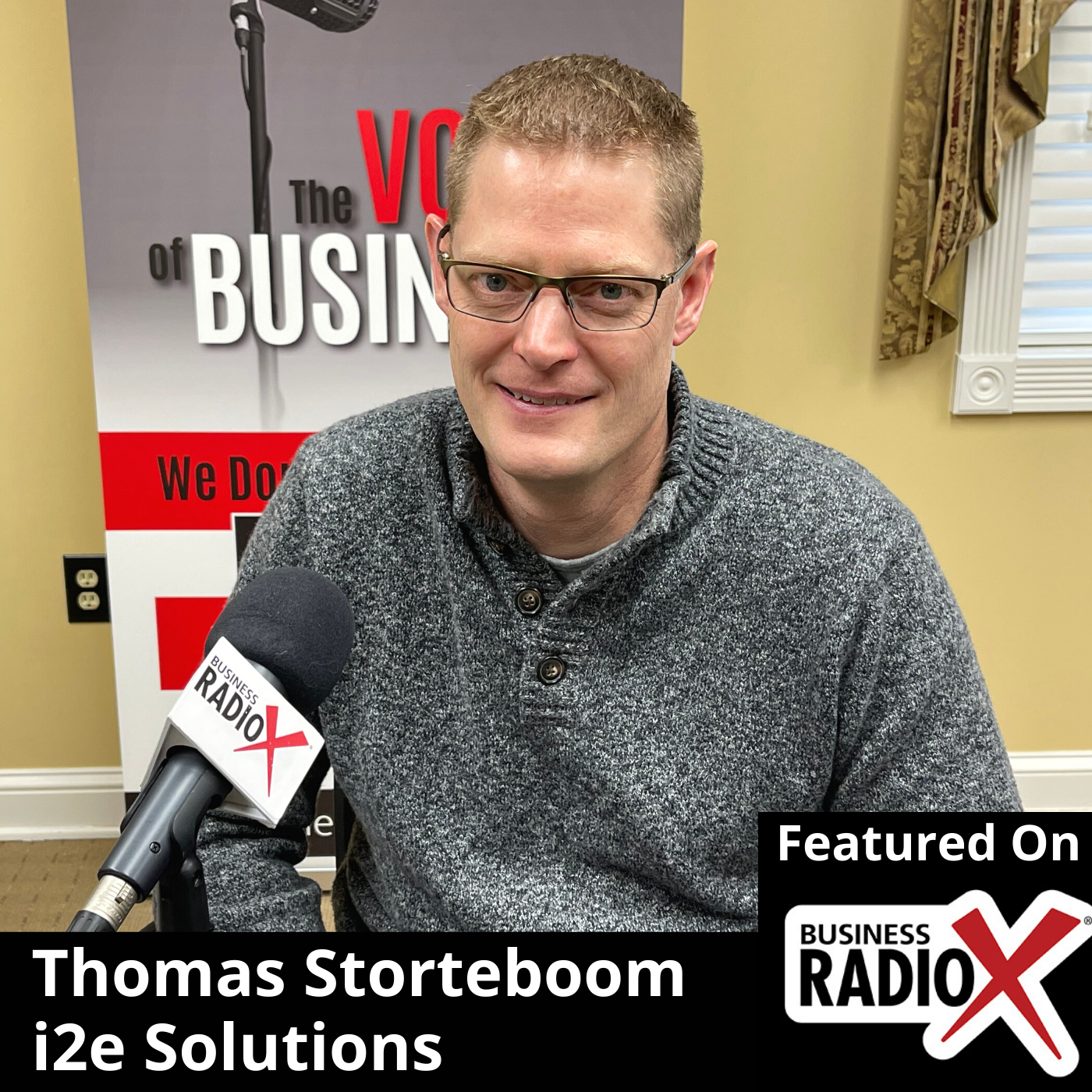
Joseph Lambert
Decision Vision
Decision Vision Episode 142: What Should I Do After Graduating High School? - An Interview with Joseph Lambert, Joseph's Junk Removal
Loading
00:00 /
RSS Feed
Share
Link
Embed

Download file

Joseph Lambert

Decision Vision Episode 142:  What Should I Do After Graduating High School? – An Interview with Joseph Lambert, Joseph’s Junk Removal

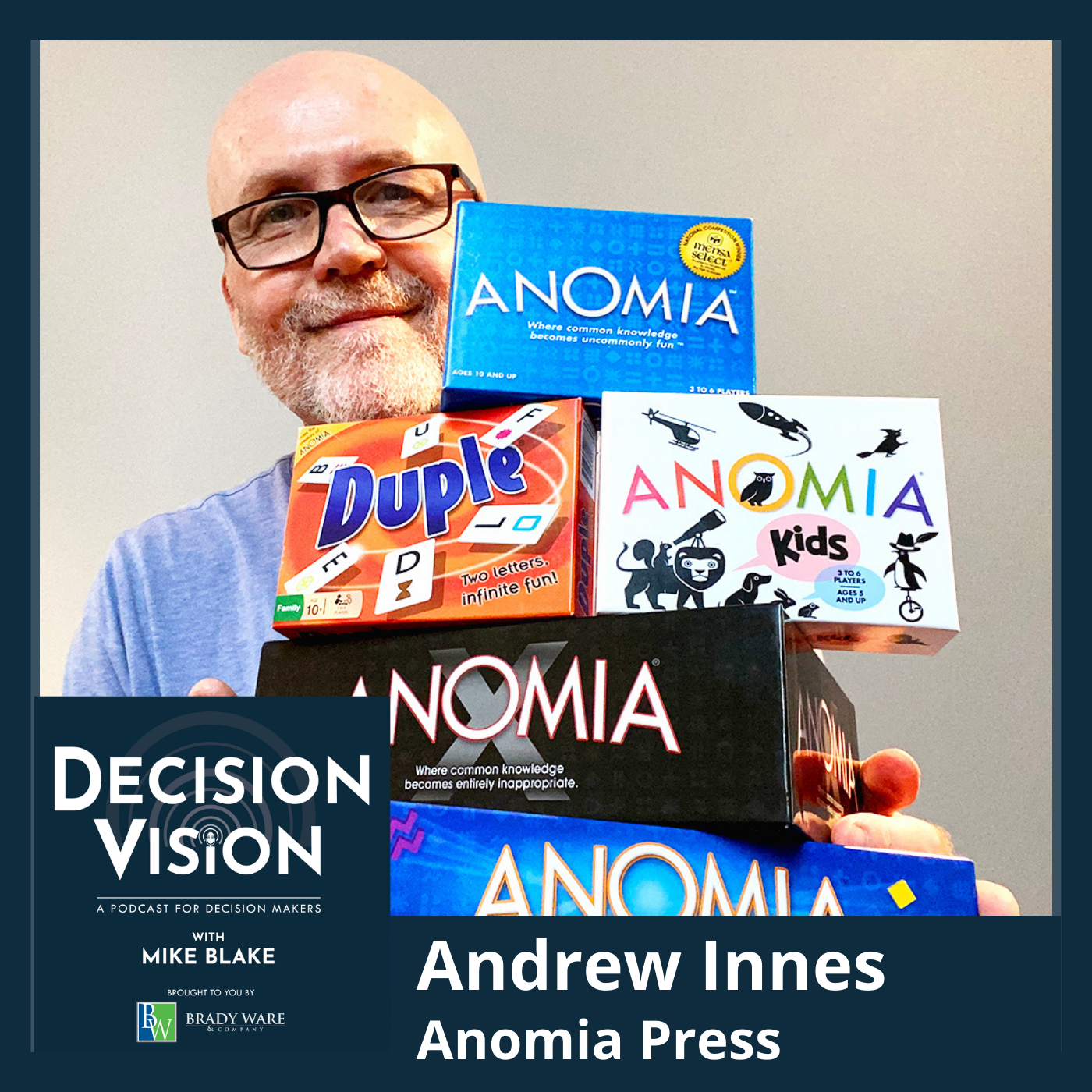
As a senior in high school, Joseph Lambert started his junk removal business with a rented truck and hasn’t looked back. Now 20 years old, Joseph is in a unique position for this conversation with host Mike Blake on options for young people after high school. They discussed why college may not be a given anymore, Joseph’s path in his business and the lessons he’s learned, why Joseph believes undergraduate business degrees are a “waste of time,” how young people should figure out their own direction, and much more. Decision Vision is presented by Brady Ware & Company.

Joseph’s Junk Removal

Joseph’s Junk Removal is a customer service company specializing in junk removal.

Serving the Atlanta area, the Joseph’s Junk Removal Team is on a mission to help people “Clear clutter, relieve stress, and live cleaner lives.”

Company website | LinkedIn | Facebook

Joseph Lambert, Owner, Joseph’s Junk Removal

Joseph Lambert, Owner, Joseph’s Junk Removal

Joseph’s Junk Removal’s story really starts when Joseph was 12 years old. As his parents were finalizing their divorce, Joseph realized the challenge ahead for his mom as she would try to provide for him and his four younger siblings. In an effort to help, Joseph started mowing lawns and working in construction to cover his own expenses. As a result, Joseph was able to release some of the burden off his family and discovered a hunger for growing a business in the meantime.

As mowing lawns grew, Joseph partnered with a friend who was older and could drive. The business model was simple: Joseph handled customer service, marketing, and scheduling. Sam handled the transportation.

At age 17, Joseph made $1600 in 4 hours by removing a bunch of junk for a landscaping client. He couldn’t believe it! After completing the job, Joseph researched the junk removal industry and was blown away by the margins, simple process, and scalability potential. From this point on, he focused on junk removal.

By senior year of high school, Joseph’s junk hauling business “Highschoolers Hauling Junk” was growing rapidly. As he juggled work, football, and baseball, Joseph put classes on the back burner. Consequently, he ended up failing a crucial class necessary to earn a diploma. As a result, he stayed in high school an extra semester (while all his friends went off to college) to finish the class.

While Joseph finished the class, the junk removal business (now called “Joseph’s Junk Removal”) was booming! By now, he was convinced of the immense potential in junk removal. After a full power-point presentation, Joseph got the greenlight from his family to pursue it full-time after graduation.
Less than 2 years after Joseph “officially” graduated high school, Joseph’s Junk Removal has grown to 25+ employees and 5 trucks. In that time span, Joseph and his team have fallen on their faces a lot. Lessons have been learned (some the hard way). But ultimately, every challenge the team has faced has made them stronger and more equipped to conquer the future.

LinkedIn

Mike Blake, Brady Ware & Company

Mike Blake, Host of the “Decision Vision” podcast series

Michael Blake is the host of the Decision Vision podcast series and a Director of Brady Ware & Company. Mike specializes in the valuation of intellectual property-driven firms, such as software firms, aerospace firms, and professional services firms, most frequently in the capacity as a transaction advisor, helping clients obtain great outcomes from complex transaction opportunities. He is also a specialist in the appraisal of intellectual properties as stand-alone assets, such as software, trade secrets, and patents.

Mike has been a full-time business appraiser for 13 years with public accounting firms, boutique business appraisal firms, and an owner of his own firm. Prior to that, he spent 8 years in venture capital and investment banking, including transactions in the U.S., Israel, Russia, Ukraine, and Belarus.

LinkedIn | Facebook | Twitter | Instagram

Brady Ware & Company

Brady Ware & Company is a regional full-service accounting and advisory firm which helps businesses and entrepreneurs make visions a reality. Brady Ware services clients nationally from its offices in Alpharetta, GA; Columbus and Dayton, OH; and Richmond, IN. The firm is growth-minded, committed to the regions in which they operate, and most importantly, they make significant investments in their people and service offerings to meet the changing financial needs of those they are privileged to serve. The firm is dedicated to providing results that make a difference for its clients.

Decision Vision Podcast Series

Decision Vision is a podcast covering topics and issues facing small business owners and connecting them with solutions from leading experts. This series is presented by Brady Ware & Company. If you are a decision-maker for a small business, we’d love to hear from you. Contact us at decisionvision@bradyware.com and make sure to listen to every Thursday to the Decision Vision podcast.

Past episodes of Decision Vision can be found at decisionvisionpodcast.com. Decision Vision is produced and broadcast by the North Fulton studio of Business RadioX®.

Connect with Brady Ware & Company:

Website | LinkedIn | Facebook | Twitter | Instagram

TRANSCRIPT

Intro: [00:00:02] Welcome to Decision Vision, a podcast series focusing on critical business decisions. Brought to you by Brady Ware & Company. Brady Ware is a regional full-service accounting and advisory firm that helps businesses and entrepreneurs make visions a reality.

Mike Blake: [00:00:21] Welcome to Decision Vision, a podcast giving you, the listener, clear vision to make great decisions. In each episode, we discuss the process of decision making on a different topic from the business owners’ or executives’ perspective. We aren’t necessarily telling you what to do, but we can put you in a position to make an informed decision on your own and understand when you might need help along the way.

Mike Blake: [00:00:43] My name is Mike Blake, and I’m your host for today’s program. I’m a director at Brady Ware and Company, a full- service accounting firm based in Dayton, Ohio, with offices in Dayton; Columbus, Ohio; Richmond, Indiana; and Alpharetta, Georgia. My practice specializes in providing fact-based strategic and risk management advice to clients that are buying, selling, or growing the value of companies and intellectual property. Brady Ware is sponsoring this podcast, which is being recorded in Atlanta per social distancing protocols.

Mike Blake: [00:01:13] If you would like to engage with me on social media with my Chart of the Day and other content, I am on LinkedIn as myself and @unblakeable on Facebook, Twitter, Clubhouse, and Instagram. If you like this podcast, please subscribe on your favorite podcast aggregator and please consider leaving a review of the podcast as well.

Mike Blake: [00:01:32] So, today’s topic is different from what we normally cover, but I think it’s applicable. And I think the story that leads to the topic is so compelling. I think you, in our audience, are going to enjoy and, frankly, be inspired by hearing it.

Mike Blake: [00:01:53] But the topic is, What should I do after graduating high school? And you might be thinking, “Well, this is a show about executive business decision making. Why are we talking about the decision process for what an 18 year old kid should be doing with their life?”

Mike Blake: [00:02:14] And here’s my answer to it. The first answer is, it turns out that some number of listeners out there are actually in high school or high school age or younger, believe it or not. And I know this because they contact me. In fact, I will tell you that as a father of a 19 year old son, I have about as little street cred as you could possibly imagine. I can’t even do the white man’s overbite well.

Mike Blake: [00:02:43] But when he heard that I had a podcast that’s up at 30 million downloads and counting, all of a sudden for a brief moment, there is a glimmer of admiration and respect in his eyes, and I’m not sure I’ll ever see it again. But he is telling me that his friends are listening to the program as well. And they say that they look forward to it, and they enjoy it, and they feel like it speaks to them because, in many cases, this is the first time a lot of them are being privy to business kind of conversations as adults rather than as teenagers.

Mike Blake: [00:03:23] So, you know, to those of you who are in that demographic, you’re, of course, welcome. We love the fact that you’re listening. We love the fact that you’re taking an interest in business and becoming a better decision maker. And if you’re of that age, you are going to face one of the most important decisions of your life, almost unfairly so in terms of what you do with your life going forward.

Mike Blake: [00:03:48] You may choose to go to college, and I’m becoming increasingly convinced that asking 18 year olds to make decisions as to whether or not they should be taking on a quarter of a million dollars of debt, I’m not sure that’s a position we should be putting kids in. I think there needs to be a different model.

Mike Blake: [00:04:10] And we’re not going to talk about this explicitly today, but you may choose to risk your life serving our country. You know, the military has obviously been a route for upward mobility for many people. I have two cousins of whom I’m just tremendously proud that have had distinguished military careers where they’ve really just accomplished things that I’m not sure they would have necessarily accomplished had the military not given them those opportunities. And maybe we’ll cover the military separately in a different episode. We did do one with Jason Jones on the hiring side, should I hire people with a military background?

Mike Blake: [00:04:46] But the fact of the matter is, whether you’re not at age 18, life is going to force some pretty heavy decisions upon you. And I hope that the conversation we have today will at least add a different perspective than you may be getting from whatever advisors that you have. I think, also, that the show is going to be useful because parents are making an executive decision, if you will, or helping their children make an executive decision. Should I go to college? Should I undertake the enormous financial obligation that college entails? Or should I do something else?

Mike Blake: [00:05:31] And it’s tough. I can tell you as a parent, again, of a 19 year old who has chosen not to go to college at least for the time being, it is a very heavy decision. And as parents where many of us are for executives, not all of us, of course, but many of us grew up in a generation – I’m Gen X – where college was something you just didn’t even think about. If you had the opportunity to go, you just went. That’s all there was to it.

Mike Blake: [00:06:01] But the world has changed. The economics of college have changed. The psychology of the American teen has changed. The environment, of course, has changed in every way imaginable. The nature of the labor forces – we’ve gone into a lot of detail over several episodes – has changed. So, even though this is a little bit off the wall from what we normally talk about, I do believe that many of you will find that it holds relevance, if not today, then at some point down the line when you reach a later life stage.

Mike Blake: [00:06:40] So, with that as a preamble, I hope I’ve convinced you to hang in there and continue listening because I do think we have an excellent program lined up. And joining us today to talk about this might be our youngest guest ever, if not the youngest, probably in the top three – and that’s a good thing, by the way – is Joseph Lambert of Joseph’s Junk Removal.

Mike Blake: [00:07:04] And as I said, he has a story that I think just sets the table so nicely. I cannot possibly do justice to it, so I’m going to break from tradition here. And I’m going to just welcome Joseph to the program, and ask Joseph to talk about his background and how did he get from his first job as a kid, as a young teenager or adolescent, into being the founder and CEO of Joseph’s Junk Removal. Joseph, welcome to the program.

Joseph Lambert: [00:07:35] Hey, man. Thanks so much for having me on. I just can’t echo enough about how important this topic is, which you already laid out. Because, you know, for kids coming out of high school at 18 years old, 17 years old, they’re oftentimes forced to make the decision on what the next four or five years of their life looks like. And that’s a lot of time. And I’m a firm believer in time is the most valuable currency we have. So, there’s just a lot that goes into that decision.

Joseph Lambert: [00:08:04] So, whether you’re actually in the midst of making that decision for yourself right now, whether you’re a parent, or whether you’re somebody who is involved in somebody’s life who is going through that decision, this is a topic that can really apply to everybody because everybody either has to make that decision or can help somebody else make that decision.

Joseph Lambert: [00:08:23] But as far as my story goes, so I grew up in Atlanta, Georgia. Oldest of five kids. Really was very blessed growing up with two loving parents. But at 12 years old, my parents got a divorce, and it just shook our family, created a lot of challenges. Probably one of the most immediate challenges was my mom had to go from a stay at home mom to being in the workforce to put food on the table.

Joseph Lambert: [00:08:51] So, for me at 12 years old, I just was trying to figure out ways to help. And one of the clear pathways that I saw was just go out and earn money and cover your own expenses. So, I started mowing lawns for neighbors. I also started working in construction with a friend. So, I was doing everything I could just to earn as much money as possible just to lighten the burden on my mom.

Joseph Lambert: [00:09:18] So, that was kind of what got me kick started into working, you know, kind of the idea of entrepreneurship. And, really, it caught my attention. Like even at a young age, I loved it. I was, you know, seeking every opportunity to grow and get more clients. I remember it was such a big deal for me just to order business cards. And I spent so long even designing it. We didn’t have any lawn equipment, so I had to go out and actually buy all my own lawn equipment. So, there was like these lessons that I learned really early on that I think we’re super helpful.

Joseph Lambert: [00:09:48] And then, as I grew a little bit older, you know, I saved up. I bought a truck when I was 16 years old and I went from just kind of doing things that were within reach in the neighborhood and sometimes going around with some friends to be able to drive and get to a lot bigger client base.

Joseph Lambert: [00:10:09] And then, when I was a little bit older in high school, I ended up having a landscaping client who asked me to haul away some items out of her home. And I, really, at that point had not been exposed to the junk removal industry, but ended up doing that job for her and really hit a grand slam with it. I made about 1,600 bucks in four hours. So, at that moment, the junk removal industry just really caught my attention. I was like, “Wow. I need to look into this a little bit more.” Because landscaping had frustrated me up to that point because there was just so many moving parts and it was hard to replicate the process over and over and scale it.

Joseph Lambert: [00:10:49] But with junk removal, I saw a perfect pathway to just replicating that process and scaling it rather quickly. So, like even at the time I saw, you know, how this could go from one truck to four trucks to ten trucks. So, anyways, I started moving into the junk removal side of things kind of around senior year high school. So, in the meantime, I’m working a lot in senior year of high school. I’m playing football and baseball. And those are my two loves working and playing sports. And really put school on the backburner.

Joseph Lambert: [00:11:23] So, what ended up happening was, I ended up actually failing a class in my senior high school that I needed to graduate. And it ended up being a huge blessing in disguise because I had to stay home what would have been my first semester, my freshman year of college. And I had to finish that class so I could get my diploma. But in the meantime, I was working full time, 50 plus hours a week doing junk removal. And the beauty of it was, I was really able to give all my effort into the junk business at the time. And in the course of a couple of months, made around $50,000. And I was like, “Whoa. Okay. This is even better than I thought.”

Joseph Lambert: [00:12:03] So, you know, I was never really opposed to going to college. I just really wanted to run super hard after whatever my best opportunity was. And after doing junk removal for a semester full time, I realized, “Wow. This is a great opportunity. I don’t want to pass this up.” So, I discussed it with my family. I even made a PowerPoint presentation. It was like, “This is why this is the best option and I will happily go to college. I’m not trying to go against the grain. But I need to run hard after this because this is an awesome opportunity.” So, they saw the numbers, they saw the track record, and were totally supportive of it. So, anyways, that was January of 2020 that I’m doing this with them.

Joseph Lambert: [00:12:43] So, I go all in on the junk business after getting my diploma that spring, and then COVID hits. And, unfortunately, a ton of businesses suffered during COVID, but we were super blessed to actually really thrive because everybody was now at home staring at all the junk in their basement and in their closet that they didn’t want. So, my phone was ringing off the hook. And I went from just me driving around in a truck and trailer.

Joseph Lambert: [00:13:12] At one point we had four big U-Haul, 26 foot moving trucks that we parked in a Walmart parking lot, and I was stuffing them with every college and high school buddy I could find. And we were going all over Atlanta just hauling junk for people. It wasn’t perfect. And quite honestly, we really weren’t profitable for all of 2020. But, you know, there was a lot of lessons learned.

Joseph Lambert: [00:13:36] And, ultimately, we grew at such a fast rate that I realized, you know, we have a lot of potential here. This is legit. And I also proved myself that the revenue was there. And I just had to figure out how to make the revenue profitable. So, basically, we went from doing about $15,000 me by myself in January, to that July, we were doing about over 60,000 in revenue. And I’m doing this all at 18 years old. Like, I didn’t even know it was possible to make $60,000 in a month at that age.

Joseph Lambert: [00:14:09] So, anyways, I recognized at the time that what we were doing was not profitable, so I basically tore the business back down. We returned all the rental trucks, and we started buying our own trucks. And doing a bunch of other things to basically run our business in a way that would actually make money and make money long term. So, that kind of brings us to where we are now about a year later, so we don’t have any rental trucks now. We buy all brand new trucks. You know, we’ve transformed our team, transformed all of our processes, our web presence, and everything. But, man, it has been a tremendous learning experience. There’s nothing like the school of hard knocks. So, super thankful to be where I am today.

Mike Blake: [00:14:49] I think about what I would have done if I’d had $60,000 a month at your age. And I probably would have landed in jail somehow. So, whatever I would have done, it would not have been constructive. So, good for you. I mean, I think that’s a differentiator. Clearly, you have the maturity to kind of handle that and realize the responsibility that comes with that kind of money. And presumably now you have employees that are depending on you for their livelihood and so forth. And really just a remarkable responsibility to take on.

Mike Blake: [00:15:32] Gosh, there’s so many questions that’s coming out of this, so I got to sort of take a deep breath here and go back into my own script here. You started the business. You chose to do it. You’re sticking with it. Do you agree with me or not agree with me – either one is fine. I’m not going to, like, stop the program or anything – it seems to me that college isn’t the obvious path that it once was, right? I think times have changed. And do you find, like among your peers, it’s not just sort of college or bust anymore. It’s still like graduation and then maybe college, maybe later, or just something else?

Joseph Lambert: [00:16:11] Yeah. That’s an interesting question, and I’d love to dive into that one. So, I went to a small Christian school and I had a super close knit group of guys in high school. And what I thought was so cool is, you know, everybody before us, everybody went to college before our grade. And our grade was the first one where we really broke that mold. I think the majority of everybody still went to college. But there was probably at least five or six guys who did not go to college. So, I was one of them. There was another guy who actually started a landscaping company, and still doing so right now and running it rather successfully. And there was a couple of other guys who did the same thing.

Joseph Lambert: [00:16:52] So, I don’t by any means think college is a bad option when it’s used properly. I think what’s hard for me nowadays is, you know, I think for so many kids, college is the only option. I grew up around Kennesaw State University. So, even when I wasn’t in college, I knew a lot of guys that were students there, and there was a lot of guys who had tremendous potential who really didn’t need to go to college, but they just weren’t presented with anything else. So, my goal is to really speak into a lot of young high school guys and say, “Hey, there is other options. You just need to do what’s best for you once you’ve seen all there is to offer.”

Mike Blake: [00:17:33] So, if you could, what are your peers doing that chose not to go to college? What other paths have they taken? Are any entrepreneurs like you? Are they going to trade school or they’re doing something else?

Joseph Lambert: [00:17:47] Yeah. So, there’s a couple of them and they’re not all successful, by the way. So, there’s me. I’ve got my buddy who runs a landscaping business who’s doing great. I’ve got another buddy who went to trade school to be a welder. So, I don’t think he’s finished school yet. But, you know, as soon as he gets out of school, he’s going to have his choice of jobs and be employed for the rest of his life. There’s some other guys who just kind of aren’t going anywhere in life, who I think kind of tried and followed suit. They didn’t really want to go to school, so they thought they can make it without it, but really don’t have any direction. And it’s not for a lack of skill, it’s for lack of effort. There’s one or two other guys who were working for other people, but still knocking out of the park.

Joseph Lambert: [00:18:36] So, you don’t have to necessarily go out and be an entrepreneur to start doing business to be successful outside of college. And this kind of is getting into another topic. But I think the key is just having a plan and a goal regardless of what you’re going to do. So, if you’re going to college to be a doctor, let’s make a plan. What kind of doctor are you going to be? Let’s go for it and let’s work at it with all of our might. If you’re going to get a job, well, go work for somebody where there’s a runway, where you can really move up and learn things and get better. If you’re going to start a business, let’s make a plan. Let’s do it. But don’t hover in that ground like I don’t know what I want to do. That should never be the path.

Mike Blake: [00:19:17] So, let me ask this, how much do the economics of college do you think play into the decision now of people of your age, your generation? And I want to contrast that with my generation where, you know, you just went to college and it was just assumed that it would be a good investment, even if you didn’t necessarily get a practical major, even if you’re a literature major or basket weaving or whatever, right? If you have a degree, that was going to set you up. And I kind of look at the landscape today, and I think that conversation has changed. But you’re kind of in it at that age group. What do you see?

Joseph Lambert: [00:19:58] Yeah. So, I think we need to look more long term. Let’s look at this as a ten year decision, not as a four year and five year decision. Or not even like a now decision, that’s a really bad idea. So, let’s look at the ten year college decision. If you’re going to college to be a doctor, a lawyer, an engineer, first of all, you’re not going to get into any of those fields without going to college first. And due to the compensation for those type of jobs, it makes sense to go to college and possibly take on some debt to get to that end goal of having that position.

Joseph Lambert: [00:20:33] However, if you’re going for a business management degree, I would say you’re wasting your time and your money royally, because you can go and work for somebody and learn how they manage or learn how they don’t manage well. And then, you can move up and do it yourself. So, it just really depends on what you’re going for, I think.

Mike Blake: [00:20:53] So, I want to pause on that because I think you bring up a very interesting point about undergraduate business administration degrees. And while I don’t totally agree with your statement, I’m certainly very sympathetic to it. And I think there’s a lot to agree with there. But have you ever taken online courses, the Udemys of the world, for example, or others to find the education if you needed any or training that it didn’t make sense to go get a degree for?

Joseph Lambert: [00:21:28] I have. I have.

Mike Blake: [00:21:29] How was it? How is your experience with that?

Joseph Lambert: [00:21:33] So, my general experience with learning is, it depends on what kind of class you’re taking. So, I’m not a big fan of big overview courses that are just going to inform like large – I don’t know, I just feel like they’re not giving you a whole lot of content to actually use practically. Nevertheless, I have to learn a tremendous amount for my job today. So, the approach I take is, I think, just a lot more efficient in the sense that, when I learn something, I go learn everything there is to know about what I need to use it for. Versus, going and learning a bunch of information that I may never use.

Joseph Lambert: [00:22:13] So, take for example, if you’re starting a business, “Okay. In order to start a business, I’m going to need you to know how QuickBooks work. I’m going to need to know how accounting works.” So, go take three accounting classes, I think that’s a brilliant use of your time. But do you need to go to college for four years to figure that out? I don’t think so.

Mike Blake: [00:22:34] So, you bring up what I think is an interesting distinction, and I’m curious if you agree. And I see this in my son and his peer group too. They are much less interested in being – what we would call – educated, and are much more interested in being trained. And the difference being, education implies a well-rounded renaissance person kind of education. You have a lot of kind of required core courses because the institution wants you to be a well-rounded education individual.

Mike Blake: [00:23:06] But he tells, “Look. This is great, but I don’t want to learn French. I don’t plan on doing business in France or Quebec. And by the time I’m rich, I’ll just hire a translator.” But they are interested in, “Hey, here’s something that I can learn how to do.” It could be graphic design. It could be using a software package or accounting, for example. I can learn about and then walk right out of the video and then start to apply in something that actually matters to me materially. Does that sort of sync up with your thought process as well? Or am I way off base?

Joseph Lambert: [00:23:43] Totally. And I think there’s older guys who would, I think, agree with my standpoint. And I fall back on what Warren Buffett talks about. I mean, we all know Warren Buffett is brilliant, but he’s said multiple times like, “I’m really not that well-rounded of a person. I just picked one thing and became the best at it and learned everything there was to know about it. And that’s why I’m super successful.” So, I apply the same thing with junk removal. Like, I’m not trying to learn every business there is out there. I’m just trying to be the best junk removal business owner out there. And if I’m the best at it, then my business will be the most successful.

Joseph Lambert: [00:24:25] So, I take that general approach to learning in general. I’m not just out there to learn as much, I guess, content as possible. But what can I just zero in on and be the best at it? And I think there’s a lot of, you know, kids today who were, I think, trending towards that direction.

Mike Blake: [00:24:45] Well, yeah. And, frankly, I’m very sympathetic to it. You just cannot look at education anymore, unless you’re just independently wealthy already. Most people cannot, and I think should not, look at education as something that you do for its own sake, but has to be analyzed as a business investment. Otherwise, it kind of gets you into trouble. And we’re seeing millions of people that, I think, didn’t take that approach and, now, they’re experiencing real financial difficulty. And that’s prompting a very fundamental question right now about how education should be financed. But that’s a separate issue.

Mike Blake: [00:25:25] There’s a question I want to make sure to ask you, and that is, putting aside how it impacted your business, because you said that the pandemic was probably a net positive, I wonder if the pandemic and the way the job market now has shaped up after the pandemic, does that provide more opportunities to high school graduates than the world looked like before the pandemic? Because we have a general labor shortage. There’s shortage of everything. And there’s disruption. And my own personal belief is, wherever there’s disruption, there’s opportunity. Is this providing an opportunity because employers and customers are having to think about or having to rethink what they think qualifies other people to work with them or be their providers?

Joseph Lambert: [00:26:28] Absolutely. I mean, you hit the nail on the head because there is tremendous desperation right now. I mean, even in my own business, we’re having trouble with staffing, like everybody else is. So, there are opportunities for young individuals that previously just weren’t available to them simply because of their age. So, I truly think it is a golden opportunity right now to really go get some awesome experience that probably wasn’t available before and probably won’t be available in years to come.

Mike Blake: [00:26:57] So, did you have any kind of opportunity to dip your toe in the business? I mean, you had your business, obviously. But what I mean is, some schools will have business classes, some schools will have an entrepreneurial club, something like that. Did your school have anything like that? And if so, how did that help you or not help you?

Joseph Lambert: [00:27:20] Yeah. So, there’s kind of a two part answer to that question. First of all, we did have a business law class, which I think was helpful in that class. Actually, we had an entrepreneurship project where we had to start a business on paper. I was sitting next to my buddy, Sam, who now runs the landscaping business I told you about earlier, and he was about a-year-and-a-half older than me. So, after, like, making this landscaping business on paper, we looked at each other and was like, “Why don’t we actually do this?” So, sure enough, we started it. I was 15, he was 16. He had a car, I didn’t. So, we ran a business together at 15 and 16. You know, I was great at marketing and talking to people, and he had the car and could work circles around anybody. So, we were a great team for about a year. So, that was helpful.

Joseph Lambert: [00:28:14] But I think the biggest benefit I’ve had in my life kind of in that realm would just be some awesome mentors. So, I had a mentor in high school who was a Georgia Tech grad entrepreneur at the time, who was incredibly influential in my life. I mean, we pick up any call. We talk through every business idea. I had talked through his own business ideas. So, he taught me a lot about how to think as an entrepreneur and as a business owner.

Joseph Lambert: [00:28:39] And then, more recently started meeting with a new mentor of mine a little over a year ago, who’s the president of Thrive: Senior Living, a large senior living company, I guess, on the whole East Coast.

Joseph Lambert: [00:28:55] So, anyways, learning from those two guys has been tremendous. Probably the best way to describe it is just they’ve turned years into months just by sharing all their experience. So, that’s been incredibly helpful.

Mike Blake: [00:29:10] You know, I’m glad you brought that up because I wanted to have this discussion about mentors. Even though mentors have been getting a lot of attention, I think, and well deserved, I still think they’re a little underrated. I haven’t had many mentors in my career just the way things turned out. But early in my career, I did. And you know, they laid the groundwork for some things that still impact me and impact the way that I work, you know, almost 30 years later.

Mike Blake: [00:29:41] Tell me a little bit more about your mentors. How did you find them? How did they find you? And what do you think was it about you or what you’re doing that made them want to invest their time and energy in your success?

Joseph Lambert: [00:29:54] Oh, okay. Yeah, great question. So, first of all, my whole philosophy was, number one, I can learn something from anybody. And number two, I’m going to go and ask every successful person I know out to breakfast, coffee, or lunch. So, really, all throughout high school, I was constantly asking guys, “Hey, would you go grab lunch with me? Would you go grab breakfast with me? I don’t care what time it is. Just, can I get an hour of your time?” And very few of those – really, only two of those ended up actually being mentors. A lot of them we met for breakfast or lunch once or twice, and that was it.

Joseph Lambert: [00:30:31] But I think I learned a tremendous amount from each of them. And, also, I learned how to ask questions, how to ask about their story. And I think just to garner little bits and pieces from each one of them that kind of built who I am today. And these guys, like when you get the good ones, their time is incredibly valuable. So, like, they really have to be sought out and pursued. They’re not going to come knock on your door, especially a young guy.

Joseph Lambert: [00:30:57] But I think the reason why the two main guys ended up really being willing to invest in me is, they saw I was hungry, number one, because I continue to pursue them. And then, number two, direct application. So, the latest one, something he said he appreciated later on was he was like, “You know, a lot of times you apply stuff that we talk about in, like, three hours or less.” And I was like, “Yeah. That’s one of my goals, actually.”

Joseph Lambert: [00:31:26] So, one thing for these guys is because their time is so valuable, they want to know that they’re using it effectively. So, if they’re sharing things with you and then you go right away and apply it and they know they’re impacting things, man, they just want to keep feeding that. So, yeah, I think just really seeking these guys out, asking their story, asking for their advice on things. And then, when they tell you something, not just letting go in one ear and out the other, but going and doing it.

Mike Blake: [00:31:54] And, you know, I speculate that this is actually a benefit of youth. I think that there’s more enthusiasm to mentor people as young as you are versus people that are somewhat older. You know, I’m 51, nobody is going to mentor me. They’re like, “You should be the mentoring person.” But I do think that if I’m approached, somebody like you that is focused, is very young, is clearly focused on being a high achiever, that’s an easy person to say yes to because you can just imagine kind of what the trajectory looks like over a 30 year or 50 year period with that mentoring.

Mike Blake: [00:32:43] And I would just point out to the audience that while it may seem daunting to get mentors, on the same token, I do think that people like me in terms of age and seniority, we are actually more inclined to mentor people that are younger because we see a bigger impact, and the youth in itself is inspiring.

Joseph Lambert: [00:33:04] Yeah. If I could add one more thing too, one of my rules that I hope to live out the rest of my life is, always be learning from people 30 years or older than you. And, for me, I didn’t start out just trying to go find mentors. I just wanted to learn from guys, even if it was one breakfast or lunch. So, I started really small just trying to learn from those small bits. And then, a couple of them ended up turning into these long term relationships.

Joseph Lambert: [00:33:31] So, you know, to any of our listeners who say, “Hey, I would love a mentor.” I wouldn’t start out with that being your goal. Just start asking successful people in whatever area of life, whether it be as a business person, a husband, a father, whatever it looks like, ask them out, ask them how they do it. And then, maybe that will turn into a long term relationship.

Mike Blake: [00:33:53] So, another question I want to ask – and this may reveal my curmudgeonly-ness, but that’s okay. If it is, you can smack me down. That’s okay. I won’t take offense. But it’s been commented on quite a bit, and I think I see this, that it’s harder for young people to be focused and really concentrated on a goal today simply because, I think, there are more opportunities for distraction. And assuming you agree with that, you seem to have managed to avoid that. You’re clearly a very focused person. You have specific goals in mind. You sound like no nonsense. If this is not contributing to my goal, I’m not interested – which I think is fantastic.

Mike Blake: [00:34:49] Is that true? And how did you come by that? And is there any lesson from that that you can impart on our audience, either as parents to help our children with, or, again, people maybe slightly younger than you in terms of how to gain that focus that seems to be serving you so well?

Joseph Lambert: [00:35:07] Yeah. So, I think what it really starts with is defining your priorities or your roles in life. So, for me, I have three real roles. Number one is my family, so spending time with them. Number two is just being a part of my church. And number three is running my business. So, really, I look throughout the course of my life if my task throughout the day don’t fall into one of those three buckets, then it’s really not important. So, I’m going to make sure I do those three things really, really, really well. And then, everything else is secondary. So, nothing that’s contributing to that I’m not going to worry about it.

Joseph Lambert: [00:35:49] So, I think that’s where you’ve got to start because there’s so many things that are competing for our time and attention that sometimes it’s hard to decide what’s actually important. So, once you figure out what’s actually important, I think that’ll help people filter through what that actually looks like. Then, you can get to the point of actually setting goals for those specific roles that you have.

Joseph Lambert: [00:36:11] So, a goal for me with my family is, I’ve got four younger siblings who all play sports. And my goal was to not miss any of their games. So, like for this fall semester, I think I only missed one game for each sibling. And one time it was because I was at another cousin’s game and the other time I was doing a church serving opportunity. So, I think setting those specific goals for those roles is really helpful.

Joseph Lambert: [00:36:41] And then, I don’t think expecting perfection either. You know, as humans were all fallen and we’re all going to fail at some point. So, just the important part is learning from those failures and putting the things in place to not let it happen again. So, knowing what those roles are, setting the goals for those roles, and then not expecting perfection, necessarily.

Mike Blake: [00:37:07] I’m curious about something, and that is that, you’re now in a position of authority and you’re in a position now where there are people that want to sell stuff to you as a B2B business. You’re a business owner, the executive decision maker. Now, I’m not going to ask your specific age, but you’re in your late teens or early 20s. You’re not that far removed from socially having to refer to everybody as Mr. and Miss and Mrs. and so forth. And now you’re not only a peer relationship, but in some cases you’re in a position of authority over people who might be significantly older than you.

Joseph Lambert: [00:37:49] And I’m curious, is that a hard transition to make? And do you ever feel like you have to struggle with commanding the respect that you deserve because people look at your age and then assume certain things?

Joseph Lambert: [00:38:06] Yeah. I would say it’s always a challenge, but I’m going to start with the assumption on my end that I don’t think anybody owes me anything. So, I don’t necessarily expect respect from anybody if I haven’t already earned it. So, I think this depends on what setting. And there’s certainly still people in my life that I call Mr. and Mrs. just because that’s what I’ve called them for the last decade.

Joseph Lambert: [00:38:30] But in regards to people that I have authority over from a professional standpoint, I’ll go ahead and tell you, “I’m 20. I’ve got somebody on my staff who’s 40 and somebody who’s 60.” So, that right there is two times and three times my age. And I think that standpoint, we respect each other for the different roles we’re at in the company.

Joseph Lambert: [00:38:53] But then, again, something I emphasize to my team all the time is, we’re all in this together. We just have different roles. So, your role may be truck team member. Your role may be customer care representative. And my role may be chief decision maker. But we’re all here to make this company successful and earn a paycheck. And the question is, how do we do this best together? You know, I’m not trying to let my ego or their ego get in the way of what we actually need to do to get things done.

Mike Blake: [00:39:26] So, when you chose the entrepreneurial path, were you looking at all at other entrepreneurs who’ve been very successful despite not going to college either, they didn’t go right away, or they dropped out early? You know, one of my favorites is Dave Thomas, who founded Wendy’s. You know, he had a high school education and, obviously, built a very successful restaurant business. There’s, of course, a Bill Gates’, the Mark Zuckerbergs that that dropped out of college and so forth. Were people like that at all a role model to you? Or were they just in such a different world that it didn’t really connect?

Joseph Lambert: [00:40:09] I mean, I would say, yes. You know, we’ve all heard about the guy who started Microsoft. I can’t –

Mike Blake: [00:40:16] Bill Gates.

Joseph Lambert: [00:40:18] Bill Gates’ of the world and so many other guys who didn’t go to college or dropped out of college. So, I think them setting a precedent helped me realize this is possible. But, you know, I also really relied on people around me. I was asking them like, “Hey, do you think this is a good idea? Let’s talk through this.” I wasn’t trying to trust my very young and undeveloped brain to make all the decisions or at least inform all the decisions.

Mike Blake: [00:40:46] So, we hear frequently – and I’m not sure how good this advice is, but it’s certainly out there – that whatever you do in business, you should have a passion for it. Not everybody necessarily agrees with that, but that’s certainly a widely held view. And my question is really two part, one, in getting into your business, did you have a passion for junk removal? Do you feel like like God put you on this planet to do that in service to your fellowmen? Or is it more of a means to an end? But if you did that, how does somebody at your age figure out what they’re even passionate about? That’s so rare when you have so little life experience to, I think, even begin to answer that question intelligently.

Joseph Lambert: [00:41:39] Yeah. Well, first of all, let me start by saying this is still something I’m learning, and I don’t think I’ll ever fully figure it out. But I think the key to what you just said is, what is it that you’re passionate about? And it, I think is very rarely going to be the industry you’re in. It could be a variety of different things. So, what I start by asking people – because we’ve discussed this question a bit – what gets you excited? That’s a good start to figure out what you’re passionate about.

Joseph Lambert: [00:42:09] So, for me, personally, I’m passionate about people. I love conversation. I love teaching. I love just caring for people. So, one of my favorite things to do with my team is, you know, I do one on ones with a couple leaders on my team. So, what that means is, we meet at 6:00 a.m. at Starbucks. We have a little agenda we go through. We’re going through books together and we’re just learning and we’re talking about life. That is what I’m truly passionate about. So, my business is a vehicle for me to do that as well as many other things.

Joseph Lambert: [00:42:46] But I think the flip side of this question is, a lot of people can bar themselves off from some great opportunities because on the outset they don’t feel like they’re passionate about it. But what they’re probably really not telling themselves is it’s just not comfortable what they’re doing. There’s a big difference in being comfortable and being passionate. Because you may be passionate about something or you may not be passionate, but it may be really uncomfortable. And if we’re going to really be successful or high achieving in any way, shape, or form, you have to be really okay doing really uncomfortable stuff.

Joseph Lambert: [00:43:22] So, for me, like when I was just me and a truck with one other guy, like, I didn’t fully articulate that “Oh. I’m passionate about people.” I just thought, you know, junk removal is a great opportunity and it’ll lead to my next opportunity. So, that’s kind of really the thought train that it looked like for me. But I think definitely thinking about what you’re passionate about is good, but it definitely should not be the governing factor in your decision.

Mike Blake: [00:43:54] We’re talking with Joseph Lambert of Joseph’s Junk Removal. And the topic is, What should I do after graduating high school? And so, I want to flip the conversation a little bit because I do suspect that there are parents who are listening to this conversation. And, frankly, they’re probably blown away by you, Joseph. I know I am. I feel like I need to retire right now and sort of get the heck out of your way.

Joseph Lambert: [00:44:23] But as a parent – actually, I’m going to phrase this a little bit differently. So, you originally went to work because you had to supplement your income for your mom, who’s now became a single working mom. How, if at all, was she supportive of you in preparing you for this path? I know you said she was supportive of your decision. And I don’t know what your relationship with your father was after. But I’m just going to ask this very generically, you know, as a parent, were your parents able to kind of help encourage you, prepare you for this path? And whether that’s the case or not, if another parent would ask you for advice, how could a parent be constructive in helping their child who might be considering taking this path?

Joseph Lambert: [00:45:14] Yeah. So, first of all, they were very supportive. And I think what they were telling me the whole time was, you need to have a plan, we need to think this through, but it’s not like there’s a path that you have to take. So, what they didn’t want to see was they didn’t want to see Joseph just going kind of, you know, scatterbrain into life with no idea what he’s doing. But as long as I had a plan and it was realistic, they were going to come behind me completely.

Joseph Lambert: [00:45:43] And I think that is what a lot of parents, I would encourage them to do for their kids today. Encourage the process, not the results. So, the results may be get a job, go to college, start a business. Really, the results don’t matter. Because every kid is different. Every kid has different hopes and dreams and passions. But if you can encourage certain processes in them, like time management, like goal setting, like social skills, communication skills, writing skills, self-discipline, all those together. Encourage those processes, that’s what’s going to create the kind of person who can be successful in whatever they’re doing.

Joseph Lambert: [00:46:25] And, by the way, success is so much broader than anything financially. It could be, you know, they’re just super successful as a stay at home mom. Like, there are some awesome stay at home moms I know who are amazing at it. So, it can take a variety of different forms but I think setting those processes and encouraging those versus the results would probably be my biggest two cents.

Mike Blake: [00:46:53] Now, in the time we have left, we haven’t really talked about one potential decision path here, and that is trade school. And I know that’s not a path that you’ve taken, but I’m curious if you have a view as to the value of trade school as an alternative to starting a business, getting a job, or going to college. Are you a fan of that? Not a fan? How do you see your peers kind of looking at trade school? What’s your general impression of that path?

Joseph Lambert: [00:47:30] I think it’s an absolutely phenomenal option. So, quick stat for you here, the majority of HVAC technicians right now are in their 50s. So, over the next ten years, if we follow current trends for every ten HVAC technicians that retire, you’re going to have one technician coming into the workspace. So, right there, there is just tremendous opportunity because salaries are going to go up and there’s going to be a ton of demand for just things to get fixed.

Joseph Lambert: [00:48:03] So, whether it be HVAC, welding, plumbing, or a variety of other industries, I think there is tremendous potential to do it and really just provide a great living for your family and just a great foundation. Because there are certain things that are always going to have to be done, welding, fixing your air conditioner, I don’t think robots are taking over those roles anytime soon.

Joseph Lambert: [00:48:25] So, honestly, if we even look at these three options, going to college, getting a job, or starting a business, and we look at, ideally, which category would consume the most people, I would love to see more people going into the trades than any others, because there’s just so much opportunity there and it’s stuff that’s always going to be needed. So, I would definitely encourage anybody that’s considering it to go for it.

Mike Blake: [00:48:54] Yeah. I would agree with you. I don’t see those roles being roboticized anytime soon. And when you look at or analyze the expense of a trade education or trade training versus the tuition, the ROI is much more obvious, isn’t it?

Joseph Lambert: [00:49:14] Oh, totally.

Mike Blake: [00:49:18] So, I’ll follow this up a little bit before we let you go, because I do want to give this at least a little bit of its fair due, thinking about kids who are – I shouldn’t say kids – thinking about young adults that are graduating and they’re going to go directly into the labor force, how important is it in your mind that they take the kind of job where they can learn something, observe something that they’ll take with them through the rest of their lives, as opposed to just getting a job for the sake of having a job?

Joseph Lambert: [00:49:57] I think it’s incredibly important. So, let’s put it this way, whatever job you get from 18 to 22, 23 years old, from a financial standpoint, it’s more or less available. Because you’re really not going to make that much money anyways. So, you’re just figuring out a way to put food on the table and gas in your car. So, whatever else you’re getting from that role is really going to be what’s important, whether it be you’re learning something, whether it be you’re developing a reputation with a company, or just in the work field in general, that’s what’s going to have the lasting effect, not the actual money you earn in that time.

Joseph Lambert: [00:50:36] So, you know, I would even go as far as to say, if you’ve got two opportunities and you’ve got one that you know is a great opportunity from the perspective of a learning opportunity but maybe less pay versus a little bit higher pay for not as much as learning opportunity, I take the one with the learning opportunity and less pay, because that’s going to set you up much better for the next 10 to 20 years than with the other option.

Mike Blake: [00:51:00] Now, you are in a position – I don’t want to say fortunate – but I think you are in something of a minority position where you had a really clear idea of what you wanted to do when you graduated. Not everybody your age, I think, has that or even thinks that they have it. And so, if somebody is in that situation, where do you think they’re better off kind of waiting until they do figure out or – that’s the wrong question.

Mike Blake: [00:51:30] What in your mind is a good environment for people to help them figure that out? Is it school of some kind? Is it getting a job until you figure it out, see how the work world works? Is it traveling the globe in a backpack and meeting Sherpas in Nepal? Is it something else? In your mind, if you’re not there yet, what’s the best way to use that time constructively until you do figure out what direction you want to pursue?

Joseph Lambert: [00:51:58] Yeah. Great question. Using the time constructively, like you just said, is the key to that. Because everybody has something sitting in front of them that they can either choose to go about in a very mediocre way or they can absolutely crush it and do it with everything they got. So, I think the key is just whatever’s in front of you, do it to the best of your ability and try to be the best at it, regardless of what that is. And then, on top of that, always be thinking ten years down the road.

Joseph Lambert: [00:52:25] So, even when I graduated high school, I was thinking far enough down the road to see this could be something big. But I didn’t know it was going to be something big. I didn’t know that I wasn’t going to find a better idea three months down the road and go with that. So, it wasn’t like I knew from the get-go I’m going to do junk removal for the next five years. I mean, I still don’t know that. I’m two years into it. But I think the key is just really crushing what’s in front of you and then having the end goal in mind. And, usually, you’re going to figure stuff out in between there that you had no idea about before that’s going to, I think, inform your path as you go.

Mike Blake: [00:53:05] Joseph, this has been a really a fantastic conversation. You’ve got so much wisdom to share here, really candidly, beyond your years. I’m not sucking up to you. I just think it’s really a fascinating, really profound conversation that I’m really glad we decided to do this podcast and I’m grateful that you decided to come on. There are definitely topics that we could have explored but didn’t or maybe questions we could have gotten into more depth but didn’t, if somebody wants to follow up and maybe ask you, either as a parent or as a graduating young adult, to follow up on something regarding this conversation, can they do so? And if so, what’s the best way to contact you?

Joseph Lambert: [00:53:49] Yeah. Absolutely. So, you can just email me joseph@josephsjunkremoval.com. But, actually, I started using the Marco Polo app recently, and I absolutely love it. So, if you are interested in – I guess, videoing me through there is the new thing now – just search, put my email in there, joseph@josephsjunkremoval.com, I’d love to chat with you. You know, let’s talk.

Mike Blake: [00:54:18] That’s going to wrap it up for today’s program. I’d like to thank Joseph Lambert so much for sharing his expertise with us.

Mike Blake: [00:54:25] We’ll be exploring a new topic each week, so please tune in so that when you’re faced with your next business decision, you have clear vision when making it. If you enjoy these podcasts, please consider leaving a review with your favorite podcast aggregator. It helps people find us that we can help them. If you would like to engage with me on social media with my Chart of the Day and other content, I’m on LinkedIn as myself and @unblakeable on Facebook, Twitter, Clubhouse, and Instagram. Once again, this is Mike Blake. Our sponsor is Brady Ware and Company. And this has been the Decision Vision podcast.
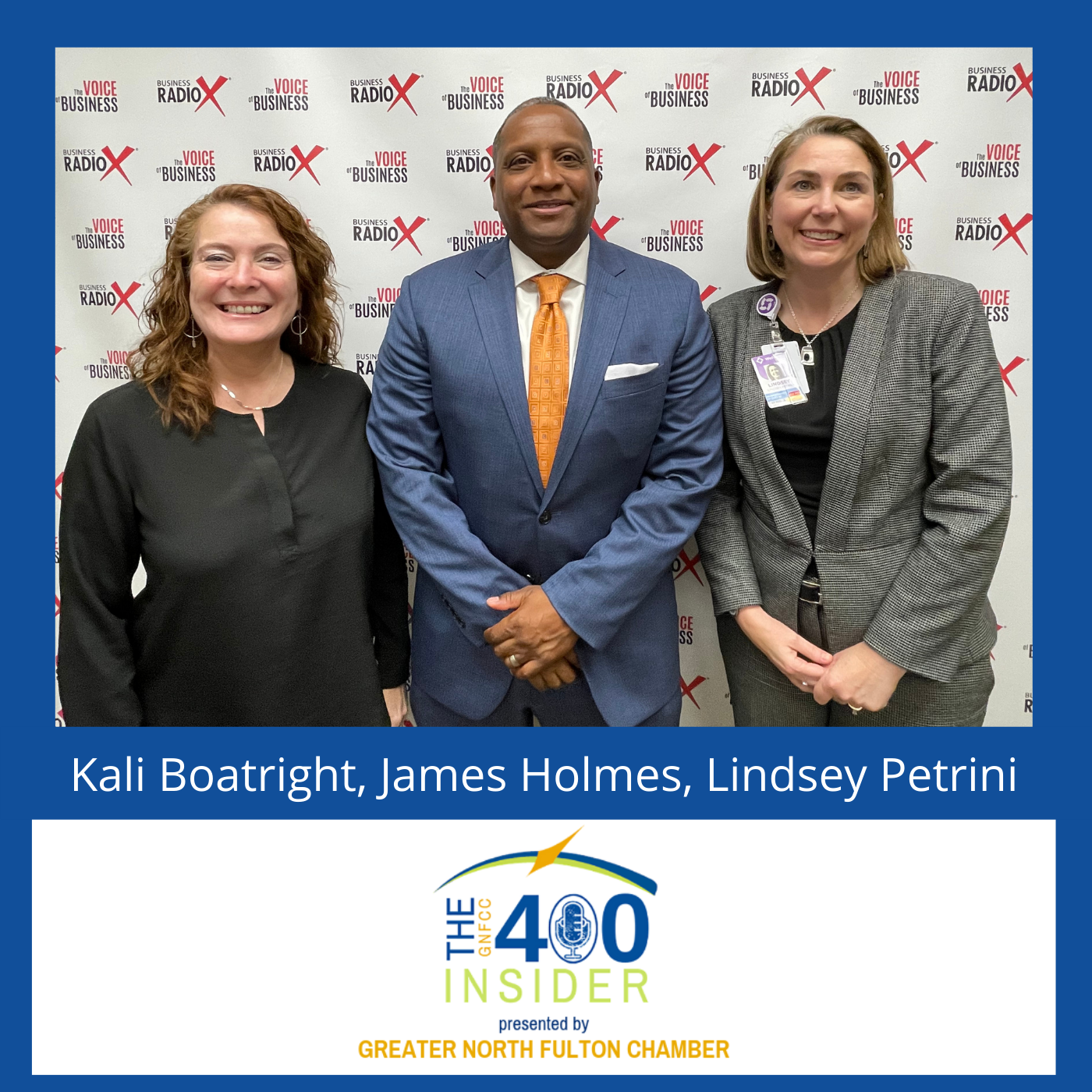


Tagged With: Brady Ware & Company, Decision Vision podcast, high school, Joseph Lambert, Joseph's Junk Removal, Mike Blake, starting a business, young entrepreneur

Workplace MVP: Josh Rock, Nuss Truck Group

November 11, 2021 by John Ray

Josh Rock
Minneapolis St. Paul Studio
Workplace MVP: Josh Rock, Nuss Truck Group
Loading
00:00 /
RSS Feed
Share
Link
Embed

Download file

Josh Rock

Workplace MVP:  Josh Rock, Nuss Truck Group

Josh Rock, Talent Acquisition Manager for Nuss Truck Group, has made a career out of both service to job seekers and going the extra mile to find talent for his organization. Josh joined host Jamie Gassmann for a discussion of a particular passion for him and for Nuss Truck Group:  hiring veterans. Josh discussed how Nuss leverages the talents and expertise of former military, the unique talents veterans offer the company, how Josh finds talent, how he gives back in his role, and much more. Workplace MVP is underwritten and presented by R3 Continuum and produced by the Minneapolis-St.Paul Studio of Business RadioX®.

Nuss Truck Group

With eight locations in the Midwest, Nuss Truck & Equipment is proud to carry the best lines of trucks, trailers, and construction equipment. Their sales and service teams are highly trained to deliver and maintain the right truck or machine for your application to ensure maximum productivity and efficiency. You and your business can rely on Nuss.

Nuss was founded in 1959 and is a family-run business. This year they will open their ninth dealership and have almost 400 employees.

Company website | LinkedIn

Josh Rock, Talent Acquisition Manager, Nuss Truck Group

Josh Rock
Josh Rock, Talent Acquisition Manager, Nuss Truck Group

After nearly a decade in recruiting with healthcare companies, Josh Rock moved the Nuss Truck Group as their Talent Acquisition Manager in 2o21. Formerly, Josh was in recruitment advertising.

Josh holds a degree from the University of Minnesota-Duluth and is an active alum. He is the recipient of the 2001 Sieur du Luth Award Winner, given for the highest level of involvement and service to the university community.

LinkedIn | Twitter

R3 Continuum

R3 Continuum is a global leader in workplace behavioral health and security solutions. R3c helps ensure the psychological and physical safety of organizations and their people in today’s ever-changing and often unpredictable world. Through their continuum of tailored solutions, including evaluations, crisis response, executive optimization, protective services, and more, they help organizations maintain and cultivate a workplace of wellbeing so that their people can thrive. Learn more about R3c at www.r3c.com.

Company website | LinkedIn | Facebook | Twitter

About Workplace MVP

Every day, around the world, organizations of all sizes face disruptive events and situations. Within those workplaces are everyday heroes in human resources, risk management, security, business continuity, and the C-suite. They don’t call themselves heroes though. On the contrary, they simply show up every day, laboring for the well-being of employees in their care, readying the workplace for and planning responses to disruption. This show, Workplace MVP, confers on these heroes the designation they deserve, Workplace MVP (Most Valuable Professionals), and gives them the forum to tell their story. As you hear their experiences, you will learn first-hand, real-life approaches to readying the workplace, responses to crisis situations, and overcoming challenges of disruption. Visit our show archive here.

Workplace MVP Host Jamie Gassmann

Jamie Gassmann, Host, “Workplace MVP”

In addition to serving as the host to the Workplace MVP podcast, Jamie Gassmann is the Director of Marketing at R3 Continuum (R3c). Collectively, she has more than fourteen years of marketing experience. Across her tenure, she has experience working in and with various industries including banking, real estate, retail, crisis management, insurance, business continuity, and more. She holds a Bachelor of Science Degree in Mass Communications with special interest in Advertising and Public Relations and a Master of Business Administration from Paseka School of Business, Minnesota State University.

TRANSCRIPT

Intro: [00:00:04] Broadcasting from the Business RadioX Studios, it’s time for Workplace MVP. Workplace MVP is brought to you by R3 Continuum, a global leader in workplace behavioral health, crisis, and security solutions. Now, here’s your host, Jamie Gassmann.

Jamie Gassmann: [00:00:28] Hello, everyone. You’re host, Jamie Gassmann, here, and welcome to this episode of Workplace MVP. Across our country, we have an amazing pool of employees with skills and expertise that can enhance any workplace. As we continue to experience employee shortages, employers are having to get creative and strategic on how they recruit for their open positions.

Jamie Gassmann: [00:00:51] One area is to look into [inaudible] organization could hire military veterans and servicemen and women. Your company could be a life-changing opportunity for a veteran or a member of our military, particularly if they are in a transition from military life to civilian life. Many organizations have leveraged this talent pool of prospective employees and seen great success in doing so. So, how can your organization take advantage of this candidate pool? What might be involved with hiring a military veteran or servicemen or women? And, where do you start in building a hiring program that supports this group of employee candidates?

Jamie Gassmann: [00:01:30] Well, joining us today to share his passion and expertise around hiring military veterans and servicemen and women is Workplace MVP and Talent Acquisition Manager for Nuss Trucking, Josh Rock. Welcome to the show, Josh.

Josh Rock: [00:01:45] Thanks, Jamie. Good to talk to you again.

Jamie Gassmann: [00:01:47] Yeah. Absolutely. So, why don’t we start off the show today with you sharing with us your background and how you got into talent acquisition?

Josh Rock: [00:01:56] Well, that’s a long and interesting story. I won’t bore your audience with the full details, but we’ll give you the shorter version. I joined Nuss Truck and Equipment in February of this year, so I haven’t been here that long. Prior to that, I was in the healthcare sector, working with some of Minnesota’s largest regional healthcare organizations as a recruiter. But prior to that, where the base of my career started, I was in advertising, mainly recruitment advertising for about 16 years, helping companies from small businesses to enterprise-level organizations find great ways to engage the candidate base across the country and across the globe.

Jamie Gassmann: [00:02:33] But before that started in college, I went to the University of Minnesota Duluth, go Bulldogs, by the way, big hockey fan, where I studied constitutional law of all things. So, how does a con law guy go into advertising and find his way into H.R.? It’s an interesting story, but, hey, nonetheless, I’m here today helping this great organization find and retain great talent.

Jamie Gassmann: [00:02:58] That is amazing. You know, it’s common. You know, I talked to a lot of H.R. leaders, a lot of, you know, H.R. professionals that have interesting stories very similar to that, how you just kind of fall into this type of work, which is just amazing and fascinating, you know, all in itself that how you get from one place to another and now it’s become like a really amazing passion and an opportunity for you to thrive.

Jamie Gassmann: [00:03:24] So, tell us a little bit about Nuss Trucking and how you got to that organization and what, you know, what are they – you do a lot of military hiring. Tell us a little bit about the background of the company.

Josh Rock: [00:03:36] Yeah. So, Nuss Truck started in 1959 around the Rockford, Illinois area where it was a Mack Volvo or a Mack service dealership run by our current CEO’s father. Bob Nuss then took it over in 1973, took over for his dad, and then, you know, relocated the dealership, an organization to Rochester, Minnesota in 1979. From there, it’s grown into what will be our nine dealerships here in Minnesota and Wisconsin. We are opening up our ninth in Monticello, Minnesota here in January. We have roughly – we’ll have about 400 employees around the end of this year.

Josh Rock: [00:04:18] How I got here? The director of H.R., Joe Spier, joined the organization in 2018, where he had a long-tenured career with Burlington Northern Railroad prior to that. And, he was a client of mine. You know, I helped him find success and, you know, finding great talent across his region through the advertising tools that I was selling and we became great friends. I became a trusted advisor to him, ended up going to his wedding and seeing, you know, him raising his three kids. And, he came to me about a year and a half ago and said, “Hey, you know, I’m interested in making some changes here. Would you consider joining us and bringing, you know, that energy and excitement that you bring to recruitment to our organization?” And, in February, we made it happen.

Josh Rock: [00:05:04] It was hard to leave my old organization. I love, you know, the healthcare space. But through the work, the load, the stress of dealing with COVID, like many of us have had, it was time to make a shift. And, now I get to focus on a much smaller area of recruiting where I get to do it well and I get to help, you know, drive another industry forward. I get to travel more. I get to engage with students more, which are all elements that I thrive on and enjoy as part of my work. So, you know, great combination of different elements have brought us to where we are today.

Jamie Gassmann: [00:05:47] Awesome. Real quick. So, now the recruiting that you’re doing at Nuss Trucking isn’t just specific to military vets have, but have they always had a program focused around that or is that something that you brought with you from your experience in other organizations?

Josh Rock: [00:06:05] So, in other places that I’ve recruited, military has, you know, usually been a commonplace. When you’re in health care, you’re going to find a lot of military folks that have the medical training that could use it in the, you know, public sector or private, depending upon what arena you’re in.

Josh Rock: [00:06:22] But for me, how it came together where I kind of picked it up here at Nuss, is that Joe when he came here, he recognized that, you know, Bob Nuss had long term served, you know, the U.S. Army, in the guard. And, we find that, you know, some common threads in the candidates that we’re not only already working at our organization but and that we’re applying.

Josh Rock: [00:06:45] And so, we focused on that. Joe started putting together some framework regarding how we’re going to attract current servicemen and women and our retired veterans to come work for us and started to really focus on that, visiting military bases across the country, looking at those that are at our specialty schools, technical schools and, you know, use that as a priority point for us to hire.

Josh Rock: [00:07:12] Then, looking at the Nuss’ connection to the White House at the time under the Trump administration and the Department of Labor, I know we’ll talk about this later on, but the Department of Labor’s HIRE Vets Program, Joe decided to make that a big component to our efforts and help us get recognized by the Department of Labor for those through their criteria and made it a focal point for us.

Jamie Gassmann: [00:07:39] That’s wonderful. And, I know from conversations that I’ve had with you, you know, here and obviously at the SHRM Conference as well earlier this year, you’re quite passionate about hiring military veterans. You speak very positively about it. You can tell it’s a really, you know, core focus for you. I think – I see it as both, like, personally and professionally. So, tell me a little bit what’s driving that passion? What excites you about connecting with the military, the vets, and active servicemen and women about the opportunities that you have available for them?

Josh Rock: [00:08:11] Sure, Jamie. You know where that really comes from for me is it’s a parallel to what I was doing in health care. You know, in that healthcare arena, it was finding people who not only just wanted to help people, which is the line you heard all the time, but had a genuine passion for it. In health care, it’s not only the work, it’s the reward of seeing those who come in at their very worst and feeling better when they leave. It’s that same kind of reward, I guess is the best way to put it. But here in trucking, you don’t get that. You’re getting a truck back on the road. So, if for me, I need to find that fulfillment in another capacity. And so, I was able to grab on to that military hiring emphasis and bring that energy to that sector, that group.

Josh Rock: [00:09:00] And so, now, while I’m looking at our military, you know, veterans and servicemen and women to join us here at Nuss, I make that my focal point. I get to talk to them about where are they going? Where are they coming from? How they can now be successful as a civilian here with our organization with little effort and little stress about joining that world because it is completely different being in military and going into civilian, you know, and re-engaging and re-interacting and re-entering those worlds. And so, how do I, as an H.R. professional, as a recruiter, make that easier for them, whether they join me or not? Hopefully, they come to us at Nuss. But if they don’t, I can do little things here and there, résumé advice, network connections, et cetera, and help them steer that civilian career forward.

Jamie Gassmann: [00:09:53] Yeah. That’s wonderful. And, I know we’re going to talk a little bit about kind of the career direction and some of those shifts from being, you know, a military lifestyle to a civilian lifestyle both, you know, in a professional sense. But looking at vets and servicemen and women, you know, there’s a lot of transferable skills that they’re learning on the job and experience that they’re having from the types of work that they’re asked to do whether, you know you’ve got a combat engineer who’s building roads, who’s never done construction in their personal life now has the skills for how to build a road through the work they did as a military soldier.

Jamie Gassmann: [00:10:32] So, talk to me a little bit about some of that that can be missed sometimes, you know, when an employer is looking at maybe just a college degree or certain skills. How – you know what are some of those skills and experience that you found in the work that maybe you’ve done in the healthcare sector and now in this trucking sector that are beneficial to workplaces that, you know, employers really should be taking notice of?

Josh Rock: [00:10:58] Yeah. Great, great points there, Jamie. You know, obviously, when I’m looking at health care, it’s going be a little bit different because, you know, they’re going to have some medical aptitude.

Josh Rock: [00:11:08] Here in trucking and transportation, one of the differences that, you know, we look at is what structure, you know what capabilities do they have that will align. I mean, I’m talking to infantrymen who are not mechanics, do not have formal diesel training. But when they’re out in the middle of Kuwait or Mogadishu or wherever they may be stationed, Germany, like, you know, that you told me about your dad. When they’re out, they have to actually repair and work on their own vehicles. There isn’t going to be a diesel tech in the middle of nowhere, in the middle of the mountains of Afghanistan, to fix when their Humvee breaks down. So, they have to have the general aptitude to be able to fix that and get them running again to wherever they’re going.

Josh Rock: [00:11:56] And so, I’m able to ask and knowing about those roles through my own research prior to be able to pull those pieces out and find a thread that will make them successful, at least, to start in our roles. And then, we’ll provide them the additional training and expertise for them really to stand out and grow what is a job into a passionate career, as a diesel tech or parts coordinator, et cetera, here in the civilian world.

Jamie Gassmann: [00:12:24] Yeah. That’s amazing. Finding, you know, certain things or experiences, you know, can go a long way in helping them to understand how they can grow. That’s great.

Jamie Gassmann: [00:12:33] So, talking about, you know, the challenges that the military vets and active soldiers might have when they’re looking for work and a career direction and you kind of mentioned that and I know we talked a little bit before that where, you know, in the military, you really know kind of the org structure, if you will, and exactly what your next move is. And, if you’re willing to take it and go through some of the additional training or education that the military is asking for, you can get that promotion. Talk to me about, like, how that shift to kind of that civilian world can be difficult when they’re looking at a career path.

Josh Rock: [00:13:11] You know, where a lot of the difficulty lies is the understanding. You know the recruiters, the hiring leaders, the corporate folks not understanding what the military occupational codes are. You know, how does that align with our civilian opportunities and then vice versa? How does a current or retiring service person correlate their job titles or duties to what a company is looking for?

Josh Rock: [00:13:41] Perfect example. Just Wednesday of this week, I was at the Minnesota Veterans Career Fair in Brooklyn Center and I had people stopping by who had no background in trucking or diesel mechanics, et cetera, and they were able to provide me résumés and I can look through their job history and find little segments and say, “Okay, based on what I see here, here are some opportunities that we can look at.” Because so often, whether it’s military or not, one of the easiest things people hinge on is they look at job titles. We got to stop doing that. And so, by me, being an employer of choice, saying, “Hey, let’s look at the job duties you’ve enjoyed doing or some things that you know well. Start your search in that direction.” And, as a recruiter, what I’m looking at, you know, current or former military, looking at what they’ve done and if I know the MOS codes and they listed on their résumé, I do my research ahead of time and preparation ahead of time to be able to find where I can apply them differently.

Josh Rock: [00:14:47] And so, knowing these things, having to learn them on my own, I have no problem contributing to the benefit of either side and saying, “Hey, here are some resources. Here are some tools to bridge those gaps.” Because realistically, the only difference between the recruiter or hiring leader and the candidate is one has the job and one’s looking. They’re virtually the same thing. So, why do we have to make it so hard? Can we find a way to make it easier?

Jamie Gassmann: [00:15:15] Yeah. Absolutely. And, you mentioned, like, on their résumé, understanding, you know, that military words or world. So, like, if somebody were a career military, they joined right out of high school, and they made it all the way up to an NCO.

Josh Rock: [00:15:32] Yep.

Jamie Gassmann: [00:15:32] You know, I grew up military. I know I’ve shared that on other shows that we’ve had. I understand what that means. But a lot of people don’t know what that means, I’m guessing, or how that correlates back to a position. And so, you know, how can an employer, and I know we’re going to touch on some of the tools and resources, but it does take getting to understand some of that world when you’re building a program like this, you know, or looking and considering a military candidate, looking up what does NCO stand for, you know, a noncommissioned officer. So, it’s like they’re in a leadership role. But does somebody know that and have you run into that with some of your candidates? Where – do you help them with that on their résumé? Like, how can they spell that out or help a hiring manager as well?

Josh Rock: [00:16:21] Yeah. You know and one of the things that I’ve done and I hope that those that are listening to the show have done and if not, feel free. Make sure you do this as a crucial addition to your goal list here coming up is connect with a veterans employment rep in your area. Because these people are – they’re trained to be resources not only for, you know, or interacting and engaging with the military folks that they’re working with but just giving you the correlation, giving you the tools, providing you information to make those things easier. And, I’ve done that many times. In fact, I was actually emailing back and forth with one of my vet reps here in Minnesota about my job opportunities. I send him a laundry list of our openings so that he can spread them out via email to all of his, not only coworkers but his cases, all of the candidates that he’s working with.

Josh Rock: [00:17:16] These people are paid to work with you, so use them. If you don’t know who they are, reach out to me if you want to after the show and I will help find where they might be in the area near you through the folks that I’m connected to and help bridge that gap because there shouldn’t be any reason why we’re not engaging, interacting with these vet reps or being that conduit between these audiences.

Josh Rock: [00:17:43] So, that’s an easy point, to make a connection there. You know, looking at other ways of doing that, you know, sitting down and talking, volunteering your time. You know, when you – if you can find these groups sitting down and -aside from doing interviews – because that’s the easy part, we do that all day, sit down with a vet and go over their résumé and coach them about what we, as recruiters or hiring leaders, look for.

Josh Rock: [00:18:08] At that same job fair on Wednesday, I sat down with a gentleman named Jeremy. He is in human resources, personnel, and he’s looking at an H.R. business partner role or an H.R. manager role but doesn’t know how to make the connections in the civilian world. You know, what things should he highlight in his resume? And, I took 10 minutes out of my time just to sit down and chat with him about, “Hey, you know what? I don’t have any H.R. openings, but here are some things that as a hiring leader, as H.R. manager, I would be looking for on your résumé.” Why not volunteer a little time? You know, give back. It’s good karma.

Jamie Gassmann: [00:18:45] Yeah. It’s very good karma. And, I love that idea of almost kind of on-demand mentor, if you will, for them looking for work. So, looking at the employer side of it, you know, there are benefits to hiring somebody with a military background and/or somebody who maybe is in an active, you know, whether they’re a reservist or a national guardsman. What are some of the benefits that you found from working with vets that they’ve brought to the organization?

Josh Rock: [00:19:20] Well, there’s a laundry list. You know, some of the easiest ones that I can just rattle off that we all should be able to as leaders is leadership. These folks not only understand the chain of command but they’ve been trained on how to lead others. Every year, every week, every month, somebody’s coming behind them that needs training that they’ve been given, mentorship, et cetera, about whatever field or practice that they’re in. So, they’ve had to do that. That is deeply utilized in any organization because nobody, no organization is just stagnant. People are retiring. New people are coming in and these folks are trained to be leaders automatically whether they were in leadership formally or not. And so, why not utilize that skill?

Josh Rock: [00:20:09] One of the biggest things for us here at Nuss is that this same military personnel, they’re used to working all shifts. They don’t get to decide. I’m only a first shift instrument. That doesn’t happen. I’m only a first shift officer. That doesn’t happen. They work around the clock. And so, if you have needs that fit nonoptimal schedules for the easier, you know, civilian folk, then look at these military personnel who’ve had to work all shifts understand what it’s like and may not mind doing that versus others.

Josh Rock: [00:20:46] That’s the first thing that I look at. I mean, when I was talking to a gentleman earlier this week, you know, coming out of the military, looking for a new job, I said, “You know, what are you looking at shift-wise?” He goes, “I’ll work any shift.”

Jamie Gassmann: [00:20:59] Yeah.

Josh Rock: [00:21:00] Simple. You know, meanwhile, I’m looking at students that are at the local technical college and they’re, “I only want to work first shift.” Why? “Well, somebody – you know, my girlfriend, my significant other is working first shift,” and these people don’t care. They just want to work. They want to earn a paycheck. They want to enjoy life just like everybody else. But they’re not set on whatever that is because they’re used to working all shifts. So, they’re more of a utility player, which is fantastic. They’re driven. They’re driven to succeed. They’re not numbers-based oftentimes. They’re committed to it. There’s a service level of commitment that they hold higher than anybody else.

Josh Rock: [00:21:42] Those are just a few. There’s many more where that came from, but I’ve never found any of the military that I’ve ever hired or interacted with that really had any negatives. They passed drug tests. That’s out of the way. They pass background checks. That’s out of the way. I mean, so, all of these things that we run into with our standard civilian candidate pool, they automatically clear those gates because they’ve had to, being through the military.

Jamie Gassmann: [00:22:11] Yeah. Absolutely.

Josh Rock: [00:22:11] Actually easier.

Jamie Gassmann: [00:22:12] Yeah. And, they have really strong work ethics, and I think you’re kind of alluding to that.

Josh Rock: [00:22:16] Yeah.

Jamie Gassmann: [00:22:17] You know, because a lot of the times the role that they’re playing, you know, there’s lives on the line, whether it’s theirs or their comrades. So, it’s really important.

Jamie Gassmann: [00:22:27] So, looking at, you know, obviously, there’s you know, to your point, there’s a laundry list of different benefits that, you know, a military personnel bring to a civilian job. What are some of the challenges that employers might experience, you know, with hiring a military vet or a serviceman and woman that are maybe active in a reserve status or a national guard status?

Josh Rock: [00:22:53] Sure. One is time, right? Because, you know, if they’re in the guard, they’re going to have to do their, you know, weekends and there are two weeks, you know, those times that they have to go off to camp and training and those types of things. Then, you throw in deployments, you know. And, as an employer, we have to work around those things and we have to be comfortable, knowledgeable, and understanding about that and embrace that request, that time off that they’re going to need. Not all teams understand that. Not all leaders understand that. And, we need to give those folks the training and understanding so that way they embrace it as well.

Josh Rock: [00:23:29] Here in H.R., I get it. You know, I understand the commitment that they’re putting in. I understand the commitment their families are putting in. So, why can’t we do the same as an employer? So, that’s one.

Josh Rock: [00:23:41] Then, we run into, you know, mental issues, PTSD, et cetera. Providing the resources, making sure that they have the benefits available to them to be the best person that they can be and be the healthiest person that they can be. So, having those understandings, making sure leaders are aware within reason of things that they may have to encounter with working with various staff members and have the resources to support, you know. And, there’s countless others. It’s just being able, being nimble, being flexible to what our employees, our new employees, or tenured employees that may battle these things or have these issues pop up. We’re ready and prepared to handle and work with them.

Josh Rock: [00:24:28] You know, one thing about working here at Nuss, you know, versus other organizations have been a part of is we look at our staff as family. And, if somebody comes to us as an employee or a candidate and they’re battling certain issues that our military, our veterans may have, we treat them like family. We don’t ship them off and say, “Go do this and go do that and you fall under this criteria.” No, treat them like the family you have at home. That’s the best way because they’re going to keep coming back. They’re not going to leave and go to somebody else.

Josh Rock: [00:25:01] You know, so think about that. How would you want somebody in your family to be when they’re dealing with these things? Do the same. Not every organization is going to because it’s about ones and zeros, and so be it for those organizations. But somebody like us at Nuss, this is something that we focus on. We make sure that we have the resources available to them so they can be successful and through that, we as an organization can be equally as successful.

Jamie Gassmann: [00:25:26] That’s wonderful and kind of ties into my next question and talking about those situations where you do have a reservist or a national guard who is deploying. And, there’s you know – and I know I’ve talked about it on the show before, and I probably mentioned it earlier too, you know, my brother himself is actually in Kuwait right now. And, I know, you know, just through his stories and like through my other family member stories with these deployments, you know, there’s this, you know, there’s obviously time away from work prior to going where you’re kind of mobilizing and sometimes you’re at work and then you’re out of work and then you’ve got obviously the duration of time for the deployment. And then, there’s this time on the backends where you’re kind of engaging with your civilian life.

Jamie Gassmann: [00:26:14] And, as an employer, how – you know, you kind of are hinting at it a little bit in your response to like what Nuss does, but how can an employer help that employee, help that family member when they’re going through that? You know, what are some things that they can prepare their work environment for that allow for them to be able to give that employee that support and flexibility that they need during that time?

Josh Rock: [00:26:40] You know, one of the things that we’ve done and I’ve seen with other organizations is they have a point person in the H.R. structure or leadership structure that those folks can go to as a resource, when they need to talk about time off needs, support needs, et cetera. It’s not a roving, you know, support where they got to call in and they’re going to get John. And, the next time they call in, they’re going to get Mary, and the next time, no. One person of contact so they don’t have to share the stories over and over and over again.

Josh Rock: [00:27:14] I mean, we hear about the runarounds that people get through some of the medical support, you know, VAs, et cetera, just because of the sheer volume that they deal with. In our organizations, we can dedicate a person to be that point person for them as a resource. It’s not – it shouldn’t be a problem. It shouldn’t be a barrier. So, how do we make those things easier? Because they’ve got enough things to deal with.

Josh Rock: [00:27:40] But then providing training, provide leadership training, provide staff training where needed, that when somebody is coming back or somebody is deploying, how are we going to support them before and after? Because that’s easy stuff for us to do. We provide – we’re in H.R. We provide trainings for tons of things. We provide policies for everything under the sun. So, why can’t we do the same here? Why can’t we be proactive versus reactive?

Josh Rock: [00:28:06] So, those are some of the easy ones. You know, looking at time off, making sure that your team is allocated for coverage because obviously you have to save and retain that opening for when that person comes back should they want to come back. You know, make sure your workforce is agile to those shifts. Make sure that they – you know, you’ve got a plan of attack. When they leave, who’s going to cover projects that they were working on? Make sure the transition plans are already ready to go. So, it’s not a burden on the employee, but a burden on the organization. It’s a paradigm shift. These are easy things that we can do as employers to make that change easier on both ends.

Jamie Gassmann: [00:28:48] Yeah. And, I got to imagine communication has got to be key internally because I mean obviously you’re catering to the one employee in terms of the leave that they – you know, as an employer, you’re obligated to give that time and you want to because, you know, they’re giving back to society. They’re protecting our country, all of those facets that come with being a part of the military. But how does an employer with the other employees – you know, how important is communication and how do they make sure they’ve got the proper communication channels with what they’re able to share?

Josh Rock: [00:29:25] You know, for us, it’s timeliness, right? It’s being able to pull the trigger so to speak early on and saying, “Hey, we know this is coming. We know this person’s deploying or they have this time off due to this,” and saying, “Here’s what we’re going to do, already have a plan of action.” Communicate to the staff. Let them know that they’re their best buddy in the stall next to them is deploying and how do we support them. Communicating early and effectively. Again, providing them a resource to come back to us with concerns, needs, et cetera. How do we support them as a whole? Because, again, I laugh because people think that H.R. is a bunch of robots. No. We have human in our titles, so why can’t we be human in each and everything that we do? That’s easy. Sometimes it’s overlooked. Sometimes it’s overthought. So, address the humans, not the policy.

Jamie Gassmann: [00:30:21] Yeah. Great. It’s a great point to take a moment to hear from our show sponsor. So, Workplace MVP is sponsored by R3 Continuum. R3 Continuum is a global leader in providing expert, reliable, responsive, and tailored behavioral health disruption and violent solutions to promote workplace well-being and performance in the face of an ever-changing and often unpredictable world. You can learn more about how R3 Continuum can tailor a solution for your organization’s unique challenges by visiting r3c.com today.

Jamie Gassmann: [00:30:58] So, you know, you’ve obviously kind of worked in having, you know, these programs in places and navigating some of the benefits and some of the challenges, and you’ve seen some learnings over your years of hiring military vets and servicemen and women. Can you share some of those key learnings with our audience?

Josh Rock: [00:31:19] Key learnings. You know, for me, obviously, I didn’t do a ton of military hiring before coming to Nuss. It wasn’t nearly as prominent. You know, in the healthcare space, it was, you know, focusing on backgrounds in care providing and those that were passionate in particular sectors, whether it was oncology or transplant or emergency. And so, it was getting into here and learning kind of where things were coming from and how could we leverage it going forward. And, you know, for me, it’s always been about giving back. And so, when you look at how much our veterans have given and our servicemen and women are giving now, why can’t I do the same? And so, since joining Nuss, I make sure that I’m available to these vet reps across the state.

Josh Rock: [00:32:11] You know, I connect with the veteran employment personnel at these different technical schools that I’m going to. So that way, if I’m not talking necessarily about what we’re doing here at Nuss, I can at least provide them the resources about what other recruiters or other H.R. across the country are looking for and how to make those connections, making my network available. You know, promoting things like Job Hunt Chat that I’ve been doing every Monday for the last 11 years, talking about job-seeking advice, just giving resources.

Josh Rock: [00:32:42] I can’t solve the world’s problems. I know that. I know the servicemen and women can’t solve the world’s problems just on their own. But what we can do is provide the resources, provide the expertise, the knowledge to bridge those gaps. And, if it lands them here, fantastic. If it lands them with one of my partners, one of my friends, even better because, again, we all, not just me but them as well, are working to provide for our families. So, why not? I mean, let’s make this easier.

Josh Rock: [00:33:16] And so, I’ve, you know, dug in, you know, got to get my learn on, give up my time to these folks and other employers to help bridge those connections, that knowledge base, because it is important. These folks have given a lot of their life on our behalf. And, small incremental, you know, additions out of my schedule can make such a huge difference whether they join me or somebody else.

Jamie Gassmann: [00:33:45] That’s amazing. And, the work you’ve been doing and the work that Nuss has been doing has, you know, paid off, you know, in hiring military vets and servicemen and women because you are award-winning through the Department of Labor. I know you mentioned that earlier in the show, a little tiny sneak peek at, you know, the veteran programs that they recognize employers who have outstanding programs with. Can you talk a little bit about that award that you’ve won?

Josh Rock: [00:34:10] Definitely. You know, one thing, since we hire from across the country, we’ve focused on one of the programs that Joe was aware of which is the Department of Labor’s HIRE Vets Program. That program is available to anyone across any employer across the country. They have criteria. Things like percentage of new hires that are veterans, percentage of veterans that are retained over a 12-month period, programs to hire those folks training to your H.R. team regarding hiring of veterans, tuition assistance, you know agreements and availability of programs and such for those folks once they do join your organization. So, there’s this – and it’s not long. I think there’s nine qualifying points to become HIRE Vets Medallion eligible.

Josh Rock: [00:35:05] And then, you know, there’s different gates whether you’re a small employer, media employer, or a large employer. And then, obviously, you know, just like any other, you know, submission program, there are deadlines. And so, we make sure that we, you know, strive to hit our numbers, you know, our qualifying points each and every year. And, for us at Nuss, we’ve been lucky to be awarded the gold medal here in 2019 and 2020. We are the only trucking dealership in the U.S. to receive that award. We welcome anybody else to join us obviously. It’s not something that we want solely exclusive, although we’ll carry that badge for now.

Josh Rock: [00:35:45] And, I believe when this podcast is released, I believe the Department of Labor will announce the 2021 award, which I think we’re up for maybe a platinum but more likely the gold. But we’re eager to find out either way where that comes from. And, if somebody’s not necessarily up for the national DOL version, I highly encourage you to look at the Beyond The Yellow Ribbon Programs in your own region, in your own state, completely different criteria to get into that program and be recognized for. Usually, what that program starts with is connecting with a veteran’s rep in your region and starting to build your plan portfolio as to how you’re going to hire, retain, and engage veterans, current servicemen and women and their families. Because it’s not just the soldiers themselves, it’s their families that are also included in that program. So, definitely take a look at Beyond The Yellow Ribbon or Yellow Ribbon Company programs in your state or your region. And look at that. It’s another way to get yet deeper involved in hiring those folks and their families.

Jamie Gassmann: [00:36:56] Yeah. That’s awesome. And, you know, for business leaders hearing this podcast and going, wow, I, you know, thought about it, or, you know, I’ve hired a few vets or maybe want to build like a more robust, like focus recruiting program around it. What are some of the recommendations for where they can go for tools and resources that can help them to put that structure together?

Josh Rock: [00:37:19] Great question, Jamie. So, for the Department of Labor, you just literally go to the Department of Labor or Google HIRE Vets and all the information is right there on their page. I’ve got a sheet right in front of me talking to me about the criteria. It’s really simple. It tells me the timelines of when things need to be submitted, shows me the costs. You know, it shouldn’t be about that, you know, the financial impact, but it’s going to give you, you know, dividends in spades. But it’s there because finances are going to wonder about it. But everything is right there. Super easy. Very simple to do. The Department of Labor has made it really easy to submit on a regular basis.

Josh Rock: [00:37:55] The Beyond the Yellow Ribbon Program. Here in Minnesota, it’s a little bit more extensive. The plan is a little bit more robust because it does include more than just the soldiers themselves. But if you don’t get that recognition, the organization actually has put out a number of key areas for companies to plan around instead of things like focusing on training policies and procedures. How can you help the servicemen, women, and their families? Training and development? Community outreach? I mean, we all should be reaching out. We all should be giving back. And, so talking about those things. Joining committees. Recognizing those folks. Being a part of events in your community when those people are deployed and their families are here supporting them while they’re gone. You know, there are a number of employees in your organization that have family members who are serving. So, how can we support them?

Josh Rock: [00:38:52] And so, they give you these tools readily on their website to make that easier. Oftentimes we get so focused on what’s in front of us that we don’t think of the easy things on the sides. Take five minutes out. Look at what could you do tomorrow. What could you do next month that you haven’t put into play right now?

Jamie Gassmann: [00:39:12] Great advice. And, obviously looking at the great work that you’ve done and building your recruiting program at Nuss, you know, what are some of the key accomplishments that you would say you are most proud of and why?

Josh Rock: [00:39:27] Well, one of the biggest ones that I talk about is when I’m standing in front of a vet rep or I’m out at a military base and they say, “Well, how many servicemen you have working for you?” I can probably say we have 11% of our staff that has either served or is serving. That’s huge. I mean, we’re an employee base of, you know, like, I said we’ll be at 400 by the end of the year, 11%. That’s a large demographic in our organization that has given their time, talents, and their life to serving us. And, we’re proud of it.

Josh Rock: [00:40:02] We just – we’re rolling out our red program, you know, remembering everyone who’s deployed every Friday here. We have our employees wear their red polos or their red hats to recognize and remember those who are gone or who have and show that support. And, these are easy things to do. You know, I’ve got a fairly large head, so I’ve got a nice fitted cap on delivery to me. I’m kind of excited to wear it on Fridays.

Josh Rock: [00:40:31] But those are some great ways that we’ve done to recognize and support and continue that effort to keep those 11%, if not more, working with us here at Nuss.

Jamie Gassmann: [00:40:43] Yeah, and that’s amazing because you’re creating a community forum and that is so important, you know, because they’re coming from an environment being in the military where that camaraderie and community is so important for both just the military personnel and their families. You know, they both have, you know, that community of support. So, that’s amazing. And, congrats on those stats. That’s great.

Josh Rock: [00:41:09] Thank you. We’re excited.

Jamie Gassmann: [00:41:10] Yeah. I bet. I bet. And, I bet you’re excited for the Department of Labor to let you know, you know, where you stack up this year. Are you going to be platinum or gold?

Josh Rock: [00:41:21] And, Jamie, you know [inaudible] I’m competitive. I am really competitive in everything that I do, so I’m eager to get that. I was hoping that I would have had it before we recorded the show today. So, next week, when it does come out, we’ll be blowing it up on our social media channels. I’m going to be calling my vendors to build me new banners, to talk about that new award.

Josh Rock: [00:41:41] You know, obviously, you know me I’m a big sports guy and, you know, you can talk about back-to-back-to-back, whether it’s the Chicago Bulls winning the national championship back in the NBA or the Tampa Bay Lightning winning the back-to-back Stanley Cups. Well, we want to be back-to-back-to-back gold or back-to-back platinum. We want that status. We want to acknowledge our efforts and tout that in front of our military personnel as to why they should come work for us here at Nuss.

Jamie Gassmann: [00:42:07] Yeah. Oh, that is so fun, too. It’s kind of like you’ve given yourself that recognition that you want to showcase and show off and that’s fantastic. So, if our listeners listening in are going, “Wow, that’s some great information. I’d love to hear more,” and they want to get a hold of you and hear a little bit more directly from you, how would you like them to get in touch with you?

Josh Rock: [00:42:28] They can find me on just about every medium out there. You can reach out to me by email, my email at jrock@nussgrp.com. You can find me on LinkedIn. My profile is out there just like everybody else’s. Josh Rock, pretty easy to find. Twitter. Jamie, you know I’m a big Twitter guy, so you can find me @JRock96 on Twitter. If you want to talk job-seeking advice, Monday nights 9 o’clock Eastern, 8 o’clock Central. You can check me out on Job Hunt Chat, #JobHuntChat. Super easy. Any of those vehicles are great ways to connect with me. I am more than happy to pick up the line and have a conversation. Most folks that know me personally know that if you creep on my LinkedIn profile, I am going to call you. It’s just one of my many tactics of engagement. So, feel free, reach out any way possible, and I’ll be happy to have a conversation.

Jamie Gassmann: [00:43:25] That’s fantastic. Thank you so much for being on the show. It was such a pleasure to talk with you, especially about such an important topic and another opportunity for recruitment that some employers, you know, should be actively looking at. So, thank you so much, Josh, for joining us today.

Josh Rock: [00:43:43] Thanks for having me, Jamie. Love it.

Jamie Gassmann: [00:43:45] Yeah. And, for all of those listening in to the show, thank you for tuning in, and to our show sponsor, R3 Continuum, thank you for supporting Workplace MVP podcast. For those listening in, you can follow us on LinkedIn, Facebook, and Twitter at Workplace MVP, and definitely make sure you subscribe to our show to get our most recent episodes and other resources. If you are a Workplace MVP or if you know someone who is, we want to know about you or them, so definitely email us at info@workplace-mvp.com. Thank you all for joining us and have a great rest of your day.
 

Tagged With: DOL, hiring veterans, Jamie Gassmann, Josh Rock, military veterans, Nuss Truck Group, R3 Continuum, Veteran transition, Veterans, Workplace MVP

Five Things You Need to Know About Dietary Supplements

November 10, 2021 by John Ray

Supplements
North Fulton Studio
Five Things You Need to Know About Dietary Supplements
Loading
00:00 /
RSS Feed
Share
Link
Embed

Download file

SupplementsFive Things You Need to Know About Dietary Supplements (Episode 64, To Your Health with Dr. Jim Morrow)

Dr. Morrow covers some of the myths about the Covid-19 vaccine and explains why they are not true. He also covers dietary supplements, the ones that work and those that don’t, the potential problems with them, the importance of a good diet and much more.  To Your Health is brought to you by Morrow Family Medicine, a Member of Village Medical, which brings the care back to healthcare.

About Morrow Family Medicine, A Member of Village Medical

Morrow Family Medicine, a Member of Village Medical, is an award-winning, state-of-the-art family practice with offices in Cumming and Milton, Georgia. The practice combines healthcare information technology with old-fashioned care to provide the type of care that many are in search of today. Two physicians, three physician assistants and two nurse practitioners are supported by a knowledgeable and friendly staff to make your visit to Morrow Family Medicine, A Member of Village Medical one that will remind you of the way healthcare should be.  At Morrow Family Medicine, a Member of Village Medical, we like to say we are “bringing the care back to healthcare!”  The practice has been named the “Best of Forsyth” in Family Medicine in all five years of the award, is a three-time consecutive winner of the “Best of North Atlanta” by readers of Appen Media, and the 2019 winner of “Best of Life” in North Fulton County.

Village Medical offers a comprehensive suite of primary care services including preventative care, treatment for illness and injury, and management of chronic conditions such as diabetes, congestive heart failure, chronic obstructive pulmonary disease (COPD) and kidney disease. Atlanta-area patients can learn more about the practice here.

Dr. Jim Morrow, Morrow Family Medicine, and Host of To Your Health with Dr. Jim Morrow

Covid-19 misconceptionsDr. Jim Morrow is the founder and CEO of Morrow Family Medicine. He has been a trailblazer and evangelist in healthcare information technology, was named Physician IT Leader of the Year by HIMSS, a HIMSS Davies Award Winner, the Cumming-Forsyth Chamber of Commerce Steve Bloom Award Winner as Entrepreneur of the Year and he received a Phoenix Award as Community Leader of the Year from the Metro Atlanta Chamber of Commerce.  He is married to Peggie Morrow and together they founded the Forsyth BYOT Benefit, a charity in Forsyth County to support students in need of technology and devices. They have two Goldendoodles, a gaggle of grandchildren and enjoy life on and around Lake Lanier.

Facebook: https://www.facebook.com/MorrowFamMed/

LinkedIn: https://www.linkedin.com/company/7788088/admin/

Twitter: https://twitter.com/toyourhealthMD

The complete show archive of To Your Health with Dr. Jim Morrow addresses a wide range of health and wellness topics and can be found at www.toyourhealthradio.com.

Dr. Morrow’s Show Notes

Covid-19 Vaccine Booster Update- Myths About the Vaccines 


·      Myth 1: You can delay routine vaccinations until the pandemic is over.

  • Routine childhood and adult vaccinations are an important part maintaining health.
  • Vaccines prevent additional disease outbreaks during the pandemic.

·      Myth 2: The COVID-19 vaccines were developed too fast to be safe.

  • The technology used to develop the mRNA COVID-19 vaccines is not new;
    • it has been extensively studied and used in cancer research.
    • Additionally, mRNA vaccines have been studied for other infections including Zika, Rabies, and CMV.
  • The other vaccine platform uses a weakened adenovirus, which has been studied extensively for other vaccines.
    • The clinical trials for the COVID-19 vaccines were done with the same rigor as all vaccine trials and the results have been reviewed and approved by multiple independent advisory panels.
    • The ability for the developers to be more efficient was due to increased collaboration, use of newer technology and funding due to the severity of the pandemic.

·      Myth 3: There weren’t enough participants in the clinical trials to say the vaccines are safe.

  • This is not true.
    • The currently authorized COVID-19 vaccines enrolled tens of thousands of participants, many of whom were followed for two months after receiving the second vaccine.
  • After authorization, the CDC, FDA, and other groups continue actively monitoring for safety concerns.
    • There have been a few cases of blood clots plus low platelet counts occurring after the Johnson & Johnson vaccine.
    • However, these are really rare (15 cases in 8 million doses) so the CDC continues to recommend the vaccine.

·      Myth 4: I’ve already had COVID-19, so I don’t need to get the vaccine.

  • It’s unclear how long a natural infection with COVID-19 provides immunity from the disease.
  • There are reports of individuals becoming reinfected, even after being ill with COVID-19.
  • Individuals who have had COVID-19 are encouraged to get vaccinated once they have recovered and symptoms are no longer present.

·      Myth 5: The COVID-19 vaccines will alter my DNA.

  • This is not possible.
    • Messenger RNA (mRNA) vaccines work in the cell’s cytoplasm and never enter the cell nucleus where the DNA, your genetic material, lives.
      • Like all mRNA, it is broken down quickly once it enters the cell and delivers the needed vaccine “message” to the cell’s machinery.
      • The virus spike protein is also rapidly broken down once there is no longer any mRNA.
    • The adenovirus platform uses DNA encoding the spike protein which does enter the nucleus.
      • However, it does not alter the cell’s DNA in anyway.

·      Myth 6: COVID-19 vaccines will make me infertile.

  • There is currently no evidence that COVID-19 vaccination causes any problems with pregnancy or getting pregnant.
  • In addition, there is no evidence that fertility problems result from any other vaccines.

·      Myth 7: COVID-19 vaccines were developed to deliver a microchip into my body.

  • There is not a microchip in the vaccines.
    • This rumor started after comments were made about digital vaccine records.
    • States maintain electronic immunization records to help people and their physicians know which vaccines they have received.
    • There are no electronic components in any of the vaccines.
  • The mRNA vaccines contain only mRNA, lipids (fat bubble), salts and other stabilizing agents, which are routinely used in other medicines.
  • The other vaccines contain the non-replicating adenovirus vector and stabilizing agents.

·      Myth 8: I don’t need to wear a mask after I’m vaccinated.

  • The COVID-19 vaccines protect you from getting seriously ill from COVID.
    • In July 2021, the CDC recommended masks for vaccinated people in certain areas of the U.S. to prevent the spread of the highly contagious Delta variant.
    • The Delta variant is highly contagious because it can replicate to high levels in the airways of infected people.
    • This means that vaccinated people may be able to transmit the Delta variant at a similar rate as unvaccinated people.
  • You may want to wear masks and physical distance indoors and in big crowds to be cautious.
  • This will also help protect people who can’t get vaccinated, like young children.


·      Myth 9: I only need one dose of the vaccine to be protected against COVID-19.

  • There is not enough data to support changing the recommendations on the COVID-19 vaccine schedule.
  • You should get two doses of the mRNA vaccines to get the best protection.

·      Myth 10: I have to pay for the vaccine.

  • Anyone living in the U.S. can get the COVID-19 vaccine for free, even if you’re not a citizen or you don’t have health insurance.

Five Things You Need to Know

About Dietary Supplements


The dietary supplement industry is huge, with billions of dollars in sales. Now a new study is suggesting that supplements are mostly useless: in a wide-ranging analysis, researchers from Johns Hopkins University determined that supplements did not increase lifespan or reduce heart disease. On the plus side, the supplements were also found to rarely cause meaningful harm. But supplements may have some unusual downsides.


1.   Supplements come in many forms.


·      Whether in

o   pill,

o   powder

o   or liquid form,

§  the goal of dietary supplements is often the same:

·      to supplement your diet to get enough nutrients and enhance health

·      They contain at least one dietary ingredient,

o   such as vitamins, minerals, herbs, botanicals, amino acids or enzymes.

o   Some of the most popular supplements come in a multivitamin (which can help you avoid taking a dozen pills each day),

o   but they can also be purchased as a standalone supplement.

·      The simplest common denominator?

o   They’re labeled as dietary supplements.

·       Some common dietary supplements include:

o   Calcium

o   Fish oil

o   Echinacea

o   Ginseng

o   Garlic

o   Vitamin D

o   St. John’s wort

o   Green tea


2.   Some supplements are effective,

while others are not

·      There’s a reason supplements are so popular:  sometimes, they work.

·      There is evidence that some supplements can benefit your overall well-being with little to no risk

·      Common supplements that may benefit your health include:

o   Vitamin B12, which can help keep nerve and blood cells healthy, make DNA and prevent anemia

o   Folic acid, which can reduce birth defects when taken by pregnant women

o   Vitamin D, which can strengthen bones and assist your immune system

o   Calcium, which can promote bone health

o   Vitamins C and E, which can prevent cell damage

o   Fish oil, which can support heart health

o   Vitamin A, which can slow down vision loss from age-related macular degeneration

o   Zinc, which can promote skin health and slow down vision loss from age-related macular degeneration

o   Melatonin, which can help counteract jet lag and help you sleep

However, despite the amount of research that’s been done on supplements

(since 1999, the National Institutes of Health has spent more than $2.4 billion studying vitamins and minerals),

§  scientific evidence isn’t completely clear.

§  Keep in mind:

·      Most studies suggest that multivitamins

o   won’t make you live longer,

o   won’t slow cognitive decline

o   and won’t lower your chances of disease,

§  such as heart disease,

§  cancer

§  or diabetes.

·      In fact, it’s illegal for companies to make claims that supplements will treat, diagnose, prevent or cure diseases

·      Also, the products you buy in stores or online may be different from those used in studies,

o   so studies may be misleading.

3.   Supplements aren’t always safe.

·      In most cases, multivitamins aren’t likely to pose any health risks.

o   Still, it’s important to be cautious when you put anything in your body.

·      Supplements may interact

o   with other medications you’re taking or pose risks if you have certain medical conditions,

§  such as liver disease, or are going to have surgery.

§  Some supplements also haven’t been tested

·      in pregnant women,

·      nursing mothers

·      or children,

·      and you may need to take extra precautions.

·      Also, federal regulations for dietary supplements are less strict than prescription drugs.

o   Some supplements may contain ingredients not listed on the label,

§  and these ingredients can be unsafe.

§  Certain products are marketed as dietary supplements

·      and actually contain prescription drugs within them —

o   drugs that are not allowed in dietary supplements.

·      Some supplements that may pose risks include:

o   Vitamin K,

§  which can reduce the effectiveness of blood thinners

o   Gingko,

§  which can increase blood thinning

o   St. John’s wort,

§  which can make some drugs, such as antidepressants and birth control, less effective

o   Herbal supplements comfrey and kava,

§  which can damage your liver

o   Beta-carotene and vitamin A,

§  which can increase the risk of lung cancer in smokers


4.  Speak with your healthcare provider

before taking any supplements.

·      The most important thing to remember is to be smart when choosing a supplement

o   Your first step should be discussing your options with your healthcare provider,

§  since a supplement’s effectiveness and safety may depend on your individual situation and health.

·      On top of that,

o   keep these simple tips in mind as you choose a supplement:

§  Take supplements as directed according to the label and your healthcare provider’s instructions.

§  Read the label,

·      including ingredients,

·      drug interactions,

·      and percent daily value (% DV).

·      Be wary of extreme claims,

o   such as “completely safe”

o   or “works better than (insert prescription drug).”

·      Remember that the term “natural” doesn’t necessarily equal “safe.”

·      Keep supplements stored properly and away from children.

·      Read about the potential dangers of weight-loss supplements


5. Nothing beats the nutrient power of a healthy diet.

·      No matter what your goal is when taking supplements,

o   one thing is certain:

§  They aren’t a replacement for a nutrient-dense, healthy diet.

·      Supplements are meant to be supplementary

o   meaning they enhance benefits already provided by eating a well-rounded diet

·      Supplements should never be used in place of real food.

o   Don’t underestimate what a nutrient-packed salad can do for you compared to a pill made in a factory.

·      Vitamins and minerals are essential to helping your body develop and function as it should.

o   While most people get all of what’s recommended by eating healthy,

§  others need a little extra nutrient boost.

§  That’s where supplements come in

·      providing you with the support your body needs to stay healthy.


credit to pennmedicine.org

Tagged With: Covid-19 Vaccine Booster, dietary supplements, Dr. Jim Morrow, medical myths, Morrow Family Medicine, Village Medical

  • « Previous Page
  • 1
  • …
  • 165
  • 166
  • 167
  • 168
  • 169
  • …
  • 277
  • Next Page »

Business RadioX ® Network


Our Most Recent Episode

CONNECT WITH US

  • Email
  • Facebook
  • LinkedIn
  • Twitter
  • YouTube

Our Mission

We help local business leaders get the word out about the important work they’re doing to serve their market, their community, and their profession.

We support and celebrate business by sharing positive business stories that traditional media ignores. Some media leans left. Some media leans right. We lean business.


Sponsor a Show

Build Relationships and Grow Your Business. Click here for more details.

Partner With Us

Discover More Here

Terms and Conditions
Privacy Policy

Connect with us

Want to keep up with the latest in pro-business news across the network? Follow us on social media for the latest stories!
  • Email
  • Facebook
  • Google+
  • LinkedIn
  • Twitter
  • YouTube

Business RadioX® Headquarters
1000 Abernathy Rd. NE
Building 400, Suite L-10
Sandy Springs, GA 30328

© 2026 Business RadioX ® · Rainmaker Platform

BRXStudioCoversLA

Wait! Don’t Miss an Episode of LA Business Radio

BRXStudioCoversDENVER

Wait! Don’t Miss an Episode of Denver Business Radio

BRXStudioCoversPENSACOLA

Wait! Don’t Miss an Episode of Pensacola Business Radio

BRXStudioCoversBIRMINGHAM

Wait! Don’t Miss an Episode of Birmingham Business Radio

BRXStudioCoversTALLAHASSEE

Wait! Don’t Miss an Episode of Tallahassee Business Radio

BRXStudioCoversRALEIGH

Wait! Don’t Miss an Episode of Raleigh Business Radio

BRXStudioCoversRICHMONDNoWhite

Wait! Don’t Miss an Episode of Richmond Business Radio

BRXStudioCoversNASHVILLENoWhite

Wait! Don’t Miss an Episode of Nashville Business Radio

BRXStudioCoversDETROIT

Wait! Don’t Miss an Episode of Detroit Business Radio

BRXStudioCoversSTLOUIS

Wait! Don’t Miss an Episode of St. Louis Business Radio

BRXStudioCoversCOLUMBUS-small

Wait! Don’t Miss an Episode of Columbus Business Radio

Coachthecoach-08-08

Wait! Don’t Miss an Episode of Coach the Coach

BRXStudioCoversBAYAREA

Wait! Don’t Miss an Episode of Bay Area Business Radio

BRXStudioCoversCHICAGO

Wait! Don’t Miss an Episode of Chicago Business Radio

Wait! Don’t Miss an Episode of Atlanta Business Radio