
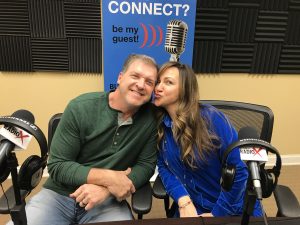
Decision Vision Episode 51: Should Married Couples Be in Business Together? – An Interview with Carol and Steve Docalavich, yourLTL
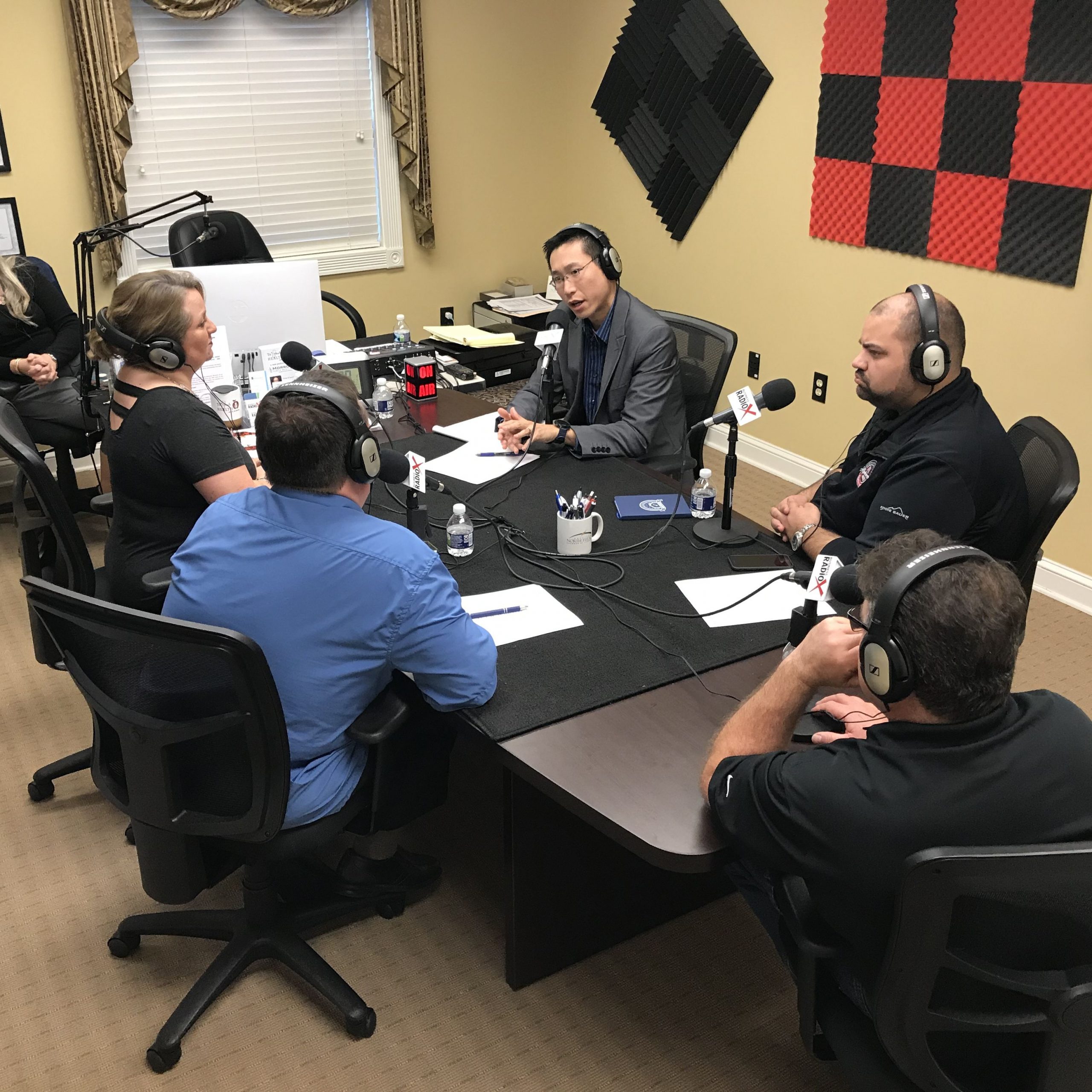
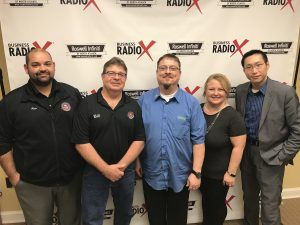
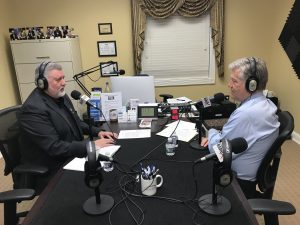
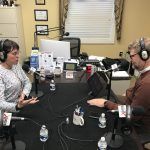
On this special Valentine’s Day edition of “Decision Vision,” Carol and Steve Docalavich of yourLTL share their journey as a married couple in business together. It’s a great episode with lots of laughs and wisdom. The host of “Decision Vision” is Mike Blake and the show series is presented by Brady Ware & Company.
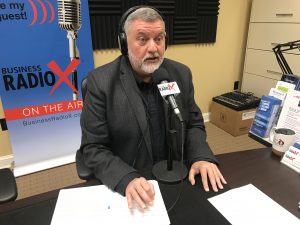
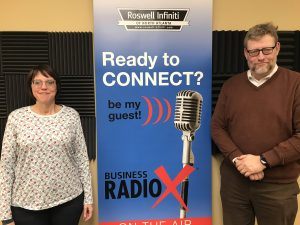
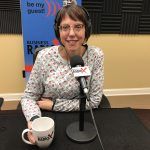
Carol and Steve Docalavich, yourLTL
Carol and Steve Docalavich are Co-Founders of yourLTL.
yourLTL is a completely transparent freight intelligence solution, providing direct relationships with carriers supported by our expertise in rate negotiations and proprietary cloud-based transportation management solution (TMS). They provide the most advanced TMS available, to not only find and compare carrier rates for LTL shipments, but they also allow customer specific pricing for the freight needs of their clients, not just transactional rates. There is no contracts or extra fees. They guarantee Fairness & Accountability in Rates (F.A.I.R.). It’s straight forward and transparent!
Their scalable technology helps simplify the life-cycle of the shipping process allowing multiple departments to access the same shipment from the yourLTL platform regardless of the size of your business. Their simple-to-understand user interface make it easy to find, book, and track shipments in only a few clicks.
yourLTL is a certified woman-owned and controlled business.
For more information on yourLTL, you can find their website here.
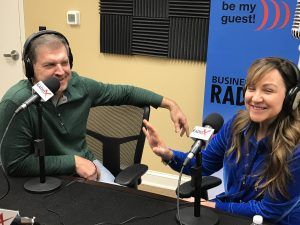
Michael Blake, Brady Ware & Company

Michael Blake is Host of the “Decision Vision” podcast series and a Director of Brady Ware & Company. Mike specializes in the valuation of intellectual property-driven firms, such as software firms, aerospace firms and professional services firms, most frequently in the capacity as a transaction advisor, helping clients obtain great outcomes from complex transaction opportunities. He is also a specialist in the appraisal of intellectual properties as stand-alone assets, such as software, trade secrets, and patents.
Mike has been a full-time business appraiser for 13 years with public accounting firms, boutique business appraisal firms, and an owner of his own firm. Prior to that, he spent 8 years in venture capital and investment banking, including transactions in the U.S., Israel, Russia, Ukraine, and Belarus.
Brady Ware & Company
Brady Ware & Company is a regional full-service accounting and advisory firm which helps businesses and entrepreneurs make visions a reality. Brady Ware services clients nationally from its offices in Alpharetta, GA; Columbus and Dayton, OH; and Richmond, IN. The firm is growth minded, committed to the regions in which they operate, and most importantly, they make significant investments in their people and service offerings to meet the changing financial needs of those they are privileged to serve. The firm is dedicated to providing results that make a difference for its clients.
Decision Vision Podcast Series
“Decision Vision” is a podcast covering topics and issues facing small business owners and connecting them with solutions from leading experts. This series is presented by Brady Ware & Company. If you are a decision maker for a small business, we’d love to hear from you. Contact us at decisionvision@bradyware.com and make sure to listen to every Thursday to the “Decision Vision” podcast. Past episodes of “Decision Vision” can be found here. “Decision Vision” is produced and broadcast by the North Fulton studio of Business RadioX®.
Visit Brady Ware & Company on social media:
LinkedIn: https://www.linkedin.com/company/brady-ware/
Facebook: https://www.facebook.com/bradywareCPAs/
Twitter: https://twitter.com/BradyWare
Instagram: https://www.instagram.com/bradywarecompany/
Show Transcript
Intro: [00:00:01] Welcome to Decision Vision, a podcast series focusing on critical business decisions brought to you by Brady Ware & Company. Brady Ware is a regional full-service accounting and advisory firm that helps businesses and entrepreneurs make visions a reality.
Mike Blake: [00:00:20] And welcome to Decision Vision, a podcast giving you, the listener, a clear vision to make great decisions. In each episode, we discuss the process of decision making on a different topic from the business owners or executives’ perspective. We aren’t necessarily telling you what to do, but we can put you in a position to make an informed decision on your own and understand when you might need help along the way.
Mike Blake: [00:00:39] My name is Mike Blake and I’m your host for today’s program. I’m a director at Brady Ware & Company, a full-service accounting firm based in Dayton, Ohio, with offices in Dayton, Columbus, Ohio, Richmond, Indiana, and Alpharetta, Georgia, which is where we are recording today. Brady Ware is sponsoring this podcast. If you like this podcast, please subscribe on your favorite podcast aggregator and please consider leaving a review of the podcast, as well.
Mike Blake: [00:01:02] So, the topic that we’re going to do today, and if all goes well, this is going to be released right before or on Valentine’s Day, is couples that going to business together. And I find this an interesting topic. And as it happens, my wife actually came in earlier today to do another interview on selling over Amazon as a retail channel, where, you know, she’s very good at that and I know nothing. But, you know, early in our married life, every time that we tried to have our business lives intersect with one another, it was usually ending up with one of us doing an internet search for divorce attorney.
Mike Blake: [00:01:02] It did not work particularly well. And we both recognized that and we tried to stay away from that. Over time, it’s gotten a little bit better. She’s like, “Yeah, now, you can ask me about how the business is going if you want.” That’s about it. And you probably won’t have to sleep on the couch. And I’ll kind of be on the same way. You can ask me about the business if you want and I may or may not decide to sleep on the couch. So, I have admiration for people who are able to do that.
Mike Blake: [00:02:15] It doesn’t mean that I think our marriage is bad, we’re 20 years together and she hasn’t thrown me out yet. And every day I go home and the key works as a blessing for me. But I do think that I’ve noticed there are couples that have that capacity to work together. And I know that I’m not the only person that’s curious about that, especially in today’s world where, you know, the nature of jobs is different and people going into business for themselves, it’s really never been easier.
Mike Blake: [00:02:44] I think we’re seeing that, you know, more and more and more. But how do you manage the dynamic of a romantic relationship being intertwined with a business relationship? So, as I said, this is not something that I am, at all, an expert on, except that I know that for my personality type, we’re staying away from that. So, we’ve brought in people who can talk about that with us because they appear to have been doing it successfully. And if not, maybe there’ll be some radio drama instead.
Mike Blake: [00:03:13] So, either way, this is going to be a win for the listener. Joining us are Carol and Steve Docalavich, who are co-founders of yourLTL, LTL or less than truckload software platform that provides a visual dashboard of shipping cost allocations, load manifests, shipment tracking, and discrepancy alerts. yourLTL is cloud-based and is continuously enhanced to improve the customer experience dedicated to simplicity and return investment for your less than truckload shipping. They’re also co-founders of Vestra Logistics, a freight brokerage company.
Mike Blake: [00:03:47] And both firms are located just down the road here in Alpharetta. And they also do some real estate management and investing together. Carol, in particular, is a serial entrepreneur, having launched several businesses in coffee, tea import/export, franchise advisory, property management. And Steve comes from a background of having been an air traffic controller for 23 years. So, thank you for making sure I landed safely all those times.
Steve Docalavich: [00:04:12] You’re welcome, Mike.
Mike Blake: [00:04:13] Carol and Steve, thanks for coming on the program.
Carol Docalavich: [00:04:16] Yeah, thanks, Mike.
Mike Blake: [00:04:17] So, how long have you been married and how long you’ve been in business together?
Steve Docalavich: [00:04:23] Eight years on the 14th. Eight years on the 14th.
Mike Blake: [00:04:27] Of this month?
Steve Docalavich: [00:04:29] Yeah.
Carol Docalavich: [00:04:29] Yeah.
Mike Blake: [00:04:29] Well, congratulations. That’s great.
Carol Docalavich: [00:04:32] Yeah.
Mike Blake: [00:04:32] And so, I mean, which came first?
Carol Docalavich: [00:04:37] Match.
Steve Docalavich: [00:04:38] Yeah. So-
Carol Docalavich: [00:04:39] match.com.
Mike Blake: [00:04:40] No kidding?
Steve Docalavich: [00:04:40] Yeah. That’s because Tinder wasn’t around at the time.
Mike Blake: [00:04:45] Well, you know, timing is everything, right?
Steve Docalavich: [00:04:47] Yes, that’s right.
Mike Blake: [00:04:47] So, you found each other on Match. And at that point, did you start to realize that both of you kind of had an entrepreneurial bat that you needed to be, wanted to be in business for yourselves or-
Steve Docalavich: [00:05:00] No.
Mike Blake: [00:05:00] So, how did that evolve?
Steve Docalavich: [00:05:03] Not at all. She was already in business for herself. Actually, we had met. I was an air traffic controller in California and we didn’t meet, meet, but we met only through one of her businesses. I moved from California to Washington Center, which is in Northern Virginia. And when I moved, the FAA moved me and the movers broke or scratched every piece of furniture I had. And so, I called the moving company and I said, “Hey, what I do about this?” Said, “Don’t worry about it, we’re going to send over a van.” This guy, he’s magical. So, they sent over a van and it was called Furniture Medic. I didn’t know what that was. Well, he came in, an hour later, everything was perfect. I was like, “This is amazing.” I never forgot about it, because that was in 1996, I met her in 2012, and she is the founder of Furniture Medic.
Mike Blake: [00:05:55] Oh, no kidding?
Steve Docalavich: [00:05:56] Yeah.
Carol Docalavich: [00:05:57] Yeah.
Mike Blake: [00:05:57] So, how did you get to meet the owner then? I mean, were you such a pain in the ass-
Steve Docalavich: [00:06:02] No, no, no.
Mike Blake: [00:06:02] … that you basically said, “I want to speak to the owner, this is unacceptable.”
Steve Docalavich: [00:06:05] What I’m saying is I surreptitiously, I figuratively met her through her business.
Mike Blake: [00:06:11] Okay.
Steve Docalavich: [00:06:11] And then, in 2012, we actually were out on a date. So-
Carol Docalavich: [00:06:16] Now, we sold that business to—I’m trying to think which company that was with Landmark—but no, Service Master is who actually bought that business. And so, that was much before his time. So-
Steve Docalavich: [00:06:32] Yes, I was controlling airplanes, I was making sure you’re safe, Mike.
Carol Docalavich: [00:06:35] Yeah.
Mike Blake: [00:06:35] Thank you for that.
Steve Docalavich: [00:06:36] You’re welcome.
Carol Docalavich: [00:06:37] And a few businesses more a divorce. And then, we met on Match. You hate when I tell the story, but we actually met in June-
Mike Blake: [00:06:48] This is the internet.
Carol Docalavich: [00:06:49] … before we officially started dating in November. He sent a couple emails and apparently, I didn’t respond. So, I must not have been interested at the time. But now, we met in November just before Thanksgiving and we married six-and-a-half weeks later.
Steve Docalavich: [00:07:08] So, this is an example of how she has to win, Mike. So, she has to say, preemptively, that, “I ignored his e-mails before I acknowledged his e-mails.” So, that’s something.
Mike Blake: [00:07:20] But it certainly turned out all right. And a pretty quick turnaround, six-and-a-half weeks.
Carol Docalavich: [00:07:26] Yeah, six-and-a-half.
Mike Blake: [00:07:27] So, I guess as an entrepreneur, you’re just used to making important decisions fast.
Carol Docalavich: [00:07:30] That’s right. Absolutely.
Steve Docalavich: [00:07:32] And since I’m an air traffic controller, I just make bad decisions?
Mike Blake: [00:07:35] Well, if I’ve learned anything from pushing 10, you definitely to make decisions quickly, too, there, right? So-
Steve Docalavich: [00:07:41] Absolutely. Absolutely. And drink.
Carol Docalavich: [00:07:43] So, I was in the real estate business at the time just after the crash. And, you know, I’d been flipping homes and doing rental homes, about 30 or 40 a month at the time. And so, we got married and I said, “Look, you know, why don’t you join the company after you retire”, and, you know, that sort of thing. So, we kind of, you know, went down that path. And so, he started working with me when he could. You know, he’d not retired yet. So, he soft-stepped into it.
Steve Docalavich: [00:08:18] It just so happened, I lost my medical right around that time, so I had to retire. Either retired or got an office job, so I just said, “I’ll retire.” And then, I got an office job with her. So-
Mike Blake: [00:08:28] You lost your medical, meaning you lost your medical clearance to do that job?
Steve Docalavich: [00:08:31] Right. Right. Exactly.
Mike Blake: [00:08:31] Okay. I didn’t know that.
Steve Docalavich: [00:08:32] Yeah.
Mike Blake: [00:08:32] Okay.
Steve Docalavich: [00:08:32] That’s why I was only in there for 23 years instead of 30.
Mike Blake: [00:08:36] I figured you’re just burned out.
Steve Docalavich: [00:08:38] Yeah, I was burned at 15.
Mike Blake: [00:08:39] There’s got to be some burnout in that job.
Steve Docalavich: [00:08:40] I was burned out at 15. So-
Mike Blake: [00:08:43] And at that point, I mean, interestingly then, you didn’t have any hesitation about joining the business and basically being around involved with each other all the time, because not every married couple honestly wants or thrives doing that.
Steve Docalavich: [00:08:59] Well, I mean, it was new.
Mike Blake: [00:09:01] Yeah.
Steve Docalavich: [00:09:01] I didn’t know what that would be like. It seemed to me I want to spend all of the time with her, I could, so hey, why not? Let’s work together. And when we were doing this, there was a property management company in Atlanta that it was managing thousands of homes. They were doing it for one of these—I think it’s Blackstone.
Carol Docalavich: [00:09:26] No, they were doing it for—it was Key.
Steve Docalavich: [00:09:27] It was Key.
Carol Docalavich: [00:09:27] But they were at the time, and there’s still a lot of this around, but, you know, investment companies were selling properties to overseas investors. And so, they were managing these overseas investors and they got bought out, you’re right, by Blackstone.
Steve Docalavich: [00:09:43] Right.
Carol Docalavich: [00:09:44] So, all the ones that weren’t owned going to be owned by Blackstone, they said, you know, “Let’s go find other management.” So, we took over a chunk of about 300 houses at one time for this management.
Steve Docalavich: [00:10:00] And we didn’t even have a business at the time for managing that. We had to build one immediately to do it.
Carol Docalavich: [00:10:05] We did it in about two weeks.
Steve Docalavich: [00:10:07] Oh, my gosh. It was incredible. And I quit. I mean, that’s one of the businesses we did. And I said, “Look, I can’t. You and I can’t do this together”, because it was the most negative business I’ve ever seen.
Mike Blake: [00:10:20] Why? What about it is so negative?
Carol Docalavich: [00:10:23] Nobody’s happy. Owners aren’t happy. Renters aren’t happy.
Steve Docalavich: [00:10:26] Yeah. So, all the owners are international, right? So, everything that goes wrong, they’re mad about.
Mike Blake: [00:10:30] Yeah.
Steve Docalavich: [00:10:30] And the houses, you know, that these people were renting were, you know, they’d have problems and, you know, they were mad. So, it was—I think we built it to 500, 600 houses and sold it. I mean, she was already selling to all these international buyers anyway, so she had that relationship. So, we kind of sold that portion of the business and kept the houses.
Carol Docalavich: [00:10:53] Yeah, our houses.
Steve Docalavich: [00:10:54] Yeah, our houses.
Carol Docalavich: [00:10:54] Yeah, our houses.
Steve Docalavich: [00:10:55] Yeah.
Carol Docalavich: [00:10:55] And then, sold those off separately. Actually, the Blackstone was who bought our portfolio. So-
Steve Docalavich: [00:10:59] Thank you, Blackstone.
Carol Docalavich: [00:11:00] … he came back on board after that.
Steve Docalavich: [00:11:02] Yeah.
Carol Docalavich: [00:11:02] So, he retired for just a second.
Steve Docalavich: [00:11:04] Yeah. That was about it.
Mike Blake: [00:11:05] Like one of the Brett Favre retirements.
Steve Docalavich: [00:11:07] Yeah.
Carol Docalavich: [00:11:07] Yeah.
Steve Docalavich: [00:11:07] It was a month. And then, I went to the Eagles.
Mike Blake: [00:11:11] So, Steve, let me start with you then, because you’re transitioning from air traffic control, a government job, I guess, right? I think it’s all government-
Steve Docalavich: [00:11:21] It’s all government.
Mike Blake: [00:11:22] … jobs, right? And now, you’re going to be an entrepreneur in the real estate business.
Steve Docalavich: [00:11:28] Right.
Mike Blake: [00:11:28] Do you know anything about real estate? Were you any good at Monopoly, at least?
Steve Docalavich: [00:11:30] Define know anything. No.
Mike Blake: [00:11:33] Were you any good at Monopoly? Do you notice once they got the blue properties and-
Steve Docalavich: [00:11:36] Yeah, Park Place and Boardwalk.
Mike Blake: [00:11:37] Yeah.
Steve Docalavich: [00:11:37] Absolutely. It was easy. I mean, all you had to do was lean on her and she, you know, I went and got a cup of coffee for her every once in a while, and made some copies. And I came up, I’m an idea guy, Mike.
Mike Blake: [00:11:50] Okay. Yeah.
Steve Docalavich: [00:11:50] So, I get a lot of good ideas. I think today was an idea of mine. It was probably a mistake. But no, it’s easy when you get somebody who knows what they’re doing. So, she’s taught me a lot over the last eight years.
Mike Blake: [00:12:05] Now, how about you? You’ve got an independent streak to you, right?
Carol Docalavich: [00:12:10] Just a little.
Mike Blake: [00:12:11] Which is why you’ve been in business for yourself as long as I can kind of track your career, right?
Carol Docalavich: [00:12:17] Yeah.
Mike Blake: [00:12:17] And now, here comes this interloper-
Carol Docalavich: [00:12:18] Yeah.
Mike Blake: [00:12:18] … that’s going to come in and sort of share the wheel with you. Was that hard or is it scary maybe? Was there any concern about that or-
Carol Docalavich: [00:12:29] Yeah, I guess probably at first. You know, I figured if you can direct hundreds of airplanes at one time, you probably can handle pretty stressful situations with-
Mike Blake: [00:12:37] That’s fair.
Carol Docalavich: [00:12:39] You know? So, I figured the stress he could endure and the rest of it was just, you know, he’s a pretty intelligent guy. He likes to say, “I don’t know”, because then, that just gets you a lot to do and stuff, right? Like, you know, that’s your—
Mike Blake: [00:12:52] That’s my go-to, yeah.
Carol Docalavich: [00:12:52] … pat answer. Right. Exactly.
Mike Blake: [00:12:55] Yeah.
Carol Docalavich: [00:12:55] But no, he really caught on really quickly. And, you know, I used to say, “This is not a government job, you know, we like work really long hours and get paid for just a few of them.” So, unlike government, where, you know, they work 40 hours and step out. No, he was really game. And he does really good at letting me take the lead. He does really good with that.
Steve Docalavich: [00:13:20] Can I talk now?
Carol Docalavich: [00:13:21] Yeah, go.
Steve Docalavich: [00:13:21] Okay. So—
Mike Blake: [00:13:22] Speaking of which.
Steve Docalavich: [00:13:25] It’s called fake it until you make it, Mike, is what, you just look confident and stand in the corner. And then, she basically tells me what to do. But-
Carol Docalavich: [00:13:33] That’s so not true.
Steve Docalavich: [00:13:35] Well, I mean-
Carol Docalavich: [00:13:36] Not now.
Mike Blake: [00:13:38] Even to a certain extent, though, I mean, there was a learning process for you, right?
Steve Docalavich: [00:13:41] Oh, absolutely.
Mike Blake: [00:13:42] And not everybody can walk into that and be vulnerable and say, you know, “I don’t know. I don’t know what I’m doing.” And men have a harder time with that than women, I think.
Steve Docalavich: [00:13:52] I don’t have a problem with that. Actually, I’ve been doing that my whole career as an air traffic controller. But now, we would go out and we go look at houses and we purchase that, I go, you know, “I didn’t know what was good and what wasn’t good to buy.” So, it was an evolution there and it was fun. It wasn’t-
Carol Docalavich: [00:14:11] That business was really fun.
Steve Docalavich: [00:14:13] It was. It’s not technical, was not difficult, it’s simply, there’s a house, buy it, don’t buy it. Put somebody in it, flip it.
Carol Docalavich: [00:14:24] Yeah.
Steve Docalavich: [00:14:24] Yeah, that kind of thing. So, that was fun. I mean, what we’re doing now has been an absolute learning-
Carol Docalavich: [00:14:32] That’s been a learning curve for both of us, yeah.
Steve Docalavich: [00:14:33] Yeah, but it’s been fun.
Carol Docalavich: [00:14:35] Yeah.
Steve Docalavich: [00:14:36] It’s been fun, because it’s like it goes from one thing to another to another.
Carol Docalavich: [00:14:40] We’re never bored.
Steve Docalavich: [00:14:40] We’re never bored. We’re always together. And I talked about this with you last week, I think I said-
Carol Docalavich: [00:14:46] Before we knew about your questions.
Steve Docalavich: [00:14:49] Yeah. And I don’t even think about spending time other than playing golf.
Carol Docalavich: [00:14:55] Yeah.
Steve Docalavich: [00:14:55] I mean, I want her to play golf with me and she won’t, because she doesn’t want to embarrass herself.
Carol Docalavich: [00:14:58] I would not have time to learn.
Steve Docalavich: [00:14:59] Right. Well, exactly. But I mean, if she could go play golf with me, I’d love to take her playing golf. That’s what I think is, some people can do that, some people can’t. But, you know, she could be with me all the time as far as I’m concerned.
Mike Blake: [00:15:12] As an aside, I remember when my wife and I were in our 20s, she said, you know, “You really got to think about taking up golf, it would really help your career.” And I said, “Let’s watch a game of golf and see if you still think that”, right? And, you know, as you know, a game of golf is not like a game of darts, it’s not over in 20 minutes. It’s like, you know, a game of golf is an all-day event. And to be any good at it where it does help your career, because you’re shooting 298, that’s not going to help your career if every other ball is in the pond-
Carol Docalavich: [00:15:44] Sure.
Mike Blake: [00:15:44] … or hurt somebody. So, you know, “If you really want this, I’m out one day every weekend while it’s warm until I get sort of good.” She’s like, “Never mind, your career is just fine.”
Carol Docalavich: [00:15:59] Yeah, he does try to play just about every weekend. And so, we do have time apart then.
Mike Blake: [00:16:04] Yeah.
Carol Docalavich: [00:16:04] And, you know, I mean, we’re like most couples, we separate. You know, like I go read and he watches a foreign film or some, you know, documentary or-
Steve Docalavich: [00:16:12] We don’t sit in the same office anymore.
Carol Docalavich: [00:16:14] No, we don’t sit in the same. We did for a long time, though.
Steve Docalavich: [00:16:16] We did, yeah.
Carol Docalavich: [00:16:16] We sat in the same office.
Steve Docalavich: [00:16:18] And then, she let me have my own.
Carol Docalavich: [00:16:21] I didn’t have to listen to every conversation there.
Mike Blake: [00:16:26] Well, I’m curious, what was the dynamic that warranted you to have the same office? My wife and I share the same office at home, which means I’m normally out at Starbucks when she’s working. But what made you want to do that? And then, what changed that made you decide you didn’t want to do that anymore?
Steve Docalavich: [00:16:41] She’s on the phone constantly.
Mike Blake: [00:16:43] Yeah.
Carol Docalavich: [00:16:43] Yeah.
Steve Docalavich: [00:16:44] And I’m just getting up and leaving and finding another desk-
Mike Blake: [00:16:48] Right.
Steve Docalavich: [00:16:48] … with a computer and work from there. So, we had that.
Carol Docalavich: [00:16:51] That’s fair.
Steve Docalavich: [00:16:51] You know, she is never not on the phone and I’m never on the phone.
Carol Docalavich: [00:16:56] Yeah. Well, the first thing is when we started this business, you know, we just went into a space. We didn’t know what we needed yet. You know, we didn’t know what size. We didn’t know how many employees. We had no idea. And so, we just kind of rented a small space. And, you know, it was like, “Okay, we know we need accounting in one, you can lock that door”, you know, those sorts of things. “So, look, there’s one office left. Okay, we can put two desks in it, we can share it.”
Mike Blake: [00:17:22] Okay.
Carol Docalavich: [00:17:22] And I think was a good learning curve for you, too, to be able to hear a lot of that. And then, there are times that I have to kick him under the table, so there’s certain, you know-.
Steve Docalavich: [00:17:31] She’s done that twice already.
Carol Docalavich: [00:17:32] So, there’s certain conversations that I still have to say, you know, like there’s certain jokes or we’ll say, “No, he can’t go to that meeting.”
Steve Docalavich: [00:17:40] Okay. So-
Carol Docalavich: [00:17:41] Or, for sure-
Steve Docalavich: [00:17:41] … I don’t know.
Carol Docalavich: [00:17:43] No.
Steve Docalavich: [00:17:43] What?
Carol Docalavich: [00:17:43] You’re not going to tell that joke.
Steve Docalavich: [00:17:44] I’m not going to tell the joke, but I’ll give the—so anyway, no matter what, and this is strategic, so I don’t have to go to meetings, is there’s always a dead hooker joke-
Carol Docalavich: [00:17:55] Somewhere.
Steve Docalavich: [00:17:57] … somewhere in the meeting. And she’s like, “You can’t come.” “That’s okay. Great. That’s fine”, you know. But I’m not in sales. I’m not in sales, I’m more operational, I’m not marketing, I’m not into those things, I work with the people in the office more than I do people outside the office.
Mike Blake: [00:18:09] I don’t know how much mileage I can get by threatening to do a dead hooker joke.
Steve Docalavich: [00:18:12] It works.
Mike Blake: [00:18:13] I’m going to try that.
Carol Docalavich: [00:18:14] He actually almost went to jail over that, so there’s-
Mike Blake: [00:18:16] Really?
Carol Docalavich: [00:18:16] … real story there.
Steve Docalavich: [00:18:18] Yeah. Well, I was on the phone with an attorney a couple of months ago.
Carol Docalavich: [00:18:24] It’s true.
Steve Docalavich: [00:18:24] And he was talking about our terms and conditions and he was—
Carol Docalavich: [00:18:28] Really negotiating it.
Steve Docalavich: [00:18:30] Yeah. And he was talking about—I can’t remember what it was. So, I threw the dead hooker at him.
Mike Blake: [00:18:34] This is your attorney.
Steve Docalavich: [00:18:37] Right. I said, “Look, we don’t because-” No, it’s not my attorney. He was another company.
Carol Docalavich: [00:18:41] He was a client’s attorney.
Mike Blake: [00:18:43] The other side’s, okay.
Steve Docalavich: [00:18:43] That was doing our terms of conditions, they want to do business with us.
Mike Blake: [00:18:45] Okay.
Steve Docalavich: [00:18:45] But they had a problem with something in there saying, you know, the liability part. And I was like, “Look, it’s not like all these truckers have dead hookers in the back and they’re running in a busload of nuns. I said, we got that covered. We have insurance for that. You don’t have to worry about that.” And there was silence and our business partner, Chase, was jumping up and down, screaming silently at me, right?
Carol Docalavich: [00:19:07] So true.
Steve Docalavich: [00:19:07] Because he was mad. And then, the guy on the other end of the phone just started laughing.
Carol Docalavich: [00:19:11] It was one of those delayed like, you don’t know exactly what’s coming.
Mike Blake: [00:19:15] Right. Chirp, chirp, chirp.
Steve Docalavich: [00:19:15] I knew it was coming. I knew it was coming.
Carol Docalavich: [00:19:18] Yeah. So, there are-
Steve Docalavich: [00:19:18] I used to do it all the time.
Carol Docalavich: [00:19:20] … certain times he can’t get go to me.
Mike Blake: [00:19:23] So, I’ve observed two things about you guys, because, you know, we’re doing some things together a little bit. And one is that every time I’ve interacted with you as clients, you’re always together.
Carol Docalavich: [00:19:38] Yeah.
Mike Blake: [00:19:38] Which is interesting. Is that by design? Is that a business strategy or it’s because eight years later, you’re still newlyweds and you can’t get enough of each other? What is that?
Carol Docalavich: [00:19:49] I think it’s somewhat both. I mean, we even run errands together.
Steve Docalavich: [00:19:53] Yeah.
Carol Docalavich: [00:19:53] Yeah. And I think that’s why we married. So, to back up just a minute, when we got married, I mean, you know, when we said we were getting married, my family was like, “What the heck? Like you plan-” Everything’s a plan for me, like, you know, and they were like, “No, no. If you love him in a year, you know, we can, you know, hold off.” And, you know, I was like, “No, I know what I don’t want. And he’s none of those things.
Mike Blake: [00:20:18] Okay.
Carol Docalavich: [00:20:18] So I’m going to go for this.” You know, I was in my 40s, had been married 20-plus years the first time. So, you know, I was like, you know, “No, we’re going to do this.” But I think a lot of that has to do with we just enjoy each other’s company. Sometimes, he’ll go to work like this morning and it’s like, we didn’t do it today, but sometimes, he’ll leave and I won’t see him and we’ll end up in the same color, like we’re going to work and I’ll go, “Oh, my God. We both were blue. This is so stupid. How do we do this?” But yeah. I mean-
Mike Blake: [00:20:49] Oh, it means then there is an old name practice, right?
Carol Docalavich: [00:20:50] Yeah, exactly. I mean, we’re in sync sometimes just like that.
Steve Docalavich: [00:20:54] We look like old people-
Carol Docalavich: [00:20:56] Yeah, we do.
Steve Docalavich: [00:20:57] … with those. I remember seeing my grandparents in a picture one time, they’re both wear the same jacket with those barrel buttons.
Carol Docalavich: [00:21:03] No, we don’t do that.
Steve Docalavich: [00:21:04] No, I know, but I’m like, “How did they do that?” But I can see how it happens.
Carol Docalavich: [00:21:07] Yeah, I really can.
Mike Blake: [00:21:09] Now, the other thing I’ve noticed is you guys laugh a lot.
Carol Docalavich: [00:21:13] Yes. So-
Mike Blake: [00:21:13] And that’s not just an act, is it?
Carol Docalavich: [00:21:14] No. And that was probably, I would say, the first night that we had dinner together.
Steve Docalavich: [00:21:21] Whoa, whoa, whoa, where are you going with this?
Carol Docalavich: [00:21:22] Oh, stop it.
Mike Blake: [00:21:24] She said dinner.
Carol Docalavich: [00:21:25] First night we had dinner together-
Steve Docalavich: [00:21:27] Yeah.
Carol Docalavich: [00:21:28] … we laughed the entire—I mean, it was constant the whole two hours that we had dinner together.
Steve Docalavich: [00:21:35] I’m a funny guy.
Carol Docalavich: [00:21:36] That’s true.
Steve Docalavich: [00:21:37] Next question, Mike.
Carol Docalavich: [00:21:37] You won the lottery.
Mike Blake: [00:21:40] No. And I’m not trying to put anybody on the couch here, but that laughter, I think, is indicative of the kind of humor that you need to overcome the obstacle, right?
Carol Docalavich: [00:21:54] Yeah, absolutely.
Mike Blake: [00:21:54] Because not everything has gone exactly the way that you wanted it to in business, correct?
Carol Docalavich: [00:21:59] For sure, this last six years. But yeah. Yeah.
Mike Blake: [00:22:02] So talk about a crisis in business that you guys faced together.
Carol Docalavich: [00:22:09] Oh, God. Which one?
Mike Blake: [00:22:13] Well, you-
Carol Docalavich: [00:22:13] You want to pick a subject?
Steve Docalavich: [00:22:14] No.
Mike Blake: [00:22:15] I mean, the juicier, the better.
Carol Docalavich: [00:22:17] Yeah, I’m sure.
Mike Blake: [00:22:17] If there is a dead hooker involved, if you guys revisit that, go.
Steve Docalavich: [00:22:20] Well, Mike, I know I’ve told that joke to you in one of our meetings. I know for a fact-
Carol Docalavich: [00:22:24] Do not tell it.
Steve Docalavich: [00:22:25] I know, but I just know I told it to him and he’s acting like he’s so surprised, you never heard this before.
Carol Docalavich: [00:22:29] I’m sure you haven’t brought it up at Brady Ware.
Steve Docalavich: [00:22:30] Oh, my God. How many times have we had meetings?
Carol Docalavich: [00:22:34] Too many.
Mike Blake: [00:22:35] A lot.
Steve Docalavich: [00:22:36] We’ve had the same meeting 15 times, don’t tell me about it. I mean, because we come in there with same issue all the time.
Carol Docalavich: [00:22:42] Oh, God, so many crises. So, this has been the toughest business I’ve ever tried to learn to run.
Steve Docalavich: [00:22:49] Which one?
Carol Docalavich: [00:22:51] Being in transportation, period.
Mike Blake: [00:22:52] Okay.
Carol Docalavich: [00:22:53] You know, a lot of people that do this, they are brokers who worked for another broker who leave with a book of business. And pretty much even with my first husband, everything we did, we pretty much pioneered. They were, you know, new ideas or there wasn’t maybe just a couple of different companies doing it, but they were relatively pioneered industries. And so, this one, we were like, this one over here said, “Well, how hard could this be?” Yeah, famous last words.
Steve Docalavich: [00:23:21] I said that.
Carol Docalavich: [00:23:21] Yeah.
Mike Blake: [00:23:21] Right up there with, hold my beer, right?
Steve Docalavich: [00:23:23] Oh, yeah.
Carol Docalavich: [00:23:23] Yeah, exactly.
Steve Docalavich: [00:23:25] Absolutely.
Carol Docalavich: [00:23:25] So, I think, you know, very first load we moved on the truckload side was a $40,000 claim. You are not prepared for that. I mean, you have no idea. We had no idea what we were doing. And my mentor said, “Good god, girl, can’t you started A, B and C, did you have to jump all the way to S?” You know, I mean, we literally, immediately, our first official day of business. I mean, we kind of been doing it for like a month trying to build up to getting business. So, I mean, that was the first one. And that was a real crisis, because you don’t know if you’re on the hook for that. And we didn’t know, are we on the hook for the 40 grand or, you know-
Steve Docalavich: [00:24:01] I knew.
Carol Docalavich: [00:24:02] God. But you did. You stepped us through all that. You figured out-
Steve Docalavich: [00:24:09] It wasn’t very difficult. I mean, the-
Carol Docalavich: [00:24:10] At first.
Steve Docalavich: [00:24:10] … carriers, you know, they’re the primary behind that. And it turned out fine. But yeah, we’ve had plenty of times in these two businesses that something hits the fan or whatever and you just got to deal with it. It’s a lot easier. I mean, I lean on her a lot. And then, you know, I’m the strong, silent type, because I don’t have much smart to say. And, you know, she appreciates that. You know, “Wow, you just-”
Mike Blake: [00:24:39] That didn’t stop me.
Steve Docalavich: [00:24:41] No. Yeah, yeah, yeah. So, I mean, she’s like, “Wow, you’re just such a rock and I can count on you to be-“, you know. I’m like, “I’m not saying anything because I don’t know what to say.” But she’s great at handling that kind of stuff and she points in the right direction and, you know, we go that way. There are no bones about who is the brains in the family. And I don’t want to say short bus, but I’m on a bus going somewhere. But no, you know, going back to what we’re talking about here, I enjoy being around my wife. We’re best friends and I don’t think that that’s going to change anytime soon.
Carol Docalavich: [00:25:19] Yeah. And I mean, you know, anytime you start a business, I mean, you know, like at any time in whether you buy one, whether you started from scratch or, you know, whatever you do, you know, there’s small crises almost every day, right? So, we deal with a lot of that. But, you know, he plays that part really well. But, you know, he is the person I go to and say, “All right. Hear me out. What do you think?” You know, he calls them at 3:00 o’clock in the morning, like I’ll say, “Are you up?”
Steve Docalavich: [00:25:51] That’s exactly what it is.
Carol Docalavich: [00:25:51] I’ll say-
Steve Docalavich: [00:25:51] That’s exactly what it is.
Carol Docalavich: [00:25:54] “Go make the coffee.”
Mike Blake: [00:25:55] “Are you up?”
Carol Docalavich: [00:25:56] “Are you up? Go make the coffee.” And it’s usually somewhere between 2 and 3 o’clock in the morning. We’ve had lots of those. You know, as you talk yourself through this and what you’re going to do and directions and he’s an excellent sounding board. And I usually come away from those talks with feeling really confident about the decision we’re going make. So-
Mike Blake: [00:26:18] And I got to imagine that air traffic control, everything else just must sort of pale in comparison, right? It’s about working processes.
Steve Docalavich: [00:26:27] Yeah. But, you know, it’s something that—the thing about that is it’s not the same every day, but, you know, it’s proceduralized to a point and then, there’s weather and then, there’s bad rides and then, there’s 9/11, right? There’s something. But otherwise, 99% of the time, it’s pretty proceduralized. You got guys coming in from here, they’re going there. There’s a profile that you need to create in your mind to keep them away from these guys that are going here, landing there, right? So, basically, everybody who’s entering your airspace is separated before they get there, because you have a plan. Not so much in the business world. I mean, it changes every day. You can proceduralize anything you want, but you can’t stop the wind from blowing, right?
Mike Blake: [00:27:11] Yeah.
Steve Docalavich: [00:27:11] It just depends.
Carol Docalavich: [00:27:13] Especially transportation.
Steve Docalavich: [00:27:14] Yeah, especially transportation. It’s a-
Carol Docalavich: [00:27:15] I mean, it’s a combustible engine and a human being, you know. And I mean, we have little to-
Steve Docalavich: [00:27:22] Nothing could go wrong.
Carol Docalavich: [00:27:23] Yeah, nothing can go wrong. But, you know, I don’t know that there’s any one crisis that like jumps out. There’s just been, you know, you go left, you go right, you go left, you go right. You know, there isn’t really a day that I go home and go, “Oh, well, that was so smooth today.” And-
Steve Docalavich: [00:27:42] It’s all about the people you employ.
Carol Docalavich: [00:27:44] Yeah.
Steve Docalavich: [00:27:44] It really is in this business.
Carol Docalavich: [00:27:46] Yeah.
Steve Docalavich: [00:27:46] You know, people you don’t have to keep watching, right?
Mike Blake: [00:27:49] Yeah.
Steve Docalavich: [00:27:49] You can trust them, do your job.
Carol Docalavich: [00:27:51] And we do a pretty good job, I think, of bringing on solid people that support us.
Steve Docalavich: [00:27:56] Yeah.
Mike Blake: [00:27:58] So, let me switch gears here, has there ever been a point at which one of you has offered the other constructive criticism in the business area?
Carol Docalavich: [00:28:09] Oh, when we got here today.
Steve Docalavich: [00:28:11] Mike, that, no.
Mike Blake: [00:28:13] No?
Steve Docalavich: [00:28:13] The answer is no, I don’t, yes, she does.
Mike Blake: [00:28:16] Okay.
Steve Docalavich: [00:28:16] Yes, it’s not constructive, it’s destructive. No, I’m just kidding.
Mike Blake: [00:28:22] No. But that’s going to come up, especially because I imagine it’s gone initially from you, Carol, to Steve, because you were new to business generally and new to her businesses, where she’s a veteran, right? And there’s the kick under the table. But besides the kicking under the table, I imagine there’s a debriefing like, “You understand why I kicked you under the table”, right?
Carol Docalavich: [00:28:41] Oh, absolutely.
Steve Docalavich: [00:28:42] Well, I know before she does it that she’s going to do it. I’d block her. Now, she’ll call me into our office and shut the door. I mean, she’ll call me into her office and shut the door.
Carol Docalavich: [00:28:51] Oh, boy.
Steve Docalavich: [00:28:52] So, I’m just saying, what other couples do that? “Honey, I want you to come in my office. Shut the door.” What would your wife say to you if you did that to her? She goes, “Uh, no.”
Mike Blake: [00:29:03] Even on the end, you know, I should not say that.
Steve Docalavich: [00:29:06] Exactly. Exactly. I know you have a bleep button there. I was almost going to make you use it. But I do that. I understand that I don’t understand. You know, there are some things that I’m pretty good at and there’s some things that she’s really good at. And sometimes, she needs to talk to me about things that she’s good at.
Mike Blake: [00:29:27] And where do you think you complement each other most? What do you guys think the other one brings to the table that maybe you don’t bring to the table as well on your own?
Steve Docalavich: [00:29:39] She brings hard work, integrity, smarts, know-how, experience, and good cooking.
Carol Docalavich: [00:29:49] Not necessarily in that order.
Steve Docalavich: [00:29:50] Not necessarily in that order. Right. Not to mention the other stuff, right?
Carol Docalavich: [00:29:55] I think where he really complements me is first of all, I keep it light all the time. 99% of the time, he’s always in a good mood. I mean, I would say, you know, he’s rarely not laughing. He’s rarely not making a joke.
Steve Docalavich: [00:30:11] A joke, yeah.
Carol Docalavich: [00:30:11] And, you know, he’ll keep it where—you know, a lot of times I’ll spiral, you know. Entrepreneurs, you know.
Mike Blake: [00:30:18] It’s a very lonely place.
Carol Docalavich: [00:30:20] Yes, it is. We’re almost that, you know, that whole like cyclical, up and down.
Mike Blake: [00:30:25] Manic depressive, you know?
Carol Docalavich: [00:30:26] Yeah, I was trying not to say that word, but yeah, we are. And he’ll bring me out of those lows. That’s one of the things he where he really complements me. And he should’ve been a lawyer. He’s really excellent with understanding legal documents and-
Steve Docalavich: [00:30:42] I watch a lot of TV.
Carol Docalavich: [00:30:45] Play one on TV?
Steve Docalavich: [00:30:46] Yeah. And I watch a lot of TV.
Mike Blake: [00:30:46] Yeah. But I don’t remember William Shatner doing a lot of contract work on Boston Legal, so I’m not sure that you’ll love from there.
Steve Docalavich: [00:30:51] I’ve loved him on Boston Legal.
Mike Blake: [00:30:52] I do, too.
Steve Docalavich: [00:30:53] It’s awesome.
Mike Blake: [00:30:54] Full disclosure, I’m in the tank for William Shatner. I tell you, and I like Star Trek 5, but the reason I’m in the tank for William Shatner, he doesn’t run away from who he is, right?
Carol Docalavich: [00:31:05] Yeah.
Mike Blake: [00:31:05] I don’t think he ever expected, certainly, not the last 40 years, never expected to earn an Oscar or an Emmy or whatever it is they give, right? But all he does is just consistently gets work, right?
Steve Docalavich: [00:31:17] He is hilarious. You know, he went from being a tough guy, right? Earlier on because he has like the John, everyone was a tough guy.
Mike Blake: [00:31:23] Yeah.
Steve Docalavich: [00:31:23] And now, he’s just kind of an old soft guy with. you know, opinions.
Mike Blake: [00:31:28] Yeah.
Steve Docalavich: [00:31:28] And that they’re funny. I love it.
Carol Docalavich: [00:31:31] So, there’s really not a contractor he handles all the legal side, most of the attorneys. You know, not you guys. I don’t let him do the finance side.
Steve Docalavich: [00:31:42] No. Wait a minute. Before you screw this whole thing up, we have attorneys, okay? We use a lot.
Carol Docalavich: [00:31:46] We do.
Steve Docalavich: [00:31:46] We use attorneys. She just brings stuff to me for my opinion and then, I work with the attorneys. But-
Carol Docalavich: [00:31:51] I said handle that.
Steve Docalavich: [00:31:51] Yeah. But I mean, there are things that I enjoy about that part of the work that it makes sense to me. It’s fun.
Carol Docalavich: [00:31:58] And that’s a big relief for me.
Mike Blake: [00:32:00] So, let’s talk about that, because sounds like you do divide and conquer a little bit.
Carol Docalavich: [00:32:03] Yeah, we do.
Mike Blake: [00:32:04] What are some areas where you divide and conquer? Saying, you know, Carol, you’re going to take A, B and C on, you’re going to take Q, R, and S on.
Steve Docalavich: [00:32:12] She made me fire people.
Mike Blake: [00:32:14] You’re the hatchet man.
Steve Docalavich: [00:32:16] So, you know, I was an air traffic controller for so long. And I was in management. I was a supervisor and I was like, “God, I just wish that we could fire somebody.” Yeah, I think it’s the worst attitude. But, you know, when I was a controller, I had the worst attitude in the world. So, if I was my supervisor, I would want to fire me. So, I made this remark to her and she goes, “Fine. Well, you’re going to fire someone.” And I fired somebody. I’ve never felt so bad in my life.
Mike Blake: [00:32:38] Okay.
Steve Docalavich: [00:32:38] And now, if anybody needs to be fired, I don’t fire them. We give that to somebody else.
Mike Blake: [00:32:43] Really?
Steve Docalavich: [00:32:44] Yeah, I got what I asked for and it’s no fun.
Carol Docalavich: [00:32:46] No, it’s no fun.
Steve Docalavich: [00:32:47] It’s no fun.
Carol Docalavich: [00:32:49] No. Well, it’s not like that happens a lot, but-
Steve Docalavich: [00:32:52] No, no, no. I’m just saying, you made me fire people-
Carol Docalavich: [00:32:54] Well, you said you wanted to.
Steve Docalavich: [00:32:54] … just to show me what it felt like to fire people.
Carol Docalavich: [00:32:57] Yeah, like it’s-
Steve Docalavich: [00:32:57] It is not any fun.
Carol Docalavich: [00:32:58] No, you’re changing people’s lives.
Steve Docalavich: [00:32:59] Yeah, you are. Yeah.
Carol Docalavich: [00:33:00] So, I mean, you pretty much run anything that has to do with the truckload side.
Steve Docalavich: [00:33:06] Yeah.
Carol Docalavich: [00:33:08] So, he takes over especially all the operational side of that, not the sales side.
Steve Docalavich: [00:33:13] I’m the visionary, you’re LTL. I started all that.
Carol Docalavich: [00:33:15] Actually was your idea.
Steve Docalavich: [00:33:16] That’s right. It’s all my idea.
Carol Docalavich: [00:33:18] It goes back to you saying you don’t-
Steve Docalavich: [00:33:18] I just don’t know how to implement it. Like I said, I’m an idea guy.
Mike Blake: [00:33:21] Ok
Steve Docalavich: [00:33:21] ay. We’re going to the moon next week, building a rocket.
Carol Docalavich: [00:33:27] You know, his transparency, all, you know, the stuff we talked to you about. You know, the whole transparency truly being-.
Steve Docalavich: [00:33:32] If there are any shippers out there, we are the only transparent-
Carol Docalavich: [00:33:34] Broker.
Steve Docalavich: [00:33:36] … 3PL-
Carol Docalavich: [00:33:37] Yeah, 3PL.
Steve Docalavich: [00:33:37] … in the nation. So, there you go.
Carol Docalavich: [00:33:39] But yeah. And I think probably, I run the business, I do all the finance side, salespeople, you know, that sort of thing. And I think we know our roles. You know, we come in, it’s not like every day like he comes to me and says, “What do I do today?” He gets to work three hours before I do. So, yeah, I think now, it’s more or less, we just kind of know what we’re going to do.
Mike Blake: [00:34:07] Yeah.
Carol Docalavich: [00:34:07] I think at first, he really looked for direction, “What do you need me to do? What he needs me to do? What do you want me to take care of?” He doesn’t do that now. I mean, he acts like he, you know, comes to me for direction, he does not. He comes to me after he’s done it and I got to clean it up.
Mike Blake: [00:34:21] After eight years, you know what it’s going to be, right?
Carol Docalavich: [00:34:23] Yeah.
Mike Blake: [00:34:24] It’s unlikely you’re going to walk in and say, “You know what, I need you to kill somebody today. I need you to kill a man”, right? You’re not sort of expecting that kind of pivot, right?
Carol Docalavich: [00:34:34] No.
Mike Blake: [00:34:34] So, did anything surprise you about working together as co-founders, co-entrepreneurs, either on the positive or negative side?
Steve Docalavich: [00:34:43] She has less respect for air traffic controllers now, I think, is-
Carol Docalavich: [00:34:45] I would say that’s probably-
Mike Blake: [00:34:45] Right. She won’t be flying anymore?
Steve Docalavich: [00:34:48] We take the bus everywhere and rightly so.
Carol Docalavich: [00:34:51] Yeah. So, after I met him and I met a bunch of his friends, which I love, if you knew, you guys are listening, you know I love you.
Steve Docalavich: [00:34:57] They’re not listening to this one though.
Carol Docalavich: [00:34:59] But we left and I was like, “Holy crap, I don’t want to get on an airplane.”
Steve Docalavich: [00:35:07] I was down in Atlanta Center in Hampton and I would let her come to—and that’s the largest aircraft trove solely in the world, busiest, biggest, and all that stuff. I wouldn’t bring her there until after we were married. And she said, “Why?” And I said, “Because they’re all a bunch of jerks and they’re all going to make up stories and tell you, you know, I dated dudes and stuff and, you know, it’s just going to be a terrible experience and I want to be married to you before that happens.”
Mike Blake: [00:35:36] They’re going to talk to you about the time that you landed two 747s naked, basically.
Carol Docalavich: [00:35:40] Yeah, exactly.
Steve Docalavich: [00:35:40] Well, that happened.
Mike Blake: [00:35:42] Okay.
Steve Docalavich: [00:35:42] That’s true. Yeah.
Mike Blake: [00:35:42] How truth is stranger than fiction sometimes.
Steve Docalavich: [00:35:45] Yeah.
Carol Docalavich: [00:35:45] Yeah, true.
Steve Docalavich: [00:35:46] Yeah.
Carol Docalavich: [00:35:47] But yeah. So, I mean, I don’t know, really. You’re better at the storytelling than I am.
Steve Docalavich: [00:35:53] I don’t remember what you’re talking about, what was it?
Mike Blake: [00:35:55] No, it doesn’t matter.
Steve Docalavich: [00:35:55] What was the direction, yeah.
Mike Blake: [00:35:56] Doesn’t matter.
Steve Docalavich: [00:35:57] Yeah.
Carol Docalavich: [00:35:57] You always go off on a story about you.
Steve Docalavich: [00:35:58] Well, I almost went to a dead hooker joke, but-
Mike Blake: [00:36:04] So, everybody, you’re listening to the Dead Hooker podcast and we’re here with Carol and Steve.
Steve Docalavich: [00:36:09] That’s right. If you like, subscribe and thumbs up.
Mike Blake: [00:36:11] Yeah, at deadhooker.com.
Steve Docalavich: [00:36:13] That’s right. I got that, by the way.
Mike Blake: [00:36:15] Do you really?
Carol Docalavich: [00:36:15] Don’t.
Steve Docalavich: [00:36:15] No, it’s deadhooker.co, because somebody else has it.
Mike Blake: [00:36:17] So, you know, somebody is listening and they’re now typing, “I got to see if that domain is available.” I can only get deadhooker.biz.
Steve Docalavich: [00:36:23] That’s right.
Mike Blake: [00:36:24] Oh, man. That’s the lamest one.
Steve Docalavich: [00:36:27] Yeah.
Mike Blake: [00:36:27] Are there any mistakes you made early on that you need to learn from?
Carol Docalavich: [00:36:33] I mean, my list would be really long. You mean as a married couple or just-
Mike Blake: [00:36:36] Yeah, as a married couple in business. I mean, we don’t need to get into the personal stuff, but-
Carol Docalavich: [00:36:39] No, I meant like business-
Steve Docalavich: [00:36:39] Opening up the property management company to bring on those international buyers because we’re just selling to them. You know, that was probably—only because of the way that it happened. It was not a great transition. You know, we got 300 and something houses and we didn’t know who was in them. We didn’t know if they had agreements. We didn’t know where they were. I mean, the-
Carol Docalavich: [00:37:02] We didn’t know if they had mold.
Steve Docalavich: [00:37:03] … turnover, and a lot of them didn’t, some of the houses weren’t even there, was not orderly. It was painful, to say the least.
Carol Docalavich: [00:37:15] Very painful.
Steve Docalavich: [00:37:15] It took us six months to get our feet up under us. I mean, they just said, “Here you go.” And none of it was correct. There’d be different people in houses. We had squatters. I mean, it was horrible. That was one big thing. So, we should have just kept selling them stuff instead of trying to manage their stuff.
Carol Docalavich: [00:37:33] Yeah. I don’t know. As far as where it relates just to a married couple working together, I mean, the first year was tough.
Mike Blake: [00:37:40] Why?
Steve Docalavich: [00:37:41] Because my wife was alive, my ex-wife, I’m sorry. My ex-wife was alive and she had a telephone.
Carol Docalavich: [00:37:47] I’m talking about-
Steve Docalavich: [00:37:48] And she would call-
Carol Docalavich: [00:37:48] I’m not talking about that.
Steve Docalavich: [00:37:49] Okay. Never mind. Disregard that last.
Carol Docalavich: [00:37:52] I was talking about as a married couple working together, not personal stuff.
Steve Docalavich: [00:37:56] Okay. Sorry.
Carol Docalavich: [00:37:57] That’s not what he wants to know about.
Mike Blake: [00:37:57] Yeah, we’re not putting you on the couch.
Steve Docalavich: [00:37:58] Nobody’s listening to this. Go ahead.
Carol Docalavich: [00:38:01] Well, you know, he’s a big personality, as you might have noticed.
Steve Docalavich: [00:38:05] No, I’m not.
Carol Docalavich: [00:38:05] And I have a pretty big personality.
Mike Blake: [00:38:08] Yeah.
Carol Docalavich: [00:38:08] And he did not take direction very well the first year.
Steve Docalavich: [00:38:15] So, you’re saying I’ve learned?
Mike Blake: [00:38:16] So, at some point, did you ever say to him, “Is it that you can’t learn or that you won’t learn?”
Steve Docalavich: [00:38:23] That was that was outside just a few minutes ago, yeah.
Carol Docalavich: [00:38:26] Yeah, there was several of those conversations. It was like, “Look, you know, if you want to do this, you really got to take direction. And I know you don’t-” You know, I mean, his mother told me, “This one doesn’t mind. He doesn’t do well.” I said, “It’s not about minding.” I need him to just understand the process. And he would just, you know, go off on his own and make a decision and-
Mike Blake: [00:38:48] Right.
Carol Docalavich: [00:38:48] Remember the one renter?
Steve Docalavich: [00:38:50] I got a story after this. That’s where you beat me up. Go ahead. Go ahead. No. Have at it.
Carol Docalavich: [00:38:55] So, that was really it. He just really couldn’t take direction very well.
Mike Blake: [00:38:59] Okay.
Steve Docalavich: [00:38:59] Yeah. Yeah.
Carol Docalavich: [00:38:59] That took a while.
Mike Blake: [00:38:59] Okay.
Steve Docalavich: [00:39:00] Okay.
Carol Docalavich: [00:39:00] All right. Go ahead. What’s your story?
Steve Docalavich: [00:39:01] I don’t have one. I was just kidding.
Carol Docalavich: [00:39:02] Yeah, exactly.
Steve Docalavich: [00:39:02] It was a threat. It was a baseless threat.
Mike Blake: [00:39:05] Okay.
Carol Docalavich: [00:39:05] So, there is a quick renter story. So, when we first started, he was like, “Oh, I’m going to handle the renters, I think you’re a little hard, you know, a little harsh on them.” And I said, “Okay.” So, he, you know, calls her and she gives him the story, right? Like I-
Steve Docalavich: [00:39:20] Okay. First, that was a terrible setup for the story. So, the story is-.
Carol Docalavich: [00:39:24] See, that’s what he does, takes it.
Steve Docalavich: [00:39:25] Yeah. Yeah. So, the story is that, you know, we had not that many houses, but we had some renters that were a little bit late with their rent and we took over. So, I said, “Why do we have a management company? We’ll do it ourselves. We’ll manage.” So-
Carol Docalavich: [00:39:35] Yeah, “How hard can this be?”
Steve Docalavich: [00:39:36] Yeah. So, we were managing all her houses and this one lady, “Oh, well, my dog just died and everything, you know, everybody died.” And I said, “Honey, we can’t kick her out. Everything just died. I mean, her plants died, her dog. We can’t do that.” So, come to find out her dog was fine, her plants were fine, she just didn’t want to pay. And so, it just took a little longer to evict her than them, but I was just a soft touch.
Carol Docalavich: [00:40:01] Oh, God.
Steve Docalavich: [00:40:01] Because I didn’t think anybody ever lied.
Carol Docalavich: [00:40:03] Yeah.
Steve Docalavich: [00:40:04] Right?
Carol Docalavich: [00:40:04] Yeah. I’m not quite—and so-
Mike Blake: [00:40:06] Not in real estate.
Carol Docalavich: [00:40:08] No.
Steve Docalavich: [00:40:08] No. No, not renters.
Carol Docalavich: [00:40:10] But what was really funny is we were in the car, on the phone, going down to look at houses.
Steve Docalavich: [00:40:14] Yeah. I remember that, yeah.
Carol Docalavich: [00:40:15] Yeah. And I said-
Steve Docalavich: [00:40:16] I was almost crying at her story, I swear.
Carol Docalavich: [00:40:20] He was literally-
Steve Docalavich: [00:40:20] I said, “Honey, we can’t kick her out. All these things just died.”
Carol Docalavich: [00:40:24] And I said, “Honey, I want to show you something.” I said, “This is the second month her dad has died.” And he said, “Oh, my God.”
Steve Docalavich: [00:40:31] You need the bleep button again.
Carol Docalavich: [00:40:33] Like literally. He goes, “I just fell for that.” And I’m like, “Yeah, but-”
Steve Docalavich: [00:40:37] I’m such a sucker.
Carol Docalavich: [00:40:39] He was a sucker.
Steve Docalavich: [00:40:39] Yeah.
Carol Docalavich: [00:40:39] So, that was some of the stuff that was tough.
Mike Blake: [00:40:41] He’s a softy.
Carol Docalavich: [00:40:42] Yeah, he is.
Steve Docalavich: [00:40:42] Yeah, I am a big softy.
Carol Docalavich: [00:40:45] Yeah.
Steve Docalavich: [00:40:45] But we did evict the hell out of her.
Mike Blake: [00:40:48] Well, at least, there was a happy ending to the whole story.
Steve Docalavich: [00:40:50] Yes, there was a happy ending in this. Right. We kicked her out and her children.
Mike Blake: [00:40:53] Good.
Steve Docalavich: [00:40:54] And I think we killed her dog, I’m not sure. I’m just-
Carol Docalavich: [00:40:56] No, we didn’t. No.
Mike Blake: [00:40:56] One way or the other, something was dying.
Steve Docalavich: [00:40:59] No, I love dogs.
Carol Docalavich: [00:41:00] Yeah.
Steve Docalavich: [00:41:00] But her kids, they were out.
Carol Docalavich: [00:41:03] Yeah.
Steve Docalavich: [00:41:03] I love dogs.
Carol Docalavich: [00:41:03] But he’s good at taking direction now.
Steve Docalavich: [00:41:05] Yes, ma’am.
Mike Blake: [00:41:08] Guys, this has been a great interview. We’re running out of time. We needed to get you onto your weekend, but-
Steve Docalavich: [00:41:13] Mike, if you have to leave, we’ll continue. I don’t know, you know-
Mike Blake: [00:41:16] Oh, well, you know what-
Steve Docalavich: [00:41:17] Yeah.
Mike Blake: [00:41:17] … you ask me questions. Now, we do need to wrap it up and let you guys get back to your businesses and your lives and your weekend, but I can’t thank you enough for agreeing to come on. If somebody is kind of thinking about this, that they’re thinking of going into business as a married couple, I mean, it sounds like you guys are a great example of what to do, can they contact you guys for advice?
Carol Docalavich: [00:41:42] Yeah, absolutely.
Steve Docalavich: [00:41:42] They can call Carol. Her number is—it’s carol@-
Carol Docalavich: [00:41:49] Which one?
Steve Docalavich: [00:41:50] I don’t know. Which one?
Carol Docalavich: [00:41:50] Yeah, seriously, they can, I mean, use my carol@yourltl.com or the office number is 619—what is it? I always give my cell phone, because I’m always on the phone. 619-.
Steve Docalavich: [00:42:05] 678.
Carol Docalavich: [00:42:05] … 678-
Steve Docalavich: [00:42:07] Follow this, 678-619-4316 and then, follow the prompts to Carol.
Carol Docalavich: [00:42:13] There you go.
Mike Blake: [00:42:14] There you go.
Steve Docalavich: [00:42:14] Steve is not on there.
Mike Blake: [00:42:16] And you may have to put on a little prompt in your IVR for marriage counselling.
Steve Docalavich: [00:42:20] Yes.
Carol Docalavich: [00:42:20] Yeah, exactly.
Mike Blake: [00:42:20] Press 7.
Carol Docalavich: [00:42:21] Yeah, exactly.
Steve Docalavich: [00:42:23] Yeah.
Mike Blake: [00:42:23] That’s going to wrap it up for today’s program. I’d like to thank Carol and Steve so much for joining us and sharing their expertise with us. We’ll be exploring a new topic each week, so please tune in so that when you’re faced with your next executive decision, you have clear vision when making it. If you enjoy these podcasts, please consider leaving a review with your favorite podcast aggregator. It helps people find us so that we can help them. Once again, this is Mike Blake. Our sponsor is Brady Ware & Company. And this has been the Decision Vision podcast.