Business RadioX ®

  • Home
  • Business RadioX ® Communities
    • Southeast
      • Alabama
        • Birmingham
      • Florida
        • Orlando
        • Pensacola
        • South Florida
        • Tampa
        • Tallahassee
      • Georgia
        • Atlanta
        • Cherokee
        • Forsyth
        • Greater Perimeter
        • Gwinnett
        • North Fulton
        • North Georgia
        • Northeast Georgia
        • Rome
        • Savannah
      • Louisiana
        • New Orleans
      • North Carolina
        • Charlotte
        • Raleigh
      • Tennessee
        • Chattanooga
        • Nashville
      • Virginia
        • Richmond
    • South Central
      • Arkansas
        • Northwest Arkansas
    • Midwest
      • Illinois
        • Chicago
      • Michigan
        • Detroit
      • Minnesota
        • Minneapolis St. Paul
      • Missouri
        • St. Louis
      • Ohio
        • Cleveland
        • Columbus
        • Dayton
    • Southwest
      • Arizona
        • Phoenix
        • Tucson
        • Valley
      • Texas
        • Austin
        • Dallas
        • Houston
    • West
      • California
        • Bay Area
        • LA
        • Pasadena
      • Colorado
        • Denver
      • Hawaii
        • Oahu
  • FAQs
  • About Us
    • Our Mission
    • Our Audience
    • Why It Works
    • What People Are Saying
    • BRX in the News
  • Resources
    • BRX Pro Tips
    • B2B Marketing: The 4Rs
    • High Velocity Selling Habits
    • Why Most B2B Media Strategies Fail
    • 9 Reasons To Sponsor A Business RadioX ® Show
  • Partner With Us
  • Veteran Business RadioX ®

Menopause

August 23, 2023 by John Ray

Menopause
North Fulton Studio
Menopause
Loading
00:00 /
RSS Feed
Share
Link
Embed

Download file

Menopause

Menopause (Episode 91, To Your Health with Dr. Jim Morrow)

Host Dr. Jim Morrow addressed the topic of menopause on this episode of To Your Health. He clarified what qualifies as menopause, how it’s diagnosed, the range of symptoms, potential treatments such as hormone replacement therapy, the impact on sleep, bone health, heart health, and more.

To Your Health is brought to you by Village Medical (formerly Morrow Family Medicine), which brings the care back to healthcare.

About Village Medical (formerly Morrow Family Medicine)

Village Medical, formerly Morrow Family Medicine, is an award-winning, state-of-the-art family practice with offices in Cumming and Milton, Georgia. The practice combines healthcare information technology with old-fashioned care to provide the type of care that many are in search of today. Two physicians, three physician assistants and two nurse practitioners are supported by a knowledgeable and friendly staff to make your visit to Village Medical one that will remind you of the way healthcare should be.  At Village Medical, we like to say we are “bringing the care back to healthcare!”  The practice has been named the “Best of Forsyth” in Family Medicine in all five years of the award, is a three-time consecutive winner of the “Best of North Atlanta” by readers of Appen Media, and the 2019 winner of “Best of Life” in North Fulton County.

Village Medical offers a comprehensive suite of primary care services including preventative care, treatment for illness and injury, and management of chronic conditions such as diabetes, congestive heart failure, chronic obstructive pulmonary disease (COPD) and kidney disease. Atlanta-area patients can learn more about the practice here.

Dr. Jim Morrow, Village Medical, and Host of To Your Health with Dr. Jim Morrow

Covid-19 misconceptionsDr. Jim Morrow is the founder of Morrow Family Medicine. He has been a trailblazer and evangelist in healthcare information technology, was named Physician IT Leader of the Year by HIMSS, a HIMSS Davies Award Winner, the Cumming-Forsyth Chamber of Commerce Steve Bloom Award Winner as Entrepreneur of the Year and he received a Phoenix Award as Community Leader of the Year from the Metro Atlanta Chamber of Commerce.  He is married to Peggie Morrow and together they founded the Forsyth BYOT Benefit, a charity in Forsyth County to support students in need of technology and devices. They have two Goldendoodles, a gaggle of grandchildren and enjoy life on and around Lake Lanier.

Facebook | LinkedIn | Twitter

The complete show archive of To Your Health with Dr. Jim Morrow addresses a wide range of health and wellness topics.

Dr. Morrow’s Show Notes

What is menopause?

  • Menopause is when a person’s menstrual periods permanently end. 
  • Perimenopause is the term for the 3 to 5 years around the time of menopause and before your final period. During this time, people experience fewer periods that are further apart.

When does menopause occur?

  • The timing of actual menopause is different for each person. 
    • The average age for a person to have their last period is about 51. 
      • But it’s normal for menopause to occur any time from age 40 to 59. 
      • A person often goes through menopause at about the same age as their mother.
  • You may stop having periods early (before age 40). 
    • If so, your doctor can do a blood test to see if you’re actually going through menopause. 
      • If you’re not, the doctor will look for another cause for your missed periods.
  • Menopause is a gradual process that can take several years. 
    • You’re not really through menopause until you haven’t had a period for 12 months. 
      • (During this time, keep using birth control if you don’t want to become pregnant.)
  • People who have both ovaries removed during surgery will go through “surgical menopause” at the time of their surgery. 
    • If the uterus is taken out but the ovaries are not, a person will stop having periods, but they will not go through surgical menopause.

What causes menopause?

  • Menopause is what happens when your ovaries stop producing the hormones that control menstruation. 
    • These hormones are estrogen and progesterone. 
    • Without these hormones, your body will no longer release an egg each month.

How is menopause diagnosed?

  • If you believe you are going through menopause and have concerns, talk to your doctor. 
    • Menopause does not require an official diagnosis unless you want to confirm it. 
      • Your doctor may order a blood test to check your hormone levels. 
      • They will check for estrogen as well as a follicle-stimulating hormone (FSH).

Can menopause be prevented or avoided?

  • Menopause cannot be prevented or avoided.

Symptoms of menopause

  • Symptoms of menopause vary. 
    • Some people just stop having periods. 
      • Most people experience some symptoms, such as the following:
        • A change in your menstrual cycle.
          • This is one of the first signs of nearing menopause. You may skip periods or they may occur closer together. Your flow may be lighter or heavier than usual.
        • Hot flashes.
          • Hot flashes are the most common symptom of menopause. When you have a hot flash, you’ll feel warm from your chest to your head. These often happen in wave-like sensations. Your skin may turn red and you may sweat. You may feel sick to your stomach and dizzy. You may also have a headache and feel like your heart is beating very fast and hard.
        • Vaginal dryness.
          • During and after menopause, the skin of your vagina and vulva (the area around your vagina) becomes thinner. Your vagina also loses its ability to produce as much lubrication (wetness) during sexual arousal. These changes can lead to pain during sex. You may need to help supplement vaginal moisture to make sex less painful. You can use an over-the-counter water-based sexual lubricant (such as K-Y Jelly). Or you can use moisturizers for the vaginal area (such as Vagisil). You can also talk to your doctor about the benefits and risks of using prescription estrogen cream for vaginal changes.
        • Urinary tract problems
          • You’re more likely to have bladder and urinary tract infections during and after menopause. Talk to your doctor if you have to go to the bathroom more often or feel an urgent need to urinate. Also let your doctor know if you feel a burning sensation when urinating or are not able to urinate.
        • Headaches, night sweats, trouble sleeping, and tiredness. 
          • As you’re going through menopause, you may have trouble falling asleep or staying asleep. Night sweats may wake you up. You may not get enough rapid eye movement (REM) sleep (the stage of sleep during which you dream). A lack of REM sleep may make you feel tired, moody, and stressed out.
        • Weight gain
          • Many people gain weight during menopause. A healthy diet and exercising most, if not all, days of the week will help keep you fit.
  • Talk to your doctor if you have:
    • A change in your monthly cycle.
    • Heavy bleeding.
    • Bleeding that lasts longer than usual.
    • Bleeding more often than every 3 weeks.
    • Bleeding after sexual intercourse.
    • Any blood spotting between periods.

Does menopause have emotional symptoms?

  • Many people experience emotional symptoms during menopause.
    • These symptoms may include sadness, anxiety, and mood swings. 
    • For some people, symptoms can be severe. 
      • If you find that you’re having emotional problems, talk to your family doctor.

Menopause treatment

  • There isn’t a set treatment for menopause. 
    • There are ways to manage some of its symptoms. 
    • Talk to your doctor if you are struggling with hot flashes, if sex is painful, or if your emotions seem unbalanced.

What is hormone replacement therapy?

  • Hormone replacement therapy (HRT) is a treatment for menopause symptoms. 
    • It involves taking synthetic hormones (which are made in a laboratory rather than by the body). 
    • HRT can involve taking estrogen alone or estrogen combined with another hormone, progestin. 
    • Some people have found that HRT can relieve menopause symptoms. 
    • These symptoms include hot flashes, vaginal dryness, and some urinary problems. 
    • However, HRT is not for everyone. 
      • Recent studies suggest that for most people, the risks of using HRT may outweigh the benefits. 
      • Talk to your doctor about the risks and benefits of HRT.

Are other treatments available?

  • Yes, other medicines may help ease some menopausal symptoms. 
    • These include estrogen cream, low-dose antidepressants, soy products, and certain herbal supplements. 
      • Discuss these options with your doctor.

What are phytoestrogens?

  • Phytoestrogens are plant-based substances found in some cereals, vegetables, beans and other legumes, and herbs. 
    • They may work in the body like a weak form of estrogen. 
      • Researchers are studying whether phytoestrogens can be used to relieve some symptoms of menopause. 
      • They are also studying the side effects caused by these substances. 
      • Many soy products are good sources of phytoestrogens. 
      • These include tofu, soymilk, and soy nuts. 
        • Some studies indicate that soy supplements may reduce hot flashes after menopause.
  • However, the results haven’t been consistent. 
    • There is not enough scientific evidence to recommend the use of herbs that contain phytoestrogens to treat symptoms of menopause. 
      • This is also true of pills and creams made with these herbs. 
      • In addition, not enough is known about the risks of using these products. 
      • Herbs and supplements are not regulated like medicines. 
        • Some herbs and supplements can be harmful when combined with certain medicines. 
        • If you’re considering using any natural or herbal products to ease your symptoms, talk to your doctor first.

Living with menopause

    • Living with menopause is easier for some people than others. 
      • It depends on the severity of your symptoms. 
      • Use these tips to help ease symptoms and to learn more about how to deal with menopause.
  • Should I avoid certain foods or drinks during menopause?
        • If you have hot flashes, you may want to avoid spicy or hot foods and drinks. 
        • These can trigger hot flashes. 
          • Alcohol can trigger hot flashes, too. 
          • It also interferes with bone growth and calcium absorption. 
          • People who are going through menopause should avoid or limit alcohol.
  • Can my diet affect how well I sleep?
      • The following tips can help reduce sleep problems:
        • Eat regular meals at regular times.
        • Avoid late-night meals and heavy late-night snacks.
        • Limit caffeine, which is found in coffee, tea, chocolate, and cola drinks. 
          • Caffeine stays in the bloodstream for up to 6 hours and can interfere with sleep.
        • Avoid alcohol. 
          • It may make you feel sleepy, but it actually affects the cycle of REM and non-REM sleep. 
          • This may cause you to wake up throughout the night.

Help for hot flashes

  • Turn your thermostat down. Sleep in a cool room.
  • Dress in layers, so you can remove clothing when you get too warm.
  • Wear cotton and other natural fabrics that “breathe” so you don’t get overheated. Use cotton sheets on your bed.
  • Drink cool water or other beverages when a hot flash starts.
  • Get plenty of exercise.
  • Find out what triggers your hot flashes and avoid them. Spicy foods, alcohol, tight clothing, and hot, humid weather are some common triggers.

How does menopause affect bone health?

  • The older a person is, the greater their risk of osteoporosis. 
    • A person’s risk becomes even greater when they go through menopause. 
    • When your estrogen level decreases during menopause, you lose more bone than your body can replace. 
    • This makes your bones weaker and more likely to break. 
    • To keep your bones strong, it’s important to get enough calcium and vitamin D in your diet. 
    • These help your body absorb calcium. 
    • Your doctor can suggest ways to get more calcium through food, drink, and, possibly, a calcium supplement. 
    • They may also suggest that you take a vitamin D supplement to help your body process calcium. 
    • Ask your doctor what amount of daily calcium and vitamin D is right for you.

How does menopause affect heart health?

  • People are more likely to develop heart disease after menopause. 
    • Lower estrogen levels may be part of the cause. 
    • It also could be that other health issues that are more common as people get older. 
      • These include gaining weight, becoming less active, and developing high blood pressure or diabetes. 
      • You can reduce your risk of these health problems by eating a variety of healthy, nutrient-rich foods. 
      • It also helps to stay active and maintain an appropriate weight.

Previous experience with hormone replacement and how science continues to change the way we practice.

Tagged With: Dr James Morrow, hormones, Hot flashes, HRT, menopause, night sweats, osteoporosis, post & pre menopausal, postmenopausal women, Village Medical, weight loss after menopause, women's health

Chris Lindenau, Fusus

August 23, 2023 by John Ray

Fusus
Executive Perspective
Chris Lindenau, Fusus
Loading
00:00 /
RSS Feed
Share
Link
Embed

Download file

Fusus

Chris Lindenau, Fusus

Chris Lindenau, CEO of Fusus, was the guest on this episode of Executive Perspective. Named as Inc 5000’s Fastest Growing Company in Georgia, Fusus has a mission of creating an open system for use by law enforcement and public safety personnel. Chris discussed their Real Time Crime Center, their new office in London, the role of AI in the realm of safety, reflections on running a business, his service in the Navy, and much more.

Executive Perspective is broadcast and produced by the North Fulton studio of Business RadioX® inside Renasant Bank in Alpharetta.

Fusus

Fusus keeps Law Enforcement Officers, Security Personnel and the Communities they protect safer.

They enable public safety personnel to function more efficiently and with improved operational intelligence, by creating a common operating picture that emphasizes officer, citizen, and community safety.

The Fusus Unified Intelligence Platform is an open ecosystem that integrates and enhances all public safety and investigations assets for law enforcement and public safety personnel. Their real-time crime center platform creates a common operating picture and delivers better situational awareness, enabling agencies to operate more efficiently, with improved operational intelligence, and with a proactive emphasis on officer and community safety.

Company website | LinkedIn | Facebook

About Chris Lindenau, CEO, Fusus

Chris Lindenau is the CEO of Fūsus, the most widely used Real-Time Crime Center platform in use by law enforcement agencies globally.

A native of Columbia, Maryland, Lindenau served for six years on active duty as a Navy Diver, Search and Rescue Swimmer, and as a Supply Officer. He deployed to the Middle East to assist the U.S. effort during Operation Enduring Freedom and the Global War on Terrorism. After the military, Lindenau served as the Chief Revenue Officer for Utility Inc., a manufacturer of hardware and software solutions for mobile connectivity, body camera, and in-vehicle video systems for first responders, and the Director of Global Sales and Marketing for Moog Sensor and Surveillance Systems, a division of the company’s Space and Defense Group.

Lindenau is an active member of the American Society for Industrial Security (ASIS) and has fourteen years of experience launching and growing video surveillance and software technology companies in the public safety, commercial, and defense markets.

LinkedIn

About Executive Perspective

Executive Perspective features executives and business leaders from a wide variety of sectors. Host Danny Vander Maten and his guests cover industry trends, insights, challenges, success strategies and lessons learned.  Executive Perspective is underwritten and presented by Cresa. The show series is produced by the North Fulton studio of Business RadioX® and can be found on all the major podcast apps. A complete show archive can be found here.

Danny Vander Maten, Host of Executive Perspective

Danny Vander Maten, Vice President – Tenant Representation, Cresa, and Host of Executive Perspective

Danny joined Cresa in the Spring of 2016 and brought a diverse background with nearly 10 years of experience in finance, business operations, and strategy to his client’s real estate transactions.

At Cresa, Danny’s primary responsibilities include strategic planning, lease analysis, negotiations, and cost mitigation. As a registered Certified Public Accountant with an active license in the state of Georgia, Danny provides unique financial insight into every critical aspect of the transaction.

Cresa is the world’s most trusted occupier-centric commercial real estate firm. They strategize for the best possible results for occupiers everywhere. Cresa thinks beyond space. Partner without conflict. And apply their integrated expertise to make your business better.

Connect with Danny: LinkedIn | Twitter

Connect with Cresa: Website | LinkedIn | Facebook | Instagram | Twitter

Tagged With: Chris Lindenau, commercial real estate, CRESA, Danny Vander Maten, Executive Perspective, Fusus, Public safety, real time crime center, US Navy, video surveillance

Barry Adams, Peachtree Awnings, and Marika Ponton, Office Angels

August 18, 2023 by John Ray

Peachtree Awnings
North Fulton Studio
Barry Adams, Peachtree Awnings, and Marika Ponton, Office Angels
Loading
00:00 /
RSS Feed
Share
Link
Embed

Download file

Peachtree Awnings

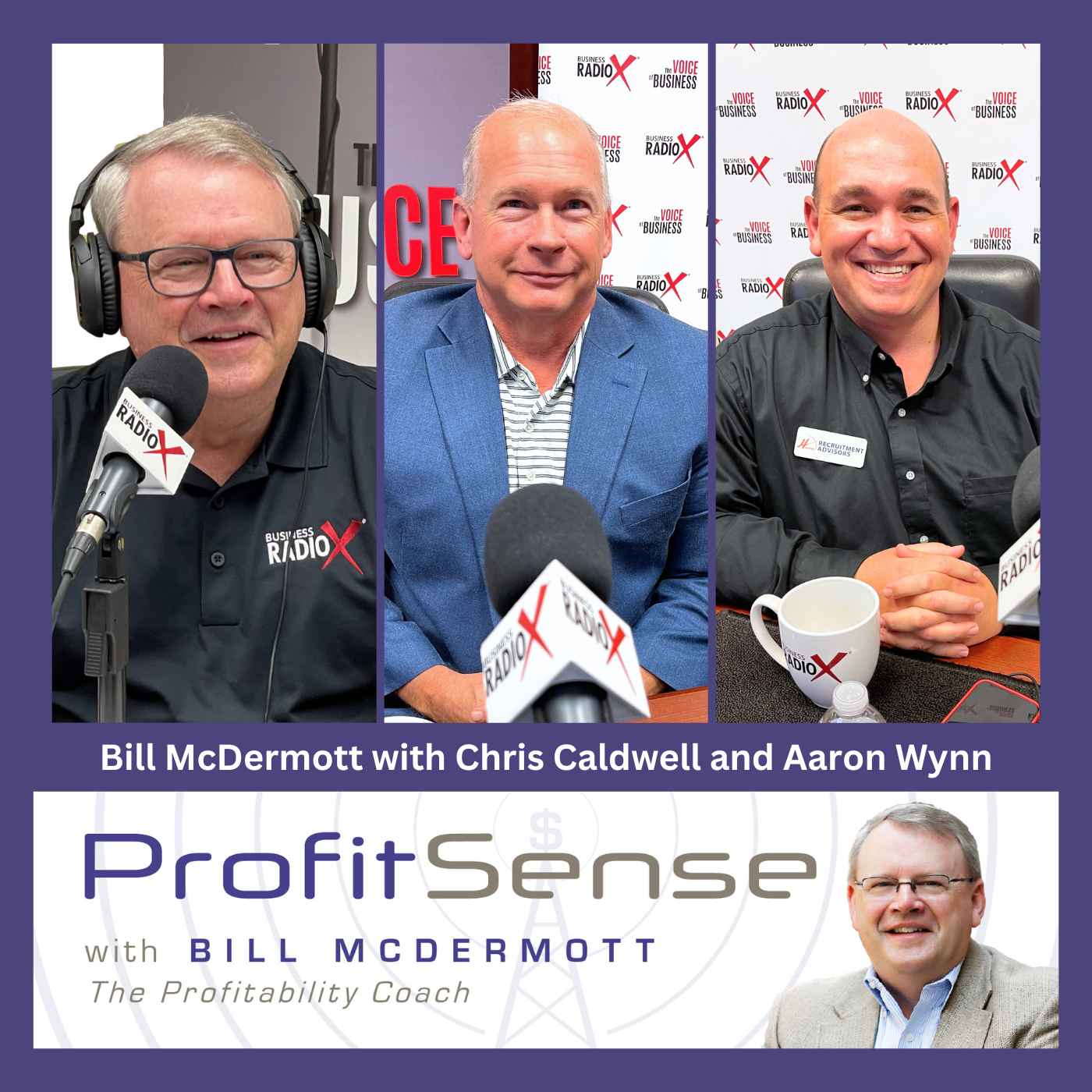
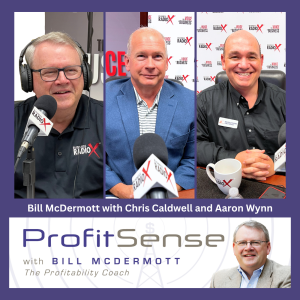
Barry Adams, Peachtree Awnings, and Marika Ponton, Office Angels (ProfitSense with Bill McDermott, Episode 48)

Host Bill McDermott welcomed two accomplished entrepreneurs to this edition of ProfitSense with Bill McDermott: Barry Adams, Peachtree Awnings, and Marika Ponton, Office Angels. Barry shared how his inspiration for starting his business was to “make people smile” and how that mission guides both their work and care for their associates. He also talked about associate engagement, the need for more trades people, the business book he recommends, succession planning, and more.

Marika discussed the mission and work of Office Angels as well as her career journey. She also shared lessons she’s learned, the advice she has for business owners, her book recommendation, and more.

Bill wrapped up the episode with the one sales rule everyone should follow.

ProfitSense with Bill McDermott is produced and broadcast by the North Fulton Studio of Business RadioX® in Alpharetta.

Peachtree Awnings

Peachtree Awnings located in Lawrenceville, Georgia is a premier manufacturer of custom commercial and residential canopies of all kinds.

Their clients includes some of the largest companies in Atlanta, general contractors and property managers.

Website | Facebook

Barry Adams, Owner and President, Peachtree Awnings

Barry Adams, Owner and President, Peachtree Awnings

Barry Adams is the founder and owner of Peachtree Awnings and Peachtree Powder Coating located in Lawrenceville, GA and Tennessee Awnings located in Smyrna, TN. Barry opened Peachtree Awnings in 2005 which serves the metropolitan Atlanta area and other parts of the southeast. He purchased an existing awning company in Tennessee in 2012 which serves Nashville and most of middle Tennessee.

In 2022, Barry opened Peachtree Powder Coating to further expand his business offering into the area of industrial coatings in Atlanta. Prior to getting into the awning and powder coating business, Barry had 18 years of experience in the electrical distribution industry in sales and sales management.

Barry got his undergraduate degree from Tulane University in 1985 and his MBA from Kennesaw State University in 2004. Barry is a past chair of the Southwest Gwinnett Chamber of Commerce and the Professional Awning Manufacturer’s Association. Barry enjoys concerts and live music and resides in Norcross, GA.

LinkedIn

Office Angels

OFFICE ANGELS®  matches a business owner’s support needs with Angels who have the talent and experience necessary to handle work that is essential to creating and maintaining a successful small business. Virtual Administrative Support, Books and Billing, Social Media & Marketing, Human Resources Consulting and more – all on an as-needed basis.

They help you build your own Agile Office with exactly the help you need on your terms and your budget. They are the most efficient virtual services solution a small business could ask for!

Website | LinkedIn

Marika Ponton, Owner, Office Angels

Marika Ponton, Owner, Office Angels

Combine an in-depth accounting background of a CPA, an outgoing personality of a business development professional and an unwavering drive to help small business owners and entrepreneurs grow and command their businesses to achieve their goals and you have Marika Ponton.

Her unique background as an auditor, a successful flooring business owner, and now with Office Angels allows her to serve clients using deep personal experience to relate to business owners regarding their financials, their internal operations, and their goals for new business and growth.

LinkedIn

About ProfitSense and Your Host, Bill McDermott

Bill McDermott
Bill McDermott

ProfitSense with Bill McDermott dives into the stories behind some of Atlanta’s successful businesses and business owners and the professionals that advise them. This show helps local business leaders get the word out about the important work they’re doing to serve their market, their community, and their profession. The show is presented by McDermott Financial Solutions. McDermott Financial helps business owners improve cash flow and profitability, find financing, break through barriers to expansion, and financially prepare to exit their business. The show archive can be found at profitsenseradio.com.

Bill McDermott is the Founder and CEO of McDermott Financial Solutions. When business owners want to increase their profitability, they don’t have the expertise to know where to start or what to do. Bill leverages his knowledge and relationships from 32 years as a banker to identify the hurdles getting in the way and create a plan to deliver profitability they never thought possible.

Bill currently serves as Treasurer for the Atlanta Executive Forum and has held previous positions as a board member for the Kennesaw State University Entrepreneurship Center and Gwinnett Habitat for Humanity and Treasurer for CEO NetWeavers. Bill is a graduate of Wake Forest University and he and his wife, Martha have called Atlanta home for over 40 years. Outside of work, Bill enjoys golf, traveling, and gardening.

Connect with Bill on LinkedIn and Twitter and follow McDermott Financial Solutions on LinkedIn.

TRANSCRIPT

Intro: [00:00:08] Broadcasting from the Business RadioX studio in Alpharetta, it’s time for Profit Sense with Bill McDermott.

Bill McDermott: [00:00:21] Good afternoon. Welcome to Profit Sense. This podcast dives into the stories behind some of Atlanta’s successful businesses and business owners and the professionals that advise them. We help local business leaders get the word out about the important work they’re doing to serve their market, their community, and their profession, as well as discuss current issues that business owners are facing today across a wide variety of industries.

Bill McDermott: [00:00:46] I’m your host, Bill McDermott, and this show is presented by The Profitability Coach. When business owners want to increase their profitability, they often don’t have the expertise to know where to start or what to do. I leverage my knowledge and relationships from 32 years in banking to identify the hurdles getting in the way and create a plan to deliver profitability they never thought possible.

Bill McDermott: [00:01:11] We have two great guests on the show today. We have Barry Adams with Peachtree Awnings. Barry, welcome. Glad to have you.

Barry Adams: [00:01:21] Thanks, Bill. It’s nice to be here today.

Bill McDermott: [00:01:23] And we have Marika Ponton with Office Angels. Marika, welcome to Profit Sense.

Marika Ponton: [00:01:28] Thank you so much for having me. Pleasure to be here.

Bill McDermott: [00:01:31] Barry, I’m going to start with you. You know, I looked at your website. I see in the comments, exceptional customer service, great customer service. And so, I also loved, on your website, your inspiration for starting the business was to make people smile. So exceptional customer service, making people smile, talk about that.

Barry Adams: [00:01:58] Well, you know, Bill, it’s – from the very start, if you have happy customers, then you’re going to be able to replicate that as a business model and bring customers back time after time after time. So, making people smile is something that is kind of at the forefront of everything that we do every day. And our product lends itself to being on the outside of your home, outside of a building. And so when you look up and you see something that beautifies your home or office space, if it brings a smile to your face, then we’ve done our job. We’ve done something that helps you represent your business to the outside community or make your home a better place to live.

Bill McDermott: [00:02:48] That’s such an excellent point. And, you know, it’s Atlanta. It’s hot, it’s humid. You know, everybody needs a canopy or an awning to get some shade here in Atlanta, Georgia.

Barry Adams: [00:02:59] We sell shades, so we cover you up. So that’s it. Yeah.

Bill McDermott: [00:03:03] I love it. And, you know, exceptional customer service really is a function of great people. And so, that kind of leads us into talking about employee and associate retention. How do you continue to develop that exceptional customer service? And, you know, I guess part of that would be in how you retain associates and employees.

Barry Adams: [00:03:32] Well, I think you have to kind of take the mold and break it, first of all, because what people are looking for today is a lot different from what people are looking from a decade ago. And so, little things for us. Every team member has got a picture, their picture on our wall in our office, and that starts with welcoming them as a team member and making them feel engaged, and associate – we call people in our company associates rather than employees. But associate engagement is a very tricky and nebulous thing. But if you can find the hot buttons that keep people at a high level, at their energy, at a high level, then you can start to really tap into their lifeblood. And so whether it’s, you know, going to a Gwinnett Stripers game or, you know, putting their picture on the wall or a company picnic or, you know, things of that nature, keeping people really in the fold is what we really try to do every day. Not easy. Not easy.

Bill McDermott: [00:04:48] Yeah.

Barry Adams: [00:04:49] We’re all busy. So you have to really spend that extra 2%, 3% to keep people at a very high level.

Bill McDermott: [00:04:58] Yeah. And not only employee engagement but also, from what I understand, employee fulfillment is a really big part of retention as well. So it sounds to me like part of your strategy is also to figure out what that person’s, for lack of a better term, what their currency is, maybe things that they really believe in, whether it’s the cancer society or rescuing animals, and people like to feel like they’re a part of purposes or causes that also drive them. Wouldn’t you agree?

Barry Adams: [00:05:34] Absolutely. And our workplace today is a multiracial, multinational workplace. And so, you might hear several different languages spoken on our shop floor. And that’s tricky, to say the least. And so even things like our associate evaluations are in two languages, in Spanish and in English, so that people are certain that they understand an evaluation when it’s given to them by their manager or supervisor. And so, we present that type of collateral literature and those processes. Now, we’ve provided them, tried to provide them, bilingually. So that’s very, very important.

Bill McDermott: [00:06:25] And certainly coming from Gwinnett County myself, I know Gwinnett and other areas of Atlanta certainly have multicultural multilanguages. I know. My wife was a preschool director at our church preschool and they actually spoke, I think she told me at one time, 23 different languages if you can believe it. So, yeah, being able to provide that information in the native tongue of the person is absolutely critical.

Barry Adams: [00:06:55] Yeah.

Bill McDermott: [00:06:55] So exceptional service, how you attract and retain employees that really then takes me back to how you as a business owner recruit and select your people. So, I don’t want you to give away any secret sauce.

Barry Adams: [00:07:13] No, no, no, no. It’s all good.

Bill McDermott: [00:07:15] But what’s your secret?

Barry Adams: [00:07:16] Well, I think if you go back a decade or so, the trades – and I use the trades to represent our business as well. The trades were not in Vogue. It was not a sexy thing to be a welder, you know, or an installation technician. But now suddenly in 2023 it’s becoming more Vogue to be in a trade because the trades are paying, you know, paying quite well and the compensation is good. If you’re a welder these days, you’re going to be in good shape.

Barry Adams: [00:07:52] So, one of the things we tried to do was to forge strategic relationships with the trade schools. We’re only ten minutes from Gwinnett Tech. You know, our shop is only ten minutes from Gwinnett Tech. And I also own Tennessee Awnings in Nashville, Tennessee. And they have a vocational or trade school called TCAT, which is Tennessee College of Applied Technology. And so, we’ve tried to forge strategic relationships with those institutions so that we create a pipeline of people coming right out of the trade school and we get them literally hot off the press, right, right off the line. And so if you’ve got welding skills and you’re in the process of finishing, we really want to reach into that trade school and get you before you’ve graduated.

Barry Adams: [00:08:47] And so, in that way, and we don’t have a thousand employees, but we always need one, two good trade technicians. And so, whether it’s welding or project management, construction management, or installation technicians, we can find those. But you really – and I told my H.R. manager, you – when you build these relationships with an institution like Gwinnett Tech, you can’t be one and done. You got to show up all the time. You know, if they have a job fair, you can’t just be a fair-weather friend. You have to be there all the time because they’re in the business of placing their students. They’re in the business of finding jobs for their students.

Barry Adams: [00:09:36] And so, we help assist that and create that pipeline for people coming out of their technical school into Peachtree Awnings. And it’s really, really – it took a little time. You know, it took a little time. But like any relationship, you know, you’ll get out of it what you put into it. And I feel like, you know, what we get out, we get from Gwinnett Tech is, you know, a times ten kind of relationship. So it’s been really, really awesome.

Bill McDermott: [00:10:04] Yeah, I absolutely love your thinking there. And of course, I went through, I think, a phase not only as a college person myself, but also our children. We tended to think that a college degree was an end all be all. You know, you had to go to college. And I do think your point, the trades have suffered because of it. And so those that, you know, college is expensive. It’s not for everybody. And there is good money to be made, whether you’re a welder or a plumber or, you know, any of the trades that you know that are offered in the Metro Atlanta area.

Barry Adams: [00:10:50] It’s coming back. So the pendulum, you know, tends to take, you know, ten-year swings. And so, it was out and it’s coming back in. And it feels good. It feels right because we need people to do those jobs and do them particularly well, because –

Bill McDermott: [00:11:07] Absolutely.

Barry Adams: [00:11:07] If you’ve ever – if your AC has ever been down, you know, in Atlanta, Georgia, and you need a good HVAC company, you know, finding somebody, you know, online is a good thing as long as you can get somebody out to your house.

Bill McDermott: [00:11:22] Yeah, yeah, that is a challenge, especially in the summer in Atlanta.

Barry Adams: [00:11:27] Yeah.

Bill McDermott: [00:11:28] I know you and I have talked about books that have really impacted us and that takes us, I think, to a book that I believe you and I chatted about called Extreme Ownership.

Barry Adams: [00:11:39] Yeah.

Bill McDermott: [00:11:40] And so for our listening audience, tell us a little bit about the book as you read it and how it has impacted you and your business.

Barry Adams: [00:11:54] Well, Jocko Willink and Leif Babin have a great story to tell because they were obviously on the very frontline in Ramadi and in some really, really dangerous places. And hats off to anybody who’s served our country and has helped to protect the freedoms that we enjoy here.

Bill McDermott: [00:12:17] Yeah, absolutely.

Barry Adams: [00:12:17] But beyond that, they talk about a level of accountability that, you know, no excuses, but it’s beyond no excuses. It starts with if the team has failed its mission, it starts with leadership, you know, and it starts with leadership. And I don’t look for people to blame. The first thing I ask is what did I not provide, what did I not provide our folks that they really, really needed to be successful in their mission or their project? You know, was it tools? Was it training? Did they not understand what the mission was?

Barry Adams: [00:13:01] And so, Extreme Ownership always reflects back on good leadership. And if the leader is strong, then the team is strong. And if the leader is strong, probably the communication is good, you know, and the understanding is good because the communication is good. And so, it tends to permeate from the top down. And the level of accountability that’s required in Extreme Ownership is really something that a lot of people are really kind of uncomfortable with, really honestly.

Barry Adams: [00:13:37] And, you know, we all like to play the blame game, you know, who’s at fault when something goes wrong, you know. Who can – who can we – you know, it’s it’s not about that. If the team failed, then the team failed. And it seems kind of trite, but there is no I in team. And so collectively, we take the credit. Collectively, we take the blame. And I think for me as a business owner, it begins and ends there because the buck stops with me.

Barry Adams: [00:14:10] And I was having a conversation with a general contractor on the way over and he’s trying to get a project done and he’s up in Tennessee, but the buck begins and ends with me. And so, I have to make sure that my team is acutely aware of what it takes to accomplish the mission at hand. And if it doesn’t, then I have to go back to the drawing board and say, what did I not do to cause them to understand or cause them to be able to complete their mission in a timely manner or fully?

Bill McDermott: [00:14:41] Yeah. I’m finding as I’ve coached business owners, accountability is a really big thing. And, you know, it’s one thing to see the problem, but accountability really starts when you own the problem to what you were talking about, Extreme Ownership. Obviously, once you own it, you solve it, then you do the solution.

Bill McDermott: [00:15:01] But it is a challenge sometimes for people to own a problem. And a lot of times leadership doesn’t either have accountability in a particular seat or maybe they have two people in the same seat and each person thinks the other one is accountable for it. And so, accountability is critical to get the results you’re looking for.

Barry Adams: [00:15:24] It’s a little counterintuitive to understand or realize that the more power you give up, the more you get – the more power you have, really. And a lot of people don’t really understand that dynamic because they’re always looking to – but if I’m casting blame, then I don’t really have control over my own processes or my own people, do I? You know, if I’m casting somebody, throwing somebody under the bus, then that means that I don’t have control over my people or my processes. And so, I look – I’m perceived as powerless. Whether that’s true or not, I’m perceived as powerless. And so really raising your hand and saying, “Mr., Ms. Customer, that’s on me. That’s on me. I take, I take full responsibility for that.”

Barry Adams: [00:16:18] And the good news is that when the team does accomplish their mission or the project, you can celebrate those times and you should take time to celebrate those times.

Bill McDermott: [00:16:29] Absolutely.

Barry Adams: [00:16:29] And a lot of times we miss that as an opportunity because we’re off to the next thing. We’re all very busy people and we stop to take a moment again. We talk about engagement. You know, stop to take a moment to celebrate those wins with your team, just in a meaningful way. And that’s easy to say, hard to do. But if you can do that with your folks, they really will really appreciate it. It could be just Chick-fil-A biscuits, you know, in the morning, or it could be, you know, it could be a cake or pizzas for lunch, you know, what have you. So, yeah, yeah, that’s really important as well.

Bill McDermott: [00:17:18] Two of my favorite things, Barry, Chick-fil-A and pizza.

Barry Adams: [00:17:22] Yeah.

Bill McDermott: [00:17:23] We’re talking today with Barry Adams, who’s the founder and owner of Peachtree Awnings and Peachtree Powder Coating, located in Lawrenceville. Peachtree Awnings is a premier manufacturer of custom, commercial, and residential canopies of all kinds. Their clients include some of the largest companies in Atlanta, general contractors, and property managers.

Barry Adams: [00:17:45] Barry, to kind of closeout, the baby boomer generation is thinking about succession planning. Succession planning is something that business owners think about but seem to have a hard time implementing. So when you think about succession planning for the business owner, what comes to mind? And you certainly are very experienced as a business owner yourself. What do you think maybe are the pain points that business owners need to be alert to?

Barry Adams: [00:18:23] Well, first of all, I would say, get started as early as you can – give yourself the longest runway that you can to be successful in that business transition. It’s not too early. You might think it’s, you know, I’m – you know, I’m 59. This is way too early to get started in that process. It’s not. You know, give yourself the longest runway possible because the people that you’re going to need to pull into that process to advise you need to know what’s on your mind and what your intentions are.

Barry Adams: [00:18:56] And so, not everybody has a son, a daughter, a family member to pass that business along to. It would be nice to think so. I don’t have a son or daughter involved in my business. And so, no idea is a bad idea. You can look at, you know, an ESOP, an employee stock ownership program. You should sell it to one of your key employees or a key person in your company. You could sell it to an unrelated, disinterested third party.

Barry Adams: [00:19:32] But you really have to be very open-minded. I think about where that next business owner, where that person is going to come from, identifying a number of strategies and then selecting the proper strategy for you and giving yourself a long time to develop those strategies and not settling on one thing. We’re not having to do it in a crisis mode or in a short period of time where time becomes your enemy. Because right now, for me, time is my friend. I’m healthy. I feel like a fairly young 61. But some mornings I might disagree with that.

Bill McDermott: [00:20:18] Yeah, I would have guessed younger but go ahead.

Barry Adams: [00:20:20] But at any rate, it’s something that I’m starting to think about more and more. The horizon is getting closer. And so, I’m trying to wrestle with those same questions that many business owners do every single day.

Bill McDermott: [00:20:38] Yeah. You had mentioned a moment ago just bringing in a team. Who do you think is important to be part of that team that helps you with that, with that long runway and helps you with that process?

Barry Adams: [00:20:52] Well, I would start with your lending institution, whoever your bank, your lending institution is, your accountant, someone who can help you with a business valuation is a part of that team. Might be an attorney – might be a key attorney that you’ve consulted with. So those are four people right off the top of my, you know, top of my head that really need to be integrally involved in those discussions. And everybody should be kept at the same pace I would say. Nobody needs to be kept in the dark. Everybody needs to kind of know what page you are on as a business owner. And that kind of helps that team move together to advise you appropriately.

Bill McDermott: [00:21:39] Sure. Sure. So it sounds like long runway put together your team, possibly a banker, CPA, business valuation advisor, and maybe also an attorney.

Barry Adams: [00:21:51] Attorney, yeah.

Bill McDermott: [00:21:51] That makes a lot of sense. So, Barry, for those of us that maybe need some shade in our lives, if someone –

Barry Adams: [00:21:59] We hope everybody.

Bill McDermott: [00:22:01] It’s everybody, especially in Atlanta, Georgia, and probably Nashville, Tennessee. What is the best way for a contractor or a potential client to get in touch with you and Peachtree Awnings?

Barry Adams: [00:22:13] Well, you went to the website. We appreciate all the web traffic that we can get. You can drop us a line at info@peachtreeawnings.com, you know, is a great, great way. You go to the website and go to the contact us button and fill out a web page. Those are great ways. Or you can just simply call into the office. We’d love to hear from you. And that’s a great way. You know, our office is staffed fully from 7 a.m. to 5 p.m. Monday through Friday.

Bill McDermott: [00:22:45] Wow. Great. And that phone number I think I have is (770) 409-8372.

Barry Adams: [00:22:52] You got it, Bill.

Bill McDermott: [00:22:53] All right. Barry, it’s been a delight having you on Profit Sense. Thanks so much for not only sharing your experiences, but your expertise. And I love making clients smile. I’m going to try to aspire to that in my business, too.

Barry Adams: [00:23:08] Thanks, Bill. It’s been a pleasure. Thanks so much for having me.

Bill McDermott: [00:23:11] And now we’re going to talk to Marika Ponton. Marika is the owner of Office Angels. Marika, it is so exciting to have you on. I’m going to just start out very generally, why should a business owner call Office Angels?

Marika Ponton: [00:23:30] It’s a great question. And first of all, I just have to say thank you for having me on. But also really, I want you to know how much I appreciate all the guests that I’ve listened to on the podcast and even just sitting here listening to Barry. It’s lovely. And it’s why Office Angels have been around for 23 years helping small business owners, is because of stories like that and just thoughtful people running businesses. And we are there to help them.

Marika Ponton: [00:24:00] So, why should they call Office Angels? This sounds terrible, but it is totally true when they’re in pain, and that pain can be so many things as small business owners know. Who’s going to do this? I don’t know how to do this. I don’t even know what help I need.

Marika Ponton: [00:24:20] Pick up the phone. And number one, we’re just fun to chat with. So that would be one reason. But also let us know what your pain point is. The business has been helping small business owners for 23 years with so many different things. We probably have a solution and we can talk you through getting there.

Bill McDermott: [00:24:43] Great point. I also want to get your perspective on maybe there are some things that surprised you the most about small business ownership. Can you name a couple?

Marika Ponton: [00:24:58] Where do I start? And I’m going to start with a little bit of background about myself so it makes more sense.

Bill McDermott: [00:25:05] Okay.

Marika Ponton: [00:25:05] I spent many years as an auditor in public accounting, and if anyone knows what that means, that’s painful.

Bill McDermott: [00:25:14] It’s also lonely.

Marika Ponton: [00:25:15] Exactly.

Bill McDermott: [00:25:15] It’s you and the numbers.

Marika Ponton: [00:25:17] You and the numbers. You and the numbers and probably difficult clients. Not enough staff. You know, deadlines, intense deadlines. And so my point is, it was hard and it was challenging. And it really gave me grit. And here’s what I’m going to say about small business ownership. Hardest thing I’ve ever done. Literally hardest thing I’ve ever done. I was blown away at just my frustrations and what I wasn’t able to accomplish that I probably thought I could have easily. And so, that’s the surprise, is how hard it was and how much help you really do need. And it’s also lonely as well. You know, where do you go? Who do you talk to? Like I said, call Office Angels. We’re there.

Bill McDermott: [00:26:06] Right.

Marika Ponton: [00:26:08] But truly challenging. And before Office Angels, I owned a flooring company. So that’s why so many things Barry was saying I identified with, you know, the labor shortages, getting people to, you know, show up and to work. All of those things were on me. And I guess that’s really the crux of it, is that the owner is where the buck stops and you need that team around you. But who is that team and how do you get them and how do you find them and how do you trust them?

Bill McDermott: [00:26:42] Yeah, yeah. You know, part of my story was I really thought starting the business, I had to be all things to all people.

Marika Ponton: [00:26:49] Absolutely.

Bill McDermott: [00:26:50] And so, I became the choke point of my own business. And I was unintentionally paying my own hourly rate to do tasks that I wasn’t good at and could be done well by a very competent person that I could pay less than my hourly rate and free up time. And so, part of that was my realization as kind of a solopreneur. You know, you play to your strengths and you staff your weaknesses. And so, I hired someone to handle my calendar, my marketing, two things that I can remember that I really wasn’t good at. And it was a game changer and I was happier. And the person that was doing that work was great at it. And so it was a win-win.

Marika Ponton: [00:27:51] It’s an absolute win-win. And the business can grow.

Bill McDermott: [00:27:54] Yeah.

Marika Ponton: [00:27:55] Because you’re not that choke point. And that is my entire mission with Office Angels, is to grow and help more business owners. But if I’m doing all of those tasks that are non-critical for me to do, no way.

Bill McDermott: [00:28:10] Yeah.

Marika Ponton: [00:28:11] You can’t grow.

Bill McDermott: [00:28:12] You can’t.

Marika Ponton: [00:28:12] So that really was just mind-boggling for me when I first started in small business ownership. You can’t do everything, you know. You really can’t.

Bill McDermott: [00:28:25] We’re talking today with Marika Ponton, who is the owner of Office Angels. Combining an in-depth accounting background of a CPA, an outgoing personality of a business development professional, and an unwavering drive to help small business owners and entrepreneurs grow and command their businesses to achieve their goals, and you have Marika Ponton.

Bill McDermott: [00:28:46] And so, I want to ask you a little bit about some of the most influential people in your life and how they impacted you.

Marika Ponton: [00:28:55] It’s such a good question. Thank you for asking. And there’s a few, and I’ll start with all the way back, something so special that I can remember that still affects me to this day. I was probably eight years old. I was on my grandfather’s farm and he said, “Hey, go ahead and jump up on that forklift and, you know, go move that box over there.” “Okay.” And he showed me some things. It wasn’t just like complete child unsafety. But when I did that, I totally rammed the forks into the side of the box.

Bill McDermott: [00:29:33] Uh oh.

Marika Ponton: [00:29:33] Right. And so all these walnuts start pouring out and I’m looking around like, “Oh, I’m in trouble. I’m in big trouble.” Because if it was my parents around, I would have been. But what did my grandfather say to me? He said, “That’s okay. That’s how you learn.” And to this day, I still think about that because it really shaped my entire life of, like, it’s okay if I make a mistake. I don’t have to be hung up on that forever and beat myself up. I learn from it and I don’t do it again, but I roll on, you know, just like I did with that forklift. So that one really stuck with me.

Marika Ponton: [00:30:14] And the next one, a few years later, my dad, we were driving in Utah in the deserts of Utah, and I was about ten. And he said, “Hey, let me teach you how to drive.” And I jumped behind the wheel and he taught me. Again, there’s a lot of child unsafety sounding, but this was back in back in the day. It was fine. Right?

Marika Ponton: [00:30:38] But what that really taught me was it was just, he pushed me and he made me do things that I really didn’t think I could do and I did. And also with my dad. This is a good story. My name is spelled M-A-R-I-K-A, but that’s not how it originally was. It was originally with a C and everyone would call me Marcia. Yes.

Bill McDermott: [00:31:04] Okay.

Marika Ponton: [00:31:04] Which is fine. That’s a fine name. But it was Marika. And both my parents, I will give them both credit for this, they said you need to explain to people how to pronounce your name. And so any of you who know me now, I don’t shy away from ever speaking up and sticking up for myself and having confidence about who I am and what I do, and that came from my parents. And my dad even went to the extent of going down and having my name changed on my birth certificate to a K. And so my point here is, stick up for yourself. It’s okay to speak up and correct someone if it’s not what you want to be known as or in whatever it is in life. It’s okay to speak up. Yeah.

Bill McDermott: [00:31:52] Yeah. The thought that comes to mind, if you don’t stand up for something, you’ll fall for anything.

Marika Ponton: [00:31:57] Absolutely. Is it a country song or?

Bill McDermott: [00:31:59] It could be.

Marika Ponton: [00:32:00] I think it might be.

Bill McDermott: [00:32:01] I don’t know the singer, but maybe.

Marika Ponton: [00:32:02] Me neither. But it’s absolutely true.

Bill McDermott: [00:32:04] Yeah.

Marika Ponton: [00:32:05] It’s absolutely true.

Bill McDermott: [00:32:06] So, a lot of businesses are getting agile. In your experience, what are two specific things that small businesses can do to get agile?

Marika Ponton: [00:32:19] I’m going to speak right to what you do for a living. It is, get your books in order, timely and accurate, and know where your profitability points are and how you can improve. I can’t speak to it enough. Having proper books is just the first thing I ask of anyone that I’m talking to in a business relationship. When they’re asking for help, what can I do to turn this around? Where am I missing? Well, where’s your financials? What financials? You know, or “Oh, well, they’re not cut up from 22.” Start there and then come talk to me.

Marika Ponton: [00:32:56] And a lot of that comes from my – I mean, I’m a CPA. Like, the background is, we got to have the numbers, you know, and an auditor. But in small business, if you don’t have books, I don’t know. I don’t know how you do much of anything with security because you’re making decisions totally blind of not knowing if you can even afford something, if you should be doing this, if this is the right decision. So, that’s number one in my book. And I know it’s your book as well.

Bill McDermott: [00:33:24] Yeah. You’re preaching to the choir here. Yeah.

Marika Ponton: [00:33:26] Exactly. But I had to say because I literally live it. I live it. It is so crucial. When I was a flooring business owner, so many of the other franchisees would come to me because I was profitable and I was having all these sales and they’re like, “Well, what do you do? You know, what – tell me how to be like you.” Well, I mean, no one can be Marika, but what I can tell you is how do your financials look. Dig into your financials. I’m happy to look at them. And I did. And I would just glaringly see things, “Hey, why are you spending on this when, you know, your sales are down 50% from last month?” “Oh, good point.” So that’s number one. Number one.

Marika Ponton: [00:34:05] And number two, I would say is just same things we’ve been talking about right here is take stock of non-critical tasks that you’re doing. Take stock. Write it down. What are things that you are doing that you shouldn’t be doing and aren’t the best use of your time, and outsource those. And that’s Office Angels is there to help you with that.

Bill McDermott: [00:34:30] So, I had a client who was actually coaching me when I was coaching them.

Marika Ponton: [00:34:37] Okay.

Bill McDermott: [00:34:38] She said, “Bill, you need to build a – this is ridiculous list.” Meaning this is ridiculous that you’re doing this task. And so, the same thing that you’re talking about, make a list. I shouldn’t be doing this. Find an Office Angel to do this for me who’s much better at it. So, gosh, I’m a walking commercial for Office Angels.

Marika Ponton: [00:35:03] You literally are. I mean, that’s why I said, why am I here? Why am I here? I mean –

Bill McDermott: [00:35:06] You’re here because you’re important.

Marika Ponton: [00:35:08] I’m fun. I mean, that’s really kind of it. That’s what I hang on to. That’s what I hang on to. Yeah.

Bill McDermott: [00:35:14] So, what’s been your least favorite job to date and what did you learn from it?

Marika Ponton: [00:35:21] You know, I spoke about public accounting. No, I’m kidding. We won’t go there. I’ve got a funny one. I’ve got a funny one. Even though it wasn’t funny at the time. It was one of my first jobs way back. And I won’t even name the company. I won’t. I won’t do that. But it was – they made smoothies. And so, I show up for my – I’m super excited. It’s like my first job. I show up and they give me a hat that has the brand on it, right? I’m ready to rock the brand and I go to put the hat on and it is literally stained with sweat in the hat.

Bill McDermott: [00:35:57] Oh, my gosh.

Marika Ponton: [00:35:58] And it’s just like, “Oh, okay.” I mean, I’m, like, not valued to even get a brand new hat, right? And of course, I was already at that point where I’m speaking up for myself and I said, “Hey, can I get a new hat? This is kind of gross.” And they were like, “No, this is all we have.” So, I did wear it. But because I had spoken up, they went ahead and put me in the freezer, lifting strawberries and berries and all of this stuff for the entire day.

Marika Ponton: [00:36:28] And look, I say it’s funny because it was. Really, it was. But what it taught me and what I remembered and it’s some of what Barry was speaking to, how you treat employees and onboard people and show them how you care about them anytime but really as a first impression, it stuck with me. You gave me a used hat.

Bill McDermott: [00:36:55] Yeah.

Marika Ponton: [00:36:56] You know, in a food space. Like, this is unacceptable.

Bill McDermott: [00:37:01] Right.

Marika Ponton: [00:37:02] Unacceptable. But it stuck with me. It’s a good story because it’s like, I’ll never do that. I may not be perfect on how we onboard and how we engage, but I care and I’m thoughtful and I will try. So, that was the least favorite job.

Bill McDermott: [00:37:17] Yeah. Understandable.

Marika Ponton: [00:37:18] Yeah.

Bill McDermott: [00:37:19] So, I know you and I both love to read.

Marika Ponton: [00:37:22] Yeah.

Bill McDermott: [00:37:22] We’re lifelong learners. So, what is one book you would recommend to the audience? And then, the second part of that is, why would you recommend it?

Marika Ponton: [00:37:29] Yeah, and it’s such a great – we’re having – this is such a good conversation here today because it all aligns the book that I really would encourage people to pick up, and even if they are challenged with some of the – it’s a slow read because it’s heavy. But what it’s called is The Courage To Be Disliked. And it’s exactly along the lines of some of the stuff you guys were talking about with Jocko and the Extreme Ownership. It’s all about accepting responsibility for your circumstances and not being a victim. And you can change it if you dig in. It’s no one else’s responsibility to fix your life or fix your business. Take a look at yourself and really know who you are and know what your skills are. And if you’re not good at something, that’s okay. It’s more power, really, to you if you can say, I can’t do this, I’m terrible because move that to somebody else who’s better at it and then we grow the business or we grow our lives or we, you know, we become happier in our lives.

Marika Ponton: [00:38:38] So, The Courage To Be Disliked, like I said, was tough even for me to get through because it’s so thought-provoking. I had to put it down and say, you know, let me – I got to let that sink in for just a minute. But why do I recommend it? All those things. But so much that I hear when people are looking for help, it’s just as discussed earlier. They’re oftentimes looking to blame someone else before they go, “Hey, maybe I messed that up,” you know. And that’s where really knowing yourself and being okay with doing things even though not everybody likes them, that courage to be disliked, it’s powerful.

Bill McDermott: [00:39:24] Yeah.

Marika Ponton: [00:39:25] It’s really powerful. And it really, it can drive you to a deeper level of happiness with yourself and your business.

Bill McDermott: [00:39:32] Yeah. Sounds like a great book.

Marika Ponton: [00:39:35] It’s a great book. But don’t give up on it, is my point. Don’t give up because I’ve recommended it to multiple people and they’re like, “Whoa.” And I’m like, “I know.” Put it down. Come back after you’ve thought about it, but don’t give up on it.

Bill McDermott: [00:39:48] Yeah, yeah. So for our listening audience out there, somebody needs an Office Angel. What’s the best way for them to get in touch with you and/or the firm?

Marika Ponton: [00:39:58] Call us up. We love to chat. We absolutely love to chat. We want to hear your story. The phone number is (678) 528-0500. Or go to our website. Really, that’s the same kind of thing. Contact form. Learn a little bit about us. It is officeangels.us.

Bill McDermott: [00:40:23] Great. Marika, it’s been great having you on the show. Thanks so much for coming.

Marika Ponton: [00:40:26] Thank you for having me, Bill.

Bill McDermott: [00:40:29] You know, I want to take a moment and talk about the sales rule everyone should follow. When someone mentions they’re a salesperson, mental images often come to mind of the used car salesperson that asks, “What do I need to do to get you in the car today?” People hate to be sold, but when people are ready to buy, they appreciate the help. There’s a subtle mind shift. Excuse me. There’s a subtle mindset shift sell versus help. The used car salesperson makes it about themselves, but the smart salesperson makes it about their client.

Bill McDermott: [00:41:06] One of the best pieces of sales advice I’ve gotten is the level of activity you’re willing to adopt will be a limiting factor in your business. If I adopt a low-activity process, I’ll have low production. But if I’m willing to adopt a high-level activity, I will have high production. Having spent over four decades in sales, I’ve learned that 10-3-1 rule. For every ten client meetings I have, I’ll give three proposals, and for every three proposals, I’ll get one sale.

Bill McDermott: [00:41:37] So, early on in my career, I looked at my calendar and saw five potential timeslots for meetings, 8 a.m. breakfast, 10 a.m., noon for lunch, 2 p.m., and 4 p.m. So if I challenge myself to fill three of those five slots every day, that’s 60 potential client meetings per month, 18 proposals, and six sales. If my sales goal was $200,000, then each sale needed to be at least 34,000, which is the 200,000 divided by six. If I’m able to make four appointments per day, that’s 80 calls, 24 proposals, and eight sales with the same average sale. I make 272,000. If I adopt only two calls per day, that’s 40 calls a month, 12 proposals, and four sales. That’s 136,000. I missed my sales goal by 32%.

Bill McDermott: [00:42:29] The combination of a mindset of helping people buy combined with a high-activity 10-3-1 process puts you well on your way to being a top salesperson in your organization.

Bill McDermott: [00:42:43] If you want to keep up with the latest in pro-business news, follow us on LinkedIn and Instagram at The Profitability Coach. If you want to listen to past or future Profit Sense episodes, you can find us on profitsenseradio.com.

Bill McDermott: [00:42:57] This is Profit Sense with Bill McDermott signing off. Make it a great day.


Tagged With: Barry Adams, Bill McDermott, commercial awnings, Marika Ponton, Office Angels, Peachtree Awnings, ProfitSense with Bill McDermott, small business, The Profitability Coach, virtual admin, virtual services

Larry Campbell, Corners Outreach, and Donna Beatty and Courtney Mishoe, Frazier & Deeter

August 18, 2023 by John Ray

Corners Outreach
Good2Give Podcast
Larry Campbell, Corners Outreach, and Donna Beatty and Courtney Mishoe, Frazier & Deeter
Loading
00:00 /
RSS Feed
Share
Link
Embed

Download file

Corners Outreach

Larry Campbell, Corners Outreach, and Donna Beatty and Courtney Mishoe, Frazier & Deeter (Good2Give Podcast, Episode 3)

Larry Campbell with Corners Outreach as well as Donna Beatty and Courtney Mishoe from Frazier & Deeter joined this episode of the Good2Give Podcast. Larry discussed mission and the myriad of services Corners provides to underserved students of color and their families. He also discussed the business processes that help Corners Outreach measure their impact. Donna talked about Frazier & Deeter, her work with C5, a nonprofit, and she and Courtney discussed how donors can structure their charitable giving. Hosts DePriest Waddy and Maria Walden-Sullivan covered how the Community Foundation for Northeast Georgia interfaces with and supports donors and causes, and much more.

Maria also mentioned the Community Foundation’s The 4 Disciplines of Execution® event on October 4, 2023 with author Chris McChesney.

The Good2Give Podcast is presented by the Community Foundation for Northeast Georgia and is produced by the North Fulton studio of Business RadioX®. You can find the full archive of shows by following this link. The show is available on all the major podcast apps, including Apple Podcasts, Spotify, Google, Amazon, iHeart Radio, Stitcher, TuneIn, and others.

Corners Outreach

Corner Outreach’s vision is to build a community where every person thrives, no matter their background. Bridging The Gap. Working For Change. Changing Our Community. Celebrating 10 Years.

Their mission is Equipping Metro Atlanta’s underserved students of color and their families to lead full lives through educational development and economic opportunities.

Corners accomplishes this through Corners Academy,  Workforce Academy, Corners Industries and working with community partners.

With tremendous effort from volunteers and certified teachers, Corners Academy sees significant improvement in reading and math for attending students. This is especially true for dual-language learners. Summer camp fills a serious void in the lives of our elementary students. Having camp five days a week gives  students a safe and enriching place to spend their summer days while parents work. Students are able to continue studies, stay connected with their friends, enjoy a healthy meal, and continue to grow through a variety of games and experiences. Meanwhile, parents have the peace of mind knowing their children are cared for while they can’t be with them.

Corners Industries is employing members of the community in living wage jobs using talents they already have. Their largest industry is Lawn Care with a Purpose, which employs multiple teams and serving over 500 clients. Lawn Care with a purpose serves the entire metro area with mowing, fertilization, hardscapes, pine straw, mulch, flowers and plants, sprinkler systems, lighting and more! Ten percent of all revenue from Lawn Care with a Purpose is donated to Corners Academy.

Corners Outreach works closely with community partners in efforts to continue serving families through a holistic approach.

Website | Facebook | YouTube | Instagram

Larry Campbell, President and CEO, Corners Outreach

Larry Campbell, President and CEO, Corners Outreach

Larry Campbell is one of the founders of Corners Outreach. When Corners Outreach began in 2010, Larry was the CEO of CD Group, a software consulting firm that served 500+ clients in 21 states. In 2016, Larry sold this business and dedicated himself full-time to the work at Corners Outreach.

After college, Larry spent the first fifteen years of his career working for Union Carbide, once the seventh largest company in the world. He worked himself from the field to corporate headquarters in accounting and operations. Larry and his family moved to Atlanta in 1992 and he started and grew two of the largest technology companies.

He believes that businesspeople should invest more in their community.

LinkedIn

Frazier & Deeter

Frazier & Deeter is a full-service accounting and consulting firm with Georgia offices in mid-town Atlanta and in Avalon in Alpharetta, GA. Additionally they have offices in other states and in London, England. Frazier & Deeter is a member of the top 50 CPA firms in America.

Website | LinkedIn |Facebook | Instagram

Donna Beatty, Tax Partner, Frazier & Deeter

Donna Beatty, Tax Partner, Frazier & Deeter

As a Partner in Frazier & Deeter’s Tax practice, Donna Beatty brings a wealth of professional tax and accounting knowledge to the firm. Her experience encompasses providing comprehensive tax planning, review, advisory, and compliance services to closely held businesses, high net-worth individuals, and professional services groups. She has extensive expertise consulting with small businesses on financial software and has worked with clients in industries that include real estate, construction, manufacturing & distribution, retail, professional services, technology, entertainment, and family-owned businesses. Donna specializes in helping law firms and real estate investment groups with complex tax matters. Her expansive industry knowledge allows Donna to provide background insight in an evolving market; she has successfully represented clients with the Internal Revenue Service in Washington, D.C.

Donna prides herself on solid professional relationships with clients and thrives on learning and fulfilling her client’s needs and expectations. Until 1994, she was a Principal at the firm before moving to become a partner at a small local accounting firm.

Professional & Civic Organizations:

American Institute of Certified Public Accountants (AICPA),  Georgia Society of Certified Public Accountants (GSCPA), Atlanta Tax Forum, Board Member, Past President, Better Business Bureau Serving Metro Atlanta, Athens & NE GA, Board V.P., and C5 Georgia Youth Foundation, Board Member, Past Chair.

LinkedIn

Courtney Mishoe, CPA, Tax Principal, Frazier & Deeter

Courtney Mishoe, CPA, Tax Principal, Frazier & Deeter

Courtney Mishoe is a Principal in Frazier & Deeter’s Tax Practice in the firm’s Alpharetta office. She offers clients’ expertise in comprehensive tax planning and tax compliance with closely held businesses and their owners.  

Courtney is responsible for preparing and reviewing complex tax returns for individuals and pass-through entities, comprehensive tax planning and various consulting services. Her industry expertise includes law firms, restaurants and real estate, professional services, manufacturing, and healthcare companies.  

LinkedIn

About the Good2Give Podcast

The Good2Give Podcast celebrates the work of donors, nonprofits, and the causes they care about. The hosts of the show are DePriest Waddy and Maria Walden-Sullivan, and the show series is presented by the Community Foundation for Northeast Georgia.

The Good2Give Podcast is produced by the North Fulton studio of Business RadioX®. You can find the full archive of shows by following this link. You can also find the show on all the major podcast apps, including Apple Podcasts, Spotify, and many others.

Community Foundation of Northeast Georgia

At the Community Foundation for Northeast Georgia, everything they do centers around one purpose – improving the world through the power of philanthropy.

On a fundamental level, they do that through managing funds held in trust, donated by individuals, organizations, and businesses. Most funds are donor-advised funds, similar to savings accounts. These funds are pooled for investment purposes and their income is used to make grants for a wide variety of charitable purposes.

But the Foundation’s goals expand far beyond managing funds. They desire to strengthen the communities they serve in Gwinnett, Northeast Georgia, and beyond by providing leadership, addressing community needs, and assisting individuals and organizations with their charitable giving.

Connect with CFNEG:
Website | Facebook | LinkedIn | Twitter | Instagram

Tagged With: C5, Community Foundation of Northeast Georgia, Corners Outreach, Courtney Mishoe, Donna Beatty, donor advised funds, Frazier Deeter, Good2Give Podcast, Larry Campbell, philanthropy

Beyond the Headlines: Unveiling the Hidden Power of Women with BBC’s Suzanne Kianpour

August 16, 2023 by John Ray

Suzanne-Kianpour
Inspiring Women PodCast with Betty Collins
Beyond the Headlines: Unveiling the Hidden Power of Women with BBC’s Suzanne Kianpour
Loading
00:00 /
RSS Feed
Share
Link
Embed

Download file

Suzanne-Kianpour

Beyond the Headlines: Unveiling the Hidden Power of Women with BBC’s Suzanne Kianpour (Inspiring Women, Episode 60)

“Women don’t need empowerment. Women are power. We just need a spotlight on women in power.” Hear the BBC’s Suzanne Kianpour as she speaks with Inspiring Women host Betty Collins on her experiences as a woman in a male-dominated field, the importance of journalism, her determination to support instead of blocking the progress of other women, and much more.

The host of Inspiring Women is Betty Collins, and the show is presented by Brady Ware & Company.

Betty’s Show Notes

Suzanne Kianpour is a journalist who has covered war zones and international events for the BBC. Fluent in multiple languages, she has made it a priority to highlight the stories of women in conflict zones. Her most recent project looks at the hidden power and politics of women in the Middle East. Kianpour believes that women in the region are often underestimated and that there are lessons to be learned from them.

In this episode, Kianpour discusses her experiences as a woman in a male-dominated field. She recounts a time when a senior female correspondent got in her way, preventing her from getting a job that would have put her on the Secretary of State’s plane. But Kianpour is determined to be a woman who supports other women, not one who blocks their progress. “Somebody has to take a chance on you,” she says.

Kianpour also talks about the importance of journalism and the responsibility of journalists to hold those in power accountable. She recognizes the seductive nature of those in power and the importance of maintaining objectivity, impartiality, and integrity.

Kianpour’s work in elevating women’s voices throughout the Middle East through the Center for New American Security’s Middle East security program highlights the importance of representation and storytelling in bringing about change. She emphasizes the need for more women in positions of real power.

As Kianpour continues her work, it is clear that she is a woman who believes in the power of journalism and the importance of supporting other women. Her dedication to highlighting the stories of women in conflict zones and her commitment to holding those in power accountable make her an inspiring figure in the world of journalism.

Hosted by Betty Collins, CPA, and Director at Brady Ware and Company. Betty also serves as the Committee Chair for Empowering Women, and Director of the Brady Ware Women Initiative. Each episode is presented by Brady Ware and Company, committed to empowering women to go their distance in the workplace and at home.

For more information, go to the Insights page at Brady Ware and Company.

Remember to follow this podcast on Apple Podcasts and Google Podcasts.  And forward our podcast along to other Inspiring Women in your life.

TRANSCRIPT

[00:00:00] Betty Collins
So today on Inspiring Women. This is a very exciting podcast for me. This is really kind of strange. In 2023, year five of doing podcasts that I’ve had really someone internationally known and has a business outside of the US. And then I have this amazing woman, Suzanne Kianpour today, and she is an Emmy nominated journalist and she travels all over the world. I mean, you’re going to hear some of her story. It’s pretty cool, but she’s been an anchor for over a decade of experience in TV and radio digital journalism, and she’s working on the front lines of some of the world’s biggest breaking news stories. As we know, those are so prevalent today, landing some high profile profile, exclusive interviews and providing insight and analysis on leading political, foreign policy and security issues. I mean, that in itself is a lot of hot topic right there. Right. But she spent again in foreign affairs public journals. She’s been in over 60 countries and she’s shuttling from war zones to Washington, from Helmand’s to heels. It’s kind of an amazing you got to look her up on the Web because you’ll find some cool stories and great interviews. She’s landed some multiple high profile exclusive interviews, including the Iranian foreign minister, Trump’s lawyer, as we’ve all heard about in the news these days, Michael Cohen and President Obama post the Iran nuclear deal. Her BBC film America’s Place in the World, features her exclusive sit downs with some names you would know, like Secretary of State Mike Pompeo, Senator Mitt Romney, the Australian Prime Minister, Kevin Rudd.

[00:01:41] Betty Collins
I mean, these are big, big people. So she was born and raised in Atlanta, Georgia, with a Persian and Sicilian background. She’s fluent in quite a few languages and she has to be because of where she lands for the BBC. She’s a graduate of Emory University, where she studied both abroad at Oxford University and attended Georgetown University. Post grad. So welcome today, Suzanne, and thank you so much for being with this. I really am in awe of your work and just the impact that you have. And I want to have a conversation about those things, especially with the world we live in today, and your impact on the international stage, especially for women. I know that in the US we get very wrapped up in the empowerment of women and opportunity or lack thereof, and sometimes we feel we’ve come a long way and sometimes we feel we’ve got a long way to go. But you’ve really seen the side of what other women face in other nations. So let’s get started and just give me a two minute bio, You know a little bit about just something about you and why you’re back. You’re back in the US this week.

[00:02:51] Suzanne Kianpour
Well, thank you so much for that introduction. I’m really happy to be able to discuss this topic of women and power with you as it’s dominating most of my work these days, and it is a topic that became front of mine while I was shuttling Washington and war zones, as you said, mainly because these the stories of these women were not at the time. And this is this is about almost a decade ago now when I was really in the war zones, when ISIS was chopping heads off in the Middle East. Right. Um, grimly. And and I noticed that these stories of these women were not really making headlines. Um, and so slowly but surely, throughout my work, I have made it a priority to highlight the stories of women. And I started my BBC series Women Building Peace, which is all about women and conflict and connecting high profile women like Hillary Clinton with women in conflict zones like Afghanistan. And this week I am in Washington for the White House Correspondents Dinner, which used to be just a dinner on Saturday night of correspondents and the president roasting the press. But now, in recent years, it’s become White House Correspondents dinner week, where there are loads of events surrounding the the dinner itself. And actually, on Friday, I’m going to be attending a event hosted by Elle magazine, which is all about women of impact. And so I’ve seen even in this little ecosystem, which is really a uniquely Washington bubble event, but I’ve seen the the highlight of highlighting of women and our work. And I think often we hear the words women empowerment.
[00:04:46] Suzanne Kianpour
And I like to push back on that and say women don’t need empowerment. Women are power. We just need spotlight on women in power. And I’ve been commuting between D.C. and Dubai. A 14 hour commute. Come to me for travel tips. I’ve got them all now. And part of that is because I am working on a project that looks at the hidden power and politics of women in the Middle East. Which, funny enough, this this recent exchange that I had in Washington with a congressman very much solidified why I’m doing this work. I mentioned to him that I was working on this and he said, Oh, women in power in the Middle East. That’s that’s kind of an oxymoron. I mean, can women even drive, which is a very tired view of the region, but also further illustrates how important it is to tell these stories right now, because, as you say, women in America especially, we feel like we’ve come such a long way. But ironically, being in the Middle East, I’m looking back at myself and my fellow American women with a completely different perspective and realizing how far we behind we still actually are and again, paradoxically, what kinds of lessons we can learn from women in the Middle East, which is traditionally, from a Western perspective, we’ve looked back and thought, oh, women in that region are suppressed. When look at the women of Iran, I would I would say, yes, they’ve been attempting to be suppressed and oppressed and it’s not working.

[00:06:26] Betty Collins
Right. Right. Well, I know when I you know, we see you on video clips or on screen and it looks so simple, right? Laugh out loud, of course. But in reality, I mean, you’re traveling you are called in the middle of the night for a deployment. Right. Or you’re covering tragedy and maybe hopefully more triumph. And you’re crisscrossing not just the US, but the world. And it’s got to be tough. But you have a front row seat at so many things. And when we talked about this interview, even in getting you scheduled, it was kind of hard to do. And at one point you emailed me, you said, I will get to you, but I’m in the middle of a woman’s revolution. And so I just that grabbed me and I thought, man, I’ve got to hear some of it. But can you talk a little bit about the front seat? Like you’re on that edge. You know, you’re sitting here watching a revolution. What’s the what is it like to be on that front seat? I’m sure it’s beyond that is exhausting. But tell us about that.

[00:07:26] Suzanne Kianpour
I’ve been I’ve been so lucky, frankly, to have been on in the front seat of history unfolding throughout the last decade in my career. I mean, some of some of the more surreal ones were actually I missed my birthday party in 2013 because John Kerry was my ride home back to Washington. And I was stuck in Geneva because John Kerry, aka my ride home, was in the diplomatic negotiating room with the P5 plus one members, and they were coming up with the interim Iran interim nuclear deal. And so at least I got a good news story for my birthday. If I missed my birthday party, at least I got a good news story because after months of negotiations, they finally came up with a framework. And it was a big deal because I was I was quite literally in that front row seat. Literally, I was in the front row of the press conference where the Iranian foreign minister and the American secretary of state together on stage two countries who are technically at war with each other do not have diplomatic relations, formally announced a, you know, a framework that led to an eventual nuclear deal. Right. Um, and and that that was just one of many. I was on I was front row seat to Hillary Clinton losing the presidential election in 2016 because I was traveling with her, covering her presidential campaign. You know, right now I’m in Dubai for a lot of the time and I’m 70km from Iran, where we’re seeing the first woman led revolution. And that’s about as close as we’re going to get because we can’t be on the ground as Western journalists are not allowing us in. And and so it’s it’s been wild. It’s been wild. But also, I think as journalists, when we’re in those positions, it’s really important to recognize the gravity of our job because we are quite literally the first draft of history.

[00:09:29] Betty Collins
Right. Well, that’s a great segue into because I’m just had all kinds of different questions and this is my next one. So it’s kind of that’s a great segue. You know, I read on your on your website and it’s putting people over politics to keep public service in journalism. I mean, what a statement to me. I read that and went, okay, that’s first of all, very needed. Right. And it’s encouraging because we don’t always think of that side in today’s world with the journalists. So and here you are embracing that and you’re living it, you know. Tell the audience, of course. I mean, it’s kind of a no brainer, but why is it so important? And how do you keep that perspective of of keeping people, you know, over politics and its public service? You know, because democracy relies on a media with integrity and public service attitude, you know, so that we can be informed of the truth and see history and see things playing out. We’re so used to that now. We’re seeing it as it’s happening, but you have a good perspective on it, and I don’t see that normally. So can you talk a little bit about people over politics and public service for media?

[00:10:45] Suzanne Kianpour
You know, it’s really interesting being back in Washington because Washington gets a lot of flak about not putting people over politics when it comes to the politicians. But actually, I think the media itself, as journalists, we every single day have to remember that we are here to hold the people in power accountable for the people who have elected those people in power. And so it’s really important for us not to get sidetracked, to get seduced. And mind you, those people in power are trying to seduce us all the time. So this this whole week, this White House Correspondents week. And I’m really glad we’re having this conversation right now because it’s the perfect example of the thin line that we have to walk to maintain our objectivity and our impartiality and our integrity, because Saturday night, I’m going to be at this dinner and I’m going to be rubbing shoulders, shoulders with all of these people in power, and we’re going to be having dinner and drinking champagne. And, you know, there’s going to be a few celebrities there. There usually are. I mean, who knows which ones? It’s a bit of a weird cast. I literally got an email asking if I could help place Anna Delvey. I don’t know if you know who that is. She’s the one.

[00:12:12] Betty Collins
Wow. Yeah.

[00:12:13] Suzanne Kianpour
So she was a fake heiress. There’s a Netflix film about her called Inventing Anna. She’s like, defrauded a bunch of people in New York. Yeah, it’s a crazy story. Look it up. But anyway, just to give you a bit of insight into what this dinner is like. Yeah, but mind you, you know, these kind of events start out with good intentions, but can very quickly end up, you know, spiraling into kind of that swampiness that Trump really grabbed on to in his campaign around America to say, look, I’m here to drain the swamp because Washington is corrupt and the media and the politicians are all in in on it together. And to be frank, parts of it he’s not wrong about. And so we as members of the media have to be really conscious of this, really cognizant of what kind of image we’re reflecting back to America. And when I say putting people over politics, that is part of what I mean. And I’ve been lucky, I think, because I’ve I’ve been you know, I’ve been a journalist for the BBC for most of my career. And so I’ve covered my own country through the eyes of a foreigner. And so I’ve had a bit of a life as an insider. But from an outsider’s perspective and now I’m I’m in the Middle East looking back at America from the outside. And so it’s similar. I’ve kind of taken that onto a global scale. And one of my documentaries called America’s Place in the World that you mentioned at the time I did that documentary from Washington, and now I’m really looking and living, what, America’s place in the world looks like. And America’s place in the world does not look as strong as it used to. And it looks like China is getting closer and closer to taking America’s former place in the world. Right.

[00:14:14] Betty Collins
And the American public. I mean, I’ve never been abroad like that. I’ve been through the Caribbean. I don’t consider that abroad. I’ve never looked at the US from the outside, although I will tell you, the one app I have on my phone is the BBC, because I just feel like it’s very fair reporting. I just like the story. I want to know that there’s truth behind it and then I can decide what I want to do with it, Right? And I think we’re so there. And so when I saw that that is right there under helmet to heels, you know, it’s right there on your website. I thought, wow, what a conversation that we need to have. We need to have this conversation everywhere about the integrity of it. And anything, it doesn’t matter. It’s not just media. Right? I mean, it’s more than that. But I really believe I’m a news buff. I love it all, but I’m so disenfranchised with it. So when I can find someone who really lives and breathes this and this is how they’re reporting, it’s it’s amazing. So appreciate that. So so we’re going to really shift gears. Here we go. But you are known for elevating women’s voices throughout the Middle East and you’ve been part of this Middle East security program. I’d love to just talk a little bit about it. I know that’s a huge open ended question, but but what is that? What is this program?

[00:15:38] Suzanne Kianpour
So I am kind of touching on a bit before when I had that conversation with the congressman who, you know, there are all kinds of people who are elected to Congress. This particular member of Congress is is actually a worldly one. A lot of them are not. And so to hear that from him this, do women even drive in the Middle East just further, just further entrenched the need to elevate the voices of women in the Middle East And the Center for New American Security has given me a platform in order to focus on that. And so, yeah, I’m looking forward to seeing how we can grow that and where it can go, because I think it’s really important and I think not just the Middle East, I mean, I’m sort of starting with the Middle East for this particular project because I feel like it’s timely and it’s a it’s a good place to start because it is kind of the the greatest paradox from a Western perspective. But I you know, in women Building Peace, I did an episode on the women in Colombia and how how important their role was in the peace process. Women’s role was women’s roles were in the peace process, and that serves as an example of how and why we need more of that. On the on the peace building front, on the global stage, and representation matters, quite frankly. So storytelling is how representation ends up reaching the points where we need to see it change comes from within. And a lot of the issues that I think what I’ve seen, a lot of the issues are linked to, quite frankly, not having enough women in positions of real power.

[00:17:34] Betty Collins
Yeah. And you know, when you say that, I mean, I think of, you know, as as a US person, as a person in business, as a person who empowers women. But but now you have challenged me on that. So I like that. But I we don’t think of the bravery and the tenacity and the boldness we think we are that in the US, you know what I’m saying? And it’s like, no, there’s probably all kinds of quote, revolutions because the more I research and look at what you’re doing and look at the women that are so effective, it’s inspiring. It’s great to see that, you know, it’s great to know, yeah, this is happening not just because I happen to be a business woman in Columbus, Ohio, who has success behind her. I just go, No, I look at the stories you’re telling and going, Wow, there’s all kinds of women leading the way in ways that I would never know how to lead a revolution. I don’t need to have one, I guess. But anyways, I just thought it was interesting. I think we.

[00:18:37] Suzanne Kianpour
All have our own little we all have our own little revolutions of our of, you know, I think the definition of a revolution is is saying no to the status quo, challenging it and changing it. I love. And so a revolution doesn’t mean you have to have 100,000 people in the streets that you’re reading or that you’re leading. Rather, a revolution can be something that you’re doing on your own internally to change whatever it is that you feel strongly about. And I think I think we need to be talking about these things, and I think we need to encourage each other, particularly among women. I actually posted something on my Instagram yesterday with a group of my girlfriends. I’d found a picture that I liked, but I felt the need to write in the caption that the world often pits women against each other and it is important to not let that happen because there are so many reasons we as women are not where we should be still after all of this time. And we need to be aware of every single one of those reasons, even if it’s reasons that we don’t we don’t care to really admit, like the women that get in the way of other women and generational gaps and and mindset concerns. And so all of these need to be discussed and there needs to be a. Countability not just discussed. I think we do a lot of talking, but we need to be doing just as much if not more acting. Right?

[00:20:06] Betty Collins
The action, action, Action. And I love I mean, this is so funny. The great minds think alike, I guess, but I always am stressing about women supporting women. And and I always say that’s why men still rule the world. Because if we were so much more supportive one on one with each other or in bigger cases, you know, it doesn’t really matter. But it’s just women supporting women, you know.

[00:20:31] Suzanne Kianpour
But also women supporting women off the stage. You know, there are a lot of conferences and summits and whatnot that I go to that’s all about women and empowering women, women supporting women. You know, we hear we hear about leaning in. We hear about confidence codes. We hear about knowing your value. These are all catch phrases that that powerful women have come up with in order to share their knowledge and ideas and write books and turn them into summits, etcetera. That’s all great. However, that needs those speeches that happen on stage in front of a crowd of young women who are looking up to these these women who have been successful for inspiration that needs to translate off the stage. So when these women come off the stage and a young 20 something comes up to her and says, you know, I admire you, can I get your advice on X, Y, Z? There needs to be actual follow up and action on that. And and I will say that I recently went to a summit and some of the it was it was women under 30 mostly and women over 50 mostly and then some like 30s and 40s. But most of the women were in their 20 seconds and in their 50s and and the women in their 20s. Some of them confided in me that actually when they went up to some of the speakers who were on the stage afterwards and the kind of networking meetups that they felt like the the the speakers sort of gave them the up and down and were a bit snobby to them and they didn’t feel like the message that they had just, you know, spread on stage. They didn’t feel like they were living that message. And that’s a problem we need to have. We need to be living our story and we need to be authentic. When we speak up.

[00:22:21] Betty Collins
I’m going to use your line somehow of when we’re off the stage, Are we? I like that whole that not that you’ve seen that people on stage say one thing and then do another. But but there’s so much to that in the every day, even if you’re not a big name on stage, I mean you women supporting women is the only way, you know, that we can continue to go further as we want to go. And so, you know, I think we’re doing some things really, really well. And I think we’re doing we still have a long way to go in other ways when it comes to supporting each other. And there’s all kinds of ways you can support people, you know, when it comes to women, to women. But, you know, for you in your industry, because there’s a lot of women in your industry. Right. How do you find that your know, being in media, being the storyteller, being in the front lines like you are, how do you feel like you have women supporting you in your task?

[00:23:21] Suzanne Kianpour
You know, truthfully, I’ve had women who have actually gone out of their way to get in my way. But then I’ve also have women have had women who literally are the reason why I’m here today. And so I’ve had both experiences and I’m grateful for both types of women, quite frankly, because the women who went out of their way to get in my way just fueled my fire. And the the women who you know, there’s one woman in particular, Kim Ghattas. She was the BBC’s State Department correspondent. And I was in my mid 20 seconds, you know, bright eyed, bushy tailed, total imposter syndrome, had no idea what I was actually doing, but had all of the knowledge, right? I had I had all of the foreign policy knowledge and, and, and excitement and energy, but I didn’t have the actual experience at that time. And it’s sort of a chicken or the egg, right? You can’t get a job without experience, but you got to start somewhere, right? So somebody has to take a chance on you. And most of the time it’s men in positions of power who have the position of power to give you the chance. And so a lot of what ended up happening later on with MeToo, etcetera, really brought all of this to light, right? The need to have women in positions of power, in media in particular.

[00:24:41] Suzanne Kianpour
But Kim Ghattas went on book leave to promote her book that she wrote about Hillary Clinton when Hillary Clinton was secretary of state. And she handpicked me and told the bureau chief that I was really good and should fill in for her while she’s on book tour. And that’s how I ended up on the. Of state’s plane. And I was the youngest by far. And, you know, it’s also there aren’t as many women and the women who are in these positions have been one of the few. And so it just makes it even more competitive or has up until recently, I would say. Um, and so, you know, him was a woman who effectively made my career. But before that, about 18 months before this happened, I’m not going to name names. There was a there was a senior woman, a very senior woman who, um, quite literally got in my way from what would have ended up being a job that would have put me on the Secretary of State’s plane. So I ended up where I was supposed to end up anyway, but I and I had two, two different experiences with two different female correspondents. Yeah. And I vowed to be the Kim and not the other one.

[00:26:07] Betty Collins
Well, that’s a great way to talk about women supporting women and women not supporting women and and learning from it and fueling fire from it and making sure that, you know, when you can bring someone along, you’re going to you know, exactly, you know, it’s what it is. So but I mean, that’s.

[00:26:23] Suzanne Kianpour
What my that’s what Women Building Peace is about. The reason why I created this show specifically the way I did was so that I have I have a lot of access to high level, influential people, and I needed to put my Rolodex to good use. And so I, I effectively am bringing these high profile women in in the room, whether it’s virtual or literal, with young women who are coming up in their fields and normally wouldn’t have access to these people. So I’m quite literally facilitating this is reaching back and lifting up.

[00:27:01] Betty Collins
Yeah, I love it. I love it. Well, I mean, I am so pleased and amazed that you would be part of my podcast today. I am so. So. Women supporting women. Women supporting women. That’s right. I’m in year five and I’m really trying to get a totally different take this year on the different voices that can that need to be heard. And I’m just still so in awe of of and still I’m a little nervous interviewing this person who interviews people for a living. But let’s talk about your website, Poor World. Is that where people find Because that’s where I found a lot about you. It was so informative and so, so great. Is that where we would get our audience to find you and then maybe talk about we have the Women in peace and some other things, but what could they come and go find you and get inspired as well and see what you’re doing?

[00:27:53] Suzanne Kianpour
Well, Kim Poor world is currently expanding. Stay tuned. There are exciting things coming along in the world. Okay, I would say we’re most active on Instagram right now, but we’re going to be we’re we’ve got some projects coming up and some content that’s being created that will launch soon. Okay. And so we’ll be we’re we’re cross platform because we recognize that people like to consume their content on different apps and different forms of media. So. Okay, stay.

[00:28:29] Betty Collins
Tuned. Okay. We will stay tuned for sure. And hopefully today my audience, you have gotten just you’ve just heard this surface. We just scratched the surface with Suzanne. And I would challenge you to find her and go to the BBC or the BBC, the BBC app, and really get in touch with what she’s doing. So, again, thank you, Suzanne, for coming on today. And we will change the world together, right?

[00:28:58] Suzanne Kianpour
Yes, indeed. Inshallah, as they say in the Middle East. But there’s two different kinds of it means, God willing, there’s the Arabic version, which sometimes has this joke. That’s if somebody says Inshallah, that means it’s never going to happen. Okay. But the the Persian side is more of a hopeful inshallah. Actually, I’ll end with a funny anecdote around this. Okay. Speaking of of front row seat to history. Okay. When when the Iran interim nuclear deal was reached. So right before it when I was just wasting away on my birthday in Geneva and the Intercontinental. Yes, I, I got wind that that Javad Zarif, the Iranian foreign minister, was going to be taking a particular elevator. And when you’re covering this, this this like high stakes diplomacy, it’s so much of a hurry up and wait. I mean, there are hours where you’re doing absolutely nothing and then you have to, like find anything. That’s a little nugget of news. Okay. And so I got wind of where he was going to be entering the. Elevator and myself and another reporter went and we we did a stakeout of the elevator. And he finally it was just the two of us. So this was basically a scoop. Okay. And so he finally shows up and we managed to get a question into him, which is something along the lines of, is there going to be a be a deal? How do you feel? And he just says one word, Inshallah. And so I tweeted it and it went viral because it was literally the only new new thing that we had got. And and Kim actually, Kim sent me a message. She said, And so obviously, Zarif said this in Farsi. He’s an Iranian, so he’s a Farsi speaker. And she she messaged me and she said, Does Inshallah mean the same thing in Farsi as it does in Arabic? Because in Arabic is not a good sign.

[00:30:47] Betty Collins
That’s a great.

[00:30:48] Suzanne Kianpour
Story. I said I said, no, I think it means there’s going to be a deal. And I was right. I was right. Wow. I read the tea leaves correctly.

[00:30:56] Betty Collins
Okay. Well, I mean, I love the whole scoping out the elevator. I love that. So now again, Susan.

[00:31:05] Suzanne Kianpour
These these things because you forget. I forgot. I honestly forgot about that story until right now.

[00:31:09] Betty Collins
Oh, no, that’s wonderful. I love. I mean, I could talk to you for another hour. There’s no question. But I don’t. I mean, I just am amazed of the the front seat you have, how you’re using your venue and your platform. So appreciated and have fun at your correspondents. If you’re ever in Columbus, Ohio, which I would love for you to be, we definitely have to get together, so.

[00:31:30] Suzanne Kianpour
Well, Ohio is a swing state, so you may get your wish sooner than you think.

[00:31:34] Betty Collins
Okay. Well, if you’re here, you make sure you look me up. Otherwise, have a have a great one and we’ll we’ll get you information about when we’re doing this and how we’re doing it and what we’re doing with it.

[00:31:44] Suzanne Kianpour
So wonderful. Thank you so much.

[00:31:46] Betty Collins
You got it. Thanks. Bye bye. Bye bye.

Automated transcription by Sonix www.sonix.ai

Tagged With: Betty Collins, Inspiring Women with Betty Collins, journalism, Suzanne Kianpour

“High Heels Cabaret”

August 16, 2023 by John Ray

High Heels Cabaret
Hello, Self . . .
"High Heels Cabaret"
Loading
00:00 /
RSS Feed
Share
Link
Embed

Download file

High Heels Cabaret

“High Heels Cabaret” (Hello, Self… Episode 26)

Host Patricia Leonard is joined by Arlia Hoffman of The Women’s Agency as they announce Patricia’s new production, “High Heels Cabaret.” Patricia shared about what the metaphor of the high heel means, the mission of the Cabaret to engage, inspire and entertain, and its impact on the performers. Patricia gave all the details, and the nonprofits that will benefit from the ticket sales. She also highlighted this as an effective tool she uses with organizations as a performance-based workshop.

The live show of performers will be Friday, August 25th in Nashville at NECAT’s Peg Studios. Proceeds from the show benefit two local non-profits: The Nashville chapter of Women in Film and Television and Nashville Education, Community, and Arts Television (NECAT). In addition to the live performance, a recording will be available.

Tickets are available here.

Hello, Self… is presented by Patricia Leonard & Associates  and produced by Arlia Hoffman in association with the North Fulton studio of Business RadioX®.

Nashville Education, Community, and Arts Television (NECAT)

NECAT was formed in 2010 after Metro government and the Metro Council combined Metropolitan Educational Access Corporation (MEAC) and Community Access Corporation (CAC). A consolidated Board of Directors was appointed to provide guidance and oversight for the network.

In 2022, NECAT became part of Nashville Public Library.

With a history of community access television reaching back 30 years, the NECAT Network is committed to improving the quantity and quality of its local programming across the board.

The staff and board of NECAT are also committed to more active outreach to the entire middle Tennessee community. NECAT will utilize a consolidated Web site, e-newsletter, open houses and other initiatives to engage residents in a dialogue about programming. Additionally, all board meetings are open to the public.

NECAT is partially funded by Comcast (through its franchise agreement with Metro Government). NECAT operations are supplemented by underwriters and sponsors, fees from producers, and contributions from our viewers. Your support allows us to make public access in Nashville great!

Nashville Education, Community and Arts Television is the not-for-profit organization that operates Music City Arts, iQtv, and Access Nashville on Comcast cable in Davidson County and AT&T U-verse channel 99 in 19 middle Tennessee counties.

These local stations bring the talent and knowledge of its residents to over 161,000 households in Davidson County and streams online. The more involved you are the better these stations will be. Please send us your programs, become a producer, volunteer your time, and support us financially, so we can make our channels great like our community.

Website | Facebook | Instagram

Nashville Women in Film and Television

Nashville Women in Film and Television is committed to advance professional development & achievement for women working in film, video, and interactive media in Nashville.

Beyond the mission of this inclusive organization lays a whole wide world of choices, circumstances, opportunities, and potential. Inside each participant in and around the organization are fervent discernment, conscience, and empathy. The combination of all, in this inclusive organization, not only embracing our differences but reinforcing our strengths, is the true picture of us, we, the entire community. We will always celebrate each other and greet professionals who have been there, done that, and continue to make professional industry strides.

Shall we allow the divisive tone of the times to make every instance about our differences, and the larger issues being played out around the globe? Or, do we maintain the path of focusing on mentorship for the inclusive organization we aspire to uplift?

Women in Film and Television, Nashville is a 501(c)(3) nonprofit corporation organized and dedicated to advance professional development and achievement for women working in all aspects of film, television, and all other screen-based interactive media. We are committed to helping women achieve their highest potential within the global entertainment, communications, and media industries and to preserving the legacy of women within those industries.

Website| Facebook | Instagram

About Hello, Self…

Hello, Self… is a biweekly podcast focused on inspiring stories of turning dreams into reality. Join coach and author Patricia Leonard and her guests as they share life-changing Hello, Self… moments.

Hello, Self… is brought to you by Patricia Leonard & Associates and is based on the new book by Patricia Leonard, Hello, Self.., available here.

The show is produced by Arlia Hoffman in association with Business RadioX®. You can find this show on all the major podcast apps. The complete show archive is here.

Patricia Leonard, Host of Hello, Self…

Patricia Leonard, Host of Hello, Self…

Patricia Leonard is President of RUNWAY TO SUCCESS, a division of Patricia Leonard & Associates located in Nashville, TN.  She is a MESSAGE ARTIST speaker, career & business coach, author and magazine columnist.  Patricia consults with clients on leadership, empowerment, career management, entrepreneurship and the power of language.  Her work is focused on helping clients find their runway to success!

She has a professional background in management, human resources, corporate training, business consulting and talent development.   Patricia has worked with companies in the service, music, banking, manufacturing, publishing, warehousing, healthcare, academic, retail and financial industries, and has taught management classes as an adjunct professor.

Patricia has a degree in Human Resource Management, is certified as a Career Coach and Consulting Hypnotist and is MBTI qualified.

Her volunteer energies are focused on Women in Film and Television-Nashville, where she is a Board Vice President; Dress for Success as the Advisory Board President; and International Coaching Federation-Nashville where she held Board roles for several years.

Patricia is the author of Wearing High Heels in a Flip Flop World, BECOMING WOMAN…a journal of personal discovery, THE NOW, HOW & WOW of Success, Happenings, a full year calendar of inspirational messages and a spoken word album titled, I AM…

She enjoys songwriting, creating poetry and has written a one-woman show and artistic speech she performs titled Hello, Self…, about a woman in midlife reinventing herself, which led to her new book by the same name, available here.

On the personal side, Patricia, describes herself as a woman, lover of life, mother, grandmother, career professional and message artist; AND in that order!  Her goal is to continue inspiring others, of any age, to START NOW creating and expanding their Runway to Success.

She believes that life is a gift, the way we wrap it is our choice.

Connect with Patricia:

Website| LinkedIn | Facebook | Twitter | Instagram

Tagged With: Arlia Hoffman, eventbrite, Hello Self Podcast, Hello Self..., High Heels Cabaret, Nashville Public Library, NECAT, NECAT Network, Patricia Leonard, Patricia Leonard & Associates, The Women's Agency, women in film and television

Tax Strategy and Tax Credits, with Greg Silberman, S.J. Gorowitz Accounting & Tax Services

August 14, 2023 by John Ray

S.J. Gorowitz
North Fulton Business Radio
Tax Strategy and Tax Credits, with Greg Silberman, S.J. Gorowitz Accounting & Tax Services
Loading
00:00 /
RSS Feed
Share
Link
Embed

Download file

S.J. Gorowitz

Tax Strategy and Tax Credits, with Greg Silberman, S.J. Gorowitz Accounting & Tax Services (North Fulton Business Radio, Episode 692)

Greg Silberman, Managing Director of S.J. Gorowitz Accounting & Tax Services, joined host John Ray to talk about his company’s unique approach to business consultancy, their ability to offer consolidated tax strategy, filing, and CFO services, renewable energy tax credits, some estate planning tips, and much more.

North Fulton Business Radio is broadcast from the North Fulton studio of Business RadioX® inside Renasant Bank in Alpharetta.

S.J. Gorowitz Accounting & Tax Services

S.J. Gorowitz Accounting & Tax Services is a boutique CPA firm that supports expanding and emerging businesses and their owners with a consultative, inclusive approach to accounting, business advisory, tax, trust, and estate services. They work one-on-one with clients to produce accurate financials, minimize taxes and ensure compliance. Their tailored accounting solutions and financially focused business consulting spans industries including manufacturing, professional services, real estate and technology.

The company is guided by the highest standards of integrity, authority, and commitment to client service excellence. Clients trust them for reliable knowledge that considers industry nuances, the economic climate, and their unique business goals.

Website | LinkedIn | Facebook

Gregory Silberman, Managing Director, S.J. Gorowitz Accounting & Tax Services

Gregory Silberman, Managing Director, S.J. Gorowitz Accounting & Tax Services

A seasoned Certified Public Accountant with extensive knowledge of accounting, tax planning and preparation, investments, private equity and M&A, Gregory Silberman leverages his international expertise in the exclusive service of high-net-worth individuals and growing small businesses. He brings more than 20 years of global financial experience in Europe, Asia, and North America to the position.

Silberman developed an overarching commitment to quality service during his diversified career which included stints in public accounting at Grant Thornton (Johannesburg, SA); derivative accounting for JPMorgan Chase & Company (London, UK); and management consulting with Atlanta Gas Light and NASCO (Atlanta, Ga, USA).

Nearly a decade ago, he established CJ Tag LLC to provide complex accounting, tax, and business services to high-net-worth individuals. Additionally, the firm offered fractional CFO services and investment guidance to corporate clients in a wide range of industries and markets.

Previously Silberman was the Chief Investment Officer at ACG Investment Management. He was responsible for managing the firm’s private equity, hedge fund and real assets investment portfolio.

Prior to joining ACG Investment Management, Greg served as Director of Alternative Investments at Wilmington Trust. He was responsible for managing more than $2 billion in private equity, hedge fund, and real estate assets, and was instrumental in the launch of a successful alternative mutual fund. Silberman also managed more than $80 billion as a member of the research team. He was a portfolio manager, analyst, and product developer for Perpetual Investments in Sydney and JP Morgan Chase in London with a focus on structured derivative products.

Silberman earned a Bachelor of Accounting from the University of Witwatersrand and subsequently passed the South African Accountant’s and Auditor’s Board Exam, the Australian Chartered Accountant’s Exam and the Uniform CPA Examination. In addition, Silberman is a Chartered Financial Analyst (CFA®) and a Chartered Alternative Investment Analyst (CAIA®).

When not spending time with his three daughters, Greg follows UFC and is always ready to cheer for the Springboks Rugby team.

Affiliations and Associations:
American Institute of Certified Public Accountants
Georgia Society of CPAs
Chartered Alternative Investment Analyst Institute
CFA Institute and CFA Society of Atlanta
Kaplan Schweser, CFA review course
South African Institute of Chartered Accountants

Boards/Committees:
Jewish Federation of Greater Atlanta, Investment Committee (former chairman)
Solomon Schechter Epstein School, Investment and Finance Committee (former member)
Ariel Synagogue (former treasurer)

LinkedIn

Questions and Topics in this Interview:

Services Provided

  • What services does SJG offer? How do you cater to the needs of your clients?
  • How does your firm help clients navigate through the complexities of tax preparation and planning?
  • Beyond tax-related services, what other financial areas does your CPA firm specialize in? Could you elaborate on financial consulting or advisory services you provide?
  • As technology advances, how has your firm embraced digital solutions for services like bookkeeping and financial reporting?

Inflation Reduction Act of 2022

  • Could you give our listeners a clear picture of what renewable energy entails and why it’s gaining so much attention?
  • How do these incentives work, and what benefits do businesses stand to gain?
    • The Inflation Reduction Act of 2022 offers tax incentives for businesses to adopt renewable energy.
  • Could you share examples of how different businesses are integrating renewable energy into their operations?
  • Beyond the financial incentives, how does embracing renewable energy contribute to environmental sustainability?
  • While the incentives are promising, are there any challenges businesses might face when transitioning to renewable energy?
  • What advice would you give to businesses that are considering adopting renewable energy but are unsure where to start?

Estate Planning

  • Can you explain the concept of portability and how it can be utilized in estate planning?
  • Could you elaborate on the increase in the lifetime gift and estate tax exemption for 2023?
  • Could you explain the concept of the annual gift tax exclusion and what it means for taxpayers?
  • What happens if someone decides to gift more than the annual exclusion amount to an individual recipient?

North Fulton Business Radio is hosted by John Ray and broadcast and produced from the North Fulton studio of Business RadioX® inside Renasant Bank in Alpharetta. You can find the full archive of shows by following this link. The show is available on all the major podcast apps, including Apple Podcasts, Spotify, Google, Amazon, iHeart Radio, Stitcher, TuneIn, and others.

RenasantBank


Renasant Bank has humble roots, starting in 1904 as a $100,000 bank in a Lee County, Mississippi, bakery. Since then, Renasant has become one of the Southeast’s strongest financial institutions with over $13 billion in assets and more than 190 banking, lending, wealth management, and financial services offices in Mississippi, Alabama, Tennessee, Georgia, and Florida. All of Renasant’s success stems from each of their banker’s commitment to investing in their communities as a way of better understanding the people they serve. At Renasant Bank, they understand you because they work and live alongside you every day.
Since 2000, Office Angels® has been restoring joy to the life of small business owners, enabling them to focus on what they do best. At the same time, we honor and support at-home experts who wish to continue working on an as-needed basis. Not a temp firm or a placement service, Office Angels matches a business owner’s support needs with Angels who have the talent and experience necessary to handle work that is essential to creating and maintaining a successful small business. Need help with administrative tasks, bookkeeping, marketing, presentations, workshops, speaking engagements, and more? Visit us at https://officeangels.us/.
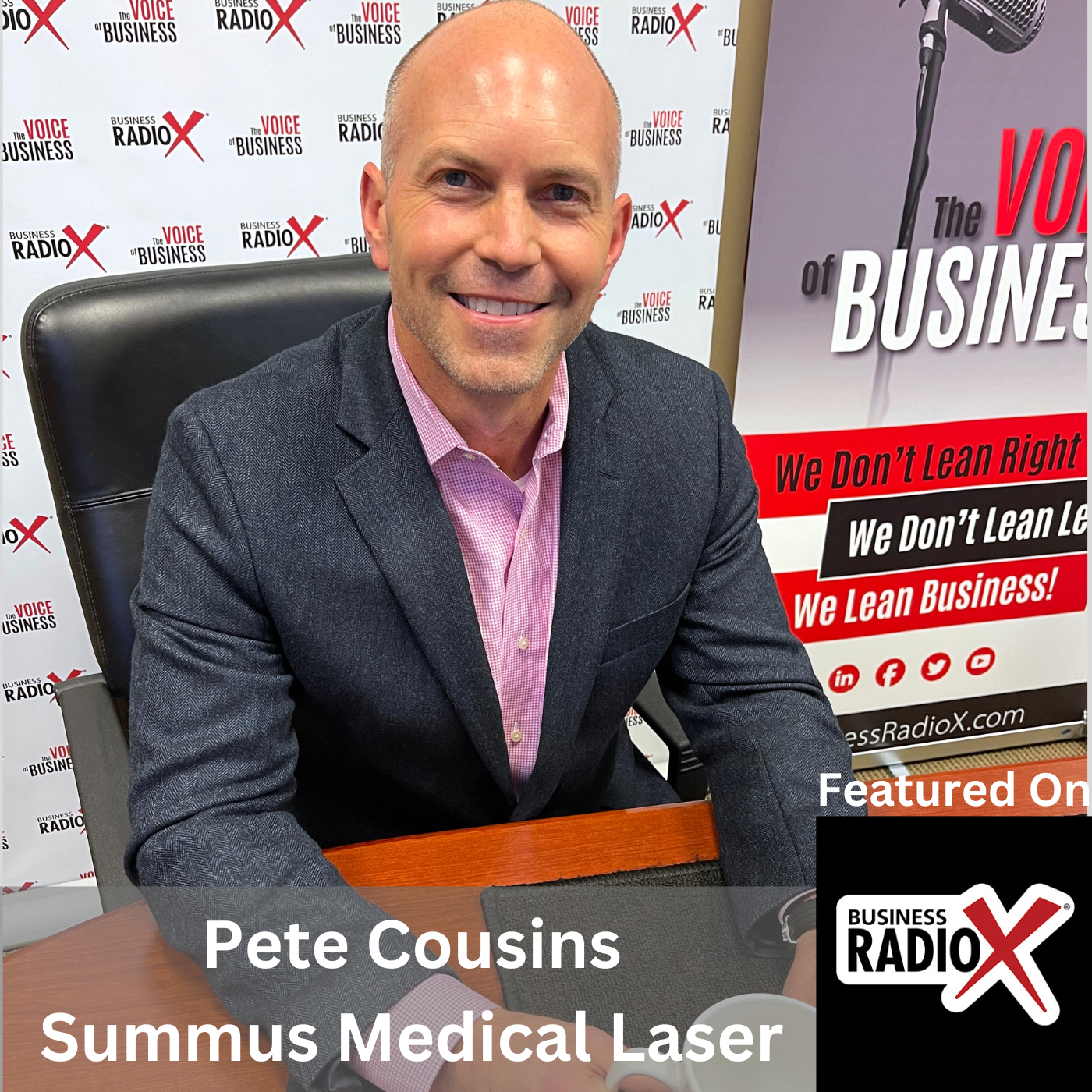
Tagged With: business advisory, Certified Public Accounting, CPa, estate planning, Greg Silberman, North Fulton Business Radio, Office Angels, renasant bank, renewable energy, renewable energy tax credits, S.J. Gorowitz, S.J. Gorowitz Accounting & Tax Services, tax law, The Inflation Reduction Act of 2022

Olivia and Carmen Amyette, Infinite Energy Advisors, and Gary Massey, Massey and Company CPA

August 10, 2023 by John Ray

Infinite Energy Advisors
Family Business Radio
Olivia and Carmen Amyette, Infinite Energy Advisors, and Gary Massey, Massey and Company CPA
Loading
00:00 /
RSS Feed
Share
Link
Embed

Download file

Infinite Energy Advisors

Olivia and Carmen Amyette, Infinite Energy Advisors, and Gary Massey, Massey and Company CPA (Family Business Radio, Episode 47)

Family business owners Olivia and Carmen Amyette, Infinity Energy Advisors, and Gary Massey, owner of Massey and Company CPA were the guests on this episode of Family Business Radio. Olivia and Carmen, her mom, talked about Olivia’s accomplishments and drive and her devotion to her grandfather that led her to start her own company after college. They discussed the generational influence in their family on the business, how they run their solar energy business, and more.

Gary Massey talked about how he became a CPA, starting his own firm, and  his approach to helping business owners. He discussed how he advises his clients to properly set up a business and stay out of tax trouble, tax planning, and much more.

Anthony then asked his guests to reflect on the obstacles they found when starting their business and what keeps them inspired and motivated.

Anthony concluded the show with comments about the most valuable legacy a family can leave to preserve wealth.

Family Business Radio is underwritten and brought to you by Anthony Chen with Lighthouse Financial Network.

Infinite Energy Advisors

Infinite Energy Advisors (IEA) is a boutique solar energy and energy-efficient home improvement firm. Their mission is to empower individuals, communities, and businesses to foster a better, brighter, cleaner future by taking control of their energy.

IEA specializes in creating cost-effective solar solutions to help their clients save money on power bills and achieve sustainability goals.

They are proud to be named a Best of Gwinnett nominee!

Company Website | Instagram | Facebook

Olivia and Carmen Amyette, Infinite Energy Advisors

Olivia and Carmen Amyette, Infinite Energy Advisors

Olivia is the owner of Infinite Energy Advisors. In this family business, her mother Carmen works as a Customer Relations Manager and her father John is the Installation Manager.

Olivia developed a passion for solar energy at Georgia Tech, where she engaged in research projects relating to environmentalism and energy conservation. Olivia took the leap of faith to start her solar company 7 months after graduating from Georgia Tech to follow her passion for renewable energy while also fulfilling her duties as a caretaker of her grandfather.

With more than 4 years of experience as a Technical Program Manager for the Georgia Tech Grand Challenges LLC, Olivia has extensive experience in optimizing technology according to a client’s needs, creating efficient systems, and enriching customer experiences. Having facilitated upwards of 53 research projects during her role as a facilitator at Georgia Tech, Olivia is well versed in project management and has optimized the solar purchasing/installation process to be seamless.

Olivia holds a BS from the Georgia Tech College of Computing, Solar Energy Certifications from Georgia Tech and Solairgen, and is currently working to get NABCEP certified. Her mission is to empower individuals, communities, and businesses to foster a better, brighter, cleaner future by taking control of their energy.

Olivia’s LinkedIn

Massey and Company CPA

Massey and Company CPA is an accounting firm located in Atlanta serving the needs of small businesses and individuals throughout Georgia.

Over the years, they noticed that CPA firms tend to be cold, unfriendly, hectic places. Maybe they are just so busy with tax season.

At Massey and Company, their team is bright, friendly and eager to please. Thanks to the team and their guiding principles, they are a different kind of accounting firm.

Gary Massey founded the company in 2013 with these principles which still guide them today:

  • Treat people with respect
  • Be kind – we are all human
  • Make complex issues less stressful
  • Charge fair prices

You won’t find stress or drama at the Massey office. Instead, you will find patient, understanding people who sincerely care. All year long.

Website | LinkedIn | Facebook | Instagram | YouTube

Gary Massey, Founder, Massey and Company CPA

Gary Massey, Founder, Massey and Company CPA

Gary Massey is the founder of Massey and Company CPA, based in Atlanta. He has over 30 years of experience in tax preparation, tax planning, and IRS and state tax problem resolution. He holds a CPA, a Master’s degree in Accounting and Master’s degree in Business Administration with a specialization in taxation. Gary is also a Certified Tax Representation Consultant.

Gary’s focus includes helping clients with tax problems. This includes representing clients in front of IRS and state agencies to resolve difficult tax issues, including audits, unpaid taxes, liens, levies, penalties, and notices. His work requires negotiation on a wide variety of tax matters, including offers in compromise, installment agreements, currently not collectible status, and penalty abatement.

Gary enjoys collecting art and spending time with his children and grandchildren. He is married to Chelly, a native of The Netherlands.

 LinkedIn

Anthony Chen, Host of Family Business Radio

Anthony Chen, Lighthouse Financial, and Host of “Family Business Radio”

This show is sponsored and brought to you by Anthony Chen with Lighthouse Financial Network. Securities and advisory services are offered through Royal Alliance Associates, Inc. (RAA), member FINRA/SIPC. RAA is separately owned and other entities and/or marketing names, products, or services referenced here are independent of RAA. The main office address is 575 Broadhollow Rd. Melville, NY 11747. You can reach Anthony at 631-465-9090 ext 5075 or by email at anthonychen@lfnllc.com.

Anthony Chen started his career in financial services with MetLife in Buffalo, NY in 2008. Born and raised in Elmhurst, Queens, he considers himself a full-blooded New Yorker while now enjoying his Atlanta, GA home. Specializing in family businesses and their owners, Anthony works to protect what is most important to them. From preserving to creating wealth, Anthony partners with CPAs and attorneys to help address all the concerns and help clients achieve their goals. By using a combination of financial products ranging from life, disability, and long-term care insurance to many investment options through Royal Alliance. Anthony looks to be the eyes and ears for his client’s financial foundation. In his spare time, Anthony is an avid long-distance runner.

The complete show archive of “Family Business Radio” can be found at familybusinessradioshow.com.

Tagged With: Anthony Chen, business taxes, Carmen Amyette, CPa, Family Business, Family Business Radio, financial advisor, Gary Massey, Infinite Energy Advisors, IRS, Lighthouse Financial Network, Massey and Company CPA, Olivia Amyette, solar energy, solar power, tax planning

Tremors

August 9, 2023 by John Ray

Tremors
North Fulton Studio
Tremors
Loading
00:00 /
RSS Feed
Share
Link
Embed

Download file

Tremors

Tremors (Episode 90, To Your Health with Dr. Jim Morrow)

On this episode of To Your Health, Dr. Jim Morrow covers tremors, the difference between benign essential tremors and Parkinson’s Disease, how they are diagnosed, potential causes, what the doctor might do for treatment, and much more.

To Your Health is brought to you by Village Medical (formerly Morrow Family Medicine), which brings the care back to healthcare.

About Village Medical (formerly Morrow Family Medicine)

Village Medical, formerly Morrow Family Medicine, is an award-winning, state-of-the-art family practice with offices in Cumming and Milton, Georgia. The practice combines healthcare information technology with old-fashioned care to provide the type of care that many are in search of today. Two physicians, three physician assistants and two nurse practitioners are supported by a knowledgeable and friendly staff to make your visit to Village Medical one that will remind you of the way healthcare should be.  At Village Medical, we like to say we are “bringing the care back to healthcare!”  The practice has been named the “Best of Forsyth” in Family Medicine in all five years of the award, is a three-time consecutive winner of the “Best of North Atlanta” by readers of Appen Media, and the 2019 winner of “Best of Life” in North Fulton County.

Village Medical offers a comprehensive suite of primary care services including preventative care, treatment for illness and injury, and management of chronic conditions such as diabetes, congestive heart failure, chronic obstructive pulmonary disease (COPD) and kidney disease. Atlanta-area patients can learn more about the practice here.

Dr. Jim Morrow, Village Medical, and Host of To Your Health with Dr. Jim Morrow

Covid-19 misconceptionsDr. Jim Morrow is the founder of Morrow Family Medicine. He has been a trailblazer and evangelist in healthcare information technology, was named Physician IT Leader of the Year by HIMSS, a HIMSS Davies Award Winner, the Cumming-Forsyth Chamber of Commerce Steve Bloom Award Winner as Entrepreneur of the Year and he received a Phoenix Award as Community Leader of the Year from the Metro Atlanta Chamber of Commerce.  He is married to Peggie Morrow and together they founded the Forsyth BYOT Benefit, a charity in Forsyth County to support students in need of technology and devices. They have two Goldendoodles, a gaggle of grandchildren and enjoy life on and around Lake Lanier.

Facebook | LinkedIn | Twitter

The complete show archive of To Your Health with Dr. Jim Morrow addresses a wide range of health and wellness topics.

Dr. Morrow’s Show Notes

Types of Tremors

  • Essential tremor (ET) is at least eight times more common than Parkinson’s disease (PD).
  • There are many differences in the presentation, course, and treatment of ET and PD;
    • however, these differences are not always recognized by healthcare professionals and misdiagnoses are common
    • it has been suggested that up to 20 percent of patients with ET may develop PD,
      • but whether ET is a risk factor for PD remains a controversial issue

Diagnosis

  • At this time, there are no tests that can definitively diagnose either ET or PD and it is not uncommon to have the two mistaken for each other.
  • The diagnosis is based on a complete medical/symptom, family and medication history and an examination by a physician,
  • Obtaining a handwriting sample may be helpful in making an accurate diagnosis;
    • in ET handwriting is generally large and tremulous,
    • whereas in PD, micrographia (very small handwriting) is common.
    • DaTscan, a single photon emission computed tomography (SPECT) scan,
      • which measures dopamine uptake, has been approved as a diagnostic aid to help physicians differentiate between ET and parkinsonian tremor.
      • Other imaging techniques are under investigation to determine their utility in differentiating ET and PD.
      • An accurate diagnosis is critical as the treatment regimen is very different for the two disorders.

Differentiating ET and PD

  • Usually ET starts as a low- amplitude tremor but can gradually increase to a coarse, disabling tremor.
    • As ET progresses, tremor frequency (number of repetitions per second) may decrease;
      • however, tremor amplitude (magnitude/strength) may increase.
      • Increased amplitude is associated with a decreased ability to manage fine motor tasks.
      • The amplitude varies up to 23 percent throughout the day, but the frequency usually does not change during the course of the disease.2
    • ET generally presents bilaterally and is primarily seen during action,
      • such as when writing or eating, or when holding a posture, for example, when holding an object against gravity.
      • On the other hand, parkinsonian tremor most often presents unilaterally and later progresses to include both sides of the body.
      • PD tremor most commonly occurs at rest,
        • when the body part is relaxed and not in use,
        • but can also be seen in the postural position, often referred to as reemergent tremor.3
      • ET most commonly affects the
        • hands, legs, head, and voice, and tremor is the primary symptom of ET.
        • In PD, the cardinal symptoms include bradykinesia, rigidity, tremor, and gait/balance issues.
        • It is important to note that although it occurs in the majority, tremor does not have to be present to make a diagnosis of PD.
        • The tremor of PD most generally occurs in the upper/lower extremities and the chin/jaw and generally does not affect the head or voice.
      • ET most commonly onsets during middle age,
        • but can occur at any time in the lifespan, even in childhood.
        • The progression of ET can be variable.
        • In some patients ET remains mild throughout the lifespan and does not result in significant disability;
          • however, in others ET progresses and can cause significant disability,
            • making many daily activities very difficult or impossible to complete.
            • On the other hand, the average age of onset of PD is 60 years although it may be much later and about 10 percent present prior to the age of 40 years.
            • PD is a progressive disorder with virtually all patients having increased disability over time.
          • Although the gene accounting for the majority of ET patients has not been identified,
            • ET is an autosomal dominant disorder with greater than 50 percent of patients reporting a family history of tremor.
              • It is not uncommon to have a patient report multiple family members from several generations that have been affected by tremor.
              • PD is the result of a loss of dopamine in the substantia nigra;
                • however, the cause of PD is currently unknown and it is suspected that it may be a combination of a genetic predisposition and environmental influences.
                • A family history of PD is reported in less than 20 percent of patients.
              • Both ET and PD are affected by stress, anxiety and emotion and it is not uncommon to see an increase in tremor under stressful conditions.


What is essential tremor?

  • So, there different kinds of tremor…
    • Many things can cause tremor.
    • Not all tremors are essential tremors.
    • For example,
      • Parkinson’s disease causes tremor that you might notice when your hands are resting in your lap or at the sides of your body.
      • A stroke can cause tremor that gets worse when you reach for something.
      • Thyroid problems or low blood sugar can cause mild tremor.
      • Tremor can be caused by some medicines.
        • These include
          • heart medicines,
          • decongestants,
          • medicines for breathing problems,
          • and tricyclic antidepressants.
          • Drinks that contain caffeine also may cause a tremor.

How is essential tremor diagnosed?

  • Your doctor will probably perform an exam
    • and tests to look for possible causes of your tremor.
    • These tests rule out other causes and can include
    • a neurological exam,
    • blood and urine tests,
    • and physical performance tests.
    • If they don’t find another cause of your tremor,
      • you may be diagnosed with essential tremor.
      • There is no specific test for essential tremor.

Can essential tremor be prevented or avoided?

  • Doctors don’t know exactly what causes essential tremor,
    • so, it can’t be prevented.
  • If your doctor determines your tremor is caused by medicine or caffeine,
    • you may be able to avoid essential tremor in the future by avoiding those substances.

Essential tremor treatment

  • The goal in treating essential tremor is to provide symptom relief that can improve quality of life.
    • Mild tremors may not need treatment.
    • If your essential tremor interferes with your ability to function or bothers you,
    • there are some treatments that could help.
    • These include medicine, focused ultrasound, or deep brain stimulation.
      • Medicine–
        • Your doctor might suggest oral medicines to help decrease the severity of your tremor.
        • These could include
        • beta blockers,
        • anti-seizure medicines,
        • tranquilizers,
        • or Botox injections.
      • Therapy–
        • Physical therapy can help you improve your muscle strength, control, and coordination.
        • Occupational therapy can help you make modifications to reduce the effects of tremors,
          • such as using heavier glasses to drink out of.
        • Surgery–
          • If your tremor is very disabling and you haven’t had good results with medicine,
            • you could qualify for surgery.
            • Usually this is deep brain stimulation (DBS).
            • Electrodes are implanted into the area of your brain that coordinates muscle control

Living with essential tremor

  • Lifestyle changes are often recommended to prevent the tremor from getting worse.
    • Your doctor will ask you to avoid caffeine, cold medicines, and certain other medicines if they seem to make your tremor worse.
    • These medicines won’t make your tremor go away.
    • However, the medicine may control the tremor enough to allow you to do normal activities without frustration or embarrassment.
    • Symptoms do tend to get worse over time.
      • Eventually you might start having trouble with daily functions, including
        • Holding a glass of liquid without spilling
        • Eating normally
        • Putting on makeup or shaving
        • Talking, if it affects your tongue or voice box

Tagged With: Dr James Morrow, Essential Tremor, health issues, Parkinsons Disease, Stroke, To Your Health, To Your Health With Dr. Jim Morrow, Tremors, Village Medical

  • « Previous Page
  • 1
  • …
  • 61
  • 62
  • 63
  • 64
  • 65
  • …
  • 275
  • Next Page »

Business RadioX ® Network


Our Most Recent Episode

CONNECT WITH US

  • Email
  • Facebook
  • LinkedIn
  • Twitter
  • YouTube

Our Mission

We help local business leaders get the word out about the important work they’re doing to serve their market, their community, and their profession.

We support and celebrate business by sharing positive business stories that traditional media ignores. Some media leans left. Some media leans right. We lean business.

Sponsor a Show

Build Relationships and Grow Your Business. Click here for more details.

Partner With Us

Discover More Here

Terms and Conditions
Privacy Policy

Connect with us

Want to keep up with the latest in pro-business news across the network? Follow us on social media for the latest stories!
  • Email
  • Facebook
  • Google+
  • LinkedIn
  • Twitter
  • YouTube

Business RadioX® Headquarters
1000 Abernathy Rd. NE
Building 400, Suite L-10
Sandy Springs, GA 30328

© 2025 Business RadioX ® · Rainmaker Platform

BRXStudioCoversLA

Wait! Don’t Miss an Episode of LA Business Radio

BRXStudioCoversDENVER

Wait! Don’t Miss an Episode of Denver Business Radio

BRXStudioCoversPENSACOLA

Wait! Don’t Miss an Episode of Pensacola Business Radio

BRXStudioCoversBIRMINGHAM

Wait! Don’t Miss an Episode of Birmingham Business Radio

BRXStudioCoversTALLAHASSEE

Wait! Don’t Miss an Episode of Tallahassee Business Radio

BRXStudioCoversRALEIGH

Wait! Don’t Miss an Episode of Raleigh Business Radio

BRXStudioCoversRICHMONDNoWhite

Wait! Don’t Miss an Episode of Richmond Business Radio

BRXStudioCoversNASHVILLENoWhite

Wait! Don’t Miss an Episode of Nashville Business Radio

BRXStudioCoversDETROIT

Wait! Don’t Miss an Episode of Detroit Business Radio

BRXStudioCoversSTLOUIS

Wait! Don’t Miss an Episode of St. Louis Business Radio

BRXStudioCoversCOLUMBUS-small

Wait! Don’t Miss an Episode of Columbus Business Radio

Coachthecoach-08-08

Wait! Don’t Miss an Episode of Coach the Coach

BRXStudioCoversBAYAREA

Wait! Don’t Miss an Episode of Bay Area Business Radio

BRXStudioCoversCHICAGO

Wait! Don’t Miss an Episode of Chicago Business Radio

Wait! Don’t Miss an Episode of Atlanta Business Radio