

Business RadioX ®

  • Home
  • Business RadioX ® Communities
    • Southeast
      • Alabama
        • Birmingham
      • Florida
        • Orlando
        • Pensacola
        • South Florida
        • Tampa
        • Tallahassee
      • Georgia
        • Atlanta
        • Cherokee
        • Forsyth
        • Greater Perimeter
        • Gwinnett
        • North Fulton
        • North Georgia
        • Northeast Georgia
        • Rome
        • Savannah
      • Louisiana
        • New Orleans
      • North Carolina
        • Charlotte
        • Raleigh
      • Tennessee
        • Chattanooga
        • Nashville
      • Virginia
        • Richmond
    • South Central
      • Arkansas
        • Northwest Arkansas
    • Midwest
      • Illinois
        • Chicago
      • Michigan
        • Detroit
      • Minnesota
        • Minneapolis St. Paul
      • Missouri
        • St. Louis
      • Ohio
        • Cleveland
        • Columbus
        • Dayton
    • Southwest
      • Arizona
        • Phoenix
        • Tucson
        • Valley
      • Texas
        • Austin
        • Dallas
        • Houston
    • West
      • California
        • Bay Area
        • LA
        • Pasadena
      • Colorado
        • Denver
      • Hawaii
        • Oahu
  • FAQs
  • About Us
    • Our Mission
    • Our Audience
    • Why It Works
    • What People Are Saying
    • BRX in the News
  • Resources
    • BRX Pro Tips
    • B2B Marketing: The 4Rs
    • High Velocity Selling Habits
    • Why Most B2B Media Strategies Fail
    • 9 Reasons To Sponsor A Business RadioX ® Show
  • Partner With Us
  • Veteran Business RadioX ®

Search Results for: kids care

Rob Wise with Focal Point Coaching

February 27, 2025 by angishields

HVR-Focal-Point-Coaching-Feature
High Velocity Radio
Rob Wise with Focal Point Coaching
Loading
00:00 /
RSS Feed
Share
Link
Embed

Download file

Focal-Point-logo

Rob-WiseRob Wise, Business and Executive Coach with Focal Point, brings a wealth of dynamic experience across the arts and education, coupled with leadership roles in education and consulting. With expertise in strategic planning, organizational systems, and operational improvement, he has played a pivotal role in independent education at both national and regional levels.

As a past President of the Houston Area Independent Schools Admission Directors and Co-Chair of the Enrollment Management Association Admissions Leadership Council, he has influenced best practices in enrollment management and institutional growth. Known for his ability to strengthen operations during times of transition, he has successfully led facility enhancements, crisis management efforts, and innovative communication strategies to drive institutional success.

Passionate about curriculum development, admissions, and faculty advancement, Rob has revitalized struggling programs, implemented innovative teaching models, and restructured assessment processes to enhance student recruitment and engagement.

His leadership extends to faculty development, forging partnerships with higher education institutions, and establishing teacher training initiatives. A strategic and trusted leader, he empowers teams, fosters collaboration, and navigates challenges with vision and expertise, ensuring sustainable institutional growth and a lasting impact on student success.

Rob empowers leaders and organizations to thrive by fostering authentic connections and designing innovative solutions. Drawing from his experience as a stage manager and technical director in theatre, with a career in educational leadership and executive coaching, he combines humanity and competence to bring people together, align teams, and create systems that empower sustainable success.

Connect with Rob on LinkedIn.

What You’ll Learn in This Episode

  • Why coaching is important to Rob
  • Rob’s journey from the entertainment industry to coaching


Transcript-iconThis transcript is machine transcribed by Sonix.


TRANSCRIPT

Intro: Broadcasting live from the Business RadioX studios in Atlanta, Georgia. It’s time for High Velocity Radio.

Stone Payton: Welcome to the High Velocity Radio show, where we celebrate top performers producing better results in less time. Stone Payton here with you this morning. Please join me in welcoming to the broadcast with Focal Point Coaching. Rob Wise. How are you man?

Rob Wise: I’m great. Good to be here. Thank you for having me.

Stone Payton: Let’s start with the mission. Purpose. What are you really out there trying to do for folks, man?

Rob Wise: So I find that, um, in my own life and working with leaders, uh, many of them feel isolated. And they feel unsettled as they try to live their lives based on perceived expectations, either their own things that they put on themselves or perceptions of others that they feel responsibility for, but without the guidance of trusted individuals in my life. A real, honest look at myself. I really wouldn’t have the same deep relationships with my wife and children, have true lasting friendships, or be that leader that others deserve. So I really believe that leaders, those who understand themselves and the teams that they work with, have the ability to inspire connection, build trust, and create a legacy of growth that resonates far beyond their immediate impact.

Stone Payton: What got you into this line of work?

Rob Wise: I have a pretty diverse set of experiences. I initially came from the entertainment industry. I majored in theater design and production and stage management, and worked in live music entertainment from when I was 18 until my early 20s, I was a stage manager, and through stage management, I actually found a job here in Houston at the High School for Performing and Visual Arts, where I was a theater teacher, a theater design teacher, and then the theater department chair. So that’s how I got into education. In education, what I found really fed me, gave me purpose, was working with young adults, teenagers also my colleagues, my peers, and helping to develop them, give them a sense of purpose, help them find their pathway. And there was one kid, she was a senior when I got there. So if you’ve ever been a teacher, you know that when you’re new, the kids test you out. And this this particular senior, she tested me every day and she would come into my office and she would have these conversations with me that at the time, I was feeling like she’s just trying to get out of the responsibilities that she has. She’s supposed to be like cleaning the costume shop or building something, doing something, anything else besides talking to me right now. But I listened to her and the next year she had graduated. The next year she came back at the end of the year. So it was almost a full year later, and we were having an end of year kind of celebration for our outgoing seniors that year. And she came up to me and she said, Mr. Weiss, I just want to let you know, I heard this has been a tough year, and I wanted to let you know that when you talk to me last year, you changed my life and you gave me purpose, and I hope you stay where you are.

Rob Wise: And that that opened my eyes to the one on one development that I really enjoy. And I find a lot of purpose in and found that purpose. And and she was the reason that I really focused on developing people and coaching people. And so when I threw the rest of my career, which is, you know, 23 years in education, I, um, that’s that was my main focus is how do I help and develop people. And so about five years ago, I formally got certified as a Cliftonstrengths coach, a global strengths coach, and did coaching one on one, kind of on the side with my job. I’m an administrator, educational administrator. And then really, this past year, I decided I needed more structure and more support. I needed a bigger network of coaches to help, you know, not just develop my the people I was coaching, but to develop myself as a coach. So I signed on with Focalpoint and have gotten that structure, that foundational piece that I was missing and, um, you know, informally started coaching when I was 25 and, um, formally, uh, through my career. And then in 2020, even more formally and now, um, looking at doing this as my full time Position because it’s just something that feeds my soul. I love seeing other people find themselves and maximize their potential in whatever industry they’re in, or whatever they’re doing at home and find kind of, you know, true happiness in, in their lives.

Stone Payton: So say more about the work, man. Have you kind of gravitated to a certain type of industry or a certain type of individual facing specific challenges? Walk us through the day to day of the the coaching work if you would.

Rob Wise: It’s interesting. My I would say my niche market is, uh, admissions, enrollment development and marketing communication director level positions in independent schools from kindergarten schools through 12th grade schools. And then also I’ve done work in higher education as well as a program coordinator and found myself coaching at that level as well. So that’s that’s my target. That’s who I that’s the those are the industries that I know that I’ve worked in and I know their their pain points. I know what it feels like to be isolated in a directorial role and not have somebody on the outside that I can really rely on, who can give me some objective work and, and objective support. And I know the pressures of those positions. They schools tend to be very steady, except in independent schools. You’re really running a company, this little independent company with the same pressures that any other company would have in fundraising and building enrollment, which is your main revenue stream, and then getting the message, the story of the school out. And those are typically 1 or 2 person offices with lots of expectations and solid deadlines and solid revenue goals. And so so you’ve got this very steady, Study even environment in a school. But then these positions typically have way more stress because they are measured and responsible for funding the school essentially. So so there’s a lot of pressure there. So that’s my niche. But what I’ve found is I actually just did a men’s retreat this past weekend, and I talked about communication styles, and I had several men come up to me and and ask, hey, would you come and do this for my company? Another said would do this for my church. So I end up finding, when I’m presenting a myriad of industries and people that that are seeking guidance and support and coaching, either in an individual or group level. So it goes from my niche to anybody else that that finds it appealing and, and is interested in having me coach. So really I my, my industry is education. But I coach people in all different industries.

Stone Payton: Well, I wanted to ask you about how the whole sales and marketing thing works for a practice like yours. But what I’m hearing, at least partially, is doing good work is a good sales tool, isn’t it?

Rob Wise: In my career, what I found is the best marketing is word of mouth. And and that comes from having really authentic experiences with people listening to what they have to say before, before I say a thing. I love the the old adage, you know, take the cotton wool out of your ears and put it in your mouth, you know. So I, I’ve, I learned that when I was 18 years old and I really valued that. So I really try to listen. And which is, you know, I’m not perfect at it. I’m not any kind of guru because I am a problem solver and I like to give solutions right away. So I really have to check myself and and listen longer and ask the right questions. Um, so when I’ve done that, well, the word of mouth is the most powerful tool. Also, you know, I think, you know, using LinkedIn and making sure that my search engine optimization is is running on my web page so that people can find me when they’re looking for a coach, especially in the Houston area. And, um, and so there’s all those digital tools, and those are great for exposure and getting a broader audience. But really, the the most effective I’ve found and meaningful is that word of mouth. Because there’s already I have a connection with that first person and people that they know and trust them when they mention, hey, I know this guy who’s a coach.

Rob Wise: He might be able to, you know, do a presentation for you or, um, you know, have a conversation with you about your industry and what, what you want to do for yourself and for your team and then also for your personal life and family. Uh, that level of trust that you have in word, in word of mouth is, is really the most powerful form of marketing I found. So that’s I rely on that and I try to build those relationships, and it’s funny how things just kind of materialize as I offer my services sometimes, you know, at a preferred rate, I will end up getting, you know, a whole bunch of clients just from one interaction where it’s it’s a favor, really, for somebody like this past weekend, it was somebody needed to fill an hour for this retreat. And I said, yeah, I would be happy to, to talk. You know, I can talk about communication styles. And they’re like, yeah, that’d be great. And so that’s typically how I market. That’s how I like to market. I use LinkedIn and Google, but I really prefer the human interaction piece of marketing. And then sales is sales should be easy if I’ve if I’ve done the authentic work, if I’ve presented myself in what my strengths are and listened to my potential clients, the sales part should be pretty easy because I can listen to them.

Rob Wise: I can hear what they’re asking for. You know, I’m having trouble with my, uh, my team, my dynamics on my team. Everybody seems to be doing their own thing, you know? Then I can ask more questions there, and I can determine if I have the tools and skills to offer them. And then at some point, I can say, you know, I do a communications assessment and a debrief. Um, maybe we can have a conversation about what that might look like for your team. And so just building that conversation through that process, really it feels very informal. And, um, you know, I don’t like I always thought I didn’t like sales, but I like sales when it’s when it’s done with integrity, when it’s done well, when I have something to offer. And if I don’t have something to offer, the sale is I know somebody who can help you. I know somebody in the industry, a coach who really knows this industry well and help you out. So that’s what I find is the most effective. Um, and the one that feels the best doesn’t feel like I’m making things up or making false promises. It’s really about integrity with myself and for my client.

Stone Payton: Earlier on in the conversation, you touched on the value of structure and a community of practice. But what? Because there are choices. What drew you to Focal Point specifically? Did something stand out about that operation that drew you in?

Rob Wise: Yeah. Um, so I looked at several different, uh, coaching firms and, and on these, honestly, it was at the prompting of my wife. My wife, uh, is my biggest cheerleader and supporter. Um, she also, you know, tells me when I’m, when I’m, I’m missing the mark for myself. And sometimes when, you know, I’m like a bull in a China shop with my, uh, my family. So she’ll she’ll call me out on my stuff, which I, you know, sometimes I don’t like in the moment, but I know I need to listen. So she told me, Rob, you, you need to do your own thing. You’ve got a mindset. That you really like to be independent and make your own choices and to run things, but you also know when you need help. And so that’s I want to see you do your thing. I want to see you own your own, whatever it is. Um, and, uh, what I found with coaching is there were a lot there’s lots of different companies out there that coach, when I looked at them, there were some that were, you know, focused mostly on CEO groups that I didn’t have, that CEO level experience and a company that I felt like I would have been an integrity being running those kinds of sessions. Um, there were others that were, you know, you get this kind of training and then you’re kind of off on your own and they might help you with marketing. But then the the continued education and the ability to contribute to the company just wasn’t there.

Rob Wise: And I kind of stumbled on Focal Point. I don’t even know how I found it. I don’t know if it was on LinkedIn or if it was in, um, a web search. But as I was kind of researching coaching firms, Focalpoint came up and I, I started reading about Focalpoint. Um, and I filled out a little contact form and, and I was called almost immediately and, um, just the the friendliness, the fervor for helping people, uh, really develop themselves to be the best person that they could be and to help with their industry appealed to me. And then as I did some more research and talked to more focalpoint coaches, um, I found that the level of training, the support, the network and, and this absolutely positive attitude that everybody has about whatever you need, like, we want to help you or we want to support you in your journey, whatever that looks like, just as a potential, you know, it’s just kind of feeling things out. Um, and then as I got further, further into it, I found that the support, the training, the ongoing training, the growth mindset that focal point has, and of course, the philosophy behind Focal Point that comes from Brian Tracy was really the most appealing to me. So, um, so I bought a Focal Point franchise and, and jumped in with, with both feet. And that’s why the point. Yeah.

Stone Payton: So what’s the most rewarding about the work these days? What’s the most fun about it for you at this point?

Rob Wise: So it’s been kind of a whirlwind. Plus the information and training from Focal Point. Um, but I would also say it’s really energizing and, you know, building, uh, course work out that’s going to help people in the future. Uh, being able to innovate, being able to develop that structure for myself and for my company has been extremely rewarding. Um, and then I think when I see the light bulb go on, I was actually coaching one of my, um, direct reports. And, you know, we I would just kind of ask her questions. She was having some frustration about this publication that we do. And, um, she kept saying, like, you know, I just feel like I don’t have ownership. And I said, tell me what you would like. What what is your ideal? What does this look like for you to feel ownership. And she goes, well, I’d like to I’d like to take all of this. And instead of writing it, I’d like to go interview people and help them to write and then put it together in a common theme and oversee all of that. And I said, great, I think you should do that. And and for her, that light bulb went on and she came back in the next day with this outline. All the people that, you know, listed out what they what she wanted to interview them about. And she was just beaming and, and seeing that, um, that light go on and that, you know, brightness in the eyes and seeing somebody love what they do and have ownership of it. That’s probably the most rewarding thing for me is, um, being able to be that guide to help people figure out one what it is they want and two, how to get it. And, um, and that’s because, you know, she looks fulfilled, uh, in her, in her work. And she’s so excited every time she comes to talk to me and show me what she’s doing. And so my job then is just to coach her and help her figure out kind of the next step and what needs to go on to help her to continue to be successful.

Stone Payton: Hobbies. Passions. Pursuits. Interests outside the scope of the coaching work. What do you do when you’re not coaching, man?

Rob Wise: Everything. Um, I I my wife rolls her eyes at me quite a bit because I’ve got lots of hobbies. Um, my. I’m a bagpiper. I play the great Highland bagpipes, the Scottish bagpipe. So I like to do that when I have time. Um, I’ve got a couple annual gigs, so I play for the city of Friendswood. Memorial day ceremony every year. I’ve been doing that for, gosh, probably 12 years now. Um, wow. So that’s really rewarding that I get to honor our, our military veterans, men and women. So that’s one thing. And then I love hiking and camping with my family. We we go up to Colorado or West Texas. Um, we’re going up, uh, to Ohio to visit my parents this summer. So we’ll stop through Arkansas, Missouri and Kentucky and do a couple of days in each spot. Uh, that’s something that that’s probably one of my biggest joys is, is camping. So those are my those are two of my hobbies, but I’ve got many others.

Stone Payton: Well, I’m so glad that I asked. And I just personally and I know so many of our listeners probably feel the same. I just love hearing the bagpipes and you just never know. That’s fantastic.

Rob Wise: I’m glad to hear that you love them because. Because sometimes, uh, I’m very conscious about how loud they are and know their practice. You don’t have to go out in the middle of nowhere and practice.

Stone Payton: I think it’s great.

Stone Payton: Before we wrap, let’s leave our listeners with a couple of pro tips. And I’m thinking in your case particularly because it is still a little fresh, maybe a pro tip or two around getting your coaching practice off the ground. You know, some things to think about to read. Do don’t do.

Rob Wise: Yeah. Um, I’m kind of in the middle of that now. So I would say the, the do. Um, one of the things that’s really helped me, that focal point is very expert in is do one thing. You know, what’s the what’s the one thing that I’m going to do today? Um, because we can get overwhelmed with thinking we have to do all the things today or this week. So I have to prioritize and go, what’s the one thing that I’m going to do right now? And I and I do that thing, and then that thing is done. And the next day I find another thing and I do that thing. So taking off those kind of bite sized pieces as you’re getting started to make it manageable, um, is important. And to be patient and to know that if I’m doing the right things each day, I will find success. And and I have found that to be absolutely true. Just just mentioning that I’m a focal point coach and that, you know, I can do a communications assessment. I was able to do, you know, an hour seminar and and get clients, you know, just out of that organically. So, um, just doing the right thing one step at a time. Uh, the other is, um, I believe in acting with integrity and being honest with myself.

Rob Wise: So if I’m honest with myself, I know what my limitations are. I know where I need to stop, I need to take a break. I need to spend time with my family, and I make sure that I honor that and take that time. Um, and that for us is, you know, a spiritual experience. You know, we’re, uh, we’re Greek Orthodox Christians. And so making sure that the church is in our home and in our lives and that we sit down together, we eat together, um, and we really listen to each other is a big part of our, our spiritual life and our family. And that gives me what I need to the energy that I need later in, in my work. Um, so if I’m honest with myself, I can see, okay, here. I’m I’m hitting my wall. I need to I need to slow down. I need to focus on my family. Um, because that’s the part that really feeds me. And then, um, the other is, you know, talk to your network. I like talking to people. I’m, I’m fairly extroverted, so making making calls and letting people know, hey, I’m a focal point coach, um, has been huge for just building awareness. Um, even if I’m not coaching them or I don’t.

Rob Wise: I don’t see any leads right away. Um, just letting people know that what I’m doing, one has been extremely helpful in just building my network out. But also it’s been really great because people have given me the feedback like, oh my gosh, Rob, you’re going to be such a great coach. I’m so glad you’re doing that. So it just reinforces that I made the right decision. So I, you know, we do not operate in a vacuum. We do not live our lives alone. We live our lives with other people. And I think it was, uh, Abraham Lincoln who said the better part of one’s life is his friendships. And that’s absolutely true, that I lean on people. I depend on people. Uh, I know that I can’t do it myself. And so I think that’s another thing I would tell somebody starting off in coaching or really any industry is, you know, lean on the people who know, lean on the people who you think might be able to help you, because a lot of times they’re going to help you in ways that you didn’t, you didn’t think about. You might call them for one thing, but they may actually give you something else that you weren’t anticipating.

Stone Payton: So what’s the best way for our listeners to tap into your work and stay connected, man?

Rob Wise: One is, you know, you can just go to my website. Um, it’s Rob wise, dot Focalpoint Coaching.com. Um, and so they can go to my website, they can connect with me there. There’s a contact form. There’s also a little assessment there to, to determine kind of where they are in their work and what they want. Um, so a little free assessment that kicks out right away gives them some results. They can follow me on LinkedIn. Always message me on LinkedIn if anybody has questions, if anybody just wants to chat. Um, I love, you know, talking. It’d be great to meet over coffee in Houston. I know a couple really good, uh, coffee shops here, and I’m a big coffee buff, so I’m always like, an in person conversation, too. So, um, those are the ways to get connected with me. And, um, and then, you know, hopefully I’ll be back on your show again and I can give you an update in the future.

Stone Payton: Well, I sure hope you will, man. Thank you so much for sharing your story, your experience and your your your passion for serving people in this way. You’re doing important work, man, and we sure appreciate you.

Rob Wise: Well, I appreciate you having me. It’s been it’s been a great experience. Thank you.

Stone Payton: Absolutely. My pleasure. All right. Until next time. This is Stone Payton for our guest today, Rob wise with Focalpoint Coaching and everyone here at the Business RadioX family saying we’ll see you in the fast lane.

 

Tagged With: Focal Point Coaching

Adam Asher with Rugged Compass

February 25, 2025 by angishields

FF-Adam-Asher-Feature
Cherokee Business Radio
Adam Asher with Rugged Compass
Loading
00:00 /
RSS Feed
Share
Link
Embed

Download file

Adam-Asher-Banner

The-Edge-of-Adventure-logo

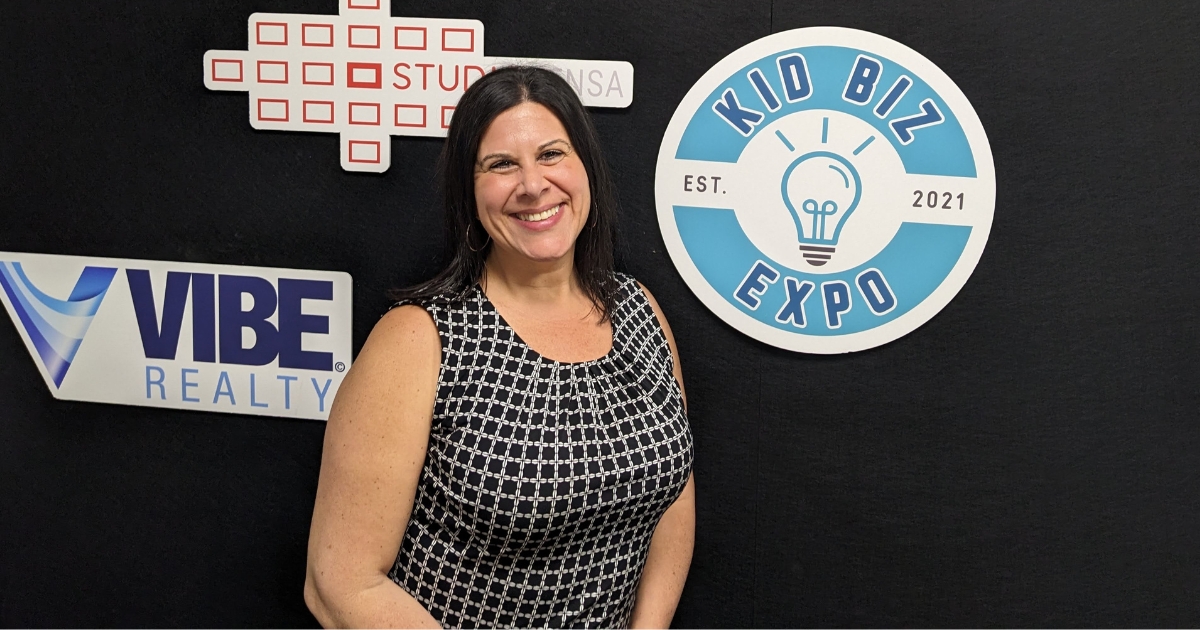
Adam-Asher-hsAdam Asher is a broadcast media professional, film producer, podcaster and adventurer based in Atlanta, Georgia. Adam is CEO and Founder at Rugged Compass. He has a passion for travel, culture, language, and for people.

As host and creator of “The Edge of Adventure,” Adam offers this unique brand and platform that showcases the inspiring work of humanitarian organizations worldwide.

In his award-winning documentary film and video series, “The Edge of Adventure,” Adam takes his viewers to some of the most remote corners of the globe to witness some of the most inspiring acts of service on the planet.

He also hosts the award-winning podcast by the same name. In each episode of “The Edge of Adventure Podcast,” Adam chats with those who lead international humanitarian organizations, making a lasting difference in the lives of those they serve.

Connect with Adam on LinkedIn.

Transcript-iconThis transcript is machine transcribed by Sonix.


TRANSCRIPT

Intro: Broadcasting live from the Business RadioX studios in Woodstock, Georgia. This is Fearless Formula with Sharon Cline.

Sharon Cline: Welcome to Fearless Formula on Business RadioX, where we talk about the ups and downs of the business world and offer words of wisdom for business success. I’m your host, Sharon Cline, and I have a very special guest in the studio today. I’m very excited to speak to this gentleman. He is a film producer, a podcaster, an adventurer, a broadcast media professional. He is the CEO and founder of Rugged Compass. He is also the host and creator of The Edge of Adventure, which is an award winning documentary and video series. He also has an award winning podcast. I already mentioned that. Let’s just get started. Welcome to the studio, Adam Asher.

Adam Asher: Well, thank you very much, Sharon. It’s an honor to be here, and I just appreciate the opportunity to come and talk and to get to know you a little bit. And also, congratulations on all the things that you have done. I know you’re quite the accomplished Vo artist, among other things. So it’s an honor, my honor, to be here today.

Sharon Cline: Well, my goodness, we can end right there. Thank you. Thanks, everybody. The only reason I wanted you in the studio today. Thank you so much for saying that. That’s so sweet. I didn’t even know you knew all that about me, but I had to research about you. Obviously. But thank you for saying that. Well.

Adam Asher: Thank you.

Sharon Cline: And so I was just saying before the show got started that there’s not that much about you before you really became more of a public figure. So because I was trying to find out, like where you grew up and the backstory that leads to where you are now, um, the only thing I found, there were two things that I found is one, that you your first job was in radio, and then two, when you were 15, you got exposed to sort of the humanitarian side. And that’s what’s really inspired you to be where you are today. So will you give me a little bit of a backstory of you?

Adam Asher: Thank you. Well, first of all, yeah, my my first job was in radio. And I think you could also say that my last job was in radio two before I went into business for myself and radio. I love radio. I have for obviously my entire career, but I’ve loved radio even since I was a kid because I just enjoyed the fact that you would be listening to a conversation. You would be even as the listener. You’re a part of the conversation. It like it brings you there. And in the old days, radio was all there was. And then this podcasting thing came along. And podcasting has that same magic. It’s a conversation that you become a part of. You get to know the people that you’re listening to, and you feel like you have a seat at the table, like all the listeners are right here seated with us. And to me, that’s what makes podcasting so cool. And it’s what got me interested in radio as a as a kid. I mean, I was interested in radio from, from pretty early age, probably 13, 14, was interested and then began working the day I could do so legally on my birthday when I turned 16.

Sharon Cline: Where did you go? Did you show up at a radio station and say, please give me a job here?

Adam Asher: So I think, um, you know how God kind of opens doors along the way. Prior to turning 16, I had the opportunity to go visit a studio like a local radio studio. And, well, it was a radio station. And so I made a few contacts, knew some of the people there. And then the day I turned 16, I literally went up there, filled out the application, and I think I may have filled out the application in advance, because I do recall I was on the air running the board behind the microphone the day I turned 16.

Sharon Cline: You’re so young to do that.

Adam Asher: So, you know old folks like me. We grew up in a very different time. We we we grew up quickly. And I don’t think that people grow up as quickly now and and that maybe there’s some advantages to that too.

Sharon Cline: There’s a different level of growing up that we’re even talking about, because I was in a very independent when I turned 18. I left and never moved back home. And I’ve heard statistically that does not happen now. So there’s, there’s a but they also get exposed now to more adult concept things through social media and the internet and all that. But there was something kind of earnest about making your own way. You leave when you’re 18 and you do what you can to make your life. There is something kind of it is definitely a different generation now, but when you’re 16 and you’re running like a whole board in a show and everything, it feels daunting.

Adam Asher: Well, I was I was born at a very early age.

Sharon Cline: Stop.

Adam Asher: But I grew up quickly and as as I think, you know, here we are in Business RadioX. I mean, I know your your program is affiliated with Business RadioX and Gen X. You know, we we grew up. We were in a hurry to grow up. I mean, we, um, whether I think many of us started working younger, got married younger, sort of was on this trajectory to grow up as quickly as we could. And that might be part of why our kids, the next generation, didn’t do that, because in a way, we we saw there are advantages to it, for sure, but we saw the disadvantage to being in a hurry to grow up. And then we influenced our own kids to say, hey, there’s you don’t have to drive right when you’re 16, you could wait. You don’t have to, you know, uh, have a career the minute that you leave college or even know.

Sharon Cline: What you want to do.

Adam Asher: Or know. So we gave them a lot more, um, slack. And maybe they took advantage of that in some cases, but it’s just kind of, I think how the generations swing back and forth. It’s like a pendulum a little bit and for sure. And, um, advantages to both. You know, I think.

Sharon Cline: That everything is a bit of a pendulum, like it’ll just swing back the other way at some point and it’ll be more like, get out of the house and go get your job.

Adam Asher: It is culture. Culture is an interesting it’s an interesting thing. And it’s not the same everywhere. And it’s not the same now here in in Woodstock in the Atlanta area, it’s not the same as it was 20 years ago or as it will be in 20 years. It does change. But um, but yeah, I think I think Gen X, we were in a hurry to grow up and so we did.

Sharon Cline: So where was this town and radio station that you started in?

Adam Asher: So I grew up most of my childhood was in a small town by the name of Manchester, Georgia. So that’s north of Columbus, Georgia. Um, slight, probably southwest of Lagrange.

Speaker4: Gotcha.

Adam Asher: And still a good. It was a it was a drive to get to Atlanta. And I remember again back to being 16 and driving. I remember, you know, driving and coming into Atlanta when you would see the buildings in downtown Atlanta. I remember just sort of that shot of adrenaline thinking, oh my gosh, I’m in the big city. This is the big city now. And, uh, now I think we all see those same buildings and we. It’s adrenaline, but it’s for a completely different reason. We’re just ready to get out of traffic.

Sharon Cline: Well, it’s funny because it was almost like foreshadowing what you were destined to do. You know, looking at those buildings and getting a shot of a shot of adrenaline and being inspired.

Adam Asher: Well, yeah, I, I think honestly, I think all of us, we are who we are from the beginning. And of course we grow and change and hopefully as we we grow and mature in life, we become a better version of ourselves. But even as a kid, I was interested in radio and I was interested in travel. I was interested in culture and languages and this sort of thing, and I still am. I think back, I don’t know that I’ve changed a whole lot. Of course, we’ve all changed and hopefully have grown, but that desire to see the world in my case and to travel and to, to learn from and be a part of different cultures. That was I was a that was something I did, wanted to do, dreamt of doing long ago.

Sharon Cline: Do you think that that’s what we all kind of do, or a certain type of person will as they grow? It’s almost like the Phoenix. They kind of chip away at the different parts of themselves that aren’t as aligned with their spirit as they want. So as they grow and go through experiences, they become more congruent for who for who they are.

Adam Asher: Hopefully, I think if if we’re living a successful life, if we are improving, 100% agree that’s what’s happening. I know some people do get stuck. And usually when you when you get stuck, it’s because you I forget the word you just used. But it’s you need to let life. And if you’re a person of faith, let let God sort of chip away at the parts that need to go. And if you resist that, or you’re afraid to do that or doing that makes you feel bad somehow, then you tend to get stuck because you’re the one holding on to it. You’re kind of refusing to to grow.

Sharon Cline: I know a lot of people like that, but it’s not something you can make someone do. It has to be sort of. You either want to embrace it or not. The challenge is real. And I was actually going to ask you some of those universal questions like, you know, as you’ve traveled, but we’ll get there. We’ll get there next step. After you have been in radio, you got exposed to humanitarianism as a teenager, and that led you to what was the next step.

Adam Asher: So I think in my in my case, it did all start with radio. And here I am talking into this microphone. So it’s it’s very personal here. This is, this is what this is where for me it all started and I’m thankful for it. Just because I know this is this is the person that I was created to be. And why did it start with radio? Because my interest in radio, uh, sort of, uh, became an interest in what, what is known as amateur radio and listening to shortwave radio. Now, this is before the internet. And so back then, I mean, if you’re listening to this and you don’t remember life from way back then, you don’t really understand that the world used to be a big place. Now the world is very small, and there’s lots of great advantages to that. But we’ve lost some of that magic because there is no far away anymore. And so for me at the time, radio and listening to radio stations from around the world, different languages for me, my imagination just went wild thinking, what? What is life like there? What would it be like? What are there in the mountains of Ecuador? What’s what’s that like? I hope I get, I hope I can see it one day. And so that is what then gave sort of drove me to taking trips and traveling a little bit. And my opportunity to do so initially was through mission work and different with some different organizations that had ties to humanitarian elements and humanitarian purposes. And it changed me.

Sharon Cline: How did it change you?

Adam Asher: I couldn’t. I couldn’t go back after seeing that level of need that some of our brothers and sisters around the world are living in. I couldn’t go back to my little life and and forget them. But also, I couldn’t forget in so many cases, I couldn’t forget the joy that they had even though they were in need. By my standards, at least, in many cases, they were. There was a joy and a happiness that they had that benefited me and benefited those that were working with them. And they were helping them to to improve their lives and um, lots of and lots of different ways. But there’s something about that human experience when you realize maybe happiness isn’t in a thing.

Sharon Cline: I’ve heard that when you leave the country, the United States, and you come back to the United States, it’s a different United States. You come back to.

Adam Asher: It is, I think, I think anyone who grows up in, in maybe what we think of as like the Western world, the US and so many other countries that fall into that same category and life is really good. Now, of course, we complain and we, we feel sorry for ourselves and all those things that are kind of part of human nature, but we have it so good. And then if you go and travel and if you travel to an area where you maybe see some of the greater needs and you again, it’s, it’s a, it’s, it’s both it is wanting to see them flourish in ways perhaps that that they’re not right now, wanting to see some good things happen for them, but also bonding with them, loving them, being loved by them, and also feeling and learning from them in that very same moment. So does it change if you get to go? Of course it changes you, and not the least of which is you. Come back and if you’ve traveled to a where they don’t speak English, right, you come back and you realize English isn’t the only.

Speaker4: Language.

Adam Asher: It happens to be ours. And it is the most influential language in in the modern world. But and I find I find languages interesting. And so to be exposed to that and to to see that it’s just to me is all a part of the cultural richness that you experience when you travel.

Sharon Cline: When did media start to become involved in your traveling internationally? And when? When did you know that you wanted to create media around what you’re experiencing?

Adam Asher: I think it was just the the natural progression of of who I am and also who or what the world is. The world has changed a lot in the last ten years, right? And being someone who was drawn to radio and the content and the creation of audio content, and someone who was working in radio at the time, media, social media, videos like let’s go back and remember what life was like before the BlackBerry. And then when the BlackBerry showed up, that didn’t revolutionize video. It revolutionized email, mostly texting and whatnot. But then you you have the iPhone. And as media, it became easier to record videos and then easier to share them, right? There was a time, even when we remember back to the early days of Facebook where videos were, yeah, I mean, you didn’t really post videos, but as the world changed and grew and the opportunity to share video became easier, um, my own imagination or my own thought process was how how can I take this media? You know, all that stuff grew with radio. And I learned all of that through the radio process. How can I take what I know, what I’m good at, what I understand, and then apply it to what I love? And that was really where the edge of adventure began, which was this idea that what if, what if I create an experience that that is all those things that I like so much that the traveling, the culture, the humanitarian work. If I were to create a video experience and then share it with people, what would that be like? And that’s really where where it started.

Sharon Cline: Do you remember seeing the first video that you put out there in the world? Like all completely done.

Adam Asher: Well, so the first obviously we all nowadays are social media and the different things that you can social video. It’s so easy to share if setting those things aside, those things don’t count. I’m still very proud of the The Edge of Adventure Nicaragua. So the edge of you have to think of Edge of Adventure as a as a series of films and the ability to create a film and by a film. It’s a documentary type film, travel film that I host. And in that I, I take the audience along with me. It’s a very personal way. I take them along with me to go to this location. It’s always off the beaten path. It’s hard to get to. And so you experience the country, the travel, what it’s really like to get to maybe some of the corners of, of of a third world country. And then there when there discover something beautiful, a work that’s being done where people are making the world a better place by investing in others, giving of themselves, and making a big difference for others there on the ground, in this little location, far away from anything I would have even thought about as just a guy back here in Woodstock. But the world is full of wonderful stories and I think they need to be told. And so that’s why I do what I do in the creation of these films and the podcast and this sort of thing. But it’s it is because I, I’m driven by a purpose and that purpose is to share these stories. Yes, it’s true. The humanitarian groups need. They need new people to discover what they do. They need the backing, the the financial support now more than ever. But also the audience needs to hear. We need to hear these stories because they are inspiring and they add something to our lives.

Sharon Cline: In the news industry, I know so much of what we see out there is by definition, news is something that is out of the ordinary, right? That’s like 2% of what really happens in the whole world. And yet that’s mostly what we ingest when we’re looking at things. But it’s frustrating to know that there are so many good things that are happening out there in the world that we’ll never know about in a third world country off the beaten path. If you weren’t the kind of person to go and expose that and highlight it.

Adam Asher: Well, I think it’s an honor to whatever degree I do, that. It’s an honor to be able to do it. And I’m just the guy trying to tell the the story, to share the story because the story is right there in front of you. The story is being told already. My job as the producer, the host of The Edge of Adventure, is to take you there, to take a person there so they can witness what’s happening. And yes, you mentioned news and I, I think you’ve worked in the news, uh, TV news industry and the news thrives on. I hate to say it because but it’s I think it’s true. The news industry really thrives on bad news. And they want to try to bring you back because it’s they’re they’re trying to get you upset. So you’ll stay tuned. So you’ll turn you’ll turn back tomorrow. And you know in the, in the, the whether you’re, uh, wherever you might be on the political spectrum, there’s a source of news you can tune to to keep you upset and to keep you worried and to keep you mad at often times, and at your brothers and sisters. You know the people right around the corner. Um, and so there’s a lot of that, I hope, through what I have created and what I dream of creating, I hope to prove that there’s also room for some good news, some news that says, hey, whether you’re on the left or on the right, whether you’re a Christian or not, there’s room for us to work together to help somebody else. And in the process, we’re going to see that it is great. You know, you receive more than you give.

Sharon Cline: What do you think people don’t know about the other cultures that you’ve been exposed to? I mean, I guess what I was thinking is, I know that I was talking to you a little bit about how I think we’re more alike than we are different. There’s nothing more that highlights that to go to a different country and see that they do things a little bit differently, but Inherently, we all want to be heard and seen and valued and loved. What do you think? There’s a disconnect here between other cultures and what we’re used to here. What do you think people would need to know?

Adam Asher: Oh, I think probably the first thing that comes to mind is that when you travel, whether you go across the border or around the world, you have to remember they aren’t Americans and they may not see the world exactly like you do, or value the same things or in the same way. Now to your point. I do think there’s something about the human experience that does transcend all of those. You know, we we want to love and be loved. And obviously we we need to eat and we want to take care of, of our children and, and so forth. So there are many, many things that we would have in common, and that is wonderful. But I do think we’re an American or a Westerner can make the mistake. A mistake is to assume that they’re going to have the American perspective. And for those of us who are Americans, it is our experience. We we haven’t lived anything else, but it’s good to go into other cultures and countries with a level of patience so that you don’t try to superimpose something on them, that that’s not what they need.

Sharon Cline: Have you found yourself in situations where you have felt like, um, maybe not ostracized, but sort of highlighted the fact that you are American? And have you ever felt not welcomed somewhere?

Adam Asher: So I’ll, I’ll answer the the part about being recognized as an American. I, I can’t go anywhere and blend in like if I travel and I don’t blend in here.

Sharon Cline: For those of you who can’t see this gentleman. Why would you say you don’t blend in?

Adam Asher: I mean, I think I think because I go. I think because I go out of I go out of my way. I’m sort of making a statement. I’ve got I’ve got long hair. I’ve got a long beard. Um, not that that’s that unusual, but, um, I worked in corporate America, and I did that, and I wore the suits and the ties and had the clean shaven face, and I did that, and that’s okay. But for the the, the new chapter in my life, when I kind of needed to reinvent myself and decide, okay, what am I going to do? I decided to to challenge that a little bit. So I that’s I mostly I say that as a joke.

Speaker4: But um, but.

Adam Asher: I um, if I’m traveling in a, in a country, they’re going to notice you. I mean, it’s, um, certainly if you’re Uh, traveling in, in rural places that you stand. I’m going to stand up. So I, I’m used to that part. The the good news, I think to your to your second question, you know, did I ever feel.

Speaker4: Unwelcomed.

Adam Asher: Unwelcome. I don’t virtually never did I do I feel unwelcome. Okay. Now, it would be foolish to say that, you know, you’ve traveled and there’s never been a time where someone had a little ax to grind, of course, but that is not normal. That is very unusual in my case, but I but I think and so if I were, if I were advising, you know, a you have to look like you like you’ve been there before, meaning if if you’re walking around and you look confused and you, you, you just look like you’re sort of giving off this energy that you don’t know what you’re doing there. Then that’s what’s going to be noticed about you, is that maybe, you know, and for that, that would be potentially could make you vulnerable to someone who might want, want to do you harm. But I always just act like I’ve been there before. And I act like I know what I’m doing. Like like every other thing I’ve done in my life. I just act like I know what I’m doing.

Sharon Cline: You never have imposter syndrome.

Adam Asher: Um.

Speaker4: I do.

Sharon Cline: Every day. I’m having it right now. Just interviewing you. I’m kind of like, this is amazing that I get to, like, the code still works at the door that I can walk in this place.

Adam Asher: Well, imposter syndrome, you know, I, I would say humility is a good thing, and gratitude is a good thing. So don’t if you’re feeling, you know, thankful and humble, don’t confuse that with imposter syndrome? Don’t. Don’t go thinking that you’re an imposter. If you’re a fake and you’re trying to pretend to be something that you’re not. Then maybe you’ve got something to worry about. But your, um, you’re a genuine person that enjoys doing this, and you’re doing a great job. What’s there to be an imposter about? Um. But there’s. I have so much to learn. I’m thankful, you know, at this, at this point in my life. I mean, you know, you live a little bit, and you learn. You learn a few things. And so I’m at that point in life where I know I’ve learned some lessons. One of those lessons is that you have a lot to learn. And so it anybody who acts like they’ve got it all put together or they know all the answers, um, they are pretending.

Sharon Cline: Interesting take on that. So you know who you are. So when you show up somewhere and you’re acting like you know where you’re going. You’re not being an impostor. You’re actually just, you know, trying to find your way in a way that doesn’t make you vulnerable.

Adam Asher: Sure, sure, sure. I mean, I think, um, I love to travel. I love to be in a new place. I love to not know where I’m going to spend the night tonight. Where you know, what hotel room I’m going to be in or what city I, I like that, and so if I show up, I, it’s not as if I’m, um, pretending that I’ve been there a hundred times, but I am comfortable in not having been there, and I’m comfortable with figuring it out as you go. One of the anyone that has followed the edge of adventure that’s followed me throughout the years knows there are two words that I two principles that I like to focus on. One is adventure and the other is purpose. And why did I choose those two? I don’t know, but I couldn’t get them out of my spirit. Many, many years ago when I first started this an adventure. The adventure concept is the learning to be okay with the twists and turns in the road. Whether that’s, you know, me in Latin America, in the mountains somewhere, or just life where something new happens, something is taken from you, or there’s a new opportunity. Those are the twists and turns in life. Life’s a journey, and we need to take it as an adventure and not expect that we’re going to know exactly how it’s all. It’s an adventure. I don’t know. I don’t know how it’s going to turn out. And that’s part of the adventure. So one of one of the concepts that I try to bring out in the show and in the podcast, and the different things that I do with the platform. And, um, even as I share with business leaders and people who are there day to day adventure is running a business.

Adam Asher: My objective, and what I feel partly called to encourage them with, is that the fact that they are on an adventure and they just need to remember that that’s what it is, and not be frustrated by the twists and turns. And then the second thing that I mentioned is purpose, adventure and purpose. Purpose is, is why am I doing it? Why am I doing any of it? And if you’re running a business, one of those whys is you’re you’re trying to make some money. That’s what a business exists for. But what will you use your money for? What can the business do? What purpose can the business, seek or follow after that brings value to the world around it. Is it just about the money? Is it just about the money? Or is whether a business or a person you know the purpose applies to us as individuals? Um, what am I living for? What is all this about? Because it’s a lot of work. This thing we call life. The getting up in the morning and the driving and the traffic and the dealing with the, you know, the cubicle farm and the bills to pay and the other issues that we run into. I mean, that’s a lot of work. What am I doing it for? Because there is real value in all those things that we have to do in life. I think where we start to feel empty is when we’ve lost track of what we’re doing them for, and a part of what I hope to to bring through the episodes of The Edge of Adventure or any of the other. Things that I work on. I want to give people an opportunity to see what they’ve been missing and then to take part in it.

Sharon Cline: I love several things. One of them is that you’re talking about the the, the grind that we all can get caught up in because we need to make money to support our life that we sometimes get just sort of fall into. And it does make there is some message that is out there that, and I’ve believed this as well, that I don’t have a choice. I got to go to work, I got to pay my bills. I got to do this, you know, the have to as opposed to get to which I’m I think you talk a lot about the the reframing of life as not being sort of like just a Monday through Sunday kind of living. Let me just survive it, but actually look at it as reframing it as, um, not just adventure, but there’s joy, you know, because because there’s, there’s so much that can that’s not joyful about being a human. But if you are finding something that fills your heart with joy. Then there is purpose there too.

Adam Asher: Very much so. And sometimes, or a part of it, I guess, is losing track of what you’re doing, or perhaps failing to even fully value it. Meaning?

Sharon Cline: Goodness, that’s a good point.

Adam Asher: Meaning if you’re working 60 hours a week and you’re taking care of your kids and your mom, and you make time to. To volunteer here and there, you take a look around. I mean, your adventure is already full of all kinds of purpose, and you need to remember that and give yourself some credit for that. But there are times in life where that routine would just kind of pulls us in and we are going to work and we’re doing our thing, and maybe it’s not even that hard. And then you go home and you’re watching TV or you’re just looking, you’re scrolling or you’re you’re you’re not. You have the ability To to grow your influence and to do something for somebody else. And if that’s the if that’s the scenario you find yourself in, then you’re going to feel a lot better when you do.

Sharon Cline: The time is going to pass whether or not you have this quality with it or not. Where does where does fear play in your life?

Adam Asher: I’m afraid I don’t know.

Speaker4: No.

Sharon Cline: All right. Cheers to you.

Adam Asher: So fear. Fear? Of course. Fear is a I’m not. I mean, I would be foolish to say that I don’t struggle with fear. Fear is a it’s a human condition thing. There’s something that we’re all afraid of. But I have learned that when you fear something, the only answer is to face it. Right. And if you. If you are held back, you fear. I’m afraid I don’t know. You make excuses, whatever it might be you’re holding. You’re being held back by that fear. But the minute you just say, I’m going to face it, and it could be something that, you know, requires some thought. There are some things that are legitimately dangerous out there. And I’m not talking about those. Um, but we tend to avoid being made uncomfortable. And a lot of the fear that probably you’re even thinking of is a fear of being uncomfortable. I’m not going to know everything. I’m not going to be the one that knows everything. If I start doing that, I’m going to be kind of a beginner. Um, or what if I fail? Like, that’s a huge one for people. What if I get started and I don’t do that? Great. And these are the things that hold us back. If we let fear of failure, um, become too powerful. But but I, I do know and have learned in some, some personal ways that facing your fear is the answer. And you’ve you’ve got to face it. And it doesn’t mean that you’ll go perfectly, but it does mean that you get on the other side of it. And usually the thing that we’re fearing usually notice the words I say all the time, but usually the things that we’re fearing aren’t that bad.

Adam Asher: They’re not really that bad. And there’s a bravery that we need to tap into. And I that’s a theme that I like to pull from as I think about metaphorically, as I sort of teach, I guess, through the Edge of Adventure. And it’s a, it’s a show and you can go watch it, you can find it on Prime, you can find it on Apple TV. And if you would rather put up with the commercials, you can watch it on Toby the Toby Prime and Apple and would love for you to to do that. And then let me know what you think. But as you think about adventure as a metaphorically or a little less literally, um, a part of a part of what we have to do is push ourselves outside of our comfort zones. And I have always believed in a part of what I try to share is that your real adventure begins. Your adventure begins when you push yourself outside of your comfort zone. And I when I explain this, then I bring it all back around and I say, right then, at that moment when you’re crossing that line and you’re going from my comfort zone to I don’t know how it’s going to work out out there, but I’ve got to go do it. I’ve got to do it. I was afraid, but I know I need to and it’s going to make a difference. And I but I’ve got to right there where you’re crossing that line from comfort to I don’t know how it’s going to be out there. That is the edge of adventure. That’s when it’s just beginning.

Speaker4: Do you think there’s.

Sharon Cline: Something about your personality sort of inherent to who you are, that makes you understand that concept and live by it, or is it something you learned?

Adam Asher: Well, it’s probably both. I mean, I think we learn we learn things. We of course we learn things, but we are we’re we are all made who we are. And I believe for a reason. So am I that way. Was that how I was created? And then I’ve learned some things, I’m sure, but that doesn’t make me unique. We’re all that way, and that’s what I want my listeners to think about, is that you have special gifts that I don’t have. You have learned lessons that I haven’t learned. You’ve got opportunities that I don’t have. Put them to use. Put them to use. Be brave enough to put them to use for a purpose and do something for somebody else. Do something for somebody else in some way, whether that takes you, um, you know, halfway around the world or just down the street. And it’s more of a, an outlook, I think. But to answer your question, I think it is who I have been created to be, and it is the result of of lessons I’ve learned. But that’s my story. And everybody listening, they have you’ve got your own story, and my story is not better than anybody else’s. You just you need to be about going on that adventure that’s out there. It’s waiting for you.

Speaker4: Is there anything.

Sharon Cline: That you wish you knew before you got started on all of this? Is there something that you wish you you could go back and tell yourself?

Adam Asher: Well, let me flip that around. Um. Let me. I’m just. I’ll tell you what. I’m glad I didn’t know is how how much work is involved. There’s just. And so now, spoiler alert. I guess I’ve ruined it for everybody else. There’s there’s a lot of work. There’s a lot of work involved in pursuing your passion and building a company and building a brand. There’s just a lot of work. And so I, I say it teasingly, I’m glad I didn’t know that, because I think now and I’m looking ahead at all that I need, I need this and then I got that and and I’m driving forward. But sometimes I have to take a break and go look back and like, oh my gosh, look at the roads over which I’ve traveled. I mean, look at what I have accomplished. And I think for all of us, that’s a, that’s a that’s a good reminder. Yes, focus forward and remember and work hard at the things ahead. But you’ve done so much in your life to get you where you are. And some of it you’ve earned and some of it you just you’re just blessed to be in the right place at the right time. But it’s a lot of work. And so I think sometimes I think, my goodness, if I, if you if I had to go back to the beginning, could I do it again. And that that’s that’s a that’s a tough question. But what I do think I mean meaning it it’s just it’s in moments like that that you realize how much you’ve done.

Speaker4: It’s daunting. Right.

Adam Asher: It is it’s you know, and that goes for all of us as we look back over our lives. But, um, yeah, I mean, I think, um, I think your, your point about fear is a big one. You know, I think if we, if we could go back to our younger selves, be brave. Just be brave because that stuff you’re fearing is not that big of a deal. You’ve got this and don’t let it hold you back. And those are the. Those are the things where you where we lose time is where we start fearing something.

Speaker4: So it’s paralyzing. Yeah, it can be.

Adam Asher: It can be. It sure can.

Sharon Cline: When you were creating Edge of Adventure and you knew that you were doing something that you were so passionate about, did you have any idea that it would take off like it did? And how did that happen?

Speaker4: Mm.

Adam Asher: Well, I, I dream big. I dream big and I’m happy to to and proud of what has, what we’ve done with it. But I’m, I, I’m more focused on what’s still left to be done. What do I want to do next. Where does this need to go next. Again I just made the point I need. Sometimes I need to stop and remember and look back and just be grateful for all the the roads that have been traveled. But I tend to be more focused on the next big dream. And full disclosure about me, I, I don’t I don’t tend to pat myself on the back and be and be like, oh, you know, you did great. Yeah. Wow. Look at that. Uh, I feel like I have a mission, and I feel like I have a calling, and I just want to move it forward. And anything else, anything that happens along the way that looks good or sounds good, it’s a part of the process. I’m thankful for it, but I’m still dreaming forward.

Sharon Cline: What do you see for yourself next then?

Adam Asher: So for The Edge of Adventure, I want to I want to make more of these films. And each film is a big project and anyone listening in the Atlanta area. I know the podcast goes far beyond Atlanta, but the entertainment industry right now is facing some challenges and we won’t get into all of that. But it’s it’s business. It’s a part of Atlanta and it’s something that we’re proud of. But there are some challenges that that industry is facing. And those are some of those affect me. Okay. Um, also, uh, when you are in the entertainment industry and you want to make something good, meaning something that’s wholesome, it doesn’t. Some people, some of the decision makers aren’t interested in it because they’re after a certain type of entertainment that they know, quote unquote, works. It’s going to make them the money they need it to make. And it tends to be a lot of the same old, same old And understand. You know, they’re they’re looking at it as a business. And for me it’s a business. But it’s it’s also purpose driven. And so what do I want. I, I want to take the I want to take the edge of adventure to the next level, whatever that looks like. And in order to do that, I need the right kind of people to partner with me in that project.

Adam Asher: But yes, I want to see it. I want more films made, and I want to reach more people with this message. So. So that’s what I see for The Edge of Adventure is sort of a another project which is similar. And you mentioned it when we opened the show, which is Rugged Compass. Um, Rugged compass is a multimedia platform that serves humanitarian organizations, and it serves them primarily. The primary purpose for Rugged Compass is to connect the humanitarian organizations with an audience of people who are drawn to the type work that they do. And it’s it’s beneficial. Obviously, the the humanitarian organizations are nonprofit and survive on donations. And so they benefit from that, from the audience, from the people who are supportive of that, both with their financial gifts and their time, and their own efforts to share the vision that the different organizations have. Um, but it’s also important for the people and the audience and those of us out here just living our lives. It’s important for us to be able to share in what is happening in the corners of the globe. It it enriches our lives. To know that we’re not just the world is not just the arguments that we’ll see on the news tonight.

Adam Asher: There are people who are very talented, who have given up careers that they could have had to make a lot of money, or they gave those up so that they could live in a small village somewhere and love the people there genuinely. And then over the over years, ten, 20, 30 years, watch that location come to life in its own way, with its own special touch of culture. We need that. So the Edge of Adventure. I want to see it as a both as a podcast and as the film platform. I want to I want to do more with that, reach more people. And then on on the rugged compass side, that’s a platform that, in a variety of different ways, serves the the organizations. And as far as the listening audience or anybody for any reason who might be interested in getting involved, please do look that up and you can find a rugged compass, including the mobile app. There’s a mobile app and there’s a streaming TV app, so please check those out. You can find information about that at Rugged compass.com. Rugged compass.com. And I’m not trying to wrap the show here. Good.

Speaker4: I’m just I’m just not I’ve just been.

Adam Asher: Working in radio and it seemed like a good time to plug everything. And then you can also find out about the edge of Adventure. Where else other than at the edge of adventure.com.

Sharon Cline: Can I ask you some superlative questions? All right. So have you had any meals that are just your absolute favorite as, as you’ve traveled internationally.

Speaker4: Or the.

Sharon Cline: Worst meals?

Adam Asher: So I mean, I’m going to I mean, so I’m always very I’m always very careful to, to answer those questions because.

Speaker4: Um, it’s a controversial question. Well, it’s.

Adam Asher: Just that, um, just because I don’t like it doesn’t mean it wasn’t good. I mean, I have had some meals that I would. I mean, you’re just they’re amazing. They’re delicious. And they might it might be at a nice restaurant or it might be at a more, um, common person type location and many meals that I, that I was very impressed with. And then also quite a few that I ate and didn’t want to eat. And out of a sense of being polite and gracious towards a wonderful host, I ate it anyway. And um, I remember. Okay, so I’m going to answer it this way. And again, why am I? I’m being a little evasive with that because I don’t I don’t want anybody to hear and be like, oh, he didn’t like my food.

Speaker4: He didn’t like.

Adam Asher: He didn’t like my food. He told the story about my food. And so here’s the thing. If you’re worried about it, I loved your food. I’m talking about somebody else.

Speaker4: Of course.

Adam Asher: Um, but I did learn that you’ve reminded me of an important lesson. If if you are sitting down to a meal and you already know, like, I’m going to eat this meal here, but I can, I can already tell this is I’m going to have to kind of mind over matter this a little bit. Um, the best advice I can give you is eat slowly. Don’t lie to yourself and say you’re going to eat this meal. Be done, and then they’re going to be satisfied. If you eat quickly and you get it done, you get it out of the way. And now you’ve. I’m good guys. I ate the meal. They can then say, oh, he loved the food. He needs more. And then you’re then you’re going, you know. Round two. Round three. So I think just a, you know, pro tip would be, um, smile and eat the meal slowly. And that way you’re you’re less likely to have to delve into seconds or thirds. How about that?

Sharon Cline: That’s very good advice as a universal advice just to take.

Speaker4: Right.

Adam Asher: And that could you could use it. You could use it stateside too, but just. Yes.

Sharon Cline: Uh, was there a city, a town, a moment that it just sort of sustains you when you have difficult times, things that you can some something you can reflect on where you say, this is why I do this.

Adam Asher: Well, I think there’s two, two types of moments. There’s the why do I do what I do? That is a moment when I’m in a village and I’m in a little, you know, hut of some kind. And I’ve got the family and they’re cooking for me, and they’ve opened their home, as humble as it may be. They’ve opened it to me, and. And I’m there and I’m with them and I’m in the moment. And really, nothing else matters. I’m just sharing in that moment with them. And I, you know, the love expressed and the smile on their face and the way that they love and welcome me. That’s that’s a moment when I think, okay. Yeah, this is this is really all that matters, right? I mean, this kind of you just boil it all down. You’re not worried about the cameras or the microphones or the platforms. You’re just you’re just there with some people and they’re just genuine that, you know, that’s, um. That’s pretty awesome. So that’s that’s the meaningful one. Um, but also as a, as a guy who, um, did not grow up on the beach, um, I’ve seen, and I’ve gotten to walk on some wonderful beaches that are still kind of untouched, and you’re basically between the ocean and the jungle and those moments.

Adam Asher: It’s not that it’s not. Those aren’t the moments I’m I’m doing all this for, but they’re the moments that you’re allowed to reflect a little bit and, and be reminded how beautiful things are and also how large the world is, how big the world is. I mean, when you look out over the ocean, how can you think I’m just a speck compared to the ocean, let alone the universe, for crying out loud. But just when you think I look out over the ocean and it looks beautiful. But there’s an entire world under that ocean and in that water. And it just goes forever. And it’s deep and. And I’m just this guy walking, walking on the beach here. And so you’re kind of hit in those moments with a beauty, but also an awareness of just how small we are in the grand scheme of things. And perhaps that’s important to remember, because we are small in the grand scheme of things, and yet we can do some amazingly big things if we set our mind to it.

Sharon Cline: I like when I look at the stars sometimes, and I see that, you know, they’ve been there. They’re constant, right, for generations and generations, and that there are people that had these major, major problems looking up at the stars. And then, you know, they’re no longer here. So it makes me think that my problems aren’t that big because I’m so small.

Speaker4: Right.

Adam Asher: We I mean, we we’re just people. And there have been a lot of people that have gone before us, a lot of people that will go after us. We’re here for. We’re here. It’s a blink of an eye, you know, and and everybody listening. You know, you’re listening right now. You’re still here, and there are people you have known and loved who are not here anymore. And maybe one of those big questions you have to ask. We have to ask ourselves, if I’m still here, how can I make the most of it? Because the day is going to come where I won’t be. I mean, my number is going to be up. Maybe sooner, maybe later. But my number is going to be up. And between now and then, I want to do something that matters. And for me, it’s just it’s it’s got to it. What matters is when I’m not being selfish. If I’m being selfish, then I’m I’m doing the wrong thing. But if I’m if my heart and mind is open to giving and doing something for somebody else, like all these wonderful humanitarian Unitarian organizations and leaders and people who who do that day in and day out. Their lives really matter. They’re doing wonderful things. And I guess in my own way, I want to help be a part of it in in the way, small way, whatever, just the way that it has been chosen for me.

Sharon Cline: I think of it as what you do in the dash. And what I mean by that is like, you know, you look at a headstone and there’s a birth date and end date, but the dash is where your activity is and your choices are. It’s like what you do with the dash. So like always, the way I think of it, what did someone’s life look like in that dash? You know the beginning and the end is marked. But do you feel like because you have done so many really impressive and impactful, um, not just media wise, but like the way that you live your life, the impact that you’ve had on people, that if something were to happen today that you could put your head down or whatever and know that you did, you did the most you could with your time to help the world.

Adam Asher: Well, first of all, thank you. You’re very kind with your words, and, um. And I appreciate them. I also don’t feel like I’ve done that much, and and I I’m being honest. I don’t feel like I’ve done that much. I want to do more. And I think even then, I’ll know it’s not that much. Like what? But what gives it value is not that it’s that much, or that it’s a lot, or that people love you for it. That to me, what matters is what was put before me today to do. And how can I? Am I going to put my head down on the pillow tonight and and am I going to the difference between feeling satisfied of like, okay, it was a good day and I did the you know, I can sleep tonight peacefully versus laying there and feeling kind of angsty. Um, did I? Did I do what was put before me to do? And this, you know, these are big questions that you’re asking.

Speaker4: And I know my brain.

Adam Asher: It’s okay. I mean, I, I like them, I like these questions, but it it is a big question because I can get up every day and do what I had to do to get through the day. And everybody else told me I had to this I’d be here by then. I had to do that. And I got that project, and I got this and that, and I got to pick up the kids and we got, you know, soccer practice, all those things. And again, there’s value in all that. I never, never would would I’ve done all most of that. Um, and it’s valuable. But also being able to live disciplined enough to open, you know, open your ears, say a prayer, ask God to show, you know, in the midst of all that, in my in the midst of all my busyness. What am I supposed to do? And the busyness is going to happen anyway. It’s more about having ears to hear. Oh, I could do this in this moment. And that’s that is what needs to be done in order to have a good night’s rest.

Sharon Cline: I like that you’re talking about it being so personal, because it’s almost like the way I look at my life is it’s between me and God, what I do and how I look at it. And I love doing my radio show, and I love it when I can help people. And I like feeling like I’ve made the world seem less like everyone’s an enemy, but more that there are people that are kind to each other. I like that. Um, but it is just between me and God, and and I guess that’s the way you’re talking about it is like, at the end of the day, you are doing something that does affect lots and lots of people, I guess. Right. But you are talking about whether or not you can face God at the end of the day and know that you chose to do something with the right meaning behind it, with the right intention behind it, and that outside of that is actually not the cause you can’t control, I suppose, what what happens where it lands, what it does. That’s how I look at the radio show. I’m like, wherever it’s supposed to go, it’s going to go. But knowing that I was presented with an opportunity, did I take it to do something that makes me feel like I’m helping the world? Because I think that’s what we’re supposed to do while we’re here is to help each other. It’s hard to be human, but to be able to help people, whatever medium you choose to do, it can be very small, but it is just pretty personal. And I guess I didn’t think about it like that.

Adam Asher: I think you’re right. I think it is very personal and it we all have different gifts, talents. We’re at different stages in our lives. We have different resources. We shouldn’t get caught up in comparing, like what I’m doing with somebody else, or I’m doing more. Or there some people, some people are called to, to to do something that is in the public eye. That doesn’t make it more important than the person serving that other person. You know, quietly in, in that hut in the village, just because this other guy is on TV doesn’t make it more important. Quite the contrary. The question is, am am I? Am I doing what I should be doing, and am I making the most of the opportunities and and yes, I mean, as as a guy, a man of faith. I mean, I, I agree with what you’re saying. You know, you have to I, I would ask God and say, show me what I can do in this moment. And the moment may be busy otherwise, but you’re going to get some peace out of it. And knowing that I saw past the busyness. Right. And far too often we’re just focused on the busyness. And I’m not I do. Me too. We’re just focused on the busyness, and then we lose sight of the opportunity to be a blessing of some kind to to someone else. And, and these are these are lessons, right? You know, these are the lessons that, that, that I see and have learned through the organizations and people in particular, who I would watch through the years and, and see them as amazing servants and, and admired them for it.

Speaker4: Uh, I.

Sharon Cline: Like that you’re talking about moments because here we are talking about big, grand things. You know, your company and the world. But I can have the same kind of impact in my own little way by letting someone in in traffic or something just small or being kind when I don’t even want to be, you know.

Speaker4: Um, I mean.

Adam Asher: The your traffic analogies, it’s it’s a bit much.

Speaker4: To ask. Believe me, I.

Sharon Cline: Actually, I agree.

Speaker4: It’s a lot. I mean, it means.

Sharon Cline: Counts way more.

Adam Asher: It’s every it’s everybody for themselves out there. Why is it. You know, that’s the question we always have is why? Why are there why is everybody out here on the road?

Sharon Cline: And then I’m there too.

Speaker4: But I’m there too.

Sharon Cline: Everyone needs to get out of my way. No, but I think it’s important to remember that it doesn’t have to be these big, grand gestures. It doesn’t have to be a big production company. It can be being kind and in a moment, it doesn’t have to be a year long goal. And that’s important for me to remember too, because I can get very future focused. And I have to do this, I have to I’ve got to run because I’ve got this goal as opposed to slowing down. But I wanted I have one one final question for you. If you. I actually have so many, but let me choose. All right. Is there one thing that you want to accomplish that you haven’t yet? One thing that you just say I’ve got on my bucket list. I really need to know that I’ve done this.

Adam Asher: That’s a hard question for me. I there’s, you know, when I think I, you didn’t give me the questions in advance. So as I, as I react to it in the moment.

Speaker4: That requires too much effort.

Adam Asher: And and you say, no, it’s much better if you don’t. Okay. Um, this this is. I’ve enjoyed the conversation. Oh.

Speaker4: Thank you. Me too.

Adam Asher: Um. And I there’s nothing. There’s nothing that comes to mind that I say I have to do this or I won’t feel successful. I, I have to do this is just this one thing. And then. And I think that would be I don’t want to feel that way. Because first of all, then what happens when you do that? Are you ready? Are you done?

Speaker4: Where’s your next goal or whatever?

Adam Asher: But I mean, goals are good and I’ve got goals, but I don’t have something in particular that I’m saying I’ve got to do this in order or I won’t feel successful or I won’t feel like I’ve completed my mission. I’ve got a lot of I’ve already said, you know, I’ve got ideas and things I want to do for the edge of adventure and and ways I want to grow rugged compass and, and do more. And that, you know, that’s where a lot of my time right now is going is I’m building those things and networking and investing and doing so. Those things are important and I want to see them flourish. But I’m I’m not owed anything. God doesn’t owe me anything, you know. And I want to I want time with my family. And I look forward to, you know, the future of when, I mean, I would have grandkids and I would I want those things and think those things are good, but also God doesn’t owe me those things. And so I don’t think to myself, I’ve got to have those things in order for me to be happy or in order for, for life to, to, for me to feel fulfilled. The truth is, and I, I did learn this at a very relatively early age when when my best friend, when we were 21, my best friend passed away.

Speaker4: Sorry.

Adam Asher: And thank you, of course. And still miss him, which is the which is interesting. All these years later, you can you still miss a person, but you know, when you lose someone, certainly you’re not a child, but you’re still a very young adult. And in addition to just grieving him at that time, it left like a mark on me, which was I’m not guaranteed tomorrow. And so this is all a long answer, but you’re making me think about some kind of processing it in real time. But the answer is I want to live life. And if I’m living life, then whenever God calls me home, I’ll be cool with it. I’m going to regret that moment if I haven’t been living life. And some of the things we’ve been talking about today is how I define living life. You know, taking it as an adventure, not living in fear, going out of your comfort zone, doing something for other people. Um, if I’m doing any of any combination of those things, I’m going to feel like I’m living life. And if I’m living life at that moment when God takes me home, that’s the success.

Sharon Cline: I love that. I love that because it’s almost like you haven’t compromised anything. If you’re doing something that you love and then God decides to take you, then. Well, where’s where’s the downside?

Speaker4: Right. You know.

Sharon Cline: You you wouldn’t want to not do what you love and for fear of death.

Speaker4: Right?

Adam Asher: Because that’s going to get you somewhere, somehow anyway. And that is not to say you should be foolish or do dangerous things that are going to get you hurt. Um, but to to live in fear of of death, that would be, you know, I think that would be a mistake. But also, to live in fear of regret is also a problem because I. I don’t need to do anything. I don’t need to do anything else in order for me to feel like, okay, God, you can take he can take me when he’s ready. And my job, in the meantime, is to live and to to do the things that I can do today, whatever that might be.

Sharon Cline: I’d like to end with this quote that you have on your Edge of Adventure website.

Adam Asher: I hope it’s good.

Speaker4: It’s I think it’s a good one. Good Lord.

Sharon Cline: We are destined for more than the routine we are called to explore and discover, and to make a positive difference in the lives of others. We find ourselves on the edge of adventure with a decision to make, and we choose to live beyond status quo. I love that, so you live beyond status quo.

Adam Asher: I try. I did write that before ChatGPT.

Speaker4: So that’s.

Sharon Cline: Your real.

Speaker4: Words. I can get.

Adam Asher: Credit for that one.

Sharon Cline: I can tell. No, I actually probably wouldn’t have been able to tell how funny. I didn’t even think of the ChatGPT thing, but boy, that that would have been a nice one to make.

Speaker4: I mean.

Adam Asher: Yeah, we can we can do a lot with it, but, um, fortunately, there’s still something to the human touch.

Sharon Cline: Yeah, I think there always will be. That’s as well as in the voiceover world. It’s still. It’s still nothing like a real human with real inflections and breathing and catches in your voice and all of that. There’s something nice about the fact that that can’t quite be replicated.

Speaker4: I agree.

Sharon Cline: Yet I say, who knows?

Adam Asher: Well, thanks for having me. You’re very kind and you are doing a great work.

Speaker4: Well, thank you.

Adam Asher: And the opportunity just to share. And you know, the great thing about being the host is you. You have this influence over where the conversation goes, and you kind of have to roll with it. You don’t know necessarily where it’s going to go. But I just appreciate the chance that you’ve given me today to, to share, um, a very unique type interview conversation.

Sharon Cline: Well thank you. It is my honor. And I’m so grateful that you were letting me be the one to to ask questions, as opposed to you being the one that usually asks questions. You’re a brave soul.

Adam Asher: It’s definitely being the guest gives you an appreciation for the guests. Because. Yeah, as the as the person asking the questions, you you’re kind of in control. And there’s a sense of comfort in being in control. You’re in your comfort zone. Um, but I’ve had fun, so it’s been it’s been wonderful. Thank you.

Sharon Cline: My pleasure. Adam. Asher, I appreciate you coming to the studio and sharing all of the good things that you are doing. But not just that. Even just this conversation gives me a lot to think about, and I need a reframing. Sometimes I get very caught up in. I’m my own worst enemy. It’s just me and my brain. Sometimes that’s not great. So I appreciate that you’ve given me a way to think about even just my everyday moments that I can get very, um, dogged in my determination to finish what I need to finish and not really consider what. It’s the effects of that, even for the people around me. And as much as I would like to do big things in the world, I love being reminded that the small things can be just as impactful, if not more impactful. It’s between you and one other person and and even just kind words to people can be so sustaining. And I love seeing the big things, but I love also knowing that the smaller things matter too, because I feel like that’s more attainable for me right at the moment. Um, and that was important for me to remember. All of it matters. So thank you for being such a caring human for all the people on the planet that get to to interact with you and hopefully get inspired by the great works that you’re doing. So thank you so much.

Speaker4: Thank you again.

Sharon Cline: And thank you all for listening to Fearless Formula on Business RadioX. And again, this is Sharon reminding you that with the knowledge and understanding, we can all have our own fearless formula. Have a great day.


Tagged With: Adam Asher, Rugged Compass, The Edge of Adventure

Uguanda Simpson With Picture That Atlanta (an affiliate of Picture That Houston)

February 25, 2025 by Jacob Lapera

Atlanta Business Radio
Uguanda Simpson With Picture That Atlanta (an affiliate of Picture That Houston)
Loading
00:00 /
RSS Feed
Share
Link
Embed

Download file

Born in Albany, GA, Uguanda W. Simpson embarked on her military journey by enlisting in the Active Army in June 1991. After completing Basic Training at Fort Jackson, SC, and Advanced Individual Training at Fort Lee, VA, she was designated as a Petroleum Supply Specialist (MOS 77F). Following her training, Uguanda returned to her hometown to pursue higher education at Albany State University, where she also participated in the ROTC program.

Rejoining Active Duty in January 1996, her career progressed significantly. In 2009, she transitioned to the Warrant Officer ranks, specializing as an Information Systems Technician. Over her distinguished career, CW3 Simpson held pivotal roles in various command positions, including Chief of Network Operations at the Military Intelligence Readiness Command and Chief of Cyber Security Operations at the 1st Information Operations Command, both at Fort Belvoir, VA. She retired from military service in September 2019 at Fort Myer, VA.

Post-retirement, she embraced her entrepreneurial spirit as the co-owner of Picture That Houston, an events and entertainment business located in Fresno, TX. She is also an Adjunct Professor in the Information Technology department at Albany Technical College, where she shares her expertise and passion for technology with her students.

She holds undergraduate dual Bachelor of Science degrees in Computer Management Information Systems and Criminal Justice Administration, as well as a Master’s degree in Information Assurance from the University of Maryland University College. She has completed numerous military courses focused on leadership and technology.

Her commendable service has been recognized with several awards, including three Meritorious Service Medals and the National Defense Service Medal. She is actively involved in her community and is a member of Zeta Phi Beta Sorority, Inc., and Top Ladies of Distinction.

Residing in Fresno, TX, with her husband, CW4 Ajamu Simpson, she is a devoted parent to three adult children and a proud grandmother of four. With a strong belief in the power of passion-driven work, she continues to innovate in her field while contributing to her community through exceptional event planning and services.

Follow Picture that Houston on LinkedIn and Facebook.

What You’ll Learn In This Episode

  • How she started her business
  • Her experience and background
  • Why did she decide to expand to the Atlanta, GA area
  • How and Why an event/meeting planner can benefit a host and guests
  • What services they offer, how people can find them, and where they see themselves going in the future

Transcript-iconThis transcript is machine transcribed by Sonix.


TRANSCRIPT

Intro: Broadcasting live from the Business RadioX studio in Atlanta, Georgia. It’s time for Atlanta Business Radio, brought to you by Kennesaw State University’s Executive MBA program, the accelerated degree program for working professionals looking to advance their career and enhance their leadership skills. And now, here’s your host.

Lee Kantor: Lee Kantor here, another episode of Atlanta Business Radio. And this is going to be a good one. But before we get started, it’s important to recognize our sponsor, CSU’s executive MBA program. Without them, we couldn’t be sharing these important stories. Today on Atlanta Business Radio, we have Uganda Simpson with Picture that Atlanta welcome.

Uguanda Simpson: Thank you. I’m happy to be here.

Lee Kantor: Well I’m so excited to learn what you’re up to. Tell us about picture That Atlanta. How are you serving folks?

Uguanda Simpson: Yes. So picture that Atlanta is an affiliate of picture that Houston. We are a Houston based company. But we expanded our services to the Atlanta area. I’m a an original Georgian. And um, by way of retirement, I am a Houstonian now. I’m a transplant to Houston, Texas. So we’ve expanded our services to the to the Atlanta area where we service the public sector to include the local government.

Lee Kantor: And what is it exactly you do?

Uguanda Simpson: Yes. So we are a premier event planning and entertainment company. We provide entertainment and event planning solutions. Our services range from everything from full service, a la carte day of coordination for the event planning side and for the entertainment side, we provide an array of services that includes photography, and it’s a special photography because it’s a facial recognition photography. Our clients love that. We also provide photobooth, DJ services, decor and party rentals and videography services. I’m sorry.

Lee Kantor: So what’s your backstory? Have you always been involved in the event planning business?

Uguanda Simpson: So my backstory is this back in 2013, we were planning a surprise. Well, not a surprise, but a sweet 16 masquerade party for our daughter. And my daughter actually wanted a photo booth for her party, and we could not find one within 270 miles of where we were located at the time. We’re a military family, and when I told my husband, he said he was going to see what he could do and when he went out searching, he comes back the next day and he says, I found one. And I’m like, where did you find it? He said, I bought it and I’m like, oh no, what are we going to do with that? Like, we have no clue what we’re doing with the photo booth. So that’s kind of how our business got started planning our daughter’s sweet 16 party. But I’ve been in the planning business for many, many years. When I was in the military, I was on the, uh, dining out committee, dining in committee, where we did protocol and event planning to put together events for the soldiers.

Lee Kantor: So you’ve kind of dabbled in it, and then it became your profession.

Uguanda Simpson: It did. So when I was in the military, I was in the cybersecurity world. And I although I enjoyed doing that, I knew when I started this with my daughter that, uh, it was something that I truly, truly wanted to do. And to be honest, my husband kind of planted the seed in my head. He was like, you know, when you retire, this will be something that you can do and you don’t have to worry about anything else because this is something you love. And I said, well, I love cybersecurity as well, but I truly, truly love bringing someone’s vision to life. So that’s what we did. After I retired, I started, I went full head on full speed to my event planning business.

Lee Kantor: So do you mind sharing some advice about how when you make a transition like that. Like what? So you kind of had a feel for how to, you know, build an event out based on a person’s desires. Um, but did you know how to kind of get clients and do kind of the business side of this, or was that something you were just figuring out as you went?

Uguanda Simpson: No. So prior to me retiring from the military, what I did was, um, I did a lot of self-learning. I, um, downloaded a lot of ebooks and went through those. And then I actually, uh, when I was going through my transition, I ran into a gentleman at the, uh, the post exchange, and he asked me about, you know, what I did in the military? And I said, you know, I mentioned to him what I did, and I said, well, I’m actually getting ready to retire. I’m preparing for retirement now. And he asked me what were my plans afterwards, and I told him about them. And then he said, well, you know, I went to, uh, Syracuse University and they have a program for veterans that, you know, are transitioning from the military. And when he explained it to me, it was very similar to the program that the military has for you when you’re preparing for transition. And, um, I learned more about it. Uh, reached out to Syracuse University and I enrolled in the Ivmf program, which is, uh, individual. I think it’s individual veterans, military families or something like that. And, um, I got enrolled and when I retired, I was out maybe about six months, and then Covid hit and I had to postpone my travel to attend the courses that they had. But once we got back on track, I went to the training, learned more about how to start and run a business, and after that I decided to go ahead and get certified in the business that I’m in because I felt that people would it would give me more credibility to the clients that I know what I’m doing and that they would trust me. And once I did the first event and saw it and, you know, others saw what I could do, it actually gained me more clients. And from there, you know, it was a.

Lee Kantor: It was kind of word of mouth from that point, like people were referring. Oh, that was a great party. You know, every I guess every guest at one of your events is kind of a prospect, right? Like you’re showing them what their next event could be like.

Uguanda Simpson: Absolutely. Um, so it’s primarily word of mouth, but we also like to get reviews from our clients. So we we do reviews and testimonials, and we post those out there on our website so that people can see what our work and what we’re doing. We also, you know, when people request information from us, we like to send along with our proposal photographs of events that we’ve done in the past to give them an idea and inspiration for their event and what we can do for them. And, you know, a lot of times when people are searching for, um, well, when they’re planning an event, I should say they don’t know where to start and they’ll start searching for all of these services. And what we did was decided to bring all of these services into one place. So not only do we do the event planning, but we actually have all of our own, um, supplies and decor and everything. So we don’t have to outsource those things. But we are very capable of managing vendors and coordinating with vendors, and we do that for the things that we do not provide, the services we don’t provide. We do, um, coordinate with other vendors to source those for events that we’re doing now.

Lee Kantor: Can you share a little bit about maybe there’s people out there listening that think, oh, I can do this. Like, you know, I planned my kids party, like, you know, this is just a few more people. I can do this. Can you explain why? Maybe they can’t or maybe some of the things that they’re not considering. And, you know, which is the benefit of hiring a professional who’s been there and done that.

Uguanda Simpson: Oh great question. Absolutely. And I can’t tell you how many times I work with someone and they will call me and give me their vision of what they want. I’ve actually even had clients that will put together presentations to send to me for what they want. And when I schedule my consultations with them, and I start going through the process of asking questions, and I find that a lot of people really don’t know what they want, even if they put together a presentation and they don’t think about the whole aspect of what goes into planning an event, they don’t think about the setup time. They don’t think about the breakdown time. They don’t think about what other services that they need to offer to their their guests at an event. Um, and I kind of, during our consultation process, you know, helped them to understand the, the planning process that goes with it is not just about, oh, I just need to find a venue. Um, and it allows them the opportunity to enjoy their event rather than, you know, having to go around and make sure every aspect and detail is in place and going smooth, running smoothly. So we make it an easy process for them. And, um, will we do the setup? We do the breakdown. I have an awesome team that I work with. Um, we go out, we can do the, uh, find the vendors, the venues we like. I said, we provide the entertainment, we provide the decorations, everything from, uh, envisioning it to conceptualization. And when we are done with this event, you know, once we complete the setup and my client sees this, they’re like, oh, my gosh, there’s no way I could have done all of this. And they’re very, very happy with the overall presentation afterwards when they, uh, see what it is that their vision is in culmination to what it is that we offer to them and bringing it to life for them.

Lee Kantor: Now, is there a story you can share? Don’t name the the name of the people or the organization, but maybe share that how they came to you with an idea and you were able to kind of, uh, make it bigger and better than they even imagined at first.

Uguanda Simpson: Yeah. So, um, I’ll bring I’ll give you two stories. So one was back in 2023. There was a company. I’m not sure if you’re familiar with them. Uh, niece, which is the National Council of Engineers and Surveyors. Um, they came to us. They were from South Carolina or either North Carolina, I don’t remember. They came through us, uh, by way of the Houston Hospitality Group. Um, they were referred to us. And when they were referred to us, they were referred only to get entertainment from us. However, once I consulted with the client on the, uh, from the niece organization and found out that they actually needed other services and they were not from this area, and they asked, I actually told them what services we offer and how we could help them. You know, especially if you’re coming from out of state. And once we did that, we got on a we scheduled a consultation. I put together a nice presentation for them, and I got their vision of what they wanted, and I showed them what we could do. Just, you know, through the presentation and some of our past events. And they they agreed to it. And from there it was it was a, it was a huge thing because they had, um, people coming from all around the country to Houston, Texas, and which is where the event was based. Um, they they had people come from all around the country and they wanted a they didn’t really know what they want. They wanted, um, a Texas theme. And, you know, I said, wow, okay, a Texas theme. That could be anything. But I was like, you know, Texas is we’re cowboy country, you know, and we take a lot of pride here in Houston.

Uguanda Simpson: So I said, well, you know what? What about a rodeo theme? You know, something that, you know, it culminates the colors of the spirit of Texas and the our state flag. And then we bring like, a country feel to it. And when they saw the room turn out, they were amazed at the transformation. They really loved it. Everyone. Even the guests. And another one was our last, um, our last big event that we put together, which was for the Houston Regional Veterans Chamber of Commerce. We did their business awards. This was the first inaugural business awards, and I’ve been on the planning committee with the Houston Veterans Chamber, um, for almost three years now. And I have planned a different event for them, which was our expo back in 2023. But last year when we did the the Veterans Business Awards in November. They we it was about five months of planning and I gave them just like I did with anyone else during the consultation. You know, my vision of what I thought it could be, you know, once they gave me what they wanted to see and I incorporated what they wanted and some other things, and once they saw the transformation, it was amazing. And there were people there that really, really loved a lot of business professionals that really loved the room transformation. And they wanted to work with me. So I gained clients from that. And that’s a lot of what it is outside of just people coming to my website. They’ll come to an event, they’ll ask, who did this? Like, we want to work with this person and it’s been wonderful.

Lee Kantor: So, um, who again is that ideal customer for you. You mentioned some government associations. Government and associations. Is there kind of a profile or is it like an event too small for you? It sounds like there’s no event too big for you, but is there a sweet spot for your business?

Uguanda Simpson: So absolutely, there’s no business, no event that’s too big or too small. We service social events. We service the corporate events, uh, government events. We also did federal events. So we our ideal client is to work with corporate America. However, we also work with social events as well. We’ve done weddings. We’ve done parties. So we don’t turn away clients. Um, we try to get what it is that they need, and not every client that comes to us are looking for event planning. A lot of clients will come to us just looking for entertainment services, and we provide those services that they they offer. And, you know, a lot of times when they come with what it is that they want, we will offer other things that we help. We think that will help enhance the event even more and keep their guests entertained throughout the event.

Lee Kantor: So you mentioned a couple of things that I’d like you to just give a little more detail on. One is when you’re saying entertainment services. Like what? What does that mean? Like a band or a musician or something along those lines?

Uguanda Simpson: Yes. We’ve had clients that have come to us that have wanted live bands. As a matter of fact, last March we did a corporate event. It was a 75th anniversary for a oil company, I believe, and, um, they wanted a live band and we were able to source that. Now we ourselves do not have a live band, but through our coordination piece, that’s where the coordination piece comes in. We have bands that we actually work with and that we can reach out to based on the type of music they may want to hear. We have different bands that we work with, and we’ve had clients that may only want event photography services. So an example of that. Last year we had an event for a sorority that had a week long event and they only wanted, well, they wanted photography services for the to cover the entire event and they wanted also photobooth services. So we were a photobooth and decorations. I forgot to mention that we also were able to provide three provide three different types of services to them, and they were highly pleased on that. We covered a week long event that started with a golf tournament, um, a proclamation from the mayor. And then we we went to various places around Houston as well as Galveston, and we did. We covered their entire event. So we also offer a DJ services. I’ve had people who or clients that will come to me and want. D.j. and um, and photobooth services. We’ve offered video videography services. That last event that I was mentioning, that was a week long. We offered photography and videography services for coverage for that event.

Lee Kantor: Now, you also mentioned early on some unique way of doing photography that people really like.

Uguanda Simpson: Oh yes, I love that question. So we offer what we call Spotme th, which is Spotme. Uh, picture that Houston. But it is a special face facial recognition software. It’s very innovative. Um, what it does is it maps the features in your face. So when we go out and take a picture or we’re doing photography services for an event, um, we’ll have some clients that, uh, will want their photos immediately. You know, if a lot of times when a person hires a photographer, they have to wait for a while for them to get the photos, because as a photographer, I’ve explained to clients, it’s not about just point and click. We want to make sure that we deliver the best, absolute, best product that we can to them and that they’re very satisfied with what we do. So with the facial recognition after it does the mapping, we actually can send those photos directly to that person by having them enter their phone number. We have a our software that connects with our phone. And we actually just have them enter their phone number in, and it’s almost like working with the roaming photo booth. They actually get those photos right then and there.

Lee Kantor: Wow. That’s a great service.

Uguanda Simpson: Yeah. And we can turn that feature on and off because we’ve also had clients who just specifically wanted event photography, but they didn’t want the they didn’t want the guests to have immediate access to the photos, so we turned that feature off for those those type of clients.

Lee Kantor: Right. And then they if they want to share the photos, they then can hand them out to their guests.

Uguanda Simpson: Absolutely.

Lee Kantor: Right.

Lee Kantor: So if somebody wants to learn more, have a more substantive conversation with you or somebody on the team, what’s the website? What’s the best way to connect?

Uguanda Simpson: Yes, our website is w WW dot picture that houston.com. And they can connect with us on all social media platforms. Under picture that Houston we are on Facebook Instagram TikTok I x and we’re on LinkedIn and YouTube as well. They can also reach out to us at our telephone number (281) 819-0274. And we’re also getting ready to implement A18 hundred number for our Atlanta clients. And um.

Uguanda Simpson: Yeah.

Lee Kantor: So picture that Dot com. That’s where you started in Houston. But you’re you have is it active right now where you have boots on the ground here in Atlanta?

Uguanda Simpson: Yes. It is active right now. We actually have done any uh, we’ve done two events in the Atlanta area, and we are still actively, uh, soliciting clients. We’re working with the local government on on event services for them. So we are very much active. All of our sites are social media. They can go there. They can see reviews, testimonials, they can see work we’ve done in the past and they can see some of our upcoming events.

Lee Kantor: Good stuff. Well, thank you so much for sharing your story today. You’re doing important work and we appreciate you.

Uguanda Simpson: Thank you so much for having me.

Uguanda Simpson: All right.

Lee Kantor: This is Lee Kantor. We’ll see you all next time on Atlanta Business Radio.

Tagged With: Picture That Atlanta (an affiliate of Picture That Houston), Uguanda Simpson

Executive and Leadership Coach Lauren Berlin

February 21, 2025 by angishields

HVR-Lauren-Berlin-Feature
High Velocity Radio
Executive and Leadership Coach Lauren Berlin
Loading
00:00 /
RSS Feed
Share
Link
Embed

Download file

Lauren-Berlin-Coaching

Lauren-BerlinLauren Berlin is an executive coach specializing in guiding individuals, particularly parents, through life’s transitions with clarity and resilience. She brings a calm confidence and warm approachability to her coaching practice, offering insightful perspectives and practical strategies for personal and professional growth.

As a certified Hudson Coach and an Associate Certified Coach (ACC) with the International Coaching Federation, Lauren draws on over two decades of experience in education, psychology, and human behavior. Her background includes extensive work in K-12 public education, from special education teacher to high school principal, giving her a deep understanding of leadership, learning, and the challenges of change.

With a Master’s degree in School and Educational Psychology and as a Board Certified Behavior Analyst (BCBA), Lauren offers a unique perspective on human development and behavior. She is passionate about helping her clients embrace their authentic selves, achieve their goals, and create lives filled with joy and purpose.

When she’s not coaching, you can find Lauren exploring new culinary creations in her kitchen, planning her next travel adventure, or diving into the latest thriller novel book or personal growth podcast.

Connect with Lauren on LinkedIn.

What You’ll Learn in This Episode

  • What led Lauren to become a coach
  • Common misconceptions people have about Executive and Leadership Development coaching and what the reality is
  • Lauren’s unique approach to coaching
  • Lauren’s ideal client and the results they can expect to see working with her


Transcript-iconThis transcript is machine transcribed by Sonix.


TRANSCRIPT

Intro: Broadcasting live from the Business RadioX studios in Atlanta, Georgia. It’s time for High Velocity Radio.

Stone Payton: Welcome to the High Velocity Radio show, where we celebrate top performers producing better results in less time. Stone Payton here with you this afternoon. Please join me in welcoming to the broadcast with Lauren Berlin Coaching and Consulting the lady herself, Ms. Lauren Berlin, how are you?

Lauren Berlin: Hi Stone, I’m doing well. Thank you so much for having me today. Well, I.

Stone Payton: Have really been looking forward to this conversation. Tons to talk about. I’m thinking of good place to start would be mission. Purpose. What are you really out there trying to do for folks with your practice?

Lauren Berlin: Yeah. You know, I my origin story really starts in a pool. And I grew up a competitive swimmer and, you know, lived a first hand experience about how a coach can entirely change a trajectory for an athlete, for better or for worse. And that contrast is something that really stuck with me as a coach now, not for athletes, but for, you know, parents, for leaders, for executives. Um, it’s really about making sure that people can take themselves to that next level. Um, you can’t see the the label of the jar that you’re inside of, right. And so coaching is about getting that outside perspective. I really want people to be able to live into their full potential. And that is what a great coach does. Um, helping them reach those places they can’t reach alone. So that’s why I do this work.

Stone Payton: So what was it like in the early days, like the transition from what you were doing before to being a professional coach? It had to be, I would think, a little bit intimidating, a little bit scary, but maybe not for for an athlete, I don’t know.

Lauren Berlin: Uh, no. It’s scary every day. Um, and I’m still very much I, you know, I think I approach life as a curious beginner. Um, I think that’s just sort of the nature of who I am. Um, my background is in public education. That’s where I started my career and really believe that we’re all lifelong learners. And there’s always something more to be curious about. Um, that’s how we improve every day. And so, um, you know, I don’t I’m not sure if there’s ever a day I don’t feel like a beginner at something. Um, and I’m here for that. Like, I really like to embrace that mindset. Um, it really creates an opportunity for growth. Um, and so that’s something that I really embrace in my own life. Um, as a parent for my kids, um, and then also for the clients that I work with.

Stone Payton: So what are you finding the most rewarding? What’s the most fun about it these days for you.

Lauren Berlin: Oh, um, I mean, it’s pretty easy, right? When I there. That question is, um, when I’m working with a client and they have that moment where they’ve really put the pieces together about, you know, a challenge that they had, why they felt stuck somewhere. And, I mean, you can you can see it in their eyes, stone like, they start to like they literally like light up and like, I can I swear in person or through the zoom, I can see their eyes start to sparkle. And as a coach, like that moment where you can see, like they’re leaving this session in a totally different place than they entered, and they have clarity about something really important for them. I mean, that is that’s the moment, and that’s what just keeps me coming back for more as a coach.

Stone Payton: So I’m trying to envision the level of trust that you must have to endure in this relationship pretty quickly. On to be of any real service. Is that something that came natural to you, or is there are there operational disciplines and tactics and mechanics to build trust? But I got to believe for to sit down with a coach and open up enough to really be helped, you got to really trust the coach. Yeah.

Lauren Berlin: Totally. I mean, trust is the foundation for any good work in progress. Um, your question sort of makes me think of, of two things. One, a question I get asked a lot, which is how do you, like, know if you’re considering working with a coach? How do you find a coach? Um, and it’s really because the trust starts there, right? It’s in feeling like this coach is going to they’re going to get me. Maybe they’ve been where I’ve been before, or maybe I just feel like a sense of connection with this person. Um, one thing, you didn’t ask me this, but I’m going to share it anyway. That I really recommend to people is if you’re considering starting to work with a coach, go out and interview them, right? Ask for discovery calls or for chemistry calls. Every coach I know will do that. We do them for free because we we want to be a fit for you, right? It’s like just because you’re a size seven shoe doesn’t mean that they’re all going to feel good on your feet because they’re your size, right? They might not be your style, they might not be the right color. And so it’s really the same with a coach.

Lauren Berlin: You want to find somebody who is going to be a good fit for you. And that’s a that could be about vibe, about feel, about communication style. So part of the trust is in, in really starting with the right client and with the right coach. Um, and from there, you know, I, my clients like to, to do the big work, to do the deep work, you have to get really vulnerable. And so you build trust through through really listening. Um, I do a lot less talking when I’m with my clients that I am right now. Um, and so it’s a lot of listening and really for the purpose of seeking to understand where they are, not to judge, not to give them solutions, but really just to sit and hear them really process through what’s going on for themselves. So I think by, you know, when you’re with holding space with the person who’s a good fit for you. Um, and then creating these opportunities to allow them, you know, to share this information that that bond and that connection just really start to build. But you’re right. Trust is a really key element to a coaching relationship.

Stone Payton: Well, and I suppose as a client, it just occurred to me, I guess you got to kind of trust yourself too, right? That it’s going to be. Yeah.

Lauren Berlin: And to, to really, I think be brave to put it all out there, um, to say the thing that, you know, we all have those, whether it’s like a limiting thought or a belief or, um, whoever’s that like, little like, Darth Vader voice on our shoulder. You know, whoever that that guy is or that gal is that, you know, shares some of those negative messages that you hear in your head to to say those out loud. Um, like, this is what I’m struggling with or when I try to make a brave move or make a bold step, here’s what I’m hearing. You know, it takes courage to share that. Um, and so I think you’re right that for clients, um, being really vulnerable and opening us up, they have to trust themselves to do that, too.

Stone Payton: So let’s dive into the work a little bit. Maybe you can paint a bit of a picture, maybe a use case. Of course, you wouldn’t want to name names, but, uh, walk us through what that process looks like. I’m particularly interested personally in the front end of the process, but I bet our listeners would love to hear a little bit about how it unfolds as well.

Lauren Berlin: Yeah, let me start if it’s okay by um, because I think it’s helpful, you know, like, what’s a coach, what’s a consultant, what’s a therapist? And sometimes people get a little confused in that space. And so one of the things I think it’s really important to share, because it’s I think one of the biggest misconceptions is that when you start working with a coach that, you know, if you come to me, I’m a professional problem solver and like, here’s going to be my five step plan to just fix everything, or here’s my, like, proprietary acronym program. Um, and that’s not at all what it is. So um, for me specifically, um, and I’m a I’m trained by the Hudson Institute of Coaching, and I’m a credentialed coach through the International Coaching Federation. Um, so those are I share that, um, because it paints a picture sort of of of who I am as a coach. Um, but before that, I’m an educational school psychologist. I’m also a board certified behavior analyst. So. Right, every coach is going to bring their personality flavors into the work that they do with the clients. So to answer your question, for me and my approach, it’s a little bit like having a behavior scientist and a coach in your corner at the same time. Um, I feel like I’m always digging a little deeper below the surface to really get into the why, and I’m really fascinated by that.

Lauren Berlin: Um, I can give you an example. Um, if you one of the things that I, I frame in my thinking is every behavior we have as humans serves a function. It’s often that we’re trying to escape something or we’re trying to gain something. But our environment also plays a really big role in our successes or our challenges in meeting a goal. And so an example that I would give you, um, I’ll just make this one up. It’s not not one of my real clients, but, um, but I think it’s something that we can all connect with is the idea that, like, I want to be doing more exercise, or I know that if I went on a walk or if I got out to the gym, that I would feel better, right? Um, and yet I just can’t leave the office on time because I keep getting stuck in a meeting and, you know, oh, I had to send that one last email. And so I’m not getting out to the gym and like, oops, I’ve missed that class again. And so, you know, I’ll try again next week. Right. So that sort of cycle of like set the goal, have these barriers and then not meet the goal. Um, what I would do and what as I was working with a client who was facing some concerns like that, it looks like a time management issue.

Lauren Berlin: Right. But oftentimes if you dig a little deeper, you can understand more what’s happening. So maybe it’s that this client, um, is really socially motivated. And so it’s hard for them to leave the office because they talk to everybody on the way out the door or there’s a standing meeting and they they want to stay. They’re engaged in that conversation. They like that. Right. So it’s like having those conversation, being engaged with their coworkers, their colleagues. That is a place that feels good to them. And going to the gym maybe doesn’t feel as great. So something that we might explore is in manipulating maybe the timing, maybe the environment. So if that time is going to present a challenge, it can that standing meeting move or can um, or can the exercise time move. Also if it’s social and that’s going to be really a pull or like a carrot for that person, can they set up a gym class with a friend or with a colleague or with a coworker where they go together? So if you pull some different threads to start to figure out what’s really going into those barriers, it’s probably not just about time management or boundaries. And how can we start to connect the dots and make some shifts within the environment that make it easier for that person to be successful in achieving that goal. Does that make sense?

Stone Payton: Absolutely. No, that’s very clear. So have you found yourself over the years gravitating to a certain type of client or industry or anything like that, or is it pretty broad based and agnostic?

Lauren Berlin: Um, I think it’s like a both things are true.

Lauren Berlin: I think what I find consistently a thread I see with a lot of my clients is there’s some kind of a limiting belief that’s holding them back. Um, when we kind of get through to the root cause. So, um, they’ve got this sort of, like, overactive security guard, like, getting in the way of their progress. Can you imagine it? Right. Like, I love a good visual. Um, and so and so it’s really, um, there’s often times, like, maybe a connection to perfectionism or a sense of like familial obligation or duty. Um, that really makes it hard for my clients to prioritize themselves. Um, I’m often seeing clients that are in that, um, that second act of life. I don’t know if you’ve seen Jane Fonda talking about a life in three acts, but in that messy middle stage, that 30 to 60. So a lot of my clients are, you know, at that point where their careers are starting to really accelerate and they’re also maybe parents becoming parents or caregiving for their parents. So I do see a lot of clients like in that, in that messy middle where they have some caregiver duties that they’re trying to balance also while their jobs are really taking off. So it’s a lot of, um, a lot of my clients are in that sort of burning the candle at both ends phase and dealing with a lot of transitions.

Stone Payton: So have you had the opportunity? And as I’m framing this question, I’m thinking the answer is yes. So I ask you to speak to it, but I’ll ask it anyway. Have you had the the benefit of one or more mentors to help you kind of navigate that terrain, of being in the coaching business and practicing the craft, and then the whole business side of being in the coaching business.

Lauren Berlin: Yes. Um, when I when I think about mentors, I mean, I really do go all the way back to my, to my competitive swimming days. I mean, I think of my a coach I had through junior high and high school who I learned so much from about how to be a teammate, how to how to grow up as a teen, um, how to be a person, how to be an athlete. So, I mean, that’s somebody who I think about a lot. Um, and, and then as a business, um, learning all of this is new for me, right? Like how to be a business owner. So I’ve had some I have had and have some incredible mentors, um, who are helping me learn like the marketing end of things. Um, who are walking me through, um, I think it’s like the tips and tricks, but also, you know, I’m really looking to not learn. Here’s what I want to say. It is really easy to be inundated with information right now, right? Like, you can Google what are the top five marketing strategies? Or you can ask ChatGPT, you know, to write you a four quarter strategic plan for a new business. Um, so there’s a lot of tools and things out there. But for me, what’s been really beneficial is reaching out directly to some of my mentors who’ve either been there or know me really well and can think about how do I how do I do these things? How do I learn these things? How do I grow as a business and really stay authentic and true to myself? Um, I’m not for everybody. No. Coach is. And so it’s like, how do I find the right clients for me? Like we talked about that, you know, making the shoe fit. Yeah. Um, and and, you know, really making sure that my message gets out there in an authentic way.

Stone Payton: So at this point in your journey, how does the whole sales and marketing thing work? Like, how do you get the new businesses it all referral based at this point, or do you still have to get out there and shake the trees a little bit like the rest of us?

Lauren Berlin: Yes. I mean, a referral is great, right? Because those are the clients that I’ve served telling other people like, hey, this was a great experience. Reach out to her. I mean, so that that is both um, I mean, that’s a that’s the biggest compliment there can be, right? Is that that my, my services were so supportive and they met their goals to the extent that they want to tell other people. So that’s amazing. And then and then yes, it’s a lot of, you know, getting out there making connections, thinking about, you know, where might the people be who you know that are in my second act of life, dealing with that messy middle? Where do I find them? How do they know that I exist? So it is lots of conversations, um, joining different groups, networking, um, and really trying to to just meet folks through, through genuine and authentic connection.

Stone Payton: And again, and I think you mentioned this earlier, you have those conversations and you may be able to serve in some way, even at that more superficial level. But it’s important if you’re going to do real work with them. I think you was it you or someone else I talked to that talked about a chemistry call or a discovery call. You’ve really got to that. That has to be there, or it’s, uh, doesn’t make either person a bad person, but you gotta it’s not the right fit. Right.

Lauren Berlin: Exactly. And I, I mean, I think if you have, you know, if there’s potential coaches, potential clients on this call, one thing I would hope that they walk away with is knowing that, like doing those chemistry calls or those discovery calls is really important. And it’s okay to tell a coach like, thank you. I don’t feel like we’re a fit. They want to know, like they. I don’t want to serve someone who doesn’t feel like I’m a good match for them. Because if they’re showing up and at a place where they really feel like this is going to be good and important for their life stage, or to help them through or with whatever challenge they’re facing, um, I want them to make that progress authentically. I’m a coach because I really believe in the power of transformation that this work does. And so if I’m not the right person for you, that is totally okay. And so it’s okay to say, like, thank you so much for your time. Um, I’m going to pursue other options. No coach is going to fault you for saying that or whatever. I mean, if they do, that tells you something about the coach, as I guess what I would say.

Stone Payton: No, I’m so glad that you articulated that. That’s very that’s very important. So what is next for you? Is there a book in you? Is is there replicating the the the Lauren Berlin methodology and certifying other people to do, uh, like on the horizon. Any designs on anything like that in terms of scaling or you’ve kind of found your groove?

Lauren Berlin: Um, right now I send out a weekly newsletter. I love to just share, you know, like bite sized pieces of information. Um, it might be, um, a habit, you know, a habit change suggestion. It might be sharing a story from my life. Um, and, you know, an aha moment that I had and sharing that with my client. So I send out a newsletter every week on Friday afternoons. Um, that’s called Inner Spark. And the hope is that it just sparks, you know, it’s just a it’s a little tidbit. It’s a little nugget. I like to share that, um, with my with my readers, with my audience. Um, and I’m in the process of developing a digital course around habit change. So for folks who are maybe ready to. I used my story about the woman who just can’t get to that gym class. Um, and so for people who are maybe really thinking about a habit that they want to change a new routine, a behavior that they, you know, have been trying to to sort out and just can’t get around the other side. I don’t know, the way I think of it is they can’t get out of their own way.

Lauren Berlin: So I’m working on a digital course that would speak to someone in that situation so that they could really work. Um, work through that course. Um, so subscribing to my newsletter would also be the way to get any updates on that course when it’s available, and probably in about a month and a half.

Stone Payton: Oh, fantastic. Someone switched gears. With your permission, I’m going to switch gears with you for a moment. Hobbies. Interests. Pursuits outside the scope of coaching. A lot of my listeners know that I like to hunt, fish, and travel. Anything you’d like to nerd out about that’s outside the scope of this?

Lauren Berlin: Yeah. Cook, read and travel. So those are. Those are my big three. I love to cook. Um, it is a routine for me that’s, like, really de-stressing. At the end of the day, I, um, I’m looking at my cookbook collection, which is organized in a rainbow order on my shelf over there. So that is something that really brings me joy. Um, I am not a great cook, but I really enjoy to cook. Um, and I read a lot, I think I well, I read and I listen to audiobooks. Um, but last year I think I got through more than about a hundred titles. So I love mystery thriller, I read some romance novels. I read a lot in business development, self-help, um, and so and listen to podcasts. So I consume a lot of content. Um, and then travel is something I love to do.

Stone Payton: Well, I have to believe that some of the travel inspires some of the cooking. Is that accurate?

Lauren Berlin: Absolutely true. Yes.

Lauren Berlin: Absolutely. And it did. And it also inspires the the future destination list. Right. So travel.

Lauren Berlin: For food. Yeah. Mhm.

Stone Payton: Oh before we wrap I would love to leave our listeners with a, with a couple of pro tips. If we could just some things to be noodling on. Maybe it is a book uh you know a good read that could uh stimulate and challenge their, their thinking. Maybe it’s a do or don’t you’ve learned from just living life, or maybe it’s an idea for, uh, another practitioner and building their business, or someone considering taking advantage of someone with specialized expertise in this domain. And look, gang, the number one pro tip is reach out and have a conversation with Lauren. That’s your that’s your number one Pro tip. But yeah let’s leave them with a little something to to chew on.

Lauren Berlin: I would love to um, and I thought about this a little bit. What I want people to know is that change does not have to be overwhelming. And I want to put on my behavior analyst hat here and tell you, um, it’s not about a massive overhaul. You do not have to reinvent yourself when you can start to understand the patterns and how making really small, strategic, strategic shifts in your life that starts to create those ripples, that tiny change is that pebble in a pond and the impact spreads. And so whether that’s me as a coach, if you need someone to help you find that right pebble to drop, I can be here for you. If you want to try some things yourself, give it a go and it’s okay if you miss a day. Forget. Don’t do it the right way. Just taking any action moves you into action, and building that momentum is the most important part.

Stone Payton: I am so glad I asked. That sounds like terrific counsel. All right. What’s the best way for our listeners to stay connected, tap into your work and maybe have a conversation with you at some point.

Lauren Berlin: Yeah. You can find me at my website, which is my name, Lauren Berlin Coaching.com. There’s a link to subscribe to my newsletter in the header. It should be easy to find. So you can follow me there. Um, and I think the other thing I would recommend, one of my favorite reads from last year, Stone is the Five Resets by Doctor Aditi Nerurkar. Um, and it’s really gets into some specific, um, habit change for, for kind of the major issues that are facing that a lot of folks are facing. So it’s a great read. Um, if folks are looking to to dig a little deeper on habit change, the Five Resets is a book I would really highly recommend.

Stone Payton: Yeah, and that website one more time.

Lauren Berlin: Lauren Berlin Coaching.com.

Stone Payton: What an absolute delight to visit with you on the broadcast this afternoon. This has been an inspiring, invigorating conversation. I feel like I’ve learned a lot. I know that our listeners have your. You’re clearly out there doing terrific work for some people that are truly benefiting. We sure appreciate you, Lauren.

Lauren Berlin: Thank you. Thank you so much for having me. It’s such a pleasure.

Stone Payton: My pleasure. All right. This is Stone Payton for our guest today, Lauren Berlin with Lauren Berlin coaching and consulting and everyone here at the Business RadioX family saying we’ll see you in the fast lane.

 

Tagged With: Lauren Berlin Coaching and Consulting

Ross Davis with Kingwood I.T.

February 21, 2025 by angishields

HBR-KingwoodIT-Feature
Houston Business Radio
Ross Davis with Kingwood I.T.
Loading
00:00 /
RSS Feed
Share
Link
Embed

Download file

KingwoodIT-logo

Ross-DavisRoss Davis founded Kingwood I.T. in 2007, transforming his passion for technology and helping others into a thriving business. A lifelong resident of the Humble/Kingwood area, Ross has spent over 40 years in the community he serves. As a dedicated father of three and newly remarried as of November 2024, he understands the importance of relationships—both personal and professional.

Ross built Kingwood I.T. to offer a better alternative for business owners frustrated with unresponsive or dismissive IT providers. He believes in delivering IT support that is personal, responsive, and free of the typical industry jargon that often makes clients feel overwhelmed or unheard. His favorite quote, from Maya Angelou, reflects his philosophy: “People will forget what you said, people will forget what you did, but people will never forget how you made them feel.”

In a recent discussion with Trisha, Ross shared how his journey from IT enthusiast to business owner has been driven by a deep commitment to trust, empathy, and personalized service. He emphasized the power of networking, particularly through BNI, in both his business growth and personal development. His passion lies in helping people understand technology in a way that makes them feel empowered rather than frustrated. With a focus on serving local businesses, Ross is dedicated to making IT support a seamless, supportive, and stress-free experience.

Connect with Ross on LinkedIn and follow Kingwood I.T. on Facebook.

Transcript-iconThis transcript is machine transcribed by Sonix


TRANSCRIPT

Intro: Broadcasting live from the Business RadioX studios in Houston, Texas. It’s time for Houston Business Radio. Now, here’s your host.

Trisha Stetzel: Hello, Houston. Trisha Stetzel here bringing you another episode of Houston Business Radio. It is my pleasure. And I’m so excited about the guest that I have on today who I met through BNI. I know there’s a theme here, right? Uh, my friend who we’ve known each other now for 11 years. Thank you, Ross, for making sure that I knew that before we came on. My friend Ross Davis, owner of Kingwood I.T. Ross, welcome to the show.

Ross Davis: Thank you. Trisha, it’s a pleasure to be here. And yeah, I can’t wait to, um, to kind of share some of what I’ve learned through this business journey with others that are listening on your on your channel here.

Trisha Stetzel: Yeah, I’m very excited as well. So for those who don’t know you, Ross, can you give us a quick who is Ross Davis?

Ross Davis: Yeah. So in a nutshell, I learned a long time ago if I told somebody I’m just in the IT world, I get this, like blank look. Um, so I quickly learned to be more specific about what I do. Um, so now when somebody asks, what do you do for a living? I tell them I’m an IT relationship therapist. Um, and most people will either laugh and some of those others will be like, I need your card. Like they get it. Um, because at the end of the day, I think I provide more therapy for my clients than just about anything else.

Trisha Stetzel: Yeah. And you’re such a calming voice to people and that’s what I love about you. You can take this really complicated space of it and bring it down to a place where it’s not stressful for people, and I love that. Uh, and excited to dive into what we’re going to talk about today. So what in the world made you decide to start an IT company in the first place. Ross.

Ross Davis: Yeah, well, you kind of did a little spoiler alert there so that that calmness that I have, it came out of a frustration. So, um, way, way, way back many years ago when I graduated college, um, one of the things my parents offered was to get me a computer. So we actually had one built. I knew nothing about building a computer at that point. So I reached out to a local company that builds computers, and we had that thing built, and I went to go pick it up, drove it back home, probably lasted all of about an hour before that first infamous blue screen. Didn’t know what to do. And this is before internet, so the only thing I could do is call them up and they say, bring it back. This happened about 3 or 4 times by about the fourth time, over a span of two weeks of this blue screening and nothing getting fixed, I was so frustrated, I was determined, I’m going to learn how to fix my own computer so I never have to deal with this frustration again. Now, little did I know that that was actually planting a seed with me, that this is actually something that I was meant to do.

Ross Davis: So as I was getting this computer stuff fixed and figuring out how to do it myself, along came a job opportunity. It wasn’t in the degree I had. I had a finance degree. So when this opportunity came along as a junior level PC tech and I had just learned how to put a modem in my computer. Yeah, that’s how old I am. We’re talking about modems here. Um, I quickly started learning that I had a gift for fixing these computers and troubleshooting, and I was excited by it. And so that then that started back in like 1997. So in 1999, I got a job doing computer tech work. And in 2007, I eventually decided, you know what? I’ve had enough of the corporate life. I want to want to kind of do this on my own. And I miss dealing with customers. That’s kind of what started all this. So, um, I definitely have a passion for helping people. And it is kind of that that means to an end.

Trisha Stetzel: Uh, I love that. Hey, we open our our first businesses in the same year. Little did you know. Yeah. Awesome. Um. So. Gosh, Ross, what do you love most about what you do?

Ross Davis: Yeah. So part of the reason that I left the corporate world and to get into starting my own business, it wasn’t because I wanted to run my own business. I like I used to make fun of people who did that. Like, you’re a sucker. Like, I hear about these stories about when you own your own business, it never turns off. You sleep and you eat and you drink this stuff. And I’m thinking to myself, why would you want to do that? And you hear about, well, we never go on vacation and all these things. I’m like, that sounds terrible. I would never want to do that until you find out that sometimes your passion and your purpose is so strong, the only way to make sure it gets done the way you need it to get done is to start your own business. And so that’s exactly what happened. It just came from a place of I miss my customers, I miss talking to people. And I knew there was an IT need out there for people who actually would listen to their customers instead of just bring me your computer. Get out of the way. Let me fix it. And now it’s done. There was a lot of that in the IT industry. Unfortunately, there still is. Um, that’s why I call myself an IT therapist. Because one. That’s what I relate to. That’s what I needed when I had these problems back in the late 90s. And that’s what I want to give to. I want the people who want that, that, that kind of experience. They just want to be heard. Right? They want to know that they were listened to and that they’re valued. And that one and two, hey, we’re going to actually fix this problem. So that comes with a level of trust that only comes from when you care for somebody and they know that you care, then you have that trust. And really that’s kind of been the the secret to my success is just earning that trust by showing people how much I care.

Trisha Stetzel: Yeah, I love that. So leading with empathy. And you know, when it comes to technology, that doesn’t happen very often right outside of Ross. It just doesn’t. Um, so it’s it makes me happy that you’re able to serve people in such a nice way where they don’t feel stupid. I know I said a bad word, but it’s true, right? None of us want to feel like we don’t know what we’re doing when we really don’t know what we’re doing. And you have such a nice, soft way of delivering, you know, a message that says you’re not alone. Let me help you with that.

Ross Davis: And, you know, and a lot of our customers, when I first meet them, the first words out of their mouth is, I’m so stupid. And I have to kind of, like, correct them right on the spot and remind them, no, you’re not stupid. Look, if I if I knew how to fix my car and do my own oil change, then I would. But I have to take it somewhere. But does that make me stupid? Because I don’t know how to do an oil change on my car? No, nobody taught me. I don’t want to learn it and it’s just not something I care about. I just need it done. It’s kind of the same way.

Trisha Stetzel: Yeah, absolutely. So I want to sideline here because I know that you’ve had a business owner struggle. You moved. And that was very interesting. So you talk a little bit and you’re in Kingwood by the way. So we need to let folks know where you’re at and who you serve. But you’ve recently had some fun moving your office. Tell us a little bit about that.

Ross Davis: Yeah. So we have recently moved. So we’re now a little bit closer towards 59 in Kingwood. Um, but it was it was hard for me, honestly, to make that decision because where I was in the, in the what we call the town center area of Kingwood. Um, that had a lot of meaning to me. Um, especially when it came to Hurricane Harvey. Um, we were definitely affected by that. Our shop and town center was under 5 or 6ft of water for a few days. So by the time I got to that shop and saw that basically everything was gone. Uh, it was a gut punch, and I wasn’t really sure if I was going to even survive through that. And I can remember very specifically being at home watching all these people getting rescued and evacuated out of their homes. And I’m doing this from the comfort of my own living room because thank goodness my house was not affected. And I had at the time, I had no idea if my shop was affected, but I knew at least I had a place to sleep and I was safe. And you know, from that I just had this, um, almost like a survivor’s guilt. And so I knew I needed to do something to help these people in my community. And so I remember going out to the middle school that was around the corner from my house, and there’s just all these elderlies are getting evacuated off the busses into a middle school cafeteria. They don’t know what’s going on. They’re having a hard time getting Ahold of their family members. It was pure chaos.

Ross Davis: The the police were doing their best to to to deal with the situation. But at the end, nobody really knew what to do. We were not prepared for that. Um, but the other thing we were not prepared for, especially in the Kingwood community, was all the help that came from that. So unfortunately we didn’t have a way to organize it. But there was so many people wanting to help. We just didn’t know what to do. And so I quickly started kind of like scrolling around on Facebook looking to see who needed help and trying to just connect the dots. Um, you know, being in the networking world where I’m constantly referring customers out to each other, that’s kind of like my skill set is, is making connections with people. And from that, I eventually was able to get into my shop and of course found out, yeah, everything was gone. Everything’s torn up and trying to just pick up the phone to call somebody and say, hey, I need help. That was next to impossible because everybody in all of Houston was being affected by this. It wasn’t just one community, so resources were thinned out. It was brutal. Um, luckily, I had a customer who took my phone call and said, yeah, we can come out. We can take all your drywall out and we can start putting in fans. And so within a day, my shop was already gutted and cleaned out before anybody else in my area, in my center could do anything. And so here I am again with that kind of that survivor’s guilt. So I’m like, I need to do something.

Ross Davis: Um, so I’m watching all these business owners, they don’t know what to do. So they’re just literally doing this on their own. So they’re coming out there. It’s warm, it’s hot. There’s there’s nobody helping them. They can’t even get water or food because everybody from miles around is shut down. There’s no McDonald’s you can go to. There’s no grocery stores you can go to. And the ones you can go to were just lines deep of waiting to get supplies. And so I remember thinking, I’ve got to do something about this. So I went on Facebook and I just started asking people for help and oh my goodness, um, that’s where I get a little emotional. But yeah, the help came in places I had no idea, like I had high school friends I hadn’t talked to in 20 years. They saw these posts. We had, um, one lady from San Antonio delivered us 15 pizzas to the town center area. Um, I had another guy backed up his pickup truck and it was like cases high, full of bottled water. And then we had people bringing in bread and peanut butter and jelly, basically things that we could do for food while we’re basically busting our humps to try to rebuild that town center area. They needed food. They needed water. They needed just basic stuff. And so I would every morning I would just go to my shop, pull out a rack, whatever food was donated, kind of put it out there. So all the other people in town center knew, hey, this is where you can come grab some food, grab some water and get back to work.

Ross Davis: And literally I started passing around. I started carrying around a cooler, and I would just start handing out bottles of water every morning. I had a place to pick up free ice by then, so I had this routine down. And then one morning, um, there was a news camera. People from KHOU showed up and they saw what I was doing, and they asked if they could film me. And next thing you know, I’m on the news. I’m getting all kinds of, like, publicity I wasn’t trying to get. But it’s just it just goes to show you that, like, you know, me and I, we have that call to that givers gain mentality. And so it’s true when you just give and you want to help people it comes back times ten. So it was really nice to see that community come together. And so when I had to leave town center areas like it was, it was hard because like I said, I went through a lot through that. But, um, we needed to get to more customers here. And so now we’re in the front of Kingwood, a little bit closer access to people in The Woodlands and Spring, New Caney, um, certainly down south, because we cover all of greater Houston. So it was a change that had to happen. But yeah, there’s there’s always going to be a spot in my heart for the the town center area of Kingwood, what we all went through as a family to kind of get through that cross.

Trisha Stetzel: If no one has told you this, you are just an amazing human being. You just are. Um, I what a beautiful story. And, uh, I know you, and I know that you would be out doing those kinds of things. And I hope that the listeners know that that’s just truly who you are. Uh, as a person, as a human and as a business owner, and you have that much care for everyone that you come into contact with. So thank you for all that you do.

Ross Davis: Thank you. Now, in all fairness, I had an empty store with nothing to do, so I needed to fill my time doing something. So, you know, the one thing I could do is hand out bottles of water and food. So. So yeah. So we we all got through it. But that was, that’s kind of like that’s my response to crisis is, well how can I help somebody else if I, if I don’t know how to help myself I’ll just help someone else.

Trisha Stetzel: Yeah, I, I get it, I absolutely get it. So Ross, if people want to reach out to you, um, how can they find you? And where is your store?

Ross Davis: Yeah. So our, um, our website is just Kingwood. It.com. Um, I’ve got my cell phone right here behind me. So it’s (832) 928-3948. Um, we have an office number that this will roll over to the main office, because if I can’t grab the phone, at least I know it’s going to roll over to my office folks. We’ll be there. So we have an office number of 281360 3300. And for those that are familiar to the Kingwood area, we’re right next to Megaton Brewery of all things. So, um, after you’re done stressing out over it, you can go have a couple drinks and really de-stress knowing that, hey, Kingwood, it’s got your back and we’re going to fix whatever it problem you have.

Trisha Stetzel: It’s perfect. Uh, okay. So besides you being an amazing human being and really caring and having empathy for your clients, what’s really different about Kingwood IT versus other IT companies.

Ross Davis: So I would say the biggest thing is just we want to listen to you. We’re yeah, we want to fix your problem. But we’re the type of people we take the time to actually listen and let you vent. Because a lot of the times when people come in, they are so stressed, they need to get this off their chest. And there’s nothing more frustrating than trying to get something fixed and you don’t feel heard. Like, I’ve been in doctor’s offices multiple times and it’s so frustrating because they’re just quick to give you a prescription and get you out of there. Yet you had to wait 30 minutes just to have them grace you with your presence. And then just to give you a three second diagnosis, send you on your way. And you’re like, you didn’t even ask me that many questions. And, um, it’s frustrating. So we we want to make sure people, um, know that when they come, they’re, they’re heard. So that’s a very important to us.

Trisha Stetzel: Yeah, absolutely. I’d like to touch a little more on networking. We’ve talked about BNI. You indicated that you’re a big connector. So when we talk about business building, how you’ve built your business and the connection to BNI.

Ross Davis: Yeah. So one of the things you know, we talked about this was, you know, if I could give a new business owner a piece of advice, it was a couple things. Number one, not every person out there is going to be a good customer for you. Like, I had this naive thought when I started this business, I wanted every person who had a computer in Kingwood to come to me. I noticed that on my worst enemy. It took me a while to realize not everybody. I want to be my customer, you know? And and once you started finding people that you really didn’t want to be your customer, it really forced you to think about the ones who you truly did want to serve and what what are some of those characteristics, um, and focus on that. So but with that you need help with that. Right. So I remember, you know, I had a finance degree, I remember taking a marketing class. And the only thing I remember from that marketing class that had to do with, um, effective marketing was, yeah, it was on the test. What’s the most effective form of marketing? Word of mouth referrals. There’s a sentence in this massive textbook that says word of mouth referrals are by far the most effective form of marketing. And that’s it. It’s just a sentence. How do you get it? How do you maintain it? How do you how do you keep that wheel going? There’s nothing on that. Nothing. And so when I stumbled into this little thing called BNI Business Networking International. Um, it changed my business life. It changed my personal life.

Ross Davis: It changed just everything about how I run a business, how I treat my employees. And again, we talked about this, that that BNI has that givers gain mentality, where you’re in a room full of other people who just want to help you and see you succeed. We don’t get jealous of that success. In fact, we thrive off of that. So like the people in my BNI chapter, when I send them a referral and they tell me, hey, I got closed business from that, yeah, I get excited. But when they tell me that the referral that I sent them now is like one of their best clients. Oh my, there is not a greater feeling in the world and I just I love that. And so I wish I could go back in time and start my BNI membership a lot earlier than I did. I tried to do a lot of this on my own, and it’s so hard to do on your own. So not only do you have a room full of people that want to give you referrals, you’ve got people in there that can actually help you with your business if you want. I found out really quickly that two years I spent doing accounting, um, did me no good trying to be my own bookkeeper. In fact, the first time I went to a bookkeeper, because I finally decided maybe, maybe somebody else should be doing it for me. The first question they asked was, whoever your previous bookkeeper was, you should fire them. And I’m like, well, that’s kind of why I’m here. I was that previous.

Trisha Stetzel: I am, I am firing him.

Ross Davis: And they literally had no idea. And so they were like, they had to apologize. Like, no, don’t apologize. That’s why I’m here. So, you know, you get you get people inside that basically have the same problems as you in a BNI chapter because they’re all entrepreneurs. We all have a lot of us started for the same reason. We thought, hey, we’re really good at fixing computers. So if we start a business, we’ll be really good at running a business that fixes computers. And those two things have nothing to do with each other. And most entrepreneurs, they find that one out the hard way, if ever. So? So going back, if I could have started my BNI life and found a BNI chapter doing doing more networking because not only did BNI help me personally growing my business, it actually helped me in other forms of networking, like going to a chamber the first time I went to a chamber. Oh my goodness, I had no idea what I was doing. I remember in my finance class something about or in marketing, something about chambers of commerce. You should do that as a business owner. That’s all I knew about a chamber of commerce. And I thought, honestly, I thought it was a place where you just go in and get local information about different amusement parks. Or maybe there’s a, you know, national parks or weird stuff, and it’s just a place to get pamphlets. I had no idea. It was a place where businesses come together to help each other out. But the problem with chambers of commerce is it’s it’s they’re not structured in a way to teach you how to really, um, be involved with the chamber.

Ross Davis: And so the first time I went, I, I felt like the first time I went to a school dance, as soon as I walked in that door to my first chamber event, I felt like everybody’s looking at me. I don’t even think I’m wearing the right things. I don’t know what to say. I don’t know where to go. Everybody looks like they’ve got their groups, I got nobody. I’m just going to stand in this corner and wait for somebody to come and ask me for my business card. Well, that never happened, so I thought, chambers don’t work. I’m not doing this again. This was a horrible experience. But then you go to BNI and you learn about how to be a good networker and what that really looks like, and it’s really just helping other people. And so now when I go to a chamber event, I look for that person who’s in the corner, who looks like they don’t even want to be here, they don’t want to talk to anybody. And I go and I just start asking them questions. I want to know everything I can about their business, why they got into it. And you quickly see their smile just light up on their face because they get to talk about them. And and it’s not so bad. And, and all of a sudden they’re like, oh, I like this chamber. And then I teach other people to do that. So when you go to a chamber where everybody just takes care of everybody else And everybody makes you feel welcome. Uh, that’s just the place I want to be at.

Trisha Stetzel: Yeah, absolutely. Uh, just a little plug for me, and I. I know you play a pretty big role in the area that you’re in, so, um, maybe a chapter name or what you’re doing for the chapters. Yeah, yeah.

Ross Davis: So. So my BNI chapter is called the BNI Winner’s Circle. We meet on Thursday mornings, um, 9 to 1030. Um, and we meet at the United City Church, and, uh, we’ve currently got about 16 members. We’ve definitely got room for about 30 to 40 members. So, um, if anybody would like to just come visit our chapter and meet some cool business owners and learn more about it. Love to. Love to hear from you. I’m also, um, a BNI launched chapter uh, coach in BNI. So right now we’re working on launching a chapter in Willis, Texas. Um, we’ll be starting one here soon in New Caney. Um, and really anywhere in the Houston area If there’s not a chapter and you need one somewhere, come talk to me. We can talk about how we can get one launched for you.

Trisha Stetzel: Wow, that sounds fun and fantastic. I used to be one of those startup coaches too. It was lots of fun for the Pearland chapter. Um, what was the hardest lesson you learned about being a business owner?

Ross Davis: So how many hours do we have? I would say.

Ross Davis: First and foremost, this little kitschy phrase. It means everything. And I wish somebody had told me this sooner. I had to learn this one the hard way, and that one is be really slow to hire and very quick to fire, like there is nothing worse than just hiring the first person that comes along because you don’t like doing this process so great. Somebody wants to work for you. Just hire them, ask them very minimal questions, and then as you see that this is the wrong fit. Don’t stick with it because you just don’t want to admit you’re wrong, or you’re just too lazy to go out and find another person. Nothing will suck the soul out of your life and make you question if you should even own a business quicker than having the wrong hire. Um, and just having the courage to say, you know what? This isn’t going to work out. Um, and part of my problem, too, was I was so worried, oh, about this other person and, oh, my gosh, if I fire them, what’s it going to mean for them and do for them? But at the end of the day, I have so many more customers that need us to survive, and I can’t do that if I don’t have good employees. So at the end of the day, the company always comes first.

Trisha Stetzel: Always. And it has to, right? It always has to come first. And it’s your baby. It’s your business. All right. As we get to the back end of our conversation, Ross, do you have a success story or a client story you’d like to share?

Ross Davis: Yep. Um, but man, so I already shared about the Harvey thing, and this one’s probably even this one probably hits even a little harder. Um, but it was one of those things that defined my why in my business. Um, so I had been in this business now for probably 3 or 4 years, and I was a one man operation working out of my garage at the time. And but I had this one, um, couple in Kingwood. They had been regulars of mine for a while. Um, so we got to know each other, got to know our kids a little bit, like. Like we knew each other on a first name basis. We saw each other in the grocery stores. We’d say hi. Um, but she was a regular of mine. The the wife was because she was kind of a stay at home mom. Um, the husband went out. He just had a had a 9 to 5 job and and traveled a lot. So, um, he was trying. That’s why she always called on me for some. It help. Well, I get a call from this lady one morning and she says, and you could tell her voice was all shook up. She’s like, Ross, I need your help.

Ross Davis: And she’s trying to just, like, not break down. And she goes, I need to know if you can help me get into my computer. I don’t have the password. My husband yesterday went for his normal jog and he never came back home. And she’s like he was everything to her. Like she didn’t know how to pay bills. She didn’t know how to because her husband did everything. And in an instant he’s gone. And I’m like one of the first people she’s calling because she needs to get on this computer. So that one, she can start dealing with all the management she needs to plan this guy’s funeral. She needs pictures. Um, and like, she was like. And I’m worried. I don’t even know how much this is going to cost. And and I kind of, like, in a very respectful way, chuckled. I said, this is the last thing you have to worry about is cost. I’m like, where are you at now? She’s like, I’m at home. It’s like, give me ten minutes. I’m going to kind of close up shop here. I’m going to come over there and we’re going to get into that computer and we’re going to get you the files you need.

Ross Davis: Don’t worry about anything else right now. And then. And I still remember this day when I knocked on that door and she greeted me. It was like just this biggest hug. Like she just was so happy to see me and so relieved. And you could tell the emotion was still so strong there. So, um, good news is we were able to get in and reset her password. She got all her files, and she was able to do what she needed to do. And, um, that was I can’t even tell you that was probably. That was well over ten years ago. She’s still a regular customer of mine. Go figure. Uh, refers me whenever she can. And so she’s thriving now. And, um, but, yeah, I would say that was kind of like a good reminder of why I do what I do. Um, it’s not because I’m trying to make a bunch of money and get rich. It’s. I know there’s a need out there, and I just. People need to know that it’s okay if you don’t know how to do these things. There’s somebody out there who does and who actually cares.

Trisha Stetzel: Well, thank you for sharing that. Sometimes it’s hard to pull those stories out of our back pocket, right? Because there is so much emotion attached to it. And, um, how amazing is it that you were her first phone call? That’s how much she trusted you, right? Um. Wow. Thank you for sharing that. That was amazing. So, Ross, tell us again how to connect with you and speak to those people. Who are your clients? Who are they? Who would you like to reach out to you?

Ross Davis: Yeah, so. So while we do both residential and commercial businesses, um, when it comes to the residential area, we kind of stick in that Kingwood humble Atascocita area. But when it comes to businesses, we have customers as far south as Tiki Island. Um, and we do have customers as far north as well as Texas. Um, we’re located in northeast Houston. So obviously clients, business clients that are up in this area, um, we’re going to get to you a little bit quicker, but, you know, spring woodlands, Conroe, um, certainly humble Kingwood and Atascocita. We love working with those businesses. Construction companies are great clients for ours. Um, heck, one of my favorite customers is a husband and wife dentist office. So, um, we’re able to provide HIPAA compliant. Um, it needs for those that are HIPAA compliant and just need to know what they need to be doing. So. But definitely those those businesses that are probably, I would say anywhere from 10 to 35 employees, those are great clients for us.

Trisha Stetzel: Okay. Fantastic. And how do they find you? Tell us one more time.

Ross Davis: Yeah, so our website is WW dot Kingwood. It.com. Um, you can always call or text me at (832) 928-3948. Um my email address. It’s pretty simple. It’s just Ross Davis at Kingwood. It.com. And then our work number is (281) 360-3300.

Trisha Stetzel: Okay listeners you heard all that detail. I’m going to put it in the show notes as well. So all you have to do is point and click and have a conversation with Ross. Ross, thank you so much for being on with me today and being so vulnerable and telling such, uh, very endearing stories, I appreciate that.

Ross Davis: Oh well. Thank you. Trisha, thanks for the opportunity. And I didn’t think people wanted to hear 30 minutes of what kind of hard drive they need for their computer. So, uh.

Ross Davis: I don’t even want to hear about that.

Trisha Stetzel: No, you know what? Humans love stories. We just do. So thank you for sharing. It really gives insight into who you are and why you do what you do, right. It’s really about those relationships.

Ross Davis: I definitely appreciate that. Spotlight. Trisha.

Ross Davis: Thank you.

Trisha Stetzel: Thanks again for being on the show. That’s all the time we have for today’s show. Join us next time for another exciting episode of Houston Business Radio. Until then, stay tuned, stay inspired, and keep thriving in the Houston business community.


Tagged With: Kingwood I.T.

Durran Dunn with Bennett Thrasher

February 19, 2025 by angishields

HVR-Durran-Dunn-Feature
High Velocity Radio
Durran Dunn with Bennett Thrasher
Loading
00:00 /
RSS Feed
Share
Link
Embed

Download file

Durran-DunnDurran Dunn is a Partner in the Risk Advisory Services practice and serves as National Risk & Controls Leader, based in Atlanta, GA.

Recently recognized on Forbes’ inaugural 2024 list of America’s Top CPA List of Accounting Professionals, Durran brings a wealth of global experience from both consulting and industry.

He specializes in understanding complex challenges and delivering tailored advisory strategies to drive value for organizations.

Durran’s expertise spans enterprise risk assessments, Sarbanes-Oxley (SOX) compliance for business processes and IT controls, and regulatory compliance, including governance and IPO readiness assessments.

He is also a trusted advisor for internal audit and internal audit transformation, ESG, as well as financial and operational policies, processes, and controls management.

His work primarily serves publicly traded and privately held companies across industries such as manufacturing, technology, media and entertainment, and healthcare.

A licensed CPA and Certified Internal Auditor (CIA), Durran is a sought-after public speaker on both local and national stages, addressing professional matters and personal development topics.

He is deeply committed to advancing the profession through his leadership roles, serving as a Board Director, Treasurer, and Finance Chair for NABA, Inc., on the AICPA’s Board of Examiners, and as a member of the Georgia Society of CPAs’ Accounting and Auditing Advisory Council.

Connect with Durran on LinkedIn.

What You’ll Learn in This Episode

  • Durran’s vision for advancing Bennett Thrasher’s client strategies
  • How Durran’s athletic background shaped his approach to leadership, risk management, and corporate strategy
  • The “corporate athlete” mindset and how businesses can apply high-performance principles from sports
  • Durran’s unconventional path from track star to accounting partner and what it taught him about career transition

Transcript-iconThis transcript is machine transcribed by Sonix.


TRANSCRIPT

Intro: Broadcasting live from the Business RadioX studios in Atlanta, Georgia. It’s time for High Velocity Radio.

Stone Payton: Welcome to the High Velocity Radio show, where we celebrate top performers producing better results in less time. Stone Payton here with you this afternoon. Please join me in welcoming to the broadcast with Bennett Thrasher, Mr. Durran Dunn. How are you?

Durran Dunn: Thank you. I am I am excited, I’m excited to be here and I’m just appreciative of the opportunity. So thanks for having me.

Stone Payton: Well, I have really been looking forward to this conversation. I got a ton of questions. Duran. I know we probably won’t get to them all, but I think a great place to start would be if you could paint a bit of a picture for us. Kind of an overview of primer mission purpose. What are you and your team over there at Bennett Thrasher really out there trying to do for folks, man.

Durran Dunn: Uh, look, I’ll put it real simple. Bennett Thrasher, uh, a firm that’s almost 50 years old, headquartered here in Atlanta, Georgia, with offices through Dallas and Denver, with employees all throughout the country. Our mission, really, Stone is trying to partner with as many clients as we can for life and really helping them solve their business challenges, helping them meet their objectives. It’s really that simple. And as simple as that sounds, it’s actually not something that’s that easy to do. It’s quite complex, but I believe the professionals here at Bennett Thrasher, and one of the reasons that that I joined the firm, starting with the CEO and Jeff and Jeff call and just it permeates through the partnership. Our it’s a group of individuals who really want to get out there working with, uh, the executives from different companies of all sizes, particularly in the mid-market, and really just help in solving, uh, solving their, their, their challenges and helping them meet their strategic objectives.

Stone Payton: Sounds like noble work, if you can get it. Man, you gotta tell us a little bit about the backstory. How in the world did you find yourself doing this kind of work, serving this type of constituency?

Durran Dunn: Yeah, so so here’s the interesting thing. You know, folks ask me like, well, how did you get into the profession? And I go back to high school. Uh, the profession actually found me. I did not find the profession. I born and raised in Kingston, Jamaica, happened to take an accounting course and a teacher thought I was pretty good at it. At the time, I thought nothing, only because, uh, I was a pretty good student. And so that was thematic for me in the other subjects I get to college declared it as my major because it was one of the first option at the top right. Accounting. And so I checked the box, but at the time had no idea about the profession, had no idea around firm’s services. Just coming from Jamaica. The idea was simply for me to just graduate high school. And so by the time I got to, to become a senior, believe it or not, that’s when I was really introduced into the profession, the certifications and all that. And I started my career, um, in big four public accounting, doing audits. And then over the years I’ve done work in the industry. So direct hands on operational experience. And I just absolutely love Stone, just really love client service. The ability to just go, you know, solve issues sometimes not even knowing what I’m taking on and have really developed that skill set. One of my strong skill set in terms of like just problem solving and helping to to get to goals.

Stone Payton: So what was that transition like for you coming from Jamaica? I’m trying to put myself in your shoes and go from here to Jamaica.

Durran Dunn: That’s easy to do.

Durran Dunn: Okay. That’s really easy to do.

Durran Dunn: Think of the beach, Think of the food. All that you would. You’ll be just fine. Look, it was a it was a culture shock. Um, Jamaica is, as most most people would know, is a tropical. Whether it’s hot, hot all year round. Um, I moved to New York City, so, uh, obviously cold snow. It’s not something that I wanted to sign up for, but I had no choice in that matter. That’s where my mom moved, and that’s where we went. And part of the reason why New York was, was selected was just trying to acculturate to the, uh, to the United States. There is a heavy Caribbean population there. And, as you know, uh, in New York, uh, there is everybody from all over the world is in New York. So it’s a really nice, uh, melting pot. Uh, I got two I got two scholarships, an academic and athletic scholarship to go to school and believe, believe, believe it or not, I took five visits. And most of those visits in terms of getting recruited were either giving me a academic scholarship or a full athletic scholarship. The University of Southern Mississippi, I’m so grateful gave me both. And so that was really a safety net that if I had a bad, you know, academic semester or whatever had happened there, that I had the athletic scholarship to fall back on and and vice versa, because I’ll tell you this, stone, had it not been for the scholarship, there’s no way I’m going to school. You can you can put that out there. That would not be part of the story that I would be telling today. So, um, so that’s really how I got into the profession and the transition here, quite frankly. Um, you know, I, I’m, I’m quite adaptable. And so despite the culture shock of New York, I got whiplash twice by moving from New York, moving to New York and then going to Mississippi.

Stone Payton: Yeah, that’s got to be greater whiplash than Jamaica to New York.

Durran Dunn: So whiplash there twice. Uh, but just, you know, from school and, and being in the profession, um, and over the years I’ve, I’ve been able to adapt real quickly. But at the end of the day, I was born and raised in Jamaica. That’s where my my roots is. That’s where my foundation is. And, um, despite the struggles and hard, uh, we probably need a lot more time to, you know, to talk about that. I wouldn’t change it for anything because it’s really been the, the, the catalyst to kind of what’s driven, driven me to this point today and where I expect to be in the future.

Stone Payton: So do you feel like the athletic experience, being part of a team, everything that must go with collegiate athletics serves you to this day in your professional work?

Durran Dunn: Absolutely. And I appreciate you raising that. So that’s an interesting point on the athletic piece. Uh, any sport, any athlete, for me, it was primarily track and field. Um, when you think about, like, discipline, uh, the ability to go train on a workout on the days you don’t want to do it. When you think about inclement weather going into if it’s super hot. And then obviously when I moved to the United States, then it’s super cold. Uh, obviously, depending on where you live. But then snow, um, being really disciplined about what you eat when you eat and then just all of those type of, like, foundational pieces that would make you a great or competitive athlete actually translates really nice to the business world. And so I like to say forever, I will be an athlete, and I like to believe you, Stone, and everyone else that I know out there, all the partners there at, at beneath all of the associate there have been in Thrashers. And just anyone in the professional world is actually an athlete. They’re just corporate athletes because you’re literally taking the same skill set that you have in terms of the discipline to or the tenacity to work, working with different teams, uh, calling different plays, working through scenarios that you weren’t necessarily expecting to happen. Um, it’s all really the same thing. And so quite naturally, I believe that a huge part of my accomplishments to date is a direct result of what I’ve done athletically over the years, because those same fundamental toolkit of, uh, of discipline and focus and being able to execute, being able to have resilience, all plays out as a corporate athlete in the corporate world.

Stone Payton: Well, I really like that notion of being a corporate athlete. And you’re making me feel so much better about myself. I grew up in the in the sports world. My father was a high school basketball coach, and there was a time when even like in the first grade, I could beat any fifth grader on the playground one on one, even though I was small. And really, to be candid with you, Duran, to this day I can still beat any fifth grader on the planet.

Durran Dunn: Uh, you know what? I believe you. You’re you’re in shape. You you know, the audience might not be able to see, but I can tell you’re physically fit here.

Stone Payton: Just to be fair, I did make the high school team, but in full transparency. I really only made it because I had a car and the two real athletes on the team did not. So. But everybody’s got to do their part, right, buddy?

Durran Dunn: Exactly. You’ve got good reasons. And you made the team at the end of the day.

Stone Payton: And now I’m a corporate athlete. Thank you.

Stone Payton: Thank you for that.

Durran Dunn: Absolutely.

Stone Payton: So at this point in your career, what are you finding the most the most rewarding? What’s the most fun about it these days for you, man?

Durran Dunn: Yeah, that’s an interesting question. Um, and as you began to ask the question that the the first thing that came to mind is giving back. Um, that’s the first thing, but it’s really two things. It’s it’s the giving back. And then again, being able to be a trusted advisor to, to clients. Right. And helping them, you know, solution wherever, whatever they’re trying to solve for on the giving back piece. That piece is near and dear to my heart. Stone. Um, look, I was never I did not grow up, um, anywhere near privileged. I did not I couldn’t even I couldn’t even Conceptualize what potentially my life would look like as an adult. And so when I think about individuals who have directly and indirectly poured into me, I’m so grateful for that. And so at this point in my career, it’s all about reaching out to students, other professionals as well, and really trying to provide the opportunity for them to support their dreams, their aspirations. I spent last week at the University of West Georgia with students and professionals alike, and had a wonderful time. There was actually the keynote speaker there for the Black History Month program. I’m a board member at NABA.

Durran Dunn: I you know, I work also with the AICPA, the AIA, and for me, it’s all about how do I give back more to the profession. And so that that piece is really near and dear to my heart. And then a lot of the fun comes in to working with clients of all sizes across a number of different industries, my favorite technology manufacturer, and media and entertainment, the biopharmaceutical space. I really enjoyed those particular industries a lot and just really going to help solve business challenges. I’m in what we call our risk advisory group, specifically at the firm. So that’s everything from internal controls and SoCs and doing internal audit. But really, I see myself as a business professional because I never know what the client actually needs. It’s not about what I can offer specifically, but if you think about a firm like Bennett, Thrasher is what we can offer holistically, and we have partners that lead our associates in all disciplines audit, tax and everything across advisory, including risk advisory, which I which I do, but also M&A and so much more. That’s actually what keeps me, keeps me up at night in a good way and keeps, uh, keeps me going.

Stone Payton: Well, let’s dive into the work a little bit, if we might. And one of the things that I’d like to explore a little bit. But I’m operating under the impression that I may be working with you. Sleeves rolled up on the the risk advisory. But if I need help in one of these other specific domains, you have this incredibly deep bench, if you will, of high caliber talent that you can call in, right?

Durran Dunn: Absolutely. I mean, put it this way, a firm like Bennett Thrasher, right. Um, see us as a full solution firm. So we aren’t just we’re we’re specialized in every single aspects of probably what your need is. And you can just come to a one stop shop to have that all done at Bennett Thrasher. And so if I can’t do it, I can guarantee there’s somebody else that can. And that’s how we operate as a team, uh, at the firm.

Stone Payton: So how does a senior level executive responsible for finding and engaging services that are, that are in your the wheelhouse for Bennett and Thrasher? How do they know that they should be exploring help like this or maybe even exploring, taking a look at you guys, even though they’ve been working with X, Y, Z for a while. Are there some let’s not call them red flags. Let’s call them yellow flags that are just some some things that, you know, if we’re about to do this or we’ve we’ve experienced this or we’re seeing this, you know, maybe we ought to talk to these guys at least have a conversation.

Durran Dunn: I mean, here’s the thing. I believe most clients and prospects that I’ve met with talk with in any way, shape or form have a pretty good idea of what they actually need help with. Okay. And I think if if they’re reaching out or you’re having dialog around what those particular items are, our job as advisors is to clearly understand what those issues are and help solution it. The truth is, if they’re bringing these things up, it’s probably one of the high priority and most urgent and most important items. But here’s where the difference is in terms of what I would bring to the table. And again, just from meeting and talking with a lot of the Bennett Thrashers partners, and one of the reasons I’m there is because our role is to see beyond just the problem and look at the bigger picture. That is to go in there and say, hey, you’ve got your eyes, you’ve got your pulse on the right thing with the right level of importance and urgency. But I’m taking a bigger look at your business. And here is something that’s emerging. Here’s something to start thinking about. Or it might be, hey, this is actually more important and urgent as we see it. And here’s why. Because we’re working with clients of similar size, similar similar complexity or a similar industry and state that case as to why. And at the end of the day, it really comes down to value. Here’s the value that we believe that we want to bring to you based on what we understand around your business. And oftentimes that will bring a client to say, hey, I wasn’t thinking about it or I did not think it was that urgent. And so now we start to kind of package and talk about how do we bring full solution in, in a roadmap approach to them.

Stone Payton: Do you ever find, as educated as it sounds like the vast majority of your clients are? Do you ever find that sometimes, at least early in the relationship, that there are some preconceived notions? Let’s not call them myths, but maybe some misconceptions or that of what you guys do, guys do, or the value of the work, or the best way to leverage the work. Do you ever run into that?

Durran Dunn: Yeah. We do. Um, oftentimes it’s, uh, you know, it depends on the industry or if the company is public or not. Oftentimes non public companies. One good example is, uh, a nonpublic company that is going to go through Sox, uh, preparedness and readiness that is on the cusp of becoming a public company. Going through the, the the process of understanding what that means, how do they become public company ready in terms of internal controls. And what that really becomes is just education. It becomes training and having really dialog. And I look at training not as a one time formal thing, but a ongoing thing. So every interaction, every opportunity to provide education. Every, you know, having an open door policy. And quite frankly, that’s something that we exercise reach out to us if you have questions. Um, don’t make it be a gotcha type of approach, but really be in true partnership, co-developing, co-creating, collaborating on everything that needs to happen to get to the end, the end goal, all with the client and their end goal, um, being top of mind. Uh, so we do come across that, but again, it’s typically demystified really quickly by how quickly, uh, we approach, you know, the, the partnership and how you enter those conversations.

Stone Payton: One thing that’s coming to light very clearly for me. So maybe I have been one of these people that’s been operating under one of these misconceptions, I guess, candidly, before this conversation, I had a lens that I was looking through at your kind of work, and I I’ll just be honest, I viewed it as very transactional. And the more I hear you talk, nothing could be further from the truth. The level of trust that you must have to endure, the depth of relationship that you must have to cultivate and sustain, is anything but transactional.

Durran Dunn: So you look you’ve said it so perfectly. I’m almost wanting to change my mind and providing any response behind that because you’ve, you’ve you’ve hit it on the head. It’s it’s trust and relationships. And look, you know, a lot of people make business decisions when they could trust you. They understand the value that you bring. And then relationship without a doubt, which is really across every single thing that you do. Um, that actually plays a big role, those relationships. Um, look, I tell folks, I don’t necessarily, uh, try to sell service, if you will. I try to just simply develop authentic relationships. I hope you choose us. I hope you want to partner with us. And then I want to demonstrate the value that we could bring. And oftentimes, if you take care of the relationships and the value, the trust comes, you earn that trust and you get the opportunity to work together in business. And, um, a lot of my clients and folks that I do business with, we got we have really authentic relationships. I want to know where you’re from and your kids and, oh, they’re playing baseball or basketball. I want to hear more. I’ve got a, you know, I’ve got an eighth grader who is almost six, four who has now got me all into…

Durran Dunn: Deep into basketball. So my IQ and basketball is going up really quickly because he’s playing like maybe a year and a half now. So I want to hear and if you’re not well, you know, a lot of times people lose the human element of what this is all about. And to your point, they become so transactional. It’s something that I actually share with the younger professionals that are that are entering the profession is particularly in this new kind of hybrid or remote model, is don’t become transactional through the computer, go meet people, go develop relationships, go to the office and have those random watercooler conversations so people get to know who you are and vice versa. Um, and those things just take they take you a long way. And I’ll tell you this, relationships, in addition to everything else that I’ve done, I would not have got to where I’ve, where I am today if it weren’t for those relationships.

Stone Payton: Yeah, I know the answer to this has to be yes, but I’m going to ask anyway so that you can speak to it in a little more depth. Have you had the benefit of of one or more mentors along the way to help you navigate this, this terrain?

Durran Dunn: Yeah, absolutely. So it’s a that’s an interesting question. Um, I have had a number of mentors, both within the organization that I work in, and then folks that are external to the organization are some of them don’t even know they were mentors along the way.

Stone Payton: Secret mentors.

Durran Dunn: Right. So but they which again speaks to people are always kind of watching. Uh, so I do have what I call those mentors, my personal board of directors that I would call for any type of matters that I’m dealing with or decisions that I’m trying to make. And it’s really simple. It’s it’s really informal. I could pick up the phone at any time. I could text at any time. And those individuals, throughout the course of my career at every organization that I’ve worked and then just just other folks that I’ve met over the years in the profession have played a role. But I would like to go a step further. Uh, there is another group of individuals who have also played a significant role, and those are the sponsors. Those sponsors have, when I’m not in the room, have been the ones that have said, hey, you know, this project needs to go to Duran, or Duran needs to be next in line to to get the next opportunity for growth and career development. And so I see mentorship and sponsorship going hand in hand. And and that has been again, another another big piece of, you know, that I’ve contributed to my growth, my development, taking on new things, taking on different things. Um, being able to travel the world is all because of those, uh, those set of individuals between the mentorship mentors and the sponsors.

Stone Payton: Yeah, you touched on this earlier, but say more about your choice to invest. And it sounds like quite heavily time, energy, resources and community. And oh, by the way, I got all this big job over here. I got to do as as well. Yeah. What compelled you to do it? Tell us about that side of your.

Durran Dunn: So I’m a servant leader. And at the end of the day, like, if you strip, you know, wherever we work, strip all the titles. We’re all human beings. If you’re sick and not well, or you’re facing crisis that you know your life is on the line, none of that stuff actually matters. And a lot of times I, you know, people get lost and wrapped up into that type of stuff. And so while I’m appreciative of my accomplishments, I would never want to lose sight. And I remain grounded in giving back, just broadly, broadly speaking. Bennett Thrasher aligns with that. So it all kind of works together. So they’re not totally separate. Right. Bennett Thrasher we do have a foundation. And we do have uh, we’re associates and everyone give there’s there’s matching the foundations. Also give uh to organizations and it all goes hand in hand. And I think for me, it’s not necessarily separate or one or the other. It’s all about giving back, reaching back. And quite frankly, it actually aligns really well when you think about corporate social responsibility. And that’s what I am as an entity in terms of being Duran Duran, and no different than what organizations will do as well. So it’s really one. And without it, quite frankly, uh, I’d be selfish. So the there’s a, there’s a saying that said to whom much is given, much is expected. And I’m just trying to fulfill that role.

Stone Payton: Well, I think it’s marvelous not only your own personal drive to to serve as you’ve described. And I can see it clearly. I can see it in your eyes. I can hear it in your voice, but also there’s no conflict there. Quite to the contrary. Bennett Thrasher is wholly supportive of that. And even giving you, uh, a way to express that.

Durran Dunn: Yep. Exactly. Yeah, exactly. So it all works. Well, um, and that’s I mean, you got to think about that. Most people are choosing where they work based on fit, based on culture and all that. And the Bennett Bennett Thrashers culture is aligned very well so it makes it easier, right? I don’t have to go in there and say I’m a given person and then they’re not. It just wouldn’t it wouldn’t work out because I’d be wrestling, you know, with myself. The value system that I have personally is the same value system that the firm and the partners and associates have across, uh, Benny Thrasher. So it works out really well, and.

Stone Payton: You get to be the same real authentic Duran 24 over seven 365. You don’t have to like put different mask on for these different.

Durran Dunn: I can’t do that. That is that would be too tiring. So absolutely. No I mean and look we we we you know Jeff call the leadership team there Michael Hoover. All these folks, they they’re they’re accessible, they’re reachable. Um, they’re personable. And it just it really, really, really just works works really well. And quite frankly, it’s the same level of, uh, you know, transparency and reach that we bring to the clients in terms of bringing solution, they can reach us. We don’t want to necessarily. We’re not a, you know, 9 to 4 and then you can’t reach us afterwards. Like we understand that we are working with clients who have needs. That comes up in a variety of different ways at different times. And our role is simply we are the doctors of business, put it that way, right? So we’re the doctors, we’re the physicians of business, and we want to help, uh, do your checkup. We want to help solve for any issues that pop up. And then we have specialists, uh, again, just like in the physician world, that can really dive deep to help create solutions and help those organizations reach their strategic objectives.

Stone Payton: That’s a marvelous mental picture.

Stone Payton: That’s that really helps me solidify it and simplify it. Yeah. That’s terrific. So I don’t know how you’d find the time, but, uh, hobbies, interests, pursuits, passions outside the scope of the Bennett Thrasher work, the community work. My listeners know that I like to hunt, fish and travel.

Stone Payton: Okay.

Stone Payton: Anything you nerd out about outside of any of the stuff we’ve been talking about?

Durran Dunn: Yeah. So it’s interesting. I, you know, a lot of people talk about like, work life balance. For me, it’s really work life integration. And I say that because it’s for me it happens that everything that I do, it all kind of works well. And actually for me, make it a bit easier. So, you know, being an athlete I that is that is part of me. Again, those muscles of an athlete will always, forever be forever be with me because that’s what I bring over into the business world. And again, I mentioned that I’m a corporate athlete. We all are corporate athletes. And so that just lends itself well. But I enjoy traveling. I’ve had the opportunity to travel the world. I love travel, um, I do enjoy, uh, eating, eating out. And I love all sorts of cuisines.

Stone Payton: And you wouldn’t know it, gang.You guys can’t see him right now, but he is fit as a fiddle, as my mom would say. So he eats healthy, but apparently he enjoys it.

Durran Dunn: That is right.

Durran Dunn: So do I, but I do enjoy eating, um, big sports fanatics when I’m not necessarily competing. I do like, uh, sports football. Like I said, I’m now probably a bigger basketball fan. Uh, of course baseball. Um, I just watch. I love competing and then just doing any type of random competition if there. Like, I would love to go on American Ninja Warrior one day. I just haven’t, uh, I haven’t created the time yet to to do so. Uh, I play music. I’m not doing much of that today, but I used to play in, uh, in church, so I played the piano, the keyboards and the drums cannot read music, though, so I ended up just playing by ear. Um, and just with my family. I mean, that’s that’s really. That’s all I’ve got time for. People ask. Well, there’s not enough time in the day. I’m like, no, there’s enough time. We just have too much stuff that we’ve put into the day, and that’s the reality. But those are all. The stuff that I enjoy doing outside of.

Stone Payton: I’m so glad that I asked.

Stone Payton: I feel like I learned more about you in the last 45 seconds. That I did reading the pre-show notes to get ready to have this conversation. That is fantastic. Well, before we wrap, I’d love to if we could. Leave our listeners with a couple of, I call them pro tips, but just something to be thinking about noodling on. Maybe an operating discipline from the way you run your personal and professional life. Just let’s give them a little something to chew on and look, gang related to any of the professional stuff that we’ve been talking about in particular. Number one pro tip reach out and have a conversation with Duran or somebody on his team. Tap in to the great work that they are doing. But to hold them off between now and and when they take that step, let’s leave them with a little something to noodle on, man.

Durran Dunn: I mean, there’s so much that comes to mind, but one that’s jumping out at me, uh, to leave as is. Uh, and this is broad because it sounds like I think the essence of your question is broad beyond business life. It sounds like it’s broad. Yeah. Okay. Am I right? All right.

Stone Payton: And it’s really for me.

Stone Payton: You know, I just need all the help I can get.

Durran Dunn: But I’m going to leave with, uh, resilience. Just one word. Like having resilience. Uh, and I think resilience would apply, uh, in work, in sports, in life to the young, to the middle aged, to the old. Um, I see resilience as a prerequisite for success. Like, if you don’t have resilience, if you can’t get over the hurdle or hurdles in life, in whatever it is, then this goal that you’re after or success, you can pretty much pack it up. Um, we’re talking about some of the accomplishments that I’ve had. Uh, and I can reflect on so many, but the truth is, I’ve had a lot more failures. And I think I think I’ve heard this once where I think maybe it was Michael Jordan, or maybe Kobe talked about how many shots they’ve missed and everybody sees the highlights of. And I notice I said the highlights of all the shots they’ve made. Um, and so when I reflect on my life and personally and in my career and have, you know, really thought about some of the hurdles that I’ve had to get over, some of them were not pleasant. Uh, when I think about personal things, having lost a sister a couple of years ago and having to work through that. Uh, having friends and colleagues who have had their challenges in different ways. A lot of them are on the other side of that. And so the goal here and the point I’m trying to make is you’ve got to have resilience. This whole thing around, like short term gratification and instant gratification is really mostly a fad. And maybe that’s really just the lottery. You buy a ticket and you get it, and all of a sudden you win. But what’s the odds of that? The truth is have resilience, demonstrate resilience, stay disciplined. And if you do that, the odds are whatever it is that you’re doing, you’ll get on the other side of that and be able to tell that story.

Stone Payton: Such powerful counsel. And here’s another pro tip gang, if you want to have bright, passionate people sit down with you for free and lay some real wisdom on you that will improve your life, get yourself a radio show.

Stone Payton: It’s a great.

Durran Dunn: I love it.

Durran Dunn: And by the way, having the opportunity to be here is great. It’s it’s it’s beautiful.

Stone Payton: Thank you. All right, let’s leave our listeners with some coordinates. The best way to tap into the Bennett Thrasher ecosystem and learn more. Maybe have a conversation with you or someone on the team. But let’s let’s give them an easy way to do that.

Durran Dunn: Yeah, you can find me on LinkedIn. Uh, Duran. Done.so. That’s Duran and the last name d u n n. And then you can certainly send me an email as well. Duran Duran at Btcpay dot net. And you can certainly find more about Bennett Thrasher on our website as well. So I am I’m going to keep tabs of how many folks reach out. And so I’m looking forward to hearing from you all out there.

Stone Payton: Well, Duran, it has been an absolute delight having you in the studio to share your experience. Thank you for your insight, your perspective. You are clearly out there serving in so many ways and having a genuinely profound impact on on so many. We we sure appreciate you, man.

Durran Dunn: Thank you. Stone I appreciate the opportunity.

Durran Dunn: Thank you.

Stone Payton: My pleasure.

Stone Payton: All right. Until next time. This is Stone Payton for our guest today, Duran done with Bennett Thrasher and everyone here at the Business RadioX family saying we’ll see you in the fast lane.
 

Luke Fletcher with Construction Ready

February 18, 2025 by angishields

HVR-Construction-Ready-Feature
High Velocity Radio
Luke Fletcher with Construction Ready
Loading
00:00 /
RSS Feed
Share
Link
Embed

Download file

Don’t miss the 2025 Construction Ready CareerExpo—the largest skilled trades career events in the South!

Georgia 2025 CareerEXPO

Thursday, February 20, 9am – 4pm
Friday, February 21, 9am – 2pm

Georgia World Congress Center (GWCC)
285 Andrew Young International Blvd. NW
Atlanta, GA 30313

Learn more about registration here.

Luke-FletcherConstruction Ready, a Georgia non-profit working to close the construction industry workforce gap, has promoted Luke Fletcher to Vice President of Recruitment, Placement & Retention. Fletcher will lead the adult training programs in Georgia and Florida. He will also support K12 learning and work-based programs throughout the two states.

“In his four years with Construction Ready, Luke has shown a great passion for recruiting men and women into the skilled trades,” says Scott Shelar, Construction Ready President and CEO. “Luke Fletcher is a valuable addition to our management team.”

Fletcher is a former high school construction teacher as well as a SkillsUSA Club Advisor in Houston County. Fletcher also served in the United States Air Force for 20 years as an electrical power production career field. Construction-Ready-logo

He earned a BS in Business Administration from Touro University and a Master’s in Educational Leadership and Administration from Trident University International.

Connect with Luke on LinkedIn.

Transcript-iconThis transcript is machine transcribed by Sonix.


TRANSCRIPT

Intro: Broadcasting live from the Business RadioX studios in Atlanta, Georgia. It’s time for High Velocity Radio.

Stone Payton: Welcome to the High Velocity Radio show, where we celebrate top performers producing better results in less time. Stone Payton here with you this morning. Please join me in welcoming to the broadcast with Construction Ready, Mr. Luke Fletcher. How are you, man?

Luke Fletcher: Man, I’m doing well. How are you doing this morning?

Stone Payton: I am doing well. I’ve really been looking forward to this conversation. I think a great place to kick it off, if you’re up for it would be if you could share with us. Mission. Purpose. What are you and your crew really out there trying to do for folks? Man.

Luke Fletcher: Man. Yeah. So for nearly 30 years, uh, we’ve helped people of all ages and backgrounds take advantage of opportunities and skilled trades. And we do we do that on basically two ways. Uh, we’re in the K-12 space helping, you know, bring back shop class. Um, and we do that through drafting, welding and construction, um, programs in Georgia. We have a Georgia Doe contract where we help coach, mentor those teachers and provide, um, industry touch points and also, um, like competitions for the high schoolers, you know, go build, do some plumbing and welding. And then we also have a 20 day pre-apprenticeship program for people of all ages and backgrounds who would like to enter the construction, um, workforce, but they don’t know exactly what they want to do. Our program fits really well for them because they can enter as entry level and then they can figure out, hey, I want to do plumbing or hey, I want to do heavy equipment. After the initial, you know, job placement. So it’s really exciting.

Stone Payton: Well, it sounds like noble and fun and rewarding work if you can get it. What what’s your backstory, man? How’d you find yourself in this role?

Luke Fletcher: Yeah, man. So, you know, um, I, I graduated in 1994, and I wanted to go into construction, and I just didn’t really have an avenue. I was originally from Seattle, Washington, so I had to enlist. I enlisted in the United States Air Force. Uh, I did military construction for 20 years. Um, married a lady who was an educator. And I thought to myself, man, when I, when I retire, I need to try to do this, troops of teachers and maybe try to become a teacher. I had no clue. Uh, we’re in Warner Robins, Georgia. I had no clue that they even were trying to bring shop classes. Um, back to school. When I graduated in 1994, they were already taking those programs out. I think we had maybe an auto shop, and that was it. I had no construction program, uh, in my school that they offered. So, um, so I go through that whole process and I, I’m thinking I’m going to be a coach, PE coach or something like that because I have no idea unless I go to these job fairs and they’re like, hey, man, you did construction in the military. Uh, would you be willing to be a construction teacher? You’re certified and you’ve got the background, and you you meet all the qualifications. And so I did that for six years, um, at Northside High School, Warner Robins.

Luke Fletcher: And, um, it was actually three years. And then dual enrollment was became really popular still is in Georgia. And they wanted to move my program over to the Career Academy and go dual enrolled with Central Georgia Tech. And at that point, it just wasn’t, uh, for me anymore. I lost I used to touch about 140 kids a day at Northside. I was averaging maybe 40 at this career Academy, and I just didn’t see how. It was really helpful. Um, it was helpful for the teacher, but it wasn’t really. I didn’t feel like I was making an impact as much. And so during my six years construction already, uh, they would mentor me, coach me. I’d have to go to these summer programs. We would build things, and I would have to, you know, redeliver those lessons in schools. And so I just reached out to him. They had a they had a for their 20 day program, uh, a job spot open. And I applied and they said, hey, man, you know, we’d love to have you on the team. This isn’t the right spot for you, but let’s go ahead and see if we can get you on our K-12 side. So in 2021, they, um, had an opening for me. And man, I haven’t looked back since.

Stone Payton: So we are experiencing just to kind of get a state of the of the arena here. We are experiencing to this day a workforce gap or decline in the trades. Is that accurate?

Luke Fletcher: Oh, absolutely. That definitely. We have um, a labor shortage in in the skilled trades, um, like never before. Um, I will say um, I think Georgia there’s a, there’s a actual, um, it’s called the, uh, manpower Group. And they do a talent shortage survey every year and construction for the seventh year in a row. It remains the hardest industry to fill. And, um, I would, you know, if you look by by states, you know, of course, there’s bigger states like Texas and Florida. They have it. But Georgia is like number five in the nation, and we have 386,000 unfilled jobs every year. And, um, we got broke down by craft. Um, I think we need 62,000 carpenters by December 2026. 31,000 masons. And what what we find is, um, you know, we have 816 high schools in Georgia. And, you know, when kids can have a touch point and kind of see if they like something, then that’ll entice them to go to the technical school or, or find a trade school or find an apprenticeship. But when they don’t have that, uh, we’re really just doing ourselves a disservice as a society. And, and what we’re seeing is we’re in 237 high schools. That’s less than half. So we’re still, you know, we’re getting after trying to open up programs. But you know, if we if we can get in about, you know, 400 high schools, I think we’d feel good about really helping these kids, you know, go into the union apprenticeships, the, the independent electrical contractors apprenticeships or, or the technical schools. But we’re just we don’t have enough touch points. Um, I mean, we need 25,000. Heavy equipment operators by December 26th, 24,000 electricians. And that’s that’s a four year Department of Labor apprenticeship that you have to go through, and you need a one apprentice with one journeyman. So some of these problems are just going to keep happening until we can really, you know, get ahead of it.

Stone Payton: So at this point in your career in in this pursuit, what are you personally finding the most rewarding? What’s the most fun about it these days for you?

Luke Fletcher: And so, you know, like I said, um, I tried I wanted to be in construction. My uncle, I didn’t say this, but he did drywall. I saw him work for the unions in Seattle. He did a great job. And and so I went in the military. But someone helped me get there, right? And so I love building relationships, whether it’s a K-12 student or whether it’s one of our pre-apprenticeship, um, folks. And, um, and just helping them and then we follow them to once they get a job, we don’t leave. We we follow them. They become alumni. We we offer additional credentials. And we also, you know, provide some guidance because as you can imagine, some of these job sites, you gotta have tough skin and, you know, folks trying to figure it out, right. And so, so we we try to coach them up and just the relational. And then when someone comes back and says thanks, you know, it just means means the world. Right. But but part of that’s my story I know that’s not everybody, but I really like helping folks. And then I’ll. I’ll tell you this. We’ve had some recent success in our 20 day program. We’ve had some folks that came in with some transferable skills, whether it was like working stages at Tyler Perry Studios or whatever, and now they’re project managers for local construction companies. I mean, they they came in thinking, hey, I’m going to do entry level because I just need a job. And then when they get to that hiring fair, they got the resume out. And what they actually have the experience of already building something from start to finish. Man, that those construction companies are like, hey, we need you. So the other thing I want to say is it’s not just a craft labor shortage. We have the white collar shortages, too. There’s not enough project managers, BIM coordinators. I mean, the whole industry is, um, in demand right now.

Stone Payton: So let’s dive into the work a little bit. I’m operating under the impression that you are, you’re at these career expos in Georgia and Florida, And you’re you’re in these high schools helping the educators maybe walk us through a day in the life. There’s probably not a typical day or week or month for you, but give us a little bit of a feel for for your world on a day to day basis.

Luke Fletcher: Well, yeah. So these these, uh, career expos are really cool. Um, this will be the second year that we’re in Florida. So how they came about is, um, what part of our, uh, contract with the Georgia Department of Education? We get a contract with skills USA, which is the student organization for the, um, folks who, um, compete and set up the competitions for the high schoolers. So you can imagine there’s a carpentry, there’s a plumbing, there’s a welding. There’s all sorts of competitions for these young individuals to compete for. And so our CEO about 15 years ago, uh, Scott Schiller said, hey, let’s go ahead and try to have a career expo. And, um, I think they did it in the Home Depot parking lot. First time, if I remember the story right. It has grown to where it’s an annual event, and now it encompasses or is around, uh, in the Georgia World Congress center of the competition. So the competitions are in Hall A in the middle, and the expo is around. And it’s like, um, and honestly, I think it’s the largest event designed specifically for young students to explore more than 30 career pathways in construction. I don’t know if you could find that anywhere else. I mean, things like tile setter, the safety professional, you know, the line workers for Georgia Power, heavy equipment operators, they’re all there and they’re divided in these worlds.

Luke Fletcher: So like world of carpentry, world of electrical world of concrete, world of safety. And while you’re in that world, it’s, uh, you know, interactive. It’s, um, it allows the students and even, you know, you can you can come and visit. You don’t have to be a student. You can just, you know, look, looking to come. You could be a recent grad or just someone, you know, age 30. Come on down and and check it out. But you just go in these worlds and you get to talk to about 380 companies. Uh, they tell you about their apprenticeship programs? Yeah, we’ve got the tech schools there, college universities, vocational schools, and they just talk about their programs that help people get into, um, you know, that that industry which the world of sheet metal world of, uh, electrical, whatever that is. And it’s really cool. Um, and like I said, we got about 400 students in the middle competing in about 26in different skills competitions. So it’s it’s loud. It’s it’s interactive. But man, if you are all about construction, it’s the place to be, right? And and the industry really rallies. Uh, I think last year in Georgia, we had 9000 attendees over a two day event.

Luke Fletcher: It was really cool. Yeah, yeah, it was. I think it was something like we had 7.4 K elementary middle high school students visit. We had over 1000 industry volunteers. I think we had a thousand teachers and chaperons. It was really cool. And this is encompassing Florida too. So Florida was our first year. We got the the skills contract in Florida. And so we did it. This year will be our second year, but really cool. It’s at the Prime Osborn Center in Jacksonville there. And it’ll be later this year. So this Friday or this Thursday Friday will be in Georgia doing the state competition career expo. And then April is when we go to Jacksonville and we support that expo. But I’m telling you, it’s it’s really cool, really interactive. It’s hands on. I mean, you can really go in and do a lot of their demonstrations and figure out kind of what you like. I mean, it’s that that hands on that, you know, if you spend time in each world, you come away, you know, one with an appreciation of what what these guys do on a daily and to what your preferred touch point may be. It’s really neat.

Stone Payton: When you’re out in the community and dealing with all these different constituencies the students, the students, the educators, the the employers. Do you find that you run across some, I don’t know, myths? Maybe a little bit of a strong word, but misconceptions, incomplete information that requires just helping them really understand that those different worlds that you described. Are there some misconceptions that you run into?

Luke Fletcher: Yeah, absolutely. There’s tons of misconceptions. And I’ll be honest with you, when I started as a teacher, I had a misconception, right, of like commercial roofing. I remember growing up, it was tar. It was, you know, dirty and and and these guys were, um, coming, uh, industry partners were coming and telling me about this new technology, this new roofing material. It was white. It was just dusty. There was no tar. And I was like, I don’t believe you guys. Let me see. So they came in and did a whole demonstration for for the, the kids. And I was like, Holy smokes, it’s really changed. And and so, you know, you, you kind of just have to understand that understand that people have their own frame of reference, right? Like they remember high school from their lanes. They remember, you know, just from what they know. And so there is a constant educational piece, um, you know, entry level wages nowadays are ranging from like 15 to $22 an hour, depending on where you’re at. And I mean, it’s just people don’t really realize that. And and that’s just entry level. If, if you do well and you make yourself valuable and you work hard, I mean, you can become a small business owner in no time and construction. But but you definitely get promoted and things like that. But yeah, for the most part, there’s a lot of folks, um, that they just think that construction is dirty.

Luke Fletcher: It’s, you know, you can you can smoke dope and all that. And, and when we go in and we’re telling kids and we’re telling teachers, hey, there’s a drug test. If you’re going to work for a union, you got random drug testing. And sometimes they got these anti CBD policies and things. And and they’re just like blown away. They’re like oh this sounds like corporate America. It’s like, well, commercial construction is kind of corporate America. And so so it is definitely an educational piece. But at the end of the day, if someone has a great work ethic and they are, um, willing to work and they’re good with their hands, they don’t mind being outside. Man, this is the time to get into construction, especially if you have a five year, ten year plan. You want to be an entrepreneur. I mean, um, the world’s, you know, at their tip. I was talking to this one guy from Metro Power. He he he I think he joined, uh, Metro Power 3 or 4 years ago, maybe five now. So he did their four year, um, apprenticeship. He’s a journeyman. And I asked him, I said, are you getting a bunch of overtime hours now? And he’s like, no, Mr. Fletcher, I want to just have my weekends myself, especially from May to October. I’m like, well, tell me more about that. He’s like, man, I got this side hustle where I because I’ve got my journeyman license.

Luke Fletcher: I can work for these pool companies. And when they install a pool they need me to me to wire from the garage to the light to the pool pump. Man, they pay me piece work or something like that. And basically what he’s saying is it’s like $400 a job and he can do it in like 45 minutes. So he does a couple of those on the weekends, and he’s like, Mr. Fletcher, I’m gonna own my own electrical company one day. And the funny thing is, man, this guy is like 24 years old. And knowing his story, college wasn’t, um, on the table for him. And, of course, what he heard is you got to go to college and be successful. And and, man, he just he was really good with his hands. He went to a high school that didn’t have a shop class, and he just somehow got linked in. You know, Metro has recruiters. They go and talk to schools. Maybe he went to a camp. I’m not exactly sure how he got linked with them, but man, the sky’s the limit for him now, you know? And six years after high school, he’s thriving. And so, you know, we just need to create more touch points. And that’s what we’re about. And that’s really what excites me in the in the day, to be honest with you.

Stone Payton: Well, man, you got a lot of plates spinning personally to pull all this off as as a leader of this effort. A lot of irons in the fire, as my daddy would say. I’m curious if you feel like or to what degree you feel like your military experience has served you in turning around and serving these folks.

Luke Fletcher: Well, I’ll tell you, um, the military experience, um, from my perspective, is really, um, giving me a, um, uh, a breadth of, uh, uh, embrace, I guess, diversity. You know, we can we go into all communities and, and, you know, I went all around the world, right? And, and a lot of, um, training and, um, culture sensitivity and things like that. And so I think one, uh, it helps me kind of maybe lead our team and not to be nervous or anything like that when we go into a new, new community culture and just be open. But but I would also say, um, just the organizational leadership that the Air Force gave me, I think is helped. Right. Like, you know, we’re a nonprofit. So you can imagine we do we pivot a lot. We’re trying new things a lot. And so just the keeping things organized, I think really helps. And um, but but honestly, um, Scott Schiller, CEO man, I tell my team all the time just we just got to represent his heart, his vision. If we do that, we’re going to be fine because he’s the one that created this, you know, 26 years ago. And this is his grand vision. And, um, he’s got a heart of gold, you know, and he he he wants to help all people. Um, he, you know, it doesn’t matter. Their age doesn’t matter.

Luke Fletcher: Their background doesn’t matter. You know, if they want to get in the trades, he wants to walk beside them and help them. And so just creating that culture that he has and us just walking behind him and following him is really I think, um, set us up well, but but I do think the the military has helped me just, you know, going across the world having to accept and understand and and just keep, I guess, an open mind. And so really I mean, that also helps with employers, right, in different industries. Uh, I think I shared with you as a new teacher, uh, how even even after 20 years in the military, I was like, oh, there’s no way roofing doesn’t have tar, you know? And and then they got this new, um, uh, skin that they, they, they actually welded on, you know, and then seam it in and stuff and, and so that’s the cool thing. And, and you know, we’re still trying on these expos working with SkillsUSA. You know it’s interesting how each state’s a little different. So in Florida they have a commercial roofing competition. Well in Georgia we you know we have a couple at the region level. We’re trying to you know, we’ve got a world of roofing. But, you know, just trying to collaborate with with all the roofers and find out. Hey, can we get some volunteers to put this on for, for the kids and and and them to understand that they may have to do that for a few years before they get kids, you know, walking into their industry, but creating that touchpoint, you know, after a couple years, you know, juice builds juice.

Luke Fletcher: Those kids are gonna be like, hey, I want to go work for Midsouth. Hey, I want to go work for Ellie Schwartz. Hey, I want, but until we can create that touchpoint, you know, we just, you know, we’re just not there. But in in Jacksonville, they’ve got kids that they’re choosing to do commercial roofing and, um, they’ve had that touchpoint. So those are the things that keep us excited and just keeps that open mind. But to your point, it’s I think it’s a lot of organizational. Um, yeah. Leadership planning from our CEO on down. And then I think just the ability to try things and not look at it as success or failure. If it doesn’t work, then we just, you know, have a hot wash and why didn’t it work? And then how do we pivot and how do we just keep, uh, we call them our heroes in mind, right? Like, how do we keep what’s best for our students, whether they’re K-12 or they’re adult? And how do we serve them best and how we connect them with industry? So.

Stone Payton: Amen. So I don’t know when or how you would find the time, but, uh, interest pursuits, hobbies, passions outside the the scope of this work. Uh, most of my listeners know that I like to hunt, fish and travel. Anything you nerd out about when you’re not doing this?

Luke Fletcher: Man, I love college football and college basketball. And, um, honestly, this year has been a little different. So I have three, three, um, children. My daughter is the oldest, uh, she’s 28 this year, and I just became a grandpa, so I’m excited about that. We got our first grandchild, so we’re super excited. But, uh, our two boys, I had one son. He went to Auburn, and I had another son. He just joined the Marines. Uh, he went to Georgia Tech. And so we followed, you know, Auburn and Georgia Tech and and just, you know, try to follow that football. But but honestly, um, families probably what I nerd out about now, especially as they’re grown and, um, that time in the military, I feel like I missed a lot. So now I’m I’m trying to, you know, make sure I don’t miss a Thanksgiving or Christmas or anything like that, but but, um, yeah, I would say, I would say football, though at the holidays, we got the TV on and we’re cheering and, you know, my wife went to the University of Wyoming. So secretly, that’s who we follow. Um, there’s probably not too many Wyoming fans. Uh, but we love Josh Allen in the Buffalo Bills. And then I would say, um, when our kids around, if they’re both around, then it’s kind of house divided. But if it’s our favorite teams, whatever. Boys home.

Stone Payton: Well, congratulations on becoming a grandpa. That’s fantastic news.

Luke Fletcher: Yeah. Thank you. Yeah, we’re super excited.

Stone Payton: Hey, listen, before we wrap, I would love to if we could leave our listeners with a little something to noodle on. Maybe a couple of pro tips. A do a don’t. A good read. Something to be thinking about. And look gang, the number one pro tip is if this conversation is stimulated, your thinking at all is reach out and have a conversation with Luke or somebody on his team. Get tapped into the work they’re doing. Attend this conference. But uh, to, uh, to, uh, keep them sated between now and then. Luke, let’s leave them with a little something to noodle on.

Luke Fletcher: Yeah, yeah, I would, I would definitely, uh, love to invite everybody. February 20th and 21st down to the, um, Georgia World Congress Center. Come to the career Expo. It’s free. You can go to our website construction. Org, you can sign up for a badge. Badge will be waiting for you. You can just come on down and it’ll be great. Um, but for, you know, if anybody’s thinking about their future, thinking about how I can get into construction, there’s a really cool build your future nonprofit, um, website that has nothing to do with construction ready? Uh, but it has some really, really great tips. Um, about building your future in construction. Whether it’s union, nonunion, um, trade schools, uh, technical schools and and just the, the demand map and where you live, you know. So it’s really great, you know. So if someone’s in metrolina, they’re gonna have a lot of options. But if they’re in South Georgia, maybe they only have a few, but that that website is WW dot. Or they can just Google build your future and I would encourage them to go there.

Stone Payton: Fantastic. All right. Let’s make sure we do leave them with all the coordinates. The best way to to continue to tap into your work, maybe share that conference information again, maybe, uh, your website or contact whatever is appropriate, and we’ll allow people to stay connected with you, man.

Luke Fletcher: Yeah. No problem. It’s, uh, our website is construction dot again. That’s construction ready.org. And they’ll just go to our website and, um, they’ll hit on the career expo link, and, uh, they’ll see Georgia or Florida, whatever one they’re interested in. I would encourage them to come to the Georgia World Congress Center. But you click on that link and you just get a badge for free. Now, listen, if they don’t have time for that, they can just come down. We’ve got, uh, a lady that will take care of them. They register right there in hall. A, um, Miss Sandra mathis would be happy to take care of them. Um, so even if they don’t go to the website for the career expo, they can come to the Georgia World Congress Center and, um, and enjoy, uh, a walk through and interact with the, the professionals. Um, and if they want to conversate with us about programs, whether it’s, uh, starting a program or, uh, getting trained through the 20 day program, I mean, they can go again to construction org and then it’s forward slash get trained and if they fill out a few, a few little, uh, deals and get an email from us, and then we schedule a call with them. And if they want to personally just reach out to out to me. My email is Luke l u k e Fletcher f l e t c h e r at construction ready. Org. Be happy to talk to you.

Stone Payton: Well, Luke, it has been an absolute delight having you on the broadcast. Thank you for your insight, your perspective, your enthusiasm. Keep up the good work, man. You are having a genuine, profound impact on so many and we sure appreciate you, man.

Luke Fletcher: Thank you so much. I’ve really enjoyed it too.

Stone Payton: My pleasure. All right, until next time. This is Stone Payton for our guest today, Luke Fletcher. With construction ready and everyone here at the Business RadioX family saying we’ll see you in the fast lane.
 

Tagged With: 2025 Construction Ready CareerExpo, Construction Ready

Cooking Up Success: Lela Dinakaran on Family, Marketing, and Catering Success

February 14, 2025 by angishields

SSBRX-Bojangles-Feature
Greater Perimeter Business Radio
Cooking Up Success: Lela Dinakaran on Family, Marketing, and Catering Success
Loading
00:00 /
RSS Feed
Share
Link
Embed

Download file

SSBRX-Bojangles-banner

On this episode of Sandy Springs Business Radio, Rachel Simon is joined by Lela Dinakaran , Vice President of Marketing for Georgia Foods, which operates Bojangles. Lela shares her family’s journey, starting with her father’s immigration and the opening of their first Bojangles location in 2004. Now, they operate 46 locations, primarily in Georgia. Lela discusses her evolving marketing role, the challenges and successes of launching catering services, and the importance of digital marketing. She highlights the collaborative relationship with Bojangles corporate and the innovative strategies that have driven their franchise’s growth and success.

Bojangles-logo

Lela-DinakaranAs a second-generation Bojangles franchisee, Lela Dinakaran oversees all the marketing strategies for her family’s 44 franchise stores in Georgia, North Carolina, and Virginia.

This includes brand promotion, brand awareness, driving catering sales, digital sales, and other revenue drivers.

Connect with Lela on LinkedIn.

Transcript-iconThis transcript is machine transcribed by Sonix.


TRANSCRIPT

Intro: Broadcasting live from the Business RadioX studios in Sandy Springs, Georgia. It’s time for Sandy Springs Business Radio. Now, here’s your host.

Lee Kantor: Lee Kantor here with Rachel Simon. This episode of Sandy Springs Business Radio is brought to you by Connect the Dots Digital. When you’re ready to leverage LinkedIn to meet your business goals, go to Connect the Dots. Rachel. Hi. How you been?

Rachel Simon: Good. How are you?

Lee Kantor: I am doing well. So excited about this show.

Rachel Simon: Yes. And it seems like winter has come back to us.

Lee Kantor: I know, just for today.

Rachel Simon: Just for today. Uh, yes. So I’m super excited about today’s show as well. And I met our guest when I went up and visited one of the other Business RadioX studios up in Gwinnett, and she was a guest on there, and I was like, oh, well, we have to have her on the show here. So we have with us today Lela Dinakaran. And she is the vice president of marketing for Georgia Foods. But we know Georgia Foods better as what they are doing business as, which is Bojangles.

Lee Kantor: I’m excited. Welcome.

Rachel Simon: Welcome.

Lela Dinakaran: Thank you.

Rachel Simon: So, you know, I’m so happy to have you on the show today because I thought you had such a great story about your business and sort of. It’s a family business. So tell us about it.

Lela Dinakaran: Yeah. So I’m a second generation Bojangles franchisee, really proud to say that I love the Bojangles brand. I grew up with it. So our story starts back in 1984. My dad emigrated from India to Myrtle Beach, South Carolina, uh, on a tennis scholarship to go to college. And he is craving Indian food. Food that reminds him of home, flavorful food, food that has a little spice to it, level to it, a little kick. So he is recommended to stop into a Bojangles by his roommate and he walks into this restaurant and he has a bite of the dirty rice and the chicken. And honestly, the rest is history. He decided at that point that he was going to own Bojangles, and he opened his first location in 2004. So I was a very little girl, but I vividly remember walking into his first location and having our chicken supremes and honey mustard and fries, and I was hooked after that. I love Bojangles, I love eating the food, love talking about it. And fast forward to today alongside my dad and my brother. We own and operate 46 Bojangles locations. 35 are in Georgia, so and I run the marketing for all 46. So I am everywhere all of the time.

Rachel Simon: So is that in the franchise world, like a typical number of locations to own within a company? Or is it like on the high side, the low side?

Lela Dinakaran: It’s so we’re the fourth largest franchisee in the system. So definitely on the high side, I’d say there are probably a lot of franchise groups out there with just 1 to 2. But Bojangles is all about growth. So I mean, why stop at one, right?

Rachel Simon: I mean, who doesn’t love fried chicken?

Lela Dinakaran: Yeah. And biscuits.

Rachel Simon: And.

Lela Dinakaran: Biscuits and tea.

Rachel Simon: I think it’s so interesting. And first of all, like, kudos to that roommate for saying, you know, oh, there’s no maybe there’s not a lot of Indian food options in Myrtle Beach, but check out this southern fare. Yeah. And I think it’s actually amazing that it just satisfied that need so much for your dad.

Lela Dinakaran: And I think it’s really full circle because at that moment, my dad was searching for something that reminded him of home. And then fast forward 40 some years, Bojangles is my home. It’s what reminds me of home, you know, being from North Carolina. But yeah, very proud.

Rachel Simon: I grew up in North Carolina.

Lela Dinakaran: I did born and raised.

Rachel Simon: Okay. And then how how long have you been in Atlanta?

Lela Dinakaran: So I moved down to Georgia in 2019. I actually moved down right after I graduated college to a little town called Eatonton, Georgia. Um, I don’t know if you’re familiar or super. It’s a retirement community. So I was like 22 living in a retirement community. Um, so you can kind of imagine how fun that was. Um, so when we wanted to, like, go out and do something fun, we would drive up to Athens, Georgia. Okay, so big UGA, go dawgs. Uh, so I actually live in Athens, Georgia. When the opportunity came in 2021, I was getting married. Um, and we were like, let’s just move to Athens. So we bought a house there and have been kicking it ever since.

Rachel Simon: Oh, I have a UGA student currently, so.

Lela Dinakaran: Okay. So you know all about Athens.

Rachel Simon: Very fun town.

Lee Kantor: So now, um, now that you’ve been in the franchise business for so long, have you kind of explored Indian franchises? Because now there’s more Indian food franchises.

Lela Dinakaran: There are. We haven’t. We’ve like I said, we’ve been all about Bojangles since the beginning. Um, so that’s kind of just what we’re sticking to.

Lee Kantor: So you’re just the the thinking is just keep expanding the Bojangles.

Lela Dinakaran: Yeah. So when I started with my dad, uh, the goal was 50. But we’ve gotten there very quickly, Um, from 2019, we started with three locations in Georgia, so went from 3 to 35. Uh, so the past five years of my career have been literally insane. But yeah, the goal is just to keep growing and keep expanding.

Lee Kantor: Now, when you’re as a marketing person, how does kind of your role change, you know? Is it different marketing for 3 to 50. Like is it the same activity. You’re just doing it hyper locally in each of those markets.

Lela Dinakaran: So definitely when I started it was very hyperlocal. Um, while also looking for ways to drive the business increase foot traffic. So one of my first ways of doing that was discovering catering. Um, I think we all know what restaurant catering is. It’s these high ticket items. Um, and just a great way to grow your revenue really quickly. So I discovered that in a hyper local level in Milledgeville, Georgia, and, um, kind of funny story I was so I started with the business working as a crew member in Milledgeville, Georgia.

Lee Kantor: One, that’s a college town.

Lela Dinakaran: That’s a college town. Yeah. Um, and then one odd day, the phone rings and it’s the local prison, and they want to place an order for 500 dinner boxes, and they want it in, like, two days time. Um, that was a huge order, as you can imagine. I wasn’t going to say no, but in the back of my head, I’m thinking, how the heck do I put this together?

Lee Kantor: We’re going to be working 24 over seven.

Lela Dinakaran: Yeah. So I was like, I’m just going to figure it out. And to be quite honest, we failed the first time and we failed the second time. But I was determined and by the third time, like they finally gave me a third shot at this order. I got it right. And then I was like, how do I do more of this? And then just kind of grew catering from there. And now it’s just been scaling revenue drivers like catering, but also in the digital sense. So delivery through DoorDash, Uber Eats and through our app as well.


Rachel Simon: So was yesterday a big day for Bojangles? Oh yeah. The Super Bowl.

Lela Dinakaran: So yesterday’s a big day. But something kind of fun about Bojangles is that we’re great hangover food, and today is pretty much National Hangover Day. Um, so we are going to going to be especially busy in the digital world today.

Rachel Simon: Hmm. Interesting.

Lee Kantor: Now, part of the, uh, appeal of franchises, are there systems in place? Were there not systems in place for catering from Bojangles? Is that something that you had to kind of figure out on the fly?

Lela Dinakaran: Great question. Um, as a brand, we did not have a catering platform. It was kind of like any customer could walk into a Bojangles and order catering. We just weren’t calling it that. So I kind of started to, you know, find this, this low hanging fruit, if you will, like this idea of like, this is what we could kind of expand into. Um, and then just kind of figured out the operational tasks behind it.

Lee Kantor: And so you had to figure that out. Yeah. As an individual. Yeah. So did you get any help from the kind of the franchisor?

Lela Dinakaran: Yeah. I mean, um, we did get some support, of course, but I was just kind of paving the way and just kind of figuring it out as I went.

Rachel Simon: That’s so interesting. So when you’re marketing and all of these different for all of your different locations, I mean, do they each have their own manager? Like, how does it work? And then, like, how do you meet the needs of each specific store based on what they’re doing in their community?

Lela Dinakaran: Absolutely. So every store has a general manager. Um, and I guess for me, I always make it a point to be in my restaurants at least four, four days a week, if not every day, because that’s where the magic happens. That’s where I’m seeing my customers come in, and that’s when I can talk to my managers and figure out what’s working for them and what’s not, and what opportunities they see because they’re in their restaurants 50 hours a week. They could see a need that I might be missing. Um, just because I’m not there as often. So definitely a lot of communication, a lot of boots on the ground.

Rachel Simon: Yeah. And so obviously, if you’re living in Athens and now you’re down in, you know, Atlanta today, are you hitting the road to see some of your stores while you’re here?

Lela Dinakaran: Oh yeah. Absolutely. I am making the most of being here in the city today.

Lee Kantor: Now, what is that ideal target for that catering order? Because like you said, the catering orders are big orders. You know, that can make your day one catering order.

Lela Dinakaran: Yeah. So typically, uh, a catering order can range from 250 to $500. Um, those order, those are on the smaller end. I’m using air quotes for those listening. Uh, the smaller end of catering orders. I’ve done orders as big as, like ten, $20,000. Um, and as far as, like, the target market.

Lee Kantor: Is that more of a B2B play?

Lela Dinakaran: Yeah. So it’s all those bigger orders and the thousands are B2B. Um, and I guess that’s where I’ve definitely started to carve it out, because usually when you think of catering, you’re thinking of your personal events. So like Super Bowl yesterday, if you were having a party, right. That’s a catering.

Lee Kantor: People.

Lela Dinakaran: Right.

Lee Kantor: So this is a it’s similar but different.

Lela Dinakaran: Yeah. It’s very similar but different. It’s I carved out this, uh, food for work idea. Um, food for prisons if you will. Um, so.

Lee Kantor: It was built on that.

Lela Dinakaran: First.

Lee Kantor: Customer, right?

Lela Dinakaran: Yeah, it was built on that. And then just from there, found this need of a lot of employers to incentivize, um, coming back into the office will start offering a paid.

Lee Kantor: Lunch on Thursdays.

Lela Dinakaran: Yeah. So that it was tapping into places like that.

Rachel Simon: What about, like, events? Do you have a food truck? Is there, like a food truck?

Lela Dinakaran: The food truck is coming. Um, I definitely think it’s another avenue I will explore. But, yeah, that’ll only continue to grow this, uh, external, uh, source for us.

Rachel Simon: Yeah. Because I’m thinking again, I have one, uh, one of my kids is a senior, so all the grad party stuff starts, you know, talk happening, and then I’m like, oh, you know, lots of people love to do food trucks for.

Lela Dinakaran: Those kinds.

Rachel Simon: Of parties. So Bojangles food truck.

Lee Kantor: Yeah, that’s is that kind of a franchise? Like, how does the franchise owner look at a food truck?

Lela Dinakaran: So it’ll just be something that we kind of add on.

Lee Kantor: So that’s again, you kind of going yeah. Rebel here. Yeah a little bit.

Lela Dinakaran: Again. Just kind of boots on the ground figuring it out as I go. So I do currently have a food truck, but it’s in the process of getting a lot of TLC right now. Um, so right now I’m in the process of finding somebody to fix it up for me. So if anybody here listening, does that hit me up.

Lee Kantor: Now, um, when you’re so when you’re going about your marketing, I’m just curious about the franchise or franchisee relationship, because this, to me is always one of the challenges when you’re a franchisee, because a lot of times the franchisor doesn’t want you to kind of be rebellious like this. They’re they’re like, hey, we have a system. This is what you bought. It was a system. How are you working with the franchisor on these initiatives? It sounds very collaborative that they’re okay with it. Are they taking your best practices and then sharing it with the network?

Lela Dinakaran: Yes. So they’re taking my best practices and sharing it and kind of growing on it. We have a great relationship with corporate. We’re with them at several times in the month. Um, so anytime that I’m innovating, I’m innovating alongside them. So it’s not something I’m doing separately on my own. We’re a team and we’re in this together. And our vested interest is just growing the brand.

Rachel Simon: And so with that, like, have you seen some of the things that you’ve created and sort of done in Done in your stores. Kind of move into some of the other franchisors?

Lela Dinakaran: Yeah, definitely. So catering is definitely one of them. So just you know, speaking about hey guys, there’s this huge opportunity out there. We just need to be tapping into it and looking for these customers. Uh, and then more than that, it’s how do we execute catering. So just speaking on all all of those things.

Lee Kantor: From an operational standpoint.

Lela Dinakaran: Yeah. From an operational standpoint.

Lee Kantor: So the sales there’s a sales standpoint to a marketing. So you have to make them aware that you even do this right. So there’s some of that. But then once you have the order, like you said the first time of 500 that we’re not ready for 500, most of these stores, right. Yeah. Unless there’s systems in place.

Lela Dinakaran: Yeah, exactly. So it’s just making sure that it’s really just a communication game. Um, and, you know, just being being able to walk the manager through how to do it. Um, and then just also just being a sounding board, too.

Rachel Simon: So as you’re expanding your stores again, trying to get to that 50, which seems like you’ll be there very, very.

Lee Kantor: Soon this.

Rachel Simon: Week.

Lela Dinakaran: Right?

Rachel Simon: Like, are you looking for existing properties that are, you know, like a shell of a fast food restaurant that can be turned into a new store?

Lela Dinakaran: All of the above. I think we’ll just go where the best opportunity is for us.

Lee Kantor: Now, um, when you’re expanding into other markets, how does that how does that go? Like, are you I know Georgia has an area. Do you have a territory? Yeah. Is that how it works?

Lela Dinakaran: We do. Um, and we’re always exploring, you know, new markets that we could enter into. But again, that goes back to the relationship that we have with corporate. It’s very collaborative. And they’ll work with us and making sure we’re making a good investment.

Lee Kantor: So they might make a recommendation. Hey, this came up like maybe somebody didn’t make it and they would offer it to you.

Lela Dinakaran: Yeah. Yeah. So it’s really all opportunities. You know it could be building from the ground up. It could be acquiring a new location.

Rachel Simon: So when you were younger, I mean, did you, uh, envision yourself going into the family business? Or was this sort of, like, a surprise to you?

Lela Dinakaran: It was a surprise. So I always when I got my first job, it was in restaurants, and I loved working in restaurants. And then I went to college and I majored in business. And then I was also going to major in public health because I thought that I wanted to manage hospitals. Uh, and then I had to come to Jesus moment and realize I don’t even like going to the doctor. So why would I run hospitals? And even throughout college, I was always working in restaurants and just loved hospitality. And I love food. Huge foodie. I love talking about food and creating food. And then my dad just kind of came to me one day and was like, I think you would be really good at this. This is kind of what I’m envisioning for the company. Like, would you consider coming on board? Um, and I definitely had to think about it because it’s family business, right? I’m essentially just, you know, merging the professional world and the family world together. But yeah, I was like, sure, let’s do it. And I’ll just like I said, figure it out as it comes.

Lee Kantor: Now, are all the kids in the business?

Lela Dinakaran: So my brother is five years older than me, so he’s in the business. And then we have an older sister, but she’s on the health care side.

Lee Kantor: So now is she is that create any kind of family? I don’t want to say friction, but just kind of issues like the holidays come up. You’re like, you know, a bunch of you are talking about the business and one person’s not like, is there any weirdness?

Lela Dinakaran: So we um, great question. We are all huge Bojangles fans and all very invested in the business. So I’ve never felt like, you know, the dinner table conversation is split in half. I think even when work comes to the dinner table, everyone is equally interested.

Lee Kantor: Now, is there any succession issues like as it’s your father? Was the founder of it? Is there any plan to one of either your brother or you to take?

Lela Dinakaran: Yeah. So my brother and I both currently own this business. So, you know, there that is the succession where it’s already in place, and right now it’s just in terms of growing it and, you know, keeping it going.

Lee Kantor: Now, was there any kind of, um, like how did that come about? So when your, your dad said, okay, I’m done or I’m easing out. And now.

Lela Dinakaran: So my dad loves his job. I don’t think he’s ever going to retire. I think he’s going to be all very hands on in the business until, you know, he can’t anymore.

Lee Kantor: Right. And then. So what about, like, when it comes to decisions, how do you break ties?

Lela Dinakaran: Yeah. I mean, we’re always making decisions together. So I’ve never felt like that’s an issue.

Rachel Simon: No, it seems like I mean, because, look, there’s some family businesses with lots of challenges in the in when it comes to succession planning and sort of internal conflict. So it seems like through your mutual love of Bojangles, you’ve really managed to.

Lela Dinakaran: Yeah.

Rachel Simon: You know, avoid those challenges.

Lee Kantor: Well, in America, there’s not a lot of multi-generational family businesses like in Europe. That’s pretty common. Not pretty common, but it happened. There’s hundreds of year old businesses that have been passed on in America. For whatever reason. It’s unusual to, you know, make it even to the third generation.

Lela Dinakaran: Yeah. No. So I think it’s like 70% of business of family businesses fail in the second generation. Very scary statistics. But I think that’s why we’re so driven to make it work because we know the odds are against us.

Rachel Simon: Yeah, I think I mean, I’ve worked with several clients who are either kind of in family businesses or touch them in one way or another, and a lot of it is around those challenges around succession planning or expectations of the second generation taking the business over without that, those people necessarily wanting to.

Lela Dinakaran: Yeah.

Rachel Simon: Um, and so the fact that you and your brother are so, uh, you know, passionate about continuing to grow the business is, is really very cool to see.

Lela Dinakaran: Yeah, definitely.

Lee Kantor: Now, how do you, um, there I’ve interviewed some people that are with a multi-generation, uh, fast food restaurant. And one of their strategies as they got into the the third generation was to encourage the younger generation to get jobs outside of the industry, to bring best practices in. Are you is there anything along those lines, uh, between you and your brother, uh, thinking to explore outside, you know, maybe complementary businesses to bring that learning into the business?

Lela Dinakaran: I think that’s definitely a possibility. Like I said, when I was in college, I was working at all sorts of different kind of restaurants, one of them being chick fil A. Um, and it was not like my family was like, don’t do that. They were actually encouraging me to go for what you just said, to learn best practices and learn more about the industry.

Rachel Simon: Yeah. No, that’s I mean, it’s you have to learn from your first of all, you have to learn from your competitors.

Lela Dinakaran: Right, exactly.

Rachel Simon: Um, and we know there’s more than enough of a of a need and a desire for good comfort food.

Lela Dinakaran: Oh, yeah.

Rachel Simon: Right. Oh, yeah. Um, one question I had, I guess on the marketing side is like, what is an example of one of your favorite, uh, campaigns that you’ve put together?

Lela Dinakaran: Yeah. So recently we’ve been launching a lot of new menu items. I’ve really enjoyed kind of seeing that come together. Last year, we launched Bird Dogs. Uh, bird dogs is our Chicken Supreme, which is our chicken tender on a hot dog roll that’s toasted with pickles. And our Carolina gold sauce, which tastes like a honey barbecue sauce. Uh, such a delicious product. Um, I really loved testing that. We tested it in Atlanta several times, especially at the Atlanta United games. Um, and really just saw a lot, got a lot of positive feedback for it. So we’re like, let’s put this on the menu as a limited time offer. Uh, it’s coming back again this year, so be on the lookout for it. But I love seeing that come into fruition. And I love hearing the customer feedback and also watching what kind of demographic it’s pulling in and seeing if it’s bringing in any new consumers.

Rachel Simon: So when you’re testing at a United game, do you have a like a stand in the stadium or are you outside at the tailgates? Like how does that work?

Lela Dinakaran: So we were in the Home Depot backyard tailgating area right outside Mercedes-Benz. So huge foot traffic area. And we just set up a tent. Um, and it was just like, you know, advertising. We’re giving out free food. We had a bird dog sign and just asked people we had three flavors that we were testing. I think we did a buffalo, a ranch, and then this, uh, Carolina gold sauce. And everyone got an option to pick one. And it was just like, give us your feedback. And that’s kind of how we we canvased.

Rachel Simon: Oh, well, that sounds like fun. I mean, who doesn’t want free food?

Lela Dinakaran: It was tons of fun. Yeah.

Lee Kantor: So let’s get to the the beginning of that. So you have an idea that you want to test or do some sort of focus group? Yeah. And then some companies would just hire a focus group company to do this and a conference room. You decided to kind of go out into the real world with your own eyes and your own kind of thing. Can you talk about how that came about and how you were able to execute something like that?

Lela Dinakaran: Yeah. So to be quite honest, I think Atlanta United came to us with a possible sponsorship opportunity. Um, and then as that was coming to play Bird Dogs was coming into the story. So we were like, maybe there’s something here. And we knew we knew like the demographic loosely of the people that are going to the Atlanta United games. So we knew that there could potentially be some crossover, some match, some interest. So it kind of just flourished from there. Um, and then obviously got into the conversations of like, can we test products at our booth? Where would the booth be? Um, you know how keeping track? Because that’s an.

Lee Kantor: Important component.

Lela Dinakaran: Too.

Rachel Simon: Yeah, yeah. I mean, I’m sure doing these various, like, activations in the real world are, um, outside the stores give you a lot of information.

Lee Kantor: But it can be can be chaotic if you don’t have good systems in.

Rachel Simon: Place. But probably also great for brand exposure because there might be people that have don’t have a store near them and then are like, where is the closest Bojangles to me now?

Lela Dinakaran: Yeah, definitely. And you know, when you’re doing it just out in the public, it’s unbiased. Whereas a focus group, I mean, I’ve never done it that way, but I’m assuming there’s a little bit more bias there.

Lee Kantor: Right. You have a different person is involved in a focus group than just kind of in the wild like this. You’re getting a real person in a real. They don’t have kind of, uh, pre biases. Yeah. They might come in a focus group because there’s like professional focus group people.

Rachel Simon: Right. But also I’m assuming that like the attend the people who are signing up to participate in a focus group, if they know what it what it’s for. They, they have a feeling of like, oh, I would like to.

Lee Kantor: Eat and they’re getting paid.

Rachel Simon: For.

Lee Kantor: It. Getting paid for it. So they could have biases.

Rachel Simon: But if you ever want to you know, since you’re based in Athens, if you ever want a group of 150 50 college students to test your food. I can set you up with my.

Lela Dinakaran: That is very good to know.

Lee Kantor: A bunch of beta testers are available.

Rachel Simon: They would be. They love free food.

Lee Kantor: Professional shoppers.

Rachel Simon: Right? I mean, when you brought some food up to the other show where we met and there were some these, like, amazing cookies that I brought back to my family.

Lela Dinakaran: The blueberry cookies.

Rachel Simon: Oh my God. I was like, Bojangles makes the best cookie. Yeah, ever.

Lela Dinakaran: So something fun about our brand that we’re starting to step into. Um, we are known by a lot of people for our Bo Berry biscuit. Um, I think it’s a very, um. I think it’s a big part of our breakfast brand. So we want to own this segment that we have and really dive into it. So we’ve just been expanding on that product line, one of them being the Bo Berry cookie. So we launched that. A couple of my stores still have it. So if you’re in, um, the Gwinnett County area into Atlanta, definitely stop by a store and try Bo blueberry cookie. However, I also have blueberry cobbler on my menu right now. It’s a limited time item, but definitely stop in and try it. It’s a the bottom is a Bojangles biscuit, and then we do a blueberry, um, compote on top with a icing drizzle.

Rachel Simon: And as I remember, all those biscuits are made by hand.

Lela Dinakaran: Oh, yeah. All of the biscuits are made from scratch.

Lee Kantor: Right. That’s one of your different.

Lela Dinakaran: Yeah, that’s definitely something that puts Bojangles on the map, especially in terms of our competitive edge. Our biscuits are made from scratch. Their buttermilk biscuits. If you walk into the back of our kitchen you’ll see flour clouds. It’s all real ingredients. And they’re made from scratch every day.

Rachel Simon: Yeah. And I think today people, uh, care about that more and more. Yeah. They don’t want to know. They don’t want food that’s coming from a freezer. They want food that’s being actually, like, prepared.

Lela Dinakaran: Exactly. Yeah.

Lee Kantor: So what do you need more of? How can we help you?

Lela Dinakaran: Um, I mean, this this is great. I love, you know, getting to talk about catering. We want to cater all of the events. So you know.

Lee Kantor: So then let’s walk through what that looks like. So who. So this one of these companies here in this building right here might be hey, we want to do lunch for our employees. So how would they just call a store. Like how do they even begin this process.

Lela Dinakaran: Yeah. Great question. So if you’re in charge of, um, ordering, catering for a big group, your next meeting, all you got to do is go to catering. Uh, choose your location, and you can place a catering order on there and pay for it. And you can also get it delivered as well.

Rachel Simon: And what’s the turnaround time? How much?

Lela Dinakaran: So we just need 24 hour notice.

Lee Kantor: And that’s for like you said it could be 500. Yep. So you got the systems down. We got the systems down.

Lela Dinakaran: We know how to execute. We’re just waiting for the orders.

Rachel Simon: So that could be a great breakfast incentive for a company right.

Lee Kantor: So it’s any day part right?

Lela Dinakaran: Yeah. Any day part. But that’s not all. You know of course there’s businesses that need catering. But let’s also talk about like the personal parties, like the Super Bowls. Um, the Valentine’s Day, if you’re doing something, you know, at your house, um.

Rachel Simon: Grad parties.

Lela Dinakaran: Grad parties, all of that we can do. I’m actually doing a prom up in North Carolina like an after prom party. Um, and we’re also getting into weddings, too. So. Really? Yeah. So Bojangles will be everywhere.

Lee Kantor: So now when you do something like that, is there is it just the food part you’re handling or is there. Oh, I got some wedding decor that we throw in there.

Lela Dinakaran: So we don’t do any decor. But I do offer serving staff as well if that’s something the customer wants.

Lee Kantor: Good stuff.

Rachel Simon: Yeah. I mean, it seems like there is a multitude of, uh, applications for where Bojangles could be consumed. Right? Whether it is and again, on the party side and the individual, you know, within your home, whatever you’re doing or potluck or something like that.

Lela Dinakaran: Mhm.

Rachel Simon: Super easy to pick up.

Lee Kantor: Now Rachel before we wrap. Um, you know, we always like to go to you for a LinkedIn tip. Is there any kind of LinkedIn advice for a franchisee of an organization?

Rachel Simon: I mean, I think that, you know, if you’re not already doing it, whether you specifically or just if especially in these areas of like, uh, food, people love to talk about food. Every one, uh, on LinkedIn needs to eat three meals a day. Um, but there’s probably people who don’t are not even thinking about, uh, Bojangles as, as an option for some sort of, like, company incentive. And so I would just start talking about and showing pictures of setups at different, uh, corporate, you know, events that you’re catering to sort of get people to go, gosh, I never thought about that for our corporate events.

Lela Dinakaran: Yeah, that’s a great idea.

Lee Kantor: Is it something that her she can, um, teach her managers to have kind of AA1 One voice.

Rachel Simon: I think it depends on, um, what their. If they have a following. So your managers, you know, there are people I they may not necessarily be on LinkedIn or be super active. So it may be better coming from you or from your brother or from some people, like higher up within the organization. Um, since you can build relationships with those corporate decision makers. Yeah. Um, but pictures, I think of your general, of your managers. It’s a good it’s a good shout out for them. But then it also gets people aware of like, this is a product and a service that we.

Lee Kantor: Because they may not even be aware that.

Rachel Simon: 100%. Yeah. 100%.

Lee Kantor: And like.

Rachel Simon: Look a beautiful platter of like delicious fried chicken is gonna be very appealing and go, oh, that looks really.

Lee Kantor: Well, especially if you get the person who was the client to do the pictures and say, Thanks to Bojangles for catering this thing.

Rachel Simon: Oh for sure. Yeah, there’s just a lot of good applications to help build help. Just enhance that brand awareness, for sure.

Lela Dinakaran: Definitely.

Lee Kantor: Good stuff. Well, one more time, the, uh, website. Best way to connect.

Lela Dinakaran: Yeah. So catering.

Lee Kantor: Com and then just bojangles.com to find the location.

Lela Dinakaran: Yeah. Bojangles.com to find the location. And also, uh, use our app. Our app is great. You can get 20% off your first order. Uh, so definitely download that app too.

Lee Kantor: Does that kind of ping you reminders or specials or.

Lela Dinakaran: Yeah. So you’ll get push notifications. You’ll get all all the things you need to know about Bojangles will come through on that app.

Rachel Simon: And who doesn’t like reward points, right.

Lela Dinakaran: Yeah.

Lee Kantor: Good stuff. Well, thank you so much for sharing your story. You’re doing important work and we appreciate you.

Lela Dinakaran: Thank you.

Lee Kantor: All right, that’s a wrap. Uh, this is Lee Kantor for Rachel Simon. We will see you all next time on Sandy Springs Business Radio.


About Your Host

Rachel-SimonRachel Simon is the CEO & Founder of Connect the Dots Digital. She helps B2B companies close more business by leveraging the power of LinkedIn.

Rachel works with professionals, both individuals and teams, to position their authentic brand on LinkedIn so they can connect organically with ideal clients, attract the best talent, and stand out as a leader in their industry.

Connect-the-Dots-Digital-logov2

Connect with Rachel on LinkedIn.

Tagged With: bojangles

Damon Joshua with Rent.

February 13, 2025 by angishields

TT-Rent-Feature
Tech Talk
Damon Joshua with Rent.
Loading
00:00 /
RSS Feed
Share
Link
Embed

Download file

TT-banner

Damon-JoshuaAs President, Damon Joshua leads the Rent. organization and sets the strategic vision and roadmap for continued growth at Rent., ensuring Rent. continues to meet the ever evolving needs of the multifamily industry. Damon’s customer-first values, coupled with his competitive drive and strategic acumen, make him a perfect fit to lead Rent.

Damon’s career spans 25 years across various industries, including notable positions at MarketSource, Vertafore, Cisco, Verizon, and UPS, where he was responsible for managing multi-billion-dollar revenues and leading sales teams of 1,500. His diverse background provides him with a unique perspective to innovate and drive Rent.’s growth and product strategy forward.

Damon’s appointment marks an exciting chapter for Rent., and his dedication to driving value and efficiency for both clients and renters alike ensures that Rent. will remain at the forefront of the industry, delivering unparalleled experiences and solutions. Damon was appointed President in May of 2024.

Connect with Damon on LinkedIn.

Transcript-iconThis transcript is machine transcribed by Sonix


TRANSCRIPT

Intro: Coming to you live from Atlanta, Georgia. It’s time for another episode of Tech Talk with your host, Joey Kline.

Joey Kline: Happy Friday everyone. Another great day for a Tech Talk. We have got a great one for you. Today we’re going to be chatting with Damon Joshua, who is the CEO of Rent. Damon, how are you doing?

Damon Joshua: Fantastic.

Joey Kline: So when I say rent, because I know it is stylized rent with a period after that.

Damon Joshua: Yeah, right. Yahoo! Remember, Yahoo had the, um. The exclamation,

Joey Kline: Exclamation point,yeah. That’s right.

Joey Kline: Hopefully you guys don’t go to the same fate as Yahoo!

Damon Joshua: No, we just stuck with the period.

Joey Kline: Yes. Anyone looking it up online? Rent period.

Damon Joshua: Yeah, just rent.com.

Joey Kline: Rent.com. There you go. Okay, so, uh, let’s get into it. What does Rent.com do?

Damon Joshua: Well, a couple of things, but mainly we’re what we would call an ILS, which is an internet listing service. So when you’re out looking for properties, mainly single family properties, um, we’re a repository for all those things. You need an apartment building or looking for a place to rent, or there be a, you know, multifamily unit or, you know, maybe an over 55 or, you know, college housing or, um, maybe it’s a home. You come to our site, we’ve got the most listings out there, uh, or, you know, one of the top 2 or 3 places to get listings. And we’re going to display that, uh, that property for you and hopefully allow you to go click on a button and set up a tour and go rent.

Joey Kline: And so this is look, I remember when I was doing this maybe 10 or 15 years ago when I moved back to Atlanta, right? I used Craigslist to find the apartment. Okay. Right. But the world has evolved.

Damon Joshua: It has.

Joey Kline: Yes. Yeah. And so how does someone looking ensure that the party on the other end, the owner of the property, the owner of the home, is a reputable and safe entity with whom to do business.

Damon Joshua: Well, you know, there’s good old Google out there, but you know, our job is to really work with the communities that list with us and ensure that, you know, it’s somewhere that people actually live. And there there’s certain standards that each community has that really regulate that more than we can do. But our goal is really to list them all, make sure that we capture places that people are going to actually want to rent. And then we put those out there so that you have the most information that you can get at your fingertips when you’re actually making that search.

Joey Kline: And so your platform essentially connects the owner of a property, the potential renter of a property. And from there, it’s a kind of on them to consummate that relationship however they see fit.

Damon Joshua: Yeah, absolutely. And we’ve got tools to shepherd it along. Right. You know, our goal is once you start to look and you narrow your search down, we’re going to have tools within our app or within our online tools or our online, you know, computer based connection to really help you figure it out. So if you can imagine you’re looking at a place, it’s empty. We’ve got tools that virtually stage it for you so you can see what it looks like with furniture or with, you know, a bed in the bedroom and those kinds of things to help you. Right. Evolve it and figure it out as you go along, so that you can get yourself in the place. Because most people don’t want to spend a lot of time doing it. They want to find some place quickly and get moving.

Joey Kline: Oh, so that’s interesting. So you have dimensions and then you can basically virtually stage furniture for someone to understand. How does my existing or future stuff fit in this place?

Damon Joshua: Right, yeah. Because everyone doesn’t have a fantastic imagination, right? So yeah, you know, you’re looking at a at a space and you’re trying to figure out, is this going to work for me? Um, maybe you’re you’re moving from a very large living room, and you got to decide. Well, this one’s smaller than what I had. The bedroom’s bigger, but this is really close to where I work. Can I make this work? Yeah. You know, and then all of a sudden, you see, you kind of virtually stage it and you see some things, and you go, okay, I can make this trade off.

Joey Kline: Do you all have metrics on how long it takes the average person to search for a new place?

Damon Joshua: Um, more around how long they, uh, metrics. We definitely look at that, but but the real metric is how long it, um. They start.

Joey Kline: Okay.

Damon Joshua: Right. So it used to be people started, you know, 30 days before they looked to move, because that was when you had to give notice on your lease. Sure. And now we’re starting to see that move out to almost closer to 90 days. Yeah. Right. Because you have to give more lead time. And so we’re starting to starting to see searches begin sooner. Mhm. Um and we can see because they save you know, their the information in the app and those kinds of things. But you’re starting to see the search start sooner. So um that just means that people want more information. You know they’re, they’re you know folks attention span is obviously gotten a lot shorter over the years. Um, but our goal is to allow them to, you know, when you’re looking, you can save it and keep, you know, come back to it later. And then, you know, we’ve leaned into AI to start to remember what you looked at and serve you up the things that will probably, uh, you’ll want to see.

Joey Kline: Right. So even if you don’t set up that saved search, which is available on many different websites from yours to, you know, if you’re looking for a car, right. The the system remembers what you have done and will offer it up to you, even if you haven’t necessarily set it up yourself.

Damon Joshua: Absolutely. All right. We’re moving in that way to really, you know, help you once again cut down the search time, get to where you want to get to, because that’s what our clients want ultimately, right? They’re they’re interested in getting you to their place. Our job is to help you get there, too.

Joey Kline: Uh, obviously a lot of companies are investing in AI capabilities, and I’m always curious whether it is in-house, a specialist actually working on that for your team, or whether you are partnering with an outside vendor to build those capabilities into your technology.

Damon Joshua: Right. It’s it’s, um, it’s a little bit of both. Right. We’ve got teams in-house that are obviously working on. I just mentioned the virtual staging. Um, there’s all kinds of applications that are available. Um, so you may buy or lean into a platform that already exists. Open AI is one. A lot of companies are leveraging that platform to do things. Um, but then you can also build out your own. So you may take that as an open source platform and then build upon it. Um, but we’ve got teams of engineers that are actively looking at a multitude of ways to make our product better or our website better, or make the experience better for a user who’s coming to figure out what they want to do. We leverage it for our our our business partners who are displaying the multifamily units. Um, and they want their units or their particular properties to stand out. So how do we, you know, leverage both sides of the coin? Yeah. And we use AI to do that. And I think we’ll continue to lean into it. Um, more and more, um, as the technology matures. Today it is not. Um, it’s interesting. It’s not, you know, changing the world yet.

Joey Kline: It’s not a panacea.

Damon Joshua: It is not.

Joey Kline: Yes, yes. Uh, yes, I find that it tends to be, you know, you hear it on earnings calls and you hear it on podcasts and, um, you know, interviews of how’s this going to change the world? And I’m not trying to be a cynical naysayer, but it just feels like a lot of speculation and a bit of drinking the Kool-Aid. I’m not at all implying that there is not a lot of potential there, but I don’t think anyone who claims to really know, I don’t think, has any idea what they’re talking about.

Damon Joshua: There’s a there, there. Yeah, but you’ve seen this over time. Digital transformation. You’ve seen you know, you’ve seen a lot as technology moves. You know, there’s a there’s a tend to establish that this is a thing. And then there’s a run up on that particular technology where there’s a ton of spending, and then you have to implement and execute. And and then you either get the benefits that everyone said you would get or not. Typically you don’t get the full benefit of it with this particular one. I do think it’s a game changer. We have started to see companies change their go to market strategies and even their, um, you know, resourcing strategies or companies have come out and said, hey, um, Salesforce said we’re not going to hire any new engineers. We will. We are at the number of engineers we will ever have. Yeah.

Joey Kline: That’s that’s.

Damon Joshua: Significant.

Joey Kline: Right? Yes.

Damon Joshua: So there are real, um, there are real effects, um, out there in the marketplace, uh, with AI and, uh, as you said, it’s not a panacea today. Sure. Um, but I think that, um, I think I just saw a statistic that most of the, the large companies. So Amazon and the companies that are, you know, Microsoft that are in the space are going to spend over 100 billion in just in evolving the technology this year. So that’s a large investment. Um.

Joey Kline: I have absolutely no doubt that it will make a significant impact on our world. I think what I’m referring to is that when you hear someone who’s not specifically Andy Jassy or Tim Cook or Sam Altman, like, actually opine about this, it is outside the industry. Yeah. I just, I, you know, take it with a grain of salt.

Damon Joshua: Yeah. It’s top of the pyramid. Yeah. Right. Yeah. You know, is a is a mid-size or SMB going to realize, uh, what those guys are talking about today? Probably they’re going to need help figuring it out and figuring out how to apply it to the things that they do day to day. And, um, so I think there’s probably opportunity for companies to go out and assist. Yeah. So you can figure out, hey, you know, how do I leverage this? How can I work faster and smarter and more And more efficiently. There’s probably a big gap for the big, big companies that are doing really cool things and everyone else.

Joey Kline: So okay, let’s let’s dovetail this into your own talent and your own hiring. Right. Has I guess we could apply this to a number of different functions. Right. Whether it’s sales, marketing, finance, technology. But you know, you have you’ve recently taken the helm. Have you been there for a year, less than a year.

Damon Joshua: A little bit less than a year.

Joey Kline: Less than a year. Okay. So you come in, you have a vision, right? You have a vision for culture. I’m sure you have a vision for team. Okay. Talk to me about how your vision for team actually gets implemented in your hiring practice. What type of people do you look for. And maybe it’s different across different functions.

Damon Joshua: It is. But let’s just talk in general. Right? You want your culture is important. That’s my job right? There’s a lot of folks that count money and, you know, figure out what products we need to bring to bring the market and, you know, how are we going to market those products and how are we going to sell it? I have teams of people that do that, but ultimately you want to make sure that you have the right people on board because you can’t do anything if you don’t have folks with the right attitude that that are willing to buy in. Because at the end of the day, you’re going to ask more than probably at a given time, uh, we might be compensating you for. Right. I need you to want to and be willing to put in for the cause. And so you, you know, my my role, my, you know, my job is to to lay that out for the folks that are already there, such that they have a really good understanding of what I feel is going to take to win and what’s the most important thing. And then you lay that you you then apply that to our hiring practices and work with our recruiting teams and teams such that we put in place things to tease those. Those attributes out in candidates. And you make sure that that is the main thing. So you work with your senior leaders and your mid-level leaders so that they understand, hey, talent is great, but we need these 2 or 3 qualities that will override, uh, if there’s a jump ball that’s going to override, uh, maybe some of the, you know, someone may have a great talent, but, you know, if their attitude is not in the right place and their willingness to work and their their understanding of how we go to market and how we do business and how we want to do it matters.

Joey Kline: It does. And there are some things that are just non-negotiable, right? And that can be disqualifying, even if everything else seems right. Um, I don’t know who I heard this from, but I was talking to someone and they were. I don’t think the insight inside is revolutionary, but I think that the simplicity is, um, is insightful. So, you know, someone for a senior leadership role came in on paper and in presentation. Just great. Said all the right things, right. And at the end of the day, when this person left, the hiring manager went to the front desk, um, and asked, you know, how were they? How did they treat you? And basically said, you know, somewhat like a servant and not terribly kind. And that was that. That’s it. Right. You can tell a lot about people, um, by what they do when they think that no one important is looking.

Damon Joshua: Correct.

Joey Kline: Yeah.

Damon Joshua: Yeah. Um, that’s a great. I’ve heard that before. Yeah. And look, my, uh, my leadership style and philosophy is we’re all. We got different jobs. They all serve different purposes. But we all go home. We all get up in the morning and we go do a job, you know? Until you own your own business. And that’s the way I conduct myself, you know. There’s no oh, look, I’m Damian DJ, whatever you want to call me. Um, but when you, you act that way, you know, if you go into my office or talk to any of my teams, I spend just as much time trying to better understand what they do and how they do it, because that matters. Once again, I’m going to need them to lean in at some point. Yeah. And if they feel like they they matter in the grand scheme of what we’re getting done, probably going to get a little bit more out of them. Um, and all the teams that I’ve built over the, you know, 30 plus years I’ve been doing this kind of work, specifically in performance based organizations.

Damon Joshua: You can beat the hell out of someone. You’ll get them for a short amount, you know, a short amount of time. They’ll be scared. They’ll be They’ll be active. They’ll jump when they see you. Yeah. Doesn’t last. That’s right. And? And you get to understand how people work and how they tick. You make them feel like and believe that you care and you understand them, you know, below a surface level engagement. And they really feel that they’re tied to the cause. You start to see performance really jump by double digit percent, right? That’s how I like to build teams. That’s how I build culture. That’s how the organization starts to really get lift. Yeah. And you can conquer so many things. So it takes diligence. It has a real, um, you have to make sure your senior leadership team understands that. What the most important thing is, um, they’ll tend to want to look at numbers a lot of times. And those things, and those are important. But the culture matters. And that’s my job to to hit hit home with that.

Joey Kline: Yeah. I mean the role of the CEO really is, to a certain degree, kind of chief cheerleader. Chief culture officer. I think that it’s, um, so much can be drilled down to very simply, don’t be a jerk and express empathy.

Damon Joshua: Yeah. It at a, you know, to start. Yes. Yeah. But it really is. You need to take time. And, you know, one of the things that did way back in the day, we used to hand out note cards, hand out note cards to all the managers. And I’d said, you go out and you fill out these note cards about your people. You should know name. Is there a significant other? Do they have kids? What are the kids names? What are the hobbies? Is there any significant changes in their lives in the last 12 months? Right. And so I gave him a real, you know, a limited amount of amount of time, and they looked at me like I had five heads. I’m like, here’s these three by five note cards. Go find out because every person’s different. Not everyone. I don’t want to get in their business. No, you need to get in their business. Because when you’re asking or you’re having a conversation that matters to them, right? You know, we’re all trading time for money when it matters to them. You can understand why the answer is coming back the way it’s coming. Yeah, that matters. Right? Um, you can get five answers that are all the same, and they all mean something different.

Joey Kline: I bet that in your position you have just because you’ve built, as you said, performance based teams, really all your career. Um, how is it? Harvey. Mackey. Harvey Mackay. This is the guy who owns the envelope company in Minnesota, right? So amazing. Sales leader. Yeah, right. One would think envelope company. That’s kind of, you know, kind of kind of dull. Um, he has several incredible sales books, and one of the things that I’ve taken from, um, him and, you know, the these are the type of books where, you know, you don’t absorb everything if you take 1 or 2 things away, benefits your life. Um, for every customer of his, he basically had a sheet very similar, you know, birthday, religion, background, school, kids. Um, it’s just incredible how much those things matter. It’s it’s a it’s a little thing that can make a big difference.

Damon Joshua: Yeah. It’d be. It’s probably a field we should add in in the CRM, you know. That’s right. To really understand your customer. Yeah. Um, but for me, it starts with the employee. Right? I want to make sure that I understand the team really well. And, um, you know, like I said, people think that’s soft stuff, and, uh, but you find out I will outperform you every time if everything’s the same. And I’ve got the same set of rules. My teams are going to kick your tail up and down the street every time.

Joey Kline: Well, I think that and I’ve come to this conclusion very firmly over the past couple of years. And it’s it came more from sort of the difference between a fully remote job, um, versus, you know, one that is more around a team. If all you have to offer an employee is a dollar sign, that’s not really, at the end of the day, it unless it is a extraordinarily large dollar sign, right? There comes a point where it’s just not sticky enough. If the only thing that someone is getting from work is a paycheck, then that becomes a, then your company becomes a commodity and it becomes very easy for that person to switch at very little cost. If there are other things, more the soft stuff, as you’ve said, which I, you know, think is very important, right? If someone gets way more than just a dollar sign in their bank account from what they do and the people they’re around, that’s a way to build build a truly sticky employee.

Damon Joshua: Yeah, there’s plenty of data out there that says that, right? That if all things are equal, pay falls down to the fourth or fifth most important thing. Yeah. And there’s tons of data that talks about, you know, people leave because of their manager directly.

Joey Kline: Huge.

Damon Joshua: That’s true too. So, you know, you put it all in a mixing bowl. Um, yeah. You can’t be in the bottom 25 percentile of pay, but let’s just say you’re in the 50 percentile of pay then. Yeah. How do I engage? How do I make sure that people, you know, believe they understand what they do? Does it matter? So that’s why you spend tons and tons of hours and money on surveying your people to really get an understanding of how well you’re connecting with them. Um, those things are really important, and I’ve seen companies that I’ve been with where we didn’t do really well at that, and we actually made a deliberate effort to change it, to engage, to ask one more question. We I’ve seen us say we’re going to ask one more question. We’re going to ask, do you see a difference here? We literally asked people as we engage with them. And then on the surveys of next year, we saw a significant uptick. But more importantly, we saw our churn come down. Like we saw people leaving voluntarily come down.

Joey Kline: Yeah.

Damon Joshua: That’s huge. Um, which, you know, that’s an expense to a company to go out and, you know, all that stuff and find new find new employees.

Joey Kline: Yeah. Um, I’d love to talk about your background a little bit and how you got here. Um, I am I also do want you to tell the story of your first gig because it’s it’s. I just think it’s fantastic. And I think it’s a really interesting lesson for, uh, young people being thrown into a crazy situation. Yeah, but just, you know, give me the, uh, the the elevator, uh, version of it.

Damon Joshua: Elevator version? Yeah. Uh, man. Um, I have, uh, I have done everything. You know, I kind of came the circuitous route, so. Yeah. You know, from growing up, uh, in Atlanta, originally being from New York, but growing up in Atlanta and, um, just kind of bopping around. Been on my own since I was 18 and, um, you know, really having to figure it out at a young age and, you know, going to college and playing ball there, uh, at West Georgia, which was a great experience. Really learned about team. When you’re on a team like, you know, and doing those things. Um, and then just, uh, you know, I’ve been in logistics business, I’ve been in it and telecom and. Human resource business. So you get an opportunity. I’ve had an opportunity to see how things have been done across a wide variety of, uh, of different roles. Um, you know, I’ve had people tell me, even in a management role that, you know, you don’t run things we do and, and, you know, go read handbook page, you know, section nine five. And once you read that, then you can come talk to me. Yeah. Uh, which is always interesting. So, um, you know, my career has just allowed me, uh, through all those different zigs and zags. Uh, as you said earlier, you pick up nuggets along the way, and you may not. You know, someone’s interviewing me, and you go, I don’t I don’t really understand how working in logistics, uh, may tie to a sales role. Oh, there’s, you know, give me a minute and I’ll tell you. Right. But it just it gives me a perspective. A lot of times when I’m sitting in a room and we’re trying to either sell something or make a make a decision. I had just had I’ve seen it done so many different ways that I’m going to more likely be open to, and push the team to think about something a little bit more creatively than just how it’s always been done.

Joey Kline: I think that the circuitous route and obviously I have to, you know, maybe I’m biased because I have somewhat of a similarly securities route. Um, but the more experiences that you have, the more people that you have been, um, exposed to, the more organizations that you’ve been exposed to, both good and bad. It just informs you in a way, that staying at the same company for 30 years never will.

Damon Joshua: Yeah. And look, if you if you’re one of the you know, I mean, I think that that the person that stays at a company 30 years is, is, you know, back in the 70s that was a thing and now it’s not. Um, but it still happens. You know, there are companies out there, um, that, that have folks like that. There’s almost a blind bliss, right? Right. That if you go somewhere and it’s the only thing you’ve ever known. Um, you know, there’s, uh, there’s a bliss to that. Um, and, uh, I think it’s interesting, but for, you know, I didn’t get that same lot. And so you make you got to make do with what you have. And, um, I definitely have, uh, have been able to capitalize on it. Um, and I, you know, I’ve had some really, really good experiences and more importantly, kind of back to what we were talking about before, some really good mentors along the way that have helped me cross chasms and get me to places and have taken chances on me along the way. And so, um, I’ve felt always in those instances that, you know, I got to repay those guys.

Joey Kline: Yeah, I think the, the pay it forward, uh, instinct is, is enormous. Yeah. Um, there’s a lot of people that Help you along the way that get nothing out. Well, seemingly get nothing out of it right now. Once you do it yourself, you know that you do get something out of it, right? It fulfills something inside of you. But in the moment, you know, if you’re 25 and, you know, trying to get someone who’s far more senior than you to coffee, you know, in the moment it seems like you’re getting the lion’s share of the value out of that. And I think what you learn is that that is the way that we all know to pay it back, because it was done for us.

Damon Joshua: Absolutely.

Joey Kline: At a certain time.

Damon Joshua: Absolutely. Yeah. I do it all the time. Yeah. You know, I get people reach out and they’re trying to figure it out. And, um, I absolutely feel indebted to.

Joey Kline: For.

Damon Joshua: Sure people who don’t even know that I feel that way about them or what they did for me, that I absolutely have to do, that I don’t even feel like I want to do this. This is a have to do. Sure. Um, because you never know. It might be something you say that gets someone motivated? I’ve had that happen where I just had a conversation with someone over a lunch. Yeah. And they just changed my whole perspective on something that I might have been thinking about at the time. So I think it is very important. And that’s how we, you know, you put the seed in the ground and I might be that droplet of water. Yeah. That’s right through. Right.

Joey Kline: Yeah. I think this goes to the sort of, you know, you make you make your own luck in the world, right? Um, you know, you put yourself in enough situations and this can apply to business. It can apply to friendship, it can apply to dating. Right? You put yourself out there enough, and eventually the benefits come back to you.

Damon Joshua: Absolutely.

Joey Kline: Um, I want to go back to the the company or the product a little bit. So you have, you have sort of a, um, a dual sided marketplace in essence. Right. You are serving two different ends. And I think that that you have obviously the ownership group landlord that is listing a property, and then you have the user that is actually interfacing with your platform to find a property. Um, one pays you. One does not. And so I’ve just always found that fascinating. The I don’t know, the engineering, the marketing, the design conundrum about having this place that is designed for two separate interactions. How do you think about that? Is it complicated? Is it liberating? How do you solve it? I just opine, if you will.

Damon Joshua: It’s complex because both sides need each other.

Joey Kline: Mhm.

Damon Joshua: But from a design perspective they’re totally different. One side is a B2C typical B2C kind of thing right. You know I need to have a app and a website that’s both attractive. Um It’s engaging. We need to make sure that, you know, when a person clicks on Rent.com or apartment Guide.com or, you know, any of our other sites, Redfin.com. They’re engaged. They’re able to come in easily, navigate, uh, see the inventory that they need to see, um, or that they’re interested in, um, that they have buttons and places and all those things that matter. Uh, because of once again, our attention span is lickety split. So I got to make sure that you see what you want to see, and it’s engaging. Yeah. Well, that’s totally different than a property management company or ownership company who needs to be able to get data out of the people that are searching for their properties and get leads from us and, um, that interact with our user tool, which is Just totally different than our consumer tool. And it’s totally different as it relates to how we interact with those property management companies, to be where they are, to understand the things that they’re dealing with as a business. So our marketplace is a B to C marketplace, which I have a team of people that need to think about what a consumer wants to see and how they want to operate. That also needs to interact with a B2B customer and think about how they think about business, how they make money, how their margins are affected by using a product like ours, how they get the most bang for the buck, and how we more efficiently help them with their marketing spend. Yeah.

Joey Kline: Yeah. It’s um, and you sort of you can’t you can’t necessarily afford to have employees that only deal with necessarily one side of the business. Right? I’m sure that there are some depending on their function. But you really need someone if they’re going to be a long term value to the team, I imagine, to truly understand both of those needs.

Damon Joshua: Right? So my senior product guy, Nishant, he has both, right. But then the team is split. Yeah. So there is a B2C team, and then there’s a B2B team that has to look at how we interface because as we go out and sell, we’re not selling to the B2C side. I’m selling to the B2B side. And so there are a long list of things that they would like to see. And they’re not asking us for buttons on our website. They’re asking us to, you know, how can we more effectively generate traffic to their property. That’s what they want. How do I how do I get more people? How do I get more eyeballs to this? You know, this new property that I’m opening or, you know, something that they just took over? Or maybe it’s a small mom and pop and they really want to compete better with some of the other properties in the area, and they want to show up higher in the Google ranking, or they want to show up on Facebook or Meta or, you know, other tools. Other, excuse me, other mediums. How do they do that? Well, we come in and we sit down with them and help them with that. Totally different than you going in the App Store, pulling us down, you know. Rent.com, right? And that experience, those are two different things. So I do have someone at the top okay, that straddles both. But then those teams just kind of have a different mindset for how what matters most. And then we have to blend them together so that one does serve the other. I do get enough traffic such that then a B2B person or that person in the PMT, as we call them, property management company, would want to pay for those eyeballs.

Joey Kline: Okay, so so let’s talk about the PMCs and your strategy for going after them. Are we talking about the mill creeks and gray stars of the world? Are we talking about the single family rental community are we talking about? Uh, you know, uh, someone owns a couple of vacation homes. All of the above. What is the outreach and sales strategy look like?

Damon Joshua: Yeah, it is all of the above. And because he who has the most, um, you know, properties wins, right? You’re. If you come to my site and you’re standing in front of a building and you put you type in an address or you, you geofence it and you say, hey, look, give me something in this area and it doesn’t come up. You’re going to come out of my site and you’re going to go to my competitor’s site. Yeah. So inventory matters. He who has the most inventory wins. Mhm. That’s the first thing. And that means that you have to have a strategy for the stars and the assets of the world, the largest groups as well as the midsize and the smaller ones as well. And so we have a strategy to engage all of those individuals. Viduals someone who may just have a rental. Yeah. And they want to put it on their to large companies that really have a large footprint. And we want to make sure that we are in lockstep and engaging with them so that their properties are on our site.

Joey Kline: Are these large companies? Are they are they hedging their bets and advertising on multiple different sites? Yours and your competitors in order to get scale? Or are they typically saying, we’re going to dedicate ourselves to this one medium?

Damon Joshua: No, they use multiple. Yeah. They’re promiscuous. Yeah. Yeah. I’d love, I’d love to to to have him single threaded. Yeah. And I’m sure our competitors would as well. Um, but, you know, it’s similar to, um, the wireless industry. Mhm. And you know, you can say, well, I’m a T-Mobile guy, a Verizon guy or AT&T guy, but I really think it depends on who has the best service where I live. Um, and sometimes you can have a service and it just doesn’t do well at your office or where you live versus another carrier. In our business, it’s similar in certain markets, in certain places, um, our advertising just outperforms others and sometimes others outperform ours, right. And so the strategy for a lot of those companies are I’ll use multiple. And the data is so good. Now you can figure out who does what. Well, and we, you know, advocate for ourselves in those particular situations to tell people that, you know, we’re a top performer across the country.

Joey Kline: Yeah. So so to that end, as you look forward a year or two years, what’s on your plate for making sure that you, you remain a top performer and that you, you know, eclipse those that are maybe nipping at your heels.

Damon Joshua: We have got I mean ultimately it comes down to your Google ranking, making sure that we’re driving eyeballs to our site because without that you don’t. The B2B buyer was not going to purchase what you’re selling. So we’ve got to be relevant. And so that’s being a thought leader, making sure that we have inventory and working with property, um, you know, the aggregators and the property management companies to ensure that we have as much of their properties on our site as we can possibly have. So you got to be relevant. Yep. Um, and once you do that, then it’s just a matter of going out and really executing against, um, that inventory. So you got to make the ROI worth it, right? You know, where’s the value? So make sure we’ve got the inventory, make sure that the people who are with us stay with us and then go out and get as many new businesses on our platform as we possibly can. Yeah, right. You do those three things, and it sounds really simple. A lot of work that goes into it, a lot of folks that are working on it. Yeah. But you do those three things you things you have. You’re going to have a really good company in a lot of success.

Joey Kline: Um, let’s the sort of the unseen character I feel like on this show in the background. Um, a lot of companies is the city of Atlanta. Okay. And obviously now we live in a world in which we have national or global businesses, right? There’s no boundaries. That means that we only are working with people in the state of Georgia. But, um, you know, a lot of technology companies find being headquartered in this city in the state invaluable. And I’m always curious, from a leadership perspective, how do you use the city and its people and its talent to your advantage? Where do you see it fitting in with your company?

Damon Joshua: That’s a great question. Um, and one that I’m biased on. I am most.

Joey Kline: People on here are.

Damon Joshua: Yeah. Well, you know, I think it depends on the town you live in, but I think Atlanta just offers up, uh, one of the more unique settings in the country, and I’ve lived in a couple of different places and gotten a chance to get the most of the major, I guess 32 NFL cities. Yeah. Uh, the diversity of talent is fantastic. And that means whether you want sea level, whether you want tech level, whether you want service, you’re going to you’re going to have a really deep pool of individuals to choose from here. You have a great educational foundation that will continue to to pump out talent. Um, some of the top, uh, historically black colleges are here. Uh, you’ve got Georgia Tech right downtown that’s just pumping out, um, great innovative, um, students all the time. You’ve got Emory in town, you’ve got, uh, just a myriad of educational possibilities. Georgia State, uh, just finished paying them for my daughter. So hail hailed the Georgia state. Um, but you have a great base. And those are really big schools that put out a ton of talent. And then you look at the weather and you look at the, you know, the, um, the opportunities, you know, the number of companies that are both in tech and other spaces.

Damon Joshua: Yeah. Um, you know, largest logistics company in the world is here. The largest, you know, soft drink company is here. Um, there’s so many things. Um, no matter what you want to do that offer up, um, diverse opportunities for a young person or someone who’s trying to make a change in their career to come to and find that I think it’s just a very unique place. When you’re a person like me who’s looking for diverse talent. Where else would I want to go? Yeah. Now I’ve got teams. I got folks that are all over the country, and we’ll continue to pursue that just because our business calls for it. I have to be where the apartments are. Sure. Right. But for having a headquarters here, I think that I have an advantage. And when I talk to other leaders, you know, there are a lot of great cities in this country. But I’ll put Atlanta up against most of them anytime.

Joey Kline: Yeah. I mean, look, obviously, again, we’re we’re drinking each other’s Kool-Aid. Um, and look, I think that it is a, it’s a convergence of happy accidents of fate as well as actual planned strategy, that this place is what it is and is kind of firing on all cylinders as we speak.

Damon Joshua: Yeah. Good leadership. Yeah, I’ve seen it. I’ve been here a long time. Yeah, yeah, I’ve seen some of the mayors and moves that are made. You know, you think about the airport opened up in 1985. It’s the largest airport by gates, um, in the world. Um, most, most flights in and out. Well, what does that do for a town like this? It allows this gateway to the world, and you get access. And so, you know, if you’re starting a starting a business. And those are the things that matter. Yeah. If you’re relocating a company, those are the things that matter. I need to be able to get anywhere in the world really quickly. You can do it from here. Those are decisions that were made years and years ago that were gambles. You know, you’re taking out tons of municipal bonds to go build or, you know, go start up a project like that. Um, but it’s paid spades. It’s paid in spades time and time again. So those are small examples. But really good leadership has got us to a really good place.

Joey Kline: That one in particular I love because like, think of how audacious that was at the time, right. You know, I think we all just sort of take for granted that at the Atlanta airport, like is and has always been, you know, this isn’t that long ago that Atlanta was just, you know, kind of a little regional, you know, redneck town that, you know, flip of a coin. Birmingham could have grown bigger than we are. And the mayor wants to go and take on this project and be the most busy airport in the world for little old Atlanta. You know, um, you got to dream big. Yeah, those guys dreamt big.

Damon Joshua: Yeah. They did. Yeah. And they made the right bets. Right? And that’s what leaders do. Um, you got to be willing to say yes when others are saying no and be convicted about it. And those those leaders, you know, the Ivan Allens and Mayor Young’s and, you know, uh, Maynard Jackson and those leaders had the conviction and they knew or they felt in their spirit that this was these were decisions that needed to be made. Um, that’s how you end up getting the Olympics. Olympics in 96. Um, which was, you know, the greatest of long shots probably needs to go up there with the, you know, the US hockey win in 84. Yeah. Um, that’s that’s what kind of win that that was that really put Atlanta on the map internationally. And we’ve never looked back. And um, and thus I get to sit here and drink from that really large well, uh, of talent, of outlook, um, of optimism that that city brings.

Joey Kline: Yeah. Couldn’t agree more. Yeah. Um, really enjoyed the conversation, Damon. If anyone listening wants to learn more about you or about Rent.com, how do they get in touch? Where do they go?

Damon Joshua: Well, you can look me up on LinkedIn. Damon. Joshua, I’m out there. Uh, I don’t, you know, I haven’t posted as much as I normally post in this role yet. Uh, that will change. You’ll start to see more content coming out from me there. Yeah. Um, Joshua, at Rent.com, I always take an email, but, um, I really appreciate the time. I mean, this has been a fantastic conversation.

Joey Kline: Thanks for coming on. I appreciate you taking the time.

Damon Joshua: Absolutely. Thank you.


Tagged With: Rent.

  • « Previous Page
  • 1
  • …
  • 32
  • 33
  • 34
  • 35
  • 36
  • …
  • 162
  • Next Page »

Business RadioX ® Network


Our Most Recent Episode

CONNECT WITH US

  • Email
  • Facebook
  • LinkedIn
  • Twitter
  • YouTube

Our Mission

We help local business leaders get the word out about the important work they’re doing to serve their market, their community, and their profession.

We support and celebrate business by sharing positive business stories that traditional media ignores. Some media leans left. Some media leans right. We lean business.

Sponsor a Show

Build Relationships and Grow Your Business. Click here for more details.

Partner With Us

Discover More Here

Terms and Conditions
Privacy Policy

Connect with us

Want to keep up with the latest in pro-business news across the network? Follow us on social media for the latest stories!
  • Email
  • Facebook
  • Google+
  • LinkedIn
  • Twitter
  • YouTube

Business RadioX® Headquarters
1000 Abernathy Rd. NE
Building 400, Suite L-10
Sandy Springs, GA 30328

© 2026 Business RadioX ® · Rainmaker Platform

BRXStudioCoversLA

Wait! Don’t Miss an Episode of LA Business Radio

BRXStudioCoversDENVER

Wait! Don’t Miss an Episode of Denver Business Radio

BRXStudioCoversPENSACOLA

Wait! Don’t Miss an Episode of Pensacola Business Radio

BRXStudioCoversBIRMINGHAM

Wait! Don’t Miss an Episode of Birmingham Business Radio

BRXStudioCoversTALLAHASSEE

Wait! Don’t Miss an Episode of Tallahassee Business Radio

BRXStudioCoversRALEIGH

Wait! Don’t Miss an Episode of Raleigh Business Radio

BRXStudioCoversRICHMONDNoWhite

Wait! Don’t Miss an Episode of Richmond Business Radio

BRXStudioCoversNASHVILLENoWhite

Wait! Don’t Miss an Episode of Nashville Business Radio

BRXStudioCoversDETROIT

Wait! Don’t Miss an Episode of Detroit Business Radio

BRXStudioCoversSTLOUIS

Wait! Don’t Miss an Episode of St. Louis Business Radio

BRXStudioCoversCOLUMBUS-small

Wait! Don’t Miss an Episode of Columbus Business Radio

Coachthecoach-08-08

Wait! Don’t Miss an Episode of Coach the Coach

BRXStudioCoversBAYAREA

Wait! Don’t Miss an Episode of Bay Area Business Radio

BRXStudioCoversCHICAGO

Wait! Don’t Miss an Episode of Chicago Business Radio

Wait! Don’t Miss an Episode of Atlanta Business Radio