Business RadioX ®

  • Home
  • Business RadioX ® Communities
    • Southeast
      • Alabama
        • Birmingham
      • Florida
        • Orlando
        • Pensacola
        • South Florida
        • Tampa
        • Tallahassee
      • Georgia
        • Atlanta
        • Cherokee
        • Forsyth
        • Greater Perimeter
        • Gwinnett
        • North Fulton
        • North Georgia
        • Northeast Georgia
        • Rome
        • Savannah
      • Louisiana
        • New Orleans
      • North Carolina
        • Charlotte
        • Raleigh
      • Tennessee
        • Chattanooga
        • Nashville
      • Virginia
        • Richmond
    • South Central
      • Arkansas
        • Northwest Arkansas
    • Midwest
      • Illinois
        • Chicago
      • Michigan
        • Detroit
      • Minnesota
        • Minneapolis St. Paul
      • Missouri
        • St. Louis
      • Ohio
        • Cleveland
        • Columbus
        • Dayton
    • Southwest
      • Arizona
        • Phoenix
        • Tucson
        • Valley
      • Texas
        • Austin
        • Dallas
        • Houston
    • West
      • California
        • Bay Area
        • LA
        • Pasadena
      • Colorado
        • Denver
      • Hawaii
        • Oahu
  • FAQs
  • About Us
    • Our Mission
    • Our Audience
    • Why It Works
    • What People Are Saying
    • BRX in the News
  • Resources
    • BRX Pro Tips
    • B2B Marketing: The 4Rs
    • High Velocity Selling Habits
    • Why Most B2B Media Strategies Fail
    • 9 Reasons To Sponsor A Business RadioX ® Show
  • Partner With Us
  • Veteran Business RadioX ®

Search Results for: kids care

Terri Haswell with Seniors Helping Seniors and Bill Neglia with Neglia Insurance Group

October 25, 2023 by angishields

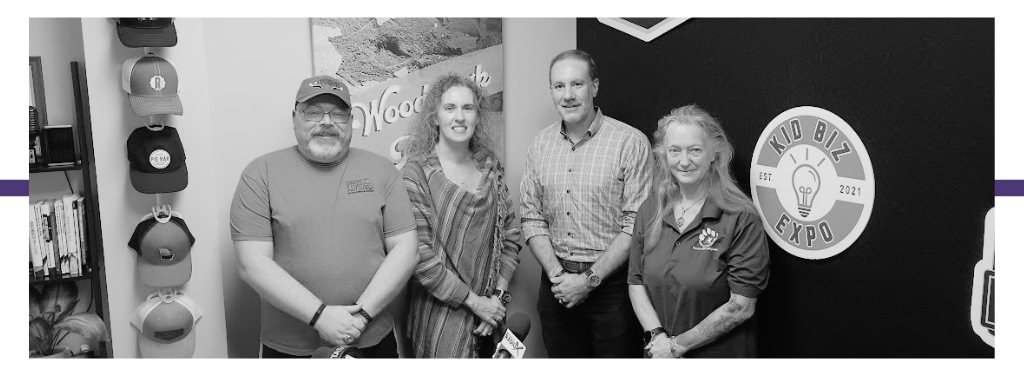
CherokeeBusinessRadio102423pic2
Cherokee Business Radio
Terri Haswell with Seniors Helping Seniors and Bill Neglia with Neglia Insurance Group
Loading
00:00 /
RSS Feed
Share
Link
Embed

Download file

Cherokee-banner-102423

Sponsored by Woodstock Neighbors Magazine

Woodstock-Neighbors-logo

Seniors-Helping-Neighbors-logo

Terri-HaswellAtlanta natives, Kip and Terri Haswell opened the doors of Seniors Helping Seniors Northwest Atlanta on June 1, 2023.

They hire an often-overlooked workforce of active adults, who are looking for meaningful work while also supplementing their income, to come alongside and care for their less active senior counterparts.

They serve Cobb, Cherokee and Pickens counties and have lived in Cobb and Cherokee counties for over 30 years as do many members of their own family.

They both have worked with seniors at various times over the course of their careers.  In 2020, Terri became a primary caregiver for her dad while also juggling the last two years of their only son’s high school years. After losing her dad and then they became empty nesters, eventually looking to start their next chapter.

While Kip still works full time, he supports the business in various ways. Their mission is to provide meaningful connections while also fulfilling the needs of their Caregivers, Clients and Families.

They understand the challenges of being a family caregiver as well as how difficult it is for their aging loved ones to accept care.  Upon learning of the unique concept of Seniors Helping Seniors, they knew this was what they were meant to be doing.

Founder, Kiran Yocom, worked with Mother Teresa for 14 years, learning from one of the greatest humanitarians how to treat others with dignity and respect. By hiring more mature adults to assist seniors in need, the clients feel like they are getting a little help from a friend, rather than from someone who does not understand the aging process.

It is a connection and relationship built on empathy rather than sympathy.  “We get to meet the needs of two sectors of seniors as well as give their adult children peace of mind that their loved ones are receiving quality care,” said Terri.  “It is a win-win-win.”  “We are grateful to be able to take our passion and our personal experience and be able to turn around and help others in our community in such an impactful way.”

Connect with Terri on LinkedIn.

Bill-NegliaInspired by a family friend’s offer of mentorship, Bill Neglia started his career in insurance over 40 years ago. He was drawn to the autonomy of the industry and the desire to make a difference in people’s lives.

This commitment was underscored when a meeting led a client to discover a life-threatening heart condition, which reaffirmed the importance of his role.

To best serve his clients, Bill begins with a comprehensive questionnaire, ensuring he understands their unique needs before discussing solutions. Guided by transparency and genuine care, he always prioritizes the client’s interest, setting him apart in the industry.

Outside work, rock concerts are his escape, where he sees parallels to his profession: individual performers coming together for a harmonious result. That balance is pivotal in his personal life too. When his wife, Sandy, faced a cancer diagnosis, he became her primary caregiver. This period cemented his belief in the importance of personal connection and empathy in his business.

His family is his inspiration. With Sandy, their children Danny and Caitlin, and six grandchildren, he finds joy in spending time with them, either at home or traveling with his family. Whether it’s golf with his son, watching sports, or being amused by their five granddogs, these experiences enrich his interactions with clients.

Bill’s not just your insurance agent with decades of experience, but he’s a compassionate adviser committed to serving your individual and family needs.

Connect with Bill on LinkedIn and Facebook.

This transcript is machine transcribed by Sonix

TRANSCRIPT

Intro: [00:00:07] Broadcasting live from the Business RadioX studios in Woodstock, Georgia. It’s time for Cherokee Business Radio. Now, here’s your host.

Stone Payton: [00:00:24] Welcome to another exciting and informative edition of Cherokee Business Radio Stone Payton here with you this morning, and today’s episode is brought to you in part by Woodstock Neighbors magazine, bringing neighbors and business together. For more information, go to Facebook and Instagram at Woodstock Neighbors wbvm. And if you have a heart for community and you want to grow your small business, consider joining the Main Street Warriors movement. Go check us out at Main Street warriors.org. All right, you guys are in for a real treat. Please join me in welcoming to the broadcast. First up on Cherokee Business Radio this morning with Seniors Helping Seniors. Northwest Atlanta, Ms. Terri Haswell, how are you?

Terri Haswell: [00:01:14] I’m great. How are you? I am.

Stone Payton: [00:01:16] Doing well. It’s an absolute delight to get you in studio. I’ve really been looking forward to this conversation. I got a thousand questions. I know we’re not going to get to them all, but maybe a good place to start would be if you could articulate for me and our listeners, mission. Purpose. What are you and your team really out there trying to do for folks?

Terri Haswell: [00:01:38] Well, our mission is to create meaningful connection between our clients, our caregivers and our clients families. So connection, I mean, after the pandemic and everything, we know that that’s difficult, especially for seniors. So if they’re at home and they’re in there. Yeah, they’re not able to get out and do as much as many things, then that would be we have caregivers that can come alongside them and help them do those things that they’re not able to do.

Stone Payton: [00:02:03] I have to believe that that is a business that is going to continue to grow. The demand for that is going to continue to grow, I would think. Yeah, it.

Terri Haswell: [00:02:13] Is, it is. I think it’s the statistic is every, every day 10,000, 10,000 people turn 65. So in the nation. So that’s a lot of people. And so we actually get to hire the people who want to do meaningful work in the community. But they’re older and they may not have that job opportunity like they had before. So we get to hire those people, they get to do something meaningful, supplement their income, and then go alongside somebody else who is a little less able to do some of the things they normally do.

Stone Payton: [00:02:47] Well. Now that strikes me as as a true distinction. The people who you are engaging to help these seniors are seniors themselves. I’m gathering by the by the name of the company.

Terri Haswell: [00:02:59] Yes, yes, yes. It’s awesome. They understand the aging process, right? I mean, I know in in my 40s, I started feeling all the aches and pains and stuff like that. But as we age, we have different aches and pains and different things that we understand a little bit more about in the aging process. So it really helps to create that empathy versus sympathy. So when you’re going alongside another senior, somebody who is in their home, it creates that friendship. It creates that bond because they understand they get it.

Stone Payton: [00:03:29] Okay, I got to know what is the backstory? How does someone find themselves in this arena doing this kind of work for these this particular constituency? I’m operating under the impression it wasn’t a straight path.

Terri Haswell: [00:03:43] Well, it wasn’t, however, I could say it’s a little bit a little windy because before I ever got into this, I worked before our son was born. We have one son. My husband, Kip, and I have one son, and before he was born, I worked for an organization called Christian City that south of the airport, and they had a home for children and a home for seniors. So, I mean, seniors love kids, you know, it’s a brilliant concept. But I was there helping out with the fund raising for the children. But I have a love for seniors. So I would go down at lunch time and go dance with the seniors when they’d have the big bands. You know, I just absolutely loved it, absolutely loved it. And then after that, when my son was born, I mean, I would take him to the local assisted living. He’d be two years old and he’d just roll the ball with seniors because again, seniors love kids, right? So it was something that got him out and we did something meaningful and good. I used to take puppies from the from the Humane Society and bathe them, and then I would take them over to rehabilitation places and stuff like that with a little Polaroid camera, so they’d get little puppy kisses and they’d be encouraged while they’re healing.

Terri Haswell: [00:04:46] Right. And then I’d give them their little Polaroid picture to hang up just to have them smile or something, just to help them get through all of that. So I’ve always had a love for that kid sister she owns, Sensing Transitions, which helps seniors downsize. So while my son was growing up, I had the luxury of being able to work part time thanks to my husband and I went alongside Tina and would help her, and she would help seniors downsize. And then she also does estate sales, so he and I both have helped her along the years too. So we’ve really had seniors, a passion for seniors along the way. But then after. Or I became a caregiver for my father for two years, I got to understand what it was like to be that family member, that adult child that is caring for your loved one while also juggling your family. And my son’s last two years of high school. So that’s called the sandwich generation. I didn’t realize that, but I was part of the sandwich generation, and I really just saw the difficult the difficulty.

Terri Haswell: [00:05:49] It was for my dad to accept help from someone he didn’t know. So, I mean, which was great. I loved the time that I spent with him, but I also had a lot, you know, it was hard. It was hard going back and forth. I was the closest in proximity to him, so I really felt like I missed out on my son’s last two years of high school with all the activities that are going. So I just saw that. But after he we lost him and my son moved off to college. Empty nesters, you know, all the activity. I’m like, now what? You know. And so my husband and I were just talking about that, and we thought it would be a great time to start something new and take our experience, my experience, and turn that into something positive and be able to help others in the community now going through things like that as well, because I’ve got that understanding now. I’ve got that empathy, right. So I’ve got that understanding of what other people may be going through and that difficulty and balancing, you know, life and family and loved ones and all of that kind of thing.

Stone Payton: [00:06:49] What a marvelous foundation you have for the business. And there are some, some differences. What has the transition been like? Has it been unnerving? Exciting? A little bit of both, yeah.

Terri Haswell: [00:07:01] I would say a little bit of both. I mean, it’s like I tell people I’m like, well, we became empty nesters and then we birthed a business, right? So we’re starting we’re starting all over. And in a way, you know, it really is. So I love it, I love it, it is challenging, but I love the people I meet. It’s so rewarding. I mean, the clients that I have are so interesting. And that whole era, like I have one gentleman, we were over doing some crafts at one of the local senior communities and he says, you’ve got an old soul, don’t you? Because I’m like, I love Cary Grant. I love all of these things. He didn’t think I’d know who those people were. He was like, make me look like Ryan Reynolds. And I’m like, Ryan Reynolds. Why is he talking about that? Because he didn’t think I understood and got that with, you know, with Cary Grant and Jimmy Stewart. I love them so well.

Stone Payton: [00:07:47] It’s a it’s a very timely conversation for me. And it might be a good frame for you to help us understand the work, the process from both sides of the table. My wife and I moved here two years ago. I was telling Bill before we came on the air, we bought a little patio home right here on the edge of downtown Woodstock. It is my first lily pad. I know every bartender in town. I got a golf cart, and I told him it’s like living in a hallmark movie here. I love it, and we’ve had family visit us over the course of those two years. Cut to just a few weeks ago, I guess one sister in law closed on a home in Acworth. Another one closed on a home over here at village at Town Lake. My parents closed on a home in that same neighborhood. Village at Town Lake two weeks ago. Nice. And we’ve got the two sister in laws moved in and my folks are coming like, I don’t know, within 2 or 3 weeks. And so and in the transition for all of them, it’s a little bit different between the three. But it’s there are some there’s some similarities. For example, you mentioned your sister’s outfit. I mean, my folks are downsizing considerably. And at this very moment, I think what’s on the table is bringing everything in the kitchen sink here.

Terri Haswell: [00:09:02] Right, right.

Stone Payton: [00:09:03] It probably buying a storage thing and having to get get rid of it. But knowing that I am living through a little bit of this, or maybe I’m a little on the front end of it, because in all three situations, they’re quite capable of taking care of their selves themselves. Now, for the most part, talk about the work. Let’s would you engage let’s let’s take would you engage my parents directly? Would you engage me? Would we kind of all sit down? Let’s walk. Let’s walk through it a little bit. Right?

Terri Haswell: [00:09:31] Right. Well, I mean, it really depends because a lot of times seniors are not they they say, no, I can do it. I don’t want I don’t want help. I don’t need help. You know I can. But at the same time, they also don’t want to always depend on a neighbor or always depend on their child because they know their child’s got a busy schedule too, or their adult child has got a busy schedule too. So it really just depends. I have one client that both of her kids live out of state and. But she has a granddaughter here who’s pregnant, you know, got young kids and everything like that. Well, the daughter contacted us, and so I went over to talk to the mom, and the mom was like, I don’t want to do this. I don’t need help. She’s just worrying, you know, that type of stuff. I said, it’s going to make her be quiet. Just, just, I mean, it’s really like getting help. From a friend. I said, we’ve got people that will come alongside. It’s going to be like helping, you know, getting help from a friend, really, because we try to match. We have a matching process. So we want to learn your hobbies, your interests. I want to learn your background like I’ve got I’ve got a client that have the husband and the dad helped build the Twin Towers. Oh my. Like I mean, interesting, like I just love it. And so we hire people who also have that still that connection to that generation. You know, they might be a step away, but they’re not 2 or 3 steps away right where they can’t relate to it. So it’s really like bringing a friend alongside them and creating that connection. And then it feels like you’re not really getting help. Really. It feels like, oh boy, I’m looking forward to it. I’ve had one of our clients say that same thing. She’s like, at first I wasn’t quite sure what to do while she was here, but now I look forward to it, you know, like, I’m really looking forward to her coming. We’ve created a friendship.

Stone Payton: [00:11:18] Okay, so there’s aunt Sandy in Acworth, but I mean, she’s like, you know, 15 minutes away. And then there’s Mom and Dad. This could sounds like it could be very customized. Maybe aunt Sandy needs and wants services that are a little bit different than what Mom and dad feel like they, they need. So there’s, there’s probably some consultative kind of really drilling down on what do they need and want.

Terri Haswell: [00:11:43] Yeah, definitely. Well, we offer two types of services. It’s all non-medical but but two types of services. One is companion care. So companion care would be like all hands off type things, but it would be a meal preparation, maybe some transportation to and from doctors or to grocery stores, or helping with some finances, doing some light housekeeping. And I stress light housekeeping because I am hiring, you know, older adults, and we don’t want them on their hands and knees scrubbing, you know, showers and stuff like that. But some light housekeeping help with the walking the dog or cleaning the litter box, you know, things like that. So things that might be harder for someone who can’t bend or who can bend but can’t get back up, you know, different things like that. We offer services like that, which is companion care, and obviously companionship is included in that. And that that connection is what we’re trying to create. Then we have personal care. So that’s a little bit more of the hands on care. So like if someone needs help with a shower, if someone needs help with dressing, if someone needs help with feeding or toileting, hygiene, any of those types of things, we also offer that service as well. So while some might call it personal care, they say that well, they’ll they’ll say, no, I can shower by myself. I just might need someone to watch when I’m getting out of the shower. So that’s you see what I’m saying? So we just drill it down to, okay, let’s talk about how well you can do these things. What kind of help do you see yourself needing? And if a family member is there, they’ll put their input in as well. And then we come up with a plan for that.

Stone Payton: [00:13:12] Okay. This is a little bit of a different style of question, but I am always curious when I see this. And we see it more often than I would have anticipated or I have in the interviews that I’ve done. I love my wife dearly. We have a marvelous relationship. I don’t know that we could be running a business together and we didn’t Mike kip up, so you get to say whatever you want to say. But no, I’m interested. Did you bum bum? What did you like? Assign very specific roles, and you stay in your lane and I stay in mine. Or is it one big mash pot? Just. It just share what you’re. You know, what you’re willing to share. But I’m genuinely curious how that how you make that work.

Terri Haswell: [00:13:54] Well, we we each have different strengths, really. I mean, I obviously have a passion for seniors. I obviously have a passion for going out and doing what I do and talking with people and making them feel comfortable and at home and making them feel at ease and trusting that we’ll do what we say. We’re going to do that type of thing. Kip is as personable as he can be. However, he will help out a little bit in the back office, so he’ll do more of the billing and the finance and managing some of the caregiving things and like all of that stuff. So I get to be out and be in people’s homes and talk with people and stuff, and we both are out talking with people and meeting people such as yourself or in other organizations, things like that. But we do a little bit. I guess I’m more the face of it, I guess, if you will. And he’s a little bit more back office and he he still works full time. So he, he supports and helps out when and where he can. So I’m grateful for him.

Bill Neglia: [00:14:49] And you can’t you can’t underestimate the value of back office work right. Many businesses fail because they’re good at what they do, but they’re not good at the bookkeeping or the business end of the business. Right. So that’s that’s that’s great that you guys are able to work together, right?

Terri Haswell: [00:15:04] Definitely. I did some coaching and stuff too before I we started this. And I’m recognizing my strengths. I recognizing, like you mentioned, staying in my lane. Like I know what I’m better at than, than other things. And I’m okay. I’m happy with being humble and saying here, this is not my thing. How about you doing this thing?

Stone Payton: [00:15:24] So what are you discovering about the whole sales and marketing aspect of this business? Are you out there shaking the trees, building relationships, or is it coming to you because you’ve had so much experience in foundation or.

Terri Haswell: [00:15:39] You know, it’s a little bit of both. We are definitely out there when we, you know, obviously there’s a lot of agencies out there and they’re all great. We’re meeting some great people who run these agencies. When we talk to people, new people, when we tell them what we do, they clearly see the difference. You know, that we hire more mature adults who understand that aging process to come alongside their less active counterparts. They’re like, oh, I get that because this this industry has a high turnover rate. Well, we want to love on our caregivers. I tell our caregivers in our orientations, I’m like, this is just as much about you as it is about our clients, as it is about their families. So we want them to feel just as important and just as loved on because we’re meeting one of their needs just as much as we’re meeting one of the clients, the client’s needs. So people get it when we talk to people. I’ve actually got friends that are working for us. I’ve got a teacher I worked alongside. I was in the school system for several years, and she’s like, you know, this is what I want to do when I retire.

Terri Haswell: [00:16:38] I’m going to start doing this on the weekends. I’ve got two years to retire and I want to do this. So, so it’s a little bit of both. I mean, we’ve been in this community in Cherokee and Cobb counties for for over 30 years. So our families are in this area kind of like yours, except we’re a little bit more spread out. But still in these our service areas, which is Cobb, Cherokee and Pickens counties and a little bit of Paulding. But because of our involvement in the community and what we’ve done over the last 30 years and the relationships that we’ve built, we’ve had people coming to us wanting to work with us, wanting. I mean, people are referring us. So it’s really right now, I would say almost 5050. We’re out, you know, telling new people about us, but also other people that we’ve we’ve known for so long or telling others about us as well, and coming to work for us.

Stone Payton: [00:17:23] Well, you’ve been here long enough to know and experience like I have just over the last couple of years, this community, this Cherokee County area. Oh my gosh, the other business people in the community and the civic leaders just will rally behind you and genuinely try to help you. That’s been your experience as well.

Terri Haswell: [00:17:41] I mean, I love this community. I mean, one of the things that brought us to this community as as our son was getting older, we were looking for a place that was really family oriented. And funny thing is, my my one of my best friends in college, she grew up and went to the same high school that my son graduated from. You know, like so I’ve been brought to this community before with her, and then I end up in this community and the people that we meet. I mean, it’s like three generations of community, I mean, of family all within this community, like our areas have their their parents, them and then their grandkids. And some people move back to this area. It’s just a great area. I love it.

Stone Payton: [00:18:18] I’m gonna switch gears on you a little bit before we before we wrap, I’m interested to know I don’t know when you find the time, but passions, hobbies outside the scope of your work, outside of what we’ve been talking about. My listeners know I like to hunt, fish and travel in that order. But how about you and you and Kemp?

Terri Haswell: [00:18:37] Well, when I met you, you were talking about hunting, so I remember that. Not surprised. We enjoy it. Well, I mean, getting outside, exercising, hiking, things like that. Travel. Really have the travel bug, movies, concerts, you know, wineries like we I mean, I think during Covid and stuff, we really getting outdoors in Georgia. Being a native from here, I feel like I’ve been there, done that with all the things that are around Atlanta, but getting outside and discovering all the things outside, you know, ever since Covid and all that stuff has really given me even a newer appreciation for where we live. So just just getting outside and enjoying the little towns and.

Stone Payton: [00:19:16] And you’re in the right spot to do everything that you mentioned, from the kayaking and hiking to the wineries. It’s all right.

Terri Haswell: [00:19:23] Here it is. It is I love it. Yeah. All right.

Stone Payton: [00:19:26] Let’s leave our listeners with a couple of actionable pro tips, if we could. And and I’m doing this for myself as well. I’m telling you, gang, if you want to get really good insight, professional counsel from people who are experts in their domain, get yourself a radio show. Bring them in here, pour me a glass of water and you can ask them anything you want, but let’s. Yeah, let’s leave them. Like for for me, my folks, maybe even in trying to identify, you know, where are we in the timing and or if we decide, hey, we need to get them some help. Those early conversations, whatever tips you think would be helpful, just anything we should be reading, doing, not doing. I’d love to leave them with a couple of actionable tips.

Terri Haswell: [00:20:12] I guess it really depends on what their particular, I guess challenge could be or whatever. I mean, if it’s more memory challenges, things like that. Introducing someone who’s going to be growing with them, you know, as they do, like introducing someone to them so that they don’t they’re not a stranger to them is really important if that’s one of the challenges. I mean, really, it’s just being aware and maybe dropping dropping some, I mean, just talking, talking through it with them, really. And like I said before, I think one of the things that convinced my dad, one of the things that’s helped with, like I said, some of the clients was just that you may not need the help, but by by accepting this, it’s going to help me too, because I can’t do all the things that I’m doing, you know? So it’s really I mean, the way I look at it is they’re helping their adult children, but because of the unique way of our business, they’re actually helping another senior who needs to supplement their income to, you know, like they’re getting to do they’re getting to do good just as much as they’re receiving good. So I love that about this whole concept of everything, too, because they are really helping other people too, by accepting some help.

Stone Payton: [00:21:25] That is marvelous insight. I’m so glad that I asked, because I know for my parents that is very high on their value system hierarchy is is in their words, they would say not to be a burden to you and Russ, but but but you know, they want us very much to have our own lives. And so that would be important to them. And I think it would be important to them too, providing that opportunity for, for, you know, for other folks. So any upcoming events, anything cool happening over the next couple of months we ought to know about?

Terri Haswell: [00:21:59] We do have an event coming up November 5th. So we are. So November is National Family Caregiver Month, so I didn’t know there was a thing, but there’s a thing. So being a family caregiver myself, I, you know, I want to celebrate these people. I want to let them know that they’re seeing that they’re supported. I would love for the community. Anybody who actually can serve or assist or support a family caregiver, you know, by what, prepared meals, I don’t know, something to spoil them, some kind of little spa thing because it’s really important for self care, super important for self care. I always picture the when you’re in the airplane, the flight attendant says, when you know, take, take the oxygen first and then give it to the person next to you. Good illustration. So I always picture that and just being able to breathe in exhale. So we’re partnering with Aloha to Aging who is a nonprofit that’s local here as well. And they serve they have a lot of programs that they do for whether it’s dementia or Parkinson’s or different things like that too. But they do a program where it’s a hands on a day in the life. So you get to understand kind of what your loved one might be experiencing, whether it’s neuropathy or aphasia or dementia or seeing and vision, vision and hearing problems, things like that. So they kind of walk you through this workshop. It gives you a little bit more understanding. We also are going to have some things to spoil people there so that when they come, they feel loved on. Like I said, hopefully they’ll make some connections of other people who are experiencing the same thing, and we’re just going to spend a couple of hours and just like I said, a little educate, empower, love on and support support them. That’s November 5th and it’s going to be at the Wellesley clubhouse over in Town Lake. They’ve actually offered that too, because they like what we’re doing and they’re partnering with us as well. Yeah. So we’re doing that okay.

Stone Payton: [00:23:47] So yeah.

Terri Haswell: [00:23:47] Go ahead. No, I was just going to say I did forget to say one of the things that makes this place special, this this organization special that we work for and that attracted us to it, is the actual person who started seniors helping seniors, Karen Yocum. She worked alongside Mother Teresa for 14 years. Oh my. So when I say that pedigree, I know I’m exactly well. And I say that because when I tell people that like sometimes I’m like now glossing over that, which I shouldn’t because I’m like excited about what I’m talking about. But I get chill bumps still every time I say that. But I got to give people a moment to digest that, right? But I feel like she’s just really learned how to treat others with dignity and respect from one of the greatest humanitarians that ever lived. Right. So I love I think that’s how this concept was created, because we get to have that dignity and respect and treat them more with that. Like I said, empathy or that understanding than maybe others do, I guess I don’t know.

Stone Payton: [00:24:44] And for our friends at home, Kip really is important to this operation. He handed her the the piece of paper that had that info on her so she would remember to share that.

Terri Haswell: [00:24:54] So that is important.

Stone Payton: [00:24:55] We don’t want to dismiss. It was a clean handoff. That was very nice. All right. What’s the best way for our listeners to connect with you? Is there a website or some. Let’s give them some coordinates.

Terri Haswell: [00:25:05] We do have a website. It’s SHS so stands for Seniors Helping Seniors SHS Northwest Atlanta. Dot com, or you can reach us at 470995. My senior mistress, which is (470) 995-6977.

Stone Payton: [00:25:24] Fantastic. Well, thanks for coming in and sharing your story.

Terri Haswell: [00:25:27] Thank you for having us and.

Stone Payton: [00:25:29] Please come back and keep us updated. Let’s don’t be a stranger. We’ll we’ll have you back I loved it.

Terri Haswell: [00:25:35] This is a lot of fun. Thank you for having us.

Stone Payton: [00:25:37] My pleasure. All right. How about hanging out with us while we visit with our next guest? Certainly. All right, gang, y’all ready for the headliner? Here we go. Please join me in welcoming back to the Business RadioX microphone with Neglia Insurance Group. The man himself, Bill Neglia. How are you, man?

Bill Neglia: [00:25:56] I’m good. Stone, thanks so much. And Terry, you crushed that.

Terri Haswell: [00:26:00] Oh, thank you so much.

Bill Neglia: [00:26:01] I’d almost like you to do my interview.

Terri Haswell: [00:26:04] You’re a good listener. Because you were easy to talk to.

Bill Neglia: [00:26:07] There was nothing I could add to make it any better. Oh, well, thank you so. And you were good enough as it is. And then you dropped a mother Teresa bomb, and I’m like, good Lord, what am I doing here?

Stone Payton: [00:26:20] That’s a tough act to follow. Sorry about that.

Bill Neglia: [00:26:22] There is no following it. I am just going to sit in the back and just, you know, mouse my way along here. But fantastic job. That was great.

Stone Payton: [00:26:30] So tell us about your outfit, man. What are you out there doing?

Bill Neglia: [00:26:34] So I’ve got an insurance agency Stone, that I started back in 1983. It was just a little operation. And, you know, my back story is not nearly as sentimental as Terry’s. I was desperate, I got out of college, couldn’t find work in my field, which was finance and accounting, and saw an ad. That’s how far back I go. In one ad in the newspaper for a company called John Hancock. So I may have known or know of selling life insurance. So that’s what I started doing back in 1983, in New York, where I’m from, born and raised. And then about 1991, I moved my wife and two, two young children down to Georgia. We settled in Roswell, not very far from here. And and then I changed. And then the agency dynamic took a little bit of a change to where it was more of a benefits book of business. Not just life insurance, but health insurance became our primary bread and butter product. And and here we are now, 40 years later, just last week celebrated our 40th year in business and we’ve got a full service agency, health, life, disability, long term care, and Medicare for seniors products that I’m sure you guys are familiar with. And also recently, my son and my son in law have both joined the agency.

Stone Payton: [00:27:59] Oh wow.

Bill Neglia: [00:28:00] Part time. My son is a helicopter pilot instructor for the Army, and my son in law works in an agency as an analyst. But they’re both working part time in sales as part of our agency. So we literally just created a family LLC. And I’m thrilled. And never in my wildest dreams thought that my business would become a family business. I love that, so so that’s that’s kind of where where my roots and and that’s where we are right now.

Stone Payton: [00:28:31] Yeah. So 40 years at this or some aspect of it at this point in your career, what’s the what’s the most rewarding? What are you enjoying the most?

Bill Neglia: [00:28:42] Having the freedom to be my own boss. That’s what attracted me to the business. And even though I wasn’t a good agent early on, I struggled giving up that freedom was always a challenge. So yes, having the freedom to be your own boss as long as you manage your time is very rewarding. And now here I am. I’ve got six grandchildren, so my why is now my wife, my two kids and my six grandchildren. And the most rewarding thing is to be able to take time off from work and spend time with them, watching them play sports, going to plays, you know, just hanging out. They at one point they all lived out of state. Now they all live in state. My son and and daughter, daughter in law and five kids just moved back from Alabama to Acworth. And my daughter, son in law and granddaughter moved from Seattle. To Decatur. So for the first time in a long time, I’ve got all my family close by, and I’m just absorbing it like a sponge, getting as much time as I can while while running a pretty successful operation.

Stone Payton: [00:29:57] Well, and that’s a good opportunity for a public service announcement. You have to be careful about inviting family to come visit you here, because they’re going to want to move here. So.

Bill Neglia: [00:30:09] Funny story. As we speak in my basement, I have my sister and brother in law from North Carolina who three weeks. It’ll be three weeks tomorrow. They came to visit just for a couple of days, and then a couple them two weeks ago yesterday they came down with Covid, so they have been bunkered in my basement for the last two weeks, and we have even offered them to come stay with us permanently, because we do have a full basement and we’re empty nesters and we’re not happy being empty nesters, even if it’s with adults. So we always grew up with kids at the house. You know, our house was always the neighborhood playground and it made us feel great. And so, yeah, we always encourage family to come. And we’ve, we’ve we’ve had family live with us over the years. Different variations of family.

Stone Payton: [00:31:04] No. It’s marvelous. I think it’s terrific. So don’t take this personally. But when I hear the word insurance, the mental image that is conjured up for me is this big tangled hairball spaghetti ball. I’d love it if you could untangle it a little bit for us and speak, you know, a little bit to pros and cons of different kinds of personal plans, what the landscape is on, group plans. And, I don’t know, we probably don’t even have time today. But, you know, my wife is getting Medicare oriented mail, too. I mean, we are buried in it. Just just attack any of those that you want to. But maybe this is a good form for almost like a little education panel. Yeah.

Bill Neglia: [00:31:47] So no, your your view, your visualization is exactly correct. The and it’s not just health. It’s all insurances. They’re all complicated. Understand this. Insurance policies are written by attorneys.

Stone Payton: [00:32:03] There you go.

Bill Neglia: [00:32:03] So so first and fundamentally the policies are not designed to be understood by the average consumer okay. That’s why they’re 3040 pages with all kinds of little text and caveats. And you know, there’s, you know, three pages of benefits and 40 pages of disclaimers. It’s almost like watching a drug ad. There’s one thing that it does well. And then there’s 250 side effects that and and they always say could end in death. If you ever watch a pharmacy commercial, just listen to the small, the small print and the fast talk at the end and could lead in death. That’s very alarming. Insurance is the same way. It is a tangled mess. Health insurance in particular, because it’s all terms and variable based. What what is a covered claim versus what’s not covered is all definition. And a lot of it is interpretation. And unfortunately the interpreter is the insurance company. So if you know their policy is written in such a way that it’s vague and you as the consumer go to access it, and the insurance company says, no, that’s not a claim. By our definition, you’re out of luck. All right. And that happens a lot. And the problem with health insurance, again, because you’ve got you’ve got platforms now you’ve got healthcare.gov. You’ve got call centers. You have avenues where consumers can go do it themselves without the aid of professionals, which I don’t recommend. Even if you’re not working with me, work with a professional, you don’t pay anything more.

Bill Neglia: [00:33:41] Insurance agents are compensated by the insurance carriers, not by the client. 40 years of doing insurance, I’ve never charged my client a dime. So there is no economic benefit when you do your own insurance planning or purchasing. But what I have found is that people will go on to a website. They’ll look at a plan. It appears to be good. The price appears to be in their price range, and then they’ll buy it. And then the first time they go to use it, they find out their doctor doesn’t take it, or the pharmacy, the medication that they are on that $600 a month, you know, Wonder pill is not covered. Now they’re in a big pickle. They’ve bought something that is not responsive to their needs. With me as an agent, I take the time to identify what their needs are, what their meds are, who their doctors are, and I work all of that into the quotes that I generate, and I’ll tell them, okay, this plan looks good, but your doctor may not be on it, or this plan has all your doctors. It might be a little pricier, but you’ll be happier. That’s the kind of advice and guidance that I give my clients before a purchase is made. And for people who are doing it themselves, that’s the risk they take in buying something that ultimately is not going to be what they need. You know, life insurance is a lot simpler because really, life insurance has one claim.

Stone Payton: [00:35:10] Mm.

Bill Neglia: [00:35:10] Okay.

Stone Payton: [00:35:12] And you can prove it. And you’re.

Bill Neglia: [00:35:13] Not. And the person who the claimant is gone. So really, life insurance is a pretty simple product to understand and explain to people. But things like long term care, long term disability, Medicare, those are more variable and term driven. And as a consumer, you have to know all of the terms to determine what is a covered expense and what is not before you make a purchase decision. And those are the things that you know me and now my son and son in law, that’s what we do on an advisory basis.

Stone Payton: [00:35:51] So is it high season for you right now? I hear the term open enrollment. Is it like is yeah.

Bill Neglia: [00:35:58] It’s it is so so there’s there’s two open enrollments. One just started the Medicare started last week. And next Wednesday November 1st starts the under 65 personal health insurance open enrollment season. So you’ve got to open enrollment windows crossing over. And then the other part is that with employers most of them start their plans January 1st. So they’re shopping as well this time of year. Yeah. So you don’t have to.

Stone Payton: [00:36:27] You can’t hunt.

Bill Neglia: [00:36:29] No I know I can’t hunt for you. Although I might want to put a gun to my head, but yeah. So I’ve got all three of my worlds because I do a lot of personal individual, I do a lot of Medicare and I do a lot of group. So all of my worlds are basically colliding at the same time. And I’ve got basically two months and change to put everybody, everything together. I laugh when I hear people say, oh, so you’re like an accountant. Your business is seasonal. Well, yeah, we have seasons. But an accountant, if you think about it, their season is really January to October. That’s ten months. I’ve got six. I’ve got eight weeks. Oh, wow. I’ve got November 1st to January 15th. Uh, no. Ten. Yes. Ten weeks. That’s my season. There’s no extensions beyond that. Wow. So it’s not quite like an accountant. It’s much more pressure, much more intense and much more narrow. So, yeah, this is this is a jam in time for me right now.

Stone Payton: [00:37:35] Yeah. So is is one of the groups that you would help? Would Hollie and I fit this description? She is threatening. Is the word I use to retire? No. She’s going to retire in December of next year. She works for a little company some of you may have heard of called IBM. And we are golden right now. I mean, we are golden health all all that stuff. But I assume things are going to look a lot different.

Bill Neglia: [00:38:01] Well, when she reached. So when she retires, she’ll, she’ll come off the, the payroll. Yeah. And she’ll be reclassified now IBM as a as a giant corporation. They may have a retiree program. Oh that would be available to her okay. Some large corporations have retiree programs. Mom and pop shops obviously do not. Yeah. So let’s say there is no retiree option. Then she would have the ability to go on to personal insurance. And if she’s over 65 or 65 or older, then she would want to go on Medicare. Okay. And then more than likely want to wrap at least a Medicare supplement around Medicare only at the time that she’s retired and coming off of her corporate insurance. But yeah, she you she would be somebody that I would work with and do work with.

Stone Payton: [00:38:55] Okay. So at the risk of getting into the weeds and don’t but maybe at a, at a higher level I see like Joe Namath get on there and talk about the, the the.

Bill Neglia: [00:39:06] Free benefits.

Stone Payton: [00:39:07] And the supplement thingy. Right.

Bill Neglia: [00:39:09] That Medicare Advantage is what he’s okay. Yeah. It’s a different so so for for Medicare recipients you’ve got two different policy types. You’ve got what’s called Medicare supplements, which basically Medicare is your primary. And then the supplement wraps around Medicare and covers some of the expenses that Medicare does not. Then you have Medicare Advantage plans, which basically replace Medicare, and they act as an all in one policy, just like insurance was before you went on Medicare. So they cover your hospital, your doctor visits, your prescriptions, you’ve got copays, deductibles, out-of-pocket maximums, and most of them have networks, either HMO or PPO. I’m getting.

Stone Payton: [00:39:52] Dizzy. But no, this is why we sit down. Are growing.

Bill Neglia: [00:39:56] Huh? I got.

Stone Payton: [00:39:57] You know, but this is why you sit down with Bill, and you don’t try to navigate this terrain yourself. It’s crazy.

Bill Neglia: [00:40:03] Yeah, that’s why I say, you know. And again, nobody pays a penny for any of this that’s coming out of my mouth. Yeah. So, yeah, there’s a lot. There’s a lot to know and a lot to understand about Medicare. Just like any just like for policies for folks under 65. And the problem with Medicare is that the recipients are older and they may not be aware of of what the challenges are. And if they don’t have a younger child or a younger person advocating for them, they could easily get duped or even not intentionally buy something that’s not appropriate and then find out that they’ve got a large claim that’s not covered, or they have an exposure that could have been avoided if they had spoken to the right person prior. So.

Stone Payton: [00:40:51] So my folks, years and years ago, they were teachers as well, by the way, Terry. And but years and years ago they bought a cancer policy and they’re so glad that they that they did because they, they had they needed to tap into that at one point. Is that still an option for people? There’s cancer. Oh, sure.

Bill Neglia: [00:41:15] Aflac is the is the creator of cancer policies, and they’re the number one company worldwide in terms of cancer insurance. And, you know, policies like that are called supplemental. Okay. And how they work is that instead of paying a benefit or reimbursement to a doctor or a hospital, they pay directly to the insured. So if you’re if you’re, let’s say, an Aflac client, you have a cancer policy. And God forbid, you have a diagnosis of cancer, your policy is going to pay you a check for X amount of dollars based on the contract that you signed up for. Plus, cancer policies also help reimburse things like gas, car expenses, meals, things people don’t don’t think about when they’re when they’re dealing with cancer or dealing with a loved one. My wife is a is now a five year remission breast cancer survivor. We drove back and forth to Cornerstone Hospital like three times a week for three years. The amount of the gas, the parking, the wear and tear on my car, food while we were out waiting between set treatments and whatever. Thousands of dollars. Okay, Aflac reimbursed me. And I was able to use some of that money to offset those costs, which again, people don’t think about. Right? They think about, oh my God, I need major medical, which. Absolutely. You need good health insurance. But the ancillary costs of something like that could be, you know, thousands of dollars over a period of time. And that’s what cancer policies and policies like Aflac and companies like that, that’s what their policies are designed to help offset.

Stone Payton: [00:43:00] And then you’ve got accidental you’ve got life. Now, you mentioned earlier in the conversation, in a lot of ways, the life insurance is at least easier to explain to someone like me. But but none of it, including even the life is like one size fits. All right? There’s this whole life, universal life, term life, maybe even a time to quit carrying the life. I’ve heard some people I don’t. Yeah. Speak to that a little bit.

Bill Neglia: [00:43:23] Well, I don’t know that there’s ever a time where you don’t benefit from having life insurance. The word need and want. Those are subjective terms. And everybody is on a case by case basis. But they’ll always be a benefit to having life insurance. Even if you’re fabulously wealthy, there’s going to be estate tax issues that life insurance can help. If you’re dirt poor, there could be burial expenses that life insurance can help with. So regardless of your circumstances, there’s always going to be a benefit to having life insurance. Yeah. So there’s different kinds. And you mentioned them all eloquently. You you sound like a life insurance agent. Well, I’m just.

Stone Payton: [00:44:01] I’m living this right. I’m in that sandwich thing you’re talking about because I need to sit down. Or maybe I don’t need to sit down. Maybe I just call you and have you sit down. But, you know, there’s a three ring binder or a bunch of paper stacked somewhere in a moving truck. I’m sure that I’m going to, you know, I got to sit down and sort through all that for them. I’ve got to sort it through it for us.

Bill Neglia: [00:44:20] Yeah. So, so there’s, you know, there’s there’s old school life insurance, there’s newer school life insurance. Old school was the, you know, the original policy in the 1800s, whole life you paid a premium for life and it paid you a fixed benefit or paid your beneficiary a fixed benefit. Premiums for some were unaffordable. So the industry came out with term life. Term life is more of a temporary policy. You pay a premium for a fixed period of time. If you die during that period, your beneficiary collects. If you don’t, you just move on and the money you pay just basically is a is an uncovered expense. I use the analogy of home ownership versus rent. Whole life is like owning a home and having a mortgage. You’re going to pay more monthly. In the early years, it all goes to interest. But over time you start building equity in that policy. Term is like rent. You pay a landlord X amount a year or a month. Usually it goes up every year and at some point you move out and whatever you paid is gone. That’s the difference between whole life and term. The new format or the new School of Life insurance, and you’ll appreciate this are the ones that now also include long term care. Okay. So you’ve got the ability now in one insurance contract to have life insurance protection with long term care protection. I like that. It’s one underwriting. So for some people who are marginally healthy, it could be easier than applying for life or long term care separately.

Bill Neglia: [00:46:08] You got one policy. And what they do is and this is, this is this is where it works wonderfully. If you’ve got somebody with a with an old whole life policy, let’s say they’ve been paying into it for 30 years and they’ve built up a decent amount of equity or cash value. You can take that policy and that cash value, roll it over into the new policy, okay. On a tax free basis. The new policy in most situations will provide more death benefit than the old policy and provide the long term care benefit. The old policy didn’t even have. So you’ve got two better benefits than you had before, just by transferring money from one policy into another. I’ve done that with a half dozen clients over the last year and a half, and it’s worked out fabulously. So that’s because here’s the thing. As people are living longer, the mortality, which is the cost of life insurance tables have actually gone down. So life insurance as a unit is actually less now than it was 20, 25 years ago. Yeah. Oh yeah. Because we’re because as, as people we’re living longer. Yeah. So the, the mortality tables reflect that. So yeah. If you had a policy you bought a policy 20 years ago at, at the old mortality table versus now the cost per unit or per thousand, which is how it’s generated, is actually lower now than it was back then.

Stone Payton: [00:47:44] So we were talking before we came on air about hosting your own radio show. You had been around the Business RadioX group a while. I don’t know if you need your own radio show, but you need some vehicle. Just if you don’t already have it, just to get on the air or on YouTube or something. Oh, brought to you by seniors helping seniors, of course. But of course, just to get the education, there’s just so much or maybe just enough education to convince people, as you have me today. Just give Bill a call and set out. Let him know.

Bill Neglia: [00:48:16] I appreciate that, and I do take a lot of pride in. My knowledge, I’ll never say I’m an expert. I’m always learning.

Stone Payton: [00:48:27] But the goalpost is always changing. It’s a movie. Competency is a moving target in your business.

Bill Neglia: [00:48:32] Well, and then when you have an entity like the government who can’t stop being involved in it, making it more challenging not only for agents but for consumers, even though they claim that’s not their goal. Yeah. It just it everybody’s learning and everybody’s evolving and everybody’s changing. And if you don’t evolve you’re going to get buried. So yeah, I’m always learning and I do continuing ed every year. It’s mandated. But I would do it even if it wasn’t. Yeah. Because again the goalposts, as you said, are always changing.

Terri Haswell: [00:49:04] I just have to say you have made that tangled web you were talking about, like, understandable. Like I’m like, really like you explained something that to me, I just want to say bless you for even being in that business because I can’t understand it, but you just made it understandable. So thank you. I appreciate that. You’re welcome.

Bill Neglia: [00:49:21] That’s that’s kind of you to say. Yeah. Again I it’s complicated to folks, you know. Again, 40 years I’ve seen it all. I’ve experienced it all the good, the bad, the ugly. Government involvement. And again, it’s about adapting. You know, I thought when when the Marketplace Affordable Care Act started, my career was going to be over, I was going to be replaced by a website. Really. I had a pity party for about a minute and nobody came. I said, I better make this work. And honestly, that was 2014 and I’ve had my best years incrementally ever since. So it’s a matter of of adapting to the environment and not feeling sorry for yourself.

Terri Haswell: [00:50:07] Do you have things for small business owners as well?

Bill Neglia: [00:50:10] I’ve got several hundred groups on the books. Yes, I write group, individual family, children, seniors. Yeah. The only thing I don’t do personally is home and auto insurance. But my agency has multiple agency partners that we refer out for those services. So indirectly and certainly directly, our agency can handle anything within the insurance or even the, the, the investment sphere like 401 seconds and things like that. Okay.

Terri Haswell: [00:50:41] Good. That’s good.

Stone Payton: [00:50:42] To know. So sales and marketing for you, you know, other than stone brokering these relationships know sales and marketing for you. Even 40 years in you, you still got to get out there and let folks know what you’re doing and why and how you can help, don’t you? Oh, yeah.

Bill Neglia: [00:50:57] No, I do a lot of networking. I’ve been I’ve been a big proponent in New York. There was there was no such thing as network groups, batches and chamber and powercor and things like that. So everything was just I had to just hump, you know, and find, you know, dial, dial for dollars. And, and that was a train wreck. But when I came here and I, and I, and I got introduced to BNI groups and Chamber of Commerce and all these different networking outlets, I embraced it. And here I am today, all my business is organic and referral based and has been for over 20 years, but I’m still out weekly at 2 or 3 networking events, you know, just not only promoting myself, but meeting and promoting my co co cohorts. I’m big on giving back to the community, to my fellow colleagues. I’m a big brother, part of the Big Brothers Big Sisters. Yeah. So that’s been rewarding. So yeah, no, I’m all about community too. And you know the golden rule I love it.

Stone Payton: [00:52:04] So all right. What’s the best way for people to connect with you. Website phone number email.

Bill Neglia: [00:52:10] Yes.

Stone Payton: [00:52:10] So social security number whatever you think is appropriate.

Bill Neglia: [00:52:13] Now we’ll hold off on that. I’ll have to buy me a meal first before they get that number. So we actually have a website that has been re rebranded and nice little site. It’s Negley Insurance.com. Please check it out. Let us know what you think. Direct. You can direct. Call me at area 404 4338838. Or you can email me at Bill at Negley Insurance.com.

Stone Payton: [00:52:45] Well, thanks for joining us, man. And thanks for making Terry and I and Kip sure to I’m sure, feel a little bit better about this and a lot more. And for what you’re doing important work, man. We certainly appreciate.

Bill Neglia: [00:52:58] You. It’s been a pleasure. I really appreciate.

Stone Payton: [00:53:00] You. Well, I have thoroughly enjoyed it. All right. Until next time. This is Stone Payton for our guest today, Terry Haswell and Bill Neglia and everyone here at the business Radio X family. Sam, we’ll see you again on Cherokee Business Radio.


Lori George with DIGS

October 25, 2023 by angishields

Charitable-GA-Featurev2
Charitable Georgia
Lori George with DIGS
Loading
00:00 /
RSS Feed
Share
Link
Embed

Download file

Charitable-GA-banner-102023

Lori-George-headshotPassionate advocate for inclusion and empowerment, Lori George, Executive Director of DIGS, brings her expertise in event planning and love for the special needs population together to create a more inclusive world.

DIGS mission to provide safe housing, work and leisure opportunities to adults with developmental challenges. From fundraising events to teaching basic work skills, Lori is helping DIGS accomplish their mission one day at a time.

Catch Lori cheering on the Atlanta Braves and Georgia Bulldawgs, running, hiking and spending time with her loved ones. Together, let’s build a brighter future for all abilities.

This transcript is machine transcribed by Sonix

TRANSCRIPT

Intro: [00:00:07] Broadcasting live from the Business RadioX studios in Atlanta. It’s time for Charitable Georgia. Brought to you by B’s Charitable Pursuits and resources. We put the fun in fund raising. For more information, go to B’s Charitable Pursuits dot com. That’s B’s Charitable Pursuits dot com. Now here’s your host, Brian Pruitt.

Brian Pruett: [00:00:45] Good Fabulous Friday. It’s another fabulous Friday and we’ve got some nice cool weather out there. The fall is definitely here. We normally have three fabulous guests on Charitable Georgia, but this morning we have one fabulous guest. We had a couple that was coming and had a family emergency, so we’ll get them back on. But this is if your first time listening to Charitable Georgia. This is all about positive things happening in the community. And this morning we have a fabulous guest all the way from Rome, Georgia. Lori George from DIGS. Thanks for being here this morning.

Lori George: [00:01:13] Well, thank you for having me.

Brian Pruett: [00:01:14] So as I said, you are from Rome. You made the a nice trip down here. And you and I actually met a couple of years ago. You were working for the Rome Braves. So if you don’t mind, share a little bit about your background, and then we’ll get into DIGS and what you guys do.

Lori George: [00:01:27] Okay, so I worked for the Rome Braves, which is the Atlanta Braves, one of their minor league teams. And we have something called a miracle field, which is a latex free rubber field where walkers and wheelchairs can go over the field. And we would host six spring games, six fall games for special needs adults and kids. If our players and coaches were playing at home, then we would actually send them out to be buddies and help them get around the bases and things of that nature. So I just kind of, you know, I fell in love with the special needs population at that point. And I went, you know, I think maybe I was in the wrong career. And I thought maybe I should go back to school and be a special needs teacher. But then during Covid, they had a mass layoff and my position was cut. And that’s how I found digs.

Brian Pruett: [00:02:14] Yeah. So we kind of missed a lot of things up for a lot of people. So it’s too bad Jonathan Alexis couldn’t be here there with Guided Light Services because they actually work with special needs folks. That’s why I wanted you guys to meet together. But I’ll make that connection for you. So you talked about the Rome Braves. I’m sure that was exciting. Working for a minor league system for a major league team. Talk a little bit more about that. What? I mean, you just a little bit. You shared a little bit what you did, but what was kind of a day like for you there at the Rome Braves?

Lori George: [00:02:41] Oh, no. Day was the same. It was crazy. I did special events and so I did a lot of, like, wedding rehearsals. Like, people would be really big baseball fans and want to come in and do, like, wedding rehearsals and first birthday parties. But then I was also in charge of like, community relations. So we would go to the soup kitchen and go volunteer. And then I did ticket donations. And then, like during games, I was on field helping with national anthem and things. So I kind of wore a lot of different hats. That’s awesome.

Brian Pruett: [00:03:13] Well, you actually know a good friend of mine because Chad Blake, Angel auctions comes up there and does the auctions up there all the time. So I’m sure he probably got you’re the one that probably got connected to him of that. So. So who was probably the most exciting brave that came through Rome that might be in the major leagues right now?

Lori George: [00:03:32] Oh, um. Ozzie.

Brian Pruett: [00:03:37] Ozzie. Albies. Yeah. What year was that? Do you remember?

Lori George: [00:03:41] Oh, 20, 1516, somewhere around there.

Brian Pruett: [00:03:45] All right. I have a friend who actually owns a T-shirt company, and they did some t shirts for his nonprofit as well. So it sounds like he’s a pretty nice guy, so. Yes. So it’s kind of cool. I’m guessing that you probably seen a lot of guys come through that are playing in the major leagues right now, so I’m sure pretty exciting. You can say I knew him when. Yes. So all right, so tell me a little bit of obviously getting involved. And you said you fell in love with the special needs, but why is it important for you to be part of the community?

Lori George: [00:04:13] I feel like several of them don’t have good advocates. And so, you know, we want we want them to know that they have friends, that they are capable and that, you know, we want them to be friends and do anything that they want to do, that they’re just as capable as everybody else.

Brian Pruett: [00:04:32] So tell us a little more about you mentioned that it’s kind of a rubberized thing that you put over the field. Yes, I know the Horizon League, which is down in Acworth, they have actually built a special field like that for the for the kids. But tell us a little bit more about a day, what you guys would do with those special needs athletes and bring them on. What’s what’s that look like?

Lori George: [00:04:55] Well, I always tried to make it special. We would have, like, a red carpet. And like I said, if the Rome Braves players were at home or the coaches, we would go, we would bring them out there and they would actually buddy up and play. You know, sometimes it was actually the Rome Braves players and coaches against the special needs, but oh that’s cool. Yeah. We had one coach that just absolutely fell in love with one little boy, and he gave the mom his number. And I mean, it was so precious because the little boy would always say, I’m Rocket Wheeler and they would FaceTime. And I mean, even now they still face time. And that’s like five years. Well, that’s awesome down the road. Yeah.

Brian Pruett: [00:05:35] So was it pretty much just baseball or did you do other sports?

Lori George: [00:05:38] So the Rome rec department does other challenger sports. But when I was with the Rome Braves, yeah, it was just baseball. They have basketball and bowling and different things like that.

Brian Pruett: [00:05:48] Awesome. So how often are you guys, do they do that? Do they still continue doing that and how often do they do that?

Lori George: [00:05:55] Yes, they do six games in the spring and six in the fall.

Brian Pruett: [00:05:58] Okay. Awesome. And then how can people find out about those games? I’m sure we’ll get into digs just a second, but I’m sure maybe the website there and also the Rome Braves, can they find that out through their website as well?

Lori George: [00:06:08] It would be through Parks and Rec or Parks and Recreation.

Brian Pruett: [00:06:10] Okay. All right, all right. Well, you said this kind of led to you with for for dig. So share a little bit. First of all, what does dig stand for.

Lori George: [00:06:18] It’s developing independence growth and security okay.

Brian Pruett: [00:06:22] Awesome. So what all do you guys do through digs.

Lori George: [00:06:25] So the main thing is we have housing for special needs adults. We have a men’s home that we actually got paid off in December of last year and a women’s home. So those houses for developmentally challenged adults and then a caretaker in each home. So that is our biggest project. And then we have leisure activities. We have a choir that goes out to different churches and different events. They actually sang the national anthem at one of the Rome Braves games last year, a camera club. A lot of our adults are very artistic and so we have like garden art. They’ll make stepping stones and things like that that will sell at arts and crafts shows.

Brian Pruett: [00:07:01] And I’m sure that these activities, they’re lifelong memories for these folks. I think this is one, I guess, part of society that kind of gets looked down on as well, but also kind of forgotten about. It’s just awesome to hear about, you know, the artistic points, the things they do. I remember when we were doing I had a magazine that we did for a while called Northwest Georgia Rising Stars, and we covered the schools in Bartow and Gordon counties, and we actually did a couple of stories on some special needs students that were amazing in the community, and that made it worth doing, you know, because that’s long life memories for those kids. Right. Um, share. Can you share? Is there a specific story? I mean, you don’t have to share names, but can you share a specific story of one possible testimony or individual that was just kind of stands out through the Diggs program?

Lori George: [00:07:55] Well, this wouldn’t be about one particular person, but one of the reasons that they started Diggs that kind of stood out to me was one of the founding members was a special needs teacher who also had a special needs son. And she realized when they got out of school that they didn’t really have, like, all of their friends, you know, they didn’t really have a way to communicate. And what she found so sad was on their birthday that they didn’t have anybody to celebrate with. And so Diggs has kind of given them a network. And so we’re real big on celebrating birthdays together that, you know, one of the last birthday parties I went to for one of the adults, there was like 50 people there. Wow. Yeah. And you know, yeah, a lot of that was family. But it was a lot of their, their friends. Right. And that’s important.

Brian Pruett: [00:08:37] Yeah. I mean and it makes them feel good. Yes. So. What kind of things. Well, you said you fell in love with the special needs. So let me just ask you why why you share a little bit, why it’s part of the community to become an advocate for them. But what made you fall in love with that?

Lori George: [00:08:57] Just to see how important the baseball was to them. But just that, you know, they were some of the happiest people and the, you know, they they just had such a good attitude a lot of times, you know, like, I would work until 1:00 on a Friday night and the miracle filled games are always on Saturdays. And, you know, I’d have to get there at like 8:00 to get everything set up. And I was tired and cranky, and then they’d get there and they would just, you know, put a smile on my face. And I always said that was a lot of the times. What got me through baseball season was those Saturday mornings.

Brian Pruett: [00:09:29] And it’s I think it’s cool what you said that because the folks that I’ve been around, they’re always happy. Yes. You know, it’s unlike, you know, folks like even myself who gets down and stuff like that. And I don’t want to be around somebody, but they’re always genuine and happy. Yes. Um, what do you guys just. Is it strictly just adults, or do you guys do anything with kids as well?

Lori George: [00:09:52] So it’s pretty much a. 18 and up. We do make exceptions. We have one little boy that’s 12 or 13 that participates in choir, but it is mostly 18 and.

Brian Pruett: [00:10:02] Up and I’m sure there are people. There’s a broad spectrum of special needs. Can you share a little bit about maybe the spectrum from your knowledge of what kind of falls under that category?

Lori George: [00:10:15] Yeah. So it is a lot of autistic. We have some with down syndrome. But autistic I would say was 75% of who we cater to. We have one group that meets three Mondays a month called skills for life. And that is it’s teaching them skills because that’s kind of what they struggle with is keeping connections and just basic life skills. One of their favorite activities that we did a couple of weeks ago is we actually take them. We break the group up and we go out to eat, and we practice ordering food, and we practice getting change back so they’re not taking advantage of. But like I said, we do have down syndrome and a few other things in our program. And that’s.

Brian Pruett: [00:10:58] Sad. You had to mention being taken advantage of, but unfortunately that’s out there is what, for those listening who may not know what autism is, can you share a little bit about what what it is.

Lori George: [00:11:11] Yeah. So it’s basically where you are, your skills, your communication skills and your social skills are not really, you know, on par with everyone else. A lot of times they’re very they have sensory issues. A lot of times they’re very sensitive to light and sound and things like that.

Brian Pruett: [00:11:33] Yeah, I’ve noticed we’ve got a family that comes to our church, and their oldest son has to wear headphones during the service. I’m guessing because it’s loud.

Lori George: [00:11:43] Probably.

Brian Pruett: [00:11:44] Yeah, it’s but you know, it’s just like I said, those those folks, they’re just, like I said, so genuine, so happy. And, you know, I would like to spend most of the day around folks like that. You know, it makes.

Lori George: [00:11:58] For a good day.

Brian Pruett: [00:11:58] Yes. And it probably makes the day go by a little quicker, too, you know, and it’s one of those days that you don’t mind. It’s going by quick because you’re you’re feeling good and doing. I’m probably you probably go home every day. Well going home feeling good. I’m sure you have bad days, but I’m sure you get to go home and feeling good about what you’re doing.

Lori George: [00:12:15] Oh, definitely.

Brian Pruett: [00:12:16] Definitely. Do you guys have any events or anything coming up you want to share?

Lori George: [00:12:20] We do have a golf tournament. We partnered up with Rome Braves and the Floyd County Police Department, and so they always do a golf tournament and then pick a beneficiary. So Diggs is the beneficiary this year that’s on Friday, November the 3rd. And then we’ve got a few other small things coming up. One major project that we just finished up was we ran concessions for the Rome Braves, and we got 15% back for volunteering our services. And that was a real eye opener, because we had a lot of our adults come in that had never had jobs before. And, you know, we’d kind of start and put them making drinks, like getting the ice and putting the the coke in there. And then I realized quickly with some of them that that was boring them. And I said, hey, do you want to try to do the cash register? And by the end of the season, most of them could actually run a cash register. Oh, that’s cool themselves. Yeah.

Brian Pruett: [00:13:10] And they’re definitely people. Person people. Yes. I’m sure interacting with folks was not a problem with them. No. All right. So Shirley, about the golf tournament, he says November 3rd. Where’s it going to be at?

Lori George: [00:13:22] It is at Stonebridge which is in Rome.

Brian Pruett: [00:13:24] Okay. Are there still openings for golfers, sponsors?

Lori George: [00:13:27] Yes, yes. And all that is going through the Floyd County Police Department.

Brian Pruett: [00:13:31] Do you know, what is it? Just they just Google Floyd County Police Department, I’m guessing, and find out information.

Lori George: [00:13:37] Yeah. The digs, our Facebook page and our Instagram have information on it as well.

Brian Pruett: [00:13:42] All right. Are you guys having chat out there. Are you going to be out there with an auction? Do you know.

Lori George: [00:13:46] I haven’t asked him.

Brian Pruett: [00:13:48] You might could you might want to ask him. I’m sure he’d probably do it. Chad, I just volunteered your services, buddy. All right, so let’s get into a little more about digs. You talked about you teaching them life skills and things of that nature. Do you guys partner with businesses in the community to do to do things like getting them jobs and stuff like that?

Lori George: [00:14:09] Um, well, sort of kinda. We’re actually in the process of trying to find a building to open up our own business so we can employ them. We’re wanting to do like a coffee shop and then a gift shop with some of our garden art and sell those items.

Brian Pruett: [00:14:25] Awesome. So are you guys currently looking for that building? Yes. You want something that’s already built? I’m assuming preferably. Yeah. All right. So when you if you get a chance before you go back to Rome today, you need to go around the corner up here to call Circle of Friends. It’s on the Chattahoochee Tech campus just around the corner. And it’s run by Circle of Friends, a special needs group. So you might maybe just talk about them and see how they can maybe give you some advice or something. So okay, I’ll tell you more when we get off the air about that. So so what kind of you said coffee shop? And say art.

Lori George: [00:14:54] Yes. Our garden art sells really well. And so it would be a coffee and a gift shop.

Brian Pruett: [00:15:01] So what is garden art? Just so, for those who might not know.

Lori George: [00:15:04] We do stepping stones. If you’ve ever seen the big welcome signs that people put by their front doors. We do those. They have birdhouses. I mean they they do in and everything. But we have a big warehouse and we store everything in there. And then the adults go on Wednesdays and they can make whatever they want to make. And then we have once a month where it’s kind of led and they all kind of do the same craft, but they are all very artistic. And then like I said, we we sell a lot of that. Or if they want to keep it, they can keep it.

Brian Pruett: [00:15:35] That’s awesome. Can people buy that online as well. Can they buy something like that online?

Lori George: [00:15:40] Not at the moment. That’s something we’d like to be able to do in the future.

Brian Pruett: [00:15:43] Okay. Well that’s really cool because, you know, I’ve got I’ve seen some art from people who are in the special needs spectrum. And yes, you are right, they are very talented and very artistic. So and they’re amazing products. I mean, I break things so I can’t make them. So it’s just kind of cool to see those things. Um, all right. So let’s do this. Share information how people can find you guys. And then then I got a couple other questions for you as well. So share how people can find digs and get a hold of you guys.

Lori George: [00:16:15] Okay so the website is digs rome.org. And then we’re on Facebook under Digs Inc and we’re on Instagram under Digs Inc as well.

Brian Pruett: [00:16:27] Okay. All right. So talk a little bit more how the community can get involved. I’m assuming that people not just from Rome can get involved and help you guys. How can people do that?

Lori George: [00:16:35] Oh, yeah. So one thing we’re always looking for is peer mentors for the skills for life group that I had mentioned, the way that the model was set up, because there’s actually skills for life groups all over the place, and it’s supposed to be a one on one model, like one autistic person, and then a normal adult that we have like half of the peer mentors. So that’s something that if somebody wants to get involved with special needs or maybe somebody that’s like in high school that might have an interest in pursuing something like that with their career, that they wouldn’t be super committed. But it’s three Mondays a month and they could come help. We have some retired art teachers that come and help with garden art on Wednesdays, and that’s something if people wanted to come in there and just be creative and kind of see what we’re doing, that could come in and help when we have bigger projects. If we volunteer at the Braves again next year, that was a huge commitment. It was 10 to 12 volunteers every game, so that’s a way to get involved. And we’re working on some bigger projects like A5K and different things like that.

Brian Pruett: [00:17:44] Okay. And hopefully you and I can do some stuff together. We’ve already talked and hopefully I can do some stuff for you guys as well. So you guys still need some buddies and stuff too. When you guys do your games up there at the stadium.

Lori George: [00:17:56] Yeah, they’re always looking for volunteers for that.

Brian Pruett: [00:17:59] So I’m just looking at the back of this brochure you give me, and it’s kind of cool because you mentioned your choir, you mentioned your your art, but I see you guys do a camera club and a dance club and all kinds of stuff. So that’s really cool. Do you have have people talked about what might be their favorite thing as far as all the clubs that you do, has anybody that you service or serve talked about what might be their favorite thing?

Lori George: [00:18:23] I would say choir and art. They like the dance club. It’s once a month and you know they enjoy it, but since it’s only once a month, they don’t really talk about it that much. Right. And then Camera Club, they enjoy several of them. You know, they have their phone out and it’s like a flip phone. And you wouldn’t think they’d take that good of a picture. And then they show it to you and you go, wow, that’s amazing. Like, you would think they had a professional camera to take it, but they just see things so differently. And so they’re able to get really cool pictures.

Brian Pruett: [00:18:52] You need photographers to volunteer for any of that.

Lori George: [00:18:56] Um, I mean, they could. Yeah. If they wanted to come out and.

Brian Pruett: [00:19:00] And say, I just volunteered you. We’ll talk later. An I’ll get to see you here in a little bit. But no, she’s an amazing photographer and she does some stuff up in the Rome area. So, um, I think you talk about choir being one of their favorites. I like singing myself, but I can just imagine it’s probably not a boring concert.

Lori George: [00:19:18] No, no.

Brian Pruett: [00:19:20] Can you share a little bit about maybe one of the kinds you say you guys just sung? Well, you said the national anthem or.

Lori George: [00:19:26] Yes. So they typically perform at churches and they did. They typically do the national anthem once a year at the Rome Braves game and then, like, they’ll sing the national anthem before the golf tournament. One concert that kind of stands out to me is we went to a church and one of our adults was having a really hard time, and before one of the other adults started singing, he stopped dead in his tracks and he said, I’m going to dedicate this song to my friend, put his arm around him and said, you know, everybody needs to pray for him. He’s having a hard time right now. And I mean the whole we all started crying. And he dedicated this Christian song to his friend because he recognized that his friend was having a hard time.

Brian Pruett: [00:20:08] That’s awesome. Do you guys just do the Rome area when you guys do concerts, or can you go to other areas to do concerts?

Lori George: [00:20:14] We’ve gone other areas, yeah.

Brian Pruett: [00:20:16] How far would you go?

Lori George: [00:20:19] I want to say the furthest one they’ve done is like Bremen okay.

Brian Pruett: [00:20:23] All right. It’s a pretty.

Lori George: [00:20:23] Good distance from Rome. That’s, you know, 45 minutes to an hour.

Brian Pruett: [00:20:26] So if they, if somebody’s listening, maybe a church and wants to have you guys come, I’m guessing they would call Pat. Or would they call you either one? Okay. Um. Well. That’s awesome. There are a lot of good things going on with you guys, so. Well, how can businesses other than people just donating money, which I’m sure you guys take anyway? But another way for other than volunteering and financial are the way for businesses to get involved with you guys, and if so, how can they do that?

Lori George: [00:20:54] Yeah, so we’re always looking for ways to partner up with businesses. We did a spirit night with chick fil A and actually their marketing director came back and she said, hey, you know, your choir is actually singing at our church before, and I have an idea. I went, okay. And she said, can you get the choir to sing? And I went in the middle of chick fil A, but it worked, you know, and people were, as they were coming in, were listening to, I mean, stopped and listened to them. And so that was kind of cool, you know, just the different aspect of it wasn’t just a spirit night where we came in and we ate and we laughed and we got 15% back or whatever. So, you know, I’m working with a college in Rome right now trying to use their parking lot for a big event. And so, you know, it kind of started off with a conversation being like, well, we don’t give discounts. And then she realized what digs was. And then she said, well, maybe we can work something out to where if it’s sponsored by this college, then you don’t have to pay. So I mean just. Being creative, right? You know, coming up with different things. If it’s a restaurant where we can come in and and eat and maybe perform or, you know, different things like that, if they have an event space, if it’s something where we can host an event there, you know. Right.

Brian Pruett: [00:22:14] Okay. Is it can I ask what college you’re trying to talk to?

Lori George: [00:22:18] Georgia Highlands.

Brian Pruett: [00:22:19] Okay. I have a connection at shorter, if that would help, too. If you want to talk to anybody over there so I can make that connection for you as well. She’s a professor over there. So at least, you know, maybe we can get a foot in the door for you there as well. So, um. Awesome. So. All right, let me ask you this then. So we talk a lot about on the show, obviously community. We also talk about networking. Do you get out and do networking at all with your group. Because for you yourself, do you go to any networking groups?

Lori George: [00:22:45] Yes, we’re pretty involved with Barry and Shorter, but buried. In fact, last night their psych program did a social for adults and they got to dress up in Halloween costumes and go out there. Awesome. And they’ve been very involved about sending out volunteers and things like that.

Brian Pruett: [00:23:02] Do you have a testimony that you can share? I always like to get people to give positive testimonies about a networking. You know, something has worked for you just about networking, whether it would be with Diggs or even with you with the Rome Braves. You know, I always like to see I like to connect people with others, but I always like to see when there’s, you know. For instance, which I think I might have mentioned to you. You come down to the Cartersville Business Club on Wednesday mornings, and there’s a lot of happening going on there, and people can share stories about, well, I was looking for such and such and we made this connection. Do you have a story like that?

Lori George: [00:23:32] Um. This might be kind of a strange one, but I felt like I was in the right place at the right time. I also have another part time job, and someone had actually called looking for community service hours. And we don’t do that at my other job. And so my boss actually said, hang on a second, I’m going to hand the phone over to Laurie. And so I started talking to her about digs, and I said, you know, as long as this. You know, not like a family violence crime. You can volunteer with Diggs. And it was a DUI. And I said, yeah, you know, that’s okay. And so she started volunteering with us and then come to find out, she has an autistic son. Oh, wow. And so it just kind of was a blessing in disguise. She had never heard of Diggs. Her son is very small. He’s, you know, like under five. But she started talking to the parents and realizing like, oh, there’s more hope for him after high school. And so that’s kind of a weird networking thing.

Brian Pruett: [00:24:32] Oh, that’s awesome, because you never know how God works, right?

Lori George: [00:24:35] And I told her, I said, I think God, honestly, I just happened to be at my other job and I happened to be there and my boss said, oh, you know, talk to Lori. And so I think I was in the right place at the right time. And she called at the right time.

Brian Pruett: [00:24:47] That’s awesome. I love stories like that. So all right. So I always kind of asked a question. So you you didn’t start Diggs, right, did you? Okay. All right. So I’m going to ask you two questions. One, to kind of think about if you yourself was to start a nonprofit, can you give some advice on somebody who’s thinking you might be doing work now working for nonprofit? And then the other thing is working for a nonprofit. Can you give some folks that might be thinking about, man, I would love to go check out and see if there are any jobs at non profit. But is there, you know, there might be some missed misconceptions I guess to think about working for non profit versus for profits. Does that make sense. Right. So can you maybe give first of all give the advice about if you’re thinking about non profit what you should do. And then if you wanted to go work for a non profit.

Lori George: [00:25:38] Mhm. Um if I were to go and start my own non profit um I think a lot of it is having like a good board and good founding members and you know having a lot of connections. You don’t want to start and it be two people and you just kind of go like okay we don’t have any community connections. You know, we rely a lot on our board. And so that that is one major thing is having a good board with a lot of connections.

Brian Pruett: [00:26:10] And you definitely need an active board. You don’t somebody just comes and just sits on their hands.

Lori George: [00:26:14] Yeah. Um, and the other thing I would say is, you know, a lot of non profits are very small. I was used to corporate and so I kind of came in and the first thing they wanted me to do was send out letters to the churches about the choir, that they were kind of active again. They had not been active during Covid. And so when I started this position, that’s when they kind of decided to bring the choir back. Um, you know, and I was like, hey, where are envelopes with your logo on it? Because to me, that’s just an easy, no brainer thing. And they were like, we don’t we don’t have the money. Like we don’t have envelopes with the logo on it. So it’s just different. But you know, it’s it’s just it’s been a learning curve.

Brian Pruett: [00:26:58] Well, and I think too, you have to have a heart and a passion and know your why. Because you’re not going to go from a corporate in a non profit and thinking you’re going to make all the money in the world, right?

Lori George: [00:27:06] Definitely. And there’s a lot of you know it’s more laid back. It’s. But I’ve never I’ve never really been stressed with digs, if that makes sense. Like even in stressful situations, I can remind myself that I’m doing good. You know, with other jobs I’ve had in the corporate world, it’s like, okay, this is stressful and there’s no insight to this. And what is the point? But working with these adults, you know, you can always remind yourself that you’re making a positive impact.

Brian Pruett: [00:27:38] When I was going to say to I mean, working for yourself and selling for yourself is a different stress than working for selling for somebody else. And like you just mentioned, you get to go home at the end of the day knowing that you’re making that impact. So you may put your stress on something about, man, I hope this event goes well, or I hope you get to find the volunteers or the board or something like that. But again, come to the end of the day, you guys are making a great impact. So I’m sure you’re probably one of the few that get to sleep well at night. Um, all right. So share again, how can people share your website and then share how people can get in contact with you in case they either want to need to find out about your services for a family member or they want to volunteer, be a sponsor or anything like that. Okay.

Lori George: [00:28:23] Yeah. So it’s Diggs rome.org. And then we have an email address which is Diggs Rome at gmail.com. And then my phone number is (706) 767-0838. And if I can’t give you the answer because sometimes, I mean people still ask me stuff that I’m not quite sure about. But our activities director was one of the founding members and she was executive director and has stepped down. So if there’s something I’m unsure about, I always go to Miss Barbara and ask, all right.

Brian Pruett: [00:28:58] So tell me again, how long has Diggs been around?

Lori George: [00:29:01] It was formed in 2006.

Brian Pruett: [00:29:03] Okay. So not quite. Almost 20 years. Almost. Yeah. Awesome. Um, and then I might have asked this earlier, but I’ve, I’ve if I did, I’ve got short term Alzheimer’s. But do you guys just work with. The folks in Rome? Or can you work with people from around the area as far as the special needs community?

Lori George: [00:29:25] Yeah, we have people that come from Cartersville, Summerville, which is like the other side of Rome. We had one girl that came a couple of times from Dalton. So yeah, if people are interested, we will definitely, you know, if they want to participate in our activities, they are more than welcome to.

Brian Pruett: [00:29:43] Okay. And then one last thing. As far as I know, you guys are talking and looking as far as possibly getting your own building and getting your own making your own business. Until that happens though, when we talked a little bit about it already. But until that happens, are there opportunities for if businesses want to partner with you in that way of offering a job? For your for your folks. Yeah.

Lori George: [00:30:10] Yeah. I mean, it would have to probably be something close to Rome. A lot of them don’t drive and rely on, you know, parents to transport. But yeah, definitely some of our adults do work. A lot of them work at like Publix and Kroger. But like I said, we just after the Rome Braves, it was so eye opening to see that it gave them so much confidence to be able to do the registers and stuff that we decided, hey, you know, it’s time we can do this. We can actually employ these people and have the the backing for them, because I think that was a lot. They were scared to go out and get a job without having kind of a job coach there that they were comfortable with.

Brian Pruett: [00:30:50] And I’m guessing it’s probably safe to say they’d probably be the most reliable employees the business would have.

Lori George: [00:30:57] Yes, most of the time I would. I would get to the Rome Braves stadium, and most of them would already be there and have done, you know, they would clean and put the condiments out. And I’m like, okay, y’all are way ahead of me.

Brian Pruett: [00:31:10] So. All right. So is there. You mentioned Kroger and Publix and running the cash register and it made such an impact. Are there certain businesses that you could see that maybe would be better than others?

Lori George: [00:31:25] Um, so I will say the register is at the Rome Braves were cashless. Okay. So anywhere that maybe doesn’t accept cash or has a register, that one particular register that doesn’t accept cash, that was that was a worry with a lot of parents was they were going to have to count back cash and change and stuff, and they didn’t have to. So, okay, any kind of business like that.

Brian Pruett: [00:31:47] So if you’re a business owner out there, especially up in the Floyd Rome area, and a lot of people complain about finding employees these days, reach out to Lori because you’ll get some good help. Definitely with these with these folks. So all right, it’s going to be a little shorter show than normal because it’s because we are the two aren’t here. But before we wrap this up, I always like to ask this question. Can you share a quote, a word, just a positive nugget that people listening can take today, the rest of 2023 and beyond with.

Lori George: [00:32:18] Putting me on the spot here?

Brian Pruett: [00:32:20] Well, if you listen to old shows, you know that comes every end of the show. So.

Lori George: [00:32:25] Um, um.

Brian Pruett: [00:32:27] You can make it up too. It doesn’t have to be.

Lori George: [00:32:32] You really put me on the spot, I don’t know. Just that, like I said, our adults, they want to get out there and try. I’ve got one that doesn’t do. Halloween is like, scared of costumes and stuff. And we’re actually participating in something called Boo Fest tonight. And they want to come out and help me hand out candy. And I said, are you sure? But they wanted to try. And I mean, who am I to tell them no.

Brian Pruett: [00:32:56] So I think just listening to you and taking away something is just try it, you know, don’t give up.

Lori George: [00:33:05] Try things you’re scared of.

Brian Pruett: [00:33:06] There you go. You know, face it head on. So the other thing I like to do is to thank you as a lost art. So, Laurie, thank you for what you’re doing for the special needs community in and around Floyd County and everybody out there listening. Let’s remember, let’s be positive. Let’s be charitable.


Tagged With: DIGS

Women Business Owners Leading the Way (With Male Partners) Part 3

October 25, 2023 by angishields

WIM-Male-Partners-Pt3-feature
Women in Motion
Women Business Owners Leading the Way (With Male Partners) Part 3
Loading
00:00 /
RSS Feed
Share
Link
Embed

Download file

In today’s episode of Women in Motion, Lee Kantor and Dr. Pamela Williamson are joined by Karen Cruz, President of PH Plasticos Hoyos, and Rebecca Heredia, COO and Majority Owner of Baja Ready Mix.

Both women share their unique journeys of running businesses with their spouses. Rebecca discusses her transition from a Bilingual Nursing Fellowship Program to becoming the majority owner of Baja Ready Mix, while Karen shares her experience of inventing a product during a challenging pregnancy. They both emphasize the importance of communication, trust, and respect in their business partnerships.

Rebecca-HerediaRebecca Heredia was born in Orange County, California in 1988. Her parents came from Mexico and settled in the east side of Phoenix, AZ. Her parents provided all they could and taught Rebecca valuable life lessons.

The value of education and hard work and treating people as you would like to be treated. Rebecca graduated in 2007 from Gateway Early College High School. In this place she found that people really believed in her potential. In 2006, Rebecca won a scholarship to attend the Hispanic Women’s Corporation and this experience caterpillar her to seek, to ask, to knock for opportunities of leadership.

Rebecca is a woman, balancing marriage, motherhood, and entrepreneurship as a Christian mom. She is a mom to two wonderful children, aged seven and two. She operates business from home and is a stay-at-home mother to her 2-year-old daughter with autism spectrum disorder. Rebecca and her husband are owners of a company named Baja Ready Mix.

In May 2017, Rebecca started working in her husband’s company as administrative secretary. She rapidly proves herself useful in her role and advances into other roles as payroll assistance, financial adviser, and policy developer. Since Rebecca joined the company revenue has increase by more than two hundred percent.

Rebecca has conducted financial forecast that has enabled to explore strategic options and develop creative solutions. Rebecca believes in the principle of lend but will not borrow and although, the company has borrowed from lenders this principle has been the forefront of her belief and has enabled her and husband to pay of lenders, and recently a paid off home in just 4 years.

Rebecca has successfully steered a career tract leading her current role as Chief Operations Officer at Baja Ready Mix. Rebecca earned the promotion in 2020, after tremendous success as Administrative Secretary. She is now commander of financial analysis, vendor and customer management and lead head of Human Resources.

In July 2021, she was elected majority ownership of the company. Rebecca has risen to the challenge of not only having to undertake responsibilities that will contribute to an entrepreneurial leader but has undertaken those roles under the duress of Covid, that led her to homeschool her son during the same time her daughter was evaluated for ASD.

The core values installed by her parents, her faith in God, her desire to do good has laid the foundation for her success. Rebecca always jokes “with great power comes great responsibility” but she means that. She is not only a devoted wife, mother, and a business owner but a philanthropy.

She gives to the Save the Children organization as part of her birthday gift every year. She has led bible studies to troubled teenage girls and married women. She instills in her son the importance of giving, the importance of stewardship and prayer in his life. “Do everything with love” written by Rebecca on the whiteboard of the fridge.

She is admired by her family, colleagues, and other businesswomen. She is respected by her team members and community. Rebecca loves her walks in the park with her family. Movie nights with her husband, both are big fan of Marvel films. Rebecca enjoys reading books and is currently reading the “12 rules for life an antidote to chaos” by Jordan B. Peterson.

Rebecca is a high-drive personal nature, she loves to live a healthy and active lifestyle. She puts as much energy into her personal life as she does toward her professional future. She is a force to be reckoned with.

Karen-CruzKaren Cruz is President of PH Plasticos Hoyos, Inc. based in Los Angeles, CA. She created the kitchenware patented brand ZpillSafe, a product inspired by her 33-week-old preemie daughter Mia.

Karen built the E-Commerce platform www.phplasticoshoyos.com and promoted and exhibited the ZpillSafe brand to a variety of baby and kitchenware shows. She’s in charge of all key managerial decisions and the development of new business products.

About our Co-Host

Pamela-Williamson-WBEC-WestDr. Pamela Williamson, President & CEO of WBEC-West,  is an exemplary, dedicated individual, and has extensive experience as a senior leader for over twenty years.

She has served as the CEO of SABA 7 a consulting firm, overseen quality control at a Psychiatric urgent care facility of a National Behavioral Health Care Organization where she served as Vice President and Deputy Director,and has served as the CEO of WBEC-West, since 2008.

Her extensive experience in developing and implementing innovative alliances with key stakeholders has enabled the organizations to reach new levels of growth and stability. Her ability to lead and empower staff members creates a strong team environment which filters throughout the entire organization.

She takes an active role in facilitating connections between corporations and women business enterprises and sees a promising future for WBENC Certified women-owned businesses.

Dr. Williamson holds a Doctorate in Healthcare Administration, a Master’s degrees in Business Administration, and bachelor degrees in both Psychology and Sociology.

Connect with Dr. Williamson on LinkedIn.

Music Provided by M PATH MUSIC

This transcript is machine transcribed by Sonix

TRANSCRIPT

Intro: [00:00:07] Broadcasting live from the Business RadioX studios. It’s time for Women in Motion. Brought to you by Wbec West. Join forces. Succeed together. Now here’s your host.

Lee Kantor: [00:00:27] Lee Kantor here with Dr. Pamela Williamson. We are here and Women in Motion, another episode talking about women business leaders leading with their male partners. Pamela, this is going to be a great episode. Who do we have today?

Dr. Pamela Williamson: [00:00:45] Lee. Yes, I think today is going to be fantastic. We have two amazing women owned businesses that have partnerships with their spouses, so this should be interesting. We should get lots of tidbits. We have today we have Karen Cruz who is the president of PH Plastico Hoyos Inc. And I knew I was going to mess that up, even though I had practiced and practice in full disclosure, I might mess up part of the other person too. Just to let you know. Our second guest is Rebecca Heredia, Chief Operating Officer and majority owner of Baja Ready Mix. And so I’d like to kick off with you, Rebecca. I had an opportunity beforehand to read your journey, and I would love for you to share that with our audience today.

Rebecca Heredia: [00:01:34] Thank you, Pamela, and thank you for having me here with you guys. So like you said, my name is Rebecca. My story, my journey is I believe it’s kind of unique. Did. The company didn’t start with me. We started with my husband. We were dating in 2011. She started the company, were dating and we were in separate journeys. I got accepted as a bilingual nursing assistant in the program, so I was going through that program and then he started his business in Readymix industry. So as the years progressed, you know, I dropped out from the program. We decided to have a family together. And then she asked me to help him out at the company. He was just one person and then he had a couple of employees. It was just too much for him to handle at that time. So kind of jump in to help him out with the company. And in 2006, I’m sorry, 2015 to help him out. And I started as an administrative assistant. I organized all the paperwork, I sent invoices. I started really small and then build up from there.

Rebecca Heredia: [00:02:49] I started doing contracts, getting leads, kind of branching out the company more. And then as we were progressing and as the company was growing, we saw an opportunity to kind of have the company grow more as a majority owner, as me being the majority owner of the company. And we the idea came up with a our banker. He kind of introduced us with a different programs. So there were and then, you know, I kind of decided to kind of pitch that into my husband. And he liked the idea. We kind of talked about it. We kind of talked about the boundaries and the tasks and the the each one will have. And then we just decided to to grow the company that way. And it has been successful. We have grown the company so much we have over, I believe, 15 employees right now. We have drivers, we have office staff. And it’s been it’s been a journey. So it’s been a pleasure working with my husband. And also it’s been a challenging working with my husband. So it’s been awesome.

Lee Kantor: [00:04:11] Karen, can you share how your business got started?

Karen Cruz: [00:04:16] Hi. Well, thank you so much for giving me the opportunity to have this moment and this platform, um, where our story started a little different. Um, we’ve been together, married for 13 years. Um, we’ve always been good friends and good partners who listen to each other, but it’s something that it grew with a little bit of time. We were together for about four years and God blessed us to be parents, and our journey was very, very difficult. So I ended up being hospitalized for, um, a month prior to my baby be born, and she decided to be born at 33 weeks. At 33 weeks, we were experiencing difficulties, um, in the process of feeding her. She was born way too young and so many different issues. So my husband, his name is Claudio Hoyos. He comes from a background where his grandfather was the first founder of a toymaker in Peru and from Honduras. He’s from Peru. So I was using a picture to make a fortification of milk. And in the process of trying to pump power pumping every two hours and being exhausted, I brought the picture so many different times. And then one night, out of frustration, crying because I’m dropping my milk and I’m competing with the milk that I have, I tell him, why don’t you invent something? You know, something that I can can be portable.

Karen Cruz: [00:05:54] Something that I can grab with me, take it with me and stop breaking it. You know, you should invent something because it was already working in other projects, but he wasn’t doing that. So I have a background of transportation and logistics for about 20 plus years. So I was the first Hispanic working in a predominantly male industry. So I learned a lot and I learned how to have a better communication. Um, on the leading aspect, my husband is an engineer for the city of LA. So there’s like different things that we don’t we don’t match in many things business wise. So it took us two years. So from 2015 that my preemie was born until 2017, that he was developing and developing until he finally, um, came up with a product. We came. We were dealing with so many different obstacles. Nobody wanted to work with the small business. We wanted a product that had that. It was high quality, something that it was going to be made out of, silicone that is organic, that is biodegradable. So we work with so many, with a few companies that we have within California, and no one wanted to take us. So finally, somebody worked with us and we develop the product.

Karen Cruz: [00:07:20] So 2018, we started at the end of 2018. We started selling and creating platforms. So we work together. So I do the social media. He does the finances, but it’s not something that I started. We both started. It was an idea that came from me and we try to work as frenemies because we argue, we battle a lot in between a lot of things. But at the end of the road, I can tell you that a lot of the successes that we have is because we try to have a good team in between each other. We do fight. We try to put faith on our end to make things work. Um, not only because I was homeschooling in the middle of pandemia. I have a 21 year old from my prior relationship, and then I have a eight year old that was preemie. And then God bless me again, another preemie at 33 weeks. So I kept using my product and recently we just developed another product. And this is going to be not on the food industry. To pour liquids is going to still be to pour liquids, but in the paint industry. So we’re trying to get into the home appliances. So that’s where we at.

Lee Kantor: [00:08:43] Now. How did you. Maybe we’ll start with you, Karen, and just continue. How did you decide to divide? Divide up the responsibilities. Like, did that just happen organically? Like you kind of each gravitated to what you’re good at? Or was it a formal discussion of, hey, we need you to do this, and I’ll do this. How did that kind of division of labor occur?

Karen Cruz: [00:09:06] Well, in our case, it happened kind of organically. I know my flaws. And, um. And I see his potentials. He does all my financials. Um, like I said, math is his thing. So we work around ideas. Um, he is the dreamer, and I’m more the realistic. I’m the one that puts the ground into everything. He’s emotional. I am drastic, many things. So. So we both kind of, like, play a role in that way. So it kind of like went organically for us. Um, and there’s, and there’s certain areas that I still try to put my feet down and my ego down so I can let him shine and try to, like, guide him so he can have his place. So I’m still working on that in my case.

Lee Kantor: [00:10:01] Rebecca.

Rebecca Heredia: [00:10:03] Oh, in my case, it didn’t come organically. Um, so there was a lot of talks and a lot of maybe disagreements. Um, we respect my husband so much. He started the company, um, in a time where I guess the recession hit in 2008, he lost his job, he got laid off, and then he started, like, looking for job. And that’s how he got into the industry. He started driving a ready mixed concrete. Um, and he did that because he had his dad, who was very ill. So he was pretty much supporting him and supporting his little brothers. And that made me admire him so much. But when it came to, um, delegating tasks, this is a male dominated industry. We kind of talked about our expectations of each one. We we delegated. And since we started, um, we have two different personalities. I’m more reserved. He’s more outgoing. He likes, um, going to gatherings. I’m more like, okay, 1 to 2%. I’m okay with that. Um, so our tasks were based on our personalities and based on what our qualities were. And, um, a lot of the things that I wanted to do, um, it was, um, that working as well. But I understood that maybe because I’m a stay at home mom, too, and working from home, it was difficult for me to do that. I’m able to do that right now because I have helped. But before I had to have my husband do that. Um, and then when it came to, um, different tasks, we just had to kind of come down and we actually broke down in the piece of paper. Okay, this is this is what I want to do. This is if this is what he wanted to do, and then how can we meet together to kind of have a harmonious relationship at work and also as a personal level? Um, and we, um, we just took some time to kind of come up with those ideas.

Lee Kantor: [00:12:33] Uh, Rebecca, can you share maybe a story or an example of how you resolve conflict when there is kind of a disagreement amongst yourselves, like you and your partner?

Rebecca Heredia: [00:12:45] Yeah, actually, recently we just had a, um, not a big disagreement, but a. A disagreement were about the prices of our product. We’re having a lot of. Difficulties. A lot of obstacles when it comes to, you know, pricing our product. We have pressure from our suppliers. We have pressure from the market. There is he wants to kind of price the product based on the market and want to price the product based on how much our suppliers are giving us the product. And so we kind of had to come down and kind of see how much we have to how much it was costing us versus how much we can afford to sell the product and still make some money. Because we do have employees, we do have our families that we need to make sure that they’re taking care of and just we were having a little bit of friction on that part because it is tough market right now. There’s a lot of competition. There’s the inflation, the economy, and we we deliver concrete. So the construction area is really taking a hit right now with the recession. Um, and our suppliers are increasing our material. This year alone we had an increase two times already. Um, and it’s been really tough delegating those, um, you know, the, the pricing and the market. And we both have different opinions on it. So he came up with an idea, I came up with another idea. And then what I like about my husband is that if he sees that I’m not okay with that answer, he will actually take his time to sit down with me and talk.

Rebecca Heredia: [00:14:57] And and he will take how many hours he needs to take to kind of resolve the issue with me. Um, we both have a different way of, you know, delegating and and resolving issues. He kind of takes an approach of, okay, let’s talk it out, talk it out. And I kind of shut down a little bit when it comes to like, if I don’t get my way, um, and I’m becoming more aware of that and, and I like and I meet him halfway. So we both kind of came down and kind of we had to kind of see where we were at with the product and the prices, and we come up with an amount that we were both okay with. And but it took us a couple of hours to figure that out, and we both were happy about it. And that’s what, you know, how we resolve conflict is that we just take how many hours we need to take to resolve that issue. And my husband is really he’s really pleasing. He likes to please me and I don’t want to take advantage of that. So I try to also meet him halfway. And, um, and he sees what’s going on out there. He’s in the field. Um, and I’m here at the office, and, and we’re both doing our, our due diligence, but, um, I’d like to he has a perspective that I might not have on the business. And his opinion does weigh a lot. So when it comes down to it, you know, I’d like to kind of lean towards his opinion.

Lee Kantor: [00:16:42] And it seems like that good communication and trust and respect really is important in your relationship as well as in the business that those go hand in hand.

Rebecca Heredia: [00:16:53] Definitely.

Lee Kantor: [00:16:55] Karen, can you share how you handle conflict?

Karen Cruz: [00:16:59] Yeah, well, my case is a little different. My personality is a lot stronger than my husband’s, so I’m kind of like teaching my husband how to be stronger than me in that way because he is my financial support. So everything started with him, with his paycheck through my idea, pretty much. So I’ve been blessed in that way. I have a 100% supportive husband. He’s humble. He has so many amazing qualities. He’s a great provider. Um, we lack in other aspects because at the moment we’re so focused into trying to make, um, this baby grow that we lose track of who we really are on the outside. And I think this happens to many other couples, you know, when they work. Um, but and I don’t know when we actually are dealing with something. Um, we talk about it, and we’re pretty understandable of the things that. I’m sorry. We’re pretty understandable the things that we’re doing. Um, he might give me his opinion. I listen to what it is, and I trust him. I give him my advice. And even if he is going to fail, I’m going to let him fail. And I’m going to trust him.

Karen Cruz: [00:18:25] And at the end, I’m going to pick up the pieces and say, hey, I allow you to do this. But I knew that this was going to happen. But in order for you to understand my point of view on the next future, um, thing that we’re going to do, then this is what’s going to happen. So from now on, you know, let’s listen and be more realistic on the thought than dreamer. So like I said, I’m more realistic on this whole project. Um. It is kind of like how we do it. There’s no there’s no right or wrong. We do get. I’m the one that gets wild on the conversations. I’m the one that gets loud and I’m the one that wants to make my point clear. And I step back. I’m like, I need a moment. I need you to give me my space right now and let me think this through. But at the end, be realistic. Just I leave you with my thoughts and hopefully you make the right decision. Otherwise there’s another fault on this. So it’s like how we do it now.

Lee Kantor: [00:19:25] Karen, can you share a little bit about how maybe being in business with your spouse is a superpower or is advantageous compared to not being in business with your spouse? Do you see any like advantages of partnering with your spouse?

Karen Cruz: [00:19:47] Well, my case, I don’t know any other way because we started as couples, as a family. So we always say, you know, this is a women owned business because we recently got certified to get the notification at the beginning, because I work in the logistics and transportation field, I thought all businesses run or are predominantly dominated by men. So I was intimidated even to talk and have another men look at me like I am not in that level, because we’ve been in other meetings with other men and they’ve actually directed the conversation towards him. And then I allowed them to continue. And I was like, kind of like on the shadow until finish the meeting and then we talk back, hey, I didn’t feel all right how he actually led the conversation. And my husband is clueless. He doesn’t understand all the emotions and the thing. I absorb everything because I’ve dealt with that. So he’s on the back of managing all the things and I’m being like, all over. Um, it’s a privilege for me in my case and my situation. Um, I’ve been blessed that we have this opportunity to work together and try to understand each other and what we’re trying to do, um, and focus on the purpose of what we’re doing.

Karen Cruz: [00:21:13] So just recently, it was something that we weren’t supposed to do, but it’s something that we talk about. Um, we bought an equipment and I became licensed to have a manufacture. So I’m in the process of doing a project on the back of of my lot. And I bought an equipment to manufacture silicone or plastic on the back and give another small businesses, not just women, but there’s a lot of women business on the beauty industry, um, needing help to develop their products. So I wanted to have that opportunity. So I brought it up and then he supported it. He said, okay, let’s do it. I don’t know, we’re going to pull it from, but we’re going to do it. And then at the end, you know, we’re struggling with the materials going up and down and then the construction. So so it is it is a privilege for myself to be working with, um, with the gentleman, not with just any man. He gives me my space, he supports me. And I think he sees me as high as I see himself. And we still got potential to continue growing in my case.

Lee Kantor: [00:22:27] That was. That was beautiful.

Speaker6: [00:22:30] Rebecca carried.

Rebecca Heredia: [00:22:32] I kind of want to, um, um, elaborate a little bit about what she was saying about, um, how when she was in going to meetings and were directing all the conversations to her husband. Um, I do want to, um, it also happened to me. And that’s the reason why I kind of presented that idea to my husband to be me as a majority owner of the company, even though I was owner already of the company. Um, it was because we were going to these meetings and we were doing all these projects and contracts, and I was doing other work. I was doing all the delegations and the paperwork, the the contracts, and he was pretty much the face of it at that point. And when we were going the meetings, they were pretty much directing all the conversations to him. And then, oh, we just need your signature. We don’t we don’t need your signature. Oh, he just said that. And then so let’s kind of put it back in the sidelines. And, um, it did bother me a little bit, but I kind of understood that he, he is a very alpha male and he kind of comes out as alpha male, which I like. Um, and but I also like I told my husband, I put the effort and I’m not just a stay at home mom, and I’m not just like, oh, my name is just there for just looking pretty. I actually do my work and I do a lot for the company. So it was for me, it was more of a validation than anything.

Rebecca Heredia: [00:24:22] Um, invalid later. But later my my effort and my sacrifice because I can easily just be taking care of my kids, which I want to at this point, um, take care of my kids and spend time with them and be emotionally present for them. And when all this was happening, it was like a slap in the face. I’m like, okay, so why am I doing all this work? I can just be at home and taking care of my kids and just receiving all the benefits of my husband working. Um, to me it was a slap in the face. So that’s when I kind of presented that to my husband, like, hey, let’s do this. Um, I need this to be to feel validated. I feel validated by him. But when it comes to going to meetings, I’m like, this is not happening. Um, and then, like I said, my personality is very reserved. I like to talk. I like to do things in a private matter. Um, and I always like that about myself. But I do feel like throughout the years, I, my personality has come out more and more. Um, I’m taking the lead in meetings, and he’s taking the sidelines and the meetings. Um, he feels very confident on himself that he lets me do that and feel confident in myself that I have a partner who is not going to, um, belittle me or he’s not going to say the opposite of what I’m saying. So I feel very blessed. And, um, yeah, had to do a lot of prayers too, as well.

Lee Kantor: [00:26:18] Well, I mean, that’s are things changing or are you seeing a change where they’re more accepting of women in leadership positions in your industry, or is that something that’s still present?

Rebecca Heredia: [00:26:32] It is. It’s changing. Definitely. Um, at the beginning, it wasn’t at all. Um, I think it’s because of the economy and how things are unfolding in the world. Um, I do tend to see more of feminism than anything else. Um, I, I’m a Christian, and I believe that, you know, uh, the husband is the head and of that of the wife of the household. Um, and I feel like a woman can still be a owner and the majority of the business, but still kind of follow under that guidelines. Um, and it comes with a lot of practice and a lot of conversations and just having things, um, talked about and being your models, being transparent and knowing why you’re doing things and for what reason and how it not really clear. Um, but I do see a change in the industry where everything comes through me instead of my husband. Um, people talk to me, be like, hey, is Rebecca there? Um, and I need help with this, blah, blah, blah. And before it wasn’t like that. So there is some change. But I do feel that there needs to be. There needs to be more, um, in the aspect of, like, we are respected and not just because, you know, we have a title, but because we are wise and intelligent.

Lee Kantor: [00:28:20] Now go ahead. Karen.

Karen Cruz: [00:28:23] Yeah. Um, I want to bring up this. Um, it is, um, I think the time for women to be heard. It is now. So I wanted to. I remember on those meetings, you know, being behind and and not having the validation, you know, with my husband, I remember this conversation sitting down with him. And I asked him, you know, I know that I no longer work because I chose. So we chose for me to stay home, leave my career on the side and take care of my kids. This was a privilege that I have now because before I was a single mom. So I had to work two jobs Monday through Friday, managing fashion marketing on one side. And then I had since I was young and I thought I could manage the whole world. I had a second job as a supervisor, as a competitive, so I was working Saturday, Sunday and Monday, 6 p.m. to 6:30 a.m. so there was two days of my life that I couldn’t manage. On top of that, I had to volunteer for school. So I remember going through so many things, and I and I asked him, you know, with that conversation happened, I ask him, you know, what do you admire about me? Do you actually just physically like me or you admire the woman that I am? Do you admire the the the projects that I bring to you? Um, I want you to actually give me the validation when we are in front of someone else.

Karen Cruz: [00:29:48] Because I know that when we’re talking about the project, because you develop the product, you might feel like this is your baby. Yes, it is your baby because you develop. I gave you this idea for you to feel successful, and I am giving you all the tools to succeed in every single way. But I want you to always remember that I’m right next to you. I don’t want to be on top of you. I want to be right next to you. So when someone is trying to talk down to me, I want you to put that at that alert and be aware. So from then on, you know, we did a lot of different things. And I said, you know, think about it. You know, if you want me to work with you and do different things, you know, I’m going to be leading the conversations whether I fail or not. Um, we have to look like we are partners on this. You know, there’s no one is higher than. And that’s kind of like our mentality.

Karen Cruz: [00:30:44] And since then I felt more confident. But I still have that issue. You know, when we go to those presentations like recently we went to X Hardware Company, right. And it was a small women owned business. Very little of us there in that industry. And I remember four of the guys in the meeting and one girl, and they were like bombarding me back and forth, back and forth, trying to turn down the idea. So I started selling the project, the product and what it was, and they’re like, oh, you actually really wowed me with your story. I wasn’t trying to wow you. This is something that we really work hard. We invested every penny that we could in this and we continue working. All the social media is run by me. I try to manage all of these sites. On top of that, um, I manage my home, my kids, and I forget myself to put everything that I have on this table. So I think the industry is still kind of like rough in how how they’re still taking women. So I appreciate, um, the organization, um, to give us this opportunity to have this talk, you know, and, and validate those few men that are there to support us.

Lee Kantor: [00:32:05] Now, can you share some advice for maybe the woman who is thinking about partnering with their spouse, or maybe is at the beginning stages of partnering with their spouse? Any advice when it comes to work life balance on how to kind of keep things together, but keep things separate and and having boundaries around that? Any advice? Rebecca.

Speaker6: [00:32:34] Oh. Oh.

Rebecca Heredia: [00:32:35] Go ahead. Karen. Sorry about that.

Karen Cruz: [00:32:37] No. Go ahead.

Speaker6: [00:32:39] Um, well.

Rebecca Heredia: [00:32:41] I learned a lot. I was in I got baptized when I was 19, um, and I was part of a youth group, and I learned a lot about boundaries. We, you know, we weren’t allowed to go on dates without a chaperon. Um, so that kind of brought that to our relationship and to our business. And that’s something that I kind of delegate to my husband that I want that, um, just because, you know, there there is some tension out in the world, and we need to we have so much together that we need to protect it. We have the business together. We have our kids together, we have our home. We have so much. We have so invested in so much in each other that we need to protect it. Right. So so I always, you know, my advice is kind of, um, talk about what are the boundaries that you want to set forth, and then look at that person and how their upbringing was like, how did their parents resolve issues? Um, what is their childhood trauma? Um, a lot of the relationship with your partner, especially business will, will kind of come up in, in that situation if there’s unresolved issues from their parents and then they bring it into their lives, it’s going to come up, it’s going to come up one way or another. And then either they don’t feel supported, they’re going to start complaining about that.

Rebecca Heredia: [00:34:23] If they don’t feel that they’re cared for, it’s going to come up with that. It is kind of link into the business and if, like me and my husband, we have this agreement where we’re not going to talk bad about each other, we’re if we’re angry, um, if we have a disagreement, we’re not going to let other people know about it. We’re not going to talk bad about each other. We’re not going to if we don’t agree with, um, a choice that we made. Um, we’re kind of not going to say no or we’re not going to make the other person or the employee, um, do. Otherwise, if me and my husband say something. Um, so before we before you start with the business, before you form a business, sit down and talk about every scenario possible, um, how to deal with the opposite sex, how to deal when you’re in public, in meetings. Um, what direction you want to have the business, um, be taken. Have a vision that both of you guys share. And then this is one of the most important ones that I think is that the financials do not hide anything from each other. Do not hide, um, any issues that come up with money, um, that that can break the relationship in the business and in the marriage as well.

Speaker6: [00:36:10] From?

Karen Cruz: [00:36:10] Well, in my case, um. I think it came out so smooth in my way. I went through difficulties of trust because of my past relationships and issues. I can tell you a my case is completely different. Um, the personal issues that I dealt with as I grew up, um, through lessons in life and the closure to my faith and my beliefs have changed me and gave me, um, a different guidance. And Claudio has. He’s very humble and accepted, but he doesn’t follow my beliefs. But he’s very understandable in my way. So in my case, it’s completely different. The advice that I can give to someone, um, having a business is a second marriage, and it’s all about trust. Um, I want to give. And this is my my relationship with my husband. I want you to feel that you are still free. You can go out. You can have fun. My mentality. I don’t put any negativity on myself, my relationship, on him, I have. I would say 80% trust in him and the other 20. I focus on myself. Um, I don’t doubt him in any way. I don’t even consider doubt. Um, of any other opposite sex, you know, to come across. That’s not even in my thoughts. Um, he has done two business trips on his own. I have gone to business trips on my own. We travel. We have our nights out on our own, with boys and with girls. And there’s always that that partnership, that companionship.

Karen Cruz: [00:38:10] We talk and we talk about everything, and we make fun of whatever we experience through that moment in business and how this person approach trying to seduce something. And we are very aware. But at the end, if you’re going to open up a business, make sure that your guts, your instincts are there, you feel and you trust this person. Um, there’s no there’s no secrets between you guys. That’s that’s our thing. And this is it has actually, I don’t know. It’s it’s organic for us. I don’t I don’t tell him what not to do or what he can do. And I think freedom, you know, everyone has to be free on whatever they want. And and it’s all about continue being creative. The passion that we can, um, give to someone else is the passion of of enjoying that. They can continue to be somebody amazing, you know, and admire them. That’s that’s in my case. So I think there’s a guidance, you know, or what you can do or what you can do. Because in the way of this process, there’s a lot of obstacles. You know, for us as a, as a business, you know, it could be finances, it could be in, in the relationship. You know, you can communicate or you can deliver a one pushes more towards one way or the other. One is leading. So it’s about having trust, you know, in each other.

Speaker6: [00:39:44] Yeah.

Lee Kantor: [00:39:44] That’s great advice. Now before we wrap Karen, why don’t you share with us maybe your ideal customer who is the best fit client for for your firm and your website if somebody wants to get a hold of you.

Karen Cruz: [00:40:02] Yeah, well, still safe with a z z p I l l s a f e. You can find it in our website w w dot page plastic o s.com. Um w w.th plastics hoyos.com. Sorry. English and Spanish. It just gets all confused. So it’s failsafe was created for the baby industry to transfer breastmilk or water into a container. And throughout the process, it became a product that started being purchased by a range of 18 to 25. And then now our highest clientele are between 35 and 55 retires. Um, so it goes everywhere. It started, like I said, in the baby industry and ended up being in the kitchen to transfer anything from a soup to a to a coffee and to a different pitcher from a pot into a jar, from a jar to a you name it. And then based on that, we developed a second phase of his failsafe. And this is a spill safe, close fit. And it’s actually for the paint. You put it on the paint, you adapt it to it, you transfer the paint and then you remove it. And the the advantage of it is that when we do DIY projects at home, the mess that we live in the cans because we might probably need just a little. And then we put the spill safe. You remove it, there’s no residuals, and they can and then you can. Since this is or silicone is flexible, you can take it, carry it with you. You can wash it and continue with the next project and you have it on. It’s the same process for spill safe. So like I said it’s easy to just adapt it into a mug, a pitcher, a pot. You adapt it and you transfer liquids to. That’s that’s where we at. So you can find us in our website WW dot Plasticos hoyos.com. You can find it on Amazon. You can find it on our Shopify. We’re working into being Lowes.com. And we recently applied hopefully to be on Home Depot and maybe some other hardware.

Lee Kantor: [00:42:30] Great. Now, Rebecca.

Speaker6: [00:42:33] Well.

Rebecca Heredia: [00:42:33] Our website is WW dot baha readymix.com b a j r e a d y.com. We manufacture and deliver ready mixed concrete, remix and specialized concrete residential, commercial and industrial and ideal customer is contractors, resident and whoever wants concrete.

Lee Kantor: [00:43:05] Good stuff. Well, thank you both so much for sharing your story. You’re doing important work and we appreciate you.

Rebecca Heredia: [00:43:12] Thank you so much.

Karen Cruz: [00:43:14] Thank you so much for the opportunity. Truly appreciate it.

Lee Kantor: [00:43:18] Pamela, any last words?

Dr. Pamela Williamson: [00:43:20] Sure. So thank you ladies again for participating with us today. Lee, as you know, this is our last episode of women who lead with male partners, and there have been some consistent themes throughout this broadcast that we’ve just finished up on. And for those of you who are listening, who are thinking about starting a business with a male partner, here’s a few tips from the four episodes. One is, you want to make sure that you have some clear communication with your partner to develop a strategy that you walk through that looks at all of the potential issues. So almost like doing a Swot analysis on your partnership. And three, make sure you always have clear communications and set clear boundaries. So those are the tips that I walked away from the four episodes. And I want to thank our two guests for closing out this series, and I hope that people enjoyed the show.

Speaker7: [00:44:18] Yep.

Speaker6: [00:44:20] Sorry.

Rebecca Heredia: [00:44:21] Can I add one more tip to this? I know we’re closing up. Um, is by Jordan Peterson. He one of the tips that he says is to talk at least 90 minutes with your partner, how to delegate the business and the family at least 90 minutes a week.

Dr. Pamela Williamson: [00:44:43] I like that one. You are the first one who said that. So thank you.

Speaker6: [00:44:46] You’re welcome.

Lee Kantor: [00:44:48] Yeah, I think that we covered a lot of important issues, and it’s so delicate. The relationships by themselves are difficult. And then when you layer in a business that has its own challenges and the stressors and the chaos that’s associated with that, it just increases the degree of difficulty. But I think that if you get it right, then the sky’s the limit. You really can do amazing things because if you have the right partner, you can really, you know, create something that’s bigger than both of you. So I think the impact is real that you’re both having and the accomplishments are amazing. And we thank you so much for sharing your story.

Speaker6: [00:45:29] Thank you so much for having us.

Lee Kantor: [00:45:31] All right. This is Lee Kantor for Dr. Pamela Williamson. We will see you all next time on Women in Motion.


Tagged With: Baja Ready Mix, PH Plasticos Hoyos

Jessica Carter with Your Metabolic Reset and Libby McRae with The Crucial Social

October 20, 2023 by angishields

Cherokee Business Radio
Jessica Carter with Your Metabolic Reset and Libby McRae with The Crucial Social
Loading
00:00 /
RSS Feed
Share
Link
Embed

Download file

CherokeeBRXbannerWIB

Sponsored by Woodstock Neighbors Magazine

Woodstock-Neighbors-logo

Jessica-Carter-bwJessica Carter is an army veteran. She was diagnosed with an autoimmune disease in 2010. Doctors tried everything for 5 years, before she took matters into her own hands.

She taught elementary music for 13 years. She now teaches about the life-changing benefits of essential oils, supplements, mindfulness and yoga. Your-Metabolic-Reset-logo

She is a 500-hour registered yoga teacher. She published 2 Amazon number one best-selling books on her trademarked system ōmmYōga® which combines essential oils, meditation, mantras and yoga to work through emotions that are no longer serving us so they aren’t stored in the body.

She’s a mindfulness, health and nutrition coach. Her passion is guiding women to better health, while loving themselves in the process. She’s currently in school to become a Board Certified Naturopathic Doctor.

Books: ommYoga and ommYoga Kids

Website: https://www.your-metabolic-reset.com/

Podcast: https://podcasters.spotify.com/pod/show/yourmetabolicreset

The-Crucial-Social-logo

Libby-McRae-bwLibby McRae is the founder of The Crucial Social. Her journey into social media for business started in 2020 when she saw small businesses missing out on its potential.

With a background in graphic design, Libby has combined creativity and strategy to help businesses thrive on social media.

The Crucial Social doesn’t believe in one-size-fits-all solutions. Libby focuses on personalized strategies to connect with your audience, secure leads, and drive conversions. Her vision is to empower businesses to tap into the limitless possibilities of social media and build authentic, supportive communities.

Connect with Libby on Instagram and Facebook.

About Your Host

Yin-Johnson-bwWith a passion for design, Yin Johnson, Owner of Yin & Yang Designs, has taken on various careers throughout her life.

She has developed an eye for detail and understands the importance of effective communication.

She thrives on challenges and has incorporated her love for traveling and food into her design ethos. Our team is well-equipped to handle any project and we pride ourselves on the strong relationships we develop with our clients.

Follow Yin & Yang Designs on Facebook and Instagram.

This transcript is machine transcribed by Sonix

TRANSCRIPT

Intro: [00:00:07] Broadcasting live from the Business RadioX studios in Woodstock, Georgia. Welcome to Women in Business, where we celebrate influential women making a difference in our community. Now, here’s your host.

Stone Payton: [00:00:30] Welcome to another exciting and informative edition of Women in Business Radio. One of your favorite women in the community. Stone Payton here. No, I’m just kidding. I am going to be producing today and I have so been looking forward to today’s episode. And today’s show is brought to you in part by Woodstock Neighbors magazine, bringing neighbors and business together. For more information, go to Facebook and Instagram at Woodstock Neighbors. Wbvm. And if you have a heart for community and you have a small business that you want to continue to grow, please consider joining the Main Street Warriors movement. Go check us out at Main Street warriors.org. All right, it’s time for our headliner host and her guest. Please join me in welcoming back to the business radio microphone. Ms. Yin Johnson. How are you?

Yin Johnson: [00:01:24] I’m great. How are you, Stone?

Stone Payton: [00:01:25] I am wonderful. It is such a delight to have you back in studio and on this side of the mic. We’re going to have a ball. We’ve even kind of kicked around the idea of you being on the host faculty for this Women in Business series, and I can’t think of a better way to kick it off. Then with the two folks you brought in with you, who’d you bring with you?

Yin Johnson: [00:01:44] So I have Jessica Carter here. Jessica is with the company Metabolic Reset. Jess, would you like to give a little spiel about yourself?

Jessica Carter: [00:01:54] Sure. So I am with your metabolic reset. I’m a certified nutrition coach, a certified health coach, and I just really help people reach their health goals, whatever they are.

Yin Johnson: [00:02:05] Awesome, awesome. And I also have Libby McRae with the crucial social.

Libby McRae: [00:02:10] Hello, hello, hello.

Yin Johnson: [00:02:14] All right, Libby, just to kick us off with a couple of questions. So what have you. Oh, my screen has frozen. Here we go. All right. So. What are some of the effective social media strategies that small businesses can implement to stand out in today’s competitive digital landscape?

Libby McRae: [00:02:36] Oh, that’s a loaded question, but I love that question. Honestly, social media is so vast. There’s so many different strategies you can implement. I think the biggest thing is knowing how do you actually want your social media to work for your business, and how is it fitting into your marketing strategy overall, but overall, specifically for local businesses? I really feel like finding a way to specifically talk to your audience and kind of create a community online is just can’t be beat. Honestly, social media is there to be social. People don’t like being sold to on social media. So if you can create a way to have conversations and create genuine, genuine connections with your followers and create that trust with them to want to buy from you, follow you and continue seeing you on your journey, then you’re winning.

Yin Johnson: [00:03:26] I dig it, I dig it. Any input on that, Jessica?

Jessica Carter: [00:03:28] Yeah, I completely agree that a lot of times we just see sale sale, sale, sale sales and people are just going to scroll right past that. But it’s about making that connection with your customers.

Yin Johnson: [00:03:39] Yep, yep I agree. And then a question for you, Jessica, how did you get into your health and wellness thing?

Jessica Carter: [00:03:45] Yeah, so I was in education for most of my life. I was actually an elementary school music teacher. And in 2010, I was diagnosed with this weird autoimmune disease where my platelets crash. That’s what causes blood to clot. So worst case scenario is I could bleed out internally and not even know that that was happening.

Yin Johnson: [00:04:05] Oh my.

Jessica Carter: [00:04:06] God. The doctors put me on prednisone, which I think is such an evil drug. It’s a super strong steroid. And I gained a lot of weight and it changed my personality. Like I became mean and I was teaching elementary school, so I had to be sweet to kids all day. So my poor husband got all the meanness.

Yin Johnson: [00:04:23] He oh no.

Jessica Carter: [00:04:24] So I’m so glad he still loves me because I think I was intolerable. But after about six months of prednisone, we were like, what are the other choices? Because this is awful, right? And my choices were a type of chemotherapy where I’d have to go every two weeks and get a four hour transfusion or a splenectomy. And a spleen is what flushes out bacteria. And I was teaching 650 elementary school kids at two different schools. So they’re just walking, hugging bacterias. Oh my God. So I don’t think either of us thought we were going to go that route. But I ended up meeting with the surgeon and she explained things well. So December 2010 I had a splenectomy. Platelets are supposed to be in between 150 and 450, and after that they were 60 to 80. So I started trying things on my end. I tried cutting gluten and adding antioxidants. I tried being a vegetarian for an entire week. It did not go well, and I started finding natural supplements and natural wellness. And that was actually what put my autoimmune disease into remission. And so I had to share the good news with others. And then without even really trying, it became a business.

Yin Johnson: [00:05:35] I dig that. Wow. That’s that’s a phenomenal story. So, Libby, do you have any kind of issues that you’ve dealt with along the lines like that?

Libby McRae: [00:05:45] Just and I just and I have had some conversations about some things that I’m not really going to share on here, but.

Jessica Carter: [00:05:52] I won’t spill the beans, I will. Your secret’s safe with me.

Libby McRae: [00:05:56] But yeah, like I have been doing some of this stuff just because I’ve been recommending. And I will say I ran out of it not too long ago, and I’ve definitely started to notice the difference if I didn’t notice it before. I’ve been like, why am I feeling like, oh, I’m out of my stuff? So I mean, yeah, Jessica is a wealth of knowledge. She’s always helping me when I have really weird questions I go up to her with. But yeah.

Yin Johnson: [00:06:17] I ask because it’s the same thing, like, Jessica has, like, talked to me about my my own issues I have. A slight insomniac. And so Jessica has definitely helped me and given me some tips on how to cut out caffeine or how much caffeine to cut out and stuff. And it really has made a change. My sleep is much better, 100%. Much better. So how can businesses effectively tailor their social media content? Libby to connect with their unique target audience?

Libby McRae: [00:06:53] As with all of my answers, there’s a lot of different ways, right?

Yin Johnson: [00:06:58] They’re all loaded. All these questions, they’re all loaded.

Libby McRae: [00:07:00] I mean, it’s it’s really marketing. It’s how involved you want to be as a business owner. What’s your role going to be in the business? I honestly feel like talking to a professional that’s in the space. Even if you want to be more hands on in your business marketing and you want it to see seem more like you and feel more like you, at the end of the day, there’s professionals that understand the back end of the different platforms or the different ways of marketing and how they could benefit. So I would say speak to a professional, you know, try to have conversations and figure out where where is your zone of genius and where can you implement their zone of genius to best benefit your business overall?

Yin Johnson: [00:07:37] Okay, I dig it, I dig it. Um, excuse me, Jessica, what advice would you give to a woman who is thinking about starting or has just started her business? And, Libby, that’s a good question for you to.

Jessica Carter: [00:07:51] So I would say think of it like a road trip. It is a journey. And when you are driving on your road trip, some things might go wrong. So maybe you get a flat tire, but do you give up and just go home right? Change the flat tire and keep on going. Maybe you run out of gas. Call triple A. They will come find you. So problems are going to arise. All of the problems will have solutions if you just take your time to find them. And then when you get to the Grand Canyon, it will all be worth it.

Yin Johnson: [00:08:29] I dig it, I dig it, yeah. I’ve always heard the what was it? There was a saying that I grew up. I was always listening to that was it’s not about the destination, it’s the journey. So it’s like, take, take your time and just kind of figure it out altogether 100%.

Libby McRae: [00:08:47] I still tell myself that daily, like it’s not about the destination, it’s about enjoying the process, enjoying the journey. But yeah, problems are always going to happen. Like just start, man. Just start because you don’t know what’s going to happen. You can sit there all day and plan it out. You know, it’s like people that exercise like want to get to exercising. They buy all the exercise equipment and then they buy all the new clothes, and then they buy all the workout books, but they never actually do it. And once you actually start, you realize you don’t need any of that, because all the problems that you come up with in the process had nothing to do with anything you planned on. So I absolutely.

Yin Johnson: [00:09:18] Agree. I feel like I feel like there’s a way to to go about it. Right? So it’s like overpreparing like sometimes this is for me personally, like I feel like I try to over prepare myself and then something just out of out of left field comes in. I’m like, okay, I was not prepared for that, but I made it happen. Yeah. And that was a thing that was the biggest thing is just like, you’re never always going to be prepared for everything. And it’s just take it one step at a time. And I have to remind myself that I have to remind myself that the.

Jessica Carter: [00:09:50] Analysis paralysis can really set in. If you try to over analyze and overthink, you’re just frozen. You’re like, I don’t even know what step to do next, so just take a step.

Yin Johnson: [00:10:00] I agree, I agree. What’s one tip that you ladies could give our listeners that they could try to implement, maybe into their business, or maybe into starting their own business?

Libby McRae: [00:10:14] I would say from a social media standpoint, consistency, you know, just put something out there. Start with it, set a schedule and kind of stick to it and see what works and what doesn’t, just kind of measure. But I would say just focus on setting a schedule and sticking to the schedule and see how that works, because I think people will be really surprised at how much consistency can just get them in the online space.

Yin Johnson: [00:10:36] I agree with that actually. Yeah, yeah.

Jessica Carter: [00:10:38] I would say try on several things until you find what you’re passionate about. I think sometimes we just start a business because we think it would be lucrative, but it’s completely fine to just take a step back and be like, wait, what really lights me up? What causes me to be completely on fire? And when I talk about it, I’m just beyond passionate and people can see that passion. And it’s also okay to try several things before you find the one. Oh, this is where kind of what Libby was saying. My zone of genius matches with my passion, and then that business can just be explosive, right?

Yin Johnson: [00:11:15] No, I agree, I agree. I think as.

Libby McRae: [00:11:18] You do it, it kind of changes. You know, you learn more about yourself and so it kind of changes in you morph and you pivot and your business changes or you’re doing different things. So yeah.

Yin Johnson: [00:11:26] Absolutely. I absolutely agree with the pivoting.

Libby McRae: [00:11:30] I think, I think a lot of us have pivoted in the last couple of years, just understanding more about what we like to do and how we’re there to help people.

Yin Johnson: [00:11:38] I think that’s that’s a lot of things that people don’t account for is the pivoting. They just think that, oh, I failed, oh, I failed. And what, you know, like and I always talk about like is my husband for the listeners, what we talk about is like, you know, you always learn, you’re always learning out in the world and stuff. And for instance, we like we love to fish and during, you know, fishing, we always mess up. You don’t know what lures to use. You don’t know what baits to use or what rods or lines and you know, all those things and. You just you just go out and do it, and it’s trial and error. Trial and error the whole time. And, you know, one day it’s going to it’s going to work and you’re like, oh, okay, I’m going to try it again. And that works. And so learning to pivot, learning to understand that, hey, not even even the professionals that you see that are running, you know, billion dollar companies, like I feel like they don’t even know what they’re doing half the time. Sometimes, you know, like they’re just also figuring it out and just trying to understand what’s all going on.

Libby McRae: [00:12:51] Yeah, absolutely. Funny story. So my husband and I are really big Gordon Ramsay fans. Not in like enjoy like fantastic food but like we enjoy trashy reality TV. So. Right right. Gordon Ramsay fans. And you know he’s got a new series on that we’ve been watching. And we were kind of going through and we saw that he had a hotel show where he went in and like renovated hotels. I don’t know if anybody knows about this.

Yin Johnson: [00:13:19] It I’ve seen it.

Libby McRae: [00:13:20] It had like 1 or 2 seasons. But I think about that as you’re talking about pivoting and these people that are big and they don’t really know what they’re doing because you can kind of see that. And it’s hard to see it as like a regular consumer because he’s Gordon Ramsay. He knows everything. But like, think about all the weird, different things he’s done. And some of them did not work. No, but he’s still doing like he’s still going, you know what I mean? He’s still going. He’s still pushing. So as an example.

Yin Johnson: [00:13:45] Yeah, I mean it’s a great example. It’s just yeah, like pivoting. So for me, I was in the insurance world for a while there, you know, like about five years or so. And then I got in a horrible car accident and we won’t have too, too long. Didn’t read. But long story short, right there is I pivoted after that because I couldn’t handle a lot of the stress that came with the insurance world and our ever shifting market. So I was like, you know, I’m going to do something else. I’m going to go back to my creative roots of designing websites, and that’s what I’m doing. And so I really do encourage people, especially through our business clubs and our community and stuff. I always encourage people, hey, go out and educate yourself. Go out and learn. Go out and listen to what other people have to say, and you’re going to learn something. You’re always going to learn something. Yeah. So building an organic community on social media, that does take time. We all know this.

Libby McRae: [00:14:49] If you don’t know, it takes time.

Yin Johnson: [00:14:52] It takes a long time. Long time. What strategies and practices do you ladies suggest for businesses looking to organically foster authentic connections and engagement with their followers?

Libby McRae: [00:15:06] Well, I said earlier, consistency. That’s a big one. I think knowing who you’re talking to, you know, understanding your ideal client, you know, what are their pain points and being able to talk to them directly. A lot of people use the example of the person in the train station yelling out baby clothes. But when they yell out, you know, moms, all the moms look up because you’re talking to them. So I think being able to understand who you’re talking to and being consistent about it are probably two of the biggest foundational aspects with organic social that you should really be striving to do.

Yin Johnson: [00:15:41] I agree with that completely.

Jessica Carter: [00:15:42] And then I am in the service industry and I’m in coaching, so my business is kind of me, and I really want people to get to know different aspects of myself. So I kind of just wrote out on a piece of paper, what are the five things that really describe who I am? And it’s health, travel, food, and a couple of others. And I’m just very consistent on posting all those different variations. And so people just think they know me and they’ll tag me in a thing about bears, because I love bears. And so my community is like, oh, Jessica loves bears, and she loves food and travel and health. And then they’re more likely to come to me because it wasn’t all about sales. They really feel like they know me just from being on Facebook.

Yin Johnson: [00:16:29] Right, right. I agree with that. It’s finding the niche, finding that little niche. And it’s same thing for me. All of the marketing that I do is it’s all organic. I love meeting people. I’m highly extroverted, so I’m just like, yeah, people all the time. But I when I go out to conferences, I’ll talk to strangers. And I think that organic side for, for social media even is just reaching out to my people, quote unquote, you know, is what hobbies do we share? You know, like that’s my biggest thing is what hobbies do we share? If I see that somebody also likes fishing, I mean, or or hunting like stone over here, you know, that’s that’s how I connect with people. And I think finding that crowd and being able to immerse yourself in that crowd is the organic side of the social media.

Libby McRae: [00:17:19] 100% is creating those connections. And what easier way than to bond over something you guys already enjoy, right? Right.

Yin Johnson: [00:17:27] Yeah. Um. So for those who might be new to the field of business, could you provide a clear definition of what? Quote unquote, the topic that we just talked about, organic social media, like what really does that mean? Or how does it differ from other forms of social media promotions?

Libby McRae: [00:17:52] Yeah. So I mean, in a basic sense, organic social media is using the the native ways of the platform to market. So not necessarily doing paid ads or paid collaborations, but more using your ability to post on your page or, you know, be a part of a conversation in a group to organically market your business, right? It can be confusing, though, because a lot of people do hire like an agency to do organic marketing for them. So there can be paid aspects, but it’s pretty much, you know, using using what you have on the platform without actually having to pay anything to Facebook or Instagram or whatever platform you’re using to get your message out there.

Yin Johnson: [00:18:34] Okay, okay.

Jessica Carter: [00:18:36] My tip would be to mix up the content. So sometimes you do want pictures of your face like people do want to see you and know who they’re they’re working with. Like that’s a big deal. And then do some reels. Do some videos, do carousels. There are do questions that get people to interact with you, right. If I’m going anywhere, I’m going to poll what are the best restaurants there and get 100 comments. And now all of those people are seeing me in their feed organically. I didn’t pay for that, right? But when they come in to me and I comment back then, we’re seeing each other over and over again, right?

Yin Johnson: [00:19:14] Right. I dig that, I dig that. That’s a good, good tip right there. So going back on what you talked about for your health, Jessica. I know that you’ve been doing this for a long time, but are you still trying to find ways to improve your health? Yeah.

Jessica Carter: [00:19:33] So it turns out you can just keep nudging that needle towards healthier and healthier you. It’s you know, I’ve been in health and wellness. December will be nine years. That’s a long time to be in health and wellness. Right. And in that time I have not used an over-the-counter. I have not used a prescription. I have not gone to the doctor for sickness. Not saying that I wouldn’t. I just try natural things first. And they’ve they’ve worked and they’ve worked. Right. So if I, if I’ve needed to I would definitely go to the doctor. So lately I guess my most recent testimony is after 40, I really struggled with weight gain. And it didn’t matter that I was doing all the right things, I was still gaining weight. So to me, my body was telling me, I need something, you’re not giving me something that I need. And so for the first time in our lives, we didn’t diet. We didn’t cut out a food group. We’re not skipping meals. We really gave our bodies what it needed to reset our metabolism. And I’ve lost 60 pounds. My husband has lost 57 pounds. And that’s where your metabolic reset was really born. So that was a rebranding right after this testimony.

Yin Johnson: [00:20:38] That is phenomenal. I need to lose 30 pounds.

Jessica Carter: [00:20:42] I got you girl.

Yin Johnson: [00:20:43] I feel you. We’ll talk, we’ll talk. So here’s another one. How do you ladies measure success? Wow. Boom boom. Once again. Loaded question.

Jessica Carter: [00:21:01] Millions of dollars. No. I’m kidding. For me, it’s growth. Am I reaching more people every single quarter? At least. Are there more people in my circle than there were at least three months ago? And just always meeting people. You never know who’s going to need you, and you never know if you’re going to need them. And so always meeting people to me and expanding my zone of contact and connection to me, that’s success.

Yin Johnson: [00:21:33] Okay. Okay. Yeah.

Libby McRae: [00:21:35] I mean, yeah, I agree with that. Obviously, however many people were helping and can we continue to help more? I think for me, just because of the person I am, I measure it on, you know, my clients success, so am I. Do I feel like I’m helping their business, you know, are they getting the goal? Like, are we reaching the goals that we wanted? To me, that’s that’s kind of what I got in here for. Like, I wanted to help these small businesses is take advantage of social media and not get railroaded by these agencies that are doing just crappy work, right. So that’s kind of how I measure success, you know? Do I feel good about the work we’re doing? Do they feel good? Are we getting the results that we ultimately set out for, and is their business thriving through that? So probably not the best option? If you ask a business like serious business person.

Yin Johnson: [00:22:27] They’d be like, ha ha ha ha ha.

Libby McRae: [00:22:30] No, you should be looking at numbers. But for me personally, that’s what I measure a success for myself and my business.

Yin Johnson: [00:22:37] I agree with that.

Jessica Carter: [00:22:38] I agree with that too. Like the text testimonies of oh my gosh, I was able to do this and I didn’t have pain or, you know, whatever. That’s the best part of the job.

Libby McRae: [00:22:48] Yeah. That’s what makes you want to keep going. Yes.

Yin Johnson: [00:22:50] Right. Right. No, I 100%, 100% agree. It’s like the way that I do a lot of my business, I help a lot of nonprofits as well. And so when I can just take that weight off of like a nonprofit shoulders or a small business person’s shoulders, it’s like, hey, let me, let me shoulder this weight for you because I know what I’m doing. And, you know, you continue to do what you do in your business, but let me take this over for you. And being able to lift that weight off their shoulders is it feels great. Like I feel great doing it, you know, like it’s awesome just being able to give that time back to people. Yeah. Um, so. For the areas that you guys do your business. So like, I do a lot of business here in Woodstock and you guys are in different areas. Do you guys stay in that area marketing to those people, or do you guys expand to other areas, like would you want to go like nationally and then internationally or.

Libby McRae: [00:23:53] Yeah, I think for sure. I think small business for me is kind of my bread and butter. That’s who I want to help. So yeah, like nationally, I’ve had clients that were not in the state of Georgia. Like I’ve done some national clients, but for the most part, a lot of mine are based in like the Cherokee area because I do a lot of in-person networking. I know a lot of people in the area, and that helps being able to meet someone face to face in person and kind of get to know them. Yeah. Yeah, absolutely. But yeah, like a lot of Cherokee, a lot of Pickens, because I live in Pickens, Jessica lives in Pickens.

Yin Johnson: [00:24:31] I live here in Cherokee.

Libby McRae: [00:24:34] But yeah, a lot of local. But I mean, in the goal, like nationally. Yeah, that’d be fantastic. Being able to help business owners, whatever that would look like. That’s like the end goal on the horizon that I haven’t fully outlined yet, but it’s there. Right, right. Yeah.

Jessica Carter: [00:24:50] Yeah. So mostly Cherokee. I lived in Cherokee before I moved to Pickens. So still a bulk of my business is Cherokee. Also a little Pickens. I am, I think in every state I have at least one client. I’m in Canada, Australia and Europe, so definitely international. But it’s all about reach for me. So I’m always looking to meet meet more people.

Yin Johnson: [00:25:13] Well, you’re you’re the traveler. You’re like everywhere. Oh my gosh.

Jessica Carter: [00:25:17] Oh we travel. We’re pretty serious. All 50 states 55 countries. Oh that’s so.

Libby McRae: [00:25:22] Cool. That’s amazing goals for me.

Yin Johnson: [00:25:24] I’m just like all the food. All the food. So did you guys organically choose the areas where you guys are going to market to like, so Pickens, Cherokee or did it just happen that way?

Jessica Carter: [00:25:46] Yeah, mine just happened. I think I just, yeah.

Libby McRae: [00:25:49] Just kind of happened that way.

Yin Johnson: [00:25:50] Yeah, yeah. For me, like, I asked that because for me, when I first started my business stuff, I was in, in Fannin because I grew up in Fannin County. So I did a lot of marketing, a lot of networking up there, but it was driving from Cherokee to Fannin. And so that was. Yeah, that that was that was a thing for a while, you know, just just marketing there. But I also knew a lot of people up there. And so it was organic for me. And then as I started to do my networking down here in Cherokee, I started to get to know more and more people and and grow my network down here so I don’t have to travel as much to Fannin, I still do. I love it though. Like it’s fun. It’s nice. Um, so yeah, that’s why I asked that question. Um, so what is unique about our businesses?

Libby McRae: [00:26:46] Oh.

Yin Johnson: [00:26:48] What do you what do you find unique? Your face. I wish we had like. Or what do you feel is unique about your business?

Libby McRae: [00:27:01] I feel like I don’t want to. I don’t want to step on your thinking. So, um.

Yin Johnson: [00:27:07] She’s making faces.

Libby McRae: [00:27:08] Um. I feel like my business is different because, you know, my goal is never to do the basic cookie cutter things. Like, I absolutely hate that it doesn’t do well, like, stock images make me cringe. Oh, God, they make everybody cringe. Yes. Um, so I, I pride myself on being honest nicely about, you know, things that business owners expect because there is a lot of old school marketing, you know, when you get in your head and you’re like, oh, I need to market on Facebook or Instagram. You know, you’re like, you think, oh, I need to post a thing I have for sale and take a picture of it and say, for sale, you know? And like that doesn’t really work anymore. So I feel like I enjoy the fact that my business is different because I will look and be like, what is that like? We’re not doing that, you know, like and try to really understand my clients and understand where they’re coming from, why they came into their business. Because if I can understand their story and kind of what they want to bring to their clients, then we can use that on social to connect to the right clients for them, if that makes sense. So less of like a cookie cutter, one size fits all like I do. Work hand in hand with every single one of my clients to try and make it as personable and customized for them or for their business as possible. And I’ve worked with I’ve worked with other agencies at this point to know that that’s really not the case the majority of the time. So that’s that’s what I feel like is unique about my business.

Jessica Carter: [00:28:38] Okay, okay. I think what’s unique about me is I really do specialize in autoimmune diseases. And so in it’s mostly women. And when these women come to me, they’ve been to doctor after doctor after doctor who’s not really listening, who’s basically saying there’s nothing wrong, none of the tests are showing anything wrong. And I’ve even had multiple women tell me that they doctors suggested them seeing a psychologist or a psychiatrist because this was something in their head.

Yin Johnson: [00:29:10] Right. That was so frustrating.

Jessica Carter: [00:29:12] And so for me, I want to listen, tell me all the stuff, tell me what everybody told you, and then we will come up with a customized plan. That’s exactly for you, because I took the time to listen to everything that you’re going through.

Yin Johnson: [00:29:24] Right, right. I think I think that’s what a lot of people deal with is, especially nowadays, you hear more and more, especially after Covid happened and all the. Struggles with that. You get a lot of stories of just being like, oh, you know, doctors and health professionals. They don’t listen to me. They don’t listen to me. So what would you recommend at that point?

Jessica Carter: [00:29:46] I would look for the natural route. I would find somebody that you trust. It can be a health coach. It can be a nutrition coach, kind of depending on what you’re struggling with. I highly recommend finding a naturopath. I mean, that’s what naturopathic doctors are there to do, is really to listen. They don’t care about diagnosing. This isn’t about, oh, here’s a label and here’s a medication. It’s about what body systems are struggling. How can we support that with food and exercise and sunlight and water and then also possibly supplements. So I for me, if you’ve kind of given up on the medical system, which I don’t want to say that I’ve done that. Right. Right. I had a biopsy yesterday. I still go to a doctor. Right, right. But find someone who will listen to you and understands how the body works and how to help you.

Yin Johnson: [00:30:38] Okay? Okay. Um. Just struggling today. So. Oh, I’m trying to look for, let’s see, a specialty.

Stone Payton: [00:30:54] So I’ve got a quick question around. I think it’s a quick question. It might not be a quick answer.

Yin Johnson: [00:30:59] Oh no.

Stone Payton: [00:31:00] So.

Libby McRae: [00:31:00] Oh you’re looking at me.

Stone Payton: [00:31:02] Well we talked about the organic community building and social media and that kind of thing. So as a business partner in the Business RadioX network, we’re looking for people to run studios like this one all over the country. And so we’re seriously considering reaching out with some sort of advertisement. All we’re really trying to do is get people interested enough to have a conversation with me in our, you know, just start talking about what this could look like in San Jose or Dallas or Pittsburgh or whatever. Any experience with that? Any. Is that a a practical path for trying to kick up the dirt and get some conversations going in your experience?

Libby McRae: [00:31:38] Yeah, absolutely. I mean, there’s all different ways you could do it. I mean, Facebook groups are always a really good place to kind of dip your toe in the water with conversations like that, because you already have a group of people that are bonding over a particular topic. Oh, I see.

Stone Payton: [00:31:53] I hadn’t even thought about. So like go to a group of people who are either maybe interested in community or maybe they use the platform. Maybe it’s a podcasting type group of people.

Libby McRae: [00:32:05] Yeah. Yeah, absolutely.

Stone Payton: [00:32:06] Yeah. Just at least let that. Wow. That’s cool. See, I’m glad I tell you what, gang, if you want a lot of good, free advice, get yourself a radio show.

Speaker6: [00:32:16] That’s what’s up.

Stone Payton: [00:32:17] And just get smart people in here and ask them. I hadn’t thought about that.

Libby McRae: [00:32:20] Yeah, and I mean, as long as you’re posting on socials, you know, let’s just say you do post in a group like, hey, we’re interested in this. You know, they’re going to go to your page, they’re going to check you out, and they’re going to be like, who is this stone guy? What is this about? So yeah, make sure your socials are, you know, showing them that online, like who you are and what you do and why you do it. Because that can help them make a decision very, very quickly on whether or not they actually want to reach out to you or not. Because if they go to your page and it’s kind of empty or it’s ghosted, I haven’t looked at your page, I don’t know.

Speaker6: [00:32:49] I’m sure it needs a lot of work.

Libby McRae: [00:32:51] That can be, you know, it could be a red flag. You know, it could be, you know, they might think it’s a scam or they might think, oh, it’s not the right opportunity. So yeah, there’s I would that would be my first suggestion.

Yin Johnson: [00:33:02] I actually agree with that. Yeah. So like when I’m going and I’m looking at a client’s website or like their social media stuff to kind of get an idea or a feel of like who they are as a business. That’s the first thing I do is I go and I find their website and I’m like, okay, cool. And I’ll go and I’ll scroll through their website, like kind of gather information about them before the initial meeting, like they’ll reach out to me and be like, oh, hey, I would love to sit with you. I’m like, okay, cool. I’m going to go and creep I mean effectively. Yeah. That’s really what it is, is I’m going to go and creep. I’m going to go and check out their website. I’m going to go check out all these things, gather the information. And just so when I step into a meeting or I do a presentation, then I have some kind of idea of like who this person is or who this business is that I’m reaching out to or speaking with.

Stone Payton: [00:33:53] So you got to clean the house a little bit before you start inviting folks over, right? Yeah, yeah.

Yin Johnson: [00:33:57] Clean, clean your house a little bit. Absolutely. Absolutely.

Stone Payton: [00:34:00] No, that’s that’s Facebook group idea because that’s that’s not even paid really. Right.

Yin Johnson: [00:34:05] No. It’s free. It’s all free.

Stone Payton: [00:34:07] And if you think about who we’re trying, who would make a good. Business owner for a business radio studio, and then identify that profile and find out what kind of groups they would be a part of.

Libby McRae: [00:34:17] That’s why I understand your audience. When you’re doing any type of online marketing is so important, especially with things like Facebook groups, because Jessica might have 20 different types of people that she can, quote unquote, target online through Facebook groups, like different problems that people are having. And she could just be in there being helpful in a conversation, and it turns into a conversation, and then it turns into, well, here’s the link for this thing, you know, check it out. And then and then before you know it, they’re signed up, you know. Yeah. That’s where the real meat is with the Facebook groups is just being part of the community and being in the conversation.

Yin Johnson: [00:34:53] It goes back to the organic, organic social media, organic marketing for yourself, like finding the that niche and then. Delving into it for sure.

Libby McRae: [00:35:04] I feel like it’s it’s kind of similar to networking. You know, how networking I feel before it was, this is who I am, this is what I do, you know? Do you want to buy or not? Okay, next. And now it’s very much a who are you? Like, let me get to know you, let’s be friends. And then if I don’t, if I can’t buy from you, I know who you are. So I can refer you out.

Yin Johnson: [00:35:23] And it makes it easier.

Libby McRae: [00:35:25] It makes it easier. And I kind of look at social media marketing very similar to that because it’s a social platform. You can’t use it as a selling platform. It doesn’t work that well. Even with even when you’re paying for advertising, you can say, oh, well, yeah, I’m running an ad. Yeah, but an ad that’s basic that says, here, buy this thing or an ad that’s using user generated content are going to perform completely different because again, you’re taking away that sell, sell, sell feeling out of their feed, if that makes sense.

Yin Johnson: [00:35:58] Yeah. No, I see that I’ve seen like ads for, you know, like the short little video clips because you know, now they’re like, oh yeah, you have seven seconds to capture your audience. Do it, you know. So there was an ad, gosh, what was it? It was, it was a little a little video. And it was my husband who found it, actually. And he hates ads, like with a burning passion. Right. He finds this ad and he runs up to me and he’s like, watch this video. It’s so funny. It was so funny. It was really funny. And I was like, oh, wow, that immediately captures your attention. But they sold their brand without selling their brand. And it was it was Scrub Daddy. It was Scrub Daddy. Yeah, it was the sponge. Have you seen their commercials recently? Not commercial, but like their little ads. Oh my God, you need to. So like, it’s the funniest thing right. So they do like these short little video clips and it’s just hilarious. Just absolutely hilarious. And it’s not even selling anything. Doesn’t even mention anything about selling. It’s just they make a goofy video. That’s all it is. And my husband’s like, oh, I’m sold, I’m done. He’s like, this is captured. My attention, I’m done. And I think that’s really what it is when it comes down to like organic social media and stuff. It’s like selling without selling and how to do it and finding that little target like that little bull’s eye and just being like, all right, so I know what works, what doesn’t. And it’s kind of learning from everybody else around you because I that’s what I do is I organically learn is, is I just kind of look around and I’m like, okay, so this is how they do. I don’t know their design or their website. And I just kind of learn from that and just kind of try to replicate, not copy them, but like try to replicate that idea in my own work and just learn from from them and possibly learn from their mistakes too. I don’t know, like sometimes. Yeah.

Jessica Carter: [00:38:01] Yeah, I’m a strengths coach. And so it’s about seeing how other people do it. But then how can you apply that to your strengths? Yeah, I’d be willing to bet you have competition as one of your high strengths, and I have competition as one of my high strengths. And we’re able to look at other people and if they do it, then I can do it. Yes. How did they do it? I could do it. That I could do that way. Oh, I can tweak it a little bit. But I do want to say for people who have competition low, that was very scary, what you just said to them, because they can go into a compare and despair. Oh, I could never be on a podcast like Yin. I could never speak as eloquently as Yin does. You know what I’m saying? Right? Right. So you have to know that about yourself. Can you look at somebody, compare yourself, learn and do things like they do, tweak it right? Or is it better to not compare at all and just learn how to do things in your strengths, your way?

Yin Johnson: [00:38:52] You’re actually yeah, you’re absolutely right. And that’s I am high competitive personality. Who would have thought. But my husband’s not. We’re completely opposite. And you’re right there where he he does not do comparisons at all. Like he just doesn’t pay attention to anything. Whereas for me, as I’m looking at everybody else and be like, how can I learn from that? How can I learn from that? Let’s do it, let’s do it, let’s do it. And he he’s more like, I’m going to take it my own pace. And so yeah, like and I learned from him too in that manner where I’m like, okay, I should not compare. In some aspects of my business, I have to find my own way and how I want to do things because it is my business. It is my little egg, my little baby, you know, and I want to grow it my way. And that’s why that’s why we took off and do our own business. Right? Like, we we want to better ourselves, but also better our market and our industry and do things our way. So I agree with that 100% for sure. Yeah. So. For some of the effective social media strategies for businesses. How do you stand out like that? Like how do you go about trying to stand out to everything? Like for instance, back to the scrub daddy thing, like they’re the first and I feel like the only that has commercials like that and ads like that and videos like that out, like, how do you try to match that?

Libby McRae: [00:40:26] Well, like you said before, like you can compare, but they’re a product. If you’re a service, you can’t do something like that. It’s not going to work as well. So like I said before, like understanding your audience and talking to them directly and understanding what they like, you know, and like what you guys can bond over and creating that connection. Like, do you have a shared hobby? Is there a shared pain point? Like, did you are you coming from, did you come from the same place that they’re in now? Know, like, where can you meet them to kind of create that connection to where they feel like you understand them?

Yin Johnson: [00:41:00] Okay. Yeah.

Libby McRae: [00:41:02] That’s how you stand out.

Yin Johnson: [00:41:03] Okay. Because you’re.

Libby McRae: [00:41:04] Not talking everyone.

Yin Johnson: [00:41:06] Right?

Jessica Carter: [00:41:07] I completely agree. And also I would take time to kind of write a list of what what makes me unique. Yes. Right. And sometimes that’s really hard. And you can even text like three friends that you completely trust and say, what are five words that you would use to describe me, right. And then start posting things like that. So I’m funny. I want people to know I’m funny. I feel like I’m not funny on cue. Like if you’re like, be funny right now. I’m like, oh no.

Speaker6: [00:41:33] Oh no, I can’t do it.

Jessica Carter: [00:41:34] I don’t know any words, but I try to always be funny. And so several things that really stand out personally to me that make me unique when I put those out, it’s like a lighthouse beacon that are calling my people to me because they’ll relate to my kind of humor. Right? They’ll relate to my kind of silliness. And when I put the keys in the frigerator and wake up the next day late because I couldn’t find my keys, my crew loves that. They love when I post about my crazy things in the freezer that I the first.

Libby McRae: [00:42:06] Place I look when I lose my keys. What? If Finn calls me and he’s like, I can’t find my keys, I should look in the fridge because it’s that thing you would never look in there. And if you are a person who drops things and doesn’t put them away, chances are you dropped them in the fridge.

Yin Johnson: [00:42:22] I feel like if it was Finn, right? Like, I feel like if it was Finn, I would believe it. I would believe it. I’m not going to lie. I would believe it if you were like, oh, yeah, you know, like our keys are gone. And it was Finn who lost the keys.

Speaker6: [00:42:34] It’s always Finn. Okay? That’s what I thought. He’s got four.

Libby McRae: [00:42:37] Tiles and he still loses the keys.

Speaker6: [00:42:41] I say that because, like.

Yin Johnson: [00:42:42] Finn and Lock are exactly the same in that manner. So same thing. Lock has. I got him tiles for his wallet. I got him tiles for his keys, and he still loses them.

Libby McRae: [00:42:54] Yeah, we’ll leave the house and his phone will go off. I’m like, what is that? He’s like, oh, I guess I left my wallet like, oh.

Speaker6: [00:43:00] My.

Libby McRae: [00:43:01] Gosh, that’s not helpful. I guess I’m buying dinner.

Speaker6: [00:43:03] How do you function?

Yin Johnson: [00:43:04] How do you function? Yeah. There was one time we went grocery shopping. We went to the Asian market and we get all the way to Buford Highway, and Locke did not have his wallet. And I’m like, I guess I got the groceries today, I got it. It’s okay. Yep. No, he does it all the time. And I’m just like, oh God.

Speaker6: [00:43:23] What would they do?

Jessica Carter: [00:43:24] I’m the key loser in my house. But oh no, I feel like my husband loses everything else, even if it’s right in front of him. I’m like, how can you lose? It’s right here. Yeah. How did you lose it?

Yin Johnson: [00:43:35] Yeah. So Locke calls that witchcraft. So I’m serious. So, like, he’ll he’ll lose something, right? And it’s right in front of him. It’s literally, if it was a snake, it bit him, right? That kind of thing. And I would go and be like, it’s it’s right here. And he’s like, it wasn’t there. And I’m like, I promise you, it was witchcraft. Witchcraft. So now that like gives me an idea for another question is like for businesses, right. That lose things or lose their way like lose things is like losing their way of marketing or losing their identity. You know, like who they are. How do you lead them back or how do you lead people that have lost their way in health and wellness? How do you how do you lead them back onto that path?

Libby McRae: [00:44:29] Um, yeah. So I feel like with marketing, it’s something that’s always evolving. You’re always kind of looking at the data you’re looking at. Well, you should be looking at the data, looking at the analytics and kind of seeing what’s happening. So like every quarter there’s kind of a reassessment. You know, what did we what did we write down before. What were our goals. What were our values. How are we delivering on that. And then how are we going to continue delivering on that. So like in marketing you’re kind of always checking in. So if it’s like a business that’s, you know, that I haven’t like worked with or whatever and they’ve lost their way. That’s something that would come up in onboarding. Right. Or it should come up in onboarding because onboarding is where we learn all about each other. Right. So I can put you on social. So all that kind of comes out. And then there’s a check in process every quarter at the latest. Right.

Yin Johnson: [00:45:16] So you follow up with your clients like every now and again like after and just be like, hey, did that work out for you?

Libby McRae: [00:45:22] Oh yeah. Well, I mean, yeah, we’re every month we’re looking at numbers. Ideally we’re doing meetings every month. So we can kind of be on the same page and understand because it’s not really to do it properly. It’s not really a done for you. It’s a collaboration and it’s done with you to make sure that it’s honest and it’s accurate for what you’re trying to represent your business online to be. So yeah, absolutely.

Yin Johnson: [00:45:46] Maintain, maintain.

Speaker6: [00:45:48] Talk to all my clients.

Libby McRae: [00:45:48] All the time.

Speaker6: [00:45:49] Yeah. Maintain please probably stick with me.

Jessica Carter: [00:45:54] Yeah. For health and wellness I mean I think all of us lose our way. We probably all did some sort of consistent workout at some time and then stopped and then did it right here.

Speaker6: [00:46:03] Right here. Yeah.

Jessica Carter: [00:46:05] Exactly. So to me, when you come back to health and wellness, come back lovingly, I’m now in a place where I’m ready to do this. You were doing the best you can. If you had to give up exercise for a little while, something came in and you dropped that off, but you were still doing the best that you can. So I’m a love yourself where you are. Love yourself where you’re going. Love yourself, where you were right kind of person. And then we need to kind of look at, do you just have a crack in the sidewalk, or was there an earthquake in the bridges down?

Speaker6: [00:46:38] Yeah, those will be.

Jessica Carter: [00:46:40] Very different plans just to do a little patching or if we’re rebuilding an entire bridge. Right.

Yin Johnson: [00:46:45] Absolutely. Okay. Okay, cool. All right. Um. Anything to add to that stone?

Speaker6: [00:46:54] Well, I.

Stone Payton: [00:46:54] Got a thousand questions. We got to get them back. But I understand that each of you have your own radio show. So before we wrap up, we want to get your contact information and all that for our listeners too. But before we wrap, I’d love to hear a little bit about your show, Jessica and yours, Libby. So let’s start. Start with Jessica. Tell us about this thing.

Jessica Carter: [00:47:14] My podcast is called Your Metabolic Reset. Coming up on a year. It might even be this week that I’ve been doing this a year. And it’s super short episodes. Easy tips to implement the five pillars of health in your life right away. And so just start small. Once that becomes a habit, listen to another episode and then add that habit and you can slowly just nudge that needle towards health.

Stone Payton: [00:47:39] Cool fun stuff. So what compelled you to start the podcast? Was there some catalytic moment or.

Jessica Carter: [00:47:46] It’s a really long story.

Speaker7: [00:47:49] Well, I said, we’re going to have you back.

Stone Payton: [00:47:50] So when we do, you can tell the the whole story. But but it sounds like you’re enjoying it. It is helping you do all the things that you guys talked about today. It’s helping you serve. It’s helping you engage. And I don’t know if you find this or not, but I found in writing the book and in doing this work that even if a very small number of people are actually reached by it, doesn’t it help you sort of crystallize your own thinking and equip you to be that much better at serving others the next time you talk about organic or whatever, right? Yeah, yeah. Fun stuff. All right. Tell us about yours, Libby.

Libby McRae: [00:48:22] Yeah. So my podcast, it’s not just me, it’s me and a couple other ladies that are in the marketing industry, and it’s called Uplevel Local. And we get together and we do little bite sized episodes. We try to keep it within 30 minutes. Sometimes we gab a lot and it goes over 30 minutes. But the goal of the podcast is it’s specifically kind of what we’re doing here. We’re helping small businesses and the local community kind of understand how marketing works and kind of pulling back that curtain, because all of us have been in the marketing industry and we understand and we’ve seen that there’s kind of this, you know, man behind the curtain ideology around marketing and digital marketing, and it’s scary. And there’s all these things involved, and it’s enough to make the local business owner go, here, just take my money. I don’t want to do it. And then they end up with an agency that’s not really doing what they should for them. Right? So our whole goal is to kind of peel back that curtain and talk about marketing. Sometimes it’s relevant topics, sometimes it’s, you know, motivation to kind of keep the entrepreneur going because sometimes we need that just kind of depends. But you know, if you’re a local business and you’re trying to figure out how to market or if you’re just starting and you’re trying to figure out how to market specifically to the local community, that’s really what we talk about the most and kind of giving you tools and like a backstage pass into our brain to understand it a little bit better.

Yin Johnson: [00:49:44] And I’ve watched both watched and listened to both because I know you guys have videos too.

Speaker6: [00:49:50] We do. Yeah, I’ve watched.

Yin Johnson: [00:49:52] And listened to both of your stuff, both Jessica and Libby’s stuff, and it’s really solid materials, like just solid. I’m just like soaking it. I’m a sponge.

Speaker6: [00:50:06] So yeah.

Yin Johnson: [00:50:09] I just want to take the time to thank you guys for listening to our podcast here. And I really hope that we can continue to do this and continue to bring on if you guys are interested, ladies, if you’re interested in coming and attending and being a part of this awesome thing, reach out to me. I’d love to talk. This is Jen, by the way.

Speaker7: [00:50:29] I love the sound of that because.

Stone Payton: [00:50:30] That tells me you do want to continue doing this. And I absolutely think you should. Don’t you feel like she does a fantastic job facilitating the conversation? So we’re going to make that that happen just real quickly. Your organization. Jen, what is your outfit do.

Yin Johnson: [00:50:44] So I own yin and yang designs. And so what I do is website design. So I try to help nonprofits and small businesses in the area kind of get a platform for their website and get that solidified for them to showcase who they are. It’s not just about, oh, what do we do as a business? It’s like, who are you as a business? Let’s let’s try to translate that and represent that for the crowd. Because, you know, when I’m shopping for a business, I’m looking at, you know, who they are. What do they do? Are you are you big in the community and stuff like that? And I want to translate that for them. And I want to be that designer that brings all of that idea out to the surface.

Stone Payton: [00:51:27] All right. So if you want to come on the show for right now, reach out to Stone or to Jen directly and we’ll make that happen. We’re going to build out a booking calendar and get all the kind of our editorial calendar together. But what are the best coordinates for our listeners to reach out if they want to have a more substantive conversation with you about some of those topics?

Yin Johnson: [00:51:44] Facebook is a great resource for me, and then you can just find me on Facebook at Yin and Yang Designs, and if not, you can find me on my website at Unity designs.com.

Stone Payton: [00:51:55] Fantastic. All right, Jessica, let’s leave our listeners with some coordinates for you. What’s the best way for them to connect with you?

Jessica Carter: [00:52:00] You can reach out by email Jessica at your metabolic reset.com. Or you can just go to my website, your metabolic reset.com, or you can go to my podcast and all my information is there, which is called your metabolic reset.

Speaker7: [00:52:14] That is clever.

Speaker6: [00:52:15] Straightforward, straightforward.

Stone Payton: [00:52:18] All right, Miss Libby, tell us how we can get a hold of you. Yeah.

Libby McRae: [00:52:21] You can you can reach me on Instagram at the Crucial Social or my website, the crucial social.com. If you want to check out the podcast, it’s Uplevel Local. It’s on Spotify and Apple Music.

Speaker6: [00:52:35] Well, sweet.

Stone Payton: [00:52:35] It has been an absolute delight having all of you here and having you host us ladies. We got to stick together.

Speaker6: [00:52:44] Absolutely.

Speaker7: [00:52:46] This is great.

Stone Payton: [00:52:47] All right, until next time. This is Stone Payton for our host today, Yin Johnson and our guest, Jessica Carter and Libby McRae. And everyone here at the Business RadioX family saying we’ll see you again on Women in Business.


Tagged With: The Crucial Social, Yin & Yang Designs, Your Metabolic Reset

Ask the Expert: Mark McKenzie with Docqmax Digital Printing

October 20, 2023 by angishields

ExcelAskTheExpert100223Session1pic1
Cherokee Business Radio
Ask the Expert: Mark McKenzie with Docqmax Digital Printing
Loading
00:00 /
RSS Feed
Share
Link
Embed

Download file

ExcelAskTheExpert100223Session1banner

In this episode of Ask the Expert, Randell and Robert interview Mark McKenzie, owner of Docqmax Digital Printing, a second-generation family-owned printing business. Mark discusses the evolution of printing technology, the importance of entrepreneurship, and the value of building relationships in business.

He also shares his experiences in real estate and the significance of automation in his printing business. Mark emphasizes the importance of networking and serving others, attributing his business success to these aspects.

Mark-McKenzie-headshotMark McKenzie is the owner of Docqmax Digital Printing. As a second generation family owned business everything we do and every decision we make will be for the purpose of improving service for our customers, making the company more profitable, and improving the standard of living of our employees.

We are in the business of printing. However, we feel that our company produces something much larger than ink and toner on paper. Our company produces success. We take pride in the fact that the products we create help to make your business more successful. We make every effort to be successful, and recognize that we can accomplish this only if we can help you be successful.

So give us a call and let’s start on the road to success together.

Specialties: Entrepreneur, Business Owner │ Helping clients promote and market their brand and Image by utilizing various products and services including, web-to-print, full color print-on-demand digital printing, 2 color and 4 color Heidelberg offset printing, big color wide format poster printing, newsletters, letterhead, envelopes, manuals, books, catalogs, reports, labels, carbonless forms, variable data and direct mail.

Connect with Mark on LinkedIn.

This transcript is machine transcribed by Sonix

TRANSCRIPT

Intro: [00:00:07] Broadcasting live from the Business RadioX studios in Atlanta, Georgia. It’s time for Excel Radio’s Ask the Expert. Brought to you by back shot photography and video. It’s your story. Make it awesome. For more information, go to buckshot.com. Now here’s your host Stone.

Randell Beck: [00:00:31] How are you doing? I am doing well, man. It’s been a while since we’ve been in, but we’re back on track now. But we’re missing a couple of things here. What are we missing? It didn’t say anything about Robert. Our co-host, Robert Mason from NXP. Hi, Robert.

Robert Mason: [00:00:46] Y’all left me out that time.

Randell Beck: [00:00:48] First I heard it. We did some edits and something went missing. And the other is it ain’t buckshot anymore.

Stone Payton: [00:00:56] Well, now that’s true that I knew the.

Randell Beck: [00:00:57] Rebrand is well underway. So we’ll be breaking out new new logos and new intros and everything pretty soon for studio Linza. The orange headed stepchild of buckshot.

Stone Payton: [00:01:08] All right. Fantastic.

Randell Beck: [00:01:10] And how was the hunt? You were just on.

Stone Payton: [00:01:11] It was marvelous. Harvested at eight point and set to processor now.

Randell Beck: [00:01:17] I like that term harvested.

Robert Mason: [00:01:18] And there are some out there for both of us. Mister Beck.

Randell Beck: [00:01:20] He asked if I wanted him to bring some. Yeah. And I was like, do you know me yet? You think you’re going to hurt my feelings, offering me fresh kill? Yeah. I mean, come on.

Robert Mason: [00:01:29] No, you’re not a vegetarian.

Randell Beck: [00:01:31] Not even close.

Robert Mason: [00:01:31] Not even close.

Randell Beck: [00:01:33] Today. Interesting show. Today we have brought in Mister Mark McKenzie, the unofficial mayor of Atlanta. Today, Mark is a printer in Atlanta. He’s going to tell us more about that. He’s also the king of the networking circuit. Hi, Mark. How are you?

Mark McKenzie: [00:01:47] Yeah, Randall, I’m doing well. Thank you for inviting me, stone. It’s always a pleasure to see you and recapture some of the connections we’ve missed over the past, what, 15 years? But it’s always a pleasure. And I get to meet Robert. So life is good.

Randell Beck: [00:02:01] Well, let’s jump right in. Let’s start off. Tell us about your business and know where you’re coming from. You’ve been around Atlanta a while. At least 10 or 15 minutes.

Mark McKenzie: [00:02:10] Yeah, about about probably 48 years.

Randell Beck: [00:02:14] Tell us the story.

Mark McKenzie: [00:02:14] So we’re a second generation, family owned business. I work with three brothers in the business. It’s a family owned business and it is a printing business. We started out as traditional quick printer, a franchise, and about 28, 22 years into it, we got out of the franchise and changed our name to doc Max Digital Printing.

Randell Beck: [00:02:39] What franchise was it?

Mark McKenzie: [00:02:39] We were a quick print, quick print franchise. Quick.

Randell Beck: [00:02:43] Seen them around.

Mark McKenzie: [00:02:44] Yeah, it’s it’s been a long time since they’ve been around. They they’re still few franchisees that are still in business, but the franchise is nonexistent anymore. So but so we basically were traditional printers doing everything from letterhead, envelopes, business cards, marketing and branding material, as well as functional forms and documents, documents that you use every day, invoices to bill your clients statements, things like that. But a lot of that has become digital printing or digital in the aspect that it’s actually not printed anymore. It’s actually done digitally.

Robert Mason: [00:03:24] Are you using the old Docutech machines?

Mark McKenzie: [00:03:26] You know? No, they’re they’re old dinosaurs. It can’t even use them for paperweights anymore. So but they have the one.

Randell Beck: [00:03:35] With the crank that makes the purple, purple page where the.

Robert Mason: [00:03:39] Stone comes down and goes, yeah, yeah, no, doc techs were big in the 90s. I used them quite a bit.

Mark McKenzie: [00:03:43] Yeah. And that is. So Xerox basically had the market on digital printing early on and they basically let it kind of slide away. But we are a digital printer. We use digital printing devices. Basically high end copy equipment is really the best way to describe it. They put toner on paper as well as ink on paper. So we use wide format printers as well to print posters, banners and labels, you name it. So being a printer for, you know, I went to college and took graphic arts to learn printing and everything I learned in college basically is the way of the dinosaur. So it’s basically evolved over the years. It’s changed dramatically, and it’s all about providing value and service to your customers that need brand and image products.

Randell Beck: [00:04:41] We were just having a conversation the other day with somebody. We were talking about our both of us have MBAs. We were talking about having the MBA. Of course, his was not newer than mine. Mine was 92. And I made the point. I said, you know, practically everything I studied is obsolete at this point. I mean, we were still we were doing big financial analysis with those IBM mainframes with punch cards, right, in the 90s. Right. And not that there weren’t other kind of computers, but that was still the large company standard. Well, we all know that’s gone by the wayside, too. And so, I mean, it was good to get a. Bunch of marketable skills and be able to educate yourself now, which I do a lot, but but probably should actually go back and do some refresher courses, you know, just to get up on the new techniques and the new terminology. It’s just gone.

Robert Mason: [00:05:30] Well, don’t you think that goes for just about every.

Randell Beck: [00:05:32] I imagine so I imagine there’s a shelf life to an education. Yeah. No matter what you do.

Robert Mason: [00:05:36] I mean, that was a.

Randell Beck: [00:05:37] Real estate you’re doing. I’m still using.

Robert Mason: [00:05:38] That. But really, does it matter?

Randell Beck: [00:05:40] I mean, unless you’re you studied left handed basket weaving, there’s probably a shelf life to everything, you know?

Robert Mason: [00:05:46] English. Yeah. Stuff like that. Right. Yeah.

Mark McKenzie: [00:05:49] Well, and I think that entrepreneurship is one thing that’s lacking in education, and it’s basically teaching people how to be entrepreneurs, how to sell their product and their their services. That really is probably more important than learning how to do. Your financial financials are very important, but learning how to add and subtract is basically how to communicate with others. And the best way to communicate with others and the way to communicate with others is to deliver where they want to be. And that means if they want printing, then deliver printing. If they want a web page, deliver the web page. But you can also use printing to direct them to that web page. So it’s all about being where your customer wants to buy or purchase. And that’s the important part of anything in communications, whether it’s video, print, real estate, all those things. And it takes a while. And my MBA was on the job training and losing thousands and thousands of dollars by making mistakes. But when you realize that the value you provide is being able to communicate with your customers and provide them with opportunities to increase revenue, whether it be through video or print or real estate, those are that’s how you succeed in life. And that’s not necessarily taught. And. Primary high school, College, your MBA programs.

Randell Beck: [00:07:26] So now we know what MBA stands for in your case marks better than anybody. Yeah, I always like to go to philosophy. And you kind of started talking philosophy there just for a minute. But the thing here’s something that really interested me. Robert, you don’t know this. I have a friend named David Lopez, another guy I know from the from the networking circuit, and he was working for a company, and he had a couple of opportunities come his way. He was trying to assess. One of them was to get involved in the printing business. And he’s like, I was like, I can’t help you make that decision, but I know somebody who can. So I connected David and Mark, and Mark gave him a lot of good advice. So David now he owns Buck Blue Printing over in Roswell, about ten minutes from your house, I think.

Robert Mason: [00:08:07] And not to be confused with Buck blue, right. Right. Okay.

Randell Beck: [00:08:13] Tell me about this. Why are you enabling your competitors?

Mark McKenzie: [00:08:17] Uh, first of all, I don’t know when that competitor might want to sell me their company or buy my company. But the other thing is, is I don’t have every piece of printing equipment out there to provide services to all my clients needs. So. Understanding what they do and do well. If my customer has a project that I cannot produce in-house, I have a vast array of friendly competitors. That can help me produce those projects. And today’s an example. I went to another competitor and picked up a small project for one of my clients that I couldn’t turn around in time to meet their deadline, but my friendly competitor could. And so I utilized their services to service my client the best I can. And that’s why it’s so important that, you know, Atlanta is a big city. There’s plenty of work. For everybody but learning how to create quality relationships, whether it’s with your clients, your competitors, your vendors, your children, your wife. That’s what’s important in life, and that’s what provides value to the people you serve.

Robert Mason: [00:09:34] Mark, there’s an old saying that I use, and it’s if you come from a place of giving, first and foremost, you’re going to be that much further down the road. And so in the end, the more people that you help get to where you want to go or where they want to go, you’re going to get further to where you want to go. Because if you look at it, that’s not your competition in real estate. We do that too, because I train a lot of real estate agents and have given a lot of good advice over the years because we’re all in the same industry. And when a buyer or a seller comes to me and they have a question, I will tell them a the truth and I’ll give them the whole truth. And if I can’t service that client, then I’m going to look to somebody else. I gave away a $1.8 million listing in Blue Ridge because it didn’t fit my profile, but I had another competitor, so say, and she did it, and she handled it very well, and everybody was happy. And we all got it on the road. We a lot of.

Randell Beck: [00:10:31] Video there before you gave it away.

Robert Mason: [00:10:32] We did. We did.

Randell Beck: [00:10:34] Yeah. You got to make use of your assets too. Yeah. That was a great house.

Mark McKenzie: [00:10:38] Well, and that is I mean that’s a I’m a firm believer in givers gain. That’s Ivan Meissner’s little. Ivan Meissner found be and I and I think that it’s true I kind of Adam grant does give and take. It’s about givers and takers. And it’s how you give with an open heart without intent, you know. So if you give without intent, basically it all, it all works full circle. And that’s what makes a difference in our world. Yeah.

Randell Beck: [00:11:10] Now let’s recommend that book on the air here. It’s a good one. You’re one of your networking groups Atlanta Business Growth Team uses that as a model. It’s by Adam Grant. It’s called give and take right. Chapter one is the difference between being a giver and being a chump. And the rest of the book is about how to accomplish that. Right? Right. But that’s that’s the model for a lot of people out there.

Mark McKenzie: [00:11:32] Right? Well, and it’s it’s a very valuable and it’s, you know, we’ve been in business for 48 years. Next year, I swear we’re going to make a profit. But right now, you know, it’s all about giving. And that’s how you build your business is you have to give. It’s give to your customers. Give to your employees, give to your team. Basically don’t ask for much in return other than you want to run a successful business, have opportunities to make a profit, and not not every year you make one. Some years it’s pretty lean, but it’s basically having the opportunities. And that’s what’s so great about America, is that no other country, you can have the opportunities like you have here, but you have to give.

Robert Mason: [00:12:20] And you have to create those opportunities to buy. It’s just like doing this radio program. I mean, we stepped into this and we didn’t know where it was going to go. And, you know, you just got to take some chances in life.

Randell Beck: [00:12:31] Still might not. Yeah. It still might not know where it’s going. We’re still.

Robert Mason: [00:12:34] Waiting.

Mark McKenzie: [00:12:35] It’s going straight to the top. Like I said to you before, you know I’m here to help raise that bar. You know me, me.

Randell Beck: [00:12:41] And Joe Rogan. We like this.

Robert Mason: [00:12:42] Yeah.

Randell Beck: [00:12:44] Well, I know that, David, from other conversations, I know he got a tremendous amount of value. And from the conversations he’s had with you and and that he really appreciates what you helped him do and he’s going, like hair on fire over there.

Mark McKenzie: [00:12:58] He is.

Randell Beck: [00:12:58] He’s he’s doing a little grand tour and they’ve got like a 12 foot by 12 foot inkjet printer or something like that. It’s crazy.

Mark McKenzie: [00:13:04] Oh, it’s a beautiful piece of equipment. And there’s not a lot of those pieces of equipment, that particular piece of equipment in the United States. And it can do things that are amazing. And by having a relationship with David and his company, I now have the opportunity to sell that product or service to my clients because David can produce it for me. And that’s the value of helping others. And, you know, that’s not why I helped David. But David is a great individual and but he is a friendly competitor and he has equipment that I don’t have and I have equipment that he doesn’t have.

Randell Beck: [00:13:42] And so this approach that you’re talking about, you know, it’s been a theme for you. I mean, you’re kind of all over the town. You’re in a million networking groups and you’re interested jagriti the peer groups and a few things like that. So tell me a little bit about why you do that.

Mark McKenzie: [00:13:57] Well, first of all, it’s better than having to pick up the phone and smile and dial is because it’s about creating relationships before I have an ask and before I, you know, I kind of relate it to The Godfather. You know, people come in and say, Godfather, I have a request, can you help me? And he helps them. And then they say, well, what can I do for you? Well. Right now. Nothing. There might come a day where I have something.

Robert Mason: [00:14:23] There’s going to come a time when I ask a favor of you. I’m going to make you an offer that you can’t refuse.

Mark McKenzie: [00:14:30] That’s right. And that’s part of it is. Is that you give without the intent. And if you ever end up having the intent of where you need help, you have friends there to help you. And it’s all about creating quality relationships with those you serve. And that’s what I know.

Randell Beck: [00:14:50] You live this because I’ve walked into the Buckhead Club for meetings that I was supposed to have, and I’ve seen you there for meetings that you were supposed to have, and sometimes they didn’t happen. And so we just sat down and did our own meeting, which is fine. So you kind of operate this way, right? This is a daily thing for you.

Mark McKenzie: [00:15:05] It is every day. And, you know, it’s being flexible, learning how to pivot. I mean, we all had to pivot during Covid, had to learn business a different way. And that’s how you survive in business is learn how to pivot and to pivot quickly. And but building relationships, I mean, that’s part of it is, is when we’re when you and I are out and we’re networking and I run into you in an event, if I know somebody that you should meet, I’m going to make sure that you connect with that individual. And I’m just going to just tell you is that Stone has done that for me over the years. It’s, you know, he used to put on events all the time, and he made sure I connected with the right people. And I did.

Randell Beck: [00:15:49] Not know that you guys knew each other when we booked this.

Mark McKenzie: [00:15:51] That’s right, that’s right. So. And but that’s where the value.

Randell Beck: [00:15:56] I was making a useful connection for you guys.

Mark McKenzie: [00:15:58] You are? Yeah. You still are because we we haven’t connected since pre-COVID.

Randell Beck: [00:16:02] So we’ll call it renewing then.

Mark McKenzie: [00:16:04] Yeah. Renewing. Yeah. But it’s all about. Being there. Being present. Understanding the needs of others and be willing to help others with their needs. And that’s, you know, that’s why I do golf for the kids, which is the charity golf tournament that we’re in our 17th year with. Tell us a.

Randell Beck: [00:16:22] Little about that.

Mark McKenzie: [00:16:22] So we have a mutual friend, Angie Raika, and she basically started this on a whim 17 years ago, and her second year of having the tournament. I met her at a horse farm up near Dalton, and we were in another group and we got to know each other, and I just mentioned that this barn smells like Kansas was where I grew up. And she said, well, what part of Kansas? And I said, you’d never heard of it. It’s a little town called Neosho, Kansas. And she says, well, my great great aunt is Neosho. And it’s amazing that we link together. Well, she had this tournament. It was her second year. I said, well, let me do your signage, let me sponsor it. I’ll play golf. I’ll play in your tournament. I’m a terrible golfer, but I’ll play in the tournament. And then after that tournament she raised, I don’t know, about 7 or $8000 that year. And I just said, what are you plans on growing this? And she says, well, I’d like to, but I need an advisory board. And I said, well, you know, maybe we can find some people to help you. And she says, good, you’re on the advisory board. And, you know, so 17 years later, we basically raised money for Children’s Healthcare of Atlanta, the Aflac Cancer Center. And first $15,000 goes towards their canine for kids program. And we have a service dog walking the halls at cholla. His name is Olaf, the first dog we purchased or helped to purchase. I don’t think we purchased all of him, but we helped to purchase him. And it’s all about giving back to the community that gives to us. So, you know, I’m blessed. I’m blessed with a quality life, a quality wife, quality children, and a community that really cares about what’s happening around it. So. So if I can give back a little bit, that’s part of my core existence and my passion.

Randell Beck: [00:18:22] Now, Robert’s a real estate guy. I know he wants to hear about your real estate deal. Yeah, you’ve got an interesting real estate deal going.

Mark McKenzie: [00:18:29] Well, so it’s basically it’s under contract and it is with a nice company. Hopefully it’ll it’ll close. It’s about a year out. It’s basically next July is when the closing is. But it’s we purchased a piece of property in West Midtown 20 some years ago. And so we could service all of our clients. We had three locations we were paying. Rent at all three locations, and we realized that we could basically invest in ourselves and consolidate our print shop our three locations into one. And. It was a point where equipment cost so much that to put equipment and employees in each one of those locations, it was quite expensive. But if we put equipment and employees in one location, it was a little bit easier on us. Plus, the internet was really starting to shift and change in the printing industry. So it was a smart move on our part. We’re over in West Midtown. We’re about two blocks away from the Georgia Tech campus. We realized that when we purchased the the piece of property, but we really didn’t think that that piece of I mean, at the end of the day, we thought, well, there’ll be some money when when we sell it and and maybe enough to help us retire.

Mark McKenzie: [00:20:02] The opportunity is that. My neighbors and I, we basically we put our three properties on the market, and we had a significant company come in and made an offer. And right now we’re we’re under contract. All the due diligence, the zoning and all those things have to be taken care of. But. We bought it. When we bought the property, it was 12,000 square foot building. And we have a tenant in half that building. So that tenant helps us pay the bills and produce income. And that’s the great thing about real estate and. Participating in a peer group of. Industry specific peer group of other printers from across the country. We would look at their financials and their goals and what they were doing, and all the really successful printers own their own real estate, so they were paying themselves. And over the years I’ve seen many of them retire well, their real estate was usually worth more than their printing company. And. A lot of them would say, you know, stop paying rent to somebody else, go buy your own real estate. And we after 28 years, we decided to do that.

Robert Mason: [00:21:22] So better late than never. Yeah.

Randell Beck: [00:21:25] That theme keeps coming up all the time, doesn’t it?

Robert Mason: [00:21:28] We talk about that often, do we?

Randell Beck: [00:21:29] Not often.

Robert Mason: [00:21:29] Yes. Creating wealth.

Randell Beck: [00:21:31] And they’re putting student housing there.

Mark McKenzie: [00:21:33] You said. Well, that’s what it looks like. It will be student housing. And because we’re, you know, two blocks away from the corner of Georgia Tech campus, it makes a lot of sense. It’s near the Hal mill corridor. I mean, we’re a block away from Hal Mill.

Randell Beck: [00:21:49] Right behind Star Metals office building.

Mark McKenzie: [00:21:51] Right behind the Star Metals office building. And so it is a prime piece of property. There’s I don’t know, I want to say there’s probably at least $1 billion worth of development going on within a two block radius of us. So it’s a it’s a time where the opportunity arose. So we needed to move on it. What will we do? We will probably find another building, invest in some more real estate, move our print shop and continue to do business. Find a few more tenants and and but real estate is is really the value of. Us being in business. The real estate was a side gig, so to speak, but it was. We created a separate company, a separate LLC, and it is basically it’s it been a long haul. I’m not going to lie. It was a struggle early on to to have that piece of property. And then we had 2007, eight and nine come along and and it was, you know, we bought the property in 2003. So we had about five years under our belt. But but having a tenant, a quality tenant always helps. And we found one and and it’s worked out well for us.

Robert Mason: [00:23:03] If you look at some of the financials and some of the guys in commercial real estate bankers and whatnot are talking about a lot of opportunity in the commercial real estate world next year in particular. Um, I think there’s going to and Randy and I talk about it, Randy was looking for a property, you know, to maybe put his business in as well. And in 2024, all of the major commercial real estate companies are talking about, well, office and shopping center space are in trouble, right? For obvious reasons. There’s going to be some fantastic deals to be had on the commercial side of our business next year.

Mark McKenzie: [00:23:41] Well, and that’s that’s also, you know, the theory is, is buy low, sell high. And, you know, 2008, there were a lot of opportunities. And, you know, a lot of the national REITs came in and purchased single family housing from the banks that were unloading it for pennies on the dollar. And now there are some of the largest corporations in our country right now, and they have thousands and thousands and thousands of pieces of real estate that they rent. And there’s a lot of money to be made. But it’s also timing. And, you know, it’s having cash when you need the cash stateside.

Robert Mason: [00:24:19] Blackrock there’s you know, Vanguard. These are the three big ones right there.

Mark McKenzie: [00:24:23] Right. And they are. And I just read something about Blackrock you know and student housing. You know that’s that’s where their industrial and student housing is where they’re putting their investments. Yeah.

Robert Mason: [00:24:35] They took over the pension funds in California years back. And that started just a wave. Yeah.

Randell Beck: [00:24:41] They’re so big. They’re in everything I mean I worked with Blackrock back when I was at Starrett in New York and and they were buying Remington back then. Yeah. You know what I mean. Right. If they can make a dollar on it, they’ve got experts and they know how to do it and they’ll go in and they’ll pretty much pick up anything, I think.

Mark McKenzie: [00:24:56] Yeah, I think so too. And but you have to be available for the opportunity and you have to take it. And it’s like anything else. Any other investments you make, it’s it’s a risk. It’s a gamble. And you know, being an entrepreneur is a gamble and.

Robert Mason: [00:25:12] You have to have the temperament for it too. That’s right. My wife is she’s she’s a diva. She’s in technology and I’m in real estate. So I’m a risk taker. Yeah. And so in 2008 I had 15 properties, you know, and we all know what happened there. And I’m wanting to push in my chips and I’ve got that steady on in my wife. She’s like, I don’t think so. I don’t think it’s the right time. Right.

Mark McKenzie: [00:25:36] And I have a wife like that. That always questions where where the money is invested and and it’s important. You know, it’s a great feedback for me. And it’s also a reality check. Sometimes because I am an entrepreneur, I do take risks on myself and our business, but I don’t like to take risks on other people as much.

Randell Beck: [00:26:02] I imagine that in the early days, you know, printing machinery and things were good for a long time, they’re probably real durable and so forth. But in today’s world, I imagine there are probably rapidly obsolete, have to be upgraded a lot and all that sort of thing. So how do you manage that now?

Mark McKenzie: [00:26:19] So automation is really the key is you don’t purchase or lease a piece of equipment that’s not fully automated. And if it’s not helping you eliminate and I hate to say this, but a person or help that person improve their skills and their job performance through automation and. You have to have that automation, whether it be your website, your point of sales, the actual. Software you utilize in order to print the pieces that your clients need. And so I do a lot of variable data personalization, and you need those tools in order to produce it and produce it correctly and efficiently. Automation is the only way if you’re going to make an investment, if it’s not fully automated and current automation. So 3 to 5 years that software or that piece of equipment becomes obsolete. And whereas I used to be able to buy a Heidelberg printing press, you know, and they were very expensive, you know, three, 300, $500 million printing presses. And I could basically run that press for 20 plus years. So my depreciation, the investment on those dollars. Well. Unless if you have the work flow to capture your return on your investment in a three year period, it’s almost a no go. Basically, you do not want to invest in something that you can’t get your return on your investment. And the only way to do that is through automation and finding the right equipment.

Robert Mason: [00:28:05] And you said three years. Is that a is that a critical.

Mark McKenzie: [00:28:08] Well, it’s three years is really for for me in my industry. And there’s others that might say, well, 18 months I look at three years as, as being that, that kind of key, because three years is when the software and the basically the automation starts to become extinct. And if you haven’t got your return on your investment within those three years, that piece of equipment will not. Get you the money that you need to get to the next level. If you haven’t taken that and made that wise investment. So that’s really kind of what I look at as a 3 to 5 year plan whenever I purchase equipment.

Robert Mason: [00:28:55] Well, so let me break this down because I’m a numbers guy. So you buy real estate or you have your rent, right. So that’s a big number, right? Then you have employee numbers and then you’re going to bring in a piece of equipment that’s $500,000. Right. So your monthly outlay is extraordinarily high right. Yes. So you’ve really got to sharpen those pencils. You’ve got to know what to expect and it be correct.

Mark McKenzie: [00:29:21] Well and and like I said earlier is I’ve made a lot of mistakes and learned from them. And it’s cost me a fair amount of money over the years. But I’ve also made some. Wise decisions. Listen to my wife a little bit. And it’s a situation where I’ve profited from it, and it’s a little bit of it is luck. A lot of it is hard work and. Yes. You have to look at those. You have to have your finances. And I would tell any business owner, you have to have a great attorney, you have to have a great banker, and you have to have a great accountant, and they all have to work together. And on top of that is having someone help you with your financials, your wealth management and manage that and help you control those urges to go out and spend $1 million on a piece of equipment that may just look really nice and shiny, but really doesn’t have the work to justify purchasing it.

Randell Beck: [00:30:24] And I’m betting you know those guys.

Mark McKenzie: [00:30:26] I do, I have a I have a few, and I have a few in the stable waiting for the opportunities to serve me. But it is.

Randell Beck: [00:30:33] So this rapid life cycle of these machines. Right. Is that why people are leasing these machines more than buying them now?

Mark McKenzie: [00:30:40] It is. It’s it’s almost the number one reason is because they can at the end of their lease, they can either have the option to to purchase that piece of equipment if it’s still productive, or they can upgrade to the next newest improved automated piece of equipment to move forward. And most leases are 3 to 5 years.

Randell Beck: [00:31:01] What happens to the old ones then?

Mark McKenzie: [00:31:03] They’re recycled. You know, basically the computer boards are basically deleted and scrapped. And a long time in my industry when we talk about the Xerox Docutech is they were around for a long time. And, you know, I had a friend in, in that business and he would buy 20 of them and then he would Frankenstein them. And sell three of them, and it was using parts from the other other 18 or 17 other pieces of equipment. And they would still be viable pieces of equipment to run. It’s just that they weren’t as automated, they weren’t as current, and it’s hard to compete. Basically, imprinting is very hard to compete if all you’re still doing is taking your chisel and stone and hammering out your your printing tablets.

Robert Mason: [00:32:01] Gutenberg’s no longer around. Gutenberg’s gone. But, you.

Randell Beck: [00:32:04] Know, his product is. Yeah. When I was in grad school, my degree program was a joint program with the business school and the School of Architecture. So I would have to go over to the School of Architecture for a bunch of the classes. And in their lobby they have a case, a display case that back in the 70s when they built it, the case cost $2.5 million. Climate control thing. And they have one of the remaining intact Gutenberg Bibles in there on display. Wow.

Mark McKenzie: [00:32:29] Yeah.

Randell Beck: [00:32:30] It’s pretty amazing thing to look at.

Mark McKenzie: [00:32:32] Well it’s amazing. It’s it’s what gave me a career. So, you know, several hundred years ago it was developed and I still have a career in it.

Randell Beck: [00:32:43] All right. Here’s an interesting question. I think Jordan Peterson was the one he claimed that. Youtube in particular, but that that method of using the internet to deliver information. But YouTube in particular was his was his. His case is as important a development as the Gutenberg Bible was. And his his thesis was because for the first time in history, you could do two things at once, like listen to or listen to something, or watch it while you’re doing something else and multiply your learning time and your skill developing time. What do you think?

Mark McKenzie: [00:33:20] It’s a valuable tool. No, no doubt about it. It’s like using Google. It’s like I coming on board. I think AI is going to shift. Our world and the way we do business dramatically, and it already has proven itself. But having these tools are very important, but knowing how to utilize those tools. Is where it’s more important. So having a professional like you. Producing a quality video as opposed to something. I’m just holding my phone and trying a video that’s not so. People aren’t going to listen to it. People aren’t going to view it because I’m moving it around. I’m an audio is not any good. It’s not produced at quality. Now some people that’s okay for some. But the masses it really isn’t. You know, there’s.

Randell Beck: [00:34:13] A market for everything, right? There’s a market for casual video, just like there’s a market for cheap hamburgers. Right. But.

Robert Mason: [00:34:20] Good point.

Randell Beck: [00:34:20] Professionalism shows that you care enough to get it right. And what happens if you start using your. This is something I talked to people about all the time. If you start using that cell phone, what happens is you very quickly reach the limits of what it can do and what you know how to do.

Mark McKenzie: [00:34:36] Right. Correct.

Randell Beck: [00:34:37] And so it’s it’s like if I tried to run, if I tried to go out and do some printing, commercial printing with my little inkjet printer in my office, I could get away with a little bit for a while, but I’m very quickly going to hit limits. Right? Right. Same deal.

Mark McKenzie: [00:34:50] Well, and it’s what I tell my wife. I tell her this all the time, you know, the the toilet needs to be fixed. And she says, well, can you fix it? And I said, yeah, I probably could. I’ll go to Home Depot. I’ll probably go in and and buy something and then have to go back to Home Depot and buy a tool to do to utilize it. Let the plumbers plumb let the attorneys litigate and let the printers print, you know, provide the value and the services that you do. And you know well. And make it happen that way.

Robert Mason: [00:35:21] It’s hard to get that through to so many people, though. You know, people wrestle with that. But you’re so right. That’s so true.

Mark McKenzie: [00:35:28] It is. And it’s basically, if you need a professional product, let the professionals do the do the service.

Randell Beck: [00:35:36] Diy is when you need to save money. Right. Professionals are for when you need to make your impact.

Mark McKenzie: [00:35:40] That’s right.

Randell Beck: [00:35:41] So you’ve got this networking thing going on. You’re all over town all the time. And we talked a minute ago about it being valuable to David and valuable to people. How valuable has it been to you?

Mark McKenzie: [00:35:53] Well, I’ve been in business for 48 years. Is that why? That’s probably one of the major reasons. And I had this discussion this morning, is that my brothers don’t want me to print. They don’t want me to go into the print shop, even though I took graphic arts in college and I know how to run presses, I’ve taught people how to run presses, how to do design, and my brothers want me to go out and create opportunities. And when I’m in the print shop, they say, stay away from the equipment, pick up the phone and make those phone calls. You know, do what you do and do well, and it’ll serve all of us. And that’s what you have to look at, is you have to where is that? Networking allowed me to to grow. I’m able to. Raise a family. I have two adult children that have children. I have, you know. Well, I no longer have a dog, but he was a great dog. You know, it’s what I’m passionate about. I’m passionate about networking. I’m passionate about serving others. I really am passionate about connecting others to opportunities and whether that be revenue or just friendships. And that, I think, is what gets me up every morning.

Randell Beck: [00:37:12] I’ve seen it to be true. The unofficial mayor of Atlanta. Everybody, Mark McKenzie, thank you for coming in.

Mark McKenzie: [00:37:18] Thank you. Thank you both for having me. Yes, sir. And, Stone, it’s always a pleasure seeing you. My pleasure.


Tagged With: Docqmax Digital Printing

Women Business Owners Leading the Way (With Male Partners) Part 2

October 18, 2023 by angishields

WIM-Male-Partners-Pt2-feature
Women in Motion
Women Business Owners Leading the Way (With Male Partners) Part 2
Loading
00:00 /
RSS Feed
Share
Link
Embed

Download file

In this episode of Women in Motion, Lee Kantor and Dr. Pamela Williamson discuss women business leaders working with male partners with guests Lindsay Johnson, founder of FitPros and Renee Miller, founder of The Miller Group.

Lindsay’s husband joined her company full-time, helping with finances and operations, and Renee’s husband, an independent filmmaker, handles video production at her agency. Both women stress the importance of work-life balance, respect, and communication in their personal and work relationships. They also discuss how their relationships impact their corporate culture and how they navigate disagreements.

Lindsay-JohnsonAfter more than a decade of working in corporate America, Lindsay Johnson witnessed firsthand how wellbeing was deprioritized and often ignored entirely, leading to unhealthy and unmotivated employees.

She set out to change things in 2016 by founding FitPros, a corporate wellness company whose mission is to motivate employees through physical movement and mindful education. FitPros serves leading companies around the world by designing and implementing custom wellness plans that deliver high-engagement virtual and on-site employee programs.

With a roster of top trainers and expert speakers, FitPro’s comprehensive wellness initiatives improve retention and recruit high-caliber employees, all while reducing the cost of an organization’s healthcare claims. Lindsay reinforces the importance of healthy employees by regularly speaking to executive HR teams and at industry conferences.

Lindsay lives in San Diego with her husband, two cats and two sons under the age of two.

Renee-MillerRenee Miller is one of a handful of women to start her own branding/ad agency in 1990, The Miller Group, a woman-owned, purpose driven agency focused on sustainability.

Renee’s passion for sustainability goes back more than 30 years. Her branding efforts helped raise money and awareness for the Robert Redford Green Building, Southern California headquarters for the NRDC. She is currently a member of Resilient Palisades, Conscious Capitalism, She Runs It and Own It.

She mentors through WoMentoring – a career development program for women through JVS, and has been an ongoing mentor and judge for the One Club’s Creative Boot.

About our Co-Host

Pamela-Williamson-WBEC-WestDr. Pamela Williamson, President & CEO of WBEC-West,  is an exemplary, dedicated individual, and has extensive experience as a senior leader for over twenty years.

She has served as the CEO of SABA 7 a consulting firm, overseen quality control at a Psychiatric urgent care facility of a National Behavioral Health Care Organization where she served as Vice President and Deputy Director,and has served as the CEO of WBEC-West, since 2008.

Her extensive experience in developing and implementing innovative alliances with key stakeholders has enabled the organizations to reach new levels of growth and stability. Her ability to lead and empower staff members creates a strong team environment which filters throughout the entire organization.

She takes an active role in facilitating connections between corporations and women business enterprises and sees a promising future for WBENC Certified women-owned businesses.

Dr. Williamson holds a Doctorate in Healthcare Administration, a Master’s degrees in Business Administration, and bachelor degrees in both Psychology and Sociology.

Connect with Dr. Williamson on LinkedIn.

Music Provided by M PATH MUSIC

This transcript is machine transcribed by Sonix

TRANSCRIPT

Intro: [00:00:07] Broadcasting live from the Business RadioX studios. It’s time for Women in Motion. Brought to you by WBEC West. Join forces. Succeed together. Now here’s your host.

Lee Kantor: [00:00:27] Lee Kantor here with Dr. Pamela Williamson. Another episode of Women in Motion. Today the topic is Women Business leading the way with their male partners. Dr. Pamela, how are you doing today?

Dr. Pamela Williamson: [00:00:42] You know what? I am doing great. The weather is beautiful in Arizona. We are finally out of those 115 116 degree weather. So life is good here. So it’s a.

Lee Kantor: [00:00:53] Cold front in the low one hundreds.

Dr. Pamela Williamson: [00:00:55] Now it is a cold front in the low one hundreds.

Lee Kantor: [00:00:59] Well I’m so excited about this topic. Women that are leading their companies, but they have male partners. Tell us who we have today.

Dr. Pamela Williamson: [00:01:08] Well, I’m excited today because we have two amazing women, both from different industries, but both who have been extremely successful in what they do. We have Lindsey Johnson, the founder and CEO of Fit Pro Tips, and we have Renee Miller, founder and executive creative director of the Miller Group. So welcome, ladies.

Lindsay Johnson: [00:01:28] Thank you.

Renee Miller: [00:01:29] Thanks, Pamela.

Dr. Pamela Williamson: [00:01:30] So I’d like to kick off with just sharing, having you share with our audience a little bit about your companies, how you started your business. And, Lindsey, do you mind starting out?

Lindsay Johnson: [00:01:40] Absolutely, yeah. Hello. Thank you for having me. I’m Lindsey Johnson, founder and CEO of Fit Pros. We are a workplace wellbeing service provider. Super quick overview. I started this company back in 2016 and that was all obviously pre Covid. And back then we primarily serviced employers on site. So we would bring wellbeing services into their office and anything from exercise classes, speaker sessions and then also social engagement such as cooking classes or self-defense workshops. And then when Covid hit we had to get super creative and we went virtual. And so today we have over 200 wellbeing programs that engage the employees with their total holistic wellbeing. So we offer everything from parenting seminars to painting classes, both again virtual and on site. So it’s a lot of fun.

Dr. Pamela Williamson: [00:02:32] Well that’s amazing. Thank you. And Renee, tell us a little bit about your business and how you started.

Renee Miller: [00:02:39] Thanks, Pamela. So the Miller Group is a creative boutique marketing, advertising and branding agency. We have clients who are regional, national and international, and I started in 1990, and there were literally less than a handful of women owned ad agencies in Southern California at the time. And I just found out recently through another organization I belong to, that there are still less than 2% of all marketing, branding and ad agencies are women owned, which is very hard to believe. So a lot has changed and a lot hasn’t changed.

Lee Kantor: [00:03:26] Now, as we get into this topic of women business leaders with male partners, can you tell us a little bit about each of your companies? And we’ll start with you, Lindsay. Like, how is a male partner involved in your organization?

Lindsay Johnson: [00:03:40] Yeah. Well, if it’s okay, I’ll give a little bit of background about how it got started. And then when my husband, now husband, joined me. So like I said, I started the company back in 2016, but that was after working in the corporate world for over a decade, and I was in marketing at actually at an advertising agency for quite a while. So I but I was burnt out, I was overweight, I was unhealthy, and I was drinking way too much. And so, um, 2013, I decided to get sober, but that was with the help of my then boyfriend, now husband. Little secret there. But then boyfriend said, if you don’t realize that alcohol is not good for you, I can’t be in your life. So we split up and I went on this self self journey to find myself and um, got out of the corporate world and became a personal trainer, health coach and yoga teacher. I went to India, I did my yoga teacher training certification over there total eat, pray, love. And at that point I was 90 days sober. So I just my journey escalated from there. I did that for about two years. And then in 2015, my youngest brother died in a car accident. And it was one of those, again, life changes where I knew that I was doing things better for myself. I had gotten very healthy. I was competing in fitness competitions, and and I was helping other people find their health and happiness one on one. But I knew there was more, I knew there was more I wanted to do.

Lindsay Johnson: [00:05:12] And so I put my thinking cap on and I was like, man, I remember being that unhappy person in the corporate world. Working. Yeah, I’m sure, I’m sure. Renee, you know, sun up to sun down. You’re working at an agency. And I again, I was traveling so much with clients and drinking and embarrassing myself. I was like, how can I bring these resources to employees who could be suffering the way I was? And that’s when it took a couple of months. My brother died in June. It was, uh, September, October. I decided to go backpacking through Asia. So it was it was in Asia. I was there for about three months and I started writing a business plan. I put together the experiences I was having back in the corporate world, with my newfound knowledge of health and fitness and meditation and yoga, and how all of that brought peace to me. And that’s where Fitpro was born. I started the company in January 2016, and today we are a global wellbeing company, helping phenomenal employers around the world bring the gamut of activities to their employees because everybody’s going through something, but we’re not all going through the same thing. So some people need, you know, they need to feel that they belong within their their company. They need to grow within their career. And sometimes people just need some tools to meditate. So we we do the gamut of those things.

Lee Kantor: [00:06:42] So how did.

Lindsay Johnson: [00:06:44] Apologize.

Lee Kantor: [00:06:44] So how did your now husband kind of join back in. Like how did that occur? What was the catalyst for that?

Lindsay Johnson: [00:06:53] You got it. So he went off on his own venture. We were living in Silicon Valley, so he started a tech company and it it was acquired in 2016. And but he was he he went off and he started I’m not going to go too far on the details, but he started dating other people. I did not. And so I was building my company that whole time. Um, but then in 2016, we just started talking again and having conversations of, um, and, you know, life brings people together. His dad passed away the same time my brother passed away. And so when that happened, we just started leaning on each other, and he started helping me with the the finances and a little back end operational things. Um, and then through the years, he had to he had the golden handcuffs with the company that he was working with for a while. And then when he was able to leave that company, he decided to come on full time with Fitpro, which was actually January of this year. So all that time he was working in the back background, but he is now full time and we it’s a ride. We can talk more about that.

Lee Kantor: [00:08:03] Yeah, we’ll definitely get into that. But I want to let’s bring Renee back in. Renee, I know in your situation you’re the 100% owner of your company, but you have male male partners in leadership roles.

Renee Miller: [00:08:16] Yeah, thankfully. First of all, Lindsay, great story. One thing I want to mention, um, it looks like there’s a theme here today, which is life changes. And as Lindsay said, the advertising, marketing and branding business is very, very difficult. So before we get into the partner part of it, I do want to mention that we had very kind of a similar situation to you and that it’s like we all kind of came to the idea of how can. We be more of service to the planet. So we’re going through a transition with the company, and we’ve been focused on purpose driven business, and now we’re stepping it up and focusing on sustainability. So sustainable initiatives lead. To answer your question, my husband, who was a independent feature film maker for many years, joined the company about ten years ago, and he does all of our video production. We’re able to provide very high level video to clients at a fraction of the price they would pay an ad agency because of all of his relationships with directors and editors. So. So he’s been involved, and I’ve also had a consultant who’s been part of the agency now for 18 years, Bill Williams, who’s phenomenal. He’s an amazing researcher. He does a lot of work with strategy and he helps with business development. One of the smartest guys I know, I do want to mention Lee. Interestingly, back in the 90s, when I started the agency, I literally had to bring with me, hire several men to come on board. And in a couple cases in particular, the clients would address their questions directly to the men in the room. Even though I was the owner of the company, it was really an interesting time today that I don’t think that would ever happen again, because a lot more women are at the helm. But it was a very strange time, and you just kind of learn to adapt to the situation. And I knew that going in this was just something that had to, had to, had to be. So it’s learning how, as I said, learning how to adapt to the situation.

Lee Kantor: [00:11:10] So now each of you mentioned kind of this juggling act between your home life and your work life and the balance that you try to, you know, at least have between both of those. Each of you has a spouse involved in their in their organization. Can you talk a little bit about how you draw lines or if you draw lines between work time and home time? Has has that been a difficult dance?

Lindsay Johnson: [00:11:40] Yeah, I can start. Um, well, currently it’s a difficult dance because I have a six week old and a two year old. Um, so our house is a little chaos with two two in diapers still. But aside from that, the way that I’ve built the company, we are a fully remote company. And, um. And what? I don’t just encourage it. It’s kind of more of a mandatory that you need to take care of yourself. And so if my employees need to go get a massage during the middle of the day, I encourage them to do that if they need to work out, if they need to, you know, take a walk, do whatever they need to do. They’re highly encouraged to do that. So in our home life, we try to do the same with the company on our calendar. We have it blocked in on everybody’s calendar called intentional Hour, and so everyone blocks off their no meetings during that time, no slacking anybody. And so during that intentional hour, you know, I make sure that I exercise as does my husband. He likes to cycle. I like to weightlift. And so we just do our own individual things. Um, you know, even this morning I made sure I did not have much time, as you can imagine, trying to get the little one off the two year old off to daycare. But I took ten minutes and I meditated just to recenter. And so really making just being so intentional about the time, even when you just feel that you don’t have it, is critical.

Renee Miller: [00:13:11] Great answer. So I will say that having had the company for such a long time, there are ups and downs and it definitely there are times when very stressful times. There are times when when it’s, there’s a lot of elation and and it definitely does seep into the personal life. It’s it’s we also like Lindsay, we’re we’ve become virtual since Covid and and the nice thing about that is everyone who works for us really gets to create their own hours, their own schedule. We are very empowering of people. So, um, we don’t you know, there’s no there’s no clock punching and everyone’s accountable for their own time. So, um, but but it definitely it’s definitely been a challenge. It’s definitely been a challenge. And and yeah.

Lindsay Johnson: [00:14:24] I’ll add to that too, I think because both my husband and I are entrepreneurs, like we love to work. And so one thing we have I was recently meeting with one of my employees, and she was like, you’re supposed to be on maternity leave right now. And I was like, I love to work so much. And my husband and I talk about new ideas at breakfast, lunch, like all that. Even when we’re on a date date night, it’s like we go through business things and we certainly make time for family stuff. I think Rene knows it’s it’s it’s it’s a it’s hard to do when you’re when your work is your everything and your livelihood. Um, but we love it so much. I guess that’s what I wanted to add is, is it’s not, um, I don’t necessarily need the break as much as I want to make sure my employees have the break. Um, so that’s. It’s a weird balance.

Renee Miller: [00:15:17] Yeah, you’re absolutely right. I would just say one thing, too, is that we’re very. My husband and I are very different in that he is he processes things. He’s very even super organized, exceedingly detail oriented. And I’m one of those like type A, let’s go after. Give me the bottom line. You know, you know, he’ll want to tell a story about something and process. And I’m like, just tell me the bottom. He’s used to that because his sister and his mom are more like me. But it’s they’re very different styles and he always ends up we always end up at the same place. But, you know, it’s very different work styles. I don’t know about you, Lindsay. Same thing.

Lindsay Johnson: [00:16:03] I’m sitting here nodding. Yeah, 100%. He’s very analytical. And I think that’s what makes us such a great team is I just I can synthesize the information and run with it where he needs to just disseminate everything. And but I respect that that respect and communication are if we did not have those as pillars of our personal relationship and work relationship, it’s nothing would work. It would just all fall down. We have to respect that. That person is so good at doing the things I’m not great at and then vice versa. Same with parenting. We have very different parenting styles and like even yesterday, I let the two year old do something and he was like, can we not do that? I was like, you do you? I’ll do me.

Renee Miller: [00:16:52] And so that’s so true. That’s so true. Also know that one more thing, Lee, I’d like to add is that when there is a production, video production, film production, live streaming, I absolutely know that he will handle everything. I don’t have to jump. And in fact, one of our clients said, Renee, you don’t need to be coming to these anymore. Gary’s team can handle and he got to travel all over the country for many years with this client doing a streaming, live streaming broadcast, which was great. And, you know, and he I know that if I put anything video in his hands, I don’t have to worry about it.

Lee Kantor: [00:17:42] Now, how do you see your relationship impacting the culture that you have at your organizations, like how does the rest of the team feel, or how do they kind of deal with your relationship? Is that a helping them be better? Like, is it improving the quality of the operation? Like how does your how do you see your relationship kind of impacting corporate culture?

Lindsay Johnson: [00:18:10] That’s a really great question. I think I’d really need to serve my employer, survey my employees and ask them, I think, to again. But I’ll give an example. We were at a team retreat last a year ago and one of one of my male employees. What? When we met in person, he was like, I’m so relieved to see the respectful affection, I guess, um, that Andrew, my husband and I have together, when we were in person, that male employee was able to see that we do hold hands and we do, um, we’re, you know, no PDA of any of that sort. But we respect each other. And because when we’re virtual, the employees only saw us being very professional in our boxes. He has his office, I have my office. And I keep the lines very intentional. If my husband’s out of line, um, which matter of fact, about a month ago there was a situation where he said something an employee didn’t agree with someone else on our leadership team. And I had to basically tell my husband, like, that’s not okay. What you said was not appropriate. And, and then also address a situation with her because the way she reacted was. So I have to be very intentional about taking my role as a CEO very seriously, because it’s a it’s a I’m running a company here at the end of the day. And, you know, my husband and I have an agreement that if I have to treat him like every other employee, because if I was to give him fair treatment, everyone else would leave. That’s not that’s not okay for them. So, um, so it’s a it’s a fine line, but I, I hope that my employees feel that, that I take their opinion and feedback just in the work situation just as seriously as I intake all of his.

Renee Miller: [00:20:14] And on my end. As Lindy said, keeping things separate. We we don’t make a point of announcing to people that we’re married. I think especially clients, because it’s really I find that we did that many, many years ago. We ended up having a dinner with a client and mentioned that we were married, and it was very awkward. So we really keep those roles very separate. And some people figure it out and some people it doesn’t really. We don’t make a point of letting them know, as Lindsay said. So everybody feels equal.

Lindsay Johnson: [00:20:59] It’s a little complicated. Like on our website, we have both have the same last name obviously, and so similar to you. Like I don’t I don’t want to go out of our way to, to say, but I also don’t want to hide it either. So I’m proud of us building what we’re building. Um, so it’s it’s a weird, weird situation there because. Yeah, I’ve had a similar thing with a client. They were like, oh, your husband works with you. And it the way that she replied, it was almost like a downgrading what I’ve built. And I’m like, whoa, that’s not okay. Just because he’s phenomenal at things. I’m not so great at that. We’re a great partnership. So there are awkward situations which I don’t know why society does that.

Renee Miller: [00:21:41] Yeah, yeah, it’s very interesting.

Lee Kantor: [00:21:44] Now, you mentioned that stylistically you each have your own kind of way of doing what you do in each of your organizations. Can you talk about how you celebrate wins, like is the way you celebrate wins different or is that something where maybe you surprised each other about how one of you celebrates in one way and or the other a different way? Like, is there anything around that you can share?

Lindsay Johnson: [00:22:10] Yeah. Can. I think a difference between us is that I’m a very empathetic person, so I communicate my love language, I guess would be more attentiveness and just get in acts of service and and gifts. And so I, I like to, you know, give my employees certain things like when we’re in person, when we’re having a team retreat or a team meeting, I like to ensure that the food display has something that everybody likes, right? Where my husband is, he is great at we have a slack channel that’s called the winning channel that he started, and we celebrate wins in there. All of our big, all of our sales go through that. So like when there’s a sale, everyone cheers on the sales there. And he’s also more, um, he’s he’s better at monetarily rewarding our employees than I am. So I think that I like to I like to be the acknowledgment of and recognition where he’s better with the financial side and and documenting the wins. How about you? So?

Renee Miller: [00:23:22] So for me, I would just say a couple of words. When you talk about celebrating wins, I’m the eternal optimist. And he calls himself the realist. So I’m always looking at the glass half full. I wouldn’t say he looks at the glass half empty, but he says, you know, he’s much more of a realist. So. So I get he he grounds me a lot because I tend to look at things with rose colored glasses. Oh, you know, this is great. Everything is everything is wonderful. And and he’s much more realistic. Well, let’s let’s just see what happens. Let’s wait and see. And I have this whole mindset I do a lot of as as Lindsey said, I do a lot of meditating. I do yoga, I do a lot of spiritual work. I’m in a group with, in addition to Webbank, a group of very powerful women, and we feed off each other and we get together once a week and we talk about, you know, our wins. I do a lot of mentoring of young women. So I’m all about like really celebrating life and living big and just dreaming big. And sometimes things work out and sometimes they don’t. But I really that’s kind of my gestalt and it’s always been that way.

Lindsay Johnson: [00:24:58] Renee, this is the first time we’ve met, but I want to be friends for life. I hope so, Lindsay.

Renee Miller: [00:25:03] That sounds great.

Lee Kantor: [00:25:06] Now, can you share for the listener who is either thinking about partnering with a male partner or maybe is doing it and is struggling a little bit? Is there any advice that you can share? You know, do’s and don’ts, things that are kind of must do’s or things that you, you know, that are red flags that maybe you shouldn’t do some sort of advice for that person that is at the early stages, or is contemplating getting involved and having a male partner in their business.

Lindsay Johnson: [00:25:42] Well, I would say ensure that you have respect and good communication with with your partner because. Stuff’s going to hit the fan. And when it does, it’s hard, at least for me, to remain cool sometimes. And so with often happens when when I can’t remain cool, my husband does and then vice versa. So we tend to have that really good like communicate even even nonverbal communication with each other that we, we, we know when we need to support the other person. So I would try to ensure like those sorts of things are in place and then boundaries, you know, just knowing, knowing your personal boundaries of what you will and will not put up with, whether it’s with any other employee or with your spouse. Because again, things, things will get hard. And when they do, um, you, you know, you you would probably wouldn’t let a certain employee talk to you in one way. It’s it’s not okay for a partner or a spouse to to talk disrespectfully. So just being aware that things are not always going to be bright and shiny. And so just having tools and resources when when things are icky.

Renee Miller: [00:27:11] That’s a great answer, Lindsey. Yeah, it’s it’s, I think, talk things over, listen to each other, give each other feedback. Um, it’s hard sometimes. We all want to be. We all end up being judgmental of ourselves and of our employees, of our spouses. So it’s really being aware. I know sometimes it’s like I’m off to the races and my head is just chatting away and it’s like, whoops, I got to just be aware. Be grounded and see when I’m when I get like that, just I’ve got to just detach. And that’s as Lindsey said, it’s a challenge like marriage.

Lindsay Johnson: [00:27:55] It’s it’s always work too, because I especially right now, I’m six weeks off of having a baby. I’m very hormonal. And so we’ll be in the kitchen and my husband will say something and and I just start fuming. Right now and I have to check myself. I have to, you know, just say, I can’t do this right now. I will pick this back up later. And he might not always like that response either. But sometimes you just have to know, like tune back into yourself because it’s easy to get frustrated.

Lee Kantor: [00:28:29] So how do you break ties? Do you have like as a policy? Like sometimes if there’s a disagreement that’s an automatic no. Or is there like kind of rules you have when it comes to disagreements?

Lindsay Johnson: [00:28:46] Um, define break ties. So are you saying so?

Lee Kantor: [00:28:49] Like, say you believe in. We should do. We should go on the path to the left. And your partner believes we should go on the path to the right. What do you do?

Lindsay Johnson: [00:29:02] All right, Renee, you want to take this one first?

Speaker6: [00:29:05] Well.

Renee Miller: [00:29:06] I can honestly say that we revisit and one of us ultimately compromises. I can be exceedingly stubborn, and that can be to my detriment. So I have to be aware when that happens. To be more open. Because sounder minds prevail. And and I don’t always take advice. So it’s like eventually I listen. But it does take some time. And it’s we always go back. We’ll always go back to the table with an issue. We never, never leave it hanging and we’ll listen to each other and one of us will say, okay, you’re right and we’ll we’ll move it forward.

Lindsay Johnson: [00:30:00] And I think I had to tee it off to you because I needed a moment to to gather my thoughts, because we’re actually very deep in the middle of a not seeing eye to eye on something right now. So I as I was getting ready this morning, I thought, okay, what I’m going to do, which I, which I often do or try to do, is put time on the calendar. And before I have that meeting with him, just like I would with a leader or, you know, someone that was anyone else, I would come in with an agenda. And so I need to do my research, because with your partner it’s really easy to just, you know, especially similar to you, Renee. I’m like, hey, so I just want to get that dot, dot, dot. So I need to go in with this agenda saying, here’s the data as to why my way could work this. And and he because he’s so analytical, he already has the data already done on why his way of work. And so, um, that’s what I need to do even later today is do my research on why my way, I believe would work better, and then be respectful with his calendar and not just ambush him in the kitchen and and and be respectful in my tone, because that’s a big one for me is my my tone fluctuates a lot if you can’t tell. And and I need to ensure I am giving him the respect I would everybody else.

Lee Kantor: [00:31:30] So and that’s that’s great advice. And that just really it’s I think from both of you is just pause and breathe a little and then kind of look at this through fresh eyes, knowing that each of you are have the same true north. You’re each trying to get to the same place and everybody’s heart’s in the right place and not take this, get personal, or allow kind of emotions to really dictate how you’re going to behave and how you’re going to react to whatever the person is saying. Just listen like you would anybody else. But don’t let kind of the history kind of pile on to the the ultimate decision, because ultimately you’re all trying to go to the same place. You each have the same goals, you each have the same kind of values and beliefs and true north. So you’re going to get there and know that there they may have a differing opinion, but you have they have the best interest at heart and give them the benefit of the doubt.

Renee Miller: [00:32:27] Yeah. And detach. Detach from the results.

Lindsay Johnson: [00:32:31] There you go. Yeah, 100%. Well, amazingly sadly, it’s. And if we think about it, that’s why I married this human so many years ago. Because of of the end goal. Like, we ultimately have these same ambitions in life and, you know, kids and travel and home and all the things. So we have those same things in business. So just bringing it back to what the the intention is.

Lee Kantor: [00:32:59] Well, before we wrap, I’d like to give each of you a chance again to share maybe your ideal client and then your website so people can get a hold of you. Like, so who would be Lindsay? Your your ideal client and the problem they’re having and the website. And the best way to get a hold of you.

Lindsay Johnson: [00:33:18] Yeah. You got it. Our website is fit Proz.com. Fit Proz.com. And our ideal client is a corporation, an that is seeking to enhance the wellbeing needs of their employees so that that again means something different for everyone. And so what we do is we work with the employer group to survey their employees, to find out what they, the employees, feel that they need to help, help their work life balance. And then we also intake their data so from their medical claim data. So if the the health insurance is saying that they have high mental health claims or they have ergonomic problems, we can we intake that data and then we design a custom wellbeing program to meet their needs, to help lower their claim data. And then also looking at the survey data, hearing what the employees believe that they need. So a lot of, you know, we really can work wonders with helping all the vast majority of employees when we have that information. And again, we help companies that are both remote and hybrid or on site with with custom programing. So any employer, typically over 100 to 200 employees, up to 5000 is our sweet spot. But we have some clients with 50,000 employees. So we really work the gamut to design annual long term sustainable wellness plans.

Lee Kantor: [00:34:54] Great, Renee.

Renee Miller: [00:34:56] Great. So we like long term clients who bring us a challenge and say, help us solve it. Clients looking to be collaborative, curious about sustainability. They may or may not have a sustainable initiative program in place. We work directly with marketing directors, sustainability directors, people again who really value what a marketing partner can bring to their business and and and have a need. And it’s always good to when we have a client who comes in and says, here’s my challenge. Can you help me solve it? Those those are the most amazing clients versus, hey, I need a website because we’ll always go back and say, or I need, I need you to do email marketing. And we’ll say a problem. Looking for a solution? What is always bring it back to what is your challenge? What do you need help solving and the size of the clients? As I think Lindsay mentioned, our clients range from regional brands all the way up to international. But the biggest thing is that they understand marketing, branding, and they’re looking to add us as a collaborative partner.

Lee Kantor: [00:36:26] And the website Renee.

Renee Miller: [00:36:28] Miller Group dot com.

Lee Kantor: [00:36:31] Good stuff. Well, thank you both so much for sharing your story today. You’re doing such important work and we appreciate you.

Lindsay Johnson: [00:36:38] Thank you so much for having us. This was a lot of fun, Pamela.

Renee Miller: [00:36:42] Thanks, Pamela.

Lee Kantor: [00:36:43] Pamela, any last words?

Dr. Pamela Williamson: [00:36:46] You know, you did such a great job wrapping up. I’ve got nothing this time except to just say thank you both. The information you provided was phenomenal, and I’m sure our audience walked away with lots of nuggets today.

Lindsay Johnson: [00:36:59] Thanks, Pamela. Stay cool in Arizona.

Speaker6: [00:37:02] Thank you so much. Sweater weather. All right.

Dr. Pamela Williamson: [00:37:06] Great to meet.

Renee Miller: [00:37:07] You. Great to meet you. Pamela and Lee as well. Thank you. Thank you all so much.

Lee Kantor: [00:37:11] All right. This is Lee Kantor for Dr. Pamela Williamson. We will see you all next time on Women in Motion.


Tagged With: FitPros, The Miller Group

Loice Hayes with Celebrations to Remember, Author Dana Austin and Shay Traylor with Loving Arms

October 18, 2023 by angishields

Charitable-GA-Feature-101323
Charitable Georgia
Loice Hayes with Celebrations to Remember, Author Dana Austin and Shay Traylor with Loving Arms
Loading
00:00 /
RSS Feed
Share
Link
Embed

Download file

CharitableGAbanner101323

Loice-Hayes-bwLoice Hayes is the founder and owner of Celebrations to Remember LLC. We specialize in curating meaningful celebrations by understanding your vision, expectations, and timeframes for birthdays, weddings, business events, and more.

We create events that are innovative, entertaining, and unforgettable! Our goal is to give you the most memorable experience, full of the people and elements that you love. Let us put your mind at ease by bringing every detail of your party to life and making a Celebration to Remember together!

Dana-Austin-bwDana Austin is an award-winning, best-selling author, writer’s Coach, and founder and CEO of Dana Austin Speaks, LLC, a business where the physical and online stage is her platform for speaking, coaching, and transforming the lives of business owners, researchers, and writers.

Dana continues to exemplify excellence in business. She also serves as Executive Director of Global Chamber Atlanta. Her natural ability, as a connector and impactful leader, effectively grows the number of people and business owners to successfully engage with cross-border trade and investments, advancing commerce, careers, and communities to make the world a little better. She works with businesses, nonprofits, and governments to maximize and fulfill this goal.

For Dana, words hold power to shape and create desired outcomes. With ease she declares her mantra: I WRITE. I SPEAK. I INSPIRE. © Dana’s award-winning and best- selling book, “Tea With Strings Vignettes: Culture, Customs & Recipes” reflects her love of people, travel, customs, and cultures.

Equally, her love of travel and “all things tea” led her to become a certified tea consultant over a decade ago, dubbing her the title of “Lady Dana.” She has presented to international audiences leading Global Chamber virtual “Global Tea Party” events. Her next book released in May 2023, is entitled “The Transformational Writer’s Journal: Helping Writers Become Authors.”

As a speaker, consultant and international business leader, Dana hosts and coordinates workshops and conferences for aspiring authors. Collectively, she and her Transformational team have helped over three hundred writers become authors. Her company’s signature annual event is the “Transformational Writers Conference,” held in Puerto Rico, the first week of December. It is her platform to connect writers with Industry experts, local and abroad and provide a creative, magical immersive experience to escape, relax and write.

Dana uses her proven Austin-Ikigai method to successfully coach writers to become authors in her 90-DAYS TO MANUSCRIPT MASTERCLASS. This writer’s coach and tea connoisseur is an amazing Registered Research Nurse. She speaks at scientific conferences, sharing emerging data from clinical trials and serving on clinical panels. She is a Health Ambassador for Center for Global Health Innovations. And Dana is an active member of the Sigma Theta Tau Nurse Leader Honor Society.

She holds an Associate of Science from Southern Adventist University; A Bachelor of Science degree in Nursing from Emory University, and a Master of Science Administration: International Development, from Andrews University. Dana was featured in Voyage ATL magazine and on several television networks for her business and philanthropic work.

She feels that her greatest personal accomplishment was developing a program and soon to be foundation “Aprons for Education” to help put young girls through school in Uganda, Rwanda, and Ghana. One of Dana’s favorite quotes, which she strives to live by is: “However, I consider my life worth nothing to me; my only aim is to finish the race and complete the task the Lord Jesus has given me—the task of testifying to the good news of God’s grace.” (Acts 20:24 NIV)

Shay-Traylor-bwShay Traylor is a caregiver by nature. She has always had a passion for helping others. She is the mother of 2 adopted sons and the grandmother of 2 beautiful granddaughters. She is recently widowed after a 29-year wonderful marriage.

She has been a Registered Nurse for 33 years with the last 20 in Oncology. Shay feels she answered the call God placed on her life when she cofounded Loving Arms Cancer Outreach in 2011. The sole purpose of Loving Arms is to provide emotional and financial assistance to cancer patients as they go through the cancer journey.

Along with being the Chairman of the Board and Cofounder of Loving Arms, she is active member of Victory Church North Cobb campus where she serves on the medical team. She also served on the Board at Agape International Church for 4 years, as Worship Leader at Agape and headed up their food pantry for 5 years.

She served on the Advisory Board for Lincoln College in Marietta; GA. Shay has received several community awards for her volunteer efforts in the area. She won the 2015 Positive American Award, the Sickle Cell Champion Award in 2016 and the

National Coalition of 100 Black Women Northwest Georgia Chapter Women of Impact award in the area of Health in 2017. Shay still works as an RN part time for a couple of home infusion companies. She loves direct patient care. She says, “Caregiving is what I do, it’s who I am”.

This transcript is machine transcribed by Sonix

TRANSCRIPT

Intro: [00:00:07] Broadcasting live from the Business RadioX studios in Atlanta. It’s time for Charitable Georgia. Brought to you by B’s Charitable Pursuits and resources. We put the fun in fund raising. For more information, go to B’s Charitable Pursuits dot com. That’s B’s Charitable Pursuits dot com. Now here’s your host, Brian Pruett.

Brian Pruett: [00:00:45] Good fabulous Friday. It’s another fabulous Friday. We’ve got three more fabulous guests. If this is your first time listening to Charitable Georgia, it’s all about positively happening in your community. And again, like I said, we’ve got three fabulous guests this morning and I don’t know if I put myself in this situation or not because I could be in trouble because I’m the only guy in the studio again this morning. So Stone’s even left me. He normally says, you’re in charge now, producing and being the host. So thanks a lot, Stone. But no, I’m excited about this morning. We again three three wonderful ladies here. And we’re going to start this morning with Shay Traylor. I put it wrong on the internet. So it’s Traylor, not Taylor. I apologize Shay. But you’re with Loving Arms Cancer Outreach and you’re the founder correct?

Shay Traylor: [00:01:26] That is correct.

Brian Pruett: [00:01:27] Awesome. So we’ll get in to talk about that in just a second. But tell us a little bit about your background, and then you can tell us how you got got what loving arms started and what you guys do. Okay.

Shay Traylor: [00:01:35] Well, I am a R.N. by trade. I’ve been an r n for 34 years now, and being an r n I wound up, I’ve done different things, different areas of nursing. And the last 20 years it’s been in oncology nursing where I take care of cancer patients administering their chemotherapy. And during that, I realized that there was a big need out there for financial assistance to help pay for different things where the patients can do their medical treatment. And they would come into the infusion suite worried over their bills. And so we just fell into this organization or starting this organization. It was never my intent. And that’s been 12 years ago, and God has blessed us to where we have been able to help thousands of Georgians with cancer to pay their bills while they’re going through treatment.

Brian Pruett: [00:02:33] Aren’t you from Georgia originally?

Shay Traylor: [00:02:35] I am not, I am from mobile, Alabama originally and I moved to Georgia in 226 2006.

Brian Pruett: [00:02:44] I was going to say 26. You got that little no, no time.

Shay Traylor: [00:02:47] I missed the 0 to 2006. There you go.

Brian Pruett: [00:02:52] Yeah. All right. What brought you this way?

Shay Traylor: [00:02:55] My husband wanted to move to a bigger city. He was from Philadelphia and I am from mobile. And he was. He did not like the small city feel. And so he met me and wound up being there for 13 years, and then we moved.

Brian Pruett: [00:03:13] It’s probably a culture shock coming over here from mobile.

Shay Traylor: [00:03:15] It was. It really was. But we we moved to the suburbs. So I still had that small town feel. But he had access to Atlanta, downtown Atlanta, the big city fields. There you go. It was a it was a good compromise. So when you’re.

Brian Pruett: [00:03:28] Nursing, where did you come over here and where did you do your nursing at?

Shay Traylor: [00:03:32] I when I moved here, I started working at Northwest Georgia Oncology at Kennestone. And, and I did that for about 13 years. And during that 13 years I started loving Arms Cancer Outreach. Awesome. Well, not by myself. There was another nurse. It was two of us. Her name is Diana and but she retired in 2015.

Brian Pruett: [00:03:55] So okay, well, we’ll get into that organization in just a second. But I’ve got a couple of questions for you. First, so tell me why. First of all, it’s important for you part of the community.

Shay Traylor: [00:04:04] Well loving arms cancer outreach. We help the community. And so it’s a part it’s important that we become a part. And the community knows more about us so that not only can we help them, but they can help us. And there are so many people right around us that are affected by cancer that even if they’re not the ones that are that have it or have the diagnosis, they are related, or they know somebody who has the diagnosis. And we need to be loving arms needs to be out there. We need to be seen. People need to know that we are an accessible resource for them. And so I’m here today to let the world or let our listeners get to know more about us so that we can help them, and they, in turn, can help us.

Brian Pruett: [00:04:55] All right. So since you started that, go ahead and tell us more and how people can get involved. But first of all, tell us everything that you do and where all you serve. And then how can people get involved?

Shay Traylor: [00:05:04] Okay, well, we are loving arms services, seven counties. When we first started the organization back in 2011, we had these grandiose ideas that we would help the whole state of Georgia. Well, that came to a screeching halt. We primarily assist with financial and emotional things, the financial aspect of it. We pay people’s bills, we’ll pay their light bill, their gas bill, water bill, cell phone bill. If that’s their main phone, we will send out gas cards to help them get back and forth to treatments. We send out grocery cards to help them buy food, so they don’t have to decide whether they’re going to buy their medicine or buy groceries. So we do those types of things. We also have a program that’s for for certain people. It’s a special grant that we have that will assist with rent and mortgage payments. So but there’s a big qualification that follows into that through. And it’s for Cobb County residents. But we also have support groups for anybody that has cancer. And we meet every other week and we do different things like yoga, light touch, massage. We have a time where we serve lunch and we just talk.

Shay Traylor: [00:06:27] And the big part of that is the people that have had cancer and have survived for years are able to help the people that are just starting or have been doing it for a shorter period of time. So you go to this meeting and you have lunch and light touch massage and sometimes chair yoga, and then you get to talk to people that have walked the path that you’re walking and you’re getting encouragement. You’re finding out some shortcuts, some educational type things. And so it’s really a big deal. And you’re with people who are walking that path with you so you don’t feel so alone. Because cancer has a tendency to make you feel isolated because. You are fighting this battle and you feel like you’re fighting it by yourself, and our support groups helps you to see you’re not fighting it by yourself. Somebody else has done this and somebody else is doing this and you’ve got support. So that’s that’s a very important component of what we do. But I think people mostly like us because we help financially. Right.

Brian Pruett: [00:07:33] So do you guys also have support groups for the family members with those who have cancer?

Shay Traylor: [00:07:39] The family members are more than welcome to attend. We have had several family members to come. They turn into volunteers real quick. They start helping with the light touch massage and the yogas and the serving of lunch and stuff like that, because not only do they want to come and find out more about what their their care their person is going through, but they also see their other people that that are there that need help. And so instead of them sitting there receiving and, you know, having a time out, they wind up volunteering and helping out and they find a lot of joy in that. So yes. And if ever we get a lot of them that request a caregiver support group, we will definitely consider that because in the past we have had that. But then the attendance fell off because they’re so busy taking care of somebody that they don’t take the time out to go to a place just for them. So attendance fell down and so we just combined it into one.

Brian Pruett: [00:08:43] There you go. So you guys are based in Marietta, is that correct?

Shay Traylor: [00:08:47] That is correct. Our office is at 844 Livingston Court right off of Franklin Gateway. Okay.

Brian Pruett: [00:08:55] All right. We know Franklin Gateway pretty well, don’t we, Dana?

Dana Austin: [00:08:58] We surely do.

Brian Pruett: [00:09:00] So you you mentioned earlier that you also you said you support seven counties. Yes. Can you mention those?

Shay Traylor: [00:09:06] Yes. The seven counties that we’re currently supporting are Cobb, Bartow, Cherokee, Carroll, Pickens, Paulding and Douglas. Okay.

Brian Pruett: [00:09:17] Nice. Remember. You talked about people getting involved in volunteers and mostly family members. But what other way can the community get involved with you guys?

Shay Traylor: [00:09:27] Well, we have several events that we have every year that we would love for people to get involved with because we can’t do it by ourselves. We it takes a community to make these things happen. One is our dancing with the stars of Cobb County. I’m sorry. Dancing with the stars of loving Arms. And this this. The next event is going to be April the 28th. And we are excited about that because it’s going to be our reunion tour, because we have not been able to do it since Covid. And so this is going to be our reunion tour where we have some of the past dancers, the to come out and they’re going to do a repeat performance or a new performance, even, and we’re just excited some of the previous instructors are going to be there and we have a silent auction, we have heavy hors d’oeuvres. We have a time of just partying and having a good time, and it’s a great fundraiser for us. We in the past have had it at the Renaissance Waverly. We’ve had it at the the Marietta Conference Center. And this year we’re not this year, but in 2024, we’re having it in Paulding. Actually, we are having it at the Civic Center and Theater in Paulding and in Dallas, Georgia.

Shay Traylor: [00:10:52] And because what we’re trying to do is incorporate the other counties that we serve, we’re trying to get the communities in every county that we serve involved in what we do. We’re also what’s coming up next is a festival of trees in Euharlee, which is in Bartow County. We’re having that, and it starts the the Saturday right after Thanksgiving, which is the 25th of November. It will run for a week, ending on the 2nd of December, which is the following Saturday, and it’s going to be every night from 6 to 9. We have trees that are being donated by different companies, different organizations, and those will be on display and they will be available for silent auction. Not just trees, but wreaths and decorations, anything Christmas. So it’ll be like walking into a Christmas land. And it’s going to be at the granary near the covered bridge in Euharlee. And our big night is going to be that Monday. They have the Christmas parade with Santa Claus and everybody, and it ends right there at the greenery where we’ll be having the festival of trees. So I feel like it’s going to be really busy.

Brian Pruett: [00:12:01] Well, you just got Lois excited, so I’m sure she’ll reach out to help you.

Dana Austin: [00:12:03] every single year with my daughter.

Loice Hayes: [00:12:06] We love the Festival of Trees. Awesome. Well, my daughter always goes and looks around at every single one. Is the display.

Shay Traylor: [00:12:12] That’s awesome. Well, this year it’s being we’ve partnered with the city of Euharlee and we’re going to be doing it.

Loice Hayes: [00:12:18] That’s so exciting.

Dana Austin: [00:12:19] Yes.

Brian Pruett: [00:12:20] And I have a feeling that after the show is over, Lois will be talking to you, that you get involved somewhere. Yes.

Loice Hayes: [00:12:25] I already took a lot of notes for you. So I love, love, love volunteers.

Shay Traylor: [00:12:29] And so we have a not a finance. We have a fundraising committee and we meet and we do these different events. We have subcommittees in those committees where the people in the community join us on those subcommittees to get the little things done so that it equals up to the big thing that way. Because right now we only have two full time employees and a lot of volunteers that volunteer in the office, and I volunteer as well. And we need people in the community to come with us, to help us to do these things, because we can’t do everything by ourselves.

Brian Pruett: [00:13:04] So when you do your gala, I got my guy I want to connect you with who does the silent auction stuff that could probably boost your event on the silent auctions, right, Lois?

Loice Hayes: [00:13:11] He is absolutely amazing.

Brian Pruett: [00:13:12] And it’s no charge.

Shay Traylor: [00:13:15] That’s even better.

Brian Pruett: [00:13:17] We’ll. I’ll connect you. His name is Chad Blake. Okay. Angel auctions. You’re welcome. Chad.

Dana Austin: [00:13:23] Shout out to Chad. Yes.

Brian Pruett: [00:13:25] He’s amazing. So I always tell people, if there’s anybody who has a heart that can beat out of their chest, it’d be Chad. So anyway, so let me ask you this. How I actually didn’t know about you guys until I’m having a brain fart who may emailed me. Janet. Janet. Thank you. Um, so tell me how you guys get the word out.

Shay Traylor: [00:13:45] Um, the biggest part is by word of mouth. We also have a good Facebook following Instagram. We have we go to doctors offices, the oncologist offices, the infusion centers, cancer centers and the discharge planners at the hospitals. We talk to those people because they’re the ones that come in contact with with the patients one on one, and they hear about what their needs are, and they send us a referral. And the referral process is somebody could either call us at (770) 590-5153 and give us their information. The discharge planners at the hospitals will call us and give us the information. The doctor’s offices, if you have cancer or are currently in treatment or have been in treatment within the last 18 months of of ending your treatment, you qualify. Because we don’t we don’t discriminate between the types of cancers. We assist with all cancers. And that’s why I have on a lot of lavender today because lavender represents all cancers and that those are loving arms colors because we want to represent all cancers. So if you have had chemotherapy or you have had radiation or some type of surgery for cancer within the last 18 months or you’re currently in it, you qualify. It’s not based on income because cancer will strike you and you will find yourself broke. So we don’t look at income except for special grant things that the government requires. But normally just for us helping, we don’t look for income. So we have people that call us on the phone that heard from a friend or heard from a friend, from a friend, and they call and ask us, can you help me? And if they meet those qualifications, then yes, we can to verify that they are telling the truth or that they actually have cancer. We send a form to the doctor and he signs verifying that they do have cancer. And then we start helping as best we can.

Dana Austin: [00:15:55] Wow.

Brian Pruett: [00:15:56] Go ahead.

Speaker6: [00:15:56] I love that you mentioned, Shea, that you all help everyone with cancer. And just last week since this is Cancer Awareness Month, I was attending the Pink Frog Ball Affair, which is also an organization that shows up in the same space to help those dealing with cancer and resources. And one of my good friends who invited me every year, he invites me. Eric Dunlap is a one of the first men and the only men that I knew with breast cancer. And he’s a survivor over 20 years. So you’re helping all people, including men, with breast cancer. Raising their awareness around that to get screened is so essential. So I’m excited about what you all are doing on many for many reasons. But I’ll just say I’ll just say that for now.

Shay Traylor: [00:16:46] Thank you.

Dana Austin: [00:16:48] Thank you.

Brian Pruett: [00:16:48] So we talked on the show a lot of time too, about not only community but also the power of networking. Do you do any networking for your organization?

Shay Traylor: [00:16:56] Um, I go out and I do wherever somebody wants me to speak, wherever somebody wants my presence, I’m there. Um, during Covid, I was out a lot. Well, I took a step back during Covid because in 2020 1st February 2021, I lost my husband to Covid and I could not. I didn’t have the emotional reserve to do anything. It was, you know, it was enough to just barely live. And so I took a step back, and I didn’t realize how much my presence was missed, because I was the one that always went out and did and met people, shook hands, kissed babies and stuff like that. I didn’t realize how it was missed because until somebody called and asked, was loving arms still? A thing, or was loving arms still around helping people. And we were we were actually doing very, very well during Covid because we qualified for some grants that we didn’t ordinarily qualify for. And so I thought it was so strange. And then she said, well, we haven’t seen Shay. Where is Shay? Shay is usually at all the events she’s at all this networking and she hasn’t been around and that’s when well, they told her what happened and but that struck home with me as to how important it is to get out in the community and let the people see that you’re there to tell the people constantly that Loving Arms is here and can help. And I didn’t realize how my stepping back had such a big impact on that. And so now I’m back.

Dana Austin: [00:18:44] Awesome.

Shay Traylor: [00:18:44] I have a newfound resilience, a newfound I better get out here and do this.

Brian Pruett: [00:18:51] So I’ve been dubbed, well, this is a few years ago, but I’ve been dubbed the leader of the networking posse. So I need to induct you and you can follow us. Lois has started coming to one of our groups. I can send you some groups to go to, but you definitely need to be out there so people can.

Dana Austin: [00:19:04] Oh, absolutely.

Brian Pruett: [00:19:05] And the Cardinal Business Club that you guys are in, and since you’re in Bartow County, you need to be part of the Cardinal Business Club. It is more than just a networking group. It’s a community. And yeah, so you’ll you will find a lot of support there. So I want to go back to a little bit about your background. I wanted to ask what made you decide to become a nurse?

Shay Traylor: [00:19:28] Well, my inspiration was a time in my life where. I was a teenager. Prior to this, I had only wanted to be a doctor, but. As a teenager, I made some bad decisions and I wound up a teenage mother. And my young one was she was ill and she stayed in the the NICU at the hospital. And my experience in going in there, interacting with the nurses, seeing how the nurses loved her, loved all the babies in there and and the impact they had on my life. They took me under their wings and I mean just became mothers while I was there. And so they taught me how to take care of her. They taught me all the different things that I needed to know. And I just I thought. Wow. That’s what I want to do. I want to take care of people. You know, I want it to be a doctor. But I saw the doctors. Not that they had a bad impression on me, but they would come in. They would do the their doctor stuff, and they were gone. They didn’t have a relationship with me, and that’s what I wanted.

Shay Traylor: [00:20:47] I wanted to have a relationship not just with the patients, but with their family as well. And so as soon as I graduated high school, I went right into nursing school, and I graduated from high school when I was 17. And then I went right into nursing school. So I went and got my associates degree. So I graduated nursing school at 19 and took my state boards and got the results just after I turned 20. So I was like the youngest nurse, the youngest R.N. at the hospital. And the patients were like, oh, can you send the nurse? You are a candy striper. I’m like, no, I’m here to give you your big medicines. So that’s that’s what inspired me to become a nurse. And I haven’t looked back. I am a care giver by nature. I love taking care of people. I’ve done the supervisor thing sitting behind the desk and that was a no go for me. I needed that hands on taking care of people, finding out what’s going on with them and that that sort of thing.

Brian Pruett: [00:21:43] I think it’s important that too. I mean, you know, they talk about the bedside manner for doctors, but the nurses are the ones that, you know, they’re always with the patients looking after them and everything. So it’s so I’ll give you a quick story. When I was younger, I had something we’ve talked about before on here, but when my mom took me into the urgent care, I guess it was an urgent care they to to give me a shot that they needed me. Shot the lady, the nurse. She was quite large and she sat on me like this to say my mother was not very pleased. And there could have been, you know, there probably was. Anyway, that was not a nurse that you wanted to be involved with. But nurses I think, are amazing. So we appreciate you for for what you’re doing there as well. So let me ask you this too. So you’ve have the experience of starting a nonprofit. If somebody is listening and is thinking about starting a nonprofit, give some advice on what to do or what not to do.

Shay Traylor: [00:22:36] My advice to someone thinking about starting a nonprofit would be. Find another profit that is already in existence that does what you’re thinking about needing to be done. And what I mean by that is we have nonprofits galore, but there are a lot of them are repetition. They’re repeating what somebody else is doing. Even if you find a nonprofit that’s not quite doing what you think should be done, but. Their mission is close to what you’re thinking about doing. Go and talk to them. We need help. So go and talk to them and say, hey, I have this idea and I would like to partner with you and then go under their umbrella and start that program for them. You know what I mean? So like a good example would be like with loving arms. One of the things that we do is we give out free hats and wigs and scarves to cancer patients. Well, if you’re out there and you think you need, you want to start an organization that provides wigs for cancer patients, then instead of trying to start an organization that does that, find loving arms and say, hey, let’s partner, I will start this program or enhance the program that you already have, and I will take care of this and handle this.

Shay Traylor: [00:24:00] That’s a win win that way. Loving arms doesn’t have to worry about that anymore. But we can send our people to, you know, to be in this program and you’ll be under the Loving Arms umbrella. And you don’t have to go through all the paperwork and starting a 501, C three and all that good stuff. So and you’d also benefit from our, you know, our. Being out there already, and you don’t have to do all that. You just join in with somebody. So that would be my suggestion. Before you start the organization, try to see if there is an organization that is in existence that could use your help and then partner with them. The second thing would be to get involved with like the different collaboratives, they already know who the nonprofits are in the area, like Cobb Collaborative, you they know every nonprofit that’s in Cobb County. And if you need if you want to know who does this or who possibly does that, they would be a great people to call and find out and get involved with, because they have educational programs that teach nonprofit important stuff. Because I was a nurse, I didn’t know anything about nonprofits. And like I said earlier, we fell into it.

Shay Traylor: [00:25:19] We kind of backed into it. We were making arts and crafts and going and sitting at the flea market selling them. And and people were like, oh, that’s great. What are you what can we do to help? If I donate to your organization, can I write it off on my taxes? We didn’t know anything about that. But if you need some chemo, we can give that to you, because that’s what we did. So we started researching and finding out what we needed to do, and started the paperwork and got our 500 and 1C3, and still didn’t really know what it meant to be a nonprofit or how to run a nonprofit. And as the years went by and we went to different classes and groups and got certifications and stuff all along, we’re still helping people, but we’re also trying to do this and work full time jobs. It was wild, but we did it. And. We learned what we needed to do. But the biggest thing I know this isn’t part of the question, but I’m going to tell you this you have to know that a nonprofit is your mission. What you’re trying to do in the community as well as a business. Right. And a lot of people don’t realize that in order to run a successful nonprofit, you have to have people running the nonprofit.

Shay Traylor: [00:26:39] In other words, you have to have employees, whether it be one, two, three, ten, 12. However, this depends on the size of the organization. If you don’t have employees that are dedicated to running this thing constantly, and that’s their main focus, it’s not going to survive. It’s not going to survive. We are some of our weaknesses or our oppositional oppositions in non profit. Is other people trying to raise money too. So you have. Donors out there that everybody’s trying to get to, and donors donate to what matters to them. And so somebody that is not doesn’t care, not they don’t care. But cancer is not a big thing for them, may not be interested in loving arms. They may be interested in education because they’re a teacher and they feel like education needs it. And so they’re going to donate their funds towards that. So we’re all out there vying for donor dollars. And so if you’re not ready to understand that it’s a business as well as your mission, then it’s not going to work because you have to pay your people to be there, to serve the people, to help your mission come to fruition.

Brian Pruett: [00:27:56] And I think that’s important that you bring that out, because while there are volunteers, there are people, like you said, have to be there and run. And that’s their that’s their business, that’s their job. That’s how they get paid. So and they got families too.

Shay Traylor: [00:28:07] That’s right, that’s right. Because the volunteers at the end of the day, we love our volunteers. But if a volunteer wakes up and they’ve got a headache or a stuffy nose, you know what? I’m just volunteering. So I’m not going to go today. But you’ve got to have somebody in there calling people and making sure their needs are being met. So you have to have employees, right? So we love our volunteers, don’t get me wrong. And they are what make our world go around in doing fundraising and reaching out to people. But at the end of the day, they don’t have to be there. So you need somebody that has to be there, your employees. That’s going to make sure this thing is still moving and running even during the holidays and stuff like that.

Brian Pruett: [00:28:47] So other than volunteering in the financial aspect of it, how can individuals and businesses get involved and help you guys?

Shay Traylor: [00:28:54] We love when businesses and other organizations have fundraisers, like this month is Breast Cancer Awareness Month, and there are a lot of people that are doing different things well. We have a special program called the Pink Ladies, and what we do is that’s where the different people that are breast cancer oriented can donate their funds. And it’s specifically for breast cancer. We have a matter of fact here in Cherokee County tomorrow, they’re having their their charity golf tournament, and they’re going to fund raise for us in Cherokee County. So they I mean, it’s a big fundraiser and it’s wonderful. I normally go, but I’ll be at the Alabama game tomorrow.

Dana Austin: [00:29:42] I’m sorry. Yes.

Shay Traylor: [00:29:43] Roll tide and so I won’t be able to go. But I have people that will be there Janet and Michelle. Janet is our director, by the way, and Michelle is our care coordinator. And so those are our two full time employees that keep things running for us. So they’ll be at the event tomorrow and we’ll be all pinked out. Even though our colors are lavender, we will be all pink out. And it’s so much fun that golf tournament is. And so that’s an I that’s an example of the community getting together, doing something to help us. Right. So we love, love, love going to events where all we got to do is collect a check. Oh my God, that is awesome.

Dana Austin: [00:30:23] Lois, is your.

Brian Pruett: [00:30:24] Brain running like mine is? Yes.

Dana Austin: [00:30:25] All right, we’ll talk later.

Brian Pruett: [00:30:27] We’ll talk later. All right. So share a little more about the golf tournament. Where is it at and how people can get. You know, I know you just said it was yesterday. It’s tomorrow, but it’s.

Shay Traylor: [00:30:35] Tomorrow and it’s at the. I need to call Janet. And.

Brian Pruett: [00:30:42] All you golfers out there just getting go to the. You can go to website.

Dana Austin: [00:30:45] Your website. Right. Yes. Go to share your website.

Shay Traylor: [00:30:47] Yes. Yes. But it’s as far as the the golfers are concerned, they’re already registered. The ones that are going to participate tomorrow, they’re already registered and different things like that. But we like spectators to come out and look and, you know, and buy some of the silent auction stuff and donate and different things like that. All right. So it is at the, the golf.

Brian Pruett: [00:31:08] The golf course.

Dana Austin: [00:31:09] The golf course.

Shay Traylor: [00:31:10] In Cherokee.

Dana Austin: [00:31:11] County.

Shay Traylor: [00:31:12] It’s the one not far from here. Right up off of Town Lake.

Dana Austin: [00:31:16] Yes. Okay, it’s that one. All right.

Brian Pruett: [00:31:17] Well, share your website anyway so people can find other, other information about you and that. Good stuff.

Dana Austin: [00:31:22] Okay.

Shay Traylor: [00:31:22] Our website is Loving arms support.

Brian Pruett: [00:31:25] How about you already shared a phone number? But is there an email?

Dana Austin: [00:31:29] Yes, you.

Shay Traylor: [00:31:29] Can email us, email us at info at Loving Arms Dot support. We try to keep it simple.

Dana Austin: [00:31:35] There you go.

Shay Traylor: [00:31:36] And we kind of try to keep it simple. And we use dot support because that’s what we provide. We provide support. So loving arms dot support.

Brian Pruett: [00:31:42] Awesome. Well Shay, thanks for coming and sharing a little bit of your story. Don’t go because we’re not done with you yet. So we’re going to move over to on to Miss Lois Hayes for with celebrations to remember. And let me tell you, it is a celebration to remember when Lois gets involved. So, Lois, thanks for being here this morning.

Loice Hayes: [00:31:57] No problem. Thank you for having me.

Brian Pruett: [00:31:59] So you and I sat down, I guess, a few months ago, and talked, and we hit it right off and we knew we need to do some things together. And you kind of jumped in and helped me with the locker room chat. So before we get into your business, just share a little bit of your background and we’ll get into what you’re doing.

Loice Hayes: [00:32:13] Sure. Okay. So I well, there’s a lot to unpack about me, but I will kind of keep it brief because my husband says I talk too much, but I.

Dana Austin: [00:32:24] Still didn’t.

Brian Pruett: [00:32:25] Have a show till 3:00, so we’re.

Dana Austin: [00:32:26] Good. So I know, right?

Loice Hayes: [00:32:29] So I am a mom of two little girls. One is four and one is 18 months. My husband and I have been married for seven years, in December together for ten, and I grew up in California, but and I lived in Vegas for a little while, and my husband is from this side of the world. So when we met, I packed up everything and moved out here to be with him. And it’s been the best decision that I’ve ever made living in the South, because everyone down here is just so friendly, so wholesome, so kind, and I, I was stuck in retail management for quite a bit of time, and when I had my daughters, I realized I needed something that was going to help me live my dreams. So that’s why I decided to start celebrations to remember it’s a full service event planning business where I do everything from planning the events to executing the decor of the events, hiring the caterers, finding the vendors for your events, things of that sort. So I partner a lot with nonprofit organizations. I do a lot of events for weddings, baby showers, birthday parties, and so I I’ve always been passionate about helping people make it a memorable experience because growing up, I, I was the youngest of five.

Loice Hayes: [00:33:54] So I obviously my parents had so much on their plates and couldn’t really have birthday parties for all of us can have celebrations for all of us. And so I was always the one that was like, it’s okay, I’ll do it, I’ll do it, mom, I can I can handle it. So I would always put on celebrations and parties for my family growing up, and I would go to like the Dollar Tree and get little, you know, little things that I thought were the best items for the birthdays and celebrations. And I just loved being able to bring a smile to my siblings faces and my nieces and nephews and things of that sort. And so I actually went to college for meetings and event management and hospitality management. And I also have a certificate in event management as well too, through event tricks. And so I am just really passionate about relieving the stress off of others when it comes to the event that you’re putting on, because you’re putting on an event for your business or for your family to be able to enjoy it. And most of the time, people don’t even enjoy it because they’re so stressed about everything else that’s going on. So amen. Yes.

Dana Austin: [00:35:13] Yes, sir. Yes.

Loice Hayes: [00:35:14] So I am here to help take away all of that where you can just focus on what you’re there for, which is helping to promote your business, helping to entertain the people that you’re invited to your event. And so that’s why I started Celebrations to Remember.

Brian Pruett: [00:35:30] So I’m going to, you know, again, shout out to Lois, because we and Kevin, we’ve become really good friends. And so he likes to joke back with me, and I joke with him and seeing how many times I can tell people how many times we made him cry at the event. For All In All Out Ministries. For those of you who don’t know, Kevin Harris started All In Ministries helping men with addictions because he was in that lifestyle and it’s just an amazing story. So when when I first suggested that you and I were going to partner with Kevin, Kevin came to me and said. Everything that I see, though, it’s going to be like for little kids on decorations and stuff. And then Lois brought out her superhero and brought the decorations.

Loice Hayes: [00:36:11] He said he didn’t want it to look like a three year old’s birthday party. Those were his words. Oh, my. Because I do a lot of kids birthday parties, so I think that’s what he saw on my social media. And so I was like, Kevin, do not worry. Do not fear. And so I it was a really elevated, upscale event, something that really helped highlight what he was passionate about and showcase all of the different sports memorabilia that was there.

Dana Austin: [00:36:38] It was cool.

Brian Pruett: [00:36:39] Because literally, I don’t know if you saw him do this, but literally when you got finished decorating, first of all, she was there running around like a chicken with her head cut off since I don’t know how long, and then stayed late and all that stuff too. But when he walked in the room when she was done decorating, the tears just started. So made an.

Speaker6: [00:36:57] Impression for.

Loice Hayes: [00:36:57] Sure.

Brian Pruett: [00:36:58] Yes, not just to him to let me just tell you. So a lot of people, they’re still talking about the event. So thank you. Um, all right. So but you were very passionate and wanting to help with that event. Um, just tell us why. I mean, you have a little bit of a story. Why?

Loice Hayes: [00:37:12] I do bear with me if I ever get emotional at some point.

Dana Austin: [00:37:15] But I told Kevin.

Brian Pruett: [00:37:17] I haven’t, you know, this is the only thing I go. People cry on my show, too.

Dana Austin: [00:37:20] So go ahead.

Loice Hayes: [00:37:21] So Kevin and I have a fairly similar story. I struggled with alcohol for close to 1516 years of my life. It was very, very hard for me. You know, I would wake up and drink and I would go to work and drink, and I would get home and drink some more, and I would nothing made me feel better than having a drink in my hand. And it was it wasn’t something I could control because I tried to just have like one glass of wine or one one beer, and that never, ever, ever worked for me. Like I. To this day, I can’t even comprehend how people do that, because it doesn’t make sense to me why you would only have one when it doesn’t make you feel anything. So it was always a struggle for me and I hid it very, very well. I considered myself a very high functioning alcoholic because nobody, nobody knew, like no one. And so. I would. It took a very, very, very. Bad experience for me to stop, and it was an experience that hurt my husband and hurt my family and. It changed my life forever. It made me realize that I couldn’t go down that path, especially if I wanted to have a family down the line. I never wanted my girls to see me like that, and this was before I had my daughters. So I’m so thankful that I decided to stop before I had them, but I, I can’t imagine. Working with someone better than Kevin for that event, because I talked to him about my story, and I shared my story with him and how important it was for what he was doing to the community, and how he was giving back to all of those men that really need and struggle with it so much. I’m so sorry.

Dana Austin: [00:39:38] I accomplished it.

Brian Pruett: [00:39:39] Kevin. Sorry.

Loice Hayes: [00:39:40] I know, and it’s always Kevin too, because Kevin cries. So when he cries, I cry. So any time I talk about him, I’m always crying. But it’s just it’s just an honor just being able to partner with organizations that give back in that fashion and. Knowing that there is someone like Kevin out there that cares about the community that much. I knew I had to jump on, and so I partnered with a lot of nonprofits that way, and my services are donated to. For the most part, to their organization and to whatever it is that they have going on. But it’s if you have any kind of nonprofit organization, whether it’s cancer or whether it’s anything that anything that’s nonprofit, I can help you with your events. And I come in and I help take over any of the decor pieces, any of any of the vendors that might be coming in. I help support with any of the food, food trucks, anything that you have going on.

Speaker6: [00:40:49] Do you travel to Puerto.

Loice Hayes: [00:40:50] Rico, to Puerto Rico? Ooh, I have not, but I will definitely.

Brian Pruett: [00:40:55] If our tickets paid for, she probably will.

Shay Traylor: [00:40:57] Yeah, if the tickets paid for, I’ll go.

Dana Austin: [00:41:00] Yeah.

Brian Pruett: [00:41:02] So she and I are just, you know, we we’ve dubbed the Dream Team. So it’s not just. It’s Lois, myself and Lawrence Simone. I’ll get it. I always mess it up. And Anna. Christine Boyer, I got that right, too. You did?

Loice Hayes: [00:41:15] You nailed that one.

Brian Pruett: [00:41:16] And and say, that’s my dream team. You notice I’m the only male. Dana. Yes, I know.

Dana Austin: [00:41:20] So.

Speaker6: [00:41:20] But, you know, you’re quite comfortable around women that I know.

Brian Pruett: [00:41:25] So she and I are partnering to in November. We’ve got another nonprofit that we’re working with that it’s going to be a business, a veteran business owned or first responder owned business expo. And portion of those parades are going to The Outer Circle, which is a nonprofit based in Dallas, Georgia, helping veterans and first responders with PTSD and suicide prevention. So anybody knows veteran businesses or businesses that want to hire them, let me know. We’ll get them involved in the expo as well. So all right, so I wanted to go back to. Obviously there’s a reason why you get involved with the community and. We talk all the time about community, obviously in the show, but why is it important for you to be part of the community?

Loice Hayes: [00:42:04] So my biggest thing has always been I have to put my serving heart first. And I people say I don’t have a mean bone in my body, which is probably really true, and I give I’ve been always been a giver, and one of the things that my pastor said in church one day was we have to step out into levels of obedience that really scare us and challenge us. And so that’s what I wanted to really do when it came to giving back with celebrations to remember and I, I reached, I started reaching out to local businesses that were non. I’m partnering with the Open Door Home in Rome, and I put on events for their kids every single month, because those kids don’t get to have birthday parties, they don’t know what a celebration is. And so just being able to give back like that and seeing the genuine reactions from people that have never had anything like this before, that is the main reason why I continue to do what I do with celebrations, and I really want to continue working with nonprofits in that way. So that way, I told my husband I was like, if I never make a dime from this, but continue to make people happy, that is all I would ever want in life.

Loice Hayes: [00:43:28] And he was obviously like, wait, wait a minute, we need to bring in some kind of income. But I, I, I truly enjoy giving back as much as I can. And I do a lot of things. They say you have to serve in silence to truly get blessed. So there’s a lot of things that I do that people don’t even know, but I want to make sure that I support the community in any way that I can. So I do a lot of things. I don’t want to mention them all because that’s not serving silently. But I just always want to make sure that no one goes without a celebration. And if there’s someone out there that is struggling financially and needs to have a third birthday for their son or daughter, I will take care of that if I need to and any way that I can, because I don’t want any parent to feel like they can’t have that for their kids. So not only is it the organization, but I also look out for things like that within the community to really help them as well. All right.

Brian Pruett: [00:44:29] So Chad just may have gotten his competition with beating out of the heart of the chest. So so you also told me when we first sat down and met that you told me about a couple of events that I never thought about. You’ve mentioned that you’ve done some celebrations of life events.

Loice Hayes: [00:44:46] Yes.

Brian Pruett: [00:44:47] That’s I mean, can you speak about what those what that looks like.

Loice Hayes: [00:44:50] Yeah, definitely. So I those are probably hands down my favorite ones because those are so personal. The ones that I’ve done, I’ve been able to incorporate what their loved one felt like and bring that to life at their celebration. So just for example, a couple of the ones that I did one, their mom loved the ocean, she loved the beach, she loved that life. And so I was able to really bring in all of the ocean elements to the decor pieces, bring in dolphins, bring in like real sand, sand, real seashells from the beach. Really bring in all of those elements that she loved. And then all of her favorite food, her favorite flowers were there. I created a slideshow with all of the memorabilia of their photos. I was able to project that on a projector. And really? Oh, and I also made all of those obituary cards and things of that sort with her favorite poem on there. Yeah, and just really those small touches that people get overwhelmed doing for events. I can do all of that and bring that to the table when it comes to those celebrations of life. And then the other one that I had was so, so, so special. It was she loved the 70s and the 60s, so we made it really groovy for her in a very elegant way. And so we were able to incorporate all of her favorite designs and elements with the 70s and the themes of that sort, and her favorite colors were in there. And so when the family walks into those spaces, they can feel that loved one that’s right there. And every event that I’ve done for those celebration of life, people always come back and just tell me how they knew that that person was there because they could feel it in all of the decor. So. When I. When I do those. It’s so special to me. Sorry. I’m just emotional all day today, but it’s just so special to my heart doing this because I really take the time to make it super, super personal for the families. And I just love I love doing this.

Brian Pruett: [00:47:13] That’s awesome. So when I when I started out as a sportswriter years ago, I always told myself I was never going to ask stupid questions. I didn’t want to ask a stupid question. Okay? At least I feel like it’s going to be a stupid question. These celebrations of life services. I guess probably you do them after the service or would you do them? How? How does that look?

Loice Hayes: [00:47:34] Yeah. So it actually varies because some people don’t have a memorial or a funeral and just choose to do the celebration of life instead, because then it doesn’t feel like it’s a sad event. It feels like the family is gathering to really remember that family member that passed away. So for the first one that I did, the family couldn’t come because of Covid, so no one was able to be there for her funeral and her her services. And so two years later, they had the celebration of life, and they were able to gather everybody there for that. So that made that very, very special because they hadn’t seen each other in a while as well, too. And then the other one, they chose to have a celebration of life instead of the memorial service in the funeral as well, too.

Brian Pruett: [00:48:27] That’s that’s pretty awesome. I never thought about that. So that’s really cool. All right. So if somebody is listening and is thinking about starting a business because you’ve obviously done that, give some advice on on starting a business.

Dana Austin: [00:48:38] Yeah.

Loice Hayes: [00:48:38] So um, I have been blessed beyond measure. I’ll just start off by saying that because I started my business earlier this year in February, and it has taken off because I have left it in God’s hands. And I I’ll get to your I’ll answer your question in a second, but I just want to say, if it wasn’t for my my church and the ladies in my women’s ministry that prayed over me and really helped me find my calling, I would have never started celebrations to remember. I was so lost last year I struggled with. I’ve been seven years sober and I think, yes, I’ve been seven years sober. But last year when I had my daughter, I struggled with a lot of postpartum anxiety and it was very, very hard for me to figure out what my why was and what I was going to do next, because I was working full time, working 50 plus hours a week, only seeing my family like one hour a day. It was very, very hard. And so I would go to church every, every week, every Wednesday night for our women’s Bible study. And they really helped me realize what family was all about and how I needed to find my calling.

Loice Hayes: [00:50:05] And so I prayed about it. They prayed over me. And in January, I told my husband I was like, why am I waiting so long to start something that I’ve always been so passionate about? And so that’s that’s when I realized that you don’t have to be perfect to start. You just have to start. You just have to go for it. And if it wasn’t for me stepping out of my comfort zone and just saying, hey, my first few events may not be like exactly how I want them to be, but if I showcase something, that’s a start and that’s what I need to do. So I, I knew that if I did start, I needed to start correctly. So in February, I got my LLC and I registered with the state of Georgia and became an official business. And so I launched off by doing my daughter’s first birthday party. And it was a very Hungry Caterpillar theme. And she eats all the time, always. And Brian has seen her plenty of times and she’s always eating. And so she and.

Brian Pruett: [00:51:13] Terry, she gets along very.

Dana Austin: [00:51:14] Well. Yes, yes.

Loice Hayes: [00:51:16] And so I showcased that. And from there things blew up blue like it was it was crazy how many notifications I got, how many messages I got. And so I was sitting there like, wait, I don’t have inventory. I don’t have this yet. I don’t like how is this even happening? And so what I realized was that I needed to hit the ground running. So start a business and be prepared to move and move fast, because if you just. Are genuine with the people that you’re meeting and are genuine with the people that you have relationships with, then those people, when they see the first thing that you do that is really going to help you in the long run, because that’s exactly what happened. And so I was ready to move quick. So as soon as I finished that event, I continued to build my website. I hired a virtual assistant to build that for me. I hired someone to help me with events I started. Really. I think that’s around the time when I started meeting up with Ryan and Cartersville Business Club.

Loice Hayes: [00:52:32] And so I knew that if I wanted to continue to grow, I had to continue to network. And so I’m a very personable, like I’m very personable and I love people, but I get really shy in large groups. So when I started going to Cartersville Business Club, I was like, I don’t want to talk like, no, I don’t want to do anything. I don’t want to, I don’t want to be here and there. But one thing that I learned was that if you just share a little bit of your story, the rest will fall into place. And so when you start a business, start it with for something that you’re really passionate about and then be prepared to move fast. Don’t just be prepared. Don’t just start it and and expect things to happen. And yes, I got all of those phone calls and I got everything, but it’s because I built those genuine connections to begin with, and I was able to really grasp the attention by helping people trust that I could do these things for them. So. Yeah. I think.

Dana Austin: [00:53:37] It also.

Brian Pruett: [00:53:38] Helps that you have the cutest assistant in the.

Dana Austin: [00:53:39] World. Yes.

Loice Hayes: [00:53:40] So she’s 18 months old now, and any time I go to the Cartersville Business Club meetings, I take her with me. And so everyone always wants to hold her and hug her. And it’s so fun. So.

Brian Pruett: [00:53:52] Well, I’ll ask this because obviously, like you said, you’re new to the to the networking. In essence, do you have a positive testimonial about networking you can share?

Loice Hayes: [00:54:00] Absolutely, yes. So two of them actually. The first one is definitely hands down Cartersville Business Club. The second that I joined that I, I have done close to 15 events from referrals from Cartersville Business Club alone. And the people that are there are just so genuine, so kind and so honest. And so if you have something in your community that allows you to go and find a mentor or find somebody that will help you be marketable in your events, that’s definitely something that you should do. And then the other one is your online presence. And just really making sure that you focus on the connections that you build there. So hiring a virtual assistant is probably the best thing that I ever did, because she takes care of all my social media marketing. She does all of my Instagram posts, my my reels, all of my videos, and those are the things that entice clients to go on there. But backtracking a little bit to the networking is the Cherokee Connect. If you guys aren’t part of that, that’s definitely something that I would consider joining with Cherokee Connect I have gotten. I would say, and this is not even an over exaggeration. I think about 50 to 60% of my clients have come from Cherokee Connect, and that is an online. It’s on Facebook. It allows you to meet. And how many members are on there? I can’t even keep track.

Dana Austin: [00:55:50] You can, you can.

Brian Pruett: [00:55:50] You can go on there and join without having to pay. But it’s worth paying the.

Dana Austin: [00:55:54] Yes, paying.

Brian Pruett: [00:55:55] The $99 for the year because then you can, you know, there are certain things that you can post as a free member, but obviously if you pay, you can post more. Exactly. But it is very, very active. And when people are a lot of people, it’s mostly people go on there and they ask looking for certain services. And that’s where you can can tag people and it’s very, very active.

Dana Austin: [00:56:13] So yes.

Loice Hayes: [00:56:14] So if people post that they’re looking for a backdrop for a certain event or they’re looking for a balloon Garland or they’re looking for a table settings, Brian is always like the first to say, Lois Hayes. Lois Hayes celebrations to remember. And so you if you build those connections and you have connections with the community, they will tag you in all of those things that is on Cherokee Connect. And yes, at least 50% of my business this year has been from there. And people that have stemmed from there as well too. So if you have your online presence, have your online presence, be in a group like that because they are it’s your they also allow you to advertise on there. So if you want to post and say, hey, I have this coming up, would anybody be interested in doing this x, y, z. And so it’s definitely a great spot for networking. You can.

Brian Pruett: [00:57:10] Do more of that when you do actually pay.

Loice Hayes: [00:57:12] When you pay the $99, by the way.

Brian Pruett: [00:57:14] You’re welcome. Josh Bagby he’s the one.

Dana Austin: [00:57:16] Yes. Cherokee Connect.

Brian Pruett: [00:57:17] So which I’ve never met in person, by the way.

Loice Hayes: [00:57:20] I haven’t either, but I’ve talked to him a few times, and he’s very kind.

Brian Pruett: [00:57:24] Yeah, well, I know he’s been on some shows on here before, but I’ll have to get him on my show, so. Awesome. Well, Lois, thanks for sharing a little bit of your story and stuff, but don’t go away. We’re not done. We’re moving over now to my friend. That’s all I got to say is my friend, you know, but Dana Austin, an author, a speaker, and you actually just kind of a new title as well, right? So you’re the now the director of Global Chamber Atlanta, right? Yes, yes. Awesome. Congratulations on that.

Speaker6: [00:57:52] Thank you so much, Brian.

Brian Pruett: [00:57:53] So we go to church together. We’re friends. But I just know that you have a passion for people and helping others. And I know that you do a lot of things, especially with authors and things of that nature. We’ll talk about the Puerto Rico thing here in a minute. But why she talked about that. But give a little bit of a background on why you do what you do and why you’re so passionate about others.

Speaker6: [00:58:13] First, I want to thank you for being the great connector that you are and having the foresight to bring the three of us business women, women of God together, not knowing that this would be such a synergy. So I’m excited about that. I’ve been sitting on my hands for so long.

Dana Austin: [00:58:34] Well, they.

Brian Pruett: [00:58:35] Say you save the best for last. Not that any of that. But, you know.

Dana Austin: [00:58:38] I’m just I’m just.

Speaker6: [00:58:39] The cherry on top. You guys are the Sunday. But my background is nursing. I’ve been a nurse for. If I say it okay, I’m going to say it 30 years. And in that capacity, I’ve served in many roles and clinical research and clinical trials and helping to develop drugs and devices, including cancer treatments at Wellstar, working right next door to Northwest Oncology for the research center. So but what I realize is that all the things that God has allowed me to do in my life have been connecting and building blocks to do what I’m doing now to show up as an integrated person. And there’s so much that has been said that I really want to touch on. But I’ve always been a writer, loved writing, and I remember growing up, oftentimes my my family members and friends would say, could you review that for me? Could you edit that? Could you write it even? And it just was second nature for me. And but at some point, you know, as an odd. Developing teenager. You just don’t think you’re good at anything. So I stopped writing until 2004, when I resumed that again. And so I’m happy and proud and give God the honor to say that I’m an award winning, best selling author that has now become a writer’s coach. Helping writers or become entrepreneurs. Not just authors, but entrepreneurs on the business side. So I’ve been doing that for four years now, and we host a writers conference in Puerto Rico every December. The one that’s coming up for our Transformational Writers Conference.

Loice Hayes: [01:00:25] Is that why you want me to come to Puerto Rico?

Dana Austin: [01:00:28] Yes, yes.

Speaker6: [01:00:29] And I know Shay’s coming, and I’m sure Brian’s going to go. Well, you know, I connected you three.

Brian Pruett: [01:00:35] We also need to get Anna involved with her. Lois.

Loice Hayes: [01:00:38] Yes, definitely. Anna is amazing.

Speaker6: [01:00:40] Awesome. So we host our Transformational Writers conference December 7th through ten. And one of the best resorts. But what what I did in the last few weeks, with the help of some incredible friends and members of my Global Chamber board, Stephanie Austin and Nicole Floyd Turner, is that we establish a nonprofit entity called the Transformational Writers Academy. So it’s new for me, and I heard everything you said. If you knew you need to collaborate, if you knew, you need to connect with somebody who’s doing what you’re doing or how you can partner. So I’m connecting and looking for support and developing grants because we also adopted one aspect of what we do is youth at risk and helping our young people recognize who they are, their ability, their purpose, empowering them to walk and have a better appreciation and understanding of diversity, equity and inclusion and belonging as they become authors. We want to create an anthology for them so that they are published authors, and they have a greater confidence about who they are. They can leave a legacy, they can learn what a legacy is, right? But really empowering our youth at risk in the mainland of the United States.

Speaker6: [01:01:58] Since I’m based here in Atlanta, but also in Puerto Rico, in San Juan, there’s so much that I’d like to say. But what we do and what we looking for is to find people that want to support and help develop. Our young people. And it’s not just young people that we help, right? Because all of our writers, except for two, have been adults. Our youngest author that we helped to get published is eight years old. Oh, wow. Our oldest author is 86 years old. So we go from 8 to 86 and everywhere in between, and we’ve got bestselling, we’ve got award winning, we’ve got people in this conference. We have six global chamber members, executive directors that will be speaking in Puerto Rico. So Global Chamber Atlanta is a chamber of commerce, but it is for profit. So I had that up and I’ve been doing that for a while bringing business leaders together, entrepreneurs connecting them. But I’m learning so much from you all today. It’s just been such an opening and eye opener for me, and an encouragement to keep going on, to build a team, to ask for help, to seek collaborations. And I got.

Brian Pruett: [01:03:14] More connections for you, so don’t worry.

Speaker6: [01:03:16] Oh my gosh. And to be ready to run.

Dana Austin: [01:03:19] Yes. Be ready.

Speaker6: [01:03:20] I’ve got I’ve got my sneakers on.

Brian Pruett: [01:03:23] So. Just I mean, you talked about your nursing and that stuff as well. So obviously you’re very, very passionate about helping others. Why is it important for you to be part of the community?

Speaker6: [01:03:36] Why is it important for me to help the community.

Brian Pruett: [01:03:38] To be a part of the.

Speaker6: [01:03:38] Community? Oh, to be a part of the community. I couldn’t exist without the community. And I know Lois mentioned her church, our church, we’re very active in it. Our church is very active in the in the community and in supporting us as members individually, collectively. Even this evening, our church, Marietta Adventist Church, we’re hosting a women’s weekend retreat. But it’s in the day. So you come in the evening, this evening, and then tomorrow in the day and then workshops. And it’s dealing with grief and loss, not just loss of life but loss. And so we want to extend that invitation. If you want to come, we’ll still go ahead and accept people. Tonight we’re at Marietta Adventist Church in Marietta and we start at seven till nine. So there’s a plug and and the community is who I love to serve. One thing I know that we all have in common is a heart of service. The more you give, like the song says, the more you give, the more it comes back to you. And it’s just incredible to see how it works. So I just also believe pouring from my cup. So I have to talk about tea. There you.

Brian Pruett: [01:04:46] Go. She’s great at women’s teas too, so go ahead.

Speaker6: [01:04:50] I said. Brian’s going to ask me about that. So. I became a certified tea consultant several years ago. And you’re going, what on earth is that? Well, that’s a person who wants to learn every single aspect about tea. And I would host tea parties at my home for the ladies. I love events. I love, love events, and I love tea.

Loice Hayes: [01:05:09] So this is perfect.

Speaker6: [01:05:12] Well, my best selling award winning book is On tea. It’s tea with strings. Vignettes. Tea with string vignettes. Culture. Custom and custom. So I started hosting this event for ladies girlfriends, because I didn’t want them to be shy about having more than one bonbon or one scone. Have what you want, as many as you want, as many cups of tea as you want. Let’s celebrate life and laugh and love together. So I did that for ten years and in the process I was hosting tea parties, including at Not on Wall. What’s the. Yeah, maybe it’s Carolyn Wall. Yeah. Down in Decatur. And we would do 200 people one Mother’s Day, 400 the next. And I thought, oh, let me back this up a little bit. That’s a lot. That’s a lot, even with a lot of hands. Right. So then eventually I moved to the mountains, I moved to L.A. And a friend of mine kind of. Forced my hand. Held my hand and made sure that I got a place. That I can open a tea shop. Like I didn’t even look for it. I didn’t even look for it. And I thought, well, I guess I guess I’m going to have to do this. And we did. And we were the first minority owned, black owned female business up in Ellijay, which I love.

Speaker6: [01:06:28] You always hear me talk fondly about it. And then I had been writing, but not wanting to publish what I wrote, because I didn’t really feel so secure about it, even though I always people came to me about writing. So I sat on my book for ten years. Wow. So much so I had to research it again because things change. And then finally, my sister being an inspiration. One of my sisters, I should say, because I have several, wrote and released her book in like four months. I was like, wait a minute, wait a minute, wait a minute, wait a minute. Let me, let me revisit my book. And so she inspired me and she just did it. She jumped. And so I did that, released the book and had the experience with the tea shop. And it all comes together because it’s about celebrating people and creating a space where people can come aside and be celebrated. So yes, the tea book and there’ll be another one, this one, that one’s tea with string vignettes, culture, customs and recipes. The next one will be 101 tea places to visit around the world to experience around the world. And I’ve been to them.

Brian Pruett: [01:07:37] Lois is waiting for that so she can read the book.

Loice Hayes: [01:07:39] Taking notes, taking lots of notes.

Brian Pruett: [01:07:41] By the way, Lois, my mind is spinning on events for this too, so we’re going to be doing some more stuff. I can just I can see it. So. All right, so let me ask you this, Dana, you the chamber talk a little bit about what the chamber. And I’m assuming it’s downtown. Well.

Speaker6: [01:07:58] Well I’m happy to share more about the chamber. Global chamber Atlanta and the headquarters for Global Chamber is actually in Arizona. And we have 525 metros around the world, which means we have a not just a footprint, but a set of footprints, somebody leading out in that particular part of the world. And we help to make business connections around the world just as easy as making across the street. That’s what we do, and we love it. And so we are, because we’re a global chamber. Atlanta, we cover 29 counties. Yeah. Whereas you might have Cherokee County Chamber, Gilmer County, Cobb County Chamber, DeKalb County or the city. Even so, that’s their jurisdiction. But because we’re global, we have a broader reach for our metro, and we function a little bit different because we’re really making these major connect actions locally and abroad. So here’s one example. So one of my members, he wanted to open a school technology in several countries in the continent of Africa. That’s been his goal. He joined Global Chamber September. And by February this year he had two venues schools open in the continent of Africa, all through global chamber and connections. It’s who you know, not what you know.

Dana Austin: [01:09:25] Yeah.

Speaker6: [01:09:25] And we know.

Dana Austin: [01:09:26] You. Yes.

Brian Pruett: [01:09:28] So is there is there a physical location to the chamber has or is it.

Speaker6: [01:09:32] No, we don’t actually have a physical location. We’re mobile okay. But we’re hosting an event. Thank you for asking. Sure. Our next event that’s coming up is going to be November, Tuesday, November 14th, and it is our Global Chamber Innovation Summit. And you can find us at Global chamber.org under events. Register for that. You’ll want to be there. So we’ll have innovators coming demonstrating, speaking, talking, making connections with Global chamber.org. And that event is going to actually be in Atlanta. But you know we know Atlanta also to be right there by the battery. So right there the battery at the Rich Heart Global Studio one of the best studios for filming and music and events here in Atlanta. And then as I mentioned, our writers conference for those who want to meet industry experts, our theme is Escape and create for our global. Sorry, I’m combining the two. That’s because our global chamber leaders are also speaking at our Transformational Writers Conference. They’re coming in from all over. We’re excited. And you can also roll out of that in January. We’re going to have our 90 days to manuscript. We help you to get your manuscript done in 90 days. We’re finishing up one right in this cohort. Now. They’ve got two more weeks. They finish October 26th and they would have accomplished that. But, you know, it’s like anything you would say set your mind to it, set a goal and then make a commitment to yourself. First make a commitment to God and then to yourself first.

Brian Pruett: [01:11:06] So after you guys go to her event on that Tuesday, that Thursday is our expo. So you can come up and check out the expo. Awesome.

Loice Hayes: [01:11:12] That’s going to be fantastic.

Dana Austin: [01:11:13] So awesome.

Brian Pruett: [01:11:15] All right. So you just gave a little bit of it. But if somebody’s listening and wants to be an author and thinking about writing a book, just give a little bit of advice on what to do.

Speaker6: [01:11:22] Sure. You know, only there’s a small percentage of people, I think it’s less than 30% that actually say, hey, I’m going to write a book, get started on it, and a smaller percent that actually finish it. So I want to applaud you if you’re thinking about writing and not sure where to start. And you’re saying, I know I’ve got a story inside to tell, you’ve got a story inside to tell that people need to hear each of you. And the best thing to do is first to recognize you want to do it and then reach out for a coach. I coach people along with my. Team that I’m developing to write this book. And so our website is it’s a little bit long right now, but you’ll understand because it’s transformational writers conference.com. Okay. And we’re going to be moving over to Transformational Writers Academy that’s being developed right now. But in the meantime it’s Transformational Writers conference.com. And once you make that decision we have a process a method that we use to help you be successful. It’s called the Austin ikigai method. And ikigai is a Japanese word for that. Connotates clear in your purpose. Clear in your purpose. And then Austin, that’s my last name. So the Austin ikigai method takes in consideration your passion, your mission, your vocation, and your calling and brings it all together. And we help move you through all of that as a writer. And it gives me the greatest pleasure to help people birth this book. You know, I guess you can even say on the on the health side, I’m a writing doula. Helping you birth that book and bring it to life, and to let the world see and hug on it. Like your 18 month old promoter. Yeah.

Loice Hayes: [01:13:11] She’s great.

Speaker6: [01:13:12] Yeah, she’s.

Brian Pruett: [01:13:12] Actually the boss.

Dana Austin: [01:13:13] She is. So.

Speaker6: [01:13:14] So that excites me to the most. And I thought, wow, I didn’t know I could enjoy something to that level. But when I see people dreams coming alive and that I had a small part to play in it and that I knew it was God whispering in my ear saying, go, go forward. Do it. Even if you’re afraid, just do it.

Brian Pruett: [01:13:34] So you know if you need another good person for your team. I don’t know if you remember me talking to this, but Annette’s an editor and she edits. So you need editors. You.

Speaker6: [01:13:44] Absolutely.

Dana Austin: [01:13:45] So.

Speaker6: [01:13:45] Okay. And that I’m calling you. I’ll see you. I’ll see you tomorrow or tonight. Yeah.

Brian Pruett: [01:13:49] There you go. All right. So share a little bit of information about where people can find information on the the chamber, as well as finding the information on your books and if they can, how they can get Ahold of you.

Speaker6: [01:14:03] Sure. So for the chamber global Chamber, you can find us at WW Global chamber.org. And there’s a wealth of information on there. I say look through it. Check out the events. You can even check each continent and find what you’re looking for. But find Global Chamber Atlanta on there. Follow us there. Follow us on social media. We’re on Facebook for Global Chamber Atlanta and on LinkedIn we have the Global Chamber. It’s listed as the Global Chamber. Follow us there. You can find out what’s coming up, what’s going on on our website. But we post a lot of fun things around the world on LinkedIn and on our respective Facebook pages. Likewise, you can find us on you can find me on Facebook, social media. Actually this is under my Dana Austin speaks. We’ve got to transition everything to the to the nonprofit. But we’re working on it. But Dana Austin speak. That’s who I am across the board. So I’m a public speaker as well. If you need me for any of your events to encourage, to motivate, to light up the place.

Loice Hayes: [01:15:14] Do you ever coach on public speaking?

Speaker6: [01:15:16] Because I’ve not I’ve, I’ve not done that.

Dana Austin: [01:15:20] New.

Brian Pruett: [01:15:20] Business idea. There you go.

Dana Austin: [01:15:22] Oh.

Speaker6: [01:15:23] Coaching on public speaking. I have been asked a lot of questions about it, but that might be something to explore. I hear you, I see you, and I’m not letting you out of Puerto Rico, okay?

Brian Pruett: [01:15:38] All right, so let me ask you this as well. So you talked about having the passion and things like that and being part of the chamber, obviously networking.

Dana Austin: [01:15:48] Right. Yes.

Brian Pruett: [01:15:49] Do you have a positive testimony on networking?

Speaker6: [01:15:52] Yes, I have several actually, but this one I’m going to share is I went to Egypt for the first time this year, and so naturally I reached out to our CEO, Doug Brunk, and our vice president, Sasa Tarabanko, who’s actually in lives in Puerto Rico. I’m like, who do we have in Cairo? And it’s just it never fails. We have someone in Global Chamber everywhere he goes, oh, reach out to Oscar. Here’s his information. It’s always a soft. Connection that we make. So I reached out to Oscar. He emails me. We communicate. Tell him where our group is going to be staying in Cairo, and he and his wife says, we’re going to send a car to pick you up. Okay. I just like the sound of somebody sending a car for me.

Dana Austin: [01:16:36] That sounds good.

Speaker6: [01:16:36] Like, I know that doesn’t happen every day, you know? And and they. And the vehicle came and picked me up and took me to meet them at a beautiful restaurant, a beautiful restaurant that represented Egypt. And so we sat. And, you know, my mom has always taught us is that when you’re going to someone’s house or to their space to take a gift for them. So I had a copy of my book and maybe something else. I signed it and gave it to them. We sat there for three hours one day for dinner, but better conversation. And I learned that Omar is actually Omar. Sorry, he he export fruit for Egypt. Oranges in particular, right? I’m thinking this is like desert land where they’re growing these oranges. You know what he told me? The ground, underground water from the Nile. Wow, wow. Makes them the largest exporter for oranges. Wow. Okay. Whenever I meet someone, my mind is saying, just record. Just listen. Because I’m looking. Listening for the same reason you do, Brian. How we can connect. Same reason you do. How we can make a connection, how you can provide resources. Right. So that was incredible. I could have finished that connection and been okay with it.

Speaker6: [01:17:53] And it had it had nothing to do with what I do in my business role or my leadership hat or whatever, even as a coach. So we travel from Cairo to Aswan, and then we cruised over to Luxor and then back to Cairo. We flew back on the plane. I sat across from a lady who was from Spain and she says, oh, I love your outfit. So we start talking about clothes. You know, women, we always talk about clothes and shoes and and places to go to eat, right? Come to find out, she had to divert her trip back to Cairo because Spain was running short on produce and fruit, and she needed to go meet, try to make a connection. Well, I didn’t know her, but I knew I knew somebody that could help her out. So within two days they had met up and the rest is history. So that’s a global connection for sure. But of course things happen right here locally on the same level. It’s too many to count. And I know I’m looking forward to exploring Cartersville. Is it Cartersville and Cherokee? Yep. I’m just going to have to put some miles on that vehicle. There you.

Brian Pruett: [01:18:57] Go. And they also just gave me a good trivia question. So thanks for that I appreciate that. So now this is awesome. All right so one last question. If people want to find out where they can get your books, how can they find your books.

Speaker6: [01:19:07] They can find my book on Amazon Amazon. And it’s listed under T with strings vignettes. Or they can find it under our Transformational Writers conference page, under shop and the books and merchandise and registering for the conferences there as well. And we’re happy to meet up, and we’ll be having some more book launches for our authors soon, so we’ll need some volunteers to help with book launches and planning for this event. So if you want to be connected, come on board. Come on.

Brian Pruett: [01:19:37] I think I think you’re in the right room.

Speaker6: [01:19:38] Yes, I know I’m in the right room at the right time.

Dana Austin: [01:19:42] Yeah, right.

Speaker6: [01:19:43] Like sometimes you can be in the right room at the wrong time, but we’re in the right room on the right day. All the right people at the right time. All because of God.

Shay Traylor: [01:19:51] Yeah. It’s called divine appointments.

Dana Austin: [01:19:53] Yes.

Speaker6: [01:19:54] Yep. As they say. Won’t he do it?

Dana Austin: [01:19:56] Won’t he do it?

Speaker6: [01:19:57] Won’t he do it? Won’t he.

Dana Austin: [01:19:58] Do it? We’re just going to break out into.

Brian Pruett: [01:20:03] All right, Lois, I’m going back to you just for a second, because I forgot to ask this. If somebody wants to get Ahold of you for your services, how can they do it?

Dana Austin: [01:20:08] Yeah.

Loice Hayes: [01:20:08] So you can reach out to me. I am on Facebook under Celebrations to Remember, LLC. I’m also on Instagram under Celebrations to Remember. My email is events by Lois. And Lois is spelled a little different. So it’s events by Lois E so it’s spelled like Lois, pronounced like Lois Lane. So events by Lois at gmail.com is my email. Or you can give me a call on my business number and that is 706 6098388. So those are the ways you can reach us celebrations to remember. Awesome.

Brian Pruett: [01:20:46] Thanks. All right guys. So as we wrap this up this is what I like to do as we wrap the show up. So I want each of you to think about and share either a quote, a word, or just a positive nugget to share for people listening to finish today, 2023 and beyond with So Shay. Go ahead. What you got.

Dana Austin: [01:21:03] Before.

Shay Traylor: [01:21:04] We do that to redeem.

Dana Austin: [01:21:05] Myself. Okay.

Shay Traylor: [01:21:07] The the golf tournament is put on by the gathering of friends. It’s their eighth annual golf tournament and silent auction. The silent auction is open to the public tonight from 6 to 8 at the Tavern of Towne Lake. All right. The golf tournament is tomorrow at the Town Lake Hills Golf Course. Registration for that golf course is closed. Like I said earlier, the spots are all filled. But if anybody under the sound of my voice can come out tonight and do the silent auction between 6 and 8, that would be awesome.

Brian Pruett: [01:21:45] All right, now you now you redeemed yourself.

Dana Austin: [01:21:48] Thank you. Thank you very much. Thank you very much. All right, so.

Brian Pruett: [01:21:51] Give us your positive wisdom.

Shay Traylor: [01:21:52] My positive wisdom is with God. All things are possible. Without him, nothing is possible.

Brian Pruett: [01:22:00] Lois.

Loice Hayes: [01:22:02] So again, talking back to one of the things my pastor said. So he talked about how God is always found in relationships. So he’s God speaks to us personally and gives us our calling, but it’s our responsibility to share that with the world and build the relationships around us. So if we can share that and find people that encourage us and continue to share that passion of ours, it’s just going to flourish from there. So if you can find your people that way, you have a responsibility to influence those people that are the closest to you, and you can use that influence to encourage others to be their best version of themselves. So just really building those genuine connections and being your true self when it comes to being a business owner.

Brian Pruett: [01:22:55] Dana.

Speaker6: [01:22:55] Absolutely. I actually have two, but one of them is higher than the highest human thought can reach. Is God’s ideal for his children. Oh, and I could not. I would be remiss if I didn’t share this particular quote, that there is no greater agony than bearing an untold story inside of you. Dr. Maya Angelou.

Brian Pruett: [01:23:20] The other thing I like to do as we wrap up is the thank you is a lost art these days. So thank you for what you’re doing for the the specifically the cancer community. Lois, thank you for what you’re doing in the community as itself and all the celebrations. And, Dana, thanks for what you’re doing as well, but also specifically for the authors. Everybody out there listening, let’s remember, let’s be positive. Let’s be charitable.


Lee Meyer with The Highlight Reel

October 13, 2023 by angishields

Highlight-Reel-Feature
Cherokee Business Radio
Lee Meyer with The Highlight Reel
Loading
00:00 /
RSS Feed
Share
Link
Embed

Download file

Highlight-Reel-banner

Sponsored by Woodstock Neighbors Magazine

Woodstock-Neighbors-logo

Lee-Meyer-HSLee Meyer, the Creative Strategist and co-owner of The Highlight Reel, brings a unique blend of creativity, business savvy, and a passion for people to her work. Born and raised in the Midwest, Lee’s love for storytelling and design has been with her since childhood.

As a devoted mother to two teen girls, Lee spent most of her adult life as a stay-at-home mom. However, her curiosity about business and a thirst for knowledge never waned. She immersed herself in learning about entrepreneurship and marketing, fueling her entrepreneurial spirit.

Lee’s creative journey began early, fueled by her background in creative writing and design. Her love for people and their unique stories drove her to connect with individuals and uncover their passions. This passion, combined with her expertise in video production, led her to co-found The Highlight Reel.

With Lee at the helm as Creative Strategist, The Highlight Reel empowers individuals and businesses to share their stories through video. Lee’s keen eye for detail and her ability to capture the essence of her clients’ visions make her an invaluable part of the team.

If you’re seeking a Creative Strategist who brings a Midwest charm and a passion for storytelling to your project, look no further than Lee Meyer. With her dedication, creativity, and a genuine interest in what makes people unique, Lee will help bring your story to life on screen.

Follow The Highlight Reel on Facebook and Instagram.

This transcript is machine transcribed by Sonix

TRANSCRIPT

Intro: [00:00:07] Broadcasting live from the Business RadioX studios in Woodstock, Georgia. It’s time for Cherokee Business Radio. Now, here’s your host.

Stone Payton: [00:00:24] Welcome to another exciting and informative edition of Cherokee Business Radio. Stone Payton here with you this morning, and today’s episode is brought to you in part by Woodstock Neighbors Magazine, bringing neighbors and business together. For more information, go to Facebook and Instagram at Woodstock Neighbors wbvm. And if you have a heart for community and you run a small business, please consider joining our Main Street Warriors movement. It is just so incredibly rewarding to get the small business community here in Cherokee County rallied around other small businesses, helping them and supporting local causes. Please go check us out at Main Street warriors.org. All right, it is time for our headliner. Please join me in welcoming back to the Business RadioX microphone with the highlight reel. Miss Lee Meyer, how are you?

Lee Meyer: [00:01:27] Good morning. I’m doing great. Thank you so much for having me and letting me have this conversation with you today.

Stone Payton: [00:01:33] It is absolutely my pleasure. I’ve really been looking forward to getting you back in the in the studio. We get to see each other quite a bit because you are one of those people talk about a main Street warrior, and this young lady is everywhere trying to help everyone she can at every turn. I can’t wait for you to hear more about her story. But we see each other at young professionals of Woodstock. We see each other at Woodstock Business Club, and I see her in the local stores supporting our local community. I see her at all kinds of events, and you got this fellow that tags along with you now and again too. What’s his name again? Matt.

Lee Meyer: [00:02:12] Yeah, we can occasionally be seen together. Yeah, we are very corny and we like to say we’re business and partners in life. Uh, but yes, we we definitely are seen around town a lot, and we love to support our community. Like, you talk about being in the community and all of those things we don’t. And I really mean this. We don’t ever look at it like, oh, we’re going out and we’re doing all of these things. It’s always a mindset of, oh my gosh, we live in this amazing community and we get to be a part all of these amazing things. We get to walk down Main Street and see our true actual friends owning businesses and not only seeing them own those businesses, but also knowing the backstory of what they went through to get there, or roadblocks that they’ve overcome or support that they’ve gotten from people. And and we receive that same support and love back in many, many ways and support. So when you talk about being out and doing all of those things, it really is a full circle thing that we’re just honestly feel really blessed to be a part of.

Stone Payton: [00:03:16] Well, speaking of backstory, I know to the outside world you guys look like an overnight success at the highlight reel. I mean, you’re just knocking it out of the park and doing such great work, but I’ve been in business long enough to know it probably wasn’t quite that easy or quite that that fast. What is your backstory? How did you find yourself doing this kind of work for for these kind of folks?

Lee Meyer: [00:03:38] Well, it definitely, it’s one of those things that you look back on and you look at the story and you kind of chuckle because you think, oh my gosh, I can’t believe that I landed here. Never, ever thought in my life that I wanted to own a videography business or work in that kind of realm. And fate has kind of twisted things that way. So Matt and I met about two and a half years ago through other business functions. He was actually helping run an IT company. I was running a personal assistant business, and I spent a lot of time around Matt, because I was actually doing some work in the office where he was running the IT company and kind of annoying him to be honest. We like we like to tell that story that like we were really good friends, but it was it was almost like that annoying fun, like picking on each other, messing with each other, you know, and I just he would start sharing some of his passions with me because we did develop a friendship, and I would see his photography and he would do different videography projects for himself, just personally, just for fun things of his family or music events that he was attending. Just things that really were passionate to him. And I saw the work and I said to him, wow, this is really good, why aren’t you monetizing it? You could really do something really great for yourself. And he was like, no, absolutely not. No interest. Don’t want to monetize my passion. I’m not doing it. I’m never doing it. I mean, was adamant, almost like for months this conversation went back and.

Lee Meyer: [00:05:22] For because I really wanted him to do it and I’m annoying like that. So I just kept pressuring him. And finally he got a little annoyed with me and he said, I don’t want to monetize my passions. It’s not going to happen. And I said, okay, fine. So left it alone for a couple of months. And then in January, you talk about in Woodstock and being involved in the city I was attending. I don’t remember the official title of it, but it was basically the presentation for the city for the year. Our lovely mayor, Michael Caldwell, was speaking, and a lot of other folks were speaking from the city just about the path, the budget, what we can expect, what the growth, you know, all these wonderful things that I really highly suggest. If people want to be involved and informed in their community. Joining the Woodstock Group is a really great way to do that, because I learned so much in that meeting. In that meeting, I learned that the city had a budget set aside specifically for other companies to provide them marketing materials, video, photo. They don’t have their own in-house team. They don’t want to. They like to work with other creatives and people from all over, is my understanding. And and I learned that that budget was really substantial. And I just thought, well, I like getting to know people and I like helping people. And Matt does really good photo and video, and I think that we could combine the passion for people with the quality of work and make something really amazing. And it was just, I don’t know if you’ve ever had those moments in life where you think about something, an idea comes to you and you almost get a shudder or shiver.

Lee Meyer: [00:07:04] Yeah, through your entire body and it goes almost bone deep and you just think, oh my gosh, this is something like, I cannot ignore this feeling or this thought or this passion. I it has to come out. So I hightailed it out of that meeting. I mean, I didn’t even stick around and network or talk to anybody, which is very unusual. I called him and I literally we laugh about it because I said to him, I’m not telling you, you have to start a business with me, but you have to start a business with me. Just you have to. There’s no I just feel it. We have something we could make, something really unique, really special, and we could get to help and support people through video and. And just. I just see it, like, come on this vision with me, hear me out. And he did. And he was actually coming around to the idea and becoming all about it. And then what’s funny is I after I got him on board, I kind of froze because I thought, I’m not talented enough to do this. I don’t know anything about video. I don’t even take good cell phone pictures on my iPhone. I take them crooked. Like, what am I doing? Thinking I could run a business like this or have any insight or value. And that’s kind of where it all. It started and then it started also with a ton of doubt.

Stone Payton: [00:08:28] I am so glad that I asked this this doubt thing, and I’ve heard people use the term imposter syndrome when they have begun to achieve a little bit of success and they feel like, you know, I’m going to get found out or something. So it sounds like you really have lived through through that. And I think maybe a lot of entrepreneurs do. Right? They have doubts. And and the key is we, you know, we suit up and show up anyway, right?

Lee Meyer: [00:08:54] Absolutely. I mean, I don’t I haven’t now I’m a couple years into business. I’m still what I consider like a newborn baby in business. But I’ve talked to probably at least 100 people about this. No joke that we have all felt insecurities and we don’t just feel them at the beginning. We don’t just feel them when we’re getting it started, or we’re trying to learn new skills to be able to make this business successful and grow, but they keep rearing their ugly head. Yeah, most of the time for your entirety in that.

Stone Payton: [00:09:31] So how do you get through that? Like how do you push through that?

Lee Meyer: [00:09:35] It’s really hard. It’s not always super successful. Quickly. There have been times where I’ve gone down rabbit holes. Luckily, I am a really big believer in keeping yourself mentally strong, doing things proactive to help aid in that. You know, really taking care of yourself. Reaching out. I’ve learned that community really is more than just having fun people to be around and and people to go eat dinner with and all of these things. I think the reason, one of the reasons why our small business community is so tight is because we really are there for each other, and everybody I know finds a way to somehow finally let that out. Hey, I’ve been struggling. Hey, I’m going through this and immediately you can sense I’m not alone. I know people have gone through this. Oh, hey, here’s some advice. Or hey, here’s somebody that has some insight to get through this part or this obstacle, whatever it is. Or sometimes nothing is wrong at all. Sometimes you’re doing amazing and everything is great. You just have those mind, those mind trips. So oh, that’s.

Stone Payton: [00:10:42] Good to hear that from someone else, right? Let someone else tell you, hey, you’re doing a great job and or to help to to pick you up. I am actively learning a lesson that you that you touched on. For 30 plus years I’ve been in business. I’m terminally unemployable. You know, I have to run. I have to run my own thing, but I don’t. Posturing may be a little bit severe, but I’ve never in that part of my life. I’ve never been vulnerable, openly vulnerable and asked for help and let people know when I really needed help or I was hurting. And I’m actively learning that lesson now as well. You heard me do the live read for the Main Street Warriors program. You’re intimately familiar with the Main Street Warriors Community Partner program. We have here in Cherokee, and I am learning that just tell people you need to help, and particularly in this community, I don’t. Maybe it’s not this way in a lot of communities, but but in Cherokee County, if you tell this group the in Woodstock, anybody here in town? Look, I’m trying to do this. I need some help. I mean, these people will rally around you to help. They they.

Lee Meyer: [00:11:50] Will. It’s shocking, I mean, it, I still I talk about it all the time. I’m very corny. And I also call Woodstock and Cherokee County like my slice of Mayberry, because growing up, you know, I grew up in small town Indiana. There wasn’t a lot of opportunities. There certainly wasn’t the community like we have here or, you know, anything close to that. And I just have never I’m in my mid 30s now. I have never had the kind of support or solidarity that I see, and not just for myself, but I see, like you said, for everybody and it. Yeah, I like to think there’s probably a lot of communities that are really wonderful and do amazing things. I just think Cherokee County is just is this special bubble. And you talk about vulnerability and learning that. I think what I’m realizing, especially in vulnerability, can relate in personal and business and marketing, even people really relate to and connect with people that they can empathize with their problems or their pain or, you know, it’s just a really great connector. So when you can be authentically vulnerable, you I have found that that is breeding some of the most, deepest, intimate, best connections that I’ve ever found business, personal, whatever it is. But it’s very hard. It’s very hard to do well.

Stone Payton: [00:13:13] It’s an ongoing process. So, so, so I’m learning. So now that you and Matt and your team have been at this a while, what are you finding the most? Rewarding about the work. What’s the most fun about it for you?

Lee Meyer: [00:13:28] I think we both have similar answers and a little bit different. Obviously we’re very, very different people, so we enjoy a lot of different aspects of our business and some combined. But I would say one of the biggest things for us really, is that we get to work really closely with small business owners. It’s just always been a big passion of ours. We just love the thought and the determination and the grit behind it and learning the stories, the cool. There’s always a story. That’s the really cool thing about business. It’s not just business, it’s dreams. It’s stories. It’s, you know, sometimes family lines of things. It’s wanting to do good. It’s wanting to put something out for things, you know, generations to come. It’s all of these really deep, meaningful things that go beyond, oh, I have a business and I want to sell you something. Help me know whatever that means. It’s it’s just a really deep thing for us. So definitely our small business community. And then something that we didn’t set out to pursue, but we got called to do is a lot of nonprofit work and not just donating, which we do, but also partnering with these folks and providing valuable content and being able to use video for good, being able to tell people’s stories and raise awareness or raise significant amounts of money to help them, you know, support this cause and be able to support others. I just last year was the first time we got to be heavily involved.

Lee Meyer: [00:15:00] Specifically, there’s a local salon, 313 salon and Spa. Every year they host an Angels of Life celebration, and that’s because their owner is a two time organ donor recipient. And so and they’re just in Woodstock, right down the road. And to give back, he really wanted to start a foundation that would donate money to another organization that we work with called Georgia Transplant Foundation. So this year is year number 13, which is their lucky number. And they’re hoping to hit $1 million raised to send to Georgia Transplant Foundation this year. So it’s a really big deal on the front end. We get to interview folks and hear their stories of what they’ve gone through as humans with organ donation or organ transplantation. You sit and listen to these folks stories for 30s and it moves you. It just sometimes we don’t realize how many things we take for granted. And that’s one thing also that we love about getting to do this. We get to connect with people, and it really keeps us kind of like at a ground level with folks hearing some of their trials and hardships. And also, it’s not just a sad thing. This video is used for an enlightening purpose to get a bunch of folks in a room, to raise a bunch of money so that so many people can be supported and get life saving care treatment, housing, a billion other things.

Stone Payton: [00:16:31] So I am so looking forward to seeing that video and it’s a very timely conversation. I don’t know if I’ve shared this with you or not. Some of my listeners know this, but my saint wife, Holly donated a kidney about three weeks ago.

Lee Meyer: [00:16:47] I did not know that.

Stone Payton: [00:16:48] Yeah, her best friend growing up needs a kidney now. She’s not a match for her, but because and I mean, they took it out of Holly early on a Tuesday morning. And by Tuesday evening it was in someone else. So to me, it was like a double win because she has helped that person obviously very immediately. And then Mary gets higher up on the list now. Right. Like like she and but she’s still she’s still recovering now. She’s actually grouting some tile at my sister in law’s house this morning. So I think she’s getting kind of sassy. So she’s about recovered. But but you know, we’re beginning to learn more and more about that, about that whole that whole world.

Lee Meyer: [00:17:27] Yeah, it’s a big world. And it’s really mind blowing. And it’s just, you see so many people be so selfless and like your wife. I mean, it’s a very significant thing to go through.

Speaker4: [00:17:40] But I believe.

Lee Meyer: [00:17:41] It for people and it’s needed. And to be able to get to work with people, this is my job that I get to do things like that to talk to people. You hear people say like, oh, if you love what you do, you’ll never work a day in your life. And all the the funny, corny little sayings. But I used to think that that was complete bull crap. Like, there’s no way people actually enjoy their job that much, that it doesn’t feel like work. I mean, there’s no way. I think I was a teenager, and my only work experience at that point had been like fast food in the library. So I was like, these jobs are not fun. I don’t see how a job could ever be fun. No, it’s so funny. Like, you want these things and you don’t know how you’re going to get it, but then you. One day you look up and you’re like, dang, I have these fulfilling, amazing things that I get to do, and it really is just a lot of gratitude.

Stone Payton: [00:18:38] So, so getting the work. Let’s go there for for a moment. How does the whole sales and marketing thing work for a company like yours? Like, do you find that you’re out there having to eat maybe some of your own cooking, you know, and shake the trees a little bit, maybe use some of your talents to get the word out about what you guys do. Like how how do you get the work so far?

Lee Meyer: [00:19:01] I would say a large majority of our clients are in the local community, and the rest are all by referral. We’ve been very. Now, that’s not to say we don’t. We need my how do I word this? My strong suit is people. It is actually being face to face, having a relationship, being about the community, networking. Luckily, you know I’ve made a lot of connections and we’ve had a lot of people, a lot of small business owners support us and want and choose to work with us, which has been amazing. And then they’ve referred people or the word has spread. And we know some some business owners in the community that are a part of a much larger organizations in Atlanta. So it’s gotten us to some corporate work and other things through referral, which is amazing. What we need to be doing is more back end SEO, cold reach out. You know, all the stuff that everybody really loves to do and is really good at and just can’t wait to get started. So I will say if I have to, if I want to call out a weakness, we just don’t like to be salesy and I don’t want to do those things. But that’s not that’s not how business goes. So it’s it’s coming. I know I got to branch out, but so far, yes, it’s it’s all been local and, and just from the relationships that we’ve been fostering for the last few years. So, so.

Stone Payton: [00:20:23] Doing good work turns out is a marvelous sales tool, huh? Yeah.

Speaker4: [00:20:28] Yeah.

Lee Meyer: [00:20:29] That’s that’s the other thing. You have to actually exceed expectations and do what you need to do, because otherwise it won’t go so well for you.

Speaker4: [00:20:38] So let’s dive.

Stone Payton: [00:20:39] Into the processes the path, the strategy map, whatever. When you do take on some work, for example, you know, you and I are talking about you guys helping us capture some content, almost like documentary style for the Business RadioX business. We’ve been in business for 18 plus years. We continue to expand. We’re out trying to recruit other people to run studios like this all around the country. And I do think some kind of documentary style backstory, maybe mixed with some current studio partners talking about their experience would be great. So let’s say that we were to begin that work, walk us through what that looks like, because we don’t just show up and turn the camera on, right? There’s a lot of stuff that happens going into that. Yes.

Lee Meyer: [00:21:27] Oh, absolutely. We have realized the the further on we go with the highlight reel that the we call this pre-production. The pre-production is so important because we don’t operate in a, in a way where you, you look at our packages and you say I want option A let’s do it. We don’t even have packages. Everything we do is very custom built for the client that is interested in having a conversation or working with us. And really a ton of conversation goes in. And when I say a ton, I don’t mean long and drawn out. I mean whatever the necessary amount is to really figure out what do you need? What purpose is this going to serve? Is is there a pain point that we’re trying to address? Is it a message we’re trying to get out? And really it’s a very organic, almost like friends sitting around and having a conversation. And it’s always focused solely on what are the needs, what do we need to what do we need to unwrap here? And as things start unwrapping, then we make a plan. You know, we figure out, well, first of all, how much content do you even need? Sometimes we don’t even know. The conversation can really dictate dictate that the budget obviously can dictate that. But we really just it’s it’s just a lot of really organic uncovering. And then from there we make a game plan.

Stone Payton: [00:22:53] So when when we pull the trigger on this, we, being me and Lee, were the ones that own the network. I’m envisioning we go to Reformation and have a beer. That’s a great strategy environment. To me it is. But you’ll be you’ll be asking me and Lee all kinds of questions, probably things that we haven’t thought about and and that wouldn’t even occur to us to consider and really get, get, get down into what are your desired outcomes? Who are you trying to all that all those strategic kind of things. Right.

Lee Meyer: [00:23:24] Oh, absolutely. As we as. As our conversation unfolds, I get very inquisitive and we. So a funny thing. In my corporate job, before I was a small business owner, I was in data analytics. So I have a very analytical brain. I want to know everything. I want to know all the details. How does it connect what it somehow through these conversations, we just get to a really great place. Yes, I start leading the questions and we just get to this, this really amazing place where we’ve decided, okay, here’s the story. The the big thing is hearing the story of how did you guys start, what has it been like? Tell me about these years. Tell me about the highs, the lows. Like I really want to know. And that helps us shape so much as well.

Stone Payton: [00:24:15] And then there’s so there’s that whole pre-production and then there’s it seems to me like there’s there must be so many moving parts in the logistics of, of capturing those, those stories. I mean, to me, what we do here is very simple. You know, we just sit down, we have a conversation. I’ll send this off to Angie. And, you know, in a couple of days we’ll be able to share this with, with, with the community. But there’s a lot of moving parts figuring out where and when and how, and there’s a lot to the production phases and getting and getting the, the right quality of video and audio. Right. It’s.

Lee Meyer: [00:24:52] Oh, yeah, I mean, it’s definitely a very in-depth process. That’s why sometimes, folks, you know, video is an investment. You will anybody that has done the, you know, video marketing work with anybody knows that sometimes it is an investment that we come up with. But because there is so much into it. So you talk about the pre-production, that’s usually several hours of phone calls or conversations or like you said, meeting. And we are always down to meet at Reformation for a beer. We do a lot of great brainstorming and networking at Reformation. It’s the spot for sure, but I will send.

Stone Payton: [00:25:33] Spencer a bill. I think this qualifies as a product placement, right?

Speaker4: [00:25:37] We’re actually filming for.

Lee Meyer: [00:25:38] Reformation this Saturday. We’re excited.

Speaker4: [00:25:40] We’ll be there for cadence.

Lee Meyer: [00:25:41] For the cadence fair. Yes. So if anybody hears this before, then come say hi to us. But yeah, you’ve talked, you talk about your pre-production, you talk about keeping up with your equipment, you know, video equipment, audio equipment, lighting, all of those things. Yeah, it’s definitely an investment that we make as a company. We know that it doesn’t matter how good your video is, if your audio sounds like crap, nobody wants to watch it. Nobody. Interesting. Yeah. People do not like.

Speaker4: [00:26:09] You can have beautiful.

Stone Payton: [00:26:10] Video, but if the audio is not crisp or whatever it needs to be.

Lee Meyer: [00:26:13] People turn it.

Speaker4: [00:26:14] Off. Wow.

Lee Meyer: [00:26:15] Yeah. And in reverse you can actually have a lesser quality video, but if your audio is great and your messaging and content is great, you can also achieve that. But I’m getting in the weeds here.

Speaker4: [00:26:28] But well, no, it’s.

Stone Payton: [00:26:29] Encouraging for me because maybe we’ll capture a little video here. But I think if I’m going to do anything real video, you know, I got to get two pros in here.

Lee Meyer: [00:26:37] And I’m glad you brought that up because we talk about the investment and, you know, the affordability of of doing this and what is all entailed in that. We also understand that sometimes we got to do what we can and start where we can. So we really love to help people like you just talked about. Oh, you know, I’ve got great audio. Yeah. You could absolutely set up a tripod and set up a recording with your iPhone with the back camera, because it’s higher quality and just generate subtitles and just throw reels up. You talked about an interesting clip in studio with somebody and you think that people should hear it, chunk out that segment, have the video, just use your subtitles and boom, you’ve got amazing content. You could be creating a ton of content. And honestly, while we’re on the subject, I’m thinking that would be even something that could get further visibility for the folks.

Speaker4: [00:27:33] That you’re.

Lee Meyer: [00:27:33] Partnering with or that are coming on the show. So it’s things like this where even if we’re not going to do work together, I don’t care because I’m I’m here with you as a human, and I want to help you in any way I can. And I think that that’s how you have to be if you want to have true success. You you want to want to give. You have to want to give. And.

Speaker4: [00:27:59] Well, it’s just.

Stone Payton: [00:27:59] It’s how you’re wired. It’s how Matt is wired. It’s how a lot of people in this community are wired. And candidly, it all of that that you just said makes me want to work with you that much more, right? I don’t know, it’s it’s funny. So where where do you guys think you want to take this thing? Are you trying to grow and scale and have highlight reels all over the country and other people doing the work, or I don’t know, what’s what’s the world domination plan or is it just. Hang out here and have this really cool, I don’t know, almost a lifestyle business.

Speaker4: [00:28:32] Or do you know.

Lee Meyer: [00:28:33] I think I have learned one thing and that’s that your goals and dreams evolve a lot right now. I know that for both of us, something that we’re really passionate about is we want to create a documentary that could be on Netflix. We definitely would like to have our work on a large platform, and we’re very passionate about documentary work. We’re passionate about stories and helping tell those stories. So we we’re currently not saying what our subject is yet, but we have a subject identified. It’s going to be about a two and a half year process of documenting, just because there are things that will be happening scheduled that we have no control over, that are related to this, this story. But so super excited about that. That’s a big undertaking for us, and it’s pushing us, you know, in so many ways creatively, which I think is really important. When you own a creative business, you have to constantly push yourself mentally. You know, with your talents physically, with your equipment, you you have to have that thirst and want and need for more.

Lee Meyer: [00:29:43] So that’s definitely pushing us way outside of our of our comfort. And we’re excited. And then the big lofty goal is to definitely have a studio in our community where, you know, if it’s just us, if we are also partnered with other creatives, maybe there’s a marketing agency, maybe there’s a dedicated photography studio person. I’m really good with my technicalities, my technical words here, but we would love to have a creative studio. That’s just an amazing, fun environment that makes people feel like they want to create, that we can bring clients into, that we can personally work out of as well. Currently, we work at thrive, which is another co-working space in the community, and it’s been amazing. We go to lots of different co-working spaces and even do day rates or pop ins, because we constantly have to be moving or changing our scenes. And, and I think to be able to have our own space one day and be able to invite people into what more of what we see in our brains is definitely a goal and makes us excited to.

Stone Payton: [00:30:57] I feel like that’s a dream that can come true. And when you do see if there’s a spot for for a studio or radio.

Speaker4: [00:31:03] Studio Business RadioX studio, absolutely.

Stone Payton: [00:31:06] That would be fun to have, you know, people in that in all aspects of that arena and plus, plus you just you, Lee would say, crash. You bump into each other and you come up with a cool project to do together.

Speaker4: [00:31:17] Exactly right.

Lee Meyer: [00:31:18] You get to bring, I believe when you’re surrounded with creatives, you get to bring even more value because, you know, like they say, two heads are better than one. When Matt and I brainstorm with clients that want to collaborate and want to be creative, our product, I feel like, is always better because we’ve had more people sinking their teeth into it, and it just feels amazing to get to be in a collaborative state with people. And I just need an investor. I’ve already got the building envisioned. Oh sweet. I’ve already got the whole thing planned out in my mind, so hopefully.

Stone Payton: [00:31:51] We’re going to make it happen.

Speaker4: [00:31:53] I love setting a.

Lee Meyer: [00:31:53] Five year goal, so knock on wood.

Stone Payton: [00:31:57] Most five year goals are meant to be accomplished in three. That’s my mantra.

Lee Meyer: [00:32:01] Wow, that’s that’s a lot of pressure. Even saying that out loud and saying five years was a lot.

Speaker4: [00:32:06] So all right, I’m.

Stone Payton: [00:32:08] Going to switch gears on you here for just a moment before we wrap. I’m genuinely interested, and I’m sure our listening audience is as well outside the scope of the work that we’ve been talking about. What passions, hobbies, interests do you and Matt like to pursue? Anything in particular that you guys nerd out about? Like my my folks, our listeners here know that Stone likes to hunt, fish, and travel, right? I mean, that’s that’s my thing. And oh, by the way, occasionally I’ll, you know, conduct an interview or two and it’s hunting season right now. So you haven’t heard as many interviews from me for the last few weeks. But yeah, outside the scope of the work, what do you guys like to do?

Lee Meyer: [00:32:46] Oh, I mean, we definitely love there’s so many events that are always going on around Cherokee County, Atlanta. We’re big music people, so anywhere where we can go listen to some live music. Matt actually used to travel and play music professionally. He needs to get in and tell his story because he has a way more fascinating background than my cornfields of Indiana. But yeah, live music. I have two teen girls, so they keep us very busy. Oh my.

Stone Payton: [00:33:17] You’re getting all this accomplished and you have two teenage girls.

Speaker4: [00:33:19] Yes, yes.

Stone Payton: [00:33:20] Oh my gracious.

Lee Meyer: [00:33:21] So you know, they’ve got dance and work and sports and all of the things. So obviously we love watching and. Supporting whatever the kids do. Being outdoors is huge. Getting up to the mountains. We’ve got a cabin trip in a couple of weeks. Again, just looking forward to cooking. We’re big into cooking together too. Yeah, yeah, love making all kinds of things. We send each other way too many reels of food on on social media so we can go cook together. And I don’t know, just, you know, just going out, enjoying life. We like to try new things, love to travel. I mean, who doesn’t like to travel, right? Yeah.

Speaker4: [00:34:00] Wow.

Stone Payton: [00:34:01] What an incredibly well rounded pair you are.

Speaker4: [00:34:05] I wouldn’t say that.

Speaker1: [00:34:07] I could tell you some other.

Lee Meyer: [00:34:08] Stories, but.

Speaker4: [00:34:08] But no.

Stone Payton: [00:34:09] And my brain’s firing off. I think you should do a cooking show. Maybe. Okay. And maybe we could do a special on highlight reel. Cooks cook like cooking venison, you know, because I.

Speaker4: [00:34:18] Oh, there you go. If you’d be real.

Lee Meyer: [00:34:21] Good.

Speaker4: [00:34:21] Cooking. That’s right.

Stone Payton: [00:34:22] I like it.

Speaker4: [00:34:23] I like it.

Lee Meyer: [00:34:24] I know that was very corny. I don’t expect anybody to think that was funny. I just need to give that warning.

Stone Payton: [00:34:31] All right. What’s the best way for our listeners to connect with you guys? Reach out. Have a conversation with you, Matt. Anybody on your team tap into the work. You’re already doing whatever coordinates you think are appropriate. Website, social. Let’s I want to make sure people can can touch base with you and maybe have that beer at Spencer’s.

Speaker4: [00:34:50] That’d be awesome.

Lee Meyer: [00:34:51] Yes, we say this all the time and we mean it. If you see us and find us like we would love to have a beer and chat and or whatever. I love taking walks down the trails, getting smoothies at Eden. I mean, lots of possibilities. But we finally got our website up this year, which was a huge accomplishment for us as a newer, you know, in the last few years small business, we wanted it to be done right. So we are very happy and proud. People can find us at the highlight reel Atom.com and reel is reel. And we also have Facebook, Instagram, LinkedIn and that’s all the highlight reel. And if anybody hears this and wants to connect, you can find me personally on all of these platforms as well under Lee Meyer. And I would love to say hello. Love to have a conversation even if you’re not in a place where you want to do professional video, but you want to talk with somebody who could brainstorm or be creative or help, you know, flow some some things for your own business. I truly love doing those things, and I believe in being able to have these things and give back and pour back out, because I’ve had it done so many, countless times to me. So any time I can be of any value in any way, I would love to do that well.

Stone Payton: [00:36:10] And I know how sincere you are when you say that. And I’ll give you guys a pro tip just anywhere around town. I learned it this morning when I went to a rotary breakfast. If you just tell people that you know Lee Meyer, your stock goes up amazingly. So just just now, you know her. So just just drop her name.

Speaker4: [00:36:26] Wherever you wherever you go. That.

Stone Payton: [00:36:29] Well, Lee, it has been an absolute delight having you on the show. Don’t be a stranger. You know, I’m quite sincere when I say come back. Keep us posted on what you’re doing around the community with your work. And yes, let’s get Matt, maybe Matt and the girls in here. We’ll just make it a family affair.

Speaker4: [00:36:45] Oh, yeah. We’ll get there for them having a microphone.

Lee Meyer: [00:36:49] They are teenagers and I don’t know what will come out so about about their mom.

Stone Payton: [00:36:53] Oh my goodness. Well, keep up the good work. You’re doing such important work and we sure appreciate you.

Lee Meyer: [00:36:59] Well thank you Stone, you are such a big support and rally to everybody around the community. And Business RadioX I know has done so much to help people get their voice out and be able to tell their story. So thank you for letting me come in today.

Stone Payton: [00:37:13] It is my pleasure. All right, until next time. This is Stone Payton for our guest today, Lee Meyer, with the highlight Reel and everyone here at the Business Radio X family saying, we’ll see you again on Cherokee Business Radio.


Tagged With: The Highlight Reel

The Wrap Podcast | Episode 064 | Building a Strong Future in the Construction Industry | Warren Averett

October 12, 2023 by angishields

podcastpromonew-constructionBRX
The Wrap
The Wrap Podcast | Episode 064 | Building a Strong Future in the Construction Industry | Warren Averett
Loading
00:00 /
RSS Feed
Share
Link
Embed

Download file

Construction is a booming industry across the United States with a bright future partially fueled by an increase in governmental infrastructure projects. However, the industry is also facing unique challenges due to a shrinking pool of trade labor, economic uncertainty in the private sector and continued supply chain issues post-pandemic.

In this episode of The Wrap, our hosts welcome Will Aderholt, CPA, CCIFP, leader of Warren Averett’s Construction Industry Practice, as well as special guest Jay Reed, President of Associated Builders and Contractors of Alabama, to discuss specific challenges and opportunities affecting the construction industry.

In this episode, you’ll hear:

  • How workforce development programs are looking to address labor shortages of skilled trade positions
  • Information about supply chain issues and how they are still impacting construction projects post-pandemic
  • Discussion surrounding the fear of a recession and how it is affecting construction projects and financing
  • Insight about succession planning specific to the construction industry
  • Advice for diversifying your construction business and building relationships with competitors

Resources for additional information:

  • Blog: Four Economic Factors Impacting Construction Companies (And How To Overcome Them)
  • Blog: Proactive Planning for Contractors in Uncertain Times
  • Blog: Bouncing Back From the Pandemic: Tips for Contractors
  • Blog: Selling a Business: Checklist From a Buyer’s Perspective
  • Podcast: Episode 010 – Don’t Let the Sell Run Dry
  • Podcast: Episode 050 – Employee Retention and Recruiting in Today’s Competitive Environment
TRANSCRIPT

Commentators (0:02): You’re listening to The Wrap, a Warren Averett podcast for business leaders designed to help you access vital business information and trends when you need it. So, you can listen, learn and then get on with your day. Now, let’s get down to business.

Kim Hartsock (0:17): Hello, everyone, and welcome to The Wrap. I am Kim Hartsock, and I’m excited to be back with you for another episode. We are continuing with our series focused on our industry experts. Today, I’m excited to have back with me co-hosting: Derek Johnson. Hey, Derek!

Derek Johnson (0:35): Hey, Kim, how are you?

Kim Hartsock (0:37): I’m doing great. I’m glad you’re back recording another episode with us, and we’re continuing with our industry focus today on construction. Why don’t you tell us who’s joining us as our guest today?

Derek Johnson (0:49): Yeah, that’s exciting. Thanks for having me back. Last time it had been a very long time since I’ve been on the podcast. And I think I’ve barely passed Paul’s exam. So, the waters are warm. I’m getting comfortable. Hopefully you’ll see more of me. But enough about me. We’re here to talk with our good friends: Will Aderholt and Mr. Jay Reed. The people need to know and they want to know, so why don’t you two gentlemen tell us a little bit more about who you are and what we’re going to talk about today?

Will Aderholt (1:19): Well, my name is Will Aderholt. I’m a Partner out of our Birmingham office and I lead our construction practice. I’ve been with the firm about 15 years and have been blessed to know our guest, Jay Reed, getting to know him over the last few years. Jay, thanks for joining us.

Jay Reed (1:35): Thank you, guys, for having me as well. Again, I’m Jay Reed, President of Associated Builders and Contractors of Alabama. And I have the pleasure now, for around 27 years, of serving the commercial construction industry in Alabama. Basically, at the end of the day, I’m responsible for ensuring our strategic plan is implemented for the construction industry and most of those bullet points in our plan that we’re going to be getting into today, because they’re certainly the pulse of the industry right now.

Derek Johnson (2:01): Thanks, Jay. Since you’re our most immediate guest, I’ll pick on you first. All right, thanks. Tell us why should we be focusing right now on the construction industry?

Jay Reed (2:13): Well, thanks. Thanks a lot for asking the easy question first, for sure. Commercial construction is already over $12 billion to the state’s economy. Our Association has just taken a pause over the last five years to ensure that not just our industry knows that when we say the economic wills of Alabama—when we say what keeps the light on at the statehouse, for lack of a better word—it is commercial construction, and our industry exports more construction outside of Alabama in the U.S. than we import right here in our own state. So, we’re fortunate to have a lot of the top contractors across the U.S. domiciled here in Alabama, and when they succeed, Alabama succeeds.

Kim Hartsock (2:57): Will and Jay, I’d love to hear both of your perspectives. But we’ve been doing a series focused on different industries, and I’d love to hear from you: what challenges and opportunities are unique to the construction industry? Maybe some things that the construction industry is facing that other industries are not. Just tell us a little bit about what makes it unique.

Will Aderholt (3:21): Yeah, I think the obvious answer is that the construction industry is facing a lot of similar issues, but maybe to a different degree. When we talk about staffing shortages, particularly in trade skilled laborers, carpenters, welders, electricians, heating and HVAC technicians, you name it—from a demographic standpoint, a lot of those really skilled trade positions, those people are aging and retiring. Face it. For the last few decades, those jobs have not been very sexy, for lack of a better word. Society has told people they have to go to college, which has led to the shortage of trade labor. If you put that on top of COVID issues and all of the issues we’ve had with people just, for whatever reason, exiting the workplace altogether, it’s just compounded. You’ve got that as an issue, for sure. Jay, the association, ABC of Alabama, and several others are trying to combat that, right?

Jay Reed (4:35): Right. That is front and center for our Association right now is workforce development. We have been really fortunate in the state. Traditionally, the governor’s office would have someone appointed to workforce development. I know for a fact this is the first time I’ve seen as many hands as possible on deck to try to ensure the workforce shortage is addressed in the commercial construction industry.

Will and I were talking, I think it was just yesterday. We’ve got the lieutenant governor in the state of Alabama currently working on workforce development. The speaker of the house has a workforce development committee. When we talk about what’s keeping this $12 billion industry up at night right now, first and foremost, it’s going to be the workforce.

But I took the time just to jot down a couple of other things from a board of directors’ perspective right now. If I had to put everything in one bucket that’s keeping our guys up at night, it is workforce development. It’s the recession. Where’s this bubble going? What does next year look like?

You’ve got immigration, regulatory reform and then something that we’re going to get to in a minute: the supply chain issue. The supply chain issue is back, you know, at second or third. We thought that had really started to taper away a little bit, but it was the highlight of a meeting that I was in Mobile for this morning. That was one of the topics of our membership today.

Kim Hartsock (5:58): Jay, I know you’re in Alabama, I sit in Georgia and Derek sits in Florida. We’re representing our region that the firm covers in terms of our geographical footprint. I know that in Georgia, we’re having the same challenges in terms of finding that skilled labor. An initiative that the state started—I don’t recall what year it was started—but in in recent years, which is a program out of the Hope Scholarship Program, which funds undergraduate programs in the state of Georgia. But there’s also this program now focused on technical college and trying to get students leaving high school to go the technical college route and focus on the skilled labor positions just like you’re speaking about. I believe there are 11 different programs that you can qualify for and go to school for free in the state of Georgia to get a technical degree. Every state is approaching this a little differently, but all of us are having that same challenge of trying to attract the students into this as a career and provide them with the opportunities.

Jay Reed (7:10): Yeah, we’ve seen a similar pattern. We have got state legislature right now that really understands the workforce shortage needs. As an Association, we were fortunate enough to get an audience in front of the governor and other key representatives to form the Academy of Craft Training. So, I think as you saw student debt take front and center, parents got to thinking, “You know, is it really x value? And this kid is sitting here telling me he’s not for college, or she’s not for college anyway.” You had the student debt, you had construction is cool again, and now you’ve got the public-private partnership where you’ve got state funds, local funds and contractor funds all going together to help us afford the Academy of Craft Training in Alabama. It has got some of the brightest seniors. If you ever want a dose of reality and bright sunshine, look at the students coming out of this Academy of Craft Training. It’s changing lives for sure.

Derek Johnson (8:05): Jay, tell me. I mean, we could talk staffing and talent all day. That’s something that the firm has been involved with for the better part of 10 years now, but you mentioned supply chain in there. You glazed over it. Let’s peel that back. Tell us more about the current supply chain issues that you’re seeing.


Jay Reed (8:27): Yeah, well as I mentioned, we had a speaker here this morning in Mobile about it, but COVID just exposed some of those layers. Will was mentioning the COVID issue, but during that time, we just really got to looking deep into where all the components of a construction project are coming from. It just seems, for some reason, whether it’s transportation concerns or epidemic concerns, our subcontractors now are having a major issue in getting some products to the job site. So, we formed a special committee to take a look at that, and they’re now putting out a quarterly supply chain newsletter that goes through every division of a commercial construction project and gives the owner or the general contractor expectations of when that can be delivered. But it’s just a major concern now for our base here in Alabama.

Kim Hartsock (9:24): Yeah, and you referenced this, what COVID brought to us and what we’ve learned, but what it also brought is a lot of different funding sources and different opportunities. But with that comes challenges. So, I know that you hear from your members. What are they facing in terms of that funding that source and trying to meet those qualifications, but also, how are they dealing with this? Are we in a recession? Are we not in a recession? Are we going into a recession? There’s not really conclusive evidence and some industries are feeling it a little more than others. But talk to us a little bit about the economic environment right now as it relates to the construction industry.

Jay Reed (10:10): Yeah, good point. It seems like all the meetings that Will and I are in, they keep asking us for the crystal ball, and we keep saying, “Well, as it gets closer to December, we’re going to give you an answer.” We’re almost in December, and we still don’t have an answer. But the data right now…Those doing federal projects and the larger projects, they do have more certainty about next year. They see an easier path to get through, and they’ve got a great backlog. But what we’re really concerned about now is probably that $20 to $50 million window that’s doing one retail shop, one dental office. That’s real money and real funds that need to be put forward to get the project. But right now, all we are seeing is the federal funds. That’s a great thing. But unfortunately, we must bring up the fact a lot of the federal funds are tied to some regulatory parameters that does exclude some of our membership.

So, we’re working through D.C. to try to get some of those regulatory changes made so that a broader group of contractors in the state (and Warren Averett’s clients as well) can have opportunities to bid that work. Some of those obstacles are being a little bit harder than usual to overcome. But it’s again, my nutshell on that is the bigger they are, the better they see next year, and the better they see a backlog.

Will Aderholt (11:27): That’s true, Jay, and I can’t help but say it out loud, the longer I’ve worked in the construction industry, in particular, I’ve gotten more and more of an appreciation of just how much our construction clients hang on to economic data. I didn’t really have a good appreciation for why that was early in my career. Here recently, it’s really just come together, and I’ve come to realize that… and it goes back to what Kim said earlier about what’s specific to construction that sets it apart from other industries. It’s really, you know, everything. They’re building a big capital project most times, right? It’s a long lead time and a long construction period most times.

And for it to begin, there has to be some sort of capital outlay, right? The bigger the project, the more capital there needs to be. Who’s the biggest spender in our country? The government, right? It goes back to what you said, those bigger guys that are doing government work, the money seems to be there. But then from there, everything trickles down to the private sector.

People have to be pretty sure that they’re going to be able to pay for these projects when they go to spend money. Interest rates affect that. Overall economics affects that. The labor force participation rate affects that because that affects how much money people have in disposable income. So, to your point, it’s all of those factors factoring into project owners making decisions to either build or expand or not, which then affects all of your and my clients.

It’s a long lead time decision that’s dependent on looking in that crystal ball and trying to figure out what it says. It’s anybody’s guess right now, right?

Derek Johnson (13:34): What are you telling them? Give us some hints to the test. I know there’s no silver bullet, but when it comes to planning, what are maybe some tips and tricks, some best advice that you’re leaving with your folks?

Will Aderholt (13:46): I’m going to give you a non-answer, which my clients always love. You know, it sort of goes back to what I tell a lot of people is: even if you have no intention of selling your business, run it like you’re planning to sell it, because you’ll never go wrong. I think similar advice applies here, which is we all hope and somewhat expect the economy to be good and backlogs to remain strong here for the next year or maybe longer. So, you want to go capture all those opportunities, but you also want to run your business as though the backlog you have could be the last. The spigot could turn off, not to be scared, but you just want to tighten up and run a lean operation. Make sure—again, I can harp on it all day long—but, you know, construction is risky. There are so many hands in the cookie jar over that whole timeline. Put in all those safeguards. Make sure everybody’s doing what they’re supposed to do from business development to estimating to project management to close out and to warranty. There are so many people that touch a job from beginning to end, and there’s a lot of ways that things could go wrong, and little things can slip.

When things are good, nobody notices that. If they do, it’s not that big of a deal. We’re still going to make X million dollars this year. So, it’s really just focusing on not letting complacency creep in, just because we’ve had some good years and really just operating it as if things are about to maybe not be as good. Watch the little things.

Commentators (15:39): Want to receive a monthly newsletter with The Wrap topics? Then head on over to warrenaverett.com/thewrap and subscribe to our email list to have it delivered right to your inbox. Now, back to the show.

Kim Hartsock (15:52): You just said operate as if you’re always about to sell your business. We tell people that all the time. You want your business to be attractive and ready to sell, so that you can maximize your investment. We are certainly seeing that. I mean, the statistics are all there of the boomer generation that owns all of these businesses and is looking to exit in the next 10 years or so. Construction is not immune to that. I’m sure, Jay, you’re seeing it. I know we’re seeing it. How do owners of construction companies plan for succession? What are you seeing, and what are you advising them to do?

Jay Reed (16:39): Yeah, if I could jump in just really quick on that one. I’ve been 27 years with the Association. I’ve never seen the number of companies that are reaching out to us now for some type of assistance or referrals on succession planning. 10 years ago, I would tell you, there wasn’t one subcontractor in the world concerned about it. But if you take the risk that Will talked about, and you take an aging workforce that David was speaking about at the meeting this morning… everyone’s getting ready to inherit trillions of dollars. So maybe or maybe not, that takes the kids out of the equation to buy X sub-contracting firm. Then it’s the regulations we spoke of, that does have some people saying, “Okay, I’m not going for the federal funds right now. It’s not my fit, but I need to do something with my business now.”

Shake that all in a crystal ball and it comes up succession planning. Will has, fortunately, you guys have been able to have some of our clients with it in the Birmingham market, for sure. But I just never thought I would see that many people calling me to say, “Do you guys know some people who can help us with succession planning? I mean, it’s bubbled up out of nowhere, but it’s an issue.

Will Aderholt (17:55): Yeah, it is. You know, when we were talking about hot topics, which has to be up there. That’s what we get a lot of phone calls about, and it’s what I spend a lot of my time trying to help people through for a lot of reasons. The reasons you just described—the aging workforce or aging ownership, generational wealth, all of those things. If you think about other industries, I think you mentioned it earlier. There’s a lot of money in the economy. There’s a lot of private equity type financial buyers for a lot of businesses in other industries. Manufacturing businesses? Very easy to sell if it’s profitable. Just one example, almost any industry. You know, it’s easy to sell.

It’s easier for people to wait until later in their career, and maybe see if the kids want to be involved in the business. Maybe they don’t, they’re not ready to retire. You know, they can wait longer. In 12 months—I’m not being flippant here—but, you know, it’s not unrealistic that you could decide to sell your business today and in three, six or certainly 12 months, it can be sold, and you can have money in the bank. That’s true in a lot of industries. But it is not true in construction.

There are some private equity buyers in certain sectors of our industry, but it’s fairly limited. That presents a problem, right, in that there’s not some third party that’s necessarily out there as easily to come by a construction business. So, most times, what ends up happening is an internal transition, either to employees, family, whomever, and a lot of times that has to be paid for out of the cash flow of the ongoing operations of the construction business. For all the reasons we said, it’s very risky. A lot of times can be low margin, can be unpredictable. There’s very little recurring revenue. All those things make it hard. That’s where we have luckily been able to help is by coming in and really doing an overall assessment, because it’s not just about, “Hey, help me figure out a way to structure this buyout to pay the least amount of tax.”

That’s easy stuff. You know, we need to figure out how’s it going to get paid for. A lot of that then gets into all the things I talked about before, which is, you know, how good or how predictable the cash flow is going to be in the future. That’s really predicated on all of those different components working together. Business development, estimating project management, that whole accounting and finance—all of those tentacles have to be working the right way in order for everybody involved to feel comfortable with that transition. That’s just kind of a little bit of kind of what we do, you know, increasingly, often over the last few years.

Kim Hartsock (21:05): Will, you brought that up, I mean, that there are more stakeholders involved. You’ve got to make sure that your bonding company is okay with what the transition is. You’ve got to make sure that your bank is okay with what you’re planning. It’s not like most privately held businesses that can just pull together their ownership, make a decision and move on. You mentioned the risk earlier. There’s more risk. So, there are more things to consider. I’m glad, Jay, that they’re calling you and asking you for help. That’s good.

Jay Reed (21:42): You know, now that you mentioned that—just a quick, quick note on that bonding. On the bonding side of it, we’ve actually also seen an uptick because of the financial market bonding requirements out there for our subcontractor community. Right now, your larger subcontractors are required to have a bond in place. That is dropping by trade category, especially in public works. In the state of Alabama, we’ve seen a huge uptick in that. So, I think that’s something else, you know, for the listeners of this today to realize in our industry, that’s been increasing, and we’ve been doing a lot of service out in that area.

Will Aderholt (22:19): The other thing that I’ve run into a lot lately is maybe an aging business owner or two, they have their management team lined up to be the buyer of their business, and they need help structuring it and that sort of thing. Then, we get into it because of everything we talked about, particularly either banking or bonding requirements. This owner thinks, “Hey, I’ve got these five people, they’re ready to buy my business. I just need your help doing it.” Then, we start educating the buyer on “What does this really mean: to sign an indemnity on your surety bond program? You know, what does it mean to sign a note at a bank? What does it mean to have a much more complicated tax return and be dependent on the company paying distributions to be able to repay the note, either to the banker to the owner?”

We come in and start educating them on this. We all can kind of rail on the millennial generation, but it’s just true. You know, people don’t necessarily want to take entrepreneurial risk the way that these baby boomers did when they started these businesses, and so I’ve seen a lot of false starts too lately. They think they had the people lined up, and then once we get in educational phase, it peters out. Again and again, it’s a long lead time. So, we don’t want to wait till “Hey, I want to be retired in three years.” Then, we have to restart the whole thing after a year into a project. Again, just there’s a lot of ways that it cannot go as planned. So, the longer lead times you have the better.

Derek Johnson (24:10): With all these dynamics, we chatted a little bit about succession planning. We walked through some supply chain issues we’re working with, obviously the staffing piece. But for the near term, what would you say these construction business leaders should be doing to best prepare themselves for success? Again, just near term.

Jay Reed (24:30): If one of my members were to ask me that right now, soon we’re talking not just financial, but in the whole scheme of running their business. It would be relationships, partnerships and diversifying the markets that you’re performing work in. I’m not saying go out there and recreate the wheel or something, but every industry is changing. I really see joint ventures, partnerships, relationships and really starting to play a much more important role in securing work. I would say, for the upcoming future in the state, we have a lot of large projects that are moving to the front burner. A lot of those massive projects are here in the near future in the state of Alabama, and there’s going to be enough of that work to go around. But you’re going to have to put your relationships out there and relationships develop, so that you’re on some of these teams put together.

Will Aderholt (25:26): Yeah, I couldn’t say it any better than that. I mean, the two things that went in my head were relationships and diversification, because those are really your two. We talked about recurring revenue, or the lack thereof in a construction business; the one way to combat that is to diversify in the various industries, size and owners. You know, all of those things, the more experience you have, the more irons you have in different fires and different sectors. Now that you want to go, you run the risk of doing something that you’re not qualified to do. You don’t want to do that. But to the extent that you can get comfortable doing what your capabilities are in various industries or various sectors to diversify, the better off you are. The other thing was relationships. I’ve seen a lot of clients have a lot of success with recruiting and retaining talent, getting jobs and getting institutional knowledge of others. You know, the construction industry has gotten a lot better in terms of having friendly competitors. I think we’re better than a lot of industries in that respect. And a lot of that, I think, is to Jay’s credit, at least here in Birmingham. That Association, I think that’s where a lot of those relationships are formed. I think they’re invaluable. I would highly encourage clients to be there and get to know their competitors.

Kim Hartsock (26:55): Will and Jay, it’s been great conversation. You’ve left the listeners with a lot to think about, but here on The Wrap, we always like to wrap it up in 60 seconds or less. So, I’ll let you go first, Will, and then we’ll close with Jay.

Will Aderholt (27:10): Yeah, I just think, again, I appreciate Jay being on with us. I mean, if I had to give the listeners one piece of advice, it would be really to seek advice—be that from advisors, associations, competitors and owners—just be inquisitive and really take time asking questions of others. It’s really easy to get focused on our own business and the day-to-day of putting out fires. But I would encourage everybody to intentionally take time to really seek advice, and be inquisitive of others, because it can do nothing but help you.

Jay Reed (27:48): For the commercial construction industry in 60 seconds, you know, I would concentrate on workforce. If you read from the Wall Street Journal to the local business journal, worker shortage, and the sky is falling, but the resources and the amount of emphasis that’s being put on workforce development. Now, there is a solution coming. There are a pipeline of young people coming into the industry, both skilled trade, project management and estimating. Again, it’s being plugged in and being a part of some group that’s helping solve that. Do not sit in your office and scratch your head on workforce development. All hands are on deck working on that. Just get plugged into some group that’s addressing it and make sure you’re part of the end of the pipeline and getting that future workforce. Jobs are going to come, the market’s going to be okay, and the sky is not going to fall. You’re going to need people. So, plug in to some people that have those resources like great associations.

Kim Hartsock (28:49): Well, this has been fantastic. So, thank you, Jay, for joining us. And Will, it was great to have you on again. Thank you so much, and we’ll see you guys next time.

Jay Reed (28:59): Thank you guys so much for having me. It really meant a lot to be selected by Warren Averett to be on the show. I think it’s a great tool. For us to be able to showcase our strategic plan and what we’re doing to the industry to partners like Warren Averett means the world. So, thanks. Derek and Kim, it was great meeting you guys.

Will Aderholt (29:18): Kim and Derek, thanks for having me on again. I always enjoy it. It’s always fun. Jay, thanks for joining us. I appreciate our friendship and you having us in the Association, allowing us to serve.

Commentators (29:33): And that’s a wrap. If you’re enjoying the podcast, please leave a review on your streaming platform. To check out more episodes, subscribe to the podcast series or make a suggestion of other topics you want to hear, visit us at warrenaverett.com/thewrap/.

Listen to More Podcast Episodes
Listen to additional episodes of Wrap—a podcast by Warren Averett designed to help business leaders access the information that you need, when you need it, in the time that you have, so you can accomplish what’s important to you.

Keep Listening

  • « Previous Page
  • 1
  • …
  • 53
  • 54
  • 55
  • 56
  • 57
  • …
  • 162
  • Next Page »

Business RadioX ® Network


Our Most Recent Episode

CONNECT WITH US

  • Email
  • Facebook
  • LinkedIn
  • Twitter
  • YouTube

Our Mission

We help local business leaders get the word out about the important work they’re doing to serve their market, their community, and their profession.

We support and celebrate business by sharing positive business stories that traditional media ignores. Some media leans left. Some media leans right. We lean business.

Sponsor a Show

Build Relationships and Grow Your Business. Click here for more details.

Partner With Us

Discover More Here

Terms and Conditions
Privacy Policy

Connect with us

Want to keep up with the latest in pro-business news across the network? Follow us on social media for the latest stories!
  • Email
  • Facebook
  • Google+
  • LinkedIn
  • Twitter
  • YouTube

Business RadioX® Headquarters
1000 Abernathy Rd. NE
Building 400, Suite L-10
Sandy Springs, GA 30328

© 2026 Business RadioX ® · Rainmaker Platform

BRXStudioCoversLA

Wait! Don’t Miss an Episode of LA Business Radio

BRXStudioCoversDENVER

Wait! Don’t Miss an Episode of Denver Business Radio

BRXStudioCoversPENSACOLA

Wait! Don’t Miss an Episode of Pensacola Business Radio

BRXStudioCoversBIRMINGHAM

Wait! Don’t Miss an Episode of Birmingham Business Radio

BRXStudioCoversTALLAHASSEE

Wait! Don’t Miss an Episode of Tallahassee Business Radio

BRXStudioCoversRALEIGH

Wait! Don’t Miss an Episode of Raleigh Business Radio

BRXStudioCoversRICHMONDNoWhite

Wait! Don’t Miss an Episode of Richmond Business Radio

BRXStudioCoversNASHVILLENoWhite

Wait! Don’t Miss an Episode of Nashville Business Radio

BRXStudioCoversDETROIT

Wait! Don’t Miss an Episode of Detroit Business Radio

BRXStudioCoversSTLOUIS

Wait! Don’t Miss an Episode of St. Louis Business Radio

BRXStudioCoversCOLUMBUS-small

Wait! Don’t Miss an Episode of Columbus Business Radio

Coachthecoach-08-08

Wait! Don’t Miss an Episode of Coach the Coach

BRXStudioCoversBAYAREA

Wait! Don’t Miss an Episode of Bay Area Business Radio

BRXStudioCoversCHICAGO

Wait! Don’t Miss an Episode of Chicago Business Radio

Wait! Don’t Miss an Episode of Atlanta Business Radio