Business RadioX ®

  • Home
  • Business RadioX ® Communities
    • Southeast
      • Alabama
        • Birmingham
      • Florida
        • Orlando
        • Pensacola
        • South Florida
        • Tampa
        • Tallahassee
      • Georgia
        • Atlanta
        • Cherokee
        • Forsyth
        • Greater Perimeter
        • Gwinnett
        • North Fulton
        • North Georgia
        • Northeast Georgia
        • Rome
        • Savannah
      • Louisiana
        • New Orleans
      • North Carolina
        • Charlotte
        • Raleigh
      • Tennessee
        • Chattanooga
        • Nashville
      • Virginia
        • Richmond
    • South Central
      • Arkansas
        • Northwest Arkansas
    • Midwest
      • Illinois
        • Chicago
      • Michigan
        • Detroit
      • Minnesota
        • Minneapolis St. Paul
      • Missouri
        • St. Louis
      • Ohio
        • Cleveland
        • Columbus
        • Dayton
    • Southwest
      • Arizona
        • Phoenix
        • Tucson
        • Valley
      • Texas
        • Austin
        • Dallas
        • Houston
    • West
      • California
        • Bay Area
        • LA
        • Pasadena
      • Colorado
        • Denver
      • Hawaii
        • Oahu
  • FAQs
  • About Us
    • Our Mission
    • Our Audience
    • Why It Works
    • What People Are Saying
    • BRX in the News
  • Resources
    • BRX Pro Tips
    • B2B Marketing: The 4Rs
    • High Velocity Selling Habits
    • Why Most B2B Media Strategies Fail
    • 9 Reasons To Sponsor A Business RadioX ® Show
  • Partner With Us
  • Veteran Business RadioX ®

Search Results for: kids care

Carla Maton with American Red Cross, Scottlin Smith with Love Travels Beyond and Author Glenn Carver

November 14, 2023 by angishields

Charitable-GA-Feature-111023
Charitable Georgia
Carla Maton with American Red Cross, Scottlin Smith with Love Travels Beyond and Author Glenn Carver
Loading
00:00 /
RSS Feed
Share
Link
Embed

Download file

Charitable-GA-111023-banner

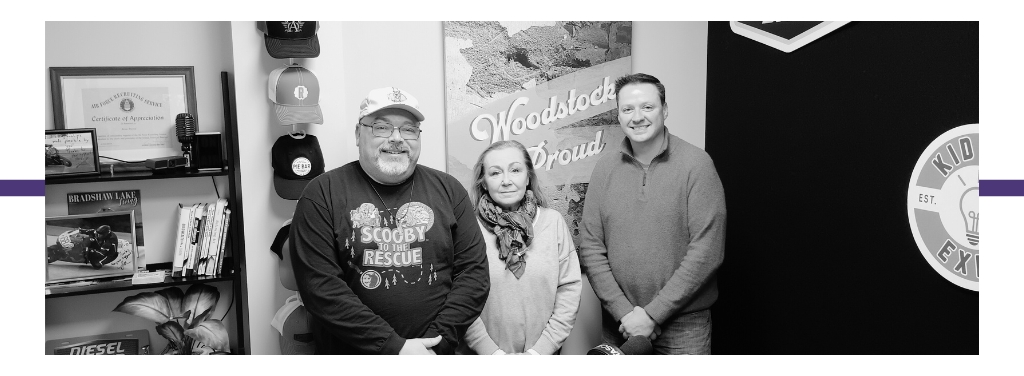
In this episode of Charitable Georgia, host Brian Pruett interviews Carla Maton, Executive Director for the Northwest Georgia chapter of the American Red Cross, Scottlin Smith with Love Travels Beyond, a non-profit organization, and author and speaker Glenn Carver. Carla discusses the significance of community involvement, the range of services provided by the Red Cross, and the impact of networking. Scottlin shares her belief in the power of love to transcend differences and highlights their various community initiatives, and Glenn shares personal stories of overcoming adversity and his experience with cancer treatment. 

Carla-Maton-bwCarla Maton became the Executive Director for the American Red Cross of Northwest Georgia (NWGA) on February 7, 2022. She oversees the Red Cross mission to prevent and alleviate human suffering in the face of emergencies by mobilizing the power of volunteers and the generosity of donors across 15 counties (Bartow, Catoosa, Chattooga, Dade, Dawson, Fannin, Floyd, Gilmer, Gordon, Murray, Pickens, Polk, Walker, Whitfield, and Union).

Advancing the mission of the Red Cross is Maton’s true passion and she enjoys building a network of community partners to accomplish their mutual goals. Under her leadership, more than 767,000 people benefit from Red Cross programs and services, including lifesaving blood; disaster preparedness, response, and recovery support; training in lifesaving skills; and emergency services for military and international families.

Maton joined Georgia’s Red Cross in January 2016 as the Disaster Program Manager for NWGA and was promoted to a statewide role as Disaster Recovery Manager in 2019. In these positions, she worked with local and state partners to develop support for disaster clients with recovery needs. She also had the unique privilege to deploy to over 45 large-scale disasters nationwide to help connect communities to Red Cross services. As the External Relations Director on these operations, she worked closely with fundraising, public affairs, government, and community partnership liaisons.

A native of Dalton, Georgia, Maton graduated from Dalton State College with a Batchelor of Science in Organizational Leadership. She and her husband, Bobby, are residents of Whitfield County. They share an amazing daughter and three active sons who keep them on their toes!

Scottlin-Smith-bwScottlin Smith is a Bartow County Native. She graduated from the University of West Georgia in 2018. She is currently enrolled at UWG to pursue her Masters in Public Administration. Scottlin has always had a passion for her community. She has never allowed any of life obstacles to stand in her way of being the change she wishes to see in the world.

Scottlin is the founder of Love Travels Beyond, Inc. Love Travels is a 501(c)3 nonprofit dedicated to spreading love and youth development. From back-to-school drives to summer camps to holiday givebacks, Scottlin is the glue to their programs. She started Love Travels as a student organization on the campus of UWG and has worked  to make it a thriving nonprofit that now has two chapters. Scottlin is also the founder of Belles of the Ball. Belles of the Ball is currently one of the largest free prom dress giveaways in Georgia. This prom season they were able to serve nearly 500 girls. She gives the girls the ultimate prom dress shopping experience free of charge. She also promotes post-secondary education through this program by giving away a scholarship each year.

Scottlin is a 2022 Bartow County Chamber of Commerce Impact Award recipient. She was named UWG’s 2022 Humanitarian of the Year by UWGs Alumni Association. She was recently honored by Cartersville Downtown Development Authority for bringing diverse events to Downtown Cartersville.

Her goal is to continue to grow and develop to better communities.

Glenn-Carver-bwGlenn Carver is an international speaker, trainer and author in the lane of mindset, self-responsibility and overcoming adversity. Specifically, finding the opportunity and advantage in adversity. Since 2005, he has delivered his powerful message all across North America and South Africa

In 2012, he released his first book, Stand in the HEAT – Lessons from Legendary Entrepreneurs on Staying Cool under Pressure. Some of the amazing entrepreneurs he interviewed include Mo Anderson of Keller Williams, Dave Liniger, co-founder of RE/MAX and George McKerrow, founder of Longhorn Steakhouse and co-founder, with Ted Turner, of Ted’s Montana Grill.

In the fall of 2021, Glenn spent ninety-six days in the ICU. It’s literally a miracle he survived. Just as he was getting back on his feet, he received the gift of a cancer diagnosis in February of 2022. In spite of those events, he continues to thrive and prosper due to his incredible will to win.

In his upcoming book, Advantage of Adversity, Glenn teaches the mindset necessary for individuals to maximize their potential and for organizations to drive revenue. Glenn’s message is real and raw. It will help your team get out of their comfort zone and have an immediate impact on their results.

This transcript is machine transcribed by Sonix

TRANSCRIPT

Intro: [00:00:07] Broadcasting live from the Business RadioX studios in Atlanta. It’s time for Charitable Georgia. Brought to you by Bee’s Charitable Pursuits and resources. We put the fun in fund raising. For more information, go to Bee’s Charitable Pursuits dot com. That’s Bee’s Charitable Pursuits dot com. Now here’s your host, Brian Pruett.

Brian Pruett: [00:00:45] Good Fabulous Friday. It’s another fabulous Friday and it’s it’s November, but it’s been 80 degrees the last several days, so I don’t know what to think. And I wonder why people get sick in Georgia because the weather can’t make its mind up. So we’ve got three fabulous guests this morning. So if this is your first time listening to Charitable Georgia, it’s all about positivity happening, positive happenings in your community. And we’re going to get started this morning with Carla Maton from American Red Cross. So Carla, welcome this morning.

Carla Maton: [00:01:11] Hey. Good morning. Thanks for having me.

Brian Pruett: [00:01:13] I always joke, I like to have people when they tell me where they’re coming, coming from. And I’m going to joke one day and see them get somebody from Macon, which I think I am getting somebody from Macon to come up to do the show. But you came from Dalton, so thanks for driving down here. So I’m sure a lot of people know about the American Red cross, and we’ll get into that just a second. But if you don’t mind, share a little bit about about your background and then how you got involved.

Carla Maton: [00:01:32] Sure. So I come from a family of public safety. And of course, this is where I sort of grew up in the world of my career. So started with the 911 center in Whitfield County and worked as a dispatcher for about ten years, and then moved on to an ambulance and worked for a couple of years there. Learned very quickly that that is a tough, tough job. But through my years in public safety, you know, we respond to emergencies and we bring patients to hospitals and drop them off. And I found myself like, man, I wonder what happened with that family or with that patient. And one one particular call. We took a family, actually a mother and her son to the hospital who had been involved in a house fire. And they excuse me, they were her husband actually had passed away in that fire, and they did not have any working smoke alarms in that home. This happened in Chatsworth and we delivered the family to the hospital. They were they were okay. They had some injuries, but they were able to be released and they were just weighing on my heart. And when I went back to the hospital, you know, on a different shift a couple of days later, the Red cross was there, and they were meeting with her because she had nowhere to go. The hospital couldn’t release her because she didn’t have a home. And the son had just got there to pick her up. And they were, of course, devastated because of the loss of her husband. And the Red cross was just hugging and consoling this lady as she was trying to figure out what her next steps would be.

Carla Maton: [00:03:11] But that’s exactly why they were there. It was. Here are your next steps. Here’s some funds. You can go get a hotel. You can get some clothes. She had nothing and it just touched my heart. And so we I just continued to monitor what does the Red cross do in this area. I never knew they responded to disasters. I was always correlating Red cross with blood donations. And when I started learning more and then they had a position open in in the disaster team, I jumped on it. And so I was hired by eight years ago and became manager of those disaster volunteers who would go out and meet with families. And that gave me that, that next step of working with families that I was missing when I was working in public safety. So now I still work. Our teams do hand in hand with with those fire departments and emergency managers and just delivering that next step of care to families when they’re going through crisis. So that’s what brought me to the Red cross every day. I learned to love it more. I just can’t I can’t hardly explain what it is like to work in an organization where 90% of the people around you are volunteers. I mean, they they choose to be there and they do it for the mission. And when you’re working in a room full of mission driven people, it’s just a different kind of atmosphere. So it’s very fulfilling to be here now.
Brian Pruett: [00:04:30] Yeah, well, it does take a special person. I was actually used to be a 911 dispatcher for the city of Kennesaw, and I wasn’t there very long. But you’re right, it takes a special person. You got to have passion for the people. Have a heart. The worst call I ever took was listening to a lady call and try to get help. And having a stroke, and died on the phone. It was. Yeah, and that can take a toll on people. So. So you had mentioned that you there’s different chapters of the Red cross and you are in Northwest Georgia. Share what that means when you talk about Northwest Georgia in the chapters.

Carla Maton: [00:05:01] Okay. Sure. We so I’m the executive director for Northwest Georgia, which means I get to advocate in our communities about what our services are, what those are. And no matter where you’re at in the country, the Red cross is services are aligned. You’ll find that we we do blood collection. So we are the nation’s largest blood collector. We deliver about 40% of the blood supply to hospitals across the US. So that’s one of our biggest programs. Obviously, we have our disaster cycle services team. So it’s not just responding to the large scale disasters. House fires are the number one disaster we respond to. So this time of year especially, we’re encouraging folks to take fire safety measures. Listen to those tips your fire department’s giving you. We have preparedness programs through that as well, that will deliver free smoke alarms to families who need them. That is what will save a life. If you have a house fire to get you out early. And there’s some really incredible YouTube videos on our on our Facebook page, we shared recently of a demonstration we did with the DeKalb County Fire that showed just how quickly a bedroom catches on fire and then is just completely engulfed. We did that as a demonstration to show when the smoke alarm went off and the smoke was just starting, and then in less than a minute, you couldn’t see the room anymore. It was just fire. So, so important to have working smoke alarms. So test those. If you don’t have them, call any Red cross office and we’ll come put them in for free. And then we have our training services, which is our CPR first aid courses. You can take those online now. Covid brought that to us. We had to adapt. And so we don’t necessarily have to be in person to teach you those skills. You can go online to teach, to learn that. And then finally our service to armed forces. Of course, it’s Veterans Day this weekend and or today and.

Brian Pruett: [00:06:50] Tomorrow, but.

Carla Maton: [00:06:51] Tomorrow.

Brian Pruett: [00:06:52] On this it is Marine’s birthday today. So yes.

Carla Maton: [00:06:54] Okay. It is Friday, right. So Service Armed Forces is where the Red cross was born. We were we were assisting military members in in Civil War times. So that’s how we came about. And we just want to take this time to recognize those military families and the work we do with them every day.

Brian Pruett: [00:07:13] Yes, yes, all the veterans out there, we thank you for your service and those that are serving now. So Amen. It’s funny you were talking about the the fire in the bedroom. And I just recently read where why they tell you to keep your bedroom door closed when you sleep. And it’s because of the fire, which I didn’t realize that. Can you share about that? Do you know about that? Yeah.

Carla Maton: [00:07:32] When we do the smoke alarm installations, we do some fire safety education with the families as well. And that’s one of the tips that that we will advise is as well. And it’s it’s just that barrier, if the door is closed, it takes the fire longer to break that barrier to reach inside your bedroom. It’s crazy. Again, YouTube will show you some some fires where a bedroom door has been closed and that bedroom looks untouched, where the rest of the house can just be completely crisp. So yeah. Incorrect. We put smoke alarms inside your bedroom and then outside in like a common hallway is what we would recommend because we want you to shut that bedroom door. So. Right which side of it catches on fire? You’ve got an alarm that’ll signal you.

Brian Pruett: [00:08:14] Right. So you talked about the different areas of and you say the northwest chapter. Can you share what what is the northwest chapter? Sure.

Carla Maton: [00:08:25] Our headquarters office is in Rome, Georgia. So if you want to visit an actual office, we’re there on Mondays and Thursdays. And then the rest of the the time we’re serving in community. So our chapter services as far south as Bartow County, and we go as far east as Union County. And then kind of that triangle from Union down to to Polk County and all of the northwest corner of Georgia. Okay.

Brian Pruett: [00:08:53] And what is the biggest thing, I guess, for international, you guys still travel and do international disasters too?

Carla Maton: [00:09:01] We do. So the Red cross, we are the American Red cross. And just about any country you can think of, you can place, you can replace American with it. So each each there’s over 192 countries across the the world that have a Red cross crescent movement or installation within it. So each of our Red cross operate under the same mission is to alleviate human suffering. So in some countries you may see their services look a little bit different. In Mexico they run the ambulance service same same and a few other countries. But yeah, the Red cross is worldwide. And when something catastrophic happens, war happens. The American Red cross is part of that entire world movement will will of course, support it in the way we we can best do so.

Brian Pruett: [00:09:47] Well, you mentioned Kimmy being in the community and serving the community. And one of the things I love talking about on here is why is it important for people to be in part of the community? So why is it important for you to be part of the community?

Carla Maton: [00:09:58] For the Red cross.

Brian Pruett: [00:09:59] For you and you personally.

Carla Maton: [00:10:01] Oh gosh. Yes. So you know I’m in Dalton, Georgia and and so that’s where I call home. But I feel like all of our northwest Georgia communities I’ve, I’ve became a part of just through my Red cross work. So each community has its own challenges, has its own gaps to fill, if you will. And I love being part of the solution. So just attending those community meetings, learning what the what the. Organizations that are in your area are coming together to focus on and strengthen people. It’s just humanitarian work at its best. And so I think it’s it’s so important for anyone just to get to know your community and see where you can fit, bring your unique skills to help strengthen your neighbor.

Brian Pruett: [00:10:49] And that’s so important because not everybody, everybody’s different. God made everybody individual, and we’re all here together. So let’s be part of the community together. So we also talk on here a lot about the power of networking. Are you able to go out and do a networking for the American Cross in your area?

Carla Maton: [00:11:02] Oh yeah. That’s that’s my favorite part of my job.

Brian Pruett: [00:11:05] So do you have a positive story you can share about networking that you that you’ve encountered yourself?

Carla Maton: [00:11:10] So we are one of our big partners are the United Ways that are across Georgia in general. But in northwest Georgia, United Way supports multiple nonprofit agencies within within their specific communities. So very often we will go out with our our fellow agencies supported by United Way along with them to present to corporations or others, just to let them know what our services are and how United Way supports us. And we went to shawl and there was a neighboring partner with me, and we were talking to the shawl group, and they were part of a men’s homeless shelter in Bartow County, and they brought one of their shelter residents with them just to share his story. And before we left, the gentleman was talking about volunteering with the Red cross, how he had a passion for the disaster work. But then the HR manager was in the room with us and literally took him out of the room and gave him a job. So that was that was pretty incredible to watch. All those puzzle pieces come together, but it’s just how networking works. Just getting out there and again, knowing your neighbor and what your what your challenge is. And I’ve got something to help you with that.

Brian Pruett: [00:12:26] So. Well we talked well it was on air, but mentioning how small the world is because you walked in the front door of the the building here, and you knew the young lady at the front. Right, which is kind of wild. So it’s just kind of cool how small the world really is. All right. So you talked about the different opportunities that you guys have to go out and serve. Are there ways for the community to come and help you guys serve and businesses helping you? And if so, how can what are those opportunities? Okay.

Carla Maton: [00:12:52] We have obviously, as I mentioned, nine out of ten of our folks with Red cross are volunteers. So Redcross.org is where you’re going to find all of the opportunities to get involved, not just in volunteering, which is what you can do, but also in where local blood drives are. If you would like to work at a blood drive as an ambassador, welcoming folks to the to the drive or as a blood donor yourself, you can find where all of our blood drives are and sign up for an appointment at redcross.org. And then you can also go online, of course, Redcross.org to make a donation of any size to support our programs. We are fully funded by donations, so any any dollar amount counts when it comes to that.

Brian Pruett: [00:13:38] All right. Awesome. Well you shared the website, but if somebody is listening, maybe that’s end up in your ear and wants to get a hold of you and talk to you about any opportunities, how can they do that?

Carla Maton: [00:13:46] And again, our headquarters office is in Rome, Georgia. So just contacting our Rome office is fine. Again, 800 Red cross is our general phone number. So if you call that, you can get in touch with your local Red cross. Excuse me. And and you’ll be able to reach us there in Rome.

Brian Pruett: [00:14:06] Awesome. All right, one more question for you, because I talked to a lot of different nonprofits on here, and obviously you’re one of the larger nonprofits around. But if somebody is thinking about getting involved and wanting to make their life work a nonprofit and maybe not starting a nonprofit, but going to work for one, what kind of advice can you share for somebody who wants to do that?

Carla Maton: [00:14:28] I would share to find that that nonprofit that’s mission really touches your heart. It’s really working for a nonprofit agency is a lot of blood, sweat and tears. It’s not a 40 hour day. I’m 40 hour week ever. You do your work because you’re passionate about it. And that’s what makes the volunteers so special, because they are so passionate about our mission. And as you explore different nonprofits, missions and values, you’ll you’ll start to be gravitated toward that one that matches or aligns with your personal values. So I would just say to really focus time on your what your mission is. If you’re going to start a nonprofit, what is it you’re most passionate about? Develop that mission and vision and then and then stand behind that or let it lead your way.

Brian Pruett: [00:15:15] Awesome. Yeah, we’ve had two other folks talk about here, too, about if there’s somebody already doing something that you want to do, go partner with them. You know, that way, because sometimes it can feel like it might be diluted and, you know, and competiting competing, but that’s really not the case. So Carla, thanks for coming. On and sharing a little bit of your story and about American Red cross and what you guys do. Don’t go. Don’t go anywhere. We’re not done with you yet, but we’re going to move over to Scottlin Smith. I just like the name because it feels like it is like the country, but not spelled the same way. But you’re with Love Travels Beyond Inc, which is a nonprofit out of Bartow County. Cartersville, correct.

Scottlin Smith: [00:15:47] Good morning. Yes, correct.

Brian Pruett: [00:15:48] So you and I actually knew each other in over the years, the first time we met in person, but we knew each other for years ago because we actually had a magazine. And we did a story on your organization. But we’ll get into your organization in just a minute. But tell us about your background and why you do what you do.

Scottlin Smith: [00:16:03] So I am from a service background. I would say my dad, Donald Strickland, he has a homeless shelter in Cartersville, Georgia. So I’ve always known serving the homeless. I’ve always known like helping other people. So that was kind of instilled in me at a young age. I’m the youngest of six first generation college graduate. So there were minor things that, you know, I struggled with growing up, and I always wanted to fill that gap for other people and for younger girls in our community and beyond. So I would just say starting out again as a young girl, I didn’t have a choice then, but it was just instilled in me and I ran with it. And I love serving my community. I love being a servant leader. I started my own free prom dress giveaway my junior year in high school, so I would just swap out dresses amongst friends if their families were struggling. I gave away all of my like, prom dresses. And my parents. You know, of course, being from a service background, they didn’t have an issue with it and they encouraged it. So I hosted the first one at the Goodwill in Cartersville and we had about 20 girls come out.

Scottlin Smith: [00:17:13] But now we host one of the largest free prom dress giveaways in Georgia. And then with my nonprofit, I actually made it a nonprofit when I was in college at the University of West Georgia. I just felt like there was gaps that needed to be met. I saw some students struggling, and I really wanted to create an organization that was simply love filled, and we were just helping each other, and we just wanted to give back. If one student was hungry, if one student needed gas, money, or whatever the case may be, we would have a basket of love at the front of our meetings and just pouring into each other and just sitting in a room, making vision boards and seeing where we want it to be in life. And everybody didn’t always have that support system, so we were that for each other. But now that’s a successful 500 and 1C3 nonprofit. So we have the West Georgia chapter and then we have the Bartow County chapter.

Brian Pruett: [00:18:05] Awesome. So tell me about the name. How did you come up with the name?

Scottlin Smith: [00:18:08] So originally it was Love Travels. And then we added beyond when I made it a 500 and 1C3 nonprofit. But I just feel like love travels beyond our differences. I feel like love travels beyond our political differences, our race, our backgrounds. Love will always win, and love is so much more important than hate. And all of the negative things that so easily take over the world.

Brian Pruett: [00:18:34] Well, and that’s important because again, I’ve talked about this before on the show, but why can’t you be a Democrat and Republican and be friends? Why can’t you be black and be white and be friends? Why can’t you be whatever and be friends? Just because you have differences doesn’t mean you can’t be friends. So that’s awesome. So, um, you talked a little bit about serving in the community and stuff, so why is it important for you personally to be part of the community?

Scottlin Smith: [00:18:55] It’s important for me to be a part of the community, because I feel like there was so many people that helped me along the way and that filled that gap, those gaps for my parents. There were people like Coach Hill and monumental people in our community that simply rode around giving out food, that rode around, giving out hugs, that took us to, you know, our different practices. Summer Hill in Cartersville, Georgia is a community like no other. Like the gaps are filled. Whatever a child is in need of or whatever the case may be, even as adults, they still fill the gap. And I just always wanted to pay it forward. Because if it wasn’t for those people, you know, lifting me up and helping me get to the next level, then I wouldn’t be where I am today.

Brian Pruett: [00:19:41] That’s awesome. I haven’t shared my story on the show since I’ve been doing this show. One day I might, but that’s exactly why I do what I do, because the community was there for me on some instances that that happened. So, um, all right, so let’s go and talk about you mentioned some things that you do. You got the prom dress giveaway. You talked about the food, but what all other things do you guys do as an organization.

Scottlin Smith: [00:20:01] So we have our program, our service summer camp. We bring the youth together during the summer one to keep them out of trouble, but also to teach them the importance of giving back. We take them to the police station because there is a gap. Sometimes we want the police to know who they are and we want them to know who the police are. There were some kids that were like terrified to go in because of their own experiences, but we were able to bridge that gap. We took them to the nursing home. To show them you treat everybody the same. We play bingo. The elderly loved it. They loved it. We did road cleanups to tell them the importance of keeping our community clean and positively impacting our community. And we also just do fun things like take them swimming, have cookouts and everything like that. We do our blankets of love drive during the winter to where we collect blankets, and then we go into the homeless communities, the tent communities in the woods and hand out blankets and self-care kits and things of that nature. But we also collaborate and simply serve other nonprofits. You know, we believe in community. We believe in giving back, and we don’t believe in just supporting our own programs, but also being there for other nonprofits.

Brian Pruett: [00:21:17] And there’s that word I like collaborate because you don’t collaborate over competition is a buddy of mine. Bob Brooks talks about all the time. So that’s a that’s a great word. So I know when we did an article on you several years ago, you guys were doing a three on three basketball tournament, right? Do you guys still do that?

Scottlin Smith: [00:21:31] Yes, we have our charity basketball tournament and we bring the community out. We bring them together for a great time. We pack out the gym on Summer Hill and we of course bring them there for a positive experience. And who’s the best basketball player or whatever the case may be. But in that we are collecting funds to be able to help their neighbor, you know, be able to afford Christmas and toys and Thanksgiving, whatever the case may be and whatever they are in need of. But we really pride ourselves in bringing the community together and being able to support each other and not just us. So even if it’s $5 or even if it’s a gift at the door, we love bringing our community together to support one another.

Brian Pruett: [00:22:17] And I like how you just mentioned it, because I know people. It’s like, well, I can only give a dollar. Well, a dollar goes a long way, so that’s awesome. Well, you talked a little bit about what you guys do. How can people in the community get involved and help you guys?

Scottlin Smith: [00:22:30] They can visit Love Travels inc.org, and they can also reach us at (678) 719-2212. But we love having people help us out, whether it’s a big or small way we have. Last year we had 500 girls sign up for our free prom dress giveaway, so we need as many hands as possible and our events are love filled and they’re great and anybody can come help. I know sometimes people feel like I’m not in a position to help. I’m not this, I’m not that. But we we need everybody’s help.

Brian Pruett: [00:23:04] Well, even if you’re not a financially positioned to help, you can go volunteer.

Scottlin Smith: [00:23:07] Absolutely.

Brian Pruett: [00:23:08] You know, how about businesses are there are ways for businesses to get behind you and do sponsorships and stuff like that.

Scottlin Smith: [00:23:13] We definitely need businesses to sponsor us. But even if they can’t financially sponsor us, we need drop off locations for our toys, we need drop off locations for our prom dresses and everything like that. So that’s where that’s where the businesses come in. Because sometimes I was driving from Tennessee to Woodstock to Rome to pick up dresses. So if we have those central locations where people can just come and drop off those donations and we do, you know, a once a month pickup or something like that, then that’s super helpful for our board to be able to, you know, put our efforts in other places.

Brian Pruett: [00:23:52] So how about the networking aspect? Are you able to get out and do any networking?

Scottlin Smith: [00:23:55] Absolutely. We love going to networking event. We host pop up shops for different nonprofits and community events. We help out with the Black History Parade in town. We host a June. We help with the Juneteenth celebration, bring in business owners, owners together. And you know, we we thrive off of the networking because we all need each other. Everybody knows somebody that can help with one program that can help in a bigger, small way. Even with this radio show now, like just meeting through the chamber, you know, we’re able to get our word and our mission out even more. So we love networking. Invite us out. We would love to come spread love at your event, and we would love to help out in any way that we can as well.

Brian Pruett: [00:24:42] Do you have a specific story of networking you can share that might have been a positive thing for you?

Scottlin Smith: [00:24:46] I would say our Belles of the ball event. Some girls say it’s better than prom for them, honestly, and we have vendors that come out to that event and they just leave. So blessed. They cry the whole time. We because the girls have to walk the red carpet. And some of these girls have never had that moment. Some of these girls have attempted suicide, have been raped, have just they’ve been through so much in life. So for them to have that moment for all eyes and ears to be on them and for the whole entire room to celebrate them, and these vendors pour back into them, even if it’s just giving hygiene kits, even if it’s giving nail kits or earrings or shoes or whatever. To make their prom day even better. So me being able to see the vendors just be able to contribute to this mission and be so happy about it and want to start their own prom dress giveaway in a different area and stuff like that really is heartwarming.

Brian Pruett: [00:25:47] What I liked about when you when you answered my question about the networking events, you talked about all different kinds of events and not just a business club, because people don’t think about networking at an event. And it is true networking at other events. So I’m going to share with you, you may not know about this, but if you do, you need to come. And Carl and Glenn, you guys are welcome to come too. But every Wednesday morning from 8 to 930 is the Carnival Business Club. We meet at Unity Worship Center, 60 to 50 to 60 people there every Wednesday morning. I guarantee you, you come, you’re going to get some support for you. So you should come check that out. We’re there every Wednesday morning. So awesome. Um. All right, so you started your nonprofit, you said back in college. Give some give somebody advice on who might be listening. Carla mentioned some stuff, but if somebody is thinking about a nonprofit, what would advice would you give them?

Scottlin Smith: [00:26:35] I would say just go for it. I feel like sometimes people feel like they have to be in certain positions again to help people. But I unofficially started my nonprofit by giving away dresses in high school. Before I knew what a 500 and 1C3 nonprofit was, I started my nonprofit by starting the student organization. Before I knew what a 500 and 1C3 nonprofit was. So I would just say start. Start with a small give back event, see what needs that need to be met in the community, and kind of do that research to see again if other organizations are already fulfilling that mission, but, you know, follow your heart and your purpose. We all have a purpose here on Earth and find something that’s connected to your purpose, because you will never get tired of doing it.

Brian Pruett: [00:27:20] Um, so you mentioned some of the events that you do you have anything coming up that you want to share?

Scottlin Smith: [00:27:25] We have our charity basketball tournament December 10th at Summerhill, and you can find out more again at Love Travels inc.org.

Brian Pruett: [00:27:33] Awesome. Carla, I didn’t ask you, but do you guys have any events coming up you wanted to share?

Carla Maton: [00:27:37] And we have one of our. We pick a day where we will go into a particular community and just do a blitz of smoke alarms. And so we’re going to be in Dawsonville on December the 10th, and we’ll bring community volunteers together. If you want to come take a beautiful drive over to Dawsonville or you live in that area, come join us, because we will we will show you what to do. We will get into teams, and we will literally go knock on doors and put up smoke alarms for the community that day. So you can find more information about that particular event on our website again, and on our Facebook and social media pages. Georgia Red cross.

Brian Pruett: [00:28:14] All right, Scottlin, you got a Facebook page as well. Yes.

Scottlin Smith: [00:28:17] Our Facebook is Love Travels one on one.

Brian Pruett: [00:28:19] Okay. So if you guys want something to do on December 10th, you got two opportunities there to go do something and either have fun, have fun, volunteer whatever you want to do. So Scotland, thanks for coming and sharing a little bit about you and your organization. Don’t go anywhere because we’re not done either with you, but we’re going to move over to Mister Glenn Carver. Author speaker. Uh, I know you’re no stranger to the area here. You just had a big event where you talked about adversity. You have your own podcast, and I just heard a little bit of your story, so I’m going to try to talk about it. I want you to share your story because you’re still dealing with adversity, but you’re talking about how you’re dealing with it. Sure.

Glenn Carver: [00:28:54] Yeah. And, you know, I’m a huge fan of the late, great Jim Roan. And Jim Roan was Tony Robbins original mentor. And Jim Roan said in one of his, he gave one of his great public seminars back in the 80s. And after the seminar, somebody walked up to him, one of his fans and students, and said, Mister Roan, in your opinion, what is the business climate going to look like for the next 3 to 5 years? Which is a wonderful question. And he said in his classic tonality, said, well, he said it’s going to be the same. It’s been for the past 10,000 years. Adversity with a chance of opportunity. So I love that that that paradigm. We’re all going to deal with adversity. I don’t care who you are, you’re going to have adversity either in your personal life, your professional life, maybe both. We only have one life, so let’s just throw it all in together. There is adversity on the way and how you frame the adversity that that descends upon you will literally dictate the quality of your life. So I’m all about for the rest of my life, you know, praise God, I’m still here for the rest of my life. I’m all about helping people move through adversity and finding the opportunity and maybe even the advantage in the adversity, because that’s where all opportunity lies is hidden within the adversity. You know, all of our growth happens outside of our comfort zone, not with in our comfort zone.

Brian Pruett: [00:30:23] Right. Do you mind sharing your story of what the you know. I mean, I was told about what was going on, but do you mind sharing? Yeah.

Glenn Carver: [00:30:31] Of course. So early Sunday morning, August 15th, 2021, my life changed forever. My wife had recovered from Covid the week before. She was sleeping upstairs in our bedroom. I was sleeping downstairs on the couch. I wasn’t in the doghouse. We were just trying to be responsible. And early Sunday morning, she heard some strange noises coming from me downstairs. So she walked out of the bedroom and she looked over the railing at me on the couch, and she thought I was having a bad dream. I had my arms out in front of me, kind of playing this virtual piano, if you will, and I was making these really loud exhaling noises woof woof, woof like that. And she thought I was just having a nightmare. And she started yelling, Glenn! Glenn, are you okay? Glenn? Wake up. And I didn’t respond, so she came downstairs and started shaking me, and I didn’t respond. And that’s when she became kind of concerned. Eventually she got me out of my state of mind and got my dead weight literally off of the couch and got me to the car, and she took me up to North Side Cherokee Hospital, which was 12 minutes from where we live, and dropped me off at the emergency room and went to park the car.

Glenn Carver: [00:31:49] When she came back, I was already back being seen and evaluated and was quickly diagnosed with Covid double pneumonia. Just ones not good enough. Single pneumonia is easy. Got to go for double. That means in both lungs, right. And a blood oxygen level of 45. Now, if you don’t know what I didn’t know what 45 meant. You know, I’ve since learned that 90 is low, 45 is is death. 45 is organ failure. It’s potential cognitive damage. And one of the technicians shortly told my wife that that was the lowest blood oxygen level they had ever seen. And she said, you mean during Covid? And he said, no in the history of this hospital. So, wow. You know, miracle number one is that my wife didn’t sleep in and I could have died in my sleep that day. So fast forward ended up spending 96 days in the ICU. I survived the full Covid protocol from remdesivir, which I will not get on my soapbox about that drug right now. I was fully ventilated and if you got ventilated during Covid, that was a death sentence. I went code blue. October 16th of 21. My ventilator came off of my tracheostomy, stopped breathing, heart stopped beating.

Glenn Carver: [00:33:13] I was effectively dead. Thank God. My favorite ICU nurse, Lucas Uriah, who will be on my podcast this month, former Army medic. He was right down the hall. Knock on wood, he was right down the hall. He came in and hit the code blue alarm. Code blue means all hands on deck. Somebody is about to die. And he came in and started three rounds of compression on me. And literally some of us know the great song by Motley Crue, Kickstart My Heart. Well, Lukas kick started my heart and. Brought me back to life. And, you know, by the grace of God survived. I mean, everybody. Brian in that ICU died. Wow, everybody. As a matter of fact, Lucas said in the two and a half years that he spent as an ICU nurse in the hospital, he saw three people. Three go through the entire Covid protocol protocol from remdesivir through the ventilator, and three left the ICU outside of a body bag. Wow. So that story to me is kind of like you hear the story of the commercial airliner that crashes, and 2 or 300 people die and 2 or 3 people walk away. Think? I think I feel obligated to share something powerful the rest of my life.

Brian Pruett: [00:34:32] Right?

Glenn Carver: [00:34:32] Yeah. And so that’s that’s half the story.

Brian Pruett: [00:34:36] Well, keep going because there’s more to it. I would love for you to keep going. Yeah.

Glenn Carver: [00:34:40] So I started writing a book called The Advantage of Adversity. That’s the name of my podcast. It’s a video podcast you can see on YouTube. Started writing the book in December of 21 when I got home, and then February of 22 went in for a routine colonoscopy. Oh, by the way, I had emergency colon surgery two weeks into the ICU. Upper colon burst. Internal bleeding was very close to sepsis. And sepsis can lead to a condition called death. So I had emergency colon surgery removed, 18in of my colon left me bagged. It’s supposed to be for 90 days. Temporary. Then they do a reversal surgery. Went into the hospital February 2nd, 2022 for a routine colonoscopy. They found a mass in my rectum two days later, diagnosed with rectal cancer. So the ICU was the uppercut, the cancer diagnosis. Right hook. But I’m still here. Clearly, I’m here and I’m alive, right? I’m still. I’m sitting right in front of you. Yeah, I do have the label of stage four, and that means it has spread. So it started in my rectum. It’s I’ve got these nodules in my liver. And here’s what I’m all about, Brian. That does not that does not scare me at all. I have zero fear, zero anxiety around that label of stage four. Part of my message is cancer is not a death sentence. It’s a big warning light on the dashboard to say you need to make some changes. One of my coaches has taught me that actually, cancer shows up to save your life, not to kill you, to make the changes necessary to get on a different track. And I’ve done that. But yeah, it’s been so I’m healing.

Glenn Carver: [00:36:31] I’m not out of the woods, but I’m healing naturally. I’ve still got a port in my chest because I was supposed to start chemo in March of 22, and I. God bless my wife. She she got the nudge and she dug in, and she found the truth. The truth about cancer. And she really dug in and started learning really, really fast. And the saying is, you know, one day you know nothing about cancer, the next day you know everything. We have learned a lot. So we decided, given the physical state I was in after 96 days in the ICU, if I had in fact started chemo in March of last year, it would have killed me. There’s no question in my mind I would be dead, because a lot of times chemo kills people before cancer. Chemo is poison. It is a derivative derivative of mustard gas from World War two. Now it does kill cancer cells, but it can kill everything else too. It can crush and destroy your immune system. So this is not medical advice. I’m just saying there are other ways to heal from a chronic disease other than standard of care from our medical industrial complex. So I’m going the alternative route. My my trifecta of healing is faith. Mindset and nutrition. Not chemo, radiation and surgery that works for some people. When you get the diagnosis, it’s a very personal decision and you’ve got to make a very personal plan and decision as to what you feel is best in your heart and in your mind and in your soul. And what I believe, Brian, is that, you know, I know that God spared my life in that ICU.

Glenn Carver: [00:38:12] I know it beyond a shadow of a doubt. I’m getting goosebumps right now. So if God did spare my life, not ICU, why would he have me die of cancer a year or two later? That makes no spiritual sense to me. I’ve got a message. I mean, as a speaker at my core, I’m a speaker. You always want a big story. I didn’t want one this big, but I got it. So be careful what you ask for. So now I’ve got this. I think I’ve got this incredible platform, this message. My testimony is huge, but I can I can speak about the power of moving through adversity because we’re all going to face it. Not a matter of if, but when. And seeing that adversity is an opportunity to grow, an opportunity to find the advantage in the adversity. And that’s what I love about that’s what I love about entrepreneurship. Entrepreneurs find advantage in adversity. They solve problems. And I love what you’re doing and bringing our community together. It’s you know, one of the main reasons I’m sitting here alive today is prayer from a massive community. And I’ll tell you, the community that we have here in Cherokee County is awesome. I mean, the community that has supported my family emotionally and financially over the past two years has been awe inspiring, totally humbling. And I just I can’t say enough about there’s so much going on in the world that’s beyond our control. All we can focus on is our thoughts, what we think, our attitude about the world and our community, our circle of influence. And it’s pretty tight. So.

Brian Pruett: [00:39:51] Well, I like that because personally, I needed to hear your story this morning because in my business, I’m currently going through an adversity and trying to figure out if the doors are going to stay open. You know, you’re.

Glenn Carver: [00:40:00] Not alone, brother.

Brian Pruett: [00:40:01] Right? But I just I love the fact that you’re out there spreading that word. First of all, there’s no coincidences, right? And like you said, God had a purpose for you. And so you were were you an author and a speaker before all this started?

Glenn Carver: [00:40:19] Yes. I got into speaking business in 2004 and 2012. I wrote my first book called stand in the Heat Lessons from Legendary Entrepreneurs, on Staying Cool Under Pressure that I could sum up that book in three words don’t freak out. Because we all have a chance to freak out pretty much every day, and freaking out does no good. No. With our kids or spouses or colleagues, our clients are picky or picky prospects. Vendors freaking out never does any good. But we tend our lizard brain. We tend to freak out very quickly. I’m still guilty.

Brian Pruett: [00:40:59] Right. So I like for you to share maybe a different answer because obviously the community was there for you through your, your, your incident, your, your procedures and all that. So is there a different answer you can give of why you’re a part of the community, or is that pretty much the reason?

Glenn Carver: [00:41:15] Well, I mean, I love community, I’ve always been I mean, I’m a I’m a I’m a, I’m a rainmaker and a maniacal hunter. You know, in the professional world, I’ve been in sales and business development my whole life. So I always loved to network. And I’ve got a philosophy, you know, our parents taught us when we were kids. Don’t talk to strangers for the right reasons, okay? As adults in the business community, just the opposite. Talk to strangers. Talk to everybody. And if you followed me around for a day, you would see how I live it. I talk to everybody, and I believe that when you when you meet somebody new. That’s why I love being here. I’ve met three new friends today because you never know. It’s like pulling a lever on a slot machine in Vegas. When you meet somebody new, you never know what you’re going to get. You never know who they know. You may know somebody. Scotland. That could change my life. Or I could change their life. Or, you know, you just told me about Michelle Cleveland. Mind boggling story. Yeah. So talk to strangers, get into your community, be real, be authentic. And you know, you know, my book, Stand the Heat, is all about helping entrepreneurs move through it. And because we’re all just life and business can be mean, tough and nasty, right?

Brian Pruett: [00:42:29] So it’s kind of cool. I when I was in high school and growing up, I was the shy introvert. And then I decided to go into communications as a major. And everybody’s like, you got to get them talk to people. Yeah, but my dream was to be a sports announcer, right? But then I got into sales and I’ve been doing sales and marketing for about 30 plus, a little about 30 years. And that led into the fundraising part. But everybody’s like, I can’t believe you’re doing sales. And how do you take the no. And this is true, but it’s funny, I got used to the no. Because in college, every single girl I asked out said no. So you just got to go with it. You’re prepared. Yeah, exactly. So, um, I like for you to maybe give some advice on a couple of things. One, anybody who’s thinking about starting a business, what would you give them advice on? And then to anybody who wants to maybe write a book, what would you advice would you give?

Glenn Carver: [00:43:22] Okay. Starting a business. Read a couple of books. First, the E-myth by Michael Gerber. The E-myth stands for the Entrepreneurial Myth, and it’s the myth that just because you’re the best plumber in town means you can run a business. And those are two opposite worlds. Read the E-myth and maybe read traction EOS Entrepreneurial Operating Systems. Make sure you know what you’re getting into, because we tend to go into things with our with our heart on her sleeve. You’ve got I believe you’ve got to be passionate about what you do, Scotland, or else you’re not going to last. Right? Make sure you know, we jump into things. I’m guilty. I’m I’m a very emotional creature. I’ll jump in. I have never suffered paralysis of analysis. I’ll just jump in and get beaten up. But do some homework, know what you’re getting into, have a plan, have some money lined up because everything is going to take 2 or 3 times as long as you’re planning on, and at least twice the money. Be realistic. You know people with the entrepreneurial spirit. See pie in the sky? Guilty. Everything’s possible. That’s me. My wife is the opposite of me. She grounds me. So sometimes people who are thinking about starting a business need to have somebody come in and offset them, offset all their aspirations with some reality, get some counsel, get some coaching, get a good coach up front. And then writing a book. Incredible experience, one of the best of my life. I’ve read hundreds of books I didn’t think I could ever write one.

Glenn Carver: [00:44:58] And in spite of that, I just. I willed it to happen. But I use a great company in Alpharetta called Book Logix. Ahmad and Angela, and they really held my hand and walked me through the process because it was daunting, but I used. Here’s an answer for both of your questions, Brian. Use emotional leverage on yourself. When I first started writing stand in the heat, I had a mock copy mock copy made up of the book had the cover. It was 150 pages. Every page was empty. It was a mock up book. And I would put that book on, you know, on my mirror, or I’d walk around with it. I’d envision it being complete. I even one day took it into Barnes and Noble and put it up on the bestseller shelf. Oh, nice. And backed away. I can feel it right now. Backed away. It was crowded and it was not an empty store. And I backed away and I just stood there and kind of looked at it, and I felt awkward and weird. My armpit started sweating and then I took a picture of it. I took a picture of my own book on the bestseller shelf, and then I put that on Facebook. So I put it so far out there that I couldn’t retreat. So if I if I put it that far out there and then a retreat, I’m a liar. I’m an empty suit. So emotional leverage can be really powerful when you’re trying to accomplish any kind of goal.

Brian Pruett: [00:46:23] That’s awesome advice. Thank you. So you talked about the networking aspect aspect too. So but I first ask you talked about the iOS system. Do you know Joshua Kaminsky I do not. So Joshua is an iOS implementer. Oh great. And he actually networks with the Carnival Business Club. So I can make that connection for you. He’s a great guy. Great. Yes. Um, you talked about networking. What positive story can you share about your networking experience?

Glenn Carver: [00:46:44] Oh my God there’s. There’s many. I mean, I haven’t done as much networking. Certainly the past two years. I mean, the first year of the hospital, I was just I was at home surviving, you know, before Covid, I was a maniacal networker. I mean, end of the year, I would I would look at all the business cards I had each December. I’d assess all the business cards I’d collected over the year. And it was, you know, it was 4 or 5in high. Now it’s dwindled down to to that size. But I believe that every time you go to an event, you’re going to if you meet one person, you could go to an event with 3000 people, or you could go to an event with four people. And if you meet one person and make one connection and follow through and start to develop a relationship and add value to their life or their business, it’s worthwhile. So I’m just I’m a massive advocate of networking, meeting new people, telling your story. We’ve all got one. And just being there out in the world. Somebody once said to me, if you’re going to be a they said to this in the context of real estate, but it applies anything. If you want to be a great agent at anything in life, you can’t be a silent agent. Got to get out there and generate exposure for yourself, right?

Brian Pruett: [00:48:01] I know you just had an event last week where you were speaking. I know Woodstock Business Club and Business Club came together and you get you did some. But do you have anything else coming up you want to share that you’ve got going on.

Glenn Carver: [00:48:11] As we wrap up the year? I do not at the moment. So nothing to plug or promote, but there will be plenty of things coming up in 2024.

Brian Pruett: [00:48:22] Awesome. Well plug how they can find your book and also your podcast.

Glenn Carver: [00:48:25] Yeah, my podcast is called Advantage of Adversity. It’s on YouTube and video format. We launched with video. It’s on all the other platforms in audio form like Spotify and Apple whatnot. But if you go to YouTube and plug in advantage of adversity, I think I’ve got 13 or 14 episodes out there. We just launched a few months ago. My book is called stand in the heat. My first book, my second book is not finished yet. That’ll be a 2024 initiative. And yeah, you can reach me at Glen at Glen carver.com Glen with two ends. The second end is silent.

Brian Pruett: [00:48:59] So if somebody wants to have you come speak, that’s the best way to get a hold of you. And I’m sure you’re open for come speaking for some folks.

Glenn Carver: [00:49:05] Absolutely. Cell numbers 404 2910291I do free speaking engagements. I love paid speaking engagements. Paid pays the bills better than free. Yes, but that’s another. You know, even when I do free speaking engagements, something great always happens. It’s just once again, it’s exposure. You got to get out there and expose yourself and tell your story.

Brian Pruett: [00:49:30] Right. So just a little bit I’ve got something coming up next week that I want to share. So monthly I do a trivia show at Saint Angelo’s over in Emerson, and I’m rotating the charities currently in Bartow County. It’s how Carlin Scotland reached out to me because I put an email blast on looking for sponsors for next year that I do that. And while it’s interesting that trivia for the non profits is already signed up, filled up, we’ll get you guys and we’ll do something with you guys too. But this coming Wednesday is actually a nonprofit based in canton called the Experiences Foundation, and they are a mini Make-A-Wish meets Big Brother Big sister type organization. They’ve got an incredible story. So if you want to come, it’s 6:00 is when the buffet opens. So for $25 you come in 6:00, have a buffet of all you can eat pizza, wings, pasta salad, garlic knots and nonalcoholic drinks. And then we do trivia. And just. Put your thinking caps on because people say, my trivia is hard, but it’s fun. Um, and then we obviously have the money portion of the proceeds go to them. But we’re also this month doing a dessert raffle, and I’ve got several desserts come. So if you need dessert for Thanksgiving, it’s just a week away. After that, come get your dessert at the raffle and come have a good time. So all right, as we wrap this up, this is what I like to do. I like to have each of you share a positive quote, word or nugget for somebody listening to take the rest of 2023 and beyond with. So Carla will start with you. What have you got?

Carla Maton: [00:50:56] Um. All right, so what’s on my mind is get to. Yes. So I just finished a leadership course through an internal course through the Red cross, and it was a year long program. It was phenomenal. We we were able to work and hear from our national leaders with the Red cross, you can imagine leading a national organization such as this. It’s the the skills and the experience of the folks that are leading this organization is just unreal. And to get to learn from them. The last year has been incredible, but they challenged us to find our own personal leadership motto. And that one landed with me and it was on. I saw it plastered on the walls of a disaster headquarters I went to in Louisiana probably eight years ago, and the volunteers had started this motto of, we’re in this community. Folks are devastated by flooding. We’ve got to find the yes, even if we don’t do that. That’s why networking is important. And you think Red cross is huge? We cannot do what we do alone. We depend on community and organizations and people to do our work. And so I’ve adopted that and it’s my new leadership motto is just find the will, find the way and get to yes, awesome Scotland.

Scottlin Smith: [00:52:12] I would just encourage people to spread love. The holiday seasons are great for some, but there are people that are out here struggling. I shared that my neighbor committed suicide this time last year, so you just never know what people are going through. People may look nice on the outside. Hair, shoes, outfits, everything may seem great, but everybody is going through something. Everybody’s struggling in some way. So if you can be that difference, if you can be that change maker in somebody’s day, in somebody’s life, I encourage you to do so.

Brian Pruett: [00:52:44] Well, that’s important to talk about. Mention too, because you do not know what everybody’s going through and you not talking about. They may smile or whatever. When Michelle was on last week, I talked a little bit about, I mean, the two people I can think of, I never would have thought committed suicide. Robin Williams and Twitch from the Ellen Show. Right? You just never know. So all right, Glenn, I know you spread a lot already, but what you got?

Glenn Carver: [00:53:05] Well, you never know. You, one of my dearest friends of 20 years, took his life last September. And to two of the sharpest guys I’ve known in my life taken their lives, you know, and it’s just you never know what’s going on in somebody’s heart, their mind and their soul. But what’s resonating with me right now is one of my favorite quotes from Martin Luther King. In the spirit of this conversation today. And what you do, Brian, is everybody can be great or anybody can be great because anyone can serve awesome.

Brian Pruett: [00:53:33] Well, the other thing that’s lost art these days is the thank you. So, Carla, thank you for what you’re doing with the American Red cross and the community Scotland. Thank you for what you’re doing for Love Travels Beyond in the community in Bartow and the West Georgia area. And Glenn, just thank you for sharing your story and being the hope that people have through adversity. If you’re a veteran too and you’re out there, thank you for your service. Thank you for your if you’re currently serving and everybody listening, let’s remember, let’s be positive. Let’s be charitable.


Dr. Scott Haggerty, Elite Family Chiropractic, LLC

November 13, 2023 by John Ray

Dr. Scott Haggerty
LaserLife Insights
Dr. Scott Haggerty, Elite Family Chiropractic, LLC
Loading
00:00 /
RSS Feed
Share
Link
Embed

Download file

Dr. Scott Haggerty

Dr. Scott Haggerty, Elite Family Chiropractic, LLC (LaserLife Insights, Episode 2)

Dr. Scott Haggerty, Co-Owner and Clinic Director for Elite Family Chiropractic, was the guest on this episode of LaserLife Insights. Scott and host Pete Cousins discussed Scott’s personal journey to becoming a chiropractor and his experience in various qualifications and specializations, ranging from sports rehabilitation to pediatric neurodevelopment. Scott shared the transformative effects of laser therapy on both physical and neurological conditions, provided informational insights on their treatments, and offered some patient success stories. Scott and Pete also covered the synergistic use of nutrition and laser therapy in care plans, the benefits of implementing laser therapy in chiropractic care, and much more.

LaserLife Insights is underwritten by Summus Medical Laser and is broadcast from the North Fulton studio of Business RadioX® inside Renasant Bank in Alpharetta.

Elite Family Chiropractic, LLC

At Elite Family Chiropractic, they are here to make an impact on your family’s health. No child in the community should have to struggle. At their office, you’ll find hope and support so that you and your loved ones can live at 100%. By making a change in the future of a child, they can alter the course of their entire life.

Through chiropractic care, they aim to ensure the health of future generations in our community!

Website | Facebook

Dr. Scott Haggerty, Co-owner and Clinic Director, Elite Family Chiropractic, LLC

Dr. Scott Haggerty, Co-owner and Clinic Director, Elite Family Chiropractic, LLC

Though he always was interested in science, Dr. Scott’s passion had been art. He had a turning point moment when he became a chiropractic patient in his twenties. For many years, he had been dealing with a lot of pain and health issues. At the time, Dr. Scott Haggerty and his wife had gone on a trip to Disney because he was going to be an animator.  During their time at Disney, they went into the animation area. His wife said, “If you have to choose what you want to do for the rest of your life and your career and the impact that you want to make, is it an animator or a chiropractor? Dr. Scott realized at that moment that chiropractic was his calling. “I needed to be someone who was making a positive impact in other people’s lives through chiropractic the way it made an impact in mine.”

Dr. Scott Haggerty is a Founding Member of PX Docs, an incredible network of 500+ Pediatric Chiropractic experts dedicated to providing non-stop hope, answers, and help for your family. The primary focus of a Pediatric Chiropractor is to find the root cause(s) of why a child is struggling. For Autism, ADHD, Sensory Processing Disorder, Anxiety, and other neurological disorders, we look deep into the function of the Autonomic Nervous System in a way unlike any other profession. Each Pediatric Chiropractor in the PX Doc Network is not just a skilled clinician, but a powerful educator and guide as well.

Dr. Scott earned his Doctor of Chiropractic from Logan College of Chiropractic. He also holds the following: Master of Science in Sports Science and Rehabilitation Bachelor of Science in Human Biology Certificate of Proficiency in Pediatric and Family Chiropractic Care Emergency University Certification Webster Certification FAKTR Certification Chiropractic Nutrition Specialist Certification Fellowship in Functional Neurology—in process Helping Children With Various Challenges Dr. Scott is passionate about seeing changes happen in kids’ lives as a result of the care they provide. He has patients who are struggling with many types of issues, including attention deficit, autism, and other related conditions.

When he’s not working, Dr. Scott Haggerty loves spending time with his family. They like to watch movies, go to new places to eat, and travel. Formerly a competitive bodybuilder, Dr. Scott enjoys working out and staying active. He also loves to cook—probably as much as he loves to eat!

LinkedIn

About LaserLife Insights and Your Host, Pete Cousins

LaserLife Insights highlights the stories, strategies, and best practices from some of the most successful providers and practice owners in physical therapy, chiropractic, dental, vet, sports medicine, pain management, and more. Guided by host Pete Cousins, the show explores the world of Class IV Laser Therapy, uncovering facts about the science behind the technology, exploring success stories, and learning from experts who have witnessed the transformative effects of laser therapy firsthand.

LaserLife Insights is underwritten by Summus Medical Laser and is broadcast from the North Fulton studio of Business RadioX® inside Renasant Bank in Alpharetta.

Pete Cousins, Chief Commercial Officer, Summus Medical Laser and Host, LaserLife Insights

The host of LaserLife Insights, Pete Cousins, grew up as an avid sports fan and knew early on that he wanted to be focused on health and wellness in some capacity. After completing his undergraduate degree in Exercise Physiology, Pete started a fitness training business where he discovered his talent for coaching and influencing others. In 1999, he was recruited into medical sales, exceeded expectations, and quickly rose to leadership positions. He has spent the entirety of his career since then in B2B healthcare commercial leadership roles.

Over the years, Pete has held progressively larger leadership roles within industries ranging from Aesthetics, to Dermatology, Dental Practice Management Software, and currently, Chiropractic, PT, Pain Management, Dentistry, and Veterinary medicine at Summus where he is currently CCO.

He holds certifications such as “Integrity Selling Facilitator,” Predictive Index Certified Facilitator, Continuous Improvement leadership, Culture Index Profiling, AMA Advanced Sales Management, and Dimensions of Professional Selling.

With a focus on adding value to others, Pete aims to make every episode of LaserLife Insights worthwhile for all who listen!

Pete Cousins LinkedIn

About Summus Medical Laser

Summus Medical Laser is a U.S. pioneer in Class IV laser therapy with over 18 years of experience.

Summus Laser was established in 2018 although the Founder and CEO, Dr. Richard Albright, was a pioneer in the field of Photobiomodulation in 2004 by becoming the 2nd company in the US to receive FDA clearance for this ground-breaking technology.

Their mission is simple: to improve lives through laser therapy.

Their growth comes from a relentless commitment to constantly improve their lasers, provide reliable stateside service, follow science in their product development, supply effective consumer marketing tools, and deliver world-class training. No matter which of their models best fits your practice, you can be assured that a Summus Medical Laser will improve your efficiency, broaden the therapy options you offer, and provide safe, rapid relief resulting in satisfied and returning patients.

Franklin, Tennessee, Summus’ hometown, is a historic, yet innovative place with solid values and a community of generous neighbors. No matter where you are in the world, you can count on those same values in the Summus team and the lasers they offer as you generously serve those who need your care.

Company website | LinkedIn | Facebook | Instagram

Tagged With: chiropractic, Class IV laser therapy, Dr. Scott Haggerty, Elite Family Chiropractic, LaserLife Insights, PDX Doc Network, Pediatric Chiropractor, Pete Cousins, Summus Medical Laser

Carinna Boatwright with smaX Photography and Marie with Premier Spa and Wellness Center

November 13, 2023 by angishields

KidBizRadio110823pic1
Cherokee Business Radio
Carinna Boatwright with smaX Photography and Marie with Premier Spa and Wellness Center
Loading
00:00 /
RSS Feed
Share
Link
Embed

Download file

Sponsored by Woodstock Neighbors Magazine and Business RadioX ® Main Street Warriors

Woodstock-Neighbors-logo

Main-Street-Warriors-Banner

KidBizRadio110823pic2-banner

Carinna Boatwright is the co/owner of smaX Photography, one of the largest sports photography companies in the country. Along with her husband, Jay Boatwright, she started the company in 2008 starting in the action sports arena and evolving into team/individual portraiture for large leagues, country run recreation programs, and private parks.

Carinna is the engineer of smaX ensuring high customer service standards and maintaining integrity with every aspect of the client relationship. Her husband Jay is the photographer, trainer, and artist.

Carinna and Jay are also educators changing lives with their namesake platform called Boatwright Bootcamp instructing other professional volume photographers how to run a successful photography business.

They are blessed to have raised three grown children in Cherokee County, have one grandchild born on the Fourth of July, and their home base is in Hickory Flat, GA. Carinna and Jay’s work can be experienced at www.smaxart.com.

Marie, Premier Spa and Wellness Center

This transcript is machine transcribed by Sonix

TRANSCRIPT

Intro: [00:00:07] Broadcasting live from the Business RadioX studios in Woodstock, Georgia. It’s time for Kid Biz Radio. Kid Biz Radio creates conversations about the power of entrepreneurship and the positive impact that journey can have on kids. For more information, go to Kid Biz Expo.com. Now here’s your host.

Layla Dierdorff: [00:00:28] Hello. Welcome to KCBs radio. I’m Lila and I’m Austin, and today we have some awesome guests with us in the studio. We have Maria with Premier Spa and Wellness Center and Karina with smacks photography.

Layla Dierdorff: [00:00:40] Hi, ladies.

Austyn Guest: [00:00:41] Hi. Thank you for being with us today. Can you tell us about yourselves and your business? Either of you can go first.

Marie: [00:00:49] Well, my name is Marie and I am with Premier Spa and Wellness Center. I’ve had my business now 30 years. I’m located in East Cobb. I also subcontract out of a chiropractic office in Woodstock. I am a naturopathic doctor as well as a medical massage therapist and a doula.

Austyn Guest: [00:01:09] Okay. Very cool.

Carinna Boatwright : [00:01:10] Okay. And so I’m Carinna with smaX Photography. How did I get started in my business? You know, when I, when I talk about I’m not necessarily the most interesting person by myself, but my business is very interesting. And it also includes my husband, Jay Boatwright. So he he’s like slightly we laugh because he’s like slightly Cherokee County famous because we’ve taken so many pictures of, I mean, probably close to a million pictures here in Cherokee County alone. So of of athletes. But we ended up getting started in our business together. He has a he has a marketing degree. I actually have a culinary degree, which is kind of crazy, but it ends up working out within this within. So I do volume sports and it’s very much like a restaurant kind of feel. It has a very fast paced, it’s very fast paced. So when we when we take our pictures, there’s such a quick turnaround with that that, that my, my catering background really applies to it. Okay.

Austyn Guest: [00:02:14] That’s good. Yeah. Yeah. How do you get started?

Marie: [00:02:18] Well, I got started probably 35 years ago. Somebody was having a pain in their shoulder and they asked, you know, can you just like, rub here? And I did and didn’t think anything of it. And they were like, you should go to school to be a massage therapist. I’m like, yeah, no, I’m not going to do that because I had really long nails and I didn’t want to cut them off. And then a few years later I thought, you know, maybe I should. Yeah. And so I did. And that’s how that began.

Austyn Guest: [00:02:48] Okay. That’s good. Have you guys had any businesses prior to this or is this like your first go around?

Carinna Boatwright : [00:02:55] So me and my husband, we actually did have an insurance business before this. And so it really wasn’t our thing. We’re more creative than that. So for us when we got into the sports industry, it just happened by accident really. We we started taking action shots. And by taking action shots, it eventually evolved into taking team in sports and individuals. So so yeah.

Austyn Guest: [00:03:23] Okay. So was that your first time?

Marie: [00:03:26] This is my first business. Yes.

Austyn Guest: [00:03:28] That’s good. What have you done in the past to help you become successful at this? Because you have some fails and but now you’re here and you’re successful. So what did you do? Mm.

Carinna Boatwright : [00:03:38] Gosh, we had a lot of failure at first because getting into the action photography business, it’s everything is really done on spec. You take all the pictures and then you just pray basically that the parents see the pictures and then they purchase, as opposed to what it is that we do is that we take so in we take care of pretty much most of Cobb, Cherokee and Forsyth. A lot in Gwinnett County is that we come in and we take those pictures and fulfilling those. And what was the original question?

Austyn Guest: [00:04:07] What are some things that you’ve done that we failed? Okay.

Carinna Boatwright : [00:04:10] Well also, but the failure part so is that within the action sports though is that is that we could work very, very long weekends in like 105 degree weather, shooting like All-Star baseball, just constantly going. And it was just killing us. So really being able to hone in and decide where it is, realizing where we needed to put all of our efforts, which eventually ended up being the sports, the volume sports, where we knew parents are going to go ahead there. They want those memories, as opposed to praying that they actually see the action shots that we took.

Austyn Guest: [00:04:46] Yeah, yeah, yeah.

Marie: [00:04:48] Well, for me, unfortunately in the economy that we’re in right now, sometimes business is up and down. I try to connect with people through blogging. I do social media work just a little bit of a lot of stuff. I do outreaches or I’ll do some things for. Complimentary just so that I can. Empower people to have self care time. Because if you don’t have self care time. Unfortunately it leads to illness. Decrease energy and it’s just mean.

Austyn Guest: [00:05:26] Just care yourself.

Marie: [00:05:27] Just taking your taking a half an hour or an hour to yourself. Whether it’s a walk in the park, walking your dog, taking a bubble bath, a massage, all those things are important.

Austyn Guest: [00:05:38] Just something to help yourself. Yeah. So personally, everyone has a different definition for every word. What would you say you would define success as personally? This can be how you are successful in your business, how you define it generally, how it’s successful in your own personal life, etcetera.

Carinna Boatwright : [00:05:58] Well, I know for me personally, success would be how it is that I’m able to impact others with the gifts that I’ve been given. Fortunately for me and Jay is that we we kind of when we got into the business, we kind of turned the industry on its head. We we redefined exactly what, what our industry was supposed to look like. And so for us, success wise, is that we are also educators in the industry. So success wise we go in. We have a lot of photographers around the country. We have what’s called a Boatright boot camp, and we have a lot of photographers who come through. We’ve we’ve educated hundreds of photographers on what we do and how to make money at it. So that would be my definition of success when I go in and I can and I can jump on Facebook and I can see all the different threads of people saying, you know, you all have changed our lives. You all have made this possible for us. So that would be my definition is, is just that, that joy that comes from that.

Austyn Guest: [00:06:59] It’s definitely a very good definition. Yes. So it seems like you don’t just do the pictures like you help other people.

Carinna Boatwright : [00:07:05] Yes, yes we do. So it’s, it’s and it is simply because we took something that was like before it was a paper order form. Parents would come in, fill in a paper order form and then hopefully just get a decent individual and a team shot. Me and Jay, what we did is that we have an online platform for parents to see the pictures. So we had to create beautiful images that were going to the parents are going to want to purchase. So creating all of those processes and realizing within the platform that hosts our pictures, they were letting us know really like we were hitting it out of the park. And they really wanted us to become educators. And so working with them, we were able to open up and and show other people what it is that we do and how to make money at what we do.

Austyn Guest: [00:07:50] That’s good. That is really great.

Marie: [00:07:52] Well, I kind of think that success is a relative term. You know, as long as you’re happy with what you do, then that makes all the difference in the world. Of course. I mean, if you’re not happy with the profession that you’re in, then get out to something else. Find something that’s going to make you happy.

Austyn Guest: [00:08:11] That you love doing. Yeah. Yeah, it’s a good answer. In your journey to becoming successful entrepreneurs that you are. Do you possibly have any regrets or setbacks that you wish you would have done, something you would have done differently, or something you could have avoided? Maybe in the process?

Carinna Boatwright : [00:08:31] I wish. I could have watched my children grow up more. I spent it, really? That is a regret. Me and my husband. We. Were we were both young parents. And so we’ve been married 25 years this year. And but we were both young parents and we had these three kids, and we took the kids everywhere to all of our photo shoots. And that would be one of my regrets, is just not being able to at the time. You know, you’re just you’re kind of in it. So we weren’t able to afford the help that we needed necessarily to for me to step back and be able to really enjoy them growing up. Now they’re all older, they’re all in their 20s. So that would be one regret, is that. I by nature, I’m a workaholic, so I did miss out on that part. Okay.

Austyn Guest: [00:09:28] Yeah, that’s a that’s a good one.

Marie: [00:09:32] Well, I think that one of the. I have a few regrets. Actually, one of the regrets I actually have was I was in my last I had like a year and a couple of months left of chiropractic school. I got really sick, I think. I think it was the stress of it because it was really hard. I wish I would have finished chiropractic school. I moved to Georgia with my kids in tow. They were, I think seven and nine and I wanted a different life for them. And so that was one of the regrets. And I didn’t get a chance to spend a lot of time with them, just like she said, you know, when they were younger. And I think the other regret probably is not having. Not having a an associate or a partner. Because when you’re in business for yourself, you know, and you’re by yourself. I wear many hats. Yeah, yeah. I’m the website designer. I’m the I do everything. Yeah. I don’t I don’t have that second person. So sometimes I wish I had a partner.

Austyn Guest: [00:10:43] Yeah. Just to kind of help you around. It does help when you have someone with you.

Carinna Boatwright : [00:10:46] Right, right. Yeah. I mean, I would say also like like you said, you wear so many hats, you end up being, you know, the cleaner, the dishwasher, the accountant, the. Right. Everything. You’re taking everything on your own. And so that would be what I do know. One of my regrets is that early on in our business, we just weren’t able to afford it at the time. But to really have good bookkeeping and an accountant like those are so important.

Austyn Guest: [00:11:10] They are very.

Carinna Boatwright : [00:11:10] Important. Those are the things that you think, okay, I can just take care of this. I’ll come back to it. But sometimes those things can get a little bit out of hand and I can just say through experience, that’s one of the things that when you do get set up. Luckily we have another business that when we opened it, we did all of those things and it’s really been it has not come back and and to get us that’s.

Austyn Guest: [00:11:32] Very so that was one of the next questions was do you have any more like structural very business, less emotional advice for aspiring entrepreneurs? Kind of like how you said get a bookkeeper and stuff. So maybe prevent anything else or.

Carinna Boatwright : [00:11:48] Right, right. The things that aren’t necessarily fun. Um.

Marie: [00:11:55] Basically to have a, you know, a second person, a partner that you can bounce off of each other, you know, ideas, whether it’s for branding, whether it’s social media.

Carinna Boatwright : [00:12:07] Right. Having having more people, I think when, you know, for us, we had to it was just me and Jay for a while. And about three years in, we ended up hiring another main photographer. And now we have four main photographers who we hire, and we have about 20 like part timers that work for us, taking care of of everything and trying to decide that part where you have to sit down and you have to look at the numbers and decide if the, the those resources are going to be. You have to look and you have to say, step back and look at your numbers and say, okay, is this worth it for me to take a pay cut to be able to grow on this end? And, you know, ultimately it always is worth it. The thing is, we’ve never we’ve had a lot of people who’ve come to us and work full time, and it’s never really it’s never been an issue. It’s never been anything where we felt like we overpaid them and they weren’t, you know, they weren’t producing for us. We’ve always been super lucky. I think just being. Being choosy about who who it is that you hire is.

Austyn Guest: [00:13:14] The right person, right?

Carinna Boatwright : [00:13:15] Right. Not just going in. For us, it’s always been somebody who we’ve we’ve personally known. So we do know kind of their background and what type of constitution they have to this business because it is hard the sports photography business, it is very, very physical. Yeah. Yeah.

Marie: [00:13:33] But I also think that, you know, knowing what their background is, it’s hard because, you know, in my other big location, I had several massage therapists that worked for me, and I had one that subcontracted for me. And I know it’s not just massage therapy, I think it’s across the board. Some of them are very flaky. They don’t show up to work on time or don’t show up at all, or they get caught. I caught one of them smoking marijuana in the parking lot, and that’s like a big no no for me. You know, you can’t when you’re in close contact with somebody if you want to do that on your time, that’s wonderful. But not on my time. Yeah.

Austyn Guest: [00:14:17] Not while you’re working.

Marie: [00:14:18] But but yeah, I think that. Hiring, the hiring and the firing part is. Not always having the right people to work for you.

Austyn Guest: [00:14:30] Yeah. Good good, good. So we’ve talked about the past and the present. Let’s talk about the future. Do you have any future goals or aspirations for your business? It could be next month. It could be in 15 years. Anything you like?

Carinna Boatwright : [00:14:43] Yeah. Future goals. I know for us. So we we do photograph all the way far, far north is Nashville. And all the way down to Tampa. Oh, wow. Okay. Our goal is really is to get out of the Florida. In fact, we just we just came back yesterday from a big conference where we’re just trying to kind of take over Georgia. So we we saw a lot of Parks and Rec. Um, I guess board members over this past weekend. So we were able to spend a lot of time with them, just concentrated here on Georgia. So I think we really want to kind of just bring everything kind of back home. So we’re not traveling as much too, because travel really it it beats us up. It beats up our equipment, our vehicles, everything. So yeah, that’s really our future goals is to bring everything kind of back home. Yeah.

Austyn Guest: [00:15:35] Constantly traveling can definitely be a hassle at times.

Carinna Boatwright : [00:15:37] Yeah, it sounds glamorous, but it’s not.

Austyn Guest: [00:15:40] Yeah, it also just takes up so much time where you’re not getting to work. You’re stuck traveling, driving an airport, are you?

Marie: [00:15:48] Well, I graduated last year, so I’m a naturopath now, and I’m hoping that in the future I’m, you know, I’ve got another partner now who? He’s going to be doing some stuff with me. Remote. I’ll be doing a lot more hands on so we don’t diagnose. We don’t do anything like that. What we do is we do testing different types of testing to find out kind of like what’s wrong with someone. And then we do the recommendations, whether it’s a supplement, whether it’s ozone therapy, different therapies for them to help them. You know, get better. That’s my goal.

Austyn Guest: [00:16:30] All right. Yeah. Okay, so we are going to ask a couple of kind of deeper thought questions. So just a heads up. If you had the attention of the world for the whole world for five minutes, everyone was paying attention to you and listening to what you were saying. What would you say?

Carinna Boatwright : [00:16:48] Okay, I thought about this because I got a I got this question ahead of time. So. Okay, okay, so I am in an interesting industry because we deal with so many young people. I, we shoot kids from three years all the way up to 14 years old. That’s kind of like our niche market. And so if I had so what’s the question if I had five minutes, if you had.

Austyn Guest: [00:17:13] The attention of the whole world for five.

Carinna Boatwright : [00:17:15] Minutes, this would be directed at the parents.

Austyn Guest: [00:17:18] Okay. Okay.

Carinna Boatwright : [00:17:20] So I do I get a really interesting perspective on this. Parents let your kids be kids, like stop hovering over them. Let them make mistakes. Raise them like, okay, I was a child of the 80s and I. I think parents need to do that more often. Let your kids get on a bike and disappear for five hours and they’re not going to really disappear. They’re going to come back. They’re going to have so much fun. They’re going to have so many crazy stories to tell you. And the thing is, is I think there’s a lot of kids who don’t have those crazy stories anymore because their parents are just not letting if you never let your kids do anything, they’re not. And that’s my thing. And so I see these kids and they show up for these photo shoots, and their mom or their dad is like standing over them, telling them exactly how to how to act, how to how to smile, how to everything. The kid is choosing the pose. The mom’s yelling at him, no, do this, do this. And I’m just like, just let it go.

Austyn Guest: [00:18:26] Yeah, just let them have the moment.

Carinna Boatwright : [00:18:28] There’s so many things, like just to give your kid that type of responsibility and make them feel like like their their choice is important. Also. I think that could be really empowering. So that’s what I would say. I would say parents, I’ve seen too much anxiety out there on these kids. I mean, you’re basically everybody doesn’t there’s so much anxiety and these. These kids don’t want it, but I feel like the parents are just, like pounding it into their kids. And it’s just. Yeah, it’s it’s pretty bad. And it’s getting worse. It got worse, actually, after Covid.

Austyn Guest: [00:19:07] I could see that.

Carinna Boatwright : [00:19:08] Yeah, yeah. Just to see the behavior, the behavior of the kids. It’s been it’s been really interesting. So I think that’s what I would that’s what I would do.

Austyn Guest: [00:19:17] If kids are stuck in quarantine for however many years, then they’re finally allowed to go back out into the world. And they’re not exactly going to be following every single rule parents have.

Carinna Boatwright : [00:19:26] Right, right. And I think a lot of the problem was that there was a lot of babysitting that happened in front of, you know, their, their devices. So and you can see it, you can see it in these kids.

Marie: [00:19:36] I think if I, if I had five minutes to, to have my little time with the world, I think self care would be it because. People really don’t realize. Not taking self care. We live in a busy, a very busy life. You know, parents are getting little Susie and little Tommy to baseball, to soccer, to gymnastics. And they and I understand being a parent, even though my kids are older, out of the house. Now, if you don’t take that self care time for you, no one’s going to take it for you. So you have to take that. Whether it’s our to come get a massage or whether it’s your half hour or hour to walk in the park with your dog or you’re by yourself. No one’s going to do it for you. You know, you have to have that quiet time, even if it’s a bubble bath.

Austyn Guest: [00:20:34] Just something for yourself.

Marie: [00:20:35] And you close the door. So it’s just you, or maybe your time with God. Maybe that’s that time where you need to get, you know, in the word, whether it’s the Torah or the Bible, whatever it is. But you have to have self care time. Yeah, I think that’s important.

Austyn Guest: [00:20:51] It is very important to make sure your self is taken care of above all. Okay. So we’ve had some very deep questions. We’re going to lighten up a little bit and play this or that. Okay. Sounds great. Quick speed round. Answer as fast as you can. All right. So cats or dogs? Dog. Dog. Spider-man or Batman. Spider-man. Batman. Books or movies. Books. Waffle or curly fries. Curly. Curly. Mountains or the beach. Beach. Mountains. Sweet or salty. Sweet. Sweet. Chocolate or fruity candy. Chocolate cake or pie. Cake. Low or high rise jeans.

Carinna Boatwright : [00:21:34] High.

Austyn Guest: [00:21:35] High. Yeah. Good. Comedy or horror?

Marie: [00:21:38] Comedy.

Carinna Boatwright : [00:21:39] Comedy.

Austyn Guest: [00:21:39] Yeah. All right. Yes.

Marie: [00:21:41] I need some laughter. Yes.

Austyn Guest: [00:21:43] Right. Good, good, good. All right. Well, thank you both for hanging out with us today. We really appreciate it. Can you tell everyone how they can get in touch with you and check out what you’re doing?

Carinna Boatwright : [00:21:58] Okay, so most anybody who needs to contact me so we don’t do any we don’t do like photography. That’s on an individual basis. It’s going to be with with the leagues. And if it messes up, that’s when people contact me. So and what happens is that they get their package and my phone number is in every single package. So they’ve gotten in contact me and they know how to do it if they need to. Right. But if you want to check it out, we are smack.com. All right.

Marie: [00:22:29] In order to get in touch with me, you can go to my website which is W-w-w dot Premier Wellness dot net and our phone number is 770369 3606.

Austyn Guest: [00:22:40] All right. Fantastic. Well we enjoyed our time with you guys today. And we know our audience will get so much out of hearing your story. Thanks for listening and we’ll see you on the next one.


Sherry Bailey with Got To Media

November 7, 2023 by angishields

Sherry-Bailey
Cherokee Business Radio
Sherry Bailey with Got To Media
Loading
00:00 /
RSS Feed
Share
Link
Embed

Download file

Got-To-Media-logo

Sherry-Bailey-v2Sherry Bailey is the founder and CEO of Got To Media, your go-to destination for all your digital marketing needs!

We are a boutique agency based in Canton, GA, specializing in Website Design, Local SEO, Email Marketing, Social Media Management and Content Marketing.

Follow Got To Media on LinkedIn and Instagram.

This transcript is machine transcribed by Sonix

TRANSCRIPT

Intro: [00:00:05] Coming to you live from the Business RadioX Studio in Woodstock, Georgia. This is fearless formula with Sharon Cline.

Sharon Cline: [00:00:19] And welcome to Fearless Formula on Business RadioX, where we talk about the ups and downs of the business world and offer words of wisdom for business success. I am your host Sharon Cline. And today in the studio I have the founder and CEO of a boutique digital marketing agency. They provide high quality social media management and digital marketing services that produce tangible results for their clients. Please welcome to the studio CEO and founder of Got to Media, Sherry Bailey.How are you doing?

Sherry Bailey: [00:00:48] Good. How are you? Doing great.

Sharon Cline: [00:00:50] I’m so glad you’re here. It’s. I always reach out to people kind of, like, randomly, like, hey, you’d be interested in talking about this. And it was funny because initially you were like, is this not a real thing? Right?

Sherry Bailey: [00:01:02] We get so much spam these days, you just never know.

Sharon Cline: [00:01:05] It’s true. So I was so happy to find that you realized I wasn’t spam, but. And also trusting me, a stranger, basically to come on in and tell your story. So thank.

Sherry Bailey: [00:01:13] You. Yeah. We got to take a little risk once in a while, right?

Sharon Cline: [00:01:15] Heck yeah. Out of our comfort zones. That’s always where I find that I’m never unhappy. That I was brave, you know?

Sherry Bailey: [00:01:22] Yeah. No, it doesn’t matter if you face plant. Either way, you know, you learn something. Don’t do that again. Right.

Sharon Cline: [00:01:28] Let’s hope that’s not the case here. No face planting. We’re going to have the best time. So one of the reasons I reached out to you is because I really find media companies and agencies very interesting, because these days everything is kind of melded together in so many different ways. So I was wondering if you could tell me a little bit about how you got to be the founder and CEO of Got to Media?

Sherry Bailey: [00:01:49] Well, it’s kind of an interesting story, I guess you would say. I, I was I had opened a company that did helped businesses get loans. So it was Enlightenment Capital funding. And I went through the same process that everybody does. When you open a business, you go and you have to do the branding and you need to meet with, you know, different. I met with several different marketing firms to put together the whole campaigns. Well, I just kept finding the same thing, though. I felt like I kept asking, like, what? But don’t you want to know about my business? Like, I just felt it was really impersonal, I guess you would say. Well, I was recovering from a pretty major surgery, so I had some downtime and I just started studying it and ended up putting my whole company together myself. I was out meeting with clients and they started asking, who did your website, who did your branding, who did you this? And I said, well, that was me, actually. And they go, do you mind doing mine? And so the next thing you know, I was doing more of the marketing for businesses than I was lending stuff. No kidding. And yeah, so one after another after another. Needless to say, after a few years I was like, okay, yeah, this is probably where I belong. Yeah.

Sharon Cline: [00:03:06] So how fascinating that you kind of on your own decided this has got there’s got to be a better way.

Sherry Bailey: [00:03:11] Yeah, yeah, yeah. I mean, I just felt like they were they were very efficient. A lot of them. They definitely had this whole streamlined. But I felt like nobody wanted to. And the whole thing was like, it should be personal. It really should be more on a personal level. Because when you’re marketing for a business, you need to know. You need to understand who they are in order to ever communicate in their tone, in their voice, their products, their services. You know, correctly, I would think.

Sharon Cline: [00:03:39] You know, a slightly off topic a little bit, but did you watch Mad Men? Of course. Did you find it so interesting to to kind of see the backstory behind some of the iconic ads that we all know and love?

Sherry Bailey: [00:03:51] I can’t remember off the top of my head, but I do remember watching the show.

Sharon Cline: [00:03:54] Yeah. So like I remember one was about Lucky Strike and how do you market cigarets, you know, and things like that. So I guess you’re right. Just looking at I know it’s a fictional story, but the idea of being able to identify with the company that has a product and be what’s important to that company, what do they want out there?

Sherry Bailey: [00:04:11] Yeah, it’s well, it’s putting yourself in their shoes. But most importantly, it’s what do you buy? Who are your buyers? Who are your end users? And what I mean, what do they do for a living? What do they eat? What do they read? Who are they? Because when you’re communicating the product, that’s who you’re looking at. But you have to know the product first. You have to know what you’re marketing in order to even dive into more of who you’re marketing to.

Sharon Cline: [00:04:34] So you initially started your own company because you wanted to have a different spin.

Sherry Bailey: [00:04:40] Well, I didn’t really mean to, but I just started studying it and I had done I’d been in sales throughout my years, and I’d done several other things, but for the most part, it wasn’t until I found this that I realized I can be really good at something. Like I was really good at it, just naturally. And I was like, Holy cow. So. And I just couldn’t get enough. I mean, I could not get it. I still to this day can’t get enough. So I realized, you know, I didn’t even think twice of it until people started asking me to do theirs.

Sharon Cline: [00:05:08] Yeah. So like do their websites. Yeah.

Sherry Bailey: [00:05:10] Do their websites, then their social and then their this. And I thought okay, yeah I might be good at something, might be really good at this, you know. So so I just kept. Steady and kept doing it. And through the years I just I’ve never been able to put it down.

Sharon Cline: [00:05:23] How long have you been in business?

Sherry Bailey: [00:05:25] So I opened Got to Media in 2018, 17, 18, somewhere around there. But I had had started the whole process back in 2013, believe it or not. And when I built my first site, I guess you would say back in the day. So. So it’s been several years now.

Sharon Cline: [00:05:41] Yeah, ten years, if you think about it. Technology has changed so much in ten years, right? Yeah.

Sherry Bailey: [00:05:45] Talk about talking with, you know, your brand voice. We didn’t even really talk that way back then.

Sharon Cline: [00:05:50] Yeah, right. I guess you’re right. There is like a tone change. Yeah. As well as I’ve spoken to some other media companies where they talk about how much it’s everywhere. So social media having power in terms of TikTok and ads on Facebook and, and Instagram and then Google Analytics, you know, being able to market yourself that way. So I can only imagine what you’ve had to try to keep up with.

Sherry Bailey: [00:06:16] On a daily basis.

Sharon Cline: [00:06:17] On a daily 24 over seven. You know, it’s.

Sherry Bailey: [00:06:19] A revolving door. It’s always changing. I guess I kind of like that, though. I’m I work on that level, you know, I like the, the speed of it, but at the same time it does get a little like, okay, I just finally got and now we’re going to change it again. Like, really? Come on Facebook, stop doing that crap.

Sharon Cline: [00:06:36] Stop growing. Stop.

Sherry Bailey: [00:06:38] Stop messing with me.

Sharon Cline: [00:06:39] So who is your ideal client?

Sherry Bailey: [00:06:42] Oh, geez. Well, I think that. Who is your ideal client? I mean, you know, anyone who’s who’s willing to and ready to grow their business and understands that it’s an investment. Marketing is an investment. It’s not really. It’s a lot of people go, well, I have word of mouth and I think that’s awesome. Word of mouth nowadays is through social though, you know, and and so and keeping brand awareness and so forth. So anyone who wants to grow now I do kind of hone in on a few industries, but at the same time. I don’t really turn away at the same time. It depends on, you know, I don’t usually have to turn away too many people. So I’ve done everything from restaurants to bands to, you know, corporate larger, you know, to medical, to construction, to roofing. So yeah.

Sharon Cline: [00:07:34] Girl, you’re.

Sherry Bailey: [00:07:35] Everywhere. Well, you know, I don’t know if that’s the best thing to do because I’ll be honest with you. You need to definitely niche. But yeah, but at the same time I like helping people.

Sharon Cline: [00:07:44] Well, that is the ultimate goal, right? Like you win. They win because they need your help and you know how to do it and you’re good at it.

Sherry Bailey: [00:07:50] Well, if they’re making money, I’m making money. I mean, honestly, if they’re not making money, if I’m not producing enough that it’s not working, then it’s not good for anybody.

Sharon Cline: [00:07:57] What do you think is the most surprising thing about your industry that you think people don’t know?

Sherry Bailey: [00:08:03] So that’s so my my thought on that question is, you know. What would you what would you think that I mean, when you when you look at the that I don’t think people know. I mean, that’s such a I have no idea really. I mean, there’s, there’s quite a few different avenues we can go there.

Sharon Cline: [00:08:19] But would you say that, like if a client came to you and their expectations are much bigger than what you think is realistic? What I mean is that something that you think people don’t really have the pulse on? What’s realistic?

Sherry Bailey: [00:08:32] Well, I think that too many other agencies have set them up to fail. I think too many people give them false expectations, and then when it comes crumbling down, they go. They don’t trust anymore. And I don’t blame them. They’ve been misled. They get overpromised underdelivered. So when they come to me, I go, this is what it is. This is what I can do. I like to do the opposite. You know, I like to overdeliver and under-promise because honestly, that’s kind of like living below your means, you know, never go too far. As long as you know that you can produce a certain level with what they’ve got, you know? So honestly, it’s just about setting proper expectations on what you can produce.

Sharon Cline: [00:09:12] Do you feel like, um. With the with social media being 24 over seven that you’ve had to. Change like it’s no longer billboards as much out in the world or, you know, you’ve had to change to adjust to be more digital, I guess.

Sherry Bailey: [00:09:31] I think everybody does. It’s, you know, I’ve met with companies who have not really done anything digital, and they’ve just they still do the radios, they do radio stuff and sports events or but they really haven’t gone digital. And so, I mean, unfortunately it catches up to you though, and they know they need to, but they don’t know exactly what direction to go with it. So it really just it’s about sitting down and communicating where you are and where you want to be and then putting a plan together because it’s all about the plan.

Sharon Cline: [00:10:06] What’s your favorite? Do you have, like a favorite marketing campaign that you did?

Sherry Bailey: [00:10:11] Um, I’ve had some favorite clients.

Sharon Cline: [00:10:13] Favorite clients.

Sherry Bailey: [00:10:15] I’ve had some. But, um, to be honest with you, my clients have. I’ve got. They stay with me. They’ve been with me from. Usually I have a two year to two and a half year where they stay with me, so that says a lot. Yeah, well, I think so. I think if, if it wasn’t working, if I wasn’t doing my job properly, they wouldn’t stay.

Sharon Cline: [00:10:33] So is there anything that you wish that you had known before you got started in this industry that you wish you could go back and tell yourself? What lessons have you learned?

Sherry Bailey: [00:10:44] Oh, there’s so many. But honestly, I don’t believe in regrets. Like, I’m the kind of person that believes that every single lesson I’ve learned has formed me into who I am today. And so I don’t know if I, I don’t really look at life that way either. I don’t.

Sharon Cline: [00:10:58] I love that though. It frames it as everything has a lesson to learn and it’s positive. It’s not so much negative.

Sherry Bailey: [00:11:04] You can find something out of it, and as long as you don’t repeat it over and over.

Sharon Cline: [00:11:09] What are you watching? My life. That’s exactly what I do.

Sherry Bailey: [00:11:13] It’s catching yourself the next go round. Like I’m not going to just do that over and over again.

Sharon Cline: [00:11:16] Yeah. All right. So I love I love the notion of there are no mistakes.

Sherry Bailey: [00:11:21] Well not to me. I mean, yes, we even if even if you do make a mistake, it’s the worst case scenario. Well, you just learn from it.

Sharon Cline: [00:11:29] Yeah. I mean you say it’s like yeah, yeah. I wonder why it is that I can be so, you know, beat myself up easier. You know, when I do that.

Sherry Bailey: [00:11:39] Yeah, we all do it. I mean, you know, that’s bound to happen. We’re all going to we’re harder on ourself than we are anybody else. But I guess part of I don’t hold on. I don’t want to hold on to things, you know, so especially negative energy. My thing is like, ah, okay, I have to hold on just long enough to not do it again. Right, right. But then it’s time to move on. I just don’t want to live in a, you know, a world where I’m harping on myself or anybody else for that matter. It’s too heavy a to to bear. I think I get.

Sharon Cline: [00:12:06] That, and I think that there’s something really like peaceful about knowing that even even in your industry, as things are changing and you have to learn and continue to grow, and if you don’t know something, you go find it. It’s like there’s a go to attitude about it. There isn’t a oh no, I don’t know. Oh no, this is going to hold me down.

Sherry Bailey: [00:12:23] Right. Well I’m just not a believer in anything holding me down, to be honest with you. I mean, I really don’t I mean, I’ve always said I, my grandmother when I was a kid, where there’s a will, there’s a way. And sure enough, you know, and I just, I really do. If all else fails, I will will my way through it. You know, I love.

Sharon Cline: [00:12:39] That, though, because it’s like, what great words of wisdom that, you know, it’s so simple. But everyone needs a little bit of that encouragement, I think, because I can get for myself in particular, I can get very much into my own head where I’m like, oh no, you know, I don’t know how to do this. I don’t understand anything about it. And already I do analysis paralysis and shut down.

Sherry Bailey: [00:12:57] Yeah, that’s yeah, that’s what happens. It’s don’t get me wrong. I mean, there’s things like, you know, jumping out of a perfectly healthy airplane. I’m. Nope, not going to happen. Right? I’m not. I don’t even want to learn it. It’s okay. I’m not going to do that. But for the most part and I mean, I mean, there’s just about I have taken on I mean, I am the, the the handyman around the house. I am the, you know, the lawn and maintenance I am. And it’s all been just learning and figuring out on my own throughout the years. It’s been like, okay, what can stop me exactly? Except for yourself. Truly, I love that.

Sharon Cline: [00:13:30] It sounds like, okay, what’s the next problem? Okay, well, I’ll figure out how to handle it. Right. Take attitude.

Sherry Bailey: [00:13:36] Yeah, well, I don’t know. Yeah. It’s just kind of a mind frame, I guess. Yeah. Yeah, yeah.

Sharon Cline: [00:13:40] Look at you. And look you did. You created your company? Yeah, a.

Sherry Bailey: [00:13:43] Couple of them.

Sharon Cline: [00:13:44] A couple of companies. Okay. What’s your other company?

Sherry Bailey: [00:13:47] It was Enlightenment Capital funding. It was. Oh, okay. Got you. I went into that business just because I had. That’s what I had known I’d been in lending for for many years. And so I figured, well, I need to do something. I know, not really something I had, you know, again, though, I went at it same similar with got to media. I wanted to help businesses, I wanted to truly help them. And but I found myself in marketing, you know, and the next thing you know, I just I fell in love. I fell in love with all of it.

Sharon Cline: [00:14:15] What do you love the most? The people I was thinking, you said you’ve got clients that are your favorites. And it is about people, isn’t it?

Sherry Bailey: [00:14:22] Yeah, it’s about people. And they inspire me and they they amaze me, their stories, everything about it’s people that probably inspire me. Most of all.

Sharon Cline: [00:14:34] I think that’s what inspires me to especially this, this show, fearless formula, talking to people and finding out what what their stories are. Why do they do what they do? What kind of journeys have they been on? What what things that make us more alike than different are things that I can kind of learn from.

Sherry Bailey: [00:14:49] And that’s marketing in a nutshell, pretty much. You, you have to know who your audience is. You have to understand them. And if you have that curiosity, which I think, you know, obviously you do and I and I’m curiosity killed the cat, but I’m not going to stop being curious. Right. So and I just because of that curiosity and then a part of me is a very creative side combination. And that’s that’s what marketing is.

Sharon Cline: [00:15:13] So do you have would you say that your grandmother was one of your mentors, or do you have a mentor?

Sherry Bailey: [00:15:19] Well, I think that I’ve had several, but one one was an owner of a radio station, believe it or not. Wow, I one of my first jobs was working for 97.7 radio.

Sharon Cline: [00:15:31] Well, you have a great voice, by the way. Just listening to you. I’m like, what? You can talk to me all day like you just do. It’s such a nice sound.

Sherry Bailey: [00:15:39] Well, it’s certainly not a high pitched, that’s for sure.

Sharon Cline: [00:15:42] But I love it either way, you know. Yeah.

Sherry Bailey: [00:15:45] They he he gave me the ropes. He taught me the ins and outs of when you walk into a room and you’re meeting with people, you’re not there to sell them something. You’re there to listen, you’re there to hear them. And if there’s something you can help them with, then fine. But you’re not going in there trying to sell them something and that that, you know, that gave me the foundation.

Sharon Cline: [00:16:05] Well, that sounds so. So when you’ve got a client that you’re meeting, when you come in, you’re not trying to convince them to be with you. You’re actually just trying to hear what they want in their story. I bet they can feel the difference they have.

Sherry Bailey: [00:16:17] I mean, I would assume, I mean, you know, it’s it is about reading the room, obviously, but for the most part, you’re not going in there trying to sell them anything. You know, if you can help people. Ultimately people don’t want to buy from you when you’re trying to sell them something anyway. They they want help if they need help from you, great, right?

Sharon Cline: [00:16:36] So if they have a problem, they want to know what your solution is, but they’re not looking for you to try to give them something.

Sherry Bailey: [00:16:43] And in the same thing, when you’re putting out your digital marketing on social media, you’re not looking to constantly sell. Sell. This is me. You’re looking to answer questions. You’re looking to provide real, tangible things that people find helpful, right?

Sharon Cline: [00:16:59] Like solving a problem. Like, here’s my problem, right.

Sherry Bailey: [00:17:02] You know, so think about what your your people, your your buyers problems are first and then how would you go about solving them? Can you solve them. And you want to put that kind of stuff together? When you’re putting stuff out on social media.

Sharon Cline: [00:17:16] How do you advertise yourself as a media company?

Sherry Bailey: [00:17:23] So it’s kind of like it’s kind of like the my dad, he he owned a construction company, yet our house was constantly it was like the worst. Like, when are you ever going to fix this? My mother would say, well, it’s kind of like the same thing with us digital marketing companies, where we tend to be the worst with our own stuff because we’re too busy doing everybody else’s. Right. So and I and I tend to, you know, I’ve really tried to step up my game more lately, but, you know, I get so immersed in doing my thing, I, you know, I’m a bad example. But no, I put together I do, you know, obviously my search engine optimization is very important. That’s how you found me. Yes.

Sharon Cline: [00:18:04] That is how I found you. So it worked?

Sherry Bailey: [00:18:06] Yeah. It’s working, it’s working. You know, of course I try to do some organic stuff, but I really am. You know, I do a lot with my customers and a lot of stuff on theirs, and. And I don’t hold back. For instance, I’m well known for going the extra mile. You know.

Sharon Cline: [00:18:21] I go the extra mile, look.

Sherry Bailey: [00:18:22] Like everybody says something different, but everybody says the same thing pretty much that she goes the extra mile. I think I just, I go all in. I’m a commitment person, right? So when I’m, when my clients need something and we’re working on their stuff, it is about, you know, a, I don’t like to halfway do something. If I’m going to do it, I’m going to do it right. So and I like to make sure that. You know, I’m not constantly like, well, you know, well, this is going to be this then if I’m going to go, you know, I’m just a giver. I’m a natural giver, I guess you would say.

Sharon Cline: [00:18:53] Well, I like the the idea is that you at least the way I’m understanding it is that you are there, committed to your client. And it’s not about, okay, well, I spent 15 extra minutes and I’m going to bill you for that. It’s more about let me give you your value.

Sherry Bailey: [00:19:08] Right? Yeah. I think it’s probably why they they stick around, you know.

Sharon Cline: [00:19:12] Well, no one wants to feel nickeled and dimed in this industry. I’m sure yourself included, you know. All right. So how. If you had to say the most difficult thing that you’ve had to learn through this process of owning your company, what would you say that is?

Sherry Bailey: [00:19:30] I think what a lot of business owners do, which is delegation and single mothers, you know, I mean, we’re very familiar.

Sharon Cline: [00:19:41] You are right.

Sherry Bailey: [00:19:41] So here we are. You know, we do it all right. We are the one all the be all the no. One, you know, picks up our slack. So to delegate is is really difficult. But it’s so important. It’s so, so important.

Sharon Cline: [00:19:55] Do you have some people that you feel like you can rely on?

Sherry Bailey: [00:19:58] No no no that is a flat.

Sharon Cline: [00:20:01] No, no.

Sherry Bailey: [00:20:05] You know I, I.

Sharon Cline: [00:20:07] Who do you delegate to? Yeah.

Sherry Bailey: [00:20:09] Well I mean well it workwise as I have my projects, obviously I have to bring on, you know, people that for larger projects and I don’t currently have someone full time, but I’ve had people before that were full time and and it was about letting go and delegating off to them, you know, and just have they let you down, you know, in this life, I mean, who doesn’t eventually. But that’s part of life too, is that people are human and they’re bound to do that. But. That’s okay too.

Sharon Cline: [00:20:36] I think that’s a hard thing for me to delegate because I’m always like, I know I’m going to do it and do it right, and I’m not going to worry about whether I’m meeting my deadline because I’m in charge of me. And, well, I don’t want to be let down. I think I struggle with that.

Sherry Bailey: [00:20:47] I think we all do. We all struggle there. However, if you don’t take a risk on people, then they can’t ever come through for you. They’re never able to. One of my hardest things was ever asking for help in general. Forget about it. And then I realized I wasn’t even giving anyone the opportunity that I didn’t realize. I didn’t look at help like I thought, well, if I’m helping, I’m going to be a burden. If somebody if I’m asking them, I’m going to be a burden. I don’t want to be a burden on anyone. And then I realized. I like helping people. You know, I really I like it. And so what if they never gave me the opportunity to help them, you know, and I’m realizing. Okay, I guess come to find out, there are people that, you know, it’s not always a burden to help. Not to them at least.

Sharon Cline: [00:21:30] It’s so nice. It is true because I like opportunities to help, but I don’t like being the one needing help. But then I’m providing an opportunity for someone to have the same feeling. Maybe, I guess. But yeah, it’s a struggle. You know? So much can be on your shoulders. Especially women.

Sherry Bailey: [00:21:44] I mean, women, we really have a hard time with it. They say men have a hard time with us. Women we really don’t like, you know, like we don’t want to ask for help either. So no one really does. But essentially it’s it’s it’s crucial.

Sharon Cline: [00:21:56] Do you feel like there are lots of things in your past that have helped you to skill wise? Everything succeed?

Sherry Bailey: [00:22:02] Yeah, everything. And I think that’s one of the most important things when looking back on on your life in general and to, well, I wish I hadn’t done this or I wish I hadn’t done that, but I wouldn’t be who I am. I wouldn’t be that curious person that I am, or that creative person, or I wouldn’t be that person that’s so in tune with others and all these things that that made me kind of hyper focused and gave me that ability is through all the things that you go through in life. Right?

Sharon Cline: [00:22:29] So I, I think about sometimes the adversity that I have had, just general in a general sense that if I am hyper attuned to things, then it can be considered a negative, but can be a superpower in the right environment.

Sherry Bailey: [00:22:46] Just like most things in life. Right? It can be a superpower. It can be, you know, six one half. Yeah. I mean, it’s nothing in life. Nothing. No part of us is is ever not running at that speed. I mean, you’ve always got these parts of you that can be great and then some that not so much. And that’s okay too. I mean, it really is. It’s okay because essentially it’s it’s you, it’s, you know, you take you take me, you take.

Sharon Cline: [00:23:10] This is where I am.

Sherry Bailey: [00:23:11] This is who I am, and good, bad and ugly. And let’s just hope you think it’s cute, okay? Let’s just hope.

Sharon Cline: [00:23:18] Right?

Sherry Bailey: [00:23:18] Because some people find my odd parts of me actually cute. And. And that’s all I’m looking for. Because if you don’t think it’s cute, then you need to move on.

Sharon Cline: [00:23:26] Exactly. Amen. I would just like to say I love the idea of like, look, if I don’t work for you, it’s totally fine. It’s okay. Yeah. I’m not supposed to. Right? Everybody just the right people, right?

Sherry Bailey: [00:23:36] Exactly. The one that does find all those little things that you do that you know, that you do, but they think it’s cute. Yeah, yeah, yeah, I think there’s a groove and there’s something to that. I don’t know what exactly, but there’s something here.

Sharon Cline: [00:23:49] Is there kind of a general mistake that you find that a lot of companies are making in advertising?

Sherry Bailey: [00:23:55] I think that a lot of companies, when it comes to their social media especially, and that’s what I’m, you know, really their website content as well. I think a lot of companies, if there’s one thing that I see a lot of, is that when they are putting their content together and out there, they aren’t putting together for they’re putting it together to sell instead of to for for their audience, you know, to. So, you know, always look at it like when you’re putting your content together and you’re putting your social. Ask yourself these questions. You know, are you you know, you know, the first thing most people want to know is, well, what’s what’s in it for me, right. What’s in it for me? Yeah.

Sharon Cline: [00:24:33] Why do I need this cup?

Sherry Bailey: [00:24:34] What’s in it for me or whatever? So when you put your stuff together, what’s in it for them? You know, that’s that’s how you’re putting it together. Now I do me, do me, me me. But what are you, you know, what do they get out of it?

Sharon Cline: [00:24:44] But that’s important, I think, because when you’re buying in to something, it’s that feeling of you’re my hero. In this scenario, I have a problem with cups, and you sell cups and, you know, it’s like or whatever product.

Sherry Bailey: [00:24:58] Yeah, yeah. Ask, ask the questions, know your audience, I think. And most importantly, don’t forget the call to action. Right. Nobody knows. You know, what are you going to tell them to do next. You know, go to your website. You know, like this. Share this something. But you know, tell them to do something. Tell them to do something because that’s how we’re going to start interacting. You know, that’s that’s how you’re going to, you know, be able to to really get to know your audience as well.

Sharon Cline: [00:25:21] How important is advertising on Facebook and doing, I don’t know, Instagram and TikTok.

Sherry Bailey: [00:25:27] It’s crucial. No way.

Sharon Cline: [00:25:29] It’s definitely crucial.

Sherry Bailey: [00:25:30] And the reason is, is because, well, how how when you’re thinking about your brand and you know, how will people know, you know that if they’re in the back of your mind somewhere, you know? So when they do need that service, they’ve, they’ve seen you’ve got some brand awareness out there. But if you aren’t, it’s kind of like opening up a business and not telling anybody you opened. Right. It’s like I opened this business, but I didn’t tell anybody. Well, they might have that might be one of the issues there. So so it’s important now most people say, well I start you know, I put some post out there on social and organic is tough nowadays. I mean, organic organic, organic is tough. I used to all I always do all organic. But you’re not going to see instant growth. It’s going to take time. And it’s it’s getting more and more crowded out there. So my thought is, you know, it’s important to run the ads as well, but don’t do them yourself unless you really know what you’re doing.

Sharon Cline: [00:26:25] What mistakes do you see people do that or what is it like someone just standing outside with their iPhone? Like a little ad that way?

Sherry Bailey: [00:26:32] No, there’s nothing wrong with that. It’s it’s the there’s 100 different things that go into putting decent ads together that people just don’t know. And of course, they don’t know. That’s not what they do for a living. You know, that’s why you’re here, right? They’re like, I don’t know. And so and it’s my job to spot these things because when I spot it that way, I know if they’re asking me why, I don’t know, I put that together and it just never went anywhere. So I don’t I don’t get it. Well, okay. Let me take a look and see where the holes are. So when I’m able to do that often I’ll find that, well they just don’t know what they don’t know. So it is important to find someone that knows what they’re doing in that area. Just like, you know, I foolishly tried to cut my own hair not too long ago and realized this is not what I do for a living. What was I thinking?

Sharon Cline: [00:27:18] I think people underestimate how important ads are and how important even like voiceover work. I always think this because it’s such a shock when I do a nice intro for a podcast or something, or an ad where they hadn’t had their name or their company associated with something that sounds so professional that all of a sudden there’s an energy, a difference that’s.

Sherry Bailey: [00:27:41] A whole different ballgame. Yeah, it is about the energy as well. And and that’s another thing when people are putting together things, you know, you know, come up with a plan, have a plan. And oh my goodness is that my phone ringing.

Sharon Cline: [00:27:54] No worries at all. Calling me.

Sherry Bailey: [00:27:57] Oh my goodness.

Sharon Cline: [00:27:59] No problem no problem. Listen this is real life girl. You’re a busy businesswoman. Your phone is going to be ringing. No worries.

Sherry Bailey: [00:28:08] But yeah, you know, tell your stories. You know, share your story. You want to connect, connect, connect. So. And it is about the energy. So when you’re thinking about putting your brand stuff together and putting your, your digital marketing out there in the world, what do you want people to feel when they see your your content, your stuff? How do you want them to feel? Not what do you want them to know? How do you want them to feel? Because that’s what they’re going to remember.

Sharon Cline: [00:28:32] They’re going to identify with that. Like that was exciting or that was reassuring.

Sherry Bailey: [00:28:37] Or it’s just how they it’s the same thing in anything. When you meet someone, it’s they may not always remember what you said, but they remember how you made them feel.

Sharon Cline: [00:28:44] Truth. That’s like one of my favorite quotes because and it’s absolutely 100% true. And I know, I know for myself, even if I haven’t seen somebody in a long time, I mean, we don’t remember our conversation, but I remember you were very warm to me, or you always made me laugh or were kind when you didn’t even need to be. You know, those things.

Sherry Bailey: [00:29:02] You just felt something. Yeah. That’s the same thing in the business world of how to market your business. It’s it’s how do you want people to feel when they see your brand? And if you’re not putting anything out there, then, well, they’re probably not going to be able to feel much now. You know, you rely on a certain thing. Now, I personally believe that there’s nothing wrong with doing things the way. You want to do things, but if you want to grow, it’s kind of like, who moved my cheese? You know that book? I love that little book. I read it many, many, many years ago. But, you know, well, how do we how do we get out of that, that we’re going round and round in the maze. Right. And we’re wanting a different solution, but we’re not doing anything different about it. So.

Sharon Cline: [00:29:43] Well, it’s it’s that definition of insanity, you know, doing the same thing over expecting something different. Right. Well why not? But why not? I’m just gonna keep trying until someone gives up. It should be.

Sherry Bailey: [00:29:54] Here. I’m still mad about it. It’s not changing, but I’m still doing the same thing, right?

Sharon Cline: [00:29:58] Yeah. So how do you feel that people are using TikTok to make you feel things? So, you know, because I do watch TikTok and, you know, I get ads. All right. Yes. Problem. But or a good thing I guess in either in advertising world. So what are the strategies that they’re using? Are they trying to get me to be excited or feel nostalgic or.

Sherry Bailey: [00:30:19] Well, it depends on their brand. Right. So they they.

Sharon Cline: [00:30:22] I’m wondering how I manipulated a little.

Sherry Bailey: [00:30:24] Bit. Oh well you’re always you are 100% put the stamp on it, send it to the bank. It’s been done. You are being manipulated on a daily basis from everybody out there, right? I don’t care where you are. You search one little thing like, how do I find a black belt in my size? And five seconds later, everywhere you go, there’s black belt. Black belt. That’s true. You are being manipulated, no doubt. Now the difference is, are they communicating? Are they. Are they trying to, you know, sell you something? Well everybody is and that’s where it is, you know. Is it something that you need. Are they going to steal your money? Probably not. Not unless you actually are buying something that isn’t going to show up. Right?

Sharon Cline: [00:31:00] It’s not existent.

Sherry Bailey: [00:31:01] It doesn’t exist. But for the most part, that’s what marketing has always been. You know, it’s they figure out who you are, right? And they cater to that. It’s been there. Sad. Yeah. Well I know but but I like it.

Sharon Cline: [00:31:14] Well I mean they know what I like and it keeps coming at me. Well there’s Google Google Google. Yeah really it really is.

Sherry Bailey: [00:31:21] It’s amazing. I’m like, do you know me better than me? Yes.

Sharon Cline: [00:31:24] Because now I know. It’s like, what? How did you know? I was thinking about getting a new water heater in the next thing. Did I say that out loud? No. Did I actually.

Sherry Bailey: [00:31:31] Google that or was I just saying that what happened there?

Sharon Cline: [00:31:35] Know how did they know Google? How much does artificial intelligence affect what you’re doing right now?

Sherry Bailey: [00:31:41] Oh boy. So so I am I’m pretty big into AI stuff, so I really, really am. I enjoy it so much and it really does help a lot. And I would advise it for anyone out there too. I like using AIS because it as far as for content or getting ideas, because it’s not going to write everything for you. No, but it can help inspire. And it’s kind of like Google you’re searching. I use it a lot for, you know, when I’m looking for information on topics or industries, pain points, understanding, you know, all these different things. So as I put together my what I call research and development phase of any project, I like to use eyes a lot, the good ones at least.

Sharon Cline: [00:32:24] So when you’re looking at AI and you’re using AI and you are finding out positives about an industry or negatives about an industry so that you can kind of become informed about that industry, I can see how that’s so helpful. But you also use it with copywriting because so many people use it this way. Because I just got started into copywriting right at the moment, that it’s really not necessary to have a human doing copywriting, but it is. I mean, I know that there’s there’s definitely a human touch.

Sherry Bailey: [00:32:51] Of course. Yeah. I mean, now you can tell it to talk like a human. It’s pretty cool. But I mean, no matter what, you still got to go. I mean, you know, it’s if you want it to, no matter what, you know, you need a human, a part of it because it’s going to give you some. But, you know, you still have to do, you know, I mean, no matter what content I pull, I still have to do it myself. I still have to go through it. I still have to, you know, you can tell it to do just about anything, which is super cool. And for research, I love it.

Sharon Cline: [00:33:16] I was going to say I would love that for research to get really the ins and outs of an industry in a very concise way.

Sherry Bailey: [00:33:22] Right. So you can like with ChatGPT the pro, you know, they have where you can search, you know, the, the internet actually with it versus just from up to 2021. But I love Jasper. I’m a big Jasper fan. It’s it’s an AI that, that I’ve had for for quite some time now.

Sharon Cline: [00:33:40] You don’t just use it for your marketing or.

Sherry Bailey: [00:33:43] I use it for everything.

Sharon Cline: [00:33:43] I say. So many people like every part of our lives.

Sherry Bailey: [00:33:47] Somebody was asking me, what is? How do you write something? They were asking me about some size or what did you put the little quote at the end? And I just popped it right in, as if I used to do with Google now. I was like, let me just find out.

Sharon Cline: [00:33:57] Oh, that’s so interesting. So you. So it’s not as much Google anymore as it is not for me.

Sherry Bailey: [00:34:01] No I’m not I don’t know about everybody else, but I certainly am using much more the, the AI searching than I am.

Sharon Cline: [00:34:07] Is AI searching, keeping track of the things that you’re searching so that you can be marketed to it?

Sherry Bailey: [00:34:12] No. Well, okay, I don’t know what it’s going to, but it’s not turning around and spitting it right back in front of me like Google is. No right.

Sharon Cline: [00:34:19] It’s I’m wondering who’s going to monetize it.

Sherry Bailey: [00:34:21] Right? Yeah. Those are those are big things that people are talking about right now. No doubt.

Sharon Cline: [00:34:27] So who knows how much they’re tracking or if they are tracking.

Sherry Bailey: [00:34:31] Yeah, there’s lots of things that we don’t. Well, we know that it’s we know that it’s learning. Right? We know that they’re learning and they need the data. But as far as some of that other stuff, yeah, we don’t we don’t know.

Sharon Cline: [00:34:43] It’s still new right.

Sherry Bailey: [00:34:44] It’s still new. Yeah.

Sharon Cline: [00:34:45] My voice has been cloned but I don’t like how it sounds.

Sherry Bailey: [00:34:51] Your voice has been cloned.

Sharon Cline: [00:34:52] How cool is that? Yes. To do voice over things, but I sound. It doesn’t sound like it sounds like me, but it’s a very strange version of me, right? Very robotic version. And and I like that. It is, because then I’m like, well, yeah, you still need me. You still need it.

Sherry Bailey: [00:35:05] Yeah. I think a lot of people fear that, and I don’t think they really should. I think it’s actually going to open up some more jobs because there’s going to be there are more happening right now because of it. I think it’s it’s I mean, I personally love it and I think it’s great for, for lots of lots of different things basically. Yeah.

Sharon Cline: [00:35:24] So how can I help you in any possible way in your industry? I love that I’m able to have a platform where you can get your story out and have people know more about you, and, you know, it’s everybody’s got their niche, like you said. So for me, it sounds like if you want someone who’s going to go the extra mile and someone who’s really going to care and not worry about, okay, well, I’ve spent 30 minutes thinking about this before I went to sleep tonight. So I’m going to start charging you for whatever nickel.

Sherry Bailey: [00:35:52] And dime you. Right?

Sharon Cline: [00:35:53] Yeah. No, but.

Sherry Bailey: [00:35:54] Yeah, if you’re wanting a cost effective, if you’re wanting someone who will genuinely a knows what they’re doing because that helps. But be that more of a like you said, a boutique agency now that’s good and bad to that. And one of the good things, though, is that it allows me to be more hands on. You don’t have to worry about well, I know I asked them, but they said it would be Tuesday before they get back to me about something. You know, like you can reach me. You know, I make sure my clients feel and know valued and that most importantly, I produce results. And I think that’s that’s kind of what counts, right? You want the results? And I and I watch numbers and I want to know the return on their investment. I want to know that, you know, I’ve covered mine. And they understand that this is an investment that they’re going to get back, you know, very quickly and then continue to earn on top of that.

Sharon Cline: [00:36:44] So so I didn’t think about the fact that being a boutique agency, you’ve really got your hands in everything. You don’t have to ferret out to everybody and then hope that or answer to a bunch of different people about a decision that you’ve made. This is your baby.

Sherry Bailey: [00:36:59] Yeah, it is my baby. It is. And it’s, you know, some of the larger projects that I take on, you know, it can be tricky because, you know, I definitely have to do I have to go. Okay. You know, but I make sure to hire the right ones, you know, that come in and I and I, I’ve learned some lessons through the years on, you know, those we all think, well, you know, there’s so much cheaper if I just hire them from out of this country right here. All right, I’m going.

Sharon Cline: [00:37:22] You pay another ways though.

Sherry Bailey: [00:37:23] Oh, but you do, because you got to redo everything you do. And and they don’t understand. Bless their hearts. But needless to say, yes, I’ve learned some lessons. So. So now I make sure, you know, like I, you know. Yeah. We’ve all learned lessons. We all have. Yeah.

Sharon Cline: [00:37:38] Well, I mean, fascinatingly, I didn’t really think even also about the fact that you do have international options, but it’s not the same as having someone right here in your neighborhood who knows the market so well, who lives in this market.

Sherry Bailey: [00:37:53] Believe it or not, I have most of my clients aren’t even here in Georgia. Some of them are, but a lot of them, they’re in Texas, New York, they’re all over the place.

Sharon Cline: [00:37:59] So that’s really cool. Yeah. I mean, they found you.

Sherry Bailey: [00:38:03] They did find me. They did. They found me on social media. They did. And believe it or not, you know, so a lot of people will use their personal account, you know, and they’ll and so may. But, you know, I try to keep my business on my business because they’re not following my personal for my business stuff. However, most people have found through the personal. And then they said, well, what does she do for a living? You know, so I’d always say, I always tell my clients, make sure to update your personal profile with what you do for a living so they can learn about this. I used to.

Sharon Cline: [00:38:32] Have two Instagram accounts and it was too much for me to keep up with. It was like, well, some of them, they overlap, you know? So I just got rid of that. Now it’s just me. But it’s an odd thing to be a brand as well as here’s my kids, you know, and this is what I’m doing this weekend. And it’s very odd. It is.

Sherry Bailey: [00:38:50] Well yeah, it is odd. Now I do keep things pretty, you know, I, I guess because when you’re, when you look at my personal profile, it’s a public profile. So I try to make sure that, you know, I don’t I don’t put a lot of kid stuff on there. You know, I watched something the other day terrified me. It was like, now they know where your kids go to school, you know, all this things. And I was like, Holy Mother. Yeah. Like what? So I do put, you know, like, as long as there’s nothing in the background that anybody can trace and track. And I thought, well, there’s some there are bad people out there.

Sharon Cline: [00:39:18] Very bad. Unfortunate. It is unfortunate. That’s the best way to put it. Oh my goodness.

Sherry Bailey: [00:39:23] I didn’t know. You know, I’ve been told many times, like, you know, you just don’t have that thing inside of you that warns you, like I don’t. I trust people and I believe in people. I always, I just don’t think the worst. It’s just not in me until you got to really prove me wrong to be like, yeah. And so I until I watched that, I was like, oh my goodness, let’s just pray.

Sharon Cline: [00:39:44] I don’t know if that’s the right thing to say, but like, just I don’t know, believe that, you know, the bad things maybe. Or you’ll be able to handle whatever does come. I think that’s one of the.

Sherry Bailey: [00:39:52] Most important things to ever realize is that you can handle it in the end. God never gives you more than you can handle.

Sharon Cline: [00:39:59] I believe that so far. Yeah, it’s been true. You know.

Sherry Bailey: [00:40:02] There’s many times that I’m like, I don’t know, this.

Sharon Cline: [00:40:05] Might be.

Sherry Bailey: [00:40:05] Really you know, you really are testing me, you know? And my grandmother used to say, well, you know, he never gives you more than you. And he must really have something in mind for you because he’s been testing you, man. And I thought, does he really know? Or is he just like to test me? He just really likes to test me. Danny, what do you do?

Sharon Cline: [00:40:22] How do you balance your life now that everything can be 24 over seven? Like, what do you do to make personal time personal and not always be on? Because it is up to you. It is.

Sherry Bailey: [00:40:33] It is.

Sharon Cline: [00:40:34] Um, what are some strategies?

Sherry Bailey: [00:40:37] So I want to be honest, I got into gardening, so I did I built my own garden and and it was it’s kind of my, my, you know, before it got cold outside, it was my escape. I found I have hobbies, you know, so these projects that I do from, you know, making like a behind the couch table, you know, and building stuff, you know, that’s amazing. Give me some tools from, you know, give me some tools and some lumber and you know, and I just go at it. So I would say my projects, my hobbies, you know, that you can’t be.

Sharon Cline: [00:41:10] On the phone and hammering or whatever, or gardening. You need both hands. Well, I just leave.

Sherry Bailey: [00:41:14] The phone, you know, I’m not one to. I mean, obviously as a business owner, we have to keep our phones with it. But I will put that thing down in a heartbeat and be like, nope, you don’t get to play with me anymore. I’m going to go. Is it a.

Sharon Cline: [00:41:24] Challenge or are you good at it?

Sherry Bailey: [00:41:26] I’ve become very good at it because I would get distracted so easily, you know. So if I, if I allow myself that, then I would never finish anything so true. If I allow myself to constantly be shiny.

Sharon Cline: [00:41:39] Ball syndrome is what I call it, like squirrel, squirrel, squirrel, squirrel. Yeah, right.

Sherry Bailey: [00:41:43] That’s been my nickname several times for years. Squirrel. So? So yeah, if I allowed myself that, I would be all over the place. And so I have to I have to just, you know, I have to take that time to finish projects. I have to take that time for myself. I’m not super good at it, but I do try.

Sharon Cline: [00:41:59] Well, being a business owner, isn’t that that fear that, you know, if I don’t answer this call, they’re going to go to somebody else?

Sherry Bailey: [00:42:04] Yeah. I mean, I think that, yes. But I mean, if you don’t actually take that time for yourself, then you know, how how can you? They say, how can you be great for anybody else if you’re not good to yourself?

Sharon Cline: [00:42:16] It’s true. But I have that fear in terms of the voiceover world, because I can audition 24 over seven, you know? And so if I don’t do these auditions, if I’m not disciplined enough with it, someone else will get this job. And so it’s up to me. So there is a feel feeling I have of hurry. I don’t know if that’s the right word. Hurry.

Sherry Bailey: [00:42:35] Yeah. Feeling like if you don’t, somebody else will, you know. Yes, a fast paced, a fast. And I know.

Sharon Cline: [00:42:40] Some things are meant to be mine. If they’re meant to be mine, they’ll be mine. And I do have some peace in that. But I always have a feeling of you’ve got to be. You’ve got to be hustling.

Sherry Bailey: [00:42:49] Yeah, you have to be hustling, no doubt. But but you have to also, I mean, for me, like I look at it like, okay, I’ve got I have to take everything in stride. So if I’m going to do something even good, bad or ugly, I’m only going to do I’m never going to go an extreme, you know, I think no extreme. So now that doesn’t make me the best athlete. No, because I’ve never I’ve never been one to go chasing balls around a corner. You know, it’s just not me to do that. So I’m like, throw a ball at me. It’s either going to hit me right in the forehead or go flying. It’s like, knock something down because I’m not chasing that. I’m not chasing the ball. So but when it comes to, you know, being competitive and making sure that you’re on top of your stuff, you know, design that, that time frame, this is the time I’m going to do it. This is my commitment. And then this is the time I’m going to reserve for me so that I can be the best so that I can provide the services so I can do the voice so I can do it as well as I can. I need to decompress or reboot or, you know, clear your mind. Well, I.

Sharon Cline: [00:43:48] Know when I do that I generally am happier, like in every aspect of my life, you know, it’s not just my work life, but everyone else is happier when I feel more balanced. I know that’s true. I mean.

Sherry Bailey: [00:43:58] It’s an energy, right? We put that energy out in the world and whether or not we’re, you know, whatever we feel. So let’s say you’re job hunting like crazy and looking for everything. But if you’re in this, this wound up state inside, you know, that’s what you’re projecting to the world around you, right? Yeah.

Sharon Cline: [00:44:13] True. And I do I do think so much of it is energy.

Sherry Bailey: [00:44:15] Oh it is, I mean, to me at least. Yeah. You can feel it off somebody walking in the room like, oh my lord. Yeah. You ain’t happy are you, darling? Sorry.

Sharon Cline: [00:44:24] Do you ever see ads or marketing where you’re just like, I could have done so much better. Because. Because I do. Sometimes I’ll hear, like a voiceover. Or there’s one that keeps playing all the time. And I hear it on WSB and I’m just like, this is a horrible app, and it kills me. But I don’t know. I was just curious if you ever do that because I don’t know.

Sherry Bailey: [00:44:42] Yeah, no, I don’t. I guess the way I look at it is I’m usually looking at it like, what was your goal here? You know, I’m looking for their goals and what they were trying to accomplish. And I and I usually see okay, I see what they were going with it. So usually I’m looking at it like, if could I have helped them, you know, could I have helped, you know, if they. But I don’t know, I usually just look at it like, okay, but I guess I do see some stuff once in a while where I’m like, wow, what in the world were you doing? What were you doing? You just like, spit that right on out there for the whole world to see, you know, like, yeah. But for the most part, I don’t. I’m just looking to see if I can help.

Sharon Cline: [00:45:20] You know, that’s such a nice attitude here. I am all critical. This is a horrible idea. And you’re like, oh, I could have helped. I would love to know if I could help. That’s so sweet. I need to change my ways.

Sherry Bailey: [00:45:30] No, that’s not well. I actually am too sweet for my own good, but, you know. But at the same time, I guess I’m just. I don’t. Because most of the time when people are doing this, they are trying. They’re trying to figure out, you know, they’re small businesses and they they don’t have the marketing person on staff. They don’t know that they even have someone in their price range, probably out there. So they’re trying to wing it. And I’ve been there. I was that small business when I first started out trying to figure it out, so I know what they’re going through. So usually I see it from a much more empathetic, probably so nice.

Sharon Cline: [00:46:01] Well, I think that’s important to note that you don’t have to spend thousands and thousands of dollars to have an effective ad out there in the world.

Sherry Bailey: [00:46:07] No you don’t. I mean, you do have to ask the right questions and and hopefully have that person that you can contact and be like, hey, this is what I’m thinking about doing, you know, just even it. Yeah, yeah. Just talking to someone who knows, you know, that industry often can help alone. Yeah.

Sharon Cline: [00:46:24] Well, if anyone wanted to get in touch with you, what is the best way?

Sherry Bailey: [00:46:28] So, you know, email, text call. Yeah. Go ahead. If I can’t answer, I’ll get back to you as soon as I can. But yeah. So it would be Sherry at got to dot Media.com. And that’s goto media.com. And you can go to my website goto media.com as well. And (678) 274-8505 is the company number.

Sharon Cline: [00:46:54] So I hope lots of people come and visit with you and get to know sort of why you do what you do. And clearly on this, this interview, it’s been so nice to understand not just that you want to help people, because obviously we’re all trying to help each other. Right? And we should be. Yeah, well, we’re making money. Everybody wins. Like, you have a service and this is what I need. But you also really have your finger on the pulse of what’s really important, clearly. And and you have results to prove it. So yeah. So that’s.

Sherry Bailey: [00:47:22] That’s that’s the good part. Right. And I make you money okay. I make you.

Sharon Cline: [00:47:26] Money. Win win win. That’s my favorite.

Sherry Bailey: [00:47:29] I’m not making you money. Then it ain’t going to work anyway. Now is it.

Sharon Cline: [00:47:33] So true no one will be happy. But clearly this is this is the right spot for you. And I’m so grateful that you were able to come in today and chat with me about everything that I don’t know about the media world. And yeah, I hope some people give you some, like a little heads up.

Sherry Bailey: [00:47:48] Yeah, well, hey, I’ll take a look at your stuff too while I’m here.

Speaker3: [00:47:51] Oh, girl.

Sharon Cline: [00:47:52] We help each other. Yeah, exactly. So nice. Well, thank you again for listening to Fearless Formula on Business RadioX. And again, this is Sharon Klein reminding you that with knowledge and understanding, we can all have our own fearless formula. Have a great day. All right.


Tagged With: Got To Media

Meena Lahku with 52 Beginnings and Holly Payton with IBM

November 7, 2023 by angishields

Charitable-GA-100323-featurev2
Charitable Georgia
Meena Lahku with 52 Beginnings and Holly Payton with IBM
Loading
00:00 /
RSS Feed
Share
Link
Embed

Download file

Charitable-GA-100323-banner

Meena-Lakhu-headshot52 Beginnings was created by Meena Lahku, a Brand Marketing Expert and Publisher of Neighbors of Towne Lake.

Simply put, life is just a series of experiences, some good and some, well not so good. And what we do, as a result, is up to each of us.

This chapter of Meena’s life has presented an opportunity that she never would have ever dreamed about, but makes perfect sense and clearly gives all those experiences a better meaning after all.

She is able to help, give, grow, and continue to learn as she makes a positive impact by simply doing what she has always done naturally. Building relationships, being a good listener, and giving people what they want or need, and quite often, they just want to be heard, and that’s ok too.

At the end of the day, it all works out exactly the way it’s supposed to and Meena sleeps well knowing she did her part. So now, she enjoys the ride and finds inspiring people and credible businesses to share with the communities important to them. It really is about bringing good people together.

This page is sponsored by 52 Beginnings Local Media to give the people, organizations, and groups a voice in the community to reach more people.

Holly-Payton-headshotHolly Payton is an Executive Consultant for IBM. She has a proven track record of over 25 years’ experience in the change management and learning arena, helping to accelerate user adoption of major business transformations.

Holly is an active participant in Woodstock Arts; teaching watercolor classes at the Reeves House, acting in ‘Murder on the Orient Express’ at the Elmstreet Theatre, and taking clay classes at the Kish House.

She and her husband, Stone, live in downtown Woodstock and are the parents of two daughters, who have been married in the past 12 months.

This transcript is machine transcribed by Sonix

TRANSCRIPT

Intro: [00:00:07] Broadcasting live from the Business RadioX studios in Atlanta. It’s time for Charitable Georgia. Brought to you by B’s Charitable Pursuits and resources. We put the fun in fund raising. For more information, go to B’s Charitable Pursuits dot com. That’s B’s Charitable Pursuits dot com. Now here’s your host, Brian Pruitt.

Brian Pruett: [00:00:45] Good, fabulous Friday morning. It’s another fabulous Friday, and we’ve got two fabulous guests here this morning. We’re supposed to have three, but our other guest is sick with a stomach bug, so we’ll get her back on here. But again, we’ve got two fabulous guests. And if this is your first time listening to Charitable Georgia, this is all about positive things happening in the community. So we are going to get started with Meena Lahku. I say it right. That’s right. Awesome. I get brownie points for doing it right. So you’re with 52 Compassionate Hearts as well as Best Version Media. So we’ll get into all that in just a second. But you’ve got a pretty cool backstory and it leads into your passion of what you’re doing. So if you don’t mind, just share your story with us.

Meena Lahku: [00:01:23] Okay, well, that’s. How much time do we have?

Brian Pruett: [00:01:27] I’ve got till 5:00. I don’t know about Holly, but.

Meena Lahku: [00:01:30] Okay, well, where should I start? I mean, you’ve heard the story, so it could. It could? Well, just.

Brian Pruett: [00:01:38] Our listeners don’t know anything about you, so just give a little bit about your background, and then while you’re doing well, we’ll talk about 52 Compassionate Arts in the magazine. But there’s a reason why you’ve started both of those. But so share just a little bit of share as much as you want to. Because like I tell people all the time, you don’t know who’s listening, who might need to hear your story.

Meena Lahku: [00:01:54] Right? Okay. Well, so there’s definitely a significance behind the name 52 beginnings. And just to kind of back up a little bit, you know, I guess the story started of the main part of it started. I’ll say like in 2019 and basically decided to start a business of my own with somebody that I was engaged to at the time. And, you know, things didn’t go as we had planned, so that relationship didn’t work out. It wasn’t a very positive relationship, to say the least. And, you know, I kind of came to a point where I had to make some decisions and decided to to to leave that opportunity. Although I loved the environment, the place that I was in, the type of work which was more in hospitality, it was a bed and breakfast, a a historic home that was transported up to the North Georgia mountains. There was an event venue seated 200 people. It was just a gorgeous, gorgeous property and I loved it up there. But it was also a toxic personal environment. Somewhat, I hate to say it, but somewhat of an abusive relationship that I had, I had to get out of. So I made that decision in 2020 to just leave and cut my losses. And whatever happens, happens. And chips kind of fall where they may. And so that happened in March of 2020, and we all know what happened that month as well. So, you know, just as things would have it, that particular week that I left, Covid was not as big of a deal.

Meena Lahku: [00:04:09] People were talking about it, but it wasn’t like there wasn’t a lockdown or anything like that. We had just had some guests from China and directly flew in from China. There was a international boarding school located next to us, so they just had flown in. My daughter wasn’t feeling well and so I did not go visit my dad and. You know, for obvious reasons. And so I left that week, and later on that week my dad passed away. And that same within a like the day before that. That was a Saturday. So like on Friday the world decided to shut down. And so timing like everything was just awful, awful, awful. Like when it rains it pours type of thing. You know, we had to have the funeral at home. It was just nobody knew what anybody else was doing. It was just a bad time. So basically from there, just, you know, we were all at home. I went to real estate school online because what else can I do? And my heart wasn’t really in it. I really that’s not what I wanted to pursue, but I knew what I didn’t want was to go back to work for somebody else on somebody else’s time and money and work every weekend, work at nights, and miss the summers and miss the holidays and all of that.

Meena Lahku: [00:05:38] So, um, and I and if I didn’t mention this, I’m a single mom. I have three kids, so that in itself is a challenge. Anyhow, long story short, I was blessed enough to have the opportunity within that next couple of years after that to be able to take my mom, to go visit family and able to take care of her while she had knee replacement surgery. Things of that nature. Um. When it came to a point where, okay, I need to, you know, figure out what I’m going to do next. Uh, you know, I took odd jobs in between. And one of them was to basically, you know, help a person that I considered a good friend of mine at the time, we had known each other for ten years, somebody I trusted, somebody who I laughed and cried with, like, everything. And basically that ended up into another bad situation where basically I just did not get paid for about nine months worth of work and it just wasn’t good. And just to kind of make things right, I won’t get into big, big long story, but to make things right, I. I pretty much demanded that. I guess things be put in a manner that that they should have been in, in terms of payments. So I started an LLC and I was 51 at that time, and I was on the verge of turning 52. And I’ve always been the same person I am today, which I’ve always had a positive outlook in life, and everything happens for a reason.

Meena Lahku: [00:07:32] I don’t know why all of this has happened, but something good is going to come out of it. I don’t know what it is, but something good is going to happen. I was about to turn 52 and I just went with 52 beginnings, knowing that there was a bigger, brighter future ahead. So that’s where 52 beginnings comes from. And, you know, moving forward from that is when I connected with Best Version media and it just aligned with every single. Way my brain thinks and feels about the community, about being compassionate, about being having a fun, loving spirit. A professional will and a compassionate heart. Those are the three pillars that they stand by. Almost so good that I kind of didn’t believe it. You know, I was like, oh, this is way too good to be true, right? So anyways, that’s that’s where that comes from. And I, you know, moving on with that, I basically turned it into 52. 52. 52 beginnings local media, which has with the print and digital publication in the town lake area, there’s about 42 publications now in the Georgia area. Most of those are in the Atlanta area. So, you know, with that, it goes into another big long story. I don’t know how much you want to hear, Brian. You like opened up a. That’s right.

Brian Pruett: [00:09:17] The people tell me I do that all the time. So well a couple of questions. So first of all, we had one of your cohorts on here, Caitlin Thomas, who’s doing the Cartersville Living from Virgin Media over there. So and she’s got the same kind of heart. So my first question is going through what you did, especially with somebody you thought was a friend and, and then dealing the stuff with your dad and all that. A lot of people might have shut down at the time and said, you know what? Community is not there. It’s just it’s terrible. It sucks. Whatever the case may be, you decided to turn that around and keep going and push through and you have a heart for community. So why is it important for you to be part of the community?

Meena Lahku: [00:09:56] I just have faith in people. So, you know, there were so many times that people told me, you’re just too nice. You’re too nice, and that’s why this happens to you. I’m like, I just. Yeah, that’s great and everything, but I’m not going to change the way I am. I mean, I like who I am, I like being nice, I like being compassionate, I like helping people, and I believe that there’s other people that feel the same way. So why why become something that is so unnatural and something that I don’t want to be, you know, just to get further in life monetarily. You know, that’s I don’t I just don’t personally believe. That’s right. So I believe that there is a community out there of people which I have seen in the Cherokee County area that do have a compassionate heart, that that that do look out for each other.

Brian Pruett: [00:10:53] Which, you know, there’s a there’s a lot of pockets out there of these types of community from Cherokee and Bartow. You know, Cobb, you know, and I sit down and talk to people every day and learn their stories. And that’s what birthed Charitable Georgia, because there’s a lot of great stories out there, and that’s what needs to be heard. Not all this negativity and scare tactics that the mainstream media puts out. So it’s just great to I mean, you do so much for the community. I mean, you you’ve even turned your backyard into an event facility, which you just had an event. So you kind of focus right now on working with people with the brain, brain injuries, brain tumors, all the above. We share about that.

Meena Lahku: [00:11:30] Sure. So. When it came to my first publication, I had one full page that was generously donated by a corporate sponsor who didn’t need the space he just donated. You know, the the cost of it. And so I needed to put something on that page, and I wanted to give it back to a cause. And so upon doing some research, I found out that this was in the month of July. And so I found out that July 19th is Glioblastoma Awareness Day. It was the fifth year that it’s been nationally recognized. I was dumbfounded and like that. I didn’t even know that that existed because my brother passed away of a glioblastoma. And so the moment I saw that, I knew that that was it. I knew that I had to do something to bring awareness to that day and to to all the different types of brain cancers that are out there, because there is such little research that has been done in such little progression in decades with treatments and things. So, you know, basically what ended up happening was I had a friend of mine, do, you know, kind of get the information together. He’s a retired physician. I figured he’d be the best person to, you know, get all this together for me. And things didn’t quite pan out. And I stayed up the night before my deadline thinking, oh my gosh, what am I going to put on this page? I don’t know what I can do, what I can’t do.

Meena Lahku: [00:13:17] I’ve never done this before and ended up connecting with someone at the National Brain Tumor Society almost, almost by accident. We both almost thought it was the wrong number and hung up, but ended up spending probably an hour and a half or so on the phone with her. She. The night before, while I was trying to figure out what I was going to do with this page, I my wheels just started turning and I like had all these ideas of, oh, I could do this, I could do this. And so when I was sharing that with her, she was like, we could totally do that and we will support you in that. And within a couple of hours, I was, you know, connected with their marketing department and we got that page together. We didn’t know exactly what we were going to do at that time, but we knew we were going to do something. So that’s how 52 Compassionate Hearts began. And it’s basically a year long fundraising effort that started on July 19th of this year. That will go on through July 19th of 2024. My goal is to to work with 52 compassionate hearted people or businesses and create these teams where we’re all supporting each other. We’re all supporting the communities, whether it’s the families or the businesses, that doesn’t matter. There’s a way that everybody can make it work and it doesn’t cost anybody any money, which is amazing. And and my goal is to raise $52,000 by that date.

Brian Pruett: [00:14:50] So you just said it doesn’t cost any money. Can you share more about what that looks like?

Meena Lahku: [00:14:54] Sure. So the way I’ve got it set up with the National Brain Tumor Society on the site is you can either donate money and just just do that and be done with it and no big deal. Or you can become a fund raiser where you can either join an existing team or you can create your own team. So if you either want is fine, if you create your own team and neither one of those options cost any money, it’s just a way of you to be able to participate. But with that, if you create your own team, you get your own web page where you can customize and, you know, put in your if you’re a business, put in your business logo. If you’re an individual, you could, you know, if you want to do it as a family incentive for the kids or, you know, use it personally, just, you know, you can customize it however you want and do a fundraising campaign on your own or not. Just do it like if you want to lose weight, if you set up a goal to every time I lose a pound, I’m going to donate a dollar, you know, set it up however you want. It doesn’t matter. It just matters that everybody participates in one way or another. And at the end of the year, if we all do it, then I don’t think getting $52,000, I know it won’t be a problem.

Brian Pruett: [00:16:14] So share right now, if somebody is listening and says, I want to be a part of that, how can they do that? How can they get a hold of you or go build their team, or what they need to do.

Meena Lahku: [00:16:21] So they can connect with me on? Well, there’s a couple of ways. I think the easiest way would be, well, there’s Facebook, you can look me up on Facebook or you can go to 52 beginnings.com. And you know, that’s my website. And you can you can find it on there as well. There is a link but it’s kind of long. So yeah I’m not going to say that right now, but.

Brian Pruett: [00:16:49] Just reach out to her the way she said. And you can get more information on that as well. So. Right. All right. So let’s talk a little bit more about the magazine. So what’s the name of the magazine that you currently have.

Meena Lahku: [00:16:57] Neighbors of Town Lake. All right.

Brian Pruett: [00:16:58] So it goes actually just to the town Lake area. Yeah. And is that directly mailed to the homes?

Meena Lahku: [00:17:04] It’s mailed directly to the homes. And it goes to the communities in that area they do not subscribe to. That they don’t, you know, they don’t pay for it. It just gets delivered right to their homes. It’s a private publication, so it’s not online or anywhere.

Brian Pruett: [00:17:20] And so how do you go about finding your stories for the magazine?

Meena Lahku: [00:17:24] Well, we ask for the community to submit them. So, you know, the magazine is the reason why the concept works so well. It’s a branding concept, and it works so well because the information in it is derived from the community. I’m not going around interviewing people or writing stories myself or my, you know, my content coordinator who’s fabulous. She does write the stories, but she writes them for the businesses that are sponsoring the publication. So everything is very local. All the pictures and all the content come directly from the community. Therefore, they’re going to flip through every page because they want to know, you know, if if their content got put into that particular edition or not.

Brian Pruett: [00:18:13] I think it’s funny, a lot of people talk these days that print is dead, but it’s kind of cool to see different, a lot of different community type magazines coming out at the time, because people do love still holding something in their hand, flipping the pages, reading it, looking at it. And when it comes to the community, especially a buddy of mine and I had a magazine a few years ago called Northwest Georgia Rising Stars, and it was all positive feature stories on the kids in the high schools in Bartow and Gordon counties, whether they played sports or not. And it was such a well received thing that I think people love, again, positive stories about the community. So if a businesses I’m assuming businesses, you talk about business sponsoring the magazine and it’s more or less them advertising. Correct.

Meena Lahku: [00:18:56] It’s advertising, but it also gives it also allows for the community to be able to submit that content. Right. So if a business is sponsoring, say, the pet page or the recipe page, then yes, half of it is like an ad of their own, which we also encourage them to make it more educational. Give people the reason why they should choose them. When there’s like a sea full of other businesses that do the exact same thing, why should they go to them? Right? So be a little bit more informative that way. But then the rest of the page is where the community can, you know, can submit their content and it gives them space as well.

Brian Pruett: [00:19:37] How often does the magazine is it mailed out? Is it once a month or.

Meena Lahku: [00:19:42] It’s every single month?

Brian Pruett: [00:19:43] Every single month. Yeah.

Meena Lahku: [00:19:44] And then the what we also do, which is really great, which no other company does, is we’ll take the the ads, I’ll just call them ads that are in the publication and reformat those according to the specs on Google, Facebook and Instagram and run those campaigns on those platforms as well. So they’re getting that many more impressions.

Brian Pruett: [00:20:07] So if a business is listening and wants to do that with your magazine and be a sponsor, how can they get a hold of you for that?

Meena Lahku: [00:20:13] Well, probably the same way. It would just be either through Facebook. You can find me there, you can find me through there’s a business web page. Business Facebook page that’s neighbors of Town Lake. They can that would probably be the easiest way to to look me up. Or they can look me up personally. Message me that way or go to the website.

Brian Pruett: [00:20:36] Another thing we talk about a lot on the show is networking. And I’ve seen pictures of you at networking events, so I know you network as well. So do you have a positive story you can share about networking and how it’s helped you?

Meena Lahku: [00:20:48] Um. Absolutely I think. Just just getting around like minded people that, you know, have the same goals and want to, you know, in all networking groups are different. You know, I kind of tend to, to, to go to the ones where I can make more of a personal connection and get to know people. So, yeah, it’s definitely something that I feel is very powerful and that can help everybody in every business and definitely support that. I think what I was trying to do with the event this past Friday was incorporate the 52 beginnings Compassionate Heart like, combine those efforts and create a networking opportunity that was more in the evening, as opposed to 730 in the morning, right when a lot of people can’t make it. So give them another opportunity. Give those business leaders another opportunity. And I think.

Brian Pruett: [00:21:56] It’s important to you that you mentioned about going and establishing the personal relationship side, because too many people make the mistake of going right into networking and trying to sell, and you can’t do that.

Meena Lahku: [00:22:07] Oh, yeah. Well, I kind of found that out the hard way because I had no idea how the whole networking thing worked. And yeah, I did do that. I thought that’s what we were supposed to do. And so I was actually kind of relieved to find out, no, that’s not what you do, because I wasn’t comfortable doing that in the first place. I’m more of a people person. I like to get to know people. I build relationships. If things happen, they happen great. If they don’t, no big deal either. We’re just trying to create an environment that helps everybody, you know, and it may not be for everybody. And that’s okay too, right?

Brian Pruett: [00:22:47] Which it’s kind of funny because nowadays I get more uncomfortable talking about myself than listening to about somebody. I’d rather sit down and learn about you than to talk about me all day long. So it’s definitely go in with the open mind and heart about learning and how you can help somebody else than yourself, and it’ll come back to you whether it’s immediate or not. It’ll come back to you. Absolutely. So a couple other questions for you. So first of all, the first question is other than networking, how do you get the word out about 52 beginnings 52 Compassionate Hearts. And then how do you get the word out about the magazine?

Meena Lahku: [00:23:20] Um. Well, social media is really big. That’s very helpful. So I’m not the best at that. I will admit it’s hasn’t been my thing, but that is definitely, you know, something that I’m working on is is putting more out there to. To get more awareness and for more people to participate and going to more events myself.

Brian Pruett: [00:23:55] So you’ve been on both sides of this too. So if somebody is listening first of all and is thinking about starting their own business, give them some advice on what to do. The other aspect is if somebody is listening wants to start a nonprofit, what advice for them?

Meena Lahku: [00:24:09] Well, starting with your own business, I would say definitely have a business plan and think it through thoroughly. You know what I see a lot of is people that are so passionate about doing whatever it is that they’re doing, whether they’re making something or it really doesn’t matter, but they’re really passionate about their business, but they haven’t thought about the whole business process. And that’s where I believe that businesses fail, because you can love baking cookies or whatever it is you know, or, you know, art or whatever, whatever your business is. But if you don’t have the business plan to support it and the budget to support it, then it’s going to be a rough road. And you know that that directly, I guess, relates to me when we’re talking about marketing, because a lot of people don’t have a marketing budget, and therefore they try to do a lot of it themselves, and then they end up doing so much of it themselves that they don’t have time to do the actual thing that they love to do in the first place. So. Well, and.

Brian Pruett: [00:25:22] That’s the first thing people cut to is the marketing budget. They do have it, which is the last thing. So you have to always to my, in my opinion, have a marketing budget because you can people say, well, I have too many clients, I have enough clients. You can never have enough or too many, right? What happens if that? Well dries up? You need to be constantly doing that. So share some advice on starting a nonprofit.

Meena Lahku: [00:25:44] Well, technically I’m not a nonprofit, you know, yet. It is something I am considering. And. You know, I would just say like, get really educate yourself, talk to other people who have been there, done that, not other people who are thinking about it. Right. And, you know, just educate yourself and make sure that that’s the avenue you want to go down. You know, there’s a lot of logistics behind it, a lot of there’s a lot to it. So it’s not that simple.

Brian Pruett: [00:26:23] And I’ve had several other people and non-profits on here that too, that also say that look at other people, other non-profits in the area who might be doing what you want to do and align yourself with them first and then, you know, go from there because you can always partner. Right, right. And be a part of something that’s already there. Don’t reinvent the wheel.

Meena Lahku: [00:26:40] Exactly, exactly. There’s no need to do that. Right?

Brian Pruett: [00:26:44] Right. You shared about your your year long fundraiser that you’re doing, but do you have any other events that are coming up or anything else you want to share that might be coming up you can let people know about?

Meena Lahku: [00:26:53] We have an educational event coming up in January, so we’re still working on the logistics of that, but that’s going to be our next one.

Brian Pruett: [00:27:01] And what kind of educational.

Meena Lahku: [00:27:03] It’s going to be more towards brain health and brain training. And we’re talking to some of the senior communities, local senior communities, about doing things that will help Alzheimer’s patients and dementia patients and things of that nature. So it’s going to be surrounded. You know, in that way. Okay.

Brian Pruett: [00:27:33] All right. So share one more time, either the website or the Facebook so people can follow up on that. And then again how they can connect with you.

Meena Lahku: [00:27:41] Sure. So they a website is 52 beginnings.com. And you can follow me or follow me on Facebook as well or Instagram. And it’s Meenaa. Meena Lahku. And the business page is neighbors of town.

Brian Pruett: [00:28:03] Like awesome. Meena, thanks for coming on and sharing a little bit of your story. Don’t go anywhere. We’re not technically not done with you, but thanks for coming on and sharing. We’re moving over now to miss Holly Payton, and I’m sure people have probably go, hey, I know that name. Well, her husband Stone is the one that owns the and runs the studio here. And when you hear her voice, you’ll say, I definitely know that voice because she does the intros and outros. But, Holly, thanks for being here this morning.

Holly Payton: [00:28:25] Thank you so much. I’m glad to be here.

Brian Pruett: [00:28:27] So you did something pretty incredible. Just what, a month and a half, two months ago you donated part of your body. So it’s kind of cool that when Stone shared it with me, it wasn’t somebody to directly. It was more of like a almost like a ring type thing. Can you share that? Sure.

Holly Payton: [00:28:45] Um, my best friend, Mary Guyer, we grew up in the Philadelphia area, and in February of 2021, she called to share with me that she had kidney disease. And at the end of the call, she asked, would it be okay if I sent you some information on on kidney donorship? I said, sure, and then she said, would you consider being a kidney donor? And I said yes. And so when Mary hung up the phone and she talked to her daughter Sarah. Sarah said, mom, you know, Holly’s going to have to talk to her family and a lot of people. So let’s not get too excited. And that was absolutely not the case. You introduced this by saying I did this incredible thing. People have reacted that way, and I feel like everybody in their life has somebody that they would do this for. Mary’s my son. Buddy. You know, I didn’t have to ask anybody else what they thought. Mary was my son, buddy. And the other thing I would say. If anyone is considering this. My friend Mary was challenged a little bit. She was disappointed that some of the people in her circle of friends and circle of influence didn’t jump at the chance, you know? And they said, oh, what if one of my children needs a kidney? I don’t think I can do this now.

Holly Payton: [00:30:33] And. I was raised that you pitch to the batter that’s at the plate. You don’t live your life. What if this. What if that? Mary was right in front of me. I had someone right in front of me that needed something. And it was something I could do something about. So. I contacted Emory University. Emory is the Emory University hospital. They are the hospital in the Atlanta area that has a kidney transplant program. And I was not a match for Mary. So what the. We went into the National Kidney Donor Registry and we were paired. So what that means is I’m not a match for her, but I’m donating on her behalf. And you. Let’s say you need a kidney. You, your person who wants to donate on your behalf isn’t a match. So my kidney goes to you and your person’s kidney goes to Mary. So they create a chain. And that chain can be a few people. It can be 25 and 30 people. So in a year and a half, nothing happened. By that I mean no chain was created. I was matched, but the chain. But Mary wasn’t. The chain never formed, or Mary was matched, but I wasn’t matched, and the chain never formed.

Holly Payton: [00:32:04] So we were both educated, Mary and I, from her coordinator in the Philadelphia area. Mine down here, that it would go faster for Mary if I would donate. If we would decouple, we wouldn’t be paired anymore in the National Kidney Donor Registry. And I would donate and go into the voucher program. And what? So on September the 5th, I went into have kidney donor surgery at Emory Hospital, and the next day my voucher went to Mary that someone has donated on her behalf. So she was active now in the National Kidney Donor Registry, and she’s just waiting for a match. So it you never know when that will happen, but her odds are much better now because we don’t have to pair two people, just her. And I feel in my heart of hearts that this will happen for her this fall sometime. She’s not on dialysis yet, but getting closer in the best of all possible worlds. She would get a kidney transplant before she goes on dialysis, but if that’s not the case, that’s not a problem. You can be on dialysis and stay healthy while you wait for your your kidney transplant.

Brian Pruett: [00:33:37] So with that is you mentioned the voucher part and stuff. So I guess is that part of still being I guess you’re on the list. The waiting list, like Mary is on a waiting list of certain, you know, when somebody gets one and then she moves up. Is that the way it works? Yes.

Holly Payton: [00:33:52] So in the National Kidney Donor Registry, the way it works is someone gives a kidney and you get you don’t just get. There has to be someone who is giving on your behalf. And either I give directly to you or I give it in a chain, or I give it and you get the voucher and and you will get. So I went was active in the voucher program probably in July. And in mid-August I got the call that I was a match, and it was a chain of about six people. And so I can’t know who my kidney went to or where it went. I have a feeling it got on a plane, because my surgery was at 6 a.m. and the recipient’s surgery was that evening. So I think it went on a plane. But the next day I learned that it was very successful and that the kidney was fully functioning in someone else on the operating table. So which was very cool.

Brian Pruett: [00:35:10] That’s awesome. So but you mentioned that you you can’t know is that obviously in Hollywood they can do what they want to, but you see things where people they meet their donors and stuff like that. Yes.

Holly Payton: [00:35:20] I could have requested that the recipient had my contact information. And that way they. You could have. I could have known. I could have met that person, or they could have met me. Uh, this sounds terrible. I chose not to do that because. It’s very humbling at times to receive all that wonderful good wishes. And and people are so amazed and they it’s hard for me to take sometimes. And so I thought, you know, if this person reached out, they would be so thankful. And so and you know. That would be a little awkward for me, so I didn’t. I chose not to do that. I’m just happy that I’m thrilled to death, that I heard that the kidney was functioning and the surgery went great for that person.

Brian Pruett: [00:36:28] Well, yeah, that’s that’s I mean, you got to be off the moon or the moon just to hear that. Anyway. So what kind of did you have to do any kind of like preparation or testing to, to go through before you did this?

Speaker1: [00:36:42] Sure.

Holly Payton: [00:36:42] So people should know a little bit about kidney donor ship. I learned a whole lot by doing this. Yes. So I contacted Emory and in in February and I was not in their program until June. So there is a lot of testing. There is a lot of blood work. I had to go to Emory for many hours one day. And you had a stress test, an echocardiogram, to an ultrasound of your heart before and after the stress test. You had a chest x ray. You had your blood pressure taken, you had a CT scan of your kidney. You had all all kinds of tests. Then it was during Covid. So this was a zoom call where now people would have face to face. But you met with a social worker to kind of assess your emotional and mental attitude about this. You met with the nephrologist who was a kidney, specializes in kidneys. You met with the surgeon. You met with the financial advisor from Emory. The amazing thing about kidney donor ship. Is the donor has no medical bills. The recipient pays all of your medical bills. Wow. And so when you talked financially, he was saying, you know, you’d be out of work for a time. And so, you know, were you prepared for that? I work for IBM, I’m a consultant for IBM. And IBM was unbelievably, unbelievably supportive of me. I went on short term disability so that I was paid while I was out. I didn’t have any medical bills. So that was an amazing part of this experience.

Brian Pruett: [00:38:45] That’s pretty wild because, you know, in one aspect you would think that it might be the other way around where the recipient shouldn’t have any medical bills either. Right. But I mean, that’s just really cool. So all right, you’ve already talked about you work for IBM. So you’re in the corporate world I am. And so obviously you have a giving heart, but you gave away a kidney. Um, but I know just from being with Stone, he talks about you all the time to believe good or good or bad, mostly good. But you you you too have a heart for the community. And so why is it important to be part of the community?

Holly Payton: [00:39:23] Oh my gosh. When we were trying to, we had a house in Marietta where we raised our kids and we knew we wanted to downsize and we wanted to move to a smaller community. And so we visited a lot of smaller communities around, and we came to Woodstock, and we kept coming back and kept coming back. And Stone loved that. There was music everywhere. You know, Madlife has music outside, and sometimes in the summer century House has music and reformation has, you know, there was music everywhere, and families and children and old people and young people and everybody’s downtown. And we fell in love with the community. And when we moved here over two years ago. We moved here right as the Reeves house was having their opening, and we went and I had the chance to talk to some of the people who have leadership positions in Woodstock Arts. And I was amazed. How in the world did a small town like this get the movers and shakers of Woodstock to buy in to having such a thriving art community? I just I couldn’t wrap my head around it. And so I was very anxious when we moved here to get involved. And so I. I love Woodstock Arts. I think that the people in the leadership positions do such a magnificent job. And so I have participated in art on the spot where artists create something and then whatever you create gets raffled off.

Holly Payton: [00:41:08] I teach watercolor classes at the Reeves house. I’ve taken clay classes at the Kish House, and in February of this past year, I got the chance to act in murder on the Orient Express. That was done in February at the theater. So I this is kind of funny. I have an acting degree from the University of Florida. So yes, you can work at IBM and have an acting degree college degree. I did go back and get a master’s in instructional design, and that’s what brought me to IBM. But I started taking oil painting classes when I was young, and I, I went to to college as an art major, but I couldn’t do it every day. I was taking an avocation, trying to turn it into a vocation that didn’t work. So I had painting skills, and I and I had artistic skills. When I was in the play in February, I had not acted in 45 years, but it was such a magnificent experience. So Stone, I don’t know everybody in town. Stone knows everybody in town. So he loves, loves that aspect of the community. And I have really gotten to appreciate the artistic side of the Woodstock community. They are fabulous. The opportunities abound. There’s all kinds of volunteer opportunities within Woodstock Arts. People can get involved in so many ways.

Brian Pruett: [00:42:47] Well, that’s a good point. Well, first of all, I do know that Stone loves being here because there’s beer right around the corner and he can go have his beer anytime he wants to. That’s right. And he can drive his golf cart now. So. Right. But you’re talking about the volunteering aspect of it. And I think that’s really cool and important to talk about, even if you’re in the corporate world, because, you know, there’s these small business owners who are all out doing the networking aspect of it, you don’t get to do that as much being in the corporate world. And so giving back and volunteering, I think is important to talk about because, you know, there’s these people that come, I might have worked ten hours a day. I’m so tired or whatever this weekend. I just want to do for myself. And I think when you find out of the volunteer opportunities and you do that and you give back, you get more.

Holly Payton: [00:43:29] Absolutely, absolutely. Woodstock arts.org is their website. They host Lantern series on the green. They host art exhibits on the green. They have the art a gallery at the Reeves House. They teach art classes at the Reeves House. The Kish House is where they have all their clay classes. They have the theater. You can volunteer to help put up art gallery shows. Man, you learn a lot about what happens behind the scenes and an art gallery. It’s very educational, and you can volunteer at the theater to take tickets or to hand out brochures or to work the concession stands. There’s all kinds of volunteerism at the when they have the Lantern series shows to seat people, to take tickets to, you know, serve wine and etcetera. So there’s just so it doesn’t matter what you what skills you have or don’t have, there is an opportunity for you to be a part of that world in, in your volunteering.

Brian Pruett: [00:44:49] And I think that, again, just being part of the community in whatever you do, because I know I have family members who’ve turned into hermits, they just want to stay at home.

Speaker5: [00:44:59] And.

Brian Pruett: [00:44:59] You know, and Covid did so much wrong for people in that way. But you’re right. Just giving back whatever you can do and it makes you feel good, you.

Holly Payton: [00:45:09] Know, and you meet so many wonderful, fabulous, talented, energetic people that it just everything you give to them, they give back to you.

Brian Pruett: [00:45:18] Right. So being how long have you been at IBM?

Holly Payton: [00:45:23] 22 years.

Brian Pruett: [00:45:25] Have you again been in the corporate? You don’t get to do networking I’m assuming, but have you ever been in an opportunity to do networking events and if so, do you have a positive story for networking?

Speaker6: [00:45:37] Oh.

Brian Pruett: [00:45:40] You can actually talk about the like you just talked about what the art and stuff. That’s technically everything you do is networking.

Holly Payton: [00:45:45] Everything you do is networking. I have been able I’ve been blessed to be able to go to events where IBM has a booth, conferences where IBM has a booth, and I’ve been a presenter at at conferences on behalf of IBM. And your comment earlier to Meena about networking is not about selling. It doesn’t matter whether it’s volunteering or small business or corporate business. People do business with people they like and people they trust. And I, I am often uncomfortable because I don’t sell, but I’m happy to listen to challenges your corporation might have. My expertise for IBM is in implementing major change. So major disruptive transformation or or systems and so on. And so I’m happy to listen to the challenges that you might be having and share with you my experience. If I have anything that could help you tweak what you’re doing to be a little bit more successful or share with you, I don’t know if this would work for you, but this is what I’ve found to be successful in working with organizations going through it. So it’s not about selling, it’s simply me giving to you, you sharing with me, and you build those relationships and it goes from there.

Brian Pruett: [00:47:20] And it’s kind of funny you said you’re not into selling, but technically you are, because everybody sells themselves.

Speaker5: [00:47:23] Everybody.

Brian Pruett: [00:47:24] That’s true. Yeah. So. Well let me I’ve got a couple other questions. I want to go to the. Being a corporate and a small business, I run into a lot of people. I used to be in the corporate world. I just couldn’t handle it anymore. So I started this small business. And I know you haven’t had the opportunity to start a business. Stone’s been in this situation, but do you have any advice for anybody who might be thinking about either one, staying in a corporate world or starting a business? You got any any advice for some folks?

Holly Payton: [00:47:56] So I am not an entrepreneur. I married an entrepreneur, but I am not an entrepreneur. I would say from the outside looking in. One of the biggest things that that Stone and I differ on is he is a risk taker. I am not. I take risks all the time. But I am blessed to work in a community where failure is fine because you fail fast, you learn fast, you recover fast, and you move forward. But as an entrepreneur, it’s a little bit bigger risk, you know? And so I would say if you want to start a business, you need to look at and really be self examining as to how big of a risk taker are you? I echo Echo Mina’s suggestion. You have to not only have a passion for the business you’re going to start. But you also and lots of people don’t have both of these. You have to have a business sense and a business plan. You have to understand. Where your what’s your supply chain is? All the things that I work in in IBM, you know, you have to understand your supply chain. You have to understand the finances of it, the tax ramifications. There’s a whole lot to starting a business. And you really have to have expertise or grow your expertise, educate yourself, you know, really learn about it in a lot of different things. It’s not just the passion for what the business is, but it’s all of those business aspects. So to start your own business is is, you know, there’s a lot to, to be good at for those people who, who do it. Well.

Brian Pruett: [00:50:01] The other thing you just talked about, which I think is cool and something I didn’t think about until you just mentioned it, but a lot of the folks that I know that Stone brings in here and people that I’ve had on my show are the entrepreneurs. And you said you’re married to an entrepreneur. My wife’s married to an entrepreneur. What advice would you give somebody who’s married to an entrepreneur because you got I know one of them. You got to be patient for sure.

Holly Payton: [00:50:23] You have to be patient. You have to love them very, very, very much because it’s in the beginning. It’s very up and down and it’s very uncertain. And and I like the certainty of working at IBM and, and so we made a great pair.

Brian Pruett: [00:50:42] That’s awesome. All right I want to go back to the the donation. You talked about having my somebody. Right. And the same thing goes with a business too. You have to know your why and anything. You got to know your why. So it goes by my somebody know your why. I’ve known people that say yeah, it’s marked on my driver’s license. I’m a kidney donor, but I just want or my own organ donor because I wanted a discount and that was the only reason they did it. But just share with somebody who has been thinking about that and just haven’t done it. Maybe they’re scared or whatever. You know what? What can they obviously the joy of knowing that you’re helping to save somebody, but share with somebody who might be thinking about that.

Holly Payton: [00:51:26] Sure. The. The first thing I would say is it’s a personal decision. It’s your body. Don’t be swayed by by anybody else. I didn’t wasn’t swayed because I didn’t ask anybody else what they thought of it. But it’s a personal decision. When I went in the day before the surgery and I met with the surgeon, he said to me. There’s a lot of things we only have one of, but we don’t live our lives in fear of that. We have one heart. We have one brain. We have one stomach. You don’t make decisions about how you live your life because you’re scared that you only have one of them. And he said, this should not change your lifestyle, your longevity, anything about how you live your life because you have one kidney. There’s lots of things and you do just fine. Some people are born with just one kidney and they do just fine that I had never thought of. And that was very meaningful to me. So the only I will say, the only thing that it changes for you is they don’t want you to take drugs like Advil or Aleve. That’s it.

Speaker5: [00:52:54] I can eat.

Holly Payton: [00:52:56] I know that those two drugs are harder on your kidneys. And it’s not that you could never, ever in your lifetime take an Advil again. But Tylenol is is not hard on your kidneys. So that’s why they say that. And so you could, you know, if you have a terrible headache and you can’t get you could take an Advil, but just don’t take one for another month, you know? So that’s really the only thing that it impacts I would say as far as. The actual surgery. The surgery is done. Laparoscopically. So I have three small incisions in my torso, and then I have about a 4 or 5 inch vertical incision going down from my navel. And that’s where they actually take the kidney out. So you do have this incision. But. It. You heal up very. I’ve healed up very well. You’re limited for about seven weeks that you can’t lift anything 10 pounds or heavier. But that’s okay. I live with someone who’s willing to lift the heavy stuff and do the dishes. So that was not a problem. The only challenge I have now, physically, I feel great. I can do just about anything. I’m, you know, like I said, it’s been over eight weeks now. I’m 65 years old, and. If I don’t do core muscle exercises or yoga or things like that, my back starts talking to me, you know? And I think that’s probably at any age, if you don’t have a strong core, you your back suffers. And so right now I’m, I am cleared. I am able to start slowly getting back into yoga and start doing some core exercises. And so any back issues I might have right now will get better over the coming weeks.

Brian Pruett: [00:55:09] Have you started back to work?

Holly Payton: [00:55:10] I have, I started back to work after seven, seven weeks and and I got to say for seven weeks I didn’t sit in a chair for hours. You know, I’m sitting in a chair at my computer, I’m on WebEx calls, I’m working. And that’s been a little painful on the back because you’re not used to that. But but those muscles are building up. So.

Speaker5: [00:55:34] Yeah.

Brian Pruett: [00:55:34] So I just got to know, did you make stone pamper you?

Holly Payton: [00:55:37] I did.

Speaker5: [00:55:39] I did.

Holly Payton: [00:55:40] And and over the years his pampering skills have definitely improved.

Speaker5: [00:55:45] So got practice.

Holly Payton: [00:55:46] Yeah he got practice and he did a great job.

Brian Pruett: [00:55:49] There you go. That’s awesome. Well Holly, thanks for coming on and sharing that. What I’d like to do as I wrap this up is I always like for my guests to share a quote, a word, a positive nugget for somebody to take in today, the rest of 2023, which we’re not far from being over to 2024 and beyond with. So, Mina, what you got? You’re giving me that look? Like what?

Meena Lahku: [00:56:14] Let’s see a positive quote. Yeah.

Brian Pruett: [00:56:17] Or just a word? Or are you going to make it up? It doesn’t matter.

Meena Lahku: [00:56:24] Um. You know what? Just. Live every day to its fullest potential and live like there’s no tomorrow. And maximize every opportunity with everything that you got.

Brian Pruett: [00:56:43] Holly.

Holly Payton: [00:56:44] So. The way that we say that sentiment in my family is a quote from Auntie Mame. Life is a feast and most poor bastards are starving to death. So go out and live your life as a feast and don’t be one of the others. The other thing that my family really relishes we have always said, live your life with tickets. And what that means is always have something that you’re looking forward to. It doesn’t have to cost anything. It could be a picnic in the park, but plan things so that you always have something that energizes you, that you’re looking forward to.

Brian Pruett: [00:57:26] That’s awesome. Well, and you have a fun family. I got to meet some of your family at a, at a event that we got to go to. And yeah, there’s no there’s no boring time with your family. So that’s pretty awesome. The other thing I’d like to do is to thank you is a lost art these days. So, I mean, I want to thank you for what you’re doing for the community and getting the word out for the brain Tumors organization. And Holly, just thank you for what you’ve done for the people who need kidneys and just being part of the community that way. So everybody out there listening, let’s remember, let’s be positive. Let’s be charitable.


Forrest Tuff: Visionary Thought Leader

November 3, 2023 by Jacob Lapera

Atlanta Business Radio
Forrest Tuff: Visionary Thought Leader
Loading
00:00 /
RSS Feed
Share
Link
Embed

Download file

Forrest Tuff is the CEO and Founder of One Vision Productions, an award-winning media and branding agency voted “Best of Georgia” and one of Atlanta’s “Best and Brightest Companies to Work For.”

Recognized among Georgia’s Most Influential Leaders, Atlanta’s Most Powerful Leaders, and the Top 100 Transformational Leaders by the John Maxwell Team, he is a Master Life Coach, Master Certified Motivational and Accredited Speaker®.

Known as the “Brand Strategy” expert, he has given keynotes and workshops throughout the U.S. and 15 countries across five continents. He is also an accomplished producer recognized by his trademark Filmpreneur® due to his creativity and entrepreneurial skill set.

His projects include commercials, documentaries, films, music videos, podcasts, stage plays, and television shows. An avid volunteer and philanthropist, his Pay It Forward program annually awards a grant to a nonprofit.

He is a recipient of the Outstanding Georgia Citizen Award, MLK Community Service Award, and President’s Lifetime Achievement Award.

Connect with Forrest on LinkedIn and follow him on Facebook and Twitter.

What You’ll Learn In This Episode

  • Servant Leadership
  • Professional Speaking
  • Coaching Services (Business/Life)
  • The Film Industry
  • Philanthropy and Volunteerism
  • Fatherhood and Parenting

This transcript is machine transcribed by Sonix

TRANSCRIPT

Intro: [00:00:04] Broadcasting live from the Business RadioX studios in Atlanta, Georgia, it’s time for Atlanta Business Radio. Brought to you by On pay. Atlanta’s new standard in payroll. Now, here’s your host.

Lee Kantor: [00:00:25] Lee Kantor here, another episode of Atlanta Business Radio, and this is going to be a good one. But before we get started, it’s important to recognize our sponsor, Onpay. Without them, we couldn’t be sharing these important stories. Today on Atlanta Business Radio, we have Forrest Tuff with One Vision Productions. Welcome.

Forrest Tuff: [00:00:44] Hey, thanks for having me, Lee.

Lee Kantor: [00:00:45] I am so excited to get caught up with what you got going on. Tell us about One Vision Productions. How you serving folks?

Forrest Tuff: [00:00:52] So basically we’re a media production and branding agency, and our job is to make other companies look good. We tell their stories through various media outlets, and we work with them to get their best message out to their consumers.

Lee Kantor: [00:01:04] But your business also is beyond just the actual act of production, right? You’re helping people in a lot of ways speaking, coaching, philanthropy, there’s tons more facets to this than just producing videos and media, right?

Forrest Tuff: [00:01:18] Yeah, absolutely. But as far as One Vision Productions, that’s where it started. That’s where everything kind of spearheaded, just with that mission to just make our customers look good. And so now it’s grown into other aspects, as you said, you know, speaking, training and doing other things to help businesses grow.

Lee Kantor: [00:01:36] So for the folks out there that maybe are right now working in one space, how do you kind of expand into those other complementary services? How did that come about?

Forrest Tuff: [00:01:46] You know, actually it was kind of organic, you know, working in this media space. I actually had someone to say to me, hey, we having a conference and we’d love for you to come out and speak. And in doing that, they asked me, you know, how much would they would it cost for me to come out and speak? And so that started my professional speaking. You know, I wasn’t really thinking about it, but that was the catalyst that got me going in that space. And for years, for about seven years, I wanted to give back to other organizations. So I became a mentor with Score. That’s a resource partner through the Small Business Administration. And so I had the opportunity to mentor hundreds of businesses and teach workshops and help individuals grow their business and actually help others sustain their businesses. So that’s how some of these other things started to branch out from just the production.

Lee Kantor: [00:02:38] So that’s a great lesson for entrepreneurs is to always be open to other things, to not just go, okay, this is all I do. So, you know, I’m not interested in anything else. So if something is interesting to you, you should kind of pursue it a little bit, right?

Forrest Tuff: [00:02:51] Yeah, absolutely. And you know, one thing I always say about business, because we’re in the business and I always tell people we’re in the business to make money. Yes, we’re serving a customer, but we’re in the business to make money, support our lifestyle, support our families and kids and other things. So you have to know when there’s an opportunity for you to pivot and create more revenue and not pigeonhole yourself if that opportunity makes sense. So I will say this if it makes sense, and you can prepare yourself mentally and get the things you need to help you make those pivots, then I think it’s great to continuously grow your portfolio.

Lee Kantor: [00:03:28] So how do you kind of decide if something makes sense or not? Do you have kind of a checklist, or is there some philosophy that helps you decide, okay, I’m going to pursue this or I’m not going to pursue that?

Forrest Tuff: [00:03:42] Yeah, I operate out of the storytelling vein. It’s kind of weird, but when I started out doing this video thing, even when I was a kid, it was just video. Tell stories, capture memories. So as I started a business 20 years ago, that was what I wanted to do. I wanted to continue to tell stories. And as it grew, we started to tell stories not only from a wedding, from films, but also we’re telling the stories of government agencies, corporations. So I’m in that vein. And when I got into. Public speaking. I was doing the same thing. I was telling stories. I was finding ways to share things that would help others to grow. And so is the same with coaching, listening to stories and and listening to people. And so it’s all about really taking the time to care about people, listening to people. And that’s usually the things that help me to find out what I could be interested in.

Lee Kantor: [00:04:38] Now, throughout your whole career, you’ve been recognized as, you know, best and brightest, best of Georgia, great place to work. All these kind of all this recognition around kind of really the culture of your company. How did you kind of build a culture that gets recognized so often? What were some. Like where did you go for mentorship or for learning in order to build a team and a community that you’ve done so far?

Forrest Tuff: [00:05:11] I think one of the things that originally helped me was. Coming up, I played sports, I played sports at a collegiate level. I actually wanted to play professionally, but due to an injury I didn’t go. So I did play at the collegiate level and I learned how to work within the team since I was a kid. So I use those same principles when I work with people. I had the small stint where I worked in retail and corporate, and there were some things that I may not have agreed with, but there were also some things that were very valuable in terms of team building and those exercises. So I use that positive mantra of reinforcing people and letting them know the vision and being a part of that vision, because when people can take ownership of something and you also support them to grow, oftentimes it can have a positive effect. So in my case, that’s what I did. And that’s how I’ve been able to have such an impact with not only my team members, but just individually and just the things that we’ve done with our clients and customers over a period of time.

Lee Kantor: [00:06:14] Now, what are some dos and don’ts? Maybe for some young leaders and then even some that have come through sports? Because in sports, for every nurturing, benevolent dictator like coach, there’s the, you know, kind of my way or the highway. I’m, you know, listen to me or I’m going to yell at you or humiliate you. Any dos or don’ts for that new leader, because sometimes there’s some, you know, poor examples, especially in the world of sports.

Forrest Tuff: [00:06:42] Absolutely. I think training is necessary. I would be remiss to say that all of these things that we’ve accomplished were without training. So if you find yourself in an area where you recognize that you may not have. The best training or the most knowledge. Go get it. Anytime I wanted to step out into another arena, just like public speaking, it wasn’t something I just jumped into. I actually went in. Trained with Toastmasters, and then I became a member of the National Speakers Association. So it took time and training, even with your team members taking leadership classes. So those are the things I would encourage anyone. Is that as you move into these new spaces, there’s so many different certifications or trainings that you can take to not only become better at what you do, but to also help your team become better. So that for me is how I did it. And I would encourage anyone that’s embarking in entrepreneurship or any type of leadership to make sure that you stay on top of training and always listen.

Lee Kantor: [00:07:46] Now when it comes to coaching or training, how do you kind of discern which are the people that really know something? And then who is somebody who might just be saying they know something because it’s kind of the Wild West out there, and it’s hard to tell because people can look slick on a one page website and, you know, they can be persuasive even in person. But how can you tell? Or how do you kind of recommend vetting? What’s a good coach like? Who’s a good coach and who’s maybe, you know, need need some more time?

Forrest Tuff: [00:08:22] Well, I would say interview the person that you’re going to hire to be your coach. You know, one of the things that I did personally before I became a coach, and this isn’t for everyone, is I was a score mentor for almost eight years. I spent a lot of time learning just how to listen to people, how to find the right information. And once I did that, I began a journey with Transformation Academy to become a certified Master Life Coach. So there’s a process for me that took anywhere from 8 to 10 years. Now, that’s not to say everyone has to have that same journey, but for me, I wanted to make sure that I had a history and I had people that could verify the work that I’ve done. And I would say, for someone who’s embarking on working with someone. If you don’t feel comfortable, ask for references. Try to find people that can attest to what they’ve done and how they were able to support them in their growth. So that’s the thing. I would just do your due diligence. You don’t have to get caught up in social media, but, you know, find out what you know from them, spend some time talking to them.

Lee Kantor: [00:09:33] So when you were deciding, you know, you say, okay, I’m going to be a coach. Now, this is important to me. I think I can provide more value. How did you kind of land on transformational leaders? Like what? I’m sure you went through some. You had to kiss some frogs, right? You had to go and go, okay, this one isn’t for me. You know, this isn’t resonating. This one is more of a fit. Like, how did you go about choosing transformational leaders?

Forrest Tuff: [00:09:58] Well, I actually go through that vetting process myself. When I’m working with someone, I’m not just eager to, hey, let’s give me your money and I’ll coach you. I actually find out what is the end game, what are they trying to accomplish? Who are they? Because that that coaching fit is more like a synergy. It’s like a team, if you will. We we need to work together to try to find how we can grow in this space. So for me, it’s not just about you paying for something. We have a conversation. There’s a first thing we have. We have a 30 to an hour, minute long conversation just about what it is you’re trying to accomplish and your goals. And there have been some people that have suggested this may be a better fit for you to maybe try this route. Or maybe let’s try this on a small basis and see how it works out before we go further. And some we didn’t go further. You know, we maybe had 1 or 2 trial periods. We recognize that this wasn’t a fit and we moved on. So I think for both parties, I think you have to be open and willing to be honest about the relationship and about how you can communicate and if it’s going to work for you to gain that end result.

Lee Kantor: [00:11:05] So what are some when you’re having those initial conversations with someone, what are kind of some of the qualities that they must have, and what are some of the qualities that are kind of super red flags where okay, I know this isn’t going to work.

Forrest Tuff: [00:11:21] Red flags as if they already know everything. As you’re talking about it. That’s a red flag. Someone who already knows all the answers but is reaching out for help. That’s a red flag for me if you know everything. Secondly, if you’re not willing to engage in dialog, meaning true dialog is I listen to you and then I respond and then you listen to me. You respond that type of dialog to be able to actually hear one another. One of the things that I think happens so often is people. Talk at each other as opposed to talking to each other. They talk at each other. They’re saying things. They’ve been here, they’ve done that. And you know, often times it can lead to. A non synergistic, I would say energy between those two people. So for me I would say just having that. That place of actually being able to listen to one another and actually respecting the concept, to actually see if it’s going to be something that helps you.

Lee Kantor: [00:12:26] Now, is there a story you can share? You don’t have to name the individual, but maybe a success story where they came to you, maybe at a plateau, or they were struggling, and then after working with you, they got to a new level.

Forrest Tuff: [00:12:40] Yeah, I actually had a story. It was a family owned business and it was a mother and a daughter and. The challenge is that the mother was trying to exit the business, and the daughter was coming into the space of running the business, and they had done very well. The business had been around for about 25 years. They had been very successful. And the thing that happened is that. The daughter had different ideas, she had a different methodology. And I think that often happens when you run a business one way and you’ve had success, and then here comes someone now who’s like, oh, I want to do this and do that. And so that innovation oftentimes can seem daunting to someone who’s actually sustain that business and kept it afloat and kept it profitable. So in that sessions, in those sessions that we had, we were able to find a place where they embraced each other and respected one another’s viewpoints. And so it was a transition. And this happened over a period of time. I think we were working together for about three months. And in that transition, they began to embrace one another’s ideas and and see how they were able to work together and still be able to keep some of those old values, but add innovation and keep things up to times.

Lee Kantor: [00:14:00] And then in circumstances like that, a lot of times your role is just being kind of that, you know, honest third party, right? Like you’re you’re not there really advocating for one or the other. You’re just trying to keep everybody playing nicely together so they can all get the outcome they each desire.

Forrest Tuff: [00:14:17] Absolutely. And it involves a lot of listening in order to truly hear. Each person’s perspective and to see where they are having a miscommunication. So that is one of those areas. That was a very unique situation for me. But it was it was a great opportunity. To to sit back and listen and to see the end result for them to come to a conclusion. Because at the end of the day, when you’re coaching, you’re not telling someone. It’s almost like a physical therapist. A physical therapist isn’t going to fix you. They’re going to work with you until you get to the point where you can do it on your own. So I kind of look at coaching almost like an analogy of a physical therapist, someone that’s going to work with you and get you to a place where you start to be independent and you start to see how you can do things. And that, for me, was one of those great moments.

Lee Kantor: [00:15:12] Right. And it’s important to note that a lot of times, if they don’t have the humility to ask for a coach or the vulnerability to ask for a coach, and they try to do it themselves, they might have offended each other. They might have, you know, hit some hot button issue that they knew the other person was going to react to and they could have really done damage. And just like you said, with physical therapy, you can go, okay, I know how to do this, and then I can hurt myself worse than when I got here.

Forrest Tuff: [00:15:41] Absolutely. Absolutely. And I can attest to this, Lee, because as a person who’s. Coach others. I’ve also received coaching and it takes a different level of humility. It takes a certain level of being open in order to. And, you know, sometimes you have to have a little thicker skin because some of these things aren’t going to always rub you right. But if you want growth, you have to be able to receive it and know that it’s coming from a place of trying to help you grow. And, you know, don’t fight it, don’t fight it. So I’ve had coaching and I had to I’ve heard some things that made me go, oh yeah, I don’t really feel comfortable with what you said, but I had to realize that it was in the best interest, for I was trying to go.

Lee Kantor: [00:16:30] Yeah. And that’s the important part, is a coach like you said isn’t there to do it for you. It’s to help you be the best you. And sometimes that is some tough love or some asking you some hard questions.

Forrest Tuff: [00:16:43] Absolutely.

Lee Kantor: [00:16:44] So what do you need more of? How can we help you? You got so much going on. There’s a lot of plates spinning in your world.

Forrest Tuff: [00:16:51] Well, everything is kind of coming to a head. It’s it’s all in the same vein because now, you know, I’m running the media business, we’re doing films, you know, I’m doing speaking and also leadership training. And one of the things that I really focus on is youth. I really focus on helping the youth find their voice through teaching them how to speak, how to communicate, how to interview, how to present themselves. And that’s something that is now more for me, like a passion. I really love working with youth and I love giving back and into the next generation, so that’s kind of where I really am. I’ve always done this, but it’s just something now that as my kids are getting older, they’re out of college getting their master’s, I now can start to impart into other, other children. So that’s really where am Lee? I’ve just really want to continue to keep the business steady and grow it and continue to work with youth and give back.

Lee Kantor: [00:17:48] So if somebody wants to connect with you and learn more, what is the website? What’s the best way to get a hold of you?

Forrest Tuff: [00:17:54] Well, if you want to get in touch with me and other things, you can go to forest. Tough.com. That’s for two hours. Two t’s, two F’s forest tough.com. And if you want to know more about my business and working in the production space, you can visit One Vision productions.com.

Lee Kantor: [00:18:14] Good stuff. Well congratulations on all the success. You’re doing such important work and we appreciate you.

Forrest Tuff: [00:18:20] Thank you so much Lee. I really appreciate you having me on.

Lee Kantor: [00:18:22] All right. This is Lee Kantor. We’ll see y’all next time on Atlanta Business Radio.

About Our Sponsor

OnPay’sOnPay-Dots payroll services and HR software give you more time to focus on what’s most important. Rated “Excellent” by PC Magazine, we make it easy to pay employees fast, we automate all payroll taxes, and we even keep all your HR and benefits organized and compliant.

Our award-winning customer service includes an accuracy guarantee, deep integrations with popular accounting software, and we’ll even enter all your employee information for you — whether you have five employees or 500. Take a closer look to see all the ways we can save you time and money in the back office.

Follow OnPay on LinkedIn, Facebook, and Twitter

Tagged With: forrest tuff, One Vision Productions

Unlock Your Curious Mind in Business E14

November 2, 2023 by Karen

EP-14-Jeff-Heggie-Unlock-Your-Curious-Mind-in-Business-feature
More Details, Please
Unlock Your Curious Mind in Business E14
Loading
00:00 /
RSS Feed
Share
Link
Embed

Download file

EP-14-Jeff-Heggie-Unlock-Your-Curious-Mind-in-Business

Unlock Your Curious Mind in Business E14

Podcast hosts Emmanuel and Angela Williams are excited to welcome their guest Jeff Heggie into the studio for More Details, Please. The topic of conversation is how to unlock your curious mind in business.

Jeff, once a professional rodeo cowboy, is an entrepreneur and success coach with a passion for helping others achieve their biggest dreams. He teaches people to become optimal-performing entrepreneurs. And taking his client and their business to the next level always begins with the right mindset – curious, self-confident, and positive.

Tune into this episode if you love listening to motivational advice for entrepreneurs. Jeff reminds you that curiosity is the driving force behind achieving your goals and why it is good to want to know more. Other highlights include advice about accountability and how to step outside your comfort zone.

You’ll also hear Jeff talk about the importance of surrounding yourself with the right people to help you make the best decisions. And you’ll learn why visualization is such an important tool – and how you can do a lot of things with your mind to help prepare you for success.

Jeff-Heggie-Success-Coach-black-high-res

Jeff Heggie Coaching focuses on two specific types of clients, which may sound very different but actually require many of the same skills and tools to succeed. Their two main clients are entrepreneurs and athletes. They create Optimal Performing Entrepreneurs.

An Optimal Performing Entrepreneur is someone who builds a Successful Business, but not at the expense of the other important areas of their life. They also find success in their family and relationships, finances, health and fitness, spirituality, and their personal development! This requires a focus on developing a powerful mindset and recognizing that your mindset leads your thinking, learning and behaviors, which in turn lead to your success in your life and business.

Athletes work extremely hard on the physical aspect of their sport, but the mental game is just as important. In fact, it’s often what separates the good from the great athletes. At Jeff Heggie Coaching their use The Confident Athlete Program to help their athletes develop a powerful mental game and separate themselves from their competition.

Jeff-HeggieJeff Heggie is an Entrepreneur and Success Coach with a passion for helping others achieve their biggest dreams. Jeff teaches people to become optimal performing entrepreneurs, and helps athletes to master their mental game. He starts with a focus on mindset. Taking his client or their business to the next level always begins with the right mindset.

Jeff enjoys using his extensive experience in the banking industry, over twenty years as an entrepreneur, plus his training and experience as a coach to help his clients break through the mental and physical barriers that hold them back.

Jeff and his wife, Tamara, both grew up in Southern Alberta but now make Arizona home. Family and sports have always been important to him. He loves spending time coaching or watching his kids. He’s a former professional rodeo cowboy and has over twenty years’ experience coaching basketball.

Connect with Jeff on LinkedIn, Facebook, X and Instagram.

About Your Hosts

Emmanuel-Williams-2x2Emmanuel Williams, CEO and co-founder, DetailXPerts

With a background in engineering, Emmanuel built DetailXPerts around a sophisticated steam cleaning process that saves water and sanitizes.

As a leading authority on green cleaning practices, Emmanuel has dedicated his career to promoting environmentally friendly cleaning methods in the auto detailing and commercial cleaning industries.

He is also passionate about supporting local communities and mentoring entrepreneurs seeking sustainable franchise opportunities.

Angela-Williams-2x2Angela Williams, President and co-founder, DetailXPerts

Angela has a deep understanding of business and all things entrepreneur related. Her expertise includes Information Technology, Financial Systems, and Accounting.

She is a certified Project Management Professional, too. Her insights and experience drive the success of DetailXPerts, a thriving eco brand. Angela is always active in an evolving business landscape, from championing green tech to building strong client relationships. She’s also dedicated to mentoring franchisees from startup to success.

Together, Emmanuel and Angela bring a wealth of knowledge and experience to the table and are excited about talking to other entrepreneurs and leaders who share their passion for inspiring listeners on More Details, Please.

About Our Sponsor

DetailXPerts is a mobile detailing, truck wash, and commercial cleaning company that brings eco-friendly and efficient services to socially conscious customers. Its unique steam cleaning technology guarantees a deeper clean and continues to drive innovation in three competitive markets.

The company started as a steam cleaning car wash in 2002 and established its first car wash franchise in 2008. Now DetailXPerts has franchise units operating nationwide and in other water-stricken areas in the world.

At DetailXPerts’ core is the triple bottom-line philosophy of people, planet, and profits. Every day, the company strives hard to make the world a better, greener place while providing jobs to those in need and earning some profit in the process.

The company motto is “We bring a greener clean”. And it fulfils its promise thanks to green tech, mobile units, and on-demand services prioritizing customer convenience and sustainability.

Follow DetailXPerts on LinkedIn, Facebook, Twitter and Instagram.

DetailXPerts-logo

Tagged With: Accountability Coaching, Confident Athlete, Entrepreneur Coach, Mental Game Coach, mindset coach

Ainsley Toal with The Steel Magnolia Bar and Olivia Newell with Theory Salon

October 31, 2023 by angishields

CherokeeBusinessRadio103023pic1
Cherokee Business Radio
Ainsley Toal with The Steel Magnolia Bar and Olivia Newell with Theory Salon
Loading
00:00 /
RSS Feed
Share
Link
Embed

Download file

CherokeeBusinessRadio-103023-banner

Sponsored by Woodstock Neighbors Magazine and Business RadioX ® Main Street Warriors

Woodstock-Neighbors-logo

Main-Street-Warriors-Banner

The Steel Magnolia is a full-service mobile bar focused on creating a unique, exclusive experience for you and your guests to remember forever.

We believe that any reason is a good reason to celebrate, and a great bar will take any event to the next level. Our charming 1970s horse trailer makes a lasting impression wherever she goes. We’re more than a bartending service – we’re an elevated addition that provides handcrafted cocktails, beer and wine service, an interactive experience, and a photo-worthy backdrop.

Ainsley-Toal-The-Steel-Magnolia-BarbwI am Ainsley Toal, the founder and owner of The Steel Magnolia Bar.

What started as a quick “Why not? I can do that!” idea turned into the most rewarding opportunity. I swiftly got to work on converting the family farm’s rusty trailer into a stunning mobile bar.

The trailer originally belonged to my husband’s grandmother, who purchased it in 1972 when she moved to Dawsonville, GA. In recent years, it was utilized to haul animals for our family farm, Seven Seay’s Farm.

After five months, with the help of my family (kids included!) and lots of elbow grease, we completed the renovation of the trailer.

I have planned and produced countless events, from small gatherings for friends and family to award-winning festivals and events attended by thousands. The-Steel-Magnolia-Mobile-Bar

I take pride in the details, thrive with a checklist, and find joy in creating memorable experiences.

Let’s get together and throw a party!

Follow The Steel Magnolia Bar on Facebook and Instagram.

Theory-Salon-logov2

CherokeeBusinessRadio092623pic1bwOlivia Newell is a small business owner in Woodstock that does it all, from hair and makeup to consulting for other local businesses.  She is a L’Oreal Professionnel Educator and she grew up in the Woodstock area. She graduated from the University of Georgia in 2013 with a degree in Public Relations.

For over 18 years, Olivia managed, staffed and trained in the salon industry upon opening Theory Salon with her two business partners. She firmly believes in continuing education and travels from New York to LA throughout the year to train, coach, and mentor other salons.

She has a passion for both hair and makeup, while specializing in cutting, blonding, balayage. Olivia is a L’Oreal Pro Certified Balayage Artist, Network Expert Color Specialist, as well as being Keratin Complex Smoothing Treatment certified.

When she’s not behind the chair making her clients laugh, you can find her planning her next travel adventure or spending time with her hubby, son Sullivan and three pups!

Theory Salon is a culture that provides visionary looks with a world class customer experience. With a welcoming environment and luxury product lines like L’Oreal Professionnel and Oribe, we value integrity.

You will find through our passion for one’s craft, our dedication to establishing a salon that works with purpose and meaning.

Commitment to innovation, and continued education is a must, because we know that it is integral to keeping our skills sharp and our artistry inspired.

The driving forces behind the Theory Salon experience are to provide unparalleled hospitality and extraordinary hair artistry.

Follow Theory Salon on Facebook and Instagram.

This transcript is machine transcribed by Sonix

TRANSCRIPT

Intro: [00:00:07] Broadcasting live from the Business RadioX studios in Woodstock, Georgia. It’s time for Cherokee Business Radio. Now, here’s your host.

Stone Payton: [00:00:24] Welcome to another exciting and informative edition of Cherokee Business Radio. Stone Payton here with you this morning, and today’s episode is brought to you in part by Woodstock Neighbors magazine, bringing neighbors and business together. For more information, go to Facebook and Instagram at Woodstock Neighbors wbvm. And if you have a heart for community and want to continue to grow your small business, consider joining the Main Street Warriors movement. Go check us out at Main Street warriors.org. All right, now it is my distinct pleasure to welcome back to the Business RadioX microphone with Theory Salon, Miss Olivia Newell. How have you been?

Olivia Newell: [00:01:10] Good morning. I’ve been so good and I’m so excited to be back.

Stone Payton: [00:01:14] Oh, I am delighted to have you back in the studio. You got so much really cool stuff going on. Tell us about what you did a couple of weeks ago and tell us who you brought with you today.

Olivia Newell: [00:01:26] Yeah. I’m excited. So we had our fall market pop up a couple of weeks ago at the salon, where we hosted just about 40 vendors that are local businesses in the area. And today I’m so excited. I brought my good friend Ainsley Toal with me. She was one of our vendors at the event. I’ve been so honored to meet her and get to know her a little bit. I think her business is so cool. So I want to welcome Ainsley today and tell you a little bit about her her business.

Ainsley Toal : [00:01:56] Thank you so much for having me, I appreciate it.

Olivia Newell: [00:01:59] So, Ainsley, tell me what’s what’s your business? Give me. Give me some details. What? What is it? What do you do? Why do I love it so much? The listeners have got to know.

Ainsley Toal : [00:02:10] Well, a few months ago, actually, back in April, I started renovating a old horse trailer. It’s a 1970s double horse trailer that I renovated to start a mobile bar business located in Dawsonville, Georgia. But obviously a mobile. I’ll travel wherever I am. Mom and I work full time, and so I just really wanted to do something that was for me and learn a new skill set. And so I’ve always been in the food and beverage industry, hospitality industry. So that’s something that’s been very important to me. I’m passionate about making experiences for people that are memorable, and so I kind of just wanted to get back to that and do something fun and something to bring a little extra income to my family. And so I started renovating this horse trailer. That was an absolute rust bucket. It actually belonged to my husband’s grandmother. She bought it in 1972 when they bought when they moved to Dawsonville, Georgia. And so I just started renovating it and filming myself. And so now I’m up and ready. I’ve done a couple of events so far. I’ve done did Olivia’s pop up event, which was super fun, super successful, and I’ve just had a bunch of fun.

Olivia Newell: [00:03:25] I love it, I love it, that’s awesome. So give me a little bit more of your backstory, because I feel like with your business, there’s lots of elements here. One being for me, the horse trailer itself is so cool, you guys. She did such a good job. I mean, talk about like DIY, I want you to come to my house and everything else. So the trailer itself is so cool. And then there’s that layer of element that you just said about having the hospitality background. I mean, your drinks were killer. So there’s so much that kind of went into it. I want to hear more of, like your story of, I mean, how do you have these skills to be able to build this horse trailer? I saw you out there working. I’m like, dang, girl, she knows how to work a tool.

Ainsley Toal : [00:04:05] Well, I didn’t, so and that was part of this whole journey for me, is that I wanted to learn how to do something. And so I had no idea what to do. I, I watched a couple of YouTube videos, and there’s not really a lot of DIY horse trailer like videos and stuff. So I was like, I don’t, I literally have no idea. So I’ll just get started. And here, here I go. And I spent six weeks just sanding like the dirt and rust away. Like 50 something years worth of oh my gosh, crud. Yeah. And and I just started doing it and I was amazed with myself of what I could do because I’ve never used a power tool. I mean, I can use a screwdriver, but like that’s about the extent of what I can do. And so that was a real fun thing for me to learn is because I wanted to learn a new skill set and have a new hobby. And so that was part of that whole journey for me. But but I’ve always, like I said, been in food and beverage since I was 15 years old.

Ainsley Toal : [00:05:09] We started at Little Country Cafe back home in South Georgia. And then through college I worked at Sea Island Resorts and a bartended at Mellow Mushroom, so I have about eight years experience doing that. Excuse me. And and then post college, I actually graduated with a marketing degree. And so I went to work for Jekyll Island Authority, hosting and putting on events with them. And so I did that for almost four years. The biggest event we did was the Shrimp and Grits Festival, which was 45,000 people. Yeah, that’s so cool. And we did small ones that were just a couple hundred. So that’s kind of my background in doing events and bartending and just giving back to people and giving them experiences and being in the service industry. And that’s something that’s important to me, because just getting to do experiences with people and of all walks of life and getting to know them, and that’s something that’s important to me. And I love talking to people and getting to know people.

Olivia Newell: [00:06:12] Yeah, yeah, you can definitely see your passion through and through. And you had your husband with you that night, which I thought was cool, and he helped you build the trailer. He had no choice. I love it, I love it, put him to work. Yes.

Ainsley Toal : [00:06:23] I have been putting him to work, so I love it. So he’s he’s like, I’ve always wanted to bartend. And I’m like, well, here I go, making your dream come true. So he’s had fun doing it. And actually, I mean, we did the whole thing ourselves. I mean, from start to finish. There’s nothing that we hired out. So amazing. I did have to have his help toward the end of doing some of the more major power tools and woodworking, and my father in law. But but that’s okay. Yeah, it does, it does. And so and my son was helping me paint and my niece and my other daughter. So like, it was really a family affair. So it’s been so fun for all of us to do it. Yes, I.

Olivia Newell: [00:07:02] Loved following you on Instagram and seeing your whole family out there and your kids. It was so cute. You can just see the passion that you have and it’s just I love like a small business. I love a female owned business. I think that’s so cool. It’s very empowering to see. So tell me so far, what has been probably your most challenging thing that you’ve come across?

Ainsley Toal : [00:07:24] I would say just my, I guess, self confidence of knowing like, you can do this. I’ve never owned a business, I don’t know how to own a business, but I know, I know how to make a drink and I know how to, you know, have help. You have a good time. But the whole. Yeah. So like the behind the scenes part of that, I guess, is been the most challenging for me. And, and just having, being totally transparent imposter syndrome because I look at people and I’m like, I don’t know that I could ever be that good, or I don’t know that I am that good. And you know what I am. Yes. And so I need to believe that in myself and I and I want other women and other business owners to believe that too, is like, you can do this, you can do hard things. You can do things that you didn’t think that you could. And don’t compare yourself to other people, you know. And so that’s that’s been a little bit of a journey for me. And just learning and being confident in who I am and what I’m doing, and I’m getting there and every day it’s getting better. So yeah.

Olivia Newell: [00:08:21] I love that and I love that your kids get to see that too. I think it’s really impactful on the family to kind of, you know, be something more than just your husband’s wife or mom. You know, it’s like you’ve got this whole business that you’ve created and you’re touching lives left and right, picking up power tools, learning how to do it. No YouTube videos. I’m shocked. Like, that’s crazy. I’m you took on a challenge I would be very afraid of early on.

Ainsley Toal : [00:08:43] My son, he he was out there helping me and he came out and he was like, mom, I’m just so proud of you. And I’m like, that’s that’s so that’s what I want you to see. I want you to see that you can do things that you didn’t think that you could. And so that was really important to me. And he has no idea how much that meant to me. He’s seven. And and so I just it just really hit my heart. And I was like, okay, good. He sees this. So I have.

Olivia Newell: [00:09:11] To say that after throwing the pop up event, my son Sullivan, that’s three was at the event with me. And the next morning he said, mom, you’ve thrown a lot of cool parties. But last night was so cool. You did such a good job. So I feel the same way. I’m like, I don’t care if most of the people didn’t have a good time. My son loved it and he said, I did great and I win. That’s all that matters. That is all that matters. So I totally can relate on that. That’s awesome. Let’s see. Well, I feel like we kind of touched on what your most rewarding thing is. It sounds like. Do you have any mentors or anyone that has kind of helped you along to kind of get where you are? Where do you find your inspiration from?

Ainsley Toal : [00:09:49] I see things that I like, and I just kind of like Pinterest and Instagram, TikTok, those sorts of things, those kind of inspire me and just my, my personal what I like. And so I guess that’s kind of my style. And as far as drinks, I like, you know, all over the board and I, I should say also that I don’t want to just focus on on doing alcohol. I want to do mocktails, I want to do kids parties because those I have friends and family that are choosing a sober lifestyle for whatever reason. And just my circle has so many young kids. And so it’s important to me that I focus on doing something that can I can offer experience to someone that no matter their stage or age in life. So that’s something important to me.

Olivia Newell: [00:10:34] You’ve got a good reach there. So that kind of leads me to you. What are your future plans like? Where do you see Steel Magnolia going next?

Ainsley Toal : [00:10:41] Hopefully to your next party. Yeah.

Olivia Newell: [00:10:45] I love that. Yeah. It’s a good reason to have a party. Yeah.

Ainsley Toal : [00:10:48] I really I would love to have a whole fleet of trailers, but that’s a, that’s a big dream. But I guess for here and right now I really would like to be able to leave my full time job and focus on this so that I can have more time with my family and really put more effort into this business.

Olivia Newell: [00:11:08] So this is your side hustle? I didn’t know that. Okay, so what’s your full time job? Fill me in on that.

Ainsley Toal : [00:11:13] I’m in insurance. Okay. Boring. Well, but I’m like very important.

Olivia Newell: [00:11:18] Well, you know what? I’m just so impressed again, because the way that you run Steel Magnolia, you would think that it’s your full time job. I mean, you just kill it. It’s amazing. You do the social media, you’re booking events, doing a couple a week here and there. You got weddings, parties, holiday events, everything. And then you’re working another job and three kids. Okay, let me just bow down. Hold on. Whoa. That’s awesome. Okay, so tell me a little bit where what is your your next big thing that you have coming up?

Ainsley Toal : [00:11:51] Well, actually this weekend it’s at Theory Salon. So your salon here in Woodstock, I’m super excited. We’re going to do a couple mocktails and just have a good time. And I’m looking forward to.

Olivia Newell: [00:12:03] That’s awesome. That’ll be really fun. Okay, so we have to leave the people all your information so that that way they can find you and hire you for their next event. Because I’m going to book her up guys. So how do they find you? What’s your website?

Ainsley Toal : [00:12:16] I you can find me at the Steel Magnolia bar.com. That’s my Instagram handle, my Facebook and TikTok. Candle. And again, I’m located in Dawsonville, Georgia, but we’re very excited. Thank you.

Olivia Newell: [00:12:29] So much. Yeah. And do they have like you get to do like an inquiry on your website. Yeah, yeah.

Ainsley Toal : [00:12:34] So we have an inquiry form an intake form. Just fill out some basic information about your event. When, where how many people do you expect. And we kind of just take that information and determine a package for you what fits your needs. We can do custom. We do as big as weddings or small little private events like I’m doing tomorrow night, a little Halloween party. So yeah.

Olivia Newell: [00:12:59] And what areas do you really kind of cater to that you will go to literally anywhere.

Ainsley Toal : [00:13:04] Yeah. So mobile I will I will go that’s so cool.

Olivia Newell: [00:13:08] I love it. That’s awesome.

Speaker5: [00:13:09] So I have.

Stone Payton: [00:13:10] A question for you, Olivia. Why are you so invested in giving people like Ainsley a platform to share their story? Why are you so invested in other people? Don’t you have enough on your plate already?

Olivia Newell: [00:13:24] I’m crazy. I’m the problem. Um, no, I just I love, you know, obviously I’ve talked about it on the show the last time. I love what I do so much, and nothing makes me happier than to see, like, boss babes. You know, I love moms and females that do everything. We are like Wonder Woman, you know, speaking of and being that for Halloween. So. But no, I do. I love it and I feel like, you know, I’ve been given some cool opportunities, like I was able to come on this show before. And so I always want to share resources that I have and be able to put it in front of other people. I think we as women, the best thing we can do, especially in 2023, is just unite with one another. We’re more powerful in numbers, and so I just think it’s cool to pass that baton and help each other grow.

Stone Payton: [00:14:15] I think it’s marvelous, and I think there are a lot of people in our community here, particularly in Cherokee County and surrounding counties, that are that are genuinely invested in helping everybody. Right? Not just one of the things I just love about this area. And I got to say, as an entrepreneur, you know, I’m a little longer in the tooth than you two. So I’ve been at it a while and had ups and downs. I think people like for me, they see where we are now with multiple studios around the country. Now they see your renovated horse trailer and all the cool stuff, and I don’t think they necessarily understand, particularly non entrepreneurs, what it took to get there. You guys marveled at the at being able to manage the power tools and restore the trailer and all that, and believe me, that is so far outside my skill set. I got two tools in my house a telephone and a checkbook.

Speaker6: [00:15:00] Oh my God.

Stone Payton: [00:15:02] But but one of the things that occurred to me that the big hairy thing, because I would have never even thought about touching, that I definitely would have hired that out. But weren’t there some hoops you had to jump through to, like, get the right licensing and all to be to serve the alcohol and all that?

Ainsley Toal : [00:15:16] Well, actually, I don’t have a liquor license because in the state of Georgia, if you don’t have a brick and mortar, you can’t have a liquor license. So what I am considered is a dry hire. So you buy the booze and I serve them, but I am fully licensed and insured. I have a pouring license in my county so I can. That’s how I can legally do it, right? But just as most venues they you you purchase the alcohol or private party, you you purchase the alcohol and I provide literally every single thing else except for the alcohol. Right.

Stone Payton: [00:15:48] But but you knew that. You figured all that out. You had to jump through all the all those hoops. A lot of.

Speaker6: [00:15:53] Research.

Stone Payton: [00:15:55] Absolutely. So how does the whole I guess I’m from the training consulting world, but the sales and marketing thing work for a for a new company like yours, or are you just out there shaking the bushes and meeting people like Olivia? Like, how do you how do you get to work?

Ainsley Toal : [00:16:10] Well, I haven’t really promoted myself yet just because I am so brand new. I finished up the trailer in September for a wedding, but I’ve just been using social media, primarily Instagram and Facebook, and that’s how Olivia found me. And I’ve been so grateful and and just word of mouth and promoting on there. And I’ve reached out to a couple venues that I’m actually on a preferred preferred vendor list. Just saying, hey, I’m in your area, you have this really cool thing. I’m the only one in this area. I’d love to connect with you. And so that’s primarily where it’s been. It’s been with social media. And so once I get some more photos and things like that, I plan on reaching out to more venues, but primarily word of mouth. But that’s that’s gold in my opinion.

Speaker6: [00:16:57] So. And oh, by.

Stone Payton: [00:16:58] The way, I’m a I’m a wife. I’m a mother.

Speaker6: [00:17:01] I’m.

Stone Payton: [00:17:02] In the insurance business. I mean, goodness gracious, I am just in awe. Yeah, I could I could see why you wanted to bring Angelina. Well, we wish every success for you. We’re going to do everything we can to support you. I’ve got one quick idea that I’ll mention to you off air, because I don’t know if I can pull it off. Okay, but at least let you know about it. But, you know, you had.

Speaker6: [00:17:22] Me at bar. Yeah.

Olivia Newell: [00:17:24] Yes, that’s usually a good one. I’m like, where are you?

Ainsley Toal : [00:17:25] Find me.

Olivia Newell: [00:17:26] Mobile bar. Say no more.

Stone Payton: [00:17:29] So I’ll swing back around to you. Because one more time I want to make sure our listeners have your contact info. But, Olivia, where can people reach out and learn more about theory?

Speaker6: [00:17:37] Yeah, absolutely.

Olivia Newell: [00:17:38] So our website is theory dash Salon.com. You can follow us on social media. It’s theory underscore salon and something cool that we are doing for the month of November and December. We are bringing in local businesses to spotlight them and do a shop small Saturday. And instead of just doing it the Saturday after Thanksgiving, I’m going to do it every Saturday in November and December. So you guys come any Saturday, November, December, you’ll find one of our awesome vendors and local business people that were either at our event or I’ve met through some walk of life. We’ve got an alley that’ll be here this weekend with her mobile pop up bar, serving some nice mocktails while you get your hair done next weekend I’ve got some permanent jewelry, some spray tan businesses garnished with Grace, which actually teamed up with Ainsley at our event, which was really cool. She does like.

Ainsley Toal : [00:18:33] Dehydrated fruits and.

Olivia Newell: [00:18:34] Dehydrated fruit that went with her. Yeah, that went with her.

Speaker6: [00:18:37] Like an old fashioned.

Stone Payton: [00:18:38] Like the dehydrated. Oh, baby.

Speaker6: [00:18:40] Okay. Yes.

Olivia Newell: [00:18:41] So the two of them together. Power couple. But yeah, lots of that. So anytime November and December, if you guys are looking for holiday or gifts this is incredible. Please support your local small businesses. We really appreciate it and just come see us.

Stone Payton: [00:18:56] There is a special place in regular heaven, but particularly small business heaven at the right hand of the King himself or herself. For you. Yeah. God, you’re a wonderful person. All right, Ainsley, one more time. Coordinates for our folks to reach out and learn more and have a conversation with you and book you.

Ainsley Toal : [00:19:15] Yeah. You can find me at the Steel magnolia.com or the Steel Magnolia on Facebook and Instagram.

Stone Payton: [00:19:22] Fantastic. Well, it has been an absolute delight having you two in the studio. Thank you both so much and neither of you don’t be a stranger. We’ll have you back. And Olivia, tell her I’m being sincere. Right. I’ll really have you back.

Olivia Newell: [00:19:35] It’s so fun to. He doesn’t know what he got into telling me. I could come.

Speaker6: [00:19:38] Back.

Stone Payton: [00:19:40] Well, thank you both. This has been.

Speaker6: [00:19:41] Fantastic.

Stone Payton: [00:19:43] All right, until next time. This is Stone Payton for our guest today. And everyone here at the Business RadioX family saying we’ll see you again on Cherokee Business Radio.


Tagged With: The Steel Magnolia Bar

Michelle Cleveland with Project 24 Seven, Becky Hart with Mary Kay and Caroline Momper with Berkshire Hathaway

October 30, 2023 by angishields

Charitable-GA-Feature-102723
Charitable Georgia
Michelle Cleveland with Project 24 Seven, Becky Hart with Mary Kay and Caroline Momper with Berkshire Hathaway
Loading
00:00 /
RSS Feed
Share
Link
Embed

Download file

Charitable-GA-102723-banner

In this episode, host Brian interviews Caroline Momper with Berkshire Hathaway, Becky Hart with Mary Kay, and Michelle Cleveland with Project 24 Seven. Together, the guests provide a diverse range of perspectives on community involvement and the importance of making a positive impact.

Michelle-Cleveland-bwIn September 2022 Michelle Cleveland sold her house and embarked on a journey to save lives. Since then, she has traveled 40,000 miles through 30 states and one Canadian province on her Triumph Tiger motorcycle, talking with countless individuals sharing information and stories. It has also been a journey to heal her own brokenness.

Her journey actually began years earlier, in 2016, when she lost two of her children to suicide. She has since become a passionate advocate for suicide prevention. Through the non-profit she founded, Project 24 Seven, Michelle is working to save other families from the fallout of suicide.

Becky-Hart-bwBecky Hart – All of the hats I wear have one common theme. Beauty for ashes. God has given me a gift of bringing beauty into both the hearts and bodies of those I serve.

Wife, mother, grandmother, even great grandmother. My identity has found its place in my career as a Mary Kay consultant. God placed in my DNA a love for people in the quieter places in communities. Senior centers, boys, and girls, clubs, homeless shelters, and battered women shelters are often my workplace.

From a very young age, I knew my identity was being formed in my circumstances. I am the oldest of 12 children, and embraced that position in my family as it allowed me to discover who God created me to be, and develop the passions in my life.

I always say God and Mary Kay have taken Great care of me.

Caroline-Momper-bwCaroline Mompe – As a 26- year seasonedNew Home Sales Consultant and Realtor, I recently relocated to Cartersville Georgia after living in South Florida since 2000. My passion is to help buyers and sellers during their home buying and selling experience by providing excellent customer service and creating a smooth transition from the contract to the closing table.

I strive to educate and negotiate for my sellers and buyers so that they can get the best market value for their home. My enthusiastic personality, positive attitude, and my ability to be a great team player has allowed me to have years of success in real estate. The number of client referrals I have received have been some of my favorite moments over the years.

My real estate experience has involved selling a variety of product types, allowed me to work with a broad spectrum of clients, and serve a variety of price points. I enjoy working with 1st time buyers guiding them through the homebuying process which can be stressful for them.

My motto is to know like and trust me as well as be their FOREVER AGENT! Joining the Cartersville Chamber of Commerce as well as the Cartersville Business Club has given me the opportunity to make some amazing friendships and network with amazing business owners who have the same passion of reciprocity helping others is what we do BEST!!

I joined Berkshire Hathaway “because of who they are, HomeServices is what we do, and Georgia is where we bring you home.  Please contact me if you have questions on my website, local market conditions, financing, or anything else that I can help you with in your search for real estate. Thank You!

This transcript is machine transcribed by Sonix

TRANSCRIPT

Intro: [00:00:07] Broadcasting live from the Business RadioX studios in Atlanta. It’s time for Charitable Georgia. Brought to you by B’s Charitable Pursuits and resources. We put the fun in fund raising. For more information, go to B’s Charitable Pursuits dot com. That’s B’s Charitable Pursuits dot com. Now here’s your host, Brian Pruitt.

Brian Pruett: [00:00:45] Good fabulous Friday. It’s another fabulous Friday morning and we’ve got three more fabulous guests. If this is your first time listening to Charitable Georgia. This is all about positive things happening in the community and we are going to get started with this. Caroline Momper from Berkshire Hathaway. Welcome, Caroline.

Caroline Momper : [00:01:03] Good morning and welcome, everyone.

Brian Pruett: [00:01:06] So you and I got to talk a little while about 2 or 3 months ago. You shared a little bit of your background. And if you don’t mind, we’ll talk about your real estate here in just a little bit, but share a little bit of background and we’ll talk about why you’re passionate about helping others.

Caroline Momper : [00:01:20] Well, as always, Brian and I connected by growing up in Ohio. I was born and raised in Cleveland. My husband and I met in Cincinnati in college back in 87 and relocated to South Florida. So as a child growing up, my passion was always just enjoying life and having family around as well as friends, creating relationships with people. And we just really connected on that family side of life and moved to South Florida back in 87. We I was in the real estate as well as retail side of my life, and my family all had gone on vacation as kids. We used to travel there in the summer, never went to Disney World, but always loved the South Florida area. So I enjoyed being in retail there for about 20 years and just connecting with people in the community and just always having a great relationship with people in networking, moving forward into my real estate side of life. My. My passion started in new home sales, but I have a two adult children to back up to my life in growing through the years. They both were graduated from college by now and all out in the real world working. I have now relocated to Cartersville, where I’ve met Bryan and all of these other wonderful people through connecting at the Chamber of Commerce.

Caroline Momper : [00:03:04] Joining the Cartersville Business Club, which is how we all became great group of networking, collaborating friends. And it’s just been a great opportunity for me. The changes through life of having lost my mom to a stroke back in 21. A lot of my passion came from serving and helping her throughout her really struggle with my father passed away in 17 and mom was being independent, wanted to stay at home, and then had the stroke and ended up in assisted living. So a lot of my life was kind of put on hold throughout that time period, just taking care of her. And then she ended up having a second stroke and we lost her in 21. So that whole year has been really made me realize that there’s a lot of things that you want to keep close to your heart, and she was one of them. She always kept us together as a family, always had the holidays together. So now I’m trying to incorporate that. And I do have a future thoughts of trying to do more community service work within the assisted living and Alzheimer’s communities, because those were the two things that had affected her as well. So.

Brian Pruett: [00:04:24] Well, when you sat down, I also told you that I didn’t hold it against you just from Cleveland because you’re either Cincinnati or Cleveland. So I think you redeemed yourself when you went to Cincinnati, right? No. It’s awesome. You talked about your your caregiving and stuff like that, because I know a lot of families where there where there’s one child or none of the child, children will take care of the parents as they get older and the things that happen. So you mentioned the networking piece of it. We talk about that a lot here on the show as well. That networking is is huge, especially when you’re a small business owner to get out there. And really it’s about establishing relationships. It’s not about selling even though people get that wrong. Um, but so give us a positive story since you’ve been networking that you can share, that’s maybe happened with your business since you’ve been networking.

Caroline Momper : [00:05:11] I actually wanted to share. Three of us, as well as myself, are working with Georgia Highlands College, the campus in Cartersville. We’re doing a financial literacy program that started just this month with the students there because, as we all know, when you go away to college, all it is is have fun and joy and figure out what you want to do in life. Well, these are some of the things that we’re trying to educate the students and understanding that we all don’t know what we want to be when we grow up, but having the experience of a credit union person from GE, we have Maggie Yost, who’s the mortgage broker, and we have Shannon Botfield, who’s the financial side of it. So we’re trying to group all four of us together to educate these students in coming into the real world, because as we know, we start out somewhere and we may not end up there. So that’s been one group we’re meeting now again in November, and then we’re going to skip the holidays and do one in March and end with a great, hopefully, experience to trade, you know, to educate and help those kids throughout their ending careers in college and where they want to become in the future.

Brian Pruett: [00:06:23] That’s awesome because they don’t teach that enough hardly at all these days. So that’s awesome. You guys are doing that. So other than the fact of taking care of your mom and being passionate on helping people with real estate, but why is it important for you to be part of the community?

Caroline Momper : [00:06:38] Well, I think that all over all again, networking, meeting people that are of like minds, as we all are at the table here, we all want to be looking out to help each other and understanding that there’s always someone that needs something that you may not see from behind the scenes, and that’s what’s most important.

Brian Pruett: [00:06:58] So in your industry, it’s kind of up and down right now, a little weird, a lot of stuff weird going on. So how is it affecting you guys that one of the biggest mortgage groups just announced two days ago that they’re closing their, their, their doors or at least their retail side? How is that affecting real estate right now?

Caroline Momper : [00:07:17] Well, as I call it, it’s the real estate roller coaster at the moment. And you just never know how things are going to be next day, next hour, next week, next month. And unfortunately, a lot of the buyers that were in the market last year with the increase of rates and things are not able to buy. This year, which is. They waited, but in hopes that they could. So my real passion was always working with first time homebuyers and educating them into the market. So it’s been a good. The thing for again education to understand how they can afford. But now, with the roller coaster that we’re on, it has become tough. And it’s it’s just always a lot of my what they call sphere of influence are my clients from Florida in the past because I was a realtor there as well for 20 years doing new home sales and general real estate. So I try to work, work, you know, the as well as finding things for them here in the area, but they’re all in the same boat. Basically. Everybody’s kind of just wondering when and how and what’s going to happen in the next, say, six weeks to six months.

Brian Pruett: [00:08:29] So can you, other than the fact of waiting and see what’s going on, can you give somebody who might be listening? That’s maybe thinking about buying a home, especially a first time home buyer? Give us some advice on what they should be kind of looking for and planning for when they’re doing this.

Caroline Momper : [00:08:44] Well, I think the most important thing is, again, establishing what is most important to you is always the payment. But unfortunately, with the rates up and down as they are, there’s always the chance to refinance in the future, which doesn’t always give them the right payment in the beginning. But they can search to find maybe not everything that checks their boxes, as we always say that they there’s a lot of new communities that are offering programs to those first time homebuyers. My first closing in Cartersville was actually through the USDA, and it’s a loan program that’s the first time homebuyers can qualify for with zero money down. And people always think that you have to put 20%, but you do not. And there’s a lot of hope grant programs in the Bartow County that is offered to them as well, which that’s kind of one of the things that I’m working on educating those buyers that there is a possibility, don’t think doom and gloom and there are opportunities out there.

Brian Pruett: [00:09:47] Also, would you agree with we got there are so many real estate agents out there, a lot of people jumping into the industry or maybe jumping out now. But what’s important to look for in an agent?

Caroline Momper : [00:09:58] Well, we at Berkshire Hathaway have a forever agent program that’s led by a great speaker, Alan Dalton, and he tries to educate us on being that forever agent and not just looking, as Brian mentioned, for that end result of the sale, but as your sphere of influence. We we look at past clients, but we also want to them to know, like and trust us the best. And there’s always competition out there. And Berkshire Hathaway has 29 offices and over 1500 agents. But finding that fit and finding the the right comfort level is what I try to do with my buyers and sellers.

Brian Pruett: [00:10:36] So is your your office is here in Woodstock, correct? Yes. We’re all can you service though?

Caroline Momper : [00:10:41] I service all of Bartow County. My first opportunity was actually out in Kingston. So we I’ve had buyers throughout Acworth and Cartersville, the Kingston area, canton, Woodstock and further south into Powder Springs as well.

Brian Pruett: [00:11:00] Okay. Also, if there might be somebody listening who’s thinking about getting into the industry other than saying, don’t do it, what would you give them? What advice would you give them?

Caroline Momper : [00:11:11] I would say, don’t worry, things are a little bit on the roller coaster side, but there’s always the opportunity that if you work hard, save hard, as we’re trying to learn that the credit background, things like that, work on that if it need be, but there’s always going to be a place it just may not be tomorrow, but it could be in the future. So things unless they’re. Leasing. You look at the comparisons to rent versus buy that you should just really think positive and hope that it will happen. It may not be tomorrow, but it will happen for you.

Brian Pruett: [00:11:52] So again, there is a lot of people in your industry or agents out there, and we talked about networking and an important piece of it. Why is it important for especially agents to be out there networking, even though there are so many out there?

Caroline Momper : [00:12:05] Well, I think that my personal coming from the industry in South Florida, learning the Georgia market has helped me becoming part of the networking and the chamber, because there’s just so many things that they do out in the community. We do a lot with the business club outside as well, and it’s the with Berkshire Hathaway, we also do five K runs. We do a few other opportunities which help meet and greet more people in the industry. We don’t. We like to collaborate, as we always say, and and help each other. And there is a number of agents that I do work side, you know, just bouncing ideas off of and trying to work together to to let everyone know we’re not competing. We’re just all in this together.

Brian Pruett: [00:12:58] And that’s important to the collaboration over competition. Because, you know, even though everybody in the industry that might be agents, I’m sure there are some agents that can do some things that others can’t do. And you may come across an agent who might just be strictly commercial. So obviously they can’t help you if you’re looking for a home. So I love the aspect of collaborating over competition, so it’s just pretty incredible. Well, you mentioned about the five K’s. You guys got anything coming up you want to share?

Caroline Momper : [00:13:23] We do one in April. I just finished one last week at the Burnt Hickory Baptist Church in Powder Springs, and there was about 50 of us that ran. We’re doing the five hour five K for the Woodstock offices in April, and that’s the they’re planning it for the Etowah River run there. So it’s a great opportunity. We do have another few things that we try to do here in Woodstock. There’s a cornhole competition and we raise the funds for kids with cancer. So everybody comes out and enjoys their night. And we usually we’ve had it at the Reformation Hardware Brewery here in Woodstock.

Brian Pruett: [00:14:02] Is that coming up any time soon?

Caroline Momper : [00:14:04] We actually just missed that one. It was a last month, the next probably couple of weeks. There’s not anything scheduled at the moment but the one back in April.

Brian Pruett: [00:14:14] All right. Well, if somebody’s listening and wants to get a hold of you for your services, how can they do that?

Caroline Momper : [00:14:18] My website is w-w-w. Dot Caroline Mopper at best Georgia.com. And of course my. As far as Facebook, we have a website for Berkshire Hathaway as well. One thing I did want to mention for all of those who are out trick or treating or doing a blood drive at our office in Woodstock, and it’s from 10 to 4. So anyone who wants to come out and donate blood, we’d love to have you.

Brian Pruett: [00:14:50] So you got Dracula. There is what you’re saying. Yeah. Nice. Nice.

Caroline Momper : [00:14:54] We’re on the perfect day, right? There you go.

Brian Pruett: [00:14:57] And that’s actually a good day to do that. I never thought about doing it. That’s pretty cool. You do it every year. Awesome. Well, Caroline, thanks for sharing a little bit of your story and a little bit of advice on some real estate. Don’t go anywhere. We’re not done with you yet. So but thank you for sharing. We’re going to move over to Ms. Becky Hart, Mary Kay, consultant. Becky, thanks for being here this morning.

Becky Hart: [00:15:13] Good morning. Thank you for having me.

Brian Pruett: [00:15:15] So it’s just in your name heart. You have a big heart. Yes. So you shared with me. You got a good story too. But your husband’s got an incredible story. So you like sharing his story? And we’ll talk a little bit about yours too. But we’ll get into Mary Kay and what you do with that. But share, share Kenny’s story because it’s pretty incredible.

Becky Hart: [00:15:35] He started out having a stroke. He’s been a diabetic most of his life, had a stroke and lost his kidney. And he didn’t know during his life that he actually only had one working kidney till they did the full body scan. So now he’s not down one, but he’s down two. My husband’s very positive. When he went into dialysis his first day, I started crying. He’s like, why are you crying? I said, because I didn’t want to see you go through this. And he said, you know what? God’s put me here. I don’t know why I’m here. He does. So I’m just going to pray for everybody that comes through that door. My husband received his kidney five years ago in February, actually turned out to be a friend, and nine days after he got his kidney. I think this is the story you want me to tell. We were in the Mason transplant house. You have to stay there a certain amount of time by the doctors, and my husband just got enraged. Well, it could be the 500mg. Of steroids I give them to keep them from rejecting. Makes them really sweet, right? And he said, I’m going home. And I said, oh, you’re not going home. The doctor said, we’ve got to be here. And he said, why? And I said, you know what? It’s been Team Kenny all this time. It’s going to be Team Becky. Now we’re staying till the doctor says you can go home.

Becky Hart: [00:17:02] He pouted a little, but he got over it. At 1 a.m. that morning he woke up asking for his nitro, and he’s carried nitro for six years but never used it. I said, well, baby, why do you think you need it? He said, I don’t know. My heart’s beating really fast and I can’t breathe. Good. Gave it to him. Call the hospital. They sent the ambulance. They were there within three minutes and started to hook him up to the to my mind just went crazy. Hook him up to monitor his heart and all of a sudden he falls over. Now I don’t watch medical shows because I’ve got too much empathy for those people. I start crying when they die and when they fall over. And I said, what’s wrong? And he said, he’s coated. I said, well, what does that mean? He said, his heart stopped. Get the ambulance back in here. He’d sent a bunch of people away. He said, we’re good. We’ll transport him anyway. Three times. They shot Kenny that night and finally got him back. But God is so good guys that his new kidney stepped in when his heart stopped and he woke up just like he went to sleep. And the girl that gave him the kidney said, I’m your husband’s perfect donor. We just kind of thought she was being nice. She was his perfect donor. She saved his life not once, but twice.

Becky Hart: [00:18:30] She gave him a new kidney and then his heart that night. He has an amazing story. He’s been through a lot, but the last year has been great, has been wonderful.

Brian Pruett: [00:18:41] You said he doesn’t like sharing it, so that’s why you like to share it. But I like to share something about Kenny, too. Because Kenny came a couple of times with you to the Emerson Connects group. And we were there one time. And as you mentioned earlier, before we got on the air, it’s a smaller networking group and it’s a little more intimate. And we had one of the folks there that particular morning that Kenny was there asking for prayer, and we started going around talking after she got done talking and Kenny stopped, said, wait a minute, guys. When somebody asks for prayer, you pray, right? Then I just thought that was really cool because it’s not something I ever thought about, right? You tell somebody you’re going to pray for them and then you get busy. And sometimes a lot of times it may not happen. You have good intentions too, but I just thought that was really cool that he did that. So but your story too, of perseverance, especially the last several months, you’ve had some things going on, losing several folks in your life that’s been very important to you. So it’s just great to see you out and about because again, it could be one of those things where, you know, what the heck with it. I’m not going anywhere, you know? So can you share a little bit about being somebody of perseverance?

Becky Hart: [00:19:47] I guess that goes back to number one. Like you said, I’m a child of God. I’m a wife, I’m a mother, even a great grandmother. And I’m the oldest of 12 children. So I learned early in life that I’m a caregiver, I’m a caregiver, I love people, and my husband says my gift is the gift of empathy, that that’s why I don’t watch medical shows, because I feel that in my heart I feel your pain. So in doing that, that prepared me for my role as a caregiver with my husband, my three children, my grandkids, great grandkids, but also in the community as being a Mary Kay consultant. It’s not about selling. You said earlier, it’s about building relationships. It’s about sitting down and getting to the heart, sitting over a table and finding out, just looking in that woman’s eyes. How are you today? What can I do for you? It’s not about the sale. It’s about building her up. I found that God must have put in my DNA to go to homeless shelters, battered women’s shelters, boys and girls clubs. Anywhere where somebody would need my heart, my love.

Brian Pruett: [00:21:04] Well, it’s really cool, because the last several weeks you’ve got up and talked about, again, not about the sell and who you’re looking for, but what you’re looking for are people to pamper. And you mentioned, you know, lately you’re talking about looking for people with cancer and, you know, the battered women’s shelter and stuff like that. So you just briefly touched on it. But why is it important for you to be part of the community?

Becky Hart: [00:21:24] Um, I’ve had a lot of loss in my life. Children, grandchildren. The loved ones, sisters, parents and I want to leave the world a better place than I found it. I want to reach people. I think, like I said, in my DNA, God said, you need to go and serve before Kenny’s transplant. We help build churches. We fed the carpenters that built the churches. So I know it’s my job. Is serving in what capacity? Mary Kay is just an avenue for me to do that. To be with women. Um. I had a rough childhood growing up. So in doing that, I guess. Why? That’s why I’m especially drawn to women. We aren’t. We aren’t taught to take care of ourselves. We’re taught to take care of our loved ones. And we’re the last ones. I tell ladies, there’s a reason you put the mask on on the airplane first. If you don’t take care of yourself, you can’t take care of others. You can’t pour from an empty cup.

Brian Pruett: [00:22:35] And that’s important too, because it took me actually just a few years ago to realize, you know, I used to think, man, that’s selfish. Why would you put the mask on the player on you first versus somebody next to you that needs help? But you’re right. If you can’t take care of yourself, you can’t take care of anybody else. I also think that it’s cool the way God works, because he works in a lot of mysterious ways, and he obviously knew of giving you the last name Hart, when you got married, because that’s what you needed, and that’s what you got to give to people. So that’s that’s pretty awesome. So you guys do a lot with Mary Kay as far as giving back to the community. You guys did something a few couple of months ago, I guess with the, the, the enlisted and and you’re doing something now for the people with cancer. Can you share about both those? Right.

Becky Hart: [00:23:19] Both of those people think that it’s a selling opportunity. It’s not. It’s a it’s a giving opportunity. My group, my friends and family, we sent 50, 150 packs to the military women that are stationed overseas. And it’s a chance to let them know, hey, we care about you there in the middle of the desert. There in a mountainous region. They can’t get things for their skin. They can’t get things for sunburn. So we send them packs. And what I’m doing this month is I’m doing the chemo package, and that’s with the hydrating lotion, and it’s unscented, and that’s with the extra mile night cream. There’s no profit made by the consultants when we do this, but we allow our customers to sponsor two people.

Brian Pruett: [00:24:07] And how can they do that?

Becky Hart: [00:24:09] Contact me on my website or my phone number, or even through Facebook. My Facebook name is Becky Hart MK.

Speaker5: [00:24:18] When.

Brian Pruett: [00:24:19] You say sponsor to people, what does that look like when they say, hey, I want to sponsor folks. Can you give them a little more detail on what that looks like when they’re sponsoring them? Right.

Becky Hart: [00:24:27] What that is, is they’re sponsoring two people. They’re not like I said, I’m not making any profit on it. I’m just the go between. Sorry. I’m losing my ears.

Brian Pruett: [00:24:36] Well, you got two here, so go. Yeah.

Becky Hart: [00:24:41] I will deliver a package with their name to someone they love. Someone you know that’s going through cancer or to the local cancer clinic and will be cutely decorated. And the little card telling them how much we love them with two products inside.

Brian Pruett: [00:24:56] What does that cost? So somebody.

Becky Hart: [00:24:58] It’s $25.

Brian Pruett: [00:25:00] All right. So I had you’re the second Mary Kay consultant I’ve had on our show. We had Kimberly George on here talking about her experience in the Navy and and all that as well. So first of all, I got to ask, do you have the pink Cadillac?

Becky Hart: [00:25:11] No, but Kenny’s got a new kidney now.

Brian Pruett: [00:25:13] Well, there you go.

Brian Pruett: [00:25:14] There you go. Is it pink?

Becky Hart: [00:25:16] No, but it’s a Georgia bulldog.

Brian Pruett: [00:25:18] Yeah. There you go.

Becky Hart: [00:25:18] And he’s an Alabama fan, so they might not be tussling in there.

Brian Pruett: [00:25:22] There you go. So because there’s also quite a few Mary Kay consultants around. But you shared we’re sharing some yesterday at the group of how you guys have a code of ethics. Yes. Which I think is really cool. Can you share about that? Because, you know, again, there’s a lot of Mary Kay consultant out there and you don’t ever at least I don’t see people in the same group. But now I know why. Yeah.

Becky Hart: [00:25:45] If I enter a group for the first time, like when I came to Cartersville, I first found out there was no Mary Kay consultant there. Mary Kay just set up a strong code of ethics for us. Morals. I think it’s morals. If there’s a consultant there, we just kind of bow out. We don’t want to cause any conflict for her or her customers. If I meet you and I’m going to try to talk to you about products, first I want to say, hey, do you have a Mary Kay consultant? You do. That’s great. I’m glad you’re being taken care of and I walk away. If you don’t, I want to tell you about our amazing products. I’ve been using Mary Kay for 35 years. I’ve sold it for about ten. I’m my best customer.

Brian Pruett: [00:26:29] There you go.

Becky Hart: [00:26:30] I’ll be 70 in February. And I tell everybody that God and Mary Kay have been very good to me. I’ve been blessed.

Brian Pruett: [00:26:39] Awesome. Well, you didn’t start out. You said you’ve only been ten years, Mary Kay. But one of our mutual friends, Lisa Lewis, you were one of her bosses, is that right? Yes.

Becky Hart: [00:26:50] Lisa and I go back probably 40 years, and I worked for McDonald’s. I was an assistant manager and Lisa was my 16 year old cashier. Amazing girl.

Brian Pruett: [00:27:02] Yeah. She’s awesome.

Becky Hart: [00:27:03] And it’s nice to have relationships. Living in Cartersville have relationships that last that long.

Brian Pruett: [00:27:09] So I’m kind of curious. Obviously, you’ve talked about how you’re a people person, you’re a caregiver, you’ve got the heart. How is it going from the fast food world into something like Mary Kay?

Becky Hart: [00:27:23] No different. If you’re a good person, a good manager, people, people will love you. You treat them the same way. You treat them with respect. If they say no, that’s fine, you know. Glad it’s nice meeting you. Have a wonderful day. I do network events on the weekend with my daughter to to meet people, to get out in the community. And I think you just you just got to be a good person.

Brian Pruett: [00:27:49] We’re going to put that on recording and send that all over the world, because people need to hear that, especially these days. So when you hear your voice, that’s why.

Becky Hart: [00:27:57] Well, I heard something last night. I watched a movie and it was about Mel Trotter Ministries. If you’ve never watched that movie, watch it. And the young man asked another young man, what’s the difference between privilege and entitlement? Do you know the answer?

Brian Pruett: [00:28:14] No.

Becky Hart: [00:28:14] It’s gratitude.

Becky Hart: [00:28:18] And that really resonated with me. It’s like gratitude. There’s not enough gratitude in the world.

Brian Pruett: [00:28:22] No, that’s a lost art. Yes, it definitely is. All right, so you just started networking not too long ago, right? Yes. You got a positive story you want to share about networking?

Becky Hart: [00:28:36] I know you’re not going to believe this, but I’m basically a shy person. And had Lisa Lewis told me I was going to have to stand up and introduce myself, I probably wouldn’t have came. But when I got there, that’s when she told me. And every day I would be like, I can do this, I can do this. And now it doesn’t bother me. Coming on the radio station six months ago. Nah, I think I’ll pass. I’m just I’m just going to pass standing up and telling people what I want. The hardest thing is telling somebody what you want.

Speaker5: [00:29:09]

Becky Hart: [00:29:09] You know. I’m just thinking you ought to know.

Brian Pruett: [00:29:12] Well, especially if somebody you know who was there for the wrong reason. They don’t have a problem asking for what they want because it’s the wrong reason to ask. Yeah, I think all of this, that and we’ve done a pretty good job, I think, of running those people away from Carville Business Club intentionally unintentionally. But it’s it’s you know, I just love the fact that we’ve got a room full of people who are out there to help others. It’s just really cool. So. All right, let me ask you this. You were just talking about your things that you’re doing for the cancer folks. Um, what do you have anything other things coming up you want to share?

Becky Hart: [00:29:50] Um, doing the Christmas open house for my for my customers. And in that, we always give back. I do a drawing for them, a gift basket, and then I’ll do a drawing for a basket to donate to the battered women’s shelter or to the homeless shelter, whichever has a need.

Brian Pruett: [00:30:08] So speaking of donations, you’ve donated a couple of times to our trivia that I do for some prizes. And let me just tell you, I don’t think I’ve ever told you this, but when I go up and give to the person that they’ve won something from Mary Kay, they’re like, what? That’s awesome. Really? So I mean, but I think it’s a misnomer because Bob talks about this all the time. When he first met Kimberly, he thought, I’m never going to use you, right? Because there’s not stuff for men, but there is stuff for men, right? Yes.

Becky Hart: [00:30:33] We have a complete skin line for men. We have colognes. I laugh and say we have everything but toothpaste and shampoo, and actually the men can use the women’s products as well.

Brian Pruett: [00:30:44] Wow.

Becky Hart: [00:30:44] But we do have a men’s line and some great smelling colognes. I’ll bring you a sample next week.

Brian Pruett: [00:30:49] All right.

Brian Pruett: [00:30:50] Sounds good. All right, one more time. Share how people can get Ahold of you in case they want to get Ahold of for your services.

Becky Hart: [00:30:55] Becky Hart MK on Facebook WW dot Mary kay.com/r Hart 82.

Speaker5: [00:31:05] Phone number.

Becky Hart: [00:31:06] (678) 535-8946. Awesome. Thank you.

Brian Pruett: [00:31:11] Thank you Becky for coming on and sharing. And thanks for for being vulnerable to share not only your husband’s story, but talk a little bit about your past as well. So speaking of being vulnerable and talking about their past and things, we’re going to Michelle Cleveland, Project 24 Seven. Michelle, thanks for being here this morning.

Michelle Cleveland: [00:31:29] Well, thank you for having me on. I really appreciate it very much.

Brian Pruett: [00:31:32] So you are on a mission. I mean, that’s one way to put it is you’re definitely on a mission to to get awareness out there, specifically on suicide. And you have a real reason. Not that there shouldn’t be people out there doing this, but you have a particular real reason why you’re doing this. Do you mind sharing your story?

Michelle Cleveland: [00:31:49] Not at all. Because it’s my why. And I think people need to know why people do these things. Crazy things. I guess we’ll talk about later. But in 2016, my youngest son took his own life. And then less than 30 days later, my oldest son also took his own life. So in less than a month, I lost two children to suicide.

Brian Pruett: [00:32:15] Yeah, it’s. Becky’s been touched by suicide. You shared you had a grandson share. I have two brothers that committed suicide. So I can only imagine, though, being a parent and having that happen. So. Obviously you’re persevering as well. You’re on a mission now to get the awareness out there. So I’ve always told people, because I used to be a sportswriter, I never wanted to ask those stupid questions. I mean, how did that feel? But talk about being a parent and then moving forward. How do you do this on a day to day basis and working, trying to get this when you’re that close to the situation.

Michelle Cleveland: [00:32:50] The calls has to be bigger than you. And project 24 over seven is a suicide prevention tool. So I think about all those families that won’t be going through what my family has gone through. Every time I talk to somebody so many times I’ve spoken with somebody. Oh, I’m so glad you told me this. I needed to hear it. Or. There was one time when I was talking to a girl at a cash register and she said, you see that car out there? That’s my mom. She’s coming to pick me up at the end of my shift. I attempted the other day and I just can’t tell her. Can you please go tell her?

Brian Pruett: [00:33:36] Wow.

Michelle Cleveland: [00:33:37] So the cause has to be bigger than you. And everybody knows suicide is a problem. Awareness is out there. From 2019 to 2021, the rate of suicide went up by almost 10%.

Brian Pruett: [00:33:53] Covid didn’t help.

Michelle Cleveland: [00:33:53] With that going up. Yeah, Covid did not help because we need peopling is what I call it. Yes, right. People need to have that contact with other people and isolating people was so detrimental to their mental health. It was awful. We are creatures of community, and when we’re cut off from that community and just the masks, think about the masks. How many times a day do we look at someone and smile? Uh huh. And with the masks, you can’t see the smile. You can see it in the eyes. But that’s not the same thing. It’s not the same at all. And so wearing masks was literally killing people.

Brian Pruett: [00:34:37] Well, and you talk about the mask. I mean, you think about two people I particularly think about is Robin Williams and Twitch from The Ellen Show. Two people that you never thought would have done what they did. And so you never know by looking at somebody, you know, what’s going through them or what. You know, what they’re dealing with. So it’s very important, like Becky said, to have gratitude, but also just treat somebody with respect. Yes. Because you know, again, you don’t know somebody’s story. And it’s hard. I mean, we’re all humans, but if somebody does something wrong to you and the natural thing is, well, I want to get them back. But it’s not that you don’t need to do that. So when you and I first met, we went at the Woodstock Business Club. But you had your own business. Yes, I did, and you decided to quit that and go. You’re you’re traveling nationwide for this. So first of all, speak about being a business owner and then really being on a mission about going nationwide.

Michelle Cleveland: [00:35:30] Well, it was in the spring of 2022 that I had the idea that became project 24 seven, a networking colleague that I knew just only from networking. Not a personal friend, but a networking colleague, just called me one afternoon to check on me, and we had really connected because of my background, and he just wanted to see how I was doing. And it occurred to me, you know, when I needed help. When I was at my lowest, I made it as far as scrolling through my contacts. But then as I looked at each contact, I made excuses not to call. Oh, it’s too late at night. You know, I really don’t know that guy that well. And these are people that if you do end your life, they’re going to be at your funeral saying, damn it, why didn’t they call me? Those are the people that are going to be pissed off at you. So why don’t you call? Well, you make excuses. And so project 24 over seven is about removing those excuses, removing any friction to make it easier for people to call. And once I had that idea, I mentioned it to a therapist and a psychiatrist and a few more professionals in the field, and they all said, oh my God, that’s amazing. People need to know about it. People need to hear about it. And so I put together a program about it.

Michelle Cleveland: [00:37:01] And then I thought, you know, this is bigger. And so I mentioned it to another business colleague and he said, you know what? This needs to be an app. It needs to be an auto dialer, not just something you set up on your phone to remind you, but an auto dialer that’s going to dial through your friends that you indicate are 24/7 contacts. And so it’s going to dial through those people one at a time. Not like the Apple function for help that you push the two side buttons and it sends out a blast to everybody. You don’t want to do that when you’re feeling low. What you want is one person to answer the phone, so it dials through one at a time, and it keeps going until a live person hits a prompt. Yes, I’m available right now to talk. Because people aren’t always available. I’m in the shower and I just grabbed the phone real quick. I saw it was you. Oh no, I can’t talk for a whole hour. I got to dry off. So, you know, they either don’t answer or they hit the prompt. No, I’m not available right now. And if none of your contacts are available, it goes to the suicide hotline you preselected in the app. So you’re guaran damn teed. Oops. Bad word.

Brian Pruett: [00:38:13] No. You’re fine.

Speaker5: [00:38:14] Not guaranteed.

Michelle Cleveland: [00:38:16] You’re guaranteed to talk to somebody. So now I have this app I have to build. And he said, you know, you need a nonprofit to do this. Well. A non profit is another business. And so I shuttered my business and decided, this is what I’m going to do. And I sold my house. I’m a motorcyclist and I hit the road, and I’ve done over 40,000 miles in 30 states, and I have these little stickers that I give out at the same time that I rolled. The month before nine eight, eight for mental health had just rolled out to the state of Georgia. It took years to get nine, eight, eight in all 50 states, but it’s finally some of the last states or last year. And so I put that on the outside ring of the sticker. 988 National Suicide Hotline. And on the inside is project 24 over 7.org to let people know to go see about it and how to set it up manually for now. And we’re setting up the nonprofit.

Brian Pruett: [00:39:27] So you talked you just talked about that, that you’re in the process of setting up the nonprofit. How can individuals and businesses get involved and help you?

Michelle Cleveland: [00:39:36] Oh, that’s a great question because it’s expensive to set up a 501. And, you know, people don’t realize before you can be a 501 with the IRS. There’s a lot of background stuff. And just application for the easy form for the 501 is $275 I’ve spent, don’t want to say the dollar amount. A lot of money out of my own pocket to get this set up. So we really need some funds. And right now we’re doing a fundraiser. It’s t shirts, only $15 a t shirt, and it promotes project 24 over seven. And it’s really cute. It’s aqua blue and it says save a life because that’s what you’re doing. By setting up and having those conversations with your friends to set it up in your phone. Somebody is going to talk to one of their friends and they’re going to say, I’m so glad you said that. I really need to talk. Because like you mentioned Robin Williams, you don’t know what’s behind that smile. You don’t know who’s really struggling because they don’t want to make people feel uncomfortable. They don’t want people to know that they’re struggling. We’re all supposed to be just doing great and they don’t want to burden people. Right. And so when you put it out there, I want to be there for you anytime, any day. Can you please put me in your phone? That conversation is going to strike up other conversations and it will save lives, is what I’m told.

Brian Pruett: [00:41:13] Well, share how people can get involved with that t shirt fundraiser.

Michelle Cleveland: [00:41:16] Absolutely. If it’s not on the website today, it should be on there tomorrow. But go to the website and set this up on your phone. It’s project the word, the number 24 and the word spelled out seven. Dot org so project 24 7.org. Word, number. Word and the shop to buy the t shirt should be up there shortly if it’s not already.

Brian Pruett: [00:41:42] Awesome. So if you guys are listening, make sure you go take care of that and get get some of those and help Michelle out. There’s hopefully some things we’ll do as well to help you soon. So I’m curious, what’s a typical day when you’re out riding on your motorcycle? Cross country. Are you speaking at events? Are you just handing out stickers? All of the above. What’s the day look like for you?

Michelle Cleveland: [00:42:04] All of the above. I’m always looking for opportunities to speak. If anybody has any connections with the local schools, with the school board, I’d love to work with the county school boards, with the local school boards to plug into their suicide prevention programs, because it’s about prevention. And for the schools, it would be the counselors, perhaps school resource officer. It would be a list of contacts that the kids would be putting into their phones. And then first responders, rotary lions, any organizations who need a speaker, I would love to speak for them. And yeah, just handing out those stickers. Like I said, I’m having those conversations at a gas station. I see some first responders filling up their vehicle. I walk up to them because they’re one of the highest risk categories. So I walk up to them and I give them several stickers and I say, hey, share this with your buddies because you guys need to set this up in your phone. You don’t go buy a fire extinguisher when you know you’re not going to need it, right? When when the kitchen’s on fire. I said that backwards. You don’t buy a fire extinguisher when the kitchen’s on fire, you buy it when you hope you’re never going to need it. So that’s when you set it up in your phone, is when you hope you’re never going to need it.

Brian Pruett: [00:43:24] What’s it look like? How far out are we? Do you think the app is from being ready to launch?

Michelle Cleveland: [00:43:31] It’s going to be at least a year because it’s $80,000 was the the average estimate I got. But we have to have at least 20 to get a deposit down to get them to start development. So it’s at least a year away.

Brian Pruett: [00:43:47] So I’m just this is just a curiosity question for businesses, because maybe somebody listening who wants to go in and donate things without a 500 and 1C3. You know, I don’t know. Is there still a way to get. I know people should do this because of their heart, but they always want to know about the tax breaks and stuff like that. Are there still ways to go in and donate and get those?

Michelle Cleveland: [00:44:06] There is no tax deduction yet. We’re still waiting on the 501, but like I say, it costs a lot to get to that point. So we’re waiting to hear back from the IRS. It was retroactive. But you know the tax year is near the end. So we’re still.

Brian Pruett: [00:44:26] Waiting. All of you listening. Don’t worry about that. Go ahead and donate. Get this thing going because it’s a definite need out there. So um, share again how people can get a hold of you, you know, in case they want to take advantage of you coming to speak or wanting to help you.

Michelle Cleveland: [00:44:39] Absolutely. On project 24 over 7.org, there is a contact form, so you can use that to reach the team. You can also reach me at Michelle Cleveland at Project 24 over 7.org or info is much easier info at project 24 over 7.org or you can find us on the web.

Brian Pruett: [00:45:03] So I like for you to answer this. The couple people that I like to because this is about sharing too on businesses and things as that as well. So being a former small business owner yourself and now being a non profit, working on being a founder of a profit, as you mentioned, it’s still a business. But I’d like for you to give advice. First of all, somebody listening who might be thinking about starting a business, what they should do, and then somebody who might be thinking about trying to start a non profit. Some advice on that.

Michelle Cleveland: [00:45:31] If you want to start a business, have a solid business plan, find a good mentor. If it’s a new business that you’ve never had any experience in, for example, someone wanting to start a restaurant. If you’ve never worked in a restaurant, go get a job in a restaurant. Go and do some work in that field so that you understand the ins and outs behind the scenes before you dive in. Having a mentor is so important, so, so critical and pick their brains because they know what you don’t know and you don’t know what you don’t know. So that’s really important. Have a mentor. Also, if possible, use s m somebody else’s money. Have your business plan put together and go look for financing and see if you can get some startup money going because you don’t want to just use your own nest egg. That’s a hard row to hoe, and there’s limited resources when you do things like that. If you want to start at a small pace and you can do it bit by bit, having a day job and just starting your business on the side, you can always do that, but always have a plan for when you’re going to be big enough to say goodbye to that day job. And like I say, try to get somebody else’s money so that you can quit that day job and actually make a go of that business.

Brian Pruett: [00:47:04] And the last thing you want to do is have an idea and be passionate about something and not go do it, and then you’re miserable because if you’re working at a job and you’re miserable and you don’t know why. Find your why. All right. So if somebody listening wants to start a non profit, you’re in the middle of that. Give some advice.

Michelle Cleveland: [00:47:19] Very much the same because it’s another business. But non profits have a lot of little tweaks to them. So your mentor needs to be in that non profit space. Ask a lot of questions. Find other nonprofits, ask what kind of management software they use for managing all of their contacts and their donations. Ask people at networking events, hey, I need this kind of help and you’re in that line of business. Would you be willing to donate your services or would you be willing to donate? For example, I need brochures printed, go to printers and say, hey, I need this, so ask for donations in kind. So many people are so willing to help you out when you’ve got a nonprofit and you have a good cause. So look at donations in kind. Not just, oh, I need this much money for that, because money buys a lot, but not everything. And when you’re setting up a nonprofit, you want to hoard those resources as much as you can because you want to have as much available for the cause as possible. So you’ve got to be really stingy, right? Real frugal.

Brian Pruett: [00:48:35] Well, also collaborate with others because collaborating with, like you’re doing with the Outer Circle Foundation. Yes. You know, collaborating with other people that are doing somewhat of the same thing, you know, maybe not doing the exact same thing, but you’re both on a mission to help get the awareness of suicide out different groups, but all the same thing. So the other thing you mentioned a little bit ago about the networking, and you shared the story of the person checking on you. What other positive story can you share about networking?

Michelle Cleveland: [00:49:05] Well, just yesterday I was at a networking event and I was talking to different people and as they were talking about what businesses they had, I thought, oh, wait a minute, I need that service. Oh, wait a minute, I need that service. And so I talked to these people after the meeting, and sure enough, I got somebody on board who’s going to help us. And so that’s huge. But also on a personal level, I’ve had people come up to me and say, I attempted, thank you so much for what you’re doing, or this is who I lost. Thank you for doing what you’re doing and hearing that. That support really keeps me going, hearing that I’m making a difference.

Brian Pruett: [00:49:51] So I can share this because she was on my show and shared. But have you sat down and talked to Hilary McDermott? If you haven’t, you need to because she shared her story about attempting yesterday. Attempting, and she talked about how God kept her and because she did attempt it, and there’s no reason why she should be walking around other than God wanted her still here. So yeah, I.

Michelle Cleveland: [00:50:11] Saw Hillary again yesterday. We’ve spoken.

Brian Pruett: [00:50:14] She’s an amazing person. So yes, she is. Um, all right. So other than the fact, obviously, of getting the awareness out of suicide and what happened to your to your boys, can you give me a different answer about what’s important, about why you’re part of the community? I mean, that’s the big reason. But there are other reason, things that you can share.

Michelle Cleveland: [00:50:34] When I was a little girl, we escaped. The communists in Czechoslovakia, the Czech Republic and Slovakia were Czechoslovakia back then. And when we came to America, so many people donated clothes and furniture. And I saw the power of a community. I saw how they can help. I was on the receiving end of all of that love and caring. And when we lost our boys, I wasn’t very religious. I’m not very religious, but I can tell you all the prayers. Of people around when I would start to feel low. It was like somebody putting a warm blanket over my shoulders. I could feel the prayers lifting us up and holding us. So I know from the receiving end how important it is. So that’s what gets me. That’s what motivates me to be part of a community.


Brian Pruett: [00:51:36] Awesome. That’s another reason I love this show. I mean, there’s things like that is incredible. So. All right. So you mentioned a few things, but give us some things that are immediate needs for you that you’re trying to get done right now, that maybe somebody listening might be able to help you with. Obviously the financial is obviously a big one, but what other. You mentioned printing and things of that. Are there other things that people can get involved and help you with and what are those?

Michelle Cleveland: [00:52:00] Absolutely. Um, well, we’ve got some marketing needs. Anybody who wants to help us with promotion, advertising, things like that, that would be awesome. And brain block. We can accept checks, cash donations. Yes. They’re not deductible right now. But the big thing is getting the word out for us and speaking engagements, speaking opportunities that would really help us a lot. Getting the word out.

Brian Pruett: [00:52:36] Well, are you are you fixing to go on the road again?

Michelle Cleveland: [00:52:40] I’m parked here in Georgia for a while. Okay, but if you have someone anywhere in the country, especially school districts, if you know a school district who’s looking for something to boost their suicide prevention programs. I do travel all over the country. I’m staying in the warmer states right now for obvious reasons. I live on a motorcycle, but suicide prevention programs are planning six months to a year out. So if you have any contacts anywhere in the country, I’m willing to travel there.

Brian Pruett: [00:53:12] Okay. All right. One last time, share about how can people get a hold of you and, you know, in case they need speakers and things like that, go ahead and share it one more time. How they can do that?

Michelle Cleveland: [00:53:21] Absolutely. Thank you. Project 24 over 7.org. It’s the word project. The number 24. The word 7.org. There’s a contact form there or info at project 24 over 7.org is the easiest way to reach us.

Speaker5: [00:53:38] Awesome!

Brian Pruett: [00:53:38] Michelle, thanks for coming on and sharing just a little bit of your story, because I know it wasn’t the whole thing, but on your why? Because it’s just an incredible thing that you’re doing and and it’s a definite need that we have to get out to the community. So thanks for sharing that. All right. Well, as we wrap this up, I always like to do this. When we end, I would like for the three of you to share one positive word quote nugget for somebody listening today, the rest of 2023 and beyond with. So Caroline, we’re going to start with you. What you got.

Caroline Momper : [00:54:06] Well, as Michelle always says, the why in the world we need to have one. And mine has become much stronger. Being a part of the Cartersville community and meeting all the wonderful people that I have through networking. And it’s it’s just been an amazing experience that you have to do it. Because back to isolation and Covid and masks and all of that, you say to yourself, I couldn’t do it. My kids both work remote at home and I’m always like, go out, do something else, find it. But it just is so important to be among. And amongst is one of the things that one of our trainers always says, that you really have to stay focused, stay positive and be in the community helping others, seeing why it makes it so important in your heart to do that.

Brian Pruett: [00:54:56] Becky.

Becky Hart: [00:54:58] I think above all else, be kind. That person you’re meeting on the street or in the store when you’re checking out, you don’t know what’s going on in their life. So the smile and the kind words you give them may be the only one they get today. So what took a moment may last all day or a lifetime for them.

Brian Pruett: [00:55:16] Michelle.

Michelle Cleveland: [00:55:18] Going back to advice for business people. Money buys choices and so many people are chasing the money. Chasing the money, chasing the money because that buys them choices for their future. But. Not all choices can be bought. Focus on those choices that can’t be bought, because so many times you’re saying no to something that’s so much more important than money.

Brian Pruett: [00:55:42] Good stuff. The other thing I like to do at the end of this too, is again, we thank you as a lost art. So, Caroline, thank you for what you’re doing for especially the first time homebuyers. Becky, thank you for what you’re doing for the community in itself. And, Michelle, thank you for what you’re doing, not just for this local community, but everybody out there nationwide and worldwide. You getting the message out there on suicide prevention. Everybody out there listening. Let’s remember, let’s be positive. Let’s be charitable.


  • « Previous Page
  • 1
  • …
  • 52
  • 53
  • 54
  • 55
  • 56
  • …
  • 162
  • Next Page »

Business RadioX ® Network


Our Most Recent Episode

CONNECT WITH US

  • Email
  • Facebook
  • LinkedIn
  • Twitter
  • YouTube

Our Mission

We help local business leaders get the word out about the important work they’re doing to serve their market, their community, and their profession.

We support and celebrate business by sharing positive business stories that traditional media ignores. Some media leans left. Some media leans right. We lean business.

Sponsor a Show

Build Relationships and Grow Your Business. Click here for more details.

Partner With Us

Discover More Here

Terms and Conditions
Privacy Policy

Connect with us

Want to keep up with the latest in pro-business news across the network? Follow us on social media for the latest stories!
  • Email
  • Facebook
  • Google+
  • LinkedIn
  • Twitter
  • YouTube

Business RadioX® Headquarters
1000 Abernathy Rd. NE
Building 400, Suite L-10
Sandy Springs, GA 30328

© 2026 Business RadioX ® · Rainmaker Platform

BRXStudioCoversLA

Wait! Don’t Miss an Episode of LA Business Radio

BRXStudioCoversDENVER

Wait! Don’t Miss an Episode of Denver Business Radio

BRXStudioCoversPENSACOLA

Wait! Don’t Miss an Episode of Pensacola Business Radio

BRXStudioCoversBIRMINGHAM

Wait! Don’t Miss an Episode of Birmingham Business Radio

BRXStudioCoversTALLAHASSEE

Wait! Don’t Miss an Episode of Tallahassee Business Radio

BRXStudioCoversRALEIGH

Wait! Don’t Miss an Episode of Raleigh Business Radio

BRXStudioCoversRICHMONDNoWhite

Wait! Don’t Miss an Episode of Richmond Business Radio

BRXStudioCoversNASHVILLENoWhite

Wait! Don’t Miss an Episode of Nashville Business Radio

BRXStudioCoversDETROIT

Wait! Don’t Miss an Episode of Detroit Business Radio

BRXStudioCoversSTLOUIS

Wait! Don’t Miss an Episode of St. Louis Business Radio

BRXStudioCoversCOLUMBUS-small

Wait! Don’t Miss an Episode of Columbus Business Radio

Coachthecoach-08-08

Wait! Don’t Miss an Episode of Coach the Coach

BRXStudioCoversBAYAREA

Wait! Don’t Miss an Episode of Bay Area Business Radio

BRXStudioCoversCHICAGO

Wait! Don’t Miss an Episode of Chicago Business Radio

Wait! Don’t Miss an Episode of Atlanta Business Radio