Business RadioX ®

  • Home
  • Business RadioX ® Communities
    • Southeast
      • Alabama
        • Birmingham
      • Florida
        • Orlando
        • Pensacola
        • South Florida
        • Tampa
        • Tallahassee
      • Georgia
        • Atlanta
        • Cherokee
        • Forsyth
        • Greater Perimeter
        • Gwinnett
        • North Fulton
        • North Georgia
        • Northeast Georgia
        • Rome
        • Savannah
      • Louisiana
        • New Orleans
      • North Carolina
        • Charlotte
        • Raleigh
      • Tennessee
        • Chattanooga
        • Nashville
      • Virginia
        • Richmond
    • South Central
      • Arkansas
        • Northwest Arkansas
    • Midwest
      • Illinois
        • Chicago
      • Michigan
        • Detroit
      • Minnesota
        • Minneapolis St. Paul
      • Missouri
        • St. Louis
      • Ohio
        • Cleveland
        • Columbus
        • Dayton
    • Southwest
      • Arizona
        • Phoenix
        • Tucson
        • Valley
      • Texas
        • Austin
        • Dallas
        • Houston
    • West
      • California
        • Bay Area
        • LA
        • Pasadena
      • Colorado
        • Denver
      • Hawaii
        • Oahu
  • FAQs
  • About Us
    • Our Mission
    • Our Audience
    • Why It Works
    • What People Are Saying
    • BRX in the News
  • Resources
    • BRX Pro Tips
    • B2B Marketing: The 4Rs
    • High Velocity Selling Habits
    • Why Most B2B Media Strategies Fail
    • 9 Reasons To Sponsor A Business RadioX ® Show
  • Partner With Us
  • Veteran Business RadioX ®

Search Results for: marketing matters

Your Past Doesn’t Dictate Your Future E39

December 19, 2022 by Karen

E39-Your-Past-Doesnt-Dictate-Your-Future-feature
Phoenix Business Radio
Your Past Doesn't Dictate Your Future E39
Loading
00:00 /
RSS Feed
Share
Link
Embed

Download file

E39-Your-Past-Doesnt-Dictate-Your-Future

Your Past Doesn’t Dictate Your Future E39

What a treat! We skipped over the pleasantries and interview-style questions and dove straight into real talk! This episode of Collaborative Connections Radio Show and Podcast was chock full of advice, lessons learned, motivational quotes, mindset tips, and inspiring stories.

Host, Kelly Lorenzen, was honored to be in the studio with this powerhouse panel of successful women CEOs! Jessica Herbert with IDEA Analytics, Lisa Rehurek with The RFP Success Company, and Sarah Hope with Vertical Identity Background Screening & Drug Testing joined Kelly on-air.

One of these women used to be in law enforcement and now has a doctorate, one is a child of immigrant parents who now owns multi-million dollar businesses, and one is an author, speaker, and has trained organizations such as ASU and SRP. Can you guess who is who? Check out this episode to find out! RFP-SUCCESS-COMPANYOrange-Converted

The RFP Success Company is an RFP strategy & support consultancy that focuses on helping mid-market businesses win more state, county, local and higher education bids. They focus on overall bid strategy and provide hands-on fractional RFP response support.

The RFP Success Company team knows winning responses aren’t just about checking boxes and filing the right paperwork: you have to capture the evaluators’ attention by telling a great story, too!

The RFP Success Company helps businesses create the kind of responses that capture the right attention and emotional connection, while building trust. Known for their enthusiasm, extensive RFP expertise and countless client successes, the RFP Success team drives your RFP responses forward so you can win more contracts.

Lisa-Rehurek-Phoenix-Business-RadioSpunky, fun, and full of energy- dynamic speaker, trainer, author and owner of The RFP Success Company, Lisa Rehurek shakes up the status quo.

She brings fun and a bit of real-world funk to the often-boring topic of responding to RFPs. Her 26+ years of business knowledge shines right alongside her down to earth, “get it done” approach.

Obsessed with strategies, systems, and simplicity, Lisa seeks to transform the most overwhelming processes into simple, attainable steps that get you & your team moving forward, faster.

Lisa has trained and consulted international organizations such as Salt River Project, Arizona State University, Mercer, Kronos, Myers & Stauffer, UC Davis, Hilton, SkillPath & more.

Connect with Lisa on LinkedIn and follow RFP on Facebook and Twitter.

VI-Logo-With-Tagline-PNG

Vertical Identity provides comprehensive screening services such as background checks, education verification, employment verification, drug screenings, physicals, driver qualification file maintenance, and motor vehicle record checks.

From managing your random drug free workplace testing to running a monthly monitoring criminal search let Vertical Identity help you plan, prepare and implement your background screening and drug testing policy. Consistent screening helps reduce risk in pre and post hiring needs.

Sarah-Hope-Phoenix-Business-RadioSarah Hope is a Serial Entrepreneur and Visionary behind Vertical Identity, and 911OccMed.

Sarah is a child of immigrant parents from Cuba. She grew up cleaning houses, and mowing lawns with her parents to make ends meet.

Today, she runs two multi-million dollar businesses, in Phoenix Arizona, and spends her summers in beautiful Alaska with her husband Jason.

Connect with Sarah on LinkedIn.

IDEA Analytics provides strategic advising and analytical services for local governments, public safety and nonprofits that are interested in data-informed change. Comprised of researchers and data scientists, IDEA works with communities focused on solving complex social challenges by leveraging technology, people, and leadership. IAHorizontalLogoNoTag

They have worked in 34 states and over 80 cities on topics like gun violence, human trafficking, crime reduction strategies, economic development and workforce, and programs for youth and adults. IDEA works closely with clients to enhance the capacity of services and resources for sustainable, smart approaches for the next generation.

Jessica-Herbert-Phoenix-Business-RadioDr. Jessica Herbert (she/her/hers), Founder/CEO of IDEA Analytics, brings over 20 years of experience in policing, research, and data science to lead clients through transformational projects.

As the leader of IDEA Analytics, Jessica believes the best path for change and transformation includes meaningful collaboration with stakeholders. She implements these values throughout IDEA’s four-phased approach to help organizations Identify their current and desired objectives, Develop sustainable changes and responses, Educate staff and community on new approaches, and Assess progress toward organizational goals.

Jessica’s career has spanned government, public, and private industry. She began her path as a law enforcement officer in Fairfax County (VA) where her analytical and investigative skills supported multi-year investigations for the Northern Virginia Violent Crime and Firearm Taskforce, a collaboration among Fairfax County Sheriff’s Office, Fairfax Police Department, Bureau of Alcohol, Tobacco, Firearms and Explosives (ATF), United States Secret Service (USSS), and the Federal Bureau of Investigation (FBI).

In this capacity, Jessica supported interstate and international investigations regarding firearm, human, and drug trafficking, money laundering, and other complex crimes. Upon leaving public service, Jessica leveraged her investigative skills with private industry on cybersecurity threats within financial, energy, and manufacturing industries, resulting in protections against domestic assets and intellectual property.

During this time, she also held a teaching position with George Mason University (GMU) Criminology, Law and Society Department on topics of Homeland Security, Intelligence Analysis, and Policing. She also sponsored GMU’s student-led Intelligence Community Group, developing events to engage with Central Intelligence Agency (CIA) and Department of Defense (DoD) leaders for intelligence simulations and exercises.

In focusing most recently on domestic policing topics, Jessica applies her leadership, expertise, and advisement to public safety officials on matters of data-driven or intelligence-led policing, problem solving, program strategies, and organizational change. Her expertise has been leveraged within national crime reduction initiatives such as the Office of Justice Programs’ (OJP) Diagnostic Center, the Bureau of Justice Assistance’s (BJA) Violent Reduction Network(VRN)/National Public Safety Partnership (PSP), Crime Analysis on Demand and Technology Initiatives, and Project Safe Neighborhood (PSN).

In addition, Jessica works with the Office for Victims of Crime (OVC) Human Trafficking Capacity Building Center and Field-generated Human Trafficking Training and Technical Assistance programs, and with Office of Juvenile Justice and Delinquency Program’s (OJJDP) juvenile justice reform efforts to coordinate with victim service providers, nonprofits, and community-based organizations. Her multi-system and collaborative work approaches resulted in sustainable, long-term strategies to support organizational shifts and enhance data-driven responses to community needs.

Jessica’s individualized and pragmatic approach to every project has earned her awards and commendations from local government leaders, United States Attorney’s Office, the ATF, and community members. These successes are informed by her past work in over 80 cities, focusing on strategic decision making for local governments of all sizes. Jessica’s ability to help clients quickly assess and articulate their needs and develop a path through implementation has made her a sought-after strategic partner.

Dr. Herbert holds double bachelor’s degrees of Administration of Justice and Sociology from George Mason University, a Master of Arts in Global Security Studies from Johns Hopkins University and her Doctorate in Criminology and Criminal Justice from Arizona State University. She has several professional certifications in topics of design learning, data science, and other technical skills.

Her research interests focus on organizational behaviors and capacity building for public safety and communities to support change, which she is always excited to talk about with others. When not traveling around the US and other countries, Jessica lives in the Valley of the Sun (Phoenix, Arizona) where she supports the small business community, enjoys hiking, meditation, and the cultures of the SouthWest.

Follow IDEA Analytics on LinkedIn.

About Collaborative Connections

Kelly Lorenzen started the “Collaborative Connections” show to bring her clients and favorite charities together to meet each other, connect and collaborate in life and business.collaborative-connections-Radio-Show-Podcast-logo1

She hopes to build a stronger community one show at a time.

About Our Sponsor

KLM is a one-stop support shop for small business owners who are starting, growing, or trying to sustain. Our purpose is to foster the growth and prosperity of small businesses in our community.

Entrepreneurs & small business owners come to KLM for support in all areas of business. KLM clients think of us as a concierge, business snuggy, another arm, or duplicate for the business owner; They call us when they need us. Business owners can continue to do what they love while having the support they need when they need it.klm-logo-small

About Your Host

Kelly-Lorenzen-on-Phoenix-Business-RadioXKelly Lorenzen, CEO of KLM, is an award-winning entrepreneur with over 15 years of business-ownership experience. She is also a certified project management professional.

Kelly’s expertise is in business development, customer service, marketing, and sales.

Connect with Kelly on LinkedIn, and follow KLM Consulting on Facebook.

Tagged With: Covid Vaccination Clinics, Criminal Background Checks, criminal justice advising, data analytics, drug testing, policing reform, Request for proposal, RFP, RFP Consultant, RFP Project Management, RFP Response, RFP’s, smart policing, State Government Contracts, Strategic Plan RFP

Josh Bagby with Providence Insurance

December 7, 2022 by angishields

Josh-Bagby-Providence-Insurance
Cherokee Business Radio
Josh Bagby with Providence Insurance
Loading
00:00 /
RSS Feed
Share
Link
Embed

Download file

Josh-Bagby-Providence-Insurance-banner

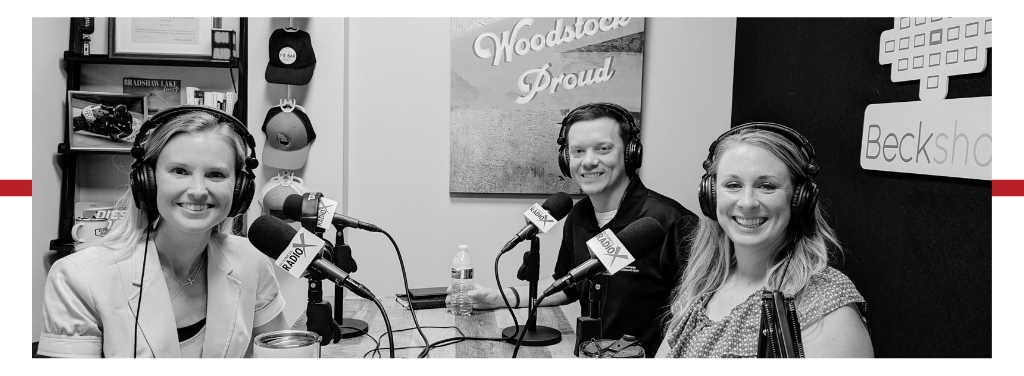
Josh-Bagby-Providence-Insurance-bwJosh Bagby is a broker with Providence Insurance Advisors and owner of The Bagby Agency, Inc. He and his agency provide the ability to offer multiple insurance carriers to serve you and your family.

He is also the creator of Cherokee Connect, a collaborative Facebook Group to connect the residents of Cherokee County to local business and their community.

Connect with Josh on LinkedIn.

This transcript is machine transcribed by Sonix

TRANSCRIPT

Intro: Coming to you live from the Business RadioX studio in Woodstock, Georgia. This is fearless formula with Sharon Cline.

Sharon Cline: And welcome to a Fearless Formula Friday. This is Sharon Cline with Fearless Formula on Business RadioX, where we talk about the ups and downs in the business world and offer words of wisdom for business success. Today in the studio is a broker with Providence Insurance Advisors, but he’s also the founder or creator of the very popular Cherokee Connect Facebook group.

Josh Bagby: I don’t know what that is.

Sharon Cline: I know. Are you founder creator inside? This is Josh Bagby. Welcome to the show.

Josh Bagby: Appreciate you having me.

Sharon Cline: Do you call yourself a circus person?

Josh Bagby: Some days that’s what it feels like.

Sharon Cline: I was going to ask you a little bit about that. Like what? First of all, I just looked it up. 60 over 63,000 people are part of this group, Cherokee Connect.

Josh Bagby: In three years.

Sharon Cline: Three years. I was thinking it it started in 2000, 19, right before the pandemic.

Josh Bagby: And a presidential election year. That was that was a good decision on my part. Didn’t know about the pandemic, didn’t know about the election. I did know about the election. But that part was actually pretty smooth. But yeah, it was it was weird how the pandemic kind of brought the community together. I think that really did help the growth of it for sure. You had a lot of people that were at home and freaking out, to be honest, and they didn’t know who to ask or what to do. None of us did. And so it was kind of a I feel like it did kind of bond the group there early on to like we were all in it together and everything else and kind of figuring it out as we went.

Sharon Cline: So your main reason for starting it is because you had a lot of people moving into town and looking for people to help them with various things in this.

Josh Bagby: County, right? With insurance I would do they’d call me for home insurance and they’d be like, Man, hey, you know, I’m buying this house, but I hate the light fixtures. I need them swapped out. Who do you know? And hey, here’s my personal handyman or, Hey, you know, I need new tires.

Sharon Cline: Just randomly, people asking you because you’re you’re the insurance person, right?

Josh Bagby: Gotcha. Random. I grew up here for the most part, And so it was they and I would offer it up like, hey, if you need anything, let me know. Really let me know. I don’t mind giving it to you. And so I was like, okay, let’s just put our whole my whole network in a group. Facebook was kind of pushing groups at the time and I was like, Well, that makes sense. We’ll just ask somebody ask I’ll add them here, and they kind of introduce them to my network instead of copying them on an email to them or something like that. And by the end of that week it was 2500 people. And then by the end of the month it was 5000 and it just took off. So it was it feels fills a need and hopefully it still does. It has grown beyond what I ever thought it would be, but it is. There’s still a lot of people I get even the ball ground parades tonight and there’s people, Hey, I’m new to town. Where do you park? Where do you sit? You know, that kind of stuff. So it’s neat to kind of bring people along and kind of speed up how fast this place can feel like home to them. And it’s a beautiful community. It’s an awesome community, and they are very welcoming. And I mean, I’m not originally from here. I was nine years old when I moved here, so I’m pretty I’m from here now, but it welcomed me in and it’s still welcoming people in. So it’s fun to get to see that happen on a daily basis.

Sharon Cline: Do you feel like you can ever shut shut that down for yourself? Like are you always sort of on because it’s a 24 seven accessible, almost like PR thing?

Josh Bagby: Yes. I try not to look at it like that, but yeah, every morning when I wake up and I open my phone, I wonder what happened. You know, most of the time it’s pretty that we’ve never really had anything crazy happen overnight. But it it is a weird feeling at the, you know, when we get done with however long here, I’m going to look at my phone and see if anything blew up while we were talking.

Sharon Cline: What kind of things are you finding that blow up? Like, what are the main things?

Josh Bagby: Everything gets political. Random things that you would not think would get political, get political, and just trying to kind of not squash it. But, you know, things don’t always have to be political. That’s not the way things are meant. And you’ll get random, very benign posts that go crazy just because somebody decided to take it down a path that it was not intended to go. But that’s it. You can’t put your finger on any one thing because it’s so many random things that pop up.

Sharon Cline: Is anything have you sort of gotten an idea of what it’s what humans are like because of this? Do you know what I mean? Like the themes of people?

Josh Bagby: Yes. I just talk about the theme.

Sharon Cline: Good themes and maybe, you know, themes that are like the happiest.

Josh Bagby: There’s a lot of people that probably shouldn’t have a driver’s license.

Sharon Cline: If I’m seeing those posts, I hope they’re not about me.

Josh Bagby: You wonder. But I mean, they’re your friends and neighbors and they need help too. But it is you get some stuff where you’re like, Man, this is okay, I get it now. And there’s different strokes for different folks. And there’s a lot of that, too. It’s a very diverse group from all walks of life and all different. You got doctors and you got, you know, people that are struggling. And it’s just it’s it’s a great little cross section of and at that size, it’s it’s a very good cross-section of what our community looks like. So, yes, it is kind of fun to to joke about it. But there there is some crazy stuff every day.

Sharon Cline: But everywhere. Yes, I was on Nextdoor recently and was like, oh, my goodness, someone just talked about they talked about their trash cans or like a trash service. And it did become very political very fast. And I was like, I don’t want to see this. But then I did. Like I went back and looked.

Josh Bagby: Right, Yeah, you can’t look away.

Sharon Cline: I was like, How bad did it get? Oh, it got bad. Yeah.

Josh Bagby: Oh, and for every, every one of those posts that we have, like there will be this time of the year with it, I have noticed it’s kind of cyclical. Things get tight with people with money and they’re stressed because they’re having to visit their families and all that kind of thing. You know, it’s just a bunch of different stressors. And so it does get a little testy. And I did like an audit. Every now and then I’ll do an audit like, is this worth doing still? Like, does this make sense to keep doing? Is it more beneficial than it is harmful than anything? And every time I do it, it is like I’ll go through and I’ll look at 2030 posts just to see how it’s going. And there will be one that has has gone off the rails. I’m like that. That far outweighs what it is. And unfortunately the the back and forth and the tension of it is encouraged by the algorithm.

Sharon Cline: So really?

Josh Bagby: Oh, yeah, interesting.

Sharon Cline: I did not know that.

Josh Bagby: It has gotten better recently, but there for a while. Any kind of argument that was going on, it it would feed it and that’s crazy. Yeah, I wish it went true, but it’s it’s for sure.

Sharon Cline: Well, I’m kind of like trying to absorb. Well, you wouldn’t think that the notion of of drama would be something that everyone wants to see and you would want it to be furthered. It’s something like you said you would want to kind of squash, but how fascinating that that’s not even something you control.

Josh Bagby: It keeps you on Facebook looking at ads.

Sharon Cline: Uh, I’m sure I’ve been manipulated many times by that. Don’t even. I don’t even know it. I’m just like, oh, my.

Josh Bagby: Gosh, Like you said, you don’t want to look away. And that’s what it is. It keeps you.

Sharon Cline: There. Interesting. Well, has there been anything that’s just been the most surprising to you about sort of having started this this group?

Josh Bagby: I knew what kind of community we had.

Sharon Cline: I noticed, too, I looked a little bit well, I didn’t cyberstalking you too hard, but a little bit of history on you that you went to Cherokee High School. You’ve been in this county since, what, you were nine? I guess so. So essentially, you’ve been here and know very well this whole city. So you weren’t surprised by kind of what you were potentially getting into, I guess.

Josh Bagby: I’m the ever optimist. So like, I had really high hopes for it. And I still do. Like, it’s and again it again maybe I’m looking at it with rose colored glasses, but the majority of what goes on in there is is really cool. And but yeah, I knew it would do well and I knew what my personal network how they would treat people and how they would take care of people. And then I have been pleasantly surprised with how caring and encouraging the vast majority of the people in their.

Sharon Cline: And kind.

Josh Bagby: And they are. And I mean, some of the stuff in there. I mean, I’ll make you cry. Like there’s people that will screenshot it. One lady in particular, every time she makes sure that I see the good stuff because it’s oftentimes I just get brought in to handle the bad stuff and you don’t and the good stuff just passes and I’ll look and see. It was one a lady she thinks she donated a quilt that her that right that her great aunt it was all Goodwill’s casket. She thought she’d donate it to Goodwill. We got people that work at Goodwill tagged in there. We got people on the lookout like and there’s, you know, 2000 likes on it, you know, and it’s just like that. I didn’t even know it happened until I had 2000 likes and. The those like that. That’s what makes it worth it. And all the crazy lost dog posts, there’s dogs getting found. There was one guy called me one time. He was like, I didn’t even know my dog was out. I didn’t know my dog was missing. And I’m scrolling and I see my dog on Facebook and I go pick it up two miles down the road. I was like, This is crazy.

Sharon Cline: So I saw one about this woman who was walking in a park and she lost her wedding ring. And I swear the community, it came together. There were so many people out there looking for this ring. For her. It was so kind.

Josh Bagby: There was a dog that went missing and they had search parties, people coming from other states that they had put together in there. There’s a you know, there’s always car shows and fundraisers and stuff like that for and that that is what it’s for. You know, we try to let some people get upset when we decline stuff that’s critical of a business or critical of something. And it’s like, well, that’s not like there’s plenty of other avenues. Like you get a lot of negativity all over the place in your life and just let’s try our best to keep this as positive if we can. It’s not perfect, but you know, it’s worth trying.

Sharon Cline: Do you feel like you know so many people now or do you think people know you?

Josh Bagby: That’s a funny it’s a it’s kind of a running joke in my office because it’s it is kind of funny because, like, and before I’ve lived here long enough. Did I go to school with like you said, I went to six elementary, I went to Teasley Middle School and went to Cherokee, went off to college, came back, grew up going to church or playing ball. And so now in my brain’s not as sharp as it once was. And so I’m like, how do I know this person? Are they a client or, you know, like, how do I know them? And the other running joke is I will put my face on anything on a icebox, billboard or whatever I have come. I’ve stopped short of putting it on t shirts or something. But then, you know, who knows? But so like people, they’ll recognize me and they’ll recognize my name and my profile pictures on the Facebook group. It’s in my email signature, so they’ll recognize me before I ever recognize them. So until they tell me their name, I don’t know. Some people just won’t tell you their name. They get kind of shy talking to you. So yeah, there are I got I got paparazzi at a few times. Seriously, Once.

Sharon Cline: Was like at a.

Josh Bagby: Restaurant or last night. Yeah. What happened? This is so funny. Uh, I’ll leave the names and everything out, but there was a teen girl that I’ll show it to you because it cracked me up. And the.

Sharon Cline: Paparazzi.

Josh Bagby: The ladies in my office think it is just absolutely hilarious when this happens. Yeah, there I am In the back corner. Back there.

Sharon Cline: You’re just standing there.

Josh Bagby: Yeah. And so the mom, she texted it and sent it to her mom. And her mom and I have messaged on Facebook, she’s like, You’re going to think this is hilarious. And she sent it to me. So, yeah, I mean, that part is funny, but it you know, I don’t know why. Like, you try to I don’t want anybody to ever think I’m arrogant with it or that I think I am like a big deal because it’s not like it’s it I try to push all that back on the community like, oh, man, this thing is so great or whatever. I’m like, That’s not me. Like, it’s I hit the button to start the group and the community was going to find a way to come together regardless. And you just kind of had to be a little circumspect. You’re the kind of.

Sharon Cline: You’re the catalyst of it or an impetus for.

Josh Bagby: It. Oh, a catalyst. Just I hit the button, you know, like it just started and there it was.

Sharon Cline: So you’ve helped other counties, is that right, to create their own groups? What is that like to encourage or to teach someone or explain it?

Josh Bagby: It makes you thankful for where we’re at because there’s one in Hattiesburg, Mississippi, and he’s a great dude, very similar to who I am and everything. A lot of the same. Reasons for starting the group and Hattiesburg is just not the same as and Woodstock. So like the community doesn’t buy in. It’s not as engaged. It’s not as. Is loving for one. And now I’m not in that one a whole lot and it just kind of help him but it just doesn’t doesn’t feel the same. We had one that tried to start in kind of North Fulton and it just didn’t didn’t take off for whatever reason. Same kind of stuff. It just doesn’t I don’t know. That’s why I think Jerky Connect works, because it’s in Cherokee County for for whatever reason.

Sharon Cline: Oh, it makes me feel really proud of us.

Josh Bagby: Yeah. No, I mean, and I say it all the time and it feels. Like, I don’t know. I don’t want anybody to overthink it. I think it can sound fake when I say it, but it’s like it really is a special place. Well, if.

Sharon Cline: You do not compare it to other counties, you don’t know, you don’t.

Josh Bagby: Know you’re normal or if you’ve never lived anywhere else. And you know, I haven’t lived anywhere else very long. And I lived in Statesboro and my freshman year in Athens from there on. And that’s really it. But it’s not the same. And people that move here, like even you’ll see it like, man, I have never been in a community like this. And again, for all the negative and bad rap that we get, there’s so much good about this place.

Sharon Cline: It’s heartwarming.

Josh Bagby: It is.

Sharon Cline: You think about it. Well, actually, I love I love that you talk about kind of how you have this part of your life, Cherokee connect and that you feel like you’re out there a lot, but a lot of it has to do with your work. So they kind of are they’re not exactly married, but they have to do with each other.

Josh Bagby: I do.

Sharon Cline: Yeah. Right. So what’s great is that your work has allowed you to be able to get to know so many people and help so many people. So let’s talk about what you do as a broker at Providence Insurance.

Josh Bagby: So we, uh, I’m in year 13 of being an insurance agent. Had no intentions of being an insurance agent, and nobody ever wants to. I’m a washed up former athlete and that is an insurance is a great fallback career for when you don’t make the NFL and I was nowhere close so that’s I saw.

Sharon Cline: The I heard that you played for the Bulldogs.

Josh Bagby: I did you know it was a little it was.

Sharon Cline: Very you know, you played with Tim Tebow.

Josh Bagby: I played a game.

Sharon Cline: Against Tim Tebow.

Josh Bagby: Sorry, smoked button. But I spoke at a little elementary school one time and that came up. Did you ever play it in the kids wearing like a Gators jersey? I was like, Yeah, I play against Florida Gators. I was like, Yeah. He’s like, Do you shake hands with Tim Tebow? I was like, Yeah, actually I did after the game. And he comes up after he shook his hand, he’s like, I’m never watching this game. And I was like, I’m not that big a deal. He goes, No, but you should games with Tim Tebow. I was like, Cool, man. Go for it. He’s probably fifth grade, but how cute it was. But yeah the yeah. So got into insurance right out of college opened an agency had no business running a business at all.

Sharon Cline: So you know that something we talk about on the show all the time is how people don’t have everything planned out, all of the potential mistakes, anything that they just have a dream and they kind of figure it out almost backwards. Here’s what I want. So let me let me get go backwards to be able to get what I want, if that makes sense.

Josh Bagby: Yes. The I was just looking to make some money and well, and but but the timing of it. So I graduated from Georgia in May of 2009 and I was a finance major.

Sharon Cline: That was when.

Josh Bagby: I was planning on I was planning on getting into banking.

Sharon Cline: So as you say, that’s the time when the housing market was terrible.

Josh Bagby: It was terrible. There was one job per 75 college graduates. So that’s how I got into insurance, because it’s commission. And if you can sell, you can make money, if.

Sharon Cline: Not always need.

Josh Bagby: And oh well that’s well, people and I have realized that now and then kind of with the economy the way it appears to be going right now and people like man, you worried, I’m like, no, not really. Because I mean, you have to have it. And as long as we have a better price or better coverage or whatever, then we’re okay. But yes, I got into it. No business. The one thing that made me halfway decent at anything I’ve ever done in my life is a work ethic and just a just a grinder. I have never not once Little League any anything ever been the best athlete on the field ever. And it’s like, I’m probably not the best agent, but it’s like I’m going to try really hard and I’m going to put the work in. And most of the time, if you do that, you’re going to outlast the competition. And people like in sports, they’re not going to take, you know, they’re not going to cut you as long as you do it right and you take care of what you’re supposed to take care of. No, keep your warm bodies that halfway know.

Sharon Cline: What they do. Show up.

Josh Bagby: That’s it. You show up and you’re consistent and that’s and you can be trusted. And that’s what’s weird was when I did get to play at Georgia, you know, I asked my coach when I was leaving my running backs coach, I was like, why did you give me a chance? And he goes, I just I looked in your eyes. I knew I could trust you. I was like.

Sharon Cline: Well, that’s something you don’t forget.

Josh Bagby: No. The rest of your life. Yeah. I mean, actually, still, it’s been 15 years ago, and it still gives me chills. Um, I don’t know. I’ve never told anybody that, but it. It is. And so that kind of with this career, that’s the biggest thing. Like, if you can trust me with your assets and, and taking care of your family and all that kind of stuff, and then I’m going to work for you. And here we are just kind of marriage perfectly together. So and there’s a little competition aspect of it, even within our own office. So that kind of feeds that part.

Sharon Cline: That’s part of that sports, too, right?

Josh Bagby: Yeah. And it took me a long time for that to kick in. And now that I’m realized that my sports days are long behind me, I’m like, okay, this is the only way I’m ever going to compete going forward.

Sharon Cline: So do you have kids?

Josh Bagby: Yes. Yeah, I’ve got a five and a seven year old.

Sharon Cline: Is there like a boy? Does he want to play or if you have a son?

Josh Bagby: Yep. Seven year old boy. And he. Mhm. He does and he doesn’t and people like, Oh yeah, he’s in football. I’m like no I don’t know.

Sharon Cline: I wonder about that. You know when you have these dreams, like you said, it’s just kind of was on the back burner after a while. But wouldn’t it be reignited so easily, you know, if your child were in it.

Josh Bagby: I try not for I don’t want to be that guy that’s living through my kids like it’s I want him to do his own thing. And football’s great football opened a lot of doors for me. A lot. But his personality is a little bit different than mine. I’m a team sports kind of guy and he’s he seems to be more of like an individual sports kind of guy, which is fine. And maybe I was at six, seven years old. I have no idea. But from the outside looking in, that’s what it is. So like golf and tennis and stuff that he he is very critical of himself and very kind of his own own worst critic. And so that would probably lend better to something like that versus trying to take that out on a team now that my job is to coach him into being a team guy and not being critical of your teammates. So that’s my challenge going forward. But yeah, so he wants to do that. And my daughter is into dance and she’s she’s very laid back and it’s funny how polar opposite they are, but it’s it’s fun to I mean, they’re best friends and that’s why we had them close together. They’re 18 months apart. So it is it’s fun.

Sharon Cline: I appreciate that you kind of look at and you probably do this with every person that you meet with in your business to what what their strengths are, you know, and kind of play up to their strengths.

Josh Bagby: Well, and that I’m one of the people that I don’t think like yeah there’s some stuff that you’re bad at and but there’s a lot of stuff that you’re really good at. So let’s just use what you’re really good at and get better at that because that’s going to be what sets you apart. And then we can supplement what you’re not so good at because if you’re a D sales person or a D server, like you’re never going to be in a you can’t climb that far to take you your whole life and your personality is just not wired for that. So let’s highlight this. A If it’s a minus, let’s get to an A-plus and then let’s get your D to a C and hire somebody to help you or get a technology to help you a software. And so there’s there’s ways that piece together. We’re now the whole organization looks better. The whole team looks better because you’re you’re really good in these certain areas and then we’ll backfill it to to make you good at all the rest of it.

Sharon Cline: I love that because it really doesn’t put unrealistic expectations on anyone.

Josh Bagby: Well, and people enjoy what they’re good at. Like you want them to enjoy where they’re working. You want them to enjoy what they’re doing. So like, why would I make you like for me, when we got into CrossFit for a while, I hate burpees. Burpees to me are the worst thing.

Sharon Cline: You’re anything but. Yeah, no, they’re terrible.

Josh Bagby: Worst thing. And it’s like, yeah, you do some burpees get better. I’m like, You’re not. You know what I hate?

Sharon Cline: For me, I’m.

Josh Bagby: Really good at power cleans. I’m just going to get really good at power cleans and I’m gonna scrap burpees all together and only do them when I absolutely have to. Like, why would I force myself to do something I hate? Why would I force somebody at work to do something that they hate doing? They’re going to be passionate about what they’re good at, and that’s going to show to the client and liking stuff.

Sharon Cline: So interesting. Well, let’s talk a little bit about what you do with Providence Insurance Advisors. So it’s not just homeowner’s insurance and car insurance. It’s lots of other aspects. Correct.

Josh Bagby: So there’s a lot of layers to that. So we again, I’m not great at everything. I’m pretty good at Auto and Home Insurance because that’s what I kind of grew up on. The company I came from that was what our kind of bread and butter was, had some life insurance. So, you know, I know how to do live insurance. I’m good at it. Not great. So I have a higher life insurance specialist, happens to be my father in law. He’s been in insurance for 35 years now and we feed live insurance leads to him. Commercial insurance. It’s great. It’s where I kind of want my career to go.

Sharon Cline: I was going to ask you, like, what are your dreams for the future? So that’s where you would like to build it.

Josh Bagby: That’s where yeah, just like you said, you enjoy talking to business people like that. I enjoy that part of it too. It’s fun. I enjoyed team building and all that and kind of brand building and that you feel like you can kind of help people do that with their insurance. But so I hired a commercial specialist. I know enough about it to do it. Probably not going to be the greatest at it until I learn from somebody that’s been doing it. So she’s been doing it 20, 25 years now. At this point, I can learn from her and then by the time she’s ready to retire or whatever, then I’ll have figured it out by then and do that. Customer service piece of it. Pretty good at that. I enjoy taking care of people, so we’ve got that. But then you have people too. I have two customer service reps that are phenomenal at picking up the phone and loving on you on the phone. And then, you know, I’m like, what? Cherokee Connect, I’m putting out fires. And that’s that’s kind of what I’m doing now with The Office, which is, which is fine. That’s comes with the territory.

Sharon Cline: But yeah, I was thinking about this. So I did a story. I produced a story that involved the Cherokee, the Kent Police Department, and we talked about how what it’s like to to in like sort of interact with people under an extremely stressful situation. So normally they’re not just all calm and happy. It’s a ticket, it’s a it’s a domestic, it’s whatever. So it’s the same for you where you’re finding that you’re interacting with people under extremely stressful situations.

Josh Bagby: I wouldn’t call it extremely stressful most of the time, like even in a claim situation like it now, I have I had people call me right after an accident. Yes. You know, knock on wood, have yet to have a house fire in 13 years. But like that kind of thing, Nothing super major like we’re we’re the last. But you’re going to call 911 those people.

Sharon Cline: Are going to do. Got you. By that time you’re they’re ready to talk to you and kind.

Josh Bagby: Of I guess kind of chilled out a little bit. So now it’s just the just the random. Stuff that doesn’t flow the way that you would want it to. And so you just kind of figured out how to get it back on track and make it flow the way the way that it’s a good experience for everybody.

Sharon Cline: You reframe it for them.

Josh Bagby: You do, yeah. And explain it. And you know, a lot of the communication is key in so many things. And if you can just communicate it and you’re real and you don’t. Bs people and sugarcoat it. And you just kind of tell them like, Hey, look, yeah, no, that’s probably not a good idea. Or Yeah, hey, we screwed up. Like, you know what?

Sharon Cline: You admit those.

Josh Bagby: Things. Absolutely. And we’ll fix it. Like, if we screw up, 100% will admit it, fix it. Going down the road and the people. What’s crazy is that’s so rare, like you said, that, like, you will admit that that’s so rare that people cry if they appreciate you telling them that you screwed up.

Sharon Cline: But I feel like there is a BS meter people have.

Josh Bagby: They do.

Sharon Cline: Yeah. And I feel like if you don’t set that off, like if you are being genuine, I honestly think it comes across. Do you find that to be the case?

Josh Bagby: Oh yeah. People will read it. Yeah. Yeah, they.

Sharon Cline: Especially when you’re talking money and, you know, I don’t know, it’s so stressful. The whole thing of it is stressful, I think.

Josh Bagby: And it’s just do the right thing and it always comes back around. That’s one of the things the agency I was with before we had one carrier, and if it didn’t look right or I didn’t think we were the best fit for you, I send you on down the road, I’d give you a number for somebody else that had like a broker that has more options and then those people end up coming back to you, or they’ll refer you people that and you get more swings at being able to help those people. Like it’s just it always comes back around. And that’s kind of going back to the group. There are a lot of people in there. They’re giving free advice, you know, legal advice, a painting advice like just random stuff. And it always those are the ones that end up getting business out of the group are the ones that are encouraging and helpful and not just, you know, BS and you with sales stuff all the time.

Sharon Cline: So you’ve been in this industry 13 years, you said. So if you could go back to yourself 13 years ago, what would you have wanted to know before you got started?

Josh Bagby: You couldn’t have known it.

Sharon Cline: That’s a terrible answer, but probably the most real answer, actually.

Josh Bagby: I mean, I you know, I came out of school. I had taken in an insurance class. I had you know, you get your licenses, you go to school like the company school and all that. You know, I had a business degree and I was like, man, yeah, I can run a business.

Sharon Cline: You went to school for it.

Josh Bagby: You’re ready, right? Yeah. Like, here we go. And, you know, 22 years old and you have no clue how to run a business like none. And the age that really even matter. Like, if you haven’t ever done that before, there’s no way you know it until you do it. So and even on the insurance side, like, there was a lot of stuff that the company I was with was on Central Time. And so they closed an hour later. So I would stop answering the phone at five and I would blow them up with every question I could possibly do. So like, that’s the only way to learn it. My opinion is you just have to do it. You just have to take your reps and figure it out as you go. But now there’s nothing. I have no regrets on that at all. On how that whole thing went. It was drinking water out of a fire hose for six months and that’s it. I went back to school and got my MBA thinking I just needed it. And looking at that like, Man, you get an MBA in that first year of running a business. Like, that’s not that you have mastered business, but you, you know more than a lot of people that.

Sharon Cline: I think this is just so important, that notion that you do not have to have yourself completely set and ready in order to be able to follow a dream of.

Josh Bagby: Yours, you’re never going to be ready, ever. Like it’s like having kids. People want to wait to have kids until they’re financially stable or they think they have it all down it out. You will never be. It took me a long time to figure that out. I had my little plan in my head, my watching, like, well, you know, like, I think it was just go for it. Okay. Best decision we could ever make so that, yeah, you’re never going to be ready. If you have an idea, do your due diligence. Don’t get me wrong. Don’t just willy nilly go about it. But there’s a time where you will be. And having just launched this business a year and a half ago, the second agency in Providence. Yeah, I wasn’t ready for that. It drug out probably six months longer than it should have for me to launch it. And some of that was not my own doing, but and you just get it as ready as you possibly can and hit the ground and you’ll figure it out.

Sharon Cline: So you have some mentors you had mentioned. You’ve got someone that’s on the commercial side that’s kind of teaching you. So what? Who are some other mentors in your life?

Josh Bagby: My father One was a big one from the insurance standpoint. The you know, I had great parents and, you know, made me who I am and then off to college and come back. And then they moved back to Chattanooga to help my grandparents and everything and kind of on the family farm. And then my father in law was who got me into insurance and really coached me along like I would have left, probably would have gotten out a long time ago had it not been, you know, to kind of quell some frustration with what was going on. Like you think one way and then you would get the corporate side of why things work like that. And I think it’s made me better to do now when I’m talking to other carriers, like I understand what they’re looking for and I understand what we’re looking for in our frustrations. And it helps me convey that to my staff now. So like it’s he’s been huge in that aspect. Again, he was with an injured 34, 35, worked for the same company for 34 years and now he’s with us. So it is he’s he’s probably the biggest one. They lived down the street from us. We’ve got a ton in common and it’s my brother in law in him and my mother in law takes great care of us and everything. So it’s it’s a cool little. I married into a great family.

Sharon Cline: You’re lucky.

Josh Bagby: I am. Absolutely. That’s a blessing. Absolutely. It’s great to have built in babysitters down the street.

Sharon Cline: Yeah, you can go on date night down in some really great Woodstock restaurants.

Josh Bagby: That’s it. We live in downtown ball grounds. Oh, dear. We will do. We’ll walk up there, drop the kids at the in-laws and just keep walking up the main street. And it it’s a cool, cool town background. It’s a great.

Sharon Cline: Spot. It’s growing so.

Josh Bagby: Much. Yes. And I’m hoping it holds on to the small town USA vibe. And it’s done a good job of it so far. And. Yeah, I don’t. I don’t.

Sharon Cline: Know. I know. It’s interesting. It’s like I see so many things that are being graded, you know, for new subdivisions and things. And part of me is a little sad, but part of me knows this is normal and it’s the way it’s supposed to be. But it’s funny, I can’t quite make peace in my heart with growth, even though where I am, you know, needed to be built. So I can’t complain.

Josh Bagby: Right. And that’s another tricky connect things like people move here and they move here. They’re not from here and they’re here for like four or five years and they complain about the growth and it’s like, well, you know, people complained about you and you got here too. Like, it’s kind of it’s kind of cyclical hypocrite. I right it’s, you know, ball ground and even Woodstock Woodstock’s got a personality to it and that’s just what you want. You don’t want it to be a.

Sharon Cline: Big, big, big city.

Josh Bagby: Yeah, just too, too big. And there’s not enough. And I think going back to the business owner aspect, I think the business owners are what create that culture and knowing the people’s name, knowing the regulars names that come in there and you know, the coffee shop and ball me and they walk in and they know you and your chit chat and, and there’s a group of eight guys in the morning that are there every Friday morning, you know, like that. That kind of stuff’s what makes it what makes it tick.

Sharon Cline: So for your business, what do you do for sales and marketing? Like what do you how do you handle that? I’ve seen your face on a billboard. I just recently saw it and was like, Oh, I’m interviewing him.

Josh Bagby: What’s funny is. I don’t know. Something about that one billboard is it works. I’ve had billboards on 575 before, and they don’t do for me what that billboard does. Now, are there a lot of people calling me off that billboard? No, but I think it’s really yeah, I think it’s I’ve gotten some it says call or text Josh Bagby on there and I’ve gotten some funky texts.

Sharon Cline: Really?

Josh Bagby: I’ve got some funny voicemails, too. That’s a whole nother shout out to the Arlene. Oh, dear. Oh, my.

Sharon Cline: I. There’s a whole side of your life that I have not, like, asked you about yet.

Josh Bagby: Good Lord, to send you that one. That one. That was pretty fun. She’s. She’s kind of become a character in Cherokee Connect. She doesn’t even know it. So that’s. That’s pretty cool. But yeah, sales, marketing, part of it just kind of building a brand. I realized that the agency I was in before, nobody cared about that brand of insurance and it had no brand recognition locally for the most part. So what made it different was, was me, and that people knew me from just growing up and going to school and that kind of thing. So that was part of the brand. And then now, you know, kind of trying to brand providence off of that, trying to transfer kind of my personal brand and being able to spread that to my my people, my my staff to be able to use that brand. And then but all the while trying to build Providence a brand and a logo from nothing to to make it mean something and hopefully be something good in the community. You know, I look at Southeast restoration and their, you know, their logo and their brand like that’s recognizable, you know, what they stand for.

Josh Bagby: And so that’s kind of some of our colors are very similar to not like in kind of long shot Looper for the but like it’s a they do a really good job and they’re great people and that’s kind of that’s what we want to be known as. And they’re a you know, a good employer in the community and they they give back. And so that’s kind of piggybacking on what they kind of set the example. Benz You know, a few years older than me, Greg, I kind of took me in and I felt like he respected me even at 22, and he had no business, you know what I mean? Like, it’s just that’s just who he is and he’s a good dude. And so I want to be that guy going forward as kind of he. I don’t know. Not that we’re talking on the phone all the time, but like, he kind of kind of set an example that I could follow. So trying to do that in and be that for whatever the next business is that comes, you know, five, ten years down the road.

Sharon Cline: So we talk about that on the show a lot. People talk about how important it is to have the right people around you and that networking is huge and word of mouth is even more important than than having some billboard or even an ad on on Facebook. One of my friends was saying that there’s no need. Like they just talked to some people and it spreads maybe through Cherokee Connect. I’m not sure. But it’s nice to know that you don’t have to have a ginormous budget in order to get yourself out there.

Josh Bagby: Well, and that was where that was kind of the three. Demographics are the three kind of pillars stool, legs, whatever you want to call of chicken and egg. So it was a solid that the people needed handyman, whatever. So had them. I was like, okay, well we’ve got to get the handyman and all them and the electricians and the plumbers and all that. Got to get them in there and then the charities. Because we’ve got so many charities, we’ve got so many great people that don’t know how to plug in that. And the charities don’t have a sales budget or an advertising budget or whatever. So how can we get them all in one spot to be able to? So everybody benefits from it. And I think it has done a good job doing that so far. And there are like me giving a shout out to a business for that. It just kind of highlights it. But it’s the people that are shouting other businesses out, Hey, I saw there was one family traditions in town, like there’s a hard of hearing class at a preschool or kindergarten or something, and they gave them a taste test of Thanksgiving food the week before so that they could practice signing what they liked and what they didn’t.

Josh Bagby: How sweet. So like that, like that kind of connection is cool to see happening there. The but the word of mouth part of it matters and you don’t like are any businesses in Cherokee County going to be able to outspend Wal Mart or Google or Verizon or anything? Absolutely not. Like for me, can I outspend Geico? No. Like it’s just not even not even ever in my wildest dreams would I spend that kind of money on advertising. But we can hyper localize it if all your clients are here locally. Like this is really this is all you need to advertise to. You don’t need to waste money on people in Tennessee that a TV commercial may do or a radio type thing so we can hyper localize it. Make make what little ad dollars are spent. Go further and let your. Your own brand recognition and your own name. Carry weight to where? Hey, man, this is the best plumber I’ve ever seen in my life. Let’s tell other people about it. And so now that dude’s able to do more locally to support his family. And those people, the ones that do it locally like that, are the ones that are giving back and they’re the ones sponsoring and they’re the ones.

Sharon Cline: Plugged in to the plugged.

Josh Bagby: In. They’re the ones with the banners on the on the football field and in the basketball gym like that, that they’re putting money back in in there and their kids are here. Like, it’s it’s a cool thing to see.

Sharon Cline: You have like a win. It’s a win win for everyone.

Josh Bagby: For everybody.

Sharon Cline: I love that. So if you were to kind of look back at your career, are there things that you were I don’t know if afraid is the right word, but sort of like trepidatious about that. You no longer.

Josh Bagby: Are. No. I still don’t. And that’s not like a it’s a good answer.

Sharon Cline: It’s your truth. And I love it because it’s, you know, everybody has a different one. But I like that you are. You’re being honest like you.

Josh Bagby: But I it’s it’s not like I’m fearless and everything I do, like, it’s not that like, it’s just like a it’s not that I’m any better at it or that I overcame it. It’s like I just don’t focus on it. Like it’s I have found other ways to make up for what you don’t like doing or, you know. So yeah, that’s not that was way too short of an answer.

Sharon Cline: No, that was a good answer because it does vary for lots of people. And one of the themes that I find with business owners is that the notion of not giving up like the fear of I’m not going to do okay, I’m I won’t succeed. I don’t have everything figured out. I’m going to stop even before you get started. Like, that’s my story, you know what I mean? Like, everybody has those moments, so. But I like that you’re kind of you’re not letting that be a defining factor of yourself.

Josh Bagby: Yeah, and I wouldn’t call it a fear. Am I anxious? Yeah. Like, they’re always opening the phone every morning, but, like, that kind of thing. I use it as a motivator, you know? And how do you how do you function under stress? Like, stress just makes me work harder and longer and that kind of thing. So if you can figure out how to use it, if you’re scared of it, figure out how to use it to to motivate you. And I don’t think that happens overnight. I think it does Again, it’s a it’s a reps thing.

Sharon Cline: Practice, practice.

Josh Bagby: I mean, I gave my old agency up and I went from making a good living to zero in a month by choice, which is kind of stupid.

Sharon Cline: Well, not everybody can can do this, of course. Right. But the but you had some really good support.

Josh Bagby: Yeah, absolutely.

Sharon Cline: Which is what people talk about, as well as having the right people around you.

Josh Bagby: And I had to I had to trust that the community would support a new what I was doing. And that was a like they supported Cherokee connect for whatever reason. And I’m like, well I think if they support that, they’ll support this. And, you know, we had done insurance, had a track record of it. So, you know, it wasn’t a blind jump. But, you know, you’re first night, you’re you’re anxious going, man, I don’t have a paycheck coming this month unless I go make it.

Sharon Cline: Did you have to have did you feel like you had to have something to fall back on, like a contingency? Or did you just say, I’m just going to go for this?

Josh Bagby: Yeah. There was no plan B like it was a plan B, it was a burn the ships kind of it was going to work. I was going to make it work. Now, was I going to hit every goal that I set? You know, I had a pretty realistic idea that, yeah, maybe not. And would it be okay if we didn’t? That was going to be something we were going to have to cross when we got there. Yeah, it was.

Sharon Cline: It worked. And I think I think sometimes situations are it’s timing, too. Like, you know, where you had just the right setup for you to be able to have this moment of success. So there’s something you can’t make happen at the wrong time, you know, And that’s meant to.

Josh Bagby: Be that’s a that’s a spiritual thing for me. That’s where the name Providence comes from. It was like it was there is a calm about that. Like when you feel like you’re not doing it on your own and it’s not you doing it, it’s just kind of trust that somebody else has got you and it works out. And it’s amazing how often, like there’s no reason Cherokee Connect should be what it is. That’s there’s no and there’s got to be. And I constantly remind myself like this is not for me to sell insurance this is for those nonprofit for the church is for sponsoring kids at Christmas for like all like that’s what it’s for. And yeah, it helps it helps me sell insurance, but that’s a byproduct of it. But. I’m talking about Tim Tebow. Praying to win football games like, do you care? Do I think God cares who wins or loses a football game? Absolutely not. Tim Tebow used his platform to further. The kingdom and because he won football games. So I think in a roundabout way, yeah. Like, as long as he’s using it the right way, then its success will come with that. I don’t know. Do I think God cares the turkey is successful or Providence is successful? No, but if I use it to continue to be a version of a ministry and yeah, it’s worth doing. And I think we’ll we’ll stay on the right track.

Sharon Cline: You’re kind of you’re kind of mayor of Cherokee Connect. You’re kind of it does feel a little like slightly political, doesn’t it?

Josh Bagby: A little bit. Yeah, the politics thing comes up a lot.

Sharon Cline: But like, do people ever say to you, you should run for mayor of background or mayor? I don’t know, Woodstock or something?

Josh Bagby: Yeah, it comes up. Do they really? Yeah. Running. Yeah, And I don’t know. I’ve looked at it. I think that my kids are at ages. I think that I’m at an age that it probably doesn’t make sense. I think that there’s more. Um. We can move quicker and help fill needs faster with the group right now. Then you can in government with less red tape and with both sides and not it’s red or blue or it’s so it’s you can you can bring people together for that and they’re not going to shut you down because you’ve got a D or that kind of thing.

Sharon Cline: So I love that because it’s it’s, it’s not the notion, it’s using the power that you have, but in a way that includes everyone.

Josh Bagby: It’s inclusive is a weird word. Like, yeah, it’s not.

Sharon Cline: Wait, did I just throw a bad word? I don’t know why I said power. It kind of is. I guess the, the, the, the, the platform has power.

Josh Bagby: The, the platform about that. Yeah.

Sharon Cline: And sorry if I made it seem like.

Josh Bagby: No like it’s, it’s, it’s influence I guess. Or it’s, it’s the ability to bring to shed light on something just kind of bring a need to the forefront that people may not know about like the school lunch debt, stuff like that is huge. It’s crazy.

Sharon Cline: That, that you talk about it and you give people ways to help.

Josh Bagby: That’s right. Yeah. And more than happy to help. But we got to figure out a way to fix it. And so now that like, can we help it a couple of times. Yes. But like, there’s got to be there’s got to be something going on to help fix a greater need that I can’t do. It’ll take I don’t know if it takes a voters or if it does take a politician like I don’t have all those answers. But yeah, I mean yeah, I guess you could be the, the mayor of the group, but it’s not there’s no I don’t have a gavel in there when we’re not taking votes unless we’re polling on who your favorite chicken place is, which people do best Thanksgiving food. Right.

Sharon Cline: Well, Josh, I really appreciate you coming on to the show and kind of giving us a little insight into what it’s like to be you, you know, and your and your every day.

Josh Bagby: It’s fun. Most days.

Sharon Cline: Hopefully today is a fun day being here on Fearless One Minute. Wait. I did want to ask you if people wanted to get in touch with you, how can they do that?

Josh Bagby: You can find me on Facebook and job.

Sharon Cline: Yeah, Really? It’s good to know.

Josh Bagby: Yeah.

Sharon Cline: That’s probably the best. That’s generally speaking, that’s where a lot of people are finding. Even in our all the different interviews that I’ve done, people just say, Find me on Facebook. It’s easy, you know?

Josh Bagby: You know, I mean, if you Google it and you Google my name, Providence Insurance Advisors, it’ll come up. There’s, you know, my email and my phone number and Facebook messaged me, you can Facebook, Instagram message me. There’s like, there’s a lot of ways to get in my phone there.

Sharon Cline: Wow, you’re busy guy.

Josh Bagby: You it’s fun. I wouldn’t have it any other way.

Sharon Cline: Well, on that note, thank you all for listening to Fearless Formula on Business RadioX. And again, this is Sharon Cline reminding you with knowledge and understanding, we can all have our own fearless formula.

Josh Bagby: Thanks, Josh. Thanks for having me.

Sharon Cline: Bye bye.

Tagged With: Providence Insurance Advisors

WBENC 2022: Fran Biderman-Gross with Advantages

December 7, 2022 by angishields

Fran-Biderman-Gross-GWBC-WBENC-National-Conference
GWBC Radio
WBENC 2022: Fran Biderman-Gross with Advantages
Loading
00:00 /
RSS Feed
Share
Link
Embed

Download file

Fran-Biderman-Gross-GWBC-WBENC-National-ConferenceFran Biderman-Gross, Advantages

TRANSCRIPT

Intro: [00:00:04] Broadcasting live from the Business RadioX Studios in Atlanta, Georgia, it’s time for GWBC Radio’s Open for Business. Now, here’s your host.

Lee Kantor: [00:00:18] Lee Kantor here broadcasting live from the 2022 WBENC National Conference inside the GWBC booth, Booth 1812, if you want to come by and see us. I’m so excited to have our guest, Fran from Advantages. I just followed your lead, Fran, so don’t give me a hard time. Don’t start second guessing not telling me your last name.

Fran Biderman-Gross: [00:00:37] Fran Biderman-Gross.

Lee Kantor: [00:00:38] You could do that. That’s on you.

Fran Biderman-Gross: [00:00:40] I’m just Fran. I’m good.

Lee Kantor: [00:00:41] You said Frantastic.

Fran Biderman-Gross: [00:00:43] I did.

Lee Kantor: [00:00:43] You gave me a lot of options, so don’t blame me.

Fran Biderman-Gross: [00:00:45] I’ve been called a lot of things.

Lee Kantor: [00:00:48] So, tell us about Advantages. How are you serving folks?

Fran Biderman-Gross: [00:00:50] Sure. We drive profit with purpose through marketing performance. So, we are a purpose-based, values-based organization that helps purpose-driven leaders.

Lee Kantor: [00:01:03] Other purpose-based organizations.

Fran Biderman-Gross: [00:01:04] Yeah. Exactly. Get their message out from the branding and marketing perspective.

Lee Kantor: [00:01:07] So, what’s your backstory? How’d you get into this line of work?

Fran Biderman-Gross: [00:01:09] Oh, my gosh. You ask the fun questions. So, my late husband and I started a mere kind of printing company, and we just kind of kept –

Lee Kantor: [00:01:19] A printing company?

Fran Biderman-Gross: [00:01:20] Yeah.

Lee Kantor: [00:01:20] For authors? Or printing, like, brochures.

Fran Biderman-Gross: [00:01:25] No. No. Brochures. Authors. No. The book came much later. So, we were helping companies get noticed. We’ve really been very true to that message for the last, literally, October is going to be 30 years. Today is actually his an anniversary. I lost him 21 years ago, just before 9/11, after a two year battle. But long live the dream of visionary in Visionary Land of helping purpose-based individuals or very intentional leaders do the really great things that they do. So, we did start in printing.

Lee Kantor: [00:01:57] So, the heart of it was always around that purpose-based, values- based?

Fran Biderman-Gross: [00:02:00] I was going to say, you know, good people want to want to work with good people. That’s really the bottom line. And we really love working with good people. And we want to attract good people to them. And we want to help them lead great cultures that are really intentional. And we want to help them with the clarity of their message, hence the brand component to what we do.

Lee Kantor: [00:02:22] But was that a strategic choice or was this something that, “Hey, this is just how we are, why don’t we just hang out with other folks like us?” Like, how did this come about? Like, did you start out that that is the mission?

Fran Biderman-Gross: [00:02:35] Definitely not. We wanted to really help other companies get noticed. We wanted them to stand out from their competition. But when we started to really build the relationships, and good people just tend to stick with good people, good people doing good things. Look, we buy stuff from people we like, right?

Fran Biderman-Gross: [00:02:54] So, we tend to do business with people that are similar to us, and what we believe in, and realizing that there is a communication strategy called purpose. And really diving into that got us going from goods to services, and really helping build the internal side of how I’ve dissected a brand which is into your three keys, which is really how you lead your culture from an internal perspective. And the agency just does it on the external side.

Lee Kantor: [00:03:24] So, the heart of it was you noticed some characteristics and you’re like, “Hey, instead of just hoping the next client has some of these characteristics, let’s just hone in on people who believe what we believe.”

Fran Biderman-Gross: [00:03:41] Exactly.

Lee Kantor: [00:03:41] “Who think like we think and let’s serve them.”

Fran Biderman-Gross: [00:03:44] Exactly. So, when you think about it, why do you exist? Why do I exist? I know this can get into a very interesting conversation. But we think about, Why am I here? Why is this business here? What am I willing to fight for? What am I willing to stand for?

Lee Kantor: [00:04:03] And what am I willing to say no to? Well, that’s part of it, too, right?

Fran Biderman-Gross: [00:04:06] A hundred percent. When you think about the theory of purpose in general or why, you want to actually repel the wrong people as much as you want to attract. So, to me, it’s a two for one. Because you don’t want a ton of people in the funnel. You don’t want to attract a thousand people. I actually want a hundred people in the funnel because they’re more likely to be more like me. So, I don’t want to attract the mass. I want to attract the people that believe the things that I believe, we have a much better shot of building a really great emotional connection.

Lee Kantor: [00:04:38] And building a business that matters about the things that matter to me.

Fran Biderman-Gross: [00:04:43] Exactly.

Lee Kantor: [00:04:43] And that’s really at the heart of it. And especially with these professional services and the service-based businesses, they don’t need a million customers that they burn and churn through. That isn’t a good model for them. It’s not efficient. It’s not effective. It doesn’t make them feel good at the end of the day. These folks need a handful of new clients. That’s it. They don’t need a million.

Fran Biderman-Gross: [00:05:01] A hundred percent. I mean, you walk away from a conference this big, if you walk away with just a couple of really good connections, it could completely be life changing. So, it’s not about let’s pound the pavement, stop at every booth, figure out who every supplier is, and who’s the decision maker. Yes, you need a strategy to come here. But you need to leave with the strategy at the same time, because otherwise you’re just putting a lot of stuff in the funnel.

Lee Kantor: [00:05:25] And that’s going to take up time, distract you, and maybe get you even off course.

Fran Biderman-Gross: [00:05:29] Exactly. I like to say, we flip the funnel and make a megaphone. Amplify your one message so that you can attract and repel at the rate. And then, you can just spend a lot more of your time talking to people who most likely believe you’ll find the alignment somewhere, whether you’re a perfect fit or they need my service right now, it just doesn’t matter. You’re building the world.

Lee Kantor: [00:05:52] So, when you were doing this and you were starting out doing, you know, brochures or whatever you were doing at the beginning, when did you start feeling, “Hey, you know what? This attraction and getting the right people, this is a better fit.” Like, when did you start kind of getting the hint that maybe we’re onto something here?

Fran Biderman-Gross: [00:06:08] You know, that’s a great question. So, for ten plus years, I was the printing princess, getting noticed, carrying a wand, all these things, and I have a pretty outgoing personality, so people would remember me. And it was just too many people.

Fran Biderman-Gross: [00:06:22] And then, I met Simon Sinek long before his TEDx Talk at an event. And this might sound really bad, but it was an event at the Entrepreneurs Organization and it was, like, bring your marketing and bring your best piece. So, I did. And we have award winning graphic design and award winning blah, blah, blah. And I brought my best piece and then he just ripped it apart. And I’m like, “Do you not know me?” I was insulted beyond control, thinking in my chair.

Lee Kantor: [00:06:52] I’m a princess.

Fran Biderman-Gross: [00:06:52] I know. I was like, “Just, whatever, bleep,” all over me. But I was curious about, like, what does this magnetic connection really mean? And we began a phenomenal friendship of exploration. And we worked together for a long time just exploring, you know, how does this start with why things work? Oh, there’s a whole communication theory of purpose. And that really put me on a ten year trajectory of breaking it down and saying, “Oh. There’s a place in Y, and there’s three keys, and there’s what’s your purpose? Okay. Well, that’s your cause, purpose and belief.” But inside of that is your mission and your vision, your cause and your impact.

Fran Biderman-Gross: [00:07:32] Like, we could get all business-y and everything, but the bottom line is, human beings are here for a reason. And just because you’re making money at something as a result of what you’re doing for your company, you are making the world a better place in some way, shape, or form by connecting people for the right reasons. And as long as you get really, really clear at what that is, it makes it easier to do it better and faster with more people you like. And that started me on that trajectory.

Lee Kantor: [00:08:00] Now, when you’re talking to folks and they maybe aren’t thinking as deep as that, and they are more superficially looking at their business and the nuts and bolts of business, because we wanted all the time here in our business, sometimes they focus on metrics and they use the word metric like it’s some magic thing. It’s a number, so then it’s real. And so, it’s real, it must be important. And if it’s important, I better track it. But they don’t know how to discern the metrics that matter versus the metrics that can be counted. So, just because something that can be counted doesn’t necessarily mean it’s worth counting.

Fran Biderman-Gross: [00:08:37] First of all, you are a great interviewer because that is a fantastic question. Counting things that really matter is really important. And most of the times, actually unconventional things that you need to really look at, which really make the difference. So, when we think about metrics that matter, it’s like, What’s going to help me move the needle? What’s going to help me go further, faster? What’s actually going to be aligned?

Fran Biderman-Gross: [00:09:02] We talk about qualifications and why are we even talking to this type of person if it’s not really going to suit what we’re doing, and keeping everybody on track. Like we start working with companies all the time and like, “Great. Who’s your ideal?” And they start listing them. And then, we go – we call it – hand-to-hand combat, when we’re actually providing that lead gen to sales, I’m like, “Okay. Wait a minute. You told me he had to look like this, or she had to look like, or they had to look like this, this.” But when it came down to it, that wasn’t really right.

Fran Biderman-Gross: [00:09:40] So, what are we actually measuring? So, let’s redo the qualifications. Let’s really look at the data. Well, all these people took six months to convert, and da, da, da, da, da. What do we learn from that? So, you have to really look at things with a different lens very often to get the juice of what is really going to get to connect you. So, metrics are great. Vanity metrics are a whole other discussion.

Lee Kantor: [00:10:03] Well, we call them cost-metrics.

Fran Biderman-Gross: [00:10:05] Cost-metrics. I love that. That’s awesome. But you’re right, it’s hard to cut to the chase of which metrics really matter. And it’s really important to actually dissect the unconventional things. Dissecting that is really key.

Lee Kantor: [00:10:20] That might take work. And a lot of times they don’t want to do that. They want to look at a dashboard and say, “Oh, there’s 14 greens, so we’re having a good month while I don’t have money in the bank. But I have 14 greens.”

Fran Biderman-Gross: [00:10:31] You know, you can’t skip doing the work.

Lee Kantor: [00:10:34] I know.

Fran Biderman-Gross: [00:10:35] You can’t skip doing the work. I mean, like if I had a magic wand –

Lee Kantor: [00:10:38] That’s why we’re doing this, it’s for the work. Believe it or not, the work is what matters.

Fran Biderman-Gross: [00:10:42] Every step of the work matters. Making the decision, like marketing, our job is to fail things faster. But enough time that it’s fast enough. I still need to gather data. So, don’t say, “Oh, two weeks of gathering data is enough.” No, it’s not. You can’t get a critical mass of anything. I can’t get to a baseline. Everybody wants to get to the steady state without doing the testing, and you can’t do that.

Lee Kantor: [00:11:06] But the calendar I built two months ago said it would be done by today.

Fran Biderman-Gross: [00:11:10] Uh-huh. That’s nice. And how many things did you not account for that we ran into that we actually had to adjust for? But it is about testing and taking the period of time that it needs. I like to say it’s four to six months in one channel when you actually create a hypothesis that you need to prove. But, honestly, that’s the right way. You can’t get to a steady state unless I can prove something in one channel. I couldn’t scale it unless I can prove it somewhere.

Lee Kantor: [00:11:38] Right. So, talk about your book. What was the impetus of writing it all down? Because that’s fun. That’s a job by itself.

Fran Biderman-Gross: [00:11:47] It was a very long job. It was a really, really hard job. If you told me how much – nevermind. I wrote the book as a gift because I really believe that entrepreneurs, whether you’re in professional services or not, you really deserve to understand the anatomy of your own brand. And when you can harness the clear communications, it really unlocks a lot of things.

Fran Biderman-Gross: [00:12:16] And when you think about the most successful people in the world, we can talk about Oprah. She sits down in a meeting and asks for clarity, what’s the intention of the meeting, which always is trying to get to clarity. As leaders, it’s our responsibility to get to clarity. It’s our responsibility to lead with clarity. So, marketing strategist, it’s a leadership book as a gift for CEOs going, You can be profitable in every aspect of your business if you have clarity. So, how do you get to clarity? And I give you the baseline. I mean, the appendix is actually the process we take people through. I gave it away.

Lee Kantor: [00:12:49] Don’t tell anybody that.

Fran Biderman-Gross: [00:12:50] No. Go by the book. But if you want to help, reach out, and all that’s great. But everybody’s always happier when there’s more clarity. People understand where they’re going. Why do they matter? Everybody deserves to be safe at work, to feel valued for their contribution. And it’s the leader’s responsibility to do that.

Lee Kantor: [00:13:13] Right. To help them be seen and heard.

Fran Biderman-Gross: [00:13:15] Absolutely. And valued. And valued. And given the opportunity to grow and given the opportunity to advance the company.

Lee Kantor: [00:13:24] Right. Have bigger expectations and bigger dreams.

Fran Biderman-Gross: [00:13:27] Exactly.

Lee Kantor: [00:13:28] So, if somebody wants to learn more, get a hold of the book, what’s the coordinates?

Fran Biderman-Gross: [00:13:32] You can Google Fran Biderman-Gross on Amazon.

Lee Kantor: [00:13:36] You can spell it.

Fran Biderman-Gross: [00:13:38] B-I-D- no. You can go to 3keysbook.com and, really, you’ll link everything from there, from the podcast that I do to – I don’t know, – just learn more about it.

Lee Kantor: [00:13:49] All your good stuff there.

Fran Biderman-Gross: [00:13:51] Yeah. Well, that’s a good video.

Lee Kantor: [00:13:52] Thank you so much for sharing your story. You’re doing important work and we appreciate you.

Fran Biderman-Gross: [00:13:56] My pleasure. Thank you so much for being such a great host with incredible questions. It was super engaging. Thank you.

Lee Kantor: [00:14:02] All right. This is Lee Kantor. We’ll be back in a few at the 2022 WBENC National Conference.


About WBENC

The Women’s Business Enterprise National Council (WBENC) is a leading non-profit organization dedicated to helping women-owned businesses thrive.WBENC-Logo

We believe diversity promotes innovation, opens doors, and creates partnerships that fuel the economy. That’s why we not only provide the most relied upon certification standard for women-owned businesses, but we also offer the tools to help them succeed.

About GWBC

The Greater Women’s Business Council (GWBC®) is at the forefront of redefining women business enterprises (WBEs). An increasing focus on supplier diversity means major corporations are viewing our WBEs as innovative, flexible and competitive solutions. The number of women-owned businesses is rising to reflect an increasingly diverse consumer base of women making a majority of buying decision for herself, her family and her business. GWBC-Logo

GWBC® has partnered with dozens of major companies who are committed to providing a sustainable foundation through our guiding principles to bring education, training and the standardization of national certification to women businesses in Georgia, North Carolina and South Carolina.

Jake Kelfer with Big Idea to Bestseller

December 6, 2022 by angishields

Jake-Kelfer-headshot
High Velocity Radio
Jake Kelfer with Big Idea to Bestseller
Loading
00:00 /
RSS Feed
Share
Link
Embed

Download file

Big-Idea-to-Best-Seller-logo

Jake-Kelfer-headshotJake Kelfer is a lifestyle entrepreneur, life elevator, and coach to ambitious entrepreneurs and freedom seekers helping people write and launch bestselling books.

He is a 3x bestselling author, a high-energy motivational speaker, investor, and the founder of the Professional Basketball Combine which has helped 70+ NBA draft prospects turn their dreams of playing pro basketball into their reality.

He and his work have been featured on Forbes, Sports Illustrated, ESPN, and many other major media outlets.

Connect with Jake on LinkedIn and Instagram.

What You’ll Learn in This Episode

  • Project Bestseller – Jake’s current challenge where he is attempting to write and launch a book in 90 days or less
  • Jake’s upcoming book, Big Idea To Bestseller
  • Why a book is the best marketing and networking tool
  • Why a book is the best way to build authority
  • Why 99% of people should self-publish

This transcript is machine transcribed by Sonix

TRANSCRIPT

Intro: Broadcasting live from the Business RadioX studios in Atlanta, Georgia. It’s time for High Velocity Radio.

Stone Payton: Welcome to the high velocity radio show where we celebrate top performers producing better results in less time. Stone Payton here with you. Please join me in welcoming to the broadcast with Big idea to bestseller. Mr. Jake Kelfer. How are you, man?

Jake-Kelfer: It’s Don. It’s great to be here. Pretty fired up for this conversation.

Stone Payton: Well, we are so delighted to have you on the show. I have really been looking forward to having this conversation. I got a ton of questions. I know we’re not going to get to them all, but I. I think a great place to start would be if you could share with me and our listeners mission purpose. What are you really out there trying to do for folks? Man.

Jake-Kelfer: Man, what a great question to start this thing off. And since I know we got a lot to get to, I’ll keep this one short, but the mission has always been the same, and that’s to elevate people to achieve their own personal definition of success and to live the life they’ve always dreamed of. That’s always been the mission, the vehicle of which we’ve helped people achieve. That mission has changed as my journey has evolved. It started with me being a corporate partnerships assistant with the Lakers. Then it went to me becoming an author, then to me being a motivational speaker, then to me helping NBA players sign their first draft deal. So it’s become something. And now it’s by helping entrepreneurs, executives and people share their message through a book. So the mission has always been the same. We want to elevate people to achieve their own personal definition of success.

Stone Payton: What a fantastic way to serve and what a marvelous way to invest your time and energy and talent and resources. What are you finding the most rewarding about the work, man? What’s the most fun for you?

Jake-Kelfer: I mean, truthfully, I love what I do and I’m very blessed to to do what I do. But the thing that’s bringing me the most joy right now is helping people who have always thought about writing a book. We know that over 80% of people have dreams of writing a book, but very few people actually end up writing it, and even fewer people end up actually publishing it and launching it. And so what’s really rewarding right now is helping people tell their story in a way that can give them credibility, legitimize themselves, create an impact, leave a legacy, start a business, grow their business. And that’s really what’s bringing me a ton of joy and a ton of excitement is is helping people share their story, get their message heard, and help them achieve that that dream of writing a book.

Stone Payton: So what do you think the block is? And maybe it’s more than one thing. What keeps people from from getting it all the way to the goal line, man, what stops them?

Jake-Kelfer: And there’s a few things, you know, and I and I talk about this in my upcoming book called Big Idea, the bestseller How to Write and Launch a Nonfiction Book to Grow Your Business and Make an Impact. But there are a few things that I think are the biggest limiting beliefs, and one of them is I don’t have time, right? Because in our society we’re all busy, We all got things going on. We have families to raise, we have businesses to run, we have life to experience. And so one of the biggest things that we hear is I don’t have time. And then the other big thing that that we hear is, well, I just don’t know what to do. I have a ton of ideas in my head. So many people have told me I should write a book and share my stories, but I don’t know where to begin. And so we literally have found a way for from me writing for books and from helping countless others do the same. We found a way to help people write a book in about an hour a day so they can still be with their family, live the life they want, run their business. And also we found a way to really simplify the process to help anybody take the ideas in their head and turn that into something that can become a book that can impact people well beyond their close circle of friends and family.

Stone Payton: And you’re living into this whole idea yourself. You’ve given yourself a challenge. You’re attempting to write a and launch a book in like 90 days or less right now. Is that accurate?

Jake-Kelfer: Yeah. It’s always funny when I hear somebody asked me that question because, you know, 74 days ago at the time that we’re recording, the 74 days ago, I started on this on this journey. And I decided, you know what? I don’t want to be one of those people that just talks about things but doesn’t actually do it right. I don’t want to be one of those entrepreneurs who just talks a big game but doesn’t back it up. And so I said, You know what? I’m going to prove it. And so I ended up taking on a challenge to write and launch a nonfiction book in 90 days or less. And I’m excited to say that we’re going to officially launch the book on day 87. And a couple of quick statistics that that I think will be really important for for the listeners to understand is I wrote my rough draft in 17 days. All right? I just followed the process that we teach the people that we help. But I wrote my rough draft in 17 days, and as of today, on day 74, I have spent on average 45.5 minutes a day working on this book to get it completely done, edited, designed, formatted and ready for the official launch. So it can be. Owen. You just have to know where to go, what to look for, and have some guidance along the way.

Stone Payton: So two of my favorite questions in the world in a lot of different areas are who and why. So who should be writing a book in your opinion, and maybe even more importantly, why?

Jake-Kelfer: All right. Big, big, big answers and great questions here. So in terms of who should be writing a book, you know, there’s there’s a variety of different people that should be writing a book. But essentially, anybody who has a story to tell can write a book. Does that mean everybody should write a book? No, not necessarily. But if you have a story to tell and we’re going to talk about the why in just a second, but if you have a story to tell and you want to be remembered, this could be a great avenue for you if you want to impact people without actually being present in real time. A book is a great way to carry on a legacy and create an impact. Now, when it comes to why should people write a book? We specialize in helping people write nonfiction books. So some of the big reasons why people might want to write a book and why I truly believe it’s it’s the ultimate differentiator in your business is because it can help you sign new clients. It can help you sell products. It can help you start a coaching business. It can help you get speaking engagements. It can help you raise your rates. It is a way to make an impact. You build credibility.

Jake-Kelfer: You become the go to expert. You can create months of social content from this. So by doing the work one time, you now have a tangible asset in the form of a book which could be sold and given away to clients prospects, or it could just be sold and you collect passive income. You put in the work one time and then you reap all of these other benefits that you can use to really grow your business and make an impact. So who can do it? Pretty much anybody who wants to who should do it. People that have a core purpose and a core intention and then why you should do it is for some of the reasons that I just listed below, and that kind of gets people excited, gets people started, gets people thinking about books and a little bit different of a light then maybe, Oh, I just need to spend all this time lock myself in a cabin in the woods for two years, go dark and then come back. Because in reality you don’t need to do that. You can do this and do it while you’re present with the people that matter most to you in your life and still being able to operate at a high level in your career.

Stone Payton: So in writing your own books, did you find, in addition to all of those marvelous benefits that you just shared, did you find that it also equipped you maybe like helped you crystallize your own thinking and equip you to articulate your ideas and communicate even even that much more effectively in your client work as a result of of committing your ideas to paper like that?

Jake-Kelfer: Oh, 100%. I’ll give you a quick little story here. So I was working for the Lakers during Kobe Bryant’s final NBA season, and I ended up writing my first book in between traffic jams because I’m in L.A. and there’s always traffic on the freeway. So I’d leave super early and I would just kind of be waiting before the workday started at the Lakers office. And so I actually wrote my first book, and I was 23 years old when I launched this book. Kobe retired, I retired, I launched this book. And the crazy thing about it was I was just a kid that had a message to help people who were a year younger than me figure out how to get the dream internship or their dream job. What ended up happening was that led to me speaking at colleges and high schools all over the country. It led to my book being used in college programs as required reading for their classes. So when you say, Does it impact my message beyond. Absolutely. The book was the vehicle that gave me permission to express the message, and then the reception of the book allowed me to further enhance the message and develop the process and the teaching behind it. And so I kind of use that to kick start my whole book career. And now as I released my fourth book, Big Idea to bestseller writing, this book has just allowed me to fine tune my process, fine tune my program, make adjustments as I actually go through it. And it is just helped me build out so much more clarity in depth, improve my communication, made me a better leader within my team and so many other benefits. But to answer your question, absolutely. Writing a book has helped me and helped so many others improve upon their message and their clarity around the bigger vision.

Stone Payton: So as your practice has evolved, have you had the benefit of of one or more mentors to sort of help you shrink the timeline, remove some of the friction and navigate the new terrain along the way?

Jake-Kelfer: I wouldn’t be on this call with you right now if I didn’t have mentors along the way. Now, some of these mentors have been people that I’ve invested a lot of money to learn from and get access from. And some of these mentors have been from people that I’ve just developed friendships. One of my first mentors who encouraged me to write my my first book at 22, 23 years old, he was a professor at UCLA and he was the dad of a kid. I went to high school with. Another one of my mentors was someone who I did an internship under in college and we stayed very, very close. And he’s a digital marketing expert. Other mentors, I’ve paid for specific skill sets or paid for specific things because it’s all about, you know, who do you know and how can you really help them. And the truth is, no one would be where we are today without the help of somebody else. And so I always try to remember that. And in any situation, you might have the opportunity to step up and be a mentor or to be mentored by somebody. If your mind is open to it and you’re willing to receive feedback and be coachable.

Stone Payton: Well, you know, you’ve mentioned Kobe a couple of times, and it’s my understanding that even people who reached Kobe’s level, even they got help, right? They had coaches, they had specialists that helped them on different aspects of the game. That’s true, right?

Jake-Kelfer: Oh, of course. Of course. I mean, let’s look at a baseline level of of LeBron James, who’s playing right now. And there’s people that have said all types of things, but you have your basic, basic coaches, right? You have your head coach, you have your assistant coach, you have your skills coaches. Those are the coaches that are on the floor that are constantly helping you become a better player. But in LeBron’s case, he spends somewhere around $1,000,000 a year on other coaches, on other people to help him stay and optimize his gameplay. Tom Brady has done something very similar as well, so everybody at the highest level of their game is hiring coaches to optimize specific skill sets and specific opportunities. And so when you look at it from an entrepreneurial standpoint, when you look at it from a business person’s standpoint, when you look at it from a fitness standpoint, if you want to get to the next level, the fastest way to do that is to work with somebody who has been there, who has an experience in a specific area that you’re looking to improve and work with them in that capacity. And that’s why, you know, Kobe did certain things when he was recovering from his injury with his Achilles heel. Right. Like there were a few things that we look at when we look at these greats and we recognize the thing that all of them have in common is their ability to be coached and their willingness to learn from people who have access to information that they want.

Stone Payton: Now, the folks that you’re working with, for the most part, are you counseling them to get the book to A to the point where it can be? I don’t know what the right verb is shopped to publishers or are you counseling most of them to self publish or speak to that a little bit.

Jake-Kelfer: The majority of people that we work with, we encourage them to self publish and there’s nothing wrong with going the traditional route, but it often takes a lot more time and it’s a lot more challenging for a lot of people. So what we try to do is help people write the highest quality book in the shortest amount of time while still retaining 100% ownership rights and royalty. And so the people that we often work with, we help them go from what we say big idea all the way to bestseller, where their book is being sold on Amazon worldwide. And that is kind of the bread and butter of what we do. We coach you through the process. We help you find the right editors, the right for matters. We give you the roadmap, the steps to follow and the coaching that you need to be able to produce an amazing, amazing book in about 4 to 6 months.

Stone Payton: I mean, I just find this idea fascinating that it can be done so quickly and it’s so in line with the with the whole theme of this particular radio show. Right. The high.

Jake-Kelfer: Velocity.

Stone Payton: Radio show. I think that’s fantastic. To do that, I got to believe that you have to break through, break down, reeducate, destroy, if that’s the right word, some myths or preconceptions or preconceived notions or assumptions that people have coming into this process. There must be some some of those kinds of myths surrounding this big hairy thing for some of us of writing a book.

Jake-Kelfer: Yeah, no, it’s a great point. And one of the things that I always kind of compare this to is you’re not going to go run a marathon tomorrow just because you have the goal of running a marathon. Now, if you do all the power to you, right? But for most people, we need to break that crazy goal of running a marathon into smaller, actionable items. And so for some people, when it when it comes to a marathon, it’s like, what do I need to do first? And maybe they never run before. It’s I need to commit to it. I need to buy a pair of running shoes. I need to put my clothes out the night before I wake up so that I’m more likely to get into workout clothes. Maybe it’s take that first step outdoors. Maybe it’s walk your first mile, maybe it’s run your first five K, right? And you build up and up and up. And so that’s exactly what we’ve done with the book writing process, because truthfully, it is a daunting task and it is a lot of work. And so what we wanted to do is how do we simplify the process so that almost anybody can do it as long as they’re willing to put in the work and follow the roadmap. And so we’ve really, really gotten clear on, okay, here’s step one, here’s step two, here’s step three and here’s how long it can take you on average.

Jake-Kelfer: And the biggest thing I’ll say here when it comes to writing a book that’s maybe different from running a marathon or some of these other things is when it comes to writing a book, the first thing you should do is not to just start writing. All right? This is where a lot a lot of people go wrong is they say, I want to write a book. Let me just start writing it and hope that I can write the whole thing. And what happens is people start writing it, they get stuck. Maybe they start to revise, maybe they start to edit their book and they’re like, Gosh, this is going to take me forever. I’m a month in and I’m not even a chapter deep. This is going to take me years. And that discourages people and essentially stops them in their track before they even have had a chance to succeed. And so what we believe in is doing the prep work, is doing the prep work and showing up. So we actually have every person that we work with do what we call the five must do’s before writing, and I’m happy to share them with you if we have some time. But we essentially have everyone do the prep work before actually writing, and by doing that, the chances of completion increase exponentially.

Stone Payton: Well, we’re absolutely going to make the time because I personally want to hear about these five must dos. So. Yes, please.

Jake-Kelfer: All right. There we go. So so let’s break this down here. Right. And there’s a quote that I really love that is preparing to fail or excuse me, failing to prepare is preparing to fail. And this is the exact concept that we kind of take with is I want you to be set up for success. Right. Writing a book is already a big commitment for a lot of people. So that’s exactly where we start. So the first must do that anybody should do before writing a book is create a commitment. Now we literally have people sign their own commitment contract and frame it up on their wall so that they can honor that commitment with themselves. Because if you aren’t committed, you won’t do it right. And that’s that coaching me, that hard truth in me that coming out is like, if you want committed to the process, you won’t finish your book, period. So we really encourage people to get committed from the get go and ensure that this is a priority at this point of their life. The second must do is set your intentions all right. And there are typically three questions that we have people ask. The first one is what is your internal intention for writing this book? And this often falls in alignment with legacy impact service giving to others, inspiring others, sharing your story, something that you’ve always wanted to do.

Jake-Kelfer: That’s the internal intention. Then we ask people, What is your external intention? This is why the heck do you actually want to write the book? Speaking gigs, coaching clients, credibility, lead generation, raise your rates, whatever it is. And then the final question we have people ask in this in this phase is what is your definition of book success? How would you determine your book to be successful? And when you answer those things and you set your intention, you will have a much stronger purpose and drive to keep on going when things get difficult. And this is what we find happens a lot. So that’s the second must do. The third must do is you have to pick your book niche, your book audience. If you are writing a nonfiction book and you try to write it for everybody, it’s going to be really difficult to thin out the messaging, get clear on who you’re actually trying to to communicate with, and it’s much harder to write to everybody than it is to a specific group of people, especially people that, you know, you can help them solve a problem. And an example of this would be, you know, people are like, oh, I want to help people in real estate.

Jake-Kelfer: Amazing. But then we say, well, what really type of real estate do you want to help? And they go, Airbnb. I’m like, okay, that’s a little bit better. And then they go, I want to show people how to make their first six figures with Airbnb, with no money down, with little to no money down. That is a much easier book to write because it’s very, very specific for a specific person. So your book niche will really enhance your ability to communicate your messaging clear throughout the book. The fourth thing here is don’t I’ll wrap it up. Here is to add what we call book time to your calendar, because we know if it ain’t on the calendar, it ain’t getting done right. So you got to put it on the calendar, because what we found is if you don’t put on the calendar and you’re like, Oh, I’ll do it this morning as something came up, I’ll do it this afternoon. A book becomes one of the first things to go down because people in their mind, if it’s not on the calendar, it’s not as big of a priority as the sales call they’re doing today as the meet and greet as the lunch meeting.

Jake-Kelfer: And so what we really encourage people to do is to put book time on the calendar and create the habit of showing up that will really, really, really help people when they write their book to be consistent, do the little action repeatedly over time and eventually, boom, you’re going to have your book. And the fifth and final must do is to find an accountability partner. And you know, I love my mom. She’s one of my heroes, but she’s not the person that’s going to be my accountability partner because she’s just going to tell me what I want to hear. Right. And I love that. And so I encourage her to be a supporter of mine and to actually be my mom. Right. But a great accountability partner is someone who’s going to push you, someone who you’re going to show up for and someone who, you know will make sure you get your stuff done in a timely manner. And so those are the five must dos that when you do those before getting into the actual book, you set yourself up for a higher chance of success. And it is a magical thing. What a little preparation can do for you if you want to take on the task of writing a great book.

Stone Payton: Jake I think we have captured more practical content in the last three and a half minutes than we do in most entire interviews. I am so glad that you were willing to willing to share those five must do’s before we wrap, Let’s let’s paint the the endgame a little bit. The last mile and maybe you are a great specific use case example. You’ll have this fourth book out in a little while. Then what? So you’ve got you’ve got the books. So. So now what?

Jake-Kelfer: Well, that’s the question that everybody wants to know. Right? But look, here’s the thing for me in where I’m at at this point of my my career is, you know, my book comes out in a couple of weeks, and the goal is to get it in as many hands as possible. And I want to show people that writing a book is not only possible, but it’s possible to do faster than you ever thought imaginable. Right? And so for me, it’s really leveraging this book and using this book to impact people, get more books out in the world. And then on a personal note, it’s to be able to get more speaking engagements. I travel a lot for speaking, and so I want to continue to do that in the new year and then, of course, to continue to grow our business. And that’s what this book is designed to do. And it’s been a so much fun writing it this quickly. And we’ve already helped a lot of people as I’ve been documenting this entire process. But I’m really excited for for what to come next from there. And this book is just the vehicle to all of my wildest dreams.

Stone Payton: What a breath of fresh air. This this conversation has been inspiring, informative, chock full of practical, actionable ideas. I want to make sure that our listeners can easily connect with you or someone on your team. Begin to tap into your work. So let’s leave them with those coordinates, whatever you think is appropriate website LinkedIn. But let’s make it easy for them to to connect with you. Man.

Jake-Kelfer: Here’s the easiest way, and I appreciate you. You’ve given me the platform today. I really appreciate it. And I hope all the listeners got something out of it that they can implement right after this conversation. So the best place to connect with me is on Instagram at Jake Helfer. That is the the best place. I’m also on all social media at Jake Fromm and Jake Helfer in the world that I know of. So you can just find me anywhere. But Instagram is the place that I hang out with the most. And if you want to write a book, hit me up and we’ll we’ll get you a copy of my new book. We’ll get you an advanced copy. We’ll get you we’ll get you a live copy, depending on when you listen to this. And we’ll just we’ll get that relationship going and have some fun.

Stone Payton: What an absolute delight to have you join us on the program and a fantastic way to invest a Wednesday afternoon. Jake, you’re doing such important work, man. Keep up the good work. Don’t be a stranger. Let us know as your work continues to to evolve, I, I look forward to maybe subsequent conversations. This has been fantastic, man. Thanks for joining us.

Jake-Kelfer: Yeah, I appreciate you. Thanks so much.

Stone Payton: My pleasure. All right. Until next time, this is Stone Payton for our guest today, Jake Colfer with Big idea to best seller and everyone here at the business Radio X family saying we’ll see you in the fast lane.


Tagged With: Big Idea to Bestseller

Tamela Blalock With NCBA CLUSA

November 30, 2022 by Jacob Lapera

Tamela Blalock
Association Leadership Radio
Tamela Blalock With NCBA CLUSA
Loading
00:00 /
RSS Feed
Share
Link
Embed

Download file

NCBA CLUSATamela BlalockTamela Blalock serves as the VP, of Cooperative Relations with the National Cooperative Business Association CLUSA International, where she enhances engagement and impact with the trade association among the cooperative leadership community.

She has served several Washington institutions including the Central Intelligence Agency, Washington D.C. NFL Football Team, The Washington Post, and George Washington University. Prior to joining NCBA CLUSA, Tamela most recently served as the Executive Director of the Academy of Pelvic Health Physical Therapy, and the Senior Director, Membership Services for the National Association of Wholesalers-Distributors.

She has served on the PCMA Board of Directors and is an alumnus of the ASAE 2016-2018 class of DELP Scholars. She has a B.S. in Marketing from Georgetown University and an M.B.A. from The George Washington University.

Connect with Tamela on LinkedIn.

What You’ll Learn In This Episode

  • Sponsorship vs. Mentorship
  • Intentional careers in trade associations
  • Bandwith management, staff burnout, EI & team motivation
  • Being a change agent while serving on the SLT/ELT

This transcript is machine transcribed by Sonix

TRANSCRIPT

Intro: Broadcasting live from the Business RadioX studios in Atlanta, Georgia. It’s time for Association Leadership Radio. Now here’s your host.

Lee Kantor: Lee Kantor here another episode of Association Leadership Radio and this is going to be a good one. Today on the show we have Tamela Blalock with the National Cooperative Business Association. Welcome.

Tamela Blalock: Oh, my gosh. Thank you so much for welcoming me.

Lee Kantor: I am so excited to learn what you’re up to. Tell us about NCBA. How are you serving folks?

Tamela Blalock: Okay, so NCBA, we are the National Cooperative Business Association. We are the Apex Trade Association for all cooperatives. Cooperatives are organizations that are owned and governed for their users, which are their members, and good examples that everybody is aware of cooperatives and that every credit union is a cooperative. So that’s an example of cooperatives. There are a lot of famous ones that people don’t realize. Our cooperatives, like the Associated Press, Land O’Lakes, RTI, Organic Valley, Blue Diamond, etc. So there are a lot of wonderful cooperatives out there. Most of the ones that people encounter would probably be grocery cooperatives.

Lee Kantor: Now, what is the thinking behind an organization structuring themselves as a cooperative as opposed to a more traditional, you know, whatever the normal corporate structure would be an LLC or a subchapter S or C?

Tamela Blalock: It’s a great question. I’d say what’s happened in business education is that cooperatives are just no longer taught or shared in that. What makes cooperatives unique is that nearly every co-op that existed didn’t start as a way to become wealthy or become rich or secure. The bag cooperatives were created to solve a need to fix a problem in the community. Having financial resources that can fund new ventures or even small ventures are why a lot of credit unions were created. If you live in a rural or exurban area. Your utilities are usually serviced by a rural electric cooperative. You may not even think of it that way. For example, Mutual. If it’s a mutual insurance company, then it is also a cooperative and is there for disaster recovery and support for entities that did not have access to that. A lot of cooperatives are at least 50 plus, in some cases over 100 years old. My organization is like 106 years old, so that’s why coppers are created. The real question is why are they not as superfluous as they should be when you consider particularly their value ties to millennials and Gen Z? And that’s because it’s no longer taught and it’s not promulgated as a solution to leverage the economy, to create inclusive economies that are owned by the members.

Lee Kantor: Now, for something that’s been around for so long, like you said, it’s not being taught, but there are some organizations like B Corp have kind of bubbled up recently that have this kind of mission associated with it. Is that something that is I don’t want to say in competition, but has kind of taken some of the attention away from cooperatives as this new type of way to do? Well, by doing good, by being a B Corp?

Tamela Blalock: A, B, B Corp benefits from having an excellent marketing branding campaign. I, you know, I and with cooperatives, that’s something that has been a concern and a challenge. And I look at it as an opportunity for know how better to tell the message and what can happen with organizations particularly that are so values based like cooperatives, is that there’s a desire to fully evangelize and get like a full heart commitment and to the organization and to the cooperative community, you know, rather than focusing on conversion awareness right in that space. So let’s say a focus that we have for the next five years is to look more at. At making it very accessible for people to come to enter into cooperative communities, either as an entrepreneur or entrepreneur or in membership, or also to be able to shop cooperatives more intentionally. And whether it’s casual, like the same way that I started to go to Trader Joe’s, because I heard about it and not necessarily because I knew exactly what all entailed. A trader Joe. Same thing can happen with cooperatives. You might start going to a grocery cooperative that is near you for a host of reasons, and then that learned that the dollar recycles 10 to 15 times within a community. When you do it within a cooperative, that if you were to, for example, go to a Trader Joe’s, where it might recycle at most five types within a community.

Lee Kantor: Now, in your work with the CBA, are you how do you go about serving the membership? Is it more to give them tools to become just more efficient and better at at being a cooperative? Or is it to spend some investment into educating the outside world about why this might be something for them to consider?

Tamela Blalock: That is a great question. We are a 506 trade association where Apex Trade Association. So just like the National Restaurant Association and National Association Manufacturing, our mission is the same as to develop a brand to protect the cooperative enterprise. Our vision statement is to build a better world and a more inclusive economy that empowers people to contribute, to share prosperity and well-being for themselves and future generations. Like most of the trade associations in our country, a lot of it was started around government, government relations and advocacy. It’s having a regulatory and legislative system that protects, defends and advances cooperatives so that GI advocacy is our primary focus within that. For membership support, a key opportunity when you are apex association is collaboration with partners and not competitors. There are seven cooperative principle. The six cooperative principle is cooperation among cooperatives.

Lee Kantor: It’s like Russian Russian nesting dolls.

Tamela Blalock: And that, I would say, is a chief focus there because cooperatives, of course, want to work most with each other. But the number one opportunity to do so is to know where the other cooperatives are in your state or in your region, or that is in the vertical that is related to what they’re doing. And that is, I would say, a chief area of focus and interest for our current members and new members is to meet each other and also find activations that they can work with each other to further create inclusive economies and to solve for their needs in their communities by working with each other.

Lee Kantor: I’m sorry to get in the weeds with this is just I’m fascinated by it. I’ve run across, obviously as I interview lots and lots of business people. I’ve run across some people who are part of cooperatives, but it’s such the minority. And each time I’m talking with that person, it’s very interesting. And I always wonder like, how is this just not more of this out there when it’s such a it seems very congruent with the values of today.

Tamela Blalock: We’ve done research on like an ABCs of cooperatives, and about one out of 12 Americans is probably more so now you are involved with the. They may not realize it. For example, I’ve only been for credit unions my entire life. A lot of that has to do with the fact that my family is multigenerational military. But. There are if you are involved, if you’re a member of a credit union, if you’ve gotten a home or car loan from credit union, you are engage in a cooperative. If you’re with Nationwide Insurance, you know you are part of a cooperative. If you have organic valley in your fridge, if you’ve ever been to a Piggly Wiggly, you can engage. But the cooperatives may not be aware of it. If you read the Associated Press or follow them on social media, you like, you’re connecting and engage with the cooperative. It just may not be in your face.

Lee Kantor: Right. But you’re not. As I mean, let me reframe my situation is that I talked to business people that have started business entrepreneurs, all kinds of business people every day. That’s what I do. And I don’t hear a lot of talk of, hey, I’m structuring my business as a cooperative that’s not on their radar, even though they might have a business that would be appropriate and might thrive and might benefit from structuring in that manner.

Tamela Blalock: But the way I see that that is a focus that we are having there, and that’s really through co-op conversions. And that’s like transitioning a business into a cooperative. An example is Ace Hardware, which is a cooperative. So the individual stores, maybe owned by a few people or a family. And what the retirement, you know, it can convert into like a major big chain or the workers can purchase it through a conversion and start a workers cooperative. There also are different types of cooperatives that. Would include the vision that current entrepreneurs have now, a great example of that are purchasing cooperatives. So Ace Hardware, I said, is a cooperative. It’s also a purchasing cooperative. And actually Yum Foods that does like KFC and Taco Bell, they do their purchasing for their purchasing cooperative. And that’s where. Independent businesses, they don’t have to be cooperatives. Usually they are not. Create a cooperative to purchase share. Good and often are able within that to create other services for their members. From health care to admin training. It expands now depending on the industry and they’re all over in others. One for VC, they are those for boats, you know, for veterinary clinics. So. My personal belief and bias is that probably purchasing cooperatives. Which used to be one of the more covert cooperatives might be the most accessible type of cooperative to create for the current entrepreneurial spirit that exists right now.

Lee Kantor: So let’s talk a little bit about your backstory. How did you get involved in association work?

Tamela Blalock: Like so many of us, it’s never I never knew. That’s what I always wanted to do was to be an association executive. A lot of it started actually. I had Dan Snyder, of all people, to thank for entering the association world while I was in grad school getting my graduate business degree. You know, I had the goal that I was going to be the first woman and first black person to be general manager of an NFL team. And at that time I was with I guess they’re now the Washington commanders while I was in grad school and. Well, I mean, people have read the news on that. The environment is, as it’s been written about in major publications. And in looking at that, there are only 32 NFL teams and it’s like, why would I limit my career to 32 teams, of which six of them had relatively healthy environments. At that same time, Destination DC had lunch or breakfast for people who were in my program and I went and I actually ended up in a CVB job right after that. But while working in CVB Convention Visitors Bureau, I realized I was more in love with what my clients were doing than what I was doing. And then that’s how I transitioned into trade associations and have been there ever since. I would say my favorite is anything in supply chain for sure, but where businesses or organizations are members. I just love that space because it’s about advancing an industry. It’s about innovation within an industry and the impact it has not only to the employees but the communities that those organizations serve is just so vast and just so impactful that I just I love what I do.

Lee Kantor: Yeah, I think it’s a wonderful career path. And like you said, a lot of people kind of accidentally kind of stumble onto it rather than plan a career to be in it. Any advice for the young person out there that’s listening or might be at a point of deciding what career path to go on? Can you kind of maybe evangelize to that person about the value of going into association work? Because I think it is so important for young people to at least consider that as a path for them, because I think it’ll be rewarding and the impact is real and you can really accelerate your career by going into this direction.

Tamela Blalock: Yes. Before I evangelize that group, I want to evangelize to my fellow association leaders and that we need to continue to do very good jobs recruiting and visiting our colleges and high schools and trade schools. Talk to our military veterans if if that’s the case, what have you, and create more interesting demand for talent, for amazing talent, for what we do and the impact that you can have, and that there are a very strong and healthy income range that’s in our space. So I encourage us to be more open to create internships and externship and those type of opportunities to actively recruit.

Lee Kantor: So you say you think that the association leadership might not be framing the opportunity, right? Or they’re not looking as broadly as they could be. They’re kind of going to the same old places to get the same old results.

Tamela Blalock: I don’t I have not seen, like, sustained continual effort. You know, that there are some independent associations that are doing it on their own. And I don’t in terms of future planning, I don’t see a sustained effort to really educate on what it is that we do. Like, I always have this really governance nerd thing that I do when I always speak up about nonprofit industry because 500 1c3 is doing an amazing job, you know, recruiting. You know, people may think nonprofit, they exclusively think 5c3 is a lot of us are C, C sixes, but they’re also like C fours and C sevens and C eights out there. Like credit unions are viable. Want a lot of them are C ones, you know, and even like that bit of education helps them understand like what their possibilities are in a nonprofit world and and that it’s not only C three, C three some amazing work and you know that they’re even within C six. We have the professional societies and the trade associations know so there’s so much wealth and nuance there. And similar to cooperatives like you are aware of associations like you just don’t think about it. Like if you brush your teeth with toothpaste, like the ADA, you know, on the back of the label. So you’re aware of associations, like you’re aware that lawyers are there, certification for American Bar Association, you’re aware that doctors are licensed, and that’s usually through the AMA, like you’re aware of it. Is it that you haven’t thought about it as a career and job opportunity? So I would love for us to do that and for usually the message I use when I go to my alma mater, Georgetown Hoyas, is that it’s a mission driven organization where you can have an amazing impact and you also can have be able to have a healthy enough income to have a good life. So it’s like there’s not any area of passion, desire in your life or the sacrifice that you get to focus on a mission and create a good life for your members, their community, their industry, and also your family.

Lee Kantor: Now, do you find that associations as part of their mission is to help their members obviously become more successful? Is this an area where they can be helping educate their members on how to leverage the association better, like how to include, you know, maybe members of their of their team at all levels rather than maybe just the executives, but to just use the association as kind of that lever to immerse their employees into the industry, into the mission, into the kind of the bigger picture, and give that employee the opportunity to show leadership by volunteering and to get involved deeper and and then by extension, would become more active in that association.

Tamela Blalock: Oh, yes, absolutely. That is one of the things I’m focusing on with our members and that we definitely need engagement from. Senior level executives, because for us, the whole organization needs to join, which means it’s usually a decision. Between the CEO and the CFO in most cases. Uh, so if you definitely need their buy in, however, you also need stickiness. The. Metaphor that I use is like holding a pit in your hand. Like if you’re only connections with one employee, that’s like trying to hold on to the pin with the finger. If you lose that connection, then it drops as many fingers You can wrap around that pin. It’s the stickiness that you have with your members, and that is getting them engaged not only on a senior leadership level, but also as far into the organization as you can reasonably consistently support. So if that many staff members of that organization are engaged in your Association for Professional Development, I think volunteer leadership is be. Um. Best ROI that we have and that so many of us learn governance. So many of us learn leadership. So many of us have the opportunity to practice and develop their skill sets through those roles. And it’s also contributing to the health of the industry in doing that. That is the best ROI that we have and also for what we’re doing, the work we’re doing within the association. Having that volunteer bandwidth allows us to give a bigger return to not only our members but to the industry as well.

Lee Kantor: Right. To me, it’s that righteous circle of winning, winning and winning all the way around. Everybody benefits the the volunteer benefits by showing off leadership to people that they may not have been and might not have known. And they get practice and they get skills. And the the association benefits obviously by having more warm bodies out there helping and getting the word out and helping accomplish whatever it is mission that they’re working on at the moment. And then the business wins by having a more successful, robust association and more skilled employees. Like it’s just everybody wins at every turn.

Tamela Blalock: Absolutely. I could not be more evangelical about that. And also it helps to destigmatize board service and the stigma being that it’s very hard to do. Only a few people can do that. It’s a very accessible and necessary leadership organization. And I think more people should be enthusiastic about looking for volunteer leadership positions, but also board service, because we do need a plethora of different experiences on board.

Lee Kantor: Right. And that’s also from the association standpoint, it’s important to, you know, cast a wider net and to not have the same people doing the same thing. And a lot of the times it’s because they’re the only ones who raise their hand to help and you need more people to raise their hand.

Tamela Blalock: Right? I don’t remember which organization I really want to say it was AC, but I could be wrong. Now that found that like over 70% of volunteers, the number one reason why they did it is because someone asked them to. I’m one of those folks that but it’s effective. So like recruiting it’s I think so many people who. It’s not that they haven’t consider it. I think they are intimidated that they won’t be accepted. But when you’re invited to apply or when you’re invited to a position like it has a whole different disposition. We are creating more volunteer opportunities in my organization and the response to inviting people to become a co-chair. It’s like, you think I’ve given them a Grammy, you know. So but it’s also amazing to me on the other side of that, you know, part and what great leadership will come from emanate from those people in their network because we’re doing that. So.

Lee Kantor: Yeah, it’s funny that it’s the framing matters a lot, you know, where it’s like if it’s just an email that goes, Hey, we’re looking for help. You know, people might ignore it, but if you go, Bill, we need your help. Bill will probably say, okay.

Tamela Blalock: Right. It becomes very different, you know, and also what we’re doing for co-chairs because it’s a new council, is that nearly every council has four co-chairs, which seems like a lot. But when you think about what people are managing, if it’s two co-chairs and they’re both really busy at the same time, you have no co-chairs, right? It’s unlikely that four people are at the same level of busy at the same time. So that ensures that you should have at least two co-chairs who are operating there. And then within themselves they create like a tight sibling group. I’ve noticed watching them bond so that it’s really great. And it has another benefit, which wasn’t even my intention when we designed it as such, which is that it spans how many leaders that we have already for creating these councils.

Lee Kantor: Right. And and for those people who get the opportunity to lead for the first time, that could be helping the acceleration of their career.

Tamela Blalock: Exactly.

Lee Kantor: Now, can you share a little bit? I know this is an area of passion for you. Explain the difference between sponsorship and mentorship. A lot of people use those words maybe interchangeably and they’re really, really different.

Tamela Blalock: Yeah. I thank you for asking, actually. I was writing a small group of people where I send out what used to be daily affirmations. Now I did it on Monday, Wednesday and Friday, and today I really happen to be writing about that in context of the recent passing of Irene Cara. A lot of people may recognize a name from a theme song to Flashdance. What a feeling. And also from the soundtrack to the movie fame. And when people pass away, you know, pretty much like every interview they ever did comes to light. And from hers, it was essentially how the music industry, which is heavily deregulated, made it really difficult for her and that she essentially kind of blacklisted out for a long period of time. And she came up during a time where there wasn’t SoundCloud, other ways to get your music published and to develop a relationship with that audience and I like that is a perfect example of what would have happened or what could have been different if she were sponsored and not just mentored and mentoring. It’s not that it doesn’t have value, it’s just that. We are in a place where we need a lot of impact and mentoring. The only requirement of it is information, given. It’s very passive, so it’s words only and no action.

Tamela Blalock: Sponsorship is action driven. If you get any advice through sponsorship, that’s an additional benefit. But sponsor sponsorship is using your leveraging your privilege, your access, your network to achieve a result for someone. It’s not telling them about an organization, it is leveraging what we can to see if we can get them the first interview or if you know someone who’s a port has to appoint a board member. It’s putting their name in there. It’s getting them in to an opportunity or. At least. Negotiating that they can get as quick, as close to an opportunity as possible through actions and not only giving that person individual advice. Because I long for the day that started with the United States that we actually have a true meritocracy. But the reality is that it’s really structured. Like oligarchy, where there’s a central group that has most of the access to privilege and power. And it’s. Finding your way to be connected to that that we have. That we get access ourselves. So the more people that we can put into that oligarchy, the more we actually start. We’ll start to see a meritocracy. And the most impactful way and lasting way that happens is through sponsorship, which is leading through action. And not only just giving people advice.

Lee Kantor: Right. And it’s risking political capital for someone else.

Tamela Blalock: Absolutely. Absolutely. So sponsors definitely choose their responses to dishes judiciously. However, when you see major things happen, like particularly when you see people who are able to achieve things that are young, like a big faux pas, something that I think is just a bad form, you know, when people have success stories and their success stories only involve them achieving everything by themselves, like it’s it’s it’s a lot easier to pull yourself off higher bootstraps. So all of us have achieved success through help, especially if we’ve been able to do it at a younger age, wherever that help came from. So I encourage us to name our help and to identify that, because it’s also people who. Decided to leverage their political power or what have you to achieve our success. And that’s the way things happen. That preparation is met with opportunity and a sponsor who made that sure that opportunity was successful.

Lee Kantor: But also the sponsor has kind of taken in action and demonstrated value to make that sponsor a lot more confident, to sponsor them to whatever the position that they want. So it’s not something that I think that people can just wait for and hope happens. They can be taking actions like volunteering, they can be getting involved and doing things that make other people aware of how talented and and valuable they are. So they would be willing to risk that political capital on their behalf.

Tamela Blalock: Absolutely. But I will say sponsorship is also a lot like volunteerism. Very few potential sponsors will have the idea on their own to become a sponsor. All my sponsors and all the sponsor relations I’ve seen have started with the sponsor asking the sponsor. And sometimes it’s like selling Girl Scout cookies. You know, they’ll be you’ll find everyone who wants Thin Mints, or you just have to find that one person who wants to smoke. So you have to. You know, be strategic and ask, but it may take a while before you find sponsors. And sponsors have the same thought about sponsors the way we have about mentors. You don’t have just one. You have several that you have. Right. Similar to what you’re saying is that you also have to realize that it is a mutual beneficial relationship. So also look at ways where you also can support your sponsor as well.

Lee Kantor: Yeah, but I think that that is the it’s like the old saying it’s not what you know, it’s who you know, the who, you know, part is extremely important in the process. And the more people, you know, you’re increasing your odds of that building that right relationship with the sponsor, that’ll help get you to a next level faster.

Tamela Blalock: Yes. Another thing I have to say about sponsorship is a mistake. Some people make are looking for sponsors that have obvious, I would say, visual cues to who you are, like someone who looks just like you or someone whose story is just like yours. A lot of my sponsor relationships, you know, we may have something in common. Like, for example, I’m from Ohio, I am in the Ohio State Band and yes, I am very much in mourning today after the events of this past weekend. I definitely look for people who seem that they are different than you, because I’ve noticed in sponsoring, you know, there is an interest in they’re looking at their legacy and, you know, to have helped a wealth of people and not necessarily people who are the carbon copies of themselves. And another way that you’ll stand out is that if a lot of people around them are carbon copies of themselves, I mean, you will stand out that way. But I will encourage in looking for sponsors, don’t look for a carbon copy of yourself. Look for people who seem like they may be different than you are, because also that’s different networks, different circles, no different focuses in there. So when you look for sponsors, like diversify that list as much as you can.

Lee Kantor: Right? And don’t be afraid to make the first move and take action.

Tamela Blalock: Absolutely. And when you do request for a meeting like 15 minutes, what they want, I think about myself now, like if you want to meet me for half an hour, like I already cringe at the thought, let’s have a 15 minute chat. Right.

Lee Kantor: And you better be organized. You better have some agenda. Kind of worked out already.

Tamela Blalock: Yes, absolutely.

Lee Kantor: Well, if somebody wants to connect with you, I’ll learn more about NCBA. What’s the website? What’s the best way to have a conversation with you or somebody on your team?

Tamela Blalock: Oh, I love that. So our website is n, c, b, a, Clutha, c USA Co op co-op, and then I am t Blaylock t b as in boy le LOC k at NCBA co op.

Lee Kantor: Well, thank you so much for sharing your story today. You’re doing such important work and we appreciate you.

Tamela Blalock: Well, thank you for the opportunity to be able to talk associations and call us at the same time. All right.

Lee Kantor: Well, this is Lee Kantor. We’ll see you all next time on Association Leadership Radio.

Tagged With: NCBA CLUSA, Tamela Blalock

Peter Webster and Scott Ward, ITRA Global Atlanta

November 29, 2022 by John Ray

ITRA Global Atlanta
North Fulton Business Radio
Peter Webster and Scott Ward, ITRA Global Atlanta
Loading
00:00 /
RSS Feed
Share
Link
Embed

Download file

ITRA Global Atlanta

Peter Webster and Scott Ward, ITRA Global Atlanta (North Fulton Business Radio, Episode 582)

Peter Webster and Scott Ward of ITRA Global Atlanta joined host John Ray to discuss corporate real estate tenant and buyer advisement. Peter and Scott talked about the trusted network of ITRA Global professionals around the world that serve as corporate real estate advisors, mistakes business owners make with their office space needs, advising during negotiations, the current state of office space in the metro Atlanta area, and much more.

North Fulton Business Radio is produced and broadcast by the North Fulton studio of Business RadioX® inside Renasant Bank in Alpharetta.

ITRA Global Atlanta

ITRA Global is an organization of Real Estate Professionals specializing in representing tenants and buyers in the leasing, acquisition, and disposition of office, industrial and retail real estate. ITRA Global is one of the largest organizations in the world dedicated to representing corporate tenants and occupiers of commercial real estate in major markets across the globe.

Corporate Real Estate Advisors is a privately owned real estate firm that provides tenant representation and site selection expertise exclusively for tenants and buyers of office, industrial and retail space. Chosen by the prestigious ITRA Global (International Tenant Representative Alliance) as the regional representative for Atlanta, they offer corporate clients principal-level expertise in Atlanta and worldwide.

With each Principal’s 30+ years of experience, Corporate Real Estate Advisors provides intelligent strategies and creative solutions for companies, whether large or small, in their real estate matters. They are committed not only to achieving our client’s goals but also to exceeding their expectations by maximizing the value of their lease terms, resulting in long-term relationships reaching far beyond the initial transactional stage.

Website | LinkedIn

Peter Webster, Principal, ITRA Global Atlanta

Peter Webster, Principal, ITRA Global Atlanta

Peter Webster has been an active member of the Atlanta Commercial Real Estate Community for over three decades.  During that time, he has developed a deep and abiding knowledge of the market and has worked with clients both locally and nationally on assignments including multi-market account management, international representation, build-to-suit, and tenant advocacy.  All of this experience has given Webster a unique perspective on the industry and driven the formation of a work ethic and style whose hallmarks are a dedication to the client’s goals and objectives coupled with a keen sensitivity to delivering value tied to the clients’ business strategies.

Peter has been a top producer for both local and national real estate companies.  Notably, nine years with CB Richard Ellis where he received the Distinguished Achievement Award for being “Rookie of the Year” and was promoted to the level of Vice President.  Peter left that position to join The Staubach Company where he was responsible for managing the marketing efforts for the Atlanta region.  More recently, Peter founded a successful commercial real estate brokerage, Davidson Webster Associates and Advocate Commercial Real Estate.

During his career in Atlanta, Peter has been recognized six times for completing a Top Twenty-Five Office Deal of the Year by the Atlanta Business Chronicle.  In addition, he has received the President’s Award and is a Phoenix Award and a Lifetime Member of the Atlanta Commercial Board of Realtors Million Dollar Club.

Peter has served as a Director for the Atlanta Commercial Board of Realtors and the Chairman of the Forms Committee.  He is also presently serving on the Governors Board of the Georgia Institute of Real Estate.  In addition, Peter currently serves on the ITRA Global Locations Committee.

Peter is a graduate of The University of Georgia’s Business School where he majored in real estate.  Peter lives in Roswell, Georgia with his wife and children.  He is active with the city of Roswell and has served as the President of the HOA for his community.  Peter is an avid golfer, has a passion for music, and is enjoying raising his family.

LinkedIn

Scott Ward, Vice President, ITRA Global Atlanta

Scott Ward, Vice President, ITRA Global Atlanta

Scott Ward is a veteran of over 25 years of owning businesses. Successfully representing and consulting other business owners in lease negotiations in the technology, creative media, retail, and manufacturing industries, Scott’s unique perspective keeps in mind the owner/tenant’s long-term cash flow needs as a catalyst for the future health of his client’s company.

Examples of Scott’s work include a young tech company expanding for the first time and helping to enable its current growth to include private and government clients worldwide. An industrial cabinet manufacturer successfully expanding to handle over 40 percent growth. Media agencies that need flexibility in their space to address the demands of sudden surges or shrinkage in client needs. And retail/franchise situations that come with issues of territory, visibility, and access.  Scott has mentored five former employees to own their own businesses and applies these techniques in formulating winning space solutions for his clients.

Scott’s contacts and involvement in citywide groups give him an innovative perspective on trends in traffic, population, education, and economics. He is part of enabling organizations throughout metro Atlanta in realizing their missions by serving on boards or as an officer in Rotary International (Treasurer/International Director), The Chattahoochee Nature Center Board, The North Fulton Chamber of Commerce, Scouts BSA (adult training), Toastmasters International, The Georgia Production Partnership (membership, industry relations, and governmental relations) and Atlanta Theatre to Go Board. He is also a member of the Atlanta Commercial Board of Realtors.

Scott is a graduate of the University of Florida. Scott is also a public speaker and presentation coach. He loves fly fishing, and sailing and has been known to swing a golf club or two! His family’s accomplishments overwhelm him with pride. If you would like to share a coffee please reach out!

LinkedIn

Questions and Topics in this Interview

  • About ITRA Global Atlanta
  • Mistakes business owners make in real estate
  • Sublease space
  • Adjusting to post-Covid conditions
  • Success stories
North Fulton Business Radio is hosted by John Ray and broadcast and produced from the North Fulton studio of Business RadioX® inside Renasant Bank in Alpharetta. You can find the full archive of shows by following this link. The show is available on all the major podcast apps, including Apple Podcasts, Spotify, Google, Amazon, iHeart Radio, Stitcher, TuneIn, and others.

RenasantBank


Renasant Bank has humble roots, starting in 1904 as a $100,000 bank in a Lee County, Mississippi, bakery. Since then, Renasant has grown to become one of the Southeast’s strongest financial institutions with over $13 billion in assets and more than 190 banking, lending, wealth management and financial services offices in Mississippi, Alabama, Tennessee, Georgia, and Florida. All of Renasant’s success stems from each of their banker’s commitment to investing in their communities as a way of better understanding the people they serve. At Renasant Bank, they understand you because they work and live alongside you every day.

Since 2000, Office Angels® has been restoring joy to the life of small business owners, enabling them to focus on what they do best. At the same time, we honor and support at-home experts who wish to continue working on an as-needed basis. Not a temp firm or a placement service, Office Angels matches a business owner’s support needs with Angels who have the talent and experience necessary to handle work that is essential to creating and maintaining a successful small business. Need help with administrative tasks, bookkeeping, marketing, presentations, workshops, speaking engagements, and more? Visit us at https://officeangels.us/.

Tagged With: corporate office tenant representation, corporate real estate, CREA, ITRA Global, North Fulton Business Radio, Office Angels, office space, Peter Webster, renasant bank, Scott Ward, tenant representation

Sarabeth Stine, TriNet HR Corporation

November 29, 2022 by John Ray

Sarabeth Stine, TriNet HR Corporation
North Fulton Business Radio
Sarabeth Stine, TriNet HR Corporation
Loading
00:00 /
RSS Feed
Share
Link
Embed

Download file

Sarabeth Stine, TriNet HR Corporation

Sarabeth Stine, TriNet HR Corporation (North Fulton Business Radio, Episode 581)

Sarabeth Stine, Executive Director of Sales at TriNet HR Corporation, joined host John Ray and discussed women in business, the importance of lifting one another up and helping them find their voice, retaining talent, why a PEO, and much more.

North Fulton Business Radio is produced and broadcast by the North Fulton studio of Business RadioX® inside Renasant Bank in Alpharetta.

TriNet HR Corporation

TriNet is a professional employer organization, or PEO, which provides small and medium-sized businesses (SMBs) with full-service HR solutions tailored by industry. To free SMBs from HR complexities, TriNet offers access to human capital expertise, benefits, risk mitigation and compliance, payroll, and real-time technology.

From Main Street to Wall Street, TriNet empowers SMBs to focus on what matters most—growing their business.

Website | LinkedIn | Facebook | Instagram | Twitter

Sarabeth Stine, Executive Director, Sales, TriNet HR Corporation

Sarabeth Stine, Executive Director, Sales, TriNet HR Corporation

Sarabeth has been in business sales for close to 18 years having spent the last 9 years in sales leadership. She leads the Mid-Atlantic sales organization at TriNet where she focuses on the strategic and tactical initiatives to grow business in her 3 key markets which include Atlanta, Pennsylvania, and the DC, Virginia, and Maryland area.

Sarabeth sits on the Board of Directors at the Greater North Fulton Chamber of Commerce as well as at Feel Beautiful Today, a Roswell-based non-profit. She’s highly involved at Buckhead Church and resides in West Midtown Atlanta with her husband Rich and 6-year-old son, Steele.
LinkedIn


Questions and Topics in this Interview

  • Women in business, the importance of lifting one another up, helping them find their voices.
  • Retaining and attracting talent
  • Why a PEO
North Fulton Business Radio is hosted by John Ray and broadcast and produced from the North Fulton studio of Business RadioX® inside Renasant Bank in Alpharetta. You can find the full archive of shows by following this link. The show is available on all the major podcast apps, including Apple Podcasts, Spotify, Google, Amazon, iHeart Radio, Stitcher, TuneIn, and others.

RenasantBank


Renasant Bank has humble roots, starting in 1904 as a $100,000 bank in a Lee County, Mississippi, bakery. Since then, Renasant has grown to become one of the Southeast’s strongest financial institutions with over $13 billion in assets and more than 190 banking, lending, wealth management and financial services offices in Mississippi, Alabama, Tennessee, Georgia and Florida. All of Renasant’s success stems from each of their banker’s commitment to investing in their communities as a way of better understanding the people they serve. At Renasant Bank, they understand you because they work and live alongside you every day.

Since 2000, Office Angels® has been restoring joy to the life of small business owners, enabling them to focus on what they do best. At the same time, we honor and support at-home experts who wish to continue working on an as-needed basis. Not a temp firm or a placement service, Office Angels matches a business owner’s support needs with Angels who have the talent and experience necessary to handle work that is essential to creating and maintaining a successful small business. Need help with administrative tasks, bookkeeping, marketing, presentations, workshops, speaking engagements, and more? Visit us at https://officeangels.us/.

Tagged With: Benefits, HR Solutions, Office Angels, payroll, peo, renasant bank, risk mitigation, Sarabeth Stine, Trinet, TriNet HR Corporation

Successfully Doing Business with the Public Sector E32

November 21, 2022 by Karen

Successfully-Doing-Business-with-the-Public-Sector-feature
AZ TechCast
Successfully Doing Business with the Public Sector E32
Loading
00:00 /
RSS Feed
Share
Link
Embed

Download file

Successfully-Doing-Business-with-the-Public-Sector

Successfully Doing Business with the Public Sector E32

If you’ve ever considered doing business with state or federal government entities, you know that the procurement and government sales process can feel like a maze of rules and regulations. So, how can your company stand out from competitors when pursuing business opportunities with the public sector?

The November 2022 episode of the Arizona Technology Council’s AZTechCast podcast featured experts including Ed Jimenez, director, State Procurement Office, State of Arizona; Paul Robles, sales executive, State and Local Government, Google Cloud; and Jennifer Woods, president, Traversant Group. These leaders joined Karen Nowicki, president and owner of Phoenix Business RadioX, and Steve Zylstra, president and CEO of the Arizona Technology Council, in discussing the complex nuances of the public sector’s primary motivations and operating models when it comes to procurement.

Throughout this hour-long episode, the panel of three experts convened in person at the Phoenix Business RadioX studio to discuss the ins and outs of why the private sector should consider doing business with the public sector, the primary barriers that prevent private companies from contracting with federal and state government entities and the advice that the panel would give smaller companies that are exploring becoming first-time contractors for the public sector. 

Logo-GoogleCloud

Google helps our government transform how they serve their constituents. Google guides them through the challenges they face caused by outside pressures and massive demands on their systems.

Google helps them adopt new technologies and adapt to new ways of doing business quickly, efficiently, securely, and intelligently. By using Google Cloud, government systems are smarter, more efficient, and more responsive.

Paul-Robles-AZ-TechCastPaul Robles is an experienced leader with 25 years of sales, planning, and management experience in globally recognized entities including Hewlett Packard Enterprise, IBM, and American Airlines (formerly America West Airlines).

With a progressive career supporting various industries including the public sector, healthcare, financial services and travel, Paul focuses on driving business outcomes for his clients and team members.

Follow Google Cloud on LinkedIn, Facebook, Twitter, Instagram.

The mission of the Arizona Department of Administration’s State Procurement Office is to help accelerate agency performance through value added services and offering agencies world class best practices in procurement.

Their vision is to be the #1 State Procurement office in the Nation, where adding value is the norm and customer service is second to none.

Ed-Jimenez-AZ-TechCastEd Jimenez serves as the Director of the State Procurement Office for the Arizona Department of Administration. Ed is the State’s central procurement authority and is responsible for the authorization, oversight and management of the contracting and purchasing activities of the State.

Prior to his appointment, Ed served as the Executive Director in different capacities for The Boeing Company as well as the President and CEO for Supply Chain Whisperer, a supply chain consulting LLC.

Ed has been a provider of supply chain logistics and purchasing to aerospace and airline industries, including but not limited to: lean initiatives, procedures refresh/rewrites, supply base rationalization, subcontract strategies, commodity strategies, market analysis, warehouse optimization, strategic outsourcing, root cause analysis, balanced scorecards, employee development, negotiation strategies, project management, RFP development, and KPIs.

Follow the State of Arizona on LinkedIn, Facebook and Twitter.

traversant-group-logo

Traversant Group is the proven strategic and tactical business guide for organizations who wish to accelerate their success in the government market and achieve extraordinary outcomes.

Jennifer-Woods-AZ-TechCastJennifer Woods has 20 years of experience in government relations, strategic planning, procurement, and public policy. Prior to starting Traversant Group in 2013, Jennifer served as the Arizona Deputy State Procurement Administrator to help lead the state’s procurement reform effort.

Previously, she was a Principal at one of Arizona’s largest public affairs firm where she was instrumental in creating the first government marketing and procurement business line in the Arizona lobbying community. Jennifer is also an attorney and has worked as a
commercial litigator at two national law firms.

Jennifer’s practice focuses on advising a broad range of clients from large corporations to small start-ups and non-profits on matters involving marketing strategies and government contracts at the local, state and federal level.

She develops and executes public sector sales and branding strategies, advises clients on government procurement and contract issues, and has lobbied on legislative matters.

Follow Traversant Group on LinkedIn and Twitter.

About AZ TechCastAZTECHCASTLOGOBRX-4-23-2020

AZ TechCast is dedicated to covering innovation and technology in Arizona and beyond.

Through the art of connected conversation, AZ TechCast’s guests will share their expertise, success stories, news and analysis about the region’s leading startups, companies and emerging technologies, as well as the latest industry trends and critical issues propelling the state’s growing technology ecosystem.

About Your Hosts

Steven-ZylstraSteve Zylstra serves as president and CEO of the Arizona Technology Council, a role he assumed in 2007. He is responsible for strategy, operations, finance and policy development. Zylstra is a vocal spokesman for the value technology can provide in raising social and economic standards in Arizona.

Zylstra serves on numerous councils, committees and boards, was named “Leader of the Year, Technology,” by the Arizona Capitol Times, and “Most Admired Leader” by the Phoenix Business Journal. In addition, he was awarded an honorary doctorate of science in technology from the University of Advancing Technology in Tempe, Ariz.

Zylstra earned a bachelor’s degree in automotive engineering technology from Western Michigan University.

KarenNowickiv2Karen Nowicki is a successful author, speaker and the creator of Deep Impact Leadership™ and SoulMarks Coaching™. She is a two-time recipient of the prestigious national Choice Award® for her book and personal development retreat. Karen was crowned the first-ever “Mompreneur of the Year” Award in 2010 for the southwestern states. She was recognized for her leadership, business acumen, and work-life balance.

Karen has been an expert guest on regional TV and radio shows, including Fox Phoenix Morning Show, Sonoran Living, Good Morning Arizona, The Chat Room, and Mid-Day Arizona. She has been a regular contributor to many print and online magazines – publishing articles and blogs for business and education.

In addition to working with private coaching clients, Karen is also the Owner & President of Phoenix Business RadioX. The Business RadioX Network amplifies the voice of business – serving the Fortune 500,000, not just the Fortune 500. Phoenix Business RadioX helps local businesses and professional associations get the word out about the important work they’re doing to serve their market, profession, and community.

Of all the experiences Karen has had the privilege of participating in over her vast career, she shares that Phoenix Business RadioX is a pinnacle adventure!

Connect with Karen on LinkedIn and follow Phoenix Business RadioX on Facebook and Instagram.

bianca-buliga-aztechcastBorn in Phoenix, Arizona, Bianca Buliga is a trilingual first-generation American of Romanian ethnicity. A marketing professional with experience in both the nonprofit and for-profit sectors, Bianca currently works as Director, Marketing & Communications for the Arizona Technology Council.

Previously, Bianca worked as Marketing Communications Lead at Proctorio, a learning integrity platform that offers remote proctoring software ensuring exam integrity for learners around the world.

Bianca also worked as Senior Marketing Manager at SEED SPOT, a social impact incubator that educates, accelerates, and invests in impact-driven entrepreneurs creating market-based solutions to social problems. In January of 2020, Bianca was selected as an awardee of the Mandela Washington Reciprocal Exchange Program and traveled to the African island of Mauritius to run entrepreneurship programming for 15 impact-driven ecopreneurs on behalf of the U.S. State Department’s Bureau of Educational and Cultural Affairs.

Bianca has also completed comprehensive consulting projects for IBM, ESAN Business School, and the Peruvian government, and interned at the Arizona House of Representatives and U.S. Embassy in Bucharest, Romania.

Bianca earned her Bachelor’s degree in International Affairs from Northern Arizona University in 2014 and her Master’s degree in Global Affairs and Management from the Thunderbird School of Global Management in 2017. She is an avid reader, yogi, and world traveler always planning her next trip.

Connect with Bianca on LinkedIn.

About Our Sponsor

The Arizona Technology Council, Arizona’s only statewide organization serving the technology sector, fosters a climate of innovation to enhance technology in Arizona.

A trusted resource in strengthening Arizona’s technology industry, the Council proactively eliminates impediments that companies face, accelerates the entrepreneurial mindset in the state’s expanding innovation ecosystem, and works to create a destination for companies to be, thrive and stay.

Follow Arizona Technology Council on LinkedIn, Facebook, and Instagram.

AZTClogomainRGBPNG300DPI

Tagged With: google, Google Cloud, government contract, government relations, procurement, public sector, State of Arizona, strategic sales

Workplace MVP: Victoria Hepburn, Hepburn Coaching

November 17, 2022 by John Ray

Minneapolis St. Paul Studio
Workplace MVP: Victoria Hepburn, Hepburn Coaching
Loading
00:00 /
RSS Feed
Share
Link
Embed

Download file

Victoria Hepburn

Workplace MVP: Victoria Hepburn, Hepburn Coaching

Bestselling author, coach, and speaker Victoria Hepburn of Hepburn Coaching joined host Jamie Gassmann to discuss stress and burnout, particularly for leaders. After experiencing her own burnout, Victoria took proactive steps to get healthy and happy without leaving her corporate career. She and Jamie talk about that journey, Victoria’s book, Pressure Makes Diamonds: Simple Habits for Busy Professionals to Break the Burnout Cycle, how leaders can identify and approach their own stress, how a coach can help, and much more.

Workplace MVP is underwritten and presented by R3 Continuum and produced by the Minneapolis-St.Paul Studio of Business RadioX®.

Victoria Hepburn, PCC, Author, Speaker, and Remote Work Strategist, Hepburn Coaching

Victoria Hepburn, PCC, Author, Speaker, and Remote Work Strategist, Hepburn Coaching

Remote Work Strategist Victoria Hepburn, PCC, is an author, speaker, and certified business transitions coach specializing in remote work productivity and career development. Victoria teaches professionals how to create efficiencies in their life and business to stay visible and valued while working remotely, on virtual teams, or in hybrid offices. She has nearly twenty years of award-winning experience in Fortune 500 engineering and sales roles that were on remote, hybrid, and global virtual teams.

Her mission is to share the proven tools for building a rewarding career journey without sacrificing your home life and health. Her programs are designed to help talented, hard-working professionals navigate the world of remote and hybrid work, including building trusted relationships, preventing burnout, and finding new career opportunities. Her Amazon New Release #1 bestselling book, Pressure Makes Diamonds: Simple Habits for Busy Professionals to Break the Burnout Cycle gives clear and simple actions to boost productivity and resilience without quitting.

Prior to becoming a bestselling author, coach, and speaker, she enjoyed over a decade-long award-winning engineering and sales career at Merck, GE Healthcare, and BD. Victoria earned a Bachelor of Science in Chemistry from New York University and a Bachelor of Chemical Engineering from Stevens Institute of Technology through a dual degree program. She is an IPEC-certified professional coach,  a certified Heartmath Coach and was awarded a Professional Certified Coach (PCC) accreditation by the International Coaching Federation in 2021. Victoria’s a busy wife and mother who enjoys walks with the family’s large rescue dog, who refuses to play fetch.  

Victoria’s most popular talk titles are “Building Remote Relationships: How to Use the Pressure You’re Under to Shine In Your Career” and “Build Your Career Board of Directors to Maximize Growth and Opportunity”. Her upcoming book series, “The Future is Now” will be available on Amazon on November 30, 2022.

Website | LinkedIn | Facebook

About Workplace MVP

Every day, around the world, organizations of all sizes face disruptive events and situations. Within those workplaces are everyday heroes in human resources, risk management, security, business continuity, and the C-suite. They don’t call themselves heroes though. On the contrary, they simply show up every day, laboring for the well-being of employees in their care, readying the workplace for and planning responses to disruption. This show, Workplace MVP, confers on these heroes the designation they deserve, Workplace MVP (Most Valuable Professionals), and gives them the forum to tell their story. As you hear their experiences, you will learn first-hand, real-life approaches to readying the workplace, responses to crisis situations, and overcoming challenges of disruption. Visit our show archive here.

Workplace MVP Host Jamie Gassmann

Jamie Gassmann, Host, “Workplace MVP”

In addition to serving as the host to the Workplace MVP podcast, Jamie Gassmann is the Director of Marketing at R3 Continuum (R3c). Collectively, she has more than fourteen years of marketing experience. Across her tenure, she has experience working in and with various industries including banking, real estate, retail, crisis management, insurance, business continuity, and more. She holds a Bachelor of Science Degree in Mass Communications with special interest in Advertising and Public Relations and a Master of Business Administration from Paseka School of Business, Minnesota State University.

R3 Continuum

R3 Continuum is a global leader in workplace behavioral health and security solutions. R3c helps ensure the psychological and physical safety of organizations and their people in today’s ever-changing and often unpredictable world. Through their continuum of tailored solutions, including evaluations, crisis response, executive optimization, protective services, and more, they help organizations maintain and cultivate a workplace of wellbeing so that their people can thrive. Learn more about R3c at www.r3c.com.

Company website | LinkedIn | Facebook | Twitter

TRANSCRIPT

Intro: [00:00:02] Broadcasting from the studios of Business RadioX, it’s time for Workplace MVP. Brought to you by R3 Continuum, a global leader in helping workplaces thrive during disruptive times. Now, here’s your host, Jamie Gasmann.

Jamie Gassmann: [00:00:20] Hi, everyone. Your host, Jamie Gassmann here, and welcome to this episode of Workplace MVP. Stress, burnout, resignations are common terms we’re hearing all across various industries, particularly of concern at the executive and senior leadership levels. The navigating of continuous disruption within work environments, the shifting economic situation, and other professional and personal challenges that present themselves is taking a toll on key leadership.

Jamie Gassmann: [00:00:49] While they spend a good amount of time focusing on ensuring their people’s wellbeing is taken care of, they are forgetting that their own wellbeing is just as important in ensuring organizational success. But how do you strike that balance between work success, home life, and your own wellbeing?

Jamie Gassmann: [00:01:05] Well, joining us today, we have a special guest, bestselling author, keynote speaker, and Workplace MVP Victoria Hepburn, who’s going to share her perspective on how leaders can tackle and benefit from the challenges of stress and burnout. So, let’s get this conversation going. Welcome to the show, Victoria.

Victoria Hepburn: [00:01:23] Thank you so much, Jamie. It’s a pleasure to be here.

Jamie Gassmann: [00:01:26] I’m really excited to have you on the show after talking with you at the GSC-SHRM Conference. I think we had such a great dialogue around how leaders, you know, can combat this. They can get after that stress and burnout that they’re facing. So, before we dive into the content of the conversation, let’s start with hearing about how you came to be an author and a speaker on stress and burnout. And what does your career journey look like? Because I recall from our conversation, you had your own kind of personal experiences that kind of drove you to where you’re at today. So, why don’t I have you share that story with us?

Victoria Hepburn: [00:02:02] Oh, well, thank you. What really brought me to it is I needed to solve my own burnout journey, as I’ve grown to call it. But at the time when I was in the weeds – just to step back, I have spent more than 18 years in corporate America in engineering and sales roles, Fortune 500. And I was working at the point where I said I have to do something about my burnout.

Victoria Hepburn: [00:02:27] I was working internationally and I would have to be, like, on calls at 3:00 a.m. with my European counterparts and then stay up and connected enough to meet with Japanese project teams. So, that was being stretched in a million directions. And it’s a uniquely American problem, I learned, because my colleagues in Asia and in Europe had assistance to do all the logistical stuff I didn’t have. I had to, like, schedule my travel, send out quotes. So, I was just pulled in so many directions. And I also had to drive forward project teams at the same time.

Victoria Hepburn: [00:03:05] So, I couldn’t quit because I loved my work. We were doing amazing things, but I needed to stop feeling the sense of cynicism, the exhaustion, and just generally not loving my life and saying no to all the people that I loved and who loved me all the time. It was miserable. So, that’s really when I had my epiphany where I have to do something. I have to find time, space, and attention for me because my health was also failing. I was starting to gain weight. I thought I had a heart condition, but it was really like an anxiety and panic attack kind of situation. And I just had that moment where, no, I have to do something.

Victoria Hepburn: [00:03:45] So, my first step was to get back into exercise and meditation, because those are things that I knew worked for me. And then, in my quest to find a meditation that worked, it was insight meditation. Then, I found HeartMath, which is a stress relieving technique that you can do with your eyes open. So, in meetings I could calm myself down and focus because, really, it was about focusing on what mattered the most to me and creating a new goal.

Victoria Hepburn: [00:04:14] All my goals were professional at that point in my life, and that was the first time where I created a triple bottom line, where it was my professional goals but also my social goals, who did I want to be around. And my health, I had to start making my health a priority. And this is in my 30s. This isn’t like it took a long time. This is my early 30s that I was making these decisions.

Victoria Hepburn: [00:04:35] And what changed for me was so profound that other people I worked with took notice. Because I didn’t quit to fix myself and to fix my issues, but it required me to do three things differently than how we’re taught to be as professionals. The first thing was actually holding time for me and that exercise, you know, that’s an appointment as if it was a customer meeting or a senior leadership meeting. Making time every single morning, even if I was running late or whatever, for my insight meditation to practice bringing my focus back to what matters.

Victoria Hepburn: [00:05:13] And then, finally, making time for people in my life, which was crazy making. I’m not going to lie and say I eased into it effortlessly. I put it in my book, Pressure Makes Diamonds, because it is not easy to shift your mindset to say you actually have that time. But I started by just taking one night off a week. One night off a week, where I would do something for me with another human, and that’s it. That was the level that I had to get through. It’s really challenging to create that time.

Victoria Hepburn: [00:05:48] And then, fast forward, I was able to keep winning awards. I take pride in having a whole wall of glass over here from all my different corporate sales roles and engineering roles. And keep making a difference for our customers, but I also had quality of life. And this is coming from someone who cancelled vacations and missed family holidays and things like that. So, I believe that it’s a necessary thing in order to preserve your life force. At this point, in this moment, a lot more people are thrust into that life that I had with remote work and interdisciplinary work. Teams are much leaner than they ever have been. And we have to start acknowledging our humanity.

Jamie Gassmann: [00:06:30] And you really become a better performer at the end of it, it sounds like. You know, you kind of personally experienced that, that creating that balance in your life to be able to take care of yourself from a health and wellbeing perspective allows you to perform even better because you probably had more of a clear mind. You know, what were some of the feeling that you felt when you had that differentiation, when you started really taking care of yourself and making that time to take care of yourself?

Victoria Hepburn: [00:07:00] Initially terror, because I felt like I was going against the grain. I’m doing things. They’re going to fire me because I’m saying no. Like, I had all the feelings around it. If you’re listening to this, you can’t see me, I’m a woman and I’m a person of color. I’m Black. So, I stand out. If I say no to a meeting, people are like, “Where’s Victoria?” Like, specifically looking for me because I stand out. And it’s happened, that’s the only reason why I say that. So, I felt that I would be forfeiting opportunity. I felt that I was putting a lot at risk, like all that I had worked for would be at risk. But I figured if not now, when? Because if I fall apart, it’s all at risk too. So, it was that level of terror.

Victoria Hepburn: [00:07:45] But then, after you get some positive reinforcement, setting small goals towards today it’s just about getting my workout in at the end of the day. That’s the goal. Keep it small and attainable. And keep reflecting each week. Reflect what was I able to do, what got in my way. And I developed a practice over time of just looking, what do I need to do, what do I want to do, and what am I ready to let go of.

Victoria Hepburn: [00:08:15] Because it’s a process. You can’t just say, “Oh, I’m starting a whole new life,” like New Year’s resolution style. It doesn’t work like that. People are used to you showing up a certain way. Like, if you’re always available at 9:00 at night, people feel some kind of way when all of a sudden you’re not available at 9:00 at night. Like, “What’s this?” Especially if your colleagues are in another time zone and they rely on that.

Victoria Hepburn: [00:08:37] So, you have to train people. Having conversations and telling people I’m going to start disconnecting. Putting it on your Slack that I won’t be available from these hours. And sometimes for me it was like an auto message that went out to people saying, “I’ll get back to you in a few hours” or something, I tried to use that sparingly. It was really about communicating directly to my team members and saying, “Listen, I’m going to be disconnecting every Wednesday at 6:00 because I have a commitment.” You don’t have to go crazy on what that commitment was, but just being practical and saying, you know, I respect and appreciate what we’re working on, but I need this time. And most people were gracious.

Jamie Gassmann: [00:09:18] You create boundaries for yourself, right? You’re kind of structuring out for people, like, this is what I’m available to do and not do. That’s great. And I think that’s – go ahead.

Victoria Hepburn: [00:09:26] The blessing of working with Europeans is they totally said, “Okay, fine.” You would see their –

Jamie Gassmann: [00:09:33] They’re probably like, “I’m glad to hear about that.” No. I mean, from your perspective, these are such great tips. And looking at the challenging and complex environment that we currently have, both professionally and personally, coming off of three years of fast and rapid and dramatic change that people are experiencing, in the work that you do with coaching leaders, what are you seeing as a common theme within leadership today?

Victoria Hepburn: [00:10:04] The speed of everything is coming at everyone so fast, particularly leaders. Because right now, if you’re running any kind of organization, you’re standing in charge of a major transformation that no one asked for. We have the great reshuffle, plus the pandemic after effects or ongoing pandemic, depending on who you talk to, plus a changing workforce dynamic with the different generations at work, and the needs of people have changed. So, the speed of transformation is going like never before.

Jamie Gassmann: [00:10:42] And then, now you’ve got the economic shift, too, that’s on the mind of a lot of leaders as well that they’re trying to navigate. And sometimes making some really tough decisions, as we’ve seen kind of with some of the tech industry recently. So, definitely a challenging time and complex time for leaders. So, this is a very timely conversation.

Victoria Hepburn: [00:11:03] Yes. And there’s so much they can do that aren’t commonly taught. Like, I didn’t learn any of this in my business or academic education. You know, my degrees are in chemistry and chemical engineering and I took a lot of business classes as an engineer. But nothing they talked about with regards to team dynamics prepares you for this. And then, I talk to my friends who have great MBAs and they’re like, “Yeah. There’s no class that tells you how to make these tough choices or to work at the pace of disruption that we’re seeing.”

Jamie Gassmann: [00:11:34] Yeah. No, there’s not. And the other thing, too, is, I think when you get to a certain point in leadership when you’re in what they consider that senior leadership and above, there’s almost this expectation that you know how to manage yourself and you know how to navigate those challenges and complexities that are coming at you. Though I think there is some truth to that, because you’ve gotten where you’re at for a reason, there’s also sometimes, to your point that you made, there’s things that you feel are expectations upon you.

Jamie Gassmann: [00:12:08] So, you’re almost carrying the weight of the world. You don’t want to make anything different that goes against that because you’re in your position for a reason. So, there’s some kind of barriers almost that you have to kind of overcome, I think, sometimes within your own mindset of what you should be doing during that time frame.

Victoria Hepburn: [00:12:28] Yes.

Jamie Gassmann: [00:12:28] So, in looking at your book, Pressure Makes Diamonds, you talk about how you felt that burnout was something that you had to put up with. So, kind of getting after what I was just kind of talking about, and particularly some of that is, you know, you seeing others dealing with it and having those high stress days and kind of witnessing that rundown. And, you know, I know myself as a leader, I would say, “Yep. Onward and upward, I’m still breathing. We got this.”

Jamie Gassmann: [00:12:55] But I imagine a lot of leaders across various different industries are looking at that and going, “Yeah, I see that, too.” How can they look at that differently? How can they look at what we see as what we think of status quo is it’s normal to be high stressed and burned out all the time. How can they be looking at that from a different lens to take better care of themselves?

Victoria Hepburn: [00:13:19] I always say, just because it’s normal doesn’t make it right for me. And just permission, give yourself permission to say what I need matters. And it’s not disruptive to save yourself, that’s the thing. It’s disruptive if you try to force it on other people. But when you are trying to save yourself, that’s not disruptive.

Victoria Hepburn: [00:13:44] Also, there’s a lot of data in the business process about unlearning old mindsets, old habits. And right now we’re in the process of unlearning this industrial revolution style work ethic, which says we have to keep working endlessly and be the expert and give all the directions. That’s just false in the knowledge economy.

Victoria Hepburn: [00:14:07] We have more information at our fingertips than we ever have in human history, so the answers don’t have to come from a leader. They need to come from the team more so because now you have a team of experts. Even as stressed out as our teams are, we can get more done together. And there’s a lot of opportunity for delegation, but it requires a leader to unlearn that old top down approach and to say openly to your team, “What is it that we are not doing that we should be doing?”

Victoria Hepburn: [00:14:41] And it’s the cardinal rule of business, I was taught, was, never ask questions you don’t know the answer to. And now we’re in a moment where if you don’t ask questions you don’t know the answer to, you won’t know where the problems are, where the low hanging fruit is. And that will relieve a lot of the stress and the worry from the uncertainty is having certainty with your team.

Jamie Gassmann: [00:15:05] Yeah, I love that. I love that unlearn the bad habits in a way of what we’ve been taught or how we’ve been kind of groomed to be as leaders.

Jamie Gassmann: [00:15:14] So, what are some of the personal contributors to a leader’s own stress and burnout? So, you know, I know there’s always some things that kind of in the work environment just come by the nature of the work. But what are some of the kind of personal things that could be kind of exasperating some of the things from work.

Jamie Gassmann: [00:15:33] I know in your book you talk a little bit about perfectionism. You know, that not wanting to fail. You kind of mentioned I don’t want it to seem obvious I’m not there. You know, working in the need to always be on, if you will, culture or that perceived culture. What are ways that they can kind of get around those? Or how are those impacting that overall stress and burnout?

Victoria Hepburn: [00:16:00] Well, always on culture was definitely a contributor to my burnout. So, I definitely can speak to that. It really comes down to getting at the heart of what is urgent and what is important. And we don’t have those conversations enough. Collaboration was the key source for me, for my burnout. And I think the biggest thing is the longer you’re in your role, the more your scope and your expertise grows. The more people ask you for those shoulder tap kind of conversations, virtually or in real life. And that’s what consumed me and created the most fatigue.

Victoria Hepburn: [00:16:39] And because I’m a bit of a nerd, I researched it. And I, as a coach, learned from an expert 40 years of studying high level leadership, Dr. Rob Cross. And he basically wrote a book outlining collaboration fatigue as one of the largest contributors. And what happens is, as your scope of work grows, you never drop things off your list. You never delegate them. So, you have to do more and more and more just to be okay. And that is something that most of us are unaware of that we’re doing it until we hit burnout, until we can’t physically do all the things.

Victoria Hepburn: [00:17:21] So, one of the things that is most helpful, and this something I point out in my book, is creating time to reflect. Putting in on the calendar each day what your actual goals are, and also time for you to work on those things. Just blocking it out and having that precious time for you, it’s not selfish. It’s survival.

Jamie Gassmann: [00:17:44] Yeah. And I think just speaking from my own personal experience, when I have a day where there’s no meetings, it’s like, “Wow. Where do I begin with what I can work on?” And holy cow, the ideas that can come out when you’re not moving meeting to meeting to meeting, and you have that time to really clear head and think through a project or a task. You kind of learn from it. In my mind, it’s like I learned from that. It’s like, so it’s okay to block out time and say I’m going to be working today, but I’m not available for meetings or conversations. I’m just in my world.

Jamie Gassmann: [00:18:19] So, carving out time for yourself, especially if your perfectionism can get in the way of that, too. Like, I want it to be perfect. I want it to look great. But you’ve got to have that time to be able to do that. And sometimes you need that time alone to create that. And, again, I think it’s getting after those boundaries and creating that sense of, like, carve out that time, take that time to go for the run.

Jamie Gassmann: [00:18:44] I was actually just talking to my own boss about how I take lunchbreak runs. I go for a, you know, three mile run on my lunchbreak. And at first I felt really guilty about it. You know, as an executive myself, I was like, “Oh.” I felt kind of bad because I’m trained the 8:00 to 5:00 grind. You’re at your computer, you’re fully accessible, anybody can contact you if they need to. And so, that was a shift for me.

Jamie Gassmann: [00:19:13] But what I found is I’m still actually technically working when I’m running because I’m thinking about things. And I’m strategizing as I’m on that run, things are running through my mind. And because it’s a different environment, I sometimes get some really good ideas or really good thoughts that get kind of pulled out of that. Have you experienced some of that, too, when you allowed yourself some of that free time?

Victoria Hepburn: [00:19:35] One hundred percent. Part of what I talk about in the book, one of the parts of my method, the T in BOOST is take time for yourself. And I tell the story about how I adopted my rescue dog and he fundamentally drove me out into the world and got me off my laptop – similar to what you said – all these ideas, this energy. So, the sound of my laptop closing was like his excitement moment because we’re going out.

Victoria Hepburn: [00:20:06] And it was so beneficial for me because I got, not just the walk, but my community. Like running, you’re in the zone. But I didn’t realize, I got to know my neighbors. I had this expansion of my circle and my support network. So, now I have a neighbor if an emergency happens and I need to leave my dog with someone, I just go around the corner. That’s a gift. That’s like a mental load lifted. And professionally, it gave me a fresh set of eyes just taking that 15 minute walk. Yeah, I have to come back for my evening calls with the West Coast in Asia, but it clears the slate.

Victoria Hepburn: [00:20:44] Now, I’m not telling anyone to adopt a rescue dog as a strategy for fitness. That’s a huge undertaking. But I do think that we don’t see how taking time for ourselves helps other people. But it’s that old very much used cliche of put your oxygen mask on first before you can help other people.

Jamie Gassmann: [00:21:03] Oh, absolutely. And I love that. I have a rescue dog as well, and it never fails. As soon as she sees that it’s the end of my workday, it’s like, “All right. it’s time to go for a walk. Let’s go.”

Victoria Hepburn: [00:21:12] It doesn’t matter the weather either.

Jamie Gassmann: [00:21:14] Oh, no. Especially in Minnesota, it does not. So, you also discussed how leaders get into a cycle of feeling overwhelmed and get stuck feeling professional exhaustion or burnout. Can you tell us a little bit about how one might identify that they’re in that cycle?

Victoria Hepburn: [00:21:32] I think the simplest way is you don’t feel like you anymore. And for everybody that’s different. So, for me, it was about getting headaches halfway through my workday. And it wasn’t just eyestrain. You know, you check your eyes, you check everything else, there’s nothing there. And then, also my attitude towards my work shifted. Whereas, I was still showing up. I was still working hard. But I was much more cynical.

Victoria Hepburn: [00:21:56] I’m normally a pretty upbeat person. And I didn’t notice it as much as the people in your life notice it. And they may or may not tell you, so it might be a friend, a spouse, a trusted ally at work. That’s who’s going to tell you. Your team will never tell you. Your team will just think you’re on one today or every day. They’re never going to tell you because they like to live. So, those are the best thing.

Victoria Hepburn: [00:22:20] Sometimes that Mel Robbins approach of sending the text to someone who cares about you saying what could I do to be a better person or better friend to you or a better loved one to you. And what you get back will help you understand it. Because when you’re in it, you just feel like you’re in it and you’re trapped and you’re stuck in it. And that stuck feeling is very limiting. We can’t see possibilities. We can’t see much of anything.

Victoria Hepburn: [00:22:48] And that’s why the tagline of my book is helping busy professionals to break the burnout cycle, because, for me, I would get out of it, I would get back into it. I would get out of it, I’d be like, “Oh, I’m fixed. I don’t have to do those healthy things anymore,” and then I fall back into it. You know, kind of like yo-yo dieting but with stress.

Jamie Gassmann: [00:23:07] Yeah. Oh, my gosh. I had a friend one time that said I always started my diets on a Monday. She’s like, “Oh, you have your Monday diet again.” I’m like, “Oh, I didn’t realize I did that, but I do.”

Jamie Gassmann: [00:23:20] I was just reading something and I don’t know if it was in your book or if it was in an article somewhere I was reading that you feel like you’re underwater trying to run. And I was like, “That is such a great analogy to that feeling.” And when you’re talking about that stuck feeling and how you feel like you’re trying to keep going, it’s like you’re almost like you’re not getting anywhere, but things are moving around you, it made me think of that verse in something that I was reading. Kind of that feeling, and I’m like you can totally feel that when you’re like I’m just trying to get moving forward and I just can’t get there.

Jamie Gassmann: [00:23:57] So, when a leader is stuck in this cycle and they’re showing up to work stressed, they’re showing up burned out, probably even exhausted, obviously it’s got an impact on them physically and probably mentally. But what is the impact on their people and their projects and their performance? What starts to happen to them in that professional world when they’re starting to feel that stuck feeling?

Victoria Hepburn: [00:24:20] Well, most of us, and myself included, try to hide it. The problem is we try to say everything’s okay. We default to toxic positivity because everyone’s counting on us. And the challenge with that is none of us are the Academy Award winning actor we think we are. You know, I’m not channeling my inner Helen Mirren or Dame Judi Dench or Denzel Washington. We’re not as good at covering as we think and so our teams feel tension. Then, as humans, their brain starts spinning because we’re not telling them why we’re tense.

Victoria Hepburn: [00:24:57] It could be about an acute issue, like an upcoming challenge point for the business, but most likely it’s not. It’s just because we’re stressed out, we’re juggling the most, and we don’t have the resources we need to help ourselves or others in that moment. But how are teams interpreted a lot of times is very disruptive because people just get the vibe that you’re not as jolly as you used to be. You’re not sharing information like you used to be. You’re working all the time and you’re not doing the things we know you love to do. What’s wrong with the business that you have to do that?

Victoria Hepburn: [00:25:31] And then, your best people are going to be dusting off their resumes. They’re not going to say anything to you. And that’s the insidious cost of this, because your best people have options. And in this economy, more than ever, that is a terrifying thought as a leader.

Victoria Hepburn: [00:25:48] So, the best thing you can do is to get the support. For some people, it’s about actually healing trauma that they’ve experienced and seeking those mental health services. I know when I had a difficult experience at work, I went to therapy. I needed to talk it through. I needed to make sure I had systems in place to help me move forward. And I also knew I needed to have structure. So, I joined a mindfulness-based stress reduction course, which they fully admit in the first two weeks it’s really mindfulness-based stress creation, trying to fit all those exercises into your life and trying to do all those things.

Victoria Hepburn: [00:26:27] But whatever you do, you have to fix it. You have to. Because those people who are counting on you need you healthy and they need your attention shifted back. But more importantly, you need it. The people who love you want you to be healthy. And the people who care about you and know what you’re capable of when you’re healthy, they need you too. So, I think that’s what it comes down to.

Victoria Hepburn: [00:26:54] And being corporate, you have the blessing of resources, the resources both to get the support you need. It’s really about taking the time. For some people, it’s just about having accountability partnership. I mean, as a coach, that’s what I do a lot of times is remind people of their goal, and help them take the the steps through the messy middle from when you declared everything is going to change to where you’ve achieved the change. That middle part is uncertain. And we humans crave certainty, so it’s hard. And having that accountability partner along the way is super helpful.

Jamie Gassmann: [00:27:29] Yeah. No, absolutely. Even in all wellbeing kind of avenues too. I always tell people I’ll be your accountability workout partner, just let me know. So, that’s great. We’re going to just take a moment to hear from our show sponsor.

Jamie Gassmann: [00:27:44] So, Workplace MVP is sponsored by R3 Continuum. R3 Continuum is a leading expert in providing behavioral health support to people and organizations facing workplace disruption, workplace violence, critical incidents, and extreme stress. They help leaders navigate the complexity and challenges disruption can have on a work environment, guiding them and their organization on the journey to recovery. To learn how they can help your workplace make tomorrow better than today by helping your people thrive, visit r3c.com today.

Jamie Gassmann: [00:28:16] So, diving in, you built a program and I know you talk about it in your book, Pressure Makes Diamonds. You built a program called BOOST. Can you talk us through that program?

Victoria Hepburn: [00:28:28] Yes. So, the BOOST Method I created because I realized I needed to hold myself accountable for what was working for both me and my clients. So, people come to me at that level of, “I can’t take it anymore. I never thought I’d downshift my career, but I have to because this is just too much.”

Victoria Hepburn: [00:28:49] And the BOOST Method is an acronym. So, first is Be specific. You know, consciously understand your why, why you need to change, why this matters, both what you’re working on at work, at home, creating that triple bottom line. That’s the first step is to get clear on what you want. And it has to be appealing enough that you want to commit to working towards it.

Victoria Hepburn: [00:29:15] The next thing is the first O is organize your priorities. Listen to others, ask specific questions to make sure what you’re spending your time on serves your specific goals and the team’s goals.

Victoria Hepburn: [00:29:28] Three is operate like a leader. Because fast movers and organizations, they are adept at disagreeing with people without being disagreeable. So, think about ways where you can show your leadership in a new way that supports your goal and supports the company’s goal. So, a lot of times what that can mean is just not being a supervisor, not caring about what people are working on, but what outcomes are they achieving. Just that shift alone frees up a lot more time and attention.

Victoria Hepburn: [00:30:03] Four is sharing responsibility of others. So, really taking that forward, not just what can you delegate, but encouraging people to actively bring solutions to you in a lot more avenues than you already are doing. And people are super busy, but sometimes these solutions can come from what they’re already working on.

Victoria Hepburn: [00:30:22] And then, finally, as I mentioned before, is, take time for yourself. The guilt and the shame we all have around taking time for our fitness, our families, and our health, and wellbeing has got to stop. As humans we’re not born alone. We’re social creatures. If we don’t nurture that side of ourselves, we are not going to appreciate the business wins. We’re not going to be our best and most creative. The curiosity and the drive that made us successful to this point, if that’s not there, we can’t get to the next level. So, just really taking time to understand what concessions need to be made in order for you to have that time. So, that’s basically the BOOST Method. It is a lot because you need a holistic solution.

Jamie Gassmann: [00:31:12] Yeah, absolutely. And that take time for yourself is just one of my favorites, because I’ve learned myself as a leader how much value is there. So, I love that that’s a key part of your overall program.

Jamie Gassmann: [00:31:26] And looking at the work that you are doing with leaders, and I know you work with a number of them, when they’re kind of going through their day-to-day, and, yes, they might be feeling stressed out, maybe they’re feeling exhausted, there are some that maybe aren’t as in-tune to know that that’s their red flags or the signs that they need to do something.

Jamie Gassmann: [00:31:49] Or how do they give themselves permission to get that support and help from a program like BOOST? What are some of the things that they can watch for where they might need to give themselves that permission to engage in a program? You know, is there a way to kind of help them to kind of be more alert or self-aware of some of the things that could be going on that are impacting their overall wellbeing?

Victoria Hepburn: [00:32:13] I think the biggest thing is asking the question, Who in my life can I talk about this stuff with? Because talking about it is a lot of what heals us. And if the answer is no one, you need to have someone.

Victoria Hepburn: [00:32:29] Now, as a coach, I hold the same kind of confidentiality I did in my corporate career. I was working on super secret drug development programs. So, I have had really good experience toeing the line and holding space for people, and that’s what my clients appreciate. Some coaches are like splash everything. No, no, no. I want to help the person. So, I don’t care how big you are. That’s a problem, the higher you go in anything, fewer and fewer people, one, understand your struggles, and, two, you can’t share your honest perspective because it will shift your relationships sometimes.

Victoria Hepburn: [00:33:06] So, having a disinterested third party, any kind of executive coach or even if it’s past trauma and you know it’s rooted, like you haven’t been able to get over something bad, getting a quality therapist on your team, the answer is always “I don’t have someone to talk to,” then you need to hire, period. That’s the number one thing that I’ve seen is the most effective thing. Because, otherwise, you can join a Facebook Group or a LinkedIn Group and find someone you get along with. People in your industry who you can trade stories with or who will help you along and give you that support, that mentorship, or alliance.

Victoria Hepburn: [00:33:46] But if you don’t have that or you can’t seek that out, the shortcut is hiring a coach, like me, who is skilled in the transition. Change is the hardest thing for us humans. I’m a transition coach because I’ve struggled with it so much. I feel like I’ve learned so much and I’ve done so much research. I could write many, many, many books on that alone.

Victoria Hepburn: [00:34:09] I also stay current on what’s working now in business. Because that’s the other thing, you’re busy doing your thing. You don’t have time to read all the literature. You don’t have an organizational management and development. You don’t read half the HBR articles you probably flagged. That’s most of us. But coaches, therapists, if that’s your job, that’s what we do.

Victoria Hepburn: [00:34:31] And coaching and therapy are different. I always like to point that out. You seek out a therapist to heal your past. You seek out a coach to solve today and look forward because coaches are not clinical professionals. So, I just want to throw that in there as well.

Jamie Gassmann: [00:34:48] Just makes a little bit of a difference in the type of conversations that you might be having. And you hit on something that was really interesting in that response around having somebody that you can talk to that understands what you’re going through. There’s a common theme where it’s lonely at the top. Even though you have other executives that you’re working with, depending on the organization and the culture and that structure, sometimes you don’t want to talk to somebody else or have them know that you might be struggling with something. You don’t want your team to know you might be struggling with something. You don’t want that perception that you’re weak or you’re vulnerable.

Jamie Gassmann: [00:35:24] Sometimes even though everything you read today about how a leader should be showing up in the workforce of today, that’s different than the workforce of yesterday as they want to see that vulnerability. But giving yourself that permission and having that confidence to be able to show that is really tough, because as a leader you’re kind of taught not to. So, there is definitely some personal things that we have to change and some adaptation to the modern workforce and modern world. So, lots going on there. But I think I like the point that you made where it’s okay to seek that help and give yourself that permission to go and find it, if you know you can’t talk to somebody who understands. That’s great.

Victoria Hepburn: [00:36:08] Yeah. Because I grew up with a grandmother who was a therapist, a mental health professional. And that’s one thing that she would always say, is that, a lot of her clients come to her just because there’s no one else who they can talk to. And she had a private practice for 30 years. No advertising or anything. Just because of the whisper network. So, there’s been a need for centuries for this level of support, to your point, we’re just at the point where we can talk about it publicly and not get laughed at.

Victoria Hepburn: [00:36:37] And I totally understand people because I always used to joke with a friend whenever people said, “Oh, I want authenticity on our team and I want people to be how they would be at a backyard barbecue.” And I’m like, “That flies in the face of everything I’ve ever been taught about business.” It took me a long time to realize, no, they just want stories from my life. I don’t need to look perfect all the time. You’re like, “Oh, man. Did I do that? I’m so sorry. I messed up.” Like, it’s little moments of humanity.

Victoria Hepburn: [00:37:07] I hate the word authenticity. I feel like it’s moments of humanity. If you phrase it like that, it sounds more doable for people like me who are like, “No, no, no, no. I want to be professional.”

Jamie Gassmann: [00:37:15] Yeah, I like the term true self. Like, can you bring your true self to work? I’ve heard that in some of our other shows that we’ve done, and I kind of ponder on that sometimes like, “Do I bring my true self to work?” I mean, I’m told I wear all my emotions on my face in meetings. But does my team really get to see the true me? And so, as a leader, I do try to let them see by sharing stories and other personal things that you typically don’t, like you wouldn’t have in years past.

Jamie Gassmann: [00:37:47] But what I have found as a leader is how much more you learn about your people that way. It becomes more of that work family, because you really do know each other at a different level. And when people feel that way, I don’t think they leave as often because they feel comfortable. They know they can come to work and they can be honest about their feelings and people are listening and hearing them.

Jamie Gassmann: [00:38:10] So, looking at it like that and creating a culture, you know, that culture of vulnerability, that ability to come to work as your true self, even at that senior leadership level, what can a workplace do to help support their leaders while being more? How can a workplace create opportunities for leaders to be able to seek that help, whether they want to do it very confidentially or be able to do that where they’re showing a little bit more vulnerability. What, in your opinion, can a workplace do more of?

Victoria Hepburn: [00:38:42] I think a lot of workplaces are now looking for solutions. That’s how I met you at the SHRM Conference. When I was speaking, I noticed how open people are to new providers and solutions more than they ever have been in the past to deal with the soft skills part of leadership. Because everybody has always called them soft skills. I think now they’re called power skills because that’s the difference maker. How you connect with people is a skill that can be learned. And as you said, it opens your team up and it makes it so much more possible. It makes better retention possible.

Victoria Hepburn: [00:39:20] But I think bringing in those resources and also holding space for people to be human, whatever that is, for your industry. It’s about not just saying in the policy it’s okay to take time off, but to actually allow that time off. That seems so basic, but I’ve never worked at an organization where that axiom was 100 percent. Like, “Yeah. Time off.” And some organizations have unlimited time off. And I personally know for a fact people who’ve never taken time off from those organizations.

Victoria Hepburn: [00:39:54] So, just making sure that people feel okay to use the resources that you already have, making sure that a leader has the space to share what is going on, making sure that leaders have their one-on ones. I think that’s the biggest issue since 2020 is I’ve never known so many managers and higher level leaders not be able to speak with their next level on a regular basis. And that is, to me, cutting off all positive resources and engagement.

Victoria Hepburn: [00:40:37] Because your front line and higher, the more empowered they are, the more uplifted they are. And I know Gallup’s research says that, that the secret to employee engagement is those first line managers. And just holding the space to have those rhythm meetings with them. If you’re in the C-suite, you need to be meeting with your people and de-risking their struggles to the greatest extent possible by having just the conversation. You don’t actually have to do things sometimes. They just need to make you aware or get your buy-in on something.

Victoria Hepburn: [00:41:09] But how are they otherwise going to have the time? There’s just so many conversations that you don’t feel right doing a shoulder tap because you feel like I don’t want to burnout all my goodwill and opportunities. And they just need that 20, 30 minutes every other week, but they’re not getting it. So, I think those are the two biggest things that I would say, allow people to use the resources that we have on paper. And the second part is normalize checking in with each other, especially if you work remotely, because then your managers, your leaders feel like they’re out in the ether. They feel relegated to being managers and not leaders when they’re out on an island on their own.

Jamie Gassmann: [00:41:52] Yeah, that’s great. So, if you had one piece of advice, and I’m sure you do like a key piece of advice, you want to leave our listeners with who are in a leadership role and navigating stress and burnout, maybe they might after listening this go, “Gosh, I think I’m in that cycle she’s talking about,” what would that advice be as it relates to ensuring they’re keeping themselves out of the cycle or get themselves out of the cycle for now and then even into the future. They don’t kind of repeat some of those bad habits. What would be a piece of advice you would want to leave them with?

Victoria Hepburn: [00:42:26] I think the one piece of advice I would say is, what’s the one thing you’re ready to let go of? Because as perfectionists, as high achievers, we’re always adding. But it’s the letting go that gives us more power in burnout and these scenarios.

Victoria Hepburn: [00:42:43] So, I’m not talking about quitting, because as a high achiever, that doesn’t feel good. But it’s really about an expectation for me. It’s expecting that I do everything on my list. Like, once I let go of that expectation, I’m about 15 years into letting go of that expectation. And what changed for me was I’m able to see the big picture more often. And I do tasks that align with my smart goals more often. So, just what are you willing to let go of? And I know that’s what I put in the book, it’s like what do you want to let go of right now? Like, for most of us, it’s like top of mind. We can just blurt.

Jamie Gassmann: [00:43:24] Yeah. Yeah. That’s a great piece of advice. Because, really, what you let go of is what creates you to have that opportunity in time to do other things that help to take care of yourself. So, it’s a great piece of advice.

Jamie Gassmann: [00:43:38] So, this has been an awesome conversation. And I know our listeners, if they want to get a hold of you or if they want to get your book, you know, how can they get more information from you or kind of purchase that book? If they had questions on that, how would they do that?

Victoria Hepburn: [00:43:54] Okay. Well, they can go to my website, victoriahepburn.com. And if you go to victoriahepburn.com/giveaway, I’m giving away an unpublished copy of my next book only to my email subscribers for this month. Again, that’s victoriahepburn.com/giveaway. And I will provide a link and everything for your show notes as well.

Jamie Gassmann: [00:44:16] Wonderful. Awesome. Thank you so much, Victoria, for being on the show. It’s been so great to have the opportunity to talk with you again on what I think is actually a really important topic, and I’m really glad we were able to cover it here. So, thank you so much. It’s been truly a pleasure to have you on the show.

Victoria Hepburn: [00:44:32] Same here. Thank you so much, Jamie. It’s great to continue our conversation from the conference.

Jamie Gassmann: [00:44:37] Yes. So, also, we want to thank our show sponsor, R3 Continuum, for supporting the Workplace MVP podcast. And to our listeners, thank you for tuning in. And if you’ve not already done so, make sure to subscribe so you get our most recent episodes and other resources. You can also follow our show on LinkedIn, Facebook, and Twitter at Workplace MVP. If you are a Workplace MVP or you know someone who is, we want to hear from you, so email us at info@workplace-mvp.com. Thank you all for joining us and have a great rest of your day.

Outro: [00:45:17] Thank you for joining us on Workplace MVP. R3 Continuum is a proud sponsor of this show and is delighted to celebrate most valuable professionals who work diligently to secure safe workplaces where employees can thrive.


Tagged With: burnout, executive burnout, Exercise, Hepburn Coaching, Jamie Gassmann, Pressure Makes Diamonds, R3 Continuum, stress, Victoria Hepburn, wellness, Workplace MVP

  • « Previous Page
  • 1
  • …
  • 29
  • 30
  • 31
  • 32
  • 33
  • …
  • 65
  • Next Page »

Business RadioX ® Network


Our Most Recent Episode

CONNECT WITH US

  • Email
  • Facebook
  • LinkedIn
  • Twitter
  • YouTube

Our Mission

We help local business leaders get the word out about the important work they’re doing to serve their market, their community, and their profession.

We support and celebrate business by sharing positive business stories that traditional media ignores. Some media leans left. Some media leans right. We lean business.

Sponsor a Show

Build Relationships and Grow Your Business. Click here for more details.

Partner With Us

Discover More Here

Terms and Conditions
Privacy Policy

Connect with us

Want to keep up with the latest in pro-business news across the network? Follow us on social media for the latest stories!
  • Email
  • Facebook
  • Google+
  • LinkedIn
  • Twitter
  • YouTube

Business RadioX® Headquarters
1000 Abernathy Rd. NE
Building 400, Suite L-10
Sandy Springs, GA 30328

© 2025 Business RadioX ® · Rainmaker Platform

BRXStudioCoversLA

Wait! Don’t Miss an Episode of LA Business Radio

BRXStudioCoversDENVER

Wait! Don’t Miss an Episode of Denver Business Radio

BRXStudioCoversPENSACOLA

Wait! Don’t Miss an Episode of Pensacola Business Radio

BRXStudioCoversBIRMINGHAM

Wait! Don’t Miss an Episode of Birmingham Business Radio

BRXStudioCoversTALLAHASSEE

Wait! Don’t Miss an Episode of Tallahassee Business Radio

BRXStudioCoversRALEIGH

Wait! Don’t Miss an Episode of Raleigh Business Radio

BRXStudioCoversRICHMONDNoWhite

Wait! Don’t Miss an Episode of Richmond Business Radio

BRXStudioCoversNASHVILLENoWhite

Wait! Don’t Miss an Episode of Nashville Business Radio

BRXStudioCoversDETROIT

Wait! Don’t Miss an Episode of Detroit Business Radio

BRXStudioCoversSTLOUIS

Wait! Don’t Miss an Episode of St. Louis Business Radio

BRXStudioCoversCOLUMBUS-small

Wait! Don’t Miss an Episode of Columbus Business Radio

Coachthecoach-08-08

Wait! Don’t Miss an Episode of Coach the Coach

BRXStudioCoversBAYAREA

Wait! Don’t Miss an Episode of Bay Area Business Radio

BRXStudioCoversCHICAGO

Wait! Don’t Miss an Episode of Chicago Business Radio

Wait! Don’t Miss an Episode of Atlanta Business Radio