

Business RadioX ®

  • Home
  • Business RadioX ® Communities
    • Southeast
      • Alabama
        • Birmingham
      • Florida
        • Orlando
        • Pensacola
        • South Florida
        • Tampa
        • Tallahassee
      • Georgia
        • Atlanta
        • Cherokee
        • Forsyth
        • Greater Perimeter
        • Gwinnett
        • North Fulton
        • North Georgia
        • Northeast Georgia
        • Rome
        • Savannah
      • Louisiana
        • New Orleans
      • North Carolina
        • Charlotte
        • Raleigh
      • Tennessee
        • Chattanooga
        • Nashville
      • Virginia
        • Richmond
    • South Central
      • Arkansas
        • Northwest Arkansas
    • Midwest
      • Illinois
        • Chicago
      • Michigan
        • Detroit
      • Minnesota
        • Minneapolis St. Paul
      • Missouri
        • St. Louis
      • Ohio
        • Cleveland
        • Columbus
        • Dayton
    • Southwest
      • Arizona
        • Phoenix
        • Tucson
        • Valley
      • Texas
        • Austin
        • Dallas
        • Houston
    • West
      • California
        • Bay Area
        • LA
        • Pasadena
      • Colorado
        • Denver
      • Hawaii
        • Oahu
  • FAQs
  • About Us
    • Our Mission
    • Our Audience
    • Why It Works
    • What People Are Saying
    • BRX in the News
  • Resources
    • BRX Pro Tips
    • B2B Marketing: The 4Rs
    • High Velocity Selling Habits
    • Why Most B2B Media Strategies Fail
    • 9 Reasons To Sponsor A Business RadioX ® Show
  • Partner With Us
  • Veteran Business RadioX ®

Search Results for: marketing matters

Melanie Lambert with Just Write Grants, CPA Glenda Hicks and Major League Baseball Pitcher Reggie McClain

July 5, 2023 by angishields

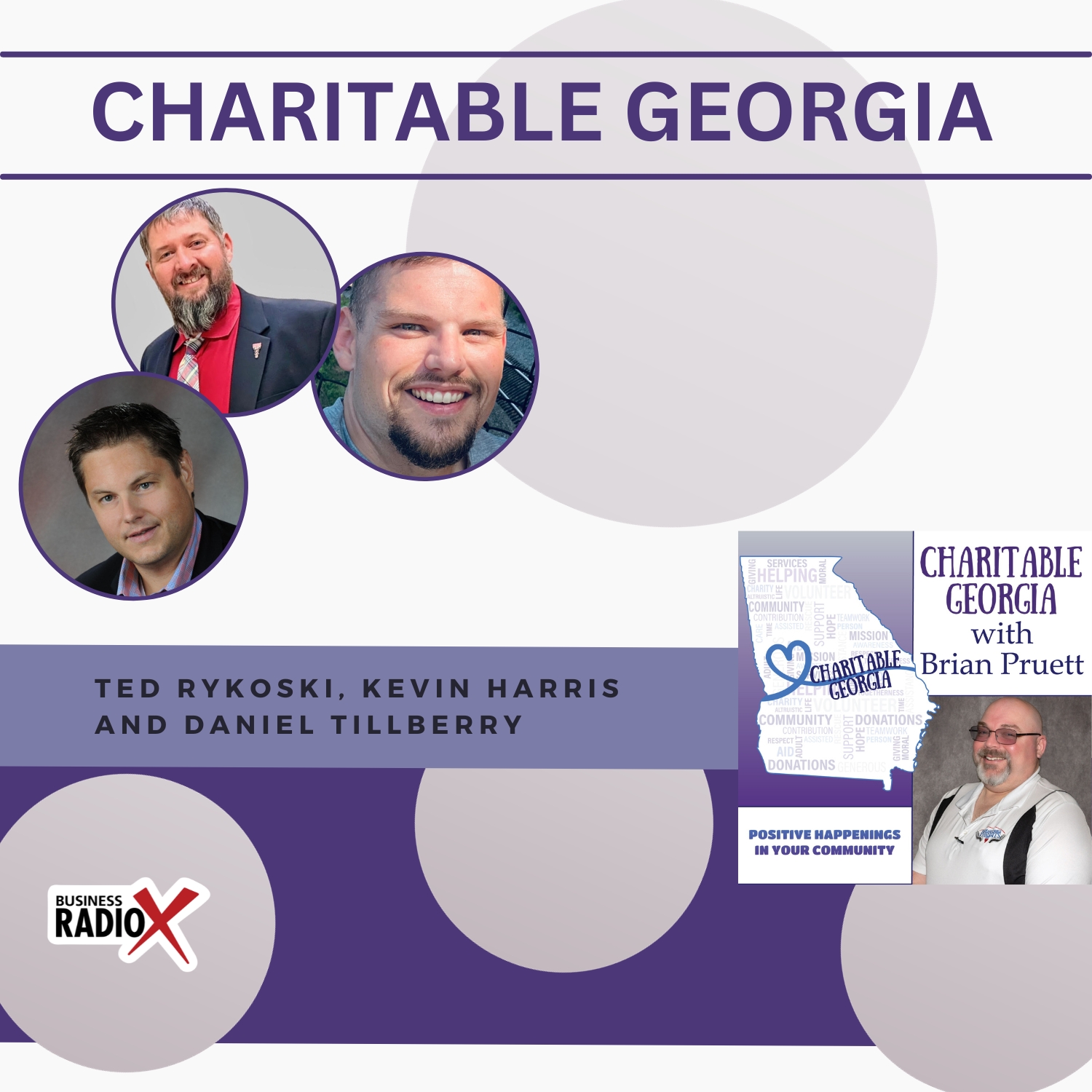
CharitableGA063023pic2
Charitable Georgia
Melanie Lambert with Just Write Grants, CPA Glenda Hicks and Major League Baseball Pitcher Reggie McClain
Loading
00:00 /
RSS Feed
Share
Link
Embed

Download file

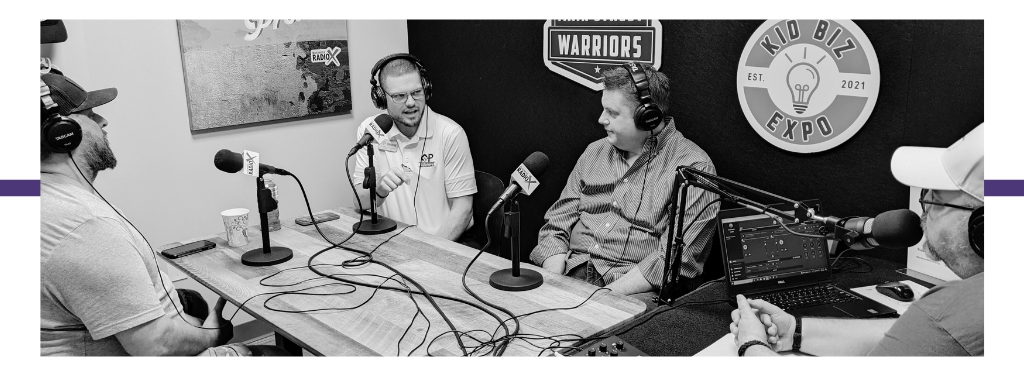
CharitableGA063023banner

Just Write Grants helps nonprofits save time, spend less, and raise more with affordable grant writing subscriptions that help you add or keep grant writing as part of your fundraising strategy without chaining you to your desk. We add decades of experience to your team in only a few days. And we know the right funders for your nonprofit and your unique needs.

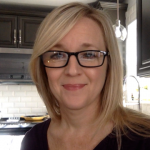
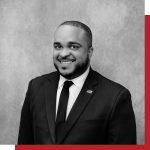
Melanie-Lambert-bwBefore launching Just Write Grants in September 2017, Melanie Lambert spent over a decade wearing lots of hats at nonprofits of all different sizes, missions, and programs. Some days she was the Executive Director of Development. Other days she was the grant writer. Sometimes she was the social media manager. Nonprofit work is crazy! Worth it, but crazy. ​

When Melanie had the opportunity to start Just Write Grants, she knew she wanted to help nonprofits bridge the gap.

There are millions of dollars in grant funds out there, but if a nonprofit executive needs to be out of the office or planning an event or hosting a golf tournament, it’s hard to find the time to sit at your desk and fill out those applications or draft that content. But, as Melanie says all the time, grant writing is like the lottery.  You can’t win if you don’t play.

Glenda-Hicks-bw

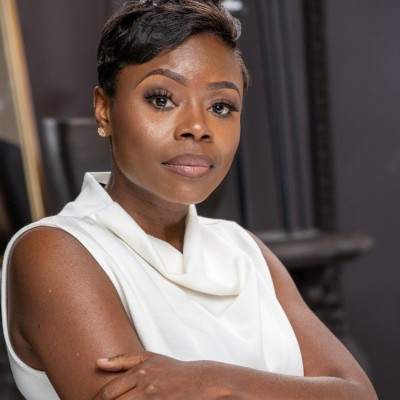
With a mission to provide organizations with “Best Practices for Becoming the Best Nonprofit”SM, Glenda Hicks serves clients through her firm Glenda Y. Hicks, CPA located in metro-Atlanta, Georgia.

Glenda combines her passion for teaching, her designation as a BoardSource-Affiliate, Certified Governance Consultant, her license as a Certified Public Accountant and other credentials and experience to provide coaching, assessment, consulting, and training services to support nonprofit boards of directors and staff.

As a thought partner and facilitator, Glenda engages clients in activities and discussions that help them develop and implement solutions to their challenges by employing best practices to create the future the envision.

Through her extensive consulting and training work with organizations, Glenda recognized consistent pain points encountered by executive directors and board chairs concerning board members’ performance and engagement.

In response, she created an experiential learning board game that simulates serving on the board of directors and managing a nonprofit organization. The game is called 501c Impact! and is used in capacity building services she offers through her company of the same name.

Reggie-McClain-bwReggie McClain is a Major League Baseball Pitcher who played with the Yankees, Phillies, and Mariners.

He played professionally for 7 years and is a true student of the game. He loves to work with kids to help refine their game and create a love for the sport that made him who he is today!

This transcript is machine transcribed by Sonix

TRANSCRIPT

Intro: [00:00:07] Broadcasting live from the Business RadioX Studios in Atlanta. It’s time for Charitable Georgia. Brought to you by B’s Charitable Pursuits and Resources. We put the fun in fund raising. For more information, go to B’s Charitable Pursuits dot com. That’s B’s Charitable Pursuits dot com. Now here’s your host, Brian Pruett.

Brian Pruett: [00:00:45] Good, fabulous Friday. It’s another fabulous Friday. And I’ve got three more fabulous guests. First piece of business, though, I have to wish my mother a very happy birthday. Today is her birthday, so I won’t tell you how young she is because she might get upset, but she’s still working full time. So anyway, as I mentioned, this is Charitable Georgia and we got three more great guests. If you first time listening, Charitable Georgia is about all positive things happening in your community. And our first guest this morning is Miss Melanie Lambert from Just Write Grants. Melanie, thanks for being here this morning.

Melanie Lambert : [00:01:13] Thank you Brian. Thank you for having me so much.

Brian Pruett: [00:01:15] So you and I spent some time talking on the phone. We well, I think all of us in the room have kind of the same passion. But you have a passion for nonprofits like I do, and you’ve made a business on working with them on writing grants. But if you don’t mind, first sharing your story a little bit, and then we’ll talk about what you do.

Melanie Lambert : [00:01:30] Sure. I live in Cartersville, Georgia, and I have spent my entire career in nonprofit fundraising, had the opportunity to work for lots of social service organizations and higher education institutions throughout Metro Atlanta. And then in 2017, I had what at the time felt like the worst professional experience ever, and I got laid off. There were some statewide layoffs and just things, you know, felt like it was just the bottom for me. My husband really encouraged me to take advantage of that opportunity and to take the skills and talents that I had learned throughout my career, helping nonprofits with all the different fundraising revenue streams and to turn that into a business. We had a one year old at home at the time, and so that was very appealing to me to be able to be home with him and to continue to serve nonprofits. So I took the opportunity and started the company in 2017 and really wanted to help nonprofits that were either new to grant writing or didn’t have the capacity to manage grant writing. Because during my career I’d really noticed that grant writing can be a sort of backburner project, right? It can be something that. The the individuals and the fundraising team know that they need to be pursuing grants. They they know that it’s something that can really be a game changing amount of money for a nonprofit, but they might be wearing lots of hats.

Melanie Lambert : [00:02:58] And so it’s easy to let grant writing sort of fall to the wayside because you’re out meeting donors, you’re out going to Chamber of Commerce breakfast, you’re out, you know, interacting with people and grants can sort of chain you to your desk. You’ve got to be there drafting that content, putting together those budgets. And so it can be easy to either just not do it at all or kind of do a rush job for it. So having experienced that in several organizations that I worked for, I wanted to bridge that gap for nonprofits because there’s so much money out there. But it’s kind of like the lottery, right? If you’re not submitting a grant application or you’re not buying a lottery ticket, you’re not going to win. So I wanted to help nonprofits that either didn’t have the time to do it themselves, the resources to hire somebody full time or the expertise on staff to be able to get a portion of all that money that’s out there. And to do that in a way that was really affordable and streamlined. So it didn’t create more work for them. And that’s that’s how just Write grants was born. We’re a little different and to intentionally to serve that need for nonprofits.

Brian Pruett: [00:04:05] So explain a little bit how you do work because it’s an interesting concept the way you’ve made the the business and how the grant writing is. Can you explain how you do it? Sure.

Melanie Lambert : [00:04:14] So a lot of grant writing consultants will charge by the hour or by the project. There’s nothing wrong with that. But in my experience, in some cases, having worked with consultants when I was in working for nonprofits directly, you’d get a quote from the consultant that would be one rate. And then when you got your invoice a month or two later, it could look very different. Just because it’s hard sometimes to anticipate what the time investment is going to be. For some projects, particularly with things like federal grants or state grants that can get really out of control time wise really fast. So I wanted to create a format that helped nonprofits feel confident in investing in a grant writing consultant. So we are set up with annual subscriptions for our nonprofit clients, where we charge a set rate every month. Nonprofits come on board and make a 12 month commitment with us, and they are charged the same amount every month based on how many applications we submit over the course of that 12 month engagement. So what we’ve done is taken all of the deliverables all of the time, investment that goes into submitting that certain amount of grant applications and just prorated it over 12 months so that nonprofits can plan effectively for the cost. For that, they know what their invoice is going to be every month. They know what they can expect from us.

Melanie Lambert : [00:05:35] They have a grant calendar that shows the applications that we’re going to be submitting, the activity that’s going to happen for each one of those and sort of some some estimates of what they may be able to expect as far as a return on investment goes. So that’s been a process that we’ve fine tuned over the last six years of doing this to where we can make some estimates so that nonprofits feel like, yes, you know, I understand the grant writing process. I understand that it’s a time investment as well as resources, investment to build those relationships with those funders. But. That it’s done affordably, it’s done intentionally streamlined, so that I’m not taking them away from what they need to be doing. Otherwise, those things that prevented them from submitting grants in the first place. But they know that the grant writing is happening sort of behind the scenes as much or as little as they want to be involved. But it’s always happening for them and they know that their nonprofit is part of that revenue generating, streamline, you know, revenue stream because we’re there for them and they can go out and truly be a director of development or an executive officer or whatever their role happens to be at the nonprofit without having to say, Well, now I’ve got to spend the next eight hours in the office writing this grant application.

Brian Pruett: [00:06:53] So you said you’re based in Cartersville, but you actually work all over the country, correct?

Melanie Lambert : [00:06:57] Yes. So we serve nonprofits of every budget size, every mission across the country. So us based nonprofits that are 500 and 1C3 registered, we have access to multiple databases to search for grant opportunities for them and can really fine tune that research to really any any nonprofit in the United States.

Brian Pruett: [00:07:18] All right. So if somebody is listening and they have a maybe a startup that’s a nonprofit or they’re a very small where it’s like one, maybe two people and they’re hearing you talk and they’re thinking, man, I can’t afford something monthly. Give them just a little bit of hope that they can talk to you and work with you.

Melanie Lambert : [00:07:34] Yeah, So absolutely. We usually recommend that a nonprofit that’s just in the start up phase gets a year or so under their belt just to be competitive with grant writing that gives you the data that you need to be able to fill out an application. Essentially, that’s the cutting down to the chase, because if you’re really, really new, you just don’t have that content yet. So investing in grant writing when you maybe a year or less than two years old, there may be some opportunities out there for you for what we call capacity building, where the grants are intentionally designed to help you grow. But a lot of times for those really, you know, those those typical grants that can really take your organization from one point to the next, they’re going to want to see that you’ve got some history there with data and stories and engagement with your clients. But there’s certainly some things that you can be doing in those early years while you’re still sort of bootstrapping it yourself. You can certainly explore other revenue streams, events, individual donations, social media donations, things like that that will help boost your sort of what I call credit worthiness with grantmakers where they can see, okay, you’ve had some other money coming in, you’ve managed that well. Oh, you’ve got this donor associated with what you’re doing. So that kind of gives you that credibility. You need to make the funders feel confident in investing in you. So just some groundwork. We’ve got a lot of that stuff on our website to help organizations prepare to be grant ready. But certainly, you know, I’m always happy to talk to new nonprofits to see if there’s things that we could explore as far as capacity building goes or provide those resources to say, hey, if you you here’s a list of things that you can do right now in the beginning of your organization’s history to really make sure that at year two or year three, you are really competitive and you start to see some return on that investment with whether it’s your time invested in submitting grant applications or working with a consultant.

Brian Pruett: [00:09:33] So when you’re working with these nonprofits, I’m assuming there are tons of different kinds of grants out there. How do you go about finding the best grant and can you explain a little bit, maybe a little bit about what the differences are with the grants? Yeah.

Melanie Lambert : [00:09:46] So there’s a few different types of grants. So you have federal grants, which obviously are from the federal government. Those are a beast in most cases. They’re rather large and are going to require that the nonprofit have a lot of history and data that that they’re really competitive. If you think about it, you’re competing with organizations across the country can be a game changing amount of money for your organization if it’s a right fit. Typically, federal grants are looking for organizations that are meeting a very specific need to a very specific population of people and sometimes even in a very specific area of the country. State grants are similar just on a smaller scale in your state. But then we have private and corporate grants which tend to blur the lines a little bit, but they’re usually set up by individuals in memory or in honor of somebody or of a cause that’s near and dear to a family’s heart. And they set up the organizations in order to truly be philanthropic, to meet a need in the community that they’re passionate about. And they may not necessarily be doing the work themselves, but they want to help fund that. They want to bridge the gap for the nonprofits that are doing that work. So we find those organizations through online research.

Melanie Lambert : [00:11:06] There’s several online platforms available for nonprofits to do that research. And it kind of comes over time where you develop. It can at first feel like a different language when you get out there trying to figure it out. And of course every platform is a little different. So you’ve got to learn the nuances. But utilizing keywords that are associated with your mission, oftentimes grants are geographically restricted, so you’d want to make sure that the funder is looking to support organizations where you are or where you serve. We work with some nonprofits that are based in the United States, but they serve internationally. So that gets a little bit of gray area there as well. But there are certainly grants available for that. And then, you know, you may be looking at the population that you serve as well as as a keyword essentially to narrow down those research results. And then it just takes time, you know, to kind of comb through those. And if you’re using a good platform, it’ll help you do that where you’re just reviewing them. You can also look, some of most of the online databases are paid, and that’s something that’s included in all of our subscriptions. But if you are a nonprofit that wants to do some research on your own, you can get some free trials with some of those, but then you can also do some digging.

Melanie Lambert : [00:12:23] It’s a little bit more of a time investment, but you can review funders, IRS form 990. So every foundation in the United States is required to submit a 990 to the IRS, which is basically their financial statement. But they list things like how to submit a grant application, who to send it to. Hopefully, in most cases, they’re also listing those requirements. And then in some cases they may actually list at the end of that form 990 the organizations that they supported that year, a breakdown of how much they gave to each one and what they were intending to support. So that’s really helpful information and that’s all accessible, free from the IRS. And it’s helpful because you can look at that and you can say, Oh, okay, well, you know, this organization is similar to mine. This is the grant amount that they gave them. So I might be able to assume that they would support our organization as well with a grant amount in that same range. So there’s a few ways to go about getting that information. And it’s really about how much time and resources you want to invest in the different options.

Brian Pruett: [00:13:29] So I know a lot of people lately have been asking around for grant writers, but they’re not nonprofits. You don’t work with any others who are not nonprofits, correct?

Melanie Lambert : [00:13:38] It is just not my expertise. There are some grants. There’s there’s kind of this misconception in the world that there are these or at least in the United States, I don’t say the whole world, but there’s this misconception that there’s so much government money out there for individuals and it’s just waiting for the taking. And I don’t really know where that came from. There are some grants available for for profit businesses. I always recommend that people look to a local bank, connect with an SBA representative, a small Business Administration representative in your community, or to a banker at your local bank that might be able to direct you better for loans and grants for small business. As far as individuals, we get contacted, sometimes individuals that are looking for personal needs, and I always try to redirect them to United Way in their community that might be able to connect them with a nonprofit that actually meets that need. But we we exclusively work with 500 and 1C3 registered nonprofit organizations just because that’s where we have access to those those research results and the expertise. And it’s truly philanthropic money at that point. As soon as you get into individuals and small businesses, it changes that contribution from an IRS perspective. And so that gets a little challenging. But that’s my recommendation for individuals that are looking or if you’re looking to get funds for a small business, it’s fewer and further between than people think for those funds, unless again, you’re meeting a very specific needs. For example, you know, there’s funding available for certain agriculture businesses that are starting in certain parts of the country because the government wants to invest in that. But just as far as if you’re you’re starting a shop in your little downtown area, that’s that’s more so. Probably going to be loans and grants.

Brian Pruett: [00:15:26] So are you are your business is not a 501. C three.

Melanie Lambert : [00:15:30] Correct. Correct. No, we are a for profit business.

Brian Pruett: [00:15:32] So people get confused. I’m the same way. I’m a for profit helping non profit. That’s the way we kind of all are. But all right, if somebody is listening to you and thinking, man, I’d like to be a grant writer, can you walk them through that process?

Melanie Lambert : [00:15:44] It is an art and a science, and it is something that has been, you know, that that comes with experience. But absolutely, it’s if you’ve got writing talent and you like that sort of competitive drive to see if something that you can craft with your words is compelling enough to inspire somebody to pull out a checkbook. That’s what drives me. Can I do something with that skill that I have that makes someone like someone’s passion enough about an organization that they’re going to invest? Because I know what that takes for me as Melanie, the individual, to make a donation because there’s so many nonprofits in the world and so I know what that takes for me. So I’m like, Can I inspire that in somebody else? So if that’s something that you are interested in, you know, I always love talking to people that are interested in getting into grant writing and and it allows you that opportunity to work remotely. Everything about grant writing can be done virtually. There’s nothing that requires a grant writer to be in a nonprofit’s office to do. Grant writing fundraising effectively. And that’s where we can streamline things really well and be affordable because you’re not having to invest in that overhead That requires a full time employee. But that’s not what you asked me. So we are actually going to launch here in the next few weeks a grant writing boot camp. So this will be an on demand series of informational sessions that will help a grant writer or an aspiring grant writer learn the nuances of grant writing to understand the language that it can be, to learn how to sort of read between the lines.

Melanie Lambert : [00:17:18] When you’re doing that research, how to craft a really effective and compelling grant application or a narrative, how to craft budgets. Budgets are one of those things that Glenda can can chime in on this. But budgets are one of those things that nonprofits hate and typically do last. And sometimes we’ll do a rush job and it can really be the make or break of a grant application. So we’ll go over how to do that, as well as how to have grant writing be part of your overall fundraising strategy. So it’s designed the grant writing boot camp is designed for aspiring grant writers who would like to do it excuse me remotely or work like I do as a consultant for many nonprofit organizations or who may have been recently charged with grant writing in their full time role at a nonprofit, or maybe doing it volunteer and maybe just want a little bit of expertise and backup. So as part of those on On Demand sessions, we’ll also include a private Facebook group where everyone that’s involved in the boot camp can ask questions, answer questions, get feedback on on content, and just kind of create a camaraderie of folks that are all doing the same thing for the greater good, trying to make the world a better place through nonprofit grant writing, as well as some consulting from me and some grant writers on our team. You’ll have access to that as well to help you kind of get over that hump of feeling like a fish out of water with grant writing, to really feeling confident in knowing where to find grants, how to cultivate those relationships, because that’s a huge step in the process that nonprofits that are individuals at nonprofits that are really busy can overlook that step of reaching out to the organization and building a relationship with them that can, you know, be something when you’re in a hurry, throwing together an application that you just skip that part.

Melanie Lambert : [00:19:06] But it can really be effective in building that relationship so that if you do get that grant, it’s not a one and done, you’re building that relationship so that next year it’s easier. You know, you just call that individual back up and say, Hey, we’re going to apply again. It’s a lot less work cultivating those relationships, drafting that content where you feel really confident in what you’ve done, submitting it, and then knowing what needs to happen on the back end as well. It’s not just to submit and you know, and you’re done. There’s there’s elements to grant writing that happen after that application has been submitted as well. So that’s all going to be part of that grant writing boot camp. I’m excited to, to share it with, with folks that just write grants may not be the solution for you right now as far as working with a consultant, but the grant writing boot camp may be an option to help you do it yourself and feel more confident and be more effective and win grants ultimately.

Brian Pruett: [00:19:56] That’s awesome. Are you ready for that? Let me know so I can help you promote that and get you some some folks for that. So do you have to be any kind of certification to be a grant writer?

Melanie Lambert : [00:20:04] You don’t. There are certifications available, but I don’t have a certification. I’ve just been doing it for a really long time. There’s one there’s not even really a whole lot of qualifying determinants for grant writing. There are some things that I like to caution nonprofits to be aware of in the grant writing world. As far as when you are working with a consultant, I’ll share a little tidbit with you that usually catches people off guard. Actually, I’ll ask you now get your you may know Brian, because you’re so involved in nonprofits, but if you were to guess the success rate for grant writers, a percentage of grants that they submit that are awarded, what would you guess.

Brian Pruett: [00:20:48] 15%.

Melanie Lambert : [00:20:50] You’re you’re pretty close Most people guess in the 80 to 90% range that grant writers get 80 to 90% of the grants that they submit the real average. And there’s no again, there’s no qualifier that’s out there like surveying grant writers. But if you ask grant writers and there’s been some people that have done a little bit of surveying and researching, but nothing official. But if you ask grant writers, it’s typically in the 20% range. So for every ten you submit, you get two. That goes back again to the competitiveness of it. Just write grants. In 2022, we had a 32% success rate, so I’m very proud of that. But there’s there’s a lot of non grant writers, consultant grant writers who will come back and tell you, I’ve got 100% success rate or I’ve got a 90% success rate. I always caution nonprofits that are engaging with them be cautious. 100% success rate might mean that they’ve submitted one grant and they got it. That may not be the experience level that you want. And an 80 to 90% success rate always gives me a little hiccup because I know I’ve been doing this for so long and I know how hard it is and there are so many things outside of the control of the grant writer that influence whether or not you get the award. So that’s one thing that I caution people that will promise you the moon and the stars because they know that you may be in a desperate situation to get funding for your nonprofit.

Melanie Lambert : [00:22:12] Be cautious approaching that as well. Do your homework, get get references. Call other nonprofits that have worked with that individual. Just make sure that what they’re telling you, you know, what they’re telling you is accurate as well as be very cautious moving forward. If you are a new nonprofit, particularly notice that new nonprofits tend to fall into this grant. Writers should never be paid a commission. They should never be paid a percentage of your grant award. It is unethical, according to the Association of Fundraising Professionals, which is kind of our overarching, not kind of it is our overarching kind of body of jurisdiction for fundraising professionals, and it can jeopardize both your award and your 501. C three status. So it’s not ever worth it. You should be paying a grant writer just like any other employee should be paid. And but there are grant writers out there who will say, you know, I’ll get you $1 million and I’ll take 10%. That’s not something that is going to work out well in the long run and can end up costing you a lot more money if you go that route with a grant writer than it would with a grant writer who’s following those ethics and those standards set up by AFP.

Brian Pruett: [00:23:24] So you mentioned just a little bit ago that there are a lot of nonprofits just within the United States. Do you know how many there are in Bartow County? I don’t know if you know this.

Melanie Lambert : [00:23:32] I don’t. Do you?

Brian Pruett: [00:23:33] Yes, I heard this the other day and it blew my mind because you know how big Bartow County is.

Melanie Lambert : [00:23:38] Well, we have 150,000 residents. Right. So how many nonprofits?

Brian Pruett: [00:23:41] Over 800 nonprofits in Bartow County alone. Wow, that’s. That blew me away. Yeah. All right. So I have to ask how to just write Grant’s name come about.

Melanie Lambert : [00:23:50] So we were previously turnkey writing solutions. So when I started the organization in 2017, I wanted to I love to write. I’ve always wanted to be a writer. If you’d asked me when I was six years old, What do you want to be when you grow up? My answer was a writer, and so fundraising kind of gave me the ability to make money doing that. So I, I started out wanting to just write all different types of content for nonprofits, direct mail solicitations, e newsletters, you know, everything you can think of that a nonprofit may need written for them. It was a lot to wrap your arms around. And the turnkey name came from, you know, I want to provide you with this package of content that you can just use, and it’s turnkey and it’s, you know, it’s it’s ready for you. And then I as I said, it was hard to get my arms around that and to promote it. It was hard to explain. I just had a hard time explaining it to you now. So I. Shifted gears and focused exclusively on grants. Because I knew that need. I knew that that would be a significant portion of fundraising that nonprofits would need help for. And, you know, a direct mail solicitation, you can kind of reuse, tweak it from year to year and you can do it on the fly. And, you know, it’s not something that you maybe want to pay a consultant an hourly rate for.

Melanie Lambert : [00:25:05] So. Grant So we shifted exclusively to grant writing, and then I spent the next, oh, maybe four years trying to figure out a new name. And it’s not easy. And I worked with marketing companies to do it. And I, you know, had a focus group trying to come up with a name and nothing stuck. And I promise you one day I just woke up and thought, just write grants with write w-r-i-t-e. And I was like, That’s it. Took me four years for my brain to come up with it. But I’ve gotten a lot of positive feedback out of it. I really wanted to make sure that the name portrayed what we what we do, and that’s what we do. We just write grants. Let’s, let’s, let’s do this. Let’s get them out there. Let’s build relationships with organizations so that you can, you know, effectively manage your nonprofit, serve your clients. And I know it sounds cheesy, but it’s all over my website, Change the World. I really, truly believe that the change that we want to see in the world can be instigated by non profit organizations and what they do. And if my company and my skills and talents and the skills and talents of the grant writers that I work with can help be a part of that. That’s, you know, the dream come true for me.

Brian Pruett: [00:26:17] We’ll talk to you in a second. But Glenda, as I’m sure the exact same way and that’s why I started my business. Right. And the reason I started this show. Um, so I wanted to ask you and I’ll ask you the same thing too, when I get to you, Glenda But I was asked just the other day by a business attorney if I registered for the Georgia charitable solicitation law. Do you know anything about that?

Melanie Lambert : [00:26:38] Yes. From having worked for organizations. Well, I think I’m thinking of the right thing where you have to register as an organization that. So the business is. Yes. Yes.

Brian Pruett: [00:26:47] So, I mean, I was thinking my idea because I do you guys know I do a monthly. Well, you may not know, but I do a monthly trivia show rotating the charities in Bartow County. And I’m helping some other nonprofits throw events, but they’re paying me. So after looking at the wording, it seemed like I’d be that guy that’s calling you. This is the Atlanta Police Fund. That sounds what that law is. So I was just kind of curious if you knew anything about that. So, all right. So if somebody is listening to you and wants to talk to you about your services, learn more about your boot camp, whatever, how can they get Ahold of you?

Melanie Lambert : [00:27:17] So the first place to go is just right. Grants.com. And again, the right is w-r-i-t-e. Excuse me. So just write grants.com or you can email me at any time. My name is Melanie. Melanie at just write grants.com or if it’s easier to remember info at just write grants.com or if you prefer phone it’s 18667 grants.

Brian Pruett: [00:27:39] Awesome. One last question. Well actually not because you’re going to be but if somebody listening also wants to think about starting a nonprofit, give them some advice.

Melanie Lambert : [00:27:48] So if you’d like to start a nonprofit, I would connect with me because I have another resource who’s an expert in that. Starting nonprofits is not my expertise, but I do have a resource that it is his expertise, so I’m always happy to pass that along. One more thing as far as connecting as well, we are we are on all the social media platforms. Just started a new series called Coffee with a consultant. We’re once a month. I do a live stream on Facebook and it also goes to YouTube as well, where I’m just discussing just a little short, maybe 10 to 12 minutes about a certain aspect of grant writing live. So I’ll take questions and eventually I’d like to just be there live and people ask me questions. We’re still getting some some traction on those, but we’ve got another one coming up July 11th. And it’s, you know, no pressure. You just tune in and watch. And if you’ve got a question, you ask it. If not, you might learn a little tidbit about how to how to write grants effectively.

Brian Pruett: [00:28:42] Awesome. Well, Melanie, thank you for coming and sharing. Like I said, don’t go anywhere. We’re not done technically. So we are now moving over to Glenda Hicks. Now, Stone, I said last week that we we were getting people from around the state, right? I have people from Gwinnett County, Gordon County, Bartow County, Cobb Cherokee. We’ve made it to Rockdale County now. So thanks for driving from Conyers this morning, Glenda.

Glenda Hicks: [00:29:02] Absolutely. It’s my pleasure to be here. Thank you for having me.

Brian Pruett: [00:29:05] Glenda and I is actually known each other for, I guess, over a decade. Yes, you were in Kennesaw, but then you decided to go out that way. Yes. But you two have a heart for nonprofits and numbers because you’re a CPA and help nonprofits with the numbers. And you train nonprofits, you help them do with boards. So please share a little bit about your background and why you’re so passionate of what you’re doing.

Glenda Hicks: [00:29:28] Absolutely. Thank you so much, Brian. So, yes, I was in Cobb County for about 17 years and during the pandemic in 2020, we moved a little further east. But it’s always nice to come back over here and have an opportunity to meet folks in person and talk about my passion, which is building capacity for nonprofits. So you mentioned that I am a CPA and I started with Public Accounting Coopers and Lybrand many years ago on the audit side of things. And in that capacity it gave me an opportunity to work with both for profit and nonprofit organizations. But being on the audit side, I also got to see infrastructure and policy and procedure as opposed to the tax side. And so I really believe that was the foundation for my my company today. And when I left Coopers, I felt like I had to do more. I needed to give more. And there was something tugging me. And I went to a client, which was a nonprofit University of Miami, and worked there for a while, but still something after several years was tugging. You need to give more, you need to do more. And I went to a local not for profit HIV Aids organization and was in more still in the accounting function, but making an even greater impact through that organization. And then we were expecting our first child. So I said, I’ll stay home the first year and that lasted one year.

Glenda Hicks: [00:30:51] And I said, I’ve got to get back to work. My brain. I can’t. I have to think more deeply about some things. But I realized I think I can do this on my own. And that’s when I started my practice, which was in 1999, and I didn’t intentionally go into the nonprofit space. I just was hanging out my shingle. Glenda with CPA. But every referral I received was from a nonprofit organization, and eventually I thought, okay, God, I hear you. This is this is my my divine calling. And then I began to intentionally serve and seek out nonprofit organizations. And of course, being an accountant, I helped them in their fiscal operations. But doing that again, I got to see everything. We have a little bit of a selfish mantra in that. We feel the finance department is the hub of the organization and it’s really about the service you’re giving to the community. But at some point, everything’s coming through finance in some way. You’re hiring folks, you’re paying vendors, you’re writing grants and having to do the accountability back to them. And so it gave us a perspective and an opportunity to see the whole organization. And in providing those services, I began getting requests to do other things from from organizations. And eventually I wanted to have a greater impact with their capacity. And from my observations, it was emanating from the board. The board of directors was setting the tone and if they didn’t understand what they were supposed to do, then it trickled down to the entire organization.

Glenda Hicks: [00:32:25] So I then began offering training and workshops to help boards understand what their roles and responsibilities are and how to best execute those. And things just evolved for me. I was talking to someone recently and he was saying, you know, he never says no to an opportunity. And I’ve always had that same mindset that I’ll listen and I’ll explore, and from that I continue to grow myself so that I can continue to serve the organization so that it can make an impact in the community. And in doing that, I said, Well, let me get more governance acumen because people know me as a CPA, but they don’t know that I do these other things. And that’s when I sought out certification in nonprofit board governance, which I received through Boardsource. And it gave me more tools and resources to bring to nonprofit organizations and help them in that capacity. And I continue to do that in various ways with consulting, assessment, coaching and training are my four main areas of providing services to nonprofits so we can assess how they’re performing and come up with ideas and plans to make improvements there, train them on how to do that. Still having my toe in the accounting side in terms of policy procedure and infrastructure, but none of the number crunching stuff anymore. Well.

Brian Pruett: [00:33:46] I can see a powerful tag team right here.

Glenda Hicks: [00:33:48] Indeed, Indeed. Indeed.

Brian Pruett: [00:33:50] I connected you.

Glenda Hicks: [00:33:50] Yes, I was excited when you connected me to Melanie because I do receive calls often around grant writing. And the thing is, you know, when you have various skills, you do have to focus. Like you were saying, you can you may be able to do a lot of things, but you want to do where you’re you want to perform in your area of sweet spot. And so, you know, folks will ask me to write grants. Yes, I can, but that’s not where my focus is. Let me connect you with someone who does that. Similar to Melanie. No, I don’t start nonprofits. But, you know, let me connect you to someone who does that, and then I can kind of stay in my lane, so to speak.

Brian Pruett: [00:34:26] So you talked about help training the boards. Walk me through that and how does that look?

Glenda Hicks: [00:34:31] Absolutely. So a lot of times organizations come to me, usually the executive director slash CEO, because of pain points, their board members are not following through. They don’t maybe show up to meetings regularly. They’re not engaged in the meeting when it’s taking place. They don’t follow through on what they signed up to do or they’re not volunteering to serve on a committee or to chair a committee. And all of that means it falls back on the executive to fill in the gap, and they become overwhelmed. And they’re already wearing a lot of hats and they’re already managing a lot of things. And so to have to fill in the gap for the board is one more responsibility. That can be frustrating, quite honestly. And it’s really the board’s responsibility to do that for themselves. And the chair of the board is that senior person who’s to steward that whole process and really ensure that everyone’s doing what they need to do and getting the training they need. So it’s either the board chair or the executive director who may reach out to me and ask, Can you come in and train us on what we signed up for? Because it’s very prestigious to serve on a board and it’s a way for people to give back. It’s a way for them to share their time, talent and treasure. But if you don’t properly inform them of what their legal responsibilities are and then equip them with how to execute that effectively, then you’re really setting your agency up for failure.

Glenda Hicks: [00:35:59] And they go through this continuous cycle of board members turning over or staying in the seat and not performing. One of the things we like to say is you have to get the right people on the bus and the right seats before you know where to go. And so there’s really this ongoing process where you need to assess continuously whether each board member individually understands what they’re doing, is equipped to do it accurately and effectively and still enjoys doing it, or that it’s an appropriate time still for them to do it and help them to communicate, to say things have changed for me. And this is no longer a fit because of dynamics at my job or in my household or physically. We’re moving and you want to encourage them to be able to step forward and speak and say that rather than just stop showing up or sitting quietly at the meeting. So I’ll come in and conduct training in various ways, either, you know, half day, a couple of hours, one hour or whatever it looks like in person, virtually, whatever that looks like. Deep dive into the ten universally accepted responsibilities of board members and what that looks like and really take it from where they are, meet them where they are and work with them to get to where they want to be.

Brian Pruett: [00:37:17] So two questions on the board, because this I have a reason for asking this two different nonprofits I’m thinking of. But would you recommend I think I know the answer to this, but would you recommend the person when they’re putting together a board asking people that are their close friends? And then the second part of the question is, if you have a board that people are just sitting there doing nothing, how do you handle that?

Glenda Hicks: [00:37:40] Great questions. Thank you. So the first one is that’s what we see most often, is when you start a nonprofit, you need, you know, for the IRS tax exemption, three folks on the board. And so they tend people tend to ask their friends and family to be those people so that they can get their exemption. And it makes sense. They’re the ones who see your vision and they love and support you and they want to help you through that endeavor, and that’s fantastic. The problem is when they are not necessarily informed or equipped to do what you need them to truly do. And when you’re a founding board member, it’s an even greater responsibility because you’re the first ones through the gate. So you need to lay the foundation for the future and you need to put in a lot of processes and policies and procedures, and you’re probably more hands on in the day to day than you are later in the life cycle of the nonprofit where you’re in a true governance mode. So I won’t say no, don’t put those people on because that’s who you’re able to find. However, accept the responsibility to know that now that I’ve put them on, I need to make sure they understand what they’re getting involved in, what I need them to do and how to do it, and let them know, excuse me, how long they’ll be serving.

Glenda Hicks: [00:39:00] So we encourage boards to have term limits for a variety of reasons, which includes giving folks a break so they’re not on there for a lifetime, but also so that you can bring in new ideas, new energy, new connections by rotating those folks every 3 to 5 years, 3 to 6 years if you allow them to serve two consecutive terms. So that’s the first one, be more intentional and thoughtful in that process, because what I find is I do come in and help with a lot of organizations, and right now I am doing that in terms of them helping them transition from that founding board to the next board and what that looks like. So that leads into the next question about moving people off the bus. Right? And it’s about your bylaws. You know, one of the responsibilities of a board member is duty of obedience. And that means following your laws, whether they’re federal, state, local, but also your internal laws, which would be your bylaws. When you’re when you organize your nonprofit, you should define various things in those bylaws.

Glenda Hicks: [00:40:03] And one of them is how do we handle absenteeism or what is the frequency that will meet? How many meetings do you need to attend? And if you’re not, how do we remove you? So most of the time they’ll read generically. We can remove you for any reason, with or without cause. But the thing is, organizations don’t exercise that because they want to maintain a relationship with that person. They don’t want to ruffle any feathers, they don’t like conflict. And all of those are valid. But there’s ways to handle that. It’s about, you know, sometimes I say, and I did not originate this, but in fact, I think it was from Joyce Meyer, You know, when you grow up, you become an adult, but you don’t necessarily mature. So we’re hopeful that these adults who are serving on these boards are mature enough to have these adult conversations directly, respectfully and timely around their behavior. And if their behavior is indicating that they’re not serving effectively. Let’s talk about that. Let’s not ignore the elephant in the room. So sometimes I’m brought in to help facilitate those conversations, to help them communicate and regain that respect for one another so that they can do the business of the nonprofit.

Brian Pruett: [00:41:26] If it comes to that point. And they need to ask somebody to leave the bus. So that’s the best way to do that.

Glenda Hicks: [00:41:32] The chair of the board ultimately has the responsibility. We. Encourage organizations to have a governance committee, which is a committee that stewards the board’s performance. They would be tasked with ensuring board members are performing individually and holistically as a full board. That training is happening, that they’re recruiting new board members and throughout the year and also having those kinds of conversations. So if you have a governance committee, then the chair could be the one that approaches that individual and has the conversation. If you don’t, then it’s definitely the board chair or it may be the two of them in tandem speaking to this individual and saying, you know, let’s have an open conversation. And part of that is predicated on having accountability measures. So we encourage folks to have an attendance roster where you’re tracking how many meetings you’ve had for the year when those meetings occurred, who was in attendance, which is going to be in your minutes? And then looking at the trend in the pattern and likely you’ll have a number of excused absences that are allowed in your bylaws and so you want to be mindful of how that’s occurring for each person. And so you’ll see it coming. It’s the point. And once you see it developing, then you start having that conversation. So that’s about leadership. That’s about maturity, that’s about what you do in your day job at the office.

Glenda Hicks: [00:42:54] And that’s why we brought you to this board to contribute that talent and that treasure that you have in your day job. A lot of individuals, they look at nonprofits as an extracurricular activity, sometimes in terms of their commitment. And so they will think that I can easily miss that meeting and go to something else because I didn’t prioritize it as a real thing, because I don’t think of the fact that I’m a legal fiduciary of this organization and I’m in a position to set the direction for the organization. And then the executive director, along with his or her staff, executes that and fulfills it. So understanding that and being more intentional on the front end and really explaining to folks what they’re about to embark on and understanding that every organization is different. So oftentimes we’ll say, if you’ve served on one nonprofit board, then you’ve served on one nonprofit board because they’re of different sizes. They have paid staff or non paid staff. They’re new, they’ve been around 20 years. And all of these things are present no matter how long they’ve been around. So I’ve worked with organizations that are newer in their infancy and those that have been around for years, and they all have the same issues that bubble up.

Brian Pruett: [00:44:11] So explain the difference between a board and a committee.

Glenda Hicks: [00:44:14] Well, the board is the legal governing entity, but the board gets its work done through committees, so you should have the necessary committees in order to affect change, which doesn’t mean that you have ten and it doesn’t mean that you keep those ten. It means that your bylaws speak to the minimum. You should have an executive committee. You should have a governance committee, you should have a finance committee. Those are probably your three core committees. Everything else can be ad hoc, if you will, and created by a charter that defines why you’re going to create this committee. What’s its purpose and when will it finish? When will it disband? And so it could be something that is ongoing or it could be something that is short term. But and there’s some organizations that I have not encountered them personally, but I know they exist where every year they reassess what committees do we need. And that way you don’t find yourself trying to stretch people too thin by having all these committees that don’t really do anything. And it’s in these committees where they’re having the substantive conversations and they’re doing the research and they’re getting the information that’s necessary to bring back to the board for them to then have a motion that they then discuss. So the board takes actions, the board moves them, makes a motion, you know, seconds, it has discussion and then votes it up or down or asks for more information. But the committees are doing all the work. But ideally.

Brian Pruett: [00:45:52] Right. But not everybody on the committee is sitting on the board is usually just the chair of that committee. Correct.

Glenda Hicks: [00:45:56] That varies as well. Some organizations will allow the will require a board member to be the chair and at least maybe one other board member on that committee. But some will allow community members to serve on that committee as well. And that’s so one. One reason is it allows you to have more folks involved if you have a small board, because if you’re a board of, say, 5 or 7 folks, you may not feel like you have enough people to staff a committee. But if your bylaws are written in a way that non board members can serve on your committee, it’s a way to get that additional expertise. It’s also a way to vet potential future board members. So you start to date and see if there’s. Is a good relationship. And then they can also find out if they like this culture and determine if they may want to serve on the board and have a legal liability in the future. So it depends on how your bylaws are written.

Brian Pruett: [00:46:50] So when you talk about the training you talked about, you do with the board and you help talk about through their finances a little bit, is there any more training that you offer nonprofits?

Glenda Hicks: [00:46:59] Absolutely. So it varies depending on the calendar. The the one I provide the most is board governance roles and responsibilities training. And then I will do finance workshops as well. I’ve done financial boot camps to help them understand nonprofit finances, which is another big area that tends to be a second pain point is not understanding how to read the numbers, not how not understanding how to identify trends and interpret the numbers and use it to make decisions. Because that’s what you’re trying to do is make decisions for the organization’s future. And with the Finance Committee, they’re getting into the nitty gritty and they’re working closely with the executive or the chief financial officer, whomever that might be in your organization, making sure the numbers are accurate. But then they’re bringing ideally summarized information to the board that’s critical for them to make decisions. And that’s, you know, either you love numbers or you hate them. I, of course love them. And so I break that down into a way for them to understand how to use that information in layman’s terms, if you will, which is another area. I actually thought I was going to be a teacher when I was growing up because my mom is a retired school teacher and I knew I wasn’t going into the Air Force at the time. I didn’t think I was fit enough, which had been following in my father’s footsteps.

Glenda Hicks: [00:48:23] But that teaching passion has been there since I was in the third grade, and I used to simulate teaching to empty desks in my mother’s classroom. And I think that’s really why training has become so natural for me and that I love it so much. Because if whatever I know and learn it does no good If I haven’t shared it with someone else and sharing it with others helps them to then make the community ultimately better for itself. So the training is a big component and I create training based on needs that I see. So there’s training on actually recruiting board members as well. I have a training where nonprofits come in and they learn the proper way for recruiting, identifying training, orienting, onboarding folks to serve on their board and treating it as a year round process. And then there’s training for individuals who want to serve on boards or who are currently serving, but maybe never received that type of orientation and need to shore up their skills. So it varies. And then depending on the organization, I may do specific workshops on succession planning. As far as the succession of the board in terms of officership or succession of the Ed, which is a board responsibility to hire, supervise and evaluate the executive director. So lots of different topic areas.

Brian Pruett: [00:49:53] So I’m assuming you kind of like you’re like Melanie, you can do virtual, you can do work cross country.

Glenda Hicks: [00:49:58] Absolutely. As far north as North Dakota, so far south is Florida and Texas, far west is California and East Carolina. All over the country. Yes, through Zoom. Zoom was a platform I had just discovered a year before the pandemic, and it has served me well. And then, of course, you know, being in person, there’s always a different experience and a greater experience, a richer experience, if you will, when you have the opportunity to to be in person. Yeah. So it’s really just being mindful of what the organization needs and listening to what their pain points are and then being responsive to that. And I will add, as a consequence of that, I created a board game which I think I shared with you, and I put that under a separate company. We were talking about names earlier, and I can definitely relate to Melanie because it took me forever to come up with the name of the other company, which is 501 C impact. And it was kind of, you know, no brainer with Glenda with CPA. But 501. C impact was to let folks know that this experiential learning platform allows you to use it with any 501. C I typically work with C threes, but there’s a litany of other C’s which represent like chambers of commerce and other entities out there in the environmental organizations and the like. But it’s, you know, there’s lots of nonprofit consultants out there doing the same work and we’re carrying the same message. But for some reason, these problems persist. And for. Me it was a question of maybe it’s because we’re telling them all the time, we’re lecturing at them and we’re not allowing them to experience the consequence of their inaction or action. And so this board game was my solution that I developed and then put under another company and then expanded the services that I can offer to nonprofits through that company as well.

Brian Pruett: [00:52:00] So want to share about how board game works.

Glenda Hicks: [00:52:04] Absolutely. So first of all, it was because I loved playing board games as a kid and but I always lost. And when I trialed this game with my family, I lost again. And I thought, how is that possible? I created the game. But anyway, where there are four teams, each representing a nonprofit organization, and they go around the board and they’re making decisions on behalf of that organization. So they simulate serving as a board, but also as the Ed because it’s a combination. And it actually morphed into this a combination of managing a nonprofit but also stewarding it as a board member. And through that combination, they have to hire the executive director. They have different life cycle events that happen to a nonprofit that they have to respond to and react to. They engage in strategic planning, which is another big service that I offer to organizations, is facilitating strategic planning. And so they have to do that throughout the game making decisions, and it allows them to network with each other because one of the things that I encountered is just board members not really knowing each other. And when you don’t know someone and you don’t care about them personally, then you’re not necessarily going to follow through because you don’t care that you didn’t.

Glenda Hicks: [00:53:23] You don’t really connect with them. And so a lot of what I do is in a way that board members begin to connect with each other in a social setting, and this game affords that opportunity as well. We simulate and assessment so they understand the benefit of evaluating their own performance. A lot of times what I find is board members become frustrated with the ID and they may demonstrate that in their evaluation. But the question is when did you last evaluate yourself as a board? So we recommend as a best practice that you evaluate the board every 2 to 3 years to see how they are performing and fulfilling their responsibilities. So all these different aspects are incorporated into this game. It takes about a half a day. You know, it’s kind of like Monopoly. Yes, yes. It’s a long endeavor and there’s a lot of teaching involved, but it’s all interactive, experiential, engaging conversation that allows them to even address issues that they maybe haven’t addressed in a board meeting because it’s coming out within the game and we’ll pause and we’ll address that.

Brian Pruett: [00:54:28] So is that a game that somebody can purchase or is that you come in with the game and do that? Or how does that work?

Glenda Hicks: [00:54:33] A couple of different ways. Initially, the idea was to sell it to consultants and have them add it as an additional tool to their toolbox. And then Covid hit and I had to retool and I came up with an online version and I began facilitating the game myself through the online version. And then I also offer it to other capacity building entities where they have consultants of their own and they go through a two day certification program. They receive the game to use in their institution, such as another nonprofit, and their consultants then can run the game within the context of their curriculum as they train nonprofit organizations. So right now I haven’t brought the game back to the market individually. It’s either as a part of that certification program that a university or another capacity builder would use, or I use it within my work that I do with organizations and individuals, but I may have to roll it back out as an individual board game, but it’s not going to be in a big box store. It’s a little more expensive than that.

Brian Pruett: [00:55:42] Well, it’s not the same price.

Glenda Hicks: [00:55:43] Line as Monopoly, right?

Brian Pruett: [00:55:45] Right. No, it’d be worth it, though, for the for the folks, I’m sure. So if somebody is listening and I’m going to ask you the same thing as Melanie, thinking about doing a nonprofit, give them some advice before they start one or as they’re starting to start one.

Glenda Hicks: [00:55:58] Yes. Thank you for that question. Nonprofits are vital to the community. They fill in the gap for so many people, for so many things. And when someone sees that something is lacking, they have this spark of I want to start a nonprofit. And the first thing that we like to say as consultants is look around and see who is doing that already. Because there are. You talk about how many are in Bartow. Nationally, there’s over 1.5 million nonprofits, and they’re growing daily because you have an idea. You start a nonprofit and you can’t take that away because we have an idea and we start a for profit, right? And we’re all in competition, you know, And you go to a corner and there’s a Burger King, a McDonald’s, a Wendy’s, and, you know, they’re all there. But the difference is it’s much harder to garner the funds. And so as Melanie was saying, that’s a lot of work to fundraise and to write grant applications and to go after corporate sponsors and to develop relationships with donors so they’ll give and create an infrastructure internally where you’re running it. And we hate to say this in the nonprofit space, but it is so true where you’re running it like a business because you first are a corporation within your state. You have to apply to be a corporation. Then you go to the IRS and apply to be tax exempt. So you have to have that infrastructure in place. And it’s it’s a lot to to create and build and you’re funding it. What I find is the founders fund them themselves with their own bank account. And you start thinking, oh my gosh, I can’t keep putting all my money into this nonprofit.

Glenda Hicks: [00:57:39] I need some funding. So we say, if you want to start a nonprofit first, look around and see who’s doing it and see if there is an alignment that you can bring your idea to that agency. And this might be something they were looking to do as an expansion of their service or as a new program. And you may be able to become the employee if that’s what you want to do or the director or the consultant or whatever that looks like. The other thing is, on the flip side, it may be that what you’re trying to start exists, but it’s not convenient to your community. So in order for your community to access those services, they may have to drive an hour, hour and a half, two hours. And so it makes sense for you to start your nonprofit because there’s no one else in close proximity to serve the folks you’re reaching. So there’s different reasons. And the the issue is explore and do your research. The Georgia Center for Nonprofits, the pro bono partnership of Atlanta candidate org. All three have pieces on their website that are great reads for folks who think they want to start a nonprofit. And it asks a lot of questions about your of you that allow you to be introspective and see is this really what I’m ready to embark upon? Is this really what the community needs? And is it something that’s not out there right now that I’ve just got to bring it to fruition? And those things can help you determine if you really should should launch.

Brian Pruett: [00:59:08] That’s a good point because again, like a lot of people, you said, I want to do this and then they just go out and do it. And a lot of times they fail. One thing for both of you to think about is that one thing that I’m considering and I’ve kind of offered this, but not in a full way, is fundraising consulting, because I’m finding out people that I’m talking to don’t even know how to get sponsors. So I’m I may talk to you guys about doing some kind of workshop, you know, bring you guys in to do that and we can talk about that. So if somebody wants to get a hold of you for your services or learn about the game or whatever, how can they do that?

Glenda Hicks: [00:59:41] A couple of different ways. The the consulting practice is G Hicks, cpa.com. The game company is 501. C impact 501. C Impact.com. Phone numbers. What are my number? 67887210036788721003. Or (770) 865-0979. So two websites two phone numbers should be able to find me there or LinkedIn. Yeah.

Brian Pruett: [01:00:16] So awesome. So thanks again for coming and sharing. And again don’t go anywhere because we’re not really done. But I’m like a kid in the candy store for my next guest. Every time I meet one of these gentlemen that played professional sports, I am a kid in a candy store. And then when I get their number and they call me about stuff, I’m like, Oh, man, check it. And hey, man, what’s up? Reggie McClain, thanks for being here this morning.

Reggie McClain: [01:00:37] No problem. Thanks for having me.

Brian Pruett: [01:00:38] Reggie, if you don’t know, played Major League Baseball for a couple of years and he’s now passionate about helping youth. So you’re from the Johns Creek area, correct?

Reggie McClain: [01:00:47] Correct.

Brian Pruett: [01:00:48] So share a little bit about your story. Share a little about your your baseball story, and then we’ll talk about what you’re doing.

Reggie McClain: [01:00:53] Gotcha. Yeah, We born here, born in Kansas City, moved down here when I was one years old, Johns Creek area. Been there ever since. So. Long time native here. About my baseball career, I got to play seven years professional with the Yankees, Phillies and Mariners organization. Just getting to be around, you know, in that atmosphere. You see, you know, how the clubhouse looks where a lot of these guys come from, you know, especially from the ones from Latin America. They you know, it’s a different it’s a different ball game for them. It’s it’s coming into a different country and playing a different in a sport with the circumstances that they had to kind of endure. The that’s not the reason I got passionate about getting these sports but just opening my eyes and seeing, you know, people that, you know, come from different experiences because I didn’t have that in Johns Creek. You know, I had bats waiting for me when I was going to, you know, parents never had to worry about equipment or anything. So that’s the, you know, the passionate side got to finish up, you know, playing an and now dipping my hand into the nonprofit space. And I wish I would have listened to you guys before I started my nonprofit because I was sitting here just learning from you guys, just talking about the nonprofits.

Reggie McClain: [01:02:14] But no, we I was I recently worked for a nonprofit. We we definitely hit some struggling points where we I wish we would have known some of the things that you guys have been saying. So it’s awesome to be able to listen and learn from you guys in that retrospect. But no, I’m passionate about getting these kids, you know, shape or shaping their lives in the sporting field. Definitely been something that’s never I’ve never took for granted where I was at, especially on the baseball field. And having a kid who, you know, necessarily doesn’t have the resources or have the accessibility to play expensive sport like baseball, travel ball equipment, getting here to there, that’s what really fueled me because, you know, I don’t want the sport that provided me so much in my life to be, you know, limited for somebody else around the, you know, around the globe. So we will be back in a very specific capacity, but I definitely probably will get in contact with you, too, after right after this show. And we will definitely, definitely be starting something back up again.

Brian Pruett: [01:03:19] So we’ll talk about the organization that you’re going to be with here in just a minute. But I got a few questions for you because I guess, first of all, when people talk about, you know, playing professional sports of any kind, right, it’s just not handed to you. You got to work for it. And kind of like you were just talking about at Johns Creek, though, you had things waiting for you, but you quickly learned after getting through college and then getting the major leagues, you were on the road a lot. You had to work your way up. Tell us just walk us through that process.

Reggie McClain: [01:03:46] A lot of you know, at that point, it’s the lifestyle. A lot of people, when you’re outside of it looking in, it looks a lot different. But when you’re in it, I mean, you’re you’re pretty much with that’s your family on the road, your team. You’re doing everything together. You know, just the long bus rides here to there. I mean, every night, 140 games a season, every night you’re in the stadium. So that really becomes your little your little safe haven. You got to love to be around the guys you’re around because that becomes your family at that point. But now just in the same breath, just meet some incredible people. You know, the stuff I remember about my baseball career is mostly off the field. The people I met, the conversations I had with people, you know, nobody was nobody’s going to be bad on you because you had a good game, especially in your teammates. Like those are your guys that you know you always can rely on. So no, just the whole minor league experience. It’s competitive. People don’t realize the there’s a lot of talent in baseball around the world and you know just even. Being blessed. I even got the opportunity to play Major League Baseball. It’s something I aspired when I was a kid and to be able to say that I lived out that dream is incredible because not a lot of, you know, I understand a lot. Not a lot of people get there.

Brian Pruett: [01:05:05] Talk about, though, there are many levels of minor leagues. Can you talk about what what that looks like?

Reggie McClain: [01:05:10] Yeah, Well, there’s about seven different every every major league team has about seven different farm teams. I think they might have cut them down to five after Covid, I’m not sure. But I know that there’s about five, six, seven teams under each professional team.

Brian Pruett: [01:05:27] So that’s each a different level, right?

Reggie McClain: [01:05:29] It’s a different level. Triple A double, a high low, a short season rookie ball. It goes down the whole list, different levels. That’s every different tier. You graduate from one that’s like graduating from elementary school to middle school. It’s like the same process. You get to go to the next level. You made it, right.

Brian Pruett: [01:05:46] So. And you’re a pitcher, correct?

Reggie McClain: [01:05:48] Yes, I am.

Brian Pruett: [01:05:49] Is there any kind of different conditioning that a pitcher would go through versus a position player?

Reggie McClain: [01:05:54] Yeah, I’d say that I ran a lot more than position players tend to do, but they got to play the field. So that’s, you know, they get to reap the benefit of that. But now the conditioning was I definitely always ran. I always made sure I was in good cardio shape. That definitely works better on the mound when you’re in that shape.

Brian Pruett: [01:06:16] So you’ve heard of the Savannah Bananas? Oh, yeah, right. I call them now. They’re Harlem Globetrotters of baseball. I’m curious, have you been to a game yet?

Reggie McClain: [01:06:25] I have not. I have a buddy who played against them, though. Really? Yes. Dwight Smith Jr. I think he’s in Columbus right now. He played against their team and he said it is impossible to focus when you play the Savannah bananas. He’s like, I don’t know how I’m going to get a hit. This is too much. Well, just.

Brian Pruett: [01:06:42] Seeing some of their videos, I mean, just out of nowhere, the umpire will start dancing, right? It’s crazy. And then a guy walks out on stilts to bat. I mean, it’s insane. I’d like to go to a game, but I understand it’s almost like Augusta. You have to be on a waiting list to get tickets.

Reggie McClain: [01:06:54] Yeah, they’re getting they’re popular and they’re making baseball like, a really exciting product to watch, especially going to those games. Right.

Brian Pruett: [01:07:01] So I have to ask, in your time in the major leagues, first of all, who was the batter you hated to face the most and who was the one you wanted to face the most?

Reggie McClain: [01:07:12] Oh, man. The batter that I hated facing the most, I would have to say, was. I’ll have to say it was Altuve. Only because the strike zone is so small. But he can hit anything around the plate. So it’s like he works it to his advantage. He’s he’s he’s he’s hard to get out. I’ll say that. Very hard out. The guy who I would have liked to pitched against probably probably Shohei he’s I mean he’s the best player on the planet right now. Yeah I wish I had one one matchup with him. See what happens. See if I can tell my grandkids something cool. I struck out the best best player ever in baseball. There you go.

Brian Pruett: [01:07:55] So your starter reliever, reliever, reliever is there. So somebody who may not be a baseball aficionado. I said a word. Big word, Stone. Uh, just tell a difference between a starter and reliever. Obviously, it’s in the name, but.

Reggie McClain: [01:08:11] Okay, so I mean, a starters starter just starts your game out. I mean, he pitches once every five days. He knows when he’s going to pitch. That’s his day when he pitches a starter. It’s like, okay, we got him the day that stays constant. Relievers, we are kind of, you know, we’re in that bullpen. We’re kind of just like the picking of the litter, just like, all right, which one’s going today? And it could be the same guy two times in a row. Three times in a row. It just depends on the game. But we just got to be ready at all times. Being a reliever, just being the back end of the game, it definitely could get a little dicey, but you just don’t never know. You’re on your toes every game. When that phone rings, it could be you.

Brian Pruett: [01:08:51] I noticed, though, they have started determining some of the relievers are not available because I guess they pitched so much up to a certain point. Um, how many pitches did you have?

Reggie McClain: [01:09:03] I had three pitches, a very basic fastball, changeup, breaking ball. That’s all I really needed. But I was. I got really good at those three.

Brian Pruett: [01:09:15] All right. All right. So now let’s talk about the organization. Where you going to be working with youth. Tell us about that.

Reggie McClain: [01:09:20] Yeah, we’re working out a turning point. I have a baseball academy that I’m starting up over there and we you know, we’re I’m putting my focus back into, you know, the youth. I want to be able to put my imprint on a kid to see him flourish in his, you know, his desire to play baseball. I know what it takes to get there. And I can help a kid out that wants to be in that light and work hard to get there. So that’s why I’m starting up youth, a youth facility, just getting guys where they can come in, meet a great team of people, have a beautiful 25,000 square foot facility in Johns Creek that we really could get, get after and get a lot, get a lot of work in and help some kids.

Brian Pruett: [01:10:02] So I know there’s a lot of different baseball academies out there. Walk somebody through the process on how to choose one because I’m sure everybody’s different and some of them may not be a good fit for everybody and some may not be good at all. So how can somebody, when they’re looking for a baseball academy other than because you’re Reggie, you know, what’s the best way to pick?

Reggie McClain: [01:10:24] I would say, you know, the personnel matters. The people that you’re going to be spending a lot of time with them if you’re going to be trusting them with your athletic career, you got you got to really like them. You got to you got to have a they have to have that vision for you. So see what they have in store for your kid or, you know, what plans they have for your kid, where they want them to be at. Just letting you know like that you care about their athletic career. That’s first and foremost. And then also where you train you, you want to be in a facility that you can call like a home base. You want to know that, you know, this is a place that I come back to regularly and they do a great job over there. Just building that community relation. You want people to be talking about it. You don’t want it to be like, We didn’t really have a good time over there. Like they didn’t, you know, they don’t instruct us. Well, you don’t. So just having that good personnel where you can build that good repertoire and build good, you know, build a good brand that people can be excited about, that’s what you know, that’s how I’m planning to attack it. Just having a great reputation, a good place to do it at.

Brian Pruett: [01:11:30] Are you going to be offering all kinds of aspects for baseball?

Reggie McClain: [01:11:33] Yes, we will be offering hitting, fielding, pitching. We can actually have a big enough space to have an indoor practice, especially in the youth league. Yeah. And youth sports. So we are we are getting going, starting up. We’ve only been open for about four months now. I’m really looking to get, you know, revved up on the baseball side. That’s what they brought me on for, to get that started and where we can really start affecting lives and getting some kids.

Brian Pruett: [01:12:01] Well, it helps. You’re from the area so yeah.

Reggie McClain: [01:12:03] Yeah. I’ve been in the area a long time.

Brian Pruett: [01:12:06] So I have to share this because like I said earlier, I’m a big sports nut and I’m like a kid in a candy store and I’m around these guys. And I helped with a celebrity golf tournament a few years ago. And sometimes they say, never meet your idols, never meet your, you know, things like that. And I won’t mention his name because. Uh, if he listens, he might come beat me up or something. I don’t know. But we had a I’ll just say it. Bo Jackson has. Anyway, he was. We had Pete Smith, former Atlanta Brave, brought in a jersey for a young man who had cancer. And he was one of all the guys to sign it. And that was my responsibility to help get these guys to sign it. And every time I asked Bo, he stuck his nose up and said, I’m not here to sign any memorabilia. And I’m like, This is for a young man with cancer. Here’s the letter from his mother. And he was just very, very rude. You know, you guys, obviously everybody is different in their personalities. But it’s cool to see because I know a lot of former professional athletes that you guys get back involved in the community, you know, and that you give back because you guys got to do something that most people are not going to be able to do. So why is it important for you to be part of the community doing that?

Reggie McClain: [01:13:15] You know, you always have to pay it back. There was always when I was, you know, in my adolescence, playing baseball, there was plenty of people that did the same thing that kind of gave me their insight. And they never were rude about it. They never they these are baseball junkies. They just love to talk the game and be a be a be a part of that and be a part of a growth process for you. And that’s how I view it. If I could steer one kid to, you know, and put my mold on him, to have him, you know, he made it to college or something like that, even making it to college is a great feat like that is you are still the 1% of baseball players that played in high school to make it to the next level. So don’t I think people get caught up in the end goal. So making it to the major leagues, stay in the present, stay in the process. You know, being able to see a kid, just get to that pedigree and learn more about himself. And as a as you know, as he athletically grows is a great you know, I have taken a lot of pleasure in seeing that and, you know, being around, you know, a kid that I can help.

Brian Pruett: [01:14:27] And that’s a good point you bring up, too, about the next level because there’s several different next levels. You could go to college. It’s an eye versus an NCAA Division three, you know, and on up. And I think it’s like you said, it doesn’t to me it doesn’t matter the level you go to, you’re there. Exactly. Um, so just give a little bit of knowledge of somebody, maybe a parent or somebody who has a child and maybe the child is listening about some conditioning. What should they start doing to get prepared to come and then what you guys are going to be working on.

Reggie McClain: [01:14:54] So I offer a bunch of programs at the facility. You know, I have I have 25 years of playing baseball experience under my belt, which a lot of is young to a lot of people. But know what we will what we’ll be doing is we have a bunch of programs as far as pitching side. We have hitting specialists. But on the pitching side, just for a young kid, as you see, the game is growing. A lot of guys are throwing harder. Just because you’re not throwing hard right now doesn’t mean that it won’t come. We kind of help facilitate that with, you know, Driveline Plyo Ball Plyometrics. I don’t know if you guys know what that is yet, but go ahead and share. It’s it’s like the different weighted balls that you see pitchers using nowadays. It’s kind of gotten into it’s a proven science. You’re throwing, you know, all these heavy weighted balls so that when you pick up a baseball, it’s like really light and you can just your arms are just like ready to go. It’s a different style of, you know, just locating like back in the 80s and 90s where, you know, Tom Glavine, Greg Maddux types located at the knees. That part of baseball is still there in a small sense, but usually when the guy’s in there, I mean he’s throwing 95 plus, they’re throwing hard. We get guys throwing hard. And I have I’ve ran these camps previously out of other facilities, but I’m excited to bring it to this facility. I have a bigger space to work out in my camp. I can reach a lot of kids that want to reach their goal and help them through that with, yeah, you know, the camps and stuff that I provide, I.

Brian Pruett: [01:16:33] Think that’s kind of a lost art, the way you were talking about Maddux and Glavine, because my favorite team is the Reds and Hunter Green. We all know he throws 105 miles an hour. He’s on the IL right now. But, you know, I think back to when I was growing up, Kerry Wood and Mark Prior, they blew their shoulders out because they were throwing so hard. But Maddux, I don’t know if you know this stat, but there’s not one baseball player who ever saw him, saw the same pitch twice. Did you know that?

Reggie McClain: [01:16:58] Oh, wow.

Brian Pruett: [01:16:59] I mean, that’s insane to me. He’s that good that nobody ever saw the same pitch twice. Jeez. So, I mean, just I think if somebody could learn, you know, the even the knuckle or just the thing, not just worry about throwing it so hard, it would be very valuable.

Reggie McClain: [01:17:13] Yeah, you think?

Brian Pruett: [01:17:14] But yeah, just ask Connor there, right? Or ask Reggie. He’ll tell you. All right. So. It. Tell us again where the location is and how people can get Ahold of you to maybe get your services.

Reggie McClain: [01:17:27] You guys can reach me on Instagram at Reggie McClain, 39. I’m going to be promoting a lot of what I do on social media platforms reaching adolescence. We also do I have a website that we’re about to put up that’ll have more of my baseball expertise on there still in the work right now. But I’ll make sure that we, you know, if you guys are, it’ll be posted on my Instagram where you guys can check that out. Once again, it’s Reggie McClain, 39, and you’ll see the baseball aspect of how I’m going to shape and the facility. At least you guys get to get to see the beautiful facility that I And what’s the.

Brian Pruett: [01:18:04] Name of the facility again? It’s called.

Reggie McClain: [01:18:05] Turning Point and it’s in point.

Brian Pruett: [01:18:07] Johns Creek, right.

Reggie McClain: [01:18:07] Johns Creek, Georgia. I wish I had an address for you. I can’t remember, but they.

Brian Pruett: [01:18:12] Have a website.

Reggie McClain: [01:18:12] Yeah, we do have a website. So, yeah, you guys could see us over there. And once we get up and running, we’re going to be we look forward to changing, change some lives.

Brian Pruett: [01:18:23] Well, I hope I’m going to get some Reggie out to some of these fundraising events. I do. And so I’m glad I got to meet you and and get to know you a little bit. So a couple of things before we wrap up. I wanted to ask Glenda and Melanie this question as well, because, Glenda, you and I used to network a lot together when you were over in this area. That’s how we first met. So why is it important for you to be part of the community?

Glenda Hicks: [01:18:47] Well, the community is everything. It’s your lifeline. It’s your safe space or we want it to be. And that’s why these nonprofits are so important, so that they’re equipped to create the communities that we imagine and that we can feel safe there and thrive and pursue our dreams. And for me to be a part of that, it’s just who I am. It’s what I’ve done since I was in college, volunteering, giving back. And, you know, with starting this other company, 501 C impact, it’s taken a lot of my time and I haven’t been able to engage on the frontline the way I used to. And it’s been quite unsettling actually. And so I’ve been behind the scenes trying to stand up nonprofits and equip them from an infrastructure standpoint. And I haven’t been out touching the people the way I used to. And so it’s interesting that you ask this question at this juncture because this is literally something that I’m changing for myself right now so that I’m back on the front side of things with people seeing them and doing things to change their lives directly, which which is interesting because let me just segway for a second, if I can, Nonprofits in terms of funding and Melanie can attest to this and most likely, you know, organizations really wanted to give to direct service.

Glenda Hicks: [01:20:04] They wanted to give to the front lines of the work. I want to give my money to literally change an individual’s life. And it wasn’t until the real estate bust a few years ago and then the pandemic that they said yes, but if the infrastructure is not there for the nonprofit to survive and be sustainable, then how are you how are you going to deliver those services? So I took pride in being able to be part of that infrastructure. But I realized that what made my heart sing was the community and being with the people and doing the work. So it’s critical to having the kind of communities and lifestyles that we desire to have. So I applaud the work that each of you do in your respective spaces and that we’re connected now so we can support each other and make a bigger impact, definitely.

Brian Pruett: [01:20:58] Melanie Why is it important for you to be part of the community?

Melanie Lambert : [01:21:00] So for me, I think it’s a little bit selfish and and personal in that Bartow County, even before knowing that stat you shared with me earlier about how many nonprofits we have, Bartow County is so philanthropic and I’ve lived in a lot of communities that are also philanthropic, but I feel that so much more in in Bartow. And that may be because I live, work and play there, but I just feel like there’s this sentiment and even beyond all of those nonprofits, individuals are very philanthropic in our community. And I think that just reinvigorates me in that sense of this is my role in that huge philanthropic community that we have. This is how I can contribute. I may not be able to write $1 million check myself to a non profit organization that can be transformative. But if what I can contribute with my talents can help do that for an organization, and when I can see that in the real world, you know, just write grants is completely virtual. And there’s, there’s pluses and minuses to that, as Glenda shared. But I have the absolute pleasure and honor of working with several Bartow County nonprofit organizations excuse me, Red Door Food Pantry being one, and I have helped them. Do you know Grant writing for several years? And one of the things that I like to. Share about the difference in working with a local nonprofit versus one that’s on a national level is I can actually see the results of my work. You know, I had the pleasure of helping them secure the funding for the mobile food pantry. Well, when I see that truck driving down the road that just lights a fire in me of, you know, I a lot of people were involved in that grant. I don’t I absolutely am not taking credit for it exclusively.

Melanie Lambert : [01:22:43] But having been a cog in that wheel that that made that happen and allowed them to serve the community at a completely different capacity than they were ever able to do before. That just gets me up in the morning. I mean, I love that and I can see a tangible result of that. So if, you know, I do love to be, I think I think community is how you define it, right? And so I also feel part of the community of the organizations that I work with that might be in California or New York or Florida that I’m not necessarily going to ever see in person. But if if the way that I manage those relationships with those organizations, I can feel part of that community and ingrain myself in what they’re doing, understand what they’re doing and the impact that they have, That’s important to me because I can see a bigger picture and I can sort of sell that better in the appeal that I’m making in the grant writing if I am involved in what they’re doing. And I make sure that the organizations that that I work with personally, I are aligned with, with what I believe in and things that I feel like are important to the community. Again, however you define that, because if it’s not as a writer, I think a reader can can tell that. I think a grant funder would be able to very, very quickly sense whether or not I believe in what I’m writing. And so being part of those communities helps me do that more effectively, but also helps me feel like I’m part of that mission work and I’m part of making a difference in whatever that definition of community is.

Brian Pruett: [01:24:22] Yeah, that’s pretty cool what you’re talking about seeing things happen, because one of the reasons I did start B’s Charitable Pursuits and Resources is the same reason I can’t write $1 million check right now. I can’t even write $100 check, but I can use my resources to put on events, bring the community together, have fun, get some of these athletes to come out and draw some folks and learn. And it’s cool to see when because to me it may not be a lot of money, but to these nonprofits a lot. I just think about January was the first month that I did the charity trivia for the charity and Footprints on the Heart was the charity, and I presented a check to $1,000 to them after we did the trivia and when she told me. You just paid for five caskets for me for the year. Not only did I get to see where the money goes, but I mean, that broke my heart. But it’s and then each of the rest of the time, they told me, you know, it may not be a lot of money that I’m giving them, but to them it is. So it’s just really cool to see that. So. All right. So the last question I have for all three of you before we wrap this up is I always like to end this show with some positive nuggets, quotes, uh, words to Live today, the rest of 2023 and beyond with. So we’ll start back with you. What you got, Melanie?

Melanie Lambert : [01:25:29] Oh, goodness. No pressure. Um, you know, again, it sounds cheesy, but, you know, be the change you want to see in the world, and I should know who to attribute that to. But I really I really believe that, that, you know, you can sit at home and complain about the way the world is all day or you can get up and do something about it, whether that’s starting your own nonprofit or, as Glenda mentioned, finding a nonprofit that is doing that work you’re passionate about and invest your time and resources into it because you know, if you don’t, it’s always going to be the way it’s always been. And there’s so many opportunities for people to get involved in things that can help whatever demographic it is that you’re looking to to help impact their lives. And so I really, really feel like that that’s the avenue for making the change that we want to see.

Glenda Hicks: [01:26:17] Glenda Wow. So many things swirling in my head. What to choose. I think I’ll just go with Never give up, Never give up. Whatever it is you’re pursuing, just keep chugging at it. Days can get long. They can get hard, they can get frustrating. You can become disillusioned, especially when you read and watch mainstream. I so appreciate this show and the way you describe your purpose with the positive stories and the good things people are doing in the community, because that’s what I try to find so that you can stay hopeful and maybe that’s it to stay hopeful and never give up and everything will fall into place. And it’s right timing. As long as you are really committed to the cause, whatever that might be.

Brian Pruett: [01:27:09] Yeah. Reggie.

Reggie McClain: [01:27:11] I would have to say, remember your why? Because there’s, you know, it’s always going to get rough. It’s going to it’s going to happen. But if you remember your why why you’re doing it, what got you into that? You know, that space, that spark that you felt. If you remember that, you know, you can get past all the hard times and the hardships and see see really the fruits of your labor on the other side.

Brian Pruett: [01:27:33] Well, I’m going to start we need to start writing a book of all this stuff.

Speaker6: [01:27:35] Well, you know what? We’ve got these responses recorded. Create a book. I love that.

Brian Pruett: [01:27:39] Yeah, that’s great. Like good thoughts, Don. I appreciate it. You’re welcome. The other thing that that I do, the thank you is a lost art these days. So, Melanie, thank you for what you’re doing for the nonprofits. Glenda, thank you for what you’re doing for the nonprofits. And Reggie, thank you for what you’re doing for the community and especially the youth. So all right, everybody out there listening. Remember, let’s be positive. Let’s be charitable.


Tagged With: CPA Glenda Hicks, Just Write Grants, Reggie McClain

How Entrepreneurs Utilize Networks to Increase Business E45

June 29, 2023 by Karen

How-Entrepreneurs-Utilize-Networks-to-Increase-Business-feature
Phoenix Business Radio
How Entrepreneurs Utilize Networks to Increase Business E45
Loading
00:00 /
RSS Feed
Share
Link
Embed

Download file

How-Entrepreneurs-Utilize-Networks-to-Increase-Business-E45

How Entrepreneurs Utilize Networks to Increase Business E45

On this episode of Collaborative Connections guest host, Rochelle Poulton, was able to showcase the business acumen of Irene Ploski (Independence Insurance Group) and Paul Hershenberg (Hershenberg Financial & Employee Benefits). Small business hurdles, the power of connections, the role of commercial insurance, and how employee benefits improve company culture were just a few takeaways.

If you are a small business owner, then you are facing business hurdles. This episode of Collaborative Connections addresses the growing pains Irene Ploski, Paul Hershenberg, and Rochelle Poulton faced as entrepreneurs and the role building a network played in their success. Building a business is hard, but doing it the right way with the help of good business consultants, and knowledgeable insurance brokers can give you confidence to keep moving forward. IIG-brand-1

Founded in 2009, Independence Insurance Group PLLC has a total combined industry experience of over 36 years. We are an independent agency and have several options to offer to our clients.

We are not bound to a single insurance company that offers a single type of product, but instead, we look for the best fit for each of our clients, our goal is to find the right combination of coverage and price.

Irene-Ploski-Phoenix-Business-RadioIrene Ploski has been in the insurance industry since 2003. She is married and is the mom of 2 very busy college students, a high-energy Golden Retriever and a Dobermann.

Irene is a member of the Phoenix Lions Club, where she served as Secretary and Vice-President. This highly active community volunteer organization has donated tens of thousands of dollars in the last 5 years to benefit local charities directly impacting our Phoenix communities.

She is also a member of the Phoenix Elks Lodge #335, where she served as Chairwoman of the Advisory Committee for their teen program called the Phoenix Antlers Lodge #335, an organization that promotes leadership, good citizenship and strong friendships, respect for parents and love for community in teens through volunteering and fundraising.

She enjoys spending time with her family, traveling, cooking, spending time with friends, volunteering, and loves going to concerts.

Irene is fluent in Spanish, she is originally from Guadalajara, Mexico. She moved to Arizona in 2000 and became a U.S. Citizen in 2010. She founded Independence Insurance Group in 2009.

Irene’s core values are Family, Independence, Resilience, Gratitude, Honesty, and Resourcefulness.

Connect with Irene on LinkedIn and follow Independence Insurance Group on Facebook. HSInsurancelighter

Hershenberg & Stone Walsh Insurance Services, LLC is a full-service insurance broker.

We specialize in helping small and medium size businesses create and maintain their employee benefits program.

Paul-Hershenberg-Phoenix-Business-RadoPaul Hershenberg is the Managing Member and founder of Hershenberg & Stone-Walsh Insurance Services and has been helping business owners design and implement employee for over 25 years.

Paul and his team have created an employee benefits agency with the knowledge, ability, and resources to positively impact his clients and help them attract and retain quality employees.

Connect with Paul on LinkedIn and follow Hershenberg & Stone Walsh Insurance Services on Facebook.

About Our Guest Host

Rochelle-PoultonRochelle Poulton joined KLM Consulting, after nearly ten years of running her own law firm assisting clients with consumer rights, real estate matters, and business law.

She offers creative solutions for entrepreneurs seeking to reach the next level of their business journey.

Rochelle assists clients with consulting, business development, and project management.

In addition, Rochelle has nearly 20 years of real estate experience and is a licensed Realtor with Realty Executives.

Connect with Rochelle on LinkedIn or visit us online at DuplicateMyself.com

About Collaborative Connections

The purpose of Collaborative Connections Radio Show and Podcast is to build a connected community, one collaborative show at a time. We highlight local non-profits, associations, small and family-owned businesses.

By bringing 4 like-minded people together for an hour of in-depth conversation, our hope is that they connect and collaborate in life and business in the future.collaborative-connections-Radio-Show-Podcast-logo1

About Our Sponsor

KLM is a business development firm helping entrepreneurs, small and family-owned businesses start, grow and scale through consulting, marketing and project management. Combining those three things has been a trifecta, or triple advantage to business owners.

Entrepreneurs & small business owners come to KLM for support in all areas of business. If you need to duplicate yourself in any area of your business, we can help. If we don’t do exactly what you need, we know someone who can.

Business owners can continue to do what they love while having the support they need when they need it, with the help of KLM. We help you figure out what needs to get done AND DO IT FOR YOU!

klm-logo-small

About Your Host

Kelly-Lorenzen-on-Phoenix-Business-RadioXKelly Lorenzen, CEO of KLM, is an award-winning entrepreneur with over 15 years of business-ownership experience. She is also a certified project management professional.

Kelly’s expertise is in business development, customer service, marketing, and sales.

Connect with Kelly on LinkedIn, and follow KLM on Facebook, Instagram and YouTube.

Tagged With: Independence Insurance Group

John Hipes, Hipes & Belle Isle, LLC, and Councilman, City of Alpharetta

June 27, 2023 by John Ray

John Hipes
North Fulton Business Radio
John Hipes, Hipes & Belle Isle, LLC, and Councilman, City of Alpharetta
Loading
00:00 /
RSS Feed
Share
Link
Embed

Download file

John Hipes

John Hipes, Hipes & Belle Isle, LLC, and Councilman, City of Alpharetta (North Fulton Business Radio, Episode 675)

John Hipes, attorney and owner of Hipes & Belle Isle, LLC, was the guest on this episode of North Fulton Business Radio. He and host John Ray talked about the firm and its evolution, how he prepares clients for litigation, legal success stories, why he serves on the Alpharetta City Council, what makes Alpharetta such a superb place to work, live, and play, and much more.

North Fulton Business Radio is broadcast from the North Fulton studio of Business RadioX® inside Renasant Bank in Alpharetta.

Hipes & Belle Isle, LLC

Hipes & Belle Isle, LLC provides expert legal assistance, advice, and representation to businesses of all sizes.

Their attorneys have the experience, knowledge and judgment to handle your legal matters and protect your company’s interests to the fullest extent of the law. They have highly skilled, ethical and successful negotiators, courtroom litigators, real-estate experts and business advisors who provide prompt, aggressive and reasonably priced legal services.

When a complex legal question demands knowledge and experience in several areas, Hipes & Belle Isle offers single-source convenience by providing legal services in:

  • Business Litigation
  • Commercial Real Estate Law
  • Construction Law
  • Employment Law
  • Insurance Law

At Hipes & Belle Isle, they are also proud of their success and standing within the legal, professional and civic communities. They look forward to even greater achievements as they meet and address the legal challenges of our rapidly evolving society, but most importantly we look forward to serving you with experience, expertise and integrity.

Website| LinkedIn | Facebook| Twitter

John Hipes, Attorney and Owner, Hipes & Belle Isle, LLC

John Hipes, Attorney and Owner, Hipes & Belle Isle, LLC

John Hipes is from Muncie, Indiana. He received his B.A. cum laude from Wake Forest University (Winston-Salem, North Carolina) in 1981 and his J.D. magna cum laude from Georgia State College of Law (Atlanta) in 1988, where he served as senior editor for the Georgia State University Law Review. He authored Abusive Litigation in Georgia, Georgia State Univ. L. Rev., Vol. 3, 1987.

John has practiced law for 33 years. He began his law practice in 1988 with Smith, Gambrell & Russell LLP and then with Morris, Manning & Martin (both in Atlanta) before forming Hipes & Norton, P.C. (Alpharetta) in 1996. In 2004, John helped to form Bach, Dewberry & Hipes, LLC (Alpharetta). In 2013, John founded Hipes & Belle Isle, LLC.

John practices commercial litigation, including insurance coverage and interpretation, construction, real estate, employment, partnership and shareholder disputes, and tort and injury law. He has successfully resolved and tried numerous lawsuits on behalf of residential and commercial policyholders, including issues involving bad faith, unfair claims practices, fraud, arson, theft, cancellation procedures, protective safeguard endorsements, and coverage interpretation.

John is a member of the State Bar of Georgia. He is admitted to practice in all Georgia courts, including State and Superior, the Georgia Court of Appeals, and the Georgia Supreme Court. He is also admitted in the United States District Court, Northern District of Georgia and the United States Court of Appeals, Eleventh Circuit. John is a Past-President of the North Fulton Bar Association for 2011-2012.

John is an Alpharetta City Councilman and liaison to the Alpharetta Public Safety Department and the Alpharetta Municipal Court. He has been an active member of the Rotary Club of Alpharetta since 1997, served as President in 2008-2009, and was founder of the Alpharetta Memorial Day Tribute. He serves on the boards of North Fulton Community Charities and the Alpharetta Public Safety Foundation. John previously served on the Alpharetta Planning Commission, the Board and Executive Committee of the Greater North Fulton Chamber of Commerce, and the Board of the Ed Isakson Alpharetta YMCA. He is a member of the Leadership North Fulton Class of 2000, Alpharetta Chamber of Commerce, and Alpharetta Business Association.

John is an active member of the Alpharetta First United Methodist Church. He has participated in many humanitarian and mission trips to Africa, Central and South America with Rotary and AFUMC. John resides in Alpharetta with his wife Karen.

LinkedIn

Questions and Topics in this Interview:

  • Overview of Hipes & Belle Isle legal practice
  • Legal success stories
  • Community involvement
  • Why Alpharetta is a great place to operate a business
  • What’s happening in Alpharetta and what lies ahead

North Fulton Business Radio is hosted by John Ray and broadcast and produced from the North Fulton studio of Business RadioX® inside Renasant Bank in Alpharetta. You can find the full archive of shows by following this link. The show is available on all the major podcast apps, including Apple Podcasts, Spotify, Google, Amazon, iHeart Radio, Stitcher, TuneIn, and others.

RenasantBank


Renasant Bank has humble roots, starting in 1904 as a $100,000 bank in a Lee County, Mississippi, bakery. Since then, Renasant has become one of the Southeast’s strongest financial institutions with over $13 billion in assets and more than 190 banking, lending, wealth management, and financial services offices in Mississippi, Alabama, Tennessee, Georgia, and Florida. All of Renasant’s success stems from each of their banker’s commitment to investing in their communities as a way of better understanding the people they serve. At Renasant Bank, they understand you because they work and live alongside you every day.

Since 2000, Office Angels® has been restoring joy to the life of small business owners, enabling them to focus on what they do best. At the same time, we honor and support at-home experts who wish to continue working on an as-needed basis. Not a temp firm or a placement service, Office Angels matches a business owner’s support needs with Angels who have the talent and experience necessary to handle work that is essential to creating and maintaining a successful small business. Need help with administrative tasks, bookkeeping, marketing, presentations, workshops, speaking engagements, and more? Visit us at https://officeangels.us/.

Tagged With: Alpharetta, Alpharetta City Council, attorney, civil litigation, civil litigator, Hipes & Belle Isle, John Hipes, North Fulton Business Radio, Office Angels, pandemic, renasant bank

Davis Butler, BUTLER | MERSEREAU

June 21, 2023 by John Ray

Davis Butler
Business Beat
Davis Butler, BUTLER | MERSEREAU
Loading
00:00 /
RSS Feed
Share
Link
Embed

Download file

Davis Butler

Frazier & Deeter’s Business Beat: Davis Butler, BUTLER | MERSEREAU

Davis Butler, Managing Partner at BUTLER | MESEREAU, joined Roger Lusby to chat about the work his firm does for small businesses and other organizations. Davis discussed his work in healthcare, specifically physician practices, the changing healthcare industry landscape, and advice for practices preparing for an exit. Davis also talked about his previous work with the International Olympic Committee (IOC), effecting change in sports organizations to protect athletes from abuse, his work in name, image, and likeness issues (NIL), and much more.

Business Beat is presented by Alpharetta CPA firm Frazier & Deeter and is produced by the North Fulton studio of Business RadioX®

BUTLER | MERSEREAU LLP

BUTLER | MERSEREAU is a boutique corporate and trusts and estates law firm with offices in Atlanta and Jacksonville. The firm was founded in 2014 by B. Davis Butler and another partner, who began their practices at Alston & Bird, a large law firm based in Atlanta. Adam G. Mersereau, who started his practice at McKenna Long & Aldridge, now Dentons US, joined the firm as a partner in 2017.

The firm was created with the goal of providing outstanding legal services to a special group of clients looking for great value from its lawyers. Their lawyers are former big-firm lawyers and general counsel with a strong commitment to providing the highest possible quality of legal services and personalized care to every client regardless of its size. They are trusted advisors, creative problem solvers, excellent drafters, and thoughtful risk takers.

Together, their attorneys are licensed to practice in Georgia, Florida, Alabama, and South Carolina.

Company website | LinkedIn

Davis Butler, Managing Partner, BUTLER | MERSEREAU

Davis Butler, Managing Partner, BUTLER | MERSEREAU

Davis Butler began his legal career in 1992 as a law clerk for U.S. District Judge Robert B. Propst in the Northern District of Alabama. In 1993, he joined the practice of Alston & Bird LLP (A&B), a large firm based in Atlanta, Georgia, as a healthcare/medical product liability litigator. After two successful jury trials, Davis joined A&B’s healthcare mergers, acquisitions, and securities team.

After years as a corporate transactional lawyer at several firms, Davis joined the International Olympic Committee (IOC) staff to manage and negotiate international partnership deals as part of the world’s largest sports sponsorship program – the IOC’s TOP Programme. Davis spent ten years at the IOC in a joint business and legal role (as Senior VP of Marketing Development) with offices in Atlanta and Lausanne, Switzerland. During this time, Davis negotiated and managed partnership transactions on behalf of Olympic parties valued at just under US$9 billion. He has negotiated and drafted sponsorship, broadcast rights, license, supply, acquisition, representation, and service agreements on behalf of sport properties around the world. He also has managed intellectual property issues around the world, and he has represented the IOC twice before the European Commission in Brussels on matters relating to antitrust issues in international sport sponsorship arrangements. While at the IOC, Davis did business in thirty nine countries, and he managed a team of lawyers overseeing Olympic marketing rights agreements in over 190 countries.

Davis left the IOC in 2010 to become a founding partner in Encompass International Network, LLC, an international sports marketing and legal network comprised of Olympic experts from North America, Europe, and Asia. At that time, Davis also re-entered the private practice of law, and he now represents a variety of corporate entities (especially in the healthcare, marketing, and sport industries) in mergers, acquisitions, private securities offerings, and general corporate matters. He has served as an adjunct professor at the University of Georgia, and he is an owner of a variety of sport and healthcare businesses. He has started nine different for profit and non-profit businesses giving him special insight into the issues facing start-ups and early-stage companies.

He attended Vanderbilt University and graduated with honors in 1988. He received his law degree in 1992 from the University of Alabama School of Law where he was a Junior and Senior Editor of the Alabama Law Review.

Davis is currently licensed to practice law in Georgia and Alabama.

LinkedIn

Frazier & Deeter

The Alpharetta office of Frazier & Deeter is home to a thriving CPA tax practice, a growing advisory practice and an Employee Benefit Plan Services group. CPAs and advisors in the Frazier & Deeter Alpharetta office serve clients across North Georgia and around the country with services such as personal tax planning, estate planning, business tax planning, business tax compliance, state and local tax planning, financial statement reviews, financial statement audits, employee benefit plan audits, internal audit outsourcing, cyber security, data privacy, SOX and other regulatory compliance, mergers, and acquisitions and more. Alpharetta CPAs serve clients ranging from business owners and executives to large corporations.

Roger Lusby, Partner in Charge of Alpharetta office, Frazier & Deeter
Roger Lusby, Partner in Charge of the Alpharetta office of Frazier & Deeter

Roger Lusby, host of Frazier & Deeter’s Business Beat, is an Alpharetta CPA and Alpharetta Office Managing Partner for Frazier & Deeter. He is also a member of the Tax Department in charge of coordinating tax and accounting services for our clientele. His responsibilities include a review of a variety of tax returns with an emphasis in the individual, estate, and corporate areas. Client assistance is also provided in the areas of financial planning, executive compensation and stock option planning, estate and succession planning, international planning (FBAR, SFOP), health care, real estate, manufacturing, technology, and service companies.

You can find Frazier & Deeter on social media:

LinkedIn | Facebook | Twitter

An episode archive of Frazier & Deeter’s Business Beat can be found here.


Tagged With: attorney, Business Beat, Butler Mersereau, college sports, Davis Butler, Frazier & Deeter's Business Beat, Frazier and Deeter, Healthcare, International Olympic Committee, IOC, name image and likeness, NIL, olympic athletes, Roger Lusby, small business, Sports law

Ali Jamal, Stablegold Hospitality, and Lalitha Alladi, Alladi Law

June 16, 2023 by John Ray

Stablegold Hospitality
Family Business Radio
Ali Jamal, Stablegold Hospitality, and Lalitha Alladi, Alladi Law
Loading
00:00 /
RSS Feed
Share
Link
Embed

Download file

Stablegold Hospitality

Ali Jamal, Stablegold Hospitality, and Lalitha Alladi, Alladi Law (Family Business Radio, Episode 45)

Ali Jamal, CEO of Stablegold Hospitality, and Lalitha Alladi, Founding Attorney at Alladi Law, joined host Anthony Chen to discuss their experience in building their businesses. Ali offered thoughts on investing in real estate, shared what his immigrant mother taught him about investing in real estate, key principles to success, and much more. Lalitha talked about immigration law, the difference between a visa and a green card, the complications involved in waiting for a green card, and why she loves what she does. Anthony then asked each of them to reflect on advice they would offer young people navigating professional life.

Anthony ended the show with his own thoughts about weathering economic challenges.

Family Business Radio is underwritten and brought to you by Anthony Chen with Lighthouse Financial Network.

Stablegold Hospitality, LLC

A privately owned and operated portfolio of Hotels, branded under the “Economy Hotel” franchise, that includes vacation rental homes, event facilities and residential housing based in Atlanta, Georgia, USA.

Their mission is to provide affordable, convenient and friendly accommodation to all their customers.

Company Website | Facebook | Instagram | LinkedIn

Ali Jamal, CEO, Stablegold Hospitality, LLC

Ali Jamal, CEO, Stablegold Hospitality, LLC

Ali Jamal is the owner and chief executive officer of Stablegold Hospitality, LLC as well as numerous other entities that own and operate hotels, residential rental properties, event space, and vacation rentals in and around Metro Atlanta, in Macon, and in Minot, North Dakota.

Through his hard work and dedication, Mr. Jamal turned a 2011 investment in a single rundown and shutdown hotel into numerous vibrant, thriving businesses that employ close to 100 people in Georgia alone and that offer, among other things, approximately 1300 Metro Atlanta rental units.

Mr. Jamal has an Executive MBA from Northeastern University and holds a certificate in Strategic Leadership from the Stanford Business School. Additionally, Mr. Jamal is a founding member of the Forbes Real Estate Council. Mr. Jamal is active in the local communities where his businesses operate, and his leadership and commitment is unparalleled among his peers.

Website | Ali’s Website | LinkedIn

Alladi Law

Alladi Law is bringing families together every day. They assist their clients by helping individuals obtain immigration status in the United States and employers obtain both immigration status and work authorization for its foreign workers.

Website | LinkedIn | Facebook

Lalitha Alladi, Founding Attorney, Alladi Law

Lalitha Alladi, Founding Attorney, Alladi Law

Lalitha Alladi graduated from the University of Florida with a Bachelor of Science and Stetson University of College of Law with her Juris Doctorate. Since then, Lalitha began her career in 2005 as a prosecutor followed by a practice in bankruptcy law during the recession. Since 2013, Lalitha’s focus has been on immigration law. Her experience in immigration at Siemens allowed her to efficiently guide multi-national executives in hiring and retaining foreign nationals to maintain status and work authorization. Lalitha provided both short term guidance and long term plans so the various sectors could budget appropriately. During her private practice at a nationally renowned law firm Lalitha zealously advocated for her clients who had family based and employment based matters. It is because of such experience that she is able to provide clear guidance and options for her clients allowing them to make the right choice for their family or business.

LinkedIn

Anthony Chen, Host of Family Business Radio

Anthony Chen, Lighthouse Financial, and Host of “Family Business Radio”

This show is sponsored and brought to you by Anthony Chen with Lighthouse Financial Network. Securities and advisory services are offered through Royal Alliance Associates, Inc. (RAA), member FINRA/SIPC. RAA is separately owned and other entities and/or marketing names, products, or services referenced here are independent of RAA. The main office address is 575 Broadhollow Rd. Melville, NY 11747. You can reach Anthony at 631-465-9090 ext 5075 or by email at anthonychen@lfnllc.com.

Anthony Chen started his career in financial services with MetLife in Buffalo, NY in 2008. Born and raised in Elmhurst, Queens, he considers himself a full-blooded New Yorker while now enjoying his Atlanta, GA home. Specializing in family businesses and their owners, Anthony works to protect what is most important to them. From preserving to creating wealth, Anthony partners with CPAs and attorneys to help address all the concerns and help clients achieve their goals. By using a combination of financial products ranging from life, disability, and long-term care insurance to many investment options through Royal Alliance. Anthony looks to be the eyes and ears for his client’s financial foundation. In his spare time, Anthony is an avid long-distance runner.

The complete show archive of “Family Business Radio” can be found at familybusinessradioshow.com.

Tagged With: ali jamal, Alladi Law, Anthony Chen, Family Business Radio, financial advisor, foreign nationals, hotels, immigration law, Lalitha Alladi, Lighthouse Financial Network, real estate, real estate investment, stablegold hospitality

Forgiveness, Improv, and the Art of Being Present, with Andrea Flack-Wetherald, Part 2

May 26, 2023 by John Ray

Andrea-Flack-Wetherald-Inspiring-Women
Inspiring Women PodCast with Betty Collins
Forgiveness, Improv, and the Art of Being Present, with Andrea Flack-Wetherald, Part 2
Loading
00:00 /
RSS Feed
Share
Link
Embed

Download file

Andrea-Flack-Wetherald-Inspiring-Women

Forgiveness, Improv, and the Art of Being Present, with Andrea Flack-Wetherald, Part 2 (Inspiring Women, Episode 57)

This episode of Inspiring Women is the second part of a conversation host Betty Collins had with comedian, speaker & bestselling author Andrea Flack-Wetherald. In this part, Andrea discussed how to apply the practice of mindfulness when attempts to change your behavior and habits falter, the value of alignment, being present, making self-care a priority, listening hygiene, and much more.

Part 1 can be found here.

The host of Inspiring Women is Betty Collins, and the show is presented by Brady Ware & Company.

Betty’s Show Notes

Andrea Flack-Wetherald, author of “The Funny Thing About Forgiveness,” returns for the second part of this conversation. We discuss the importance of staying present to avoid shame and relapse when trying to change behavior. Andrea also emphasizes the concept of “listening hygiene” and the need to prioritize self-care.

Andrea’s online community, Mindful Improv Community, and her new YouTube series, “Bad Advice for Cool People,” promotes mindful thinking to make the world a braver, kinder place. Trust the process, prioritize self-care, and maintain a sense of humor along the way.

With humor and empathy, the episode reminds listeners to prioritize self-care and give and receive everything as a gift.

Hosted by Betty Collins, CPA, and Director at Brady Ware and Company. Betty also serves as the Committee Chair for Empowering Women, and Director of the Brady Ware Women Initiative. Each episode is presented by Brady Ware and Company, committed to empowering women to go their distance in the workplace and at home.

For more information, go to the Insights page at Brady Ware and Company.

Remember to follow this podcast on Apple Podcasts and Google Podcasts.  And forward our podcast along to other Inspiring Women in your life.

TRANSCRIPT

[00:00:02] Betty Collins
Has anyone ever inspired you to change your life that made you more fulfilled? Well, as a leader in your business and in your community, what are those questions that you ask yourself on a daily basis? It’s these questions that we explore on inspiring women. I am your host, Betty Collins, and I’m a certified public accountant, a business owner and a community leader who partners with others who want to achieve remarkable results for themselves and their organizations. I am here to help inspire you to a positive step forward for a better life. So we’re back with Andrea Flack Wetherald, who wrote The Funny Thing About Forgiveness. And in our first podcast, we talked about forgiveness. It’s a soft skill. We talked a little bit about our book and how it’s doing. We talked about improv and how that all plays a role in in the success of playing out the five cause. And we covered the first two cause, which is choosing curiosity instead of judgment. And we talked about honoring the scene partners, the people in your lives. And now today we’re going to stay in the present moment. We’re going to listen beyond your comfort zone and we’re going to give. We’re going to receive everything as a gift and kind of wrap it up with Andrea. So I hope you’re ready because it’s good stuff. Well, now we go into stay focused in the present moment. Okay. So are we getting New Age or Zen here? Maybe present? We’re humming along. No, but I like I like the way you talk about the present because you talk about the past. So resentment is probably in the past, right? If it’s there, anxiety is in the future and curiosity is right here. It’s motivated, you know, to explore the current and present present moment versus worrying over here or going back over here. You’re right here. It’s a soft skill for conflict and confrontation for sure. So let’s dive into that space for a little bit. I’m going to let you take it because I could just talk forever. And you’re the guest. So go. Yeah, it’s you. Well.

[00:02:17] Andrea Flack Wetherald
I think there’s a lot of ways that people practice that skill of being in the present moment. And when I teach mindful improv thinking, mindfulness practice has been deeply meaningful to me. I learned about it when I was a social worker. My first job out of college was working on a behavior, a behavioral research study. It was about addiction. And so essentially we were looking at when people are trying to make a change in their life, in this case, it was smoking cessation. But when people are trying to make a change in their life, how can we come alongside their efforts to change in a way that’s not condescending or patronizing but is actually helpful? How can we best support behavior modification initiatives? And so that was the what we were looking at at the study. And we learned I had the incredible privilege of learning so many things that I could just like really, if we wanted to take a nosedive into the Transtheoretical model right now and really look at motivational interviewing, I’d go all the way there. I think, though, to your question of like mindfulness or just being in the present moment, one of the things that we learned is how incredibly efficacious it is to help people practice being in the present moment. Because what causes relapse so often is shame is shame. And when people are having to reckon with like behavior modification requires a reckoning with the past, a reckoning with why we didn’t do it well in the past, it usually requires apologies and the degree of how painful those apologies are or those conversations are, of course is contingent upon.

[00:04:01] Andrea Flack Wetherald
There’s thousands of situations that your listeners could be thinking of, you know, and not all of them are as emotionally charged as each other. But the reality is that behavior modification requires a reckoning. And so if that reckoning causes us to feel shame, we might run into this wall of never mind, I can’t do it. And so if we want to lengthen the amount of time that people spend in the maintenance of a good behavior that does serve them, whether that’s choosing curiosity, whether that’s being more assertive, to say how you feel, whether that’s being brave to like, say, the real feedback or whether it’s quitting smoking, whatever it is, whatever that behavior change is, you’re going to be able to do it better if you’re not stuck in shame. So learning to just get present in this moment, learning to accept the past for what it was, learning to look to the future as a product of whatever you’re doing, right? Now and not of this. What’s the word that I would even say not as this like. Written in stone. Certain doom. You know, whatever. Not when we are able to look at the future as a product of what we’re doing right now and not as this certain thing that we have no control over, you know? Right. Um, that’s really powerful. That gives us a lot of agency and a lot of motivation to stick with whatever we’re trying to accomplish.

[00:05:36] Betty Collins
Well, here, here’s how I have applied this, because I’m a CPA, so I have to apply these things, right? But it’s not about someone’s necessarily smoking addiction. But in in public accounting, we have 12 weeks of why do we do this? That’s how you kind of live in your 12 weeks. You’re like, Why? You know, February hits and you’re not out of this till April 15th. And it’s just a lot in a small amount of time, right? So you have to do it really, really well. So instead of let’s go back and think of how we did last year, Let’s go back to the fall. Let’s figure out what we’re going to do next year. I have what I call we’re going to decompress today. We’re going to decompress on on February 20th, on February 1st, because we just got through the first month and we just it’s all fresh. It’s all right here. It’s right here. And we’re going to take this and we’re not going to go back and go, well, they didn’t do this last year and we didn’t do that. And I’m never doing this again and I’m going to quit. And no, this is what we really did. Well, in the moment right now, this is and we’re going to document it and we’re going to write it down so that we will learn from it. And so I took the, you know, to take this and apply it to the present moment in my business. What do I do with that? I take as life is happening in public accounting, it doesn’t matter what you do in marketing, whatever it is this is right now. And we don’t take enough time to stop and go. This is right now. How are we doing? This is right now. And so that the future. I’m not going to sit and be worried about next January when we have to print out thousands of W-2s. I’m not going to worry about that because we’ve conquered it and we’re talking about it, why it’s happening. And I don’t know if that’s how you see applying that principle.

[00:07:39] Andrea Flack Wetherald
There’s a lot of ways to apply it, but.

[00:07:41] Betty Collins
That’s one of the ways I have because it’s like, wow, you know, I can go with it. And in my home life it’s a lot easier some ways to do this application.

[00:07:52] Andrea Flack Wetherald
But one thing that I think is good to mention here is that whenever we think about like what makes it hard to stay in the present moment, like also applied to work is the fact that there are people who are impacted by current events differently than each other. You know, like my husband employs 5 or 6 Ukrainian people. And so when this war started almost exactly a year ago, I guess I don’t remember the official date, but right about a year ago, there was not an ability to be like, let’s just focus on right now, right? This code, this is the code we need. It’s like they’re fleeing with their families and they don’t know if they’ll ever see their homes again. And so now it’s been a year. And like, all of that isn’t like ancient history to them. Like those those initial days, it seems like there’s more stability. And I’m not an expert, but it seems like there’s a little bit more stability for at least these people than there was a year ago.
But that doesn’t mean that, like the incredible trauma of just like waking up and being like, I need to flee with my family right now or we might die like that, I would be it would be impossible for anyone to convince me that they don’t hear a car backfire and like, yeah, panic, you know? And so part of it is I teach a trauma informed approach to leaders as often as I can and just as a way of reminding them that we are all whole people.

[00:09:26] Andrea Flack Wetherald
The people that show up to your office every day are not just accountants, right? They are not they’re not just brilliant mathematicians or scientists or social workers or whatever. Like they’re whole entire people and things have happened to them. And so if they’re in a meeting and it seems like they’re not present, it might not be the case that they just don’t respect you and that you need to have a conversation with them about whatever, you know, Like it might not be the case that it means to you what you think it means. Taking a trauma informed approach says like, why might they not be in the present moment with me? And even if it’s not your job to be the one unpacking, I almost said on hashing, those are two different words, unpacking certain things with them. There is this spirit of compassion. That’s like asking the brave question or just saying a thing that’s like, Hey, I know that this has been a tough year. I just want you to know that we’re here for you or whatever. And so I think that that application is something that’s really important to me to be said, that like, there’s reasons why people get pulled out of the present moment that has to do with their story and not trying to push the forgiveness thing forever.

[00:10:35] Andrea Flack Wetherald
But this is the reason why I tell people and you might get to this later in the book, I don’t know if I honestly don’t remember in the first three chapters where this falls in the book, but I talk about the idea of alignment and how in any particular moment someone says something that hits you the wrong way or whatever, and you’re like ready to fight or ready to quit or something like that. That in that moment we can find alignment for ourselves by kind of quickly being like, Oh, all right, I, I trust me, it is safe to trust imperfect people. I trust the process. This will play out. You can kind of find that temporary. Yeah. Calm and it’s really important to put a pin in it for later and be like, Why did that bother me? That way? I’ll probably find something helpful for myself if I make a point to this weekend, next weekend. I’m very serious about this. I put it on my calendar and I’ll be like, I’ll create an environment where I do have the time to go back to a painful fight I had with my dad when I was 16 or something. Maybe I don’t have time in my workplace bathroom to do it right now, but it is important to address whatever pulls us out of the now. It’s important to make time to address that in an environment that is appropriate. Yeah.

[00:11:49] Betty Collins
You know, there is all kinds of ways you can apply. I mean, that’s that’s an amazing I didn’t even think of that kind of application. Of course I’m thinking of we dealt with our tax returns and our processes today, why it’s happening. But like another scenario is that I used was with one of our employees who is calling me 730 in the morning. She never does that. And she I thought, I better pick that up. So I pick up and she had been in a car accident and probably totaled her car and she was going on about, I’m not going to get this, you know, going on about not getting this done. And she and oh, my goodness. And she’s, you know, in she’s in that she’s in the moment. And I just said we’re all in for you. So we all know I will handle what we need to handle in this moment. And you need to just deal with your moment right now why it’s here, and then call me in a week. And I really threw her off because she was like, call me in a week, okay? And I said, You got a lot to do in the next week. I already know that you’re still here, right in the present deal in it.

[00:13:05] Betty Collins
So I’ve tried. And then she was able to, you know, in about really 3 or 4 days she said, okay, I think this is what I’m going to do now. Good. We’re all in. So let’s just keep that. And this is the moment right now. This is what you’re dealing with right now. So what do we need to do? And so I’ve really used that as a way to focus in and there’s other ways to do it. But I’m trying to apply this to to just in business and how I’m dealing with interacting with people every day. And it’s just paying off because once it was all over and she had got the car replaced and she had the surgery and she’s got the cast off and she was like a new person, you know, in so many ways, too. And so it was and I think it’s because we dealt with the moment as it was happening and not worrying about, Well, you had this accident last week. Way to go. We can’t pay you or hey, it was just we we were able to really go through that.

[00:13:57] Andrea Flack Wetherald
It was good. I’m so glad that you used that example because we have very different work and very different jobs. And so what you’ve just described, like what I heard you say, that I hope your listeners heard you say, too, is that when you’re a leader, you have a really unique opportunity to help people stay in the present moment, to help people care for themselves the way that they need to, by creating a culture and practices that that create less worry for people.

[00:14:25] Betty Collins
Yep, yep. And I had another person who was really funny. She has never had two weeks off in a row at Christmas. She’s been Brady were forever and she goes, I really want that. I go, okay so let’s make it happen. Let’s talk about it. Let’s get it done. And she came back from a break, and by the time she came back, I had gone on my vacation. So we all do this. Life is over in February 1st, so we have to take these vacations. But so I take the vacation and I come back. And we hadn’t seen each other really for almost four weeks. And we usually talk every day and all this kind of thing. So she said, You’re just going to kill me. I said, What’s the problem? She goes, My son got sick and I’m going to go on a four day vacation with him in February. I go. Okay, let’s just deal with it today.
What have we got to do so that we can make that go? And so I’ve tried to go, okay, what is the moment right now that we need to deal with so that she can take four days in February, which is the month of hell, you know, and and March becomes even more like February is hell because it’s a reality.

[00:15:29] Betty Collins
And then March is like on fire. So anyways. But those are those are how I’m trying to apply those things. But she was able to take the four days and she was still amazed in it. So I said, Would you do it again? She goes, No, it wasn’t worth it. I said, okay, we’ll know that next year. Okay, so let’s move on to a skill that is so very needed and that is listen beyond your comfort zone. I am not a listener, okay? I’m thinking right now, the next thing I’m going to say, Andrea, I just do. Right? So but listening skills, I love this in the book and I want you to talk about it. Listening skills versus listening hygiene. I loved it. I love this part. And it’s such a needed skill. And I like the way you say we have all these skills. You know, I can’t remember if it was these are the senses, but we don’t talk about the listening sense or something like that. But help my audience understand listening skills versus listening hygiene. I think there’s absolutely.

[00:16:30] Andrea Flack Wetherald
A lot there. I’m so glad you asked me about this. It’s been a while since I’ve talked about listening hygiene. So in your fessing up just a second ago, too, I don’t listen, I don’t like I love how freaking honest that is. Like, I wish so many more people would just be honest. I remember the first time I had a friend. Just tell me on the phone. I’m sorry. I was distracted. I didn’t listen to the whole story you just told me. Can you say it from the beginning? And I was like, I didn’t know that was an option. I’m not listening. 40% of the time folks are talking to me. I didn’t realize I could just be honest about it and then have them tell me again when I am listening. So but I think that probably a lot of people might not know that you’re not listening when you’re not listening. And the reason is because you have good listening skills. So what do I mean by that? You know how to lean in on one elbow. You know how to mimic listening behavior. You know how to. Yep. You know how to make eye contact. You know how to nod your head at the appropriate time. Not too fast. So it looks anxious. You know how to sit with open body posture because this makes people feel like you don’t have time for them.
Shaking your foot crazy with your legs crossed over makes people feel like you’re in a hurry for them to shut up so you can move on to the next thing. So you know.

[00:17:48] Betty Collins
Not to be. Is this like, I’m sorry. Sorry I’ve digressed. Yes.

[00:17:54] Andrea Flack Wetherald
You know, not to be checking your time. The phone email like you have good listening skills. You know how to make it look like you’re listening. So do like, a lot of freaking people. We’ve all learned how to play, act listening because we’ve been to 94 seminars or soft skills classes in college or whatever about open body language and like all this stuff. So like, we know how to fake it. So good listening hygiene is a different thing. Listening hygiene means I am proactively every day taking care of the things that I need to take care of so I can actually hear you. The example that I give in the book is just like you don’t get to learn about hygiene when you’re in grade school, whenever you learn about it and be like, Great, now I know, like now I know. So I’m just clean forever. Like it takes proactive effort. Every day you have to shower, you have to wear deodorant, you have to like do stuff, brush your teeth. If you don’t do that stuff, you’re going to stink. And that doesn’t mean there’s something wrong with you. You’re not the kind of person who can be clean. Like, it’s not what? That that’s not what that means. It means you have bad habits. And when you change those habits, you won’t stink anymore. You’re not going to permanently stink forever. That’s how hygiene is.

[00:19:18] Andrea Flack Wetherald
And so I think that a skill is something that you can learn. And when you practice it long enough, you can do it without thinking and still successfully do that thing like playing the piano, like driving a stick shift. Unless it’s in Pittsburgh and there’s Turkey like, you know, like just there’s different things that are a skill. That’s a skill, you know? But listening is not that because you can fake it fake and it will look like you’re doing it, but you’ll miss something that’s important, you know? And when you’re not actually listening, you’re not actually connecting. You’re doing a disservice to the people around you by faking. It’s so much better. It would be better if you never learned a single listening skill so that if you weren’t listening, you just freaking fell asleep in front of someone or something. It would be better for people if they didn’t think you were listening when you’re not. And you know. Anyhow. So. So that. That’s what I say is the difference between a listening skill versus a practice of listening hygiene. So here are examples of listening hygiene.
Listening hygiene means that you cancel meetings if your spouse just left you after 12 years of marriage, you cancel those meetings that day rather than committing to some bullshit. Am I allowed to say that on here? You can. Okay, great.

[00:20:34] Betty Collins
It’s all right. It’s all good.

[00:20:37] Andrea Flack Wetherald
Rather than committing to this ridiculous story that professionals don’t have feelings and they soldier through it like adults, you’re not going to be listening. And you know that if it’s the anniversary of your mom dying, you don’t go to work that day or you make sure that you’ve done what you need to do. Whatever you need to do to take care of yourself. You don’t schedule your meetings back to back to back to back to back with no buffer zone. Because then what you’re doing is you tense up. Your brain is thinking about that next meeting. Do I have all the papers I need for that? Did I remember to tell so-and-so to fax whatever it is like? That’s what your brain is doing. It’s not listening. Your body is.

[00:21:17] Betty Collins
And you are going like this. Okay?

[00:21:19] Andrea Flack Wetherald
Yeah, right. Your body is doing what it needs to do. Your brain is not. So whatever you need to do so that your brain is checked in, you’re proactive about doing that. And so that’s what listening hygiene is. And then it won’t matter so much if you accidentally, like slump in your chair or whatever, like your brain is checked in. And so whatever your physical body is doing, I feel like I’m moving my hands so much. I’m probably making a lot of, like, unnecessary sounds into my microphone.

[00:21:49] Betty Collins
No, you’re fine. He would tell you because yesterday I was shaking the screen. He’s like, You’re shaking the screen. I’m like, okay, you’re fine. But but I mean, there’s truth in that. I mean, I’ve never thought about the fact that if I didn’t schedule 80% of my day, which turns into 110%, I would have better skills. I it’s a hard it’s a hard thing for me. But I’ve tried working on this of just slow down and stop and quit thinking about your response.

[00:22:22] Speaker3
Mm hmm.

[00:22:23] Betty Collins
That’s a that’s a big one for me. So I’m like, okay, listening skills, listening I have to work on. Your response is not the most important thing right now.

[00:22:35] Andrea Flack Wetherald
What you mean is you’re telling that to yourself.

[00:22:38] Betty Collins
Yes, to myself in my brain. I’m going. Your response is not the most important thing. And even this person.

[00:22:44] Andrea Flack Wetherald
May I reframe that a little bit?

[00:22:46] Betty Collins
Please do.

[00:22:46] Andrea Flack Wetherald
May I? Yes. So because I think that your response is just as important as anything that I’m saying. But I think what I would most hope for you and anyone else is to just trust yourself enough. They one of my favorite things of improv taking classes and stuff was when the number of times they would say the answer is in your scene partner’s eyes. Whatever response that you’re looking for, you’ll find it. If you’re checked in and you’re listening because you’re smart, you’re a fantastic improviser. You say you’re afraid of improv, but you’re not. You’re afraid of performing. You’re afraid of drunk people paying money for you to be funny on command. Lots of people are afraid of that. You’re not afraid of improv. You’re a great improviser. It’s just a matter of deciding to support your scene partner in the way that says the words that you’re saying are important to me. And I believe that if I’m listening to those words, I’ll have whatever I need next.

[00:23:44] Betty Collins
Yeah, that’s good. So brain checked in. I’ve got I’ve got to work on that. I like that you’re checked in. I’ll think about it. Yeah. I mean, because we just. We aren’t. We are too. We’re doing too many things too many times too much. I mean, it. It’s. So if you really want to have the art of relationships that the where you it’s not even about that way. The outcomes for me are really good. I’m not saying that, but that the outcome overall is really good.

[00:24:20] Andrea Flack Wetherald
Oh yes, you are speaking truth. You’re speaking really deep wisdom right now. So in improv there are objectives as well. The theater needs the show to go well. They need people to have a good time and spend their money to buy tickets and come back and leave reviews and tell their friends and like those are concrete objectives that that the theater needs as a business to achieve in order to survive. And we know that as performers, we know these things need to happen. The ask of improv is can you trust that by listening to each other just really, really honestly with your whole heart and your whole attention, listening to each other and just losing yourself in this moment, can you trust that those objectives will be met and will be met better when? And you make each other the priority and you just kind of leave those objectives alone for a minute. And when I think about what you’re saying about booking out your schedule 80% and doing all this and like I do that kind of thing, too, I’m going to be honest. Like I get caught up. I was praying about it this very morning that I’ve noticed myself getting into these old habits that I know do not honor my scene partners and do not honor what I want to be about while I’m on this planet.

[00:25:38] Andrea Flack Wetherald
And I’m like, Why do I do that? Well, I know why I do that. It’s because I’m an entrepreneur. I’m trying to make some money. I’m trying to make some stuff happen. Like that’s why I do it. I believe that if I hustle harder, more stuff will get done, more bigger impact. And it’s not just about money. I’m being a little bit silly, but I want to have the biggest impact as possible. And I tell myself that if I hustle harder, that will happen faster. But what I know is really true. I know it is so true that things happen in their own right time and that how I make people feel when they’re spending time with me matters so much and the quality of what I’m writing and whether I’m writing it because I have to and I have to get a certain number of words written a day, or I’m writing because that’s when the wisdom came to me. Yeah.

[00:26:32] Betty Collins
I Sunday, yeah. Sunday morning my husband said, So what are you going to do today? Because by the time I get to this point in tax season, I do church online and I don’t I just really want to be in the guest bedroom with all these pillows and I want to have my iPad and my phone and a stack of books and notebooks and then a table full of different drinks that I do.

[00:26:55] Andrea Flack Wetherald
For similar people. Yeah, he.

[00:26:57] Betty Collins
Goes, I don’t I don’t get this. I said, Today I’m going to be well in two days. I’m going to have eight podcasts that get recorded. It’s a lot. I have all the questions, I have all the topics, I have all the people booked. We have everything ready to go. But I need to sit back and if I’m going to do my best at this, I need to be prepared mentally, not just here’s my questions. Let’s go. Yeah, that’s all part of it, right? But the and he says, okay, I don’t understand. I said, You don’t need to. But part of this whole process for me is that I can sit back and do that. And so he said, okay, I’ll just I’ll leave you alone. We’re all good, you know? And these two days have gone really smooth and I have been able to give my best at it because I’m not preoccupied, even though today I had a board meeting with a volunteer organization at 12, I had a meeting in my office with a bunch of women for the conference. I have my podcast going on at the same time and it’s three meetings all from 12 to 2 and you’re going to get one. Yeah, but I was ready because I did sit back and I did not have my brain so overloaded that I couldn’t I couldn’t do it. But I’ve not thought about the brain check as part of the listening skill or hygiene. That’s really good. See, I’m learning still. That’s why I’m only on chapter like three. I keep doing this. I keep hashing through it. And how can I apply this right?

[00:28:30] Andrea Flack Wetherald
It takes a lot of trust in your ensemble, like the other people on your team to believe that it’s safe for your business or whatever your concrete deliverables are, your concrete objectives. It takes a lot of trust in yourself and in your scene partners to really believe that it’s safe to do less better. But that has been my goal, is to do less better this year.

[00:28:55] Betty Collins
It’s a good goal. It’s really good. I just when you said I’m going to hustle harder, if you hustle, you’ll get there. You don’t have to hustle harder, right? I know, but it’s hard.

[00:29:07] Andrea Flack Wetherald
And you call me every day and tell me that.

[00:29:09] Betty Collins
No, I mean, I’m my own worst enemy. Are you kidding me? Okay, so we’re going to go to receive everything as a gift. It sounds so comforting, but we don’t do this very well. We don’t receive well. I don’t know if that’s always been in in the world, but I loved this illustration. And we’re talking about we’re going to talk about confrontation a little bit. And confrontation is like a pinata. This is one of my favorite things in the book. Love this thinking. So let’s talk about explain what that means.

[00:29:51] Speaker3
Yeah.

[00:29:51] Andrea Flack Wetherald
So one of the things that I have been very fond of encouraging people to reframe for themselves is the language that they use around confrontation or tough conversations, feedback, whatever you want to call it. But like so often we say like the shit hit the fan or somebody got. Shot down or there was an explosion or we have like this violent, disgusting imagery to talk about these kind of moments. And that’s a shame because as unpleasant as they may feel in the moment or uncomfortable or whatever, there’s another way to think about it. So the analogy that I encourage people to use is a pinata. So if we think about that, a pinata is also something that’s been hanging over our heads. It’s the recipient of some focused and forceful momentum. It bursts open and then gifts fall from the sky. And that is also what is happening in those moments, intense as they may be, that gifts are falling from the sky. And the when I share this whole story, I think I say this in the book also, that if you imagine being at a birthday party where you’ve never seen a pinata before and you don’t know like you see this kid getting blindfolded and you’re like, what is going on? And you see this adorable papier maché creature being hoisted up into a tree, you know, And you’re like, What a strange thing to do.

[00:31:19] Andrea Flack Wetherald
And then you see that they get a baseball bat and you’re like, Oh, no. Like, I don’t want to watch. If you cover your eyes and you don’t see what’s happening, then you don’t get to see Mom. Grandma trusted grown up handing out gift bags for each of the kids. You don’t see them running and finding, you know, the stuff that is exciting to them. You don’t get to see any of that. So if you walk over there later in your bare feet because it’s a cool summer birthday and you step on a cracked in half Jolly Rancher or a little G.I. Joe guy with his little parachute in your bare feet, that doesn’t feel like a gift. It feels like a booby trap. The same exact thing that might have felt like a gift. Like, oh, yay, a G.I. Joe. It doesn’t feel that way. If it surprised you and you stepped on it because you weren’t looking for it. And so what I encourage people to think about is like, this is exactly how it is with confrontation presents.

[00:32:10] Andrea Flack Wetherald
They’re not wrapped in a pretty bow for you, but don’t miss the gift just because it wasn’t wrapped like they are there for you. They are pointing at something that is helpful. They’re pointing at a process that needs to be fixed. They’re pointing at an area of growth for you that will excel you forward in life. You know, like these gifts are powerful opportunities for human connection because trust is born in these moments of confrontation. How we handle confrontation determines the culture in our group of people, whether it’s an office or a family or a marriage or whatever, The way you handle confrontation determines what kind of trust is in that relationship, the way that you either avoid it or get overzealous and talk over people and don’t give them a chance to, you know, share their perspective. That’s what determines the trust. It doesn’t matter what kind of pictures you put on your company, Instagram or if you have a ping pong table or whatever. The only thing that decides trust is when push comes to shove and rubber meets the road and someone is being vulnerable and sharing their unpopular opinion or their perspective or whatever. How do you handle it? That’s where trust is born.

[00:33:27] Betty Collins
Well, and when I thought of the pinata, I’m thinking, we all want the gift. We all want the candy that’s flying out. We all want the chocolate, We all want the end result. But we probably don’t want to be blindfolded and hit the thing until somebody breaks it, Right. But when?

[00:33:46] Speaker3
Yeah, that’s a good point.

[00:33:47] Betty Collins
Right? So but when you in my opinion, when you have when you take and look at things as everything’s a gift, including confrontation, including dealing with the hard stuff, including combativeness and that needs to get to collaborative ness, I almost got it. It’s well worth it, but it’s a really, really hard core to get and and go, okay, let’s go confront something. Let’s go have the crucial conversation so that everybody can get along in the office. Let’s go blow up about the kitchen sink because people keep living, leaving their stinking stuff in the sink in the office, and then I blow up. So the gift of that was I finally just went, get the paper products. We’re done. No more dishes. Stay away from the sink. But I mean, I mean, I look at at receiving you know, we think of the gift is, oh, you know, give everyone grace and everything’s lovely and everything’s beautiful and those things are fine. But when I really dove into, you know, the gift at the end was because there was hard work to get there. And and I’ve tried to step back when I know I have confrontation that I have to deal with or I have a situation that I have to deal with if I deal with it. You’re saying in the right way. Trust comes out of it, results come out of it or the problem is resolved. The chocolate comes out of the pinata, you know, and it’s just it’s perfect. But what a core. That’s a hard core to get to because we don’t see those things as gifts. We don’t see that. Sure. We see.

[00:35:31] Speaker3
Actually. Yeah.

[00:35:34] Andrea Flack Wetherald
So I’ve I’ve my language around this has evolved a little bit since the book came out to where now I say give and receive everything as a gift because the what we’ve talked about so far, like receiving this as a gift when people give you prickly feedback and it’s hard to hear, receive it as a gift. How can I grow from this? And maybe the growth isn’t what they intended. Maybe the growth isn’t that you do whatever their thing is. Maybe the growth is that you learn who it’s good to take advice from and who it isn’t. Thanks situation helpful for me, you know. Um, but the other part of it is giving everything as a gift. So when you learn to offer your contributions to the scene as a gift that changes the way that you handle confrontation, when you really believe this is not a bad thing I’m doing, it’s not a mean thing I’m doing. We all like as adults, know that consciously, but deep down in our hearts we’re like, But I want people to like me.

[00:36:33] Speaker3
But but I’m sad if this makes it weird, you know? Yeah. Um.

[00:36:39] Andrea Flack Wetherald
And so when you shift in your head and you say, this is a gift that I’m giving to this person, what does that change for you? I mean, it changes the way that you present it. You don’t apologize for giving somebody a gift. You’re not all, like, weird and like, Oh, I’m so sorry. If you have the time. Like, it’s like I have a gift for you. Let’s get it on the books. When are we getting marks and doing this thing? Like you get it on the calendar, You make it happen when it’s a gift. And you also don’t throw it at their face like there’s not any gift in the world that anybody wants chucked at their face. And so you also handle it tenderly. You know, you respect the thing that you’re giving. You present it in a way that it’s receivable. You don’t wrap it in toilet paper and stick it in a garbage bag and hand it to them. Like you’re thoughtful about the presentation, you know? So like when you think about giving your thing as a gift, it changes the way you honor and stand behind your decision to give it to them, you know? And that has been like really gorgeous for me in my life to think about my willingness to say to people that I love and respect and let’s put a pin in the love and respect piece to like my willingness to say things that I didn’t use to be brave enough to say has been because I’ve realized this is a gift.

[00:38:01] Andrea Flack Wetherald
I believe that this person wants to honor the other people involved in the situation. I think this person doesn’t realize the way they’re coming across or I think whatever, you know, my willingness to say, hey, this is what I’m seeing here. Hey, I feel weird about this too, but I’m willing to sit in this awkwardness with you because of how much I value our relationship and because of how much I value what we can create together moving forward or whatever, you know? And the reason I said the put a pin in the love and respect thing is that it’s a really weird thing that we do, but it’s also like super human. And most of us do it that when we love and respect people, we kind of make it seem like we can’t hold them accountable. Like we have to pick between loyalty and accountability. We have to pick between honoring them and having consequences. And that’s not true. Like, that’s not true at all. Like love does not mean you do the emotional gymnastics forever to excuse bad behavior. Yeah. In the presence of love, it is safe to speak truth.

[00:39:06] Betty Collins
Well, when I look at this, I always bring this back to to. How does it apply to Betty the CPA? How do I how do I put this in perspective? Right. But one of the things that we did in our firm was we came up with different client levels A, B, C’s and D’s and the demon. It wasn’t a large client, a small client. It wasn’t it was just not the right client. And so we had conversations not with just the client, we had conversations with the team as we were hanging the pinata. What are we going to do with this client? So they were involved, We were involved. And the refreshing thing was, is for our team was when they saw that, when we saw a client that wasn’t a fit, we got rid of them because the team member was more important. Yeah, the culture was more important. How we were doing things was more important. And it is a gift when some of these. People are not coming back this year for tax season. You know, and I’ve tried to go with with things like even even I’ve got someone right now where confrontation needs to happen. Okay. And they’re they’ve gone silent on me, so I’ve got to figure that out. But I know in the end, if I pursue that confrontation, it’ll be worth doing.

[00:40:35] Andrea Flack Wetherald
And I’m excited for you to get to the next couple chapters because there’s specific like mindful improv thinking advice for that exact thing that you’re describing, right?

[00:40:45] Betty Collins
I mean, I mean, there’s been so much just in these cause that I feel like you could really just spend a lot of time in each of them. And I would encourage my audience, this is a longer podcast, which is why it’s two parts, but there are so much into changing how you see things, how you do things that I would challenge you to, to read the book and get into that. So we’re going to wind down today and obviously they can buy your book by and they can go get a cup of tea and a Celsius and cold water and sit on a big bed with a bunch of blankets and pillows and dive in. But they can find you in all kinds of places. So where can we find Andrea Flack Weatherald.

[00:41:31] Andrea Flack Wetherald
Linkedin is one of the best places to connect with me, but I also have an online community called the Mindful Improv Community, and it’s for free, but it’s a group of people that’s now global, which has been so fun. Yeah. That are putting these mindful improv thinking ideas to practice in their various forms of work. The book has a leadership angle because that’s a lot of my following on LinkedIn. But when I say leader, I really mean that with a broad brush. Like people who have a culture stake and have the audacity to believe that things can get better and are pouring their heart into that work. You’re a leader. Even if your job title doesn’t say that you’re a leader. So the mindful improv community is made up of pastors, teachers, social workers, actors, activists and CEOs and entrepreneurs and just all kinds of people. But the idea is we are using mindful improv thinking to make the world a braver, kinder, safer place in whatever is our specific way. We can do that. That is what we are committed to. And so that’s a great way to do it. I’ll send the link to you guys so you can put it in the podcast notes if people want to join. And then also I’m on YouTube and I just recently started a new series that’s been super fun. It’s called Bad Advice for Cool People. Okay, so if you’re just sick to death of the constant self-help content out in the world and you would just like some good old fashioned bad advice, yeah, sometimes you just want that.

[00:43:01] Speaker3
Yeah.

[00:43:04] Andrea Flack Wetherald
They can listen to the the bad advice for Cool People playlist on my YouTube channel.

[00:43:09] Betty Collins
Okay. And then they can buy the book at Amazon, correct?

[00:43:13] Speaker3
Yes.

[00:43:14] Andrea Flack Wetherald
1 to 49 copies get on Amazon, but 50 or more. You can reach out to me through my website. The book I had the intention when I wrote the book of people reading it together, you know, churches, reading it together, employees, teams reading it together. So but then, of course, I can get a discount. Yeah. For you for that. So.

[00:43:35] Betty Collins
So I would really recommend first of all, this is a two part, so I hope you’ve listened to both parts. The Funny thing about Forgiveness by Andrea Weatherall and it is a life changing book if you dive in and it really has a lot of of practical things, but yet if you dive in, you’re going to really start being so much more aware of the people on your team, the people in your family, the people in your social circles, whatever those are. So, Andrea, thank you for joining us today. So, so appreciated and you’ve given us a lot of time and some great insight. And again, you can get her information and the notes of the podcast and I would tell you to check it out.

[00:44:21] Andrea Flack Wetherald
Thank you so much for having me. It’s been such a pleasure to be back.

[00:44:24] Betty Collins
Okay. Thank you so much. As your career advances continue, your financial opportunities will continue to grow. Be prepared. Visit broadwayworld.com Backslash Resources to find everything about inspiring women. This episode, plus an outline of Brady wearing company accounting services can be found in the episode show notes.

Courtney Culmer with Uplevel Communications and Brad MacAfee with Mission and Cause

May 22, 2023 by angishields

Atlanta-Business-Radio-051923pic3
Atlanta Business Radio
Courtney Culmer with Uplevel Communications and Brad MacAfee with Mission and Cause
Loading
00:00 /
RSS Feed
Share
Link
Embed

Download file

Courtney Culmer with Uplevel Communications and Brad MacAfee with Mission and Cause

Courtney-CulmerCourtney Culmer, Founder of Uplevel Communications, has been part of the communications and marketing ecosystem for almost 20 years.

She’s worked for Fortune 500 companies like United Technologies Corp. (now Raytheon Technologies), NCR Corporation and ESPN (a Disney company) and later providing communications and diversity, equity and inclusion (DEI) consulting services to industry leaders, influencers and non-profits such as Google, L3Harris, Precisely, Triumph Group, National Black Justice Coalition, and more.

Her career has given her a unique perspective of the pain points and opportunities for both companies and freelancers – and her passions for connecting people, creating value-based solutions and helping underrepresented groups succeed led her to found Uplevel Communications in 2020 while on maternity leave. She went on to raise $250K to bring the vision to life.

Courtney is a proud HBCU graduate with a B.S. in Journalism from Florida A&M University. She also holds an M.S. in Integrated Marketing Communications from Florida State University and an MBA from UCLA’s Anderson School of Management.

Connect with Courtney on LinkedIn and Twitter.

Brad-MacAfeeBrad MacAfee is the strategist and pioneer of people-first transformation. He builds profitable, socially responsible brands to maximize positive impact on the world. At Mission + Cause, he is committed to immersing himself in the client perspective for each search.

As the former CEO of Porter Novelli, Brad has a long history of hiring and retaining the best people in the industry. His passion is attracting, growing and retaining talent, and has been involved in the hiring of hundreds of executives in both agency and corporate environments. Brad has received a long list of awards for which he credits the talented practitioners who always seem to surround him. From PR Week Best Purpose Agency to PR News Best CSR Agency, from PR Week Best Place to Work to CR Magazine CEO of the Year, Brad is no stranger to accolades and recognition for his bold and transparent approach.

Driving purpose and growth, Brad looks for talent that delivers greatness through empathy, imagination and engagement. They are the qualities that drive him personally and make him a trustworthy partner.

An early champion of diversity and inclusion, Brad embeds diversity principles and practices into all leadership, talent, business and philanthropic initiatives to foster creativity and inclusivity. It’s a founding tenet of Mission + Cause, and one that he credits with broadening his worldview and critical thought foundation.

Brad holds numerous board roles, including Board President of the Global Impact Relations Network, Executive Committee Member & Former President of the Board of Trustees of the University of Georgia Grady College, Board of Trust Member of the LAGRANT Foundation and additional roles with Junior Achievement of Georgia, PR Council, Center for the Visually Impaired, and Jack & Jill Late-Stage Cancer Foundation.

Brad grew up in the suburbs of Chicago and relocated to Atlanta after graduating from Indiana University. He and his wife Nicole, and their two daughters share their time between Atlanta and New York City.

Connect with Brad on LinkedIn and Twitter.

What You’ll Learn in This Episode

  • About Uplevel Communications and Mission + Cause and their partnership
  • Benefits for clients from the partnership
  • What the freelance market will look like in the next few years
  • How the partnership between Uplevel Communications and Mission + Cause will impact the Atlanta PR and comms business community
  • Why organizations should consider hiring freelancers or contractors rather than full-time staff
  • The state of talent recruitment and retentionwithin the PR and comms industry

This transcript is machine transcribed by Sonix

TRANSCRIPT

Intro: [00:00:04] Broadcasting live from the Business RadioX Studios in Atlanta, Georgia. It’s time for Atlanta Business Radio. Brought to you by Onpay. Built in Atlanta, ONPAY is the top rated payroll and HR software anywhere. Get one month free at on paycom. Now here’s your host.

Stone Payton: [00:00:32] Welcome to another exciting and informative edition of Atlanta business Radio Stone Payton here with you this morning. And you guys are in for such a real treat. Please join me in welcoming to the broadcast founder of Uplevel Communications, Courtney Culmer and founder and CEO of Mission and Cause, Mr. Brad MacAfee. Welcome to the show.

Courtney Culmer: [00:00:57] Thank you so much for having us. Stone.

Brad MacAfee: [00:00:59] Yes, this is great. Thank you very much.

Stone Payton: [00:01:01] Well it is absolutely my pleasure. I have been looking forward to this conversation for some time now. And it is I think we’re going to have a good time. Courtney, I’d love to begin with you if we could. Could you articulate for for me and our listeners mission, purpose, what are you and your team really out there trying to do for folks?

Courtney Culmer: [00:01:24] Absolutely. So Uplevel Communications is a talent marketplace that connects companies in need of marketing or communication support with a pool of vetted freelancers and small agencies. At our core are more, simply put, rather, we’re helping to fill gaps so that these teams and organizations can really achieve their goals in the most efficient way. You know, our mission is to help communications and marketing professionals succeed. And a lot of times we find that these groups are under-resourced, understaffed, and we don’t want the any barriers to get in the way of them succeeding. And so, you know what? Where we feel we are able to bring the most value is by connecting them with talent that can step in, whether on a short term, temporary basis, which is what we’ve been doing through Uplevel or as I’m joined here by with Brad through this new partnership that we have formed with Mission and Cause, we’re able now to also say when you’re ready, whether it’s now or in the future, to have direct hiring, full time, longer term support. We’ve got the best experts on board and working with them in order to help you staff that way as well.

Stone Payton: [00:02:41] I feel like she’s answered that question before. Brad articulate, passionate. I mean, your passion comes through. So at this point in the work, what are you enjoying the most? What are you finding the most rewarding about the work?

Courtney Culmer: [00:02:54] Well, I love that question. You know, I’ve been a part of the marketing communications industry now for about 20 years, started out in journalism and television, went into corporate communications and went on to do freelance consulting work myself. And at this stage in season of my life, I feel what excites me most is it really is a desire to be helpful and resourceful and to make connections, meaningful connections. And so, you know, opportunity, whether that’s connecting people with other people, whether it’s connecting them with opportunities or information, that’s the core of the work that we’re doing right now. And so I’m excited by that. But I really am excited by this partnership with Brad because, you know, our values and what we stand for in that spirit of, you know, really, again, bringing value to our clients, it’s so important. And to meet another founder and find another organization with complementary service offerings, but that share our same values, that share our same just principles of how we approach business and approach being solution finders for our customers. That excites me. So it’s fresh and it’s new and it’s something that we’re pursuing, but I think it’s so needed right now as we look at what’s happening in the job market, as we look at drivers, whether it’s a great resignation, where you have people entering wanting to work on their own terms or whether it’s even unfortunately layoffs and people find themselves displaced and trying to figure out their next opportunity. You know, we’re really in this very unique position to help connect them and position them for that next opportunity.

Stone Payton: [00:04:33] Well, Brad, I appreciate you driving out, but I don’t know that you needed to. I think if you got Courtney in your corner, man, you just you just want her up and turn her loose. You must love collaborating with Courtney.

Brad MacAfee: [00:04:45] I think you understand. Now, how did this partnership developed? Because when you have a leader like Courtney who truly shows the passion, brings a passion, but also has an incredible solution, I mean, it became really easy for us to get from collaboration to dreaming to then executing.

Stone Payton: [00:05:04] I’ll bet it did. All right, Mission and cause I love, of course, the moniker. Tell us a little bit about the history of that and and what you guys are up to and how you’re trying to get out there and serve people, Right?

Brad MacAfee: [00:05:16] Well, one of the things that makes this relationship so logical is, as Courtney was talking about, the mission of Uplevel, to really help communicators be successful. We exist at mission and cause to. Communicators reach their greatest and fullest potential. So there’s such synergy right there. And what we fundamentally believe is that communications really can change the world. Amen. It really can. There’s nearly nothing that we do that isn’t influenced in some way, shape or form by communication. What we might order at a restaurant, which restaurants we might go to, who we might vote for, anything that you can imagine gets influenced, right? And so for us, if we can be a part of that, that environment, that market of helping raise up people as much as we can, and then it gets to people, right? You need people to help change the world and communicate. So for us at Mission and cause we’re a consultancy to communicators and also have a full executive search arm, which was focused on full time placements, right? So getting people full time positions, great positions that align with their values, their individual purpose, so that their career can really take off. But 2023 happened and we’ve got a little bit of of an economy that’s showing some uncertainty for many organizations. And what they started to do is hold back some on some of their full time hires. And we saw that trend happening a little bit last year. And it was like we need a solution for those gaps when when those organizations shift from a full time hire, but then say, I still need to get the work done, I still need talent, talented individuals who can really help our programs and our communication strategies and campaigns. We started looking for a partner who could really fill the gaps a freelance marketplace, a contractor marketplace. And when we started talking with Courtney, it became very obvious of which way we were going to go.

Stone Payton: [00:07:16] I cannot tell you, I don’t think, how many times I have kind of hit it off with someone in some environment, right? Whether it’s in a show or a networking thing or a conference or something. And we say, you know what? We ought to team up and try to help some people. We ought to collaborate. And, you know, we have a beer in my case, and then it just kind of fizzles away. What what disciplines, what process or structure, if any, did you guys lean on to? Really? It it worked this time. You made it happen. What what counsel can you offer on that front?

Brad MacAfee: [00:07:53] Well, maybe I’ll start with a short story and of how we got connected, how Courtney and I first got connected and there’s there’s a gentleman who’s, I would say one of the most connected people in all of Atlanta, and that is Joey Womack. He’s the CEO of Goodie Nation. And the mission of Goodie Nation is they help diverse founders and social entrepreneurs close the gaps on connections, close the gaps on funding, close the gaps. And they have an incredible program that they bring startups and entrepreneurs through. We were working with Joey Courtney was was working with Joey through Uplevel and like a really smart individual. He saw the connection and he put the two of us together. And and to your point. Well, then, yeah, but just meeting doesn’t equal a business opportunity. You have to take it from there. And maybe, Courtney, you want to kind of walk through how we went from meeting and feeling a connection, but then taking it all the way to the, to the stage. Yeah.

Courtney Culmer: [00:08:57] So I to me, when we first met, I came in and after that introduction from Joey, it was really just getting to know you, you know, meeting another person who, you know, knowing Brad’s background professionally. I looked at him like, this could be like a mentor to me, to be very frank about it. He was, you know, just so accomplished, had been in the industry for some time, working with working within organizations that were target clients of ours, but then also as a founder of an organization, an that. And then and I would say lastly, what was important to me was, you know, we shared a real it was evident to me and through that introduction that he he really had a deep understanding of the value people and diversity and just how that can really feed into and nurture an ecosystem, right? And so I came into it completely just I want to get to know him and have questions and get wisdom from him. And, you know, we laughed and I was sharing our solution with him. And he had some great feedback and suggestions. And we left really saying, you know, let’s maybe revisit and, you know, just kind of stay in touch. You know, there might be an opportunity to continue to continue this discussion as we progressed on our journey. And so, you know, to answer the first part of the answering, your question would be follow through, Right? You know, he said that we you know, I followed up in a few months and he said the timing is great right now.

Courtney Culmer: [00:10:24] Let’s actually, you know, connect again. And we were at that time going through what Brad’s saying he’s observing and his you know, through his interaction sessions, you know, what’s happening, how that’s impacting his leads and how his business cycle is changing. And we were similarly going through the same thing. And so it was just kind of like, hey, let’s keep the conversation going. And so, you know, the what the what brings it to fruition, again, I would say is, one, when you are looking to make genuine, authentic connection, it’s not coming in to just sell, but to get to know people to see where their synergy. I think what also is plays a part in it is really keeping a pulse on what’s going on in the industry and going on around you. You know, being able to be flexible and fluid and just say, you know, it was it just worked out. The timing worked out so nicely for us because there were actual things happening in the economy that just made it make sense. And so, you know, with relationship building, I think we just have to leave room that it’s not a walk in today, close today and walk out tomorrow. But let’s continue to explore and grow together. And if we’re always all of us are keeping our customers and the clients we serve top of mind, then we’re able to be responsive. And because the relationship was already there, we were able to move with some speed when it was really time to have that conversation.

Stone Payton: [00:11:46] So, Brad, you thought this was going to work out, You thought it’d be a good idea. Do you have a couple under your belt now that you’ve that you’ve validated? Hey, yeah, this is exactly what we should be doing. And and you’ve had some success serving this common constituency. Yeah.

Brad MacAfee: [00:12:01] So one of the things that was really fascinating is we started meeting every single week our teams and really plotting it out. So there is a real tactical aspect of getting everything out the door. But while we were doing that, I was very comfortable talking to my current clients that we had prospects and just saying, What about a freelancer marketplace? You know, what is you know, do you have needs? Because that’s a different conversation coming from mission and cause that’s typically been talking to those organizations about full time hires. Yeah, but what we noticed and we saw, you know, a great piece of research done by fervor that said in 2023 of these organizations that are kind of pausing a little bit on their full time hires, 78% of these organizations are shifting to contractors and freelancers. And we’re seeing that that same trend in experiencing it. So we would go out to these organizations and just openly ask, are your freelance needs being met? And what we kept hearing time and time again is either it’s really hard to find a freelancer. I have to take time away from our core business to go find a freelancer. It would be great if somebody just had, you know, a freelancer database and access to one. Then there’s the other elements of then you have to manage it, right? So if you think about some some small businesses, they may get a contractor maybe. Two, maybe three. Some of the large PR agencies, the global agencies, they may use literally hundreds. And when I was in my previous role at a global global Porter Novelli, it’s a public relations agency. We use more than 150 freelancers in a single year.

Stone Payton: [00:13:47] Good Lord. And what were all these people doing?

Brad MacAfee: [00:13:50] Oh, you can imagine.

Stone Payton: [00:13:51] Copywriting, copywriting, photography.

Brad MacAfee: [00:13:53] All that, all of that stuff. Design, editing, some writing. But one of the things that happens then, if you just think about a number of that size, then how many people do you need to have in your accounts receivable accounts payable group to just manage the invoices coming in and the payments going out? What are the compliance issues that you might have around your freelancers? What about the end of the year tax when you’ve got to get all those forms out to to to individuals? That’s a pretty heavy lift. And so one of the things that we were very it was important for us is and the and our clients, they said, can you take some of the administrative pain off of this and can you also give us access to people very quickly and the right type of people for the positions that we’re looking to fill on a part time basis? And that’s what we found with Uplevel.

Stone Payton: [00:14:44] Well, it certainly sounds like it’s been great for Brad. What’s in it for you guys?

Courtney Culmer: [00:14:48] I mean, I think, one, it’s helping us expand our potential client pool. You know, we have really leaned into and targeted a lot of your larger enterprises, some of your start ups. And we hadn’t tapped yet into the agency so much in a lot. And that’s in large part I come from the corporate world, as I mentioned. And so some of those same trends that Brad notes in agencies, you know, we would see in corporate spaces when you have when you think of the cycles of hiring or of managing employees and in downturns where you see reductions again, unfortunately, but then you start to see them when there’s the recovery or when you’re when the recovery is in sight. You may start with contractors first. And some of that’s just the administrative getting job requisitions approved, the process of searching and hiring and making offers. And so, you know, we were able to do that. We knew that cycle we and that worked for us and clear value proposition and business case to those those clients. But what’s been really cool is through this partnership is, as Brad said, the agencies and the volume of freelancers that they’re leaning on is is quite significant. And we do have these systems and the infrastructure and the technology in place to solve that pain point for them. You know, I think at times how the really obvious benefit in value was we’ve got good talent, you know, we’ve got this diverse pool, depth, breadth, experience, all of these things.

Courtney Culmer: [00:16:20] But again, that whole focusing on customers and what’s their real problem that you’re solving. It’s like, here is another problem that exists here. The management of the contractors. And to us that’s just part of how we’re doing the business. But that means a lot to them that, you know, that’s something they really need. And again, it’s just really beautiful how we kind of bounce off. And so I get again, just to summarize, he’s connecting us with so many more potential clients who could benefit from our business. And the other thing I would note too, is that, you know, we are a startup. You know, I started Uplevel in 2020, a tech enabled platform. I’m a non tech founder. And so we’re really still out here gaining traction, growing. And to have someone like Brad who has such credibility, who is of such great character and so many strong relationships that, you know, adds such so much value to us, you know, just to see the response when we make this announcement together. And I had colleagues who I worked with years ago saying like, Oh, you’re partnering with Brad McAfee, Like this is the people who I, you know, deeply start.

Stone Payton: [00:17:35] Dropping that name. This afternoon. We had Brad McAfee in the studio this afternoon. I’ll probably get free beer.

Courtney Culmer: [00:17:40] You probably will.

Brad MacAfee: [00:17:41] Your listenership may go down. Actually, you’ve got to be you’ve got to be careful.

Courtney Culmer: [00:17:46] And even hearing Brad say that, you know, one of the things I have to say about Brad that I just really appreciate is he has such a humility and such just he’s of such great character, you know, and that matters in this industry. When you talk about relationships as much as we we talk automation’s new technology, our respective skill sets and expertise in this industry, it still comes down a lot to the relationships and the trust that’s built and that that is just something that is you can’t even quantify in terms of the value Brad brings to me to uplevel into every client. Now, whether it’s. Our legacy client or our prospective client or those of mission and cause. That’s something that he brings. And so, yeah, I’m a fan. Super fan.

Stone Payton: [00:18:40] Well, tell me more, both either of you, about this, this world of of freelancing. Are there a lot of freelancers here in metro Atlanta and Georgia? Is it a is it a growing population in general or are they struggling? What’s the State of the Union with freelancers?

Courtney Culmer: [00:18:56] Absolutely. So, you know, the freelance landscape right now is you know, I’ll throw out some statistics. Okay. So in 2022, annual earnings by US freelancers grew by $100 Million up to a $1.3 trillion. That’s for freelancing. And projections are that by 2027, more than 50% of the workforce will be involved in the gig economy. And when you survey even those who are already actively participating, it’s like less than 10% even have a desire to reenter, you know, to go back to full time, you know, traditional work. You know what what I would say about the freelance economy, again, I mentioned earlier in the conversation around we had a great resignation, you know, well, first we had before even the great resignation, we had a global pandemic. It might feel like a distant memory. But, you know, as it relates to timing and kind of the trends of the why now, why I started Uplevel now, it was the pandemic had clear economic impacts. And so people found themselves displaced. Then they found themselves working in new ways, which I think also made companies get more comfortable with. Everybody doesn’t have to be sitting in a seat now because they can’t be right now. And our productivity can’t stop because people are not in the office. Then that was followed by a resignation, a great resignation, which were people saying, I want to work on my own terms, I’m feeling empowered or just I see a new world.

Courtney Culmer: [00:20:20] I see the future of work. We’ve talked for a long time about future of work around technologies and automation, but it’s about so much more than that. And so you had people coming in and saying, When I think of my future of work, I want something a little bit different. So you had voluntary, you know, that that voluntary joining of the gig economy and which was which was really great for us because we’re able to say, you know, even though we all jump out and say, I want to take gigs, you still have to do things like market yourself. You still got to sign contracts with every client that you do business with. You still got to invoice them and make sure you get your money, you know, in order for that to really be a sustainable career path for you. And then we next cycle was the great layoffs now. And so now it’s growing for it’s like almost like snowballing in ways because like I said, less than 10% of those people who already stepped away on their own accord aren’t trying to go back to work. And then you have the now I’m displaced and I am looking for something.

Courtney Culmer: [00:21:16] So gig work might be a temporary solution for you, but you might decide you don’t want to go back once you once you test the waters or again, it’s just something that’s an in-between until my next big thing comes up. And so, you know, we see it more and more in Atlanta. There’s a you know, as you see in Atlanta, just even more and more companies willing to have more of a hybrid workplace, if not a fully remote workplace. I think that plays into it. We have so many large corporations that will look for more creative ways to source their teams. You know, where did maybe before I had a full time person, but really the work load is more up and down, so it might make sense to fill this gap in with with with a contractor. And so I think that, you know, the gig economy is here to stay. It is continuing to grow. You know, I often tell people even that by 2027, it’s projected to be more than 50%. I would almost think we’d be there sooner because that reporting and that data point actually came out probably in, I think, around 2020 when I saw that report. So yeah, that’s kind of what’s going on in terms of the state of the freelance.

Stone Payton: [00:22:28] That’s very helpful. Okay. So let’s talk about me for a minute. You know, it’s my show, so my business partner and I, we have a media company, right? And we’ve had some success. We we are approached by a lot of people in the PR world, and we’re very blessed that we get to to pick and choose who we want to bring into the studio and and interview. So we see the PR world from that standpoint. And so as you guys are talking about your world, it sounds like some of those PR firms, maybe a lot of them are people that may in turn be working with you, Brad, to help them get the talent they need to execute on the work for their clients who are coming into my studio. Is that accurate?

Brad MacAfee: [00:23:10] That is exactly how it how it works. Okay. And you know, one of the things that’s interesting, if we look at the freelance side of this, so the freelancer experience, right. I think Courtney did a great job of describing why people have moved into that, the flexibility. I want to work differently. I want to have more. Or ownership of my day. And I want to pick and choose a little more. Like there’s a lot of benefits to it. When we were talking during the greatrillionesignation, when we were out talking with candidates for full time positions, we would often hear about it was about maybe one out of every 15 engagements we’d have. The person on the other side would say, I actually don’t think I want a full time job. I think I’m going to go freelance, Right. The reservation, the one reservation that most contractors and freelancers have when they make the decision is where am I going to get the next project? Right? Because some people are really connected and that’s not a worry for them, perhaps. But many people go, I’m going to go out. I might have one client to begin with, but then what? And now marketplaces like Uplevel actually help that portion of connecting projects with people. And and now we’re there are many different options for freelancers to kind of really make this a full time opportunity for themselves. And many of them end up finding out that they may end up making as much or maybe a little bit more or quite frankly, maybe it’s not about the financials. It’s more about their personal interests of what’s valuable to them. Maybe time with kids is valuable for them. Caregiving for an older parent. I mean, there’s a lot of motivating factors, but they find that they might be able to get it in this type of a format versus a full time job. Yeah.

Stone Payton: [00:24:56] What a marvelous credit to you, though, for identifying that challenge in the marketplace. And instead of digging your heels in, this is the only all that we do and we’re doing woe is me and, you know, world’s going to hell in a handbasket. These kids today don’t want to work. No, you saw the situation. You scan the environment and you landed on what apparently is a very productive solution. So I think that is fantastic. So back to me, my favorite topic on the other side of things being I own 40% of the network and then I wear this other hat and run and I run one of the studios. So we at the network and, and I here locally engage freelancers, right? And in fact, I just introduced you to a voice over artist. So and this young lady has has what I’ll call a real job, right? And so she has that. And then she’s a voice over artist and she’s working with us to help us produce and distribute some of the work that we’re that we’re doing now. I was very fortunate to stumble upon her. But as we continue to grow up, Courtney over at Business RadioX, it sounds like it makes sense that that would we reach out to somebody like you, have a conversation with you or tap into your platform and walk me through how that might work if we were a client of yours?

Courtney Culmer: [00:26:17] Absolutely. So when you come to our platform, there’s really two ways that you can engage with Uplevel. There’s what we’ll call a do it yourself option where you could simply say, Here’s my need. I put it, you put it out there, you know, you’re reaching a pool of vetted because we vet all of our professionals. So we’re not we’re not the place where someone can wake up today and say, you know what, I just really like to write. I think I’m a I think I’m a make a good publicist. You know, we vet our talent. We make sure that they have the experience that they say that they are actually experienced in this industry. So the benefit to you, again, even if you’re doing it on your own and simply posting your project or your opportunity out there, you’re reaching this kind of curated audience that you a first level of screening is already completed for, and then we can help you streamline that process of onboarding them. The second way that you can engage with us though, which is actually what most of our clients take advantage of, is more of an assisted hiring model. And so that would be where you would get on the phone with me or a member of my team. We would really talk through, what are you trying to accomplish here? You know, the parameters, the preferences and requirements and the talent that you bring on.

Courtney Culmer: [00:27:24] If it’s industry experience, if it’s a certain level of experience, certain location, if that matters to you. And then just again, some of the scope of the work and we take it from there, really, I mean, the ease and the speed is what we bring. And within as soon as within a few days, if you have urgent, you know, depending on your urgency, we can come back to you with a short list of, you know, here’s top 3 to 4 candidates for you. You know, do you want to move forward with one for sure. Do you want to have an interview? In most instances, people want to have an interview because you always got to make sure for fit. But and then from there, we really manage it. We handle all of the your contract through us. We make sure they get paid. We make sure that all of the administrative stuff is taken care of so that you and that freelancer can focus on making this magic here on the radio. That is what you want to be spending your time on versus in the weeds of a lot of the business stuff.

Stone Payton: [00:28:15] Well, I got to say, and I don’t know if your mentor helped you craft that value proposition and message, but I find that incredibly compelling. A big piece of it for me. I really find it compelling that there that there. Added get. Because one of my challenges, and you probably see this in your line of work, Brad, all the time, I’m just not good at hiring people. I have a tendency to just believe they can do a great job. And, you know, I hit it off with most people. We have a beer. Sounds like a good guy. Look for we get going Monday. You know, if you guys are professionals and you know how to get to do that vetting, but oh man. Taking the admin work. Yes. Off the plate. And also like in a system like ours, I can envision if we can identify because we have several different tasks within our workflow that I think freelancers makes a lot of sense for, like editing and producing the audio, like publishing it, distributing all that kind of stuff. I think it would be really neat if we could find a small pool of people vetted by you, forged by us over a little bit of time. And now Karen Nowitzki in Phenix is going to use that person some, but so so is Adam Robinson in Arkansas. Absolutely.

Courtney Culmer: [00:29:24] Yeah. Yes. I mean, it’s around I always like to lean on the term staff augmentation. How do we help you create an extension of your team that nobody on the outside knows, whether they’re your employee or they’re your contractor. But really, this this work that we do does require different owning your own business. You have to have to there’s owning your own business in communications, marketing, media, any of that. There’s two sides of your brain. You’re juggling constantly between my creative side and then my analytical business side. And that’s really hard. And so we want to I often use language, lighten the load, but say let us kind of take make that a little bit easier for you so that you can just stay in that creative zone and get that done. And a lot of that business administrative piece just keeps on going. And a couple other notes I would make about it. One, too, is that we’ve been really intentional about building a talent pool that’s quite comprehensive across the disciplines within marketing and comms. So we have video editors, we have strategists, we have corporate social responsibility, PR marketing, digital marketing, social media. You know, there’s so many different, you know, there’s so many differences in some of these roles. But but to be fair, a lot of people who don’t come from the industry don’t even know that. They don’t understand that. So they do get we have a lot of people come to us who’ve just got burned. You know, I went out, this person told me they did marketing and they gave me a resume that looked good and they didn’t know anything, you know, they were needing to do. So we’re able to bring some expertise. And this is again, something that Uplevel shares with Mission and Cause.

Courtney Culmer: [00:30:54] We were practitioners in this space. So we’re not just checking some boxes that you put on a piece of paper. We know how to really go a level deeper to make sure that people bring that skill and that expertise that you need. And then and then the last thing I would note around your example for your organization is when we are helping our clients through that second option, that more assisted hiring managed service for you. You have a dedicated account manager, so Courtney might be working with you and we’re getting to know you on an ongoing basis. And so we’re helping you almost be a thought partner in ways or helping you anticipate a need that may come further down the line. And so that that brings a tremendous amount of value because you need people who are going to be able to understand your business. I go back to what I said, We really understand the clients we’re serving. We understand the problems that we’re trying to solve. Well, you need that on a more micro level, too, you know, where are you trying to take your business? Trying to grow. You’re trying to expand. Okay. Where where can some of these where can you bring in talent? And then if it’s a full time hire, you need Brad and his team are able to go take you through their best, best in class process and find that. And then some of them might be much more tactical, short term, project based, and we’re able to help you do that. So it’s a really comprehensive solution that can help people, staff in the most efficient ways for them and and ease. We can’t, you know, downplay that.

Stone Payton: [00:32:19] Well, you had me at go. I got to believe, if you’re sitting in a boardroom in a conference room or having a beer under the elm tree, I got to believe most of the time you have this conversation, somebody signing the dotted line or saying, yes, let’s throw our hat over the fence. Let’s try one. You know, let’s let’s hire a couple of folks. But out there in in in the how does the whole I’m going to ask this of each of I’m actually going to start with Brad. I will circle circle back to you. But how does the whole sales and marketing thing work for you, for you to go get clients? How do you get to even have these conversations? And now I think if you’re wise when you can, you’ll bring Courtney with you. But how do you even get that opportunity?

Brad MacAfee: [00:32:57] Yeah, you’re right. You bring Courtney each and every time. She’s she’s a coach. I mean, I’m certain she brought a contract because it sounds like. Sounds like you’re signing up. Stone But no, you know, we’re we’re PR practitioners, which means this is relatively natural for us to market and promote an organization, right? Because it’s kind of that’s the day job or it’s been our our past, right? Yeah. So, you know, quite frankly, things like this is helpful. We got to get the word out. So first, how do we get the word out? Second. Letting people understand the different options. Some organizations that are engaged in in the contract or freelancer world, for example, doesn’t know that there are organizations that will help on the vendor management of that and take some of the administration off. We’ve got to get that message out there because that may be a pain point for one particular organization. That might not be the same pain point for somebody else. Maybe their pain point is specialization. When you are going through your example about finding a video editor, that’s one of the great reasons why people turn to a contractor or freelancer is I might not need that person 40 hours a week, but the 4 or 5 that I absolutely need them. I need the very best person that has that special technique, that special talent for that that particular role. So we’re getting the word out. Some of it’s doing these type of things we want. Last week we launched at PRSA Counselors Academy, which was a great, great event in New Orleans, and we were letting people know that this this is now an option for folks, especially our clients, that we’re now partnered up with. Uplevel. So it’s a multi dimensional marketing approach, but we’re first and foremost trying to get the word out to everyone we can.

Stone Payton: [00:34:43] Well, I bet that that crowd must have just open arms. They must have embraced you guys and you must have gotten hugged all day. Yeah. Crowd They got to be all over this.

Brad MacAfee: [00:34:53] It was a it was a great use of our.

Stone Payton: [00:34:55] Time, I bet. So sales and marketing. Now, you actually used the term startup and so you’re still kind of making your way. I’m sure. You know, every day is not butterflies and unicorns, I’m sure. But what’s the sales marketing thing? Yeah.

Courtney Culmer: [00:35:09] I love the question. And I have to say, I’m chuckling inside as you as at the start of Brad’s talking about the bring me along because this is really the area where I have to stretch myself. You know, I’m passionate about the work. And when I have the conversations that comes across and I think most importantly, the value comes across. But I’m also you know, we are again, a tech enabled startup. And so there’s a lot of making sure that the product is working, that the product is developed, that the back end processes and the efficiencies so that we can deliver on the value proposition. And so, you know, again, I’ve had to really push myself and part of our approach and our strategy was partnerships, you know, for a long for, for up until, you know, we cemented this and signed on the dotted line. That was something I was presenting, you know, go to market strategy. We need to find the people who are in the space, you know. But for me, it was also very important. It needs to be the right partners. And it really has always been important for me to have people working who we work with and who work in our organization who understand this industry, you know, who can talk the talk. And you’re not trying to prove like, you know, like getting them to understand why this is needed.

Courtney Culmer: [00:36:16] That’s just there. So partnerships is a huge was a huge piece. And I’m glad and grateful we’re able to check that off. And then just to Brad’s point, you know, it is it’s multifaceted. It’s the relationship building. You know, we’re reaching out, continuing to tap into our network, you know, existing network. We also lean on digital marketing that particularly helps us on our talent pool, you know, bringing in the talent because we’re a two sided marketplace. You know, we’ve talked a lot around. Well, no, we’ve actually talked about both sides because Brad has really brought to the forefront the talents point of view. But we have to serve both of these audiences. And so from the talent side, digital marketing has proved highly successful. And then for reaching, you know, getting the message out to the client side, it is a lot. It’s a lot of conversation and relationship building and introductions and and that’s good. And opportunities like this to sit here with you Stone where you help to amplify this message. And that’s really where we’re at. Like Brad said, this is a this is a new announcement. You know, it’s hot off the press. And so, you know, we’re really ramping all of this up right now.

Stone Payton: [00:37:24] So we’re delighted to be a part of it. And I’m quite sincere about dropping Brad’s name. That’s my new go to go to play. So as you as you go forward, what’s the next big milestone? You think like what’s going to make you feel like, yep, we’re right on track, man, You know, high five and this is working. Do you have something like that? Like a next.

Courtney Culmer: [00:37:44] Brad, go first.

Brad MacAfee: [00:37:46] This one. First and foremost, it’s paying this off, right? Because it’s new. So gaining more customers, getting their feedback, what they are really valuing from the engagement with mission and cause and uplevel how the other side of it, the freelancers, what their experience is as well. How many people are we placing? You know, I mean, I will tell you, one of the things that that is really interesting, we keep hearing how job numbers are going great, but there’s still a number of people that do not have a job. Right. And and and some of these stories, you know, when people start getting out a month, two months, three months that are not getting the fulfilling. Opportunities that they wish we always go. You know, there are solutions out there like Uplevel. So so don’t you know, even if you’re continuing your search, you know, make sure that you’re feeling, you know, your sense of purpose in work and getting those that fulfillment or income to, let’s face it, you know, so we I think first and foremost, it’s gaining traction on this, gaining feedback. And then we’re always thinking about how do you iterate from there when you have the client feedback and you kind of get a sense of they also want this or this would be great as well, and then we’ll add in some additional features as we go. Yeah.

Courtney Culmer: [00:39:04] I mean, I think I think Brad hit the nail on the head, though. You know, we want to get more and more traction here, get more and more data, add value, help people help actually make the connections between those looking for work and those needing to find people to do the work. And so, you know, what is beautiful about I think, again, a benefit of our business is we are able to move with some agility. So how do we use this to continue to iterate and improve on the technology? You know, there are a plethora of really great ideas around what where Brad and I think this could go that, you know, might not be ready to share yet, but that that that really excite me, you know, when I think about it. But what is most important now, though, is getting out in front of as many people as we can. You know, I always say when we have this conversation about what we’re doing, when we get in front of people, it almost immediately is like, this is so needed, you know, where where have you been? And so it’s just a matter of getting in front of more and more people to have that conversation.

Stone Payton: [00:40:06] I’m going to shift gears on you both as we wind down a little bit. And Brad, I’ll start with you. What passions, pursuits, if any, outside of the scope of this work for me, my listeners know it’s hunting and fishing for stone. I like to hunt, fish and travel, and I do this and I get a chance to meet great people and share stories. But outside the scope of this work, anything in particular, you have a tendency to nerd out about? As one of my daughters would say, that you just got to dive into.

Brad MacAfee: [00:40:33] Music, Music and more music. Live music. Spending time with with. With my daughters. Going to live music with my wife, going to live music. I just there’s there’s I can’t I can’t play a tune. I can’t sing at all. The thing I have is ears and I and I love it and I love to get consumed in it. So if if I’m getting free time, you usually will see me listening to music or attending some sort of live show.

Stone Payton: [00:41:02] Oh, I think that’s marvelous. And it often pairs well with dinner, dude, right? It does indeed. Well, Woodstock is great for that. You know the studio that we’re in right now? Yeah, absolutely. How about you, Courtney?

Courtney Culmer: [00:41:13] Well, I have a three year old, so my interests. You have no hobbies, you have no time.

Stone Payton: [00:41:18] We’ll talk to you again in about ten years.

Courtney Culmer: [00:41:20] I am. I am raising a start. Growing a startup in a human being in in parallel. So that is my hobby. And other than that, I mean, I like sports a lot. So I came in today a maybe overdosing on caffeine because we’re in the middle of the NBA playoffs. And so I’m up late watching basketball games and then up early because my toddler is in a toddler bed now and wakes up early and walks in the room like, well, enjoy meal.

Stone Payton: [00:41:48] Enjoy every phase. And I’m sure Brad will back this up. The kids are fun at every age. Take the time to enjoy it. You don’t get that time back and you put that investment in now. And when you when you get old like me, you can look back and and you’ll have that relationship with them that you just so and they’ll be fun at every age. But I’m so excited for for you what an exciting time. And I just I really look forward to watching your story unfold with this startup. And I think it’s going to be fun to watch this partnership, this collaboration unfold. And I do anticipate there are things you guys are going to find two ways to work and play together that maybe even you haven’t found yet, that you haven’t discovered yet. And I certainly I certainly haven’t thought of that is going to be a lot of fun to to to follow. Before we wrap, I would like to if we could leave our listeners with just a couple of actionable I’ll call them Pro Tips and I’ll do it from each of you. I’m going to start with Brad and then we’ll circle back around to you, Courtney, on both or either side of this equation, because, you know, you guys, you talked about kind of your you’ve got these dual constituencies that you’re that you’re dealing with, you know, tips anywhere from, you know, things to be doing, not doing reading, you know, stop doing this. Start doing that. Now look, gang, the number one tip, if you have ideas, questions, concerns about anything we’ve talked about here today, reach out to Brad. Reach out to Courtney. They’d love to talk with you and they’ll try to help you any way they can. But before that happens. You know, if there’s something they can be thinking about over the weekend to kind of get them in the mode. I’ll start with you, Brad. Sure.

Brad MacAfee: [00:43:33] Sure. I think that organizations and we’re talking primarily about communications organizations throughout the show, but I think even more broadly than that, 2023. Like every year. But this year in particular, what is your staffing? What is your overall talent strategy? What is your people strategy? What positions are absolutely those positions that should be full time? They’re needed each and every day. They add value to the organization. They drive the organization’s mission forward. What are the specialized services that you might need but you don’t need all the time? That could be, you know, maybe that’s in a variable staffing model where you’re bringing in a contractor or a freelancer for that specialty. What are the other roles in which are going to be maybe enhanced by automation or that you might want just part time or temporary talent as well, or your staff? So I think more than anything, look at the whole entire model of your people. And what what does that look like? What does it look like today? But ideally, with all these changes coming, what does it look like tomorrow? 24, 25? I think we’re going to see a lot of shifts on how people are really thinking through the people side of their business in terms of how they’re structured. And I think that’s going to be slightly, slightly disruptive in some cases. But I think it is like any disruption, it’s going to offer tons of opportunity for everyone involved. And I think solutions that we’ve heard here today, like with Courtney, I think in Uplevel, it’s going to be even more needed as we go forward.

Stone Payton: [00:45:19] I am so glad that I asked. You know, I think I’m going to carve that clip out. You know, I might print the transcript and sell it on as an information product. I’ll split the money with you, Brad. But hey guys, if you want to learn a lot and not have to pay a lot of money for it, get yourself a radio show and just invite people like Brad on. You can learn a ton now. That’s marvelous. Counsel Thank you for that. Courtney. Any counsel to offer these folks?

Courtney Culmer: [00:45:44] Yeah. So I’ll say three things and I’ll try to keep them brief. One, and this is really going to be more to kind of to Brad’s point, we’ve talked a lot about those in the industry, but those outside of it, I always like to say, you know, we believe marketing and communications are among the most critical functions to a company’s success because everyone has to communicate to someone, whether it’s your customers, your investors, your employees, the general public. And so you need to make sure that you have someone with expertise in that area in your corner. And you can either. So Brad’s point, that might be you might have the resources to bring on someone full time and turn to a mission and cause to help you do that. And if you don’t have that, there’s still a solution. Uplevel can help you find someone to support you on more of a project based as needed basis. So don’t downplay it and don’t wait until you get in the crisis. Or you needed someone yesterday to then try to scramble and find something. But even if you do, we can help you do that too. The second thing I would just say is to that, you know, as you’re thinking of your structure and you’re thinking of what’s really keeping you up at night and your pain points, you know, I always like to say we can help you overcome any constraint that you might be facing.

Courtney Culmer: [00:46:51] And so some people might say, hey, I have this gap. I can’t fill it right now or we’ve been trying to fill it for some time, whatever that may look like. You know, we are able, you know, think about there are options out here that can help you really take some of that load off of your plate to, you know, the benefit. One of the beautiful things about using freelancers and consultants is they can come in and literally help you just stop the bleeding. For the moment. We have experts with from various industries who have worked with some of your biggest companies, some of your startups, your nonprofits, and so know that you can quickly find someone and they can come fill in that gap for you. And then the third piece of homework, I would say, is go learn more about this partnership. You know, go to Uplevel Communications, dot IO Backslash mission and Cause and see, you know, learn more about us, schedule some time to talk through what your challenges are, where you see needs and opportunities, and we can help create and come up with the best solution for you. So just to repeat that, that’s Uplevel communications.io backslash mission and cause.

Stone Payton: [00:47:57] Well delivered as promised, concise, articulate, eloquent and chock full of great information. Okay, I do want to make sure that our listeners are able to connect with you. Tap into your work. What are the coordinates? The best way website, LinkedIn, email, whatever you feel like is appropriate.

Courtney Culmer: [00:48:15] Courtney Yeah, I again think the best way, one of the best, quickest ways is to go to Uplevel communications.io backslash mission and cause you can find us there if you want to find me directly. Linkedin is a. Place. Courtney Kilmer and my name will be printed, I think, along with the show. I’m happy to connect in correspond there as well and just be a value in any way that I can.

Stone Payton: [00:48:38] Fantastic. Brad, what’s the best way to connect with you? Man?

Brad MacAfee: [00:48:41] Well, thank you for this. And Stone, as I say, say this thank you for what you guys are doing also here at at Business RadioX. Because promoting businesses in Atlanta is so important and we’re seeing how the city continues to grow. So thank you for having us on. If if you do need any full time hires or now are offering with with Courtney here as well, you can find us at mission and cause talent.com for full time hires and then go certainly to uplevel communications dot zero forward slash mission and cause if you need part time or freelance talent.

Stone Payton: [00:49:19] What an absolute delight having you two in the studio today. I hope neither of you will be strangers going forward. We got to continue to follow this story. And I think what might be a fun segment if you guys are up for it, is maybe bring a freelancer in here, maybe bring a delighted client in here and get their perspective on it. I think that would be great programing for us. Probably wouldn’t hurt you guys in terms of getting the the word out. So yeah, if you’re up for that, let’s noodle on that again over a beer under the elm tree. That’s where I do my best work.

Courtney Culmer: [00:49:52] I love that.

Stone Payton: [00:49:53] But thank you both so much for sharing your insight, your perspective, your passion comes through. You clearly have landed on a set of services that that are going to genuinely help people and and we just appreciate. Keep up the good work, gang. Thank you.

Courtney Culmer: [00:50:10] We appreciate you. Stone This has been great.

Stone Payton: [00:50:12] Thank you. My pleasure. All right. Until next time. This is Stone Payton for our guest today. And everyone here at the Business RadioX family saying we’ll see you again on Atlanta Business Radio.

Speaker1: [00:50:28] Today’s episode of Atlanta Business Radio is brought to you by Onpay. Built in Atlanta, Onpay is the top rated payroll and HR software anywhere. Get one month free at on paycom.


Tagged With: Mission and Cause, Uplevel Communications

EDI, Integrations and Accessibility E6

May 16, 2023 by Karen

EDI-Integrations-and-Accessibility-featurev2
eCommerce Insights
EDI, Integrations and Accessibility E6
Loading
00:00 /
RSS Feed
Share
Link
Embed

Download file

EDI-Integrations-and-Accessibility-E6

EDI, Integrations and Accessibility E6

In this episode, atmosol spoke with Dave Malda from Jitterbit and Landon Shefts from accessiBe. We dove into the ever-changing world of eCommerce, shedding light on the critical areas of Electronic Data Interchange (EDI), integrations, and accessibility. Are you ready to stay ahead of the curve and thrive in the eCommerce landscape? Listen and learn.

You’ll discover the power of EDI, uncover the secrets to seamless integrations that empower your eCommerce ecosystem, and understand how to break barriers as accessibility matters.

Jitterbit is a software integration solution provider, empowering businesses to optimize their connectivity and scalability through a single integration and workflow automation platform. Jitterbit-logo-stacked

Jitterbit’s iPaaS (Integration Platform As A Service) offers hundreds of pre-built integrations that automate common business workflows, an easy-to-use interface that lets users quickly create integrations, and management tools that enable users to see everything in one place.

A low-code, cloud-native enterprise integration platform as a service built for IT developers and business users alike.

Dave-Malda-eCommerce-InsightsDave Malda is an experienced eCommerce ecosystem expert with nearly 20 years of experience in software development, marketing, and sales.

He is a passionate evangelist for smarter and more-connected eCommerce and omnichannel retail environments that put the customer experience at the center of every transaction, data transfer, and communication.

Follow Jitterbit on LinkedIn, Facebook, Twitter and Instagram.

accessiBe-Logo-natural

accessiBe is the market leader in web accessibility, providing an ecosystem of solutions for any business.

Our Mission is to provide an ecosystem of accessibility solutions to enable businesses of every size to create and maintain accessible and compliant websites.

accessiBe’s promise is to streamline website accessibility with accessiBe’s ecosystem of solutions powered by AI technology, to provide your users with an accessible and compliant website and to participate in making the internet an inclusive space for everyone.

Landon-Shefts-eCommerce-InsightsWith almost a decade of experience working with marketing and web development agencies, as well as experience with a leading E-commerce CMS platform, Landon Shefts has learned how agencies and business owners can make a great user experience for their clients’ and all users, no matter their ability.

He has a dedication to providing brands with the knowledge of why accessibility is important and how they achieve this goal.

Follow accessiBe on LinkedIn, Facebook, Twitter and Instagram.

About eCommerce Insights

eCommerce Insights is about bringing people together to discuss the vast landscape of eCommerce covering topics like technology, conversion optimization, branding, and marketing. The show focuses on how to build, manage and grow your online business using scientific and predictable methods thereby reducing uncertainty and risk. Our guests include vendors, merchants, experts, and technology partners shaping the world of eCommerce.

About Our Hosts

Ram-K-MohanRam Mohan is CEO and partner at atmosol, an ecommerce and technology company. He has spent over two decades in technology and eCommerce consulting helping companies ranging from small to fortune 100 achieve their business goals using technology.

As CEO, Ram leads atmosol’s eCommerce and SaaS services business working with our clients. In addition, he leads a team that runs an eCommerce portal in the meetings and events sector focusing on the EMEA market. He is also responsible for several SaaS products that are envisioned, built, and marketed by atmosol in different verticals and geographies.

Ram enjoys keeping up with and gaining a deep understanding of the latest trends in technology and eCommerce so he can help atmosol and our clients avoid hype and adopt trends that offer a tangible impact on our businesses.

Honey-OlesenHoney Olesen is the Director of Operations with atmosol and has substantial experience in leadership, management, operations, project management, digital marketing, human resources and data analysis. She deeply understands how businesses work and can take complex concepts and make them easy to understand for both employees and customers. She has worked at atmosol for over 11 years and has had the opportunity to work with some great brands and people in ecommerce, marketing and business.

Before entering the world of technology, Honey worked with some fantastic business owners in the building industry – soaking up knowledge of business day-to-day operations and growing her professional development.

She believes that in order for businesses to be successful, they need to have a clear mission and purpose, make sure the business goals are aligned with the values and stay focused on what’s important. She believes this is the same for individual success: find a place where your mission, purpose, goals, and values align with the company.

About Our Sponsor

Atmosol is a technology company working at the intersection of eCommerce and SaaS software. Our deep expertise in web development in addition to our long partnership with eCommerce platforms enables our clients to break through eCommerce platform barriers and build experiences that amaze their customers. Being in the eCommerce business ourselves running a meeting and events sales portal in the EMEA, we know the trials and tribulations our customers face firsthand.

In addition to eCommerce, we also build highly scalable SaaS products for our clients. We’ve also built and marketed our own successful SaaS products in different verticals.

Follow atmosol on LinkedIn, Twitter and Facebook.

atmosol-transparent-logo


Tagged With: 508 Compliance, ADA compliance, Ecommerce Accessibility, eCommerce data integration software, eCommerce iPaaS, EDI integrations, ERP integrations, Website Accessibility, Workflow Automation Platform

Ingrid Weir with Cornerstone Hospice, Jenny Cantrell with Arbonne and Melissa Pearson with The Barter Company

May 15, 2023 by angishields

Charitable-Georgia-feature5.12.23
Charitable Georgia
Ingrid Weir with Cornerstone Hospice, Jenny Cantrell with Arbonne and Melissa Pearson with The Barter Company
Loading
00:00 /
RSS Feed
Share
Link
Embed

Download file

Charitable-Georgia-banner-5.12.23

This week on Charitable Georgia our guests include Jenny Cantrell, a naturopathic doctor and master herbalist. Cantrell’s story of overcoming health challenges and her passion for helping people improve their health through clean eating and natural remedies is truly inspiring. She also sheds light on the crisis of malnutrition and toxicity in America and emphasizes the importance of educating people about making healthy choices.

We also talk with Ingrid Weir with Cornerstone Hospice, who shares her experience of providing compassionate end-of-life care to patients and their families. Ingrid also discusses the challenges faced by the organization and the importance of community support in their work.

Melissa Pearson from A Barter Company talks about the benefits of bartering and how it can help people save money and build stronger communities. She also shares her experiences of working with different businesses and individuals and how bartering has helped them achieve their goals.

Ingrid-Weir-bwWith her family working in real estate, finance, and construction, Ingrid Weir began her career in the areas she knew well.  After 14 years of working at the same company in electric radiant floor heating, a twist of fate led her into the field of senior care.

Beginning in home care, she quickly realized that she had an affinity for working with patients and their families and liaising between them and those in the senior care community.  After three years working in the for-profit area of home care, she realized her true passion was in hospice and helping those terminal illnesses embrace their lives.

She now spends her time educating the community, patients, and their families and caregivers on the benefits of beginning hospice care early while working for a non-profit hospice.  Her main purpose is to educate those under the misconception that hospice is only for the last few days of life.  Patients and their caregivers miss out on the many services hospices provides because of the delayed care caused by this myth.

Hospice provides 24/7 on-call nursing and nursing assistants to help with hygiene and bathing while reporting changes back to the medical team several times a week.  In addition, medical equipment, supplies such as Depends and bed pads, volunteer and respite services, on-site x-rays and wound care, medical comfort care, bereavement and community support and resources, education on the disease and dying process, and much more are available free of charge when on hospice.

When started at the point that someone has decided to stop medical intervention in the disease process, this potentially saves patients and families thousands of dollars and reduces stress on both parties by assisting throughout the entire process including bereavement support for the caregivers long after the patient has passed.

Jenny-Cantrell-bwJenny Cantrell has a degree in naturopathic medicine and is a master herbalist. She is a Health and Weight Loss Coach, a Clean Eating Coach and Speaker. She is passionate about changing the health of one person at a time, one family at a time so they can feel great and thrive, not just get through the day and so they can accomplish what they were meant to do and enjoy life
to the fullest!

She is a native of Georgia mother of 2 sons, has a granddaughter, and is a great grandmother to 2 boys, 2 and 4 years old! Her father was a pastor for 40 years and she saw both her parents helping people in many ways. So it naturally followed suit that she would be in a helping business as well. As a young adult, she was interested in nutrition and how our health is affected by what we eat and drink.

In spite of eating healthier than the average person, she found herself losing her energy and found herself very weak and living in pain struggling to get through the day. This led her to seek out naturopathic holistic ways to get her strength back and totally regained her health! She went on to get a formal education from Trinity School of Natural Health to further her knowledge. As she says, “It Matters What You Put on Your Body and What You Put in Your Body!”

You can contact Jenny via email jenny@jennycantrell.com or by phone at 865.405.8861

Melissa-Pearson-bwMelissa Pearson has a background in Marketing & Advertising. She previously worked for Trader publishing, cars.com and apartments.com.  She worked for The Barter Company in 2013, but left to start a Money Mailer Franchise for 5 years and came back in June of 2018.

What she likes most about her position as a Client Growth Specialist is her TBC family, networking in the community, meeting new people and helping businesses reach their highest growth potential.  She has a beautiful daughter, 2 precious grand gifts and a fur baby who she adores.

When she is not working or networking, she Loves spending time with family, (especially her grand gifts) friends, the outdoors, hiking, festivals and walking her little dog Izzy.

This transcript is machine transcribed by Sonix

TRANSCRIPT

Intro: [00:00:09] Broadcasting live from the Business RadioX Studios in Atlanta. It’s time for Charitable Georgia. Brought to you by B’s Charitable Pursuits and Resources. We put the fun in fund raising. For more information, go to B’s Charitable Pursuits. Dot com. That’s B’s Charitable Pursuits dot com. Now here’s your host, Brian Pruitt.

Brian Pruett: [00:00:46] Good, fabulous Friday morning. It’s another fabulous Friday. And we’ve got three more fabulous guests. If this is your first time listening to Charitable Georgia, this is all about positive things happening in your community. And I don’t know if I’m if this is a good thing or a bad thing, but I’m the only guy in the studio this morning, so I got my favorite producer, though. Sharon’s back.

[00:01:06] Hello.

Brian Pruett: [00:01:06] Stone is actually on the golf course doing his thing with that. So, Sharon, I’m thankful that you came. And.

[00:01:12] My pleasure.

Brian Pruett: [00:01:12] Like I said, I’m the only guy. So we’ll see if I make it through this. But I do have. You’re brave. Yes. Yes. I do have three great guests, though, this morning. And you’re going to hear some some great stuff. We’re going to start with Miss Jenny Cantrell. So, Jenny, thank you for being here this morning.

Jenny Cantrell: [00:01:29] Oh, thank you for having me.

Brian Pruett: [00:01:31] So Jenny is a naturalpath doctor and a master herbalist, right. So please share your story and why you’re passionate about helping people in their health.

Jenny Cantrell: [00:01:43] Okay. I’m happy to. Well, my story actually starts as a young child. I was born with great hearing loss. And when I was in my 20s, when I went to have my first exam, I was in my late 20s and the audiologist was amazed that I actually worked outside the home, had my own business, and I asked him why he was amazed with that. And he said, because people who have a great hearing loss such as yours really do not do well in life. In fact, they become totally dependent on their parents and never work outside the home. And I said, Well, I never thought about that. I just thought as a child when I was told that I would be deaf by the time I was 20, I just thought, well, you know, I’m just going to have to do the best I can. I’ll just learn sign language. And it never occurred to me not to work or, you know, be productive in society. And so that is really where it started. And I just want to encourage people that no matter what your setbacks are physically, emotionally or whatever, you can overcome that there is something that you can do. Now, one of the reasons I went into sales is because, you know, I’m kind of an old woman. I’m 68 years old. So if you go back in time, a lot of the phones did not have where you could increase the volume. So I knew that I could not do office work if I had to answer the phone. So but I’m a people person and I like to be out.

Jenny Cantrell: [00:03:42] So I just had to choose sales in in order. That was my really my only, only option. So and then later I went into business for myself because I had always been a healthy eater and I did not allow, you know, coats and candy and things like that in my house. But all of a sudden I started losing my energy and I didn’t know why. And I was starting to struggle to get through the day. So I went to the doctor. They couldn’t find anything wrong. They and then I began to live in constant pain, unbearable pain. So I asked the doctors, you know, for help. They couldn’t figure it out. And their only option was pain medicine. And I’m the kind of person I like to get to the root of the problem. I I’m not going to live on pain. I’ve got to find what is causing this. It doesn’t make any sense. So that put me on a path to seek out a naturopathic medicine, alternative means of healing. And so I got in touch with some experts in that field, began to apply clean eating. Now, my my diet was better than the average American, so but I realized I could clean it up even more and make some changes. So I did that, took some, you know, supplements and I put all of that in remission. I mean, I was very, very weak, could hardly walk and in a lot of pain. And after about 5 or 6 months, I began to feel the energy coming back in my body.

Jenny Cantrell: [00:05:38] And so and it all went in remission. And I felt better than when I was a teenager. So I got curious about, well, why these herbs, why this? Why that? What was it in that the chemistry of that that provided healing for my body. And so I just began to study. At the time I was an interior designer, but I started studying this on the side and then I decided to get a formal education. So I got a degree in natural pathic medicine and two certificates of the master herbalist to study, to study the chemistry of herbs. And that put me on a path to share my knowledge. So I didn’t just learn that for me, but to share that knowledge to make a difference in people’s lives. So when I, I do speak and when I speak and whatever organization it is, I want to share information right then that a person can go away, makes them changes. That is going to bring more energy and health in their body. And so that is a passion of mine to change one person’s health at a time, one family’s health at a time. Because we are in a crisis in this country. We are in a crisis with toxicity and malnutrition, and we don’t think of us as being malnourished. We when we hear the word malnutrition, we think of starving children in a foreign country. But most Americans walking around right now are very malnourished. They’re extremely dehydrated, and they are very toxic. And so my passion is educating people so that they can can manage that. Now, we’re not going to get away from a chemicals.

Jenny Cantrell: [00:07:43] We’re just not. But there are some changes that we can make every day that will make a difference because when these toxins get in our body, unfortunately, we can’t just drink water and flush them out. They build up inside of us on a cellular level. So we need to be focused. Being healthy nowadays will not just happen like when I was a kid because I grew up, you know, we were before intensive farming, but when intensive farming began to take control of our country back in the 50s and 60s, everything changed. For the first time in the history of mankind, our food was altered to the point that our bodies do not really and truly vegan. It’s not just what you get inside of you, it’s what you’re able to assimilate and your cells use for nutrition to produce energy for healing and energy for the day. So that’s what I like to teach people and it will make a difference. I’ve done this for well over 25 years and almost every week somebody is texting me and telling me, Oh my gosh, I feel so much better. I’m sleeping better. I don’t have this brain fog. I’m, you know, and it’s just such a joy to be able to share that and know that I’m turning people’s health around because it’s not just them. It might be the woman of the family. Usually the women, you know, kind of control the food in the family, hopefully. And and so it can really make a difference. And that’s what I love to do.

Brian Pruett: [00:09:35] You can tell I like my women’s cooking. So as we shared a couple of weeks ago, I’ve got the keg, as Tara like to say. So I got the 24 pack. Can you can you share just one thing that you mentioned about knowing what you’re eating and stuff like that? Can you just share one tidbit of how you can, you know, the natural part of changing what you eat?

Jenny Cantrell: [00:09:57] I tell you. Your goal every day. My goal every day is how much green food? And I’m not talking about pistachio pudding.

Brian Pruett: [00:10:10] Or green M&ms?

Jenny Cantrell: [00:10:10] Now that that’s not on the list, but green vegetables, When you sit down to eat, half your plate needs to be dark green vegetables or your yellow or your orange. That’s a given because we’ve got to balance the alkalinity with the acid. And so that one thing I’ll give you another tip, we should never drink when we eat.

Brian Pruett: [00:10:38] Why is That?

Jenny Cantrell: [00:10:38] Well, several things. When you eat, your stomach is to release digestive fluids. That’s got all kinds of good stuff. Food, enzymes, hydrochloric acid, other things in there to help break down that food, to assimilate it. So when you crowd your stomach with liquid, there’s not enough room for the digestive fluids to really work on digesting your food. The other thing is you can actually drink so much that you’re flushing what nutrition is in that food. You’re flushing them on out of the body. So those are two important reason. The rule of thumb is drink your water 15 minutes before you eat. That gives it time to go through your stomach and then you can eat. And if you have to, people tell me, well, I have to drink when I eat, well, then you’re eating the wrong thing. So if you’re eating something that’s super dry, what is that? Because vegetables have a lot of liquid in them. You don’t need to drink water when you’re eating vegetables. So those are two tips. But dark green vegetables. And when I have people come and I work with them, I have them write down five days worth of what they’re eating. It’s not for me. I already know what they’re not eating and but this is for them. So I look at and say, we’re going to circle all of the green vegetables that you’ve eaten in the last five days. And it’s shocking because sometimes it may be. The only thing is that that one piece of iceberg lettuce on the hamburger.

Brian Pruett: [00:12:26] I mean, that doesn’t count?

Jenny Cantrell: [00:12:27] No, it does not. There’s no nutrition in that. So anyway. Okay, so.

Brian Pruett: [00:12:34] So can you there might be somebody listening who doesn’t know exactly what a naturopathic doctor is. You shared a little bit. But what exactly is that? And the difference between that obviously in a medical doctor and what you can and can’t do.

Jenny Cantrell: [00:12:48] Right. Well, naturopathic means that there’s healing through natural means without medication. So through your diet, through herbs, through supplements. And that’s what is different. Medical doctors. And I’m not against doctors. We need them. I go to them all the time to help diagnose. I cannot diagnose. And but doctors can do that. That’s what they are trained to do and can legally do. And so they diagnose and they’re trained to then get a medicine to help control that symptom that you’re having. But naturopathic means that you’re you’re really balancing the body on a cellular level so that the body is able to heal itself.

Brian Pruett: [00:13:45] Okay. On the supplements, I’m guessing there could be good and bad supplements. Can you share about supplements?

Jenny Cantrell: [00:13:52] Yes, there are a lot of supplements out there that the bottle is actually more expensive than what’s on the inside. I’ve read lab reports over the years where these are labs that don’t they don’t actually make a supplement or sell a supplement. They’ve gone into health food stores and pulled as many as 50 bottles off the shelf and taken it to the lab to dissect it, to see what was in there. And shockingly. Some of those did not even have anything that it said it had inside of it. Some of them had a little bit and it was mostly fillers and additives. So there is, you know, unfortunately, a lot of fraud in that industry. So it’s important to to know the brand that you are taking and making sure. That’s why I don’t endorse a lot of companies. I just don’t I have to do the research, talk to the people, the scientists in the lab, so that I know I can trust, because when I’m working with people, they’re dependent on me to know. And and it goes a step further, too. You know, you may have the company may have put like if you get a bottle that’s got like 50 ingredients in it, that sounds impressive, but the pressure that it takes to compact all of those nutrients in that tablet make it completely indigestible. I’ve talked to a couple of people that are in the Porta John industry and that’s.

Brian Pruett: [00:15:42] A messy industry.

Jenny Cantrell: [00:15:43] Yeah. So they have said that they see mounds and mounds, piles of supplements that have passed through people’s bodies and you can even read the name brand on the tablet.

Brian Pruett: [00:16:02] Why are you getting that close is what I want to know. But anyway, no, that’s wild.

Jenny Cantrell: [00:16:06] Yeah. So it’s about maybe they they have everything that’s on that label in that tablet, but then it’s completely indigestible to your body. So people have paid the money, taken the time to take it and it’s done them no good. And over the years I’ve had people say well I’ve tried supplements whatever. They don’t help. And and I know why because it for those reasons but it may be that it’s not digestible but it may also mean that they don’t have enough enzymes in their stomach to break things down. So that’s what I try to, you know, figure out with a person what’s going on so that we can get you producing energy. Because if your energy, the lack of energy is the beginning, because your body, if it’s losing energy, you are losing your energy also to assimilate and to heal the body and do what it needs to do.

Brian Pruett: [00:17:14] I’ve always been told that when you’re looking at supplements, there’s I guess a certain label or something of endorsement of a particular I don’t know, that’s supposed to be the best ones, but can you maybe share the one that you would endorse? That would be good.

Jenny Cantrell: [00:17:28] Well, the product that I have researched and checked out are made by a company called Arbonne International, and the other one is nature’s sunshine. I have bought from them for 30 years and I’ve I’m a watchdog because before that I did buy from certain companies, but I saw them making changes, cutting corners to save money. But then they started adding chemicals and whatever. And so I couldn’t endorse them anymore. So I want you want to get what you pay for, you know. But but the labeling laws are so deceptive. It would take me a few minutes to explain that. I don’t want to take up time for that. But the way the FDA sets up how labeling can be, it’s really deceptive. So it’s my job, You know, when I recommend something, it’s my job to know everything about that product. So that because my the people that I’m coaching and helping are dependent on me to know.

Brian Pruett: [00:18:51] So on the herbs, actually, when I was growing up, I always called them Herb. So are you British? No. Well, we all transition, I guess at one point we were, but no, just kidding. Um, on the herbs, is it something that the herbs that you cook with or do you take them as a supplement? Can you share about the, the herbs that you.

Jenny Cantrell: [00:19:08] Yeah, well a lot of the herbs we can cook with and they have medicinal properties just we just have to be careful sometimes in cooking that we don’t cook something to death, meaning that we cook the life out of it. Um, so their herbs have different properties. Some herbs are considered as nutritious, you know, like alfalfa. That. That’s a good one. Kale, Those are considered herbs that are more nutritious and have, you know, lack of food. But then there are herbs that have not really considered a food but have a certain chemistry that will vivo in and support because of the chemical structure of it. It will zero in and support different systems in your body. And so that’s why knowing the chemistry of herbs, you would know which ones. Now all herbs are going to feed your body. Vitamins and minerals may have some fiber in it, phytonutrients in it, a number of things, but it will have different actions on the body. Do you need to take something for an astringent to kind of draw out an infection or something you need to draw out? Do you need one to to add moisture to the body? So they all have different properties, but they will have different nutrients. So that that’s why you would take a specific herb if you’re dealing with the nervous system or the circulatory system.

Brian Pruett: [00:20:59] I don’t think her stuff would work with what we had on the other week with bread. Delicious. Yeah.

Sharon Cline: [00:21:04] Yeah, it looked really good, but I think you’d probably pull out all of it apart and be like, All right, there’s nothing green, right?

Brian Pruett: [00:21:10] I will tell you, Alfalfa was my favorite on Little Rascals, but I think that’s probably different than what you’re talking about.

Jenny Cantrell: [00:21:15] Right? Yeah. Yeah, There are two different things. Okay. All right.

Brian Pruett: [00:21:19] All right. So you do a lot of networking. You’ve been a part of several groups, and that’s how you and I met, actually, years ago. We were part of the same BNI group, and we’re now part of Cartersville Business Club, Acworth Connections. And you’re out there a lot in the community. So other than the reasons why you just share like helping people, why is it important for you to be part of the community?

Jenny Cantrell: [00:21:38] Well, if I’m not part of the community, I will not be in a place that someone might need my help. And there’s not that many people that do what I do. You’ll have people that do sell supplements and so forth, and there’s nothing wrong with that. I had someone just not too long ago asked me to tell them certain herbs that they could take. And I said, Well, that’s that’s not the way to get at the root of the problem. You know, you’ve got to do more. And I want to tell you, because of the malnutrition and the toxicity, you can’t just take a couple of supplements anymore and really get to the root of it and make the changes that you want. You’re going to have to change. We we are what we eat and what we digest. And so you’re going to have to be more focused on making the changes, what I call clean eating, and that that alone will carry so much weight of it. But then there may be some supplements added to that.

Brian Pruett: [00:22:56] So if somebody’s listening out there, whether it’s an organization or somebody just wants to talk to you about your services, how can people get Ahold of you?

Jenny Cantrell: [00:23:05] Well, they can email me at Jenny at Jenny control.com or they can call me at (865) 405-8861 or text me and I. I love to speak to organizations because that’s more than one person that I can influence at a time and make a difference in their life.

Brian Pruett: [00:23:33] Awesome. Well, Jenny, thank you for sharing a little bit of your story. We’ve got a couple other guests that have good, good stories. You mind sticking around because we’re really not done with you. There’s a couple other things I’ll ask you towards the end. So you can’t go anywhere anyway. But you mind sticking around?

Jenny Cantrell: [00:23:46] Okay. No, I’m happy to be here. I want to hear from them, too.

Brian Pruett: [00:23:49] All right. So you guys just heard about some keeping yourself healthy. And this is going to be a weird transition. Maybe, but, Ingrid Weir from Cornerstone Hospice. Thanks for being here.

Ingrid Weir: [00:23:59] Thanks for having me.

Brian Pruett: [00:23:59] You, I guess it takes a special person to to work in your industry as well. But give us a little bit of your story and why you are in the hospice industry.

Ingrid Weir: [00:24:11] Well, I am in the hospice industry. Well, it’s weird. I actually used to work for several years right behind this building selling heated floors.

Ingrid Weir: [00:24:19] And then one day my boss got sick, and then we shut down the company, and I had to kind of. Feel around and figure out where I was going from there. And I actually landed in home care, which is a form of senior care. And while that’s a wonderful thing, not everybody can afford it. So that is what slowly got me over to where I came into hospice, because this way, especially working for a nonprofit, I can help everybody for free. So it’s been very fulfilling.

Brian Pruett: [00:24:53] So do you actually work with patients or are you what is your role within Cornerstone?

Ingrid Weir: [00:24:59] My role is I’m the liaison, so I’m the go between. And then if anything goes wrong after we have them on service, then I’m I’m the bulldog.

Brian Pruett: [00:25:08] So can you share because I’m sure there’s people out there that kind of have an idea of what hospice is. And most people think it’s you know, obviously when somebody is about ready to pass and things of that nature, but share exactly what a hospice organization does.

Ingrid Weir: [00:25:22] Okay. And that is one of the reasons why I’m trying to spread information is it’s not the last five days that you’re alive like it used to be. So it’s anyone with a life limiting illness. We are here to help you embrace what’s left of your life. And we do that by providing medications that are delivered right to your home. We have home health aides that will come and help with bathing and hygiene. And then, of course, we have the medical equipment, hospital beds, wheelchairs and all of that. Then we have the chaplain that can come in. Always optional, of course, non-denominational. And we have social workers that can come in and help with any kind of financial end of life planning, anything like that, and just be there for emotional support for the family as well as the patient.

Brian Pruett: [00:26:13] So hospice can be several different things, right? You can. I know some places actually have a hospice facility. It could be a hospital. It could be in a home. Is that right? That’s right. Share a bit about Cornerstone. You know, this is a nonprofit, which I think is an interesting concept. And that in itself can you share about Cornerstone?

Ingrid Weir: [00:26:29] Well, Cornerstone is a profit, like you said. So we accept anyone, regardless of ability to pay. We go to wherever the patient lives. Now, if symptoms become unmanageable, then we do have settings where we can have 24 hour care. But generally speaking, we’ll have a nurse come once a week and then a CNA or home health aide come out a few times a week and the home health aide reports back to the nurse. The nurse reports back to the doctor as well. But then as symptoms progress and the nurse will actually come out more frequently.

Brian Pruett: [00:27:07] So you’re coming to they’re coming to the home.

Ingrid Weir: [00:27:09] Is that right? We’re coming to the home, yes. But if needed, then we we do have facilities that they can go to and then we will go there and treat them as well.

Brian Pruett: [00:27:17] So Cornerstone being a non profit, is it kind of like any other non profit? Can people get involved and help with that?

Ingrid Weir: [00:27:23] Absolutely. We we have volunteers. We have amazing volunteers that come out and sit with people or they go and walk their dogs, take their dogs to the vets. We also have a program where if somebody can’t afford to pay for vet visits or pet food or anything like that, where our foundation will actually cover that as well, and we’ll actually rehome your animals so nobody has to lose their pet before they lose their life. Wow.

Brian Pruett: [00:27:51] So business can get involved and well and be sponsors, I guess.

Ingrid Weir: [00:27:54] Oh, absolutely. Absolutely. We accept any kind of donations as well.

Brian Pruett: [00:27:59] What all do you guys service? Is it just Metro Atlanta or North Atlanta or North Cobb or. Well.

Ingrid Weir: [00:28:04] We’re in Cobb, North Fulton, Cherokee and Gwinnett currently, and then half of Florida as well. We’ve been in Florida since 1984, so we’re fairly new up here, but we’ve got the backbone down in Florida.

Brian Pruett: [00:28:19] So I’m guessing especially the caretakers. I mean, that would be hard to be working with somebody who, you know, is on the deathbed, literally. Um. I don’t know. You don’t do that part, but can you share a story of somebody that there are things I mean, I can I can remember being in a hospital room when my grandmother passed, and that was awful. But I know that there’s been other people who have been in and it’s kind of a I don’t know, this may sound weird, peaceful transition or whatever, but it’s just kind of a happy time. I don’t know. But are there any stories you can share? The kind of people make people feel good about the hospice and not know that it’s a, you know, oh, no type of thing.

Ingrid Weir: [00:28:59] Actually, I had a I had a family member that we put on service a couple of years back. And first of all, they did not want to go on hospice. They he had brain cancer. It was very clear that he needed our help, but nothing that I could say would convince them until he started having seizures that were uncontrollable and the doctors were just putting up their hands like, you know, we can’t do anything. So I came in, I was like, please let me get my nurse in here. And I was convinced that this entire family was going to just unravel when this man died. And it scared me. And I’ll tell you what it did. But then she finally let my nurse come in. We got the seizures managed, and then our whole team just attacked the whole family. And when he finally did transition, it was so peaceful and calm and the whole family was there. They were prepared. He was comfortable. I could not believe the difference between what they were just a few months earlier. And then the family that they were that they were actually able to enjoy the time they had left with them.

Brian Pruett: [00:30:13] Wow. Wow. Is there I know like when people are they have pre funeral things you can do. Is there something you can do ahead of time for hospice. For services for hospice is that’s something you can you know if you know that there’s a the end is near type of thing can you set that up beforehand or is that something when it actually happens, you do it when it’s when it’s happening.

Ingrid Weir: [00:30:35] Most people do it when it’s happening, but you can actually go through and we have what’s called the Five Wishes program, where it’s this booklet where you go through and you put in all of your wishes as your life comes to a conclusion and you can actually specify things like what hospice you would prefer.

Brian Pruett: [00:30:55] Okay, So you also do the networking piece. You we see you at the Acworth connections in other areas. Why is it important for you to be part of the community?

Ingrid Weir: [00:31:03] Because people don’t know enough about hospice. It’s people don’t realize that this is their right to have this service to help them through it. And I’ve seen families and patients go through this transition without hospice. And the difference is, I mean, it’s really tragic that most people don’t know about it. So I’m just trying to raise awareness.

Brian Pruett: [00:31:27] So give somebody a little tip that that they need to kind of be what do they need to look for when they’re looking for some hospice care?

Ingrid Weir: [00:31:37] I always check the reviews, of course. Also take some of the review reviews with a grain of salt because people are very, very upset during the time of their family transitioning. But, you know, ask around if somebody’s good. People are going to know if people are bad and people are definitely going to know. Look for somebody that isn’t just just now opening somebody that does have the backbone behind them so that, you know, they’re not just going to disappear all of a sudden because the regulations in Georgia are not strong enough. Just about anybody can open a hospice here.

Brian Pruett: [00:32:14] Well, wow. Well, if somebody’s listening and wants to get a hold of you and talk about your services, how can they do that?

Ingrid Weir: [00:32:21] You can call my cell, text me whatever. Six, seven, 85518103.

Brian Pruett: [00:32:27] Awesome. Well, I appreciate you coming on and sharing that little tidbit. We’re going to kind of lighten the mood back up because I know that was a.

Sharon Cline: [00:32:33] But, you know, that’s an important part of I mean, everyone will face has someone in their life or they will be facing it, too. So you’re right, people don’t consider that as being like top of mind, but it will affect everyone at some point. So I get why that’s important.

Brian Pruett: [00:32:47] And I share this with Stone last week, Sharon, you know, people listening to the show and they may think, why in the world is he talking to somebody about hospice that’s not positive or charitable, but it is, you know, I mean, yeah, I mean, you’ve got to be you’ve got to be prepared for one. But you also do want your loved ones to be, you know, have up to the end be as comfortable and live what they can left. And so I don’t care whether you smile at somebody, open the door, say thank you, work for hospice, give somebody the herbs or whatever you’re doing worse. You know, there’s plenty of positivity and charitable things out there. And so it doesn’t have to be that you’re giving somebody money or a nonprofit to be charitable. So. Again, I thank you for coming on and sharing. Do you mind listening to this next story? Absolutely. Uh, Melissa Pearson from the Barter Company. Thanks for being here. Like I said, I don’t know if I’m going to be in trouble or not, because as you can tell, they all like to give each other myself a hard time and I have to give it right back. But I still don’t win. I don’t I don’t understand that. But anyway, Melissa, thank you for having me.

Melissa Pearson: [00:33:53] Really happy and excited to be here.

Brian Pruett: [00:33:56] Yes. So you are passionate about helping people, especially in business, right? But you do have a just a passion for people. Do you mind sharing your story? And then we’ll talk about the barter company when after you share your story? Sure.

Melissa Pearson: [00:34:10] Well, I grew up in a very sheltered family, strict household, went to church every Sunday, went to the best schools and was very shy. I had a dad that was very still, very strong, and he kept moving up the corporate ladder. So we moved like 19 times. So I never had that chance to develop long term relationships. When I turned 19, we had moved 19 times and he moved up the corporate ladder. So when we moved here, he was like, I’m starting my own company. We’re not moving anymore. And it was 10th grade when I moved here, so it was hard to fit in. I was very shy. I didn’t want to talk in front of people or even this is not you know, I know. I know everybody’s shocked to hear that. But I really am. I mean, even our little one minute at Cartersville Business Club, I’m like, oh. So we moved and I went to Lassiter in East Cobb, and I always wanted to be a teacher because my parents were teachers. They met in college. And then I was at a ceramics class and a lady promoted me to be a leasing agent, lease apartments. And I was like, okay. And did that for a while. And she would hand me one day she handed me this book of stuff and a box of fliers and all this stuff. She goes here, go out and talk to businesses.

Melissa Pearson: [00:35:34] And I’m like, What? I was scared to death. And then I was like, Oh, my gosh. And I went into advertising and I worked for Trader Publishing and we flew out to Dallas, Texas. And within ten minutes of being there, we were on stage and being filmed in front of everyone with the old VCR and people were throwing up in the class. It was horrible. We had a before and after, so I had to learn to adjust and talk to people. And from then on I just loved it. And I had this client tell me he goes, Melissa, you just thrive in front of people. And I’m like, Well, yeah, you’re right. I do. I do love people and helping people and connecting people. I had a boss in the in the advertising or before that, I think, leasing. And she said, Melissa, be the go to girl, be that connector you know and you will always have business and people relying on you. And I was like, okay. So I just lived that forward and I do. I love connecting people, helping people give back. I mean, there are so many amazing people out there doing so much for our community and I want to be one of those people and do my part. And that’s what I try to do every day.

Brian Pruett: [00:36:45] So we mentioned you were worth a barter company share about them and what the what their goal and mission is.

Melissa Pearson: [00:36:53] We. Our goal is to get more clients for small businesses and get their business to grow, and they get them in barter dollars rather than nothing. So a restaurant that’s not completely filled or a painter that has gaps in their schedule or like a entertainment place that’s not completely filled, why lose that money and get barter dollars instead of nothing? And a lot of people don’t understand that. They get referrals from other businesses and it spins anywhere in the network. So my boss, Rick Zampatti, started this company 27 years ago, so we’re very well established in Kennesaw. He gives back to the community, must ministries. They call him the Giver. And we’ve all given back and most ministries, and we do a lot for our clients too. We have Casino Night, which Jenny came and a huge Christmas show that’s so much fun. Lots of different meet ups and different client appreciations. So we try to give back to our clients as well and connect them. And I work with just wonderful, amazing people, the brokers in the office, and they are dedicated to give back to their people and find their people business. And it’s just it’s a ton of barter business going on. And we have several people in the $2 Million club and like I think eight now it grows and the $1 million Club. So it’s a huge business and we’re the largest in the Southeast and my boss is always looking for ways to help people and savvy business ideas. So it’s, you know, it’s a great company to work for. I’ve been there since. Well twice now, five years this time and beforehand also.

Brian Pruett: [00:38:43] So if somebody who doesn’t know exactly what barter is and barter dollars, what is that share what that is?

Melissa Pearson: [00:38:49] Well, barter is an alternative currency. You have your regular bank and your barter bank and your barter bank works just like your regular bank. You just can’t see it. So where you you don’t change, you don’t charge more and you don’t charge less, whatever your good or your service product is, is what you charge. And that money goes into your barter bank account and now you have an extra money in your bank account to use wherever in the network. So if you go out to a restaurant, the waitress comes, she puts the check down, you put your barter card, they swipe it and they spew out a receipt. And that money leaves the customer’s account into the restaurant’s account. And now they have an extra, say, 100 bucks in their barter bank account to spend anywhere in the network. Could be hood cleaning flowers, gift, employee incentives. We have pretty much everything you can imagine.

Brian Pruett: [00:39:47] Are there certain industries that are not good for barter?

Melissa Pearson: [00:39:51] Well, we do have industries that we have tapped out and we don’t want to promise them business if we can’t get them business. So we kind of you know, we’re all over the Atlanta area, from Gainesville to Rome to, you know, the Atlanta area. So a Peachtree City Newnan. So if we can’t get someone enough business in a certain area, we will not bring them on. And we have a list of that and we have a top list, too. And if clients are asking for a certain category, we’ll go out and get it for them.

Brian Pruett: [00:40:24] Are there certain are in those categories? Do you have multiples or do you just stick with a couple in that category or do what.

Melissa Pearson: [00:40:33] I’m saying it depends on what it is. A restaurant is so transactional. We’re going to have a lot of restaurants all over the Atlanta area, whereas maybe a counselor, we don’t have as many. You know, it’s not as transactional. So it just depends on what category it is and where it is.

Brian Pruett: [00:40:52] But there’s no exclusivity, right? You don’t know. Okay. All right. So other than the reason of why you shared of being the barter and stuff, why is it important for you to be part of the community? Because you’re everywhere as well.

Melissa Pearson: [00:41:02] Well, I don’t want to be just a taker. I want to be a giver as well. And I want to help people grow. I’ve been in advertising all the time and that’s what I did with numbers. I would help businesses grow and we have a ton of advertising. I think that’s the most brilliant thing people can do, is invest their barter dollars back into advertising. Could be TV, radio, magazines, direct mail. I mean, tons of different things.

Brian Pruett: [00:41:27] So you actually had started a business before, right? You were in between when you did your own business. And I’m going to ask this for you, Jenny, as well, too. But Melissa, first, can you share with somebody who may be thinking about starting their business what they should do.

Melissa Pearson: [00:41:44] Really look at the numbers and investigate it and the trends, too? I kind of I had a money mailer and I could have been successful if I had a mr. Melissa, but it was just me, so I didn’t have that backup. I don’t know.

Brian Pruett: [00:42:01] If we could have the. Mr..

Melissa Pearson: [00:42:02] Melissa You just wait till we get outside.

Brian Pruett: [00:42:07] Brian Jenny, how about you? If somebody is thinking about starting a business because you’ve now obviously been in for a while, what would you tell them?

Jenny Cantrell: [00:42:15] Well, first of all, is there a need if, you know, you may be let’s just use this as an example. Let’s say that you love making cupcakes and that’s your passion and whatever. But if there’s no need for cupcakes, how are you going to sell it? Because you have to be able to sell it and make money to provide for yourself. So there has to be a need. You have to count the cost of really getting detailed about what it’s going to cost you to start up, and you need to have several months advance for when money is not coming in to to take care of yourself and your needs and buy more supplies and so forth. So you’ve got to have some cash flow to carry you until the money is coming in for that. And you have to just if there’s a need and you’ve got the money, then you have to do it in spite of being afraid.

Brian Pruett: [00:43:29] Sharon I like how she gave the example of cupcakes and what she does, and she brings up cupcakes.

Melissa Pearson: [00:43:34] There’s a need to eat them, right?

Sharon Cline: [00:43:37] She balances it out a little bit. Probably is. Okay. Maybe a little.

Jenny Cantrell: [00:43:40] Yeah, that was a bad example, I’m telling you.

Sharon Cline: [00:43:43] Green cupcakes. Green cupcakes.

Brian Pruett: [00:43:45] So, Melissa, if somebody’s listening that has a business and wants to be a part of your barter system, barter company, how can they get Ahold of you?

Melissa Pearson: [00:43:54] They can call me on my cell at (404) 375-9023. Or email me at melissa@bartaco.com. That’s Melissa at barter co.com.

Brian Pruett: [00:44:10] Awesome. Well thank you. I was sharing last week Sharon not Sharon. Sharon sharing. Last week we had Shannon Bowfield on last week as one of the guests and he was he shared what he did at the Castle Business Club on the written written word and how powerful that is. And and one of the things that I also said at the end of the show, too, was that the thank yous are a lost art as well. So I want to thank each of you for not only just coming to be a part of the show, but what you guys do because it does make a difference. You you, the two of you, Jenny and Ingrid are making people in difference lives and you’re making people in difference businesses. So I just thank you for that. So before we wrap this up, I have one more question for the three of you. And I’d like for you guys to share one nugget quote word, just a positive thing that people can take and live today and the rest of 2023 and beyond with. So, Jenny, give me some wisdom.

Jenny Cantrell: [00:45:04] One of my favorite quotes is if it is to be, it’s up to me.

Brian Pruett: [00:45:11] I like that. Awesome. Ingrid.

Ingrid Weir: [00:45:13] My favorite quote is from The Lorax. Unless someone like you cares a whole awful lot, nothing is going to get better. It’s not.

Brian Pruett: [00:45:21] Nice.

Melissa Pearson: [00:45:22] Melissa I have several quotes, but my most recent is Sidewalk Prophets. I heard a song Reason to Smile and that has stuck with me with these times because he wrote it. Just because of that. To look around and be thankful for what you have instead of looking at all the other stuff that’s going on in the world.

Brian Pruett: [00:45:46] All good. Good stuff. So, guys, again, thank you for coming to be a part of the show. Everybody out there listening. Let’s remember. Let’s be positive. Let’s be charitable.


Tagged With: Arbonne, Cornerstone Hospice, The Barter Company

  • « Previous Page
  • 1
  • …
  • 29
  • 30
  • 31
  • 32
  • 33
  • …
  • 69
  • Next Page »

Business RadioX ® Network


Our Most Recent Episode

CONNECT WITH US

  • Email
  • Facebook
  • LinkedIn
  • Twitter
  • YouTube

Our Mission

We help local business leaders get the word out about the important work they’re doing to serve their market, their community, and their profession.

We support and celebrate business by sharing positive business stories that traditional media ignores. Some media leans left. Some media leans right. We lean business.

Sponsor a Show

Build Relationships and Grow Your Business. Click here for more details.

Partner With Us

Discover More Here

Terms and Conditions
Privacy Policy

Connect with us

Want to keep up with the latest in pro-business news across the network? Follow us on social media for the latest stories!
  • Email
  • Facebook
  • Google+
  • LinkedIn
  • Twitter
  • YouTube

Business RadioX® Headquarters
1000 Abernathy Rd. NE
Building 400, Suite L-10
Sandy Springs, GA 30328

© 2026 Business RadioX ® · Rainmaker Platform

BRXStudioCoversLA

Wait! Don’t Miss an Episode of LA Business Radio

BRXStudioCoversDENVER

Wait! Don’t Miss an Episode of Denver Business Radio

BRXStudioCoversPENSACOLA

Wait! Don’t Miss an Episode of Pensacola Business Radio

BRXStudioCoversBIRMINGHAM

Wait! Don’t Miss an Episode of Birmingham Business Radio

BRXStudioCoversTALLAHASSEE

Wait! Don’t Miss an Episode of Tallahassee Business Radio

BRXStudioCoversRALEIGH

Wait! Don’t Miss an Episode of Raleigh Business Radio

BRXStudioCoversRICHMONDNoWhite

Wait! Don’t Miss an Episode of Richmond Business Radio

BRXStudioCoversNASHVILLENoWhite

Wait! Don’t Miss an Episode of Nashville Business Radio

BRXStudioCoversDETROIT

Wait! Don’t Miss an Episode of Detroit Business Radio

BRXStudioCoversSTLOUIS

Wait! Don’t Miss an Episode of St. Louis Business Radio

BRXStudioCoversCOLUMBUS-small

Wait! Don’t Miss an Episode of Columbus Business Radio

Coachthecoach-08-08

Wait! Don’t Miss an Episode of Coach the Coach

BRXStudioCoversBAYAREA

Wait! Don’t Miss an Episode of Bay Area Business Radio

BRXStudioCoversCHICAGO

Wait! Don’t Miss an Episode of Chicago Business Radio

Wait! Don’t Miss an Episode of Atlanta Business Radio