Business RadioX ®

  • Home
  • Business RadioX ® Communities
    • Southeast
      • Alabama
        • Birmingham
      • Florida
        • Orlando
        • Pensacola
        • South Florida
        • Tampa
        • Tallahassee
      • Georgia
        • Atlanta
        • Cherokee
        • Forsyth
        • Greater Perimeter
        • Gwinnett
        • North Fulton
        • North Georgia
        • Northeast Georgia
        • Rome
        • Savannah
      • Louisiana
        • New Orleans
      • North Carolina
        • Charlotte
        • Raleigh
      • Tennessee
        • Chattanooga
        • Nashville
      • Virginia
        • Richmond
    • South Central
      • Arkansas
        • Northwest Arkansas
    • Midwest
      • Illinois
        • Chicago
      • Michigan
        • Detroit
      • Minnesota
        • Minneapolis St. Paul
      • Missouri
        • St. Louis
      • Ohio
        • Cleveland
        • Columbus
        • Dayton
    • Southwest
      • Arizona
        • Phoenix
        • Tucson
        • Valley
      • Texas
        • Austin
        • Dallas
        • Houston
    • West
      • California
        • Bay Area
        • LA
        • Pasadena
      • Colorado
        • Denver
      • Hawaii
        • Oahu
  • FAQs
  • About Us
    • Our Mission
    • Our Audience
    • Why It Works
    • What People Are Saying
    • BRX in the News
  • Resources
    • BRX Pro Tips
    • B2B Marketing: The 4Rs
    • High Velocity Selling Habits
    • Why Most B2B Media Strategies Fail
    • 9 Reasons To Sponsor A Business RadioX ® Show
  • Partner With Us
  • Veteran Business RadioX ®

Search Results for: marketing matters

Marketing Your Business RadioX Show – Business RadioX

October 20, 2014 by angishields

From the Gwinnett Studio

Content Mktg

Our “Wealth Matters” radio show, presented by the Atlanta fiduciary litigation law firm of Gaslowitz Frankel LLC, has quickly become one of the most listened-to shows on Business RadioX.

How does the show get so many LIVE listeners? The firm’s Director of Marketing Anna Stevens, an expert at social media, shares her process of turning the show into a content marketing factory.

How to turn a radio show into a content factory:

  • Take a lot of pictures during the show
  • Record each show on video and publish the video on YouTube
  • Transcribe each show from the audio and then use the transcription and video for a blog post
  • Recycle parts of transcription for social media posts with pictures
  • Post video on Twitter / Facebook / Google Plus / Firm LinkedIn Page
  • Utilize the video for company-wide news (we send it to our entire list)
  • Send video / audio / blogpost / pictures to guests for them to use in their marketing
  • Post pictures and video on Pinterest board for the show and share pictures on Instagram
  • Re-purpose video as a video-guide to publish on AVVO.com for each attorney
  • Embed video into team members’ profiles on LinkedIn as a media file

How to promote each show for maximum live exposure:

  • Establish a show hashtag for Twitter, Facebook / Google Plus / Pinterest
  • Create a Pinterest.com board for your radio show and treat it as a hub for all-things-show
  • Have the topic, list of guests, and 6 questions you will ask ready 10 days before the show
  • Contact each guest with confirmation email a week before and ask for cross-promotion
  • Produce various promo graphics using Canva.com, include guests’ pictures, Twitter handles and show topic
  • Research your guests on Facebook and Twitter, mention them by handle / page name each time you post
  • Write a series of tweets (155 characters total) with show link, guests’ names, handles and show hashtag
  • Send graphics and tweets, as well as LinkedIn and Facebook PRE-written status updates, to all guests in advance
  • Ask guests to post on the web, mention you and other guests, use link to the show and graphic you created
  • Connect with each guest on LinkedIn and mention them when you post about the show
  • Prepare a blog post with info about each guest and their picture – in advance, use that on the day of the show
  • Re-purpose that blog info for Instagram picture description and Pinterest description, remember to use the hashtag
  • Have all those tweets and status updates ready on the day of the show, tweet live using them, post live on LinkedIn, Facebook, Google+ with graphics you prepared
  • Guests’ marketing people will be tweeting, too, as well as re-tweeting your tweets

To summarize Anna’s secret formula to getting over 100 people to tune-in live: “Prepare content, ensure cross-promotion from guests, research hashtags and handles for mention and exposure in advance, post live, and use pictures and graphics”

Listen to “Wealth Matters” radio show LIVE every 4th Wednesday of the month at 8:30 AM here or tune in on Twitter at #WealthMatters.


studio photo

Filed Under: Uncategorized

Southworth PC & Discrimination Laws, John Camp & Federal Benefits in Family Law, & Benin Brown & Lawyer Marketing Tips

October 14, 2014 by angishields

BRX National
BRX National
Southworth PC & Discrimination Laws, John Camp & Federal Benefits in Family Law, & Benin Brown & Lawyer Marketing Tips
Loading
00:00 /
RSS Feed
Share
Link
Embed

Download file

GroupShot
John Camp, Terina Williams, Benin Brown, Shaun Southworth, & Emily Rowell (Host)


ShaunSShaun Southworth/Southworth P.C.

Mr. Southworth is a graduate of the Duke University School of Law, where at graduation he received the “Faculty Award for Outstanding Achievement in Labor and Employment Law,” an award not given every year. He was also named the Neill James Blue Scholar. After Duke, Mr. Southworth was a labor and employment associate at an “AmLaw 100″ law firm, a distinction reserved for America’s largest law firms. As an employment attorney, he represented employers from small business to Fortune 500 companies. Before founding Southworth PC, Mr. Southworth was also a labor and employment attorney at another national law firm, and the senior attorney at one of America’s premier employment and federal practice boutiques,where he represented employees and former employees against entities ranging from Fortune 500 companies, to large governmental agencies. He also supervised other employment attorneys and designed the litigation strategies for numerous employment cases.

As an employment attorney, Mr. Southworth has represented clients in almost all areas of employment law, including sexual harassment and discrimination claims, racial harassment and discrimination claims, age harassment and discrimination claims, disability harassment and discrimination claims, medical leave interference and retaliation claims, wage and hour individual and class actions, and breach of employment agreement and fraud claims, among others. He has litigated claims before federal and state courts, before the United States Court of Appeals for the Sixth Circuit, before the United States Court of Appeals for the Ninth Circuit, before arbitration panels, before the EEOC’s administrative judges in hearings and otherwise, before the Merit Systems Protection Board, and before the United States Office of Personnel Management. He has litigated claims as an employment attorney against large companies, and numerous federal government agencies, including the United States Department of Labor, the United States Postal Service, the United States Department of Veterans Affairs, the United States Department of Defense, and the United States Department of Justice. He has represented clients residing in over ten different states nationwide, and uses pro hac and co-counsel relationships as appropriate.

Before matriculating at Duke, Mr. Southworth was a middle school English teacher as part of the Teach for America program. Mr. Southworth is also an honors graduate of Grinnell College.

Mr. Southworth is committed to his clients.

Jurisdictions:

  • Missouri
  • Kansas
  • Georgia
  • U.S. District Court Western District of Missouri
  • U.S. District Court District of Kansas
  • U.S. District Court Western District of Missouri Bankruptcy
  • U.S. District Court Northern District of Georgia
  • U.S. District Court Northern District of Georgia Bankruptcy
  • U.S. Court of Appeals for the Sixth Circuit
  • U.S Court of Appeals for the Ninth Circuit

Admitted To The Bar:

  • Georgia – 2012
  • Missouri – 2009

Education:

  • Duke University School of Law, Durham, North Carolina, Juris Doctorate, 2009
    • Honors: Faculty Award for Excellence in Labor and Employment Law
    • Honors: Neill James Blue Scholar
  • Grinnell College, Grinnell, Iowa, Bachelors’ Degree with Honors, 2004
  • Honors: Trustee Honor Scholar
  • Honors: Humanities Scholar

Professional Memberships and Achievements:

  • State Bar of Georgia
  • State Bar of Missouri
  • State Bar of Kansas
  • National Employment Lawyers Association
  • Former Middle School English teacher as Part of the “Teach for America” Program

Website    AVVO      Google+     Twitter


TerinaHSTerina Williams/Southworth P.C.

Terina M. Williams is an Associate Attorney at Southworth PC.  Ms. Williams represents employees and former employees in all areas of employment law, including but not limited to racial harassment and discrimination, sexual harassment and discrimination, retaliation, and wage and hour disputes.

Ms. Williams is an alumnus of the University of California, Hastings College of the Law, where she received the highest grade in multiple courses and received the “Best Brief” award in Moot Court.  Upon completing her law degree, Ms. Williams obtained her LL.M. in Taxation from Golden Gate University, School of Law where she graduated with honors.

Prior to joining Southworth PC, Ms. Williams was an associate attorney at a well-respected employment and civil rights litigation firm in California.  Ms. Williams is committed to her work as an employment attorney and looks forward to working with you on your employment related needs.


Areas of Practice:

  • Labor and Employment
  • Bankruptcy
  • Taxation

Jurisdictions:

  • California
  • Georgia
  • U.S. District Court Northern District of California
  • U.S. District Court Northern District of Georgia
  • U.S. District Court Southern District of Georgia
  • U.S. Bankruptcy Court Northern District of California

Bar Admissions:

  • State Bar of California, December 2009
  • State Bar of Georgia, January 2014

Education:

  • University of California, Hastings College of the Law, Juris Doctorate, May 2009
  • Golden Gate University, School of Law, Master of Laws, Taxation, December 2010
  • University of California, Irvine, Bachelor’s Degree, Criminology, Law & Society, June 2005.


JohnHSWilliam John Camp/Westmoreland, Patterson, Moseley & Hinson, LLP

John Camp offers our clients his 22 years of legal experience as an active duty Air Force Staff Judge Advocate to assist our military and federal civil service clients in addressing their Family Law matters. Whether it is federal benefits, pensions, child support, or complex custody and visitation matters, Mr. Camp knows first hand the problems faced by members of the Armed Forces and the federal civilian work force when they proceed through a separation or divorce.

His 38 years experience as an attorney is not reserved just for our military clients. He practices exclusively in Family Law and provides all of our clients with practical and down-to-earth advice when addressing their concerns. His experience and steady manner brings confidence to a turbulent time in our clients’ lives.

A frequent speaker for the Georgia Institute on Continuing Legal Education and Mercer Law School, Mr. Camp lectures to other attorneys across the Nation and State of Georgia on dividing military and federal retirement pensions, health care options for former military spouses, international issues on custody and support, and general family law matters.

Areas of Practice

  • Family Law for Military and Federal Employees
  • Military Law
  • Federal Civil Service Law
  • Domestic Mediation and Arbitration

Certified Legal Specialties

  • Registered Mediator and Arbitrator
  • Registered Agent, U.S. Department of Veterans Affairs

Bar Admissions

  • Georgia, 1974
  • Florida, 1994
  • U.S. District Court Middle District of Georgia, 1996
  • U.S. Court of Appeals 11th Circuit
  • U.S. Court of Appeals for the Armed Forces, 1975
  • Georgia Court of Appeals, 1974
  • Supreme Court of Georgia, 1974
  • U.S. Court of Appeals for Veterans Claims, 2012

Education

  • University of Georgia School of Law, Athens, Georgia
    • J.D. – 1974
  • Auburn University
    • B.S. magna cum laude – 1971

Professional Associations and Memberships

  • American Bar Association, Family and Military Law Sections
  • State Bar of Georgia, Military, Military & Veterans Law Section; Family Law Sections
  • The Florida Bar Association, Military and Family Law Sections
  • Macon Bar Association
  • Federalist Society
  • Augustus Bootle, American Inns of Court
  • Houston County Bar Association
  • Air Force Retired Judge Advocates Association
  • Military Officers of American Association

Website        AVVO     Twitter


BeninHSBenin Brown/Brown Web Copy

Benin Brown is one of the few people that you will meet in Atlanta that was actually born and raised here. Mr. Brown is a Digital Media Specialist at the John Marshall Law School in Atlanta. His background includes extensive search engine optimization experience both in an in-house marketing setting and the agency environment. Prior to becoming a creative content writer, Benin worked as an SEO analyst for an Atlanta based marketing agency that specialized in providing lawyer marketing services.

“Moreover, as a published book author and content writer, my writing experience qualifies me to write on a variety of topics. If you were to select me as a content writer, here’s what you could expect:

* Content that is engaging, unique and well researched

* SEO know-how that results in content that helps you rank for even the toughest of keywords

* Content that is compliant with Google’s Penguin and Panda algorithms

* Writing that is optimized for search AND primed for maximum conversions”

Website      LinkedIn     Twitter


Special Edition: Divorce Money Matters

July 29, 2013 by angishields

High Velocity Radio
High Velocity Radio
Special Edition: Divorce Money Matters
Loading
00:00 /
RSS Feed
Share
Link
Embed

Download file

HVR

Lisa Decker/Divorce Money Matters 

Lisa C. Decker – referred to by her clients as Miss Money Matters® – is a Certified Divorce Financial Analyst and the CEO and founder of Divorce Money Matters®, and Speed Divorcing Workshops, as well as the soon to launch online community, DivorceTownUSA.com.

Ms. Decker is a frequent radio show guest and has also been interviewed by CNBC, NY Times, ForbesWomen.com, Business Week, and Oprah magazines. Lisa is an expert in divorce financial matters, and a discreet problem-solver who guides her clients to “Divorce Your Spouse, Not Your Money®.”

She is also a Breast Cancer Survivor, married for more than 30 years and mom to three daughters, and a new granddaughter, as well as, an active volunteer in her community.

Steve Worrall/Georgia Family Law  FacebookFacebookLinkedinTwitterTwitter

Stephen M. Worrall is an experienced family law and wills, trusts and estate planning attorney in Marietta, Georgia. He concentrates on all areas of family law including wills, trusts, probate, special needs planning and guardianship.

Steve is committed to being a different kind of lawyer and doing things differently in his areas of practice. His goal is to guide his clients through the divorce process as efficiently and painlessly as possible. Steve is also focused on his desire to fully serve and help his clients make the best legal and financial decisions.

Steve is an Atlanta native and has lived in Cobb County all of his life. He graduated with honors from the University of Georgia School of Law and lives in his hometown suburb in Marietta. He is married and is a dad to three children. He is involved in his community in local organizations.

JoAnne Donner/Mediation Services of Georgia, Inc. Linkedin

JoAnne Donner, with Mediation Services of Georgia, Inc., is a conflict resolution specialist with a Master’s Degree in Conflict Management. She is a mediator, a mediation coach, and a divorce coach. As a mediator, she is a neutral third-party who facilitates the conversation between disputing parties, helping guide them through the mediation process toward their desired outcome, which can include a complete settlement on all issues. As a mediation coach, she works with one side in a dispute to prepare them for an upcoming mediation session so they approach mediation feeling confident, comfortable, and knowledgeable about the process. As a divorce coach, she guides divorcing individuals as they navigate the sometimes overwhelming maze of selecting and working with divorce professionals, as well as defining and refining goals, priorities, and decisions that can affect them and their families, potentially, forever. Note: mediators, mediation coaches, and divorce coaches do not offer legal or financial advice and are not substitutes for legal or financial counsel.

Mark and Anne Lackey/Atlanta Housing Source Team FacebookLinkedinLinkedinTwitter

Mark and his team at Atlanta Housing Source are specialists. Each agent has their own skill and specialty.

Divorce: One specialty is in working with couples who are going through or considering divorce.

Corporate Relocation : Our teams of service providers are available to our clients to bring peace of mind to the person or family who is relocating and provide them with exceptional service at a pre-negotiated price – No Surprises! We refer the most services or product to meet almost every need of our client. We also use our partners regularly to ensure that they are providing the best service and value.

Selling Homes: We sell a lot of homes. Whether you have equity or are under-water, we can help. We have a special plan & team for those homeowners who are underwater. All our listing are marketed through all channels of advertising to reach the maximum number of Buyers. Our tech savvy team has sold thousands of properties with their combined experience. Our marketing skills are second to none in our market and we stay on the cutting edge in our field.

Investors: We work with investors looking for Financial Freedom through the power of leverage with real estate. We have helped hundreds of investors interested in Metro Atlanta fulfill their dreams. Whatever your situation, don’t miss the perfect storm of the current environment of low prices and historically low interest rates. Buy your first home, move up to that dream home or buy that investment property. Let Mark and his team of professionals help your dreams come true.


Stone Twitter

Tagged With: Divorce Money Matters, Georgia Family Law, Lisa Decker, Mark Lackey, Mediation Services of Georgia, Steve Worrall

Lance Weatherby with nCrowd, Lisa Decker with Divorce Money Matters, Bob Littell with Netweaving and Bob Van Orden with Clearleap

March 28, 2013 by angishields

Atlanta Business Radio
Lance Weatherby with nCrowd, Lisa Decker with Divorce Money Matters, Bob Littell with Netweaving and Bob Van Orden with Clearleap
Loading
00:00 /
RSS Feed
Share
Link
Embed

Download file

Lance Weatherby/nCrowd

Lance Weatherby is the COO of nCrowd, Inc. Previously Lance was a Startup Catalyst with the Advanced Technology Development Center, a startup accelerator at Georgia Tech. Lance has experience with both early stage and high growth startups. He has held executive business development, marketing and general management positions at CipherTrust, EarthLink, and MindSpring. He can be found online at Force of Good, a popular blog covering Atlanta startup and technology news.

nCrowd provides online customer acquisition for local merchants. With over 2 million consumer members across America, nCrowd expands online reach and improves retention for local merchants by leveraging its proprietary Automated Internet Marketing engine. nCrowd has demonstrated its ability to play the role of consolidator in the growing online local marketing industry. Based in Atlanta, nCrowd is funded by Noro-Moseley Partners, BLH Venture Partners, and Linch Capital.

Lisa Decker/Divorce Money Matters

Lisa C. Decker, Strategic Divorce Advisor™ is a woman who has overcome the overwhelming in her own life and as a result, she really understands what her clients are going through and how to best serve them.

As a discreet problem-solver she helps clients move from confusion to clarity in their divorce guiding them — step-by-step — from contemplation through completion while helping them save their money and their sanity in the process.

As the Founder and CEO of Divorce Financial Insight, LLC d/b/a Divorce Money Matters, her passion and intense desire to help guide and inspire others has led her to create innovative ways to help people through the challenges of divorce in a better, not bitter way, while steering them to a superior outcome in the end.

Bob Littell/Netweaving

A significant number of Business Executives, Owners, Professionals, Coaches, Consultants and Advisors, as well as Community Leaders, who have already experienced the power of a concept known as “NetWeaving”, have joined forces to celebrate the 4th Annual “NetWeaving – Pay It Forward Week” in Atlanta and now expanded to all of Georgia  – April 15-19, and especially Thursday, April 18 which is now being celebrated around the world as “International Pay It Forward Day”.

The key action step of NetWeaving involves ’hosting’ meetings to introduce two people who the NetWeaver believes would benefit knowing each other with their needs and interests in mind.  Then instead of looking to have the favor returned, the NetWeaver host asks each to simply  ‘pay it forward’ and agree to  host a subsequent meeting introducing two others.

Bob Van Orden/Clearleap

Bob Van Orden is Vice President, Corporate and Business Development, for Clearleap, an innovative leader providing new choices in technology and technology services to Video Content Providers, Video Service Providers, and other companies in the multiscreen video space.

Clearleap is the emerging leader in digital video logistics for multiscreen TV. Clearleap offers a best in class, data center driven software and services platform with fully featured workflow management, media processing, and distribution solution, plus authentication and services management to enable and accelerate the delivery of IP multiscreen services.

Bob secures partnerships and new customer deals that strategically position Clearleap as a technology and business leader in this space. Partnerships include technology / technology services solutions, cable and television networks, advertising companies,  service providers, device and apps innovators, as well as potential investment opportunities.


Tagged With: Divorce Money Matters, Lance Weatherby, Lisa Decker, nCrowd, netweaving

Michael Lasky, Founding Partner, Altera Law Group, appeared Dec 22. W.O.W. – Who Owns What..(and why it matters). It may surprise you that your company does not own many of its key assets. This may result in a business train wreck which will cost you far more than you can imagine. It will almost certainly prevent you from getting the highest value for your company. Learn how to get on track to creating a corporate value force multiplier.

December 19, 2010 by angishields

BRX National
BRX National
Michael Lasky, Founding Partner, Altera Law Group, appeared Dec 22. W.O.W. - Who Owns What..(and why it matters). It may surprise you that your company does not own many of its key assets. This may result in a business train wreck which will cost you far more than you can imagine. It will almost certainly prevent you from getting the highest value for your company. Learn how to get on track to creating a corporate value force multiplier.
Loading
00:00 /
RSS Feed
Share
Link
Embed

Download file

Prior to founding Altera Law Group, Michael was an attorney practicing intellectual property law at Merchant and Gould for 22 years. He is one of a few attorneys who has continuously practiced in patent, trademark and copyright (including advertising law) for his entire career. In that period he has become a recognized international speaker on strategic use of intellectual property. In addition, he has experience in a multitude of specialty areas, including:

•Infringement analysis and opinions of patents, trademarks and copyrights
•Trademark and copyright protection in the United States and abroad (having approximately 700 filings in his career)
•Brand name creation, name clearance and strategies for world marketing of company and product names
•Advertising and Internet law
•Patent drafting and prosecution (approximately 1,000 patents)
•Worldwide corporate intelligent/monitoring of competitors’ technological and branding developments
•Domestic and international licensing of know-how and IP rights
•Due diligence clearance for mergers, acquisitions and IPOs
•Technology transfers including international transfers between the United States and Europe
•Patent litigation strategy and support
•Preparation of commercial agreements including license agreements and employee non-disclosure/non-compete agreements
In addition to his intellectual property law practice, Michael has extensive experience in marketing-related issues, including strategic positioning, brand management, brand creation and licensing. He is the founder of Aktia Corporation, a brand name creation and marketing consulting firm that specializes in developing integrated brand strategies for companies.

Michael is a frequent university lecturer on integration of intellectual property into business strategies and is internationally recognized as a speaker on branding strategy and intellectual property topics. He has addressed audiences at INTA; European Trademark Owners Association; the American Intellectual Property Law Association (AIPLA); The Trademark Institute of Sweden; The Canadian I.P. Association; McGill University, and International Licensing Executive Society (LES).

Michael is a registered U.S. Patent and Trademark Attorney. In addition, he is admitted to practice before the United States Supreme Court, several federal appeals courts, the states of Minnesota and Georgia, and the Canadian Patent Office.

Michael received his Juris Doctor (cum laude) from Syracuse University School of Law in New York. He also holds a Bachelor of Electrical Engineering (with honors) from the University of Minnesota.

http://alteralaw.com

Michael Lasky can be reached at mlasky@alteralaw.com. There is a PDF handout companion for this show which can be sent to you by email.

Best Of Gwinnett BRX

January 1, 2019 by Garrett Ervin

BRX logo_landing page

“The Best of Business RadioX” was a one-hour program that aired on North Georgia’s News-Talk WDUN Radio (550 AM and 102.9 FM). The show replayed some of the top interviews each week from the Business RadioX studio in Gwinnett County.

August 24, 2019

https://stats.businessradiox.com/30188.mp3

Highlights:  Two local college football and NFL stars scoring big in the business world (from Marketing Matters with Ryan Sauers);  How Georgia’s Lt. Governor uses his days on the baseball diamond to help guide his political career (from Leader Dialogue);  Inside the trucking industry and how technology is transforming today’s truckers (from TravelSafely with Bryan Mulligan);  News about a 25-year reunion and celebration for the championship Atlanta Knights hockey team (from Gwinnett Business Radio).


August 3, 2019

https://stats.businessradiox.com/30067.mp3

Highlights:  An interior design superstore in Gwinnett County like no other (from Gwinnett Business Radio);  Explaining population health and how it affects the healthcare industry (from Leader Dialogue);  An inside look at the success and culture of Chick-fil-A (from Marketing Matters with Ryan Sauers);  The “do’s and don’ts” of estate planning for those with disabilities (from Senior Salute Radio).


July 6, 2019

https://stats.businessradiox.com/29932.mp3

Highlights:  Hear how to effectively sell the right way (from Marketing Matters with Ryan Sauers);  Meet an Atlanta company developing an aircraft that will travel 5 times the speed of light (from TravelSafely with Bryan Mulligan);  Experts weigh in on mental illness and why many won’t talk about it (from Gwinnett Business Radio);  A tax expert shares common tax problems and how to avoid a visit from the IRS. (from The Bottom Line with Jacqueline Sheldon).


June 8, 2019

https://stats.businessradiox.com/29780.mp3

Highlights:  Meet one of Atlanta’s most high-profile divorce lawyers and his new idea that allows you to get personalized videos from your favorite celebrities (from Gwinnett Business Radio);  Someone suffers a stroke every 40 seconds in the United States. Doctors share insight on how the 2nd most common cause of death worldwide is preventable, treatable and beatable (from Gwinnett Business Radio).


May 18, 2019

https://stats.businessradiox.com/29665.mp3

Highlights:  Get ready to experience Revel, the $900 million, 118-acre mixed-use and entertainment destination coming to Gwinnett (from Member Spotlight);  The Gwinnett business leader who’s distributed over 10,000 back packs filled with school supplies to homeless children (from a live remote); Properly training security personal and improving the image of private security (from Case in Point); The growing trend of using movie theatres for private events (from Gwinnett Business Radio).


March 30, 2019

https://stats.businessradiox.com/29339.mp3

Highlights:  Former UGA and NFL football star Matt Stinchcomb discusses the Gwinnett County Sports Hall of Fame Induction Ceremony and keynote speaker Nick Saban (from Gwinnett Business Radio);  Scooters, bikes and the growing trend towards micromobility (from TravelSafely with Bryan Mulligan);  A look inside the Atlanta Small Business Network (from Gwinnett Business Radio).


March 9, 2019

https://stats.businessradiox.com/29161.mp3

Highlights:  A new Home Improvement SuperMall is coming to Atlanta (from Power Play);  Who gets your stuff when you die? (from Senior Salute Radio);  Life as a professional bull rider (from Gwinnett Business Radio);  Tax mistakes that cost small business owners money (from The Bottom Line with Jacqueline Sheldon).


February 9, 2019

https://stats.businessradiox.com/28997.mp3

Highlights:  Do videos on your business website really work? (from How’s Your ePresence?);  How healthcare costs can lower your taxes (from The Bottom Line with Jacqueline Sheldon);  A business owner explains how a local pro hockey team is promoting his business (from Power Play);  Expert sales & marketing secrets to double your sales (from Gwinnett Business Radio).


December 15, 2018

https://stats.businessradiox.com/28857.mp3

Highlights:  The annual tradition of The Nutcracker and the Gwinnett Ballet (from Case in Point);  A restaurant that’s the “toast” of the town (from Shut Up and Eat!);  How technology is helping private security firms keep you safe (from TravelSafely with Bryan Mulligan);  A corporate attorney takes the fear out of starting your business (from Gwinnett Business Radio).


December 8, 2018

https://stats.businessradiox.com/28856.mp3

Highlights:  The future of driverless cars and autonomous vehicles (from TravelSafely with Bryan Mulligan);  Cybersecurity and the health industry – are your online medical records safe? (from Leader Dialogue);  Tips and secrets from a top sales trainer on closing the big deal (from Case in Point);  Here we grow again! Exciting news about Business RadioX (from Gwinnett Business Radio).


December 1, 2018

https://stats.businessradiox.com/28855.mp3

Highlights:  The dangers of distracted driving (from Case in Point);  A millionaire businessman who started with nothing (from Gwinnett Business Radio);  An inspirational music school owner who’s teaching her students about more than music (from Gwinnett Business Radio);  The only place in town to find chicken lips on the menu (from Shut Up and Eat!).


November 17, 2018

https://stats.businessradiox.com/28854.mp3

Highlights:  The remarkable story of a young woman saving a non-profit organization after the founder passed away (from Beyond the Cupola);  Throw away those cardboard boxes! A business that has you packing differently (from Gwinnett Business Radio);  Expert tips to grow your business through digital media (from How’s Your ePresence?);  A successful business owner shares his insight about social media (from Gwinnett Business Radio).


November 3, 2018

https://stats.businessradiox.com/28853.mp3

Highlights:  A doctor discusses his medical practice and the business challenges he faces (from Gwinnett Business Radio);  A restaurant that is well known for its food and live music (from Shut Up and Eat!);  How to get free help to launch and manage your business (from Simon Says, Let’s Talk Business);  A notable leadership company introduces its new leader (from Gwinnett Business Radio).


October 20, 2018

https://stats.businessradiox.com/28852.mp3

Highlights:  How a staffing service uses video to place top candidates (from How’s Your ePresence?);  Ground-breaking technology and “intelligent buildings” to deter school shootings, fires and other life-threatening situations (from Case in Point);  A television reporter offers tips on how business leaders should speak to media (from Strategic Insights Radio);  The newest workout rage that’s sweeping the nation (from Gwinnett Business Radio).


October 13, 2018

https://stats.businessradiox.com/28851.mp3

Highlights:  You wanna rock? A musician-turned-business-owner who opened the area’s first School of Rock (from Gwinnett Business Radio);  How technology is shaping the face of healthcare, allowing doctors to treat patients over the phone and through the computer (from Leader Dialogue);  Tips and secrets criminals don’t want you to know (from Case in Point);  Things you never knew about LinkedIn (from How’s Your ePresence?).


ABOUT WDUN: Popular news/talk station WDUN Radio is an award-winning broadcast media outlet which serves the North Atlanta and Northeast Georgia region. For nearly 70 years, WDUN News/Talk 550 AM and North Georgia’s 102.9 FM have offered radio listeners a diverse mix of local and syndicated talk programming, backed up by the AccessWDUN 24-hour Newsroom, which provides up-to-the-minute news, traffic and weather.

Filed Under: Uncategorized

Navigating Atlanta’s Job Market: Expert Tips from Focus People’s President on Staffing Government and Private Sector Roles

May 26, 2026 by Jacob Lapera

Atlanta Business Radio
Navigating Atlanta’s Job Market: Expert Tips from Focus People’s President on Staffing Government and Private Sector Roles
Loading
00:00 /
RSS Feed
Share
Link
Embed

Download file

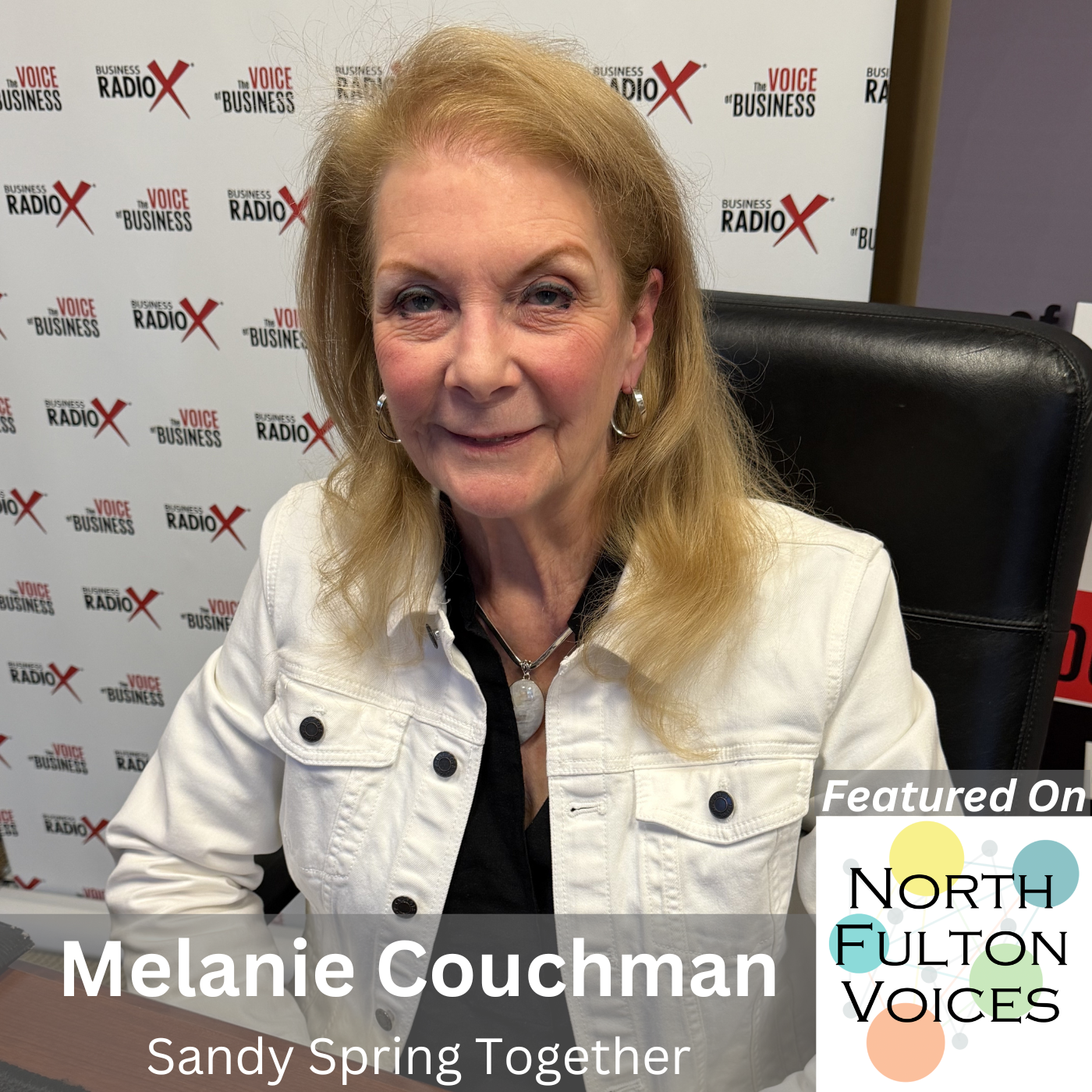
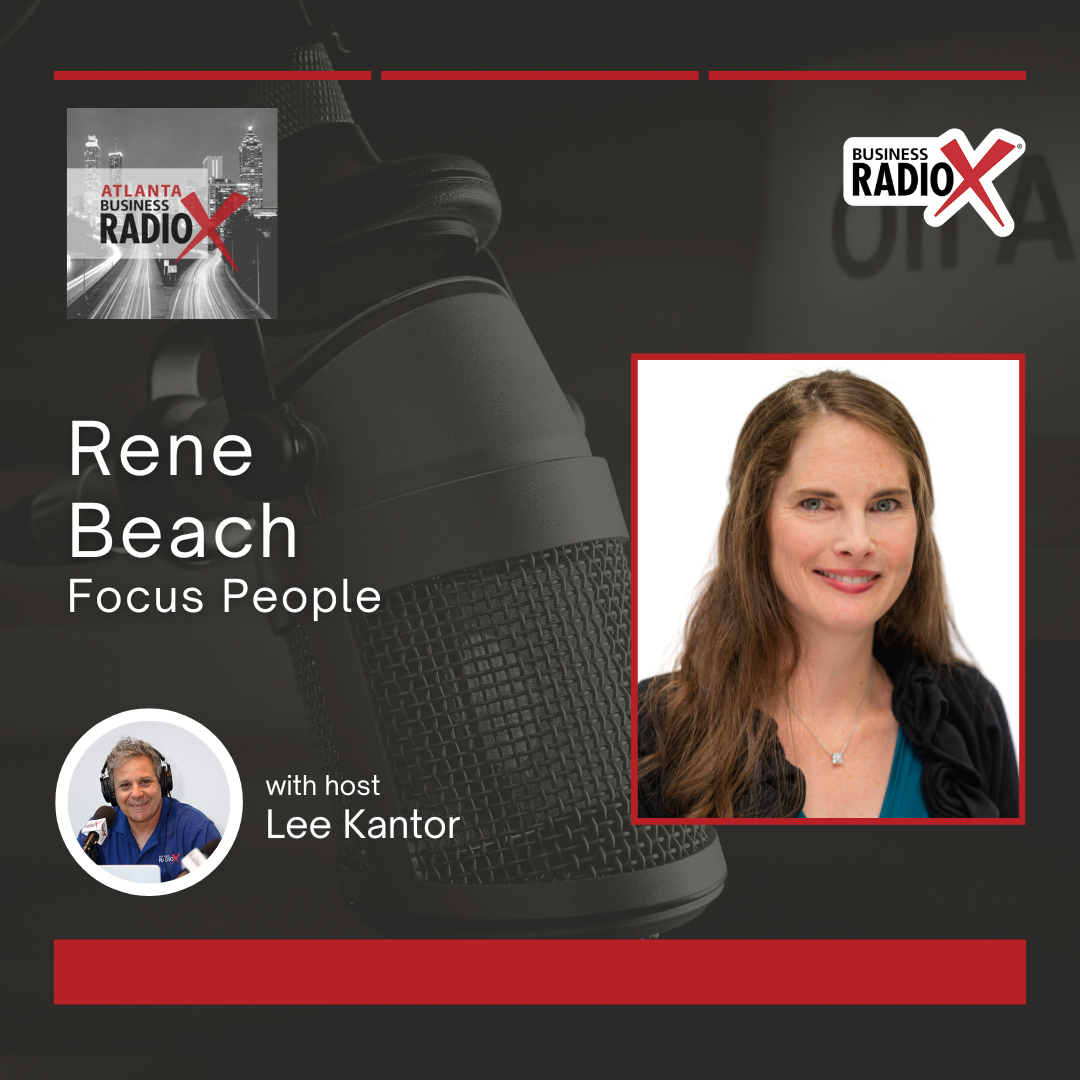
In this episode of Atlanta Business Radio, Lee interviews Rene Beach, President of Focus People, an Atlanta-based staffing agency. Rene discusses Focus People’s specialization in government and mid-market private sector staffing, including serving as a major workforce provider for the State of Georgia. She shares advice for job seekers on tailoring resumes and making personal connections with recruiters. Rene also highlights how Focus People differentiates itself through exceptional service, strong client relationships, and a impressive online reputation. She concludes by sharing rewarding stories of candidates whose lives were transformed through successful job placements.

Rene Beach is the President of Focus People, an Atlanta based boutique staffing agency she has helped lead since 1999. A rare “every desk” leader, Rene began her career as a recruiter and has personally worked in every department of the organization. This includes payroll, IT, marketing, sales, training, and client management.

This ground-up experience allows her to lead with deep institutional knowledge and a practical understanding of the challenges facing both hiring managers and candidates.

Under her leadership, Focus People has maintained a reputation for “government-grade” precision and compliance. Since the company’s founding in 1994, the State of Georgia has remained a primary client. Focus People maintains a 4.9-star Google rating with 750-plus reviews by prioritizing safe work environments and high-touch service.

A “boomerang employee” herself, she understands that career paths are rarely linear. She leverages this perspective to help mid-market companies in growth mode find resilient talent that traditional algorithms often overlook. She believes that in an industry becoming more automated every day, the human side of the business remains the ultimate competitive advantage.

An Atlanta native, she enjoys getting lost in a book, playing board games with her family, or cheering in the stands for her three kids.

Connect with Rene on LinkedIn and Facebook.

What You’ll Learn In This Episode

  • Overview of Focus People and its staffing services in Atlanta.
  • Specialization in direct hire and contract staffing solutions.
  • Focus on government clients, particularly the state of Georgia, and mid-market private sector clients.
  • Differences between candidates suited for government versus private sector roles.
  • Strategies for job seekers to stand out in a competitive job market.
  • Importance of human interaction in the hiring process.
  • Differentiation of Focus People in a competitive staffing market through service quality and client relationships.
  • Techniques for understanding client needs and job requirements.
  • The role of technology and online presence in attracting clients and candidates.
  • Insights on building a strong team and the rewarding nature of helping individuals find jobs.

Transcript-iconThis transcript is machine transcribed by Sonix.


TRANSCRIPT

Intro: Broadcasting live from the Business RadioX Studio in Atlanta, Georgia. It’s time for Atlanta Business Radio, brought to you by Kennesaw State University’s Executive MBA program, the Accelerated Degree program for working professionals looking to advance their career and enhance their leadership skills. And now, here’s your host.

Lee Kantor: Lee Kantor here, another episode of Atlanta Business Radio. And this is gonna be a good one. But before we get started, it’s important to recognize our sponsor CSU’s executive MBA program. Without them, we wouldn’t be sharing these important stories. Today on the show, we have the president with Focus People. Rene Beach. Welcome.

Rene Beach: Thanks for having me, Lee.

Lee Kantor: Well, I’m excited to learn what you’re up to. For folks who aren’t familiar, can you share a little bit about Focus people? How you serving folks?

Rene Beach: Yeah, absolutely. Focus people is a staffing agency right here in the Atlanta area. Pretty close to the battery. So right there in the city. And we provide great talent, um, to companies here in Atlanta.

Lee Kantor: Now is your focus on permanent or temporary or both.

Rene Beach: Actually we have divisions for both. So I have a direct hire. They’re looking for those purple unicorns, some special set of skills. And so those typically are our direct hire roles. And then we have we also do contract work. And most of those are going to be contract to hire.

Lee Kantor: Now do you have a niche or is this kind of a very broad based.

Rene Beach: Absolutely. So we’re very focused on government. Our largest client is the state of Georgia, and we provide over 50% of the contingent workforce that works for the state of Georgia, which, incidentally, is the largest employer in Georgia. And then so government, so working, like I said, mostly with the state of Georgia also working with local cities and counties as well as colleges and universities. And then I have another division that’s focused on mid market clients. So a lot of our mid market clients are looking for accounting and finance. Very hot right now. Maintenance techs also very hot human resources administrative assistant. A little bit of call center. So that sort of sums it up.

Lee Kantor: Now how does um like what does a person that is good for a government job, how are they different than somebody who might be good for a private sector job?

Rene Beach: Absolutely. So all large again, uh, state of Georgia is the largest employer in Georgia. And so those, there are certain folks that are able to just sort of not worried about the red tape, things kind of moving a little bit slower. It’s very uniform, the way that they move, very strategic versus if you’re going to work for a mid-market client, you’re going to really enjoy wearing many hats. You’re going to like a job that’s going to be very, very fast paced. So it’s a different personality that wants to work for a midsize company versus one that wants to work for a enterprise company.

Lee Kantor: So how did you get good at providing people for the government?

Rene Beach: Absolutely. One at a time. That’s how you get good at most things. But our very first client was the secretary of State’s office back in 1994. And we provided great service for the Secretary of State’s office. At that time. It wasn’t under one large contract. Instead, it was, um, each agency just was able to select their own vendor. And so we did a great job for the Secretary of State’s office. And then that led to their neighbors, um, just down the hall from them. And so we slowly expanded by delivering consistent, reliable results. Um, which is how we’re still the they’re our biggest client today.

Lee Kantor: So now when you’re looking for, um, candidates, what, how, how can you how would you coach up somebody who’s looking for an opportunity right now to present themselves as a great candidate in your eyes, like when you’re scouring the world, how do you like what stands out to you? What are some of the things that a candidate could be doing to stand out to the folks at Focus People?

Rene Beach: Absolutely. Um, I would say at right now, um, there, there seems to be a shift where it’s more of an employer market rather than an employee market, meaning that there’s more candidates than there are jobs. Um, for a lot of positions in Atlanta, not for all. Certainly engineering, um, is, is separate from that, um, as well as, um, we, a lot of those maintenance technicians. So there’s very positions where this doesn’t apply. Um, but there are a lot of positions where there are more candidates than there are jobs. Um, and when you’re in that situation, you want to make sure that your resume very closely aligns with the position because that’s what they’re going to look at first. They have the opportunity to make sure that those skills are tightly aligned. Um, so first is looking at your resume, making sure that you’re well aligned for that position and then, um, taking that extra step to reach out to the recruiter. So send them an email, reach out on LinkedIn. Um, you also can, um, give us a call, let us know that you’re interested in the position and then that’s going to help elevate you to the top.

Lee Kantor: So creating some sort of a human interaction helps elevate you in the is.

Rene Beach: It’s like going back to the old school, right? Old school is new school. And, um, it is the human interaction that matters.
Lee Kantor: So what, what do you say to the people that have just been pounding, like those big portals and just throwing their name in the hat and thinking they’re going in front of, you know, hundreds or thousands of job opportunities, that just not how it’s done in today’s market?

Rene Beach: It is. So we feel a lot of positions where people just apply. Um, and so again, the first step is does the resume match that, that you can’t get past it. Um, it’s absolutely essential that your resume, the skills that you actually have are on your resume because a lot of people have great skills and they just don’t even think about them. Right? And they don’t actually put them on the resume. So they’re not reading that individual job that they’re applying for. They really want this position, but not taking that extra moment to just make sure that it shows that you can actually see it on the resume. Um, and I find that, that if, uh, especially with hiring managers, when they send that over, they really want to see that those key words. It’s certainly not looking for word for word, but they want to see those key words. Do they have the key skills that are very important to the position? So that’s step one. Um, and we do a lot of hiring just in that that way. But then the next step is, um, taking the, that the extra moment to reach out and and and let someone know that yes, I’m very interested in this position. And, um, you know, what can I do in order to, um, be submitted for this position?

Lee Kantor: So now let’s change gears a little and talk about how you’ve led this organization and the growth of a, of a company like this where there’s, you know, you’re not the only game in town. There’s a lot of competition in your space. Um, is there anything you would recommend to other, uh, business leaders on how to grow in a competitive market? What are some of the things that you, uh, you know, are your kind of true North’s?

Rene Beach: Absolutely. I was just at a conference last week specifically for the staffing industry. And one of the questions that I was asking my neighbors, um, those were sort of at the conference with me, um, was tell me about, um, inbound leads and how that’s going for you. And, you know, are you getting those? And most of them said no, which surprised me. Um, because we’re getting 4 or 5 inbound leads a week. So we call those employers that are reaching out to us and saying, hey, can you help us? Um, and so I’m asking, right, I’m having that conversation. How did you find out about us? I’m shocked at the number of people who are using ChatGPT, um, to find us. And so when you put in number one staffing firm in Atlanta, um, focus people comes up at the top. Um, I haven’t quite figured out exactly what ChatGPT is looking for. I’m imagine it’s pretty similar to what Google is looking for. If you were to put in those same words, best staffing firm in Atlanta. Um, and so we’re doing those, those extra things by making sure that we get Google reviews. If we deliver great service to a candidate or to a client.

Rene Beach: So we’re just asking, hey, you know, I’m so glad you had a great experience with focus people. Would you take a moment to leave us a Google review? Um, and they’re doing that. So that’s helping. We’ve got 4.9 stars and over 750 reviews. Um, if you look at our competitors, not a lot of them, um, have that many reviews and certainly not that. Um, 4.9 stars. So those are one of the ways that we’re um, having the opportunity to work with new clients and companies in Atlanta. Um, and being consistent, creating processes where you can consistently deliver results, um, which is finding those candidates that match the jobs. Um, and also helping candidates so that they know what to expect in an interview. Um, they’re not arriving at an interview frazzled. They have all of the information, they know exactly what they’ve applied for. Um, they know what the client is looking for. Um, and they understand even simple things like the dress code. Um, and so just coaching people and giving them all the information so they have the best chance at success when they’re interviewing for a position.


Lee Kantor: Now, you mentioned that a lot of times now companies are coming to you and saying, hey, I have this need. When you’re working with a new, uh, company like that, what are some of the questions you have to know about them in order to find the right candidate? Like you mentioned, dress code and things like that, but other things like culture fit and, um, you know, what is kind of the rhythm of the job? Because every organization runs their operation differently. How do you, you know, give yourself the best chance of finding the right fit for them in a specific instance?

Rene Beach: Absolutely. That’s, um, what we love to do is matching, um, candidates and clients, um, with the, the right opportunity. So everybody has the chance to grow. Um, I really love to be in someone’s space. So as wonderful as zoom or video interview or video opportunities are, um, if I can be in this, the client’s space and kind of see where the person is working, meet their hiring manager, understand who it is that they’re reporting to the dynamics of the team. Um, you know, you have some, I’ve got one client, um, where they really are looking for someone who it’s their receptionist position, but there’s just a lot of downtime in that position. They need somebody at that front desk, but it’s not super busy. So they really want someone who is, um, maybe they’re a student and they’re studying on the side or, um, they have some other small business that they’re running on the side. So something where they can basically keep themselves entertained, but still able to be engaged in the position and then have other clients where, um, their receptionist position is, um, moving very, very fast and they need someone who can, can move and keep that pace with the phones and the people coming in and the deliveries and all of the things. So as you said, every client is different and we really get that sense from having the opportunity to meet. Um, and so we’ll bring our recruiters out. We bring, I go to every client meeting, um, new client meetings so I can meet them in person. I bring a recruiter with me. We’re going to talk to them and really ask those questions so we can understand that individual business. They’re all different as fingerprints.

Lee Kantor: Now is sometimes during those conversations, does it bubble up like they might be asking for a certain maybe job that that’s how they call it in their business. But it’s actually you call it something else. Or there might be a better way to attract the right fit person for them to solve their problem. But they’re just, you just have to get clarity around what outcome they ultimately desire rather than I need, you know, an HR manager.

Rene Beach: Absolutely. Every day. Um, and people that is very, very common, especially the larger the company gets, um, they’ll have very unusual and niche job titles, sometimes outdated job titles. Um, and so when we’re talking to candidates, um, and sending them over, so what we do is we’ll receive that job, we’ll talk through the intake call, receive all of the information that we can, the more is better. Um, we’ll learn everything we can about their interview process again, so that the person who is interviewing has the opportunity to know as much upfront as possible. People always do much better when they know what to expect. And so we’re able to take all of that information. And then we’re, when we use our database, find great candidates that who are a match and are actively looking for jobs, then we’ll reach out from our database and use the more commonly used job titles. Um, and then that way we can find people who are really looking for a particular position. Um, and it’s even just nuance in, in what’s trending, you’re able to attract the right people when you’re, um, when you use the right job title. I find that especially with entry level positions, you might use the word office coordinator. Um, but if instead you, you change the word just to analyst, um, you can often attract those who are looking for that elevated title, right? They’re doing the same job, but you just tag the word analyst on the end of it, and you’re going to attract those candidates that are really looking for title is very important to them. And so explaining that to clients, educating them so that they understand what the candidate needs and the candidate understands what the client needs. It’s really just kind of a matchmaker, to be honest.

Lee Kantor: And you really have to communicate with both sides, right? You have to communicate with the employer to, you know, understand what they’re looking for. And then when it comes to the candidate, do you do any type of communicating with them to kind of coach them up, to give them the best chance of getting the job?

Rene Beach: We do. We love to coach people. Um, I also I’ve found that ChatGPT, um, kind of a, maybe a lesser known information, but you can actually talk to it. So, um, when someone is prepping for an interview, the more prepared you are, the more successful that you can be when you’re talking, uh, when you’re in an interview. And so you can put the, the job description into ChatGPT and just sort of have a conversation back and forth with it, ask it to act like the, the hiring manager and ask you questions about the position. It’s a great way to coach up. Um, and so we tell people about that, but we also ask them as well. So we let them know what kind of questions they should expect. They aren’t the exact questions. We’ve been in this game long enough that we understand what hiring managers generally ask during interviews, especially some of the hiring managers that we’ve been working with, are really long time. So we’ll let them know what to what to wear, the questions that will be asked, what the benefits are, where to park. Um, and so they walking in with that confidence level, they’re not kind of frantic running around trying to figure out if they’re in the right place. Um, and then we’re following up afterwards. How did it go? Is this something that you’re interested in on both sides? So talking to the, the client saying, you know, this person is very interested in the position, just so you know, they would like to move forward. And that way everybody knows what to expect. Again, it’s a little bit of a matchmaker type scenario where the more information both sides have, the more of a successful placement that you’ll have.

Lee Kantor: Now, how do you manage the expectation for your clients when it comes to how quickly you can fill the slot for them? I’m sure that’s one of the first questions they’re asking you. And a lot of times I would imagine they need the person yesterday. So how do you kind of handle that when it comes to the speed of making that the right fit?

Rene Beach: Absolutely. Um, and again, it is based on the position. So yesterday I was having a conversation with the hiring manager and she said, I need an HR generalist. I need an accountant who actually has their CPA license. And they also have industry experience in her particular niche. And then she said she also needed, um, a, it was a third position. Oh, um, it was a nurse administrator as well. So more of an administration type position. And so we just walked through each one of those. So, you know, the human resources position I have, um, we’re very, very involved in the HR community in Atlanta. And so I have people that are reaching out to me constantly. I’m always having that conversation with them. I have those candidates who are kind of secretly looking for a new position. Um, and so that gives me the opportunity to know that I can get candidates to her quickly. So that was her first question. How quickly can you get me candidates for this position? And I told her I could have you people, um, in just a few days. Um, but then she has the CPA who she wants to have very specific experience for, for her particular niche. Um, and so when that comes to it, I’m going to let her know that one’s going to take me a little bit longer. Um, especially since it’s not a huge industry in Atlanta. Um, and so that one was going to let her know that one probably take me two weeks to find somebody that she really loved. Um, and then versus that administrative position that she had, that she had, that one will probably take me about a week. So it really just depends on the position, um, and how specific they’re going to be. If you want a purple unicorn that’s going to take you a little bit longer than, um, you know, someone who has 3 to 5 years of experience.

Lee Kantor: So when they’re, when you’re working in an industry that maybe has zero unemployment or, uh, negative unemployment sometimes, how do you find those people that are actively working? Like what, how do, what are they doing that stands out to you that you’re like, oh, let’s, let’s find these people and connect with them and see if we can persuade them to move over here.

Rene Beach: Absolutely. We use LinkedIn very often. Um, people will have their full profile filled out on LinkedIn. So the more information that you have, the more likely it is that a recruiter will be able to find you. Um, because we’re just doing keyword searches in LinkedIn, so we’ll go in. Um, we have special sourcing seats. We’re able to create searches with, with key words, industry, um, etc. and then from there we’re able to start doing outreach and send those messages on LinkedIn and asking people if you know they’re open to work. Are you looking for anything right now? Um, and a lot of those people, depending on the position, they’ve, we’ve been in the industry, um, you know, since 1994. So lots of people have already applied, uh, to focus people. So I may find them on LinkedIn initially, or I may find them in my database. And so I’ve already have contact information for them. So we’ll just give them a call and see if that’s something that they would be interested in.

Lee Kantor: Now, is that something you recommend for people that are in competitive jobs is to periodically just take some of those interviews just to see what your kind of value is in the marketplace?

Rene Beach: Absolutely. It’s a great negotiating tool for your current employer as well. Um, so letting, if you talk to us one, you might be just moderately interested in the job. So it’s nice to have conversations with people in your industry and see what might be down the road. Um, even if you’re not ready now, it’s good to have those conversations. I find that unfortunately, we don’t always know, um, what our current, we can feel secure. Um, but unfortunately, uh, you know, not all positions and all companies are on the same page that the employees who are working for them are. So you never know what’s coming down the line. Um, it’s a good thing to just have a conversation, you know, who the recruiters are in your market if you do that. Um, and so just kind of holding on to those at least be nice, right? So it’s not a good match for you. Um, I have a lot of people. Another way that we find is we’ll reach out to someone who has that experience. And rather than saying, would you be interested in this position, we’ll say, um, do you know anyone who might be interested? And so we get a lot of referrals that way to like, no, I’m not looking right now, but my friend is, um, and then we’ll just respond with, why don’t you hang on to my information, we get these positions in fairly often. If anything changes, um, just reach out to us. And so we want to keep that communication open. And I recommend that. That candidates do the same thing as well. Um, because just because this particular position might not be the perfect fit for you, maybe it’s on the wrong side of town, maybe the pay rate isn’t quite high enough. That doesn’t mean that the next one that we get in, um, won’t be so just giving us that information. So replying, you know, my friend would be interested in this job. I’m looking for x, y, z. We said thanks for letting us know we’re going to make those notes. And then when I get something that’s close to that, I’ll reach back out again.

Lee Kantor: Now, how did you kind of build your team? What qualities were you looking for? Were you looking for people who had experience in the industry, or were you looking for people with the right attitude that you’d be able to coach up and help do the job that you needed them to do?

Rene Beach: Absolutely. I stay open. Um, again, I’m pretty active on LinkedIn, so I have people regularly linked out, reach out and just ask if I have any openings working for my team. Um, I definitely hold on to those resumes again. You never know what’s going on in people’s lives. I’ve had people leave that they weren’t expecting to leave. Right. Something happened in their lives and their situation changed pretty quickly. Um, and they needed to move back home to take care of, um, family or whatever that may be in their situation. So, um, but when I hire, I’m definitely one always looking for people so anybody can reach out to me on LinkedIn, let me know that that’s something that you’re interested in, you’re looking for a position. Um, but then also, uh, the other day I was at a job fair. So I had a client who had asked if I would come and attend their job fair. They needed some extra hands. Um, and while I was there, I met someone who had really great customer service skills. I just liked the way she moved through the room. Um, I felt like that there would be some possibility for her to come work for us. And then I landed a couple of new great clients that were a really good fit for us and needed to hire. So I reached back out to her and asked her if she’d be interested in learning the staffing industry. And she was. So again, it’s those always listening and always recruiting. So I I’m a recruiter at heart. That’s, uh, since I’ve been recruiting since I was 19. And so I’m always on the watch out, uh, looking for someone who just might be looking to make a change.

Lee Kantor: So you’ve been working in this industry since the beginning of your career?

Rene Beach: I have, I’ve been with focus people, um, since 1999. I was a college student, uh, just kind of, I didn’t realize it at the time that I was sort of just in my own little staffing agency, but it was time for me to pick a major in school. And at 19, that felt really overwhelming. I don’t know how I didn’t know what I wanted to be when I grow up. Um, and so I, uh, just opened up the phone book, started making some phone calls, asking if someone was looking for some help. Um, told them I would work for free for the opportunity to come and learn their industry. And, um, I got connected with a the marketing company that provides services or at that time provided services, marketing services to focus people. I completed an internship with her. She recommended that I talk to the founders of the company, Amy and Brian Shockley and I had lunch with them and they said, sure, come work for us. And that’s how I became a recruiter. I didn’t know what it was or even that I would be interested. It was just a referral, and here I am.

Lee Kantor: So what did you like about it? What was the most rewarding part of helping people find opportunities and helping employers find the right fit people?

Rene Beach: It’s definitely a thrill. Um, that moment when someone lands the, the, uh, the job and you get to make that job offer, um, they have an opportunity to really have the chance to, uh, to change lives. I had someone, um, that I placed, uh, she called me on Sunday morning. I was driving to church. Her name was Miriam and worked, she worked in Savannah for Department of Revenue and I made that placement for her. She was about 5 or 6 years ago. She was really down on her luck. It just felt like everything was going wrong. Um, and, uh, she needed a job desperately. I had the opportunity to connect her with an opening that I had. Um, and, uh, she called me, like I said, I was driving on the way to church. Just wanted to see how things were going. Wanted me to let me know that, um, she was still there at Department of Revenue and loved her job and that she had been, um, elevated into a management role and she was excited. So you make those connections, um, you remember each other. And the funny thing was the minute that she called, I was like, oh, I recognized her voice immediately. And her phone number, um, because she had a Savannah area code. So I already had some idea, um, that, you know, it might be someone that I had placed out there. And, um, she started talking, I recognized her and I was like, how are your boys? So it’s funny how you make that connection throughout trying to help someone, um, land their next great opportunity.

Lee Kantor: Is there a story you can share, uh, regarding maybe one of the employers you’re working with don’t share the challenge. They came. I mean, don’t change the name of them, but maybe share the challenge they came to you with and how you were able to help them maybe get to a better place, even more than they even imagined. If because you put the right person in their hands.

Rene Beach: Absolutely. One of my favorites is, um, there’s a large call center in Atlanta and, um, we had the opportunity to, um, to staff for that position. This was probably about ten years ago. Um, we placed someone there. Um, and, uh, he really struggled with his time card. I don’t know why he still kind of laughs about it, but he struggled with his time card. So he would come into our office, um, and ask us to help him fill out his time card. And he wanted to make sure it was submitted in person, so he got paid. Our offices were really close to each other, so he would just come in at the end of his workday on Friday. The timing was great. We were happy to see him. But anyway, so we got to know him really well because he chose to come in and submit his time card that way in person. And, um, so he was also, uh, went from contract to hire, was hired by that company and then eventually has been, is now running that call center. He is the ops manager for the whole call center. And, uh, he, uh, he reached out, he was like, look, when he took over as office manager, he was like, I am in a situation. These things are happening. Um, I’m going to have to let some people go.

Rene Beach: I really, it’s just the, the energy is not right here. Um, we’re going to have to just start over. And so we helped him to completely rebuild his team. Um, and we went back out. Um, it was about a month ago, we went back out there to his call center and we have a program, um, where we, uh, promote or I guess promote not the right word, but really encourage folks, um, who do a great job. And so we got to go out there. We printed out some, um, uh, awards. We passed out awards and gift cards. We were giving out prizes to the whole office. We brought treats. So we had five outstanding employees, um, that he really wanted to celebrate. And so we had the opportunity to go out there and celebrate with him, um, and really celebrate the change that he has done by, um, training great people, hiring the right people, um, and creating the atmosphere where people want to go to work. And so it’s just exciting when you get to be part of someone’s story from the very beginning, um, where they’re struggling with their time card all the way through to now becoming that, um, the manager of the entire center, um, and help him rebuild his team. Um, it’s just so rewarding, uh, to, to be part of that process.

Lee Kantor: Yeah. The impact is real. I mean, that is just a great example of, you know, just working hard to make sure you have the right fit. I mean, you just can’t put bodies in place. Like you really have to do what you can do to make sure you have the right fit.

Rene Beach: Absolutely. It’s really fun. You know, you get a little bit of thrill out of it too. Um, so now in my current role, I still get to go meet people on their first day of work. So one of the things that we love to do is meet people on their first day of work. We want to make sure that they know where they’re going, that they’re connected with the hiring manager. Um, so anyway, that’s part of it. And so I get to often be there on someone’s first day at their new job. Um, I don’t get to follow their journey so much anymore and submit candidates and coaching and all of that. But I still get that thrill of showing up on the first day, um, bringing some donuts for their office and then, um, helping them, uh, give them a little gift bag with some trinkets for their desk if it’s an office position, um, and welcome them on their first day. So it’s a real opportunity and a thrill to be part of the hiring process.

Lee Kantor: So if somebody wants to learn more, have a more substantive conversation with you or somebody on the team, what’s the website? What’s the best way to connect?

Rene Beach: Absolutely. We’re at people.com. Um, easy to find, especially if you’re in Atlanta. Or you can just look up best staffing firm in Atlanta on ChatGPT and you’ll see us at the top. Um, you’re welcome to give us a call. We actually answer the phone when you call no robots. And, um, you also can reach out to me on LinkedIn. I’d love to connect, um, and have conversations. I’m actually having lunch with somebody next week who reached out on LinkedIn and said she wanted to learn more about focus people and how we might be able to help her find her next opportunity.

Lee Kantor: All right. Well, thank you so much for sharing your story today. You’re doing such important work and we appreciate you.

Rene Beach: Yeah. Thanks, Lee. I hope you have a really great day.

Lee Kantor: All right. This is Lee Kantor. We’ll see you all next time on Atlanta Business Radio.

Tagged With: Focus People, Rene Beach

From Volume to Weight: The Game-Changing Shift in Junk Removal Services

May 26, 2026 by Jacob Lapera

Franchise Marketing Radio
From Volume to Weight: The Game-Changing Shift in Junk Removal Services
Loading
00:00 /
RSS Feed
Share
Link
Embed

Download file

In this episode of Franchise Marketing Radio, Lee interviews Daniel McCarty, founder and CEO of JunkStart, the first pay-by-weight junk removal company in the U.S. Daniel explains how he disrupted the traditional volume-based pricing model by charging customers per pound instead, bringing transparency and fairness to the industry. He discusses the challenges of transitioning his fleet, the positive market response, and how this model unlocked B2B opportunities. Daniel also shares his franchising vision, targeting entrepreneurial “hill takers” looking to build large-scale operations, with initial focus on Sunbelt markets.

Daniel McCarty is the Founder & CEO of JunkStart, the first and only pay-by-weight junk removal franchise disrupting the traditional junk removal industry with transparent pricing and a customer-first approach.

Raised in San Antonio in a family deeply rooted in the waste management business, he developed an entrepreneurial mindset early on and later attended Southern Methodist University on a football scholarship.

Under his leadership, JunkStart has grown into a fast-rising franchise brand focused on innovation, operational efficiency, and building a values-driven company culture that creates opportunities for both team member sand franchise owners.

Connect with Daniel on LinkedIn and X.

What You’ll Learn In This Episode

  • Introduction of a unique pay-by-weight junk removal service in the U.S.
  • Transition from traditional volume-based pricing to a transparent pricing model.
  • Discussion of the challenges and benefits of implementing the new pricing system.
  • Investment in new trucks equipped with scales for accurate weight measurement.
  • Customer response to the new pricing model and its impact on conversion rates.
  • Comparison of pricing transparency in junk removal versus other industries.
  • Insights into the target market, particularly property managers and commercial clients.
  • Overview of the franchise model and the ideal profile of franchisees.
  • Strategies for helping franchisees set competitive pricing in local markets.
  • Future growth plans and focus on specific regional markets for expansion.

Transcript-iconThis transcript is machine transcribed by Sonix.

 

TRANSCRIPT

Intro: Coming to you live from the Business RadioX studio. It’s Franchise Marketing Radio.

Lee Kantor: Lee Kantor here. Another episode of Franchise Marketing Radio. And this is gonna be a good one. Today we have the founder and CEO with JunkStart Junk Removal, Daniel McCarty. Welcome.

Daniel McCarty: Thanks, Lee. Excited to be here.

Lee Kantor: Well, I’m excited to learn what you’re up to. Tell us about JunkStart. How are you serving folks?

Daniel McCarty: Yeah. So JunkStart. We are the first and only paid by junk removal company in the country. We’re fast growing franchise system and super excited to get to, uh, to share some more with you here today.

Lee Kantor: So what’s the backstory? How’d you get involved in this line of work?

Daniel McCarty: Yeah, I, uh, I actually came out of the waste industry. I’ve been in the trash business my whole life. Uh, so, you know, I was, we here in San Antonio had a family business in the waste space. A couple of years ago, I was looking around, trying to figure out, you know, another business idea. I love the junk removal space and decided to get into it. And I launched a junk. Start with the idea that, hey, I’m going to copy the way it’s always been done. I’ll just kind of hire some consultants and go the tried and true route. Did that about three years ago. Um, a couple years in, just, you know, found that, you know, a lot of the way that the industry works based off volume based pricing, I thought was a little bit sketchy and unfair. We were struggling with, you know, we didn’t have any differentiation. There was some things about the model I didn’t like. And so knowing that, you know, the key insight came when you go to a landfill, you run over scales and you’re just charged by by the pound. So I always wondered why everyone in our industry normally charges by volume or how much, you know, room the items take up in a truck. And so we embarked on a process of figuring out how to put scales on all of our trucks, which is now patent pending unless your property we have. And we became the first and only pay by weight junk removal company.

Lee Kantor: So then you were kind of leaning into the transparency. That was an important component to differentiate yourself.

Daniel McCarty: Yeah. 100% the way the the model traditionally worked was you’d call in for a price. We would say, you know, they would say, hey, let’s just do a free onsite estimate. I don’t know how much it’s going to cost, but it’s ultimately just based off of how much room it takes up in my truck. And so they’re basically trying to get you to block up two hours of your time for a crew to come out. They do like the hard onsite sales, kind of like a used car buying experience. They would look around and go, oh, that’s gonna be like 500 bucks. It’s like half a truck. It always felt super arbitrary because it was based off really what you and the guy in your driveway ended up haggling it out and ultimately accepted. And so I always hated that as a business owner, you know, I didn’t want my, my, my employees to gouge anyone. I also didn’t want to, to under quote and to lose money on jobs. And so I always felt like it was there was just no transparency. It was really just based off of what, you know, the 22 year old in your driveway kind of thought it might take up in your truck. And so when we figured out how to put the scales on the trucks, it’s kind of like the deli counter. It’s like, you know, it’s gonna be whatever, $0.50 a pound. Um, here’s the weight estimate. But ultimately it’s just based off of the, the pounds we remove and that’s how we’re charged at the landfill. So we felt like that was that was most fair and transparent.

Lee Kantor: So from the customer standpoint, how much difference in money is that?

Daniel McCarty: Yeah. The big for customers is we we believe that we save our customers like on average of like 10 to 15%. But really what we’re doing is like removing the risk of getting screwed, right? Um, so if you called a junk removal guy and he’s a volume based, he could get there and, you know, he could quote you $800 or he could quote you 80 bucks for a job. Like you just have no idea what he’s gonna throw out that day. Um, and so what we do is like, we’ve got the tried and true, like, here’s our per pound price. Um, so like we’re kind of removing the risk of you getting gouged or screwed by someone that’s just trying to, you know.

Lee Kantor: Double and you kind of know up front what it’s going to be. It’s whatever the weight is times the amount that you’re charging per pound. Like it’s math at that point.

Daniel McCarty: Yes. Yep. Exactly. And we can help you estimate that. Obviously the weight it’s going to be. But yeah, ultimately it’s just based off of the math.

Lee Kantor: So then that makes life easier for the person in the truck because they don’t have, they’re not kind of having to have negotiating skills. They just have to put the stuff on the truck and it is what it is.

Daniel McCarty: Yeah, 100%. We used to have to hire folks that were hard working, safe drivers. They’d also you’d have to teach them on site sales. So they had to learn how to, you know, estimate and do rebuttals. And, and then they’d have to do all the loading and lifting. And it was just asking a lot of any one person. And so now we kind of remove that, you know, on site sales from them. You know, here’s the, the scales do most of the work, right? You’re just getting to be, you know, take care of our customers, work hard, load all the items safely and efficiently. And we don’t have to kind of stress that hard on site sales techniques anymore.

Lee Kantor: Now, when you did this, I mean, it sounds obvious in hindsight, I’m sure, because that’s how you your business would run if you didn’t weigh it there. It’s going to be weighed at some point. So like, all you’re doing is moving the weighing to the beginning instead of the end. Um, how has the competitors handled this? Is this something where it’s going to become table stakes? Now, if you want to be in this kind of business. The customers are going to understand like, well, how much is it weigh? I don’t, I see how big of a space it’s going to take up, but I want to know, you know, they’re going to be more educated, right?

Daniel McCarty: Yeah, we we see for sure. Like we’re still the, the first and only here in the United States. We’ve got, you know, patent pending around some of the technology that we’ve done. Um, so, you know, from, from a competitor landscape, I think the really big guys want to, you know, I won’t say their names, but all the big guys, you know, I think they’re, they’re happy with the way it’s always been done, right? They’ve built a big business. They like the on site sale. They like the way it’s always been done. I know when we switched over to our trucks it was a tremendous, uh, investment, right? How to get rid of all of our trucks? Because, uh, you know, the old trucks, the way, you know, the other ones are built wouldn’t work for this new pay by weight system. So I’d invest an entirely new fleet. Um, had to figure out how to put, you know, this weighing system together and on the trucks. And so it was a tremendous investment to figure out. And so I think that’s going to keep a lot of the other brands sort of on the sideline to try and, uh, you know, do it themselves. Um, so yeah, I think, I think for the foreseeable future, we’ll be, um, kind of in this, this blue ocean where we’ll be the only ones playing in it. And over time, uh, you know, we’ll see if customers start demanding it, then, uh, maybe down the road. That’s something that, that the industry has to evolve to.

Lee Kantor: Now when you’re, uh, when you made the switch, did you, this was kind of a leap of faith. You assumed this was going to work, or were you able to kind of beta test it in a limited way, at least to kind of ballpark the weight before you had the changing of the fleet?

Daniel McCarty: Yeah. Um, I’m not that smart. Lee so, uh, definitely I had a, I had a lot of my mentors and peer groups and telling me, hey, how do you, you know, how can you test this? And I just, I talked to a couple people. Everyone kept being like, oh, I can’t believe that’s not the way it’s always been done. Right? I got enough validation where I didn’t ultimately test it. I said, screw it. I jumped all the way in. I got rid of our entire, our entire fleet. I bought entirely new fleet. I, we, we jumped in with, with two feet. We didn’t start with a minimum viable product. We went all the way in which, you know, in hindsight, you know, to entrepreneurs listening, like it’s smart to, it’s smart to test and iterate. And, uh, you know, I would have saved me a little bit of gray hair for sure. But we decided like, I knew it would work intuitively. And, and so we launched forward without probably testing it in a more, uh, risk adjusted way.

Lee Kantor: So how quickly was the, um, customer kind of the, what did the market tell you and how quickly once you made that change? Was it dramatic?

Daniel McCarty: It was dramatic. Like right away our booking rates went up, our conversion rates went way up. Um, like it just made more sense to customers on the phone. We were getting higher review velocity. Um, you know, when we first started, we were priced at whatever, I guess it was a pretty low number. And, and every month I, I had to go up on price from whatever, $0.40 a pound to 50 to $0.60 a pound. Just trying to find, you know, what we needed to charge to, to, to hit the margin number we needed. And every time I went up in price, our conversion rate just kept getting better. Uh, which was one of those weird, counterintuitive moments. It was, I think we were just getting better at explaining our value proposition. But also, you know, you go to business school and you hear, hey, you raise prices, your conversion rate falls. Right? What we were doing the opposite, I think because we had so much, um, just customers intuitively understood it like that. We were raising our prices and we were increasing our conversion rate along the way. And that really kind of, uh, let me, you know, in on the, okay, I really think this is like a great value proposition that the market really, um, it really likes.

Lee Kantor: When they’re buying your services, it’s something that they’re even have an idea of what it should cost. Like, is this something that is, you know, as long as it makes sense, then they’ll buy it. It isn’t something that they’re like, well, you’re charging X and over here is, you know, X -10%. Like it’s hard to for them to price things, right? Comparative pricing.

Daniel McCarty: Yeah, 100%. That’s one of the things I like about junk removal is it’s not like a super understood pricing. Like I came from the ready mix concrete business, right? Family was in that for a long time. And like everyone knew, you were selling to a concrete subcontractor that knew down to the penny what a yard of concrete should cost, right? So if you’re $0.01 above or $0.01 below, you’re going to lose the whole job. Whereas a junk removal, no one really knows what junk removal costs. Right? And so you’re able to be like, hey, we can be there in two hours. Here’s the rough, you know, here’s what it’s going to be. And as long as it’s when it, you know, seems fair to the customer, you do a great job, right? It’s not like you’re going to call around and, uh, you know, get ten bids and get a super interested or a super educated consumer just because it’s usually a lower ticket. It’s not a $20,000 roof, right? So you’re not trying to get a bunch of formal bids together. It’s usually like a, you know, if you can do it on time, um, good service. Um, you know, fair price, it usually works out.

Lee Kantor: And they’re not, it’s not like they buy this every month. Like this is something that happens once in a while.

Daniel McCarty: Yes. I think, uh, you seems like you’re poking up this tree Lee. But like, I think a lot of entrepreneurs, like we think that we’re selling gas, like everyone in the city knows what a gallon of gas costs, and it’s on neon’s all around the city. And you’re like, oh my God, if I raised my prices like 1 or 2.5%, right, like the whole market’s gonna crumble and hate me in reality. Yeah, you’re selling, you know, I don’t know, like a, a tub of mayonnaise, right? You’re like, how much is mayonnaise? Is it? You could tell me $2 or $4 or $6. I don’t really know what it is, but like, I get it every now and then. And, you know, as long as it’s the brand, I usually like, like that’s what I buy. And so I feel like, you know, as entrepreneurs, a lot of times we go around thinking we’re selling gallons of gas in reality, like, you know, if you position it the right way, you’re you normally have a little more pricing power. Um, or at least, you know, the customer’s not as educated.

Lee Kantor: And the, and the customer, just once they want it to make sense. Like it just has to make sense. And you’re giving them a very simple way for it to make sense. So I think that’s brilliant.

Daniel McCarty: Yeah. Fair, fast and easy. That’s like the, the brand pillars we have, uh, like, we just want it to be fair, fast and easy. And if, you know, customers come to us and they feel like, you know, we check those three boxes, we’ll be in a, in a good spot.

Lee Kantor: Now, when you were scaling, did you do these changes before you were franchising or did, did you did you already have some? Okay. So that, I mean, that was a, that’s a big deal. Because if you had done this after you had sold some franchises, that would have opened up a really big can of worms.

Daniel McCarty: Yeah, 100%. I know I talked to some of my entrepreneur friends like I had when I first started. I had the, the vision to build a large giant franchise brand and I was going to do it volume based like everyone else. And and I often think about, uh, you know, just how lucky I was that we, we made this pivot and found our way. Um, before we decided to start franchising, um, this pay by weight model as opposed to, I mean, even if we had only two or 3 or 5 franchisees and then try to change the whole model, right. That would have been a huge, um, you know what? So super thankful. All in good time. Right? Um, it’s all worked out for the best. Um, that we didn’t, you know, immediately launch out of the gate, uh, full steam ahead.

Lee Kantor: But once you made this change and you saw how well it was being received, then it was probably okay, now it’s game on, right?

Daniel McCarty: Yeah, 100%. It was like, hey, here’s the things like pricing power. What about margin structure? Um, we went from almost no commercial revenue to now over half our business is, is B2B reoccurring commercial work. And those are really like kind of, you know, from an opportunity standpoint, I wanted to make sure we had pricing power, uh, you know, and then we can get that reoccurring work that’s kind of offline. It’s not 100% beholden to, to Google advertising, right? And, you know, it lets you kind of build a big, sizable business in your local market. And those were kind of the things I’d hoped this pay by weight pivot would help us check off. And it checked all those things off in spades. And so that really, you know, led us to be like, okay, now’s now’s the time. We spent the years getting all the playbooks in order, the operating systems, like, you know, now here we got the pay by weight differentiation and like, here we go. So it was, it all came together.

Lee Kantor: So how did the B2B, like, where did you find a niche? There are certain B2B clients were easier to find rather than, you know, hoping somebody, you know, needs to sell their house and get rid of all the bunch of stuff.

Daniel McCarty: You know, what, what our, we do really well with property managers like apartments. And so I’d be lying to you if I told you I knew this before we did the pivot. But if you’re a volume based, you show up and you go to a property manager who’s busy and you’re like, hey, we can like remove some of your, your stuff and we just charged by how much room it takes up in our truck. Like their eyes glaze over, like it just doesn’t compute in their brain. They’re like, well, I don’t want to, like, negotiate with you on, on like, every time you’re going to come in here and tell like we’re going to figure it out. And so what happened when we switched to pay my way and we just go, hey, here’s your, you know, you know, whatever property owner, like here’s your standard rate chart. It’s x per pound. Um, and we give them, you know, kind of the rate sheet and like it just totally, for whatever reason clicked in their brain. It makes more sense to them. It’s understood like their invoicing and accounting team understands it. Their bosses understand it. Like if it’s a little bit higher bill, that means they removed higher, you know, more stuff. And for whatever reason, like it all mentally clicked in these property managers minds. And yeah, we went from almost no B2B revenue to, yeah, it’s a giant part of our business now. And it’s really, I think that that core psychological, like, uh, switch up with the way we priced, um, really unlocked the market, which yeah, I definitely did not. Um, I didn’t totally predict that, you know, I wasn’t, all, you know, all knowing before we made the pivot. But that was a great, um, a great thing that happened.

Lee Kantor: And then that’s one of the benefits. The franchisee gets that Intel now that you now, they now have a playbook on how to, um, approach those kind of people in their market.

Daniel McCarty: Yeah, 100%. We’ve got a great, uh, commercial sales team, uh, that we, that we have here. And so like part of our, you know, initial training and ongoing training, weekly coaching calls, um, CRM systems of, you know, how to go, who to go knock on the door to, what are you going to say? What’s the drip sequence like? Um, how do you get that first job and then the second, right? How do you get the reoccurring work built? So we’ve got, um, really great playbooks and trainings on, on how to do all of that in your local market.

Lee Kantor: So what is that ideal franchisee look like? Who is that person in your mind right now?

Daniel McCarty: Yeah, we call it a hell taker, right? Uh, you probably empire builder or some people say, but but for ours, it’s like, uh, it’s a hill, a hill taker. So we want to be the largest and most trusted junk removal company in the galaxy, right? Like that’s just the vision of the brand. Like we want to be the biggest and the best. Um, and so like, we got to be the biggest in each of our individual markets if we want to be the biggest, you know, in the world. And so, uh, like if you’re in Atlanta and you’re like, hey, I think I look around, I see the other brands, like, I think we could be the biggest, like, you know, I want to build a really big, you know, durable business that has enterprise value. That is not just me in one truck and an employee on the side. Like, no, it’s multiple trucks you’re scaling, you’ve got a commercial sales team, you’re focused on leadership and scaling up your business. Like those are the people we want to talk to you, the hill takers that understand like, um, hey, this is a great, you know, it’s not going anywhere. We’ve got this tailwind from AI, right? It’s not like it’s going to get disrupted from, from robots anytime soon. It’s probably gonna get easier to operate as the years go on. Like I want to take, you know, this pitch and build a real sizable business with this model. Um, like those are the folks we’re looking for that really want to, to grow something big, not kind of like a side hobby or hustle. Like we’re looking for folks that want to build a big business.

Lee Kantor: So are these people like, are they the typical franchisee in the sense that, oh, they just got laid off or they retired and looking for something else? Like, are they that person or are they kind of in the industry now and maybe are frustrated and are looking to make kind of a move to something more that’s their own?

Daniel McCarty: Yeah, I think I think it’ll be, um, you know, it’ll be some folks that either they’re tired of corporate America, maybe they just got laid off with some, you know, new AI sweeping job, job loss, or maybe it’s, um, you know, entrepreneurs that, that have been in business before, but like really understand the value of differentiation. Um, I think for young start, you know, I’ve been in business when you’re, when I have a differentiation and I’ve done it where we are different, right? And it’s a night and day difference on a value proposition. Uh, just, just life is so much easier when someone says why you, and you can give a valid, like differentiated answer. Um, you can’t do roofing any differently. You can’t really do plumbing any differently. Like, but we can say, hey, we’re the first and only pay by weight junk removal company. Um, and we’re looking for entrepreneurs that, you know, existing business owners, you know, I think can see the value in that if they come from like a real, you know, commoditized service and, and also kind of those corporate refugees that want to, you know, take, take matters into their own hands, control more of their own destiny and build a big business, um, that, you know, employs great people and makes an impact on their community.

Lee Kantor: Now when you’re, when you’re going into a local market, I would imagine that the, the price per pound is different in each market based on what, what the situation is in each market. Do you help them kind of figure that out?

Daniel McCarty: Yeah, 100%. We’ve got great, uh, we’ve got great frameworks and worksheets to help them with that. It just relates on, you know, their local operating cost of disposal, labor, uh, drive time, stuff like that. And then we come up with a really nice, uh, you know, pricing system for their individual market.

Lee Kantor: So there’s a JunkStart algorithm that helps them with pricing.

Daniel McCarty: Yeah, More or less. Yeah. Absolutely.

Lee Kantor: And, uh, so what do you need more of right now? How can we help you?

Daniel McCarty: Yeah, we’re just, uh, we’re getting out and spreading the good word. We just, uh, we launched really in, you know, in earnest at the beginning of the year. Uh, just brought on our first franchisee in Omaha. Super excited to have, uh, them just about to launch in the next couple weeks. Um, and so yeah, talking to a bunch of folks and looking to bring on, uh, some more people. I think this system, I see it kind of capping out at about 150, maybe 200 franchise owners that’ll, that’ll take up and absorb the whole, the whole market. We’re looking for kind of fewer, but larger operators. Um, I think some of our, uh, I’m not looking for 400, you know, one truck operators, right? We want 100, 150 sort of multi truck operators that want to build, uh, you know, a big business. So we’re excited. Um, and yeah, we’re just trying to spread the good word about jumpstart, uh, you know, pay by weight revolution and what we’re building here at the brand.

Lee Kantor: So if somebody wants to learn more, what’s the website? What’s the best way to connect?

Daniel McCarty: Yeah, just like jump start franchising.com. Um, you could, you know, on LinkedIn, Daniel McCarty jumpstart, you could find me, uh, Twitter or X, whatever it’s called now as well. I’m pretty active on that. Um, but yeah, if you’re interested at all, you can, you know, hit, hit the, hit the website and fill out a form and we’ll be, you know, a free team will be in contact.

Lee Kantor: Now are you looking to start in certain regions and expand from there or is it kind of, you know, hey, give us a call and we’ll figure it out wherever you are?

Daniel McCarty: Yeah. Right now we’re focused on I played football in college, right. So like I used college football analogies, but like really like SEC country, right? So like the tried and true basically core southern markets from probably Nashville, Charlotte down through Florida, over through, uh, Texas, uh, and really Phoenix is probably as far west as we want to go right now. So trying to lock in that core Sunbelt market, you know, Denver, Dallas, Houston, uh, Orlando, Nashville. Lana. Like we have some of the really great just booming, uh, towns, you know, territories still open. So we’re trying to lock that in before we go up to the, the east northeast and like the west Coast, uh, just to try and, uh, you know, keep, keep our wits about us. You know, I don’t think we want to go into, uh, those, those markets too soon while we still got a lot of open territory, uh, in, in the southern markets.

Lee Kantor: Well, Daniel, congratulations on all the momentum you’ve got going right now. And it sounds like you have a really good differentiator in the space. So, uh, congrats on that. That’s not easy to do.

Daniel McCarty: Thank you Lee, I appreciate it.

Lee Kantor: All right. This is Lee Kantor. We’ll see you all next time on Franchise Marketing Radio.

Tagged With: Daniel McCarty, JunkStart Junk Removal

Melanie Couchman on Affordable Housing in Sandy Springs

May 25, 2026 by John Ray

North Fulton Studio
North Fulton Studio
Melanie Couchman on Affordable Housing in Sandy Springs
Loading
00:00 /
RSS Feed
Share
Link
Embed

Download file

Melanie Couchman, Sandy Springs Together, on Housing Affordability, School Closures, Employer Retention, and What North Fulton Cities Can Learn (North Fulton Voices, Episode 19)

Melanie Couchman, Sandy Springs Together, on Housing Affordability, School Closures, Employer Retention, and What North Fulton Cities Can Learn (North Fulton Voices, Episode 19)

What happens to a city when the workers who keep it running can no longer afford to live there? Sandy Springs is showing us what happens.

In this episode of North Fulton Voices, Jack Murphy and Nancy Diamond of the North Fulton Improvement Network (NFIN) sit down with Melanie Couchman, co-founder and executive director of Sandy Springs Together, for a frank look at what a decade of housing advocacy in one of metro Atlanta’s most complex cities has actually taught her.

Sandy Springs was largely built out before it incorporated in 2005, inheriting 93 multifamily apartment communities, three MARTA stations, major medical centers, and Fortune 500 employers, all shaped by Fulton County before a local government existed to make its own decisions. Everything that gets built now requires demolition of something else first, and that changes the economics of every project.

The losses are concrete: 15,000 affordable apartment units gone in five years as tax credit agreements expired and rents moved to market rate. One elementary school closed. Enrollment has fallen 11 to 12 percent across Sandy Springs schools over seven years. Employers are reporting real problems recruiting and retaining workers who will not commute an hour each way when they have any other choice.

Melanie walks through where the opportunities are and what is actually blocking progress. Her message to North Fulton cities that still have time to act is direct: the families who leave do not come back.

North Fulton Voices is presented by the North Fulton Improvement Network. The show series is proudly sponsored by John Ray Co. and North Fulton Business Radio, LLC.

Key Takeaways from This Episode

  • Sandy Springs was built before it had a government to shape it. The city inherited its infrastructure from Fulton County, and everything built next requires demolition first.
  • Housing instability shows up in school data first. A 30 percent rate of student mobility and a matching 30 percent rate of teacher mobility were the data points that launched Sandy Springs Together.
  • 15,000 affordable units can disappear without a single building coming down. When LIHTC agreements expire and rents move to market rate, the loss is invisible until families are already gone.
  • Sandy Springs is the second-largest employment center in metro Atlanta, and its employers are struggling to recruit and retain workers who cannot afford to live nearby.
  • The tools for solutions exist. What Melanie argues is missing is intentional leadership at the state and local levels and financial frameworks that make the economics work for developers.
  • Delays compound the problem. Sandy Springs first addressed housing in its 2017 comprehensive plan and did not act with enough urgency. The cost of that delay is now measured in closed schools and families who are not coming back.

Topics Discussed in this Episode

00:00 Introduction and Data Gems: Sandy Springs housing, home values, and aging demographics
03:24 Nancy Diamond introduces Melanie Couchman and Sandy Springs Together
04:02 How Sandy Springs Together got started through education, not housing advocacy
05:37 What Sandy Springs inherited from Fulton County before cityhood in 2005
10:13 Who Sandy Springs Together focuses on and how expiring affordable housing tax credits turned low-cost apartments into market-rate units
11:43 What the early conversation around affordable housing looked like, and why the word was banned
13:48 Promising signs: MARTA transit-oriented development and lot subdivision approvals
16:41 School enrollment decline and the closure of Sandy Springs’ highest-performing elementary school
19:38 15,000 affordable apartments lost in five years and the employer recruitment crisis
24:29 Why the financial framework for redevelopment matters more than housing types
26:10 Where the real opportunities are: retail corridors, office buildings, and condo conversions
28:29 Melanie’s bold idea: intentionality as the missing ingredient
30:42 Myths about affordable housing and what North Fulton cities should learn from Sandy Springs
33:19 How Sandy Springs Together convenes community around the housing crisis
35:08 Melanie’s honest assessment: not optimistic yet, but watching the comp plan process
36:25 Closing calls to action from Nancy Diamond and John Ray

Melanie Couchman, Sandy Springs Together

Melanie Couchman
Melanie Couchman

Melanie Couchman is Co-Founder and Executive Director of Sandy Springs Together, a nonprofit she launched in 2019 with her husband David through their philanthropic Couchman Noble Foundation. She came to housing advocacy through education, where student achievement data pointed to a 30 percent mobility rate driven by housing insecurity.

Before founding Sandy Springs Together, she and David co-chaired the City of Sandy Springs North End Revitalization Task Force in 2018, an experience that convinced them that residents most at risk of displacement were not included in the discussions.

Sandy Springs Together convenes residents, employers, faith groups, and civic organizations around attainable housing policy.

Website

North Fulton Improvement Network

The North Fulton Improvement Network (NFIN) is a think tank made up of community leaders from a variety of sectors, focused on missing middle housing and the livability challenges confronting North Fulton. We come from the six cities making up the northern half of Fulton County, Georgia—Alpharetta, Johns Creek, Milton, Mountain Park, Roswell, and Sandy Springs—and are working to address the widespread yet little-known financial vulnerability across the region. With stakeholders from sectors including business, nonprofit, faith, government, and citizens, we center our work on five areas of impact; seek to educate the public about these issues; build a network of individuals and organizations with innovative private and public solutions; and connect resources to those in need.

The leadership team of NFIN is Jack Murphy, Nancy Diamond, and Kathy Swahn.

Website | LinkedIn | Facebook | Instagram | Twitter | YouTube

Jack Murphy

Jack Murphy
Jack Murphy

Jack Murphy is a volunteer with The Society of St. Vincent de Paul and is Chair of the North Fulton Improvement Network. He is also in his 21st year of working for the Metro Atlanta Chamber of Commerce.

Prior to the Chamber, Jack worked for and with Fortune 500 companies in operations, human resources, training, and quality areas. Jack was a senior adjunct professor for Quality & Operations Management at Keller Graduate School for 14 years.

He has served on both the National and Georgia Boards of The Society of St. Vincent de Paul, responsible for Diversity, Advocacy, & Systemic Change. Jack is currently the national SVDP chair of Systemic Change and Advocacy.

Jack received a BA in psychology from Belmont Abbey College and an M.Ed. from UNC-Greensboro. Jack and his wife, Nancy, a retired elementary school principal, have two grown daughters and two grandchildren. They live in Alpharetta, Georgia.

LinkedIn

Nancy Diamond

Nancy Diamond

Nancy Diamond is a Project Manager with Schmit & Associates, a real estate development firm, creating town center revitalization in communities all around the metro area.

Nancy served 8 years as a Roswell City Council member, including a term as Mayor Pro Tem, with liaison positions with Community Development, Transportation, Recreation & Parks, and Public Safety.

In addition to her work with the North Fulton Improvement Network, Nancy has been active in area non-profit organizations, including board leadership positions in the STAR House Foundation, WellStar North Fulton Hospital, and the Roswell Rotary Club.

A native of Atlanta and a 42-year North Fulton resident, Nancy worked at Turner Broadcasting in the early years of CNN, then became a freelancer in sports television graphics. While raising her two daughters, she worked from home, first developing a corporate gift service and later as a mortgage loan originator.

Nancy and her husband, Glenn, now relish the role of grandparents to Owen.

LinkedIn

Sponsor for North Fulton Voices: John Ray and North Fulton Business Radio, LLC

The North Fulton Voices show series is proudly sponsored by John Ray Co. and the North Fulton affiliate of Business RadioX®.

John Ray
John Ray

John Ray is a podcast show host and producer and owns North Fulton Business Radio, LLC, the North Fulton (Georgia) affiliate of Business RadioX®.

John also operates his own business advisory practice, Ray Business Advisors. John’s services include advising solopreneurs and small professional services firms on their value, their positioning and business development, and their pricing. His clients are professionals who are selling their expertise, such as consultants, coaches, attorneys, CPAs, accountants and bookkeepers, marketing professionals, and other professional services practitioners.

John is the author of the #1 nationally best-selling book, The Generosity Mindset: A Journey to Business Success by Raising Your Confidence, Value, and Prices.

John is the host of North Fulton Business Radio and The Price and Value Journey. North Fulton Business Radio, the longest-running podcast in the North Fulton region of Georgia, features a wide range of business and community leaders. The Price and Value Journey focuses on solo and small-firm professional services providers, addressing topics like pricing, value, and business development.

Tagged With: attainable housing, community engagement, comprehensive plan, housing affordability, housing instability, Jack Murphy, John Ray, low-income housing tax credit, MARTA, Melanie Couchman, missing middle housing, Nancy Diamond, NFIN, North Fulton, North Fulton Improvement Network, North Fulton Voices, redevelopment, Sandy Springs, Sandy Springs Together, School Enrollment, transit-oriented development, workforce housing

  • « Previous Page
  • 1
  • …
  • 7
  • 8
  • 9
  • 10
  • 11
  • …
  • 71
  • Next Page »

Business RadioX ® Network


Our Most Recent Episode

CONNECT WITH US

  • Email
  • Facebook
  • LinkedIn
  • Twitter
  • YouTube

Our Mission

We help local business leaders get the word out about the important work they’re doing to serve their market, their community, and their profession.

We support and celebrate business by sharing positive business stories that traditional media ignores. Some media leans left. Some media leans right. We lean business.

Sponsor a Show

Build Relationships and Grow Your Business. Click here for more details.

Partner With Us

Discover More Here

Terms and Conditions
Privacy Policy

Connect with us

Want to keep up with the latest in pro-business news across the network? Follow us on social media for the latest stories!
  • Email
  • Facebook
  • Google+
  • LinkedIn
  • Twitter
  • YouTube

Business RadioX® Headquarters
1000 Abernathy Rd. NE
Building 400, Suite L-10
Sandy Springs, GA 30328

© 2026 Business RadioX ® · Rainmaker Platform

BRXStudioCoversLA

Wait! Don’t Miss an Episode of LA Business Radio

BRXStudioCoversDENVER

Wait! Don’t Miss an Episode of Denver Business Radio

BRXStudioCoversPENSACOLA

Wait! Don’t Miss an Episode of Pensacola Business Radio

BRXStudioCoversBIRMINGHAM

Wait! Don’t Miss an Episode of Birmingham Business Radio

BRXStudioCoversTALLAHASSEE

Wait! Don’t Miss an Episode of Tallahassee Business Radio

BRXStudioCoversRALEIGH

Wait! Don’t Miss an Episode of Raleigh Business Radio

BRXStudioCoversRICHMONDNoWhite

Wait! Don’t Miss an Episode of Richmond Business Radio

BRXStudioCoversNASHVILLENoWhite

Wait! Don’t Miss an Episode of Nashville Business Radio

BRXStudioCoversDETROIT

Wait! Don’t Miss an Episode of Detroit Business Radio

BRXStudioCoversSTLOUIS

Wait! Don’t Miss an Episode of St. Louis Business Radio

BRXStudioCoversCOLUMBUS-small

Wait! Don’t Miss an Episode of Columbus Business Radio

Coachthecoach-08-08

Wait! Don’t Miss an Episode of Coach the Coach

BRXStudioCoversBAYAREA

Wait! Don’t Miss an Episode of Bay Area Business Radio

BRXStudioCoversCHICAGO

Wait! Don’t Miss an Episode of Chicago Business Radio

Wait! Don’t Miss an Episode of Atlanta Business Radio