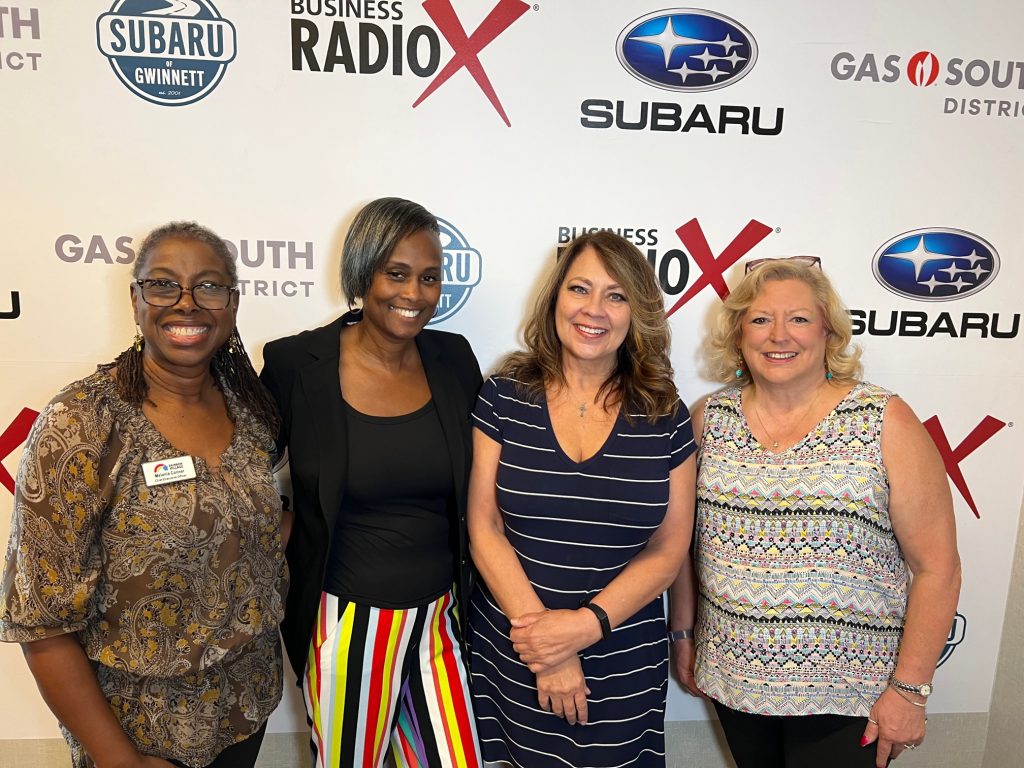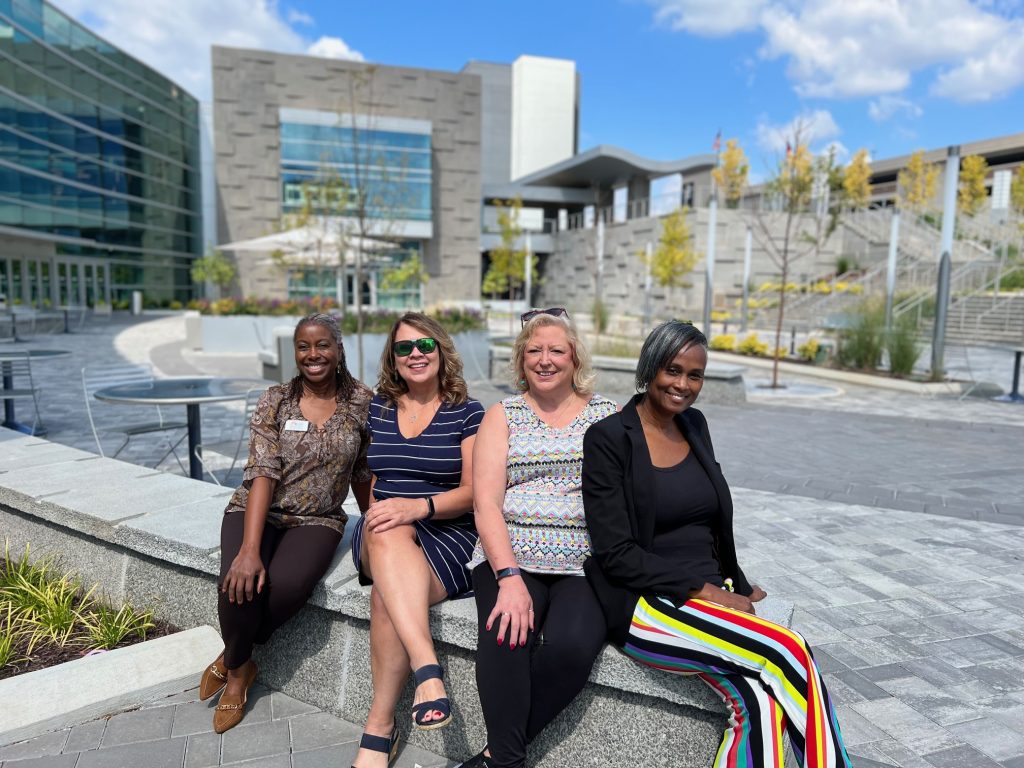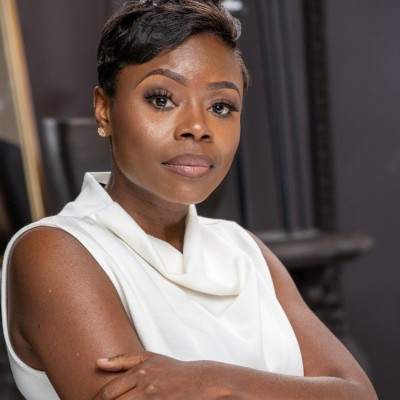

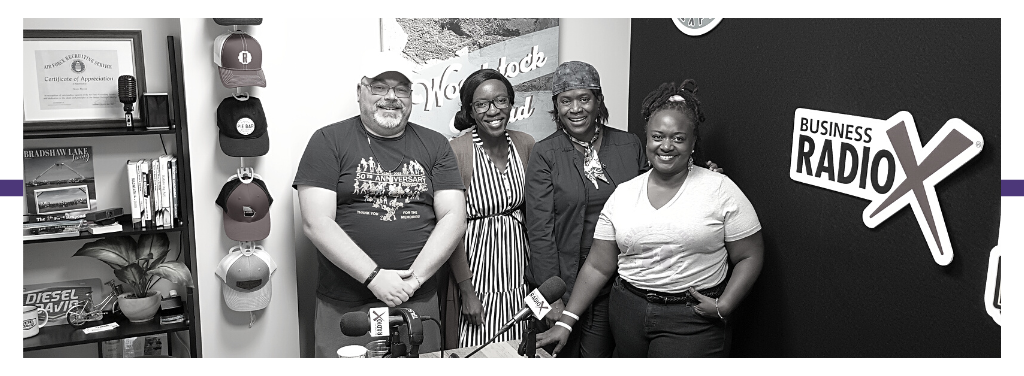
 Loice Hayes is the founder and owner of Celebrations to Remember LLC. We specialize in curating meaningful celebrations by understanding your vision, expectations, and timeframes for birthdays, weddings, business events, and more.
We create events that are innovative, entertaining, and unforgettable! Our goal is to give you the most memorable experience, full of the people and elements that you love. Let us put your mind at ease by bringing every detail of your party to life and making a Celebration to Remember together!
 Dana Austin is an award-winning, best-selling author, writer’s Coach, and founder and CEO of Dana Austin Speaks, LLC, a business where the physical and online stage is her platform for speaking, coaching, and transforming the lives of business owners, researchers, and writers.
Dana continues to exemplify excellence in business. She also serves as Executive Director of Global Chamber Atlanta. Her natural ability, as a connector and impactful leader, effectively grows the number of people and business owners to successfully engage with cross-border trade and investments, advancing commerce, careers, and communities to make the world a little better. She works with businesses, nonprofits, and governments to maximize and fulfill this goal.
For Dana, words hold power to shape and create desired outcomes. With ease she declares her mantra: I WRITE. I SPEAK. I INSPIRE. © Dana’s award-winning and best- selling book, “Tea With Strings Vignettes: Culture, Customs & Recipes” reflects her love of people, travel, customs, and cultures.
Equally, her love of travel and “all things tea” led her to become a certified tea consultant over a decade ago, dubbing her the title of “Lady Dana.” She has presented to international audiences leading Global Chamber virtual “Global Tea Party” events. Her next book released in May 2023, is entitled “The Transformational Writer’s Journal: Helping Writers Become Authors.”
As a speaker, consultant and international business leader, Dana hosts and coordinates workshops and conferences for aspiring authors. Collectively, she and her Transformational team have helped over three hundred writers become authors. Her company’s signature annual event is the “Transformational Writers Conference,” held in Puerto Rico, the first week of December. It is her platform to connect writers with Industry experts, local and abroad and provide a creative, magical immersive experience to escape, relax and write.
Dana uses her proven Austin-Ikigai method to successfully coach writers to become authors in her 90-DAYS TO MANUSCRIPT MASTERCLASS. This writer’s coach and tea connoisseur is an amazing Registered Research Nurse. She speaks at scientific conferences, sharing emerging data from clinical trials and serving on clinical panels. She is a Health Ambassador for Center for Global Health Innovations. And Dana is an active member of the Sigma Theta Tau Nurse Leader Honor Society.
She holds an Associate of Science from Southern Adventist University; A Bachelor of Science degree in Nursing from Emory University, and a Master of Science Administration: International Development, from Andrews University. Dana was featured in Voyage ATL magazine and on several television networks for her business and philanthropic work.
She feels that her greatest personal accomplishment was developing a program and soon to be foundation “Aprons for Education” to help put young girls through school in Uganda, Rwanda, and Ghana. One of Dana’s favorite quotes, which she strives to live by is: “However, I consider my life worth nothing to me; my only aim is to finish the race and complete the task the Lord Jesus has given me—the task of testifying to the good news of God’s grace.” (Acts 20:24 NIV)
 Shay Traylor is a caregiver by nature. She has always had a passion for helping others. She is the mother of 2 adopted sons and the grandmother of 2 beautiful granddaughters. She is recently widowed after a 29-year wonderful marriage.
She has been a Registered Nurse for 33 years with the last 20 in Oncology. Shay feels she answered the call God placed on her life when she cofounded Loving Arms Cancer Outreach in 2011. The sole purpose of Loving Arms is to provide emotional and financial assistance to cancer patients as they go through the cancer journey.
Along with being the Chairman of the Board and Cofounder of Loving Arms, she is active member of Victory Church North Cobb campus where she serves on the medical team. She also served on the Board at Agape International Church for 4 years, as Worship Leader at Agape and headed up their food pantry for 5 years.
She served on the Advisory Board for Lincoln College in Marietta; GA. Shay has received several community awards for her volunteer efforts in the area. She won the 2015 Positive American Award, the Sickle Cell Champion Award in 2016 and the
National Coalition of 100 Black Women Northwest Georgia Chapter Women of Impact award in the area of Health in 2017. Shay still works as an RN part time for a couple of home infusion companies. She loves direct patient care. She says, “Caregiving is what I do, it’s who I am”.
This transcript is machine transcribed by Sonix
TRANSCRIPT
Intro: [00:00:07] Broadcasting live from the Business RadioX studios in Atlanta. It’s time for Charitable Georgia. Brought to you by B’s Charitable Pursuits and resources. We put the fun in fund raising. For more information, go to B’s Charitable Pursuits dot com. That’s B’s Charitable Pursuits dot com. Now here’s your host, Brian Pruett.
Brian Pruett: [00:00:45] Good fabulous Friday. It’s another fabulous Friday. We’ve got three more fabulous guests. If this is your first time listening to Charitable Georgia, it’s all about positively happening in your community. And again, like I said, we’ve got three fabulous guests this morning and I don’t know if I put myself in this situation or not because I could be in trouble because I’m the only guy in the studio again this morning. So Stone’s even left me. He normally says, you’re in charge now, producing and being the host. So thanks a lot, Stone. But no, I’m excited about this morning. We again three three wonderful ladies here. And we’re going to start this morning with Shay Traylor. I put it wrong on the internet. So it’s Traylor, not Taylor. I apologize Shay. But you’re with Loving Arms Cancer Outreach and you’re the founder correct?
Shay Traylor: [00:01:26] That is correct.
Brian Pruett: [00:01:27] Awesome. So we’ll get in to talk about that in just a second. But tell us a little bit about your background, and then you can tell us how you got got what loving arms started and what you guys do. Okay.
Shay Traylor: [00:01:35] Well, I am a R.N. by trade. I’ve been an r n for 34 years now, and being an r n I wound up, I’ve done different things, different areas of nursing. And the last 20 years it’s been in oncology nursing where I take care of cancer patients administering their chemotherapy. And during that, I realized that there was a big need out there for financial assistance to help pay for different things where the patients can do their medical treatment. And they would come into the infusion suite worried over their bills. And so we just fell into this organization or starting this organization. It was never my intent. And that’s been 12 years ago, and God has blessed us to where we have been able to help thousands of Georgians with cancer to pay their bills while they’re going through treatment.
Brian Pruett: [00:02:33] Aren’t you from Georgia originally?
Shay Traylor: [00:02:35] I am not, I am from mobile, Alabama originally and I moved to Georgia in 226 2006.
Brian Pruett: [00:02:44] I was going to say 26. You got that little no, no time.
Shay Traylor: [00:02:47] I missed the 0 to 2006. There you go.
Brian Pruett: [00:02:52] Yeah. All right. What brought you this way?
Shay Traylor: [00:02:55] My husband wanted to move to a bigger city. He was from Philadelphia and I am from mobile. And he was. He did not like the small city feel. And so he met me and wound up being there for 13 years, and then we moved.
Brian Pruett: [00:03:13] It’s probably a culture shock coming over here from mobile.
Shay Traylor: [00:03:15] It was. It really was. But we we moved to the suburbs. So I still had that small town feel. But he had access to Atlanta, downtown Atlanta, the big city fields. There you go. It was a it was a good compromise. So when you’re.
Brian Pruett: [00:03:28] Nursing, where did you come over here and where did you do your nursing at?
Shay Traylor: [00:03:32] I when I moved here, I started working at Northwest Georgia Oncology at Kennestone. And, and I did that for about 13 years. And during that 13 years I started loving Arms Cancer Outreach. Awesome. Well, not by myself. There was another nurse. It was two of us. Her name is Diana and but she retired in 2015.
Brian Pruett: [00:03:55] So okay, well, we’ll get into that organization in just a second. But I’ve got a couple of questions for you. First, so tell me why. First of all, it’s important for you part of the community.
Shay Traylor: [00:04:04] Well loving arms cancer outreach. We help the community. And so it’s a part it’s important that we become a part. And the community knows more about us so that not only can we help them, but they can help us. And there are so many people right around us that are affected by cancer that even if they’re not the ones that are that have it or have the diagnosis, they are related, or they know somebody who has the diagnosis. And we need to be loving arms needs to be out there. We need to be seen. People need to know that we are an accessible resource for them. And so I’m here today to let the world or let our listeners get to know more about us so that we can help them, and they, in turn, can help us.
Brian Pruett: [00:04:55] All right. So since you started that, go ahead and tell us more and how people can get involved. But first of all, tell us everything that you do and where all you serve. And then how can people get involved?
Shay Traylor: [00:05:04] Okay, well, we are loving arms services, seven counties. When we first started the organization back in 2011, we had these grandiose ideas that we would help the whole state of Georgia. Well, that came to a screeching halt. We primarily assist with financial and emotional things, the financial aspect of it. We pay people’s bills, we’ll pay their light bill, their gas bill, water bill, cell phone bill. If that’s their main phone, we will send out gas cards to help them get back and forth to treatments. We send out grocery cards to help them buy food, so they don’t have to decide whether they’re going to buy their medicine or buy groceries. So we do those types of things. We also have a program that’s for for certain people. It’s a special grant that we have that will assist with rent and mortgage payments. So but there’s a big qualification that follows into that through. And it’s for Cobb County residents. But we also have support groups for anybody that has cancer. And we meet every other week and we do different things like yoga, light touch, massage. We have a time where we serve lunch and we just talk.
Shay Traylor: [00:06:27] And the big part of that is the people that have had cancer and have survived for years are able to help the people that are just starting or have been doing it for a shorter period of time. So you go to this meeting and you have lunch and light touch massage and sometimes chair yoga, and then you get to talk to people that have walked the path that you’re walking and you’re getting encouragement. You’re finding out some shortcuts, some educational type things. And so it’s really a big deal. And you’re with people who are walking that path with you so you don’t feel so alone. Because cancer has a tendency to make you feel isolated because. You are fighting this battle and you feel like you’re fighting it by yourself, and our support groups helps you to see you’re not fighting it by yourself. Somebody else has done this and somebody else is doing this and you’ve got support. So that’s that’s a very important component of what we do. But I think people mostly like us because we help financially. Right.
Brian Pruett: [00:07:33] So do you guys also have support groups for the family members with those who have cancer?
Shay Traylor: [00:07:39] The family members are more than welcome to attend. We have had several family members to come. They turn into volunteers real quick. They start helping with the light touch massage and the yogas and the serving of lunch and stuff like that, because not only do they want to come and find out more about what their their care their person is going through, but they also see their other people that that are there that need help. And so instead of them sitting there receiving and, you know, having a time out, they wind up volunteering and helping out and they find a lot of joy in that. So yes. And if ever we get a lot of them that request a caregiver support group, we will definitely consider that because in the past we have had that. But then the attendance fell off because they’re so busy taking care of somebody that they don’t take the time out to go to a place just for them. So attendance fell down and so we just combined it into one.
Brian Pruett: [00:08:43] There you go. So you guys are based in Marietta, is that correct?
Shay Traylor: [00:08:47] That is correct. Our office is at 844 Livingston Court right off of Franklin Gateway. Okay.
Brian Pruett: [00:08:55] All right. We know Franklin Gateway pretty well, don’t we, Dana?
Dana Austin: [00:08:58] We surely do.
Brian Pruett: [00:09:00] So you you mentioned earlier that you also you said you support seven counties. Yes. Can you mention those?
Shay Traylor: [00:09:06] Yes. The seven counties that we’re currently supporting are Cobb, Bartow, Cherokee, Carroll, Pickens, Paulding and Douglas. Okay.
Brian Pruett: [00:09:17] Nice. Remember. You talked about people getting involved in volunteers and mostly family members. But what other way can the community get involved with you guys?
Shay Traylor: [00:09:27] Well, we have several events that we have every year that we would love for people to get involved with because we can’t do it by ourselves. We it takes a community to make these things happen. One is our dancing with the stars of Cobb County. I’m sorry. Dancing with the stars of loving Arms. And this this. The next event is going to be April the 28th. And we are excited about that because it’s going to be our reunion tour, because we have not been able to do it since Covid. And so this is going to be our reunion tour where we have some of the past dancers, the to come out and they’re going to do a repeat performance or a new performance, even, and we’re just excited some of the previous instructors are going to be there and we have a silent auction, we have heavy hors d’oeuvres. We have a time of just partying and having a good time, and it’s a great fundraiser for us. We in the past have had it at the Renaissance Waverly. We’ve had it at the the Marietta Conference Center. And this year we’re not this year, but in 2024, we’re having it in Paulding. Actually, we are having it at the Civic Center and Theater in Paulding and in Dallas, Georgia.
Shay Traylor: [00:10:52] And because what we’re trying to do is incorporate the other counties that we serve, we’re trying to get the communities in every county that we serve involved in what we do. We’re also what’s coming up next is a festival of trees in Euharlee, which is in Bartow County. We’re having that, and it starts the the Saturday right after Thanksgiving, which is the 25th of November. It will run for a week, ending on the 2nd of December, which is the following Saturday, and it’s going to be every night from 6 to 9. We have trees that are being donated by different companies, different organizations, and those will be on display and they will be available for silent auction. Not just trees, but wreaths and decorations, anything Christmas. So it’ll be like walking into a Christmas land. And it’s going to be at the granary near the covered bridge in Euharlee. And our big night is going to be that Monday. They have the Christmas parade with Santa Claus and everybody, and it ends right there at the greenery where we’ll be having the festival of trees. So I feel like it’s going to be really busy.
Brian Pruett: [00:12:01] Well, you just got Lois excited, so I’m sure she’ll reach out to help you.
Dana Austin: [00:12:03] every single year with my daughter.
Loice Hayes: [00:12:06] We love the Festival of Trees. Awesome. Well, my daughter always goes and looks around at every single one. Is the display.
Shay Traylor: [00:12:12] That’s awesome. Well, this year it’s being we’ve partnered with the city of Euharlee and we’re going to be doing it.
Loice Hayes: [00:12:18] That’s so exciting.
Dana Austin: [00:12:19] Yes.
Brian Pruett: [00:12:20] And I have a feeling that after the show is over, Lois will be talking to you, that you get involved somewhere. Yes.
Loice Hayes: [00:12:25] I already took a lot of notes for you. So I love, love, love volunteers.
Shay Traylor: [00:12:29] And so we have a not a finance. We have a fundraising committee and we meet and we do these different events. We have subcommittees in those committees where the people in the community join us on those subcommittees to get the little things done so that it equals up to the big thing that way. Because right now we only have two full time employees and a lot of volunteers that volunteer in the office, and I volunteer as well. And we need people in the community to come with us, to help us to do these things, because we can’t do everything by ourselves.
Brian Pruett: [00:13:04] So when you do your gala, I got my guy I want to connect you with who does the silent auction stuff that could probably boost your event on the silent auctions, right, Lois?
Loice Hayes: [00:13:11] He is absolutely amazing.
Brian Pruett: [00:13:12] And it’s no charge.
Shay Traylor: [00:13:15] That’s even better.
Brian Pruett: [00:13:17] We’ll. I’ll connect you. His name is Chad Blake. Okay. Angel auctions. You’re welcome. Chad.
Dana Austin: [00:13:23] Shout out to Chad. Yes.
Brian Pruett: [00:13:25] He’s amazing. So I always tell people, if there’s anybody who has a heart that can beat out of their chest, it’d be Chad. So anyway, so let me ask you this. How I actually didn’t know about you guys until I’m having a brain fart who may emailed me. Janet. Janet. Thank you. Um, so tell me how you guys get the word out.
Shay Traylor: [00:13:45] Um, the biggest part is by word of mouth. We also have a good Facebook following Instagram. We have we go to doctors offices, the oncologist offices, the infusion centers, cancer centers and the discharge planners at the hospitals. We talk to those people because they’re the ones that come in contact with with the patients one on one, and they hear about what their needs are, and they send us a referral. And the referral process is somebody could either call us at (770) 590-5153 and give us their information. The discharge planners at the hospitals will call us and give us the information. The doctor’s offices, if you have cancer or are currently in treatment or have been in treatment within the last 18 months of of ending your treatment, you qualify. Because we don’t we don’t discriminate between the types of cancers. We assist with all cancers. And that’s why I have on a lot of lavender today because lavender represents all cancers and that those are loving arms colors because we want to represent all cancers. So if you have had chemotherapy or you have had radiation or some type of surgery for cancer within the last 18 months or you’re currently in it, you qualify. It’s not based on income because cancer will strike you and you will find yourself broke. So we don’t look at income except for special grant things that the government requires. But normally just for us helping, we don’t look for income. So we have people that call us on the phone that heard from a friend or heard from a friend, from a friend, and they call and ask us, can you help me? And if they meet those qualifications, then yes, we can to verify that they are telling the truth or that they actually have cancer. We send a form to the doctor and he signs verifying that they do have cancer. And then we start helping as best we can.
Dana Austin: [00:15:55] Wow.
Brian Pruett: [00:15:56] Go ahead.
Speaker6: [00:15:56] I love that you mentioned, Shea, that you all help everyone with cancer. And just last week since this is Cancer Awareness Month, I was attending the Pink Frog Ball Affair, which is also an organization that shows up in the same space to help those dealing with cancer and resources. And one of my good friends who invited me every year, he invites me. Eric Dunlap is a one of the first men and the only men that I knew with breast cancer. And he’s a survivor over 20 years. So you’re helping all people, including men, with breast cancer. Raising their awareness around that to get screened is so essential. So I’m excited about what you all are doing on many for many reasons. But I’ll just say I’ll just say that for now.
Shay Traylor: [00:16:46] Thank you.
Dana Austin: [00:16:48] Thank you.
Brian Pruett: [00:16:48] So we talked on the show a lot of time too, about not only community but also the power of networking. Do you do any networking for your organization?
Shay Traylor: [00:16:56] Um, I go out and I do wherever somebody wants me to speak, wherever somebody wants my presence, I’m there. Um, during Covid, I was out a lot. Well, I took a step back during Covid because in 2020 1st February 2021, I lost my husband to Covid and I could not. I didn’t have the emotional reserve to do anything. It was, you know, it was enough to just barely live. And so I took a step back, and I didn’t realize how much my presence was missed, because I was the one that always went out and did and met people, shook hands, kissed babies and stuff like that. I didn’t realize how it was missed because until somebody called and asked, was loving arms still? A thing, or was loving arms still around helping people. And we were we were actually doing very, very well during Covid because we qualified for some grants that we didn’t ordinarily qualify for. And so I thought it was so strange. And then she said, well, we haven’t seen Shay. Where is Shay? Shay is usually at all the events she’s at all this networking and she hasn’t been around and that’s when well, they told her what happened and but that struck home with me as to how important it is to get out in the community and let the people see that you’re there to tell the people constantly that Loving Arms is here and can help. And I didn’t realize how my stepping back had such a big impact on that. And so now I’m back.
Dana Austin: [00:18:44] Awesome.
Shay Traylor: [00:18:44] I have a newfound resilience, a newfound I better get out here and do this.
Brian Pruett: [00:18:51] So I’ve been dubbed, well, this is a few years ago, but I’ve been dubbed the leader of the networking posse. So I need to induct you and you can follow us. Lois has started coming to one of our groups. I can send you some groups to go to, but you definitely need to be out there so people can.
Dana Austin: [00:19:04] Oh, absolutely.
Brian Pruett: [00:19:05] And the Cardinal Business Club that you guys are in, and since you’re in Bartow County, you need to be part of the Cardinal Business Club. It is more than just a networking group. It’s a community. And yeah, so you’ll you will find a lot of support there. So I want to go back to a little bit about your background. I wanted to ask what made you decide to become a nurse?
Shay Traylor: [00:19:28] Well, my inspiration was a time in my life where. I was a teenager. Prior to this, I had only wanted to be a doctor, but. As a teenager, I made some bad decisions and I wound up a teenage mother. And my young one was she was ill and she stayed in the the NICU at the hospital. And my experience in going in there, interacting with the nurses, seeing how the nurses loved her, loved all the babies in there and and the impact they had on my life. They took me under their wings and I mean just became mothers while I was there. And so they taught me how to take care of her. They taught me all the different things that I needed to know. And I just I thought. Wow. That’s what I want to do. I want to take care of people. You know, I want it to be a doctor. But I saw the doctors. Not that they had a bad impression on me, but they would come in. They would do the their doctor stuff, and they were gone. They didn’t have a relationship with me, and that’s what I wanted.
Shay Traylor: [00:20:47] I wanted to have a relationship not just with the patients, but with their family as well. And so as soon as I graduated high school, I went right into nursing school, and I graduated from high school when I was 17. And then I went right into nursing school. So I went and got my associates degree. So I graduated nursing school at 19 and took my state boards and got the results just after I turned 20. So I was like the youngest nurse, the youngest R.N. at the hospital. And the patients were like, oh, can you send the nurse? You are a candy striper. I’m like, no, I’m here to give you your big medicines. So that’s that’s what inspired me to become a nurse. And I haven’t looked back. I am a care giver by nature. I love taking care of people. I’ve done the supervisor thing sitting behind the desk and that was a no go for me. I needed that hands on taking care of people, finding out what’s going on with them and that that sort of thing.
Brian Pruett: [00:21:43] I think it’s important that too. I mean, you know, they talk about the bedside manner for doctors, but the nurses are the ones that, you know, they’re always with the patients looking after them and everything. So it’s so I’ll give you a quick story. When I was younger, I had something we’ve talked about before on here, but when my mom took me into the urgent care, I guess it was an urgent care they to to give me a shot that they needed me. Shot the lady, the nurse. She was quite large and she sat on me like this to say my mother was not very pleased. And there could have been, you know, there probably was. Anyway, that was not a nurse that you wanted to be involved with. But nurses I think, are amazing. So we appreciate you for for what you’re doing there as well. So let me ask you this too. So you’ve have the experience of starting a nonprofit. If somebody is listening and is thinking about starting a nonprofit, give some advice on what to do or what not to do.
Shay Traylor: [00:22:36] My advice to someone thinking about starting a nonprofit would be. Find another profit that is already in existence that does what you’re thinking about needing to be done. And what I mean by that is we have nonprofits galore, but there are a lot of them are repetition. They’re repeating what somebody else is doing. Even if you find a nonprofit that’s not quite doing what you think should be done, but. Their mission is close to what you’re thinking about doing. Go and talk to them. We need help. So go and talk to them and say, hey, I have this idea and I would like to partner with you and then go under their umbrella and start that program for them. You know what I mean? So like a good example would be like with loving arms. One of the things that we do is we give out free hats and wigs and scarves to cancer patients. Well, if you’re out there and you think you need, you want to start an organization that provides wigs for cancer patients, then instead of trying to start an organization that does that, find loving arms and say, hey, let’s partner, I will start this program or enhance the program that you already have, and I will take care of this and handle this.
Shay Traylor: [00:24:00] That’s a win win that way. Loving arms doesn’t have to worry about that anymore. But we can send our people to, you know, to be in this program and you’ll be under the Loving Arms umbrella. And you don’t have to go through all the paperwork and starting a 501, C three and all that good stuff. So and you’d also benefit from our, you know, our. Being out there already, and you don’t have to do all that. You just join in with somebody. So that would be my suggestion. Before you start the organization, try to see if there is an organization that is in existence that could use your help and then partner with them. The second thing would be to get involved with like the different collaboratives, they already know who the nonprofits are in the area, like Cobb Collaborative, you they know every nonprofit that’s in Cobb County. And if you need if you want to know who does this or who possibly does that, they would be a great people to call and find out and get involved with, because they have educational programs that teach nonprofit important stuff. Because I was a nurse, I didn’t know anything about nonprofits. And like I said earlier, we fell into it.
Shay Traylor: [00:25:19] We kind of backed into it. We were making arts and crafts and going and sitting at the flea market selling them. And and people were like, oh, that’s great. What are you what can we do to help? If I donate to your organization, can I write it off on my taxes? We didn’t know anything about that. But if you need some chemo, we can give that to you, because that’s what we did. So we started researching and finding out what we needed to do, and started the paperwork and got our 500 and 1C3, and still didn’t really know what it meant to be a nonprofit or how to run a nonprofit. And as the years went by and we went to different classes and groups and got certifications and stuff all along, we’re still helping people, but we’re also trying to do this and work full time jobs. It was wild, but we did it. And. We learned what we needed to do. But the biggest thing I know this isn’t part of the question, but I’m going to tell you this you have to know that a nonprofit is your mission. What you’re trying to do in the community as well as a business. Right. And a lot of people don’t realize that in order to run a successful nonprofit, you have to have people running the nonprofit.
Shay Traylor: [00:26:39] In other words, you have to have employees, whether it be one, two, three, ten, 12. However, this depends on the size of the organization. If you don’t have employees that are dedicated to running this thing constantly, and that’s their main focus, it’s not going to survive. It’s not going to survive. We are some of our weaknesses or our oppositional oppositions in non profit. Is other people trying to raise money too. So you have. Donors out there that everybody’s trying to get to, and donors donate to what matters to them. And so somebody that is not doesn’t care, not they don’t care. But cancer is not a big thing for them, may not be interested in loving arms. They may be interested in education because they’re a teacher and they feel like education needs it. And so they’re going to donate their funds towards that. So we’re all out there vying for donor dollars. And so if you’re not ready to understand that it’s a business as well as your mission, then it’s not going to work because you have to pay your people to be there, to serve the people, to help your mission come to fruition.
Brian Pruett: [00:27:56] And I think that’s important that you bring that out, because while there are volunteers, there are people, like you said, have to be there and run. And that’s their that’s their business, that’s their job. That’s how they get paid. So and they got families too.
Shay Traylor: [00:28:07] That’s right, that’s right. Because the volunteers at the end of the day, we love our volunteers. But if a volunteer wakes up and they’ve got a headache or a stuffy nose, you know what? I’m just volunteering. So I’m not going to go today. But you’ve got to have somebody in there calling people and making sure their needs are being met. So you have to have employees, right? So we love our volunteers, don’t get me wrong. And they are what make our world go around in doing fundraising and reaching out to people. But at the end of the day, they don’t have to be there. So you need somebody that has to be there, your employees. That’s going to make sure this thing is still moving and running even during the holidays and stuff like that.
Brian Pruett: [00:28:47] So other than volunteering in the financial aspect of it, how can individuals and businesses get involved and help you guys?
Shay Traylor: [00:28:54] We love when businesses and other organizations have fundraisers, like this month is Breast Cancer Awareness Month, and there are a lot of people that are doing different things well. We have a special program called the Pink Ladies, and what we do is that’s where the different people that are breast cancer oriented can donate their funds. And it’s specifically for breast cancer. We have a matter of fact here in Cherokee County tomorrow, they’re having their their charity golf tournament, and they’re going to fund raise for us in Cherokee County. So they I mean, it’s a big fundraiser and it’s wonderful. I normally go, but I’ll be at the Alabama game tomorrow.
Dana Austin: [00:29:42] I’m sorry. Yes.
Shay Traylor: [00:29:43] Roll tide and so I won’t be able to go. But I have people that will be there Janet and Michelle. Janet is our director, by the way, and Michelle is our care coordinator. And so those are our two full time employees that keep things running for us. So they’ll be at the event tomorrow and we’ll be all pinked out. Even though our colors are lavender, we will be all pink out. And it’s so much fun that golf tournament is. And so that’s an I that’s an example of the community getting together, doing something to help us. Right. So we love, love, love going to events where all we got to do is collect a check. Oh my God, that is awesome.
Dana Austin: [00:30:23] Lois, is your.
Brian Pruett: [00:30:24] Brain running like mine is? Yes.
Dana Austin: [00:30:25] All right, we’ll talk later.
Brian Pruett: [00:30:27] We’ll talk later. All right. So share a little more about the golf tournament. Where is it at and how people can get. You know, I know you just said it was yesterday. It’s tomorrow, but it’s.
Shay Traylor: [00:30:35] Tomorrow and it’s at the. I need to call Janet. And.
Brian Pruett: [00:30:42] All you golfers out there just getting go to the. You can go to website.
Dana Austin: [00:30:45] Your website. Right. Yes. Go to share your website.
Shay Traylor: [00:30:47] Yes. Yes. But it’s as far as the the golfers are concerned, they’re already registered. The ones that are going to participate tomorrow, they’re already registered and different things like that. But we like spectators to come out and look and, you know, and buy some of the silent auction stuff and donate and different things like that. All right. So it is at the, the golf.
Brian Pruett: [00:31:08] The golf course.
Dana Austin: [00:31:09] The golf course.
Shay Traylor: [00:31:10] In Cherokee.
Dana Austin: [00:31:11] County.
Shay Traylor: [00:31:12] It’s the one not far from here. Right up off of Town Lake.
Dana Austin: [00:31:16] Yes. Okay, it’s that one. All right.
Brian Pruett: [00:31:17] Well, share your website anyway so people can find other, other information about you and that. Good stuff.
Dana Austin: [00:31:22] Okay.
Shay Traylor: [00:31:22] Our website is Loving arms support.
Brian Pruett: [00:31:25] How about you already shared a phone number? But is there an email?
Dana Austin: [00:31:29] Yes, you.
Shay Traylor: [00:31:29] Can email us, email us at info at Loving Arms Dot support. We try to keep it simple.
Dana Austin: [00:31:35] There you go.
Shay Traylor: [00:31:36] And we kind of try to keep it simple. And we use dot support because that’s what we provide. We provide support. So loving arms dot support.
Brian Pruett: [00:31:42] Awesome. Well Shay, thanks for coming and sharing a little bit of your story. Don’t go because we’re not done with you yet. So we’re going to move over to on to Miss Lois Hayes for with celebrations to remember. And let me tell you, it is a celebration to remember when Lois gets involved. So, Lois, thanks for being here this morning.
Loice Hayes: [00:31:57] No problem. Thank you for having me.
Brian Pruett: [00:31:59] So you and I sat down, I guess, a few months ago, and talked, and we hit it right off and we knew we need to do some things together. And you kind of jumped in and helped me with the locker room chat. So before we get into your business, just share a little bit of your background and we’ll get into what you’re doing.
Loice Hayes: [00:32:13] Sure. Okay. So I well, there’s a lot to unpack about me, but I will kind of keep it brief because my husband says I talk too much, but I.
Dana Austin: [00:32:24] Still didn’t.
Brian Pruett: [00:32:25] Have a show till 3:00, so we’re.
Dana Austin: [00:32:26] Good. So I know, right?
Loice Hayes: [00:32:29] So I am a mom of two little girls. One is four and one is 18 months. My husband and I have been married for seven years, in December together for ten, and I grew up in California, but and I lived in Vegas for a little while, and my husband is from this side of the world. So when we met, I packed up everything and moved out here to be with him. And it’s been the best decision that I’ve ever made living in the South, because everyone down here is just so friendly, so wholesome, so kind, and I, I was stuck in retail management for quite a bit of time, and when I had my daughters, I realized I needed something that was going to help me live my dreams. So that’s why I decided to start celebrations to remember it’s a full service event planning business where I do everything from planning the events to executing the decor of the events, hiring the caterers, finding the vendors for your events, things of that sort. So I partner a lot with nonprofit organizations. I do a lot of events for weddings, baby showers, birthday parties, and so I I’ve always been passionate about helping people make it a memorable experience because growing up, I, I was the youngest of five.
Loice Hayes: [00:33:54] So I obviously my parents had so much on their plates and couldn’t really have birthday parties for all of us can have celebrations for all of us. And so I was always the one that was like, it’s okay, I’ll do it, I’ll do it, mom, I can I can handle it. So I would always put on celebrations and parties for my family growing up, and I would go to like the Dollar Tree and get little, you know, little things that I thought were the best items for the birthdays and celebrations. And I just loved being able to bring a smile to my siblings faces and my nieces and nephews and things of that sort. And so I actually went to college for meetings and event management and hospitality management. And I also have a certificate in event management as well too, through event tricks. And so I am just really passionate about relieving the stress off of others when it comes to the event that you’re putting on, because you’re putting on an event for your business or for your family to be able to enjoy it. And most of the time, people don’t even enjoy it because they’re so stressed about everything else that’s going on. So amen. Yes.
Dana Austin: [00:35:13] Yes, sir. Yes.
Loice Hayes: [00:35:14] So I am here to help take away all of that where you can just focus on what you’re there for, which is helping to promote your business, helping to entertain the people that you’re invited to your event. And so that’s why I started Celebrations to Remember.
Brian Pruett: [00:35:30] So I’m going to, you know, again, shout out to Lois, because we and Kevin, we’ve become really good friends. And so he likes to joke back with me, and I joke with him and seeing how many times I can tell people how many times we made him cry at the event. For All In All Out Ministries. For those of you who don’t know, Kevin Harris started All In Ministries helping men with addictions because he was in that lifestyle and it’s just an amazing story. So when when I first suggested that you and I were going to partner with Kevin, Kevin came to me and said. Everything that I see, though, it’s going to be like for little kids on decorations and stuff. And then Lois brought out her superhero and brought the decorations.
Loice Hayes: [00:36:11] He said he didn’t want it to look like a three year old’s birthday party. Those were his words. Oh, my. Because I do a lot of kids birthday parties, so I think that’s what he saw on my social media. And so I was like, Kevin, do not worry. Do not fear. And so I it was a really elevated, upscale event, something that really helped highlight what he was passionate about and showcase all of the different sports memorabilia that was there.
Dana Austin: [00:36:38] It was cool.
Brian Pruett: [00:36:39] Because literally, I don’t know if you saw him do this, but literally when you got finished decorating, first of all, she was there running around like a chicken with her head cut off since I don’t know how long, and then stayed late and all that stuff too. But when he walked in the room when she was done decorating, the tears just started. So made an.
Speaker6: [00:36:57] Impression for.
Loice Hayes: [00:36:57] Sure.
Brian Pruett: [00:36:58] Yes, not just to him to let me just tell you. So a lot of people, they’re still talking about the event. So thank you. Um, all right. So but you were very passionate and wanting to help with that event. Um, just tell us why. I mean, you have a little bit of a story. Why?
Loice Hayes: [00:37:12] I do bear with me if I ever get emotional at some point.
Dana Austin: [00:37:15] But I told Kevin.
Brian Pruett: [00:37:17] I haven’t, you know, this is the only thing I go. People cry on my show, too.
Dana Austin: [00:37:20] So go ahead.
Loice Hayes: [00:37:21] So Kevin and I have a fairly similar story. I struggled with alcohol for close to 1516 years of my life. It was very, very hard for me. You know, I would wake up and drink and I would go to work and drink, and I would get home and drink some more, and I would nothing made me feel better than having a drink in my hand. And it was it wasn’t something I could control because I tried to just have like one glass of wine or one one beer, and that never, ever, ever worked for me. Like I. To this day, I can’t even comprehend how people do that, because it doesn’t make sense to me why you would only have one when it doesn’t make you feel anything. So it was always a struggle for me and I hid it very, very well. I considered myself a very high functioning alcoholic because nobody, nobody knew, like no one. And so. I would. It took a very, very, very. Bad experience for me to stop, and it was an experience that hurt my husband and hurt my family and. It changed my life forever. It made me realize that I couldn’t go down that path, especially if I wanted to have a family down the line. I never wanted my girls to see me like that, and this was before I had my daughters. So I’m so thankful that I decided to stop before I had them, but I, I can’t imagine. Working with someone better than Kevin for that event, because I talked to him about my story, and I shared my story with him and how important it was for what he was doing to the community, and how he was giving back to all of those men that really need and struggle with it so much. I’m so sorry.
Dana Austin: [00:39:38] I accomplished it.
Brian Pruett: [00:39:39] Kevin. Sorry.
Loice Hayes: [00:39:40] I know, and it’s always Kevin too, because Kevin cries. So when he cries, I cry. So any time I talk about him, I’m always crying. But it’s just it’s just an honor just being able to partner with organizations that give back in that fashion and. Knowing that there is someone like Kevin out there that cares about the community that much. I knew I had to jump on, and so I partnered with a lot of nonprofits that way, and my services are donated to. For the most part, to their organization and to whatever it is that they have going on. But it’s if you have any kind of nonprofit organization, whether it’s cancer or whether it’s anything that anything that’s nonprofit, I can help you with your events. And I come in and I help take over any of the decor pieces, any of any of the vendors that might be coming in. I help support with any of the food, food trucks, anything that you have going on.
Speaker6: [00:40:49] Do you travel to Puerto.
Loice Hayes: [00:40:50] Rico, to Puerto Rico? Ooh, I have not, but I will definitely.
Brian Pruett: [00:40:55] If our tickets paid for, she probably will.
Shay Traylor: [00:40:57] Yeah, if the tickets paid for, I’ll go.
Dana Austin: [00:41:00] Yeah.
Brian Pruett: [00:41:02] So she and I are just, you know, we we’ve dubbed the Dream Team. So it’s not just. It’s Lois, myself and Lawrence Simone. I’ll get it. I always mess it up. And Anna. Christine Boyer, I got that right, too. You did?
Loice Hayes: [00:41:15] You nailed that one.
Brian Pruett: [00:41:16] And and say, that’s my dream team. You notice I’m the only male. Dana. Yes, I know.
Dana Austin: [00:41:20] So.
Speaker6: [00:41:20] But, you know, you’re quite comfortable around women that I know.
Brian Pruett: [00:41:25] So she and I are partnering to in November. We’ve got another nonprofit that we’re working with that it’s going to be a business, a veteran business owned or first responder owned business expo. And portion of those parades are going to The Outer Circle, which is a nonprofit based in Dallas, Georgia, helping veterans and first responders with PTSD and suicide prevention. So anybody knows veteran businesses or businesses that want to hire them, let me know. We’ll get them involved in the expo as well. So all right, so I wanted to go back to. Obviously there’s a reason why you get involved with the community and. We talk all the time about community, obviously in the show, but why is it important for you to be part of the community?
Loice Hayes: [00:42:04] So my biggest thing has always been I have to put my serving heart first. And I people say I don’t have a mean bone in my body, which is probably really true, and I give I’ve been always been a giver, and one of the things that my pastor said in church one day was we have to step out into levels of obedience that really scare us and challenge us. And so that’s what I wanted to really do when it came to giving back with celebrations to remember and I, I reached, I started reaching out to local businesses that were non. I’m partnering with the Open Door Home in Rome, and I put on events for their kids every single month, because those kids don’t get to have birthday parties, they don’t know what a celebration is. And so just being able to give back like that and seeing the genuine reactions from people that have never had anything like this before, that is the main reason why I continue to do what I do with celebrations, and I really want to continue working with nonprofits in that way. So that way, I told my husband I was like, if I never make a dime from this, but continue to make people happy, that is all I would ever want in life.
Loice Hayes: [00:43:28] And he was obviously like, wait, wait a minute, we need to bring in some kind of income. But I, I, I truly enjoy giving back as much as I can. And I do a lot of things. They say you have to serve in silence to truly get blessed. So there’s a lot of things that I do that people don’t even know, but I want to make sure that I support the community in any way that I can. So I do a lot of things. I don’t want to mention them all because that’s not serving silently. But I just always want to make sure that no one goes without a celebration. And if there’s someone out there that is struggling financially and needs to have a third birthday for their son or daughter, I will take care of that if I need to and any way that I can, because I don’t want any parent to feel like they can’t have that for their kids. So not only is it the organization, but I also look out for things like that within the community to really help them as well. All right.
Brian Pruett: [00:44:29] So Chad just may have gotten his competition with beating out of the heart of the chest. So so you also told me when we first sat down and met that you told me about a couple of events that I never thought about. You’ve mentioned that you’ve done some celebrations of life events.
Loice Hayes: [00:44:46] Yes.
Brian Pruett: [00:44:47] That’s I mean, can you speak about what those what that looks like.
Loice Hayes: [00:44:50] Yeah, definitely. So I those are probably hands down my favorite ones because those are so personal. The ones that I’ve done, I’ve been able to incorporate what their loved one felt like and bring that to life at their celebration. So just for example, a couple of the ones that I did one, their mom loved the ocean, she loved the beach, she loved that life. And so I was able to really bring in all of the ocean elements to the decor pieces, bring in dolphins, bring in like real sand, sand, real seashells from the beach. Really bring in all of those elements that she loved. And then all of her favorite food, her favorite flowers were there. I created a slideshow with all of the memorabilia of their photos. I was able to project that on a projector. And really? Oh, and I also made all of those obituary cards and things of that sort with her favorite poem on there. Yeah, and just really those small touches that people get overwhelmed doing for events. I can do all of that and bring that to the table when it comes to those celebrations of life. And then the other one that I had was so, so, so special. It was she loved the 70s and the 60s, so we made it really groovy for her in a very elegant way. And so we were able to incorporate all of her favorite designs and elements with the 70s and the themes of that sort, and her favorite colors were in there. And so when the family walks into those spaces, they can feel that loved one that’s right there. And every event that I’ve done for those celebration of life, people always come back and just tell me how they knew that that person was there because they could feel it in all of the decor. So. When I. When I do those. It’s so special to me. Sorry. I’m just emotional all day today, but it’s just so special to my heart doing this because I really take the time to make it super, super personal for the families. And I just love I love doing this.
Brian Pruett: [00:47:13] That’s awesome. So when I when I started out as a sportswriter years ago, I always told myself I was never going to ask stupid questions. I didn’t want to ask a stupid question. Okay? At least I feel like it’s going to be a stupid question. These celebrations of life services. I guess probably you do them after the service or would you do them? How? How does that look?
Loice Hayes: [00:47:34] Yeah. So it actually varies because some people don’t have a memorial or a funeral and just choose to do the celebration of life instead, because then it doesn’t feel like it’s a sad event. It feels like the family is gathering to really remember that family member that passed away. So for the first one that I did, the family couldn’t come because of Covid, so no one was able to be there for her funeral and her her services. And so two years later, they had the celebration of life, and they were able to gather everybody there for that. So that made that very, very special because they hadn’t seen each other in a while as well, too. And then the other one, they chose to have a celebration of life instead of the memorial service in the funeral as well, too.
Brian Pruett: [00:48:27] That’s that’s pretty awesome. I never thought about that. So that’s really cool. All right. So if somebody is listening and is thinking about starting a business because you’ve obviously done that, give some advice on on starting a business.
Dana Austin: [00:48:38] Yeah.
Loice Hayes: [00:48:38] So um, I have been blessed beyond measure. I’ll just start off by saying that because I started my business earlier this year in February, and it has taken off because I have left it in God’s hands. And I I’ll get to your I’ll answer your question in a second, but I just want to say, if it wasn’t for my my church and the ladies in my women’s ministry that prayed over me and really helped me find my calling, I would have never started celebrations to remember. I was so lost last year I struggled with. I’ve been seven years sober and I think, yes, I’ve been seven years sober. But last year when I had my daughter, I struggled with a lot of postpartum anxiety and it was very, very hard for me to figure out what my why was and what I was going to do next, because I was working full time, working 50 plus hours a week, only seeing my family like one hour a day. It was very, very hard. And so I would go to church every, every week, every Wednesday night for our women’s Bible study. And they really helped me realize what family was all about and how I needed to find my calling.
Loice Hayes: [00:50:05] And so I prayed about it. They prayed over me. And in January, I told my husband I was like, why am I waiting so long to start something that I’ve always been so passionate about? And so that’s that’s when I realized that you don’t have to be perfect to start. You just have to start. You just have to go for it. And if it wasn’t for me stepping out of my comfort zone and just saying, hey, my first few events may not be like exactly how I want them to be, but if I showcase something, that’s a start and that’s what I need to do. So I, I knew that if I did start, I needed to start correctly. So in February, I got my LLC and I registered with the state of Georgia and became an official business. And so I launched off by doing my daughter’s first birthday party. And it was a very Hungry Caterpillar theme. And she eats all the time, always. And Brian has seen her plenty of times and she’s always eating. And so she and.
Brian Pruett: [00:51:13] Terry, she gets along very.
Dana Austin: [00:51:14] Well. Yes, yes.
Loice Hayes: [00:51:16] And so I showcased that. And from there things blew up blue like it was it was crazy how many notifications I got, how many messages I got. And so I was sitting there like, wait, I don’t have inventory. I don’t have this yet. I don’t like how is this even happening? And so what I realized was that I needed to hit the ground running. So start a business and be prepared to move and move fast, because if you just. Are genuine with the people that you’re meeting and are genuine with the people that you have relationships with, then those people, when they see the first thing that you do that is really going to help you in the long run, because that’s exactly what happened. And so I was ready to move quick. So as soon as I finished that event, I continued to build my website. I hired a virtual assistant to build that for me. I hired someone to help me with events I started. Really. I think that’s around the time when I started meeting up with Ryan and Cartersville Business Club.
Loice Hayes: [00:52:32] And so I knew that if I wanted to continue to grow, I had to continue to network. And so I’m a very personable, like I’m very personable and I love people, but I get really shy in large groups. So when I started going to Cartersville Business Club, I was like, I don’t want to talk like, no, I don’t want to do anything. I don’t want to, I don’t want to be here and there. But one thing that I learned was that if you just share a little bit of your story, the rest will fall into place. And so when you start a business, start it with for something that you’re really passionate about and then be prepared to move fast. Don’t just be prepared. Don’t just start it and and expect things to happen. And yes, I got all of those phone calls and I got everything, but it’s because I built those genuine connections to begin with, and I was able to really grasp the attention by helping people trust that I could do these things for them. So. Yeah. I think.
Dana Austin: [00:53:37] It also.
Brian Pruett: [00:53:38] Helps that you have the cutest assistant in the.
Dana Austin: [00:53:39] World. Yes.
Loice Hayes: [00:53:40] So she’s 18 months old now, and any time I go to the Cartersville Business Club meetings, I take her with me. And so everyone always wants to hold her and hug her. And it’s so fun. So.
Brian Pruett: [00:53:52] Well, I’ll ask this because obviously, like you said, you’re new to the to the networking. In essence, do you have a positive testimonial about networking you can share?
Loice Hayes: [00:54:00] Absolutely, yes. So two of them actually. The first one is definitely hands down Cartersville Business Club. The second that I joined that I, I have done close to 15 events from referrals from Cartersville Business Club alone. And the people that are there are just so genuine, so kind and so honest. And so if you have something in your community that allows you to go and find a mentor or find somebody that will help you be marketable in your events, that’s definitely something that you should do. And then the other one is your online presence. And just really making sure that you focus on the connections that you build there. So hiring a virtual assistant is probably the best thing that I ever did, because she takes care of all my social media marketing. She does all of my Instagram posts, my my reels, all of my videos, and those are the things that entice clients to go on there. But backtracking a little bit to the networking is the Cherokee Connect. If you guys aren’t part of that, that’s definitely something that I would consider joining with Cherokee Connect I have gotten. I would say, and this is not even an over exaggeration. I think about 50 to 60% of my clients have come from Cherokee Connect, and that is an online. It’s on Facebook. It allows you to meet. And how many members are on there? I can’t even keep track.
Dana Austin: [00:55:50] You can, you can.
Brian Pruett: [00:55:50] You can go on there and join without having to pay. But it’s worth paying the.
Dana Austin: [00:55:54] Yes, paying.
Brian Pruett: [00:55:55] The $99 for the year because then you can, you know, there are certain things that you can post as a free member, but obviously if you pay, you can post more. Exactly. But it is very, very active. And when people are a lot of people, it’s mostly people go on there and they ask looking for certain services. And that’s where you can can tag people and it’s very, very active.
Dana Austin: [00:56:13] So yes.
Loice Hayes: [00:56:14] So if people post that they’re looking for a backdrop for a certain event or they’re looking for a balloon Garland or they’re looking for a table settings, Brian is always like the first to say, Lois Hayes. Lois Hayes celebrations to remember. And so you if you build those connections and you have connections with the community, they will tag you in all of those things that is on Cherokee Connect. And yes, at least 50% of my business this year has been from there. And people that have stemmed from there as well too. So if you have your online presence, have your online presence, be in a group like that because they are it’s your they also allow you to advertise on there. So if you want to post and say, hey, I have this coming up, would anybody be interested in doing this x, y, z. And so it’s definitely a great spot for networking. You can.
Brian Pruett: [00:57:10] Do more of that when you do actually pay.
Loice Hayes: [00:57:12] When you pay the $99, by the way.
Brian Pruett: [00:57:14] You’re welcome. Josh Bagby he’s the one.
Dana Austin: [00:57:16] Yes. Cherokee Connect.
Brian Pruett: [00:57:17] So which I’ve never met in person, by the way.
Loice Hayes: [00:57:20] I haven’t either, but I’ve talked to him a few times, and he’s very kind.
Brian Pruett: [00:57:24] Yeah, well, I know he’s been on some shows on here before, but I’ll have to get him on my show, so. Awesome. Well, Lois, thanks for sharing a little bit of your story and stuff, but don’t go away. We’re not done. We’re moving over now to my friend. That’s all I got to say is my friend, you know, but Dana Austin, an author, a speaker, and you actually just kind of a new title as well, right? So you’re the now the director of Global Chamber Atlanta, right? Yes, yes. Awesome. Congratulations on that.
Speaker6: [00:57:52] Thank you so much, Brian.
Brian Pruett: [00:57:53] So we go to church together. We’re friends. But I just know that you have a passion for people and helping others. And I know that you do a lot of things, especially with authors and things of that nature. We’ll talk about the Puerto Rico thing here in a minute. But why she talked about that. But give a little bit of a background on why you do what you do and why you’re so passionate about others.
Speaker6: [00:58:13] First, I want to thank you for being the great connector that you are and having the foresight to bring the three of us business women, women of God together, not knowing that this would be such a synergy. So I’m excited about that. I’ve been sitting on my hands for so long.
Dana Austin: [00:58:34] Well, they.
Brian Pruett: [00:58:35] Say you save the best for last. Not that any of that. But, you know.
Dana Austin: [00:58:38] I’m just I’m just.
Speaker6: [00:58:39] The cherry on top. You guys are the Sunday. But my background is nursing. I’ve been a nurse for. If I say it okay, I’m going to say it 30 years. And in that capacity, I’ve served in many roles and clinical research and clinical trials and helping to develop drugs and devices, including cancer treatments at Wellstar, working right next door to Northwest Oncology for the research center. So but what I realize is that all the things that God has allowed me to do in my life have been connecting and building blocks to do what I’m doing now to show up as an integrated person. And there’s so much that has been said that I really want to touch on. But I’ve always been a writer, loved writing, and I remember growing up, oftentimes my my family members and friends would say, could you review that for me? Could you edit that? Could you write it even? And it just was second nature for me. And but at some point, you know, as an odd. Developing teenager. You just don’t think you’re good at anything. So I stopped writing until 2004, when I resumed that again. And so I’m happy and proud and give God the honor to say that I’m an award winning, best selling author that has now become a writer’s coach. Helping writers or become entrepreneurs. Not just authors, but entrepreneurs on the business side. So I’ve been doing that for four years now, and we host a writers conference in Puerto Rico every December. The one that’s coming up for our Transformational Writers Conference.
Loice Hayes: [01:00:25] Is that why you want me to come to Puerto Rico?
Dana Austin: [01:00:28] Yes, yes.
Speaker6: [01:00:29] And I know Shay’s coming, and I’m sure Brian’s going to go. Well, you know, I connected you three.
Brian Pruett: [01:00:35] We also need to get Anna involved with her. Lois.
Loice Hayes: [01:00:38] Yes, definitely. Anna is amazing.
Speaker6: [01:00:40] Awesome. So we host our Transformational Writers conference December 7th through ten. And one of the best resorts. But what what I did in the last few weeks, with the help of some incredible friends and members of my Global Chamber board, Stephanie Austin and Nicole Floyd Turner, is that we establish a nonprofit entity called the Transformational Writers Academy. So it’s new for me, and I heard everything you said. If you knew you need to collaborate, if you knew, you need to connect with somebody who’s doing what you’re doing or how you can partner. So I’m connecting and looking for support and developing grants because we also adopted one aspect of what we do is youth at risk and helping our young people recognize who they are, their ability, their purpose, empowering them to walk and have a better appreciation and understanding of diversity, equity and inclusion and belonging as they become authors. We want to create an anthology for them so that they are published authors, and they have a greater confidence about who they are. They can leave a legacy, they can learn what a legacy is, right? But really empowering our youth at risk in the mainland of the United States.
Speaker6: [01:01:58] Since I’m based here in Atlanta, but also in Puerto Rico, in San Juan, there’s so much that I’d like to say. But what we do and what we looking for is to find people that want to support and help develop. Our young people. And it’s not just young people that we help, right? Because all of our writers, except for two, have been adults. Our youngest author that we helped to get published is eight years old. Oh, wow. Our oldest author is 86 years old. So we go from 8 to 86 and everywhere in between, and we’ve got bestselling, we’ve got award winning, we’ve got people in this conference. We have six global chamber members, executive directors that will be speaking in Puerto Rico. So Global Chamber Atlanta is a chamber of commerce, but it is for profit. So I had that up and I’ve been doing that for a while bringing business leaders together, entrepreneurs connecting them. But I’m learning so much from you all today. It’s just been such an opening and eye opener for me, and an encouragement to keep going on, to build a team, to ask for help, to seek collaborations. And I got.
Brian Pruett: [01:03:14] More connections for you, so don’t worry.
Speaker6: [01:03:16] Oh my gosh. And to be ready to run.
Dana Austin: [01:03:19] Yes. Be ready.
Speaker6: [01:03:20] I’ve got I’ve got my sneakers on.
Brian Pruett: [01:03:23] So. Just I mean, you talked about your nursing and that stuff as well. So obviously you’re very, very passionate about helping others. Why is it important for you to be part of the community?
Speaker6: [01:03:36] Why is it important for me to help the community.
Brian Pruett: [01:03:38] To be a part of the.
Speaker6: [01:03:38] Community? Oh, to be a part of the community. I couldn’t exist without the community. And I know Lois mentioned her church, our church, we’re very active in it. Our church is very active in the in the community and in supporting us as members individually, collectively. Even this evening, our church, Marietta Adventist Church, we’re hosting a women’s weekend retreat. But it’s in the day. So you come in the evening, this evening, and then tomorrow in the day and then workshops. And it’s dealing with grief and loss, not just loss of life but loss. And so we want to extend that invitation. If you want to come, we’ll still go ahead and accept people. Tonight we’re at Marietta Adventist Church in Marietta and we start at seven till nine. So there’s a plug and and the community is who I love to serve. One thing I know that we all have in common is a heart of service. The more you give, like the song says, the more you give, the more it comes back to you. And it’s just incredible to see how it works. So I just also believe pouring from my cup. So I have to talk about tea. There you.
Brian Pruett: [01:04:46] Go. She’s great at women’s teas too, so go ahead.
Speaker6: [01:04:50] I said. Brian’s going to ask me about that. So. I became a certified tea consultant several years ago. And you’re going, what on earth is that? Well, that’s a person who wants to learn every single aspect about tea. And I would host tea parties at my home for the ladies. I love events. I love, love events, and I love tea.
Loice Hayes: [01:05:09] So this is perfect.
Speaker6: [01:05:12] Well, my best selling award winning book is On tea. It’s tea with strings. Vignettes. Tea with string vignettes. Culture. Custom and custom. So I started hosting this event for ladies girlfriends, because I didn’t want them to be shy about having more than one bonbon or one scone. Have what you want, as many as you want, as many cups of tea as you want. Let’s celebrate life and laugh and love together. So I did that for ten years and in the process I was hosting tea parties, including at Not on Wall. What’s the. Yeah, maybe it’s Carolyn Wall. Yeah. Down in Decatur. And we would do 200 people one Mother’s Day, 400 the next. And I thought, oh, let me back this up a little bit. That’s a lot. That’s a lot, even with a lot of hands. Right. So then eventually I moved to the mountains, I moved to L.A. And a friend of mine kind of. Forced my hand. Held my hand and made sure that I got a place. That I can open a tea shop. Like I didn’t even look for it. I didn’t even look for it. And I thought, well, I guess I guess I’m going to have to do this. And we did. And we were the first minority owned, black owned female business up in Ellijay, which I love.
Speaker6: [01:06:28] You always hear me talk fondly about it. And then I had been writing, but not wanting to publish what I wrote, because I didn’t really feel so secure about it, even though I always people came to me about writing. So I sat on my book for ten years. Wow. So much so I had to research it again because things change. And then finally, my sister being an inspiration. One of my sisters, I should say, because I have several, wrote and released her book in like four months. I was like, wait a minute, wait a minute, wait a minute, wait a minute. Let me, let me revisit my book. And so she inspired me and she just did it. She jumped. And so I did that, released the book and had the experience with the tea shop. And it all comes together because it’s about celebrating people and creating a space where people can come aside and be celebrated. So yes, the tea book and there’ll be another one, this one, that one’s tea with string vignettes, culture, customs and recipes. The next one will be 101 tea places to visit around the world to experience around the world. And I’ve been to them.
Brian Pruett: [01:07:37] Lois is waiting for that so she can read the book.
Loice Hayes: [01:07:39] Taking notes, taking lots of notes.
Brian Pruett: [01:07:41] By the way, Lois, my mind is spinning on events for this too, so we’re going to be doing some more stuff. I can just I can see it. So. All right, so let me ask you this, Dana, you the chamber talk a little bit about what the chamber. And I’m assuming it’s downtown. Well.
Speaker6: [01:07:58] Well I’m happy to share more about the chamber. Global chamber Atlanta and the headquarters for Global Chamber is actually in Arizona. And we have 525 metros around the world, which means we have a not just a footprint, but a set of footprints, somebody leading out in that particular part of the world. And we help to make business connections around the world just as easy as making across the street. That’s what we do, and we love it. And so we are, because we’re a global chamber. Atlanta, we cover 29 counties. Yeah. Whereas you might have Cherokee County Chamber, Gilmer County, Cobb County Chamber, DeKalb County or the city. Even so, that’s their jurisdiction. But because we’re global, we have a broader reach for our metro, and we function a little bit different because we’re really making these major connect actions locally and abroad. So here’s one example. So one of my members, he wanted to open a school technology in several countries in the continent of Africa. That’s been his goal. He joined Global Chamber September. And by February this year he had two venues schools open in the continent of Africa, all through global chamber and connections. It’s who you know, not what you know.
Dana Austin: [01:09:25] Yeah.
Speaker6: [01:09:25] And we know.
Dana Austin: [01:09:26] You. Yes.
Brian Pruett: [01:09:28] So is there is there a physical location to the chamber has or is it.
Speaker6: [01:09:32] No, we don’t actually have a physical location. We’re mobile okay. But we’re hosting an event. Thank you for asking. Sure. Our next event that’s coming up is going to be November, Tuesday, November 14th, and it is our Global Chamber Innovation Summit. And you can find us at Global chamber.org under events. Register for that. You’ll want to be there. So we’ll have innovators coming demonstrating, speaking, talking, making connections with Global chamber.org. And that event is going to actually be in Atlanta. But you know we know Atlanta also to be right there by the battery. So right there the battery at the Rich Heart Global Studio one of the best studios for filming and music and events here in Atlanta. And then as I mentioned, our writers conference for those who want to meet industry experts, our theme is Escape and create for our global. Sorry, I’m combining the two. That’s because our global chamber leaders are also speaking at our Transformational Writers Conference. They’re coming in from all over. We’re excited. And you can also roll out of that in January. We’re going to have our 90 days to manuscript. We help you to get your manuscript done in 90 days. We’re finishing up one right in this cohort. Now. They’ve got two more weeks. They finish October 26th and they would have accomplished that. But, you know, it’s like anything you would say set your mind to it, set a goal and then make a commitment to yourself. First make a commitment to God and then to yourself first.
Brian Pruett: [01:11:06] So after you guys go to her event on that Tuesday, that Thursday is our expo. So you can come up and check out the expo. Awesome.
Loice Hayes: [01:11:12] That’s going to be fantastic.
Dana Austin: [01:11:13] So awesome.
Brian Pruett: [01:11:15] All right. So you just gave a little bit of it. But if somebody’s listening and wants to be an author and thinking about writing a book, just give a little bit of advice on what to do.
Speaker6: [01:11:22] Sure. You know, only there’s a small percentage of people, I think it’s less than 30% that actually say, hey, I’m going to write a book, get started on it, and a smaller percent that actually finish it. So I want to applaud you if you’re thinking about writing and not sure where to start. And you’re saying, I know I’ve got a story inside to tell, you’ve got a story inside to tell that people need to hear each of you. And the best thing to do is first to recognize you want to do it and then reach out for a coach. I coach people along with my. Team that I’m developing to write this book. And so our website is it’s a little bit long right now, but you’ll understand because it’s transformational writers conference.com. Okay. And we’re going to be moving over to Transformational Writers Academy that’s being developed right now. But in the meantime it’s Transformational Writers conference.com. And once you make that decision we have a process a method that we use to help you be successful. It’s called the Austin ikigai method. And ikigai is a Japanese word for that. Connotates clear in your purpose. Clear in your purpose. And then Austin, that’s my last name. So the Austin ikigai method takes in consideration your passion, your mission, your vocation, and your calling and brings it all together. And we help move you through all of that as a writer. And it gives me the greatest pleasure to help people birth this book. You know, I guess you can even say on the on the health side, I’m a writing doula. Helping you birth that book and bring it to life, and to let the world see and hug on it. Like your 18 month old promoter. Yeah.
Loice Hayes: [01:13:11] She’s great.
Speaker6: [01:13:12] Yeah, she’s.
Brian Pruett: [01:13:12] Actually the boss.
Dana Austin: [01:13:13] She is. So.
Speaker6: [01:13:14] So that excites me to the most. And I thought, wow, I didn’t know I could enjoy something to that level. But when I see people dreams coming alive and that I had a small part to play in it and that I knew it was God whispering in my ear saying, go, go forward. Do it. Even if you’re afraid, just do it.
Brian Pruett: [01:13:34] So you know if you need another good person for your team. I don’t know if you remember me talking to this, but Annette’s an editor and she edits. So you need editors. You.
Speaker6: [01:13:44] Absolutely.
Dana Austin: [01:13:45] So.
Speaker6: [01:13:45] Okay. And that I’m calling you. I’ll see you. I’ll see you tomorrow or tonight. Yeah.
Brian Pruett: [01:13:49] There you go. All right. So share a little bit of information about where people can find information on the the chamber, as well as finding the information on your books and if they can, how they can get Ahold of you.
Speaker6: [01:14:03] Sure. So for the chamber global Chamber, you can find us at WW Global chamber.org. And there’s a wealth of information on there. I say look through it. Check out the events. You can even check each continent and find what you’re looking for. But find Global Chamber Atlanta on there. Follow us there. Follow us on social media. We’re on Facebook for Global Chamber Atlanta and on LinkedIn we have the Global Chamber. It’s listed as the Global Chamber. Follow us there. You can find out what’s coming up, what’s going on on our website. But we post a lot of fun things around the world on LinkedIn and on our respective Facebook pages. Likewise, you can find us on you can find me on Facebook, social media. Actually this is under my Dana Austin speaks. We’ve got to transition everything to the to the nonprofit. But we’re working on it. But Dana Austin speak. That’s who I am across the board. So I’m a public speaker as well. If you need me for any of your events to encourage, to motivate, to light up the place.
Loice Hayes: [01:15:14] Do you ever coach on public speaking?
Speaker6: [01:15:16] Because I’ve not I’ve, I’ve not done that.
Dana Austin: [01:15:20] New.
Brian Pruett: [01:15:20] Business idea. There you go.
Dana Austin: [01:15:22] Oh.
Speaker6: [01:15:23] Coaching on public speaking. I have been asked a lot of questions about it, but that might be something to explore. I hear you, I see you, and I’m not letting you out of Puerto Rico, okay?
Brian Pruett: [01:15:38] All right, so let me ask you this as well. So you talked about having the passion and things like that and being part of the chamber, obviously networking.
Dana Austin: [01:15:48] Right. Yes.
Brian Pruett: [01:15:49] Do you have a positive testimony on networking?
Speaker6: [01:15:52] Yes, I have several actually, but this one I’m going to share is I went to Egypt for the first time this year, and so naturally I reached out to our CEO, Doug Brunk, and our vice president, Sasa Tarabanko, who’s actually in lives in Puerto Rico. I’m like, who do we have in Cairo? And it’s just it never fails. We have someone in Global Chamber everywhere he goes, oh, reach out to Oscar. Here’s his information. It’s always a soft. Connection that we make. So I reached out to Oscar. He emails me. We communicate. Tell him where our group is going to be staying in Cairo, and he and his wife says, we’re going to send a car to pick you up. Okay. I just like the sound of somebody sending a car for me.
Dana Austin: [01:16:36] That sounds good.
Speaker6: [01:16:36] Like, I know that doesn’t happen every day, you know? And and they. And the vehicle came and picked me up and took me to meet them at a beautiful restaurant, a beautiful restaurant that represented Egypt. And so we sat. And, you know, my mom has always taught us is that when you’re going to someone’s house or to their space to take a gift for them. So I had a copy of my book and maybe something else. I signed it and gave it to them. We sat there for three hours one day for dinner, but better conversation. And I learned that Omar is actually Omar. Sorry, he he export fruit for Egypt. Oranges in particular, right? I’m thinking this is like desert land where they’re growing these oranges. You know what he told me? The ground, underground water from the Nile. Wow, wow. Makes them the largest exporter for oranges. Wow. Okay. Whenever I meet someone, my mind is saying, just record. Just listen. Because I’m looking. Listening for the same reason you do, Brian. How we can connect. Same reason you do. How we can make a connection, how you can provide resources. Right. So that was incredible. I could have finished that connection and been okay with it.
Speaker6: [01:17:53] And it had it had nothing to do with what I do in my business role or my leadership hat or whatever, even as a coach. So we travel from Cairo to Aswan, and then we cruised over to Luxor and then back to Cairo. We flew back on the plane. I sat across from a lady who was from Spain and she says, oh, I love your outfit. So we start talking about clothes. You know, women, we always talk about clothes and shoes and and places to go to eat, right? Come to find out, she had to divert her trip back to Cairo because Spain was running short on produce and fruit, and she needed to go meet, try to make a connection. Well, I didn’t know her, but I knew I knew somebody that could help her out. So within two days they had met up and the rest is history. So that’s a global connection for sure. But of course things happen right here locally on the same level. It’s too many to count. And I know I’m looking forward to exploring Cartersville. Is it Cartersville and Cherokee? Yep. I’m just going to have to put some miles on that vehicle. There you.
Brian Pruett: [01:18:57] Go. And they also just gave me a good trivia question. So thanks for that I appreciate that. So now this is awesome. All right so one last question. If people want to find out where they can get your books, how can they find your books.
Speaker6: [01:19:07] They can find my book on Amazon Amazon. And it’s listed under T with strings vignettes. Or they can find it under our Transformational Writers conference page, under shop and the books and merchandise and registering for the conferences there as well. And we’re happy to meet up, and we’ll be having some more book launches for our authors soon, so we’ll need some volunteers to help with book launches and planning for this event. So if you want to be connected, come on board. Come on.
Brian Pruett: [01:19:37] I think I think you’re in the right room.
Speaker6: [01:19:38] Yes, I know I’m in the right room at the right time.
Dana Austin: [01:19:42] Yeah, right.
Speaker6: [01:19:43] Like sometimes you can be in the right room at the wrong time, but we’re in the right room on the right day. All the right people at the right time. All because of God.
Shay Traylor: [01:19:51] Yeah. It’s called divine appointments.
Dana Austin: [01:19:53] Yes.
Speaker6: [01:19:54] Yep. As they say. Won’t he do it?
Dana Austin: [01:19:56] Won’t he do it?
Speaker6: [01:19:57] Won’t he do it? Won’t he.
Dana Austin: [01:19:58] Do it? We’re just going to break out into.
Brian Pruett: [01:20:03] All right, Lois, I’m going back to you just for a second, because I forgot to ask this. If somebody wants to get Ahold of you for your services, how can they do it?
Dana Austin: [01:20:08] Yeah.
Loice Hayes: [01:20:08] So you can reach out to me. I am on Facebook under Celebrations to Remember, LLC. I’m also on Instagram under Celebrations to Remember. My email is events by Lois. And Lois is spelled a little different. So it’s events by Lois E so it’s spelled like Lois, pronounced like Lois Lane. So events by Lois at gmail.com is my email. Or you can give me a call on my business number and that is 706 6098388. So those are the ways you can reach us celebrations to remember. Awesome.
Brian Pruett: [01:20:46] Thanks. All right guys. So as we wrap this up this is what I like to do as we wrap the show up. So I want each of you to think about and share either a quote, a word, or just a positive nugget to share for people listening to finish today, 2023 and beyond with So Shay. Go ahead. What you got.
Dana Austin: [01:21:03] Before.
Shay Traylor: [01:21:04] We do that to redeem.
Dana Austin: [01:21:05] Myself. Okay.
Shay Traylor: [01:21:07] The the golf tournament is put on by the gathering of friends. It’s their eighth annual golf tournament and silent auction. The silent auction is open to the public tonight from 6 to 8 at the Tavern of Towne Lake. All right. The golf tournament is tomorrow at the Town Lake Hills Golf Course. Registration for that golf course is closed. Like I said earlier, the spots are all filled. But if anybody under the sound of my voice can come out tonight and do the silent auction between 6 and 8, that would be awesome.
Brian Pruett: [01:21:45] All right, now you now you redeemed yourself.
Dana Austin: [01:21:48] Thank you. Thank you very much. Thank you very much. All right, so.
Brian Pruett: [01:21:51] Give us your positive wisdom.
Shay Traylor: [01:21:52] My positive wisdom is with God. All things are possible. Without him, nothing is possible.
Brian Pruett: [01:22:00] Lois.
Loice Hayes: [01:22:02] So again, talking back to one of the things my pastor said. So he talked about how God is always found in relationships. So he’s God speaks to us personally and gives us our calling, but it’s our responsibility to share that with the world and build the relationships around us. So if we can share that and find people that encourage us and continue to share that passion of ours, it’s just going to flourish from there. So if you can find your people that way, you have a responsibility to influence those people that are the closest to you, and you can use that influence to encourage others to be their best version of themselves. So just really building those genuine connections and being your true self when it comes to being a business owner.
Brian Pruett: [01:22:55] Dana.
Speaker6: [01:22:55] Absolutely. I actually have two, but one of them is higher than the highest human thought can reach. Is God’s ideal for his children. Oh, and I could not. I would be remiss if I didn’t share this particular quote, that there is no greater agony than bearing an untold story inside of you. Dr. Maya Angelou.
Brian Pruett: [01:23:20] The other thing I like to do as we wrap up is the thank you is a lost art these days. So thank you for what you’re doing for the the specifically the cancer community. Lois, thank you for what you’re doing in the community as itself and all the celebrations. And, Dana, thanks for what you’re doing as well, but also specifically for the authors. Everybody out there listening, let’s remember, let’s be positive. Let’s be charitable.