Business RadioX ®

  • Home
  • Business RadioX ® Communities
    • Southeast
      • Alabama
        • Birmingham
      • Florida
        • Orlando
        • Pensacola
        • South Florida
        • Tampa
        • Tallahassee
      • Georgia
        • Atlanta
        • Cherokee
        • Forsyth
        • Greater Perimeter
        • Gwinnett
        • North Fulton
        • North Georgia
        • Northeast Georgia
        • Rome
        • Savannah
      • Louisiana
        • New Orleans
      • North Carolina
        • Charlotte
        • Raleigh
      • Tennessee
        • Chattanooga
        • Nashville
      • Virginia
        • Richmond
    • South Central
      • Arkansas
        • Northwest Arkansas
    • Midwest
      • Illinois
        • Chicago
      • Michigan
        • Detroit
      • Minnesota
        • Minneapolis St. Paul
      • Missouri
        • St. Louis
      • Ohio
        • Cleveland
        • Columbus
        • Dayton
    • Southwest
      • Arizona
        • Phoenix
        • Tucson
        • Valley
      • Texas
        • Austin
        • Dallas
        • Houston
    • West
      • California
        • Bay Area
        • LA
        • Pasadena
      • Colorado
        • Denver
      • Hawaii
        • Oahu
  • FAQs
  • About Us
    • Our Mission
    • Our Audience
    • Why It Works
    • What People Are Saying
    • BRX in the News
  • Resources
    • BRX Pro Tips
    • B2B Marketing: The 4Rs
    • High Velocity Selling Habits
    • Why Most B2B Media Strategies Fail
    • 9 Reasons To Sponsor A Business RadioX ® Show
  • Partner With Us
  • Veteran Business RadioX ®

Search Results for: marketing matters

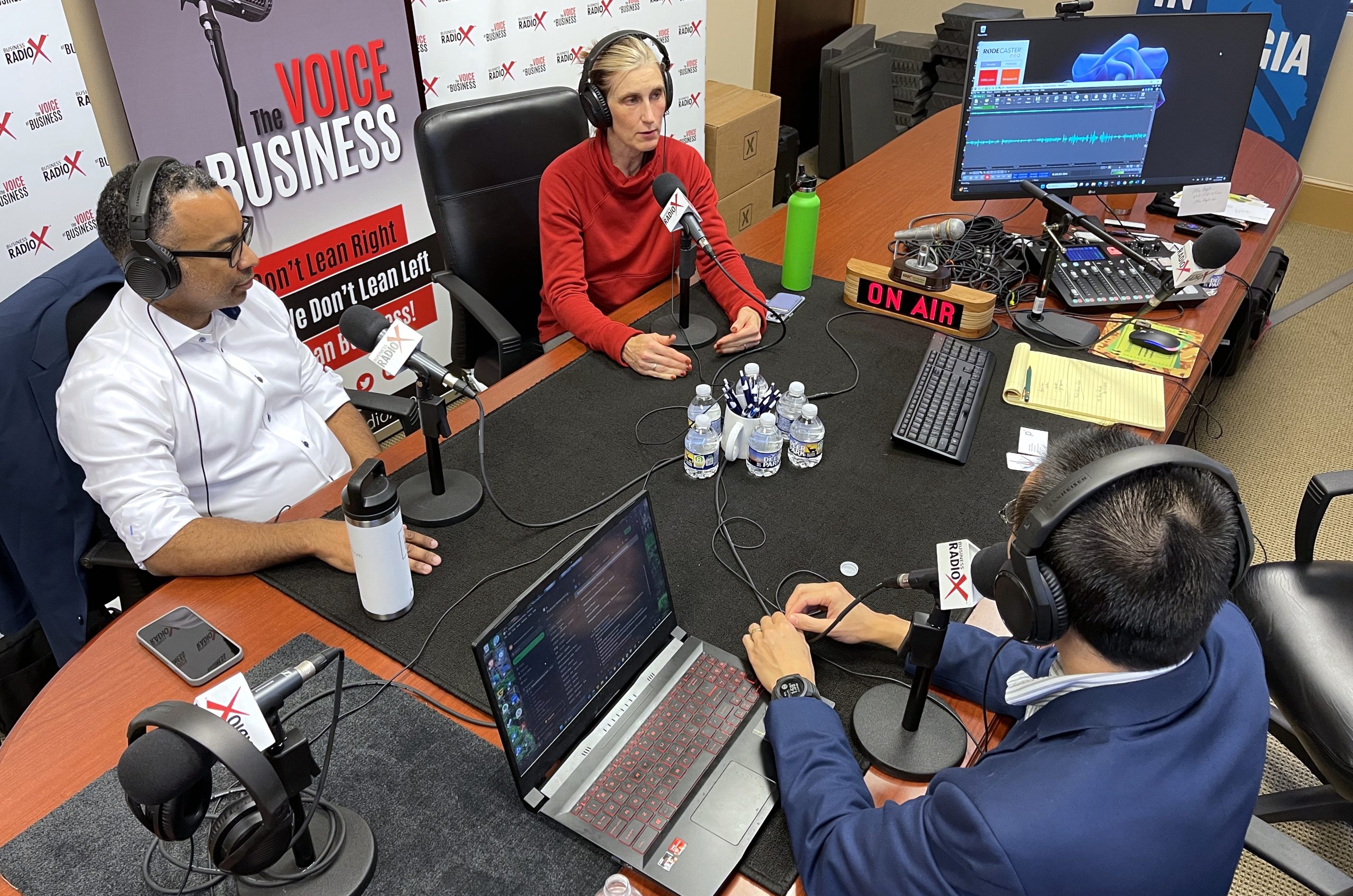
Kat Marran With Girl Scouts of Greater Atlanta

December 11, 2023 by Jacob Lapera

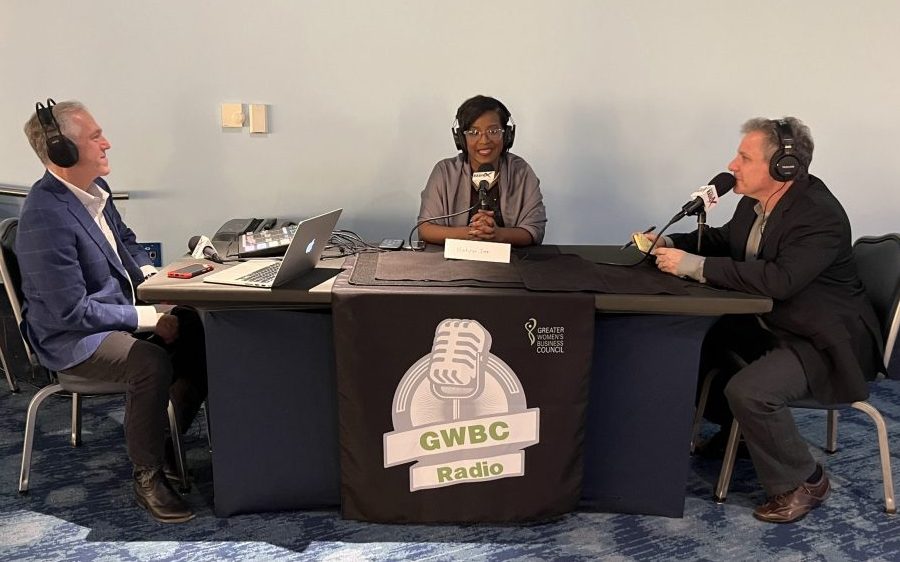
GWBC Radio
GWBC Radio
Kat Marran With Girl Scouts of Greater Atlanta
Loading
00:00 /
RSS Feed
Share
Link
Embed

Download file

Kat Marran is currently the Interim Chief Executive Officer for the Girl Scouts of Greater Atlanta.

She started her new role officially on July 12 and brings a wealth of corporate experience from a successful 29-year career at United Parcel Service (UPS.)

She recently retired from her UPS role as Vice President of Marketing where she led large marketing and supply chain programs, budgets, projects and teams both across the US and Internationally.

She has a positive reputation for bringing forth the best in her teams through competent and energetic leadership and creativity.

Connect with Kat on LinkedIn.

What You’ll Learn In This Episode

  • About Kat’s experience as a board member
  • Leadership moments
  • Her vision for GWBC’s future and what’s next for her
TRANSCRIPT

Intro: [00:00:04] Broadcasting live from the Business RadioX Studios in Atlanta, Georgia, it’s time for GWBC Radio’s Open For Business. Now, here’s your host.

Lee Kantor: [00:00:19] Lee Kantor here. Another episode of GWBC Open For Business, and this is going to be a good one. Today on the show, we have Kat Marran. She is the Interim CEO with Girl Scouts of Greater Atlanta and is rolling off the board at GWBC. Welcome, Kat.

Kat Marran: [00:00:35] Hi, how are you?

Lee Kantor: [00:00:36] I am doing well. Well, before we get too far into things, let’s talk about the Girl Scouts of Greater Atlanta. How did that opportunity kind of bubble up for you? That seems like an exciting adventure.

Kat Marran: [00:00:48] It has been an exciting few months. It’s relatively new, but yet old for me. I’ve been on the board of Girl Scouts for about five years. And in June of this year, as things happened to have the tendency to happen, I was actually leaving UPS, which was my 30 year long career, to go do something else. And Girl Scouts popped onto the radar and I stepped in to fill a position as interim here since July.

Kat Marran: [00:01:15] And it’s been an amazing transition from a for-profit to a nonprofit. Lots of learnings here. Lots of things I get to put to use from my old career. But it’s a different dynamic and it’s definitely a different color. I’ve switched from lots of brown in my wardrobe at UPS to lots of green and blue at Girl Scouts, so it’s kind of fun in many ways.

Lee Kantor: [00:01:34] But you are attracted to those earthy colors, so it’s kind of on brand.

Kat Marran: [00:01:39] I am. I am. I’m a fall colored analysis, those who got to do that in the 80s and 90s, that’s for sure.

Lee Kantor: [00:01:45] Now, your background at UPS was in marketing, is that a big change from going to the C-suite from kind of a marketing lens?

Kat Marran: [00:01:54] It’s an interesting swing. But even at UPS and marketing, there’s so many different capacities that I got a chance to be a part of for 30 years. And it all comes down at the end of the day, I think, to leadership in the first place. So, I’m still leading a large team here at Girl Scouts like I did at UPS. It’s about the dynamics of how you see the bigger pictures. The best part about it, though, is I get to make more of the decisions directly.

Kat Marran: [00:02:18] When you’re in a big bureaucracy, as good as it is, there’s still a bigger boss. When you’re the the CEO or the acting CEO in an organization, you get both the fun and the responsibility of those decisions. So, that’s been the biggest difference. But marketing had created an environment at UPS for me to learn a lot about how the world works and how it plays out in different ways at UPS and around the globe and through operations, et cetera, that holds true here at Girl Scouts as well.

Lee Kantor: [00:02:45] Now, you mentioned you were there for 30 years at UPS, a large enterprise. In your career, at what point did you go, “You know what? I have to start getting involved with organizations like GWBC, like Girl Scouts. I have to take leadership roles”? At what point did that kind of click and say, “Okay. I have to kind of lean into this if I want to achieve my goals of moving up this kind of corporate ladder”?

Kat Marran: [00:03:12] It’s a really good question, Lee. And I thought about if I could do something differently, what would I do or how do I tell people. I will tell you, though, at UPS we always had a foundation of volunteerism and philanthropy. So, even from early days in my careers at UPS, I was always a volunteer. And within that context, I kind of always would build over time.

Kat Marran: [00:03:31] But specifically, it was probably in my back end of the year, so probably about seven years before I left UPS, seven to maybe eight years, I really thought about taking greater leadership positions out in the community. And I was encouraged by both bosses at the time, as well as colleagues who had been involved in some of these type of organizations, inviting me in to learn some of those things. And at that point, I enjoyed it so much that I maybe overindulged here and there by saying yes to too many, but that was a good thing because I get to learn where my line was. but it also made me reflect on why I didn’t do it earlier.

Kat Marran: [00:04:09] And so, that’s my message out to a lot of my mentees, or to a lot of younger people or women is even in those middle stages of your career, when you feel exhausted because you’ve got everything going on, you got family, you’ve got work, you’ve got everything, you got your head down doing everything, don’t forget about the areas around you and the communities who, number one, can use your expertise at whatever levels, and two, that you could develop faster when you put those things to use with those groups too. There’s lots of learnings out there.

Kat Marran: [00:04:37] So, had I to do it over again, I would have done it earlier. But seven years or so gave me enough experience and connections and networking to create my next journey as it stands right now with Girl Scouts as a matter of fact.

Lee Kantor: [00:04:50] Now, how did you kind of choose which organizations to lean into? Like, I’m sure somebody in your role at that organization could have chosen any organization, and they’d be happy to have you. How did you, yourself, kind of narrow down the list in order to choose the ones you did?

Kat Marran: [00:05:12] Lee, another good question. To me, it came down to a few things. One, the practical side of me looked at it and said, are there organizations out there that – this sounds maybe strange – I will not feel guilty about taking time away from work to go do them? And what I mean by that is I needed to see for myself that there was some overlap of activity to the day job as well as this volunteer piece or to this other leadership capacity.

Kat Marran: [00:05:40] So, a lot of times I fell into spaces like GWBC, quite honestly, because I was working at that time in a part of UPS where we were developing our marketing programs for diverse customer groups. And in that, there was a lot of intensity and a lot of time spent on women-owned businesses, et cetera. And so, my day job was that, and I intersected in some capacity outside of that with women organizations. It became a natural fit to me to see efficiencies, if you will, as well as a passion and a learning possibility.

Kat Marran: [00:06:16] So, my first decision on when and where was around practicality with a little passion. As I got into some of these and got more coming through, it became how do these other areas make me happy as well to be a part of? And can I make a big enough impact on it? So, that’s when the Girl Scouts came in. That’s when I got involved in a women’s angel venture group called Golden Seeds as well, because I started to think about how my expertise could push those even forward, and at the same time I could get something out of them that wasn’t in my day job in that sense.

Kat Marran: [00:06:55] So, financial learnings from the investment organization, working with girls, which was not my foray nor my experience. I don’t happen to have children, so this was another way to think about giving to the community, but giving to myself at the same time. That’s how it expanded over time.

Lee Kantor: [00:07:11] Now, when you first joined your first board, can you talk about how that went? What was your onboarding like? How were you kind of going to make your mark? Did you go in there kind of just, “Hey, let me just listen first and just kind of get the lay of the land” or did you come in saying, “Okay. These are the things I think we can do. There’s opportunity here.” Like, how did you kind of ramp up?

Kat Marran: [00:07:38] Oh, it’s funny, if you ask people who sat with me on that first board meeting, they would definitely not say I was quiet. But I will say that my first onboarding of the first board happened because I had a specific area of marketing, as a matter of fact, that was seen as valuable to that board, whereas the rest of the board came from different other experiences and different backgrounds. So, they were really seeking somebody with my background.

Kat Marran: [00:08:03] So, I didn’t go in immediately quiet. I did listen for sure. I tried to read as much as I could about the organization and get better affiliated with it and the other members of the board before the first board meeting. But I did feel like I was thrown into the deep end a little bit, but I’m okay, I can swim. And I knew that they had wanted me there to be vocal, to be questioning the traditional, because I was going to come from a different experience.

Kat Marran: [00:08:28] So, I think the onboarding could differ for each person depending on what the board chair and what the CEO talk to you about as well as to your purpose on there. Why you? What do they hope you bring to it? And then, if you know what that is, then you’re onboarding kind of comes in the right context and you’re not just floundering in that deep water, if you will.

Kat Marran: [00:08:52] And then, I think having a good board mentor assigned to a new mentee, if you will, of a new board member is really helpful to help, one, get that new person involved pretty quickly. But two, it actually keeps the efficiency of the board meetings running because, oftentimes, new people, by no fault of their own, they’re just trying to ask the logical questions that are coming up in their head, but they’re almost too basic sometimes. So, if you have a mentor who can really help them get through some of those pieces to the details of how the organization works, then you can really get to the governance factors that you need to do on a board meeting and be efficient about it, rather than getting into places that everybody else knows the answers to, but the new person doesn’t. So, it’s a fine line when you come on and you onboard a person. But I’ve learned a lot each time that I’ve gone on to a board as to how to get better at it.

Kat Marran: [00:09:42] There’s also third party organizations out there. I have not necessarily had lots of interactions with them, but there’s organizations like on board and some other women board associations who will help train women and people how to be on boards effectively and be most useful as quickly as possible. So, there’s different things to learn. My experience was kind of grassroots.

Lee Kantor: [00:10:03] And let’s talk specifically about GWBC, is there any memory or any thing that you did or the board did or the organization did that kind of left a mark that’s impactful or rewarding?

Kat Marran: [00:10:19] Many. I think the camaraderie of the boards that I worked on with GWBC was really unique in that it was a combination of corporate people as well as WBEs or women enterprises, women-owned businesses. And it was nice to see the interaction and the learnings from both sides, because we all come at things with our own expectations and history and experiences. But to be able to professionally think about it from another angle, I always value that in sitting in those board meetings or having those other side meetings or the committee involvements.

Kat Marran: [00:10:53] I will say the fun part was always our galas. We also are people who love to dance and get out there and have a good time. And that’s kind of nice to let your hair down. So, I always enjoy GWBC for bringing the fun out as well. I think Roz takes that very seriously. She’s got a good team that does that.

Kat Marran: [00:11:10] But I’d say the final piece, one of my favorite takeaways, is meeting with so many of the members of GWBC and the women-owned businesses themselves, and finding the spark that makes them excited and makes me excited. So, there were several of them that I’m still actually friends with today, and still helping in some ways for them to continue their business journey and where I can be of advantage for them. It’s kind of nice to kind of be that consultant when they need it.

Kat Marran: [00:11:40] But it comes back the other way, so some of them are now becoming more and more successful. And I’ve got one company that I’ve worked with for several years that came through GWBC, I helped them get settled in what they needed to do, and now they’re reciprocating. They’ve got some good things happening, so they’re offering some help to me at Girl Scouts. So, it created a continuous community, and that, I will value for a long time.

Lee Kantor: [00:12:03] Now at GWBC, I think one of the main benefits for the members are that kind of bridge to enterprise organizations. Is there any advice you would give maybe on both sides of the table there? Any advice for the enterprise level executives and companies to be partners with GWBC and also the WBEs to kind of make themselves attractive to those enterprise level organizations. Can you share maybe some advice on both sides of the table?

Kat Marran: [00:12:37] Oh, that’s good. From the partners perspective, again having come from a large organization but not necessarily being in the procurement side, I will say I’ve watched in the last six or seven years since I’ve been a part of GWBC a great advance on the corporate side, on the partner side, to really push their own organizations to be open to these diverse companies in all different kinds of ways, and to shake things up not just for cost reasons, but for quality reasons, and not just solely to fill a diversification checkmark. And that’s been great. The companies have been advancing and seeing that, and they’re able to play it back to themselves and to their constituents or their stakeholders.

Kat Marran: [00:13:19] With ESG being such a bigger and bigger conversation these days, I think it matters to corporates in a deeper way than it did 20 years ago. Supplier diversity is not just checking the box anymore. So, number one, I hope that all companies are thinking about that. And even if we start with that concept of a big company, now play it to the mediums, and even to the WBEs at some point, everybody should be thinking about their part to play and lifting the rest of the boats. And you’re never too small to have that ESG in your DNA.

Kat Marran: [00:13:52] So, I think I would position that most partners out there, regardless of size, should be thinking about how do they make sure that their procurement is fair, equitable, which may not necessarily mean that everybody gets the same shot, some people might need a little bit more help. Mentoring is a good way that a lot of the corporates do that. I know UPS has been doing that for a while as well. So, I love to see the partners become more than just a platform for application that they really actually reach out and help the WBEs to figure out what’s going to make a difference in their organization.

Kat Marran: [00:14:28] For the WBEs, outside of what I already said, which is they, too, can be a part to play in their own ESG component. I think the greatest thing that I saw really start to get off the ground is when WBEs are helping each other. The corporate timeline for procurement is almost so long and can be really grueling, and a lot of the smaller businesses put so much weight on them, they spend so much time and they end up either being disappointed after all that investment of time and energy and/or they get the deal and that’s scary in its own right. They get the deal and then they don’t get paid really quickly sometimes. So, all of that is a real burden on them until they get enough magnitude.

Kat Marran: [00:15:11] What’s the low hanging fruit is working amongst the WBEs directly. And so, my best suggestion to the WBEs is don’t miss the trees in front of you by looking for the big huge forest out there. Sometimes it’s better to take off the small trees and figure out how you’re going to work your way to that forest by working with other people who get you and to understand what you’re going through.

Kat Marran: [00:15:34] And I think that’s one of the most powerful observations I’ve started to see of late, that the WBEs actually are recognizing their network in mass can be stronger to some degree than that one big deal they might get from a big organization. And that they spend a lot of time working on it. So, it’s a balancing act, of course. Those would be the two key things I think I would bring forward.

Lee Kantor: [00:15:55] Now, any advice for a person out there that maybe was in your shoes seven years ago when you’re deciding, “Okay. I’m going to join a board,” why should they pick GWBC? What would be the best fit for somebody? Is it that they have, like you mentioned, the alignment of goals for the corporate and the alignment of goals personally. So, how would you kind of pitch the GWBC board opportunity to somebody?

Kat Marran: [00:16:25] So, if I get two hats, so if I happen to be a WBE, I think the benefit of coming to GWBC once you’ve got a little bit of grounding in those things I just talked about, how you work the network with other WBEs, how you understand the procurement process of big companies, being onboard like GWBC helps get those experiences magnified. And hopefully, if you’re ready to give back in some way or you’re wanting to lead a little bit more, then being on a board of GWBC is going to change the direction for the good and help bring those experiences to the programs that GWBC offers, the type of development that it creates, the intersection points that it has to have.

Kat Marran: [00:17:09] It needs to evolve in some degree, I think, beyond certification. And I think a WBE who sees that in a bigger picture will be highly influential and can make a bigger mark. I hope that it’s not solely they want to join the board to open up those corporate relationships, that some of that can help, but really it should be beyond that. It should be what else are they really ready to do to define how women organizations out there can thrive at faster and stronger levels. So, that would be the pitch to the WBE is ready to give to the bigger network.

Kat Marran: [00:17:40] For the corporates, if I was a person thinking out there, again, to me, it depends on your discipline area that you’re really interested in or what you’re trying to pursue. Any one of them, whether it’s marketing or finance or procurement or HR, et cetera, legal, all of them have to have a part to play in being on a board. And so, for your own edification of what your discipline means in a different context, outside of your day job and outside of your own company and industry, I think, is a compelling reason to go learn how to put it to use in a different way.

Kat Marran: [00:18:12] And so, for your self-development, a GWBC is all about business. It happens to be a nonprofit in its own definition, but it’s all about business, and all of those disciplines are needed and useful. And I think if you are thinking about your own development, that’s a good way to think about how you apply your skills uniquely and to open up some things that you hadn’t. And I think then you get to take it back to your organization as well to let them know here’s what you’re getting on this business board. And that’s influential as well, because it can open up some things internally for you that might not have been there because people were seeing you in the same capacity. You’ve now broken free of that by bringing a new version of yourself back into the organization, because you’ve seen yourself outside of the organization.

Kat Marran: [00:18:57] So, to me, that’s the benefit to a person being on the board. And then, obviously, what you bring to that board is all of those experiences, all of that network, all of that positivity. Anybody on GWBC is very welcoming to all of those experiences. So, it’s a good board to join.

Lee Kantor: [00:19:14] Now, in your role as Interim CEO of Girl Scouts of Greater Atlanta. What do you need more of and how can we help you?

Kat Marran: [00:19:22] Oh, thank you for that question. There are so many great things that we do at Girl Scouts of Greater Atlanta. We cover a very large portion of the state, we represent 34 counties and give or take about 35,000 members of both adult and girl members. So, when we think about the things that we need most, we need to make sure that we are still relevant to what the girls around our counties need, and so we’re building programs all the time. So, there is, of course, always a fundraising component of everything that we do.

Kat Marran: [00:19:55] But if I put that aside to people who might be listening to this call and beyond that, we really want to call out to anybody who was a Girl Scout in any place around the country, or who would like to learn more about Girl Scouts to come talk to us. Our anniversary is coming up next year, it’s 100 years of one of our camps here in Mableton, Georgia. It’s a 200 acre beautiful camp, but it needs some love, needs some attention. So, we want a big 100 year celebration of come back to Girl Scouts. So, definitely invite people to come back.

Kat Marran: [00:20:25] And we love volunteers of all ages and all genders. We don’t do this work that we do without a severe amount of important volunteers at all types incremental, seasonal or long term like troop leaders. So, we’re always looking for people who are interested in giving some time to these girls and helping them build the courage, the character, and the confidence that we need them to have to be the next leaders of the generations to come. So, any way you want it, we would love as much support for Girl Scouts as possible.

Kat Marran: [00:21:00] It’s a great pipeline, by the way, for entrepreneurs. Those cookie programs that everybody loves so much, they’re not just about the cookies, they’re about teaching girls how to build their own business. What’s a better way to get more GWBC members and then to get new Girl Scouts as well.

Lee Kantor: [00:21:17] Yeah, I think that the cookie program is one of the greatest ways to ease someone into selling, to teach them how to sell and to feel confident in selling. And that’s foundational for whatever they’re going to do later in life. I mean, I think that’s a brilliant program.

Kat Marran: [00:21:35] It is. It teaches them also how to handle rejection a little bit too. That’s a big part of sales, isn’t it? How do you pivot and how do you find another way to be comfortable in the no’s as much as you can celebrate the yeses as well.

Lee Kantor: [00:21:48] Right. Well, if somebody wants to connect with the Girl Scouts of Greater Atlanta, what’s a website?

Kat Marran: [00:21:54] gsgatl.org is our website. That’s Girl Scouts of Greater Atlanta, gsgatl.org. Or they can certainly find me at kmarran@gsgatl.org and/or through LinkedIn, whatever works for anybody. Come find me, I’m happy to have the conversation.

Lee Kantor: [00:22:14] Well, Kat, thank you so much for sharing your story today. You’re doing such important work and we appreciate you.

Kat Marran: [00:22:19] Thank you very much, Lee. I appreciate always having been part of GWBC and will continue to be an advocate for that group and for the WBEs in it and for my board partners. So, they to have all of my appreciation and admiration as well. I look forward to further conversations.

Lee Kantor: [00:22:36] All right. This is Lee Kantor. We’ll see you all next time on GWBC Open For Business.
 

Tagged With: Girl Scouts of Greater Atlanta, Kat Marran

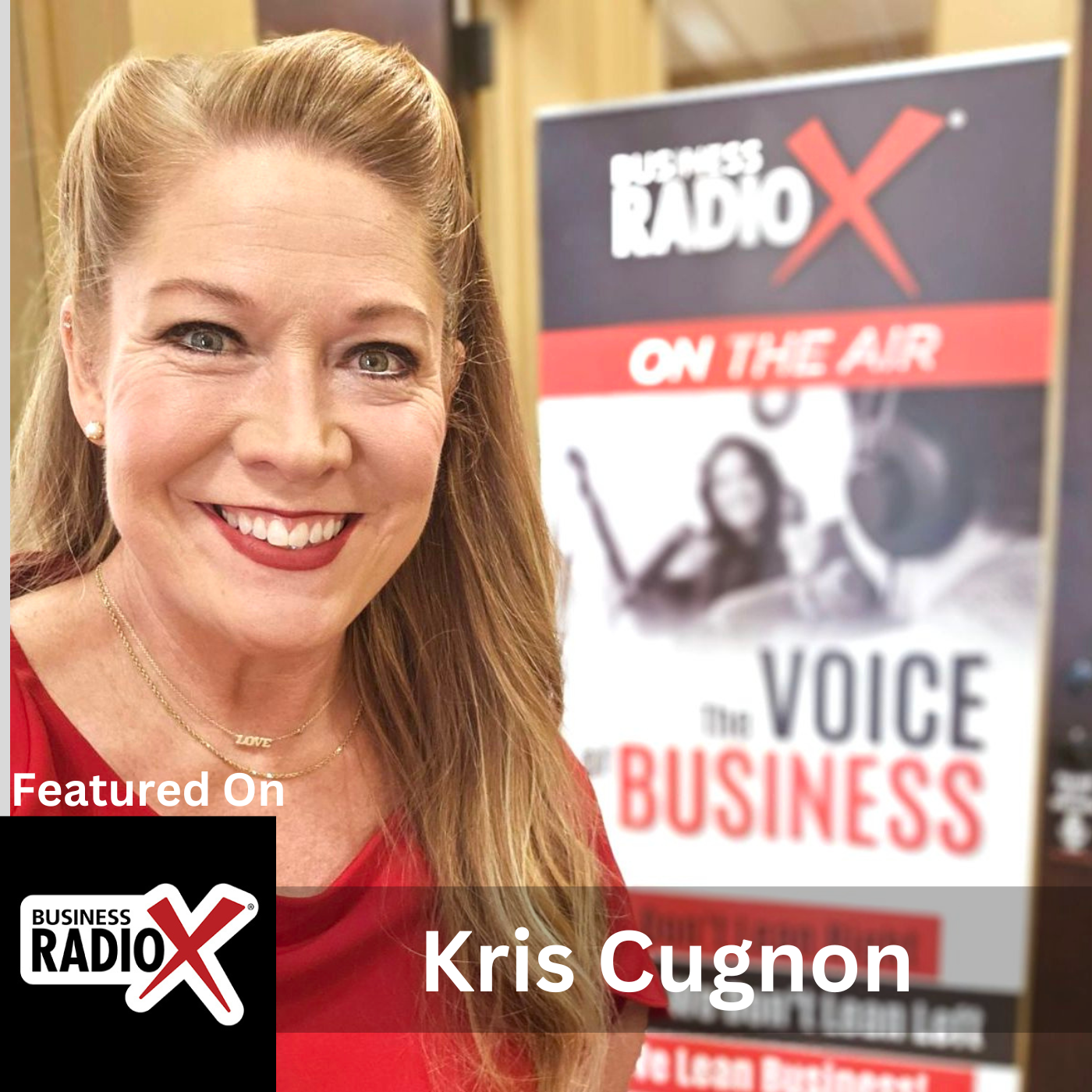
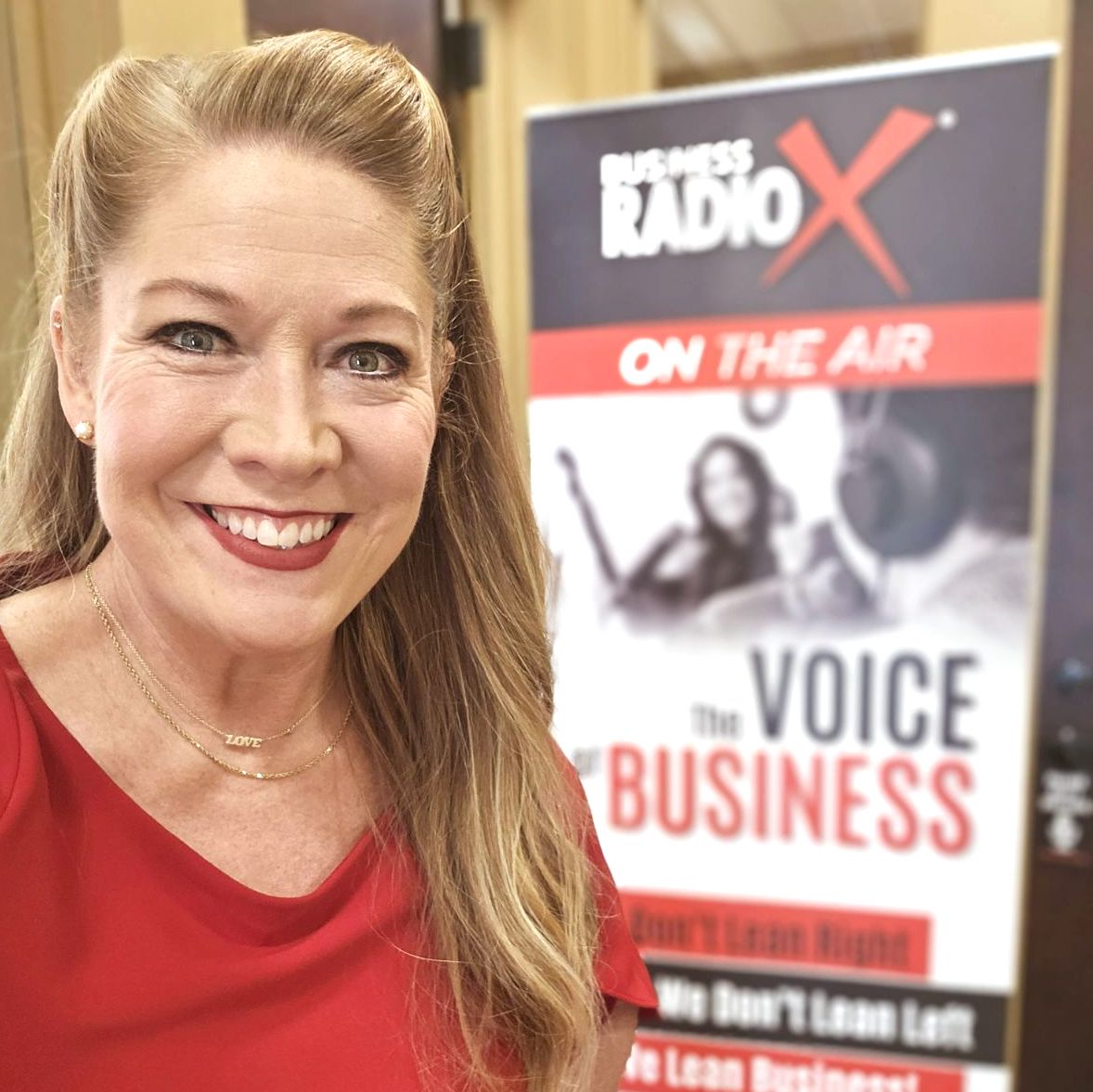
Kris Cugnon, Professional Offline Matchmaker, Dating Coach, and Wing Woman

November 20, 2023 by John Ray

Kris Cugnon
North Fulton Business Radio
Kris Cugnon, Professional Offline Matchmaker, Dating Coach, and Wing Woman
Loading
00:00 /
RSS Feed
Share
Link
Embed

Download file

Kris Cugnon

Kris Cugnon, Professional Offline Matchmaker, Dating Coach, and Wing Woman (North Fulton Business Radio, Episode 718)

Kris Cugnon is a professional offline matchmaker who believes in creating personal connections and reversing the impersonal effects of dating apps. Kris offers a range of services, from matchmaking to date coaching and even becoming a “wing woman.” She and host John Ray delved into Kris’s approach to helping clients find their forever person, which includes an in-depth understanding of the client, their personality, interests, and what they seek in a partner. Kris also discussed how she guides her clients through the dating process, the importance of setting realistic expectations, shared advice on dating during the holidays, navigating the initial stages of a new relationship with transparency and authenticity, and more.

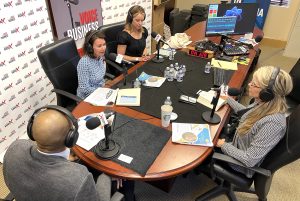
North Fulton Business Radio is broadcast from the North Fulton studio of Business RadioX® inside Renasant Bank in Alpharetta.

Kris Cugnon, Professional Offline Matchmaker, Dating Coach, and Wing Woman

Kris Cugnon, Professional Offline Matchmaker, Dating Coach, and Wing Woman

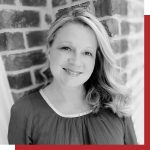
People say Kris never meets a stranger. She is passionate about the process of truly getting to know people and discovering the factors that aid in Matchmaking.

With over 25 fulfilling years in Business Development and Program Management, she has helped launch, market, and connect people with products and services nationwide.  She utilizes these same skills, and intuition, to seek out amazing singles and facilitate meaningful introductions and date coaching.

Kris is a fierce networker with the heart of an altruist. Her goal is connecting people with their “forever human”.

In her spare time, she and her husband support numerous Veteran initiatives. They enjoy traveling, music, and culture-seeking at every opportunity.

Website | LinkedIn | Instagram

Questions and Topics in this Interview:

  • 01:12 Welcoming Guest: Kris Cugnon, Professional Offline Matchmaker
  • 01:39 Understanding Kris’s Journey and Passion for Matchmaking
  • 03:58 The Problem with Online Dating Apps
  • 07:12 The Offline Matchmaking Process
  • 09:02 Understanding and Managing Dating Expectations
  • 11:33 The Importance of Authenticity in Dating
  • 18:38 Navigating Dating During Holidays
  • 23:56 Success Stories and Final Thoughts
  • 25:13 Conclusion and Contact Information

North Fulton Business Radio is hosted by John Ray and broadcast and produced from the North Fulton studio of Business RadioX® inside Renasant Bank in Alpharetta. You can find the full archive of shows by following this link. The show is available on all the major podcast apps, including Apple Podcasts, Spotify, Google, Amazon, iHeart Radio, Stitcher, TuneIn, and others.

RenasantBank


Renasant Bank has humble roots, starting in 1904 as a $100,000 bank in a Lee County, Mississippi, bakery. Since then, Renasant has become one of the Southeast’s strongest financial institutions, with over $13 billion in assets and more than 190 banking, lending, wealth management, and financial services offices in Mississippi, Alabama, Tennessee, Georgia, and Florida. All of Renasant’s success stems from each of their banker’s commitment to investing in their communities as a way of better understanding the people they serve. At Renasant Bank, they understand you because they work and live alongside you every day.

Since 2000, Office Angels® has been restoring joy to the lives of small business owners, enabling them to focus on what they do best. At the same time, we honor and support at-home experts who wish to continue working on an as-needed basis. Not a temp firm or a placement service, Office Angels matches a business owner’s support needs with Angels who have the talent and experience necessary to handle work that is essential to creating and maintaining a successful small business. Need help with administrative tasks, bookkeeping, marketing, presentations, workshops, speaking engagements, and more? Visit us at https://officeangels.us/.


TRANSCRIPT

[00:00:00] Live from the Business Radio X studio inside Renasant Bank, the bank that specializes in understanding you. It’s time for North Fulton Business Radio.
[00:00:19] John Ray: And hello again, everyone. Welcome to another edition of North Fulton Business Radio. I’m John Ray and folks, we are broadcasting from inside Renasant Bank in beautiful Alpharetta. And if you’re tired of getting tattooed by your big bank, your big mega bank out there, and you know what I mean by that computer generated voices, and you can’t find a live person if your life depended on it I’ve got a suggestion.
[00:00:46] John Ray: Go to Renasant Bank. They’re big enough to handle pretty much any need you can throw at them, but they’re small enough to deliver those services in a personal way, and I know this myself from my dealings with them. So go to renasantbank.com, find one of their local offices, some 200 around the southeast, and give them a call.
[00:01:05] John Ray: I think you’ll be glad you did. Renasant Bank, understanding you. FDIC. And now I want to welcome Kris Cugnon. Kris is a professional offline matchmaker. Kris, welcome.
[00:01:19] Kris Cugnon: Thank you so much. Excited to be here.
[00:01:21] John Ray: I’m excited to have you here. That’s not the word I think people would have expected is offline, right? They were expecting online.
[00:01:30] John Ray: So let’s. Let’s get into this quickly. Talk a little bit about you and how you’re serving folks out there.
[00:01:35] Kris Cugnon: Excellent. Thank you so much. Sure. Absolute pleasure to be here with you today. So I am a, I’m a fierce connector. I’ve had a long career in business development, project management. So I’ve taken those skills and my passion for connecting people and helping them find their forever person. Wow.
[00:01:57] John Ray: So you were in the business world for a long time.
[00:01:59] Kris Cugnon: Long time, yes. And I actually dabbled in this just for fun as doing matchmaking singles events back when I was single and looking. But I’ve come full circle now and made it my full time focus.
[00:02:11] John Ray: That’s wonderful. That’s wonderful. Talk about why you developed this passion for matchmaking.
[00:02:19] Kris Cugnon: I actually woke up this morning thinking about this because I do have a funny story. Okay.
[00:02:24] John Ray: We love funny stories.
[00:02:26] Kris Cugnon: When I was five years old, I’m the oldest of three. The oldest tend to, be a little more take charge sometimes.
[00:02:33] Kris Cugnon: I was five. My parents were at the hospital having my little brother. And they left me with one of their best friends, a very kind woman, lifelong friend. And it was supposed to be nap time, but I got up, took a piece of paper and a pencil, and proceeded down the street asking for people’s names and phone numbers.
[00:02:53] Kris Cugnon: I don’t know what I was going to do with it, but I knew that I needed that information to do it. to launch myself into some kind of business. I actually got to really, can you imagine how terrified this poor woman, but I realized, and I look back on that and just laugh about it. Now I’ve, Talked about it so many times, but it’s the marker of who I am.
[00:03:16] Kris Cugnon: I am a connector and I’m so passionate about getting to know people on a really deep level. And my husband says I never meet a stranger and it’s, it is the truth. I take it very seriously. That’s just who you are. It
[00:03:29] John Ray: is indeed. But why, there are a lot of ways you could apply that talent and that that you have, why matchmaking?
[00:03:38] Kris Cugnon: So many people are just, there’s so many amazing people out there and they just haven’t found their person yet. And a lot of people are stuck right now, wondering what in the world to do, especially if they’ve been in a long relationship and they’re just getting back out there or they just haven’t found their person yet and.
[00:03:58] Kris Cugnon: Unfortunately the dating apps, we can talk about that later if you’d like, but they have, they’ve really done a disservice to our society. I feel like they have completely changed the face of dating. I think they were created by men, maybe just for and then everybody was forced to use them.
[00:04:17] Kris Cugnon: Everybody was forced to use them. And it’s created more problems than good. I want to be the alternative to that. We’re getting back to good old fashioned matchmaking in person conversation and networking. Yeah,
[00:04:30] John Ray: That’s good stuff. I would imagine that most of the clients that you work with have tried the online Experience.
[00:04:37] John Ray: Absolutely. And they’ve got horror stories.
[00:04:40] Kris Cugnon: There’s so many. I actually heard one yesterday at the North Fulton Chamber of Commerce. Okay. Tell us. He was finally, and they say that it takes a hundred swipes in a dating app to actually get on an actual date with an actual person. And you still don’t know who that person is.
[00:04:59] Kris Cugnon: And so yesterday, I heard yet another story. He found somebody fairly interested. They had a meeting at the bar, I think, seven o’clock. They’re supposed to meet at the bar. And he’s looking all around, could not find her. So he called her on the phone. And the woman right beside him answered the phone and he’s you don’t look anything like your pictures.
[00:05:20] Kris Cugnon: Yep. What’s with that? She’s oh I wasn’t getting much attention with my own pictures. So she And it was a completely different person. And she said I didn’t think I’d you know get to you if I just Shared my actual, so of course that the date’s over quickly and . Yeah. He was catfished once again.
[00:05:38] Kris Cugnon: So
[00:05:39] John Ray: is that what you call that? .
[00:05:40] Kris Cugnon: . They either make up their own profile or use other people’s pictures.
[00:05:43] John Ray: But you call that catfishing.
[00:05:44] Kris Cugnon: It’s called catfishing. They are, oh, there’s, it’s very deceitful.
[00:05:47] John Ray: It happens
[00:05:47] John Ray: so much. There’s a term for it. . Yeah. Yeah. That. And it’s I think people know this by now dealing in the recesses of the internet is you can be anybody you want to be,
[00:05:59] John Ray: right?
[00:06:00] Kris Cugnon: Yeah. That’s the scary part. That’s the problem. That is a big, huge problem. Absolutely.
[00:06:04] John Ray: I’m just curious about this. I’m sure, the stats on this is that how successful are those dating apps really? If we were new, knew the real numbers. Nobody would ever go on them.
[00:06:15] John Ray: Exactly.
[00:06:16] John Ray: Do you know, do you have, can you get beyond all their veneer and marketing who he and tell us what the real numbers or do you know,
[00:06:23] Kris Cugnon: well, there, there are some, and actually there was recently some research that just came out. One in three dating app users say they left the relationship because it felt toxic.
[00:06:34] Kris Cugnon: And then yeah. And then, of course, there’s, it’s just a dangerous psychological space. But you get unsolicited pictures, unsolicited people trying to contact you just in a general inappropriateness. And 52 percent of people are urgently swiping through these matches. And you just have to take a step back and say, how could you possibly find your soulmate by just glancing at a picture for two seconds?
[00:07:02] Kris Cugnon: Yeah, really. Yeah. So there, there are plenty of stats about that, but yeah.
[00:07:10] John Ray: So you. So let’s talk about how it happens with you and that process. So you’re there to help folks decompress from that experience, right? Yes. And and reconnect with as you say, some good old fashioned, just face to face, uh, meeting and talking and getting to know someone.
[00:07:31] John Ray: Yes. That’s intimidating. It’s intimidating for all of us in a way, right? Even the most extroverted sometimes. So talk about how you work with someone on on at the beginning.
[00:07:41] Kris Cugnon: We typically meet in person if possible. If not. Online video chat can suffice, but yeah, we get to know you on a deeper level, really get to know you and what you’re looking for.
[00:07:53] Kris Cugnon: And then we take it from there. We do matchmaking, but also date coaching is a big piece of what we do. Just really helping people narrow their list. If they have a very lengthy list of expectations and something they’re looking for, we help. Rope that in. And then some people don’t have a list at all because they’re completely confused or whatever their past experience has been.
[00:08:17] Kris Cugnon: They don’t know where to start or what the expectations should be. So through that conversation, we help them, guide that, guide the search. And then we can be a friend through the whole process and even provide that consultation, date coaching and I can even be a wing woman on the side to help actually have practicum experience out in public.
[00:08:36] Kris Cugnon: I can support, yeah, folks for all those needs.
[00:08:39] John Ray: I want to hear more about that. Kris Cugnon is with us folks, and Kris is a professional offline matchmaker. Kris.
[00:08:50] John Ray: People are different, right? And you just described it that some people have a lot more expectations than they ought to have. And some people just have no idea what they’re getting into. So what do you have a series of questions you take people through? Or how do you really get into knowing Who someone is right?
[00:09:14] John Ray: And so that you can help better service them in terms of matching them up
[00:09:20] John Ray: properly.
[00:09:20] Kris Cugnon: That’s a great question. I would look at it like I have maybe a flight was just delayed and I’m sitting beside somebody at the airport and she just Start to find out what their hobbies, their interests are, their career education, background and their past dating history.
[00:09:37] Kris Cugnon: What does that look like? And then eventually the conversation comes around to, and the main focus of finding your forever person is how you want to feel. And you can look at it five years down the line. How do I want to feel? When I am loved and I want to give love, what does that look like for me?
[00:09:59] Kris Cugnon: And it gets beyond physical descriptions and other things like that. So it gets really to the heart of what matters.
[00:10:05] John Ray: Do you work with women, men,
[00:10:08] John Ray: both? Both. Yep. Both. And all ages. Okay. Ages, all ages.
[00:10:15] John Ray: So what do you see are the differences in men versus women that you work with?
[00:10:22] Kris Cugnon: Women are quick to seek guidance. I think we naturally. Packed together and maybe you’re a little more social and conversational about that when we’re looking for a match men tend to not be as, as, I guess assertive with looking for that help but an equal number of men are absolutely amazing and fantastic and deserve that great match as well.
[00:10:49] Kris Cugnon: So I know they’re there but drumming them up, it takes a little more, a little extra push but I want people to feel completely comfortable. Like I’m a friend in this process. And that’s what we do. We’re friends through the whole thing and we get to know you and. And set out and find that good match for you and set you on your
[00:11:06] Kris Cugnon: way.
[00:11:06] John Ray: Okay
[00:11:07] John Ray: so we’ve had our discovery sessions, shall we say, where you get to know someone. So what about the, what they’re looking for? Do you help people clarify that? Do you sometimes find that you help people discover what things that they’re looking for they didn’t, they really didn’t know?
[00:11:32] Kris Cugnon: And sometimes just the reverse of that. Somebody has in their mind, since they’re, Whatever, a teenager, a physical description of what they’re looking for. I heard recently someone who’s looking for very good eyebrows and or a good jawline or this, that, and the other. You’re not marrying their eyebrows or their hair or their, these physical descriptors that at the end of the day, it just, it’s not an attraction, of course, that’s a good thing, but but you’re going for that feeling, like I said so yeah, absolutely, I’m, I help have those discussions and get to the root of really what’s important.
[00:12:10] Kris Cugnon: So you, I can imagine you have to have some conversations that are. Pretty Frank it’s yes, because people have expectations that are unrealistic.
[00:12:24] Kris Cugnon: Yeah, exactly. I actually just recently, there was a gentleman that had a five page list of what
[00:12:32] John Ray: I was going to ask you about that. I could imagine you get some really.
[00:12:38] John Ray: Difficult situation. So let’s just put it like that, right? Whereas people have so many expectations that they’re looking for a unicorn.
[00:12:45] Kris Cugnon: Exactly. Absolutely. And it’s, there’s a lot of reasons for that. Some people are um, I don’t want to say self promoting, but maybe that’s the word there.
[00:12:56] John Ray: Oh, come on.
[00:12:56] John Ray: I’m shocked to hear there are people like that,
[00:12:59] Kris Cugnon: and then perfectionism that’s an, and then maybe things that they, a mantra that maybe a parent has planted in their head that they have to have this person with a certain career or this certain status or certain look and, or they have to have.
[00:13:12] Kris Cugnon: Wearing or be super trendy or whatever the those hang ups are. We people have them for different reasons. Certainly past experiences, personal values priorities, cultural differences. Those all come into play when they’re Creating their list. But yeah, ideally it needs to be roped in just a notch, typically.
[00:13:34] John Ray:
[00:13:34] John Ray: Yeah, I can see how you have to have a, frank discussion once in a while with people, but so okay, so you’ve had this, you’ve had this this time together. Is that one session, several sessions or however long
[00:13:49] Kris Cugnon: it takes one session, a couple hours. Okay, cool.
[00:13:53] John Ray: And so what happens then?
[00:13:56] Kris Cugnon: Then we decide what the course of action is. So some people, date coaching and couple sessions just to talk that out, get them on track and find some, really new exciting, fun things to do around town, ways to network, that kind of thing. So it could be consultation route.
[00:14:12] Kris Cugnon: But if somebody wants help typically. There’s certain people, busy professionals, people who are very serious about finding that person quickly they can hire us to do actual matchmaking and then we set out to find those matches. We actually set the dates. So all that’s super easy.
[00:14:32] Kris Cugnon: You just meet at typically a restaurant or somewhere. at a certain time and you know who to ask for and then take the conversation from there.
[00:14:40] John Ray: So you bring, you can do it two ways and maybe more. You can actually bring the candidates. Is that the right word? Yeah, clients. Okay, the clients. You can bring your you can bring your client potential matches.
[00:14:57] John Ray: Or you can help them understand what the dating game looks like these days and launch them off into the world. Exactly. Okay. Exactly. Okay, got it. So what, give some advice on what the first few dates. What do you think the first dates ought to look like?
[00:15:16] Kris Cugnon: They should be fun. They should be fun.
[00:15:19] John Ray: That always helps, right?
[00:15:20] Kris Cugnon: Absolutely, and just usually I suggest only about an hour. No pressure. You’re just going to meet a new friend. It doesn’t have to be intimate. No expectations, especially those first one, two, three, four dates. Keep it high level. Just super fun. What you’re doing during this time is…
[00:15:40] Kris Cugnon: Setting up the rules for the dance. So you’re seeing how the two of you interact, are they on time, responsive, respectful are they interesting? And so you’re just noticing their character, the vibe and that kind of thing. It’s, and it. I say too, it’s very important that perhaps the person you’re with may not be your match.
[00:16:01] Kris Cugnon: If this is just a date that you found, but they might know someone who would lead you to their match. So if you’re keeping it friendly, you’re meeting a new friend they may have a neighborhood cookout where you meet somebody fabulous, or maybe they’re going to a Braves game and you meet somebody there.
[00:16:16] Kris Cugnon: So just a lot of times people ask me, do you believe in love at first sight? But I think what’s more important is don’t expect a spark. You might be pleasantly surprised, but don’t expect a spark rather. Think about it’s curiosity at first sight.
[00:16:33] John Ray: Ah,
[00:16:34] John Ray: okay. That’s a good way to think about it.
[00:16:37] Kris Cugnon: And a lot of people, especially those first few dates. People get overwhelmed by the task of dating. I hear that so often that they just can’t, Oh, I don’t have time, I can’t, How could I possibly do that? I think what those people are thinking is that they have to pour so much of their energy into those first couple dates and tell their life story and this and are they checking all the boxes?
[00:17:03] Kris Cugnon: But that’s not it. Try don’t get overwhelmed with that really. It’s just a one hour, go grab a coffee, a quick beverage, a slice of pizza, a shaved ice, a walk in the park, something, something super easy and you’re just getting to know a new friend. Yeah.
[00:17:18] Kris Cugnon: Yeah.
[00:17:18] John Ray: Yeah.
[00:17:20] John Ray: So let’s talk about those first few dates. And the signals that someone should be looking for beyond the obvious, there’s some obvious ones that are it’s a go or no go. But some of the signals that you should be looking for that this is a good match or not a good match.
[00:17:40] Kris Cugnon: That’s a great
[00:17:40] Kris Cugnon: question. So certainly eye contact. Eye contact is. It’s a gauge of a person’s character and really you can gauge honesty and sincerity that way. And then is the person courteous? Are they courteous? Are they are they on time? Do they respond when they say they’re going to respond?
[00:18:01] Kris Cugnon: Do they maybe um, hand you something during dinner or are they’re holding the door for you? That would be, Typically for a gentleman, but either way, it’s just signs of courtesy and respect. That’s what you’re looking for because again, you’re setting up this dance and or the rules for the dance.
[00:18:19] Kris Cugnon: Just like you are ballroom dancing. Usually the gentleman takes the lady’s hand, walks her to the dance floor. You do the dance and he returns. He returns are there. That’s I’ve done some ballroom dancing, so that’s very formal. But it’s the rules of the dance and how you’re gonna create your own personal space and then space together.
[00:18:36] John Ray: Got it. Got it. We’re here recording this show. In November 2023, a week before Thanksgiving, so we’ve got the holidays coming up that always gets real dicey, right? Talk about what the what you advise around the holidays in terms of when it’s time to introduce uh, this person that you’re think you’re getting serious about to the family or what have you.
[00:19:06] Kris Cugnon: I Would say don’t I would say don’t, this is, it’s highly personal. It’s your decision. And the moment that you introduce somebody, there could be, there could be negative comments, there could be. Questions that you just maybe aren’t prepared to answer, don’t need to answer quite yet because you’re still getting to know each other.
[00:19:27] Kris Cugnon: So certainly not only the holiday, any holiday around the entire year that’s sometimes stressful enough in family situations. So adding another person to the mix is, uh, just, I would say be a little cautious and make sure the timing is right for you. You’re the one that matters and who can make that decision.
[00:19:47] John Ray: Yeah.
[00:19:48] John Ray: Yeah. And you’ve got to make sure you’re both on the same wavelength on that, right? Correct. And that you both understand what that means and what it doesn’t mean.
[00:19:56] John Ray:
[00:19:56] John Ray: And they may be pressuring you to bring this new person around, even if they’ve heard about them or that, but it’s really on your own schedule.
[00:20:03] John Ray: Yeah. Nobody should feel that pressure.
[00:20:06] John Ray: So what about those that are single during the holidays and that just being single, it creates its own dynamic there during what is most people consider a family time.
[00:20:22] Kris Cugnon: But it’s an exciting time to. There’s so many things you can do as a single person to meet people and do your own.
[00:20:31] Kris Cugnon: networking, outside of your career you can set a challenge that you’re going to go do something new each week. And put yourself out of your comfort zone. One great thing to do for our community, but also for yourself is to volunteer. You can, there’s so many things. Year round to do for volunteering and you always meet good, kind hearted people typically.
[00:20:54] Kris Cugnon: I have some other ideas if you’d like to hear those. Please. Okay. If somebody is into, to wine tasting, there’s always plenty of events going on with wine tasting. Join them. a wine club. I’m actually a co host for the Atlanta Wine Meetup. It’s on the meetup app. Okay. We’ve got about 7000 members in that group.
[00:21:13] John Ray: Oh, wow.
[00:21:14] Kris Cugnon: Yep. Just high professionals, a lot of fun people, good people who like wine and we do a lot of fun things around year round. Wine tastings.
[00:21:24] John Ray: And it helps to like, let’s use this event as an example. It helps if you like it, right? You can’t show up at the wine event and not like wine. Right?
[00:21:35] Kris Cugnon: You
[00:21:36] Kris Cugnon: could. You could certainly go. If you don’t care for it, you can have a juice or a other drink and that would be perfectly fine. Oh,
[00:21:43] Kris Cugnon: okay.
[00:21:44] John Ray: Okay. I guess the point is you want some authenticity in this, right? Yes, of course.
[00:21:48] John Ray: Yeah.
[00:21:49] Kris Cugnon: But they’re, yeah, there are plenty more things that you can do as a, yeah,
[00:21:53] John Ray: but
[00:21:53] John Ray: there are a lot of things you can do and it’s really and this is where I guess you help your clients to really get out of the mental box that they’re in
[00:22:01] John Ray: terms of what’s possible,
[00:22:02] Kris Cugnon: exactly, and just that overwhelmed feeling or especially not having much time as busy professionals, you don’t have much time.
[00:22:11] Kris Cugnon: So you’ve got to be very intentional, very targeted on what you’re going to choose to do with your time. So
[00:22:17] John Ray: Let’s get to valentine’s day. That’s another little ticklish, a little time of the year for singles that are navigating that and whatever status they’re in, right? If they’ve got a.
[00:22:30] John Ray: Potentially budding relationship that really gets ticklish, right? So talk about your thoughts about Valentine’s day.
[00:22:38] Kris Cugnon: It’s important to, to communicate what your expectations are and your level of comfort and what you’d like to see happen. Rather than leaving people guessing or expecting something amazing or surprise.
[00:22:51] Kris Cugnon: So the ball is always in your court. And so you can guide that process to your comfort level, what you want. What you’d like to do or not do, right? So you’re empowered to drive that. And I think that helps just so there’s no, no mystery on, if two people on different pages.
[00:23:09] Kris Cugnon: Yeah, but actually go ahead. I can share a Valentine’s story. I
[00:23:14] John Ray: would love, yeah. Stories are great.
[00:23:16] Kris Cugnon: So there’s always singles, balls and galas and typically around that time of year. And gosh, it’s been over. 15 years, maybe more. Not quite 20, but somewhere in there. When I was single, okay, went to this with a couple girlfriends and one of my best friends met a gentleman there.
[00:23:37] Kris Cugnon: I helped facilitate the wing. I was the wing woman there. Okay. But they are married with two teenagers now. Wow. And absolute love story. And yeah so had we not gone there, I don’t think she would have met her forever person.
[00:23:50] John Ray: Yeah, that’s well, what a great story. Yeah.
[00:23:52] John Ray: And you’ve given me a great segue to. Question. I know people are interested in examples of successes that you’ve helped create along the way in the matchmaking you’ve done.
[00:24:05] John Ray: There’s
[00:24:06] John Ray: one.
[00:24:06] Kris Cugnon: Yes, absolutely. Naturally I, when I am out. At singles events or any kind of networking, I’m always on the lookout.
[00:24:15] Kris Cugnon: So I’m always as a connector, I’m always have my clients in mind and what they’re looking for. So I might not meet the person directly, but I’m always asking, do you know anybody? Here’s what I’m looking for. Here’s. the person I’m looking for. So I’m always having those conversations and just seeing who I can drum up where I can meet people.
[00:24:39] Kris Cugnon: And and I put the word out so people know how to contact me if they’d like to introduce a friend to me, a friend that’s fabulous and single and they’re looking for some help. That’s,
[00:24:49] John Ray: that’s great. Great work from Kris Cugnon. Kris is a professional offline matchmaker. Dating coach and wing woman, all of those things.
[00:25:01] John Ray: Wow, Kris, this is making people happy is, and that’s what you’re talking about here really at the end of the day and fulfilled is really what it’s all about for you. And congratulations on that work. That’s important work. And we’re grateful we could shine the light on that work.
[00:25:16] John Ray: Let’s get to the most important question though, which is how people can get in touch.
[00:25:19] Kris Cugnon: Absolutely.
[00:25:20] Kris Cugnon: Absolutely. On LinkedIn, it’s Kris Cugnon, C U G N O N. And on Instagram, it’s Connector Kris on Instagram, but with a K. So it’s Connector Kris, Cugnon, and you can message me either place. Okay, cool.
[00:25:36] John Ray: Kris Cugnon, professional offline matchmaker wing woman, dating coach.
[00:25:44] John Ray: She can make your life better.
[00:25:45] Kris Cugnon: I would love to. I would love to. And if your listeners have not heard, please know that you are beautiful, brilliant, and deserving of finding that your forever person that you can really feel that true love with and share. Share your love of the way that you want to share it.
[00:26:04] John Ray: That’s wonderful. Yeah. Great. Great words, Kris. Thanks again. Thank you so much.
[00:26:08] Kris Cugnon: Pleasure to be here. Absolutely. Have a great day.
[00:26:11] John Ray: You
[00:26:11] John Ray: too. Hey folks, if you’ve got some issues in your back office. If you’ve got administrative tasks that are piled up, bookkeeping that’s just a mess and you’re just, you’re tired and weighed down by all those issues, and you know you need to be spending more time on employees.
[00:26:35] John Ray: And your clients. I’ve got an answer for you. That involves Office Angels they have a toll team of angels that fly in and get that work done. So you can spend time on the most important parts of your business, which is the front part of the business where you’re working with clients and your employees.
[00:26:54] John Ray: Give them a call 6 7 8 5 2 8 0 5 0 0 and tell them we sent you. And what will happen is they’ll talk to you about what your needs are and match you up with an angel that can work with you on an ongoing or as needed basis and help you restore the joy. To your business that you think you’ve lost.
[00:27:15] John Ray: I highly recommend them. I use their services myself and they do great work and folks, just a quick reminder. I’ve got a book coming out here in about a month. Now, as we record this show in November, 2023, the books called the generosity mindset method for business success, raise your confidence, your value, and your prices.
[00:27:38] John Ray: If you’re a solo or professional services provider, That has trouble with business development, with pricing issues. This may be a book for you. Go to the generosity mindset. com to sign up, to receive updates. Or if you’re listening to this show in 2024, you’ll find out where to buy the book by going to that link.
[00:28:00] John Ray: And I want to thank you, our audience. You’re just terrific. We’ve survived on this show now seven and a half years, over 700 episodes of North Fulton business radio. And that’s because of you, our listener you have continue to love us on social media. And one of the things you do that I.
[00:28:20] John Ray: I’ve heard from a number of people is you share the show with people that you might think have an interest in the services of our guests on the show. And if you know someone out there that’s looking for that forever person, then you’ve heard from Kris here today, right? But we’ve got so many other business leaders that we’ve had on the show.
[00:28:40] John Ray: And you support them in that way and honor their work in that way. And thank you for that. That also helps us because it helps us live into our mission to be the voice of business in the North Fulton region. And I am grateful for you. So thank you. So for my guest, Kris Cugnon, I’m John Ray, join us next time here on North Fulton Business Radio.


Tagged With: dating, Dating coach, holidays, John Ray, Kris Cugnon, North Fulton Business Radio, Office Angels, offline matchmaker, online dating apps, renasant bank, wing woman

Amanda Curd, Anchor Pilates, and Aaron Thomas, Prenups.com

November 16, 2023 by John Ray

Anchor Pilates
Family Business Radio
Amanda Curd, Anchor Pilates, and Aaron Thomas, Prenups.com
Loading
00:00 /
RSS Feed
Share
Link
Embed

Download file

Anchor Pilates

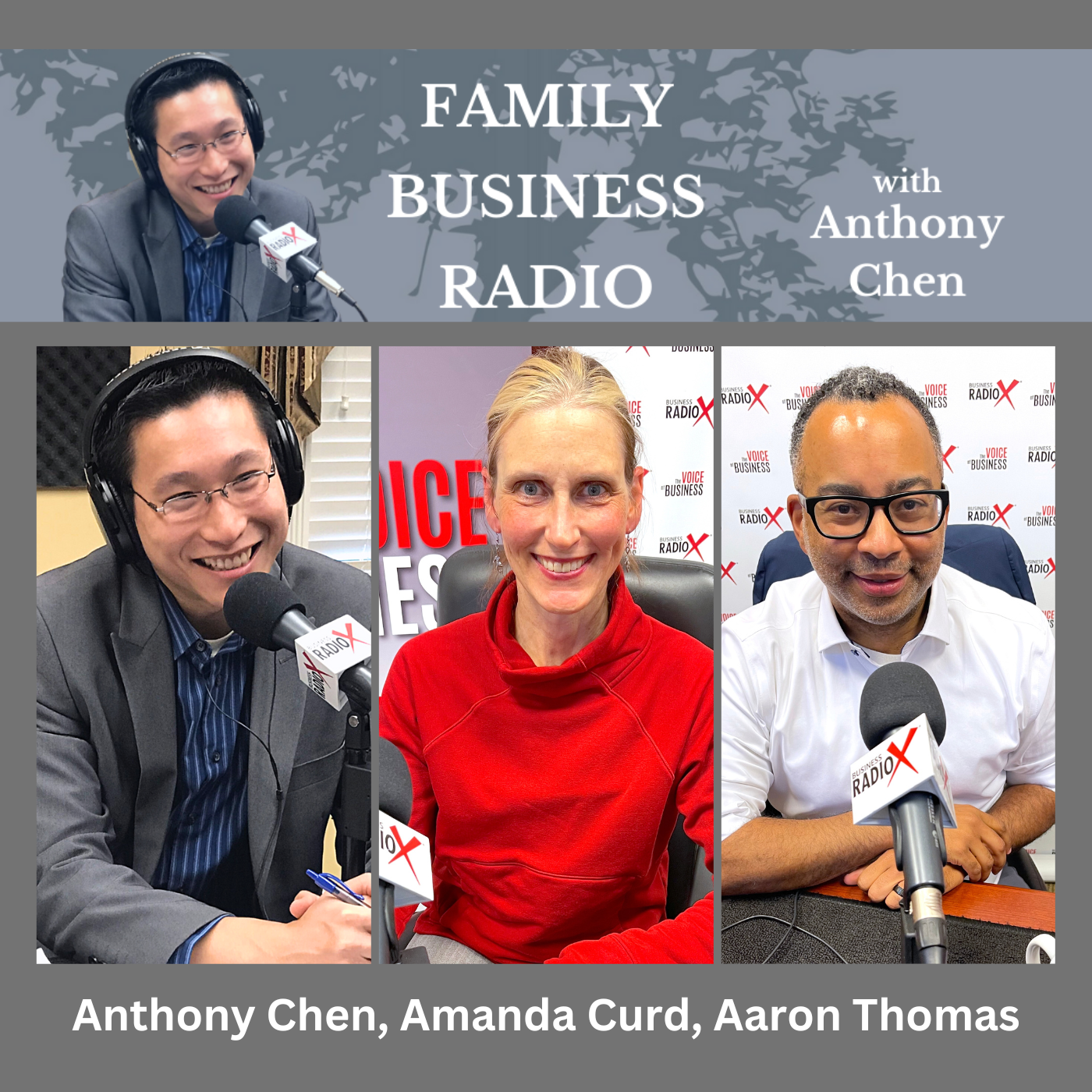
Amanda Curd, Anchor Pilates, and Aaron Thomas, Prenups.com (Family Business Radio, Episode 50)

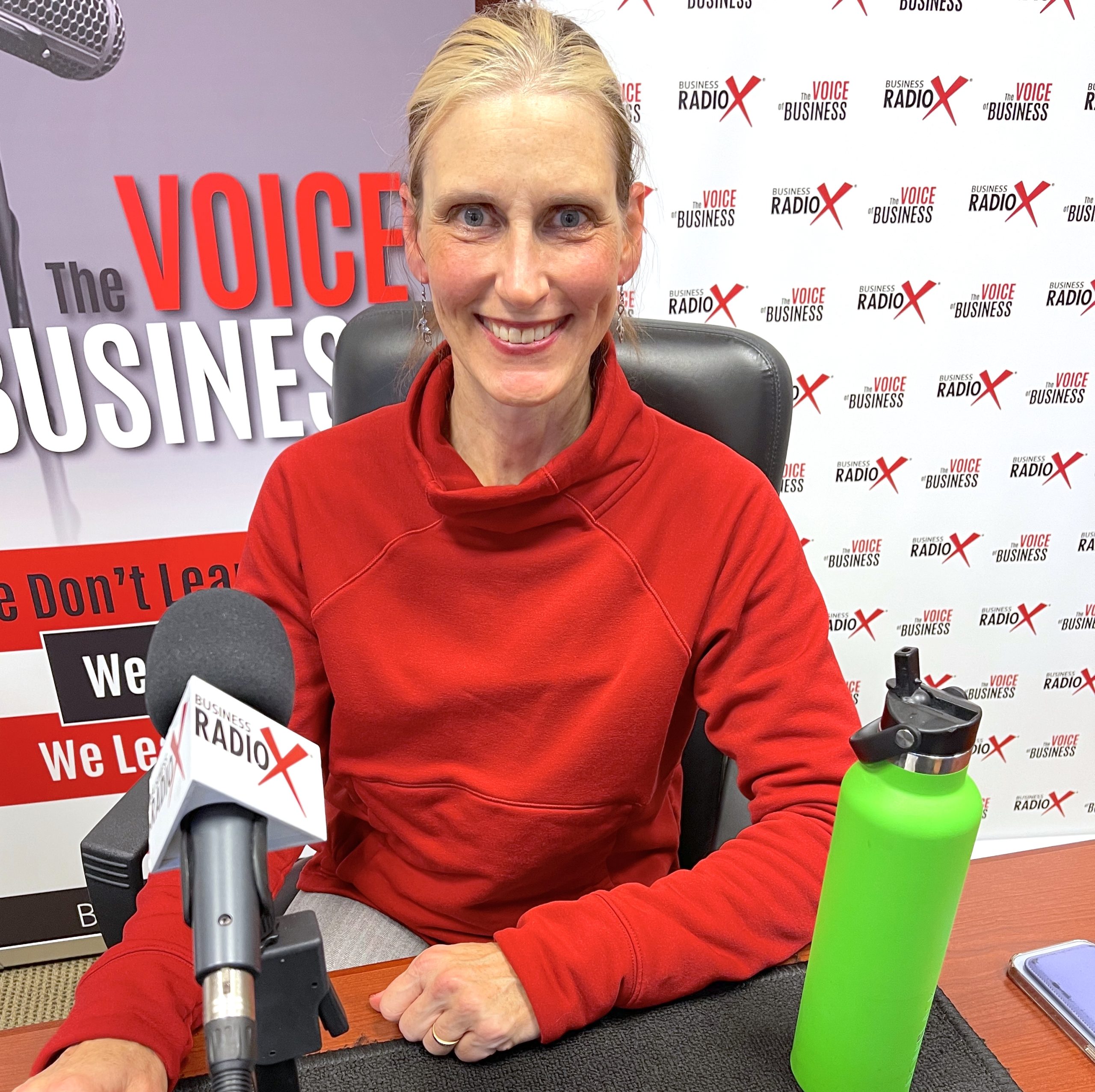
On this episode of Family Business Radio, host Anthony Chen welcomed Amanda Curd, founder of Anchor Pilates, and Aaron Thomas, the mind behind Prenups.com. Amanda shared her career journey from being a physical therapist to opening her own Pilates studio, focusing on functional movements and promoting overall physical and mental strength. She discussed tailored practices for clients from different backgrounds, including those with specific needs due to conditions like cerebral palsy.

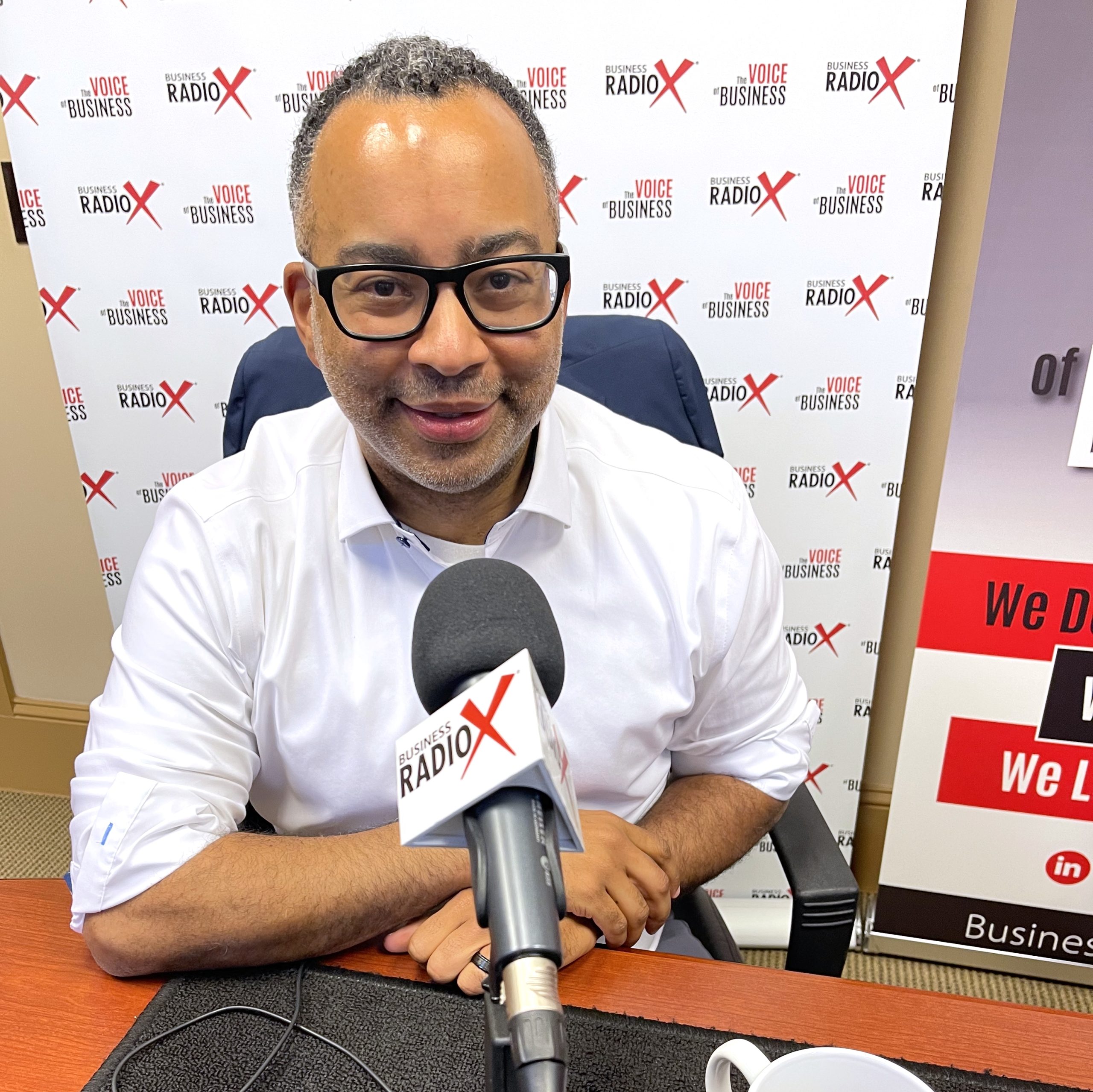
Aaron explained the concept and importance of prenuptial agreements as a tool for financial transparency, communication, and fairness in marriage. Aaron emphasized the need for such arrangements to avoid potentially destructive debates and stressors later in the marriage.

Anthony followed up with his guests about what they’ve seen as common reasons for failure in their clients. He concluded the show with comments about commitment and communication as critical to success.

Family Business Radio is underwritten and brought to you by Anthony Chen with Lighthouse Financial Network.

Anchor Pilates

Anchor Pilates specializes in one on one Pilates sessions. Amanda, owner of Anchor Pilates, brings her extensive background in movement analysis and function to the Pilates studio. Strength, balance, and posture, and how they relate to the individual client, are the cornerstones of Anchor Pilates. She uses the Pilates method and background as a physical therapist to get the most out her clients to help them get the most functional movement in their lives. That functional movement is dependent on the client’s life goals. Anchor Pilates takes the life goals and uses the strength, balance, and posture you gain from Pilates to anchor to life.

Website | Facebook | Instagram | YouTube

Amanda Curd, Owner/Instructor, Anchor Pilates, LLC

Amanda Curd, Owner/Instructor, Anchor Pilates, LLC

Amanda Curd is the owner of Anchor Pilates, LLC, located in Alpharetta, GA. She is also a licensed physical therapist, has a degree in Food and Nutrition, and holds varying Pilates certifications. She lives with her husband David and loves visits with her son who is at college. She enjoys all things fitness and nutrition.

In her spare time, she enjoys cooking, knitting, and taking long walks.

LinkedIn


Prenups.com

Marriage is the most important legal contract you’ll ever sign, but no one has read it!

Today, the average couple has 8–10 bank accounts, 6-7 credit cards, equity in a property, multiple retirement accounts, tens of thousands in student loans, multiple vehicles, two jobs, and possibly a business, brokerage accounts, and inheritance. It is important to combine your financial lives fairly to avoid a messy end to a marriage, which can cost tens of thousands of dollars and have a devastating impact on each spouse’s life, children, and financial future.

Prenups.com has developed a plan for you to get married and structure your finances in a way that avoids the most common confusion and arguments couples have when it comes to their finances.

Often maligned, and seen as planning for the end of the marriage before it begins, or as a tool only for the ultra-wealthy, you can use this contract to lay the financial foundation for a happy marriage.

They’ll provide you with a customized playbook that eliminates the confusion about relationship finance, ensures you and your spouse have agreed to a fair plan for managing your money, and gives you the tools to plan for a long marriage together.

Website | LinkedIn | Instagram | YouTube

Aaron Thomas, Founder, Prenups.com

Aaron Thomas, Founder, Prenups.com

As a three-time winner of Atlanta’s Best Divorce Attorney, Aaron Thomas is one of the nation’s top experts in family law issues. He is a 2002 graduate of Harvard Law School, and from 2015-2022, his firm Aaron Thomas Law, was recognized by peers as one of the fastest growing family law firms in the state of Georgia. With clients ranging from NBA hall of famers and Superbowl winners to Grammy award winning artists, Aaron has extensive experience representing his clients in a range of family law matters, including divorce, custody, child support, and prenuptial and postnuptial agreements.

As founder of Prenups.com, Aaron is widely viewed as the go-to source for writing fair prenups. He carries a fundamental belief that establishing a solid financial foundation during engagement can prevent many common marital disputes, and that fair prenups help create happy marriages.

Aaron is also the author of The Prenup Prescription:  Meet the Premarital Contract Designed to Save Your Marriage.

LinkedIn

Anthony Chen, Host of Family Business Radio

Anthony Chen, Lighthouse Financial, and Host of “Family Business Radio”

This show is sponsored and brought to you by Anthony Chen with Lighthouse Financial Network. Securities and advisory services are offered through Royal Alliance Associates, Inc. (RAA), member FINRA/SIPC. RAA is separately owned, and other entities and/or marketing names, products, or services referenced here are independent of RAA. The main office address is 575 Broadhollow Rd., Melville, NY 11747. You can reach Anthony at 631-465-9090 ext. 5075 or by email at anthonychen@lfnllc.com.

Anthony Chen started his career in financial services with MetLife in Buffalo, NY in 2008. Born and raised in Elmhurst, Queens, he considers himself a full-blooded New Yorker while now enjoying his Atlanta, GA home. Specializing in family businesses and their owners, Anthony works to protect what is most important to them. From preserving to creating wealth, Anthony partners with CPAs and attorneys to help address all the concerns and help clients achieve their goals. By using a combination of financial products ranging from life, disability, and long-term care insurance to many investment options through Royal Alliance. Anthony looks to be the eyes and ears for his client’s financial foundation. In his spare time, Anthony is an avid long-distance runner.

The complete show archive of “Family Business Radio” can be found at familybusinessradioshow.com.

Tagged With: Aaron Thomas, Amanda Curd, Anchor Pilates, Anthony Chen, attorney, divorce, Exercise, Family Business Radio, Lighthouse Financial Network, marital disputes, marriage, physical therapist, prenup.com, prenuptial agreement

GWBC LACE Awards 2023

November 7, 2023 by angishields

GWBC Radio
GWBC Radio
GWBC LACE Awards 2023
Loading
00:00 /
RSS Feed
Share
Link
Embed

Download file

GWBC-LACE-Awards-2023-banner

The GWBC LACE (Ladies Achieving Continuous Excellence) Awards is an annual black-tie celebration for GWBC members, recognizing our outstanding corporate partners and women business enterprises (WBEs) for their commitment and contributions to the mission of the GWBC.

Matielyn-JonesMatielyn Jones, GWBC

https://stats.businessradiox.com/39645.mp3

DOWNLOAD HERE

TRANSCRIPT

Intro: [00:00:04] Broadcasting live from the Business RadioX studios in Atlanta, Georgia, it’s time for GWBC Radio’s Open for business. Now here’s your host.

Lee Kantor: [00:00:18] Lee Kantor here, broadcasting live from the Georgia Aquarium Oceans Ballroom for 2023 GWB Lace Awards Gala, Ladies Achieving Continuous Excellence. So excited to be talking to my guest right now. Matielyn Jones, Director of Operations at GWBC. Welcome.

Matielyn Jones: [00:00:38] Thank you so much. Thank you for having me.

Lee Kantor: [00:00:39] Now, are you excited about tonight’s event?

Matielyn Jones: [00:00:42] I am excited, I’m always excited to spend time with our women, business owners and corporate sponsors, so it’s going to be great.

Lee Kantor: [00:00:48] So what can people expect? What are some of the things that you’re looking forward to this evening?

Matielyn Jones: [00:00:53] Well, I am responsible for the team that manages the certification process. And so we have tons of applications that come through every single week, every day of the year. And I’m looking forward to putting faces with the names of all the.

Lee Kantor: [00:01:07] That’s right, because you’ve probably seen them or heard through email and over zoom or something like that. But you may not have met him in person.

Matielyn Jones: [00:01:14] Right, exactly. And so I we received their actual documents. So that would be all of their legal documents. And so we literally feel like we know them. Exactly. So, you know, the history of the business. Who started it. Where were they? You know, we’re looking at, you know, financial documents. We’re looking at who the owners are, all their resumes, all the things, the criteria for certification. So I literally feel like by the time an event like tonight comes around, I’m so excited because we get to put these faces with the names of people who, again, we memorize the details in our head of who these people are. So I’m excited.

Lee Kantor: [00:01:49] Now what for somebody who isn’t certified, what, like, what can they expect to go through the certification process? Like what are some of the things that they need in order to, you know, get through this process because it is arduous, because they’re it’s important to get it all right. And you can’t no one just because you say I’m a woman owned business doesn’t mean that you are really you got to jump through some hoops, right?

Matielyn Jones: [00:02:10] That’s right. And so we certify women owned businesses that can legally demonstrate that they are at least 51% woman owned, controlled, operated, and that they operate in a way that’s independent of any other business. And so we look through those legal documents to make sure that they are legally woman owned, 51% minimum. We my team, the certification team, does all the vetting of those applications. So we do the initial intake of those applications. We do the auditing, which is the line by line of every single piece of paper that comes in, which is which is very, very rigorous and tedious. However, we want to make sure that there is integrity in our process and that if we give someone that seal of approval saying they are a woman owned business, that we’ve gone through the process of making sure that they are legally so, and that process takes 60 to 90 days. Part of the reason why is because we do look at every single sheet of paper for every business that submits. Right now, we sit at around 1245 applications or certified businesses between Georgia and North Carolina and South Carolina. And we’re looking for ways to continue to make the process more efficient so we can certify more women do more outreach, things like that. So, yes, the process it takes about up to three months, but usually once people have submitted their applications and they’re good to go, we roll right along.

Lee Kantor: [00:03:30] And it’s important because a lot of the value that you’re going to get from being a certified business is that you’re going to have access to maybe some enterprise level organizations that are looking for these specific types of people to do business with, right? So you get fast tracked, and this could really change the trajectory of your business if you do this.

Matielyn Jones: [00:03:49] Absolutely. One of the things that is important to remember is that our certification process does not guarantee that anyone will secure a contract, but what it does do is it makes them competitive in the market for the contract. And so we are looking to certify because there are companies, corporations and the government that are both looking to spend money with women owned businesses, also with minority owned businesses, also with veteran owned businesses and whatnot. But for us, for women owned businesses, and they access our database to make sure that that vetting process is really done for them. And so they can search the database of all of our women owned businesses, because we this is a national certification that we process locally. And so they can use it nationally even though we process it locally. And so they look into our database to see who are the staffing agencies, who are the construction companies, who are, you know, whatever the business need is. And we take the vetting of that, you know, making sure that if they have this set aside for two to spend with women owned businesses, that at least this group of women owned businesses they know have been vetted as such.

Lee Kantor: [00:04:56] And that spend isn’t just a little bit of money, right? It’s. Billions and billions of dollars.

Matielyn Jones: [00:05:03] It’s billions last. Earlier this year in April, I went to the top corporations luncheon, and it was Maria and I who was the director of programs. It was our second day on this job. We both started in April. And you know the numbers in the room. 2 billion here, 4 billion there. It starts at 5 million money.

Lee Kantor: [00:05:22] Right.

Matielyn Jones: [00:05:22] It added up and I said, I said, I’ve never been in a room where it was like a flex. How much you spend with women owned businesses. It was exciting and it was a great welcome and introduction to the organization. But it was very exciting and I’m very proud of all the companies that come together to really support women owned businesses in this way.

Lee Kantor: [00:05:41] And for people who want to learn more about getting certified themselves or getting re certified, if maybe they have done it in the past, what’s the best kind of way to connect with you?

Matielyn Jones: [00:05:51] Sure, I think the best way is to go to our website. It is for the Greater Women’s Business Council. So that is GW, BC. Org, our certification team. Photos and pictures are there. You can email us directly at certification at GW PBS.org. You can also reach out to me directly at M Jones at GW PBS.org. But we would love to hear from you. I’m always open to questions and walking you through as best I can, high level through your application, but just know that our goal is to make sure that we audit these documents well, and that we really set people up for success who want to compete in this market.

Lee Kantor: [00:06:28] Well, congratulations on all you do. I mean, you’re doing such important work and we appreciate you.

Matielyn Jones: [00:06:32] Thank you so much. And thank you for having me.

Lee Kantor: [00:06:34] All right. We’ll be back in a few at GW. Bc Lace Awards Gala 2023.

Chef-MariaChef Maria Kemp, Beyond Decadence

https://stats.businessradiox.com/39646.mp3

DOWNLOAD HERE

TRANSCRIPT

Intro: [00:00:04] Broadcasting live from the Business RadioX studios in Atlanta, Georgia, it’s time for ABC Radio’s Open for business. Now here’s your host.

Lee Kantor: [00:00:18] Lee Kantor here, broadcasting live from the Georgia Aquarium Oceans Ballroom for the 2023 GWBC Lace Awards Gala, Ladies Achieving Continuous Excellence. And one of those ladies here right now, Chef Maria Kemp. Welcome.

Chef Maria Kemp: [00:00:34] Thank you so much, Lee. Hey, it’s finally great to meet you in person.

Lee Kantor: [00:00:38] I know we did an interview virtually, and now we’re meeting in person. For those who don’t know, tell us a little bit about your business.

Chef Maria Kemp: [00:00:43] Well, I own Beyond Decadence, and I am the D and B pastry chef, which stands for diversity, equity, Inclusion and belonging. And I create a fusion between desserts and diversity, equity, inclusion and belonging training.

Lee Kantor: [00:00:59] There you go. And then backstory how you got into this line of work.

Chef Maria Kemp: [00:01:02] Oh goodness, I went to pastry school. Let’s just round up and say a million years ago, after spending, you know, 1,000,000.5 years in the IT world, went to the prestigious French pastry school in Chicago and became professionally trained and had a brick and mortar business, a couple pop up bakeries through the years in Illinois and now North Carolina, and then during the pandemic, ended up morphing. I like that word instead of pivot, because pivot was the most overused word of the pandemic.

Lee Kantor: [00:01:30] It’s an evolution.

Chef Maria Kemp: [00:01:31] It is, it is. But I like the word morphed. So I ended up morphing. And, you know, combining two of my passions, you know, to be an advocate and an ally in the diversity space and baking, because I had done production, baking and catering for a long time and needed a change and something that was more impactful.

Lee Kantor: [00:01:49] Now, what’s your number one tip for that home? Baker?

Chef Maria Kemp: [00:01:53] Um, probably similar to some of the trades where they say, what is it? Measure twice, cut once.

Lee Kantor: [00:02:01] Because baking is like chemistry, right? It’s not like yeah, just throw a little bit in. It’s not like cooking where you can just sprinkle stuff in or eyeball things.

Chef Maria Kemp: [00:02:08] Yeah. The whole bam thing, you know that that doesn’t work in baking. No. You definitely need to make sure that you measure accurately, whether you’re using a scale or whether you’re using a liquid measuring cup or regular traditional dry measuring cups. Accuracy is key.

Lee Kantor: [00:02:23] Now, what about when it came to developing your programs involving baking and Di? How did that come about?

Chef Maria Kemp: [00:02:31] It came about through a request from a client who said, you know, we really want to work with you, but we’ve been watching you and we work with the safe of Savory Chef last year, and we’d love to do something with you. And so that started and developed something for Juneteenth that paired together a bourbon sweet potato pie with marshmallow meringue and the messaging. But then it kept evolving through another client, Flagstar Bank and Amerihealth Caritas. Then there was Kimberly-Clark, and there was probably one other one in there I’ve missed too, but it really came together full scale when I got asked to or approved to be a speaker, a breakout session speaker at the 11th annual BMW Supplier Diversity Exchange and Conference, which is held every year for 11 years, ten, 11 years down in Greenville. And I led a breakout session, 100 people in each session two times, about 45 minutes, and just knocked it out of the park because people didn’t understand. They’re like, how are you going to merge together? Baking and pastry. Are you a pastry chef or your trainer? Are we going to cook something? Then other people are like, well, I heard you mention desserts from the podium. And is it bad that I came because I knew I’d get dessert? I said, no, it’s all part of my evil plan. That’s right. I just need to get you in here, and then I can explain it to you and help educate you.

Lee Kantor: [00:03:47] And then when you do your talk, they also. There is a dessert involved.

Chef Maria Kemp: [00:03:51] No, I just tell them. No. I do know after I do the demonstration and walk through the experience of how desserts can be used to show diversity, equity versus inclusion, inclusion. Excuse me. Equity versus equality, inclusion versus exclusion, belonging versus not belonging. After we walk through that and they experience firsthand and say, you know, I didn’t like the way that felt or I felt bad for them because they didn’t get anything, I was going to give them mine. When you experience it firsthand, then it resonates. It becomes real. It becomes real. Then you can go out and be an ally, and then you can say, I remember how that felt and I didn’t like it. So after all of that, then they do get to eat their dessert. And that’s the best part.

Lee Kantor: [00:04:35] And that’s the beauty of this is they get to learn something, but they also get a sweet treat. Right?

Chef Maria Kemp: [00:04:40] And food resonates. I mean, don’t we all wake up or fall asleep to Food Network every night or, or the Greatest British Baking Show? So when people, you know hear that they’re going to get dessert, but then they experience and get the lesson out of it, then get to, you know, enjoy the dessert as well, then that makes it stick. And it’s powerful. I mean, food is power.

Lee Kantor: [00:05:00] Now for folks who maybe aren’t certified yet, how has being certified helped you kind of have these conversations with those kind of folks?

Chef Maria Kemp: [00:05:09] It’s opened me up to an audience that I would not have had access to otherwise. It’s easy to open any periodical and see who the major companies, the major players are in any city or any state that you live in. But to have events that take place where you have an opportunity to meet them and interact with them, but most importantly, build a relationship. Just being certified and saying, I’m certified, hire me now.

Lee Kantor: [00:05:35] Doesn’t work.

Chef Maria Kemp: [00:05:35] That doesn’t work. That doesn’t work.

Lee Kantor: [00:05:37] Paying your dues and just waiting by the phone is not a good strategy, right?

Chef Maria Kemp: [00:05:40] That’s that’s that’s that’s being hopeful. But building the relationships and them getting to know you, you getting to know them, understanding the problem they’re trying to solve and the solution that you can bring to it, but them also watching you. I know there’s people who watch me on LinkedIn. They’re watching me, what I’m doing, how my career is growing, what I’m getting involved in, the people I’m meeting, the exposure, the response, the reaction from the crowd reading the facial expressions like, wow, they were really enjoying what she was doing. So being certified has done nothing but catapult that and the people, if I started naming them. But I’m not going to name drop that I’ve had access to and exposure to and discussions with and discussions that are coming is mind blowing.

Lee Kantor: [00:06:27] So what do you look forward most to this evening? How are you going to get the most out of this evening?

Chef Maria Kemp: [00:06:33] I don’t know, I’m so shy. I’m going to hide in the corner. I don’t think so. No, I’m a greeter. So you can’t hide. No, no, there’s no hiding. No, I don’t want to hide. Just interacting with people. I’ve met a lot of them, but there’s a lot that I have not met and just, you know, enjoying the experience and just expanding my network and building new relationships and furthering ones that are already established.

Lee Kantor: [00:06:57] Yeah, GWB does a great job of connecting people together and matchmaking and really putting names to faces that maybe you’ve met virtually, but now you can meet them in person, right?

Chef Maria Kemp: [00:07:08] And we’ve a lot of us were just down at National in DC, but then we were in Greenville together, and I think there was something else in the middle. No, it was just those two. So I recognized some of the names. Right. Yeah. They’re going to be here tonight and they’re all friends tonight. They’re old friends. I’ve already emailed them. Absolutely.

Lee Kantor: [00:07:26] So if somebody wants to get a hold of you, what’s the website?

Chef Maria Kemp: [00:07:29] Website is WW beyond decadence.com. That’s w-w-w beyond decadence.com. Or you can find me on LinkedIn. Very active on LinkedIn under Chef Maria Kemp.

Lee Kantor: [00:07:41] Good stuff. Well Chef Maria, thank you so much for sharing your story, doing such important work. And we appreciate.

Chef Maria Kemp: [00:07:45] It. Thank you. Thank you for having me. It’s good to meet you in person.

Lee Kantor: [00:07:48] All right. This is Lee Kantor back in a few at the 2023 GW Black Lace Awards Gala.

Lashunda-BrownLashunda Brown, Odyssey Training Solutions

https://stats.businessradiox.com/39647.mp3

DOWNLOAD HERE

TRANSCRIPT

Intro: [00:00:04] Broadcasting live from the Business RadioX studios in Atlanta, Georgia, it’s time for ABC Radio’s Open for business. Now here’s your host.

Lee Kantor: [00:00:18] Lee Kantor here. Broadcasting live from the Georgia Aquarium Oceans Ballroom. It’s the 2023 GWBC Lace Awards Gala, Ladies Achieving Continuous Excellent. And our guest right now is Lashunda Brown with Odyssey Training Solutions. Welcome.

Lashunda Brown: [00:00:36] Thank you. I’m happy to be here.

Lee Kantor: [00:00:38] Well what are you most excited about seeing at this great event?

Lashunda Brown: [00:00:42] Oh my. So excited to just join in the women who will be receiving their great awards for all their achievements, and to just join in and just accelerate them and edify them and just enjoy this fabulous evening.

Lee Kantor: [00:01:00] I know everybody’s all dressed up. The aquarium is looking great. Beautiful venue.

Lashunda Brown: [00:01:05] Absolutely. Thank you.

Lee Kantor: [00:01:06] Are you looking to connect with some folks? Maybe you’ve met virtually, but you haven’t seen in person?

Lashunda Brown: [00:01:11] I have, as a matter of fact, some of the folks that we were in sessions with this week for productions and things of that nature, being able to connect those faces with voices, it’s been exciting.

Lee Kantor: [00:01:21] Well, tell us a little bit about your business Odyssey Training Solutions. How you serving folks?

Lashunda Brown: [00:01:26] Yeah. So Odyssey Training Solutions is a full cycle really one stop shop for all your training needs. We provide professional management workforce development solutions. We have a array of training. And we provide not only virtual, but we also are doing a lot of in-person training again, which has been super excited. And we can pretty much customize and provide the solution that you need.

Lee Kantor: [00:01:52] Is there a kind of a sweet spot for an ideal client? Is there a size or the industry that you work in, or are you pretty industry agnostic?

Lashunda Brown: [00:02:00] We are across all verticals, all industries, and we have multiple subject matter experts.

Lee Kantor: [00:02:05] So now how did you get involved with GW, BC and get certified?

Lashunda Brown: [00:02:09] Oh well, I’ve been certified for over a year now and as a woman owned business, it was the obvious most progressive next step to make that connection. And one of my mentors was kind of like, you’ve got to be part of this now that you’re in Georgia. And here we are.

Lee Kantor: [00:02:29] Here we are. Have you met some interesting folks?

Lashunda Brown: [00:02:32] Always. I just love the wonderful array of just intelligence and the different fields and the line of businesses and industries that everyone bring to the table is simply a joy.

Lee Kantor: [00:02:44] Now, any advice for somebody, maybe who isn’t certified yet about getting certified? Is it something that you found beneficial for your company?

Lashunda Brown: [00:02:52] I believe that you, you know, certainly make sure that you are have your due diligence on paperwork and making sure that because, you know, it is a pretty lengthy process. So you want to make sure that you have your paperwork together. And I would recommend that, you know, if you’re doing it alone, perhaps connect with someone, maybe a mentor or mentee or even another WB that’s already certified so that they can, you know, provide you guidance to ensure that you get everything in properly.

Lee Kantor: [00:03:22] Now when it comes to getting involved in the business association like GW, BC how do you kind of wring out the most value? Like what do you do to kind of get the most out of your membership? Because it’s not you don’t want to just pay money to join something and then just sit back and wait for the phone to ring. That doesn’t usually work.

Lashunda Brown: [00:03:40] Oh, absolutely. I believe that, you know, if you’re going to put forth the effort, you need to be prepared to do the work, right. There are a lot of opportunities. There are a lot of events, the the wealth of information and the knowledge and the networking and the events that are available. You certainly have to take advantage of it. But again, once you get certified, you do have to do the work. You want to make the best of it. So it does become an individual decision to make that decision to go further.

Lee Kantor: [00:04:11] And then part of your decision was to come here and help out for this event.

Lashunda Brown: [00:04:15] Absolutely. I’ve been providing you know, I’ve been attending some events in the past and it was a need for volunteer. And I’m thinking, yeah, absolutely, I’ll help out. I love helping out in the community. I’m in other community service events and do other community service volunteer. So of course I wouldn’t have missed the opportunity to do so.

Lee Kantor: [00:04:39] And then if somebody wants to connect with you and learn more about Odyssey, what is the website?

Lashunda Brown: [00:04:45] Oh, absolutely. So you can find us at WW Dot Odyssey Training Solutions. And that’s with an S plural dot net. Or you can reach me personally at lashonda at Odyssey Training Solutions dot net.

Lee Kantor: [00:04:59] Good stuff. Well. Thank you so much for sharing your story today. You’re doing such important work and we appreciate you.

Lashunda Brown: [00:05:04] Thank you. Thank you for your time.

Lee Kantor: [00:05:05] All right. This Lee Kantor back in a few at 2023 GW BC Lace Awards Gala.

Vince-The-Voice-BaileyVince “The Voice’ Bailey, Vince the Voice

https://stats.businessradiox.com/39648.mp3

DOWNLOAD HERE

TRANSCRIPT

Intro: [00:00:04] Broadcasting live from the Business RadioX studios in Atlanta, Georgia, it’s time for ABC Radio’s Open for business. Now here’s your host.

Lee Kantor: [00:00:18] Lee Kantor here, broadcasting live from the Georgia Aquarium Oceans Ballroom for the 2023 GWBC Lace Awards Gala, Ladies Achieving Continuous Excellence. Right now we have Vince the Voice Bailey, the emcee of tonight’s event. Welcome, man.

Vince “The Voice” Bailey: [00:00:35] Hey, thanks a lot, man. Great being here with you.

Lee Kantor: [00:00:37] That voice is just it’s instantly recognizable.

Vince “The Voice” Bailey: [00:00:42] Oh, thank you so much. Yes, yes. Great to be here. Great to be here with you.

Lee Kantor: [00:00:46] So when did you know you had the voice?

Vince “The Voice” Bailey: [00:00:48] You know what, man? I’ve been doing this kind of thing for quite a while, and I just love to read it as a kid, to the point where the nuns were like anybody but Vince. Come up and read, and I haven’t stopped talking yet.

Lee Kantor: [00:01:02] So is it just years of smoking? What is your secret?

Vince “The Voice” Bailey: [00:01:06] Well, that, to be honest with you, but I got into this world of media production at a young age and never, never let go.

Lee Kantor: [00:01:15] So what’s your favorite part of production?

Vince “The Voice” Bailey: [00:01:17] You know what? Actually, it’s things like this tonight. I mean, I do commercials and shoot and all that and editing. But like tonight you have the affair and it’s over and the check is good and it’s a wrap as opposed to, you know, having to do some post-production stuff.

Lee Kantor: [00:01:33] Now, any advice for folks out there that are looking to do production? Because so many people I’m sure you’ve seen think they can do this themselves?

Vince “The Voice” Bailey: [00:01:42] Well, I taught and I teach privately. Voiceover and I taught at Clayton State for 12 years. And so I’ll hit that because a lot of people, you know, how do you get into voiceover and what do you do. And so I’m going to drop some nuggets on you first of all, and that is that you begin 99 times out of 99in the world that you live in. So if you’re in education, if you’re in aviation, if you’re in medical, if you’re whatever you’re in, the first opportunities will present themselves in that arena before you go out there. Everyone wants to do the McDonald’s commercials, but who’s going to do Mike’s hamburgers down the street, if you know what I mean? And so I’ve had some success with that, more of a blue collar approach to this whole world of entertainment, and it keeps you working. So I think another thing along those lines, you mentioned productions here in Atlanta is such an entertaining environment, but it’s also a very, as you guys know, corporate environment and corporate entities need just as much production as as the singers and dancers and party people.

Lee Kantor: [00:02:42] So so that might not be as sexy, but there’s a lot of money being made in that space.

Vince “The Voice” Bailey: [00:02:47] Look at me right now. I got on this suit and tie. The ladies is taking pictures with me. I mean, you know, I’d rather do it like this.

Lee Kantor: [00:02:55] So now, what about when it comes to video production? A lot of folks think, you know, I’ve got a camera on my phone, so why do I need to hire somebody?

Vince “The Voice” Bailey: [00:03:03] Yeah, well, I hear that a lot. And people have gone to that. And then they come back to you because you as a professional, you know, I go into a situation. My first question to a client is what do you want people to do after they watch this. And that will dictate the flow? You know, the appeal. It’s got to be for a purpose. You know, I don’t we’re not just taking pretty pictures. We’re trying to get people to either buy this product or investigate this organization or donate or something. There needs to be a purpose. So that’s where the challenge comes in. And that’s why they need to hire somebody like me instead of your cousin with the cell phone.

Lee Kantor: [00:03:45] Now, what is kind of your ideal client? Who is it? Somebody corporate. You know what is what’s the ideal client for your production company? Well, I tell.

Vince “The Voice” Bailey: [00:03:54] You what, this I this is, I want to say, my 10th year, I started in the back of the room as the voice of God. With this, I had met Ross Lewis through the Atlanta Business League back when. And so his voice of God. And then for probably the past seven, eight years, I’ve been on the on the stage and it has been a great relationship and so much so because, you know, the audience is is is a tremendous audience. And as a result, opportunities, some major opportunities have presented from from being in this room. And so events like that, you know, these ties and the bling bling that I have on, I emcee, believe it or not, guys, as a licensed National Dance Council of America ballroom dance competitions professional, I’m talking Russians and all over the country and outside of the country. And it’s amazing that, first of all, I have to pinch myself that I’m even in that environment. But when it comes to that, I think that part of the success has been I. Said, you know that a lot of Russians. I’m a stickler about names. So if her name is Oksana Zolotarev Skya, you need to say Oksana Zolotarev Skya. And a lot of times people, oh, you know, no, that’s their name. And there’s many names like that. That’s just a little thing, a little something different. And it enamors them to you and say, hey, you know, you want to make people feel good. So even though Sally weighs 430 pounds, that purple is popping girl, you know. And that was a great shot shot.

Lee Kantor: [00:05:34] So if somebody wants to learn more about your production company or hire you to emcee their event, what is the website?

Vince “The Voice” Bailey: [00:05:40] Well, I appreciate that. They can look me up at Vince the voice.com. You can Google me. Vince the voice. I’ve been doing a lot of this. Like I say, the nuns are proud of me. I was a good speller and a good reader, and I appreciate the good enunciator and a good dancer.

Speaker5: [00:05:56] But I can break it down now for me too. It depends on what we’re selling.

Lee Kantor: [00:06:01] Well, thank you so much for spending some time with us this evening. You’re doing important work and we appreciate you.

Vince “The Voice” Bailey: [00:06:06] It’s truly an honor. Thank you guys at Business RadioX.

Lee Kantor: [00:06:09] All right. This is Lee Kantor back in a few at the 2023 GW Lace Awards Gala.

Keya-Grant-Rachael-HumphreyKeya Grant, Constellation Brands and

Rachael Humphrey, Metro Records Management

https://stats.businessradiox.com/39649.mp3

DOWNLOAD HERE

TRANSCRIPT

Intro: [00:00:04] Broadcasting live from the Business RadioX studios in Atlanta, Georgia, it’s time for ABC Radio’s Open for business. Now, here’s your host.

Lee Kantor: [00:00:18] Lee Kantor here. Broadcasting live from the Georgia Aquarium Oceans Ballroom for the 2023 GWBC Lace Awards Gala, Ladies Achieving Continuous Excellence. Keya Grant and Rachael Humphrey here, the co-chairs of this great event. Welcome, ladies.

Rachael Humphrey: [00:00:36] Hello, hello, hello.

Lee Kantor: [00:00:38] So for the folks out there who aren’t familiar with the event, tell us what you got planned.

Keya Grant: [00:00:42] So this is a night to celebrate corporations and clubs who have done exemplary work in their respective companies and fields. So we are looking forward to celebrating those phenomenal people.

Lee Kantor: [00:00:57] And then there’s also a silent auction.

Keya Grant: [00:00:59] There’s a silent auction.

Lee Kantor: [00:01:02] Go ahead.

Rachael Humphrey: [00:01:02] Yes. No.

Lee Kantor: [00:01:03] Jump in there, Rachael.

Rachael Humphrey: [00:01:04] No, no, that’s exactly right. Us. But Keya and I are the co-chairs of the awards committee. So we’re a subcommittee of the subcommittee?

Lee Kantor: [00:01:15] Yes, but you’re co chairs.

Rachael Humphrey: [00:01:16] Yes.

Keya Grant: [00:01:16] Correct.

Rachael Humphrey: [00:01:17] Yes.

Lee Kantor: [00:01:17] And then so for people who aren’t familiar with an event like this, so they can expect awards for great work throughout the year, but there’s also a silent auction to raise money, correct.

Rachael Humphrey: [00:01:27] Yes. This is a non for profit. Right. So there are wonderful items up for auction and trips and trips. Trips. Yeah.

Lee Kantor: [00:01:36] And those power lunch power lunches right. Awesome. That’s awesome. Whose idea was that? The committee. Yes, I know, but you got great roster of folks to have power lunch with, correct?

Rachael Humphrey: [00:01:48] Yes.

Lee Kantor: [00:01:49] And how do you pull something like that off?

Keya Grant: [00:01:52] People are just really excited to support WBS and making sure that they are empowered and mentored. And what better way to do that than to have a power lunch now?

Lee Kantor: [00:02:02] How long have you been working with GWBC?

Rachael Humphrey: [00:02:06] Oh my goodness, I have been I have been a WBE, so I am a small business where Keya is a corporation right. So I’m a small business and I’ve been around for I’m just going to say many many many years.

Lee Kantor: [00:02:19] But what inspired you to get part of this great organization?

Rachael Humphrey: [00:02:22] I became a part because I wanted to network, I guess is a word which I don’t like the word network, but I wanted to be around women who are like minded, those who were looking for business just like I was, and the corporations that were looking for people like me. Right. So that is a partnership that you need, not just meeting people, but a partnership. You want to meet people who are looking for you and you’re looking for them. And that’s what this organization allows.

Lee Kantor: [00:02:50] And it’s it’s almost like a cheat code for a small business to get in front and build relationships with folks that would be very difficult to meet if they weren’t part of this organization.

Rachael Humphrey: [00:03:00] Exactly. And like you said, that there’s an opportunity for you to have lunches and to also partners. That’s one of the things that in the auction, people love that part of this, of this, this event, the event. Yeah. Right.

Lee Kantor: [00:03:13] Well it’s relationships now. Absolutely. Keya talk about from your lens about the importance of WBC. Yeah of course.

Keya Grant: [00:03:20] So I have been involved with GWBC for probably 18 years, and it has been through the capacity of working for a major corporations that support WBEs and this amazing organization. So I help to help my company, the companies I work for, find qualified WBEs to fulfill our goals and needs. Right. Yeah. And so and diversify our supply chain.

Lee Kantor: [00:03:49] And then how are you seeing, you know, being involved for so many years. Are you seeing an evolution of that women business owner. Sure.

Keya Grant: [00:03:56] Absolutely. I’ve mentored I can’t tell you how many women business owners in my career. And I can tell you what my my current company now, our largest spend is WBE spend.

Lee Kantor: [00:04:07] Wow. Yeah. So that’s inspiring to hear from a lot of the folks in this room, I’m sure. Yes.

Rachael Humphrey: [00:04:13] And he is being modest because I’ve been around a long time. And even if you’ve been around a long time, if you have someone like Keya in your corner, she’s going to introduce you to somebody and that’s what you want, right? And if it’s not something that I’m doing, then I know somebody who is doing something that she might need. Right? So continuous apart, like you said, not only mentoring but partnering, but also just referring each other. And that’s what it’s all about. You know, just people doing business. I tell people all the time, I may not know somebody, but I know somebody who knows somebody.

Lee Kantor: [00:04:45] And that’s that’s just as good.

Rachael Humphrey: [00:04:47] That’s important.

Lee Kantor: [00:04:48] Yeah. And a lot of folks get impatient. I think they think that, oh, I’m here for. Here’s my business card. Where’s the money? And it’s not like that. This is about relationships. And it takes time.

Keya Grant: [00:04:58] Exactly. And I try to I try. To mitigate expectations. And it is about timing and it’s divine timing. Right. And it is about just and I always tell people just because you’re certified does not guarantee you business. Yes, you have to be involved with the organization, right. You have to come to events, show.

Lee Kantor: [00:05:18] Up and volunteer here. Absolutely. Yeah.

Rachael Humphrey: [00:05:20] Exactly. Exactly. Because it’s not like Keya, you know, people like to pass out the card and think, oh, I’m gonna get new business. It doesn’t happen like that, right? I was with Coca-Cola and some other big names that that I had, but it took years right before it was my time. Right.

Lee Kantor: [00:05:37] Years to be an overnight success, right?

Rachael Humphrey: [00:05:39] Yeah. Exactly. Exactly. So. And you have to be patient.

Lee Kantor: [00:05:43] So let’s talk about your businesses for a minute. You want to talk about your firm.

Keya Grant: [00:05:48] Sure. So I work for Constellation Brands. We are the number one beer company now in the world. We are based in Rochester, New York. In Chicago, our portfolio includes modelo, Corona, Pacifico, Svedka vodka, we’re Bridge Wine, Robert Mondavi, Meiomi. We have a huge portfolio of brands.

Lee Kantor: [00:06:08] And then so folks can talk to you at GWBC you’re involved in hiring, like, what are the typical hires?

Keya Grant: [00:06:16] No, do not call me.

Lee Kantor: [00:06:17] Don’t call you.

Keya Grant: [00:06:18] I’m not hiring. But of course we’re looking for a WBE right.

Lee Kantor: [00:06:22] Like to partner with correct. There are certain niches that you look for.

Keya Grant: [00:06:25] So logistics marketing and it good stuff.

Lee Kantor: [00:06:30] Yeah. And then Rachel yes.

Rachael Humphrey: [00:06:32] Well I’ve been in business since 1998. It’s woman owned minority owned and I do mail copy print I do it managed services. I have a partner. And having a partner allows you to expand what you do. So I have a managed service partner that I’ve been with for over 14 years. And we do equipment. We do like we we are the ones who do the excuse me, your office, if you need an equipment to do your copiers and your right.

Lee Kantor: [00:07:04] So yeah, any type of equipment.

Rachael Humphrey: [00:07:06] Any type of equipment, we can do that. And we do phone services as well. We do what you get when your phone. So it’s been a good partner. But I learned in this and not only just as a person in a business, it’s good to partner with people. That’s right. And it’s not only in as a corporate but also a WB. I partner with WB because I may not be able to fulfill with the right partner.

Lee Kantor: [00:07:30] You can do anything correct.

Rachael Humphrey: [00:07:31] You can expand what your needs and it helps to build capacity and scale. Right. Exactly, exactly.

Lee Kantor: [00:07:37] All right. So before we wrap up website for Constellation Brands.

Keya Grant: [00:07:40] W-w-w dot C brands.com.

Lee Kantor: [00:07:42] All right. And Rachel?

Rachael Humphrey: [00:07:43] WW dot w metro records management.com.

Lee Kantor: [00:07:48] All right. Well thank you both for participating. You’re doing important work and we appreciate you know thank.

Rachael Humphrey: [00:07:53] You for having us.

Keya Grant: [00:07:54] Thanks for having us.

Lee Kantor: [00:07:55] All right. This is Lee Kantor back in a few at 2023 GW BC Lace Awards Gala.

Sharon-GoldmacherSharon Goldmacher, C21PR

https://stats.businessradiox.com/39650.mp3

DOWNLOAD HERE

TRANSCRIPT

Intro: [00:00:04] Broadcasting live from the Business RadioX studios in Atlanta, Georgia, it’s time for ABC Radio’s Open for business. Now here’s your host.

Lee Kantor: [00:00:18] Lee Kantor here, broadcasting live from the Georgia Aquarium Oceans Ballroom for the 2023 GWBC Lace Awards Gala, Ladies Achieving Continuous Excellence. And one of those ladies is here tonight Sharon Goldmacher with Communications 21. Welcome.

Sharon Goldmacher: [00:00:36] Hi, Lee.

Lee Kantor: [00:00:37] So for the folks who don’t know, tell us a little bit about communications 21.

Sharon Goldmacher: [00:00:41] Absolutely. We are a digital marketing and PR firm based here in Atlanta. We have clients across the country. We do a wide range of services, including creation of websites. We manage all social media. We do email marketing, anything digital and online that we can measure. We typically do, including videos. We love to work with folks like yourselves to get the word out. We do traditional PR as well event planning and execution, media relations, executive media training, and more.

Lee Kantor: [00:01:17] And full disclosure, one of your clients is GW.

Sharon Goldmacher: [00:01:20] They are one of our best clients.

Lee Kantor: [00:01:22] And then talk about an event like this. How does this fit into someone’s kind of marketing plan?

Sharon Goldmacher: [00:01:27] Well, this is the culmination of an entire year of events and programing for Greater Women’s Business Council, in part because they are crowning the achievements of both corporate partners and women business enterprises that they work very hard with all year. And we’re happy to be a small part of it in terms of promoting it on social media, doing videos as part of the program, and really and we’re also actually honored because we are entered for a Trailblazer Award this year. So we’re excited about that. But yeah, it’s Roz Lewis and her team work very hard to both increase the number of women owned businesses in our region, and then honor those people who have worked really hard to achieve the mission of WBC.

Lee Kantor: [00:02:15] Now. Any advice for the maybe the women business owners that are listening here on how to, if they can’t afford their own PR firm like yours? What is some of the low hanging fruit they can do to help them get the word out?

Sharon Goldmacher: [00:02:28] Social media is a very powerful tool. Instagram, TikTok, LinkedIn those are great ways to self publish and really get their expertise out there. In addition, going to their local newspapers and magazines and just saying, hey, you should know that I do this and I may be the only person in town that does this, and I’d be happy to talk to you. So what we do and what I tell my team is what we do is not rocket science, but we love doing it. And there are many of our clients who just don’t have time to do it and don’t really know where to begin. So we try to make it easy for them and give them advice.

Lee Kantor: [00:03:10] Now, when you’re saying to reach out to local media that’s in their area, that means to actually reach out and build a relationship, right? Like this isn’t something you just spam them with emails about, hey, you know, I’m doing this thing right? You’re right. Really. Invest in relationship. That’s the only way that this really works for any length of time in our.

Sharon Goldmacher: [00:03:30] Industry, it’s called media relations. And that’s why it’s called building a relationship with media.

Lee Kantor: [00:03:35] It’s a key component to that.

Sharon Goldmacher: [00:03:36] It is the component. Absolutely. So, you know, understanding what a reporter writes about and what interests them is also really important because you can’t just, as you said, spam them with information that they have no clue or it doesn’t make sense to their audience. So you have to know who you’re talking to and then make it relevant to them.

Lee Kantor: [00:03:57] Now for what’s kind of your elevator pitch for WBC. Like, how would you kind of synopsize what they do for people who aren’t familiar.

Sharon Goldmacher: [00:04:07] They educate and empower women business owners.

Lee Kantor: [00:04:12] And then any women business owners should seriously consider being certified. For what reasons?

Sharon Goldmacher: [00:04:18] It really does get you in front of a large audience of corporations and businesses that are looking to meet their supplier diversity goals, and they know that with the certification from Webbank and WBC, that you already meet the gold standard for doing business with them. So they’re not going to waste your time because you’ve gone through and done the hard work to get certified.

Lee Kantor: [00:04:46] And then the amount of money that’s available for women owned businesses or minority owned businesses or veteran owned businesses, can you give them the listener an idea of the quantity of money that’s out there? It’s it’s not just it’s in the millions.

Sharon Goldmacher: [00:05:01] If not more. Yeah, there’s a very intentional focus on trying to lift up women owned businesses as well as minorities and veterans. But it’s a maze to really understand how to access that. And organizations like GW, BC and Webbank work hard to simplify that for women owned businesses because they build the relationships with the corporations like BMW or Truist, who are looking to meet those supplier diversity goals. And they rely on GW, bc to make those relationships happen.

Lee Kantor: [00:05:41] Right. And they’re kind of the bridge between a lot of these enterprise level companies and these small businesses.

Sharon Goldmacher: [00:05:47] Yes, they are the bridge. Absolutely.

Lee Kantor: [00:05:50] So if somebody wants to learn more about your PR firm, what’s the website?

Sharon Goldmacher: [00:05:54] Our website is C 21 pr.com. And you can find us on the web and on social media. And we’d love to talk to anybody who is interested.

Lee Kantor: [00:06:04] Well, Sharon, thank you so much for sharing your story today. You’re doing such important work and we appreciate you.

Sharon Goldmacher: [00:06:08] Thanks, Lee. You as well. We appreciate Business RadioX. Thanks.

Lee Kantor: [00:06:12] All right. This is Lee Kantor back in a few at the 2023 GW BC Lace Awards Gala.

Moira-VetterMoira Vetter, Modo Modo Agency

https://stats.businessradiox.com/39651.mp3

DOWNLOAD HERE

TRANSCRIPT

Intro: [00:00:04] Broadcasting live from the Business RadioX studios in Atlanta, Georgia, it’s time for ABC Radio’s Open for business. Now here’s your host.

Lee Kantor: [00:00:18] Lee Kantor here, broadcasting live from the Georgia Aquarium Oceans Ballroom for the 2023 GWBC Lace Awards Gala, Ladies Achieving Continuous Excellence. And one of those ladies is here right now Moira Vetter. Welcome.

Moira Vetter: [00:00:34] Thank you so much.

Lee Kantor: [00:00:35] It’s been a hot minute since we’ve last chatted, I think. Would you say seven, ten years ago?

Moira Vetter: [00:00:39] Something like that.

Lee Kantor: [00:00:41] We’re still here.

Moira Vetter: [00:00:42] I’m still hear going strong all these years later.

Lee Kantor: [00:00:44] And you’re up for a Trailblazer Award. Talk about it. How did that happen?

Moira Vetter: [00:00:48] You know, we have had a really good year. You know, I think any time you’re doing well as a business, you know, you talk about your blessings and the team that you have. We’re really fortunate. You know, the world is still very interesting. There’s a lot of change and turmoil, but we are just really committed and flexible. And, you know, I think we have really resilient people and we have very close relationships with our clients. And that, you know, enables us to, you know, at times like these when it gets interesting, really kind of hunker down and focus on the stuff that matters. And so it’s really it’s paid off for us. We’ve had a lot of wins in the last year. We’re an Inc 5000 company for the fourth time this year and an Inc power partner, which is a B2B award that they have and have had all kinds of other things. But, you know, those are the ones that really speak to us because they come directly from the work we’re doing with our clients.

Lee Kantor: [00:01:44] So talk about your firm. Who do you serve and what’s the pain that your clients are having when they call you? Yeah.

Moira Vetter: [00:01:51] So we are Moto Moto Agency. We are a creative and media agency here in Atlanta, heavily serve B2B clients, not exclusively B2B, but often very complex global businesses. It’s very difficult to manage your brand and your position in a world that is in turmoil. And then you think about all of the changes in the the workforce and all the all the labor challenges and the economic challenges. It gets really hard to plant a flag, you know, and, and to sort of be your brand and be consistent about it when it needs to be changing all the time. And so our clients, you know, sometimes they come to us because their whole industry has changed and they want to lead that effort. Right. They want to be at the forefront and they want to be very visible for the leadership that they provide. Other times, it really is about being an extension of their team and partnering with them. So if I think about last year, last year was heavily about we are down, we’re down, men, women, children, you know, like we just don’t have the people that we need. And we don’t just need doers. We need thinkers who can come in, assess and go. And so, you know, last year was a lot of that. It was a and it was also about helping them recruit and find team members this year because the economy has been so, you know, uncertain. That’s everybody’s favorite word or the headwinds. Right.

Lee Kantor: [00:03:21] Everybody because there’s always certainty in the economy. Right. Sure.

Moira Vetter: [00:03:24] Right. That’s yeah. Somebody said to me today it feels kind of uncertain like like every other day. Yeah. But you know, I feel like this year it’s been more about how do we get quicker returns, how do we convert sales, how do we focus on the activities that correlate directly to revenue because the pressure has come back? I think people had a little more flex in coming through the pandemic. Everybody was surviving, and I think the focus on KPI lifted a little and it was, you know, keep the wheels on, keep going. And 2023 has been the year of don’t keep going, only keep going on the things that are delivering. Right. Yeah.

Lee Kantor: [00:04:05] And it’s hard to prioritize in a world like this. Right. Is this where you’re kind of expertise and the thought leadership and the trusted advisor role that you have? It really comes in handy to give them that, that third party fresh eyes looking at this stuff.

Moira Vetter: [00:04:20] Yes, yes. And you know, one thing I will say, you know, agencies are infamous for high turnover and short tenure. You know, the agency industry is very dynamic and fast moving and, you know, perhaps has a higher, you know, transiency. And we’ve been able to buck that curve. Our average team member has been with us over four years. We’ve got people that have been at the company 14 years, 12 years, you know, which is kind of, you know, outside the ordinary. And the benefit of that is when our clients come. It’s not just that we have, you know, somebody that writes well or, you know, hey, I need a good designer. It’s. I need a team that knows how to work together to solve problems like this, and they can just leave it at that. And so, you know, I feel like that’s people want people to know what they need. They don’t want to have to tell you what they need. They just want to be able to frame challenges. And so that’s really where we try to put more senior people in front of our clients, who are typically more senior people and just, you know, think as creatively as possible and be here, right, and have that same team here to deliver that.

Lee Kantor: [00:05:37] Now any advice for that woman business owner when it comes to building a culture like that? Because that doesn’t happen accidentally. That’s because you’re a visionary. And and the culture is where the rubber hits the road. There’s a lot of people that would like to have a culture as strong as yours, but you’re actually delivering this, obviously, with the success and recognition you’re getting here and, and all those other places you mentioned. So how do you build a culture that can kind of last and stand the test of time like you have?

Moira Vetter: [00:06:06] You know, one of the things is you have to keep telling people what that culture is and why it’s important to people. I think, you know, lots of people have, you know, mission and vision statements and they’re interchangeable.

Lee Kantor: [00:06:19] Like, you can you can’t.

Moira Vetter: [00:06:21] Tell the brand, say those things. Right. But, you know, we try to really show people what the benefit of those things are, both to our to us internally and to our clients. You know, I think part of it is just intending to scale. I gave a talk recently to the Cobb Executive Women’s Group and part of the Cobb Chamber, and one of the things I was doing, I was looking at statistics on businesses that scale, and I was looking at SBA insights on small business. And the average small business in the country has 1.9 employees, which means small businesses on average are a job, right? It’s one person with a job and their cousin. Right. So, you know, scale is a challenge. It’s not just a challenge for women. It’s a challenge for lots of businesses. And I think being intentional about having a plan is really important. I think one of the hardest things for women is when you know someone doesn’t fit the plan, help them find something else, right? Which doesn’t come second nature to a lot of women. I think women are comforters and, you know, try to make it work, right. We’re going to make it work and we’ll find the thing. And if you’re really serious about scale, you also have to be able to accept that sometimes you can’t do that.

Lee Kantor: [00:07:46] Right. And it’s one of those things where you’ve got to know when to say yes and when to say no. Yeah, and it’s important to cut people loose. If it’s not, if it’s not an ideal fit, then let’s there’s a big world out there.

Moira Vetter: [00:07:57] Exactly, exactly. And you know, I think that also, you know, we were talking about we’ve been around a while. It’s something that you don’t know early on. Right. Early on the idea of maybe having someone that’s not a fit and having to let them go seems like the end of the world until you get to a place in your career where you meet somebody that you, that your paths diverged and you realize, oh my God, they’re in the perfect place. Like they thank God we got to this place where we realized that we weren’t perfect together, because look at who they are now or look at what they’ve become. And that doesn’t happen when everybody just keeps trying.

Lee Kantor: [00:08:35] Now talk a little bit about why it was important for you to get involved as a certified woman business owner and be part of Jdbc and this event.

Moira Vetter: [00:08:45] So I’d love to say before it was cool to be on a supplier diversity list. We did this, but we specifically did this because we had a client Southwire company actually years ago was getting very serious about their supplier diversity. It was in the one, I don’t know, 2008 nine ish timeframe. And so Moto was new at the time and our client said it is critical to our leadership team that we diversify our vendor list. And in order to prove that, you know, we need people that are certified. And I said, well, if it matters to you, it matters to me. And so, you know, initially it happened because it mattered to our customer. Increasing it has also been a benefit to us. You know, we have had times where we would have had very extended payment terms. And I know that is a very that’s real difficult thing right now. The the US Chamber of Commerce has just advanced something on a quick payment pledge for large corporations that bring in small businesses because.

Lee Kantor: [00:09:53] Their time frames the 30, 60, 90, 120. And it’s crazy.

Moira Vetter: [00:09:57] Yes, yes. And it’s coming up more and more. And to I’m not. I’m going to say it’s nothing to them, but it is more a line item on a on a sheet and a.

Lee Kantor: [00:10:06] Spreadsheet for them, a spreadsheet. It’s their, you know, their family’s life. Exactly. Small business.

Moira Vetter: [00:10:12] So, you know, we’ve been able to use our Webbank certification before when someone wanted us to have 90 day payment terms and get, you know, 30 day payment terms. So it was hugely advantageous to us. You know, we have used referrals that have come through the network. We have used education. I was able to benefit from a education program that we Bank and Bank of America put together with Cornell University, which was a certificate in entrepreneurship specifically for women. And so, you know, there’s really been so many ways that that being involved and being certified within Webbank and with, you know, Georgia Women’s Business Council has really paid off for us.

Lee Kantor: [00:10:59] And if somebody wants to learn more about Minamoto, what’s the website?

Moira Vetter: [00:11:03] All right. So first of all, Moto Moto is not moto. So we’ll start there. It’s Moto Moto Agency. So m o d as in dog o m o d o agency.com. Everybody thinks of the animated movie with the moto character and so that that that that t is going to be the death of me.

Lee Kantor: [00:11:24] But so Moto Moto.

Moira Vetter: [00:11:26] Agency.com is the website and of course we’re on LinkedIn and all the things, but very active on LinkedIn with some good thought leadership there too.

Lee Kantor: [00:11:35] Well, congratulations for all that you do and good luck this evening. And thank you so much for taking part of this. You’re doing important work and we appreciate you.

Moira Vetter: [00:11:44] Thank you so much and thanks for sharing everybody’s story.

Lee Kantor: [00:11:46] All right. This is Lee Kantor back in a few at 2023 GW Lace Awards Gala.


Tagged With: GWBC, GWBC LACE Awards 2023

Meena Lahku with 52 Beginnings and Holly Payton with IBM

November 7, 2023 by angishields

Charitable-GA-100323-featurev2
Charitable Georgia
Meena Lahku with 52 Beginnings and Holly Payton with IBM
Loading
00:00 /
RSS Feed
Share
Link
Embed

Download file

Charitable-GA-100323-banner

Meena-Lakhu-headshot52 Beginnings was created by Meena Lahku, a Brand Marketing Expert and Publisher of Neighbors of Towne Lake.

Simply put, life is just a series of experiences, some good and some, well not so good. And what we do, as a result, is up to each of us.

This chapter of Meena’s life has presented an opportunity that she never would have ever dreamed about, but makes perfect sense and clearly gives all those experiences a better meaning after all.

She is able to help, give, grow, and continue to learn as she makes a positive impact by simply doing what she has always done naturally. Building relationships, being a good listener, and giving people what they want or need, and quite often, they just want to be heard, and that’s ok too.

At the end of the day, it all works out exactly the way it’s supposed to and Meena sleeps well knowing she did her part. So now, she enjoys the ride and finds inspiring people and credible businesses to share with the communities important to them. It really is about bringing good people together.

This page is sponsored by 52 Beginnings Local Media to give the people, organizations, and groups a voice in the community to reach more people.

Holly-Payton-headshotHolly Payton is an Executive Consultant for IBM. She has a proven track record of over 25 years’ experience in the change management and learning arena, helping to accelerate user adoption of major business transformations.

Holly is an active participant in Woodstock Arts; teaching watercolor classes at the Reeves House, acting in ‘Murder on the Orient Express’ at the Elmstreet Theatre, and taking clay classes at the Kish House.

She and her husband, Stone, live in downtown Woodstock and are the parents of two daughters, who have been married in the past 12 months.

This transcript is machine transcribed by Sonix

TRANSCRIPT

Intro: [00:00:07] Broadcasting live from the Business RadioX studios in Atlanta. It’s time for Charitable Georgia. Brought to you by B’s Charitable Pursuits and resources. We put the fun in fund raising. For more information, go to B’s Charitable Pursuits dot com. That’s B’s Charitable Pursuits dot com. Now here’s your host, Brian Pruitt.

Brian Pruett: [00:00:45] Good, fabulous Friday morning. It’s another fabulous Friday, and we’ve got two fabulous guests here this morning. We’re supposed to have three, but our other guest is sick with a stomach bug, so we’ll get her back on here. But again, we’ve got two fabulous guests. And if this is your first time listening to Charitable Georgia, this is all about positive things happening in the community. So we are going to get started with Meena Lahku. I say it right. That’s right. Awesome. I get brownie points for doing it right. So you’re with 52 Compassionate Hearts as well as Best Version Media. So we’ll get into all that in just a second. But you’ve got a pretty cool backstory and it leads into your passion of what you’re doing. So if you don’t mind, just share your story with us.

Meena Lahku: [00:01:23] Okay, well, that’s. How much time do we have?

Brian Pruett: [00:01:27] I’ve got till 5:00. I don’t know about Holly, but.

Meena Lahku: [00:01:30] Okay, well, where should I start? I mean, you’ve heard the story, so it could. It could? Well, just.

Brian Pruett: [00:01:38] Our listeners don’t know anything about you, so just give a little bit about your background, and then while you’re doing well, we’ll talk about 52 Compassionate Arts in the magazine. But there’s a reason why you’ve started both of those. But so share just a little bit of share as much as you want to. Because like I tell people all the time, you don’t know who’s listening, who might need to hear your story.

Meena Lahku: [00:01:54] Right? Okay. Well, so there’s definitely a significance behind the name 52 beginnings. And just to kind of back up a little bit, you know, I guess the story started of the main part of it started. I’ll say like in 2019 and basically decided to start a business of my own with somebody that I was engaged to at the time. And, you know, things didn’t go as we had planned, so that relationship didn’t work out. It wasn’t a very positive relationship, to say the least. And, you know, I kind of came to a point where I had to make some decisions and decided to to to leave that opportunity. Although I loved the environment, the place that I was in, the type of work which was more in hospitality, it was a bed and breakfast, a a historic home that was transported up to the North Georgia mountains. There was an event venue seated 200 people. It was just a gorgeous, gorgeous property and I loved it up there. But it was also a toxic personal environment. Somewhat, I hate to say it, but somewhat of an abusive relationship that I had, I had to get out of. So I made that decision in 2020 to just leave and cut my losses. And whatever happens, happens. And chips kind of fall where they may. And so that happened in March of 2020, and we all know what happened that month as well. So, you know, just as things would have it, that particular week that I left, Covid was not as big of a deal.

Meena Lahku: [00:04:09] People were talking about it, but it wasn’t like there wasn’t a lockdown or anything like that. We had just had some guests from China and directly flew in from China. There was a international boarding school located next to us, so they just had flown in. My daughter wasn’t feeling well and so I did not go visit my dad and. You know, for obvious reasons. And so I left that week, and later on that week my dad passed away. And that same within a like the day before that. That was a Saturday. So like on Friday the world decided to shut down. And so timing like everything was just awful, awful, awful. Like when it rains it pours type of thing. You know, we had to have the funeral at home. It was just nobody knew what anybody else was doing. It was just a bad time. So basically from there, just, you know, we were all at home. I went to real estate school online because what else can I do? And my heart wasn’t really in it. I really that’s not what I wanted to pursue, but I knew what I didn’t want was to go back to work for somebody else on somebody else’s time and money and work every weekend, work at nights, and miss the summers and miss the holidays and all of that.

Meena Lahku: [00:05:38] So, um, and I and if I didn’t mention this, I’m a single mom. I have three kids, so that in itself is a challenge. Anyhow, long story short, I was blessed enough to have the opportunity within that next couple of years after that to be able to take my mom, to go visit family and able to take care of her while she had knee replacement surgery. Things of that nature. Um. When it came to a point where, okay, I need to, you know, figure out what I’m going to do next. Uh, you know, I took odd jobs in between. And one of them was to basically, you know, help a person that I considered a good friend of mine at the time, we had known each other for ten years, somebody I trusted, somebody who I laughed and cried with, like, everything. And basically that ended up into another bad situation where basically I just did not get paid for about nine months worth of work and it just wasn’t good. And just to kind of make things right, I won’t get into big, big long story, but to make things right, I. I pretty much demanded that. I guess things be put in a manner that that they should have been in, in terms of payments. So I started an LLC and I was 51 at that time, and I was on the verge of turning 52. And I’ve always been the same person I am today, which I’ve always had a positive outlook in life, and everything happens for a reason.

Meena Lahku: [00:07:32] I don’t know why all of this has happened, but something good is going to come out of it. I don’t know what it is, but something good is going to happen. I was about to turn 52 and I just went with 52 beginnings, knowing that there was a bigger, brighter future ahead. So that’s where 52 beginnings comes from. And, you know, moving forward from that is when I connected with Best Version media and it just aligned with every single. Way my brain thinks and feels about the community, about being compassionate, about being having a fun, loving spirit. A professional will and a compassionate heart. Those are the three pillars that they stand by. Almost so good that I kind of didn’t believe it. You know, I was like, oh, this is way too good to be true, right? So anyways, that’s that’s where that comes from. And I, you know, moving on with that, I basically turned it into 52. 52. 52 beginnings local media, which has with the print and digital publication in the town lake area, there’s about 42 publications now in the Georgia area. Most of those are in the Atlanta area. So, you know, with that, it goes into another big long story. I don’t know how much you want to hear, Brian. You like opened up a. That’s right.

Brian Pruett: [00:09:17] The people tell me I do that all the time. So well a couple of questions. So first of all, we had one of your cohorts on here, Caitlin Thomas, who’s doing the Cartersville Living from Virgin Media over there. So and she’s got the same kind of heart. So my first question is going through what you did, especially with somebody you thought was a friend and, and then dealing the stuff with your dad and all that. A lot of people might have shut down at the time and said, you know what? Community is not there. It’s just it’s terrible. It sucks. Whatever the case may be, you decided to turn that around and keep going and push through and you have a heart for community. So why is it important for you to be part of the community?

Meena Lahku: [00:09:56] I just have faith in people. So, you know, there were so many times that people told me, you’re just too nice. You’re too nice, and that’s why this happens to you. I’m like, I just. Yeah, that’s great and everything, but I’m not going to change the way I am. I mean, I like who I am, I like being nice, I like being compassionate, I like helping people, and I believe that there’s other people that feel the same way. So why why become something that is so unnatural and something that I don’t want to be, you know, just to get further in life monetarily. You know, that’s I don’t I just don’t personally believe. That’s right. So I believe that there is a community out there of people which I have seen in the Cherokee County area that do have a compassionate heart, that that that do look out for each other.

Brian Pruett: [00:10:53] Which, you know, there’s a there’s a lot of pockets out there of these types of community from Cherokee and Bartow. You know, Cobb, you know, and I sit down and talk to people every day and learn their stories. And that’s what birthed Charitable Georgia, because there’s a lot of great stories out there, and that’s what needs to be heard. Not all this negativity and scare tactics that the mainstream media puts out. So it’s just great to I mean, you do so much for the community. I mean, you you’ve even turned your backyard into an event facility, which you just had an event. So you kind of focus right now on working with people with the brain, brain injuries, brain tumors, all the above. We share about that.

Meena Lahku: [00:11:30] Sure. So. When it came to my first publication, I had one full page that was generously donated by a corporate sponsor who didn’t need the space he just donated. You know, the the cost of it. And so I needed to put something on that page, and I wanted to give it back to a cause. And so upon doing some research, I found out that this was in the month of July. And so I found out that July 19th is Glioblastoma Awareness Day. It was the fifth year that it’s been nationally recognized. I was dumbfounded and like that. I didn’t even know that that existed because my brother passed away of a glioblastoma. And so the moment I saw that, I knew that that was it. I knew that I had to do something to bring awareness to that day and to to all the different types of brain cancers that are out there, because there is such little research that has been done in such little progression in decades with treatments and things. So, you know, basically what ended up happening was I had a friend of mine, do, you know, kind of get the information together. He’s a retired physician. I figured he’d be the best person to, you know, get all this together for me. And things didn’t quite pan out. And I stayed up the night before my deadline thinking, oh my gosh, what am I going to put on this page? I don’t know what I can do, what I can’t do.

Meena Lahku: [00:13:17] I’ve never done this before and ended up connecting with someone at the National Brain Tumor Society almost, almost by accident. We both almost thought it was the wrong number and hung up, but ended up spending probably an hour and a half or so on the phone with her. She. The night before, while I was trying to figure out what I was going to do with this page, I my wheels just started turning and I like had all these ideas of, oh, I could do this, I could do this. And so when I was sharing that with her, she was like, we could totally do that and we will support you in that. And within a couple of hours, I was, you know, connected with their marketing department and we got that page together. We didn’t know exactly what we were going to do at that time, but we knew we were going to do something. So that’s how 52 Compassionate Hearts began. And it’s basically a year long fundraising effort that started on July 19th of this year. That will go on through July 19th of 2024. My goal is to to work with 52 compassionate hearted people or businesses and create these teams where we’re all supporting each other. We’re all supporting the communities, whether it’s the families or the businesses, that doesn’t matter. There’s a way that everybody can make it work and it doesn’t cost anybody any money, which is amazing. And and my goal is to raise $52,000 by that date.

Brian Pruett: [00:14:50] So you just said it doesn’t cost any money. Can you share more about what that looks like?

Meena Lahku: [00:14:54] Sure. So the way I’ve got it set up with the National Brain Tumor Society on the site is you can either donate money and just just do that and be done with it and no big deal. Or you can become a fund raiser where you can either join an existing team or you can create your own team. So if you either want is fine, if you create your own team and neither one of those options cost any money, it’s just a way of you to be able to participate. But with that, if you create your own team, you get your own web page where you can customize and, you know, put in your if you’re a business, put in your business logo. If you’re an individual, you could, you know, if you want to do it as a family incentive for the kids or, you know, use it personally, just, you know, you can customize it however you want and do a fundraising campaign on your own or not. Just do it like if you want to lose weight, if you set up a goal to every time I lose a pound, I’m going to donate a dollar, you know, set it up however you want. It doesn’t matter. It just matters that everybody participates in one way or another. And at the end of the year, if we all do it, then I don’t think getting $52,000, I know it won’t be a problem.

Brian Pruett: [00:16:14] So share right now, if somebody is listening and says, I want to be a part of that, how can they do that? How can they get a hold of you or go build their team, or what they need to do.

Meena Lahku: [00:16:21] So they can connect with me on? Well, there’s a couple of ways. I think the easiest way would be, well, there’s Facebook, you can look me up on Facebook or you can go to 52 beginnings.com. And you know, that’s my website. And you can you can find it on there as well. There is a link but it’s kind of long. So yeah I’m not going to say that right now, but.

Brian Pruett: [00:16:49] Just reach out to her the way she said. And you can get more information on that as well. So. Right. All right. So let’s talk a little bit more about the magazine. So what’s the name of the magazine that you currently have.

Meena Lahku: [00:16:57] Neighbors of Town Lake. All right.

Brian Pruett: [00:16:58] So it goes actually just to the town Lake area. Yeah. And is that directly mailed to the homes?

Meena Lahku: [00:17:04] It’s mailed directly to the homes. And it goes to the communities in that area they do not subscribe to. That they don’t, you know, they don’t pay for it. It just gets delivered right to their homes. It’s a private publication, so it’s not online or anywhere.

Brian Pruett: [00:17:20] And so how do you go about finding your stories for the magazine?

Meena Lahku: [00:17:24] Well, we ask for the community to submit them. So, you know, the magazine is the reason why the concept works so well. It’s a branding concept, and it works so well because the information in it is derived from the community. I’m not going around interviewing people or writing stories myself or my, you know, my content coordinator who’s fabulous. She does write the stories, but she writes them for the businesses that are sponsoring the publication. So everything is very local. All the pictures and all the content come directly from the community. Therefore, they’re going to flip through every page because they want to know, you know, if if their content got put into that particular edition or not.

Brian Pruett: [00:18:13] I think it’s funny, a lot of people talk these days that print is dead, but it’s kind of cool to see different, a lot of different community type magazines coming out at the time, because people do love still holding something in their hand, flipping the pages, reading it, looking at it. And when it comes to the community, especially a buddy of mine and I had a magazine a few years ago called Northwest Georgia Rising Stars, and it was all positive feature stories on the kids in the high schools in Bartow and Gordon counties, whether they played sports or not. And it was such a well received thing that I think people love, again, positive stories about the community. So if a businesses I’m assuming businesses, you talk about business sponsoring the magazine and it’s more or less them advertising. Correct.

Meena Lahku: [00:18:56] It’s advertising, but it also gives it also allows for the community to be able to submit that content. Right. So if a business is sponsoring, say, the pet page or the recipe page, then yes, half of it is like an ad of their own, which we also encourage them to make it more educational. Give people the reason why they should choose them. When there’s like a sea full of other businesses that do the exact same thing, why should they go to them? Right? So be a little bit more informative that way. But then the rest of the page is where the community can, you know, can submit their content and it gives them space as well.

Brian Pruett: [00:19:37] How often does the magazine is it mailed out? Is it once a month or.

Meena Lahku: [00:19:42] It’s every single month?

Brian Pruett: [00:19:43] Every single month. Yeah.

Meena Lahku: [00:19:44] And then the what we also do, which is really great, which no other company does, is we’ll take the the ads, I’ll just call them ads that are in the publication and reformat those according to the specs on Google, Facebook and Instagram and run those campaigns on those platforms as well. So they’re getting that many more impressions.

Brian Pruett: [00:20:07] So if a business is listening and wants to do that with your magazine and be a sponsor, how can they get a hold of you for that?

Meena Lahku: [00:20:13] Well, probably the same way. It would just be either through Facebook. You can find me there, you can find me through there’s a business web page. Business Facebook page that’s neighbors of Town Lake. They can that would probably be the easiest way to to look me up. Or they can look me up personally. Message me that way or go to the website.

Brian Pruett: [00:20:36] Another thing we talk about a lot on the show is networking. And I’ve seen pictures of you at networking events, so I know you network as well. So do you have a positive story you can share about networking and how it’s helped you?

Meena Lahku: [00:20:48] Um. Absolutely I think. Just just getting around like minded people that, you know, have the same goals and want to, you know, in all networking groups are different. You know, I kind of tend to, to, to go to the ones where I can make more of a personal connection and get to know people. So, yeah, it’s definitely something that I feel is very powerful and that can help everybody in every business and definitely support that. I think what I was trying to do with the event this past Friday was incorporate the 52 beginnings Compassionate Heart like, combine those efforts and create a networking opportunity that was more in the evening, as opposed to 730 in the morning, right when a lot of people can’t make it. So give them another opportunity. Give those business leaders another opportunity. And I think.

Brian Pruett: [00:21:56] It’s important to you that you mentioned about going and establishing the personal relationship side, because too many people make the mistake of going right into networking and trying to sell, and you can’t do that.

Meena Lahku: [00:22:07] Oh, yeah. Well, I kind of found that out the hard way because I had no idea how the whole networking thing worked. And yeah, I did do that. I thought that’s what we were supposed to do. And so I was actually kind of relieved to find out, no, that’s not what you do, because I wasn’t comfortable doing that in the first place. I’m more of a people person. I like to get to know people. I build relationships. If things happen, they happen great. If they don’t, no big deal either. We’re just trying to create an environment that helps everybody, you know, and it may not be for everybody. And that’s okay too, right?

Brian Pruett: [00:22:47] Which it’s kind of funny because nowadays I get more uncomfortable talking about myself than listening to about somebody. I’d rather sit down and learn about you than to talk about me all day long. So it’s definitely go in with the open mind and heart about learning and how you can help somebody else than yourself, and it’ll come back to you whether it’s immediate or not. It’ll come back to you. Absolutely. So a couple other questions for you. So first of all, the first question is other than networking, how do you get the word out about 52 beginnings 52 Compassionate Hearts. And then how do you get the word out about the magazine?

Meena Lahku: [00:23:20] Um. Well, social media is really big. That’s very helpful. So I’m not the best at that. I will admit it’s hasn’t been my thing, but that is definitely, you know, something that I’m working on is is putting more out there to. To get more awareness and for more people to participate and going to more events myself.

Brian Pruett: [00:23:55] So you’ve been on both sides of this too. So if somebody is listening first of all and is thinking about starting their own business, give them some advice on what to do. The other aspect is if somebody is listening wants to start a nonprofit, what advice for them?

Meena Lahku: [00:24:09] Well, starting with your own business, I would say definitely have a business plan and think it through thoroughly. You know what I see a lot of is people that are so passionate about doing whatever it is that they’re doing, whether they’re making something or it really doesn’t matter, but they’re really passionate about their business, but they haven’t thought about the whole business process. And that’s where I believe that businesses fail, because you can love baking cookies or whatever it is you know, or, you know, art or whatever, whatever your business is. But if you don’t have the business plan to support it and the budget to support it, then it’s going to be a rough road. And you know that that directly, I guess, relates to me when we’re talking about marketing, because a lot of people don’t have a marketing budget, and therefore they try to do a lot of it themselves, and then they end up doing so much of it themselves that they don’t have time to do the actual thing that they love to do in the first place. So. Well, and.

Brian Pruett: [00:25:22] That’s the first thing people cut to is the marketing budget. They do have it, which is the last thing. So you have to always to my, in my opinion, have a marketing budget because you can people say, well, I have too many clients, I have enough clients. You can never have enough or too many, right? What happens if that? Well dries up? You need to be constantly doing that. So share some advice on starting a nonprofit.

Meena Lahku: [00:25:44] Well, technically I’m not a nonprofit, you know, yet. It is something I am considering. And. You know, I would just say like, get really educate yourself, talk to other people who have been there, done that, not other people who are thinking about it. Right. And, you know, just educate yourself and make sure that that’s the avenue you want to go down. You know, there’s a lot of logistics behind it, a lot of there’s a lot to it. So it’s not that simple.

Brian Pruett: [00:26:23] And I’ve had several other people and non-profits on here that too, that also say that look at other people, other non-profits in the area who might be doing what you want to do and align yourself with them first and then, you know, go from there because you can always partner. Right, right. And be a part of something that’s already there. Don’t reinvent the wheel.

Meena Lahku: [00:26:40] Exactly, exactly. There’s no need to do that. Right?

Brian Pruett: [00:26:44] Right. You shared about your your year long fundraiser that you’re doing, but do you have any other events that are coming up or anything else you want to share that might be coming up you can let people know about?

Meena Lahku: [00:26:53] We have an educational event coming up in January, so we’re still working on the logistics of that, but that’s going to be our next one.

Brian Pruett: [00:27:01] And what kind of educational.

Meena Lahku: [00:27:03] It’s going to be more towards brain health and brain training. And we’re talking to some of the senior communities, local senior communities, about doing things that will help Alzheimer’s patients and dementia patients and things of that nature. So it’s going to be surrounded. You know, in that way. Okay.

Brian Pruett: [00:27:33] All right. So share one more time, either the website or the Facebook so people can follow up on that. And then again how they can connect with you.

Meena Lahku: [00:27:41] Sure. So they a website is 52 beginnings.com. And you can follow me or follow me on Facebook as well or Instagram. And it’s Meenaa. Meena Lahku. And the business page is neighbors of town.

Brian Pruett: [00:28:03] Like awesome. Meena, thanks for coming on and sharing a little bit of your story. Don’t go anywhere. We’re not technically not done with you, but thanks for coming on and sharing. We’re moving over now to miss Holly Payton, and I’m sure people have probably go, hey, I know that name. Well, her husband Stone is the one that owns the and runs the studio here. And when you hear her voice, you’ll say, I definitely know that voice because she does the intros and outros. But, Holly, thanks for being here this morning.

Holly Payton: [00:28:25] Thank you so much. I’m glad to be here.

Brian Pruett: [00:28:27] So you did something pretty incredible. Just what, a month and a half, two months ago you donated part of your body. So it’s kind of cool that when Stone shared it with me, it wasn’t somebody to directly. It was more of like a almost like a ring type thing. Can you share that? Sure.

Holly Payton: [00:28:45] Um, my best friend, Mary Guyer, we grew up in the Philadelphia area, and in February of 2021, she called to share with me that she had kidney disease. And at the end of the call, she asked, would it be okay if I sent you some information on on kidney donorship? I said, sure, and then she said, would you consider being a kidney donor? And I said yes. And so when Mary hung up the phone and she talked to her daughter Sarah. Sarah said, mom, you know, Holly’s going to have to talk to her family and a lot of people. So let’s not get too excited. And that was absolutely not the case. You introduced this by saying I did this incredible thing. People have reacted that way, and I feel like everybody in their life has somebody that they would do this for. Mary’s my son. Buddy. You know, I didn’t have to ask anybody else what they thought. Mary was my son, buddy. And the other thing I would say. If anyone is considering this. My friend Mary was challenged a little bit. She was disappointed that some of the people in her circle of friends and circle of influence didn’t jump at the chance, you know? And they said, oh, what if one of my children needs a kidney? I don’t think I can do this now.

Holly Payton: [00:30:33] And. I was raised that you pitch to the batter that’s at the plate. You don’t live your life. What if this. What if that? Mary was right in front of me. I had someone right in front of me that needed something. And it was something I could do something about. So. I contacted Emory University. Emory is the Emory University hospital. They are the hospital in the Atlanta area that has a kidney transplant program. And I was not a match for Mary. So what the. We went into the National Kidney Donor Registry and we were paired. So what that means is I’m not a match for her, but I’m donating on her behalf. And you. Let’s say you need a kidney. You, your person who wants to donate on your behalf isn’t a match. So my kidney goes to you and your person’s kidney goes to Mary. So they create a chain. And that chain can be a few people. It can be 25 and 30 people. So in a year and a half, nothing happened. By that I mean no chain was created. I was matched, but the chain. But Mary wasn’t. The chain never formed, or Mary was matched, but I wasn’t matched, and the chain never formed.

Holly Payton: [00:32:04] So we were both educated, Mary and I, from her coordinator in the Philadelphia area. Mine down here, that it would go faster for Mary if I would donate. If we would decouple, we wouldn’t be paired anymore in the National Kidney Donor Registry. And I would donate and go into the voucher program. And what? So on September the 5th, I went into have kidney donor surgery at Emory Hospital, and the next day my voucher went to Mary that someone has donated on her behalf. So she was active now in the National Kidney Donor Registry, and she’s just waiting for a match. So it you never know when that will happen, but her odds are much better now because we don’t have to pair two people, just her. And I feel in my heart of hearts that this will happen for her this fall sometime. She’s not on dialysis yet, but getting closer in the best of all possible worlds. She would get a kidney transplant before she goes on dialysis, but if that’s not the case, that’s not a problem. You can be on dialysis and stay healthy while you wait for your your kidney transplant.

Brian Pruett: [00:33:37] So with that is you mentioned the voucher part and stuff. So I guess is that part of still being I guess you’re on the list. The waiting list, like Mary is on a waiting list of certain, you know, when somebody gets one and then she moves up. Is that the way it works? Yes.

Holly Payton: [00:33:52] So in the National Kidney Donor Registry, the way it works is someone gives a kidney and you get you don’t just get. There has to be someone who is giving on your behalf. And either I give directly to you or I give it in a chain, or I give it and you get the voucher and and you will get. So I went was active in the voucher program probably in July. And in mid-August I got the call that I was a match, and it was a chain of about six people. And so I can’t know who my kidney went to or where it went. I have a feeling it got on a plane, because my surgery was at 6 a.m. and the recipient’s surgery was that evening. So I think it went on a plane. But the next day I learned that it was very successful and that the kidney was fully functioning in someone else on the operating table. So which was very cool.

Brian Pruett: [00:35:10] That’s awesome. So but you mentioned that you you can’t know is that obviously in Hollywood they can do what they want to, but you see things where people they meet their donors and stuff like that. Yes.

Holly Payton: [00:35:20] I could have requested that the recipient had my contact information. And that way they. You could have. I could have known. I could have met that person, or they could have met me. Uh, this sounds terrible. I chose not to do that because. It’s very humbling at times to receive all that wonderful good wishes. And and people are so amazed and they it’s hard for me to take sometimes. And so I thought, you know, if this person reached out, they would be so thankful. And so and you know. That would be a little awkward for me, so I didn’t. I chose not to do that. I’m just happy that I’m thrilled to death, that I heard that the kidney was functioning and the surgery went great for that person.

Brian Pruett: [00:36:28] Well, yeah, that’s that’s I mean, you got to be off the moon or the moon just to hear that. Anyway. So what kind of did you have to do any kind of like preparation or testing to, to go through before you did this?

Speaker1: [00:36:42] Sure.

Holly Payton: [00:36:42] So people should know a little bit about kidney donor ship. I learned a whole lot by doing this. Yes. So I contacted Emory and in in February and I was not in their program until June. So there is a lot of testing. There is a lot of blood work. I had to go to Emory for many hours one day. And you had a stress test, an echocardiogram, to an ultrasound of your heart before and after the stress test. You had a chest x ray. You had your blood pressure taken, you had a CT scan of your kidney. You had all all kinds of tests. Then it was during Covid. So this was a zoom call where now people would have face to face. But you met with a social worker to kind of assess your emotional and mental attitude about this. You met with the nephrologist who was a kidney, specializes in kidneys. You met with the surgeon. You met with the financial advisor from Emory. The amazing thing about kidney donor ship. Is the donor has no medical bills. The recipient pays all of your medical bills. Wow. And so when you talked financially, he was saying, you know, you’d be out of work for a time. And so, you know, were you prepared for that? I work for IBM, I’m a consultant for IBM. And IBM was unbelievably, unbelievably supportive of me. I went on short term disability so that I was paid while I was out. I didn’t have any medical bills. So that was an amazing part of this experience.

Brian Pruett: [00:38:45] That’s pretty wild because, you know, in one aspect you would think that it might be the other way around where the recipient shouldn’t have any medical bills either. Right. But I mean, that’s just really cool. So all right, you’ve already talked about you work for IBM. So you’re in the corporate world I am. And so obviously you have a giving heart, but you gave away a kidney. Um, but I know just from being with Stone, he talks about you all the time to believe good or good or bad, mostly good. But you you you too have a heart for the community. And so why is it important to be part of the community?

Holly Payton: [00:39:23] Oh my gosh. When we were trying to, we had a house in Marietta where we raised our kids and we knew we wanted to downsize and we wanted to move to a smaller community. And so we visited a lot of smaller communities around, and we came to Woodstock, and we kept coming back and kept coming back. And Stone loved that. There was music everywhere. You know, Madlife has music outside, and sometimes in the summer century House has music and reformation has, you know, there was music everywhere, and families and children and old people and young people and everybody’s downtown. And we fell in love with the community. And when we moved here over two years ago. We moved here right as the Reeves house was having their opening, and we went and I had the chance to talk to some of the people who have leadership positions in Woodstock Arts. And I was amazed. How in the world did a small town like this get the movers and shakers of Woodstock to buy in to having such a thriving art community? I just I couldn’t wrap my head around it. And so I was very anxious when we moved here to get involved. And so I. I love Woodstock Arts. I think that the people in the leadership positions do such a magnificent job. And so I have participated in art on the spot where artists create something and then whatever you create gets raffled off.

Holly Payton: [00:41:08] I teach watercolor classes at the Reeves house. I’ve taken clay classes at the Kish House, and in February of this past year, I got the chance to act in murder on the Orient Express. That was done in February at the theater. So I this is kind of funny. I have an acting degree from the University of Florida. So yes, you can work at IBM and have an acting degree college degree. I did go back and get a master’s in instructional design, and that’s what brought me to IBM. But I started taking oil painting classes when I was young, and I, I went to to college as an art major, but I couldn’t do it every day. I was taking an avocation, trying to turn it into a vocation that didn’t work. So I had painting skills, and I and I had artistic skills. When I was in the play in February, I had not acted in 45 years, but it was such a magnificent experience. So Stone, I don’t know everybody in town. Stone knows everybody in town. So he loves, loves that aspect of the community. And I have really gotten to appreciate the artistic side of the Woodstock community. They are fabulous. The opportunities abound. There’s all kinds of volunteer opportunities within Woodstock Arts. People can get involved in so many ways.

Brian Pruett: [00:42:47] Well, that’s a good point. Well, first of all, I do know that Stone loves being here because there’s beer right around the corner and he can go have his beer anytime he wants to. That’s right. And he can drive his golf cart now. So. Right. But you’re talking about the volunteering aspect of it. And I think that’s really cool and important to talk about, even if you’re in the corporate world, because, you know, there’s these small business owners who are all out doing the networking aspect of it, you don’t get to do that as much being in the corporate world. And so giving back and volunteering, I think is important to talk about because, you know, there’s these people that come, I might have worked ten hours a day. I’m so tired or whatever this weekend. I just want to do for myself. And I think when you find out of the volunteer opportunities and you do that and you give back, you get more.

Holly Payton: [00:43:29] Absolutely, absolutely. Woodstock arts.org is their website. They host Lantern series on the green. They host art exhibits on the green. They have the art a gallery at the Reeves House. They teach art classes at the Reeves House. The Kish House is where they have all their clay classes. They have the theater. You can volunteer to help put up art gallery shows. Man, you learn a lot about what happens behind the scenes and an art gallery. It’s very educational, and you can volunteer at the theater to take tickets or to hand out brochures or to work the concession stands. There’s all kinds of volunteerism at the when they have the Lantern series shows to seat people, to take tickets to, you know, serve wine and etcetera. So there’s just so it doesn’t matter what you what skills you have or don’t have, there is an opportunity for you to be a part of that world in, in your volunteering.

Brian Pruett: [00:44:49] And I think that, again, just being part of the community in whatever you do, because I know I have family members who’ve turned into hermits, they just want to stay at home.

Speaker5: [00:44:59] And.

Brian Pruett: [00:44:59] You know, and Covid did so much wrong for people in that way. But you’re right. Just giving back whatever you can do and it makes you feel good, you.

Holly Payton: [00:45:09] Know, and you meet so many wonderful, fabulous, talented, energetic people that it just everything you give to them, they give back to you.

Brian Pruett: [00:45:18] Right. So being how long have you been at IBM?

Holly Payton: [00:45:23] 22 years.

Brian Pruett: [00:45:25] Have you again been in the corporate? You don’t get to do networking I’m assuming, but have you ever been in an opportunity to do networking events and if so, do you have a positive story for networking?

Speaker6: [00:45:37] Oh.

Brian Pruett: [00:45:40] You can actually talk about the like you just talked about what the art and stuff. That’s technically everything you do is networking.

Holly Payton: [00:45:45] Everything you do is networking. I have been able I’ve been blessed to be able to go to events where IBM has a booth, conferences where IBM has a booth, and I’ve been a presenter at at conferences on behalf of IBM. And your comment earlier to Meena about networking is not about selling. It doesn’t matter whether it’s volunteering or small business or corporate business. People do business with people they like and people they trust. And I, I am often uncomfortable because I don’t sell, but I’m happy to listen to challenges your corporation might have. My expertise for IBM is in implementing major change. So major disruptive transformation or or systems and so on. And so I’m happy to listen to the challenges that you might be having and share with you my experience. If I have anything that could help you tweak what you’re doing to be a little bit more successful or share with you, I don’t know if this would work for you, but this is what I’ve found to be successful in working with organizations going through it. So it’s not about selling, it’s simply me giving to you, you sharing with me, and you build those relationships and it goes from there.

Brian Pruett: [00:47:20] And it’s kind of funny you said you’re not into selling, but technically you are, because everybody sells themselves.

Speaker5: [00:47:23] Everybody.

Brian Pruett: [00:47:24] That’s true. Yeah. So. Well let me I’ve got a couple other questions. I want to go to the. Being a corporate and a small business, I run into a lot of people. I used to be in the corporate world. I just couldn’t handle it anymore. So I started this small business. And I know you haven’t had the opportunity to start a business. Stone’s been in this situation, but do you have any advice for anybody who might be thinking about either one, staying in a corporate world or starting a business? You got any any advice for some folks?

Holly Payton: [00:47:56] So I am not an entrepreneur. I married an entrepreneur, but I am not an entrepreneur. I would say from the outside looking in. One of the biggest things that that Stone and I differ on is he is a risk taker. I am not. I take risks all the time. But I am blessed to work in a community where failure is fine because you fail fast, you learn fast, you recover fast, and you move forward. But as an entrepreneur, it’s a little bit bigger risk, you know? And so I would say if you want to start a business, you need to look at and really be self examining as to how big of a risk taker are you? I echo Echo Mina’s suggestion. You have to not only have a passion for the business you’re going to start. But you also and lots of people don’t have both of these. You have to have a business sense and a business plan. You have to understand. Where your what’s your supply chain is? All the things that I work in in IBM, you know, you have to understand your supply chain. You have to understand the finances of it, the tax ramifications. There’s a whole lot to starting a business. And you really have to have expertise or grow your expertise, educate yourself, you know, really learn about it in a lot of different things. It’s not just the passion for what the business is, but it’s all of those business aspects. So to start your own business is is, you know, there’s a lot to, to be good at for those people who, who do it. Well.

Brian Pruett: [00:50:01] The other thing you just talked about, which I think is cool and something I didn’t think about until you just mentioned it, but a lot of the folks that I know that Stone brings in here and people that I’ve had on my show are the entrepreneurs. And you said you’re married to an entrepreneur. My wife’s married to an entrepreneur. What advice would you give somebody who’s married to an entrepreneur because you got I know one of them. You got to be patient for sure.

Holly Payton: [00:50:23] You have to be patient. You have to love them very, very, very much because it’s in the beginning. It’s very up and down and it’s very uncertain. And and I like the certainty of working at IBM and, and so we made a great pair.

Brian Pruett: [00:50:42] That’s awesome. All right I want to go back to the the donation. You talked about having my somebody. Right. And the same thing goes with a business too. You have to know your why and anything. You got to know your why. So it goes by my somebody know your why. I’ve known people that say yeah, it’s marked on my driver’s license. I’m a kidney donor, but I just want or my own organ donor because I wanted a discount and that was the only reason they did it. But just share with somebody who has been thinking about that and just haven’t done it. Maybe they’re scared or whatever. You know what? What can they obviously the joy of knowing that you’re helping to save somebody, but share with somebody who might be thinking about that.

Holly Payton: [00:51:26] Sure. The. The first thing I would say is it’s a personal decision. It’s your body. Don’t be swayed by by anybody else. I didn’t wasn’t swayed because I didn’t ask anybody else what they thought of it. But it’s a personal decision. When I went in the day before the surgery and I met with the surgeon, he said to me. There’s a lot of things we only have one of, but we don’t live our lives in fear of that. We have one heart. We have one brain. We have one stomach. You don’t make decisions about how you live your life because you’re scared that you only have one of them. And he said, this should not change your lifestyle, your longevity, anything about how you live your life because you have one kidney. There’s lots of things and you do just fine. Some people are born with just one kidney and they do just fine that I had never thought of. And that was very meaningful to me. So the only I will say, the only thing that it changes for you is they don’t want you to take drugs like Advil or Aleve. That’s it.

Speaker5: [00:52:54] I can eat.

Holly Payton: [00:52:56] I know that those two drugs are harder on your kidneys. And it’s not that you could never, ever in your lifetime take an Advil again. But Tylenol is is not hard on your kidneys. So that’s why they say that. And so you could, you know, if you have a terrible headache and you can’t get you could take an Advil, but just don’t take one for another month, you know? So that’s really the only thing that it impacts I would say as far as. The actual surgery. The surgery is done. Laparoscopically. So I have three small incisions in my torso, and then I have about a 4 or 5 inch vertical incision going down from my navel. And that’s where they actually take the kidney out. So you do have this incision. But. It. You heal up very. I’ve healed up very well. You’re limited for about seven weeks that you can’t lift anything 10 pounds or heavier. But that’s okay. I live with someone who’s willing to lift the heavy stuff and do the dishes. So that was not a problem. The only challenge I have now, physically, I feel great. I can do just about anything. I’m, you know, like I said, it’s been over eight weeks now. I’m 65 years old, and. If I don’t do core muscle exercises or yoga or things like that, my back starts talking to me, you know? And I think that’s probably at any age, if you don’t have a strong core, you your back suffers. And so right now I’m, I am cleared. I am able to start slowly getting back into yoga and start doing some core exercises. And so any back issues I might have right now will get better over the coming weeks.

Brian Pruett: [00:55:09] Have you started back to work?

Holly Payton: [00:55:10] I have, I started back to work after seven, seven weeks and and I got to say for seven weeks I didn’t sit in a chair for hours. You know, I’m sitting in a chair at my computer, I’m on WebEx calls, I’m working. And that’s been a little painful on the back because you’re not used to that. But but those muscles are building up. So.

Speaker5: [00:55:34] Yeah.

Brian Pruett: [00:55:34] So I just got to know, did you make stone pamper you?

Holly Payton: [00:55:37] I did.

Speaker5: [00:55:39] I did.

Holly Payton: [00:55:40] And and over the years his pampering skills have definitely improved.

Speaker5: [00:55:45] So got practice.

Holly Payton: [00:55:46] Yeah he got practice and he did a great job.

Brian Pruett: [00:55:49] There you go. That’s awesome. Well Holly, thanks for coming on and sharing that. What I’d like to do as I wrap this up is I always like for my guests to share a quote, a word, a positive nugget for somebody to take in today, the rest of 2023, which we’re not far from being over to 2024 and beyond with. So, Mina, what you got? You’re giving me that look? Like what?

Meena Lahku: [00:56:14] Let’s see a positive quote. Yeah.

Brian Pruett: [00:56:17] Or just a word? Or are you going to make it up? It doesn’t matter.

Meena Lahku: [00:56:24] Um. You know what? Just. Live every day to its fullest potential and live like there’s no tomorrow. And maximize every opportunity with everything that you got.

Brian Pruett: [00:56:43] Holly.

Holly Payton: [00:56:44] So. The way that we say that sentiment in my family is a quote from Auntie Mame. Life is a feast and most poor bastards are starving to death. So go out and live your life as a feast and don’t be one of the others. The other thing that my family really relishes we have always said, live your life with tickets. And what that means is always have something that you’re looking forward to. It doesn’t have to cost anything. It could be a picnic in the park, but plan things so that you always have something that energizes you, that you’re looking forward to.

Brian Pruett: [00:57:26] That’s awesome. Well, and you have a fun family. I got to meet some of your family at a, at a event that we got to go to. And yeah, there’s no there’s no boring time with your family. So that’s pretty awesome. The other thing I’d like to do is to thank you is a lost art these days. So, I mean, I want to thank you for what you’re doing for the community and getting the word out for the brain Tumors organization. And Holly, just thank you for what you’ve done for the people who need kidneys and just being part of the community that way. So everybody out there listening, let’s remember, let’s be positive. Let’s be charitable.


Business Immigration Law, with Elizabeth Ji, The Ji Law Firm

November 1, 2023 by John Ray

Elizabeth Ji
North Fulton Business Radio
Business Immigration Law, with Elizabeth Ji, The Ji Law Firm
Loading
00:00 /
RSS Feed
Share
Link
Embed

Download file

Elizabeth JiBusiness Immigration Law, with Elizabeth Ji, The Ji Law Firm (North Fulton Business Radio, Episode 714)

Elizabeth Ji, CEO and Managing Partner at The Ji Law Firm, joined host John Ray on this episode of North Fulton Business Radio to share her expertise in business immigration law. Their conversation focused on the intricacies of immigration law, the importance of correct documentation, and the effects of misrepresentation or misunderstanding of the law in immigration cases. Elizabeth covered some common misconceptions and some of her firm’s success stories, her personal journey and motivation to become an immigration attorney, and much more.

North Fulton Business Radio is broadcast from the North Fulton studio of Business RadioX® inside Renasant Bank in Alpharetta.

The Ji Law Firm

The Ji Law Firm specializes in business immigration law because they believe that employers deserve access to the highest quality talent, and sometimes that talent is outside of the US. Business immigration law is their business.

Their team is passionate about helping business owners, investors, entrepreneurs, human resources professionals, individuals, and families with immigration law matters. They serve clients in the United States and beyond.

Access the world’s highest-quality talent. With their professional guidance and support, companies can draw from a global pool of skilled professionals to create a vibrant workforce that transcends boundaries. No matter where they come from, individuals with remarkable skill sets are empowered to take their talents into virtually any business environment, thanks in part to The Ji Law Firm’s immigration services.

Unlock your business’s potential for success by discovering how you, too, can benefit from hiring talented workers across borders—and maybe even oceans—with their experienced business immigration team.

Website | LinkedIn | Facebook | Instagram

Elizabeth Ji, CEO and Managing Attorney, The Ji Law Firm

Elizabeth Ji, CEO and Managing Attorney, The Ji Law Firm

Elizabeth Ji is the founding attorney of The Ji Law Firm, headquartered in Atlanta, Georgia. The focus of the firm is corporate and family immigration. Elizabeth earned her Juris Doctorate from Atlanta’s John Marshall Law School while working full-time at a US subsidiary of a foreign company.

Elizabeth has extensive experience and knowledge in the field of immigration law and has been recognized as a 2023 Georgia Super Lawyer, Rising Star. Prior to practicing law, Elizabeth earned her Bachelor of Arts with dual majors in Political Science and International Studies from The Ohio State University in Columbus, Ohio. Because of her tenacity, commitment to excellence, and hard work, she was the recipient of several prestigious academic scholarships.

Her passion is focused on providing corporations, individuals, and families with well-planned and well-executed immigration plans because they deserve it. Having navigated the immigration system by designing hundreds of immigration strategies, Elizabeth understands how to approach each case with a keen eye for the most direct route to the client’s desired outcome. The team at The Ji Law Firm serves clients across the United States with professionalism and compassion

LinkedIn

Questions and Topics in this Interview:

  • Can you explain the most common challenges faced by families during the immigration process and how you help them navigate through these challenges?
  • In the corporate immigration context, what are the key considerations for businesses looking to hire international talent? How do you assist companies in this process?
  • How do you stay updated with the latest regulations, and how does this knowledge benefit your clients?
  • Could you share a success story where your expertise in immigration law made a significant difference in the life of a family or a company?
  • What are the most frequent misconceptions people have about immigration laws, and how do you address these misconceptions in your practice?
  • Are all Visa’s created equally?

North Fulton Business Radio is hosted by John Ray and broadcast and produced from the North Fulton studio of Business RadioX® inside Renasant Bank in Alpharetta. You can find the full archive of shows by following this link. The show is available on all the major podcast apps, including Apple Podcasts, Spotify, Google, Amazon, iHeart Radio, Stitcher, TuneIn, and others.

RenasantBank


Renasant Bank has humble roots, starting in 1904 as a $100,000 bank in a Lee County, Mississippi, bakery. Since then, Renasant has become one of the Southeast’s strongest financial institutions, with over $13 billion in assets and more than 190 banking, lending, wealth management, and financial services offices in Mississippi, Alabama, Tennessee, Georgia, and Florida. All of Renasant’s success stems from each of their banker’s commitment to investing in their communities as a way of better understanding the people they serve. At Renasant Bank, they understand you because they work and live alongside you every day.

Since 2000, Office Angels® has been restoring joy to the lives of small business owners, enabling them to focus on what they do best. At the same time, we honor and support at-home experts who wish to continue working on an as-needed basis. Not a temp firm or a placement service, Office Angels matches a business owner’s support needs with Angels who have the talent and experience necessary to handle work that is essential to creating and maintaining a successful small business. Need help with administrative tasks, bookkeeping, marketing, presentations, workshops, speaking engagements, and more? Visit us at https://officeangels.us/.

Tagged With: business immigration law, Elizabeth Ji, immigration law, immigration services, John Ray, North Fulton Business Radio, Office Angels, renasant bank, The Ji Law Firm, tourist visa, visas, work visa

Ainsley Toal with The Steel Magnolia Bar and Olivia Newell with Theory Salon

October 31, 2023 by angishields

CherokeeBusinessRadio103023pic1
Cherokee Business Radio
Ainsley Toal with The Steel Magnolia Bar and Olivia Newell with Theory Salon
Loading
00:00 /
RSS Feed
Share
Link
Embed

Download file

CherokeeBusinessRadio-103023-banner

Sponsored by Woodstock Neighbors Magazine and Business RadioX ® Main Street Warriors

Woodstock-Neighbors-logo

Main-Street-Warriors-Banner

The Steel Magnolia is a full-service mobile bar focused on creating a unique, exclusive experience for you and your guests to remember forever.

We believe that any reason is a good reason to celebrate, and a great bar will take any event to the next level. Our charming 1970s horse trailer makes a lasting impression wherever she goes. We’re more than a bartending service – we’re an elevated addition that provides handcrafted cocktails, beer and wine service, an interactive experience, and a photo-worthy backdrop.

Ainsley-Toal-The-Steel-Magnolia-BarbwI am Ainsley Toal, the founder and owner of The Steel Magnolia Bar.

What started as a quick “Why not? I can do that!” idea turned into the most rewarding opportunity. I swiftly got to work on converting the family farm’s rusty trailer into a stunning mobile bar.

The trailer originally belonged to my husband’s grandmother, who purchased it in 1972 when she moved to Dawsonville, GA. In recent years, it was utilized to haul animals for our family farm, Seven Seay’s Farm.

After five months, with the help of my family (kids included!) and lots of elbow grease, we completed the renovation of the trailer.

I have planned and produced countless events, from small gatherings for friends and family to award-winning festivals and events attended by thousands. The-Steel-Magnolia-Mobile-Bar

I take pride in the details, thrive with a checklist, and find joy in creating memorable experiences.

Let’s get together and throw a party!

Follow The Steel Magnolia Bar on Facebook and Instagram.

Theory-Salon-logov2

CherokeeBusinessRadio092623pic1bwOlivia Newell is a small business owner in Woodstock that does it all, from hair and makeup to consulting for other local businesses.  She is a L’Oreal Professionnel Educator and she grew up in the Woodstock area. She graduated from the University of Georgia in 2013 with a degree in Public Relations.

For over 18 years, Olivia managed, staffed and trained in the salon industry upon opening Theory Salon with her two business partners. She firmly believes in continuing education and travels from New York to LA throughout the year to train, coach, and mentor other salons.

She has a passion for both hair and makeup, while specializing in cutting, blonding, balayage. Olivia is a L’Oreal Pro Certified Balayage Artist, Network Expert Color Specialist, as well as being Keratin Complex Smoothing Treatment certified.

When she’s not behind the chair making her clients laugh, you can find her planning her next travel adventure or spending time with her hubby, son Sullivan and three pups!

Theory Salon is a culture that provides visionary looks with a world class customer experience. With a welcoming environment and luxury product lines like L’Oreal Professionnel and Oribe, we value integrity.

You will find through our passion for one’s craft, our dedication to establishing a salon that works with purpose and meaning.

Commitment to innovation, and continued education is a must, because we know that it is integral to keeping our skills sharp and our artistry inspired.

The driving forces behind the Theory Salon experience are to provide unparalleled hospitality and extraordinary hair artistry.

Follow Theory Salon on Facebook and Instagram.

This transcript is machine transcribed by Sonix

TRANSCRIPT

Intro: [00:00:07] Broadcasting live from the Business RadioX studios in Woodstock, Georgia. It’s time for Cherokee Business Radio. Now, here’s your host.

Stone Payton: [00:00:24] Welcome to another exciting and informative edition of Cherokee Business Radio. Stone Payton here with you this morning, and today’s episode is brought to you in part by Woodstock Neighbors magazine, bringing neighbors and business together. For more information, go to Facebook and Instagram at Woodstock Neighbors wbvm. And if you have a heart for community and want to continue to grow your small business, consider joining the Main Street Warriors movement. Go check us out at Main Street warriors.org. All right, now it is my distinct pleasure to welcome back to the Business RadioX microphone with Theory Salon, Miss Olivia Newell. How have you been?

Olivia Newell: [00:01:10] Good morning. I’ve been so good and I’m so excited to be back.

Stone Payton: [00:01:14] Oh, I am delighted to have you back in the studio. You got so much really cool stuff going on. Tell us about what you did a couple of weeks ago and tell us who you brought with you today.

Olivia Newell: [00:01:26] Yeah. I’m excited. So we had our fall market pop up a couple of weeks ago at the salon, where we hosted just about 40 vendors that are local businesses in the area. And today I’m so excited. I brought my good friend Ainsley Toal with me. She was one of our vendors at the event. I’ve been so honored to meet her and get to know her a little bit. I think her business is so cool. So I want to welcome Ainsley today and tell you a little bit about her her business.

Ainsley Toal : [00:01:56] Thank you so much for having me, I appreciate it.

Olivia Newell: [00:01:59] So, Ainsley, tell me what’s what’s your business? Give me. Give me some details. What? What is it? What do you do? Why do I love it so much? The listeners have got to know.

Ainsley Toal : [00:02:10] Well, a few months ago, actually, back in April, I started renovating a old horse trailer. It’s a 1970s double horse trailer that I renovated to start a mobile bar business located in Dawsonville, Georgia. But obviously a mobile. I’ll travel wherever I am. Mom and I work full time, and so I just really wanted to do something that was for me and learn a new skill set. And so I’ve always been in the food and beverage industry, hospitality industry. So that’s something that’s been very important to me. I’m passionate about making experiences for people that are memorable, and so I kind of just wanted to get back to that and do something fun and something to bring a little extra income to my family. And so I started renovating this horse trailer. That was an absolute rust bucket. It actually belonged to my husband’s grandmother. She bought it in 1972 when they bought when they moved to Dawsonville, Georgia. And so I just started renovating it and filming myself. And so now I’m up and ready. I’ve done a couple of events so far. I’ve done did Olivia’s pop up event, which was super fun, super successful, and I’ve just had a bunch of fun.

Olivia Newell: [00:03:25] I love it, I love it, that’s awesome. So give me a little bit more of your backstory, because I feel like with your business, there’s lots of elements here. One being for me, the horse trailer itself is so cool, you guys. She did such a good job. I mean, talk about like DIY, I want you to come to my house and everything else. So the trailer itself is so cool. And then there’s that layer of element that you just said about having the hospitality background. I mean, your drinks were killer. So there’s so much that kind of went into it. I want to hear more of, like your story of, I mean, how do you have these skills to be able to build this horse trailer? I saw you out there working. I’m like, dang, girl, she knows how to work a tool.

Ainsley Toal : [00:04:05] Well, I didn’t, so and that was part of this whole journey for me, is that I wanted to learn how to do something. And so I had no idea what to do. I, I watched a couple of YouTube videos, and there’s not really a lot of DIY horse trailer like videos and stuff. So I was like, I don’t, I literally have no idea. So I’ll just get started. And here, here I go. And I spent six weeks just sanding like the dirt and rust away. Like 50 something years worth of oh my gosh, crud. Yeah. And and I just started doing it and I was amazed with myself of what I could do because I’ve never used a power tool. I mean, I can use a screwdriver, but like that’s about the extent of what I can do. And so that was a real fun thing for me to learn is because I wanted to learn a new skill set and have a new hobby. And so that was part of that whole journey for me. But but I’ve always, like I said, been in food and beverage since I was 15 years old.

Ainsley Toal : [00:05:09] We started at Little Country Cafe back home in South Georgia. And then through college I worked at Sea Island Resorts and a bartended at Mellow Mushroom, so I have about eight years experience doing that. Excuse me. And and then post college, I actually graduated with a marketing degree. And so I went to work for Jekyll Island Authority, hosting and putting on events with them. And so I did that for almost four years. The biggest event we did was the Shrimp and Grits Festival, which was 45,000 people. Yeah, that’s so cool. And we did small ones that were just a couple hundred. So that’s kind of my background in doing events and bartending and just giving back to people and giving them experiences and being in the service industry. And that’s something that’s important to me, because just getting to do experiences with people and of all walks of life and getting to know them, and that’s something that’s important to me. And I love talking to people and getting to know people.

Olivia Newell: [00:06:12] Yeah, yeah, you can definitely see your passion through and through. And you had your husband with you that night, which I thought was cool, and he helped you build the trailer. He had no choice. I love it, I love it, put him to work. Yes.

Ainsley Toal : [00:06:23] I have been putting him to work, so I love it. So he’s he’s like, I’ve always wanted to bartend. And I’m like, well, here I go, making your dream come true. So he’s had fun doing it. And actually, I mean, we did the whole thing ourselves. I mean, from start to finish. There’s nothing that we hired out. So amazing. I did have to have his help toward the end of doing some of the more major power tools and woodworking, and my father in law. But but that’s okay. Yeah, it does, it does. And so and my son was helping me paint and my niece and my other daughter. So like, it was really a family affair. So it’s been so fun for all of us to do it. Yes, I.

Olivia Newell: [00:07:02] Loved following you on Instagram and seeing your whole family out there and your kids. It was so cute. You can just see the passion that you have and it’s just I love like a small business. I love a female owned business. I think that’s so cool. It’s very empowering to see. So tell me so far, what has been probably your most challenging thing that you’ve come across?

Ainsley Toal : [00:07:24] I would say just my, I guess, self confidence of knowing like, you can do this. I’ve never owned a business, I don’t know how to own a business, but I know, I know how to make a drink and I know how to, you know, have help. You have a good time. But the whole. Yeah. So like the behind the scenes part of that, I guess, is been the most challenging for me. And, and just having, being totally transparent imposter syndrome because I look at people and I’m like, I don’t know that I could ever be that good, or I don’t know that I am that good. And you know what I am. Yes. And so I need to believe that in myself and I and I want other women and other business owners to believe that too, is like, you can do this, you can do hard things. You can do things that you didn’t think that you could. And don’t compare yourself to other people, you know. And so that’s that’s been a little bit of a journey for me. And just learning and being confident in who I am and what I’m doing, and I’m getting there and every day it’s getting better. So yeah.

Olivia Newell: [00:08:21] I love that and I love that your kids get to see that too. I think it’s really impactful on the family to kind of, you know, be something more than just your husband’s wife or mom. You know, it’s like you’ve got this whole business that you’ve created and you’re touching lives left and right, picking up power tools, learning how to do it. No YouTube videos. I’m shocked. Like, that’s crazy. I’m you took on a challenge I would be very afraid of early on.

Ainsley Toal : [00:08:43] My son, he he was out there helping me and he came out and he was like, mom, I’m just so proud of you. And I’m like, that’s that’s so that’s what I want you to see. I want you to see that you can do things that you didn’t think that you could. And so that was really important to me. And he has no idea how much that meant to me. He’s seven. And and so I just it just really hit my heart. And I was like, okay, good. He sees this. So I have.

Olivia Newell: [00:09:11] To say that after throwing the pop up event, my son Sullivan, that’s three was at the event with me. And the next morning he said, mom, you’ve thrown a lot of cool parties. But last night was so cool. You did such a good job. So I feel the same way. I’m like, I don’t care if most of the people didn’t have a good time. My son loved it and he said, I did great and I win. That’s all that matters. That is all that matters. So I totally can relate on that. That’s awesome. Let’s see. Well, I feel like we kind of touched on what your most rewarding thing is. It sounds like. Do you have any mentors or anyone that has kind of helped you along to kind of get where you are? Where do you find your inspiration from?

Ainsley Toal : [00:09:49] I see things that I like, and I just kind of like Pinterest and Instagram, TikTok, those sorts of things, those kind of inspire me and just my, my personal what I like. And so I guess that’s kind of my style. And as far as drinks, I like, you know, all over the board and I, I should say also that I don’t want to just focus on on doing alcohol. I want to do mocktails, I want to do kids parties because those I have friends and family that are choosing a sober lifestyle for whatever reason. And just my circle has so many young kids. And so it’s important to me that I focus on doing something that can I can offer experience to someone that no matter their stage or age in life. So that’s something important to me.

Olivia Newell: [00:10:34] You’ve got a good reach there. So that kind of leads me to you. What are your future plans like? Where do you see Steel Magnolia going next?

Ainsley Toal : [00:10:41] Hopefully to your next party. Yeah.

Olivia Newell: [00:10:45] I love that. Yeah. It’s a good reason to have a party. Yeah.

Ainsley Toal : [00:10:48] I really I would love to have a whole fleet of trailers, but that’s a, that’s a big dream. But I guess for here and right now I really would like to be able to leave my full time job and focus on this so that I can have more time with my family and really put more effort into this business.

Olivia Newell: [00:11:08] So this is your side hustle? I didn’t know that. Okay, so what’s your full time job? Fill me in on that.

Ainsley Toal : [00:11:13] I’m in insurance. Okay. Boring. Well, but I’m like very important.

Olivia Newell: [00:11:18] Well, you know what? I’m just so impressed again, because the way that you run Steel Magnolia, you would think that it’s your full time job. I mean, you just kill it. It’s amazing. You do the social media, you’re booking events, doing a couple a week here and there. You got weddings, parties, holiday events, everything. And then you’re working another job and three kids. Okay, let me just bow down. Hold on. Whoa. That’s awesome. Okay, so tell me a little bit where what is your your next big thing that you have coming up?

Ainsley Toal : [00:11:51] Well, actually this weekend it’s at Theory Salon. So your salon here in Woodstock, I’m super excited. We’re going to do a couple mocktails and just have a good time. And I’m looking forward to.

Olivia Newell: [00:12:03] That’s awesome. That’ll be really fun. Okay, so we have to leave the people all your information so that that way they can find you and hire you for their next event. Because I’m going to book her up guys. So how do they find you? What’s your website?

Ainsley Toal : [00:12:16] I you can find me at the Steel Magnolia bar.com. That’s my Instagram handle, my Facebook and TikTok. Candle. And again, I’m located in Dawsonville, Georgia, but we’re very excited. Thank you.

Olivia Newell: [00:12:29] So much. Yeah. And do they have like you get to do like an inquiry on your website. Yeah, yeah.

Ainsley Toal : [00:12:34] So we have an inquiry form an intake form. Just fill out some basic information about your event. When, where how many people do you expect. And we kind of just take that information and determine a package for you what fits your needs. We can do custom. We do as big as weddings or small little private events like I’m doing tomorrow night, a little Halloween party. So yeah.

Olivia Newell: [00:12:59] And what areas do you really kind of cater to that you will go to literally anywhere.

Ainsley Toal : [00:13:04] Yeah. So mobile I will I will go that’s so cool.

Olivia Newell: [00:13:08] I love it. That’s awesome.

Speaker5: [00:13:09] So I have.

Stone Payton: [00:13:10] A question for you, Olivia. Why are you so invested in giving people like Ainsley a platform to share their story? Why are you so invested in other people? Don’t you have enough on your plate already?

Olivia Newell: [00:13:24] I’m crazy. I’m the problem. Um, no, I just I love, you know, obviously I’ve talked about it on the show the last time. I love what I do so much, and nothing makes me happier than to see, like, boss babes. You know, I love moms and females that do everything. We are like Wonder Woman, you know, speaking of and being that for Halloween. So. But no, I do. I love it and I feel like, you know, I’ve been given some cool opportunities, like I was able to come on this show before. And so I always want to share resources that I have and be able to put it in front of other people. I think we as women, the best thing we can do, especially in 2023, is just unite with one another. We’re more powerful in numbers, and so I just think it’s cool to pass that baton and help each other grow.

Stone Payton: [00:14:15] I think it’s marvelous, and I think there are a lot of people in our community here, particularly in Cherokee County and surrounding counties, that are that are genuinely invested in helping everybody. Right? Not just one of the things I just love about this area. And I got to say, as an entrepreneur, you know, I’m a little longer in the tooth than you two. So I’ve been at it a while and had ups and downs. I think people like for me, they see where we are now with multiple studios around the country. Now they see your renovated horse trailer and all the cool stuff, and I don’t think they necessarily understand, particularly non entrepreneurs, what it took to get there. You guys marveled at the at being able to manage the power tools and restore the trailer and all that, and believe me, that is so far outside my skill set. I got two tools in my house a telephone and a checkbook.

Speaker6: [00:15:00] Oh my God.

Stone Payton: [00:15:02] But but one of the things that occurred to me that the big hairy thing, because I would have never even thought about touching, that I definitely would have hired that out. But weren’t there some hoops you had to jump through to, like, get the right licensing and all to be to serve the alcohol and all that?

Ainsley Toal : [00:15:16] Well, actually, I don’t have a liquor license because in the state of Georgia, if you don’t have a brick and mortar, you can’t have a liquor license. So what I am considered is a dry hire. So you buy the booze and I serve them, but I am fully licensed and insured. I have a pouring license in my county so I can. That’s how I can legally do it, right? But just as most venues they you you purchase the alcohol or private party, you you purchase the alcohol and I provide literally every single thing else except for the alcohol. Right.

Stone Payton: [00:15:48] But but you knew that. You figured all that out. You had to jump through all the all those hoops. A lot of.

Speaker6: [00:15:53] Research.

Stone Payton: [00:15:55] Absolutely. So how does the whole I guess I’m from the training consulting world, but the sales and marketing thing work for a for a new company like yours, or are you just out there shaking the bushes and meeting people like Olivia? Like, how do you how do you get to work?

Ainsley Toal : [00:16:10] Well, I haven’t really promoted myself yet just because I am so brand new. I finished up the trailer in September for a wedding, but I’ve just been using social media, primarily Instagram and Facebook, and that’s how Olivia found me. And I’ve been so grateful and and just word of mouth and promoting on there. And I’ve reached out to a couple venues that I’m actually on a preferred preferred vendor list. Just saying, hey, I’m in your area, you have this really cool thing. I’m the only one in this area. I’d love to connect with you. And so that’s primarily where it’s been. It’s been with social media. And so once I get some more photos and things like that, I plan on reaching out to more venues, but primarily word of mouth. But that’s that’s gold in my opinion.

Speaker6: [00:16:57] So. And oh, by.

Stone Payton: [00:16:58] The way, I’m a I’m a wife. I’m a mother.

Speaker6: [00:17:01] I’m.

Stone Payton: [00:17:02] In the insurance business. I mean, goodness gracious, I am just in awe. Yeah, I could I could see why you wanted to bring Angelina. Well, we wish every success for you. We’re going to do everything we can to support you. I’ve got one quick idea that I’ll mention to you off air, because I don’t know if I can pull it off. Okay, but at least let you know about it. But, you know, you had.

Speaker6: [00:17:22] Me at bar. Yeah.

Olivia Newell: [00:17:24] Yes, that’s usually a good one. I’m like, where are you?

Ainsley Toal : [00:17:25] Find me.

Olivia Newell: [00:17:26] Mobile bar. Say no more.

Stone Payton: [00:17:29] So I’ll swing back around to you. Because one more time I want to make sure our listeners have your contact info. But, Olivia, where can people reach out and learn more about theory?

Speaker6: [00:17:37] Yeah, absolutely.

Olivia Newell: [00:17:38] So our website is theory dash Salon.com. You can follow us on social media. It’s theory underscore salon and something cool that we are doing for the month of November and December. We are bringing in local businesses to spotlight them and do a shop small Saturday. And instead of just doing it the Saturday after Thanksgiving, I’m going to do it every Saturday in November and December. So you guys come any Saturday, November, December, you’ll find one of our awesome vendors and local business people that were either at our event or I’ve met through some walk of life. We’ve got an alley that’ll be here this weekend with her mobile pop up bar, serving some nice mocktails while you get your hair done next weekend I’ve got some permanent jewelry, some spray tan businesses garnished with Grace, which actually teamed up with Ainsley at our event, which was really cool. She does like.

Ainsley Toal : [00:18:33] Dehydrated fruits and.

Olivia Newell: [00:18:34] Dehydrated fruit that went with her. Yeah, that went with her.

Speaker6: [00:18:37] Like an old fashioned.

Stone Payton: [00:18:38] Like the dehydrated. Oh, baby.

Speaker6: [00:18:40] Okay. Yes.

Olivia Newell: [00:18:41] So the two of them together. Power couple. But yeah, lots of that. So anytime November and December, if you guys are looking for holiday or gifts this is incredible. Please support your local small businesses. We really appreciate it and just come see us.

Stone Payton: [00:18:56] There is a special place in regular heaven, but particularly small business heaven at the right hand of the King himself or herself. For you. Yeah. God, you’re a wonderful person. All right, Ainsley, one more time. Coordinates for our folks to reach out and learn more and have a conversation with you and book you.

Ainsley Toal : [00:19:15] Yeah. You can find me at the Steel magnolia.com or the Steel Magnolia on Facebook and Instagram.

Stone Payton: [00:19:22] Fantastic. Well, it has been an absolute delight having you two in the studio. Thank you both so much and neither of you don’t be a stranger. We’ll have you back. And Olivia, tell her I’m being sincere. Right. I’ll really have you back.

Olivia Newell: [00:19:35] It’s so fun to. He doesn’t know what he got into telling me. I could come.

Speaker6: [00:19:38] Back.

Stone Payton: [00:19:40] Well, thank you both. This has been.

Speaker6: [00:19:41] Fantastic.

Stone Payton: [00:19:43] All right, until next time. This is Stone Payton for our guest today. And everyone here at the Business RadioX family saying we’ll see you again on Cherokee Business Radio.


Tagged With: The Steel Magnolia Bar

Marissa Greider, Atlanta Ronald McDonald House Charities, and Elizabeth Burdette, SignatureFD

October 24, 2023 by John Ray

Elizabeth Burdette
Good2Give Podcast
Marissa Greider, Atlanta Ronald McDonald House Charities, and Elizabeth Burdette, SignatureFD
Loading
00:00 /
RSS Feed
Share
Link
Embed

Download file

Elizabeth Burdette

Marissa Greider, Atlanta Ronald McDonald House Charities and Elizabeth Burdette, SignatureFD (Good2Give Podcast, Episode 5)

Marissa Greider, Senior Director of Philanthropy at Atlanta Ronald McDonald House Charities and Elizabeth Burdette, Director of Giving at Signature FD, joined this episode of the Good2Give Podcast with DePriest Waddy and Maria Walden Sullivan. Marissa shared the mission of Ronald McDonald House in providing support for families with sick children, their partnership in philanthropy, upcoming fundraising events, Handbag Hullabaloo, end-of-year giving, and much more. Elizabeth discussed SignatureFD’s unique strategy of helping families not only grow and manage wealth but also build their “Net Worthwhile” by giving to causes they care about.

The Good2Give Podcast is presented by the Community Foundation for Northeast Georgia and is produced by the North Fulton studio of Business RadioX®. You can find the full archive of shows by following this link. The show is available on all the major podcast apps, including Apple Podcasts, Spotify, Google, Amazon, iHeart Radio, Stitcher, TuneIn, and others.

Atlanta Ronald McDonald House Charities

Since 1979, Atlanta Ronald McDonald House Charities has been keeping families close when it matters most. ARMHC has hosted thousands of families as they care for a child who is receiving treatment for illness or injury. In a time of anxious uncertainty, ARMHC offers a comfortable place to call home in close proximity to their child’s care facility.

Guided by the belief that all children deserve access to quality pediatric healthcare, AThe mission of Atlanta Ronald McDonald House Charities is to transform pediatric healthcare access and experiences for families with ill, injured or recovering children through a network of Houses, Family Rooms, Care Mobiles, and community resources. ARMHC ensures equitable access to life-saving medical care. ARMHC’s commitment to family-centered care is validated by research which demonstrates that supporting the family results in better outcomes for the family and their child.

Since its beginning, Atlanta Ronald McDonald Houses have served more than 50,000 families with ill and injured children receiving medical care nearby. Their Houses are built on the simple idea that nothing else should matter when a family is focused on the health of their child.

Learn more about Handbag Hullabaloo 2023 here.

Website | LinkedIn | Facebook | Instagram

Marissa Greider, Senior Director of Philanthropy, Atlanta Ronald McDonald House Charities

Marissa Greider, Senior Director of Philanthropy, Atlanta Ronald McDonald House Charities

Marissa Greider, MA, FCEP, is a dedicated non-profit executive with more than two decades of connecting passion with purpose to advance the greater good in the Atlanta community through education, the arts, and human services. She currently serves as Senior Director of Philanthropy and Campaign Director for Atlanta Ronald McDonald House Charities, where she has worked since 2014.

Marissa’s non-profit leadership experience spans development, marketing, communications, and volunteer management, with expertise in strategic planning and developing and implementing successful fundraising initiatives, including three major capital campaigns. Prior to her tenure at Atlanta RMHC, Marissa worked at the Fernbank Museum of Natural History for 14 years.

Marissa received her Bachelor’s degree from Washington and Lee University and her Master’s degree from the University of Georgia, and she is a Fellow in Charitable Estate Planning. She resides in Atlanta with her husband and two daughters.

LinkedIn

SignatureFD

At SignatureFD, they believe people want to use their wealth to do something worthwhile—for themselves, those they love, and their community. Through integrated wealth management services, their professionals help clients create a financial design for life that enables them to protect, grow, give, and live their wealth, ultimately transforming their net worth into NET WORTHWHILE™. Our highly capable, collaborative, caring, and coordinated team of investment, financial planning, and tax experts is committed to proactively helping clients take control of their financial lives and achieve their goals. SignatureFD has 80+ passionate professionals who manage over $4 billion and has had a client retention rate of 97% since opening its doors in 1997.

Website | LinkedIn |Facebook

Elizabeth Burdette, Director of Giving, SignatureFD

Elizabeth Burdette, Director of Giving, SignatureFD

Believing that everyone has the ability to create meaningful change in their communities, Elizabeth Burdette helps guide individuals and families looking for ways to give back by providing resources and advice to empower their decision-making. She is a dedicated partner in creating personalized strategies to help clients reach their generosity goals and maximize the impact of their gifts.

An award-winning speaker and published author, Elizabeth has a unique skill set in fundraising, donor relations and engagement, program management, strategic communications, grant writing, and event design. Prior to joining SignatureFD in 2019, Elizabeth was the Director of Donor Relations at The Westminster Schools in Atlanta and a Fellow at the Robert W. Woodruff Foundation.

She also practiced law in both Austin, Texas, and Atlanta, specializing in business litigation in state and federal courts. She received her law degree from the University of Texas and a bachelor’s degree in American History and Spanish from Washington and Lee University. Elizabeth serves as the Treasurer of the Board of Directors of Special Olympics of Georgia, and also on the Board of Plywood People.

Additionally, Elizabeth is the Co-Chair of the Impact Committee of ADISA (Alternative and Direct Investment Securities Association). She is a member of the Association of Donor Relations and the State Bars of Georgia and Texas, and holds a Chartered Advisor in Philanthropy designation.

LinkedIn

About the Good2Give Podcast

The Good2Give Podcast celebrates the work of donors, nonprofits, and the causes they care about. The hosts of the show are DePriest Waddy and Maria Walden-Sullivan, and the show series is presented by the Community Foundation for Northeast Georgia.

The Good2Give Podcast is produced by the North Fulton studio of Business RadioX®. You can find the full archive of shows by following this link. You can also find the show on all the major podcast apps, including Apple Podcasts, Spotify, and many others.

Community Foundation of Northeast Georgia

At the Community Foundation for Northeast Georgia, everything they do centers around one purpose – improving the world through the power of philanthropy.

On a fundamental level, they do that through managing funds held in trust, donated by individuals, organizations, and businesses. Most funds are donor-advised funds, similar to savings accounts. These funds are pooled for investment purposes, and their income is used to make grants for a wide variety of charitable purposes.

But the Foundation’s goals expand far beyond managing funds. They desire to strengthen the communities they serve in Gwinnett, Northeast Georgia, and beyond by providing leadership, addressing community needs, and assisting individuals and organizations with their charitable giving.

Connect with CFNEG:
Website | Facebook | LinkedIn | Twitter | Instagram

Tagged With: Atlanta Ronald McDonald House Charities, cfneg, community foundation for northeast Georgia, DAF, DePriest Waddy, donor advised funds, Elizabeth Burdette, Good2Give Podcast, Maria Walden-Sullivan, Marissa Greider, pediatric healthcare, philanthropy, SignatureFD, wealth management firm

Jessica Carter with Your Metabolic Reset and Libby McRae with The Crucial Social

October 20, 2023 by angishields

Cherokee Business Radio
Jessica Carter with Your Metabolic Reset and Libby McRae with The Crucial Social
Loading
00:00 /
RSS Feed
Share
Link
Embed

Download file

CherokeeBRXbannerWIB

Sponsored by Woodstock Neighbors Magazine

Woodstock-Neighbors-logo

Jessica-Carter-bwJessica Carter is an army veteran. She was diagnosed with an autoimmune disease in 2010. Doctors tried everything for 5 years, before she took matters into her own hands.

She taught elementary music for 13 years. She now teaches about the life-changing benefits of essential oils, supplements, mindfulness and yoga. Your-Metabolic-Reset-logo

She is a 500-hour registered yoga teacher. She published 2 Amazon number one best-selling books on her trademarked system ōmmYōga® which combines essential oils, meditation, mantras and yoga to work through emotions that are no longer serving us so they aren’t stored in the body.

She’s a mindfulness, health and nutrition coach. Her passion is guiding women to better health, while loving themselves in the process. She’s currently in school to become a Board Certified Naturopathic Doctor.

Books: ommYoga and ommYoga Kids

Website: https://www.your-metabolic-reset.com/

Podcast: https://podcasters.spotify.com/pod/show/yourmetabolicreset

The-Crucial-Social-logo

Libby-McRae-bwLibby McRae is the founder of The Crucial Social. Her journey into social media for business started in 2020 when she saw small businesses missing out on its potential.

With a background in graphic design, Libby has combined creativity and strategy to help businesses thrive on social media.

The Crucial Social doesn’t believe in one-size-fits-all solutions. Libby focuses on personalized strategies to connect with your audience, secure leads, and drive conversions. Her vision is to empower businesses to tap into the limitless possibilities of social media and build authentic, supportive communities.

Connect with Libby on Instagram and Facebook.

About Your Host

Yin-Johnson-bwWith a passion for design, Yin Johnson, Owner of Yin & Yang Designs, has taken on various careers throughout her life.

She has developed an eye for detail and understands the importance of effective communication.

She thrives on challenges and has incorporated her love for traveling and food into her design ethos. Our team is well-equipped to handle any project and we pride ourselves on the strong relationships we develop with our clients.

Follow Yin & Yang Designs on Facebook and Instagram.

This transcript is machine transcribed by Sonix

TRANSCRIPT

Intro: [00:00:07] Broadcasting live from the Business RadioX studios in Woodstock, Georgia. Welcome to Women in Business, where we celebrate influential women making a difference in our community. Now, here’s your host.

Stone Payton: [00:00:30] Welcome to another exciting and informative edition of Women in Business Radio. One of your favorite women in the community. Stone Payton here. No, I’m just kidding. I am going to be producing today and I have so been looking forward to today’s episode. And today’s show is brought to you in part by Woodstock Neighbors magazine, bringing neighbors and business together. For more information, go to Facebook and Instagram at Woodstock Neighbors. Wbvm. And if you have a heart for community and you have a small business that you want to continue to grow, please consider joining the Main Street Warriors movement. Go check us out at Main Street warriors.org. All right, it’s time for our headliner host and her guest. Please join me in welcoming back to the business radio microphone. Ms. Yin Johnson. How are you?

Yin Johnson: [00:01:24] I’m great. How are you, Stone?

Stone Payton: [00:01:25] I am wonderful. It is such a delight to have you back in studio and on this side of the mic. We’re going to have a ball. We’ve even kind of kicked around the idea of you being on the host faculty for this Women in Business series, and I can’t think of a better way to kick it off. Then with the two folks you brought in with you, who’d you bring with you?

Yin Johnson: [00:01:44] So I have Jessica Carter here. Jessica is with the company Metabolic Reset. Jess, would you like to give a little spiel about yourself?

Jessica Carter: [00:01:54] Sure. So I am with your metabolic reset. I’m a certified nutrition coach, a certified health coach, and I just really help people reach their health goals, whatever they are.

Yin Johnson: [00:02:05] Awesome, awesome. And I also have Libby McRae with the crucial social.

Libby McRae: [00:02:10] Hello, hello, hello.

Yin Johnson: [00:02:14] All right, Libby, just to kick us off with a couple of questions. So what have you. Oh, my screen has frozen. Here we go. All right. So. What are some of the effective social media strategies that small businesses can implement to stand out in today’s competitive digital landscape?

Libby McRae: [00:02:36] Oh, that’s a loaded question, but I love that question. Honestly, social media is so vast. There’s so many different strategies you can implement. I think the biggest thing is knowing how do you actually want your social media to work for your business, and how is it fitting into your marketing strategy overall, but overall, specifically for local businesses? I really feel like finding a way to specifically talk to your audience and kind of create a community online is just can’t be beat. Honestly, social media is there to be social. People don’t like being sold to on social media. So if you can create a way to have conversations and create genuine, genuine connections with your followers and create that trust with them to want to buy from you, follow you and continue seeing you on your journey, then you’re winning.

Yin Johnson: [00:03:26] I dig it, I dig it. Any input on that, Jessica?

Jessica Carter: [00:03:28] Yeah, I completely agree that a lot of times we just see sale sale, sale, sale sales and people are just going to scroll right past that. But it’s about making that connection with your customers.

Yin Johnson: [00:03:39] Yep, yep I agree. And then a question for you, Jessica, how did you get into your health and wellness thing?

Jessica Carter: [00:03:45] Yeah, so I was in education for most of my life. I was actually an elementary school music teacher. And in 2010, I was diagnosed with this weird autoimmune disease where my platelets crash. That’s what causes blood to clot. So worst case scenario is I could bleed out internally and not even know that that was happening.

Yin Johnson: [00:04:05] Oh my.

Jessica Carter: [00:04:06] God. The doctors put me on prednisone, which I think is such an evil drug. It’s a super strong steroid. And I gained a lot of weight and it changed my personality. Like I became mean and I was teaching elementary school, so I had to be sweet to kids all day. So my poor husband got all the meanness.

Yin Johnson: [00:04:23] He oh no.

Jessica Carter: [00:04:24] So I’m so glad he still loves me because I think I was intolerable. But after about six months of prednisone, we were like, what are the other choices? Because this is awful, right? And my choices were a type of chemotherapy where I’d have to go every two weeks and get a four hour transfusion or a splenectomy. And a spleen is what flushes out bacteria. And I was teaching 650 elementary school kids at two different schools. So they’re just walking, hugging bacterias. Oh my God. So I don’t think either of us thought we were going to go that route. But I ended up meeting with the surgeon and she explained things well. So December 2010 I had a splenectomy. Platelets are supposed to be in between 150 and 450, and after that they were 60 to 80. So I started trying things on my end. I tried cutting gluten and adding antioxidants. I tried being a vegetarian for an entire week. It did not go well, and I started finding natural supplements and natural wellness. And that was actually what put my autoimmune disease into remission. And so I had to share the good news with others. And then without even really trying, it became a business.

Yin Johnson: [00:05:35] I dig that. Wow. That’s that’s a phenomenal story. So, Libby, do you have any kind of issues that you’ve dealt with along the lines like that?

Libby McRae: [00:05:45] Just and I just and I have had some conversations about some things that I’m not really going to share on here, but.

Jessica Carter: [00:05:52] I won’t spill the beans, I will. Your secret’s safe with me.

Libby McRae: [00:05:56] But yeah, like I have been doing some of this stuff just because I’ve been recommending. And I will say I ran out of it not too long ago, and I’ve definitely started to notice the difference if I didn’t notice it before. I’ve been like, why am I feeling like, oh, I’m out of my stuff? So I mean, yeah, Jessica is a wealth of knowledge. She’s always helping me when I have really weird questions I go up to her with. But yeah.

Yin Johnson: [00:06:17] I ask because it’s the same thing, like, Jessica has, like, talked to me about my my own issues I have. A slight insomniac. And so Jessica has definitely helped me and given me some tips on how to cut out caffeine or how much caffeine to cut out and stuff. And it really has made a change. My sleep is much better, 100%. Much better. So how can businesses effectively tailor their social media content? Libby to connect with their unique target audience?

Libby McRae: [00:06:53] As with all of my answers, there’s a lot of different ways, right?

Yin Johnson: [00:06:58] They’re all loaded. All these questions, they’re all loaded.

Libby McRae: [00:07:00] I mean, it’s it’s really marketing. It’s how involved you want to be as a business owner. What’s your role going to be in the business? I honestly feel like talking to a professional that’s in the space. Even if you want to be more hands on in your business marketing and you want it to see seem more like you and feel more like you, at the end of the day, there’s professionals that understand the back end of the different platforms or the different ways of marketing and how they could benefit. So I would say speak to a professional, you know, try to have conversations and figure out where where is your zone of genius and where can you implement their zone of genius to best benefit your business overall?

Yin Johnson: [00:07:37] Okay, I dig it, I dig it. Um, excuse me, Jessica, what advice would you give to a woman who is thinking about starting or has just started her business? And, Libby, that’s a good question for you to.

Jessica Carter: [00:07:51] So I would say think of it like a road trip. It is a journey. And when you are driving on your road trip, some things might go wrong. So maybe you get a flat tire, but do you give up and just go home right? Change the flat tire and keep on going. Maybe you run out of gas. Call triple A. They will come find you. So problems are going to arise. All of the problems will have solutions if you just take your time to find them. And then when you get to the Grand Canyon, it will all be worth it.

Yin Johnson: [00:08:29] I dig it, I dig it, yeah. I’ve always heard the what was it? There was a saying that I grew up. I was always listening to that was it’s not about the destination, it’s the journey. So it’s like, take, take your time and just kind of figure it out altogether 100%.

Libby McRae: [00:08:47] I still tell myself that daily, like it’s not about the destination, it’s about enjoying the process, enjoying the journey. But yeah, problems are always going to happen. Like just start, man. Just start because you don’t know what’s going to happen. You can sit there all day and plan it out. You know, it’s like people that exercise like want to get to exercising. They buy all the exercise equipment and then they buy all the new clothes, and then they buy all the workout books, but they never actually do it. And once you actually start, you realize you don’t need any of that, because all the problems that you come up with in the process had nothing to do with anything you planned on. So I absolutely.

Yin Johnson: [00:09:18] Agree. I feel like I feel like there’s a way to to go about it. Right? So it’s like overpreparing like sometimes this is for me personally, like I feel like I try to over prepare myself and then something just out of out of left field comes in. I’m like, okay, I was not prepared for that, but I made it happen. Yeah. And that was a thing that was the biggest thing is just like, you’re never always going to be prepared for everything. And it’s just take it one step at a time. And I have to remind myself that I have to remind myself that the.

Jessica Carter: [00:09:50] Analysis paralysis can really set in. If you try to over analyze and overthink, you’re just frozen. You’re like, I don’t even know what step to do next, so just take a step.

Yin Johnson: [00:10:00] I agree, I agree. What’s one tip that you ladies could give our listeners that they could try to implement, maybe into their business, or maybe into starting their own business?

Libby McRae: [00:10:14] I would say from a social media standpoint, consistency, you know, just put something out there. Start with it, set a schedule and kind of stick to it and see what works and what doesn’t, just kind of measure. But I would say just focus on setting a schedule and sticking to the schedule and see how that works, because I think people will be really surprised at how much consistency can just get them in the online space.

Yin Johnson: [00:10:36] I agree with that actually. Yeah, yeah.

Jessica Carter: [00:10:38] I would say try on several things until you find what you’re passionate about. I think sometimes we just start a business because we think it would be lucrative, but it’s completely fine to just take a step back and be like, wait, what really lights me up? What causes me to be completely on fire? And when I talk about it, I’m just beyond passionate and people can see that passion. And it’s also okay to try several things before you find the one. Oh, this is where kind of what Libby was saying. My zone of genius matches with my passion, and then that business can just be explosive, right?

Yin Johnson: [00:11:15] No, I agree, I agree. I think as.

Libby McRae: [00:11:18] You do it, it kind of changes. You know, you learn more about yourself and so it kind of changes in you morph and you pivot and your business changes or you’re doing different things. So yeah.

Yin Johnson: [00:11:26] Absolutely. I absolutely agree with the pivoting.

Libby McRae: [00:11:30] I think, I think a lot of us have pivoted in the last couple of years, just understanding more about what we like to do and how we’re there to help people.

Yin Johnson: [00:11:38] I think that’s that’s a lot of things that people don’t account for is the pivoting. They just think that, oh, I failed, oh, I failed. And what, you know, like and I always talk about like is my husband for the listeners, what we talk about is like, you know, you always learn, you’re always learning out in the world and stuff. And for instance, we like we love to fish and during, you know, fishing, we always mess up. You don’t know what lures to use. You don’t know what baits to use or what rods or lines and you know, all those things and. You just you just go out and do it, and it’s trial and error. Trial and error the whole time. And, you know, one day it’s going to it’s going to work and you’re like, oh, okay, I’m going to try it again. And that works. And so learning to pivot, learning to understand that, hey, not even even the professionals that you see that are running, you know, billion dollar companies, like I feel like they don’t even know what they’re doing half the time. Sometimes, you know, like they’re just also figuring it out and just trying to understand what’s all going on.

Libby McRae: [00:12:51] Yeah, absolutely. Funny story. So my husband and I are really big Gordon Ramsay fans. Not in like enjoy like fantastic food but like we enjoy trashy reality TV. So. Right right. Gordon Ramsay fans. And you know he’s got a new series on that we’ve been watching. And we were kind of going through and we saw that he had a hotel show where he went in and like renovated hotels. I don’t know if anybody knows about this.

Yin Johnson: [00:13:19] It I’ve seen it.

Libby McRae: [00:13:20] It had like 1 or 2 seasons. But I think about that as you’re talking about pivoting and these people that are big and they don’t really know what they’re doing because you can kind of see that. And it’s hard to see it as like a regular consumer because he’s Gordon Ramsay. He knows everything. But like, think about all the weird, different things he’s done. And some of them did not work. No, but he’s still doing like he’s still going, you know what I mean? He’s still going. He’s still pushing. So as an example.

Yin Johnson: [00:13:45] Yeah, I mean it’s a great example. It’s just yeah, like pivoting. So for me, I was in the insurance world for a while there, you know, like about five years or so. And then I got in a horrible car accident and we won’t have too, too long. Didn’t read. But long story short, right there is I pivoted after that because I couldn’t handle a lot of the stress that came with the insurance world and our ever shifting market. So I was like, you know, I’m going to do something else. I’m going to go back to my creative roots of designing websites, and that’s what I’m doing. And so I really do encourage people, especially through our business clubs and our community and stuff. I always encourage people, hey, go out and educate yourself. Go out and learn. Go out and listen to what other people have to say, and you’re going to learn something. You’re always going to learn something. Yeah. So building an organic community on social media, that does take time. We all know this.

Libby McRae: [00:14:49] If you don’t know, it takes time.

Yin Johnson: [00:14:52] It takes a long time. Long time. What strategies and practices do you ladies suggest for businesses looking to organically foster authentic connections and engagement with their followers?

Libby McRae: [00:15:06] Well, I said earlier, consistency. That’s a big one. I think knowing who you’re talking to, you know, understanding your ideal client, you know, what are their pain points and being able to talk to them directly. A lot of people use the example of the person in the train station yelling out baby clothes. But when they yell out, you know, moms, all the moms look up because you’re talking to them. So I think being able to understand who you’re talking to and being consistent about it are probably two of the biggest foundational aspects with organic social that you should really be striving to do.

Yin Johnson: [00:15:41] I agree with that completely.

Jessica Carter: [00:15:42] And then I am in the service industry and I’m in coaching, so my business is kind of me, and I really want people to get to know different aspects of myself. So I kind of just wrote out on a piece of paper, what are the five things that really describe who I am? And it’s health, travel, food, and a couple of others. And I’m just very consistent on posting all those different variations. And so people just think they know me and they’ll tag me in a thing about bears, because I love bears. And so my community is like, oh, Jessica loves bears, and she loves food and travel and health. And then they’re more likely to come to me because it wasn’t all about sales. They really feel like they know me just from being on Facebook.

Yin Johnson: [00:16:29] Right, right. I agree with that. It’s finding the niche, finding that little niche. And it’s same thing for me. All of the marketing that I do is it’s all organic. I love meeting people. I’m highly extroverted, so I’m just like, yeah, people all the time. But I when I go out to conferences, I’ll talk to strangers. And I think that organic side for, for social media even is just reaching out to my people, quote unquote, you know, is what hobbies do we share? You know, like that’s my biggest thing is what hobbies do we share? If I see that somebody also likes fishing, I mean, or or hunting like stone over here, you know, that’s that’s how I connect with people. And I think finding that crowd and being able to immerse yourself in that crowd is the organic side of the social media.

Libby McRae: [00:17:19] 100% is creating those connections. And what easier way than to bond over something you guys already enjoy, right? Right.

Yin Johnson: [00:17:27] Yeah. Um. So for those who might be new to the field of business, could you provide a clear definition of what? Quote unquote, the topic that we just talked about, organic social media, like what really does that mean? Or how does it differ from other forms of social media promotions?

Libby McRae: [00:17:52] Yeah. So I mean, in a basic sense, organic social media is using the the native ways of the platform to market. So not necessarily doing paid ads or paid collaborations, but more using your ability to post on your page or, you know, be a part of a conversation in a group to organically market your business, right? It can be confusing, though, because a lot of people do hire like an agency to do organic marketing for them. So there can be paid aspects, but it’s pretty much, you know, using using what you have on the platform without actually having to pay anything to Facebook or Instagram or whatever platform you’re using to get your message out there.

Yin Johnson: [00:18:34] Okay, okay.

Jessica Carter: [00:18:36] My tip would be to mix up the content. So sometimes you do want pictures of your face like people do want to see you and know who they’re they’re working with. Like that’s a big deal. And then do some reels. Do some videos, do carousels. There are do questions that get people to interact with you, right. If I’m going anywhere, I’m going to poll what are the best restaurants there and get 100 comments. And now all of those people are seeing me in their feed organically. I didn’t pay for that, right? But when they come in to me and I comment back then, we’re seeing each other over and over again, right?

Yin Johnson: [00:19:14] Right. I dig that, I dig that. That’s a good, good tip right there. So going back on what you talked about for your health, Jessica. I know that you’ve been doing this for a long time, but are you still trying to find ways to improve your health? Yeah.

Jessica Carter: [00:19:33] So it turns out you can just keep nudging that needle towards healthier and healthier you. It’s you know, I’ve been in health and wellness. December will be nine years. That’s a long time to be in health and wellness. Right. And in that time I have not used an over-the-counter. I have not used a prescription. I have not gone to the doctor for sickness. Not saying that I wouldn’t. I just try natural things first. And they’ve they’ve worked and they’ve worked. Right. So if I, if I’ve needed to I would definitely go to the doctor. So lately I guess my most recent testimony is after 40, I really struggled with weight gain. And it didn’t matter that I was doing all the right things, I was still gaining weight. So to me, my body was telling me, I need something, you’re not giving me something that I need. And so for the first time in our lives, we didn’t diet. We didn’t cut out a food group. We’re not skipping meals. We really gave our bodies what it needed to reset our metabolism. And I’ve lost 60 pounds. My husband has lost 57 pounds. And that’s where your metabolic reset was really born. So that was a rebranding right after this testimony.

Yin Johnson: [00:20:38] That is phenomenal. I need to lose 30 pounds.

Jessica Carter: [00:20:42] I got you girl.

Yin Johnson: [00:20:43] I feel you. We’ll talk, we’ll talk. So here’s another one. How do you ladies measure success? Wow. Boom boom. Once again. Loaded question.

Jessica Carter: [00:21:01] Millions of dollars. No. I’m kidding. For me, it’s growth. Am I reaching more people every single quarter? At least. Are there more people in my circle than there were at least three months ago? And just always meeting people. You never know who’s going to need you, and you never know if you’re going to need them. And so always meeting people to me and expanding my zone of contact and connection to me, that’s success.

Yin Johnson: [00:21:33] Okay. Okay. Yeah.

Libby McRae: [00:21:35] I mean, yeah, I agree with that. Obviously, however many people were helping and can we continue to help more? I think for me, just because of the person I am, I measure it on, you know, my clients success, so am I. Do I feel like I’m helping their business, you know, are they getting the goal? Like, are we reaching the goals that we wanted? To me, that’s that’s kind of what I got in here for. Like, I wanted to help these small businesses is take advantage of social media and not get railroaded by these agencies that are doing just crappy work, right. So that’s kind of how I measure success, you know? Do I feel good about the work we’re doing? Do they feel good? Are we getting the results that we ultimately set out for, and is their business thriving through that? So probably not the best option? If you ask a business like serious business person.

Yin Johnson: [00:22:27] They’d be like, ha ha ha ha ha.

Libby McRae: [00:22:30] No, you should be looking at numbers. But for me personally, that’s what I measure a success for myself and my business.

Yin Johnson: [00:22:37] I agree with that.

Jessica Carter: [00:22:38] I agree with that too. Like the text testimonies of oh my gosh, I was able to do this and I didn’t have pain or, you know, whatever. That’s the best part of the job.

Libby McRae: [00:22:48] Yeah. That’s what makes you want to keep going. Yes.

Yin Johnson: [00:22:50] Right. Right. No, I 100%, 100% agree. It’s like the way that I do a lot of my business, I help a lot of nonprofits as well. And so when I can just take that weight off of like a nonprofit shoulders or a small business person’s shoulders, it’s like, hey, let me, let me shoulder this weight for you because I know what I’m doing. And, you know, you continue to do what you do in your business, but let me take this over for you. And being able to lift that weight off their shoulders is it feels great. Like I feel great doing it, you know, like it’s awesome just being able to give that time back to people. Yeah. Um, so. For the areas that you guys do your business. So like, I do a lot of business here in Woodstock and you guys are in different areas. Do you guys stay in that area marketing to those people, or do you guys expand to other areas, like would you want to go like nationally and then internationally or.

Libby McRae: [00:23:53] Yeah, I think for sure. I think small business for me is kind of my bread and butter. That’s who I want to help. So yeah, like nationally, I’ve had clients that were not in the state of Georgia. Like I’ve done some national clients, but for the most part, a lot of mine are based in like the Cherokee area because I do a lot of in-person networking. I know a lot of people in the area, and that helps being able to meet someone face to face in person and kind of get to know them. Yeah. Yeah, absolutely. But yeah, like a lot of Cherokee, a lot of Pickens, because I live in Pickens, Jessica lives in Pickens.

Yin Johnson: [00:24:31] I live here in Cherokee.

Libby McRae: [00:24:34] But yeah, a lot of local. But I mean, in the goal, like nationally. Yeah, that’d be fantastic. Being able to help business owners, whatever that would look like. That’s like the end goal on the horizon that I haven’t fully outlined yet, but it’s there. Right, right. Yeah.

Jessica Carter: [00:24:50] Yeah. So mostly Cherokee. I lived in Cherokee before I moved to Pickens. So still a bulk of my business is Cherokee. Also a little Pickens. I am, I think in every state I have at least one client. I’m in Canada, Australia and Europe, so definitely international. But it’s all about reach for me. So I’m always looking to meet meet more people.

Yin Johnson: [00:25:13] Well, you’re you’re the traveler. You’re like everywhere. Oh my gosh.

Jessica Carter: [00:25:17] Oh we travel. We’re pretty serious. All 50 states 55 countries. Oh that’s so.

Libby McRae: [00:25:22] Cool. That’s amazing goals for me.

Yin Johnson: [00:25:24] I’m just like all the food. All the food. So did you guys organically choose the areas where you guys are going to market to like, so Pickens, Cherokee or did it just happen that way?

Jessica Carter: [00:25:46] Yeah, mine just happened. I think I just, yeah.

Libby McRae: [00:25:49] Just kind of happened that way.

Yin Johnson: [00:25:50] Yeah, yeah. For me, like, I asked that because for me, when I first started my business stuff, I was in, in Fannin because I grew up in Fannin County. So I did a lot of marketing, a lot of networking up there, but it was driving from Cherokee to Fannin. And so that was. Yeah, that that was that was a thing for a while, you know, just just marketing there. But I also knew a lot of people up there. And so it was organic for me. And then as I started to do my networking down here in Cherokee, I started to get to know more and more people and and grow my network down here so I don’t have to travel as much to Fannin, I still do. I love it though. Like it’s fun. It’s nice. Um, so yeah, that’s why I asked that question. Um, so what is unique about our businesses?

Libby McRae: [00:26:46] Oh.

Yin Johnson: [00:26:48] What do you what do you find unique? Your face. I wish we had like. Or what do you feel is unique about your business?

Libby McRae: [00:27:01] I feel like I don’t want to. I don’t want to step on your thinking. So, um.

Yin Johnson: [00:27:07] She’s making faces.

Libby McRae: [00:27:08] Um. I feel like my business is different because, you know, my goal is never to do the basic cookie cutter things. Like, I absolutely hate that it doesn’t do well, like, stock images make me cringe. Oh, God, they make everybody cringe. Yes. Um, so I, I pride myself on being honest nicely about, you know, things that business owners expect because there is a lot of old school marketing, you know, when you get in your head and you’re like, oh, I need to market on Facebook or Instagram. You know, you’re like, you think, oh, I need to post a thing I have for sale and take a picture of it and say, for sale, you know? And like that doesn’t really work anymore. So I feel like I enjoy the fact that my business is different because I will look and be like, what is that like? We’re not doing that, you know, like and try to really understand my clients and understand where they’re coming from, why they came into their business. Because if I can understand their story and kind of what they want to bring to their clients, then we can use that on social to connect to the right clients for them, if that makes sense. So less of like a cookie cutter, one size fits all like I do. Work hand in hand with every single one of my clients to try and make it as personable and customized for them or for their business as possible. And I’ve worked with I’ve worked with other agencies at this point to know that that’s really not the case the majority of the time. So that’s that’s what I feel like is unique about my business.

Jessica Carter: [00:28:38] Okay, okay. I think what’s unique about me is I really do specialize in autoimmune diseases. And so in it’s mostly women. And when these women come to me, they’ve been to doctor after doctor after doctor who’s not really listening, who’s basically saying there’s nothing wrong, none of the tests are showing anything wrong. And I’ve even had multiple women tell me that they doctors suggested them seeing a psychologist or a psychiatrist because this was something in their head.

Yin Johnson: [00:29:10] Right. That was so frustrating.

Jessica Carter: [00:29:12] And so for me, I want to listen, tell me all the stuff, tell me what everybody told you, and then we will come up with a customized plan. That’s exactly for you, because I took the time to listen to everything that you’re going through.

Yin Johnson: [00:29:24] Right, right. I think I think that’s what a lot of people deal with is, especially nowadays, you hear more and more, especially after Covid happened and all the. Struggles with that. You get a lot of stories of just being like, oh, you know, doctors and health professionals. They don’t listen to me. They don’t listen to me. So what would you recommend at that point?

Jessica Carter: [00:29:46] I would look for the natural route. I would find somebody that you trust. It can be a health coach. It can be a nutrition coach, kind of depending on what you’re struggling with. I highly recommend finding a naturopath. I mean, that’s what naturopathic doctors are there to do, is really to listen. They don’t care about diagnosing. This isn’t about, oh, here’s a label and here’s a medication. It’s about what body systems are struggling. How can we support that with food and exercise and sunlight and water and then also possibly supplements. So I for me, if you’ve kind of given up on the medical system, which I don’t want to say that I’ve done that. Right. Right. I had a biopsy yesterday. I still go to a doctor. Right, right. But find someone who will listen to you and understands how the body works and how to help you.

Yin Johnson: [00:30:38] Okay? Okay. Um. Just struggling today. So. Oh, I’m trying to look for, let’s see, a specialty.

Stone Payton: [00:30:54] So I’ve got a quick question around. I think it’s a quick question. It might not be a quick answer.

Yin Johnson: [00:30:59] Oh no.

Stone Payton: [00:31:00] So.

Libby McRae: [00:31:00] Oh you’re looking at me.

Stone Payton: [00:31:02] Well we talked about the organic community building and social media and that kind of thing. So as a business partner in the Business RadioX network, we’re looking for people to run studios like this one all over the country. And so we’re seriously considering reaching out with some sort of advertisement. All we’re really trying to do is get people interested enough to have a conversation with me in our, you know, just start talking about what this could look like in San Jose or Dallas or Pittsburgh or whatever. Any experience with that? Any. Is that a a practical path for trying to kick up the dirt and get some conversations going in your experience?

Libby McRae: [00:31:38] Yeah, absolutely. I mean, there’s all different ways you could do it. I mean, Facebook groups are always a really good place to kind of dip your toe in the water with conversations like that, because you already have a group of people that are bonding over a particular topic. Oh, I see.

Stone Payton: [00:31:53] I hadn’t even thought about. So like go to a group of people who are either maybe interested in community or maybe they use the platform. Maybe it’s a podcasting type group of people.

Libby McRae: [00:32:05] Yeah. Yeah, absolutely.

Stone Payton: [00:32:06] Yeah. Just at least let that. Wow. That’s cool. See, I’m glad I tell you what, gang, if you want a lot of good, free advice, get yourself a radio show.

Speaker6: [00:32:16] That’s what’s up.

Stone Payton: [00:32:17] And just get smart people in here and ask them. I hadn’t thought about that.

Libby McRae: [00:32:20] Yeah, and I mean, as long as you’re posting on socials, you know, let’s just say you do post in a group like, hey, we’re interested in this. You know, they’re going to go to your page, they’re going to check you out, and they’re going to be like, who is this stone guy? What is this about? So yeah, make sure your socials are, you know, showing them that online, like who you are and what you do and why you do it. Because that can help them make a decision very, very quickly on whether or not they actually want to reach out to you or not. Because if they go to your page and it’s kind of empty or it’s ghosted, I haven’t looked at your page, I don’t know.

Speaker6: [00:32:49] I’m sure it needs a lot of work.

Libby McRae: [00:32:51] That can be, you know, it could be a red flag. You know, it could be, you know, they might think it’s a scam or they might think, oh, it’s not the right opportunity. So yeah, there’s I would that would be my first suggestion.

Yin Johnson: [00:33:02] I actually agree with that. Yeah. So like when I’m going and I’m looking at a client’s website or like their social media stuff to kind of get an idea or a feel of like who they are as a business. That’s the first thing I do is I go and I find their website and I’m like, okay, cool. And I’ll go and I’ll scroll through their website, like kind of gather information about them before the initial meeting, like they’ll reach out to me and be like, oh, hey, I would love to sit with you. I’m like, okay, cool. I’m going to go and creep I mean effectively. Yeah. That’s really what it is, is I’m going to go and creep. I’m going to go and check out their website. I’m going to go check out all these things, gather the information. And just so when I step into a meeting or I do a presentation, then I have some kind of idea of like who this person is or who this business is that I’m reaching out to or speaking with.

Stone Payton: [00:33:53] So you got to clean the house a little bit before you start inviting folks over, right? Yeah, yeah.

Yin Johnson: [00:33:57] Clean, clean your house a little bit. Absolutely. Absolutely.

Stone Payton: [00:34:00] No, that’s that’s Facebook group idea because that’s that’s not even paid really. Right.

Yin Johnson: [00:34:05] No. It’s free. It’s all free.

Stone Payton: [00:34:07] And if you think about who we’re trying, who would make a good. Business owner for a business radio studio, and then identify that profile and find out what kind of groups they would be a part of.

Libby McRae: [00:34:17] That’s why I understand your audience. When you’re doing any type of online marketing is so important, especially with things like Facebook groups, because Jessica might have 20 different types of people that she can, quote unquote, target online through Facebook groups, like different problems that people are having. And she could just be in there being helpful in a conversation, and it turns into a conversation, and then it turns into, well, here’s the link for this thing, you know, check it out. And then and then before you know it, they’re signed up, you know. Yeah. That’s where the real meat is with the Facebook groups is just being part of the community and being in the conversation.

Yin Johnson: [00:34:53] It goes back to the organic, organic social media, organic marketing for yourself, like finding the that niche and then. Delving into it for sure.

Libby McRae: [00:35:04] I feel like it’s it’s kind of similar to networking. You know, how networking I feel before it was, this is who I am, this is what I do, you know? Do you want to buy or not? Okay, next. And now it’s very much a who are you? Like, let me get to know you, let’s be friends. And then if I don’t, if I can’t buy from you, I know who you are. So I can refer you out.

Yin Johnson: [00:35:23] And it makes it easier.

Libby McRae: [00:35:25] It makes it easier. And I kind of look at social media marketing very similar to that because it’s a social platform. You can’t use it as a selling platform. It doesn’t work that well. Even with even when you’re paying for advertising, you can say, oh, well, yeah, I’m running an ad. Yeah, but an ad that’s basic that says, here, buy this thing or an ad that’s using user generated content are going to perform completely different because again, you’re taking away that sell, sell, sell feeling out of their feed, if that makes sense.

Yin Johnson: [00:35:58] Yeah. No, I see that I’ve seen like ads for, you know, like the short little video clips because you know, now they’re like, oh yeah, you have seven seconds to capture your audience. Do it, you know. So there was an ad, gosh, what was it? It was, it was a little a little video. And it was my husband who found it, actually. And he hates ads, like with a burning passion. Right. He finds this ad and he runs up to me and he’s like, watch this video. It’s so funny. It was so funny. It was really funny. And I was like, oh, wow, that immediately captures your attention. But they sold their brand without selling their brand. And it was it was Scrub Daddy. It was Scrub Daddy. Yeah, it was the sponge. Have you seen their commercials recently? Not commercial, but like their little ads. Oh my God, you need to. So like, it’s the funniest thing right. So they do like these short little video clips and it’s just hilarious. Just absolutely hilarious. And it’s not even selling anything. Doesn’t even mention anything about selling. It’s just they make a goofy video. That’s all it is. And my husband’s like, oh, I’m sold, I’m done. He’s like, this is captured. My attention, I’m done. And I think that’s really what it is when it comes down to like organic social media and stuff. It’s like selling without selling and how to do it and finding that little target like that little bull’s eye and just being like, all right, so I know what works, what doesn’t. And it’s kind of learning from everybody else around you because I that’s what I do is I organically learn is, is I just kind of look around and I’m like, okay, so this is how they do. I don’t know their design or their website. And I just kind of learn from that and just kind of try to replicate, not copy them, but like try to replicate that idea in my own work and just learn from from them and possibly learn from their mistakes too. I don’t know, like sometimes. Yeah.

Jessica Carter: [00:38:01] Yeah, I’m a strengths coach. And so it’s about seeing how other people do it. But then how can you apply that to your strengths? Yeah, I’d be willing to bet you have competition as one of your high strengths, and I have competition as one of my high strengths. And we’re able to look at other people and if they do it, then I can do it. Yes. How did they do it? I could do it. That I could do that way. Oh, I can tweak it a little bit. But I do want to say for people who have competition low, that was very scary, what you just said to them, because they can go into a compare and despair. Oh, I could never be on a podcast like Yin. I could never speak as eloquently as Yin does. You know what I’m saying? Right? Right. So you have to know that about yourself. Can you look at somebody, compare yourself, learn and do things like they do, tweak it right? Or is it better to not compare at all and just learn how to do things in your strengths, your way?

Yin Johnson: [00:38:52] You’re actually yeah, you’re absolutely right. And that’s I am high competitive personality. Who would have thought. But my husband’s not. We’re completely opposite. And you’re right there where he he does not do comparisons at all. Like he just doesn’t pay attention to anything. Whereas for me, as I’m looking at everybody else and be like, how can I learn from that? How can I learn from that? Let’s do it, let’s do it, let’s do it. And he he’s more like, I’m going to take it my own pace. And so yeah, like and I learned from him too in that manner where I’m like, okay, I should not compare. In some aspects of my business, I have to find my own way and how I want to do things because it is my business. It is my little egg, my little baby, you know, and I want to grow it my way. And that’s why that’s why we took off and do our own business. Right? Like, we we want to better ourselves, but also better our market and our industry and do things our way. So I agree with that 100% for sure. Yeah. So. For some of the effective social media strategies for businesses. How do you stand out like that? Like how do you go about trying to stand out to everything? Like for instance, back to the scrub daddy thing, like they’re the first and I feel like the only that has commercials like that and ads like that and videos like that out, like, how do you try to match that?

Libby McRae: [00:40:26] Well, like you said before, like you can compare, but they’re a product. If you’re a service, you can’t do something like that. It’s not going to work as well. So like I said before, like understanding your audience and talking to them directly and understanding what they like, you know, and like what you guys can bond over and creating that connection. Like, do you have a shared hobby? Is there a shared pain point? Like, did you are you coming from, did you come from the same place that they’re in now? Know, like, where can you meet them to kind of create that connection to where they feel like you understand them?

Yin Johnson: [00:41:00] Okay. Yeah.

Libby McRae: [00:41:02] That’s how you stand out.

Yin Johnson: [00:41:03] Okay. Because you’re.

Libby McRae: [00:41:04] Not talking everyone.

Yin Johnson: [00:41:06] Right?

Jessica Carter: [00:41:07] I completely agree. And also I would take time to kind of write a list of what what makes me unique. Yes. Right. And sometimes that’s really hard. And you can even text like three friends that you completely trust and say, what are five words that you would use to describe me, right. And then start posting things like that. So I’m funny. I want people to know I’m funny. I feel like I’m not funny on cue. Like if you’re like, be funny right now. I’m like, oh no.

Speaker6: [00:41:33] Oh no, I can’t do it.

Jessica Carter: [00:41:34] I don’t know any words, but I try to always be funny. And so several things that really stand out personally to me that make me unique when I put those out, it’s like a lighthouse beacon that are calling my people to me because they’ll relate to my kind of humor. Right? They’ll relate to my kind of silliness. And when I put the keys in the frigerator and wake up the next day late because I couldn’t find my keys, my crew loves that. They love when I post about my crazy things in the freezer that I the first.

Libby McRae: [00:42:06] Place I look when I lose my keys. What? If Finn calls me and he’s like, I can’t find my keys, I should look in the fridge because it’s that thing you would never look in there. And if you are a person who drops things and doesn’t put them away, chances are you dropped them in the fridge.

Yin Johnson: [00:42:22] I feel like if it was Finn, right? Like, I feel like if it was Finn, I would believe it. I would believe it. I’m not going to lie. I would believe it if you were like, oh, yeah, you know, like our keys are gone. And it was Finn who lost the keys.

Speaker6: [00:42:34] It’s always Finn. Okay? That’s what I thought. He’s got four.

Libby McRae: [00:42:37] Tiles and he still loses the keys.

Speaker6: [00:42:41] I say that because, like.

Yin Johnson: [00:42:42] Finn and Lock are exactly the same in that manner. So same thing. Lock has. I got him tiles for his wallet. I got him tiles for his keys, and he still loses them.

Libby McRae: [00:42:54] Yeah, we’ll leave the house and his phone will go off. I’m like, what is that? He’s like, oh, I guess I left my wallet like, oh.

Speaker6: [00:43:00] My.

Libby McRae: [00:43:01] Gosh, that’s not helpful. I guess I’m buying dinner.

Speaker6: [00:43:03] How do you function?

Yin Johnson: [00:43:04] How do you function? Yeah. There was one time we went grocery shopping. We went to the Asian market and we get all the way to Buford Highway, and Locke did not have his wallet. And I’m like, I guess I got the groceries today, I got it. It’s okay. Yep. No, he does it all the time. And I’m just like, oh God.

Speaker6: [00:43:23] What would they do?

Jessica Carter: [00:43:24] I’m the key loser in my house. But oh no, I feel like my husband loses everything else, even if it’s right in front of him. I’m like, how can you lose? It’s right here. Yeah. How did you lose it?

Yin Johnson: [00:43:35] Yeah. So Locke calls that witchcraft. So I’m serious. So, like, he’ll he’ll lose something, right? And it’s right in front of him. It’s literally, if it was a snake, it bit him, right? That kind of thing. And I would go and be like, it’s it’s right here. And he’s like, it wasn’t there. And I’m like, I promise you, it was witchcraft. Witchcraft. So now that like gives me an idea for another question is like for businesses, right. That lose things or lose their way like lose things is like losing their way of marketing or losing their identity. You know, like who they are. How do you lead them back or how do you lead people that have lost their way in health and wellness? How do you how do you lead them back onto that path?

Libby McRae: [00:44:29] Um, yeah. So I feel like with marketing, it’s something that’s always evolving. You’re always kind of looking at the data you’re looking at. Well, you should be looking at the data, looking at the analytics and kind of seeing what’s happening. So like every quarter there’s kind of a reassessment. You know, what did we what did we write down before. What were our goals. What were our values. How are we delivering on that. And then how are we going to continue delivering on that. So like in marketing you’re kind of always checking in. So if it’s like a business that’s, you know, that I haven’t like worked with or whatever and they’ve lost their way. That’s something that would come up in onboarding. Right. Or it should come up in onboarding because onboarding is where we learn all about each other. Right. So I can put you on social. So all that kind of comes out. And then there’s a check in process every quarter at the latest. Right.

Yin Johnson: [00:45:16] So you follow up with your clients like every now and again like after and just be like, hey, did that work out for you?

Libby McRae: [00:45:22] Oh yeah. Well, I mean, yeah, we’re every month we’re looking at numbers. Ideally we’re doing meetings every month. So we can kind of be on the same page and understand because it’s not really to do it properly. It’s not really a done for you. It’s a collaboration and it’s done with you to make sure that it’s honest and it’s accurate for what you’re trying to represent your business online to be. So yeah, absolutely.

Yin Johnson: [00:45:46] Maintain, maintain.

Speaker6: [00:45:48] Talk to all my clients.

Libby McRae: [00:45:48] All the time.

Speaker6: [00:45:49] Yeah. Maintain please probably stick with me.

Jessica Carter: [00:45:54] Yeah. For health and wellness I mean I think all of us lose our way. We probably all did some sort of consistent workout at some time and then stopped and then did it right here.

Speaker6: [00:46:03] Right here. Yeah.

Jessica Carter: [00:46:05] Exactly. So to me, when you come back to health and wellness, come back lovingly, I’m now in a place where I’m ready to do this. You were doing the best you can. If you had to give up exercise for a little while, something came in and you dropped that off, but you were still doing the best that you can. So I’m a love yourself where you are. Love yourself where you’re going. Love yourself, where you were right kind of person. And then we need to kind of look at, do you just have a crack in the sidewalk, or was there an earthquake in the bridges down?

Speaker6: [00:46:38] Yeah, those will be.

Jessica Carter: [00:46:40] Very different plans just to do a little patching or if we’re rebuilding an entire bridge. Right.

Yin Johnson: [00:46:45] Absolutely. Okay. Okay, cool. All right. Um. Anything to add to that stone?

Speaker6: [00:46:54] Well, I.

Stone Payton: [00:46:54] Got a thousand questions. We got to get them back. But I understand that each of you have your own radio show. So before we wrap up, we want to get your contact information and all that for our listeners too. But before we wrap, I’d love to hear a little bit about your show, Jessica and yours, Libby. So let’s start. Start with Jessica. Tell us about this thing.

Jessica Carter: [00:47:14] My podcast is called Your Metabolic Reset. Coming up on a year. It might even be this week that I’ve been doing this a year. And it’s super short episodes. Easy tips to implement the five pillars of health in your life right away. And so just start small. Once that becomes a habit, listen to another episode and then add that habit and you can slowly just nudge that needle towards health.

Stone Payton: [00:47:39] Cool fun stuff. So what compelled you to start the podcast? Was there some catalytic moment or.

Jessica Carter: [00:47:46] It’s a really long story.

Speaker7: [00:47:49] Well, I said, we’re going to have you back.

Stone Payton: [00:47:50] So when we do, you can tell the the whole story. But but it sounds like you’re enjoying it. It is helping you do all the things that you guys talked about today. It’s helping you serve. It’s helping you engage. And I don’t know if you find this or not, but I found in writing the book and in doing this work that even if a very small number of people are actually reached by it, doesn’t it help you sort of crystallize your own thinking and equip you to be that much better at serving others the next time you talk about organic or whatever, right? Yeah, yeah. Fun stuff. All right. Tell us about yours, Libby.

Libby McRae: [00:48:22] Yeah. So my podcast, it’s not just me, it’s me and a couple other ladies that are in the marketing industry, and it’s called Uplevel Local. And we get together and we do little bite sized episodes. We try to keep it within 30 minutes. Sometimes we gab a lot and it goes over 30 minutes. But the goal of the podcast is it’s specifically kind of what we’re doing here. We’re helping small businesses and the local community kind of understand how marketing works and kind of pulling back that curtain, because all of us have been in the marketing industry and we understand and we’ve seen that there’s kind of this, you know, man behind the curtain ideology around marketing and digital marketing, and it’s scary. And there’s all these things involved, and it’s enough to make the local business owner go, here, just take my money. I don’t want to do it. And then they end up with an agency that’s not really doing what they should for them. Right? So our whole goal is to kind of peel back that curtain and talk about marketing. Sometimes it’s relevant topics, sometimes it’s, you know, motivation to kind of keep the entrepreneur going because sometimes we need that just kind of depends. But you know, if you’re a local business and you’re trying to figure out how to market or if you’re just starting and you’re trying to figure out how to market specifically to the local community, that’s really what we talk about the most and kind of giving you tools and like a backstage pass into our brain to understand it a little bit better.

Yin Johnson: [00:49:44] And I’ve watched both watched and listened to both because I know you guys have videos too.

Speaker6: [00:49:50] We do. Yeah, I’ve watched.

Yin Johnson: [00:49:52] And listened to both of your stuff, both Jessica and Libby’s stuff, and it’s really solid materials, like just solid. I’m just like soaking it. I’m a sponge.

Speaker6: [00:50:06] So yeah.

Yin Johnson: [00:50:09] I just want to take the time to thank you guys for listening to our podcast here. And I really hope that we can continue to do this and continue to bring on if you guys are interested, ladies, if you’re interested in coming and attending and being a part of this awesome thing, reach out to me. I’d love to talk. This is Jen, by the way.

Speaker7: [00:50:29] I love the sound of that because.

Stone Payton: [00:50:30] That tells me you do want to continue doing this. And I absolutely think you should. Don’t you feel like she does a fantastic job facilitating the conversation? So we’re going to make that that happen just real quickly. Your organization. Jen, what is your outfit do.

Yin Johnson: [00:50:44] So I own yin and yang designs. And so what I do is website design. So I try to help nonprofits and small businesses in the area kind of get a platform for their website and get that solidified for them to showcase who they are. It’s not just about, oh, what do we do as a business? It’s like, who are you as a business? Let’s let’s try to translate that and represent that for the crowd. Because, you know, when I’m shopping for a business, I’m looking at, you know, who they are. What do they do? Are you are you big in the community and stuff like that? And I want to translate that for them. And I want to be that designer that brings all of that idea out to the surface.

Stone Payton: [00:51:27] All right. So if you want to come on the show for right now, reach out to Stone or to Jen directly and we’ll make that happen. We’re going to build out a booking calendar and get all the kind of our editorial calendar together. But what are the best coordinates for our listeners to reach out if they want to have a more substantive conversation with you about some of those topics?

Yin Johnson: [00:51:44] Facebook is a great resource for me, and then you can just find me on Facebook at Yin and Yang Designs, and if not, you can find me on my website at Unity designs.com.

Stone Payton: [00:51:55] Fantastic. All right, Jessica, let’s leave our listeners with some coordinates for you. What’s the best way for them to connect with you?

Jessica Carter: [00:52:00] You can reach out by email Jessica at your metabolic reset.com. Or you can just go to my website, your metabolic reset.com, or you can go to my podcast and all my information is there, which is called your metabolic reset.

Speaker7: [00:52:14] That is clever.

Speaker6: [00:52:15] Straightforward, straightforward.

Stone Payton: [00:52:18] All right, Miss Libby, tell us how we can get a hold of you. Yeah.

Libby McRae: [00:52:21] You can you can reach me on Instagram at the Crucial Social or my website, the crucial social.com. If you want to check out the podcast, it’s Uplevel Local. It’s on Spotify and Apple Music.

Speaker6: [00:52:35] Well, sweet.

Stone Payton: [00:52:35] It has been an absolute delight having all of you here and having you host us ladies. We got to stick together.

Speaker6: [00:52:44] Absolutely.

Speaker7: [00:52:46] This is great.

Stone Payton: [00:52:47] All right, until next time. This is Stone Payton for our host today, Yin Johnson and our guest, Jessica Carter and Libby McRae. And everyone here at the Business RadioX family saying we’ll see you again on Women in Business.


Tagged With: The Crucial Social, Yin & Yang Designs, Your Metabolic Reset

  • « Previous Page
  • 1
  • …
  • 26
  • 27
  • 28
  • 29
  • 30
  • …
  • 70
  • Next Page »

Business RadioX ® Network


Our Most Recent Episode

CONNECT WITH US

  • Email
  • Facebook
  • LinkedIn
  • Twitter
  • YouTube

Our Mission

We help local business leaders get the word out about the important work they’re doing to serve their market, their community, and their profession.

We support and celebrate business by sharing positive business stories that traditional media ignores. Some media leans left. Some media leans right. We lean business.

Sponsor a Show

Build Relationships and Grow Your Business. Click here for more details.
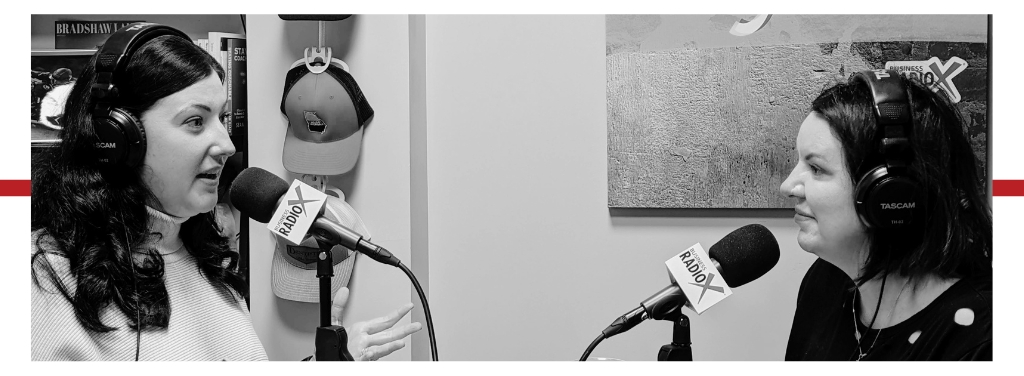
Partner With Us

Discover More Here

Terms and Conditions
Privacy Policy

Connect with us

Want to keep up with the latest in pro-business news across the network? Follow us on social media for the latest stories!
  • Email
  • Facebook
  • Google+
  • LinkedIn
  • Twitter
  • YouTube

Business RadioX® Headquarters
1000 Abernathy Rd. NE
Building 400, Suite L-10
Sandy Springs, GA 30328

© 2026 Business RadioX ® · Rainmaker Platform

BRXStudioCoversLA

Wait! Don’t Miss an Episode of LA Business Radio

BRXStudioCoversDENVER

Wait! Don’t Miss an Episode of Denver Business Radio

BRXStudioCoversPENSACOLA

Wait! Don’t Miss an Episode of Pensacola Business Radio

BRXStudioCoversBIRMINGHAM

Wait! Don’t Miss an Episode of Birmingham Business Radio

BRXStudioCoversTALLAHASSEE

Wait! Don’t Miss an Episode of Tallahassee Business Radio

BRXStudioCoversRALEIGH

Wait! Don’t Miss an Episode of Raleigh Business Radio

BRXStudioCoversRICHMONDNoWhite

Wait! Don’t Miss an Episode of Richmond Business Radio

BRXStudioCoversNASHVILLENoWhite

Wait! Don’t Miss an Episode of Nashville Business Radio

BRXStudioCoversDETROIT

Wait! Don’t Miss an Episode of Detroit Business Radio

BRXStudioCoversSTLOUIS

Wait! Don’t Miss an Episode of St. Louis Business Radio

BRXStudioCoversCOLUMBUS-small

Wait! Don’t Miss an Episode of Columbus Business Radio

Coachthecoach-08-08

Wait! Don’t Miss an Episode of Coach the Coach

BRXStudioCoversBAYAREA

Wait! Don’t Miss an Episode of Bay Area Business Radio

BRXStudioCoversCHICAGO

Wait! Don’t Miss an Episode of Chicago Business Radio

Wait! Don’t Miss an Episode of Atlanta Business Radio