
Business RadioX ®

  • Home
  • Business RadioX ® Communities
    • Southeast
      • Alabama
        • Birmingham
      • Florida
        • Orlando
        • Pensacola
        • South Florida
        • Tampa
        • Tallahassee
      • Georgia
        • Atlanta
        • Cherokee
        • Forsyth
        • Greater Perimeter
        • Gwinnett
        • North Fulton
        • North Georgia
        • Northeast Georgia
        • Rome
        • Savannah
      • Louisiana
        • New Orleans
      • North Carolina
        • Charlotte
        • Raleigh
      • Tennessee
        • Chattanooga
        • Nashville
      • Virginia
        • Richmond
    • South Central
      • Arkansas
        • Northwest Arkansas
    • Midwest
      • Illinois
        • Chicago
      • Michigan
        • Detroit
      • Minnesota
        • Minneapolis St. Paul
      • Missouri
        • St. Louis
      • Ohio
        • Cleveland
        • Columbus
        • Dayton
    • Southwest
      • Arizona
        • Phoenix
        • Tucson
        • Valley
      • Texas
        • Austin
        • Dallas
        • Houston
    • West
      • California
        • Bay Area
        • LA
        • Pasadena
      • Colorado
        • Denver
      • Hawaii
        • Oahu
  • FAQs
  • About Us
    • Our Mission
    • Our Audience
    • Why It Works
    • What People Are Saying
    • BRX in the News
  • Resources
    • BRX Pro Tips
    • B2B Marketing: The 4Rs
    • High Velocity Selling Habits
    • Why Most B2B Media Strategies Fail
    • 9 Reasons To Sponsor A Business RadioX ® Show
  • Partner With Us
  • Veteran Business RadioX ®

Search Results for: marketing matters

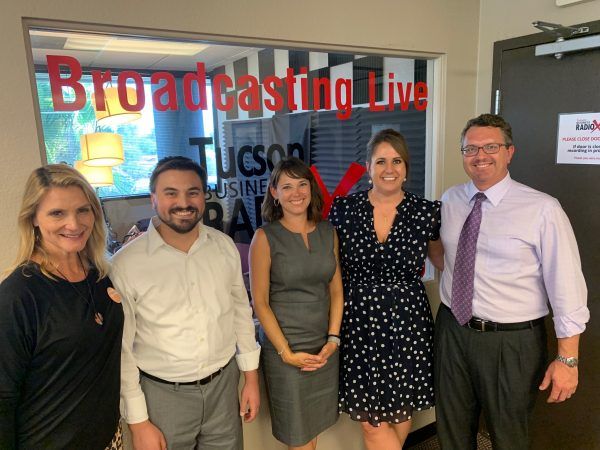
NFTC: Attracting & Retaining Young Professionals, Ep 8

July 3, 2019 by angishields

Business RadioX® Community
NFTC: Attracting & Retaining Young Professionals, Ep 8
Loading
00:00 /
RSS Feed
Share
Link
Embed

Download file

GUESTS: 

Zach Yentzer 
Interim Executive Director 
Tucson Young Professionals 
(520) 401-4305 
zyentzer@gmail.com  
SOCIAL MEDIA: LinkedIn: https://www.linkedin.com/in/zyentzer/ 
Facebook: https://www.facebook.com/TucsonYoungProfessionals/ 
Website: https://tucsonyoungprofessionals.com/ 
Twitter: https://twitter.com/tucsonyoungprof 

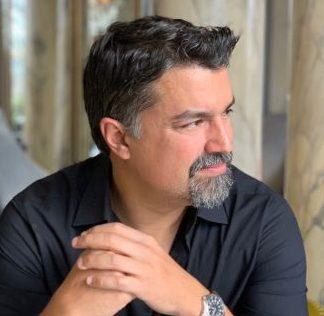
 Zach Yentzer has been intentional to serve the community at the intersection of a neighborhood, business, and community development. He is the Interim Executive Director of Tucson Young Professionals, an organization that works to retain, promote, and attract Young Professionals. He serves on the Downtown Neighborhoods and Residents Council, and on the Downtown Tucson Partnership Board, representing Menlo Park as the Neighborhood Association President. He co-chairs the Urban Housing Accessibility Taskforce for DTP. He is also the host of The Creative City Show on 1030 The Voice, a daily talk show that shares the stories and strategies of the people and ideas shaping Tucson’s future. 

Lindsay Welch 
Vice President, Community Relations and Business Development 
Crest Insurance 
(785) 477-3434 
lwelch@crestins.com  
SOCIAL MEDIA: LinkedIn: https://www.linkedin.com/in/lindsaymwelch/ 
Facebook: https://www.facebook.com/CrestInsuranceGroup/ 
Website: https://www.crestins.com 

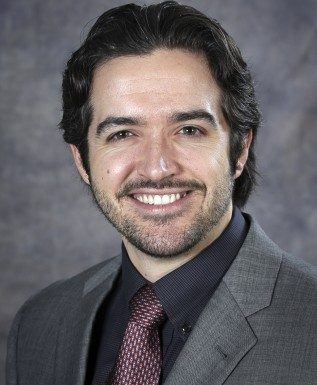
 Lindsay Welch is an experienced executive driven by persistent, almost unshakable optimism, with a history of superior results in revenue growth and business development. A self-proclaimed “social entrepreneur” and an agent of change with a passion for tackling problems confronting society, Lindsay’s expertise in problem solving and tactical planning attracts and secures long-standing business relationships while seeking sustainable, large-scale change through pattern-breaking ideas in what or how businesses and nonprofits do to address significant social problems. She offers a wide range of consulting services, all designed to help you and your organization reach your fullest potential.  Whether you’re looking for a small tweak or complete overhaul, she has you covered.  Her background as a School Administrator, the Former Executive Director of the American Heart and Stroke Association for Southern Arizona, The District Director of Junior Achievement, and the Director of Business Development for Tucson Tamale Company provides her with real-world experience and she couldn’t be happier to share it with you.  Her motto, “Let’s get together and create success!” 

 Education: the University of Phoenix, Bachelor of Business Marketing, Minor in Education 2012 

 Community:  Greater Tucson Leadership ’16; Current Vice President and member – Tucson Metro Chamber of Commerce Emerging Leader’s Council; Two-time Social Venture Partners Fast Pitch Finalist Mentor; Executive Leadership Team Member 2016 Heart and Stroke Ball; Member of the National Association of Professional Women; Participant in the Arizona Town Hall 2016; Recognized as Tucson 40 Under 40 2017; Women of Influence 2018 Winner – Outstanding Entrepreneur ​​ 
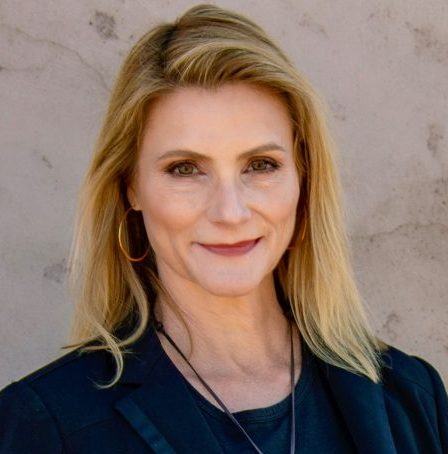
Randi Dorman 
R+R Develop 
Candidate for Mayor of Tucson 
520.904.4242 
randidorman1@gmail.com 
SOCIAL MEDIA: Facebook: https://www.facebook.com/Randi-Dorman-for-Mayor-288995828455499/ 
Website: https://randiformayor.com/ 
Twitter: https://twitter.com/randiformayor?lang=en 
LinkedIn: https://www.linkedin.com/in/randi-dorman-0975bb11/ 

Randi moved from Manhattan to Downtown Tucson in 2001 and she has been going full speed ever since, developing projects and organizations that have helped make Downtown what it is today. 

 After a successful career in advertising and global branding in NY, Randi shifted her focus to real estate development with the development of the Ice House Lofts in downtown Tucson. 

 Randi Dorman is passionate about Downtown Tucson and arts and culture in the community. She was President of the Museum of Contemporary Art Tucson for over 5 years and created a weekly email called “Randi’s Picks” that highlighted events in Tucson, with a focus on the arts and downtown. In addition, Randi did branding consulting with Bromberg Consulting and is proud to be the Chairwoman of the Downtown Tucson Partnership. 

 Randi’s favorite role is that of mom to Skye, who is already making her own way and having a positive impact on this community we love. 

 Randi is expanding her love for the community and is running to be the next Mayor of Tucson.  

About Your Hosts
Tucson Metro Chamber
465 W. St. Mary’s Rd.
Tucson, AZ 85701
520-792-1212

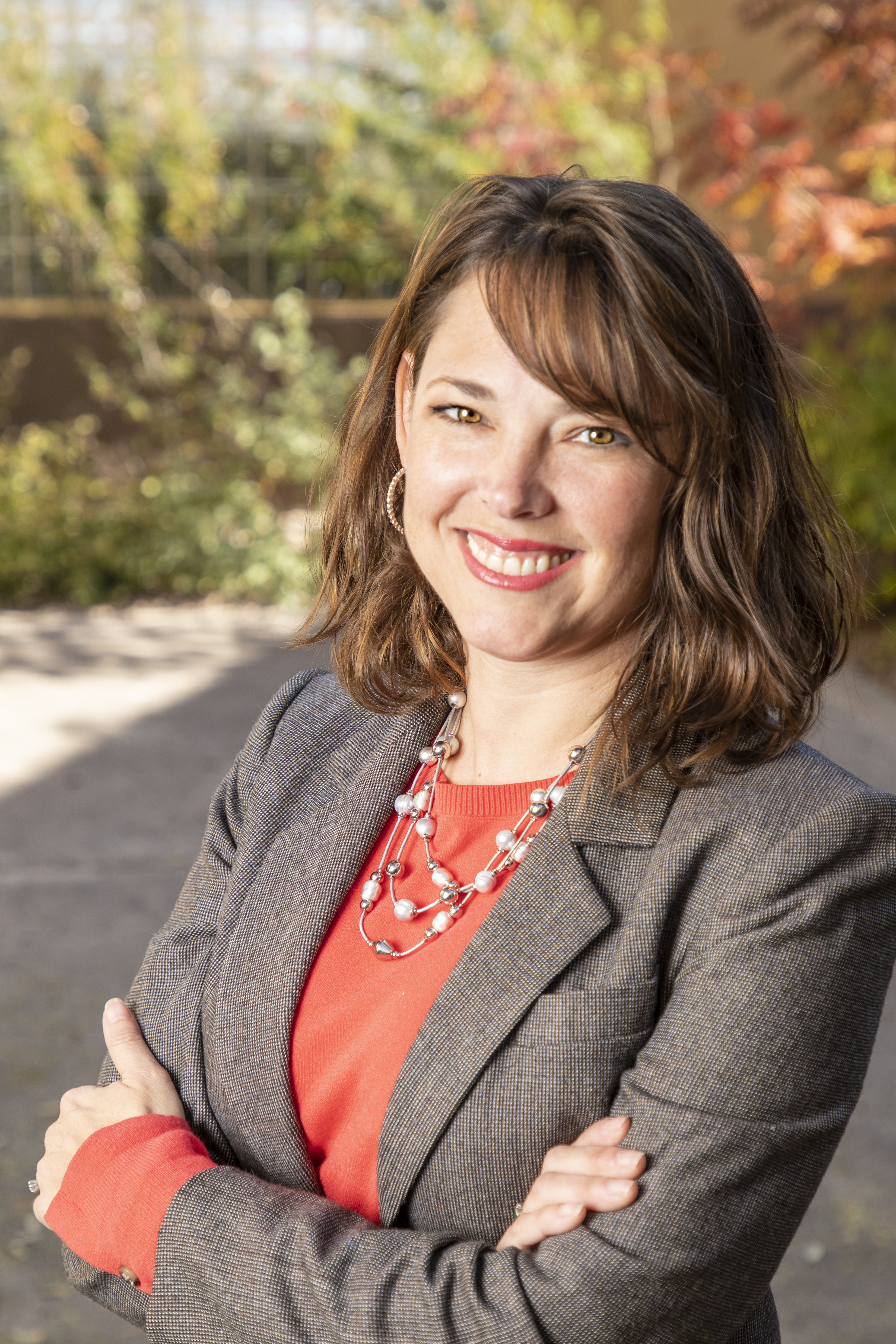
Amber Smith, the president, and CEO of the Tucson Metro Chamber, Amber Smith leads the Tucson Metro Chamber in implementing the goals and visions of the Chamber’s Board of Directors to champion an environment where business thrives, and the Tucson community prospers. Focusing on growing business through workforce development, talent attraction, and public policy, the Tucson Metro Chamber helps make Tucson the ideal destination for business success.

Amber serves in several leadership positions including as President and a founding board member of the Southern Arizona Defense Alliance, a board member on the Pima Community College Foundation, Advisor on Startup Tucson and Board Member on Cradle to Career. Amber’s mission is to bring together the right groups to have a collective impact.

Amber graduated from the University of Arizona with a bachelor’s degree in political science and a master’s degree in public administration from Eller College. Amber began her career working for Senator McCain where she became adept at retaining professionalism and decorum when discussing controversial matters.  Government relations professional by trade, Amber skillfully navigates challenging policy matters while finding common ground. Collaborative by nature, she continues to build relationships between the public and private sector to achieve mutually beneficial goals.
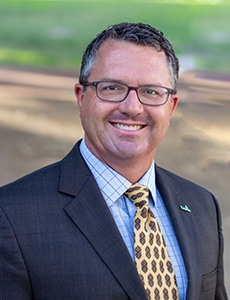
 

Michael-Guymon-2018-webMichael Guymon 
Vice President 
Tucson Metro Chamber 
(520) 792-2250 x150 
Mguymon@tucsonchamber.org 
Website: https://www.tucsonchamber.org  
SOCIAL MEDIA: Facebook | LinkedIn | 

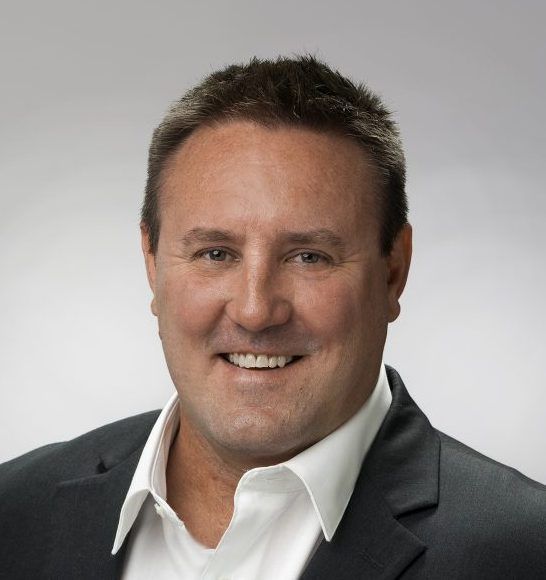
A native Tucsonan, Michael Guymon’s twenty-two-year professional career has primarily centered on political strategy, business development and advocacy, and organizational management. As Vice President for the Tucson Metro Chamber, Michael is responsible for developing and implementing the Chamber’s local public policy and workforce development/attraction programs and initiatives. 

Michael’s previous positions include Vice President of Regional Partnerships for Sun Corridor Inc.; Executive Director of Metropolitan Pima Alliance; Chief-of-Staff to Tucson City Council Member Fred Ronstadt; Asst. Vice President for Governmental Affairs for the Tucson Metropolitan Chamber of Commerce; and political consultant to The Bridges, a 360-acre mixed-use, infill development that will include Tech Parks Arizona, GEICO’s regional headquarters, housing, and a 111-acre commercial development. Michael holds a bachelor’s degree in Political Science from the University of Arizona.  

On a personal note, Michael’s passion is baseball and he was named the Official Scorer for the Tucson Padres AAA Baseball Club from 2011 – 2013. The team moved to El Paso in 2014. 

 

Tagged With: News from the chamber

Inspiring Women, Episode 11: The Benefits of a Women’s Initiative in Your Company

June 17, 2019 by John Ray

Inspiring Women PodCast with Betty Collins
Inspiring Women, Episode 11: The Benefits of a Women’s Initiative in Your Company
Loading
00:00 /
RSS Feed
Share
Link
Embed

Download file

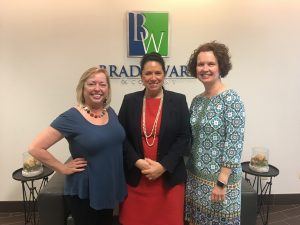
Mary McCarthy, Betty Collins, and Christy Farnbauch

Betty’s Show Notes

If you want to encourage the women in your organization to achieve more success, a women’s initiative can help.

There are several key parts to forming a successful women’s initiative.

  1. 100% buy in from the top level of the company.
  2. The mindset cannot be “have to” but a “want to.” It’s not a fad or short-term. It has to become a part of the culture.
  3. It’s not a one-person show. All the women in your company need to participate. It’s about addressing the needs of all the women in your company in their varying stages.
  4. Evolving goals and purposes.
  5. Partnering with strong women-oriented organizations in your area, such as the Women’s Small Business Accelerator (WSBA) and the National Association of Women Business Owners (NAWBO).

The benefits of a women’s initiative include developing leadership skills, attracting and retaining employees, energizing your current workforce, building confidence and networking skills, and more.

This episode includes interviews with Christy Farnbauch, Executive Director of the Columbus Chapter of the National Association of Women Business Owners, and with Mary McCarty, Co-Founder of the Women’s Small Business Accelerator.

Christy Farnbauch, Executive Director, NAWBO Columbus

Christy Farnbauch, NAWBO Columbus

Christy Farnbauch is the Executive Director of NAWBO Columbus. Established in 1996, NAWBO Columbus is the largest chapter of NAWBO in the nation. This chapter’s work includes elevating women business owners through connections, advocacy, and mentorship. Founded in 1975, the National Association of Women Business Owners (NAWBO) is the unified voice of America’s more than 10 million women-owned businesses representing the fastest growing segment of the economy. NAWBO is the only dues-based organization representing the interests of all women entrepreneurs across all industries; and boasts over 7,000 members and 70 chapters across the country.  With far-reaching clout and impact, NAWBO is a one-stop resource to propelling women business owners into greater economic, social and political spheres of power worldwide.

Mary McCarthy, Women’s Small Business Accelerator

Mary McCarthy, Women’s Small Business Accelerator

Mary McCarthy has 20+ years of experience as an entrepreneur and seven years as the owner and founder of YMT Consultants, Inc., a business consulting and development firm. McCarthy is the former Chairperson of SCORE Columbus, sat on the Athena PowerLink Governing Body, sits on the programming committee for the Westerville Chamber, and public policy committee for National Association of Women Business Owners (NAWBO) Columbus Chapter. She is a former member of the now-retired Ohio Department of Development’s Small Business Advisory Council. In 2018, Mary was hired at the WSBA as executive director. Her leadership and passion for the organization and its mission cannot be matched. She plans to take the organization to the next level and beyond. For more information go to https://www.wsbaohio.org/.

“Inspiring Women” Podcast Series

Betty Collins, CPA, Host of “Inspiring Women”

“Inspiring Women” is THE podcast that advances women toward economic, social and political achievement. The show is hosted by Betty Collins, CPA, and presented by Brady Ware and Company. Brady Ware is committed to empowering women to go their distance in the workplace and at home. Past episodes of “Inspiring Women” can be found here.

Show Transcript

Betty Collins: [00:00:01] This is Betty Collins, and we are Inspiring Women, presented by Brady Ware. This is the podcast that advances women towards economic, social, and political achievement. I am here to inspire you to take steps to the next level in your career. Thanks for listening and investing your time in yourself. More about Inspiring Women in this episode can be found at Bradyware.com/resources.

Betty Collins: [00:00:29] Today, I want to talk about having a women’s initiative in your company, or in your organization. A women’s initiative, a lot of that started, easily, years ago, and it kind of became a checklist, and it was more- it was the right thing to do.

Betty Collins: [00:00:49] A lot of times those initiatives within companies turned out to be not very good, because the women were set up, in many ways, to fail, because it was a given that they were getting promotions. It was a given that they were getting a job before someone who might have qualified for it. In some ways, it served a purpose, but in other ways, it was not probably the way to do it.

Betty Collins: [00:01:12] I can tell you, from my experience, I have had the privilege of directing a women’s initiative within my company, and it’s had a lot of success wrapped up in it. I wish I could just be a director of the women’s initiative at Brady Ware, but unfortunately, I have to work for a living, right? I’m a CPA, and an advisor, and play leadership roles within my company that are really important, but I put the directing the women’s initiative as one of those that are just as important.

Betty Collins: [00:01:44] If you have a company that you would like to really empower your workforce, or you would really like to support women, or get the women within your organization to achieve more, have more success, then this is one of the ways that you can do that.

Betty Collins: [00:02:02] I’m going to go a little bit on the journey of the women’s initiative that I have directed, and started, and founded at Brady Ware. The key, and success to it – truly I believe this – was, from the beginning in 2014, the CEOs of Brady Ware, Brian Carr, and Jim Kaiser, were absolutely behind the initiative.

Betty Collins: [00:02:24] People within our organization saw that this came from the top, and obviously the board of directors agreed to it, and then all the shareholders. It was a unanimous vote that we would start this initiative.

Betty Collins: [00:02:39] The second key to this was that the mindset of this initiative was not a “have to”. It was a “want to,” and it was not to be a fad, it was not to be short term. It was to just become part of the culture, and part of the mindset, and the way we think. I was really, really fortunate that I had that leadership from the beginning, and then, they challenged me to just take this, and go, and let’s see where it ends up.

Betty Collins: [00:03:12] The third thing I would tell you, as to why there was success, was it was not Betty Collins’ initiative. It was the women of the company. “What is it that you want?” We have times where we do a lot more with women’s initiative than we don’t, and it has ebbs, and flows, and timing. We don’t do a whole lot in women’s initiative stuff during tax season, with the exception of celebrating Women’s International Day. We just have a fun time doing that.

Betty Collins: [00:03:38] Otherwise, it’s the ideas, and it’s what they need, and it’s not what I think. I think women should read lots of books. They do not have that same opinion. In the beginning, I was thinking we can have a book club, and we can really read, and we can go with that. Some of them still like to do that, and I encourage that at all, because you’re better, if you read.

Betty Collins: [00:04:00] I just thought I’m going to go ahead, and let them make ideas, let them say what they would like to see happen. They also, at that time, didn’t know what that meant, but, we just kind of evolved into different things.

Betty Collins: [00:04:14] You have to really have some goals, and purposes. You can have great leadership support you; you can make sure this isn’t a fad; that this is going to stay around for a while; you can make sure, obviously, even that this is what the women of your company want, but you would still have to have: what is the goal, and purpose of having the initiative?

Betty Collins: [00:04:37] Our overall goal was to empower women, obviously, to succeed professionally, but also personally. We wanted to focus on them, and doing that with investing in resources, development of skills – that’s what I call reading books, by the way – creating support systems for women, every day, so that they can live out that full potential, and balance a lot of life.

Betty Collins: [00:05:01] Advancing their careers is a huge issue, but also that they can deal with issues that are in their personal life, that are at home, because that affects your career, and your professional life. You have to make sure that’s all in balance.

Betty Collins: [00:05:15] We really had those goals in mind. It was about their success professionally, their success personally. Then we invested. I mean, it takes that when you want to do this; you can have things like seminars, and meetings, and things that are directed to them. We also made sure that we were involved in our community outside of our office.

Betty Collins: [00:05:37] We’re a CPA, as you know. We sit in office a lot, and you can get kind of lost in that. Sometimes, you need to get out in your community, and see what’s happening with other women, and other organizations.

Betty Collins: [00:05:49] We did that, and we’re going to talk about that at the end of this podcast. Two organizations: the WSBA, which is the Women’s Small Business Accelerator, and NAWBO, which is the National Association of Women Business Owners. We got involved in those things. Those organizations really helped the women in our office, and other offices did other things, because we’re in four locations.

Betty Collins: [00:06:11] We also wanted to develop skills in women, utilizing resources like books, and CPE, speakers, or encouraging them to go to things, get involved with things. Meeting, also, as a group. Because we have four offices, we made sure that, at least once a year, our four offices come together, and we get to know other women within Brady Ware. That has been a big plus.

Betty Collins: [00:06:38] We do that once a year; we have about a day and a half, where we just spend on topics, on self-development, on what we think the firm needs, what we think that we would like for them to do. Then, we also have some kind of speaker come in, and talk; always getting that other perspective. We’ve done that ever since, so, those are things …

Betty Collins: [00:06:58] Then you have to have support systems that create, and value a culture that addresses the barriers, and the hurdles that women face. Over 50 percent of accountants today are women; it’s a little over 50 percent, and 21 percent of them are in the leadership, whether it’s the board of directors, or the shareholders.

Betty Collins: [00:07:25] What are those hurdles as to why they’re not in more of the leadership? When I came to Brady Ware there were two shareholders that were women, and I was one of them. Today, we have six. On top of that, we have a lot of managers, and senior managers that could still continue to go the distance, if they choose to do that, so we want to keep cultivating, “What are those barriers that are holding you back?”.

Betty Collins: [00:07:54] Women have different seasons in life; the 20s look nothing like the 30s, the 30s look nothing like the 40s, and certainly your 50s look like none of those. I don’t know what 60s look like, because I’m not there, but there’s different seasons, and there’s different times.

Betty Collins: [00:08:11] I have no regrets, when my kids were certain ages, that I wasn’t trying to build more of my career. I have no regrets in that. I’ve had parents aging. I have no regrets that I can drop, and go do what I need to do there. There are things, and times … When your kids are in college, you need to make sure that you make as much money as you can. Those years are different than other years, and they’re not home, and you have time, and you can be doing that.

Betty Collins: [00:08:38] There comes a point in time, too, I found in my 50s, “Wow, I’ve built a lot, and now I have opportunity to build even more if I want it.” If I would have looked, and thought about that in my 30s, I would have never seen that my 50s will be this period of freedom in my life. Every season’s different, and you just need to help them get there.

Betty Collins: [00:09:00] I never missed a game for my kids; I never missed the birthday parties; I always took off a day with them. Those type of things will never come back. In my 50s, it’s just different, and I’m seizing more opportunity. Everybody’s seasons are different, and we have to help them get through those barriers.

Betty Collins: [00:09:19] There’s also this whole thing on we have to balance professional and personal life, and I will tell you now – I’m doing this for 30-plus years – it’s a myth. You will never balance it. My theory has really become more, and I want to make sure other women understand this, is you can have it all. You just can’t do it all.

Betty Collins: [00:09:36] You have to have systems around you that allow you to say no. You had to have systems around you, where people will tell you “No, you’re not going to do that”, and you have to promote a sense of it’s okay that every everything is not okay. Instead of we think we have to live this ideal perfect life. Those are things that women need encouragement about. Those are things that women need support systems about. By the way, so do men in your organizations, they just handle things differently.

Betty Collins: [00:10:09] The real success that you want to see in a women’s initiative is that they are going the distance. They don’t cut short, they don’t stop when they can keep going forward, and when it comes to their decision in it, it’s theirs. We just need to make sure we help them run as far as they can go.

Betty Collins: [00:10:27] What benefits can come out of a woman’s initiative? I can tell you for sure – this has gone on for five years – I think we could still do a lot more; we’ve just scratched the surface in many respects, but you definitely develop leadership.

Betty Collins: [00:10:42] I had a woman come to Brady Ware as an intern, and she was young, and she just didn’t know a lot, right? We’re starting the women’s initiative, and man, did she just take off during those years. She isn’t with Brady Ware, because public accounting was not her forte, at the end of the day.

Betty Collins: [00:11:01] The development I saw in her, from being a pretty quiet, reserved person, in some regards, to serving on committees at N.A.W.B.O., and getting out there, and wanting to do marketing events, even when she wasn’t supposed to … She didn’t have to sell. She was still out there wanting to do it. I just saw development in her in a very quick time, and so we need to do that.

Betty Collins: [00:11:25] You will recruit new talent because of women’s initiatives, and you will retain them. When we do recruitment at colleges, the women’s initiative always comes up. When we have people look at our website, when they interview, most of the time, if they’re women, they’ve looked at the women’s initiative part of our website, and that’s a big play for them. It has kept people here longer than they might have not- left early, or whatever, but it’s really part of recruiting, and retaining.

Betty Collins: [00:11:53] You will energize your current workforce. When you have annual meetings with them, when you have conferences, when you’re getting them to events, when they’re going to fundraisers that benefit women, and they’re seeing success in those stories, you will energize your workforce. They will love doing it.

Betty Collins: [00:12:07] 55 percent of our workforce are women. I want them to have success. Their talent is valuable, and I don’t want them getting bogged down in things that women get bogged down in. Number-one thing they get bogged down in is just time, and there’s not enough of it, but the other would be lack of confidence. When we have things that support that, or enhance that, we’re going to see them really develop.

Betty Collins: [00:12:34] The other benefit from the women’s initiatives most certainly is … In my world is I now have well over 50 percent of my business are women-owned, and I’m known in the community, and in the marketplace for that.

[00:12:26] Business is business. Women aren’t any different, when it comes to … They have to have cash in the bank, like a man-owned business. Those things stay the same, but I will tell you that women have a different perspective sometimes of how they do things, and sometimes their battle is just bigger, because of that perspective, and the way they do things. As an advisor, I’ve been able to have a totally different outlook on how to help a woman-owned business.

Betty Collins: [00:13:23] Those are just some of the benefits that we’ve seen over the last five years. Now, here are some of our results for sure: in 2014, again, we had two shareholders that were women, and now we have six.

Betty Collins: [00:13:36] Those shareholders, those women, all look different on what they do, and how they do it, and how much time they work, and how much time they don’t work. It’s been very, very flexible for them, but that’s a good success, not because we can say we have women in the boardroom. We have the talent that we want in the boardroom, and that’s huge.

Betty Collins: [00:13:55] Some of the results … I think one of our biggest successes have been that we founded a woman’s conference, and this is year six for us, that we have had in the central-Ohio area. We partner with two organizations that I had mentioned earlier, that we’re going to interview.

Betty Collins: [00:14:10] Those organizations benefit, because this is- number one, it’s for their members; it’s for their connections, but it also helps their profits, and the profits of this conference go to their organizations. That has been a huge success, and that conference is happening June 28th of this year, and it’s at the OSU Marriott, and it will sell out. We’re already well halfway there on registration. I will tell you that that’s been a huge, huge thing.

Betty Collins: [00:14:39] Other results: we started a one-and-a-half to two day retreat, just for the women in Brady Ware, where we get together, and it’s totally optional. They do not feel pressure to come to this. It is something that they want to do; it’s something that they really look forward to. It’s just been one of those things where we’ve really learned a lot from each other, and we’ve been able to have some cohesiveness that has been fantastic.

Betty Collins: [00:15:03] We have a podcast series; you’re listening to it. This is one of the things that came out of the women’s initiative, as I got more and more into women-owned businesses, and the more I speak the more I’m out there. The podcast became something that we wanted to do, and it’s been extremely well-received.

Betty Collins: [00:15:21] We celebrate Women’s International Day. The first day we did it, the theme was on persistence. I asked the women of Brady Ware to write about that persistent woman in their life, and those stories were just phenomenal. We had a great day reading those, and celebrating those, of course with chocolate, but it was a fun time.

Betty Collins: [00:15:38] Just two success stories that I would share with you because of the women’s initiative. Sharon Hess, who is a senior manager out of our Dayton office, she’s been involved with Habitat for Humanity, and she’s on their board.

Betty Collins: [00:15:53] They decided to build a house for a single mom. She really, really took that to heart, and just went with it. She’s one of our leading women in the firm, who just has that energy, and smile. She raised the most money. In fact, she was involved to the point that she had the women of our Dayton office go … They had shovels, and hammers, and they just got really into helping that single woman. It was a great story … She did a phenomenal job.

Betty Collins: [00:16:22] The other one I would tell you is that Loranί Orobitg, who is a tax manager in our Columbus office, she … When the hurricane hit Puerto Rico – well, actually they had to hit within a week’s time – the second one just wiped out a school for girls that she had attended there, because she grew up in Puerto Rico.

Betty Collins: [00:16:43] She just hated to see the devastation. The school was suffering quite extensively, not just from damage, but the fact that nobody was working, so they couldn’t send their kids. She said “Hey could we just start a fundraiser in Brady Ware?” I said “Sure, you know, let’s have a breakfast, and we’ll charge a crazy amount for that.”

Betty Collins: [00:16:43] Before you know it, all four offices had some kind of fundraiser for that. Then, on top of that, her daughter went to Columbus School for Girls, where she goes to school, and got them involved. Now, that school, and the Puerto Rican school kind of are sister schools. At the end of the day, we raised almost ten thousand dollars. It all comes from the empowerment. It’s the thing that we push, but it was awesome to see that.

Betty Collins: [00:17:32] The biggest thing I hear from the women’s initiative … We’re all very busy here. We have day jobs, and we’re out there; we’re helping women-owned businesses, but we’re also CPAs, and we’re busy. The thing I hear the most is that the conversation started in 2014 about women, about what women need, about the empowerment of women, I could go on and on. The good news is is that conversation still continues. It’s still there.

Betty Collins: [00:17:58] Why did we have success? Because it was not my idea, or the top leadership idea. That was just the go to have it. It was that the women created what happened, and they had to step up, and they had to get involved, and then they helped it evolve into what it is.

Betty Collins: [00:18:17] Then, the last reason, of course, is that we are out there in our community, like the conference that I talked about. This conference isn’t just come for two hours, and have breakfast. It is an entire day. It is a breakfast panel of very successful women that will be a really good moderated time.

Betty Collins: [00:18:35] It’s about awards, and celebrations for women who are visionaries, and emerging leaders. It will have a national keynote speaker, and it has 10 breakout sessions of professionals. That’s a lot to accomplish in a five-year period to build that reputation of that conference, and there’ll be 300-plus women there.

Betty Collins: [00:18:55] The last part of the success, though, is that we partnered with other organizations that help, and support women who are in business, who are business leaders, who are executives in their companies. That, to me, is women supporting women.

Betty Collins: [00:19:12] It has just been an incredible journey, and I would encourage you, if you think you would like to do something, start out small. Start out with a vision that will go bigger, and be committed to it for a time period, and you’re going to energize a workforce, and develop some leadership there that you will have for a long time.

Betty Collins: [00:19:31] After the podcast, I’m going to interview Mary McCarthy, who is the co-founder and the executive director of the WSBA, and Christy Farnbauch, who is the executive director of NAWBO Columbus, which is the largest chapter in the country.

Betty Collins: [00:19:47] We’ve been talking about women’s initiatives in corporate America today, and how can that work that we can empower our workforce and really energize and develop talent? That’s what it’s about, at the end of the day, when you have these types of initiatives within a company.

Betty Collins: [00:20:06] Well, part of really having this success is partnering with the right people. I’m fortunate that we’re from Columbus. Ohio. There’s tremendous amounts of women’s groups that we can get involved with. We had to choose, and in the beginning of this, we went to a NAWBO event. We came back from that, and everyone was like “That’s what we’re going to do. That’s the place, that’s the place”.

Betty Collins: [00:20:33] Now, of course, NAWBO is the tribe; that’s where we belong. It’s the National Association of Women Business Owners. It’s the number-one chapter in the country. It does everything very, very well. It’s been very impactful, certainly for me, professionally, and as a person, and the women within my company.

Betty Collins: [00:20:57] You can’t go wrong by getting the right organization, and because we represent a lot of small businesses, it really is very, very helpful. I don’t go to NAWBOs events to always go get a client. I go there because you’re supporting other women, and then they’re helping you, and they don’t even know it.

Betty Collins: [00:21:12] I have the privilege today of interviewing Christy Farnbauch. She is the executive director for NAWBO Columbus. I would love for her just to … I’m going to ask her some questions, and some general things, and talk about the organization.

Betty Collins: [00:21:23] I could talk about it all day, and the impact that it’s had, but she really has some other perspectives. First, why don’t you tell my listeners a little just about yourself- that 30-second commercial thing?

Christy Farnbauch: [00:21:35] Well, thanks, Betty; thanks for having me with you today. I really appreciate the opportunity. I’m a loyal listener of your podcast, so it’s kind of fun to be on the other side today.

Christy Farnbauch: [00:21:44] I became the first professional executive director of NAWBO Columbus in July of 2017, so just almost two years. Prior to that, my whole career, you know, almost 30 years, as surprising as that is to say, almost 30 years in nonprofit-sector work …

Christy Farnbauch: [00:22:01] In 2006, I got the entrepreneurial bug, and started a small business working with non-profits, coaching them in board development, and fundraising, that kind of work, grant writing. This position really blends my expertise of nonprofit governance, and my entrepreneurial spirit.

Betty Collins: [00:22:17] As the executive director of NAWBO, tell us about the mission, and the purpose of your organization.

Christy Farnbauch: [00:22:23] NAWBO Columbus exists to elevate women business owners, of all sizes, and from all industries. We’re really the only association that works in that way. We do our work through networking, advocacy and mentorship, which are our three key pillars.

Christy Farnbauch: [00:22:38] We’re keenly focused on helping women business owners be competitive in an inclusive economy. Women are really important to the growth of the economy in Ohio, and in the country, so that’s really our long term focus, is on the impact.

Betty Collins: [00:22:51] Why do you serve in this position? What’s the why? What’s the passion?

Christy Farnbauch: [00:22:54] I said a minute ago, it really blends my nonprofit governance  experience, and my entrepreneurial spirit. I just really like helping people. One of my core values is leave people, and organizations better than where you found them, and fill them up.

Christy Farnbauch: [00:23:07] Malcolm Gladwell, if you’re familiar with him, and his book, “The Tipping Point,” would probably call me a maven, and a connector. I’m a learner at heart, and I collect information, all in the spirit of maybe sharing it with somebody, helping somebody learn, and grow, and develop.

Christy Farnbauch: [00:23:22] I love to connect people. Some of my favorite things – put people together, and let the magic happen, so they can achieve their goals, and dreams. I’m just super-passionate about empowering women, and this cause of women’s entrepreneurship.

Betty Collins: [00:23:35] Small business, you just get that bond, that entrepreneurship, and then when you add in that “Hey, we’re women who own businesses,” there’s a passion there. When you can get in a group of women that all support that, it’s just a phenomenal thing. I would ask: who should belong to NAWBO? What’s your membership made up right now? That was two questions …

Christy Farnbauch: [00:23:58] Yeah. This chapter’s 20 years old, as you know. I personally believe every woman who’s an entrepreneur should belong to NAWBO, and it’s not about the transaction of joining. It’s not about how many meetings I can come to, or how many things I get out of my membership.

Christy Farnbauch: [00:24:13] It’s really about the transformation that happens when you surround yourself with peers and mentors, who are on the same journey. We hear a lot of women who say “Oh, I’m looking for women,” or “I’m lonely,” or “I gotta get out of my house …” It’s that tribe.

Christy Farnbauch: [00:24:27] Then, second, becoming a part of the movement of women’s entrepreneurship. We’re better together, and we go farther, faster, together. Of our 250 members, to date, we really range from solopreneurs, multi-level marketing consultants, ladies- like financial advisors, and attorneys who have books of business, all the way up to multi-million-dollar companies. It’s the whole range.

Christy Farnbauch: [00:24:27] For me, I’ve been thinking about this a lot lately, my vision is that any woman who considers herself an entrepreneur joins this tribe, and wears that badge of honor, as an entrepreneur, proudly. This is the place you want to be to sort of shout that from the rooftops.

Betty Collins: [00:25:08] Women in business have challenges. Any business owner does. You’re a risk-taker; the liability’ on you. You might have the largest check, but you might not have any check. What is the challenge that you find in the business environment today for women, and how does NAWBO help navigate that?

Christy Farnbauch: [00:24:50] There are two that I hear a lot, and one is access to mentors. “Where are women who look like me, who are maybe a little farther, or a lot farther ahead of me, that I can aspire to be?” We do that in a host of ways, through the events that we host every month, through our round-tables, our groups of six to eight women who work on their business, and just helping women connect. “I want to know so-and-so,” and we can help make those connections. I hear that a lot – access to mentors.

Christy Farnbauch: [00:25:58] The other piece is access to capital. As you know, NAWBO was founded over 30 years ago, when women were not allowed, or didn’t have the right to borrow money for a business loan in their own name. Here we are, 30 years later, past that milestone, and women still receive only two percent of the capital that go to businesses in the country.

Christy Farnbauch: [00:26:18] That needle hasn’t moved in 30 years. Why is that? How …? We’re starting to look at that a little bit. Our new Women’s Business Certification for the state of Ohio will help women be more competitive across state lines, and in the state, and give us the first data that we have to sort of understand the ecosystem of women business owners.

Christy Farnbauch: [00:26:37] Along those lines, I shared a stat the other day with someone, and they were stunned to learn this; we talk a lot about wage gap, and wage disparity among women, and the whole ’80 cents on the dollar’ conversation … For entrepreneurs, female entrepreneurs make about 25 cents on the dollar, compared to men, and that’s a host of reasons.

Christy Farnbauch: [00:26:57]  Part of it is we can’t access the capital, and sometimes we don’t ask for what we’re worth; we charge too little, and what not. I feel like if we’re going have the wage conversation, we’re at that table, because it’s pretty abysmal for women entrepreneurs. Those are the two biggies – capital, and mentors.

Betty Collins: [00:27:14] Yes, okay. Where can my listeners, and a lot of them probably are joint members of NAWBO, but where can they find NAWBO? Where can they find, and get connected to you?

Christy Farnbauch: [00:27:25] Our website is a great place to start: nawbocbus.org. I always invite new women entrepreneurs that I meet to just come check us out; come to an event; come meet some folks. I can pretty much guarantee you, you’ll be welcomed with open arms, and members are curious about your journey. They’re quick to offer help. “How can we support each other?”

Christy Farnbauch: [00:27:47] It’s pretty interesting the magic that happens in that room. While I think we are- well, I know we are, the largest chapter in the country, we try to break it down into a smaller community, so that when you show up, and you don’t know anybody, we’ll shepherd you through that.

Betty Collins: [00:28:03] I appreciate you coming, and talking with me today, and being part of my podcast. I can tell you that one of the reasons that I am a member of NAWBO is I look at the past, and the sacrifice, and work that people, over 30 years, and certainly over 20 years in Columbus … The sacrifice that was made to have NAWBO what it is today is huge.

Betty Collins: [00:28:24] In the present, I want to seize those opportunities. I want to seize, and make sure that we honor them by seizing our opportunities. Then, we have generations behind us, who are watching, and I want to make sure what they’re seeing is what they should be seeing. Thank you for coming to us today, and I’m looking forward to our conference that we’re having soon.

Betty Collins: [00:28:46] I’m interviewing Mary McCarthy, and she is with the WSBA, which stands for Women Small Business Accelerator. A few years ago, I got to know … Well, actually, I’ve known, Mary McCarthy, and the other founder, Caroline Worley, for- I don’t know when I haven’t known them, I guess is how I’ll say it.

Betty Collins: [00:29:04] I went to an event that they had, and was just so inspired by it. I said, “This is where we can give back. This is where Brady Ware can be involved,” because if women in small business can accelerate, it will just totally impact the marketplace. Women have a harder time, in those initial years as entrepreneurs, than men.

Betty Collins: [00:29:27] I don’t want to go into a lot of that today, but this is another partner that Brady Ware chose to be with, because it was just a way to give back, and it was a way to get women- “Hey, how can we help you so that you can succeed?”

Betty Collins: [00:29:42] It’s not, to me, that women need to take over the world … Okay, maybe they do, but, there’s a lot of talent, and there’s a lot of passion, and there’s a lot of ideas, and we want to make sure they’re successful. We’re just going to call this the WSBA; it’s much easier for me to say. Tell my listeners a little bit about yourself. Give that 30-second commercial of, just, Mary McCarthy.

Mary McCarthy: [00:30:03] Okay. Well, hi, everybody. I am Mary McCarthy. I have two organizations. YMT Consultants is a business consulting firm. I have been a business consultant, working with the early-stage micro-business owner for over 10 years.

Mary McCarthy: [00:30:21] Back in 2011, I ran across an SBA article that said, “If all things are equal, why are men succeeding more than women?” That launched the really good question of: well, the answers weren’t anything unique, but the fact is, we’re still saying the same answer, so what can we do to change that?

Mary McCarthy: [00:30:43] I happened to talk a really good friend of mine into launching the organization called the Women’s Small Business Accelerator. We’re actually entering our seventh year of operations, so I’m busy running two organizations on a daily basis.

Betty Collins: [00:30:55] Yes you are. I’ve known you a long time, and I don’t know that you’ll ever not be busy, Mary, but that’s okay. So, tell me, as the executive director of the WSBA, what is the mission, and the purpose of the organization?

Mary McCarthy: [00:31:09] When we go back to the SBA article, it really talked about “if education and income are the same between men and women, why are men succeeding?” The answers, again, were no surprise. Men assumed they would be a million-dollar business; women hoped to pay their bills. A man said he wanted to launch a business, and he was told “Good luck, and congratulations.” A woman was, “How do you do that, and support your family,” right?

Betty Collins: [00:31:35] Right.

Mary McCarthy: [00:31:35] That’s not necessarily going to change. What we determined was we really needed support. We needed guidance. When we created the WSBA, our mission is to help all women. It’s not based on income, or age, ethnicity, location; it’s all women, regardless, that wants to have a successful business.

Mary McCarthy: [00:31:58] Success is what they define it as, not what society defines it as. If you do want that – make money and be home to support, and care for your family – good for you. You should be able to, and you should be able to do it with pride that you are balancing your life, and caring for your family, and providing a financial means. If you want to be a multi-million-dollar business owner, great. We’re going to help you do that, as well. We want all women to be helped, regardless.

Betty Collins: [00:32:26] When you help women, what does that mean? What is the help you’re giving them?

Mary McCarthy: [00:32:32] Well, I think, first, it is just appreciation that they can accomplish whatever they would like. They’re no longer doing it alone. We’re there to help, mentor, guide, support, push, listen to – whatever that you need.

Mary McCarthy: [00:32:49] We have a lot that we deal with on a daily basis, and we allow ourselves, at times, to get completely overwhelmed. We want to work through all of that, and really take the emotion out; figure out what is the business model that we want to accomplish. How are we going to accomplish it? Then, let’s put a plan in action, and let’s make it happen.

Betty Collins: [00:33:08] You have a mentoring program, an educational program, as well as Power Circles. You want to just tell us a little bit about that?

Mary McCarthy: [00:33:15] We have three signature programs. We work with the “I’ve got an idea,” all the way through “I want to grow.” The idea stage, to “I have launched, but I’m not making any money, because I haven’t really figured out my business model …” that’s called the inspired entrepreneur. “We have a great dream, a great desire. How do we monetize?”.

Mary McCarthy: [00:33:36] It is a six-month education program, and it’s focused on really creating a model. Who is your target customer? What is your pricing? The outcome is a written business plan. I like to tell people it’s not the plan that matters, it’s the journey. It’s the research, it’s understanding the information, not the assumption, on what your business is going to be, and do.

Mary McCarthy: [00:34:00] Power Circles is once you’ve been in business for a year … Think of a mini-mastermind group. We have a group of six to eight women that get together on a monthly basis, that support each other, that provide ideas, information, support, but it’s facilitated by a business expert that brings in the business tools, brings in the knowledgeable speakers. It’s about dealing with the day-to-day, allowing you to get out of your head, and focus on working on the business.

Mary McCarthy: [00:34:31] Then, Mentor Match. Once you’ve been in business for three years, or more, it is time now for a mind-shift change. You want to grow, and you’re not sure how to do it. We’ve got to change you from being the owner of your small business, to becoming the CEO of your organization. We will match you, and it’s all a hand-selected match, based on what your needs are, with a very successful woman business owner who’s already done it, that can help provide strategy, and guidance.

Betty Collins: [00:35:00] Those are awesome programs. It’s why Brady Ware has definitely wanted to partner with you in helping to make sure those launch, and get going, because you guys are only seven years old. It’s taken some time, but you’ve built up quite a bit of clientele, and a good board, and you have a lot of substance in your stuff.

Mary McCarthy: [00:35:17] We’ve come a long [00:35:18] way [cross talk]  [00:35:18]

Betty Collins: [00:35:18] Tell me this; tell me the favorite story of the woman who’s come through your program.

Mary McCarthy: [00:35:24] There are so many incredible women that have come through the program. We had one who had been very successful. She had to take time out of her business, in order to be a caregiver, and that meant she had a year, almost a year and a half, where she wasn’t generating any income.

Mary McCarthy: [00:35:42] When the individual passed, she’s sitting there, going “What do I do?” She got a mentor. They created very specific goals, and it was all about sales. She had someone who held her accountable. She accomplished goals in four months.

Betty Collins: [00:35:58] Wow.

Mary McCarthy: [00:35:59] I had somebody who went through the Inspired, because I’m going to give you [00:36:02] two [cross talk] You asked for one, but [00:36:03] I’m going to give you two. She went through the Inspired, and she wanted to be a food business. One of my favorite sayings, if you’re a food entrepreneur, is “Just because your friends, and family like your food, does not mean they will pay for it,” right?

Betty Collins: [00:36:15] Yes.

Mary McCarthy: [00:36:18] She started a Friday night supper club. She delivered food to somebody that knew someone, and next thing you knew, she ended up on Food Network.

Betty Collins: [00:36:27] Very nice.

Mary McCarthy: [00:36:27] She was on Food Court Wars, if anyone remembers that show, on Food Network. She won. Couldn’t tell anyone that she won, but she won. She needed funding to open up, and it was in a food court. Wasn’t necessarily what she wanted to be, but it was a good learning lesson, so we decided to go for it.

Mary McCarthy: [00:36:44] After she won, we had to get funding; signed a very strict nondisclosure, and we couldn’t say she won. The lender didn’t want to give her money unless they knew she won. We had to navigate that. Finally got the funding, got her launched, ran it for a year. She learned so much, shut it down; then went back to catering. She was pregnant, and she had a child.

Betty Collins: [00:37:06] Okay.

Mary McCarthy: [00:37:06] She recently just went back into her business, big time, and she is now in Cameron Mitchell’s food court.

Betty Collins: [00:37:14] Very nice, very nice. The success stories are what keep your vision alive. It keeps the purpose, it keeps … Because you’re very busy, and so, for you to still be co-leading this, and doing this is awesome.

Betty Collins: [00:37:27] Let’s go with the last question, which is where can business owners, inspire people … What did you call them, the Inspired Entrepreneur?

Mary McCarthy: [00:37:37] The Inspired Entrepreneur.

Betty Collins: [00:37:38] Where do they find the WSBA? Where can they go on, and find your information?

Mary McCarthy: [00:37:42] Well, I would say the easiest way to find us is on our web site, which is wsbaohio.org. They can come to the Women’s Conference and see us. We have our annual gala, and fundraiser every October, and they can come. We celebrate with 300 to 350 of our closest friends. You’re welcome to be a friend, and come join us as well.

Betty Collins: [00:38:02] Well, I appreciate, today, Christy, and Mary, both coming. These partnerships for Brady Ware have been invaluable. We look at them as just part of the success of our women’s initiative.

Betty Collins: [00:38:14] I cannot emphasize to you enough that if you really want to start this within your company, and you don’t need to be a large company to start a women’s initiative, you’ve got to partner with the right people in town that support you, and you support them. It will make a difference in that.

Betty Collins: [00:38:32] As your career advancements continue, your financial opportunities will continue to grow. Be prepared. Visit bradyware.com/resources to download a copy of the financial checklist for every stage of your life. Everything about the Inspiring Women podcast, this episode, and Brady Ware & Company Accounting Services can be found in the podcast show notes.

Tagged With: Dayton accounting, Dayton business advisory, Dayton CPA, Dayton CPA firm, leadership development, Mary McCarthy, Mentors, NAWBO, NAWBO Columbus Chapter, recruiting women, retaining women, woman-owned business enterprise, Women in Business, women owned business

Arizona Technology Council with Steve Zylstra Bob Witwer David Lee and Eric Miller

June 12, 2019 by Karen

Arizona-Technology-Council-with-David-Lee-Eric-Miller-Steve-Zylstra-and-Bob-Witwer2
Phoenix Business Radio
Arizona Technology Council with Steve Zylstra Bob Witwer David Lee and Eric Miller
Loading
00:00 /
RSS Feed
Share
Link
Embed

Download file

Arizona-Technology-Council-with-David-Lee-Eric-Miller-Steve-Zylstra-and-Bob-Witwer

Arizona Technology Council with Steve Zylstra Bob Witwer David Lee and Eric Miller

ATC logo

The Arizona Technology Council is the driving force behind making Arizona the fastest-growing technology hub in the nation by connecting and empowering the state’s technology community.

As Arizona’s premier trade association for science and technology companies, the Council is recognized as representing a diverse and professional business community. That has contributed to its growing into the largest technology council in North America. Its mission is to promote, advocate, educate, inform and connect members and their enterprises.

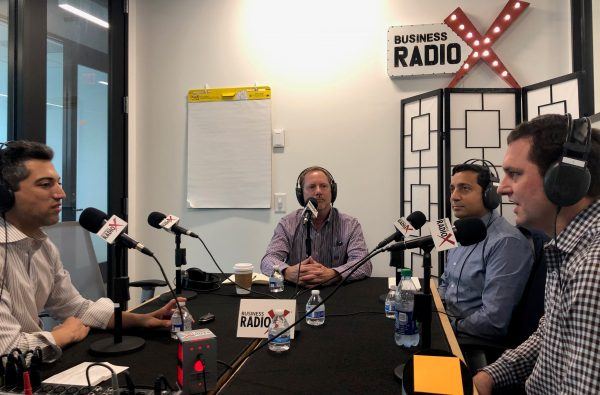
Listen in with Host Karen Nowicki and members of the Arizona Technology Council Steve Zylstra Bob Witwer David Lee and Eric Miller as they discuss the surge in innovation, growth and attraction of technology-based industries to Arizona and what that means for our economy.

Steve-Zylstra-on-Phoenix-Business-RadioXSteven G. Zylstra, age 65, serves as president and CEO of the Arizona Technology Council, a role he assumed in December of 2007. He is responsible for strategy, development, and accomplishment of policy development business goals and objectives and all financial matters related to the Council.

Zylstra is a leading advocate for improving science, technology, engineering and math (STEM) education. As a spokesman for the value technology can provide in raising social and economic standards in Arizona, he was named “Leader of the Year, Technology,” by the Arizona Capitol Times, a “Most Admired Leader” by the Phoenix Business Journal, and “Executive of the Year” by the Arizona Society of Association Executives (AzSAE).

Prior to serving as President of the Arizona Technology Council, Zylstra served as president and CEO of the Pittsburgh Technology Council, Catalyst Connection and the Pittsburgh Biomedical Development Corporation, an affiliated organization of the Pittsburgh Technology Council that invested in start-up biomedical and biotechnology companies.

Connect with Steven on LinkedIn, Facebook and Twitter.

Scitech Institute logo

Bob-Witwer-on-Phoenix-Business-RadioXBob Witwer retired in 2017 after 40 years with Honeywell. He was the Vice President of Advanced Technology for Honeywell Aerospace for the last 8 years of his career, responsible for defining and implementing the technology strategy for Honeywell Aerospace’s entire product portfolio.

Bob has a passion for STEM and has engaged with hundreds of Arizona students over the last two decades to share that passion. He has also taught adult classes on leadership, innovation, human-centered design, and aircraft avionics.

Bob was Chairman of the Board of Directors for the Arizona Technology Council for 3 years, is the current Board Chairman of the Az Tech Council Foundation (aka SciTech Institute), and is on the Advisory Board for the Northern Arizona University School of Informatics, Computing, and Cyber Systems.

MSSBTFullcolorLG

A pillar in the Arizona business community since 1986, MSS Business Transformation has guided organizations through foundational business and digital transformation in a quickly changing technology landscape, while helping them evolve their cultural identity. MSS leverages a holistic approach adapted to each unique organization to meet their strategic goals and objectives as we extend your business knowledge with our depth of expertise.

David-Lee-on-Phoenix-Business-RadioXDavid Lee is a truly global executive who has helped build agile, responsive organizations at Fortune 500 and global enterprises, state & city government, and a Big 10 University among others. He has led transformation, facilitated innovation, and taught change management techniques across five continents and 60 countries.

David speaks and facilitates advanced programs on topics related to transformation and innovation including Responsive Change, Mature Innovation, Customer-Centric Strategy, and High Performance Team Development. He is a founding member of Responsive Org (Phoenix), and on advisory councils at Thunderbird, the School for Global Management at Arizona State University, Grand Canyon University, and Norther Arizona University.

Connect with David on LinkedIn.

PADTLogoColor3000x1500

PADT is an engineering product and services company that helps customers who develop physical products by providing Numerical Simulation, Product Development, and 3D Printing solutions. PADT’s worldwide reputation for technical excellence and experienced staff is based on its proven record of building long-term win-win partnerships.

The company was founded in 1994 in Tempe, Arizona by PADT Co-founders and Principals Eric Miller, Ward Rand and Rey Chu. The group started the company because they saw the promise of driving product development through the proper application of simulation and 3D printing tools early in the design process. Today, PADT is dedicated to providing a full spectrum of simulation services to its customers and is the only ANSYS engineering simulation software Elite Channel Partner covering the entire Southwest. Arizona-Technology-Council-with-David-Lee-Eric-Miller-Steve-Zylstra-and-Bob-Witwer11

PADT inserts innovation into all that it does, whether that is helping NASA get to deep space, introducing the first 3D Printing factory in the Southwest, or helping the local technology community grow. The company was founded on the idea of being the premier provider of “making innovation work,” and it takes a true innovator to hold to that promise for 25 years.

With over 90 employees, 80 of whom are in Tempe, PADT services customers from its headquarters at the Arizona State University Research Park and from offices in California, Colorado, Albuquerque, New Mexico, Texas, and Utah.

Eric-Miller-on-Phoenix-Business-RadioXAs an industry veteran of 33 years, Eric Miller has perfected a diverse set of skills that he implements as co-founder and principal of Tempe-based PADT. His role encompasses oversight of simulation and product development consulting, IT, marketing, operations, human resources and administration.

Miller graduated from the University of California, Berkeley with a B.S. in Mechanical Engineering. He began his career as a summer intern at Lockheed doing design work on satellite subsystems. After college, Miller provided simulation and process improvement services to Garrett Turbine Engines in Phoenix (now Honeywell) for a total of eight years.

Miller is not only a successful businessman and engineer but also a mentor to start-ups and small businesses. He often speaks on the use of simulation to drive product development, as well as the effective application of 3D printing. Eric also serves on the board of directors at the Arizona Technology Council, the BioAccel Advisory Council, the screening committee of Arizona Technology Investors and is a mentor for the Arizona Commerce Authority’s Venture Ready program.

Miller writes a weekly column for the Phoenix Business Journal’s TechFlash section, and recently published his first book, “Better Blogging for your Business.”

Connect with Eric on LinkedIn, Facebook, Twitter and Instagram.


Tagged With: digital transformation, engineering, Manufacturing, Non Profit, Performance Improvement, Public Policy, STEM, Technology

Jon Bradway with CapTech, Chris Duncan with Decisely and Rupen Patel with Healthgrades

June 10, 2019 by angishields

DeciselyFeature
Atlanta Business Radio
Jon Bradway with CapTech, Chris Duncan with Decisely and Rupen Patel with Healthgrades
Loading
00:00 /
RSS Feed
Share
Link
Embed

Download file

DeciselyGroup

Jon Bradway, Managing Director & Atlanta Office Lead at CapTech, is passionate helping companies use technology to launch strategies, products and business models to connect with customers and drive growth in the digital economy. With extensive experience identifying, launching and commercializing digital businesses and products, he is trusted to lead innovation and transformation projects for the world’s top companies.

At CapTech, Jon is responsible for managing all aspects of the Atlanta office. In addition, he is a leader in CapTech’s Innovation service offering, which helps clients to structure organizations for transformation and identify growth opportunities. Jon also leads multiple client accounts for CapTech ensuring delivery and client success.

Before joining CapTech, Jon was co-founder and COO of Vunify, a direct-to-consumer, content discovery platform which incorporated social recommendations and personalization features. Previously, Jon was a founder and Managing Partner of Blueshift Media, which provided consulting services, technology development and analytic software to media companies and Fortune 500 consumer marketers. Earlier in his career, Jon was a consultant and client lead for inCode Consulting and ioko. Additionally, Jon spent 8 years at Turner Broadcasting where he launched and ran 12 Video On Demand services, and was instrumental in developing the early strategy and business models for streaming video.

Jon received a BA in Economics from Hampden-Sydney College and an MBA from Emory University (Goizueta Business School). Jon lives in Atlanta, GA with his wife, daughter and son.

Chris Duncan is EVP/COO of Decisely, a fast growing “insuretech” company focused providing integrated benefits and other HR solutions to small businesses, Insurance Brokerage Partners, Associations and Franchisee nationally. Decisely is owned by Two Sigma, a leading private equity firm, and management. At Decisely he is responsible for sales and operations. Decisely is HQ in Alpharetta GA, with offices in Salt Lake City and Folsom, Sacramento CA.

Formerly, Chris was the Chief Growth Officer of EPIC, a “Top 15” property/casualty, benefits, loss control, claims and HR administration company with various offices in the U.S. His primary responsibility was to grow and lead its expanding employee benefits brokerage and consulting practice.

Previously, he is a Partner with Mercer Health & Benefits involved with strategy and M&A, as well as leader of its Atlanta Health & Benefits Business

His background includes COO/CFO of a regional brokerage, benefits and administration firm, Chief Risk Officer at Delta Air Lines, and multiple positions including strategic planning, finance, and risk/security/insurance management leadership positions within PepsiCo companies of Frito-lay and KFC. He started his career at Ford Motor Company as a casualty insurance analyst.

Active in the community, he is a board member of the Brantley Risk & Insurance Center at Applachian State University in Boone, NC. BBA in Marketing and an M.B.A. in Finance and Risk Management, both from the University of Georgia, was named Alumnus of the Year (2003) for the Terry College of Business Risk Management and Insurance Program, the University of Georgia. He is also a Chartered Property Casualty Underwriter (CPCU).

Rupen Patel is Chief Strategy Officer at Healthgrades. With more than 15 years of experience in assembling and directing fast-paced software engineering teams, Rupen specializes in strategy and roadmaps to help businesses drive growth and innovation. He’s passionate about creating products that address healthcare’s need for better consumer engagement solutions.

Rupen previously served as CEO of Influence Health. He initially joined the company in 2017 as Chief Technology officer, and shaped the vision and technology agenda for Influence Health’s consumer experience platform. He focused on providing oversight across the organization to ensure timely and efficient execution of strategic initiatives and operations as well as driving product development and technology innovation efforts.

Rupen formerly served as CTO for NCR’s Small and Medium Business division, where he led global engineering for NCR Silver and launched SaaS and Mobile products in three new markets. He also drove innovation efforts in streaming analytics and Internet of Things. Prior to that, he founded and directed Mercurium which helped SaaS companies create new products in marketing automation, eCommerce, health gamification, and more. He also led CMS and Social Network product development for many Turner brands including CNN.com, SI.com, and Money.com

An alum of Vanderbilt, Rupen also received a Master’s degree from Georgia Tech. His honors include a Frost and Sullivan Excellence in Technology Innovation Award in 2016.

About Your Host

JoeyKlineJoey Kline is a Vice President at JLL, specializing in office brokerage and tenant representation. As an Atlanta native, he has a deep passion for promoting the economic growth and continued competitiveness of communities in and around Atlanta, as well as the Southeast as a whole. He has completed transactions in every major submarket of metro Atlanta, and works primarily with start-ups, advertising/marketing agencies, and publicly-traded companies. With a healthy mix of tenacious drive and analytical insights, Joey is a skilled negotiator who advises clients on a myriad of complex real estate matters.

With a strategy and business development background, Joey is first and foremost a pragmatic advisor to his clients. Most recently, he was the Director of Business Development for American Fueling Systems, an Atlanta-based alternative energy company. While at JLL, he has become a member of the Million Dollar Club, and has built a reputation as an expert on the intersection of transit-accessibility and urban real estate. With intimate involvement in site selection and planning/zoning concerns, Joey approaches real estate from the perspective of the end user, and thus possesses a unique lens through which to serve his clients.

Joey holds a Master of Business Administration from Emory University, and a Bachelor of Arts from Washington University in St. Louis. He is a founder, board member, and the treasurer of Advance Atlanta, and also sits on the Selection Committee for the Association for Corporate Growth’s Fast 40 event. In addition, he is a member of CoreNet and the Urban Land Institute. Finally, he is part of LEAD Atlanta’s Class of 2019.

Connect with Joey on LinkedIn.

Tagged With: Decisely, healthgrades

Inspiring Women, Episode 10: Leadership Without a Title (An Interview with Janet Smith Meeks, Part 2)

June 3, 2019 by John Ray

Inspiring Women PodCast with Betty Collins
Inspiring Women, Episode 10: Leadership Without a Title (An Interview with Janet Smith Meeks, Part 2)
Loading
00:00 /
RSS Feed
Share
Link
Embed

Download file

Janet Smith Meeks with Betty Collins, Host of “Inspiring Women”

Betty’s Show Notes

Leading without a title: it’s tough, it’s risky, it’s not always as efficient as leading with a title. And sometimes you feel like you’re running uphill because you’re often seen as having no authority. But leadership goes beyond the CEO or the shareholder or owner, but they are not the only person in the organization who matters.

And even though I have a title now, I still lead without a title. It takes trust. People want to follow you when they can trust you. Trust is earned and developed over time, it’s not easy, and it requires a focus on helping, serving, consistency, and a genuine concern for the job and the people you are responsible for. It takes a lot of time and effort to build all that and to learn to look for opportunity.

Join me as I talk with Janet Smith Meeks about this other type of leadership in part two of our two-part interview.

Janet Smith Meeks, Healthcare Alignment Advisors

Janet Smith Meeks

Janet Smith Meeks has devoted nearly four decades of her professional life to the healthcare and financial services industries. As a C-suite executive and corporate director, she has vast experience in finance, strategy, operations, marketing, business development and leadership effectiveness.

Janet has served in executive roles for four nationally known healthcare systems, including Trinity Health (the second largest Catholic Healthcare system in the nation) and the prestigious Vanderbilt University Medical Center. Janet spent nine years as president of Mount Carmel St. Ann’s Hospital in Westerville, Ohio where she led the organization to peak performance through applying the key ingredients of Gracious Leadership.

As co-founder and CEO of Healthcare Alignment Advisors, Janet uses her experience to guide C-suite executives across multiple industries in strategies that are designed to optimize corporate performance within a positive work environment.

Janet is the author of Gracious Leadership: Lead Like You’ve Never Led Before.

“Inspiring Women” Podcast Series

Betty Collins, CPA, Host of “Inspiring Women”

“Inspiring Women” is THE podcast that advances women toward economic, social and political achievement. The show is hosted by Betty Collins, CPA, and presented by Brady Ware and Company. Brady Ware is committed to empowering women to go their distance in the workplace and at home. Past episodes of “Inspiring Women” can be found here.

Show Transcript

Betty: [00:00:28] Leading, it doesn’t take a title. Leadership is such a hot topic in today’s world. We have tremendous amounts of leadership areas – between our homes, our businesses, at school, the community, and, dare I say, politics. People are looking for leaders.

Betty: [00:00:47] Leadership, to me, is simple. It’s pure influence. You don’t have to have a title to do that. Sometimes, the title obviously makes it easier. It’s why I’m doing a podcast about this topic. This is part two on leading. Today, we’re going to talk about leading, no title needed.

Betty: [00:01:07] I just want to give you a quick summary of my last podcast, in case you didn’t get to listen to it; I would challenge you to listen to it. Really, we talked about leadership being influence. It starts with you.

Betty: [00:01:18] You have to own when you lead. Your mindset has to be open to many types of different change, and circumstances; you have to be willing to look at things totally different sometimes. The most important thing is you’ve got to show up every day when you lead. Yesterday is over.

Betty: [00:01:36] Be responsible with your time. We also talked a lot about that. When you do finally get to have a title where you can influence, be responsible. Make sure you’re using it for the good. Then we ended with Janet Meeks. She’s the author of “Gracious Leadership.” You will really love her interview today. You’re going to just really get into it.

Betty: [00:01:55] Leading without a title, it can be really tough. It’s risky. It’s not as efficient, sometimes. You feel like you’re running uphill. You are perceived, really, as having no authority. It takes a lot of depth of commitment. Leadership goes beyond the CEO. It goes be beyond the shareholder, or the owner. They are necessary, by all means. We have to have somebody there, but they’re not the only people in the organization that lead.

Betty: [00:02:24] Many years ago, I was not the owner. This was before I was the owner. I was the employee, and I absolutely led without a title. It frustrated some of the owners within that organization, because I was treated like an owner by my peers. I had the respect, and it paid off for me. Even today, as the owner, there are times I still lead from behind, without the title. Then, eventually, I had a lot of reward because of that hard work. I get to lead my office. I serve on the board of directors. I direct a women’s initiative at Brady Ware.

Betty: [00:03:02] I didn’t always have the titles, but I have them now. I guarantee you, I’m still leading without a title. What does it take to do that? Well, it takes trust. If you’re going to lead without a title, it will take trust. It’s the simple truth. People simply want to follow you, when they can trust you. Trust is earned, and it’s developed over time, and it is not easy.

Betty: [00:03:27] To be trusted, there’s just some real minimums. You have things that you have to do to be trusted. First, you have to do what you say you’re going to do. If you say it, then you better do it. You have to focus on helping, and serving. You certainly have to be consistent. Nobody likes a leader who is not consistent, and they never know where they’re coming from. You have to genuinely care about the people, and what it is you’re doing.

Betty: [00:03:56] Who do you trust in life, right now, and why? Is that you? Do you act that way?  Believe me, it takes a lot of time and effort to build that. Never underestimate that. When you’re leading without a title, trust is the core to what you’re doing. It also takes a lot of patience to lead without a title.

Betty: [00:04:15] I came across a really great quote from [00:04:18] Robin S. Sharma. I [00:04:22] like this visual that he kind of gives. “I want you to think about a farmer in a field, totally barren; acres and acres of it. Then I want you to picture it totally, totally full of beautiful high, growing, green corn stalks. Think of those two pictures. All it is is that the farmer has patience, and he trusts the process. He just has the faith, and the deep understanding that through daily efforts, the harvest is going to come. Then, one day, almost out of nowhere, there it is, and you have this field full of good, really good corn to pick.” Let’s take that quote to your world. Patience, trusting your process, and knowing that through daily effort, the harvest is going to come.

Betty: [00:05:15] For the listener today who is the leader with the title, start thinking about those leaders in your company that don’t have a title. You know who they knowledge, and hopefully you’ll do something about it. In order to lead without a title – trust, patience … You have to be the solution, and not the victim. You have to look for the opportunity, if morale is down, culture’s tanked, piles of work are overwhelming, turnovers keep happening … The employee from hell sits next to you. In fact, if you were the title- had the title of HR Director, you would probably ask them to be alumni, the first day you were on. Clients expect way too much. Some of the clients owners think are great, and they’re really not. They should also become alumni. Does this sound familiar to you? By the way, every business, every organization has these issues.

Betty: [00:06:06] The difference is how those who lead handle it, title or not. Be the solution, and not the victim, and look for that opportunity. When people are negative, be positive. When the work piles are high, figure out how to prioritize them. Look for opportunity. You’ve got to observe your surroundings to see that opportunity, so that you – you – can save the day.

Betty: [00:06:31] Here’s a quote I found: “Sometimes, saving the day is pretty uncomfortable.  Sometimes, being the leader without the title, when there’s a titled person right next to you, isn’t real comfortable, but the more you leave your comfort zone, the bigger your comfort zone becomes”

Betty: [00:06:46] In order to lead without a title, you have to have the mindset of a leader. Remember, great leaders talk about vision and ideas, not others. Having that mindset, when you’re leading without a title, of a true leader – it’s a choice every day. You have to choose to be your best. If you really believe what you’re doing matters, and if you really have purpose, and a vision of the future, then that choice is easier.

Betty: [00:07:13] Those are key things that you have to have. [00:07:16] You have to truly … It matters in a vision. [00:07:18] I really have that in my life. I really believe in the marketplace, the business world, the economy, and that accounting has a role to play in that. The success of the marketplace then ensures that the employees that work there have provision for their households; those households, or communities in which we work, and all play, so it matters what I do. It matters what my peers do. That’s a key component, when you want to make the choice to be the best every day. Then I have a vision of what that marketplace can look like, and you’ve got to be able to perceive, or show that, and influence those around you.

Betty: [00:07:56] To be a leader without a title, it takes ability. You’ve got to be able to create value. It’s what leaders do, title or nothing. There’s nothing worse than being busy at something, and working hard for really very little value. Let me put it to you this way, why would you paint a car, overhaul its entire interior, put a new stereo system in, if there wasn’t an engine in the car? The car really has no value, and everything you’re doing around it has no value. Doesn’t matter that it’s got cleaned-up paint look, right? If you can’t create value, you probably should walk away from the organization you work for, or volunteer for.

Betty: [00:08:39] If you aren’t perceived as value, maybe you should consider that, or you create the value, and you seize the opportunity. If you’re so good that they can’t ignore you … If they do, maybe they need to- maybe you need to reconsider things, but if you’re so good that they can’t ignore you, that influence will continue to go on, and you will lead, because you’re not just good; you’re probably really great at what you do. Take time to make sure that your game is not just good, but great, and add that value.

Betty: [00:09:11] Leaving without a title, you’ve got to put people first. My team is led by my tax manager, Loranί, who decided for ’19 that our mission and tagline would be, “People, purpose, and process.” Accounting is not exactly real motivating – spreadsheets, software, the new rules, the new laws – but the people it affects, and the process, how it gets done, can be inspiring, because you can see, again, what we do matters. The people getting it done, and the process, then, to get it done is crucial.

Betty: [00:09:47] You’ve got to give credit where credit is due. There is nothing like a leader who takes all the glory. You know who those are. Most importantly about it, don’t get trapped into the mindset that you give up your influence as that leader without a title, because you just don’t think you have any. Putting people first – huge, huge deal.

Betty: [00:10:12] I searched the internet to find examples of leaders that were behind the scenes. There’s plenty of them, but the one that really caught my eye was a janitor of a school, middle school, at that, with about 900 kids. Imagine the mess every day. The janitor, Mr. Eugene, as the students called him, was given a standing ovation by the kids, and the teachers of the school for his service; service of a thankless job.

Betty: [00:10:38] He did it with such grace. He did it by greeting kids every morning, by high five, by bumping the fist; always smiling, and not complaining. If a mess needed cleaned up, he just did it. He accepted this award so humbly. I cannot imagine those kids, as I watched them stand and cheer him on, and high five with him, I cannot imagine that they will never not stop talking about Mr. Eugene in their middle school. He was the janitor. This is how he conducted his life.

Betty: [00:11:12] I end with this thought: become the leader you want. You may just be surprised at the results, not just on your professional life, but on your personal life, as well. Never get trapped up in thinking you can’t lead without a title, and have influence. Leading with a title – use it responsibly. Leading without a title – it takes courage, and perseverance, which can result in such fulfillment, and reward.

Betty: [00:11:41] The last podcast, I interviewed Janet Meeks, who is the author of “Gracious Leadership.” You want to stay tuned for another interview with her. It’s really going to be good. It’s going to blow you away.

Betty: [00:11:51] Today we’ve been talking about leadership without a title. It’s my privilege today to have someone who truly is an amazing leader. Janet Smith Meeks has devoted nearly four decades of her professional life to healthcare, and financial-services industries. She is an amazing executive, and director, and she wrote a really, really great book, “Gracious Leadership: Lead Like You’ve Never Led Before.” I’ve read this book. and it really is just impactful with such simple things. It’s amazing what the power of those simple things can create in leadership.

Betty: [00:12:26] I’m just so thrilled to have you here today, Janet. We’re going to just talk a little bit about leadership from your perspective. Leaders without a title – the podcast is a tougher one, because leading without a title can be harder. Really, to me, leadership is influence. Janet, I’ve got a couple of questions about leading without a title. Leaders without a title, obviously, must lead through influence. Would you share an example of how you led through influence earlier in your career, when you didn’t have the C-suite title?

Janet Smith Meeks: [00:13:01] Absolutely, Betty. For the overwhelming majority of my career, I was not in a line function with a lot of employees. I was in a staff function, such as leading strategic planning, or marketing, where I definitely had employees, but I didn’t have the 1,900 employees that I was blessed to follow when I was at St. Anne’s.

Janet Smith Meeks: [00:13:23] You take me back to my early days at my first employer, which was Bank of Mississippi, now BancorpSouth. I was a management trainee, and then immediately after that was named the administrative officer, and was an assistant for Mr. Patterson.

Janet Smith Meeks: [00:13:42] Mr. Patterson asked me if I would coordinate the bank’s responsibility associated with a 10k run call the Gumtree Run. It had about 2,000 runners. That may not sound like a big responsibility, but to a 24-year-old kid, it was a big deal.

Janet Smith Meeks: [00:14:03] It was important, because it was my responsibility to make sure that we had every intersection covered with a guard, who was trained to know when to be there, what to do, when they can leave. I was barely known in the bank, but I had to start building relationships with people, getting to know them, being kind in my conversations with them, which, by the way, was the only way I knew how to be, but, then, asking them for their help.

Janet Smith Meeks: [00:14:32] We did that. We were able to successfully staff this race for several years without incident. The main thing, after the event was over, was taking time to celebrate, and to thank them, and to give those volunteers the credit for the great work they had done. Yes, I had organized it – Mr. Patterson knew that – but we wanted to give to the praise to the people who were on the front line, really making it matter.

Betty: [00:14:59] That’s one of the key things is giving the right people the right credit. A bad leader takes all the credit, when they really-

Janet Smith Meeks: [00:15:07] Always.

Betty: [00:15:08] -when you’re only as good as your team.

Janet Smith Meeks: [00:15:09] The bad leader takes the credit when things go well. When they don’t go well, they point the fingers at others.

Betty: [00:15:16] Right. You led a large hospital for almost a decade. Please share some examples of the employees who led without that title.

Janet Smith Meeks: [00:15:26] I think of two or three examples. First of all, let’s talk about environmental-services employees, where they all have exactly the same title; maybe they’re an Environmental Tech I. Even within a group of 10 or 20 housekeepers, leaders will emerge. They can emerge either as naysayers, who are going to want to take the group into a dark place, or they can emerge as positive forces that can help to unify the team, and provide value to the organization.

Janet Smith Meeks: [00:16:03] It happened every time, and thankfully, most of the leaders that we had, the informal leaders, wanted to help. What I see that they do is that if a manager needs some extra work to be done, a good leader without a title would raise his or her hand and say, “I want to do it.” A good leader without a title, if some negative information was being spread, would choose to take a positive stance, and to help his or her colleagues see the reality of what is being discussed; not to immediately go to a place of negativity.

Janet Smith Meeks: [00:16:44] Nurses … We have lots of front-line nurses, but it’s within the ranks of those nurses that the clinical manager, or the charge nurse will emerge. How we identify the next rising leader within nursing would be to see who, from our front-line nurses, has asked to have stretch assignments; has gone above and beyond the call of duty; has been a positive influence in conversations with his or her colleagues.

Janet Smith Meeks: [00:17:17] I think it’s really important for people without a title to really think of it this way: “I don’t have a title yet, but how I show up, and the work that I’m doing every day can actually position me well to have that title that I would want to have one of these days.”

Janet Smith Meeks: [00:17:38] Then, really, there’s a third category that I would like to mention, because I think all too often people miss out on the power of the individuals in these positions. Those are the executive assistants to the C-suite leaders. Although they might not have a title that has the word chief in it, like Chief Executive Officer, the Executive Assistants command a lot of control within organizations. They are the gatekeepers to the executives. They know what’s going on. I would say it’s always a wise thing to befriend the Executive Assistants within any organization. They’re very important people.

Betty: [00:18:21] Good advice. Great advice, in fact. Well, our last podcast, you shared some lessons of leadership that you learned outside of your workplace. Can you talk about any examples where leaders outside of that workplace, they didn’t have that fancy title, but they had a maximum impact?

Janet Smith Meeks: [00:18:38] I think of a couple of examples, Betty. One takes me all the way back to kindergarten, where one of the teachers, Mr. E.O. White, a very precious man, sat with me at the table. I was writing my “N”s backwards. Instead of telling me, “You’re doing that incorrectly,” he sat down with me, and guided my hand, and showed me how to write the “N” the right way.

Janet Smith Meeks: [00:19:09] That really struck me, and I have held on to that moment, that memory, forever, because it helped me to understand that instead of telling our employees what you’re doing wrong, it’s our responsibility to show them what they need to do to get it right.

Betty: [00:19:28] Very good.

Janet Smith Meeks: [00:19:29] That was really impactful at the age of four, or five. Then, probably not surprising to you, the other two individuals who, outside the workplace, have had the most impact on my life are my parents. I shared a bit last week about my father, and the stance that he took, and the courage that he displayed in the midst of the 1960s.

Janet Smith Meeks: [00:19:51] Another comment about my father: he was a very busy attorney, and would be all over the country representing his clients, but I don’t ever remember a single time when he missed one of my basketball games. That meant a lot to me. It showed me he cared, and it showed me how much, frankly, that he loved me. He was also the first person, after the game was over, who wanted to go home, and debrief every play of the game.

Betty: [00:20:18] Sure.

Janet Smith Meeks: [00:20:19] My mother, in a slightly different way. She never graduated college. She did attend college, but she was a bank teller, and she was very much a community volunteer. She was the president of the PTA. It was my mother, who role-modeled kindness, consideration, and thoughtfulness that has really helped to shape and form me into the person that I am today. I really think, at the end of the day, that although they don’t have titles, per se, as we would view them in the workplace, there probably is no more important title than mother, or father.

Betty: [00:20:57] Right. That influence is so needed in your life, as a child; as an adult child, it still is. In corporate America, of course, we always hear it’s better with  more, or with less. What can leaders do without a title to create more value to the organization, and also to grow professionally?

Janet Smith Meeks: [00:21:15] I think there’s a ton of potential for leaders without a title to grow professionally, and to add more value to the organizations. I mentioned earlier that they need to ask for stretch assignments. I don’t know why it is that we are so timid about volunteering to do something that we’ve never done before, other than the fear of failure.

Janet Smith Meeks: [00:21:39] I think in organizations where they view failures as learning opportunities, and I’ve heard it said, “If you’re gonna fail, fail fast, and then get up, and go again,” but to take on stretch assignments, and to do them well; then to make it clear to your supervisor that, “I really enjoyed this. I’m so glad you were pleased with the results. Please keep me in mind if you have other stretch assignments …”  That truly can pave the way for a potential promotion at some point in time.

Janet Smith Meeks: [00:22:10] Then, I think that being a positive force among your co-workers is always going to be extremely valuable, because it helps you to establish your personal brand. You want the leaders of the organization to see you as an optimistic positive can-do person, as opposed to potentially being categorized as a naysayer, or a complainer. Very, very important. I think it’s important that we realize the less time we spend complaining, the more time we have to add value to the organization.

Janet Smith Meeks: [00:22:44] Then, lastly, I think that, as a leader without a title, it’s really important for you to have the courage that if you see a concern, or a problem that, rather than grousing about it with your peers, with your colleagues, have the courage to go forward, and share that legitimate concern with your supervisor. I believe that when leaders are so open, and welcoming to hearing complaints, and viewing them as gifts, or opportunities to serve that we can have more transparency within organizations, and perform at a higher level.

Janet Smith Meeks: [00:23:23] I think it’s important for employees to understand that we, as leaders, can only fix what we know is broken. If we don’t know about a problem, then, to us, it may not exist. I think that having that courage to speak up is really important.

Janet Smith Meeks: [00:23:39] Then, I think that, in summary, you just need to prove your value to your organization by doing what you do in the best manner possible, every day. Then, look for opportunities to become empowered as your leaders trust you. Ask for more opportunity, and then that will give you the potential to be all that you were created to be, and hopefully, to have a promotion down the road.

Betty: [00:24:06] Well, Janet, it has been such a pleasure asking you questions, and just hearing your perspective on leadership, whether there’s a title or not. It’s why I think your book, “Gracious Leadership,” is having success. It’s no doubt that you’ve led like you’ve never led before, and you’ll continue to lead like you’ve never led before. It’s just who you are. We are grateful today for your time, and we would love to direct people to your website. What would that be?

Janet Smith Meeks: [00:24:33] The website is www.GraciousLeadershipbook.com. I do invite you to go to the website, scroll down to the bottom of any page, and sign up for the free Gracious Leader blog. By the way, I just learned that the book is now in 44 states across our nation-

Betty: [00:24:54] Very nice.

Janet Smith Meeks: [00:24:54] -so, it’s continuing to have a big impact, and, for that, I have been extraordinarily humbled.

Betty: [00:25:00] Well, we are glad that you had this passion, and you have lived it out, because we are in a time where we really need leadership; that’s for sure. Thank you, again, and have a great day everyone.

Tagged With: Dayton accounting, Dayton business advisory, Dayton CPA, Dayton CPA firm, gracious leadership, Healthcare Alignment Advisors, healthcare leadership, influence, influencer, Inspiring Women, Leadership, leadership attributes, leadership examples, leadership insights, leadership without a title, patience, trust, trusted leadership, trusting the process

TMB E11: Alok Appadurai, Zachary J Bickel, Jeff Hatfield

May 23, 2019 by angishields

Business RadioX® Community
TMB E11: Alok Appadurai, Zachary J Bickel, Jeff Hatfield
Loading
00:00 / 58:47
RSS Feed
Share
Link
Embed

Download fileDuration: 58:47

Guests

Alok Appadurai
www.Alok.Life
SOCIAL MEDIA: LinkedIn |  Facebook | Twitter |

Alok is a business coach, public speaker, & workshop leader on a mission to end financial fear in families. He helps parent entrepreneurs acquire clients, close deals, and increase revenue so they provide their families and leave a legacy that matters. Alok is the former founder of Fed By Threads, a Tucson-based clothing company that fed over half a million meals to Americans in need. He has given a TEDxTalk, been nominated for the Gifted Citizen Award, was a panelist at the Social Enterprise Summit in Phoenix AZ, has built 3 companies, and is a proud father to his son Sequoia (Se-coy-uh) and partner to his girlfriend, Caitlin.

My company provides sales & client acquisition coaching for parent entrepreneurs who want to scale their businesses, acquire higher quality clients, and close better deals. Like great athletes, every entrepreneur goes further faster in their business with a private coach. I work 1:1 with my clients, run group training, and hold workshops.

Zachary J Bickel
www.strongpointresearch.com
SOCIAL MEDIA: Facebook| LinkedIn | Twitter |

From large data sets to perceptions mapping, Research Director Zack Bickel helps his clients understand the story behind the numbers. He does this by creating a research plan — a clear path for his clients to identify and understand what motivates people to purchase a product or service, keep their membership with an organization or vote in an upcoming election.

His clients range from major companies and business start-ups to alumni associations and campaign committees. Zack’s research has won elections, successfully launched new products and helped communities structure services and infrastructure investments for their residents. He is the client’s guide to ensure the right questions are asked in the right way, making the information collected is both reliable and valid.

Zack’s research tools include the creation of surveys, focus groups, depth interviews, and product testing. He earned his BS in Business Economics from the University of Louisville and his MS in Resource Economics from the University of Arizona. He is also married to University of Arizona researcher Ashley Bickel.

Business info

Conducting market research for clients since 1999, StröngPOINT Opinion Research is today a unit of NüPOINT Marketing. StröngPOINT Opinion Research builds long-term relationships with our clients. We consider repeat engagements the most coveted measure of success. Our work is featured monthly in the Arizona Star’s community polls and can be found at www.tucson.com.

Jeff Hatfield, Branch Manager-Tucson
AAA Landscape
4742 N. Romero Rd, Tucson, AZ, 85705
Email: j.hatfield@aaalandscape.com
Phone: 520-696-3223
http://aaalandscape.com/
Other:  https://www.instagram.com/aaalandscape1975/

SOCIAL MEDIA: Facebook | LinkedIn | Twitter |

Jeff Hatfield is the Tucson Branch Manager for AAA Landscape.  Jeff is a member of AAA’s Landscapes Executive Committee which includes their CEO, CFO, President, Vice President and the Executive Director of Operations.  Jeff also Chairs AAA’s “Excellence in Operations” Strategic Planning Focus Group which advocates employee involvement in company planning involving Safety, waste elimination, workforce development, recruiting and retention.  Jeff is a graduate of the Greater Tucson Leadership class of 2018.  Jeff is an Arizona Certified Landscape Professional, has a certification in Sustainable Landscape Management and is certified by the Arizona Department of Agriculture; Office of Pest Management.

When he is outside of work, he spends time with his 5-year-old daughter, catches up on yard work and tries to get as many rounds of golf in as he can. He works in the community to help develop a workforce for the trade industries, building employment soft skills and training existing employees.

AAA Landscape, an Underwood Brothers Company, was started over four decades ago, with an old borrowed pickup and a thousand dollars cash, brothers Robert and Richard Underwood started the Company. Their father, a county extension agent, had raised them to care deeply about the land and its keeping. They applied this passion on behalf of their clients and a new business was born.

Today, AAA Landscape, founded in 1975, is ranked in the top 50 of the largest commercial landscape contractors in the United States with over 500 employees and offices in Phoenix, Tucson and San Antonio.  The company holds General Engineering Licenses in Arizona, California, and Nevada along with a Texas Irrigators License. AAA Landscape has established a great reputation, known for its excellent working relationships with clients, product knowledge, and project delivery. The size and scope of our projects/properties have expanded throughout the years, ranging from ½ acre sites to upwards of 300-acre sites.

Forty-Niner Golf & CC – Tucson’s Hidden Jewel


Tagged With: Tucson Means Business

Connor Kimball with AVOXI, Baha Zeidan with Azalea Health and Robin Gregg with RoadSync

May 14, 2019 by angishields

TechTalkFeature
Atlanta Business Radio
Connor Kimball with AVOXI, Baha Zeidan with Azalea Health and Robin Gregg with RoadSync
Loading
00:00 /
RSS Feed
Share
Link
Embed

Download file

TechTalkGroup

Connor Kimball is the Sr. Marketing Manager at AVOXI, a global cloud telecom provider that services companies over 75 countries. Since taking over AVOXI’s inbound marketing efforts, the company has seen new customer acquisitions improve by over 500% in less than 12 months. In his own words, Connor is “obsessed” with all things SEO, content creation, and marketing strategy.

Originally from Southern California, Connor spent much of his childhood traveling between Newport Beach and Cobb County. Initially unsure of where he wanted to start his career, Atlanta became the obvious choice after he attended TechBridge’s Digital Ball, an annual fundraiser for Atlanta’s technology community, and became aware of this promising industry.

When not at the office, you can usually find Connor at one of Atlanta’s many Jiu Jitsu academies.

Follow AVOXI on LinkedIn, Facebook and Twitter.

Baha Zeidan is the leading force behind new technology development and is responsible for driving the strategic direction for Azalea Health. In collaboration with his team, he ensures the company is on track to meet its product development, customer service, sales, and community goals.

He is a strong proponent of health IT, cloud computing, mobile development, device computing, and big data analytics. Zeidan proactively cultivates strategic relationships with partners and shareholders who can aid in the advancement of Azalea Health and its mission.

Zeidan is a Valdosta State University graduate and received the GOLD Award Alumni Award. He is an active board member in several local academic and regional chamber groups.

Follow Azalea Health on LinkedIn, Facebook and Twitter.

Robin Gregg is the CEO of RoadSync, a financial platform for the logistics industry. She has over fifteen years of experience building and launching financial solutions to consumers and businesses.

Prior to RoadSync, Robin held leadership roles at FleetCor, alternative payment provider Revolution Money (sold to Amex in 2010), and Capital One. Robin started her career in management consulting at Charles River Associates and holds her MBA from Harvard Business School.

Follow RoadSync on LinkedIn, Facebook and Twitter.

About Your Host

JoeyKlineJoey Kline is a Vice President at JLL, specializing in office brokerage and tenant representation. As an Atlanta native, he has a deep passion for promoting the economic growth and continued competitiveness of communities in and around Atlanta, as well as the Southeast as a whole. He has completed transactions in every major submarket of metro Atlanta, and works primarily with start-ups, advertising/marketing agencies, and publicly-traded companies. With a healthy mix of tenacious drive and analytical insights, Joey is a skilled negotiator who advises clients on a myriad of complex real estate matters.

With a strategy and business development background, Joey is first and foremost a pragmatic advisor to his clients. Most recently, he was the Director of Business Development for American Fueling Systems, an Atlanta-based alternative energy company. While at JLL, he has become a member of the Million Dollar Club, and has built a reputation as an expert on the intersection of transit-accessibility and urban real estate. With intimate involvement in site selection and planning/zoning concerns, Joey approaches real estate from the perspective of the end user, and thus possesses a unique lens through which to serve his clients.

Joey holds a Master of Business Administration from Emory University, and a Bachelor of Arts from Washington University in St. Louis. He is a founder, board member, and the treasurer of Advance Atlanta, and also sits on the Selection Committee for the Association for Corporate Growth’s Fast 40 event. In addition, he is a member of CoreNet and the Urban Land Institute. Finally, he is part of LEAD Atlanta’s Class of 2019.

Connect with Joey on LinkedIn.

Tagged With: RoadSync

CEO Exclusive Broadcasting Live from the Conscious Capitalism 2019 Conference with Raj Sisodia

May 9, 2019 by angishields

Raj-Sisodia
CEO Exclusive Radio
CEO Exclusive Broadcasting Live from the Conscious Capitalism 2019 Conference with Raj Sisodia
Loading
00:00 /
RSS Feed
Share
Link
Embed

Download file

Raj-Sisodia

CEO Exclusive was live at the Conscious Capitalism 2019 Annual Conference in Phoenix! Listen to our interview with Co-Founder Raj Sisodia below!

RajSisodiaHighRes2-1024x1024Raj Sisodia is the FW Olin Distinguished Professor of Global Business and Whole Foods Market Research Scholar in Conscious Capitalism at Babson College in Wellesley, MA. He is also Co-Founder and Chairman Emeritus of Conscious Capitalism Inc. He was previously Trustee Professor of Marketing, the Founding Director of the Center for Marketing Technology and Chairman of the Marketing Department at Bentley University. Raj has a Ph. D. in Marketing & Business Policy from Columbia University, where he was the Booz Allen Hamilton Fellow.

Raj has written ten books and over 100 academic articles. He is the co-author (with John Mackey, co-founder and co-CEO of Whole Foods Market) of Conscious Capitalism: Liberating the Heroic Spirit of Business (Harvard Business Review Publishing, 2013), a New York Timesand Wall Street Journal bestseller. He is also co-author of the Wall Street Journal bestseller Everybody Matters: The Extraordinary Power of Caring for Your People Like Family(Penguin/Portfolio 2015), named as the Best Leadership and Management book of 2015 by 800-CEO-READ and one of 15 best books of 2015 by Forbes. His most recent book is Shakti Leadership: Embracing Feminine and Masculine Power in Business (Berrett-Koehler, 2016). His book Firms of Endearment: How World Class Companies Profit from Passion and Purpose is considered a foundational work in explaining the precepts and performance implications of pursuing a conscious approach to business. It was named one of the best business books of 2007 by several organizations, including Amazon.com. Raj’s next book The Conscious Capitalism Field Guide (with Timothy Henry and Thomas Eckschmidt) will be published by Harvard Business Review Publishing in 2018.

In 2003, Raj was cited as one of “50 Leading Marketing Thinkers” and named to the “Guru Gallery” by the Chartered Institute of Marketing. Bentley University honored him with the Award for Excellence in Scholarship in 2007 and the Innovation in Teaching Award in 2008. He was named one of “Ten Outstanding Trailblazers of 2010” by Good Business International, and one of the “Top 100 Thought Leaders in Trustworthy Business Behavior” by Trust Across America for 2010 and 2011. In 2013 and 2015, Raj as named to the Thinkers 50 list of business and management thinkers from India. Raj has published over one hundred articles in publications such as Harvard Business Review, Journal of Marketing, Journal of Public Policy & Marketing, Journal of Business Strategy, Journal of Business Research, Journal of the Academy of Marketing Science, Marketing Management and California Management Review. His work has been featured in the Wall Street Journal, The New York Times, Fortune, Financial Times, The Washington Post, The Economic Times, and numerous other publications, along with radio shows and television networks such as CNN, CNBC and Fox. In 2016, Raj was awarded an honorary doctorate by Johnson & Wales University in Providence, RI.

Raj serves on the Board of Directors of The Container Store.

Follow Conscious Capitalism on LinkedIn, Facebook and Twitter.

NFTC Talks K-12 Education in Tucson: NFTC Ep 6

May 8, 2019 by angishields

Tucson Business Radio
NFTC Talks K-12 Education in Tucson: NFTC Ep 6
Loading
00:00 /
RSS Feed
Share
Link
Embed

Download file


From Left to right: Greg D’Anna,  Dustin Williams, Arlene Benavidez, Amber Smith (Chamber), Michael Guymon (Chamber)

  GUESTS:

Dustin Williams

Superintendent 
Pima County Public Instruction
(520) 724-8213
schools@schools.pima.gov
Website: http://www.schools.pima.gov/
SOCIAL MEDIA: Facebook | Twitter|

Dustin Williams is a lifelong Native Tucsonan.  He graduated from Amphitheater High School in 1992 and began working with local youth- coaching youth softball in the Frontier Little League- a job he maintained throughout his university studies. He entered the University of Arizona in 1992 and began studying business and accounting and considered joining his grandfather’s accounting firm.

Ultimately, Dustin’s coaching experiences lead him to the epiphany that he wanted to work educating Tucson’s youth thus inspiring him to change his major to Education.  While completing his degree in education at the University of Arizona he continued working with students and the community in Flowing Wells 21st Century after-school programs.  Dustin described his involvement in the program as, “truly the best way to get first-hand teaching experience.”

Dustin began his career teaching elementary education in Tucson. During his tenure, several accomplished leaders and administrators mentored Dustin and encouraged him to pursue his passion for education and explore his natural ability to lead and inspire students. Dustin followed his heart and decided to become an administrator and enrolled in the Northern Arizona University program in Tucson where he successfully completed a Master’s in Education.

Upon the completion of the program, Dustin accepted a position as Assistant Director of a Native American Charter school called Ha:san Preparatory & Leadership School. He accepted the position and began working to improve the school’s cultural diversity and academic test scores. In his first year as A.D., the school’s AIMS scores showed a 30% combined increase in the areas of reading and writing and an increase of 8% in mathematics. During his time at Ha:san, he truly learned about the beautiful culture of the Tohono O’odham people and will forever be grateful that the community embraced his leadership.

Dustin has traveled full circle and most recently taught 6th-grade math at Mansfeld Middle School in the Tucson Unified School District.  His passion for Public Education has energized him to take the next step in his life. Dustin Williams was elected the Pima County Superintendent of Schools and is excited about the future. He is committed to improving the public education systems throughout Pima County. Dustin invites you to contact him to discuss ideas about student achievement. He needs input from you. Together, “we can do better.”

Arlene Benavidez, Executive Director
Metropolitan Education Commission
(520) 670-0055 x11
Arlene@metedu.org 
Website: https://www.tucsonaz.gov/metedu
SOCIAL MEDIA:  Facebook | LinkedIn |

Arlene has a Master of Arts degree in Higher Education with a Student Affairs concentration from the University of Arizona; and a Bachelor of Science degree in Business Management with a minor in Spanish from Arizona State University.

Arlene’s career in higher education began in 1996 as the senior regional coordinator for Northern Arizona University’s Office of Admissions in Tucson, where she was responsible for the recruitment of high school students from the southern region of Arizona.  She then moved to The University of Arizona in the Office of Early Academic Outreach where she managed the Academic Preparation for Excellence program in 42 middle and high school sites serving over 2000 students. During that time, she was on the implementation team for two GEAR UP educational grants for the Dreams Come True (Amphitheater School District) and Building the Future (Tucson Unified School District) college preparation projects.

Currently, Arlene is serving as Executive Director for the Metropolitan Education Commission, where she oversees operations and programming; and works alongside government, educational, business and community leaders to advocate for a quality and affordable education from pre-school to post-secondary; and offer programs that promote youth leadership, civic engagement, workforce development, and higher education pathways.

During Arlene’s 23-year tenure in higher education, she has gained the reputation of being a consummate professional and a mission-driven, service-oriented leader.  She sees herself as a catalyst for systemic change and she looks for opportunities that will lead to greater impact and improve the lives of all people from all backgrounds.   

Greg D’Anna 
Director of Public Relations, JTED
(520) 209-2407
gdanna@pimajted.org
https://pimajted.org/
SOCIAL MEDIA: Facebook| LinkedIn | Twitter |

Greg D’Anna is the Director of Public Relations for the Pima County Joint Technical Education District (JTED). For the past 11 years, he has helped build Pima JTED’s brand in Southern Arizona, sharing student and teacher success stories, as well as program information, during live presentations, in printed publications, and on the web. Greg started his career in public relations and marketing 32 years ago. He has worked for the University of Arizona Cancer Center, Pima Community College and the Sunnyside School District. He and his wife Lori are both native Tucsonans. Greg earned his degree in Journalism, Media Arts, and English at the University of Arizona.

About Your Hosts

Tucson Metro Chamber
465 W. St. Mary’s Rd.
Tucson, AZ 85701
520-792-1212

Amber Smith, the president, and CEO of the Tucson Metro Chamber, Amber Smith leads the Tucson Metro Chamber in implementing the goals and visions of the Chamber’s Board of Directors to champion an environment where business thrives, and the Tucson community prospers. Focusing on growing business through workforce development, talent attraction, and public policy, the Tucson Metro Chamber helps make Tucson the ideal destination for business success.

Amber serves in several leadership positions including as President and a founding board member of the Southern Arizona Defense Alliance, a board member on the Pima Community College Foundation, Advisor on Startup Tucson and Board Member on Cradle to Career. Amber’s mission is to bring together the right groups to have a collective impact.

Amber graduated from the University of Arizona with a bachelor’s degree in political science and a master’s degree in public administration from Eller College. Amber began her career working for Senator McCain where she became adept at retaining professionalism and decorum when discussing controversial matters.  Government relations professional by trade, Amber skillfully navigates challenging policy matters while finding common ground. Collaborative by nature, she continues to build relationships between the public and private sector to achieve mutually beneficial goals.


Connect with Amber on LinkedIn.

Michael-Guymon-2018-webTucson Metro Chamber
465 W. St. Mary’s Rd.
Tucson, AZ 85701
520-792-1212

A native Tucsonan, Michael Guymon’s twenty-one-year professional career has primarily centered on political strategy, business development and advocacy, and organizational management. As Vice President for the Tucson Metro Chamber, Michael is responsible for developing and implementing the Chamber’s local public policy and workforce development/attraction programs and initiatives.

Michael’s previous positions include Vice President of Regional Partnerships for Sun Corridor Inc.; Executive Director of Metropolitan Pima Alliance; Chief-of-Staff to Tucson City Council Member Fred Ronstadt; Asst. Vice President for Governmental Affairs for the Tucson Metropolitan Chamber of Commerce; and political consultant to The Bridges, a 360-acre mixed-use, infill development that will include Tech Parks Arizona, GEICO’s regional headquarters, housing, and a 111-acre commercial development.

Michael holds a bachelor’s degree in Political Science from the University of Arizona.

Connect with Michael on LinkedIn

Tagged With: News from the chamber

  • « Previous Page
  • 1
  • …
  • 52
  • 53
  • 54
  • 55
  • 56
  • …
  • 67
  • Next Page »

Business RadioX ® Network


Our Most Recent Episode

CONNECT WITH US

  • Email
  • Facebook
  • LinkedIn
  • Twitter
  • YouTube

Our Mission

We help local business leaders get the word out about the important work they’re doing to serve their market, their community, and their profession.

We support and celebrate business by sharing positive business stories that traditional media ignores. Some media leans left. Some media leans right. We lean business.

Sponsor a Show

Build Relationships and Grow Your Business. Click here for more details.

Partner With Us

Discover More Here

Terms and Conditions
Privacy Policy

Connect with us

Want to keep up with the latest in pro-business news across the network? Follow us on social media for the latest stories!
  • Email
  • Facebook
  • Google+
  • LinkedIn
  • Twitter
  • YouTube

Business RadioX® Headquarters
1000 Abernathy Rd. NE
Building 400, Suite L-10
Sandy Springs, GA 30328

© 2026 Business RadioX ® · Rainmaker Platform

BRXStudioCoversLA

Wait! Don’t Miss an Episode of LA Business Radio

BRXStudioCoversDENVER

Wait! Don’t Miss an Episode of Denver Business Radio

BRXStudioCoversPENSACOLA

Wait! Don’t Miss an Episode of Pensacola Business Radio

BRXStudioCoversBIRMINGHAM

Wait! Don’t Miss an Episode of Birmingham Business Radio

BRXStudioCoversTALLAHASSEE

Wait! Don’t Miss an Episode of Tallahassee Business Radio

BRXStudioCoversRALEIGH

Wait! Don’t Miss an Episode of Raleigh Business Radio

BRXStudioCoversRICHMONDNoWhite

Wait! Don’t Miss an Episode of Richmond Business Radio

BRXStudioCoversNASHVILLENoWhite

Wait! Don’t Miss an Episode of Nashville Business Radio

BRXStudioCoversDETROIT

Wait! Don’t Miss an Episode of Detroit Business Radio

BRXStudioCoversSTLOUIS

Wait! Don’t Miss an Episode of St. Louis Business Radio

BRXStudioCoversCOLUMBUS-small

Wait! Don’t Miss an Episode of Columbus Business Radio

Coachthecoach-08-08

Wait! Don’t Miss an Episode of Coach the Coach

BRXStudioCoversBAYAREA

Wait! Don’t Miss an Episode of Bay Area Business Radio

BRXStudioCoversCHICAGO

Wait! Don’t Miss an Episode of Chicago Business Radio

Wait! Don’t Miss an Episode of Atlanta Business Radio