Business RadioX ®

  • Home
  • Business RadioX ® Communities
    • Southeast
      • Alabama
        • Birmingham
      • Florida
        • Orlando
        • Pensacola
        • South Florida
        • Tampa
        • Tallahassee
      • Georgia
        • Atlanta
        • Cherokee
        • Forsyth
        • Greater Perimeter
        • Gwinnett
        • North Fulton
        • North Georgia
        • Northeast Georgia
        • Rome
        • Savannah
      • Louisiana
        • New Orleans
      • North Carolina
        • Charlotte
        • Raleigh
      • Tennessee
        • Chattanooga
        • Nashville
      • Virginia
        • Richmond
    • South Central
      • Arkansas
        • Northwest Arkansas
    • Midwest
      • Illinois
        • Chicago
      • Michigan
        • Detroit
      • Minnesota
        • Minneapolis St. Paul
      • Missouri
        • St. Louis
      • Ohio
        • Cleveland
        • Columbus
        • Dayton
    • Southwest
      • Arizona
        • Phoenix
        • Tucson
        • Valley
      • Texas
        • Austin
        • Dallas
        • Houston
    • West
      • California
        • Bay Area
        • LA
        • Pasadena
      • Colorado
        • Denver
      • Hawaii
        • Oahu
  • FAQs
  • About Us
    • Our Mission
    • Our Audience
    • Why It Works
    • What People Are Saying
    • BRX in the News
  • Resources
    • BRX Pro Tips
    • B2B Marketing: The 4Rs
    • High Velocity Selling Habits
    • Why Most B2B Media Strategies Fail
    • 9 Reasons To Sponsor A Business RadioX ® Show
  • Partner With Us
  • Veteran Business RadioX ®

Search Results for: regions business radio

Decision Vision Episode 30: Should I Implement a Sustainability Program in My Business? – An Interview with Troy von Otnott, Massive Technologies

September 5, 2019 by John Ray

Decision Vision
Decision Vision
Decision Vision Episode 30: Should I Implement a Sustainability Program in My Business? – An Interview with Troy von Otnott, Massive Technologies
Loading
00:00 /
RSS Feed
Share
Link
Embed

Download file

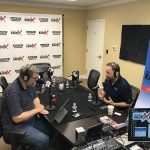
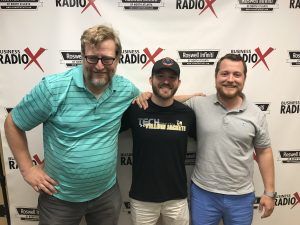
Mike Blake and Troy von Otnott

Decision Vision Episode 30:  Should I Implement a Sustainability Program in My Business? – An Interview with Troy von Otnott, Massive Technologies

How do I start a corporate sustainability program at my company? What do the insurance markets reveal about the necessity of a sustainability program for my business? The answers to these questions and more are covered by Troy von Otnott, Massive Technologies, in this important discussion with host Mike Blake. “Decision Vision” is presented by Brady Ware & Company.

Troy von Otnott, Massive Technologies

Troy von Otnott

Troy von Otnott is the CEO of Massive Technologies, a clean technology and sustainability consulting company in Atlanta, Georgia. Massive is currently pursuing business opportunities in commercial/industrial solar asset financing and deployment in Puerto Rico, development of graphene-enhanced ballistic products for the U.S. and Canadian militaries, and is currently consulting with a major Chinese investment bank on a strategic plan to significantly reduce China’s carbon emissions and pollution by helping to transition some of  their electric generation assets from coal to cleaner burning natural gas.

For more information, you can email Troy directly.

Michael Blake, Brady Ware & Company

Mike Blake, Host of “Decision Vision”

Michael Blake is Host of the “Decision Vision” podcast series and a Director of Brady Ware & Company. Mike specializes in the valuation of intellectual property-driven firms, such as software firms, aerospace firms and professional services firms, most frequently in the capacity as a transaction advisor, helping clients obtain great outcomes from complex transaction opportunities. He is also a specialist in the appraisal of intellectual properties as stand-alone assets, such as software, trade secrets, and patents.

Mike has been a full-time business appraiser for 13 years with public accounting firms, boutique business appraisal firms, and an owner of his own firm. Prior to that, he spent 8 years in venture capital and investment banking, including transactions in the U.S., Israel, Russia, Ukraine, and Belarus.

Brady Ware & Company

Brady Ware & Company is a regional full-service accounting and advisory firm which helps businesses and entrepreneurs make visions a reality. Brady Ware services clients nationally from its offices in Alpharetta, GA; Columbus and Dayton, OH; and Richmond, IN. The firm is growth minded, committed to the regions in which they operate, and most importantly, they make significant investments in their people and service offerings to meet the changing financial needs of those they are privileged to serve. The firm is dedicated to providing results that make a difference for its clients.

Decision Vision Podcast Series
“Decision Vision” is a podcast covering topics and issues facing small business owners and connecting them with solutions from leading experts. This series is presented by Brady Ware & Company. If you are a decision maker for a small business, we’d love to hear from you. Contact us at decisionvision@bradyware.com and make sure to listen to every Thursday to the “Decision Vision” podcast. Past episodes of “Decision Vision” can be found here. “Decision Vision” is produced and broadcast by the North Fulton studio of Business RadioX®.

Visit Brady Ware & Company on social media:

LinkedIn:  https://www.linkedin.com/company/brady-ware/

Facebook: https://www.facebook.com/bradywareCPAs/

Twitter: https://twitter.com/BradyWare

Instagram: https://www.instagram.com/bradywarecompany/

Show Transcript

Intro: [00:00:01] Welcome to Decision Vision, a podcast series focusing on critical business decisions, brought to you by Brady Ware & Company. Brady Ware is a regional full-service accounting advisory board that helps businesses and entrepreneurs make vision a reality.

Mike Blake: [00:00:20] And welcome to Decision Vision, a podcast giving you, the listener, clear vision to make great decisions. In each episode, we discuss the process of decision making on a different topic. Rather than making recommendations because everyone’s circumstances are different, we talk to subject matter experts about how they would recommend thinking about that decision.

Mike Blake: [00:00:37] My name is Mike Blake, and I’m your host for today’s program. I’m a Director at Brady Ware & Company, a full-service accounting firm based in Dayton, Ohio, with offices in Dayton; Columbus, Ohio; Richmond, Indiana; and Alpharetta, Georgia, which is where we are recording today. Brady Ware is sponsoring this podcast? If you like this podcast, please subscribe on your favorite podcast aggregator. And please also consider leaving a review of the podcast as well.

Mike Blake: [00:01:01] So, our topic today is sustainability programs. And whether the issue or the conversation has revolved specifically around global climate change, whether it has been around local pollution, whether it’s been about economic sustainability and recycling materials, whether it’s been about land conservation, some elements of the environmental movement and, by extension, sustainability, I think, is in everybody’s corporat⁠e⁠—everybody’s consciousness.

Mike Blake: [00:01:35] And maybe it’s considered polarizing, maybe it’s not, but it’s not something that nobody has an opinion on. And there’s a sense that companies have⁠⁠—at a minimum, all companies have an opportunity to be constructive in terms of environmental sustainability, and how they impact the environment, and what their footprint looks like, and are they reinvesting back what they’re taking out of the environment to conduct their commerce?

Mike Blake: [00:02:03] And then, I think where there’s a disconnect is, what is the obligation of the corporation to, somehow, either ameliorate the impact that they themselves have on the environment, or even to be a net positive contributor to the environment, even beyond whatever impact that they have? And I don’t think it’s fair to say there’s a right or wrong answer to the question. But if you’re a business leader, you’re faced with the question of, should we be doing something to be promoting the environmental, ecological sustainability of our business? Should we be doing more than we’re already doing? Or in some cases, are we doing too much? Should we be scaling it back? Because there can be a cost to this, at least, in the short term.

Mike Blake: [00:02:50] And that’s particularly noteworthy in the public markets where the public markets reward investors. Frankly, they reward managers based on short-term metrics and short-term gains much more than they do long-term metrics and long-term gains. And so, to some extent, there actually can be a fundamental financial and economic disconnect that maybe, otherwise, prevents some behavior that managers, in fact, would like to do but, somehow, feel constrained.

Mike Blake: [00:03:23] And so, the decision really that’s, then, put before us as business leaders is, should we be thinking about the environment more? Should we be thinking about the environment around us, not just as a publicity exercise, but is this something that we can and should be building into our business plan? And most importantly, we’re often told that there’s a palpable cost, there’s a tradeoff that, well, you can plant some trees, you can save a polar bear, you can help rising sea levels, but this is going to cost you something to do that. And maybe we’re going to challenge a little bit of that perception today or maybe we’re going to confirm it. And that’s about as much as I know. So, I’m going to stop talking about that myself and bring on our guest.

Mike Blake: [00:04:12] I’m very pleased to introduce Troy von Otnott. Troy is the CEO of Massive Technologies, a clean technology and sustainability consulting company here in Atlanta, Georgia. Massive Technologies serves as a consultant to renewable energy and sustainability-focused companies. The company also facilitates sustainable mineral and fuel commodity transactions on behalf of a large Chinese investment bank, helping to mitigate their pollution and climate change challenges, which we know are myriad. And we probably don’t know the full story because they’re not exactly the most transparent country in the world when it comes to their own issues. Troy is also the ambassador for Cleantech Open, a national nonprofit program that encourages entrepreneurs to develop technologies to address environmental sustainability challenges. Troy, welcome to the program. Thanks so much for coming on.

Troy von Otnott: [00:05:02] It’s great to see you, Mike.

Mike Blake: [00:05:04] So, we almost missed the podcast because we are talking so much before the podcast. You got so many interesting things to talk about. And I’m going to dive right into what was a fascinating backstory that I did not know. How did you become engaged as you have been with the sustainability? This is not something you necessarily grew up from as a kid thing thinking, “I’ve got a—this is my thing,” right?

Troy von Otnott: [00:05:27] No, not at all. In fact, I’m from New Orleans. And as you know, Louisiana is one of the largest oil and gas production states in America and a petrochemical production center as well. And so, being an environmentalist in Louisiana is kind of weird, and you’re thought of as a bit of an outlier.

Mike Blake: [00:05:50] Small club, right?

Troy von Otnott: [00:05:51] Yeah. And so, it’s not something that I ever thought about being involved in. In most of my adult life, as I was mentioning before the podcast began, I spent most my life doing event production. New Orleans produces a lot of events, and I was enjoying that career. But in 2005, my world and all my fellow citizens in New Orleans worlds changed due to the impacts of Hurricane Katrina. And we lost a lot. We lost over 2000 lives, billions of dollars of property value. And I, personally, lost an entire career.

Troy von Otnott: [00:06:34] And so, it was at that moment that it made me start to reflect and think about why was this particular storm more damaging, more impactful than others. And after doing a substantial amount of research, I started to understand a little bit more about global climate change and felt like I needed to direct my talents and my skills to try to play a small role and do something to have an impact and try to rebuild the city in a more sustainable way.

Mike Blake: [00:07:09] And I mean, it really was a much more impactful storm because let’s face it, New Orleans gets hurricanes, right? I imagine—I don’t know, I grew up in Boston, we got one hurricane every 20 years, and it’s a category one. I imagine, New Orleans, wake me when it’s a Category IV, and then I’ll start to get excited.

Troy von Otnott: [00:07:26] Absolutely. The complacency for Hurricane Katrina was staggering. In fact, on a personal basis, my sister, and my niece, and nephew were very complacent. And as much as I had a bad feeling about this one and begged them to leave with me, they decided to stay. And for about two weeks after the storm landed, they were lost, lost in the system. And I thought they were dead because the ranch home that they were living in, in a suburb of New Orleans, had about three feet of water over its roofline. And fortunately, they were able to swim to the only two story home on their street and were rescued by helicopters. You probably remember those images from television.

Troy von Otnott: [00:08:08] So, it was, personally, a devastating experience and literally made me just want to completely change gears, switched direction, and try to see if I can add value to figuring out solutions, and become a part of the solution, instead a part of the problem.

Mike Blake: [00:08:26] So, I’ll interject. They said that humor is tragedy plus timing. We’re talking about this before. And I thought I was in Connecticut when this happened. I was not. We, actually, just moved to Atlanta. And when Katrina happened, it occurred at the same time as Dragon Con happened. And I remember being at Dragon Con. For those of you not in Atlanta, that’s basically our Comic Con. So, if you’re into dressing up as a Wookie, Dragon Con is for you, right, Labor Day weekend. And I was actually in a bar. I was not in costume. I don’t do that. But there are actually a couple of folks that had fled the city. And I was sitting next to this guy and he was—we’re watching on TV as they’re doing—just as you said, they’re pulling people out.

Mike Blake: [00:09:10] And here’s a guy whose life is completely uprooted. He’s watching it being uprooted in real time. And in the background behind him, there are storm troopers. There are people in Star Trek uniforms, Battlestar Galactica, Japanese Anime, everything you can possibly imagine. I’m thinking, “Boy, this poor guy next to me must think he cannot catch a break in any—” Either that or he thinks he actually fell asleep somewhere on the road, and he’s still dreaming. It’s a very odd juxtaposition. So, you-

Troy von Otnott: [00:09:44] By the way, not quite as odd as you being an esteemed accountant by day, father of dragons by night, so.

Mike Blake: [00:09:48] There you go, there you go. So, you had the shift, It made a huge impact on you. And was your family okay by the way? I didn’t ask you about that.

Troy von Otnott: [00:10:01] Yeah. Everyone survived. And lost property, but property can be replaced. In fact, that’s exactly what the first thing I did is I started working with the local city planning commission to work on building code improvements because we needed to build structures that we’re going to be able to sustain a Category IV or Category V storm. We don’t have a lot of those structures in New Orleans. We’ve got 150-year-old structures that, actually, did survive the wind loads from the storm but didn’t survive being submerged in 12 feet of water for two to three weeks.

Troy von Otnott: [00:10:34] So, I started building sustainable housing. We created a modular home company and was very successful. And ironically, I wanted to try to build a highly efficient and energy-efficient home. And we accomplished that after a couple of iterations working with our manufacturer. But I got to a point where I couldn’t make the home any more energy-efficient without adding some form of renewable energy. And so, I started doing some research and looking for a solar energy company. And lo and behold, there was not one in the entire state.

Troy von Otnott: [00:11:12] So, I started researching why that was the case. Why is California, why is New York and Northeast leading in the early stages of solar energy development, but we weren’t? I mean, we’re an energy production state, but we’re producing fossil fuels, not clean energy, and that didn’t make any sense to me. So, I worked with a group of of caring and passionate environmentalists, and we actually drafted a bill, which was a Louisiana renewable energy tax credit bill. And when I say we had no idea what we were doing, we really didn’t know what we were doing. But we were bull in China cabinets, and we were just committed to getting it done. And at the end of the day, at the next legislative session, we wound up passing a clean energy bill that in recent memory, none of the politicians could remember when a bill actually passed unanimously in the state legislature. They thought it was like a unicorn, it didn’t exist.

Troy von Otnott: [00:12:10] And so, I remember getting a call from the governor’s office after the bill passed, and they said, “Well, look, you’re the lead guy working on this bill. You need to come to the State Treasurer and meet with him.” And I said, “What did I do?” And he’s like, “Well, you need to tell the government how much money this tax bill is going to cost our state treasury.” And I literally said, “I have no idea.” And they’re like, “Well, you better figure it out because you did this bill.”

Troy von Otnott: [00:12:34] So, I go to the State Treasurer’s office two days later and they said, “Okay, how many individuals, or homeowners are likely to put solar panels on their house?” And I just kind of came up with a number and literally out of the air. And the guy was writing on a notepad, and he’s like, “Okay, so, that is equivalent to about $500,000. Does that sound right?” I said, “It sounds great to me.” And so, he’s like boom, stamp, “It’s good. Governor will sign it tomorrow.” I’m like, “Does this really happen?” And he’s like, “Yeah, it’s happening.”

Troy von Otnott: [00:13:06] And so, two days later, after the governor signed it, I get a phone call. It was from a 303 area code, and it was a guy named Shane. And he’s like, “Hey, are you the guy that did the renewable energy tax credit bill?” And I was like, “Yeah.” And I was like, “Did I do something wrong?” He’s like, “No, you did something extraordinary.” I was like, “What do you mean?” He goes, “Do you know you passed the most aggressive state tax credit in the United States for renewable energy?” I said, “I did?” He’s like, “Yeah. California has about a 10% tax credit. You have a 50% tax credit. How did you do that?” I was like, “I don’t know.” He said, “What business are you in?” I’m like, “I build energy-efficient houses.” He’s like, “You’re not in that business anymore.” I said, “I’m not?” He said, “No.” I’m like, “What business am I in.” He says, “You’re in the solar business now. I’m coming to see you tomorrow.” And I was like, “Okay.”

Troy von Otnott: [00:14:00] Guy gets on a plane, comes and meet me at the local hotel on Canal Street. And after about six hours, he said, “Hey, I’m with a company called SunPower. We’re one of the biggest brands of solar panels in the world. And you’re now our partner in Louisiana.” And literally, within a week, we formed a company called South Coast Solar. And within about six months, it went from me, my old friend, Tucker Crawford, and a solar expert named Scott Oman, and a part time accountant operating in my friend’s second bedroom to a downtown office with about 10 employees and about $3 to $4 million in sales.

Troy von Otnott: [00:14:36] And within two years, we became the largest clean energy company in the southeast. And it was a really interesting and wild ride. And we got indoctrinated into the national scene because people were just so excited to see someone outside of California or the Northeast actually develop a sustainable clean energy business industry. And so, we’re really proud of what we did with South Coast Solar.

Mike Blake: [00:15:00] So, that segues perfectly to the next question, and that is that especially here in the southeast, red state haven, there’s a perception and, really, I think, kind of a knee jerk reaction about when you say sustainability, you’re kind of bracing yourself for pushback, argument, lots of questions. I mean, as it turns out, I drive electric. And I still I remember one of the first times I drove outside of Atlanta, I went to a hotel. That’s where there’s a place to to plug in my car. They said no, but they said no in a way that their eyes said comrade at the end, right. Go back to Russia basically.

Troy von Otnott: [00:15:45] Right.

Mike Blake: [00:15:45] And I think we still—I still think we face a lot of that in certain sectors. And I got to imagine you face some of that in Louisiana, right? Especially a fossil fuel state. Talk about entrenched interests.

Troy von Otnott: [00:15:56] You know, it’s funny. I had a very close friend who was actually the CEO of of Entergy, which is the dominant energy company in New Orleans. And this is a friend that used to sit on my sofa and play Madden football with me. And so, now he’s running the biggest utility company in the south at that time. And he said, “Hey, I’m supportive of what you’re doing. I want you to know that.” He goes, “But you guys have got to get your cost in line because solar is way too expensive, and we can’t buy any of it.”

Troy von Otnott: [00:16:27] Well, flash forward 13 years later, and they’re still singing that same tune, right? So, it’s—and ironically, what’s happened in Georgia, regarding Georgia Power and Southern Company, is when I first moved here in 2010, they were not very supportive of the solar energy industry. In fact, it almost felt like they were running disinformation campaigns to suggest that clean energy doesn’t even work in Georgia. But at the end of the day, what all these utilities come to the realization is they have an obligation to their ratepayers to buy the cheapest form of energy that offers the most stability and that their ratepayers desire, right? Those are the three things. But number one is cost, right?

Troy von Otnott: [00:17:16] So, in 2018, solar is, by far, the cheapest energy outside of coal, natural gas, nuclear. It blows them all away. The only thing that’s cheaper than that is wind, but we don’t have a lot of onshore wind in this part of the country. So, now, even though Georgia is not a renewable portfolio state, there’s no mandate by the government to do this, Georgia Power, with the help of the Public Utility Commission, winds up buying a substantial amount of solar. We have a problem, it’s a problem, but it’s also a blessing that Atlanta is called a city in the forest because there’s so much tree cover that it’s almost impossible to find a home that’s not surrounded by 40 or 50-foot pine trees, right?

Mike Blake: [00:17:59] Right.

Troy von Otnott: [00:18:00] And so, you can’t get a direct line to the sun. So, you have massive shading issues everywhere. So, while there is very little residential solar in the market, in fact, I think in the entire state, only 40 homes last year put solar on their houses-

Mike Blake: [00:18:14] Okay.

Troy von Otnott: [00:18:14] … but utility scale solar has taken off. In fact, I helped Georgia Power put together a construction team to build 17 solar farms just last year. So, the fact is that they are now moving towards greening their own grid. And they’re doing it, not because it’s green, not because it’s sustainable, because it’s the lowest form of stable energy that they can offer the ratepayers.

Mike Blake: [00:18:43] And I’m curious, have they crossed the 1 gigawatt of capacity yet, solar?

Troy von Otnott: [00:18:48] They have.

Mike Blake: [00:18:48] Okay.

Troy von Otnott: [00:18:49] Yeah. In fact, the PUC just put out a new directive for them to buy, I think, another 1.6 gigawatts-

Mike Blake: [00:18:56] Okay.

Troy von Otnott: [00:18:56] … over the next few years. So, while that’s a decent amount of clean energy, I mean, it pales in comparison to what’s happening in California, pales what’s happening up in the Northeast. But it’s so much better than what it was five, six, seven years ago, right? So, at the end of the day, if you pull the ratepayers and ask them, “What form of energy do you want coming into your home or your business?” 80% of them will say, “Give me the clean stuff, right. I don’t want the coal because I don’t want my kid suffering from asthma.”.

Mike Blake: [00:19:31] Right.

Troy von Otnott: [00:19:32] Natural gas, that’s better. It’s a transition. It’s a bridge fuel. Let’s do that because we don’t want to have coal. The nuclear is just so expensive. It’s almost impossible to get a plant up and operating. And then, talk about annual maintenance and then decommissioning, which never gets into the economic model, which is kind of crazy to me.

Troy von Otnott: [00:19:50] But at the end of the day, cities and states are taking lead in the clean energy transformation. And there’s over 125 cities in the United States now that have mandated 100% clean energy sometime between 2035 and 2050. So, it’s coming, and it’s coming a lot faster than most people ever thought it would. ***

Mike Blake: [00:20:12] So, you bring up an interesting point. And I think, if I had asked this question five years ago, the answer would have been very different. What percentage of the sustainability program question now is being driven purely by economics, where it’s a more manifestly positive business case as opposed to, for whatever reason, we feel it’s the right thing to do case?

Troy von Otnott: [00:20:37] I would say 100% of it is, because at the end of the day, the definition of sustainability is having a business that will be around, right?

Mike Blake: [00:20:47] Yeah.

Troy von Otnott: [00:20:47] And so, what sustainability, ultimately, means is driving down cost of your operation, right? And so, when you talk about greening your supply chain, or you’re talking about more efficient lighting, or you’re talking about clean energy, all of those things have a return on investment, right?

Troy von Otnott: [00:21:05] So, at the end of the day, in order to be sustainable it means, you have to be able to turn a profit. And the only way you can turn a profit is to manage your operational cost. And everything that happens, whether you’re recycling, reusing, using smarter forms of energy, more efficient forms of energy, dealing with your waste issues in a more sustainable way, it’s all about saving money. And almost every single sustainability officer at any smaller, or midsize, or even large corporations here in Atlanta will tell you, this is not about politics. This is not about green versus red. This is about being green to make green. And so, if you think about it from that standpoint, everyone should be doing it because if you don’t manage to be profitable, you’re not going to be around to even have this discussion later on down the road.

Mike Blake: [00:22:01] So, I want to go to the flip side now. As I mentioned, we’re in a red state, there are a lot of red states around us. And you and I are roughly the same age. I was not a voting age when Jimmy Carter was president, but I do remember the whole sweater thing, turn the thermostat down, the 55-mile-an-hour speed limits and so forth. But that is because we just couldn’t buy the oil we wanted, right?

Troy von Otnott: [00:22:26] Sure.

Mike Blake: [00:22:26] It was scarcely there. And everybody mocked the solar panels on top of the White House. The first thing Ronald Reagan did was take it down-

Troy von Otnott: [00:22:32] Take it down.

Mike Blake: [00:22:33] … supposedly.

Troy von Otnott: [00:22:36] Yeah.

Mike Blake: [00:22:36] In a conservative environment, has the risk of stigmatizing yourself by being seen as too green, and hippie, and whatnot, is that no longer a concern? Is that sort of an old stereotype that’s gone by the wayside, or is that something that somebody needs to really kind of think about depending on what business they’re in and where they do it?

Troy von Otnott: [00:22:55] So, that question is interesting. And I think you get different answers from different people, right. If you talk to people in our age range, they probably are not as educated about these issues. But if you think in terms of the current generation of workers coming into the workforce, the millennials, the millennials care about this more than anything. They care about the environment more than anything because they are the ones that are going to be living in a completely different environment as they age, right.

Troy von Otnott: [00:23:29] I mean, you can have a political discussion, I guess, to some extent, about whether climate changes are anthropogenic or manmade, right? You can have that conversation if you want to. But at the end of the day, you cannot refute that the climate is changing and that it’s affecting agriculture, it’s affecting refugees, right. It’s affecting access to clean water. It’s affecting transportation systems. It’s affecting our entire global ecosystem, right. So-

Mike Blake: [00:24:01] And public health.

Troy von Otnott: [00:24:01] And public health. Public health is a really big issue that really people should be focusing on, but they don’t. I was just reading an article yesterday that I don’t know how many people died in Japan last week because of the heat wave, but it’s almost unsustainable. And so, if you think about—if you’re developing a workforce, and let’s just say you’re Coca-Cola, and you’re hiring millennials, they care about your environmental and social governance more than any other generation because they’re the ones that are going to have to deal with the ramifications of a changing climate.

Troy von Otnott: [00:24:38] So, if you don’t speak that language, and you don’t address their issues, the next company will. And so, it’s a recruiting issue more than anything. You’re not going to get the best of the best unless you are being environmentally and socially responsible, not just from a greenwashing standpoint, but this is a core tenet of who we are and what we are as a company.

Mike Blake: [00:24:59] And greenwashing is what?

Troy von Otnott: [00:25:00] I mean, greenwashing is a company saying that we’re doing all these amazing, wonderful, green things. But at the end of the day, it’s more of a PR campaign than it is an actual programmatic impact that the corporation is having to the bottom line, right. So, you can—Coca-Cola, actually, got pinged on this in the last few years, where they were making assertions in the global media that they were addressing water shortage issues or water quality issues all over the world. And when it came down to a lot of third-party independent organizations that are charged with understanding water scarcity issues, they realized that those issues haven’t been affected at all, and they haven’t changed their policies and their procedures to really ensure that there’s not an overuse of water in their respective markets where they’re operating their bottling facility.

Troy von Otnott: [00:26:00] So, they took that very seriously and said, “We cannot be looked upon in the world as a company that says what they’re doing and not do what they’re doing,” right? So, that’s what really greenwashing is. It’s just sort of a PR campaign to say we’re green just because it makes everybody feel good, but you can’t sit down and put your your corporate sustainability report out and have confirmed metrics by a reputable third-party organization.

Mike Blake: [00:26:28] Now, you touched on something that harkens back to a conversation we had before we hit the record button that I want to come back to, which is it’s not just about millennials anymore either. The capital markets are now paying a lot of attention to this. I read an article recently where I think something like 78% of Wall Street analysts now are factoring in the impact of climate change-

Troy von Otnott: [00:26:49] Absolutely.

Mike Blake: [00:26:51] … in their valuation models.

Troy von Otnott: [00:26:52] But you know why?

Mike Blake: [00:26:55] I may or may not. Tell me.

Troy von Otnott: [00:26:56] Because of the global insurance market, right? I mean, insurance drives everything, right? And if you can’t insure a business, there is no business. And so, the insurance markets are basically saying, “Hey, this climate change thing is real. It’s now. It’s not something that’s coming 10, 20, 30 years from now. We’re experiencing impacts of it right now. And if we don’t start addressing this issue, we’re not going to be able to insure businesses. And if we can’t insure a business, they cannot operate.”

Troy von Otnott: [00:27:26] But you mentioned financial aspects of this whole industry. And we talked briefly about this part of this—part at the start of the podcast. But, you take an organization like BlackRock, right? I think they’re the largest financial management company in the world. They have several trillion dollars under management. Their CEO last year, Larry Fink, put out a directive to all of their associates globally and said, “You guys better start taking environmental social governance seriously. And if you don’t, and you don’t have verifiable third-party validation of what you’re doing regarding ESG, you’re highly likely not going to get capital from us again.”

Troy von Otnott: [00:28:05] And it’s weird because BlackRock still funds coal plants, and they still fund natural gas, and they still fund oil and gas. And so, you can’t just turn on a dime, right? This is a battleship. It takes a very slow curve to change direction. But when it comes top down from the CEO saying, “You guys better take this seriously, or you’re not going to get capital,” I don’t care how big of a company you are. Apple has probably more cash than anybody in the world and are constantly borrowing money because debt is cheap. They don’t want to use their own capital when they can get 2% money from the bond market.

Mike Blake: [00:28:38] Sure.

Troy von Otnott: [00:28:38] Well, you’re not going to get that bond market money if you don’t have a serious commitment, a verifiable commitment to environmental and social governance all throughout your organization.

Mike Blake: [00:28:49] And part of that goes back to the insurability. You’re not going to get 2% money-

Troy von Otnott: [00:28:55] No way.

Mike Blake: [00:28:55] … if you’re not insured.

Troy von Otnott: [00:28:56] No way.

Mike Blake: [00:28:56] Right? You suddenly go from a-

Troy von Otnott: [00:28:59] Well, you can’t even operate.

Mike Blake: [00:28:59] Right.

Troy von Otnott: [00:28:59] You cannot operate. I mean, I was working on a new business model just last year trying to help Native American tribes do some interesting things that their laws, their sovereignty allows them to do. And unfortunately, we could not get the tribe insured. And we dealt with the top 17 global insurance. I mean, all the big names in the world. And every single one of them, over the course of a year, said, “No, we cannot give you a policy.” And therefore, there was no business. So, I have firsthand experience knowing that if you cannot get insurance, you cannot operate a business.

Mike Blake: [00:29:39] So, let’s say we want to think about setting up a sustainability program for our company for the first time. We often hear that some companies—that companies have a chief sustainability officer or one individual that, at least, ostensibly answers for all these sustainability initiatives. Is that a requisite? Is it such a distinct skill set that even if I’m a small company I, kind of, just going to bite the bullet and hire that? Or are there companies that have successfully rolled that portfolio into other responsibilities that already exist?

Troy von Otnott: [00:30:08] I mean, I think it depends on the size of the company, right. So, if you’re planning on putting out a corporate sustainability report, you’re going to need a CSO. But if you’re just a small to mid-sized business, there are really simple things that every business can do. I mean, really simple things like, reduce your energy load, right. I mean, the cheapest and easiest thing to do is to address your lighting in your building, right. And the technologies are so far advanced now and the short payback period is ridiculously low. I mean, any kind of a major LED lighting conversion in a small office like this or a manufacturing facility, two-year ROI max. A lot of them are coming in at one year. And so, if you can’t fund something on a one-year ROI basis, you’re in the wrong business.

Mike Blake: [00:30:56] Right, right.

Troy von Otnott: [00:30:57] So, there are things you can do to address your supply chain. There’s things you can do to address your waste material resources. There are things you can do to to address more sustainable transportation. I mean, there are many simple things that can be done. You don’t have to have a very complex program. But what I’ve learned in talking to companies and students all over the south over the last couple of years about this issue is, they want to be involved, and they want to be engaged, right.

Troy von Otnott: [00:31:26] So, it’s kind of a—I relate this, not on a really appropriate couple basis, but if you think about XPRIZE, right. XPRIZE does these really interesting challenges, whether they’re medical, whether they’re lunar landings, whether they’re clean energy or clean water, but they create competitions, right? And people like to compete. It’s the very nature of who we are. We always compete with each other.

Troy von Otnott: [00:31:52] And so, smart companies create these little, sort of, sustainability competitions, and they create real incentives and real rewards. So, whoever wins, I’m the most sustainable employee in my group for the first quarter, guess what? I get a trip, and I get to go to Cancun, and lay on the beach for three days with pay time off. So, I mean, I think the more you can engage a, sort of, employee plan that allows them to feel like they’re taking some responsibility and doing something that has impact, and it’s not just truly a top-down directive, it’s literally a bottom up, it becomes fun. You can even gamify it and really create teams. And people care about the stuff, and they want to feel like they’re having impact. That’s the biggest struggle.

Troy von Otnott: [00:32:39] Climate change, the biggest problem with climate change is the enormity of the scope. Every time I talk to someone who’s ill-informed about climate change, I might as well be watching a slow motion train wreck, right, because at the end of the day, their brain just melts down. They just like, “What can I do about carbon emissions in the atmosphere? I can’t go up there and grab those molecules.” And it’s just like if the problem’s too big, people don’t know how to deal with it.

Mike Blake: [00:33:08] Right. So, The good news, I think, is that sustainability is a trend that is accelerating now for various reasons, and some of it we’ve spoken about today. Is there a company or organization out there you think is in a particularly good job that has some lessons to teach other companies to follow?

Troy von Otnott: [00:33:26] Yeah. So, I didn’t even know about this until a few years ago when I heard a chief sustainability officer for Cox Enterprises give a presentation at Georgia Tech. I was speaking on clean energy, and they came in and talked about corporate sustainability. And I was literally blown away at how much impact one of Cox Communications divisions has on sustainability. So, they’ve got a good internal group called Cox Conserves. And this is a really dynamic division of that communications company. Well, they’re more than a communications company now. They’re pretty diversified.

Troy von Otnott: [00:34:03] But this organization does some extraordinary things, not the least of which they actually have their own budgets. So, they’ve created their own entrepreneurial co-working ecosystem within that organization. And they, basically, instead of just saying, “Hey, guys, we’re going to have a competition to see who drives the fewest amount of miles or who recycles the most cans,” I mean, they literally say, “Hey, Bob, do you have a really cool idea about how to save the planet? If so, why don’t you write a little executive summary and submit it to us? And if we like it, we will fund you. We will use our own internal capital resources to turn our employee into a sustainability entrepreneur.”

Troy von Otnott: [00:34:49] Like, that kind of forward thinking is really what’s going to be needed in order to make this transition. Because this problem is so big, it needs a lot of people working on it. And people don’t understand that little things actually add up to big things, right. I mean, to change one bulb, recycle one can, drive one mile less than you did yesterday. I mean, a lot of little things can add up to a big thing. And so, when people say, “I can’t do anything, this problem is too big,” that’s not accurate.

Mike Blake: [00:35:20] You mentioned about gamification, and I think you’re really onto something. So, I drive a Volt, and which is a serial hybrid. First, it’s rated for the first 38 miles on electric. After that, it’a nine gallon gas tank. And there’s a very active Volt community on Facebook, Volt owners basically. And there’s a competition to see how much mileage you actually can get out of that car on battery, right. And so, people are doing all kinds of things. Probably, it may or may not be the safest things in the world, but they’re over inflating their tires, right, like, 48 PSIs. So, you go over a bean bag, and you are jolted, right?

Mike Blake: [00:36:04] Right, right, right.

Troy von Otnott: [00:36:04] Or, how much can you coast, and maybe you don’t turn the air conditioner on. And the most I’ve ever gotten out of was 46 miles an hour, and I was miserable. I’ll never try that again. But it does work, right?

Troy von Otnott: [00:36:17] Absolutely.

Mike Blake: [00:36:18] And I think the Volt’s dashboard is set up for that feedback because it shows in real time how much distance you have left, right? And I’ll tell from my own perspective, because I grew up in a fossil fuel internal combustion engine world-

Troy von Otnott: [00:36:33] Sure, we all do.

Mike Blake: [00:36:33] … because I could put gas into my car but don’t really want to, every day that I—especially, every day that was, sort of, at the outside of my range, I don’t put gas on my car. I don’t feel like I’ve saved a polar bear. I just feel like I stole something for free.

Troy von Otnott: [00:36:49] Sure.

Mike Blake: [00:36:49] Right. And the gamification really works.

Troy von Otnott: [00:36:52] It really does. In fact, the old adage, everything old is new again. You’re probably old enough to have driven the original Model T, right?

Mike Blake: [00:37:01] Almost.

Troy von Otnott: [00:37:01] Exactly. So, the original Model T was electric.

Mike Blake: [00:37:05] I did not know that.

Troy von Otnott: [00:37:06] There you go, boom. Dropping knowledge, baby.

Mike Blake: [00:37:08] No, I did know that. I mean, there-

Troy von Otnott: [00:37:09] There were two versions of the Model T, by the way. One was electric. One was-

Mike Blake: [00:37:13] I do know that, at the time, that internal combustion started to catch on. There was a competing industry than battery. And we know the history—the rest of the history.

Troy von Otnott: [00:37:24] Right.

Mike Blake: [00:37:26] And we flirted for battery for such a long time. Now, it looks like we’re rapidly approaching battery ICE parody.

Troy von Otnott: [00:37:33] We are. I mean, two or three years ago, I think people were saying that internal combustion engine parody level was going to be sometime around 2030.

Mike Blake: [00:37:46] Right.

Troy von Otnott: [00:37:48] Now, it’s 2025. And then, I read a report the other day where it’s like 2023. Like it keeps getting shorter. And it’s because R&D in battery technology is one of the bright shining spots of clean tech. A lot of money is flowing into battery storage. And the amazing work that Tesla is doing, and Panasonic is doing, and others is really the north star. It’s where all the major successes are going to happen.

Troy von Otnott: [00:38:17] And so, the utility companies actually didn’t see this coming, right. And so, now, they’ve got to kind of change their whole mindset and say, “Hey, you know how we were going to build this natural gas combustion system, and we’re going to generate 500 megawatts power?” well, they’re not really economical now that we’ve got battery storage. So, instead of building picker plants, these coal firing plants are now in demand, right? And so, at the end of the day, battery storage gets dramatically cheaper every year. And in a couple of years, none of these plants outside of solar, wind, and storage are going to be able to compete.

Mike Blake: [00:39:00] And oddly enough, I think the⁠—this is off topic, but I’ll throw it out there anyway. The VW diesel scandal, I think actually moved that.

Troy von Otnott: [00:39:10] Dieselgate.

Mike Blake: [00:39:11] Yeah, exactly. I think that moved the needle significantly.

Troy von Otnott: [00:39:16] Absolutely.

Mike Blake: [00:39:17] They went from ICE to electric, really, in a period of two and a half years.

Troy von Otnott: [00:39:23] And by 2025, every model that they make will have an electric version.

Mike Blake: [00:39:27] Yeah, right. And Volvo is following through.

Troy von Otnott: [00:39:29] But that fine they got was painful. It wasn’t a light fine. I mean, they got punched in the mouth.

Mike Blake: [00:39:37] And I think⁠—I mean, I don’t think it hurt him as much in America, but I think in terms of-

Troy von Otnott: [00:39:40] Publishing.

Mike Blake: [00:39:41] … public relation and branding-

Troy von Otnott: [00:39:42] Yeah.

Mike Blake: [00:39:42] … killed them in Europe, right?

Troy von Otnott: [00:39:42] Right. It hurt them bad in Europe.

Mike Blake: [00:39:45] I think they thought⁠—and it costs the CEO’s job.

Troy von Otnott: [00:39:47] People⁠—but not only that, but people felt betrayed.

Mike Blake: [00:39:50] Right.

Troy von Otnott: [00:39:50] I mean, I’ve got a good friend of mine who lives here in Atlanta who is a lifelong Volvo and VW enthusiast. And he literally felt btrayed. He felt like he was completely lied to. And he, not only sold his car, he never bought another car.

Mike Blake: [00:40:08] Wow!

Troy von Otnott: [00:40:09] Like he literally got an electric bike, and does public transportation, he does Uber, and was just so incensed by being lied to by that corporation that it changed his whole relationship with the brand. It ended it.

Mike Blake: [00:40:22] That’s basically breaking up with your boyfriend and keying his car on the way out.

Troy von Otnott: [00:40:24] Absolutely, absolutely. See you.

Mike Blake: [00:40:31] So, I’ve read a literature. You probably have too. There are studies now coming out that companies that have a strong sustainability posture tend to outperform others, kind of, in areas that aren’t directly involved with sustainability also. Have you seen that? Is there credibility or are we getting ahead of ourselves?

Troy von Otnott: [00:40:50] No. So, there’s a study done last year, well, in 2018 that said companies that have embedded ESG programs have a valuation basis somewhere between 175 and 250 basis points better than those that don’t. And I mean, I know that’s financial speak.

Mike Blake: [00:41:11] Right.

Troy von Otnott: [00:41:11] But that’s real money when you talk about-

Mike Blake: [00:41:13] Loss 2% profit margin,.

Troy von Otnott: [00:41:14] … 2% profit margin. It’s really⁠—it’s a big number when you talk about a lot of companies are in single digit profit margin.

Mike Blake: [00:41:23] Yeah. If you improve Coca-Cola’s profit margin by-

Troy von Otnott: [00:41:25] 1%.

Mike Blake: [00:41:25] … 2.5%.

Troy von Otnott: [00:41:26] It’s a Big deal.

Mike Blake: [00:41:27] That’s a lot more electric-powered private jets are getting.

Troy von Otnott: [00:41:31] When I first came to Atlanta in 2010, Coca-Cola was the first company that I met with. And we were working with them on some different recycling technology. And they literally said, “If you move our profit margin by 0.5%, we will do it. That’s all you had to do.” I mean, that’s how big of a scale global operation they had that that’s a tremendous amount of revenue to their bottom line. And so, now, Coca-Cola is, obviously, one of the global leaders in sustainability. I mean, they are almost single-handedly focused on water efficiency because, look, we’ve got problems with the changing climate. It’s not just that it’s getting hotter, it’s not just that seas are rising, but it’s affecting global agriculture. It’s affecting our ability to get potable water. It’s affecting health services. It’s affecting disease. We’re destroying species at a rate that’s never happened in the history of mankind.

Troy von Otnott: [00:42:35] And so, you got to kind of steer the conversation away. “Oh, well, I could just turn my air conditioner up a little bit more. Who cares if it gets a little warmer?” Look, we’ve got a problem with our oceans, right? We’ve got a major problem with plastic in our oceans. But if you think about the biggest global carbon sink that we have is our oceans. And the more acidified those oceans become, the more it destroys aquatic ecosystems. And I promise you, if you haven’t thought about this, a dead ocean equals a dead planet.

Mike Blake: [00:43:05] Yeah.

Troy von Otnott: [00:43:06] Right? And so, at the end of the day, it doesn’t matter how much money you think you’re going to make, or how much money you need to make, you will make no money on a dead planet. And so, we’re all not going to Mars. I mean, God bless Elon, but that atmosphere is not very inviting. I’m not going to Mars.

Mike Blake: [00:43:21] No.

Troy von Otnott: [00:43:21] So, we’ve got to fix this planet. And we owe it to the future generations. I mean, look, at the end of the day, we’re all going to be here. God bless if we were healthy call it 80 to 100 years, right? But that’s just a⁠—it’s a blink of an eye on a geologic timescale scale, right? And it means nothing, but we’ve done more damage in the last hundred years to our global ecosystem that’s ever been done in the history of the world. And so, there’s this old Indian proverb. It’s like, “We don’t inherit the earth from our ancestors. We borrow it from our children.” That’s the⁠—like people, like the minds of men altogether.

Mike Blake: [00:43:58] Yeah, right.

Troy von Otnott: [00:43:58] Think about that for a second. So, even though I don’t have children – you do – I care about your children just as much as I care about a child in Ethiopia, or a child in India, or a child in Europe. It’s like we owe it to them to leave this planet better off than when we found it, or if not, just the same as, not worse. We have a responsibility for people that come after us. If we don’t, when it’s our time to leave this planet, we’re not going to do it in great graces. I promise you that.

Mike Blake: [00:44:31] So, a couple more questions before we wrap up here. Let’s say that I’m a listener, and, now, I’m convinced, we really got to put in some kind of sustainability program. What are the first steps to think about?

Troy von Otnott: [00:44:44] Well, there’s this amazing new invention called the interwebs, and you can-

Mike Blake: [00:44:49] I’ve heard of it.

Troy von Otnott: [00:44:49] Yeah. You can get on the internet. I mean, there’s so much public available information. The good news is that if you Google or search corporate sustainability reports, a lot of the reports are in the public domain. And so, you can get a report from Apple, which has a phenomenal program. You can get a report from Cox. You can get a report from Coca-Cola, from Alliance, from, major insurance companies, anyone. I mean, there’s tons of public available data out there. You don’t have to reinvent the wheel. There’s a lot of great case studies about things that work, being proven, easy to verify, not hard to implement.

Troy von Otnott: [00:45:30] And, the one thing at the end of the day, beyond, sort of, “trying to save the planet” is the the morale impact that you will have on your employees is palpable. I mean, when they feel like they are actually contributing to something good, and social impact is really kind of a broad umbrella, but when they feel like they’re actually adding value, and they can go back and look at their parents, and go back and look at their kids and say, “I did something. Even though it’s small, I did something,” right.

Mike Blake: [00:46:03] Everybody, especially millennials, we  Gen-Xers are okay with slogging for the paycheck, millennials aren’t quite so much into that, right?

Troy von Otnott: [00:46:12] Not at all.

Mike Blake: [00:46:14] And maybe they’re smarter than are we, but-

Troy von Otnott: [00:46:16] They’re not smarter, they’re just more woke, right? I mean, at the end of the day, they know they’re going to be the ones living in a different environment. It’s not us. I mean, yeah, to an extent, if you’re 50 years old, in the next 30 years, by 2050, you’re going to see some pretty bad stuff. But 2060, 2070, 2080, I mean, you’re going to see a real huge problem.

Troy von Otnott: [00:46:41] And, to your point earlier, when we’re talking, it doesn’t matter how many solar panels, or how many wind turbines we put up, or how many efficient lights, we put it on, or how many electric cars we drive, there’s so much legacy carbon in our atmosphere that, a few years ago, geoengineering was a hot topic in the scientific community about should we? It’s no longer about should we? It’s we’re going to have to. We have to remove legacy CO2, or else. And so, when you’re given an “or else,” you better do something because it’s not going anywhere. I mean, like you said, it’s in the atmosphere for a hundred years.

Mike Blake: [00:47:20] Whenever⁠—even as a kid, whenever my parents said, “or else,” I never thought, “You know what, or else is probably the way I want to go.”

Troy von Otnott: [00:47:27] Exactly.

Mike Blake: [00:47:27] Never works out that way.

Troy von Otnott: [00:47:29] Give us some of that or else.

Mike Blake: [00:47:30] Give me a thing. I’ll have a second helping with the or else.

Troy von Otnott: [00:47:33] Exactly.

Mike Blake: [00:47:34] Troy, this has been great. Thank you so much for doing this. If somebody wants to contact you to learn more about this, maybe get some advice about maybe launching a program or tweaking the one they already have, can they do that?

Troy von Otnott: [00:47:44] Sure, yeah. You can contact me in my email. It’s troy@massive-tech.com.

Mike Blake: [00:47:51] All right. Well, that’s going to wrap it up for today’s program. And I would like to thank Troy von Otnott so much for joining us and sharing his expertise with us today. We explore a new topic each week. So, please turn in, so that when you are faced with your next business decision, you have clear vision when making it. If you enjoy this podcast, please consider leaving a review with your favorite podcast aggregator. It helps people find us, so that we can help them. Once again, this is Mike Blake. Our sponsor is Brady Ware & Company. And this has been the Decision Vision Podcast.
Tagged With: Cox Conserves, Cox Enterprises, CPa, CPA firm, Dayton accounting, Dayton business advisory, Dayton CPA, Dayton CPA firm, Decision Vision, Entergy, fossil fuels, Georgia Power, going green, green energy, greenwashing, insurability, Massive Technologies, Michael Blake, Mike Blake, millennials, public health, recruiting millennials, solar energy, solar power, sustainability, sustainability program, transportation systems, Troy von Otnott

Decision Vision Episode 25: Should I Enter a Business Plan Competition? – An Interview with Cory Hewett and Evan Jarecki, Gimme

July 25, 2019 by John Ray

Decision Vision
Decision Vision
Decision Vision Episode 25: Should I Enter a Business Plan Competition? - An Interview with Cory Hewett and Evan Jarecki, Gimme
Loading
00:00 /
RSS Feed
Share
Link
Embed

Download file

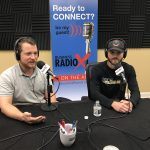
“Decision Vision” Host Mike Blake, and Evan Jarecki, and Cory Hewett with Gimme

Should I Enter a Business Plan Competition?

What’s the value of entering a business plan competition? Should I spend the time and effort necessary to win such a contest? What are the benefits to participating even if I don’t win? Cory Hewett and Evan Jarecki, co-founders of Gimme, answer these questions and more as they are interviewed by “Decision Vision” host Michael Blake.

Cory Hewett and Evan Jarecki, Co-Founders of Gimme

Cory Hewett and Evan Jarecki, Gimme

Cory Hewett and Evan Jarecki are the Co-Founders of Gimme. Gimme won the 2015 TAG Business Launch Competition conducted by the Technology Association of Georgia, Venture Atlanta, and the Metro Atlanta Chamber of Commerce.

Gimme transforms the way companies service micro markets, vending, and grocery by automatically identifying products, their placement, and inventory levels using computer vision verified by humans. Gimme’s software and wireless hardware eliminates errors and manual effort from warehouse staff and route drivers. Gimme empowers Route drivers to focus on delivering amazing customer experiences, and operators to focus on cash accountability, inventory tracking, and machine status data. Gimme’s solutions prevent stockouts, accelerate warehousing and restocking, and streamline product planning. For more information, visit http://www.vending.ai or connect with Gimme on Twitter.

Cory Hewett
Evan Jarecki

Michael Blake, Brady Ware & Company

Mike Blake, Host of “Decision Vision”

Michael Blake is Host of the “Decision Vision” podcast series and a Director of Brady Ware & Company. Mike specializes in the valuation of intellectual property-driven firms, such as software firms, aerospace firms and professional services firms, most frequently in the capacity as a transaction advisor, helping clients obtain great outcomes from complex transaction opportunities. He is also a specialist in the appraisal of intellectual properties as stand-alone assets, such as software, trade secrets, and patents.

Mike has been a full-time business appraiser for 13 years with public accounting firms, boutique business appraisal firms, and an owner of his own firm. Prior to that, he spent 8 years in venture capital and investment banking, including transactions in the U.S., Israel, Russia, Ukraine, and Belarus.

Brady Ware & Company

Brady Ware & Company is a regional full-service accounting and advisory firm which helps businesses and entrepreneurs make visions a reality. Brady Ware services clients nationally from its offices in Alpharetta, GA; Columbus and Dayton, OH; and Richmond, IN. The firm is growth minded, committed to the regions in which they operate, and most importantly, they make significant investments in their people and service offerings to meet the changing financial needs of those they are privileged to serve. The firm is dedicated to providing results that make a difference for its clients.

Decision Vision Podcast Series

“Decision Vision” is a podcast covering topics and issues facing small business owners and connecting them with solutions from leading experts. This series is presented by Brady Ware & Company. If you are a decision maker for a small business, we’d love to hear from you. Contact us at decisionvision@bradyware.com and make sure to listen to every Thursday to the “Decision Vision” podcast. Past episodes of “Decision Vision” can be found here. “Decision Vision” is produced and broadcast by the North Fulton studio of Business RadioX®.

Visit Brady Ware & Company on social media:

LinkedIn:  https://www.linkedin.com/company/brady-ware/

Facebook: https://www.facebook.com/bradywareCPAs/

Twitter: https://twitter.com/BradyWare

Instagram: https://www.instagram.com/bradywarecompany/

Show Transcript

Intro: [00:00:02] Welcome to Decision Vision, a podcast series focusing on critical business decision, brought to you by Brady Ware & Company. Brady Ware a regional, full-service, accounting advisory firm that helps businesses and entrepreneurs make vision a reality.

Michael Blake: [00:00:21] And welcome to Decision Vision, a podcast giving you, the listener, clear vision to make great decisions. In each episode, we discuss the process of decision making on a different topic. Rather than making recommendations because everyone’s circumstances are different, we talk to subject matter experts about how they would recommend thinking about that decision.

Michael Blake: [00:00:39] My name is Mike Blake, and I’m your host for today’s program. I’m a Director at Brady Ware & Company, a full-service accounting firm based in Dayton, Ohio, with offices in Dayton;  Columbus, Ohio; Richmond, Indiana; and Alpharetta, Georgia, which is where we are recording today. Brady Ware is sponsoring this podcast. If you like this podcast, please subscribe on your favorite podcast aggregator and please also consider leaving a review of the podcast as well.

Michael Blake: [00:01:03] Our topic today is Should I Enter a Business Plan Contest? And this topic is is interesting, I think, really on the forefront of the minds of many people who are listening to this program because, if nothing else, the business plan pitch contest, if you will, has been made famous by ABC’s Shark Tank, a show which I still have not seen to this day, by the way. But I’m familiar with what it does.

Michael Blake: [00:01:31] And pretty much, every city with a venture community of any size has some kind of business plan competition in it. And in Georgia, we’ve had a number of them. Some have come and gone. Some have stayed for the long term. And there are national business plan contest as well. Sometimes, alumni groups of universities hold them. I know Georgetown University, my graduate alma mater, has them. Venture firms, sometimes, hold them as a way of generating deal flow. Business incubators often have them.

Michael Blake: [00:02:10] And to do one right, to be a participant, it is a time-consuming exercise. In fact, I’ve been assigned teams when I’ve coached and mentored them through the programs, and we’ll get one or two weeks into the process, and say, “You know what? I don’t have the time to do this. I’m out,” which is perfectly fine. Rather, you do that on week two than a week before you’re supposed to kind of finish the thing.

Michael Blake: [00:02:36] And so, I think it’s a fair question to say, why do you put yourself through that? Because the business plan contest has a fair amount of of time that you have to invest. Typically, a business plan contest sponsor will have a mentoring – excuse me – or training program that leads up to the podcast — I’m sorry, that leads up to the competition itself, where they want to make sure the teams are all prepared. And that requires some time.

Michael Blake: [00:03:04] And then, somewhere along the way, you have a bunch of people that have never met you, that you don’t know who they are. And the public forum, they’re going to ask you tough, invasive questions about your business, right? And it’s fair to say, who needs that? Well, why would I put myself through that? I might as well go on Shark Tank and are willing to do that in front of an audience, television audience of 30 million people, even though we know a lot of that stage is basically WWE for business, but anyway.

Michael Blake: [00:03:34] But I have a couple of people here who have not been through the WWE version. They have been through, at least, one business plan contest. And I had the privilege of being there, of being their coach, and they were successful enough to overcome my coaching and winning that contest, which was the TAG Business Launch Contest back in 2016 or 2017. I’m trying the year. I think it’s 2016 now.

Michael Blake: [00:04:01] And so, joining us are Cory Hewett and Evan Jarecki, who are co-founders of Gimme Vending. Gimme transforms the way companies service micro markets, vending, and grocery by automatically identifying products, their placement and inventory levels using computer vision verified by humans.  software and wireless hardware eliminate errors and manual effort from warehouse staff and root drivers. Gimme empowers route drivers to focus on delivering amazing customer experiences, and operators to focus on cash accountability, inventory tracking, and machine status data. Gimme solutions prevent stock outs, accelerate warehousing and restocking, and streamline product planning. For more information, visit www.vending.ai or connect with Gimme on Twitter, @gimmevend.

Michael Blake: [00:04:52] Cory and Evan both are graduates of Georgia Tech, and both worked at Gulfstream Aerospace before creating Gimme Vending. And maybe we’ll get some of that background in the interview today. But we have some work to do in terms of covering this topic. So, Cory and Evan, thanks for coming on the program.

Cory Hewett: [00:05:08] Hey, thank you, Mike. And good to see you again.

Evan Jarecki: [00:05:10] Thanks, Mike.

Michael Blake: [00:05:10] So you are looking well, and you’ve had some pretty good success since we last worked together closely. And I’m very happy for you. So, let’s go back to sort of what I think was was something of a turning point for you guys, but I don’t want to put words in your mouth. Talk about the business planning contest you won, sort of a high level. What was it? And why did you decide that you wanted to take part in it?

Evan Jarecki: [00:05:36] So, back when we were getting involved with just starting the business, we were trying to get more involved with the Atlantic community and learn what were ways that Gimme could continue to get exposure and who can we meet through that process. And the Technology Association of Georgia was one of those places that seemed like they were everywhere. The BusinessX — the business lunch competition.

Michael Blake: [00:06:06] That’s a good idea. BusinessX is going to do a lot of contests.

Evan Jarecki: [00:06:08] BusinessX contest, there you go.

Cory Hewett: [00:06:09] Business RadioX Launch Competition.

Evan Jarecki: [00:06:11] There we go.

Michael Blake: [00:06:11] So, if you want to have a business lunch competition through Business RadioX, just an email to info@businessradiox.com We’ll get right on that.

Evan Jarecki: [00:06:19] That’s right. No. It was when we decided to go for this competition, the business launch, we made it our total team effort. This was everything for us when we first got involved with the opportunity.

Cory Hewett: [00:06:36] Well, it’s certainly attractive to consider working on the business competition because it came with a quarter million dollars worth of prize money and services. $50,000 and nondilutive cash, that’s important to a startup that’s just getting off the ground. And then, another $200,000 in products and services that we’d be able to use to benefit the business as well.

Cory Hewett: [00:06:55] And like you mentioned before, we had to balance that against this idea that if we want to have a real business, at the end of the day, these types of things won’t give you a business. Great products, great customers, focusing on those two things is what build a business. The business competition, though, maybe gives you the fuel in the car to take you to where you need to go or, at least, maybe get you there a little quicker. So, the idea of cash, the idea of services, and the idea of credibility and some exposure within the Atlantic community, that could be very, very valuable.

Cory Hewett: [00:07:25] So, like Evan said, once we decided that we’re going to do it, we went all in that we were going to focus and put everything into it to maximize our probability of success to winning the competition.

Michael Blake: [00:07:37] So, get in, I forget how many companies. I think, at the outset, there are something like 30 companies. At what point did you start to think you might win? Or did you think you would win day one?

Cory Hewett: [00:07:52] I don’t think we thought we were going to win day one.

Evan Jarecki: [00:07:54] Right.

Cory Hewett: [00:07:54] We knew that we’re going to try really hard to become a winner in the program, but there were a lot of rounds. So, I remember the first round, Evan and I hadn’t really done an elevator pitch before or had to go on stage to pitch our business, but the one time when we were leaving Georgia Tech, and we pitched it to the community there. So, we hadn’t done it in a televised, or WWE setting, or even in front of just an audience of people that didn’t include, at least, a couple of friendlies.

Cory Hewett: [00:08:18] And so, the first round was a couple hundred businesses. And it was more of an informal dinner meet and greet where we had to talk to different investors and judges who were there. You had to go find them. They would write down how you were doing. And if you made an impression, they wrote your name down after you just gave them the cocktail hour elevator pitch of the business. Then, you got to make it past that 300-round to maybe the top 30 round.

Michael Blake: [00:08:42] I didn’t know that. That is wild.

Evan Jarecki: [00:08:43] Yes, it was a speed-dating around. Yeah.

Michael Blake: [00:08:45] That is wild.

Evan Jarecki: [00:08:46] A couple hundred.

Cory Hewett: [00:08:46] So, the couple of days leading up to it, and even in the car driving over there, I remember in the car driving over there, we took what we had written. We’re like, “It’s all wrong. We have to redo it. Let’s redo our elevator pitch.” And getting there and talking to judges. And you asked, did we know that we’re going to win? Our answer to that is no, but we tried hard.

Cory Hewett: [00:09:06] And it wasn’t until that very last night, that very final round, we still had no idea. It was all this effort for not or is it going to turn into something? And I remember the moment where we had made it to the top two, and it was me and Stanley Vergilis of another great company called Hux, and we came out there with a lot of theatrics. We had worked with the art department at the SCAD studio where we were presenting. We had sound. We had rented this very expensive high motion camera to capture our competitor’s product exploding. So, that happened on stage. We showed that big screen video of the product exploding. We came out high energy, high theater, and did the best possible pitch that we could while we were there. And Stanley came out with a very different approach.

Evan Jarecki: [00:09:55] Complete opposite.

Cory Hewett: [00:09:56] Complete opposite. And his performance was so strong that as soon as I left the stage and saw his, I felt good about what we had done. It was the best job we could do. But then, when I saw his and the radically different approach, up until the moment that they unveiled the check to say who won, it was not clear.

Evan Jarecki: [00:10:13] Right.

Michael Blake: [00:10:14] So, let let me follow up on that experience, even though it’s not in our script. But in the final four, you may remember, another company had gone on, and they had banked on video, and it failed.

Cory Hewett: [00:10:27] It failed.

Michael Blake: [00:10:27] Do remember that?

Cory Hewett: [00:10:28] The live.

Michael Blake: [00:10:28] Did that make you at all nervous about what was going to happen with you guys, or were you so tight, you didn’t even think of it. You just knew it’s going to work?

Cory Hewett: [00:10:36] No, we knew it was a risk. Another mentor of ours warned us, you never do live demos.

Evan Jarecki: [00:10:42] Yeah, I think it was through the coaching and the practice that had us try to maximize for a more guaranteed success with the presentation style. And so, that was one of those pieces, avoiding it.

Michael Blake: [00:10:54] And I think that’s a good lesson, though, is that mentors and coaches are just that, right. They’re not your boss. They’re not your mom. They’re not your board of directors. At the end of the day, it’s your company, right. And if you’re going to take a risk, you’re going to take a risk. And look, especially at that time, you’re in a risky business as a startup, right. So, I can see from a certain perspective, look, we’re already here, man. We’re already here. We’re already living with risk on a day-to-day basis. Why are we going to stop now, right?

Cory Hewett: [00:11:27] Right.

Evan Jarecki: [00:11:27] Yeah.

Michael Blake: [00:11:27] Is that as a fair way to kind of characterize it?

Evan Jarecki: [00:11:29] Oh, yeah.

Cory Hewett: [00:11:29] I think it’s a risk/reward thing. We knew that there was going to be risk. The more things that we introduce that we didn’t have total control over, like we avoided a live demo that relied on cellular connection because those can go down, and since we violated that rule, and it’s burned us. So, it’s a rule for a reason. If you rely on cellular and you do live demo, it could go poorly. So, we had made sure that everything that we were showing was, at least, local.

Cory Hewett: [00:11:52] And the reward for us is if it played correctly, and we tested it before in the theater to make sure that it would, but we knew that if we got it to play correctly, that the value that it would generate for the audience would hopefully help them get that emotional feeling of what we are trying to do in our space. And maybe it’s helpful for the audience.

Cory Hewett: [00:12:09] Before we got involved, the technology in our space was really, really old. And the people who were forced to use it had so much pent-up frustration that when they got to watch the competitor’s product explode, you could see them light up. And maybe, if we were back in the horse and buggy days, and you hated your buggy after a while, you got to watch it just get set on fire and replace with the car. You’d be like, “This is great.” And we knew that if we could create that emotional response for our audience, our customers, and if that appealed to the judges as well, then we thought it would be worth the risk of maybe the chance of a tech error.

Cory Hewett: [00:12:43] And I feel terrible for the guy that that tried to do the live demo, and it didn’t work for him, because, you know, they’re kind of like us. They’re working hard to make it work, and nobody wants their demo not to work.

Michael Blake: [00:12:56] And they were doing well up until that absolute up until that.

Evan Jarecki: [00:12:59] Absolutely.

Michael Blake: [00:12:59] Up until that point, right. They’re a very strong competitor.

Cory Hewett: [00:13:01] Yes.

Michael Blake: [00:13:03] Yeah. And that emotional component, I think, is really important on two levels. It is tried and true. It reminds me of the Macintosh commercial from years, and years, and years ago where they smashed a PC in the middle of a commercial, right. And the whole Macintosh value proposition was the PC is just designed to frustrate you, right, and the Macintosh is not right. But everybody wanted to take a sledgehammer to their PC. Every single person, except for maybe somebody working at Microsoft wanted to do that. And I think you sort of captured on that.

Michael Blake: [00:13:40] And then second, it seems to me, and tell me if you think I’m wrong, you can only educate an audience so much about your business, right. And preventing stock-outs and vending machines and, now, at the retail level, it’s a great business, right. But it’s not the kind of thing that you go to the Thanksgiving table and everybody gets all fired up. That’s not like you’ve paid the college-

Evan Jarecki: [00:14:00] Hey, Cory, how’s that inventory on the [crosstalk] going?

Michael Blake: [00:14:02] That’s right. You’re not making call of duty, right?

Cory Hewett: [00:14:04] Right, right.

Michael Blake: [00:14:06] But if you can connect on that emotional level, everybody gets it. And you don’t even have to be in the business. If you’ve just ever been frustrated by technology, or laser printing in work, your Wi-Fi crapped out, you get it, right. I think that’s what really helped.

Cory Hewett: [00:14:21] I think that one other special component that was — I think our secret sauce to the presentation was probably bringing a customer onstage. This was something a little bit later in the practicing and the presentation style where we actually were able to include our first customer as a part of the presentation midway through the numerous stages. But along the way, that set us apart and, we think, had led to some of the success and the understanding from the audience that this is a real opportunity. And this customer has helped us understand exactly what Gimme does.

Michael Blake: [00:15:01] I think that was very dramatic. I don’t think I’ve ever seen that done in a pitch before. And in the minds of those judges, whenever they’re looking at those companies, “Okay, it’s great what technology they have, Is there actually a market for it?” And the fact that you brought the market with you on the stage, I think, that won it for you frankly. I mean, the video was great, and I think that got you to the top two, But the customer, they’re saying, “Yeah, I’m buying this. It’s going to save my business,” how do you sort of say no to that? And I’m sure the other competitors are like, “We should have done that.” They look at their coaches like, “Why didn’t you tell us to do that?” So, other than that kind of the speed dating part, what part surprised you about the process, if anything?

Evan Jarecki: [00:15:54] I think the biggest surprise were the different changes that needed to be made throughout each round. Round one was speed dating with 300 companies. Very quick pitches. No presentation. Just you verbalizing it. Round two was a an eight-minute pitch. I think, it was.

Cory Hewett: [00:16:16] Eight minutes right before St. Patrick’s Day.

Evan Jarecki: [00:16:18] Right before — on St. Patrick’s Day, I think it was.

Cory Hewett: [00:16:20] On St. Patrick, that’s right. We were working that.

Evan Jarecki: [00:16:22] Yeah, exactly. That was an eight-minute pitch. And there was an audience involvement in that one. And then, it moved to a 20-minute pitch. And that was where we brought in the customer. And that was in front of the theater in the auditorium. And then, from there was the final four, which was a three-minute solo CEO/Founder pitch. It was changing and preparing for each of those, that was a big surprise for us, not just one.

Cory Hewett: [00:16:50] Each one was different.

Evan Jarecki: [00:16:51] Each was different.

Cory Hewett: [00:16:52] You had to make it through the screening round of each one. So, it required so much creativity.

Evan Jarecki: [00:16:56] Right.

Cory Hewett: [00:16:56] You couldn’t just use the same presentation. “Oh, we’ll just dress it up or make some tweaks.” It was brand new every single time to appeal to a different — within a different environment, different audience, different levels of theater and energy. At least, in our case, bring the customer on stage.

Evan Jarecki: [00:17:12] Right.

Cory Hewett: [00:17:12] So, each one required its own set of problem solving. The other thing that surprised me, not just the rounds, was, if you will, a little bit of the stress and the time consumption. So, we knew, with your help, you’re like, “Hey, I’d rather you quit right away than at the end,” I think we got the same advice back then too, “because this is going to be really tough.” So, we knew it’s going to be tough and time consuming. And when we got into it, it was tough and time consuming, and it still is a surprise how much we are spending in time.

Cory Hewett: [00:17:40] And then the stress, I remember the eight-minute on the St. Patrick’s Day. It stuck out to me because I got up there to start speaking, and young in your career with public speaking, I made it up to the stage. My tongue got so dry. I couldn’t form words. I’m just trying to make noises with this stick of sandpaper in my mouth, and I’m watching the timer go down. Just physically, I lacked the ability to speak properly and just trying to force my way through it.

Cory Hewett: [00:18:06] So, the stress was just a little bit surprising. And I think that you’ll get that on your entrepreneurship journey. No matter who you are or what the circumstances, you’ll go through that too. But that was a bit of a surprise.

Michael Blake: [00:18:19] Okay. And is there a part that you thought was the hardest to address? Was it the stress? Was that the hardest part, or the time you had to put in, or was there something else that stood out as a challenge of being a participant in something like this?

Evan Jarecki: [00:18:33] Well, I think Cory had mentioned this in the beginning was the focus of, as a business owner, putting everything into your customers and your product. And because of the time consumption, it was highly distracting towards being able to focus on product and on customers because there were days that would go by where the entire day was spent preparing for the next presentation, or just creating the slide deck, or whatever it might have been, and that can distract from the main goal. And sometimes, it would just be challenging to say that the purpose, why we’re in this competition is for customers, is for the business, and just kind of reassuring that. Even though you may not be developing or making that very next feature in the moment, that serves a very important purpose. So, just making sure that balance was maintained between both throughout the time.

Michael Blake: [00:19:28] I want to stop and highlight that because I think that’s very important and very instructive that if you walk into this process thinking that’s going to, kind of, be the side gig that you spend a couple hours a week, you’re not going to be very successful. You’ll probably be eliminated in the first round, certainly, and are unlikely to win.

Michael Blake: [00:19:47] And I didn’t realize, as you really took the perspective, this was not a side gig. This is part of executing your business, right. And the fact that you are willing to hold days off from the “core operations” of your business to pursue that exercise, I did not know that. And I think that if you’re listening to this, and you’re thinking about being in this kind of program, and you have designs of being successful, are you in a position to make that kind of commitment? Because if you aren’t, maybe this isn’t the right time to do it. So I think that’s a very important bullet.

Cory Hewett: [00:20:26] And that’s okay to do too.

Evan Jarecki: [00:20:28] Right.

Cory Hewett: [00:20:28] Through that exercise, we’ve become pretty selective-

Evan Jarecki: [00:20:31] Yes.

Cory Hewett: [00:20:31] … in what we choose to do because we can lose the competition and win at the business. But winning at the competition does not necessarily guarantee, in any way, that you’re going to win a business.

Evan Jarecki: [00:20:44] Right.

Cory Hewett: [00:20:44] So, you have to focus on the business first. And if you do take a day, or two days, or three days off for the competition, you have to keep in mind it’s, in many ways, a vanity. It doesn’t change your core business, it won’t make your customers happier necessarily, and your product won’t be any more mature, or better tested, or better evolved at the end of the process.

Michael Blake: [00:21:02] But you had a goal of starting to build a network and starting to get your name out there, right.

Evan Jarecki: [00:21:08] Exactly.

Michael Blake: [00:21:08] I think that was part of the justification that — I mean, yeah, you also want the money and the prize. We’ll get to that in a second, but you’re students at Georgia Tech at the time or recently graduated?

Evan Jarecki: [00:21:19] Myself, recently graduated.

Michael Blake: [00:21:24] Okay.

Cory Hewett: [00:21:24] Yeah, I appreciate the intro at the beginning, but I actually left with a couple of classes left my senior year to found this company.

Michael Blake: [00:21:30] I didn’t know that.

Cory Hewett: [00:21:31] So, I’m not a graduate of Georgia Tech.

Michael Blake: [00:21:32] The secret is out.

Cory Hewett: [00:21:33] I’m a, yeah, senior year drop out of Georgia Tech that left to pursue this. I went full time.

Michael Blake: [00:21:39] Well, you’re like a bunch of other loser dropouts like Mark Zuckerberg and Bill Gates. So, what did they ever do, right? Yeah, I’m sure they’ll be happy to have you back at your leisure. So, talk-

Cory Hewett: [00:21:54] You’re bringing up what — we had just left Georgia Tech, and with the value going to be that we could get more credibility in addition to the cash and services. And the answer was we had to be somewhat calculative. And we knew that as very junior members of the entrepreneurship community in Atlanta, we’d have to be willing to spend a little bit more time to get that exposure.

Cory Hewett: [00:22:15] And we knew that we were going to have to raise. We’re a company that has smart software, as well as hardware. So, we knew that raising money, fundraising would be on the horizon. And actually, the investment and the time within the pitch could be recycled just in benefiting the education to young entrepreneurs, and all the materials and presentations we’re preparing for these pitches could be recycled in the future outside of the competition as well. And actually, consolidating it, getting the mentor help, for instance, from you.

Cory Hewett: [00:22:44] And one of the things that you did that really helped us out was when you brought together that Shark Tank style, other community people-

Michael Blake: [00:22:50] Oh, yeah. I forgot about that

Evan Jarecki: [00:22:52] Right.

Cory Hewett: [00:22:52] I remember that so well because it gave us that raw, critical feedback that mom, and dad, and friends, and even people that you know in the community may not be willing to tell you, “That’s a terrible side. Oh, no, that I didn’t understand you at all. I would never invest in you.” I mean, you need that feedback. And you helped give it to us. So we were able to make the decision, not just hopefully we win some money, but even — we set out to do our best to win, but we knew even if we didn’t, we could recycle that effort and turn it into something positive for the business down the road.

Michael Blake: [00:23:25] I forgot about that. Even at that point, we’ve been working together for, I don’t know, about 10 weeks or so.

Cory Hewett: [00:23:30] Right.

Evan Jarecki: [00:23:31] Right.

Michael Blake: [00:23:31] And by that time, as a mentor, I’m starting to drink the Kool-Aid, which means that my ability to be that effective sounding board on myself was starting to become impaired, frankly. So, that probably is a good lesson that if you’re in a program and your, and your mentor isn’t setting that up, set that up for yourself, right, because.

Cory Hewett: [00:23:52] If your mentor is too nice, that’s a problem.

Michael Blake: [00:23:54] It can be, it can be. So, you received cash, and services, and prizes. I’ve heard people sort of kind of thumb their nose at $50,000 in cash, but 50 grand for a startup, actually, you can get a lot done with that.

Evan Jarecki: [00:24:10] Right.

Cory Hewett: [00:24:11] That actually really helped to one of our first full-time employee hires.

Michael Blake: [00:24:15] Really?

Cory Hewett: [00:24:15] We talked with contractors and part time. But you bring on that first FTE, you want to make sure that you don’t have a couple of weeks of salary in the bank. You want a couple months that you can play this.

Michael Blake: [00:24:24] You’re not laying off in three weeks.

Cory Hewett: [00:24:26] Right. “You’re hired. Oh, just kidding.” This is-

Michael Blake: [00:24:29] Thanks for everything. There’ll be no severance.

Cory Hewett: [00:24:30] So, the $50,000 cash made a difference to us because we are bootstrapping as hard as we could. As young entrepreneurs at the very beginning of their journey, you’re hustling, and you’re putting everything together that you can. And to bring that first person on board full time, that’s the difference it made for us, along with a couple other things.

Cory Hewett: [00:24:51] So, that’s what we saw in our mind. If we win this, we can earmark the funds to grow the team. And I don’t know if I’m skipping ahead on how you wanted us to talk about it.

Michael Blake: [00:25:02] Go ahead. Keep going.

Cory Hewett: [00:25:02] I’m speaking on chronologically, but that was a big moment for us. We did win the competition. That was a proud moment. And then, we immediately put up our first job ad for a full-time employee and and brought them on. And that was another huge victory. And that really helped the product and the customers. And so, it turned into something really positive for us.

Michael Blake: [00:25:26] And on the other side, you also won some services. I’ve always kind of wondered how much do the winners actually take advantage of the services? I think my firm offered business valuation, and somebody is offering legal services, accounting services, I don’t know, manicures, mani and ped. I have no idea. Did you find yourself taking advantage of those?

Cory Hewett: [00:25:48] We printed out that Excel spreadsheet, and we went down the list, and we contacted every single one, and we are going to extract 100% of the value that we could out of it.

Evan Jarecki: [00:25:57] Right.

Cory Hewett: [00:25:57] And it actually turned into some pretty neat relationships that we still have today. At the time, you were working for HA&W.

Michael Blake: [00:26:04] Yeah, Arpio now. Yeah.

Cory Hewett: [00:26:04] Right. We now continue to work with Aprio.

Michael Blake: [00:26:08] Good.

Cory Hewett: [00:26:08] We were able to work with a PR team called the Carabiner.

Evan Jarecki: [00:26:13] Yeah, we worked with Carabiner still to this day. And that was where we had been introduced to them was from the business launch competition.

Michael Blake: [00:26:20] So, you’re working with them. I’ll go ahead and give them some free ads. I’m a big fan of Peter Baron’s and Carabiner, so.

Cory Hewett: [00:26:25] So, we love working with them. And we wouldn’t have had that relationship without them participating and giving their services. And we were able to spread out the dollar amount, so it lasted us about a year of being able to work with Peter and his team to benefit the company. I mean, Evan, you’re still working with our account rep there pretty much daily, right?

Evan Jarecki: [00:26:45] Yeah. In a week-to-week basis, but participating in some of the things that we plan for on the day to day. Like most recently, one of the biggest events that we’ve done was a livestream product launch. This is something that Carabiner was heavily involved in and actually participated in person for some of the event planning. So, the introduction has been extremely valuable to the growth of our team and of our product.

Cory Hewett: [00:27:16] One of the services that really stood out was with the management psychology group and-

Michael Blake: [00:27:20] No kidding.

Cory Hewett: [00:27:21] Yeah. And it’s exactly what it sounds like. Evan and I probably wouldn’t have chosen to do this if we had to pay cash out of pocket to do this, but having gone through the experience, now, I see that there’s a lot of value in this, especially if you’re head hunting for a founder level role or an executive level role.

Cory Hewett: [00:27:37] But it was a two-day process, two half days where Evan and I went in, and they tested all parts of our psychology. They had quizzes for intelligence, et cetera, et cetera, to try to see how people would work together. And I don’t think we would have done it because we already knew — Evan and I already knew we worked well together because we were great together.

Cory Hewett: [00:27:55] But we went through the process, and it was so fascinating to have a broken down for why that was. And when we got the results back of this management psychology test, Evan and I at the core groups, the big categories, were highly, highly similar. But when they broke it down to the subgroups, the reason why and the little things that make people unique, he and I were extremely dissimilar.

Cory Hewett: [00:28:19] So, it was like we shared common big goals, but we had lots of compliments where I was weak, he was strong; where he was strong, I was weak. And it played really nicely to to see how that worked out. And we wouldn’t have got that either without the services. And that’s just an example to me that stands out. I still remember it today, like, “How do you work so well with Evan?” Like, ” Actually, it’s fascinating. I have a diagram that shows that.”

Evan Jarecki: [00:28:42] We kept it [crosstalk].

Michael Blake: [00:28:43] Those are my strengths.

Evan Jarecki: [00:28:43] And they’re really neat. I mean, yeah, it was very in-depth and something we’ve kept, and I think it hold — I mean the exact same thing holds true to this day. It’s very interesting. And, yeah, it was fun experience.

Michael Blake: [00:28:59] It’s weird how sometimes topics come together. Right after this one, we’re going to be recording a podcast about executive leadership basically from another kind of industrial psychology company. I may kind of bring that up with them and see kind of what their view is on those kinds of approaches. One thing that also struck me about when you guys won, you both have family there to think, right?

Evan Jarecki: [00:29:24] Yeah.

Cory Hewett: [00:29:25] Yes, yes.

Evan Jarecki: [00:29:25] And both the public pitches we had family.

Michael Blake: [00:29:28] You did, okay. And I’ve never asked you this question. It’s a little off topic. So, if you don’t want to answer, we’ll edit it out. But was there a sense of kind of validation? I don’t know if you have entrepreneurial families or not. If you don’t, sometimes, they’re kind of looking weary. You’ve got this great education. Why aren’t you going and getting a job? You’re Gulfstream. You could have had a great career there, six figures, right?  Was there any kind of validation, maybe, to family members that were worried about the risk you took that this is sort of an external validation that you guys are going to be okay and really onto something? Or am I playing Dr. Phil, and I should knock in the psychology business?

Cory Hewett: [00:30:15] I don’t know if Evan would share this necessarily.

Evan Jarecki: [00:30:19] Yeah.

Cory Hewett: [00:30:19] So, I hope you don’t mind if I do.

Evan Jarecki: [00:30:21] Yeah, yeah, go for it.

Cory Hewett: [00:30:21] But Evan did have the job lined up when he was graduating. So, he’d already accepted the job offer from Gulfstream. He had already selected his apartment. He was ready to go make that transition in his life when we started talking about Gimme. And my pitch to him is, “Hey. we should work a hundred a week. And we can’t pay each other any number of dollars probably the first year or so. And it would involve you not going down to Savannah, and you’d have to quit your job that you haven’t started yet. And maybe make sure that your parents are comfortable leaving you on health insurance and stuff a little longer. How does that sound?” And-

Michael Blake: [00:30:56] I guess it sounded all right.

Evan Jarecki: [00:30:58] Well, I think the way I describe it is that it unlocked a — I had some sort of limiter on where I thought a career — what I thought a career meant. And I don’t think I had ever considered entrepreneurship as a career path until there was an opportunity presented to me and, actually, think about what that could mean. And so, it just totally removed the limiter and said, “There is no reason not to take this opportunity,” is what it became. So, I just had to put the pieces together to make it work.

Cory Hewett: [00:31:31] So, I remember when Evan told me, “Yeah, I talked to my parents about it. They’re a little concerned, but they’re supportive. And they’re really good people. So, they were supportive, but I could tell that mom’s eyes got real big when she’s like, ‘Oh, he’s he’s quitting the Gulfstream job that he hasn’t started yet.'”

Michael Blake: [00:31:46] That’s nice.

Cory Hewett: [00:31:47] “What’s the new salary?”

Evan Jarecki: [00:31:48] “What’s the plan here?”

Cory Hewett: [00:31:48] “Oh, it’s nothing.” “Oh, good luck.” And she’s

Evan Jarecki: [00:31:53] Right, not another job that pays you. No, it was totally different.

Cory Hewett: [00:31:57] So, I remember for them, they were in the audience when we made it through that first round. And I don’t know, the look on their face. And my parents were there too, and I think they were proud. But I know for your parents, that was a first entrepreneurship, big endeavor that you’ve done, the big first external validation.

Evan Jarecki: [00:32:14] Yes, yes.

Cory Hewett: [00:32:15] You could just see the pride, and you could see a lot more confidence. Like, “Wow! Our son is not just ‘trying to be an entrepreneur’ but people believe in him too.” And the next thing happened on that final round, we didn’t just invite mom and dad. We invited grandma, grandpa. And then, we also invited a couple of our customers and a couple of the other people that have been rooting us along along the way. Evan, I know you took a valet job at the very beginning of Gimme-

Evan Jarecki: [00:32:41] Yes.

Cory Hewett: [00:32:41] … to pay the bills while we’re making the company work. Did you invite one of your top valet customers there, too?

Evan Jarecki: [00:32:47] Yeah, yeah. That may have been my first — actually, that experience is a big failure that turned into a really happy valet customer, if you will. I didn’t own. I just worked for the valet company, but there was an experience we had with just a car parking situation where I was able to diffuse the whole situation. I caused it, and I diffused it, and it became a really happy repeat customer. And they actually got involved with what we were working on at Gimme, and they participated in the TAG, the business lunch competition as well. So, we brought in, yeah, people from kind of everywhere during the first year’s journey.

Michael Blake: [00:33:30] I remember that. You had a lot of fans in that room. And when you won, it looked like kind of the end credits of, sort of, Family Feud. I mean, they swarmed the stage. And I thought they put you up on their shoulders. But it was great to see. Have you done anything like that since? Have you been in any other contests, or did you just retire after one championship?

Cory Hewett: [00:33:53] Quite like that. No, we haven’t been in any multi-round pitch kind of situations quite like that.

Evan Jarecki: [00:34:00] That’s true. That’s true.

Cory Hewett: [00:34:00] And most of it had to do with we extracted a lot of the value that we could. And like we mentioned, a lot of it was getting in front of the right people, in addition to cash and services, getting a name for ourselves in the Atlanta community. And thankfully, it helped us do that. So, now, I don’t know if the reward for doing that again would be as profound or pronounced for us. But we have competed in a couple other competitions since like-

Evan Jarecki: [00:34:22] Actually, the TAG Business Launch unlocked many opportunities in the area. We were invited to Venture Atlanta, one of the largest now that we’ve seen and participated in. And actually, it speaks to — this kicked off and falls in right in line with us as one of our core values. The number one is fiercely driven to win.

Cory Hewett: [00:34:49] That’s our top core value in the team.

Evan Jarecki: [00:34:51] That’s our top core value. And it’s related to customers, and it’s related to making sure that we are working for them. But it also does speak to the competitive nature of applying ourselves in these areas. So, we do participate in other contests and competitions. Recently, we won Best B2B Startup in Atlanta. There would be-

Cory Hewett: [00:35:14] We had a number of good competitors in that category.

Evan Jarecki: [00:35:15] [Crosstalk] is in that one. So. we’ve won, and we’ve lost, but we do participate. And when we do, we like to do a good job.

Cory Hewett: [00:35:25] I remember one of the ones that we lost actually right after the TAG Business Launch competition, we were kind of on a high feeling of, “Wow! If we set our minds to it-”

Evan Jarecki: [00:35:35] Like, how big can we take this thing? Where can we go with it?

Cory Hewett: [00:35:37] And our very next big thing that we applied for was actually the first season of Apples TV show called Planet of the Apps-

Evan Jarecki: [00:35:43] Right.

Cory Hewett: [00:35:44] … where they were going to look at software startup founders and how their journey is going. And we made it past the first round. And then, they unceremoniously dropped us and let us know that we didn’t make it past the second round. And so, yeah, we’re trying and failing. But we try to be selective, so that we continue to keep our top focus on products and customers. But like Evan said, we’ve just recently been named Atlanta’s Best B2B Startup. We were named recently as well to Atlanta’s 50 on Fire. We’re proud of that accomplishment. That was just a couple of weeks ago.

Cory Hewett: [00:36:15] Within the industry, our team as a whole has been named Pros to Know. And some of the individuals have been named, individually, the Pro to Know on separate years as well. Each one of our products, and we have three now, each one of our products has been named the number one product in vending the years that it has been released. So, we’re super proud of that as well. So, yeah, we’re trying, sometimes failing, but we’re continuing to try and apply that fiercely driven to win mentality.

Michael Blake: [00:36:43] Well, these are harder to win. It’s not like a basketball game. It’s more like a golf tournament, right. Basketball game, you have one opponent. That’s it, right. But you have to be in the field, right.

Evan Jarecki: [00:36:54] Right.

Michael Blake: [00:36:55] Even Tiger was in his heyday, right, only one 20% of his tournaments, right. And arguably the best that ever played. So, I think you’re doing all right.

Evan Jarecki: [00:37:07] Thank you.

Michael Blake: [00:37:07] I think you’re doing just fine. So, since the competition, tell us the story now. How are you guys doing? You, obviously, want a lot of awards award. You’re expanding. You guys able to pay yourselves now? You’re not [crosstalk]-

Cory Hewett: [00:37:23] I’m not at all free anymore.

Evan Jarecki: [00:37:25] Right.

Michael Blake: [00:37:25] You’re not working for free anymore. Good, good. You have the most up to date max, I assume.

Cory Hewett: [00:37:29] Yeah, we do. The tool kit we actually advertise as part of our recruiting tool, everyone gets a brand new Apple products to be able to get their job done well. So, yeah, we’re expanding. We have about 20 people on the team now. We’ve got great offices. This year, we’ve just added 401(k) to our suite of benefits.

Michael Blake: [00:37:50] Wow. Yeah, you’re really growing up.

Cory Hewett: [00:37:52] And I think that we have a team culture that has attracted serious top players. So, we’re really proud of that accomplishment. I know that maybe people don’t speak to those metrics first, but a team of people that we have to work with now is just incredible. When you work at, if you will, alone, and then you hire that first one, if you can surround yourself with other people who are willing to match that and just put in so much effort to help the business succeed, it’s something special. It’s a different feeling than when you first started the company. So, that would be my top metric of success is the team right now is just crushing it. And we’re so proud of them.

Cory Hewett: [00:38:27] Outside of the team as well, we’ve seen our products and services grow. We started with the one. We talked about, we exploded our competitors product. That’s how we started. That was one product. But now, we’ve seen it expand from just a field service tool to — you mentioned it at the very beginning. Now, we’re managing the products and their inventories for the entire warehouse, the schedules of the people that service. Our software has expanded.

Cory Hewett: [00:38:53] And then, earlier this year, we announced that we could handle not only an entire warehouse of inventory and field services, but we could do that through computer vision and a neural network training. And to see that start to take off has opened up our customer base from just vending operators to, now, vending operators, micro market operators, and people who deliver to grocery stores. And for the first time, that means that, now, some of our customers are publicly traded, and we’re just thrilled at the growth that we’ve seen even as recently as this year that’s taken us to a new level.

Michael Blake: [00:39:31] So, I’m curious, to get to that point, have you raised any outside money? Are you still just self-funded?

Cory Hewett: [00:39:37] We did raise money. After the TAG Business Launch competition, we raised an angel round. We’re able to include David Cummings and John Lally, which were introductions that were either directly or indirectly helped, actually, from the competition. That’s where we raised our first half million. And since then, we’ve added a couple other institutional and larger people on our cap table as well. So, today, we’ve raised just over $2 million. And then, we have our sightline to a couple more exciting things in the near future.

Michael Blake: [00:40:08] Very good. So, I promise I won’t keep you here too long. So I’m going to wrap it up. But if people are kind of thinking about getting into a competition of their own, they want to know if they should do it, or get some advice, can they contact you guys?

Evan Jarecki: [00:40:23] Yeah, absolutely. Best way to reach out to us is, first, through our website, www.vending.ai, and go to our team page there. You’ll see Cory and my own, our bios and profiles. And you can get connected with us there. We’ve actually love participating in the Atlantic community, especially as mentors, and volunteers, and programs we’ve been a part of in the past. And then, look, of course, for any individuals, one on one. Cory will give anyone’s slide presentation good judging, that’s for sure. And it’s worth it. Trust him with that one. He’s got a knack for it, so.

Michael Blake: [00:41:02] All right. Well, that’s going to wrap it up for today’s program. I’d like to thank Evan Jarecki and Cory Hewett of Gimme Vending so much for joining us and sharing their expertise with us.

Cory Hewett: [00:41:12] Thank you, Mike.

Evan Jarecki: [00:41:12] Thank you.

Michael Blake: [00:41:12] We’ll be exploring a new topic each week. So, please tune in so that when you’re faced with your next business decision, you have clear vision when making it. If you enjoy this podcast, please consider leaving a review through your favorite podcast aggregator. It helps people find us so that we can help them. Once again, this is Mike Blake. Our sponsor’s Brady Ware & Company. And this has been the Decision Vision Podcast.
Tagged With: Cory Hewett, Dayton accounting, Dayton business advisory, Dayton CPA, Dayton CPA firm, early stage startups, Evan Jarecki, Georgia Tech, Gimme, Gimme Vending, in-kind services, Metro Atlanta Chamber of Commerce, Michael Blake, Mike Blake, pitch competition, pitch contest, startup company, startup competition, startups, Technology Association of Georgia, Venture Atlanta

GWBC Radio: Monique Honaman with ISHR Group and Deborah Mackins with Georgia Power and GWBC CEO Roz Lewis

July 19, 2019 by angishields

GWBC-7-18-Feature
Atlanta Business Radio
GWBC Radio: Monique Honaman with ISHR Group and Deborah Mackins with Georgia Power and GWBC CEO Roz Lewis
Loading
00:00 /
RSS Feed
Share
Link
Embed

Download file

2019JulyBizRadio2

What sets Monique Honaman apart is her ability to see the big picture and think creatively, while also being able to put together a plan for execution. She has a passion for creating positive energy, driving momentum, and building community. She is the founding partner of three companies.

Founded in 1999, ISHR Group provides leadership assessment, development and coaching services to Fortune 1000 corporations and private equity firms globally. The firm has been featured in HR Executive, the New York Times, and the Atlanta Business Chronicle. It was recognized as a “Top Small Business” in the Southeast” by Business Leader, and as “One to Watch” in the B2B Top 25 Entrepreneurs Awards. Monique is the co-author of, “GUIDE Coaching: A Leader’s Strategy for Building Alignment and Engagement.” ISHR Group is a certified Women’s Business Enterprise (WBE) through WBENC (Women’s Business Enterprise National Council) and the Greater Women’s Business Council (GWBC).

Founded in 2010, High Road Less Traffic is Monique’s platform for writing and speaking as it relates to marriage, divorce, parenting, and co-parenting. She published, “The High Road Has Less Traffic” (2010), and “The High Road Has Less Traffic … and a better view” (2013). Monique is a frequent speaker (including NBC’s The Today Show and Fox News’ The Willis Report) and a regular contributor to The Huffington Post and eHarmony. She most recently co-authored a children’s book about the positive role of a step-parent, “BONUS Dad! BONUS Mom!™”

Founded in 2016, Contender Brands is a concept-to-consumer product development company whose mission is to develop and cultivate ideas that bring simplicity, joy and laughter to others. There are two distinct product lines. Ringo™ / RingoRefills is a portable (TSA friendly) ring cleaning system designed for the busy working and traveling woman. It was named an Amazon’s Choice in 2018 and was named by Forbes as an “ingenious gift for travelers” in December 2018 . GTKY (get-to-know-you) Games are a series of six conversation-starter card games designed to “teach the art of conversational curiosity.” The six games, Whine Barrel, Brew-aHa, Cocktail Farty, KegO’Cards, Kiss’N’Cards, and KIC-Start (kids in conversation) have received numerous awards (including the National Parenting Product Award). The games are launching in a major US-based big box retail store and in a casino system in 3Q19. Contender Brands was named to the Atlanta Business Chronicle’s inaugural Inno 50 on Fire to celebrate “Atlanta start-ups that are crushing it.”

Monique started her career with General Motors, and later joined General Electric’s Human Resource Management Program where she earned her certification as a Six Sigma Black Belt. Monique received her BA from the University of Michigan, a Master of Labor Relations from Michigan State University, and a Juris Doctorate from Albany Law School.

Monique is passionate about her philanthropic work, and presently serves on the Board of Directors Executive Committee for the Girl Scouts of Greater Atlanta. She is a member (and former Chapter Chair) of the Women President’s Organization (WPO), and a current member of the Atlanta Women’s Foundation Inspire class. She is a graduate of Leadership Georgia and Leadership Atlanta where she continues to play an active role as a volunteer (Co-chair, Leadership Day 2017; Co-chair, Closing Retreat 2019). She serves weekly in Guest Services at Buckhead Church. Monique was recognized as one of “40 Under 40” by the Atlanta Business Chronicle, received the POW! Award by Womenetics, and received the Star Award by the Women’s Business Enterprise National Council (WBENC).

Monique lives in Atlanta with her husband, Justin, their two teens, and their three rescue dogs. In her spare time, Monique enjoys photography, hiking, SCBUA diving, and traveling.

Connect with Monique on LinkedIn and Twitter, and follow Contender Brands on Twitter.

Deborah Mackins has over 20 experience in various roles in Supply Chain Management. She joined Georgia Power’s Supplier Diversity team in 2011. In this role she manages Southern Company’s Transmission Business Unit’s Supplier Diversity initiatives.

Deborah is on the Board of Directors for the Greater Women’s Business Council. She has been a mentor in GWBC’s mentor protegee program, participated on several committees and was the recipient of their “2015 Corporate Advocate of the Year” award.

Deborah is a native of Michigan. She has a Bachelor of Science degree in Criminal Justice from Ferris State University. Deborah received her Master of Business Administration in International Business from Baker College and is a Six Sigma Green Belt.

Connect with Deborah on LinkedIn.

GWBC-7-18-Group

TRANSCRIPT

Intro: [00:00:03] Broadcasting live from the Business RadioX Studios in Atlanta, Georgia, it’s time for Atlanta Business Radio, spotlighting the city’s best businesses and the people who lead them.

Stone Payton: [00:00:17] Welcome to this very special edition of Atlanta Business Radio. Stone Payton and Lee Kantor here with you this morning. Lee, this is our first, our inaugural episode of GWBC Radio. The Greater Women’s Business Council has gratefully decided to partner up with us to support and celebrate some of these fine entrepreneurs and business people out in the community. I have so been looking forward to this. First up on the episode, let’s get started and introduce, please join me in welcoming to the broadcast with Greater Women’s Business Council, Ms. Roz Lewis. How are you?

Roz Lewis: [00:00:54] Good morning. Good morning, Lee and Stone. I’m so excited to be here this morning with you all on this inaugural show. So, thank you so much. This is going to be great, having a conversation about how to grow your business. So, I’m very excited to be here. Hopefully, I can just talk a little bit about-

Lee Kantor: [00:01:18] Sure, yeah.

Roz Lewis: [00:01:18] … who the Greater Women Business Council is.

Lee Kantor: [00:01:20] Right. Before we get too far into things, let’s talk a little bit about the mission and the purpose for Greater Women’s Business Council. Tell us what you guys are doing every day.

Roz Lewis: [00:01:29] Well, the Greater Women’s Business Council is a regional partner organization of the Women’s Business Enterprise National Council. Now, that’s a mouthful. So, we’re going to say GWBC and WBENC, W-B-E-N-C. And what we do is we certify women businesses from major corporations, such as one of our guests that’s here today and, also, for the government. And the purpose of that is to provide procurement opportunities for those corporations spend goals. So, they have diversity spend goes to do business with small minority and women-owned businesses. And our organization, what we do is vet them to make sure they are who they say they are.

Lee Kantor: [00:02:15] And also, you’re the bridge to help connect them with these organizations, to help them do business with these larger enterprises that maybe they would have a difficult time kind of working with if they were out there just knocking on the door themselves.

Roz Lewis: [00:02:27] Exactly. We, actually, provide networking opportunities for them and some education development as well for our women businesses that are certified with us. As a matter of fact, I’ll talk about a little bit later in the show of an event, a major event that we have coming up in August that, hopefully, the listening audience will attend. And that focus is on connecting our women businesses with major corporations.

Lee Kantor: [00:02:54] Now, how did you get involved with the organization?

Roz Lewis: [00:02:56] Well, I’ve been involved with the Greater Women’s Business Council since its inception. Delta Airlines and UPS were the founders of this organization. And this started back in 2000. So, we’re actually coming up on 20 years-

Lee Kantor: [00:03:12] Wow.

Roz Lewis: [00:03:12] Right, of certifying women businesses. And today, we have over a thousand women businesses in our region. We cover the States of Georgia, North and South Carolina. And we are supported by a host of committees as well as a dynamic board of directors.

Lee Kantor: [00:03:31] Now, this was an example where the enterprise level organization said, “You know what, we want to be doing more business with women, and minorities, and these underserved groups.” And they said, “Let’s figure out a way that we can do that.” So, they invested resources, time, and people into this in order to create this kind of a network where you become that kind of matchmaker for this.

Roz Lewis: [00:03:52] Exactly. And you’re absolutely right. And one thing I always tell women business is, if you want to grow up, you need to show up. So, it’s so important.

Lee Kantor: [00:04:02] That’s it.

Roz Lewis: [00:04:02] Yes, that they show up to these events because those corporations who have representatives are taking the time out because they do want to meet you. They want to build a relationship with you because they do have procurement opportunities that you may be the perfect fit for them as a supplier.

Lee Kantor: [00:04:22] Now, having come from the large company kind of background to, now, working with a lot of the smaller companies, you have any good stories to tell of rewarding opportunities where you helped maybe a small organization grow, and once they got in there, and showed how good they are?

Roz Lewis: [00:04:38] There numerous success stories that have taken place with our women businesses. I think part of our mission, though, is to be the connector. We bring you to the dance, but you got to-

Lee Kantor: [00:04:52] You got to show up and do the work.

Roz Lewis: [00:04:53] You’ve got to show up and do the work, right. And so, you come with your skill sets, you come with your competitive edge as to why that company should select you. But there are times too where I would say success stories have occurred, where corporations have reached out to us to identify women businesses to participate, and they were successful in securing that contract. And that’s what’s exciting more importantly. We hear information back. One most recently, I would tell you, believed it or not, was the Super Bowl that was just here in Atlanta. And several of our women businesses received contracts as a result of being engaged with our organization.

Lee Kantor: [00:05:40] And then, that would be kind of a platform. They would have a difficult time just calling up the Super Bowl and say, “Hey, I could do that kind of work,” right. That would be tough for them to pull off.

Roz Lewis: [00:05:48] Exactly, because literally their selection process was they literally came to the organizations in order to identify certified women businesses because, again, they wanted to make sure that they were who they say they were, and that they were a part, that we had validated and vetted these companies as women-owned businesses, as they also reached out to the other diverse organizations as well that participated. But we’re very excited about the number of women businesses that received contracts as a result of the Super Bowl. And it has extended beyond this one. Some of them, success story, has extended that’s now working on the next Super Bowl.

Lee Kantor: [00:06:31] Right, because once they’re in, then they show they did a good job, so why don’t they trust them again?

Roz Lewis: [00:06:37] Exactly.

Lee Kantor: [00:06:38] Now, part of the purpose of this show and the mission of this show is to kind of share these stories, right, to show from both sides of the table, from maybe the entrepreneurial women that have the smaller businesses with the corporate large enterprise businesses and show how they work together.

Roz Lewis: [00:06:53] Exactly, and give visibility. The one thing that I commend you and Lee — Lee, you and Stone on is the fact that you’ve built this platform to show positive news about what’s happening in the entrepreneurial world, what’s happening with small businesses, what’s happening with medium-sized businesses where the media really doesn’t give that type of notoriety of visibility. And I think our communities need to hear what our businesses are doing and what positive impact they are making in their communities.

Lee Kantor: [00:07:31] Right. And this is the stuff that’s happening every day. These small businesses are grinding, and trying, and working as hard as they can every day. And it’s disheartening to hear kind of an overarching theme in traditional media of all this negativity and that big companies are greedy and exploiting; when in reality, they’re very generous, and they are helping, and people are trying to just make it work. I mean, that’s what most people are doing every day is just trying to make things good and work.

Roz Lewis: [00:07:55] Exactly. And think about the fact, the impact they’re having from an economic standpoint. They’re hiring people.

Lee Kantor: [00:08:02] But both sides.

Roz Lewis: [00:08:03] When you look at the numbers — right, on both sides. You’re taking those who have the entrepreneurial spirit and ideas. And then, they’re coupling that with, also, what I call giving back, right, engaging, making sure that they are creating a sustainable environment because that’s one thing we need to give credit to our small businesses is the sustainability that they’re creating. And, also, more important, creating a consumer base, helping corporations to bring their products and services to market. All of that is so key and valuable. And, I think, more stories need to be shared on a national basis as we’re global. And on the major networks about how the good work the small businesses are doing. You’re right.

Lee Kantor: [00:08:53] And it’s a symbiotic relationship. These large companies aren’t doing a favor to the small company because the large company, this is where they learn these new things, and they get to work with the different group of people that maybe wouldn’t be on their radar. And the small people get to benefit by the generosity and the opportunity that these large organizations provide. So, it’s very symbiotic. This isn’t like a large company doing a favor or giving charity to a small company. They both win in this.

Roz Lewis: [00:09:21] Oh, absolutely. And think about through the procurement process, small businesses, please remember the fact that they still have to meet the criteria.

Lee Kantor: [00:09:30] Right, they got to be able to do it.

Roz Lewis: [00:09:32] They’ve got to be able to do it because, once again, their corporate’s reputation is online. Those corporations are obligated to their stakeholders, which, in turn, is kind of a reciprocity that takes place, right?

Lee Kantor: [00:09:46] Right.

Roz Lewis: [00:09:46] Because the small businesses are also consumers of the products that they are delivering or selling. However, they still have to meet all the checklists on that decision matrix when they are presenting with those buyers or strategic sourcing managers.

Lee Kantor: [00:10:04] And then, this is — kudos to GWBC for being this kind of matchmaker, this bridge between the two groups because you’re doing a service to the large organizations by vetting the smaller ones, and you’re coaching up and helping the small ones have an opportunity to grow from the larger one. So, you’re a linchpin in this relationship. You should be commended for that.

Roz Lewis: [00:10:25] Well, thank you. And you know what? This is something that we feel is our mission to empower our businesses. And our businesses, believe it or not, range from startup, I believe, up to one billion dollars. So, we have some very large women-owned businesses as well who have major contracts with major corporations.

Lee Kantor: [00:10:48] Well, let’s get into it. Who’d you bring in today?

Roz Lewis: [00:10:50] Wow. I’m so excited that our first guests on our show is Deb Mackins. And she is the Chair of the Board of Directors for the Greater Women’s Business Council. But her day job is that she works for the Southern Company. And she’s in the supplier diversity arena with the Southern Company. And we also have Monique Honaman of ISHR Group and Contender Brands. So, you notice, I’m naming two different companies. So, she’s a busy lady. And I didn’t include the books that she has written as well. So, very excited to have both of them as our guests this morning.

Lee Kantor: [00:11:29] All right. So, let’s kick it off with Deb. Welcome, Deb.

Deb Mackins: [00:11:33] Good morning.

Lee Kantor: [00:11:34] So, now, Roz mentioned that you’re the chair with the GWBC, but you have a day job at the Southern Company. How did you get involved with the GWBC?

Deb Mackins: [00:11:46] Actually, I’ve been involved with GWBC, I believe, since 2007. It was, actually, with a prior company. And I’ve always had a passion for small business being an advocate. I’ve always been in the procurement role. And I felt that being in that role, I could be the person to bridge my company to diverse businesses, provide information, provide resources, help them understand the cultures and the subcultures, provide opportunities for development. So, I’ve been involved with GWBC and small business for a very long time.

Lee Kantor: [00:12:37] And do you enjoy the part where you’re kind of — you have to coach them up sometimes, right, because the small business things like, “Oh, I’m just going to call them up, and they’re going to love me and my work, and I can jump right in,” but a lot of times they got to change the way they’re doing things in order to serve you properly, right?

Deb Mackins: [00:12:51] Absolutely. And that’s the really cool thing about the supplier diversity role, being a advocate, being a bridge, helping companies to understand, you have to really have a value proposition as to why we should work with you, providing materials and services, because you have a lot of competitors. And not only are your competitors in Georgia, the Southeast, United States. It’s global really. So, what’s your value proposition? As a matter of fact, when I first met Roz Lewis in 2007, that’s the first thing she said to me, “Companies, corporates, you have to understand what’s the value proposition, so that as you move forward in your career, make sure you always have a solid value proposition for whatever you do.” And I think that’s great advice.

Lee Kantor: [00:13:49] Now, when you’re working with these companies, how important is that kind of the mentor/mentee role, and these kind of sharing the information, and giving them kind of insider information to help them be more successful? Do you spend a lot of time in that?

Deb Mackins: [00:14:04] Absolutely. And with Southern Company, we actually have a very robust development program. I believe we have five different programs. We also provide scholarships to Tuck. And we partner the experts, the subject matter experts within Southern Company and the business community with entrepreneurs. And, again, I’m going to go back to understanding cultures, subcultures, value proposition. What type of innovation can you bring to Southern Company or any company? What sets you apart from your competitor? Why should we do business with you?

Deb Mackins: [00:14:51] So, it’s just helping them to really avoid some landmines, I would say, because within Southern Company, supplier diversity, we work so closely with our business units. What’s important to my business unit may not necessarily be important to someone else. And because Southern Company has a footprint now across the United States, and we serve 9 million customers throughout the United States, it’s very important to build those relationships within the company. And who better than your mentor to help you to navigate to be successful?

Deb Mackins: [00:15:30] One of the things that we always say at Southern Company, it may take a while for us to court because we want to get to know you, and you want to get to know us, but once we court, and it’s successful, we’ll probably have a very long marriage and a very successful marriage. So, that’s the role of supplier diversity to help you to get there. It’s not always about a contract. Sometimes, it’s just about the development. We can provide resources and tools to help you to be a successful business owner. So, you may do business with us or you may never be working in the capacity of having a master service agreement or contract with Southern Company. But through our development programs, you’ll be a better business owner.

Roz Lewis: [00:16:26] So, Deb, talk a little bit about the fact that as chair of the board of a certifying organization, how important is certification for these suppliers?

Deb Mackins: [00:16:38] Certification is so important. Really, whether you’re a minority business or woman owned business, it helps corporates to understand that you are who you say you are. So, it gives more credibility. You’re the person that you’re the owner, but you’re also in control. That’s one thing.

Deb Mackins: [00:16:59] The other thing is Southern Company, many other companies were prime contractors to the federal government. And we have internal supplier diversity goals. So, we want to make sure that you are who you say that you are, so that when we report to the federal government, you are properly classified. So, certification is very important.

Deb Mackins: [00:17:26] The other aspect of certification, certification doesn’t guarantee a contract, but it could prevent you from getting a contract, if that makes sense. So, I actually I talked to WBE. She had a different reason for actually getting her certification. Through her industry, she was a member of an organization that required certification. So, for her to even be a member of an organization in her industry, she had to go through it. So, there are so many pluses.

Deb Mackins: [00:18:09] And when you think about what the value is, the ROI, it’s a very small financial investment in yourself and in your company, but it can do some really great things for you. And finally, I’d also say with certification, get involved. I think you talked about, say, engagement. So-

Roz Lewis: [00:18:32] Yes yes.

Deb Mackins: [00:18:33] Get involved. Come out to GWBC events. We have four signature events. We have some events coming up in end of August, I believe. It’s the pop marketplace and the WAVE Golf Tournament. So, come out and get engaged with corporates, other WBE’s. That’s what certification can do. It can really change your company in big ways.

Lee Kantor: [00:19:01] Now, how does it work? Like walk me through. I’m a woman business, and I’m out in the marketplace. So, the first thing I do is I join, and get certified, and blessed by GWBC? Like, what’s the order of things? How does it work?

Roz Lewis: [00:19:14] Well, the certification process is actually arduous. There’s a lot of paperwork. We’re asking-

Lee Kantor: [00:19:20] This isn’t like a five-minute survey?

Roz Lewis: [00:19:22] No. It’s actually a 60 to 90-day process.

Lee Kantor: [00:19:27] Okay.

Stone Payton: [00:19:27] Wow.

Roz Lewis: [00:19:27] And this is under WBENC. WBENC has a world class-certification process. And what it includes is asking for information like your tax returns. We’re asking for the history of your business, how your business is structured. Are your LLC, which you should have an operating agreement? If not, if you’re a major corporation, then what does your bylaws look like? We’re evaluating all of this information because that information is going to legally say that that woman, in fact, owns that business. She’s in charge.

Roz Lewis: [00:20:04] And yes, you can have males within your business, even as partners within your business, but they can’t have the majority. You need to be, at least, 51% owned, operated and controlled. And we do 100% site visits. Regardless of whether or not we’re going to certify you, we still have to go out and visit you, which is another two to three hour-process of asking you questions about the business and your ownership. Once you receive that certificate, you recertify every year. Now, it’s not as hard or requiring as much-

Lee Kantor: [00:20:40] Because now, you’re just updating.

Roz Lewis: [00:20:43] Right.

Lee Kantor: [00:20:43] You’re not creating.

Roz Lewis: [00:20:43] All you’re doing, right, is just updating information. But I’ll tell you, people say, “Why do you do it every year?” Because business change. Things change. As you grow, as you’re scaling your business, you may need to bring on additional investors. First and foremost, we want you to be successful as a business. First and foremost, as a women-owned business, we want to make sure you still control and operate that business. So, that’s the reason for the recertification every year.

Roz Lewis: [00:21:13] Now, we don’t do a site visit every year, but it’s amazing, this group of women businesses, they also self-monitor each other because you can challenge a business. I will tell you, in my previous experience, none of my challenges have been overturned. They have been submitted to me because people just didn’t know the details of what was going on a business because, unfortunately, the perception, especially in construction, for example, why isn’t a woman business out there? If she owns it, well, no, she doesn’t need to be out there with a jackhammer. She doesn’t need to be out there slinging concrete or anything. No, she’s busily working on a strategy of their business and hiring the best people to be able to do that for her.

Lee Kantor: [00:22:02] So, now, they’re certified, and then how does Deb — like, now, Deb, once they’re certified, then they get on your radar, like if you need a certain service. Like, how do they even become aware of you? And like how do you become aware of them once they’re certified?

Deb Mackins: [00:22:18] Several ways. Actually, WBENC has a database that some corporate member, like Southern Company, can go into looking for specific services or materials. And you can complete a search. So, you can find WBEs from that. It could be through engagement, such as the pop marketplace.

Lee Kantor: [00:22:43] Or those networking events that you described, right?

Deb Mackins: [00:22:45] That’s correct. It could be a committee. I’ve worked on several committees with GWBC and met numerous companies that you started that relationship, you work side by side, you like each other, you trust each other. “Hey, perhaps we can do business together.”

Lee Kantor: [00:23:04] And that accelerates, right? That’s not just hoping you pick them out of the database. This is building a personal relationship.

Deb Mackins: [00:23:12] Absolutely. And the thing is we know you’re certified, but the other thing, at Southern Company, we still have to vet you. We have certain criteria that we look for. So, it’s great when you’re certified, we vet you, you have the products and services we need, you have a solid business. Those are just a few ways that we meet companies. And it could be by referral, but whether it’s GWNC, WBENC, those are wonderful avenues for meeting new companies.

Lee Kantor: [00:23:51] Now, what are some of the challenges you’ve seen that women businesses have had to overcome over the years?

Deb Mackins: [00:23:58] One of the challenges, and it may not be specific to women, it could be women, minority, small business, any company, many procurement organizations, they’re consolidating their supply base. So, when you take a a number of contractors or suppliers, and you have to look at the best of the best, again, what’s your value proposition? How do you stay competitive? How do you stay competitive with corporate initiatives that are consolidating supply bases?

Deb Mackins: [00:24:37] Sometimes, there are other opportunities that, I think, small business, women businesses, should be mindful of. There could be tier two opportunities. I tell companies, many times, green is green. So, whether you’re a prime contractor to Southern Company or a subcontractor, that’s a great thing. So, that, how can you remain a prime contractor to Southern Company or any other corporate? Is that value proposition?

Deb Mackins: [00:25:13] I met a company several years ago that had materials that they could provide to Southern Company, but we had some master service agreements that, why should we do business with you? That the thing that I kept saying I kept saying to that company. As we talked, I found out they had some innovation that we had not thought of. They actually answered some — they had some innovation that answered some problems that we didn’t know that we had. So, that’s how you stay competitive. Innovation, being a source to answer problems that corporates don’t even realize they have. Those are the types of things that companies should think of.

Lee Kantor: [00:26:05] And then, like you said, you don’t always have to aim to be the prime. You can work with the prime, and be a vendor for them. And like you said, green is green. You still win.

Deb Mackins: [00:26:15] Absolutely, absolutely. I would like to share, though, with our industry, it’s, historically, been male-dominated. However, we have a lot of very large WBEs that have grown with us over the years. They’ve built, they’ve scaled up, they’ve started it with one operating company. And now, they’re were several. So, I don’t think that women should be intimidated when going after contracts or subcontracts in areas that are, usually, historically, male-dominated.

Deb Mackins: [00:26:55] If you have great materials, products, services, you bring innovation, perhaps there’s some cost savings, there’s just just so many different things, don’t be intimidated to go for a contract or subcontract in a male-dominated area. Know your truth. Know who you are, bring the quality, the service, the competitive pricing, and you will win those contracts and be successful.

Lee Kantor: [00:27:26] And is that a lesson, also, for some of these business owners is you don’t always have to be the lowest price, right? That’s kind of a trap that people think that they’ve got to immediately lower the price. And you’re just looking for someone that’s reliable, good, great at what they do, good service. Those are important as well.

Deb Mackins: [00:27:43] Yes. And in the procurement world, we call that best value. So, absolutely.

Roz Lewis: [00:27:48] And I think that as is one of the things that is also key in communicating the fact that you really need to pay attention to what’s important in that request for proposal. What are the high percentage that they’re focused on? And you’re right, it’s not always costs because low cost does not necessarily mean best quality. And so, you want to make sure that you’re providing that.

Roz Lewis: [00:28:16] And the other thing I would say is to answer any of the request for proposals that you get, even if the answers no, that you cannot participate right now. By all means, do that because one of things you want to remain is top of mind with these corporations. You want to stay on their radar, You want to be the one, not that they necessarily have to go to a database all the time, but they know you because the experience that they’ve had of engaging with you.

Lee Kantor: [00:28:43] Now, are you seeing that more and more women kind of rise up in this? Like more? Are you seeing more women business owners since you began GWBC? Are you seeing more women kind of go to higher levels of an enterprise?

Roz Lewis: [00:28:57] Well, good question because if you think about just the number of women businesses in this country, we’re almost at 12 million women businesses in this country who are generating revenues of $1.7 trillion.

Lee Kantor: [00:29:14] That starts becoming real money, right?

Roz Lewis: [00:29:16] Yeah, that’s real money. You think about that, that’s the the GDP of some countries. So, they’re generating a lot of money. And so, one of the fastest growing segments, they grew 58% since 2007 compared to overall businesses that only grew 12%. So, when you look at the impact that women businesses have, it’s phenomenal, and it’s great. What has to happen is more of a voice. There has to be more information and communication about the success that women businesses are generating.

Roz Lewis: [00:29:55] The example I love to use is the fact that just in our region alone, our women businesses are generating over 51,000 jobs, just in the State of Georgia, North and South Carolina. And that’s just with the thousand certified women businesses that we have, because, really, it’s over about 600,000 women businesses just in this region because this region has been one of the fastest growing regions for women businesses.

Roz Lewis: [00:30:24] So, that in itself should, you would think, elevate, have more visibility. But for some reason, it has not. And so, that’s another reason why we’re so excited to partner with you all on this show is because to give that visibility to the number of successful women businesses that are in our region, but also in the country to think about it, and the corporate partners who get it and understand the value of doing business.

Lee Kantor: [00:30:54] Right. And it seemed like a no-brainer, and that here’s somebody or an organization that’s trying to help me grow. Once I get involved, like Deb was saying, and not just put my name and then pay my dues but, actually, get involved, and show up, and participate, all of the sudden, these doors are opening that I would never have had access to if I was on my own. I’d be scratching and clawing my way up when I can just go to these meetings, and meet these people, build the relationship. And over time, if I continue to do good work, some of that’s going to come my way.

Roz Lewis: [00:31:27] Right. So, there are Cinderella stories, what we call Cinderella contracts. You meet someone, and within a few weeks or whatever, the timing is just right, that you may be awarded the contract. Or, to your point, it’s build in that relationship. And it could take two years. It could take three years.

Lee Kantor: [00:31:43] Right, but that’s business. I mean, that’s what people do every day is you’re out there grinding every day waiting for your opportunity, but you have to do good work, you have to show up. And it’s great that there’s an organization like this that helps kind of accelerate my growth.

Roz Lewis: [00:31:57] And the thing of it is I want you to know, we also partner. The Greater Women’s Business Council, we partner with the Small Business Administration as well in our region. And they have tools and resources. I can’t say enough to say and their F-R-E-E, free resources to help you grow and scale your business and build, at least, that foundation that you need to make sure you structure as you should be structured. And small business development centers, they’re usually headquartered at universities. So, there’s no reason that anyone who’s looking at starting a business or who is currently in business not reaching out and tapping into those resources because they’re very valuable for you in helping you grow your business.

Lee Kantor: [00:32:48] And that’s, I think, a flaw, I think, in a lot of small businesses, especially as they’re afraid to ask for help, right. They think that, “Look, I’m the CEO, I have to know everything. People are looking at me to know everything.” And there’s so many generous organizations and people out there that are want to help and want you to succeed if you’ve just ask. They don’t even know.

Roz Lewis: [00:33:08] Well, there’s a saying that sticks with me by J. Paul Getty. You’re on a train going 60 miles an hour, are you standing on the sidelines watching a train go by at 60 miles an hour? So, which one do you want to be? Right? So you need to get on that train of assistance that’s out there for you. Even at Georgia Tech, there’s P. Tech, the Procurement Technical Assistance Center. Another opportunity of resources that are available for people to want to, if they’re serious as far as growing their business and becoming an entrepreneur.

Roz Lewis: [00:33:47] And that’s in all walks of life. Regardless of what the industry you’re in, regardless of the product or service that you’re selling, if you want to be successful and future thing how you’re going to become another Home Depot, think about how they started out. Just think about how most corporations started out as small businesses.

Lee Kantor: [00:34:10] Right, exactly.

Roz Lewis: [00:34:10] Right? And they scale.

Lee Kantor: [00:34:11] You don’t start at the top.

Roz Lewis: [00:34:11] Right.

Lee Kantor: [00:34:13] And if you just want your business to be a lifestyle business for you and your family, if that’s the work/life balance you want, go for that. I mean, it’s your choice in this. That’s the beauty of this.

Roz Lewis: [00:34:24] Lee, do you know, there are over a million mompreneurs out there?

Lee Kantor: [00:34:28] A million?

Roz Lewis: [00:34:28] A million mom producers. And these are women who, to your point, lifestyle, business, working from home because they’re taking care of their families and raising their families. So, yes, there is enough room, as we say-

Lee Kantor: [00:34:45] For everybody.

Roz Lewis: [00:34:45] … in the sandbox for everybody.

Lee Kantor: [00:34:46] So, now, Deb, I want to ask you about this kind of category of supplier diversity. Is this a new thing? Has this been always been the thing like where organizations are creating those kind of departments?

Deb Mackins: [00:35:01] Well, I’m going to speak on behalf of Southern Company and Georgia Power specifically. We just celebrated last year our fortieth anniversary for supplier diversity, which within our industry, the electrical utilities, Georgia Power was the first electrical utility to have a supplier diversity program. So, that’s pretty cool.

Deb Mackins: [00:35:25] Supplier diversity is not new. There are many companies in the South that have supplier diversity organizations, as well as across the country. And I think that for any entrepreneur, if you have any interests to find out what companies or a specific company that you’re targeting to do business with, start by going to their website to see if there’s some information about supplier diversity in some of their efforts with small business.

Deb Mackins: [00:36:01] It’s very interesting, there are several women business owners or enterprises that I engage with on a regular basis. They have supplier diversity programs as well. So, diverse suppliers are actually embracing that initiative. It’s not just the large corporations that are doing it. But not every major corporation has a supplier diversity program.

Lee Kantor: [00:36:31] And then, if you were kind of talking to these organizations that don’t have it, what would be some of the compelling reasons to invest time and resources into creating one?

Deb Mackins: [00:36:40] Well, this is my personal opinion.

Lee Kantor: [00:36:43] Your personal opinion.

Deb Mackins: [00:36:45] If you want to get the same old thing, the same products, the same services, the same perspective, keep doing what you’re doing. But if you want to bring some innovation and, I think, supplier diversity, engaging with women, minority veteran, bringing in small business, it’s a good way to do that, through supplier diversity. So, that’s one of the things.

Deb Mackins: [00:37:20] I think the value proposition is just really helping your business, as a corporate, to ensure that you have suppliers that are competitive. And one way to do that is through bringing new suppliers in. So, I’m going to just give you an example. If your supply base for a widget consist of, I don’t know, 10 suppliers, and you continue year after year issuing those contracts to those same 10 suppliers, and you’re not opening opportunities to small business, diverse business, how do you know that you’re getting the most competitive pricing? How do you know that you’re the customer, the favorite customer, that all the innovation and the favorite pricing is coming to you? So, I think, supplier diversity is a great avenue to bring in innovation, competitive pricing, that type of thing.

Lee Kantor: [00:38:26] Because innovation happens everywhere, and we’re fortunate in America that we do have a very diverse population. And to just ignore big chunks of people, it doesn’t make any sense. I mean, you’re missing out. There’s great things happening everywhere.

Roz Lewis: [00:38:43] And you want your supplier base to marry your customer base.

Lee Kantor: [00:38:47] Right.

Roz Lewis: [00:38:47] That is something that’s very key and important, and to Deb’s point about the innovation, but also your diverse suppliers are going to bring the ability to be nimble. They’re going to bring to be able — there’s not so much red tape from-

Lee Kantor: [00:39:07] Right, and they’re going to be hungry.

Roz Lewis: [00:39:08] And they’re going to be, right. They’re also going to be hungry as well. But they also are using your product or service. So, you’re getting good focused feedback as well, and having them is valuable because, now, they can help you improve that product or service and deliver it to the marketplace.

Lee Kantor: [00:39:29] And they might be looking at it in a slightly different way that you didn’t even think about.

Roz Lewis: [00:39:32] Exactly.

Deb Mackins: [00:39:33] I’d love to share a success story, if you don’t mind.

Lee Kantor: [00:39:37] Sure, go ahead.

Deb Mackins: [00:39:37] One of our diverse suppliers at Southern Company, actually, met this company in 2012, and they were not successful in the bidding process at that time. However, they had an interest in establishing those relationships, and being a better company, a better owner. And they actually participated in some of our mentoring, and grew as a company, change kind of short of some processes. In 2016, the same company that I met in 2012 called me and asked me, “Hey, Deb, I think it’s time for this particular service to be rebid.” Well, I had no idea. I checked, and they were correct.

Deb Mackins: [00:40:28] Fast forward, 2017, they received their first master service agreement contract. It took five years, but they stayed in there, they hung in there, they were interested in the development. That company in 2017 grew from 40 employees to, today, 85. All of their companies — or excuse me, all of their employees today have healthcare and benefits. That’s something they were not able to provide before. They actually opened another location. So. this company, staying in there, hanging in there, they had the wherewithal, they’re growing, and they’re doing some great things.

Deb Mackins: [00:41:09] I wanted to give that story to you because one of the things that we’re very passionate about and interested in doing in Southern Company is the community. This is one story of a company that more than doubled. And, now, they’re able to provide benefits to their employees. That’s a success story. And I think that as corporate partners, because we work on the board, I’d love for you to take a look at the website for GWBC and see all of the board members, and we have some directors that are very passionate, very committed, both WBEs as well as corporates, but we’re all doing these same things, providing opportunities in the community, helping small business become large business, helping them grow. And we’re all committed and doing some great things. So, I think that’s really what it’s all about. It’s community providing jobs.

Lee Kantor: [00:42:09] Now, if somebody wanted to learn more about your work at Southern Company and, like you said, what’s the website up GWBC, so they can check that out, and Southern Company if they want to get a hold of you?

Deb Mackins: [00:42:21] Well, the website address is www.southerncompany.com. And you click on suppliers, and that takes you to a link for registration. So, that’s one way.

Lee Kantor: [00:42:21] Right. That’s a good way. And then, the GWBC, what’s the website for that?

Deb Mackins: [00:42:38] That’s www.gwbc.biz.

Lee Kantor: [00:42:39] Well, thank you, Deb for sharing your story today.

Deb Mackins: [00:42:45] Thank you.

Roz Lewis: [00:42:46] Thank you.

Lee Kantor: [00:42:47] So, who else you got with you today, Roz?

Roz Lewis: [00:42:48] Well, we also have Monique Honaman. And she’s with Contender Brands, as well as ISHR Group. And, also, I want to mention the fact that she’s an author. She’s an author of several books, even a children’s book as well. But talking to her as a woman-owned business, obviously, you wonder when does she sleep, right, trying to run two businesses.

Lee Kantor: [00:43:13] Right. There’s a lot going on.

Roz Lewis: [00:43:15] And writing books as well, and coaching, and a whole lot of other things that she does. So, one of these will be great is to kind of hear her story.

Lee Kantor: [00:43:26] All right. Go ahead, Monique, share your story.

Monique Honaman: [00:43:28] I sleep really well.

Lee Kantor: [00:43:29] I bet.

Monique Honaman: [00:43:29] I do not move. Thank you, Roz. So, yes. So, two companies. And you were talking about the arduous process of getting certified and went through the first arduous process when I certified ISHR Group back in 2006. And, of course, have been the recipient of the ongoing every year recertification, which, yes, is not as arduous, and the site visits, and all that. And I’m currently in the midst of the arduous process to get Contender Brand certified, so-

Lee Kantor: [00:44:02] So, you liked it so much, you just decide to do it again.

Monique Honaman: [00:44:05] That’s my point, right. This is such a valuable process, per this whole conversation, that it is valuable for both companies to have. And, yes, passionate enough to come back and say, “I want to get Contender Brand certified as well.”

Lee Kantor: [00:44:17] Now, for the person that’s considering doing this, and they see like, “This is going to be an arduous process,” can you talk about kind of the thought process when you were weighing? Should I do this or should I not do this? What were you thinking, and you’re like, you”Yknow what? I’m going to do this”?

Monique Honaman: [00:44:30] Yeah, absolutely. Because I did think about it for a couple of years with Contender Brands. And the tipping point for me came when I realized that the people who want to see the WBE certification had the potential to be our clients, right. So, if we were only looking at, in the case of Contender Brands, retailers who didn’t value the certification, then it’s not important to get. But we tipped over to the other side of the equation where we do have the larger companies who value it, who have their supply diversity pages on their website, to Deb’s point. Once we tipped there, then we knew we needed to get it.

Lee Kantor: [00:45:04] Then, it became a no-brainer at that point.

Monique Honaman: [00:45:05] Absolutely.

Lee Kantor: [00:45:05] Then, it’s like, “I have to do this in order to play. I’ve got to get this certification.”

Monique Honaman: [00:45:09] Yeah. And we joke about it being an arduous process, and it is on the one hand. On the other hand, with all transparency, it took me just a full day.

Lee Kantor: [00:45:19] Right.

Monique Honaman: [00:45:19] But if you’re organized, and you go through that checklist of the documents that need, and Roz mentioned them, and there’s a lot, but if you’re organized, you know.

Lee Kantor: [00:45:26] Like you have this information.

Monique Honaman: [00:45:29] You have it, right. You’re not creating something.

Lee Kantor: [00:45:30] It’s not like you’re having to do research to find it.

Monique Honaman: [00:45:32] Exactly. Yeah, exactly.

Lee Kantor: [00:45:34] So, now, tell us about the companies now that you’re involved with.

Monique Honaman: [00:45:38] Absolutely. So, ISHR is the company I founded, actually, 20 years ago this year, which is unbelievable.

Lee Kantor: [00:45:44] 20 years, congratulations.

Monique Honaman: [00:45:44] Yeah, thanks, unbelievable.

Roz Lewis: [00:45:44] Congratulations.

Monique Honaman: [00:45:46] And so. it’s myself and two business partners. We’re women-owned and controlled. And we do executive assessment, executive development, executive coaching. So, most of our clients tend to be those large corporate clients that do value the WBE certification and look for it. And we, also, tend to work with a lot of private equity firms. So, that’s why ISHR. So, we’re I human capital services business. Total other side of the spectrum is Contender Brands, which I launched and co-founded with my husband in 2016. And that all started with a couple of product ideas. One specifically that I started with for a portable ring cleaner. And I think a lot of people have ideas, and we thought, “Oh, it would be so cool to create this. We could go on Shark Tank. We could come up with this.” But then, nobody really does anything with that. And we’ve taken Ringo, and created it, and prototyped it, and patent it, and trademark it, and manufactured it. And now, we’re distributing it. And also, a set of get-to-know-you conversation starter. So, that’s a product development company. Very different than the services company of ISHR.

Lee Kantor: [00:46:48] And then, that started as kind of just kind of a wild idea. How long was it on the backburner before you said, “You know what, let’s do this”?

Monique Honaman: [00:46:54] Great question. So, the ring idea actually started in late ’09, early 2010. And I realized I was actually out on a business trip, I think I was at a WBENC conference actually out in California, and my ring was dirty. And I’m like, “Oh, this is horrible. I don’t have anything to clean it with.” Well, you can’t travel with those jars of cleaning fluid. So, literally. came back from that trip and started researching whether there were these portable, TSA-friendly – at that point, we weren’t using the word TSA – but portable sort of ring cleaners that were on the market. I put a little business plan together, and then did nothing. So, to your question of how long did it sit on the backburner, it sat on the backburner for six, seven years.

Roz Lewis: [00:47:39] Wow.

Monique Honaman: [00:47:39] And then, literally, a couple of years ago, I was actually back in California on a trip and resurfaced it in my mind. And at that point, we said, “You know what-”

Lee Kantor: [00:47:49] Let’s go for it.

Monique Honaman: [00:47:49] Let’s go for it. And came back from that trip, contacted the prototype designers, and we’ve been hanging on to that train by our fingernails ever since.

Lee Kantor: [00:48:00] So, now, at some point, you decide to get involved with the GWBC. That certification was the catalyst, or were you involved with GWBC before kind of saying, “I’m going to be certified”?

Monique Honaman: [00:48:11] So, first heard about the value of certification, again, back in 2006 when I first got certified with ISHR. And for me, it was the opportunity to have this network. And they’ve talked about that’s very important. But the educational opportunities, the programming that they put on in terms of sharing how you write a capability statement, how you — I can’t even. Just so many educational opportunities were so important – the networking, the connections, the matchmakers. Deb mentioned the Tuck Program. I was able to go through the Tuck Program, which is sort of a mini MBA that WBENC sponsors. So, it’s just been such a great learning experience over the years.

Lee Kantor: [00:48:56] So, now, when you started the company, and then you’re like, “Okay, I’m going to get certified,” the GWBC, I’m going to go there, I’m going to learn, you become an active member? Like I’m sure you were involved in lots of organizations. Is this one of the ones you look forward to going to?

Monique Honaman: [00:49:13] Absolutely.

Lee Kantor: [00:49:13] Is this one of the ones where you’re like, “You know what, I’m getting a lot of value out of this”?

Monique Honaman: [00:49:16] Yeah. I think-

Lee Kantor: [00:49:17] Because there’s a lot of organizations that-

Monique Honaman: [00:49:18] There’s a ton of organizations. And you’ve got to pick and choose, right?

Lee Kantor: [00:49:20] Right.

Monique Honaman: [00:49:20] Because if all you do is go to organizations, then you’re never working and honoring your business.

Lee Kantor: [00:49:24] You’re not working.

Monique Honaman: [00:49:24] Yeah, and it’s great. Another night of networking, right?

Lee Kantor: [00:49:26] Right. Networking, not working.

Monique Honaman: [00:49:27] Right, exactly.

Lee Kantor: [00:49:27] There’s a difference.

Monique Honaman: [00:49:28] Exactly. No, I actually became very involved. And in fact, Roz became a client. And I helped facilitate several of the board of directors strategic retreats over the years. I helped to moderate several of the panels that GWBC had. So, became very involved in the events, and the awards programs that they have, and the networking programs, and spoke at a couple of events. So, presenting sort of knowledge to others as well. So, I stayed very involved. It’s not worth getting involved — to me, if you’re going to do something, do it all the way, right. And so-

Lee Kantor: [00:50:05] So, that’s good advice for the entrepreneur that just starting out or maybe earlier in their lifecycle cycle.

Monique Honaman: [00:50:10] And people who think, “Oh, I’m going to go get my WBE certification, and then my phone is going to start ringing.”

Lee Kantor: [00:50:14] “And then, I’m done,” right?

Monique Honaman: [00:50:15] “And I’m going to have all of these corporate contracts that are worth gazillions of dollars.” Like, that’s no. That’s not how it works, right. You have to get your certification, and stay involved, and meet, and network, and get involved, and prove your value, and, and, and. It’s not this magic potion.

Lee Kantor: [00:50:29] Now, how long did it take for you until you were seeing some results for, “Hey, this is going to kind of lead me to the Promised Land”?

Monique Honaman: [00:50:35] With ISHR, I would say a couple of years. To Deb’s point, right, there’s that building that relationship, meeting people, various-

Lee Kantor: [00:50:45] And showing you’re going to show up, proving that you’re not — because everybody, the first day, it all looks enthusiastic, and it looks like you can’t tell-

Monique Honaman: [00:50:52] There’s that staying power.

Lee Kantor: [00:50:53] Right.

Monique Honaman: [00:50:53] I, also, think there’s that building relationship, right. Once you sort of know someone, and you recognize a face. The second time you know their name. The third time, you ask how their kids are. The fourth time, you’re going to go vouch for them for someone else. Like there’s that relationship building. So, ISHR, I would say took a little bit. With Contender Brands, and, again, we’re sort of in the midst of the arduous process right now, but have already been reaching out and talked to some folks telling them we’re about to get certified, and I’m already starting to see some upside there. So, that might have much quicker-

Lee Kantor: [00:51:27] Because you’ve already laid a foundation for-

Monique Honaman: [00:51:28] Yeah, that may have a quicker turnaround.

Lee Kantor: [00:51:30] And, again, that’s great advice. It’s not just paying the dues and showing up occasionally. It’s getting involved in committees, and volunteering, and showing, kind of demonstrating your work, ethic, and your value, and your skills in real-life situations, not kind of these hypotheticals.

Monique Honaman: [00:51:47] That’s exactly right.

Roz Lewis: [00:51:48] And so, it’s the same as your degree, right? When you get your college degree, how often did you phone ring?

Lee Kantor: [00:51:55] Right.

Roz Lewis: [00:51:56] Right?

Lee Kantor: [00:51:56] It’s not like you were-

Roz Lewis: [00:51:56] It was sitting up there on the internet, that they called it a sheepskin sitting on the wall, but you had to activate that. You had to go out and do the lead generation in order to, hopefully, get the interviews, in order to get the job. And so, it’s the same thing with growing your business and scaling your business. You really are going to have to put sweat equity into this.

Monique Honaman: [00:52:20] And what you put in relates to what you get out, for sure.

Lee Kantor: [00:52:22] Now, in your career, you work a lot with larger institution, larger enterprises. Have you had a mentor/mentee opportunity there? Did somebody mentor you or have you had the chance to mentor other people?

Monique Honaman: [00:52:34] Both, absolutely. I firmly believe in mentoring and being mentored as well. And I can think back to several people in my corporate career before I even launched out to being an entrepreneur who have been instrumental in my development. And I’ve very definitely tried to pass that forward. And there’s several younger women that I would consider my mentees that I’ve sort of helped and tried to get them moving forward in their careers successfully as well.

Lee Kantor: [00:53:03] Now, what some advice for the younger entrepreneur?

Monique Honaman: [00:53:07] One of my favorite lines is, “What’s the worst that can happen,” right. I think so many people are scared, and they think about something, they think about all the negative things, or all the nos they’re going to hear. And it’s my favorite line, what’s the worst can happen? Someone says no. Okay. Did it hurt? No. All right, move on. Because I don’t think people step out of the nest enough and aren’t willing to take risks as much because they’re scared of the consequences. What’s the worst that can happen?

Lee Kantor: [00:53:30] Yeah, when I’m mentoring younger people, I find that they kind of imagine this gatekeeper that’s preventing them from their dreams when the gatekeeper is them.

Monique Honaman: [00:53:40] Right.

Lee Kantor: [00:53:42] They’re the first gatekeeper. They’re not even trying. They’re afraid to take that risk, and putting themselves out there, and being vulnerable.

Monique Honaman: [00:53:49] Right, right, exactly. I was telling a story before we went live on air here. My daughter just applied for a fall internship at a major corporation, and she looked at the job spec, and she’s not fully qualified. She made some of them but not fully. And so, she’s like, “Hey, Mom, what do you think?” And I immediately said, “Well, you know what I’m going to say.”

Lee Kantor: [00:54:06] Yeah, go for it.

Monique Honaman: [00:54:06] And she said, “What’s the worst that can happen?” I said, “Exactly. You spend a few minutes? What? They can say no.”

Lee Kantor: [00:54:12] Let them say that.

Monique Honaman: [00:54:12] What’s the best that can happen?

Lee Kantor: [00:54:13] Don’t say no first.

Monique Honaman: [00:54:14] Exactly, exactly.

Lee Kantor: [00:54:16] So, now, Roz, is that something you hope? Is there some opportunity to mentor the younger people, to give them kind of some of the skills? Is there kind of a learning opportunity for the kind of pre-entrepreneur, or is this for only people that have already kind of taken the risk, and then became an entrepreneur?

Roz Lewis: [00:54:31] Well, basically, yes, because of the information we are asking for. Yeah, you do need to have all of these documents in place of your business structure. So, we talk about micro enterprises. And then, also, looking at who our corporations are. In those contracts, those, you’ve got to be able to have your business scalable, to be able to manage that.

Lee Kantor: [00:54:56] To deliver that, right?

Roz Lewis: [00:54:56] Right. And, Deb alluded to some of that about strategic sourcing and how they’re ratcheting down their supplier base. But in the supply chain, that’s one thing you want to keep in mind is the fact there’s money in every level. So, it doesn’t matter. You don’t have to be the prime supplier to a major corporation. You can be a supplier of the prime supplier, which actually gives you more visibility. That’s the best kept secret because, now, you have visibility to all of their customers. And you can step out. You can be first tier and second tier at the same time.

Roz Lewis: [00:55:33] So, for the young people, too, to your point of this question, we have, believe it or not, on our organization called Next Gen. And Next Gen is where we do focus on the young woman entrepreneur of helping her and scaling her because one of the things you have to think about generationally, the current successful women-owned business, 9 times out of 10 may have come out of corporate. So, kind of has that foundation, and background, and structure; where today’s young entrepreneur, they’re saying, “I don’t want to work for a corporation. I want to track my own path of success,” yet, they still need some infrastructure. They still need some guiding principles in order for them to be successful because they’re very disruptive, right, which is great. That’s what you want.

Lee Kantor: [00:56:23] And impatient.

Roz Lewis: [00:56:25] And, yes. And impatient. But you know what? Life always teach you patience. So, that’s just how you live.

Monique Honaman: [00:56:33] Whether you want it or not.

Roz Lewis: [00:56:33] Right, whether you want it or not, it’s going to teach you that patience or experience is going to do that. And those nos make sure that educated nos, is what I always say. But we do, we do focus on the Next Gen. As a matter of fact, we’re is coming off the heels of our national conference that we held in Baltimore. And each year, we invite numerous women businesses, young women entrepreneurs out of college. And it’s amazing, some of their products and services. And we have a contest, and they literally present. And once again, it’s amazing. They are mentored, and they’re paired. They’re paired with a woman-owned business, and they’re paired with a corporate member at this conference because, once again, we want to work and give them that infrastructure.

Roz Lewis: [00:57:20] Well, we’re getting ready to do something. Believe it or not, we’re going to throw the dart a little further into the future where we, now, are developing another program, believe it or not, where we’re reaching all the way back to eighth grade.

Lee Kantor: [00:57:35] Wow.

Roz Lewis: [00:57:36] Yes, and identify young entrepreneurs at that stage. And that just doesn’t include young girls. That, also, includes young boys as well. It’s called Planet Mogul. And we launched that last year. And so, that is also — and, again, it is amazing what these young ideas are coming up with for the future, and later, that’s going to affect our lifestyles.

Deb Mackins: [00:58:06] Roz, excuse me. I just wanted to interject this. I attended the national conference. And I believe the contests they had for the elevator pitches for the entrepreneurs, the winner, if I’m not mistaken, was 16.

Lee Kantor: [00:58:22] Wow.

Roz Lewis: [00:58:23] Yes.

Stone Payton: [00:58:24] Wow.

Lee Kantor: [00:58:24] That’s encouraging.

Roz Lewis: [00:58:25] Yes.

Lee Kantor: [00:58:26] It’s one of those, it’s a mindset, I think, more than anything. And Monique, you can probably speak to this. You have to change how you think when you’re a small business person, right? Like you can’t be held back by all these constraints. You have to believe that it’s possible or else, you’re not going to even try.

Monique Honaman: [00:58:43] I think you have to have an insatiable curiosity, a willingness to step outside your comfort zone, a willingness to take massive risks. So, before I became this entrepreneur and launched these companies, I worked for very, very corporate-y America. And when I left and started, ISHR and, now, Contender, I am the CFO, I am the CMO, I am the CIO. I mean, you have to figure it out. And then, to Roz’s point, there’s all these great resources available. You don’t have to do it on your own. And ultimately, you have to figure it out. So, there’s that curiosity that has to happen. And again, there’s that stepping out of the nest and taking that risk. So many people have great product ideas. So many people watch Shark Tank every week, and they’ve got their product, and they fantasize about how they’re going to be on Shark Tank, but they never take that first step of going and designing it. So, there’s that that comfort with risk piece as well.

Lee Kantor: [00:59:34] Right. And then, do you think that that’s something that can be taught at a young age, that you can kind of let the younger people kind of skin their knees and see that they’re okay at the end of the day?

Monique Honaman: [00:59:43] Absolutely, absolutely. I mean, kids take more risks and than anyone, right? They’re the ones that are on the top of the tree. “Look, mom, I’m going to be Superman,” and jump out, right. But I think life sort of tamper some of that as we get older, and there’s really no reason it should.

Lee Kantor: [01:00:00] Right. We’ve got to kind of encourage more of that. Now, how did the authoring come into play? When did you start?

Monique Honaman: [01:00:06] That’s in the midst of all this. That’s in between ISHR and Contender. That came from life sort of happening. And I actually went through a divorce and found that people started calling me asking for advice, people I didn’t know, and one thing led to another. And a fellow WBE person recommended, she’s an author, and she said, “Why don’t you write a book about it?” And I said, “I’ve never written a book in my life.” And so, wrote that book, wrote a second book. Again, it’s taking opportunities when they come up and being curious. I’m now remarried. Justin and I, he’s bonus dad to my two kids. So, a couple of years ago, we thought, “Well, let’s write a children’s book about what it means to be a bonus mom and bonus dad,” step dad and step mom. We’ve never done that before, but we figured out how to go find an illustrator. We figured out how to find a publisher of a children’s book, which is different. So, it’s just curiosity and wondering, “Hey, can we make this happen? We have an idea.”

Lee Kantor: [01:01:05] But it’s also taking action.

Monique Honaman: [01:01:07] Yes.

Lee Kantor: [01:01:07] It’s one thing to be curious and then just say, “Oh, that’ll be nice. Future me will do this.”

Monique Honaman: [01:01:12] No, that’s the point. You’ve got to have that idea and do something with it. Not just think about it but do.

Lee Kantor: [01:01:18] Now, are there examples you’re willing to share of taking one of these shots, and then exploding, and go, “Oh well.” I’m not saying it’s a failure. I’m just saying it’s a learning opportunity to not do that anymore.

Monique Honaman: [01:01:30] Yeah, that’s funny. Years ago, someone asked me in an interview, “Tell me about your biggest failure.” And my response was, “I don’t know that anything is but failure.”

Lee Kantor: [01:01:35] Right. I don’t count things as a failure. What thing I love to say is learning opportunity.

Monique Honaman: [01:01:38] That’s exactly what I said.

Monique Honaman: [01:01:40] Oh, you should always just fail forward, right?

Lee Kantor: [01:01:41] Exactly.

Monique Honaman: [01:01:42] Exactly. There’s been — with Contender Brands, several stops and starts. There’s been — we’ll start down a path and make a big investment of time, and energy, and money, and we’ll realize, “Oh, that’s not going to work.” And so, we’ve got to take a couple of steps back. So, in some respects, is that a failure? Absolutely. We’ve wasted time. We’ve wasted money. On the other hand, we learned so much from that. And when we redirected, and then got back on the right path, the right path is so much better. I can think of the same examples within ISHR Group. Started to sort of — I would call it a side business, another service line, if you will. Started going down that path, realized it wasn’t the right path for us. Was it a failure? We’d invested time and money. Redirected back. So, again, if you look at them as failures, I think it scares you from trying new things in the future. But if you look at them as learning opportunities, and you realize how much you’ve grown from them, then they’re all things to really cultivate. Not that you want to purposefully gotten fail, but that’s where we learn.

Lee Kantor: [01:02:41] But the successes is when you are taking risks. If you’re not taking a risk where there is a chance that it may not work out, it’s going to be hard to move forward.

Monique Honaman: [01:02:50] Exactly.

Lee Kantor: [01:02:51] And it’s like Deb said earlier, like there was a company that battled for years, and years, and years to become this overnight success, right.

Deb Mackins: [01:02:59] Yes.

Lee Kantor: [01:03:01] But the public doesn’t see the struggle and the pain. They just see, “Oh, look at those people who are millionaires now. Yeah, I want to be a millionaire.” Like they don’t see kind of all the leading up to.

Monique Honaman: [01:03:10] Sarah Blakely posted on her LinkedIn page yesterday the iceberg picture. And above the iceberg was wildly successful. Wow. That was easy. And then, underneath the iceberg was the pain, the costs, the sleepless nights, the worry, the investment, all that stuff. And I just thought that was so appropriate and it’s appropriate for this whole conversation. Like people see the top of the iceberg, but they have no idea, all the the work to get certified, the work over the many, many years to build the relationships, the work to make sure that you’re ROI and your value proposition is where it needs to be. It’s all that underneath the iceberg that’s so critical.

Roz Lewis: [01:03:45] And the other thing is just risk. You take on so much risk that — I mean, I think that entrepreneurs are rock stars because you are the CFO, and the CIO, and the president. You wear so many different hats; whereas, the corporate, I know that every two weeks, I get a paycheck, and I have my benefits. So, hats off to you and all of the WBEs that you do it, you’re rock stars, you provide jobs for the country. So, thank you.

Monique Honaman: [01:04:23] Thank you. And thanks to organizations like GWBC and the corporates that value this certification. I mean, it really is — and now we’re making a little love fest, but it really takes all of those relationships to make it work. It really does.

Deb Mackins: [01:04:37] Yes, yes.

Roz Lewis: [01:04:37] But it’s building just a stronger ecosystem of engaging small businesses in to understand and having someone that understands what you’re going through. That’s the other component of this, that you’re not in it alone. You have plenty of company and plenty of stories that can tell. I saw on a marquee, there have been enough mistakes made that you don’t have to create new ones. So, learn from some of these other mistakes that have been made by talking and engaging. And that is something that I would say is an added bonus with our organization is our women businesses share with each other because they mentor each other. They are there for each other. And that’s key and important too. Now, don’t get me wrong. They compete if they’re in the same space, but, overall. but they also partner because there is an opportunity for them to partner as well in order to win contracts.

Lee Kantor: [01:05:39] And then, really successful businesses know that there’s a big pie out there, and it’s a collaboration, and everybody wins. And if you just sit there, be a good person, be helpful, be generous, that’s going to come back.

Roz Lewis: [01:05:51] So, you’re talking about paying it forward, right?

Lee Kantor: [01:05:53] Well, we try to pay it forward and tell these stories because these stories are the important stories, because small and midsize businesses, they’re the heart of most communities. That’s where the work is getting done. They’re the ones hiring the people. The large corporations are super important, but there’s a lot more small organizations out there battling, and making one employee, two employees, and 40 employees, 80 employees, multiple times. There’s only a handful of big, large enterprises. But there’s, what, how many small businesses, you said?

Roz Lewis: [01:06:25] Well-

Lee Kantor: [01:06:26] Hundreds of thousands? Millions?

Roz Lewis: [01:06:27] Right. Well, because 98% of the businesses in this country are small.

Lee Kantor: [01:06:31] Right.

Roz Lewis: [01:06:32] Right. And so, 2%, which is to say that leaves that for the major corporations. However, yes, they rule, in a sense, but they can’t do it without the small. So, we need each other. This is not, you’re able to do this alone, to your point. There is reciprocity that takes place. You’re creating your consumer base. And the way you create your consumer base is by engaging these small businesses in your supply chain.

Lee Kantor: [01:07:01] Right. Small businesses like ISHR and Contender Brands. Monique, if people want to get a hold of you, what are the coordinates?

Monique Honaman: [01:07:08] Absolutely. So, ishrgroup.com for our executive assessment of development programming, and contenderbrands.com if anyone’s looking for conversation starter card games or portable ring cleaner called Ringo.

Lee Kantor: [01:07:20] All right. Well, thank you so much for sharing your story.

Monique Honaman: [01:07:23] Thank you. Absolutely.

Lee Kantor: [01:07:24] And Roz, if somebody wants to get involved with GWBC, what’s the website or any events coming up?

Roz Lewis: [01:07:28] Oh, yes. So, we have a major event that’s coming up on August 26th and 27th. On 26th is our golf tournament. Now, you need to be certified as a woman-owned business to participate in this. And for women out there making this statement, who don’t play golf, this has been the best kept secret that men have been doing for years where they get out there on the golf course and negotiate deals. So, here’s an opportunity for you to spend time with a corporate member or even another WBE who may be looking for a supplier to build a relationship over four or five hours.

Roz Lewis: [01:08:06] But then, if golf is really not your thing, then how about come into our Power Partnering Marketplace on the 27th. That’s going to be held at the Gwinnett Energy Forum. And that is from 8:00 a.m. to 5:00 p.m. We have a keynote speaker, wonderful keynote speaker. Her name is Shawne Duperon, who’s being sponsored by GM, believe it or not. And here are both of our guests who have backgrounds with them. And she is going to, believe it or not, talk about the apology that you never heard and that you deserve as a leader. And so, that is something that we’re going to be focused on, along with one of the biggest challenges for women businesses, believe it or not, is access to capital. And so, we’re going to be focused on that. And cash is queen. They say cash is king. We say cash is queen. So, we are hoping that you’ll join us on the 27th. You can visit our website at www.gwbc.biz for more information, not only about this event, but other information about our programs, how to get certified, and get engaged with our organization.

Lee Kantor: [01:09:17] Well, Roz, thank you so much for putting this episode together, and we look forward to the continuing conversations to grow your business.

Roz Lewis: [01:09:26] Well, thank you, Lee. I really appreciate it. Can I leave the audience with just one parting thought?

Lee Kantor: [01:09:31] Absolutely.

Roz Lewis: [01:09:31] And that parting thought is, your smile is your logo, your personality is your business card. How you leave others after having an experience with you is going to be your trademark. So, thank you so much and make it an amazing day.

Lee Kantor: [01:09:50] All right. This is Lee Kantor for Stone Payton. We will see you all next time on Greater Women’s Business Council Radio.

About Your Host

Roz-Lewis-GWBCRoz Lewis is President & CEO – Greater Women’s Business Council (GWBC®), a regional partner organization of the Women’s Business Enterprise National Council (WBENC) and a member of the WBENC Board of Directors.

Previous career roles at Delta Air Lines included Flight Attendant, In-Flight Supervisor and Program Manager, Corporate Supplier Diversity.

During her career she has received numerous awards and accolades. Most notable: Atlanta Business Chronicle’s 2018 Diversity & Inclusion award; 2017 inducted into the WBE Hall of Fame by the American Institute of Diversity and Commerce and 2010 – Women Out Front Award from Georgia Tech University.

She has written and been featured in articles on GWBC® and supplier diversity for Forbes Magazine SE, Minority Business Enterprise, The Atlanta Tribune, WE- USA, Minorities and Women in Business magazines. Her quotes are published in The Girls Guide to Building a Million Dollar Business book by Susan Wilson Solovic and Guide Coaching by Ellen M. Dotts, Monique A. Honaman and Stacy L. Sollenberger. Recently, she appeared on Atlanta Business Chronicle’s BIZ on 11Alive, WXIA to talk about the importance of mentoring for women.

In 2010, Lewis was invited to the White House for Council on Women and Girls Entrepreneur Conference for the announcement of the Small Business Administration (SBA) new Women Owned Small Business Rule approved by Congress. In 2014, she was invited to the White House to participate in sessions on small business priorities and the Affordable Care Act.

Roz Lewis received her BS degree from Florida International University, Miami, FL and has the following training/certifications: Certified Purchasing Managers (CPM); Certified Professional in Supplier Diversity (CPSD), Institute for Supply Management (ISM)of Supplier Diversity and Procurement: Diversity Leadership Academy of Atlanta (DLAA), Negotiations, Supply Management Strategies and Analytical Purchasing.

Connect with Roz on LinkedIn.

About GWBC

The Greater Women’s Business Council (GWBC®) is at the forefront of redefining women business enterprises (WBEs). An increasing focus on supplier diversity means major corporations are viewing our WBEs as innovative, flexible and competitive solutions. The number of women-owned businesses is rising to reflect an increasingly diverse consumer base of women making a majority of buying decision for herself, her family and her business. GWBC-Logo

GWBC® has partnered with dozens of major companies who are committed to providing a sustainable foundation through our guiding principles to bring education, training and the standardization of national certification to women businesses in Georgia, North Carolina and South Carolina.

Tagged With: Contender Brands, Georgia Power, Georgia Women's Business Council, GWBC, ISHR Group, Supply Chain

Frazier & Deeter’s Business Beat: Cadence Bank

June 18, 2019 by John Ray

Business Beat
Business Beat
Frazier & Deeter’s Business Beat: Cadence Bank
Loading
00:00 /
RSS Feed
Share
Link
Embed

Download file

John Jackson, Bradley Carroll, Sam Tortorici, Randy Schultz, and BJ Green

Show Summary

A team of senior officers from Cadence Bank, led by CEO Sam Tortorici, joined this edition of Frazier & Deeter’s “Business Beat.” Topics included the recent merger with State Bank & Trust, serving Georgia and the North Fulton market specifically, and . This inspiring story of business success is brought to you by Alpharetta CPA firm Frazier & Deeter.

Cadence Bank

Cadence Bank is a regional bank that excels in two areas – above and beyond. With locations in Alabama, Florida, Georgia, Mississippi, Tennessee and Texas, Cadence provides corporations, businesses and consumers with a full range of innovative banking and financial solutions.

Committed to helping its clients succeed financially, Cadence’s experienced bankers take the time to discover more about their clients’ banking needs and pain points, building long-lasting relationships that work. This is accomplished through an array of services including commercial and business banking, treasury management, specialized lending, commercial real estate, payroll and insurance services, SBA lending, foreign exchange, wealth management, investment and trust services, financial planning, consumer banking, and mortgage lending.

See why Forbes ranks Cadence among the “Best Banks in America”.

Learn more at cadencebank.com.

Sam Tortorici, CEO of Cadence Bank

Sam Tortorici, CEO, Cadence Bank

Sam Tortorici is Chief Executive Officer and Director of Cadence Bank, N.A. and serves as President of Cadence Bancorporation. Tortorici has served in this role since July 2011, during which time Cadence has completed four acquisitions, raised debt capital and completed an Initial Public Offering to support the bank’s growth. Today, Cadence ranks as the 75th largest bank in the country.

A Birmingham, Alabama native, Tortorici graduated from the University of Alabama’s School of Accountancy. Upon graduation, he began a 24-year career at Regions Bank and predecessor AmSouth Bank where he held a number of senior commercial, finance and general banking leadership roles, including Chief Financial Officer of AmSouth and head of Regions’ Commercial & Industrial and Specialized Industries business. While at Regions/AmSouth, Tortorici held other key leadership positions for sales and service across a variety of business units, including Central Region President overseeing the Alabama, Georgia and South Carolina markets. He also led a failed bank acquisition by Regions in the Atlanta market and helped to sizably grow Regions’ presence in Metro Atlanta.

Tortorici resides in Atlanta and presently serves on the board of directors for the Metro Atlanta Chamber of Commerce and the Buckhead Coalition.

Randy Schultz, Managing Director, Specialized Industries

Randy Schultz, Managing Director, Specialized Industries, Cadence Bank

Randy Schultz has extensive banking experience, having held leadership roles in commercial banking, corporate and investment banking, and global treasury management. He formed Regions Banking Group (RRB) in April 2009 and prior thereto managed Bank of America’s Restaurant and Beverage Finance Group (“RBFG”) from 1996 to 2006. Schultz joined Cadence Bank in 2011, and as the Managing Director, Specialized Industries is responsible for leading delivery of the full range of Cadence services to branded restaurant, technology and healthcare companies. He also oversees Cadence’s SBA business. Randy and his wife Cathy live in Roswell, GA where he is the chair of the Roswell DDA and a member of Art Around Selection Committee.

John W. Jackson, Atlanta Commercial Banking Regional President

John Jackson, Atlanta Commercial Banking Regional President, Cadence Bank

John Jackson has been a banker in Atlanta for more than 30 years, having advanced through the leadership ranks of Atlanta’s most prominent middle market banks. He spent 15 years with Bank South focusing on retail banking, consumer lending, mortgage lending and commercial lending. In 1991, Jackson joined SouthTrust where his leadership responsibility grew from regional manager of East Metro Atlanta in 1991 to regional president of SouthTrust in Jacksonville, Florida. In 2004, Jackson co-founded Bank of Atlanta and served as its president and CEO. He built the bank into a profitable $230 million operation before it was acquired by State Bank and Trust in 2014. Jackson currently serves as Atlanta Commercial Banking Regional President of Cadence Bank, previously State Bank and Trust.

An Atlanta native, Jackson serves on the boards of the Winship Cancer Institute, Covenant House of Georgia, Carter Center Board of Councilors, Desire Street Ministries, Soloman’s Temple and Kaiser Permanente. He holds a Bachelor of Business Administration from the University of Georgia and serves as a member of the Terry Dean’s Advisory Council.

BJ Green, Georgia Commercial Banking Executive

BJ Green, Georgia Commercial Banking Executive

BJ Green oversees the strategic development, growth, quality and profitability of commercial middle market activities for Cadence Bank in Georgia. With more than 25 years of industry experience, Green previously served as senior vice president and commercial banking team manager for SunTrust Bank’s Atlanta division, where his team focused on meeting the banking needs of companies in the food and beverage, manufacturing, distribution, logistics, goods and equipment, and energy sectors. Green joined SunTrust Robinson Humphrey, Inc. in 2007 in the syndicated and leveraged finance department before moving to oil and gas investment banking in 2013. Prior to joining SunTrust, Green was with Banc of America Securities, LLC for seven years and Wachovia Bank for five years. He holds an MBA from Emory University’s Goizueta Business School and received a bachelor’s degree from the University of North Carolina at Chapel Hill.

Frazier & Deeter

The Alpharetta office of Frazier & Deeter is home to a thriving CPA tax practice and Employee Benefit Plan Services group. CPAs and advisors in the Frazier & Deeter Alpharetta office serve clients across North Georgia and around the country with services such as personal tax planning, estate planning, business tax planning, business tax compliance, state and local tax planning, financial statement reviews, financial statement audits, employee benefit plan audits, internal audit outsourcing, cyber security, data privacy, Sarbanes-Oxley (SOX) and other regulatory compliance, mergers and acquisitions, and more. Alpharetta CPA professionals serve clients ranging from business owners and executives to large corporations.

Bradley Carroll, Frazier & Deeter

Bradley Carroll, host of this edition of Frazier & Deeter’s “Business Beat,” is a Principal in the Process, Risk, and Governance Department with Frazier & Deeter, CPAs as their Financial Services Practice Leader. Bradley also serves on the Financial Services Advisory Board of the Institute of Internal Auditors (IIA).  As a member of this Board, he has advocated on Capitol Hill on behalf of IIA initiatives.Carroll has been a member of the IIA for over 20 years.  He has given presentations on QAIP, Fraud, CoSourcing and OutSourcing, Annual Risk Assessments, Inherent vs. Residual Risk, Risk Assessment vs Control Evaluations, Data Analytics, BSA Independent Testing, IPPF, KPIs for Audit Committee Reporting, and has presented at the IIA’s All Star Conference, past Financial Services Exchanges, the IIA’s International Conference, various local IIA Chapters and various banking groups.  He is a CPA, CIA, CFSA, CRMA, is Certified in Financial Forensics (CFF), and has a Qualification in Internal Audit Leadership (QIAL) by the IIA.  He has a BBA in Accounting and is currently working on an MBA in Data Analytics.

Find Frazier & Deeter on social media:

LinkedIn: https://www.linkedin.com/company/frazier-&-deeter-llc/
Facebook: https://www.facebook.com/FrazierDeeter
Twitter: https://twitter.com/frazierdeeter

Past episodes of Frazier & Deeter’s “Business Beat” can be found here.

Tagged With: Frazier & Deeter's Business Beat, Frazier Deeter, Partner at Frazier & Deeter, Randy Schultz, Sam Tortorici, State Bank, State Bank & Trust

Decision Vision Episode 18: Should I close my business? – An Interview with Milas King

June 6, 2019 by John Ray

Decision Vision
Decision Vision
Decision Vision Episode 18: Should I close my business? – An Interview with Milas King
Loading
00:00 /
RSS Feed
Share
Link
Embed

Download file

“Decision Vision” Host Mike Blake and Milas King, Co-Founder and Co-Owner of Davinci’s Pizza

Should I close my business?

How do you come to this decision? What are the factors you should consider? What’s the right way to close a business such that you’ll be able to live to fight another day? In a frank conversation with “Decision Vision” Host Michael Blake, Milas King of Davinci’s Pizza answers these questions and more.

Milas King, Davinci’s Pizza

Milas King, Co-Founder and Co-Owner of Davinci’s Pizza

Milas King is the Co-Founder and Co-Owner of DaVinci’s Pizza, with locations in Midtown Atlanta, Smyrna, and Kennesaw, Georgia. Davinci’s Pizza is recognized for their made from scratch pizzas and other menu items, great service, and community involvement.

Milas is also the owner of an e-commerce company and a real estate development company.


Michael Blake, Brady Ware & Company

Mike Blake, Host of “Decision Vision”

Michael Blake is Host of the “Decision Vision” podcast series and a Director of Brady Ware & Company. Mike specializes in the valuation of intellectual property-driven firms, such as software firms, aerospace firms and professional services firms, most frequently in the capacity as a transaction advisor, helping clients obtain great outcomes from complex transaction opportunities. He is also a specialist in the appraisal of intellectual properties as stand-alone assets, such as software, trade secrets, and patents.

Mike has been a full-time business appraiser for 13 years with public accounting firms, boutique business appraisal firms, and an owner of his own firm. Prior to that, he spent 8 years in venture capital and investment banking, including transactions in the U.S., Israel, Russia, Ukraine, and Belarus.

Brady Ware & Company

Brady Ware & Company is a regional full-service accounting and advisory firm which helps businesses and entrepreneurs make visions a reality. Brady Ware services clients nationally from its offices in Alpharetta, GA; Columbus and Dayton, OH; and Richmond, IN. The firm is growth minded, committed to the regions in which they operate, and most importantly, they make significant investments in their people and service offerings to meet the changing financial needs of those they are privileged to serve. The firm is dedicated to providing results that make a difference for its clients.

Decision Vision Podcast Series

“Decision Vision” is a podcast covering topics and issues facing small business owners and connecting them with solutions from leading experts. This series is presented by Brady Ware & Company. If you are a decision maker for a small business, we’d love to hear from you. Contact us at decisionvision@bradyware.com and make sure to listen to every Thursday to the “Decision Vision” podcast. Past episodes of “Decision Vision” can be found here. “Decision Vision” is produced and broadcast by Business RadioX®.

Visit Brady Ware & Company on social media:

LinkedIn:  https://www.linkedin.com/company/brady-ware/

Facebook: https://www.facebook.com/bradywareCPAs/

Twitter: https://twitter.com/BradyWare

Instagram: https://www.instagram.com/bradywarecompany/

Show Transcript

Intro: [00:00:01] Welcome to Decision Vision, a podcast series focusing on critical business decisions, brought to you by Brady Ware & Company. Brady Ware is a regional full-service, accounting and advisory firm that helps businesses and entrepreneurs make vision a reality.

Michael Blake: [00:00:20] And welcome to another episode of Decision Vision, a podcast giving you, the listener, clear vision to make great decisions. In each episode, we’re discussing the process of making decision on a different topic. Rather than making recommendations because everyone’s circumstances are different, we will talk to subject matter experts about how they would recommend thinking about that decision.

Michael Blake: [00:00:38] My name is Mike Blake, and I am your host for today’s program. I’m a Director at Brady Ware & Company, a full-service accounting firm based in Dayton, Ohio, with offices in Dayton; Columbus, Ohio; Richmond, Indiana; and Alpharetta, Georgia, which is where we are recording today. Brady Ware is sponsoring this podcast. If you like this podcast, please subscribe on your favorite podcast aggregator, and please also consider leaving a review of the podcast as well.

Michael Blake: [00:01:03] And so, our topic today is, should you close your business? And I predict this topic is going to have a lot of interest because it’s kind of one of those topics nobody wants to talk about. When you’re an entrepreneur, particularly if you’re a first-time entrepreneur, you sort of have boundless optimism. The last thing you want to think about is the end of the road. You hope it never happens.

Michael Blake: [00:01:29] And talking to entrepreneurs about closing a business is like talking to your parents or your grandparents about their funeral arrangements. It’s about as pleasant and comfortable a conversation, and you’re about as enthusiastic engagement. But the fact of the matter is that not every business survives forever. In fact, most businesses don’t survive even a year or two. And sometimes, closing a business effectively and efficiency is as important as how you run the business because if you do it the wrong way the results can be very unpleasant and even disastrous. If you do it the right way, that often means that you, kind of, live to fight another day.

Michael Blake: [00:02:15] And I am delighted to invite Milas King on the program. Milas is a serial entrepreneur. And he’s usually on the other side of the microphone rather than being the target here of the interview. And I’m very grateful. And I hope our listeners are grateful because not everyone wants to talk about this kind of subject. Milas is willing to do it. I think it takes a lot of courage, It takes a lot of emotional maturity to do that because you do talk about some very tough subjects and will probably reliving some tough moments here. And I’m very grateful that Milas is willing to do that with us today.

Michael Blake: [00:02:56] Milas is co-founder of DaVinci’s Pizzeria, which is a small pizza chain with various locations around Atlanta. Founded in 2006 as an original concept, they built their brand on forgotten values in today’s distracted tech-driven society. I say this as I’m reading off of both a smartphone and an iPad. Be the neighborhood pizzeria of choice to the passionate commitment to food quality, guest experience, employee empowerment, and community advocacy is their motto. Milas, thank you so much for joining us today.

Milas King: [00:03:26] Okay. Thanks for having me.

Michael Blake: [00:03:28] So, you’ve got one business that we just talked about. You’re in the pizza business. Any other businesses? You’re not just a one-trick pony, are you?

Milas King: [00:03:39] Yeah, I have a couple of things. I have an e-commerce group in Scanner Society, and I just started a real estate company.

Michael Blake: [00:03:50] And I kind of wonder if you have — I’m going to go off the script for just a second. I promise I’ll come back to it. But that answer kind of begs the question. You’ve closed a couple of businesses in your career.

Milas King: [00:04:02] That’s correct.

Michael Blake: [00:04:03] Is the fact that you had to close a couple of businesses, do you think that drives the fact that you have multiple businesses now, or that’s sort of a diversification thing?

Milas King: [00:04:11] Sort of, because it’s like you put a couple of horses in the race and see which one you think you’re going to go all in on. Because that way, for me, it has worked out better. So, I didn’t have two to three years not doing anything else when I could have been — maybe something would have shown better promise in the beginning. So, yes, that is a part of it.

Michael Blake: [00:04:36] So, what kinds of businesses have you had and have had to close over the years?

Milas King: [00:04:42] The first one was my original passion, which was video production. So, I did a studio back in ’92. I had a building, employees, and then the DSLR came out. And what happened was all the corporate clients I used to get, they started going to the schools. And then, the schools, back then, you have to find a good film program. Now, everybody had a film program. So, you have this massive influx of every quarter, media, professionals coming out. And then the corporate people will just start going to these local colleges to get their things produced. And so, it really just dried up and kind of disrupted the business.

Michael Blake: [00:05:22] So, overnight, that technology made your business to something viable and, I hope, financially successful into something that was really going to be a struggle because, in effect, it democratized your skillset.

Milas King: [00:05:35] Absolutely. When I started, one of the major things I did was weddings. Wedding videos is a big one. All the studios can just go in on Craigslist and say, “I do your wedding video $400-$500.” And I used to get around two grand to do a wedding video. And there was a two-year span where the prices just cratered. And it got — I looked around at my numbers, this is year eight or nine of me doing over hundreds of weddings, and yet my sales were down. My network was better, my work was better, and my marketing was better, but sales were dropping. That’s when I knew it was the forest.

Michael Blake: [00:06:11] At some point, you can’t fight city hall, right?

Milas King: [00:06:13] Yes.

Michael Blake: [00:06:13] It doesn’t matter how good you are, at some point, it’s not going to happen. Now, what else? You’ve had at least one other business that was closed?

Milas King: [00:06:19] That was another pizza chain, Big Fella’s. That was before 9/11. And we try to compete in a space with our brand that wasn’t our strength. So, we were trying to use, for example, pizza-controlled pricing. Papa Johns was quality and Domino’s was service. And yet, we didn’t hang our hat on anything. We tried to compete with them all in that, and that really did the scene.

Michael Blake: [00:06:44] So, you learned there was a reason they all sort of picked their one thing.

Milas King: [00:06:48] Exactly.

Michael Blake: [00:06:50] It couldn’t be all things to all people.

Milas King: [00:06:52] Right.

Michael Blake: [00:06:52] So, I want to focus on that because you’re in business with my wife, and she told me something that you told her, that I’ve talked to dozens of people now, which I think is is extremely profound. I’m going to ask this in a different way because I want you to tell it. Your first pizza business was not successful. You, then, turned around and start another one. Why?

Milas King: [00:07:14] I told my partner, literally after we close, I told him, “We have to do it again.” I said, “Otherwise, everything we just learned is a waste.” And he looked at me. He was like, “Whatever, man.” He was not trying to hear what we just went through. And I just said, “We got to. All of these, we just learned. We would do everything differently. So, let’s do it differently.”

Michael Blake: [00:07:37] And that makes perfect sense because you literally just paid one of the most expensive tuitions you could possibly imagine, but without the benefit of student loans even.

Milas King: [00:07:46] Right.

Michael Blake: [00:07:46] We’ll probably get into this, right? But then, you’re right, you’ve just learned that maybe your execution may have been great, all the things are great, but the fundamental strategy was it couldn’t be all things to all people. You try it again, and then maybe you can have some success.

Milas King: [00:08:05] Yes.

Michael Blake: [00:08:05] And that’s not something that’s celebrated enough. Google is famous for the fail fast, and they celebrate failure, right? I think it’s because of that celebration of failure that makes them what they are is because failure is a fact of life, but as Bill Gates said, “Success is a lousy teacher.”

Milas King: [00:08:23] Right.

Michael Blake: [00:08:27] So, pick either one of the businesses, it doesn’t matter. How hard is it to come to that realization that, “This thing just got to stop. We’re at the end”?

Milas King: [00:08:39] Well, if you pay attention to your business and the data, you let the data lead you there. When you look at everything you had going for you, and if it all starts to move against you, and you look outside your company to see what other ones are experiencing, it’s easier to accept that you did what you could, and you might need to pivot to something else.

Michael Blake: [00:09:00] Interesting. So, you look at, I guess, in the photo and the video business, you saw it wasn’t just you that was really suffering, all your competitors couldn’t give their businesses away.

Milas King: [00:09:12] Absolutely. Like I used to do music videos. And with the iPhone all the artists are shooting their own. And they start trying to kind of use their name as a credit card. And the record labels used to pay for it. Then, they start taking it out of the artists. So, all that just collapsed, as an example.

Michael Blake: [00:09:31] And in some respect, I mean, it’s smart not to fight that. Is this even a part of my business that is now going away due to technology? And I lost one of my oldest clients, actually a 10-year client to that technology, right. But in the cold, hard light of day, I have to acknowledge that they’re probably making the better choice by going with the automated, right. And I’ve got to pivot and find something else useful to do as well.

Milas King: [00:09:59] Right.

Michael Blake: [00:10:00] Technology is just one thing that’s really hard to fight.

Milas King: [00:10:03] Yes.

Michael Blake: [00:10:03] So, you talked about data, and I know that you’re a big data guy. What are some of those data points that kind of say, “Well, this is not just a speed bump. This is a structural event”?

Milas King: [00:10:23] The video or the pizza?

Michael Blake: [00:10:24] Either one.

Milas King: [00:10:24] Okay. Or I can do both quickly.

Michael Blake: [00:10:27] or both.

Milas King: [00:10:27] In video, like I said, my network was stronger, my product was as good as it’s ever been, and my marketing was as good as it’s ever been, but the sales were dropping precipitously. And then, when I looked at the technology, and what the students were doing, and why it was dropping, then I knew. It was an easy solution. It wasn’t me. It’s like trying to sell pages now. It’s just something, no matter what your marketing is, you can’t sell pages.

Michael Blake: [00:10:53] Yeah.

Milas King: [00:10:54] So-

Michael Blake: [00:10:54] I’m expecting a call from 1986.

Milas King: [00:10:56] Right. Right. So, I knew, that one, we had to pivot. Currently, even though we rebooted in ’06 for DaVinci’s, the pizzeria, now, 13 years later, things have changed again. We have a lot of — perfect example. Labor costs are at a search level that was never there before. And I’ve said before, you can’t pay someone $20 an hour to take an order. Yes, they need that to live, but it’s just not there in food. It’s not efficient.

Michael Blake: [00:11:28] Right. You can’t sell $30 pizzas.

Milas King: [00:11:29] Right. Exactly.

Michael Blake: [00:11:31] Markets will not sustain that.

Milas King: [00:11:32] Right. And then another issue is the apps. The delivery services have wedged themselves more and more in between our customer. And so, we’re losing data and insight to our customers. For example, Uber Eats, they take 30% of the order and we have none of the data.

Michael Blake: [00:11:49] Now, I’ve heard about that cut and the fact that it’s — I read in The Wall Street Journal about four or six weeks ago, something like that, that these ordered services are being very disruptive in a different way, just making it harder to operate a business because businesses are operating a take-out business.

Milas King: [00:12:08] Yes.

Michael Blake: [00:12:09] Just different operationally than a sit-down, quick-service restaurant, right?

Milas King: [00:12:14] Correct.

Michael Blake: [00:12:14] But now, if you don’t have that, you’re dead because so many Americans now, culturally, they don’t want to come into the restaurant, right?

Milas King: [00:12:23] Right.

Michael Blake: [00:12:24] But it massively disrupts your operations. So, I’ve understood that part, and that I did not know it’s 30%, I mean, with margins of a restaurant. Not many restaurants make a 30% margin, period.

Milas King: [00:12:38] Right.

Michael Blake: [00:12:38] So, the economics have changed there. I never thought about the data. So, now, they’re also stealing the data from you.

Milas King: [00:12:45] Right.

Michael Blake: [00:12:46] And you don’t get any of that as a pastor.

Milas King: [00:12:48] Exactly.

Michael Blake: [00:12:48] So, you make less money. Your operations are less efficient.

Milas King: [00:12:53] Yes.

Michael Blake: [00:12:53] And you know less about your customers.

Milas King: [00:12:55] Exactly.

Michael Blake: [00:12:56] And you own less of the relationship.

Milas King: [00:12:57] Right.

Michael Blake: [00:12:57] Other than that it sounds like a great deal.

Milas King: [00:12:59] Right, right. And so, Uber or apps as a general, I’d say, two years ago was probably 1% to 2% of our revenue. It’s now 9%. So, it’s having an outsized impact on our margins.

Michael Blake: [00:13:12] And then, you’ve got to think about too, when you started in 2006, you started a restaurant thinking that you needed a certain footprint because you’re going to have traffic parking. In Buckhead, that ain’t easy either, right?

Milas King: [00:13:26] Right.

Michael Blake: [00:13:27] And now you’ve got, I’m guessing an asset mismatch.

Milas King: [00:13:32] Yes.

Michael Blake: [00:13:32] Right. If that’s really where it’s going, at some point, these pizza chains is just going to be a counter.

Milas King: [00:13:38] Right, exactly.

Michael Blake: [00:13:39] They’ll be just sitting, and that means less real estate costs, and maybe that’s how the business model ultimately works. But if you’re caught in the middle on a 10=year lease, God forbids you own the building.

Milas King: [00:13:48] Correct.

Michael Blake: [00:13:48] You can’t just sort of switch that on a dime, can you?

Milas King: [00:13:52] Right.

Michael Blake: [00:13:52] And that’s another example of technology coming in and you can’t fight it. You either going to adapt or you’re not.

Milas King: [00:14:02] Yeah. So, now we’ve covered labor. We’ve covered some logistics. Now, let’s talk about the actual transactional costs. Five to six years ago, people used cash. And so, the credit cards was as a mix less than a percent of your revenue. Now, we’re getting the full hit of that straight to margins 2% to 3% because everybody uses credit card.

Michael Blake: [00:14:23] I haven’t of thought of that either, but I can’t remember the last time I paid cash for a meal.

Milas King: [00:14:28] So, we do our own 400K in revenue per month. If you’re talking 3% of that, that is 12 grand right off the bottom line. That wasn’t there four or five years ago.

Michael Blake: [00:14:41] Yeah, yeah.

Milas King: [00:14:41] Now, 9% of app orders. So, now, we’re paying-

Michael Blake: [00:14:45] 36 grand out.

Milas King: [00:14:47] Exactly, exactly. And then, the labor costs are basically creeping up to $20 an hour. So, we feel like the walls are beginning to close in.

Michael Blake: [00:14:58] Yeah. So, I guess what’s going to happen then, you either got to raise your prices, and that’s either going to happen because you can raise the prices or you can wait it out while your customers go away, but then your competitors will either have to raise prices or shut down and sort of wait for that readjustment, or do you say, “You know what, it’s just time to cut our losses. Let’s get out early.”

Milas King: [00:15:23] It is because it’s becoming a scale game. So, for someone to pick up our restaurants would be a buyer who’s looking to really start scaling, and we just don’t have the capital. Because even today, these businesses are going to, “Let’s compete by seeing who can lose the money the longest. So, then we capture the market share, and then grow.”

Michael Blake: [00:15:44] Yeah. And I’ve likened that and you see that in the startup world all the time, right. The startup world, even Uber, and Lyft, and those guys, they’re not making any money, they’ve gone in public, but the startup world or if you’ve got a structural issue with your business, it’s almost like chemotherapy.

Milas King: [00:16:03] Right, yeah.

Michael Blake: [00:16:04] Chemotherapy is really just a race to see if the cancer dies before the patient does.

Milas King: [00:16:12] Right.

Michael Blake: [00:16:12] Right. And that’s exactly what you’re, kind of, describing if you try to stick it out, right. Does the other guy die first and then I’m-

Milas King: [00:16:20] Exactly.

Michael Blake: [00:16:20] … sort of there in a smaller market. And that’s not easy.

Milas King: [00:16:25] Right.

Michael Blake: [00:16:25] So, one of the things that strikes me about you – I know you a little bit – that I think it might differentiate you a little bit is, at least, with this round of businesses you’re in, you’re not overly emotional about them, are you?

Milas King: [00:16:41] Correct. Not anymore.

Michael Blake: [00:16:42] So, with your earlier businesses, were you? Were they kind of your baby and-

Milas King: [00:16:46] Yes, because you start to take it personal and say, “I failed. What did I do wrong? What could have I done differently?” And now, I have a more objective view. When you look at the data and just see, like when you know what would fix it, and then you know I don’t have the solution to do that, like the scale now. For DaVinci’s to continue to grow, we would need massive capital and try to get to scale. So, I know the solution. The question is, do I have it?

Michael Blake: [00:17:13] And was it those initial setbacks that taught you to be less emotional?

Milas King: [00:17:20] Yes.

Michael Blake: [00:17:20] And how does that help you now?

Milas King: [00:17:25] I can be more objective when I approach something, and I have a more foundational view before I even start. Before, it was just like, if we hustle hard enough, we’ll make it happen. Well, no, you need to check-

Michael Blake: [00:17:37] That’s what we’re taught.

Milas King: [00:17:38] Yeah. You need to check the boxes because, to me, it’s about percentage of success, right. So, if none of the boxes are checked, maybe you have a 5%. You check them all, maybe you have 80% chance of success. So, how many boxes can I check when I look at an idea to give me the most percentage for success?

Michael Blake: [00:17:55] Okay. So, in your previous, it was Big Fella’s, right?

Milas King: [00:18:00] Yes.

Michael Blake: [00:18:01] You had a business partner.

Milas King: [00:18:02] Yes.

Michael Blake: [00:18:03] Did you both agree, at the time, that it was time to close, or did one of you want to stick it out longer than the other? How did that dynamic work?

Milas King: [00:18:13] We both agreed at the same time.

Michael Blake: [00:18:14] Okay. So, you both have the same route.

Milas King: [00:18:15] Yes, yes. With Big Fella’s, we didn’t have a choice because we ran out of money. We just failed.

Michael Blake: [00:18:21] Okay. All right.

Milas King: [00:18:23] We just failed.

Michael Blake: [00:18:23] The decision was made for you.

Milas King: [00:18:24] Right. This one, it was definitely both of us. We’re high school friends. So, this was a lightning strike in that he’s been my partner in everything. We just work well together. So, this time, we looked at the same data and got the same conclusion.

Michael Blake: [00:18:41] Okay. So, I like to talk about that day you sort of run out of money. I have to imagine that’s a traumatic, panic-inducing experience. It would be for me.

Milas King: [00:18:53] It is like so. It’s almost like someone passing away. You really mourn. You feel like you let a lot of people down, even though you realize everybody will go and get jobs elsewhere, but it feels like they put their financial well-being, at least, at that moment in your hands, and you drop the ball. So, yeah.

Michael Blake: [00:19:15] So, when you ran out, I mean, were you able to at least make the last payroll?

Milas King: [00:19:23] Oh sure.

Michael Blake: [00:19:23] You were able to do that?

Milas King: [00:19:24] Right.

Michael Blake: [00:19:24] You were? Okay.

Milas King: [00:19:24] Well, it was an orderly shutdown.

Michael Blake: [00:19:27] Okay.

Milas King: [00:19:27] Yeah. It wasn’t just like they showed up in the doors like — no.

Michael Blake: [00:19:30] Okay, because sometimes that happens so.

Milas King: [00:19:31] Right, absolutely. No, we didn’t do that.

Michael Blake: [00:19:33] Okay. So, what was — As you approach that, you’re obviously a very organized guy, and you did this in an organized way. What were some of the kind of the key points of that to-do list when you realized we’re going to shut this thing down?

Milas King: [00:19:47] Start getting your receivables caught up and start paying for everything in cash, so you can really see where your cash flow is. Give the employees a heads up. We weren’t going to just — And a lot of them will appreciate that. They’ll work all the way through if you let them know everything ahead of time. You say, “Listen, we’re going to be closing down in the next 60 days.” And then, they’ll start looking for things. And they’ll even tell their next job, “I can’t start until this date.” So, those are types of things we did.

Michael Blake: [00:20:16] That’s a little counterintuitive. So, I think most people would say, “Don’t let anybody know you’re in trouble, right? That starts the death spiral. You just got to sort of do the cold turkey thing.” But in your experience, if you show people the loyalty to them, then they’ll show you the loyalty back.

Milas King: [00:20:34] Right, right. Yeah. At least, that’s how we felt.

Michael Blake: [00:20:37] Okay. And that was in both. So, obviously, you had employees for the videography business, and you did for the piece of business. You found that was roughly the same kind of experience?

Milas King: [00:20:48] Yes.

Michael Blake: [00:20:48] Okay.

Milas King: [00:20:49] And the funny thing is this time around DaVinci’s, a lot of our old employees have come back. We’ve got managers that worked with us 15 years ago. They were early 20s, Now, they’re 30 some working with us, been with us since we opened.

Michael Blake: [00:21:02] Right. And maybe they’ll be with you with the next thing too, right?

Milas King: [00:21:05] Yeah, it could be.

Michael Blake: [00:21:08] So, when you were seeing the handwriting on the wall, did you think about alternatives? Do you think about trying to sell, trying to merge, anything like that as a way to kind of save the business?

Milas King: [00:21:21] No, because maybe we could have or maybe not, but we looked at it as if it wasn’t worth anything.

Michael Blake: [00:21:28] Okay.

Milas King: [00:21:30] It didn’t even cross our mind why would someone buy this, it’s dying.

Michael Blake: [00:21:34] One of the things I remember from the Dot Com era, the first one in the late ’90s was that a lot of startups merge. And what they’re trying to do is merge their problems away. But at the end of the day, neither one of them had any customers.

Milas King: [00:21:49] Right.

Michael Blake: [00:21:50] So it didn’t matter. So, only people that really benefit from that were the accountants and attorneys to create those transaction documents, but it generally didn’t save those businesses.

Milas King: [00:21:59] Especially in the restaurant space, they’re everywhere. Restaurants everywhere. So, unless there’s something spectacular about yours to begin with, they might as well just start their own if yours is dying.

Michael Blake: [00:22:09] Right. Yeah, that’s true, right. Selling tickets to the Titanic is a tough sell, right, no matter how you slice it because you know how the movie ends.

Milas King: [00:22:20] Hey, you might turn it around.

Michael Blake: [00:22:24] So, did you have advisors helping you during this process of closing the businesses. And if so, how did they help you?

Milas King: [00:22:31] No. And that’s probably in experience. Maybe we should have, but no, we didn’t.

Michael Blake: [00:22:35] So, you went it alone.

Milas King: [00:22:36] Yes.

Michael Blake: [00:22:37] So, what did you learn from that process? Did you make any moves you’d like to have back, or did you kind of figured out any way?

Milas King: [00:22:45] From closing it down?

Michael Blake: [00:22:46] Yeah.

Milas King: [00:22:48] Keep your sales tax accurate.

Michael Blake: [00:22:49] Okay. The government has a very poor sense of humor about the sales tax.

Milas King: [00:22:53] Right, right. So, we did have a little bit of that. And the biggest thing I learned was leases, how you’re still responsible for those leases afterwards. And you’re like, “Well, I’m out a business.” Well, you still have six years on your lease.

Michael Blake: [00:23:06] You signed a personal guarantee.

Milas King: [00:23:08] Yes. So, that was one. We had to do some negotiations to settle those. So, that was a big one. That was — didn’t realize.

Michael Blake: [00:23:17] So, other than kind of the education, what are some of the other positives you take from closing businesses historically?

Milas King: [00:23:27] That my partner, Jason, was the right partner because it could have easily been finger-pointing, and it was his fault, and this, and that. It actually made our friendship stronger because we had failed together.

Michael Blake: [00:23:41] And what’s the nature of that business relationship? Are you the operational guy, and he tends to be more capital, or are you both really rolling up your sleeves, you’re both in the business day-to-day? What does that look like?

Milas King: [00:23:52] In the beginning, we were both operating. And then, the evening, I would market. And then, probably five or six years later, he went operations, and I went more training, marketing, talking to vendors. And, now, 10 years in, we both are sort of out of operations. He’s really dealing with vendors and just putting out fires every day at the restaurants. And myself is more of the marketing.

Michael Blake: [00:24:20] Okay. Now, one of the things I would think, for me, would be very difficult is, how do you decide whether or not the business is in trouble and can be turned around versus it’s just got to end?

Milas King: [00:24:37] For a restaurant, it was easier – And I had to speak in the restaurant space – is your cash flow. I would benchmark where our cash flow was trending, and what it would take to turn that around. And you can project out how much months and cash you have. And so, like the first time, that’s how we knew in 60 days, without trying to go into debt and do all these things, like let’s just end it because we don’t really see a solution. So, even here now, it’s just projecting out cash flow is our number one reason to see what we need to do if we’re in trouble.

Michael Blake: [00:25:10] So, having discipline with the numbers-

Milas King: [00:25:12] Yes.

Michael Blake: [00:25:12] … obviously is a big deal. The numbers, at some point, math is math.

Milas King: [00:25:16] Yes.

Michael Blake: [00:25:16] Right? Now, you said something there I kind of want to pursue a little bit. One option business owners have if they have some sort of convictions, you could borrow money to kind of cover the shortfall. Now, that’s something you chose not to do.

Milas King: [00:25:32] Correct.

Michael Blake: [00:25:33] Is that something you chose not to do on principle that if you had a business in trouble, you just would never borrow money to sustain it, and there’s nothing wrong with that, or is it because in those particular businesses, you did not see a path to victory, so why extend yourself?

Milas King: [00:25:49] That’s correct. If I see a solution, I will borrow because I have in other circumstances. But if I don’t see a path, I’m not going to make it worse by piling debt into it.

Michael Blake: [00:26:00] So, obviously, one theme that’s really emerging here is called self-awareness. It’s so critical.

Milas King: [00:26:09] Okay, yeah.

Michael Blake: [00:26:09] Because it sounds like, right?

Milas King: [00:26:11] Yeah.

Michael Blake: [00:26:11] That there are all kinds of reasons you don’t want to close a business, right? You can find a lot of excuses not to close it.

Milas King: [00:26:18] Yes, yes.

Michael Blake: [00:26:20] And people even lend you money when they probably shouldn’t to help you keep it open.

Milas King: [00:26:23] Yes, they call us now. And it’s like these mafia loans. But I’d give you an example of of little losses along the way. So, we’ve opened five locations. We only have three. So, we decided never let something kill the body, right. So, when we did our Roswell location, we quarantined it. We’re like, “Here’s the funds we’re dedicating to it. This is how much time it has to get off the ground. If it doesn’t, we close it,” because we’re not going to let it drag down the other restaurants. We spent years building trying to make, “This one’s got to work.” So, we did one in Roswell, it didn’t work. And we did one, Decatur. Decatur didn’t work. And they didn’t work for different reasons, but we quarantined them, so the company stayed healthy.

Michael Blake: [00:27:08] So, that’s an interesting strategy. And clearly, that worked for you to keep the core business going as long as it has, right?

Milas King: [00:27:16] Right.

Michael Blake: [00:27:20] And again, it sounds like you do embrace that Google philosophy of failing fast.

Milas King: [00:27:26] I guess, unwillingly, maybe, I guess so.

Michael Blake: [00:27:29] Well, okay, yes. It’s worked for them. So, it’s hard to argue with that kind of success. So-

Milas King: [00:27:35] I was going to finish that point. So, that taught us the power of saying no after that because your ego starts to be like, “Yeah, we could do it. We’ve got these three. Let’s just make it work.” And when they start not working, like we’ve had other location approaches like the Braves Stadium, they were a great company. Fuqua, I think that was it. Great company, it was great lease, everything for us to go in there, but we didn’t have the cash flow to sustain it. So, we had to tell them no. And we started doing it after the failure of Roswell and realized you just can’t brute force it. If the boxes aren’t checked, don’t do it.

Michael Blake: [00:28:13] I’m curious what your reaction will be to this. When entrepreneurs ask me for advice about their business, they’re struggling, I liken a business to Great Dane. The Great Dane will tell you what to do with the business and how well you’re doing. If the Great Dane is pulling you down the street, and you can’t keep up with it, it’s going to rip your shoulder off, right?

Milas King: [00:28:44] Right, okay.

Michael Blake: [00:28:45] That’s telling you about the business. That’s the signal that’s telling you to reinvest, to double down, right-

Milas King: [00:28:50] You have to.

Michael Blake: [00:28:50] … because you can’t catch your breath. If on the other hand, that great danger sits his butt down the sidewalk as like Marmaduke, and you’re yanking on the thing saying, “Please, please, would you please walk?” that’s a useful signal.

Milas King: [00:29:06] Got you.

Michael Blake: [00:29:06] The Marmaduke telling you something. We’ll bring it up because of copyright laws. The big Great Dane from a comic strip is telling you something that you need to be listening to. And, sometimes, you’re just never going to get that dog to move.

Milas King: [00:29:21] Right, I can see that. Yeah, yeah.

Michael Blake: [00:29:23] So, think back from when you closed either Big Fella’s or the video production company, think about the day after, what was that day like for you?

Milas King: [00:29:35] I guess the analogy would be like after a big race. So, you just did a decathlon or a marathon, and you’re exhausted, you’re regrouping, you just started thinking what’s the next step, and you got to take a little time to just let the fog clear. Otherwise, you might make a knee jerk reaction and do something, go in a bad direction just because-

Michael Blake: [00:29:56] Like a rebound relationship?

Milas King: [00:29:57] Right, exactly. Take some time. Yes, let it marinate. Not to be cliche, but do an autopsy of what happened. And that will give you things to, then, make sure of when you’re doing your next project to look into, “Well, here’s what caused us to fail before. Let’s answer this.”

Milas King: [00:30:18] For example, I can tell you like what having DaVinci’s. Here’s everything we fixed that now we’re 13 years in. So, the mistake we made the first time is we try to compete on price. So, what we did was pizza. So, what we said, “Let’s make all sizes.” So, their extra large is smaller than ours. Their extra large is 16, ours is 20. So, the all sizes gave us our price control back.

Milas King: [00:30:38] Domino’s was get to the door, speed of delivery. So, in a better product, we started par baking our dough almost like bread, and it makes a better product, so we could get to the door in 15 to 20 minutes. We could beat them by changing our process. Then, Papa Johns was easy because they sort of abandoned quality. Me and Jason both came up through Papa John’s.

Michael Blake: [00:30:57] Really?

Milas King: [00:30:59] Yeah. I was a manager there for about five years. Jason was even longer. And they used to fly us out to the tomatoes, and let us pick tomatoes, and they’re canned, and preserves, and all of that is gone. So, we decided to hang our hat on quality. And the thing about quality is just don’t add stuff to it. Just make it in its natural form. So, that’s what we did,

Milas King: [00:31:20] So, we addressed, what were the strengths of all three, and what would, not necessarily beat them, but judo, use our strength against them, and what wouldn’t hurt us. That’s everything we learned from the first time.

Michael Blake: [00:31:30] That’s just the over-complicating part. Pizza seems to me, to have the attraction, it’s got to be one of the easier foods to make. Is that fair or not?

Milas King: [00:31:40] No because-

Michael Blake: [00:31:40] Because I don’t know.

Milas King: [00:31:41] … you can make it a million different ways.

Michael Blake: [00:31:43] Yeah.

Milas King: [00:31:43] Yeah.

Michael Blake: [00:31:44] Okay.

Milas King: [00:31:44] So, to me, it’s hard to make it well, to make it — like, you’ll see the commercials made with whole mozzarella. Why isn’t it whole mozzarella? Ours is whole mozzarella. It’s like they’re putting oil and everything in there. We’re like, “Just use the cheese.”

Michael Blake: [00:32:02] Yeah. Maybe, I guess, that should be table stakes, right?What is the alternative?

Milas King: [00:32:08] Right.

Michael Blake: [00:32:09] Part mozzarella and part toxic-

Milas King: [00:32:11] Exactly. So, when you see that cheese stretching, that’s oil. Cheese shouldn’t do that.

Michael Blake: [00:32:18] I think, I’ll have hummus for lunch now instead of pizza. So, how long did it take for that fog to lift, right? You’re in that postmortem. You’ve run that race. You’re exhausted. How long did it take you then to say, “Okay. I think I’m ready to try something again”?

Milas King: [00:32:34] Actually, when you have — it’s kind of like when you’re ending a relationship. Sometimes, it’s over before it actually is. So, there’s a little bit of relief in it. And then, you have in the back of your mind. Being an entrepreneur, there’s something else I’ve been one to try. So, that’s when I started my video production studio. So, I went and sat down with my dad, put down a plan, and actually make an investment. I was going to pay a return on his investment and I’ve founded my studio.

Michael Blake: [00:33:00] And how long did that — I mean, was that days? Hours? Weeks?

Milas King: [00:33:05] A couple of weeks. It wasn’t long.

Michael Blake: [00:33:07] So, you weren’t — there wasn’t — you’re right on the runway. I mean, you were ready to-

Milas King: [00:33:08] Got bills to pay.

Michael Blake: [00:33:11] You got knocked out. You’re ready to get back up.

Milas King: [00:33:14] And even in sunsetting, I had set aside recent money because I knew that’s how I was going to get a job. If I didn’t try something else, I was preparing for that too.

Michael Blake: [00:33:22] Yeah. And I’d like to explore that point. So, one of the things you did was, in effect, you had that contingency plan. It wasn’t that you ran out of money that you spent your last dollar.

Milas King: [00:33:33] Right.

Michael Blake: [00:33:34] But you ran out of money in terms of what you were prepared to spend.

Milas King: [00:33:37] Exactly.

Michael Blake: [00:33:38] And you set, sort of, this point of no return-

Milas King: [00:33:41] Exactly.

Michael Blake: [00:33:41] …that you just weren’t going to go by.

Milas King: [00:33:42] Yeah.

Michael Blake: [00:33:43] And then, that empowered you, then, to have the dry powder to come back.

Milas King: [00:33:47] Exactly.

Michael Blake: [00:33:48] And, also, you’re not in a financial panic where you have to get a job.

Milas King: [00:33:51] Exactly.

Michael Blake: [00:33:52] So, you’re leaving yourself more choices, right. So, one thing I was advising a client of mine that’s in a dispute, and we’re trying to help them negotiate it is, if you’ve got a raccoon that you got to get rid of, and you got it cornered, you want to have two things. You want to have a club, and you want to have a hole in the wall for it to run out through other because, otherwise, it will not end well. And what you have, you made sure that you have that hole through the wall to run through, right?

Milas King: [00:34:24] Right.

Michael Blake: [00:34:24] Because if you didn’t have that, at some point, where there’s a point of no return, you start making irrational decisions.

Milas King: [00:34:30] Yes.

Michael Blake: [00:34:31] Right? And maybe you would’ve stuck with it longer than you should have because you wouldn’t have had an alternative?

Milas King: [00:34:35] One bad decision leads to another.

Michael Blake: [00:34:37] It does, it does. And there’s studies that talk about when people are in financial crisis, their effective IQ is reduced by 10% to 15%.

Milas King: [00:34:47] Okay.

Michael Blake: [00:34:48] So, staying out of that empowers you. Literally, your brain chemistry lets you make better decisions.

Milas King: [00:34:54] Yeah. I guess there’s a part of me that’s always kept me from going for broke. And it’s like, “We’ll go for it but not to broke. Just make sure if it’s going to work or not.”

Michael Blake: [00:35:03] And I think no serial entrepreneur has ever gone for broke. Got you.

Milas King: [00:35:10] Okay, makes sense. Okay.

Michael Blake: [00:35:10] That’s the definition of a one-time entrepreneur, one way or the other.

Milas King: [00:35:14] Got you.

Michael Blake: [00:35:16] So, what kind of expenses, when you’re — you generally can’t close a business for free, or maybe you can, you tell me. My impression is you can’t do that. Do you need to have some capital set aside to make sure that you can close the business in an orderly manner?

Milas King: [00:35:36] It depends how you set up your vendor relationships. If you have a lot of 14 day, 30-day terms, yes, because you got all that flow-through you got account for once you close. We pretty much ran pretty close to the day of operations. So, it is literally just the leases. Then, we’ve got deposits back. So, that was good too from utilities and everything else. So, we didn’t really run along receivables that we owed.

Michael Blake: [00:36:04] And you basically moved to a cash-base-

Milas King: [00:36:07] Exactly, yeah.

Michael Blake: [00:36:08] You didn’t pay for anything unless you had the cash to pay for it.

Milas King: [00:36:10] Right.

Michael Blake: [00:36:14] Any other key lessons that you can think of or maybe something that you might have done differently in closing either of these businesses?

Milas King: [00:36:25] Experience is the best teacher. So, looking back, there’s lots of things I know I should do. But at the time, you don’t know until afterwards, right. But I do tell other people that are looking to start their own businesses is expect to fail. That way, the pressure’s off. I said, you have, at least, experience. You’re in the weakest position ever. You’re going to put all that pressure on yourself. So, if anything, prepare yourself to try it again.

Michael Blake: [00:36:50] That’s interesting. It reminds me of what I think is the Samurai code. Nothing I’m an expert in Japanese history, but I think the Samurai code is samurai would go out to battle with the mentality they’re already dead.

Milas King: [00:37:03] Got you. Okay, yeah, I’ve heard that.

Michael Blake: [00:37:06] They had nothing to lose, right?

Milas King: [00:37:07] Yeah.

Michael Blake: [00:37:07] So, if you’re already dead, sure I’ll jump into the five other people with spears, and swords, and stuff. Why not, right?

Milas King: [00:37:14] And the other thing that I would advise is, for me, with that mentality, until I reach a certain point, I always just committed my own money. I see a lot of people, they use other people’s money. I’ve never been comfortable with that, right. And so, when I would go in expecting to fail, I just make sure I was the only one at risk.

Michael Blake: [00:37:32] I think that’s smart. You see a lot of — you see the use of an expression called friends, family, and fools that will fund startups, right. And at the outset, they say, “Look, I don’t care if I get money back. I’m just investing in you. I’d like you to be successful.” And sometimes, it turns out to be right. Sometimes, it’s not, right. And maybe your business is not doing as well as you thought. And I was kind of curious when I might be able to get some of my money back.

Milas King: [00:38:04] Right, right.

Michael Blake: [00:38:05] I thought you weren’t interested in that. Well, I got some expenses now.

Milas King: [00:38:09] It is funny you say that. You know how I funded DaVinci’s?

Michael Blake: [00:38:12] No.

Milas King: [00:38:12] I literally went to my dad, and I said, “Let me rent two credit cards from you. I’ll pay you $100 a month until I give them back to you balance free.” So, he lent me two credit cards. We bought some used equipment, and some stuff and Best Buy, and that’s how we started.

Michael Blake: [00:38:27] Is that right?

Milas King: [00:38:28] Yeah.

Michael Blake: [00:38:28] And you paid back every penny?

Milas King: [00:38:29] Yeah. Within like nine months, I gave him his card back.

Michael Blake: [00:38:32] And with all the other businesses, you paid all your vendors. Anybody that likes any credit, you paid back every penny, correct?

Milas King: [00:38:38] Yeah, yes.

Michael Blake: [00:38:38] And I think you’re proud of that.

Milas King: [00:38:41] Yeah.

Michael Blake: [00:38:41] As you should be. You didn’t walk away from anything, nobody hung anything. And if you ever need them again, they’ll be right there for you.

Milas King: [00:38:48] My dad has been there every time. When I did the studio, he loaned me $30,000. And when I was closing it, I converted his investment into a straight interest loan. So, over five years, I just made payments to close him out as I was closing the business out.

Michael Blake: [00:39:03] When you take money from family and friends, I mean, I don’t think I could do it either. I don’t have a suspension of guilt or responsibility.

Milas King: [00:39:16] Right.

Michael Blake: [00:39:16] And it would just make for some pretty awkward Thanksgiving conversations and Christmas conversations, right? “Pass the turkey. And by the way, how’s your business doing Asia?” Chirp, chirp.

Milas King: [00:39:28] Right. Like I’ve told you, I have entrepreneur’s credit. Some things work, some things didn’t. But your family and friends, they didn’t do a credit check when they gave you the money. So, they were always the first I paid.

Michael Blake: [00:39:38] Yeah. This has been great. I think our listeners are going to learn a ton. And, again, I’m so grateful for your willingness to come on and talk about this – the good, bad, and the ugly. Hopefully, you’ll never have to go through it again.

Milas King: [00:39:52] Right.

Michael Blake: [00:39:52] But, obviously, if you do, you obviously know what you’re doing. If somebody is kind of thinking about this, can they reach out to you, maybe shoot you an email-

Milas King: [00:39:59] Sure.

Michael Blake: [00:40:00] … or something and ask you about your experience with it because I think it would really help them.

Milas King: [00:40:04] Yeah, absolutely. You can reach me milas@davincisdelivers.com.

Michael Blake: [00:40:06] @davincisdelivers.com.

Milas King: [00:40:12] Yeah.

Michael Blake: [00:40:12] Okay. So, we’re adapting. Well, that’s great. Thank you so much. That’s going to wrap it up for today’s program. And I want to thank Miles so much for joining us and sharing his expertise with us.

Michael Blake: [00:40:22] We’ll be exploring a new topic each week. So, please tune in, so that when you’re faced with your next business decision, you have clear vision when making it. If you enjoy this podcast, please consider leaving a review with your favorite podcast aggregator. It helps people find us, so that we can help them. Once again, this is Mike Blake. Our sponsor’s Brady Ware & Company. And this has been the Decision Vision Podcast.

Tagged With: customer data, data driven decision, DaVinci's, Davinci's Pizza, Dayton accounting, Dayton business advisory, Dayton CPA, Dayton CPA firm, food delivery services, going out of business, Michael Blake, Mike Blake, Milas King, personal guarantee, pizza, pizza restaurant, Uber Eats

Supply Chain Now Radio Episode 93

May 29, 2019 by angishields

Ep93-polaroidcopy
Supply Chain Now
Supply Chain Now Radio Episode 93
Loading
00:00 /
RSS Feed
Share
Link
Embed

Download file

Ep93overbios

Supply Chain Now Radio, Episode 93
“Manufacturing Innovation, Talent Challenges & Opportunity”
Today in Manufacturing Series – sponsored by IntelliTrans
Live from Georgia Manufacturing Alliance HQ

JoshuaheadshotJoshua Lebarre is the Director of Manufacturing Operations for Atlanta-based sonnen, Inc., a global leader in residential energy storage.  Before working for sonnen, Joshua served in the US Navy as a non-nuclear mechanic aboard the submarines USS Jefferson City and USS Salt Lake City.  He received his undergraduate degree in Business Management and Supply Chain Operations and a Master’s in Business Administration from California State University, Long Beach.

Joshua’s professional development also included seven years in the aerospace industry at Moog Aircraft Group, working in the Production and Supply Chain departments.  His contributions to sonnen include bringing product manufacturing in-house, relocating manufacturing operations from California to Atlanta, and building a company culture centered on safety, quality, and career advancement. Learn more about sonnen here: https://sonnenusa.com/en/

LauraheadshotLaura Madajewski, CPA, MBA is a Principal in the Audit and Advisory department of HLB Gross Collins, P.C. She leads the firm’s Manufacturing and Distribution Practice, as well as the ERISA Practice of the firm. She has extensive experience helping clients improve controls, strengthen management, enhance governance roles and oversight and streamline operations through diligence to facilitate positive changes and growth for her clients’ operations.

As a trusted advisor, she gets to know each client in order to provide a customized approach to their assurance and accounting needs. In her spare time, Laura enjoys charitable and volunteer roles throughout the Atlanta and North Fulton communities supporting various initiatives. She also is an avid barbeque fan and enjoys judging contests as a Kansas City Certified BBQ judge. Connect with Laura Madajewski on LinkedIn and learn more about HLB Gross Collins here: https://hlbgrosscollins.com/

JasonMossheadshotJason Moss is Founder and CEO of the Georgia Manufacturing Alliance (GMA). The organization is the fastest growing community of industry professionals in the state. Since 2008, GMA has provided the premier platform for manufacturing leaders to form strategic alliances, share best business practices, and make profitable business connections.

GMA now has six chapters across the state that are facilitated by volunteer chapter directors. The organization’s staff and Chapter Directors work together to identify quality manufacturers, coordinate plant tours, and provide educational workshops in their regions. Each month GMA provides at least 5 plant tours where others can learn best business practices from their peers.

Connect with Jason Moss on LinkedIn and learn more about the Georgia Manufacturing Alliance here: https://www.georgiamanufacturingalliance.com/

ScottheadshotScott W. Luton is the founder of Supply Chain Now Radio and also serves as Managing Partner for TalentStream. He has worked extensively in the end-to-end Supply Chain industry for more than 15 years, appearing in publications such as The Wall Street Journal, Dice and Quality Progress Magazine.

Scott currently serves as Executive Vice President of APICS Atlanta, was recently named a 2019 Pro to Know in Supply Chain by Supply & Demand Executive. He served on the 2018 Georgia Logistics Summit Executive Committee and currently serves as Chair of the 2019 Atlanta Supply Chain Awards Planning Committee. He is a certified Lean Six Sigma Green Belt and holds the APICS Certified Supply Chain Professional (CSCP) credential.

As a Veteran of the United States Air Force, Scott also volunteers on the Business Pillar for VETLANTA, and maintains active membership in the Georgia Manufacturing Alliance & CSCMP Atlanta Roundtable. Connect with Scott Luton on LinkedIn and follow him on Twitter at @ScottWLuton. Learn more about TalentStream, a leading recruiting & staffing firm that helps companies find top talent in the Engineering, Manufacturing and Supply Chain space, by visiting their website here: www.talentstreamstaffing.com

Upcoming Events & Resources Mentioned in this Episode
Georgia Manufacturing Alliance: https://www.georgiamanufacturingalliance.com/
ASCM 2019: https://www.apics.org/annual-conference/about/ascm-2019
Georgia Manufacturing Summit on October 9th:
https://www.georgiamanufacturingalliance.com/annual-summit
APICS Atlanta CSCP and CLTD Boot Camps at Georgia Tech: click here
2019 Atlanta Supply Chain Awards: https://youtu.be/z8QCs8lgyMM?t=1
EFT 3PL & Supply Chain Summit: click here
Gartner Top 25 Supply Chain List: click here
Follow Supply Chain Now Radio on Twitter: @SCNRadio or click here

Tagged With: HLB Gross Collins, sonnen

Supply Chain Now Radio Episode 92

May 29, 2019 by angishields

Supply Chain Now
Supply Chain Now
Supply Chain Now Radio Episode 92
Loading
00:00 /
RSS Feed
Share
Link
Embed

Download file

Ep92overbioscopy

Supply Chain Now Radio, Episode 92
“Supply Chain Visibility, Collaboration & Proactive Problem-Solving”
Today in Manufacturing Series – sponsored by IntelliTrans
Live from Georgia Manufacturing Alliance HQ

LarncellheadshotLarncell Hymon is a Supply Chain Manager with Newell Brands, more specifically their Learn and Play Division. Larncell has been with Newell since 2007 and has been in Supply Chain since 2010. Prior to working on Supply Chain, Larncell was a Packaging Engineer with Newell’s Goody Brand.

Larncell holds a Packaging degree from Michigan State University in East Lansing, MI and received his MBA from the University of Georgia. He now resides in Atlanta, GA with his wife and two children with a third bundle of joy on the way in September. Connect with Larncell Hymon on LinkedIn and learn more about Newell Brands here: https://www.newellbrands.com/

KenheadshotKen Sherman is Vice President and General Manager of IntelliTrans, a wholly-owned subsidiary of Roper Technologies. Ken has been with IntelliTrans since 2003 and has served as leader of the business since November of 2014.

Prior to IntelliTrans, Ken was with the former GE Plastics, where his last two roles were the Supply Chain Manager for the sheet & film business and a Master Black Belt within the Six Sigma organization. Ken holds Bachelors and Masters of Mechanical Engineering degrees from Rensselaer Polytechnic Institute in Troy, NY, and lives in Atlanta, GA with his wife and two children. Follow IntelliTrans on Twitter and learn more here: https://www.intellitrans.com/

JasonMossheadshotJason Moss is Founder and CEO of the Georgia Manufacturing Alliance (GMA). The organization is the fastest growing community of industry professionals in the state. Since 2008, GMA has provided the premier platform for manufacturing leaders to form strategic alliances, share best business practices, and make profitable business connections.

GMA now has six chapters across the state that are facilitated by volunteer chapter directors. The organization’s staff and Chapter Directors work together to identify quality manufacturers, coordinate plant tours, and provide educational workshops in their regions. Each month GMA provides at least 5 plant tours where others can learn best business practices from their peers.

Connect with Jason Moss on LinkedIn and learn more about the Georgia Manufacturing Alliance here: https://www.georgiamanufacturingalliance.com/

ScottheadshotScott W. Luton is the founder of Supply Chain Now Radio and also serves as Managing Partner for TalentStream. He has worked extensively in the end-to-end Supply Chain industry for more than 15 years, appearing in publications such as The Wall Street Journal, Dice and Quality Progress Magazine.

Scott currently serves as Executive Vice President of APICS Atlanta, was recently named a 2019 Pro to Know in Supply Chain by Supply & Demand Executive. He served on the 2018 Georgia Logistics Summit Executive Committee and currently serves as Chair of the 2019 Atlanta Supply Chain Awards Planning Committee. He is a certified Lean Six Sigma Green Belt and holds the APICS Certified Supply Chain Professional (CSCP) credential.

As a Veteran of the United States Air Force, Scott also volunteers on the Business Pillar for VETLANTA, and maintains active membership in the Georgia Manufacturing Alliance & CSCMP Atlanta Roundtable. Connect with Scott Luton on LinkedIn and follow him on Twitter at @ScottWLuton. Learn more about TalentStream, a leading recruiting & staffing firm that helps companies find top talent in the Engineering, Manufacturing and Supply Chain space, by visiting their website here: www.talentstreamstaffing.com

Upcoming Events & Resources Mentioned in this Episode
Georgia Manufacturing Alliance: https://www.georgiamanufacturingalliance.com/
ASCM 2019: https://www.apics.org/annual-conference/about/ascm-2019
Georgia Manufacturing Summit on October 9th:
https://www.georgiamanufacturingalliance.com/annual-summit
APICS Atlanta CSCP and CLTD Boot Camps at Georgia Tech: click here
2019 Atlanta Supply Chain Awards: https://youtu.be/z8QCs8lgyMM?t=1
EFT 3PL & Supply Chain Summit: click here
Gartner Top 25 Supply Chain List: click here
Follow Supply Chain Now Radio on Twitter: @SCNRadio or click here

Tagged With: Georgia Manufacturing Alliance, IntelliTrans, Newell Brands

Decision Vision Episode 16: Should I locate my business in an incubator or accelerator? – An Interview with Sanjay Parekh, Prototype Prime

May 23, 2019 by John Ray

Decision Vision
Decision Vision
Decision Vision Episode 16: Should I locate my business in an incubator or accelerator? – An Interview with Sanjay Parekh, Prototype Prime
Loading
00:00 /
RSS Feed
Share
Link
Embed

Download file

Michael Blake, Host of “Decision Vision,” and Sanjay Parekh, co-founder of Prototype Prime

Should I locate my business in an incubator or accelerator?

What’s the difference between an incubator and an accelerator? Should I locate my business in an incubator? What are the factors I should consider? On this episode of “Decision Vision,” Host Michael Blake speaks with Sanjay Parekh, co-founder of Prototype Prime, on these questions and more.

Sanjay Parekh, Prototype Prime

Sanjay Parekh, Prototype Prime

Sanjay Parekh is a co-founder of Prototype Prime. Prototype Prime is a 501(c)3 non-profit hardware & software startup incubator. Their mission is to provide startup companies with the support they need to launch and scale. Funded by the City of Peachtree Corners. Prototype Prime is a regional affiliate of the Advanced Technology Development Center (ATDC) at Georgia Tech, and is located just 30 minutes north of Atlanta.

Sanjay Sanjay a co-founder of Prototype Prime, a non-profit incubator and a serial technology entrepreneur. In addition to co-founding Prototype Prime, Sanjay is a co-founder of MailMosh, a startup focused on making email a better experience. He is also the co-host of Tech Talk Y’all, a self-proclaimed tech comedy podcast.
Previously Sanjay launched Startup Riot, a conference for startups which pioneered the three minute, four slide presentation format. Prior to founding Startup Riot, Sanjay was the founding CEO of Digital Envoy and the inventor of the company’s patented NetAcuity IP intelligence technology. At Digital Envoy, Sanjay led the company to raise $12 million in angel and venture funding. Digital Envoy was acquired by Landmark Communications in June 2007.

Sanjay holds an electrical engineering degree from the Georgia Institute of Technology and an MBA from Emory University’s Goizueta Business School.

Michael Blake, Brady Ware & Company

Mike Blake, Host of “Decision Vision”

Michael Blake is Host of the “Decision Vision” podcast series and a Director of Brady Ware & Company. Mike specializes in the valuation of intellectual property-driven firms, such as software firms, aerospace firms and professional services firms, most frequently in the capacity as a transaction advisor, helping clients obtain great outcomes from complex transaction opportunities. He is also a specialist in the appraisal of intellectual properties as stand-alone assets, such as software, trade secrets, and patents.

Mike has been a full-time business appraiser for 13 years with public accounting firms, boutique business appraisal firms, and an owner of his own firm. Prior to that, he spent 8 years in venture capital and investment banking, including transactions in the U.S., Israel, Russia, Ukraine, and Belarus.

Brady Ware & Company

Brady Ware & Company is a regional full-service accounting and advisory firm which helps businesses and entrepreneurs make visions a reality. Brady Ware services clients nationally from its offices in Alpharetta, GA; Columbus and Dayton, OH; and Richmond, IN. The firm is growth minded, committed to the regions in which they operate, and most importantly, they make significant investments in their people and service offerings to meet the changing financial needs of those they are privileged to serve. The firm is dedicated to providing results that make a difference for its clients.

Decision Vision Podcast Series

“Decision Vision” is a podcast covering topics and issues facing small business owners and connecting them with solutions from leading experts. This series is presented by Brady Ware & Company. If you are a decision maker for a small business, we’d love to hear from you. Contact us at decisionvision@bradyware.com and make sure to listen to every Thursday to the “Decision Vision” podcast. Past episodes of “Decision Vision” can be found here. “Decision Vision” is produced and broadcast by Business RadioX®.
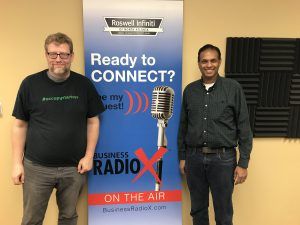
Visit Brady Ware & Company on social media:

LinkedIn:  https://www.linkedin.com/company/brady-ware/

Facebook: https://www.facebook.com/bradywareCPAs/

Twitter: https://twitter.com/BradyWare

Instagram: https://www.instagram.com/bradywarecompany/

Show Transcript

Intro: [00:00:01] Welcome to Decision Vision, a podcast series focusing on critical business decisions, brought to you by Brady Ware & Company. Brady Ware is a regional, full-service, accounting and advisory firm that helps businesses and entrepreneurs make vision a reality.

Michael Blake: [00:00:20] And welcome back to another episode of Decision Vision, a podcast giving you, the listener, clear vision to make great decisions. In each episode, we discuss the process of decision making on a different topic. Rather than making recommendations because everyone’s circumstances are different, we talk to subject matter experts about how they would recommend thinking about that decision.

Michael Blake: [00:00:37] My name is Mike Blake, and I am your host for today’s program. I am a Director at Brady Ware & Company, a full-service accounting firm based in Dayton, Ohio, with offices in Dayton; Columbus, Ohio; Richmond, Indiana; and Alpharetta, Georgia, which is where we are recording today. Brady Ware is sponsoring this podcast. If you like this podcast, please subscribe on your favorite podcast aggregator, and please also consider leaving a review of the podcast as well.

Michael Blake: [00:01:03] So, today’s topic is about co-working spaces, accelerators, incubators, and there are probably three or four other names for these kinds of places that I’m not even familiar with yet. I can’t speak for the rest of the country, but they have popped up like dandelions all over Atlanta in the last five years. And even in my hometown of Chamblee that has, I think, a population of about 30,000 people, we have, at least, two co-working spaces, accelerators, of which I’m aware. And I happen to be a member of one of them. It’s a nice place to kind of hang out. It’s at the airport, and a place we’re allowed to have meetings. They do a good job.

Michael Blake: [00:01:42] But for the most, it’s very likely that if you can listen to this podcast, there is a co-working space, an accelerator, an incubator near you. And you might be kind of wondering, does it make sense for me to be in one of these places? What’s it all about? Why are they generating the interest and the buzz they are? Why are some of my competitors there? Why are a lot of startups there? And is it right for me, whether I’m a startup or a more mature company?8

Michael Blake: [00:02:11] And today, we are joined by my pal, Sanjay Parekh, who is one of the true OGs of the startup community here in the Atlanta area. Unlike me, who’s basically been one of the world’s ugliest cheerleaders for about 12 years or so, he has actually started companies, had exits, ran a very important organization called Startup Riot about the same time as we were doing Startup Lounge. And I’m proudly wearing one of the Startup Riot T-shirts here today. And Sanjay has been about as active as anybody for as long as anybody in the startup community.

Michael Blake: [00:02:50] And one of the hats that he is wearing at this point is he is co-founder of Prototype Prime. He is a serial technology entrepreneur. He’s currently founder of MailMosh, a startup focused on making e-mail a better experience. And maybe we’ll get some information about that. As I mentioned before, he’s co-founder of the startup — not really so much a startup anymore, but an accelerator – I guess. Sanjay will probably correct me – called Prototype Prime that is in the northern Atlanta Metro area, about three miles north of where I live.

Michael Blake: [00:03:21] He’s also the co-host of his own podcast called Tech Talk Y’all, a podcast covering technology with a Southern flair. And if you haven’t, I listened to a couple of episodes. If you’re into technology, and you want to understand the local, sort of, southern, the Southeastern startup scene, because it is different from other places in the country, you really ought to give it a listen.

Michael Blake: [00:03:41] Previously, Sanjay launched Startup Riot, a conference for startups, which pioneered the three-minute, four-slide presentation format. And that was an extremely important event. I think they got up to hundreds of attendees and was eventually holding these things downtown. And the thing I loved about it was that Sanjay was not afraid to use the vaudeville hook either. If you went 301, you are done. And think about pitches that if they drag, man, they are tedious. And Sanjay made sure that didn’t happen.

Michael Blake: [00:04:12] Prior to founding Startup Riot, he founded Founder Fables, an off-the-record conference for founders. He was also the founding CEO of a company called Digital Envoy, and the inventor of the company’s patented NetAcuity IP intelligence technology. At Digital Envoy, Sanjay led the company to raise $12 million in angel and venture funding. Digital Envoy was acquired by Landmark Communications in June 2007.

Michael Blake: [00:04:36] He holds an Electrical Engineering degree from Georgia Tech and an MBA from Emory University’s Goizueta Business School. And weren’t you on also one of those special European study grants? Was it called the MacArthur grant? I’m trying to remember.

Sanjay Parekh: [00:04:50] No. It was actually the Marshall Memorial Fellowship.

Michael Blake: [00:04:52] That’s what it is, okay.

Sanjay Parekh: [00:04:53] Yeah, yeah. So, that was in ’04, and it was a month-long trip. It’s a fantastic trip. They take Americans to Europe for a month, and Europeans come to the US for a month. And, really, it’s about building better transatlantic relations between. It’s really, kind of, a gift back to us. It’s from the German Marshall Fund of the United States. It’s a gift back to us from the people and government of Germany for the help that we gave them during the Marshall Plan post-World War 2.

Michael Blake: [00:05:17] I wonder if that program’s still going on today?

Sanjay Parekh: [00:05:20] It is, yeah.

Michael Blake: [00:05:21] Okay.

Sanjay Parekh: [00:05:21] And it’s still a pretty strong program because it’s an important thing. I think between Europeans and Americans, we need to understand each other better.

Michael Blake: [00:05:28] More than ever today, right?

Sanjay Parekh: [00:05:30] Yeah. And you realize as you travel that Europeans are different, right? You’ve got the Eastern European, versus Western, versus Southern. It’s all very different in their mentality. I had a very different experience based on the places I went to.

Michael Blake: [00:05:44] Yeah. As you know, I lived in Eastern Europe for a number of years.

Sanjay Parekh: [00:05:47] Yeah.

Michael Blake: [00:05:47] And that kind of experience does change you, I think.

Sanjay Parekh: [00:05:51] Yeah, absolutely.

Michael Blake: [00:05:52] And for me, that kind of experience led me to look at kind of what is the other person thinking.

Sanjay Parekh: [00:05:59] Right.

Michael Blake: [00:05:59] Not just sort of have my mouth open, which is what I normally would have done before I went over there. But instead, what is the other person’s viewpoint. And the best way to do that is to actually kind of be in that room, right.

Sanjay Parekh: [00:06:10] Right, exactly. And be receptive to the feedback and their perspective of what you’re doing. Like, we got railed on. I mean, if you can imagine 2004, and the things that we were doing, and what was going on in the world, we got kind of blamed for a bunch of stuff that we didn’t necessarily agree with, and because our country and our government was doing those things. And so, it was hard.

Michael Blake: [00:06:30] Yeah.

Sanjay Parekh: [00:06:30] I will say when we went to Poland, that was a nice respite from all of that because those Poles, they love us.

Michael Blake: [00:06:37] They do. They do. I’ve been to Poland a little bit. And you’re absolutely right. They roll out the red carpet.

Sanjay Parekh: [00:06:42] That is a great country for Americans. I really love my time there.

Michael Blake: [00:06:47] So, let’s jump in. So, we were talking, and I was talking in the intro about this advent of co-working, and accelerators, and incubators. And so, Prototype Prime was not the first in by any stretch of the imagination.

Sanjay Parekh: [00:07:05] Absolutely not, yeah.

Michael Blake: [00:07:05] So, you saw all these other co-working spaces, all these other — I’m just going to call them spaces because it just takes too long to go slash, slash, slash.

Sanjay Parekh: [00:07:15] Right.

Michael Blake: [00:07:16] Right. All these spaces, what made you think that we needed frankly another one? What’s the differentiator? What was the market need?

Sanjay Parekh: [00:07:23] Yeah. Well, so, for me, I definitely saw a need on the northern arc of Atlanta. There’s a lot of stuff going on inside the city, inside the perimeter, but not as much around the kind of northern arc. But honestly, I was not really looking to start one of these. I was on a panel that ATDC was doing probably about three years ago now.

Michael Blake: [00:07:43] That’s the Advanced Technology Development Center at Georgia Tech.

Sanjay Parekh: [00:07:46] Right. And our mutual friend, Jen Bennett, was running it then. She was GM. And they’d been asked by the City of Peachtree Corners to come up and do a panel to, kind of, figure out the appetite of doing an incubator there. And Jen was like, “I know you live up that way. Would you mind doing this?” And as most things, when somebody asks me to come and speak, I’m always happy to do it, with the caveat that they should know that, look, I’m going to tell you things that you’re probably not going to agree with or be happy about me saying, but it’s because that’s what I believe. You don’t have to listen to what I say. You don’t have to do what I have to say. It’s just that’s what I believe.

Sanjay Parekh: [00:08:21] And so, I did exactly that on this panel. And then, afterwards — and I laid it out. I told them like, “These are the things that are wrong here, and these are the things that you need to fix to make this all work.” The mayor’s wife, Debbie Mason, came up to me and said, “I love what you had to say. Let me introduce you to the Mayor.” Introduced to Mike Mason, who is still currently the mayor of Peachtree Corners. And we started this series of breakfast, and it was really just me unloading on him all the ideas that I had that he should go do.

Michael Blake: [00:08:48] That sounds like your dream conversation.

Sanjay Parekh: [00:08:50] Absolutely. Like, “Let me tell you everything you should do, and I’m not going to do any of it. You execute it, and I’m going to just cheer from the sidelines.” But by the end of that, he was basically going, he’s like, “Well, obviously, I want you.” And it wasn’t obvious to me. “Obviously, I want you to come in, and help with this thing, and help start it up.” And so, I actually have never told him yes. I told him no a bunch. I even went to his house and told him no because I was busy at Georgia Tech at that point. And somehow, still, I ended up managing to be involved with this thing and helping found it.

Sanjay Parekh: [00:09:21] So, that’s how that whole thing happened. And I’ll tell you, it’s been a great experience. The city — it’s a non-profit. Prototype Prime is a nonprofit, standalone. The city funds it. So, funds the budget every year. And they let me do a lot of crazy things. I believe a few things strongly about Atlanta that we’ve got great art, great music, great film, great startups, great corporates, great non-profits, but these things don’t talk to one another.

Sanjay Parekh: [00:09:44] And I think that’s a challenge in almost every city out there where you have got these great silos of stuff, but they don’t cross-pollinate. And so, if anybody is out there in another city, if you’re thinking about what you can do better for your city, it’s trying to figure out ways for that to happen, that cross-pollination happen.

Sanjay Parekh: [00:10:00] So, one of the things that I did is I engaged with Atlanta artist to come and do artwork on the walls, right. So, when we started, it was a depressing building. It was white walls everywhere, very echoey, nobody was there. And now, there’s a lot of artwork. People walk in and they feel the energy. They feel the vibe of the place. And it’s been great for us. That’s not the right answer for every place, but it was the right answer for us.

Michael Blake: [00:10:23] So, when you were telling the mayor of Prototype Prime and-

Sanjay Parekh: [00:10:28] Peachtree Corners.

Michael Blake: [00:10:30] Sorry, Peachtree Corners, what they needed to fix what, were some of the top three or four things you thought needed to be fixed and done differently?

Sanjay Parekh: [00:10:39] Yeah. One of my top things was, and still is, is transportation. So, we’re in Gwinnett County. We have MARTA. The closest MARTA stop is Doraville, which is maybe a 10 or 12-minute ride.

Michael Blake: [00:10:52] It’s closer to me in Chamblee than it is to you in Peachtree Corners.

Sanjay Parekh: [00:10:55] Right, exactly. Now here’s the thing. So, there is a Gwinnett County bus, that is in Tech Park, that will take you to Marta. So, I said it’s a 10 to 12-minute ride by car. It will take you over an hour on that bus.

Michael Blake: [00:11:07] And you just had a referendum, unfortunately, on joining MARTA. And it was surprisingly strongly defeated actually.

Sanjay Parekh: [00:11:15] Yeah. There’s a lot of discussion about that, and why that happened, and the timing of it, and all these kinds of things but-

Michael Blake: [00:11:20] Read the editorials in ajc.com for that.

Sanjay Parekh: [00:11:23] Right, exactly. But I think that will eventually change down the line because the makeup of Gwinnett County is changing. And it’s the largest county in the Metro area, and there’s so many jobs, there’s so many people commuting in and out of that county that if we’re going to actually fix and address the transportation issues across Metro Atlanta, it’s got to involve Gwinnett County and be a part of that puzzle.

Sanjay Parekh: [00:11:42] So, that was one of the major things that I told them that needs to be it. But the other parts were we’re really kind of being engaged with the startups and really helping out in a lot of stuff. So, one of the things that I asked them to do is something that passed in the City of Atlanta where we did this thing, or the City of Atlanta did this thing where the business licenses for early stage startups are waived for the first couple of years. And so, that’s an ordinance in the City of Atlanta.

Sanjay Parekh: [00:12:11] I think it’s absolutely great. I think all of the cities and municipalities in Metro Atlanta should pass the same exact thing. I asked the Mayor and the City Council of Peachtree Corners to pass that. They basically took the text of the City of Atlanta ordinance and passed it as well.

Sanjay Parekh: [00:12:24] So, that was one of those things like, okay, I understand you’re going to do this, and you’re going to put money behind it, but you’ve got to show more of that support than just, “Hey, we set up this thing, start companies, and have them be here,” right. It’s got to be that whole messaging. And a couple hundred dollars a year is really not going to change the calculus of a startup failing or succeeding, but it sends the message.

Sanjay Parekh: [00:12:46] And so, right along with that, having City Council folks and the Mayor in the space, around the space, just around, even if they’re not meeting with teams, it’s important because it sends that message that this is something that they care about, and this is something that they support.

Michael Blake: [00:13:01] Now, you mentioned the geography. And geography is important everywhere. But Atlanta has a strange geography. There’s this emotional barrier of our Ring Road 285.

Sanjay Parekh: [00:13:11] Right.

Michael Blake: [00:13:11] You feel like you need a passport to kind of cross over. I sold my company and joined a firm that’s up in Alpharetta. So, I live inside the perimeter now. I occasionally commute outside the perimeter. And the thing you don’t realize until you do it, and you probably do know this, I’m sure you know this, is that it’s actually very different communities. Like if I go to startup events in Buckhead, Midtown, the usual suspects, you know most of the people in the room.

Sanjay Parekh: [00:13:39] Yeah.

Michael Blake: [00:13:39] Alpharetta, I know two people in a room full of a hundred. And until you do that, you don’t realize how different those communities are, and how important that geographic segmentation is.

Sanjay Parekh: [00:13:51] Yeah. And that kind of goes back to that same idea of we need these things to cross-pollinate, right. As a metro city, we’re not going to continue to improve our startup community unless those communities are cross-pollinating, right. I mean, we should be able to go into an event in Alpharetta or wherever and know more than two people. That’s not good.

Michael Blake: [00:14:12] Yeah. And yeah, that’s right. So, you’re trying to fix this a little bit now with Prototype Prime. Other than the geographic location and the message you’re trying to send, what are some of the other differentiating features in your mind?

Sanjay Parekh: [00:14:26] Yeah. So, number one, it’s a nonprofit. So, my view on this was this is not something that is associated with me as a name. This is something that I’m building to be a long-term asset in the community. So, I often talk about as of this year, the 81-year plan. How do we get to the year 2100 with what we’re doing right now? I don’t really care about the next couple of years. I really care about Prototype Prime being around at the turn of the next century and still helping people.

Sanjay Parekh: [00:14:57] So, that is my focus. I have a concern about other facilities in and around town, and even across the US that are these for-profit places. I don’t really know that they’re going to be around at the turn of the next century. Is Prototype Prime going to be? I don’t know. I hope so. That’s what we’ve been building for. And that’s the message that I keep sending that we’re focused on the year 2100. So, we’re trying to make decisions that are based on the long-term, not on the short-term with the space.

Michael Blake: [00:15:25] And how do those kinds of decisions differ? How would a decision maybe you’re faced with, if you’re thinking of a five-year horizon versus a 2100 horizon, what’s the difference?

Sanjay Parekh: [00:15:38] Yeah. So, I think part of it is being a nonprofit. That builds in that idea that this is going to pass from hand to hand. It’s not going to start with a founder. And then, when they’re tired of it, it’s going to shut down. This is definitely going to live on.

Sanjay Parekh: [00:15:51] The other part of it is some of the moves that we’ve made. So, recently, we got granted $1.8 million by the Federal Government to buy the building that we’re in. We were leasing it from a landlord, which was not the city. We, now, own that building completely. So, 25,000 square feet owned by the organization. So, it has a home. It’s not going to go away from that home, or maybe down the road, it well when it sells that building and moves into another building.

Sanjay Parekh: [00:16:15] Alongside of that, we’ve been forging these partnerships. So, we’re building this advanced autonomous test track. So, a vehicle test track, 1.4-mile loop inside of Tech Park, where vehicle companies can come and test out their vehicles on this dedicated track that is dedicated, but it still interacts with the public. So, there’s that interaction. Alongside of that, Sprint is coming in and doing a 5G deployment inside of Tech Park, starting from our building. So, it’s called Curiosity Lab. And that’s an opportunity for this next stage of startups to be able to use next-generation communication technologies.

Sanjay Parekh: [00:16:50] So, it’s trying to build in all of these things that really create an excitement. And the fact that we’re in Tech Park, which used to be the hotbed of telecom, kind of, innovation in Atlanta that’s kind of gone away, but we’re trying to bring it all back. So, it’s not just telecom. It’s a bunch of other things. It’s vehicles, it’s software startups, it’s all of these things. And hopefully, they’ll graduate from our place, and then move close by, and so we can still be involved with them.

Michael Blake: [00:17:15] So, a common theme that I can hear from, at least, the Sprint and the car track exercise is that those are prototyping resources.

Sanjay Parekh: [00:17:23] Yeah. Essentially, yeah.

Michael Blake: [00:17:24] What do you know, Prototype Prime, prototyping resource.

Sanjay Parekh: [00:17:27] Right, Prime being the first place that you do your prototype, right. That’s your call.

Michael Blake: [00:17:30] Is that deliberate? Are there other prototyping resources as well, maker spaces, things of that nature?

Sanjay Parekh: [00:17:35] Yeah, exactly. So, we’re one of only two spaces – the other one being a TDC in Atlanta – that has a design and development lab. So, we’ve got a lab. We’ve got a handful of teams that use that lab. One of them has grown tremendously with us. Trellis started with two people. They’re now, I think, 16. And they build all their products in our lab. So, we’ve got 3D printers. We’ve got soldering stations. I mean, you name it, we’ve got it.

Michael Blake: [00:18:01] So, I want to come back to this 2100 description because I think that’s fascinating. So, I’m going off script a little bit. The typical space model is you help a company for some period of time.

Sanjay Parekh: [00:18:19] Yeah.

Michael Blake: [00:18:20] And then they “graduate”, right?

Sanjay Parekh: [00:18:22] Right.

Michael Blake: [00:18:22] You slash encourage them to leave, kick them out, whatever.

Sanjay Parekh: [00:18:25] Yeah, yeah.

Michael Blake: [00:18:27] Is the fact that you’re, kind of, designed for longevity from day one, does that mean that that part of the model changes too, or maybe you’d love it if a company stayed there for 10 years?

Sanjay Parekh: [00:18:37] Yeah. So, no. We don’t want companies to stay there for long term.

Michael Blake: [00:18:41] Okay.

Sanjay Parekh: [00:18:41] Really, the goal is to help them early, early stage when they’re just fledgling companies, get them to the point where they’re starting to scale. So, our three tag lines are dream it, build it, scale it. That’s what we help entrepreneurs do. So, dream it when they’re just starting out, figuring out what to do. Build it when they’re starting to build their company, and then when they’re starting to scale. But as they start to scale, that’s the time for them to get pushed out.

Michael Blake: [00:19:01] Okay.

Sanjay Parekh: [00:19:02] So, we actually had one team, that was our second team in. So, Trellis was our first team in, grew from two people to 16 now. Our second team in site grew from a single founder to, now, I think, it’s about 18 or 20 people. And they were actually getting to the size where I was starting to talk to them about it’s going to be time to leave soon. And the founder said, “Yeah, we’re not going to leave.” And I said, “”No, no. I’m not kidding. I’m serious that you guys are just getting too big.” And this was only when we had the downstairs. And so, they said, “No. We like it here too much. We don’t want to leave.”

Sanjay Parekh: [00:19:35] And so, with the upstairs, City Hall used to upstairs, and they left, that opened up the possibility for us to take over the upstairs. So, we ended up taking a third of the space upstairs dedicating it to them. And so, we have a different relationship with them now. But I think that was a one-off. I don’t think we’re going to do that again. When they leave in a couple of years, that space is probably going to get reclaimed and be just regular startup space that people are coming in, there for a little while.

Sanjay Parekh: [00:20:01] My plan has always been three to four years, at the most, that we would hold onto a team. We want teams to graduate from us, and then move on to the Atlanta Tech Village, Switch Yard, Flat Iron, Strongbox, Atlanta Tech Park — Park Tech — Tech Park Atlanta. Tech Park Atlanta.

Michael Blake: [00:20:20] Yeah.

Sanjay Parekh: [00:20:20] Yeah. I always get that confused, 22TechPark. Like any of those places. The Alpharetta. Any of those places. We really view ourselves as the early, early stage. And we’re going to help the companies get their feet under them and get going, so that they can graduate to these other places. And the other places don’t have to worry about the viability of those teams. They know that they’re going to come in. They know what they’re doing. They’re going to continue to grow. And they’ll probably, at some point, outgrow those spaces as well. But I think that’s good.

Sanjay Parekh: [00:20:49] And the reason why we view ourselves that way is that, again, to that 2100 view, this was an area that I saw was lacking, and all of those places that I mentioned are run by friends of mine. And I didn’t ever want to compete with friends of mine because we have so many challenges and every city has challenges. Like why try to compete over the same things over and over again. Figure out something new and something different. And that’s what we decided to do with Prototype Prime.

Michael Blake: [00:21:16] In that respect, it’s like Startup Riot and Startup Lounge all over again, right?

Sanjay Parekh: [00:21:19] Yeah. No, exactly.

Michael Blake: [00:21:19] We need to be careful that we weren’t marginalizing somebody else inadvertently.

Sanjay Parekh: [00:21:24] Right.

Michael Blake: [00:21:24] Because the goal for both of our organizations was put ourselves out of business-

Sanjay Parekh: [00:21:28] Yeah.

Michael Blake: [00:21:28] … which, thankfully, we did.

Sanjay Parekh: [00:21:29] Yeah. Exactly, yeah.

Michael Blake: [00:21:30] So-

Sanjay Parekh: [00:21:30] Although everybody still keeps telling me that they wish that Startup Riot would come back. And I tell them that that boat has sailed at this point.

Michael Blake: [00:21:37] I have to say the same thing about Startup Lounge.

Sanjay Parekh: [00:21:39] Yeah.

Michael Blake: [00:21:39] But everybody wishes it would come back, but they also wished that I would do it. And that’s not happening.

Sanjay Parekh: [00:21:44] Yeah. I say the same thing. I’m like, “Yeah, if you want to do it, I’m happy to give you all the stuff. I got stickers still. I would cheer you on.”

Michael Blake: [00:21:52] We’ll give you the nuclear launch codes to the website, everything.

Sanjay Parekh: [00:21:55] Exactly.

Michael Blake: [00:21:55] No, man, I got too much stuff going on.

Sanjay Parekh: [00:21:56] No, no, no, I’m too busy. I e-mailed 3000 people saying, “Who wants take it over?”

Michael Blake: [00:22:01] I remember that.

Sanjay Parekh: [00:22:01] Crickets.

Michael Blake: [00:22:03] I remember that. And that’s the evolution of the market.

Sanjay Parekh: [00:22:08] It is. And truth to be told, like you know this as well, events are hard to do. And I don’t blame anybody for not taking it up because it’s a painful exercise, and I don’t wish that on anybody.

Michael Blake: [00:22:19] Yeah. I mean, you got to love it. And neither of us got paid for it either.

Sanjay Parekh: [00:22:24] No, exactly. Yeah. Labor of love for both of them.

Michael Blake: [00:22:26] Definitely. So, where does Prototype Prime fit, in your mind? It doesn’t sound like it’s really co-working space. Is it an accelerator? Is it an incubator? Is it a hybrid? Is it something else? Maybe the distinction is not meaningful. What bucket would you put it into?

Sanjay Parekh: [00:22:45] So, we call ourselves an incubator. So, to me, an incubator is a place that helps companies like this but doesn’t put money in. To me, an accelerator is a place where you have a structured program, as well as money that’s going in as an investment.

Michael Blake: [00:22:59] Okay. So, GT Flashpoint, for example, was an accelerator.

Sanjay Parekh: [00:23:03] That’s an accelerator.

Michael Blake: [00:23:04] Because they had money in the wings kind of for-

Sanjay Parekh: [00:23:05] Absolutely, absolutely.

Michael Blake: [00:23:06] Okay.

Sanjay Parekh: [00:23:06] Yeah. And it might not be money that’s directly from the program, but it might be a side fund, which is what Flashpoint was. And I don’t know if that’s changed now. But Atlanta Tech Village, to me, is more of a co-working space than it is an incubator-

Michael Blake: [00:23:21] I agree.

Sanjay Parekh: [00:23:22] … or an accelerator. So, for us, an incubator is that we’re still pretty heavily involved with teams. So, we’re around, we’re meeting with teams. I was just there yesterday chitchatting with a handful of teams, talking about their problems, giving them ideas, things like that; whereas, in a co-working space you don’t necessarily have that.

Sanjay Parekh: [00:23:39] And all of these though, you do have the serendipity, the casual kind of interaction that ends up happening. You’re running into folks and you might find the aha solution to whatever problem you’ve been struggling with. So, that’s, I think, the benefit of doing any one of these. But as an incubator, I think we’re a little bit different. We don’t have a deadline that says, “You’ve got to get out by then.”

Michael Blake: [00:24:00] Right, okay. So, what kinds of companies do you think incubator — I’ll focus on incubator and accelerators. What kinds of companies you think do best in those kinds of environments?

Sanjay Parekh: [00:24:13] Yeah. So, for an accelerator, they usually have a target kind of market niche that they can help with. So, I would focus on that. Incubators are, often, the same way as well. So, we are a hardware and software incubator. We are not a lifestyle business incubator or anything else like that. So, if you’re starting up dry cleaning stores or barbershop, you should not come to Prototype Prime. We are not going to be able to help you. And it’s not that we don’t love you, it’s just that we don’t have the skills to help in that environment.

Michael Blake: [00:24:38] That’s not your thing.

Sanjay Parekh: [00:24:39] Yeah.

Michael Blake: [00:24:39] You don’t know anything about running a dry cleaning business.

Sanjay Parekh: [00:24:40] No, not at all. I have no idea. I don’t know the issues you’re going to face or anything else like that. Your best to go to a place where you’re served and helped by people that understand your space. So, that’s, I think, number one that you should think about.

Sanjay Parekh: [00:24:55] The other thing is that somebody that’s actually willing to be coachable and listen to feedback. All the feedback is not going to be dead-on accurate. You’ve got to figure out for yourself what’s right and wrong, but you’ve got to be, at least, open and willing to listen to it.

Sanjay Parekh: [00:25:10] And I’ll give you an example. I was interviewing an entrepreneur just not too long ago. So, we screen all the companies coming into Prototype Prime to make sure that, first of all, we’re a good fit for them, that we can help them with the things that they’re working on, but that they are also a good fit for us, that they’re going to be somebody that we want to have in the space, that makes sense, that we’re going to actually be able to help because they’re listening.

Sanjay Parekh: [00:25:31] This particular entrepreneur, I said something, they only had a handful of customers. and I said, “You know what? I think what you need to do is probably go out, and get some more customers first, and drive revenue before you start deciding to build custom products because I don’t know that you necessarily know what your customers want.” Well, this ticked off the entrepreneur, stood up halfway through the meeting. At that point, shook my hand, and said, “Well, thank you very much.” And stormed out of the meeting.

Sanjay Parekh: [00:25:56] That’s not the right personality. Even generally, if you’re gonna be an entrepreneur, you’ve got to have a thick skin. People are going to call your baby ugly. That’s just what it is. And so, you’ve got to have that conviction. You’ve got to have that understanding and that drive to be able to take it, and take that criticism, prove them wrong, but do it in a way that doesn’t burn bridges either. Like that entrepreneur, if he ever asked me for help, I’m going to be like, “Yeah, no.” Because I’m not going to introduce somebody like that to somebody I know and burn the bridge that I might have with them.

Michael Blake: [00:26:26] All right. I got to share this story with you.

Sanjay Parekh: [00:26:30] Yeah.

Michael Blake: [00:26:30] So, as you know, I’ve done office hours for a decade or so.

Sanjay Parekh: [00:26:34] Yeah, absolutely.

Michael Blake: [00:26:34] And years ago, a guy came and wanted my opinion on his business. In fact, I didn’t say it was even a baby, it’s more of like a wombat. I mean, they’re just so far off in left field. And he was upset, got up, left, and didn’t even paid his check. I wanted him to cover his check.

Sanjay Parekh: [00:26:54] Okay.

Michael Blake: [00:26:54] And then, about six months later, I got a handwritten note. And basically, he shut down his business. And he wrote me a note apologizing, had a $20 bill in it, cash, and said, “I’m so sorry. You were the one person who was honest with me. All my friends and family were cheerleading because they thought I was the supportive thing to do. They would have helped me more had they said my baby was really a wombat. And I wouldn’t waste all this time and money.” So, sometimes, you get that sort of delayed gratification, but for people that invest so much, it’s so hard for them to hear that.

Sanjay Parekh: [00:27:33] It is.

Michael Blake: [00:27:35] And maybe the first time somebody has ever said that to them.

Sanjay Parekh: [00:27:37] Right, absolutely. And I always try to be honest with entrepreneurs, and probably just like you, in a nice way.

Michael Blake: [00:27:43] Yeah.

Sanjay Parekh: [00:27:43] Right. We’re not going to do it ruthlessly, but-

Michael Blake: [00:27:46] We don’t go Simon Cowell on them.

Sanjay Parekh: [00:27:47] Exactly. But we try to do it in a way that is helpful to the entrepreneur because I agree with you. And this is why I always ask people when I do presentations or anything else, I want you to tell me what I did wrong. That’s all I care about. I don’t want to know how I did right because, obviously, I tried my best. I wouldn’t have come here and done anything if I wasn’t trying my best. So, I want you to tell me all the wrong things.

Sanjay Parekh: [00:28:10] And I think a lot of times, people need that permission from you to be able to tell you what you did wrong. But that’s generally what I do. That’s did on that panel for Peachtree Corners. I’m going to tell you what I think is wrong, like what you’re going to mess up on, and what you’re messing up on right now because that’s the only way to get better.

Michael Blake: [00:28:28] So, you’ve had a long entrepreneurial journey.

Sanjay Parekh: [00:28:32] I think you just called me old.

Michael Blake: [00:28:34] Nope. You called yourself old. You’ve had a long and storied entrepreneurial journey. And a lot of these places just did not exist back in ’07, ’08, and the ATL

Sanjay Parekh: [00:28:45] Yeah, yeah/

Michael Blake: [00:28:47] How would your journey have been different? Wouldn’t it have been different if there had been things like this available back when you were a pup?

Sanjay Parekh: [00:28:54] Yeah, I think it absolutely would’ve been different. I remember starting my first company. So, I came up with the idea for Digital Envoy in ’99, went full time in 2000. There, basically, was nobody as a mentor for me. There was nobody to learn from. Went to a few events that were technology-oriented around town, but they were basically wall-to-wall service providers just trying to sell me stuff. There was nobody trying to actually help.

Sanjay Parekh: [00:29:19] And so, I think, from kind of the capital of perspective, if there had been places like this, my costs would have been a lot less. I probably could have raised a lot less money, and been a lot more effective. But on the other side of it, I think I could have gotten to a point of solving things and getting the right answers quicker.

Sanjay Parekh: [00:29:39] I’ll give you an example. It’s kind of a minor example, but when we had our first office, me and my two co-founders, we’d never started a company before. This is the first -time starting a company. I was, at this point, 20 — having our first office, 25 years old, 26 years old, something like that. And a guy from the Better Business Bureau came in to sign us to operate. We’re like, “Oh, yeah. We’ll sign.” It was free. So, we’re like, “Yeah, sure. We can do that.” And so, he’s filling out the paperwork right there, and then he asked us – and we’d been in this office for a couple months at this point – “So, yeah. So, where’s your business license?” We’re like, “It must be in the mail. We haven’t got any yet. It’s in the mail. We’ll let you know that once we get it.”

Michael Blake: [00:30:19] Of course, you have business license

Sanjay Parekh: [00:30:21] Yeah. So, that very same day, our CFO ran to the City of Duluth and got our first business license because we didn’t know we needed one. Nobody tells you that. And look, it was a minor issue, even if we’d gotten caught and fined, it probably wouldn’t have been that outrageous. But, still, it’s those little things that just helped you along that process and speed you up in terms of making things happen that had we been in a space like that, we would have just not had to worry about some of those things. We wouldn’t have to worry about which accounting firm are we’re going to go with, or which law firm are we going to go with, or who do we use for X, Y, and Z, or how do we do benefits. Like all of that stuff would’ve been solved, and all that stuff is just the cruft garbage stuff that you have to do in starting a company, but it adds no value. It’s not the thing that you’re around for.

Michael Blake: [00:31:08] It’s like stock options valuations.

Sanjay Parekh: [00:31:09] Yeah. You’ve got to do it, but it doesn’t add any value.

Michael Blake: [00:31:15] No, it does not. I mean, it’s a distraction.

Sanjay Parekh: [00:31:17] It is, absolutely.

Michael Blake: [00:31:19] So, one last question. I know we got to get you out of here. I know you got some other stuff you got to do today, as you always do. But I want to ask you one other question, as a new — I don’t know that it’s a new concept but a new term called a colliding space. Have you heard that term before?

Sanjay Parekh: [00:31:33] I’ve heard that term people talk about. Yeah. Serendipity, collisions, and things like that. I don’t know exactly what a colliding space is and how that’s different from a co-working space, but I think all of us are essentially built for that.

Michael Blake: [00:31:47] Yeah.

Sanjay Parekh: [00:31:47] I was at Prototype Prime yesterday and randomly happened to see – you might know – CBQ, Charles Brian Quinn, with Greenzie, the robotic lawnmowing company.

Michael Blake: [00:31:56] I know of them, but don’t know him.

Sanjay Parekh: [00:31:58] Okay. So, CBQ has been around Atlanta for quite some time, and I was surprised to see him there. He was like, “Oh, yeah, we’re going to be doing some,” because we’ve got the autonomous advanced vehicle stuff. It’s like, “We’re going to be doing some autonomous lawn mowing alongside of all that.” I was like, “That’s kind of cool,” right.

Sanjay Parekh: [00:32:17] And having those random collisions. And then, I saw he was meeting with the Trellis team, which is monitoring water usage for farmers in their crop fields. And so, having those kind of serendipity, kind of collisions happening, I think, that’s a great thing. That’s a great thing for Atlanta. It’s a great thing for any city. And so, if governments are listening to this, anybody that’s in a municipality, if there’s one thing that you want to try to help do is create those collisions between people that are doing innovative stuff because you never know how they might be able to help one another.

Michael Blake: [00:32:49] So, we’re just about out of time, but we, obviously, can have a three-hour conversation on this, and then some. But if somebody wants to ask you a question, maybe follow up, can they reach out to you? And if so, how best can they contact you?

Sanjay Parekh: [00:33:02] Yeah. The best place always, for me, is on Twitter. So, I’m @Sanjay, that’s S-A-N-J-A-Y. I’m pretty responsive on Twitter. You can @ me, and my DMs are open, so you can private message me if it’s something you don’t want to plaster publicly on Twitter.

Michael Blake: [00:33:17] Okay. Well, very good. That’s going to wrap it up for today’s program. I’d like to thank Sanjay so much for joining us and sharing his expertise with us.

Michael Blake: [00:33:25] We’ll be exploring a new topic each week. So, please tune in, so that when you’re faced with your next business decision, you have clear decision when making it. If you enjoyed this podcast, please consider leaving a review through your favorite podcast aggregator. That helps people find us, so that we can help them. Once again, this is Mike Blake. Our sponsor’s Brady Ware & Company. And this has been the Decision Vision podcast.

Tagged With: coworking, Dayton accounting, Dayton business advisory, Dayton CPA, Dayton CPA firm, early stage startups, incubator, Michael Blake, Mike Blake, Non Profit, non-profit incubator, peachtree corners, startup accelerator, startup incubator, startups, Tech Park, Technology, vehicle test track

Supply Chain Now Radio Episode 82

May 14, 2019 by angishields

Ep82-polaroid-updated
Supply Chain Now
Supply Chain Now Radio Episode 82
Loading
00:00 /
RSS Feed
Share
Link
Embed

Download file

Supply Chain Now Radio, Episode 82
“2019 AME Atlanta Lean Summit – Session 1”
Hosted by AME – Learn more here: https://www.ame.org/

JasonMossheadshotJason Moss is Founder and CEO of the Georgia Manufacturing Alliance (GMA). The organization is the fastest growing community of industry professionals in the state. Since 2008, GMA has provided the premier platform for manufacturing leaders to form strategic alliances, share best business practices, and make profitable business connections.

GMA now has six chapters across the state that are facilitated by volunteer chapter directors. The organization’s staff and Chapter Directors work together to identify quality manufacturers, coordinate plant tours, and provide educational workshops in their regions. Each month GMA provides at least 5 plant tours where others can learn best business practices from their peers.

Connect with Jason Moss on LinkedIn and learn more about the Georgia Manufacturing Alliance here: https://www.georgiamanufacturingalliance.com/

MikeBurnsheadshotMike Burns serves as MOS Facilitator with McKee Foods Corporation, a food manufacturing company who’s products include Little Debbie® brand snack cakes, one of the most successful lines in the country.

McKee Foods was founded in 1934 and remains a private, family-owned business. Today, the organization manufactures products in Collegedale, TN; Gentry, AR; and Stuarts Draft, VA. Learn more about McKee Foods Corporation here: https://mckeefoods.com/

ScottheadshotScott W. Luton is the founder of Supply Chain Now Radio and also serves as Managing Partner for TalentStream. He has worked extensively in the end-to-end Supply Chain industry for more than 15 years, appearing in publications such as The Wall Street Journal, Dice and Quality Progress Magazine.

Scott currently serves as Executive Vice President of APICS Atlanta, was recently named a 2019 Pro to Know in Supply Chain by Supply & Demand Executive. He served on the 2018 Georgia Logistics Summit Executive Committee and currently serves as Chair of the 2019 Atlanta Supply Chain Awards Planning Committee. He is a certified Lean Six Sigma Green Belt and holds the APICS Certified Supply Chain Professional (CSCP) credential.

As a Veteran of the United States Air Force, Scott also volunteers on the Business Pillar for VETLANTA, and maintains active membership in the Georgia Manufacturing Alliance & CSCMP Atlanta Roundtable.

Connect with Scott Luton on LinkedIn and follow him on Twitter at @ScottWLuton. Learn more about TalentStream, a leading recruiting & staffing firm that helps companies find top talent in the Engineering, Manufacturing and Supply Chain space, by visiting their website here: www.talentstreamstaffing.com

Upcoming Events & Resources Mentioned in this Episode
Georgia Manufacturing Summit on October 9th: click here
SCNR’s Scott Luton at Verusen event on “Digital Innovation & Intelligence”: click here
SCNR Tunes, Track 1, featuring Tommy Townsend & Will Haraway: click here
APICS Atlanta CSCP and CLTD Boot Camps at Georgia Tech: click here
Learn more about Supply Chain 101: https://youtu.be/Qc6U9WWUsYo
Check out SCNR on YouTube: click here
EFT 3PL & Supply Chain Summit: click here

Tagged With: Georgia Manufacturing Alliance, McKee Foods Corporation, Supply Chain, VETLANTA

  • « Previous Page
  • 1
  • …
  • 9
  • 10
  • 11
  • 12
  • 13
  • …
  • 81
  • Next Page »

Business RadioX ® Network


Our Most Recent Episode

CONNECT WITH US

  • Email
  • Facebook
  • LinkedIn
  • Twitter
  • YouTube

Our Mission

We help local business leaders get the word out about the important work they’re doing to serve their market, their community, and their profession.

We support and celebrate business by sharing positive business stories that traditional media ignores. Some media leans left. Some media leans right. We lean business.
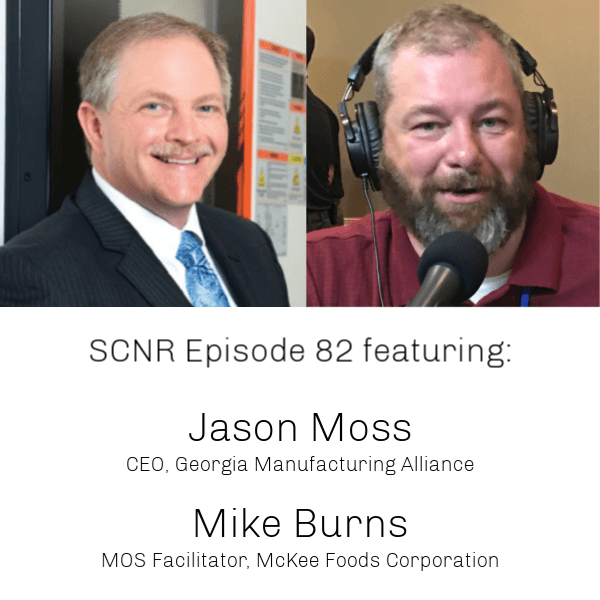
Sponsor a Show

Build Relationships and Grow Your Business. Click here for more details.

Partner With Us

Discover More Here

Terms and Conditions
Privacy Policy

Connect with us

Want to keep up with the latest in pro-business news across the network? Follow us on social media for the latest stories!
  • Email
  • Facebook
  • Google+
  • LinkedIn
  • Twitter
  • YouTube

Business RadioX® Headquarters
1000 Abernathy Rd. NE
Building 400, Suite L-10
Sandy Springs, GA 30328

© 2025 Business RadioX ® · Rainmaker Platform

BRXStudioCoversLA

Wait! Don’t Miss an Episode of LA Business Radio

BRXStudioCoversDENVER

Wait! Don’t Miss an Episode of Denver Business Radio

BRXStudioCoversPENSACOLA

Wait! Don’t Miss an Episode of Pensacola Business Radio

BRXStudioCoversBIRMINGHAM

Wait! Don’t Miss an Episode of Birmingham Business Radio

BRXStudioCoversTALLAHASSEE

Wait! Don’t Miss an Episode of Tallahassee Business Radio

BRXStudioCoversRALEIGH

Wait! Don’t Miss an Episode of Raleigh Business Radio

BRXStudioCoversRICHMONDNoWhite

Wait! Don’t Miss an Episode of Richmond Business Radio

BRXStudioCoversNASHVILLENoWhite

Wait! Don’t Miss an Episode of Nashville Business Radio

BRXStudioCoversDETROIT

Wait! Don’t Miss an Episode of Detroit Business Radio

BRXStudioCoversSTLOUIS

Wait! Don’t Miss an Episode of St. Louis Business Radio

BRXStudioCoversCOLUMBUS-small

Wait! Don’t Miss an Episode of Columbus Business Radio

Coachthecoach-08-08

Wait! Don’t Miss an Episode of Coach the Coach

BRXStudioCoversBAYAREA

Wait! Don’t Miss an Episode of Bay Area Business Radio

BRXStudioCoversCHICAGO

Wait! Don’t Miss an Episode of Chicago Business Radio

Wait! Don’t Miss an Episode of Atlanta Business Radio