Business RadioX ®

  • Home
  • Business RadioX ® Communities
    • Southeast
      • Alabama
        • Birmingham
      • Florida
        • Orlando
        • Pensacola
        • South Florida
        • Tampa
        • Tallahassee
      • Georgia
        • Atlanta
        • Cherokee
        • Forsyth
        • Greater Perimeter
        • Gwinnett
        • North Fulton
        • North Georgia
        • Northeast Georgia
        • Rome
        • Savannah
      • Louisiana
        • New Orleans
      • North Carolina
        • Charlotte
        • Raleigh
      • Tennessee
        • Chattanooga
        • Nashville
      • Virginia
        • Richmond
    • South Central
      • Arkansas
        • Northwest Arkansas
    • Midwest
      • Illinois
        • Chicago
      • Michigan
        • Detroit
      • Minnesota
        • Minneapolis St. Paul
      • Missouri
        • St. Louis
      • Ohio
        • Cleveland
        • Columbus
        • Dayton
    • Southwest
      • Arizona
        • Phoenix
        • Tucson
        • Valley
      • Texas
        • Austin
        • Dallas
        • Houston
    • West
      • California
        • Bay Area
        • LA
        • Pasadena
      • Colorado
        • Denver
      • Hawaii
        • Oahu
  • FAQs
  • About Us
    • Our Mission
    • Our Audience
    • Why It Works
    • What People Are Saying
    • BRX in the News
  • Resources
    • BRX Pro Tips
    • B2B Marketing: The 4Rs
    • High Velocity Selling Habits
    • Why Most B2B Media Strategies Fail
    • 9 Reasons To Sponsor A Business RadioX ® Show
  • Partner With Us
  • Veteran Business RadioX ®

Search Results for: regions business radio

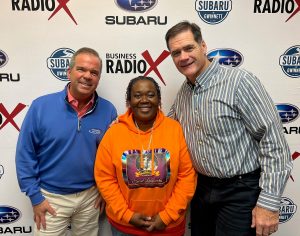
Rod Meyer with Pinnacle X-Ray Solutions and Tawana Clyburn with Topsy Rose Sweets

January 5, 2023 by Mike

Gwinnett Business Radio
Rod Meyer with Pinnacle X-Ray Solutions and Tawana Clyburn with Topsy Rose Sweets
Loading
00:00 /
RSS Feed
Share
Link
Embed

Download file

Rod Meyer, Tawana Clyburn, Harper Lebel

Rod Meyer/Pinnacle X-Ray Solutions

Pinnacle X-Ray Solutions is a leading industrial manufacture for Digital X-Ray & Computed Tomography Systems. Through their sister company PiXL, they offer scanning (imaging) services for those customers who don’t have a system or the budget just yet to purchase a system.


Tawana Clyburn/Topsy Rose Sweets

Topsy Rose Sweets offers over 275 fresh organic fruit flavors homemade lemonades, snacks, and treats. Be a kid again through all the sweetness of life’s treats at Topsy Rose Sweets!
Gwinnett Business Radio is presented by

 

Tagged With: Gwinnett Business Radio, gwinnett businesses, harper lebel, kanisha clyburn, pinnacle x-ray solutions, rod meyer, tawana clyburn, topsy rose sweets

Amy Scarbrough & Kirk Famularo with All Dry Services and Tim Nun with Complete Game Broadcasting

December 8, 2022 by Mike

Gwinnett Business Radio
Amy Scarbrough & Kirk Famularo with All Dry Services and Tim Nun with Complete Game Broadcasting
Loading
00:00 /
RSS Feed
Share
Link
Embed

Download file

Kirk Famularo, Tim Nun, Amy Scarbrough

Amy Scarbrough & Kirk Famularo/All Dry Services

If your home or business has recently experienced a disaster or are in need of cleanup, there’s already a lot on your mind. Cleaning up the mess and bringing your property back to its pre-damaged condition shouldn’t be another thing you need to worry about.

Since 2014, All Dry Services has been dedicated to helping homeowners and business owners who are dealing with the aftermath of disasters. They care about your property and their goal is to leave your home better than how they found it — and even better than its original condition.

Tim Nun/Complete Game Broadcasting

Complete Game Broadcasting has been helping launch careers in sports broadcasting since 2008. Complete Game Broadcasting provides students access to modern studio technology and on-air broadcasting experience to help launch their career in broadcasting.

Gwinnett Business Radio is presented by

 

Tagged With: amy scarbrough, Complete Game Broadcasting, gwinnett business, Gwinnett Business Radio, harper lebel, kirk famularo, steven julian, Tim Nun

Blake Patton With Tech Square Ventures and Engage

December 5, 2022 by Jacob Lapera

Blake Patton
Atlanta Business Radio
Blake Patton With Tech Square Ventures and Engage
Loading
00:00 /
RSS Feed
Share
Link
Embed

Download file

TechSquareVenturesBlake PattonBlake Patton is the founder and Managing General Partner of Tech Square Ventures and Engage where he leads investments in enterprise software, marketplace, and platform technology companies. Under his leadership, the firm has invested in over 90 early-stage companies. He currently represents Tech Square Ventures as a director or observer on the boards of Pointivo (Chairman), Saleo, Toolpath, Fortify, Yesler, Speedscale, Slip Robotics, and PreTel Health (Chairman).

Prior to founding Tech Square Ventures, Blake was General Manager of the Advanced Technology Development Center (ATDC) at Georgia Tech – named by Forbes as one of the “Top 12 Incubators Changing the World”. Prior to leading ATDC, he served as President & COO of Interactive Advisory Software and EVP of iXL, an internet services company that he joined through the acquisition of Swan Media and was part of the executive team that grew the company from startup to over $400 million in annualized revenue and an IPO. He started his career as an Associate at SEI Corporation.

He is an active leader in the technology community, serving on the boards of Engage, Georgia Advanced Technology Ventures (GATV), and High Tech Ministries (Treasurer). He also serves on the advisory boards of ATDC and Georgia Tech’s Cowan-Turner Center for Servant Leadership and is a former Chairman of Venture Atlanta, former Chairman of the Center for American Entrepreneurship, a Georgia Research Alliance Industry Fellow, and a member of the selection committee for the NC State Chancellor’s Innovation Fund. Blake is a part-time Professor of the Practice at Georgia Tech’s Scheller College of Business where he teaches Entrepreneurial Finance.

He earned a Bachelor of Industrial and Systems Engineering degree from Georgia Tech, where he was captain of the swim team. He was inducted into the Georgia Tech College of Engineering’s Council of Outstanding Young Engineering Alumni, is a former Georgia Tech Alumni Association Trustee, and previously served on the Georgia Tech Advisory Board.

Connect with Blake on LinkedIn.

What You’ll Learn In This Episode

  • About Tech Square Ventures and Engage
  • Key to Engage’s success
  • Current market conditions impact venture capital in Atlanta and in the Southeast
  • Helping startups beyond just capital
  • Product-market fit

This transcript is machine transcribed by Sonix

TRANSCRIPT

Intro: Broadcasting live from the Business RadioX studios in Atlanta, Georgia. It’s time for Atlanta Business Radio, brought to you by on pay. Atlanta’s new standard in payroll. Now, here’s your host.

Lee Kantor: Lee Kantor here another episode of Atlanta Business Radio. And this is going to be a good one. But before we get started, it’s important to recognize our sponsor on pay. Without them, we couldn’t be sharing these important stories. Today on Atlanta Business Radio, we have Blake Patton with Tech Square Ventures and Engage. Welcome, Blake.

Blake Patton: Thanks for having me.

Lee Kantor: So excited to get caught up with what’s going on at Tech Square Ventures and Engage. So let us know what you are up to.

Blake Patton: Yeah. So. Well, first, it’s great to be with you, and thanks for inviting me on today. As you know, we’re an early stage venture firm based here in Atlanta. We back enterprise and marketplace technology companies. We’re one of the more active firms here in the Southeast. We’ve invested in over 90 companies, 90 startups since we launched the firm. And we have our early stage fund. And we are also the venture firm behind Engage, which is an innovative corporate innovation and startup go to market program that we partnered with Georgia Tech and 14 large corporations to put together. And it’s I guess what’s what’s going on is the same as same as always, right? We are excited to be working with the best and brightest entrepreneurs here in Georgia and outside. About 70% of our companies are based in the Southeast. The 30% come from all over. And it’s just our privilege to work with amazing founders and and the really cool innovations they’re bringing to market.

Lee Kantor: Now, how have you seen the Atlanta startup community evolve over the years since you’ve since you got started? It’s been a hot minute for you since you’ve been involved in this world.

Blake Patton: Yeah, you know, I’ve gotten to watch this market evolve from multiple perspectives. I spent most of my career as an entrepreneur with some of that here in Atlanta. And then around about a decade ago, I was fortunate to be asked to be the interim head of ATC, the startup incubator down at Georgia Tech. And it was during that time that I really recognized sort of this momentum building in the southeast and farther back than that. Right? We’ve had amazing entrepreneurial success here. I got to see that during the dotcom days when I was like, so but I really saw this sort of critical mass starting to come together during my time down at ATC based here in Technology Square, I would look out the window and see the kind of collaboration between the corporates and the corporate innovation centers opening here and the the researchers and of course, the entrepreneurs. And it sort of reminded me of my time when I was in Boston, I had an office in Kendall Square and saw similar dynamics. It was more life sciences than but really saw this momentum building. And that’s that was the genesis of why I jumped in and started a tech square Ventures. I kept hearing from the entrepreneurs that they know about lack of access to capital in the region and sort of saw that as a need and opportunity. And so fast forward for what we’ve seen over this past decade, and I think critical mass is the right, right word. We finally had this base of experienced entrepreneurs from prior successes coming together.

Blake Patton: We’ve all worked with each other for years, enough angel and seed capital to support more and more of that activity, enough entrepreneurs to build those management teams. And it’s really about connecting the ecosystem. So when you look at our firm and what we’ve done, there’s really sort of two things that that we’ve tried to build around. First was this recognition that what entrepreneurs need more than capital is access to markets and customers. So they need that connectivity. And then second, we realized the best way to do that and build that ecosystem here, and that’s really was the power behind Engage. And we can talk more about how that came together. But the vision there was connecting these these large corporates with the innovation that was impacting their ecosystem, connecting them with each other so they could gain cross corporate learning and, and helping the ecosystem grow. So out of that, we get all the market insights from listening to those companies, essentially the customers of what would be our the startups we invest in. And we get to apply that into the insights that we invest in. We get to use that to help better diligence and then obviously to help the entrepreneurs. So on the engage side, we celebrated our fifth anniversary this year. Super excited about that. We’ve had over 120 contracts between those big companies and the startups since we launched Engage. And so I think the short answer to what’s going on in Atlanta is just a lot of momentum, and that’s really happening because we’re connecting our ecosystem.

Lee Kantor: Now, if you were to look back, you know, decades ago and you would see the in the investment kind of community here, it was primarily like real estate developer driven. And at some point, like you said, probably around ten years ago, there was this evolution to more startups. Angel type investment happening. Why do you think that was? Was it the fact that so many there had been some exits and the people decided to stay here and reinvest in the community? Is it because of the diversity of the economy that there are so many different little clusters or industries or niches here that allowed that kind of collaboration and less kind of cutthroat? If there was one industry and there was only one kind of major player, would be maybe you wouldn’t have this kind of collaborative environment that we have today.

Blake Patton: Yeah. Look, I think it’s a mix of a couple of things. I sometimes joke and say all of us com kids are now in their fifties and forties and fifties and, and so sort of that stage in the career. But, but one I think it is I think for sure what you said I think that the way a healthy startup ecosystem works as when they’re startup success that creates not only the future entrepreneurs and managers to build the next set of startups, but it also creates wealth. And those people are more comfortable investing and supporting that ecosystem. I think hopefully in Atlanta we’ve moved past this idea of it being giving back and that it’s actually just a smart thing to do and it’s a rewarding thing to do, I think. Second is this past decade, obviously, for lots of macroeconomic reasons, alternative investments became very attractive. And to your point, historically in Atlanta, that has meant real estate. But the need for both institutions and high net worth individuals to put more more to work in alternative assets was good timing for all the activity that happened to be building in Atlanta. And then third is we had a lot of visible successes over the last decade. This those exits that we talked about earlier, where people made money and dozens of experienced entrepreneurs and managers came out of people outside the region also noticed that.

Blake Patton: And we’re when you think about investing in startups, this activity that has generally been associated with the valley and then the coast and the New England starts started to. Brought out people realizing these large successes were coming from all over the country. And if you think about having coverage there, this is an area that most of the prior investments weren’t weren’t covering. So there was more interest in allocating capital and managers that were taking advantage of the opportunities in those regions. So I think a lot came to a lot of things happened and came. Came together that fueled all that and the then. You know, I think there were things that probably longer than this call even, you know, a lot of the what we now call late stage venture capital, you know. 20 years ago was was was really private equity or public markets, companies just staying private longer. So lots and lots of capital that had to be put to work in these private companies at later stages drew more awareness to the asset class from those capital allocators. They started to notice and pay attention to where those opportunities were being funded. Um, upstream from them and that attractive capital.

Blake Patton: So, look, I think there’s just so much going on here and a lot, lot came together and the last thing I’ll say is I think the. Each ecosystem has its own strengths, and I think Atlanta really finally started playing to his strengths. And from a timing perspective, happened to coincide with when, you know, ten, 15 years ago, large companies started to look outside their four walls at innovation. They recognize, you know, 50, 60 years ago, the average lifespan of a company on the S&P 500 was something like 40 or 50 years. Now it’s like 17 or 20. So they recognized the pace of disruption was happening faster and and started to look at innovation outside their four walls. Started out. You heard the phrase open innovation from consulting firms. And it’s just grown to be sort of de facto instead of just being large tech companies thinking about it at all. Companies became tech companies and start to think about innovation outside their four walls. So in Atlanta, we’ve been able to take advantage of that and use that to connect all of those different players. And once you start to connect an ecosystem, that’s how you get the flywheel turning. And I think that’s really what you’ve seen in the past decade here.

Lee Kantor: And I think you’re talking about engages work. Can you talk a little bit about maybe the early stages of Engage when you were having those initial conversations with these enterprise level companies and kind of pairing them with startups and working together, you know, on projects and maybe beta testing things and seeing if there are fits, Were those conversations easy or hard, and what are they like today?

Blake Patton: Yeah. So. Well, first, it’s probably helpful to share a little bit about the genesis of Engage. The CEO of INVESCO, Marty Flanagan, and Bud Peterson, the president of Georgia Tech, had some conversations with different business leaders that were asking that question and what what could be done. And I think we’re wise enough to recognize that it’s about connecting the ecosystem. It’s not just about is there enough money here? And they reached out to me and the three of us started brainstorming what what would bring what would bring that connectivity to the region. And that’s ultimately what became engaged. And so. You know, we did what any good startup would do. We kind of hit the road and did customer discovery. In our case, it was about talking to the CEOs of these large enterprises, large companies, mostly based here in Atlanta. And the. Overwhelmingly positive reception. We we had I think we had 11 initial CEOs we talked to and wound up getting, Yes. Yeses from ten of them. And what we heard from them was really three things pretty consistently. They were looking for access to the innovation that was mattered to their industry. So things that were happening at the edge of their industry, how do they connect with the right startups? How do they get a lens into what was going on? Second, they cared a lot about cross corporate learning. They wanted to connect their leaders and they wanted them to.

Blake Patton: They wanted to see how other industries were applying these new technologies, right? How are they leveraging them and seeing how they can apply that in their industries? And then third, they recognized and cared about, recognize the need and cared about Atlanta and the Southeast being a leading tech hub. It mattered for them as well. If they were going to track the talent they wanted, they needed this region to elevate. So so there was so from the very top level, there was a lot of support. And so we what we did is we put together this really unique collaboration. We asked them to invest in the fund. We asked the CEOs of those companies to serve on a board, and then we ask each of those companies to assign call a quarterback or advisory board members, but kind of a senior innovation person that understood the corporate corporations, strategic and innovation kind of mandates and goals, and could also help us navigate and find the right people in those companies to find the right business units. And we started to work with them through a partnership with Georgia Tech to understand their strategic focus areas. And we would and we developed working groups and looked at areas where they had common interests, things like supply chain logistics, AI, data analytics, future work, sustainability, topics like that. And we would take those insights we got and go start sourcing startups that were solving those problems that they cared about.

Blake Patton: And so in the course of doing that, you know, you’re navigating through these companies, you’re connecting hundreds and now thousands of executives from across these companies and. And really kind of closing that closing that gap and that that startups have always had is, you know, how do I get how do I get to sell and partner with these large companies? And then also helping start at the large companies figure out, you know, these are the startups that are working on the problems you’re solving and helping coach them on. How do they engage with these startups successfully. And so I think the what what engage I sometimes. But only half jokingly tell people it’s really a big pickup basketball game that just gets all the right people together. And when you get the right people together, that’s how innovation happens. And so it has not been hard. Quite the opposite, I think. I think fast forwarding today, five years later, I think our biggest challenge is actually that we’ve their expectations are higher now than they were five years ago. And so if we have any challenge, it’s not their level of interest. It’s it’s in keeping up with their appetite for innovation and for us to continue to help build that tool that helps them do that.

Lee Kantor: Now, how do you kind of manage the expectations of both sides? You know, from one side you have the entrepreneur that you know is dreaming of, you know, the dog, dreaming of catching the car and then catching the car. You know, it sounds good in their head, but when you’re actually working with a large company, you have to be able to kind of scale to their desired outcome. And then you have the large company who maybe isn’t used to, you know, a failure rate of startups that politically might not be good for their career, you know, to betting on a horse that may not make it.

Blake Patton: Yeah, that’s a great, great question. The right question, the. So I think with the Engage program. You know, we’ve cracked the code a little bit. So from the beginning, the corporate our corporate partners are actively involved in helping us select the companies that will go through the accelerator program. So they have they have they’re not meeting the startups for the first time after we’ve already brought them through the program. And so they’re part of a selection process that leads to us choosing 5 to 8 companies twice a year that go through a cohort, 10 to 12 week cohort experience. And during that cohort experience, we do a couple of things. We work with the startup to refine their enterprise, go to market and then coach them through it. And we’re also working with the corporates to identify which of the startups might be relevant to them. And then facilitating these one on one conversations and our team sits in those meetings kind of two or three meetings deep with the corporates and helps identify potential target areas. And I think both sides, one of the beauties of the Engage program on the corporate side. But part of what it’s done is it’s given those executives inside the company some degree of air cover to take a risk that might be harder to do with something outside the Engage program. They know they’re committed to it. They trust us as a partner. And so the business unit leaders and business unit heads facilitated by their quarterbacks and their innovation leaders in their company can maybe take risks that would be harder to take outside of engage.

Blake Patton: And then also, we’re helping them identify appropriate pilots. We’re sharing best practices. That we know about Georgia Tech is helping. And then we’re also there also sharing those best practices with each other. So we. We identify appropriate scale pilots to help mitigate that risk. You talked about, hey, maybe you don’t roll this out to all your customers on day one. Maybe we design a pilot that’s more manageable. And then the startup side, same thing there are. We’re helping them to understand why those sales cycles are different. What does enterprise sales look like? And. And coached them through that and delivery. And so they’re getting all sorts of valuable feedback, even in just the nose. And I think that’s the difference, is we are bringing those startups and those corporate executives together. And I always remind people we in the startup community, sometimes we get in this habit of saying, Oh, these are big, slow companies, or they don’t get innovation. And that couldn’t be farther from the case. These companies are leaders in their industries because they have the smartest people in the world at what they do working for them. And these people are amazing mentors for us and for the startups. And and to your point, right, they don’t necessarily have the muscle memory.

Blake Patton: They have all sorts of things that matter for a big company. If you’re a very large company, you’re very process oriented, process driven, which can be the enemy of innovation. But when you create a program like Engage, where everyone builds relationship and a trust with each other and you can you have those those engagements sort of prescheduled like we do with our accelerator program, everyone shows up, it’s game day, gets the right feedback, and we work with both the corporates and the startups. On Where does it make sense to spend your time and energy? And it’s been very successful. I think I mentioned earlier we’ve had over 120 contracts between those companies and startups. So it’s the magic is less than you think. It’s about creating a set of activities that are valuable, so valuable for everyone that they’ll participate. And then when they participate, they build those relationships and trust. They see how each other are doing it. And, and you sort of have this. Patience and the Sherpa of the Engage program to work through it. And we see that with the startups we invest in out of our early stage fund, too. Some of them have gone through the Engage program, some of them not. But as they mature, they go through that learning as well, and we’re able to help coach them through that. We’re able to help make introductions and connections and leverage those same learnings and insights.

Lee Kantor: But I think that the secret sauce to this is the is the engaged program engaging the being that intermediary is what allows these things to happen at a speed that they wouldn’t happen at all, maybe never if there wasn’t engage in the middle of the interaction.

Blake Patton: Yeah, no doubt about it. And then to take that one step further, it’s the commitment and vision of those executives. These are leading companies Chick-Fil-A, Coca-Cola, Cox, Delta, Georgia-Pacific, Georgia Power, Goldman Sachs, Home Depot, Honeywell, ICE Inspire, Invesco, UPS, Well, Star. So these those logos are all great and those names are all great. But if you pause and think about it, it’s also those are leaders in airline communications, energy, health care, financial services. It’s the it’s the breadth of expertise that they bring. And so their vision and commitment to this and it’s really about building those those relationships and that connectivity. So that’s that’s why I come back to it’s the pickup basketball game in the middle of it all that empowers that empowers it all. And I think what. Uh, part of the magic of Engage is, you know, hundreds were really now over over a couple thousand of corporate executives and startup leaders that don’t know each other now know each other. And we’ve had when we first launched Engage, I would sort of joke with the corporate executives that we’ll know it’s working when one of their executives quits to start a startup. And we’ve had startups incubated inside these big companies that we spun out with the help of Engage and a company like Clovelly that was incubated and developed an idea and conceived of it Southern Company. And then through Engage, we helped them nurture that into down a path. And as it became clear, it was a good opportunity. You know, our our tech square early stage fund provided the seed capital for that, and we helped put together the management team and built that into a stand alone startup that’s now doing very well. So you’re starting to see what a connected ecosystem looks like. And I think Engage has played a huge role in helping accelerate that kind of connectivity. And Atlanta that’s benefiting not just engage, but really the region and all the participants, right?

Lee Kantor: It’s helping the corporates, it’s helping the startups, it’s helping the entire community. And you might equate it to a pickup game, a basketball game, but engages the court, the ball, the ref and the coaches on each team. I mean, there are key player as part of that equation.

Blake Patton: Yeah, for sure.

Lee Kantor: So now are you seeing because you have your finger on the pulse of a lot of the new new technology that’s happening? Is there any areas right now in this area of the country of the world that is most exciting for you as you look forward to 2023?

Blake Patton: Yeah. You know, at Dexter Ventures, I think because of all this activity we’re doing that we’ve just talked about through the engage partnerships, we really follow, we call it a market led investment approach and market led insights, investment approach. And so a lot of times the themes that we get interested in are things that we’re seeing through the lens of these market leaders, and we’re hearing from them firsthand what they’re seeing and why. That’s why that’s unique, is it gives you the hardest part to figure out about what are emerging areas isn’t necessarily what are the hot or emerging or new areas, what’s changing the world. The hardest thing to figure out is the timing. The example I use with my wife is none of us are sitting around wondering if autonomous vehicles are part of our future. But it’s harder to pick. It’s harder to predict the timing and what applications will adopt it first. And so some areas that we see for sure, obviously artificial, broadly artificial intelligence and machine learning, data analytics, that that is a driver of lots of things. If the Internet boom was really about connecting first millions and then billions of people and then mobile phones and now the past decade devices connecting millions and billions of devices. Now, now we’re to the stage of we’re just all these opportunities that are that didn’t exist ten years ago because of these advancements and in AI and not just the data analytics, but actually all the technologies that had to exist first for us to have access to that data.

Blake Patton: So so the influence of that will be huge in the coming decade. We’re super excited about logistics and supply chain. That was a harder, harder thing to explain to people before COVID. I think the last two years, lots of people understand why logistics and supply chain is a big opportunity now. Certainly, sustainability in energy is producing lots of necessary innovations. So those are those are some of the bigger areas that we’re excited and focused on, along with the things that we’ve always been good at and our strengths here in the region broadly, kind of infrastructure and automation, cloud SAS tools and then customer experience and vertical platforms. A lot of what we’ve seen, a lot of successes you’ve seen here in the past decade where. It was about bringing these picks and shovels that enable the things we just talked about. And then there’s very deep vertical applications of those. What how do you apply that to financial services or how do you apply that to supply chain? And what are the types of companies that come out of that? So those are some of the things that we’re excited about and focused on. And and you kind of see that reflected in our portfolio. You see that reflected in the early stage companies that we’re investing in out of our early stage fund. And you see that in the companies that are being selected for the Engage program as well.

Lee Kantor: Now, I know this isn’t your area of expertise necessarily, but it’s an area that I think that impacts any time you talk about this level of disruption and change. How would you advise a politician or somebody that is a leader in government right now to, you know, partially stay out of the way to let these things kind of blossom and bloom in the way that they can get some traction, but also be recognized at some level of regulation is going to be needed at some point. But you don’t want to be too premature. You’re seeing some regulation happen, you know, way late. And maybe they start regulating a group that isn’t even relevant anymore by the time it gets to the politician in Washington. Any advice for political leaders on how to manage this level of change and the speed at which it’s happening?

Blake Patton: Yeah, a huge topic. What’s interesting is you phrased this out of the way. I don’t think it’s even that simple. If you think about what makes what drives innovation, right, ideas and people and capital and a lot of times the things that the government can do actually is just sort of remove some of the pebbles and the dam that have built up sort of some of the unintended consequences and regulations, you know, things, things where making it, you know, for sure. Right. Things like immigration are a big deal. Sometimes when we get in debates about things like capital gains tax, it’s it’s easy to have these examples of these big giant firms benefiting from it. And we forget, right, that that’s a driver behind the math, behind venture capital and things like that. So I think some of it’s just awareness and saying, okay, what do we what can we do to to do that? And, you know, look, in the past decade, the government has actually been pretty good at that. It’s the point where people are asking questions like you’re asking, hey, should should they have stepped in and regulated crypto earlier or whatever? But I think it’s policies around access to capital. There’s a lot of complexity.

Blake Patton: And and the venture landscape that I think was designed to protect people during a different time period doesn’t make a lot of sense that some of the people that work for our startups somebody that. You know, it’s probably more qualified than 99.9% of the people to make a decision whether or not to invest in a startup. Can’t because they’re not accredited yet. That same employee can go to Vegas and take a spin at the roulette. We also there’s all sorts of things, and I think it’s more I think it’s more about removing pedals than adding new regulations. But anything that affects talent, capital formation, those are all important policy decisions. And I think what politicians can do is, is think about in the broader context of things they’re doing. Are there unintended consequences for early stage companies and for that access to capital? And then in their whatever their particular domain is, whether it’s local. Our national economic development has always kind of bent. Economic development is maturing as well, right? Economic development was about recruiting things that aren’t here to come here. And I think Atlanta, we’re really blessed to have Metro Chamber here and Atlantic City for progress and a lot of economic development organizations that I think are pretty forward thinking and get it that innovation is about building, building locally.

Blake Patton: It’s about building the conditions locally that will support and foster that. And so it’s about empowering what’s already here and building on that. It’s not something you can depend on picking up and moving here from somewhere else. So lots of lots of things on that front. But look, new, new advances, you know, everything, blockchain, crypto. Yeah. Know you see the consequences of of some some of that lack of regulation. But I don’t think anybody should be critical. I think I think that I think that we’d rather err on the side of letting that innovation grow. And obviously maybe there should be a little more oversight in some of those areas, but you don’t want to stop it from spreading. And and the real promise that the blockchain and tokenization has may not may not look like the Internet was a great, great example of that. If we went to the same thing in the in the nineties right with there was a lot of question of should it be regulated more differently? And had it been, we certainly wouldn’t be sitting where we are today with, with some of these innovation categories.

Lee Kantor: Right. I agree. I think I.

Blake Patton: Would encourage them to think about unintended consequences of what they do and how they can help facilitate and support their the local activity. It’s just a giant flywheel. And if that ecosystem gets built and that ecosystem has local support, local capital, local talent, all of those things, it will flourish and to whatever degree policy decisions can help with that. That’s that’s what that’s what will foster innovation.

Lee Kantor: Right. I agree. I think you have to get comfortable with some level of chaos and just let it play out a little. Let the market tell you what’s going to be here tomorrow. Not some politician that’s picking winners.

Blake Patton: Yeah, I like to I like to remind people that. You know, in 2010, kind of sort of the peak of the pain after the great financial crisis. I read somewhere San Jose, California, and Austin, Texas, had the lowest unemployment rates. And I don’t think that’s an accident. I think it’s because they had local thriving innovation ecosystems that were continuing to fuel that growth.

Lee Kantor: Well, Blake, thank you so much for sharing your story today. If somebody wants to connect with you, learn more about Tech Square Ventures are engaged. What’s the coordinates, websites, things like that.

Blake Patton: Yeah so tech square ventures dot com and engage VC. So either of those websites will get you get you to us if you’re an early stage company looking to raise capital. That’s what our early stage fund does that’s the tech square ventures dot com. And if you’re interested in the Engage program for startups, that’s the engaged VC and you can reach out to anybody on the team. All of our email links are on our team page and we would love to talk to you.

Lee Kantor: Well, Blake, thank you again for sharing your story. You’re doing important work and we appreciate you.

Blake Patton: Well, thanks for having me, Lee. And and thanks for giving us a chance to share it.

Lee Kantor: All right. This is Lee Kantor. We’ll see you next time on Atlanta Business Radio.

OnPay’sOnPay-Dots payroll services and HR software give you more time to focus on what’s most important. Rated “Excellent” by PC Magazine, we make it easy to pay employees fast, we automate all payroll taxes, and we even keep all your HR and benefits organized and compliant.

Our award-winning customer service includes an accuracy guarantee, deep integrations with popular accounting software, and we’ll even enter all your employee information for you — whether you have five employees or 500. Take a closer look to see all the ways we can save you time and money in the back office.

Follow OnPay on LinkedIn, Facebook, and Twitter

Tagged With: Blake Patton, Blake Patton With Tech Square Ventures and Engage

Stéphane Frijia With Northeast Indiana Regional Partnership

December 2, 2022 by Jacob Lapera

Stephane Frijia
Association Leadership Radio
Stéphane Frijia With Northeast Indiana Regional Partnership
Loading
00:00 /
RSS Feed
Share
Link
Embed

Download file

Stephane FrijiaA dynamic, strategic and innovative economic development leader, Stéphane Frijia joined NEI to serve as President and CEO in October 2021. He is responsible for leading the economic development strategy for the 11-county region represented by NEI, including the task of increasing business investment and regional prosperity through ongoing collaboration with local, regional, private, and public partners and organizations.

For over 10 years, He honed his craft in the fast-paced, competitive and politically complex environment at one of the top economic development organizations in the country. In his previous role as the senior vice president of strategy for the Greater Phoenix Economic Council, he attracted billions in new investment and thousands of new jobs to the region.

He has served as an advisor to c-suite and policymakers regarding market intelligence, public relations, international relations, policy and foreign direct investments.

He was responsible for continually improving internal processes to gain actionable market and industry intelligence, to drive traditional deal-flow and economic diversification. He has a proven track record for developing and managing regional cluster-based industrial attraction strategies to catalyze investment into new industrial parks across the region.

Additionally, he led the creation of new consortia of public, private, university and community partners to create a new smart region framework to develop and help scale solutions rooted in connectivity, mobility, equity and sustainability.

Stéphane earned a Master’s degree in Urban and Environmental Planning and a Bachelor’s degree in Aeronautical Management Technology from Arizona State University.

He was recognized in 2019 as top 40 under 40 in the economic development industry by Development Counsellors International (DCI), a national leader in marketing places.

Connect with Stéphane on LinkedIn.

What You’ll Learn In This Episode

  • The Northeast Indiana Strategic Development Commission’s strategic plan, trends, challenges, and opportunities

This transcript is machine transcribed by Sonix.

TRANSCRIPT

Intro: We’re broadcasting live from the Business RadioX studios in Atlanta, Georgia. It’s time for Association Leadership Radio. Now, here’s your host.

Lee Kantor: Lee Kantor here, another episode of Association Leadership Radio. And this is going to be a good one. Today on the show, we have Stephane Frijia with the Northeast Indiana Regional Partnership. Welcome.

Stephane Frijia: Thank you. Happy to be on the show.

Lee Kantor: Well, I’m so excited to learn about is it NEA? Is that what you call it NEI. So tell us about the Northeast Indiana Regional Partnership. How are you serving folks?

Stephane Frijia: Yeah. And the partnership in the eye now. We’ve been running now for over 16 years. I think like many other organizations in our space, we’re created to help bring communities together. We cover territory about 11 counties. And sometimes it’s you know, it’s hard to to collaborate. And I think this was the truth in the early 2000. So an effort was initiated to kind of bring all the parties together to start working together on a on a joint strategy and joint objectives. And that was a very noble and needed effort that ultimately, fast forward 16, 17 years led us to a lot of great success here in northeast Indiana.

Lee Kantor: And then so when you talk about a partnership, it’s a partnership between public private universities. It’s the whole kind of it’s the whole team. Right? All the constituents.

Stephane Frijia: Yes. Yeah. Public, private. That’s a good way to kind of start. But the it involves more than that. We have close ties with the business community that are kind of key funders of ours. We work very closely with the various units of government, both local and state. We convene a network of university colleges across across Northeast so they can all kind of work together and, you know, knowledge about each other’s build trust and collaboration because you never know when the opportunity calls or a challenge arises. And you’ve got to be able to look at your fellow partner across the table and say, you know, what can we do together about it? And I think that was the kind of core premise that allowed the formation of the of the partnership. Now, as an organization, you know, our core mission is to attract investments into the region. That’s what the partnership was created to do in its original form. And it still is the core mission. But before you can talk to external partners and convince them that this is the right place for them to call home, that place for them to bring their business, you’ve got to really work on yourself, investing in yourself, building those networks so that you then you have something tangible to to share with others that you invite to to the party. So you’ve got to fix the house first, so to speak, before you become a host. And I think the organization and leadership across the region has spent significant time doing just that. Many people across the state look at Northeast as a as a model on how things should be done.

Stephane Frijia: A little bit of a gold standard, you know, here in the Midwest for the size of the market that we are, we’re not a huge market. And so collaboration, you know, was has been an intentional part of the DNA of the partnership of Northeast Indiana. And many are looking at us to see how is it done and how we were able to kind of bring all those very disparate interests in very different interesting times and conflicting in some occasion to to come to the same table in a professional and and really kind of trust based approach on how we move forward as a region, how we grow it, how we make it welcoming and frankly, how we’ve bucked the trend. I don’t know if the Northeast and as well as the rest of the Midwest in general for a for a long time. You know, the there were a little bit of bleeding, so to speak, you know, as people and businesses were looking for warmer weather. But if you look at what’s happening in more recently over the last five years, this is a come back. The Midwest is coming back. And Northeast definitely has been one of those regions that has turned around being one of the fastest growing region in the in the Midwest in a couple of years in a row. Now, the first number one, now number second. So I think there’s been interesting to watch this kind of turnaround and reinvestment renaissance story that we’ve been experiencing here in Northeast.

Lee Kantor: Now, how do you kind of foster that culture of collaboration rather than looking at everything as a zero sum game of me winning and you losing? I mean, you’re dealing with a variety of interests, all with their own agenda. How do you kind of bring them all to the table for this kind of collective good?

Stephane Frijia: Well, it starts with a dialog. You’re absolutely right into some regards. At the end of the day, it’s still a zero sum game and everyone understands that. But besides the the finality, whether a business goes into one town or a different city or one county or another, there is new understanding that, you know, the way things really work. It’s about labor shared, it’s about regions. It’s a much larger than a single town, and that the people have understood that a rising tide lifts all boats, you know, especially with the geography where there’s the natural movement that in our case even extends beyond our own state line. There’s natural affinity. Even West Ohio, people live in Ohio and actually commute into northeast Indiana in a four hour work opportunity and vice versa as well. So you got to start from an understanding of how things really work in the real world and then open a dialog about not what divides us, but what brings us together. So what is a shared agenda that unifies us, that allows us to become stronger together? And you developing you can focus on making those threads stronger and stronger. Recently, we, as the Partnership and I, we just released our three year plan on what we’re going to be doing specifically on behalf of the region. So giving people kind of clear sight of not just day to day, but down the line so that people can align and then bring different voices to the table to contribute to that vision.

Stephane Frijia: I was part of an effort over the last nine months that was technically funded by the state to create a five year plan for for the region and how we bring more resources, state resources to our region to put them to work and create a true ROI back to region and definitely back to the state. So those are things where again, those are problems that are not really unique to our region or to a state, but we’ve got to figure out what’s our flavor of the solution, What is the solution that fits Northeast fits Indiana fits the type of problem and the and our circumstances. And when you do that and you open those dialog, you’ll be amazed. And then you do find those common grounds. And then after that is a matter of execution, because a plan is all great until you actually get get going and doing it. And that’s where back to a point earlier where trust, you know, makes all the difference. You have a great plan and you have players that trusted each others that we’re going to support one another. That’s really when execution. Then comes reality.

Lee Kantor: So what’s your back story? Have you always been involved in this kind of economic development work?

Stephane Frijia: I’ve been doing this for more than ten years and now 12 to be exact. The and I aligned into this field by as probably many in my profession, you know, by accident. People don’t go to school to become developers, unfortunately. You know, people go for urban planning or traditional kind of focus things. And that was was my path, you know. But the once you get in into an experience of what economic development, the breadth and the depth that really makes up and you kind of get hooked. And if you’re like the deal making and and the opportunity to work on very complex challenges, that’s a very rewarding career that allows people to to have actual lifelong experiences doing this type of work. It’s a mission, It’s a passion. You need to be an individual and the truly going to believes on on the greater good that is looking for this opportunity to how we make more competitive, how we can better ourselves, how we can make it better for not just for the people that are new coming into town, but the people that already live here. It’s you’re always thinking right. You’re always trying to figure out the next new angle and the next opportunity for people to collaborate, come together again, build upon that trust and doing something new.

Lee Kantor: And the impact is real. I mean, with the right leader, you can make a tremendous difference not just in the region, but, like you said, down to the families that live there.

Stephane Frijia: You’re absolutely right. I mean, today we’re talking about real families, real jobs. When we bring in new a new company in investment that’s new payroll, that’s new taxes being generated that ultimately pays for additional services, whether it’s from police and firefighters or a community splash pad for kids, it’s interlinked. People don’t realize that all those ripples affect how far they go. At the same time, that allows us to keep our community more resilient. Businesses go in, are created, and they go under every day. It’s part of the economy. It’s part of the fabric of our society is built in. So be able to always cultivate that fertile ground so that new businesses can be created grow. It’s crucial because in the moment that we’re not moving forward, we automatically sliding back. There is no a parking gear in the in the life of a city, in the life of a region. It’s two steps either moving forward or you’re starting back. And the moment you realize this, then that becomes part of the motivator that allows you to think, okay, what can I do to move forward and how can we do? What decisions can we take today that will make it better for the people today, but also have a positive impact five, ten, 15 years from now? The it’s amazing. People don’t realize the the longevity of decision making that some elected officials at the local level deal with on a daily basis. So that collaboration, that support, that dialog is very, very important because we believe in those decisions for a very long time. And sometimes there is risks. Sometimes the decision can be unpopular because people don’t have all the details, the facts of that decision, so that how we bring together business community to support decision making or to really help us think through the pros and cons of a decision and allow then our officials to make the right call. That’s that’s the kind of development in its essence. So it’s fascinating and definitely get tell that I love what I do and I would encourage anyone that is curious to to get more involved.

Lee Kantor: Now, is there a sweet spot in terms of industry in your region? Do you kind of have a lot of a certain type of industry or you’re kind of open for business for anybody who’s looking for a good place to plant as a business?

Stephane Frijia: First of all, must know we’re a welcoming community to anyone, any type of business, and we’re never going to say not to anyone. Now, then, on the on the on the flip side, the industry works in clusters. So there are certain clusters of industry that are already here. They provide specific benefits to to other kind of affiliated companies or affiliated industries. For us, you know, we are a manufacturing hub. Indiana is a state overall. It’s as a manufacturing hub for for the country. The weather is automotive for us is a very strong medical device. Industries, orthopedics extremely strong for us, the technology associated with the vehicle overall. It’s anything about about making things. So really that speaks to the DNA of the region. But we also a farming community and that goes to the history of the Midwest. So you when you walk around and drive around, there’s a lot of technology and farming that gets deployed. There’s a lot of production as well. So those are I would say, the when it comes to like a sweet spot, you know, based on historical strengths that our region typically shines the best. But frankly, you know, any type of company would do extremely well in the Northeast, extremely well in Indiana and the Midwest. So and I think anyone that cures, you know, off to do it, just give us a call and we’ll be more than happy to address any questions they have.

Lee Kantor: Now as we approach 2023. Are there any trends you’re looking to take advantage of? Are there any opportunities that you see at the four that you’re ready to kind of pounce on?

Stephane Frijia: Most definitely. Actually, yesterday, you know, the our secretary of state, Secretary of commerce sorry, Secretary Chambers provided a keynote here in Fort Wayne about the 20 $22 Billion were invest in the state in 2022. And the ambition for the governor is to run into 2023 with 23 billion. So kind of playing out with the with the numbers. This is a reality. We’re at the cusp. You know, we’re in the middle of a trend for the US, you know, with a lot of manufacturing coming back to our to be on US soils or nearby supply chain and being restored. And we’re talking billions if not trillions of opportunities over the next five, six years. So we’re at the beginning of, say, innings of this kind of short game. You know, then we talk about five, six years is not a very long game, but that will kind of redefine the manufacturing production and the future of this country. So our hope and desire is the same as the the governor and and the administration is we want to make sure we got our fair share and and be a good partner with industry that they can take advantage of the assets that we do have available on the quality of life and the grit and work ethics of the people. Hoosiers. Right. That live here in the Northeast.

Lee Kantor: Now, any advice for other association leaders when it comes to building trust to constituents that require kind of a long term vision? Because the deals you’re you’re getting done they’re aren’t they don’t happen overnight. These are things that are planned out for months, if not years. And you’ve got to court people for a long time in order for them to kind of land on your doorstep. Can you share some of the strategies you use to build trust and patience with your constituents?

Stephane Frijia: Yes. I mean, I think it boils down to a fundamental understanding that any investor out there, either the personal level or a corporation investing in a new facility, the you always say there’s there’s never a risk free investment. Everything has risks. So as we know, record companies and other folks in around the country, the same thing. It’s about risk mitigation and as much as possible. So if a community is get to a point where we trust each other’s, we have each other’s back, we’re working through the same plan. What we’re doing is basically we’re de-risking those transactions because we say to the newcomers or new investors, look. You know, you’ve got goals to achieve. You know, you have a lot on the line. You got some real dollars. We are going to be part of the solution. We are a team that can work together across, you know, community lines, across jurisdictions, across organizations, because we do a long time and we’re going to be part of a solution that helps you de-risk your transaction. That’s the core message. So until you and I say you as the the committee, the committee doesn’t get to a point where they can firmly stand and say that we are that that that team that can the risk of transaction, then there’s work to be done because again the company investors are not looking for a to join you know leverage a team that doesn’t talk to one another. There is fights between the city and the counties or among different parties that that actually adds more risk profile and definitely doesn’t doesn’t speak well to the final score. So on that on on that potential transaction. So understanding really how as a community, what can you do to make it easier? And that’s part of the fundamental question that in in drive that in my mind should drive my colleagues and other community to think about how we do business and how we present our charters in understanding the the business needs of a company that is profiles and and how we can be good partners.

Lee Kantor: Now, if somebody wants to learn more about the opportunities to get on your calendar or learn more about the region, is there a website for any I.

Stephane Frijia: Yeah. This Indiana you know dot com and the Indiana dot com it used to find us just a simple email or a phone call and be more than happy to share what we learned over the years you know the talk about the advantages you know and and provide an honest broker to you know, to what we have to offer. And when you do it right and you do it with confidence, you’ll realize that sometimes, you know, the the community next door may be in a better because a better asset, you know, trust expense to and honesty to even the larger the larger the larger communities. The other day, you know, I will never want to see a community sorry, a company or individual pick a community under a false sense of understanding and then having to fold. That’s a that’s a double black eye. It’s a black eye for the company that made the wrong decision. It’s a black eye for the community that spend a lot of time and resources to even get to that point. So to me, it’s like, you know, you know, de-risking, being transparent, being honest and upfront with folks, that’s really ultimately the key to success.

Lee Kantor: Well, congratulations on all the success and you’re doing important work and we appreciate you.

Stephane Frijia: Well, thank you. Opportunity to share what we’re doing.

Lee Kantor: All right. This is Lee Kantor. We’ll see you next time on Association Leadership Radio.

Tagged With: Northeast Indiana Regional Partnership, Stephane Frijia

Andrew J. Clark with Hite Digital

December 1, 2022 by Mike

Gwinnett Business Radio
Andrew J. Clark with Hite Digital
Loading
00:00 /
RSS Feed
Share
Link
Embed

Download file

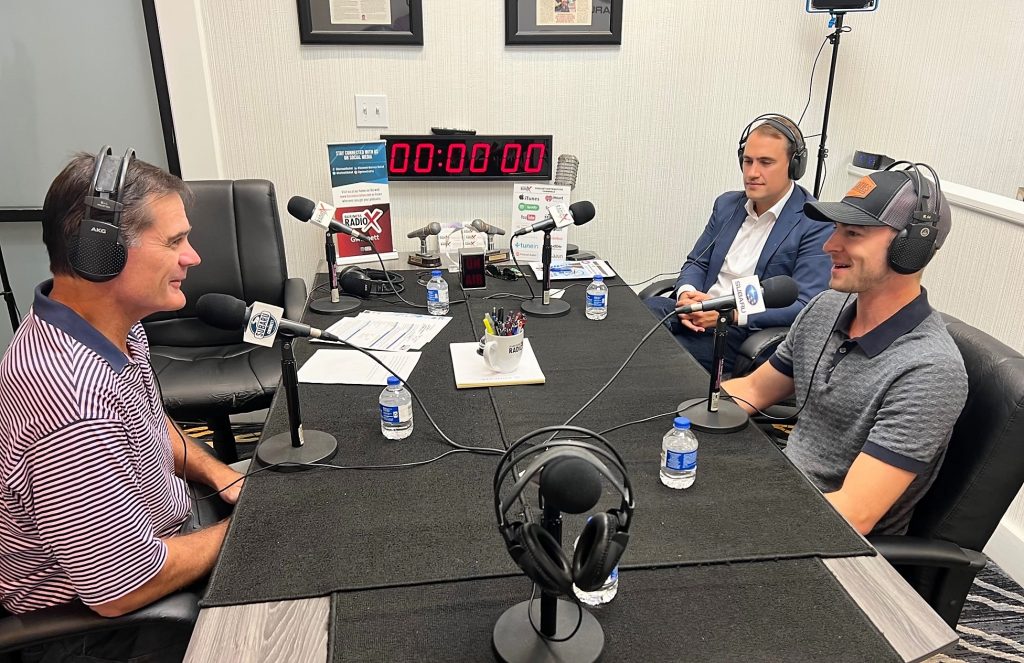
Harper LeBel, Andrew Clark, Steven Julian

Andrew J. Clark/Hite Digital

Digital Marketing That Grows Businesses. Hite Digital Atlanta is an Atlanta digital marketing agency that goes beyond your business’s needs. They see the big picture and work on custom strategies that drive higher traffic and land more sales in hand with a solid and reliant business relationship.

Gwinnett Business Radio is presented by
 

Tagged With: Andrew J Clark, digital marketing, gwinnett business, Gwinnett Business Radio, harper lebel, Hite Digital, steven julian

Jane Eastham, ONEHOPE Wine and Uncork with Jane

November 18, 2022 by John Ray

ONEHOPE WIne
North Fulton Business Radio
Jane Eastham, ONEHOPE Wine and Uncork with Jane
Loading
00:00 /
RSS Feed
Share
Link
Embed

Download file

ONEHOPE WIne

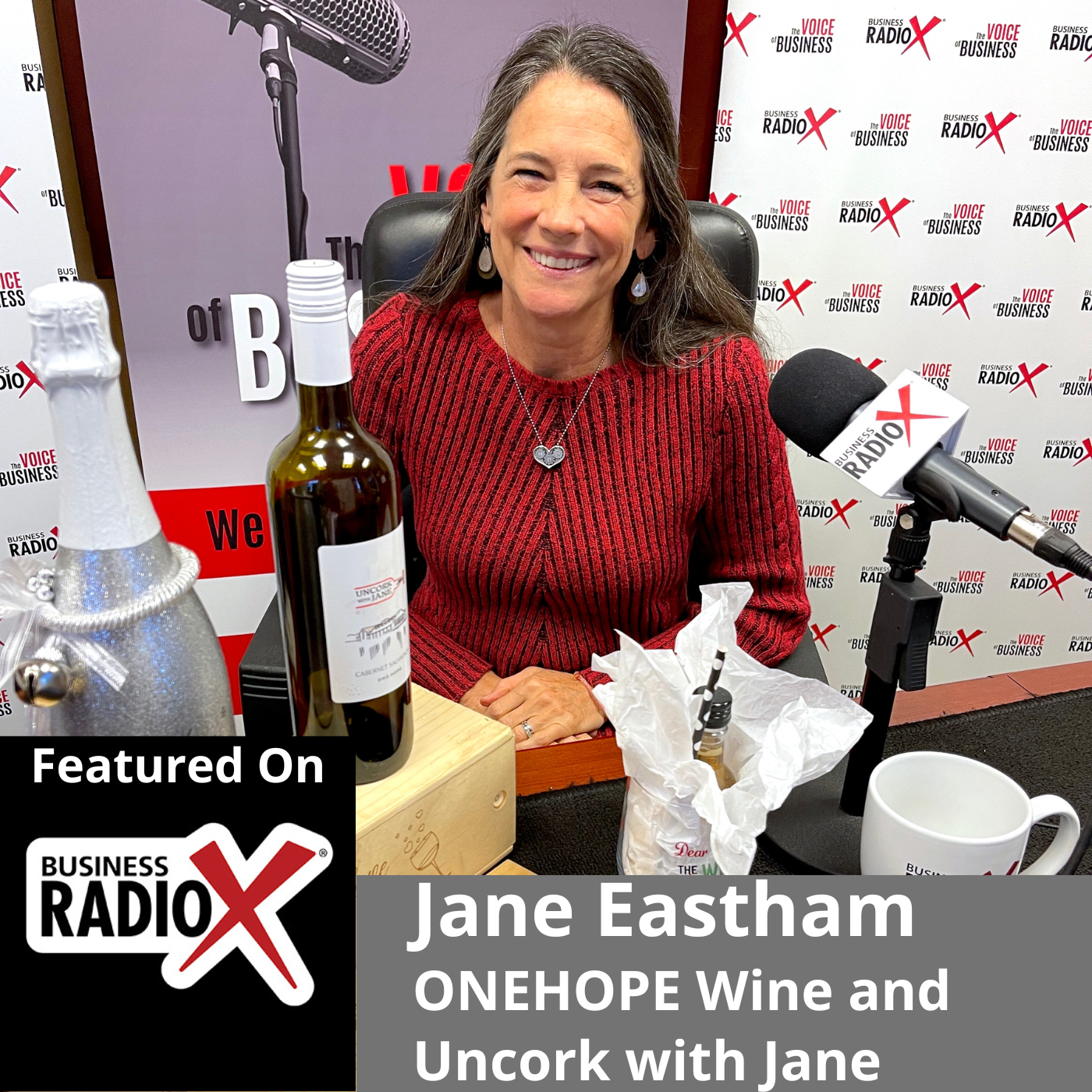
Jane Eastham, ONEHOPE Wine and Uncork with Jane (North Fulton Business Radio, Episode 577)

Jane Eastham, Cause Entrepreneur with ONEHOPE Wine, owns Uncork with Jane. She and host John Ray discussed her mission to benefit nonprofits of your choice through wine subscriptions and corporate gifting. She described the award-winning ONEHOPE wines she carries, the many ways you can experience or gift their wines, the ability to choose the charity you want to receive 10% of the proceeds, the fun of a wine-tasting or corporate gifting, and much more.

North Fulton Business Radio is produced and broadcast by the North Fulton studio of Business RadioX® inside Renasant Bank in Alpharetta.

ONEHOPE Wine, Uncork With Jane

Like most stories worth telling, ours begins with a group of friends, humble beginnings, and a skyward vision.

They were working for some of the world’s largest wineries and they all felt an undeniable calling to do good. What started with 168 cases and a white pick-up has grown to become a state-of-the-art flagship winery in the heart of Napa Valley.

The founders saw firsthand just how much impact a bottle of wine can have. They began hosting wine tastings to raise money for important causes and encouraged and inspired others to do the same. Today, ONEHOPE is one of the largest direct-to-consumer wineries in the world and has proudly donated over $8 million to local and global causes.

ONEHOPE’s award-winning wines are made from the finest grapes sourced from world-renowned winemaking regions. Their commitment to quality is as strong as their commitment to the causes they support.

Jane Eastham, Uncork With Jane, is a Cause Entrepreneur with ONEHOPE Wine.

Company website | Facebook |Instagram

Jane Eastham, Cause Entrepreneur, Uncork with Jane, ONEHOPE Wine

Jane Eastham, Cause Entrepreneur, ONEHOPE Wine

Jane is a native of Indiana and a graduate of Purdue University. She had a long career with Kimberly-Clark Corporation, with almost 30 years in Supply Chain Management, retiring in 2016. She has been actively involved with many nonprofits since her youth.

Since landing in Georgia, she has been a participant fundraiser, coach, and mentor for the Leukemia and Lymphoma Society, having completed many marathons, triathlons, and cycling events with Team in Training.

These fundraisers led her to find ONEHOPE, a Napa Valley Winery that gives back to the nonprofits designated by their customers. It seemed like a perfect fit… sharing great wine while helping individuals and businesses support their communities and the organizations they are passionate about.

She and her husband, John, live in Alpharetta and spend their free time enjoying the outdoors, traveling, and exploring nature!

LinkedIn

Questions and Topics in the Interview

  • What makes ONEHOPE Wine different?
  • Where do the wines come from?
  • How does ONEHOPE donate so much money?
  • How can I get the wine – Can I buy it in stores?
  • What nonprofits are eligible to get a donation?
  • How do I get involved?
  • Do you do Corporate Gifting?
  • How would someone else do what I do and make an income, too?

North Fulton Business Radio is hosted by John Ray and broadcast and produced from the North Fulton studio of Business RadioX® inside Renasant Bank in Alpharetta. You can find the full archive of shows by following this link. The show is available on all the major podcast apps, including Apple Podcasts, Spotify, Google, Amazon, iHeart Radio, Stitcher, TuneIn, and others.

RenasantBank


Renasant Bank has humble roots, starting in 1904 as a $100,000 bank in a Lee County, Mississippi, bakery. Since then, Renasant has grown to become one of the Southeast’s strongest financial institutions with over $13 billion in assets and more than 190 banking, lending, wealth management and financial services offices in Mississippi, Alabama, Tennessee, Georgia and Florida. All of Renasant’s success stems from each of their banker’s commitment to investing in their communities as a way of better understanding the people they serve. At Renasant Bank, they understand you because they work and live alongside you every day.

Since 2000, Office Angels® has been restoring joy to the life of small business owners, enabling them to focus on what they do best. At the same time, we honor and support at-home experts who wish to continue working on an as-needed basis. Not a temp firm or a placement service, Office Angels matches a business owner’s support needs with Angels who have the talent and experience necessary to handle work that is essential to creating and maintaining a successful small business. Need help with administrative tasks, bookkeeping, marketing, presentations, workshops, speaking engagements, and more? Visit us at https://officeangels.us/.

Tagged With: Jane Eastham, nonprofits, North Fulton Business Radio, Office Angels, ONEHOPE Wine, renasant bank, Uncork with Jane, wine, wine for charity, wine subscription

LIVE from the GNFCC 2022 Women in Leadership Summit: Dr. Malika Reed Wilkins, Atlanta Regional Commission

November 14, 2022 by John Ray

North Fulton Business Radio
LIVE from the GNFCC 2022 Women in Leadership Summit: Dr. Malika Reed Wilkins, Atlanta Regional Commission
Loading
00:00 /
RSS Feed
Share
Link
Embed

Download file

Dr. Malika Reed Wilkins

LIVE from the GNFCC 2022 Women in Leadership Summit: Dr. Malika Reed Wilkins, Atlanta Regional Commission (North Fulton Business Radio, Episode 567)

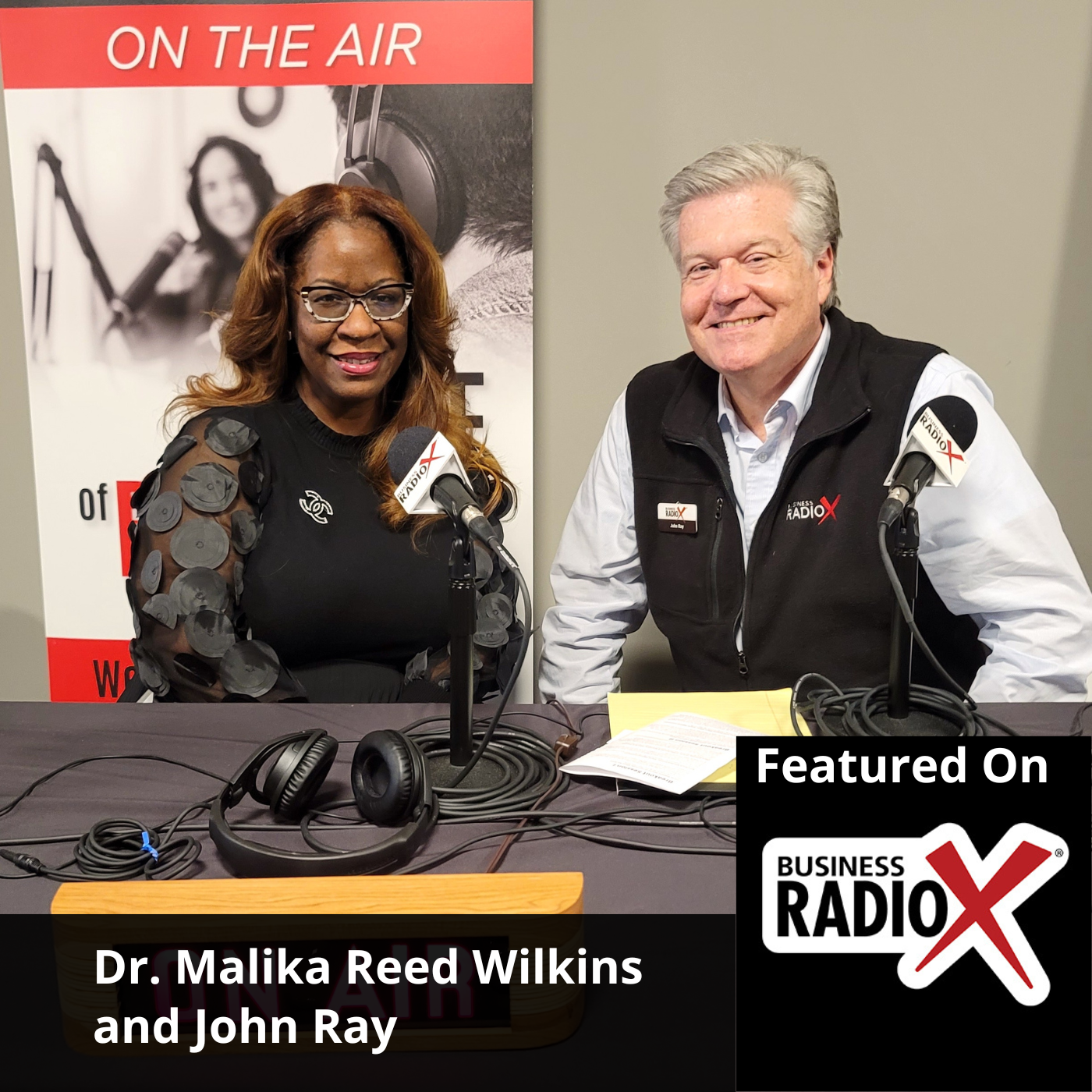
Dr. Malika Reed Wilkins, Chief External Affairs Officer at the Atlanta Regional Commission, joined host John Ray on North Fulton Business Radio LIVE from the GNFCC 2022 Women in Leadership Summit. Dr. Wilkins was a speaker at the summit. She shared the work of the ARC, her talk at the Women’s Summit, the value of resilience in life, advice on how to embrace change, and much more.

This show was originally broadcast live from the GNFCC 2022 Women in Leadership Summit held at The Commons at Phase in Alpharetta, Georgia.

North Fulton Business Radio is produced and broadcast by the North Fulton studio of Business RadioX® inside Renasant Bank in Alpharetta.

Dr. Malika Reed Wilkins, Chief External Affairs Officer, Atlanta Regional Commission (ARC)

Dr. Malika Reed Wilkins, Chief External Affairs Officer, Atlanta Regional Commission (ARC)

Dr. Malika Reed Wilkins is the Chief External Affairs Officer for the Atlanta Regional Commission (ARC). She heads the agency’s strategy development, corporate and community engagement, governmental affairs, board engagement, and communications. She also spearheaded the agency’s diversity, equity, and inclusion program. Wilkins has more than 25 years in public policy and administration, operational leadership, strategic organizational communications, and building long-standing partnerships in the public, private and nonprofit sectors.

Prior to onboarding with ARC, she served the State of Georgia in various executive-level roles with the State Road and Tollway Authority, Georgia Regional Transportation Authority, Georgia Commute Options, and the Georgia Department of Human Services. In addition, she served as Director of Communications and Public Affairs for the Southern States Police Benevolent Association and worked as a consultant for several advertising agencies. Dr. Wilkins is known for her strategic relationship development and consensus-building across multiple disciplines.

She is currently the Membership Chair for the Buckhead Rotary Club, and a Commission member for the Georgia Driver’s Education Commission. Wilkins is also a member of COMTO Atlanta, ULI Atlanta, Public Relations Society of America, and Past President of WTS Atlanta.

She received a Bachelor of Arts degree in speech communications from the University of Georgia. A Master of Public Administration from North Carolina Central University and a Ph.D. in Public Policy and Administration from Walden University.

Malika resides in the City of Atlanta with her husband Anthony and daughter Malia.

LinkedIn

Atlanta Regional Commission (ARC)

ARC is responsible for developing and updating the Atlanta Region’s Plan, a long-range blueprint that details the investments needed to ensure metro Atlanta’s future success and improve the region’s quality of life.

The Atlanta Regional Commission is charged with peering into the future and working with our partners across the community to plan for a better, brighter tomorrow.

On any given day, ARC works with local jurisdictions and various regional partners to:

  •  Plan new transportation options
  •  Encourage the development of healthy, livable communities
  •  Wisely manage precious water resources
  •  Provide services for the region’s older adults and individuals with disabilities
  •  Develop a competitive workforce
  •  Provide data to inform leaders and decision-makers
  •  Cultivate leaders to meet the region’s challenges
  •  Coordinate with local first responders in preparing for a secure region
  •  Engage the public on key regional issues

The agency also serves as a regional convener, bringing diverse stakeholders to the table to address the most critical issues facing metro Atlanta.

ARC’s member governments are Cherokee, Clayton, Cobb, DeKalb, Douglas, Fayette, Forsyth, Fulton, Gwinnett, Henry and Rockdale counties, and the city of Atlanta.

Website | LinkedIn | Facebook | Twitter

GNFCC 2022 Women in Leadership Summit, presented by the Women INfluencing Business Committee

The 2022 Women in Leadership Summit, organized by the Women INfluencing Business Committee of the Greater North Fulton Chamber of Commerce, was held on November 2, 2022, at the Commons at Phase in Alpharetta, Georgia.

Powered by the Greater North Fulton Chamber of Commerce (GNFCC), the Women INfluencing Business Committee strives to engage female leaders and enhance the standing of professional women within the community. Its annual awards program recognizes women with exceptional vision who have implemented innovative ideas in both the workplace and community and who inspire others.

Website

Questions and Topics in the Interview

  • The ARC
  • Dr. Wilkin’s presentation at The Women’s Summit
  • Resilience
  • Embracing change

North Fulton Business Radio is hosted by John Ray and broadcast and produced from the North Fulton studio of Business RadioX® inside Renasant Bank in Alpharetta. You can find the full archive of shows by following this link. The show is available on all the major podcast apps, including Apple Podcasts, Spotify, Google, Amazon, iHeart Radio, Stitcher, TuneIn, and others.

RenasantBank


Renasant Bank has humble roots, starting in 1904 as a $100,000 bank in a Lee County, Mississippi, bakery. Since then, Renasant has grown to become one of the Southeast’s strongest financial institutions with over $13 billion in assets and more than 190 banking, lending, wealth management and financial services offices in Mississippi, Alabama, Tennessee, Georgia and Florida. All of Renasant’s success stems from each of their banker’s commitment to investing in their communities as a way of better understanding the people they serve. At Renasant Bank, they understand you because they work and live alongside you every day.


Since 2000, Office Angels® has been restoring joy to the life of small business owners, enabling them to focus on what they do best. At the same time, we honor and support at-home experts who wish to continue working on an as-needed basis. Not a temp firm or a placement service, Office Angels matches a business owner’s support needs with Angels who have the talent and experience necessary to handle work that is essential to creating and maintaining a successful small business. Need help with administrative tasks, bookkeeping, marketing, presentations, workshops, speaking engagements, and more? Visit us at https://officeangels.us/.


Tagged With: Alpharetta, ARC, Atlanta Regional Commission, Dr. Malika Reed Wilkins, embracing change, GNFCC, North Fulton Business Radio, Office Angels, renasant bank, resilience, The Commons at Phase, Women in Business Summit, Women Influencing Business

Courageously Curious E8

November 14, 2022 by Karen

E8-Courageously-Curious-feature
Phoenix Business Radio
Courageously Curious E8
Loading
00:00 /
RSS Feed
Share
Link
Embed

Download file

E8-Courageously-Curious

Courageously Curious E8

This episode is in Dutch. How do we stay grounded in authentic wisdom and purposefulness, without losing ourselves in our individual perspective? “We need to stay deeply curious about perspectives different from ours,” says Greet Prins, Chairman of the Dutch Chamber of Commerce, and inquire into the underlying reasons why people hold these perspectives.

Greet speaks to the power of staying open and actively absorbing diverse opinions without getting lost in them. She also shares how we stay connected to others as human beings when there are polarized views. And she shares how staying focused on the greater good helps us lead through challenge and change. Listen to this episode of Rooted & Unwavering and contemplate how to bring different perspectives together in our own hearts and lead from that deeper, integrating, authentic place.

The Netherlands Chamber of Commerce is an independent administrative body under the supervision of the Ministry of Economic Affairs and Climate Policy. They are managed at a national level, with links to the regions, with substantive input from our consultation boards: the Central Board and five Regional Boards.

With 18 offices, including five OnderNemerSpleinen (Entrepreneurs’ Plazas) across the regions, it means that they are close to entrepreneurs and to the regions. The Netherlands Chamber of Commerce OnderNemerSplein is the meeting point for entrepreneurs, government, education and other intermediaries, and aims to help entrepreneurs advance with their businesses. And it is where partners join forces to do business successfully.

The Netherlands Chamber of Commerce is headed by the members of the Board of Directors. In addition to their administrative responsibility, these members also assume operational responsibility for one or more parts of the organisation. This ensures swift and direct decision-making.

Greet-Prins-Rooted-and-UnwaveringGreet Prins is the Chairman of The Netherlands Chamber of Commerce.

Developing a vision is the first step, actually realizing it requires a balance between being stable and being flexible where necessary.

It is important to rely on trust, both at a distance and in close proximity. The wishes and needs of customers are guiding.

We ask ourselves: can we do better? Leadership also means being future-oriented and having an overview of developments in society: bringing the outside world in. In this way we can work together on future-proof and sustainable organizations.

Connect with Greet on LinkedIn.

About Rooted & Unwavering

Peace, Compassion, Wisdom, Purposefulness, Creativity and Strength come online in us when we deeply connect with the true, unwavering greatness that lives within ourselves and others.Rooted-and-Unwavering-Tile

In this podcast and radio show, Hylke Faber, seasoned transformational coach and author of the award-winning Taming Your Crocodiles series, engages in deep inquiry with leaders from all walks of life about courageously connecting with our true selves, others and the world at large.

How do we stay connected to our true selves and our greatness, especially when we are challenged? How do we rest in the heart, also when our mind keeps us restless? What becomes possible when we truly stay committed to our own and others’ best selves, also when we don’t feel it? How do we practice staying connected to our true selves, in the midst of our busy lives?

Join us and leave inspired to act on your heart’s greatness and that of the people around you.

About Our Host

Hylke-Faber-headshotFor as long as he can remember Hylke Faber has been curious about what this life is about. His ongoing inquiry has become his work: helping people individually and collectively to discover what is possible in life and express that authentically and fearlessly.

Hylke started his work life with Towers Perrin as consultant and then as Partner with Strategic Decisions Group, serving a wide range of industries, including financial services, manufacturing, consumer electronics and life sciences companies. A major shift occurred during this critical phase of his life. He had become the typical, hard-charging, 16-hours-a-day strategy consultant, and was burning out at a rapid clip.

When he discovered meditation, everything changed. He was so taken by his new discoveries that he chose to bring to business what he was learning: that there is a way we can have it all – we can be fulfilled, do work we love, and create extraordinary results with others. He thinks of it as creating a sense of ease in business.

He learned how to coach and facilitate human transformation completing his coaching certification with Newfield Network and by working at Axialent, the culture and leadership company. After a few years, he founded Co-Creation Partners together with other leaders in the field of transformation and personal development. Then he formed Constancee to help people grow by creating the conditions where deep personal, interpersonal and organizational shifts happen routinely.

He leads Growth Leaders Network, the culture and team development consultancy. He has also taught coaching at Columbia Business School Executive Education and has contributed to Harvard Business Review. He is currently teaching a course on Climate Conscious Leadership at Arizona State University. His award-winning book, Taming Your Crocodiles: Unlearn Fear & Become a True Leader, was published by Dover in 2018.

His next book, Taming Your Crocodiles Practices for Leadership Depth, came out in 2020. Besides helping others grow, which he loves, he is a trained opera singer, enjoys hiking and writing, is an avid reader, in particular of biographies, and is always in the process of growing himself. He integrates all of what he learns in his work with executives.

Connect with Hylke on LinkedIn.

About Our Sponsor

Realizing Your Greatness

We are a team of experienced facilitators and coaches dedicated to helping individuals, teams and organizations thrive by helping them recognize their innate greatness and putting it to work.

    • Executive Coaching: we work with clients individually to help them connect to their calling and use every challenge as an opportunity to help them grow more into what makes them great.
    • Team Performance: we help teams evolve to their next level of excellence, connectedness and impact by working on the root drivers of team performance.
    • Culture Development: we help organizations to evolve their culture by creating clarity about where they aspire to go, and by building role models, coaches and systems that catalyze people being energized to work the new way.
  • Key Notes: we deliver powerful speeches at conferences and other events that help audiences become energized, more connected to themselves and each other, more open to discovery and ready to commit to the next stage of learning in their career and life journeys.

Growth Leaders Network (GLN) serves Fortune 500 companies, smaller organizations and non-profits globally.

GLN clients report that we catalyze significant business transformational impact and profound shifts in people, team and organizations at the root cause level.

Learn more about the Growth Leaders network here.

Tagged With: The Netherlands Chamber of Commerce

Ken Harris with Army ROTC/Bulldog Battalion and Lieutenant Danny Mancillas

November 10, 2022 by Mike

Gwinnett Business Radio
Ken Harris with Army ROTC/Bulldog Battalion and Lieutenant Danny Mancillas
Loading
00:00 /
RSS Feed
Share
Link
Embed

Download file

Harper LeBel, Ken Harris, Danny Mancillas, Steven Julian

Ken Harris/Army ROTC and LT. Danny Mancillas

Army ROTC/Bulldog Battalion incorporates the University of Georgia (UGA) and Georgia Gwinnett College (GGC) to produce the Army’s Future Leaders. Scholarships and other great career opportunities are available now through GoArmy.com/ROTC.

Ken Harris is a 40-year Veteran of the U.S. Navy, Army National Guard, and currently serves in the Army Reserve, with experience as both a Non-Commissioned Officer and Commissioned Officer. Danny Mancillas is a recently commissioned Second Lieutenant through Army ROTC, designated for the Transportation Corps working Logistics for the Active Army.

Gwinnett Business Radio is presented by

Tagged With: army rotc, Bulldog Battalion, Danny Mancillas, gcc rotc, gwinnett business, Gwinnett Business Radio, harper lebel, Kenneth Harris, Lieutenant Danny Mancillas, regions bank, steven julian, uga rotc

  • « Previous Page
  • 1
  • …
  • 45
  • 46
  • 47
  • 48
  • 49
  • …
  • 81
  • Next Page »

Business RadioX ® Network


Our Most Recent Episode

CONNECT WITH US

  • Email
  • Facebook
  • LinkedIn
  • Twitter
  • YouTube

Our Mission

We help local business leaders get the word out about the important work they’re doing to serve their market, their community, and their profession.

We support and celebrate business by sharing positive business stories that traditional media ignores. Some media leans left. Some media leans right. We lean business.

Sponsor a Show

Build Relationships and Grow Your Business. Click here for more details.

Partner With Us

Discover More Here

Terms and Conditions
Privacy Policy

Connect with us

Want to keep up with the latest in pro-business news across the network? Follow us on social media for the latest stories!
  • Email
  • Facebook
  • Google+
  • LinkedIn
  • Twitter
  • YouTube

Business RadioX® Headquarters
1000 Abernathy Rd. NE
Building 400, Suite L-10
Sandy Springs, GA 30328

© 2025 Business RadioX ® · Rainmaker Platform

BRXStudioCoversLA

Wait! Don’t Miss an Episode of LA Business Radio

BRXStudioCoversDENVER

Wait! Don’t Miss an Episode of Denver Business Radio

BRXStudioCoversPENSACOLA

Wait! Don’t Miss an Episode of Pensacola Business Radio

BRXStudioCoversBIRMINGHAM

Wait! Don’t Miss an Episode of Birmingham Business Radio

BRXStudioCoversTALLAHASSEE

Wait! Don’t Miss an Episode of Tallahassee Business Radio

BRXStudioCoversRALEIGH

Wait! Don’t Miss an Episode of Raleigh Business Radio

BRXStudioCoversRICHMONDNoWhite

Wait! Don’t Miss an Episode of Richmond Business Radio

BRXStudioCoversNASHVILLENoWhite

Wait! Don’t Miss an Episode of Nashville Business Radio

BRXStudioCoversDETROIT

Wait! Don’t Miss an Episode of Detroit Business Radio

BRXStudioCoversSTLOUIS

Wait! Don’t Miss an Episode of St. Louis Business Radio

BRXStudioCoversCOLUMBUS-small

Wait! Don’t Miss an Episode of Columbus Business Radio

Coachthecoach-08-08

Wait! Don’t Miss an Episode of Coach the Coach

BRXStudioCoversBAYAREA

Wait! Don’t Miss an Episode of Bay Area Business Radio

BRXStudioCoversCHICAGO

Wait! Don’t Miss an Episode of Chicago Business Radio

Wait! Don’t Miss an Episode of Atlanta Business Radio