Business RadioX ®

  • Home
  • Business RadioX ® Communities
    • Southeast
      • Alabama
        • Birmingham
      • Florida
        • Orlando
        • Pensacola
        • South Florida
        • Tampa
        • Tallahassee
      • Georgia
        • Atlanta
        • Cherokee
        • Forsyth
        • Greater Perimeter
        • Gwinnett
        • North Fulton
        • North Georgia
        • Northeast Georgia
        • Rome
        • Savannah
      • Louisiana
        • New Orleans
      • North Carolina
        • Charlotte
        • Raleigh
      • Tennessee
        • Chattanooga
        • Nashville
      • Virginia
        • Richmond
    • South Central
      • Arkansas
        • Northwest Arkansas
    • Midwest
      • Illinois
        • Chicago
      • Michigan
        • Detroit
      • Minnesota
        • Minneapolis St. Paul
      • Missouri
        • St. Louis
      • Ohio
        • Cleveland
        • Columbus
        • Dayton
    • Southwest
      • Arizona
        • Phoenix
        • Tucson
        • Valley
      • Texas
        • Austin
        • Dallas
        • Houston
    • West
      • California
        • Bay Area
        • LA
        • Pasadena
      • Colorado
        • Denver
      • Hawaii
        • Oahu
  • FAQs
  • About Us
    • Our Mission
    • Our Audience
    • Why It Works
    • What People Are Saying
    • BRX in the News
  • Resources
    • BRX Pro Tips
    • B2B Marketing: The 4Rs
    • High Velocity Selling Habits
    • Why Most B2B Media Strategies Fail
    • 9 Reasons To Sponsor A Business RadioX ® Show
  • Partner With Us
  • Veteran Business RadioX ®

Search Results for: regions business radio

Derrick Grissom with Hargray Fiber and Steven Champa with J. Galt Finance Suite

September 29, 2022 by Mike

Gwinnett Business Radio
Derrick Grissom with Hargray Fiber and Steven Champa with J. Galt Finance Suite
Loading
00:00 /
RSS Feed
Share
Link
Embed

Download file

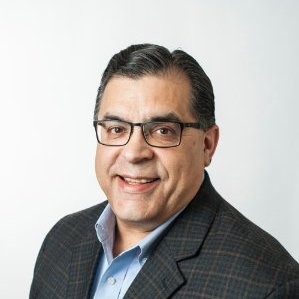
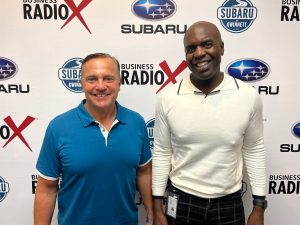
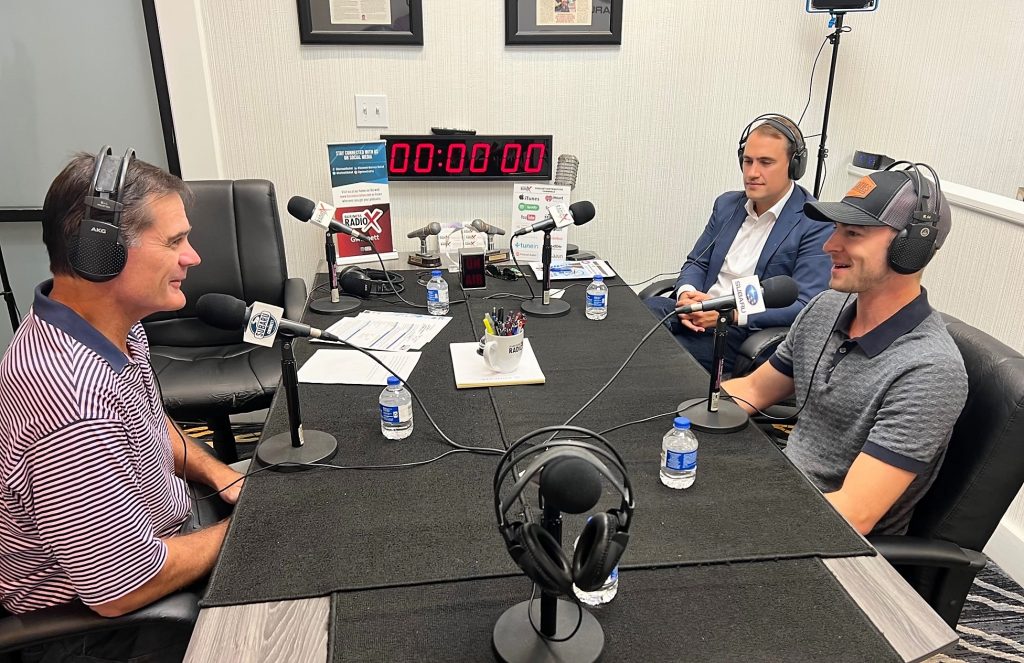
Steven Champa and Derrick Grissom

Derrick Grissom/Hargray Fiber
Hargray Fiber is a broadband fiber technology company that offers extremely fast internet services to its customers. They are proud to service several metro Atlanta communities to include Gwinnett cities such as Peachtree Corners, Norcross, and Lawrenceville, as well as Conyers and Covington.

Steven Champa/J. Galt Finance Suite
The mission at J. Galt Finance Suite is to help entrepreneurs obtain the capital and credit they need to fuel their dreams. The J. Galt funding blueprint helps members obtain business credit with no personal guarantee or credit check. Their business credit solutions help members build true business credit for their business that is completely detached from their personal credit. This credit can be obtained quickly regardless of personal credit score, collateral, or business cash flow.
Gwinnett Business Radio is presented by

Tagged With: Clearwave Fiber, Derrick Grissom, Gwinnett Business Radio, hargray fiber, J. Galt Finance Suite, Steve Champa, steven julian

Jeff Ordner with Ordner Construction and Sean Spurlock with Two Cities Pizza

September 22, 2022 by Mike

Gwinnett Business Radio
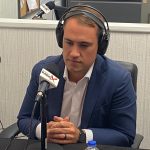
Jeff Ordner with Ordner Construction and Sean Spurlock with Two Cities Pizza
Loading
00:00 /
RSS Feed
Share
Link
Embed

Download file

Jeff Ordner/Ordner Construction Company

Founded by David Ordner in Atlanta, GA, Ordner Construction Company is a privately held general construction firm specializing in industrial, retail, office, medical, institutional, and interior construction projects. Since its inception in 1987, Ordner Construction has earned a sound reputation with clients for providing a high level of technical construction services in a safe work environment. They are proud to celebrate 35 years in commercial construction excellence this year.

Sean Spurlock/Two Cities Pizza Company

Two Cities Pizza Company is built on the premise that the combination of two inherently distinct visions could actualize in one extraordinary culinary and cultural outcome. The strength of Two Cities is the prominent duality displayed in the world class New York thin crust and Chicago Deep Dish. Two Cities unifies the most well known American pizza styles in what has been referred to as the “tastiest peace treaty of all time.”

Gwinnett Business Radio is presented by
Tagged With: gwinnett business, Gwinnett Business Radio, harper lebel, Jeff Ordner, Ordner Construction Company, Sean Spurlock, Two Cities Pizza

John Wensveen With The Alan B. Levan | NSU Broward Center of Innovation

September 20, 2022 by Jacob Lapera

Dr. John Wensveen
South Florida Business Radio
John Wensveen With The Alan B. Levan | NSU Broward Center of Innovation
Loading
00:00 /
RSS Feed
Share
Link
Embed

Download file

DTLLogo-Blue-Bannerv2Dr. John WensveenDr. John Wensveen, is Chief Innovation Officer at Nova Southeastern University and Executive Director of the Alan B. Levan | NSU Broward Center of Innovation responsible for overseeing a multimillion-dollar public-private partnership to support the growing entrepreneurial ecosystem in Broward County and South Florida.

John’s higher education experience includes faculty and senior leadership positions at Miami Dade College, Purdue University, Dowling College, and Embry-Riddle Aeronautical University. John’s entrepreneurship and industry experience include senior leadership positions at Mango Aviation Partners, Radixx International, Airline Visions, InterVISTAS, Marriott Vacation Club International, MAX Jet Airways, and Canada 3000 Airlines. John earned master’s and Ph.D. degrees in International Air Transport and Business from Cardiff University (United Kingdom) and a B.A. in Geography and Transportation Land Use Planning from the University of Victoria (Canada).

Connect with Dr. John on LinkedIn and follow Alan B. Levan | NSU Broward Center of Innovation on Facebook and Twitter.

What You’ll Learn In This Episode

  • Trends in Technology, Innovation, and Entrepreneurship
  • World’s first theme park for entrepreneurs (Levan Center)
  • South Florida Space Day (Oct. 12)
  • South Florida Innovation Day (Oct. 26)

This transcript is machine transcribed by Sonix

TRANSCRIPT

Intro: [00:00:01] Broadcasting live from the Business RadioX studios in South Florida. It’s time for South Florida Business Radio. Now here’s your host.

Lee Kantor: [00:00:13] Lee Kantor here, another episode of South Florida Business Radio. And this is going to be a good one. But before we get started, it’s important to recognize our sponsor, Diaz Trade Law, your customs expert today on South Florida Business Radio. We have John Wensveen with the Allan B Levan Center of NSU, Broward Center of Innovation. That’s quite the mouthful, John. Welcome to the show.

John Wensveen: [00:00:38] Hi. Hey, it is quite the mouthful. Thank you. And we can just call the Levan Center to make it easy for you.

Lee Kantor: [00:00:44] Thank you. So tell us about the Levan Center. How are you serving folks?

John Wensveen: [00:00:49] So I have the most incredible job in the world. I personally believe I’m the chief innovation officer at Nova Southeastern University, but also executive director of the Allan B Levan and NSU Broward Center of Innovation. And what I’ve been able to do is tie my roles into one and my job and my team’s job is to completely disrupt South Florida as a region around the three themes of innovation, technology and entrepreneurship. And what we’ve done is we’ve actually built the world’s very first theme park for entrepreneurs, and we have figured out how to reverse engineer this, because the success of an entrepreneur, literally from birth of an idea right through successful exit of a company or global expansion. And what we’ve done is we’ve designed and built a 54,000 square foot theme park, which is about the same size of a bed, bath and beyond, just to put it in scope. And within it, we’ve created this amazing infrastructure that allows us to create customized programs and events and wraparound services where we essentially have a giant collision station that for the very first time in our nation and around the world, entrepreneurs are forced to collide with academia, industry, government funders, wraparound service providers, professional networks and a whole lot more. And our real job here is to be an economic development engine for South Florida that has local, regional, national and international impact that ultimately creates new businesses and scales those businesses and make sure that they’re sustainable, which then results in the creation of new industry here in the region, too.

Lee Kantor: [00:02:17] Now, you mentioned that this effort is in disrupting kind of the way things are being done currently. Is there like what was the genesis of the idea and where are you getting your methodology to kind of at least test the water in this manner?

John Wensveen: [00:02:33] Well, it’s really interesting when you look at the trends and challenges around technology. Generally speaking, globally, there are all kinds of trends that are occurring. And what’s happening is you’re seeing more and more creation of what we would call incubators and accelerators, where you incubate ideas and then you accelerate those ideas into commercialized enterprise. And what happened about four years ago, there was a philanthropist here in South Florida, Alan Lavan, that had an amazing conversation with the president of Nova Southeastern University and said, we’re really concerned about the future of talent and really the qualified, skilled talent for the future around the theme of technology. Where are we going to create those skills? How are you going to recruit them and retain them here in our region and to to accelerate? What happened was that conversation then made its way to Broward County. And at that time, the mayor and the commissioners listened to this idea of the possible creation of end quote and Innovation Center that would be located here in Fort Lauderdale. And it was a unanimous decision to move forward in a public private partnership was formed where both NSU, Florida and Broward County came together and financially CO invested into the creation of this concept. And then I was recruited into the position two and a half years ago and really understood what that vision was. And then we grew that into something much bigger, knowing that there are a number of trends and challenges and opportunities that needed immediate strategies, not just locally but in the US and then internationally.

John Wensveen: [00:04:04] And with that said, it was let’s go and figure out what that infrastructure or tool will will look like. So we did a thorough analysis, literally international research, and we found that these incubators and accelerators were what we would call one and done programs where they may have focused on an idea and then the entrepreneur leaves them and then they go off onto their own journey without the support that they required. And we realize that that was a true opportunity for us here in South Florida to, number one, link the whole region collectively so that we act as that gorilla glue that identifies all of the stakeholders and opportunities and required infrastructure that we need to be that economic development engine. And then we built it all under this one roof and we technically opened our doors on April 27th. This last year, a little bit slowed down with the COVID situation where we had to go virtual for our programing and various types of events. But in that short period of time, we were already shown that we’re disrupting the market around the creation of new technologies and a new talent skills pipeline. To support these emerging tech sector opportunities. We’ve created new companies, new jobs. We’re scaling these businesses. So it’s just been phenomenal.

Lee Kantor: [00:05:16] So your mission is to take them not just from an idea to a launch, but to an idea from launch to growth to maybe even post growth to legacy, to come back and then mentor and then kind of repeat the process. So you want to like have the whole life cycle of the entrepreneur at least playing in your theme park?

John Wensveen: [00:05:37] Exactly. I mean, you used the correct word, their life cycle. And there are a lot of pieces of infrastructure throughout the nation that truly focus on small business and help the small business owners and entrepreneurs to launch their business and hopefully sustain their business. But there are very few resources anywhere that really allow that small business to go to the next level. So we provide access opportunities that allow that to happen and truly scale. So we’re focused on not necessarily the small business we’re focused on. Well, how do you create that small business into a national international organization, or how do you create a franchise model out of out of that? You think about things like Kindle as an example that came out of an innovation center. Other things like Uber Eats and Lyft and and and things like that all came out of innovation centers. So how do we create that next Amazon, if you will?

Lee Kantor: [00:06:29] Now, one of the advantages, like a Silicon Valley has they have a density of entrepreneurs and the density of startups happening so that invariably as they fail, which a lot of them will fail, there’s a place for the the entrepreneur to land and maybe do a mash up with somebody else who has something interesting going on. How are you addressing kind of some of that or a way to jumpstart some of that density so that the entrepreneur doesn’t take one shot and fails and then just says, well, maybe I gotta get a real job.

John Wensveen: [00:07:03] Mm hmm. Well, it’s interesting that you mentioned Silicon Valley, because sometimes in recent times, we’re finding that we’re now being called the Silicon Valley of the East. And I and my feathers go up whenever I hear that, because we are not and nor should we ever be. So Florida is a very unique region. And it’s interesting when you look at Miami-Dade County, Broward County, Palm Beach County, everybody has a very similar agenda. And one of those agenda items is to become a designated technology hub, just like Silicon Valley did. And when you look at national rankings across the United States, all of the cities that are ranked as a technology hub are actually ranked as cities, with the exception of the Silicon Valley area. So that whole Greater San Francisco area is one region that’s defined rather than just a city. And the other area here in South Florida is the track that we’re on is that this whole region will become a defined technology hub. And Silicon Valley, you’re absolutely correct. They have all of this infrastructure, they have density, and it’s very unique and they have an entire ecosystem. But what’s also interesting is a lot of trends are now showing there’s an exodus out of Silicon Valley and that infrastructure is actually starting to break up and in the future is a little bit different than the path that we’ve historically been on. So what we’re doing is we’re certainly adapting from some of the successes of Silicon Valley, and then we’re creating those opportunities here in South Florida, but also recognizing that we have to create our own set of parameters because we’re a completely different region than anywhere else in the country, even county by county, by county. But it’s on its way. And a lot of that Silicon Valley talent and knowledge and resources is now flowing right here into South Florida. That exodus is moving in this direction.

Lee Kantor: [00:08:39] Now, are there going to be some specialties that that you’re targeting, that, you know, some niches that you’re saying, okay, we want to be best in class in, you know, A, B and C? Are there some areas of technology or business that you want to be the go to place for that to occur?

John Wensveen: [00:08:59] Yes, absolutely. So I would say that we’re planting a number of flags that are really reinventing what we do here in our own region. So originally when we started with this concept, we were going to be focused on what we call the defined targeted industries in South Florida, really the high wage, high growth sectors. And then as we began to get more involved in what we were doing, we realized that we should move away from targeted industries and really focus on what we call digital economies or economies of the future. And with that, we realized that technology is the underpin. That’s what’s linking all of this together. So in terms of focusing on specific industries, we’re not we’re really focused on technology because technology supports every industry and will only do so more as we move into the future. So the flags that we’re planting are around things like artificial intelligence, augmented reality, virtual reality, mixed reality, spatial computing, which most people are not familiar with. And there’s an amazing opportunity there. And then another interesting thing that we’ve done is we realized that South Florida is completely disconnected from the space sector, but there are so many businesses here in existence and future businesses that with a slight pivot, they can support. Court space, and we found that the opportunities to enter space, the barriers are coming down because of the privatization and commercialization, and there’s more of a need for the small entrepreneur to support that sector. So that’s one of our unique specialties. And in fact, on October the 12th, we’re launching the very, very first South Florida Space Day, and it will be a collision station bringing those stakeholders together through the South Florida region, but also the state of Florida, where we have partners here like Nassau and Space Florida and the Space Foundation, who’s a very strong collaborative partner with us, to create that awareness and show what those opportunities are.

John Wensveen: [00:10:48] And then again, mix the private and public sectors together so that we could actually move forward and that space slide right here. And then the other one that we’re planting is cybersecurity. And this is a huge one. Cybersecurity is probably the most important piece of technology that we can talk about right now. And if you ask a sea level executive what keeps you up at night, they usually say there’s two things. One, it’s cybersecurity. Is my infrastructure safe, and the other is around talent. And how do I find that skill, talent to support my industry? And what we recently did is we opened up a military grade cybersecurity range. And I would like to say that it is the most powerful resource of its kind in the southeast region of the United States that allows NSU to create new programs around cybersecurity to fulfill those talent needs, but also to work with other academic partners, industry and government at all different levels from from a training perspective at the entry mid and advanced levels, but also to allow you to simulate real life scenarios so that you can be reactive and proactive within your own industry environment.

Lee Kantor: [00:11:48] Now, you mentioned this kind of partnership, public, private. Obviously, you’re housed at a university. Is there an opportunity for businesses to kind of partner with NDSU maybe and say, okay, you know what, we don’t have enough cybersecurity folks. So can we help you develop a curriculum or some classes that will help educate your students in this and then give them kind of a direct pipeline to us or other companies like us to further their career?

John Wensveen: [00:12:21] You’re absolutely speaking my language. And sometimes people will look at me and say, What is this guy talking about? When I tell you? What I’m about to say is that there’s a huge disconnect between academia, whether it’s a public institution or a private institution and industry. And for years, the academic world has dictated to industry what they think their needs are. And then industry is turning around and saying, that’s not correct, or our needs are X, Y and Z. So infrastructure, like the pieces that we are building, allow us to be the bridge that connects the academic worlds with the worlds of industry and government as examples. And then we can find out what is it that industry truly needs. So in this particular case, that’s a cybersecurity expert, but I’m not getting the right knowledge and skills or personality out of these academic programs. We then create opportunities for industry and academia to co-invest with one another so an industry partner could come to us and say, Here’s our need short, medium and long term, how can you help us? And then we as an institution and as an innovation center, they can say, okay, we’ll co-develop that curriculum.

John Wensveen: [00:13:27] You invest into the infrastructure with us and then we’ll create those pipelines that you so desperately need. And we make these long term co-investing strategic partnerships where we’re not just sitting around a table having a coffee and a bagel, we’re actually walking and talking collectively together. And that’s a it sounds like it’s an easy formula for some of the challenges that we have in the world and reality. It is we just need to do a better job all over the world to make sure that industry and academia are coming together as one. And if you look at the data, academic institutions globally are actually decreasing. So every day there’s there’s an institution closing its doors while the corporations are now developing their own training, their own universities in-house to create the talent and the skills that they require if they can’t get it from from other means. So there’s a huge transition occurring in this world right now. And I think you’re going to see more co-investors, strategic partnerships, where we we collectively think as one rather than not being on parallel paths with each other.

Lee Kantor: [00:14:26] Now, are you seeing any trends regarding at least the mindset of entrepreneurship amongst young people? Is are they kind of at least changing their thinking from I’m going to get a job to I’m going to bet on myself.

John Wensveen: [00:14:44] So if you ask me that question 2 to 2 and a half years ago, my answers would be a little bit different than they are today. And I think that the the COVID global pandemic has really altered the pathways that a lot of young people are on. Their way of thinking and doing has changed. And some will say it’s just the fat and others will say that this is the way of the world moving forward. And what we have found with this whole, quote, great resignation is that just the attitude and perspective of people, generally speaking, has changed where they have increased demands in terms of what they want with their day to day lifestyle, how they work, how they think, how they do, if you will. And I think there are some cons that have come with that. And but the pros is that people are learning to reinvent themselves. So we go through these phases of survive, adapt, recover, and now we’re in that rethink mode. And it’s entrepreneurs at all levels from from young minds trying to do something with creating a business to to more established entrepreneurs that have been successful or not successful throughout their own journey. And what we’re finding is that the COVID situation created new business opportunities and most of those being virtually accessible. So there are new types of businesses, new types of industries, new types of economies requiring new types of mindsets and skills that we would probably have never addressed if the pandemic never did not occur.

Lee Kantor: [00:16:06] Now, is there an effort to maybe educate younger and younger people about this entrepreneurship mindset? Because to me, that’s almost a must have that you have to you have to change the way you’re thinking, even if you’re going to get a real job in terms of working in an enterprise. If you could think of your boss as your client, it changes how you behave and it changes how you think. Are you seeing any of that happening where that kind of mindset training or at least opening their mind to that type of thinking is trickling down through college, through high school, through even middle school and elementary school.

John Wensveen: [00:16:48] Elaine I think it’s an international impact that’s starting to happen, and I think that some regions of the world are probably further ahead than we are here in in North America, where a mindset is something that you have to educate and create awareness about. And there’s always been this belief that in order to be an entrepreneur, you have to be born with it in your blood. You just can’t become an entrepreneur. You’re born with it. And I completely disagree with that. I don’t think a lot of people even understand what entrepreneurship is. So that so what we’re doing specifically with the lab and center of innovation is we actually have programing around seminars and workshops and eventually certifications. And as part of what we call our Founder’s Journey program, which are very complex, very categorized multi week programs, the innovation mindset is introduced and we start with, well, what is innovation? It’s, it’s a word that people use all the time, but they don’t necessarily understand what it means and that anybody virtually can be an entrepreneur, even if they don’t think so. But it’s part of our mission is to be able to educate and explain what that is and show what that pathway looks like. Even if you’re an employee in corporate America, you still are an entrepreneur in many cases and only refer to that as entrepreneurship. So how do you build companies from from within? So everybody that crosses my path, I look at them as you’re an innovator, you’re a disruptor, you’re an entrepreneur or an entrepreneur. But there is a way to to educate. And the global trends are showing that more and more of this innovation mindset and entrepreneurial mindset is being embedded into curriculum and more hands on experience and exposure to networks that maybe you didn’t have access to before.

Lee Kantor: [00:18:24] Now, what about the underserved folks that aren’t maybe, maybe aren’t there aren’t as many numbers of them in maybe the engineering schools, the technology innovation area, or there an effort, an outreach for them to at least learn or get a taste of this. So then that might alter their not only their career path or their future, but also their family and their community.

John Wensveen: [00:18:51] Absolutely. I think the key word there is accessibility. And many of these underserved zip codes and demographics simply don’t have awareness or maybe they don’t even have the technology to be able to learn about certain things. So if you look in South Florida about the percentage of people that don’t even have access to the Internet, it would blow your mind where everybody just assumes that you are from a technology perspective, can access anything you want. And the reality is that’s not true. So what we do with our own programing is we actually work with different types of organizations in the public and private sectors to to go into those communities and bring those communities to us. But we’re taking that even a step further. We recently received a a federal grant where we will now build an innovation center on wheels. So imagine bringing your innovation center into those underserved communities, but also creating bridges of opportunity to bring them to you. So as part of our outreach, we will be going into the South Florida region, to the underserved areas, to the underserved demographics, to increase accessibility in terms of opportunity. And some of the best entrepreneurs in this world come from from those types of zones or demographics. And our job is to find them and figure out how we can accelerate their success.

Lee Kantor: [00:20:08] Yeah, I think there’s a tremendous opportunity there because there are such consumers of technology, but they’re not creators of it. And there has to be a path for them to to be the creators and that kind of next generation of entrepreneur.

John Wensveen: [00:20:22] Absolutely. And I think that one of the things that we sometimes ignore is what the life cycle of that entrepreneur looks like. So let’s start at the very beginning. How do you get to those young children so that they understand that there’s a pathway? And I’m a firm believer in using a baseball diamond as an analogy that most types of programs out there look at the baseball diamond, and if you can get the batter to first base, then that’s success. And then hopefully they get to second and eventually cross home. We look at things a little bit differently, so we measure success of an individual right from the very beginning before they do anything. So they’re batting at the home plate and we figure out how do we get you to third base first, then second, then first, and then ultimately to where you started. And by doing that, we create a very strategic map, if you will, that also allows like a highway. And we what we do is we provide off ramps or exits so that if you come into a challenge while there’s an off ramp, it allows you to get back on that on that highway. And that’s a model that’s never been completely perfected. And we’re going to do our best to make sure that we can.

Lee Kantor: [00:21:26] So you’re kind of keeping the end in mind and reverse engineering to to the beginning?

John Wensveen: [00:21:33] Absolutely. And we’ve already got a number of examples where we’ve actually steered some people back onto that pathway. And there’s some really interesting successes coming out of the Levant center of innovation right now and NDSU as a as an institution. And it’s changed people’s. Lives right down to faculty within academic disciplines. A lot of faculty, they may concentrate on research or writing a white paper or going to a conference, not even recognizing that the research that they’re doing can actually be commercialized. So we’re developing that programing infrastructure too, so that they have more of an innovative mindset and can think more like an entrepreneur so they can actually commercialize on that research.

Lee Kantor: [00:22:08] So what do you need more of? How can we help?

John Wensveen: [00:22:12] Oh, we need a lot of things. So I think the thing that we probably need the most help with is just simply awareness. How do we let the world know that this incredible resource exists right here in South Florida? And the best way to do that is to truly invite people to come and see it. So you can see videos and you can see pictures and you can hear about things. But when you come here, you truly do walk into that theme park atmosphere. And I would say that 99% of all individuals that come through when they get to the last space on a on an official tour, say, oh, my gosh, wow, you’ve thought about everything. How do I get involved? And there’s something for everybody. It’s not just the entrepreneur, it’s the entire ecosystem that makes that entrepreneur successful. So how do we do more outreach to find those entrepreneurs, and particularly at the early stage, how do we find those investors? And from all the different angles that exist out there, from the angel investors to the venture capitalists, how do we find those professional and social networks that we can embed in here? And how do we find more mentors and program facilitators that are looking to give back to that community to to make individuals successful? But it’s really awareness at the end of the day.

Lee Kantor: [00:23:18] So if somebody wants to learn more about Space Day or Innovation Day or anything about the Lavon Center as their website, what’s the best way to to learn more or get a hold of you or somebody on your team?

John Wensveen: [00:23:30] Sure. So the best way to get a hold of us is to go to our website and it’s Nova and Nova edu is slash innovation and I’m all over LinkedIn. That’s my big social media platform. And I encourage people to to send a link to me and we’ll connect and, and I’ll get my team involved. And October the 12th is the very first South Florida space dates and all day event bringing in the space world here. And then October 26th is the very first South Florida Innovation Day, where we’re bringing the whole innovation community and South Florida together. And that is a partnership with Emerge Americas, which is a very substantial event that takes place every April in Miami. And they’re a great partner to help promote and support us with that particular event on October 26.

Lee Kantor: [00:24:14] Well, congratulations on all the success, John. You’re doing important work, and we appreciate you.

John Wensveen: [00:24:20] Well, thank you, Lee. I appreciate you as well. And thank you for helping spread our message.

Lee Kantor: [00:24:24] All right. This is Lee Kantor. We’ll be back in a few at South Florida Business Radio.

Tagged With: John Wensveen, The Alan B. Levan | NSU Broward Center of Innovation

Higher Humble Purpose E4

September 13, 2022 by Karen

Erica-Schaper
Phoenix Business Radio
Higher Humble Purpose E4
Loading
00:00 /
RSS Feed
Share
Link
Embed

Download file

Higher-Humble-Purpose

Higher Humble Purpose E4

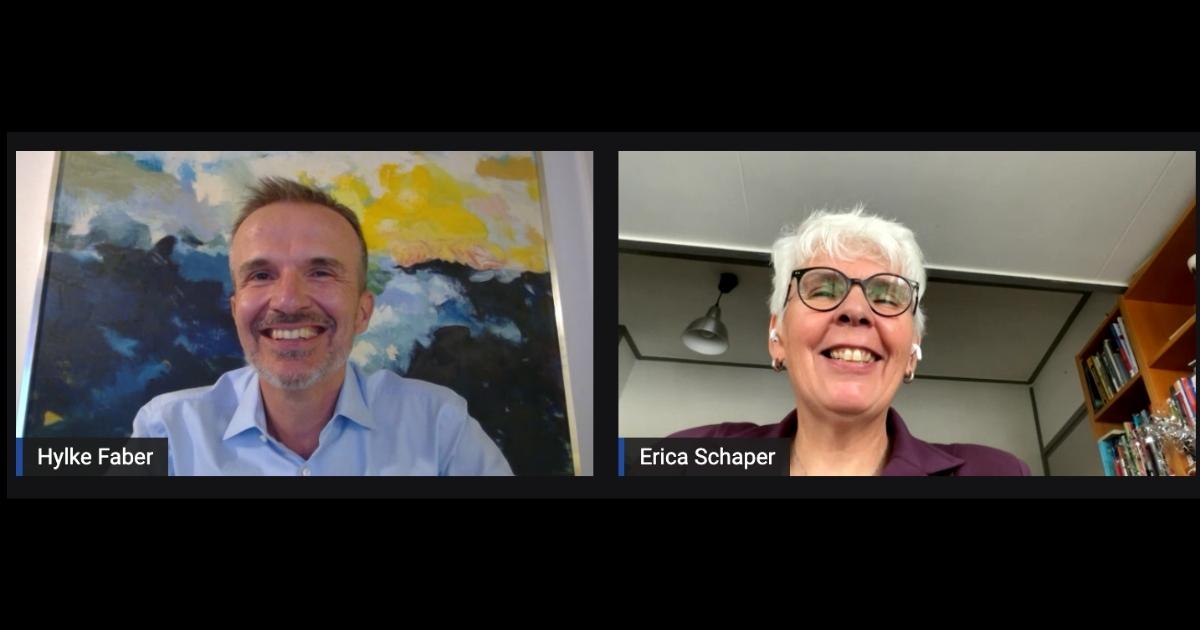
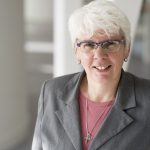
Stepping into our higher purpose, we connect to a deeper sense of energy that we experience viscerally, shares Erica Schaper, Chairman of the Board of NHL Stenden University of Applied Sciences in the Netherlands. Purpose helps Erica to be decisive, also when she needs to take unpopular decisions. In the heat of a challenging conversation, she keeps an eye on what is truly important, so as not get distracted by emotions, hers or anyone else’s.

Erica finds greater strength in purpose by becoming clear what she is really called to focus on and what is outside of her scope. She humbly acknowledges that we are only on this planet for a very short time and we will not solve all our problems in our lifetimes. Does that dissuade her from giving it her all? No, not at all. Erica stays focused on her purpose and takes small steps towards it every day. This includes taking care of herself, taking time off, spending time with her wife Hetty at their horse farm, or losing herself in a good book.

NHL Stenden. Groundbreaking.

By expanding your boundaries, there is no telling what you might accomplish. That is why we challenge our students, staff and partners every day to discover and develop their talents, as part of a journey that transcends the limits of their own professional field and immediate environment. NHL-Stenden-logo

Our multi-campus university of applied sciences is firmly rooted in the northern part of the Netherlands where we are based, while at the same time maintaining a strong international focus.

At all our Dutch and international branches, we are always looking for new ways to successfully integrate education, research and the latest developments in the professional world.

Our students, lecturers and researchers work together in small teams on real-life assignments and share their innovative ideas in practice. Our courses incorporate all the latest trends and developments in the relevant sectors and industries, both at a national as well as an international level.

NHL Stenden offers hands-on English-taught bachelor and/or master’s programmes in the fields of hospitality, tourism, leisure & events, creative business, communication & multimedia design, international business, IT, supply chain, HR and European Studies as well as 2 unique international teacher education degrees.

Around 24.000 students are studying at NHL Stenden, amongst them 3.000 international students from over 100 different countries.

Erica-SchaperErica Schaper is a passionate director, executive and supervisor with a social heart and extensive experience in realising strategic reorientations with organisations in the public domain.

She makes sure the focus is on results and efficiency. In doing so, she uses the internal motivation of employees for their profession or the context in which they work. Her strength lies in moving people.

Within an organization, she encourages individual responsibility for employees’ own development and job satisfaction. People experience this as pleasant, but also as decisive, reliable, transparent and honest, with an eye for the human factor.

As a Chairperson of the Executive Board, Erica Schaper carries executive responsibility for NHL Stenden University of Applied Sciences. January 2018 marks the start of NHL Stenden University after the merger; a brand-new university where 24 000 students and more than 2000 academic staff expand their boundaries every day. NHL Stenden University distinguishes itself with a unique educational concept Design Based Education, inspired by the principles of Design Thinking.

NHL Stenden opt for a solid substantive research profile based on the focus areas Vital Regions, Smart Sustainable Industries and Service Economy. As an international multi-campus NHL Stenden has a strong and varied student body, with more than 90 nationalities, and several campuses located in the Netherlands, and partners in South Africa, Thailand and Indonesia. Therefore, NHL Stenden is one of the most international educational institutes in the Netherlands.

Since 1 January 2014, Erica has been working as managing director for trade union FNV. Her activities focused on guiding the merger process of five organisations, and the establishment of the new FNV work organisation.

In addition, she has extensive experience with merger and change processes in education, gained as managing director of Van Hall Larenstein UAS and as interim manager for, among others, Hanze UAS Groningen and Inholland UAS. She has also worked as higher education supervisor and auditor for the NVAO and the Sirius excellence programme.

Erica Schaper has extensive experience in the field of public administration, and a strong interest in education, empowerment, community building, and merger processes.

Connect with Erica on LinkedIn.

About Rooted & Unwavering

Peace, Compassion, Wisdom, Purposefulness, Creativity and Strength come online in us when we deeply connect with the true, unwavering greatness that lives within ourselves and others.Rooted-and-Unwavering-Tile

In this podcast and radio show, Hylke Faber, seasoned transformational coach and author of the award-winning Taming Your Crocodiles series, engages in deep inquiry with leaders from all walks of life about courageously connecting with our true selves, others and the world at large.

How do we stay connected to our true selves and our greatness, especially when we are challenged? How do we rest in the heart, also when our mind keeps us restless? What becomes possible when we truly stay committed to our own and others’ best selves, also when we don’t feel it? How do we practice staying connected to our true selves, in the midst of our busy lives?

Join us and leave inspired to act on your heart’s greatness and that of the people around you.

About Our Host

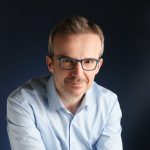
Hylke-Faber-headshotFor as long as he can remember Hylke Faber has been curious about what this life is about. His ongoing inquiry has become his work: helping people individually and collectively to discover what is possible in life and express that authentically and fearlessly.

Hylke started his work life with Towers Perrin as consultant and then as Partner with Strategic Decisions Group, serving a wide range of industries, including financial services, manufacturing, consumer electronics and life sciences companies. A major shift occurred during this critical phase of his life. He had become the typical, hard-charging, 16-hours-a-day strategy consultant, and was burning out at a rapid clip.

When he discovered meditation, everything changed. He was so taken by his new discoveries that he chose to bring to business what he was learning: that there is a way we can have it all – we can be fulfilled, do work we love, and create extraordinary results with others. He thinks of it as creating a sense of ease in business.

He learned how to coach and facilitate human transformation completing his coaching certification with Newfield Network and by working at Axialent, the culture and leadership company. After a few years, he founded Co-Creation Partners together with other leaders in the field of transformation and personal development. Then he formed Constancee to help people grow by creating the conditions where deep personal, interpersonal and organizational shifts happen routinely.

He leads Growth Leaders Network, the culture and team development consultancy. He has also taught coaching at Columbia Business School Executive Education and has contributed to Harvard Business Review. He is currently teaching a course on Climate Conscious Leadership at Arizona State University. His award-winning book, Taming Your Crocodiles: Unlearn Fear & Become a True Leader, was published by Dover in 2018.

His next book, Taming Your Crocodiles Practices for Leadership Depth, came out in 2020. Besides helping others grow, which he loves, he is a trained opera singer, enjoys hiking and writing, is an avid reader, in particular of biographies, and is always in the process of growing himself. He integrates all of what he learns in his work with executives.

Connect with Hylke on LinkedIn.

About Our Sponsor

Realizing Your Greatness

We are a team of experienced facilitators and coaches dedicated to helping individuals, teams and organizations thrive by helping them recognize their innate greatness and putting it to work.

    • Executive Coaching: we work with clients individually to help them connect to their calling and use every challenge as an opportunity to help them grow more into what makes them great.
    • Team Performance: we help teams evolve to their next level of excellence, connectedness and impact by working on the root drivers of team performance.
    • Culture Development: we help organizations to evolve their culture by creating clarity about where they aspire to go, and by building role models, coaches and systems that catalyze people being energized to work the new way.
  • Key Notes: we deliver powerful speeches at conferences and other events that help audiences become energized, more connected to themselves and each other, more open to discovery and ready to commit to the next stage of learning in their career and life journeys.

Growth Leaders Network (GLN) serves Fortune 500 companies, smaller organizations and non-profits globally.

GLN clients report that we catalyze significant business transformational impact and profound shifts in people, team and organizations at the root cause level.

Learn more about the Growth Leaders network here.

Tagged With: NHL Stenden University of Applied Sciences

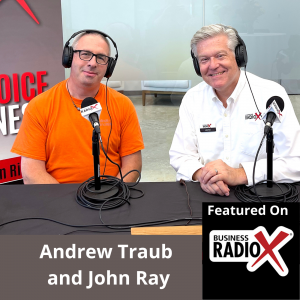
LIVE from the GNFCC Grand Opening Celebration: Andrew Traub, A&S Culinary Concepts

September 12, 2022 by John Ray

Andrew Traub
North Fulton Business Radio
LIVE from the GNFCC Grand Opening Celebration: Andrew Traub, A&S Culinary Concepts
Loading
00:00 /
RSS Feed
Share
Link
Embed

Download file

Andrew Traub

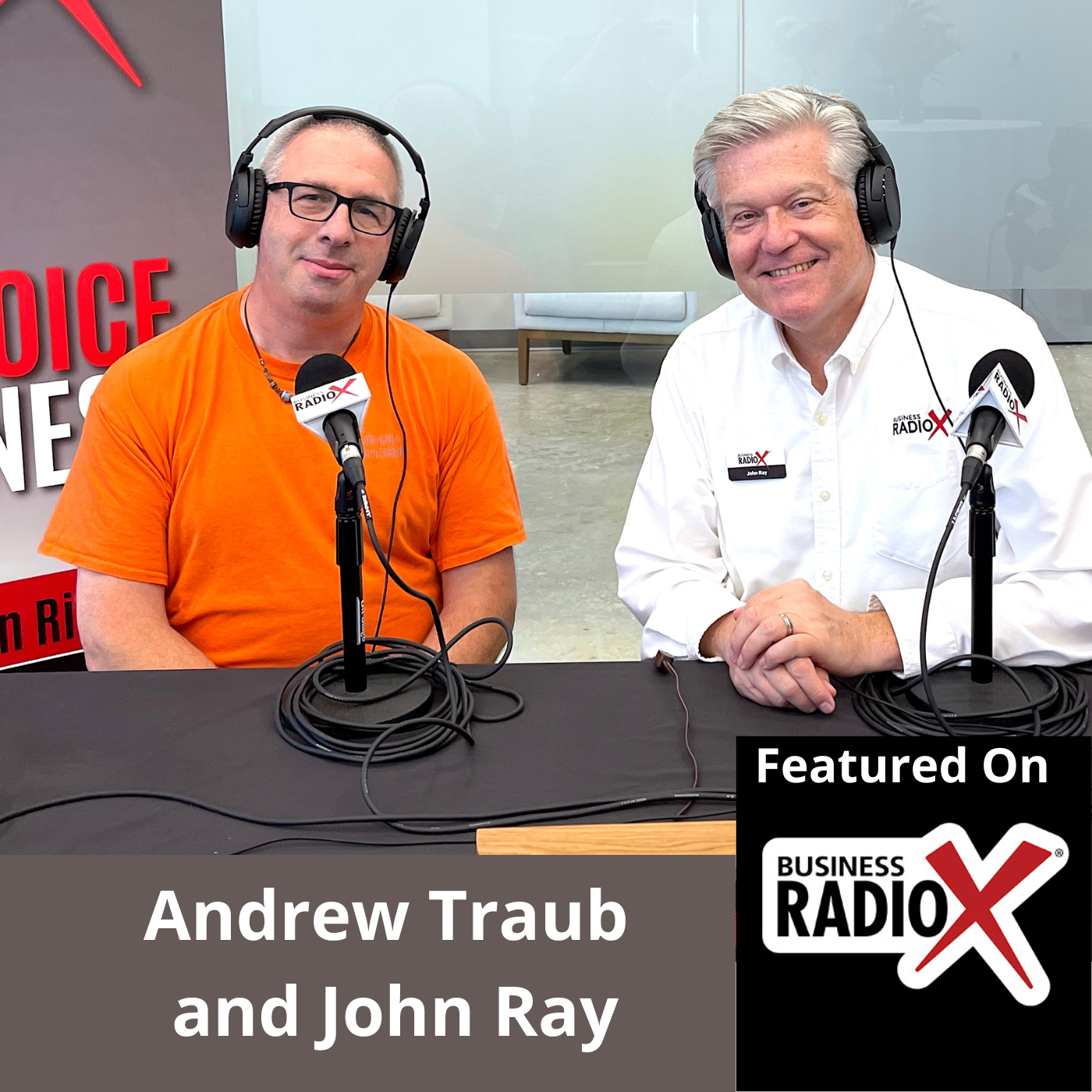
LIVE from the GNFCC Grand Opening Celebration: Andrew Traub, A&S Culinary Concepts (North Fulton Business Radio, Episode 517)

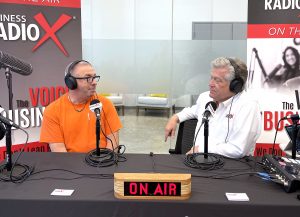
Andrew Traub, Executive Chef at A&S Culinary Concepts, stopped by to chat with host John Ray during the live remote of North Fulton Business Radio at the Grand Opening Celebration of the new offices of the Greater North Fulton Chamber. Andrew and his team catered the event, and Andrew talked about what they served that evening, their catering business and other events and classes beyond catering, why the Chamber has been so important to his business, and more.

This show was originally broadcast live from the Grand Opening celebration and ribbon cutting of the new offices of the Greater North Fulton Chamber of Commerce at the 10000 Building at Avalon in Alpharetta, Georgia, on August 18, 2022.

North Fulton Business Radio is produced and broadcast by the North Fulton studio of Business RadioX® inside Renasant Bank in Alpharetta.

A&S Culinary Concepts

A&S Culinary Concepts is an award-winning culinary studio celebrated for corporate catering, corporate team building, Big Green Egg Boot Camps, and private group events.

Company website | Facebook | Instagram

Andrew Traub, Chef/Owner, A&S Culinary Concepts

When Andrew was 15, his mother requested he go out and find a job. So he went down the block to the local Italian steakhouse and asked if they needed help. Luckily they did, and he was hooked into the world of food and beverage. That experience cemented his desire to become a chef and led him to choose a culinary school in the Catskill Mountains of New York for his college education. Andrew gained invaluable experience working in the enormous kitchens in the Catskill resort hotels while earning his degree. Recruited right out of school by Marriott Hotels and Resorts, Andrew was asked to be a member of the opening management team of the New York Marriott Marquis in Times Square.  After moving his way up the culinary ladder and winning several culinary awards along the way, from culinary shows to corporate events, he left Marriott.

Andrew partnered with his college friend and opened Love at First Bite Catering in Manhattan. Clients included Radio City Music Hall, the Luxembourg Consulate, the Pace Collection and Fordham University. After selling Love at First Bite, Andrew and his wife, Sue, followed a dream and traveled around the United States for six months, sampling the cuisines of the various regions of our great country along the way.

Upon returning to New York after their travels, Andrew was offered a position as Executive Chef at a corporate catering company in Manhattan. Ten months later, Marriott came calling again and Andrew was offered a position as Executive Sous Chef at the Marriott Marquis in Atlanta, Georgia. He accepted the position at the Marquis, which was the host hotel for the 1996 Olympic Headquarters.

After three years, Andrew was offered the opportunity to become Executive Chef of the Memphis Marriott Downtown Hotel and Convention Center. After a couple of years, Atlanta once again beckoned, and his next promotion was the position of Executive Chef of the Atlanta Evergreen Marriott Conference Resort in Stone Mountain, Georgia.

Andrew was at Evergreen for 14 years. During that period, he served on several Advisory Boards, notably Avendra (the purchasing company for Marriott, Hyatt and several other hotel companies); Lakeview High School in DeKalb County; and Grayson Technical Culinary Arts Program. The board position he is most honored to hold for thirteen years is on the Advisory Board of the Atlanta Community Food Bank and he is proud to continue to serve.

With his extensive professional contacts–many who have become friends–and his knowledge of the local culinary scene, he is ready to share his experience with you through his food studio, A&S Culinary Concepts.

LinkedIn

Questions and Topics in the Interview:

  • Corporate Team Building Events at A&S
  • Big Green Egg events
  • Andrew’s experience with GNFCC

North Fulton Business Radio is hosted by John Ray and broadcast and produced from the North Fulton studio of Business RadioX® inside Renasant Bank in Alpharetta. You can find the full archive of shows by following this link. The show is available on all the major podcast apps, including Apple Podcasts, Spotify, Google, Amazon, iHeart Radio, Stitcher, TuneIn, and others.

RenasantBank


Renasant Bank has humble roots, starting in 1904 as a $100,000 bank in a Lee County, Mississippi, bakery. Since then, Renasant has grown to become one of the Southeast’s strongest financial institutions with over $13 billion in assets and more than 190 banking, lending, wealth management and financial services offices in Mississippi, Alabama, Tennessee, Georgia and Florida. All of Renasant’s success stems from each of their banker’s commitment to investing in their communities as a way of better understanding the people they serve. At Renasant Bank, they understand you because they work and live alongside you every day.


Special thanks to A&S Culinary Concepts for their support of this edition of North Fulton Business Radio. A&S Culinary Concepts, based in Johns Creek, is an award-winning culinary studio, celebrated for corporate catering, corporate team building, Big Green Egg Boot Camps, and private group events. They also provide oven-ready, cooked-from-scratch meals to go they call “Let Us Cook for You.” To see their menus and events, go to their website or call 678-336-9196.

Tagged With: A&S Culinary Concepts, Andrew Traub, Big Green Egg, Catering, chef, corporate catering, North Fulton Business Radio, renasant bank, team building

Paul Kamm With Pet Wants

September 2, 2022 by Jacob Lapera

Paul Kamm
Franchise Marketing Radio
Paul Kamm With Pet Wants
Loading
00:00 /
RSS Feed
Share
Link
Embed

Download file

Pet wantsPaul KammPaul Kamm is the Vice President of Operations for Pet Wants, a national dog/cat nutrition, and wellness company. Paul has spent 35+ years in the pet industry, most recently as Vice President of Sales and Operations for Jack’s Pets, a regional full-line pet store chain.

Previous positions at Jack’s included Director of Operations and Director of E-Commerce. Paul was also President of Fishvet, an aquarium medication manufacturer, and a Buyer for Pet Care Superstores. He feels truly fortunate to have a career in a field where he can help pets live longer and healthier lives.

Connect with Paul on LinkedIn.

What You’ll Learn In This Episode

  • About Pet Wants
  • The growth strategy with Pet Wants as it eyes the 200th mark
  • Qualities they look for in a Pet Wants franchisee

This transcript is machine transcribed by Sonix

TRANSCRIPT

Intro: [00:00:05] Coming to you live from the Business RadioX studio. It’s Franchise Marketing Radio brought to you by IDs, an award winning digital marketing agency that delivers integrated marketing solutions for franchisors, franchisees and franchise development teams. Learn why over 75 brands depend on ID’s team of dedicated marketers and client service professionals to deliver a strong ROI on their marketing investment. Go to Ids franchise marketing for a complimentary digital audit in consultation.

Lee Kantor: [00:00:44] Lee Kantor here another episode of Franchise Marketing Radio, and this is going to be a good one. Today on the show we have Paul Kamm with Pet Wants. Welcome, Paul.

Paul Kamm: [00:00:54] Thanks, Lee. Glad to be.

Lee Kantor: [00:00:55] Here. I’m excited to learn what you’re up to. Tell us a little bit about Pet Wants, how you serve in folks.

Paul Kamm: [00:01:01] Well, Pet Wants we’re a dog and cat nutrition and wellness company basically servicing. We sell dog and cat food treats, chews supplements to kind of take care of all the nutritional needs of anybody’s pet.

Lee Kantor: [00:01:15] Well, can you share a little bit about the back story? How did this come about?

Paul Kamm: [00:01:20] Yeah, it’s actually very interesting. Our founder back in 2010, I believe it was, could be wrong on the year she had a couple of pets, a couple of dogs that had some skin problems and she wasn’t happy with wanting to put him on medication. The vet wasn’t really helpful and she kind of realized looking at diet that that was going to make a difference. So she did a ton of research, spent months, probably a couple of years looking into pet nutrition, and it did a deep dive and actually came up with some formulations for food. She found a small manufacturer in northern Ohio that was willing to make like a £400 test batch and make the food. She comes back, she’s feeding it to her dog. She’s noticing a difference in her dog skin, their coat, the behavior, the dog just totally changes, kind of becomes the dog she wanted, not the dog she had. So she had to make a little more food. Some of her friends noticed the changes in the dogs. Hey, can we try some of that food? So then she gets £1,000 made, then she’s getting a couple thousand pounds made. And the manufacturer kind of said to her, What’s going on here? You got something? Something happening? So she opened a store in the Findlay Market down in Cincinnati. Findlay Market at the time is, I should say, one of the oldest farmer’s markets in in America. At the time it was a smaller it’s kind of a tourist destination now, but it was a small little market. And she opened a store to start kind of supplying the food to other pet owners and kind of build from there. I mean, it really is that grassroots beginning story that you think about a business starting from scratch. She started it from from totally from scratch from the first piece of dog food up.

Lee Kantor: [00:03:02] So then what was the thinking to franchise? How did that come about?

Paul Kamm: [00:03:07] Her commitment to nutrition and education and trying to help more pets across the country. She’s the sole operator. She’s an incredibly intelligent woman and business person. But franchising going national was not her forte. So she partnered with our parent company called Strategic Franchising, also based here in Ohio. So then you could take the model and franchise it out. She’s smart enough to understand that was not her expertise. Her expertise was in nutrition, the formulation and kind of the educational piece. So we’ve built off of that and move forward to take it franchised around the country.

Lee Kantor: [00:03:49] So when when a company chooses that route, what does that look like? How kind of what what state of the business do they have to be in where a firm like yours says, you know what, they have the good bones here and we’ll be able to really do what we do and get this out in front of lots more people than they could have individually.

Paul Kamm: [00:04:13] Well, I think that comes down to an individual. Every every company that’s going to franchise or a franchise or I should say, probably evaluates the potential differently. We saw and again, being those of us in the business here are pet people as well. So we understood the power of what she was doing, the coming at the issue with with dog and cat skin coat behavior issues from a nutritional standpoint. We saw the power in that and her whole focus on education, nutrition, getting the pet owner to understand what was really needed for their pet. That was real powerful to us. We kind of bought into that early and saw that this had a lot of potential. That and the fact if you look at the pet industry itself, it’s kind of a recession proof industry. It’s growing, it’s very strong. It just that everything came together and said this makes sense to take this. The next step.

Lee Kantor: [00:05:14] Now is the kind of pet as family member. Is that unique for America or is that happening around the world?

Paul Kamm: [00:05:23] It’s interesting. I think it’s more. More an American thing where we humanize the pet. But I don’t want to take away anything around the world. I mean, I understand. Like down in Brazil, a friend of mine runs a different franchise company. And down in Brazil, they groom their dogs every two weeks. I mean, it’s just there’s such a there’s such a focus on the dog has to look good. It’s kind of a status symbol. So depending on the industry, depending on the country, I should say, the the social norms are a little different where where kind of a pets are people in Brazil, it’s kind of pets are a status symbol. Other countries are going to be a little different. But what we’re a little unique that we treat them really like children. There are fur.

Lee Kantor: [00:06:14] Babies. Now, did the pandemic just accelerate this trend?

Paul Kamm: [00:06:20] I think so a bit. What really happened during the pandemic was people obviously being indoors and not socializing as much. The desire to have pets, to add some more love and fun companionship into the house kind of exploded. And really what what was noticed in industry, especially like millennials primarily, but also baby boomers and seniors, a lot of pet adoption where a lot of shelters had in the past, a lot of animals trying to find they really had to work hard to find homes. All of sudden the demand was there and people were adopting animals and really adding population into their homes.

Lee Kantor: [00:07:00] Now, as the pandemic wanes and the reality of, oh, I also travel and I have a life comes into play, how did that impact pet ownership?

Paul Kamm: [00:07:12] I don’t think that people who did a lot of traveling were necessarily the ones that jumped out and got the animals knowing that it was going to end eventually. You know, my my my daughter is an example. You know, she she ended up stepping up to get a pet for the exact same reason. I want some, some, some other love in the house. And she doesn’t travel for work. She’s back at work, but not traveling. So I don’t think there was a big impact in that regard to people who are traveling. I think a lot of responsible pet owners, again, these are their fur babies. They wanted to bring animals into the house because they were in the house and would be home not traveling.

Lee Kantor: [00:07:53] Now, when you were kind of building out the plan to franchise, what was kind of that avatar of that ideal franchise.

Paul Kamm: [00:08:02] Ideal franchisee for us really is kind of a couple of things. One, and the obvious one is obviously the pet lover. But that that’s that’s more of the minor part. Our business is really built around community based marketing, going out to farmer’s markets and events and educating people and making contact. So we were looking for people that had kind of a spirit to serve what we call values, the value, relational marketing or relationships. They want to connect with people, educate people, and help them provide the best nutrition and care for their pets. So it really is a people person is really the primary person we’re looking for and somebody who’s got a lot of drive, you know, you can’t open a business and people aren’t going to just come to your door. You have got to go find the business. So we’re looking for people that are outgoing as well.

Lee Kantor: [00:08:57] Now, is the plan kind of the world is your oyster at this point? You’re like just trying to get as many in America as you possibly can. Like, where are you at on the growth curve?

Paul Kamm: [00:09:07] Yeah, we feel we’re we’re not if we’re not crawling, we’re walking. We’re not running yet. We have about 150 territories now. We added 47 territories last year. We signed about 15 year to date, got about 20 more to go. We really look at the marketplace saying there could be 400 plus by 2028. So we’re we’re still in the in the first third of what we really feel we can do.

Lee Kantor: [00:09:38] And then you’re going like the whole country is kind of where you’re going or you’re targeting certain regions.

Paul Kamm: [00:09:45] We are going, yeah, coast to coast. Absolutely.

Lee Kantor: [00:09:48] So what do you need more of? How can we help you?

Paul Kamm: [00:09:54] You know, we’re looking for good quality people who are really want to dedicate to helping pets get get better, helping pet parents, so to speak. It’s a fun industry. I call it the love business. In all honesty, people don’t have to have pets. They want to have pets. Add that companionship, add security, whatever, to the house. So somebody that resonates with that, they understand that that pets are not have to it’s a want to. And relate to that typically a pet owner. Our our best franchisees really come out of our customer base because they’ve tried our foods. It’s all private label foods. We only make our own and they see that result with their dog and become kind of a. Kind of preach, preach to the rest of the people how good the food is.

Lee Kantor: [00:10:49] So what’s a day in the life look like for a franchisee? Are they spending their time in a store? They networking with veterinarians? Like what is the what is their day look like?

Paul Kamm: [00:11:01] The typical day is a little of both. I mean, we are event based marketing. Besides having a small retail footprint, we really go out into the marketplace versus expecting them to come to us. So a typical day we could be prepping for a market and doing a market or community networking, certainly going out to meet veterinarians and educating about our food and what makes our food different. Other businesses in the area, dog walkers, any kind of business that does things with pets and other businesses that are pet friendly. A lot of businesses let people bring in their pets. A lot of our owners do cross promotions with businesses like that. So it is really spending majority of the time in the community trying to build relationships up with people about our business and about their pets.

Lee Kantor: [00:11:52] So do they need a storefront like mandatory or is it something they can ease into a storefront?

Paul Kamm: [00:11:58] Well, I’m going to say they ease into it’s mandatory. But the way our agreement works is they come on board, they’re immediately going to launch after training. We have a whole onboarding and a whole training process that they go through to be ready to launch the business. We’re going to train people about pet nutrition. We’re going to train people about running a business. We’re going to train people about marketing. We have all these programs and processes in place, so it’s kind of cookie cutter helping them to understand how to run their business. But the start immediately is is event based marketing. We call it mobile. They have an e-commerce platform, so they have their own website so they can do business and e commerce platform for home delivery. They start the the launch, the mobile immediately. And within a year we expect them to open up a what we call a pet store. Our stores are slightly different than most people would think of a retail store as our stores really are about 1000 to 1200 square feet, 350 square feet of retail space on front. And the back side is kind of a services area for grooming, dog washing, that kind of thing. So we offer a service out of the out of the retail location as well. The front being small again, where nutrition supplements chews and treats. That’s all we carry in store online. We sell other items, but in store, it’s really those items that turn the most create the the highest demand items, the the items that turn the most for our owners so our owners can keep the inventory and the cash flowing rapidly instead of putting their money into inventory that sits.

Lee Kantor: [00:13:36] So if somebody wants to learn more, have a more substantive conversation with you or somebody on the team, what’s the website? What’s the best way to get to hold you guys.

Paul Kamm: [00:13:43] That want pet swanscombe? It’s really the easiest way to go to.

Lee Kantor: [00:13:48] Well, congratulations on all the success. You’re doing important work and we appreciate you.

Paul Kamm: [00:13:53] Well, thank you. I appreciate that as well.

Lee Kantor: [00:13:55] All right. This is Lee Kantor. We will see all next time on Franchise Marketing Radio.


Tagged With: Paul Kamm, Pet Wants

Yoshi Domoto with JapanFest, Kris Miller with Hoshizaki America, Jessica Cork with YKK Corporation, and Brian Lee with Beard Papa’s

September 1, 2022 by Mike

Gwinnett Business Radio
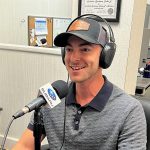
Yoshi Domoto with JapanFest, Kris Miller with Hoshizaki America, Jessica Cork with YKK Corporation, and Brian Lee with Beard Papa's
Loading
00:00 /
RSS Feed
Share
Link
Embed

Download file

Yoshi Domoto, Kris Miller, Jessica Cork, Brian Lee

Yoshi Domoto/The Japan-America Society of Georgia & JapanFest

The Japan-America Society of Georgia (JASG) is a 501(c)(3) non-profit organization whose mission is to promote mutual understanding between the people of Japan and the State of Georgia through business, culture, education, public affairs, and social networking. One of its biggest events is JapanFest Atlanta, the largest Japanese festival in the Southeast, which will be held September 17-18, 2022, at the Gas South Convention Center in Duluth.

Kris Miller/Hoshizaki America

Hoshizaki is the world leader in the design, manufacturing, and marketing of a wide range of products for the foodservice industry including ice machines, refrigerators, freezers, prep tables, display cases and dispensers. With corporate headquarters in Peachtree City, GA and a second manufacturing facility in Griffin, GA, Hoshizaki America employs over 1000 people nationwide. Their attention to detail, continuous innovation, and commitment to the highest standards ensures that their customers have exceptional quality products. Hoshizaki has earned ENERGY STAR® Partner of the Year multiple years in a row for superior energy efficiency achievements.

Jessica Cork/YKK Corporation of America

YKK Corportaion of America solves the most complex fastening and attaching challenges. Since the company’s founding in Tokyo in 1934, YKK has continuously set industry standards for quality, innovation, and sustainability in the production of zippers, plastic hardware, hook and loop fasteners, webbing tapes, and snap and buttons. Guided by the CYCLE OF GOODNESS® philosophy – no one prospers without rendering benefit to others – YKK aims to contribute to a sustainable society through its products and manufacturing operations and constantly seeks new ways to serve the changing needs of its customers while at the same time investing in its employees and giving back to its communities.

Brian Lee/Beard Papa’s Peachtree Corners

Since 1999, Beard Papa’s has been baking the world’s best cream puffs. They began in Japan and have expanded to over 400 stores in 15 countries and territories. They are committed to bring you a pastry that is super oishii! (delicious!)

Gwinnett Business Radio is presented by
Tagged With: Beard Papa's, Beard Papa's Peachtree Corners, brian lee, gwinett business radio, Hoshizaki America, Japan-America Society of Georgia, japanfest, Jessica Cork, Kris Miller, regions bank, steven julian, subaru of gwinnett, YKK Corporation, ykk corporation of america, yoshi domoto

E109 Utilizing Research in Project Management with Robert Joslin

September 1, 2022 by Karen

Robert-Joslin-Project-Management-Office-Hours
Phoenix Business Radio
E109 Utilizing Research in Project Management with Robert Joslin
Loading
00:00 /
RSS Feed
Share
Link
Embed

Download file

E109-Utilizing-Research-in-Project-Management-with-Robert-Joslin

E109 Utilizing Research in Project Management with Robert Joslin

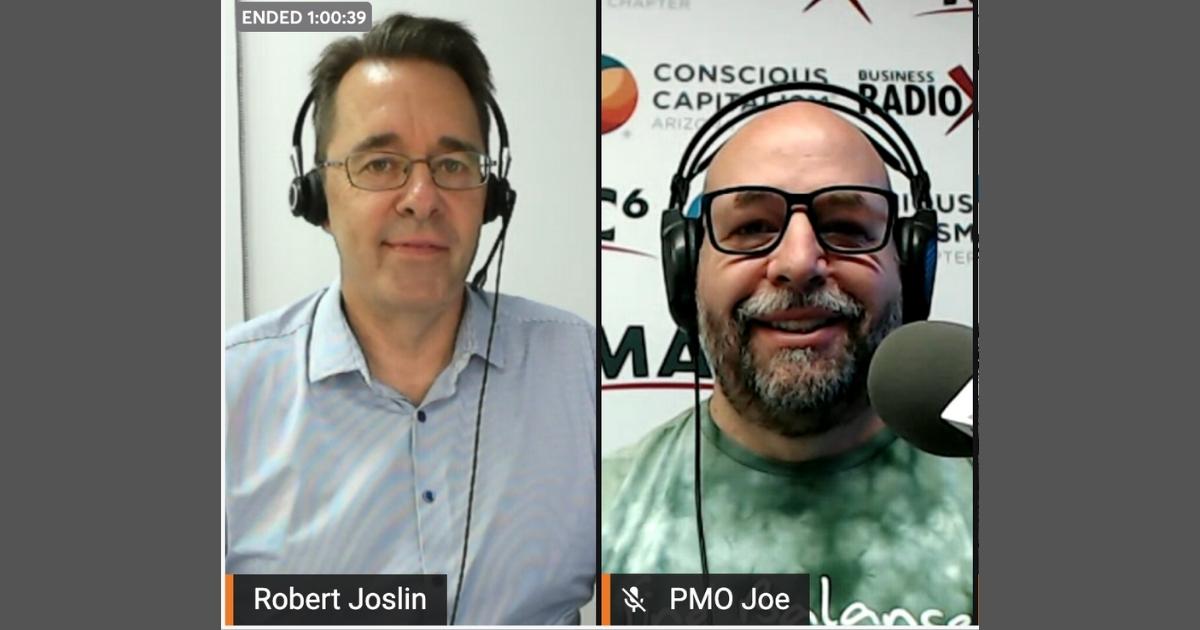
In this episode of Project Management Office Hours, PMO Joe welcomed Robert Joslin to the show. We get to hear Robert share his story and learn about the founding of AIPMO. Robert and Joe also discussed global associations, industry research, Agile in PMOs and so much more.

Robert is a Portfolio/project/program management consultant, professor, and engineer. He has 25 plus years in designing, initiating management delivery of business transformation, reengineering, infrastructure, and strategy development including winning national prizes for ideas and product innovation.

Why start AIPMO? “AIPMO stands for the Association of International Project Management Officers. So really the association should be about the individuals rather than the project management office itself. So the O could be officers or office, depending on how you use the term. And the reason I actually set up AIPMO back in 2015 was having worked on projects pretty much all my life and experienced projects, good ones, poor ones, you realize actually in the projects that are poorly run, how it actually impacts individuals.”

What differences do you find with PMOs from different regions around the world? “I actually call Saudi Arabia the Kingdom of PMOs because it has so many structured PMOs run by consulting companies like McKinsey, for example. PwC is big into PMOs. So really Saudi Arabia has maybe surprising to some, it’s extremely advanced in the way that PMOs they’ve actually developed.”

Connect with Robert:
LinkedIn – https://www.linkedin.com/in/dr-robert-joslin/

Connect with AIPMO:
www.aipmo.org

Or see the guest list for upcoming shows – https://www.thepmosquad.com/podcast

Thank you to THE PMO SQUAD and The PMO Leader for sponsoring this show.

The PMO Squad is a leading provider of PMO and Project Management services in the US. They assist clients building and improving PMOs, provide Project Management Consulting services, deliver custom Project Management Training and provide Project Management staffing services.
Learn more about The PMO Squad – https://www.thepmosquad.com

Where do PMO Leaders go for Information, Learning, Networking and Services? The PMO Leader community has “Everything You Need to Become a Great PMO Leader”. One PMO World, One Community!
Learn more about The PMO Leader – https://www.thepmoleader.com

aipmo-logo-1

AIPMO is the Association of International Project Management Officers and was established in Dec. 2015 in Switzerland.

Its Vision is to identify and put into place the building blocks for PMO management to become a recognized international profession.

Its Mission is to advance the theory, design, and implementation of high-performing collaborative PMOs to empower PMO professionals to create sustainable measurable organizational impact.

Its Strategy is to build and evolve AIPMO’s PMO strategic lifecycle framework through research, development, and partnering in parallel to determining and establishing the building blocks in creating PMO management as a profession.

Robert-Joslin-Project-Management-Office-HoursRobert Joslin, Founder of AIPMO, is a portfolio/project/program management consultant, professor, and engineer with 25 plus years in designing, initiating management delivery of business transformation, reengineering, infrastructure, and strategy development including winning national prizes for ideas and product innovation.

He develops and designs enterprise PMOs target operating models (TOMs) using various frameworks including AIPMO’s Strategic Lifecycle Framework. Robert has worked across many industries and experienced different cultures.

Connect with Robert on LinkedIn.

ABOUT YOUR HOST

Joe Pusz started THE PMO SQUAD to bring real world PMO Leadership experience to the consulting space and to advocate for Project Management through his blog PMOJOE.com. The old saying is “Do what you love and you’ll never work a day in your life.” Following this mindset Joe left Corporate America in 2013 to start THE PMO SQUAD and work with fellow Natural Born Project Managers to advance Project Management Best Practices.

ABOUT OUR SPONSOR

THE PMO SQUAD focuses exclusively on PMO and Project Management consulting. Corporate America is full of Accidental Project Managers running projects who haven’t been trained to be PMs. To help solve this problem THE PMO SQUAD is on the Leading Edge with PMO As a Service. PMO As a Service allows our clients to focus on their respective core competencies while THE PMO SQUAD delivers Project Management expertise. Contact Joe at 678-591-7868. Follow The PMO Squad on LinkedIn, Twitter and Facebook.

Where do PMO Leaders go for Information, Learning, Networking and Services? The PMO Leader community has “Everything You Need to Become a Great PMO Leader”. One PMO World, One Community! Learn more about The PMO Leader – www.thepmoleader.com

Tagged With: AIPMO, IPMO, PMO certifications, PMO Services and Capabilities, PMO Target operating models

Bob Bafundo With Wings and Rings

August 26, 2022 by Jacob Lapera

Bob Bafundo
Franchise Marketing Radio
Bob Bafundo With Wings and Rings
Loading
00:00 /
RSS Feed
Share
Link
Embed

Download file

WingsandRingsBob BafundoBob Bafundo, Chief Operations Officer at Wings and Rings.

He is an industry veteran with a broad base of experience in numerous key disciplines, formerly serving as President of Rave Restaurant Group, a Dallas-based publicly held company specializing in the pizza segment, and franchisor of legacy brand Pizza Inn and fast-casual Pie Five. He joined Rave in 2016 as President of the Pizza Inn division, where he has led efforts that created 3 years of consistent same-store sales growth. Prior to that, he served as President of Garbanzo Mediterranean Grill, designated as a “Breakout Brand” by Nation’s Restaurant News in both 2013 and 2014. Starting in 2009, he built the franchise program for the brand.

“Raised” in operations, Bob quickly moved through the ranks of single and multi-unit operations with Midwest regional sandwich chain Rax Restaurants. His passion for the business and work ethic created new opportunities in Purchasing/Distribution, as well as Franchise Development and Support Services within the Rax organization. He left Rax as Vice President of Company Operations. Joining KFC in 1993, he spent the next 11 years in company operations, driving sales and profits for between 125 and 180 restaurants in the Southeast, and leading the field testing of many multi-branded concepts. His results at KFC were driven by his strong team-building skills.

In 2004, Bob and a partner ventured out as franchisees of Dallas based Tin Star Southwest Grill, and became master franchise developers for the Sports Clips concept, both in Atlanta. He later moved to regional player Back Yard Burgers as Sr. Vice President of Operations, with responsibility for both company stores as well as franchise support. He has a unique blend of experience ranging from start-ups to national brands, that creates a strong foundation for general management opportunities. He has proven abilities in recruiting and building strong teams, growing sales, partnering with franchisees, and creating systems and processes to deal with new and challenging situations. His approach is always driven by high energy, outstanding work ethic, excellent communication skills, and integrity.

Connect with Bob on LinkedIn.

What You’ll Learn In This Episode

  • Wings and Rings Partners with Miso Robotics to Test Solutions to Alleviate Labor Shortage
  • Wings and Rings recent partnership with Miso Robotics to begin a piloted test of Flippy 2 in the Crestview Hills, Kentucky location
  • The impact on technology in the kitchen and how human counterparts can focus more on customer-facing roles

This transcript is machine transcribed by Sonix

TRANSCRIPT

Intro: [00:00:05] Coming to you live from the Business RadioX studio. It’s Franchise Marketing Radio brought to you by IDs, an award winning digital marketing agency that delivers integrated marketing solutions for franchisors, franchisees and franchise development teams. Learn why over 75 brands depend on ID’s team of dedicated marketers and client service professionals to deliver a strong ROI on their marketing investment. Go to IDS Franchise Marketing for a complimentary digital audit and consultation.

Lee Kantor: [00:00:42] Lee Kantor are here another episode of Franchise Marketing Radio and this is going to be a fun one. Today on the show we have Bob Bufano with wings and rings. Welcome, Bob.

Bob Bafundo: [00:00:54] Hey, thank you, Lee. I appreciate you having me. Good afternoon.

Lee Kantor: [00:00:57] I am so excited to learn what you’re up to. Tell us a little bit about wings and rings. How are you serving folks?

Bob Bafundo: [00:01:02] Wings and Rings is a concept that’s been in place since 1984. Current ownership acquired the chain in 2005 and really took it from a very localized wing joint in in the Cincinnati market to more of a regional emerging chain throughout the country. We have 61 restaurants domestically in another 23 or so internationally. And Wings and Rings really tries to differentiate itself by being the place where people can go to connect over sports. It’s getting together with friends and family and watching a game and enjoying some great food. We really try to deliver crave worthy wings and rings to our guests and make sure they they view us as the place to go for those items. And we try to do it with in a little nicer environment and decor and do it with some great friendly service that makes people feel like they’re in a home.

Lee Kantor: [00:02:09] Now, how are you helping your franchisees kind of cope with this labor challenge that’s happening around the country? Is there any kind of technology that you’re kind of leaning into to help with this?

Bob Bafundo: [00:02:23] Well, first of all, we we try to work with our franchisees on an ongoing basis and really understand which stores and which geographic areas are struggling the most from a staffing standpoint. Safe to say in this environment, just about everybody is struggling in that area. But we try to work with them and understand where the gaps are, try to help them with recruiting and retention as a way to improve their individual situation. And then we feel a responsibility to look long term and look beyond that. So we look for ways to simplify the menu, ways to simplify recipes in the back of the house, to make it easier to learn our systems, to be successful, delivering our systems on a consistent basis. And then we also look for ways we can just eliminate labor and tasks, especially the most difficult ones out of the back of the house in our restaurants. And so we’ve even gone as far as evaluating robotics from that standpoint.

Lee Kantor: [00:03:31] So what how how are robotics fitting into this space?

Bob Bafundo: [00:03:36] Well, we’re doing we’re doing some testing right now. We’ve been in test for about six weeks in our Crestview Hills location in northern Kentucky, just outside of Cincinnati. And in that location, we are evaluating what essentially is a fry cook, a robot that handles the cooking of our wings, of our boneless wings, of our fried fish. And all our fried items are being evaluated right now as a as a way for the the robot to basically take away some of the more difficult tasks that go into working the back of the house that wings and rings.

Lee Kantor: [00:04:20] So is that I mean, that sounds so futuristic. Is that something that’s becoming more realistic nowadays?

Bob Bafundo: [00:04:27] It is. You know, I would say that the need has always been there. And now you’ve got great companies like Miso Robotics who we are partnering with. And MISO is really brought in a team of amazing engineers and they really understand the restaurant business and understand how to program the robot to do exactly what we need it to do and even to customize it to our individual recipes. So it’s becoming more. More and more viable every day. I would say initially, Leigh, we got into it purely from the standpoint of saying how do we reduce the Labor it takes to operate one of our restaurants? But I think as we’ve gotten deeper into it, we see other benefits coming to the forefront now and those include more consistent quality product and just just the ability for us to deliver, deliver things more consistently and and potentially move some of our labor from the back of the house in the customer service positions, especially in an environment where many restaurants are struggling just to just to staff the front of the house with servers.

Lee Kantor: [00:05:43] Yeah, I would imagine that there’s a better use of humans in in the front of the house interacting with other humans, rather the back of the house interacting with hot oil.

Bob Bafundo: [00:05:56] Exactly. Hit the nail on the head. It’s always a little warmer in the back of the house. That’s always a little more demanding on our employees. And so we feel like it’s a step towards improving the environment and our restaurants and allowing people to spend more time on that, on that personal interaction with our guests.

Lee Kantor: [00:06:19] So what kind of is the back story of wings and rings? How did it kind of initially get started?

Bob Bafundo: [00:06:28] Our concept. Wings and rings.

Lee Kantor: [00:06:30] Yeah.

Bob Bafundo: [00:06:31] You know, just initially, I think in the mid eighties with the popularity of other wing concepts starting to take off and the sports bar concepts starting to take off, the original founder worked hard to to get up and get in the game and get something going. And, you know, initially the the restaurant was very successful just serving wings and beer basically, and and playing in that segment. But I think as the brand began to grow, you know, there’s difference between running one or two restaurants successfully and then being able to franchise a concept and being able to provide the support to franchisees through systems and processes that that make restaurants successful. So I think that’s where current ownership has done a great job of of developing those systems and really building the brand. And we continue to grow well today we, you know, up through COVID, we had 12 consecutive years of same store sales growth, which is very uncommon within the industry.

Lee Kantor: [00:07:46] Now, as a veteran kind of in this industry, what are some of the traits of those brands that you think have a chance to be a breakout brand and really resonate and be franchises? Well.

Bob Bafundo: [00:08:00] You know, it I think a great question, Leigh. I think most people would start by saying, you know, gosh, is it unique in some way, shape or form? And that could be through menu differentiation. That could be through. Why would either way the food is prepared. That is always I think where the. Opportunity begins for a brand to grow. But I think more importantly than anything is really refining the process. It’s it’s taking the successful business model that exists at one store, five stores or ten stores. And it’s coming up with a process to replicate that successfully and consistently going forward. So, you know, a lot of people would think that, you know, your best franchisees are entrepreneurial, they’re creative. They’re they want to experiment with different things. Actually, most franchisees that are successful enjoy the battle on a daily basis. But more than anything, they want a system they want to execute. They want to. They want to. They want somebody to give them a playbook. And they want to be able to run that playbook consistently, day in, day out.

Lee Kantor: [00:09:22] Now, from a franchisee standpoint, do you have kind of a profile of who the ideal franchisee is? This somebody that has a portfolio already and is adding this as a kind of complementary brand? Or is it somebody who’s kind of leaning into wings and brings as their primary kind of revenue source?

Bob Bafundo: [00:09:41] Again, great question. You know, there are a couple of different paths to success. To be honest with you. And in some cases, you know, I think most chains love the opportunity to work with multi brand, multi unit franchisees. So people that maybe already have the infrastructure in place and and have support in place to deal with other brands, especially in a common geography. So adding wings and rings to your portfolio is always a great, a great way to move quickly and to be successful. But that said, we’ve got many successful franchisees in our system that are owner operators. These are people that grew up in the restaurants and learned how to run one restaurant and and then eventually took the opportunity and took that that leap and that risk into ownership and have done really well with it. So a couple of different paths for sure.

Lee Kantor: [00:10:50] But you don’t necessarily have to have restaurant experience.

Bob Bafundo: [00:10:56] We we have some people in the system that have successfully moved from outside the restaurant industry into a single unit franchise. It’s it’s just not very common. But we do have those as well.

Lee Kantor: [00:11:15] But so then the folks might be somebody that’s worked in restaurants, maybe frustrated, and then said, hey, I want my own thing. And this is a good kind of place to start in terms of, hey, I already have a tested system. I already have experience in the in the restaurant. But this gives me kind of a blueprint and a framework to work from, and that’s kind of hedging me in terms of having a successful operation.

Bob Bafundo: [00:11:41] Yeah. I think I think most folks and I would say this is true for any brand in the restaurant segment. Most folks have learned the restaurant business in in some other concept, kind of grown up operating restaurants and then want to take a shot at ownership and look for opportunities with brands they they can grow with, with brands they like and that they’re proud of, and they look for those opportunities and jump into them.

Lee Kantor: [00:12:14] So as you expand, are you focusing on certain regions and territories or is kind of the world your oyster at this point?

Bob Bafundo: [00:12:22] No, we think it’s important for us to continue to as a small brand. You know, obviously, compared to the McDonald’s and the subways of the world, we’re a very small brand. And so for us, continuing to build brand awareness for wings and rings is really important. And as a result, we have a couple of different core markets. We’re very solid in Ohio and surrounding states like Kentucky and Indiana. So we’re continuing to focus on growth in those markets. And then we have another solid patch of development in south Texas. We continue to grow very rapidly down there. That’s where a lot of our current growth is coming from that South Texas market. And so for us, it’s about filling in the markets we’re already in rather than flying to Hawaii and trying to figure that out. That’s that just doesn’t make a lot of sense for us right now.

Lee Kantor: [00:13:25] Now, what about the footprint of the restaurants? Are they has that changed like maybe post-pandemic or are they the same size as they were prior?

Bob Bafundo: [00:13:34] Yes, it has changed. And actually it began to change pre-pandemic. And again, give give current ownership and leadership the credit there. Our traditional building was 6000 square feet. But in October of 2020, we opened our new prototype, which we call G four, just abbreviation for Generation four building. And that building is now 5000 square feet. But it also includes what we call a valet pickup or a pickup window. So in other words. People that order online or or call into the restaurant don’t have to get out of their car. They can swing through a valet pickup and have their food brought to them. They’re most likely, if pre-paid by credit card, either on the website or through a third party delivery company. And as a result, just swing through and pick up their food. So I say all that because ownership really saw the trends change, changing for the restaurant business and saw off premise in all shapes and forms, whether it’s carryout, whether it’s delivery, whether it’s catering, saw all of those segments continuing to grow and continuing to do well going forward. And so we felt like there was the opportunity to shrink the size of the building a little bit and still be able to hit the volume numbers we needed, but also to be able to better handle the ever growing side of the business associated with off premise.

Lee Kantor: [00:15:27] Now is the person that’s kind of coming up to that valet window. Is that percentage just kind of trending up that it’s more and more every year?

Bob Bafundo: [00:15:38] Yeah, we’ve got it, I think in four restaurants currently and it definitely outperforms the rest of our restaurants, which where typically we have curbside pickup or we might have somebody park and come into the restaurant. It’s definitely outperforming those previous approaches that we took, and it’s just so easy and so quick for the guest that it’s really been a big hit.

Lee Kantor: [00:16:11] Yeah, it’s a fascinating trend in the marketplace, that curbside. I mean, it’s just really a it’s a different kind of experience that people are having an expectation for nowadays to be able to order on an app or on a website. And then just some, you know, you text or however you communicate and say, hey, I’m here and and someone hands you your food. I mean, it’s kind of going back into the the old days with the, you know, the the people on skates handing you your food in the parking lot, you know.

Bob Bafundo: [00:16:42] You’re exactly right. You’re exactly right. Different experience, but it seems to be a good fit for the time. So, you know, we plan to not only incorporate valet pickup as part of our prototype design going forward, all of our new restaurants are opening with that. But we anticipate we’ll also experiment with retrofitting the valet pickup door onto onto existing restaurants. And and I failed to mention, by the way, this is not just a window. This is this is a sliding glass door. We actually walk out and greet the guest at their car, validate or verify who they are and what their order was, and then come back with the food. So, you know, typically they’re there in and out and less than a minute.

Lee Kantor: [00:17:33] Yeah. And it’s that personal touch, you know, the human to human interaction.

Bob Bafundo: [00:17:38] That’s right. That’s right.

Lee Kantor: [00:17:40] Well, Bob, if somebody wants to learn more about the opportunity or the the restaurant, what is the website?

Bob Bafundo: [00:17:47] The website is w w w wings and rings dot com. So easy to remember.

Lee Kantor: [00:17:53] Good stuff. Well, thank you so much for sharing your story. You’re doing important work and we appreciate you.

Bob Bafundo: [00:17:58] Thanks so much, Lee. We appreciate your interest.

Lee Kantor: [00:18:00] All right. This is Lee Kantor. We’ll see you all next time on Franchise Marketing Radio.

Tagged With: Bob Bafundo, Wings and Rings

  • « Previous Page
  • 1
  • …
  • 47
  • 48
  • 49
  • 50
  • 51
  • …
  • 81
  • Next Page »

Business RadioX ® Network


Our Most Recent Episode

CONNECT WITH US

  • Email
  • Facebook
  • LinkedIn
  • Twitter
  • YouTube

Our Mission

We help local business leaders get the word out about the important work they’re doing to serve their market, their community, and their profession.

We support and celebrate business by sharing positive business stories that traditional media ignores. Some media leans left. Some media leans right. We lean business.

Sponsor a Show

Build Relationships and Grow Your Business. Click here for more details.

Partner With Us

Discover More Here

Terms and Conditions
Privacy Policy

Connect with us

Want to keep up with the latest in pro-business news across the network? Follow us on social media for the latest stories!
  • Email
  • Facebook
  • Google+
  • LinkedIn
  • Twitter
  • YouTube

Business RadioX® Headquarters
1000 Abernathy Rd. NE
Building 400, Suite L-10
Sandy Springs, GA 30328

© 2025 Business RadioX ® · Rainmaker Platform

BRXStudioCoversLA

Wait! Don’t Miss an Episode of LA Business Radio

BRXStudioCoversDENVER

Wait! Don’t Miss an Episode of Denver Business Radio

BRXStudioCoversPENSACOLA

Wait! Don’t Miss an Episode of Pensacola Business Radio

BRXStudioCoversBIRMINGHAM

Wait! Don’t Miss an Episode of Birmingham Business Radio

BRXStudioCoversTALLAHASSEE

Wait! Don’t Miss an Episode of Tallahassee Business Radio

BRXStudioCoversRALEIGH

Wait! Don’t Miss an Episode of Raleigh Business Radio

BRXStudioCoversRICHMONDNoWhite

Wait! Don’t Miss an Episode of Richmond Business Radio

BRXStudioCoversNASHVILLENoWhite

Wait! Don’t Miss an Episode of Nashville Business Radio

BRXStudioCoversDETROIT

Wait! Don’t Miss an Episode of Detroit Business Radio

BRXStudioCoversSTLOUIS

Wait! Don’t Miss an Episode of St. Louis Business Radio

BRXStudioCoversCOLUMBUS-small

Wait! Don’t Miss an Episode of Columbus Business Radio

Coachthecoach-08-08

Wait! Don’t Miss an Episode of Coach the Coach

BRXStudioCoversBAYAREA

Wait! Don’t Miss an Episode of Bay Area Business Radio

BRXStudioCoversCHICAGO

Wait! Don’t Miss an Episode of Chicago Business Radio

Wait! Don’t Miss an Episode of Atlanta Business Radio