Business RadioX ®

  • Home
  • Business RadioX ® Communities
    • Southeast
      • Alabama
        • Birmingham
      • Florida
        • Orlando
        • Pensacola
        • South Florida
        • Tampa
        • Tallahassee
      • Georgia
        • Atlanta
        • Cherokee
        • Forsyth
        • Greater Perimeter
        • Gwinnett
        • North Fulton
        • North Georgia
        • Northeast Georgia
        • Rome
        • Savannah
      • Louisiana
        • New Orleans
      • North Carolina
        • Charlotte
        • Raleigh
      • Tennessee
        • Chattanooga
        • Nashville
      • Virginia
        • Richmond
    • South Central
      • Arkansas
        • Northwest Arkansas
    • Midwest
      • Illinois
        • Chicago
      • Michigan
        • Detroit
      • Minnesota
        • Minneapolis St. Paul
      • Missouri
        • St. Louis
      • Ohio
        • Cleveland
        • Columbus
        • Dayton
    • Southwest
      • Arizona
        • Phoenix
        • Tucson
        • Valley
      • Texas
        • Austin
        • Dallas
        • Houston
    • West
      • California
        • Bay Area
        • LA
        • Pasadena
      • Colorado
        • Denver
      • Hawaii
        • Oahu
  • FAQs
  • About Us
    • Our Mission
    • Our Audience
    • Why It Works
    • What People Are Saying
    • BRX in the News
  • Resources
    • BRX Pro Tips
    • B2B Marketing: The 4Rs
    • High Velocity Selling Habits
    • Why Most B2B Media Strategies Fail
    • 9 Reasons To Sponsor A Business RadioX ® Show
  • Partner With Us
  • Veteran Business RadioX ®

Increase Client Engagement Through Video – Brews With Bros Podcast

September 17, 2023 by Amanda Pearch

Brews with Bros Podcast
Increase Client Engagement Through Video – Brews With Bros Podcast
Loading
00:00 /
RSS Feed
Share
Link
Embed

Download file

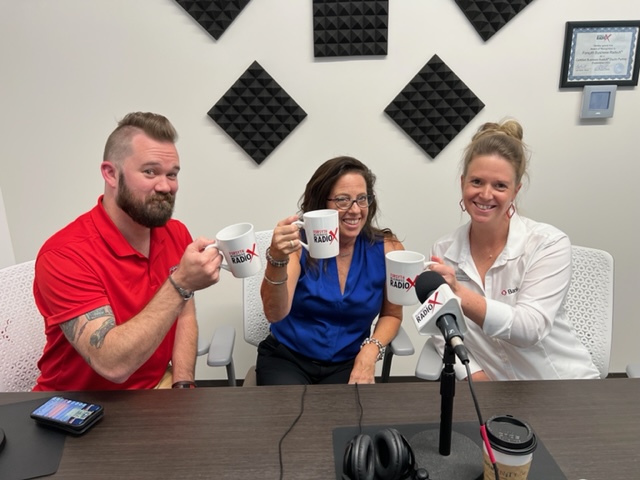
Brews with Bros was established to connect like-minded business professionals in a casual yet intentional way. The group meets at a different brewery, monthly, in the Forsyth and North Fulton (GA) areas. Grab a brew with the bros and expand your network. Ladies are welcome too!

This episode covers Increasing Client Engagement Through Video

Brews With Bros Podcast is brought to you by Dmitriy Teplinskiy www.AlphaCIS.com a Managed IT

Services and Cybersecurity provider for business in Atlanta Area and Ty Keller www.ty-keller.com a
Mortgage Broker with Country Wide Mortgage specializing in none-conventional mortgages.
Our Guest Realtor Zach VanZile is with Ansley Real Estate www.ansleyre.com can be reached through
email zachvanzile@ansleyre.com

Key Takeaways from Real Estate Agent on Leveraging Technology and Building Community
We recently had the opportunity to interview Zach VanZile, a real estate agent with Ansley Real Estate in
North Georgia. Zach shared valuable insights on using technology to boost real estate sales while staying
connected to the local community. Here are some key takeaways:
 Use video to humanize your outreach while respecting clients’ limited time.
 Upgrade traditional prospecting by integrating new data services, automation, and video.
 Build your local brand and attract buyers by showcasing community happenings.
 Attend in-person events to nurture referral networks.
 Avoid overt selling.
 Blend grassroots relationship building with digital tools for maximum impact.

Video Sets Zach Apart. One of Zach’s most effective tactics is sending personalized video messages to clients and prospects. He simply uses his smartphone camera to give quick updates on the home search process, market conditions, upcoming events, and more.

These authentic, casual videos allow Zach to connect on a deeper level. He emphasizes that in the busy
Atlanta metro area, clients have endless demands on their time. A video gives them valuable
information while respecting their schedule. Viewers feel prioritized without Zach intruding.

The videos have helped Zach stand out from other agents relying solely on texts and emails. He shared
that clients light up when they get a personal, familiar face on their phone rather than a generic flyer or
mailer. While impromptu, Zach keeps videos concise at under 30 seconds. This increases engagement.

Once filmed, videos can be embedded in email campaigns and text messages through Zach’s brokerage
platform. He can track analytics to optimize his approach. For more scalability, videos are uploaded to
Zach’s growing YouTube channel. This expands his audience.

Prospecting Gets a High-Tech Upgrade

While Zach is a big proponent of video, he hasn’t abandoned old-school prospecting tactics like calling
expired listings. In fact, he’s enhanced these methods with modern tools.

Services like RedX provide expired listing phone numbers that Zach inputs into a power dialer system.
This allows efficient calling at scale. When he gets voicemail, Zach will leave a video introducing himself
instead of a generic spiel. This nets 2-3X the callbacks of agents who only leave messages.

For other prospecting like circle prospecting, Zach uses platforms like Vulcan7 that scrape property
records. He then tracks all outreach in his CRM for optimized follow up.

YouTube Showcases the North Georgia Lifestyle

According to Zach, spotlighting the North Georgia way of life provides value to the community while
positioning him as an area expert. He says the thriving Alpharetta hub offers endless events, new
developments, and activities for families. Highlighting these on YouTube helps attract interested buyers
nationwide.

Zach advises real estate agents to tap into resources provided by their brokerage. For example, his firm
Ansley supplies market stats and localized content he can quickly share on social media. This content will
fuel his YouTube growth. Consistency is key – Zach aims for 1-2 videos per week.

Networking Is Crucial to Referrals

While Zach is well-versed in real estate technology, he emphasized that agents still need to show up
locally and build trust. Attending community events helps nurture the relationships that drive referrals.

For example, Zach participates in our monthly networking group called Brews with Bros. In this informal
setting, he aims to exchange value rather than sell. Some of the things we promote in Brews With Bros
group is the laidback camaraderie facilitates meaningful connections.
In Zachs view, you never know what opportunities might unfold by simply being present and engaged.
He feels real estate agents can’t afford to solely work behind a screen in isolation. Combining
networking with technology is optimal.


SUBSCRIBE The “Brews with Bros Podcast” wherever you get your audio shows.

Brews with Bros is a Production of Forsyth Business RadioX 

To learn more about Podcasts- Connect with Amanda Pearch

Tagged With: AlphaCIS Atlanta IT Consulting & Managed Services, amanda pearch, Amanda Pearch Marmolejo, Ansley Real Estate, Brews with Bros Podcast, Business Development, Cross country mortgage LLC, Dmitriy Templinskiy, networking, North Georgia, TY Keller, Zach VanZile

Forget the Sales Tactics and Develop Relationships, with Adam Scharfer, Not In Sales, LLC

July 31, 2023 by John Ray

Business Leaders Radio
Forget the Sales Tactics and Develop Relationships, with Adam Scharfer, Not In Sales, LLC
Loading
00:00 /
RSS Feed
Share
Link
Embed

Download file

Forget the Sales Tactics and Develop Relationships, with Adam Scharfer, Not In Sales, LLC

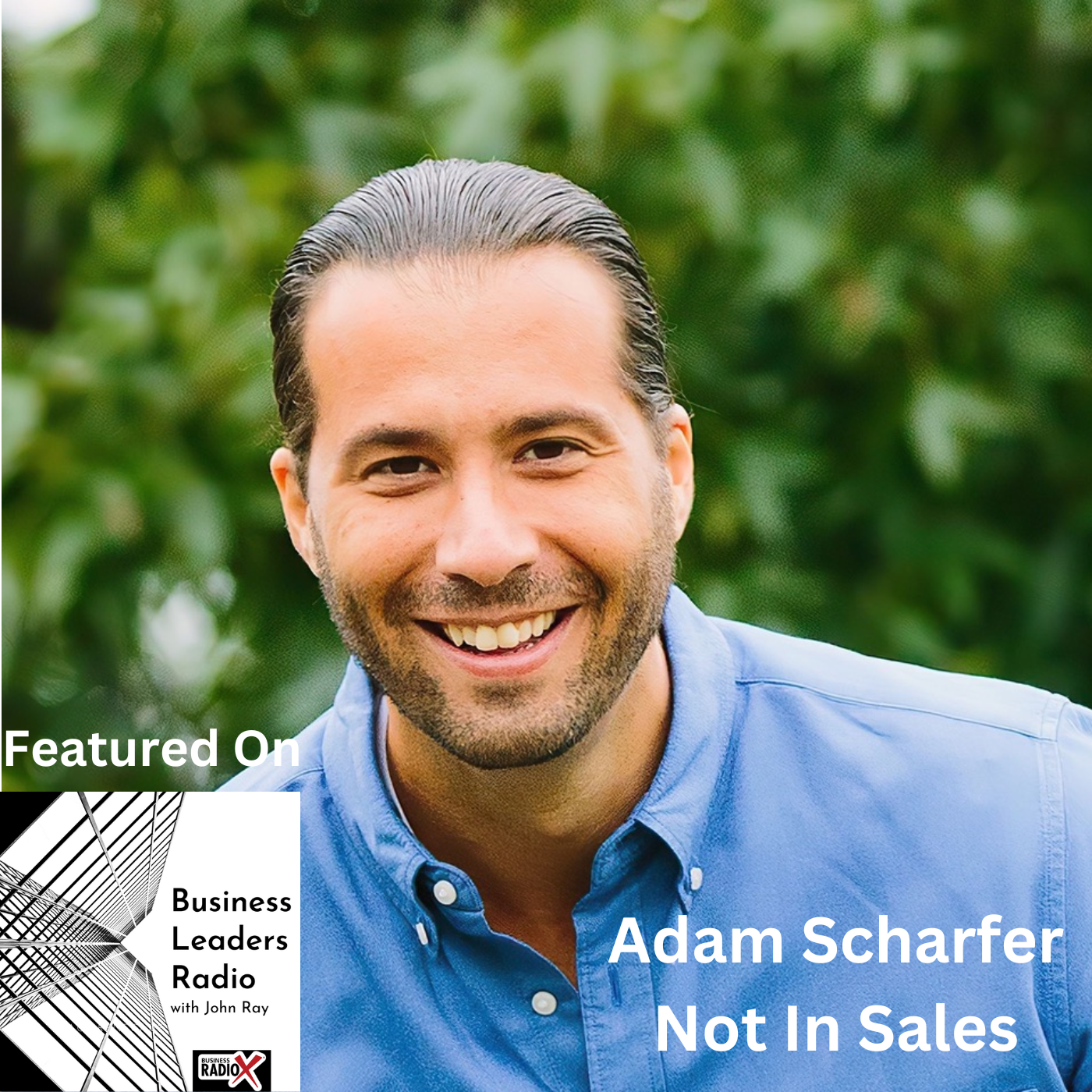
When he formed his company, Not in Sales, LLC, Adam Scharfer gave himself the title of “Not a Salesperson.” Adam joined host John Ray on this edition of Business Leaders Radio to discuss legacy sales tactics and why they need to change or be discarded altogether. He said the best sales practices of yesterday are often not the best ones to follow today. Adam revealed how relationship building, not a perfect sales process, can naturally lead to sales through listening, providing helpful information, being a subject matter expert, and more.

Business Leaders Radio is produced and broadcast by the North Fulton Studio of Business RadioX® in Atlanta.

Not In Sales, LLC

Not In Sales helps technology-focused organizations expand adoption of its offerings and further drive revenue by rejecting archaic s@!es processes and embracing authentic relationships.

AREAS OF EXPERTISE:
★ Leveraging a unique combination of technological and business development leadership
★ Strategic planning for business development without fear of simplicity
★ Fractional or interim sales leadership
★ Identifying processes that do not match present-day procurement psychology
★ Breaking org-chart barriers of sales, delivery, and technical teams
★ Not fixing things that aren’t broken
★ Finding people to help grow your business in the places least checked
★ Training leaders and team members on ways to contribute to success without the sales feel.

Company Website

Adam Scharfer, Not a Salesperson, Not In Sales, LLC

Adam is a hands-on, high-energy business development and delivery leader with over 20 years of integrating enterprise software solutions and consulting across multiple industries. He prioritizes a customer-focused work ethic and specializes in client relations.

LinkedIn


Questions and Topics in this Interview

  • How did you get into sales and come to the conclusion that you’re “not in sales”?
  • What are some of the legacy sales tactics you’re looking to change?
  • What mistakes do small technology companies often make when presenting their offerings to a prospective client?
  • How would you define a good business relationship versus a not so good one?
  • Sales leadership seems like an important role within an organization. Why do you think it doesn’t have to be a full time role?
  • What advice would you give to leaders of technology companies trying to grow their business and sales teams?

Business Leaders Radio is hosted by John Ray and produced virtually from the North Fulton studio of Business RadioX® in Alpharetta.  The show can be found on all the major podcast apps and a full archive can be found here.

Tagged With: Adam Scarfer, Business Development, Business Leaders Radio, leadership training, Not In Sales LLC, relationship building, sales expert, sales management, sales process, Sales Tactics, Software Solutions

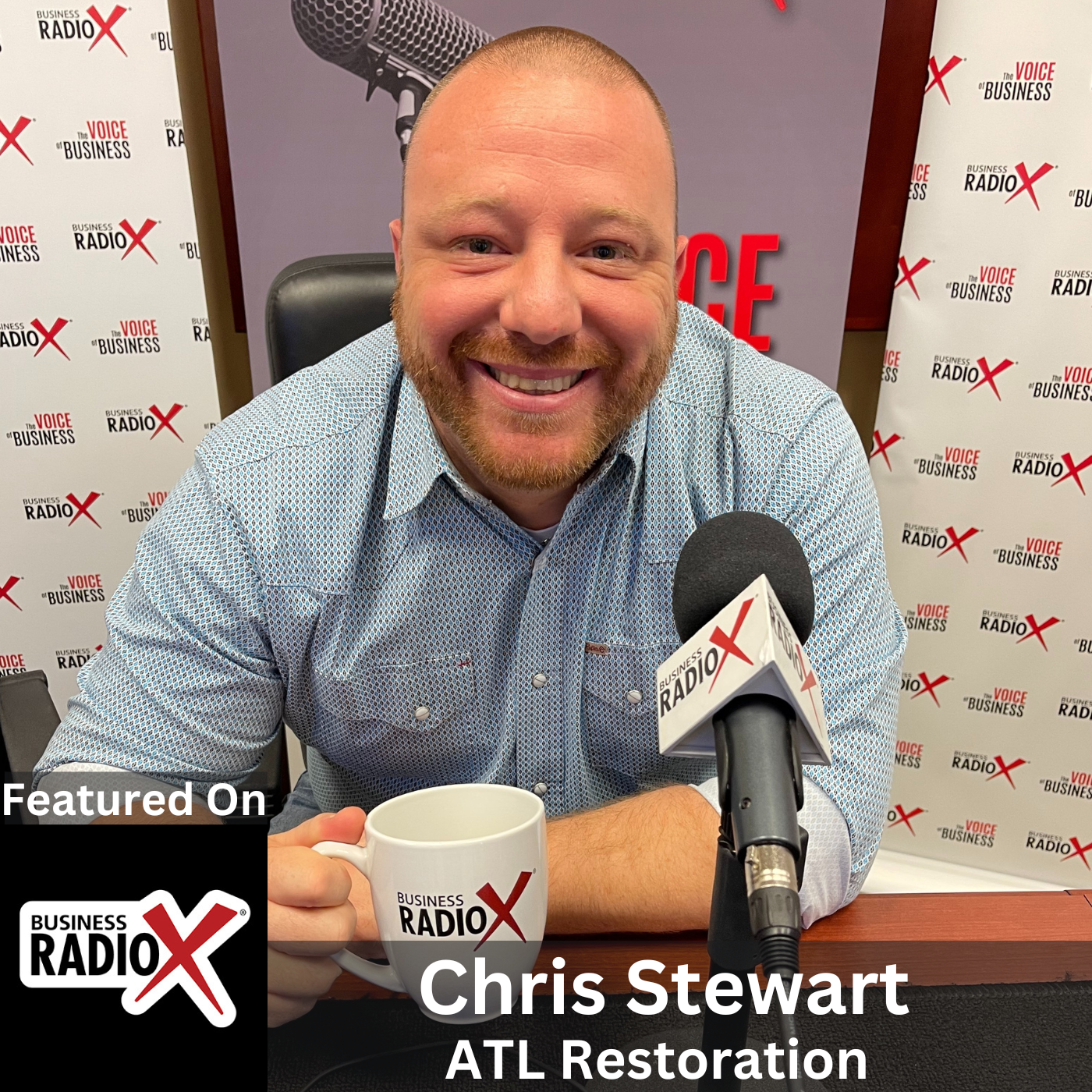
Chris Stewart, ATL Restoration

March 23, 2023 by John Ray

Chris Stewart, ATL Restoration
North Fulton Business Radio
Chris Stewart, ATL Restoration
Loading
00:00 /
RSS Feed
Share
Link
Embed

Download file

Chris Stewart, ATL Restoration

Chris Stewart, ATL Restoration (North Fulton Business Radio, Episode 624)

Chris Stewart, Vice President of ATL Restoration, joined host John Ray on this edition of North Fulton Business Radio. Chris shared his journey, his service with the Marines Corps in Afghanistan, the work of ATL Restoration, helping clients at an extremely vulnerable time, how the company maintains their reputation for quality service, and much more.

North Fulton Business Radio is broadcast from the North Fulton studio of Business RadioX® inside Renasant Bank in Alpharetta.

Chris Stewart, Vice President of Business Development, ATL Restoration

Chris Stewart, Vice President of Business Development, ATL Restoration

At Atlanta Restoration, they use the latest technologies and resources to restore your property in Alpharetta, Atlanta, Cumming, Johns Creek, Roswell, GA, and the surrounding areas. Whether you’re seeking restoration for your home or business, their skilled technicians are armed with the expertise and tools needed to get you back on track. Restoration is just a click away!

Chris Stewart is the Vice President of Business Development at ATL Restoration.

Website | Facebook | Twitter


North Fulton Business Radio is hosted by John Ray and broadcast and produced from the North Fulton studio of Business RadioX® inside Renasant Bank in Alpharetta. You can find the full archive of shows by following this link. The show is available on all the major podcast apps, including Apple Podcasts, Spotify, Google, Amazon, iHeart Radio, Stitcher, TuneIn, and others.

RenasantBank


Renasant Bank has humble roots, starting in 1904 as a $100,000 bank in a Lee County, Mississippi, bakery. Since then, Renasant has grown to become one of the Southeast’s strongest financial institutions with over $13 billion in assets and more than 190 banking, lending, wealth management, and financial services offices in Mississippi, Alabama, Tennessee, Georgia, and Florida. All of Renasant’s success stems from each of their banker’s commitment to investing in their communities as a way of better understanding the people they serve. At Renasant Bank, they understand you because they work and live alongside you every day.

Since 2000, Office Angels® has been restoring joy to the life of small business owners, enabling them to focus on what they do best. At the same time, we honor and support at-home experts who wish to continue working on an as-needed basis. Not a temp firm or a placement service, Office Angels matches a business owner’s support needs with Angels who have the talent and experience necessary to handle work that is essential to creating and maintaining a successful small business. Need help with administrative tasks, bookkeeping, marketing, presentations, workshops, speaking engagements, and more? Visit us at https://officeangels.us/.

Tagged With: ATL Restoration, Business Development, Chris Stewart, fire damage, John Ray, North Fulton Business Radio, North Fulton Radio, Office Angels, renasant bank, restoration, water damage

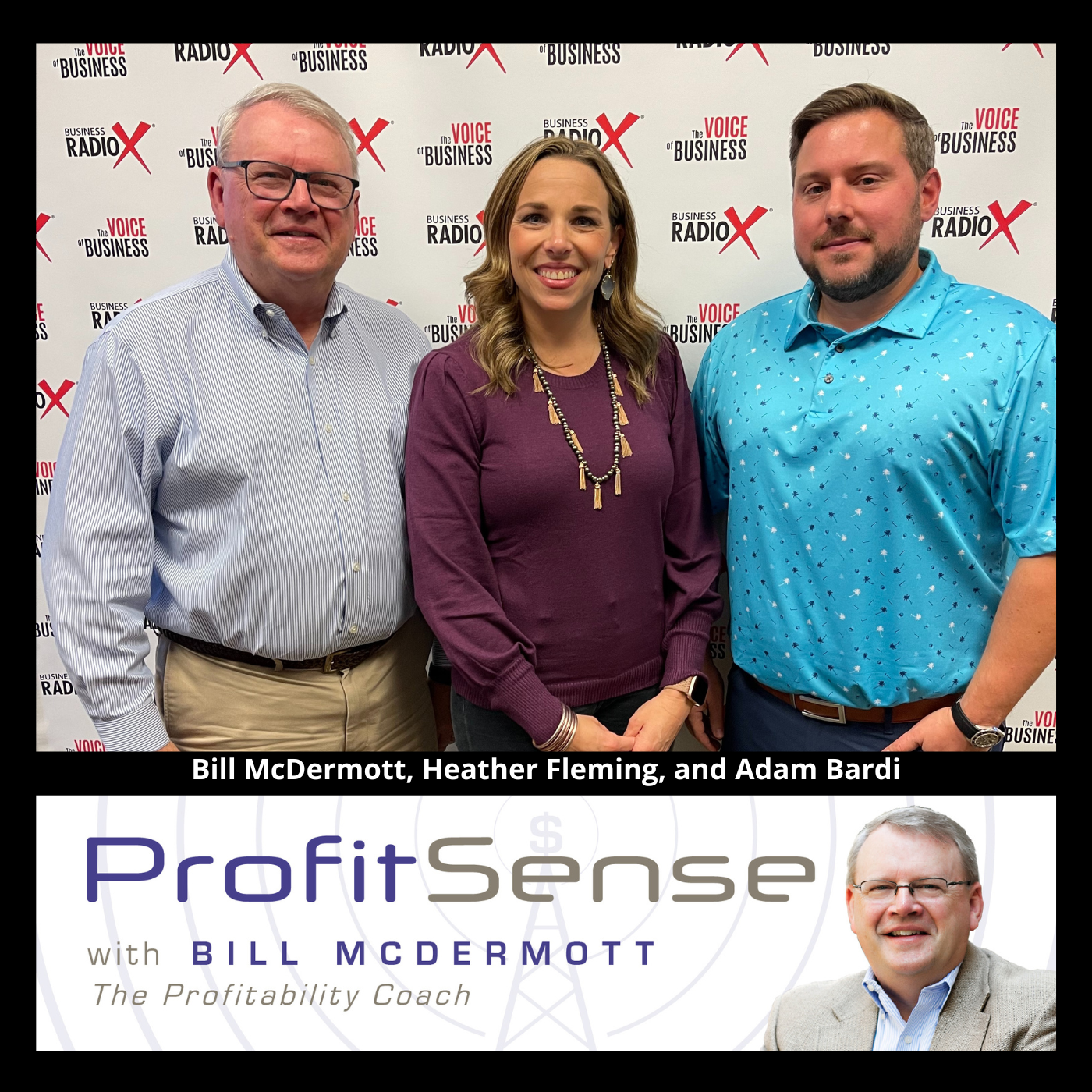
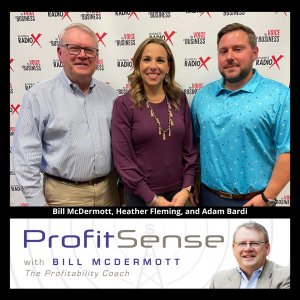
Adam Bardi, Bardi Heating, Cooling, Plumbing, and Heather Fleming, MST

November 30, 2022 by John Ray

Adam Bardi, Bardi Heating, Cooling, Plumbing and Heather Fleming, MST
North Fulton Studio
Adam Bardi, Bardi Heating, Cooling, Plumbing, and Heather Fleming, MST
Loading
00:00 /
RSS Feed
Share
Link
Embed

Download file

Adam Bardi, Bardi Heating, Cooling, Plumbing and Heather Fleming, MST

Adam Bardi, Bardi Heating, Cooling, Plumbing, and Heather Fleming, MST (ProfitSense with Bill McDermott, Episode 38)

On this episode of ProfitSense, host Bill McDermott welcomed two outstanding business leaders. Adam Bardi, Owner and CEO of Bardi Heating, Cooling, Plumbing, talked about growth and scaling a business, attracting talent, and more. Heather Fleming, Business Development Manager at MST, discussed the hot topics in accounting right now, what brought her back to the workforce, and more. Bill closed the show with a commentary on four crucial issues all business owners need to consider as they look ahead to 2023.

ProfitSense with Bill McDermott is produced and broadcast by the North Fulton Studio of Business RadioX® in Alpharetta.

Bardi Heating, Cooling, Plumbing

Bardi Heating, Cooling & Plumbing has served the greater Atlanta area since 1989, specializing in expert solutions for residential communities. We are family-owned, and we invoke our core values- honesty, family, respect, and a positive attitude in every professional project we obtain.

Website | Facebook | Twitter | Instagram

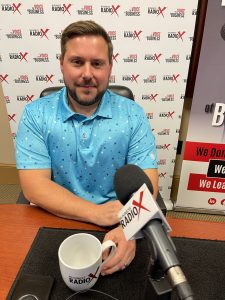
Adam Bardi, Owner & CEO, Bardi Heating, Cooling, Plumbing

Adam Bardi, Owner & CEO, Bardi Heating, Cooling, Plumbing

Adam Bardi is many things: loving husband to his wife Heather, Girl Dad of two beautiful daughters, and the proud Owner/CEO of Bardi Heating, Cooling, and Plumbing. Adam has several primary influences that he credits to making him a successful entrepreneur. The first being family. Growing up as a First Generation American, Adam learned the importance of work ethic and the privilege of pursuing the American Dream. Adam’s father instilled important values in him.

Adam believes that being reared by an entrepreneur was the key to his success because he saw first-hand what it takes to be successful. Sports also heavily influenced Adam. As an avid sports fan and former athlete, sports taught Adam how to be a team player and the power of collective action.

He believes that Bardi is the best home service company to work for in Atlanta because of its employees. Adam loves being an entrepreneur because it gives him the ability to provide opportunity. For Adam, it’s not just about the success of his company, it’s about changing lives.

LinkedIn

MSTiller LLC (“MST”)

MSTiller LLC (“MST”) celebrates its 66th anniversary this year. The Firm has 4 offices, 3 located in Georgia and 1 in New York. They have over 130 staff members serving clients in a variety of industries. MST is noted by Accounting Today as a “Firm to Watch”, ranked as one of the “Top 25 Accounting Firms” by Atlanta Business Chronicle and ranked by The Atlanta Journal-Constitution as “Top Work Places”.

What makes them different? They advocate for their clients continuously. Their clients view them as problem solvers and trusted advisors that anticipate issues and planning opportunities. They believe that their client service approach is what truly defines their firm. Resources and experience are meaningless without a desire to use those tools to help organizations achieve their goals. MST’s client service approach can best be described as hands-on, proactive and ongoing. They aim to be involved beyond the year-end services. Their client relationships typically are for the long-term, often extending over decades and the continuity of these client relationships is the ultimate testament to their service approach.

MST specializes in serving closely held and privately-owned businesses ranging in size from $10 million to over $300 million in revenue. Their services are composed of a broad range of audit, tax and strategic consulting matters. They have substantial experience in serving as the outside accountant for a wide range of growth and mature professional service providers.

Additionally, MST is a member of the Moore Global network of firms, which provides them immediate access to industry expertise from similar firms throughout the United States and internationally.

Website | LinkedIn | Facebook | Twitter

Heather Fleming, Business Development Manager, MST

Heather Fleming, Business Development Manager, MST

Heather Fleming is a Business Development Manager with MST and has helped get this new practice at the firm up and running over the last year and a half. Heather started her professional career at SunTrust Bank in 1998 as a part of their Commercial Banking Training Program. After finishing the training program and working with a commercial banking team in Lawrenceville, she was named a Relationship Manager in 2000. She worked with privately held companies in Gwinnett County as their main point of contact and advocate at SunTrust Bank.

She joins the MST team with a great understanding of the financial world and how to connect with local business owners in the Atlanta market. Her goal is to help businesses determine what accounting services match their strategic or compliance needs and connect them with the partner and team that is going to be best for them and their team.

In her free time, she is raising 3 teenagers, is on the board for a couple non profit organizations, gives back to her community through her membership in YMSL and NCL with her kids, teaches Sunday School to high school girls and enjoys working out at a local CrossFit gym.

LinkedIn

About ProfitSense and Your Host, Bill McDermott

Bill McDermott
Bill McDermott

ProfitSense with Bill McDermott dives into the stories behind some of Atlanta’s successful businesses and business owners and the professionals that advise them. This show helps local business leaders get the word out about the important work they’re doing to serve their market, their community, and their profession. The show is presented by McDermott Financial Solutions. McDermott Financial helps business owners improve cash flow and profitability, find financing, break through barriers to expansion, and financially prepare to exit their business. The show archive can be found at profitsenseradio.com.

Bill McDermott is the Founder and CEO of McDermott Financial Solutions. When business owners want to increase their profitability, they don’t have the expertise to know where to start or what to do. Bill leverages his knowledge and relationships from 32 years as a banker to identify the hurdles getting in the way and create a plan to deliver profitability they never thought possible.

Bill currently serves as Treasurer for the Atlanta Executive Forum and has held previous positions as a board member for the Kennesaw State University Entrepreneurship Center and Gwinnett Habitat for Humanity and Treasurer for CEO NetWeavers. Bill is a graduate of Wake Forest University and he and his wife, Martha have called Atlanta home for over 40 years. Outside of work, Bill enjoys golf, traveling, and gardening.

Connect with Bill on LinkedIn and Twitter and follow McDermott Financial Solutions on LinkedIn.

Tagged With: Accounting, Adam Bardi, Bardi Cooling Heating Plumbing, Bill McDermott, Business Development, Family Business, Heather Flemming, mst, profitability, profitability coach, Profitability Coach Bill McDermott, ProfitSense, ProfitSense with Bill McDermott, The Profitability Coach

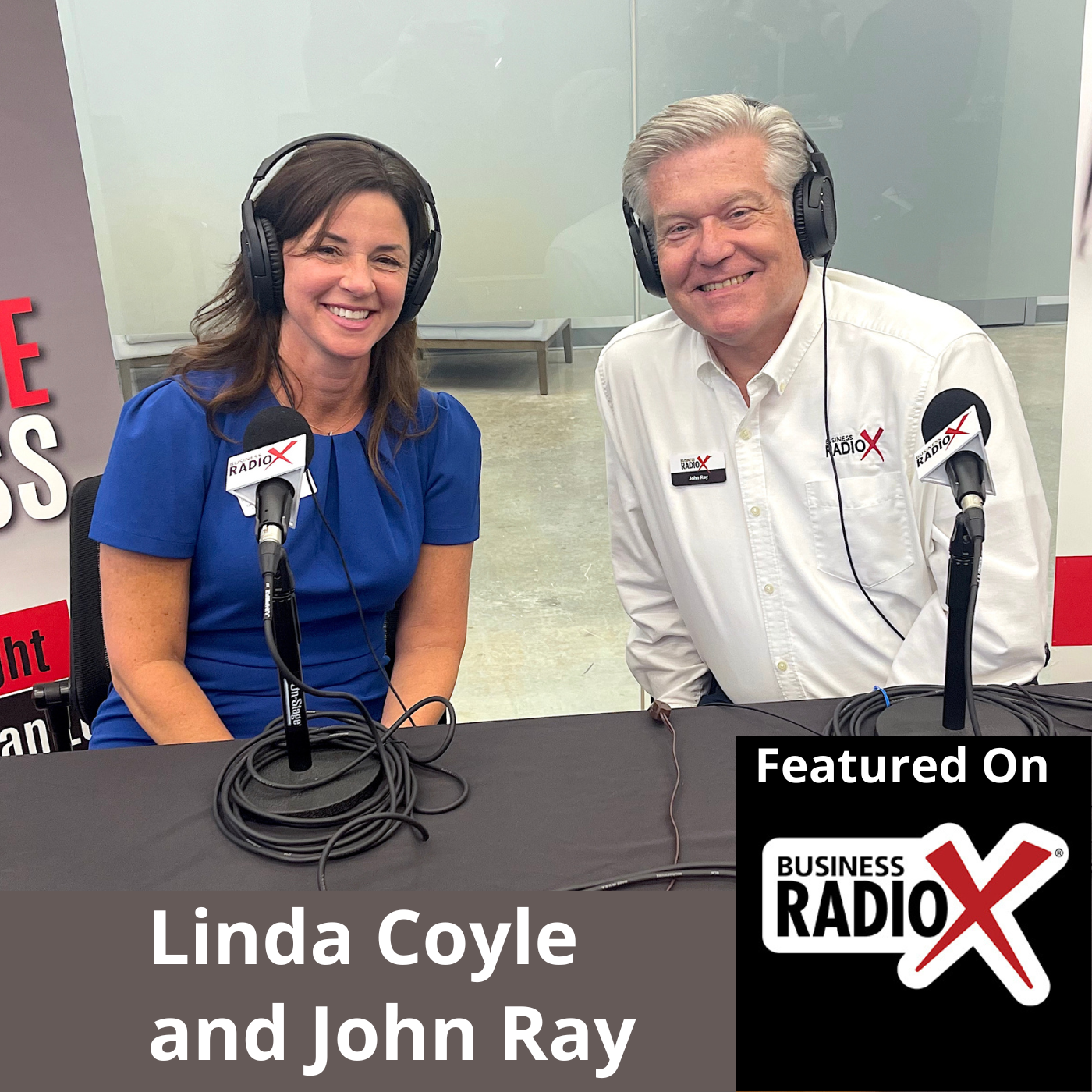
LIVE from the GNFCC Grand Opening Celebration: Linda Coyle, LGE Community Credit Union

September 8, 2022 by John Ray

Linda Coyle
North Fulton Business Radio
LIVE from the GNFCC Grand Opening Celebration: Linda Coyle, LGE Community Credit Union
Loading
00:00 /
RSS Feed
Share
Link
Embed

Download file

Linda Coyle

LIVE from the GNFCC Grand Opening Celebration: Linda Coyle, LGE Community Credit Union (North Fulton Business Radio, Episode 515)

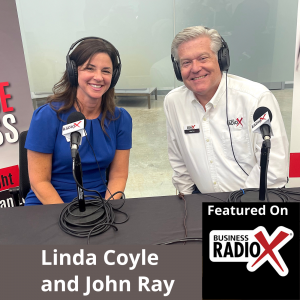
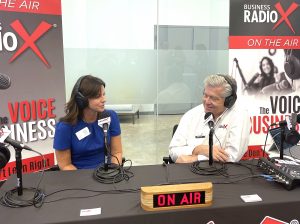
Linda Coyle stopped by to chat with host North Fulton Business Radio host John Ray during the live remote celebrating the new Greater North Fulton Chamber offices at Avalon. Linda discussed LGE’s continued growth, her deep involvement with GNFCC, the Milton Business Council, LGE’s sponsorships of Chamber events and activities, and much more.

This show was originally broadcast live from the Grand Opening celebration and ribbon cutting of the new offices of the Greater North Fulton Chamber of Commerce at the 10000 Building at Avalon in Alpharetta, Georgia, on August 18, 2022.

North Fulton Business Radio is produced and broadcast by the North Fulton studio of Business RadioX® inside Renasant Bank in Alpharetta.

Linda Coyle, Business Development Officer, LGE Community Credit Union

Linda Coyle, Business Development Officer, LGE Community Credit Union

Linda Coyle started as a teacher and moved from education to business development. She has been in that role with LGE Community Credit Union since 2016.

She is the 2022 Chair of the Milton Business Council and is on the board of GNFCC.

In 1951, seven Lockheed Georgia employees dreamed of a better way to bank, and LGE Community Credit Union was born. Today they serve communities in Northwest Georgia as a not-for-profit financial institution. Unlike a bank, whose profits go to its shareholders, their profits go to their members in the form of better rates and lower fees. They are guided by a strong commitment to provide a better financial future for our members.

Everyone who lives or works in Bartow, Cherokee, Cobb, Fulton, and Paulding counties is eligible to apply for membership, as are employees of many companies. Family members of existing members are also eligible.

Since 2010, LGE has invested over $1.45 million in the lives of those in the community including children, homeless, abuse victims, and those that fall on hard times. Not only is there a monetary contribution but LGE staff members volunteer over 2,600 hours in the community annually. Additionally, we partner with schools in the local communities through our Partners in Education platform. Continued efforts show why LGE Community Credit Union continues to be a fabric of the community.

Company website | LinkedIn

Questions and Topics in the Interview:

  • LGE Community Credit Union
  • GNFCC and business development
  • Milton Business Council

North Fulton Business Radio is hosted by John Ray and broadcast and produced from the North Fulton studio of Business RadioX® inside Renasant Bank in Alpharetta. You can find the full archive of shows by following this link. The show is available on all the major podcast apps, including Apple Podcasts, Spotify, Google, Amazon, iHeart Radio, Stitcher, TuneIn, and others.

RenasantBank


Renasant Bank has humble roots, starting in 1904 as a $100,000 bank in a Lee County, Mississippi, bakery. Since then, Renasant has grown to become one of the Southeast’s strongest financial institutions with over $13 billion in assets and more than 190 banking, lending, wealth management and financial services offices in Mississippi, Alabama, Tennessee, Georgia and Florida. All of Renasant’s success stems from each of their banker’s commitment to investing in their communities as a way of better understanding the people they serve. At Renasant Bank, they understand you because they work and live alongside you every day.


Special thanks to A&S Culinary Concepts for their support of this edition of North Fulton Business Radio. A&S Culinary Concepts, based in Johns Creek, is an award-winning culinary studio, celebrated for corporate catering, corporate team building, Big Green Egg Boot Camps, and private group events. They also provide oven-ready, cooked-from-scratch meals to go they call “Let Us Cook for You.” To see their menus and events, go to their website or call 678-336-9196.

Tagged With: Business Development, GNFCC, LGE Community Credit Union, Linda Coyle, Milton, North Fulton, North Fulton Business Radio, renasant bank

Workplace MVP: John Baldino, Humareso

July 19, 2022 by John Ray

John Baldino
Minneapolis St. Paul Studio
Workplace MVP: John Baldino, Humareso
Loading
00:00 /
RSS Feed
Share
Link
Embed

Download file

John Baldino

Workplace MVP: John Baldino, Humareso

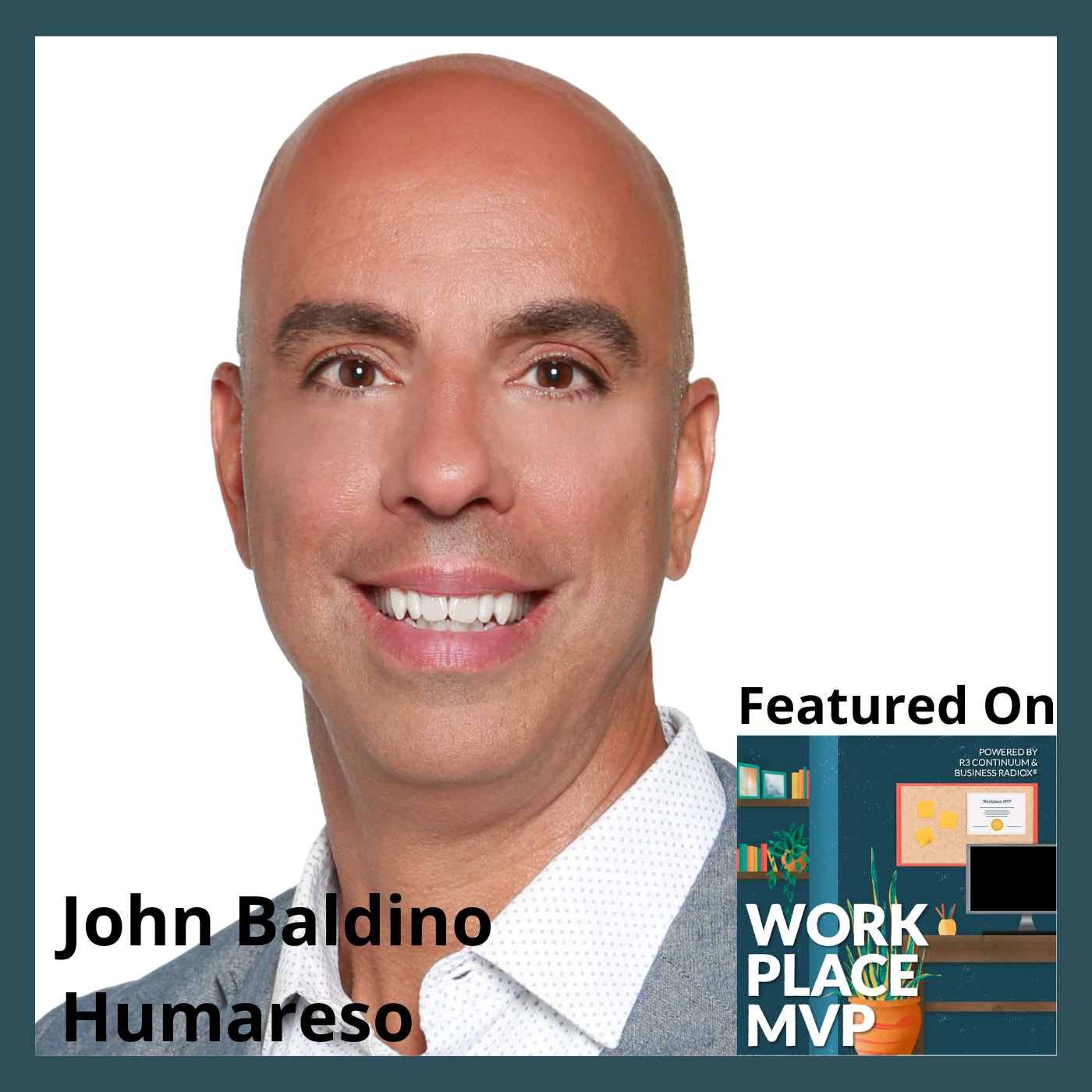
John Baldino, President of Humareso, joined the show again after his December 2021 appearance to review his predictions for 2022.  He and host Jamie Gassmann noted how he was right on the mark about trends such as meeting the holistic needs of employees, supporting their well-being, the shift towards more flexibility, companies rethinking their approach to disruption, the wave of resignations and layoffs, and many other timely topics.

Workplace MVP is underwritten and presented by R3 Continuum and produced by the Minneapolis-St.Paul Studio of Business RadioX®.

Humareso

Humareso is able to strategize with your company and develop plans to manage talent, recruit for skill gaps based on employee inventories, assess markets for growth, develop long-range succession plans and influence a culture of enthusiastic buy-in. Humareso handles all facets of employee engagement and business development. Humareso provides HR solutions and administration for small businesses trying to manage budget and growth.

Humareso sits strategically to support an organization’s vital talent needs. Talent is what they believe in cultivating. They look to drive organizational health through true employee engagement, strategic workforce planning, and invested management training. Having a culture that values people, policy, and performance in the right measures is the differential needed to stand apart from other organizations. Whether your organization has 10 or 100,000 employees, dynamic human resources will build corporate strength and recognize talent contribution.

Company website | LinkedIn

John Baldino, MSHRD SPHR SHRM-SCP, Founder and President, Humareso

John Baldino, MSHRD SPHR SHRM-SCP, Founder and President, Humareso

With 30 years of human resources experience, John’s passion of setting contributors and companies up for success is still going strong.  John is a keynote for US and International Conferences where he shares content and thoughts on leadership, collaboration, and innovation, employee success, organizational design and development as well as inclusion and diversity.

He is the winner of the 2020 Greater Philadelphia HR Consultant of the Year award. John is currently the President of Humareso, a global human resources consulting firm, and the proud dad of 3 amazing young adults.

LinkedIn | Twitter

About Workplace MVP

Every day, around the world, organizations of all sizes face disruptive events and situations. Within those workplaces are everyday heroes in human resources, risk management, security, business continuity, and the C-suite. They don’t call themselves heroes though. On the contrary, they simply show up every day, laboring for the well-being of employees in their care, readying the workplace for and planning responses to disruption. This show, Workplace MVP, confers on these heroes the designation they deserve, Workplace MVP (Most Valuable Professionals), and gives them the forum to tell their story. As you hear their experiences, you will learn first-hand, real-life approaches to readying the workplace, responses to crisis situations, and overcoming challenges of disruption. Visit our show archive here.

Workplace MVP Host Jamie Gassmann

Jamie Gassmann, Host, “Workplace MVP”

In addition to serving as the host to the Workplace MVP podcast, Jamie Gassmann is the Director of Marketing at R3 Continuum (R3c). Collectively, she has more than fourteen years of marketing experience. Across her tenure, she has experience working in and with various industries including banking, real estate, retail, crisis management, insurance, business continuity, and more. She holds a Bachelor of Science Degree in Mass Communications with special interest in Advertising and Public Relations and a Master of Business Administration from Paseka School of Business, Minnesota State University.

R3 Continuum

R3 Continuum is a global leader in workplace behavioral health and security solutions. R3c helps ensure the psychological and physical safety of organizations and their people in today’s ever-changing and often unpredictable world. Through their continuum of tailored solutions, including evaluations, crisis response, executive optimization, protective services, and more, they help organizations maintain and cultivate a workplace of wellbeing so that their people can thrive. Learn more about R3c at www.r3c.com.

Company website | LinkedIn | Facebook | Twitter

TRANSCRIPT

Intro: [00:00:04] Broadcasting from the Business RadioX Studios, it’s time for Workplace MVP. Workplace MVP is brought to you by R3 Continuum, a global leader in workplace behavioral health and security solutions. Now, here’s your host, Jamie Gassmann.

Jamie Gassmann: [00:00:25] Hey, everyone. Your host, Jamie Gassmann here, and welcome to this episode of Workplace MVP. So, last December 2021, I had the pleasure of interviewing John Baldino, President of Humareso, on our show, and we did a year-end review talking about what challenges or nuances HR and other business leaders navigated over the last year.

Jamie Gassmann: [00:00:48] And during that interview, I asked John what his 2022 predictions were for what would be the areas of challenge or need for change in the workplace this year. So, today, a little over halfway through 2022, we are following up with John to get his update if his predictions came true, and what other challenges is he seeing that we didn’t predict, but that we want to talk about today. So, help me in welcoming Workplace MVP John Baldino, President of Humareso. Welcome to the show, John.

John Baldino: [00:01:23] Thanks, Jamie. Great to be back.

Jamie Gassmann: [00:01:25] Yes, it’s always such a pleasure to have you on the show.

John Baldino: [00:01:28] I appreciate that.

Jamie Gassmann: [00:01:29] So, I did want to start out for any new listeners that might be catching this episode that didn’t have an opportunity to listen in in December, tell us a little bit about your background and your career journey in growing your business.

John Baldino: [00:01:43] Sure. So, I am, you know, 30 years still in human resources and in the veins of leadership development, and organizational development and structure, and all the employee lifecycle components. And so, I started Humareso, it will actually be ten years in a few weeks for Humareso and so that’s really fun. And Humareso is a full-service HR consulting firm. And we just have a great time working with companies across the country at various sizes from startup to enterprise level clients. I’ve got a great staff that’s across the country and just doing some phenomenal work. And it’s really, really been a good time.

John Baldino: [00:02:34] And I’ll just mention, though, my journey, as you said, I started in personnel. Before there was human resources, it was personnel. And I say that because I don’t know that we’ve really kind of given enough props to the fact that in this discipline of human resources, we have had opportunity to evolve out of completely transactional work and mixing it now a bit with some transformational work. Like, helping to look at organizations more holistically.

John Baldino: [00:03:10] And so, those who are practicing HR in various organizations across the country, my colleagues in the profession, there’s been a lot of movement over the last 30 years that I’ve been involved, and probably more movement from a pace standpoint over the last three than any of the 27 before in many ways.

Jamie Gassmann: [00:03:32] Well, they spent so many changes, especially over the last couple of years. And even before then, I think, there were changes especially in that HR arena. So, wow, you’ve definitely come through a lot of that. And congratulations on your upcoming anniversary. That’s exciting.

John Baldino: [00:03:49] It is. It is very exciting. Thank you for that.

Jamie Gassmann: [00:03:52] Absolutely. So, now the moment I’m sure our listeners are looking for. How did you fare in your predictions for this this last year? So, I’m going to start with the first one, overall health of your employees, including religion, emotional, mental, and physical. We kind of talked about how employers need to really be looking at that whole person, as opposed to just the one component, like physical, which a lot of them probably maybe have focused more on over the years. So, tell me a little bit about what are you seeing? Has that come true?

John Baldino: [00:04:29] It has. There’s going to be a theme, I think.

Jamie Gassmann: [00:04:34] You’re like, “I was right.”

John Baldino: [00:04:39] I would say that for sure we certainly not arrived. But I think that what we see over the last six months is a continued deepening of organizations looking at the overall person that works for them, not merely, “How do I keep them healthy? So, I keep my health insurance premiums lower.” Which, that’s unfortunately kind of what some of the attention had been previously. And certainly we’re not going to, like, talk down about the fact that we want our staff to be physically healthy. Of course, if we can provide opportunities for that, please continue to do so.

John Baldino: [00:05:18] But I think that what you and I spoke about, really, was the holistic view, that there is an emotional component to what people are bringing into the workplace. If we didn’t learn anything from COVID and from that pandemic and, honestly, what we’re still going through in certain parts of the country, for sure, it took an emotional toll on people. It was really difficult.

John Baldino: [00:05:42] Like, it was really difficult to stay in your house under mandates from cities and/or state. It was difficult for people to say you cannot come into the office and see these people you’ve worked with for the last four, five, six, seven, ten years. Stay away from each other.

John Baldino: [00:06:05] People are really dealing with some emotional and mental health challenges as a result of that. And I think that the wiser companies today are looking at that saying we’re seeing the residue of that and we’re really needing to be wise about how we provide an outlet for care, for communication, and consideration.

John Baldino: [00:06:30] And so, we’re watching organizations do things that they weren’t doing before, even things like open chat channels on platforms, like Slack or Teams or whatever you might be using, to say we want to work in a spirit of transparency a little differently than we were previously. It wasn’t that we weren’t transparent at all before, perhaps, but now we’ve got to do it with a bit more intention. And we’re going to be proactive in our approach to those things.

John Baldino: [00:07:03] Because if you’re struggling today, we need to know. We’re not going to judge you. We’re really going to help provide some areas of support. And if, for nothing else, just so that people on your team can say, we’re with you, we want to take a minute and not just look at what our production numbers are like for today. It matters, I get it. But we’re also going to take a couple minutes and say, let’s just do a pulse check. How’s everybody feeling today? Green for great, yellow for I’m not so sure, red for I’m really struggling. You know, there’s organizations that are kind of doing that stoplight poster, and that’s great.

John Baldino: [00:07:39] You know, you don’t have to have everybody tell you every bit of their deep, dark secrets or what they’re really struggling with because there is some protection there as well that needs to be understood. But is there an outlet for people to say, I’m going to talk to HR and I’m going to talk to whatever support structures we have within the organization.

John Baldino: [00:08:00] And it needs to be – what we’re also seeing very deliberately – is it’s got to be more than just your immediate manager. It doesn’t mean that it has to exclude the immediate manager, but it has to be more than just that. Because it might be uncomfortable for me to go to my direct supervisor and say, “I’m not feeling great today. My body physically is fine, but I feel just overwhelmed and maybe even depressed. I’m not really sure, but I’m feeling it today.” Because bias is real, that may affect the way a manager could look at that employee.

John Baldino: [00:08:37] So, companies are being wiser about if you’re feeling that way, here’s some other places to go to talk about that, to report that, to ask for resources and support. And so, we’re seeing that happen more and more. So, that’s exciting, I would say, even though it doesn’t sound like the reason for it is exciting, and I appreciate that. But it’s wonderful that we’re being much more deliberate about giving these kinds of resources and outlets.

Jamie Gassmann: [00:09:02] Yeah. Just more mindful of that whole person at work. And they might just need something, you know, that person, an outlet to talk to. And I would agree, sometimes the manager is not going to be the right person they want to have that conversation with. But I think a leader being able to show their own vulnerability and transparency to how they’re feeling can make a huge difference in how that employee shows up too.

John Baldino: [00:09:29] For sure. And, you know, I like to have data and some statistics behind some of what I share because I just want to make sure people know this isn’t Baldino just waxing philosophical because he’s bored. There’s real numbers behind a lot of these things.

John Baldino: [00:09:43] And so, even I would say since the start of the pandemic, and many of you who are listening may remember, maybe the first 6 to 12 months of what we went through, organizations were doing happy hours, “Let’s just get together on Zoom or Teams,” or what have you, and everybody just let’s have a happy hour together. And what we’re seeing statistically is that, there’s been – it depends on the survey – 60 to 65 percent drop off in the happy hour offering at organizations. And that is predominantly pushed because of a healthier outlet.

John Baldino: [00:10:21] What we found is that individuals at organizations who are struggling with emotional or mental health issues to then push them towards happy hour, towards alcohol, became a bit uncomfortable for some organizations. And they thought that’s probably not a great outlet to offer to someone. The intention is great, we get it. The intention is great. Let’s change the dynamic of it a little bit. Let’s not push alcohol as the release in that, but rather the relational communication, rather the let me feel like I belong with some people. That’s the better way to push things.

Jamie Gassmann: [00:11:01] Yeah. Definitely. And kind of hanging out in that overall health, same vein, something that I’m hearing and I heard in some of the interviews I was doing at SHRM recently, where we ran into each other again, was part of your DE&I structure is looking at that whole person and looking at kind of how do you support maybe that religion that that person wants to have shown up at work, and how do you make them feel welcome as that whole individual when you’re looking at it spiritually.

Jamie Gassmann: [00:11:35] I mean, mental health, absolutely. Stigma is reducing everywhere. It’s very exciting to see. Physical, we’ve kind of got that one down. But looking at that religion component, what are you seeing with some of the changes? And what are you hearing within work environments in how they’re starting to embrace different religions that individuals are coming to work with?

John Baldino: [00:11:56] Yeah. That’s a great question. And I would say, out of all of the areas of consideration for individuals that are coming to work, the spiritual vein is probably the one that’s still the weakest in terms of comfort because most business owners, senior leaders, managers don’t know what to do with it. They’re nervous that they may have some sort of compliance infraction by having a conversation with someone or being open to having a conversation with someone.

John Baldino: [00:12:29] And I think that the ones that are doing it really well, what we’re seeing is that, they are just providing a forum for communication and conversation around it. So, for instance, there are some organizations that are being more thoughtful around spiritual and/or religious diversity. I know that there are people who wear, for instance, particular pieces of clothing that represent some of the spirituality that they’re starting to pursue more. Also, for those individuals, who maybe during the remote time of the pandemic, who are now coming back to work, are coming back different as far as an expression of faith is concerned.

John Baldino: [00:13:12] And so, people don’t know how to manage that relationship. “Oh, my goodness. You’re wearing something or your routine is very changed now, and I don’t know if I can say certain things to you. Am I allowed to curse in front of you anymore? Could I split my ham sandwich with you anymore? I don’t know what to do anymore.” And I think that the ones that are doing it really well are creating a place for there to be safe conversation.

John Baldino: [00:13:43] Not everyone is an expert in every area of spirituality. There has to be a place to be able to say, “I’m so sorry. I’m predominantly ignorant about this vein of spirituality that you’re talking about. Can you enlighten me? Can you tell me what it’s been like for you? I don’t have a frame of reference, but I’m really interested in understanding.”

John Baldino: [00:14:03] I think that if you can provide that place for it to be safe, it doesn’t mean it’s the responsibility of the employer to have people pursue spirituality. That is not what we’re saying. But rather when there is an outlet – remember, religious accommodation is still a very real federal allowance within the law – it should be comfortably discussed as anything else where there’s an accommodation or a consideration at play.

John Baldino: [00:14:33] We’re seeing, again, not as high of a percentage as in the other veins of support, but it’s starting to make a way. We actually even know a couple of organizations that have before work, there are some employees who are getting together to pray or to meditate. And they may meditate towards or with a frame of reference towards their own spirituality, but they’re doing it collectively in quiet in a room with others. There are some organizations that we know that actually have a Bible study going on before work.

John Baldino: [00:15:04] Whatever your people are bringing up to say that it might be helpful for them if they can start their day or end their day in a certain way, be open to that. It doesn’t mean that you’re giving acceptance to everything, but just be open to that dialogue.

Jamie Gassmann: [00:15:17] Yeah. Absolutely. It sounds very familiar too. I did another interview with a gal by the name of Soumaya Khalifa, and she talked about even just, you know, being curious or wanting to know more is refreshing. And being able to say have a blessed Ramadan, where normally you wouldn’t hear that, but even just being aware of the fact that she’s celebrating that and that she’s fasting, and maybe asking questions about what that looks like can go a long way with an employee.

John Baldino: [00:15:50] Absolutely. And wouldn’t it be nice to be able to have a conversation with an employee that you know to understand rather than being scared and telling someone, “We’ll just Google it.” Should we really be Googling how to understand everybody else’s spiritual? I’d be terrified to do that. Like, talk to somebody else and just ask them. “I see that you’re taking some extra time during the day, how exciting. What’s that like for you? It seems like you’re much more centered. I’m jealous of that, even. I love the fact that you do.” Have an honest conversation. Be safe in that.

Jamie Gassmann: [00:16:23] Absolutely. Great advice. Love that. So, looking at your second prediction, creative health options. So, that need to think creatively and kind of a little bit out of the box on how you might accommodate somebody’s overall health. So, kind of expanding out of some of the traditional modes, like an EAP, obviously, all employers usually have an EAP for the most part. You know, and that’s always usually a standard kind of offering. But looking at what are some other ways that you can help those employees to promote self-care and taking care of themselves. So, talk to me a little bit about what some of the things that you’re seeing with that.

John Baldino: [00:17:01] Yeah. And, again, I’m so excited to say this has gone in the right direction coming into this year.

Jamie Gassmann: [00:17:07] You were right again is what you’re saying.

John Baldino: [00:17:08] I mean, thank you for saying that. First of all, just to make sure everybody has a frame of reference, so, the EAP, the Employee Assistance Program, those of you that are involved with a smaller business, say, under 100 employees, there’s a good chance that your current medical benefit offering does not include an EAP. So, your frame of reference may be very left of center in that, and that’s okay. Please don’t think that you’ve done something wrong or that your employer is not providing at a level that you need them to. Quite frankly, it’s a product of the volume that goes behind the way health insurance is put together, and that’s why the EAP isn’t thrown in.

John Baldino: [00:17:59] But there are things, so one of the areas that I’ve seen an uptick is at the state level. And for most states, there is an opportunity to connect, you can pick up the phone and dial 211. Just like you can dial 911 for an emergency, 211 can get you to a variety of support resources that, for some things, mimic what an EAP would offer. So, there’s opportunities for counseling, for issues around physical health, all of that health veins that we just spoke about and beyond.

John Baldino: [00:18:37] And so, what we’re seeing is that there’s more organizations pushing out that 211 as part of sort of their resource list within their organizations to say, “Don’t be ashamed, please use this.” Even if we have an EAP, there’s more stuff at the county level that, quite honestly, your taxes are paying for. So, tap into those things. Look for that help there.

John Baldino: [00:19:02] But one of the things that’s become, I think, a growing consideration coming into this year is a step back and looking at the ways in which, from a creative standpoint, wellbeing – not wellness but wellbeing – is looked at. And so, we’re seeing products and service out there now that are marketing to businesses to say, “How’s that health savings account going for you that you were so keen on five years ago? Are people using that?” “There’s money left over at the end of every year. They never use all the benefit that they have that they’re entitled to.” Or December 20th, everybody’s running to CVS to buy Q-tips and cotton balls and contact lens solution, even when they don’t wear contact lenses, just because they want to spend this HSA money that they have.

John Baldino: [00:19:59] And is that really the goal? Like, the goal is not let me stock my medicine cabinet with this stuff that’s not really, really helping me. And so, this wellbeing offering is really, I think, more on a vein that we’re going to see more and more of. We’re already seeing a consideration in a different way to this where employers are saying, “I want to split what I’ve been giving to this HSA between, yeah, I’m going to keep money in a health savings account for you, totally. But I’m not going to put as much. And instead I’m going to put some of that money over to a wellbeing app cafeteria consideration.”

John Baldino: [00:20:39] Again, I’m using cafeteria in a broader sense, meaning pick what works for you. Maybe you want to do things that are physically related for you. Great. You want to take yoga classes, you want to get some equipment to use, whatever, but this wellbeing is also going to give you opportunities for your soul, for your spirit, for your mental health.

John Baldino: [00:21:02] TherapyNotes does a great job with journals covering all kinds of mental health considerations that now an employee can use employer funded components to buy these notebooks and start a journey of moving through anxiety or depression, and keep themselves accountable in a comfortable way. Not to say that it can’t be counseling as well, but this is sort of the upkeep in between visits.

John Baldino: [00:21:29] So, to have these resources where, well, my employer is not going to get involved with my therapy directly because I want to keep that boundary there. But my employer is providing me an opportunity for wellbeing to continue my therapy journey every day. And they don’t even realize it because they’re just providing me with some funds that can be used towards these kinds of resources. Maybe I care a lot about my environment, social issues that affects my wellbeing. Here, I can use some of these set aside funds for this.

John Baldino: [00:22:01] So, we’re seeing creativity in probably the broadest way that I’ve ever seen in the marketplace right now. And those companies that are trying to do things to be thoughtful about their current staff, but also to attract new staff from a talent acquisition standpoint, they’re bragging about having this accessibility for their teams, and that is drawing potential candidates to their organizations who are looking to make a change. And that’s a set apart that, honestly, organizations need today to capture talent.

Jamie Gassmann: [00:22:35] Yeah. Being a little innovative, kind of looking outside of the box, not the standard. That’s great. And I know the next one was more flexibility, which I think has an absolute key in today’s working environment for employers to be looking at. So, talk to me a little bit about what are you seeing from the flexibility side of it in terms of how long the working day should look like. What are those hours look like? Where are you working? You know, tell me a little bit about some of the things you’re seeing that didn’t go away after COVID. And in fact, if not anything, it increased.

John Baldino: [00:23:09] Totally. Isn’t that amazing? Like, it didn’t go away. And, you know, you had some people, some I’m going to say well-meaning, but you may be missing it a little bit, who were saying it’s all going to go back to normal. No. No. And so, part of that is not because the workforce has become lazy. They just don’t want to get on a subway and travel into New York City. They don’t want to get in a car and fight LA traffic. Well, first of all, who does? Let’s be honest.

John Baldino: [00:23:43] But the other part of it is, “Oh, my goodness. People have been as productive at home or even on a hybrid schedule as they were when they were in five days a week, maybe even more productive. Oh, no. Now, what do we do? This is terrible.”

John Baldino: [00:23:59] And I think that we’ve got to be able to say, somebody else’s predictions may have been wrong – not mine – about how that was going to change back. And I think that what we’re seeing today is there are a lot more candidates in the first, I’ll say, phone screen or consideration of a new role, this is one of their first questions, and sometimes even more than how much does the roll pay, “Can I work from home? Can I work from home part time and come into an office? What does hybrid look like? Does remote work mean I have to be at my house all the time? Or can I take my laptop anywhere I want to go to do the work?”

John Baldino: [00:24:48] Now, look, that’s an IT thing. I know there’s some security protocols for some organizations. If you’re looking to get a job in finance, they’re not going to love that you want to be on a cruise, you know, nine months of the year with picking up WiFi signals from all different countries, that’s going to cause an IT professional to have some issues. I get that.

John Baldino: [00:25:08] But by and large, individuals are looking for that kind of flexibility. And I think the smarter companies have said yes. Yeah, it can. It does not mean that you can’t, though, still ask for some level of balance, if you’re an organization that does need to have people come in, if you’re an organization that exclusively has to have people come in. You and I spoke last time about making pizzas. You can’t do that remotely. You’re going to have to come in somewhere, right? So, depending on the industry, don’t apologize for it. Continue.

John Baldino: [00:25:50] And what we’re seeing is organizations that are unapologetic – and I don’t mean obnoxious – but sure of who they are, what kind of work they do, and not having to apologize for it. If you work for a manufacturing company and you build things, you make things, that’s really hard to do remotely, you’re going to have to be together. Engineers will have to get together. Those that are working the manufacturing line have to be there to facilitate that production. Don’t apologize for that.

John Baldino: [00:26:19] And we’re seeing more companies be braver in that, which is healthy. You and I talked last time, we were starting to see a little bit of a caste system, where there was, like, it’s better to have a remote role and terrible if you have to come into work. No. We’re seeing that come back to, I’d say, center. But it doesn’t mean that we’re no longer offering remote work or hybrid work. Smarter companies that are looking to provide that kind of flexibility are doing so, I would say, with some flexibility of hours when possible. They are doing it with some longer gaps in between for some companies.

John Baldino: [00:26:58] So, someone who is still a caretaker for, say, parents or having some child care concerns that they have to take care of, that person saying, “I’m going to need two hours. From 2:00 to 4:00 p.m., I can’t work because I’ve got to go do these things. But I’m going to come back and stay on until 7:00 p.m. to do my eight hour day,” or whatever it might be. You’re seeing some companies saying, “I’m okay with that. I wouldn’t have been two years ago.”

John Baldino: [00:27:27] But we’re so much better now. And as long as your productivity is not hampered, as long as your performance continues to be at the level we need it to be – and this third part is a smart question for organizations to always ask of each individual – as long as your team is aware of what that schedule is and can work with it, not around it, but work with it, I think it’s respectful all the way around.

John Baldino: [00:27:57] Because we have seen some companies not do this well and create friction amongst teammates because there’s the impression that a few people feel like they are covering for this person constantly. It isn’t true necessarily, but it feels like it because for two hours of the day they’re not around, I’m here working, but they’re not. Have that conversation. We’re seeing the smarter companies talking through that with their teams.

Jamie Gassmann: [00:28:22] Yeah. And I know there’s a question I have that I want to dive into is some of the cultural divides that are happening. And I want to cover that here in just a little bit so I can get through showing off your smart predictions here and how they came through. But, yeah, no, there’s that internal perceptions that are happening that I’m excited to dive into a little bit with you to see what you are seeing.

John Baldino: [00:28:49] But changes in sick time was the last one that you predicted in terms of that more workers being okay in coming into the office sick is not okay anymore. If you’re sick, stay home. And if you’re sick, go home. But if you you really can’t work, be sick. And so, I think you said in your interview, if you’re sick, go home and be sick. Don’t bring it here. Just stay where you need to be to get yourself back on track. I think that the super hero in all of us that says, “I’m good, I can make it,” we have to rethink that now in terms of what we might have been doing before COVID. So, tell me a little bit about what you’re seeing with that one.

John Baldino: [00:29:31] Absolutely. I think that what we’re seeing is that there are more organizations championing that sentiment. That they are not going to be able to be okay with people just showing up being sick and putting other people at risk. Even if, look, we get colds. I understand that that they still exist. But why cause tension? Why cause nervousness? Why cause there to be some stress between people for unnecessary reasons? It’s just silly.

John Baldino: [00:30:14] Plus, we have people who have to be really thoughtful about how sickness affects their own wellbeing. To continue to push through those things does create, statistically, resentment with an organization. Even if the organization is not directly asking you to plow through, they’re telling you to be sick, but you keep showing up, you can still develop resentment towards that organization. And so, that residue is unnecessary. You are creating a self-fulfilling prophecy of this company doesn’t appreciate me. That’s a bad thing. You don’t want that.

John Baldino: [00:30:54] And I think that organizations, what we’re seeing in terms of the sick time is, we’d rather you take the extra time. And, yes, you have so many hours. But we’ve seen so much flexibility the past couple of years whether it’s COVID sickness or not, but there’s an accommodation consideration to this that I think there’s wisdom in. And we’re seeing more companies say, “I don’t want to penny pinch about the hours. I really want to be thoughtful.”

John Baldino: [00:31:22] Now, there’s always the exception. Yes, I already see people shaking their heads while I’m saying this. Yes, I know there are people that take advantage. I know. I get to talk to them and say, why are you taking advantage of the company? I get it. But they are the exception. Believe me when I tell you, they are the exception, not the rule. And we have to stop legislating to the exception and start being considerate of those that are the majority.

Jamie Gassmann: [00:31:48] Very great advice. And a job well done on your predictions.

John Baldino: [00:31:53] Thank you so much. I appreciate that.

Jamie Gassmann: [00:31:56] Great job. So, we’re going to dive into a quick commercial from our sponsor, and then we’re going to look into what we’re seeing in 2022 that we didn’t talk about in that prediction show.

Jamie Gassmann: [00:32:07] Workplace MVP is sponsored by R3 Continuum. R3 Continuum is a leading expert in providing behavioral health support to people and organizations facing disruption and critical incidents. Through our evidence-based interventions, specialized evaluations, and tailored behavioral health programs, we promote individual and collective psychological safety and thriving to learn how we can help your workplace make tomorrow better than today by helping your people thrive. Visit r3c.com today.

John Baldino: [00:32:40] So, now looking at what we’re seeing in workplaces today, you know, kind of looking at that cultural divide, so we kind of stay in the same vein of some of the things we’ve been talking about, some of the things I’m hearing from HR leaders in the conversations that I’ve been having is that, even though they might have made that hybrid work environment or the remote work versus working in the office options for the entire team, when you start actually getting kind of settled into that, some people are remote, some are in the office, some are kind of a combination of, they’re seeing that resentment you mentioned and they’re seeing conflict. And, basically, culture breaking down between these employees because of the choices that each person made, even though they were both given that option. What are you seeing and what is some advice that you’ve been giving to leaders in terms of how they can navigate that unexpected kind of challenge?

John Baldino: [00:33:43] Yeah. I think, first of all, it’s a conversation. You’ve got to kind of bring the parties that are involved in this into a room and chat. And a room means like Zoom. Just look at one another. I think that if you’re only doing these things via email, you’re missing it. And, certainly, we foster levels of resentment – to come back to that word – or stress, because we’re letting people fill in the blanks with our tone. And we’ve got to stop, whether that is email, whether it’s a Slack channel, Teams channel, stop just typing everything. Talk to someone.

John Baldino: [00:34:34] I know that sounds silly. And for some people they might think it’s old fashioned. “John, it’s not efficient.” I’m going to tell you something, it is more efficient. Here’s why. Because now I don’t have to run back and have two more conversations to sort of fix an implied tone that someone heard, as opposed to just having the initial conversation. And, yes, yes, that conversation may take ten minutes longer than the chat that I did on Teams. But that chat on Teams now led to 20 more minutes of conversation that I wound up having to have. I’m still net better ten minutes if I had done the communicative right way in the beginning.

John Baldino: [00:35:15] So, when people hear tone and they hear me say, “I’m so sorry that you have not been feeling well. Is there anything that we can do?” There’s a big difference than me just saying what they hear, “I’m sorry you’ve not been feeling well. What can we do?” That sounds cold. You don’t really care. I could mean it with all my heart, but they’re not hearing my tone. They’re not picking up on those things. So, I would say that, honestly, is the basic that should be done by organizations.

John Baldino: [00:35:49] I have to tell you, I challenge even my own team often about getting on the phone or being in a video chat with people. And that’s not even because we’re having tension with anyone. But just to remind them of the familiarity that talking to someone, even virtually, face to face, what that does, what that means, how it affects the dynamic of the conversation. To do that intentionally is, honestly, a very smart strategy. It does not mean that you still can’t use Slack or whatever you’re using. Just mix it up.

John Baldino: [00:36:28] And I think you’re going to watch that issue, for instance, that you just were mentioning, dissipate. Even if someone thinks for a minute, maybe there’s tension here, maybe I should feel a certain sort of way. Because of the deposits you’ve made into the rapport development, they’re going to tip the scales towards giving you the benefit of the doubt, the measure of grace, as opposed to there’s nothing in that bank. I’m just going to think the worst right away.

Jamie Gassmann: [00:36:55] And talking in person is so much more powerful, I’m with you. I mean, email can’t capture it.

John Baldino: [00:37:04] And how many emojis can you do, right? Like, how many punctuation marks? Stop. That start to becomes silly, right?

Jamie Gassmann: [00:37:11] Or then you use the wrong one and you’re like, “Oops, that didn’t send the right message.”

John Baldino: [00:37:14] Oh, my gosh. Or you’re my mom who just sends random things emoji-wise to my kids. And they’re always like, “Should we understand something here that my mom is trying to tell us?” No. No. They were at the beach, she thought she sent them a crab. She sent them a scorpion. My son’s like, “Do you want me dead? Like, what does this mean?” And we can laugh, because if my mom listens, I’m in big trouble. But the idea of I can laugh about that with my kids and my mom because we have more in our relationship bank than just text messages. It matters.

Jamie Gassmann: [00:37:51] It does. Yeah. That’s a great analogy to use in kind of comparison where you’re not going to take it the wrong way because you understand the person behind it, where with a coworker you’re going to only know them as far as you’ve allowed that relationship to build with them. So, it does kind of change that.

Jamie Gassmann: [00:38:09] And then, kind of looking at this and this is something, too, that we’re seeing quite frequently – you know, not really quite frequently, but really a common challenge that primarily in health care space they’re experiencing, but I would say this is in probably a lot of other areas as well, the systemic disruption that workplaces are facing. Discontinued large scale events happening within the country. The pandemic started and then the waves of the pandemic where, “Nope, the cases are down.” “Nope, they’re back up.” And there’s a surge.

Jamie Gassmann: [00:38:42] And then, it’s racial tensions, civil unrest, political divide. We continue to see these things happening within the world that is tipping into the work environments. And what it’s creating is a lot of stress, some burnout. So, what are some of the things that you’re hearing from customers? And when you have a customer experience this, where are you navigating them to get support for that?

John Baldino: [00:39:10] Yeah. I mean, it’s a really great question. And I think that, typically, what we do is take a step back with some clients to say, “Let’s just talk about a general category to start with.” And that general category is disruption. What is it that you would like to be known for when it comes to disruption? It’s an interesting question to ask an organization because it’s like, “Well, John, we want to be a leading disruption. We’re innovative. We’re creative, we want to be at the forefront of disruption in a healthy way to bring our technology forward or process forward or product forward,” whatever it might be.

John Baldino: [00:39:54] And so, I’ll say, “Okay, I believe you. I don’t have a reason to not believe you. I’ll believe you that that’s your intention around disruption.” So, when disruption comes to you, why do you revert back to a non-innovative response? Where does that come from and why is that the default trigger? What that tells me is that there’s some behavioral modification that has to occur. We want to get to good old fashioned psychology and say, “I mean for X to be my response, but I keep defaulting to Y.” Where is that coming from? Stop and take stock of that.

John Baldino: [00:40:41] What we have found some organizations realizing is, “Darn it. We say we’re innovative. But we’re kind of scared of innovation.” Or, “We say we’re really creative, but if I really sit and think about it, I don’t know when we’ve had a really robust creative idea.” We found maybe another product or piece of software that helped us do things better, but is that creativity or is that efficiency? “Oh, man. We’ve overlapped those words and we shouldn’t have.” Efficiency is something different.

John Baldino: [00:41:16] And so, what we try to do is help organizations to say, let’s talk about disruption itself. Don’t worry about it being a social issue, a pandemic, or something else. First, talk about disruption. Now, let’s align your response or what you desire your response to be in disruption to your value system. What is the organization about? Why do you say it’s about that? What does that mean to you and for you? And as a result, how might it impact the way in which disruption is then perceived?

John Baldino: [00:41:55] Because you may think that I’m doing it this way, but your value system is running counter to some of your approach. And people don’t know what to do with it. They don’t know how to perceive what it is that they see. How do we help that? I’m just giving you a couple of steps to start with. Certainly, there’s a lot more to it.

John Baldino: [00:42:14] But working with organizations to say, “let’s just take it in pieces,” because what we’re seeing – and I’ll be very practical – in sort of a recent social disruption is in the Supreme Court change for Roe v. Wade. And whatever side that you fall on, that’s not what I’m getting at. But it is certainly a disruption. It has certainly changed for 50 years what people had grown accustomed to.

John Baldino: [00:42:44] And so, if you chose as an organization to say, “Down with the Supreme Court. We are now going to support every individual in our organization up to $4,000 each time that they seek a procedure like this if they work and live in a state that no longer supports it, because the federal mandate is gone.” That’s fine. If that’s what you’re response is from a disruption standpoint. But are you looking at it just for today or are you looking at it long term?

John Baldino: [00:43:21] One of the things – again, this is practical and philosophical where the roads meet – I have said to people, do you know what kind of utilization those services have been leaned on for your employee population to date? Do you have any sense of that? “No, I don’t.”

John Baldino: [00:43:43] You may. Your finance person is in a corner with a box of tissues sobbing because they’re worried that in your 400,000 person organization, there could be 10,000 people who use this benefit even just once this year. That’s a hit to the budget that was not planned for. And it isn’t only about the social issue, it is also about the financial impact. Be thoughtful about that. There’s no magic in $4,000 and there has to be consideration for that.

John Baldino: [00:44:17] I’m saying those social issues are worthy of your consideration, but approach it the way that you would approach disruption as a whole. How do we put all of our options in front of us? How do we talk through it? How do we collaborate on it with our teams? How do we get there? Because what that would tell us is, not everybody is going to get their way. Someone might want $10,000 a year. Someone might say don’t give them a nickel because of how they might feel about the issue.

John Baldino: [00:44:45] That isn’t the way you make a decision. It can’t just be how people feel. That’s a piece, but it’s not all. How do you approach disruption and then apply it to social issues? Apply it to doing “the right thing” based on your value system of your organization? Don’t lose sight of those things.

Jamie Gassmann: [00:45:02] Yeah. That’s great advice too. And I think that’s important is looking at the value system. Because at the end of the day, when you go off, especially public, on some of those things, it can affect your brand, so, it’s being mindful. And then, ultimately, it can affect those employees too. So, great advice.

John Baldino: [00:45:26] Absolutely. And listen, I want to make sure I say this, companies that are giving $4,000, great. That’s not the issue, at all the issue. But what happens in two years when the issue isn’t as much of a hot button? Let’s say, you decide to kind of wind down that benefit a bit, take it from $4,000 to 2,000 or and take it away completely because the budget is struggling. That may actually be a harder conversation now to have with your people because you were not thoughtful about it in all the ways you should be to start with. And I don’t want to make it just about the money, but for the sake of our conversation, that’s just an easy example to give.

Jamie Gassmann: [00:46:03] Yeah. Absolutely. And it’s in either direction that you lean. Absolutely. So, the other thing that we’re kind of seeing, and from what I’ve heard and what we see, and, obviously we see a lot of it in the media as well, staffing shortages and mass exodus out of certain industries.

Jamie Gassmann: [00:46:20] You know, I have a sister who’s a teacher and she’s like, “Teachers are leaving left and right.” You know, you hear it in health care, nurses, doctors leaving left and right. But then, on top of that, we’ve also got staffing shortages across the board. So, what are some of the things you’re seeing? And how are you helping leaders to navigate that?

John Baldino: [00:46:40] Well, and the other piece that is much more rampant in some ways, in some industries is layoff. We are seeing the layoffs that we’ve talked about that were going to come, and whether that’s because of compensation reasons that they have to sort of right size what we’ve been paying people. And so, organizations are now like, “Oh, my gosh. We can’t afford this long term.” Or the amount of startups that are laying off people, just do a little research alone on tech startups, you’re talking thousands of Americans have been laid off this year so far from tech startup companies or series E, series B funded companies that it’s like, “Oh. We raised 30 million. We’ll be fine.”

John Baldino: [00:47:32] I’m going to tell you something which is scary for me to say out loud, that goes quickly. You hire a whole lot of people, it’ll go quickly. So, you have companies laying off that might not sound like a lot, so-and-so laid off 400 people. Well, when they had 700 people, when they lay off 400, it’s more than 50 percent of their workforce. Don’t be fooled to think it’s only 400. Think about it as a percentage of the organization. That’s a huge impact. Let alone the huge organizations, like Wells Fargo, that are laying off a ton of people in mortgage lending and other divisions of lending as a whole because of the interest rate increase.

John Baldino: [00:48:13] So, now you have people still wanting to find the job that they really want to work in. They’re looking for something better than where they’re currently working. They don’t believe in the organization that they’re a part of anymore, if they ever did quite honestly. Or they are still entertaining and being wooed by some really high paying possible roles. But these same people now are sort of looking at the news and seeing, “Oh, my gosh. Such and such just laid off 2,800 people and so-and-so just laid off 4,000 people. And Netflix is laying off people.” And some of these companies are like, “Oh, shoot. I watch Netflix all day long. How can they not have enough business? What’s happening?”

John Baldino: [00:48:59] Now, you have people taking a moment – which I’m so grateful for – they’re taking a breath to say, “Do I want to self-select out of the company I’m a part of for what I perceive to be the grasping, greener, knowing that there may not be a guarantee I might be on the chopping block in three months of these layoff swing continues across the country?” It’s happening. We talked about a lesson. The Verizon were laying people off. Amazon is laying off people. It’s happening. So, they have to be thoughtful about that.

John Baldino: [00:49:31] Now, that does not mean that the business owner or the manager now can be a jerk once again and say, “Yeah. Go ahead. See if you can find something.” No, no, no. No. No. That’s the wrong response. The answer is, “Why, employee, are you looking elsewhere?” Let’s talk about this a little bit more, because it really may not be about the money at this point, because now there may be nervousness. The right sizing may be happening with some industries to bring down some salary ranges. What else is inspiring you to want to leave?

John Baldino: [00:50:07] And to hear from somebody to say, “It’s a thankless job. No one shows appreciation in this place. You get an offhanded thank you. Or the only way we show thank you is we have pizza the last Friday of every month for lunch. It’s just not enough anymore. It’s just not enough. And by the way, I’m on Atkins. I can’t eat the pizza. Like, nobody knows. Ask people.” But there are so many people who are like, “I don’t eat the pizza. I don’t eat the tacos. I don’t drink the alcohol. But nobody asks me. They assume I should be an assimilate like everybody else. And I live individually. I don’t live corporately. Nobody’s asking me.” That is still where we’re finding organizations struggling.

Jamie Gassmann: [00:51:01] Yeah. And that can make a big difference in an employee, just even that if somebody needs something different than what we’re going to serve today. “Can I get you a salad?”

John Baldino: [00:51:13] Right. And listen, it’s not about taking everybody’s order. I understand that. But if you just have one way to show appreciation, and I’m picking on the pizza thing. Pizza Friday is the last Friday of the month, if that’s it, that is not going to meet everyone. It’s just not. Even the people who like pizza, they want something different or they want to hear appreciation differently.

John Baldino: [00:51:38] And I want to make sure I say this, because I think this is another dynamic that’s really interesting because of what’s been happening in the economy. This year alone, 1.7 million people who retired in the past year are returning to the workforce.

Jamie Gassmann: [00:51:54] Interesting. Wow. The early retirement didn’t stick.

John Baldino: [00:52:01] It did not stick. Because you look at your stocks, you look at your 401K, and you’re like, “Oh, no.” I mean, you see the hit that the 401Ks have taken the past 6 to 12 months. Those that retired last year are saying, “No. I’m not going to make it. What I thought I was going to draw from has shrunk quite a bit.” And they’re coming back. Now, it doesn’t mean that they’re coming back to the same exact role or even full time, but it does mean that they’re coming back into the workforce.

John Baldino: [00:52:38] Now, I sound like an old man, the young upstarts that are like, “Whoever’s got the best offer for me, that’s who I’ll talk to.” And you have retirees saying, “I don’t need the best offer. This is all I really need to make. And I only want to work 25 hours a week. So, if you could give me that for the 25 hours a week, I’ll get the same work done. For some roles, I can get almost fulltime work done in that 25 hours.” And so, then the person who’s thinking, “Make me an offer, you might hear from the employer. I don’t have an offer to make you. We’re covered.”

Jamie Gassmann: [00:53:09] And you get that retiree that’s got how many years of experience that they can bring to the table. That’s fantastic. So, it sounds like there’s some pendulum shifting there, swinging going on in that, which is probably refreshing to hear for some employers who maybe have been experiencing challenges in that area.

Jamie Gassmann: [00:53:31] So, if you could give any advice – just wrapping up our show today – to our listeners of what they should be focused on and what you would advise them to to kind of do in the next five months we have left of the year, what would you leave them with?

John Baldino: [00:53:52] I mean, there’s so many things you could say. But if I’m going to just come down to really, really one core piece, it’s talk to your teams, talk to them. Not talk at them. Not just listen to them. But communicate. Converse with them. And I don’t need it to be some formalized system where you’re like, “Well, I conducted 17 stand up meetings with people this week.” Take a minute. I’m not asking for it to be so categorized. Just make sure that there’s a regular cadence of communication and real conversation. I think you’re going to do really well as you run towards the end of the year. I think you’ll do really, really well.

Jamie Gassmann: [00:54:44] Yeah. Absolutely. And, you know, as normal of any conversation I have with you, we take up that full hour because it’s such a great conversation, great insights and information. So, if our listeners want to get a hold of you, learn more about your organization or just get more advice from you, how can they get a hold of you?

John Baldino: [00:55:03] Thank you. I mean, certainly feel free to go to our website, humareso.com. I am super active on LinkedIn and Twitter, so look me up on both. On Twitter, I’m jbalive. Please feel free to follow, lots of resources and information that gets pushed out there as well, so happy to connect.

Jamie Gassmann: [00:55:25] Wonderful. And thank you so much again for being on our show, John, and sharing your great wisdom, your predictions, your expertise, and kind of filling us in on how leaders can help navigate the current world that we’re in with staffing and employees and other things. So, thank you so much. It’s been an absolute pleasure.

John Baldino: [00:55:45] Always awesome to be with you, Jamie. Thank you.

Jamie Gassmann: [00:55:47] Yes. And we also want to thank our show sponsor, R3 Continuum, for supporting the Workplace MVP podcast. And to our listeners, thank you for tuning in. If you have not already done so, make sure to subscribe so you get our most recent episodes and other resources. You can also follow our show on LinkedIn, Facebook, and Twitter at Workplace MVP. And if you are a workplace MVP or know someone who is, we want to know or hear from you, so email us at info@workplace-mvp.com. Thank you all for joining us and have a great rest of your day.


Tagged With: Business Development, Employee Engagement, HR Solutions, Human Resources, Humareso, Jamie Gassmann, John Baldino, layoffs, R3 Continuum, systemic disruption, Workplace MVP

Jennifer Haezebrouck of Bank OZK, Melanie Zeman of North Georgis CFO’s & Tyler Nelson of 680 The Fan

July 7, 2022 by Amanda Pearch

Forsyth Business Radio
Jennifer Haezebrouck of Bank OZK, Melanie Zeman of North Georgis CFO's & Tyler Nelson of 680 The Fan
Loading
00:00 /
RSS Feed
Share
Link
Embed

Download file

Tyler Nelson of 680 The Fan, Melanie Zeman of North Georgis CFO’s &

Jennifer Haezebrouck of Bank OZK 


Jennifer Haezebrouck VP Commercial Banker at Bank OZK 

Specializing Business development professional with a proven track record of successfully building customer relationships. Along with experience in client relations, marketing, customer service, and lending, Jennifer is a highly motivated self-starter. Passionate about her community & clients ensuring their growth and success.


Melanie Zeman Founder of North Georgis CFO’s

Melanie has over 25 years of successful leadership guidance and knowledge as a financial executive. Her experience as a high-level Controller and CFO has made her a strategic visionary with sound technical skills, analytical ability and strong operational focus. The North Georgia CFO’s team is well equipped and ready to assist.


Tyler Nelson Director of Corporate Partnerships at 680 The Fan

Dickey Broadcasting is a locally owned business. They pride themselves on is being marketers and brand builders through the magic of sports talk radio.
Tyler has been with 680 The Fan for almost 5 years and is an Atlanta Native. Prior to his work with 680, he was in the craft beer industry.


SPECIAL THANKS to our Forsyth Business RadioX Studio, Print & Furniture Partners:
Connect with us on Social Media @forsythbrx

Broadcasted LIVE from the Forsyth Business RadioX Studio in Cumming, Georgia

Hosted & Produced by Amanda Pearch

Tagged With: 680 The Fan, amanda pearch, Bank OZK, banking, Brandywine Printing Inc, Braves, Brews with Bros, Business Development, CFO, Chick-Fil-A, commercial banking, Cumming, Derek Brooks, Dickey Broadcasting, Dmitriy Templinskiy, duffie dixon, forsyth business radio, Forsyth County Chamber of Commerce, Jennifer Haezebrouck, Melanie Zeman, Mike Sammond, networking, North Georgis CFO's, randy brunson, sports, steve cooper, strategy, Tyler Nelson, Women Connect

Daniel Hwang, Founder of Twenty Five Marketing, Amanda Groover of DCO Commercial Flooring & Dennis Santiago of Sotheby’s International Realty

May 25, 2022 by Amanda Pearch

Forsyth Business Radio
Daniel Hwang, Founder of Twenty Five Marketing, Amanda Groover of DCO Commercial Flooring & Dennis Santiago of Sotheby's International Realty
Loading
00:00 /
RSS Feed
Share
Link
Embed

Download file

Daniel Hwang, Founder of Twenty Five Marketing, Amanda Groover, Business Development Specialist at DCO Commercial Flooring and Dennis Santiago (Broker/ Realtor) Sotheby’s International Realty 

Amanda Groover is the Business Development Specialist for DCO Commercial Flooring. DCO Commercial Floors is an established, dependable full-service floor covering and window treatment provider serving the continental U.S. With attention they give to customers. Amanda has worked with architects, engineers, community leaders, economic development agencies, builders, developers, real estate agents, and communities to increase exposure for their markets. Amanda currently serves as a volunteer on the board of director for Friends of Recovery in Hall County, PAC Team Leader for Leadership Hall County, general member of the University of North Georgia Alumni Association Board.


Daniel Hwang is the Founder and President of Twenty Five Marketing. They are a marketing business helping local businesses solve their marketing issues quickly and professionally. We take pride in what we do. We’re available for all your marketing needs, from Search Engine Optimization, Website Design, PPC, and Social Media Marketing.


Dennis Santiago is a REALTOR and newly minted Broker for Atlanta Fine Homes Sotheby’s International Realty. They are unique in the Atlanta marketplace as they are the only upper tier residential brokerage that has the wonderful combination of local ownership and management, the strong branding of Sotheby’s International Realty Affiliates, Inc. Fostering an entrepreneurial environment where associates and employees can reach their true potential is key to ensure flawless client service.

Listen to shows 24/7 on businessradiox.com/forsyth-studio and SUBSCRIBE wherever you get your #audio shows to “Forsyth Business Radio” to stay up to date with the latest episodes.

Connect with us on Social Media @forsythbrx

SPECIAL THANKS to our Forsyth Business RadioX Studio, Print & Furniture Partners:

Tagged With: Amanda Groover, amanda pearch, broker, Business Development, Cumming, daniel hwang, DCO Commercial Flooring, Forsyth, forsyth business radio, marketing, realtor, Sotheby International Realty, twenty five marketing

Learning from a Martial Arts Studio

May 16, 2022 by John Ray

Learning from a Martial Arts Studio
North Fulton Studio
Learning from a Martial Arts Studio
Loading
00:00 /
RSS Feed
Share
Link
Embed

Download file

Learning from a Martial Arts Studio

Learning from a Martial Arts Studio

A flyer from a martial arts studio offers a lesson to professional services providers who want better results from their business development activities:  focus on client outcomes, not inputs such as certifications or experience.

The Price and Value Journey is presented by John Ray and produced by the North Fulton studio of Business RadioX®.

TRANSCRIPT

John Ray: [00:00:00] Hello. I’m John Ray on the Price and Value Journey. Recently, I ran across a flyer for a local martial arts studio. Now, here are the bullet points this flyer prominently displayed to attract parents who are interested in possibly enrolling their children. Better academic results. Now, to reinforce this point in the background of this flyer behind an image of smiling children was a report card with straight A’s. Improve self esteem, develop discipline, character development, respect for others, increased concentration and focus.

Now, what’s missing from this list? Well, there was nothing about the experience of the instructors. nothing about the belt level of the instructors, whether even the instructor uses deodorant or is pleasant to be around. There wasn’t anything about the instructor. The point is that this martial arts studio understands what parents are looking for as they buy for their children. Parents are looking to help their kids get ahead. They’re looking for transformation, for outcomes for their children. It’s not that the instructor isn’t important. It’s just that the experience and expertise of the instructor is assumed, as is, of course, the use of deodorant.

Clients of professional services firms are no different in the way they assess services providers. They are looking for improvement in and transformation of themselves and their business. It’s not that our certifications, degrees or even our experience don’t matter, but what gets us to the table with our best-fit clients is demonstrating an understanding of what they’re looking for. You see, clients buy outcomes, not inputs.

And what else was missing from that flyer? Well, there wasn’t any mention of price. No exclusive offer, no discounts, no freebies. If we understand the wants, dreams, problems and hang-ups of our clients, we don’t need to lead with price.

I’m John Ray on the Price and Value Journey. Past episodes of this series can be found at Price Value Journey or on your favorite podcast app. We’d be honored if you’d subscribe to the series, and we’d love to get your feedback. You can email me John@JohnRay.co. Thank you for joining me.


About The Price and Value Journey

The title of this show describes the journey all professional services providers are on:  building a services practice by seeking to convince the world of the value we offer, helping clients achieve the outcomes they desire and trying to do all that at pricing which reflects the value we deliver.

If you feel like you’re working too hard for too little money in your solo or small firm practice, this show is for you. Even if you’re reasonably happy with your practice, you’ll hear ways to improve both your bottom line as well as the mindset you bring to your business.

The show is produced by the North Fulton studio of Business RadioX® and can be found on all the major podcast apps. The complete show archive is here.

John Ray, Host of The Price and Value Journey

John Ray The Price and Value Journey
John Ray, Host of “The Price and Value Journey”

John Ray is the host of The Price and Value Journey.

John owns Ray Business Advisors, a business advisory practice. John’s services include advising solopreneur and small professional services firms on their pricing. John is passionate about the power of pricing for business owners, as changing pricing is the fastest way to change the profitability of a business. His clients are professionals who are selling their “grey matter,” such as attorneys, CPAs, accountants and bookkeepers, consultants, marketing professionals, and other professional services practitioners.

In his other business, John is a Studio Owner, Producer, and Show Host with Business RadioX®, and works with business owners who want to do their own podcast. As a veteran B2B services provider, John’s special sauce is coaching B2B professionals to use a podcast to build relationships in a non-salesy way which translate into revenue.

John is the host of North Fulton Business Radio, Minneapolis-St. Paul Business Radio, Alpharetta Tech Talk, and Business Leaders Radio. house shows which feature a wide range of business leaders and companies. John has hosted and/or produced over 1,300 podcast episodes.

Connect with John Ray:

Website | LinkedIn | Twitter

Business RadioX®:  LinkedIn | Twitter | Facebook | Instagram

Tagged With: Business Development, certifications, client outcomes, inputs, John Ray, martial arts, martial arts studio, outcomes, Price and Value Journey, pricing, professional services, professional services providers, solopreneurs, value

  • « Previous Page
  • 1
  • 2
  • 3
  • Next Page »

Business RadioX ® Network


Our Most Recent Episode

CONNECT WITH US

  • Email
  • Facebook
  • LinkedIn
  • Twitter
  • YouTube

Our Mission

We help local business leaders get the word out about the important work they’re doing to serve their market, their community, and their profession.

We support and celebrate business by sharing positive business stories that traditional media ignores. Some media leans left. Some media leans right. We lean business.

Sponsor a Show

Build Relationships and Grow Your Business. Click here for more details.

Partner With Us

Discover More Here

Terms and Conditions
Privacy Policy

Connect with us

Want to keep up with the latest in pro-business news across the network? Follow us on social media for the latest stories!
  • Email
  • Facebook
  • Google+
  • LinkedIn
  • Twitter
  • YouTube

Business RadioX® Headquarters
1000 Abernathy Rd. NE
Building 400, Suite L-10
Sandy Springs, GA 30328

© 2025 Business RadioX ® · Rainmaker Platform

BRXStudioCoversLA

Wait! Don’t Miss an Episode of LA Business Radio

BRXStudioCoversDENVER

Wait! Don’t Miss an Episode of Denver Business Radio

BRXStudioCoversPENSACOLA

Wait! Don’t Miss an Episode of Pensacola Business Radio

BRXStudioCoversBIRMINGHAM

Wait! Don’t Miss an Episode of Birmingham Business Radio

BRXStudioCoversTALLAHASSEE

Wait! Don’t Miss an Episode of Tallahassee Business Radio

BRXStudioCoversRALEIGH

Wait! Don’t Miss an Episode of Raleigh Business Radio

BRXStudioCoversRICHMONDNoWhite

Wait! Don’t Miss an Episode of Richmond Business Radio

BRXStudioCoversNASHVILLENoWhite

Wait! Don’t Miss an Episode of Nashville Business Radio

BRXStudioCoversDETROIT

Wait! Don’t Miss an Episode of Detroit Business Radio

BRXStudioCoversSTLOUIS

Wait! Don’t Miss an Episode of St. Louis Business Radio

BRXStudioCoversCOLUMBUS-small

Wait! Don’t Miss an Episode of Columbus Business Radio

Coachthecoach-08-08

Wait! Don’t Miss an Episode of Coach the Coach

BRXStudioCoversBAYAREA

Wait! Don’t Miss an Episode of Bay Area Business Radio

BRXStudioCoversCHICAGO

Wait! Don’t Miss an Episode of Chicago Business Radio

Wait! Don’t Miss an Episode of Atlanta Business Radio