
Business RadioX ®

  • Home
  • Business RadioX ® Communities
    • Southeast
      • Alabama
        • Birmingham
      • Florida
        • Orlando
        • Pensacola
        • South Florida
        • Tampa
        • Tallahassee
      • Georgia
        • Atlanta
        • Cherokee
        • Forsyth
        • Greater Perimeter
        • Gwinnett
        • North Fulton
        • North Georgia
        • Northeast Georgia
        • Rome
        • Savannah
      • Louisiana
        • New Orleans
      • North Carolina
        • Charlotte
        • Raleigh
      • Tennessee
        • Chattanooga
        • Nashville
      • Virginia
        • Richmond
    • South Central
      • Arkansas
        • Northwest Arkansas
    • Midwest
      • Illinois
        • Chicago
      • Michigan
        • Detroit
      • Minnesota
        • Minneapolis St. Paul
      • Missouri
        • St. Louis
      • Ohio
        • Cleveland
        • Columbus
        • Dayton
    • Southwest
      • Arizona
        • Phoenix
        • Tucson
        • Valley
      • Texas
        • Austin
        • Dallas
        • Houston
    • West
      • California
        • Bay Area
        • LA
        • Pasadena
      • Colorado
        • Denver
      • Hawaii
        • Oahu
  • FAQs
  • About Us
    • Our Mission
    • Our Audience
    • Why It Works
    • What People Are Saying
    • BRX in the News
  • Resources
    • BRX Pro Tips
    • B2B Marketing: The 4Rs
    • High Velocity Selling Habits
    • Why Most B2B Media Strategies Fail
    • 9 Reasons To Sponsor A Business RadioX ® Show
  • Partner With Us
  • Veteran Business RadioX ®

Bobbie Menneg, Founder of Beyond the Ribbon

October 27, 2023 by Mike

Celebrating Powerhouse Women
Bobbie Menneg, Founder of Beyond the Ribbon
Loading
00:00 /
RSS Feed
Share
Link
Embed

Download file

Bobbie Menneg and Amanda Pearch Marmolejo

Celebrating Powerhouse Women salutes and recognizes women who are making an impact, whether it’s in business, philanthropy, public service, or elsewhere.

Bobbie Menneg/Beyond the Ribbon

Bobbie Menneg is the founder of Beyond the Ribbon, a non-profit organization that provides help for cancer patients, particularly those who do not have access to premium resources. Her mission is to advocate for support and resources beyond the diagnosis of cancer, to educate, inspire hope, cultivate awareness and empower individuals throughout their journey and beyond.

Join Beyond the Ribbon in Lawrenceville for their Rods, Ribs & Ribbons Car Show on October 28th and their Run for the Ribbons 5k on November 11th.

Celebrating Powerhouse Women is presented by

Tagged With: 5k, amanda pearch, Amanda Pearch Marmolejo, Beyond the Ribbon, Bobbie menneg, breast cancer, breast cancer awareness, business podcast, Cancer, cancer support, car show, Celebrating Powerhouse Women, NEMA, powerhouse women, rods ribs and ribbons, run for the ribbons 5k, Sourced, women business leaders, women entrepreneurs, women executives, Women in Business

Palliative Medicine, with Dr. Alison Zavodny, Lanier Supportive Medicine

July 12, 2023 by John Ray

Lanier Supportive Medicine
North Fulton Business Radio
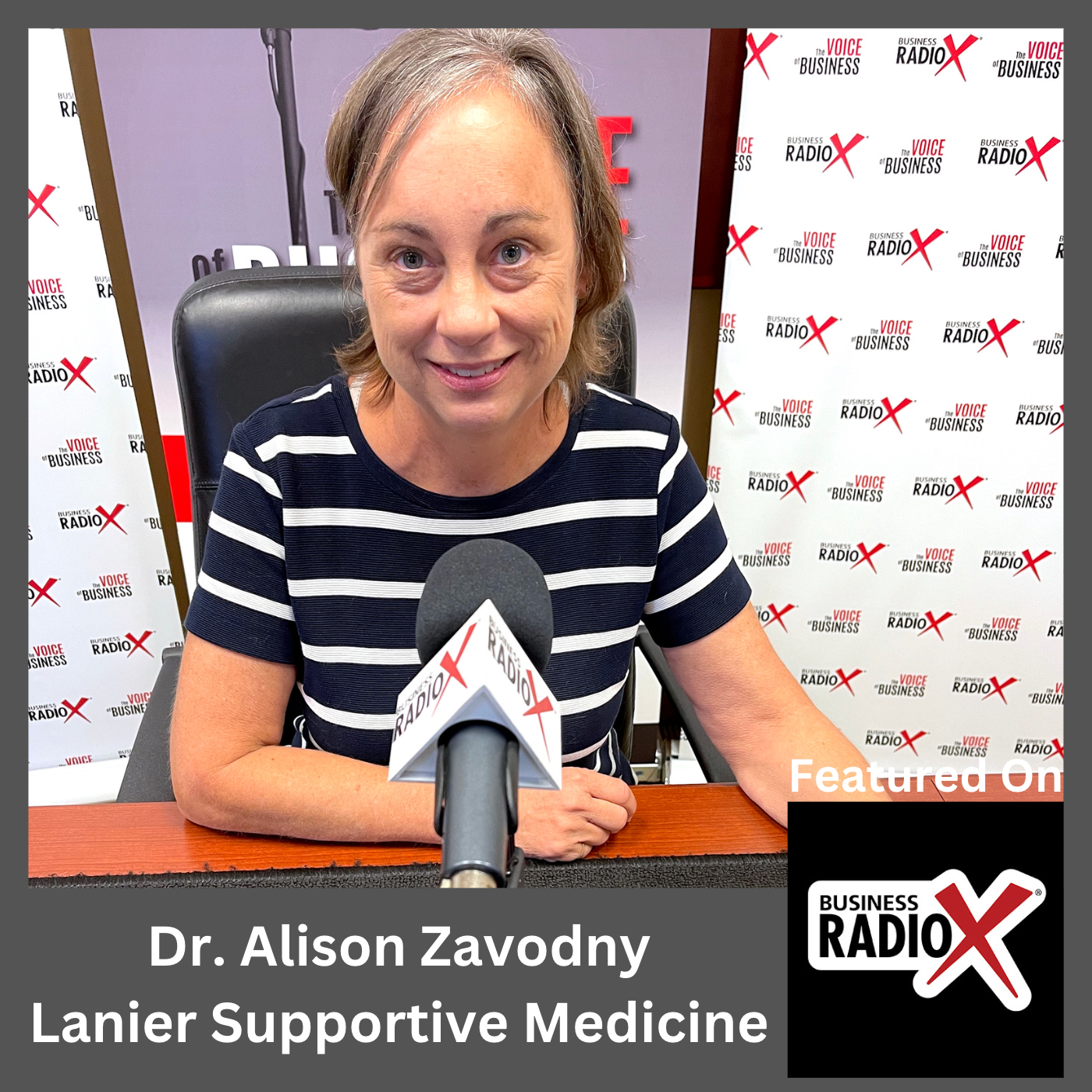
Palliative Medicine, with Dr. Alison Zavodny, Lanier Supportive Medicine
Loading
00:00 /
RSS Feed
Share
Link
Embed

Download file

Lanier Supportive Medicine

Palliative Medicine, with Dr. Alison Zavodny, Lanier Supportive Medicine (North Fulton Business Radio, Episode 680)

Dr. Alison Zavodny, owner of Lanier Supportive Medicine, visited with host John Ray to discuss palliative medicine, and how she works with patients to manage the symptoms and relieve the stress of very serious illnesses. She described the profile of patients she works with, the services she offers, and why she chose this field. Alison also talked about how she interfaces with other providers, how her work differs from hospice, and much more.

North Fulton Business Radio is broadcast from the North Fulton studio of Business RadioX® inside Renasant Bank in Alpharetta.

Lanier Supportive Medicine

The physicians at Lanier Supportive Medicine want to practice medicine the way it used to be.

They are not a high-volume fast paced practice. They will take the time to get to know you and what “living well” means for your life.

They utilize evidence-based medicine that isn’t limited to pharmaceuticals. They have a network of complementary and integrative medicine practitioners if you desire a referral.

Lanier’s goal is to support you and those important to you as you live with serious illness.

This means having a doctor who is empathetic, who can dedicate an hour to you (and every patient like you) and utilize evidence-based medicine that isn’t limited to pharmaceuticals. Some examples of support are:

  • Assistance with advance care planning such as living wills and the designation of decision makers.
  • Assistance in coordination of care with home care, extended-care facilities, or hospice care.
  • Anticipatory grief, as well as grief experienced during the patients last days.

Website

Alison Zavodny, MD, Palliative Medicine Specialist, Lanier Supportive Medicine

Alison Zavodny, MD, Palliative Medicine Specialist, Lanier Supportive Medicine

Alison Krause Zavodny, MD is board certified in hospice and palliative medicine. Her passion is to provide state of the science symptom management and holistic care for people with serious medical illnesses such as cancer, heart failure, and neurological diseases. Dr. Zavodny schedules adequate time during visits to develop meaningful relationships with her patients and their families — assuring they feel seen, heard, and valued throughout their entire health journey. Dr. Zavodny partners with patients and families to address concerns and learn about important goals.

Cancer and other serious illnesses affect patient’s lives but also impact the lives of the families, caregivers, and friends. Dr. Zavodny realizes that everyone is worried, everyone is stressed, and everyone wants to understand what is happening medically and what might be expected during the course of illness. She follows her patient’s preferences for communicating with others who are important in their lives.

Dr. Zavodny was raised in Pennsylvania and attended St. Mary’s College, Notre Dame, Indiana, graduating with a degree in chemistry. She attended Georgetown University School of Medicine before completing her residency in Internal Medicine at the University of Michigan Medical Center. Following residency, she moved to Atlanta where she practiced Internal Medicine. When Dr. Zavodny discovered the field of Palliative Medicine, she completed a fellowship in Hospice and Palliative Medicine at the University of Alabama. Dr. Zavodny is an expert in symptom management and helping patients and their families cope with a serious illness. She brings over twenty years of experience practicing palliative medicine in hospitals and outpatient clinics.

LinkedIn

Questions and Topics in this Interview:

  •  What is palliative medicine?
  • How did you come to this field of medicine?
  • How do I know when I need your services?
  • Who can access your services?
  • How do other doctors perceive your role?
  • Do you get referrals from specialists?
  • What is the difference between palliative care and hospice?

North Fulton Business Radio is hosted by John Ray and broadcast and produced from the North Fulton studio of Business RadioX® inside Renasant Bank in Alpharetta. You can find the full archive of shows by following this link. The show is available on all the major podcast apps, including Apple Podcasts, Spotify, Google, Amazon, iHeart Radio, Stitcher, TuneIn, and others.

RenasantBank


Renasant Bank has humble roots, starting in 1904 as a $100,000 bank in a Lee County, Mississippi, bakery. Since then, Renasant has become one of the Southeast’s strongest financial institutions with over $13 billion in assets and more than 190 banking, lending, wealth management, and financial services offices in Mississippi, Alabama, Tennessee, Georgia, and Florida. All of Renasant’s success stems from each of their banker’s commitment to investing in their communities as a way of better understanding the people they serve. At Renasant Bank, they understand you because they work and live alongside you every day.

Since 2000, Office Angels® has been restoring joy to the life of small business owners, enabling them to focus on what they do best. At the same time, we honor and support at-home experts who wish to continue working on an as-needed basis. Not a temp firm or a placement service, Office Angels matches a business owner’s support needs with Angels who have the talent and experience necessary to handle work that is essential to creating and maintaining a successful small business. Need help with administrative tasks, bookkeeping, marketing, presentations, workshops, speaking engagements, and more? Visit us at https://officeangels.us/.

Tagged With: Cancer, chronic illness, Dr. Alison Zavodny, hospice, internist, John Ray, Lanier Supportive Medicine, North Fulton Business Radio, Office Angels, palliative medicine, palliative medicine specialist, renasant bank

Samantha Shams, MD, Piedmont Cancer Institute

August 16, 2022 by John Ray

Piedmont Cancer Institute
North Fulton Business Radio
Samantha Shams, MD, Piedmont Cancer Institute
Loading
00:00 /
RSS Feed
Share
Link
Embed

Download file

Piedmont Cancer Institute

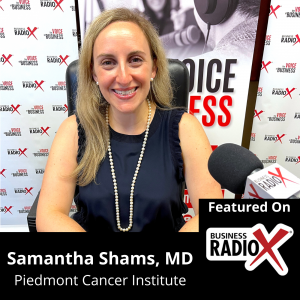
Samantha Shams, MD, Piedmont Cancer Institute (North Fulton Business Radio, Episode 494)

Medical oncologist Dr. Samantha Shams joined host John Ray on this edition of North Fulton Business Radio to discuss her background, her work as a board member of the Georgia Society of Clinical Oncology (GASCO), the advantages of a doctor-owned practice like Piedmont Cancer Institute, the rapid advances in oncology treatment technology, and much more.

North Fulton Business Radio is broadcast from the North Fulton studio of Business RadioX® inside Renasant Bank in Alpharetta.

Samantha Shams, MD, Medical Oncologist, Piedmont Cancer Institute

Samantha Shams, MD, Medical Oncologist, Piedmont Cancer Institute

Dr. Samantha Shams is a medical oncologist and hematologist on the team at Piedmont Cancer Institute. Dr. Shams has a degree from Mercer University School of Medicine and did her residency at Emory University.

At Piedmont Cancer Institute, you will find comprehensive cancer care is what they do.

In 1987, Piedmont Cancer Institute began providing care for those diagnosed with cancer. Since that time, PCI has expanded its care to five cities in the Atlanta metro area. They have continued to operate as a private practice allowing their team to build meaningful patient relationships. From the beginning, their number one goal is to provide the best possible care in all aspects of treatment – Clinical, Mind, Body, and Spirit.

The physicians and staff treat all types of cancer and diseases of the blood. Their physicians and advanced practitioners work closely with your entire treatment team of specialists, primary care physicians, family, and caregivers to address your individualized cancer treatment plan. They integrate leading-edge therapies, the latest clinical trials, and cancer wellness programs for the best care possible.

They also offer convenient telehealth appointments and treatment education appointments – all easily scheduled through our website.

If you need a partner in care or need a second opinion, Piedmont Cancer Institute is here.

Company Website | LinkedIn | Samantha Shams LinkedIn |  Facebook  | Instagram

Questions and Topics in this Interview:

  • What factors in your life contributed to your decision to be a doctor specializing in medical oncology?
  • Why private practice?
  • Women are underrepresented among leadership in oncology specialties. Your thoughts as to why the gender gap.
  • What your board seat on GASCO (Georgia Society of Clinical Oncology) means for women in oncology?
  • What does the future of oncology look like?

North Fulton Business Radio is hosted by John Ray and broadcast and produced from the North Fulton studio of Business RadioX® inside Renasant Bank in Alpharetta. You can find the full archive of shows by following this link. The show is available on all the major podcast apps, including Apple Podcasts, Spotify, Google, Amazon, iHeart Radio, Stitcher, TuneIn, and others.

RenasantBank


Renasant Bank has humble roots, starting in 1904 as a $100,000 bank in a Lee County, Mississippi, bakery. Since then, Renasant has grown to become one of the Southeast’s strongest financial institutions with over $13 billion in assets and more than 190 banking, lending, wealth management and financial services offices in Mississippi, Alabama, Tennessee, Georgia and Florida. All of Renasant’s success stems from each of their banker’s commitment to investing in their communities as a way of better understanding the people they serve. At Renasant Bank, they understand you because they work and live alongside you every day.


Special thanks to A&S Culinary Concepts for their support of this edition of North Fulton Business Radio. A&S Culinary Concepts, based in Johns Creek, is an award-winning culinary studio, celebrated for corporate catering, corporate team building, Big Green Egg Boot Camps, and private group events. They also provide oven-ready, cooked-from-scratch meals to go they call “Let Us Cook for You.” To see their menus and events, go to their website or call 678-336-9196.

Tagged With: A&S Culinary Concepts, Cancer, cancer care, cancer wellness programs, Dr. Samantha Shams, GASCO, Georgia Society of Clinical Oncology, oncologist, oncology, Piedmont Cancer Institute, private practice, renasant bank, Samantha Shams

NextGen Connects 2022 Chairs, Rachel Newcomer and Tukker Penrod

June 2, 2022 by John Ray

Summit Counseling Center
North Fulton Studio
NextGen Connects 2022 Chairs, Rachel Newcomer and Tukker Penrod
Loading
00:00 /
RSS Feed
Share
Link
Embed

Download file

Summit Counseling Center

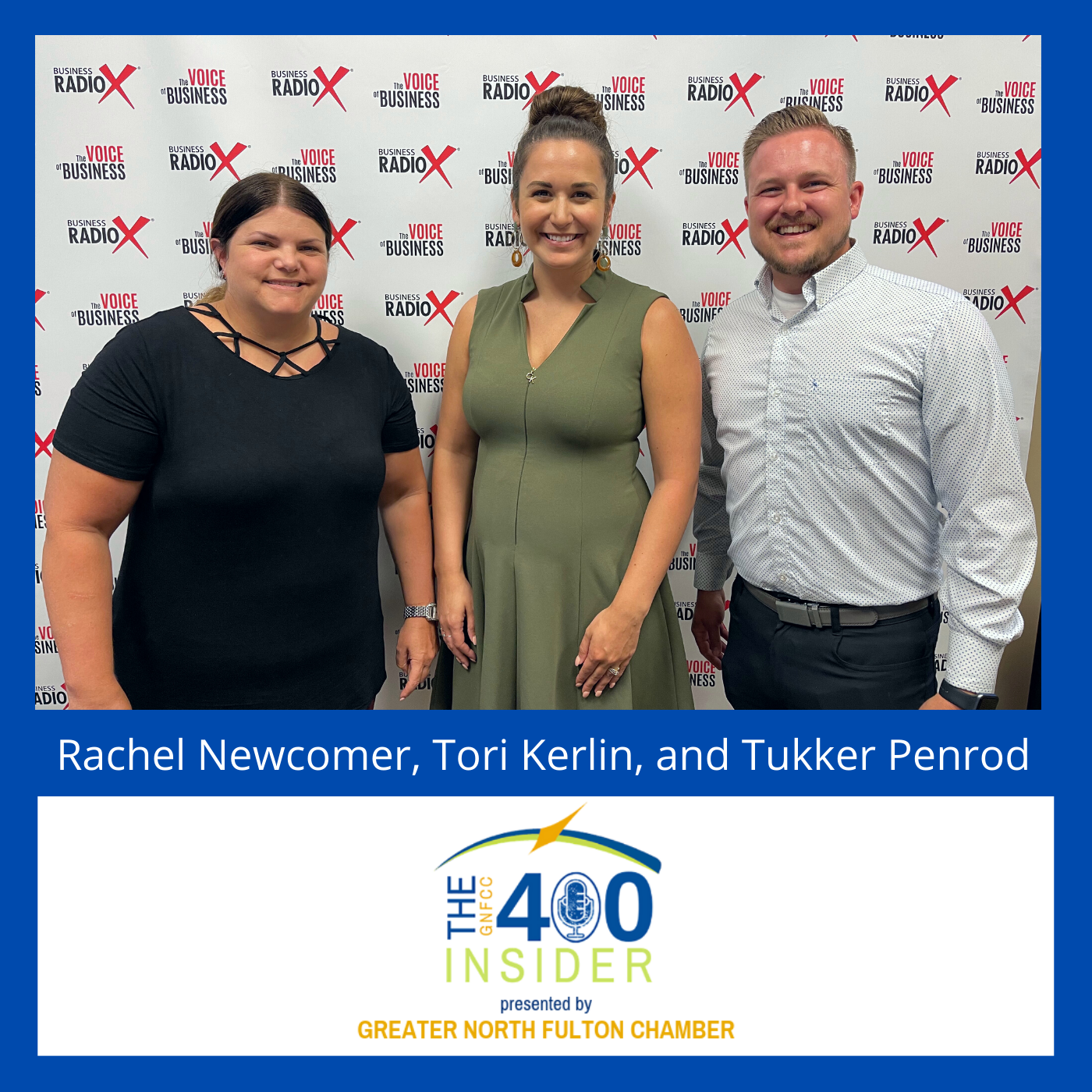
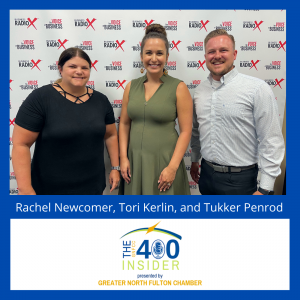
NextGen Connects 2022 Chairs, Rachel Newcomer and Tukker Penrod (GNFCC 400 Insider, Episode 75)

Rachel Newcomer, Director of Development at Summit Counseling Center, and Tukker Penrod, Outreach Coordinator at Saprea, are the 2022 NextGen Connects Chairs. Rachel and Tukker joined host Tori Kerlin to discuss the work of NextGen Connects, why chamber leadership and involvement in the community offers both professional and personal benefits, the desire of young professionals for a better work-life balance, and much more.

The GNFCC 400 Insider is presented by the Greater North Fulton Chamber of Commerce and produced by the North Fulton studio of Business RadioX®.

Rachel Newcomer, Director of Development, Summit Counseling Center

Rachel Newcomer, Director of Development, Summit Counseling Center

Rachel Newcomer is Director of Development for Summit Counseling Center. Rachel is a native Atlantan and recently moved to Alpharetta from Buckhead. She previously spent ten years in community development for cancer organizations.

The Summit Counseling Center provides professional counseling, consultation and education services utilizing an integrated approach to care for the whole person – Body, Mind, Spirit, and Relationships.

Since 1990, Summit Counseling has been a trusted community partner; bringing hope, healing and restoration to children, teens, adults, couples and families.

Company website | Summit LinkedIn | Rachel Newcomer LinkedIn

Tukker Penrod, Outreach Director, Saprea

Tukker Penrod, Outreach Director, Saprea

Tukker Penrod is Outreach Director at Saprea. A longtime friend of and advocate for Saprea, Tukker Penrod joined the staff when Saprea expanded to Georgia for its East Coast presence.

Tukker began his career in construction project management. When he began looking for a place to serve, he connected with Saprea just after the organization was founded.

At Saprea, they aspire for a world that is free of child sexual abuse. In this pursuit, they apply clinically proven, research-based best practices in providing healing and prevention resources.

One in five children in the United States is sexually abused before the age of 18. The impacts of this trauma last long after the abuse has stopped. Saprea is leading the charge against child sexual abuse using proven, practical methods for confronting and overcoming child sexual abuse. All of their services and resources are free thanks to the generosity of their donors.

Company website | Facebook| Tukker Penrod LinkedIn


About GNFCC and The GNFCC 400 Insider

Kali Boatright, President and CEO of GNFCC

The GNFCC 400 Insider is presented by the Greater North Fulton Chamber of Commerce (GNFCC) and is hosted by Kali Boatright, President and CEO of GNFCC. The Greater North Fulton Chamber of Commerce is a private, non-profit, member-driven organization comprised of over 1400 business enterprises, civic organizations, educational institutions, and individuals.  Their service area includes Alpharetta, Johns Creek, Milton, Mountain Park, Roswell and Sandy Springs. GNFCC is the leading voice on economic development, business growth and quality of life issues in North Fulton County.
The GNFCC promotes the interests of our members by assuming a leadership role in making North Fulton an excellent place to work, live, play and stay. They provide one voice for all local businesses to influence decision-makers, recommend legislation, and protect the valuable resources that make North Fulton a popular place to live.

For more information on GNFCC and its North Fulton County service area, follow this link or call (770) 993-8806. For more information on other GNFCC events such as this North Fulton Mayors Appreciation Lunch, follow this link.

For the complete show archive of GNFCC 400 Insider, go to GNFCC400Insider.com. The GNFCC 400 Insider is produced by John Ray and the North Fulton studio of Business RadioX®.

Tagged With: Cancer, GNFCC, GNFCC 400 Insider, NextGen Connects, Nextgen Connects Mentor Match Program, Nonprofit, Rachel Newcomer, Saprea, Summit Counseling Center, Tori Kerlin, Tukker Penrod, young professionals

Cancers of the Head and Neck

January 28, 2022 by John Ray

Cancer of Head and Neck
North Fulton Studio
Cancers of the Head and Neck
Loading
00:00 /
RSS Feed
Share
Link
Embed

Download file

Cancer of Head and Neck

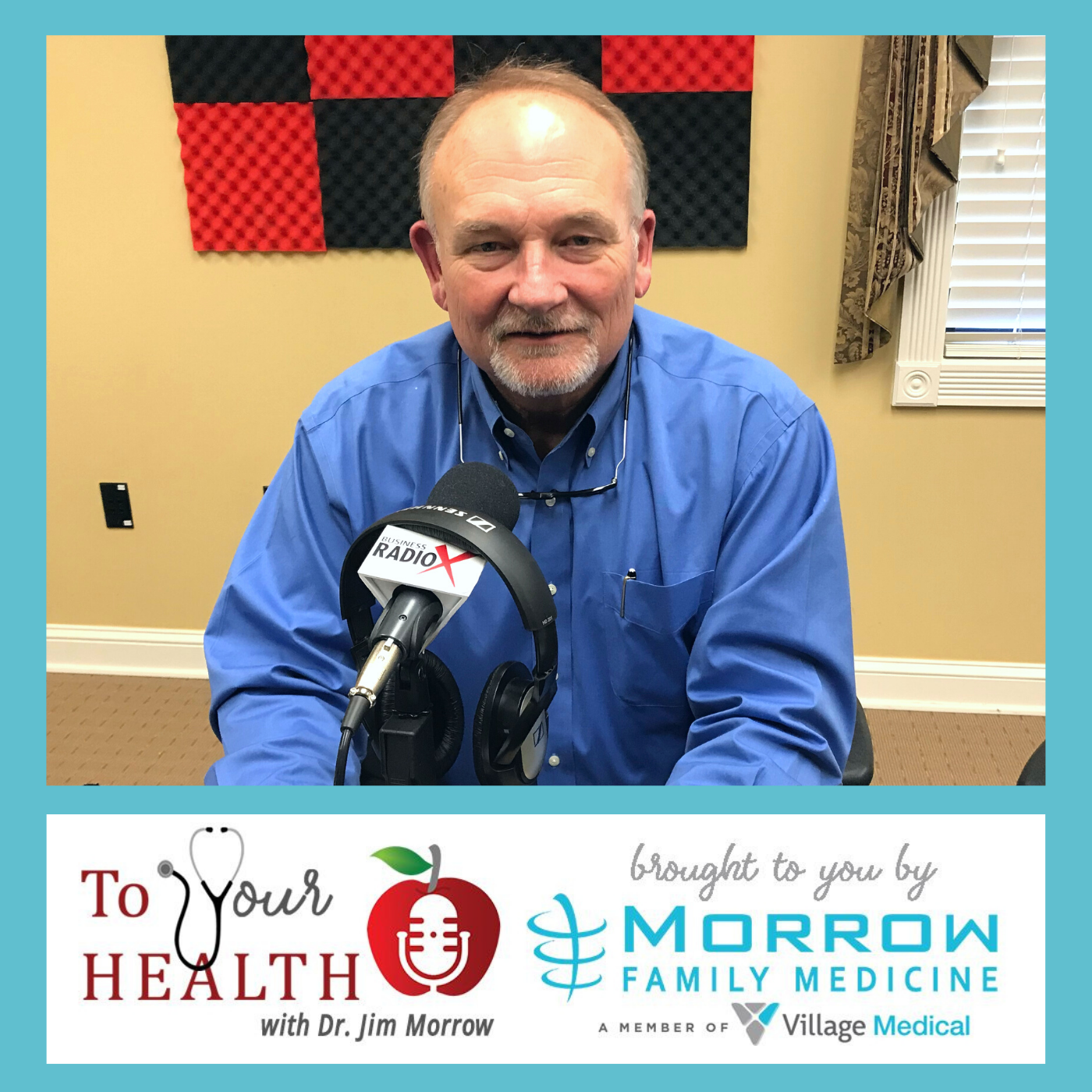
Cancers of the Head and Neck (Episode 68, To Your Health with Dr. Jim Morrow)

Head and neck cancers refer to cancers that start in the mouth, throat, voice box, sinuses, and salivary glands. On this edition of To Your Health, Dr. Morrow describes their causes, symptoms, causes, treatments, as well as the side effects of those treatments. To Your Health is brought to you by Morrow Family Medicine, a Member of Village Medical, which brings the care back to healthcare.

About Morrow Family Medicine, A Member of Village Medical

Morrow Family Medicine, a Member of Village Medical, is an award-winning, state-of-the-art family practice with offices in Cumming and Milton, Georgia. The practice combines healthcare information technology with old-fashioned care to provide the type of care that many are in search of today. Two physicians, three physician assistants and two nurse practitioners are supported by a knowledgeable and friendly staff to make your visit to Morrow Family Medicine, A Member of Village Medical one that will remind you of the way healthcare should be.  At Morrow Family Medicine, a Member of Village Medical, we like to say we are “bringing the care back to healthcare!”  The practice has been named the “Best of Forsyth” in Family Medicine in all five years of the award, is a three-time consecutive winner of the “Best of North Atlanta” by readers of Appen Media, and the 2019 winner of “Best of Life” in North Fulton County.

Village Medical offers a comprehensive suite of primary care services including preventative care, treatment for illness and injury, and management of chronic conditions such as diabetes, congestive heart failure, chronic obstructive pulmonary disease (COPD) and kidney disease. Atlanta-area patients can learn more about the practice here.

Dr. Jim Morrow, Morrow Family Medicine, and Host of To Your Health with Dr. Jim Morrow

Covid-19 misconceptionsDr. Jim Morrow is the founder and CEO of Morrow Family Medicine. He has been a trailblazer and evangelist in healthcare information technology, was named Physician IT Leader of the Year by HIMSS, a HIMSS Davies Award Winner, the Cumming-Forsyth Chamber of Commerce Steve Bloom Award Winner as Entrepreneur of the Year and he received a Phoenix Award as Community Leader of the Year from the Metro Atlanta Chamber of Commerce.  He is married to Peggie Morrow and together they founded the Forsyth BYOT Benefit, a charity in Forsyth County to support students in need of technology and devices. They have two Goldendoodles, a gaggle of grandchildren and enjoy life on and around Lake Lanier.

Facebook: https://www.facebook.com/MorrowFamMed/

LinkedIn: https://www.linkedin.com/company/7788088/admin/

Twitter: https://twitter.com/toyourhealthMD

The complete show archive of To Your Health with Dr. Jim Morrow addresses a wide range of health and wellness topics and can be found at www.toyourhealthradio.com.

Dr. Morrow’s Show Notes

What are cancers of the head and neck?

    • o Cancers that are known collectively as head and neck cancers 
      •  usually begin in the squamous cells that line the mucosal surfaces of the head and neck 
        • • (for example, those inside the mouth, throat, and voice box). 
      •  These cancers are referred to as squamous cell carcinomas of the head and neck. 
        • • Head and neck cancers can also begin in the salivary glands, sinuses, or muscles or nerves in the head and neck, 
          • o but these types of cancer are much less common than squamous cell carcinomas (1, 2).
    • o Cancers of the head and neck can form in the:
      •  Oral cavity: Includes the lips, the front two-thirds of the tongue, the gums, the lining inside the cheeks and lips, the floor (bottom) of the mouth under the tongue, the hard palate (bony top of the mouth), and the small area of the gum behind the wisdom teeth.
      •  Throat (pharynx): The pharynx is a hollow tube about 5 inches long that starts behind the nose and leads to the esophagus. It has three parts: the nasopharynx (the upper part of the pharynx, behind the nose); the oropharynx (the middle part of the pharynx, including the soft palate [the back of the mouth], the base of the tongue, and the tonsils); the hypopharynx (the lower part of the pharynx).
      •  Voice box (larynx): The voice box is a short passageway formed by cartilage just below the pharynx in the neck. The voice box contains the vocal cords. It also has a small piece of tissue, called the epiglottis, which moves to cover the voice box to prevent food from entering the air passages.
      •  Paranasal sinuses and nasal cavity: The paranasal sinuses are small hollow spaces in the bones of the head surrounding the nose. The nasal cavity is the hollow space inside the nose.
      •  Salivary glands: The major salivary glands are in the floor of the mouth and near the jawbone. The salivary glands produce saliva. Minor salivary glands are located throughout the mucous membranes of the mouth and throat.
      • • If a squamous cell carcinoma of the head and neck is going to spread, 
    • o it almost always does so locally and/or to the lymph nodes in the neck. 
      •  Sometimes, cancerous squamous cells can be found in the lymph nodes of the upper neck when there is no evidence of cancer in other parts of the head and neck, possibly because the original primary tumor is too small. When this happens, the cancer is called metastatic squamous cell carcinoma with unknown (occult) primary. 

What causes cancers of the head and neck?

      •  Alcohol and tobacco use
    • o (including secondhand smoke and smokeless tobacco, sometimes called “chewing tobacco” or “snuff”) are the two most important risk factors for head and neck cancers, especially cancers of the oral cavity, hypopharynx, and voice box (3–7). 
      •  People who use both tobacco and alcohol are at greater risk of developing these cancers than people who use either tobacco or alcohol alone (8, 9). 
      •  Most head and neck squamous cell carcinomas of the mouth and voice box are caused by tobacco and alcohol use (8).
      •  Infection with cancer-causing types of human papillomavirus (HPV), especially HPV type 16, 
    • o is a risk factor for oropharyngeal cancers that involve the tonsils or the base of the tongue. 
      •  In the United States, the incidence of oropharyngeal cancers caused by HPV infection is increasing, while the incidence of oropharyngeal cancers related to other causes is falling. 
        • • About three-quarters of all oropharyngeal cancers are caused by chronic HPV infection. 
        • • Although HPV can be detected in other head and neck cancers, it appears to be the cause of cancer formation only in the oropharynx. The reasons for this are poorly understood.
        •  Other known risk factors for specific cancers of the head and neck include the following:
    • o Paan (betel quid). The use of paan (betel quid) in the mouth, a common custom in Southeast Asia, is strongly associated with an increased risk of mouth cancers  
    • o Occupational exposure. Occupational exposure to wood dust is a risk factor for nasopharyngeal cancer (17, 18). Certain industrial exposures, including exposures to asbestos and synthetic fibers, have been associated with cancer of the voice box, but the increase in risk remains controversial (19). People working in certain jobs in the construction, metal, textile, ceramic, logging, and food industries may have an increased risk of cancer of the voice box (20). Industrial exposure to wood dust, nickel dust, or formaldehyde is a risk factor for cancers of the paranasal sinuses and nasal cavity 
    • o Radiation exposure. Radiation to the head and neck, for noncancerous conditions or cancer, is a risk factor for cancer of the salivary glands (24–26).
    • o Epstein-Barr virus infection. Infection with the Epstein-Barr virus is a risk factor for nasopharyngeal cancer (27) and cancer of the salivary glands (28, 29).
    • o Ancestry. Asian ancestry, particularly Chinese ancestry, is a risk factor for nasopharyngeal cancer (17, 18).
    • o Underlying genetic disorders. Some genetic disorders, such as Fanconi anemia, can increase the risk of developing precancerous lesions and cancers early in life (30).

What are head and neck cancer symptoms?

    •  Head and neck cancer symptoms may include a lump in the neck or a sore in the mouth
    • o or the throat that does not heal and may be painful, a sore throat that does not go away, difficulty in swallowing, and a change or hoarseness in the voice. These symptoms may also be caused by other, less serious conditions. It is important to check with a doctor or dentist about any of these symptoms.
    •  Symptoms of cancers in specific areas of the head and neck include:
    • o Oral cavity. A white or red patch on the gums, the tongue, or the lining of the mouth; a growth or swelling of the jaw that causes dentures to fit poorly or become uncomfortable; and unusual bleeding or pain in the mouth.
    • o Throat (pharynx). Pain when swallowing; pain in the neck or the throat that does not go away; pain or ringing in the ears; or trouble hearing.
    • o Voice box (larynx). Trouble breathing or speaking, pain when swallowing or ear pain.
    • o Paranasal sinuses and nasal cavity. Sinuses that are blocked and do not clear; chronic sinus infections that do not respond to treatment with antibiotics; bleeding through the nose; frequent headaches, swelling or other trouble with the eyes; pain in the upper teeth; or problems with dentures.
    • o Salivary glands. Swelling under the chin or around the jawbone, numbness or paralysis of the muscles in the face, or pain in the face, the chin, or the neck that does not go away.

How common are head and neck cancers?

    •  Head and neck cancers account for nearly 4% of all cancers in the United States (31).
    • o These cancers are more than twice as common among men as they are among women (31). 
      •  Head and neck cancers are also diagnosed more often among people over age 50 than they are among younger people.
      •  Researchers estimated that more than 68,000 men and women in the United States would be diagnosed with head and neck cancers in 2021. 
    • o Most will be diagnosed with mouth, throat, or voice box cancer. 
    • o Paranasal sinus and nasal cavity cancer and salivary gland cancer are much less common.

How can I reduce my risk of developing head and neck cancers?

    •  People who are at risk of head and neck cancers―particularly those who use tobacco―should talk with their doctor about ways to stop using tobacco to reduce their risk.
    •  Avoiding oral HPV infection can reduce the risk of HPV-associated head and neck cancers. In June 2020, the Food and Drug Administration granted accelerated approval of the HPV vaccine Gardasil 9 for the prevention of oropharyngeal and other head and neck cancers caused by HPV types 16, 18, 31, 33, 45, 52, and 58 in persons aged 9 through 45 years. 
    •  Although there is no standard or routine screening test for head and neck cancers, dentists may check the oral cavity for signs of cancer during a routine checkup.

How are head and neck cancers treated?

    •  Head and neck cancer treatment can include 
    • o surgery,
    • o radiation therapy, chemotherapy, 
    • o targeted therapy, 
    • o immunotherapy, 
    • o or a combination of treatments. 
    • o The treatment plan for an individual patient depends on a number of factors, including the location of the tumor, the stage of the cancer, and the person’s age and general health.
    •  Research has shown that patients with HPV-positive oropharyngeal tumors have a much better prognosis and higher chance of complete cure than those with HPV-negative tumors following the same treatment (32). 
    • o Because of this, ongoing clinical trials are investigating whether patients with HPV-positive cancers can be treated with less intensive regimens, such as less intensive radiation or immunotherapy.

What are the side effects of head and neck cancer treatment?

    •  Surgery for head and neck cancers may affect the patient’s ability to chew, swallow, or talk. 
    • o The patient may look different after surgery, and the face and neck may be swollen. 
    • o The swelling usually improves with time. However, if lymph nodes are removed, the flow of lymph in the area where they were removed may be slower and lymph could collect in the tissues (a condition called lymphedema), causing additional swelling that may last for a long time.
    •  Head and neck lymphedema may be visible or internal. 
    • o In most cases, it can be reversed, improved, or reduced if treated promptly. 
    • o Patients with untreated lymphedema may be more at risk of complications such as cellulitis, or an infection of the tissues. Untreated cellulitis, if severe, can be dangerous and could lead to further swallowing or breathing difficulties.
    •  After a laryngectomy (surgery to remove the voice box) or other surgery in the neck, 
    • o parts of the neck and throat may feel numb because nerves have been cut. If lymph nodes in the neck were removed, the shoulder and neck may become weak and stiff.
    •  Patients who receive radiation to the head and neck may experience side effects during and for a short while after treatment, including redness, irritation, and sores in the mouth; 
    • o a dry mouth or thickened saliva; 
    • o difficulty in swallowing; 
    • o changes in taste; 
    • o or nausea. 
    • o Radiation may also cause loss of taste, which may decrease appetite and affect nutrition, and earaches (caused by the hardening of ear wax). Patients may also notice some swelling or drooping of the skin under the chin and changes in the texture of the skin. The jaw may feel stiff, and patients may not be able to open their mouth as wide as before treatment.
    •  Although side effects will improve slowly over time in many patients, others will experience long-term side effects of surgery or radiation therapy, including difficulty swallowing, speech impairment, and skin changes (33).
    •  Patients should report any side effects to their doctor or nurse and discuss how to deal with them.

Tagged With: Cancer, Cancer of the Head, Dr. Jim Morrow, Jim Morrow, Morrow Family Medicine, Neck Cancer, To Your Health With Dr. Jim Morrow, Village Medical

Real Men Wear Pink of Atlanta

October 8, 2021 by Mike

Gwinnett Business Radio
Real Men Wear Pink of Atlanta
Loading
00:00 /
RSS Feed
Share
Link
Embed

Download file

Bill Floor, Jim Kozel, Todd Miller, Amanda Pearch, Jeff Steilen, Bruce Dunbar and Bruce Nelson

This special episode of “Gwinnett Business Radio” highlights the Real Men Wear Pink of Atlanta campaign to raise awareness and funds to support the American Cancer Society’s mission to save lives. #PINKOUT

Distinguished Guests (you can click on the honoree’s name to make a donation):
Bill Floor, RICOH (Co-Chair)
Bruce Nelson, Hytech (Co-Chair)
Michael Jones, RICOH
Todd Miller, RICOH
Bruce Dunbar, Connex
Jim Kozell, World Emblem
Jeff Steilen, UPS 

Breast cancer affects everyone- women and men. But in Atlanta, there are a certain group of men (with a very particular set of skills) leading the charge in the fight! Through Real Men Wear Pink, these distinguished community leaders are determined to raise awareness and critical funds in support of the American Cancer Society’s mission to save more lives than ever before from breast cancer.

Now more than ever, as they take precautions to limit exposure to COVID-19, your support is needed. Cancer patients are among those at high risk of serious illness from an infection because their immune systems are often weakened by cancer and its treatments. In this new era, they are facing unique challenges every day, but their resolve to fight back against breast cancer is still unmatched!

The Power of Pink: Every dollar raised helps the American Cancer Society save lives from breast cancer through early detection and prevention, innovative breast cancer research, and patient support. Thanks to the passion of the Real Men Wear Pink honorees, they’re able to make a tremendous impact on the mission to end breast cancer.

Click Here to Donate to One of the Honorees


Tagged With: amanda pearch, american cancer society, bill floor, breast cancer, breast cancer awareness, Bruce Dunbar, bruce nelson, Cancer, Jeff Steilen, Jim Kozel, real men wear pink, real men wear pink of atlanta, Todd Miller

Ricoh’s 6th Annual “Puttin’ on the Pink” Golf Tournament benefiting American Cancer Society

September 17, 2021 by Mike

The 6th Annual “Puttin’ On The Pink” Golf Tournament benefitting the American Cancer Society was held on September 15, 2021 at the Hamilton Mill Golf Club in Dacula, GA. The tournament was presented by Ricoh with funds to support the Making Strides Against Breast Cancer program.

The American Cancer Society saves lives by helping people stay well and get well, by finding cures, and by fighting back against cancer. ACS is working to finish the fight against every cancer in every community. They are the largest private, not-for-profit funder of cancer research in the United States, investing more than $4 billion since 1946. More than 1.5 million lives have been saved in the U.S. in the past two decades.

This year’s golf tournament raised approximately $65,000, bringing the fundraiser’s six year total to nearly $300,000 raised for cancer research!


Thanks to a generous contribution by the Sonesta Gwinnett Place Atlanta Hotel, Business RadioX was on site again this year to broadcast live and conduct interviews with event organizers, corporate sponsors, and golfers. Below are some of those interviews.

https://businessradiox.com/wp-content/uploads/2021/09/MayellaAllen.mp3

Mayella Allen (American Cancer Society)

https://businessradiox.com/wp-content/uploads/2021/09/DaveGleim.mp3

Dave Gleim (Sonesta Gwinnett Place Atlanta Hotel)

https://businessradiox.com/wp-content/uploads/2021/09/Spooners.mp3

Nick Spooner & Chris Spooner (Golfers)

https://businessradiox.com/wp-content/uploads/2021/09/LisaLeong.mp3

Lisa Leong (Gas South District Convention Center)

https://businessradiox.com/wp-content/uploads/2021/09/StanSuuzanneBruce.mp3

Stan Goddard (Ricoh), Suzanne Olszewski (Ricoh) & Bruce Nelson (Hytec), Tournament Organizers


About the American Cancer Society:

For more than a 100 years, the American Cancer Society has been leading the fight to end cancer. With your support, they have helped usher in an era where more people survive cancer than ever before. By translating their research findings into action, they’ve seen a 27% decline in U.S. cancer death rates since the early 1990s. Join the American Cancer Society to help finish the fight!


About Sonesta Gwinnett Place Atlanta:

Located in Duluth, GA, in the greater Atlanta community, Sonesta Gwinnett Place Atlanta is in the heart of Gwinnett County near the Gas South District. The recently updated 17-story hotel is the largest in the county and is top ranked on TripAdvisor. Sonesta Gwinnett Place Atlanta features 300 guest rooms, including 5 suites and the Preferred Level for business guests. In addition, guests may have breakfast at Grapevine Restaurant, which is open for Grab-N-Go breakfast, plus an indoor/outdoor swimming pool, health club, sundeck and free parking.


Tagged With: acs, american cancer society, bruce nelson, Cancer, cancer golf tournament, hamilton mill golf club, lisa leong, mayella allen, puttin on the pink golf, Ricoh, sonesta gwnnett place, sonesta hotel, stan goddard

Pancreatic Cancer- Episode 44, To Your Health With Dr. Jim Morrow

November 12, 2020 by John Ray

pancreatic cancer
North Fulton Studio
Pancreatic Cancer- Episode 44, To Your Health With Dr. Jim Morrow
Loading
00:00 /
RSS Feed
Share
Link
Embed

Download file

Pancreatic Cancer – Episode 44, To Your Health With Dr. Jim Morrow

Popular “Jeopardy” host Alex Trebek just passed away from complications caused by pancreatic cancer. On this edition of “To Your Health,” Dr. Morrow covers pancreatic cancer, its possible causes, including genetic factors, and the limited effective treatment options. Dr. Morrow also offers a Covid-19 update which includes advice on how to handle family visits for Thanksgiving. “To Your Health” is brought to you by Morrow Family Medicine, which brings the CARE back to healthcare.

About Morrow Family Medicine and Dr. Jim Morrow

Morrow Family Medicine is an award-winning, state-of-the-art family practice with offices in Cumming and Milton, Georgia. The practice combines healthcare information technology with old-fashioned care to provide the type of care that many are in search of today. Two physicians, three physician assistants and two nurse practitioners are supported by a knowledgeable and friendly staff to make your visit to Morrow Family Medicine one that will remind you of the way healthcare should be.  At Morrow Family Medicine, we like to say we are “bringing the care back to healthcare!”  Morrow Family Medicine has been named the “Best of Forsyth” in Family Medicine in all five years of the award, is a three-time consecutive winner of the “Best of North Atlanta” by readers of Appen Media, and the 2019 winner of “Best of Life” in North Fulton County.

Dr. Jim Morrow, Morrow Family Medicine, and Host of “To Your Health With Dr. Jim Morrow”

Covid-19 misconceptionsDr. Jim Morrow is the founder and CEO of Morrow Family Medicine. He has been a trailblazer and evangelist in the area of healthcare information technology, was named Physician IT Leader of the Year by HIMSS, a HIMSS Davies Award Winner, the Cumming-Forsyth Chamber of Commerce Steve Bloom Award Winner as Entrepreneur of the Year and he received a Phoenix Award as Community Leader of the Year from the Metro Atlanta Chamber of Commerce.  He is married to Peggie Morrow and together they founded the Forsyth BYOT Benefit, a charity in Forsyth County to support students in need of technology and devices. They have two Goldendoodles, a gaggle of grandchildren and enjoy life on and around Lake Lanier.

Facebook: https://www.facebook.com/MorrowFamMed/

LinkedIn: https://www.linkedin.com/company/7788088/admin/

Twitter: https://twitter.com/toyourhealthMD

The complete show archive of “To Your Health with Dr. Jim Morrow” addresses a wide range of health and wellness topics, and can be found at www.toyourhealthradio.com.

Dr. Morrow’s Show Notes

Overview

  • Pancreatic cancer begins in the tissues of your pancreas —
    • an organ in your abdomen that lies behind the lower part of your stomach.
    • Your pancreas releases enzymes that aid digestion and produces hormones that help manage your blood sugar.
  • Several types of growths can occur in the pancreas,
    • including cancerous and noncancerous tumors.
    • The most common type of cancer that forms in the pancreas begins in the cells that line the ducts that carry digestive enzymes out of the pancreas (pancreatic ductal adenocarcinoma).
  • Pancreatic cancer is seldom detected at its early stages when it’s most curable.
    • This is because it often doesn’t cause symptoms until after it has spread to other organs.
  • Pancreatic cancer treatment options are chosen based on the extent of the cancer. Options may include surgery, chemotherapy, radiation therapy or a combination of these.

Symptoms

  • Signs and symptoms of pancreatic cancer often don’t occur until the disease is advanced.
  • They may include:
    • Abdominal pain that radiates to your back
    • Loss of appetite or unintended weight loss
    • Yellowing of your skin and the whites of your eyes (jaundice)
    • Light-colored stools
    • Dark-colored urine
    • Itchy skin
    • New diagnosis of diabetes or existing diabetes that’s becoming more difficult to control
    • Blood clots
    • Fatigue

·      When to see a doctor

  • See your doctor if you experience any unexplained symptoms that worry you.
  • Many other conditions can cause these symptoms,
    • so your doctor may check for these conditions as well as for pancreatic cancer.

Causes

  • It’s not clear what causes pancreatic cancer.
    • Doctors have identified some factors that may increase the risk of this type of cancer,
      • including smoking
      • and having certain inherited gene mutations.

Understanding your pancreas

  • Your pancreas is about 6 inches (15 centimeters) long
    • and looks something like a pear lying on its side.
    • It releases (secretes) hormones,
      • including insulin, to help your body process sugar in the foods you eat.
      • And it produces digestive juices to help your body digest food and absorb nutrients.

How Pancreatic Cancer Forms

  • Pancreatic cancer occurs when cells in your pancreas develop changes (mutations) in their DNA.
    • A cell’s DNA contains the instructions that tell a cell what to do.
    • These mutations tell the cells to grow uncontrollably
      • and to continue living after normal cells would die.
    • These accumulating cells can form a tumor.
      • When left untreated, the pancreatic cancer cells can spread to nearby organs and blood vessels and to distant parts of the body.
  • Most pancreatic cancer begins in the cells that line the ducts of the pancreas.
    • This type of cancer is called pancreatic adenocarcinoma
      • or pancreatic exocrine cancer.
    • Less frequently, cancer can form in the hormone-producing cells or the neuroendocrine cells of the pancreas.
    • These types of cancer are called
      • pancreatic neuroendocrine tumors,
      • islet cell tumors or
      • pancreatic endocrine cancer.

Risk factors

  • Factors that may increase your risk of pancreatic cancer include:
    • Smoking
    • Diabetes
    • Chronic inflammation of the pancreas (pancreatitis)
    • Family history of genetic syndromes that can increase cancer risk,
      • including a BRCA2 gene mutation,
    • Family history of pancreatic cancer
    • Obesity
    • Older age, as most people are diagnosed after age 65
  • A large study demonstrated that the combination of
    • smoking,
    • long-standing diabetes
    • and a poor diet
    • increases the risk of pancreatic cancer beyond the risk of any one of these factors alone.

Complications

  • As pancreatic cancer progresses, it can cause complications such as:
    • Weight loss.
      • A number of factors may cause weight loss in people with pancreatic cancer.
      • Weight loss might happen as the cancer consumes the body’s energy.
      • Nausea and vomiting caused by cancer treatments or a tumor pressing on your stomach may make it difficult to eat.

      • Or your body may have difficulty processing nutrients from food because your pancreas isn’t making enough digestive juices.
    • Pancreatic cancer that blocks the liver’s bile duct can cause jaundice.
    • Signs include yellow skin and eyes,
      • dark-colored urine,
      • and pale-colored stools.
      • Jaundice usually occurs without abdominal pain.
    • A growing tumor may press on nerves in your abdomen,
      • causing pain that can become severe.
      • Pain medications can help you feel more comfortable.
      • Treatments, such as radiation and chemotherapy, might help slow tumor growth and provide some pain relief.
    • In severe cases, your doctor might recommend a procedure to inject alcohol into the nerves that control pain in your abdomen (celiac plexus block).
      • This procedure stops the nerves from sending pain signals to your brain.
  • Bowel obstruction.
    • Pancreatic cancer that grows into or presses on the first part of the small intestine (duodenum) can block the flow of digested food from your stomach into your intestines.

Treatment

  RESECTABLE LESIONS

  • Surgical resection is the only potentially curative treatment for pancreatic ductal adenocarcinomas.
    • Approximately 15% to 20% of patients have resectable disease,
      • but less than 20% of patients who undergo surgery survive five years.
    • Although immediate postoperative mortality is less than 5%,
      • the median survival is about 12 to 19 months.
    • Studies support the recommendation that pancreatic resections should be performed at high-volume institutions,
      • generally those that complete at least 15 pancreatic resections annually.
    • Higher-volume centers have reported
      • decreased mortality rates,
      • shorter hospital stay,
      • and lower overall cost compared with low-volume institutions.
  • The classic surgery for resection of a carcinoma of the head of the pancreas is a pancreaticoduodenectomy,
    • also known as a Whipple procedure.
      • In this surgery, the gallbladder, common bile duct, second portion of the duodenum, and the head of the pancreas are resected.
  • Tumors involving the body or tail of the pancreas are rarely resectable.
    • They are usually advanced at diagnosis and cause symptoms late in their development.
  • There is no standard for providing adjuvant treatment of pancreatic ductal adenocarcinomas postoperatively.
    • Chemotherapy improves survival by two to three months compared with observation alone.

UNRESECTABLE LESIONS

  • More than 80% of patients present with disease that is not surgically resectable.
  • Although a histologic diagnosis is not necessary before surgery,
    • it is required for treatment of locally advanced,
      • unresectable,
      • or metastatic disease.
      • Some studies have addressed the use of chemoradiation with or without chemotherapy to convert unresectable disease status to resectable.
      • Postresection, these patients have survival rates similar to those with disease initially determined to be resectable.

LOCALLY ADVANCED LESIONS AND METASTASIS

  • The primary goals of treatment for advanced pancreatic cancers are palliation and improved survival.
    • In some patients who have good performance status (i.e., adequate nutrition and pain control),
      • some effect on survival may be achieved.
  • The National Comprehensive Cancer Network recommends
    • systemic chemotherapy
      • followed by chemoradiation therapy as a treatment option.
PALLIATIVE CARE

  • Very often, when this is diagnosed, there is already nothing that can be done for the patient. It is just that bad a disease.

Prevention

  • You may reduce your risk of pancreatic cancer if you:
    • Stop smoking.
      • If you smoke, try to stop.
      • Talk to your doctor about strategies to help you stop, including support groups, medications and nicotine replacement therapy.
      • If you don’t smoke, don’t start.
    • Maintain a healthy weight.
      • If you are at a healthy weight, work to maintain it.
      • If you need to lose weight, aim for a slow, steady weight loss — 1 to 2 pounds (0.5 to 1 kilogram) a week.
      • Combine daily exercise with a diet rich in vegetables, fruit and whole grains with smaller portions to help you lose weight.
    • Choose a healthy diet.
      • A diet full of colorful fruits and vegetables and whole grains may help reduce your risk of cancer.
  • Consider meeting with a genetic counselor if you have a family history of pancreatic cancer.
    • He or she can review your family health history with you and determine whether you might benefit from a genetic test to understand your risk of pancreatic cancer or other cancers.

Tagged With: Cancer, Dr. Jim Morrow, Morrow Family Medicine, pancreatic cancer, To Your Health With Dr. Jim Morrow

Sherry Anshara with Anshara Method of Accelerated Healing and Abundance

June 13, 2020 by Karen

Ashana-Feature
Phoenix Business Radio
Sherry Anshara with Anshara Method of Accelerated Healing and Abundance
Loading
00:00 /
RSS Feed
Share
Link
Embed

Download file

Sherry-Anshara-with-Anshara-Method-of-Accelerated-Healing-and-Abundance

Sherry Anshara with Anshara Method of Accelerated Healing and Abundance

Anshara-Method-of-Accelerated-Healing-and-Abundance

Through the Anshara Method of Accelerated Healing and Abundance, you will be guided towards fulfilling your desired goals and achieving Self Mastery. You will clarify the areas of your resistance and begin to connect with your abilities to create success full and success filled results. Through your personalized coaching, you will discover your strengths, ignite your momentum, and connect with your innate intuitive creativity to take yourself and your life to the next levels.

Sherry-AnsharaSherry Anshara is an international bestselling author, professional speaker, former radio host of “Conscious Healing”, and contributing writer to national and international publications on the subject of the Anshara Method of Accelerated Healing & Abundance and overall wellness. Sherry Anshara utilizes her experience and expertise as a Medical Intuitive as the foundation of her groundbreaking work with Cellular Memory, which she calls the Anshara Method.

Through the Anshara Method, you access your Cellular Memories which hold the root causes of your symptoms—whether mental, physical, emotional, spiritual, or financial. Sherry Anshara created these systematic processes so you can rid yourself of unwanted limitations, restrictions, negative thought patterns, and toxic behaviors. Sherry Anshara guides you to heal at the cellular level so you enjoy health, wellness, and abundance in every area of your life.

Connect with Sherry on LinkedIn, Facebook, Instagram and Twitter.

Tagged With: anxiety, business coach, Cancer, Cellular Memory, Consciousness, Depression, educator, Healing, Health, Life Coach, Medical Intuitive, wellness

Business RadioX ® Network


Our Most Recent Episode

CONNECT WITH US

  • Email
  • Facebook
  • LinkedIn
  • Twitter
  • YouTube

Our Mission

We help local business leaders get the word out about the important work they’re doing to serve their market, their community, and their profession.

We support and celebrate business by sharing positive business stories that traditional media ignores. Some media leans left. Some media leans right. We lean business.
Sponsor a Show

Build Relationships and Grow Your Business. Click here for more details.

Partner With Us

Discover More Here

Terms and Conditions
Privacy Policy

Connect with us

Want to keep up with the latest in pro-business news across the network? Follow us on social media for the latest stories!
  • Email
  • Facebook
  • Google+
  • LinkedIn
  • Twitter
  • YouTube

Business RadioX® Headquarters
1000 Abernathy Rd. NE
Building 400, Suite L-10
Sandy Springs, GA 30328

© 2025 Business RadioX ® · Rainmaker Platform

BRXStudioCoversLA

Wait! Don’t Miss an Episode of LA Business Radio

BRXStudioCoversDENVER

Wait! Don’t Miss an Episode of Denver Business Radio

BRXStudioCoversPENSACOLA

Wait! Don’t Miss an Episode of Pensacola Business Radio

BRXStudioCoversBIRMINGHAM

Wait! Don’t Miss an Episode of Birmingham Business Radio

BRXStudioCoversTALLAHASSEE

Wait! Don’t Miss an Episode of Tallahassee Business Radio

BRXStudioCoversRALEIGH

Wait! Don’t Miss an Episode of Raleigh Business Radio

BRXStudioCoversRICHMONDNoWhite

Wait! Don’t Miss an Episode of Richmond Business Radio

BRXStudioCoversNASHVILLENoWhite

Wait! Don’t Miss an Episode of Nashville Business Radio

BRXStudioCoversDETROIT

Wait! Don’t Miss an Episode of Detroit Business Radio

BRXStudioCoversSTLOUIS

Wait! Don’t Miss an Episode of St. Louis Business Radio

BRXStudioCoversCOLUMBUS-small

Wait! Don’t Miss an Episode of Columbus Business Radio

Coachthecoach-08-08

Wait! Don’t Miss an Episode of Coach the Coach

BRXStudioCoversBAYAREA

Wait! Don’t Miss an Episode of Bay Area Business Radio

BRXStudioCoversCHICAGO

Wait! Don’t Miss an Episode of Chicago Business Radio

Wait! Don’t Miss an Episode of Atlanta Business Radio