Business RadioX ®

  • Home
  • Business RadioX ® Communities
    • Southeast
      • Alabama
        • Birmingham
      • Florida
        • Orlando
        • Pensacola
        • South Florida
        • Tampa
        • Tallahassee
      • Georgia
        • Atlanta
        • Cherokee
        • Forsyth
        • Greater Perimeter
        • Gwinnett
        • North Fulton
        • North Georgia
        • Northeast Georgia
        • Rome
        • Savannah
      • Louisiana
        • New Orleans
      • North Carolina
        • Charlotte
        • Raleigh
      • Tennessee
        • Chattanooga
        • Nashville
      • Virginia
        • Richmond
    • South Central
      • Arkansas
        • Northwest Arkansas
    • Midwest
      • Illinois
        • Chicago
      • Michigan
        • Detroit
      • Minnesota
        • Minneapolis St. Paul
      • Missouri
        • St. Louis
      • Ohio
        • Cleveland
        • Columbus
        • Dayton
    • Southwest
      • Arizona
        • Phoenix
        • Tucson
        • Valley
      • Texas
        • Austin
        • Dallas
        • Houston
    • West
      • California
        • Bay Area
        • LA
        • Pasadena
      • Colorado
        • Denver
      • Hawaii
        • Oahu
  • FAQs
  • About Us
    • Our Mission
    • Our Audience
    • Why It Works
    • What People Are Saying
    • BRX in the News
  • Resources
    • BRX Pro Tips
    • B2B Marketing: The 4Rs
    • High Velocity Selling Habits
    • Why Most B2B Media Strategies Fail
    • 9 Reasons To Sponsor A Business RadioX ® Show
  • Partner With Us
  • Veteran Business RadioX ®

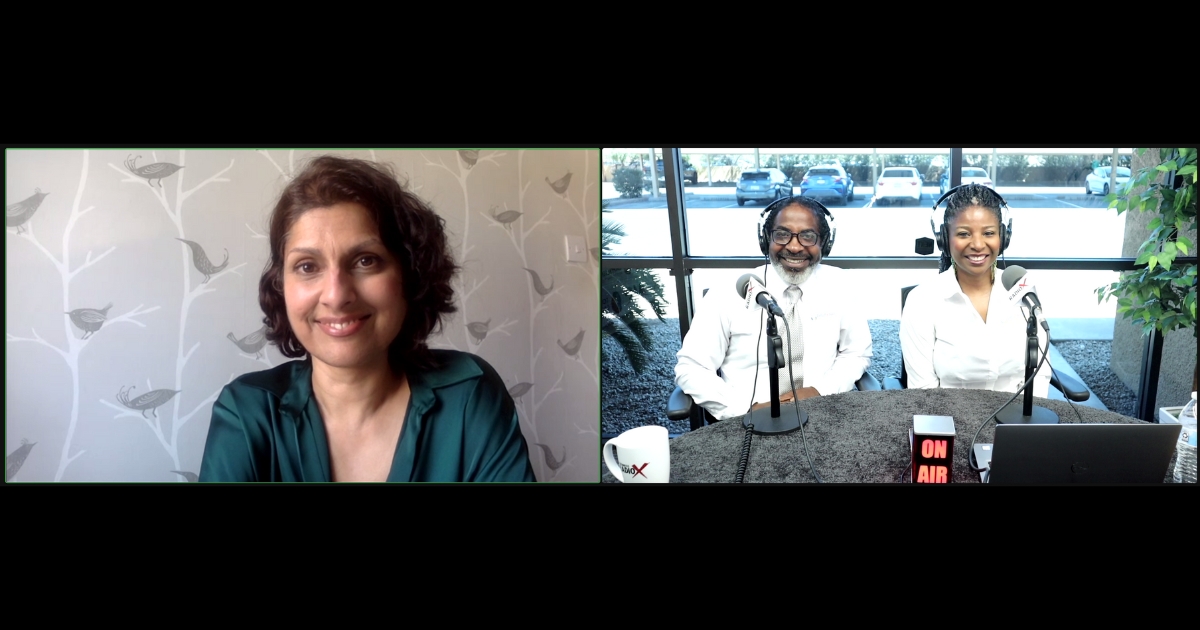
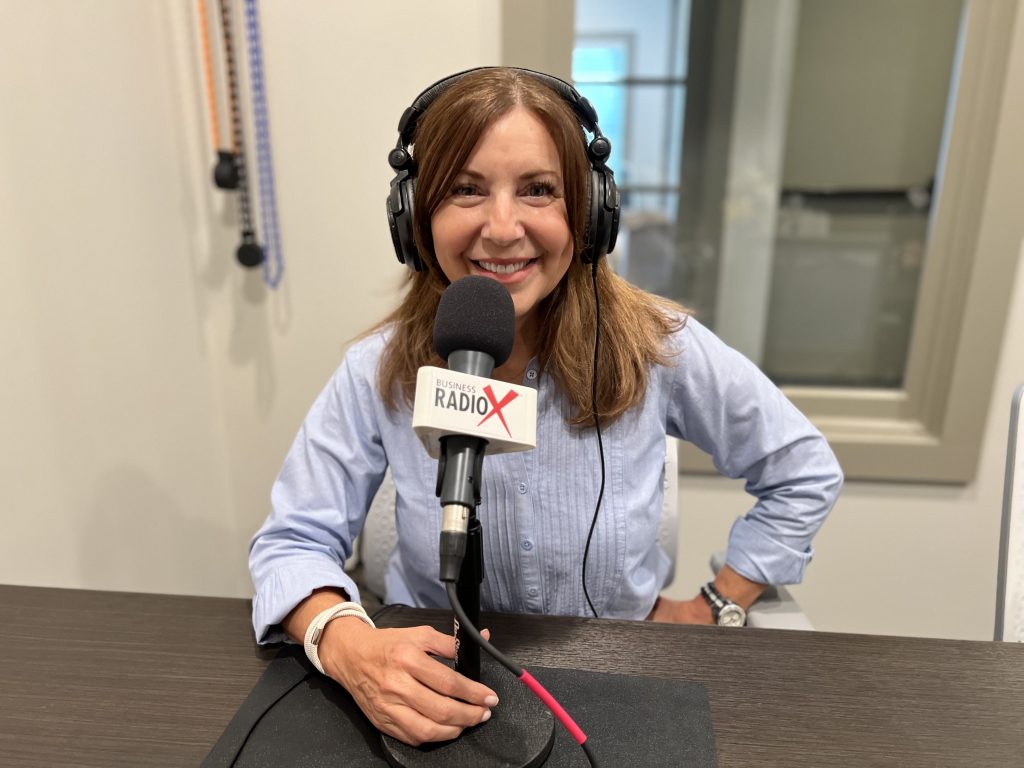
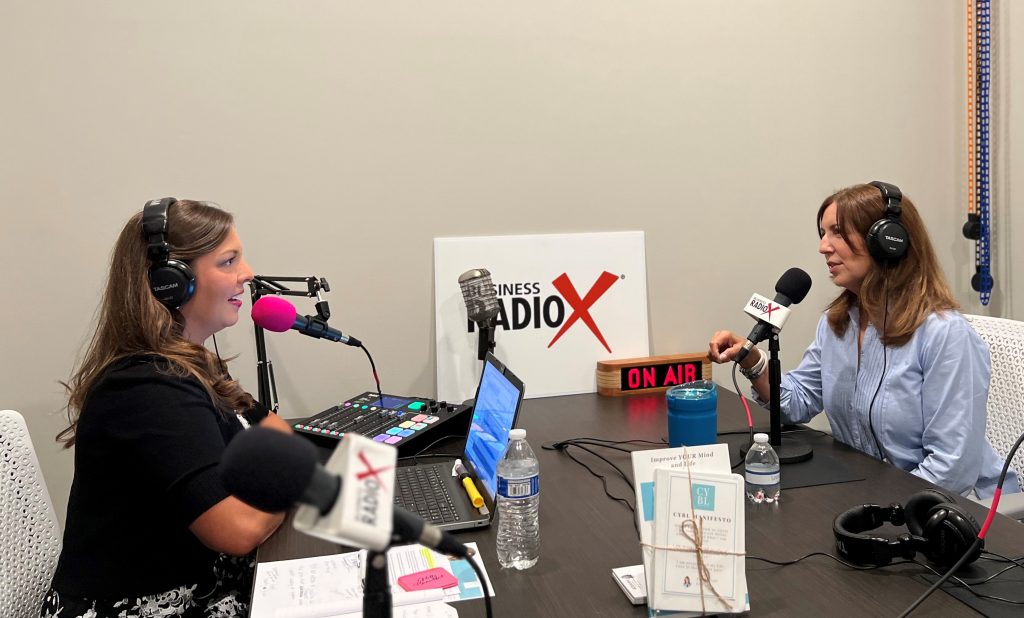
Christine M. Roberts, CEO & Founder of Create Your Best Life chats with Amanda Pearch

July 21, 2023 by Amanda Pearch

Forsyth Business Radio
Christine M. Roberts, CEO & Founder of Create Your Best Life chats with Amanda Pearch
Loading
00:00 /
RSS Feed
Share
Link
Embed

Download file

Christine M. Roberts

Christine is the CEO & Founder of Create Your Best Life at Home and Work. She believes the only way you can reach your dreams is by protecting your thoughts. You can only do this when you pay attention to what you consume. Without consuming the right things, you’ll quickly find yourself drained and unmotivated to move.

When you protect your mind and spirit, you empower yourself to do great things—and the world will notice. But most importantly, you’ll have built a life on your terms and know that you took the bull by the horns to create your best life and enjoyed the journey while doing so!

Create Your Best Life is MORE than leadership coaching- Get UNSTUCK and live on purpose at home and work.

Check out Christines recent book, “Inspirational Mind Food” 


This episode of Leading Ladies is presented by our Partners at:Leading Ladies is the podcast where inspiration meets practical application. Spark your next level of growth, professionally and personally, with these motivational stories from trailblazing women in business. Discover what leadership means in today’s world!

Podcasts by Amanda Pearch

Tagged With: amanda pearch, Amanda Pearch Marmolejo, Cameron Marmolejo, Christine M. Roberts, Coaching, Create Your Best Life, Forsyth County Chamber of Commerce, Imagination Construction, Inspirational Mind Food, Leadership, Leading Ladies

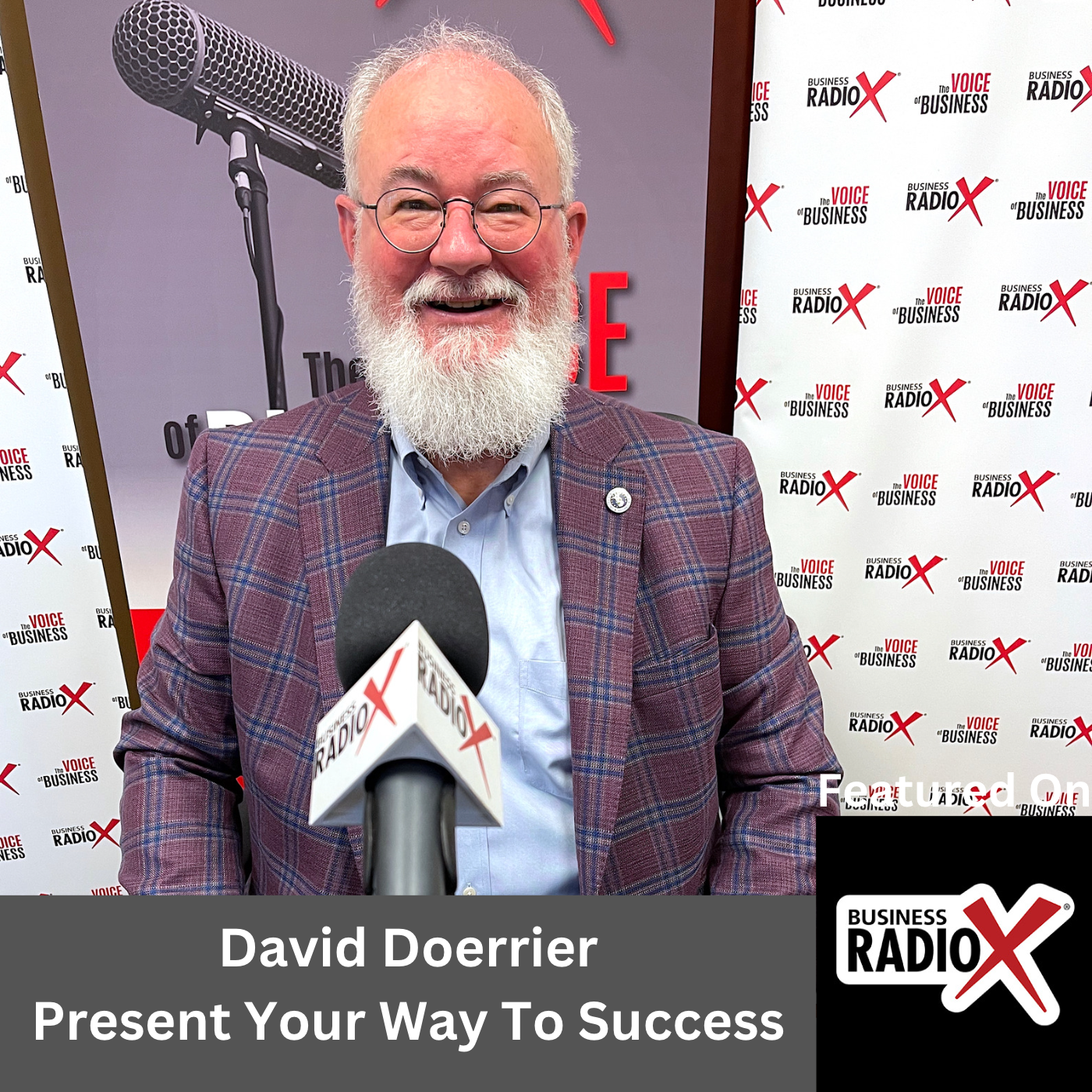
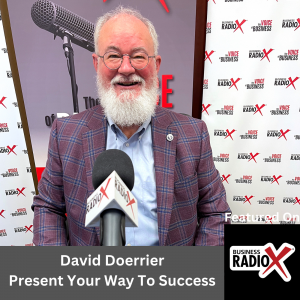
Developing Successful Presentation Skills, with David Doerrier, Present Your Way To Success

July 11, 2023 by John Ray

David Doerrier
North Fulton Business Radio
Developing Successful Presentation Skills, with David Doerrier, Present Your Way To Success
Loading
00:00 /
RSS Feed
Share
Link
Embed

Download file

David Doerrier

Developing Successful Presentation Skills, with David Doerrier, Present Your Way To Success (North Fulton Business Radio, Episode 678)

David Doerrier, Present Your Way To Success, was the guest on this episode of North Fulton Business Radio. He and host John Ray discussed the skills necessary in becoming a successful presenter, adult learning theory, why business owners need to know how to present, common struggles for presenters, David’s journey to coaching and training, and much more.

North Fulton Business Radio is broadcast from the North Fulton studio of Business RadioX® inside Renasant Bank in Alpharetta.

Present Your Way To Success

You may be an expert in your field, but do you know how to deliver a message that truly speaks to your audience? Every Subject Matter Expert (SME) believes they have what it takes to be a professional presenter or trainer within their industry. Unfortunately, not everyone takes the time to develop the skills needed to give a truly engaging and motivating presentation. That’s where I can help.

If you’re looking to make a lasting impression with your virtual and in-person presentations, public speaking, and business communications, come learn my strategies for nailing any presentation.

Many professionals, from managers to consultants and trainers, face common issues when delivering presentations or conducting trainings. While the challenges may seem daunting at first glance, there are several ways to tackle them effectively!

With the right solutions, presentation problems can be successfully solved. Discover how to craft presentations that engage your audience while developing effective strategies for delivering impactful trainings. Present Your Way to Success today!

Website | Facebook | LinkedIn | YouTube

David Doerrier, Owner, Present Your Way To Success

David Doerrier, Owner, Present Your Way To Success

David Doerrier (Door-Re-Err) works with trainers, facilitators, sales organizations, and other presenters that are struggling to engage and impact their audience. The lack of engagement in any presentation will cause your audience to tune out, forget you and your message, and will undoubtedly not buy from you or take a next step.

As an expert in the adult learning theory, David works with his clients to incorporate eight simple principles that are guaranteed to motivate any audience to listen, act, and be more likely to retain your information, take a next step, and purchase your product or service.

David is a seasoned Toastmaster, proficient Instructional Designer, Train the Trainer and Facilitation expert, voiceover artist, and professional Santa Claus.

LinkedIn

Questions and Topics in this Interview:

  • What is the adult learning theory?
  • Why should presenters be familiar with the adult learning theory?
  • How has your background prepared you for this business?
  • Based on your experience, where do many presenters struggle the most?
  • Define Audience Engagement
  • How did you end up in the business of helping presenters connect with their audience?
  • Who is your ideal client?
  • What do you love about coaching and training others?

North Fulton Business Radio is hosted by John Ray and broadcast and produced from the North Fulton studio of Business RadioX® inside Renasant Bank in Alpharetta. You can find the full archive of shows by following this link. The show is available on all the major podcast apps, including Apple Podcasts, Spotify, Google, Amazon, iHeart Radio, Stitcher, TuneIn, and others.

RenasantBank


Renasant Bank has humble roots, starting in 1904 as a $100,000 bank in a Lee County, Mississippi, bakery. Since then, Renasant has become one of the Southeast’s strongest financial institutions with over $13 billion in assets and more than 190 banking, lending, wealth management, and financial services offices in Mississippi, Alabama, Tennessee, Georgia, and Florida. All of Renasant’s success stems from each of their banker’s commitment to investing in their communities as a way of better understanding the people they serve. At Renasant Bank, they understand you because they work and live alongside you every day.

Since 2000, Office Angels® has been restoring joy to the life of small business owners, enabling them to focus on what they do best. At the same time, we honor and support at-home experts who wish to continue working on an as-needed basis. Not a temp firm or a placement service, Office Angels matches a business owner’s support needs with Angels who have the talent and experience necessary to handle work that is essential to creating and maintaining a successful small business. Need help with administrative tasks, bookkeeping, marketing, presentations, workshops, speaking engagements, and more? Visit us at https://officeangels.us/.

Tagged With: adult learning theory, Coaching, David Doerrier, John Ray, North Fulton Business Radio, Office Angels, Present Your Way To Success, presentation skills, presentations, presenters, renasant bank, speaker training, voiceover artist

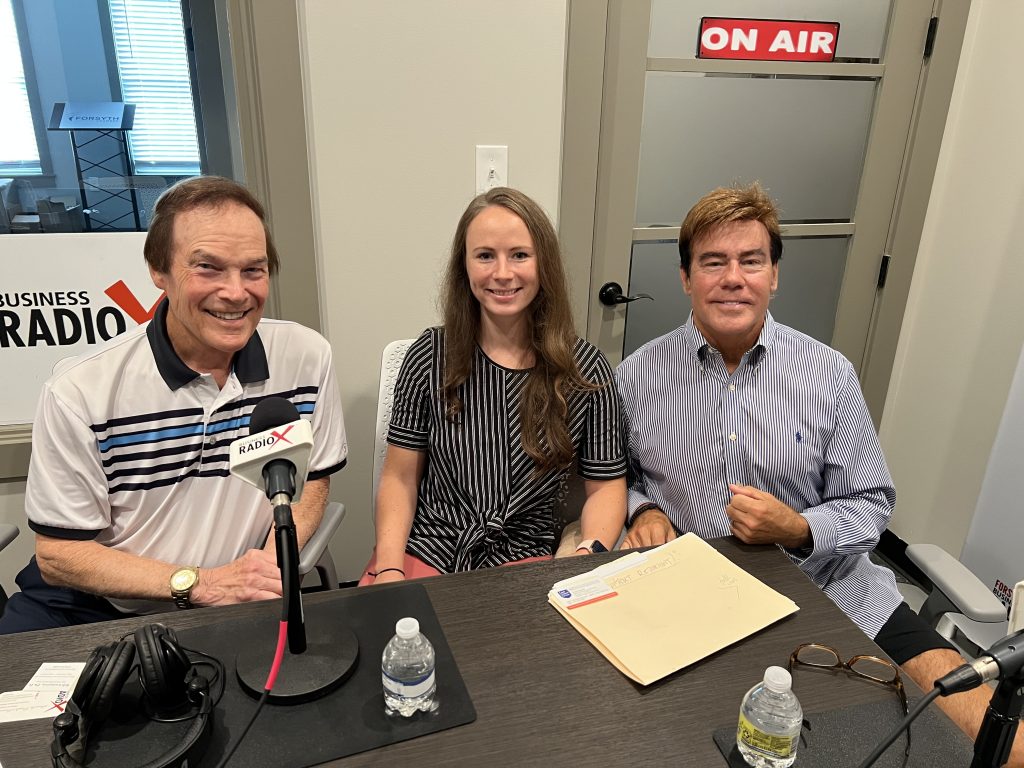
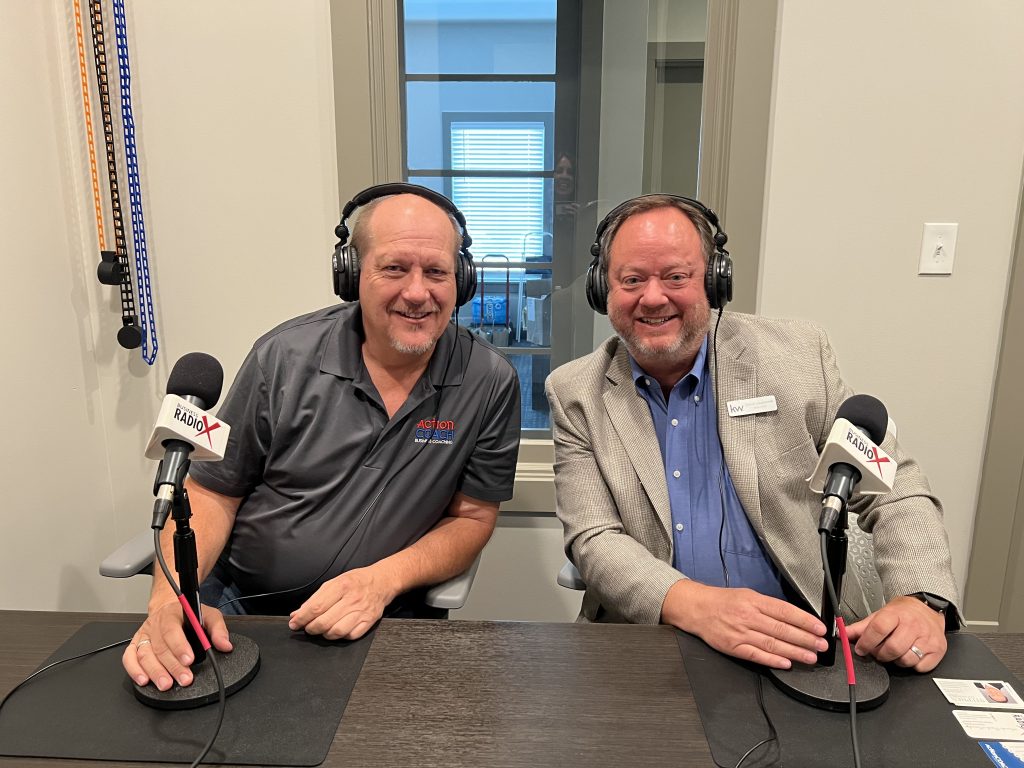
Mike Conner of Action COACH and Steve Loudermilk of Loudy Properties & Loudy Ventures LLC

July 10, 2023 by Amanda Pearch

Forsyth Business Radio
Mike Conner of Action COACH and Steve Loudermilk of Loudy Properties & Loudy Ventures LLC
Loading
00:00 /
RSS Feed
Share
Link
Embed

Download file

Mike Conner of Action COACH & Steve Loudermilk of Loudy Properties & Loudy Ventures LLC

Action COACH Business Coaching

With years of successful experience that can provide valuable insight, your Action business Coach will help you develop long-term and short-term goals and strategies, as well as improve your business in areas that you might have overlooked. You may be able to survive in business without the help of a Coach, but it’s almost impossible to thrive.

Whether you are looking for ways to grow the profit in your company or methods to attract high performing team members – Mike and team can help!


Loudy Properties

Enabling residential buyers, sellers, and investors to turn their dreams into reality with leading expertise and knowledge of all their real estate market needs.

As President and CEO of the Loudy Properties Team, Steves mission is to serve clients with knowledge and expertise of real estate market conditions to help them buy or sell the house of their dreams.
Serving the North Atlanta area (Cumming, Dawsonville, Alpharetta, Canton, Milton, Roswell, Sandy Springs, Marietta, and other communities), his goal is to help serve clients by maximizing the marketing around their homes and helping buyers find the dream home of their choice.

Connect with us on Social Media @forsythbrx 

Listen to shows 24/7 on businessradiox.com/forsyth-studio and SUBSCRIBE wherever you get your #audio shows to “Forsyth Business Radio” to stay up to date with the latest episodes.

This episode is presented by our #CommunityPartners at:

SPECIAL THANKS to our #ForsythBRX Studio Print Partner:

Podcasts by Amanda Pearch

Tagged With: Action Coach, amanda pearch, Amanda Pearch Marmolejo, Brandywine Printing Inc, business coach, Coaching, Cumming-Forsyth County Chamber of Commerce, Family Promise, First Citizens Bank, Forsyth, Keller Williams, Loudy Properties Team, Mike Conner, real estate, realtor, Rotary, Steve Loudermilk, training

Hart Fandrich with Flourish Mindset Coaching

June 19, 2023 by Tom Sheldon

Northeast Georgia Business Radio
Hart Fandrich with Flourish Mindset Coaching
Loading
00:00 /
RSS Feed
Share
Link
Embed

Download file

Hart Fandrich

Hart Fandrich/Flourish Mindset Coaching

Flourish Mindset Coaching focuses on helping individuals experiencing burnout with new techniques and tools to help stop the negative impact.

Providing the tools and skills to help you live your best life!

Tagged With: Coaching, flourish, hart fandrich, northeast, northeast georgia, tom sheldon

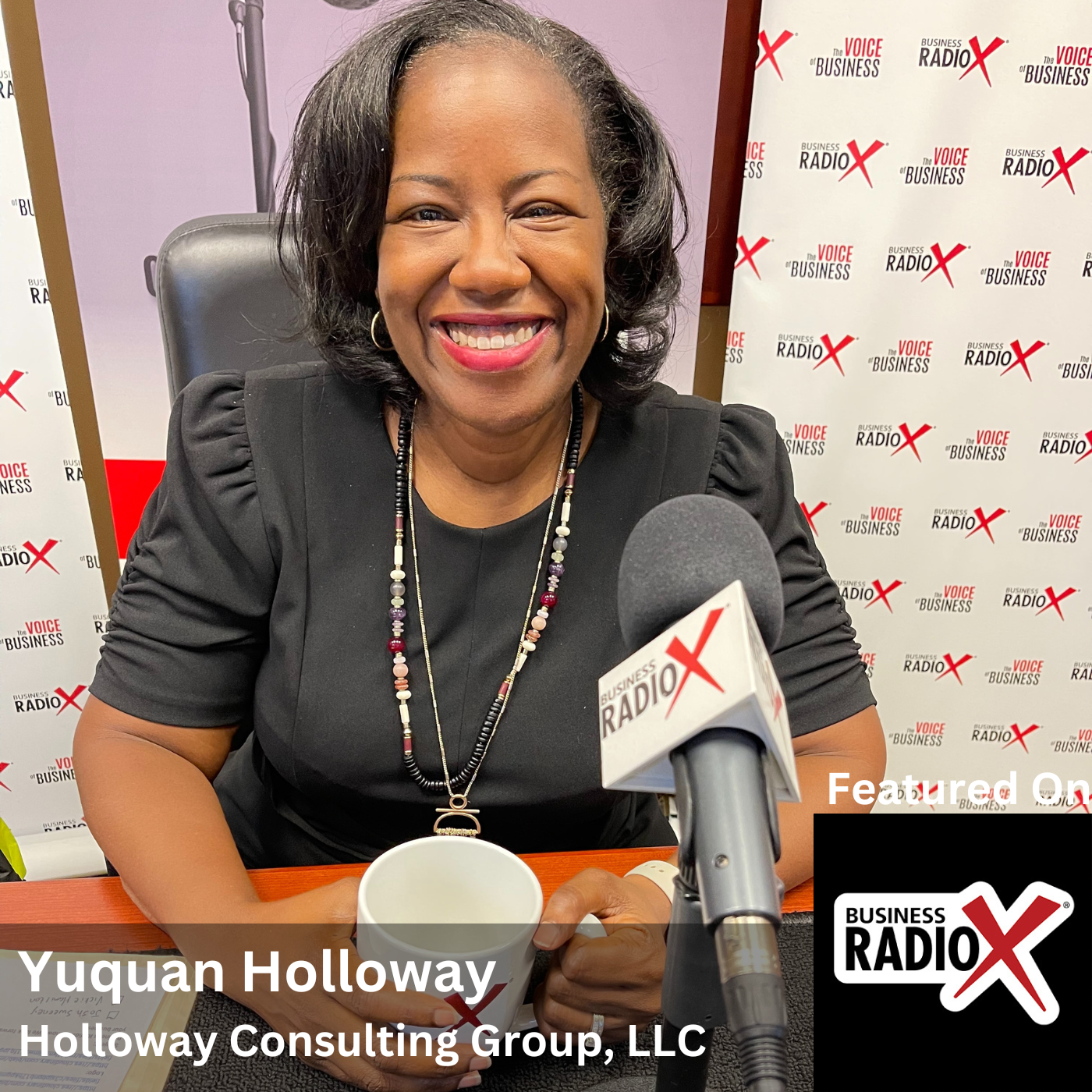
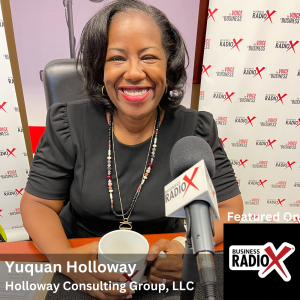
Using Business Process Improvement to Empower Employees, with Yuquan Holloway, Holloway Consulting Group, LLC

June 13, 2023 by John Ray

Using Business Process Improvement to Empower Employees, with Yuquan Holloway, Holloway Consulting Group, LLC
North Fulton Business Radio
Using Business Process Improvement to Empower Employees, with Yuquan Holloway, Holloway Consulting Group, LLC
Loading
00:00 /
RSS Feed
Share
Link
Embed

Download file

Using Business Process Improvement to Empower Employees, with Yuquan Holloway, Holloway Consulting Group, LLC

Using Business Process Improvement to Empower Employees, with Yuquan Holloway, Holloway Consulting Group, LLC (North Fulton Business Radio, Episode 672)

Yuquan Holloway, Founder and Principal Consultant at Holloway Consulting Group, was the guest on this edition of North Fulton Business Radio. She shared her career journey with host John Ray, along with the influence her corporate career has had on her consulting practice, demystifying project management, upskilling and empowering team members, quantifying results of business process improvement, and much more.

North Fulton Business Radio is broadcast from the North Fulton studio of Business RadioX® inside Renasant Bank in Alpharetta.

Holloway Consulting Group, LLC

At Holloway Consulting, they focus on helping corporate technology teams set goals, create plans, and solve complex problems.

With well over 20 years of experience leading projects and programs for Fortune 100 organizations, they are passionate about helping businesses achieve their strategic goals.

Their team of experts leverages proven methodologies like Lean Six Sigma and Business Process Re-engineering to assess challenges and provide sound solutions and improvements.

Website| LinkedIn | Facebook

Yuquan Holloway, Principal Consultant, Holloway Consulting Group, LLC

Yuquan Holloway, Principal Consultant, Holloway Consulting Group, LLC

Yuquan Holloway is a leader in the fields of business and IT. She is the Principal Consultant of Holloway Consulting Group, a consulting practice that focuses on helping corporate teams deliver IT and transformation projects, resolve systemic process issues, and train and coach associates on project management and Lean Six Sigma principals.

She graduated from Georgia Institute of Technology with a Bachelor of Civil Engineering and holds an MBA from Georgia State University. With over 20 years of experience in leading large cross-functional initiatives, Yuquan has a track record of driving successful change.

Through her work, she strives to demystify project management, create a culture of standard work and repeatable processes, stabilize and simplify core applications, and reduce critical incidents.

LinkedIn

Questions and Topics in this Interview:

  • History in Corporate America
  • Opportunity to Leave
  • Mission – Demystify Project Management and Problem Solving
  • Upskill associates by teaching them how to problem-solve
  • Pair training with coaching for long-lasting impact
  • Her online course
  • What skills does it take to be a solid project manager

North Fulton Business Radio is hosted by John Ray and broadcast and produced from the North Fulton studio of Business RadioX® inside Renasant Bank in Alpharetta. You can find the full archive of shows by following this link. The show is available on all the major podcast apps, including Apple Podcasts, Spotify, Google, Amazon, iHeart Radio, Stitcher, TuneIn, and others.

RenasantBank


Renasant Bank has humble roots, starting in 1904 as a $100,000 bank in a Lee County, Mississippi, bakery. Since then, Renasant has become one of the Southeast’s strongest financial institutions with over $13 billion in assets and more than 190 banking, lending, wealth management, and financial services offices in Mississippi, Alabama, Tennessee, Georgia, and Florida. All of Renasant’s success stems from each of their banker’s commitment to investing in their communities as a way of better understanding the people they serve. At Renasant Bank, they understand you because they work and live alongside you every day.

Since 2000, Office Angels® has been restoring joy to the life of small business owners, enabling them to focus on what they do best. At the same time, we honor and support at-home experts who wish to continue working on an as-needed basis. Not a temp firm or a placement service, Office Angels matches a business owner’s support needs with Angels who have the talent and experience necessary to handle work that is essential to creating and maintaining a successful small business. Need help with administrative tasks, bookkeeping, marketing, presentations, workshops, speaking engagements, and more? Visit us at https://officeangels.us/.

Tagged With: business process, business process improvement, Coaching, consulting, Holloway Consulting Group, LLC, Office Angels, problem solving, project management, Project Manager, renasant bank, training, Upskilling, Yuquan Holloway

Ian Rush with Summit Electric Supply and Jason Haines with ISI Arizona

May 30, 2023 by Karen

Ian-Rush-with-Summit-Electric-Supply-and-Jason-Haines-with-Industrial-Solutions-feature
Phoenix Business Radio
Ian Rush with Summit Electric Supply and Jason Haines with ISI Arizona
Loading
00:00 /
RSS Feed
Share
Link
Embed

Download file

Ian Rush with Summit Electric Supply and Jason Haines with ISI Arizona

Ian Rush with Summit Electric Supply and Jason Haines with ISI Arizona

Summit Electric Supply is an electrical supply company. For over 30 years they have been providing Schneider/Square D components to Electrical contractors in Arizona.

Since 2021, they have been expanding their business into the industrial automation space; providing essential components to manufacturing, distribution, and warehousing operations in the state of Arizona.

Ian-Rush-Phoenix-Business-RadioIan Rush is an Arizona native, but has lived in 2 countries outside the USA; Paraguay and Brazil. He is fluent in both Spanish and English.

After graduating from Red Mountain High School, Ian immediately enlisted in the Marine Corps; serving from 2007-14.

Ian has a Bachelor’s Degree in Engineering from Minnesota State University. He has worked as an engineer at companies like: 3M, Wabash National, and Summit Electric Supply.

His current role at Summit Electric Supply, has him building a new division of the company, focused on Automation components and solutions for Arizona Industrial organizations.

Connect with Ian on LinkedIn.

With a robust library of Lean training materials, ISI Arizona can help improve any part an organization through training, facilitation, or consulting work. ISI-Logo

We help business owners and leadership achieve a standard of excellence by creating strong internal team relationships, employees who produce quality – all while saving resources.

We strive to make it possible for these owners and leaders to focus on working on the business, by developing their employees so they no longer feel they must do everything themselves.

Furthermore, ISI Arizona is licensed and certified to present Blue Collar Leadership© Training. This leadership training is uniquely designed content specifically created to engage and develop the front-line workforce and those who lead them, by taking powerful leadership concepts and packing them in easy to understand and apply resources.

Jason-Haines-Phoenix-Business-RadioJason Haines is Owner, Lead Consultant and Trainer at Industrial Solutions, LLC of Arizona (ISI Arizona). As part of the Industrial Solutions team, Jason has the ability develop and execute customized solutions and/or Lean trainings for Commercial, Healthcare, Hospitality, and Industrial companies.

Through these solutions and trainings, organizations can expect to increase their bottom line, improve system capacity, remove unnecessary steps, to streamline and increase overall efficiency through Lean Thinking implementation.

Our goal is to help companies create stronger leadership, increase morale, employee retention, and ultimately greater profitability.

Connect with Jason on LinkedIn.

Tagged With: automation, Coaching, continuous improvement, Industry-of-Things (IOT), Labor-Stable, Leadership, lean, Manufacturing, robotics

Episode 106: How Culture Drives Financial Performance

May 11, 2023 by Karen

Phoenix Business Radio
Episode 106: How Culture Drives Financial Performance
Loading
00:00 /
RSS Feed
Share
Link
Embed

Download file

Episode-106-How-Culture-Drives-Financial-Performance

Episode 106: How Culture Drives Financial Performance

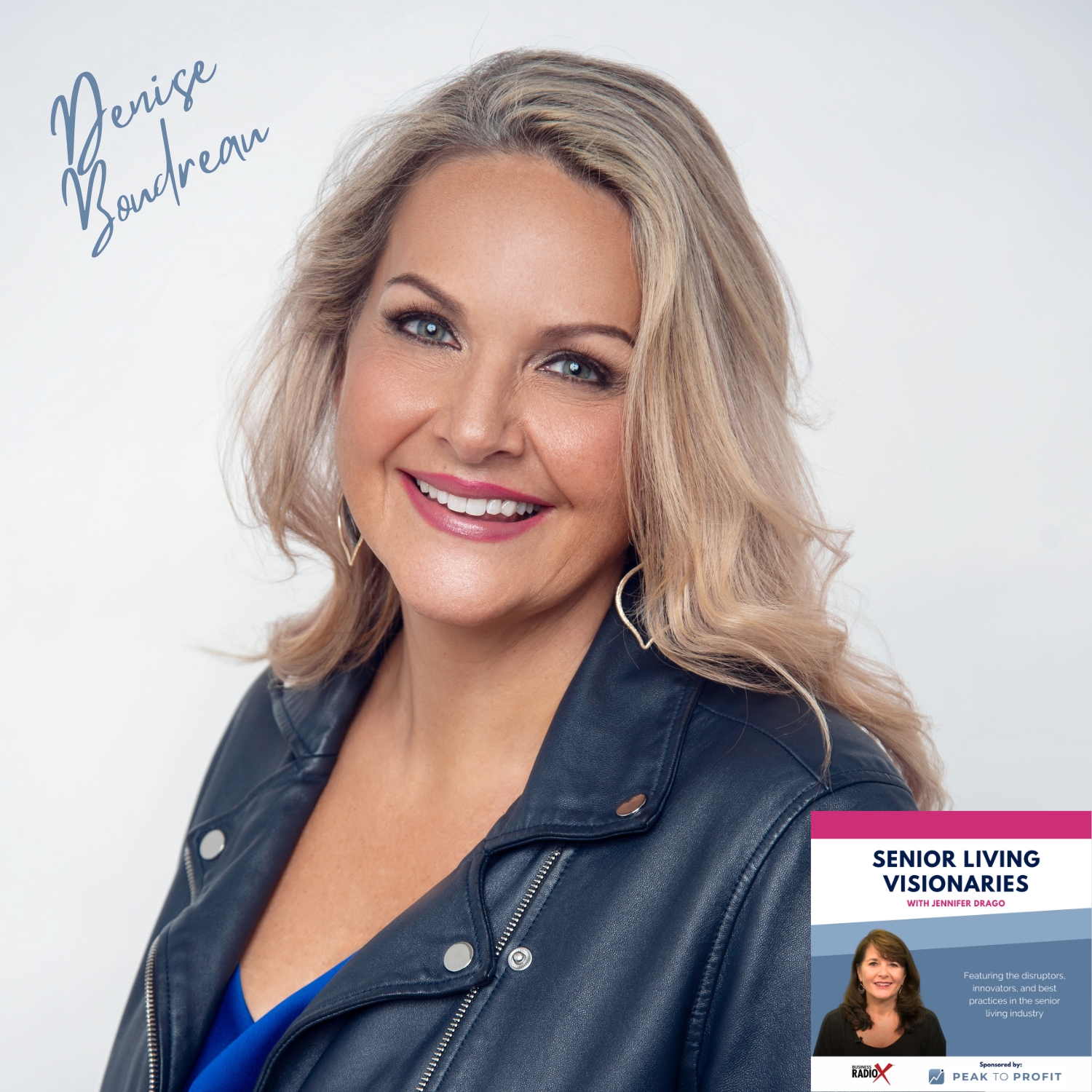
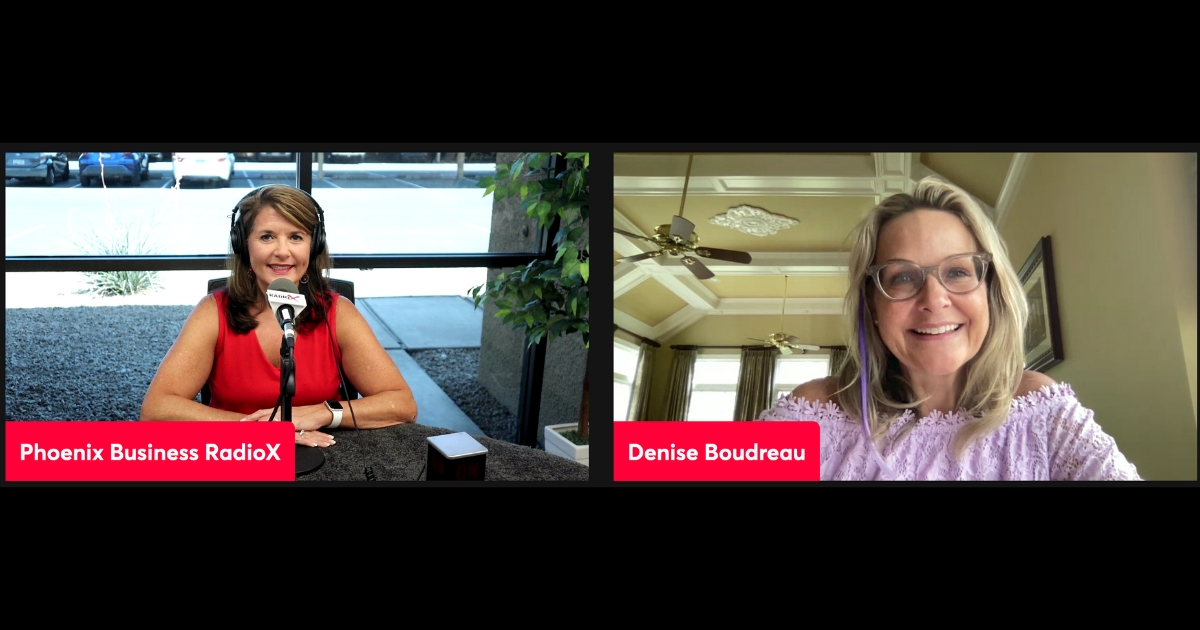
Join host Jennifer Drago as she interviews Denise Boudreau, president of Drive, and learn how organizations can measure and improve their culture to improve recruitment and retention of team members. Even more importantly, Denise shares the drivers of culture and what simple daily actions can have a dramatic impact on your organization’s culture.

Leaders in any industry will be intrigued by Denise’s takeaways on the importance of focusing on your organizational culture and how culture drives your organization’s performance on key metrics including employee engagement, client satisfaction, safety, productivity, and profitability.

Drive-logo

Drive helps senior living and healthcare organizations improve recruitment and retention through organizational culture. Drive will help you improve recruitment, staff retention, and employee engagement with a rock-solid company culture that staff love!

A toxic work culture rots organizations from the inside out… Every year, countless organizations lose millions of dollars due to bad culture. But it gets worse: poor culture also repels top-tier talent, kills workplace productivity and taints customer experience.

Our services: • Create a better work culture through our Culture Assessment. It takes a data-driven, strategic approach to transforming your culture into one that attracts happy, productive staff. And keeps them there. • Develop fundamental leadership skills that keep your staff engaged and you at your best as a leader through on-demand courses, Executive Coaching and Emotional Intelligence Coaching. • Inspire through presentations, speeches and keynotes at your meeting or conference that influence, motivate and connect deeply with your audience.

Denise-Boudreau-ScottDenise Boudreau, MHA, LNHA, is President of Drive, which helps healthcare and senior living organizations measure and improve their culture, resulting in improved recruitment and retention.

A former nursing home and assisted living administrator, she is a serial volunteer serving on numerous state and national boards. Denise received her Bachelor of Science in Gerontology from the University of Scranton and her Master in Health Administration from Cornell University where she currently works as a student mentor.

She is proud to share that she started off her career as a dietary aide and nursing assistant.

Follow Drive on LinkedIn and Facebook.

TRANSCRIPT

Intro: [00:00:05] Welcome to Senior Living Visionaries, a podcast for senior living leaders who are looking to stay ahead of the curve in the industry. On this show, we feature leaders and innovators in senior living who are pushing the boundaries and creating new effective services and solutions. And now, let’s settle in as host Jennifer Drago connects us with today’s guests.

Jennifer Drago: [00:00:30] Well, hello and welcome to Senior Living Visionaries broadcasting live from the Phoenix Business RadioX studio right here in Phoenix, Arizona. And we showcase the leaders in innovative, my goodness, innovators in the field who are shaping the future of senior living. And today is no exception.

I’m your host, Jennifer Drago, fresh off vacation. And apparently, I haven’t let my mouth know that it’s time to come back from vacation. I’m a strategy consultant and CEO of Peak To Profit Consulting, where we help senior living organizations with their strategic and business planning.

And today’s guest is Denise Boudreau. I’m so happy to welcome her here. She is the president of Drive. And Drive is an organization that helps health care and senior living organizations measure and improve their culture, resulting in improved recruitment and retention.

Denise is a former nursing home and assisted living administrator, as well as a volunteer serving on numerous state and national boards. She received her Bachelor’s in Gerontology from the University of Scranton and her Master’s in Health Administration from Cornell University, where she currently works as a student mentor. Important work. She is proud to share that she started off her career as a dietary aide and nursing assistant. So culture from the ground up, it sounds like. And I’m so excited to welcome you here. Welcome, Denise.

Denise Boudreau: [00:01:56] Thanks so much. I’m excited to be here.

Jennifer Drago: [00:01:58] Yeah. And tell us a little bit more about your organization and what you do.

Denise Boudreau: [00:02:02] Yeah. So we help take what is really this sort of, I call it woo woo, or this esoteric topic of culture and really bring data to it. So oftentimes people will say, I have a great culture, or my culture is not so good, it needs some help. And if you ask, how do you know that? People often say, I can feel it in my gut, or I just know it in my bones.

You think about how important culture is. It drives occupancy and turnover and revenue. Literally, every single outcome in an organization. And we’re using our gut to figure out if it’s working or not working. You’d never roll into owner’s meeting or a board meeting and say, we had a great financial quarter. I could feel it in my gut. I didn’t look at any numbers. I didn’t look at any data. I just know it. Right.

Jennifer Drago: [00:02:57] It feels great.

Denise Boudreau: [00:02:57] That would not fly.

Jennifer Drago: [00:02:59] That’s important. That’s important. So I love the idea that we can measure culture and we’re going to talk about that a little bit more, but explain your definition of culture as it pertains to senior living. And I know it’s really important from the recruitment and retention of employees, but I imagine it also affects our residents the way that we’re viewed in the community. So tell me more about how you define culture.

Denise Boudreau: [00:03:24] Yeah. So culture from the staff side is how we work around here. And from the resident side, it would be how we live. And there’s culture everywhere in your life. There’s a culture at your college that you went to. There’s a culture at the place of worship you might go to. In your neighborhood, right, there’s culture and micro cultures everywhere.

And the workplace or living place or a place where people are getting services is no different. And it’s basically just the attitudes, behaviors or the customs that are shaping the decisions. I was not in Tahiti and my mouth is still on vacation, but it shapes the decisions of everybody. So the people working in the organization and the people living there, how we interact with each other, what we do or don’t do is all being shaped by the culture.

Jennifer Drago: [00:04:25] Okay, perfect. That is a great definition. So knowing that senior living providers right now are experiencing significant staffing shortages, it seems like the perfect time to work on culture. However, when you’re short staffed, sometimes it’s hard to devote time to important things because you’re so strapped for time, right? So what would you say to a senior living CEO that says, I don’t have time to work on culture?

Denise Boudreau: [00:04:52] Yeah. You’re working on culture, so you’re working on it, you’re filling open positions, you’re dealing with customers. Maybe it’s residents, families, whatever, clients, whatever you call the people that you are serving and supporting and caring for. You’re dealing with their complaints. You’re probably dealing with financial issues because you’re spending so much money on turnover or an agency or maybe lack of occupancy because of the experience people are having there.

So you’re spending time on it. It’s whether it’s intentional or not. You can’t not have a culture. There’s a culture in your organization and you are intentionally shaping it or somebody else is shaping it. And that might be it’s in good hands and lots of times it’s not in good hands.

And people are creating cultures where it’s harder to recruit because people see what’s happening there and don’t want to be part of it. People might come to work for you and leave very quickly. I hear a lot of that lately, more so than ever. Or people might say this is not the place for me, I don’t want to work here. That’s all culture at work. So you intentionally shape it or you respond to the fact that you’re not intentionally shaping it.

Jennifer Drago: [00:06:07] So it’s always the right time to work on culture, it sounds like.

Denise Boudreau: [00:06:12] Yeah, Yeah. It’s like what’s the best time to plant a tree, right? That saying. Yesterday, last week, or if not today, right. You can start. People sometimes think about culture, and it feels like just so overwhelming. It’s boiling the ocean kind of. And it doesn’t have to be this huge and it shouldn’t be this huge pendulum shift. It can be small intentional changes, or it may be things that you’re doing that you just need to do a little bit more of each day.

And those behaviors are adding up to your overall culture. Culture is not that huge once a year party or if people say, we have a great culture, we raffle a car off to staff. That’s not culture, right? It’s not foosball table in the break room. It’s these small little behaviors that people are noticing and modeling themselves after that are adding up to the culture.

Jennifer Drago: [00:07:08] I’m glad you said that, because I do believe that for many executives and again, executives in a senior living organization or in health care, I know you work in health care, too. Those are really hard jobs and lots of things flying at you, especially when you’re trying to deal with a customer culture. And I shouldn’t have used your word. You’re trying to deal with your customers and their satisfaction, your employees and their satisfaction, regulatory issues. I mean, just they pile on.

And so, it can truly seem overwhelming when you say, oh my gosh, I want our culture to be better. Where do I start? So if you were to — you mentioned small behaviors or small actions can have a big impact. If you were to give our audience today just one takeaway, of one thing, they could do differently that could have a really positive impact on their culture, what would you say that might be?

Denise Boudreau: [00:08:02] Yeah. So when we measure culture, the number one value we’ve seen from our research and the number one value or behavior that we’ve seen from our research that makes a difference, starting foundational is respect. And so no organization could go wrong by focusing more on that value or behavior of respect. After that, it’s employee recognition. After that, it’s accountability. After that, it’s coaching and mentoring. But those things all build on a value of respect.

Employee recognition. A lot of times people focus on that and it’s fabulous. Usually organizations, you can’t give too much thanks or praise. But if you don’t feel respect, it’s like, Jennifer, you don’t think I respected you, and then I come over and tell you how fabulous you are, it seems pretty fake and it doesn’t really feel genuine. Right. And it doesn’t really mean much to you.

And respect, as that foundation, will always serve you and your organization. And we measure culture for a reason so we can see specifically what is needed in each organization and even each site. If you’re in a multisite organization, you know this. Every site has its own little microculture and even every department kind of has it and even shifts have it.

But overall, when we take all of our data and put it together, what we know is that respect is that number one thing. And so if I were you or your listeners, I would be thinking, well, what does that mean? I’m so glad you kind of asked. Right? It means that we, when we ask staff this, what does respect mean to you? It means to people knowing my name, saying hello to me, asking how I am.

Jennifer Drago: [00:09:51] That’s pretty simple.

Denise Boudreau: [00:09:53] Yeah. Like the bar is down here. They’re asking for, say hello, ask me how I’m doing. Show me that I actually matter to you is what people are asking for.

Jennifer Drago: [00:10:04] Wow. Wow. Really achievable. Really doable. That’s great. Yeah. And you’re right, it’s foundational that I was thinking about places where I’ve received recognition, but sometimes that day to day respect isn’t there. And you’re absolutely right, it feels disingenuous. Oh, okay, yeah, I get it. You’re checking a box now, but yeah, but you dismissed me yesterday when I was trying to tell you about a challenge that I’m having in my department. Yeah.

Denise Boudreau: [00:10:33] Exactly. And then the coaching and mentoring people create these incredible programs. Is coaching and mentoring bad? No, absolutely not, but people spend so much time creating these careers like all this other stuff. And if you don’t feel respected again and I come to you and say, hey, Jennifer, you know what, I think you’d be great in this role. You’d be like, oh, now you’re trying to push me out of my job, right?

As opposed to, we have a strong relationship and you’re going to know that I’ve got your back and support you and want you to be the best that you can absolutely be. That’s a very different answer if you want to be part of this program or whatever career ladder that we’ve created.

Jennifer Drago: [00:11:08] Sure, Sure. So I had a question set aside for you about what are the drivers of company culture? Are those the same things we just talked about and are they all truly individual in terms of how we individually treat each employee or? Yeah, tell me more.

Denise Boudreau: [00:11:26] Yeah, yeah, yeah. Great question. You can see I get excited about this. So people come with their personal values in them, what’s important to them. When they can show up true and authentically themselves, they do better, and your organization does better.

What does that mean? Humor and fun. Super important to me, right? So I want to be able to kind of have fun at work and joke around with people. Right? Do I have to be the class clown and get no work done? Nope. But it’s going to be important to me that that part of my personality can come out.

I’m creative, right? I want to bring that to work. Does that mean if I’m the CFO that I get to use creativity all the time in my job? Hopefully not, but maybe there’s something I could be doing outside of my normal role that might bring out that creative. Maybe it’s just some interactions with residents. Or maybe I want to do something for staff that helps be part of a committee that helps bring out that creative side. So certainly, everybody is wired. So knowing what’s important to people personally, credibly important.

Organization also has a culture which is shaped by values. So there’s what’s happening day to day. And I always like to think about it sort of the what’s happening at 3:00 in the morning when a nursing assistant is walking into a resident’s apartment or a resident’s room, when people are interacting with each other and there’s no supervisor or boss “around”. Right.

That’s what culture is. And so are those values and behaviors that are being lived, things that are supporting what we want for outcomes or the things that are working against us, blame and bullying and gossip. And sometimes those things show up when we measure culture. Lots of times we see blame and bullying on the list of current culture values.

People also tell us what they want, which is I always consider the magic question what they want out of their culture. And I love looking at that list. You know what the number one value that people want? And the question, by the way, is if we were performing at our best as an organization, what are the values that you’d want to see and people pick from this list, they pick ten things. You know, the number one answer is on that desired culture?

Jennifer Drago: [00:13:41] What is it?

Denise Boudreau: [00:13:42] Accountability. And I see it. All these reports we get back and every time it’s still amazes me though. Accountability. So when we think that people don’t want structure and that people kind of just want to do whatever they want to do, that is not true. People, when they think about the best organization, they think about a high accountable organization.

And that doesn’t mean, okay, go fire everybody now and go write everybody up. It means personal accountability. How can I own my job? How can I help you as my coworker be more accountable, and you help me because we’ve got each other’s backs. We’re not blaming and bullying. We’re helping each other be the best we can possibly be.

And because of that all, all of that support, that accountability, our organization is being the best that can possibly be. So there’s lots of sort of factors that come into culture, but there are themes that we see across the board for organizations in senior living and aging services and health care.

Jennifer Drago: [00:14:43] Yes. I love that you shared with us kind of the number one value that organizations aspire to be in your survey, or aspire to have, and that is accountability, because I talk a lot about accountability in some of the work that I do, too. When an employee works in an organization or a department where accountability isn’t important or isn’t enforced, and they’re working really hard to do their job and the person next to them isn’t, that is so demoralizing. And so it does not inspire people to want to stay and to continue to do a good job.

And that’s just one aspect of it, right? We need accountable leaders who walk the talk and do what we ask them to do to help clear, sometimes a leader’s job is clearing the obstacles out of the way. Right. And helping me manage this challenge that I’m dealing with. And if they don’t, if our leaders don’t follow through, same thing, just really challenging from an employee standpoint. So I love that theme. I think it’s so important.

Denise Boudreau: [00:15:51] And it goes back to the not having time piece. Right. So would you ever say our occupancy is at 50 percent? We just really don’t have time to talk to people to help them move in here. Right. That’s just, you know, oh, yeah, we’re 50 percent over budget this month. Yeah, we just don’t really have a time to look at those numbers and make sure we’re in budget.

But somehow culture, which both drives occupancy and revenue and expense, all of it, we get to say we don’t have time. So the organizations that we see do the best with culture are those organizations that have high accountability, where the leader has said the CEO or the owner, whomever has said, my expectation is that we — we actually ask people to commit 10 minutes a day. That’s literally it, 10 minutes a day. My expectation is that you are going to do these 10-minute a day tasks or assignment.

And sometimes they take no extra time. So when you’re walking around and talking to people, asking a certain question or whatever it might be, they take no extra time because you’re walking around anyway and talking to people, hopefully. But that accountability, to your point for leaders as well, to culture and what they find in the end is, my gosh, my life’s better as a leader because of this. I’m less putting out fires and more doing the work I’ve always wanted to do.

Jennifer Drago: [00:17:09] Right, Right.

Denise Boudreau: [00:17:10] So it’s a win-win overall, but it’s hard for people to see that, especially in the beginning. But it was true for me when I was an administrator, when I focused on culture, I lived this stuff. When I focused on culture, my job became so much more rewarding because I was doing what I got into the field to do which was support people and not running around like a chicken with my head cut off all the time.

And even though, my last role as an administrator was 12 years ago, so people said it was different. It was different, but turnover was still over 100 percent in that setting. We we didn’t lose a nursing assistant voluntarily in almost three years.

Jennifer Drago: [00:17:50] Wow.

Denise Boudreau: [00:17:51] Can you imagine?

Jennifer Drago: [00:17:52] Wow. That’s amazing.

Denise Boudreau: [00:17:54] Voluntarily for almost three years. And then therefore, you’re able to do so many things that you want to work on rather than that just kind of chugging along on the hamster wheel.

Jennifer Drago: [00:18:06] Right. If nothing else, right, retention is a time suck and a money suck. Right? We know that. So if we can improve retention alone, it’s worth the 10 minutes a day to focus on culture, right?

Denise Boudreau: [00:18:19] Yes, it is.

Jennifer Drago: [00:18:20] Yeah. I love that you’re breaking down for us how simple it can be to really improve our culture. And you’ve already shared with us that your company helps organizations measure their culture. Is that — I’m sure we’ve all been — I’ve never been in an organization that has tried to measure culture. So I want to learn more about that. But tell me how that is different also from measuring employee satisfaction.

Denise Boudreau: [00:18:47] Yeah, yeah, that’s a great question. So culture is driving satisfaction and driving, even employee engagement. So a lot of places are measuring employee engagement. Employee engagement is how we feel about how things work around here. Culture is actually how we work around here, or even we do it sometimes with residents to how we live, right?

And so it’s not just my boss seems to care about me as a person. No, they don’t seem to care about me as a person. There’s job insecurity here. There’s confusion. There’s blame. And now we have an insight into why I don’t think my supervisor seems to care about me as a person. So it’s driving employee engagement. It’s driving all those outcomes.

And like you, I had not heard about measuring culture. I guess it was probably, I don’t know, six, seven years ago now. You mentioned I do a lot of work with Cornell, and I was up there presenting and someone was presenting before me on measuring culture. And I thought, I’ve never heard of this. Like I want to attend this. And she works with high end hotels. Actually, she works with us now, but she works with high end hotels, Ritz, Four Seasons, so forth. And when they were struggling with occupancy at the hotels, the first thing she would do is measure the culture of the staff.

And so I thought, I have got to bring this to our field. And interestingly, three questions. What are your top ten personal values? And I shared a little bit about that. When you show up authentically, you at work, you do better, organization does better.

Thing that’s really neat about this, too, though, are people are changing their job ads. We have a woman that increased her — she’s a director of HR. She increased her applicant pool by over 1,200 percent. I did the math like ten different times, 1,200 percent.

Jennifer Drago: [00:20:30] Wow.

Denise Boudreau: [00:20:30] By taking her Indeed ad and writing it to how people were wired in her organization. So she looked at those personal values and wrote an ad to them and spoke. So people are reading this ad and saying, that’s me, I belong working there.

Jennifer Drago: [00:20:47] What a great idea. What a great strategy.

Denise Boudreau: [00:20:50] Ain’t that cool? I know. And I said like the perfect thing to kind of think about with that is I love everybody in our field, but sometimes I read these ads and I just want to cry because you can take one name out and put another organization’s name in and it’s the same ad.

But if you are selling a Ferrari and you’re selling a minivan, you could in essence, say they’re both vehicles, right? They’re both getting you from point A to point B, but a Ferrari ad is written very different from a minivan ad, and neither one is right or wrong. You’re just going after a different audience. And so it’s the same thing with our job ads, right? Are we writing in a way so if I read an ad that was kind of fun and I’d be like, oh, that’s the place for me, right, they get me.

And so there are things that are the same in every organization compassion and caring to the things we see in almost all the personal values in the organizations where we measure culture. But then there are a lot of things that are different. So humor and fun sometimes shows up. Positivity sometimes shows up. Person values, sometimes it doesn’t. So that’s the first question. What are the top ten personal values?

The second question are what are the top ten values or behaviors that you see in this organization? So what are you seeing today that’s the current culture? And then a list of words. And then, as I said before, the magic question, and I’ve done engagement surveys, I did engagement surveys for years. I usually sat on a shelf, but that’s because I didn’t ever had a destination.

And the destination is that desired culture question. If our organization was performing at its best, what are the top ten values or behaviors you would want to see? And now I’ve not only had everyone, because when we just measure engagement sometimes or do these surveys or whatever it might be, it’s kind of like people vomit on us, everything that we’ve done wrong or everything we’re doing now. And we have to guess what they want.

And so there’s no more guessing. There’s a destination which makes a difference because then we can create a roadmap. When you don’t have a destination, you ain’t getting anywhere, right? You’re going to be where you’re at and guessing where you should go. So those are the three questions, personal values, current culture values, and desired culture values.

Jennifer Drago: [00:22:54] And once you do desire culture and you know where you’re headed, and I’m sure you then work with the organization on, okay, what does this look like? What do we do to get there? Do you go back and measure a year later to say, are we better?

Denise Boudreau: [00:23:07] Yes, yes, yes, yes. Because you want to know the things you were doing are making a difference. And actually, the cool thing about this tool, too, is recently, a few years ago, they added a diversity, equity, and inclusion values in there. They’re just mixed in with all the other words.

You can see sometimes organizations unconscious bias shows up. Sometimes retaliation shows up. So you can get a measure on those diversity, equity, inclusion initiatives that so many organizations are working on right now. So we go back a year later and you’re able to see, okay, we brought down the confusion, we brought up the accountability. Right? So we know we’re going on the right track. And then we see what that current priority is.

The nice thing about this tool, too, is once again, culture feels like this boiling of the ocean. But when you have that data, you can clearly look at it and it becomes so apparent the three or four top things that you need to work on. So you could pick one of those from that.

So if we’re going to focus on accountability first, or maybe we’re going to focus on our leadership development around certain topics, it becomes very clear what we can focus on instead of taking on a lot of things and getting nothing done. And we see by measuring it a year later, are we making a difference? Are we moving a needle?

And the organizations that are actually committing to do this work, they are moving the needle. They’re saying, I’m better off committing a few minutes a day to something positive. And that’s usually fun and interesting and feels good than I am to just constantly putting out fires and being in this sort of rat race that people find themselves tied into.

Jennifer Drago: [00:24:47] Perfect. My final question for you is, and we’ve talked about it in kind of abstract terms so we know that culture drives retention, our ability to recruit and retain, I should say, it can drive occupancy, our resident satisfaction, our staff engagement, all the things we’ve talked about. I feel in my gut that culture increases financial performance of an organization. But is there any research that bears that out that shows that that’s true?

Denise Boudreau: [00:25:16] Yeah. So we actually have a white paper on our website that, this is fascinating, it is a multi site organization and we measured their culture at all their different sites. And the occupancy, the VP of Sales and Marketing was in the room when we were giving them the results, and we would say this site’s got a really strong culture. And she said, oh, they’re always full too. And these guys are kind of struggling a little bit more. Yeah, they struggle with their occupancy and census too.

And then sort of as we went along, it was like, wait a minute. And so we gave it to a researcher who looked at it. And what we found was this is the same organization. So when you think about intentionality around culture, this is why it’s so important that everyone’s not just doing their own thing, that we’re being intentional about it.
The occupancy in the struggling sites was 66 percent on average. The occupancy at the thriving cultures at those sites, the average was 94 percent.

Jennifer Drago: [00:26:15] Wow. Wow.

Denise Boudreau: [00:26:16] 66 and 94 percent. We know turnover, right, so labor is our biggest cost. We know turnover is 38 percent lower, strong cultures compared to weak cultures, 38 percent lower turnover. And I always tell people, if you have 38 percent lower turnover, guess what you get? You get 38 percent less positions to fill, too, right? So now you’ve improved your recruitment by 38 percent.

And that’s got real numbers to it. It’s certainly filling those open positions. I find there’s a huge cost. And sometimes people don’t think about this. Leaders running around to fill those open positions. Leaders that you’re paying a lot of money to doing jobs of people that make a very different salary. And is it great to pop in once in a while and help and assist? Absolutely. But to be paying somebody the salary that they should be making and not focusing on what they should be doing, right, is a complete waste of money. So it’s money out the window in so many different ways.

Productivity, we’ve tied through research the amount of, I call it energy in the organization, the limiting values and behaviors in the organization, whatever that percentage of limiting behavior. And the organization, whatever that percentage is, that has also been researched and studied to show that that is also the amount of unproductive time in an organization.

So if we have 20 percent limiting values in an organization, we have 20 percent unproductive time. Do you know what that means? That means if your labor budget is $10 million, 20 percent of that $2 million is unproductive time and add to it the turnover cost, right? That’s totally separate. And that’s because there’s confusion. I don’t know what I’m doing. And so I’m redoing work or I’m making mistakes or I’m not talking to you because I know you blame me for stuff. So I don’t tell you something that I should tell you that might help have a better outcome for someone, right? So it’s a lot of time wasted when we don’t have strong, thriving cultures.

Jennifer Drago: [00:28:15] And that accountability is missing too.

Denise Boudreau: [00:28:19] Which all adds up to dollars at the end. So you take occupancy, you take turnover, you take the ability to recruit. Even safety is related to this. Literally, every single outcome revenue has been for years, decades, they’ve shown revenue tied directly to culture. And all of these outcomes depending on am I being intentional or am I saying I don’t have time for that, right, I don’t have the time to invest in that.

Jennifer Drago: [00:28:44] So I’m a strategist. I’ve been chief strategy officer of organizations and in the strategy world for years. And there’s this saying out there that culture eats strategy for breakfast. And I believe it, but tell me how you think a good culture helps your strategy.

Denise Boudreau: [00:29:00] I think culture and strategy can sit down and have breakfast together.

Jennifer Drago: [00:29:04] Oh, that’s a nice way to say it. I’m going to start quoting you.

Denise Boudreau: [00:29:08] Don’t quote me. I read it in a book. But yes, right. But I read that and I was like, it’s so true because people kind of go back and forth, right, which is one important, more important. But if you look at your strategic plan, there is nothing on there. I can absolutely 100 percent guarantee it, there’s nothing on there that does not take a strong culture to accomplish. There’s nothing on there that won’t happen easier, faster, with less mistakes, with better outcomes, with a strong culture. Right.

Everything takes culture in order to happen. Whatever is on that plan, whether we’re opening up a new campus, we’re doing a new service line, whatever it takes culture to accomplish that, or it’s going to be culture that could kind of puts the nail in the coffin. We know from lots of research that acquisitions and mergers with so many places are going through right now, you probably see a lot of that in your work, the number one reason they don’t work, culture.

Jennifer Drago: [00:30:07] Culture. Yes. I was just —

Denise Boudreau: [00:30:08] And so we have a pool that compares them but people guess at it.

Jennifer Drago: [00:30:13] Yeah. They use their gut when they can actually measure it. So yes.

Denise Boudreau: [00:30:17] Yeah, yeah. We’ve got a really cool tool that actually shows you here’s where the cultures will match, here is going to be the problems, the red flags, so you can get ahead of it.

Jennifer Drago: [00:30:26] Yeah. So awesome. Yeah. I just came back from Leading Edge California. And we did a session on sustainability where folks were talking about affiliations, mergers, different things that they had gone through, and that came up again and again as the cultures have to match or they have to be at least close so that the organizations are compatible. So something else I didn’t know that you do that your organization does is help organizations that are considering that to figure out where they’re a match or whether they’re a match, perhaps. Is that correct?

Denise Boudreau: [00:30:58] Yeah. Yeah. And on either end, right, it might be we’ve gone down that road already. Okay. But now you can intentionally say, you know what, that change we’re going to make is going to be a little bigger of a deal than we’re anticipating. Or, you know what, we can say we’re making that change and link it to something that the team members wanted.

And we kind of say this is in your desired culture and guess what? We’re doing this thing to help with that, right? So it can be done for the positive, too. It doesn’t just have to be kind of playing defense. I should not be making sports analogies. I am not a sports person. We can — yeah, yeah. We can kind of get ahead of it a little bit.

Jennifer Drago: [00:31:37] Perfect. Well, Denise, I want to thank you so much for all the wisdom that you shared with us today. I’ve learned so much. And tell our audience, if you would, how they can get in touch with you, how they can learn more about your organization.

Denise Boudreau: [00:31:50] Yeah, absolutely. Our website is cultureoutcomes.com. So it’s culture and then outcomes, O-U-T-C-O-M-E-S.com. And you can click on there to connect with us and learn more about what we do. You can also send an email to info@cultureoutcomes.com. We’d be happy to tell you about measuring culture or send you any of the resources, that white paper I mentioned is on there, and lots of other resources that you can connect with.

Jennifer Drago: [00:32:21] Perfect. And we’ll put all the links in the show notes so everyone can have access. And I know you’re on LinkedIn and very active and your company Drive also has a company page that you can follow, so that’s awesome. Well, thank you so much for your time today, Denise, and for sharing all the wisdom around culture and why we should really pay attention to it.

Denise Boudreau: [00:32:42] Fabulous. Thanks for having me.

Jennifer Drago: [00:32:43] You bet. You bet. So this has been another episode of Senior Living Visionaries, where we honor and feature the innovators and executives and advisors who are really shaping our industry for the better. I hope you’ll join us for future episodes.

And you can also subscribe to be on the list to receive information about new episodes as they become available at seniorlivingvisionaries.com or subscribe on your favorite podcast platform. Thanks so much. I’m Jennifer Drago and I’ll see you next time.

Outro: [00:33:19] You’ve been listening to the Senior Living Visionaries podcast and radio show where we showcase the leaders and innovators in the industry who are pushing the boundaries and setting the stage for the future in senior living and services. Join us next time as we share the bold ideas and breakthroughs of the industry’s most forward thinking leaders here on Senior Living Visionaries.


About The Show

Senior-Living-Visionaries-Podcast-Cover

Senior Living Visionaries is a podcast and radio show curated specifically for leaders in the senior living industry. Our guests are among the best and brightest executives, advisors, and service providers in senior living.

These industry leaders have consistently implemented creative solutions, new customer services, and targeted financial strategies resulting in long-term brand impact and increased revenues.

About Your Host

0217JenniferDrago00654squareWith 30 years of experience working with mission-driven organizations in senior living and healthcare, Jennifer Drago is an executive leader who brings creative, out-of-the-box strategies to help organizations amplify their impact and skyrocket their revenues.



As an award-winning strategist, best-selling author, and certified business coach, Jennifer helps corporate leaders and small business owners develop and implement a laser-focused business vision and strategy so they can earn more and amplify their impact.

Jennifer holds a bachelor’s degree in Finance, a master’s degree in Health Services Administration and an MBA from Arizona State University. She is a Life Fellow of the American College of Healthcare Executives.

About Peak to Profit

Peak to Profit serves senior living, healthcare and nonprofit organizations, helping them identify and execute revenue and growth opportunities through strategic, financial and operational consulting. Our core purpose is to help mission-driven organizations amplify their impact by serving more clients and increasing their financial resiliency.

Our proprietary Peak Performance Assessment provides an objective evaluation of your organization on six key dimensions, identifying areas that need improvement and highlighting growth opportunities. With the assessment results, we help you implement an Impact Roadmap – a clear, measurable action plan to execute your strategy.

Learn more at PeaktoProfit.com.

Peak-to-Profit-logo

Tagged With: Coaching, Culture, Employee Engagement, fully staffed, Healthcare, recruitment, retention, senior living

Brian Brown of Certa Pro Painters & Eunicia Peret of The Empowered Financial Planner join Gary Zermuehlen of Sandler Training, Simon INC

May 5, 2023 by Amanda Pearch

Forsyth Studio
Forsyth Studio
Brian Brown of Certa Pro Painters & Eunicia Peret of The Empowered Financial Planner join Gary Zermuehlen of Sandler Training, Simon INC
Loading
00:00 /
RSS Feed
Share
Link
Embed

Download file

Eunicia Peret & Brian Brown 


Brian Brown of CertaPro Painters of Northeast Georgia

CertaPro Painters® has been painting homes and businesses around Lake Lanier and in Northeast Georgia for over 15 years. Brian Brown purchased the business in 2018 and has quadrupled the business in 5 years through exceptional service and quality of work. CertaPro Painters® team members are skilled professionals who take great pride in their work. Their team will arrive on time, keep you informed, deliver what we promise and guarantee our work. They also get to know what’s important to you so that we can customize the way we work with your daily routine. Provides residential and commercial services.


Eunicia Peret of The Empowered Financial Planner

The Empowered Financial Planner helps multi 6 and 7 figure individuals optimize their wealth creation efforts by empowering them to leverage wealth creating strategies that go beyond 401(k)s, IRAs and other typical savings accounts in order to minimize taxes, maximize growth & increase income in retirement.
Their customized hands-on financial consulting program offers end-to-end wealth optimization strategies that have historically only been leveraged by the ultra-wealthy. Their quarterbacking approach ensures that our client & financial team is collaborating in order to deliver significant savings and bottom-line increases for their clients.


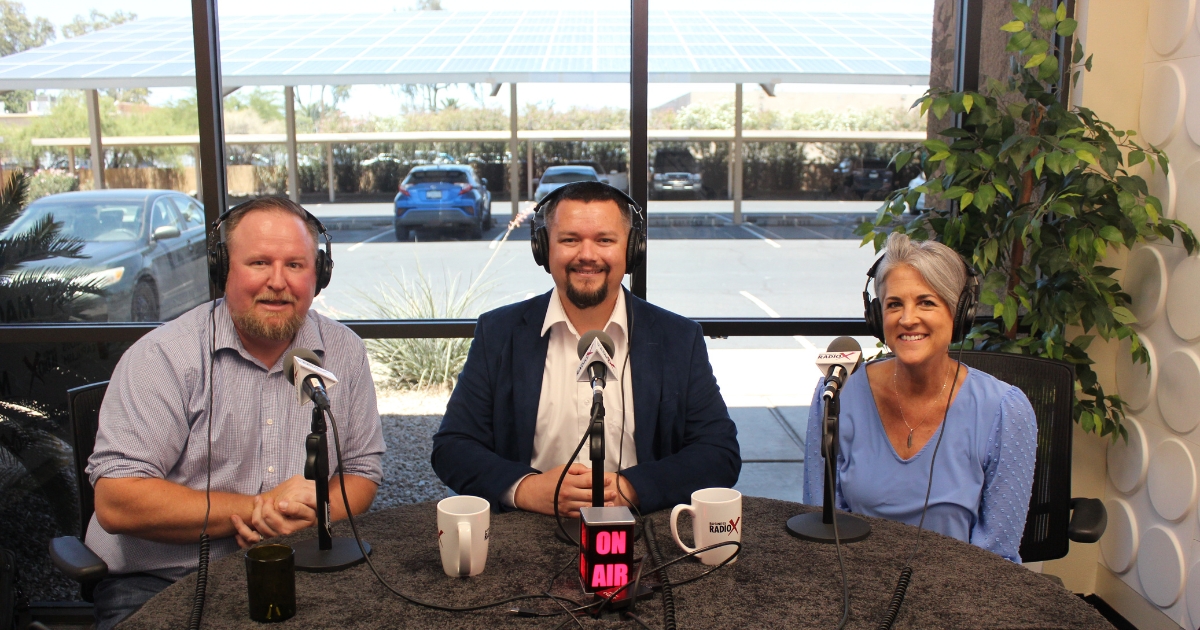
Host Gary Z is a Sales Trainer & Coach at Sandler Training, Simon Inc.
Companies depend on sales force development. Gary and team equip sales professionals to drive sales revenue higher, uncover significantly more business opportunities, shorten their selling cycles, and protect their gross profit margins. Using a powerful combination of consulting, sales training, they help their client community to achieve goals and overcome challenges.


SUBSCRIBE to “Simon Says Let’s Talk Business 2.0” wherever you get your podcasts

Series proudly presented by Sandler Training, Simon Inc.

Simon-Says-Forsyth-banner.png

Podcasts by Amanda Pearch

Tagged With: al simon, amanda pearch, Amanda Pearch Marmolejo, Brian Brown, CertaPro Painters, Coaching, Eunicia Peret, Gary Zermuehlen, Sales, Sales 1-2-3 with Gary Z, Sandler Training Simon INC, The empowered financial planner, training

Nikki Evans, Ridgeline Coaching

April 17, 2023 by John Ray

Nikki Evans, Ridgeline Coaching
North Fulton Business Radio
Nikki Evans, Ridgeline Coaching
Loading
00:00 /
RSS Feed
Share
Link
Embed

Download file

Nikki Evans, Ridgeline Coaching

Nikki Evans, Ridgeline Coaching (North Fulton Business Radio, Episode 650)

Nikki Evans refers to herself as a “Chief Thought Provoker” for her coaching clients. On this episode of North Fulton Business Radio, Nikki joined host John Ray to discuss the challenges she sees business owners have as they lead people, what makes her approach to coaching different, problems which arise as businesses grow, and much more.

North Fulton Business Radio is broadcast from the North Fulton studio of Business RadioX® inside Renasant Bank in Alpharetta.

Ridgeline Coaching

At Ridgeline Coaching, they customize programs that work for you and meet your needs. Their process includes a needs discovery and co-creation process to ensure you plan together for your success.

Website | Facebook | LinkedIn | Twitter

Nikki Evans, Chief Thought Provoker, Ridgeline Coaching

Nikki Evans, Chief Thought Provoker, Ridgeline Coaching

Meet Nikki Evans, a coach with a behavioral approach to helping her clients achieve their goals. Nikki believes that success comes from being intentional about choices and recognizing individual strengths.

With her expertise in behavioral patterns, she helps her clients identify their strengths and create actionable plans to achieve the success they want. Nikki’s unique approach to solving issues in business goes beyond just addressing surface-level issues. She takes the time to understand the root cause of problems within an organization, recognizing that making changes in one area may impact other areas.

Her framework for understanding complex and changing systems ensures that the right root cause is being addressed, leading to the intended outcome while being mindful of any unintended consequences of change.

Nikki’s approach to communication is clear and concise. She recognizes the power of context in shaping perceptions and attitudes and advocates for a collaborative approach to problem-solving. She uses metaphor and humor to drive clarity with clients.

With her 20+ year background in information technology and her certifications in coaching individuals and teams, Nikki has worked with a diverse range of clients, from executive women’s leadership forums to non-profit groups dealing with the challenges of the pandemic. Her focus on recognizing strengths, understanding root causes, and communicating clearly has helped her clients achieve their goals and become more effective, joyful, and productive in their work.

LinkedIn


Questions and Topics

  • What are the challenges you see with business owners around leading people?
  • What mistakes do you see business owners make around hiring?
  • What makes your approach different?
  • What behavior patterns should business owners have?
  • What are a few of the problems that you see as businesses start to grow?
  • How can working with a coach help?
  • Business owners have to make a lot of tough financial decisions, what kind of ROI can they get from coaching?

North Fulton Business Radio is hosted by John Ray and broadcast and produced from the North Fulton studio of Business RadioX® inside Renasant Bank in Alpharetta. You can find the full archive of shows by following this link. The show is available on all the major podcast apps, including Apple Podcasts, Spotify, Google, Amazon, iHeart Radio, Stitcher, TuneIn, and others.

RenasantBank


Renasant Bank has humble roots, starting in 1904 as a $100,000 bank in a Lee County, Mississippi, bakery. Since then, Renasant has grown to become one of the Southeast’s strongest financial institutions with over $13 billion in assets and more than 190 banking, lending, wealth management, and financial services offices in Mississippi, Alabama, Tennessee, Georgia, and Florida. All of Renasant’s success stems from each of their banker’s commitment to investing in their communities as a way of better understanding the people they serve. At Renasant Bank, they understand you because they work and live alongside you every day.

Since 2000, Office Angels® has been restoring joy to the life of small business owners, enabling them to focus on what they do best. At the same time, we honor and support at-home experts who wish to continue working on an as-needed basis. Not a temp firm or a placement service, Office Angels matches a business owner’s support needs with Angels who have the talent and experience necessary to handle work that is essential to creating and maintaining a successful small business. Need help with administrative tasks, bookkeeping, marketing, presentations, workshops, speaking engagements, and more? Visit us at https://officeangels.us/.

Tagged With: business coaching, Coaching, John Ray, Nikki Evans, North Fulton Business Radio X, North Fulton Radio, Office Angels, renasant bank, Ridgeline Coaching

  • « Previous Page
  • 1
  • 2
  • 3
  • 4
  • …
  • 6
  • Next Page »

Business RadioX ® Network


Our Most Recent Episode

CONNECT WITH US

  • Email
  • Facebook
  • LinkedIn
  • Twitter
  • YouTube

Our Mission

We help local business leaders get the word out about the important work they’re doing to serve their market, their community, and their profession.

We support and celebrate business by sharing positive business stories that traditional media ignores. Some media leans left. Some media leans right. We lean business.

Sponsor a Show

Build Relationships and Grow Your Business. Click here for more details.

Partner With Us

Discover More Here

Terms and Conditions
Privacy Policy

Connect with us

Want to keep up with the latest in pro-business news across the network? Follow us on social media for the latest stories!
  • Email
  • Facebook
  • Google+
  • LinkedIn
  • Twitter
  • YouTube

Business RadioX® Headquarters
1000 Abernathy Rd. NE
Building 400, Suite L-10
Sandy Springs, GA 30328

© 2025 Business RadioX ® · Rainmaker Platform

BRXStudioCoversLA

Wait! Don’t Miss an Episode of LA Business Radio

BRXStudioCoversDENVER

Wait! Don’t Miss an Episode of Denver Business Radio

BRXStudioCoversPENSACOLA

Wait! Don’t Miss an Episode of Pensacola Business Radio

BRXStudioCoversBIRMINGHAM

Wait! Don’t Miss an Episode of Birmingham Business Radio

BRXStudioCoversTALLAHASSEE

Wait! Don’t Miss an Episode of Tallahassee Business Radio

BRXStudioCoversRALEIGH

Wait! Don’t Miss an Episode of Raleigh Business Radio

BRXStudioCoversRICHMONDNoWhite

Wait! Don’t Miss an Episode of Richmond Business Radio

BRXStudioCoversNASHVILLENoWhite

Wait! Don’t Miss an Episode of Nashville Business Radio

BRXStudioCoversDETROIT

Wait! Don’t Miss an Episode of Detroit Business Radio

BRXStudioCoversSTLOUIS

Wait! Don’t Miss an Episode of St. Louis Business Radio

BRXStudioCoversCOLUMBUS-small

Wait! Don’t Miss an Episode of Columbus Business Radio

Coachthecoach-08-08

Wait! Don’t Miss an Episode of Coach the Coach

BRXStudioCoversBAYAREA

Wait! Don’t Miss an Episode of Bay Area Business Radio

BRXStudioCoversCHICAGO

Wait! Don’t Miss an Episode of Chicago Business Radio

Wait! Don’t Miss an Episode of Atlanta Business Radio