Business RadioX ®

  • Home
  • Business RadioX ® Communities
    • Southeast
      • Alabama
        • Birmingham
      • Florida
        • Orlando
        • Pensacola
        • South Florida
        • Tampa
        • Tallahassee
      • Georgia
        • Atlanta
        • Cherokee
        • Forsyth
        • Greater Perimeter
        • Gwinnett
        • North Fulton
        • North Georgia
        • Northeast Georgia
        • Rome
        • Savannah
      • Louisiana
        • New Orleans
      • North Carolina
        • Charlotte
        • Raleigh
      • Tennessee
        • Chattanooga
        • Nashville
      • Virginia
        • Richmond
    • South Central
      • Arkansas
        • Northwest Arkansas
    • Midwest
      • Illinois
        • Chicago
      • Michigan
        • Detroit
      • Minnesota
        • Minneapolis St. Paul
      • Missouri
        • St. Louis
      • Ohio
        • Cleveland
        • Columbus
        • Dayton
    • Southwest
      • Arizona
        • Phoenix
        • Tucson
        • Valley
      • Texas
        • Austin
        • Dallas
        • Houston
    • West
      • California
        • Bay Area
        • LA
        • Pasadena
      • Colorado
        • Denver
      • Hawaii
        • Oahu
  • FAQs
  • About Us
    • Our Mission
    • Our Audience
    • Why It Works
    • What People Are Saying
    • BRX in the News
  • Resources
    • BRX Pro Tips
    • B2B Marketing: The 4Rs
    • High Velocity Selling Habits
    • Why Most B2B Media Strategies Fail
    • 9 Reasons To Sponsor A Business RadioX ® Show
  • Partner With Us
  • Veteran Business RadioX ®

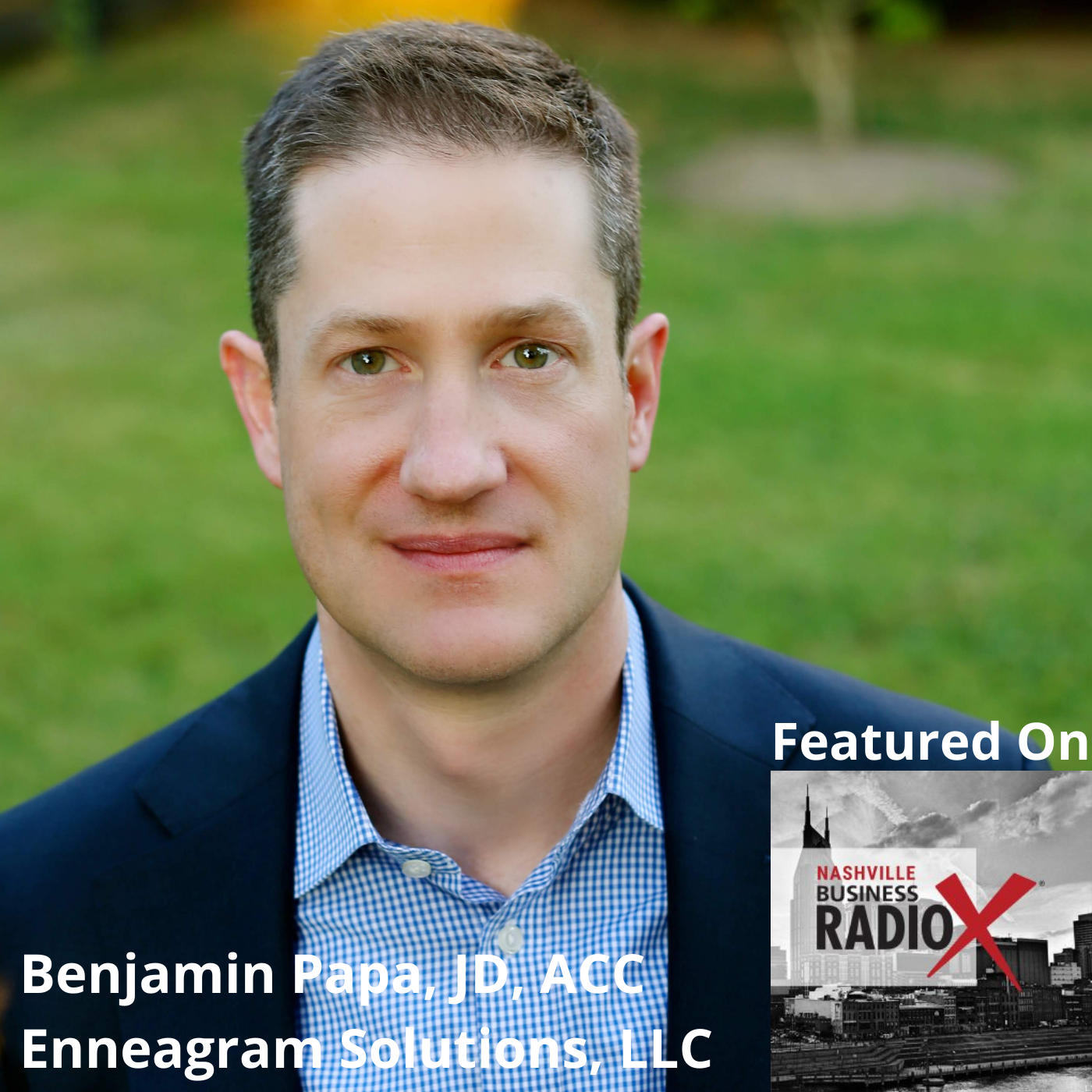
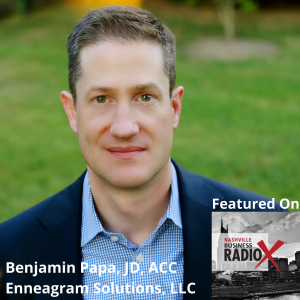
Benjamin Papa, Enneagram Solutions, LLC

April 27, 2021 by John Ray

Benjamin Papa
Nashville Business Radio
Benjamin Papa, Enneagram Solutions, LLC
Loading
00:00 /
RSS Feed
Share
Link
Embed

Download file

Benjamin Papa

Benjamin Papa, Enneagram Solutions, LLC (Nashville Business Radio, Episode 4)

Benjamin Papa joined host John Ray to share how he uses the Enneagram as a tool to increase a leader’s capacity for both self-awareness and empathy for team members. Ben also discussed how he works with teams to enhance collaboration and their overall effectiveness. “Nashville Business Radio” is produced virtually from the Nashville studio of Business RadioX®.

Enneagram Solutions, LLC

Many businesspeople know a lot about finance, sales, and operations but cannot make their business profitable. So what is missing?  Two basic things are needed to be successful in business:Enneagram Solutions

  1. Business Intelligence – The nuts and bolts about businesses and how they work.  This is the stuff from college or MBA school.
  2. Personal Effectiveness – Understanding and managing the self and professional relationships well and being able to take targeted and sustained action.

Enneagram Solutions, LLC has developed a unique model to optimize personal effectiveness at work that blends age-old Enneagram wisdom with a twenty-first-century understanding of leadership and professional development that adeptly responds to today’s complex workplace.

Company website | LinkedIn

Benjamin Papa

Benjamin Papa
Benjamin Papa, Enneagram Solutions

Benjamin Papa, JD, ACC is a Learning and Development Consultant with particular expertise in teams and collaboration. Core services include creating and facilitating workshops, building and supporting high-powered teams, and coaching individual leaders and leadership teams.

He founded and led a successful collaborative law and mediation practice for eighteen years before moving into the world of organizational consulting. Ben has led training and workshops all over the country, including for the American Bar Association and International Academy of Collaborative Professionals.

He earned his bachelor’s and master’s degrees from Vanderbilt University and his JD from The Ohio State University. He is a credentialed coach through the International Coach Federation and holds advanced certifications in the Enneagram, Hogan Assessments, and Leadership Circle Profile.

When he is not working, Ben enjoys reading, hiking, dinner with friends, and Vanderbilt football.

Questions and Topics in this Interview

  • What is the Enneagram?
  • How can businesses use it to increase organizational effectiveness?
  • Why should collaboration be a top focus for businesses as we come back from Covid?
  • How can the Enneagram facilitate collaboration on teams?
  • What do you like about the Enneagram compared to other development tools out there for businesses?

“Nashville Business Radio” is hosted by John Ray and produced virtually from the Nashville studio of Business RadioX®.  You can find the full archive of shows by following this link. The show is available on all the major podcast apps, including Apple Podcasts, Spotify, Google, Amazon, iHeart Radio, Stitcher, TuneIn, and others.

Tagged With: Benjamin Papa, consulting, Enneagram Solutions, Leadership, professional development, team building

Coaching and Consulting by Ronee Andersen

April 26, 2021 by Jacob Lapera

kyvnylbuot8ugdwca4nk
Coach The Coach
Coaching and Consulting by Ronee Andersen
Loading
00:00 /
RSS Feed
Share
Link
Embed

Download file

u6jpi50xfmwcoixiecay

kyvnylbuot8ugdwca4nkRonee Andersen founded Coaching and Consulting by Ronee in May of 2019. Her business focuses on helping leaders and small business owners reach their full potential.

Prior to starting her own business, she worked in is Human Resource for 20 years in companies from 50 to 6,000 employees. She has experience working in a family-owned business, private sector, and publicly traded companies, as well as, experience in the public sector in city and county government. She has held positions as HR Officer, HR Director, and Senior HR Director. She has been a member of leadership and executive teams.

Ronee has held her Senior Professional in Human Resources certification since 2003. She has an MBA with an emphasis in Human Resources and an advanced certificate in Strategic Human Resources. She is a certified coach through Coach Training Alliance.

Ronee is passionate about leadership and team development, culture creation, and helping people and organizations meet their full potential.

Connect with Ronee on Facebook and LinkedIn.

What You’ll Learn in This Episode

  • How to help clients increase a division’s profits by 600% in 9 months

Tagged With: business coach, Coaching, Coaching and consulting, consulting, Human Resource, Leadership, Ronee Andersen

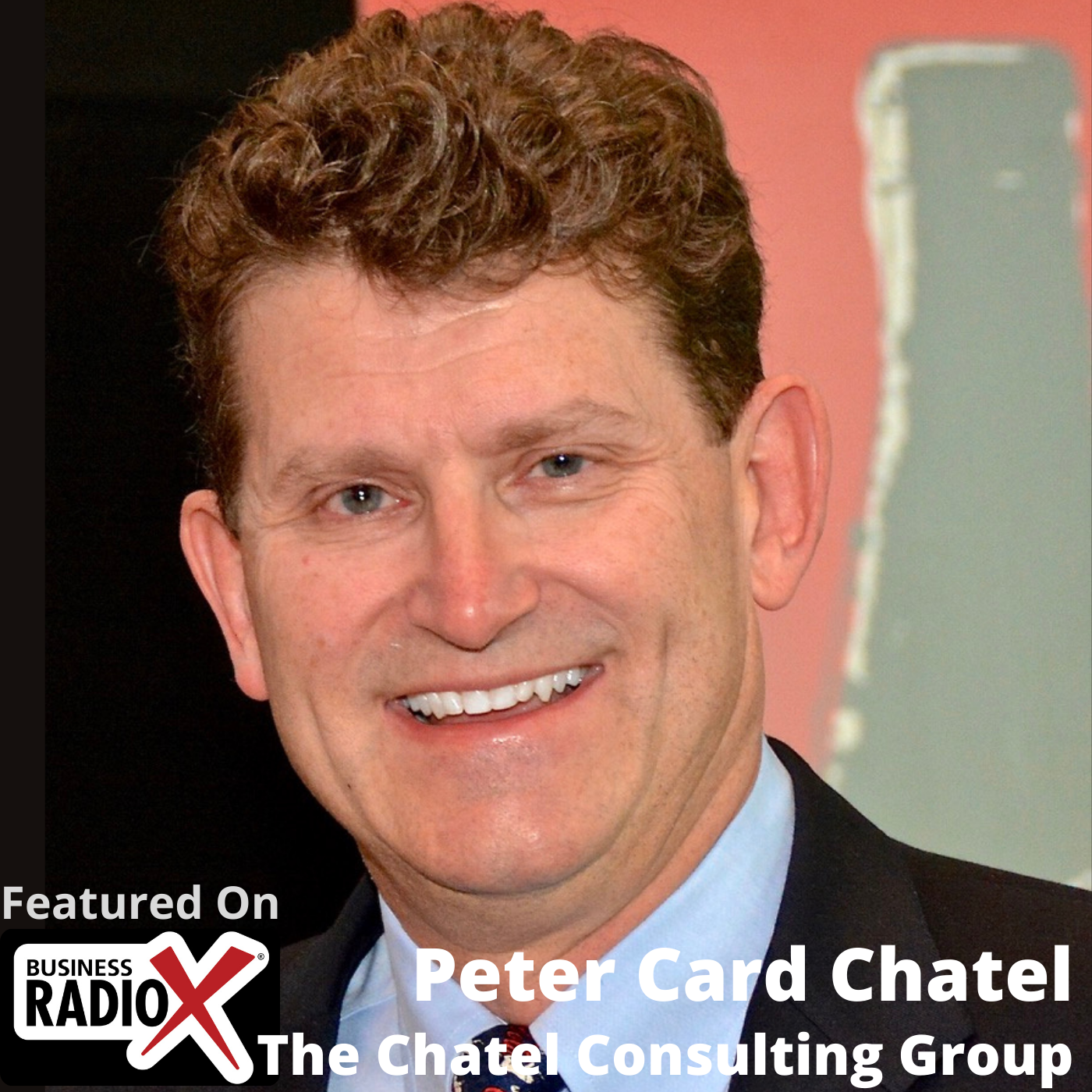
Peter Chatel, The Chatel Consulting Group

March 30, 2021 by John Ray

Chatel Consulting Group
North Fulton Business Radio
Peter Chatel, The Chatel Consulting Group
Loading
00:00 /
RSS Feed
Share
Link
Embed

Download file

Chatel Consulting Group

Peter Chatel, The Chatel Consulting Group (North Fulton Business Radio, Episode 344)

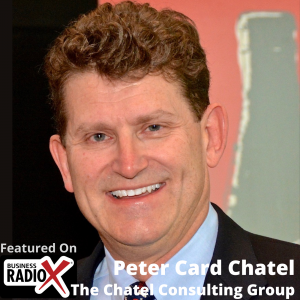
Peter Chatel, the founder of The Chatel Consulting Group, talks with host John Ray on why identifying purpose is the bedrock of effective leadership, the value of the 80/20 rule for leaders and their organizations, and much more. “North Fulton Business Radio” is produced virtually from the North Fulton studio of Business RadioX® in Alpharetta.

The Chatel Consulting Group

The Chatel Consulting Group focuses on helping leaders and nonprofit organizations bring about transformational change that results in profoundly positive performance. They work with our clients to align people with purpose through a proprietary process. Their approach targets profoundly positive performance that can only be achieved when people work purposefully.

Their offerings guide clients along a pathway to high performance where leaders and teams experience deeper meaning through their work. The Chatel programs and projects help their clients assess current reality, define a detailed description of the desired future state so that plans are developed and implemented to close the gaps. They help clients establish clarity of purpose with which everyone in the organization can connect. When leaders align people with purpose and use Chatel’s processes that include creating compelling scorecards and candidly communicating results, their clients enter “the magic zone” of high performance.  They help our clients build and leverage mindsets, skillsets, and toolsets to achieve profoundly positive performance.

Using practical experience with the power of purpose, The Chatel Consulting Group helps clients focus on what matters most. Among others, clients have included: CQUEST, Clifton Sanctuary Ministries, Environment Sandy Springs, Grady Health Foundation, First Step Staffing, ASQ – The Global Voice of Quality, and Empowerment Resources Program.

Company Website | LinkedIn | Facebook

Peter Chatel, Founder, The Chatel Consulting Group

Chatel Consulting Group
Peter Card Chatel, The Chatel Consulting Group

In April 2015, after 22 years with The Coca-Cola Company, Peter announced the formation of his consulting, training and coaching practice, The Chatel Consulting Group. Since “re-wiring” from The Coca-Cola Company, Peter joined The John Maxwell Team and was certified as a Speaker, Trainer and Coach. In April 2017, Peter became one of less than 100 people in the world certified to train and coach The ONE Thing. In 2020, he became a Certified Purpose Mentor through JourneyLife.


In 2020, Peter shifted the focus of his consulting practice to support nonprofits. He helps nonprofits lead, plan, and execute with excellence through teamwork that is purpose-led, people-centered, process-driven, and performance-focused — something he calls Petership©.  Over the past 5 years, Peter has worked with hundreds of organizations to establish and nurture Purpose-driven and Resilient Cultures where staff are more engaged, productive, and loyal; as well as healthier and happier. His work with nonprofit leadership teams focuses on their collaboration skills so they can improve and expand their impact. Through 1-on-1 coaching, group coaching, and workshops, Peter gets people inspired and focused on the path to profoundly positive performance.

Peter is married to Sarah and they have a blended family of five children and live with their two dogs.

LinkedIn | Twitter

Questions and Topics in this Interview:

  • What is the work that you do with nonprofits?
  • What do you mean by “Put Petership in Your Leadership”?
  • The Pareto Principle, or the 80/20 Rule.
  • What differentiates you from others who help nonprofit leaders?
  • What nonprofits do you serve?
  • What are the greatest challenges that nonprofits are facing in 2021?

North Fulton Business Radio” is hosted by John Ray and produced virtually from the North Fulton studio of Business RadioX® in Alpharetta. You can find the full archive of shows by following this link. The show is available on all the major podcast apps, including Apple Podcasts, Spotify, Google, Amazon, iHeart Radio, Stitcher, TuneIn, and others.

Renasant Bank has humble roots, starting in 1904 as a $100,000 bank in a Lee County, Mississippi, bakery. Since then, Renasant has grown to become one of the Southeast’s strongest financial institutions with over $13 billion in assets and more than 190 banking, lending, wealth management and financial services offices in Mississippi, Alabama, Tennessee, Georgia and Florida. All of Renasant’s success stems from each of their banker’s commitment to investing in their communities as a way of better understanding the people they serve. At Renasant Bank, they understand you because they work and live alongside you every day.

Tagged With: Certified Purpose Mentor, Chatel Consulting Group, consulting, john maxwell coach, John Maxwell Team, Leadership, Nonprofit, Peter Card Chatel, Peter Chatel, Petership, purpose-driven, The Coca-Cola Company

Lauren Hisey, Lauren Hisey Consulting, Continuous Improvement Consultant & Coach

October 27, 2020 by John Ray

Lauren Hisey Consulting
North Fulton Business Radio
Lauren Hisey, Lauren Hisey Consulting, Continuous Improvement Consultant & Coach
Loading
00:00 /
RSS Feed
Share
Link
Embed

Download file

Lauren Hisey, Lauren Hisey Consulting, Continuous Improvement Consultant & Coach (North Fulton Business Radio, Episode 298)

Lauren Hisey of Lauren Hisey Consulting joins host John Ray to discuss how she helps companies address revenue and expense challenges through continuous improvement consulting and coaching. “North Fulton Business Radio” is produced virtually from the North Fulton studio of Business RadioX® in Alpharetta.

Lauren A. Hisey, Founder, Continuous Improvement Coach and Consultant, Lauren Hisey Consulting

Lauren Hisey is not your typical consultant or coach. She uses a calming influence, Continuous Improvement, Lean Six Sigma, AI knowledge through regular conversations to help create effective change within any business. Lauren helps businesses to improve profitability and culture to drive sustainable growth.

She has spent 13 years living and breathing Continuous Improvement as a coach, consultant, trainer, and speaker with different sizes businesses, universities, podcasts, and various networking associations.

Lauren has been an employee and a business owner.  She loves the innovation and creativity that entrepreneurship provides. My career has spanned different parts of the corporate world from TA/HR, Sales, Operations, Product Leadership, and Technology. She loves solving problems and  helping people and businesses to succeed.

Company website

LinkedIn

Facebook

Instagram

Questions/Topics Discussed in this Show

  • What is Continuous Improvement?
  • Can Continuous Improvement be applied to all sizes of businesses?
  • How can it be applied?
  • How do you work with your clients?
  • How do you help or determine if they need coaching or consulting?

North Fulton Business Radio” is hosted by John Ray and produced virtually from the North Fulton studio of Business RadioX® in Alpharetta. You can find the full archive of shows by following this link. The show can be found on all the major podcast apps by searching “North Fulton Business Radio.”

Renasant Bank has humble roots, starting in 1904 as a $100,000 bank in a Lee County, Mississippi, bakery. Since then, Renasant has grown to become one of the Southeast’s strongest financial institutions with over $13 billion in assets and more than 190 banking, lending, wealth management and financial services offices in Mississippi, Alabama, Tennessee, Georgia and Florida. All of Renasant’s success stems from each of their banker’s commitment to investing in their communities as a way of better understanding the people they serve. At Renasant Bank, they understand you because they work and live alongside you every day.

Tagged With: Coaching, consulting, continuous improvement, Lauren Hisey, Lauren Hisey Consulting, Lean Six Sigma

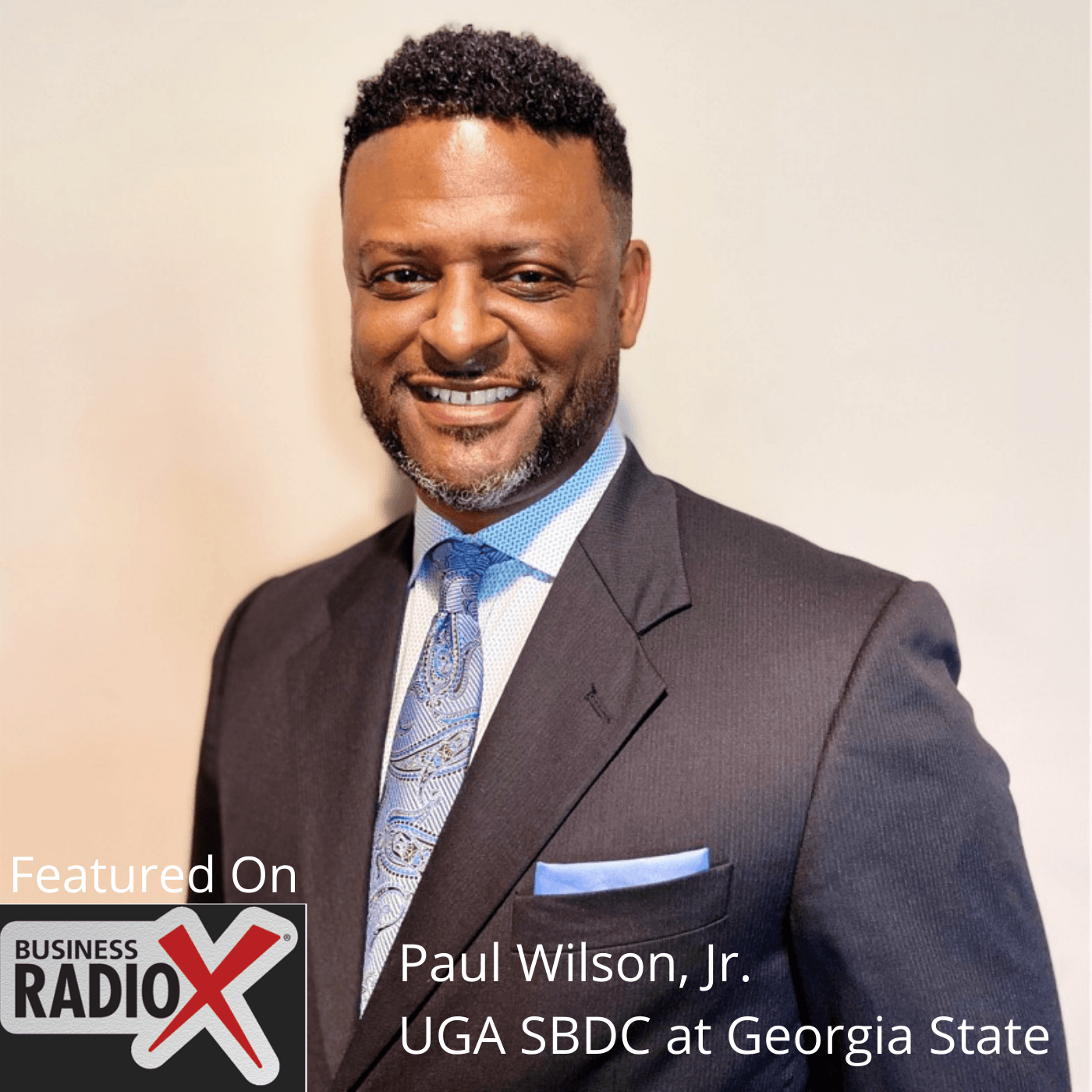
“Under the Radar” Resources for Business Owners, with Paul Wilson, Jr., UGA Small Business Development Center at Georgia State University

September 23, 2020 by John Ray

UGA Small Business Development Center Paul Wilson
North Fulton Business Radio
"Under the Radar" Resources for Business Owners, with Paul Wilson, Jr., UGA Small Business Development Center at Georgia State University
Loading
00:00 /
RSS Feed
Share
Link
Embed

Download file

“Under the Radar” Resources for Business Owners, with Paul Wilson, Jr., UGA Small Business Development Center at Georgia State University (North Fulton Business Radio, Episode 289)

The UGA Small Business Development Center (SBDC) at GSU is a “best kept secret” asset for both established businesses and startups. Area Director Paul Wilson joins host John Ray to discuss their extensive resources, which includes free consulting services with experienced mentors, and how much value their work has added to businesses and, in turn, the Georgia economy. “North Fulton Business Radio” is produced virtually from the North Fulton studio of Business RadioX® in Alpharetta.

UGA Small Business Development Center at Georgia State University

The Small Business Development Center (SBDC) provides tools, training and resources to help small businesses grow and succeed. Designated as one of Georgia’s top providers of small business assistance, the SBDC has 17 offices ranging from Rome to Valdosta to serve the needs of Georgia’s business community. Since 1977, our network of partners has helped construct a statewide ecosystem to foster the spirit, support, and success of hundreds of thousands of entrepreneurs and innovators.

The Small Business Development Center, a Public Service and Outreach Extension of The University of Georgia, is funded in part by the U.S. Small Business Administration (SBA). The University of Georgia Small Business Development Center is nationally accredited by the Association of SBDCs.

Paul Wilson, Jr.  Area Director

Paul Wilson, Jr. is an innovative and effective entrepreneurial leader with nearly 20 years of experience creating and delivering high caliber consulting and training solutions to large corporations, small businesses, non-profits, and professionals at all levels. He currently leads the UGA Small Business Development Center at Georgia State University where his team provides consulting services, market research, business resources, and educational support to startup, growing, and mature small businesses to help them achieve their short and long-term goals.

He has extensive industry experience that spans leadership roles in supply chain management, supplier diversity, and small business development. His expertise includes strategic planning, organizational development, process improvement, leadership development, government and corporate contracting, and curriculum design and development.

Prior to joining GSU, he had the opportunity to work with several Fortune 500 companies, consult with multiple NFL teams, and teach at a university. He is also a published author, actor, and youth development advocate. He is passionately driven by a strong desire to create a significant impact with under-resourced individuals and communities.

Company website

LinkedIn

Facebook

Instagram

Questions/Topics Discussed in this Show

  • SBDC consulting services and training resources
  • Small business resources in metro Atlanta
  • How to develop new strategies for your business in the current environment
  • Economic disaster funding
  • Other small business needs or concerns

North Fulton Business Radio” is hosted by John Ray and produced virtually from the North Fulton studio of Business RadioX® in Alpharetta. You can find the full archive of shows by following this link. The show is available on all the major podcast apps, including Apple Podcasts, Spotify, Google, iHeart Radio, Stitcher, TuneIn, and others.

Renasant Bank has humble roots, starting in 1904 as a $100,000 bank in a Lee County, Mississippi, bakery. Since then, Renasant has grown to become one of the Southeast’s strongest financial institutions with over $13 billion in assets and more than 190 banking, lending, wealth management and financial services offices in Mississippi, Alabama, Tennessee, Georgia and Florida. All of Renasant’s success stems from each of their banker’s commitment to investing in their communities as a way of better understanding the people they serve. At Renasant Bank, they understand you because they work and live alongside you every day.

Tagged With: business consulting, business resources, consulting, market research, Mentors, mentorship, Paul Wilson, SBDC, small business resources, uga sbdc, uga small business devlopment center

Nabil Ansara with TeamLogic IT and Christie Kerner with My Little Mascara Club E10

August 20, 2020 by Karen

E10-Nabil-Ansara-with-TeamLogic-IT-and-Christie-Kerner-with-My-Little-Mascara-Club-Feature
Phoenix Business Radio
Nabil Ansara with TeamLogic IT and Christie Kerner with My Little Mascara Club E10
Loading
00:00 /
RSS Feed
Share
Link
Embed

Download file

E10-Nabil-Ansara-with-TeamLogic-IT-and-Christie-Kerner-with-My-Little-Mascara-Club

Nabil Ansara with TeamLogic IT and Christie Kerner with My Little Mascara Club E10

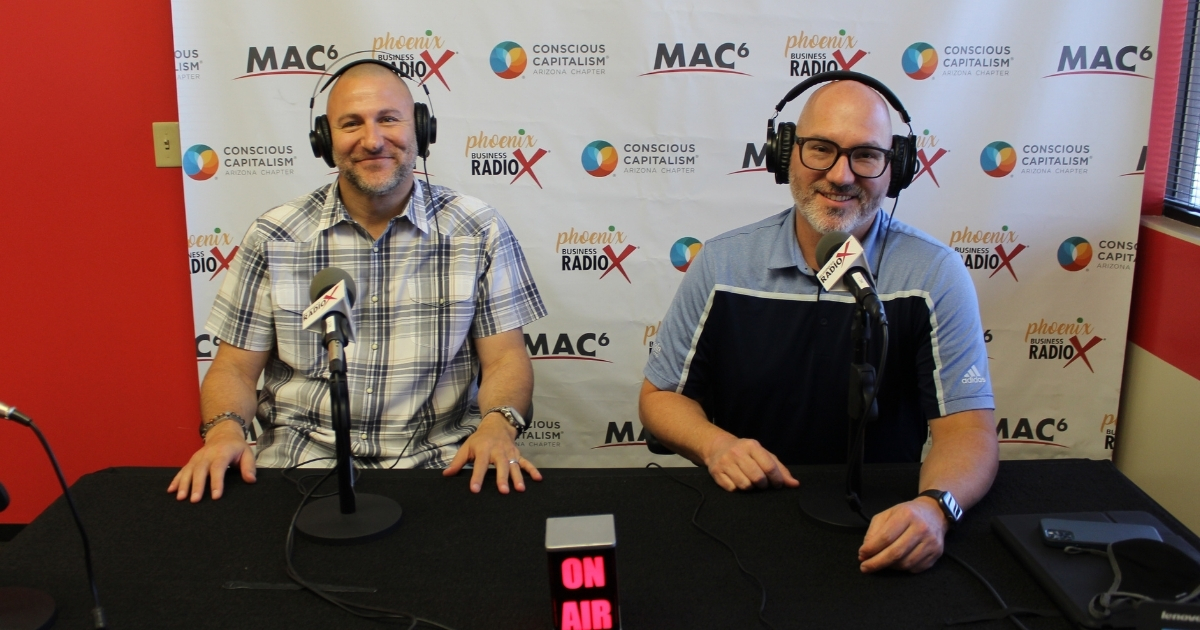
If you want to be inspired and hear some great stories, check out this episode of MAC6 Community Connection Radio Show and Podcast. Hosts and guest alike explored the benefits of having a client centric business model, the power of a strong team culture, and the importance of emotional intelligence all in an hours time.

In this episode, Jennifer Burwell and Kyle McIntosh interviewed Nabil Ansara, Director of Business Development for TeamLogic IT and Christie Kerner, Founder + CEO of My Little Mascara Club.

Christie talked about her mission to #createhappy and help her customers feel better about themselves and inspired to help #createhappy for others.

Nabil shared with us his passion for serving his clients well and his long history of entrepreneurship.

TLITLogo

TeamLogic IT is a national provider of technology services and solutions for businesses of all kinds. Unlike many managed service providers (MSPs), we focus on business and technology. We understand that not all organizations are alike and work hard at delivering solutions tailored to your unique business goals and challenges. Our philosophy is simple – we work with you the way we’d want someone to work with us.

Our customer service-oriented approach drives the tenets of our business: reliability, expertise and trust, ensuring you have an IT partner for the long haul. Our expansive capabilities serve a wealth of IT needs in the marketplace. And our best practices approach to service delivery is adhered to whether you require fully outsourced IT, co-managed IT or project-based IT solutions.

Thousands of businesses across North America realize our world-class service and expertise to achieve greater efficiencies, effectiveness and productivity in their organization. Consider TeamLogic IT for IT Solutions That Advance Your BusinessTM.

Nabil-Ansara-on-Phoenix-Business-RadioXNabil Ansara’s love for business and sales started at an early age. Coming from a family of entrepreneurs, customer service and business came as second nature.

At the age of 11, he was selling jewelry at his family’s jewelry store inside one of the busiest malls in southeastern Michigan.

By the time he graduated high school, he was managing several locations and was leading the sales chart, capitalizing on his ability to create and maintain relationships.

Nabil’s natural ability to connect with people and show them real value has always been the key to his success. After graduating high school, Nabil enrolled at Davenport University where he sharpened his marketing skills, helping his knowledge in sales and entrepreneurship.

Being fascinated with the music industry and learning on how to market his services, Nabil decided to open up a recording studio in 2004. His goal was to supply local artists and advertising agencies with original music for their commercials and create a hub for local recording artists to have a creative space to work in, which he ran for 15 years before making a switch into the managed service world of the IT industry.

After 12 months of working for a local IT provider in southeastern Michigan, Nabil and his family decided to take a leap of faith and relocate to Phoenix Arizona. Through God’s will and persistence, Nabil met Randy Reed the owner and operator of Team Logic IT in Phoenix Arizona. TeamLogic IT was exactly what he needed to take his career to the next level!

Today, he is the director of business development for three offices in the Phoenix area! There is nothing that makes Nabil happier than being able to help businesses grow through technology.

Connect with Nabil on LinkedIn.

My Little Mascara Club is a subscription club that delivers the one makeup item that most women will not leave the house without – mascara.

At the heart of the club experience is their mission: to help women feel better about themselves and life. Not only does their mascara provide a confidence boost, but each customer discovers all kinds of “happy moments” along the way. MLMCHiResPNGLogo

Recently touted in the press as Top 5 Best Beauty Subscription of 2020, their “little” mascara features innovations in both form and function, while offering a cleaner, more natural formula than most other mascara products.

Christie-Kerner-on-Phoenix-Business-RadioXChristie Kerner has been leading people and building companies for over 25 years. She’s built a few companies that she owned, including one she sold, and she has been a founding leader to help build a few companies for others.

Clearly, she loves building companies. So much so, that she ran the Center for Entrepreneurship at ASU, has helped build startup communities internationally, and is regularly as advisor to other founders.

Her latest venture, My Little Mascara Club, launched publicly in March 2020 and has quickly taken off.

It was long before Christie got a Masters in Management and Leadership that she fell in love with the human side of business. Her lifelong study of emotional intelligence paired with her love for building successful businesses – and helping others do the same – combine to make her an excellent leader and advisor to those who care about creating amazing companies and working with the best talent.

Connect with Christie on LinkedIn and follow My Little Mascara Club on Facebook and Instagram.

ABOUT YOUR MAC6 COMMUNITY CONNECTIONS CO-HOSTS

KyleMcIntoshWith a background in marketing, in various for profit and not for profit companies, Kyle McIntosh wondered, “How can I pair the passion and commitment to community progress of a non-profit with the sustainability and reach of a for profit company?” From this question and perspective a mission evolved to tear down the false distinction between the two sectors and to promote companies with Conscious Capitalism® business models through MAC6.

Kyle is the President and Creative Excitant of MAC6.  Day to day, his main operational role is on the “spaces” side of the business, focusing on creating thriving communities in the commercial office buildings, the co-working space, and the co-manufacturing space.  The other role that he plays is that of EOS implementer, working with clients to bring the Entrepreneurial Operating System, from the book Traction® to their businesses.  Additionally, he sits on the boards of Conscious Capitalism Arizona, telling the stories of good businesses in Arizona, and The Tempe Chamber of Commerce, sustaining Tempe’s quality of life and keeping our community and economy vibrant.

Kyle loves Arizona and wants to see us all collectively find great success based on the awesome things that are happening here every day.

Follow MAC6 on Facebook and Twitter.

Jennifer-BurwellJennifer Burwell, joined MAC6 in 2013. Jennifer is their VP and Director of Programs. She uses her experience in real estate, team development and management to seamlessly integrate each of the MAC6 business units to assure they are all focused on the long-term company vision. She is also a student of human behavior.

As a Certified Professional Behavioral Analyst, she uses her knowledge to facilitate culture-focused leadership programs with organizations of all sizes to integrate the company’s values and create higher-performing teams.

To learn more about MAC6 Communities, call 480-293-4075 or find them on Facebook

ABOUT OUR SPONSOR

MAC6 offers flexible spaces and programs to help your team grow, and a community of thriving businesses, just like yours.  Advocating Capitalism as a Force for Good, MAC6 is Accelerating the shift to Conscious Capitalism (where Purpose and Profit Unite) through Creativity, Collaboration, Community and Change.


Tagged With: Back up Solution, beauty subscription, best mascara, consulting, cyber security, managed services, natural mascara, responsive IT

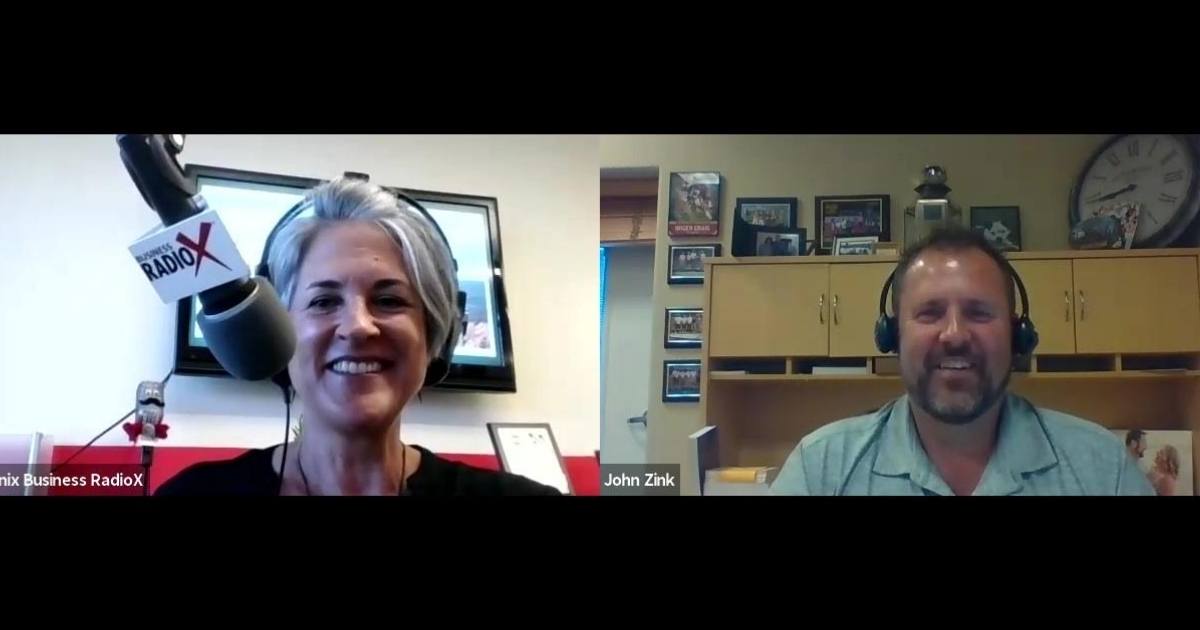
IT Avalon President John Zink

August 7, 2020 by Karen

IT-Avalon-Feature
Phoenix Business Radio
IT Avalon President John Zink
Loading
00:00 /
RSS Feed
Share
Link
Embed

Download file

John-Zink-with-IT-Avalon1

IT Avalon President John Zink

ITAvalonLogo2020

John-Zink-with-IT-AvalonIT Avalon staffs IT and Engineering projects nationwide for top-tier businesses across all industries. We thoroughly screen qualified candidates based on your specific needs to ensure the candidate is the right fit, the first time, every time.

IT Avalon goes beyond the job description to find and place the best technical contractors and contractors-to-hire 250% faster than other staffing agencies.

John Zink, has more than 24 years of IT Recruiting and Staffing industry experience. He has established himself as an expert in the field.

Follow IT Avalon on LinkedIn, Facebook, Twitter and Instagram.

Tagged With: consulting, contract staffing, IT staffing, Recruiting, staffing

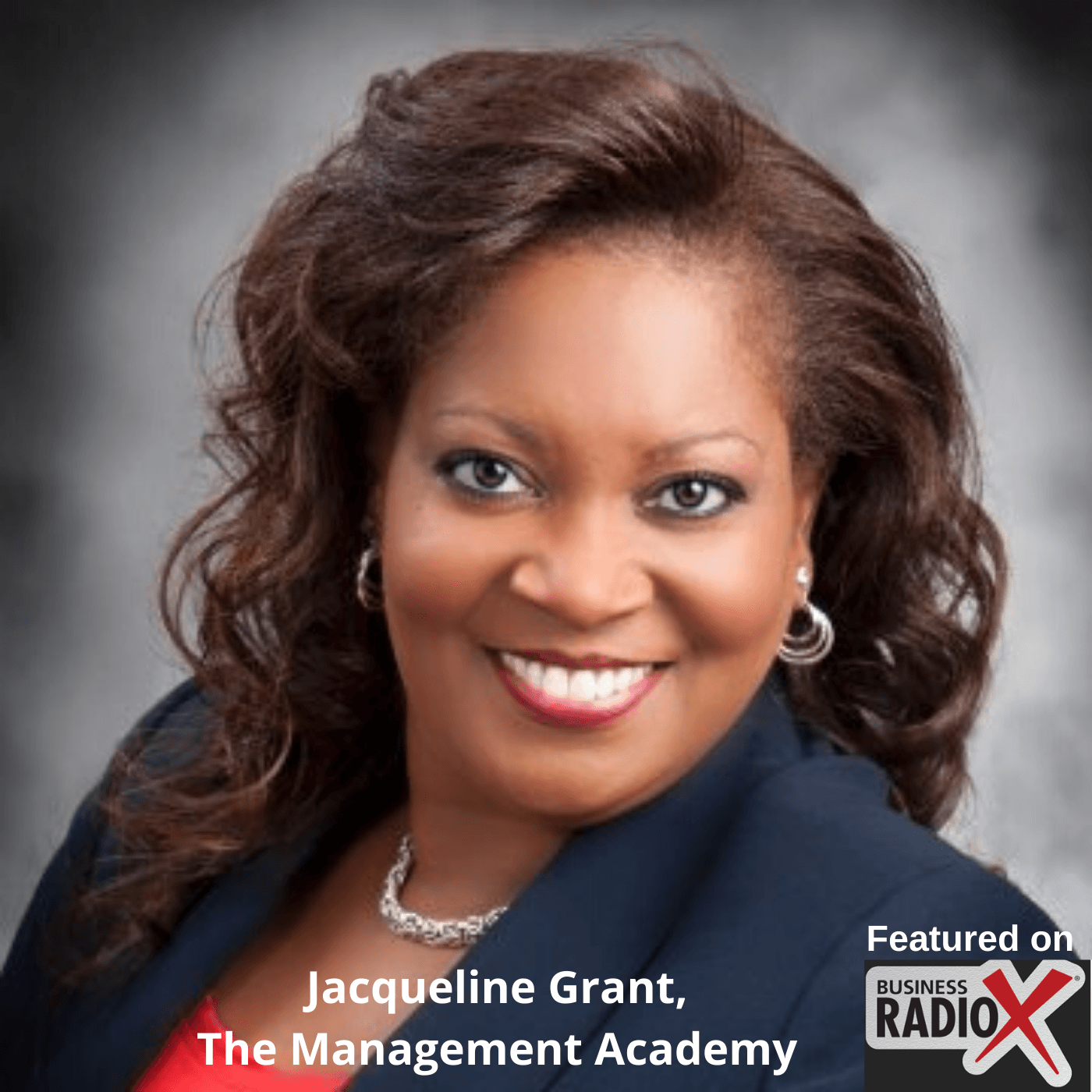
Jacqueline Grant, The Management Academy

July 15, 2020 by John Ray

Jacqueline Grant
North Fulton Business Radio
Jacqueline Grant, The Management Academy
Loading
00:00 /
RSS Feed
Share
Link
Embed

Download file

Jacqueline Grant

Jacqueline Grant, The Management Academy (North Fulton Business Radio, Episode 258)

Jacqueline Grant joins host John Ray to discuss why now is a great time for experienced corporate professionals to start their own consulting business, how to determine what consulting services you can offer, and much more. “North Fulton Business Radio” is produced virtually by the North Fulton studio of Business RadioX® in Alpharetta.

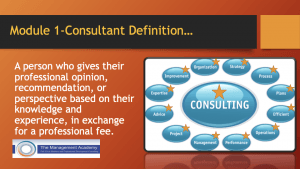
The Management Academy

The Management Academy offers client assessment, individual achievement plans, individualized coaching, one-on-one tutoring, coaching and consulting,

They offer coaching in:

  • Project Management
  •     PMP & CAPM
  •     Scrum & Agile
  •     Risk Management
  • Business & Marketing Management
  •     Sales & Marketing
  • Information Technology Management, and
  • Healthcare Information Management

The Project Management Office (PMO) has a team of Subject Matter Expert Consultants who contribute to client projects with detail-oriented professionalism. Consultants specialize in the areas of IT,  Construction, Engineering, Product Development, Marketing, Real Estate, Healthcare, Corporate Communications, Talent Acquisition, Business Development, Entrepreneurship, ​​​​​​​and many more. They have extensive experience in project management, business development, process improvement, technology infrastructure and career coaching strategies. They can design a step-by-step, cost-effective plan for clients to achieve optimum ongoing productivity for career planning and professional development.

To learn more, visit the company website.

Jacqueline Grant, MBA, PMP, SMC, SPOC, SCT, AEC, SCMS-P, SCCS-P

Ms. Jacqueline Grant is Founder & Director of The Management Academy, LLC (TMA) and its subsidiary, the Women’s Consulting Business Summit. Her company serves entrepreneurs, small and large businesses, providing full circle business management consulting and professional development programs, courses, workshops and seminars. The focus of TMA is to provide its clients with current project management, business, marketing, leadership, career development courses and activities, to promote personal growth and professional advancement.

As a professional trainer, speaker, author and certified Project Management Professional (PMP), Jacqueline’s passion and enthusiasm for empowerment and life-long learning are the key elements which make her effective with her clients. She is the author of the upcoming, “Start Your Consulting Business NOW!” as well as “What to Expect When Taking the PMP Exam” and “Where are the Risks in Your Organization?” Ms. Grant serves on the Advisory Board of Gwinnett Technical College’s Business Division. She also successfully served a two-year term as a leadership board member of Project Management Institute (PMI) Atlanta Chapter, where she was the VP of Professional Growth.

Ms. Grant possesses over 20 years of experience working with several national non-profit organizations and substantial for-profit corporations, previously having worked as Director of Marketing for a New York based HMO, Consultant for the National Headquarters of the Girl Scouts of the USA and as Executive Director of a regional YMCA, where she was responsible for 13 locations.

Ms. Grant has provided business management and project management training to employees of the corporate headquarters of Home Depot, Chick-fil-A, Coca Cola, as well as ATT, Verizon, and HP, to name a few. She has an extensive background in corporate communications, marketing, public relations, sales, and business development, across a number of business verticals. Her expertise lies in the areas of strategic development, recruitment, community development, vendor relations, and budget development/administration. This skill set has successfully achieved significant corporate goals and objectives, which increased profitability and visibility for a variety of businesses.

Ms. Grant is a graduate of Syracuse University, with a bachelor’s degree in Psychology and a minor in Communications. She is also a graduate of Capella University, with a Masters in Business Administration. She specialized with a double major in Project Management and Information Technology Management and earned a “Graduate with Distinction” honor. Ms. Grant is married with two children.

Point of Contact for Jacqueline Grant

Company website

LinkedIn

Twitter

Questions/Topics Discussed in this Show

  • How to use the knowledge and experience you already have to start your online consulting business
  • Transitioning successfully through job loss by taking control of your time, dollar & destiny
  • What has always been on your heart or mind to do… someday? Today is that day!
  • How to determine what you can offer the world as your own business venture
  • How to position your knowledge and expertise as an authority for your new business
  • How to REALLY network in today’s online environment
  • How to fill the gaps in your own knowledge or business with your sphere of influence members
  • What’s your WHY and how to use it to generate business

North Fulton Business Radio” is produced virtually from the North Fulton studio of Business RadioX® in Alpharetta. You can find the full archive of shows by following this link. The show is available on all the major podcast apps, including Apple Podcasts, Spotify, Google, iHeart Radio, Stitcher, TuneIn, and others.

Renasant Bank has humble roots, starting in 1904 as a $100,000 bank in a Lee County, Mississippi, bakery. Since then, Renasant has grown to become one of the Southeast’s strongest financial institutions with over $13 billion in assets and more than 190 banking, lending, wealth management and financial services offices in Mississippi, Alabama, Tennessee, Georgia and Florida. All of Renasant’s success stems from each of their banker’s commitment to investing in their communities as a way of better understanding the people they serve. At Renasant Bank, they understand you because they work and live alongside you every day.

Tagged With: authority, consulting, consulting business, Jacqueline Grant, John Ray, network, North Fulton Business Radio, online consulting business, The Management Academy, women's consulting business

Decision Vision Episode 71: What Decisions Do I Have to Make For My Business to Survive Covid-19? – An Interview with Zahir Ladhani, Velocity Strategic Consulting

June 25, 2020 by John Ray

Brady Ware
Decision Vision
Decision Vision Episode 71: What Decisions Do I Have to Make For My Business to Survive Covid-19? - An Interview with Zahir Ladhani, Velocity Strategic Consulting
Loading
00:00 /
RSS Feed
Share
Link
Embed

Download file

Decision Vision Episode 71: What Decisions Do I Have to Make For My Business to Survive Covid-19? – An Interview with Zahir Ladhani, Velocity Strategic Consulting

As the timing and shape of an economic recovery remains uncertain, many business owners are asking themselves what decisions they must make for their business to survive this Covid-19 environment. Host Mike Blake explores these issues with Zahir Ladhani, Velocity Strategic Consulting.  “Decision Vision” is presented by Brady Ware & Company.

Zahir Ladhani, Velocity Strategic Consulting

Zahir Ladhani

Zahir Ladhani is a seasoned executive with 30+ years of experience leading the growth of companies, products and teams. He played a crucial role on a senior executive team facilitating the $1.3 Billion sale of a company to a Fortune 50 Company. Additionally, he has overseen leadership teams in multiple publicly-traded organizations, in the capacity of President, Vice President of Sales, Vice President of Business Development, Marketing Director, and Director of Finance.

Zahir is a talented communicator and proven leader who understands corporate culture, the collaborative process, and how to assist organizations and their leadership teams optimize the balance between people, performance and profit.

Zahir Ladhani is currently the managing director of a business coaching firm, Velocity Strategic Consulting, and teaches Strategy at Kennesaw State University’s EMBA Program.

Michael Blake, Brady Ware & Company

Mike Blake, Host of the “Decision Vision” podcast series

Michael Blake is Host of the “Decision Vision” podcast series and a Director of Brady Ware & Company. Mike specializes in the valuation of intellectual property-driven firms, such as software firms, aerospace firms and professional services firms, most frequently in the capacity as a transaction advisor, helping clients obtain great outcomes from complex transaction opportunities. He is also a specialist in the appraisal of intellectual properties as stand-alone assets, such as software, trade secrets, and patents.

Mike has been a full-time business appraiser for 13 years with public accounting firms, boutique business appraisal firms, and an owner of his own firm. Prior to that, he spent 8 years in venture capital and investment banking, including transactions in the U.S., Israel, Russia, Ukraine, and Belarus.

Brady Ware & Company

Brady Ware & Company is a regional full-service accounting and advisory firm which helps businesses and entrepreneurs make visions a reality. Brady Ware services clients nationally from its offices in Alpharetta, GA; Columbus and Dayton, OH; and Richmond, IN. The firm is growth minded, committed to the regions in which they operate, and most importantly, they make significant investments in their people and service offerings to meet the changing financial needs of those they are privileged to serve. The firm is dedicated to providing results that make a difference for its clients.

Decision Vision Podcast Series

“Decision Vision” is a podcast covering topics and issues facing small business owners and connecting them with solutions from leading experts. This series is presented by Brady Ware & Company. If you are a decision maker for a small business, we’d love to hear from you. Contact us at decisionvision@bradyware.com and make sure to listen to every Thursday to the “Decision Vision” podcast.

Past episodes of “Decision Vision” can be found at decisionvisionpodcast.com. “Decision Vision” is produced and broadcast by the North Fulton studio of Business RadioX®.

Visit Brady Ware & Company on social media:

LinkedIn:  https://www.linkedin.com/company/brady-ware/

Facebook: https://www.facebook.com/bradywareCPAs/

Twitter: https://twitter.com/BradyWare

Instagram: https://www.instagram.com/bradywarecompany/

Show Transcript

Intro: [00:00:02] Welcome to Decision Vision, a podcast series focusing on critical business decisions. Brought to you by Brady Ware & Company. Brady Ware is a regional, full-service accounting and advisory firm that helps businesses and entrepreneurs make vision a reality.

Mike Blake: [00:00:21] And welcome to Decision Vision, a podcast giving you, the listener, clear vision to make great decisions. In each episode, we will discuss the process of decision making on a different topic from the business owner’s or executive’s perspective. We aren’t necessarily telling you what to do, but we can put you in a position to make an informed decision on your own and understand when you might need help along the way.

Mike Blake: [00:00:41] My name is Mike Blake, and I’m your host for today’s program. I’m a Director at Brady Ware & Company, a full-service accounting firm based in Dayton, Ohio, with offices in Dayton; Columbus, Ohio; Richmond, Indiana; and Alpharetta, Georgia. Brady Ware is sponsoring this podcast, which is being recorded in Atlanta per social distancing protocols. If you like this podcast, please subscribe on your favorite podcast aggregator, and please consider leaving a review of the podcast as well.

Mike Blake: [00:01:07] And so, today’s topic is another in our series of COVID survival topics. But this one is going to be a little bit different. And the question, really, is actually a number of questions all rolled up and mashed up into one. And so, the topic is, what are the decisions I have to make, so that my business survives COVID? And by now as we record this in early June and Happy Father’s Day in advance to everybody who is a father listening to this podcast, and as we record this, we are now, more or less, in something approximating recovery phase of this pandemic at a time, also, of tremendous social unrest and potentially change. We’re just in an environment now where there is no textbook, there is no wise man or woman to tell us exactly what to do based on experience. It’s all about kind of feeling our way through.

Mike Blake: [00:02:25] And so, whereas most of our topics do address a high-level strategic decision, the reality is that many businesses are not really in a strategic posture. As I was talking to our guest and our producer a little while ago as we were setting this thing up, and we talked about when you have a loaded gun pointed right to your head, your thought process at that point is not strategic. Your thought process at that point is not, “What is happening to my retirement plan and my 401(k)?” It’s, “How do I get out of this situation now? Get out of the building.” We’re going to figure everything else out at that point.

Mike Blake: [00:03:08] Now, I understand that’s a dramatic and it’s a graphic image, but I do think that there’s some truth and there is some relevance to that. But we are now, you know, after sort of huddling ourselves, at least certainly, I was, away from the pandemic to reaching a point where we are kind of have our hands wrapped around the bars and shaking them, being asked or asking to be let out of our mass house arrest, and now, all of a sudden, the doors open with differing speeds depending on what state you’re in. State, meaning geographic location.

Mike Blake: [00:03:58] And, you know, when that happens, I think to some extent, we’re sort of the dog that catches the car or what would happen if Wile E. Coyote actually captured the Road Runner? I’m not sure he’d know what to do with it. And so, now, this next phase is, okay, you know, what is this checklist? And you’ll read a lot of stuff that talk about, well, you know, let some of your employees continue to work from home and everybody’s going to walk around like they’ve got OCD and wash their hands all the time and creating distance between office and cubicles.

Mike Blake: [00:04:36] And that’s all well and good. It’s important. There’s plenty of information out there. There’s nothing that we’re going to do it. But then, you know, as a decision maker, you’re now going to be faced with many, many micro decisions if you are or even not so many micro decisions, but they’re all tactical decisions. And tactical decisions can take on equal or superior importance relative to a strategic decision.

Mike Blake: [00:05:07] And so, that’s a long preamble to saying that if this episode seems a little bit different, it is, and that’s by design. And the reason is because when you reopen your business and you expose yourself to the wide, weird world out there, it’s not about one decision anymore. It’s really about probably 92, at least. Well, we’re not going to go over 92 decisions, but we are going to go over probably about a dozen or so, and hopefully that this will be something that—or we hope is that, this will be something that you can you can take pieces from, and apply to your own situation as is, you know, what we try to do here are the Decision Vision podcast.

Mike Blake: [00:05:53] And helping us work through this is my friend, Zadhir Ladhani who is Managing Partner of Velocity Strategic Consulting. And Zadhir brings more than 30 years of, in the trenches, experience with software, the service companies, consumer companies, services and human capital companies, pharmaceutical companies, and management consulting. As you’ll hear, he’s a very talented communicator and he’s a proven leader whose drawn businesses and product lines and was a key member of an executive leadership team that led the sale of its company to a Fortune 100 acquirer.

Mike Blake: [00:06:34] Zadhir works with senior executives and leadership teams to scale up businesses by improving their discipline around people, strategy, execution, and accountability for sustainable growth. He has worked with numerous clients and using the complexity that growth often brings, allowing leaders to focus more time on building their businesses by leveraging transformative tools, processes, and principles. He holds a bachelor’s degree in mathematics and accounting from the University of Waterloo in Canada and a master of arts in international relations from the Fletcher School of Law and Diplomacy at Tufts University in Boston, Massachusetts. Zadhir, welcome to the program.

Zadhir Ladhani: [00:07:10] Thank you. Thanks, Mike.

Mike Blake: [00:07:12] So, I’m going to ask you the question that I have to ask or everybody has to ask, every guest ever who comes on any program in the world, which is, are we in a recovery now? If not, when do you think it’s going to happen? And are you on the V side recovery camp, or are you on the slow slogging recovery camp, or somewhere in between?

Zadhir Ladhani: [00:07:33] So, Mike, I appreciate the introduction, and I am on the slow recovery side. I’m not on the V recovery side and I actually don’t think we’re in the recovery phase yet. If you look through what we’ve gone through, and I look at this from a lens of three phases, we went through the lockdown phase where we were trying to flatten the curve. And some parts of the country never flattened the curve. We would continue to grow it. But we decided to get into the second phase, which is the recovery phase, as you called it, but I think I call it the fight phase, that we’re going to go fight this.

Zadhir Ladhani: [00:08:10] And then, when the vaccine or a therapeutic is available is when, potentially, the full final phase of this comes in. So, I think we’re in this middle phase, which I called the fight, where the infections and the number of people who interact with this disease will increase, decrease, increase, decrease. And we’re going to see spotty places in the country, spotty places around different states and different parts of the state in different phases.

Zadhir Ladhani: [00:08:45] So, they’re going to be brush fires we’re going to have to put up around the country. If you look at why I say that and why I think it’s a long U, until a vaccine is available, there is no surety of how we will fight this. There are so many unknowns about this COVID-19 that every other day, we’re hearing something new and we’re learning something new. And so, anything somebody is forecasting, it’s coming out to be different. And so, I would say, we plan for the worst, and then hope for a better one. And businesses work on that well. Look, people are saying there’s a vaccine coming up, right?

Zadhir Ladhani: [00:09:23] Normally, vaccines take 20 years, and now, we’ve got a prognosis that we’re going to have a vaccine by the end of this year. I really hope we do. And I know there were over 150 candidates in the work, and we’re taking every piece of red tape out, and we’re trying to shorten the cycle as much as possible, and we got the best scientists we’ve ever had around the world working on it. And globally, humanity has gained. But sometimes, things take time. And we hope we can get through this. But my view is it’s a long U with ups and downs as we go through it.

Mike Blake: [00:09:59] You know, I think your observation is very smart, that the fact of the matter is, we don’t understand everything there is about the coronavirus. And the knowledge is evolving. And, you know, it reminds me, I think coronavirus is sort of the eggs of the disease realm. What I mean by that is for years, I think it’s still going on, is that doctors are telling us eggs are terrible for us, but now, they have the right kind of cholesterol, so they’re great for us. But then, maybe that kind of cholesterol, it has a limit, so they’re bad for us again. And frankly, I don’t know. So, I just see the eggs now and I roll the dice, right? But I mean, COVID is kind of like that.

Zadhir Ladhani: [00:10:50] Yeah.

Mike Blake: [00:10:50] You know, there’s even some there’s even some real discussion as to whether or not, not just ideological, but medical as to, again, how necessary masks are.

Zadhir Ladhani: [00:11:04] Yeah.

Mike Blake: [00:11:04] And, you know, we just don’t know. And I’m not going to make a statement as to whether or not somebody should wear a mask or not, but the fact of the matter is that whichever position is out there, there’s plenty of information, and frankly, some good information that supports one way or the other, right?

Zadhir Ladhani: [00:11:22] Yeah.

Mike Blake: [00:11:22] So, I guess maybe I want to go right off the script here, and that is that maybe the first decision you have to make is, do I think it’s a V recovery or slow recovery, right? Because if I think it’s a V recovery, then the other things we’re going to talk about today may have a different answer or a different spin to them as opposed to if I think there’s going to be a two-year recovery, say, that, you know, the Fed thinks is out there. Is that fair too or am I making too much of it?

Zadhir Ladhani: [00:11:54] No, you’re not making too much of it, but my pushback would be, if you make a decision that it’s a V recovery, what are the decisions you’ll make in your business? And what if it’s a U recovery, what would happen to you? Plan that out and forecast. And then, do that if you work towards a U recovery, forecast out that, what if then it’s a V? Which one gives you the higher probability of survivability? And my supposition to you would be plan for a U, hope for a V, you have a better chance of success versus you plan and act on a V, And it becomes a U. You see where I’m going? And so-

Mike Blake: [00:12:35] I do. And then, to that end too, we’ll talk about this a bit later, we may very well have a W kind of recovery.

Zadhir Ladhani: [00:12:44] Yes. And if you look at the stock market in the day we’re recording this, the stock market was way up, and then yesterday, dropped. And this morning, it just started to go back up again. Like I think we’ve got to be cautious and not get carried away with the fad of people jumping up and down and most people starting to get out there and what you see in a very quick manner. Think of it a little bit of a longer term because of the unknowns. One of the biggest things of this is the unknowns that we have is the thing we need to keep in mind.

Mike Blake: [00:13:15] So, how to lie? And I am a business owner, I’m a shareholder in my company, so how do I assess my own company as to one that’s likely to recover as opposed to one maybe that isn’t likely to recover?

Zadhir Ladhani: [00:13:33] So, I think you’ve got to do the scenario planning around the U. And so, what I recommend to my clients is do a scenario planning that says you will have a 20%, a 50% or an 80% drop in revenue over the next year and a-year-and-a-half. And then, do your net income in a cash flow on those three scenarios. You put your expenses towards the 50 to 80 and run your business. And go forward with that planning phase, and that will give you as much opportunity to survive as possible.

Zadhir Ladhani: [00:14:15] The other thing you need to do is conserve cash as much as possible and reduce any frivolous expenses or even potentially some expenses that you just are nice to have versus need to have, and that will ensure. Now, the next key thing you need to do is what we’re seeing in COVID is a lot of trends that were happening pre-COVID have accelerated. And what you want to do is how do you evolve your business to get on those trends and make sure your business is essential in getting on those trends. And we can talk more, I’m sure, when you get to that level.

Mike Blake: [00:14:57] You know, that 80% drop in revenue, that’s a jarring number to me, right? I mean, I understand where you’re coming from, to me, that says an absolute catastrophic business scenario. I mean, realistically, how many businesses can survive an 80% drop in revenue for any period of time?

Zadhir Ladhani: [00:15:18] Depends on their cash reserves and depending on their things they have, right?

Mike Blake: [00:15:23] Okay.

Zadhir Ladhani: [00:15:23] So, I’m not suggesting that will happen, but would you rather do a premortem or a postmortem on your business? And so, we’re asking people to do a premortem which visualizes which it will be. So, therefore, before you get there, you can avoid that, right? If you know what will happen if you get to an 80%, then you start to think, what are some of the actions I do need to take today? And then, we start to talk about the customer. Who are our customers? How do we retain them? How do we become essential to them? How do we go after different other customers and go capture them? What is the evolution of our business we’re doing?

Zadhir Ladhani: [00:16:00] We have a client in Atlanta who has restaurants and they evolved from they were never a delivery, they were never a takeout service, and this is nothing new, but they figured out an interesting way of doing delivery and take out service because a lot of restaurants have done nothing shocking, but if they hadn’t been ahead of it, they could have been impacted by that thing. One—yeah.

Mike Blake: [00:16:25] So, we’ve talked about expense management and we talked about cash management. What are a couple of other specific things that businesses should be looking at to make sure that they’re in the survival group and not on the not survival group?

Zadhir Ladhani: [00:16:40] I think what you want to do is in your customers that you have today, you want to be close to your customers and understand what they are going through. And before they react to you, one, if you’re close to them, you will know where they’re going. So, because you’re starting to predict how your business is going to impact and you figure out how you become essential to them. As soon as you start to get hints and ideas that you may not be kept on, you need to start to see what businesses you need to evolve to. I’ve got a client who was in a particular business and they figured out there was an adjacent business that they could evolve to. They were never in that, but due to COVID, it was a revenue stream, and it was bringing in cash, and they added that onto it, and move that on. And it became a great revenue stream for them.

Mike Blake: [00:17:33] You know, that essential nature, I think, is a really important point. And a former guest on this program, Rod Burkert, has been preaching to people in my profession, business appraisal, to figure out how do they turn themselves from a vitamin into medicine, right? That nice to have, should have versus something that makes pain go away that is truly essential.

Zadhir Ladhani: [00:18:01] Right.

Mike Blake: [00:18:01] And, you know, candidly, that can be very painful thinking because what if what if you sort of look at your business in the cold-heart light of day, you’re just not medicine, right? Your business model has been built on selling vitamins, right? You’re GNC, for example, right? You cannot convert to a drugstore overnight. You are in the vitamin business, and that’s where you’re going to stay. And so, maybe one of the decision points then is not only, even before you get to, how do I make myself medicine, but is that even realistic, right? And maybe that gets to the premortem, the 80% drop in revenue.

Zadhir Ladhani: [00:18:46] Right.

Mike Blake: [00:18:47] I’ve yet to scale my business to a—you know, the world will still need vitamins. They still want some vitamins and vitamins don’t go away.

Zadhir Ladhani: [00:18:54] Right.

Mike Blake: [00:18:54] But clearly now, they’re taking a backseat to the medicine, I guess.

Zadhir Ladhani: [00:18:59] Exactly. And what you do also is look at the trends COVID is causing, do know that every time we’ve had a major event in the world, be it The Depression, be it the oil crisis in the ’70s, be it the 2008, we’ve never reverted back and there’s a new norm that happens. And what is the new norm that would happen post this? And we’re starting to see some trends of this. And can you evolve or pivot? I’m trying to resist using the word pivot, but can you pivot towards that addition to your business and move away from some of these businesses? Like I would say, look, if you’re a retailer, if you don’t have an e-commerce strategy or a digitization strategy, you’d better be thinking about this, right?

Zadhir Ladhani: [00:19:47] Because the demise of retail has been, and I’m not saying it’s going to go away, but I think it’s been precipitated. In every business, be it a doctor, or an accountant, or a lawyer should have and need strategy because whatever we’ve done in the last eight weeks or something, we’ve moved to telehealth in the fastest way possible when there was so much resistance from the hospitals and the doctors. And now, overnight, we’re speaking to our doctors and doing telehealth or teleappointments. Now, we’re going to be used to it as consumers. Now, my doctor better have that service available because I may not want to go and wait in the waiting room. I can get it done through my laptop.

Mike Blake: [00:20:25] And speaking of retail, you know, I got to tell you, I love the curbside service. You know, this microphone that I have now, that John, our producer, begged me to get because the other one made me sound so lousy, you know, I barely slowed my car down, and they just chucked the thing in the back, I lowered the window, and like in a football passing drill, they just sort of chucked it through, right?

Mike Blake: [00:20:53] I mean, that was great. I love that. I mean, even if we kill coronavirus tomorrow, I hope they don’t get rid of that because, you know, saving the time of even having to park, and get out of the car, walk in, yeah, I get it, I can walk in, I get it, I feel like I want to be treated like Cleopatra, and they sort of lift me up on one of those thrones that the servants carry around town and stuff, but I love that, right?

Mike Blake: [00:21:23] Frankly, I’d pay a premium for that. As somebody said, you know, if I bought us a 50-dollar item, we got to pay two more dollars to have the thing put in your car for you, yeah, I’m in. So, you’re right. I mean, I think there are some emerging business models and we’re not even close to being there yet. I cannot imagine what’s going to happen in education. You know, schools are not opening. And when they do, a lot of the students aren’t going back unless there’s no other choice, I think.

Zadhir Ladhani: [00:21:54] No, I hear you. I ask who is sending us information, saying, what will you do with your child? And my response back would be, you tell me what safety precautions you’re taking to make that decisions accordingly.

Mike Blake: [00:22:06] Yeah. So, you know, a fascinating thing has happened. A lot of this, I think, is now going away, but it could come back if we go into a W-shaped recovery, which I think there’s a good chance it will happen. I don’t think it’s drop dead, but I think there’s a good chance. How did businesses survive just not being able to operate for three months? And what lessons do you think businesses are taking from that so that if we do go into a second trough, that they can survive that second halt?

Zadhir Ladhani: [00:22:48] I think in the first instance, a lot of businesses were caught by thinking it’s going to be a short-term close. And I think the government acted very, very quickly in all the incentives and money that came through, and the speed that it came through helped the companies. I think businesses are learning to conserve their cash now even more than they were before. And even consumers are learning that. What we’re hearing in some reports that consumers are really not spending as much money as we were. Our bank account seems a little bit inflated because we’ve been sitting at home.

Zadhir Ladhani: [00:23:23] And so, we seem to have some extra dollars in our bank balances. And businesses are that. I think businesses have learned to conserve cash. Some businesses moved a little slow in cutting expenses. Now, I think they’re being cautious in increasing them back. So, I think businesses are learning from this and will not revert back to the old days. I’ve heard companies and CEOs tell me, I’m not bringing my travel budget back to the norm it was. I’m not bringing my people back yet to the offices, right? And so, I’m going to keep my nonessential expenses down.

Zadhir Ladhani: [00:23:58] Now, you go to how long can they survive? I think that’s a predicament on the business and in the amount of money. We’ve got rent abatement going on. That leaves in July. We’ve got many things that are issues about to drop in July, August, September, and we’ll have to watch what happens to those businesses then, and how effectively they work. We’ve seen very large chains send letters to their landlords, and saying, we need rent abatements and we need you to work with us, right?

Zadhir Ladhani: [00:24:31] One of the largest chains out there in the world has sent that letter and they’re asking for those for a long period of time, not just until now. And I think businesses need to do that. The other aspect is I love using this, is the old military strategist, Colonel John Boyd used the OODA, meaning is O-O-D-A, right? You observe what’s the situation around you, orient yourself, and then decide, and then act quickly. And when you act, you start observing again. You orient, decide, and act.

Zadhir Ladhani: [00:25:07] And it’s similar to Jim Collins’ view around, and I hate to use this, but Jim Collins, he wrote, before you act, throw some bullets before you fire your cannons. Meaning, find your target with a few bullets. And I would ask businesses as they’re evolving and trying to survive this, you need to evolve. You can’t just stand still. And as you evolve, you want to test and fail fast, to learn fast, and keep testing, and be a testing organization because this is an evolution, and we’re going to have to evolve. You can’t stay the same and you can’t stay stagnant.

Mike Blake: [00:25:42] You know, I need to ask another question. This is not one that we’ve really talked about. But I know you can catch up with a fastball here. And again, our producer, John, is going to love this question, and that is, how do you navigate pricing in this environment? And what I mean by that, you know, a friend of mine who also happens to be my dentist was talking to me about what it’s going to take to reopen his practice and start filling cavities, drilling, and doing whatever it is a dentist do, right?

Mike Blake: [00:26:24] You cannot deliver those services for the same price today that you could 90 days ago, right? My wife just went to the dentist, and then face shields and two masks on at the same time. And I’m sure they were also sterilizing the thing, like they’re using some sort of disinfectant like those old sorts of pump-operated DDT and insecticide things they used to have in the old-time cartoons, right? But at the same time, there are other businesses that are desperate—actually, let me go back.

Mike Blake: [00:27:03] You know, restaurants. You know, I ventured into a restaurant last week for some takeout and, you know, half the tables are gone. You know, so now, they’ve got half of their serving capacity, but they’ve got the exact same overhead they had 90 days ago, right? The way the math works is that their prices must go up, you would think, right? Maybe not. So, on the same token, you know, if you’re an attorney right now and a lot of some legal services are considered medicine, others are considered vitamins, right?

Mike Blake: [00:27:39] Maybe you considered lowering your prices for a minute because you just want to get work in the door, right? And I can’t even imagine what airlines must be doing. Their pricing mechanisms have been so Byzantine anyway, what they’re doing now has got to be some form of calculus. And I’m talking too long, but I’m thinking about this question kind of real time, I mean, how do you think about pricing in this kind of environment? And do you agree, that’s a really critical micro decision or decision that a business has to make as they reopen here?

Zadhir Ladhani: [00:28:14] It’s a very, very, very important decision. And I would first want to take something off the table when you talk about pricing. Most companies have very good core values of their business. And some of them call for integrity. Some of them call for, we’ll take care of our customers. Some of them call for, we do what’s right, et cetera, et cetera. So, number one thing I want to take off the table is this is not the time to price cap, right? And then, if you’re a leader who’s thinking, I’m going to take advantage of this, look, this is a time for your values to be in action. We, as human beings, are naturally good people, live those values, and be good human beings. So, take that part out of the question.

Mike Blake: [00:29:00] So, you’re saying, I should cancel that hundred-dollar for Lysol can auction off of eBay?

Zadhir Ladhani: [00:29:05] Absolutely.

Mike Blake: [00:29:05] Okay. I’ll do that as soon as we’re done.

Zadhir Ladhani: [00:29:09] Yeah. And so, next one I would come is at any time, how do you develop your price? You develop your costs, you look at your competitor, and you look at your market dynamics, right? And what the market’s willing to bear. However, if you just do it like the old way, and yes, you bring your costs in trying to make it, you need to decide in this world, will the consumer come? And is a competitor going to figure out a different way? As you rightly said, will a competitor figure out a very cheap way?

Zadhir Ladhani: [00:29:41] And this is the time for businesses to be disrupted. And especially if you’re an accountant or a lawyer, there’s an e-business. I’m sure there’s an e-business out there that’s about to disrupt all the accountants and lawyers out there and other service providers. And so, you increase your prices. You’ve got to figure out your strategy, how you manage the costs. If we go down to the dentist line, you’ve got to look at how you cut your other overheads and stuff, because sometimes, people may just say, I want to not do my cleaning in six months, I’m going to delay for 12 months, right?

Zadhir Ladhani: [00:30:13] And then, go down that way unless it’s hurting and I need really my filling done and it’s killing me, it becomes essential. Then, if you gouge me, you know I’m not coming back, right? I’m going to find somebody else because that trust will be broken forever. So, it’s a very dicey situation. And this may not be the time to increase your margins. It may be the time for your survivability to continue the revenue while not losing money, yet, not increasing the margin business is where I would be today.

Mike Blake: [00:30:45] So, when we talk about pricing, and we’re touching upon this now, this is a good segue to the next question, which is, you know, we’ve talked about expense management, let’s talk a little bit about the sales side. And I want to talk about observing what your competitors are doing. And one of the things that really interests me about this period of times, is I’m trained as an economist, and economists have a favorite term called revealed preferences, which means that people say whatever they want, but if you want to find out what people actually care about, look at how they act and look at how they spend their money, right? And the fascinating thing about this time from an economist’s perspective is the revealed preferences and people’s tolerance for risk, right? At the end of the day, you know, I think the decision of whether you wear a mask or not, I think, boils down to a revealed preference of risk, right?

Zadhir Ladhani: [00:31:56] Yeah.

Mike Blake: [00:31:56] And so, why does this relate to competitors? Because, you know, talking about pricing and talking about how you become more efficient, I think there’s another lever to that, which is, what if my competitors are comfortable taking more risk than I am, right? Maybe the restaurant down the street is going to cram people maybe six inches closer and get a couple more tables or they’re going to—I don’t know the business wound up, but I think you get my point, is that out of out of desperation or they think they’re being clever, but they’re not or that, you know, they just simply have a higher risk tolerance.

Mike Blake: [00:32:40] You know, competitors are going to do things. Some competitors will do things that other businesses wouldn’t necessarily feel comfortable with. But then, they’re going to have to make the decision, do I mimic the risk profile of my competitor because I don’t know or do I use that as an opportunity to differentiate myself somehow? And how do I do that in a way that is, you know, civil and appropriate?

Zadhir Ladhani: [00:33:12] So, I would answer it with a nuanced way, is one, it depends on the market you’re in and the risk tolerance of your consumer. And you let your consumer’s risk tolerance also help you make that decision because if you’re in a risk-tolerance level where the consumer is looking for the safety at the highest level, then you want to be careful, because then, you won’t get those. But if you’re in a market where the consumer is willing, now, do you go there and take that risk tolerance because of your competitor?

Zadhir Ladhani: [00:33:43] I would say also depends on what you’re looking for. Is it a short-term gain or a long-term gain? And I go back to your values. And as an organization’s values that, would you be willing—when big companies develop their core values, one of the questions I ask them is, are you willing to take a financial hit to live your core values? Then, only are you sure about your core values. Otherwise, they’re just words, right?

Mike Blake: [00:34:10] That’s revealed preferences right there.

Zadhir Ladhani: [00:34:12] There you go, right? And this is the time that that core value is being tested. If it is your core values to go with that risk tolerance, yes, go, but if you stated to your employees that this is how we’ll behave and this is who we are, and all of a sudden, at a time of crisis, you evolve, you think your employees are going to believe you as life goes on, right? And trust is broken. So, I would think be living true to who you are and don’t change is a very key thing. Now, do you evolve with the market? Absolutely. But you’ve got to decide on that mechanism in that.

Mike Blake: [00:34:51] So, we touched on this a little bit, but I want to come back and hit it explicitly, is that, let’s assume that this is, in fact, going to be some sort of W-shaped recovery. In fact, there is a possibility that COVID is just with us for a long time. There’s no guarantee that we’ll find a silver-bullet vaccine. It could be partially effective, like the flu. It could be completely effective against the or it could be something entirely different, right? How do you think a typical business or how are you advising your clients to prepare for a world that may very well be sort of on again, off again, on again, off again?

Zadhir Ladhani: [00:35:38] So, we’re continuing—you know, I initially said the postmortem, that idea, we’re continuing to do that. So, in the past, before COVID, we would develop a three-year strategy, and then develop a quarterly annual plan and the quarterly plan, and reassess it every quarter. Now, we’re actually going in and assessing our strategy every month because things are changing so fast. And sometimes, we do it more often or because there’s a necessity to do that and there’s a crisis coming.

Zadhir Ladhani: [00:36:08] So, we recommend to our clients have a monthly review of your strategy, monthly review of your forecasts, not just your profit and loss, but then, take it to a cash flow level. And actually, weekly or biweekly, let’s look at our cash levels. And we continue to evolve that. We don’t get exuberant when sales go up or revenues come up as this V, or W, or a squiggly line continues, we stay cautious. And you can see people start to say, okay, we’re back. Let’s bring these things back. And we always become the naysayers to the organization, said, let’s put the, what if we’re going to go down?

Zadhir Ladhani: [00:36:49] Until you see a major long-term trend, let’s keep to this level and continue to evolve because do know, we’re not going back. It will be a different world that we’re living in and it will continue. And especially, Mike, as you said, if this is going to be a long-term fight level, we’re going to be a whole different type of people in how we live. You know, it’s acceptable for me and you to meet and talk with masks on now, which, you know, eight weeks ago, we would have never done that, you know. We would have sat-

Mike Blake: [00:37:20] They wouldn’t let you into most places of business with a mask.

Zadhir Ladhani: [00:37:24] True.

Mike Blake: [00:37:24] I mean, can you imagine going into a bank right now? Right? I mean, really, 90 days ago, right? Now, it’s expected to go in with a mask, right? But if you do that 90 days ago, you would have been stopped at the door.

Zadhir Ladhani: [00:37:39] Exactly.

Mike Blake: [00:37:40] So, it would be interesting to see if there’s some sort of facial recognition technology that somehow accounts for masking.

Zadhir Ladhani: [00:37:49] Yeah.

Mike Blake: [00:37:49] So, we’ve talked mostly tactical, but I do want to draw back a little bit and get into a little bit of a strategic discussion.

Zadhir Ladhani: [00:37:58] Yeah.

Mike Blake: [00:37:58] And that is, you know, it could be tempting, I think, should be tempting to use the current environment as an opportunity to expand, right? Money is as close to free as it’s ever going to get. The government, by hook or by crook, and I’m not going to comment on what I think the soundness of the policy is, but the fact of the matter is that they’re knocking us over the head and stuffing our pockets full of cash, right?

Mike Blake: [00:38:33] They want us to have cash. And it would be tempting then to sort of take that cash or go after free or very close to free money and borrow maybe with the goal of expanding or maybe renewing your technology or production capabilities. What do you think about that? Is that a temptation that a lot of companies should give into or do you think most companies are going to resist that?

Zadhir Ladhani: [00:39:02] My gut says no. It’s counter-intuitive.

Mike Blake: [00:39:05] No, they’re going to resist it?

Zadhir Ladhani: [00:39:07] I’m telling my companies, don’t do CapEx right now. This is not the time to invest money in your business. Meaning, don’t take on more debt. Conserve cash, conserve your expenses. I may be an anomaly, but this is like no other time we’ve seen in recent history of businesses. The thing it is, we just don’t know what’s going to happen. You know, normal certain crisis, the short-term is known, the long-term is not known.

Zadhir Ladhani: [00:39:37] In this crisis, the short-term is not known, right? And so, it’s such anomaly time that, what will you do with that CapEx? So now, let me then nuance it for you. If your CapEx is for normal expansion, and you do your normal IRR, and all that, I would say no. If your CapEx is going to reduce your short-term expenses, which I know there’s a couple of business out there that are reinstalling their telephone systems from the copper wire telephone systems and their monthly system costs are much lower, now, that’s a different discussion, right?

Zadhir Ladhani: [00:40:13] So, it’s a nuanced answer. I had a very good friend last night called me, and said, I want to upgrade my software in my retail business. And we went through this analysis with him, actually. And the end decision was, yes, because now, this new software was enabling him to go do delivery, which his old system was not. And his staff was having to do manual work to do delivery. That cost benefit made sense. So, it really depends. It’s not the cheap money, it’s what the efficiency, and the new business opportunity you’re able to do, and the revenue increase you’re expecting from it, then it’s a big difference. Yeah?

Zadhir Ladhani: [00:40:50] So, it’s not, money is cheap, let’s invest because we have it. I would be very, very resistant. I’ll give you an answer, when COVID started, I had a luxury car. I actually took it back on the beginning of March just before the lock down happened. And as a personal business, I said, do I need to conserve cash? I had my cash reserves, but I felt that I need to even conserve more in case this is longer than I’m anticipating, right? And so, even a small business like myself, I kind of drank my own Kool-Aid.

Mike Blake: [00:41:23] Now, let me come back to you. One of the things that I think is going to increase that temptation is the capital equipment sellers, for the most part, computers are different. But I think just out in that machine or because they just need to get inventory out the door are going to make me coming back and saying, hey, look, we’re going to offer you a once-in-a-lifetime 40% discount or I’ll let you finance the thing over 19-and-a-half years. You know, you’re going to see some pricing, and I’ll bet you, when you return that car, they probably tried to entice you to keep it with some special financing one-time deal, right?

Zadhir Ladhani: [00:42:07] Right.

Mike Blake: [00:42:07] So, is there any point at which you might be talked into the CapEx of that commitment because that price is so attractive, and you think two years from now, you are going to have to make that expenditure anyway, so why not take advantage of it now?

Zadhir Ladhani: [00:42:27] If it’s for the same business I’m doing, I would resist it again. If you’re adding more services and opportunity of business that I don’t do now and it helps me add to the trends that I’m seeing and it gives me a new revenue opportunity, then I’m looking at it. But I would be very resistant on, if it’s the same business, it’s just a good deal right now. I’m very, very cautious and maybe I’m too conservative in that way, but I’m still very cautious on the short-term.

Mike Blake: [00:42:58] So, we don’t have much more time, unfortunately, but there’s a lot more we could talk about. But a question I want to work in here is about talent. And given what you said, I think I can anticipate your answer, but I don’t want to assume, you know, I’m guessing that probably goes the same for hiring talent, too. I’ll give you an example. A resumé was sent to me by a friend of mine for an individual in my industry that’s looking for a job, has fantastic qualifications.

Mike Blake: [00:43:33] You know, that person probably would not be available, but for this recession that’s going on. And it would be very tempting to try to hire somebody opportunistically, but the business case would be very thin, would be a very speculative hire. So, I don’t think that we’re going to proceed with that. But, you know, what do you think about that? Because I think a lot of companies are going to see opportunistic hiring opportunities where they may feel like they’re getting access to talent they would not ordinarily have. Do you think about that the same way as you think Cap Ex as well or is there a different thought process that goes on there?

Zadhir Ladhani: [00:44:16] This one is slightly different.

Mike Blake: [00:44:18] Okay.

Zadhir Ladhani: [00:44:18] When you’re doing your 80% and 50% scenario planning, one of the aspects I missed saying was your own talent. Identify your own key A players. And once you identify them, let them know you know they’re your A players. Even though they don’t have a place to go today, but the better the player, the more love they need. Give him the love, show them the love because they’re the ones who are going to come up with good ideas for you. So, that’s point one. Now, in your rest of your organization, if you have B, C players, and there’s A player talent available, I would swap it.

Mike Blake: [00:45:02] Okay. So, instead of adding, you’d upgrade.

Zadhir Ladhani: [00:45:05] I would upgrade. And I would say this is the time companies can upgrade because there’s going to be amazing A players available unfortunately for them. But as more and more companies have difficulty, as I think our fourth quarter is going to see many, many companies. And so, A players will be available, I would say upgrade. And when I say upgrade, I say your B, C players, when you swap them, do it with the most dignity and let them move on with dignity, living your core values. That’s also very important. But this is the time to upgrade. Absolutely.

Mike Blake: [00:45:42] Zadhir, this has been a great conversation. We’ve covered some really good nuggets and really specific nuggets too. It’s something I’m trying to do a better job of as I do the interviews of this podcast. I’ll bet you, listeners are writing down a lot of questions. How can people contact you for more information or if there’s a question we did not cover they’d like your insight on?

Zadhir Ladhani: [00:46:06] Sure. So, they can call me on my cellphone. And my contact number is 610-453-8461. Identify that they’ve heard, you’re in my podcast, and go from there, or look me up on LinkedIn, or email me, and we’ll put that on the podcast. Catch up and they can email me. And if they reference that they heard this and from our podcast, we’ll go from there. Happy to do that.

Mike Blake: [00:46:31] Well, why don’t you give us your email because somebody may not go to the show notes necessarily if they’re driving in their car, jogging, then they want to just hear it.

Zadhir Ladhani: [00:46:38] Sure. It’s zladhani, so Z-L-A-D-H-A-N-I, @velocitystrategicconsulting.com.

Mike Blake: [00:46:46] Very good. Well, that’s going to wrap it up for today’s program. I’d like to thank Zadhir Ladhani of the Velocity Strategic Consulting so much for joining us and sharing his expertise with us today. We’ll be exploring a new topic each week, so please tune in so that when you’re facing the next executive decision, you have clear vision when making it. If you enjoy this podcast, please consider leaving a review with your favorite podcast aggregator. That helps people find us so that we can help them. Once again, this is Mike Blake, our sponsor is Brady Ware & Company, and this has been the Decision Vision podcast.


Tagged With: Brady Ware, Brady Ware & Company, Business Development, business strategy, consulting, COVID-19, Decision Vision, Mike Blake, Velocity Strategic Consulting

  • « Previous Page
  • 1
  • 2
  • 3
  • 4
  • 5
  • …
  • 14
  • Next Page »

Business RadioX ® Network


Our Most Recent Episode

CONNECT WITH US

  • Email
  • Facebook
  • LinkedIn
  • Twitter
  • YouTube

Our Mission

We help local business leaders get the word out about the important work they’re doing to serve their market, their community, and their profession.

We support and celebrate business by sharing positive business stories that traditional media ignores. Some media leans left. Some media leans right. We lean business.

Sponsor a Show

Build Relationships and Grow Your Business. Click here for more details.

Partner With Us

Discover More Here

Terms and Conditions
Privacy Policy

Connect with us

Want to keep up with the latest in pro-business news across the network? Follow us on social media for the latest stories!
  • Email
  • Facebook
  • Google+
  • LinkedIn
  • Twitter
  • YouTube

Business RadioX® Headquarters
1000 Abernathy Rd. NE
Building 400, Suite L-10
Sandy Springs, GA 30328

© 2025 Business RadioX ® · Rainmaker Platform

BRXStudioCoversLA

Wait! Don’t Miss an Episode of LA Business Radio

BRXStudioCoversDENVER

Wait! Don’t Miss an Episode of Denver Business Radio

BRXStudioCoversPENSACOLA

Wait! Don’t Miss an Episode of Pensacola Business Radio

BRXStudioCoversBIRMINGHAM

Wait! Don’t Miss an Episode of Birmingham Business Radio

BRXStudioCoversTALLAHASSEE

Wait! Don’t Miss an Episode of Tallahassee Business Radio

BRXStudioCoversRALEIGH

Wait! Don’t Miss an Episode of Raleigh Business Radio

BRXStudioCoversRICHMONDNoWhite

Wait! Don’t Miss an Episode of Richmond Business Radio

BRXStudioCoversNASHVILLENoWhite

Wait! Don’t Miss an Episode of Nashville Business Radio

BRXStudioCoversDETROIT

Wait! Don’t Miss an Episode of Detroit Business Radio

BRXStudioCoversSTLOUIS

Wait! Don’t Miss an Episode of St. Louis Business Radio

BRXStudioCoversCOLUMBUS-small

Wait! Don’t Miss an Episode of Columbus Business Radio

Coachthecoach-08-08

Wait! Don’t Miss an Episode of Coach the Coach

BRXStudioCoversBAYAREA

Wait! Don’t Miss an Episode of Bay Area Business Radio

BRXStudioCoversCHICAGO

Wait! Don’t Miss an Episode of Chicago Business Radio

Wait! Don’t Miss an Episode of Atlanta Business Radio