Business RadioX ®

  • Home
  • Business RadioX ® Communities
    • Southeast
      • Alabama
        • Birmingham
      • Florida
        • Orlando
        • Pensacola
        • South Florida
        • Tampa
        • Tallahassee
      • Georgia
        • Atlanta
        • Cherokee
        • Forsyth
        • Greater Perimeter
        • Gwinnett
        • North Fulton
        • North Georgia
        • Northeast Georgia
        • Rome
        • Savannah
      • Louisiana
        • New Orleans
      • North Carolina
        • Charlotte
        • Raleigh
      • Tennessee
        • Chattanooga
        • Nashville
      • Virginia
        • Richmond
    • South Central
      • Arkansas
        • Northwest Arkansas
    • Midwest
      • Illinois
        • Chicago
      • Michigan
        • Detroit
      • Minnesota
        • Minneapolis St. Paul
      • Missouri
        • St. Louis
      • Ohio
        • Cleveland
        • Columbus
        • Dayton
    • Southwest
      • Arizona
        • Phoenix
        • Tucson
        • Valley
      • Texas
        • Austin
        • Dallas
        • Houston
    • West
      • California
        • Bay Area
        • LA
        • Pasadena
      • Colorado
        • Denver
      • Hawaii
        • Oahu
  • FAQs
  • About Us
    • Our Mission
    • Our Audience
    • Why It Works
    • What People Are Saying
    • BRX in the News
  • Resources
    • BRX Pro Tips
    • B2B Marketing: The 4Rs
    • High Velocity Selling Habits
    • Why Most B2B Media Strategies Fail
    • 9 Reasons To Sponsor A Business RadioX ® Show
  • Partner With Us
  • Veteran Business RadioX ®

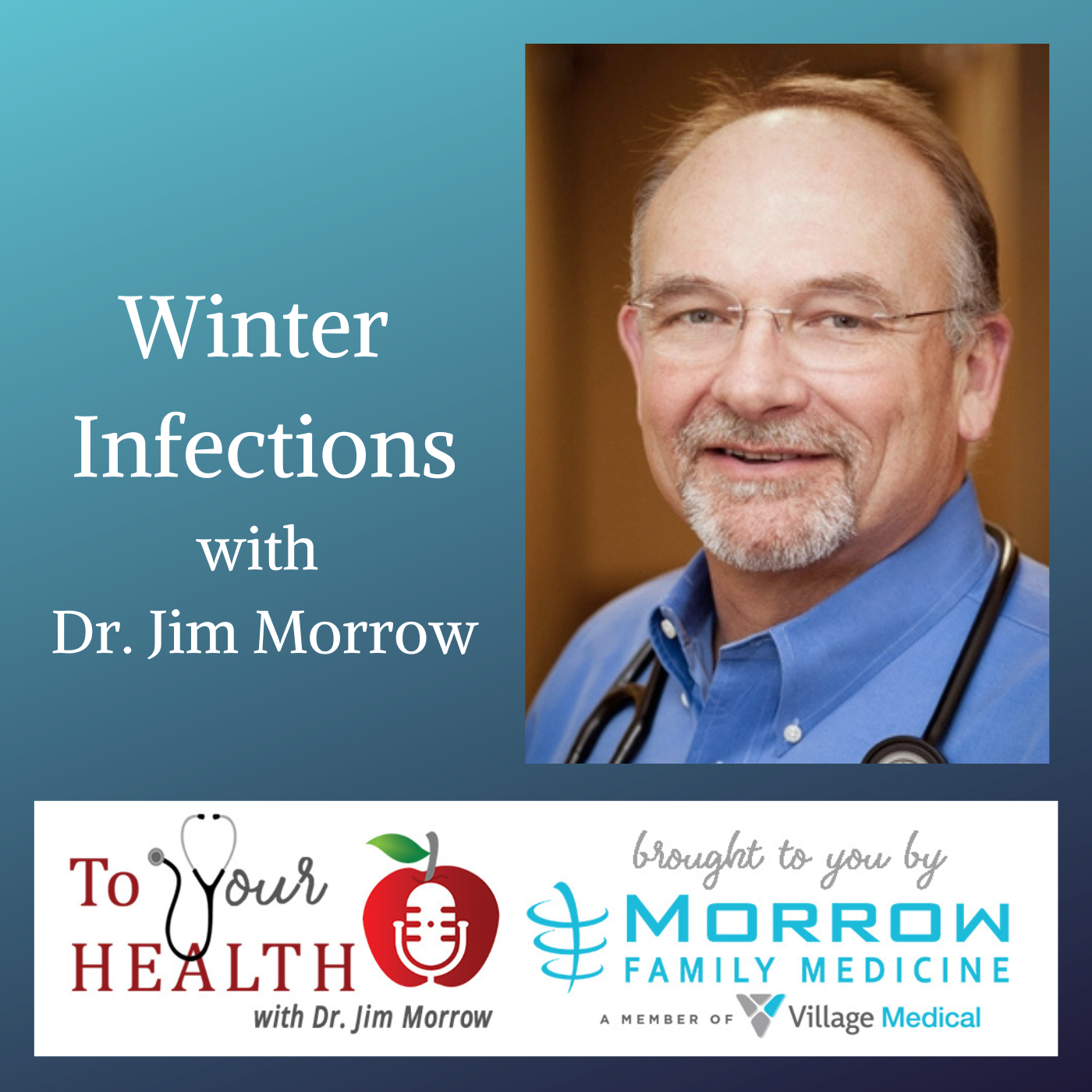
Winter Infections

January 26, 2023 by John Ray

Winter Infections
North Fulton Studio
Winter Infections
Loading
00:00 /
RSS Feed
Share
Link
Embed

Download file

Winter Infections

Winter Infections (Episode 83, To Your Health with Dr. Jim Morrow)

Host Dr. Jim Morrow covers a variety of winter infections, including the common cold, bronchitis, pneumonia, and others. He detailed where they occur in the body, advice about when to go to the doctor, sensible measures to avoid getting sick, ways to get better once you’re sick, and much more.

To Your Health is brought to you by Village Medical (formerly Morrow Family Medicine), which brings the care back to healthcare.

About Village Medical (formerly Morrow Family Medicine)

Village Medical, formerly Morrow Family Medicine, is an award-winning, state-of-the-art family practice with offices in Cumming and Milton, Georgia. The practice combines healthcare information technology with old-fashioned care to provide the type of care that many are in search of today. Two physicians, three physician assistants and two nurse practitioners are supported by a knowledgeable and friendly staff to make your visit to Village Medical one that will remind you of the way healthcare should be.  At Village Medical, we like to say we are “bringing the care back to healthcare!”  The practice has been named the “Best of Forsyth” in Family Medicine in all five years of the award, is a three-time consecutive winner of the “Best of North Atlanta” by readers of Appen Media, and the 2019 winner of “Best of Life” in North Fulton County.

Village Medical offers a comprehensive suite of primary care services including preventative care, treatment for illness and injury, and management of chronic conditions such as diabetes, congestive heart failure, chronic obstructive pulmonary disease (COPD) and kidney disease. Atlanta-area patients can learn more about the practice here.

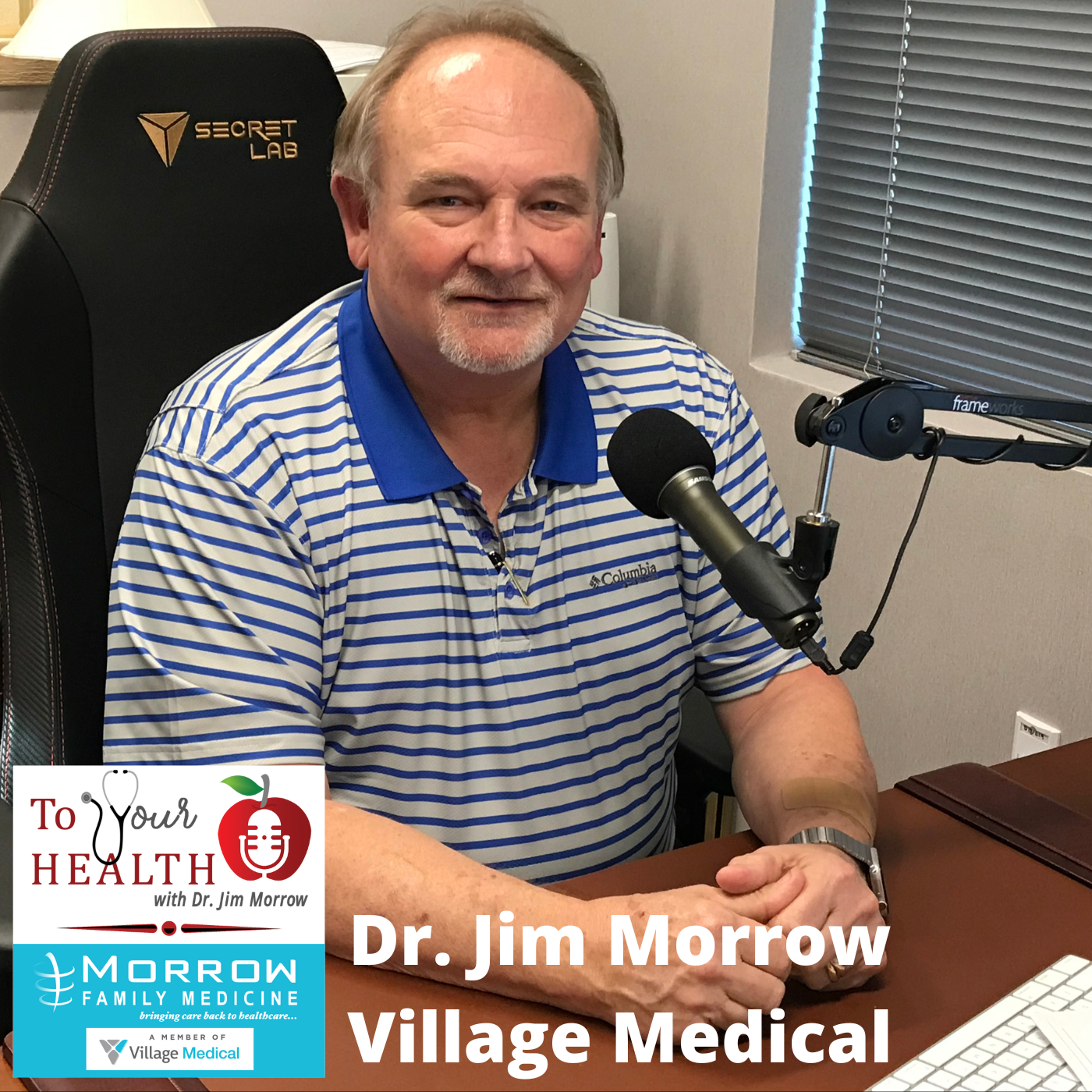
Dr. Jim Morrow, Village Medical, and Host of To Your Health with Dr. Jim Morrow

Covid-19 misconceptionsDr. Jim Morrow is the founder of Morrow Family Medicine. He has been a trailblazer and evangelist in healthcare information technology, was named Physician IT Leader of the Year by HIMSS, a HIMSS Davies Award Winner, the Cumming-Forsyth Chamber of Commerce Steve Bloom Award Winner as Entrepreneur of the Year and he received a Phoenix Award as Community Leader of the Year from the Metro Atlanta Chamber of Commerce.  He is married to Peggie Morrow and together they founded the Forsyth BYOT Benefit, a charity in Forsyth County to support students in need of technology and devices. They have two Goldendoodles, a gaggle of grandchildren and enjoy life on and around Lake Lanier.

Facebook | LinkedIn | Twitter

The complete show archive of To Your Health with Dr. Jim Morrow addresses a wide range of health and wellness topics.

Dr. Morrow’s Show Notes

Winter Infections

What are the symptoms of the common cold?

  • Common cold symptoms may include:
    • Stuffy, runny nose
    • Scratchy, tickly throat
    • Sneezing
    • Watering eyes
    • Low-grade fever
    • Sore throat
    • Mild hacking cough
    • Achy muscles and bones
    • Headache
    • Mild fatigue
    • Chills
    • Watery discharge from nose that thickens and turns yellow or green
  • Colds usually start 2 to 3 days after the virus enters the body and symptoms last from several days to several weeks.
  • Cold symptoms may look like other medical conditions.
    • Always consult your healthcare provider for a diagnosis if your symptoms are severe.
  • A cold and the flu (influenza) are two different illnesses.
    • A cold is relatively harmless and usually clears up by itself, although sometimes it may lead to a secondary infection, such as an ear infection.
    • However, the flu can lead to complications, such as pneumonia and even death.

How is the common cold diagnosed?

  • Most common colds are diagnosed based on reported symptoms.
    • However, cold symptoms may be similar to certain bacterial infections, allergies, and other medical conditions.
    • Always consult your healthcare provider for a diagnosis if your symptoms are severe.

How is the common cold treated?

  • Currently, there is no medicine available to cure or shorten the duration of the common cold.
    • However, the following are some treatments that may help to relieve some symptoms of the cold:
      • Over-the-counter cold medicines, such as decongestants and cough medicine
      • Over-the-counter antihistamines (medicine that helps dry up nasal secretions and suppress coughing)
      • Rest
      • Increased fluid intake
      • Pain relievers for headache or fever
      • Warm, salt water gargling for sore throat
      • Petroleum jelly for raw, chapped skin around the nose and lips
  • Because colds are caused by viruses, antibiotics don’t work.
    • Antibiotics are only effective when given to treat bacterial infections.
  • Do not give aspirin to a child who has fever.
    • Aspirin, when given as treatment for viral illnesses in children, has been associated with Reye syndrome.
    • This is a potentially serious or deadly disorder in children.

What are the complications of the common cold?

  • Colds can lead to secondary infections, including bacterial, middle ear, and sinus infections that may require treatment with antibiotics.
    • If you have a cold along with high fever, sinus pain, significantly swollen glands, or a mucus-producing cough, see your healthcare provider.
    • You may need additional treatment.

Can the common cold be prevented?

  • The best way to avoid catching cold is to wash your hands often and avoid close contact with people who have colds.
    • When around people with colds, do not touch your nose or eyes, because your hands may be contaminated with the virus.
    • If you have a cold, cough and sneeze in facial tissue and dispose of the tissue promptly.
      • Then wash your hands right away.
      • Also clean surfaces with disinfectants that kill viruses can halt the spread of the common cold.
      • Research has shown that rhinoviruses may survive up to 3 hours outside of the nasal lining.

When should I call my healthcare provider?

  • If your symptoms get worse or you have new symptoms, let your healthcare provider know.
  • If your symptoms don’t improve within a few days, call your provider, as you could have another type of infection.

Key points about the common cold

  • A cold is caused by a virus that causes inflammation of the membranes that line the nose and throat.
  • The common cold is very easily spread to others.
    • It’s often spread through airborne droplets that are coughed or sneezed into the air by the sick person.
    • The droplets are then inhaled by another person.
  • Symptoms may include a stuffy, runny nose, scratchy, tickly throat, sneezing, watery eyes and a low-grade fever.
  • Treatment to reduce symptoms includes getting rest and drinking plenty of fluids.
  • Because colds are caused by viruses, treatment with antibiotics won’t work.
  • The best prevention for the common cold is frequent hand washing and avoiding close contact with people who have colds.

What is acute bronchitis?

  • Acute bronchitis is a contagious viral infection that causes inflammation of the bronchial tubes. These are the airways that carry air into your lungs. When these tubes get infected, they swell. Mucus (thick fluid) forms inside them. This narrows the airways, making it harder for you to breathe.
  • There are 2 types of bronchitis: acute and chronic. Chronic bronchitisis long-lasting and can reoccur. It usually is caused by constant irritation, such as from smoking. Acute bronchitis lasts only a short time. Most cases get better in several days, though the cough can last for several weeks.

Symptoms of acute bronchitis

  • The symptoms of acute bronchitis can include:
    • Chest congestion or tightness
    • Cough that brings up clear, yellow, or green mucus
    • Shortness of breath
    • Wheezing
    • Sore throat
    • Fever
    • Chills
    • Body aches
  • Your cough can last for several weeks or more. This happens because the bronchial tubes take a while to heal. A lasting cough may signal another problem, such as asthma or pneumonia.

What causes acute bronchitis?

  • Acute bronchitis is most often caused by a contagious virus. The same viruses that cause colds can cause acute bronchitis. First, the virus affects your nose, sinuses, and throat. Then the infection travels to the lining of the bronchial tubes. As your body fights the virus, swelling occurs and mucus is produced.
  • You can catch a virus from breathing it in or by skin contact. You are at higher risk of catching the virus if you have close contact with someone who has a cold or acute bronchitis.
  • Lesser-known causes of acute bronchitis are:
    • Bacteria or fungal infections.
    • Exposure to irritants, such as smoke, dust, or fumes. You are at greater risk if your bronchial tubes already have damage.
    • GERD (gastroesophageal reflux disease), which causes heartburn. You can get acute bronchitis when stomach acid gets into the bronchial tubes.

How is acute bronchitis diagnosed?

  • Your doctor can confirm acute bronchitis. He or she will do a physical exam and review your symptoms. He or she will listen to your lungs with a stethoscope. Your doctor might order a chest X-ray to look at your lungs. This will help rule out pneumonia.

Can acute bronchitis be prevented or avoided?

  • You can help prevent acute bronchitis by staying healthy and avoiding germs. Wash your hands with soap often to kill any contagious viruses.
  • If you smoke, the best defense against acute bronchitis is to quit. Smoking damages your bronchial tubes and puts you at risk for infection. Smoking also slows down the healing process.
  • Other steps you can take to avoid acute bronchitis include:
  • Wear a mask over your nose and mouth when using lung irritants. These could include paint, paint remover, or varnish.
  • Get a flu shot every year.
  • Ask your doctor if you should get a pneumonia shot, especially if you are over age 60.

Acute bronchitis treatment

  • Most cases of acute bronchitis are caused by a virus. This means that antibiotics won’t help. The infection needs to run its course. It almost always goes away on its own. Home treatment focuses on easing the symptoms:
    • Drink fluids but avoid caffeine and alcohol.
    • Get plenty of rest.
    • Take over-the-counter pain relievers to reduce inflammation, ease pain, and lower your fever. These could include acetaminophen (1 brand name: Tylenol) or ibuprofen (1 brand name: Advil). Never give aspirin to a child. It has been linked to Reye syndrome, which can affect the liver and brain.
    • Increase the humidity in your home or use a humidifier.
    • There are some over-the-counter cough medicines that help break up or loosen mucus. Look for the word “guaifenesin” on the label or ask your pharmacist for a suggestion.
  • Do not hold in a cough that brings up mucus. This type of cough helps clear mucus from your bronchial tubes. If you smoke, you should quit. It will help your bronchial tubes heal faster.
  • Some people who have acute bronchitis need inhaled medicine. You might need this if you are wheezing. It can help open your bronchial tubes and clear out mucus. You usually take it with an inhaler. An inhaler sprays medicine right into your bronchial tubes. Your doctor will decide if this treatment is right for you.
  • If your doctor thinks bacteria have caused your acute bronchitis, he or she may give you antibiotics.

Living with acute bronchitis

  • Most cases of acute bronchitis go away on their own in 7 to 10 days. You should call your doctor if:
  • You continue to wheeze and cough for more than 2 weeks, especially at night when you lie down or when you are active.
  • You continue to cough for more than 2 weeks and have a bad-tasting fluid come up into your mouth. This may mean you have GERD. This is a condition in which stomach acid gets into your esophagus.
  • Your cough produces blood, you feel weak, you have an ongoing high fever, and you are short of breath. These symptoms may mean you have pneumonia.
  • The risk of developing complications from acute bronchitis, such as pneumonia, is greater in some people. These include:
    • Young children
    • The elderly
    • People who have asthma
    • People who have other health issues (such as canceror diabetes)
    • People who haven’t gotten vaccines for flu, pneumonia, or whooping cough

What is pneumonia?

  • Pneumonia is an infection of the lungs. It causes the air sacs (alveoli) of the lungs to get inflamed (irritated and swollen). They may fill up with fluid or pus. This causes a variety of symptoms, which range from mild to severe. Pneumonia is usually caused by bacteria or a virus. It also can be caused by fungi or irritants that you breathe into your lungs. How serious pneumonia is depends on many factors. These include what caused the pneumonia, your age, and your overall health.

Symptoms of pneumonia

  • The symptoms of pneumonia can range from mild to severe. This depends on your risk factors and the type of pneumonia you have. Common symptoms are similar to the symptoms caused by a cold or the flu. They include:
    • cough
    • fever
    • bringing up mucus when you cough
    • difficulty breathing
    • chills
    • chest pain
  • You may also sweat, have a headache, and feel very tired. Some people also experience nausea, vomiting, and diarrhea.
  • If any of these symptoms are severe, call your family doctor. You should also call your doctor if you suddenly start getting worse after having a cold or the flu.

What is walking pneumonia?

  • Walking pneumonia is a mild case of pneumonia. It is often caused by a virus or the mycoplasma pneumoniae bacteria. When you have walking pneumonia, your symptoms may not be as severe or last as long as someone who has a more serious case of pneumonia. You probably won’t need bed rest or to stay in the hospital when you have walking pneumonia.

What causes pneumonia?

  • Bacteria: They are the most common cause of pneumonia in adults. They can cause pneumonia on their own, or after you’ve had a cold or the flu. Bacterial pneumonia usually only affects one area of a lung.
  • Any virus that affects the respiratory tract can cause pneumonia. This includes the flu virus and the virus that causes the common cold. In children under 1 year old, the respiratory syncytial virus (RSV) is the most common cause. Viral pneumonia tends to be mild. It often gets better on its own in 1 to 3 weeks.
  • Some fungal infections can lead to pneumonia, especially in people with weakened immune systems. There are also some fungi that occur in the soil in certain parts of the United States that can lead to pneumonia.
  • You can also get pneumonia through aspiration. This is when you inhale particles into your lungs. These could be food, saliva, liquids, or vomit. It occurs most often after vomiting, and you are not strong enough to cough the particles out. The particles cause irritation, swelling and can get infected. This causes pneumonia.

How is pneumonia diagnosed?

  • Pneumonia can sometimes be hard to diagnose because the symptoms are the same as for a bad cold or flu. If you think it could be pneumonia, you should see your doctor. Your doctor may diagnose pneumonia based on your medical history and the results from a physical exam. He or she will listen to your lungs with a stethoscope. Your doctor may also do some tests, such as a chest X-ray or a blood test. A chest X-ray can show your doctor if you have pneumonia and how widespread the infection is. Blood and mucus tests can help your doctor tell whether bacteria, a virus, or a fungal organism is causing your pneumonia.

Can pneumonia be prevented or avoided?

  • There are many factors that can raise your risk for developing pneumonia. These include:
    • Your age.People older than 65 are at increased risk because the immune system becomes less able to fight off infection as you age. Infants age 2 or younger are also at increased risk because their immune systems haven’t fully developed yet.
    • Your environment.Regularly breathing in dust, chemicals, air pollution, or toxic fumes can damage your lungs. This makes your lungs more vulnerable to infection.
    • Your lifestyle.Habits such as smoking cigarettes or abusing alcohol can increase your risk. Smoking damages the lungs, while alcohol interferes with how your body fights infection.
    • Your immune system.If your immune system is weakened, it’s easier for you to get pneumonia because your body can’t fight off the infection. This could include people who have HIV/AIDS, have had an organ transplant, are receiving chemotherapy, or have long-term steroid use.
    • If you are hospitalized, especially in an ICU.Being in the ICU (intensive care unit) raises your risk of pneumonia. Your risk increases if you are using a ventilator to help you breathe. Ventilators make it hard for you to cough and can trap germs that cause infection in your lungs.
    • If you have recently had major surgery or a serious injury.Recovering from major surgery or injury can make it difficult for you to cough. This is the body’s quickest defense for getting particles out of the lungs. Recovery also typically requires a lot of bed rest. Lying down on your back for an extended period of time can allow fluid or mucus to gather in your lungs. This gives bacteria a place to grow.
  • People who have any of the following conditions are also at increased risk:
    • chronic obstructive pulmonary disease (COPD)
    • asthma
    • heart disease
    • emphysema
    • diabetes
    • sickle cell disease
  • You can help prevent pneumonia by doing the following:
    • Get the flu vaccine each year.People can develop bacterial pneumonia after a case of the flu. You can reduce this risk by getting the yearly flu shot.
    • Get the pneumococcal vaccine.This helps prevent pneumonia caused by pneumococcal bacteria.
    • Practice good hygiene.Wash your hands frequently with soap and water or an alcohol-based hand sanitizer.
    • Don’t smoke.Smoking damages your lungs and makes it harder for your body to defend itself from germs and disease. If you smoke, talk to your family doctor about quitting as soon as possible.
    • Practice a healthy lifestyle.Eat a balanced diet full of fruits and vegetables. Exercise regularly. Get plenty of sleep. These things help your immune system stay strong.
    • Avoid sick people.Being around people who are sick increases your risk of catching what they have.

Is there a vaccine for pneumonia?

  • There isn’t a vaccine for all types of pneumonia, but 2 vaccines are available. These help prevent pneumonia caused by pneumococcal bacteria. The first is recommended for all children younger than 5 years of age. The second is recommended for anyone age 2 or older who is at increased risk for pneumonia. Getting the pneumonia vaccine is especially important if you:
    • Are 65 years of age or older.
    • Have certain chronic conditions, such as asthma, lung disease, diabetes, heart disease, sickle cell disease, or cirrhosis.
    • Have a weakened immune system because of HIV/AIDS, kidney failure, a damaged or removed spleen, a recent organ transplant, or receiving chemotherapy.
    • Have cochlear implants (an electronic device that helps you hear).
  • The pneumococcal vaccines can’t prevent all cases of pneumonia. But they can make it less likely that people who are at risk will experience the severe, and possibly life-threatening, complications of pneumonia.

Pneumonia treatment

  • Treatment for pneumonia depends on several factors. These include what caused your pneumonia, how severe your symptoms are, how healthy you are overall, and your age.
  • For bacterial pneumonia, your doctor will probably prescribe antibiotics. Most of your symptoms should improve within a few days. A cough can last for several weeks. Be sure to follow your doctor’s directions carefully. Take all the antibiotic medicine that your doctor prescribes. If you don’t, some bacteria may stay in your body. This can cause your pneumonia to come back. It can also increase your risk of antibiotic resistance.
  • Antibiotics don’t work to treat viral infections. If you have viral pneumonia, your doctor will likely talk to you about ways to treat your symptoms. Over-the-counter (OTC) medicines are available to lower fever, relieve pain, and ease your cough. However, some coughing is okay because it can help clear your lungs. Be sure to talk to your doctor before you take a cough suppressant.
  • If a fungus is causing your pneumonia, your doctor may prescribe an antifungal medicine.
  • If your case of pneumonia is severe, you may need to be hospitalized. If you are experiencing shortness of breath, you may be given oxygen to help your breathing. You might also receive antibiotics intravenously (through an IV). People who have weakened immune systems, heart disease or lung conditions, and people who were already very sick before developing pneumonia are most likely to be hospitalized. Babies, young children, and adults who are 65 years of age and older are also at increased risk.

What can I do at home to feel better?

  • In addition to taking any antibiotics and/or medicine your doctor prescribes, you should also:
    • Get lots of rest.Rest will help your body fight the infection.
    • Drink plenty of fluids.Fluids will keep you hydrated. They can help loosen the mucus in your lungs. Try water, warm tea, and clear soups.
    • Stop smoking if you smoke and avoid secondhand smoke.Smoke can make your symptoms worse. Smoking also increases your risk of developing pneumonia and other lung problems in the future. You should also avoid lit fireplaces or other areas where the air may not be clean.
    • Stay home from school or work until your symptoms go away.This usually means waiting until your fever breaks and you aren’t coughing up mucus. Ask your doctor when it’s okay for you to return to school or work.
    • Use a cool-mist humidifier or take a warm bath.This will help clear your lungs and make it easier for you to breathe.

Living with pneumonia

  • Your doctor may schedule a follow-up appointment after he or she diagnoses you with pneumonia. At this visit, he or she might take another chest X-ray to make sure the pneumonia infection is clearing up. Keep in mind that chest X-rays can take months to return to normal. However, if your symptoms are not improving, your doctor may decide to try another form of treatment.
  • Although you may be feeling better, it’s important to keep your follow-up appointment. The infection can still be in your lungs even if you’re no longer experiencing symptoms.

When should I see my doctor?

  • Pneumonia can be life-threatening if left untreated, especially for certain at-risk people. You should call your doctor if you have a cough that won’t go away, shortness of breath, chest pain, or a fever. You should also call your doctor if you suddenly begin to feel worse after having a cold or the flu.

What is whooping cough?

  • Whooping cough is a respiratory infection. It is also known as pertussis. Whooping cough is highly contagious and is most harmful to babies.

    Symptoms of whooping cough

  • Whooping cough begins like a cold. Symptoms can start a few days to several weeks after exposure. Early symptoms last 1 to 2 weeks and include:
    • Low fever
    • Mild cough
    • Runny nose
    • Dry or sore throat
    • Apnea (a pause in breathing or shallow breathing, often during sleep)
    • Your cough can get worse over time. Late-stage symptoms include:
    • Coughing fits that end in a “whooping” sound
    • Bursts of coughing that last longer
    • Vomiting after coughing
    • Getting red or blue in the face from coughing
    • Feeling exhausted after coughing
    • Increased coughing at night
    • Worsened apnea
  • Symptoms vary in babies and children, teenagers, and adults. For instance, babies cough less and are more likely to have apnea and turn blue. If you received the vaccine, symptoms will be milder and won’t last as long.

What causes whooping cough?

  • Whooping cough is caused by certain germs, or bacteria. You can get whooping cough if you breathe in these bacteria. It spreads between people when an infected person coughs or sneezes. You also can get it by touching an infected person or surface.

How is whooping cough diagnosed?

  • You should see your doctor if you or someone around you might have whooping cough. Your doctor will review your symptoms and listen to your cough. There are several tests to confirm whooping cough. Your doctor can swab inside your nose and/or throat. A lab will check the swab for whooping cough bacteria. Your doctor also may want to get a blood sample or take a chest X-ray.

Can whooping cough be prevented or avoided?

  • Vaccination is the best way to prevent whooping cough. The pertussis vaccine (DTaP, Tdap) is part of the recommended vaccine schedule for children and adults. Adults should get a pertussis booster every 5-10 years. Pregnant women and those in close contact with babies should be vaccinated. Talk to your doctor to make sure you and your family’s vaccinations are up to date.

Whooping cough treatment

  • Your doctor will most likely prescribe antibiotics. These will relieve your symptoms and kill the bacteria so you aren’t contagious. Infants and babies may need to stay in the hospital. If you have whooping cough, you should avoid contact with others, especially babies.

Living with whooping cough

  • Whooping cough can last anywhere from 1 to 6 weeks. You may continue to cough on and off, even with medicine. Over-the-counter medicines for coughing do not help with whooping cough. You should rest and drink fluids to prevent dehydration. You can try using a cool-mist humidifier or taking a warm bath or shower. These can help clear your lungs and make it easier to breathe. Avoid smoking and areas where the air is not clean. You may need to stay home from work or school. Talk to your doctor about when you can return to your regular schedule.
 

Tagged With: bronchitis, common cold, coronavirus, COVID-19, Dr. Jim Morrow, flu vaccines, infections, influenza, Morrow Family Medicine, pneumonia, RSV, RSV Vaccine, Village Medical, whooping cough, winter viruses

Monkeypox

June 22, 2022 by John Ray

Monkeypox
North Fulton Studio
Monkeypox
Loading
00:00 /
RSS Feed
Share
Link
Embed

Download file

Monkeypox

Monkeypox (Episode 76, To Your Health with Dr. Jim Morrow)

Host Dr. Jim Morrow with Village Medical discussed monkeypox on this episode of To Your Health. After a brief update on COVID-19, Dr.Morrow covered monkeypox’s similarities to smallpox and chickenpox, where it originated, its symptoms and complications, treatment, and much more.

To Your Health is brought to you by Village Medical (formerly Morrow Family Medicine), which brings the care back to healthcare.

About Village Medical (formerly Morrow Family Medicine)

Village Medical, formerly Morrow Family Medicine, is an award-winning, state-of-the-art family practice with offices in Cumming and Milton, Georgia. The practice combines healthcare information technology with old-fashioned care to provide the type of care that many are in search of today. Two physicians, three physician assistants and two nurse practitioners are supported by a knowledgeable and friendly staff to make your visit to Village Medical one that will remind you of the way healthcare should be.  At Village Medical, we like to say we are “bringing the care back to healthcare!”  The practice has been named the “Best of Forsyth” in Family Medicine in all five years of the award, is a three-time consecutive winner of the “Best of North Atlanta” by readers of Appen Media, and the 2019 winner of “Best of Life” in North Fulton County.

Village Medical offers a comprehensive suite of primary care services including preventative care, treatment for illness and injury, and management of chronic conditions such as diabetes, congestive heart failure, chronic obstructive pulmonary disease (COPD) and kidney disease. Atlanta-area patients can learn more about the practice here.

Dr. Jim Morrow, Village Medical, and Host of To Your Health with Dr. Jim Morrow

Covid-19 misconceptionsDr. Jim Morrow is the founder of Morrow Family Medicine. He has been a trailblazer and evangelist in healthcare information technology, was named Physician IT Leader of the Year by HIMSS, a HIMSS Davies Award Winner, the Cumming-Forsyth Chamber of Commerce Steve Bloom Award Winner as Entrepreneur of the Year and he received a Phoenix Award as Community Leader of the Year from the Metro Atlanta Chamber of Commerce.  He is married to Peggie Morrow and together they founded the Forsyth BYOT Benefit, a charity in Forsyth County to support students in need of technology and devices. They have two Goldendoodles, a gaggle of grandchildren and enjoy life on and around Lake Lanier.

Facebook | LinkedIn | Twitter

The complete show archive of To Your Health with Dr. Jim Morrow addresses a wide range of health and wellness topics.

Dr. Morrow’s Show Notes

Monkeypox

  • An ongoing outbreak of monkeypox was confirmed in May 2022,
    • beginning with a cluster of cases found in the United Kingdom.
    • The first recognized case was confirmed on 6 May 2022 in an individual with travel links to Nigeria (where the disease is endemic),
      • but it has been suggested that cases were already spreading in Europe in the previous months.
    • From 18 May onwards, cases were reported from an increasing number of countries and regions,
      • predominantly in Europe, but also in North and South America, Asia, North Africa, and Australia. 
      • 1,033 cases had been confirmed as of 6 June.
  • The outbreak marked the first time the disease has spread widely outside Central and West Africa.
    • Cases have mainly but not exclusively been identified amongst men who have sex with men(MSM),
      • but health authorities emphasized that anyone can catch the disease, particularly if they have close contact with a symptomatic person.
      • Initial WHO assessments expressed the expectation of the outbreak to be contained,
        • and of low impact to the general population in affected countries.
      • A more recent statement acknowledged that undetected transmission had occurred for some time
        • and called for urgent action to reduce transmission.

Signs and symptoms

Monkeypox is an infectious viral disease that can occur in both humans and some other animals.

Early symptoms include

  •  fever, headache, muscle pains, shivering, backache, and feeling extremely tired.

Typically there are swollen lymph nodes behind the ear, below the jaw, in the neck or in the groin.

This is followed by a rash that forms blisters and crusts over;

  • most frequently in the mouth, on the face, hands and feet, genitals and eyes.

The time from exposure to onset of symptoms is on average 12 days; though ranges from 5-to-21 days.

  • The duration of symptoms is typically two to four weeks.
  • Cases may be severe, especially in children, pregnant women or people with suppressed immune systems.
  • Three-quarters of affected people have lesions on the palms and soles,
    • more than two-thirds in the mouth,
    • a third on the genitals and one in five have lesions in the eyes.
    • They begin as small flat spots,
      • before becoming small bumps which then fill with at first clear fluid and then yellow fluid,
        • which subsequently burst and scab over.
        • There may be a few lesions or several thousand, sometimes merging to produce large lesions.
  • In each part of the body affected,
    • the lesions evolve in the same stage.
    • It looks identical to the rash of smallpox.
      • The rash typically lasts around 10-days.
      • An affected person may remain unwell for two to four weeks.
      • After healing, the lesions may leave pale marks before becoming dark
  • Limited person-to-person spread of infection has been reported in disease-endemic areas in Africa.
  • Monkeypox may be spread
    • from handling bushmeat,
    • an animal bite or scratch,
    • body fluids,
    • contaminated objects,
    • or close contact with an infected person.
    • The virus normally circulates among certain rodents.
    • Diagnosis can be confirmed by testing a lesion for the virus’s DNA.
      • The disease can appear similar to chickenpox.
  • The smallpox vaccine can prevent infection with 85% effectiveness,
    • but smallpox vaccination stopped in most parts of the world in the late 1970s,
      • resulting in very little immunity against monkeypox.
      • In 2019, a monkeypox vaccine, Jynneos, was approved for adults in the United States.
      • The current standard for treatment is tecovirimat, an antiviral that is specifically intended to treat infections with orthopoxviruses such as smallpox and monkeypox.
      • It is approved for the treatment of monkeypox in the European Union and the United States.
        • Cidofovir or brincidofovir may also be useful.
        • Reports of the risk of death, if untreated, are as high as 10% to 11% in the Congo Basin(Central African) clade of monkeypox.
  • Monkeypox was first identified in 1958 among laboratory monkeys in Copenhagen, Denmark.
    • Monkeys are not a natural reservoir of the virus.
    • The first cases in humans were found in 1970 in the Democratic Republic of the Congo.
    • An outbreak that occurred in the United States in 2003 was traced to a pet store where rodents imported from Ghana were sold.
      • The 2022 monkeypox outbreak represents the first incidence of widespread community transmission outside of Africa,
        • which began in the United Kingdom in May 2022,
        • with subsequent cases confirmed in at least 20 countries, in Europe, North America, South America, Asia, North Africa, and Australia

Complications

  • Complications include secondary infections, pneumonia, sepsis, encephalitis, and loss of vision if severe eye infection.
    • If infection occurs during pregnancy, stillbirth or birth defects may occur.
    • The disease may be milder in people vaccinated against smallpox in childhood.

Causes

  • Monkeypox in both humans and animals is caused by infection with the monkeypox virus– a double-stranded DNA virus.
    • The virus is found mainly in tropical rainforest regions of Central and West Africa.
    • The virus is split into Congo Basin and West African clades, matching the geographical areas.
  • Most human cases of monkeypox are acquired from an infected animal,
    • though the route of transmission remains unknown.
    • The virus is thought to enter the body through broken skin, the respiratory tract, or the mucous membranes of the eyes, nose, or mouth.
    • Once a human is infected, transmission to other humans is common, with family members and hospital staff at particularly high risk of infection.
  • Human-to-human transmission is thought to occur primarily through close contact with an infected subject.
    • There are indications that transmission occurs during sexual intercourse.
  • Monkeypox symptoms tend to begin 5 to 21 days after infection.

Prevention

  • Vaccination against smallpox is assumed to provide protection against human monkeypox infection
    • because they are closely related viruses
      • and the vaccine protects animals from experimental lethal monkeypox challenges.
      • This has not been conclusively demonstrated in humans because routine smallpox vaccination was discontinued following the eradication of smallpox.

Treatment

  • In the European Union and the United States, tecovirimat is approved for the treatment of several poxviruses, including monkeypox.
    • Best Practice recommends tecovirimat or the smallpox treatment brincidofovir as the first line antiviral treatment if required,
      • alongside supportive care(including antipyretic, fluid balance and oxygenation).
      • Empirical antibiotic therapy or aciclovir may be used if secondary bacterial or varicella-zoster infection is suspected, respectively.

Tagged With: chickenpox, coronavirus, COVID-19, Dr. Jim Morrow, monkeypox, nigeria, smallpox, To Your Health, United Kingdom, vaccinations, Village Medical

Covid-19 and Sports – Episode 41, To Your Health With Dr. Jim Morrow

September 25, 2020 by John Ray

Covid-19 and Sports
North Fulton Studio
Covid-19 and Sports - Episode 41, To Your Health With Dr. Jim Morrow
Loading
00:00 /
RSS Feed
Share
Link
Embed

Download file

attention deficit disorder
Dr. Jim Morrow, Morrow Family Medicine, and Host of “To Your Health With Dr. Jim Morrow”

Covid-19 and Sports – Episode 41, To Your Health With Dr. Jim Morrow

Dr. Morrow discusses various considerations around Covid-19 and sports, questions of safety, and much more. Dr. Morrow also offers an update on the Covid-19 vaccine. “To Your Health” is brought to you by Morrow Family Medicine, which brings the CARE back to healthcare.

About Morrow Family Medicine and Dr. Jim Morrow

Morrow Family Medicine is an award-winning, state-of-the-art family practice with offices in Cumming and Milton, Georgia. The practice combines healthcare information technology with old-fashioned care to provide the type of care that many are in search of today. Two physicians, three physician assistants and two nurse practitioners are supported by a knowledgeable and friendly staff to make your visit to Morrow Family Medicine one that will remind you of the way healthcare should be.  At Morrow Family Medicine, we like to say we are “bringing the care back to healthcare!”  Morrow Family Medicine has been named the “Best of Forsyth” in Family Medicine in all five years of the award, is a three-time consecutive winner of the “Best of North Atlanta” by readers of Appen Media, and the 2019 winner of “Best of Life” in North Fulton County.

Dr. Jim Morrow, Morrow Family Medicine, and Host of “To Your Health With Dr. Jim Morrow”

Covid-19 misconceptionsDr. Jim Morrow is the founder and CEO of Morrow Family Medicine. He has been a trailblazer and evangelist in the area of healthcare information technology, was named Physician IT Leader of the Year by HIMSS, a HIMSS Davies Award Winner, the Cumming-Forsyth Chamber of Commerce Steve Bloom Award Winner as Entrepreneur of the Year and he received a Phoenix Award as Community Leader of the Year from the Metro Atlanta Chamber of Commerce.  He is married to Peggie Morrow and together they founded the Forsyth BYOT Benefit, a charity in Forsyth County to support students in need of technology and devices. They have two Goldendoodles, a gaggle of grandchildren and enjoy life on and around Lake Lanier.

Facebook: https://www.facebook.com/MorrowFamMed/

LinkedIn: https://www.linkedin.com/company/7788088/admin/

Twitter: https://twitter.com/toyourhealthMD

The complete show archive of “To Your Health with Dr. Jim Morrow” addresses a wide range of health and wellness topics, and can be found at www.toyourhealthradio.com.

Dr. Morrow’s Show Notes

Covid-19 and Sports

  • To date, limited data are available on COVID-19 and its effects on children and adolescents.
    • We know that those with severe presentations
      • (hypotension, arrhythmias, requiring intubation or extracorporeal membrane oxygenation [ECMO] support, kidney or cardiac failure)
      • or with multisystem inflammatory syndrome in children (MIS-C)
      • must be treated as though they have myocarditis
      • and restricted from exercise and participation for a duration of 3 to 6 months.
      • These athletes must be cleared to resume participation by their primary care physician
        • and appropriate pediatric medical subspecialist, preferably in consultation with a pediatric cardiologist.
        • Cardiac testing (EKG, echocardiogram, 24-hour Holter monitor, exercise stress test, and if warranted, cardiac resonance imaging) must have returned to normal, before return to activity.
      • Those with moderate symptoms must be asymptomatic for at least 14 days
        • and obtain clearance from their primary care physician before return to exercise and competition.
        • Any individual who has current or a history of positive cardiac symptoms,
          • who has concerning findings on their examination,
          • or who had moderate symptoms of COVID-19, including prolonged fever,
          • should have an EKG performed and potentially be referred to a pediatric cardiologist for further assessment and clearance.
  • The question still remains about what to do with others infected with SARS-CoV-2
    • or who had close contact with an individual with COVID-19.
    • Because of the growing literature about the relationship between COVID-19 and myocarditis,
      • all children and adolescents with exposure to SARS-CoV-2, regardless of symptoms,
        • require a minimum 14-day resting period
        • and must be asymptomatic for >14 days before returning to exercise and/or competition.
        • Because of the limited information on COVID-19 and exercise, the AAP strongly encourages that all patients with COVID-19 be cleared for participation by their primary care physician.
        • The focus of their return to participation screening should be for cardiac symptoms,
          • including but not limited to chest pain,
          • shortness of breath,
          • fatigue,
          • palpitations,
          • or syncope.
        • All individuals with a history of a positive test result for SARS-CoV-2 should have a gradual return to physical activity.
          • If primary care physicians have any questions regarding their patients’ readiness to return to competition,
            • they should not hesitate to consult with and refer individuals to the appropriate pediatric medical subspecialist.

What Could Happen?

  • There are complications that will stay with a Covid-19 patient for the rest of their lives.
    • The severe complications are
      • pulmonary fibrosis
      • and myocarditis.
      • The likelihood is that in order to develop these complications,
        • a patient will likely have to be moderately ill,
        • that is, having been hospitalized
        • and likely to have required supplemental oxygen therapy.
      • But there is still not a lot of data about this.
    • What is obvious now, that was not obvious at all obvious early on, is that young people are at risk.
      • They are at risk of contracting the virus
      • and they are at risk of having a moderate or severe case.
      • We have already had one football player, in California, die from complications caused by Covid-19.
        • There could be many more.
      • Because of these possibilities,
        • two conferences in the Power 5 decided not to play football this year.
        • They felt that it might be safer in the Spring of 2021.
        • I am not sure what they thought was going to change by then.
      • Recently, the Big Ten conference has reversed their position and decided to play.
        • The main reason cited is advances in availability of testing.

Testing, Covid-19 and Sports

  • The ACC is conducting coronavirus testing three times per week
  • The updated Medical Advisory Group report requires all team members to be tested
    • within three days of game day.
    • one test must be performed the day before kickoff, and must be conducted by a third party the ACC office selects.
    • another test must be done 48 hours after the game.
    • In addition, every student-athlete who tests positive for COVID-19 will undergo a cardiac evaluation that includes an
      • electrocardiogram,
      • a troponin test
      • and an echocardiogram before a phased return to exercise.
      • Many ACC schools already had procedures in place to screen for any possible heart issues.

Should parents and other spectators attend their children’s sports practices and games?

  • Parents/guardians should follow current local regulations for social distancing and use of cloth face coverings when considering game attendance.
    • Attending outdoor events may bear less risk than indoor events with less space and ventilation.
      • No one should attend any sports function as a spectator if they are exhibiting signs or symptoms of COVID-19.
      • Parents and other spectators with high-risk health conditions should strongly consider not attending indoor events or events held outdoors where appropriate social distancing cannot be maintained.
      • Live streaming or recording of athletic events, when available, may allow individuals who are unable to attend to participate in viewing events.

Tagged With: adolescents, children, coronavirus, COVID-19, Dr. Jim Morrow, live sports, Morrow Community Foundation, Morrow Family Medicine, sports

Covid-19 Vaccine Development – Episode 39, To Your Health With Dr. Jim Morrow

August 26, 2020 by John Ray

Covid-19 Vaccine
North Fulton Studio
Covid-19 Vaccine Development - Episode 39, To Your Health With Dr. Jim Morrow
Loading
00:00 /
RSS Feed
Share
Link
Embed

Download file

attention deficit disorder
Dr. Jim Morrow, Morrow Family Medicine, and Host of “To Your Health With Dr. Jim Morrow”

Covid-19 Vaccine Development – Episode 39, To Your Health With Dr. Jim Morrow

On this edition of “To Your Health,” Dr. Morrow talks about the potential for a Covid-19 vaccine and the path of its development. Dr. Morrow also gives his thoughts on starting this fall’s college football season. “To Your Health” is brought to you by Morrow Family Medicine, which brings the CARE back to healthcare.

About Morrow Family Medicine and Dr. Jim Morrow

Morrow Family Medicine is an award-winning, state-of-the-art family practice with offices in Cumming and Milton, Georgia. The practice combines healthcare information technology with old-fashioned care to provide the type of care that many are in search of today. Two physicians, three physician assistants and two nurse practitioners are supported by a knowledgeable and friendly staff to make your visit to Morrow Family Medicine one that will remind you of the way healthcare should be.  At Morrow Family Medicine, we like to say we are “bringing the care back to healthcare!”  Morrow Family Medicine has been named the “Best of Forsyth” in Family Medicine in all five years of the award, is a three-time consecutive winner of the “Best of North Atlanta” by readers of Appen Media, and the 2019 winner of “Best of Life” in North Fulton County.

Dr. Jim Morrow, Morrow Family Medicine, and Host of “To Your Health With Dr. Jim Morrow”

Covid-19 misconceptionsDr. Jim Morrow is the founder and CEO of Morrow Family Medicine. He has been a trailblazer and evangelist in the area of healthcare information technology, was named Physician IT Leader of the Year by HIMSS, a HIMSS Davies Award Winner, the Cumming-Forsyth Chamber of Commerce Steve Bloom Award Winner as Entrepreneur of the Year and he received a Phoenix Award as Community Leader of the Year from the Metro Atlanta Chamber of Commerce.  He is married to Peggie Morrow and together they founded the Forsyth BYOT Benefit, a charity in Forsyth County to support students in need of technology and devices. They have two Goldendoodles, a gaggle of grandchildren and enjoy life on and around Lake Lanier.

Facebook: https://www.facebook.com/MorrowFamMed/

LinkedIn: https://www.linkedin.com/company/7788088/admin/

Twitter: https://twitter.com/toyourhealthMD

The complete show archive of “To Your Health with Dr. Jim Morrow” addresses a wide range of health and wellness topics, and can be found at www.toyourhealthradio.com.

Dr. Morrow’s Show Notes

Episode 39:  Vaccinating Against Sars-Co-V2

My take on college football before a vaccine:

If a college allows students to be on campus, I can’t see why they would not allow football and other sports to be played.  The players are at no more risk than the students when they attend house parties and other social functions where we all know many will not be distancing or wearing masks.

If a college does not allow students on campus, then I can’t see how they can allow players to get together and practice and play. The risk is the same for both groups and just because the football players generate an enormous amount  of money for the school and the town, they should not be out to risk greater than the average student is exposed to.

I believe that if colleges test enough, prefer daily, then games could be safely played.  But absolutely every person who will be on the field should be tested the day of the game.  I don’t know enough about the logistics of testing yet to know how that would be done, but I do know from the testing machine that we plan to implement at Morrow Family Medicine that it is possible if your pockets are deep enough. And these colleges pockets are plenty deep.

Generalities About Vaccines

  • To make a vaccine, you must know what it is about an infectious agent that makes your body respond to it.
    • What makes you create antibodies?
  • With SarsCoV-2, it appears to be the spike protein.
    • That is the part that creates the crown-like appearance that gives it the name coronavirus.
    • When it attaches to your body, it creates proteins that are foreign and cause the problems you have from the infection.
  • If we can introduce the spike protein into your body without the viral mechanism,
    • then you can create antibodies to the virus without getting an infection.
    • If you are later exposed to the virus itself,
      • you have the antibodies already in place,
      • they attach to the spike protein
      • and prevent infection.
  • That is a gross simplification of the process, but I think it makes the point.
  • Up till now, the fastest we were able to make a vaccine was a little over four years –
  • that was the mumps vaccine.
  • Now, in this pandemic, all of our vaccine related infrastructure has been pointed to making this vaccine.
  • Because of that, the entire process will be much faster for this vaccine.
  • There are currently two main types of vaccines being developed.
  • One is in mRNA vaccine that has never been developed before.
  • The other is an adenovirus vaccine that is similar to some vaccines in the past.
    • This vaccine uses a chimpanzee common cold virus and there will be elements of the coronavirus genome inserted into that virus.
  • In both cases the vaccine will create proteins in the body that will cause antibodies to be produced which would recognize the coronavirus should you be infected.

What’s So Difficult About Vaccines

  • Since humans haven’t previously been exposed to the novel coronavirus (SARS-CoV-2), our bodies aren’t well equipped to deal with being infected by it.
    • A vaccine would allow the body to safely develop an immune response to COVID-19 that could prevent or control infection.
  • But it takes time to develop safe and effective vaccines –
    • usually five to ten years on average.
    • Despite promising reports about potential coronavirus vaccines being developed worldwide,
      • it could still take an estimated 12-18 months to develop one.
  • It’s becoming quicker to develop new vaccines than it was in the past
    • as we can build on research from vaccines used for other diseases.
    • During outbreaks, more resources and funding may also become available,
      • which can speed up the process.
    • Products might also be considered for use even before being formally granted licenses to control the disease in severely affected areas during emergencies.
  • The development of a potential novel coronavirus vaccine is being partly led by experts who were already developing vaccines for other coronaviruses.
    • This type of virus was identified as a possible cause of the next big pandemicas the other coronaviruses SARS and MERS have been responsible for two global outbreaks in the last 20 years.
    • Research on vaccines for these coronaviruses was already undergoing clinical trials.
  • The first new vaccine to enter human trials for COVID-19was developed by the US firm Moderna Therapeutics.
    • About 35 other companies and academic institutions are also working on COVID-19 vaccines.
    • Most are currently in “pre-clinical testing”, including one being developed by a team of researchers at the University of Oxford.
    • The vaccine candidate was identified in January and is nearing the clinical testing phase.

Steps to a Vaccine 

Basic understanding of the virus

  • In the past, most studies of human viruses looked at how the virus altered or affected human or animal cells in the lab.
    • Scientists first identify the proteins and sugars on the surface of the viruses or infected cells,
    • then study whether these proteins can be used to produce an immune response.
  • In the present case, this stage was made easier for researchers after Chinese scientists found and published the genetic sequence of novel coronavirus in January.
    • Researchers worldwide have been able to identify the structure of proteins that make up the virus,
      • create a genetic history of the family of viruses,
      • and determine when the first human was infected.
    • It also enabled diagnostic testing kits to be developed, and lets researchers identify potential treatment options.

Vaccine candidates

  • The process may involve isolating the live virus before inactivating or weakening it and
    • then determining whether this modified virus,
    • which is known as a vaccine candidate,
    • might produce immunity in people.

  • Sometimes the live virus is not part of the process.
    • Instead, its genetic sequence is used to make the vaccine.

    • The genetic sequence can also be used to make recombinant proteins,
      • a vaccine production method that has been used before for vaccines like hepatitis B.
  • Researchers now know how to manufacture and test the relevant vaccine
    • and check it has been made properly.
    • They even know about likely doses, including how many doses will be needed to build immunity.
    • This background knowledge speeds up the development of each new vaccine made using the same technology.

Pre-clinical testing

  • Initial safety testing is usually carried out in animals to give an idea of responses in humans.
    • These are also used to see how effective the vaccine is at preventing the disease,
    • and allows researchers to adapt the vaccine.
  • During an outbreak, different research groups often work together to speed up this process.

Clinical trials – testing in humans

  • This step is where many promising potential vaccines fail.
  • There are three phases of a clinical trial:
    • Phase 1: Testing on a few dozen healthy volunteers,
      • looking at how safe the vaccine is,
      • and if it has any adverse effects;
    • Phase 2: Testing on several hundred people for efficacy, a “target population”
      • who are ideally those most at risk of the disease;
      • Thanks to Operation Warp Speed,
        • a federally funded program to speed vaccine production,
        • most companies are combining Phase 2 and Phase 3.
      • Phase 2 is primarily performed to ensure the company that the vaccine they have developed will work on the target population.
        • This is where many vaccines die,
          • ending the spend for that company.
        • If the company can avoid this phase,
          • or combine it with Phase 3,
          • they can save millions of dollars
          • and also cut months or even years off of the process.
        • Phase 3: Testing on several thousand people for efficacy and safety.
          • Trials of 30,000 or more people are required in Phase 3.
        • Russia has recently released a vaccine without going through Phase 3,
          • setting off all kinds of alarms in the scientific community.
        • Through these phases the vaccine needs to show it’s safe,
          • leads to a strong immune response,
          • and provides effective protection against the virus.
          • During an outbreak, experimental vaccines may be used in severely affected populations if they’re at high risk of disease, before progressing to regulatory approval

Production

  • Once a vaccine has been produced at a small scale and passed safety tests, it can be used in clinical trials.
    • However, significant manufacturing capacity,
      • such as infrastructure,
      • personnel
      • and equipment,
      • will be needed to produce large quantities of a vaccine for use.
    • Quality control is also needed.
      • All of these processes are very carefully monitored.
      • Once licensed, policy must be developed to decide how to prioritize those who should be vaccinated, such as those in the most high-risk groups and locations.
    • Along the way, if any of these vaccine “candidates” are shown to be unsafe or ineffective,
      • researchers must return to the laboratory to develop a new candidate.
      • This is why vaccine development can be a long and uncertain process.

Tagged With: antibodies, college football, coronavirus, coronavirus vaccine, Covid-19 vaccine, Dr. Jim Morrow, Hepatitis B, Morrow Family Medicine, vaccine, vaccine development

Coping with COVID: Kerry Armstrong with Atlanta Regional Commission

June 17, 2020 by Mike

Gwinnett Studio
Gwinnett Studio
Coping with COVID: Kerry Armstrong with Atlanta Regional Commission
Loading
00:00 /
RSS Feed
Share
Link
Embed

Download file

This special edition of “TravelSafely with Bryan Mulligan” features the first installment of a limited series called “Coping with COVID”. Hosted by Bryan Mulligan, the President of Applied Information, “Coping with Covid” shares the stories and successes of people and organizations during these unprecedented times of dealing with the Covid-19 pandemic.

Joining Bryan on this first installment is Kerry Armstrong with the Atlanta Regional Commission and North Fulton Community Improvement District.

Kerry Armstrong/Atlanta Regional Commission and North Fulton CID

Kerry Armstrong has served on the Atlanta Regional Commission since 2008, and is currently serving his second term as the ARC Board Chairman. During his tenure on the ARC Board he served on numerous Commission Committees and as Co-Chair of the Atlanta Regional Workforce Development Board.

Professionally, as a Managing Director – Development Partner with Pope & Land Real Estate, Armstrong is involved in the development, marketing, leasing, and management of commercial real estate investments. He joined Pope & Land in 2012, and his commercial real estate career spans three decades

He is also actively involved in numerous civic, educational, and charitable organizations. He is the Chairman of the North Fulton Community Improvement District, and was recently appointed by the Speaker of the House of the Georgia General Assembly to serve on the State of Georgia’s Partnership for Public Facilities and Infrastructure Act Guidelines Committee. He serves as a Director and Past Chair of the Council for Quality Growth, as a Director and Past Chair of the Gwinnett Chamber of Commerce and is a Director for the Greater North Fulton Chamber of Commerce.

About Applied Information

Applied Information is a leading developer of connected, intelligent transportation system (ITS) solutions designed to improve safety, reliability and mobility. Applied Information’s Glance Smart City Supervisory platform allows cities to manage all their traffic and ITS assets on one web-based application. This includes 5 key areas: Traffic Intersections, School Beacons, Parking Guidance System, Mobile Vehicle Assets and ITS devices. AI’s Glance TravelSafely smartphone app connects drivers, cyclists and pedestrians for a safer commute.

CLICK HERE to watch the video of this interview.

Tagged With: applied information, applied information podcast, applied information radio show, bryan mulligan, business podcast, business radio, Business RadioX, coping with covid, coronavirus, COVID-19, Entrepreneurship, gwinnett technology company, Kerry Armstrong, Radiox, Technology, traffic, traffic safety, traffic technology, Transportation, transportation innovation, transportation safety, transportation technology, travel safely podcast, travel safely radio, travel safely with bryan mulligan, TravelSafely, travelsafely app, travelsafely podcast, travelsafely radio show, TravelSafely with Bryan Mulligan

Covid-19 Misconceptions and Straight Talk – Episode 34, To Your Health With Dr. Jim Morrow

June 11, 2020 by John Ray

Covid-19 misconceptions
North Fulton Studio
Covid-19 Misconceptions and Straight Talk - Episode 34, To Your Health With Dr. Jim Morrow
Loading
00:00 /
RSS Feed
Share
Link
Embed

Download file

Covid-19 misconceptions
Dr. Jim Morrow, Host of “To Your Health”

Covid-19 Misconceptions and Straight Talk – Episode 34, To Your Health With Dr. Jim Morrow

Dr. Morrow corrects some Covid-19 misconceptions, such as comparing Covid-19 to the flu. He also delivers straight talk on wearing masks, conspiracy theories about Covid-19 being man-made, whether it’s safe to fly, and more. “To Your Health” is brought to you by Morrow Family Medicine, which brings the CARE back to healthcare.

About Morrow Family Medicine and Dr. Jim Morrow

Morrow Family Medicine is an award-winning, state-of-the-art family practice with offices in Cumming and Milton, Georgia. The practice combines healthcare information technology with old-fashioned care to provide the type of care that many are in search of today. Two physicians, three physician assistants and two nurse practitioners are supported by a knowledgeable and friendly staff to make your visit to Morrow Family Medicine one that will remind you of the way healthcare should be.  At Morrow Family Medicine, we like to say we are “bringing the care back to healthcare!”  Morrow Family Medicine has been named the “Best of Forsyth” in Family Medicine in all five years of the award, is a three-time consecutive winner of the “Best of North Atlanta” by readers of Appen Media, and the 2019 winner of “Best of Life” in North Fulton County.

Dr. Jim Morrow, Morrow Family Medicine, and Host of “To Your Health With Dr. Jim Morrow”

Covid-19 misconceptionsDr. Jim Morrow is the founder and CEO of Morrow Family Medicine. He has been a trailblazer and evangelist in the area of healthcare information technology, was named Physician IT Leader of the Year by HIMSS, a HIMSS Davies Award Winner, the Cumming-Forsyth Chamber of Commerce Steve Bloom Award Winner as Entrepreneur of the Year and he received a Phoenix Award as Community Leader of the Year from the Metro Atlanta Chamber of Commerce.  He is married to Peggie Morrow and together they founded the Forsyth BYOT Benefit, a charity in Forsyth County to support students in need of technology and devices. They have two Goldendoodles, a gaggle of grandchildren and enjoy life on and around Lake Lanier.

Facebook: https://www.facebook.com/MorrowFamMed/

LinkedIn: https://www.linkedin.com/company/7788088/admin/

Twitter: https://twitter.com/toyourhealthMD

The complete show archive of “To Your Health with Dr. Jim Morrow” addresses a wide range of health and wellness topics, and can be found at www.toyourhealthradio.com.

Dr. Morrow’s Show Notes

MORE ON COVID-19

  • This virus is more easily transmitted than the flu virus.
    • It is a much worse disease than the flu.
  • Respiratory distress occurs when your immune system produces cytokines o and the lungs get very inflamed
    • and this inflammation causes fluid and debris to be deposited into the lungs
  • Attacks the heart and kidneys also. o Cardiomyopathy
    • Renal failure – dialysis
  • Causes blood clots, venous and arterial. PE, strokes.
  • At first and for a long time we thought it was not affecting children.
    • Now, we know that is not true.
    • Attacks the blood vessels in young children and causes a condition known as Kawasaki’s Disease or a Kawasaki-like Disease.
      • This is pathologic changes that seem to result from an exaggerated immune response to a pathogen in patients with genetic susceptibility.
  • Hydroxychloroquine has been shown not to be effective and, in some cases, harmful in Covid-19.
    • Has finally been put to bed. o Increased mortality if given late
  • Remdesivir might work.
    • o Patients are often much worse in the second week of the disease.  o This has to be given IV early.
    • Hard to do that.
    • Very short supply of this
  • Total cases have started to plateau in the US, but with social distancing waning somewhat and states opening up, we will definitely see a bump in cases.
  • Bacteremia: o Week 2-3 o Can be septic
    • Can be fatal
  • Second trimester miscarriages are being linked to this infection
  • Peds: Multi-inflammatory Syndrome
  • Fever
  • Median age is ten – up to 20
  •  Rash
  • Swelling of nodes in neck
  • Most get conjunctivitis, red eyes and red and cracked lips o Fuzzy thinking o Nausea o Diarrhea o Abd pain
  • Some heart involvement – LV dysfunction o This is still rare but definitely happening o Responds to therapy:
    • IV-Ig;
    • steroids
  • The healthcare system has been spared the overwhelming push that would have made all of this dramatically worse.
  • Masks:
    • Wear one anytime in public.
    •  They protect others from you.
    • 44% of people in a NY study who had NO symptoms were found to be positive for having the disease at the time they had no symptoms.
  • Viral Testing:
      • Lots of false positive and negative tests o Saliva test, approved by FDA.
      • At home tests available. Nasal swab
        • letsgetchecked.com
      • about $100
      • about a 4 day turn around
  • Antibody Tests:
    • There are three antibodies that are tested for in most of these tests.
      • IgA, a respiratory antibody.
    • One that is produced in response to a respiratory infection. As opposed to a stomach bug or what people insist on calling a “stomach flu”, even though that does not exist.
    • IgM
    • one that you produce acutely as you are in the midst of an active infection.
    • IgG
    • One you make that is at the end of an infection and the one that lasts the longest, giving you some degree of immunity to an infection you have already had.
  • IgA and IgM can cross react with the coronaviruses that cause the common cold, mainly 229E and OC43.
  • IgG is specific for the type of virus that caused a particular infection, such as SARS-CoV-2.
  • So, if you get the antibody test, you are looking for a positive IgG antibody to know if you were infected with or exposed to this novel coronavirus.
  • We presume that this infers some degree of immunity but we really are not certain of that yet.
  • ACE inhibitors and ARBs: stay on them if you take them. They could actually benefit you
  • Aspirin: stay on it
  • Allergy meds: stay on them; Covid-19 does not cause sneezing. Period.
  • You need to understand that scientists are accustomed to saying “I don’t know”
  • but the public is accustomed to us having all the answers.
  • For the past 75 years, when it comes to infections and public health issues, the public has come to expect medicine to know what’s what.
    • But this is a totally new virus.
      • It’s like the time of Louis Pasteur when scientists did not know everything,
      • or hardly anything compared to today.
    • Information that I learned two weeks ago is being proven wrong this week.
    • Social media and the public’s access to information of all kinds,
      • most of it unproven,
      • is making it difficult to sort out fact from fiction.
    • People have a need to believe something,
      • so when they see someone who sounds knowledgeable, they want to believe it.
      • When it gives them an answer they want to believe it.
  • Late stage issues:
    • Prolonged positivity, up to 2 months
      • People get better,
    • then get worse,
    • PCR neg then wbc goes up,
    • inflammatory markers up.
    • Some are concerned about people getting reinfected…

o Late stage symptoms:

  • joint pain,
  • muscle pan,
  • leg pain,
  • think mucus.
  • Fever – to 102 for 2 months
  • Chronic diarrhea – we don’t understand this o
  • Making progress:
  • 9 weeks ago: 1.03 people were infected by an infected person. o 7 weeks ago: 86 o A few weeks ago: 0.76
  • Last week: Back to 1.03 after state opened back up

Tagged With: conspiracy theories, coronavirus, COVID-19, Dr. Jim Morrow, flu virus, hydroxychloroquine, Morrow Family Medicine, Remdesivir, To Your Health, To Your Health With Dr. Jim Morrow

LEADER DIALOGUE: Workforce Engagement in Healthcare during the COVID-19 Crisis

May 21, 2020 by Mike

Gwinnett Studio
Gwinnett Studio
LEADER DIALOGUE: Workforce Engagement in Healthcare during the COVID-19 Crisis
Loading
00:00 /
RSS Feed
Share
Link
Embed

Download file

Chuck Stokes/Former President & CEO of Memorial Hermann Health System

Charles (Chuck) D. Stokes, former President and CEO of Memorial Hermann Health System, joined the system in 2008 as Chief Operating Officer (COO). In June 2017, he was named President and CEO of the System. In his role, Chuck was responsible for leading and overseeing the $5.6B System’s network of more than 17 hospitals and 300 delivery sites, with more than 27,000 employees and 6,400 affiliated physicians in the Greater Houston area. Chuck retired from Memorial Hermann effective December 2019.

Chuck has four decades of leadership experience in healthcare, and throughout his accomplished career has achieved success in service line leadership, employee engagement, leadership development, physician collaboration, and quality and patient safety improvement.

During his tenure with Memorial Hermann, Chuck worked tirelessly to establish a culture of high reliability, innovation, and clinical transformation throughout the organization. Under his visionary leadership, Memorial Hermann attained unprecedented national accolades in patient safety, high-quality care, and operational excellence all while serving as Houston’s “safety net” health system.

Chuck models servant leadership with an emphasis on coaching and team building while using Malcolm Baldrige criteria as a platform for driving operational excellence. His leadership was instrumental in helping Memorial Hermann Sugar Land Hospital secure the 2016 Malcolm Baldrige National Quality Award – the nation’s highest Presidential honor for performance excellence. In 2019, Chuck was named one of Modern Healthcare’s 100 Most Influential People in Healthcare.

As part of his commitment to developing the next generation of healthcare leaders, Chuck has taught numerous leadership development programs for the American College of Healthcare Executives (ACHE), an organization of more than 48,000 healthcare executives working together to improve care delivery and population health. In 2017, Chuck was named Chairman of the ACHE Board of Governors.

Prior to his roles as COO and CEO with Memorial Hermann, Chuck served as President of North Mississippi Medical Center, a 650-bed tertiary hospital and also a 2006 Malcolm Baldrige National Quality Award recipient under his leadership. He has also previously served as COO for three other nationally recognized healthcare systems.

Co-Host: Dr. Roger Spoelman

Dr. Roger Spoelman is an accomplished healthcare executive and coach, having served as President/CEO of Mercy Health, a regional network of hospitals, physician organizations, and health network operations in western and northern Michigan. He also served as a senior executive for Trinity Health, one of the largest health systems in the United States having been posted as President/CEO of several of Trinity Health’s largest regional health systems including Mount Carmel Health System in Columbus, Ohio; Trinity Health of New England; and Loyola University Health System in Chicago. Roger has extensive experience in mergers, acquisitions, community health improvement, leadership development, physician integration, physician groups, and governance. He is also a frequent speaker and facilitator, helping organizations develop a culture of innovation.

Co-Host: Lisa Counsell

Lisa Counsell comes to SOAR Vision Group with over two decades of clinical, leadership and clinical informatics experience. She has a proven leadership record – from start-ups to large Fortune 10 companies – generating strong customer engagement, leading high-performing teams, and driving profitable, sustainable business growth. She has a Bachelor of Science degree in Nursing with experience in critical care and is currently pursuing her MBA with a concentration in healthcare.

About SOAR Vision Group

The SOAR Vision Group mission is to: Align People with Purpose to Achieve Exceptional Results. SOAR provides best practice strategy execution, business process optimization services, and a structured organizational development approach for organizations to effectively implement the Baldrige Performance Excellence framework. For more information, contact SOAR Vision Group at (888) 294-3303 or visit soarvisiongroup.com.

About the Baldrige Foundation

The mission of the Baldrige Foundation is to ensure the long-term financial growth and viability of the Baldrige Performance Excellence Program, and to support organizational performance excellence in the United States and throughout the world. The Malcolm Baldrige National Quality Award is presented annually by the United States President to organizations that demonstrate quality and performance excellence. For more information, contact the Baldrige Foundation at (202) 559-9195 or visit baldrigefoundation.org.

Tagged With: baldrige core principles, baldrige excellence, baldrige foundation, ben sawyer, business leadership, business podcast, business radio, Business RadioX, business strategy, charles stokes, chuck stokes, coronavirus, COVID-19, Employee Engagement, Healthcare, healthcare leadership, healthcare management, hospitals, jennifer strahan, leader dialogue, leader dialogue podcast, leader dialogue radio, Leadership, lisa counsell, Memorial Hermann, Memorial Hermann Health System, mercy health, Patient Care, Radiox, Relia Healthcare Advisors, roger spoelman, soar vision, SOAR Vision Group, trinity health, workforce engagement

COMMUNITY SPOTLIGHT: Bexley & DeLoach

April 23, 2020 by Mike

Gwinnett Business Radio
COMMUNITY SPOTLIGHT: Bexley & DeLoach
Loading
00:00 /
RSS Feed
Share
Link
Embed

Download file

During this unique time in our history, this special Community Spotlight series on Business RadioX will highlight local businesses that are open for business, how they have pivoted during the viral pandemic, and share the good work they are doing to serve the community.

The Community Spotlight series offers brief 10-minute interviews with business leaders and business owners that are making things happen. In the second interview of the series, we hear from Robert Bexley and Jennifer DeLoach, Partners in the law firm of Bexley & DeLoach, to see how the firm has responded to the Covid-19 pandemic and how they are helping small businesses during the crisis.

Tagged With: bexley & deloach, community spotlight, coronavirus, COVID-19, estate planning, gwinnett attorneys, jennifer deloach, ppp application, Robert Bexley

Leta’s Real Life Coronavirus Battle

April 9, 2020 by Mike

StatusLIfewithLetaBannerTile
Gwinnett Studio
Leta's Real Life Coronavirus Battle
Loading
00:00 /
RSS Feed
Share
Link
Embed

Download file

StatusLIfewithLetaBannerTile

Let Leta take you on a journey of faith, life, travel, and interior design. Take your life out of the status quo and into 2020! Status Life with Leta is brought to you by Status Home Design, and by the Law Office of Derek M. Hays at 404-777-HURT.

On this episode, Leta gives her in-depth account of her personal battle with Coronavirus. Although you’ve heard countless stories in the news, nothing compares to hearing directly from an actual survivor. It’s a very captivating and informative discussion, that provides facts and clarity to calm the anxiety and provide help to get through this. As a single parent of two young kids, Leta also talks about helping them understand her illness and she provides a way to give them a structured schedule during their quarantine.

Leta Brooks/Status Home Design

Status Home Design is a 12.000 sq ft retail store located in the Kohls Plaza of Hamilton Mill at 2240 Hamilton Creek Pkwy, Dacula, Georgia. They have 70 different merchants inside the store selling furniture and home goods of various styles. Their Status Carpenters can rehab, refinish, or repaint almost anything. This fantastic team of carpenters also custom builds tables, bookcases, cabinets, and barn doors. Status Design Studio, Inc., their award winning full-service interior design firm is also located inside the store. Their designers, provide exemplary service for all your home and business needs. Status Home Design’s knowledge of the latest trends and access to an abundance of manufacturers for furniture and all home decor items, sets them apart from the rest. Last, but certainly not least, they have an in-house seamstress and upholstery workshop.

Contact Leta at lbrooks@statushomedesign.com

Follow Us On Social Media!

Status Home Design on Instagram
Status Life with Leta on Instagram

Status Home Design on Facebook
Status Life with Leta on Facebook

Visit Our Websites!

Status Home Design and Status Life with Leta


Tagged With: business radio, Business RadioX, coronavirus, coronavirus abttle, coronavirus symptoms, COVID-19, Derek Hays, interior decorating, interior design, law office of derek hays, Leta Brooks, Radiox, Status Home Design, status life, status life with leta

  • 1
  • 2
  • 3
  • Next Page »

Business RadioX ® Network


Our Most Recent Episode

CONNECT WITH US

  • Email
  • Facebook
  • LinkedIn
  • Twitter
  • YouTube

Our Mission

We help local business leaders get the word out about the important work they’re doing to serve their market, their community, and their profession.

We support and celebrate business by sharing positive business stories that traditional media ignores. Some media leans left. Some media leans right. We lean business.

Sponsor a Show

Build Relationships and Grow Your Business. Click here for more details.

Partner With Us

Discover More Here

Terms and Conditions
Privacy Policy

Connect with us

Want to keep up with the latest in pro-business news across the network? Follow us on social media for the latest stories!
  • Email
  • Facebook
  • Google+
  • LinkedIn
  • Twitter
  • YouTube

Business RadioX® Headquarters
1000 Abernathy Rd. NE
Building 400, Suite L-10
Sandy Springs, GA 30328

© 2025 Business RadioX ® · Rainmaker Platform

BRXStudioCoversLA

Wait! Don’t Miss an Episode of LA Business Radio

BRXStudioCoversDENVER

Wait! Don’t Miss an Episode of Denver Business Radio

BRXStudioCoversPENSACOLA

Wait! Don’t Miss an Episode of Pensacola Business Radio

BRXStudioCoversBIRMINGHAM

Wait! Don’t Miss an Episode of Birmingham Business Radio

BRXStudioCoversTALLAHASSEE

Wait! Don’t Miss an Episode of Tallahassee Business Radio

BRXStudioCoversRALEIGH

Wait! Don’t Miss an Episode of Raleigh Business Radio

BRXStudioCoversRICHMONDNoWhite

Wait! Don’t Miss an Episode of Richmond Business Radio

BRXStudioCoversNASHVILLENoWhite

Wait! Don’t Miss an Episode of Nashville Business Radio

BRXStudioCoversDETROIT

Wait! Don’t Miss an Episode of Detroit Business Radio

BRXStudioCoversSTLOUIS

Wait! Don’t Miss an Episode of St. Louis Business Radio

BRXStudioCoversCOLUMBUS-small

Wait! Don’t Miss an Episode of Columbus Business Radio

Coachthecoach-08-08

Wait! Don’t Miss an Episode of Coach the Coach

BRXStudioCoversBAYAREA

Wait! Don’t Miss an Episode of Bay Area Business Radio

BRXStudioCoversCHICAGO

Wait! Don’t Miss an Episode of Chicago Business Radio

Wait! Don’t Miss an Episode of Atlanta Business Radio