Business RadioX ®

  • Home
  • Business RadioX ® Communities
    • Southeast
      • Alabama
        • Birmingham
      • Florida
        • Orlando
        • Pensacola
        • South Florida
        • Tampa
        • Tallahassee
      • Georgia
        • Atlanta
        • Cherokee
        • Forsyth
        • Greater Perimeter
        • Gwinnett
        • North Fulton
        • North Georgia
        • Northeast Georgia
        • Rome
        • Savannah
      • Louisiana
        • New Orleans
      • North Carolina
        • Charlotte
        • Raleigh
      • Tennessee
        • Chattanooga
        • Nashville
      • Virginia
        • Richmond
    • South Central
      • Arkansas
        • Northwest Arkansas
    • Midwest
      • Illinois
        • Chicago
      • Michigan
        • Detroit
      • Minnesota
        • Minneapolis St. Paul
      • Missouri
        • St. Louis
      • Ohio
        • Cleveland
        • Columbus
        • Dayton
    • Southwest
      • Arizona
        • Phoenix
        • Tucson
        • Valley
      • Texas
        • Austin
        • Dallas
        • Houston
    • West
      • California
        • Bay Area
        • LA
        • Pasadena
      • Colorado
        • Denver
      • Hawaii
        • Oahu
  • FAQs
  • About Us
    • Our Mission
    • Our Audience
    • Why It Works
    • What People Are Saying
    • BRX in the News
  • Resources
    • BRX Pro Tips
    • B2B Marketing: The 4Rs
    • High Velocity Selling Habits
    • Why Most B2B Media Strategies Fail
    • 9 Reasons To Sponsor A Business RadioX ® Show
  • Partner With Us
  • Veteran Business RadioX ®

John Plunkett, Author of 52+ My Life with Diabetes

July 28, 2025 by Tom Sheldon

Northeast Georgia Business Radio
John Plunkett, Author of 52+ My Life with Diabetes
Loading
00:00 /
RSS Feed
Share
Link
Embed

Download file

John Plunkett

As the published author of 52+ My Life with Diabetes, John Plunkett is in the business to “glorify God” and be an encourager to others dealing with diabetes. Diabetes? Is life turned upside down or business as usual? Read what 52+ years looks like for one living with type 1 diabetes. A refreshing approach with tips to achieve success, recover from disappointment, triumph over health challenges, gain peace through uncertainty, and strengthen one’s quality of life with wise advice. This autobiography shares an inside look at what this disease can, and cannot, do. It chronicles personal choices with long term consequences. Learn from John’s family and friends, his education and employment. Watch how he responds to challenges of diet, exercise, and his medical team. Near-death experiences and miracles will take your breath away. For those living with diabetes, this book will benefit and bless you.


Our Community Partner for this episode of Northeast Georgia Business Radio is TruVista Communications. TruVista provides a full spectrum of services for all your communication and entertainment needs, including Internet, Video, Voice including Wireless, and Security and Home Automation. Visit them today!

Tagged With: diabetes, JOHN PLUNKETT, nega, northeast georgia, tom sheldon

Fatty Liver Disease

June 29, 2023 by John Ray

Fatty Liver Disease
North Fulton Studio
Fatty Liver Disease
Loading
00:00 /
RSS Feed
Share
Link
Embed

Download file

Fatty Liver Disease

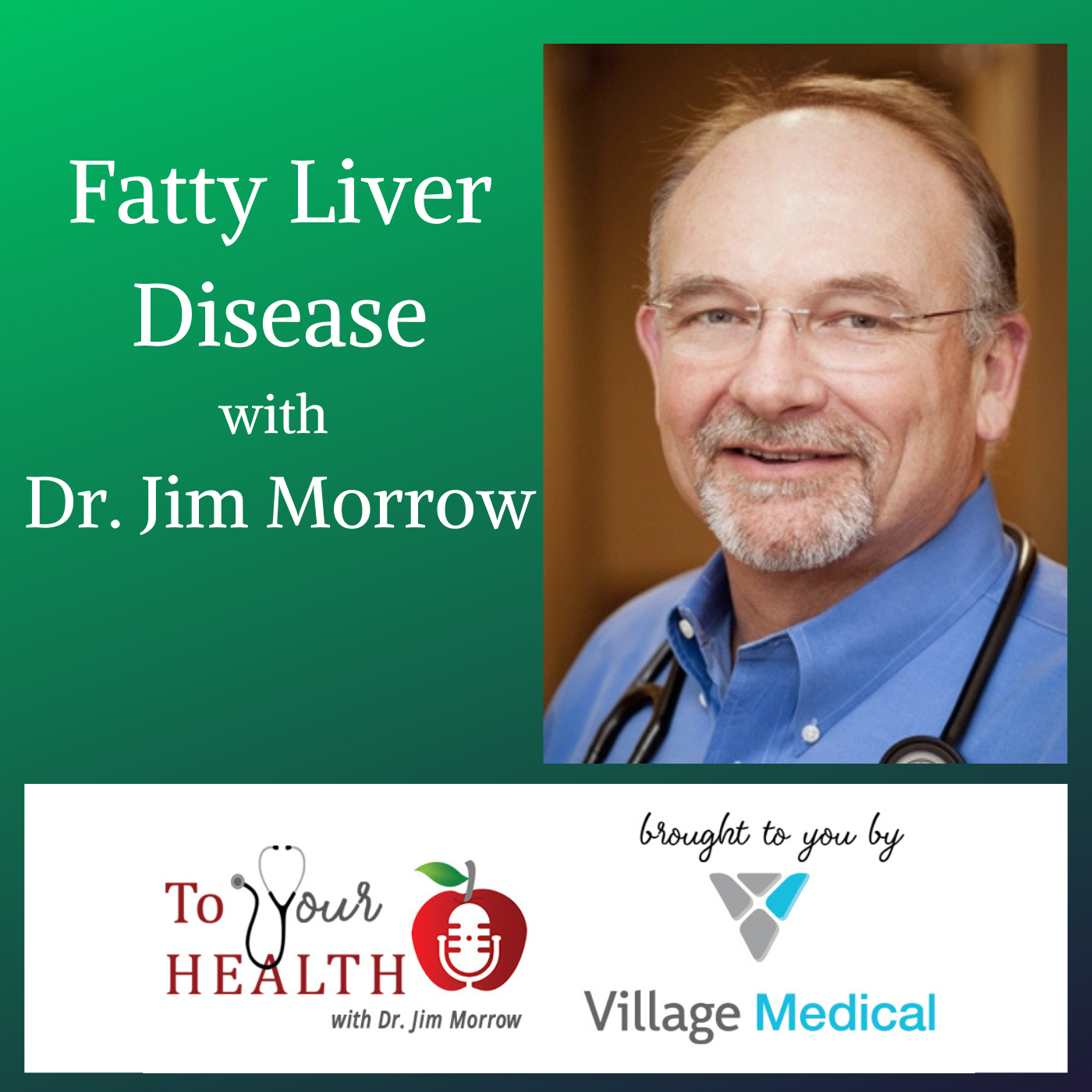
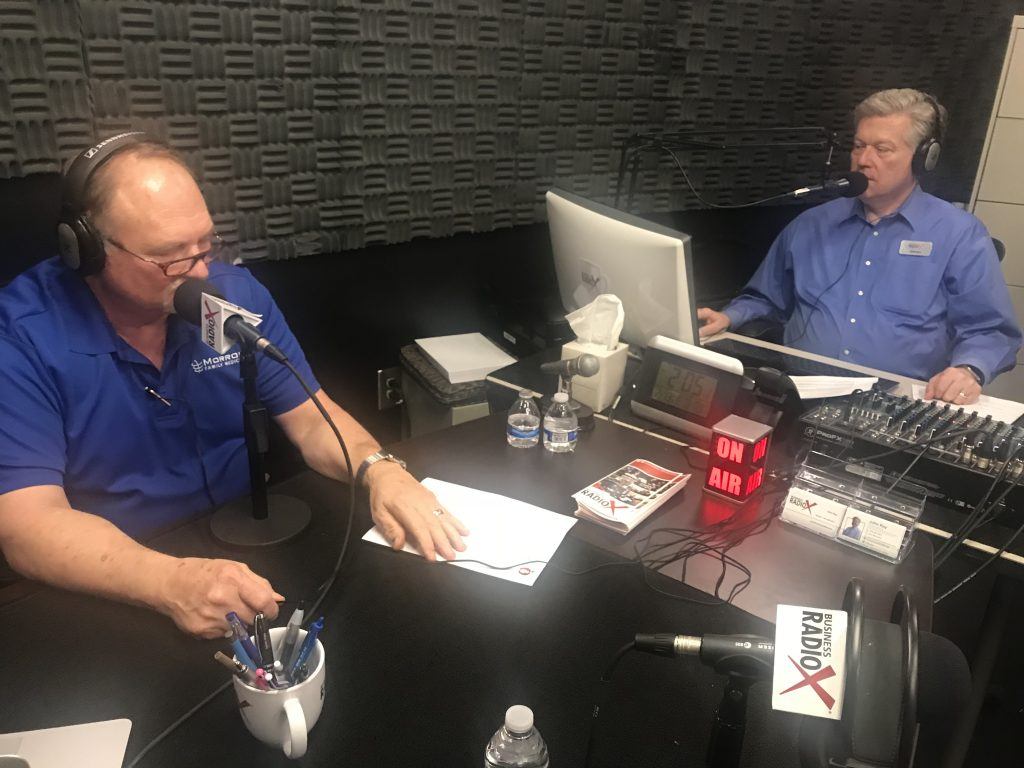
Fatty Liver Disease (Episode 88, To Your Health with Dr. Jim Morrow)

On this episode of To Your Health, Dr. Jim Morrow addressed fatty liver disease, which he says is fairly common. He explained what the liver does, what the disease is, and how it manifests itself. Dr. Morrow also covered the difference between alcohol-induced and non-alcohol related fatty liver disease, as well as its causes, diagnosis and prognosis, and more.

To Your Health is brought to you by Village Medical (formerly Morrow Family Medicine), which brings the care back to healthcare.

About Village Medical (formerly Morrow Family Medicine)

Village Medical, formerly Morrow Family Medicine, is an award-winning, state-of-the-art family practice with offices in Cumming and Milton, Georgia. The practice combines healthcare information technology with old-fashioned care to provide the type of care that many are in search of today. Two physicians, three physician assistants and two nurse practitioners are supported by a knowledgeable and friendly staff to make your visit to Village Medical one that will remind you of the way healthcare should be.  At Village Medical, we like to say we are “bringing the care back to healthcare!”  The practice has been named the “Best of Forsyth” in Family Medicine in all five years of the award, is a three-time consecutive winner of the “Best of North Atlanta” by readers of Appen Media, and the 2019 winner of “Best of Life” in North Fulton County.

Village Medical offers a comprehensive suite of primary care services including preventative care, treatment for illness and injury, and management of chronic conditions such as diabetes, congestive heart failure, chronic obstructive pulmonary disease (COPD) and kidney disease. Atlanta-area patients can learn more about the practice here.

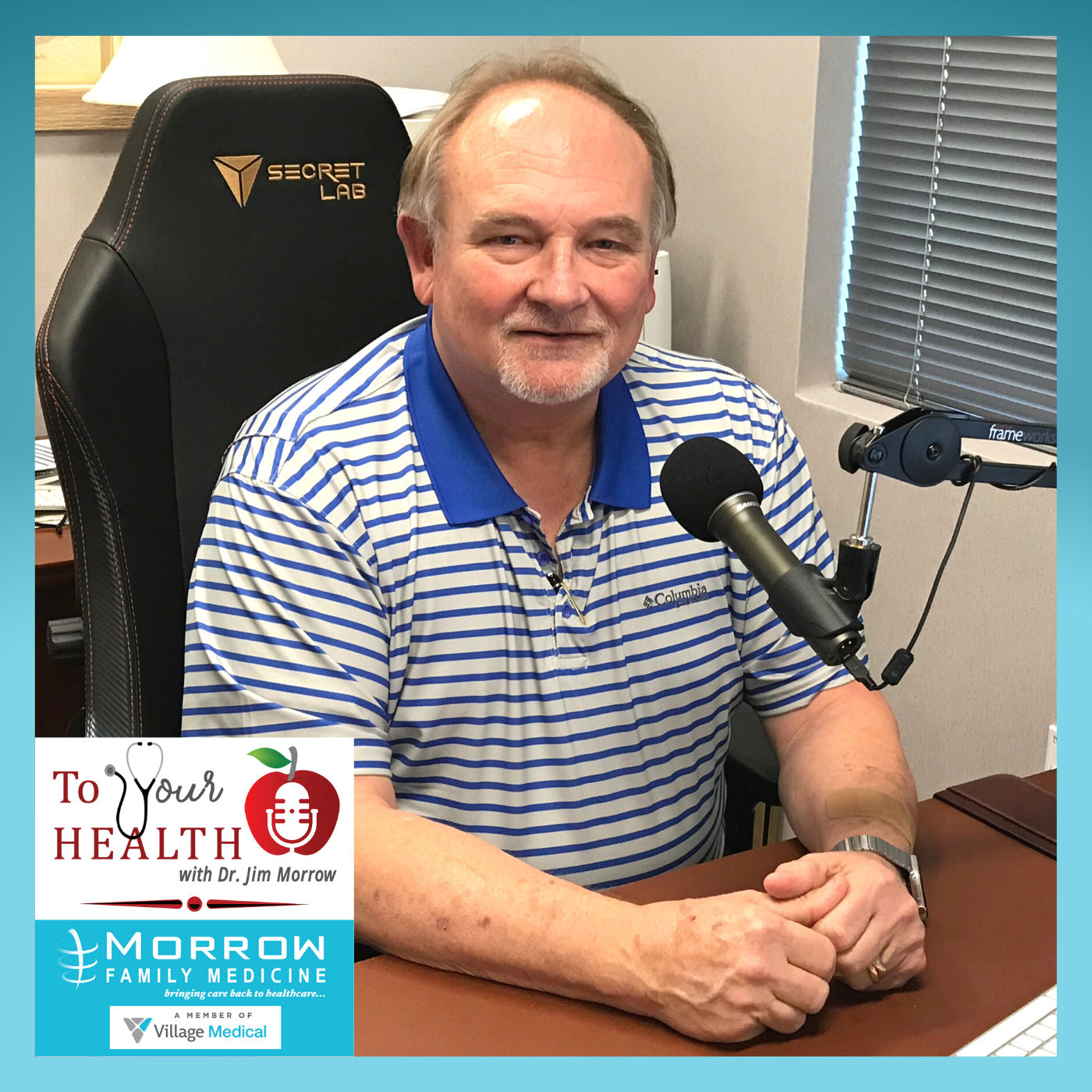
Dr. Jim Morrow, Village Medical, and Host of To Your Health with Dr. Jim Morrow

Covid-19 misconceptionsDr. Jim Morrow is the founder of Morrow Family Medicine. He has been a trailblazer and evangelist in healthcare information technology, was named Physician IT Leader of the Year by HIMSS, a HIMSS Davies Award Winner, the Cumming-Forsyth Chamber of Commerce Steve Bloom Award Winner as Entrepreneur of the Year and he received a Phoenix Award as Community Leader of the Year from the Metro Atlanta Chamber of Commerce.  He is married to Peggie Morrow and together they founded the Forsyth BYOT Benefit, a charity in Forsyth County to support students in need of technology and devices. They have two Goldendoodles, a gaggle of grandchildren and enjoy life on and around Lake Lanier.

Facebook | LinkedIn | Twitter

The complete show archive of To Your Health with Dr. Jim Morrow addresses a wide range of health and wellness topics.

Dr. Morrow’s Show Notes

FATTY LIVER DISEASE

What is the liver’s function?

Your liver is an essential organ with multiple life-supporting functions. The liver:

  • Produces bile, which helps with digestion.
  • Makes proteins for the body.
  • Stores iron.
  • Converts nutrients into energy.
  • Creates substances that help your blood clot (stick together to heal wounds).
  • Helps you resist infections by making immune factors and removing bacteria and toxins (substances that can harm your body) from your blood.

What is fatty liver disease?

  • Fatty liver disease (steatosis) is a common condition caused by having too much fat build up in your liver.
    • A healthy liver contains a small amount of fat.
    • It becomes a problem when fat reaches 5% to 10% of your liver’s weight.

Why is fatty liver disease bad?

  • In most cases, fatty liver disease doesn’t cause any serious problems or prevent your liver from functioning normally.
    • But for 7% to 30% of people with the condition, fatty liver disease gets worse over time.
    • It progresses through three stages:
      • Your liver becomes inflamed (swollen), which damages its tissue. This stage is called steatohepatitis.
      • Scar tissue forms where your liver is damaged. This process is called fibrosis.
      • Extensive scar tissue replaces healthy tissue. At this point, you have cirrhosis of the liver.

Cirrhosis of the liver

  • Cirrhosis of the liver is a result of severe damage to the liver.
    • The hard scar tissue that replaces healthy liver tissue slows down the liver’s functioning.
    • Eventually, it can block liver function entirely.
    • Cirrhosis can lead to liver failure and liver cancer.

What are the forms of fatty liver disease?

  • There are two main forms of fatty liver disease:
    • Alcohol-induced fatty liver disease
      • Alcohol-induced fatty liver disease is caused by regular alcohol consumption.
      • About 5% of people in the U.S. have this form of liver disease.
    • Non-alcohol related fatty liver disease
      • Non-alcohol related fatty liver disease (NAFLD) isn’t related to alcohol consumption.
        • The condition affects one in three adults and one in 10 children in the United States.
        • Researchers haven’t found the exact cause of non-alcohol related fatty liver disease.
        • Several factors, such as obesity and diabetes, can increase your risk.

SYMPTOMS AND CAUSES

Who gets fatty liver disease?

  • You have a greater chance of developing fatty liver disease if you:
    • Are of Hispanic or Asian descent.
    • Have completed menopause (your periods have stopped).
    • Have obesity with a high level of belly fat.
    • Have high blood pressure, diabetes or high cholesterol.
    • Have obstructive sleep apnea (a blocked airway that causes breathing to stop and start during sleep).

What causes fatty liver disease?

  • Some people get fatty liver disease without having any pre-existing conditions.
    • But these risk factors make you more likely to develop it:
      • Having overweight/obesity.
      • Having Type 2 diabetes or insulin resistance.
      • Having metabolic syndrome
        • (insulin resistance,
        • high blood pressure,
        • high cholesterol
        • and high triglyceride levels).
      • Taking certain prescription medications,
        • such as amiodarone, diltiazem, tamoxifen or steroids.

What are the symptoms of fatty liver disease?

  • People with fatty liver disease often have no symptoms until the disease progresses to cirrhosis of the liver.
    • If you do have symptoms, they may include:
      • Abdominal pain or a feeling of fullness in the upper right side of the abdomen (belly).
      • Nausea, loss of appetite or weight loss.
      • Yellowish skin and whites of the eyes (jaundice).
      • Swollen abdomen and legs (edema).
      • Extreme tiredness or mental confusion.

DIAGNOSIS AND TESTS

How is fatty liver disease diagnosed?

  • Because this condition often has no symptoms, your doctor may be the first one to spot it.
    • Higher levels of liver enzymes (elevated liver enzymes) that turn up on a blood test for other conditions may raise a red flag.
    • Elevated liver enzymes are a sign your liver is injured.
    • To make a diagnosis, your doctor may order:
      • Ultrasound or computed tomography (CT scan) to get a picture of the liver.
      • Liver biopsy (tissue sample) to determine how far advanced liver disease has progressed.
      • FibroScan, a specialized ultrasound sometimes used instead of a liver biopsy to find out the amount of fat and scar tissue in the liver.

MANAGEMENT AND TREATMENT

How is fatty liver disease treated?

  • There’s no medication specifically for this disease.
    • Instead, doctors focus on helping you manage factors that contribute to the condition.
    • They also recommend making lifestyle changes that can significantly improve your health.
    • Treatment includes:
      • Avoiding alcohol.
      • Losing weight.
      • Taking medications to manage diabetes, cholesterol and triglycerides (fat in the blood).
      • Taking vitamin E

PREVENTION

How can fatty liver disease be prevented?

  • The best way to avoid it is to do the things that maintain overall health:
    • Stay at a healthy weight. If you have overweight/obesity, lose weight gradually.
    • Exercise regularly.
    • Limit your alcohol consumption.
    • Take medications as prescribed.

OUTLOOK / PROGNOSIS

Can fatty liver disease be reversed?

  • The liver has an amazing ability to repair itself.
    • If you avoid alcohol or lose weight, it’s possible to reduce liver fat and inflammation and reverse early liver damage.

Will fatty liver disease kill you?

  • Fatty liver disease doesn’t cause major problems for most people.
    • However, it can turn into a more serious problem if it progresses into cirrhosis of the liver.
    • Untreated cirrhosis of the liver eventually leads to liver failure or liver cancer.
    • Your liver is an organ you can’t live without.

What is nonalcoholic fatty liver disease (NAFLD)?

  • Nonalcoholic fatty liver disease (NAFLD) is a buildup of fat in the liver.
    • It is a common condition.
    • NAFLD can be harmless, but sometimes it may cause the liver to swell.
    • Over time, this swelling can cause scarring in your liver (cirrhosis).
    • The more scarring your liver has, the worse it functions.

Symptoms of NALFD?

  • Many people do not have any symptoms of NAFLD.
    • If you have NAFLD, you may feel fullness or pain in the middle or upper right side of the abdomen.
    • You may feel extremely tired.
    • Your belly may be swollen.
    • You may have yellowing of your skin and eyes.
  • If your NAFLD has progressed to cirrhosis, you may have more serious symptoms
    • including fluid retention,
    • internal bleeding,
    • and mental confusion.

What causes NAFLD?

  • Doctors don’t know exactly what causes NAFLD.
    • They do know that NAFLD is linked to insulin resistance.
    • Insulin resistance is when your body doesn’t respond well to insulin.
    • This makes it more difficult for your body to regulate blood sugar.
    • It is not caused by drinking alcohol.

How is NAFLD diagnosed?

  • To diagnose NAFLD, your doctor may check your blood and order a scan of your liver.
    • If your doctor thinks you may have a more severe liver disease,
      • you may need a liver biopsy.
      • In this procedure, your doctor inserts a needle through your skin and removes a small piece of tissue from your liver.
      • This tissue is looked at under a microscope to check for signs of severe liver disease.

Can NAFLD be prevented or avoided?

  • A wide range of things can increase your risk of NAFLD,
    • including certain medicines
      • and genetic disorders.
    • The most common risk factors for NAFLD are
      • obesity,
      • diabetes,
      • and high cholesterol levels.

NAFLD treatment

  • People who have NAFLD usually do not need treatment.
    • The most important thing is to focus on what has caused your NAFLD.
    • Losing weight gradually (1 to 2 pounds per week) may reduce the amount of fat in your liver.
    • However, losing weight quickly may make NAFLD worse.
    • Ask your doctor for advice on how to lose weight in a safe and healthy way.
    • If your cholesterol and blood sugar levels are high, your doctor may give you medicine to lower them.
    • If a medicine you take is causing your NAFLD, your doctor may consider switching you to a different medicine.

Living with NAFLD

  • For most people, NAFLD is harmless and does not cause serious health problems.
    • NAFLD usually does not affect how well the liver works.
      • However, in rare cases, NAFLD may stop the liver from working as it should.
      • No one can tell for sure who will have liver problems from NAFLD.
      • It is more likely to happen in people who have diabetes or who are very overweight.

credit: clevelandclinic.org

Tagged With: alcohol consumption, Cirrhosis of the liver, diabetes, Dr. Jim Morrow, Fatty Liver Disease, Liver, NAFLD, obesity, To Your Health, Village Medical, Vitamin E

Caffeine

April 14, 2022 by John Ray

Caffeine
North Fulton Studio
Caffeine
Loading
00:00 /
RSS Feed
Share
Link
Embed

Download file

Caffeine

Caffeine (Episode 73, To Your Health with Dr. Jim Morrow)

On this episode of To Your Health, Dr. Morrow shared information about caffeine:  from coffee to green tea to energy drinks. He covered the health benefits of consuming caffeine, and that of coffee in particular, such as its impact on exercise and some forms of cancer. He discussed concerns of note when consuming caffeine, particularly for pregnant women, and much more. To Your Health is brought to you by Morrow Family Medicine, a Member of Village Medical, which brings the care back to healthcare.

About Morrow Family Medicine, A Member of Village Medical

Morrow Family Medicine, a Member of Village Medical, is an award-winning, state-of-the-art family practice with offices in Cumming and Milton, Georgia. The practice combines healthcare information technology with old-fashioned care to provide the type of care that many are in search of today. Two physicians, three physician assistants and two nurse practitioners are supported by a knowledgeable and friendly staff to make your visit to Morrow Family Medicine, A Member of Village Medical one that will remind you of the way healthcare should be.  At Morrow Family Medicine, a Member of Village Medical, we like to say we are “bringing the care back to healthcare!”  The practice has been named the “Best of Forsyth” in Family Medicine in all five years of the award, is a three-time consecutive winner of the “Best of North Atlanta” by readers of Appen Media, and the 2019 winner of “Best of Life” in North Fulton County.

Village Medical offers a comprehensive suite of primary care services including preventative care, treatment for illness and injury, and management of chronic conditions such as diabetes, congestive heart failure, chronic obstructive pulmonary disease (COPD) and kidney disease. Atlanta-area patients can learn more about the practice here.

Dr. Jim Morrow, Morrow Family Medicine, and Host of To Your Health with Dr. Jim Morrow

Covid-19 misconceptionsDr. Jim Morrow is the founder and CEO of Morrow Family Medicine. He has been a trailblazer and evangelist in healthcare information technology, was named Physician IT Leader of the Year by HIMSS, a HIMSS Davies Award Winner, the Cumming-Forsyth Chamber of Commerce Steve Bloom Award Winner as Entrepreneur of the Year and he received a Phoenix Award as Community Leader of the Year from the Metro Atlanta Chamber of Commerce.  He is married to Peggie Morrow and together they founded the Forsyth BYOT Benefit, a charity in Forsyth County to support students in need of technology and devices. They have two Goldendoodles, a gaggle of grandchildren and enjoy life on and around Lake Lanier.

Facebook: https://www.facebook.com/MorrowFamMed/

LinkedIn: https://www.linkedin.com/company/7788088/admin/

Twitter: https://twitter.com/toyourhealthMD

The complete show archive of To Your Health with Dr. Jim Morrow addresses a wide range of health and wellness topics and can be found at www.toyourhealthradio.com.

Dr. Morrow’s Show Notes

What is caffeine?

  • Caffeine is a natural stimulant most commonly found in tea, coffee, and a few other plants.
  • It works by stimulating the brain and central nervous system, helping you stay alert and prevent the onset of tiredness.
  • Historians track the first brewed tea as far back as 2737 B.C.
  • Coffee was reportedly discovered many years later by an Ethiopian shepherd who noticed the extra energy it gave his goats.
  • Caffeinated soft drinks hit the market in the late 1800s and energy drinks soon followed.
  • Nowadays, 80% of the world’s population consumes a caffeinated product each day, and this number goes up to 90% for adults in North America.

How it works

  • Once consumed, caffeine is quickly absorbed from the gut into the bloodstream.
  • From there, it travels to the liver and is broken down into compounds that can affect the function of various organs.
  • That said, caffeine’s main effect is on the brain.
  • It functions by blocking the effects of adenosine, which is a neurotransmitter that relaxes the brain and makes you feel tired
  • Normally, adenosine levels build up over the day, making you increasingly more tired and causing you to want to go to sleep.
  • Caffeine helps you stay awake by connecting to adenosine receptors in the brain without activating them. This blocks the effects of adenosine, leading to reduced tiredness.
  • It may also increase blood adrenaline levels and increase brain activity of the neurotransmitters dopamine and norepinephrine
  • This combination further stimulates the brain and promotes a state of arousal, alertness, and focus. Because it affects your brain, caffeine is often referred to as a psychoactive drug.
  • Additionally, caffeine tends to exert its effects quickly.
  • For instance, the amount found in one cup of coffee can take as little as 20 minutes to reach the bloodstream and about 1 hour to reach full effectiveness

What foods and drinks contain caffeine?

  • Caffeine is naturally found in the seeds, nuts, or leaves of certain plants.
  • These natural sources are then harvested and processed to produce caffeinated foods and beverages.
  • Here are the amounts of caffeine expected per 8-ounce (240-mL) serving of some popular beverages:
  • Espresso:240–720 mg
  • Coffee:102–200 mg
  • Energy drinks:50–160 mg
  • Brewed tea:40–120 mg
  • Soft drinks:20–40 mg
  • Decaffeinated coffee:3–12 mg
  • Cocoa beverage:2–7 mg
  • Chocolate milk:2–7 mg


  • Some foods also contain caffeine. For instance, 1 ounce (28 grams) of milk chocolate contains 1–15 mg, whereas 1 ounce of dark chocolate has 5–35 mg
  • You can also find caffeine in some prescription or over-the-counter drugs like cold, allergy, and pain medications. It’s also a common ingredient in weight loss supplements.


May improve mood and brain function

  • Caffeine, once again, has the ability to block the brain-signaling molecule adenosine.
  • This causes a relative increase in other signaling molecules, such as dopamine and norepinephrine
  • This change in brain messaging is thought to benefit your mood and brain function.
  • One review reports that after participants ingested 37.5–450 mg of caffeine, they had improved alertness, short-term recall, and reaction time
  • In addition, a study linked drinking 2–3 cups of caffeinated coffee (providing about 200–300 mg caffeine) per day to a 45% lower risk of suicide
  • Another study reported a 13% lower risk of depression in caffeine consumers
  • When it comes to mood, more caffeine isn’t necessarily better.
  • A study found that a second cup of coffee produced no further benefits unless it was consumed at least 8 hours after the first cup
  • Drinking between 3–5 cups of coffee per day or more than 3 cups of tea per day may also reduce the risk of brain diseases such as Alzheimer’s and Parkinson’s by 28–60%
  • It’s important to note that coffee and tea contain other bioactive compounds (besides caffeine) that may also be beneficial.

May boost metabolism and fat burning

  • Because of its ability to stimulate the central nervous system, caffeine may increase metabolism by up to 11% and fat burning by up to 13%
  • Practically speaking, consuming 300 mg of caffeine per day may allow you to burn an extra 79 calories daily
  • This amount may seem small, but it’s similar to the calorie excess responsible for the average yearly weight gain of 2.2 pounds (1 kg) in American
  • However, a 12-year study on caffeine and weight gain noted that the participants who drank the most coffee were, on average, only 0.8–1.1 pounds (0.4–0.5 kg) lighter at the end of the study

May enhance exercise performance

  • When it comes to exercise, caffeine may increase the use of fat as fuel.
  • This is beneficial because it can help the glucose stored in muscles last longer, potentially delaying the time it takes your muscles to reach exhaustion
  • Caffeine may also improve muscle contractions and increase tolerance to fatigue
  • Researchers observed that doses of 2.3 mg per pound (5 mg per kg) of body weight improved endurance performance by up to 5% when consumed 1 hour before exercise
  • Doses as low as 1.4 mg per pound (3 mg per kg) of body weight may be sufficient to reap the benefits
  • What’s more, studies report similar benefits in team sports, high-intensity workouts, and resistance exercises
  • Finally, it may also reduce perceived exertion during exercise by up to 5.6%, which can make workouts feel easier

May protect against heart disease and diabetes

  • Despite what you may have heard, caffeine doesn’t raise the risk of heart disease
  • In fact, evidence shows a 16–18% lower risk of heart disease in men and women who drink between 1–4 cups of coffee daily (providing approximately 100–400 mg of caffeine)
  • Other studies show that drinking 2–4 cups of coffee or green tea per day is linked to a 14–20% lower risk of stroke
  • One thing to keep in mind is that caffeine may slightly raise blood pressure in some people.
  • However, this effect is generally small (3–4 mmHg) and tends to fade for most individuals when they consume coffee regularly
  • It may also protect against diabetes.
  • A review noted that those who drink the most coffee have up to a 29% lower risk of developing type 2 diabetes. Similarly, those who consume the most caffeine have up to a 30% lower risk
  • The authors observed that the risk drops by 12–14% for every 200 mg of caffeine consumed
  • Interestingly, consuming decaffeinated coffee was also linked to a 21% lower risk of diabetes. This indicates that other beneficial compounds in coffee can also protect against type 2 diabetes

Other health benefits of coffee

  • Coffee consumption is linked to several other health benefits:
  • Liver protection.
    • Coffee may reduce the risk of liver damage (cirrhosis) by as much as 84%. It may slow disease progression, improve treatment response, and lower the risk of premature death
    • Drinking coffee may decrease the risk of premature death by as much as 30%, especially for women and people with diabetes
  • Decreased cancer risk.
    • Drinking 2–4 cups of coffee per day may reduce liver cancer risk by up to 64% and colorectal cancer risk by up to 38%
  • Skin protection.
    • Consuming 4 or more cups of caffeinated coffee per day may lower the risk of skin cancer by 20% 
  • Reduced MS risk.
    • Coffee drinkers may have up to a 30% lower risk of developing multiple sclerosis (MS). However, not all studies agree 
  • Gout prevention.
    • Regularly drinking 4 cups of coffee per day may reduce the risk of developing gout by 40% in men and 57% in women
  • Gut health.
    • Consuming 3 cups of coffee a day for as few as 3 weeks may increase the amount and activity of beneficial gut bacteria
  • Keep in mind that coffee also contains other substances that improve health.
    • Some benefits listed above may be caused by substances other than caffeine.

Safety and side effects

  • Caffeine consumption is generally considered safe, although habit-forming.
  • Some side effects linked to excess intake include anxiety, restlessness, tremors, irregular heartbeat, and trouble sleeping
  • Too much caffeine may also promote headaches, migraine, and high blood pressure in some individuals
  • In addition, caffeine can easily cross the placenta, which can increase the risk of miscarriage or low birth weight.
  • Pregnant women should limit their intake
  • Caffeine can also interact with some medications.
  • Individuals taking the muscle relaxant Zanaflex or the antidepressant Luvox should avoid caffeine because these drugs can increase their effects

Recommended dosages

  • The U.S. Department of Agriculture (USDA) considers a daily intake of 400 mg of caffeine to be safe.
  • This amounts to 2–4 cups of coffee per day
  • That said, it’s worth noting that fatal overdoses have been reported with single doses of 500 mg of caffeine.
  • Therefore, it’s recommended to limit the amount of caffeine you consume at one time to 200 mg per dose
  • According to the American College of Obstetricians and Gynecologists, pregnant women should limit their daily intake to 200 mg

The bottom line

  • Caffeine isn’t as unhealthy as it was once believed.
  • In fact, evidence shows that it may be just the opposite.
  • Therefore, it’s safe to consider your daily cup of coffee or tea as an enjoyable way to promote good health.

Credit to www.healthline.com

Tagged With: caffeine, caffeine and pregnancy, coffee, diabetes, Dr. Jim Morrow, Exercise, liver cancer, tea, To Your Health With Dr. Jim Morrow, Village Medical

To Your Health With Dr. Jim Morrow: Episode 5, Depression

March 27, 2019 by John Ray

North Fulton Studio
North Fulton Studio
To Your Health With Dr. Jim Morrow: Episode 5, Depression
Loading
00:00 /
RSS Feed
Share
Link
Embed

Download file

Dr. Jim Morrow, Host of “To Your Health With Dr. Jim Morrow”

Dr. Morrow’s Show Notes on Depression

  • Today’s topic is one I discuss with at least one patient every single day I work – and that’s DEPRESSION.
  • People in general have their own idea of what constitutes depression. And in many cases, it is correct but only in a very narrow definition of the condition. So, I guess, first, I need to define depression, in the clinical sense.
  • Depression can be present if you are overly or unnecessarily sad – but most people who I see who are depressed are mad, and not sad. Additionally, the depressed patient might be tired, uninterested in usual hobbies or pleasure seeking activities, whether that is being with friends or others, or having sex, or engaging in any way with their surroundings.
  • Most people don’t come to my office with a complaint of depression. They are much more likely to complain of increased irritability, making mountains out of mole hills, trouble focusing, not being engaged or interested in their usual hobbies and things they used to enjoy.
  • Some are sent in by their spouse because of irritability. I tell patients, “if you think to yourself many times, ‘Why did I react like that?’, then you are likely depressed.
  • So, there are many different forms that this can take – if you feel like this could be part of how you feel, please see a doctor. Have this conversation with him or her.

So, why are people depressed?

  • Depression occurs when the levels of certain neurochemicals in your brain get too low. The main chemicals involved are serotonin, norepinephrine and dopamine – but the names of these chemicals are really unimportant. What matters is that you have to get these levels back to normal in order to feel like yourself again.
  • But what makes these chemical levels fall in the first place.
  • Some people are just born with an innate inability to maintain adequate levels of these chemicals and in most cases these individuals have felt some amount of depression from very early in life.
  • When it occurs any time later in life, the cause in most cases is CHANGE. Change in life or work or living situation, whatever it might be, it is usually CHANGE.
  • Holmes stress scale.
    • Ranked life events – ranked them according to the effect each could have on your mood. Marriage, divorce, death of a spouse, getting a new job, getting fired. Good things were found to have a slightly greater effect on mood than bad things.
  • So, depression is a physical illness that has both physical and psychological symptoms. It is as much a physical illness as any other condition we see.
  • When your serotonin level is low you can feel all these symptoms that I have talked about. If you do, you might think to yourself, ‘I really should not have these feelings. I should be able to feel better,’ and then if you can’t do that you could feel even more depressed.
  • If, instead of serotonin and other neurochemicals, your insulin level was low, you’d be diabetic. If it was iron you’d be anemic; thyroid, you’d be hypothyroid; estrogen, you’re in menopause.
  • If your insulin level was low and you were diabetic, you would never, EVER, think to yourself, ‘You know, I’m just not gonna be diabetic today.’ That would never occur to you. But with depression, patients frequently think that they should be able to pull themselves up by their own bootstraps, and this just does not happen.
  • Realizing this goes a long way toward getting better because the longer you delay treatment, the likelihood is that you will just get worse and worse.

So, how is depression treated?

  • These chemicals we are talking about are only located in the brain. So the first issue is that you can’t measure these levels like you can insulin and others. There is this blood-brain barrier that does not allow the chemicals to get into the blood stream. Because of this, we can’t measure serotonin and other levels and we can’t give you serotonin by mouth because they also do not cross over to the brain.
  • So, how do we make you better?
  • In 1987, the treatment of depression changed forever. The introduction of Prozac made as big a difference in the treatment of any condition I can remember.
  • Prior to this, we have several medications that were antidepressants, but truthfully, they were not very good at treating the problem and they were absolutely fraught with side effects.
  • With Prozac (and then the other serotonin medicines like Zoloft, Paxil, Celexa and Lexapro), we had very effective medicines with very reasonable side effects.
  • The way these medicines work is to change how your brain metabolizes these chemicals – in this case serotonin specifically. Your brains, under periods of stress, takes up more serotonin than it should from the soup that is the brain, and these medicines block that reuptake of serotonin, so they are called Serotonin Specific Reuptake Inhibitors (SSRIs).
  • When you start these medicines, you could have some side effects, but for many people, the longer you take them the less the side effect bothers you.
  • The side effects of these medicines vary, can be fatigue or restlessness, nausea, headache, even delayed orgasm. But in most cases side effects are mild and can be managed by adjusting the dose of the medicine or changing to another.
  • Improvement does not happen overnight. It takes time for the medicine to get into your blood in a sufficient level to then get into the brain.
  • Meds are not mood altering
    • Not addicting
    • Don’t drug test for them in the workplace
    • Safer than Tylenol
  • There just is no reason NOT to take these meds if you have this condition. They can make a tremendous difference in how you feel and how you react and interact with others around you. Basically, they can give you your life back.
  • Along with medication, other treatment modalities also can help. Therapy – psychotherapy – can help with depression and can especially help people deal with issues in their lives that are ongoing. One of the frustrating things for patients is to recognize the problem and get treatment, only to fall right back to the same feelings when you get off of medicine because you have not learned how to manage the stress and change in your life.
  • So, please, if this sounds like it could be affecting you, go see your healthcare provider. See them sooner rather than later.

About Morrow Family Medicine and Dr. Jim Morrow

Morrow Family Medicine is an award-winning, state-of-the-art family practice with offices in Cumming and Milton, Georgia. The practice combines healthcare information technology with old-fashioned care to provide the type of care that many are in search of today. Two physicians, three physician assistants and two nurse practitioners are supported by a knowledgeable and friendly staff to make your visit to Morrow Family Medicine one that will remind you of the way healthcare should be.  At Morrow Family Medicine, we like to say we are “bringing the care back to healthcare!”  Morrow Family Medicine has been named the “Best of Forsyth” in Family Medicine in all five years of the award, is a three-time consecutive winner of the “Best of North Atlanta” by readers of Appen Media, and the 2019 winner of “Best of Life” in North Fulton County.

Dr. Jim Morrow, Morrow Family Medicine

Dr. Jim Morrow is the founder and CEO of Morrow Family Medicine. He has been a trailblazer and evangelist in the area of healthcare information technology, was named Physician IT Leader of the Year by HIMSS, a HIMSS Davies Award Winner, the Cumming-Forsyth Chamber of Commerce Steve Bloom Award Winner as Entrepreneur of the Year and he received a Phoenix Award as Community Leader of the Year from the Metro Atlanta Chamber of Commerce.  He is married to Peggie Morrow and together they founded the Forsyth BYOT Benefit, a charity in Forsyth County to support students in need of technology and devices. They have two Goldendoodles, a gaggle of grandchildren and enjoy life on and around Lake Lanier.

Facebook: https://www.facebook.com/MorrowFamMed/

LinkedIn: https://www.linkedin.com/company/7788088/admin/

Twitter: https://twitter.com/toyourhealthMD

Tagged With: coping with change, coping with stress, Cumming doctor, Cumming family medicine, Cumming family practice, Cumming md, dealing with change, Depression, diabetes, diabetic, dopamine, Dr. Jim Morrow, Holmes stress scale, irritability, Lexapro, life changes, memory loss, Milton doctor, Milton family medicine, Milton family practice, Milton md, Morrow Family Medicine, neuro chemicals, neurochemcials, norepinephrine, Paxil, physical symptoms, Prozac, psychological symptoms, psychotherapy, sadness, serotonin, Serotonin Specific Reuptake Inhibitors, SSRIs, stress, therapy, Tylenol

To Your Health With Dr. Jim Morrow: Episode 3, The Truth About Statins

February 27, 2019 by John Ray

North Fulton Studio
North Fulton Studio
To Your Health With Dr. Jim Morrow: Episode 3, The Truth About Statins
Loading
00:00 /
RSS Feed
Share
Link
Embed

Download file

Dr. Jim Morrow, Morrow Family Medicine

Dr. Morrow’s Show Notes on Statins

  • Before talking about statins, we should talk about high cholesterol.
  • What qualifies as high cholesterol?
    • Has changed a lot over the years.
    • Now, it is LDL > 130 or HDL < 40 if you have no family history of heart disease.
    • It is an LDL > about 75 if you do have a family history.
  • Hard to raise your HDL. No matter what you do.
  • United States Preventive Services Task Force (USPSTF) recommends that adults without a history of cardiovascular disease (CVD) use a low to moderate dose statin for the prevention of CVD events and mortality when all the following criteria are met:
    • (1) they are aged 40 to 75 years;
    • (2) they have 1 or more risk factors (i.e., high cholesterol, diabetes, high blood pressure, or smoking) ; and
    • (3) they have a calculated 10-year risk of a cardiovascular event of 10% or greater
  • So, to determine whether a patient is a candidate for medical treatment, clinicians must first determine the patient’s risk of having a future cardiovascular event.
  • Task Force found adequate evidence that the risk of statins in adults aged 40 to 75 years is small

What are “Statins”?

  • Statins are prescription medications that lower cholesterol to prevent cardiovascular disease (heart attack or stroke), which is the leading cause of death in the United States.
  • These are medicines you have probably heard of, or more likely Googled, like Zocor, Lipitor or Crestor.
  • First line of therapy should be lifestyle changes. Try lifestyle changes for a few months, then on to the meds.
  • Statins can reduce the risk of stroke, heart attack and even death by 25 percent or more.

Side Effects

  • There are two side effects that actually happen from statins.
    • Myalgia (muscle aches or weakness) is a commonly reported adverse effect of statins,
    • Liver irritation or inflammation can occur. Need to have lab work before starting and then regularly when taking them.  Not smart to give a year’s supply.

Myths about statins

  • Myth #1:  Taking Statin Drugs Leads to Diabetes Out of the Blue
    • Truth:  In clinical trials, statins appear to accelerate a diagnosis of adult-onset diabetes because they cause a slight elevation in blood sugar.
    • However, people impacted by this side effect already have higher than normal blood sugar.
    • For those who are borderline diabetic, the mild increase in blood sugar can lead to a diabetes diagnosis about five weeks earlier than it would be otherwise.
    • Fact: Research indicates that statin drugs do not induce diabetes in someone who isn’t already nearing a diabetes diagnosis.
    • Additionally, the benefits of reducing cardiac events in someone who has prediabetes or is a diabetic greatly outweigh the mild increase that might occur in their blood sugar.
  • Myth #2:  Statins Frequently Cause Memory Loss
    • Truth:  In 2012, the FDA changed statin drug labels to include information that some people had experienced memory loss and confusion while taking the medications.
    • Unfortunately, that change was based on some poor-quality studies and evidence. People became seriously concerned that lower cholesterol levels could affect the brain’s function. But in fact, the brain makes its own cholesterol. It doesn’t depend on the cholesterol in the blood.
    • The most rigorous studies show that statins do not commonly cause memory loss. If anything, long-term use of statins might have a beneficial effect on the brain since they help prevent strokes and protect the health of arteries in the brain.
  • Myth #3:  You Could Get Cataracts from Taking Statin Drugs
    • Truth:  Some studies have indicated that there may be a relationship between statin drugs and an increased risk for developing cataracts. However, these investigations have been either conducted in animals or in less-than-rigorous studies.
    • The best evidence we have comes from high-quality clinical trials in humans, which showed that statin drugs do not increase risk of cataract formation. In fact, some studies even performed eye exams in people over time and showed no difference in eye health between those taking and not taking statins.

The Truth About Statins

  • Statins are safe
  • Statins save lives
  • Statins are affordable
  • If you do get side effects, there is a good chance that you can tolerate a different statin or a different dose
  • If all else fails and you are in a high-risk group due to your cholesterol, there are alternatives
    • Red yeast rice – less effective and still could cause same side effects
    • Fish oil or krill oil, etc. – less effective
    • Diet and exercise
    • Praluent or Repatha –monoclonal antibodies that promotes removal of LDL cholesterol from circulation, thereby lowering cholesterol in the blood

If your statin does what we want it to do, you will never know it. It’s one of the mysteries of medicines.  People who have benefited from statins are not sitting at home posting online about side effects that in most cases are not even related to statin therapy.

So… You can take cholesterol medicine, or you can wait and take heart attack medicine – but the ironic thing is: they are the SAME MEDICINE!

About Morrow Family Medicine and Dr. Jim Morrow

Morrow Family Medicine is an award-winning, state-of-the-art family practice with offices in Cumming and Milton, Georgia. The practice combines healthcare information technology with old-fashioned care to provide the type of care that many are in search of today. Two physicians, three physician assistants and two nurse practitioners are supported by a knowledgeable and friendly staff to make your visit to Morrow Family Medicine one that will remind you of the way healthcare should be.  At Morrow Family Medicine, we like to say we are “bringing the care back to healthcare!”  Morrow Family Medicine has been named the “Best of Forsyth” in Family Medicine in all five years of the award, is a three-time consecutive winner of the “Best of North Atlanta” by readers of Appen Media, and the 2019 winner of “Best of Life” in North Fulton County.

Dr. Jim Morrow is the founder and CEO of Morrow Family Medicine. He has been a trailblazer and evangelist in the area of healthcare information technology, was named Physician IT Leader of the Year by HIMSS, a HIMSS Davies Award Winner, the Cumming-Forsyth Chamber of Commerce Steve Bloom Award Winner as Entrepreneur of the Year and he received a Phoenix Award as Community Leader of the Year from the Metro Atlanta Chamber of Commerce.  He is married to Peggie Morrow and together they founded the Forsyth BYOT Benefit, a charity in Forsyth County to support students in need of technology and devices. They have two Goldendoodles, a gaggle of grandchildren and enjoy life on and around Lake Lanier.

Facebook: https://www.facebook.com/MorrowFamMed/

LinkedIn: https://www.linkedin.com/company/7788088/admin/

Twitter: https://twitter.com/toyourhealthMD


Tagged With: Crestor, Cumming doctor, Cumming family practice, Cumming healthcare, diabetes, Dr. Jim Morrow, HDL, HDL cholesterol, heart attack, inflammation, LDL, LDL cholesterol, Lipitor, liver irritation, memory loss, Milton doctor, Milton family practice, Milton healthcare, myalgia, myths about statins, North Fulton doctor, North Fulton family practice, North Fulton healthcare, statins, Stroke, To Your Health

To Your Health With Dr. Jim Morrow: Episode 2, Erectile Dysfunction

February 14, 2019 by John Ray

North Fulton Studio
North Fulton Studio
To Your Health With Dr. Jim Morrow: Episode 2, Erectile Dysfunction
Loading
00:00 /
RSS Feed
Share
Link
Embed

Download file

Dr. Jim Morrow, Morrow Family Medicine

Dr. Morrow’s Show Notes on Erectile Dysfunction

Erectile dysfunction (ED) is the inability to achieve or maintain an erection sufficient for satisfactory sexual performance It is a common problem, affecting at least 12 million U.S. men, about 1 in 3 after age 50. Probability increases with age.

Causes include vascular, neurologic, psychological, and hormonal factors. Contributing factors may be diabetes mellitus, hypertension, hyperlipidemia, obesity, testosterone deficiency, and prostate cancer treatment; probability of undiagnosed diabetes mellitus (DM) is 1 in 50 in men without ED and 1 in 10 in men with ED. ED typically occurs two to five years before coronary artery disease (CAD), providing a potential window during which men diagnosed with ED can make lifestyle changes to prevent CAD.

Performance anxiety and relationship issues are common psychological causes.

Medications and substance use can cause or exacerbate ED; antidepressants (SSRI and SNRI), tobacco and alcohol use are the most common. Marijuana might cause ED but little data on that so far.

ED is associated with an increased risk of cardiovascular disease, particularly in men with metabolic syndrome (2.5 times more likely). Workup: A1C or fasting glucose level can be used to assess for diabetes. A lipid panel can assess for hyperlipidemia. A thyroid-stimulating hormone level is recommended for men with signs or symptoms of hypothyroidism.

Lifestyle interventions: Tobacco cessation, regular exercise, weight loss, and improved control of diabetes, hypertension, and hyperlipidemia are recommended initial lifestyle interventions.

Oral phosphodiesterase-5 inhibitors are the first-line treatments for ED. Headache, flushing, and dyspepsia are common adverse effects, NOT when taking nitrates at all. Second-line treatments include vacuum devices and alprostadil. This comes as a suppository or an injectable. Surgically implanted penile prostheses are an option when other treatments have been ineffective.

Counseling is recommended for men with psychogenic ED.

About Morrow Family Medicine and Dr. Jim Morrow

Morrow Family Medicine is an award-winning, state-of-the-art family practice with offices in Cumming and Milton, Georgia. The practice combines healthcare information technology with old-fashioned care to provide the type of care that many are in search of today. Two physicians, three physician assistants and two nurse practitioners are supported by a knowledgeable and friendly staff to make your visit to Morrow Family Medicine one that will remind you of the way healthcare should be.  At Morrow Family Medicine, we like to say we are “bringing the care back to healthcare!”  Morrow Family Medicine has been named the “Best of Forsyth” in Family Medicine in all five years of the award, is a three-time consecutive winner of the “Best of North Atlanta” by readers of Appen Media, and the 2019 winner of “Best of Life” in North Fulton County.

Dr. Jim Morrow is the founder and CEO of Morrow Family Medicine. He has been a trailblazer and evangelist in the area of healthcare information technology, was named Physician IT Leader of the Year by HIMSS, a HIMSS Davies Award Winner, the Cumming-Forsyth Chamber of Commerce Steve Bloom Award Winner as Entrepreneur of the Year and he received a Phoenix Award as Community Leader of the Year from the Metro Atlanta Chamber of Commerce.  He is married to Peggie Morrow and together they founded the Forsyth BYOT Benefit, a charity in Forsyth County to support students in need of technology and devices. They have two Goldendoodles, a gaggle of grandchildren and enjoy life on and around Lake Lanier.

Facebook: https://www.facebook.com/MorrowFamMed/

LinkedIn: https://www.linkedin.com/company/7788088/admin/

Twitter: https://twitter.com/toyourhealthMD

Tagged With: Cumming doctor, Cumming family practice, Cumming healthcare, Cumming physician, diabetes, ED, ED medications, erectile dysfunction, erection, high cholesterol, hormonal treatments, intercourse, libido, Milton doctor, Milton family practice, Milton healthcare, Milton physician, Morrow Family Medicine, nitrates, North Fulton doctor, North Fulton family practice, North Fulton healthcare, North Fulton physician, obesity, psychotherapy, Sex, sexual intercourse, Sildenafil, smoking, testosterone, testosterone level, vacuum penile pump devices, Viagra

Mark & Toni Brown with For Goodness Cakes, Paula Rivas with the Green C Trading, and Lisa Graham with the Diabetes “You Can Win” Foundation

March 1, 2018 by Mike

Gwinnett Business Radio
Mark & Toni Brown with For Goodness Cakes, Paula Rivas with the Green C Trading, and Lisa Graham with the Diabetes "You Can Win" Foundation
Loading
00:00 /
RSS Feed
Share
Link
Embed

Download file

Lisa Graham, Mark Brown, Toni Brown, Paula Rivas

Mark & Toni Brown/For Goodness Cakes

For Goodness Cakes is the bakery of choice specializing in providing beautifully decorated works of art with delectably moist and homemade flavor. For Goodness Cakes meet the needs of any corporate event with company logos on cakes and cupcakes as well as delicious options such as cookies and their popular cake in a jar dessert. Cake It With You! At For Goodness Cakes, it’s more than just a cake – it’s Delicious Dipped in Beauty!

Paula Rivas/Green C Trading

Green C Trading is a company that imports and distributes to restaurants and industry. The main product is natural fruit purees (PAPAGAYO) which is pure natural fruit in a bottle, used to make juices, smoothies, cocktails, popsicles, and ice-creams.

BizMujer is an event directed to women business owners from minority groups in the community designed to highlight the force women in general have behind the growing numbers of business creation in the U.S.

Lisa Graham/Diabetes “You Can Win” Foundation

The Diabetes “You Can Win” Foundation is a nonprofit 5013c corporation that is focused on bringing comprehensive diabetes education and resources to those who do not have insurance and underserved populations. “We are losing a fight with diabetes that we can win if we can get communities the education they need.”

Tagged With: diabetes, Diabetes "You Can Win" Foundation, diabetes diagnosis, diabetes testing, For Goodness Cakes, Green C Trading, Gwinnett Business Radio, Lisa Graham, managing diabetes, Mark and Toni Brown, Mark Brown, Mike Sammond, minority women business owners, papagayo, paula rivas, sonesta gwinnett place, steven julian, subaru of gwinnett, Toni Brown

BEST OF HEALTH Living with Type 1 Diabetes with Taryn and Ryder Lower

November 17, 2017 by Karen

Best Of Health
Best Of Health
BEST OF HEALTH Living with Type 1 Diabetes with Taryn and Ryder Lower
Loading
00:00 /
RSS Feed
Share
Link
Embed

Download file

BEST OF HEALTH Living with Type 1 Diabetes with Taryn and Ryder Lower

“My name is Ryder Lower and I am an Ambassador for JDRF. My mission is to spread awareness while pursuing my dream of being an NFL Quarterback one day.”

The Juvenile Diabetes Research Foundation International (JDRF) is the worldwide leader in funding research to cure type 1 diabetes, an autoimmune disease that strikes children and adults suddenly and lasts a lifetime.
JDRF Desert Southwest
4343 E. Camelback Rd., Suite 230
Phoenix, AZ 85018
602-224-1800
JDRF Southern Arizona
1585 E. River Rd., Suite 101
Tucson, AZ 85718
520-327-9900
JDRF New Mexico
2501 San Pedro, NE Suite 204
Albuquerque, NM 87110
505-255-4005

WHY BEST OF HEALTH?

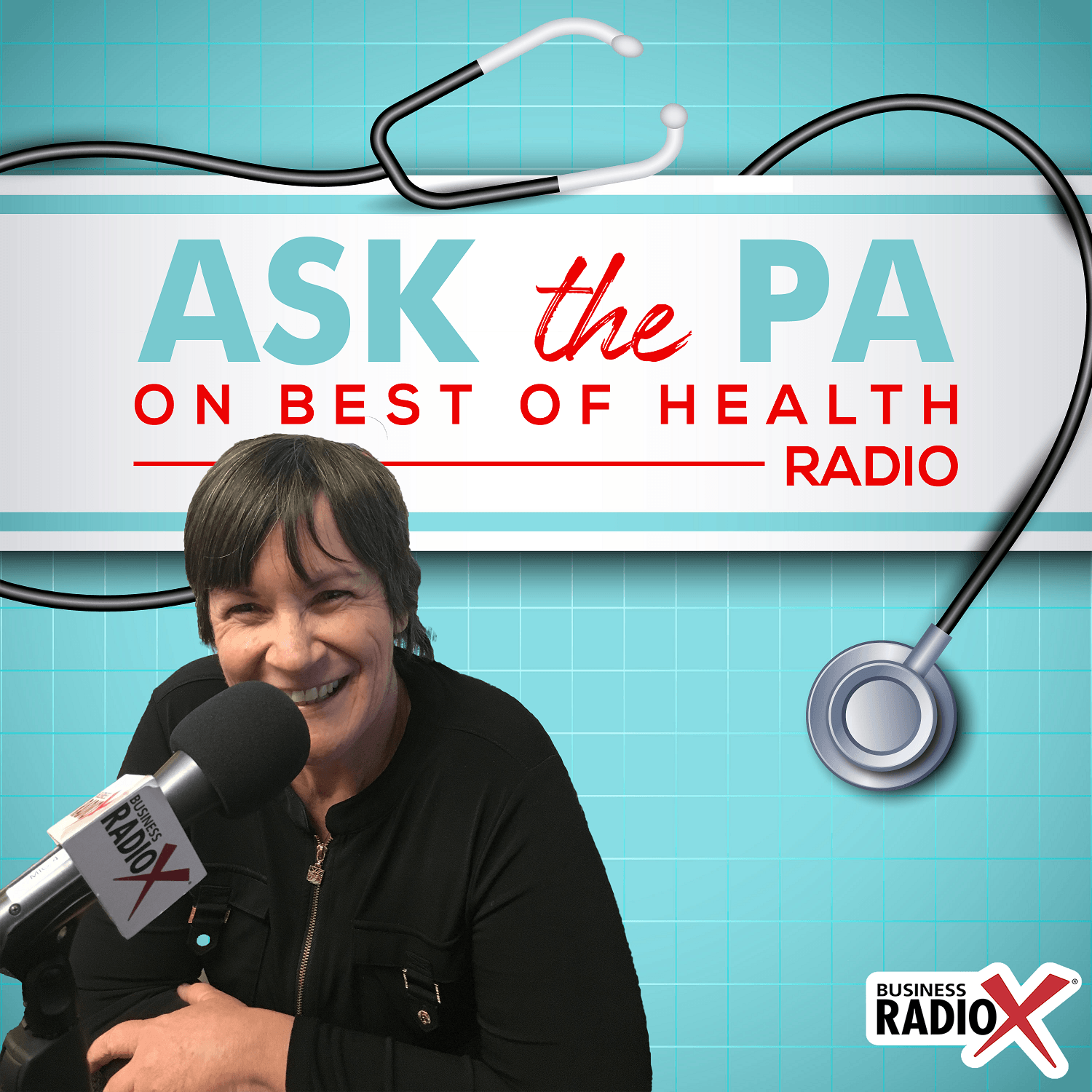
I am a Physician Assistant who has been caring for patients for over 20 years and Family Practice (cradle to grave) is my specialty.

Following the footsteps of three generations of family practice physicians (my father, grandfather and great grandfather) this was a natural and genetic calling that I do not regret.

Given this, I have a unique perspective and it’s time to share that perspective through Ask the PA. As a health care provider, teacher, business owner, patient, and advocate for my family and friends throughout the years, it has been painfully apparent there are disconnects within the current state of health care in the US and throughout the world. It can be confusing and frankly very scary.

It is my goal though this series, Best of Health, to bring people together that are passionate about their roles in the business of health care… and yes, whether or not you want to hear that it’s a business, it is — and that’s the fact. I will introduce to you great, dedicated practitioners and people with a passion for getting the word out about their personal journeys and causes. I will provide information about navigating through a confusing system, asking the right questions and share ways for saving money and time along the way.

It’s time to create change by partnering, empowering, and focusing on the patient, their families and their providers of care. It’s time for you to take the driver’s seat rather than leave your health care solely in the hands of entities such as insurance companies and the pharmaceutical industry.

Stay tuned. Here’s to your Best of Health.

~ Barb 

ABOUT BARB

Barb is a Physician Assistant (PA) and a primary care provider with a passion for education and advocacy. Prior to becoming a Physician Assistant (PA), Barb was an accomplished musician and teacher.  In 1992, Barb made the conscious decision to leave teaching and her musical career in pursuit of a career in medicine. She graduated from AT Still University’s first PA class in 1997 with a Masters of Science in Physician Assistant Studies.

Barb has spent several years working in clinics and family practices. Currently, Barb works for Premise Health at Insight Enterprises in Tempe, AZ as a solo practitioner providing primary care to employees and families on campus. She was also a partner in Renaissance Medical Group and Renaissance Medical Properties in Chandler and Maricopa, AZ and had a dual role of Chief Operations Officer and practicing PA for 14 years.

Along with being a PA, Barb is the author of the book Surviving the “Business” of Healthcare, Knowledge is Power! She is a certified Medical Professional Legal Consultant and Patient Advocate, speaker and influencer for change in healthcare for the patient, provider and family members. Barb is also certified by the National Commission of Certification of Physician Assistants and is an active member of the American Academy of Physician Assistants.

In her spare time, she loves to travel, maintaining an active lifestyle that includes running, biking, swimming. She loves to spend time outdoors with her family and friends, whether it’s walking on the beach or hiking in the desert.

For more information about Ask the PA and to connect with Barb:

Askthepa.com
Facebook: Ask the PA
LinkedIn: Barb Regis, M.S.,PA-C

Tagged With: Continuous glucose monitoring (CGM), CTA Independence, diabetes, diabetes walk, diabetic ketoacidosis (DKA), endocrinology, Friedman Family, Fund a Cure, insulin, insulin dependent, insulin pump, insulin shots, iPhone app for diabetics, low blood sugar, managing blood sugar, Metronics mini me, National Diabetes Awareness Day, omni pod, pancreas health, PDMS personal diabetes management system, Peggy Davis Schapler, Phoenix Children Hospital, Ryder Lower, sugar, T1D Moms, Team Ryder, type 1 diabetes

ChronicCareIQ

July 5, 2016 by angishields

Health Connect South
ChronicCareIQ
Loading
00:00 /
RSS Feed
Share
Link
Embed

Download file

ChronicCareIQ
Matt Ethington

ChronicCareIQ

This week Jay and I sat down with Matt Ethington, CEO of ChronicCareIQ to learn how this technology company is providing physicians and hospitals with tools that empower them to better manage patients with chronic illnesses.  The Affordable Care Act has put in place measures around patient outcomes that can affect how much the provider is reimbursed for care they deliver.  Managing patients with chronic illnesses is time-consuming and requires much patient education and follow up to facilitate compliance with the recommended care plan.  The ChronicCareIQ platform not only provides the practice or hospital with an efficient tool for engaging patients, it also provides documentation of required patient contacts, along with current health status data such as glucose measurements, blood pressure, weight, and others.

Matt shared how he is a patient dealing with a chronic illness, Type I Diabetes.  His experiences along the way helped him see how care delivery can be somewhat disconnected at times and inspired him to think about ways to bridge gaps in communication and give providers a better way to know what is happening with their patient between visits.

ChronicCareIQ enables healthcare providers to keep tabs on fragile and chronic patients through their smart phones. Recognizing the impact on patient outcomes when effective chronic disease management measures are in place, Medicare has begun to reimburse for patient engagement performed through the platform, allowing providers to simultaneously automatically meet compliance requirements, and measurably reduce call volumes. Identified as a “Best Practice” by leading consulting groups and with patient engagement rates that exceed 80% on an average weekly basis, practices, hospitals, or health systems can identify decompensating patients in real time, manage risk to prevent unnecessary hospitalization or ED visits, and advance material steps with payment reforms.

Special Guest:

Matt Ethington, CEO, ChronicCareIQ  linkedin_small1  twitter_logo_small  facebook_logo_small3

ChronicCareIQ

Tagged With: CW Hall, diabetes, Health Connect South, healthcare technology, heart disease, hypertension, Matt Ethington, value-based reimbursement

  • 1
  • 2
  • 3
  • 4
  • Next Page »

Business RadioX ® Network


Our Most Recent Episode

CONNECT WITH US

  • Email
  • Facebook
  • LinkedIn
  • Twitter
  • YouTube

Our Mission

We help local business leaders get the word out about the important work they’re doing to serve their market, their community, and their profession.

We support and celebrate business by sharing positive business stories that traditional media ignores. Some media leans left. Some media leans right. We lean business.

Sponsor a Show

Build Relationships and Grow Your Business. Click here for more details.

Partner With Us

Discover More Here

Terms and Conditions
Privacy Policy

Connect with us

Want to keep up with the latest in pro-business news across the network? Follow us on social media for the latest stories!
  • Email
  • Facebook
  • Google+
  • LinkedIn
  • Twitter
  • YouTube

Business RadioX® Headquarters
1000 Abernathy Rd. NE
Building 400, Suite L-10
Sandy Springs, GA 30328

© 2025 Business RadioX ® · Rainmaker Platform

BRXStudioCoversLA

Wait! Don’t Miss an Episode of LA Business Radio

BRXStudioCoversDENVER

Wait! Don’t Miss an Episode of Denver Business Radio

BRXStudioCoversPENSACOLA

Wait! Don’t Miss an Episode of Pensacola Business Radio

BRXStudioCoversBIRMINGHAM

Wait! Don’t Miss an Episode of Birmingham Business Radio

BRXStudioCoversTALLAHASSEE

Wait! Don’t Miss an Episode of Tallahassee Business Radio

BRXStudioCoversRALEIGH

Wait! Don’t Miss an Episode of Raleigh Business Radio

BRXStudioCoversRICHMONDNoWhite

Wait! Don’t Miss an Episode of Richmond Business Radio

BRXStudioCoversNASHVILLENoWhite

Wait! Don’t Miss an Episode of Nashville Business Radio

BRXStudioCoversDETROIT

Wait! Don’t Miss an Episode of Detroit Business Radio

BRXStudioCoversSTLOUIS

Wait! Don’t Miss an Episode of St. Louis Business Radio

BRXStudioCoversCOLUMBUS-small

Wait! Don’t Miss an Episode of Columbus Business Radio

Coachthecoach-08-08

Wait! Don’t Miss an Episode of Coach the Coach

BRXStudioCoversBAYAREA

Wait! Don’t Miss an Episode of Bay Area Business Radio

BRXStudioCoversCHICAGO

Wait! Don’t Miss an Episode of Chicago Business Radio

Wait! Don’t Miss an Episode of Atlanta Business Radio