
Business RadioX ®

  • Home
  • Business RadioX ® Communities
    • Southeast
      • Alabama
        • Birmingham
      • Florida
        • Orlando
        • Pensacola
        • South Florida
        • Tampa
        • Tallahassee
      • Georgia
        • Atlanta
        • Cherokee
        • Forsyth
        • Greater Perimeter
        • Gwinnett
        • North Fulton
        • North Georgia
        • Northeast Georgia
        • Rome
        • Savannah
      • Louisiana
        • New Orleans
      • North Carolina
        • Charlotte
        • Raleigh
      • Tennessee
        • Chattanooga
        • Nashville
      • Virginia
        • Richmond
    • South Central
      • Arkansas
        • Northwest Arkansas
    • Midwest
      • Illinois
        • Chicago
      • Michigan
        • Detroit
      • Minnesota
        • Minneapolis St. Paul
      • Missouri
        • St. Louis
      • Ohio
        • Cleveland
        • Columbus
        • Dayton
    • Southwest
      • Arizona
        • Phoenix
        • Tucson
        • Valley
      • Texas
        • Austin
        • Dallas
        • Houston
    • West
      • California
        • Bay Area
        • LA
        • Pasadena
      • Colorado
        • Denver
      • Hawaii
        • Oahu
  • FAQs
  • About Us
    • Our Mission
    • Our Audience
    • Why It Works
    • What People Are Saying
    • BRX in the News
  • Resources
    • BRX Pro Tips
    • B2B Marketing: The 4Rs
    • High Velocity Selling Habits
    • Why Most B2B Media Strategies Fail
    • 9 Reasons To Sponsor A Business RadioX ® Show
  • Partner With Us
  • Veteran Business RadioX ®

Music Therapy: An Interview with Allison Jarrell, Metro Music Makers

August 25, 2022 by John Ray

Allison Jarrell
North Fulton Studio
Music Therapy: An Interview with Allison Jarrell, Metro Music Makers
Loading
00:00 /
RSS Feed
Share
Link
Embed

Download file

Allison Jarrell

Music Therapy: An Interview with Allison Jarrell, Metro Music Makers (Episode 79, To Your Health with Dr. Jim Morrow)

Allison Jarrell, Founder and CEO of Metro Music Makers, was Dr. Jim Morrow’s guest on this episode of To Your Health. Allison defined music therapy, talked about working with both elderly and neonate clients, the impact of music therapy on behavior, various other therapy methods, and much more.

To Your Health is brought to you by Village Medical (formerly Morrow Family Medicine), which brings the care back to healthcare.

Metro Music Makers

Since beginning with a focus on in-home private instruction, Metro Music Makers has expanded to offer our services online all over the country, and to schools and healthcare providers as well.

Their team of trained, dedicated, and passionate teachers have all received extensive training in teaching online and in-person, and they bring their passion for music and education into homes and lives everywhere.

MMM’s mission is to extend the benefits of musical ability to people of all ages and abilities through superior music instruction and therapy. Their students can study virtually any instrument, and they offer multiple performance opportunities throughout the year, including traditional recitals, festivals, and community events, as well as virtual recitals and showcases for our online students.

They believe that music is for everyone and that any individual is capable of learning how to play an instrument regardless of age, gender, skill level, disability, and ethnic background. To ensure that they uphold the highest standards in music education, they provide a professional development program for their instructors to cover topics related to music and the fine arts, teaching music, learning styles, child development, online teaching, and business basics for professional musicians.

Company website | Facebook | LinkedIn

Allison Jarrell, Founder and CEO, Metro Music Makers

Allison Jarrell, Founder and CEO, Metro Music Makers

Allison Jarrell founded Metro Music Makers as a private Atlanta-based music studio offering in-home music lessons. She has been teaching since 1992 (sometimes as many as 78 students per week herself), with students ranging from 3 years of age to senior citizens, and those with special needs. In addition to overseeing a variety of instructors in the Metro Music Makers family, she is a board-certified Music Therapist licensed in the State of Georgia. Allison’s music therapy experience includes working in special needs classes, in private behavioral therapy and research with children diagnosed with autism, in music therapy and research with neonates, as a music therapist at a drug and alcohol rehab for teens, and as a music therapist in mental health settings working with adults diagnosed with a range of disorders including schizophrenia, PTSD, depression, bipolar disorder, anxiety, and dissociative disorders.

Originally from Easley, South Carolina, Allison attended the Greenville Fine Arts Center, and earned her Bachelor of Music in Music Therapy from Florida State University (cum laude). She also served a six-month internship at San Antonio State Hospital (a mental health institution). Allison pursued a career as a singer/songwriter after college, recording three EPs and one full-length album. While touring, she was hired by Mars Music, Inc. to implement the Babies Make Music program in the metro Atlanta area.

In addition, Allison was a finalist in the Greenville Symphony Orchestra Russian Music Festival Piano Competition in 1990 and a semifinalist in the Young Keyboard Artists Association International Piano Competition in 1990. She toured with the band Life As Mary from 2000-2003, including an exciting showcase with A & R exposure at the 2002 Atlanta Music Conference.

Allison’s flexibility working in diverse positions and environments gave her the training needed to begin Metro Music Makers in 2002. As parents learned about her music therapy background, she began to get requests for adaptive lessons for students who might not otherwise find success in traditional lessons.

Allison is currently a member of the National Guild of Piano Teachers, the Music Teachers National Association, the Georgia Music Teachers Association, the North Fulton Music Teachers Association, and the Music Therapy Association of Georgia. Additionally, Allison serves as a judge for events sponsored by the National Guild of Piano Teachers and the Georgia Federation of Music Clubs.

Allison’s students have achieved many honors over the years. She has seen over 225 of her students make top marks in the National Piano Guild Auditions and National Federation of Music Clubs Festival since 2003.

Allison believes that the process of learning how to play a musical instrument and learning how to create music relates to everything else that we accomplish in life. “We are teaching the future leaders and innovators of tomorrow,” she says. “As a teacher, when I really think about that and about the influence that lessons may have in my students’ lives, I’m overwhelmed with gratitude for the opportunity to work one-on-one with young people over the course of many years.”

In fact, now that Allison has been teaching for a number of years, her favorite times are catching up with prior students over lunch or coffee. “It’s exciting to see what my former students do with their lives as they grow into adulthood,” she says.

Allison also was a one-time snake handler (a long story involving removing a baby snake from her house that turned out to be a copperhead!) and a one-time opera singer, (I Pagliacci) in 1991). She and her husband David have an adorable young son, Elliott, who began music classes at the age of six months. Elliott loves strumming the family’s guitars and playing the piano keys.

LinkedIn

About Village Medical (formerly Morrow Family Medicine)

Village Medical, formerly Morrow Family Medicine, is an award-winning, state-of-the-art family practice with offices in Cumming and Milton, Georgia. The practice combines healthcare information technology with old-fashioned care to provide the type of care that many are in search of today. Two physicians, three physician assistants and two nurse practitioners are supported by a knowledgeable and friendly staff to make your visit to Village Medical one that will remind you of the way healthcare should be.  At Village Medical, we like to say we are “bringing the care back to healthcare!”  The practice has been named the “Best of Forsyth” in Family Medicine in all five years of the award, is a three-time consecutive winner of the “Best of North Atlanta” by readers of Appen Media, and the 2019 winner of “Best of Life” in North Fulton County.

Village Medical offers a comprehensive suite of primary care services including preventative care, treatment for illness and injury, and management of chronic conditions such as diabetes, congestive heart failure, chronic obstructive pulmonary disease (COPD) and kidney disease. Atlanta-area patients can learn more about the practice here.

Dr. Jim Morrow, Village Medical, and Host of To Your Health with Dr. Jim Morrow

Covid-19 misconceptionsDr. Jim Morrow is the founder of Morrow Family Medicine. He has been a trailblazer and evangelist in healthcare information technology, was named Physician IT Leader of the Year by HIMSS, a HIMSS Davies Award Winner, the Cumming-Forsyth Chamber of Commerce Steve Bloom Award Winner as Entrepreneur of the Year and he received a Phoenix Award as Community Leader of the Year from the Metro Atlanta Chamber of Commerce.  He is married to Peggie Morrow and together they founded the Forsyth BYOT Benefit, a charity in Forsyth County to support students in need of technology and devices. They have two Goldendoodles, a gaggle of grandchildren and enjoy life on and around Lake Lanier.

Facebook | LinkedIn | Twitter

The complete show archive of To Your Health with Dr. Jim Morrow addresses a wide range of health and wellness topics.
Tagged With: Allison Jarrell, Dr. Jim Morrow, Metro Music Makers, music lessons, music therapy, seniors and music, special needs, To Your Health, Village Medical

Heat Illness

July 28, 2022 by John Ray

Heat Illness
North Fulton Studio
Heat Illness
Loading
00:00 /
RSS Feed
Share
Link
Embed

Download file

Heat Illness

Heat Illness (Episode 78, To Your Health with Dr. Jim Morrow)

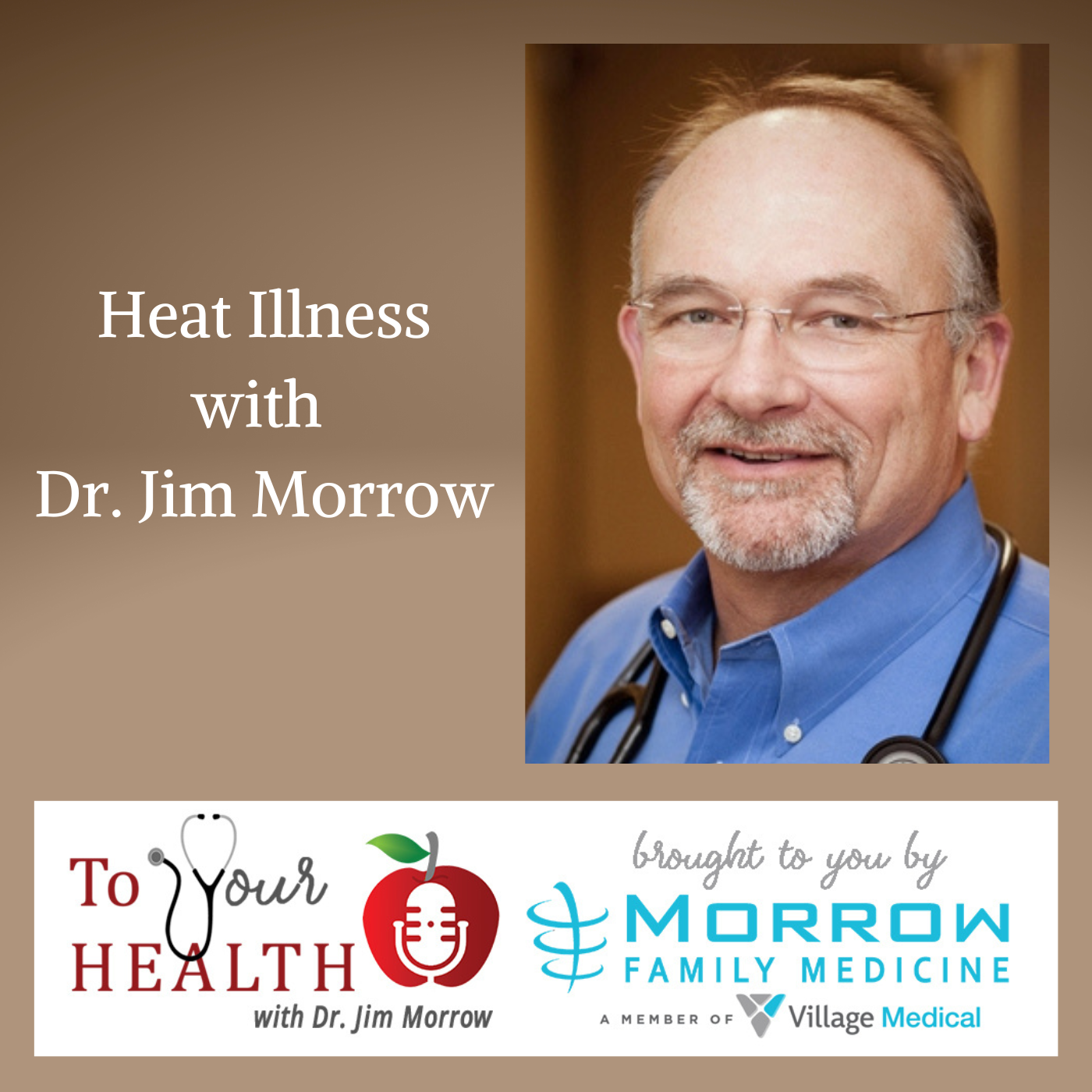
On this episode of To Your Health, Dr. Jim Morrow of Village Medical offered common sense information about heat illness. After a brief update on monkeypox, Dr. Morrow discussed how to recognize heat illness, how to prevent it, what causes it, ways to treat it, when to call 911, and much more.

To Your Health is brought to you by Village Medical (formerly Morrow Family Medicine), which brings the care back to healthcare.

About Village Medical (formerly Morrow Family Medicine)

Village Medical, formerly Morrow Family Medicine, is an award-winning, state-of-the-art family practice with offices in Cumming and Milton, Georgia. The practice combines healthcare information technology with old-fashioned care to provide the type of care that many are in search of today. Two physicians, three physician assistants and two nurse practitioners are supported by a knowledgeable and friendly staff to make your visit to Village Medical one that will remind you of the way healthcare should be.  At Village Medical, we like to say we are “bringing the care back to healthcare!”  The practice has been named the “Best of Forsyth” in Family Medicine in all five years of the award, is a three-time consecutive winner of the “Best of North Atlanta” by readers of Appen Media, and the 2019 winner of “Best of Life” in North Fulton County.

Village Medical offers a comprehensive suite of primary care services including preventative care, treatment for illness and injury, and management of chronic conditions such as diabetes, congestive heart failure, chronic obstructive pulmonary disease (COPD) and kidney disease. Atlanta-area patients can learn more about the practice here.

Dr. Jim Morrow, Village Medical, and Host of To Your Health with Dr. Jim Morrow

Covid-19 misconceptionsDr. Jim Morrow is the founder of Morrow Family Medicine. He has been a trailblazer and evangelist in healthcare information technology, was named Physician IT Leader of the Year by HIMSS, a HIMSS Davies Award Winner, the Cumming-Forsyth Chamber of Commerce Steve Bloom Award Winner as Entrepreneur of the Year and he received a Phoenix Award as Community Leader of the Year from the Metro Atlanta Chamber of Commerce.  He is married to Peggie Morrow and together they founded the Forsyth BYOT Benefit, a charity in Forsyth County to support students in need of technology and devices. They have two Goldendoodles, a gaggle of grandchildren and enjoy life on and around Lake Lanier.

Facebook | LinkedIn | Twitter

The complete show archive of To Your Health with Dr. Jim Morrow addresses a wide range of health and wellness topics.
Dr. Morrow’s Show Notes

What are heat exhaustion and heatstroke?

  • Heat exhaustion happens when your body gets too hot. 
    • If you don’t treat heat exhaustion, it can lead to heatstroke. 
    • This occurs when your internal temperature reaches at least 104°F. 
    • Heatstroke is much more serious than heat exhaustion. 
      • It can cause shock, organ failure, or brain damage. In extreme cases, heatstroke can kill you.

Symptoms of heat exhaustion and heatstroke

  • Symptoms of heat exhaustion are:
    • Muscle cramps
    • Heavy sweating
    • Pale or cold skin
    • Weakness and/or confusion
    • Dizziness
    • Headache
    • Nausea or vomiting
    • Fast heartbeat
    • Dark-colored urine, which indicates dehydration
  • In addition to these symptoms, warning signs of heatstroke also include:
    • Fever of 104°F or higher
    • Flushed or red skin
    • Lack of sweating
    • Trouble breathing
    • Fainting
    • Seizures

What causes heat exhaustion and heatstroke?

  • Heat-related illnesses occur when your body can’t keep itself cool. 
    • As the temperature rises, your body produces sweat to stay cool. 
      • On hot, humid days, the increased moisture in the air slows down this process. 
      • When your body can’t cool, your temperature rises and you can become ill.
  • Hot weather and exercise are the main causes of heat exhaustion and heatstroke. 
    • In hot settings, you need to be mindful of the temperature outside. 
    • The heat index is not the same as the temperature. 
      • It measures the air temperature plus the effects of humidity. 
      • A heat index of 90°F or higher calls for extreme caution. 
      • Prolonged exposure to high temperatures increases your risk of heat-related illnesses.

How are heat exhaustion and heatstroke diagnosed?

  • If a person is displaying known heat illness symptoms, 
    • take their temperature. 
    • A reading of 104°F or more means they probably have heatstroke. 
    • You should call 911 and get medical care right away.

Can heat exhaustion and heatstroke be prevented or avoided?

  • There are many things you can do to prevent heat-related illnesses. 
    • Babies, children, and elderly people are more sensitive to heat and require extra attention. 
    • You also are at greater risk if you are ill or obese, or have heart disease. 
    • People who work outside or in a hot setting also are at risk of heat exhaustion and heatstroke.
  • Don’t go outside when the temperature and heat index are high. 
  • If possible, stay indoors in air-conditioned areas. 
  • If you must go outside, take the following precautions.
    • Wear lightweight, light-colored, loose-fitting clothing.
    • Protect yourself from the sun by wearing a hat or using an umbrella.
    • Use sunscreen with a sun protection factor (SPF) of 15 or higher.
    • Drink plenty of water throughout the day. 
      • Dehydration and lack of salt contribute to heat-related illnesses. 
      • Some sports drinks can help replenish the salt in your body lost through sweating. 
      • Drink water or other fluids every 15 to 20 minutes, even if you don’t feel thirsty. 
      • If your urine is clear, you are probably drinking enough fluids. 
      • Dark-colored urine is a sign that you’re dehydrated.
    • Avoid or limit drinks that contain caffeine (such as tea, coffee, and soda) or alcohol.
    • Schedule outdoor activities for cooler times of the day — before 10 a.m. and after 6 p.m.
    • Take frequent breaks from the heat and outdoor activities.
    • Do not stay in or leave a child in your car when it is hot outside. 
      • Even if you open the windows, the intense heat can be extremely dangerous.
  • Certain medicines can put you in danger of heatstroke. 
    • They affect the way your body reacts to heat. 
      • Talk to your doctor if you take any of these or have an ongoing health problem. 
      • They can help you manage the heat with your condition. 
      • These medicines include:
        • Antibiotics
        • Allergy medicines (antihistamines)
        • Some medicines used to manage blood pressure, cholesterol, and heart disease (beta-blockers and vasoconstrictors)
        • Some medicines that treat mental health problems (antidepressants and antipsychotics)
        • Seizure medicines (anticonvulsants)
        • Water pills (diuretics)
        • Laxatives
        • Some diet pills
        • Prescription acne medicines
        • Illegal drugs, such as cocaine (amphetamines)

Heat exhaustion and heatstroke treatment

  • If you or someone else has heat exhaustion, treat symptoms in the following ways.
    • Get out of the heat quickly 
      • and into a cool place, or at least shade.
    • Lie down and elevate your legs 
      • to get blood flowing to your heart.
    • Take off any tight or extra clothing.
    • Apply cool towels to your skin or take a cool bath. 
      • This will help regulate and lower your internal body temperature.
    • Drink fluids, such as water or a sports drink. 
      • Do not guzzle them, but take sips. 
      • Do not drink fluids with caffeine or alcohol.
  • Call 911 if:
    • Symptoms don’t improve 
      • or they still have a fever of 102°F after 30 minutes of initial treatment.
    • The person goes into 
      • shock, 
      • faints, 
      • or has seizures.
    • The person is not breathing. 
    • You also should begin CPR right away to try and revive them.

Living with heat exhaustion and heatstroke

  • After you’ve had heat exhaustion or heatstroke, 
    • you will be sensitive to heat. 
    • This can last for about a week. 
    • It’s important to rest and let your body recover. 
    • Avoid hot weather and exercise. 
    • Ask your doctor when it’s safe to return to your normal activities.

Complications

  • Complications include secondary infections, pneumonia, sepsis, encephalitis, and loss of vision if severe eye infection. 
    • If infection occurs during pregnancy, still birth or birth defects may occur. 
    • The disease may be milder in people vaccinated against smallpox in childhood. 

Causes

  • Monkeypox in both humans and animals is caused by infection with the monkeypox virus – a double-stranded DNA virus. 
    • The virus is found mainly in tropical rainforest regions of Central and West Africa. 
    • The virus is split into Congo Basin and West African clades, matching the geographical areas.
  • Most human cases of monkeypox are acquired from an infected animal, 
    • though the route of transmission remains unknown. 
    • The virus is thought to enter the body through broken skin, the respiratory tract, or the mucous membranes of the eyes, nose, or mouth. 
    • Once a human is infected, transmission to other humans is common, with family members and hospital staff at particularly high risk of infection.
  • Human-to-human transmission is thought to occur primarily through close contact with an infected subject. 
    • There are indications that transmission occurs during sexual intercourse. 
  • Monkeypox symptoms tend to begin 5 to 21 days after infection. 

Prevention

  • Vaccination against smallpox is assumed to provide protection against human monkeypox infection 
    • because they are closely related viruses 
      • and the vaccine protects animals from experimental lethal monkeypox challenges. 
      • This has not been conclusively demonstrated in humans because routine smallpox vaccination was discontinued following the eradication of smallpox.

Treatment

  • In the European Union and the United States, tecovirimat is approved for the treatment of several poxviruses, including monkeypox. 
    • Best Practice recommends tecovirimat or the smallpox treatment brincidofovir as the first line antiviral treatment if required, 
      • alongside supportive care (including antipyretic, fluid balance and oxygenation). 
      • Empirical antibiotic therapy or aciclovir may be used if secondary bacterial or varicella zoster infection is suspected, respectively. 

Tagged With: Dr. Jim Morrow, heat exhaustion, heat lllness, heat stroke, hot weather, summer, To Your Health, Village Medical

Pallavi Ghanta, Help2Breathe

July 14, 2022 by John Ray

Help2Breathe
North Fulton Studio
Pallavi Ghanta, Help2Breathe
Loading
00:00 /
RSS Feed
Share
Link
Embed

Download file

Help2Breathe

Pallavi Ghanta, Help2Breathe (Episode 77, To Your Health with Dr. Jim Morrow)

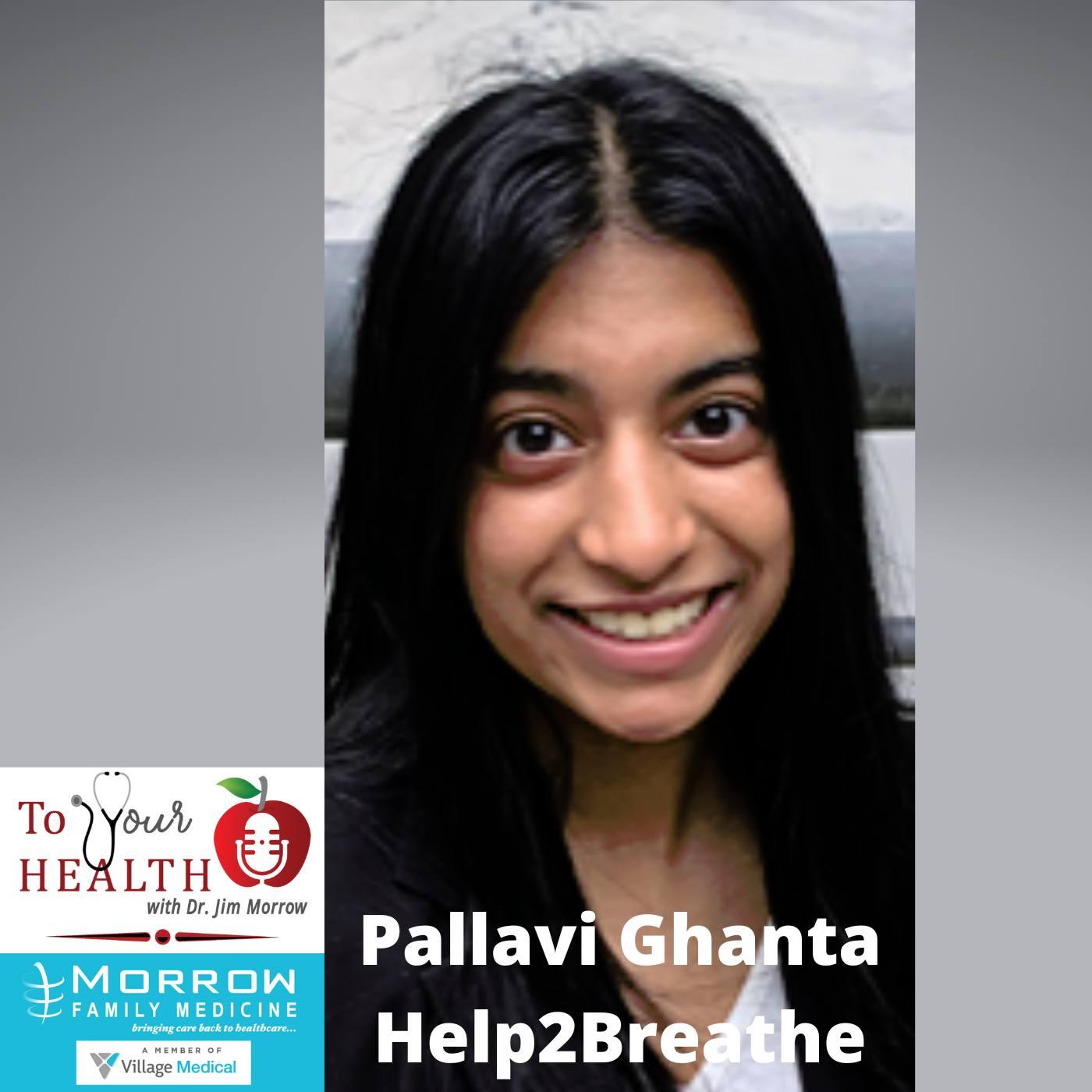
On this edition of To Your Health, Dr, Morrow welcomes Pallavi Ghanta, a high school senior at Denmark High School, who founded Help2Breathe. As a nonprofit, Help2Breathe repurposes durable medical equipment and provides it to needy and homeless patients who otherwise might not have access to this needed care. They discussed the shortage of CPAP machines, her blog, how people can support Help2Breathe, and much more.

To Your Health is brought to you by Village Medical (formerly Morrow Family Medicine), which brings the care back to healthcare.

Help2Breathe

Help2Breathe (Help2Breathe.com) is a 501(c)(3) charity with the mission of collecting donations of used and unused medical equipment and with the help of medical volunteers providing them to needy and homeless patients.

The charity was started by Pallavi Ghanta, a rising senior at Denmark High School, Forsyth County. Pallavi, while volunteering at nursing homes noticed that medical equipment belonging to recently deceased residents was often disposed of.

Given her volunteer work at the Good Samaritan Health Center, a free clinic in Atlanta, she was well aware of the severe need for such equipment among the poor and homeless served at the clinic. Connecting the dots, she worked to salvage and ensure such equipment got a second life.

Company website | Instagram

Pallavi Ghanta, Founder, Help2Breathe

Pallavi Ghanta, Founder, Help2Breathe

Pallavi is a rising senior at Denmark High School. She has volunteered at several nursing homes, Northside Hospital Forsyth Case Management, and Good Samaritan. She has founded a 501(c)(3) charity Help2Breathe, which collects used and unused medical equipment and donates them to free clinics. She started a blog called Health Care Anxiety, where she interviews seniors who are still working to afford health care.

She is involved in several clubs at school (Debate, Environmental, Finance, Tedtalk). She has earned a Congressional Service Silver Award.

About Village Medical (formerly Morrow Family Medicine)

Village Medical, formerly Morrow Family Medicine, is an award-winning, state-of-the-art family practice with offices in Cumming and Milton, Georgia. The practice combines healthcare information technology with old-fashioned care to provide the type of care that many are in search of today. Two physicians, three physician assistants and two nurse practitioners are supported by a knowledgeable and friendly staff to make your visit to Village Medical one that will remind you of the way healthcare should be.  At Village Medical, we like to say we are “bringing the care back to healthcare!”  The practice has been named the “Best of Forsyth” in Family Medicine in all five years of the award, is a three-time consecutive winner of the “Best of North Atlanta” by readers of Appen Media, and the 2019 winner of “Best of Life” in North Fulton County.

Village Medical offers a comprehensive suite of primary care services including preventative care, treatment for illness and injury, and management of chronic conditions such as diabetes, congestive heart failure, chronic obstructive pulmonary disease (COPD) and kidney disease. Atlanta-area patients can learn more about the practice here.

Dr. Jim Morrow, Village Medical, and Host of To Your Health with Dr. Jim Morrow

Covid-19 misconceptionsDr. Jim Morrow is the founder of Morrow Family Medicine. He has been a trailblazer and evangelist in healthcare information technology, was named Physician IT Leader of the Year by HIMSS, a HIMSS Davies Award Winner, the Cumming-Forsyth Chamber of Commerce Steve Bloom Award Winner as Entrepreneur of the Year and he received a Phoenix Award as Community Leader of the Year from the Metro Atlanta Chamber of Commerce.  He is married to Peggie Morrow and together they founded the Forsyth BYOT Benefit, a charity in Forsyth County to support students in need of technology and devices. They have two Goldendoodles, a gaggle of grandchildren and enjoy life on and around Lake Lanier.

Facebook | LinkedIn | Twitter

The complete show archive of To Your Health with Dr. Jim Morrow addresses a wide range of health and wellness topics.
Tagged With: Dr. Jim Morrow, Help2Breathe, medical equipment, Nonprofit, Pallavi Ghanta, To Your Health With Dr. Jim Morrow, Village Medical

Monkeypox

June 22, 2022 by John Ray

Monkeypox
North Fulton Studio
Monkeypox
Loading
00:00 /
RSS Feed
Share
Link
Embed

Download file

Monkeypox

Monkeypox (Episode 76, To Your Health with Dr. Jim Morrow)

Host Dr. Jim Morrow with Village Medical discussed monkeypox on this episode of To Your Health. After a brief update on COVID-19, Dr.Morrow covered monkeypox’s similarities to smallpox and chickenpox, where it originated, its symptoms and complications, treatment, and much more.

To Your Health is brought to you by Village Medical (formerly Morrow Family Medicine), which brings the care back to healthcare.

About Village Medical (formerly Morrow Family Medicine)

Village Medical, formerly Morrow Family Medicine, is an award-winning, state-of-the-art family practice with offices in Cumming and Milton, Georgia. The practice combines healthcare information technology with old-fashioned care to provide the type of care that many are in search of today. Two physicians, three physician assistants and two nurse practitioners are supported by a knowledgeable and friendly staff to make your visit to Village Medical one that will remind you of the way healthcare should be.  At Village Medical, we like to say we are “bringing the care back to healthcare!”  The practice has been named the “Best of Forsyth” in Family Medicine in all five years of the award, is a three-time consecutive winner of the “Best of North Atlanta” by readers of Appen Media, and the 2019 winner of “Best of Life” in North Fulton County.

Village Medical offers a comprehensive suite of primary care services including preventative care, treatment for illness and injury, and management of chronic conditions such as diabetes, congestive heart failure, chronic obstructive pulmonary disease (COPD) and kidney disease. Atlanta-area patients can learn more about the practice here.

Dr. Jim Morrow, Village Medical, and Host of To Your Health with Dr. Jim Morrow

Covid-19 misconceptionsDr. Jim Morrow is the founder of Morrow Family Medicine. He has been a trailblazer and evangelist in healthcare information technology, was named Physician IT Leader of the Year by HIMSS, a HIMSS Davies Award Winner, the Cumming-Forsyth Chamber of Commerce Steve Bloom Award Winner as Entrepreneur of the Year and he received a Phoenix Award as Community Leader of the Year from the Metro Atlanta Chamber of Commerce.  He is married to Peggie Morrow and together they founded the Forsyth BYOT Benefit, a charity in Forsyth County to support students in need of technology and devices. They have two Goldendoodles, a gaggle of grandchildren and enjoy life on and around Lake Lanier.

Facebook | LinkedIn | Twitter

The complete show archive of To Your Health with Dr. Jim Morrow addresses a wide range of health and wellness topics.

Dr. Morrow’s Show Notes

Monkeypox

  • An ongoing outbreak of monkeypox was confirmed in May 2022,
    • beginning with a cluster of cases found in the United Kingdom.
    • The first recognized case was confirmed on 6 May 2022 in an individual with travel links to Nigeria (where the disease is endemic),
      • but it has been suggested that cases were already spreading in Europe in the previous months.
    • From 18 May onwards, cases were reported from an increasing number of countries and regions,
      • predominantly in Europe, but also in North and South America, Asia, North Africa, and Australia. 
      • 1,033 cases had been confirmed as of 6 June.
  • The outbreak marked the first time the disease has spread widely outside Central and West Africa.
    • Cases have mainly but not exclusively been identified amongst men who have sex with men(MSM),
      • but health authorities emphasized that anyone can catch the disease, particularly if they have close contact with a symptomatic person.
      • Initial WHO assessments expressed the expectation of the outbreak to be contained,
        • and of low impact to the general population in affected countries.
      • A more recent statement acknowledged that undetected transmission had occurred for some time
        • and called for urgent action to reduce transmission.

Signs and symptoms

Monkeypox is an infectious viral disease that can occur in both humans and some other animals.

Early symptoms include

  •  fever, headache, muscle pains, shivering, backache, and feeling extremely tired.

Typically there are swollen lymph nodes behind the ear, below the jaw, in the neck or in the groin.

This is followed by a rash that forms blisters and crusts over;

  • most frequently in the mouth, on the face, hands and feet, genitals and eyes.

The time from exposure to onset of symptoms is on average 12 days; though ranges from 5-to-21 days.

  • The duration of symptoms is typically two to four weeks.
  • Cases may be severe, especially in children, pregnant women or people with suppressed immune systems.
  • Three-quarters of affected people have lesions on the palms and soles,
    • more than two-thirds in the mouth,
    • a third on the genitals and one in five have lesions in the eyes.
    • They begin as small flat spots,
      • before becoming small bumps which then fill with at first clear fluid and then yellow fluid,
        • which subsequently burst and scab over.
        • There may be a few lesions or several thousand, sometimes merging to produce large lesions.
  • In each part of the body affected,
    • the lesions evolve in the same stage.
    • It looks identical to the rash of smallpox.
      • The rash typically lasts around 10-days.
      • An affected person may remain unwell for two to four weeks.
      • After healing, the lesions may leave pale marks before becoming dark
  • Limited person-to-person spread of infection has been reported in disease-endemic areas in Africa.
  • Monkeypox may be spread
    • from handling bushmeat,
    • an animal bite or scratch,
    • body fluids,
    • contaminated objects,
    • or close contact with an infected person.
    • The virus normally circulates among certain rodents.
    • Diagnosis can be confirmed by testing a lesion for the virus’s DNA.
      • The disease can appear similar to chickenpox.
  • The smallpox vaccine can prevent infection with 85% effectiveness,
    • but smallpox vaccination stopped in most parts of the world in the late 1970s,
      • resulting in very little immunity against monkeypox.
      • In 2019, a monkeypox vaccine, Jynneos, was approved for adults in the United States.
      • The current standard for treatment is tecovirimat, an antiviral that is specifically intended to treat infections with orthopoxviruses such as smallpox and monkeypox.
      • It is approved for the treatment of monkeypox in the European Union and the United States.
        • Cidofovir or brincidofovir may also be useful.
        • Reports of the risk of death, if untreated, are as high as 10% to 11% in the Congo Basin(Central African) clade of monkeypox.
  • Monkeypox was first identified in 1958 among laboratory monkeys in Copenhagen, Denmark.
    • Monkeys are not a natural reservoir of the virus.
    • The first cases in humans were found in 1970 in the Democratic Republic of the Congo.
    • An outbreak that occurred in the United States in 2003 was traced to a pet store where rodents imported from Ghana were sold.
      • The 2022 monkeypox outbreak represents the first incidence of widespread community transmission outside of Africa,
        • which began in the United Kingdom in May 2022,
        • with subsequent cases confirmed in at least 20 countries, in Europe, North America, South America, Asia, North Africa, and Australia

Complications

  • Complications include secondary infections, pneumonia, sepsis, encephalitis, and loss of vision if severe eye infection.
    • If infection occurs during pregnancy, stillbirth or birth defects may occur.
    • The disease may be milder in people vaccinated against smallpox in childhood.

Causes

  • Monkeypox in both humans and animals is caused by infection with the monkeypox virus– a double-stranded DNA virus.
    • The virus is found mainly in tropical rainforest regions of Central and West Africa.
    • The virus is split into Congo Basin and West African clades, matching the geographical areas.
  • Most human cases of monkeypox are acquired from an infected animal,
    • though the route of transmission remains unknown.
    • The virus is thought to enter the body through broken skin, the respiratory tract, or the mucous membranes of the eyes, nose, or mouth.
    • Once a human is infected, transmission to other humans is common, with family members and hospital staff at particularly high risk of infection.
  • Human-to-human transmission is thought to occur primarily through close contact with an infected subject.
    • There are indications that transmission occurs during sexual intercourse.
  • Monkeypox symptoms tend to begin 5 to 21 days after infection.

Prevention

  • Vaccination against smallpox is assumed to provide protection against human monkeypox infection
    • because they are closely related viruses
      • and the vaccine protects animals from experimental lethal monkeypox challenges.
      • This has not been conclusively demonstrated in humans because routine smallpox vaccination was discontinued following the eradication of smallpox.

Treatment

  • In the European Union and the United States, tecovirimat is approved for the treatment of several poxviruses, including monkeypox.
    • Best Practice recommends tecovirimat or the smallpox treatment brincidofovir as the first line antiviral treatment if required,
      • alongside supportive care(including antipyretic, fluid balance and oxygenation).
      • Empirical antibiotic therapy or aciclovir may be used if secondary bacterial or varicella-zoster infection is suspected, respectively.

Tagged With: chickenpox, coronavirus, COVID-19, Dr. Jim Morrow, monkeypox, nigeria, smallpox, To Your Health, United Kingdom, vaccinations, Village Medical

Allergies

May 12, 2022 by John Ray

allergies
North Fulton Studio
Allergies
Loading
00:00 /
RSS Feed
Share
Link
Embed

Download file

allergies

Allergies (Episode 75, To Your Health with Dr. Jim Morrow)

On this episode of To Your Health, Dr. Jim Morrow discussed allergies, which can affect a lot of people in the Southeast U.S. He covered the symptoms, why you would not want to get an x-ray, the best treatments for allergic rhinitis, diagnosing food allergies, the use of an EpiPen and much more.

To Your Health is brought to you by Village Medical (formerly Morrow Family Medicine), which brings the care back to healthcare.

About Village Medical (formerly Morrow Family Medicine)

Village Medical, formerly Morrow Family Medicine, is an award-winning, state-of-the-art family practice with offices in Cumming and Milton, Georgia. The practice combines healthcare information technology with old-fashioned care to provide the type of care that many are in search of today. Two physicians, three physician assistants and two nurse practitioners are supported by a knowledgeable and friendly staff to make your visit to Village Medical one that will remind you of the way healthcare should be.  At Village Medical, we like to say we are “bringing the care back to healthcare!”  The practice has been named the “Best of Forsyth” in Family Medicine in all five years of the award, is a three-time consecutive winner of the “Best of North Atlanta” by readers of Appen Media, and the 2019 winner of “Best of Life” in North Fulton County.

Village Medical offers a comprehensive suite of primary care services including preventative care, treatment for illness and injury, and management of chronic conditions such as diabetes, congestive heart failure, chronic obstructive pulmonary disease (COPD) and kidney disease. Atlanta-area patients can learn more about the practice here.

Dr. Jim Morrow, Village Medical, and Host of To Your Health with Dr. Jim Morrow

Covid-19 misconceptionsDr. Jim Morrow is the founder of Morrow Family Medicine. He has been a trailblazer and evangelist in healthcare information technology, was named Physician IT Leader of the Year by HIMSS, a HIMSS Davies Award Winner, the Cumming-Forsyth Chamber of Commerce Steve Bloom Award Winner as Entrepreneur of the Year and he received a Phoenix Award as Community Leader of the Year from the Metro Atlanta Chamber of Commerce.  He is married to Peggie Morrow and together they founded the Forsyth BYOT Benefit, a charity in Forsyth County to support students in need of technology and devices. They have two Goldendoodles, a gaggle of grandchildren and enjoy life on and around Lake Lanier.

Facebook | LinkedIn | Twitter

The complete show archive of To Your Health with Dr. Jim Morrow addresses a wide range of health and wellness topics.

Dr. Morrow’s Show Notes

Allergies

  • When you hear someone talk about having allergies, usually they mean rhinitis or upper respiratory symptoms (runny nose, watery eyes, itching eyes and ears and nose, sneezing).
  • Allergies also can be due to food, medications, animal dander or plants.

Allergic Rhinitis

  • The diagnosis of allergic rhinitis should be made when history and physical findings are consistent with an allergic cause
    • g., clear rhinorrhea,
    • pale discoloration of nasal mucosa,
    • red and watery eyes
    • and one or more of the following symptoms:
      • nasal congestion,
      • runny nose,
      • itchy nose,
      • or sneezing.
    • Individuals with allergic rhinitis should be assessed for the presence of associated conditions such as
      • asthma,
      • atopic dermatitis,
      • sleep-disordered breathing,
      • conjunctivitis,
      • rhinosinusitis,
      • and otitis media.
    • Specific testing (blood or skin) should be performed for patients with a clinical diagnosis of allergic rhinitis
    • who do not respond to empiric treatment,
    • or when diagnosis is uncertain,
    • or when determination of specific target allergen is needed.
  • Sinus imaging should not routinely be performed in patients presenting with symptoms consistent with allergic rhinitis.
  • Intranasal steroids should be prescribed for patients with allergic rhinitis whose symptoms affect quality of life.
  • Oral second-generation/less sedating antihistamines should be suggested for patients with allergic rhinitis and primary complaints of sneezing and itching.
  • Intranasal antihistamines may be prescribed for patients with
    • seasonal,
    • perennial,
    • or episodic allergic rhinitis.
  • Oral leukotriene receptor antagonists should not be prescribed as initial therapy for patients with AR.
  • Combination pharmacologic therapy may be prescribed for patients with allergic rhinitis who have inadequate response to monotherapy.
    • The most effective combination therapy is
      • an intranasal steroid
      • and an intranasal antihistamine.
    • Immunotherapy should be prescribed for patients with allergic rhinitis who have inadequate response to pharmacologic therapy.
    • Avoidance of known allergens or environmental control may be considered in patients with allergic rhinitis who have identified allergens that correlate with their clinical symptoms.

Allergy Testing

  • There are many types of allergies:
    • environmental,
    • foods,
    • drug,
  • An estimated 10% to 30% of the global population has an allergic disease.
  • Clinical presentations of allergic diseases, respiratory infections, and autoimmune conditions have similar features.
  • Allergy and immunologic testing can help clarify the diagnosis and guide treatment.
  • The allergens suspected in an allergy are identified through
    • antibody
    • or skin testing.
  • For patients with an inhalant allergy, skin testing is preferred.
  • In patients with food allergies, eliminating the suspected allergenic food from the diet is the initial treatment.
  • If this is ineffective, antibody or skin testing can exclude allergens.
  • Patients with an anaphylactic reaction to an insect sting should undergo specific antibody or skin testing.
  • Skin testing for penicillin can help when penicillin administration is indicated
    • and there are limited alternatives.
    • Testing for other drug allergies has less well-determined sensitivity and specificity,
      • but can guide the diagnosis.
    • Patch testing can help identify the allergen responsible for contact dermatitis.

Food Allergies

  • Patients with suspected food allergies are commonly seen in clinical practice.
  • Although up to 15 percent of parents believe their children have food allergies,
    • these allergies have been confirmed in only 1 to 3 percent of all Americans.
  • Family physicians must be able to separate true food allergies from
    • food intolerance,
    • food dislikes,
    • and other conditions that mimic food allergy.
  • The most common foods that produce allergic symptoms are
    • milk,
    • eggs,
    • seafood,
    • peanuts,
    • and tree nuts.
  • Although skin testing and blood assays may help in the evaluation of suspected food allergies,
    • they should not be performed unless the clinical history suggests a specific food allergen to which testing can be targeted.
  • Furthermore, these tests do not confirm food allergy.
    • Confirmation requires a positive food challenge
      • or a clear history of an allergic reaction to a food
      • and resolution of symptoms after eliminating that food from the diet.
    • More than 70 percent of children will outgrow milk and egg allergies by early adolescence,
      • whereas peanut allergies usually remain throughout life.
    • The most serious allergic response to food allergy is anaphylaxis.
      • It requires emergency care that should be initiated by the patient or family using an epinephrine auto-injector,
        • which should be carried by anyone with a diagnosed food allergy.
  • There are no recommended medications to prevent allergic reactions to food.
    • Allergen-specific immunotherapy or immunotherapy with cross-reacting allergens
      • is not recommended to treat food allergy.
    • Some environmental allergens cross-react with foods, such as:


ENVIRONMENTAL ALLERGEN                  CROSS-REACTIVE FOODS
Birch pollenCarrots, celery, fresh fruit (e.g., apples, cherries, nectarines, peaches, pears), hazelnuts, parsnips, potatoes
Grass pollenKiwi, tomatoes
Ragweed pollenBananas, melons (e.g., cantaloupe, honeydew, watermelon)


Nonallergic Rhinitis

  • Chronic nonallergic rhinitis encompasses a group of rhinitis subtypes
    • without allergic or infectious etiologies.
  • Although chronic nonallergic rhinitis represents about one-fourth of rhinitis cases and impacts 20 to 30 million patients in the United States,
    • its pathophysiology is unclear
    • and diagnostic testing is not available.
  • Characteristics such as no evidence of allergy or defined triggers help define clinical subtypes.
  • There are several subtypes with overlapping presentations, including:
    • nonallergic runny nose,
    • senile or geriatric rhinitis,
    • gustatory rhinitis,
    • drug-induced rhinitis,
    • hormonal rhinitis, and
    • occupational rhinitis.
  • Treatment is symptom-driven and similar to that of allergic rhinitis.
    • Patients should avoid known triggers when possible.
  • First-line therapies include
    • intranasal corticosteroids,
    • intranasal antihistamines,
    • and intranasal ipratropium (a drying agent).
  • Combination therapy with decongestants and first-generation antihistamines can be considered
    • if monotherapy does not adequately control symptoms.
  • Nasal irrigation and intranasal capsaicin may be helpful but need further investigation.

Tagged With: allergic rhinitis, allergies, asthma, congestion, Dr. Jim Morrow, epipen, Food allergies, To Your Health, Village Medical

Caffeine

April 14, 2022 by John Ray

Caffeine
North Fulton Studio
Caffeine
Loading
00:00 /
RSS Feed
Share
Link
Embed

Download file

Caffeine

Caffeine (Episode 73, To Your Health with Dr. Jim Morrow)

On this episode of To Your Health, Dr. Morrow shared information about caffeine:  from coffee to green tea to energy drinks. He covered the health benefits of consuming caffeine, and that of coffee in particular, such as its impact on exercise and some forms of cancer. He discussed concerns of note when consuming caffeine, particularly for pregnant women, and much more. To Your Health is brought to you by Morrow Family Medicine, a Member of Village Medical, which brings the care back to healthcare.

About Morrow Family Medicine, A Member of Village Medical

Morrow Family Medicine, a Member of Village Medical, is an award-winning, state-of-the-art family practice with offices in Cumming and Milton, Georgia. The practice combines healthcare information technology with old-fashioned care to provide the type of care that many are in search of today. Two physicians, three physician assistants and two nurse practitioners are supported by a knowledgeable and friendly staff to make your visit to Morrow Family Medicine, A Member of Village Medical one that will remind you of the way healthcare should be.  At Morrow Family Medicine, a Member of Village Medical, we like to say we are “bringing the care back to healthcare!”  The practice has been named the “Best of Forsyth” in Family Medicine in all five years of the award, is a three-time consecutive winner of the “Best of North Atlanta” by readers of Appen Media, and the 2019 winner of “Best of Life” in North Fulton County.

Village Medical offers a comprehensive suite of primary care services including preventative care, treatment for illness and injury, and management of chronic conditions such as diabetes, congestive heart failure, chronic obstructive pulmonary disease (COPD) and kidney disease. Atlanta-area patients can learn more about the practice here.

Dr. Jim Morrow, Morrow Family Medicine, and Host of To Your Health with Dr. Jim Morrow

Covid-19 misconceptionsDr. Jim Morrow is the founder and CEO of Morrow Family Medicine. He has been a trailblazer and evangelist in healthcare information technology, was named Physician IT Leader of the Year by HIMSS, a HIMSS Davies Award Winner, the Cumming-Forsyth Chamber of Commerce Steve Bloom Award Winner as Entrepreneur of the Year and he received a Phoenix Award as Community Leader of the Year from the Metro Atlanta Chamber of Commerce.  He is married to Peggie Morrow and together they founded the Forsyth BYOT Benefit, a charity in Forsyth County to support students in need of technology and devices. They have two Goldendoodles, a gaggle of grandchildren and enjoy life on and around Lake Lanier.

Facebook: https://www.facebook.com/MorrowFamMed/

LinkedIn: https://www.linkedin.com/company/7788088/admin/

Twitter: https://twitter.com/toyourhealthMD

The complete show archive of To Your Health with Dr. Jim Morrow addresses a wide range of health and wellness topics and can be found at www.toyourhealthradio.com.

Dr. Morrow’s Show Notes

What is caffeine?

  • Caffeine is a natural stimulant most commonly found in tea, coffee, and a few other plants.
  • It works by stimulating the brain and central nervous system, helping you stay alert and prevent the onset of tiredness.
  • Historians track the first brewed tea as far back as 2737 B.C.
  • Coffee was reportedly discovered many years later by an Ethiopian shepherd who noticed the extra energy it gave his goats.
  • Caffeinated soft drinks hit the market in the late 1800s and energy drinks soon followed.
  • Nowadays, 80% of the world’s population consumes a caffeinated product each day, and this number goes up to 90% for adults in North America.

How it works

  • Once consumed, caffeine is quickly absorbed from the gut into the bloodstream.
  • From there, it travels to the liver and is broken down into compounds that can affect the function of various organs.
  • That said, caffeine’s main effect is on the brain.
  • It functions by blocking the effects of adenosine, which is a neurotransmitter that relaxes the brain and makes you feel tired
  • Normally, adenosine levels build up over the day, making you increasingly more tired and causing you to want to go to sleep.
  • Caffeine helps you stay awake by connecting to adenosine receptors in the brain without activating them. This blocks the effects of adenosine, leading to reduced tiredness.
  • It may also increase blood adrenaline levels and increase brain activity of the neurotransmitters dopamine and norepinephrine
  • This combination further stimulates the brain and promotes a state of arousal, alertness, and focus. Because it affects your brain, caffeine is often referred to as a psychoactive drug.
  • Additionally, caffeine tends to exert its effects quickly.
  • For instance, the amount found in one cup of coffee can take as little as 20 minutes to reach the bloodstream and about 1 hour to reach full effectiveness

What foods and drinks contain caffeine?

  • Caffeine is naturally found in the seeds, nuts, or leaves of certain plants.
  • These natural sources are then harvested and processed to produce caffeinated foods and beverages.
  • Here are the amounts of caffeine expected per 8-ounce (240-mL) serving of some popular beverages:
  • Espresso:240–720 mg
  • Coffee:102–200 mg
  • Energy drinks:50–160 mg
  • Brewed tea:40–120 mg
  • Soft drinks:20–40 mg
  • Decaffeinated coffee:3–12 mg
  • Cocoa beverage:2–7 mg
  • Chocolate milk:2–7 mg


  • Some foods also contain caffeine. For instance, 1 ounce (28 grams) of milk chocolate contains 1–15 mg, whereas 1 ounce of dark chocolate has 5–35 mg
  • You can also find caffeine in some prescription or over-the-counter drugs like cold, allergy, and pain medications. It’s also a common ingredient in weight loss supplements.


May improve mood and brain function

  • Caffeine, once again, has the ability to block the brain-signaling molecule adenosine.
  • This causes a relative increase in other signaling molecules, such as dopamine and norepinephrine
  • This change in brain messaging is thought to benefit your mood and brain function.
  • One review reports that after participants ingested 37.5–450 mg of caffeine, they had improved alertness, short-term recall, and reaction time
  • In addition, a study linked drinking 2–3 cups of caffeinated coffee (providing about 200–300 mg caffeine) per day to a 45% lower risk of suicide
  • Another study reported a 13% lower risk of depression in caffeine consumers
  • When it comes to mood, more caffeine isn’t necessarily better.
  • A study found that a second cup of coffee produced no further benefits unless it was consumed at least 8 hours after the first cup
  • Drinking between 3–5 cups of coffee per day or more than 3 cups of tea per day may also reduce the risk of brain diseases such as Alzheimer’s and Parkinson’s by 28–60%
  • It’s important to note that coffee and tea contain other bioactive compounds (besides caffeine) that may also be beneficial.

May boost metabolism and fat burning

  • Because of its ability to stimulate the central nervous system, caffeine may increase metabolism by up to 11% and fat burning by up to 13%
  • Practically speaking, consuming 300 mg of caffeine per day may allow you to burn an extra 79 calories daily
  • This amount may seem small, but it’s similar to the calorie excess responsible for the average yearly weight gain of 2.2 pounds (1 kg) in American
  • However, a 12-year study on caffeine and weight gain noted that the participants who drank the most coffee were, on average, only 0.8–1.1 pounds (0.4–0.5 kg) lighter at the end of the study

May enhance exercise performance

  • When it comes to exercise, caffeine may increase the use of fat as fuel.
  • This is beneficial because it can help the glucose stored in muscles last longer, potentially delaying the time it takes your muscles to reach exhaustion
  • Caffeine may also improve muscle contractions and increase tolerance to fatigue
  • Researchers observed that doses of 2.3 mg per pound (5 mg per kg) of body weight improved endurance performance by up to 5% when consumed 1 hour before exercise
  • Doses as low as 1.4 mg per pound (3 mg per kg) of body weight may be sufficient to reap the benefits
  • What’s more, studies report similar benefits in team sports, high-intensity workouts, and resistance exercises
  • Finally, it may also reduce perceived exertion during exercise by up to 5.6%, which can make workouts feel easier

May protect against heart disease and diabetes

  • Despite what you may have heard, caffeine doesn’t raise the risk of heart disease
  • In fact, evidence shows a 16–18% lower risk of heart disease in men and women who drink between 1–4 cups of coffee daily (providing approximately 100–400 mg of caffeine)
  • Other studies show that drinking 2–4 cups of coffee or green tea per day is linked to a 14–20% lower risk of stroke
  • One thing to keep in mind is that caffeine may slightly raise blood pressure in some people.
  • However, this effect is generally small (3–4 mmHg) and tends to fade for most individuals when they consume coffee regularly
  • It may also protect against diabetes.
  • A review noted that those who drink the most coffee have up to a 29% lower risk of developing type 2 diabetes. Similarly, those who consume the most caffeine have up to a 30% lower risk
  • The authors observed that the risk drops by 12–14% for every 200 mg of caffeine consumed
  • Interestingly, consuming decaffeinated coffee was also linked to a 21% lower risk of diabetes. This indicates that other beneficial compounds in coffee can also protect against type 2 diabetes

Other health benefits of coffee

  • Coffee consumption is linked to several other health benefits:
  • Liver protection.
    • Coffee may reduce the risk of liver damage (cirrhosis) by as much as 84%. It may slow disease progression, improve treatment response, and lower the risk of premature death
    • Drinking coffee may decrease the risk of premature death by as much as 30%, especially for women and people with diabetes
  • Decreased cancer risk.
    • Drinking 2–4 cups of coffee per day may reduce liver cancer risk by up to 64% and colorectal cancer risk by up to 38%
  • Skin protection.
    • Consuming 4 or more cups of caffeinated coffee per day may lower the risk of skin cancer by 20% 
  • Reduced MS risk.
    • Coffee drinkers may have up to a 30% lower risk of developing multiple sclerosis (MS). However, not all studies agree 
  • Gout prevention.
    • Regularly drinking 4 cups of coffee per day may reduce the risk of developing gout by 40% in men and 57% in women
  • Gut health.
    • Consuming 3 cups of coffee a day for as few as 3 weeks may increase the amount and activity of beneficial gut bacteria
  • Keep in mind that coffee also contains other substances that improve health.
    • Some benefits listed above may be caused by substances other than caffeine.

Safety and side effects

  • Caffeine consumption is generally considered safe, although habit-forming.
  • Some side effects linked to excess intake include anxiety, restlessness, tremors, irregular heartbeat, and trouble sleeping
  • Too much caffeine may also promote headaches, migraine, and high blood pressure in some individuals
  • In addition, caffeine can easily cross the placenta, which can increase the risk of miscarriage or low birth weight.
  • Pregnant women should limit their intake
  • Caffeine can also interact with some medications.
  • Individuals taking the muscle relaxant Zanaflex or the antidepressant Luvox should avoid caffeine because these drugs can increase their effects

Recommended dosages

  • The U.S. Department of Agriculture (USDA) considers a daily intake of 400 mg of caffeine to be safe.
  • This amounts to 2–4 cups of coffee per day
  • That said, it’s worth noting that fatal overdoses have been reported with single doses of 500 mg of caffeine.
  • Therefore, it’s recommended to limit the amount of caffeine you consume at one time to 200 mg per dose
  • According to the American College of Obstetricians and Gynecologists, pregnant women should limit their daily intake to 200 mg

The bottom line

  • Caffeine isn’t as unhealthy as it was once believed.
  • In fact, evidence shows that it may be just the opposite.
  • Therefore, it’s safe to consider your daily cup of coffee or tea as an enjoyable way to promote good health.

Credit to www.healthline.com

Tagged With: caffeine, caffeine and pregnancy, coffee, diabetes, Dr. Jim Morrow, Exercise, liver cancer, tea, To Your Health With Dr. Jim Morrow, Village Medical

Suicide Prevention: An Interview with Kristen Petillo, American Foundation for Suicide Prevention

March 24, 2022 by John Ray

Suicide Prevention
North Fulton Studio
Suicide Prevention: An Interview with Kristen Petillo, American Foundation for Suicide Prevention
Loading
00:00 /
RSS Feed
Share
Link
Embed

Download file

Suicide Prevention

Suicide Prevention: An Interview with Kristen Petillo, American Foundation for Suicide Prevention (Episode 72, To Your Health with Dr. Jim Morrow)

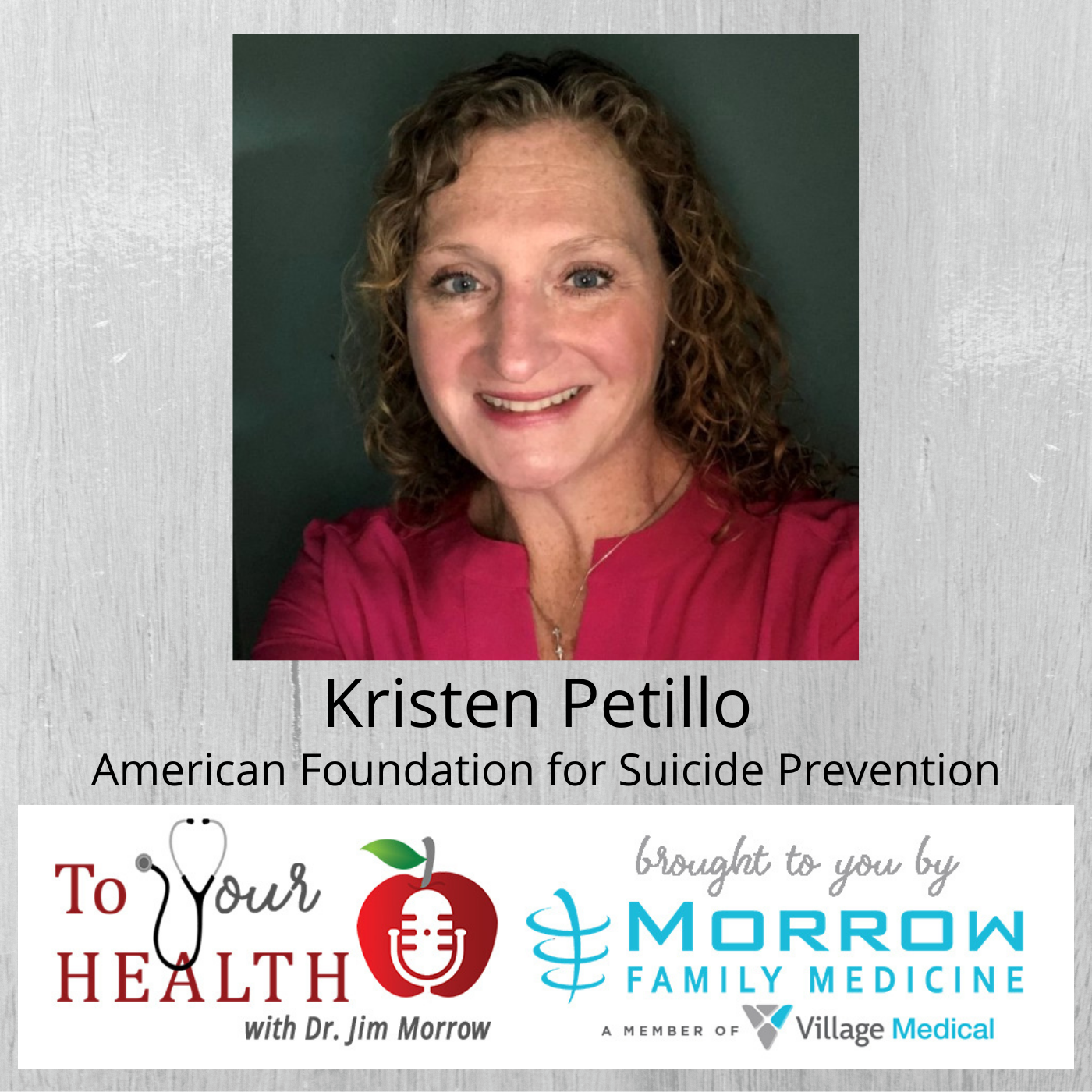
On this episode of To Your Health, Kristen Petillo, Area Director of the Georgia Chapter for the American Foundation for Suicide Prevention, joined Dr. Morrow to discuss suicide prevention. Ms. Petillo covered who is at risk, what the warning signs are, the mission of AFSP, their current initiatives, and much more. To Your Health is brought to you by Village Medical (formerly Morrow Family Medicine), which brings the care back to healthcare.

American Foundation for Suicide Prevention

Established in 1987, the American Foundation for Suicide Prevention (AFSP) is a voluntary health organization that gives those affected by suicide a nationwide community empowered by research, education, and advocacy to take action against this leading cause of death.

AFSP is dedicated to saving lives and bringing hope to those affected by suicide. Led by CEO Robert Gebbia and headquartered in New York, and with a public policy office in Washington, D.C., AFSP has local chapters in all 50 states with programs and events nationwide.

AFSP celebrates 30 years of service to the suicide prevention movement.

Company website | Facebook | Instagram | Twitter

Kristen Petillo, Area Director, Georgia Chapter, American Foundation for Suicide Prevention

Kristen Petillo, Area Director, Georgia Chapter, American Foundation for Suicide Prevention

Kristen is a former New Yorker with 20+ years in the health and human services/non-profit space.

Kristen enjoys connecting with community and creating opportunities to empower and uplift others.
When she is not representing AFSP, Kristen can be found spending time with her husband of 21 years and their son, Jack, a senior in High School. Together, they enjoy a life filled with family, friends, travel, and endurance events.

LinkedIn

About Morrow Family Medicine, A Member of Village Medical

Morrow Family Medicine, a Member of Village Medical, is an award-winning, state-of-the-art family practice with offices in Cumming and Milton, Georgia. The practice combines healthcare information technology with old-fashioned care to provide the type of care that many are in search of today. Two physicians, three physician assistants and two nurse practitioners are supported by a knowledgeable and friendly staff to make your visit to Morrow Family Medicine, A Member of Village Medical one that will remind you of the way healthcare should be.  At Morrow Family Medicine, a Member of Village Medical, we like to say we are “bringing the care back to healthcare!”  The practice has been named the “Best of Forsyth” in Family Medicine in all five years of the award, is a three-time consecutive winner of the “Best of North Atlanta” by readers of Appen Media, and the 2019 winner of “Best of Life” in North Fulton County.

Village Medical offers a comprehensive suite of primary care services including preventative care, treatment for illness and injury, and management of chronic conditions such as diabetes, congestive heart failure, chronic obstructive pulmonary disease (COPD) and kidney disease. Atlanta-area patients can learn more about the practice here.

Dr. Jim Morrow, Morrow Family Medicine, and Host of “To Your Health with Dr. Jim Morrow”

Covid-19 misconceptionsDr. Jim Morrow is the founder and CEO of Morrow Family Medicine. He has been a trailblazer and evangelist in the area of healthcare information technology, was named Physician IT Leader of the Year by HIMSS, a HIMSS Davies Award Winner, the Cumming-Forsyth Chamber of Commerce Steve Bloom Award Winner as Entrepreneur of the Year and he received a Phoenix Award as Community Leader of the Year from the Metro Atlanta Chamber of Commerce.  He is married to Peggie Morrow and together they founded the Forsyth BYOT Benefit, a charity in Forsyth County to support students in need of technology and devices. They have two Goldendoodles, a gaggle of grandchildren and enjoy life on and around Lake Lanier.

Facebook: https://www.facebook.com/MorrowFamMed/

LinkedIn: https://www.linkedin.com/company/7788088/admin/

Twitter: https://twitter.com/toyourhealthMD

The complete show archive of “To Your Health with Dr. Jim Morrow” addresses a wide range of health and wellness topics, and can be found at www.toyourhealthradio.com.

Tagged With: AFSP, American Foundation for Suicide Prevention, Dr. Jim Morrow, Kristen Petillo, Project 2025, Suicide, Suicide prevention, To Your Health, Village Medical

When Medicines Fight Back: Allergies and Anaphylaxis

March 10, 2022 by John Ray

Allergies
North Fulton Studio
When Medicines Fight Back: Allergies and Anaphylaxis
Loading
00:00 /
RSS Feed
Share
Link
Embed

Download file

Allergies

When Medicines Fight Back:  Allergies and Anaphylaxis (Episode 71, To Your Health with Dr. Jim Morrow)

On this episode of To Your Health, Dr. Jim Morrow, speaking from his own personal experience, covered allergies and anaphylaxis–a severe allergic reaction–caused by a reaction to medication. Dr. Morrow talked about the antibodies that create a response, not to take a “wait and see” approach, carrying epi-pens, substances that cause allergic reactions, asthma, how to prevent anaphylaxis, and much more. He and producer John Ray also announced that there is now a phone line listeners can use to call in questions for Dr. Morrow. The number is 404-530-9691. Leave your name and question, and Dr. Morrow will address it on the show. You can also leave ideas for show topics. To Your Health is brought to you by Morrow Family Medicine, a Member of Village Medical, which brings the care back to healthcare.

About Morrow Family Medicine, A Member of Village Medical

Morrow Family Medicine, a Member of Village Medical, is an award-winning, state-of-the-art family practice with offices in Cumming and Milton, Georgia. The practice combines healthcare information technology with old-fashioned care to provide the type of care that many are in search of today. Two physicians, three physician assistants and two nurse practitioners are supported by a knowledgeable and friendly staff to make your visit to Morrow Family Medicine, A Member of Village Medical one that will remind you of the way healthcare should be.  At Morrow Family Medicine, a Member of Village Medical, we like to say we are “bringing the care back to healthcare!”  The practice has been named the “Best of Forsyth” in Family Medicine in all five years of the award, is a three-time consecutive winner of the “Best of North Atlanta” by readers of Appen Media, and the 2019 winner of “Best of Life” in North Fulton County.

Village Medical offers a comprehensive suite of primary care services including preventative care, treatment for illness and injury, and management of chronic conditions such as diabetes, congestive heart failure, chronic obstructive pulmonary disease (COPD) and kidney disease. Atlanta-area patients can learn more about the practice here.

Dr. Jim Morrow, Morrow Family Medicine, and Host of To Your Health with Dr. Jim Morrow

Covid-19 misconceptionsDr. Jim Morrow is the founder and CEO of Morrow Family Medicine. He has been a trailblazer and evangelist in healthcare information technology, was named Physician IT Leader of the Year by HIMSS, a HIMSS Davies Award Winner, the Cumming-Forsyth Chamber of Commerce Steve Bloom Award Winner as Entrepreneur of the Year and he received a Phoenix Award as Community Leader of the Year from the Metro Atlanta Chamber of Commerce.  He is married to Peggie Morrow and together they founded the Forsyth BYOT Benefit, a charity in Forsyth County to support students in need of technology and devices. They have two Goldendoodles, a gaggle of grandchildren and enjoy life on and around Lake Lanier.

Facebook: https://www.facebook.com/MorrowFamMed/

LinkedIn: https://www.linkedin.com/company/7788088/admin/

Twitter: https://twitter.com/toyourhealthMD

The complete show archive of To Your Health with Dr. Jim Morrow addresses a wide range of health and wellness topics and can be found at www.toyourhealthradio.com.

Dr. Morrow’s Show Notes

Allergic Reactions

  • An allergy occurs when the body overreacts to an allergen or ‘trigger’ that is typically harmless to most people.
    • Examples of allergies include
      • hay fever,
      • asthma,
      • eczema,
      • hives
      • and food allergy.
      • Estimates suggest that about one person in four is allergic to something and roughly half of all allergy sufferers are children.
      • The symptoms of an allergy range from mild to severe.
      • The most severe type of allergic reaction is anaphylaxis, which may cause death without prompt medical attention.
      • In most cases, effective treatments are available to manage or treat allergy symptoms.

Symptoms of allergies

  • Symptoms depend on the allergy, but may include:
    • Swelling of lips, face, eyes.
    • Runny nose.
    • Red, watery and itchy eyes.
    • Wheeze or persistent cough.
    • Breathing problems.
    • Swelling tongue and tightness of throat.
    • Skin rash.
    • Stomach pains.
    • Vomiting and diarrhea.
  • Do not self-diagnose. The symptoms and signs of allergies are common to many other medical conditions. It is important to see your doctor for professional diagnosis and treatment.

Common allergens

  • A substance in the environment that can cause an allergic reaction in susceptible people is called an ‘allergen’.
    • There are many different allergens, but they all share one thing in common – protein.
    • Some allergens don’t contain protein to begin with, but bind with protein once inside the body to provoke the allergic reaction.
  • Common allergens include:
    • Food – such as crustaceans, eggs, fish, milk, peanuts, tree nuts (for example, almonds, cashews, pecans and walnuts), sesame and soy products.
    • Plants – pollen from grasses and plants.
    • Medicines – including prescription medications (such as penicillin), over-the-counter medicines (such as aspirin) and herbal preparations.
    • Insects – such as dust mites and the venom from bees, ticks, ants and wasps.
    • Molds – such as mushroom and mould spores.
    • Animal dander – such as the fur and skin flakes from domestic pets such as cats and dogs.
    • Chemicals – including industrial and household chemicals and chemical products such as latex rubber.

The immune system reaction

  • Allergy is the result of mistaken identity.
    • An allergen enters the body and is wrongly identified by the immune system as a dangerous substance.
    • In response, the immune system makes antibodies to attack the allergen. These are specific antibodies of the IgE (immunoglobulin E) class.
    • When an allergen is found, IgE antibodies trigger a cascade of immune system reactions,
      • including the release of chemicals known as mast cell chemicals.
      • These are substances that the body normally uses to destroy micro-organisms.
      • The most common of these is histamine.
        • In small amounts, histamine causes itching and reddening of the local area.
        • In large amounts, the nearby blood vessels become dilated and the area swells with accumulated fluid.
        • The immune system’s tendency to overreact to a harmless substance is thought to be genetic.
          • The term ‘atopy’ describes this genetic tendency.
          • Doctors describe a person who has an allergy as being ‘atopic’ – such people usually have raised levels of IgE in their blood.

What Is Anaphylaxis?

  • Anaphylaxis is a serious allergic reaction that is rapid in onset and may cause death.
  • Symptoms usually involve more than one organ system (part of the body), such as the skin or mouth, the lungs, the heart and the gut.
  • Some symptoms include:
  • Skin rashes, itching or hives
  • Swelling of the lips, tongue or throat
  • Shortness of breath, trouble breathing or wheezing (whistling sound during breathing)
  • Dizziness and/or fainting
  • Stomach pain, bloating, vomiting or diarrhea
  • Uterine cramps
  • Feeling like something awful is about to happen
  • Ask your doctor for a complete list of symptoms and an anaphylaxis action plan.
    • Anaphylaxis must be treated right away to provide the best chance for improvement and prevent serious, potentially life-threatening complications.

What Is the Treatment for Anaphylaxis?

  • Epinephrine is the most important treatment available.
    • Always carry two epinephrine auto-injectors so you can quickly treat a reaction wherever you are.
  • Promptly inject the medicine at the first sign of an anaphylactic reaction. 
    • Consider carrying your anaphylaxis action plan along with your auto-injectors.
  • Call 911 to go to a hospital by ambulance. You must seek medical care immediately– even if you feel better – because symptoms can recur.
  • You may need other treatments, in addition to epinephrine.

What Causes Anaphylaxis?

  • An allergy occurs when the body’s immune system sees something as harmful and reacts.
    • Your immune system tries to remove or isolate the trigger.
    • The result is symptoms such as vomiting or swelling.
    • The most common triggers of anaphylaxis are allergens.
    • Medicines, foods, insect stings and bites, and latex most often cause severe allergic reactions.
  • Medicines are the leading cause in adults
    Common culprits are penicillin and other antibiotics, aspirin and aspirin-related products and insulin.
  • Foods are the leading cause in children
    In the U.S., the most common food allergies are

    • peanuts,
    • tree nuts,
    • shellfish,
    • fish,
    • milk,
    • eggs,
    • soy
    • and wheat.
    • These are the “top 8 allergens.” In children, the most common food allergies are milk, eggs, peanuts, soy and wheat. In adults, the most common food allergies are shellfish, tree nuts and peanuts.
  • Insect stings and bites
    • Stinging insects such as bees, wasps, hornets, yellow jackets and fire ants can cause anaphylaxis.
    • Certain tick bites can cause a person to develop severe allergic reactions to meat.
  • Latex
    • Natural rubber latex may cause a mild skin irritation or it can trigger a severe allergic reaction.
      • Direct contact with latex items (latex gloves, condoms and balloons) can cause a reaction.
      • Inhaling small latex particles that have become airborne can trigger latex allergy.
      • Putting on and removing latex gloves can release small latex particles into the air.
    • Physical activity
      • Exercise-induced anaphylaxis is a rare allergic reaction that occurs after vigorous physical activity.
        • Temperature, seasonal changes, drugs, alcohol or eating certain foods before exercise may be co-factors.
        • In other words, both exercise and this other factor have to be present for a person to have the severe allergic reaction.
      • With proper evaluation, allergists identify most causes of anaphylaxis.
        • Some people have allergic reactions without any known exposure to common allergens.
          • If an allergist cannot identify a trigger, the condition is idiopathic anaphylaxis.

How Can I Tell the Difference Between

Anaphylaxis and Asthma?

  • People with asthma often have allergies as well.
    • This puts them at higher risk of developing anaphylaxis, which also can cause breathing problems.
    • For that reason, it is important to manage your asthma well.
    • Some of the symptoms of a severe allergic reaction or a severe asthma attack may seem similar.
    • A helpful clue to tell the these apart is that anaphylaxis may closely follow ingestion of a medication, eating a specific food, or getting stung or bitten by an insect.
  • If you are unsure if it is anaphylaxis or asthma:
  • Use your epinephrine auto-injector first (it treats both anaphylaxis and asthma).
  • Then use your asthma relief inhaler (e.g. albuterol).
  • Call 911 and go to the hospital by ambulance.

What Can I Do to Prevent Anaphylaxis?

  • Know your allergens.An accurate diagnosis is important. An allergist can help you create a plan to keep you safe.
  • Avoid your allergens.
    • If you have a drug allergy, be familiar with both the generic name and brand names of medicines that cause you to have a severe allergic reaction.
      • And be aware of ingredients in a combination product.
      • Become familiar with medicines that might cause a cross-reaction. Read drug information carefully.
    • If you have a food allergy, be careful about everything you eat.
      • Check ingredients on all food labels. Wash hands, and use clean surfaces and utensils to prepare food.
      • Ask restaurant staff how they prepare foods
    • If you react to insect stings or exercise, talk to your doctor about how to avoid these reactions.
  • Carry your epinephrine auto-injectors with you at all times.This is very important and can save your life or the life of a loved one.
  • Prepare with a plan.Have your doctor help you create an anaphylaxis action plan.
  • Talk to your doctor and caregivers.Make sure they know the names of any medications you are allergic to and what symptoms you had when you took them. Give them a list of every drug you take. Some common medicines, like beta-blockers, can worsen anaphylaxis.
  • Wear a medical ID bracelet or necklace.It lets others know of your allergy in an emergency. Also, keep a card in your wallet or purse that explains your allergy.

Who Is At Risk for Anaphylaxis? 

  • People who have experienced anaphylaxis before
  • People with allergies to foods, insect stings, medicine and other triggers

If you are at-risk:

  • Keep your epinephrine auto-injectors on-hand at all times and be ready to use them if an emergency occurs.
  • Talk with your doctor about your triggers and your symptoms. Your doctor may tell you to see an allergist. An allergist can help you identify your allergies and learn to manage your risk of severe reactions.
  • Ask your doctor for an anaphylaxis action plan. This will help you know what to do if you experience anaphylaxis.

Credit to www.aafp.org

Tagged With: allergens, allergic reactions, allergies, anaphylactic shock, anaphylaxis, Dr. Jim Morrow, immune system, To Your Health, Village Medical

Teens and Social Media

February 25, 2022 by John Ray

Teens and Social Media
North Fulton Studio
Teens and Social Media
Loading
00:00 /
RSS Feed
Share
Link
Embed

Download file

Teens and Social Media

Teens and Social Media (Episode 70, To Your Health with Dr. Jim Morrow)

On this episode of To Your Health, Dr. Jim Morrow addressed some of the issues around teens using social media. While there are benefits to social media, such as entertainment, community, and self-expression, there are also risks like bullying, undue peer pressure, and depression.  To protect teens, Dr. Morrow offered several suggestions, including limiting screen time and monitoring your child’s accounts, and he discussed when to involve a health care provider. To Your Health is brought to you by Morrow Family Medicine, a Member of Village Medical, which brings the care back to healthcare.

About Morrow Family Medicine, A Member of Village Medical

Morrow Family Medicine, a Member of Village Medical, is an award-winning, state-of-the-art family practice with offices in Cumming and Milton, Georgia. The practice combines healthcare information technology with old-fashioned care to provide the type of care that many are in search of today. Two physicians, three physician assistants and two nurse practitioners are supported by a knowledgeable and friendly staff to make your visit to Morrow Family Medicine, A Member of Village Medical one that will remind you of the way healthcare should be.  At Morrow Family Medicine, a Member of Village Medical, we like to say we are “bringing the care back to healthcare!”  The practice has been named the “Best of Forsyth” in Family Medicine in all five years of the award, is a three-time consecutive winner of the “Best of North Atlanta” by readers of Appen Media, and the 2019 winner of “Best of Life” in North Fulton County.

Village Medical offers a comprehensive suite of primary care services including preventative care, treatment for illness and injury, and management of chronic conditions such as diabetes, congestive heart failure, chronic obstructive pulmonary disease (COPD) and kidney disease. Atlanta-area patients can learn more about the practice here.

Dr. Jim Morrow, Morrow Family Medicine, and Host of To Your Health with Dr. Jim Morrow

Covid-19 misconceptionsDr. Jim Morrow is the founder and CEO of Morrow Family Medicine. He has been a trailblazer and evangelist in healthcare information technology, was named Physician IT Leader of the Year by HIMSS, a HIMSS Davies Award Winner, the Cumming-Forsyth Chamber of Commerce Steve Bloom Award Winner as Entrepreneur of the Year and he received a Phoenix Award as Community Leader of the Year from the Metro Atlanta Chamber of Commerce.  He is married to Peggie Morrow and together they founded the Forsyth BYOT Benefit, a charity in Forsyth County to support students in need of technology and devices. They have two Goldendoodles, a gaggle of grandchildren and enjoy life on and around Lake Lanier.

Facebook: https://www.facebook.com/MorrowFamMed/

LinkedIn: https://www.linkedin.com/company/7788088/admin/

Twitter: https://twitter.com/toyourhealthMD

The complete show archive of To Your Health with Dr. Jim Morrow addresses a wide range of health and wellness topics and can be found at www.toyourhealthradio.com.

Dr. Morrow’s Show Notes

What’s the impact?

  • Social media is a big part of many teens’ lives.
    • A 2018 Pew Research Center survey of nearly 750 13- to 17-year-olds found that 45% are online almost constantly
      • and 97% use a social media platform,
        • such as YouTube, Facebook, Instagram or Snapchat.

But what impact does social media use have on teens?

Social media benefits

  • Social media allows teens to create online identities,
    • communicate with others
    • and build social networks.
      • These networks can provide teens with valuable support,
        • especially helping those who experience exclusion or have disabilities or chronic illnesses.
      • Teens also use social media for entertainment and self-expression.
        • And the platforms can expose teens to current events,
          • allow them to interact across geographic barriers
            • and teach them about a variety of subjects,
              • including healthy behaviors.
            • Social media that’s humorous or distracting or provides a meaningful connection to peers and a wide social network might even help teens avoid depression.

Social media harms

  • However, social media use can also negatively affect teens,
    • distracting them,
    • disrupting their sleep,
    • and exposing them
      • to bullying,
      • rumor spreading,
      • unrealistic views of other people’s lives
      • and peer pressure.
    • The risks might be related to how much social media teens use.
      • A 2019 study of more than 6,500 12- to 15-year-olds in the U.S.
        • found that those who spent more than three hours a day using social media might be at heightened risk for mental health problems.
        • Another 2019 study of more than 12,000 13- to 16-year-olds in England
          • found that using social media more than three times a day predicted poor mental health and well-being in teens.
        • Other studies also have observed links between high levels of social media use and depression or anxiety symptoms.
          • A 2016 study of more than 450 teens found that
          • greater social media use, nighttime social media use and emotional investment in social media —
            • such as feeling upset when prevented from logging on —
  • were each linked with worse sleep quality and higher levels of anxiety and depression.
  • How teens use social media also might determine its impact.
    • A 2015 study found that
      • social comparison
      • and feedback seeking
        • by teens using social media and cellphones was linked with depressive symptoms.
        • In addition, a 2013 study found that older adolescents who used social media passively,
          • such as by just viewing others’ photos,
            • reported declines in life satisfaction.
            • Those who used social media to interact with others or post their own content didn’t experience these declines.
          • Another study on the impact of social media
            • on undergraduate college students
              • showed that the longer they used Facebook,
                • the stronger was their belief that others were happier than they were.
                • But the more time the students spent going out with their friends, the less they felt this way.
              • Because of teens’ impulsive natures,
                • experts suggest that teens who post content on social media
                  • are at risk of sharing intimate photos or highly personal stories.
                  • This can result in teens
                    • being bullied,
                    • harassed or
                    • even blackmailed.
                    • Teens often create posts without considering these consequences or privacy concerns.

Protecting your teen

  • There are steps you can take to encourage responsible use of social media and limit some of its negative effects.
  • Consider these tips:
  • Set reasonable limits.
    • Talk to your teen about how to avoid letting social media interfere
      • with his or her activities,
      • sleep,
      • meals
      • or homework.
      • Encourage a bedtime routine that avoids electronic media use, and keep cellphones and tablets out of teens’ bedrooms.
        • Set an example by following these rules yourself.
      • Monitor your teen’s accounts.
        • Let your teen know that you’ll be regularly checking his or her social media accounts.
          • You might aim to do so once a week or more.
          • Make sure you follow through.
        • Explain what’s not OK.
          • Discourage your teen
            • from gossiping,
            • spreading rumors,
            • bullying
            • or damaging someone’s reputation —
              • online or otherwise.
              • Talk to your teen about what is appropriate and safe to share on social media.
            • Encourage face-to-face contact with friends.
              • This is particularly important for teens who are vulnerable to social anxiety disorder.
            • Talk about social media.
              • Talk about your own social media habits.
                • Ask your teen how he or she is using social media
                  • and how it makes him or her feel.
                  • Remind your teen that social media is full of unrealistic images.

If you think your teen is experiencing signs or symptoms of anxiety or depression related to social media use, talk to your child’s health care provider.

Tagged With: anxiety, Depression, Dr. Jim Morrow, human trafficking, Social Media, teens, To Your Health With Dr. Jim Morrow, Village Medical

  • « Previous Page
  • 1
  • 2
  • 3
  • 4
  • …
  • 9
  • Next Page »

Business RadioX ® Network


Our Most Recent Episode

CONNECT WITH US

  • Email
  • Facebook
  • LinkedIn
  • Twitter
  • YouTube

Our Mission

We help local business leaders get the word out about the important work they’re doing to serve their market, their community, and their profession.

We support and celebrate business by sharing positive business stories that traditional media ignores. Some media leans left. Some media leans right. We lean business.

Sponsor a Show

Build Relationships and Grow Your Business. Click here for more details.

Partner With Us

Discover More Here

Terms and Conditions
Privacy Policy

Connect with us

Want to keep up with the latest in pro-business news across the network? Follow us on social media for the latest stories!
  • Email
  • Facebook
  • Google+
  • LinkedIn
  • Twitter
  • YouTube

Business RadioX® Headquarters
1000 Abernathy Rd. NE
Building 400, Suite L-10
Sandy Springs, GA 30328

© 2025 Business RadioX ® · Rainmaker Platform

BRXStudioCoversLA

Wait! Don’t Miss an Episode of LA Business Radio

BRXStudioCoversDENVER

Wait! Don’t Miss an Episode of Denver Business Radio

BRXStudioCoversPENSACOLA

Wait! Don’t Miss an Episode of Pensacola Business Radio

BRXStudioCoversBIRMINGHAM

Wait! Don’t Miss an Episode of Birmingham Business Radio

BRXStudioCoversTALLAHASSEE

Wait! Don’t Miss an Episode of Tallahassee Business Radio

BRXStudioCoversRALEIGH

Wait! Don’t Miss an Episode of Raleigh Business Radio

BRXStudioCoversRICHMONDNoWhite

Wait! Don’t Miss an Episode of Richmond Business Radio

BRXStudioCoversNASHVILLENoWhite

Wait! Don’t Miss an Episode of Nashville Business Radio

BRXStudioCoversDETROIT

Wait! Don’t Miss an Episode of Detroit Business Radio

BRXStudioCoversSTLOUIS

Wait! Don’t Miss an Episode of St. Louis Business Radio

BRXStudioCoversCOLUMBUS-small

Wait! Don’t Miss an Episode of Columbus Business Radio

Coachthecoach-08-08

Wait! Don’t Miss an Episode of Coach the Coach

BRXStudioCoversBAYAREA

Wait! Don’t Miss an Episode of Bay Area Business Radio

BRXStudioCoversCHICAGO

Wait! Don’t Miss an Episode of Chicago Business Radio

Wait! Don’t Miss an Episode of Atlanta Business Radio