
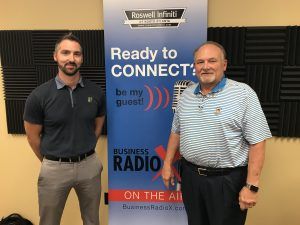
Episode 11, Making the Move to Assisted Living
What signs do I need to look for to know my loved one might need assisted living? What should I do to make this transition easier? On this episode of “To Your Health with Dr. Jim Morrow,” Dr. Morrow addresses these questions and much more with Derek Bailey of The Right Move Senior Resource and Placement Agency. “To Your Health” is brought to you by Morrow Family Medicine, which brings the CARE back to healthcare.
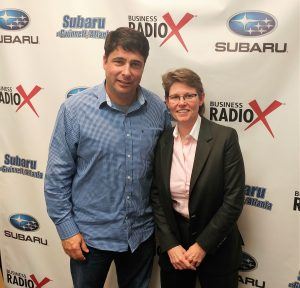
Derek Bailey, The Right Move Senior Resource and Placement Agency
Derek Bailey is the Owner of The Right Move Senior Resource and Placement Agency. The Right Move provides free professional consultation services to local seniors and their families in the Southeast. With years of valuable experience in the local healthcare industry, they are equipped, informed, and connected to ensure you are comfortable with who you trust to provide the necessary level of healthcare for you or your family. If you find yourself faced with a decision on assisted or independent senior living options, in-home personal care, nursing home care, or anything else related to seniors, reach out and allow them to help you make… THE RIGHT MOVE. For more information, go to http://rightmoveresource.com/ or call 770-880-0706.
About Morrow Family Medicine and Dr. Jim Morrow
Morrow Family Medicine is an award-winning, state-of-the-art family practice with offices in Cumming and Milton, Georgia. The practice combines healthcare information technology with old-fashioned care to provide the type of care that many are in search of today. Two physicians, three physician assistants and two nurse practitioners are supported by a knowledgeable and friendly staff to make your visit to Morrow Family Medicine one that will remind you of the way healthcare should be. At Morrow Family Medicine, we like to say we are “bringing the care back to healthcare!” Morrow Family Medicine has been named the “Best of Forsyth” in Family Medicine in all five years of the award, is a three-time consecutive winner of the “Best of North Atlanta” by readers of Appen Media, and the 2019 winner of “Best of Life” in North Fulton County.
Dr. Jim Morrow, Morrow Family Medicine, and Host of “To Your Health With Dr. Jim Morrow”
Dr. Jim Morrow is the founder and CEO of Morrow Family Medicine. He has been a trailblazer and evangelist in the area of healthcare information technology, was named Physician IT Leader of the Year by HIMSS, a HIMSS Davies Award Winner, the Cumming-Forsyth Chamber of Commerce Steve Bloom Award Winner as Entrepreneur of the Year and he received a Phoenix Award as Community Leader of the Year from the Metro Atlanta Chamber of Commerce. He is married to Peggie Morrow and together they founded the Forsyth BYOT Benefit, a charity in Forsyth County to support students in need of technology and devices. They have two Goldendoodles, a gaggle of grandchildren and enjoy life on and around Lake Lanier.
Facebook: https://www.facebook.com/MorrowFamMed/
LinkedIn: https://www.linkedin.com/company/7788088/admin/
Twitter: https://twitter.com/toyourhealthMD
Show Transcript
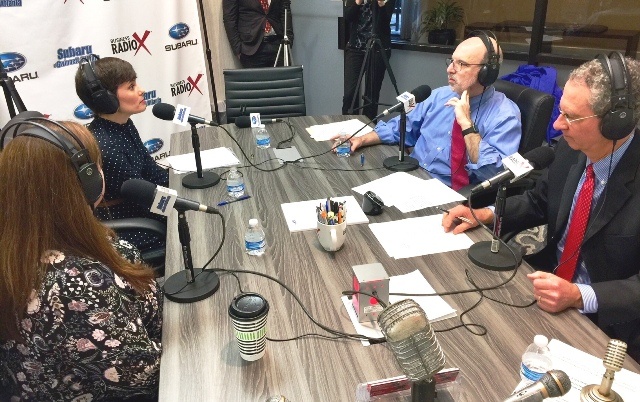
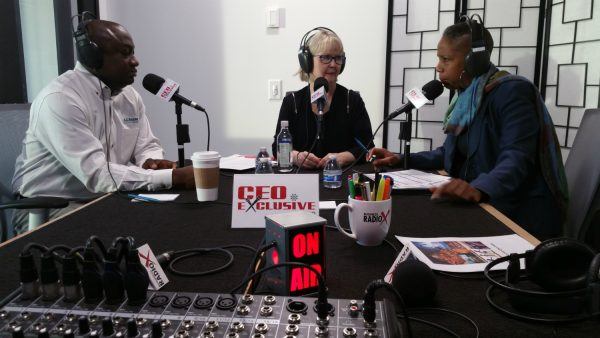
Intro: [00:00:09] Broadcasting live from the North Fulton Business RadioX Studio, it’s time for To Your Health with Dr. Jim Morrow. To Your Health is brought to you by Morrow Family Medicine, an award-winning primary care practice, which brings the care back to health care.
Dr. Jim Morrow: [00:00:25] Hello, this is Dr. Jim Morrow. I’m with Morrow Family Medicine. We have offices in Cumming and Milton, Georgia. At Morrow Family Medicine, we try to use all the technology that we can, and at the same time, use old-fashioned ideas and old-fashioned care to give you the sort of care that you need and you deserve. We realize that you have many choices when it comes to where you receive your health care, and we do appreciate it when that choice is Morrow Family Medicine.
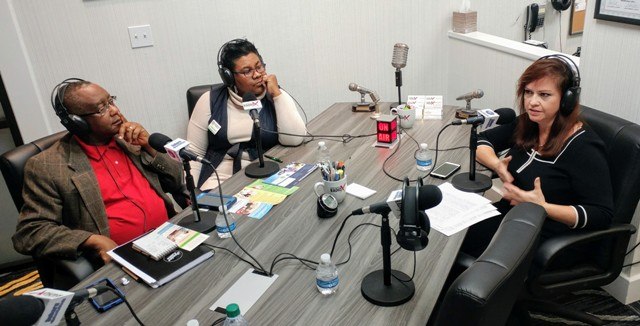
Dr. Jim Morrow: [00:00:53] We’re here at the Renasant Bank on Windward Parkway in Alpharetta, Georgia. Again, here with John Ray. John’s running the board. John’s looking out for e-mails and tweets. How are you doing over there, John?
John Ray: [00:01:04] I’m doing great. How are you doing, Jim?
Dr. Jim Morrow: [00:01:06] I’m great.
John Ray: [00:01:07] Good.
Dr. Jim Morrow: [00:01:07] I’m great.
John Ray: [00:01:07] Good.
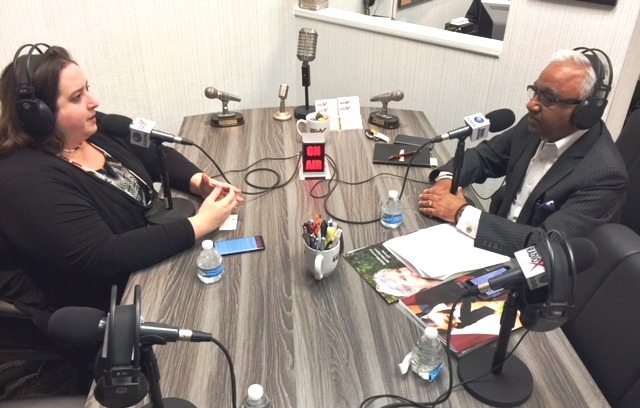
Dr. Jim Morrow: [00:01:08] So, you can email or tweet the show. The email address is drjim@toyourhealth.md or you can tweet us on Twitter. We’re @toyourhealthmd. And we’re very excited today. We’re going to talk today about assisted living and how to help move your parents or your loved one from one home, probably, to a facility that’s not exactly like their home. And we’re very lucky today to have Derek Bailey with us. Derek is the Owner and Founder of the Right Move Senior Resource. And he helps people do this every day. Hey, Derek.
Derek Bailey: [00:01:44] Hey, Dr. Morrow. How you doing?
Dr. Jim Morrow: [00:01:46] I’m good. I’m good. I really appreciate you being here.
Derek Bailey: [00:01:48] We appreciate the opportunity, definitely.
Dr. Jim Morrow: [00:01:50] So, you’re the second guess that we’ve had. And I’m enjoying this. It’s a little bit different from just sitting here and lecturing to our listeners. And I’m kind of liking this. I do appreciate you coming. So, if you would, Derek, start off by telling us about your business, and what it is you do, and how you manage to do it.
Derek Bailey: [00:02:08] Yeah. So, thanks again for the opportunity. Definitely excited to be here with you on the show. The Right Move Senior Resource is here for one reason. We’re here to help seniors navigate care and help them find the right option for them. My background, I spent five years doing hospice care, four years in the hospital setting, and just really saw a need to help families navigate care. I think we do a good job of planning for retirement and kind of getting ready for those years of life. But nobody really wants to talk about the last five or six years of life, and the care that might come up that you need, and the cost for that care, and who can provide that care.
Derek Bailey: [00:02:44] So, after seeing those needs, we decided just to step out and try to fill that need. So, our business, we come in alongside families that are going through situations when mom or dad can no longer stay at home safely. We help them either bring care into the home to help make it safer, or when looking at assisted living senior living options, our goal is to help them find the one that fits their specific needs, their budget, their care needs, their location, and then their preferences on finishes, on amenities, things like that. But, again, at the end of the day, our goal is to help them feel comfortable with who’s providing care for their loved one at that point in time.
Dr. Jim Morrow: [00:03:23] Super. And I know that’s a real need when talking to families that have elderly loved ones. I think they’re two incredibly difficult conversations. One is, “Dad, you can’t drive anymore.” And this is the second one is, “What we’re going to do now that you shouldn’t be at the house by yourself?” So, you hear a lot of people talk about assisted living. And if you drive around the area where we live, there’s an assisted living facility either present or going up on every corner, it seemed like. So, tell our audience exactly what it means when you’re talking about assisted living.
Derek Bailey: [00:03:54] Yeah. So, assisted living is a residential alternative to living at home. So, when an individual might need help with what we call activities of daily living – cooking for themselves, or bathing, medication management, maybe toileting, things like that, and they can no longer do it in their home safely alone – we look at assisted living where they would have their own apartment, where they can kind of have their own space, but there is care available there for them to help them with their activities of daily living. Also, these assisted livings can help with traveling to appointments, taking them to their doctor’s appointments, things like that. So, again, assisted living is for those who may need a little bit of extra help with their activities of daily living and can no longer do them independently at home.
Dr. Jim Morrow: [00:04:42] Well, you mentioned care being available, and I think that’s a point that distinguishes some of these different types of facilities. In the typical assisted living facility, what kind of care would people expect to have that are ready for them?
Derek Bailey: [00:04:57] Yeah. So, there’s actually two different licensures of what we normally see in assisted living or what you see on the side of the road driving down Highway 9 with the 15 that had been built up and down Highway 9. There’s two different licensures – assisted living and personal care. Assisted living license, they have to have a nurse on staff in the building around the clock that is there for nursing needs. Although they don’t manage a lot of the major nursing needs that might arise, but, typically, they’re going to have a certified nursing assistant, the CNA.
Derek Bailey: [00:05:27] And the CNA’s role is to come in and assist them with bathing, dressing, helping them to the toilet, and helping them to know the dining hall if they need help with meals and feeding, but also medication management. That’s a big part. A lot of times, what takes someone from home to assisted living is they’re not managing their medications appropriately. And you know as well as a doctor, taking your medications as prescribed on time is very important to managing certain diseases. And so, that takes them into the assisted living where they can handle that, where they have certified medication technicians or the certified nursing assistants that come in and make sure they’re taking their medications properly.
Dr. Jim Morrow: [00:06:09] And a lot of the assisted living facilities have gradations of care. Tell me a little bit about the independent, versus assisted, versus memory, and so forth.
Derek Bailey: [00:06:21] Yeah, that’s part of what we do in the process of helping a family. So, when we meet with a family, that’s the first thing we do is we assess their care needs. What are those activities of daily living that they need help with? Do they need medication management? Things like that, because all of these independent living, assisted living options, they might not be the right fit for that family.
Derek Bailey: [00:06:43] So, independent living is more of an independent apartment where they don’t need help with those types of things. They’re there more for maybe the meal preparation, maybe socialization. Mom or dad has been isolated in the home for a while, and it’s just nice to get them in and around other people. But they don’t need that much help in the independent living world. When they start to need that help we talked about, the activities of daily living, the help with bathing, to help with dressing, that’s when we look at the assisted living. And to be honest, the assisted livings, they all range in the level of care that they can provide. So, you know that your loved one needs assisted living, but which one can provide the care that we actually need? And that’s what we do. We help them figure out which assisted living can manage their specific care needs.
Dr. Jim Morrow: [00:07:30] And with any of these facilities, of course, paying forward is always a concern. To what degree does traditional insurance or Medicare Medicaid play a role in this?
Derek Bailey: [00:07:41] No, it’s a great question. Every family wants to know who’s paying for it.
Dr. Jim Morrow: [00:07:44] Yeah.
Derek Bailey: [00:07:45] At this point in time, when it comes to independent living, assisted living here in the State of Georgia, the majority of it is private pay by the individual or the family. The only help or care that Medicare or traditional health insurance would actually pay for in the assisted living would be if they needed physical therapy, occupational therapy, or skilled nursing that kind of comes in either through home health or through a third-party therapy provider in the building. That’s what insurance would cover. But as far as the room and board, the daily care at an assisted living, the majority of it is going to be paid by the family.
Dr. Jim Morrow: [00:08:21] And do you have a a range of prices in mind, in general? Tell me about that.
Derek Bailey: [00:08:27] So, it’s a very wide range. As you’ve noticed, all of them being built, they all provide different amenities, different levels of service. And so, on the low end for assisted living, you’re going to be looking in the the $2500 range for probably a shared apartment where you might be in the same apartment with someone else, all the way up to some of the higher end assisted living is are going to cost you $7000 or $8000 dollars a month. So, it’s a very wide range. The average for assisted living apartment here in the Greater Atlanta area is around $3600 a month. So, it’s not cheap when you look at the number, but we try to get families to understand that they’re getting their room and board, all their utilities paid, the food, the activities, and then the care is all lumped into that one number. So, it might look like a very large number, but at the end of the day, you’re getting a lot in that one fee per month. But again, it’s private pay, and it’s a wide range of options to choose from.
Dr. Jim Morrow: [00:09:26] Well, it’s good to have a lot of options in a lot of different facilities that do have those different amenities, so people can have a price range to pick from.
John Ray: [00:09:34] Yeah.
Dr. Jim Morrow: [00:09:35] So, if my loved one – my mother, for example – is getting older and starting to get a little bit frail, what are some of the things I need to be on the lookout for to know that this is a conversation needs to be had?
Derek Bailey: [00:09:48] Yeah, that’s a great question. So, I think we need to start having this conversation much earlier before we start to have issues. The bulk of our clients call us when it’s in the middle of it. And it’s very difficult to make rational decisions when you’re in the thick of things. But at any point in time, when you notice medications being missed, or you’ve noticed they’ve had to go to the physician a few extra times for urinary tract infections, or just losing weight, or overall just getting tired. Also, if you notice their meals, and if they’re not cooking for themselves anymore, or if you’re dropping off meals for them, and they’re not eating them, those types of things are kind of good indicators that maybe mom or dad’s not able to care for themselves anymore. With my grandmother, for instance, we started noticing she kept a very clean house her whole life, and then we started to notice dust piling up, and trash starting not to get taken out, and just little subtle things where we noticed her behavior was different, and we noticed it was time for her to start looking at some senior living options for her.
Dr. Jim Morrow: [00:10:54] That’s great. I appreciate that. I know we have episodes or incidences in the office where we’ll have conversations with family. And, usually, they’re pretty good about noticing that kind of thing, but I like the idea of starting to have that conversation earlier. I never had the privilege of knowing my wife’s mother, but she tells a story about when her mother was getting older, she said, “We need to go look at places where I can live.” And then, my wife, Peggy, will laugh and say she wasn’t sure if that was just because she didn’t want to live with one of her children, or she just want to take the burden off. But it is a large burden. And I think talking about it earlier, and knowing what somebody’s desires are before they get to the point of being in serious need is a very good idea. So, the transition from home to assisted living or other has got to be a very difficult one for everybody involved. Do you have ideas about what can make it easier other than that early conversation?
Derek Bailey: [00:11:50] Yeah. So, a few things I think are very important because, like you said, two of the conversations that are the hardest, “I’m taking your keys away,” and “You can no longer live alone.” You’re taken their way to get around, and taken their independence, and then you’re taking them from their home. So, it is a very big deal. The couple of things that I think have worked with us with families is, obviously, the early conversation. But when the conversation’s too late, it’s getting them involved in the conversation. Asking the senior, the aging loved one, “What are you hoping for in your next home?” And I think really being honest with them as to why we’re having to look at the senior living options as the alternative to what’s been going on.
Derek Bailey: [00:12:32] And then the next thing is getting them involved in the process. So, letting them see the options if we can physically do that. Get them to the options, let them have some input and questions to each assisted living, let them try the food at the assisted living before they make a decision. Really getting them involved in the process gives them a sense that they’re in control of their future rather than someone else is controlling their future for them. I think that’s the biggest thing because we all have kids. We tell our kids what to do. And at some point in time, that role is going to reverse, and that’s very hard. So, allowing them to feel like they still have some power, and some say in their decision making process is important.
Dr. Jim Morrow: [00:13:14] And you mentioned checking out the food and that kind of thing. And obviously, visiting these places is very important. And I think they’re all very, very open to that. I hear from patients that they’ve done a good bit of that kind of thing. But once you move in, and you’re there, and it’s also very new. I’m sure a lot of elderly people or anybody who would be likely to be this way are tempted to just stay in their room and not get involved. And have you seen that the staffs actually try to encourage them to come out and play, if you will?
Derek Bailey: [00:13:43] That’s part of what I think separates some of the good assisted livings from some of the ones that are just kind of middle of the pack or mediocre. They’re actively trying to engage their new residents because that’s very important. That first couple of weeks is a big deal. They know they’re moving someone from their home to a place where they are no longer by themselves completely. So, actively having the activities director come and get them out of the room, getting them to come sit for meals, or they put on a lot of events at these places. So, just really trying to push the resident, the new resident to come out when they can.
Derek Bailey: [00:14:18] What I’ve found to work great in a lot of the assisted livings is they have a team of actual residents that that’s their new job, their purpose. They are there to acclimate a new resident. So, they try to buddy them up with somebody that’s kind of like them or similar situations, and really help them feel comfortable, and using their own residents to help push the new residents into the more social side of things there.
Dr. Jim Morrow: [00:14:44] Oh, that’s an awesome idea. I did not know that. I think that’s a great thing for them to do because it does give them that purpose. And plus, who better to explain to people what it’s like there other than a resident? That’s a great idea. I like that. So, in facilities around the area and, really, in any area, you’ve got the assisted living, and whether it’s independent, or assisted, or memory care. But then, nursing home is a whole different animal. So, if you would explain the difference between nursing home and what we’ve talked about so far?
Derek Bailey: [00:15:20] Yeah. So, nursing home or the traditional skilled nursing facility is there for a much higher level of care that might be needed by a patient. So, if someone is to the point where they are bedridden, or maybe they have certain wounds or diseases that require constant monitoring by a skilled nurse, then we need to look at a skilled nursing home for that situation. Growing up, like my wife’s grandmother, for instance, she thinks all of these places are nursing homes that, “I don’t want to be put into a home.” She thinks some of the nicest assisted living as a home or a nursing home. So, trying to get her to understand the difference, we have that conversation all the time. But when someone requires skilled nursing, 24/7, that’s when we’re looking at a skilled nursing home or nursing facility.
Derek Bailey: [00:16:07] Assisted livings now, with this new assisted living license, can handle someone who may take two people to get from bed to chair. They may be able to wheel themselves around a little bit. But once someone is completely bedridden or needs that nursing attention throughout the day, then we need to look at skilled nursing homes.
Dr. Jim Morrow: [00:16:28] And I know you said that you spent time in hospice. And the home health people are, obviously, involved in the assisted living side. Do you find that the use of home health is able to delay the move to a nursing home for a lot of the people that are in assisted living?
Derek Bailey: [00:16:46] Definitely. And, also, using hospice in the assisted living. Through some licensures and things like that, if home health is managing a lot of the nursing care needs, if it’s a few times a week that they need bandage changes, or just checkups, and things like that, then definitely the home health nurse, the aides can come in and help someone age in place. That’s one of the biggest movements, I think, over the last few years in the assisted living world here, especially in Georgia, is aging in place. And they have begun to use hospice to allow that to happen even at end of life. As long as hospice is involved, the assisted living can, for the most part, manage someone and allow them to stay in their own room throughout the whole process until they pass away. So, you have noticed with the assisted living licenses changes recently, plus hospice being more involved, that we may not have to move to nursing home that towards the end of life if we can help it.
Dr. Jim Morrow: [00:17:45] And in the assisted living centers, do they use sitters in that area either 24 hours or evening sitters? Is that something that this center will allow them to do?
Derek Bailey: [00:17:59] Yeah, at times. So, there will be times that that might be needed. For the most part, the assisted living is going to be staffed well enough to handle the routine care for a resident, the getting them bathed once a day or getting them their medications. But, sometimes, let’s say, after a hospital stay, they come back to the assisted living, and they may need more hourly care than what the normal assisted living could manage. They’ll allow sitters to come in and stay with the resident. And it may only be for a few days just to get them acclimated back into being in the assisted living. But they definitely do rely on sitter services, CNAs to come in and help residents when they need more care than what the assisted living can provide.
Dr. Jim Morrow: [00:18:42] And whether you’re talking about assisted living or nursing home, I think I know the answer for nursing home, but a lot of these patients need specialized diets. And I know in an assisted living, it’s very much a cafeteria style situation. Are they able to prepare specialized meals for patients?
Derek Bailey: [00:18:58] They are. And again, that’s where there’s a lot of newer communities coming out and focusing on those types of things. As the assisted living world is getting bigger and bigger, and they’re allowed to care for more individuals as far as their care needs, you have seen catering to certain diet types, diet restrictions, whether it’s cardiac diet, low sodium diets. Families are able to make that part of their plan moving into the assisted living. And most of them have a chef onboard, and they’re now cooking meals to order.
Dr. Jim Morrow: [00:19:30] Wow.
Derek Bailey: [00:19:31] And so, especially the higher end assisted livings can cook meals to order, much like a restaurant style, and they’ll know a specific resident’s diet restrictions if it’s been put in there when they move in.
Dr. Jim Morrow: [00:19:45] Super. Now, you mentioned a minute ago how the roles seem to flip, and it’s a different point in time for every single family, of course. But at some point, the child becomes a caregiver. Do you have advice for that caregiver as far as not just making the decision about where but about how to best go about making this as painless as possible?
Derek Bailey: [00:20:08] Yeah. Well, that’s something that’s really been on my mind – really, my heart – over the last couple months is that caregiver burnout. We get a lot of clients from the ER, where it’s thrown in their face, where mom and dad has had some type of accident, and they had no idea that mom or dad couldn’t live on their own. So, now they’re picking up the pieces. Where do I go from here? What do I do? How do I get mom and dad to the doctor’s office? How do I manage their medications? And caregiver burnout is a huge problem that I think we face here as our parents age, and those roles reverse, and you’re kind of thrust into a situation that you weren’t prepared for.
Derek Bailey: [00:20:43] So, we’re actually working on kind of a program to help families with that. But I’ll briefly talk about some things that I think we need to focus on. Number one is care. Can they provide the care they need independently? And so, can they manage their own medications? Can they get to the restroom safely? Can they cook for themselves? Those types of things. Number two is the transportation. Can they safely drive themselves to appointments, to social activities? If not, that may fall to the caregiver. So, coming up with a plan for transportation is important to not overwhelm the kid who’s probably still transporting kids around as well.
Derek Bailey: [00:21:25] Another one is the legal side of things. Can you legally make decisions for your parents for their care? So, speaking with an elder care attorney about power of attorneys, both financial and health care, talking about their wishes towards the end of life and being prepared for those conversations, having the legal ability to make those decisions for your parents when they can no longer make those, that’s important. So, speaking with an elder care attorney and getting some of those legal documents taken care of.
Derek Bailey: [00:21:55] Another one of those things to look at is nutrition. Nutrition is a huge part of aging and healthy aging. And it’s really important to make sure our loved ones are eating properly. And so, when you’re thrust into that caregiver role, that’s something that you have to think about. Can they cook for themselves? Is it healthy food? If not, how do we bring them food? Do we deliver it? And that’s a lot of burden on the caregiver. Or are there services that can provide that?
Derek Bailey: [00:22:20] So, these are all things that we’ve been really putting a lot of time and effort into coming up with solutions for. So, hopefully, stay tuned, we’ll have a really nice package for caregivers to really hand them over and say, “Here’s what we have seen that works, and these are the things you need to focus on to keep you from burning out.” Because at the end of the day, they’re going to be caregiver, they’re there to make decisions, but we want to make sure they still have time to be the son, the daughter. We got to make sure they still have time to love their loved ones and not just be thinking about the care that they need.
Dr. Jim Morrow: [00:22:51] I think that’s a great idea. And I think any physician or any practice that deals with adult geriatric medicine would want to have that little packet on hand somewhere to be able to help people out because we do have that conversation quite a bit. And you’re absolutely right about the caregivers. They are running their household, dealing with their family, their children. They’ve got soccer, and school, and projects. And then, they also have to be dealing with the problems that their elderly parents bring. And it bothers them a lot. And I think being able to be aware of that and provide them some sort of assistance is something that would go a long way towards making this entire experience a little bit more tolerable for.
Derek Bailey: [00:23:32] And we also recommend connecting with caregiver support groups. One of our employees actually puts one on monthly. She’s in the Hall County area. But find a local caregiver support group where you can get connected with other people going through the same issue. There’s strength in numbers. There’s ideas that we’ve all tried or others have tried that have worked or not worked. And it’s nice to get around people that can support you and let you know you’re not going through this alone and that there’s help out there for it. So, definitely look into local caregiver support groups.
Dr. Jim Morrow: [00:24:02] I think that’s a great idea. And I know in talking to some of the children of elderly parents that they’ve always felt like this is a very difficult conversation to have, but once they start getting into the conversation and actually dealing with the fact that this loved one is suffering a loss – whether it’s loss of control, or loss of money, or loss of freedom, or independence, whatever it might be – that it makes the entire process a little bit easier because it’s just out in the open, and they can have the conversation, and the caregiver doesn’t have to feel that entire burden on them every minute of every day, which I think is a big problem for a lot of caregivers. So, I appreciate you talking about that.
Derek Bailey: [00:24:44] Yeah.
Dr. Jim Morrow: [00:24:45] So, I’ve got a list here of do’s and don’ts for friends and relatives of people who are moving and making this sort of transition. Things like if you’re asked help with sorting, and packing, and moving. And I think that’s kind of a no-brainer. Listen to your loved one as they talk about what they left behind. It’d be helpful even if you don’t agree with the decision to move. And I’ve seen that happen, and I’m sure you have to, where you’ve got three children, and they have to have a tiebreaker to decide whether or not this should even happen. In your experience, tell me a little bit, if you can, about how you would advise the friends and relatives to help make these things they should do to help make this a little bit better transition?
Derek Bailey: [00:25:28] Yeah, definitely. I think that one of the big things you said there was listen. As our parents age, they just want to be heard sometimes. And so, actively listening to some of their issues or concerns, and helping them understand the move, and helping them try to alleviate some of the issues is very important. But then, also, helping them communicate that to the assisted living that they’ve moved into, because a lot of times, we don’t communicate what we’re upset about or what’s bothering us. And if the assisted living doesn’t know what’s bothering the person, the new resident, then they can’t fix it. So, listen and be an active part communicating with the assisted living.
Derek Bailey: [00:26:04] Another thing I think is to be there, to be present. You don’t have to be there 24/7 because, I think, that can be a little excessive and cause more burnout but do schedule visits. The assisted living allows the resident to come and go. So, go get them, take them to lunch just like you normally would. Try to add some of those routine things that you were doing with them at home, but continue to do that in the assisted living, and help them feel like not every part of life has changed, and that they haven’t just been dropped off somewhere and left. I think that’s one of the biggest fears is, again, back to my wife’s grandmother, “Just don’t drop me off at a home and leave me.” That’s what she keeps saying.
Dr. Jim Morrow: [00:26:43] Well, that continuity is absolutely huge. And I think it’s a gigantic change for everybody in the family now that this person is actually living there. So, I think that’s really good advice. And one thing you said is to listen. We’ve both talked about that. And I think it’s important to listen and not feel like you have to fix that, which has, men, we’re fixers, and we’re trying to pull that nail out of the head, and it can be very difficult. So, about things that you shouldn’t do, I know one of the things that loved ones shouldn’t do is to just feel like they’re going to take over the entire process and run everything. But do you have ideas about other things that are bad ideas during this transition?
Derek Bailey: [00:27:28] Yes. So, I think that’s a great one to not think that the assisted living is just going to take over for you, that they’re going to be involved and help them make the care decisions moving forward. But a few things, I think, to not do. Try not to focus on all the negatives about a particular community. Once you come in, you’re going to see things, you’re going to notice things that might bother you, but address those with the assisted living and try not to bring those up with the loved one. You don’t want to give them more fuel for the fire that might cause them to really be unhappy.
Derek Bailey: [00:28:03] I would say don’t not show up. Don’t ignore the loved one. If they call, answer. If they need you to come, come by and visit. Be very involved. And then, don’t ignore the assisted living. The assisted living is, now, kind of filling in that caregiver role. And so, they need your advice on what mom or dad likes or what their routines might be. So, don’t ignore the assisted living as well. Make sure you’re there helping them now care for your loved one as you have done for so many years before.
Dr. Jim Morrow: [00:28:34] Right, right. Well, I think that’s all great advice. It’s very informative for me. And I even work in the environment. So, it’s a good thing for me to know. And I’m sure it’s very good for our listeners. If you would tell everybody how they can get in touch with you at the Right Move?
Derek Bailey: [00:28:48] Yeah, definitely. You can check us out online. Our website is www.rightmoveresource.com. That’s R-I-G-H-T Move Resource dot com. You can definitely give us a call. Our phone number is 770-880-0706. Check us out on Facebook, anything like that. But definitely just reach out. We’re here to help. We’re very in-person. So, give us a call, reach out online, and we’ll get somebody connected with you definitely.
Dr. Jim Morrow: [00:29:15] All right. And I’m wondering, John’s over here at the board, I’m wondering if we have any questions that anyone’s emailed or tweeted to us.
John Ray: [00:29:22] The question is, how much time do we have, right, because I’ve got several questions here. So, let’s start with a couple, and we’ll see how this goes. So, one question here is, how far in advance, knowing that things change rapidly with seniors and what their journey is, how far in advance should someone be in touch with you, Derek?
Derek Bailey: [00:29:47] I think as early as possible. If there comes a point where a loved one or an aging parent is actively saying, “We need to start thinking about this,” jump on it because you may not get that opportunity. A lot of aging people, they don’t want to talk about these issues, but if it comes up in a conversation or as soon as you notice some type of change, reach out. We may not be looking for assisted living within the next year, but there may be other resources that we need to be looking into that we can connect them with, whether it’s some care coming into the home or looking at setting up for VA benefits or Medicaid things because a lot of the financial help that can help pay for assisted living would be through the VA or through Medicaid. And that takes years to plan for now that there’s look back periods and things like that. So, it’s never too early to reach out. And if it’s just a phone call, we’re more than happy to give 10, 15, 20 minutes of our time just to offer up some suggestions now and to tell them to call us back at this point in time when you need some more help.
John Ray: [00:30:49] So, another question we’ve got here – I’m summarizing this – that this individual says, “Hey, I know that there are some facilities where that are a combination of assisted living and memory care that, I guess, are kind of sequential in terms of the way a senior’s journey might go. And if I think my parent has a memory issue, should they go in early to get priority for that memory care unit? Is that the way that works in these facilities?” The concern is getting into memory care units that, sometimes, have limited capacity. That’s the bottom line on the question.
Derek Bailey: [00:31:38] Yeah, definitely, definitely. It’s much easier to move into a memory care if you’re already a resident of that building. You definitely have first priority. Especially if you find one that you like above others, it’s definitely important to get into that building and be in the assisted living environment. That way, you have first priority. But also, and what studies have found out, and what we’ve noticed is with those memory issues that can advance, a lot of times, if we get them into assisted living earlier, and as they receive the routine care, their medications are taken correctly, their incontinence issues are addressed, we can actually stay out of memory care for much — stay out of there longer. So, we can stay in the assisted living world and really thrive there first and push off moving into memory care until a much later date.
Derek Bailey: [00:32:26] Memory care is much more expensive than the assisted living. So, if we can help save them some money by staying in the assisted living longer, help the individual with the aging process and kind of stave off the results of what dementia and Alzheimer’s can do later on, that’s a good idea to get into assisted living earlier.
John Ray: [00:32:44] Okay. One more question if we got time for one more, Jim.
Dr. Jim Morrow: [00:32:47] All right then.
John Ray: [00:32:48] Okay. So, here’s someone that’s written in, and they say, “I don’t trust online reviews.” So, I can sympathize with that. And that’s obviously where you come in in terms of giving onsite help with places that folks ought to look at, maybe places they ought to avoid. “How do you continue to monitor what’s going on at different facilities? How do you do that?”
Derek Bailey: [00:33:18] That’s a great question. That’s very important. There is a lot of information online. And the reason I started my business is really because of that, because there’s a lot of misinformation, and there’s a lot of people out there that are going to take your information, and really not correctly guide you to where you need to be. So, we are on the ground in these facilities weekly, monthly, visiting them, keeping up with our clients that are moving in and out of these facilities. And we’re making sure that they’re doing the right things.
Derek Bailey: [00:33:47] Things change all the time. We know staffing changes all the time. So, we try to keep on top of that as the boots on the ground, so to speak. And that’s why I wanted to be different. I wanted us to be in the communities, knowing the options, and knowing who’s providing great care at that point time. We also do follow up surveys with all of our clients. So, we do incremental every-two-month surveys to make sure that they’re happy, that they’re doing a good job. And we stay on top of any issues that might come up. So, if we’re getting bad surveys from a particular community, we know maybe we need to go help them address that situation or we can tell our future clients these are the issues we’ve had with that. So, it’s very important to stay in the communities, to stay talking with our previous clients to make sure they’re getting good care.
John Ray: [00:34:32] I think that’s what we’ve got time for. But we ought to let everyone know that if they’ve got further questions, they can put them on our Facebook page, and we can make sure that Derek gets those questions. We can answer them there.
Dr. Jim Morrow: [00:34:43] Absolutely.
John Ray: [00:34:43] Right?
Dr. Jim Morrow: [00:34:43] Yes, absolutely. They can e-mail. Once again, the email is drjim@toyourhealth.md. And on Twitter, @toyourhealthmd. We are on Facebook. It’s To Your Health on Facebook. Morrow Family Medicine’s Facebook page, of course, is there if you want to leave a message there. And we will definitely connect you with Derek.
Dr. Jim Morrow: [00:35:02] I do want to remind everybody that Morrow Family Medicine has a walk-in hour every morning, Monday through Friday, 7:30 to 8:30. If you decide one evening there’s something you need to have checked out, whether it’s a cough, cold, bellyache, rash, ask a question, doesn’t matter to us, if you feel the need to be seen, you can just show up at one of our offices Monday through Friday, 7:30 to 8:30, and we will see you. That way, there’s never a day you can’t be seen at Morrow Family Medicine. And I do believe that’s all we have for today. So, this is Dr. Jim Morrow, and that’s To Your Health.