Business RadioX ®

  • Home
  • Business RadioX ® Communities
    • Southeast
      • Alabama
        • Birmingham
      • Florida
        • Orlando
        • Pensacola
        • South Florida
        • Tampa
        • Tallahassee
      • Georgia
        • Atlanta
        • Cherokee
        • Forsyth
        • Greater Perimeter
        • Gwinnett
        • North Fulton
        • North Georgia
        • Northeast Georgia
        • Rome
        • Savannah
      • Louisiana
        • New Orleans
      • North Carolina
        • Charlotte
        • Raleigh
      • Tennessee
        • Chattanooga
        • Nashville
      • Virginia
        • Richmond
    • South Central
      • Arkansas
        • Northwest Arkansas
    • Midwest
      • Illinois
        • Chicago
      • Michigan
        • Detroit
      • Minnesota
        • Minneapolis St. Paul
      • Missouri
        • St. Louis
      • Ohio
        • Cleveland
        • Columbus
        • Dayton
    • Southwest
      • Arizona
        • Phoenix
        • Tucson
        • Valley
      • Texas
        • Austin
        • Dallas
        • Houston
    • West
      • California
        • Bay Area
        • LA
        • Pasadena
      • Colorado
        • Denver
      • Hawaii
        • Oahu
  • FAQs
  • About Us
    • Our Mission
    • Our Audience
    • Why It Works
    • What People Are Saying
    • BRX in the News
  • Resources
    • BRX Pro Tips
    • B2B Marketing: The 4Rs
    • High Velocity Selling Habits
    • Why Most B2B Media Strategies Fail
    • 9 Reasons To Sponsor A Business RadioX ® Show
  • Partner With Us
  • Veteran Business RadioX ®

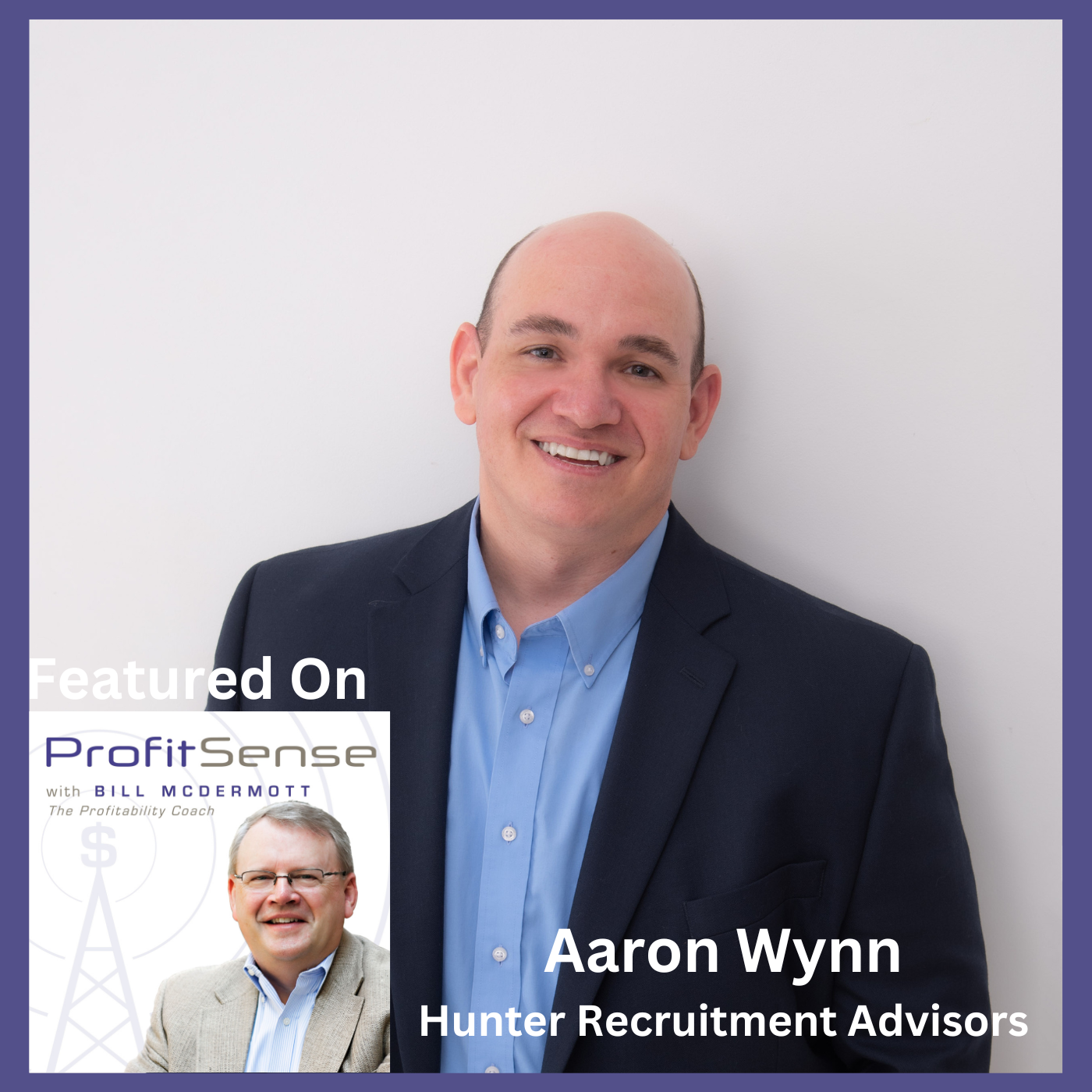
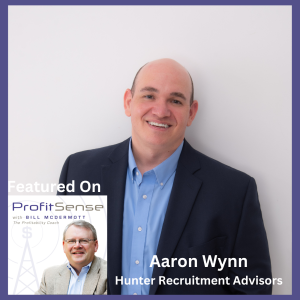
Top Three Reasons People Leave Their Job, with Aaron Wynn, Hunter Recruitment Advisors

November 6, 2023 by John Ray

Hunter Recruitment Advisors
North Fulton Studio
Top Three Reasons People Leave Their Job, with Aaron Wynn, Hunter Recruitment Advisors
Loading
00:00 /
RSS Feed
Share
Link
Embed

Download file

Hunter Recruitment Advisors

Top Three Reasons People Leave Their Job, with Aaron Wynn, Hunter Recruitment Advisors

[00:00:00] Aaron Wynn: In the top three, people often think the number one reason is gotta be pay.

[00:00:04] Pay is in the top three, but it’s not number one. But it’s one that, should always be considered. And what I try to tell business owners all the time is that you have to constantly make sure that your position and how it’s being paid is up to market. We usually get settled into a.

[00:00:21] Hey, this is what it got paid, so that’s what it’s going to stay. And the problem is they’ll get wooed by somebody else who’s more current. The second reason why people, in fact, going from three to two, the second reason why people leave their positions is the quality of life.

[00:00:37] Can’t get to Susie’s recital, can’t get to Timmy’s ballgame or they just they’re working hours nonstop and they really just want to be able to take a break, have some balance that becomes more and more important with every generation.

[00:00:50] It doesn’t mean we don’t want people to work hard. But it means that you have to respect that they have a life outside of this business. But the number one reason why people leave their jobs is the managers they work for over and over again. Can they respect them?

[00:01:07] Can they be somebody who listens to them and respects what they have to say? Will they actually, contribute to their development as an individual?

Listen to Aaron’s full ProfitSense with Bill McDermott interview here. 


The “One Minute Interview” series is produced by John Ray and the North Fulton studio of Business RadioX® in Alpharetta. You can find the full archive of shows by following this link.

Renasant Bank has humble roots, starting in 1904 as a $100,000 bank in a Lee County, Mississippi, bakery. Since then, Renasant has grown to become one of the Southeast’s strongest financial institutions with over $13 billion in assets and more than 190 banking, lending, wealth management and financial services offices in Mississippi, Alabama, Tennessee, Georgia and Florida. All of Renasant’s success stems from each of their banker’s commitment to investing in their communities as a way of better understanding the people they serve. At Renasant Bank, they understand you because they work and live alongside you every day.

Tagged With: Aaron Wynn, employee retention, Hunter Recruitment Advisors, One Minute Interviews, ProfitSense with Bill McDermott, recruiter, The Profitability Coach

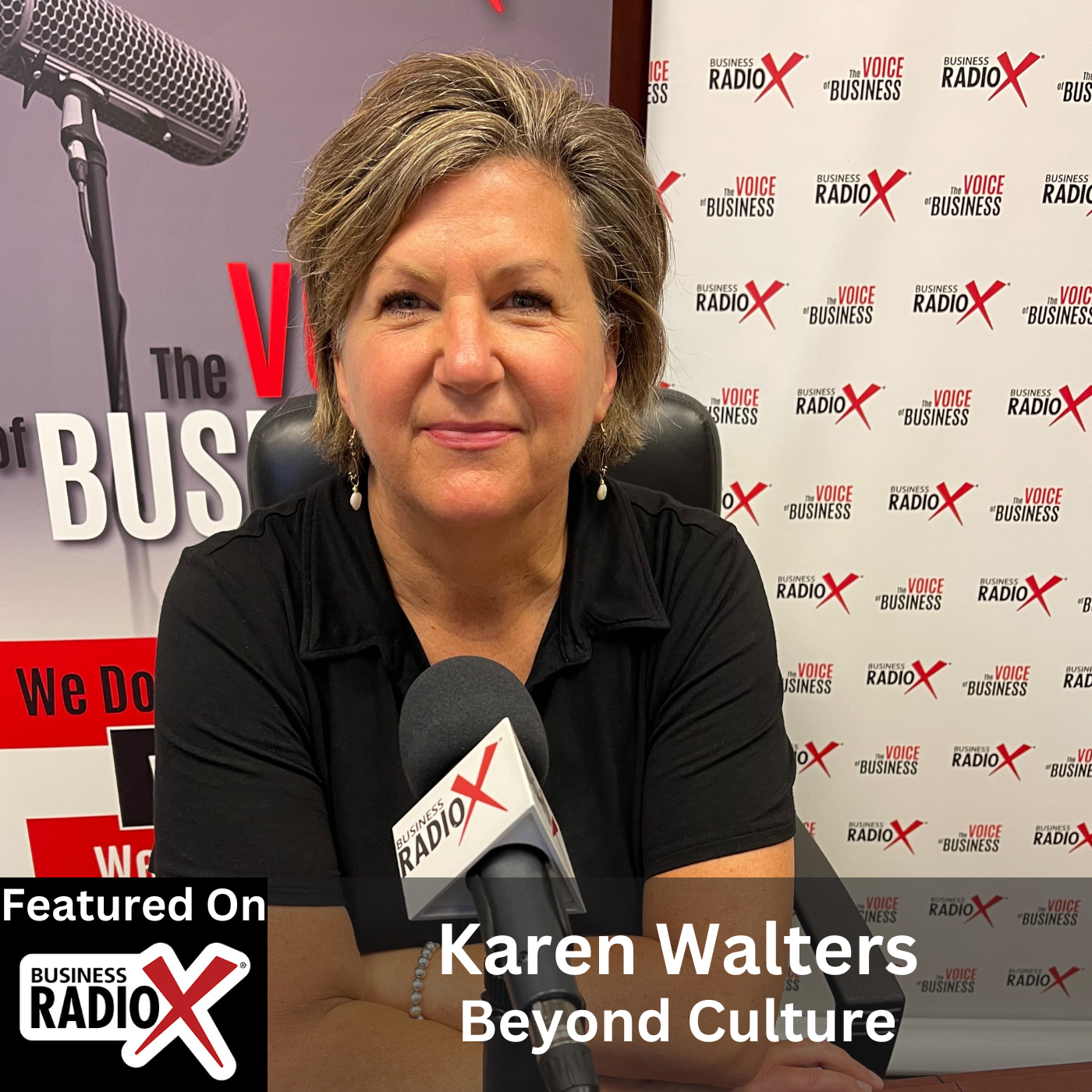
Karen Walters, Beyond Culture

May 31, 2023 by John Ray

Karen Walters, Beyond Culture
North Fulton Business Radio
Karen Walters, Beyond Culture
Loading
00:00 /
RSS Feed
Share
Link
Embed

Download file

Karen Walters, Beyond Culture

Karen Walters, Beyond Culture (North Fulton Business Radio, Episode 667)

Karen Walters, Founder of Beyond Culture, joined host John Ray on this episode of North Fulton Business Radio. She discussed her background in HR that led her to where she is today, the difference between managing versus leading, how a company can boost their employer brand to attract and inspire great candidates, and much more.

Take this ten-question Culture Quiz to see how your company ranks in innovation, morale, collaboration, celebration, leaders, empowerment, initiative, higher purpose, delight, and turnover.

North Fulton Business Radio is broadcast from the North Fulton studio of Business RadioX® inside Renasant Bank in Alpharetta.

Karen Walters, Founder, Beyond Culture

Karen Walters, Founder, Beyond Culture

Karen has spent decades providing expert human resource support to world-class organizations such as the Atlanta Falcons, Mercedes-Benz Stadium, Atlanta United MLS Team, Unisys Corporation, and the Arthur M. Blank Foundation. She enjoys inspiring teams and helping leaders to build cultures that achieve mind-blowing results. Anxious to provide leaders with full spectrum human resources support, Karen leads her own consultancy called Beyond Culture, LLC.

Services offered include but are not limited to:

  • Confidential HR sounding board, advisor, and coach
  • Leadership development and workshop facilitation
  • Strategies to attract, select, inspire, and retain high-performing team members
  • Skill development and career pathing approaches
  • Reward, recognition, and benefits program design
  • Fun ways to build and strengthen cultures
  • HR compliance, handbooks, and policy creation

Karen resides in Dawsonville and enjoys time with her wonderful adult children and grandchildren.

Website | Karen’s LinkedIn

Questions and Topics in this Interview:

  • How did you get to where you are today?
  • What is workplace culture and how should companies use the power of a core values-led people strategy?
  • What is the difference between managing versus leading, and what is often the misunderstanding?
  • How can one boost their brand to attract and inspire great candidates?
  • How can companies reap the benefits of servant leadership?
  • How can employers activate care values around the entire employee life cycle?

North Fulton Business Radio is hosted by John Ray and broadcast and produced from the North Fulton studio of Business RadioX® inside Renasant Bank in Alpharetta. You can find the full archive of shows by following this link. The show is available on all the major podcast apps, including Apple Podcasts, Spotify, Google, Amazon, iHeart Radio, Stitcher, TuneIn, and others.

RenasantBank


Renasant Bank has humble roots, starting in 1904 as a $100,000 bank in a Lee County, Mississippi, bakery. Since then, Renasant has become one of the Southeast’s strongest financial institutions with over $13 billion in assets and more than 190 banking, lending, wealth management, and financial services offices in Mississippi, Alabama, Tennessee, Georgia, and Florida. All of Renasant’s success stems from each of their banker’s commitment to investing in their communities as a way of better understanding the people they serve. At Renasant Bank, they understand you because they work and live alongside you every day.
Since 2000, Office Angels® has been restoring joy to the life of small business owners, enabling them to focus on what they do best. At the same time, we honor and support at-home experts who wish to continue working on an as-needed basis. Not a temp firm or a placement service, Office Angels matches a business owner’s support needs with Angels who have the talent and experience necessary to handle work that is essential to creating and maintaining a successful small business. Need help with administrative tasks, bookkeeping, marketing, presentations, workshops, speaking engagements, and more? Visit us at https://officeangels.us/.

Tagged With: Beyond Culture, employee retention, HR, John Ray, Karen Walters, North Fulton Business Radio X, North Fulton Radio, Office Angels, Outsourced HR, renasant bank, values, workplace culture

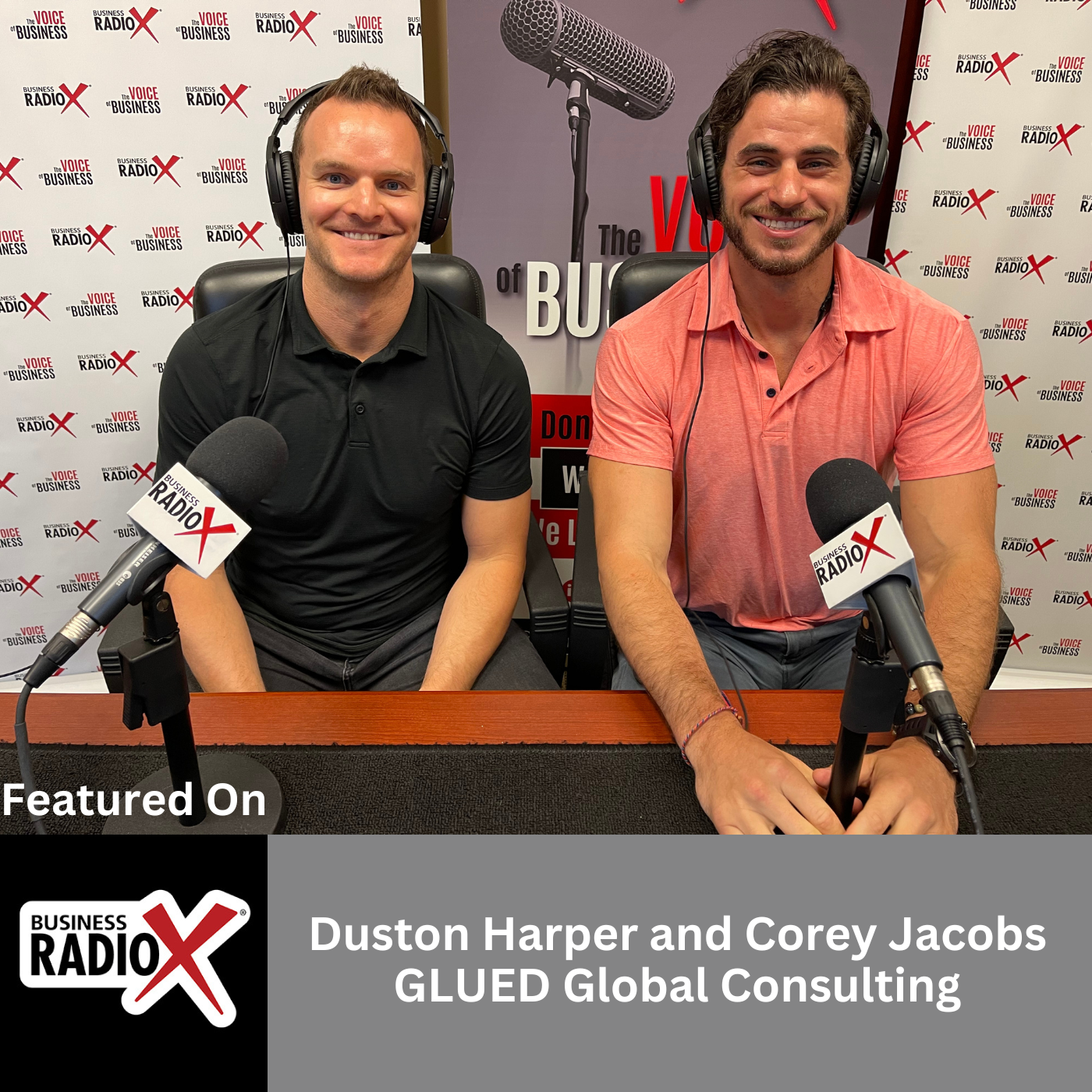
Duston Harper and Corey Jacobs, GLUED Global Consulting

May 15, 2023 by John Ray

Duston Harper and Corey Jacobs, GLUED Global Consulting
North Fulton Business Radio
Duston Harper and Corey Jacobs, GLUED Global Consulting
Loading
00:00 /
RSS Feed
Share
Link
Embed

Download file

Duston Harper and Corey Jacobs, GLUED Global Consulting

Duston Harper and Corey Jacobs, GLUED Global Consulting (North Fulton Business Radio, Episode 661)

Duston Harper and Corey Jacobs, Co-Founders of GLUED Global Consulting, joined host John Ray in the studio on this episode of North Fulton Business Radio. They discussed the top challenges executives and sales leaders are facing, employee health, transforming individuals from the inside out, and much more.

North Fulton Business Radio is broadcast from the North Fulton studio of Business RadioX® inside Renasant Bank in Alpharetta.

GLUED Global Consulting

A mindfulness-based approach focusing on the secret ingredient to business success, the human element.  GLUED promotes behavior change through better daily health and the art of compounding habits.

Wellness programs are typically a “self-led approach”. They focus on your employees taking a “life-coach approach” centering on personal development through Mindfulness, Mindset and Movement (The M3 Method).

The goal is to dial-in productivity and create a culture of health & happiness.

That’s why the M3 Method focuses on these problems

  • Reducing Stress & Burnout

  • Increase Retention

  • Improve Overall Employee Health

Progress Equals Happiness

When one feels they are progressing, they will show up in all aspects of their life better, especially at work.

When they are happy, you are happy.

Employees that attribute this to the company they work for are loyal.

Website | LinkedIn | YouTube

Duston Harper, Co-founder, GLUED Global Consulting

Duston Harper, Co-founder, GLUED Global Consulting

Duston Harper is a thriving sales leader who attributes his success to his lifestyle of productivity. He is an empathetic leader and avid learner. He embodies that principle of a lifetime student believing in investing in oneself through coaches, mentors, masterminds, and experts within their relative field.  After graduating from The University of Georgia, he quickly grew into a sales leader earning multiple accolades in the power tool, medical device, and healthcare staffing industries.

Duston’s passion for helping nursing and healthcare leadership to find a work-life balance has been his primary focus, however recently turned that focus towards all organizations in need of a positive influence, a healthy mindset, and help with their people. He has the ability to understand the stressors and frustrations of the employee workforce, dedicating himself to making lives easier, safer, and solving problems. He equates his success to a flexible discipline of productivity hacks and daily routines.

Outside of work, Duston enjoys being active, the outdoors, yoga, and loves his morning routine. His weekends are for watching the Georgia Bulldogs, family, travel, and his real estate investments.

Hear more from Duston on one of his most recent guest podcast appearances discussing Growth Mindset & Nurse Wellness.

LinkedIn

Corey Jacobs, Co-founder, GLUED Global Consulting

Corey Jacobs, Co-founder, GLUED Global Consulting

Corey Jacobs is a passionate, charismatic individual who attacks everything with intensity and curiosity due to his organic ability to relate with people. He is an avid learner who has immersed himself in personal development teaching the power of compounding habits through morning routines, yoga, breathwork, nutrition, mindset, and meditation. Through his decade of business development, consulting, and sales experience in the healthcare, medical device, and staffing industries, he has proven exceptionally proficient at understanding the challenges his clients face and coming up with creative mindfulness strategies. Corey is a leader who has built and managed a team of high performers. He is an avid fitness expert who early in his wellness career provided fitness programs for employees of CNN and Turner.

Corey graduated with a Business Degree from the University of West Georgia. He is also a certified yoga instructor and meditation teacher.

Corey is an evangelist for creating a healthy lifestyle through philosophical education, wellness & spiritual travel adventures, physical movement, breathwork, healthy cooking, and deep meaningful connections. His personal mantra is Life is to Grow, to Inspire, and to Play. This was the launching pad for the M3 Method of Mindfulness, Movement, & Mindset.

LinkedIn


Questions and Topics in this Interview:

  • Top challenges executives and sales leaders are facing
  • Stress, burnout, retention, and employee health
  • Transforming individuals from the inside out
  • Overcoming setbacks in life
  • Helping the Georgia community
  • Habits, change, mindset, and integrity

North Fulton Business Radio is hosted by John Ray and broadcast and produced from the North Fulton studio of Business RadioX® inside Renasant Bank in Alpharetta. You can find the full archive of shows by following this link. The show is available on all the major podcast apps, including Apple Podcasts, Spotify, Google, Amazon, iHeart Radio, Stitcher, TuneIn, and others.

RenasantBank


Renasant Bank has humble roots, starting in 1904 as a $100,000 bank in a Lee County, Mississippi, bakery. Since then, Renasant has become one of the Southeast’s strongest financial institutions with over $13 billion in assets and more than 190 banking, lending, wealth management, and financial services offices in Mississippi, Alabama, Tennessee, Georgia, and Florida. All of Renasant’s success stems from each of their banker’s commitment to investing in their communities as a way of better understanding the people they serve. At Renasant Bank, they understand you because they work and live alongside you every day.
Since 2000, Office Angels® has been restoring joy to the life of small business owners, enabling them to focus on what they do best. At the same time, we honor and support at-home experts who wish to continue working on an as-needed basis. Not a temp firm or a placement service, Office Angels matches a business owner’s support needs with Angels who have the talent and experience necessary to handle work that is essential to creating and maintaining a successful small business. Need help with administrative tasks, bookkeeping, marketing, presentations, workshops, speaking engagements, and more? Visit us at https://officeangels.us/.

Tagged With: Corey Jacobs, Duston Harper, employee health, employee retention, GLUED Global Consulting, John Ray, North Fulton Business Radio X, North Fulton Radio, Office Angels, renasant bank, Stress & Burnout

LIVE from SOAHR 2023: Rob Dubin, Motivational Speaker

April 6, 2023 by John Ray

LIVE from SOAHR 2023: Rob Dubin, Motivational Speaker
North Fulton Business Radio
LIVE from SOAHR 2023: Rob Dubin, Motivational Speaker
Loading
00:00 /
RSS Feed
Share
Link
Embed

Download file

LIVE from SOAHR 2023: Rob Dubin, Motivational Speaker

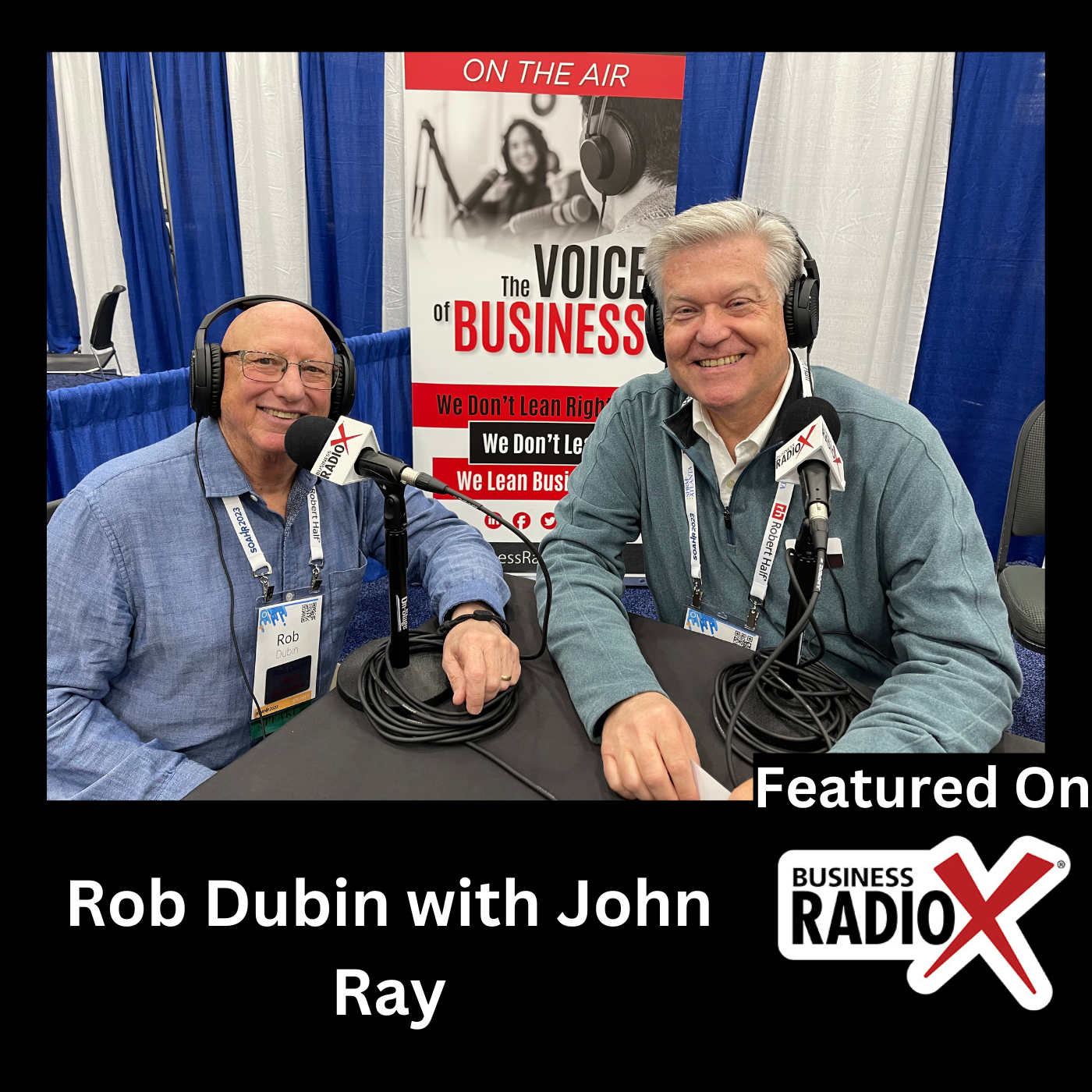
LIVE from SOAHR 2023: Rob Dubin, Motivational Speaker (North Fulton Business Radio, Episode 632)

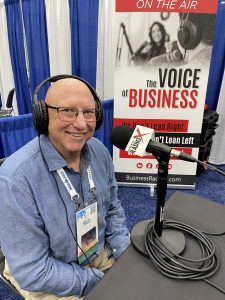
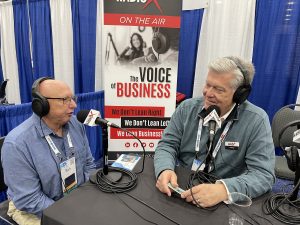
Motivational Speaker Rob Dubin joined North Fulton Business Radio host John Ray LIVE at the Business RadioX® remote at SOAHR 2023. Rob talked about his work as a motivational speaker, teaching happiness, the science of happiness, how investing in your employee’s happiness helps combat quiet quitting, and much more.

This show was originally broadcast live from SOAHR 2023, the annual conference of SHRM-Atlanta, held at the Gas South District Convention Center, Duluth, Georgia on March 28th and 29th, 2023. This series of interviews was underwritten by Oberman Law Firm, your legal guide to workplace complexities.

North Fulton Business Radio is broadcast from the North Fulton studio of Business RadioX® inside Renasant Bank in Alpharetta.

Rob Dubin, Motivational Speaker

Rob Dubin, Motivational Speaker

Rob Dubin has studied and mastered the art and science of human happiness.

He was an award-winning filmmaker who traveled the world making TV programs and commercials for Fortune 500 companies.  He is also a serial entrepreneur who created multiple 7 figure businesses.  At the age of 42 Rob and his wife retired, sold their home, moved onto a 40’ sailboat, and spent the next 17 years sailing around the world studying human happiness and fulfillment.

Today Rob gives back by teaching courses in employee happiness which increase engagement, reduce resignations, and combats quiet quitting. Rob combines lessons learned while sailing around the world with the science of human happiness to deliver sound strategies audience members can implement immediately to better relate to their teams and become happier people themselves.

He has been married to Dee, his business and life partner for 40 years.  When not motivating others Rob spends his time skiing, mountain biking, kayaking, and flying his gyroplane near his home in the Rocky Mountains.

Whether speaking on stage with Tony Robbins to an audience of thousands or conducting intimate executive training, Rob connects with audiences. Your audience is sure to find inspiration and transformation in his unique programs.

Website | LinkedIn | Facebook

Questions and Topics in this Interview:

  • Rob’s work as a motivational speaker and in teaching happiness
  • The Science of Happiness
  • How investing in your employee’s happiness helps combat quite quitting

North Fulton Business Radio is hosted by John Ray and broadcast and produced from the North Fulton studio of Business RadioX® inside Renasant Bank in Alpharetta. You can find the full archive of shows by following this link. The show is available on all the major podcast apps, including Apple Podcasts, Spotify, Google, Amazon, iHeart Radio, Stitcher, TuneIn, and others.

The “LIVE from SOAHR 2023” Series is proudly underwritten by Oberman Law Firm

Stuart Oberman
Stuart Oberman, Founder, Oberman Law Firm

Oberman Law Firm has a long history of civic service, noted national, regional, and local clients, and stands among the Southeast’s eminent and fast-growing full-service law firms. Oberman Law Firm’s areas of practice include Business Planning, Commercial & Technology Transactions, Corporate, Employment & Labor, Estate Planning, Health Care, Intellectual Property, Litigation, Privacy & Data Security, and Real Estate.

By meeting their client’s goals and becoming a trusted partner and advocate for our clients, their attorneys are recognized as legal go-getters who provide value-added service. Their attorneys understand that in a rapidly changing legal market, clients have new expectations, and constantly evolving choices, and operate in an environment of heightened reputational and commercial risk.

Oberman Law Firm’s strength is its ability to solve complex legal problems by collaborating across borders and practice areas.

Connect with Oberman Law Firm:

Company website | LinkedIn | Twitter


Tagged With: Employee Mental Well-Being, employee retention, happiness, Human Resources, John Ray, mental wellness, North Fulton Business Radio, North Fulton Radio, Oberman Law, Oberman Law Firm, Rob Dubin, SHRM Atlanta, SOAHR 2023, Stuart Oberman

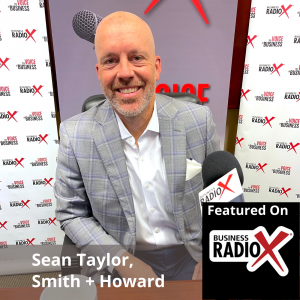
Sean Taylor, Smith + Howard

October 4, 2022 by John Ray

North Fulton Business Radio
Sean Taylor, Smith + Howard
Loading
00:00 /
RSS Feed
Share
Link
Embed

Download file

Sean Taylor

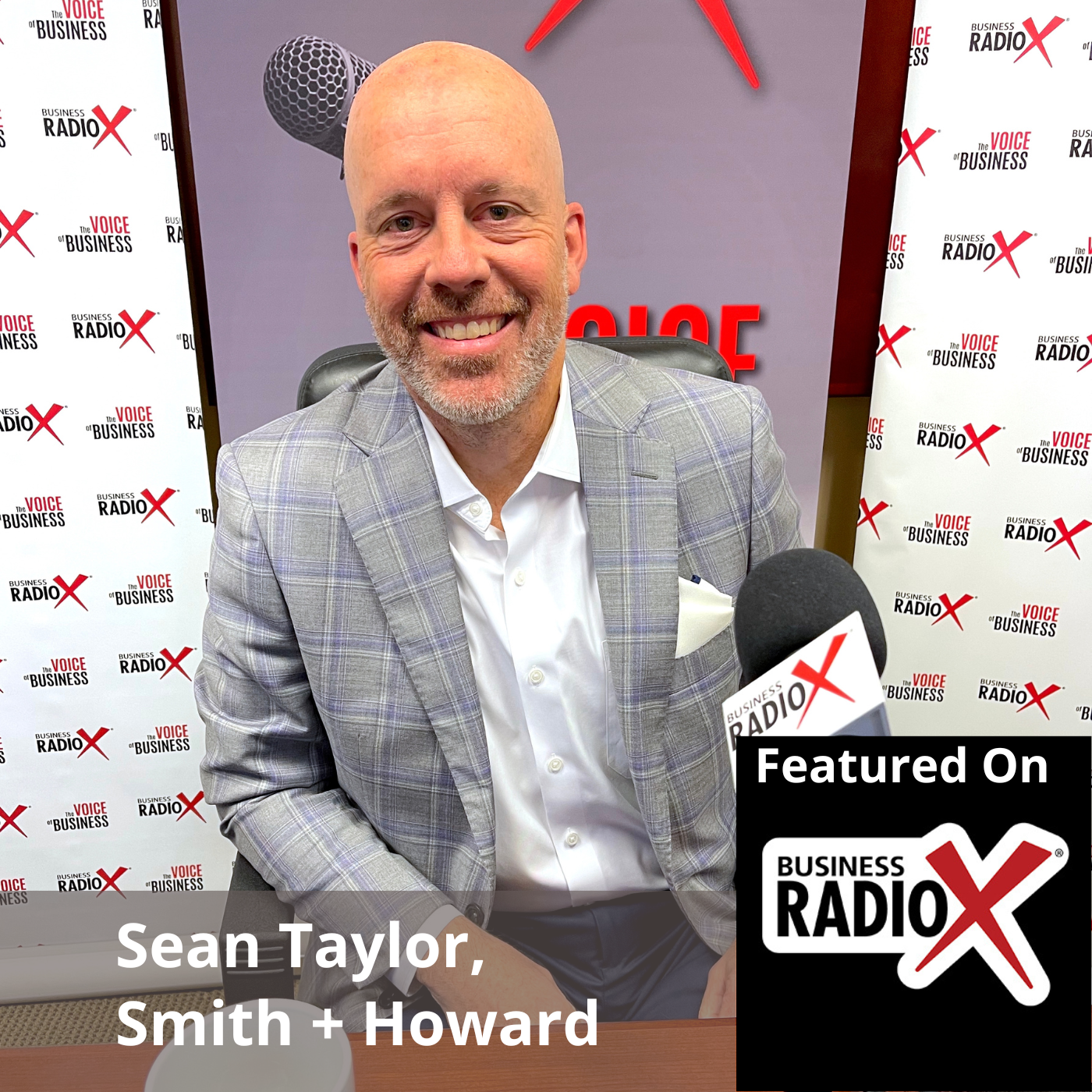
Sean Taylor, Smith + Howard (North Fulton Business Radio, Episode 532)

On this episode of North Fulton Business Radio, Sean Taylor, Managing Partner of Smith + Howard, joined host John Ray to discuss his award-winning firm’s growth and culture. Sean discussed the firm’s recognition as “Best of the Best” by Inside Public Accounting, how the firm’s culture contributes to employee retention and talent acquisition, expansion beyond traditional accounting services, and much more.

North Fulton Business Radio is broadcast from the North Fulton studio of Business RadioX® inside Renasant Bank in Alpharetta.

Smith + Howard

While many advisors say clients are their priority, Smith and Howard lives and breathes a promise of personal, responsive client service.

They hire smart, engaging professionals who find motivation and satisfaction in learning about their clients’ businesses, challenges, and goals. From that vantage point, they are positioned to provide key strategic advice and national-firm services that enable our clients to move their mission forward.

Service is such an important part of the Smith and Howard culture that if they are not serving clients, they’ll often be found serving in other ways. Many of them plant roots deep in their communities and find value and satisfaction in serving others where they live. When the needs expand beyond their neighborhoods, they can also be found on nonprofit boards or joining service projects that broaden their reach and impact.

Company website | LinkedIn | Facebook | Twitter

Sean Taylor, Managing Partner, Smith + Howard

Sean Taylor, Managing Partner, Smith + Howard

Sean drives the vision, innovation, and growth of the firm, and was named a Most Admired CEO by the Atlanta Business Chronicle in 2020 in recognition of his leadership.

Sean Taylor became managing partner of Smith and Howard in January 2019 after 25 years of leadership progression in the Assurance practice. He joined the firm as an intern and was ultimately named partner in charge of the Assurance practice in 2010, a role he held for nearly a decade.

A recognized and respected leader, Sean presents to many for-profit and nonprofit businesses, lenders, and other professional service providers. He has both served on and moderated numerous workshop and conference panels, as well as presented to local and national audiences on various topics.

Sean is an active participant and advocate at Smith and Howard for our mentoring program, personally mentoring many of our professional and administrative staff through career progression and advancement.

Sean is actively involved as a multi-year member of various committees at Dunwoody United Methodist Church (DUMC), including finance, staff parish relations, leadership roundtable, missions and evangelism. He also had led strategic planning initiatives as well as capital campaigns for the church. Additionally, Sean served seven years on the Council on Finance and Administration at the North Georgia Conference of the United Methodist Church, including time as the vice chair and chair.

Sean is currently a member of the Board of Trustees for Wesleyan School, serving actively on the finance and investment committees, and is also a member of the finance committee for the Community Foundation for Greater Atlanta.

In 2012, Sean co-founded FoodStock, an annual food packaging event in Dunwoody, Georgia, where over 1,000 community members pack 300,000 meals in one day for children in school feeding programs around the globe. This is the largest single-day food packaging event of its kind in Georgia and, to date, this event and other food packaging events in the Dunwoody community associated with FoodStock have packaged over 3.6 million meals.

Additionally, Sean serves as a mentor to 13 young men through a group he founded called Fit 4 Life, discussing various aspects of faith and life for these 13 young men.

Sean graduated from the University of Georgia with a Bachelor of Business Administration in Accounting.

Affiliations: American Institute of Certified Public Accountants Georgia Society of Certified Public Accountants (Leadership Academy Inaugural Member) Wesleyan School (Board of Trustees) Dunwoody United Methodist Church Awards Georgia Society of Certified Public Accountants’ Public Service Award (2020) Atlanta Business Chronicle Most Admired CEOs (2020).

LinkedIn

Questions and Topics in this Interview:

  • Inside Public Accounting “Best of the Best”
  • New Areas in which the firm is growing
  • #1 issue CPA profession is facing
  • Let’s talk about where you are innovating
  • What are you most excited about at Smith + Howard
  • How do you live your values
  • What is the culture like at Smith + Howard
  • Where do you see the firm 5 years from now

North Fulton Business Radio is hosted by John Ray and broadcast and produced from the North Fulton studio of Business RadioX® inside Renasant Bank in Alpharetta. You can find the full archive of shows by following this link. The show is available on all the major podcast apps, including Apple Podcasts, Spotify, Google, Amazon, iHeart Radio, Stitcher, TuneIn, and others.

RenasantBank


Renasant Bank has humble roots, starting in 1904 as a $100,000 bank in a Lee County, Mississippi, bakery. Since then, Renasant has grown to become one of the Southeast’s strongest financial institutions with over $13 billion in assets and more than 190 banking, lending, wealth management and financial services offices in Mississippi, Alabama, Tennessee, Georgia and Florida. All of Renasant’s success stems from each of their banker’s commitment to investing in their communities as a way of better understanding the people they serve. At Renasant Bank, they understand you because they work and live alongside you every day.

 

Special thanks to A&S Culinary Concepts for their support of this edition of North Fulton Business Radio. A&S Culinary Concepts, based in Johns Creek, is an award-winning culinary studio, celebrated for corporate catering, corporate team building, Big Green Egg Boot Camps, and private group events. They also provide oven-ready, cooked-from-scratch meals to go they call “Let Us Cook for You.” To see their menus and events, go to their website or call 678-336-9196.

Tagged With: A&S Culinary Concepts, Accounting, CPa, Culture, employee retention, Inside Public Accounting Best of the Best, North Fulton Business Radio, renasant bank, Sean Taylor, Smith & Howard, talent acquisition

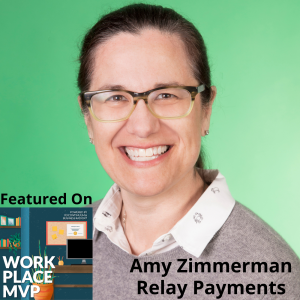
Workplace MVP: Amy Zimmerman, Relay Payments

March 17, 2022 by John Ray

Amy Zimmerman
Minneapolis St. Paul Studio
Workplace MVP: Amy Zimmerman, Relay Payments
Loading
00:00 /
RSS Feed
Share
Link
Embed

Download file

Amy Zimmerman

Workplace MVP: Amy Zimmerman, Relay Payments

In a wide-ranging conversation, Amy Zimmerman, Chief People Officer at Relay Payments, and host Jamie Gassmann discussed best practices for retaining talent. They covered incentives, rewards, and recognition, the need for companies to keep abreast of market conditions, the value of stay interviews and what happens when they go wrong, talent retention methods which go beyond compensation, and much more.

During the show, Amy referenced a recent interview she gave on stay interviews. You can find that interview by following this link.

Workplace MVP is underwritten and presented by R3 Continuum and produced by the Minneapolis-St.Paul Studio of Business RadioX®.

Relay Payments

After years of gaining a profound understanding of the ingrained payment problems in the logistics industry, co-founders Ryan Droege (CEO) and Spencer Barkoff (President) ultimately shared the vision of building the supply chain and logistics digital payment network of the future.

Now, Relay is a fast-growing, venture-backed fintech company, which raised $100 million in investment funding to fully support the goal of spearheading the industry transformation to digital, contactless payments, ensuring America continues to run during COVID-19 and well beyond.

As a result of the immense expansion, Relay has grown exponentially, boasting a workforce of 100+ across 12 states; all focused on building a customer experience unlike any other while modernizing age-old payment processes in the supply chain industry.

Relay’s customer-centric approach has entrusted the company to process more than 250,000 transactions every month, working with the largest carriers, freight brokers, and 3PLs across 50 US states and Canada, ensuring their products get to shelves quickly for consumer consumption.

Company website | LinkedIn | Facebook | YouTube

Amy Zimmerman, Chief People Officer, Relay Payments

Amy Zimmerman, Chief People Officer, Relay Payments

Amy joined Relay Payments in 2020 to support their explosive growth plans. She was hired to establish their people function and build it from the ground up. During this time, they have grown from fewer than 10 team members to over 120 globally. Relay Payments is a mission-driven, Series C, venture-backed start-up in the fintech space, headquartered in Atlanta, GA. They are building a contactless payment network in the transportation and logistics industry.

Amy co-founded PeopleCo. to be a strategic partner for founders and a growth catalyst for companies on the rise. Central to her work, of course, is the development and nurturing of a company’s culture. Whether the focus is on foundational elements, like defining core values and communication practices or developing more mature programs to support organizational effectiveness like performance development and engagement initiatives, it’s all in service to ensure that the culture is intentional and aligned with the company’s growth objectives and financial goals.

In her previous life, as chief people officer for Kabbage (recently acquired by American Express), Amy was responsible for building the company’s award-winning culture, driving engagement, and guiding all people strategy initiatives. She oversaw the integration of M+A teams to build and grow capabilities across a diversity of cultures and geographies. Before that, she worked for VSI as a recruiter, people leader, and culture ambassador prior to their acquisition by TransUnion.

She graduated from the University of South Florida with a completely irrelevant degree in Criminology.

LinkedIn

About Workplace MVP

Every day, around the world, organizations of all sizes face disruptive events and situations. Within those workplaces are everyday heroes in human resources, risk management, security, business continuity, and the C-suite. They don’t call themselves heroes though. On the contrary, they simply show up every day, laboring for the well-being of employees in their care, readying the workplace for and planning responses to disruption. This show, Workplace MVP, confers on these heroes the designation they deserve, Workplace MVP (Most Valuable Professionals), and gives them the forum to tell their story. As you hear their experiences, you will learn first-hand, real-life approaches to readying the workplace, responses to crisis situations, and overcoming challenges of disruption. Visit our show archive here.

Workplace MVP Host Jamie Gassmann

Jamie Gassmann, Host, “Workplace MVP”

In addition to serving as the host to the Workplace MVP podcast, Jamie Gassmann is the Director of Marketing at R3 Continuum (R3c). Collectively, she has more than fourteen years of marketing experience. Across her tenure, she has experience working in and with various industries including banking, real estate, retail, crisis management, insurance, business continuity, and more. She holds a Bachelor of Science Degree in Mass Communications with special interest in Advertising and Public Relations and a Master of Business Administration from Paseka School of Business, Minnesota State University.

TRANSCRIPT

Intro: [00:00:03] Broadcasting from the Business RadioX Studios, it’s time for Workplace MVP. Workplace MVP is brought to you by R3 Continuum, a global leader in workplace behavioral health and security solutions. Now, here’s your host, Jamie Gassmann.

Jamie Gassmann: [00:00:25] Hi, everyone. Your host, Jamie Gassmann here, and welcome to this episode of Workplace MVP. This last year brought on an additional challenge for workplace leadership with what some experts are referring to as The Great Resignation or The Great Reshuffle.

Jamie Gassmann: [00:00:41] Turnover in 2021 was 12.2 percent higher than pre-pandemic turnover rates across all industries in the U.S., according to the U.S. Bureau of Labor Statistics. There are varying opinions as to why employees were leaving their current employers over this last year and what some believe will continue into this year. Some feel it was as a result of employees realizing a need for better work-life balance and improved work environment or culture.

Jamie Gassmann: [00:01:11] Employees seeking a remote or hybrid work option, better pay. And some feel it may have just been as a result of people who were already looking to make a change but held off during the volatile times in 2020. And there are, of course, others from both a professional and personal reasoning that drive employees to make career changes.

Jamie Gassmann: [00:01:33] The concern for employers with the increase in resignations and employee movement to other organizations is the cost that turnover can have on the organization. At an average, for every salaried employee who leaves an organization, it can cost the company six to nine months of the employee salary to replace them.

Jamie Gassmann: [00:01:52] But not all turnover is bad. Sometimes it is better for the organization and the individual. But for those employees you want to keep, how do you create an environment that aids in your ability to retain them?

Jamie Gassmann: [00:02:04] Well, joining us today to share her best practice approaches to retaining talent is Workplace MVP and Chief People Officer at Relay Payments, Amy Zimmerman. Welcome to the show, Amy.

Amy Zimmerman: [00:02:15] Thanks, Jamie. I’m glad to be here.

Jamie Gassmann: [00:02:17] So, share with us your career journey to becoming the Chief Police – Chief People Officer at Relay Payments.

Amy Zimmerman: [00:02:25] Thankfully, I actually don’t feel like the Chief Police Officer at Relay. Long story short, I started my career post-college as a substance abuse counselor, which is probably a bizarre journey to where I landed. But as a social worker at heart, I think it shaped in every way the type of people leader that I’ve become.

Amy Zimmerman: [00:02:58] Ultimately, early on, I was a recruiter, and would still say that I identify as a recruiter in so many different ways. But started with a tech company in Atlanta in 1999. I probably just aged myself a lot. The company was eventually acquired by TransUnion. And I stayed on with TransUnion for a couple years as part of the agreement. But certainly learned very quickly that I’m a startup person through and through, and so left and did some consulting after my oldest daughter was born.

Amy Zimmerman: [00:03:35] And then, wound up connecting with Kabbage as a client of mine for quite a while. I actually helped them hire their first team member after they were funded. And eventually joined them full time and was with them pretty much the entire ten year journey to acquisition by American Express in October of 2020.

Amy Zimmerman: [00:03:58] I started consulting again and was introduced to the founders at Relay. And despite not being interested initially in being a full-time team member again, I quickly realized that it was a no-brainer our values aligned in every possible way. And if I was going to do this one more time, I’ve been part of two acquisitions at this point, I figured the third one, I’d go out with a bang.

Amy Zimmerman: [00:04:27] So, I’m at Relay Payments now and started with the founders when they were single digit team member numbers about a-year-and-a-half ago, fractionally. And we’re over 140 team members now and will likely be somewhere around 300 by end of year. So, giant growth plans and an exciting kind of road ahead with these guys.

Jamie Gassmann: [00:04:51] Wow. Very exciting. Can you tell us a little bit more about what Relay Payments does?

Amy Zimmerman: [00:04:57] I can. Imagine, we’re basically like the Venmo in the logistics industry. So, we’re modernizing payments for an industry that’s been ignored for a good while. I would say many of the ways payments is done in logistics and trucking, specifically, is very archaic. There’s lots of paper involved, which certainly leads to fraud, and leads to lost receipts, and lots of wasted time. And so, we’re creating solutions that modernize a very old practice. And as a result, save money in time for the really, really important people who are moving goods throughout the country.

Jamie Gassmann: [00:05:44] Wow. So, from your perspective, why do you think we’ve seen so much turnover in the last year across various industries with having employees leaving their employers?

Amy Zimmerman: [00:05:57] You know, I think a couple of things. You touched on some of them, certainly, and that’s, I think, there was a buildup. I think 2020 was so uncertain that some of the natural attrition that would have happened was delayed. And so, I think the uptick in 2021, for a lot of reasons, made sense. I think the complexity or the piece that probably was a little different or not COVID related necessarily was the fact that people realized that some companies were offering an enormous amount of flexibility and also care.

Amy Zimmerman: [00:06:40] You know, people were burning out. There was this confusion between work-life balance and work-life integration. When does work start? When does it stop? Does it stop? Is it fully integrated? Is there this expectation now that I work all day and all night? Maybe not even imposed by the employer, but self-imposed, because there was some confusion as individual team members about kind of boundaries, et cetera. And so, I think there were a lot of things, but I think a lot of companies got it right and a lot of companies got it wrong.

Amy Zimmerman: [00:07:13] And so, people were sharing stories with friends. I think there was more opportunity. A lot of companies decided that they weren’t confined by their geography, and so they were opening opportunities up to people in other states and other locations. And so, I think the opportunistic reasons that people left probably increased dramatically, in addition to the fact that people from 2020 that hadn’t already started contemplating a move decided to.

Amy Zimmerman: [00:07:49] And the part about companies not getting it right was some companies just didn’t do a good job of investing in their people and staying connected to their people while they were gone. Rewards and recognition, I think, is a giant way you do that, and we can talk more about that. But I don’t think a lot of the companies got that right. And so, there were just a number of reasons why people decided it was time to consider something new.

Jamie Gassmann: [00:08:16] Yeah. So, we’re going to talk a little bit this kind of first part of the show just discussing a little bit of the impact that this has on organizations when you’re having that turnover. So, looking at retention and turnover, what is that impact on the organization from your perspective of both of those?

Amy Zimmerman: [00:08:38] I think aside from the financial cost, which you referenced as potentially six to nine months of somebody’s salary, which is huge, there’s a loss of knowledge that walks out the door that can be hugely impactful, not only on the organization from an expertise and bench strength perspective, but also on the team members.

Amy Zimmerman: [00:09:01] You know, if the person that knows the most is leaving, then (A) We all have to step up in a way that maybe we didn’t have to before. (B) There’s a learning curve that we now need to navigate or figure out. And (C) If I’m the person who knew as much as the person leaving or say the second most, now, suddenly, there’s a burden. I’m feeling all of the pressure to be the subject matter expert on the team or at the company in a way that is imposing. Because I already had a full-time job, potentially, and now, suddenly, everybody’s looking to me to lean on and leverage because some of the other expertise walked out the door.

Amy Zimmerman: [00:09:42] And so, I think there’s obvious impact financially to the bottom line. But I think there’s more subtle impacts to morale and to people that are affected and caught up in some of that, that is harder to quantify, but super damaging, potentially nonetheless.

Jamie Gassmann: [00:10:01] Yeah. And that definitely leads into my next question in regards to, obviously, you can quantify those hard costs. You can put dollar signs to it. But what you can’t put dollar signs to is the soft costs around what happens to your people. And so, let’s kind of dive into that a little bit in terms of, like, the mental health impact or, to your point, the pressure, particularly in situations where maybe that person is trying to step up and maybe not getting noticed. Like, some of that impact that kind of ripple effects that happens from those situations. Can you share a little bit of your thoughts around that?

Amy Zimmerman: [00:10:37] Yeah. I think that’s probably one of the biggest opportunities for an employer to really double down. And when you think about losing somebody that could be material to the business for a number of reasons, sometimes that has a ripple effect. And people start thinking, “Ay yay yay. If that person left, what do they know that I either don’t know? Or they know something I also know, they had the nerve to leave, maybe I should do the same.”

Amy Zimmerman: [00:11:07] And so, in my mind, what an employer should do at that point is really, really double down. First of all, you can start doing stay interviews with some of the more key folks that you’d be in really big trouble if you lost. And, essentially, that’s a conversation where you get vulnerable. You ask, What do you love about this place? What should we do more of? And where are the gaps? What are our opportunities? If you were to leave, help me understand why so that I can try and solve some of those issues, or address some of those issues ahead of it getting you to a point where you’re potentially going to walk out as a result?

Amy Zimmerman: [00:11:50] The other thing is rewards and recognition. If people are working really hard, they want to be recognized for it. I think, you know, a lot of times people think, “Well, that’s what we’re paying them for.” They are being recognized for it. They get a paycheck every two weeks. I would say that’s pretty old school thinking. Companies that are doing the best work at retaining their folks show an enormous amount of appreciation.

Amy Zimmerman: [00:12:16] And so, one of the ways that you show appreciation is through rewards and recognition. And, certainly, there’s a cost associated, but the cost is small. I mean, $100 gift card or a dinner. Public recognition, it really goes a long way. And in many ways, it’s actually more impactful, in my experience, than giving somebody a raise. But giving somebody a raise can be a lot more expensive, but it’s typically private. That’s between you and the team member, and so there’s no public recognition.

Amy Zimmerman: [00:12:47] But when you celebrate somebody’s success, whether it’s a product launch, or whether it’s a customer win, or whether it’s some sort of accomplish toward the company’s goals, the entire company or department or team is actually celebrating. And so, that recognition has a ripple effect well beyond the moment of the discussion or the moment of the acknowledgement. And so, it’s really, really crucial that managers, and owners, and founders recognize the value and the impact of their team members and that they show appreciation for that, and that shows up in any number of ways.

Jamie Gassmann: [00:13:26] They can get really creative in some of those rewards and recognitions as well. So, where do employers go wrong when they’re trying to retain their employees? What are some of the taboo, if you will, things that employers do where you go, “No, no, no. Don’t do that”?

Amy Zimmerman: [00:13:44] So, there’s a couple of things. I will never discourage giving somebody a raise because, you know, money talks. No doubt, at the end of the day, everybody shows up at their job and, ultimately, they’re looking to earn a living to support their lifestyle, their family, et cetera. But it’s not all about money, and there’s a lot of research and a lot of data that proves it.

Amy Zimmerman: [00:14:06] But what a lot of times people do because they don’t know really how to do the softer stuff is they say, “All right. I’m going to throw some money at the person and I’m going to assume that’s going to solve all the problems.” And I can tell you that’s only a Band-Aid. And that is probably the biggest – I was going to say misconception or how much of a misconception it is. But if you think throwing money at somebody is the only way to solve a problem, I think you’re going to be really disappointed in three months when they leave anyway.

Amy Zimmerman: [00:14:38] Because what ultimately will happen is they’ll find somebody else willing to pay them what you’re paying them or more, and they’ll have a clean slate. So, they won’t have the baggage. They won’t have the burdens. They won’t have, potentially, the drama. Whatever it is that has created a negative experience, they’ll literally get to walk away from with a clean slate, in many instances, for more money. Minimally for the same money. And most people aren’t leaving for the same money. They’re leaving for more.

Amy Zimmerman: [00:15:08] But it really isn’t just about the money. It’s really to escape whatever the root cause is that’s creating the issue for the person in the first place.

Jamie Gassmann: [00:15:19] Like, when you think of an employee putting in their notice, is that the time that you offer the money? Or do you be a little bit more proactive prior to that? So, share with me a little bit of your thoughts on that because I’ve heard that throughout my career, and it’s awful. Somebody, when we’re trying to get them to stay, we threw a promotion their way or an extra money their way. You know, it sounds, to me, from some of your comments that that’s just kind of putting, to your point, a Band-Aid on it. And it’s probably not a waterproof Band-Aid, which means it’s going to fall off in a little bit.

Amy Zimmerman: [00:15:54] For sure. And the truth is, it’s too late. Most people understand that accepting a counter is a big mistake because the problems are never resolved. If you were so dissatisfied that you went through an interview process, got another job, and actually resigned, it’s too late.

Amy Zimmerman: [00:16:16] My advice to team members is, if you really want to stay, don’t stick around for a counter. Try and solve the problem before you start interviewing elsewhere. As the employer, if you want to keep somebody, make sure you understand market, make sure you’re paying your team members competitively. You’re not waiting for them to get a competitive offer. You’re actually paying them competitively because it’s the right thing to do for their skills, for their contributions compared to market, et cetera.

Amy Zimmerman: [00:16:43] We do market assessments a couple of times a year. It’s easy to get out of whack when somebody who’s been at the company for a while because, typically, people get raises when they leave. And so, if you’re somebody that’s been at a company for three or four or five years, you’ve potentially missed out on opportunities to get bumps to your salary unless your company is staying on top of how the shift in your comp should be happening.

Amy Zimmerman: [00:17:08] And it’s not three to four percent a year, which might be a fine raise in a customary situation or a traditional situation. But it’s not going to keep you up to market standards if that’s all you’re getting. And so, as the team member, as the consumer, you should also be aware of your value and your worth and having conversations proactively with your manager. Like, “Hey, I’m in this role, this is the value that I add. Market says I should be making X, but I’m only actually making Y. Can we talk about the disconnect?” Because that’s one way you can ensure that you’re going to retain strong contributors, but it’s got to be fair on both sides.

Jamie Gassmann: [00:17:53] And employees should be, you know, comfortable making some of those conversations. It’s okay to bring that up. You may not get what you’re looking for, but being comfortable in having a transparent kind of relationship where you can share that information openly. So, thinking of that, if they’ve got this employee who’s feeling undervalued or isn’t getting something – because I agree, it’s not always about money – how can an employer get that understanding from their employees before it gets to that point where they’re seeking other options?

Amy Zimmerman: [00:18:30] I’ve actually talked a good bit lately about this concept of stay interviews, and it’s essentially the opposite. If you think about when somebody resigns and they’re leaving, it’s pretty customary that companies run an exit interview. You know, what could we have done differently? And what was the ultimate decision that drove your exit, et cetera?

Amy Zimmerman: [00:18:52] So, turn that around. Have that conversation a couple of times a year. If you’re an effective leader anyway, you’re having regular one on ones with your people, you’ve got a relationship, you’ve established a rapport, throw in. And you can Google good questions for stay interview. I mean, there’s just a ton of writing. I’ve written some stuff on it. A lot of people have. And get a list of questions so that you’re not going at it blind.

Amy Zimmerman: [00:19:18] But, ultimately, you’re asking people, what is it that makes them tick? What is it that they need in their career, or in their role, or with the company that brings them joy? How do they feel excited about waking up on Monday?

Amy Zimmerman: [00:19:34] You want your team members to wake up on Monday excited to tackle a new week. Not dreading a new week. If they wake up on Monday and they dread going to work, they’re only going to do that so many times before they decide it’s time to look for something new. And so, if you conduct a stay interview with them ahead of a departure decision, you potentially will retain them. And in the process, you might even retain others, because a lot of times they’re raising issues that other people are feeling and, potentially, just not as brave to bring up.

Jamie Gassmann: [00:20:08] And the stay interview is kind of a newer concept that I’ve heard the terminology for, but there’s been other types with the Traction 555 meetings is a similar concept to that. What’s so powerful about those is, you learn so much about what drives your employee when you’re doing those types of meetings. I mean, you really can get to, kind of what you’re mentioning, what makes them tick, what their career aspirations are, what do they enjoy doing, what would they like to do more of.

Jamie Gassmann: [00:20:42] And it’s really fun, especially if you have new projects that come up, you know who you can assign it to because you’ve got somebody who’s already expressed that interest and you know them better. And I think through that, you just get to know each other better. So, it’s really kind of just a great leadership technique and approach to do as well.

Jamie Gassmann: [00:21:01] But what are some other ways that an employer can help to improve retention? Is there cultural things? What are some other ways that an employer can look to improve retention that maybe is broader, not just with the individual employee, but maybe the employee group?

Amy Zimmerman: [00:21:19] For sure. So, a couple of things. I think really building a strong community where people feel like they belong is a huge thing. If you wake up every day and you’re going to work and you’re part of this really awesome community, and you understand the mission of the company, and you’re excited, and you’re inspired by the mission, that’s a huge way to keep people excited about the work they’re doing and, ultimately, staying on the team.

Amy Zimmerman: [00:21:46] I touched on the idea of rewards and recognition, but people want public recognition, most people do. That’s not to say everybody does. But most people want shout outs. It doesn’t cost anything to give people a shout out when they just knock it out of the park. “Oh, you were instrumental in this new product release. I also noticed you worked round the clock for four days or four weeks to get something out the door, what an amazing, heroic contribution. Also, you missed dinner with your spouse or your kids, how about a $100 gift card so that you can make up that dinner on the company, since the company was responsible for the dinners that you missed while you were in the critical path on this project?”

Amy Zimmerman: [00:22:33] So, there’s free ways to recognize people. There’s inexpensive ways to recognize people. There’s so many different things that you can do from a culture perspective to create a community that people are excited to be a part of, and that will, ultimately, keep people at the company rather than contemplating the grass being greener somewhere else.

Jamie Gassmann: [00:22:55] Great points. Love that. So, we’re going to take a quick moment to hear from our sponsor. So, Workplace MVP is sponsored by R3 Continuum. R3 Continuum is a global leader in empowering leaders to effectively support and help their employees thrive during disruptive times. Through their tailored workplace, behavioral health support, disruption, response and recovery, and violence mitigation solutions, they can help you create a work environment where your employees can feel psychologically and physically safe. To learn more, visit our r3c.com today.

Jamie Gassmann: [00:23:29] So, we’ve talked a little bit about the stay interviews, so I’m going to keep moving here. So, quick question, and we talked about the positive sides of the stay interviews. How can they go wrong? How can they fall apart on the employer? How can, like, what was really well-intended, just go wah-wah?

Amy Zimmerman: [00:23:53] It’s a really great point. And they absolutely can. And I’ll tell you how and that’s, don’t ask people for feedback if you’re not willing to act on it. And that doesn’t mean you have to act on everything. You should acknowledge it. And if you’re not going to act on something, have a dialogue, be transparent about what it is that you’re doing and why, and why what they’re asking for may not make sense for the company or for the team.

Amy Zimmerman: [00:24:20] But if you ask, call it, eight questions, and you have an excuse for why you’re not willing to do anything, it will likely go wrong. Because now I’m a team member who felt supported and cared for. You engaged in an hour long conversation or a 45 minute long conversation. You seemed like you cared about my input. You ultimately acted on none of it. And so, what message did you send to me as a team member? You really don’t care. It was lip service.

Amy Zimmerman: [00:24:52] You know, it’s similar to an engagement survey. When you ask a series of questions, whether it be in a survey or whether it be in person, to your company or to your department or to your team, and, ultimately, take no action, I think you’re sending the wrong message and you would have been better served to not even put yourself out there and pretended to care about the feedback or to care about making any changes.

Jamie Gassmann: [00:25:17] Yeah. I mean, even if you just acknowledge like, “I heard what you were referencing, I will see what I can do to get you more training in that area.” Or just something to show that you’re going to take action with it, even if it’s just, “I’ve looked into that. I’m not able to do that, but here’s why. But here’s what I can do.” So, just kind of having something to fall back on, I could definitely see where that could go sideways.

Jamie Gassmann: [00:25:41] So, something you shared with me previously, and this kind of relates back to where those stay interviews could go wrong as it comes down to the management, and having good leaders that know how to navigate those kind of conversations effectively, or how to model some of that transparency and vulnerability within your organization. So, talk to me about what’s so important about this need for good management? How can an employer ensure that they have that? And what needs to be considered when you’re bringing a new leader on to your team?

Amy Zimmerman: [00:26:16] Great question. And, ultimately – gosh – so many things. I think there’s a lot there to unpack. But, ultimately, if you’re a company who operates from a set of values, which is a shared language between a team member, a shared commitment, a shared language between the team member and the company, your managers should all be bought in, and your managers should all be operating within that framework.

Amy Zimmerman: [00:26:43] And so, if there’s a disconnect between what you as the company, the founder, the CEO, whomever, believes you’re doing and you’re committed to, and you’ve got a manager who isn’t onboard or isn’t aligned or, frankly, isn’t qualified and isn’t operating in the capacity that you expect, they could absolutely be damaging your reputation as an employer, certainly internally and potentially externally.

Amy Zimmerman: [00:27:12] And so, I think it’s important that companies invest in making sure that their managers understand how management happens at the company. And so, developing those managers, developing those leaders, creating a shared sense of language and commitments. At Relay, we talk about continuous compassionate feedback. We talk about saying the last ten percent. We talk about being super transparent. These are all things that we’re committed to as a company and that our leaders absolutely align with and they understand.

Amy Zimmerman: [00:27:52] We’re actually in the process of building out a leadership development program that will run six months. And, ultimately, all of our leaders will go through the programming. It’s not a super heavy lift. It’ll be a 75 minute monthly commitment. And so, if you think about it, that’s not a lot of time for the amount of impact and access they have to your team members who are, ultimately, doing the work and driving the outcomes of the company. And so, there is an investment, I think, required of the company. But if you care about the team and you care about how your leaders show up, it’s probably an investment that’s worthwhile.

Jamie Gassmann: [00:28:32] Yeah. Absolutely. And I’m sure it contributes to this next question of mine for you is that, hearing that term creating a culture of safety. I think your leaders play a big impact on that. But in your opinion, what does that culture of safety look like and feel like in your opinion? And how does that help with retention?

Amy Zimmerman: [00:28:57] Oh, it’s huge. I think that’s part of the hierarchy of needs for humans. You’ve got to feel safe before you can do anything else. And so, I think the same concept applies professionally. If somebody doesn’t feel safe, they probably aren’t taking risks. If they aren’t taking risks, they absolutely aren’t innovating. Which means, they’re doing things the way they’ve always been done before.

Amy Zimmerman: [00:29:22] And if your company is trying to innovate, and trying to stand out, and trying to do something different, how is it possible with people that aren’t willing or able or feel safe taking risks and potentially failing? Because if they fear their job and they think that getting something wrong could ultimately lead to their termination, then they’re probably going to do everything really safe. And that’s not, in my opinion, going to move the business forward.

Amy Zimmerman: [00:29:53] And so, really, really important that you create a culture where people feel safe, and they feel like they can take risks, and they feel like they can actually learn and grow and impact the company in a positive way, which sometimes means you fail first and, hopefully, you fail fast, but only if you feel safe.

Jamie Gassmann: [00:30:12] Yeah. Absolutely. And sometimes that’s a big hurdle to get over, especially for newer employees that maybe are fresh in their careers and not really quite sure what they can or cannot do. So, I love that feedback and that thought process around helping them to feel safe about their role, even if they fail.

Amy Zimmerman: [00:30:36] So, looking at regular feedback, and this kind of ties into that, too, in creating that safety net for employees. That constant feedback, and giving regular feedback, and having that commitment to no surprises, can you share a little bit about that? Because, obviously, a lot of organizations right now are going through their annual review process, and the number one rule of a review is there shouldn’t be a surprise in it. So, talk a little bit about how organizations really need to focus on that feedback, how that plays into that culture of safety, how that plays in kind of this overall concept of retention?

Amy Zimmerman: [00:31:13] Absolutely. If you’re meeting regularly and, as a manager, you should be meeting with your team member if not weekly, biweekly at the very least. And those conversations should be super transparent. I think they should be compassionate, but they should be direct. And continuous feedback is a two way conversation. It’s not happening to me. It’s something that I’m participating in.

Amy Zimmerman: [00:31:38] And so, if you’re committed to continuous feedback and no surprises, it means you’re having conversations about opportunities. “Here’s some feedback. Here’s some things that didn’t really go well this week or last week. And here are some gaps. Here are some opportunities.”

Amy Zimmerman: [00:31:56] If you’re compassionate in your approach and you have a decent relationship with the person, it should be a conversation that’s received well. And if it’s received well, there’s a potential that the person will actually act on the feedback and do better. And you’ll create a situation where you’re turning an average employee into potentially a high performer. If not, and ultimately you wind up having to manage them out of the organization, they weren’t surprised.

Amy Zimmerman: [00:32:27] I mean, it’s one of the things that is absolutely most important to me. I am supportive of firing fast when somebody isn’t getting it. Look, we all make hiring mistakes. We’re human. Sometimes we miss something. And sometimes somebody is just a really good interviewer and then they just don’t show up for the work, whether they oversold themselves or they have other reasons why they just couldn’t show up. But it happens.

Amy Zimmerman: [00:32:57] And being transparent about the gaps, and being transparent about what the needs are, and how the needs of the organization aren’t being met means that if you do ultimately have to have a conversation where you’re parting ways, the person may not be happy with it, but they’re not surprised. And when you blindside somebody and surprise them in that way, it feels like something happened to them and it doesn’t feel fair.

Amy Zimmerman: [00:33:21] And so, in order to create a level playing field where somebody doesn’t feel like something is happening to me and that the company was being unfair, make sure that they’re not blindsided. Make sure that they know and that they have the opportunity to step up or to make changes where they needed to make changes. Ultimately, they could be an amazing employee. It could be that there was just a misunderstanding because the manager wasn’t effectively communicating the expectations. Or the team member wasn’t effectively hearing it. But the more the conversation happens, the more likely it is that you find common ground, alignment, and people really understand how to best work with one another.

Jamie Gassmann: [00:34:04] I think it also goes to, if there is that opportunity for growth and providing that feedback, sometimes you learn a little bit about your employee and how you need to manage them. That’s kind of been what I have found through the years of leading teams. So, looking at pay, you can see the research that sometimes or, actually, is usually the most common reason that an employee leaves an organization.

Jamie Gassmann: [00:34:31] But you have organizations out there that might be smaller or a midsize that they may not be in that financial position to be able to give the size of raise that an employee is expecting. What are other ways that an organization that maybe can’t give a pay raise can show value to an employee that would be enough to help keep them retained?

Amy Zimmerman: [00:34:54] I think there’s quite a few ways. I think showing the impact that the employees work has on the organization’s progress is big. I think one of the biggest ways is sharing equity. I’m a huge fan, and when I do advisory work with startups, I’m always a huge advocate for share equity with the company. If you create a situation where everybody at the company is an owner, everybody is incented and motivated to making that company successful. And sometimes you can get away with being under market on comp because people see the giant opportunity, if indeed it is a giant opportunity, from an upside perspective.

Amy Zimmerman: [00:35:38] And so, I’ve been lucky enough, fortunate enough, to be at companies that did have successful exits. And in each case, every single team member on the company made some money. And in some cases it was life changing. But, ultimately, it was the fruits of the labors paying off, and you don’t always have to be as competitive on cash if you’ve got other ways to incent people and motivate people to contribute.

Jamie Gassmann: [00:36:05] Sometimes it could be in skill growth too. Some of the opportunities that are presented within the organization that you could go and chase a bigger paycheck, but you may not get the opportunity to do something more than what you’re doing now. Can you talk a little bit about that?

Amy Zimmerman: [00:36:22] For sure. Especially in smaller environments. In larger environments, roles are typically better defined and they’re more structured and they’re more siloed. But in a smaller company, you usually have a lot more breadth, and depth, and access, and ability to have an impact. And so, if you’re in a smaller environment and you’ve got a lot of access, you’re going to learn probably at an accelerated pace than any other environment.

Amy Zimmerman: [00:36:49] I tell people all the time, you’re going to get promoted every six months, whether you’re ready or not. So, if you’re working in a high growth, fast moving company, you’ve got to buckle your seatbelt because it’s literally an accelerated MBA that you’re not paying for. What it winds up yielding, of course, especially if you’re in a situation where you’re not making as much money as maybe market or some of the competitive companies can pay, is, now you’ve got two years or three years or five years under your belt and talk about what that does for your value.

Amy Zimmerman: [00:37:24] You know, having a pedigreed company that exited that was well-known from a reputation perspective for hiring good people, putting out good quality products, and, ultimately, having an excellent outcome, you can pretty much pick your next opportunity and the money will be exponential. I’ve seen it a thousand times.

Jamie Gassmann: [00:37:43] Awesome. And, obviously, some of this firm play retention comes down to how do you properly hire the right employees. So, share a little bit about that. I know you talked a little bit about some of the ways you’ve hired in the L&D space and with coaching, share a little bit about some strategic approaches to employee hiring that helps.

Amy Zimmerman: [00:38:05] It’s huge. So, first of all, know your values. Know your company. Know what success looks like. And so, we’ve created this concept called Success Criteria. And, essentially, what Success Criteria is, it’s traits and characteristics that we believe the most successful people at the company possess. And so, we were able to create a scorecard.

Amy Zimmerman: [00:38:30] You hear people talk all the time, “Oh, that person is a great culture fit” or “That person is not a good culture fit,” what’s the barometer? I always ask people, “What does that mean to your organization?” And for a lot of companies it still applies. I think what people think about when they think about culture fit is people’s personalities. Are they going to fit in? Are they somebody I’m going to want to have a beer with? Are they somebody I’m going to want to sit across a room from at a meeting and spend a lot of time with and work with?

Amy Zimmerman: [00:39:02] But how do you quantify that? You know, when you think about D&I, I think about how do you create a more objective interview process to really determine whether somebody’s a culture fit or not. It should have nothing to do with whether or not you want to have a beer with that person. It should have everything to do with their capabilities. It should have everything to do with how likely they are to succeed in your environment.

Amy Zimmerman: [00:39:29] And so, by creating this notion of Success Criteria, you’ve at least objectively identified the traits and characteristics that will drive success. Now, you have to figure out how to evaluate candidates against your success criteria, no doubt. But if you create behavioral-based or competency-based interview questions, you can really zero in on the candidates that actually possess those traits. And so, that’s what we’ve done at Relay.

Amy Zimmerman: [00:39:58] The truth is, everybody, any company, can do a better job. I think we’ve done a pretty outstanding job. Our team is insanely high performing. And it’s very, very intentional on our part in terms of how we set it up, how we’ve recruited, how we’ve onboarded, how we’ve organized. I mean, you name it, we’ve been very, very deliberate and very intentional in all of those structures and all of those processes because I believe culture is a very intentional journey. And if you just leave it to chance, you’re going to have a culture, all right, it’s just probably not going to be the one you wanted.

Jamie Gassmann: [00:40:38] Absolutely. And it starts at the top and it starts, to your point, with an intentional this is what I want for my organization. So, I love that feedback and that advice to our listeners.

Jamie Gassmann: [00:40:49] So, you’ve given so much great advice over this conversation. It’s been such a great conversation. So, if our listeners wanted to get a hold of you to get more information or ask questions around how you’ve structured your hiring process or your retention efforts, how could they do that?

Amy Zimmerman: [00:41:06] I’m on LinkedIn, and that’s probably the best. But I’ve got quite a few advisory clients that I work with in addition to my full-time commitment to Relay in building an amazing team and an amazing culture. But I’m super responsive on LinkedIn, so if anybody wanted to reach out, I’d be happy to respond and be as supportive as I possibly could, given some of the other dependencies and commitments that I have.

Jamie Gassmann: [00:41:39] Absolutely. Oh, it’s been such a pleasure to talk with you and learn from you. And thank you so much for being a part of our show and for letting us celebrate you on our show today.

Amy Zimmerman: [00:41:50] I appreciate that, Jamie. It was a lot of fun.

Jamie Gassmann: [00:41:53] We truly appreciate you being here. And we also want to thank our show sponsor, R3 Continuum, for supporting the Workplace MVP podcast. And to our listeners, thank you for tuning in. If you’ve not already done so, make sure to subscribe so you get our most recent episodes and other resources. You can also follow our show on LinkedIn, Facebook, and Twitter at Workplace MVP. If you are a workplace MVP or know someone who is, we want to hear from you. Email us at info@workplace-mvp.com. Thank you so much for joining us today and have a great rest of your day.


Tagged With: Amy Zimmerman, employee retention, HR, Human Resources, Jamie Gassmann, R3 Continuum, Relay Payments, retaining talent, stay interviews, talent retention, Workplace MVP

Donald Simon, Simon Financial Company

July 9, 2021 by John Ray

Simon Financial Company
North Fulton Business Radio
Donald Simon, Simon Financial Company
Loading
00:00 /
RSS Feed
Share
Link
Embed

Download file

Simon Financial Company

Donald Simon, Simon Financial Company (North Fulton Business Radio, Episode 369)

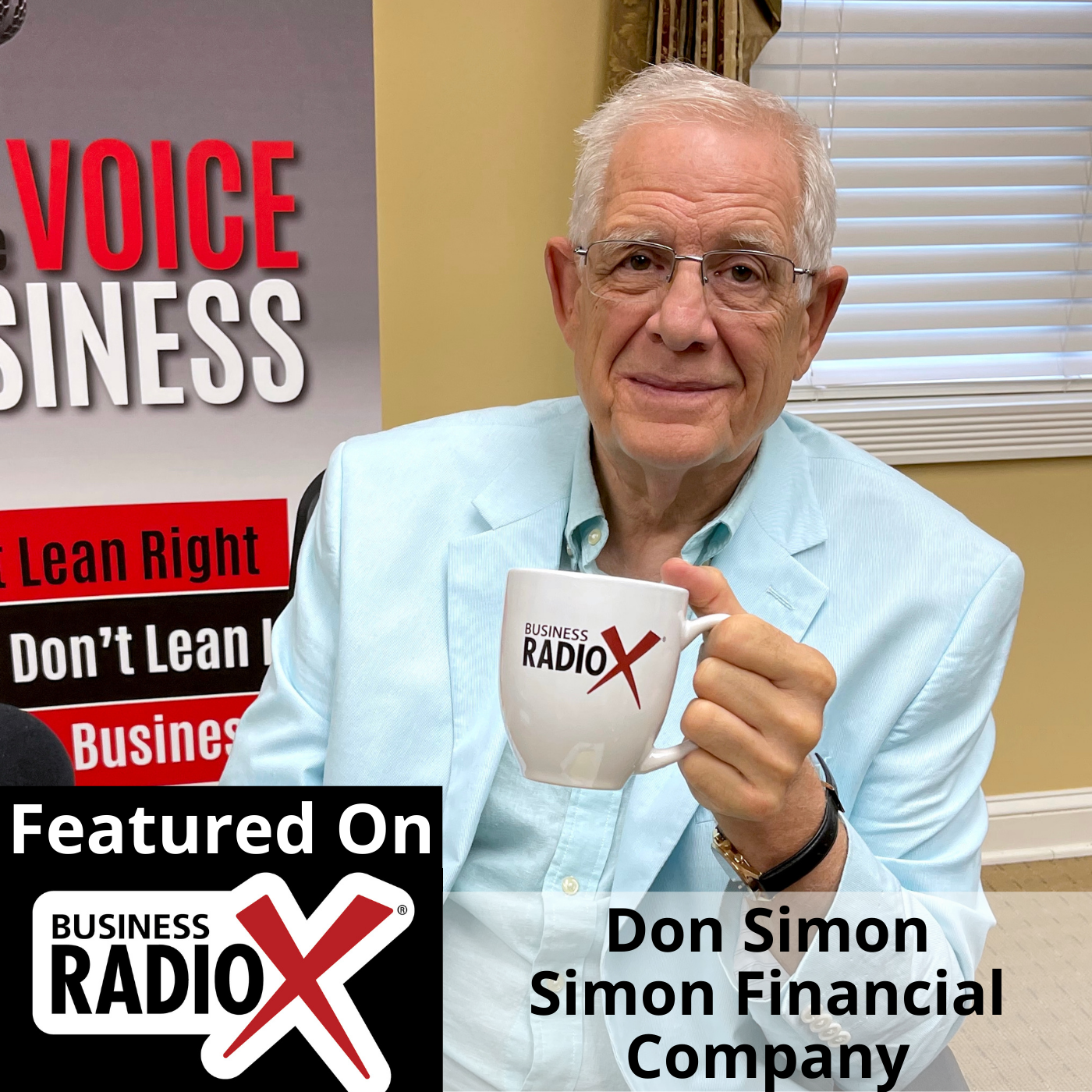
How do you retain key talent in today’s hypercompetitive labor market? Veteran financial advisor Don Simon, owner of Simon Financial Company, offers one answer in the form of a Talent Retention Plan. He joined host John Ray to discuss the details. North Fulton Business Radio is broadcast from the North Fulton studio of Business RadioX® inside Renasant Bank in Alpharetta.

Simon Financial Company

Simon Financial Company is a nationwide specialty advisor with 35+ years of experience serving a diverse mix of over 350 business owners and their executives. Their overall mission is to increase and preserve the value of their business so that the business owner can achieve their dreams and visions.

Most business owners think their plans are in order, but most need a more comprehensive and up-to-date plan. Failure to do too often results in large financial losses that can ruin a company. As part of an overall plan, if needed, they provide customized and very affordable life, disability, and long-term care coverage and retirement annuities with 25 top-rated insurers. Their 97% annual client retention rate speaks well of their prompt, professional service.

Company website

Donald Simon, CFP, ChFC, CLU, Owner, Simon Financial Company

Simon Financial Company
Donald Simon, CFP, ChFC, CLU, Owner, Simon Financial Company

Don Simon has owned Simon Financial Company in Marietta, Georgia for more than 30 years. Don specializes in working with all types of companies with up to 2,000 employees nationwide.

Don is a Certified Financial Planner (CFP) with the College for Financial Planning, Washington DC and Denver, Co.  Don is also a Chartered Financial Consultant (ChFC) and Chartered Life Underwriter (CLU) through The American College, King of Prussia, Pennsylvania.  He is also a Life Underwriter Training Council Fellow (LUTCF) through the National Association for Financial Advisors (NAIFA) Falls Church, VA. and is also a Member of NAIFA. This knowledge coupled with over his many years of experience is an important commitment to advise each client properly.

Don has a B.A. in Business Administration from Oglethorpe University, Atlanta Georgia.  He is a Member of the Marietta Business Association (MBA), and is the author of The Zen of Personal Finance (you may buy a copy at Amazon.com books or contact Don for a complimentary copy).

LinkedIn | Email

Questions and Topics in This Interview

  • What is a Talent Retention Plan for companies?
  • Why are they important to the company?
  • Which executives should companies include in this plan?
  • Exactly how do they work?
  • Are they expensive?
  • What happens to the money in the plan if the executive leaves before they become vested?
  • What alternatives to this plan do companies have?

North Fulton Business Radio is hosted by John Ray, and broadcast and produced from the North Fulton studio of Business RadioX® inside Renasant Bank in Alpharetta. You can find the full archive of shows by following this link. The show is available on all the major podcast apps, including Apple Podcasts, Spotify, Google, Amazon, iHeart Radio, Stitcher, TuneIn, and others.

Renasant Bank has humble roots, starting in 1904 as a $100,000 bank in a Lee County, Mississippi, bakery. Since then, Renasant has grown to become one of the Southeast’s strongest financial institutions with over $13 billion in assets and more than 190 banking, lending, wealth management and financial services offices in Mississippi, Alabama, Tennessee, Georgia and Florida. All of Renasant’s success stems from each of their banker’s commitment to investing in their communities as a way of better understanding the people they serve. At Renasant Bank, they understand you because they work and live alongside you every day.

Tagged With: Donald Simon, employee retention, Employee retention strategies, Simon Financial Company, Talent Retention Plan

Maria Forbes, FIREPOWER Business Catalyst, LLC

March 25, 2021 by John Ray

Firepower Business Catalysts
North Fulton Business Radio
Maria Forbes, FIREPOWER Business Catalyst, LLC
Loading
00:00 /
RSS Feed
Share
Link
Embed

Download file

Firepower Business Catalyst

Maria Forbes, FIREPOWER Business Catalyst, LLC (North Fulton Business Radio, Episode 343)

While many professional services firms might adequately build their financial capital, some struggle developing their human capital. Turnover and employee disengagement then follows. Maria Forbes joined host John Ray to share causes of these difficulties, why language matters, how to turn team members into long-term associates, and much more. “North Fulton Business Radio” is produced virtually from the North Fulton studio of Business RadioX® in Alpharetta.

FIREPOWER Business Catalyst, LLC

FIREPOWER’s mission is to facilitate success at every level of the organization. Whether a team is made up of five people or twenty-five, they help leaders to build a foundation for retaining their people and developing their best contributions to organizational growth.

FIREPOWER Business Catalyst’s specialties include Team Engagement, On-Boarding, Practice Management, Employee Development, Organizational Development, Leadership Development, and Employee Retention.

Company Website | LinkedIn

Maria Forbes, CEO – Chief Engagement Officer, FIREPOWER Business Catalyst, LLC

Firepower Business Catalysts
Maria Forbes, CEO, FIREPOWER Business Catalysts

Maria’s thirty-year consulting career serves privately held business owners in financial services and related fields across the U.S. Our mission is to integrate financial capital with Human capital in planning for organizational growth and continuity. Maria’s work frames the long-term trajectory of business growth and succession through people-powered structures that enable an ongoing positive impact of talent through all business life cycles.

Maria and her teams provide expertise in expanding internal capacity, through creative alignment of human values, making it possible for owners and key decision-makers to lead both their people and their businesses confidently toward the future. As a committed strategic partner to her clients, Maria makes visible the arrangement of human strengths as part of an innovative business strategy. This work optimizes organizational performance and builds transferrable value, as owners look toward a role transition and business succession.

Maria conducts a summer mentor program for college graduates and seasoned professionals who are navigating career transition. The mentor process develops personal advantage in the career marketplace and fosters confidence in communicating the best roles for a successful new career.

Maria is a Kolbe Certified Consultant, Faculty member of The Life Transitions University™, Mentor, and member of the Catholic Charities Atlanta Georgia Leadership Program. She is also a Board member of the Exit Planning Exchange, Atlanta Chapter.

LinkedIn

Questions and Topics in this Interview:

  • Why professional services firms run into obstacles developing their human capital
  • Framework versus programs and the entrepreneurial mindset
  • Why job descriptions don’t work
  • How to get new team members to be long term associates
  • Language matters: job holders to unique business contributors
  • How human capital factors into succession planning or a business transition

North Fulton Business Radio” is hosted by John Ray and produced virtually from the North Fulton studio of Business RadioX® in Alpharetta. You can find the full archive of shows by following this link. The show is available on all the major podcast apps, including Apple Podcasts, Spotify, Google, Amazon, iHeart Radio, Stitcher, TuneIn, and others.

Renasant Bank has humble roots, starting in 1904 as a $100,000 bank in a Lee County, Mississippi, bakery. Since then, Renasant has grown to become one of the Southeast’s strongest financial institutions with over $13 billion in assets and more than 190 banking, lending, wealth management and financial services offices in Mississippi, Alabama, Tennessee, Georgia and Florida. All of Renasant’s success stems from each of their banker’s commitment to investing in their communities as a way of better understanding the people they serve. At Renasant Bank, they understand you because they work and live alongside you every day.
Tagged With: employee retention, FIREPOWER Business Catalyst, Human Capital, human capital management, Maria Forbes, organizational development, organizational performance, Team Engagement, turnover

Leadership and Communication for DSOs, with Janet Hagerman, DSOs Done Right ℠

August 14, 2020 by John Ray

Janet Hagerman
North Fulton Business Radio
Leadership and Communication for DSOs, with Janet Hagerman, DSOs Done Right ℠
Loading
00:00 /
RSS Feed
Share
Link
Embed

Download file

Leadership and Communication for DSOs, with Janet Hagerman, DSOs Done Right ℠ (North Fulton Business Radio, Episode 270)

Janet Hagerman joins host John Ray to discuss the challenges and opportunities of scaling a dental service organization, good patient communication, and more. It’s must listening for dental industry practitioners, but anyone challenged by scaling their business will find value from what Janet offers in this show. “North Fulton Business Radio” is produced virtually by the North Fulton studio of Business RadioX® in Alpharetta.

Janet Hagerman

Janet Hagerman is an international speaker, author and consultant.  A graduate of the Medical College of Georgia, Janet is a health industry thought leader known for her creative expertise in communication, leadership and motivation.  Janet’s experience includes over 15 years of clinical experience, 20 years coaching experience with both solo practices and small to large dental groups, past corporate Dental Hygiene Director for a 150+ DSO, PennWell Editorial Advisory Board member, and author of several books, as well as numerous articles and courses.  She provides customized coaching programs for individuals, practices and growing dental groups.  Janet’s focus on soft skills, creative communication and leadership empowers health professionals worldwide providing them with proven, effective and easy to implement strategies for success.

Janet’s international and domestic experience has taught her that worldwide people and practices encounter similar challenges, and enjoy the benefits of stronger communication skills.  Her expertise in coaching health care professionals and management worldwide on communication and leadership “soft skills” provides effective and easy to implement strategies for success. Janet’s proven process and programs make an immediate impact on the delivery of patient care and financial results.

Janet assists dental groups establish a foundation for comprehensive and profitable growth, with efficient and consistent clinical and business systems. As DSOs [Dental Support Organization] continue to focus on improving patient experience and employee retention, Janet’s passion is to help DSO groups become known for a reputation of outstanding patient care and loyal patients and employees, resulting in sustained profitability.

Janet’s DSO experience enables her to help growing DSOs to:

  • -Develop their organizational structure based on their unique character 
  • -Build dynamic self-sustaining teams
  • -Grow production predictably
  • -Create dependable, duplicatable systems that support growth and acquisition
  • -Design a stellar patient experience that nurtures brand reputation

Company website

LinkedIn

Questions/Topics Discussed in this Show

  • How has the dental world changed?
  • You mention DSO. What is a DSO?
  • The benefits and pitfalls of scaling a dental service organization
  • Are there commonalities to the work you do for DSOs and other service industries?
  • Where do you see the industry 10 years from now?
  • Who do you work with? What happens when someone works with you?

North Fulton Business Radio” is hosted by John Ray and produced virtually from the North Fulton studio of Business RadioX® in Alpharetta. You can find the full archive of shows by following this link. The show is available on all the major podcast apps, including Apple Podcasts, Spotify, Google, iHeart Radio, Stitcher, TuneIn, and others.

Renasant Bank has humble roots, starting in 1904 as a $100,000 bank in a Lee County, Mississippi, bakery. Since then, Renasant has grown to become one of the Southeast’s strongest financial institutions with over $13 billion in assets and more than 190 banking, lending, wealth management and financial services offices in Mississippi, Alabama, Tennessee, Georgia and Florida. All of Renasant’s success stems from each of their banker’s commitment to investing in their communities as a way of better understanding the people they serve. At Renasant Bank, they understand you because they work and live alongside you every day.

Tagged With: Coaching, communication, dental groups, dental hygiene, dental industry, dental service organization, dentists, DSO, DSOs Done Right, employee retention, Janet Hagerman, John Ray, motivation, North Fulton Business Radio, Patient Care, patient communications, patient experience, Profitable Growth

  • 1
  • 2
  • Next Page »

Business RadioX ® Network


Our Most Recent Episode

CONNECT WITH US

  • Email
  • Facebook
  • LinkedIn
  • Twitter
  • YouTube

Our Mission

We help local business leaders get the word out about the important work they’re doing to serve their market, their community, and their profession.

We support and celebrate business by sharing positive business stories that traditional media ignores. Some media leans left. Some media leans right. We lean business.

Sponsor a Show

Build Relationships and Grow Your Business. Click here for more details.

Partner With Us

Discover More Here

Terms and Conditions
Privacy Policy

Connect with us

Want to keep up with the latest in pro-business news across the network? Follow us on social media for the latest stories!
  • Email
  • Facebook
  • Google+
  • LinkedIn
  • Twitter
  • YouTube

Business RadioX® Headquarters
1000 Abernathy Rd. NE
Building 400, Suite L-10
Sandy Springs, GA 30328

© 2025 Business RadioX ® · Rainmaker Platform

BRXStudioCoversLA

Wait! Don’t Miss an Episode of LA Business Radio

BRXStudioCoversDENVER

Wait! Don’t Miss an Episode of Denver Business Radio

BRXStudioCoversPENSACOLA

Wait! Don’t Miss an Episode of Pensacola Business Radio

BRXStudioCoversBIRMINGHAM

Wait! Don’t Miss an Episode of Birmingham Business Radio

BRXStudioCoversTALLAHASSEE

Wait! Don’t Miss an Episode of Tallahassee Business Radio

BRXStudioCoversRALEIGH

Wait! Don’t Miss an Episode of Raleigh Business Radio

BRXStudioCoversRICHMONDNoWhite

Wait! Don’t Miss an Episode of Richmond Business Radio

BRXStudioCoversNASHVILLENoWhite

Wait! Don’t Miss an Episode of Nashville Business Radio

BRXStudioCoversDETROIT

Wait! Don’t Miss an Episode of Detroit Business Radio

BRXStudioCoversSTLOUIS

Wait! Don’t Miss an Episode of St. Louis Business Radio

BRXStudioCoversCOLUMBUS-small

Wait! Don’t Miss an Episode of Columbus Business Radio

Coachthecoach-08-08

Wait! Don’t Miss an Episode of Coach the Coach

BRXStudioCoversBAYAREA

Wait! Don’t Miss an Episode of Bay Area Business Radio

BRXStudioCoversCHICAGO

Wait! Don’t Miss an Episode of Chicago Business Radio

Wait! Don’t Miss an Episode of Atlanta Business Radio