Business RadioX ®

  • Home
  • Business RadioX ® Communities
    • Southeast
      • Alabama
        • Birmingham
      • Florida
        • Orlando
        • Pensacola
        • South Florida
        • Tampa
        • Tallahassee
      • Georgia
        • Atlanta
        • Cherokee
        • Forsyth
        • Greater Perimeter
        • Gwinnett
        • North Fulton
        • North Georgia
        • Northeast Georgia
        • Rome
        • Savannah
      • Louisiana
        • New Orleans
      • North Carolina
        • Charlotte
        • Raleigh
      • Tennessee
        • Chattanooga
        • Nashville
      • Virginia
        • Richmond
    • South Central
      • Arkansas
        • Northwest Arkansas
    • Midwest
      • Illinois
        • Chicago
      • Michigan
        • Detroit
      • Minnesota
        • Minneapolis St. Paul
      • Missouri
        • St. Louis
      • Ohio
        • Cleveland
        • Columbus
        • Dayton
    • Southwest
      • Arizona
        • Phoenix
        • Tucson
        • Valley
      • Texas
        • Austin
        • Dallas
        • Houston
    • West
      • California
        • Bay Area
        • LA
        • Pasadena
      • Colorado
        • Denver
      • Hawaii
        • Oahu
  • FAQs
  • About Us
    • Our Mission
    • Our Audience
    • Why It Works
    • What People Are Saying
    • BRX in the News
  • Resources
    • BRX Pro Tips
    • B2B Marketing: The 4Rs
    • High Velocity Selling Habits
    • Why Most B2B Media Strategies Fail
    • 9 Reasons To Sponsor A Business RadioX ® Show
  • Partner With Us
  • Veteran Business RadioX ®

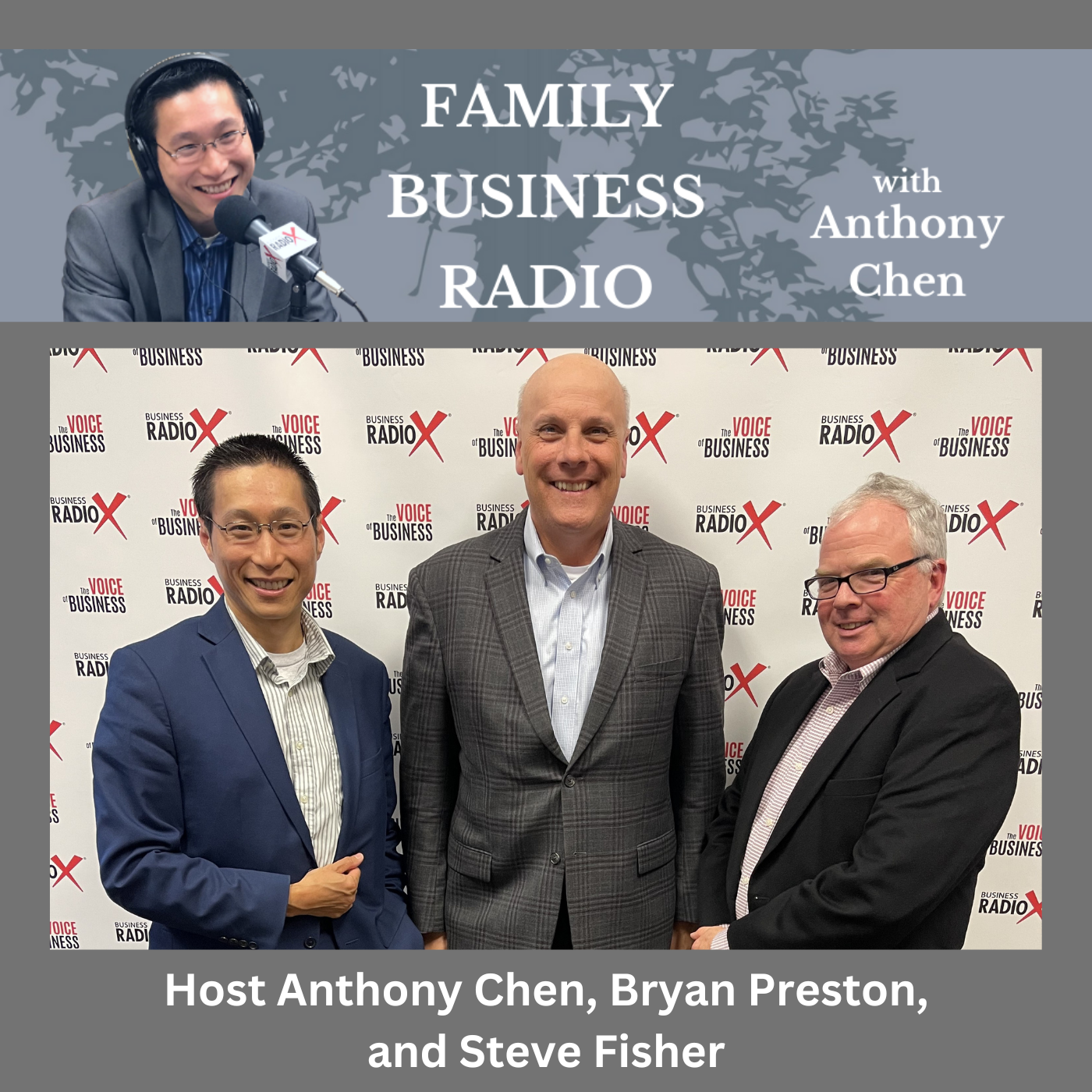
Succession Planning with Steve Fisher and Bryan Preston

November 13, 2025 by John Ray

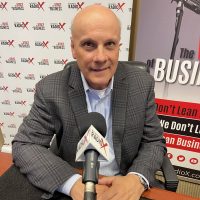
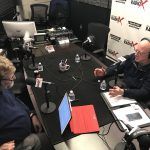
Succession Planning with Steve Fisher and Bryan Preston, on Family Business Radio with host Anthony Chen
Family Business Radio
Succession Planning with Steve Fisher and Bryan Preston
Loading
00:00 /
RSS Feed
Share
Link
Embed

Download file

Succession Planning with Steve Fisher and Bryan Preston, on Family Business Radio with host Anthony Chen

Succession Planning with Steve Fisher and Bryan Preston (Family Business Radio, Episode 70)

In this episode of Family Business Radio, host Anthony Chen is joined by Steve Fisher from Strategy Partners Group and Bryan Preston from Gaelic Business Solutions for a candid conversation about the real challenges that prevent family businesses from growing and transitioning successfully.

Steve shares how his journey from being an engineer to becoming a longtime CFO, which included navigating a stressful acquisition and downsizing, ultimately led him to advise business owners on strategic, operational, and financial issues. He explains why most businesses plateau because the owner becomes the bottleneck, how weak financial reporting and “shoebox” accounting quietly destroy valuation, and why a buyer is purchasing the company’s future potential, not the owner’s heroic history.

Bryan draws on his corporate background and his experience growing up in a declining mill town to explain why healthy small businesses are vital to the communities they serve. He discusses the danger of running a family business like a family instead of a business, how to free up owner time by building repeatable processes and delegating effectively, and why owners should be spending a significant portion of their week working on the business instead of just in it.

Together, Steve and Bryan present practical low-hanging fruit that family business owners can address immediately, including establishing clean books and standard operating procedures, as well as tackling difficult questions about succession, legacy, and the true requirements for successfully passing the torch.

Family Business Radio is underwritten and brought to you by Anthony Chen with Lighthouse Financial Network. The show is produced by John Ray and the North Fulton affiliate of Business RadioX®.

Key Takeaways from This Episode

  • Start with the end in mind. Steve says owners should think about their exit when starting a business, as every owner will leave eventually, and the only question is how much control they will have over that transition.
  • Owner dependency kills value. Both guests note that the greater the business’s reliance on the owner’s daily involvement and crisis management, the less attractive and valuable it becomes to potential buyers or future successors.
  • Clean financials are nonnegotiable. Many family businesses rely on checkbook accounting or neglect their balance sheets and cash flow, making it difficult to run the company and even harder to sell it. Establishing solid, understandable financial statements is a foundational step.
  • Documented processes are an asset. Written, current, and consistently followed standard operating procedures make a business more turnkey, easier to scale, and significantly more appealing to successors or acquirers who need to understand how operations function without the owner’s presence.
  • Delegation is about trust and monitoring. When owners refuse to delegate responsibilities to capable team members, it often indicates a trust issue, either regarding the employee or the owner’s ability to supervise effectively. Learning to delegate tasks and then monitor the results is essential for growth.
  • Family must act like a business at work. Bryan highlights that family dynamics, charitable payroll decisions, and unresolved personal issues can undermine performance and value. Buyers will not pay to support family dynamics, so these issues must be addressed well before any transition.

Topics Discussed in this Episode

00:00 Introduction to Family Business Radio
00:41 Meet Steve Fisher: From Engineer to CFO
02:03 The Rise of Fractional CFO Services
03:16 Challenges in Family Businesses
05:10 Succession Planning Insights
08:09 Personal Experience and Lessons Learned
10:01 Common Mistakes in Family Businesses
12:30 The Importance of Delegation
19:28 Unique Client Stories
21:53 Future Aspirations and Goals
24:52 Introduction to Bryan Preston
25:02 Bryan’s Corporate Journey
25:46 Helping Small Businesses
29:07 Challenges in Delegation
30:51 Vision and Growth
33:13 Succession Planning
36:15 Family Business Dynamics
38:15 Final Thoughts and Contact Information
43:51 Closing Remarks and Financial Advice

Steve Fisher, Founding Partner, Strategy Partners Group

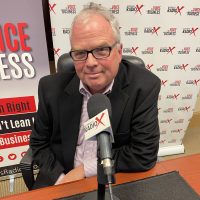
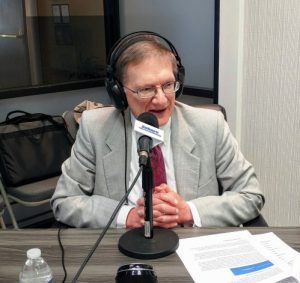
Steve Fisher, Strategy Partners Group, on Family Business Radio with host Anthony Chen
Steve Fisher, Strategy Partners Group

Steve Fisher is the founder of Strategy Partners Group and brings more than 30 years of leadership experience as a CFO, management consultant, and advisor to growing companies. With a background in industrial engineering from Virginia Tech and a long tenure as CFO of a national financial services firm, he helps business owners and executive teams improve financial performance, manage risk, and build companies that are prepared for growth or exit. His expertise includes financial analysis and modeling, regulatory compliance, process improvement, and building monitoring and accountability systems that support better decision-making.

Known for making complex financial topics understandable to non-financial leaders, Steve has co-developed and delivered “Finance for Everyone,” contributed as a subject matter expert to executive training programs, and spoken to groups ranging from Emory University’s continuing education programs to private business networks. Through Strategy Partners Group, he works with C-suite leaders to design and support strategic, value-enhancing initiatives across their organizations, including succession and exit strategy planning.

Website | LinkedIn

Bryan Preston, Owner, Gaelic Business Solutions, LLC

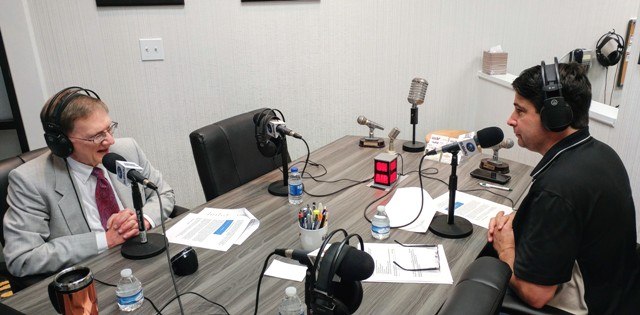
Bryan Preston, Owner, Gaelic Business Solutions, LLC, on Family Business Radio with host Anthony Chen
Bryan Preston, Gaelic Business Solutions, LLC

Bryan Preston is the owner of Gaelic Business Solutions, LLC, a consulting firm focused on small and mid-sized businesses. He brings more than 30 years of executive experience from large organizations, where he served in roles such as Vice President of People and Culture, Senior Vice President of Talent Management and Community Relations, Interim CIO, Senior Vice President of Marketing and Product Management, Managing Director of New Product Development, Vice President and Business Unit Leader, and Vice President of Operations. Bryan holds a bachelor’s degree in quantitative economics from Framingham State University. Bryan has been married to his wife, Lori, for 39 years, and together they have three grown children and five grandchildren.

Gaelic Business Solutions partners with mid-market leaders who have outgrown basic business tactics but do not fit the mold for enterprise playbooks. Using its Mid-Market Optimization Method™, the firm provides strategic advice grounded in Bryan’s cross-industry executive experience. The focus is on practical, executive-level insight tailored for operators who want results and clarity, not theoretical frameworks or unnecessary complexity that slows execution.

Website | LinkedIn

Anthony Chen, Host of Family Business Radio

Anthony Chen, Host of Family Business Radio

Family Business Radio is sponsored and brought to you by Anthony Chen with Lighthouse Financial Network. Securities and advisory services are offered through OSAIC, member FINRA/SIPC. RAA is separately owned, and other entities and/or marketing names, products, or services referenced here are independent of OSAIC. The main office address is 575 Broadhollow Rd., Melville, NY 11747. You can reach Anthony at 631-465-9090, ext. 5075, or by email at anthonychen@lfnllc.com.

Anthony Chen started his career in financial services with MetLife in Buffalo, NY, in 2008. Born and raised in Elmhurst, Queens, he considers himself a full-blooded New Yorker while now enjoying his Atlanta, GA, home. Specializing in family businesses and their owners, Anthony works to protect what is most important to them. From preserving to creating wealth, Anthony partners with CPAs and attorneys to help address all of the concerns and help clients achieve their goals. By using a combination of financial products ranging from life, disability, and long-term care insurance to many investment options through Royal Alliance, Anthony looks to be the eyes and ears for his client’s financial foundation. In his spare time, Anthony is an avid long-distance runner.

Follow this link to access the complete show archive of Family Business Radio.

Tagged With: Anthony Chen, Bryan Preston, business coaching, business strategy, business transitions, business valuation, cash flow management, checkbook accounting, Delegation, exit planning, exit readiness, Family Business, Family Business Radio, financial statements, Fractional CFO, Fractional Executive, Gaelic Business Solutions, growth plateaus, owner dependency, selling a business, small business consulting, standard operating procedures, Steve Fisher, strategic planning, Strategy Partners Group, Succession Planning

Decision Vision Episode 10: Should I Have a Quality of Earnings Report Done? – An Interview with Teresa Snyder, Brady Ware & Company

April 11, 2019 by John Ray

Decision Vision
Decision Vision
Decision Vision Episode 10: Should I Have a Quality of Earnings Report Done? – An Interview with Teresa Snyder, Brady Ware & Company
Loading
00:00 /
RSS Feed
Share
Link
Embed

Download file

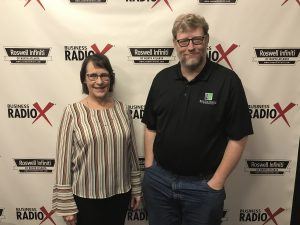
Teresa Snyder, Brady Ware & Co., and Mike Blake, Host of “Decision Vision”

Should I Have a Quality of Earnings Report Done?

What is a quality of earnings report? Why would I want one done for my business? How does a quality of earnings report help as I’m getting ready to make an acquisition or sell my company? These questions and more are answered in this episode of “Decision Vision,” as host Michael Blake, Director of Brady Ware & Company, interviews Teresa Snyder, Director of Brady Ware & Company.

Teresa Snyder, Brady Ware & Company

Teresa Snyder, Brady Ware & Company

Teresa Snyder is a Director of Brady Ware & Company. Teresa has over twenty-five years of experience in public accounting and private industry. Her experience includes not-for-profit organizations, professional service firms, wholesalers, manufacturing and importers/exporters of various industries. Teresa has assisted her clients in a broad range of general management and financial consulting services, accounting systems design, and accounting and financial reporting issues.

In addition to providing client service, Teresa serves as the Atlanta Audit Leader for the firm. She has earned the AICPA IFRS Certificate. Prior to joining the firm, Teresa specialized in software consulting and implementation of fully integrated accounting software for various types of organizations including wholesalers and manufacturers, and importers/exporters.

Teresa is a CPA in Georgia and a member of the American Institute of Certified Public Accountants and the Georgia Society of Certified Public Accountants. Teresa has served as a coach for youth sports and is involved in a variety of not-for-profit organizations where she holds leadership positions.

Michael Blake, Brady Ware & Company

Mike Blake, Host of “Decision Vision”

Michael Blake is Host of the Decision Vision podcast series and a Director of Brady Ware & Company. Mike specializes in the valuation of intellectual property-driven firms, such as software firms, aerospace firms and professional services firms, most frequently in the capacity as a transaction advisor, helping clients obtain great outcomes from complex transaction opportunities. Mike is also a specialist in the appraisal of intellectual properties as stand-alone assets, such as software, trade secrets, and patents.


He has been a full-time business appraiser for 13 years with public accounting firms, boutique business appraisal firms, and an owner of his own firm. Prior to that, he spent 8 years in venture capital and investment banking, including transactions in the U.S., Israel, Russia, Ukraine, and Belarus.

Brady Ware & Company

Brady Ware & Company is a regional full-service accounting and advisory firm which helps businesses and entrepreneurs make visions a reality. Brady Ware services clients nationally from its offices in Alpharetta, GA; Columbus and Dayton, OH; and Richmond, IN. The firm is growth minded, committed to the regions in which they operate, and most importantly, they make significant investments in their people and service offerings to meet the changing financial needs of those they are privileged to serve. The firm is dedicated to providing results that make a difference for its clients.

Decision Vision Podcast Series

Decision Vision is a podcast covering topics and issues facing small business owners and connecting them with solutions from leading experts. This series is presented by Brady Ware & Company. If you are a decision maker for a small business, we’d love to hear from you. Contact us at decisionvision@bradyware.com and make sure to listen to every Thursday to the Decision Vision podcast. Past episodes of Decision Vision can be found here. Decision Vision is produced and broadcast by Business RadioX®.


Visit Brady Ware & Company on social media:

LinkedIn: https://www.linkedin.com/company/brady-ware/

Facebook: https://www.facebook.com/bradywareCPAs/

Twitter: https://twitter.com/BradyWare

Instagram: https://www.instagram.com/bradywarecompany/

Show Transcript:

Intro: [00:00:01] Welcome to Decision Vision, a podcast series focusing on critical business decisions, brought to you by Brady Ware & Company. Brady Ware is a regional, full-service, accounting and advisory firm that helps businesses and entrepreneurs make vision a reality.

Michael Blake: [00:00:20] And welcome back to Decision Vision, a podcast giving you, the listener, clear vision to make great decisions. In each episode, we’ll discuss the process of decision making on a different topic. Rather than making recommendations because everyone’s circumstances are different, we’ll talk to subject matter experts about how they would recommend thinking about that decision.

Michael Blake: [00:00:40] Hi. This is Mike Blake. And I’m your host for today’s program. I’m a Director at Brady Ware & Company, a full-service accounting firm based in Dayton, Ohio with offices in Dayton; Columbus, Ohio; Richmond, Indiana; and in Alpharetta, Georgia, which is where we are recording today. Brady Ware is sponsoring this podcast. If you like this podcast, please subscribe on your favorite podcast aggregator, and please also consider leaving a review of the podcast as well.

Michael Blake: [00:01:04] So, today, we’re going to talk about something called quality of earnings reports. And this an important topic. We’re, right now, at a high point over the last 10 years of merger and acquisition activity, which in English means that businesses are being bought and sold all over the place, and valuations are very attractive, financing is out there. Whether you think it’s back to the good slash battle days of 2006 -2007, I’ll leave it to you to make that determination. But the fact of the matter is that buying businesses is definitely back, and it’s back in style.

Michael Blake: [00:01:42] And as it turns out, a lot of that or a lot of my practice in the business appraisal happens to be in the M&A world. And my job is to help a client figure out the appropriate price and, to a certain extent, the terms associated with the transaction. But within that process of examining a transaction, there’s this thing that we call due diligence. And due diligence, when we really get down to it, is really just trying to answer the question, is this business what the seller says the business is? It’s really all that and a bag of chips basically.

Michael Blake: [00:02:22] That due diligence process, if it’s done well, is typically very involved and a very engaged process. It sometimes takes 30 days. Usually, it takes 60 to 90 days. And I’ve seen it go as far or as long as 180 days if it’s a particularly complicated transaction. And the due diligence process will involve everything from legal due diligence, intellectual property, customer due diligence, and so forth. And to be perfectly candid, from the seller’s perspective, it’s about as comfortable as your garden variety colonoscopy. But if you want to sell your business, you want to get the right price for it, that’s what you got to do. There’s just no alternative to it.

Michael Blake: [00:03:07] Now, financial due diligence, of course, is an important part of this entire kind of investigation and, sort of, crunching the numbers. And what we’re going to learn about today is, kind of, a specialized portion of that financial due diligence that’s called quality of earnings. And what quality of earnings means at the end of the day is that not all earnings are alike. Accounting is a funny thing. Accounting is a language. And like any language, a word or a term can mean different things depending on the context, depending on the syntax of that conversation.

Michael Blake: [00:03:47] And so, quality of earnings can mean different things to different people, to different buyers. And looking at quality of earnings has become much more in vogue. I’ve seen it come much more in vogue in, say, the last 10 years where a specific exercise is done, not just to, kind of, validate the numbers that are presented, but really dig into what do those numbers mean, is the financial performance of the company sustainable, is it telling us the story of what we would like to do.

Michael Blake: [00:04:19] But, of course, with performing additional due diligence, that means extra expense, extra time, extra fees. So, the question comes up, does it make sense to perform or have a quality of earnings report done on this particular transaction?

Michael Blake: [00:04:35] And for those of you who have listened before, I am not qualified to tell you that. I’m not an accountant. I’m not a CPA. I don’t even do my own taxes. But I have somebody here today who is qualified to help us answer that question. And she is my friend and business partner, Teresa Snyder.

Michael Blake: [00:04:50] Teresa is an audit partner with with Brady Ware. She has over 25 years of experience in public accounting and private industry. Her experience includes not-for-profit organizations, professional services firms, wholesalers, manufacturing, and importers/exporters of various industries. Teresa has assisted her clients in a broad range of general management and financial consulting services, accounting systems design, and accounting and financial reporting issues.

Michael Blake: [00:05:17] In addition to providing clients service, Teresa serves as the Atlanta Audit Leader for the firm. She has earned the AICPA IFRS, which means international gap certificate. Prior to joining the firm, Teresa specialized in software consulting and implementation of fully-integrated accounting software for various types of organizations, including wholesalers, and manufacturers, and importers/exporters. Now, until I looked this up, I did not know you are that much of a tech head. You’ve been holding out on me.

Michael Blake: [00:05:44] Teresa is a CPA in Georgia and a member of the American Institute of Certified Public Accountants and the Georgia Society of Certified Public Accountants. Teresa has served as a coach for youth sports and is involved in a variety of not-for-profit organizations in which she holds leadership positions. Teresa, thank you so much for coming on the program today.

Teresa Snyder: [00:06:05] Thank you, Mike. Happy to be here.

Michael Blake: [00:06:07] So, let’s, sort of, before we get into it, I’d like to learn a little bit more and let our listeners learn a little bit more about your role at Brady Ware. When we say that you’re the Director of the Audit Leader of the Atlanta office of Brady Ware, what does that mean? What does somebody who hears that take away from it?

Teresa Snyder: [00:06:28] Well, our team provides audit and review services that help our clients in meeting their financial reporting obligations to investors and bankers. We also serve as advisors to our clients in a variety of business transactions, which include M&A transactions.

Michael Blake: [00:06:47] Okay. And one of the services that you provide out of this office is a quality of earnings analysis.

Teresa Snyder: [00:06:54] Yes, that’s correct.

Michael Blake: [00:06:55] So, somebody is buying a company, and they’re really interested, but they think that they would like to kind of do that deep dive into the financials. That’s something that you do through your practice, correct?

Teresa Snyder: [00:07:11] Yes, that’s right.

Michael Blake: [00:07:12] So, what is a quality of earnings analysis exactly? What is a client buying?

Teresa Snyder: [00:07:18] Well, it’s a detailed analysis of all the components of the company’s revenue and expenses, their operating cash flows, and their assets and liabilities. Typically, we’re going to look at a period of about 24 to 36 months of financial data, so that we can assess the accuracy of the historical data and consider the sustainability of future operations.

Michael Blake: [00:07:42] So, I’d like to hone in a little bit on the sustainability. What are the kinds of things that make operations or make earnings sustainable versus not sustainable?

Teresa Snyder: [00:07:52] Well, we’re looking for transactions such as non-recurring items. They might be non-recurring revenue. It might be a one-time revenue opportunity that a company had and is not present in the future on an ongoing basis.

Michael Blake: [00:08:09] Now, one thing, actually, I’m engaged, and I’m working on right now, I’ve got client who’s thinking about buying a company. And then, all of a sudden, their expenses went down conveniently right before the transaction is supposed to take place. And we’re kind of suspecting, but we don’t know that what’s happened is they’ve delayed their expenses to make that look good. And then, those expenses will wind up popping up after the transaction. Is that something that a quality of earnings analysis can bring to light for a client?

Teresa Snyder: [00:08:39] Yes, it should. It should be part of that analysis. So, you’re going to be looking at expenses as well and trying to determine, are there understated expenses for a variety of reasons? It could be someone postponing. It could be an unfilled position. For instance, an executive position that’s not filled for a time period, and so your expenses come in understated

Michael Blake: [00:09:01] Okay. So, if I’m a — we both know that doing a transaction is not cheap-

Teresa Snyder: [00:09:10] Right.

Michael Blake: [00:09:10] … if you want it done well, right. If you want to go into it blindly, it’s very cheap. It’s not cheap to do it well. On top of all the other fees we got going on, paying somebody like me for appraisals, tax advice, investment bankers, lawyers, everything else, when does it make sense to think about adding a quality of earnings study onto that to-do list or onto that venue?

Teresa Snyder: [00:09:36] Well, I think, the quality of earnings study, going through that process, part of it is to normalize your EBITDA. That’s your earnings before interest, taxes, depreciation, and amortization.

Michael Blake: [00:09:51] And that’s often a proxy for cash flow, right?

Teresa Snyder: [00:09:54] Correct. And so, then, once you normalize your EBITDA for the time period that you’re looking at, then you’re also going to start looking for those one-time transactions. And, generally, they’re going to be add-backs. They might involve owner transactions that wouldn’t be present in the future operation. There could be a variety of of add-backs to that number. And you’re trying to — once you normalize the EBITDA, that becomes your basis for establishing the multiple, which is your selling price. So, it’s very important. That number is critical in the sales transaction.

Michael Blake: [00:10:32] So, I want to touch upon — so, it’s not uncommon, it sounds like, that for even a seller to have a quality of earnings done on their own company, right? Almost like having a private investigator investigate yourself.

Teresa Snyder: [00:10:46] Correct. So, there can be two different approaches. Typically, the buyer is the one that’s going to commission the quality of earnings study. They’re going to use it for their own purposes to decide if what they’re looking at buying has a sustainability that they’re looking for. But a seller could also — and I have seen that, a seller might commission a quality of earnings study in preparation for going to market, or a buyer has come to them, and they want to see what it looks like, and are they being offered a fair price.

Michael Blake: [00:11:19] And I think that’s a smart thing to do because selling a business, in addition to being expensive, is hard. It’s complex. You and I both know the business owners, and they’re selling a business. It’s both an exciting and stressful time.

Teresa Snyder: [00:11:38] Yeah, exactly.

Michael Blake: [00:11:39] And the stress often comes from when a buyer starts pointing out, “Face of the baby is not as pretty as you think it is.”

Teresa Snyder: [00:11:47] Right.

Michael Blake: [00:11:48] Right? So, you’re getting very constructive, very practical criticism about the business. And that’s a lot easier to react to in a constructive way if you already know that criticism is coming, right. And maybe even, you’re in a scenario where you know that criticism is coming, but because you had that study done before the seller even finds out about it, maybe it discloses them proactively. And that can create a positive impression, create trust in the conversation. But the minute, at least, then, you’re prepared for it, right?

Teresa Snyder: [00:12:21] Yes.

Michael Blake: [00:12:21] So, you don’t you don’t react to it in a panic, right. Is that a fair way to think about it?

Teresa Snyder: [00:12:25] Yeah, I think so. And even if you back up and take even a longer-term view, and you go through this process or some version of this process, then you can react to it and act on opportunities that you might be missing or make corrections in areas that need to be corrected before you ever go into the marketplace.

Michael Blake: [00:12:46] Interesting. So, can you think of examples of those, kind of, opportunities that might surface if you do this preemptive, proactive QoE or quality of earnings? And if I understand you correctly, it sounds like you don’t necessarily have to wait until there’s a pending transaction. You may just do it as a matter of good management. Is that fair to say?

Teresa Snyder: [00:13:05] Correct.

Michael Blake: [00:13:06] Okay.

Teresa Snyder: [00:13:06] If you’re anticipating that you want to sell at some point in the future, and again you may not go through the full level of the quality of earnings analysis, you might do — there are some other engagements and agreed-upon procedures. And a lot of business owners know if they have a problem area. And so, that could be something that a business owner might enter into to help construct what are our challenges here, and perhaps what are some things that we can do to correct that.

Michael Blake: [00:13:38] Okay. So, a question I hear a lot is, what if the firm’s financial statements are already audited, right? There’s a perception, which I’m not sure is entirely right, but there’s a perception that because an audit has been done, automatically, they’re going to catch these things. And we had one of our colleagues, Randy Domigan on a few weeks ago and talked about forensic accounting. And audits don’t necessarily catch fraud, for example. Is it reasonable to assume that because there’s a gap compliance audit with a clean opinion or an unqualified opinion, is it reasonable to assume that there’s a quality of earnings report kind of baked in, or do you really need to kind of parse that out and separate that out because that’s a more separate detailed exercise?

Teresa Snyder: [00:14:32] That’s a great question. And there is absolutely added value to a quality of earnings study on top of an audit. So, an audit or even a review, which is a lower level of service, either one of those are a great tool to enter into a transaction or enter into discussions. Adding the quality of earnings study, it has a lot more key details of what’s occurring in the business. Those details are not going to be contained in the audit, and you won’t go through that process of normalizing the EBITDA and looking through what those add-back items might be that might be unique to your business but not necessarily to the industry.

Michael Blake: [00:15:20] Now, as a buyer, I might be thinking to myself, “I’m retaining attorneys, and I’m paying the 400-500 bucks an hour or more. I’m working with investment bankers, and they’re doing their thing. They’re getting their fees, and all kinds of advisors.” Aren’t they already doing this? Isn’t this already part of their normal scope?

Teresa Snyder: [00:15:45] No, they’re not. Everyone works in their specialized areas. And so, the attorneys are focused on the legal due diligence issues. The investment bankers are looking at how to market your company, and how to negotiate your selling price, and how to represent you in that particular transaction. So, the CPA is the accounting advisor as a part of that team. And putting that team together can help you successfully navigate a transaction and, hopefully, navigate — or excuse me, but, hopefully, to achieve your maximum selling price.

Teresa Snyder: [00:16:23] So, it does cost a lot of money for all of these professional services. But, again, going back to the CPA, the other part of the team is looking to them for their expertise and applying gap, which is generally accepted accounting principles. That’s what’s used in the audits and the reviews. And once you start applying gap, you’re taking that company, and you are measuring the transactions of applying consistency, and comparability, and reliability to the numbers in their financial statements.

Michael Blake: [00:16:58] Okay. Now, as we know, not every business acquisition is a financially-driven transaction. We can see this in some of the price multiples that are paid. Maybe there’s a strategic customer, or maybe there’s a piece of technology, maybe they just want to hire some of the talent. The only way they can do that is through an acquisition. In that case, does a quality of earnings report still make sense?

Teresa Snyder: [00:17:23] It possibly could from a buyer perspective. It really depends. They may want to look at the historical transactions and use that as a measure of not only the sustainability but the future predictions of what they anticipate doing with that business.

Michael Blake: [00:17:43] Okay. So, what are the most common issues you see that come up in a quality of earnings report? What is, sort of, on your checklist?

Teresa Snyder: [00:17:53] Well, the top one is inconsistency in financial reporting. And this goes back to the gap financial statements. Not all companies are preparing GAP financial statements. They don’t necessarily have to in terms of their tax compliance. So, even though their work might be going through a CPA for tax preparation, it doesn’t necessarily mean their financial statements are in accordance with gap. And so, inconsistency is a big thing. The gap part of that process is comparability and consistency of the financial statements and the reporting.

Teresa Snyder: [00:18:31] You also have, again, the non-recurring items or the understated expenses. If you’re trying to defer expenses in accordance with gap, you’re going to accrue that. The businesses is incurring those expenses. They just haven’t paid for them yet. So, again, you also identify related party relationships, and transactions, and owner items. That’s all a part of that process.

Michael Blake: [00:18:57] So, when you say inconsistencies, what’s an example of something that you might find an inconsistency and that winds up being material potentially to the transaction?

Teresa Snyder: [00:19:07] There, generally, are — cutoff is a big issue for a lot of companies, especially smaller businesses. So, the proper timing and recording of sales transactions, and the allocation of expenses, or the matching of expenses to those revenues generated, those are generally your two top areas where you’ve got cutoff and maybe not consistency and reporting.

Michael Blake: [00:19:33] Now, have about revenue? How about the way in which revenue is recognized? I see that in an area that’s near and dear to my heart, which is technology. And what about revenue recognition? Can you, sometimes, see inconsistencies there and how revenue recognition is applied?

Teresa Snyder: [00:19:50] Absolutely. Revenue recognition is different among different industries. And technology is unique to some other industries or other businesses. So, yes, you can see differences in revenue recognition. And, of course, the standards are changing for that as we speak. They’re going into effect this year for private companies. And so, that may present a challenge to some private companies for transactions over the next two years is working through the revenue recognition issues.

Michael Blake: [00:20:25] So, on, sort of, the other side of this process, you go through a quality of earnings process. Have you seen it? Have you seen instances where it’s actually kind of changed the price in terms of a deal? The deal typically starts with the letter of intent, which we both know is varying degrees of not that binding. It’s really just a place holder. Have you seen it since where the QoE basically changed the parameters of the deal?

Teresa Snyder: [00:20:56] Yes, it can. It can start reducing that multiple of the EBITDA. So, a seller who enters into a transaction, and they have their financial reporting house in order, so to speak, and they are able to substantiate all of the information that they’ve reported, they’re generally able to hold on to that initial selling price and not face the adjustments.

Michael Blake: [00:21:25] Now, another concern that I wonder if clients have, particular if a transaction is ongoing, we all know good transactions take a long time to unfold. When there are millions of dollars involved, grownups are careful making decisions around millions of dollars. And so, a concern might be, “Oh boy, we’re already doing X, Y, and Z. We’re negotiating. We’re doing the due diligence. If we inject a quality of earnings report into this discussion, am I going to drag this thing out yet more months and might just never going to sell this business?” I mean, how do you frame that conversation, or is that even a legitimate concern?

Teresa Snyder: [00:22:08] The due diligence process is lengthy. And I think you described it accurately. And it can be a painful exercise for you’re still trying to run the business, but at the same time, you’ve got to address all of the due diligence items in this transaction. And they do take a lot of time. And you’re addressing, again, your legal diligence, your tax diligence. There’s so many issues. Your customers, your HR, the culture. There are many, many aspects of it.

Teresa Snyder: [00:22:39] So, it’s all running concurrently, and you’re hitting all of these fronts at the same time as you’re going through this process. The quality of earnings study could potentially add time to it. It may depend on the complexity of your revenue and expense streams. Again, if the house, if your financial reporting is in order, if your books are current, and they’re accurate, and you’re able to quickly respond to questions, then it’s going to speed up that process. But if you’re asked a question, for instance, to produce an accounts receivable report, and, now, you’ve got to take some time to put one together because you haven’t been maintaining it, those things just keep adding time from the seller’s perspective.

Michael Blake: [00:23:32] Okay. So, one of the things I think, also, a client has to think about, and certainly in the appraisal world, it’s t’s very important because gathering data is the lifeblood of what we do. And, sometimes, I wonder if the client wonders who’s working for whom sometimes.

Teresa Snyder: [00:23:52] That is true.

Michael Blake: [00:23:54] I’ll get 50 questions from me. And, all of a sudden, they find out they have to blow a whole morning, or an afternoon, or sometimes more getting us the data. Does a quality of earnings look like that? And if I’m a client, I’m signing up for this, I’m not just signing up for the money but also the time I got to invest, how much of the client’s time or typically at what level of the organization does that time need to be spent?

Teresa Snyder: [00:24:18] I guess, the answer to that depends on the kind of team that you have in place. So, if you have an accounting and a finance team in your organization, obviously, they’re going to be able to field most of the questions when it comes to quality of earnings study. The owner potentially may need to get involved in terms of explaining some things, but it depends on the quality, and the training, and the experience of the accounting team that that you have.

Michael Blake: [00:24:46] Okay. Now, do you find that the quality of earnings makes a difference in terms of the impression on the parties in the transaction, the advisors in the transaction? Maybe you’re a seller, and you’ve already got a QoE, you’re ready to go, or maybe your buyer, and you want to buy the business, but you still have to get the thing financed. Do other parties appreciate kind of having the quality of earnings report ready to go, done, kind of part of the package, or are they a little maybe a little bit more blasé about that, and they kind of think, “Well, we’ll get to it when we get to it”?

Teresa Snyder: [00:25:21] Like many answers in our business, I think, that depends. Some buyers may not rely on a quality of earnings report that you provide to them. They may want to have their own report commissioned. Sometimes, depending on the complexity and, obviously, the dollar value of the transaction, sometimes, they will want to see national firms conduct the quality of earnings study.

Teresa Snyder: [00:25:48] So, again, it depends. They might read it and decide if they question that report or the credibility of that report. And they may decide to accept it if they’re satisfied with what they see, and it’s consistent with the information that you’re providing. So, that’s hard to say. If you’ve gone through it on your own and in advance of entering into a sales transaction, and you have to go through it a second time, it’s certainly not going to be as painful because you have the information. You know what it is and what they’re looking for.

Michael Blake: [00:26:24] So, another question that kind of comes up, and I see this in my world, sometimes, a client is reluctant to have their business appraised because, then, it can be asked for in the due diligence of the locker to say, “Well, I’m not going to provide that to you.” But on the other hand, it feels like you’re in a poker game, but you have to show the other person your cards-

Teresa Snyder: [00:26:45] Right.

Michael Blake: [00:26:45] … before the bets are in, right. So, that’s a delicate thing that I have to work around on my practice. I’m curious, does that come up on your end to where maybe somebody doesn’t want to do the buyer’s work for them and at their expense and kind of risk exposing anything in advance? Again, is that a reasonable concern to have?

Teresa Snyder: [00:27:09] I guess it could be. I think it depends on how much they know and understand their business, I guess, and, perhaps, what they think the buyer is looking for or might find. Generally, if they’re trying to hide something somewhere it’s going to come out at some level. So, that’s generally not advisable. The buyer, if a buyer commissions a report, which is what we’ve seen historically, they don’t necessarily have to share that information. Now, they may choose to, but they don’t have to share that information with the seller.

Teresa Snyder: [00:27:48] And, again, I think from the seller’s perspective, it’s their option if they want to share that with the buyer. They may want to share it in the hopes that they don’t have to go through the process again or, you know what I mean, it can be very positive information that comes out of that quality of earnings report. And so, it could be to their advantage to share it.

Michael Blake: [00:28:08] There’s certainly something to be said for getting out in front of the entire discussion.

Teresa Snyder: [00:28:14] I think so on many levels. And I think the seller, if they commissioned a quality of earnings study, no matter at what point they are in the process that they would want to share that with their investment bankers because their investment bankers are the ones that are cued up and ready to represent them and help them present their business in its best light and, also, provide advice to them throughout the process.

Michael Blake: [00:28:39] So, running out of time. We got one last question. and I’ll have to wrap it up. And I know, for you, it’s also busy season, so we do want to keep you away from it too long. The deliverable of the quality of earnings report, how is that typically used? Does it kind of automatically get sent out as part of the sales package, as a part of maybe the offering memorandum, or is it kept in the data room for part for the due diligence exercise? How have you most typically seen that used?

Teresa Snyder: [00:29:10] I think that would depend on the investment banker and probably the results of that quality of earnings study and how they might present that. They may decide to take the time, and make some corrections, make some improvements in the business operations, and then update a quality of earnings. I haven’t personally participated in that, but I could conceive of that happening.

Michael Blake: [00:29:37] Okay. So, if someone wants to contact you because we’re running out of time, but somebody who may have other questions, if somebody would like to contact you and learn more about this quality of earnings process whether the buy side or the sell side, how can they reach you?

Teresa Snyder: [00:29:51] Sure. You can find me on our website. That’s bradyware.com. My email is tsnyder@bradyware.com. And, also, my direct line is 678-350-9510.

Michael Blake: [00:30:11] All right. Well, thank you so much. That’s going to wrap it up for today’s program. I’d like to thank Teresa Snyder so much for joining us and sharing her expertise with us. We’ll be exploring a new topic each week. So, please tune is that when you’re faced with your next business decision, you have clear vision when making it. If you enjoy this podcast, please consider leaving a review with your favorite podcast aggregator. It helps people find us that we can help them. Once again, this is Mike Blake. Our sponsor’s Brady Ware & Company. And this has been the Decision Vision Podcast.

Tagged With: Dayton accounting, Dayton business advisory, Dayton CPA, Dayton CPA firm, due diligence, earnings sustainability, ebitda, financial statement review, financial statements, legal due diligence, M&A, M&A transaction, merger, Michael Blake, Mike Blake, normalized cash flow, normalized EBITDA, one-time revenue, operations sustainability, quality of earnings, quality of earnings analysis, quality of earnings study, revenue recognition, sustainability, Teresa Snyder, understated expenses

Decision Vision Episode 6: Should We Hire a CFO? – An Interview with Jay Ruhm, JCR Financial

March 14, 2019 by John Ray

Decision Vision
Decision Vision
Decision Vision Episode 6: Should We Hire a CFO? - An Interview with Jay Ruhm, JCR Financial
Loading
00:00 /
RSS Feed
Share
Link
Embed

Download file

Jay Ruhm and Michael Blake

Should We Hire a CFO?

Michael Blake, Director of Brady Ware & Company and Host of the Decision Vision podcast, interviews Jay Ruhm on when to hire a CFO, what a good CFO offers a growing company, and whether there’s a role for the fractional CFO.

Jay Ruhm, JCR Financial

Jay Ruhm

Jay Ruhm recently retired from Dinova, where he was CFO for the past 8 years and is currently offering financial consulting services to startups, early stage, and venture companies through his newly launched firm, JCR Financial Consulting.

As CFO of Dinova, he worked closely with the Founder and CEO as they took a bootstrap startup through several funding rounds of both debt and equity, culminating in a $40 million equity investment by Frontier Capital in 2017.  Finding the startup and venture world the most exciting environment of his career, Jay is looking to share the benefits of this experience with today’s aspiring entrepreneurs.

Jay received his MBA from Columbia Business School in NY.  He spent the formative years of his career at American Express where he rose from Financial Analyst to Southern Region Financial Officer of the Corporate Services Division.  As Financial Officer, he also had financial oversight responsibilities for several other Amex businesses based in Atlanta.  Jay led several major strategic initiatives including a major pricing initiative that saved Amex $125 million of at-risk annual revenues.

Between his stints at Dinova and Amex, Jay spent time as a Senior Managing Consultant at Huron Consulting, leading varied teams of up to 40 people working on the Delphi bankruptcy from the initial filing to post-emergence.  At the time it was the largest manufacturing bankruptcy in US history.  He also initiated and led the development of a system to coordinate the claims across multiple parts of the case.  He also spent time as a Division CFO at Kelly Services improving back office systems and pricing methods.

Michael Blake, Brady Ware & Company

Mike Blake, Host of “Decision Vision”

Michael Blake is Host of the Decision Vision podcast series and a Director of Brady Ware & Company. Mike specializes in the valuation of intellectual property-driven firms, such as software firms, aerospace firms and professional services firms, most frequently in the capacity as a transaction advisor, helping clients obtain great outcomes from complex transaction opportunities. Mike is also a specialist in the appraisal of intellectual properties as stand-alone assets, such as software, trade secrets, and patents.

He has been a full-time business appraiser for 13 years with public accounting firms, boutique business appraisal firms, and an owner of his own firm. Prior to that, he spent 8 years in venture capital and investment banking, including transactions in the U.S., Israel, Russia, Ukraine, and Belarus.

Brady Ware & Company

Brady Ware & Company is a regional full-service accounting and advisory firm which helps businesses and entrepreneurs make visions a reality. Brady Ware services clients nationally from its offices in Alpharetta, GA; Columbus and Dayton, OH; and Richmond, IN. The firm is growth minded, committed to the regions in which they operate, and most importantly, they make significant investments in their people and service offerings to meet the changing financial needs of those they are privileged to serve. The firm is dedicated to providing results that make a difference for its clients.

Decision Vision Podcast Series

Decision Vision is a podcast covering topics and issues facing small business owners and connecting them with solutions from leading experts. This series is presented by Brady Ware & Company. If you are a decision maker for a small business, we’d love to hear from you. Contact us at decisionvision@bradyware.com and make sure to listen to every Thursday to the Decision Vision podcast. Past episodes of Decision Vision can be found here. Decision Vision is produced and broadcast by Business RadioX®.


Visit Brady Ware & Company on social media:

LinkedIn: https://www.linkedin.com/company/brady-ware/

Facebook: https://www.facebook.com/bradywareCPAs/

Twitter: https://twitter.com/BradyWare

Instagram: https://www.instagram.com/bradywarecompany/

Show Transcript:

Intro: [00:00:01] Welcome to Decision Vision, a podcast series focusing on critical business decisions brought to you by Brady Ware & Company. Brady Ware is a regional, full-service accounting and advisory firm that helps businesses and entrepreneurs make visions a reality.

Michael Blake: [00:00:21] And welcome back to Decision Vision, a podcast giving you, the listener, clear vision to make great decisions. In each episode, we’ll discuss the process of decision making on a different topic. Rather than making recommendations because everyone’s circumstances are different, we’ll talk about and we’ll to subject matter experts about how they would recommend thinking about that decision.

Michael Blake: [00:00:41] My name is Mike Blake, and I’m your host for today’s program. I’m a Director at Brady Ware & Company, a full-service accounting firm based in Dayton, Ohio, with offices in Dayton; Columbus, Ohio; Richmond, Indiana; and Alpharetta, Georgia, which is where we are recording today. Brady Ware is sponsoring this podcast. And if you like this podcast, please subscribe on your favorite podcast aggregator and please consider leaving a review of the podcast as well.

Michael Blake: [00:01:05] So, today we’re going to talk about whether to hire a chief financial officer and when to hire a chief financial officer. And this is a decision, I think, that any company that plans to grow to any size must wrestle with. You can’t manage a business without numbers. It’s just impossible to do that. And then, managing by the numbers goes a lot beyond simply debits and credits, counting beans, counting money as it comes in. In fact, on another podcast, we’re talking about data analytics, and that is becoming part of the CFO’s job description.

Michael Blake: [00:01:49] But the big question, particularly for small companies, when you take that plunge, because CFO, these Chief Financial Officers, if they’re any good, they ain’t cheap. And that represent — and they’re not generating revenue – at least, not directly – they’re not selling, they’re not marketing, they’re not advertising, but you can’t find a big or even medium-sized successful company that does not have a competent CFO at the helm.

Michael Blake: [00:02:18] And, as a listener, you’re probably wondering — you might be wondering, “Should I hire a CFO now? Is it something I should wait two to three years on, or did I hire a CFO too quickly? Did I take that plunge too quickly, and maybe I should have waited?” And we’re going to talk about that. We’re going to talk about this issue with one of the best in the business. I am delighted to have my good friend, Jay Ruhm, on the program with us today.

Michael Blake: [00:02:49] Jay and I have known each other for a long time, longer than any of us would probably care to admit. We know where each other’s bodies are buried. We’ll just sort of leave it at that. But Jay recently retired from a company here in Alpharetta, Johns Creek, called Dinova, where he was the Chief Financial Officer for the past eight years, really from startup until exit. And he’s currently offering financial consulting services to startups, early stage, and venture companies to his newly launched firm JCR Financial Consulting.

Michael Blake: [00:03:25] As CFO of Dinova, he worked closely with the founder and CEO as they took a bootstrapped startup through several funding rounds of both debt and equity, culminating in a $40 million equity investment by Frontier Capital, which is a North Carolina-based private equity firm in 2017.

Michael Blake: [00:03:41] Finding a startup and venture were the most exciting environment of his career, Jay is looking to share the benefits of this experience with today’s aspiring entrepreneurs. That’s why he’s here. Jay received his MBA from Columbia Business School in New York. I didn’t realize that. You’re smarter than I thought. That’s great. He spent the formative years of his career at American Express where he rose from financial analyst to Southern Region Financial Officer of the Corporate Services Division. As financial officer, he also had financial oversight responsibilities with several other AMEX businesses based in Atlanta. Jay led several major strategic initiatives including a major pricing initiative that saved AMEX $125 million of at-risk annual revenues.

Michael Blake: [00:04:23] And. there’s sort of the canned introduction. I’m going to go off the script a little bit. Jay brings a wonderful and very unusual combination of technical acumen and just plain horse sense that you don’t often find. And maybe I’ll let him tell you about the Dinova story. I like it so much. I want to tell it, but that’s depriving him of the opportunity. But this is a guy who’s paid his dues. There are a lot of CFOs around, but this is a guy who really paid his dues to get from where he started off with Dinova to now enjoying, at least, a semi retirement. If I build him up any more, he’ll never be able to live up to the hype like the Batman movie. So, Jay Ruhm, welcome to the podcast, my friend. It’s great to have you on.

Jay Ruhm: [00:05:14] Thank you, Mike. Thanks for having me. It’s a delight to be here.

Michael Blake: [00:05:17] So, I’m going to start. I’d like you to talk about the Dinova story because, I think, it talks about the evolving role of the CFO. That company literally went from napkin to something big, something that had an eight-figure exit, and you were there pretty much every step of the way. So, talk about the Dinova story and your role. And I’m already jumping off the script, but we’ve known each other long enough. I can do that from day one, minute one. Talk about that story. It’s so awesome. The world’s got hear it.

Jay Ruhm: [00:05:53] I was on a consulting gig for a number of years in the bucket of no good deed goes unpunished. This was supposed to be a short bankruptcy, 90 days, solve one of the first day motion issues, and I ended up staying for four and a half years helping the Delphi company through its bankruptcy from the day they filed until well after the emergence. So, as I roll off that gig, my second phone call — The first phone call was home of course. The second phone call was to a very, very good friend of mine named Vic Macchio. Vic had this idea for Dinova. And so, I called him and said, “Hey, I’m off. How are you doing?” And he says, “I’ve got Dinova up and running.” I said, “That’s terrific.”

Jay Ruhm: [00:06:46] So, I get home, I go visit him, “What are you doing?” He says, “Well, I’m trying to raise some money. This thing is going to be bigger than I am.” And I said, “That’s a delight. I’m happy to help you. Do you have financial statements?” He says, “No. I don’t need financial statements. This is a pretty simple business model.” I said, “Vic, you need financial statements.” He comes around and says, “Okay. Let’s get some financial statements.” And he says, “But I can’t pay you.” And I said, “Vic, not a worry. I’ve known you 25 years,” at that time. That was 10 years ago. And I said, “It will all work out in the end. I believe in the business. Let me help.”.

Jay Ruhm: [00:07:27] And so, we started looking to raise some funds. That’s where I met my good friend, Mike Blake. Mike, you had no small role in that with your introductions to people in the community. You were a great, great help in helping us secure that funding and helping us network through the community.

Michael Blake: [00:07:46] I think I was the ugliest cheerleader on the planet, but okay. If you want to give me the credit, I’ll stop resisting it. I’m awesome. Go ahead.

Jay Ruhm: [00:07:53] There you go. So, we raised a few million dollars and got the business up and running. And over the years, took in some small amounts of equity, but I would call that A round the primary round. And their incomes, what does a CFO do? The first thing I did was work with Vic and manage the financials, so that we were cash flow-positive. As quickly as we could be cash flow-positive, that’s key. An investor does not want to hear, “I need money from an entrepreneur. I need money to make payroll.” An investor wants to hear, “I have an opportunity, which I’d like to take advantage of. Are you in?”

Michael Blake: [00:08:39] When an investor hears that, “I need money to make payroll,” it’s like we’re talking about the movie Airplane. By the way, does anybody know how to fly a plane? It goes over about that well, right?

Jay Ruhm: [00:08:53] So, right away, early on, you could use, at least, some CFO to help guide the financialship as it were. And through the years, we maintained financial discipline, turned profitable in the middle of the period, somewhere around 2014-2015, and grew the business that way. I think one of the key things that a CFO does that’s helpful to a business in that stage is other than the CEO, the CFO is the only other one that doesn’t have a parochial view or a view from a department head. It’s the one place in the company, other than the CEO, where an individual has a cross-company view. And that’s a pretty vital role, and it’s important that the CFO understand that and apply that. So, when one department head says, “I want to do this,” where’s the one place who’s going to say, “Well, you need to talk to this department and that department because you’re going to have impact over there”?

Michael Blake: [00:10:03] That’s interesting. I’d never heard of the CFO’s role being described that way. So, in effect, you become the air traffic controller?

Jay Ruhm: [00:10:10] In effect, yes. And it’s at a peer level too because the department heads and the CFO, they all report to the CEO. And so, that’s key. And so, you’ve got to be a good partner and a good team player.

Michael Blake: [00:10:26] So, let me ask this then. So, you’re brought into Dinova, Dinova, I think, at that time, was not generating revenue, or if it was, it was de minimus revenue. Is that correct?

Jay Ruhm: [00:10:37] It was de minimus, right. As I said, Vic had said, “Yes, I got Dinova up and running.” He didn’t tell me it was $12. Just getting started at 12 bucks, but it was small.

Michael Blake: [00:10:47] But it’s higher than zero, right?

Jay Ruhm: [00:10:49] Yes, it was more than zero.

Michael Blake: [00:10:50] So, technically, it was revenue-positive. So, why do you think he saw wisdom in hiring a person whose job is to count money when there is no money to count yet?

Jay Ruhm: [00:11:03] I’m not sure that that’s why he brought me in. I don’t know that Vic was thinking, “I need financial help.” It was more that-

Michael Blake: [00:11:12] Yeah, clearly.

Jay Ruhm: [00:11:14] It was much more that we had been good friends for a long time, and I offered to help for free. And when you’re starting a business, and you’re a CEO, and you’re trying to get something going, you take all the free help you can get.

Michael Blake: [00:11:28] So, one of the things I’m taking away from this is that a CFO, and at least in your case, you tell me if you think it’s more common or not, but you are kind of internal trusted advisor, right? We talk about trusted advisors and the outside. Ostensibly, I am a trusted advisor to god knows who. But you became Vic’s internal trusted advisor that was captive, somebody he could talk to, and early on, would have skin in the game by the way of having a modest ownership of the company and so forth.

Jay Ruhm: [00:12:03] Sure.

Michael Blake: [00:12:03] Right?

Jay Ruhm: [00:12:04] Yes.

Michael Blake: [00:12:06] And that has maybe very little to do with finance.

Jay Ruhm: [00:12:11] It has. You’re correct. It doesn’t require the knowledge or the technical skills that a CFO typically has, but that role is vitally important. And many experienced CEOs know that when they’re hiring a CFO, they are hiring a trusted adviser.

Michael Blake: [00:12:33] And is that why you wanted to have a CFO role? I mean, the CFO role is not easy, and it’s high stress. There’s very high turnover in the CFO world. It’s like a baseball manager almost hired to be fired. That’s the nature of the game. Why do you want to do that? What was your calling to do that?

Jay Ruhm: [00:12:55] I was lucky. Early in my career, I started off as an engineer and didn’t succeed very well. And so, went to – as we used to say in the ’70s – find myself. And I found myself curled up in a ball over in a corner, and picked myself up, and started looking at all different kinds of things, and found the business classes to be easy and fun. And the more I got into it, the more I enjoyed the operating finance role as opposed to accounting. What I like about operating finance is it’s there on the front line of the business.

Jay Ruhm: [00:13:33] As you said before, no, I’m not the one ringing the cash register, but I am the one working with the sales leader to price, and what’s a good deal, and to coach and advise not only the CEO but all of the other department heads as to what makes good financial sense.

Michael Blake: [00:13:57] All right. So, now, I think one of the reasons to bring in a CFO is to get the CEO out of the CFO business, right?

Jay Ruhm: [00:14:07] Yes.

Michael Blake: [00:14:09] To let them do what what they do well. So, if you’re at liberty to do so – We’re going off script again, that’s okay – Talk a little bit about your relationship with Vic. And we know what his strengths are. What did him hiring you enable him to do more of that made Dinova successful?

Jay Ruhm: [00:14:27] In a bootstrapped startup, you have to do everything. And Vic was paying the bills, literally, writing the checks, and keeping track of everything. And so, I took him out of that business. I started paying the bills, keeping the books. That was the very, very beginning, preparing the financial statements, as well as advising on business direction and strategic issues.

Michael Blake: [00:15:00] And then, that enabled him to do more of what?

Jay Ruhm: [00:15:03] At that stage in the business and pretty much throughout, his forte is is marketing, sales and marketing. And so, it really allowed him to work that much closer with the sales and marketing folks and build the business on that side. As Vic and I often joke, I say, “Vic, you take care of the revenue. That’s not my thing. You bring in the revenue. I’ll take care of the expenses and the bottom line and make sure we have a healthy balance sheet.”

Michael Blake: [00:15:34] And as I recall, he is very good at raising capital too, which if you’re to generate revenue, you’d better be raising capital. You’ll have one of those two things in the short trip, right. So, I think, the wisdom of him bringing you in as that internal trust advisor enabled him to get out the things that were not value added from his perspective and really focus on the things that were required for Dinova to ultimately thrive, right?

Jay Ruhm: [00:16:01] Yes.

Michael Blake: [00:16:02] Right.

Jay Ruhm: [00:16:02] Yes, absolutely. One of the things that you mentioned raising capital as a value-add, to a point. When you spend too much time raising capital, you’re not focusing on the business. And one of the things I wanted to do was get Vic out of the capital racing business and raise funds when we had to, when we needed to. And when I say when we had to, it wasn’t to make payroll. Remember debt, from a CFO’s perspective, is a tool if you can lever up the balance sheet from nothing. The example I use is the cost of capital. If your equity costs 30%, then you’re not going to take on a 25% return project. That’s not worth it. But if you can throw a little debt on there at 5% or 10%, you bring that cost of capital down to 20%, then, all of a sudden, you’re 25% projects start to look pretty good, and it lets you do more.

Michael Blake: [00:17:08] And, now, working cost of capital. Now, we’re talking dirty. That’s good. Yeah, the finance geeks are going to really geek out on this. So, I think, a lot of listeners don’t necessarily understand the difference between a CFO and a controller. And many companies, I think, hire a controller and they may decide that that’s enough. But I wonder how many people really understand the difference between a CFO and a controller. Can you explain that difference because they are different roles? The controller typically reports to a CFO if there is one. What are those jobs? How do those job descriptions typically differ?

Jay Ruhm: [00:17:50] Well, it starts right with the skills that are brought to the table. There’s a reason one can major in Finance in school, and one can major in Accounting in school, and they are different. So, it starts right with the skill set. Accounting is very technical, very important. The financial statements are how a business communicates to its audience, its investors. And it’s very, very important that the language of accounting be observed, so that those financial statements mean something. That is the primary focus of a controller is not only the preparation, the debits and credits, also the controls – hence, the word controller – but there are checks and balances that one needs to put in place, segregation of duties. We’re really going to get into it now, Mike.

Jay Ruhm: [00:18:45] When we started, we had our first audit, and I told the auditor, “Yes, I pay the bill. I pay the bills, I reconcile the bank account, and I prepare the financial statements. How’s that for segregation of duty?” Man, there wasn’t any, but that’s what it was. So, the controller is going to build all those processes as the company grows and prepare the company for its first audit, which, by the way, I recommend be done as early as possible. You always want to build the infrastructure ahead of the future growth. You don’t want to find you’ve got all this money coming in, and you can’t control it. That’s a recipe for losing some. And so, that’s the primary focus of the controller.

Jay Ruhm: [00:19:35] The CFO is a broader job. The CFO must be fluent in accounting and all that goes along with it. But the CFO, as we’ve talked earlier in the show, also has to be the internal advisor. Another piece of the CFO job that we didn’t talk about is strategic. And that is, what’s the strategic plan? There’s another function that many folks know is BP&FA, business planning and financial analysis. That falls under the CFO as well. And, oftentimes, in a growing company, the CFO is wearing many, many other hats. I had responsibility for HR. And so, there’s lots of things.

Jay Ruhm: [00:20:25] I had a mentor once, when I was at American Express, a young lad was working for an executive. And he said, “Hey, I’ve got an HR person. I have a marketing person. I have an operations person. And if it’s not HR, marketing, or operations, it’s finance.” And so, the finance is the one place that’s got to pick up all the loose ends. Make sure all the Ts are crossed, and the Is are dotted.

Michael Blake: [00:20:52] Interesting. Okay. So, I’ve never heard the role quite that described and quite that way, but it does make sense of the C-level positions other than CEO as you talked about. It’s the least siloed of any of those functions, right? And I’m reading a lot about the CFO role even changing beyond that as the stereotypical CFO role is you’re the numbers guy. And you leave the strategy to somebody else or the job is to somehow make the finance work with that strategy or advise when the finances will not support that strategy and it must be altered. But I’m seeing a trend where those two roles are now converging. You cannot be a non-strategic CFO and be successful anymore in that role. Do you agree with that?

Jay Ruhm: [00:21:50] I completely agree with that. One of the benefits of being at American Express early in my career is that’s a very, very forward-thinking company. It’s been a leader. What I define as a great company is a company that’s been a leader in its field, top of its game for a hundred years, not 15 or 20, because all of those companies that are leaders in their field and have been for a century are in a completely different business than they were a hundred years ago. How did they do that? Microsoft may very well be a great company, and it is a great company, but their business model hasn’t yet been turned completely upside down. They’re growing, they’re bigger, but they’re not in a completely different business than they were when they started. I think Procter & Gamble has one product that’s a hundred years old, and that’s Ivory Soap.

Michael Blake: [00:22:49] Is that right? I didn’t know that.

Jay Ruhm: [00:22:51] Yeah. Ivory Soap has been around a very, very, very long time.

Michael Blake: [00:22:54] Okay.

Jay Ruhm: [00:22:54] So, right there at the operating level within AMEX, there was a distinction between accounting and a business unit CFO as I was. Now, of course, if something went wrong on an audit report, it landed on my desk. But, generally, I was not involved in the debits and credits. It was BP&FA, and it was an advisory role to the general manager. And that was back in the late ’80s. And the world has since moved much, much more in that direction. And I don’t mean to take anything away from my CPA brethren. They bring a whole lot to the table, and I’ve seen many, many CPAs who are just as strategic as any other CFO, and they make great CFOs.

Michael Blake: [00:23:51] So, I was going to kind of ask this. Historically, there’s been this dichotomy or this distinction that you either had a CFO who is a real accounting wiz, or you had a CFO that really understood finance, could have conversations with bankers, venture capitalists, and so forth, set up financing schemes, and you really couldn’t have both in the same individual. So, you had one of the other, and you chose that role depending on how the organization shakes out, and what their particular goals and needs are. Is that distinction meaningful anymore?

Jay Ruhm: [00:24:36] Yes, it still is.

Michael Blake: [00:24:38] Okay.

Jay Ruhm: [00:24:38] Because as we were talking earlier, when I described the differences in the roles between what a controller does and what a CFO does, they’re still extremely vital to the company. And even a CPA and CFO. And I know many of those, they will also have a controller work for them, so that they’re not totally focused on that, and they free up some time to do the advisory role and the strategic role that’s required of a CFO today.

Michael Blake: [00:25:14] Okay. So, do you have a story out there where you, as a CFO at Dinova, what’s an example where you felt like you made the greatest impact on the company?

Jay Ruhm: [00:25:28] That all comes back in my view, ultimately, to a leadership question. And it’s much more about leadership than it is about necessarily technical finance. So, as we were growing, it had been my approach to prepare the infrastructure for the growth, so that when we had outside funding coming in and needed to deliver audited financial statements that we had the processes and procedures in place, and how would I get that done.

Jay Ruhm: [00:26:05] And in leading a team it wasn’t me. I was fortunate enough to have a dedicated team of professionals, great, great people who I keep in touch with, of course, who I would set the guiding way, and said, “Okay, we need to-” A great example is the implementation of NetSuite. We were on QuickBooks Online. Just didn’t meet our needs. A great product, we used it for many years, but we needed something much, much more. And I wanted online, which, at the time, QuickBooks didn’t have. QuickBooks would have meant a server. I didn’t want that.

Jay Ruhm: [00:26:42] So, we went with NetSuite, and it gave us a lot more flexibility in terms of analytics. It gave us great, great efficiencies, and that had a huge impact because it allowed us to grow and build the finance team and structure and get all those things done.

Jay Ruhm: [00:27:07] Well, I always had my eye on, what’s a world class finance organization? What is it as a percentage of the expenses or the headcount? And my research indicated it was something less than 10%. I wanted less than 10% of the resources of the company going to the finance and the infrastructure. And so, that was the target. And to do that, like I said, it comes back to the team and the leadership. And in leading a team, you set a direction, you leave your door open, and then you get the hell out of the way and let them go to work.

Michael Blake: [00:27:50] So, all right. So, I think this is drawing out a very important point because, I think, many folks, especially if they have not hired a CFO before, we equate CFO with accounting first; finance second, ironically, but there are intertwined. But what’s coming out of this is that it’s not about how much money you have to count. It’s not about how complex your finances are, but do you need somebody else, or you always need somebody else on the team who is a good leader who happens to have a skill set in those particular areas. And no firm can ever have too much leadership, right?

Jay Ruhm: [00:28:36] Right. There’s an old saying, and you mentioned it earlier, you said a CFO can be expensive. I would suggest that it’s less expensive than not having one.

Michael Blake: [00:28:50] Because things get missed, right?

Jay Ruhm: [00:28:53] Yes.

Michael Blake: [00:28:53] And people don’t get led. And when you’re in a startup position particularly, right, you can outspend your mistakes.

Jay Ruhm: [00:29:04] That’s true. And I’m going to relate it back to the advisory role. Every small company tries to get a good board of advisors, but they’re external people. And the CFO can be the internal advisor, as you pointed out earlier. And how that differs from the external is not only a better understanding of the nuts and bolts of the business, but it’s also a frequency. How often does the CEO get to turn to somebody and ask a question? You make use of the outside advisors, but on a daily basis, it’s the CFO.

Michael Blake: [00:29:44] Yeah. It’s a lonely place, right? So, the CFO makes it a little bit less lonely. I’m curious about your position on this. Of course, in your position with Dinova, where Vic didn’t have the money to pay you right off the bat, you accepted equity as part of that compensation. But even if a company has cash, do you think that ownership of the company in some fashion ought to be a requirement of the CFO, or do you think it matters?

Jay Ruhm: [00:30:16] It matters a whole lot. And my own view is that ownership of the company should be spread as far and wide inside the company as possible. Absolutely critical. What goes along with that, just giving somebody ownership of the company doesn’t mean that they’re always going to act in the best interest of the company. And I’m not suggesting malfeasance. What I am suggesting is a simple lack of knowledge. When you give a financial device or implement such as a share of stock to an HR manager who is not very terrifically skilled in HR matters, but not in finance-

Michael Blake: [00:31:01] They’re not Warren Buffett necessarily.

Jay Ruhm: [00:31:04] So, what goes along with that is some level of financial knowledge has to be spread along. So, in my view, just a recap, I think as many people as possible should have stock. And when that stock goes out, there should also be workshops and sharing of knowledge of what is finance. And as a valuation expert, Mike, you understand the name of the game for small companies. To get to that exit, you have to understand valuation. What makes the stock price go up?

Michael Blake: [00:31:37] Yeah. Yeah, for sure.

Jay Ruhm: [00:31:38] And it’s more than just making money.

Michael Blake: [00:31:40] So, one of the roles we often associate with a CFO is to be a counterweight to the CEO. That’s stereotypical. Do you find that to be true? And if so, how do you manage that, so the conversations are always constructive and not potentially destructive?

Jay Ruhm: [00:32:14] I would say that’s even desirable, Mike. You want a yin and yang. There’s no better role for a CFO than to have the classic entrepreneur as the CEO. That CEO is going to do a lot of things that the CFO just can’t. They’re not in the toolkit, right? And that’s where the advisor and the relationship comes in. There has to be healthy discussions. Not every entrepreneur can bring in a CFO that they knew for 25 years. You’re going to have to hire somebody who you previously didn’t know. However, you’ve got to start building that relationship immediately, and there has to be that healthy give and take.

Michael Blake: [00:33:06] And one thing, often, in observing how you manage that, I don’t recall a story of you ever telling Vic no but rather responding to a decision and saying, “Here’s what the impact is.” And we’ve said that we’ve had certain goals. In your case, it was on a certain amount of cash in the account, right, certain amount of safety. And if we do it this way, it’s going to take some of that safety away.

Jay Ruhm: [00:33:37] I would say yes to both. I don’t often retell stories of when I’ve told Vic no, and I’ll let him tell you how many times he’s heard me say no, but it’s always followed up with, “Here’s why.” I would not trade away the classic entrepreneurialism that Vic brought to the table-

Michael Blake: [00:33:57] Sure.

Jay Ruhm: [00:33:58] … for anything.

Michael Blake: [00:33:59] It was critical.

Jay Ruhm: [00:34:00] It was absolutely critical to the growth of the business. So, that’s where our healthy discussions came in is, “You want to do what?”

Michael Blake: [00:34:11] But you didn’t always agree necessarily right off have to achieve a consensus somehow.

Jay Ruhm: [00:34:16] I would say most of the time, we came to consensus. And there were times where he would take my advice and not do something. And there were other times where he would say, “Nope, we’re doing this, and I’m pulling rank on you.”

Michael Blake: [00:34:38] And that happens.

Jay Ruhm: [00:34:39] That absolutely happened. And you know what, didn’t hurt my feelings at all.

Michael Blake: [00:34:42] That’s the NFL, right?

Jay Ruhm: [00:34:43] Yup.

Michael Blake: [00:34:46] So, one last question I want this could be a two podcast. But do you think about part CFOs? There are a lot of those services around, fractional CFO services. Is there a useful role for providers, advisors like that to you’re not quite sure about if  want a CFO full maybe you don’t feel comfortable financial commitment, or do you think you’ve just got to  the Band-Aid off and just go?

Jay Ruhm: [00:35:19] No. I think, there’s a role for the fractional CFO. There absolutely is. What I would advise in a relationship with a fractional CFO is that you don’t have that CFO doing the accounting.

Michael Blake: [00:35:36] Really?

Michael Blake: [00:35:37] Why?

Jay Ruhm: [00:35:40] Because I would want that CFO going over business plans, making forecasts, understanding the business, and advising. I would have an outside CPA or a bookkeeper. What many, many businesses do when they start up is get that accounting piece done. I would keep that away from the fractional CFO, just so that I’m not spending my resources having the CFO doing that.

Michael Blake: [00:36:12] And in effect, spending $250 hour and a $60 an hour skill set, among other things. Right?

Jay Ruhm: [00:36:18] Yes. That’s a good way to describe it.

Michael Blake: [00:36:20] And I think I’ve seen this too is that, sometimes, a CFO will be hired, but then they’re doing the wrong not doing CFO things. And that’s not great either.

Jay Ruhm: [00:36:36] Yeah. There is a balance that has to be struck between where the CFO spends their time. As you recognized right up front, we’re not the ones who make the cash register ring, but I sure want to help make it ring. And if I’m preparing a financial statement, which I did in the beginning because I had to, when I’m doing that, I’m not out meeting a customer.

Michael Blake: [00:37:06] Right, okay. This has been great. We have all kinds of other things we could cover, but we can’t cover this topic exhaustively. If somebody wants to follow up with you and ask about some of this, can they do that?

Jay Ruhm: [00:37:27] Absolutely.

Michael Blake: [00:37:27] So, how would they get a hold of you?

Jay Ruhm: [00:37:30] Best way to do it is through e-mail. I’m at Gmail. It’s my name followed by the number one. So, it’s jayruhm1@gmail.com.

Michael Blake: [00:37:42] All right. Very good. Well, that’s going to wrap it up for today’s program. I would like to thank my good friend, Jay Rhum, so much for joining us and sharing his expertise with us on this CFO issue. We’ll be exploring a new topic each tune in, so when you’re faced with your next business decision, you have clear vision when making it. Again, if  you enjoy this podcast, please consider leaving a review with your favorite podcast aggregator. It helps people find us, so that we can help them. Once again, this is Mike Blake. Our sponsor is Brady Ware & Company. And this has been the Decision Vision Podcast.

Tagged With: controller, Dayton business advisory, Dayton CPA, Dayton CPA firm, dinova, financial statements, Michael Blake, Mike Blake

STRATEGIC INSIGHTS RADIO: Financial Statements and Small Business (Part 4 of 4)

March 8, 2018 by Mike

Gwinnett Studio
Gwinnett Studio
STRATEGIC INSIGHTS RADIO: Financial Statements and Small Business (Part 4 of 4)
Loading
00:00 /
RSS Feed
Share
Link
Embed

Download file

David Wilkins

David Wilkins/Sterling Rose Consulting Corp

Dave Wilkins has over 30 years experience working for companies such as E&Y, Whitridge Associates, PriceWaterhouseCoopers and IBM in business and technology management and consulting. He is currently the Senior Vice President of Sterling Rose Consulting Corp and the Business Unit Manager for the Business Technology Division of Sterling Rose Consulting Corp. Originally from Michigan, he has a BBA and MBA from the University of Michigan, and he has been a resident of Gwinnett County, GA for over 20 years. In his 30 years in business and technology, he has worked with clients in multiple business sectors including finance, manufacturing, energy, healthcare and government, among others.

About “Strategic Insights Radio”:

“Strategic Insights Radio” is intended to be an interactive radio show hosted by Sterling Rose Consulting Corp. Listeners can Tweet their questions for a live response on the radio to @sterling_rose1 or via @strategicradio. Also, suggestions on business topics that listeners would like to learn more about are welcome. Please send suggestions to info@sterlingroseconsultingcorp.com.

Tagged With: david wilkins, financial statements, marketing, Mike Sammond, small businesses, sterling rose consulting, sterling rose consulting corp, strategic insights radio, technology management

STRATEGIC INSIGHTS RADIO: Financial Statements and Small Business (Part 3 of 4)

February 23, 2018 by Mike

Gwinnett Studio
Gwinnett Studio
STRATEGIC INSIGHTS RADIO: Financial Statements and Small Business (Part 3 of 4)
Loading
00:00 /
RSS Feed
Share
Link
Embed

Download file

David Wilkins and Mike Sammond

David Wilkins/Sterling Rose Consulting Corp

Dave Wilkins has over 30 years experience working for companies such as E&Y, Whitridge Associates, PriceWaterhouseCoopers and IBM in business and technology management and consulting. He is currently the Senior Vice President of Sterling Rose Consulting Corp and the Business Unit Manager for the Business Technology Division of Sterling Rose Consulting Corp. Originally from Michigan, he has a BBA and MBA from the University of Michigan, and he has been a resident of Gwinnett County, GA for over 20 years. In his 30 years in business and technology, he has worked with clients in multiple business sectors including finance, manufacturing, energy, healthcare and government, among others.

About “Strategic Insights Radio”:

“Strategic Insights Radio” is intended to be an interactive radio show hosted by Sterling Rose Consulting Corp. Listeners can Tweet their questions for a live response on the radio to @sterling_rose1 or via @strategicradio. Also, suggestions on business topics that listeners would like to learn more about are welcome. Please send suggestions to info@sterlingroseconsultingcorp.com.

Tagged With: david wilkins, financial statement preparation, financial statements, marketing, Mike Sammond, small businesses, sterling rose consulting corp, strategic insights radio

STRATEGIC INSIGHTS RADIO: Financial Statements and Small Business (Part 2 of 4)

February 15, 2018 by Mike

Gwinnett Studio
Gwinnett Studio
STRATEGIC INSIGHTS RADIO: Financial Statements and Small Business (Part 2 of 4)
Loading
00:00 /
RSS Feed
Share
Link
Embed

Download file

David Wilkins and Mike Sammond

David Wilkins/Sterling Rose Consulting Corp

Dave Wilkins has over 30 years experience working for companies such as E&Y, Whitridge Associates, PriceWaterhouseCoopers and IBM in business and technology management and consulting. He is currently the Senior Vice President of Sterling Rose Consulting Corp and the Business Unit Manager for the Business Technology Division of Sterling Rose Consulting Corp. Originally from Michigan, he has a BBA and MBA from the University of Michigan, and he has been a resident of Gwinnett County, GA for over 20 years. In his 30 years in business and technology, he has worked with clients in multiple business sectors including finance, manufacturing, energy, healthcare and government, among others.

About “Strategic Insights Radio”:

“Strategic Insights Radio” is intended to be an interactive radio show hosted by Sterling Rose Consulting Corp. Listeners can Tweet their questions for a live response on the radio to @sterling_rose1 or via @strategicradio. Also, suggestions on business topics that listeners would like to learn more about are welcome. Please send suggestions to info@sterlingroseconsultingcorp.com.

Tagged With: consulting, david wilkins, financial statements, marketing, small business, sterling rose consulting corp, strategic insights radio

STRATEGIC INSIGHTS RADIO: Financial Statements and Small Business (Part 1 of 4)

January 26, 2018 by Mike

Gwinnett Studio
Gwinnett Studio
STRATEGIC INSIGHTS RADIO: Financial Statements and Small Business (Part 1 of 4)
Loading
00:00 /
RSS Feed
Share
Link
Embed

Download file

David Wilkins and Mike Sammond

David Wilkins/Sterling Rose Consulting Corp

Dave Wilkins has over 30 years experience working for companies such as E&Y, Whitridge Associates, PriceWaterhouseCoopers and IBM in business and technology management and consulting. He is currently the Senior Vice President of Sterling Rose Consulting Corp and the Business Unit Manager for the Business Technology Division of Sterling Rose Consulting Corp. Originally from Michigan, he has a BBA and MBA from the University of Michigan, and he has been a resident of Gwinnett County, GA for over 20 years. In his 30 years in business and technology, he has worked with clients in multiple business sectors including finance, manufacturing, energy, healthcare and government, among others.

About “Strategic Insights Radio”:

“Strategic Insights Radio” is intended to be an interactive radio show hosted by Sterling Rose Consulting Corp. Listeners can Tweet their questions for a live response on the radio to @sterling_rose1 or via @strategicradio. Also, suggestions on business topics that listeners would like to learn more about are welcome. Please send suggestions to info@sterlingroseconsultingcorp.com.

Tagged With: consulting, david wilkins, financial statements, marketing, Mike Sammond, small business, sterling rose consulting corp, strategic insights radio, technology management

STRATEGIC INSIGHTS RADIO: Understanding Financial Statements (Part 2 of 2)

February 18, 2016 by Mike

Gwinnett Studio
Gwinnett Studio
STRATEGIC INSIGHTS RADIO: Understanding Financial Statements (Part 2 of 2)
Loading
00:00 /
RSS Feed
Share
Link
Embed

Download file

On this episode of “Strategic Insights Radio”, the CEO of Sterling Rose Consulting Corp Vlad Rusz explains how to make sense out of income statements and balance sheets.

Vlad Rusz/Sterling Rose Consulting Corp

Sterling Rose Consulting Corp is a Gwinnett County, GA based company that provides business plan creation and review, online and offline marketing, marketing plan creation and review, ongoing marketing services, accounting, bookkeeping, financial analysis, operations and business consulting. The staff of Sterling Rose Consulting Corp has over 100 years of successful entrepreneurial experience. In addition, the CEO of the Company, Vlad Rusz, has launched and managed four successful businesses that range in age from 17 months to 7 years old with gross revenues ranging from $175,000 to over $5.0 million.

Sterling Rose Consulting Corp. prides itself on providing quality, investor ready documentation. The company takes it even one step farther to make sure that the client understands how to effectively present these documents, whether they are being prepared for internal use or outside investors. Sterling Rose Consulting also provides full loan SBA packages, Immigration Visa Business Plans, Commercial Lending Business Plans, Commercial Space, Growth, Not-For-Profit and Venture Capital/Investment Ready Plans.In addition, Sterling Rose Consulting Corp also provides Zoho Customization, Design and Implementation, Custom CRM solutions, Payroll, Bookkeeping and Accounting Services.

About “Strategic Insights Radio”:

“Strategic Insights Radio” is intended to be an interactive radio show hosted by Sterling Rose Consulting Corp. Listeners can Tweet their questions for a live response on the radio to @sterling_rose1 or via @strategicradio. Also, suggestions on business topics that listeners would like to learn more about are welcome. Please send suggestions to info@sterlingroseconsultingcorp.com.

CZQkHicWcAApjoB

Tagged With: depreciation, Financial, financial statements, gwinnett business, gwinnett marketing company, income statement, liabilities, maid right of duluth, market value, net worth, sterling rose consulting, sterling rose consulting corp, strategic insights radio, vlad rusz

STRATEGIC INSIGHTS RADIO: Understanding Financial Statements (Part 1 of 2)

January 21, 2016 by Mike

Gwinnett Studio
Gwinnett Studio
STRATEGIC INSIGHTS RADIO: Understanding Financial Statements (Part 1 of 2)
Loading
00:00 /
RSS Feed
Share
Link
Embed

Download file

On this episode of “Strategic Insights Radio”, the CEO of Sterling Rose Consulting Corp Vlad Rusz explains how to make sense out of income statements and balance sheets.

Vlad Rusz/Sterling Rose Consulting Corp

Sterling Rose Consulting Corp is a Gwinnett County, GA based company that provides business plan creation and review, online and offline marketing, marketing plan creation and review, ongoing marketing services, accounting, bookkeeping, financial analysis, operations and business consulting. The staff of Sterling Rose Consulting Corp has over 100 years of successful entrepreneurial experience. In addition, the CEO of the Company, Vlad Rusz, has launched and managed four successful businesses that range in age from 17 months to 7 years old with gross revenues ranging from $175,000 to over $5.0 million.

Sterling Rose Consulting Corp. prides itself on providing quality, investor ready documentation. The company takes it even one step farther to make sure that the client understands how to effectively present these documents, whether they are being prepared for internal use or outside investors. Sterling Rose Consulting also provides full loan SBA packages, Immigration Visa Business Plans, Commercial Lending Business Plans, Commercial Space, Growth, Not-For-Profit and Venture Capital/Investment Ready Plans.In addition, Sterling Rose Consulting Corp also provides Zoho Customization, Design and Implementation, Custom CRM solutions, Payroll, Bookkeeping and Accounting Services.

About “Strategic Insights Radio”:

“Strategic Insights Radio” is intended to be an interactive radio show hosted by Sterling Rose Consulting Corp. Listeners can Tweet their questions for a live response on the radio to @sterling_rose1 or via @strategicradio. Also, suggestions on business topics that listeners would like to learn more about are welcome. Please send suggestions to info@sterlingroseconsultingcorp.com.

CZQkHicWcAApjoB

Tagged With: depreciation, Financial, financial statements, gwinnett business, gwinnett marketing company, income statement, liabilities, maid right of duluth, market value, net worth, sterling rose consulting, sterling rose consulting corp, strategic insights radio, vlad rusz

  • 1
  • 2
  • Next Page »

Business RadioX ® Network


Our Most Recent Episode

CONNECT WITH US

  • Email
  • Facebook
  • LinkedIn
  • Twitter
  • YouTube

Our Mission

We help local business leaders get the word out about the important work they’re doing to serve their market, their community, and their profession.

We support and celebrate business by sharing positive business stories that traditional media ignores. Some media leans left. Some media leans right. We lean business.

Sponsor a Show

Build Relationships and Grow Your Business. Click here for more details.

Partner With Us

Discover More Here

Terms and Conditions
Privacy Policy

Connect with us

Want to keep up with the latest in pro-business news across the network? Follow us on social media for the latest stories!
  • Email
  • Facebook
  • Google+
  • LinkedIn
  • Twitter
  • YouTube

Business RadioX® Headquarters
1000 Abernathy Rd. NE

Building 400, Suite L-10
Sandy Springs, GA 30328

© 2025 Business RadioX ® · Rainmaker Platform

BRXStudioCoversLA

Wait! Don’t Miss an Episode of LA Business Radio

BRXStudioCoversDENVER

Wait! Don’t Miss an Episode of Denver Business Radio

BRXStudioCoversPENSACOLA

Wait! Don’t Miss an Episode of Pensacola Business Radio

BRXStudioCoversBIRMINGHAM

Wait! Don’t Miss an Episode of Birmingham Business Radio

BRXStudioCoversTALLAHASSEE

Wait! Don’t Miss an Episode of Tallahassee Business Radio

BRXStudioCoversRALEIGH

Wait! Don’t Miss an Episode of Raleigh Business Radio

BRXStudioCoversRICHMONDNoWhite

Wait! Don’t Miss an Episode of Richmond Business Radio

BRXStudioCoversNASHVILLENoWhite

Wait! Don’t Miss an Episode of Nashville Business Radio

BRXStudioCoversDETROIT

Wait! Don’t Miss an Episode of Detroit Business Radio

BRXStudioCoversSTLOUIS

Wait! Don’t Miss an Episode of St. Louis Business Radio

BRXStudioCoversCOLUMBUS-small

Wait! Don’t Miss an Episode of Columbus Business Radio

Coachthecoach-08-08

Wait! Don’t Miss an Episode of Coach the Coach

BRXStudioCoversBAYAREA

Wait! Don’t Miss an Episode of Bay Area Business Radio

BRXStudioCoversCHICAGO

Wait! Don’t Miss an Episode of Chicago Business Radio

Wait! Don’t Miss an Episode of Atlanta Business Radio