Business RadioX ®

  • Home
  • Business RadioX ® Communities
    • Southeast
      • Alabama
        • Birmingham
      • Florida
        • Orlando
        • Pensacola
        • South Florida
        • Tampa
        • Tallahassee
      • Georgia
        • Atlanta
        • Cherokee
        • Forsyth
        • Greater Perimeter
        • Gwinnett
        • North Fulton
        • North Georgia
        • Northeast Georgia
        • Rome
        • Savannah
      • Louisiana
        • New Orleans
      • North Carolina
        • Charlotte
        • Raleigh
      • Tennessee
        • Chattanooga
        • Nashville
      • Virginia
        • Richmond
    • South Central
      • Arkansas
        • Northwest Arkansas
    • Midwest
      • Illinois
        • Chicago
      • Michigan
        • Detroit
      • Minnesota
        • Minneapolis St. Paul
      • Missouri
        • St. Louis
      • Ohio
        • Cleveland
        • Columbus
        • Dayton
    • Southwest
      • Arizona
        • Phoenix
        • Tucson
        • Valley
      • Texas
        • Austin
        • Dallas
        • Houston
    • West
      • California
        • Bay Area
        • LA
        • Pasadena
      • Colorado
        • Denver
      • Hawaii
        • Oahu
  • FAQs
  • About Us
    • Our Mission
    • Our Audience
    • Why It Works
    • What People Are Saying
    • BRX in the News
  • Resources
    • BRX Pro Tips
    • B2B Marketing: The 4Rs
    • High Velocity Selling Habits
    • Why Most B2B Media Strategies Fail
    • 9 Reasons To Sponsor A Business RadioX ® Show
  • Partner With Us
  • Veteran Business RadioX ®

Ashish Mistry, BLH Venture Partners

May 16, 2023 by John Ray

Ashish Mistry
Business Beat
Ashish Mistry, BLH Venture Partners
Loading
00:00 /
RSS Feed
Share
Link
Embed

Download file

Ashish Mistry

Frazier & Deeter’s Business Beat:  Ashish Mistry, BLH Venture Partners

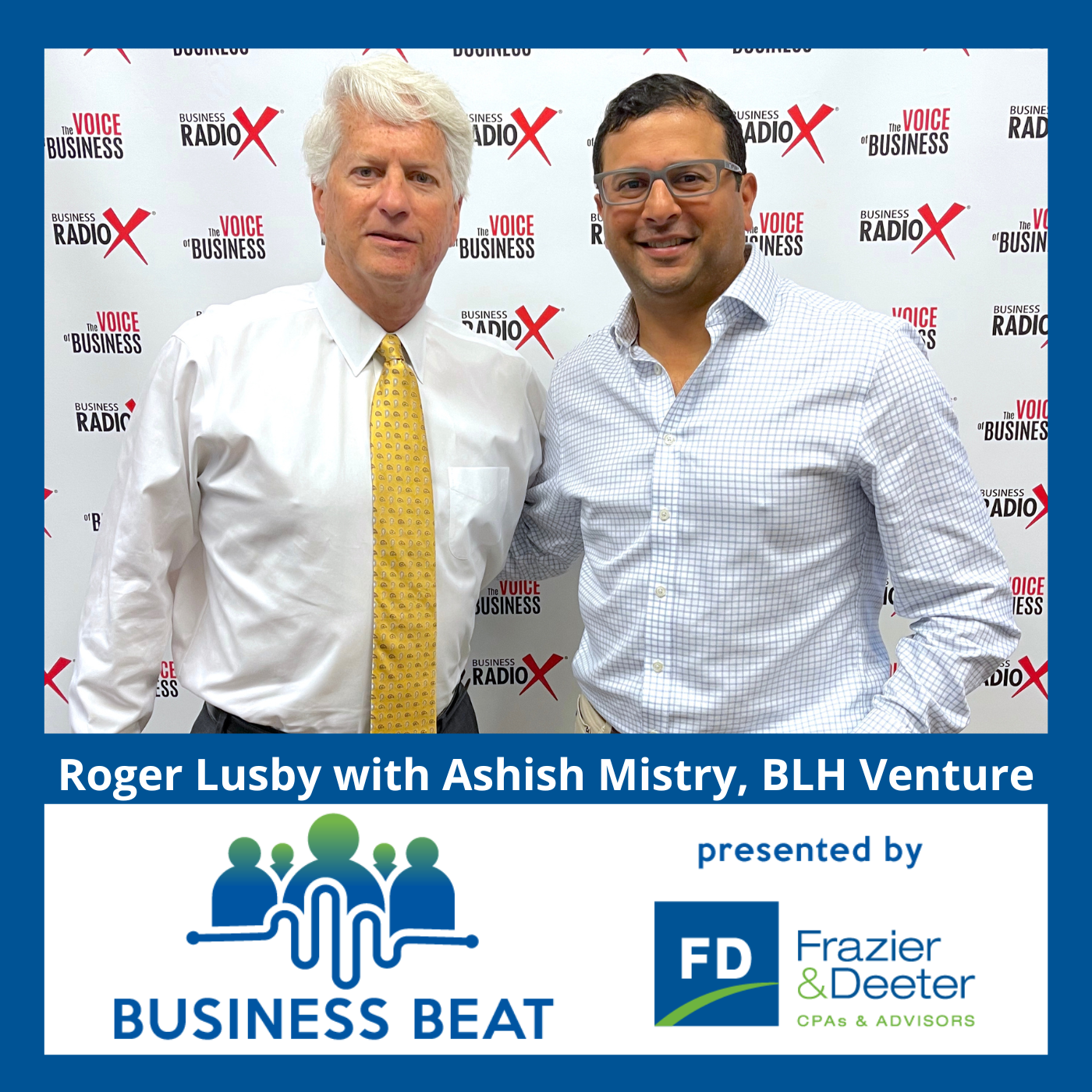
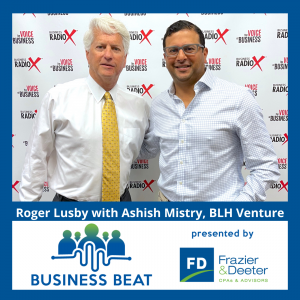
Ashish Mistry, Co-Founder and Managing Partner at BLH Venture Partners, was the guest on this edition of Business Beat. He chatted with host Roger Lusby about his career trajectory, early investments, selling at the right time, elements to building a successful team, mistakes startup founders make in working with their investors, what he sees both in the SaaS and ecommerce space, and much more. Ashish also discussed PCKL, a portfolio company which sells pickleball equipment and accessories, and why he believes the market for pickleball will continue to grow.

Business Beat is presented by Alpharetta CPA firm Frazier & Deeter and is produced by the North Fulton studio of Business RadioX®

BLH Venture Partners

BLH understands entrepreneurs and the phase’s start-ups and young companies traverse on their path to success.

Their insights stem from hands-on experience operating companies and having faced many of the same challenges current and prospective partners face as well.

BLH’s investments center on companies that can deliver innovation within a new or existing market.

They look for capital-efficient companies within the technology-enabled services, enterprise IT, consumer internet and e-commerce markets. They are excited by entrepreneurs that understand their respective markets very well and have something to show when they meet with BLH.

Company website | LinkedIn

Ashish Mistry, Co-Founder & Managing Partner, BLH Venture Partners

Ashish Mistry
Ashish Mistry, Co-Founder & Managing Partner, BLH Venture Partners

As Co-founder and Managing Partner of BLH Venture Partners, Ashish functions as an investor and adviser to young companies. His operating experience includes leadership roles with high-growth companies within Information Security, SaaS, and E-commerce.

Ashish was Founder and CEO of KontrolFreek – an innovative lifestyle brand in the video game accessories market until its acquisition in late 2020. Ashish’s first entrepreneurial role was as co-founder of Virtex Networks (Acquired by Leapfrog Services), then as an early team member of AirDefense (Acquired by NYSE: MOT). Mistry also spent two tours as an EIR at Georgia Tech’s Advanced Technology Development Center (ATDC), working with start-ups across Georgia.

Ashish is active in community organizations including current and prior board positions with Children’s Healthcare of Atlanta, Venture Atlanta (Co-founder) and the Atlanta CEO Council, as well as serving on committees with the Metro Atlanta Chamber. Mistry is also active in YPO.

He is a graduate of Emory University and resides with his wife and children in Atlanta.

LinkedIn

Frazier & Deeter

The Alpharetta office of Frazier & Deeter is home to a thriving CPA tax practice, a growing advisory practice and an Employee Benefit Plan Services group. CPAs and advisors in the Frazier & Deeter Alpharetta office serve clients across North Georgia and around the country with services such as personal tax planning, estate planning, business tax planning, business tax compliance, state and local tax planning, financial statement reviews, financial statement audits, employee benefit plan audits, internal audit outsourcing, cyber security, data privacy, SOX and other regulatory compliance, mergers, and acquisitions and more. Alpharetta CPAs serve clients ranging from business owners and executives to large corporations.
Roger Lusby, Partner in Charge of Alpharetta office, Frazier & Deeter
Roger Lusby, Partner in Charge of the Alpharetta office of Frazier & Deeter

Roger Lusby, host of Frazier & Deeter’s Business Beat, is an Alpharetta CPA and Alpharetta Office Managing Partner for Frazier & Deeter. He is also a member of the Tax Department in charge of coordinating tax and accounting services for our clientele. His responsibilities include a review of a variety of tax returns with an emphasis in the individual, estate, and corporate areas. Client assistance is also provided in the areas of financial planning, executive compensation and stock option planning, estate and succession planning, international planning (FBAR, SFOP), health care, real estate, manufacturing, technology, and service companies.

You can find Frazier & Deeter on social media:

LinkedIn | Facebook | Twitter

An episode archive of Frazier & Deeter’s Business Beat can be found here.
 

Tagged With: Ashish Mistry, BLH Venture Partners, Business Beat, Entrepeneur, Frazier and Deeter, gaming, Georgia Tech, KontrolFreek, pickleball, Roger Lusbh, venture capital

LIVE from WORKBENCHcon 2022: Donovan, Once Upon a Workbench, and Wes, Geeksmithing

May 26, 2022 by John Ray

Geeksmithing
North Fulton Studio
LIVE from WORKBENCHcon 2022: Donovan, Once Upon a Workbench, and Wes, Geeksmithing
Loading
00:00 /
RSS Feed
Share
Link
Embed

Download file

Geeksmithing

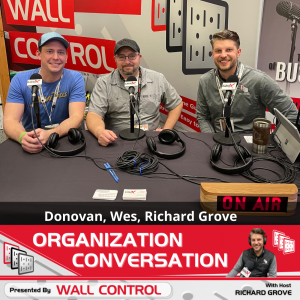
LIVE from WORKBENCHcon 2022: Donovan, Once Upon a Workbench, and Wes, Geeksmithing (Organization Conversation, Episode 22)

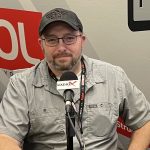
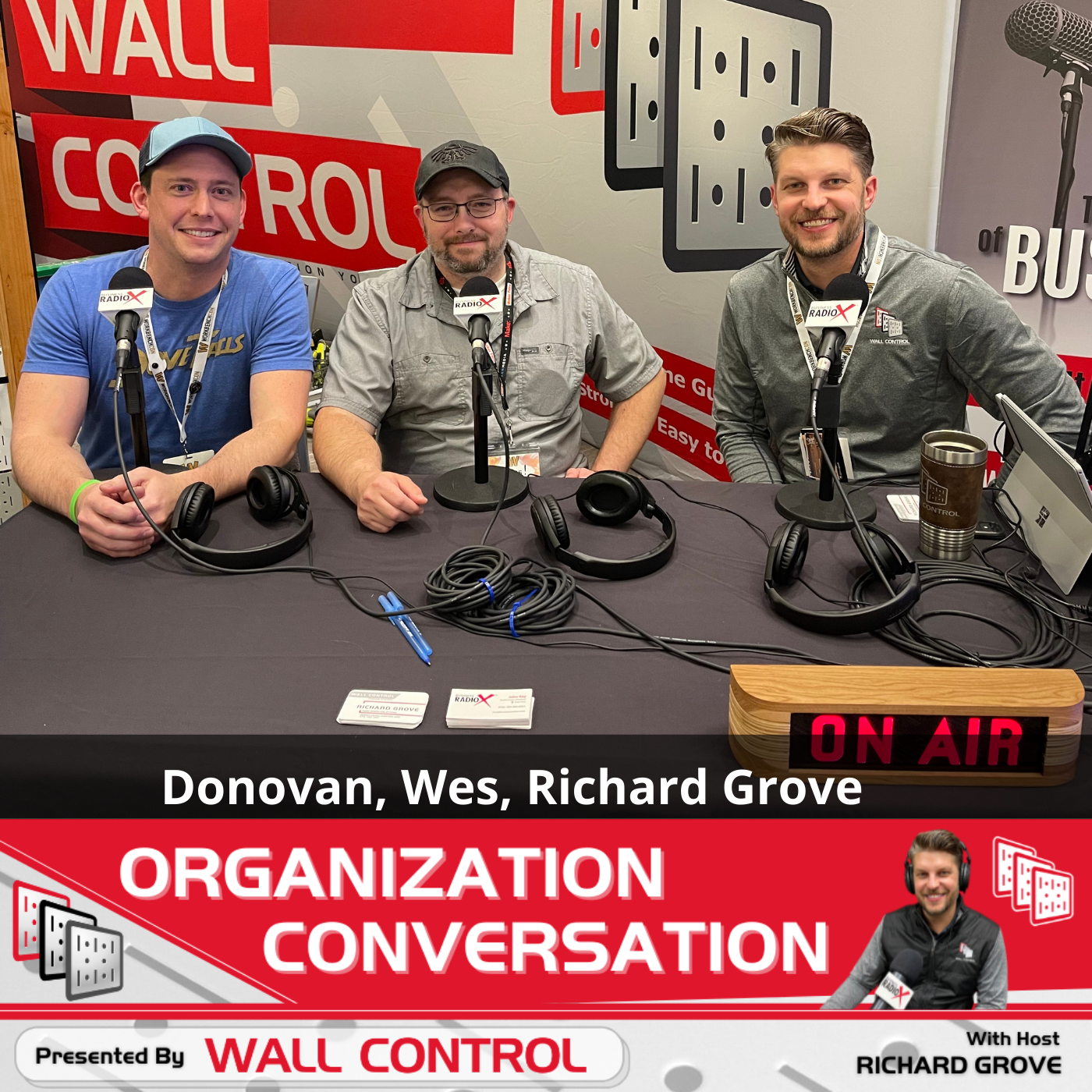
Donovan of Once Upon a Workbench and Wes from Geeksmithing talked with host Richard Grove about the ARG scavenger hunt game they developed for WORKBENCHcon, their respective maker businesses, being geeks, and more. Donovan and Wes also co-host a podcast, Making Geeks Podcast, which can be found here and wherever you get your podcasts.

Organization Conversation is produced by the North Fulton studio of Business RadioX® inside Renasant Bank in Alpharetta.

Donovan, Once Upon a Workbench

Donovan, Once Upon a Workbench

Donovan is a self-described geek, dad, and maker. He created and developed the scavenger hunt for WORKBENCHcon in 2019 and again in 2022.

Connect with Donovan:  Website |Instagram | YouTube


Wes, Geeksmithing

Wes, Geeksmithing

At Geeksmithing, you can find a wide range of geek/gaming-inspired project videos and even a few adventures visiting other makers from around the world! Any excuse to make something out of a new process or material is exciting to me and Wes and he brings you along on the journey.

Wes’s goal for Geeksmithing is that you become motivated and inspired to create things and begin a journey of your own!

Wes helped develop the ARC scavenger hunt along with Donovan.

Connect with Wes:  Website |Instagram | Youtube

About Organization Conversation

Organization Conversation features interviews with movers and shakers in storage and organization, from professional organizers to the creative and talented Brand Ambassadors who use Wall Control products every day. You’ll hear tips, tricks, and how-tos for storage and organization, as well as receive first access to Wall Control promotions. We talk with our suppliers and partners to give you a look behind the scenes at how we operate, what makes our family-owned and operated brand tick, and some of the fun and interesting insights that go into making our business run. We love our guests, as they are engaging and entertaining with interesting experiences to share. By focusing on those guests and the amazing stories they tell, we hope you will be enriched and find your time listening to the Organization Conversation podcast as time well spent.

Organization Conversation is hosted by Richard Grove, and broadcast and produced from the North Fulton studio of Business RadioX® inside Renasant Bank in Alpharetta. You can find the full archive of shows by following this link. The show is available on all the major podcast apps, including Apple Podcasts, Spotify, Google, Amazon, iHeart Radio, and others.

About Richard Grove

Richard Grove, Host, Organization Conversation

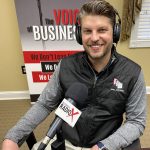
Richard Grove‘s background is in engineering but what he enjoys most is brand building through relationships and creative marketing. Richard began his career with the Department of Defense as an engineer on the C-5 Galaxy Engineering Team based out of Warner Robins. While Richard found this experience both rewarding and fulfilling, he always knew deep down that he wanted to return to the small family business that originally triggered his interest in engineering.

Richard came to work for the family business, Dekalb Tool & Die, in 2008 as a Mechanical Engineer. At the time Wall Control was little more than a small ‘side hustle’ for Dekalb Tool & Die to try to produce some incremental income. There were no “Wall Control” employees, just a small warehouse with a single tool and die maker that would double as an “order fulfillment associate” on the occasion that the original WallControl.com website, which Richard’s grandmother built, pulled in an order.

In 2008, it became apparent that for the family business to survive they were going to have to produce their own branded product at scale to ensure jobs remained in-house and for the business to continue to move forward. Richard then turned his attention from tool and die to Wall Control to attempt this necessary pivot and his story with Wall Control began. Since that time, Richard has led Wall Control to significant growth while navigating two recessions.

Connect with Richard:

Instagram | Twitter | LinkedIn

About Wall Control

The Wall Control story began in 1968 in a small tool & die shop just outside Atlanta, Georgia. The first of three generations began their work in building a family-based US manufacturer with little more than hard work and the American Dream.

Over the past 50+ years, this family business has continued to grow and expand from what was once a small tool & die shop into an award-winning US manufacturer of products ranging from automobile components to satellite panels and now, the best wall-mounted tool storage system available today, Wall Control.

The Wall Control brand launched in 2003 and is a family-owned and operated business that not only produces a high-quality American Made product but sees the entire design, production, and distribution process happen under their own roof in Tucker, Georgia. Under that same roof, three generations of American Manufacturing are still hard at work creating the best tool storage products available today.

Connect with Wall Control:

Company website | Facebook | Instagram

Tagged With: ARG, gaming, geeks, Geeksmithing, makers, Making Geeks Podcast, Once Upon a Workbench, Organization Conversation, Richard Grove, Wall Control, WORKBENCHcon 2022

All Hands On Deck E90

February 3, 2022 by Karen

All-Hands-On-Deck-E90-feature
Phoenix Business Radio
All Hands On Deck E90
Loading
00:00 /
RSS Feed
Share
Link
Embed

Download file

All-Hands-On-Deck-E90
All Hands On Deck E90

In this episode, hosts Austin Peterson and Landon Mance interview guest, Tom Donelan, owner of DECK OF DICE Gaming, Inc. Put your bet on Tom Donelan and tune in to hear how his home support system has influenced his success as an entrepreneur.

Tom Donelan took a chance on a $500 billion industry and built Deck of Dice Gaming, Inc.

Tom led the initial commercialization for the deck of dice patent in the retail board game market, and founded DECK of DICE Gaming to bring the IP into the casual and casino video gaming markets.

Deck-of-Dice-Gaming-logo

The $500 Billion casino gaming market depends upon a 1,000-year-old deck of playing cards and a 6,000-year-old set of dice. Cards and dice are gaming “platforms” upon which the rules of many different individual games are built.

DECK OF DICE Gaming, Inc. has a patent on the overdue combination of these two gaming platforms into a single new gaming platform. Nine dice that achieve the goals of all popular card games, including poker. The company can make a wide family of new games that are built upon this proprietary platform. The patent applies to both physical and digital dice. SIUDiceLogoblackTM

DECK of DICE is a start-up company. They are entering the market for casual video games that are played on mobile devices. Their product testing has demonstrated superior player appeal, and because of this they have just earned a licensing deal with a major, global casino operator. The deal is for a casual, non-gambling mobile game – and it paves the way for future deals including online gambling.

DECK of DICE is based in Cleveland, OH; with teammates in Las Vegas, San Francisco, and three other countries around the world.

Tom-Donelan-Tycoons-of-Small-BizTom Donelan is an entrepreneur, published author, and award-winning game designer. He is a 25-year professional with leadership experience in a number of high-growth consumer products companies, including two 9-figure exits.

Tom led the initial commercialization for the deck of dice patent in the retail board game market, and founded DECK of DICE Gaming to bring the IP into the casual and casino video gaming markets.

Tom’s career spans strategy, M&A, sales, marketing, global sourcing, operations and accounting.

Tom lives near Cleveland, Ohio with his wife of 30 years. Tom and Ginny have three adult children, a dog, and some cats.

Connect with Tom on LinkedIn and follow Shake It Up Dice on Facebook and Twitter.

About the Show

Tycoons of Small Biz spotlights the true backbone of the American economy, the true tycoons of business in America… the owners, founders and CEO’s of small businesses. Join hosts,  Austin L Peterson, Landon Mance and the featured tycoons LIVE every Tuesday at 1 pm, right here on Business RadioX and your favorite podcast platform.

About Your Hosts

Autsin-Peterson-on-Phoenix-Business-RadioX

Austin Peterson is a Comprehensive Financial Planner and co-founder of Backbone Planning Partners in Scottsdale, AZ. Austin is a registered rep and investment advisor representative with Lincoln Financial Advisors. Prior to joining Lincoln Financial Advisors, Austin worked in a variety of roles in the financial services industry.

He began his career in financial services in the year 2000 as a personal financial advisor with Independent Capital Management in Santa Ana, CA. Austin then joined Pacific Life Insurance Company as an internal wholesaler for their variable annuity and mutual fund products. After Pacific Life, Austin formed his own financial planning company in Southern California that he built and ran for 6 years and eventually sold when he moved his family to Salt Lake City to pursue his MBA.

After he completed his MBA, Austin joined Crump Life Insurance where he filled a couple of different sales roles and eventually a management role throughout the five years he was with Crump. Most recently before joining Lincoln Financial Advisors in February 2015, Austin spent 2 years as a life insurance field wholesaler with Symetra Life Insurance Company. Austin is a Certified Financial Planner Professional and Chartered Life Underwriter. In 2021, Austin became a Certified Business Exit Consultant® (CBEC®) to help entrepreneurs plan to exit their businesses.

Austin and his wife of 23 years, Robin, have two children, AJ (21) and Ella (18) and they reside in Gilbert, Arizona. He is a graduate of California State University, Fullerton with a Bachelor of Arts in French and of Brigham Young University’s Marriott School of Management with a Master of Business Administration with an emphasis in sales and entrepreneurship.backbone-New-Logo

Connect with Austin on LinkedIn, Facebook, Twitter, and Instagram.

LandonHeadshot01

Landon Mance is a Financial Planner and co-founder of Backbone Planning Partners out of Las Vegas, Nevada. He rebranded his practice in 2020 to focus on serving small business owners after operating as Mance Wealth Management since 2015 when Landon broke off from a major bank and started his own “shop.”

Landon comes from a family of successful entrepreneurs and has a passion and excitement for serving the business community. This passion is what brought about the growth of Backbone Planning Partners to help business owners and their families. At Backbone Planning, we believe small business owners’ personal and business goals are intertwined, so we work with our clients to design a financial plan to support all aspects of their lives.

In 2019, Landon obtained the Certified Exit Planning Advisor (CEPA) designation through the Exit Planning Institute. With this certification, Backbone Planning Partners assists business owners through an ownership transition while focusing on a positive outcome for their employees and meeting the business owner’s goals. Landon is also a member of the Business Intelligence Institute (BII) which is a collaborative group that shares tools, resources and personnel, and offers advanced level training and technical support to specifically serve business owners. In 2021, Landon became a Certified Business Exit Consultant® (CBEC®) to help entrepreneurs plan to exit their businesses by counseling owners about exit options, estimating the value of the business, preparing the business for exit and tax considerations.

Landon enjoys spending time with his beautiful wife, stepson, and new baby twins. He grew up in sunny San Diego and loves visiting his family, playing a round of golf with friends, and many other outdoor activities. Landon tries to make a difference in the lives of children in Las Vegas as a part of the leadership team for a local non-profit. He regularly visits the children that we work with to remind himself of why it’s so important to, “be the change that you wish to see in the world.”

Landon received his B.S. from California State University Long Beach in business marketing and gets the rest of his education through the school of hard knocks via his business owner clients.

Connect with Landon on LinkedIn.

Austin Peterson and Landon Mance are registered representatives of Lincoln Financial Advisors Corp. Securities and investment advisory services offered through Lincoln Financial Advisors Corp., a broker/dealer (member SIPC) and registered investment advisor. Insurance offered through Lincoln affiliates and other fine companies. Backbone Planning Partners is a marketing name for registered representatives of Lincoln Financial Advisors. CRN-4234625-012622

Lincoln Financial Advisors Corp. and its representatives do not provide legal or tax advice. You may want to consult a legal or tax advisor regarding any legal or tax information as it relates to your personal circumstances.

The content presented is for informational and educational purposes. The information covered and posted are views and opinions of the guests and not necessarily those of Lincoln Financial Advisors Corp.

Business RadioX® is a separate entity not affiliated with Lincoln Financial Advisors Corp.

Tagged With: Casino, Dice, gaming, Mobile, Poker

Decision Vision Episode 147:  Should I License My Intellectual Property? – An Interview with Andrew Innes, Anomia Press

December 16, 2021 by John Ray

Anomia Press
Decision Vision
Decision Vision Episode 147:  Should I License My Intellectual Property? - An Interview with Andrew Innes, Anomia Press
Loading
00:00 /
RSS Feed
Share
Link
Embed

Download file

Anomia Press

Decision Vision Episode 147:  Should I License My Intellectual Property? – An Interview with Andrew Innes, Anomia Press

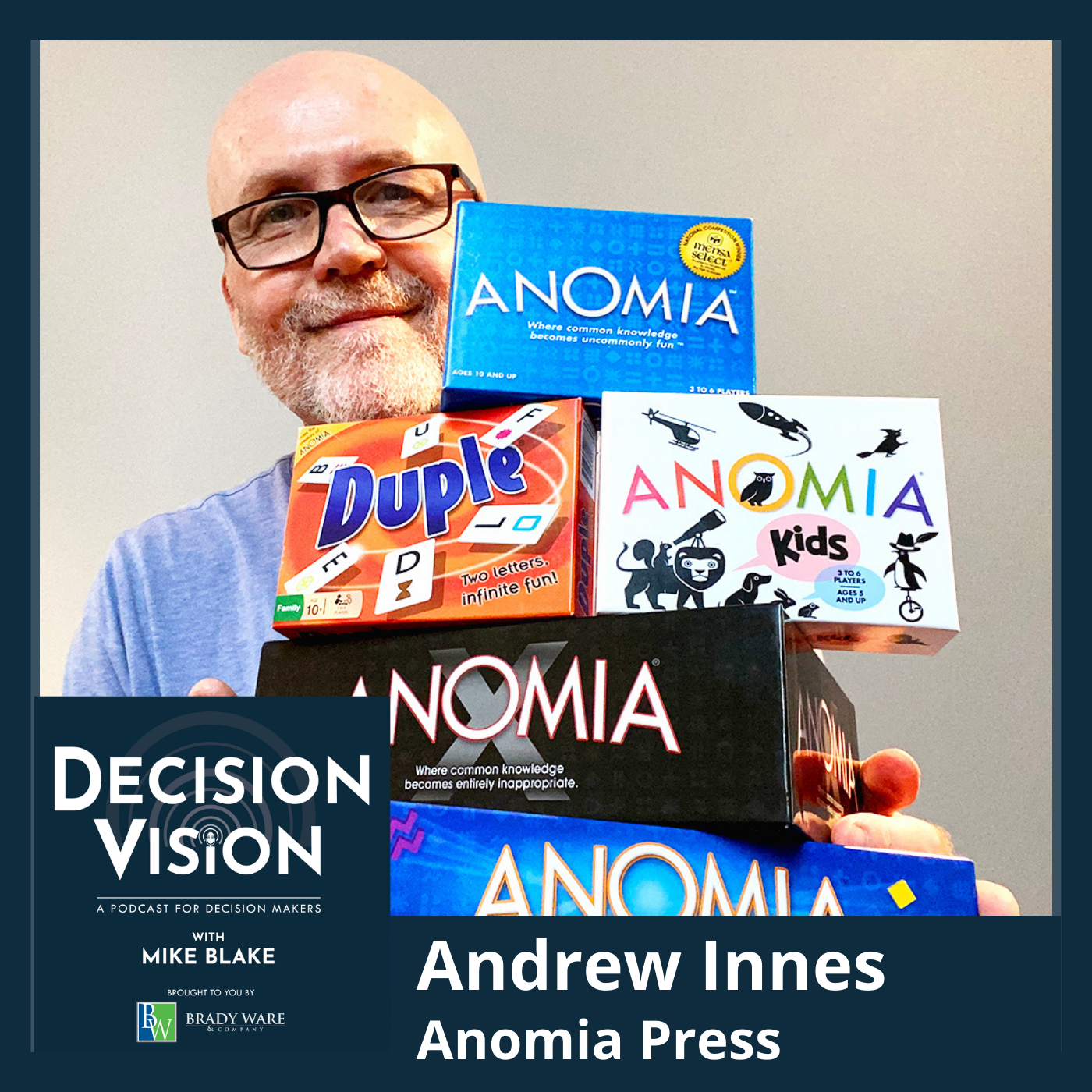
Is licensing intellectual property “easy money” or is there more to it than that? How do you go about getting IP licensed? Andrew Innes, designer of the game ANOMIA and CEO of Anomia Press, joined host Mike Blake to discuss his journey to licensing his games, how and why one might decide to license, marketing and distribution, and much more. Decision Vision is presented by Brady Ware & Company.

Anomia Press

Anomia Press publishes the award-winning and highly-addictive card games Anomia and Duple which have sold over a million copies and have been translated into more than 15 languages around the world.

Company website | Facebook | Twitter

Andrew Innes, CEO & Founder, Anomia Press

Anomia Press
Andrew Innes, CEO & Founder, Anomia Press

Andrew started Anomia Press in May of 2009. However, a lot happened before that.

When he was 12 years old, Andrew came up with an idea for a game.  Mostly, the concept just rattled around in his head, nagging at him for years and years. Many years later, in his early 30’s, he decided to finally try and make a prototype of my idea. Five prototypes and many, many play-testing sessions later (not to mention a full-time job, a wedding, a baby, a move from Brooklyn to Boston, and another baby) Andrew realized his game, ANOMIA, was finally done.

In the spring of 2009, Andrew started Anomia Press and set out to raise enough money to pay for the first printing of ANOMIA. By the end of July 2009, he had pre-sold over 500 copies of ANOMIA and had succeeded in raising all the money needed to go into production.  The games arrived in mid-November and all 500+ copies were shipped out just in time for the Thanksgiving holidays. Word spread quickly, and Andrew sold an additional 500 copies between Thanksgiving and Christmas.

The momentum continued and by the end of 2010, ANOMIA had sold over 25,000 copies, won some major toy industry awards, and had been picked up by hundreds of stores across the United States, Canada, and Australia.

In December 2010, Andrew’s wife, Jody Burr, came on board to help with both marketing and design, not to mention Quickbooks. They have subjected their kids (and their friends) to tons of play-testing sessions, truly making Anomia Press a family business.

LinkedIn

Mike Blake, Brady Ware & Company

Mike Blake, Host of the “Decision Vision” podcast series

Michael Blake is the host of the Decision Vision podcast series and a Director of Brady Ware & Company. Mike specializes in the valuation of intellectual property-driven firms, such as software firms, aerospace firms, and professional services firms, most frequently in the capacity as a transaction advisor, helping clients obtain great outcomes from complex transaction opportunities. He is also a specialist in the appraisal of intellectual properties as stand-alone assets, such as software, trade secrets, and patents.

Mike has been a full-time business appraiser for 13 years with public accounting firms, boutique business appraisal firms, and an owner of his own firm. Prior to that, he spent 8 years in venture capital and investment banking, including transactions in the U.S., Israel, Russia, Ukraine, and Belarus.

LinkedIn | Facebook | Twitter | Instagram

Brady Ware & Company

Brady Ware & Company is a regional full-service accounting and advisory firm which helps businesses and entrepreneurs make visions a reality. Brady Ware services clients nationally from its offices in Alpharetta, GA; Columbus and Dayton, OH; and Richmond, IN. The firm is growth-minded, committed to the regions in which they operate, and most importantly, they make significant investments in their people and service offerings to meet the changing financial needs of those they are privileged to serve. The firm is dedicated to providing results that make a difference for its clients.

Decision Vision Podcast Series

Decision Vision is a podcast covering topics and issues facing small business owners and connecting them with solutions from leading experts. This series is presented by Brady Ware & Company. If you are a decision-maker for a small business, we’d love to hear from you. Contact us at decisionvision@bradyware.com and make sure to listen to every Thursday to the Decision Vision podcast.

Past episodes of Decision Vision can be found at decisionvisionpodcast.com. Decision Vision is produced and broadcast by the North Fulton studio of Business RadioX®.

Connect with Brady Ware & Company:

Website | LinkedIn | Facebook | Twitter | Instagram

TRANSCRIPT

Intro: [00:00:02] Welcome to Decision Vision, a podcast series focusing on critical business decisions. Brought to you by Brady Ware & Company. Brady Ware is a regional full-service accounting and advisory firm that helps businesses and entrepreneurs make visions a reality.

Mike Blake: [00:00:22] Welcome to Decision Vision, a podcast giving you, the listener, clear vision to make great decisions. In each episode, we discuss the process of decision-making on a different topic from the business owners’ or executives’ perspective. We aren’t necessarily telling you what to do, but we can put you in a position to make an informed decision on your own and understand when you might need help along the way.

Mike Blake: [00:00:44] My name is Mike Blake, and I’m your host for today’s program. I’m a director at Brady Ware and Company, a full-service accounting firm based in Dayton, Ohio, with offices in Dayton; Columbus, Ohio; Richmond, Indiana; and Alpharetta, Georgia. My practice specializes in providing fact-based strategic risk management advice to clients that are buying, selling, or growing the value of companies and their intellectual property. Brady Ware is sponsoring this podcast, which is being recorded in Atlanta per social distancing protocols.

Mike Blake: [00:01:14] If you would like to engage with me on social media with my Chart of the Day and other content, I’m on LinkedIn as myself and @unblakeable on Facebook, Twitter, Clubhouse, and Instagram. I also recently launched a new LinkedIn group called A Group That Doesn’t Suck. So, please join that as well so that if you would like to engage with me, that’s your opportunity to do so. If you like this podcast, please subscribe on your favorite podcast aggregator and please consider leaving a review of the podcast as well.

Mike Blake: [00:01:45] Today’s topic is, Should I license my intellectual property? And, as I look back on the history of this program and we’re now recording show number 140 something, I’m stunned that we have not covered this topic.

Mike Blake: [00:01:59] Intellectual property is such an important facet of our economy. There’s data that suggests that the value of our economy as a whole may be 90% to 95% comprised of intellectual property, certainly intangible assets. And, you know, conversely, the world in which I, at least partially, live, accounting does a terrible job of measuring the value of intellectual property gap. It’s just bad at measuring the value of intangible assets, intellectual property, which is why I so-called value investors, such as Warren Buffett, have not really done all that well the last few years because so much value just doesn’t fall into that bucket anymore.

Mike Blake: [00:01:59] And according to IBISWorld, intellectual property licensing is a 54-billion dollar industry in the United States, and this is a recent data point. This is actually as of their October 2021 report. Interestingly, the biggest player in this market is Disney. And, the most actively licensed form of intellectual property franchises at 39.8% of the market. But that doesn’t mean there isn’t a whole lot of active intellectual property licensing elsewhere.

Mike Blake: [00:03:25] And, here to join us to discuss this topic is Andrew Innes, who is a tabletop game designer based in my hometown of Boston, Massachusetts. He came up with the idea for his first game when he was 12 years old. Anomia Press, his company, publishes the award-winning and highly addictive card games, Anomia and Duple, which have sold over a million copies and have been translated into 15 languages around the world.

Mike Blake: [00:03:54] Now, I’m going to struggle very hard to maintain some sort of focus on this episode because I’m a gamer myself. I love games. I played Dungeons & Dragons with people last night, and I just freely admit that the nerd shall inherit the Earth. So, I love this. But I promise we’ll get around to a business topic at some point during this podcast.

Mike Blake: [00:04:15] Andrew, welcome to the Decision Vision podcast.

Andrew Innes: [00:04:19] Thank you, Mike. Thanks for having me. Pleasure to be here.

Mike Blake: [00:04:23] So, let’s start. When we talk about an intellectual property license, what does that mean to you? How would you define that?

Andrew Innes: [00:04:36] Well, I guess, you know, it can mean a lot of things, I suppose. I mean, in my case, it means that, you know, I came up with this idea for a game and initially I self-published it and was manufacturing it and distributing it myself. And then, after a while, you know, meanwhile, I was, you know, still had a full-time job and had two young kids and, you know, busy life.

Andrew Innes: [00:05:08] When I got an offer to license Anomia, it sort of came at a time where I was, you know, struggling to deal with the growth of Anomia Press and also faced with the issue of managing, you know, selling to retailers and trying to get paid by them and managing to have enough money to make my next batch of games and, you know, we grew kind of fast, so it was a little bit painful. And, you know, I had to borrow some money, et cetera.

Andrew Innes: [00:05:08] So, you know, in that moment, for me, licensing was a nice option because it took away a lot of the problems I had, which were, like, how to deal with the growth, how to deal with, you know, selling to retailers and maintain my career at the time and not just be like an insane person.

Andrew Innes: [00:06:04] So, you know, I guess in a nutshell, licensing means like, you know, taking – you know, putting some value on an idea you have typically in some kind of tangible form, like – and like in the form, in this case, of a game and then giving the rights to somebody else, another company to manufacture and distribute that.

Mike Blake: [00:06:27] Now, I think this is a commonly held perception of licensing IP that it’s so-called mailbox money, where you sign a licensing deal, somebody else does all the work. You put your feet up. You binge-watch Game of Thrones for the third time or something and you wait for the checks to roll in. Is that what happened to you or did you sign a couple of licensing deals and you’re just sort of living the good life and don’t have to work anymore? How does that work?

Andrew Innes: [00:06:53] Well, I did binge-watch Game of Thrones, so maybe. I don’t know. I mean, you know, your mileage may vary, I guess is the best way to put it. Like, Anomia has been very successful. And, you know, I think our situation may not be, you know, anybody else’s situation. It’s always going to vary, you know.

Andrew Innes: [00:07:26] So, I mean, on one hand, like the reason that I chose to license was, like I said, I was juggling a lot of stuff, young kids, another career, and I was sort of thinking like, well, what do I – you know, this is something I say to people when they’re considering this, I’m like, “What? You know, what do you want to do with your time? Like, what do you want to be spending your time on?” And for me, it was – I had this vision for Anomia. I wanted to see it grow to multiple products, the multiproduct line. And, I, you know, at the time, I was still, you know, focused on my other career. I mean, I’ve since left that career and I’m focused on this stuff full time.

Andrew Innes: [00:08:08] So, licensing for me in large part was about, like, making a decision about how I wanted to spend my days and what I wanted to do was grow the product line, and what I didn’t want to do was chase down 25 retailers who were past due.

Andrew Innes: [00:08:30] And, you know, also, a big, big part of this was my partner, my licensing partner. You know, they had a great distribution network, way bigger than what I had, and they had relationships with large chain stores and big box stores and the mid-tier stores and all the mom-and-pop shops. And so immediately, you know, I had already been working with them. They had been a distributor for me, you know, for I don’t know how long, maybe six to eight months or something like that. And then, they approached me with an offer to license. So I, you know, had an existing relationship with them.

Mike Blake: [00:09:14] But, yeah, so it was all about what I wanted to spend my time doing. I mean, if you want to, like, grow your business from the ground up and retain full control of everything, then you know, licensing may not be for you. If you want to take advantage of another business’s distribution network or other, you know, depending on what your product is, or, then it might make sense to consider licensing.

Mike Blake: [00:09:42] Now, I’m curious, you said when you licensed it first, you had another job. I’m curious what that was. You know, it’s well – if you’re in the roleplaying gaming community, for example, Gary Gygax, one of the founders of Dungeons & Dragons, was an insurance salesman until they got for enough for him. What was your primary hustle before you moved into gaming?

Andrew Innes: [00:10:06] Sure. So, well, at the time, my last full-time job was with the Harvard Business Review, and I did product development for them, mostly in the digital space. So, I did like app development and some mobile web development, mostly like as a sort of product manager and project and product manager type role. So, basically finding ways to take their content and then repackage it, repurpose it in a digital context.

Andrew Innes: [00:10:43] I mean, I started there right around the time the first iPhones were coming out. So, you know, we were getting into that. And prior to that, I had worked in publishing. I worked for a company called Source Media, which was a financial publisher in Manhattan. And, you know, I started there actually in print production, and that was kind of awesome because those skills were really helpful and I was first prototyping Anomia, like knowing my way around the desktop publishing software.

Andrew Innes: [00:11:16] But after a few years there, I worked there for about 10 years, and so I worked in print production like putting out a daily newspaper for a few years. And then, I moved over to their web group and I was editing, you know, an editor on the website. And then, I became a product manager there for one of their main websites. And then, over time, I took on. I think I had about five websites that were, you know, two daily papers, two monthly magazines, and, like, a weekly newspaper as well.

Andrew Innes: [00:11:47] So, just doing, basically, you know, interfacing between tech development, editorial, advertising, marketing, customer service and sort of, you know, helping all of those different parts of the business interact with and improve the website and things like that.

Mike Blake: [00:12:09] So, of the two games you have licensed, which is the one you developed first? Was it Anomia?

Andrew Innes: [00:12:15] Yeah. So, Anomia, and there’s four currently in the market. There’s four versions of Anomia app, but the original game was a small blue box with two decks, and that was the first one.

Mike Blake: [00:12:27] So, when you develop that, how did you – how developed was that game when you started to approach potential licensees? You must have had, I guess, at least a basic prototype. Was it highly polished? Was it kind of a rough prototype just to let people know generally where you were headed? How far did you have to have that product developed before you felt like you could take it to licensees and be taken seriously?

Andrew Innes: [00:12:55] Well, I mean, in my case, I actually had a product. You know Anomia was in the market. So, I had worked on it for a number of years refining it. Then, I sort of did my own version of – this was maybe, you know, right around the same time Kickstarter was beginning. But I did my own Kickstarter where I, you know, my own version of it. Like, I spammed everybody I knew and asked them to pre-purchase copies of the game, and I raised enough money to print my first print run. And then, I, you know, was able to fulfill, you know, all the orders for the people who had pre-purchase copies, and then I, you know, sold a bunch more right after that.

Andrew Innes: [00:13:39] But so, yeah, and then I started the sort of slow process of getting it out into stores and getting it, you know, learning more about the toy industry. But basically, you know, I had been sitting on this idea for so long. Like, I literally – I had had the idea for, you know, Anomia when I was a kid and then I kind of sat on the idea. I kept coming back to it over the years and then finally, I was like, “Maybe, maybe I should prototype this.” And so, I did. I started playing with friends and then I kind of playtested it for three or four years with a lot of different people and refined it further.

Andrew Innes: [00:14:13] And then, at a certain point, I was like, “Okay, it’s done. I don’t need to do anymore. Like, now what?” And so, the first thing was to just – I didn’t want to license it right away. I wanted to bring it to market first and see what happened and then go from there.

Andrew Innes: [00:14:28] So basically, I had a product in the market, you know, and it was selling well. Like, I mean, you know, we sold a thousand games our first year, but really, that was like the last two months of the first year. And then, we sold like 20 something thousand games the following year. And it was in that year that we were approached by another company saying like, “Hey, would you consider licensing this to us?”

Andrew Innes: [00:14:57] So, now there’s up and downsides to that approach. Like, one is if you’ve got an idea I mean, it’s very common in the toy industry and the tabletop game industry for an inventor to come up with an idea, make a rough prototype. It doesn’t need to have any, you know, like, fancy design or anything. It’ll be super basic, but enough so that you can show how does the game play, what are the components of the game, et cetera.

Andrew Innes: [00:15:28] And then, like, you know, part of what happens, say, at an industry event like Toy Fair, which is our big international trade event in February in New York City, where, you know, designer, game designers come and they booked meetings with different companies and they go around and they pitch their ideas to companies and people say, “Oh yeah, that looks cool. I’ll want to license that for you,” or “No, we’re going to pass on. That doesn’t really fit our product line or whatever.”

Andrew Innes: [00:15:56] So, I mean, I had actually gone to Toy Fair many times with my prototype in my bag, never showed it to anyone because I was terrified somebody would, like, steal my idea, you know.

Mike Blake: [00:16:06] Really?

Andrew Innes: [00:16:12] So, you know, so the upside of bringing your product to market first is that if you have some success, then when you’re, you know, negotiating your licensing deal, you often can get a better percentage for your royalties. If you have an –

Mike Blake: [00:16:32] I think that’s right.

Andrew Innes: [00:16:32] If you have an unproven product, like, you just have this cool idea and people like the idea, but they have no idea how it does in the market, you know, you’re going to get probably more of the standard licensing, like what’s standard for whatever industry you’re in, so.

Mike Blake: [00:16:47] If you even get that. I think that’s a really important point because –

Andrew Innes: [00:16:52] And, if you’re getting it at that rate.

Mike Blake: [00:16:53] The licensing – the most successful licensed stores I have met and worked with are ones that did bring their inventions to the market first in some fashion, proved market traction, right, proved that they could. Maybe they didn’t want you, right, but at least you theoretically could bring it to the market on your own. And that gives you a lot of leverage because you don’t have to just sort of take whatever a licensee is willing to pay. You do have at least the option. Even if in the back of your mind you’re saying, “God, I hope they take this deal because I don’t want to do this anymore.” Right?

Andrew Innes: [00:17:32] Right, right.

Mike Blake: [00:17:32] If you’re at least a modicum of a decent poker player and you cannot show that in the negotiation, then you do have this fallback position. “Okay. If you don’t like it, I’ll just keep selling it,” right, and you’ll just keep losing out on the income.

Mike Blake: [00:17:47] And so, as opposed to what I think many inventors and property, intellectual property developers romanticize about that you can put an idea down on a piece of paper, maybe even get something patented, trademarked, copyrighted, or whatever, there’s some sort of protection of something there. There’s a hope that, “Hey, if I just go to a deep-pocketed entity with a big idea, they’re just going to license it.” I think that is very much the exception rather than the rule at any price.

Andrew Innes: [00:18:22] Yeah. And, also, you know, licensing comes with some other challenges. Like, you know, when I was not licensing, you know, when it was all under my control, you know, for better or worse than I was, you know, [inaudible] the buck stopped with me and also any kind of marketing. Like, you know, I had more flexibility around marketing or where I could sell, et cetera.

Andrew Innes: [00:18:47] And now, I mean, I feel lucky with my current partner because I’ve actually maintained a lot of control over, you know, creative control over packaging, and also I do all the marketing. Like, they’re happy – you know, they’re super happy to be like the awesome distribution channel that they are and distributor, and, like, that’s what they do. They’re great at it and, like – and so I’ve, you know, over the years taken on more of a marketing role. And, basically what I do now is product development and marketing. So, I’m – and you may or may not be able to do that depending on your relationship with your license or, you know, or your licensee.

Andrew Innes: [00:19:36] So, you know, also going into it with them, I had to be really clear in my head. Like, they weren’t going to market it. You know, that’s not their job. They’re not marketing to consumers. They sell to stores, you know. They don’t sell to consumers.

Andrew Innes: [00:19:50] So, you know, when I talk to other people, I often consult with people in the game space because, you know, some friend of a friend, it’s like, “Oh, my friend made a game. Like, what should they do next?” And so, I often will meet with folks like that.

Andrew Innes: [00:20:06] And, you know, I’m always upfront about that. Like, you know, if you license your game to another company, depending on the company and their approach, you know, some game companies do market to consumers. They do have a social media presence. They do this and they do that, but some don’t. And so, you have to consider, and also know that, like, you know, my licensee, they have – they distribute, you know, for Hasbro and for Mattel. Like, my product is like one of thousands, you know. It’s one of thousands of other products and, you know, they love the game and all that. But, like, I’m not – you know, you got to go into it with your eyes open. Like, often if a larger company is taking on your product, they have other considerations. Like, they’re going to consider your product but it’s one small piece of their business, and it’s not going to get the personal attention that you may feel it needs. And so, you really need to make sure that you can deal with that or – and maybe you can deal with that by being a marketing voice for your product, you know.

Andrew Innes: [00:21:10] Like, I go to conventions. I, you know, exhibit at conventions and I’m sitting there demoing games all day, you know, to thousands of people. And, you know, I’ve got an email list I’m promoting too and websites and running contests on my website, et cetera. Like, I’m doing all of that stuff, you know, because no one else is going to do it, so.

Mike Blake: [00:21:31] And, you know, that’s exactly a point I wanted to kind of tease out of you in this conversation in that, again, I think there’s a widely held view that if you license your IP, you sign a license, you start watching TV and just let the royalty checks roll in. But the reality is that, you know, I think if you want to maximize your revenue or come close to maximizing your income from that relationship, you’ve got to help now your licensee be successful. You have to –

Andrew Innes: [00:22:04] Right.

Mike Blake: [00:22:04] You should – you need to, in some, if what you’re good at is marketing, you need to be out there and market it. Right? If you have – if you’re kind of an influencer, then you need to influence, right, whatever it is.

Andrew Innes: [00:22:15] Whatever you can do. Yeah. I mean, again, it’s going to vary from situation to situation and what your industry is, what your licensor is or what your licensee is, you know, interested in you doing.

Andrew Innes: [00:22:27] Some – you know, it’s pretty frequent that like a game designer, my license to a company and then the company doesn’t really want to deal with them. You know, they don’t – they don’t want to – they don’t want to deal with, you know, listening to all of your ideas about, you know, [inaudible] to do, so.

Mike Blake: [00:22:48] Inventors can be very hard to listen to because it’s their baby and –

Andrew Innes: [00:22:54] Yeah. They’re excited about their idea and they think it’s the best thing ever.

Mike Blake: [00:22:57] And, now they’ve been validated with one licensing agreement, and it can –

Andrew Innes: [00:23:01] Right.

Mike Blake: [00:23:02] It can be easy to fall into the trap then because you have that one agreement, you now think you have 38 other awesome ideas that everybody can be a fool not to listen to.

Andrew Innes: [00:23:10] Right. Exactly. Yeah, yeah.

Mike Blake: [00:23:14] And so, the point is, you know, you still have a business. The business model may be different, but you do still have a business when you’re licensing your IP.

Andrew Innes: [00:23:26] Yeah. I mean, it’s different in terms of the day-to-day. Like, you don’t – it’s not the same where I was, you know, shipping games and chasing down people for payment and, you know, trying to do this and trying to do that. Like, it’s a very different kind of business, you know.

Mike Blake: [00:23:46] When you started – when you took your game to market and they started appearing on retail shelves, were you hoping, were you positioning yourself in such a way that you are hoping to attract a licensee, or did that relationship kind of happen serendipitously?

Andrew Innes: [00:24:07] No, that was serendipitous. Like, I was distributing myself in the United States. I had been approached by a distributor in Canada and then I had been approached by a distributor in Australia. So, I had sort of set up – you know, I was taking care of the U.S., and then I was working with this Canadian distributor and an Australian distributor. And then – I mean, when I set out with Anomia like I didn’t, I didn’t – I think my vision was more about like, “Oh, I’ll sell a lot on Amazon and I’ll get it into some stores.” And, I didn’t really know what, you know – I didn’t know a ton about the toy industry. I didn’t – you know, there was a lot I didn’t know. So, I didn’t really have any sense of – I mean, I say it’s like after, you know, my first [inaudible] I did 2500 units and, you know, I pre-sold 500 of those, as you know, for the people who helped support that, that first printing. And then, those came – those went out right around, actually just this time in it was November 2009. And then, I sold another 500 copies, like, between November and December because of the holidays. Like, people were into the game. And, you know, some people [inaudible] for gifts and stuff.

Andrew Innes: [00:25:30] And then, in January of 2010, I had 1500 games left and they were sitting in my attic, and just above my – right above my bedroom. And, I was always worried, you know, they’d come crashing through the floor and kill me in my sleep. And, I was like, “What am I going to do with all of these games? I have so many games in my attic and I have no idea how to sell all of them. Am I going to sell them one by one? Am I going to sell them to a store?” I think I had gotten it into about three stores.

Andrew Innes: [00:26:08] And, yeah, so, I really didn’t know what I was going to do. Like, that was the next big problem. The first big thing was just getting the game made, you know. And then, the second big problem was, “All right. I made my game. Like, what do I do now?” And, I mean, I knew that I had wanted to just produce it myself initially before trying to license it.

Andrew Innes: [00:26:38] So, that’s where I was, you know, sitting there in January, going and scratching my head, trying to figure out what was next. So, I didn’t have a big vision for it and certainly not like the vision I have for it now.

Mike Blake: [00:26:52] So, what did that conversation look like? When ultimately some licensees approached you, what kind of questions did they ask? What kind of due diligence did they go through with you?

Andrew Innes: [00:27:06] I mean, they wanted to – they – I mean, they love the game, so they knew the product already and they saw, you know, they saw an opportunity there, and they asked me. You know, I had to provide them with details about, like, what I had sold, you know, basically how much I had sold over that time period.

Andrew Innes: [00:27:31] So, I think that was probably the bulk of their, you know, what they were – what they wanted to know. They wanted to know, you know, like, how many units I sold and where had I sold them and where was I getting it printed and that kind of thing. And, yeah, so those are the kinds of questions. I mean, it was a long time ago now, so.

Mike Blake: [00:27:56] Did it take – was it your impression – I mean, how quickly did those deals come together? Do you have – do you remember?

Andrew Innes: [00:28:04] I mean, pretty quickly. I think, you know, we went back and forth for a few months, like, you know, redlining the agreement. And, I worked with a lawyer and, you know, just trying to make sure that we are – you know, everything was covered on our end and that we got the percentage that we wanted, et cetera, so.

Mike Blake: [00:28:25] In those conversations, did it ever – did the topic ever come up of potentially simply selling your IP outright?

Andrew Innes: [00:28:36] No, no, not to my recollection. I mean, it’s something I think about now, but again, like, I have this vision for what I want the line to be. And so, I’m kind of working towards realizing that. And, I kind of, you know, I don’t – I’m not really sure what if my kids are going to be interested in this business down the road or they’re both just entering their eighth and ninth grade. So, you know, I could imagine it would be at least 10 to 15 years before if one of them was interested that they would potentially get involved, but like, you know.

Andrew Innes: [00:29:18] So, I think – I’m 52, so, you know, I’m starting to think about retirement in 12, 13 years and, you know, or not. I mean, like, if I can maintain this business as it is. Like, I can imagine doing this for quite a while past that point. But, you know – but I am thinking about like, “Okay, I want to have 15 products. I want to have x number of social media followers, x number on my email list. I want to have presence in these stores around the country and I want to translate it into, you know, five more languages or, you know, whatever.”

Andrew Innes: [00:29:57] So, you know, I kind of think about that stuff in terms of maybe one day selling off the IP. Like, I remember when I was just getting started around that time, Trivial Pursuit was sold to, I think, Hasbro for $80 million, and I was like, “Wow! That’s kind of amazing,” you know.

Andrew Innes: [00:30:24] So, you know – so, yeah, it’s definitely something to think about. I mean, it’s also, I feel like even though I’ve licensed it, it’s still kind of my baby and I’m – and I feel very much like the face of the game, you know, in terms of like a public marketing effort, so.

Andrew Innes: [00:30:45] When you negotiated the terms of these licensing deals, how difficult did you find it? You’d never – presumably you never negotiated a deal like this, how did you kind of come to a point where you thought the deal that was put in front of you was fair? How did you push back on certain terms? How did you know how to navigate that or did you?

Andrew Innes: [00:31:09] Yeah. Well, I mean, I had a good lawyer and that was very, very helpful and I wanted to – there were certain things I wanted. Like, I wanted to control – I saw already that there was an option, an opportunity to make more versions of the game, you know, different thematic extensions. So, I wanted to make sure that I had control over things like packaging, package design, and I wanted to be able to, you know, audit their books if I wanted to make sure that they were really doing what they said they were doing. And I wanted to – what was the other thing that was? Well, I want –

Mike Blake: [00:31:59] What about if they didn’t, weren’t successful, right? Sometimes [inaudible] rights.

Andrew Innes: [00:32:04] Right. We had a minimum – you know, they had to hit a minimum, you know, base – minimum units sold annually. And then, I also wanted – I wanted marketing stock. I wanted to be able to have games to use for marketing purposes. So, I wanted – like, we put that into the contract like I get x number of games every year and to use, you know, to use for marketing.

Andrew Innes: [00:32:36] So, you know, basically for me, like having the creative control on the packaging and the product development. You know, one thing I gave up at the time was like selling – was selling on, you know, somewhere like Amazon and which, you know, which I understood. And – but, you know, but I did have – I did maintain an e-commerce presence on my site, though it was fairly, you know, it wasn’t a big operation.

Mike Blake: [00:33:09] And, I’m curious. I may be stepping out of bounds here, but I’ll try to be as vague as I possibly can because I think the answer will be potentially of interest to our listeners. And that is, are your deals straight royalty? Are there any maintenance or milestone payments involved? Is it all just based on sales or is there any kind of fixed component to your deals?

Andrew Innes: [00:33:32] So, they’re all typically based on sales. In the case of – so I’ve been speaking mostly about my North American licensing so far, but, you know, we do have – you know, our games are in 15 languages, so we have licensing deals in many other countries. And, often those deals are sort of prefaced with a – what do you call it? You know, there’s an upfront fee which gets paid. I’m spacing on the name. An advance, sorry. Thank you. So, there’s an advance, and then typically, the licensee will then sell against that advance, or, you know, then you don’t really make any money until they’ve passed that number in sales, you know, so.

Andrew Innes: [00:34:33] So, it’s like a good faith, a token of good faith. Like, we’re going to give you x amount, and then after we’ve sold enough games to recoup that, we’ll then start paying you, you know, quarterly or annually or whatever the deal is, so.

Mike Blake: [00:34:50] And, you know, how did you ensure that your intellectual property was properly protected? Is it for what you do as copyright, as a trademark, or is it something else?

Andrew Innes: [00:35:03] It’s copyright and trademark.

Mike Blake: [00:35:04] Okay.

Andrew Innes: [00:35:05] Basically, so. And, even that, I mean, it’s goofy in the game industry because, you know, I mean, the classic example of this is Apples to Apples and Cards Against Humanity. Like, apples – you know, Cards Against Humanity is Apples to Apples. It’s the exact same game, exactly down to the nitty, fine detail and maybe nitty-gritty fine details. However, the content is very different. So, it can be its own game and obviously has a very different audience and a very different – you know, it’s sold – you know, they both have sold millions of copies. But, you know, they’re very different kinds of games.

Andrew Innes: [00:35:48] And similarly, now I see with Anomia, like there’s two knockoffs in the market now where people have taken the idea and, you know, tweaked it slightly. And, I get, you know – it’s really annoying to me. But it’s also, like, just that’s just what happens, you know. It’s why there’s McDonald’s and Burger King and, you know, so, Coke and Pepsi.

Mike Blake: [00:36:17] If – you’ve been licensing – you’ve been licensing your games for how long now?

Andrew Innes: [00:36:24] Not – licensing, about 10 years.

Mike Blake: [00:36:30] Okay. So, in that decade, what, if anything, has surprised you that you weren’t expecting from your licensing relationships?

Andrew Innes: [00:36:47] I mean – sometimes – well, I’m always really – I’m always really amused. You know, Anomia is a funny name. And so, in other countries, we often have to change the name of the game because they just are like, “We can’t deal with this name, it’s weird.” And so, I’m always, like, surprised at the names that people come up with. You know, they don’t always mean anything to me because I’m not a native language speaker of whatever the language is.

Andrew Innes: [00:37:23] Also, we had one licensee who wanted to change the game, you know, not in a huge way, but like they wanted to add this other element to it. And, you know, they were a big company and we let them do it because we thought, “Oh, they must know what they’re doing.” You know, like, they’re a big successful game company. And, you know, fast forward to now, like, we’ve ended our license with them and we’re looking for somebody else in that territory because the game didn’t do great and they didn’t – I think they screwed it up, frankly, so.

Andrew Innes: [00:37:56] You know, Anomia is a super simple, like, very elegant in its simplicity type of game. It’s not a complicated game. So, like, adding more elements, like, doesn’t really do anything to the gameplay or it doesn’t do anything for the gameplay, I should say.

Andrew Innes: [00:38:10] And so, yeah, I’m always surprised, like, you know, the names that people come up with or – and also, you know, one thing that’s super interesting is that like how the North American market is like the, you know, the massive, you know, juggernaut that it is. And then, when you add up all the sales from all the other languages, it’s like, you know, maybe equivalent to like what you’re doing in North America, but actually probably not even half as much. You know, it’s like the North American market is just this monstrous thing. And, yeah.

Mike Blake: [00:38:47] That makes sense. I mean, you know, when I’m doing – when I’m doing an intellectual property appraisal, I’ll absent specific data to the contrary. I’ll often assume that there’s the United States and then there’s sort of the rest of the world that equals the United States market. And, I’ve rarely, if ever, run into trouble with that assumption.

Andrew Innes: [00:39:14] Yeah. I’d say I don’t – I couldn’t really say exactly, but I don’t think what we sell across the rest of the world is, you know, dollars to dollars. Well, also our percentages are different in every territory, so it’s not Apples to Apples, but you know. But I should go look at that unit for unit and see how it compares. That would be pretty interesting.

Mike Blake: [00:39:40] Now, you touched on this a little bit, but it’s such an important point. I want to come back and make it explicit, even at the risk of sounding repetitive. And that is making sure that you’re paid what you’re owed. When you license a property to somebody else, you’re probably not gaining access to their internal accounting systems so you’re having to kind of rely on the kindness of strangers, if you will, or the integrity of the licensee to report revenue correctly and pay you what you’re actually owed.

Andrew Innes: [00:40:13] Yeah.

Mike Blake: [00:40:14] How do you make sure that that’s true? Or, can you, do you just sort of have to trust your partner and hope it works out?

Andrew Innes: [00:40:23] I mean, I think it’s a mixture of, like, you know, we have some language in our contract that says, you know, we can come and look at your books and see, you know, as best as possible. I mean, not to say that if they were really devious, they could probably cook up something to show us that, you know, but – I mean, you know, part of it is just good faith.

Andrew Innes: [00:40:45] In the case of the international licensing, it’s a little bit even trickier because, you know, we’ve certainly gone, you know, two, three or four quarters without getting paid from some companies, and we have to just hound them and, you know, I have a person that helps me with my international licensing. So, they’ve got – you know, one they know if this is a good company, if they’re trustworthy. Like, they’ve got the inside scoop on, like, who’s worth working with and who’s not. So, like, usually when I get a deal to license then I know going in like these people are worthy, you know, because these people that I work with to help me find the international licenses, like, they’re – I mean, the game industry and toy industries, it’s a – I mean, it’s a huge industry, but it’s also, like, it’s like everybody knows everybody, you know, so.

Mike Blake: [00:41:42] Especially in gaming.

Andrew Innes: [00:41:46] Yeah, in gaming. So, you can, you know, you can, as long as you have – like, I wouldn’t be able to do necessarily all these international deals without the folks that basically they’re like sales reps for me. Like, they go and they find and help me maintain those relationships. So, they’re plugged into that whole international network.

Mike Blake: [00:42:09] So, are your licenses exclusive? And, is that what the licensees ultimately wanted, or did you think about multi exclusivity? What’s your exclusivity situation [inaudible]?

Andrew Innes: [00:42:25] They’re typically exclusive. Like, in Europe, it’s a little funny because, like, you know, if you make the German version, then you can sell that across Europe. It’s not like you can only sell it in Germany, but you can only sell the German version, you know. You can’t go make a French version and sell that across Europe too. Like, that’s for the French licensee. So typically, they’re exclusive in a given territory, in a specific territory, and, yeah.

Mike Blake: [00:42:56] Now, have you ever had any kind of dispute with any of your licensees where, you know, it got serious?

Andrew Innes: [00:43:05] Nothing too – nothing too bad. We had – you know, we’ve had some, you know, some kind of gray area stuff, where one company kind of got into bed with another company, and then it wasn’t clear. Like, we’re we still with them or were we with this new company? You know, like, stuff like that. But nothing has gotten particularly bad, you know. Mostly, yeah, yeah, it’s been – we’ve been –

Mike Blake: [00:43:35] And what about the length of your licenses? Do they have a – do they have a finite length? Do they have automatic renewal or are they just perpetual? How does the time frame of your licenses work?

Andrew Innes: [00:43:45] They typically – they’re all different, but they often have some kind of like either a time, like a time frame in which will reconsider the license. I mean, always my approach with this stuff is to give a lot of benefit of the doubt to the business because they know their market and they know – so, like, if they want to – you know, things are going well, like I’m probably going to stay with them. You know, even if like you missed your numbers by a thousand units, but, you know, probably still going to stay with you at least for another term so that you have a chance to, you know – like, you know, I’m not going to pull the plug on someone because they didn’t sell all their units in, like, during COVID or something. You know, there’s like reality, you know. So, you know, there’s ups and there’s down.

Andrew Innes: [00:44:47] But typically there’s either a number. Like, you got to hit this many units. And, you know, you’re over here. If you’re really not hitting your numbers, then okay we’ll move on, but, you know, but we’ll work with you and give you that chance.

Mike Blake: [00:45:07] We’re talking with Andrew Innes and the topic is, Should I license my intellectual property?

Mike Blake: [00:45:14] This probably doesn’t apply to you. But on the other hand, they still have to have instructions on the side of a can of paint that you shouldn’t drink paint. So, I shouldn’t – I guess I shouldn’t assume anything. Are there any issues of liability in terms of somehow, somebody, I don’t know, injures their selves with a card cut or something? Probably, standard boilerplate, but –

Andrew Innes: [00:45:38] Not so far. I mean, you have to get your products tested in the toy industry, especially if they’re being manufactured elsewhere.

Mike Blake: [00:45:47] Right.

Andrew Innes: [00:45:47] You know, make sure there’s no lead. Make sure if they’re small parts, it’s got to have labels for, you know, little kids and, you know, there’s all that stuff. So, all that stuff’s got to happen and all the licensees have to do it, so.

Mike Blake: [00:46:00] And, who’s responsible for that? Do you do that or does the licensee do that? That test.

Andrew Innes: [00:46:07] The licensee typically does it, though – excuse me, I got a phone ringing in the background. Yeah, the licensee typically does it for their territory.

Mike Blake: [00:46:24] Got it. And, do your licenses have the right to sublicense? If they find somebody else who wants to license to them, can they do that, or do all new licenses have to come to you as kind of the mothership?

Andrew Innes: [00:46:37] Yeah. I know there’s no sublicense.

Mike Blake: [00:46:40] Okay. Andrew, we’re getting to the end of our time, and I want to be respectful of your time because I know you’ve got more games to develop. They’re going to be awesome.

Andrew Innes: [00:46:52] [Inaudible].

Mike Blake: [00:46:53] We probably have not covered everything that a listener would have wanted, or maybe we didn’t go into as much depth as they would have liked. If somebody wants to contact you, maybe for a little bit of additional advice to follow up after this podcast, would you be willing to talk to help them? And if so, what’s the best way for them to contact you?

Andrew Innes: [00:47:13] Yeah, sure. I’m always happy to talk about any of this stuff. I guess probably the best way is to just go to our website and use the contact us form. That’ll come to me which and the website is anomiapress.com. It’s A-N-O-M-I-A, P as in Paul, R-E-S-S, .com.

Mike Blake: [00:47:37] That’s going to wrap it up for today’s program. I’d like to thank Andrew Innes so much for sharing his expertise with us.

Mike Blake: [00:47:43] We’ll be exploring a new topic each week, so please tune in so that when you’re faced with your next business decision, you have clear vision when making it. If you enjoy these podcasts, please consider leaving a review with your favorite podcast aggregator. It helps people find us so that we can help them. If you’d like to engage with me on social media with my Chart of the Day and other content, I am on LinkedIn as myself and @unblakeable on Facebook, Twitter, Clubhouse, and Instagram. Also, check out my new LinkedIn Group, A Group That Doesn’t Suck. Once again, this is Mike Blake. Our sponsor is Brady Ware and company. And, this has been the Decision Vision podcast.


Tagged With: Andrew Innes, Anomia, Brady Ware & Company, Decision Vision podcast, Duple, game designer, gaming, intellectual property, Mike Blake

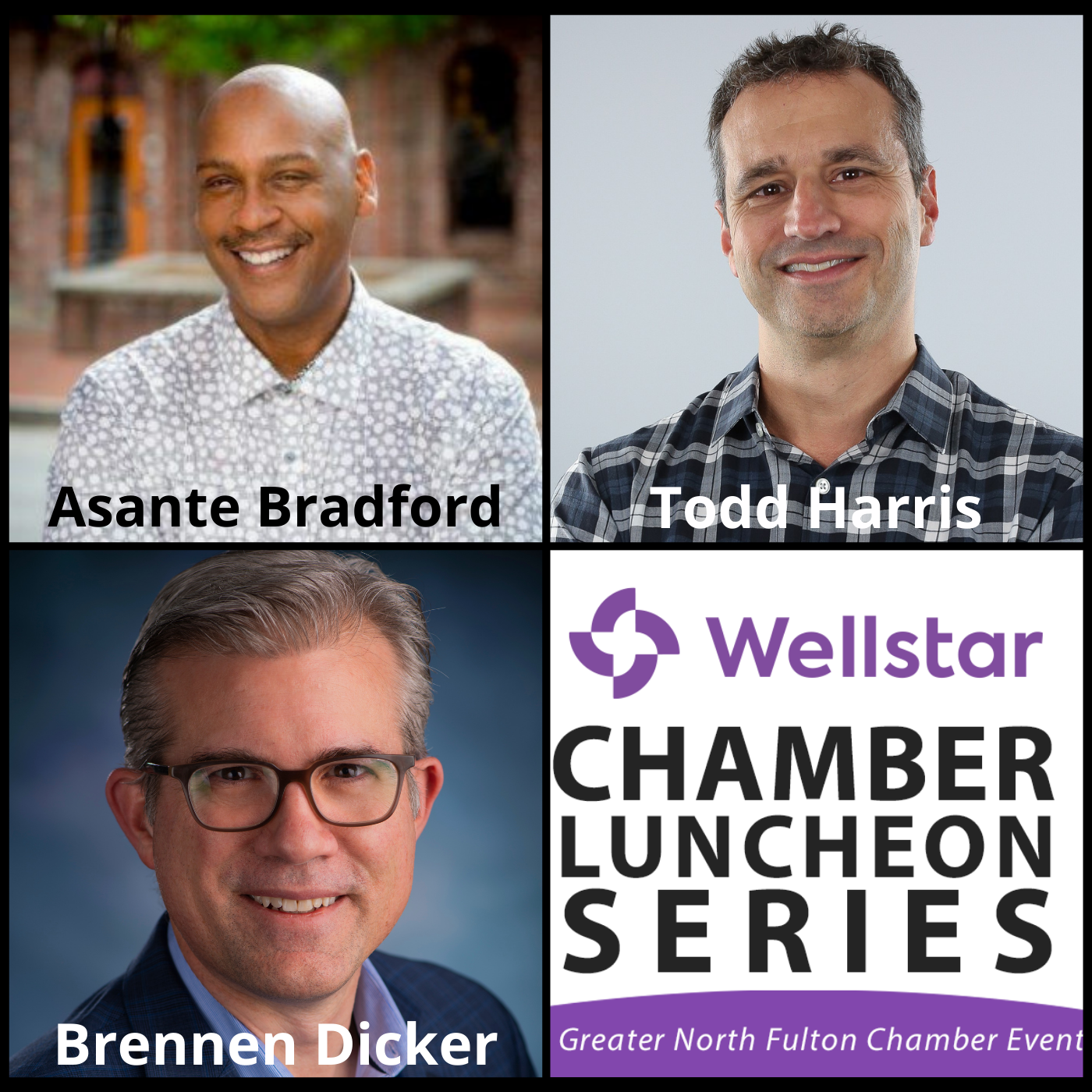
Wellstar Chamber Luncheon Series: Esports Industry Impact, with Todd Harris, Skillshot Media and Brennen Dicker, Creative Media Industries Institute at GSU

February 23, 2021 by John Ray

Skillshot Media
North Fulton Studio
Wellstar Chamber Luncheon Series: Esports Industry Impact, with Todd Harris, Skillshot Media and Brennen Dicker, Creative Media Industries Institute at GSU
Loading
00:00 /
RSS Feed
Share
Link
Embed

Download file

Skillshot Media

Wellstar Chamber Luncheon Series: Esports Industry Impact, with Todd Harris, Skillshot Media and Brennen Dicker, Creative Media Industries Institute at GSU (GNFCC 400 Insider, Episode 57)

Metro Atlanta–and North Fulton specifically–are home to a thriving esports industry, and all the necessary ingredients are in place for continued growth, according to panelists speaking at this GNFCC Wellstar Chamber Luncheon series. Todd Harris, founder of Skillshot Media, and Brennen Dicker of Creative Media Industries Institute, joined moderator Asante Bradford, Georgia Department of Economic Development, to discuss the dynamics of the region’s esports industry and why its future is bright.

The host of “The GNFCC 400 Insider” is GNFCC CEO Kali Boatright, and the show is presented by the Greater North Fulton Chamber of Commerce and produced by the North Fulton studio of Business RadioX®. John Ray and North Fulton Business RadioX served as the media sponsor for this event.

Asante Bradford, Moderator

Asante Bradford, Georgia Department of Economic Development

Asante Bradford is Project Manager for Digital Entertainment and Emerging Media for the Georgia Department of Economic Development, the sales, and marketing arm for the State of Georgia.

The Global Commerce Division conducts extensive business development, sales, marketing, and promotional activities in order to attract entertainment projects and businesses to the state. The division’s team also assists the local, national and international entertainment industries with information, expertise, and resources.

Asante helps promote the growth of the digital media industry as well as identify initiatives that will help grow businesses for the state of Georgia in interactive entertainment and eSports. He also helps educate potential prospects and provides clients with information about the Georgia Entertainment Industry Incentives Act.

His area of concentration with the Global Commerce office is to increase the impact of interactive entertainment for the State of Georgia as well as being a dedicated liaison to assist with promotions, logistics, and business development for attracting digital media companies outside the state to relocate in Georgia.

Esports is becoming an economic driver for Atlanta with Fortune 500 companies, a thriving tech center, film, TV, and videogame tax incentives all play into the mix. Georgia esports is also a sanctioned activity at the local high school level with a focus on STEM exposure.

Company website

Todd Harris, Founder and CEO of Skillshot Media

Skillshot Media
Todd Harris, Skillshot Media

Todd Harris (@toddalanharris) is an accomplished entrepreneur who has been leading video game and esports businesses for 15 years and involved with technology product startups for 25 years. Todd co-founded Hi-Rez Studios, one of the largest video game studios in the Southeast and is currently Founder & CEO of Skillshot Media, a leading esports infrastructure and production company, President of the North American Scholastic Esports Federation (NASEF), and co-owner of esports professional team Ghost Gaming.

Skillshot connects leading brands to engaged esports fans.  The company has hosted thousands of esports tournaments, paid out over $10M in prizing for competitive video games, and delivered over 1 billion views of esports content.  Skillshot also powers the National Association of Collegiate Esports (NACE) competition with member universities awarding over $16M in esports scholarships.

Ghost Gaming is an Atlanta-based professional esports team and gaming lifestyle brand that has won 13 tournament championships and cultivated a fan base of over 5 million.

NASEF is the leading scholastic esports solution for high school students, providing opportunities for all students to use esports as a platform to acquire critical communication, collaboration, and problem-solving skills.

Throughout his career, Todd has garnered industry recognition including “2019 Most Admired CEO” by the Atlanta Business Chronicle as he works with partners toward advancing the esports industry.

Company website

Brennen Dicker, Executive Director, Creative Media Industries Institute

Brennen Dicker, Creative Media Industries Institute

Brennen Dicker, a film and television professional with 25 years of experience, is Executive Director of the Creative Media Industries Institute at Georgia State University. Before joining Georgia State, Brennen was the General Manager for SIM International (Post) Atlanta. SIM provides production and post-production services for many episodic television series and feature film productions, including; “Stranger Things”, “Watchmen”, “The Gifted”, “Dynasty”, “Good Girls”, “True Detective” S3, as well as the blockbuster “Get Out”.

Brennen previously served as Director of Post Production Sales at Crawford Media Services, has broad experience in all aspects of film and television production, and deep ties to Atlanta’s production community. He worked with networks – National Geographic, HGTV, and Discovery and also with series “The Walking Dead” and “Vampire Diaries” while at Crawford.   Earlier in his career, he was executive producer and principal of American Mongrel Productions (Chicago). He was the Pennsylvania Council on the Arts Fellowship Recipient in 2001, and 2018 inaugural Women in Film and Television ( WIFTA – Atlanta) Gallantry Award winner.

Brennen is a current member of the Georgia Chamber of Commerce Screen Coalition Committee and is on the board for the Atlanta Esports Association (AEA). He chairs the CMII Working Group which is comprised of leaders in film, television, gaming, and music for the state of Georgia. He also serves on the Board of Directors for The Atlanta Jewish Film Festival.

He has served as Chair of the Savannah College of Art and Design (SCAD) Atlanta Advisory Council, and as Chair of Gov. Relations with the Georgia Production Partnership (GPP) board, and was the Chair for the 2018 and 2019 Atlanta Jewish Film Festival. He has also served on the board as Vice Chair for The Frazer Center and served on the Executive Board for the DeKalb Chamber of Commerce.

Institute website

About GNFCC and “The GNFCC 400 Insider”

Kali Boatright, President and CEO of GNFCC

“The GNFCC 400 Insider” is presented by the Greater North Fulton Chamber of Commerce (GNFCC) and is hosted by Kali Boatright, President and CEO of GNFCC. The Greater North Fulton Chamber of Commerce is a private, non-profit, member-driven organization comprised of over 1400 business enterprises, civic organizations, educational institutions and individuals.  Their service area includes Alpharetta, Johns Creek, Milton, Mountain Park, Roswell and Sandy Springs. GNFCC is the leading voice on economic development, business growth and quality of life issues in North Fulton County.

The GNFCC promotes the interests of our members by assuming a leadership role in making North Fulton an excellent place to work, live, play and stay. They provide one voice for all local businesses to influence decision makers, recommend legislation, and protect the valuable resources that make North Fulton a popular place to live.

For more information on GNFCC and its North Fulton County service area, follow this link or call (770) 993-8806. For more information on other GNFCC events such as this North Fulton Mayors Appreciation Lunch, follow this link.

For the complete show archive of “The GNFCC 400 Insider,” go to GNFCC400Insider.com. “The GNFCC 400 Insider” is produced by John Ray and the North Fulton studio of Business RadioX®.

Tagged With: Asante Bradford, Brennen Dicker, Creative Media Industries Institute, eSports, Esports industry, gaming, Georgia Department of Economic Development, Hi-Rez Studios, Kali Boatright, Skillshot Media, Todd Harris, virtual gaming

Frazier & Deeter’s Business Beat: Andrew Smoltz and Taylor McDermott, United in Gaming

October 21, 2020 by John Ray

United in Gaming
Business Beat
Frazier & Deeter's Business Beat: Andrew Smoltz and Taylor McDermott, United in Gaming
Loading
00:00 /
RSS Feed
Share
Link
Embed

Download file

United in Gaming
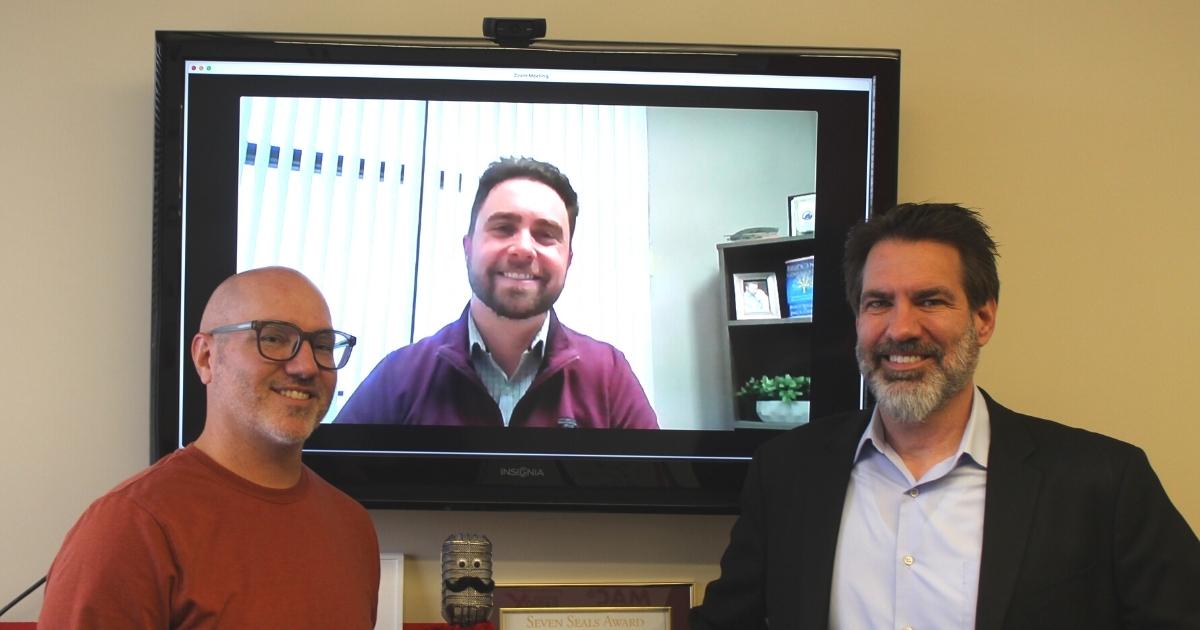
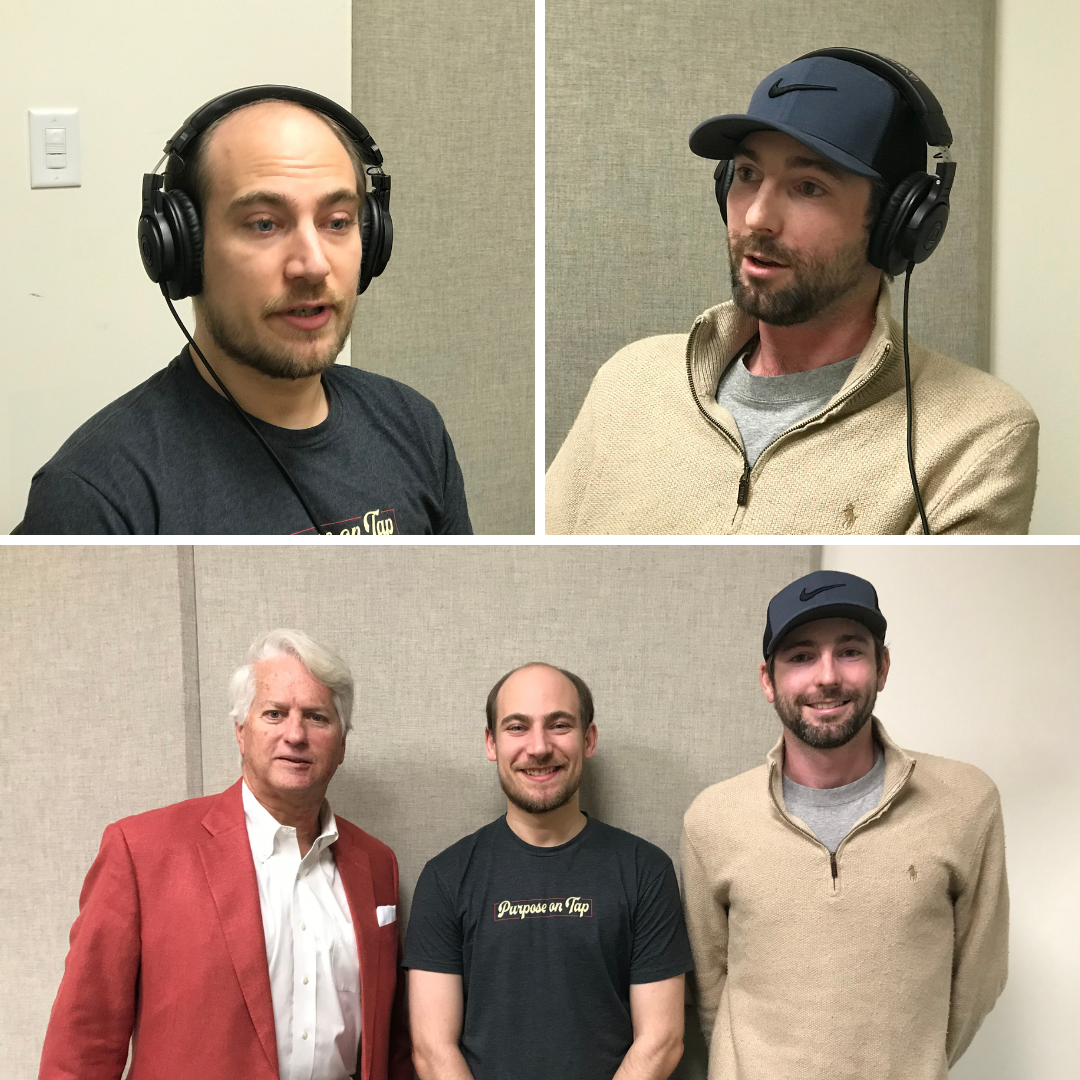
Roger Lusby, Andrew Smoltz, and Taylor McDermott

Frazier & Deeter’s Business Beat:  Andrew Smoltz and Taylor McDermott, United in Gaming

United in Gaming Co-Founders Andrew Smoltz and Taylor McDermott join this edition of Frazier & Deeter’s Business Beat to discuss their community-centered gaming platform, how the pandemic has accelerated the growth of the gaming industry, and their goal of becoming the social network of choice for gamers. Roger Lusby, CPA is the host of “Business Beat” and the series is presented by Alpharetta CPA firm Frazier & Deeter.

United in Gaming

At United in Gaming, they believe in the power of one gaming community that welcomes casual and elite gamers to the same turf. No matter the skill level, they provide an inclusive platform for gamers to play and compete on their terms, creating an experience unique to each gamer.

Andrew Smoltz

Andrew launched UIG to tie together his experience and passion in esports and entertainment. Andrew has 10+ years of experience in the space with a focus in eSports and celebrity entertainment. The visionary behind COV-AID, Andrew has also helped jumpstart the debut league for ELEAGUE on TBS while working at IMG Live/WME. Andrew was also in charge of eSports research and recruitment for CSE Talent. In addition to agency background, Andrew brings relevant event planning and event management experience from his time with ETA.

Taylor McDermott

Taylor’s 10+ years of experience brings unique attributes that drive the eSports industry. Combining a high level of traditional sports marketing and sponsorship knowledge,  experience in client facing representation with professional athletes, to strategic revenue growth and analysis for Major League Baseball Advanced Media. Following his entrepreneurial  aspirations, Taylor founded UIG with longtime partner Andrew Smoltz, creating a strategic force with the goal of empowering a global gaming community through the power of opportunity.

Connect with United in Gaming

Company Website

LinkedIn

Facebook

Instagram

Frazier & Deeter

The Alpharetta office of Frazier & Deeter is home to a thriving CPA tax practice, a growing advisory practice and an Employee Benefit Plan Services group. CPAs and advisors in the Frazier & Deeter Alpharetta office serve clients across North Georgia and around the country with services such as personal tax planning, estate planning, business tax planning, business tax compliance, state and local tax planning, financial statement reviews, financial statement audits, employee benefit plan audits, internal audit outsourcing, cyber security, data privacy, SOX and other regulatory compliance, mergers and acquisitions and more. Alpharetta CPAs serve clients ranging from business owners and executives to large corporations.

Roger Lusby, Partner in Charge of Alpharetta office, Frazier & Deeter

Roger Lusby, host of Frazier & Deeter’s “Business Beat,” is an Alpharetta CPA and Alpharetta Office Managing Partner for Frazier & Deeter. He is also a member of the Tax Department in charge of coordinating tax and accounting services for our clientele. His responsibilities include a review of a variety of tax returns with an emphasis in the individual, estate, and corporate areas. Client assistance is also provided in the areas of financial planning, executive compensation and stock option planning, estate and succession planning, international planning (FBAR, SFOP), health care, real estate, manufacturing, technology and service companies.

You can find Frazier & Deeter on social media:

LinkedIn
Facebook
Twitter

An episode archive of Frazier & Deeter’s “Business Beat” can be found here.

Tagged With: Alpharetta, Andrew Smoltz, eSports, Frazier Deeter, gaming, Roger Lusby, Taylor McDermott, United in Gaming, virtual gaming

Business RadioX ® Network


Our Most Recent Episode

CONNECT WITH US

  • Email
  • Facebook
  • LinkedIn
  • Twitter
  • YouTube

Our Mission

We help local business leaders get the word out about the important work they’re doing to serve their market, their community, and their profession.

We support and celebrate business by sharing positive business stories that traditional media ignores. Some media leans left. Some media leans right. We lean business.

Sponsor a Show

Build Relationships and Grow Your Business. Click here for more details.

Partner With Us

Discover More Here

Terms and Conditions
Privacy Policy

Connect with us

Want to keep up with the latest in pro-business news across the network? Follow us on social media for the latest stories!
  • Email
  • Facebook
  • Google+
  • LinkedIn
  • Twitter
  • YouTube

Business RadioX® Headquarters
1000 Abernathy Rd. NE
Building 400, Suite L-10
Sandy Springs, GA 30328

© 2025 Business RadioX ® · Rainmaker Platform

BRXStudioCoversLA

Wait! Don’t Miss an Episode of LA Business Radio

BRXStudioCoversDENVER

Wait! Don’t Miss an Episode of Denver Business Radio

BRXStudioCoversPENSACOLA

Wait! Don’t Miss an Episode of Pensacola Business Radio

BRXStudioCoversBIRMINGHAM

Wait! Don’t Miss an Episode of Birmingham Business Radio

BRXStudioCoversTALLAHASSEE

Wait! Don’t Miss an Episode of Tallahassee Business Radio

BRXStudioCoversRALEIGH

Wait! Don’t Miss an Episode of Raleigh Business Radio

BRXStudioCoversRICHMONDNoWhite

Wait! Don’t Miss an Episode of Richmond Business Radio

BRXStudioCoversNASHVILLENoWhite

Wait! Don’t Miss an Episode of Nashville Business Radio

BRXStudioCoversDETROIT

Wait! Don’t Miss an Episode of Detroit Business Radio

BRXStudioCoversSTLOUIS

Wait! Don’t Miss an Episode of St. Louis Business Radio

BRXStudioCoversCOLUMBUS-small

Wait! Don’t Miss an Episode of Columbus Business Radio

Coachthecoach-08-08

Wait! Don’t Miss an Episode of Coach the Coach

BRXStudioCoversBAYAREA

Wait! Don’t Miss an Episode of Bay Area Business Radio

BRXStudioCoversCHICAGO

Wait! Don’t Miss an Episode of Chicago Business Radio

Wait! Don’t Miss an Episode of Atlanta Business Radio