Business RadioX ®

  • Home
  • Business RadioX ® Communities
    • Southeast
      • Alabama
        • Birmingham
      • Florida
        • Orlando
        • Pensacola
        • South Florida
        • Tampa
        • Tallahassee
      • Georgia
        • Atlanta
        • Cherokee
        • Forsyth
        • Greater Perimeter
        • Gwinnett
        • North Fulton
        • North Georgia
        • Northeast Georgia
        • Rome
        • Savannah
      • Louisiana
        • New Orleans
      • North Carolina
        • Charlotte
        • Raleigh
      • Tennessee
        • Chattanooga
        • Nashville
      • Virginia
        • Richmond
    • South Central
      • Arkansas
        • Northwest Arkansas
    • Midwest
      • Illinois
        • Chicago
      • Michigan
        • Detroit
      • Minnesota
        • Minneapolis St. Paul
      • Missouri
        • St. Louis
      • Ohio
        • Cleveland
        • Columbus
        • Dayton
    • Southwest
      • Arizona
        • Phoenix
        • Tucson
        • Valley
      • Texas
        • Austin
        • Dallas
        • Houston
    • West
      • California
        • Bay Area
        • LA
        • Pasadena
      • Colorado
        • Denver
      • Hawaii
        • Oahu
  • FAQs
  • About Us
    • Our Mission
    • Our Audience
    • Why It Works
    • What People Are Saying
    • BRX in the News
  • Resources
    • BRX Pro Tips
    • B2B Marketing: The 4Rs
    • High Velocity Selling Habits
    • Why Most B2B Media Strategies Fail
    • 9 Reasons To Sponsor A Business RadioX ® Show
  • Partner With Us
  • Veteran Business RadioX ®

Kristen Rocco, Kristen Rocco Consulting

May 15, 2023 by John Ray

Kristen Rocco, Kristen Rocco Consulting
North Fulton Business Radio
Kristen Rocco, Kristen Rocco Consulting
Loading
00:00 /
RSS Feed
Share
Link
Embed

Download file

Kristen Rocco, Kristen Rocco Consulting

Kristen Rocco, Kristen Rocco Consulting (North Fulton Business Radio, Episode 662)

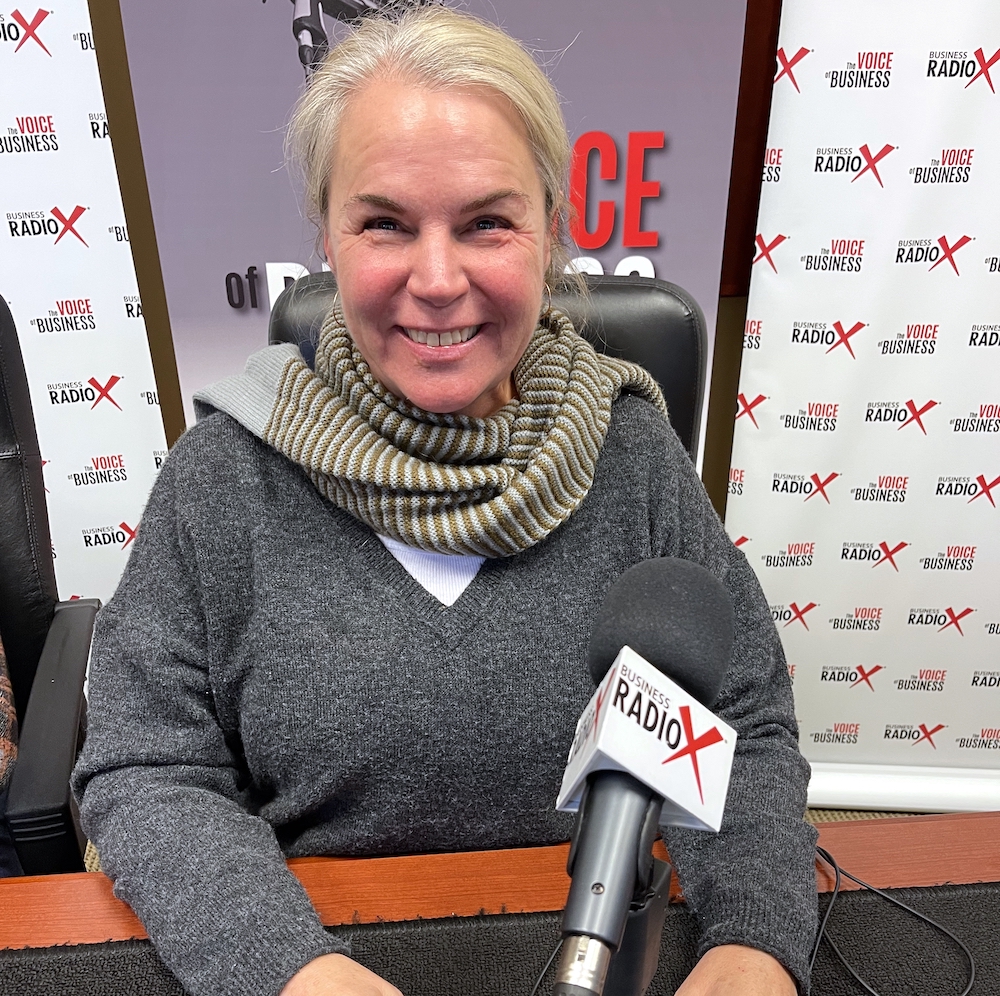
Kristen Rocco, Founder of Kristen Rocco Consulting, joined host John Ray in the studio on this episode of North Fulton Business Radio. She talked about how she helps businesses through content marketing, what content marketing is, when businesses should think about hiring a fractional marketing consultant, her podcast Bold Moves: How Did You Know?, and much more.

North Fulton Business Radio is broadcast from the North Fulton studio of Business RadioX® inside Renasant Bank in Alpharetta.

Kristen Rocco, Founder, Kristen Rocco Consulting

Kristen Rocco, Founder, Kristen Rocco Consulting

As a content marketing strategy consultant, Kristen Rocco helps businesses unleash content marketing as their growth engine and provides an extra pair of hands to help execute it, producing the strategic playbook and setting the standard for high-quality, audience-focused content that fuels the marketing funnel at all phases.

Previously, she led global content strategy at Global Payments, a Fortune 500 technology company. She launched the company’s first digital publication and associated newsletter, as well as its marquee annual content campaign. Over 15 years, Kristen has built a career in content marketing, planning, producing, and sharing stories via earned, owned, and paid channels. Last year, she was recognized as a finalist in the “Women in Content Marketing Awards.”

She’s the host of the podcast, Bold Moves: How Did You Know? The podcast will inspire you to take BOLD action to pursue your greatest dreams. In her podcast, you’ll hear bold move stories that propelled her guests from curiosity to action. And understand that doing that thing you’ve wanted to do isn’t more than making a decision and being courageous.

Kristen received her master’s degree in Integrated Communications from The University of South Carolina and her bachelor’s in Communications from North Carolina State University.

Website | Kristen’s LinkedIn

Questions and Topics in this Interview:

  • What is content marketing?
  • What is fractional marketing consulting and when should businesses think about hiring fractional consultants?
  • What should business leaders know about content marketing in 2023?
  • What is your new podcast, “Bold Moves: How Did You Know?” about and how do you hope to inspire your audience through the podcast?

North Fulton Business Radio is hosted by John Ray and broadcast and produced from the North Fulton studio of Business RadioX® inside Renasant Bank in Alpharetta. You can find the full archive of shows by following this link. The show is available on all the major podcast apps, including Apple Podcasts, Spotify, Google, Amazon, iHeart Radio, Stitcher, TuneIn, and others.

RenasantBank


Renasant Bank has humble roots, starting in 1904 as a $100,000 bank in a Lee County, Mississippi, bakery. Since then, Renasant has become one of the Southeast’s strongest financial institutions with over $13 billion in assets and more than 190 banking, lending, wealth management, and financial services offices in Mississippi, Alabama, Tennessee, Georgia, and Florida. All of Renasant’s success stems from each of their banker’s commitment to investing in their communities as a way of better understanding the people they serve. At Renasant Bank, they understand you because they work and live alongside you every day.

Since 2000, Office Angels® has been restoring joy to the life of small business owners, enabling them to focus on what they do best. At the same time, we honor and support at-home experts who wish to continue working on an as-needed basis. Not a temp firm or a placement service, Office Angels matches a business owner’s support needs with Angels who have the talent and experience necessary to handle work that is essential to creating and maintaining a successful small business. Need help with administrative tasks, bookkeeping, marketing, presentations, workshops, speaking engagements, and more? Visit us at https://officeangels.us/.

Tagged With: Bold Moves: How Did You Know?, content marketing, fractional consultant, John Ray, Kristen Rocco, Kristen Rocco Consulting, North Fulton Business Radio X, North Fulton Radio, Office Angels, podcasting, renasant bank

Duston Harper and Corey Jacobs, GLUED Global Consulting

May 15, 2023 by John Ray

Duston Harper and Corey Jacobs, GLUED Global Consulting
North Fulton Business Radio
Duston Harper and Corey Jacobs, GLUED Global Consulting
Loading
00:00 /
RSS Feed
Share
Link
Embed

Download file

Duston Harper and Corey Jacobs, GLUED Global Consulting

Duston Harper and Corey Jacobs, GLUED Global Consulting (North Fulton Business Radio, Episode 661)

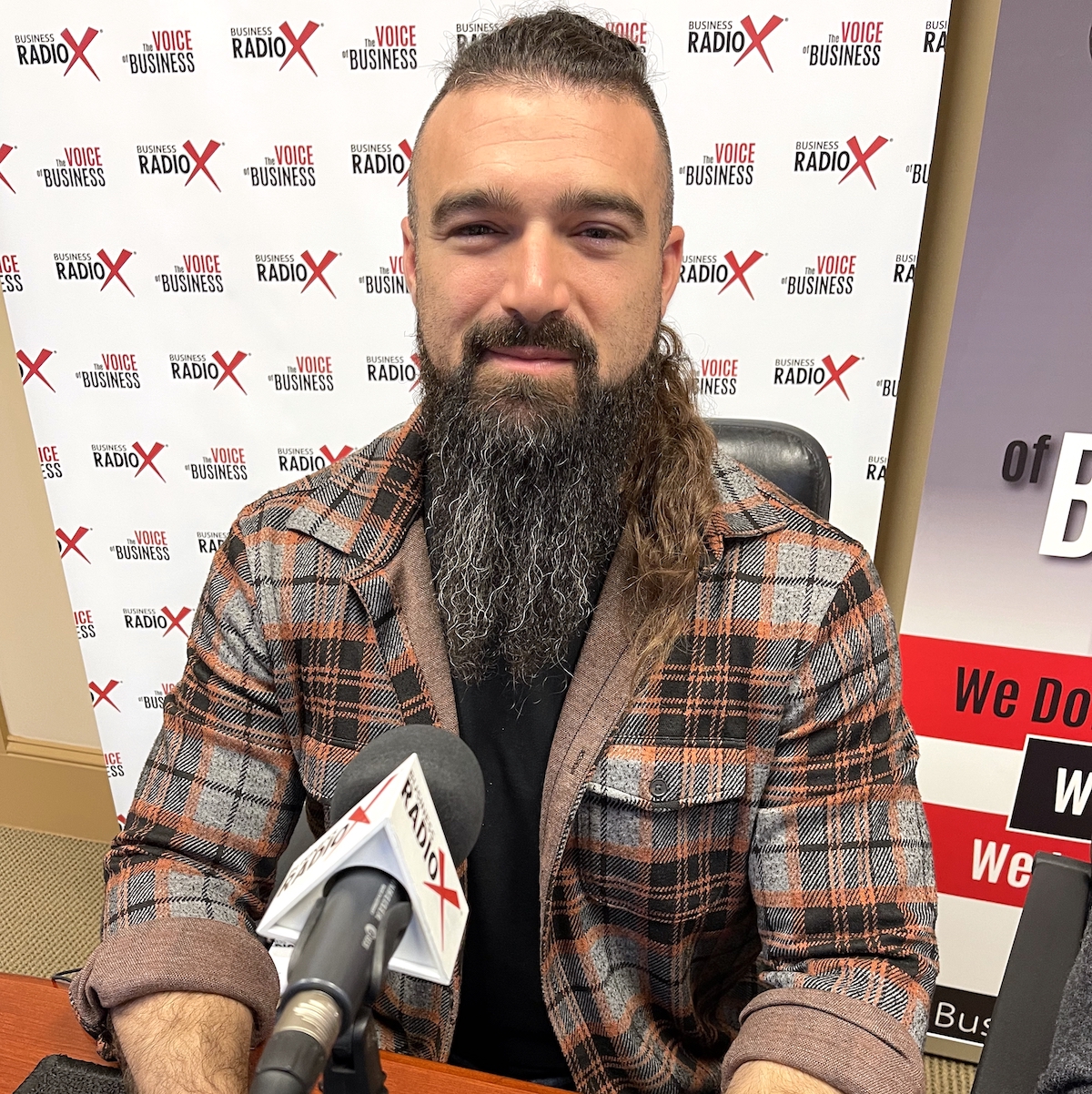
Duston Harper and Corey Jacobs, Co-Founders of GLUED Global Consulting, joined host John Ray in the studio on this episode of North Fulton Business Radio. They discussed the top challenges executives and sales leaders are facing, employee health, transforming individuals from the inside out, and much more.

North Fulton Business Radio is broadcast from the North Fulton studio of Business RadioX® inside Renasant Bank in Alpharetta.

GLUED Global Consulting

A mindfulness-based approach focusing on the secret ingredient to business success, the human element.  GLUED promotes behavior change through better daily health and the art of compounding habits.

Wellness programs are typically a “self-led approach”. They focus on your employees taking a “life-coach approach” centering on personal development through Mindfulness, Mindset and Movement (The M3 Method).

The goal is to dial-in productivity and create a culture of health & happiness.

That’s why the M3 Method focuses on these problems

  • Reducing Stress & Burnout

  • Increase Retention

  • Improve Overall Employee Health

Progress Equals Happiness

When one feels they are progressing, they will show up in all aspects of their life better, especially at work.

When they are happy, you are happy.

Employees that attribute this to the company they work for are loyal.

Website | LinkedIn | YouTube

Duston Harper, Co-founder, GLUED Global Consulting

Duston Harper, Co-founder, GLUED Global Consulting

Duston Harper is a thriving sales leader who attributes his success to his lifestyle of productivity. He is an empathetic leader and avid learner. He embodies that principle of a lifetime student believing in investing in oneself through coaches, mentors, masterminds, and experts within their relative field.  After graduating from The University of Georgia, he quickly grew into a sales leader earning multiple accolades in the power tool, medical device, and healthcare staffing industries.

Duston’s passion for helping nursing and healthcare leadership to find a work-life balance has been his primary focus, however recently turned that focus towards all organizations in need of a positive influence, a healthy mindset, and help with their people. He has the ability to understand the stressors and frustrations of the employee workforce, dedicating himself to making lives easier, safer, and solving problems. He equates his success to a flexible discipline of productivity hacks and daily routines.

Outside of work, Duston enjoys being active, the outdoors, yoga, and loves his morning routine. His weekends are for watching the Georgia Bulldogs, family, travel, and his real estate investments.

Hear more from Duston on one of his most recent guest podcast appearances discussing Growth Mindset & Nurse Wellness.

LinkedIn

Corey Jacobs, Co-founder, GLUED Global Consulting

Corey Jacobs, Co-founder, GLUED Global Consulting

Corey Jacobs is a passionate, charismatic individual who attacks everything with intensity and curiosity due to his organic ability to relate with people. He is an avid learner who has immersed himself in personal development teaching the power of compounding habits through morning routines, yoga, breathwork, nutrition, mindset, and meditation. Through his decade of business development, consulting, and sales experience in the healthcare, medical device, and staffing industries, he has proven exceptionally proficient at understanding the challenges his clients face and coming up with creative mindfulness strategies. Corey is a leader who has built and managed a team of high performers. He is an avid fitness expert who early in his wellness career provided fitness programs for employees of CNN and Turner.

Corey graduated with a Business Degree from the University of West Georgia. He is also a certified yoga instructor and meditation teacher.

Corey is an evangelist for creating a healthy lifestyle through philosophical education, wellness & spiritual travel adventures, physical movement, breathwork, healthy cooking, and deep meaningful connections. His personal mantra is Life is to Grow, to Inspire, and to Play. This was the launching pad for the M3 Method of Mindfulness, Movement, & Mindset.

LinkedIn


Questions and Topics in this Interview:

  • Top challenges executives and sales leaders are facing
  • Stress, burnout, retention, and employee health
  • Transforming individuals from the inside out
  • Overcoming setbacks in life
  • Helping the Georgia community
  • Habits, change, mindset, and integrity

North Fulton Business Radio is hosted by John Ray and broadcast and produced from the North Fulton studio of Business RadioX® inside Renasant Bank in Alpharetta. You can find the full archive of shows by following this link. The show is available on all the major podcast apps, including Apple Podcasts, Spotify, Google, Amazon, iHeart Radio, Stitcher, TuneIn, and others.

RenasantBank


Renasant Bank has humble roots, starting in 1904 as a $100,000 bank in a Lee County, Mississippi, bakery. Since then, Renasant has become one of the Southeast’s strongest financial institutions with over $13 billion in assets and more than 190 banking, lending, wealth management, and financial services offices in Mississippi, Alabama, Tennessee, Georgia, and Florida. All of Renasant’s success stems from each of their banker’s commitment to investing in their communities as a way of better understanding the people they serve. At Renasant Bank, they understand you because they work and live alongside you every day.

Since 2000, Office Angels® has been restoring joy to the life of small business owners, enabling them to focus on what they do best. At the same time, we honor and support at-home experts who wish to continue working on an as-needed basis. Not a temp firm or a placement service, Office Angels matches a business owner’s support needs with Angels who have the talent and experience necessary to handle work that is essential to creating and maintaining a successful small business. Need help with administrative tasks, bookkeeping, marketing, presentations, workshops, speaking engagements, and more? Visit us at https://officeangels.us/.

Tagged With: Corey Jacobs, Duston Harper, employee health, employee retention, GLUED Global Consulting, John Ray, North Fulton Business Radio X, North Fulton Radio, Office Angels, renasant bank, Stress & Burnout

Jacqui Chew, TEDxAtlanta

May 12, 2023 by John Ray

Jacqui Chew, TEDxAtlanta
North Fulton Business Radio
Jacqui Chew, TEDxAtlanta
Loading
00:00 /
RSS Feed
Share
Link
Embed

Download file

Jacqui Chew, TEDxAtlanta

Jacqui Chew, TEDxAtlanta (North Fulton Business Radio, Episode 660)

Jacqui Chew, distinguished speaker, TED Talker, and President of TEDxAtlanta, joined host John Ray on this episode of North Fulton Business Radio. She discussed this year’s theme for TEDxAtlanta, “WE RISE,” a few of the dynamic speakers and topics which will be offered, why you should come to the live event versus watching on YouTube, how TEDxAtlanta operates as a community-driven project, and much more.

TEDxAtlanta 2023: WE RISE will be presented on May 19, 2023, at the Rialto Center for the Arts. For further information and tickets, go to the TEDxAtlanta website.

North Fulton Business Radio is broadcast from the North Fulton studio of Business RadioX® inside Renasant Bank in Alpharetta.

TEDxAtlanta

TEDxAtlanta is an initiative of Ideas into Action, a Georgia-registered nonprofit founded on the belief in the power of ideas to build stronger communities. It is one of 3000+ local TED affiliates across the globe and its license holder Jacqui Chew is widely recognized in the global TEDx community as a pioneer organizer.

Originally operating under the TEDxPeachtree name, the founding team produced one of the first 26 TEDx events in the world in 2009!

In 2018, TEDxPeachtree rebranded to TEDxAtlanta and continues to organize the largest, and longest-running TEDx event in Georgia and beyond.

Website | LinkedIn | Facebook | Instagram | Twitter

Jacqui Chew, President, TEDxAtlanta

Jacqui Chew, President, TEDxAtlanta

Jacqui Chew operates at the intersection of technology, innovation, and impact. She is a TED Talker and actively speaks on community-building, mental health, culture, and inclusion. Her work has been recognized by Spelman College and the Technology Association of Georgia. In 2019, Jacqui was named to the 25 Most Influential Asian Americans list by Georgia Asian Times.

Today, she leads iFusion Consulting, a strategy and storytelling firm for high-growth startups and innovation-forward enterprises. The firm’s work has led to more than $100M in venture funding raised, multiple successful launches, and exits. Jacqui has personally coached dozens of TEDx speakers with a special focus on executives from the STEM and life sciences industries. She is the licensee of TEDxAtlanta, the largest TED affiliate in Georgia. TEDxAtlanta talks have garnered 33 million views and counting.

LinkedIn | Twitter

Questions and Topics in this Interview:

  • What’s the theme for TEDxAtlanta this year?
  • How is attending a live event different from watching the talks on YouTube?
  • How does TEDxAtlanta stay a community-driven project?
  • What does the future look like for TEDxAtlanta and Ideas into Action?

North Fulton Business Radio is hosted by John Ray and broadcast and produced from the North Fulton studio of Business RadioX® inside Renasant Bank in Alpharetta. You can find the full archive of shows by following this link. The show is available on all the major podcast apps, including Apple Podcasts, Spotify, Google, Amazon, iHeart Radio, Stitcher, TuneIn, and others.

RenasantBank


Renasant Bank has humble roots, starting in 1904 as a $100,000 bank in a Lee County, Mississippi, bakery. Since then, Renasant has become one of the Southeast’s strongest financial institutions with over $13 billion in assets and more than 190 banking, lending, wealth management, and financial services offices in Mississippi, Alabama, Tennessee, Georgia, and Florida. All of Renasant’s success stems from each of their banker’s commitment to investing in their communities as a way of better understanding the people they serve. At Renasant Bank, they understand you because they work and live alongside you every day.

Since 2000, Office Angels® has been restoring joy to the life of small business owners, enabling them to focus on what they do best. At the same time, we honor and support at-home experts who wish to continue working on an as-needed basis. Not a temp firm or a placement service, Office Angels matches a business owner’s support needs with Angels who have the talent and experience necessary to handle work that is essential to creating and maintaining a successful small business. Need help with administrative tasks, bookkeeping, marketing, presentations, workshops, speaking engagements, and more? Visit us at https://officeangels.us/.

Tagged With: jacqui chew, John Ray, North Fulton Business Radio X, North Fulton Radio, Office Angels, renasant bank, TED, TED Talker, TEDx, TEDxAtlanta

Jeff Hawkins, Carr, Riggs & Ingram

May 8, 2023 by John Ray

Jeff Hawkins, Carr, Riggs & Ingram
North Fulton Business Radio
Jeff Hawkins, Carr, Riggs & Ingram
Loading
00:00 /
RSS Feed
Share
Link
Embed

Download file

Jeff Hawkins, Carr, Riggs & Ingram

Jeff Hawkins, Carr, Riggs & Ingram (North Fulton Business Radio, Episode 659)

Jeff Hawkins, Partner with Carr, Riggs & Ingram, joined host John Ray on this episode of North Fulton Business Radio to discuss the current state of the M&A environment. Jeff discussed how and why buyer diligence is getting tighter, the impact of higher interest rates on risk premiums, what sellers need to do in reaction, how a quality of earnings report can bring a buyer and seller closer to a realized transaction, and much more.

North Fulton Business Radio is broadcast from the North Fulton studio of Business RadioX® inside Renasant Bank in Alpharetta.

Carr, Riggs & Ingram

CRI was formed in 1997 as a merger between two prominent firms that recognized the changes that the accounting industry was undergoing and decided to classify these changes as opportunities instead of hurdles.

Two years after this strategic alliance was formed, CRI cracked into the Top 100 Accounting Firms in the United States, thus cementing its legacy as a major player in the accounting industry.

Today, after 25 years of consistent growth since our formation, they have expanded to support the expansive relationship between technology, data, and accounting by incorporating data scientists and IT professionals into their scope of work. This has allowed CRI to grow into a Top 25 CPA firm, nationally, with no plans of slowing anytime soon.

Website | LinkedIn | Facebook | Instagram | Twitter

Jeff Hawkins, Partner, Carr, Riggs & Ingram

Jeff Hawkins, Partner, Carr, Riggs & Ingram

Jeff Hawkins is a Partner at Carr, Riggs & Ingram. He provides attest services for middle to lower-middle market, privately held companies. He also leads the Transaction Advisory Services team (TAS) in CRI’s Atlanta office for quality of earnings, target working capital, and other due diligence projects. He works closely with dealerships and provides consumer and business services.

Jeff’s clients enjoy working with him because of his experience working with businesses in varying industries and his willingness to stay involved in every engagement.

LinkedIn


Questions and Topics in this Interview:

  • Predictions from a previous show in 2022
  • Today’s market
  • Interest rates impacting deals
  • Deal diligence
  • Seller preparedness

North Fulton Business Radio is hosted by John Ray and broadcast and produced from the North Fulton studio of Business RadioX® inside Renasant Bank in Alpharetta. You can find the full archive of shows by following this link. The show is available on all the major podcast apps, including Apple Podcasts, Spotify, Google, Amazon, iHeart Radio, Stitcher, TuneIn, and others.

RenasantBank


Renasant Bank has humble roots, starting in 1904 as a $100,000 bank in a Lee County, Mississippi, bakery. Since then, Renasant has become one of the Southeast’s strongest financial institutions with over $13 billion in assets and more than 190 banking, lending, wealth management, and financial services offices in Mississippi, Alabama, Tennessee, Georgia, and Florida. All of Renasant’s success stems from each of their banker’s commitment to investing in their communities as a way of better understanding the people they serve. At Renasant Bank, they understand you because they work and live alongside you every day.

Since 2000, Office Angels® has been restoring joy to the life of small business owners, enabling them to focus on what they do best. At the same time, we honor and support at-home experts who wish to continue working on an as-needed basis. Not a temp firm or a placement service, Office Angels matches a business owner’s support needs with Angels who have the talent and experience necessary to handle work that is essential to creating and maintaining a successful small business. Need help with administrative tasks, bookkeeping, marketing, presentations, workshops, speaking engagements, and more? Visit us at https://officeangels.us/.

Tagged With: Accounting, accounting firm, Carr Riggs & Ingram, CRI, Deal diligence, interest rates, Jeff Hawkins, John Ray, M&A, M&A transactions, market, mergers & acquisitions, North Fulton Business Radio X, North Fulton Radio, Office Angels, quality of earnings report, renasant bank, Seller preparedness

Relationship Building as a Business Banker: An Interview with Samantha McElhaney, Pinnacle Financial Partners

May 8, 2023 by John Ray

Samantha McElhaney
North Fulton Studio
Relationship Building as a Business Banker: An Interview with Samantha McElhaney, Pinnacle Financial Partners
Loading
00:00 /
RSS Feed
Share
Link
Embed

Download file

Samantha McElhaney

Relationship Building as a Business Banker: An Interview with Samantha McElhaney, Pinnacle Financial Partners

How do you build your brand and your book of business as a business banker when you don’t control your pricing, your reputation is tied up with your employer (which might or might not be helpful), and you work for a publicly traded company with quarter-to-quarter earnings pressure? On this episode of The Price and Value Journey, host John Ray spoke with Samantha McElhaney of Pinnacle Financial Partners. Sam discussed why she’s remained in banking her entire career, how she operates with an abundance mindset and a “relationship first” philosophy, how she handles mistakes and errors, developing trusted strategic referral partners and other referral sources, her philosophy of networking, success stories, and much more.

The Price and Value Journey is presented by John Ray and produced by the North Fulton studio of Business RadioX®.

Note from Host John Ray:

We’ve recently expanded our guest focus to professional services providers who do not have their own solo or small professional services firms. They have something to teach those of us who operate independently, because they work with handicaps those of us who own our own businesses don’t have.

In this vein, we recently chatted with Steve Aleksandrowicz, a Medicare insurance broker who built a book of business in an extremely competitive space without a website, no advertising, in an industry dominated by major companies.

I wanted to feature a business and/or personal banker who had built their client base and reputation by a focus on relationships. Business bankers are not in control of their pricing, they are somewhat captive to the reputation of their institution, which may or may not be as good as their own reputation, and they work for publicly traded companies who have quarter to quarter earnings pressure.

I knew who I thought was the ideal professional to invite, but I decided to ask around among a few trusted members of my network. Everyone I asked confirmed my choice, the guest for this episode, Samantha McElhaney.

It’s a great conversation….enjoy!

Samantha McElhaney, Commercial Financial Advisor/Senior Vice President, Pinnacle Financial Partners

Samantha McElhaney, Commercial Financial Advisor/Senior Vice President, Pinnacle Financial Partners

Samantha McElhaney is a Commercial Financial Advisor and Senior Vice President with Pinnacle Financial Partners.

She is a single mom of twins at the University of Alabama and the University of South Carolina, respectively. She has been in financial services for 28 years, starting as a teller while in college.

Sam loves lighthouses because they provide hope in the darkness/storms of life and admits she is extremely hard on herself. She leads and participates in small groups at North Point Community Church and Woodstock City Church because her faith is extremely important to her personally and professionally.

Sam’s favorite time of the year is college football season. She’s always ready for fall, food, and “fandemonium.”

LinkedIn

Pinnacle Financial Partners

The Pinnacle approach is a very people-centric one. It takes an unwavering focus and commitment of leadership to make it work.

The same five key business strategies Pinnacle has employed since its inception shape our focus today: Focus on businesses, real estate professionals, and consumers that desire a deep relationship with their financial partner. Provide distinctive service and effective advice. Hire and retain highly experienced and qualified financial services professionals. Offer a full line of financial services including banking, investments, mortgage, trust, insurance, and financial planning. Offer extraordinary convenience.

Pinnacle is much more than a bank. It’s a place for people to find true partners for their business. It’s a place where seasoned professionals give clients unmatched service and advice that improves their financial well-being. And it’s a place where people love coming to work every day.

Company website | LinkedIn | Facebook

TRANSCRIPT

John Ray: [00:00:00] And hello again, I’m John Ray on The Price and Value Journey. We’ve recently shifted our guest focus to professional services providers who do not have their own solo or small professional services firms, but they have something to teach us who do. Those of us who operate independently because these professionals work with issues and concerns that those of us who have our own businesses, we don’t have.

We recently chatted with Steve Aleksandrowicz. He’s a Medicare insurance broker who’s built a book of business over 12 years in a very competitive space without a website, no advertising, and in an industry dominated by major companies. Check out the show archive for that episode if you missed it.

I wanted to feature a business and or personal banker who had built their client base and reputation by focusing on relationships. And here’s why I wanted to talk to a business banker. They are not in control of their pricing, which makes chills run up my spine, as you might imagine. And they are somewhat captive to the reputation of their institution, which may or may not be as good as their own. And they work for publicly traded companies who have quarter to quarter earnings pressure.

I knew who I thought was the ideal professional to invite, but I decided to ask around among a few trusted members of my network, and everyone agreed with the first thought that came to my mind. The guest that I have here with me today, Samantha McElhaney.

Sam is a commercial financial advisor, senior vice president with Pinnacle Financial Partners. She’s been in the banking industry for 28 years and almost all of that time as a business banker.

Maybe the best way to introduce Sam is what she says about herself on LinkedIn in her profile. She says that for 28 years in the financial services industry, my number one priority has been to connect the right people together in order to pay it forward. By placing my clients’ needs first, I am gaining their trust and becoming a more important part of their overall team.

Quite well said. Sam McElhaney, thank you so much for coming on Price and Value Journey.

Samantha McElhaney: [00:02:29] Thank you, John.

John Ray: [00:02:30] Yeah, thank you so much. So give everyone a brief overview of you and your banking career and maybe explain why banking for you.

Samantha McElhaney: [00:02:41] I actually started in banking as a teller in college. It was the perfect job while going to school in Memphis, Tennessee Rhodes College. A lot of people assume, I went to the University of Alabama.

John Ray: [00:02:56] A great school by the way, Rhodes College.

Samantha McElhaney: [00:02:58] Yes, it is. Go Lynx. But I did receive a scholarship to Alabama, but chose academics over athletics.

John Ray: [00:03:07] Were you an athlete?

Samantha McElhaney: [00:03:08] I was. I played softball.

John Ray: [00:03:09] Really?

Samantha McElhaney: [00:03:10] Yeah.

John Ray: [00:03:10] Okay. See, I just learned something about you. Wow. Cool.

Samantha McElhaney: [00:03:14] But chose academics and went to Rhodes. And actually, majored in history. And I’m supposed to be a teacher, high school history teacher. But you probably don’t want me in your classroom with my OCD behavior.

But after doing my student teaching while also working my full-time job at Union Planters Bank in Memphis, I went into the management training program. And upon graduation, chose to stay with Union Planters and become a branch manager at the naive age of 21 instead of teaching in Memphis, Tennessee.

So my career in banking started that way. And also influenced very heavily by my manager at the time who is still in banking. He’s in the mortgage industry in Nashville, Tennessee. As well as my assistant manager at the time, who is also my best friend of almost 30 years, and she’s in Illinois and the banking industry as well. So pretty well connected there.

John Ray: [00:04:18] What are their names? Let’s shout them out.

Samantha McElhaney: [00:04:19] Yeah. Jeff Devereaux with Studio Bank up in Nashville, and Kara Ferguson who’s in a bank up in Illinois that has changed names several times because she’s in community banking.

John Ray: [00:04:30] Got it. Got it. So, Jeff and Kara.

Samantha McElhaney: [00:04:33] They’re the bomb.

John Ray: [00:04:34] Yeah. Yeah. Shout out to the two of you.

Samantha McElhaney: [00:04:36] Yes.

John Ray: [00:04:37] But you’re a little bit unusual, though, as are apparently Jeff and Kara, too.

Samantha McElhaney: [00:04:45] Yes.

John Ray: [00:04:45] In that you’ve stayed in banking because banking has, let’s say, spit out a whole lot of people over the last two and a half decades with all the merger activity in 2008 fun that everyone had in that time. Why have you stayed? And what’s made you successful?

Samantha McElhaney: [00:05:07] I probably have stayed because I became a mom, number one, in 2003. And every day, blessings, goes to make sure my kids get through college. They’re both in school right now. Number one, so I’ve got to get them through school.

But number two, I just love meeting business owners on a daily basis and hearing their dreams and what they want to accomplish. And I hope to be a part and become a part of their team and making those dreams happen.

One of my favorite shows on television is Shark Tank. And those entrepreneurs are those people on Shark Tank, and they are doing something that I wish I could have done or I could do, come up with that great idea. And so when I go visit them and hear their stories, I’m basically getting to live out Shark Tank and hopefully provide them with the funds that they need to fulfill their dreams. And when they do, and they tell me that I help them do that, it’s just an amazing feeling inside.

John Ray: [00:06:06] Yeah. Yeah. I want to come back to that but part of what’s happened in the banking industry over the last three or four decades, really, I mean it’s been going on for a while is, although it’s slowed down recently, it seems is just the constant formation of community banks. And some of them are built for sale, right?

Samantha McElhaney: [00:06:33] Yes.

John Ray: [00:06:34] But you’ve never, if I’ve got your resume right, you’ve never been enticed by that. And community banks sell themselves as being relationship oriented. You talk about being relationship oriented, but you’ve stayed at larger banks. Why is that?

Samantha McElhaney: [00:06:53] Well, I actually had technically a one day stint at a community bank. I left Fifth Third in 2018 and joined a small community bank here in town that was formerly Midtown Bank and became first Landmark. So it was technically considered a community bank. And then it started the whole merger process. And so over a period of four years, went through five different mergers.

John Ray: [00:07:23] Oh, dear.

Samantha McElhaney: [00:07:23] Which is the definition of community banking, because in order to fulfill the needs of its clients, over time, the only way to do so is to get larger and have capacity. And so merger after merger after merger happened. So that was a new experience for me in that world.

John Ray: [00:07:43] Okay. Okay. So you did do that.

Samantha McElhaney: [00:07:45] Just briefly.

John Ray: [00:07:46] Briefly. Yeah.

Samantha McElhaney: [00:07:47] Because it became, went from a community bank to what is now a large regional bank.

John Ray: [00:07:52] Right. Right. So what was that — how did that experience — how does that contrast between your time at larger banks in terms of your ability to deal with your customers in a relationship format? Was it better? Was it worse? About the same? Or was it what you made of it yourself? Talk about that.

Samantha McElhaney: [00:08:18] I honestly, having experienced both sides of the coin because I made great relationships and great friends in both scenarios. One of the reasons why I’m where I am today at Pinnacle with the large bank scenario, but I still am in contact with those smaller community bank, friends and partners. I just had lunch with a couple of them a few weeks ago and they do pride themselves on relationship style banking.

But it’s really not the name of the bank for customers, or at least it shouldn’t be. It should be the person that you’re banking with. And if you’re banking with a person and you know that person and that person knows what they’re doing within their institution, they should be able to navigate the waters within their institution and get to the people that they need to make decisions to get things and make things happen for you when it comes to products, when it comes to service, when it comes to getting answers, when it comes to getting requests through, when it comes to changing products, updating products.

For instance, if your online banking product doesn’t have a tool that you need, then that banker who’s representing you within that institution should be able to run that idea up the chain. And those changes should be able to be made within that online banking platform, because I’m sure you’re not the only person, John, who wants that change to be made. I’m sure others. You’re just the one voicing it.

John Ray: [00:09:48] What you’re describing is the role of you’re the facilitator.

Samantha McElhaney: [00:09:53] I like to say advocate.

John Ray: [00:09:54] Yeah, yeah, I like that better. Yeah.

Samantha McElhaney: [00:09:56] Yeah. That’s what — we call them advisors at Pinnacle. I like to say advocate. It’s the same initial, but I like to say I’m a daily financial advocate for my clients.

John Ray: [00:10:08] Yeah, I mean, it’s not — this is a dangerous analogy because it’s not that people are guilty of anything, but like you’re advocating for someone in court, right? I mean, you’re arguing on their behalf.

Samantha McElhaney: [00:10:24] I need to be able to tell their story and their why. Yeah. So that means I have to ask some critical questions. I need everybody to be honest on both sides. It goes both ways. That’s one of my biggest pet peeves is when a banker won’t honestly tell somebody why or why not they can do something. And don’t blame the bank. You know, I am the bank.

From day one since I was hired as a teller, I’m not going to sit there and go, well, someone upstairs told me, I can’t do this. No, we just can’t do it. I can’t do it. It’s my responsibility. I am the bank no matter where I am, whether it’s Monday through Friday during business hours or it’s a Saturday when I’m inside of a grocery store, if they recognize me as the banker. Yeah, I represent the bank 24/7.

John Ray: [00:11:10] Now, that’s interesting because as we talked, as I led this off, there are policies. You have no control over prices. You have no control over marketing that you have no control over. So how do you absorb the idea that you are the bank, and you may be advocating for things that or representing things that you don’t even actually agree with?

Samantha McElhaney: [00:11:39] That’s a great question because I’m definitely a why person. I need to understand the why we’re doing it the way that we’re doing it. And I’ve always been the person, especially in a meeting, to ask the question. But if you can give me some answers to the question when I ask it, don’t dance around it.

And I’ve luckily worked for companies who or individuals in the company from a management perspective who’ve always been open and willing to give me that answer so that I can be their biggest cheerleader or biggest representative out in the community.

And they know that I will voice that answer out in the most professional way possible. They’ll give me that to arm myself and be that advocate for the company and to help the clients. So to calm down anything or to lift up anything and be a positive voice.

So even though I might not have had any authority per se to influence a price or to change a product, they have always given me what I’ve needed so that I could let people know this is how we’re going to do it and this is how we’re going to be your best advocate and this is how we’re going to create a portfolio for you so that you can do your day to day business. And I can take care of your financials. And you won’t have to worry about those things on a regular basis.

And it’s been pretty successful. I have been called on the carpet, but when I’ve been called on the carpet, I have no problem saying, you’re absolutely right, let me fix this.

John Ray: [00:13:14] Well, give an example of that. I mean, you don’t have to mention the details of individuals or whatever but talk about just giving an example of that being called on the carpet.

Samantha McElhaney: [00:13:25] Well, I mean, for instance, when we set something up from an implementation standpoint, when a customer gets onboarded at any institution I’ve ever worked at, you tell people that it’s going to take a certain amount of time to get things implemented, set up, and we ask them to keep their old accounts open and new accounts, and cash is going to come in, cash is going to go out. And there shouldn’t be flaws or there shouldn’t be any issues.

But things do happen, unfortunately, out there. We’ve got scammers and we’ve got people taking things out of mailboxes and items of that nature. And so fraud, for instance, does occur. When that situation happens, we try our best in the banking world to prevent it from happening or to catch it before it happens to the client.

When it does happen, customers, you know, they get fearful. They get scared. They get emotional. And so you have to listen to the customers. You have to acknowledge their fear. You have to help them understand, yes, we are going to protect you and that we’re sorry it happened. We thought we had all the instruments in place to prevent it from happening.

Unfortunately, it didn’t stop it. We are going to fix this. We’re going to give you your money back. We’re going to do all the investigation. Just give us the time to do it. But first and foremost, let us give you your money back. Okay. We’ll do this right here, right there for you. So we can’t always catch it, but we try to do our best job possible. And we are truly sorry that it happened.

John Ray: [00:15:06] Yeah, yeah, sure. And you don’t control a lot of the aspects of the quality of your product.

Samantha McElhaney: [00:15:15] I wish but no.

John Ray: [00:15:18] I mean, again, unlike those of our listeners who are solo, small professional services firms, they control the quality of their product. You have a problem with that?

Samantha McElhaney: [00:15:32] We have vendors, of course. We buy products from other people and they promise us things as well. Yeah. But when you work with good vendor partners who will listen to us and gather feedback. For instance in online banking, it’s imperative that you not only are compatible with HP computers, but you’re compatible with Mac computers. And not all online banking products were necessarily compatible for a while with Mac computers. So it was frustrating.

John Ray: [00:16:01] Really.

Samantha McElhaney: [00:16:02] It was frustrating for some customers. And they wouldn’t go to technology because a lot of people converted to Macs early on.

John Ray: [00:16:08] Right. And they’re not leaving.

Samantha McElhaney: [00:16:11] They’re not going to leave it. Once you’re a Mac customer, you won’t go back to an HP. So it was very imperative early on to find out who would and who would not work with Mac computers for customers.

And when vendors said they would and it didn’t work, you had to find out the why and explain it and get it fixed. So that’s just one example that always sticks out in my head. And when I’ve worked for an institution, it’s one of the first questions I ask because a lot of your savvy business entrepreneurs all have the Apple products now.

John Ray: [00:16:47] Yes. Yeah, for sure. Let’s talk about relationships. Now, one of the things I find interesting is that banks may be large, they may be small, they may be mega banks, but every one of them, I think they must have the same marketing people because they all talk about their importance of relationships, right?

Samantha McElhaney: [00:17:12] Yes.

John Ray: [00:17:13] So there’s no difference in the marketing piece of it when you get to know the bank and you get to know their people. Like you, then only then do you know the difference, right?

Samantha McElhaney: [00:17:27] Right.

John Ray: [00:17:27] Right. So talk about, I guess the reality versus the marketing, if you will, of building relationships and how you do it, because it’s a one-on-one thing. And you said that well, if I can just add. You talked about how it’s about people and it’s not about the institution which the executive suite, probably, they’re running in circles hearing that maybe sometimes, depending on the bank. A great bank knows that, right? But talk about that, just the difference between how you operate on the ground in building relationships versus the marketing speak.

Samantha McElhaney: [00:18:19] Yeah. I get leery when someone claims they’re all things to all of their customers. I can do everything. And then they hand out A 1-800 number to their clients. That’s one of the reasons why I am where I am today because we don’t give out a 1-800 number and we also strive to pick up the phone.

In fact, our motto is we will pick up the phone in three rings. So if I’m unavailable because I’m on the phone, let’s say with you, John, my phone rolls to the next person in line, human being, in line to pick up the phone, who is my colleague and teammate. And that’s not a marketing thing or a marketing department. That’s us as a team. That’s different.

John Ray: [00:19:09] Yeah. That’s a process thing, right?

Samantha McElhaney: [00:19:12] Yeah.

John Ray: [00:19:12] Yeah.

Samantha McElhaney: [00:19:13] Yeah, exactly.

John Ray: [00:19:13] It has nothing to do with marketing.

Samantha McElhaney: [00:19:14] No.

John Ray: [00:19:14] Right.

Samantha McElhaney: [00:19:15] And it’s something that we all almost like sign an oath or an agreement with previous and it’s just not in banks, it’s in other companies.

John Ray: [00:19:28] Oh, sure. Yeah.

Samantha McElhaney: [00:19:29] Yeah. Not to be named, but companies, they’ll sit there and switch you over six different times just to talk to someone to get something answered. I’m experiencing this right now in customer service with a vendor that I’ve used for years trying to get it resolved, and it’s resulted in me having to tweet to get an answer.

John Ray: [00:19:52] Oh, lovely.

Samantha McElhaney: [00:19:53] Yeah. And it’s really sad that you have to go to those extremes to get somebody to reply after you’ve called and after you’ve sent emails. And it takes social media now to get somebody to respond to something that could have been resolved really quickly with the first phone call that you made. And the promise that the person said, okay, this will be resolved before the end of the business day.

Lip service is not cheap. If people will just say what they say and do what they say and mean what they say and follow through with what they say, the world would probably be a different place and people would probably feel a lot better about what they’re hearing and about what they’re being promised. And would probably have a higher customer service scores and higher follow through and have happier shopping experiences for that matter.

You can spend a gazillion dollars on your marketing and on your appearance and on your brand and on your logo. But at the end of the day, it’s all about the people who are providing it. And if those people don’t believe in the marketing and the promos and everything, it doesn’t matter. So I’d rather you invest in the people who are providing the service than the color and the brand and everything else that doesn’t matter.

John Ray: [00:21:19] Right. Right.

Samantha McElhaney: [00:21:21] I hope that answered your question.

John Ray: [00:21:22] No, no, it did. But I want to dig a little deeper into your current institution, Pinnacle Financial Partners. So first of all, you hear the name and you think that sounds like an investment bank or something.

Samantha McElhaney: [00:21:40] Yeah, it does. I have been asked, you got your license.

John Ray: [00:21:43] Right. Right. Where’s the bank in there? So what does the name signify and why is it that you’re — what is it about Pinnacle that helps you do what you do?

Samantha McElhaney: [00:21:56] Okay. When I lived in Nashville, because that’s where my children were born, Pinnacle started in 2000. And it was born out of mergers of banks that got to be pretty large. That bank, which is now the largest bank in Nashville and the second largest bank in Tennessee, just started out differently. It focuses on its employees being happy. The employees own stock in the bank. And the employees, if they’re happy, they will provide amazing customer service. So employees come first. Therefore, clients get treated extremely well.

In 2020, the announcement was made that they were here in Atlanta, and I read it in the newspaper, and I was like, whoa, this is a big news, because Pinnacle believes in raving fans. Pinnacle believes in taking care of clients, taking care of employees.

And Pinnacle doesn’t spend a lot of money on marketing. So you didn’t see the big billboards and commercials about them coming to town like you have with other institutions in the past. They also don’t post on LinkedIn. They don’t post on Indeed. They don’t have job postings or career fairs or anything of that nature.

You have to, at minimum, have at least 15 years of experience in your position. So our tellers, down to our tellers, they all have been in those positions or have banking experience of at least 15 years or more. So it’s just a different type of institution. We also call ourselves a firm. So you’ll hear us talk about ourselves as we are a firm.

John Ray: [00:23:40] Why?

Samantha McElhaney: [00:23:41] Because we’re about relationships. And we believe firms build relationships and banks do transactions. And so we’re advisors, not bankers. And so we advise clients on everything when it comes to their business and their personal financial matters and build those relationships.

We’re not going to do a transaction for you. We look at everything and we help introduce you to people that can help you with every idea and every situation. And it may not be something that we do financially for you. That may come later. So that’s what makes it different.

John Ray: [00:24:20] Yeah. Hence your title, Commercial Financial Advisor.

Samantha McElhaney: [00:24:24] Yes. And I don’t have a license.

John Ray: [00:24:25] Right, Right. That doesn’t mean you do stocks or something like that. Yeah, right. Yeah. You advise on all aspects of a business.

Samantha McElhaney: [00:24:34] Yes.

John Ray: [00:24:35] Got it. And so let’s — with Pinnacle as your backdrop, which you seem extraordinarily happy with.

Samantha McElhaney: [00:24:45] It’s my dream.

John Ray: [00:24:46] Yeah. Wow. So let’s talk about your approach to relationship building. So how does that work for you? You’re connected with someone. It’s a loose connection. How do you make that connection tighter so that whenever there’s an opportunity, an impetus for that individual to change banks, that they’re thinking of you?

Samantha McElhaney: [00:25:15] I mean, I never look at any introduction as being a waste or as unnecessary or as what’s the purpose of this introduction or what’s in it for me? I want to meet anybody and everybody. My mom said that when I was little that I would walk up to anybody and just introduce myself. That’s not necessarily the best thing on the planet when it comes to strangers. But she said, I had no problem meeting people.

And so I like to know people’s stories. I like to know what gets them up and gets them going in the morning. And so I want to hear about their business. I want to hear about their families. I want to hear what motivates them, what their passion is. And then I want to hear what keeps them up at night.

And again, that may not be banking. It may not be financially related. I laugh and tell the story about early on in the 2000 when I was in my career, moving here to Atlanta, one of the first companies I met here in Atlanta, the customer spent probably our first 10, if not 15 minutes, talking about and apologizing for the taste of his coffee in the meeting.

John Ray: [00:26:33] Oh, really?

Samantha McElhaney: [00:26:34] Because the coffee, he said, it’s just awful and I just — I’ve tried so many different coffee vendors. I don’t know what to do, but the coffee’s just horrible. And I’m sorry. I’m sorry. Well, come to find out, it was the water filtration system.

And so we ended up introducing him to a water filtration vendor system to put in his office. And the taste of the coffee changed, and he never talked about it again after we solved that solution and problem. So we could talk about other things like his actual business down the road.

So I like the fact that we got down to the heart of it and figured it out and introduced him to a solution. Now you say, that’s kind of weird, Sam. But no, that was something that obviously bothered him because he spent 10 to 15 minutes talking about it during our initial meeting.

So those are the kind of things I want to do is help somebody with what’s preventing them from doing what they do best, which is obviously their business.

John Ray: [00:27:36] Right. So it sounds like what I’m hearing is that you’re trying to figure out what their problems are, what is keeping them up at night, whether that has anything to do with their banking issues or not and trying to proactively bring them solutions to that.

Samantha McElhaney: [00:27:54] Yeah. And that may not in the past with all of my banks that I’ve ever worked with that may not meet my goals right now in the immediate present. But I think long term, it has helped me with not only who I work for, but who I work with, whether that’s my employer or my clients or future prospects, because I think I’m doing the right thing for everybody involved. Because that’s what they need, not necessarily what Sam needs at that particular time.

John Ray: [00:28:29] Yeah. So you work for — as good as your firm is for you, you’re still in a big public company. I mean, and public companies by definition, I mean they have quarter to quarter earnings pressures —

Samantha McElhaney: [00:28:45] For profit.

John Ray: [00:28:46] Right? They’re for profit. They’re for profit. That’s always important. But there are goals, there are budgets, there are, again, the quarter-to-quarter pressures. So what you’re talking about helping someone with their water filtration system, that doesn’t actually add to earnings per share.

Samantha McElhaney: [00:29:07] No, it helps.

John Ray: [00:29:08] For the quarter.

Samantha McElhaney: [00:29:08] It helped that company, I’m sure, but it didn’t help my company at that time.

John Ray: [00:29:12] Right. So, I mean, how do you balance these things, right? Because you’ve got to hit your targets, whatever those targets are and over whatever time frame you’re talking about, how do you balance that?

Samantha McElhaney: [00:29:30] That’s very important. I really honestly believe in a combination of if I’m out there doing the right things every single day, which is out meeting people, talking to people, asking people to do the same thing, keep their ears open, feet on the street, making the right introductions, if I’m asking them who they need to be introduced to, if that’s ongoing 365 days of the year, no matter where I am, I mean, even I take vacations.

I mean, I go to football games because my kids are at two of the best SEC schools on the planet. No offense, Georgia, but they are — you know, I’ll talk to people when I’m at those institutions. I’m always talking about businesses and opportunities and trying to make connections.

And if I’m doing that 365 days, then it always creates what I think is a pipeline. And I’m a big believer and a lady of faith. And I just truly believe that if I continue to do the right things then and I stick to my faith, then it will be provided for me because I’m walking and talking and doing what I’m supposed to do for the right people and for the people who need it. And so I just have to believe I can’t have fear. It’s going to happen and it’s going to be produced so.

John Ray: [00:31:00] Well, so what you’re describing is you’re living from a philosophy of the world is an abundant place, right?

Samantha McElhaney: [00:31:09] It should be.

John Ray: [00:31:10] That’s one way to describe it. As opposed to that the world is a fixed pie. It’s a place of scarcity. And you have to grab whatever you can grab at that moment. That’s what you’re describing. That’s the dichotomy you’re describing, right?

Samantha McElhaney: [00:31:25] I like the way you just put that because I don’t want to see people with one set amount and everybody’s beating each other up to try to get, like you said, their piece. I think there is plenty of business out there for everybody and the right amount is going to go to the right person and to the right fit.

It’s like, for instance, we’ve discussed before when someone comes up to you and says that I can make anybody and everybody, I don’t believe that. I know a lot of bankers here in Atlanta, a lot of people who are really my good friends.

And so I’m not the bank for everybody and I’m not the banker for everybody. That’s why if it’s not a right fit, I have no problem introducing you to a great banker at another institution who’s probably the right fit.

And people are like, why would you do that? Don’t you have goals? I’m like, no, it’s better to put you in the right place so that you’re with the right banker and you’re not being moved around all the time. You’re with who you need to be, the right institution, the right person so that your business can prosper. And I hope it would be paid forward in the long run.

John Ray: [00:32:31] Right. So the analogy here for, again, those of our listeners that are solo small professional services firms, they have their own firm, they’re not subject to quarter-to-quarter earnings, but if they’re trying to maintain this a philosophy like yours, you’re going to go through dips.

Samantha McElhaney: [00:32:48] Always.

John Ray: [00:32:49] Right?

Samantha McElhaney: [00:32:49] Yes.

John Ray: [00:32:50] Where that philosophy of abundance seems like it’s not working, right? So how do you sustain yourself through that?

Samantha McElhaney: [00:32:59] I mean, you’ll sit there and you’ll say, oh my gosh, there’s nothing in the books, there’s nothing in the pipeline. But if you will do the right steps every single day, get up, not mope or play martyr, if you will get out and show the activities and show that you’re actually doing the right things and continue over and over again, kind of like what Adam Grant talks about in give and take and give and give and make the introductions and do the things that you’re supposed to do, even with your coworkers and teammates, then it will eventually open up again and just flood. And you’ll be like, whoa, wait a minute, it was there all along? Why did I doubt it? It will happen and occur.

If you’re not doing the right things in the right steps. Then no, the abundance won’t happen, or the opportunities won’t happen, but you have to be consistent. I love the word consistent. My kids used to say, you all aren’t being fair. And I’m like, babies, I never claim to be fair, but I’m definitely consistent in my practices.

John Ray: [00:34:05] Yeah. We could talk a lot about fair, right?

Samantha McElhaney: [00:34:12] Yes.

John Ray: [00:34:12] Yeah, fair is something that happens in the early fall.

Samantha McElhaney: [00:34:15] In Cumming, for sure. In October, the best one.

John Ray: [00:34:18] That’s right. Yeah. Yeah. You’re mixed up on what fair is all about.

Samantha McElhaney: [00:34:22] Exactly.

John Ray: [00:34:23] Yeah. So you mentioned your personality, you’re an outgoing personality. You love to meet people. There are a lot of our listeners that wouldn’t describe themselves that way. They’re introverts.

Samantha McElhaney: [00:34:39] Yes.

John Ray: [00:34:39] And they don’t see themselves as wanting to put themselves out there the way it’s so easy for you. So give counsel to folks like that, that they want a network, and they want to develop strategic referral partner network like you have. How do they do that in a way that’s non-threatening?

Samantha McElhaney: [00:35:04] Oh, wow. Because I mean, initially when I first moved to Atlanta, where I knew nobody in 2005, I mean I was that person who would go to any and every event and splash my name all over the place because again, had no fear of doing so.

But someone who would move here in 2005 and not know anyone, you don’t know where to start, especially if you’re inside of a shell. Personally, because I do know a lot of introverts. I do, in fact, in my small group from church, our group is half extroverts and half introverts.

John Ray: [00:35:43] Oh, you all have a lot of fun.

Samantha McElhaney: [00:35:45] Oh, yeah. Because you’ve got the people who will dominate the conversation and then you’ve got the people who are just sitting there and not saying a word. And you have to get them to to come out and participate.

John Ray: [00:35:56] And they’re running silent, running deep right there. They’re the ones that come out with the really deep thoughts.

Samantha McElhaney: [00:36:00] When they finally say something, you’re like, oh my gosh, why hadn’t you talked the whole time?

John Ray: [00:36:05] Exactly.

Samantha McElhaney: [00:36:06] You’ve got to take baby steps. And it’s really both of them, extroverts and introverts. You have to take baby steps when it comes to networking and pick something that interests you, especially introverts. You have to find an organization or a group that you’re passionate about to go join and go participate in.

Because if not, networking is not going to be fun. It is going to seem boring. It’s going to seem like a checkbox. It’s going to seem like something that you’re going to want to give up on really, really quick. Like you’ll register, you’ll show up, you’ll enter the room, you’ll pick up your badge and you’ll walk out the door type scenario.

If you go to something that you enjoy or that you have a passion for, let’s say it’s a women’s organization or it’s an event that is sponsoring animal’s rights or the Humane Society or something, you’re more likely to attend that event and find maybe one person in that entire room that you could walk up to and connect with and just have a conversation with that night about the dogs or the cats in the room that you connect with or something.

And that’s one success story right there, because you met one person. And that’s one baby step. Getting there, baby step. Staying there, baby step. Meeting one person, baby step. So that’s what I would encourage the introvert to do is to find one event, one chance, go, stay, find one person, and make the connection. And then try it again.

And then once you get your feet wet and you find out it’s not really that scary, you might actually find out you might be an introvert, extrovert. And then that’s a whole other topic for another day. And those are professional trainers. They can talk to you about that term so.

John Ray: [00:38:01] Right, right. Yeah. Because we tend to put ourselves in these binary silos, right? We’re either this or that, and that’s rarely the case, right?

Samantha McElhaney: [00:38:14] Like, I’m an extrovert during working hours. But, John, when I get home, yeah, I won’t answer our phone, or I’ll go into like a rabbit hole. I need my downtime to recharge my battery.

John Ray: [00:38:28] Right. Right. Yeah, that makes perfect sense. So let’s talk about Strategic Referral Partners because as professional services providers, we all live off our network, right, and referrals. So how did you develop that? You’re known for having quite a deep network, so extensive network. So talk about how that happened for you beyond what you’ve already mentioned.

Samantha McElhaney: [00:39:04] Again, getting out and meeting a lot of people when I first moved to Atlanta. But one of the best networking groups and sets of partners I have had, and I can admit to, and we’re a really neat group. We just met yesterday for lunch, and we have since 2012.

There was a group of us that were part of an organization that paid a lot of money to be a part of that group. We went our separate ways and formed our own networking group back in 2012 because we found some commonalities with each other, and we meet over in the Cumberland area and have the first and third Tuesday of every month around lunch time.

And we protect each other. And when I say protect each other, we don’t overlap when we meet with one another. So if there’s one CPA in the group, it’s the only CPA in the group. I’m the only banker in the group, but our organization is up to 22 members. And we regularly meet with each other. We discuss opportunities with each other, customer clients with their permission, and we look out for each other.

As far as business, we all try to do business with one another. But again, we try to make introductions with one another. And this group has probably been one of the most important parts of my business since, again, we formed in 2012. And the biggest part of it is, I could say we’re honestly family.

That group of individuals, if something ever happened to any one of us, like one individual is celebrating a wedding this weekend. There’s been babies born in that group. There’s been graduations. There’s been deaths. There’s been illness. We treat each other as family. So how we treat each other is how we want to treat our clients. It’s how we want to treat anybody. So it’s a unique organization.

And so from that baseline, that’s how we treat all of our networking partners. And so anyone we meet out in the community, we try to introduce each other to those networking partners and other referral sources. And so it’s just grown and connect each other on LinkedIn and it continues to multiply. So we’ve been very blessed with one another.

John Ray: [00:41:30] We could go down a bunny trail on this. But I mean, how does someone that does not enjoy a group like that, how do they find that kind of group, right?

Samantha McElhaney: [00:41:41] Okay, it’s a great question.

John Ray: [00:41:42] Yeah. How did they judge that group, right, for its personality of giving?

Samantha McElhaney: [00:41:48] Yeah.

John Ray: [00:41:49] You know, how does that happen for them?

Samantha McElhaney: [00:41:51] No. When I worked at Fifth Third, I had employees who would ask me about that group and how did that group even form or what would you do, what would you recommend on how we start a group similar to that? And I have told individuals in the past, start with people that you like to do business with, like to have lunch with, like to break bread with and go have breakfast or lunch with those people.

That’s maybe three, four people and put together. And you all come up with a baseline. What do you all require from a set of guidelines? Are you just going to require that you all meet once a month? Are you going to require that you all make one introduction to each other once a month? And put those baselines down and hold each other accountable.

And then set it on the calendar. Are you going to meet once a month, twice a month, whatever it is? And you come together and is it just going to be the same group of people? Or are you each going to require each other bring another person the next month and see if it stays the same in size?

And if that’s comfortable, keep it that size. If you want to grow it, then do the visitation and grow it to the next size, grow it to the next size. And then if it keeps growing, decide do you want to charge fees for that or are you cool with everybody paying for their own meals, whatever you decide from a meeting standpoint.

But you can create your own group. It doesn’t have to be a national organization and nothing against the national organizations because they’re fantastic. I’m a part of one. I only do two networking groups and one of them happens to be a national organization.

But you can create your own group. You just have to make sure the people that you’re in and working with and that kind of group all have the same ideas and philosophies in play. And the people that you invite clearly understand what those philosophies are.

So if I’m bringing you as a visitor and we introduce our clients to each other, make sure the person you’re bringing, hey, John, when you come and meet my friends, we’re going to — you know, I’m introducing you to my friends that I do business with, they’re going to ask you, who do you want to meet, who are my clients, and who are you willing to, down the road, introduce me to if my services are needed by your clients?

You know, you’ve got to be very clear about those expectations. And if you can’t be and you’re not comfortable with that, then this might not be the right group for you.

John Ray: [00:44:23] Sure. Sure. Well, let’s talk about a success story or two. You know, obviously we’re not going to mention names or affiliations, but where this relationship first approach, let me hear your problems and see if I can solve them approach has worked out for you over the longer haul.

Samantha McElhaney: [00:44:54] It’s always varied in size. I’ve had individuals come to me and they’ve been start-up companies.So I can think of one right now. Three individuals were working for a very large corporation in a field of staffing. And they wanted to leave their larger corporation and start their own smaller company.

They did not want to do SBA lending. And we basically had to sit down and look at their business plan. Everything that an SBA lender would look at and see if the plan made sense from us on a conventional standpoint to take care of them and give them the lending that they needed to get the project off the ground, which would include not only funding to start the organization, working capital for payroll for fixed needs to hire individuals, but also for the lease that they needed because they wanted to have a retail outlet. They wanted to have furniture fixtures and equipment, desks, everything of that nature. They wanted to appear like, in my opinion, like a mini little Rognstad.

Everything financially looked great, but it was going to be really dependent upon those three individuals and the strength of those three individuals. Again, they did not want to lock up their homes. They did not want to lock up 401Ks. They basically wanted an unsecured loan. And it took —

John Ray: [00:46:33] Yeah, because this business does not have any assets.

Samantha McElhaney: [00:46:35] Nothing.

John Ray: [00:46:36] Other than the furniture.

Samantha McElhaney: [00:46:37] That they were going to buy.

John Ray: [00:46:39] Right. At your financing, right?

Samantha McElhaney: [00:46:41] That they were going to purchase. And that would not really be something that a bank would want to take back in the event that it didn’t work out. So we really had to look at the deal, the projections of the deal, the history of the individuals, how they handled their personal finances, resumes, letters of recommendation. I mean, we really had to look outside the box to figure out if this was something that we wanted to do and take a chance on.

And with senior management, I mean higher levels of credit authority, everything, interviews of the three potential owners, again, the letters of people who believed in them, faith in them, things of that nature. I mean, we really went outside what’s normal parameters, especially for a large bank and made this deal happen.

And we did it on a very short term basis. So they had rather large payments in the very beginning. So they were going to have to really work and get contracts, get clients on board, make accelerated payments for this to happen. And the company did a really nice job to the point where even by year two, they were acquired.

John Ray: [00:47:58] Oh, wow.

Samantha McElhaney: [00:47:59] Yeah. Someone acquired them really quick so they could pay us back which was nice. And they’ve all gone their separate ways. And one individual right now is back in corporate America and is doing a fantastic job. Never thought they would go back into corporate America, but they are.

But it’s just a nice little story how we kind of made the exception and went outside the box, and didn’t go down the traditional path because, yes, it probably could have been done SBA, but it would have locked everything up. And a lot of customers don’t necessarily want to do that. Yeah.

Well, that was that one sticks in my head because it was just the idea of, yes, we don’t always have to put every customer inside a square box. We can kind of make it wavy, curvy, triangular, whatever shape you want to come up with.

John Ray: [00:48:53] Yeah. That’s great. Sam McElhaney, folks with Pinnacle Financial Partners. Sam, just one more question and then we’ll kind of bring it down to a close. But just offer a takeaway, just one takeaway that our listeners that are out there with their own firms can take away too, as they think about success for their practice, for their lives. What advice would you give?

Samantha McElhaney: [00:49:31] You have to — it’s going to probably sound like two pieces, so I apologize upfront for that. But first and foremost, John, really stick to your morals, stick to your values, who you are, and don’t let social media or anybody, anyone else change who you are. Because at the end of the day, people will see through that. They’ll see through anything that’s not genuine.

And I hope I’ve done that over the years. I hope people who have met me since, for instance, moving to Atlanta or even those who have known me since I first started as a teller, they will say this is the same person who started banking when she was 18, and now I’m 48. So they will be like, wow, she’s not changed. She can sometimes be a handful, but she also is very passionate, and she will fight and she will be loyal, and she will represent me and take care of me and will be honest with me.

But also, for business owners, be transparent. That’s my word for 2023. I always pick a word and I get it imprinted on a necklace. And I try to wear it on Fridays. And this year’s word is transparent.

And that’s, again, a word that I think people need to know is not a negative. It’s a very positive word. If you’re transparent, I think people will appreciate what you have to give them because there’s no smoke in mirrors. It’s you just being your most authentic and vulnerable self and it goes along with sticking to your values. So that’s why I picked 2023 and I think it’s coming in very relevant right now, especially with the banking industry and what we’re going through.

John Ray: [00:51:28] Yeah, for sure. For sure. That’s an entirely different conversation.

Samantha McElhaney: [00:51:34] Sorry, I didn’t want to open up that worm.

John Ray: [00:51:36] No, we won’t go down that trail, but maybe another time. Well, Sam McElhaney, this has been fantastic. Thank you so much for taking the time to have this conversation. I’m sure there are folks that might want to be in touch, so let’s tell them how they can contact you.

Samantha McElhaney: [00:51:54] Yeah. I am Sam McElhaney. Again, with Pinnacle Financial Partners. My office is over in the Riverwood area, but we have two other locations. One in Avalon and one in Buckhead. You can reach me at 678-524-7133. The same cell number I’ve had since I moved here to Atlanta. And my email address is Sam.McElhaney, that’s M-C-E-L-H-A-N-E-Y@P as in Paul, N as in Nancy, P as in Paul.com.

John Ray: [00:52:30] And they can find you on LinkedIn because you’re very active there.

Samantha McElhaney: [00:52:33] Yes, I try to be. Every morning, one of the first things I do.

John Ray: [00:52:36] And I think you’re the only Samantha McElhaney on LinkedIn. I think you are, right?

Samantha McElhaney: [00:52:40] Some people confuse me with another McElhaney or they ask if we’re sisters and we’re not related, but she’s one of my favorite individuals on the planet, so I like her a lot.

John Ray: [00:52:52] Okay. So connect with both of them.

Samantha McElhaney: [00:52:54] Yes. And you’ll get one of us. I’m sure she knows who I’m talking about.

John Ray: [00:52:58] There you go. Okay. Terrific. Sam McElhaney, Pinnacle Financial Partners. Thanks again so much for our talk.

Samantha McElhaney: [00:53:05] Thanks, John for having me.

John Ray: [00:53:06] Yeah, it’s been a lot of fun. Hey, folks, just a quick reminder is as we look ahead to the rest of 2023, if you are a current listener, subscriber to this podcast, thank you. Thank you for your support. We’re grateful for you.

And if you’re not, you can go to pricevaluejourney.com to find our show archive and check that out and see if you like the series enough to want to subscribe. And if you do, you can do that on your favorite podcast app. So we thank you in advance if you decide to do that.

If you go to pricevaluejourney.com, you can also get a link to receive updates on my upcoming book that will be released later this year. It’s called The Price and Value Journey, Raising Your Confidence, Your Value and Your Prices Using the Generosity Mindset Method. If you want to know more about that book, you can sign up for updates there and you can also email me directly too, if you’d like, John@JohnRay.co. Thank you again for joining me on The Price and Value Journey.


About The Price and Value Journey

The title of this show describes the journey all professional services providers are on:  building a services practice by seeking to convince the world of the value we offer, helping clients achieve the outcomes they desire, and trying to do all that at pricing which reflects the value we deliver.

If you feel like you’re working too hard for too little money in your solo or small firm practice, this show is for you. Even if you’re reasonably happy with your practice, you’ll hear ways to improve both your bottom line as well as the mindset you bring to your business.

The show is produced by the North Fulton studio of Business RadioX® and can be found on all the major podcast apps. The complete show archive is here.

John Ray, Host of The Price and Value Journey

John Ray The Price and Value Journey
John Ray, Host of “The Price and Value Journey”

John Ray is the host of The Price and Value Journey.

John owns Ray Business Advisors, a business advisory practice. John’s services include advising solopreneur and small professional services firms on their pricing. John is passionate about the power of pricing for business owners, as changing pricing is the fastest way to change the profitability of a business. His clients are professionals who are selling their “grey matter,” such as attorneys, CPAs, accountants and bookkeepers, consultants, marketing professionals, and other professional services practitioners.

In his other business, John is a Studio Owner, Producer, and Show Host with Business RadioX®, and works with business owners who want to do their own podcast. As a veteran B2B services provider, John’s special sauce is coaching B2B professionals to use a podcast to build relationships in a non-salesy way which translate into revenue.

John is the host of North Fulton Business Radio, Minneapolis-St. Paul Business Radio, Alpharetta Tech Talk, and Business Leaders Radio. house shows which feature a wide range of business leaders and companies. John has hosted and/or produced over 2,000 podcast episodes.

Coming in 2023:  A New Book!

John’s working on a book that will be released in 2023:  The Price and Value Journey: Raise Your Confidence, Your Value, and Your Prices Using The Generosity Mindset Method. The book covers topics like value and adopting a mindset of value, pricing your services more effectively, proposals, and essential elements of growing your business. For more information or to sign up to receive updates on the book release, go to pricevaluejourney.com.

Connect with John Ray:

Website | LinkedIn | Twitter

Business RadioX®:  LinkedIn | Twitter | Facebook | Instagram

Tagged With: banker, banking, business building, financial services industry, John Ray, networking, Pinnacle Financial Partners, Price and Value Journey, pricing, professional services, professional services providers, relationship banking, Sam McElhaney, solopreneurs, value, value pricing

Ryan Kauth, Kauth & Associates, and Host of The Fractional Executive Podcast

May 2, 2023 by John Ray

Ryan Kauth
Business Leaders Radio
Ryan Kauth, Kauth & Associates, and Host of The Fractional Executive Podcast
Loading
00:00 /
RSS Feed
Share
Link
Embed

Download file

Ryan Kauth

Ryan Kauth, Kauth & Associates, and Host of The Fractional Executive Podcast

Ryan Kauth, founder of Kauth & Associates and host of The Fractional Executive Podcast, joined host John Ray on this edition of Business Leaders Radio to discuss his business coaching practice and his podcast. Ryan talked about what led to his founding the entrepreneurship program at the University of Wisconsin Green Bay, creating courses for entrepreneurship, the five areas he coaches his clients on, the value of coaching, his podcast, and more.

Business Leaders Radio is produced and broadcast by the North Fulton Studio of Business RadioX® in Atlanta.

The Fractional Executive Podcast

Growing a company beyond a certain point can be incredibly challenging, particularly for smaller businesses with limited resources. These executives find themselves facing a range of issues, from a lack of funding and resources to market saturation and increased competition.

Ryan’s guest experts share their insights and experiences on the most effective strategies for overcoming these challenges, including building a strong team, expanding into new markets, leveraging technology, discussing the importance of developing a clear vision and strategy, and how to effectively communicate this to stakeholders.

YouTube | Facebook

Ryan Kauth, Founder, Kauth & Associates and Host of The Fractional Executive Podcast

Ryan Kauth, Founder, Kauth & Associates and Host of The Fractional Executive Podcast

Ryan Kauth is a business coach and executive who founded the current entrepreneurship program at the University of Wisconsin Green Bay. Over the past 25 years, he has helped hundreds of founders and family business owners grow their businesses. Ryan holds several business degrees and certifications, and has taught undergraduate and graduate business students and entrepreneurs.

Website | LinkedIn


Questions and Topics in this Interview

  • Why does a founder or family business owner need a business coach?
  • How has your professional career path lead you to coaching founders and family business owners?
  • What are the five areas you work on with founders and family business owners?
  • Why have you hired business coaches for yourself throughout your career?

Business Leaders Radio is hosted by John Ray and produced virtually from the North Fulton studio of Business RadioX® in Alpharetta.  The show can be found on all the major podcast apps and a full archive can be found here.

Tagged With: business coach, Business Leaders Radio, business owner, CEO, executive coach, family business owner, John Ray, Kauth & Associates, Ryan Kauth, succession plan, The Fractional Executive Podcast

Generous Leadership

April 28, 2023 by John Ray

Generous Leadership
North Fulton Studio
Generous Leadership
Loading
00:00 /
RSS Feed
Share
Link
Embed

Download file

Generous LeadershipGenerous Leadership

Price and Value Journey host John Ray recently presented on generous leadership to a group of business owners and leaders, organized and led by Julie Keyes of KeyeStrategies. In his presentation, John discussed a generous mindset vs. a mindset of scarcity, focusing on assets vs. deficits, characteristics of generous leadership, including laughter, listening, and stability, and how generous leadership shows up with employees and team members, clients, and in marketing to prospects.

The Price and Value Journey is presented by John Ray and produced by the North Fulton studio of Business RadioX®.

KeyeStrategies, LLC

KeyeStrategies is an advisory firm for entrepreneurs looking to grow and improve their business, while also providing Exit Planning and Transition services for companies between $5-30M in annual revenue. The firm’s mission is to help business owners increase enterprise value and prepare the owner and the business for a future exit. Our tagline says it all… “Build enterprise value today, so you can exit on your own terms tomorrow”.

Website | LinkedIn | Facebook | Twitter

Julie Keyes, Founder/President, KeyeStrategies, LLC

Julie Keyes
Julie Keyes, KeyeStrategies, LLC and Host of the “Poised for Exit” Podcast

Julie Keyes is a Certified Exit Planning Advisor (CEPA) the founder of KeyeStrategies, LLC in Minneapolis, MN specializing in exit and transition consulting for owners of lower and middle market companies. Julie has been an entrepreneur most of her life. As the founder and operator of several companies, she understands what keeps owners up at night.

She works with business owners who seek to understand and maximize their exit and critical transition options. She is actively involved with the Exit Planning Institute, as a faculty member and regular content contributor, and winner of EPI’s “Thought Leader of Year” in 2017 and 2022.

She is also on faculty for Hoopis Performance Network and a Speaker Network member. Her speaking engagements for the financial services and entrepreneurial organizations have included NAIFA, WIFS, FPA, NAWBO, Merrill, UBS, LIMRA, Lincoln Financial Services, Principal Financial Group and Frost Bank.

Julie recently released the 2nd Edition of “Poised for Exit” a book which helps owners of privately held companies navigate the process of business exit. Her weekly podcast, also called “Poised for Exit”, provides content relevant to business owners and advisors alike, and can be found on all major podcast platforms.

She also produced an online course specifically to help advisers educate their clients and prospects on the process of Exit Planning called “Business Transition Readiness: An Owner’s Guide to the Process”.

On a personal note, Julie and her husband Shaun have 8 children and 10 grandchildren, so when she’s not working, she’s spending time with them doing something fun, active, and outdoors.

LinkedIn

TRANSCRIPT

John Ray: [00:00:00] Hello. I’m John Ray on The Price and Value Journey. Recently, I was honored to be invited by Julie Keyes to present to her group that meets once a month to learn about various issues around leadership and other important issues in team management, personal development, professional development and so forth.

And I was fortunate enough to be invited by Julie to present to her group about the power of a generous approach in team management and leadership. With her permission, I’ve been able to repurpose that presentation in this podcast. I hope you enjoy it.

Julie Keyes: [00:00:45] So, welcome everybody to another Keyes Strategies Learning session. This is something that we just started this year in 2023 on a quarterly basis to present on topics that we have been told and are hearing that are super important to business leaders all over the country.

And today, we have the honor of John Ray presenting for us, talking about leading with a generosity mindset. We know that we have a lot of businesses out there, privately held businesses, with leadership that’s going to be changing hands and has been changing hands. I have clients who are in the throes of doing that right now, and I have many who will be, right.

And so, what does that take? What does it take to be a really good leader? And what is having a generosity mindset? What does that got to do with it? So, John is a radio host and a podcast producer. We were just talking about podcasts. And he is also a partner with Studio, or I’m sorry, with North Fulton Studio of Business RadioX.

And he helps business to business professionals with pricing. That’s a huge topic. It’s a hot topic. It’s kind of a touchy topic sometimes with professional advisors, right, on pricing and he’s an expert on it. But today he’s going to be talking about grooming those leaders. And so, I’m just going to mute myself and take it away, John. And then when you’re finished, we will jump into some questions.

John Ray: [00:02:15] Thank you, Julie. And again, I’m so grateful that you had asked me to present to your group. That’s an honor and I appreciate the work you do. You and I have known each other a while now, and you do terrific work. And I appreciate following your work. So, thank you.

Julie Keyes: [00:02:32] Thanks for being here. It’s an honor to have you, too. You’ve got great expertise, and I’m anxious to hear what you have to say.

John Ray: [00:02:38] Yeah. Well, thank you. Well, just jumping off. So just to set this up for everyone and thank you for taking the time to come on, because your time is valuable, and I appreciate that.

As Julie said, I have a business advisory practice, and it’s aimed mostly at professional services firms. And I do some outside CFO work that I don’t really advertise that much. But most of that practice is oriented toward, as Julie said, helping professional services providers with their pricing. And then my fun job is I’m a podcast host and do that work and I’ll allude to that in a second.

But I’m working on a book, and the book is called The Price and Value Journey, Raising Your Confidence, Your Value and Your Prices using the Generosity Mindset Method. Now, this seems contradictory to people when I talk to them about this. It’s like, how do I be generous? How is being generous and raising my prices, how does that all fit together Well?

Well, that’s a great question, and I’m going to answer it in that book. But as I’ve written that book, what has occurred to me, and this may be my second book. Julie, we’ll see, you can challenge me on this later. But is that there’s a mindset of generosity that we can bring to our leadership roles, that is really important and valuable.

And so that’s really what I want to talk about, is what is the generous leadership and where does that show up and how do we think about that. Now, one way to define this for me is that generous leadership is leading through giving without the certainty of how that giving will come back to you.

Now, this flies in the face of a lot of things we learn in business school. It flies in the face of a lot of things that we have grown up believing. And I’m not saying that return on investment is suddenly a bad thing. So don’t get me wrong. But it is a belief in some principles that I think we know intuitively. I mean, one of those principles is the law of reciprocity.

So, a lot of you may have heard of the law of reciprocity where, you know, for example, if Julie does something nice for me, then I feel an obligation to Julie or I feel drawn to Julie, even better said, right, in some way, because she’s done something for me that’s thoughtful and generous and I’m drawn to her, right. And I want to reciprocate that in some way.

So when you’ve ever been in a business meeting and you’ve done something for someone as part of that meeting and they say, well, what can I do for you? Well, see, this is the law of reciprocity at work. But here’s the big but, I think generosity is the law of reciprocity without a giving to get mentality.

So, you’re not giving to get out of a particular relationship or out of a particular membership in an organization or out of a particular initiative that you’re doing. But your belief is that if I give to, and I’m going to say the universe, but you fill in the blank, if I give to my employees, if I give to my company, if I give to my community, I’m going to say the universe, if I give to the universe, that the universe will give back to me in multiple and unexpected ways.

And for me, that’s part of the fun. And the satisfaction of life is that when you do that, you get those gifts come back to you in unexpected ways. This avoids giving, which is transactional. And I’m not criticizing, I’m just observing, okay, here. But, you know, people give all the time to get their name on a building or, you know, what have you. And that’s good. It performs great work, but there’s something transactional in that, right.

And that doesn’t make, again, does not make it bad, but what it says, I think there’s something more here that we’re, I think as human beings, called to do. And that we don’t want to get ourselves in a situation where the only time we give is when it’s transactional. And I guess that’s the tension that we always have in our heads, to me, about this topic, right.

The reason I bring this up is because people’s radar is very acute. People can sniff transactional a mile away. This is whether it’s true from employees, our customers, our colleagues in our respective industries, they can sniff out when the transactional a mile away.

So, with that said, let me talk a little bit about, I guess, kind of what the characteristics or I guess the dichotomy is here. I mean, because what you’re talking about at its extremes or a generosity mindset versus a mindset of scarcity. Okay. And by the way, one point, any mindsets that we have, whether it’s about generosity or scarcity or anything else, they are not binary. And they’re not fixed.

We have a tendency, all of us, to be somewhere in the middle of these things. And none of us in most cases are at one extreme or the other. And we drift between these two extremes based on our predilections, how we were raised, the self-talk we have in our heads, our influences in life and our circumstances.

So, it’s kind of important for us to interrogate where we are and to be honest with where we are, right. So, let’s talk about some of what the characteristics of a generosity mindset versus a mindset of scarcity. For example, abundance. Abundance is present, always, and can be shared. Versus a mindset of scarcity which says resources are limited and must be hoarded.

So the world is a generous place. It gives to us if we give to it. It sometimes gives to us when we don’t give to it versus an idea that the pie is fixed. Enjoyment in giving and sharing and helping others versus seeing giving as a loss that must be avoided in some way or made up later.

And by the way, this outline that I’m working off of, I’m happy to send out later. So if that takes pressure off writing it down, I’m happy to give it to Julie and let her send it out to everyone. Being grateful for what’s given and seeking opportunities to give back in that gratefulness, in that gratitude versus the fear of not having enough. A collaborative approach seeking win-win solutions versus a competitive approach that everyone’s our competitor that, you know, it’s a tooth and claw world, right?

Encouraging personal growth and development versus hindering personal growth and development. I’ll talk about this with employees later. That life is full of abundance and possibilities versus limitations and obstacles. Again, just to reiterate, this is not — most people are not on either pole here. And we drift between these poles and sometimes we score higher on one of these elements than another.

So we’re not consistent all the way down the line here, but — oh, here’s another one I missed. Money and capital. Money and capital as a tool for creating opportunities and enriching lives versus money and capital as a scarce resource to be protected at all cost.

One example of that is I’m reading Bernie Marcus’ book right now. Bernie Marcus, co-founder of Home Depot. And one of the lines in that book that struck me was that they operated the company off this philosophy. They grew a little bit, you might say, over the years. Right. But they operated out of a philosophy of payroll is an investment. That’s what we’re talking about. Payroll creates opportunities and enriches lives versus being a scarce resource.

One place that this shows up here in the nonprofit world is a concept called asset-based community development. And this is a really important trend that we have seen in the way a lot of nonprofits and charitable organizations have looked at their role. And a lot of them have been real frank with themselves in saying the problem we’re trying to solve is not getting better. And so, we need to look at why that is.

And part of that has to do with looking at the community they serve. I’ll put it in that context. Instead of focusing on deficits, focusing on the assets in a community and building from there versus focusing on the deficits and needs. So, for example, looking at what is there versus what’s missing. Looking at possibilities versus problems, strengths, capacities and assets versus needs.

What are our strengths that we have? What are our assets that we have? Let’s go deep on that question. Doing with and enabling to do with whatever you have versus doing to. So working inside out in a community or in an organization versus a top-down command and control kind of philosophy.

There’s a lot more to say about ABCD, but I encourage you to maybe dip into it and think about it and I can answer more questions about it. But putting it into practice involves several things that I think all of us can take and use in our teams and our organizations. One is collecting stories. That’s one of the places ABCD starts is collecting stories.

And the idea of collecting stories is, number one, the stories are powerful. It’s almost built into our DNA in terms of how we respond to stories. Collecting stories in this case helps reinforce strengths. It helps discover strengths and discover assets. Sometimes when we ask people to share, we learn things about them that we never knew before.

One of the things I do when I facilitate a group is I go around as a — because I’m like the guy that knows nothing about anybody, right? So I go in and I say, tell me the one thing that you wish people would ask you about that they don’t know. Right. Tell me the one thing that people would be surprised about if they knew about you.

And it’s amazing what comes out of that. Just that one question. Right. And you discover assets that people have that they have been shy to talk about or have never shared before. And sometimes those assets are those capabilities you can use in some way in the organization.

Then mapping assets, gifts, and capabilities of group members. So, you collect these stories. And basically, you’re doing a census of the assets, the gifts, the capabilities of this group, of this community, of this organization, whatever you’re talking about here and you’re mapping those or compiling those, another way to say it.

And what that does is create a balance sheet of soft assets that you did not know maybe that you fully had, right, that you can utilize to the good of your organization. And then asking the group, because the group is already participating here, asking the group to contribute to a shared vision and plan that is based on those assets.

So that might be something very specific. That might be something wider, but you’ve done the work to help bring the group along toward being able to see the assets that maybe they didn’t recognize that can be used to fulfill that shared vision.

Let’s talk a little bit about characteristics of generous leadership. And this is not an all-inclusive list. But there are things that occur to me as I have done some of the work I’ve done and observed the people that I think are successful at putting this leadership of generosity mindset into place.

I’m going to — number one I’ve got on my list is laughter. That’s not the one that people would expect to be number one, but I put it number one for a simple reason is that the world sorely needs it right now. And if the world sorely needs it right now, then you can bet the people in your organization need it right now. Unless you’re doing a fantastic job keeping people in a good frame of mind all the time, and it’s hard.

Even if you’re trying, it’s hard, right, because unfortunately, they’re consuming a whole lot of stuff out there that you can’t control. But if you’re not thinking about that, I would encourage it.

And here’s the thing. Just the ability for us as leaders to laugh at ourselves is so important. It’s a trust builder. I mean, think about it. If I’m able to the people — well, let me put it this way. The people that I think about in my life, one of their consistent themes that stand out for the most successful ones are the ones that they have a great sense of humor about their mistakes. Right. I screwed that up. You know, I screwed that up bigger than Dallas. You know what I mean. I can hear some of them in my head, you know.

And that creates an openness. It relieves tension, and it relieves stress that people have. And it builds trust. And trust is the biggest currency I think we have in business, particularly today with the lack of trust that’s going on in the world, whether it — well, really across the board when it comes to institutions. And we know all those statistics and we see it played out in the world all the time.

I actually know of a company that for their awards dinner every year, they bring in a comedian and that comedian does the homework to make his emceeing work around that awards. He does his homework to figure out like where he needs to poke a little fun and have fun.

I know another company that they’re an accounting search firm. So they do executive search for accountants and CPAs. And their big thing is every year they raise, they have a big event where they raise money for junior achievement, but then the whole theme of it is they give an award to the world’s funniest accountant.

So they recruit accountants or CPAs from their network to enter this competition. And they rent out a whole comedy club. They close the place down and rent it out and they do a big fundraiser for junior achievement. And it’s a big deal, you know. And I love that because it’s not only laughter, but it goes against type, right? And so, it creates a different mindset around their whole business. And I love that.

So, another characteristic of generous leadership, you would expect me to say gratitude. And yes, I’m going to say gratitude. And gratitude is — let me just say this. Yes, gratitude is about being thankful. It’s about building relationships that get created and deepened because of gratitude. It’s creating a positive feedback loop because you’re encouraging gratitude in others. Right?

But I would say just one thing about gratitude is let’s think about using gratitude in a way beyond just, hey, great job on this thing I assigned you to. Here’s an idea. Thank you for having the courage to try something different. See, that really opens people up to innovation and ideas. And innovation and ideas are what drive our organizations in ways that we might not go otherwise.

Listening. So, you know, this is one of these things where I’ll just say we all think we listen better than we do. And that’s just not my opinion. That’s what the stats say. And we all think people have a perception of us that it’s not quite right because we don’t listen effectively enough. And everybody knows that two ears and one mouth thing. But it’s something we — it’s a lifetime amount of work to be an effective listener.

And so I’m constantly — well, I did another show on this. I’m posting it tomorrow on LinkedIn about an expert on listening. I’m doing that not because I think the world needs it as much as I need it. Okay. So, I do it for myself. And if somebody else wants to come along and benefit from that, great. But it reminds me of sharpening that skill because we can never sharpen that skill enough.

A subset of listing is asking questions and learning how to ask effective questions because you cannot ask effective questions if you’re not listening effectively. Catalytic questions are really important. Catalytic questions, this is a term, if you will, by a fellow named Hal Gregerson who talked about questions that break open and get the truth in the room.

One of the things he encourages, and we don’t have time to go into it right now, but he encourages a practice called Question Burst, where you attack a problem only with a group, small group, simply by asking questions about it. You’re limited to asking questions. Not providing solutions, asking questions. What if we did this? What about that?

And I know that sounds weird, but I’ve been through this exercise and it’s very powerful what comes out of it. So I’ll have that in the outline for you and you can look at that later. But so vulnerability, now, this is one where I know some people like want to hit like leave the meeting because we’ve heard so much about vulnerability. Right.

Here’s my thought about vulnerability. It’s not dramatically oversharing who you are. It’s just being human. Right. Because we have to examine our motivations for sharing what we share. Because sometimes it can be a little transactional, right?

I mean, you’ve seen that where people share in order to get a response and that’s not what vulnerability at its best is. It’s just being human and saying, hey, I’ve got these same problems you do, right. In the middle of the pandemic. I’m feeling the same things you’re feeling. That’s it.

And you don’t have to say, hey, my spouse has depression right now and it’s really dragging me down. You can say I’ve got things going on at home right now, and I just need your grace. That’s all you have to say. So I get the concern about what vulnerability is. That’s one way I think about it.

And then there’s stability. So stability in a very chaotic world is really, really important. I think calm is part of that as well. One of the most popular things I ever put up is a post was something I put up right at the beginning of the pandemic, was about calm.

Is that like as professional services providers, which is my tribe, our biggest value that we can give to people we could have given to people at that moment And frankly, right now, because it’s a crazy time right now, too, is calm. It just being the non-anxious presence that people can rely on. That we don’t bring a can of gasoline to the conversation.

Sometimes how we react to a negative event is much more important because it’s more memorable than the implications of the event itself. Now, think about that. Think about the people that you’ve run into in the past. Like think about the pandemic. Maybe that’s an example where we have come through that. Right. But you still remember those who reacted in certain ways, right. That really, again, brought gasoline to the problem instead of calm, instead of stability.

And then when we are calm and when we offer stability to our team, we’re modeling healthy coping mechanisms. And people need that today. That’s one thing people are lacking is healthy coping mechanisms. So I’m going to give a few examples of where generous leadership shows up. And I’ve got a few examples that involve customers, employees, and sales and marketing. So prospective clients.

Okay. So let’s talk about employees first. Encouraging personal growth and development. You know, I get really dismayed when I see corporate — major corporations are generally guilty of this. I will invite someone on a show. And they’ll tell me, well, I’m not allowed to speak for the organization or that has to go up through, you know, media approval or whatever. And I’m like, well, you know, or such and such speaks for the organization. I’m like, what, the invite’s not to such and such, I want to talk to you. Right.

And it’s odd to me that big corporations, as smart as they claim to be, can’t figure out a way to highlight their people any better than that. And that has a lot to do with encouraging personal growth and development. Right. Encouraging people to — figuring out a way to let people expand their horizons. Right. And that might not have anything to do with employee’s current role. And isn’t that kind of part of the point, right? We’re supposed to be developing people.

Speaking of Julie’s comment about, you know, developing leadership through the generations. How are you going to do that if you’re not actively trying to encourage bigger thinking and more capability in your employees in some way? And that’s a generous act. And sometimes you don’t get anything out back out of that that’s immediate at all.

But the practice itself comes back. A willingness to tolerate mistakes even when you know what the outcome will be. Boy, there’s a big one right there. When, you know, as the leader of the organization or the leader of the team, you know that everybody’s going down the wrong way, right — sorry, I’ve got Bernie Marcus on my mind because I’m finishing up his book right now.

But he talks about a meeting he had with Arthur Blank and a couple of other people and where he was on one side, and they were on the other side on a particular issue. And he said, you know, by George, I’m the CFO. I think the language was more colorful, but by George, I’m the CEO here and this is my decision. This is my company. And, you know, I’m making this decision. And so because he was tired of the arguing.

He slept on it and came back the next morning and he realized that was not the way to conclude that meeting. And he said., you all come back in here and we want to talk about this. And of course, everybody comes back in with heads down, you know, right, because they’re discouraged about that.

And he said to them, he says, I think I may have cut off that discussion in a way that was terrible. In fact, I didn’t — it wasn’t a situation where it was possible that I might have done that. I did it. Okay, so that’s the deal. I did it. So let’s talk it through.

I want to start at the beginning and let’s talk it through. And what I want to hear from everybody on why do you think this is the right way to go. And it turns out that they went ahead and they did that. And whatever decision was made on, I can’t remember what the topic was turned out to be the right decision and he was wrong.

That’s not always the case, we know this, but people cannot learn without making mistakes. And we know this in our lives, right? What we learn from are the mistakes that we’ve made. And we’ve got to tolerate mistakes, not the ones that take the organization off a cliff. I get that. But the ones that we know are simply tuition that we’re paying for people to learn.

I’m not pushing anything here because I don’t own one, but there are employee assistance programs that some of you may have in your organization. But they provide counseling and support services for employees, stress management services, financial counseling. Boy, that’s an important one for a lot of younger people that cannot afford a home, where home affordability is a problem across the United States in a lot of communities. Legal advice where younger employees cannot afford that.

These programs create much higher job satisfaction, lower levels of stress and anxiety, improved relations with coworkers. Statistically, that’s the case. So this is a work life balance question. That is a way to address work life balance without that having to be a big deal, right? So I just put that out there for you to think about real quickly, because I want to get to the end of this. And I’d rather hear your questions and thoughts as opposed to me talking much longer.

Let’s talk about customers. So empowering employees to fix problems. Ever been in an environment where somebody could fix a problem that you had without having to like go up eight levels to get that done? And how you felt about that organization when that happened? You felt a lot better about doing business with them, right? I mean, because we all know problems are going to occur. But when the employees are empowered to fix those problems, that really improves customer retention.

Listening and empathy. Just like we were talking about earlier about where the world is in terms of where people are in terms of the negatives that they see in the world. I think sometimes people are walking around with a chip on their shoulder just looking for a reason to unload.

And their problem is really not with your company. It’s really the fact that they can’t find anybody that will listen to them. And it’s not just the little old lady or the little old guy that is alone in the assisted living place and doesn’t have anybody to talk to and is calling customer service. It’s not just those folks, although they exist, but it’s people that don’t have any place to listen and they’re frustrated. They think the world’s a pretty negative place and they unload because that’s the way they see the world.

And sometimes just listening and being able to give employees tools with which to like diagnose that, and deal with that, and give them the grace to have a conversation. As opposed to — and we’re not giving people therapy, of course, but what we are doing is giving people a chance just to be human. Right.

And instead of doing the — I won’t mention any names, but, you know, the big mail order company that we all know and love and we’re all customers of that times their employee interactions and phone calls and make sure that their customer service number cannot be found, so, you know, that’s the difference, right?

Rooting customer complaint calls to the highest-ranking senior executive. Again, Home Depot did this for years until they got successor management and that got all screwed up, but they referred to it as calling Ben Hill. Ben Hill is actually the name of a road here in Atlanta.

And when a customer complaint would come in that was pretty serious, the operators were instructed to route that to Ben Hill. And Ben Hill happened to be whoever the highest-ranking senior executive that could be found. And that sometimes was Bernie Marcus. It sometimes was Arthur Blank.

But what they found was they learned a whole lot about the organization and its shortcomings by doing that. And, you know, there’s the old Bill Gates quote that people repeat, but maybe we all don’t put it into practice as much as we could, is our biggest source of learning is a disgruntled customer. So that’s what you’re really doing by creating a process around dealing with disgruntled customers.

Then sales and marketing. So let’s talk about that real briefly. And I see your question or your comment there, Julie, so I’ll come to that in a second. Sales as helping others find solutions to their problems. So sales defined that way. This means that their problem may not be one you have a solution for. So let’s just be frank about that, right? We don’t have a solution for everybody’s problem.

And so sometimes our solution may be simply to help them find answer to their problem elsewhere. And by the way, that’s better for us because if we’re taking on customers that we can’t really solve their problems, then we’re creating a monster.

So that’s getting comfortable with the idea that a successful sale might not result in immediate revenue. And I put “sale” in quotes there. That if we say that a sale is a solution, and sometimes the solution comes from outside our organization, then by definition we might not get revenue from that, but that act of generosity will come back. It always comes back. That’s what I have found in my work.

One of the little tactics this involves is getting rid of all the pre-made decks and presentations, okay, so on what my thing is. For example, I can help you with your pricing and having a pre-done deck that I dutifully march every prospect through. Wow, what a way to say that everybody’s going to fit in my box, not I’m going to try to understand them first. Right? Because that’s really what that involves.

This is why one reason talking about podcasting, just to bring that in for a second, this is one thing that really why I ended up getting involved in this as another business. Because, and actually Julie’s a great example of this, so. I’m just going to highlight you, Julie.

You can create a podcast that has — there are variations on this, of course, but you can do a podcast that is you as the guru talking about your thing, whatever that is, and sharing your expertise with the world. Some of that I can’t imagine anybody wants to listen to. I can’t imagine, I mean as much as I love my CPA, I can’t imagine listening to him go drone on and on about the latest tax act versus the idea that I’m going to highlight others.

I’m going to highlight others, interview others and showcase them. And I’m comfortable with that. Right. I don’t have the ego need of having to, like, talk about myself. I can highlight others. And here’s the interesting thing about that. When you have that kind of philosophy, that philosophy of generosity in a podcast, what happens is I’ve got a friend of mine who used to be an anchor here in Atlanta, one of the big television stations.

And he said, John, he says, when I was anchor, he said people thought I knew a lot just because I had a mic. Right. And he said, I get all these invites all over the place to speak and to be an emcee and, you know, be the master of ceremonies for this dinner and that dinner. You know, that was a lot of fun and profitable.

And it’s interesting that when you highlight others, and you do that in an organized way, and that’s really what Julie does in her podcast, you create that tribe. Really, you’re the mic at the center of that tribe, and that tribe wants to help you. And that’s what always happens in that environment.

And that’s what I advocate for my clients that do a podcast is to do it that way and quit talking about yourself. And you will get something out of it. And I actually had a — I’ve got an attorney right now, and if you know anything about the business of law, it’s extremely hard to recruit attorneys if you’re trying to build a firm.

And this guy has figured out I love this idea is the way he’s recruiting is to go out and interview other attorneys. Now, if you know anything about attorneys, you know that they like to talk. So they always are happy to get that invitation, right.

And so he’s building relationships out there among attorneys and hiring some of them for his firm through a podcast. And now that is pretty — that’s the best recruiting story I’ve got for you today. That’s a pretty good one. So those are some ideas about generosity in sales and marketing.

Yeah. So I think we’re getting kind of down to the end here, aren’t we, Julie?

Julie Keyes: [00:47:56] Sure. Yeah. There were a couple of questions that had come in from some folks previously that I popped into the chat.

John Ray: [00:48:04] Okay.

Julie Keyes: [00:48:05] And so, and I don’t see that there are any other questions right now, but if anyone out there has a question for John, we have a few minutes, so please feel free to pop one in while he’s addressing what we have here.

John Ray: [00:48:20] Yeah. So my background in the military. So I can’t claim to have that. The only background I’ve got is a proud father of a young man that’s in the Air Force and walking the line in Germany right now. So.

Julie Keyes: [00:48:40] Oh, wow.

John Ray: [00:48:40] Yeah.

Julie Keyes: [00:48:41] My apologies. I thought it was you that was in the military. That’s your son?

John Ray: [00:48:43] Yeah, it’s my son. So he –.

Julie Keyes: [00:48:46] That’s great.

John Ray: [00:48:46] Yeah, he’s —

Julie Keyes: [00:48:48] Congratulations.

John Ray: [00:48:48] Yeah. Thank you. Well, he’s doing good work, and he’s a combat arms instructor in Germany. So that’s what he does. So employee program. So you mean the employee assistance programs?

Julie Keyes: [00:49:04] Yeah. You briefly mentioned that. And I’ve got a client that actually is using the Dave Ramsey program under — it’s an employee like finance mentoring or advice or whatever. I’m not exactly sure how it runs, but it’s meant to help the employees with managing their finances, saving money, understanding how money works, that kind of thing, which we think we’d all know.

But they don’t teach you that in school. And if you didn’t get it at home, then you need to go find it, right. And they have a lot of young employees that work in the field. And so they’re using that program right now to help them out as an employee benefit, but you mentioned other ones that I had not heard of before.

John Ray: [00:49:50] Yeah. So if you — and I’m not going to like mention any names, because it’s like I’m endorsing them and I don’t know what, necessarily who is the best and whatnot. But if you do a search on employee assistance programs, you’ll find a whole series of organizations that will do that. And they do that for both larger and smaller organizations.

So the way they kind of bundle up their services, they give the benefit of what they do to smaller organizations as well. So they will have — I think I mentioned therapists on call.

Julie Keyes: [00:50:37] Yes.

John Ray: [00:50:39] Financial counselors, legal advice. And this is just some — one of these real basic things that employees run into that they don’t really necessarily want to share with the boss, us, right, but they need help and you’re acknowledging that fact.

Julie Keyes: [00:50:58] Yes.

John Ray: [00:50:58] Right. So that’s what I’m referring to there.

Julie Keyes: [00:51:04] For sure. I actually was in another meeting before we started this today And there were two people that were in the group. It’s like a women entrepreneurial roundtable who were both specifically mental health specialists. So, one actually goes into companies and helps them create programs to foster mental health because the suicide rate is so high everywhere in the country, not just with lower-level employees or mid-level employees, but like executives, too.

And so that’s what they were both actually just talking about that. So thanks for bringing that up because that’s a huge topic. We have a question here from Tara. What are other specific examples for a generous leadership with your employees? That’s a good question.

John Ray: [00:51:50] Yeah. That’s a great question. You know, I think trusting in poise with where they see their development. Sometimes we’ve got — or maybe we don’t, maybe we don’t think about this enough. Is giving people a clear path as to where they can go in the organization.

Julie Keyes: [00:52:29] Right.

John Ray: [00:52:29] Right. And having conversations around that. And sometimes it’s also saying you know what, we’ve done all we can do for you here and you need to go someplace else. And I had that circumstance happen to me. If I can just share that. I had a lady in a company that I ran, smaller company, 15 employees. And she was the person at the front desk. And given what we did, there was no place for her to go. And she had been there, I don’t know, three years or something like that.

And I called her in. And I gave this some thought. I called her in, and I said I’m doing you a favor and I’m letting You go because you need to do something better for yourself than what you’re doing right now. And you’re going along in this role, but you’ve done all you can do and you’re not growing anymore.

Well, she is now at Emory University running some sort of prevention program that Emory has. It’s a big job. And she called me several years later and said, I want to have lunch with you. And I was a little trepidatious for this, right, because I’d essentially let her go, fired her, right, with love, but I had fired her.

And she said to me, she says that was the best thing that anybody’s ever done for me, the biggest gift. And so, if we’re just looking out for people’s own individual development in whatever direction that takes, it will come back to us.

Julie Keyes: [00:54:22] For sure. Well, maybe we could summarize really quick here because we got to wrap up. So some of the key takeaways that you talked about that I think all of us could spend more time pondering. One that you said was learning how to be a better listener. You said that you’ve got an event tomorrow. You also are working on a new book that you’re going to be publishing soon. So we’re going to definitely have that in as a link in our recording. So you’ll have to send me a link on how to go about ordering that book.

But you said listening. You said letting employees make mistakes. What else did you say, John? Assistance programs.

John Ray: [00:55:09] Yes.

Julie Keyes: [00:55:10] Let’s put in the chat here so that we have a good summary. Just like you said before, trusting the employees with understanding and knowing their own development or wanting what they really — like there’s a question that I have my clients ask a lot, and that is of their employees, where do you see yourself in the future within the company?

John Ray: [00:55:31] Right.

Julie Keyes: [00:55:32] They don’t always ask that question. And I think it’s important for them to ask that question.

John Ray: [00:55:37] Yeah.

Julie Keyes: [00:55:38] Because we might get surprised by the answer.

John Ray: [00:55:39] Well, and to be comfortable with the answer, right. So how do we react to the answer is sometimes just as important as the answer. Maybe more important.

Julie Keyes: [00:55:50] Well, great. Well, thank you, everyone, for joining us today. Thank you, John, for your generosity and for being a part of this program. We really appreciate it.

John Ray: [00:56:01] And that’s it. And I would like to thank again Julie Keys of Keye Strategies so much for inviting me to present to her group. If you’d like to know more about Julie, go to keyestrategies.com, K-E-Y-E-strategies.com. You can learn more about her and her work.

And I particularly endorse her Poised for Exit podcast. It’s a show for and by business owners about a range of issues in planning your business exit strategy. So check that out. It’s on your favorite podcast app. Again, Poised for Exit podcast.

And if you would like to know more about this series, go to pricevaluejourney.com. You can find the show archive series there. You can also find the series on your favorite podcast app. And I’d be honored if you’re not already subscriber to subscribe. Thank you in advance for that.

If you’d like to know more about my upcoming book that will be released later in 2023. You can also find out more information at pricevaluejourney.com. The name of the book is The Price and Value Journey, Raising Your Confidence, Your Value, and Your Prices Using the Generosity Mindset Method. If you’d like to connect with me directly, feel free to send me an email, John@JohnRay.co. Thank you for joining me.


About The Price and Value Journey

The title of this show describes the journey all professional services providers are on:  building a services practice by seeking to convince the world of the value we offer, helping clients achieve the outcomes they desire, and trying to do all that at pricing which reflects the value we deliver.

If you feel like you’re working too hard for too little money in your solo or small firm practice, this show is for you. Even if you’re reasonably happy with your practice, you’ll hear ways to improve both your bottom line as well as the mindset you bring to your business.

The show is produced by the North Fulton studio of Business RadioX® and can be found on all the major podcast apps. The complete show archive is here.

John Ray, Host of The Price and Value Journey

John Ray The Price and Value Journey
John Ray, Host of “The Price and Value Journey”

John Ray is the host of The Price and Value Journey.

John owns Ray Business Advisors, a business advisory practice. John’s services include advising solopreneur and small professional services firms on their pricing. John is passionate about the power of pricing for business owners, as changing pricing is the fastest way to change the profitability of a business. His clients are professionals who are selling their “grey matter,” such as attorneys, CPAs, accountants and bookkeepers, consultants, marketing professionals, and other professional services practitioners.

In his other business, John is a Studio Owner, Producer, and Show Host with Business RadioX®, and works with business owners who want to do their own podcast. As a veteran B2B services provider, John’s special sauce is coaching B2B professionals to use a podcast to build relationships in a non-salesy way which translates into revenue.

John is the host of North Fulton Business Radio, Minneapolis-St. Paul Business Radio, Alpharetta Tech Talk, and Business Leaders Radio. house shows which feature a wide range of business leaders and companies. John has hosted and/or produced over 2,000 podcast episodes.

Coming in 2023:  A New Book!

John’s working on a book that will be released in 2023:  The Price and Value Journey: Raise Your Confidence, Your Value, and Your Prices Using The Generosity Mindset. The book covers topics like value and adopting a mindset of value, pricing your services more effectively, proposals, and essential elements of growing your business. For more information or to sign up to receive updates on the book release, go to pricevaluejourney.com.

Connect with John Ray:

Website | LinkedIn | Twitter

Business RadioX®:  LinkedIn | Twitter | Facebook | Instagram

Tagged With: generosity, generous leadership, generous mindset, gratitude, John Ray, Leadership, listening, Price and Value Journey, pricing, professional services, professional services providers, reciprocity, solopreneurs, value, value pricing, vulnerability

Dr. Mark McLaughlin, Radiation Oncologist, and Dr. Kenneth Brooks, Medical Physicist, Wellstar North Fulton Cancer Center

April 26, 2023 by John Ray

McLaughlin and Brooks
North Fulton Business Radio
Dr. Mark McLaughlin, Radiation Oncologist, and Dr. Kenneth Brooks, Medical Physicist, Wellstar North Fulton Cancer Center
Loading
00:00 /
RSS Feed
Share
Link
Embed

Download file

Dr. Mark McLaughlin and Dr. Kenneth Brooks, Wellstar North Fulton Cancer Center

Dr. Mark McLaughlin, Radiation Oncologist, and Dr. Kenneth Brooks, Medical Physicist, Wellstar North Fulton Cancer Center (North Fulton Business Radio, Episode 657)

Dr. Mark McLaughlin and Dr. Kenneth Brooks, Wellstar North Fulton Cancer Center, joined host John Ray on this episode of North Fulton Business Radio. Drs. McLaughlin and Brooks discussed the innovative CyberKnife technology employed by the Cancer Center and their respective roles as a radiation oncologist and medical physicist. They also shared why CyberKnife technology is so groundbreaking, what types of cancers it is best suited for, how it improves the patient experience and outcomes, why people should choose Wellstar North Fulton for cancer care, and much more.

North Fulton Business Radio is broadcast from the North Fulton studio of Business RadioX® inside Renasant Bank in Alpharetta.

Wellstar Cancer Care

People face cancer with confidence at Wellstar because of their multidisciplinary care model, physicians’ expertise, and advanced treatments close to home. In fact, they have more than 300 healthcare providers that provide expert cancer care at nine cancer programs with convenient locations across Georgia.

Their multidisciplinary teams surround patients and their families with knowledgeable and compassionate support. Specialty programs for patients are led by physicians with advanced training. Here, patients see leading specialists who are experts in their fields.

Wellstar invests in state-of-the-art technology and participates in clinical trials to give patients access to a variety of advanced treatments including minimally-invasive surgery, high-precision radiation dosages by CyberKnife and TrueBeam delivery systems, intraoperative radiation therapy (IORT), Hyperthermic Intraperitoneal Chemoperfusion (HIPEC) as well as chemotherapy, immunotherapy, and targeted therapies based on the latest advances in biomarker testing. Patients who qualify for clinical trials have access to groundbreaking treatments, often years before they are FDA-approved.

Because of Wellstar’s integrated approach to cancer treatment, their programs are nationally recognized by The American College of Surgeons (ACS) Commission on Cancer and the Care Continuum Centers of Excellence (CCCOE), a program of the GO2 Foundation for Lung Cancer, among others.

Radiation Oncology

At Wellstar, radiation oncologists design a personalized plan for each patient. Radiation therapy delivers targeted energy from X-rays or radioactive sources to destroy cancer cells in a localized area.

Cancer is caused by cells with mutations in the DNA that cause them to grow uncontrollably. Wellstar radiation oncologists use advanced radiation techniques and technology to turn cancer’s strength into its greatest weakness. Radiation attacks cancer by altering the DNA within cancer cells and preventing them from reproducing and growing. Radiation therapy is completely painless—what patients experience during the radiation treatment is similar to undergoing imaging X-rays.

Radiation is effective for treating patients with many different types of cancer, including lung, breast, and prostate cancer. Wellstar radiation oncologists design the best radiation therapy for each person based on the cancer type, the stage, and various factors. The patient may benefit from radiation alone or combined with other cancer treatments such as surgery, targeted therapy, immunotherapy, or chemotherapy.

Website | LinkedIn | Facebook | Instagram 

Dr. Mark McLaughlin, Radiation Oncologist, Wellstar Radiation Oncology

Dr. Mark McLaughlin, Radiation Oncologist, Wellstar Radiation Oncology

Dr. McLaughlin received his bachelor’s degree in computer science from Duke University and his medical degree from the Medical College of Georgia in Augusta. He completed his surgical internship at Shands Teaching Hospital, College of Medicine at the University of Florida, where he also completed his residency in radiation oncology. Dr. McLaughlin also holds a master’s degree in healthcare administration from Central Michigan University.

Dr. McLaughlin is board-certified in radiation oncology. In his spare time, he enjoys sports, travel, gardening, boating, martial arts, and reading.

LinkedIn


Dr. Kenneth Brooks, Medical Physicist, Wellstar Health System

Dr. Kenneth Brooks, Medical Physicist, Wellstar Health System

Dr. Kenneth Brooks is a Medical Physicist with Wellstar Health Systems.

His specialties are radiation oncology, diagnostic imaging, and nuclear medicine.

LinkedIn


Questions and Topics in this Interview:

  • What’s so great about Wellstar North Fulton Opening the Cyberknife Center?
  • What is CyberKnife technology?
  • What types of Cancer does CyberKnife treat?
  • How does CyberKnife improve the patient experience and outcomes?
  • Why should people choose Wellstar North Fulton for cancer care?

North Fulton Business Radio is hosted by John Ray and broadcast and produced from the North Fulton studio of Business RadioX® inside Renasant Bank in Alpharetta. You can find the full archive of shows by following this link. The show is available on all the major podcast apps, including Apple Podcasts, Spotify, Google, Amazon, iHeart Radio, Stitcher, TuneIn, and others.

RenasantBank


Renasant Bank has humble roots, starting in 1904 as a $100,000 bank in a Lee County, Mississippi, bakery. Since then, Renasant has grown to become one of the Southeast’s strongest financial institutions with over $13 billion in assets and more than 190 banking, lending, wealth management, and financial services offices in Mississippi, Alabama, Tennessee, Georgia, and Florida. All of Renasant’s success stems from each of their banker’s commitment to investing in their communities as a way of better understanding the people they serve. At Renasant Bank, they understand you because they work and live alongside you every day.

Since 2000, Office Angels® has been restoring joy to the life of small business owners, enabling them to focus on what they do best. At the same time, we honor and support at-home experts who wish to continue working on an as-needed basis. Not a temp firm or a placement service, Office Angels matches a business owner’s support needs with Angels who have the talent and experience necessary to handle work that is essential to creating and maintaining a successful small business. Need help with administrative tasks, bookkeeping, marketing, presentations, workshops, speaking engagements, and more? Visit us at https://officeangels.us/.

Tagged With: cancer treatment, Cyberknife Center, Cyberknife Technology, Dr. Kenneth Brooks, Dr. Mark McLaughlin, John Ray, Medical Physicist, North Fulton Business Radio X, North Fulton Radio, Office Angels, Radiation Oncologist, renasant bank, Wellstar Health, Wellstar North Fulton, Wellstar North Fulton Cancer Center

Richard Morgan, Morgan and DiSalvo, PC

April 26, 2023 by John Ray

Richard Morgan, Morgan and DiSalvo
North Fulton Business Radio
Richard Morgan, Morgan and DiSalvo, PC
Loading
00:00 /
RSS Feed
Share
Link
Embed

Download file

Richard Morgan, Morgan and DiSalvo

Richard Morgan, Morgan & DiSalvo, PC (North Fulton Business Radio, Episode 656)

On this episode of North Fulton Business Radio, Richard Morgan, Partner with Morgan & DiSalvo, joined host John Ray to discuss his estate planning practice. Richard talked about the unique estate planning issues blended families confront, what questions spouses of blended families and couples without children need to discuss to begin the planning process, how assets are passed upon the death of the first spouse, and much more.

North Fulton Business Radio is broadcast from the North Fulton studio of Business RadioX® inside Renasant Bank in Alpharetta.

Morgan & DiSalvo, PC

Morgan & DisSalvo, PC is a boutique law firm (four attorneys, one counsel attorney, and two paralegals) that focuses on providing top-quality, personalized service to people who need help in the areas of estate planning (including Wills, trusts, powers of attorney, and advanced directives for health care), estate and gift tax planning, estate administration and probate, trust administration, estate and trust dispute resolution, elder and disability-related issues, and business succession planning.

Morgan & DiSalvo also assist with tax controversies, income, employment, estate, gift, and generation-skipping transfer taxes. They are located in Alpharetta, which is convenient for nearly all parts of metro Atlanta.

Website | Facebook | LinkedIn

Richard Morgan, Partner, Morgan & DiSalvo

Richard Morgan, Partner, Morgan & DiSalvo

Richard M. Morgan has been practicing law in Georgia since 1987. Richard founded the award-winning Alpharetta law firm of Morgan & DiSalvo, P.C. in 1995 to help individuals and families plan and prepare for the many changes that life brings. Morgan & DiSalvo is recognized as a U.S. News & World Report and Best Lawyers.com “Best Law Firm” since 2013. Morgan & DiSalvo received the highest “Tier 1” rating in Trusts and Estates Law, a distinction held by only 23 law firms in Georgia.

Richard prides himself on bringing peace of mind to individuals and families by helping them prepare for significant life events. Richard specializes in finding creative solutions for clients in the areas of estate & tax planning, estate & trust dispute resolution, business succession planning, planning for special needs beneficiaries, charitable gift planning, and tax controversies.

Richard’s work is differentiated by his level of service and attention to detail. His technical and analytical capabilities and problem-solving approach are unique among attorneys. A leader in his field, Richard is past president of the Taxation Sections of both the Georgia and Atlanta Bar Associations, the Estate Planning & Probate Section of the Atlanta Bar Association, the North Georgia Estate Planning Council, and the Georgia Planned Giving Council. Richard serves on the Executive, Legislative, and Georgia Trust Code Revision committees of the Fiduciary law section of the Georgia Bar Association. Richard also serves on a 2 member sub-committee of the Fiduciary Law Section to propose a Technical Corrections Bill to improve the 2017 Georgia Uniform Power of Attorney Act.

In 2014, Richard was elected as a Fellow in The American College of Trust and Estate Counsel (ACTEC). This is the most prestigious group of Trusts and Estates attorneys in the country, with only 59 Fellows in the State of Georgia. ACTEC membership is only offered to those who have provided substantial contributions to the field of trusts and estates law. Richard has used his charitable gift-planning expertise over the years by serving as the chairman or member of professional advisory committees of several large Atlanta organizations including the Jewish Federation of Greater Atlanta, Jewish Family & Career Services, the Community Foundation of Greater Atlanta, and YMCA of Metropolitan Atlanta.

Richard received his B.B.A. in Accounting, cum laude, and his J.D. degree, cum laude, from the University of Georgia. He received his LL.M. in Taxation from Emory University. Richard is a frequent speaker on estate and tax planning, charitable gift planning, and other tax-related topics.

Richard loves life and all that it has to offer, but his greatest accomplishments have all been related to his wonderful and loving family, including his incredible wife and three children, and of course, now two Goldendoodles.

LinkedIn

Questions and Topics

  • What questions do the spouses of blended families and couples without children, need to discuss to begin planning their estate?
  • To whom and how are assets passed upon the death of the first spouse?
  • How are remaining assets passed after the surviving spouse’s death?
  • How do you determine the primary planning document needed – will or revocable living trust?
  • What are the viable options to benefit both the surviving spouse and other desired beneficiaries?

North Fulton Business Radio is hosted by John Ray and broadcast and produced from the North Fulton studio of Business RadioX® inside Renasant Bank in Alpharetta. You can find the full archive of shows by following this link. The show is available on all the major podcast apps, including Apple Podcasts, Spotify, Google, Amazon, iHeart Radio, Stitcher, TuneIn, and others.

RenasantBank


Renasant Bank has humble roots, starting in 1904 as a $100,000 bank in a Lee County, Mississippi, bakery. Since then, Renasant has grown to become one of the Southeast’s strongest financial institutions with over $13 billion in assets and more than 190 banking, lending, wealth management, and financial services offices in Mississippi, Alabama, Tennessee, Georgia, and Florida. All of Renasant’s success stems from each of their banker’s commitment to investing in their communities as a way of better understanding the people they serve. At Renasant Bank, they understand you because they work and live alongside you every day.

Since 2000, Office Angels® has been restoring joy to the life of small business owners, enabling them to focus on what they do best. At the same time, we honor and support at-home experts who wish to continue working on an as-needed basis. Not a temp firm or a placement service, Office Angels matches a business owner’s support needs with Angels who have the talent and experience necessary to handle work that is essential to creating and maintaining a successful small business. Need help with administrative tasks, bookkeeping, marketing, presentations, workshops, speaking engagements, and more? Visit us at https://officeangels.us/.

Tagged With: Business Radio X, estate planning, John Ray, Morgan DiSalvo, North Fulton Business Radio X, North Fulton Radio, Office Angels, renasant bank, richard morgan, trusts, wills

  • « Previous Page
  • 1
  • …
  • 33
  • 34
  • 35
  • 36
  • 37
  • …
  • 66
  • Next Page »

Business RadioX ® Network


Our Most Recent Episode

CONNECT WITH US

  • Email
  • Facebook
  • LinkedIn
  • Twitter
  • YouTube

Our Mission

We help local business leaders get the word out about the important work they’re doing to serve their market, their community, and their profession.

We support and celebrate business by sharing positive business stories that traditional media ignores. Some media leans left. Some media leans right. We lean business.

Sponsor a Show

Build Relationships and Grow Your Business. Click here for more details.

Partner With Us

Discover More Here

Terms and Conditions
Privacy Policy

Connect with us

Want to keep up with the latest in pro-business news across the network? Follow us on social media for the latest stories!
  • Email
  • Facebook
  • Google+
  • LinkedIn
  • Twitter
  • YouTube

Business RadioX® Headquarters
1000 Abernathy Rd. NE
Building 400, Suite L-10
Sandy Springs, GA 30328

© 2025 Business RadioX ® · Rainmaker Platform

BRXStudioCoversLA

Wait! Don’t Miss an Episode of LA Business Radio

BRXStudioCoversDENVER

Wait! Don’t Miss an Episode of Denver Business Radio

BRXStudioCoversPENSACOLA

Wait! Don’t Miss an Episode of Pensacola Business Radio

BRXStudioCoversBIRMINGHAM

Wait! Don’t Miss an Episode of Birmingham Business Radio

BRXStudioCoversTALLAHASSEE

Wait! Don’t Miss an Episode of Tallahassee Business Radio

BRXStudioCoversRALEIGH

Wait! Don’t Miss an Episode of Raleigh Business Radio

BRXStudioCoversRICHMONDNoWhite

Wait! Don’t Miss an Episode of Richmond Business Radio

BRXStudioCoversNASHVILLENoWhite

Wait! Don’t Miss an Episode of Nashville Business Radio

BRXStudioCoversDETROIT

Wait! Don’t Miss an Episode of Detroit Business Radio

BRXStudioCoversSTLOUIS

Wait! Don’t Miss an Episode of St. Louis Business Radio

BRXStudioCoversCOLUMBUS-small

Wait! Don’t Miss an Episode of Columbus Business Radio

Coachthecoach-08-08

Wait! Don’t Miss an Episode of Coach the Coach

BRXStudioCoversBAYAREA

Wait! Don’t Miss an Episode of Bay Area Business Radio

BRXStudioCoversCHICAGO

Wait! Don’t Miss an Episode of Chicago Business Radio

Wait! Don’t Miss an Episode of Atlanta Business Radio