Business RadioX ®

  • Home
  • Business RadioX ® Communities
    • Southeast
      • Alabama
        • Birmingham
      • Florida
        • Orlando
        • Pensacola
        • South Florida
        • Tampa
        • Tallahassee
      • Georgia
        • Atlanta
        • Cherokee
        • Forsyth
        • Greater Perimeter
        • Gwinnett
        • North Fulton
        • North Georgia
        • Northeast Georgia
        • Rome
        • Savannah
      • Louisiana
        • New Orleans
      • North Carolina
        • Charlotte
        • Raleigh
      • Tennessee
        • Chattanooga
        • Nashville
      • Virginia
        • Richmond
    • South Central
      • Arkansas
        • Northwest Arkansas
    • Midwest
      • Illinois
        • Chicago
      • Michigan
        • Detroit
      • Minnesota
        • Minneapolis St. Paul
      • Missouri
        • St. Louis
      • Ohio
        • Cleveland
        • Columbus
        • Dayton
    • Southwest
      • Arizona
        • Phoenix
        • Tucson
        • Valley
      • Texas
        • Austin
        • Dallas
        • Houston
    • West
      • California
        • Bay Area
        • LA
        • Pasadena
      • Colorado
        • Denver
      • Hawaii
        • Oahu
  • FAQs
  • About Us
    • Our Mission
    • Our Audience
    • Why It Works
    • What People Are Saying
    • BRX in the News
  • Resources
    • BRX Pro Tips
    • B2B Marketing: The 4Rs
    • High Velocity Selling Habits
    • Why Most B2B Media Strategies Fail
    • 9 Reasons To Sponsor A Business RadioX ® Show
  • Partner With Us
  • Veteran Business RadioX ®

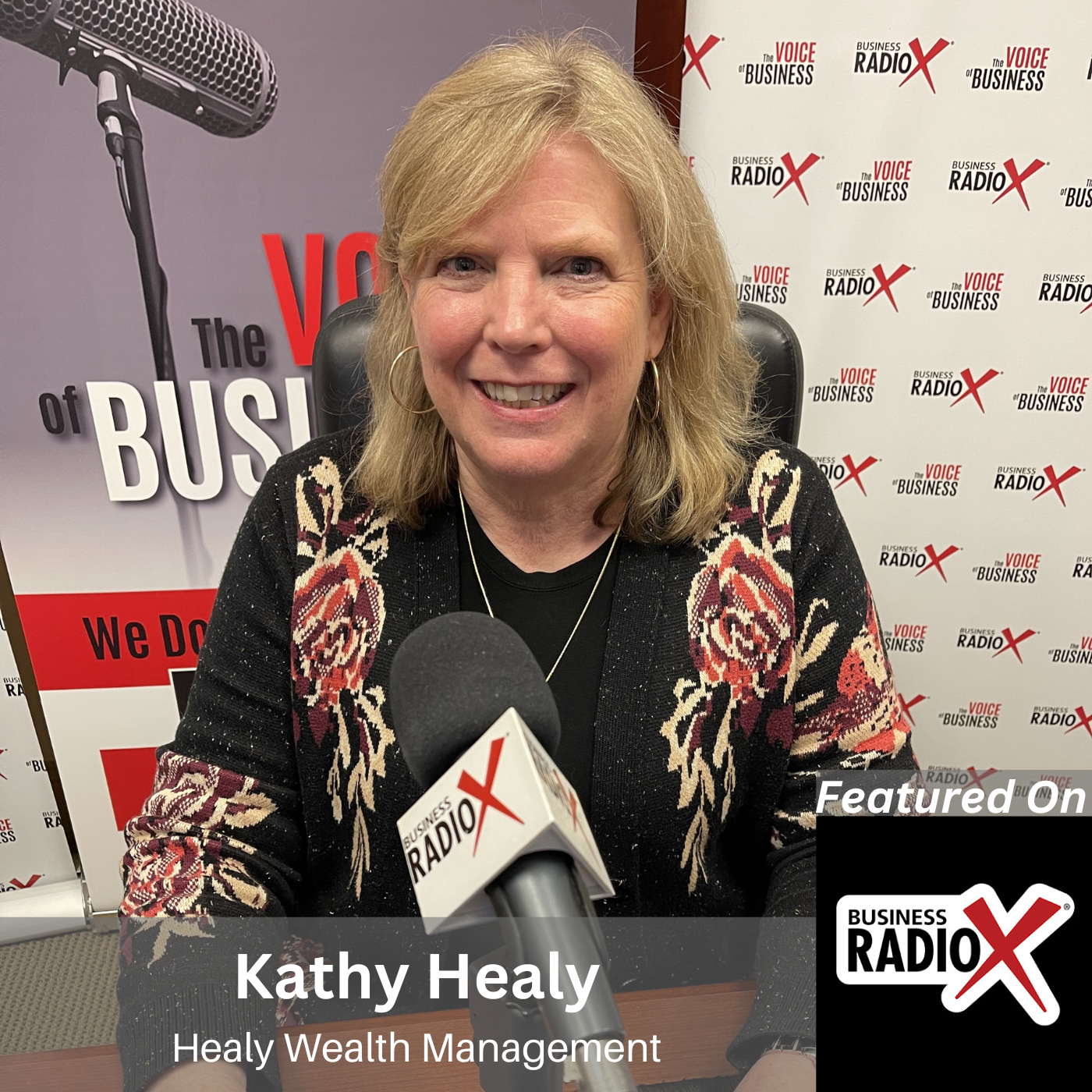
Financial Planning for Couples and Women, with Kathy Healy, Healy Wealth Management

January 6, 2025 by John Ray

Financial Planning for Couples and Women, with Kathy Healy, Healy Wealth Management, on North Fulton Business Radio
North Fulton Business Radio
Financial Planning for Couples and Women, with Kathy Healy, Healy Wealth Management
Loading
00:00 /
RSS Feed
Share
Link
Embed

Download file

Financial Planning for Couples and Women, with Kathy Healy, Healy Wealth Management (North Fulton Business Radio, Episode 831)

In this episode of North Fulton Business Radio, host John Ray chats with Kathy Healy from Healy Wealth Management. Kathy shares insights from her over two-decade-long experience in wealth management, discussing topics like budgeting, investment strategies, the importance of long-term care insurance, and the challenges associated with financial planning for couples and women. Kathy also delves into specific stories of client interactions and emphasizes the value of communication and planning in achieving financial goals.

John Ray is the host of North Fulton Business Radio. The show is recorded and produced by the North Fulton affiliate of Business RadioX® inside Renasant Bank in Alpharetta.

Kathy Healy, Healy Wealth Management
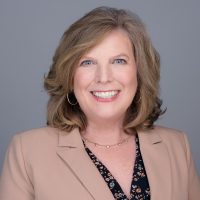
Kathy Healy, Healy Wealth Management

Kathy Healy, CFP®, founder and CEO of Healy Wealth Management in Atlanta, Georgia, has been recognized in this year’s Forbes Best in State Wealth Advisors – Atlanta High Net Worth Advisors and Top Women Wealth Advisors 2024, Best-In-State.

Kathy has served more than 20 years in the financial services industry and provides a full range of financial services, including retirement and financial planning, wealth management, and insurance. Her husband, John Healy, CFA, is the Chief Investment Officer for Healy Wealth Management. Together they make an amazing team, working to improve each client’s financial well-being.

Kathy’s education and certifications include: CERTIFIED FINANCIAL PLANNER™, University of Georgia – Terry College of Business MBA, University of Alabama at Birmingham BBA, University of Montevallo FINRA Series 7 held with LPL Financial FINRA Series 66 held with IFG Advisory, LLC and LPL Financial Life and Health/Accident Sickness Insurance.

Website | LinkedIn | YouTube

Topics Discussed in this Episode

00:00 Introduction and Welcome to North Fulton Business Radio
01:36 Meet Kathy Healy of Healy Wealth Management
02:53 Understanding Wealth Management
06:46 Challenges in Saving for Retirement
08:15 Determining Risk Profile and Investment Objectives
18:34 Investment Philosophy and Strategies
21:06 Long-Term Care Insurance Insights
24:07 Social Security and Longevity Planning
28:34 Success Stories and Client Experiences
33:17 Conclusion and Contact Information

Renasant Bank supports North Fulton Business Radio

Renasant BankRenasant Bank has humble roots, starting in 1904 as a $100,000 bank in a Lee County, Mississippi, bakery. Since then, Renasant has become one of the Southeast’s strongest financial institutions, with over $17 billion in assets and more than 180 banking, lending, wealth management, and financial services offices throughout the region. All of Renasant’s success stems from each banker’s commitment to investing in their communities as a way to better understand the people they serve. At Renasant Bank, they understand you because they work and live alongside you every day.

Website | LinkedIn | Facebook | Instagram | X (Twitter) | YouTube

About North Fulton Business Radio and host John Ray

With over 800 shows and having featured over 1,200 guests, North Fulton Business Radio is the longest-running podcast in the North Fulton area, covering business in our community like no one else. We are the undisputed “Voice of Business” in North Fulton!

The show welcomes a wide variety of business, non-profit, and community leaders to get the word out about the important work they’re doing to serve their market, their community, and their profession. There’s no discrimination based on company size, and there’s never any “pay to play.” North Fulton Business Radio supports and celebrates business by sharing positive business stories that traditional media ignore. Some media leans left. Some media leans right. We lean business.
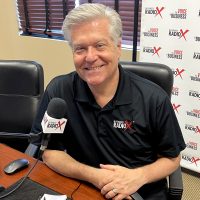
John Ray, Business RadioX - North Fulton, and Owner, Ray Business Advisors
John Ray, Business RadioX – North Fulton, and Owner, Ray Business Advisors

John Ray is the host of North Fulton Business Radio. The show is recorded and produced from the North Fulton studio of Business RadioX® inside Renasant Bank in Alpharetta. You can find the full archive of shows by following this link. The show is available on all the major podcast apps, including Apple Podcasts, Spotify, Google, Amazon, iHeart Radio, and many others.

The studio address is 275 South Main Street, Alpharetta, GA 30009.
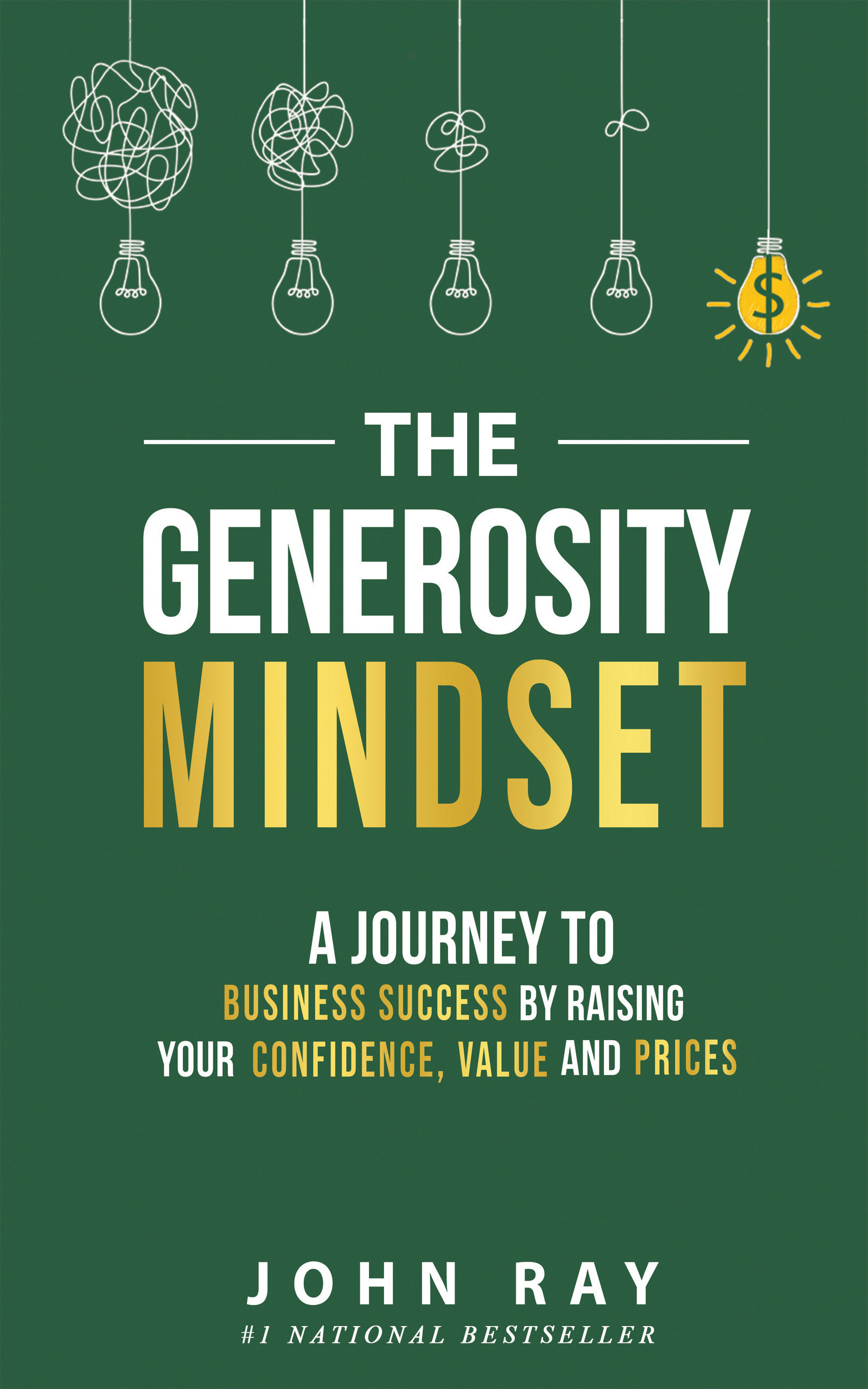
John Ray, The Generosity MindsetJohn Ray also operates his own business advisory practice. John’s services include advising solopreneurs and small professional services firms on their value, their positioning and business development, and their pricing. His clients are professionals who are selling their expertise, such as consultants, coaches, attorneys, CPAs, accountants and bookkeepers, marketing professionals, and other professional services practitioners.

John is the national bestselling author of The Generosity Mindset: A Journey to Business Success by Raising Your Confidence, Value, and Prices.


Tagged With: Healy Wealth Management, investing, investment philosophy, John Ray, Kathy Healy, long term care insurance, long-term care planning, North Fulton Business Radio, retirement

The Basics of Financial Wellbeing, with Andrew Sullivan, Sullivan and Schlieman Wealth Management

January 8, 2024 by John Ray

The Basics of Financial Wellbeing, with Andrew Sullivan, Sullivan and Schlieman Wealth Management
North Fulton Studio
The Basics of Financial Wellbeing, with Andrew Sullivan, Sullivan and Schlieman Wealth Management
Loading
00:00 /
RSS Feed
Share
Link
Embed

Download file

The Basics of Financial Wellbeing, with Andrew Sullivan, Sullivan and Schlieman Wealth Management

The Basics of Financial Wellbeing, with Andrew Sullivan, Sullivan and Schlieman Wealth Management

Andrew Sullivan: A lot of discussions we have with clients in our regular reviews. One I’ve already mentioned earlier is making sure that your beneficiaries on life insurance, retirement accounts, pensions are up-to-date, so that you’ve got that primary and secondary beneficiary. We see this often as a problem, sometimes in a blended family where someone gets divorced, remarried, or a death of a spouse and then gets remarried. We’ve seen cases where the old spouse was named X or deceased. Now the new spouse is cut out of the equation, and it gets into legal wrangling. So make sure your beneficiaries are up to date on these various accounts that you have.

It’s also making sure you’ve got adequate long-term care insurance in place. Just had a client the other day that had to go to an assisted living facility/memory care: $18,000 a month for care, right? And you talk about devastating a set of assets or a portfolio at $18,000 a month. She does not have long-term care insurance. But it’ll rip through some assets very quickly. So you’ve got to be prepared for that.

That’s probably the biggest risk that retirees have. It’s not that I’m going to go on a cruise or that I’m going to retire. It’s that long-term healthcare cost equation. Disability insurance for younger people, and then making sure you have life insurance in place while you have an up-and-coming family independence.

Another one I would say is not having estate planning. This is probably one of the second-biggest issue. It’s amazing how many attorneys I talked to that don’t have wills, powers of attorney in place. So we strongly encourage people to have up-to-date wills and powers of attorney in place.

Having proper liability coverage, property and casualty or umbrella policies in place. So do a property and casualty review with your insurance agent. Very important to do that probably every couple of years.

This is really a dirty word: budget. Most people don’t want to talk about a budget. Unfortunately, I find that most people spend more time planning their vacation than their finances.
But I emphasize a budget, and set goals, and stick to those goals on an annual basis.

And then finally hire the professional, right? If you need counseling and investment advice, or estate planning, any of those things—use a professional. It’s worth the expense. There are people that can manage their own affairs, but most people, again they don’t want to go down that path. And they want to delegate that to someone that’s a professional in those fields.

Listen to Andrew’s full ProfitSense with Bill McDermott interview here.


The “One Minute Interview” series is produced by John Ray and the North Fulton studio of Business RadioX® in Alpharetta. You can find the full archive of shows by following this link.

Renasant Bank has humble roots, starting in 1904 as a $100,000 bank in a Lee County, Mississippi, bakery. Since then, Renasant has grown to become one of the Southeast’s strongest financial institutions, with over $13 billion in assets and more than 190 banking, lending, wealth management, and financial services offices in Mississippi, Alabama, Tennessee, Georgia, and Florida. All of Renasant’s success stems from each of their banker’s commitment to investing in their communities as a way of better understanding the people they serve. At Renasant Bank, they understand you because they work and live alongside you every day.

Tagged With: Andrew Sullivan, Bill McDermott, estate plan, financial wellbeing, long term care insurance, ProfitSense, ProfitSense with Bill McDermott, Sullivan and Schlieman Wealth Management, will

To Your Health With Dr. Jim Morrow: Episode 11, Making the Move to Assisted Living, An Interview with Derek Bailey, The Right Move Senior Resource and Placement Agency

June 26, 2019 by John Ray

North Fulton Studio
North Fulton Studio
To Your Health With Dr. Jim Morrow: Episode 11, Making the Move to Assisted Living, An Interview with Derek Bailey, The Right Move Senior Resource and Placement Agency
Loading
00:00 /
RSS Feed
Share
Link
Embed

Download file

Derek Bailey and Dr. Jim Morrow

Episode 11, Making the Move to Assisted Living

What signs do I need to look for to know my loved one might need assisted living? What should I do to make this transition easier? On this episode of “To Your Health with Dr. Jim Morrow,” Dr. Morrow addresses these questions and much more with Derek Bailey of The Right Move Senior Resource and Placement Agency. “To Your Health” is brought to you by Morrow Family Medicine, which brings the CARE back to healthcare.

Derek Bailey, The Right Move Senior Resource and Placement Agency

Derek Bailey, The Right Move Senior Resource and Placement Service

Derek Bailey is the Owner of The Right Move Senior Resource and Placement Agency. The Right Move provides free professional consultation services to local seniors and their families in the Southeast. With years of valuable experience in the local healthcare industry, they are equipped, informed, and connected to ensure you are comfortable with who you trust to provide the necessary level of healthcare for you or your family. If you find yourself faced with a decision on assisted or independent senior living options, in-home personal care, nursing home care, or anything else related to seniors, reach out and allow them to help you make… THE RIGHT MOVE. For more information, go to http://rightmoveresource.com/ or call 770-880-0706.

About Morrow Family Medicine and Dr. Jim Morrow

Morrow Family Medicine is an award-winning, state-of-the-art family practice with offices in Cumming and Milton, Georgia. The practice combines healthcare information technology with old-fashioned care to provide the type of care that many are in search of today. Two physicians, three physician assistants and two nurse practitioners are supported by a knowledgeable and friendly staff to make your visit to Morrow Family Medicine one that will remind you of the way healthcare should be.  At Morrow Family Medicine, we like to say we are “bringing the care back to healthcare!”  Morrow Family Medicine has been named the “Best of Forsyth” in Family Medicine in all five years of the award, is a three-time consecutive winner of the “Best of North Atlanta” by readers of Appen Media, and the 2019 winner of “Best of Life” in North Fulton County.

Dr. Jim Morrow, Morrow Family Medicine, and Host of “To Your Health With Dr. Jim Morrow”

Dr. Jim Morrow, Morrow Family Medicine, and Host of “To Your Health With Dr. Jim Morrow”

Dr. Jim Morrow is the founder and CEO of Morrow Family Medicine. He has been a trailblazer and evangelist in the area of healthcare information technology, was named Physician IT Leader of the Year by HIMSS, a HIMSS Davies Award Winner, the Cumming-Forsyth Chamber of Commerce Steve Bloom Award Winner as Entrepreneur of the Year and he received a Phoenix Award as Community Leader of the Year from the Metro Atlanta Chamber of Commerce.  He is married to Peggie Morrow and together they founded the Forsyth BYOT Benefit, a charity in Forsyth County to support students in need of technology and devices. They have two Goldendoodles, a gaggle of grandchildren and enjoy life on and around Lake Lanier.

Facebook: https://www.facebook.com/MorrowFamMed/

LinkedIn: https://www.linkedin.com/company/7788088/admin/

Twitter: https://twitter.com/toyourhealthMD

Show Transcript

Intro: [00:00:09] Broadcasting live from the North Fulton Business RadioX Studio, it’s time for To Your Health with Dr. Jim Morrow. To Your Health is brought to you by Morrow Family Medicine, an award-winning primary care practice, which brings the care back to health care.

Dr. Jim Morrow: [00:00:25] Hello, this is Dr. Jim Morrow. I’m with Morrow Family Medicine. We have offices in Cumming and Milton, Georgia. At Morrow Family Medicine, we try to use all the technology that we can, and at the same time, use old-fashioned ideas and old-fashioned care to give you the sort of care that you need and you deserve. We realize that you have many choices when it comes to where you receive your health care, and we do appreciate it when that choice is Morrow Family Medicine.

Dr. Jim Morrow: [00:00:53] We’re here at the Renasant Bank on Windward Parkway in Alpharetta, Georgia. Again, here with John Ray. John’s running the board. John’s looking out for e-mails and tweets. How are you doing over there, John?

John Ray: [00:01:04] I’m doing great. How are you doing, Jim?

Dr. Jim Morrow: [00:01:06] I’m great.

John Ray: [00:01:07] Good.

Dr. Jim Morrow: [00:01:07] I’m great.

John Ray: [00:01:07] Good.

Dr. Jim Morrow: [00:01:08] So, you can email or tweet the show. The email address is drjim@toyourhealth.md or you can tweet us on Twitter. We’re @toyourhealthmd. And we’re very excited today. We’re going to talk today about assisted living and how to help move your parents or your loved one from one home, probably, to a facility that’s not exactly like their home. And we’re very lucky today to have Derek Bailey with us. Derek is the Owner and Founder of the Right Move Senior Resource. And he helps people do this every day. Hey, Derek.

Derek Bailey: [00:01:44] Hey, Dr. Morrow. How you doing?

Dr. Jim Morrow: [00:01:46] I’m good. I’m good. I really appreciate you being here.

Derek Bailey: [00:01:48] We appreciate the opportunity, definitely.

Dr. Jim Morrow: [00:01:50] So, you’re the second guess that we’ve had. And I’m enjoying this. It’s a little bit different from just sitting here and lecturing to our listeners. And I’m kind of liking this. I do appreciate you coming. So, if you would, Derek, start off by telling us about your business, and what it is you do, and how you manage to do it.

Derek Bailey: [00:02:08] Yeah. So, thanks again for the opportunity. Definitely excited to be here with you on the show. The Right Move Senior Resource is here for one reason. We’re here to help seniors navigate care and help them find the right option for them. My background, I spent five years doing hospice care, four years in the hospital setting, and just really saw a need to help families navigate care. I think we do a good job of planning for retirement and kind of getting ready for those years of life. But nobody really wants to talk about the last five or six years of life, and the care that might come up that you need, and the cost for that care, and who can provide that care.

Derek Bailey: [00:02:44] So, after seeing those needs, we decided just to step out and try to fill that need. So, our business, we come in alongside families that are going through situations when mom or dad can no longer stay at home safely. We help them either bring care into the home to help make it safer, or when looking at assisted living senior living options, our goal is to help them find the one that fits their specific needs, their budget, their care needs, their location, and then their preferences on finishes, on amenities, things like that. But, again, at the end of the day, our goal is to help them feel comfortable with who’s providing care for their loved one at that point in time.

Dr. Jim Morrow: [00:03:23] Super. And I know that’s a real need when talking to families that have elderly loved ones. I think they’re two incredibly difficult conversations. One is, “Dad, you can’t drive anymore.” And this is the second one is, “What we’re going to do now that you shouldn’t be at the house by yourself?” So, you hear a lot of people talk about assisted living. And if you drive around the area where we live, there’s an assisted living facility either present or going up on every corner, it seemed like. So, tell our audience exactly what it means when you’re talking about assisted living.

Derek Bailey: [00:03:54] Yeah. So, assisted living is a residential alternative to living at home. So, when an individual might need help with what we call activities of daily living – cooking for themselves, or bathing, medication management, maybe toileting, things like that, and they can no longer do it in their home safely alone – we look at assisted living where they would have their own apartment, where they can kind of have their own space, but there is care available there for them to help them with their activities of daily living. Also, these assisted livings can help with traveling to appointments, taking them to their doctor’s appointments, things like that. So, again, assisted living is for those who may need a little bit of extra help with their activities of daily living and can no longer do them independently at home.

Dr. Jim Morrow: [00:04:42] Well, you mentioned care being available, and I think that’s a point that distinguishes some of these different types of facilities. In the typical assisted living facility, what kind of care would people expect to have that are ready for them?

Derek Bailey: [00:04:57] Yeah. So, there’s actually two different licensures of what we normally see in assisted living or what you see on the side of the road driving down Highway 9 with the 15 that had been built up and down Highway 9. There’s two different licensures – assisted living and personal care. Assisted living license, they have to have a nurse on staff in the building around the clock that is there for nursing needs. Although they don’t manage a lot of the major nursing needs that might arise, but, typically, they’re going to have a certified nursing assistant, the CNA.

Derek Bailey: [00:05:27] And the CNA’s role is to come in and assist them with bathing, dressing, helping them to the toilet, and helping them to know the dining hall if they need help with meals and feeding, but also medication management. That’s a big part. A lot of times, what takes someone from home to assisted living is they’re not managing their medications appropriately. And you know as well as a doctor, taking your medications as prescribed on time is very important to managing certain diseases. And so, that takes them into the assisted living where they can handle that, where they have certified medication technicians or the certified nursing assistants that come in and make sure they’re taking their medications properly.

Dr. Jim Morrow: [00:06:09] And a lot of the assisted living facilities have gradations of care. Tell me a little bit about the independent, versus assisted, versus memory, and so forth.

Derek Bailey: [00:06:21] Yeah, that’s part of what we do in the process of helping a family. So, when we meet with a family, that’s the first thing we do is we assess their care needs. What are those activities of daily living that they need help with? Do they need medication management? Things like that, because all of these independent living, assisted living options, they might not be the right fit for that family.

Derek Bailey: [00:06:43] So, independent living is more of an independent apartment where they don’t need help with those types of things. They’re there more for maybe the meal preparation, maybe socialization. Mom or dad has been isolated in the home for a while, and it’s just nice to get them in and around other people. But they don’t need that much help in the independent living world. When they start to need that help we talked about, the activities of daily living, the help with bathing, to help with dressing, that’s when we look at the assisted living. And to be honest, the assisted livings, they all range in the level of care that they can provide. So, you know that your loved one needs assisted living, but which one can provide the care that we actually need? And that’s what we do. We help them figure out which assisted living can manage their specific care needs.

Dr. Jim Morrow: [00:07:30] And with any of these facilities, of course, paying forward is always a concern. To what degree does traditional insurance or Medicare Medicaid play a role in this?

Derek Bailey: [00:07:41] No, it’s a great question. Every family wants to know who’s paying for it.

Dr. Jim Morrow: [00:07:44] Yeah.

Derek Bailey: [00:07:45] At this point in time, when it comes to independent living, assisted living here in the State of Georgia, the majority of it is private pay by the individual or the family. The only help or care that Medicare or traditional health insurance would actually pay for in the assisted living would be if they needed physical therapy, occupational therapy, or skilled nursing that kind of comes in either through home health or through a third-party therapy provider in the building. That’s what insurance would cover. But as far as the room and board, the daily care at an assisted living, the majority of it is going to be paid by the family.

Dr. Jim Morrow: [00:08:21] And do you have a a range of prices in mind, in general? Tell me about that.

Derek Bailey: [00:08:27] So, it’s a very wide range. As you’ve noticed, all of them being built, they all provide different amenities, different levels of service. And so, on the low end for assisted living, you’re going to be looking in the the $2500 range for probably a shared apartment where you might be in the same apartment with someone else, all the way up to some of the higher end assisted living is are going to cost you $7000 or $8000 dollars a month. So, it’s a very wide range. The average for assisted living apartment here in the Greater Atlanta area is around $3600 a month. So, it’s not cheap when you look at the number, but we try to get families to understand that they’re getting their room and board, all their utilities paid, the food, the activities, and then the care is all lumped into that one number. So, it might look like a very large number, but at the end of the day, you’re getting a lot in that one fee per month. But again, it’s private pay, and it’s a wide range of options to choose from.

Dr. Jim Morrow: [00:09:26] Well, it’s good to have a lot of options in a lot of different facilities that do have those different amenities, so people can have a price range to pick from.

John Ray: [00:09:34] Yeah.

Dr. Jim Morrow: [00:09:35] So, if my loved one – my mother, for example – is getting older and starting to get a little bit frail, what are some of the things I need to be on the lookout for to know that this is a conversation needs to be had?

Derek Bailey: [00:09:48] Yeah, that’s a great question. So, I think we need to start having this conversation much earlier before we start to have issues. The bulk of our clients call us when it’s in the middle of it. And it’s very difficult to make rational decisions when you’re in the thick of things. But at any point in time, when you notice medications being missed, or you’ve noticed they’ve had to go to the physician a few extra times for urinary tract infections, or just losing weight, or overall just getting tired. Also, if you notice their meals, and if they’re not cooking for themselves anymore, or if you’re dropping off meals for them, and they’re not eating them, those types of things are kind of good indicators that maybe mom or dad’s not able to care for themselves anymore. With my grandmother, for instance, we started noticing she kept a very clean house her whole life, and then we started to notice dust piling up, and trash starting not to get taken out, and just little subtle things where we noticed her behavior was different, and we noticed it was time for her to start looking at some senior living options for her.

Dr. Jim Morrow: [00:10:54] That’s great. I appreciate that. I know we have episodes or incidences in the office where we’ll have conversations with family. And, usually, they’re pretty good about noticing that kind of thing, but I like the idea of starting to have that conversation earlier. I never had the privilege of knowing my wife’s mother, but she tells a story about when her mother was getting older, she said, “We need to go look at places where I can live.” And then, my wife, Peggy, will laugh and say she wasn’t sure if that was just because she didn’t want to live with one of her children, or she just want to take the burden off. But it is a large burden. And I think talking about it earlier, and knowing what somebody’s desires are before they get to the point of being in serious need is a very good idea. So, the transition from home to assisted living or other has got to be a very difficult one for everybody involved. Do you have ideas about what can make it easier other than that early conversation?

Derek Bailey: [00:11:50] Yeah. So, a few things I think are very important because, like you said, two of the conversations that are the hardest, “I’m taking your keys away,” and “You can no longer live alone.” You’re taken their way to get around, and taken their independence, and then you’re taking them from their home. So, it is a very big deal. The couple of things that I think have worked with us with families is, obviously, the early conversation. But when the conversation’s too late, it’s getting them involved in the conversation. Asking the senior, the aging loved one, “What are you hoping for in your next home?” And I think really being honest with them as to why we’re having to look at the senior living options as the alternative to what’s been going on.

Derek Bailey: [00:12:32] And then the next thing is getting them involved in the process. So, letting them see the options if we can physically do that. Get them to the options, let them have some input and questions to each assisted living, let them try the food at the assisted living before they make a decision. Really getting them involved in the process gives them a sense that they’re in control of their future rather than someone else is controlling their future for them. I think that’s the biggest thing because we all have kids. We tell our kids what to do. And at some point in time, that role is going to reverse, and that’s very hard. So, allowing them to feel like they still have some power, and some say in their decision making process is important.

Dr. Jim Morrow: [00:13:14] And you mentioned checking out the food and that kind of thing. And obviously, visiting these places is very important. And I think they’re all very, very open to that. I hear from patients that they’ve done a good bit of that kind of thing. But once you move in, and you’re there, and it’s also very new. I’m sure a lot of elderly people or anybody who would be likely to be this way are tempted to just stay in their room and not get involved. And have you seen that the staffs actually try to encourage them to come out and play, if you will?

Derek Bailey: [00:13:43] That’s part of what I think separates some of the good assisted livings from some of the ones that are just kind of middle of the pack or mediocre. They’re actively trying to engage their new residents because that’s very important. That first couple of weeks is a big deal. They know they’re moving someone from their home to a place where they are no longer by themselves completely. So, actively having the activities director come and get them out of the room, getting them to come sit for meals, or they put on a lot of events at these places. So, just really trying to push the resident, the new resident to come out when they can.

Derek Bailey: [00:14:18] What I’ve found to work great in a lot of the assisted livings is they have a team of actual residents that that’s their new job, their purpose. They are there to acclimate a new resident. So, they try to buddy them up with somebody that’s kind of like them or similar situations, and really help them feel comfortable, and using their own residents to help push the new residents into the more social side of things there.

Dr. Jim Morrow: [00:14:44] Oh, that’s an awesome idea. I did not know that. I think that’s a great thing for them to do because it does give them that purpose. And plus, who better to explain to people what it’s like there other than a resident? That’s a great idea. I like that. So, in facilities around the area and, really, in any area, you’ve got the assisted living, and whether it’s independent, or assisted, or memory care. But then, nursing home is a whole different animal. So, if you would explain the difference between nursing home and what we’ve talked about so far?

Derek Bailey: [00:15:20] Yeah. So, nursing home or the traditional skilled nursing facility is there for a much higher level of care that might be needed by a patient. So, if someone is to the point where they are bedridden, or maybe they have certain wounds or diseases that require constant monitoring by a skilled nurse, then we need to look at a skilled nursing home for that situation. Growing up, like my wife’s grandmother, for instance, she thinks all of these places are nursing homes that, “I don’t want to be put into a home.” She thinks some of the nicest assisted living as a home or a nursing home. So, trying to get her to understand the difference, we have that conversation all the time. But when someone requires skilled nursing, 24/7, that’s when we’re looking at a skilled nursing home or nursing facility.

Derek Bailey: [00:16:07] Assisted livings now, with this new assisted living license, can handle someone who may take two people to get from bed to chair. They may be able to wheel themselves around a little bit. But once someone is completely bedridden or needs that nursing attention throughout the day, then we need to look at skilled nursing homes.

Dr. Jim Morrow: [00:16:28] And I know you said that you spent time in hospice. And the home health people are, obviously, involved in the assisted living side. Do you find that the use of home health is able to delay the move to a nursing home for a lot of the people that are in assisted living?

Derek Bailey: [00:16:46] Definitely. And, also, using hospice in the assisted living. Through some licensures and things like that, if home health is managing a lot of the nursing care needs, if it’s a few times a week that they need bandage changes, or just checkups, and things like that, then definitely the home health nurse, the aides can come in and help someone age in place. That’s one of the biggest movements, I think, over the last few years in the assisted living world here, especially in Georgia, is aging in place. And they have begun to use hospice to allow that to happen even at end of life. As long as hospice is involved, the assisted living can, for the most part, manage someone and allow them to stay in their own room throughout the whole process until they pass away. So, you have noticed with the assisted living licenses changes recently, plus hospice being more involved, that we may not have to move to nursing home that towards the end of life if we can help it.

Dr. Jim Morrow: [00:17:45] And in the assisted living centers, do they use sitters in that area either 24 hours or evening sitters? Is that something that this center will allow them to do?

Derek Bailey: [00:17:59] Yeah, at times. So, there will be times that that might be needed. For the most part, the assisted living is going to be staffed well enough to handle the routine care for a resident, the getting them bathed once a day or getting them their medications. But, sometimes, let’s say, after a hospital stay, they come back to the assisted living, and they may need more hourly care than what the normal assisted living could manage. They’ll allow sitters to come in and stay with the resident. And it may only be for a few days just to get them acclimated back into being in the assisted living. But they definitely do rely on sitter services, CNAs to come in and help residents when they need more care than what the assisted living can provide.


Dr. Jim Morrow: [00:18:42] And whether you’re talking about assisted living or nursing home, I think I know the answer for nursing home, but a lot of these patients need specialized diets. And I know in an assisted living, it’s very much a cafeteria style situation. Are they able to prepare specialized meals for patients?

Derek Bailey: [00:18:58] They are. And again, that’s where there’s a lot of newer communities coming out and focusing on those types of things. As the assisted living world is getting bigger and bigger, and they’re allowed to care for more individuals as far as their care needs, you have seen catering to certain diet types, diet restrictions, whether it’s cardiac diet, low sodium diets. Families are able to make that part of their plan moving into the assisted living. And most of them have a chef onboard, and they’re now cooking meals to order.

Dr. Jim Morrow: [00:19:30] Wow.

Derek Bailey: [00:19:31] And so, especially the higher end assisted livings can cook meals to order, much like a restaurant style, and they’ll know a specific resident’s diet restrictions if it’s been put in there when they move in.

Dr. Jim Morrow: [00:19:45] Super. Now, you mentioned a minute ago how the roles seem to flip, and it’s a different point in time for every single family, of course. But at some point, the child becomes a caregiver. Do you have advice for that caregiver as far as not just making the decision about where but about how to best go about making this as painless as possible?

Derek Bailey: [00:20:08] Yeah. Well, that’s something that’s really been on my mind – really, my heart – over the last couple months is that caregiver burnout. We get a lot of clients from the ER, where it’s thrown in their face, where mom and dad has had some type of accident, and they had no idea that mom or dad couldn’t live on their own. So, now they’re picking up the pieces. Where do I go from here? What do I do? How do I get mom and dad to the doctor’s office? How do I manage their medications? And caregiver burnout is a huge problem that I think we face here as our parents age, and those roles reverse, and you’re kind of thrust into a situation that you weren’t prepared for.

Derek Bailey: [00:20:43] So, we’re actually working on kind of a program to help families with that. But I’ll briefly talk about some things that I think we need to focus on. Number one is care. Can they provide the care they need independently? And so, can they manage their own medications? Can they get to the restroom safely? Can they cook for themselves? Those types of things. Number two is the transportation. Can they safely drive themselves to appointments, to social activities? If not, that may fall to the caregiver. So, coming up with a plan for transportation is important to not overwhelm the kid who’s probably still transporting kids around as well.

Derek Bailey: [00:21:25] Another one is the legal side of things. Can you legally make decisions for your parents for their care? So, speaking with an elder care attorney about power of attorneys, both financial and health care, talking about their wishes towards the end of life and being prepared for those conversations, having the legal ability to make those decisions for your parents when they can no longer make those, that’s important. So, speaking with an elder care attorney and getting some of those legal documents taken care of.

Derek Bailey: [00:21:55] Another one of those things to look at is nutrition. Nutrition is a huge part of aging and healthy aging. And it’s really important to make sure our loved ones are eating properly. And so, when you’re thrust into that caregiver role, that’s something that you have to think about. Can they cook for themselves? Is it healthy food? If not, how do we bring them food? Do we deliver it? And that’s a lot of burden on the caregiver. Or are there services that can provide that?

Derek Bailey: [00:22:20] So, these are all things that we’ve been really putting a lot of time and effort into coming up with solutions for. So, hopefully, stay tuned, we’ll have a really nice package for caregivers to really hand them over and say, “Here’s what we have seen that works, and these are the things you need to focus on to keep you from burning out.” Because at the end of the day, they’re going to be caregiver, they’re there to make decisions, but we want to make sure they still have time to be the son, the daughter. We got to make sure they still have time to love their loved ones and not just be thinking about the care that they need.

Dr. Jim Morrow: [00:22:51] I think that’s a great idea. And I think any physician or any practice that deals with adult geriatric medicine would want to have that little packet on hand somewhere to be able to help people out because we do have that conversation quite a bit. And you’re absolutely right about the caregivers. They are running their household, dealing with their family, their children. They’ve got soccer, and school, and projects. And then, they also have to be dealing with the problems that their elderly parents bring. And it bothers them a lot. And I think being able to be aware of that and provide them some sort of assistance is something that would go a long way towards making this entire experience a little bit more tolerable for.

Derek Bailey: [00:23:32] And we also recommend connecting with caregiver support groups. One of our employees actually puts one on monthly. She’s in the Hall County area. But find a local caregiver support group where you can get connected with other people going through the same issue. There’s strength in numbers. There’s ideas that we’ve all tried or others have tried that have worked or not worked. And it’s nice to get around people that can support you and let you know you’re not going through this alone and that there’s help out there for it. So, definitely look into local caregiver support groups.

Dr. Jim Morrow: [00:24:02] I think that’s a great idea. And I know in talking to some of the children of elderly parents that they’ve always felt like this is a very difficult conversation to have, but once they start getting into the conversation and actually dealing with the fact that this loved one is suffering a loss – whether it’s loss of control, or loss of money, or loss of freedom, or independence, whatever it might be – that it makes the entire process a little bit easier because it’s just out in the open, and they can have the conversation, and the caregiver doesn’t have to feel that entire burden on them every minute of every day, which I think is a big problem for a lot of caregivers. So, I appreciate you talking about that.

Derek Bailey: [00:24:44] Yeah.

Dr. Jim Morrow: [00:24:45] So, I’ve got a list here of do’s and don’ts for friends and relatives of people who are moving and making this sort of transition. Things like if you’re asked help with sorting, and packing, and moving. And I think that’s kind of a no-brainer. Listen to your loved one as they talk about what they left behind. It’d be helpful even if you don’t agree with the decision to move. And I’ve seen that happen, and I’m sure you have to, where you’ve got three children, and they have to have a tiebreaker to decide whether or not this should even happen. In your experience, tell me a little bit, if you can, about how you would advise the friends and relatives to help make these things they should do to help make this a little bit better transition?

Derek Bailey: [00:25:28] Yeah, definitely. I think that one of the big things you said there was listen. As our parents age, they just want to be heard sometimes. And so, actively listening to some of their issues or concerns, and helping them understand the move, and helping them try to alleviate some of the issues is very important. But then, also, helping them communicate that to the assisted living that they’ve moved into, because a lot of times, we don’t communicate what we’re upset about or what’s bothering us. And if the assisted living doesn’t know what’s bothering the person, the new resident, then they can’t fix it. So, listen and be an active part communicating with the assisted living.

Derek Bailey: [00:26:04] Another thing I think is to be there, to be present. You don’t have to be there 24/7 because, I think, that can be a little excessive and cause more burnout but do schedule visits. The assisted living allows the resident to come and go. So, go get them, take them to lunch just like you normally would. Try to add some of those routine things that you were doing with them at home, but continue to do that in the assisted living, and help them feel like not every part of life has changed, and that they haven’t just been dropped off somewhere and left. I think that’s one of the biggest fears is, again, back to my wife’s grandmother, “Just don’t drop me off at a home and leave me.” That’s what she keeps saying.

Dr. Jim Morrow: [00:26:43] Well, that continuity is absolutely huge. And I think it’s a gigantic change for everybody in the family now that this person is actually living there. So, I think that’s really good advice. And one thing you said is to listen. We’ve both talked about that. And I think it’s important to listen and not feel like you have to fix that, which has, men, we’re fixers, and we’re trying to pull that nail out of the head, and it can be very difficult. So, about things that you shouldn’t do, I know one of the things that loved ones shouldn’t do is to just feel like they’re going to take over the entire process and run everything. But do you have ideas about other things that are bad ideas during this transition?

Derek Bailey: [00:27:28] Yes. So, I think that’s a great one to not think that the assisted living is just going to take over for you, that they’re going to be involved and help them make the care decisions moving forward. But a few things, I think, to not do. Try not to focus on all the negatives about a particular community. Once you come in, you’re going to see things, you’re going to notice things that might bother you, but address those with the assisted living and try not to bring those up with the loved one. You don’t want to give them more fuel for the fire that might cause them to really be unhappy.

Derek Bailey: [00:28:03] I would say don’t not show up. Don’t ignore the loved one. If they call, answer. If they need you to come, come by and visit. Be very involved. And then, don’t ignore the assisted living. The assisted living is, now, kind of filling in that caregiver role. And so, they need your advice on what mom or dad likes or what their routines might be. So, don’t ignore the assisted living as well. Make sure you’re there helping them now care for your loved one as you have done for so many years before.

Dr. Jim Morrow: [00:28:34] Right, right. Well, I think that’s all great advice. It’s very informative for me. And I even work in the environment. So, it’s a good thing for me to know. And I’m sure it’s very good for our listeners. If you would tell everybody how they can get in touch with you at the Right Move?

Derek Bailey: [00:28:48] Yeah, definitely. You can check us out online. Our website is www.rightmoveresource.com. That’s R-I-G-H-T Move Resource dot com. You can definitely give us a call. Our phone number is 770-880-0706. Check us out on Facebook, anything like that. But definitely just reach out. We’re here to help. We’re very in-person. So, give us a call, reach out online, and we’ll get somebody connected with you definitely.

Dr. Jim Morrow: [00:29:15] All right. And I’m wondering, John’s over here at the board, I’m wondering if we have any questions that anyone’s emailed or tweeted to us.

John Ray: [00:29:22] The question is, how much time do we have, right, because I’ve got several questions here. So, let’s start with a couple, and we’ll see how this goes. So, one question here is, how far in advance, knowing that things change rapidly with seniors and what their journey is, how far in advance should someone be in touch with you, Derek?

Derek Bailey: [00:29:47] I think as early as possible. If there comes a point where a loved one or an aging parent is actively saying, “We need to start thinking about this,” jump on it because you may not get that opportunity. A lot of aging people, they don’t want to talk about these issues, but if it comes up in a conversation or as soon as you notice some type of change, reach out. We may not be looking for assisted living within the next year, but there may be other resources that we need to be looking into that we can connect them with, whether it’s some care coming into the home or looking at setting up for VA benefits or Medicaid things because a lot of the financial help that can help pay for assisted living would be through the VA or through Medicaid. And that takes years to plan for now that there’s look back periods and things like that. So, it’s never too early to reach out. And if it’s just a phone call, we’re more than happy to give 10, 15, 20 minutes of our time just to offer up some suggestions now and to tell them to call us back at this point in time when you need some more help.

John Ray: [00:30:49] So, another question we’ve got here – I’m summarizing this – that this individual says, “Hey, I know that there are some facilities where that are a combination of assisted living and memory care that, I guess, are kind of sequential in terms of the way a senior’s journey might go. And if I think my parent has a memory issue, should they go in early to get priority for that memory care unit? Is that the way that works in these facilities?” The concern is getting into memory care units that, sometimes, have limited capacity. That’s the bottom line on the question.

Derek Bailey: [00:31:38] Yeah, definitely, definitely. It’s much easier to move into a memory care if you’re already a resident of that building. You definitely have first priority. Especially if you find one that you like above others, it’s definitely important to get into that building and be in the assisted living environment. That way, you have first priority. But also, and what studies have found out, and what we’ve noticed is with those memory issues that can advance, a lot of times, if we get them into assisted living earlier, and as they receive the routine care, their medications are taken correctly, their incontinence issues are addressed, we can actually stay out of memory care for much —  stay out of there longer. So, we can stay in the assisted living world and really thrive there first and push off moving into memory care until a much later date.

Derek Bailey: [00:32:26] Memory care is much more expensive than the assisted living. So, if we can help save them some money by staying in the assisted living longer, help the individual with the aging process and kind of stave off the results of what dementia and Alzheimer’s can do later on, that’s a good idea to get into assisted living earlier.

John Ray: [00:32:44] Okay. One more question if we got time for one more, Jim.

Dr. Jim Morrow: [00:32:47] All right then.

John Ray: [00:32:48] Okay. So, here’s someone that’s written in, and they say, “I don’t trust online reviews.” So, I can sympathize with that. And that’s obviously where you come in in terms of giving onsite help with places that folks ought to look at, maybe places they ought to avoid. “How do you continue to monitor what’s going on at different facilities? How do you do that?”

Derek Bailey: [00:33:18] That’s a great question. That’s very important. There is a lot of information online. And the reason I started my business is really because of that, because there’s a lot of misinformation, and there’s a lot of people out there that are going to take your information, and really not correctly guide you to where you need to be. So, we are on the ground in these facilities weekly, monthly, visiting them, keeping up with our clients that are moving in and out of these facilities. And we’re making sure that they’re doing the right things.

Derek Bailey: [00:33:47] Things change all the time. We know staffing changes all the time. So, we try to keep on top of that as the boots on the ground, so to speak. And that’s why I wanted to be different. I wanted us to be in the communities, knowing the options, and knowing who’s providing great care at that point time. We also do follow up surveys with all of our clients. So, we do incremental every-two-month surveys to make sure that they’re happy, that they’re doing a good job. And we stay on top of any issues that might come up. So, if we’re getting bad surveys from a particular community, we know maybe we need to go help them address that situation or we can tell our future clients these are the issues we’ve had with that. So, it’s very important to stay in the communities, to stay talking with our previous clients to make sure they’re getting good care.

John Ray: [00:34:32] I think that’s what we’ve got time for. But we ought to let everyone know that if they’ve got further questions, they can put them on our Facebook page, and we can make sure that Derek gets those questions. We can answer them there.

Dr. Jim Morrow: [00:34:43] Absolutely.

John Ray: [00:34:43] Right?

Dr. Jim Morrow: [00:34:43] Yes, absolutely. They can e-mail. Once again, the email is drjim@toyourhealth.md. And on Twitter, @toyourhealthmd. We are on Facebook. It’s To Your Health on Facebook. Morrow Family Medicine’s Facebook page, of course, is there if you want to leave a message there. And we will definitely connect you with Derek.

Dr. Jim Morrow: [00:35:02] I do want to remind everybody that Morrow Family Medicine has a walk-in hour every morning, Monday through Friday, 7:30 to 8:30. If you decide one evening there’s something you need to have checked out, whether it’s a cough, cold, bellyache, rash, ask a question, doesn’t matter to us, if you feel the need to be seen, you can just show up at one of our offices Monday through Friday, 7:30 to 8:30, and we will see you. That way, there’s never a day you can’t be seen at Morrow Family Medicine. And I do believe that’s all we have for today. So, this is Dr. Jim Morrow, and that’s To Your Health.

Tagged With: Cumming doctor, Cumming family doctor, Cumming family medicine, Cumming family practice, Cumming md, Derek Bailey, Dr. Jim Morrow, elder care, elder care planning, eldercare, healthcare power of attorney, hospice care, independent living, independent living communities, independent living facility, long term care insurance, medication management, memory care, memory care homes, Milton doctor, Milton family medicine, Milton family practice, Milton md, Milton physician, morrow, Morrow Family Medicine, moving seniors, nursing home, nutrition for seniors, senior adult services, senior communities, senior community, senior living communities, senior living community, senior nursing care, senior planning, senior relocation, To Your Health

Insurance: What You Need to Know and How it Fits in Your Financial Planning

June 26, 2019 by Mike

Gwinnett Studio
Gwinnett Studio
Insurance: What You Need to Know and How it Fits in Your Financial Planning
Loading
00:00 /
RSS Feed
Share
Link
Embed

Download file

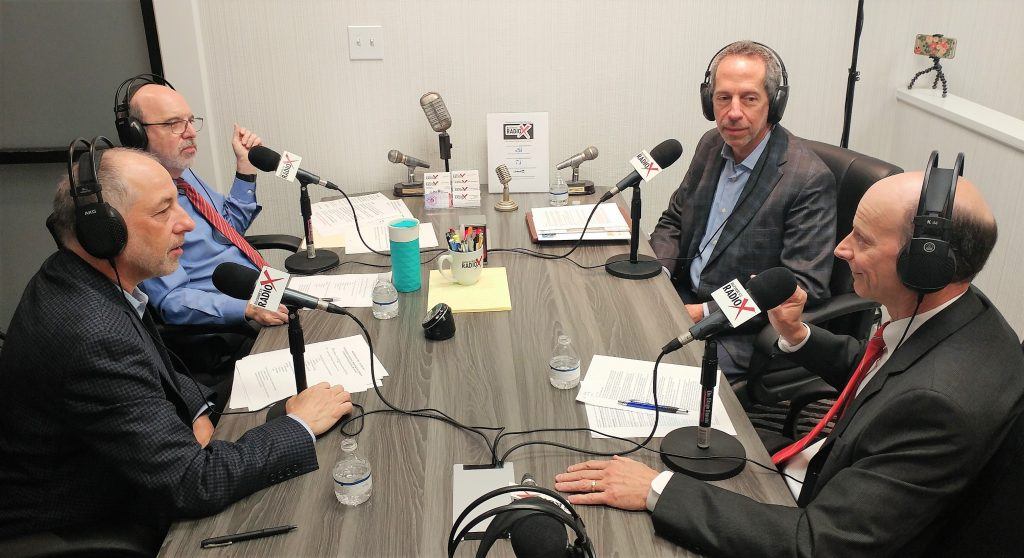
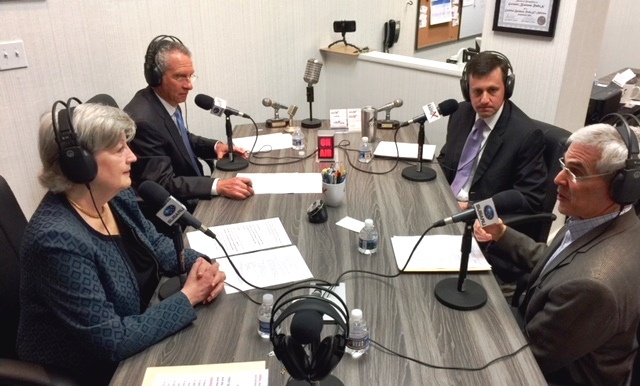
Adam Gaslowitz, Andy Siegel, Philip Kahn, Craig Frankel

Andy N. Siegel, CPCU, CIC, AAI and President of Siegel Insurance

Andy Siegel, President of Siegel Insurance, grew up in Atlanta. He joined the family business in 1985 upon earning his BBA in Risk Management and Insurance from the University of Georgia, and his MBA in Insurance from The College of Insurance in New York. he is a Chartered Property & Casualty Underwriter (CPCU), a Certified Insurance Counselor (CIC), and an Accredited Advisor in Insurance (AAI).

Volunteering on behalf of Atlanta’s Jewish community, Andy has served on the board of Jewish Vocational Services, which merged with Jewish Family Services in 1995, and he remained as an officer during the year the two organizations combined. Over the past 20 years, Andy has also assisted the Jewish Federation of Greater Atlanta with their annual fundraising campaign. He has further served on the board of Ahavath Achim Synagogue since 2004, and has co-chaired the Greenfield Hebrew Academy golf outing for the past three years.

Philip R. Kahn, CPA/CFP, Kahnsulting Financial Planning

Philip Kahn CPA, CFP® of Kahnsulting Financial Planning is currently in his 17th year as a fee-only financial planner for small business owners and individuals where he helps his clients focus on documenting and achieving their (often changing) financial goals and objectives. He has experience in business transition, net worth and cash flow analysis, retirement planning, tax analysis and planning, charitable giving, insurance planning, and asset investment allocation analysis. Philip does not manage any of his client’s funds.

Philip spent his first five years working in public accounting with privately held business owners in the audit, consulting and tax areas; three years as a controller for a $70 Million distribution firm (and managed from $3M to $15M in investment assets); CFO for two entities and led the effort to refocus the businesses and created value that led to the sale of the entities to publicly held companies.

Philip has taught financial planning in Georgia Middle Schools and High schools (where financial education should begin!). He has been the Treasurer of a non-profit college funding entity, and continues to serve on the board. Philip is a native of Atlanta and a graduate of the University of Georgia Tull School of Accounting.  He is an active CPA and CFP®.

CLICK HERE to watch the video of this show.

About Gaslowitz Frankel:

Gaslowitz Frankel is an experienced trial practice firm specializing in all aspects of complex fiduciary litigation throughout Georgia and the Southeast. With a focus on representing individuals, companies, banks, and fiduciaries in dispute involving wills, estates, trusts, guardianships, businesses, and securities law, their experienced and highly qualified litigation attorneys have tremendous credentials and a proven history of success.

If you would like to watch past episodes of “Wealth Matters”, please visit their You Tube Channel.

Remember to tune in HERE on the 4th Wednesday of every month at 8:30 AM to listen live to their show!

Facebook: https://www.facebook.com/EstateDispute
Twitter: https://twitter.com/EstateDispute
LinkedIn: https://www.linkedin.com/company/estatedispute

Tagged With: craig frankel, Estate Dispute, estate planning, fiduciary, fiduciary attorneys, financial planning, Gaslowitz Frankel, insurance, insurance planning, Insurance: What You Need to Know and How it Fits in Your Financial Planning, long term care insurance, Philip Khan, retirement planning, Siegel Insurance, Wealth Matters

Long Term Care Insurance: What Is It and Do I Need It?

March 28, 2018 by Mike

Gwinnett Studio
Gwinnett Studio
Long Term Care Insurance: What Is It and Do I Need It?
Loading
00:00 /
RSS Feed
Share
Link
Embed

Download file

Robert Port, Jason Lina, Harlan Graiser, Mille Baumbusch

Harlan Graiser/SignatureFD

Harlan Graiser is a Senior Risk Management Consultant at SignatureFD where he helps to assess a client’s risk management portfolio, determine more effective and efficient insurance strategies and select appropriate insurance products for implementation. He works closely with SignatureFD’s relationship managers in order to coordinate his work with the client’s core financial planning objectives. His insurance focus is mainly in the areas of life, disability, long-term care and fixed annuities. He has been a licensed insurance agent and broker for over 16 years and holds the CFP (Certified Financial Planner) as well as CLTC (Certified Long Term Care) designations. Harlan earned his undergraduate degree in engineering from Rensselaer Polytechnic Institute and an MBA from Xavier University in Ohio.

Before his career switch to insurance and financial services in 2002, Harlan worked as a management consultant for firms such as KPMG, Ernst & Young and Dove Consulting.

Jason Lina/Resource Planning Group

Jason Lina is a Partner, Lead Advisor, and Chief Investment Officer at Resource Planning Group where he advises clients in financial planning matters covering investments, taxes, estate planning, retirement planning, personal finance, education planning, and insurance.  He is a CFA (Chartered Financial Analyst) and CFP (Certified Financial Planner) with over 18 years of professional experience in the financial services industry.

Jason earned his MBA from the Tuck School of Business at Dartmouth College and received his undergraduate degree (BA, History) from Davidson College where he was captain of the golf team and a first-team Academic All-American.

Prior to joining Resource Planning Group, Jason was a Senior Advisor and Director of Research at DCA Global Wealth Management.  He has experience as a fixed income credit analyst at Jefferson Pilot Financial and as an equity analyst for Sun Trust Bank and AIM Funds.  He is a member of the Financial Planning Association, Fee-Only ® National Association of Personal Financial Advisors (NAPFA), and the Atlanta Society of Finance and Investment Professionals.

Jason and his wife, Jennifer, live in Alpharetta, GA with their three children – a daughter and two sons.

About Gaslowitz Frankel:

Gaslowitz Frankel is an experienced trial practice firm specializing in all aspects of complex fiduciary litigation throughout Georgia and the Southeast. With a focus on representing individuals, companies, banks, and fiduciaries in dispute involving wills, estates, trusts, guardianships, businesses, and securities law, their experienced and highly qualified litigation attorneys have tremendous credentials and a proven history of success.

To watch the video of this show, CLICK HERE.

If you would like to watch past episodes of “Wealth Matters”, please visit their You Tube Channel.

Remember to tune in on the 4th Wednesday of every month at 8:30 AM to listen live to their show!

Facebook: https://www.facebook.com/EstateDispute

Twitter: https://twitter.com/EstateDispute

LinkedIn: https://www.linkedin.com/company/estatedispute

Tagged With: estate planning, estates, financial planning, Gaslowitz Frankel, Harlan Graiser, insurance, long term care insurance, LTC Insurance, millie baumbusch, resource planning group, Robert Port, SignatureFD, trusts, Wealth Matters, wills

Paying for Long Term Care

July 11, 2014 by Mike

Gwinnett Studio
Gwinnett Studio
Paying for Long Term Care
Loading
00:00 /
RSS Feed
Share
Link
Embed

Download file

Ryan Florence, Victoria Collier, Eric Burkard

Senior Salute Radio brings timely information to leading edge Boomers and Seniors about issues involving care-giving and aging.  Learn from both professionals and regular people going through the process with their families. Each week we will also Salute an incredible Senior.

Senior Salute Radio is presented by The Elder & Disability Law Firm of Victoria L. Collier.

Special Guests:

Ryan Florence/Kiker Wealth Management

???????????????????????????????Kiker Wealth Management is a comprehensive Financial Advisory Services Firm that believes the wisdom is in the planning, especially when it comes to preparing for long-term health care needs. Based in Jasper, GA, the Kiker team of advisers have been serving families throughout the Atlanta region for 14 years by helping ensure that these families have the proper tools to deal with their continuing care needs.

Eric Burkard/Burkard Insurance

Eric Burkard, Burkard InsuranceEric Burkard is a life insurance agent with Burkard Insurance who specializes in long-term care funding solutions and other risk management products to help protect his clients’ assets, income and families.


Victoria's photoCelebrated Seniors

This week’s Celebrated Seniors are Harold Walton and Mary Phillips. Tune in to this episode of “Senior Salute Radio” to hear their stories.


???????????????????????????????New Book

Victoria Collier’s new book on long term care is Don’t Go Broke in a Nursing Home!


Tagged With: elder, elderly, elderly care, eric burkard, financial planning, home care assistance, Kiker wealth management, long term care, long term care insurance, medicaid, medicare, nursing home, planning, ryan florence, Victoria Collier, victoria l. collier, wealth management

Don’t Miss the APDA’s Skyline Gala – April 21 at the Nelson Mullins Skydeck at Atlantic Station!

March 30, 2012 by angishields

Eugeria
Eugeria
Don't Miss the APDA's Skyline Gala - April 21 at the Nelson Mullins Skydeck at Atlantic Station!
Loading
00:00 / 00:26:12
RSS Feed
Share
Link
Embed

Download fileDuration: 00:26:12

Eric Burkard is a life insurance agent who specializes in long-term care funding solutions.  He has helped hundreds of individuals look forward to retirement without jeopardizing their financial security or having to be a burden to their families due to unexpected events affecting life and long-term health.

Eric earned his Bachelors degree in Psychology from the SUNY at Buffalo, and his Masters degree in International Management from the Monterey Institute of International Studies.  Eric lived in Venezuela for many years and is fully fluent in Spanish.

One of Eric’s passions is raising awareness and funds for research and family resources for those individuals and their families suffering from Parkinson’s Disease.  To that end, Eric is the Georgia Chapter Vice President of the American Parkinson Disease Association (APDA).  The Georgia Chapter of the APDA is having one of its major fundraising events of the year, The Skyline Gala, on April 21 from 6pm to 10pm at the Nelson Mullins Skydeck at Atlantic Station.  The cocktail reception and silent auction will be hosted by Atlanta’s own Monica Pearson.  For more information about the event, go to www.apdageorgia.org, or call Eric directly at (770) 777-5988.  Eric can also be reached via email at eburkard@earthlink.net, or visit his website at www.burkardinsurance.com.

We want to thank Griswold Special Care for sponsoring today’s show.  Griswold Special Care has been a preferred provider of high quality, affordable in-home senior care in Dallas and Atlanta for 20 years.

Tagged With: funding options, homecare, in-home care, long term care insurance, non medical senior care, skyline gala

Mutual of Omaha’s Jeff Morris

March 16, 2012 by angishields

Eugeria
Eugeria
Mutual of Omaha's Jeff Morris
Loading
00:00 /
RSS Feed
Share
Link
Embed

Download file

Anybody remember “Wild Kingdom” with Marlin Perkins?  One of America’s favorite family shows in the 60s, Wild Kingdom was sponsored by Mutual of Omaha.  This week’s guest is Brooklyn native, Jeff Morris.  Jeff started working with Mutual of Omaha in 2009.  He says he selected Mutual of Omaha because the company is truly focused on the policy holder, and determined to do the right thing for it owner/clients over the long haul.  Jeff serves his clients by providing life, disability, Medicare supplemental and long term care insurance.  He loves his role with Mutual of Omaha because he is truly meeting a need for his clients, rather than simply selling a widget.  To find out more, contact Jeff by email at jeff.morris@mutualofomaha.com, or visit their website at www.mutualofomaha.com.

We want to thank Griswold Special Care for sponsoring today’s show.  Griswold Special Care has been a preferred provider of high quality, affordable in-home senior care in Dallas and Atlanta for 20 years.

Tagged With: long term care insurance, non-medical homecare, senior care

Managing and Financing Long Term Care – Part 1 of 2

April 14, 2010 by angishields

Eugeria
Eugeria
Managing and Financing Long Term Care - Part 1 of 2
Loading
00:00 /
RSS Feed
Share
Link
Embed

Download file

Kelleman, WallyN. Wallace Kelleman, “Wally” to her friends, is nearly an institution in the Atlanta Elder Law community.  A lifelong student, Wally attended law school in the late 1980s, and graduated with two law degrees – one from Western New England College of Law, and one from Emory School of Law.  After 38 years as an RN, Wally recognized a gaping hole in the services available to Atlanta’s senior population, and formed The Kelleman Law Firm.  As one might expect, Wally spends time with clients helping with a broad range of issues, including estate planning and asset protection.  But more importantly, in Wally’s own words, she is “the conscience of the client or family.”  She is asking the difficult questions like, “who will support you when you are no longer able to support yourself?”  Wally can be reached via e-mail at attynwk@aol.com, or by phone at (770) 736-0369.  Visit her website at www.kellemanlaw.com, or visit www.nolo.com and drill down to Gwinnett County, Georgia.

Munster, DanAfter earning degrees in both English and History, Dan Munster did what anybody would do with those two degrees.  He went back to school to study Law!  Upon completion of his law degree, Dan had the privilege of working for Atlanta Legal Aid for five years.  During his tenure there, he was allowed to choose the area of law he wanted to practice.  Dan chose the Senior Citizens Law Project as a result of his relationship with his paternal grandmother, and her experiences as a senior.  Dan started his own private practice in 1999, and now is one of Georgia’s foremost experts in Medicare and Medicaid.  Dan can be reached 404-920-0521, or visit his website at www.georgiaelderlaw.net.

Tagged With: elder law, long term care insurance, medicaid, medicare

Business RadioX ® Network


Our Most Recent Episode

CONNECT WITH US

  • Email
  • Facebook
  • LinkedIn
  • Twitter
  • YouTube

Our Mission

We help local business leaders get the word out about the important work they’re doing to serve their market, their community, and their profession.

We support and celebrate business by sharing positive business stories that traditional media ignores. Some media leans left. Some media leans right. We lean business.

Sponsor a Show

Build Relationships and Grow Your Business. Click here for more details.

Partner With Us

Discover More Here

Terms and Conditions
Privacy Policy

Connect with us

Want to keep up with the latest in pro-business news across the network? Follow us on social media for the latest stories!
  • Email
  • Facebook
  • Google+
  • LinkedIn
  • Twitter
  • YouTube

Business RadioX® Headquarters
1000 Abernathy Rd. NE
Building 400, Suite L-10
Sandy Springs, GA 30328

© 2025 Business RadioX ® · Rainmaker Platform

BRXStudioCoversLA

Wait! Don’t Miss an Episode of LA Business Radio

BRXStudioCoversDENVER

Wait! Don’t Miss an Episode of Denver Business Radio

BRXStudioCoversPENSACOLA

Wait! Don’t Miss an Episode of Pensacola Business Radio

BRXStudioCoversBIRMINGHAM

Wait! Don’t Miss an Episode of Birmingham Business Radio

BRXStudioCoversTALLAHASSEE

Wait! Don’t Miss an Episode of Tallahassee Business Radio

BRXStudioCoversRALEIGH

Wait! Don’t Miss an Episode of Raleigh Business Radio

BRXStudioCoversRICHMONDNoWhite

Wait! Don’t Miss an Episode of Richmond Business Radio

BRXStudioCoversNASHVILLENoWhite

Wait! Don’t Miss an Episode of Nashville Business Radio

BRXStudioCoversDETROIT

Wait! Don’t Miss an Episode of Detroit Business Radio

BRXStudioCoversSTLOUIS

Wait! Don’t Miss an Episode of St. Louis Business Radio

BRXStudioCoversCOLUMBUS-small

Wait! Don’t Miss an Episode of Columbus Business Radio

Coachthecoach-08-08

Wait! Don’t Miss an Episode of Coach the Coach

BRXStudioCoversBAYAREA

Wait! Don’t Miss an Episode of Bay Area Business Radio

BRXStudioCoversCHICAGO

Wait! Don’t Miss an Episode of Chicago Business Radio

Wait! Don’t Miss an Episode of Atlanta Business Radio