Business RadioX ®

  • Home
  • Business RadioX ® Communities
    • Southeast
      • Alabama
        • Birmingham
      • Florida
        • Orlando
        • Pensacola
        • South Florida
        • Tampa
        • Tallahassee
      • Georgia
        • Atlanta
        • Cherokee
        • Forsyth
        • Greater Perimeter
        • Gwinnett
        • North Fulton
        • North Georgia
        • Northeast Georgia
        • Rome
        • Savannah
      • Louisiana
        • New Orleans
      • North Carolina
        • Charlotte
        • Raleigh
      • Tennessee
        • Chattanooga
        • Nashville
      • Virginia
        • Richmond
    • South Central
      • Arkansas
        • Northwest Arkansas
    • Midwest
      • Illinois
        • Chicago
      • Michigan
        • Detroit
      • Minnesota
        • Minneapolis St. Paul
      • Missouri
        • St. Louis
      • Ohio
        • Cleveland
        • Columbus
        • Dayton
    • Southwest
      • Arizona
        • Phoenix
        • Tucson
        • Valley
      • Texas
        • Austin
        • Dallas
        • Houston
    • West
      • California
        • Bay Area
        • LA
        • Pasadena
      • Colorado
        • Denver
      • Hawaii
        • Oahu
  • FAQs
  • About Us
    • Our Mission
    • Our Audience
    • Why It Works
    • What People Are Saying
    • BRX in the News
  • Resources
    • BRX Pro Tips
    • B2B Marketing: The 4Rs
    • High Velocity Selling Habits
    • Why Most B2B Media Strategies Fail
    • 9 Reasons To Sponsor A Business RadioX ® Show
  • Partner With Us
  • Veteran Business RadioX ®

Franchise Marketing Radio: Rick Porter with Cinch I.T.

June 19, 2020 by angishields

Rick-Porter-Cinch-IT
Franchise Marketing Radio
Franchise Marketing Radio: Rick Porter with Cinch I.T.
Loading
00:00 /
RSS Feed
Share
Link
Embed

Download file

Brought To You By SeoSamba . . . Comprehensive, High Performing Marketing Solutions For Mature And Emerging Franchise Brands . . . To Supercharge Your Franchise Marketing, Go To seosamba.com

Cinch-IT-logo

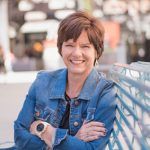
Rick-Porter-Cinch-ITRichard (Rick) Porter is the Owner and President of Cinch IT, Inc. Rick has an unwavering commitment to helping entrepreneurs make their dreams come true. As President, he leads Cinch IT’s Franchise in delivering best-in-class customer service and driving innovation.

Rick was a member of the US Army’s Special Operation Community, Recipient of the Worcester Business Journals 40 under 40, named one of the Top 10 Best CEO’s of 2018, Board member for the Better Business Bureau of Central and Western Massachusetts and the Founder of Cinch Scholarship Foundation.

Follow Cinch I.T. on Facebook and Twitter.

Tagged With: Healthcare, Manufacturing, Technology Franchise

GWBC Radio: Hope White with HD White Logistics

April 29, 2020 by angishields

HD-White-Logistics
GWBC Radio
GWBC Radio: Hope White with HD White Logistics
Loading
00:00 /
RSS Feed
Share
Link
Embed

Download file

HopeWhitescreenshotHope White is the CEO of HD White Logistics and the Founder of Hope White Consulting.

As a Logistics Consultant, Hope helps companies improve operations and develop cost-effective solutions for supply chain, warehouse, material handling, and distribution issues.

As CEO of HD White Logistics, she is responsible for the operations and strategic direction of the company.

Follow HD White Logistics on LinkedIn and Facebook and Twitter.

Show Transcript

Intro: [00:00:04] Broadcasting live from the Business RadioX studios in Atlanta, Georgia, it’s time for GWBC Radio’s Open for Business. Now, here’s your host.

Lee Kantor: [00:00:18] Hey, Lee Kantor here. Another episode of Open for Business, GWBC Radio’s show, where we spotlight business owners doing amazing things that are part of the GWBC community. And this show will be no exception. We got today Hope White with HD White Logistics. Welcome, Hope.

Hope White: [00:00:38] Hi. How are you doing today?

Lee Kantor: [00:00:41] We are doing well. How about you? Tell us about HD White Logistics. How are you serving folks?

Hope White: [00:00:48] So, we are a third party logistics provider here out of McDonough. We provide trucking assets in the form of dry van, flatbed, and reefer. Since COVID-19, we have been supporting our small businesses and non-profit organizations with truck load services with some COVID supplies. So, that’s how we’ve been doing our part here with COVID-19.

Lee Kantor: [00:01:14] Yes. So, that has disrupted a lot of industries, a lot of organizations. Have you had to make any kind of drastic changes in your operation? Any pivots since this crisis began?

Hope White: [00:01:27] Yeah, definitely, we’ve done some pivot. So, we are working from home. We’re working virtually, which is working out pretty well because we can do everything from the internet as well. It did impact some of our marketing and sales piece because we did do a lot of conferences and networking events. So, we’ve had to turn to, of course, LinkedIn, and then set up Zoom calls of that nature. And then, from the sales perspective or business perspective, we were onboarding maybe three or four very large contracts. And when COVID hit, everything ceased. And we understand what happened, but we lost a great deal of sales there when COVID hit.

Lee Kantor: [00:02:13] Right. And that’s one of those things where it’s no fault of anybody, no fault of anything but the circumstance that we’re in. And then, a lot of businesses have had to adjust and create additional kind of revenue stream, some of them out of thin air. Do you have anything going on where you’re able to create revenue while not doing some of that work that you had already planned to do?

Hope White: [00:02:38] Absolutely, absolutely. So, one of my other revenue streams is training and consulting. And so, although COVID took our mainstream out, I was able to create a product of an online course, which I probably had been putting off for a little while, but our online course were training for people who were interested or companies that are currently in logistics and transportation understanding the industry. So, I actually launched online course, as well as a consulting piece to my business. So, that has picked up tremendously. We’ve actually done two other podcasts on large supply chain platforms. And so, that has really been driving us forward and keeping us afloat.

Lee Kantor: [00:03:28] And those are good lessons for business owners out there that some of those things that were on the back burner, you might want to move to the front burner, and then just kind of play it out and see. You never know because when this thing ends and it will end, that could be a part of your business going forward that maybe you had thought you’d like to do but is now just kind of an active part of your revenue streams.

Hope White: [00:03:53] Right. Definitely, definitely. Like really, just to be honest, I procrastinated on that online class forever. I put up all kind of blocks and fears, which we tend to do as entrepreneurs is we have all these blocks. But when COVID happened, and I had to scale back and sit down, per se, there was no other reason but to do it. And it actually took me about two weeks. My first launch was in Milwaukee. We had some challenges with the launch of the website but we all have time now. And so, we just went back. We built the site and they’ve been going successful now. So, yeah, definitely, we’ll be going up for a consistent piece of the business now – the consulting and the training team.

Lee Kantor: [00:04:44] Now, you mentioned that relationships are important in your work during normal times. And you mentioned maybe you’re active on different channels or maybe using them more, maybe more often or more frequently nowadays. Can you talk about maybe some tips for our listeners on how to kind of keep up those relationships and stay top of mind during this crisis?

Hope White: [00:05:09] So, part of my business, which is logistics, more of my business is logistics and transportation, msot people focus on sales – sales, sales, sales, sales, sales. I’ve always been at HP White Logistics a relationship person. And right now, what the world needs is relationship and empathy; not fake empathy, but true, genuine empathy. My clients are coming to me now or my students that I partner with now, I’ve just advised that in order to move your business forward during COVID and after COVID is to come with your arms extended out to your potential customers or those that are in need. Have your hands extended out with help, with the solution, and not necessarily add to the problem that’s currently going on. And so, we’ve been able to continue a lot of the relationship that we were already building because we’re now providing solutions to those customers in a way that they weren’t always prepared with COVID-19.

Intro: [00:06:17] Now, has this opened up maybe new partnerships or maybe looking at some kind of complementary business people that maybe you weren’t working with? Maybe, now, you introduced yourself and build a relationship around?

Hope White: [00:06:31] Absolutely. My business specialty is driving and freight, like retail, grocery, electronic, and some flatbeds. We had just gotten into heavy haul services, [indiscernible], which I know some people, that’s probably a little foreign, but that’s what we had taken on prior to COVID. Well, since COVID, when COVID hits, a lot of truckers or logistics industry pivoted towards the essential item, leaving the non-essential items available to still need work. And so, we have now stepped over into the pool of hazmat because you had all the chemical companies that were still needing that moved, the cargo moved, and we were there to assist. So, then, now we added a new specialty, which is hazmat.

Lee Kantor: [00:07:31] And that’s brand new to HD White Logistics, right? Like this is now an opportunity that you were able to kind of serve that market. And then, again, when this thing’s over, now, that’s another tool in your toolbelt, right?

Hope White: [00:07:45] Absolutely, absolutely. It’s another tool in our toolbelt. We’re going to season that tool and definitely push it forward after COVID as well. So, I know some people, not with the help side of it, but from a business perspective, some people have kind of been damned. And it’s because I feel like they weren’t prepared, and no one was really prepared. Let me not say that. But I want to encourage everyone to take the opportunity to pivot and look into those things that you have fear behind in your business, and those are actually the things that will help you sustain durign this time.

Lee Kantor: [00:08:28] Now, let’s talk about your training opportunity that you’ve opened up. You built this course. Who is the ideal kind of learner for this course?

Hope White: [00:08:38] Okay. So, my consulting is hopewhiteconsulting.com. An ideal clientele for my course is those who are currently in the industry. So, a driver; a supply chain corporate associate who’s wanting to come up the supply chain from logistics, and want to start their own logistics company, and not really understanding how it works on the entrepreneur side; or a family-run trucking company that they want to scale the business to the next level, take it maybe from the carrier side to the broker side or even warehousing or cross backing, but understanding that piece of the industry. So, we’re kind of diverse with our customers with maybe the entry level, maybe seasoned owner or operator in logistics transportation, and then your corporate entities that’s coming out of the corporate into their own business.

Lee Kantor: [00:09:36] And then, by taking this course, how will that help them either create additional revenue or maybe just give them more contacts in the business? Like what’s the benefit of taking the course? What can they expect?

Hope White: [00:09:50] So, my course, my background, let me give a little bit of background on me, I’m from supply chain. I worked with big-box retail for five years, actually, in logistics and transportation. And so, what I found my personal experience coming out trying to start my own business, particularly in freight brokering and transportation, on the private, information and education is limited. The resources, people weren’t so open to giving, I guess you could say, the tricks of the trade. With my course and with partnering with me, I actually have a genuine passion to help people understand the industry, so that, ultimately, we provide the end goals to the customer, which is the best service.

Hope White: [00:10:38] Coming from Home Dept, working for five years, in that role, I noticed that there were a lot of logistics providers that the dollar was the goal versus the service to the goal. So, coming and working with my organization and learning from me, you learn how to have a sustained long-term logistics business versus just chasing the dollar. And so, we provide the who, what, when, why and where of logistics, how to get started, what happens when your business gets started, who’s your target customer, specialized in your market, invoicing, sales. We go through everything. I even offer long-term consulting services after the course. So, it’s not a one-time just come learn the information and you’re done. For the life of the relationship, the student has access to our services to help them be successful in their business.

Lee Kantor: [00:11:35] Now, how long does it take to complete the course?

Hope White: [00:11:38] So, we offer two different course types. We offer online, and we offer in-person. The in-person course is a four-day course hosted here in Atlanta. It’s four days, eight hours, and five different instructors. And then, the online course, it’s four different packages. So, it depends on what the student this wanting. Some people already have some knowledge coming to us. We understand that, so we broke the packages out. But the online course, those are from two hours all the way up to a 16-hour online course that can be split across three or four days. It just depends on the student. It’s self-paced.

Lee Kantor: [00:12:17] So, you can go at your own pace. So, you can-

Hope White: [00:12:19] You can. It’s self-paced. So, you may take those 16 hours and turn them into eight. It’s up to you.

Lee Kantor: [00:12:26] Right. So, now, talk about GWBC. How have they helped you through this crisis and helped you grow your business?

Hope White: [00:12:34] Oh, wow. So, GWBC is probably one of the best decisions that I could have ever made for my business, becoming a member. GWBC, during this crisis, has kept me informed as far as the financial piece with the benefits of applying for the SBA loans, and grants, and awards that’s out there. Make sure that I’m keeping my brand facing forward for my customers or potential customers out there. And then, GWBC has given me this platform to have this interview today to get my brand further out there during this crisis when some small businesses are overlooked. GWBC provides that platform for a business like mine who was up against larger logistics competitors for clientèle to see me as a very viable logistics provider. So, I am so grateful for GWBC and, obviously, I will sing it praises from the rooftop.

Lee Kantor: [00:13:39] Now, how did you become aware of that? Because some companies, especially women-owned companies aren’t aware of them. How did you become aware of them? And if you could tell those women-owned businesses that aren’t familiar the importance of getting involved with a group like them?

Hope White: [00:13:58] So, I became aware of GWBC, of course, through my women-owned certification through WBENC, GWBC’s entity under WBENC. And so, last year, I had heard just through like people talking on social media about women-owned certification, women-owned certification. And so, I did my research to find different organizations that certify women-owned businesses. And GWBC stuck out to me with the things that they will offer and the corporate partners that they will partner with. There were definitely customers that I will targeting, and so I wanted to align myself with an organization that had those type contacts, and could grow me, or mentor me in the direction that I need to be to do business with these clientèle. And it has worked. Since me becoming a member of GWBC, I was recently awarded a large contract with Georgia Power for heavy haul services. So, again, I will forever sing the praises for GWBC off the rooftop.

Lee Kantor: [00:15:10] Now, for the people that aren’t familiar, this is one of the big benefits for the small to mid-sized company is they give you the tools and the connections to penetrate these large organizations that for the smaller firm, it’s difficult to know what’s what, and the strategies, and the techniques to kind of build relationships within these large companies, right?

Hope White: [00:15:37] Right.

Lee Kantor: [00:15:37] And they give you kind of like the secret map in, right, to how you kind of get through all the clutter and to stand out. And they really have a real shot at doing business with these larger firms.

Hope White: [00:15:50] Right. So, you hit the nail on the head. That has been one of the most comfortable things about me being a member of GWBC. When we have, say, the Tables of 8 or different networking events that GWBC have, if you’ve been targeting a specific customer, then you all are placed in the same room, and the environment is very natural. The conversation is very natural. You don’t forced. You just have to be prepared as a business owner to make that connection. Now, granted, you may not just find a contract or do business immediately then, but that relationship is formed with those type networks and events. So, through those type events with GWBC, I’ve been able to leverage those relationships, and then foster them to eventually get some business there.

Lee Kantor: [00:16:42] Right. It’s not the magic wand that you just show up and you get these contacts. But if you’re a good business person and you’re proactive, there’s a lot of opportunity at your fingertips if you just deliver on what you’re promising, right?

Hope White: [00:16:58] That’s right. That’s right. And that’s another piece with being a member of GWBC. They’re going to give you the platform, but what you do with it is very important. So, being a member of GWBC, yes, you’re gonna get that connect but you need to follow up as a small business owner. A lot of small business owners, we are intimidated sometimes by large corporations. So, once that initial contact comes in, we don’t know what to say. You have to keep that, you have to strike one at a time. You have to keep that card going. Send a card, or a lunch invite, or a thank you note, or something to let that corporate know and GWBC know that you’re grateful for that connection.

Lee Kantor: [00:17:42] Good stuff. Well, Hope, that-

Hope White: [00:17:44] So, that-

Lee Kantor: [00:17:44] Go ahead. I’m sorry.

Hope White: [00:17:45] Go ahead. I’m sorry.

Lee Kantor: [00:17:45] Well, Hope, it sounds like you are doing what good business people do. They figure out a way. They don’t say, “I’m just going to sit here and wait this out.” You just keep trying different things until you find things that work. And congratulations.

Hope White: [00:18:04] Thank you so much. I appreciate it.

Lee Kantor: [00:18:07] Now, if somebody wanted to learn more about HD White Logistics, whether it’d be your normal day job of doing logistics or if they want to take advantage of this training course, what is the website to find you?

Hope White: [00:18:19] So, my website is hdwhitelogistics.com. For consulting and training, it’s hopewhiteconsulting.com. And then, we also can be found at @hdwhitelogistics on IG, and as well as on Facebook and LinkedIn.

Lee Kantor: [00:18:36] Well, good stuff. Thank you so much for sharing your story today, Hope.

Hope White: [00:18:40] Thank you.

Lee Kantor: [00:18:41] All right. This is Lee Kantor. We will see you all next time on GWBC Radio

About Your Host

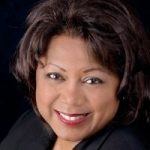
Roz-Lewis-GWBCRoz Lewis is President & CEO – Greater Women’s Business Council (GWBC®), a regional partner organization of the Women’s Business Enterprise National Council (WBENC) and a member of the WBENC Board of Directors.

Previous career roles at Delta Air Lines included Flight Attendant, In-Flight Supervisor and Program Manager, Corporate Supplier Diversity.

During her career she has received numerous awards and accolades. Most notable: Atlanta Business Chronicle’s 2018 Diversity & Inclusion award; 2017 inducted into the WBE Hall of Fame by the American Institute of Diversity and Commerce and 2010 – Women Out Front Award from Georgia Tech University.

She has written and been featured in articles on GWBC® and supplier diversity for Forbes Magazine SE, Minority Business Enterprise, The Atlanta Tribune, WE- USA, Minorities and Women in Business magazines. Her quotes are published in The Girls Guide to Building a Million Dollar Business book by Susan Wilson Solovic and Guide Coaching by Ellen M. Dotts, Monique A. Honaman and Stacy L. Sollenberger. Recently, she appeared on Atlanta Business Chronicle’s BIZ on 11Alive, WXIA to talk about the importance of mentoring for women.

In 2010, Lewis was invited to the White House for Council on Women and Girls Entrepreneur Conference for the announcement of the Small Business Administration (SBA) new Women Owned Small Business Rule approved by Congress. In 2014, she was invited to the White House to participate in sessions on small business priorities and the Affordable Care Act.

Roz Lewis received her BS degree from Florida International University, Miami, FL and has the following training/certifications: Certified Purchasing Managers (CPM); Certified Professional in Supplier Diversity (CPSD), Institute for Supply Management (ISM)of Supplier Diversity and Procurement: Diversity Leadership Academy of Atlanta (DLAA), Negotiations, Supply Management Strategies and Analytical Purchasing.

Connect with Roz on LinkedIn.
About GWBC

The Greater Women’s Business Council (GWBC®) is at the forefront of redefining women business enterprises (WBEs). An increasing focus on supplier diversity means major corporations are viewing our WBEs as innovative, flexible and competitive solutions. The number of women-owned businesses is rising to reflect an increasingly diverse consumer base of women making a majority of buying decision for herself, her family and her business. GWBC-Logo

GWBC® has partnered with dozens of major companies who are committed to providing a sustainable foundation through our guiding principles to bring education, training and the standardization of national certification to women businesses in Georgia, North Carolina and South Carolina.

Tagged With: Consultant, Distibution, Logistics, Manufacturing, Supply Chain, Transportation

GWBC Radio: Kittie Watson with Innolect

April 21, 2020 by angishields

Innolect-logo
GWBC Radio
GWBC Radio: Kittie Watson with Innolect
Loading
00:00 /
RSS Feed
Share
Link
Embed

Download file

Open-For-Business-Innolect

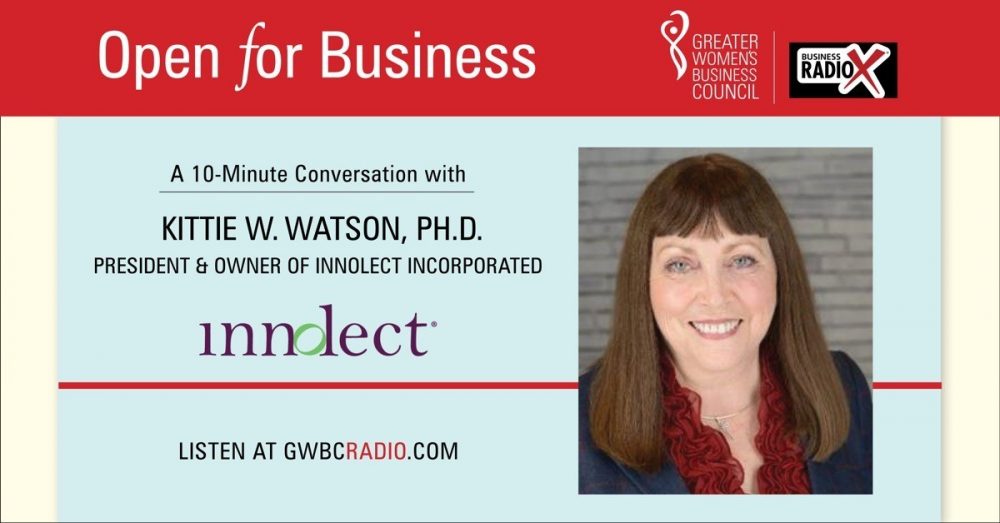
Kittie-Watson-InnolectKittie Watson is the President and founder of Innolect, and has a passion for “Growing the Leader in Everyone.” With a deep appreciation for the challenges faced by executives in high-stakes settings, she focuses on mission-critical business needs. Her expertise in transformational change, strategic communication, talent development, executive assessment and coaching is valued by Fortune 500 and diverse companies such as Bayer, Entergy, Cricket, Pfizer, Zoetis, Carolina’s Healthcare, Compass and Southern Company.

Kittie designs fresh ways to grow capability and increase ROI within leaders, teams and workplaces. Integrating her personal values and work practices, she encourages clients to build strong, vibrant leadership pipelines by partnering with nonprofit organizations. Focused on creating more inclusive cultures, she quickly sizes up the crux of tough situations and provides leaders with powerful solutions that payoff for themselves and significant stakeholders.

As one of the first and youngest female chairpersons at Tulane University, Kittie is among the top 25 most prolific women writers in communication. She has authored or co-authored 15 books, numerous articles, and been featured on ABC’s 20/20. When not supporting clients, Kittie is an advocate for social justice issues, visualizes a universe of possibilities through watercolor paintings and kayaks/hikes to relax.

Follow Innolect on LinkedIn, Facebook and Twitter.

TRANSCRIPT

Intro: [00:00:04] Broadcasting live from the Business RadioC Studios in Atlanta, Georgia, it’s time for GWBC Radio, conversations to grow your business. Now, here’s your host, Roz Lewis.

Lee Kantor: [00:00:26] Lee Kantor in for Roz Lewis today. And today on GWBC Radio, we have a great guest. We have Kittie Watson. And she is with a firm called Innolect. Welcome, Kittie.

Kittie Watson: [00:00:37] Thank you so much, Lee. I appreciate being here.

Lee Kantor: [00:00:40] Well, before we get to far into things, tell us a little bit about Innolect. How are you serving folks?

Kittie Watson: [00:00:46] Well, we are an organization development and executive development leadership consulting firm. And so, what I usually say is that we grow the leader in everyone. And what we’re doing now is really helping leaders think about how do they navigate the organizational white-water that they find themselves in, so that they can keep their talent engaged and motivated during this time of uncertainty.

Lee Kantor: [00:01:13] Now, that’s an interesting topic about leadership specifically. Do you mind talking about leadership just in general like from a macro standpoint?

Kittie Watson: [00:01:24] Not at all. How would you like me to begin?

Lee Kantor: [00:01:26] Okay.

Kittie Watson: [00:01:26] I need some direction to go into that.

Lee Kantor: [00:01:26] Okay. Here we go. Do you believe that everyone can be a leader? Or is that something some people are born with leadership skills and other people are not? Or is it something that you can take somebody, and then make them a leader or demonstrate leadership?

Kittie Watson: [00:01:45] We really believe that every person in an organization can demonstrate leadership skills. There are some that are groomed for more executive leadership for the whole organization, but whether you’re a team member or a part of an executive team, leaders can grow, and learn, and become their best selves. We really work to help people become very authentic in how they lead, so that people want to follow.

Lee Kantor: [00:02:13] So, there’s some skills that you can just kind of plus up. If I just threw a person in front of you, you’d be able to kind of work with them within their kind of personality and their traits, and then kind of plus up their leadership skills if you give them certain tools?

Kittie Watson: [00:02:31] Well, we do do a lot of executive coaching. And so, in those cases, we identify what a person needs to work on based on working with their manager or something that they’ve seen themselves. So, today, for example, I was talking to a leader that really wants to develop his executive presence, especially now during the coronavirus crisis. And what does he need to do to show up and to be authentic with them? And we talked about his need to be vulnerable, and to demonstrate courage, to be the whole person he needs to be, and to tell the truth. So there are some characteristics, especially now, that leaders can show, and we can help leaders develop those skills through the executive coaching process now.

Lee Kantor: [00:03:15] So, a leader doesn’t necessarily have to come prepared with all the answers. That’s what I’m hearing you saying. They can be vulnerable, and be authentic, and say, “Look, this is a tough time for everybody.”

Kittie Watson: [00:03:30] Definitely. I think more than anything right now, one of the great coaches that we talk about sometimes is Lou Holtz, who worked with the Notre Dame football team, winning football team. And one of the things that he said is that leaders, in particular, with their employees that the employees need to know they can trust you, they need to know that you care about them, and that you’re committed to working for excellence. That’s even during this time of uncertainty. Our employees need to know that we are there for them, but that we’re moving toward another goal, that we are going to ride this wave. And sometimes, we call it a rogue wave, something really unexpected, and that’s what people are experiencing right now. So, leaders have some important role to play during this time.

Lee Kantor: [00:04:21] Now, do you see some mistakes that organizations make when it comes to leaderships time and time again that you’re like, “Oh, here we go again”?

Kittie Watson: [00:04:30] Well, the biggest mistake is that when people are promoted from technical roles into management leadership roles, where they have the technical skills, but they don’t have the people skills. Often, we are working with leaders to help them develop the skills needed that are going to help them manage and lead. You can be really good at something technically but not know how to work with people in such a way that they want to give their best selves to work.

Lee Kantor: [00:05:01] Now, when you’re doing your coaching, and you’re working with this leader or budding leader, how do you kind of coach them up when it comes to listening?

Kittie Watson: [00:05:14] Well, listening, it’s really an area of our expertise, and it’s one that I’ve done a lot of research. And I taught at Tulane University for 20 years, actually. I was Chair of the Department of Communication. And I think the biggest thing with listening is to be aware as a leader of some of your irritating listening habits. We have developed these listening habits over years and, often, are unaware that what we might be doing to pose our employees down or to make them feel as though their ideas and contributions aren’t valued. So, for example, a leader might have an irritating listening habit of interrupting an employee when he or she is giving ideas, or he or she might immediately say something, “Yes, but we’ve done that before.” So, we can do things as leaders that would give the impression that we’re not really caring or listening to our employees.

Lee Kantor: [00:06:07] Now, where does kind of corporate culture fit into this? Does that come before the leadership or does leadership kind of drive the culture?

Kittie Watson: [00:06:16] Well, many organizations might start with a foundation that they have, that has their vision, mission and values, but it’s how it’s operationalized that becomes a culture. So, departments within an organization can have their own cultures based on the leader that’s in it. So, the leader is aligned with the organization’s values and mission, will have specific kinds of expectations that they have of their employees and themselves. And it might be inclusive behaviors, for example. It might be how we treat each other with respect. It might be how we operate and include others in a team environment and how we work as a team. All of those are part of the culture, and the leader demonstrates that and guides the team. And we really believe leaders are guides. They guide employees where they need to go for the organization to be successful.

Lee Kantor: [00:07:14] Now, when you’re working with maybe a C-suite that kind of all looks the same, how do you open their mind to the benefits of inclusion, diversity, and that everybody kind of opening up kind of a wider net maybe for your talent and your executive pool?

Kittie Watson: [00:07:32] Well, I think, when I think of an executive team, I don’t think of them as all looking the same. There is more diversity now than there has been. There still needs to be more, but in addition to the diversity that we can see, there’s so many aspects of diversity that we don’t see in the way that people think or even disabilities that a person might have. So, what we do is really begin to look at a person’s strengths and build on those strengths, so that we can then get other people that have some different strengths, so that they can move toward the goals that they’re trying to achieve.

Lee Kantor: [00:08:08] So, you like to work from the strengths outward rather than kind of work on the weaknesses first?

Kittie Watson: [00:08:15] Well, and leaders, especially in the executive team, the reason that they’ve gotten to that level is because of their ability to perform, and they have used particular strengths to get there. So, if you begin to forget about how you got there, you may not be able to maximize the benefits that you’ve acquired to the years. At the same time, we do believe that leaders continue to develop and grow. And many times in organizations, we’re looking at what we call horizontal development, and we’re trying to add a skill set. So, negotiation, or influence, or something to that effect.

Kittie Watson: [00:08:53] What we do often with leaders, especially in the C-suite, is to help them think about expanding the capacity to grow and learn. And this is more vertical development. So, it’s a person’s ability to think more strategically. It’s a person’s ability to have higher emotional intelligence, to look further out into the future. Those that are more developed with their leadership and abilities are able to look further out, make connections among things within the organizations, and not just within their own areas of expertise.

Lee Kantor: [00:09:29] So, how do you kind of get a baseline of where the leader is at and to know which areas to work on? Are they saying, “Look, I want to be better at negotiation,” or is the board saying this person has to get better at negotiation? Like how do you kind of know what area to pursue?

Kittie Watson: [00:09:46] Well, we have a number of assessment tools and ways that we look at that. I mean, some of it is individual assessment or maybe a 360-assessment where the board is involved, their peers are involved, and even their direct reports give them feedback that they might not have gotten on their own. Sometimes, it’s difficult, even when we ask for feedback, for people that work for us or with us to be as candid and direct as we might want them to be. In addition to that, our company is certified in dozens of assessment tools and instruments, and some that allow the leader to look at him or herself differently. And then, based on those that data that we get, we’re able to create an individual development plan and work in partnership with others in the organization.

Lee Kantor: [00:10:38] Now, is there kind of a timeline or a usual amount of time where the leader starts seeing kind of results that they can actually see that don’t maybe necessarily feel good, but it’s like this is really improving part of my bottom line?

Kittie Watson: [00:10:57] Well, the research shows that executive coaching, when done right, definitely pays for itself. And some of that, the payback is through retention of key people. It’s through reducing that kind of turnover. But what you’re asking about is, do you see something immediately? In some cases, yes. So, if you’re working with a leader and identifying something that they’ve never seen before, a blind spot, they can immediately see it. It may take some time to change the habit that they’ve had and have developed and reinforced through years of being who they are as a just an individual.

Kittie Watson: [00:11:36] What we find, though, because of using a business development plan focused on that individual, that you move toward the results that you want to achieve, and then you put in the practices and reinforcement that are going to allow that person to be successful over time. We also know that it’s not just the coach that makes that leader more successful, it’s the people around him or her. In particular, Lee, that their manager, or the board, or someone that has them accountability, as an accountability partner with them to help them see themselves more effectively.

Lee Kantor: [00:12:16] Now, during this crisis, is your firm proactively reaching out to your clients and saying, “Hey, let’s brainstorm,” at least discuss some ways that you’re dealing with this, and maybe there’s ways that you can help them kind of deal with this?

Kittie Watson: [00:12:33] We definitely are. And because we can operate effectively virtually, not only are we continuing our executive coaching practices and working with leaders around the United States and actually the globe with our coaching, but we’re also doing more with webinars, and group meetings, and facilitating those meetings in ways that engage people. We’re helping leaders right now think about the best ways to ensure that they’re keeping people connected, especially those that haven’t worked in a virtual environment before.

Kittie Watson: [00:13:10] So, there are many of our clients that have worked more virtually and others that have always expected the employees to be at their desk every day. And that’s very different than what we’re experiencing now. So, in the next couple of weeks, for example, we are facilitating some webinars that some organizations have requested of us. And one of those is around authentic leadership and navigating organization whitewater. So, we look at the whitewater. If you’ve gone rafting before, there are different classes of rapids. And for many organizations, this is the highest class of rapid any of us in the United States have ever seen before. And so, what do we do to keep our employees engaged, to keep them in the boat basically, so that they are not checking out on us? And we need to give them new tools, new strategies, new ways of really operating. So, we’re working with our senior leaders and leadership teams to begin to think about how they engage differently within a virtual workplace.

Lee Kantor: [00:14:21] Now, let’s talk a little bit about GWBC. Why is it important for you to be involved with that group? And what has that group done to help you and your team succeed?

Kittie Watson: [00:14:33] Well, the Greater Women’s Business Council has been a wonderful place for me to not only learn but also to grow. And I served on the board of the Greater Women’s Business Council for a number of years and won a number of awards through the service. But I think it’s by giving back that you get even more. So, by serving on the board, by serving on committees, GWBC allows you to work with other women business leaders that are in the same boat, that is because we’re talking about water. And we understand what each other is going through right now with operating very differently having our worlds, in many cases, turned upside down.

Kittie Watson: [00:15:16] And so, GWBC is doing all that it can to provide the resources and information that will allow us to navigate successfully through these uncertain times. So, it may be through radio programs like this, or it may be through providing information from the Small Business Administration on the Payroll Protection Act. But what GWBC does is to operate as a resource for women-owned businesses, not only to support each other, but to actually provide the information to help us be most successful.

Lee Kantor: [00:15:53] And it’s a good lesson for a young kind of maybe new business leaders to think about joining and being part of because, like you said, you have this sense of community and support. But also, there’s opportunities for yourself to demonstrate leadership skills by volunteering and being active as a member that can help you in your career as you go forward.

Kittie Watson: [00:16:17] Yeah. And one of the things that the BBC has done, and I have served in this role on several years, is we have a mentoring program. And that mentoring program is for new business owners to help them be successful. And it’s a wonderful opportunity to learn some things that maybe you didn’t have in your education process, to hear about best practices that other companies are using, and to learn from people that have gone through a similar journey to you. So, GWBC offers that through the women in the community. And that allows you to think differently, to explore other options, to be exposed to new tools and resources that we might not have thought of on our own.

Lee Kantor: [00:17:05] You mentioned earlier that the situation we’re in is kind of like a rogue wave. And as you mentioned, just the situation itself is a rogue wave. And then, if you couple that with an organization that’s never had to deal with remote workers, now, you’re really piling on a lot of stress and a lot of variables that they’ve never dealt with before. I’m sure you’ve got your work cut out for you when you’re trying to help these firms kind of weather the storm here.

Kittie Watson: [00:17:32] Well, it’s hard. And part of it is that even though we have heard that people say, “Bring your whole self to work,” there’s no other time like that right now where you’re having a conference call and there’s children and dogs and things in the background, right? Each person is navigating so many different things right now, whether it’s a young family, whether they live alone. And so, there’s isolation. Each of us, as a leader, needs to think about employees uniquely and what their unique needs might be during this time, so that we, as a leader, can be more of that servant leader to them and be able to help them move through this process for success when they come out the other end.

Kittie Watson: [00:18:22] It’s what we do now that’s going to provide the foundation for us to actually weather this and to come back stronger than we were before. And I believe that it’s all of our communities, and it’s GWBC, it’s a greater community of how we respond to the needs of all the people that are hurting right now. If we can do that, that we will learn some things that we can apply for the future.

Lee Kantor: [00:18:53] Amen to that. That is some great advice and wise words. Well, Kittie Watson, thank you so much for sharing your story today. If somebody wanted to learn more about Innolect, is there a website that we can share?

Kittie Watson: [00:19:05] Definitely. Our website is innolectinc.com. And that’s I-N-N-O-L-E-C-T-I-N-C dot com. And on the website, you will find different post, and information, and so many things that we’re writing right now to help organizations and to help leaders help their employees. And we hope that that can be a resource that people can use as they come out to the other side of what we’re going through right now.

Lee Kantor: [00:19:38] Well, congratulations on all your success. And thank you so much for sharing your story today.

Kittie Watson: [00:19:43] Thank you, Lee. I appreciate having the opportunity with you today.

Lee Kantor: [00:19:47] All right, this is Lee Kantor. We will see you next time on GWBC Radio.

About Your Host

Roz-Lewis-GWBCRoz Lewis is President & CEO – Greater Women’s Business Council (GWBC®), a regional partner organization of the Women’s Business Enterprise National Council (WBENC) and a member of the WBENC Board of Directors.

Previous career roles at Delta Air Lines included Flight Attendant, In-Flight Supervisor and Program Manager, Corporate Supplier Diversity.

During her career she has received numerous awards and accolades. Most notable: Atlanta Business Chronicle’s 2018 Diversity & Inclusion award; 2017 inducted into the WBE Hall of Fame by the American Institute of Diversity and Commerce and 2010 – Women Out Front Award from Georgia Tech University.

She has written and been featured in articles on GWBC® and supplier diversity for Forbes Magazine SE, Minority Business Enterprise, The Atlanta Tribune, WE- USA, Minorities and Women in Business magazines. Her quotes are published in The Girls Guide to Building a Million Dollar Business book by Susan Wilson Solovic and Guide Coaching by Ellen M. Dotts, Monique A. Honaman and Stacy L. Sollenberger. Recently, she appeared on Atlanta Business Chronicle’s BIZ on 11Alive, WXIA to talk about the importance of mentoring for women.

In 2010, Lewis was invited to the White House for Council on Women and Girls Entrepreneur Conference for the announcement of the Small Business Administration (SBA) new Women Owned Small Business Rule approved by Congress. In 2014, she was invited to the White House to participate in sessions on small business priorities and the Affordable Care Act.

Roz Lewis received her BS degree from Florida International University, Miami, FL and has the following training/certifications: Certified Purchasing Managers (CPM); Certified Professional in Supplier Diversity (CPSD), Institute for Supply Management (ISM)of Supplier Diversity and Procurement: Diversity Leadership Academy of Atlanta (DLAA), Negotiations, Supply Management Strategies and Analytical Purchasing.

Connect with Roz on LinkedIn.

About GWBC

The Greater Women’s Business Council (GWBC®) is at the forefront of redefining women business enterprises (WBEs). An increasing focus on supplier diversity means major corporations are viewing our WBEs as innovative, flexible and competitive solutions. The number of women-owned businesses is rising to reflect an increasingly diverse consumer base of women making a majority of buying decision for herself, her family and her business. GWBC-Logo

GWBC® has partnered with dozens of major companies who are committed to providing a sustainable foundation through our guiding principles to bring education, training and the standardization of national certification to women businesses in Georgia, North Carolina and South Carolina.

Tagged With: executive coaching, financial services, Healthcare, leadership development, Manufacturing, team development

GWBC Radio: Donna Brin with bFIVE40

April 20, 2020 by angishields

bFIVE40-square
GWBC Radio
GWBC Radio: Donna Brin with bFIVE40
Loading
00:00 /
RSS Feed
Share
Link
Embed

Download file

Donna-Brin-Main

Donna-Brin-bFIVE40Donna Brin is the Founder of bFIVE40, an award-winning large format printer and full-service fabricator, specializing in custom graphics, swag, and apparel made with recycled materials for modern brands.

With 30 years combined experience in design and fabrication, bFIVE40 brings modern brands custom product solutions for advertising and promotion with certified reporting to quantify ecological impact.

Connect with Donna on LinkedIn and follow bFIVE40 on Facebook.

TRANSCRIPT

Intro: [00:00:04] Broadcasting live from the Business RadioX Studios in Atlanta, Georgia, it’s time for GWBC Radio, conversations to grow your business. Now, here’s your host, Roz Lewis.

Lee Kantor: [00:00:25] Hey, Lee Kantor here, in for Roz today. This is another episode of GWBC Radio. And this is gonna be a good one. We have with us today Donna Brin. And she is with a company called bFIVE40. Welcome, Donna.

Donna Brin: [00:00:40] Hello, Lee. Thanks for having me.

Lee Kantor: [00:00:42] Well, tell us about bFIVE40. How are you serving folks?

Donna Brin: [00:00:46] Well, bFIVE40 is a large format digital print, cut, and saw operation. And we’re located right in South Carolina in a little town called Little River, which is very close by to Myrtle Beach. And we produce custom products. And we make them with fiber from recycled plastic water bottles. So, things like signage, tents, banners, directional graphics. We also do custom apparel. So, corporate polos and athletic gear. We even do youth sports uniforms. But everything is made with recycled fibers.

Lee Kantor: [00:01:23] Now, when you say you do everything, you’re not kidding, because not only do you do things like shirts and stuff, but you could make something like a gigantic object for a company, can’t you?

Donna Brin: [00:01:35] Yes, we can make something for a gigantic object for our company, as a matter of fact.

Lee Kantor: [00:01:43] Now, what is some of the kind of the craziest things you’ve been asked to make?

Donna Brin: [00:01:49] It’s so funny that you go down this direction. So, we’ve had a really terrific experience with a company called Beaches Go Green, and we made a 100-foot octopus, part of an octopus garden that was showcased in Jacksonville Beach, Florida during the holiday to get out the message about the importance of sustainability and keeping our oceans clean. And this octopus was made with recycled fabric, stretched fabric that went over the structure. And we’re gonna display during this holiday event, which is super cool.

Lee Kantor: [00:02:30] Well, the reason I went down this path was because I want business people to understand too, just because you think you sell one thing doesn’t mean that’s the only thing you might be doing. And talk about how your company evolved because you didn’t always start making 100-foot octopuses. Octopi? I don’t know.

Donna Brin: [00:02:51] Oh, boy, was it a terrific experience. Our platform is really built on sustainability and making a difference. And having the operation in sewing and digital prints, it gives us a lot of flexibility to create. And I think that’s the backbone of our business is the ability to customize. And people always ask me how we got started. And we’re very much driven by the state of our environment. Billions of plastic water bottles went up in our oceans and rivers every year, billions. And now, we’re doing something about it. I have young kids. And so, that’s a big driver for us. We love to fish and get out on the water. And that’s why we want to protect it.

Donna Brin: [00:03:37] So, this incredible platform that we built here in the south area, we’ve got so many great local fabric mills, and it gives us easy access to terrific substrates to use in many different ways. And then, the textile industry is very much anchored here. And so, it gives us great access to local talent. And so, we really just began small with one product and inflatable punching bag that is called Bonk Fit. And it’s inflatable that has a fabric covering that digitally printed with some stock designs. And then, we went and expanded into custom designs. We can upload a photo and create anything you want. But we began with that product in 2014 and got into Wal-Mart, and Amazon, at Bed, Bath and Beyond. And that was the beginning of it.

Donna Brin: [00:04:42] And then, we started getting calls from creative agencies, advertising agencies, marketing companies asking if we could brand the inflatable and create something that could be used in promotion. And Captain Morgan, we wound up doing a bar crawl with them with our product. We did some inflatables customized for Ferdinand the Bull. It will be released for 20th Century Fox. We said, “Ha! I think we have something here. I think we need to expand into promotional products.” And that’s where we started branching out about three years ago, opened our own production facility, invested in dye sublimation and latex printing technology, hired a sewing staff, and then started working on a lot of the event-driven products like the tent, and the banners, and the flag, and custom swag, and apparel, and anything that goes along with having an event at the corporate level.

Lee Kantor: [00:05:45] And this is a great example of how when you started, maybe you didn’t see all the things it could be, but you saw one thing pretty clearly and were able to execute very well. But then, your customers kind of told you what to do next, right? Like this wasn’t something that one day, you were thinking, “I’m going to have this empire building all these ginormous things with people’s brands on it.” The customer kind of helped direct that.

Donna Brin: [00:06:10] That’s exactly right. Partnerships are so vital too. We’ve got a great relationship with Unifi, the world’s leading provider of recycled fibers. They’re located right here in Greensboro, North Carolina. And so, through this partnership, we are a brand that uses their fibers in a lot of the products that we produce. So, they feed us with leads and recommendations. And that was how the octopus folks found us. And it was a terrific collaboration that really helped to get out the message about sustainability. And really the end of the day, that’s what we’re all about. And it’s just a terrific win/win situation all the way around.

Lee Kantor: [00:06:59] So, now, how are you handling this kind of COVID-19 crisis we’re going through now? How is it impacting your business?

Donna Brin: [00:07:07] Yeah. Well, it’s crazy. I cannot even believe. Sometimes, I feel like we’re just kind of trapped in a bad dream. It doesn’t feel real at times. A good portion of our business is event-driven, as I mentioned. And so, the major corporations that we work with, they do brand activations, and they host events, and some of the youth team, youth sports teams that we work with, some are travel baseball, and cheer and gymnastic competitions. All of those events are things that we—we work with these companies to create products for these events.

Donna Brin: [00:07:52] And so, all of our projects went on hold or got canceled altogether just like that when it started. And so, we really had to shift gears very quickly to keep our employees working. And so, it’s kind of like, well, you got to pivot and not panic. And so, we need to capitalize on the assets that we have, which is digital print and selling. And our greatest strength is definitely, by far and away, the custom products, focus our ability to produce pretty much anything involving those technologies on demand. So, we set out to capitalize on that.

Donna Brin: [00:08:39] So, we know what our customers want. We’ve got clients that have manufacturing plants that have shut down. When they go back online, workers need to stay healthy. So, we ramped up to produce non-medical grade protective facemasks. And then, another avenue that we’re going down is for our corporate clients, they have a lot of workforce now remote working from home. So, we’re producing custom swag packages, branded apparel items, and dropshipping them to their employees all over the world to help them feel appreciated and connected to the brand, and they look better in a company polo on Zoom anyway.

Donna Brin: [00:09:24] So, then the last thing that we’re doing is it’s a whole new virtual world for events. So, think of like trade shows that are now hosting events online and creating that amazing virtual experience. Even Music concerts, you’re seeing like a lot of pop stars doing concerts right from their basement or from their home studios. And our ability to print on demand and create these custom products like conservative wear, apparel, tees, and hoodies, and that sort of thing, we can offer the ability to kind of humanize the virtual experience and offer a physical product to purchase during the virtual show. So, it’s pretty cool. No inventory risk and definitely elevates the experience for a customer.

Donna Brin: [00:10:16] And I mean, you’ve got to shift years, right? I mean, we’ve got to figure out how to make it work and how to thrive in a very difficult time, and add value, give your customers value. And that’s what we’ve set out to do, and we’re doing it successfully.

Lee Kantor: [00:10:37] That’s great advice. And that’s what I’m hearing from a lot of business people. They just kind of say, “Okay, what assets do I have? What can I control? And then, let me see if I can find a market for this new stuff that I can do that maybe wasn’t front burner stuff before. But now, it’s front burner stuff because that might be the only burner that’s working right now. So, then, I got to just go boldly forward with this.” So-

Donna Brin: [00:11:05] That’s right.

Lee Kantor: [00:11:05] That’s one of, I think, the strengths of entrepreneurs and business owners, especially here in America, where we’re pretty innovative, and we’re pretty good problem solvers, and you put a crisis in front of us, and we’re going to just try to figure out a way to make it work. I mean, that’s what we do.

Donna Brin: [00:11:26] That’s right. I can’t agree with you more. Having a strong network around you to support and help you to carry out and execute is also vital too. And I feel very blessed that we’ve got a good team, and we’ve developed good relationships and partnerships in our area here in the south. And that really helps your ability to be able to continue with a successful platform and find ways to thrive in a time that’s just so difficult for a lot of people to navigate.

Lee Kantor: [00:12:08] Right. Like there’s an old saying about a treat. “Like the best time to plant an oak tree was 20 years ago. But the second best time is today.” That says the same with your network, and your ecosystem, and your relationships. It would have been great 10 years ago to have a mailing list and a real robust network that you can really lean on. But if you don’t, today’s a nice day to start if you haven’t already because you’re going to need that ecosystem to help you kind of survive some of these challenges. And it’s great to have the other smart people to lean on, and to help, and to collaborate with.

Donna Brin: [00:12:49] That’s right. There is a silver lining too. As difficult as this time is, we are forging relationships in areas that we weren’t necessarily focused on right out of the gate. And and that’s really exciting. We’ve done business with a lot of big brands. We’ve worked with Hasbro, and Walmart, and Google, and Beattie Energy. But it’s the automakers that are making a really big strive in sustainability. And those are relationships that are relatively new for us that we’ve, now, been able to establish and work with. And it’s really exciting. It’s a good fit. And this type of crisis has really just allowed us to branch out and explore in ways that I wouldn’t necessarily thought of.

Lee Kantor: [00:13:48] So, now, can you talk about like why you joined the GWBC, and why it’s been important to you and your business?

Donna Brin: [00:13:59] Yeah. I mean, that would be a very long continuation of this phone call because GWBC has been so instrumental in our growth and our ability to expand our platform. Roz is amazing. I feel so blessed to be part of this network. The events that they hold, the one-on-one session, the entree into being able to sit down with corporate, and the pitch competitions that they hold. And it’s just it’s such a amazing platform for women to have a voice, to show what they can do and really make a difference. And I am just so elated. It’s such a tremendous opportunity to be part of. This is my second year, and I couldn’t be more happy. There’s just so many great opportunities to take advantage of.

Donna Brin: [00:15:12] I’m part of the Voice Committee. There’s about seven or eight of us now on the committee. And we’re all about expanding the voice of women entrepreneurs and really creating an opportunity for those new to WBENC and GWBC to find the resources within the organization, and keep them here, and help them to grow, and to encourage them to take advantage of all the different networking opportunities and [indiscernible]. And I’m so happy to be part of that panel. I work with just a great group of ladies and it’s just been a tremendous opportunity. So, yeah. GWBC is very important to us at bFIVE40. It’s just an awesome, awesome platform now.

Lee Kantor: [00:16:16] And it goes back to what you said earlier, having that strong network to lean on, this is another resource for you and for business owners out there, especially women business owners, to kind of collaborate, to get advice from, support from, and to grow your business with. So, I mean, it has kind of the best of all worlds inside the organization. So, it’s a treat for us to be helping them to get the word out about the important work that’s being done through the organization and through its members.

Lee Kantor: [00:16:47] Now, tell me, the name bFIVE40, not only is it a catchy name, but it’s also lowercase B, capital F-I-V-E, and then the number 40. Is there any significance to that? Is there kind of a story behind it?

Donna Brin: [00:17:03] Yes, yes. So, bFIVE40, there are 360 degrees in a circle, but a circle is a flat, two-dimensional shape. So, 540 degrees, an object breaks the plane and becomes 3D. So, at bFIVE40, we change the way people see brands by adding depths. And this is the kind of depth that our world needs to see. So, that is the meaning behind our company name. We’re all about advocating change, being deep, and doing something different.

Donna Brin: [00:17:41] And for the corporate customers that we work with, one significant way that we stand out from our competition is our strong reporting. So, with all the recycled goods that we produce, we provide impact reporting, actual eco facts to quantify the green investment. So, like the number of bottles, [indiscernible] motorway, the reduction in greenhouse gasses, water and energy consumption reduction, it’s all about providing this type of certified reporting that enables the Fortune 50 companies and beyond to share with their shareholders to be able to demonstrate their support of sustainability and making a difference in this world because we’ve got 2 billion plastic water bottles going into the ocean every year, and we need to do something about it. And this is our way of giving back, and being deep, and being intentional. And that reporting is one way that really sets us apart.

Lee Kantor: [00:19:00] Now, some companies promise to take you to the next level. You promise to take your clients to the next dimension. So, you add another dimension. So, that’s kudos to you.

Donna Brin: [00:19:11] Lee, I’m going to grab that. I love the way you just said that. That is right on. That’s it right on. To another dimension.

Lee Kantor: [00:19:21] Well, if somebody wanted to learn more and have more substantive conversation with you or maybe a GWBC member wants to kind of network with you and get some advice, is there a website for the company? A way to connect with you?

Donna Brin: [00:19:35] Yes. So, you can find bFIVE40 at www.bFIVE40.com. bFIVE40.

Lee Kantor: [00:19:48] Good stuff, Donna. Thank you so much for sharing your story today.

Donna Brin: [00:19:52] Right Lee. Well, I really appreciate you, and this radio program, and Roz Lewis. And thank you very much. And stay healthy and safe.

Lee Kantor: [00:20:01] All right. This is Lee Kantor for GWBC Radio. We will see you all next time.

About Your Host

Roz-Lewis-GWBCRoz Lewis is President & CEO – Greater Women’s Business Council (GWBC®), a regional partner organization of the Women’s Business Enterprise National Council (WBENC) and a member of the WBENC Board of Directors.

Previous career roles at Delta Air Lines included Flight Attendant, In-Flight Supervisor and Program Manager, Corporate Supplier Diversity.

During her career she has received numerous awards and accolades. Most notable: Atlanta Business Chronicle’s 2018 Diversity & Inclusion award; 2017 inducted into the WBE Hall of Fame by the American Institute of Diversity and Commerce and 2010 – Women Out Front Award from Georgia Tech University.

She has written and been featured in articles on GWBC® and supplier diversity for Forbes Magazine SE, Minority Business Enterprise, The Atlanta Tribune, WE- USA, Minorities and Women in Business magazines. Her quotes are published in The Girls Guide to Building a Million Dollar Business book by Susan Wilson Solovic and Guide Coaching by Ellen M. Dotts, Monique A. Honaman and Stacy L. Sollenberger. Recently, she appeared on Atlanta Business Chronicle’s BIZ on 11Alive, WXIA to talk about the importance of mentoring for women.

In 2010, Lewis was invited to the White House for Council on Women and Girls Entrepreneur Conference for the announcement of the Small Business Administration (SBA) new Women Owned Small Business Rule approved by Congress. In 2014, she was invited to the White House to participate in sessions on small business priorities and the Affordable Care Act.

Roz Lewis received her BS degree from Florida International University, Miami, FL and has the following training/certifications: Certified Purchasing Managers (CPM); Certified Professional in Supplier Diversity (CPSD), Institute for Supply Management (ISM)of Supplier Diversity and Procurement: Diversity Leadership Academy of Atlanta (DLAA), Negotiations, Supply Management Strategies and Analytical Purchasing.

Connect with Roz on LinkedIn.

About GWBC

The Greater Women’s Business Council (GWBC®) is at the forefront of redefining women business enterprises (WBEs). An increasing focus on supplier diversity means major corporations are viewing our WBEs as innovative, flexible and competitive solutions. The number of women-owned businesses is rising to reflect an increasingly diverse consumer base of women making a majority of buying decision for herself, her family and her business. GWBC-Logo

GWBC® has partnered with dozens of major companies who are committed to providing a sustainable foundation through our guiding principles to bring education, training and the standardization of national certification to women businesses in Georgia, North Carolina and South Carolina.

Tagged With: activation, custom products, events, Manufacturing, sustainable signage

Exploring Arizona Advanced Manufacturing E2

February 13, 2020 by Karen

Exploring Arizona Advanced Manufacturing E2
Phoenix Business Radio
Exploring Arizona Advanced Manufacturing E2
Loading
00:00 /
RSS Feed
Share
Link
Embed

Download file

Exploring Arizona Advanced Manufacturing E2

Exploring Arizona Advanced Manufacturing E2

Exploring Arizona Advanced Manufacturing E2

SciTech Institute was established as a nonprofit organization as a conduit for collaboration among STEM industry, academia, civic, and non-profit organizations to align assets and resources to motivate individuals to pursue STEM-related educational and career paths. Together, we will build a world-class community of diverse STEM-literate workers and knowledgeable, engaged citizens. 

AZ MEP is Arizona’s Manufacturing Extension Partnership and part of the National MEP Network. AZ MEP provided business and operational excellence services to Arizona’s manufacturers. The group’s mission is to help every Arizona manufacturer to be the most successful business it can be. AZ MEP is part of the Arizona Commerce Authority.

Dave-Garafano-on-Phoenix-Business-RadioXDave Garafano is a technology and business professional who has spent more than 25 years in product and technology development and growing highly profitable businesses in the U.S., Asia, and Europe. He as spent the last four years helping Arizona’s manufacturers develop and execute highly effective business strategies focused on accelerating top-line growth and improved profitability.

Connect with Dave on LinkedIn.
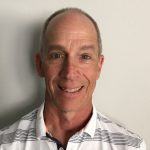
Mesa Community College is the largest college in the Maricopa Community College District.

Leah-Palmer-on-Phoenix-Business-RadioXLeah Palmer has established a proven record of transformative and innovative results with over 20 years of hands-on experience forging productive partnerships and collaborative solutions such as building pipeline partnerships for accelerated technician training for several hundred students learning electrical wiring for Aerospace companies like Boeing.

As the current Executive Director for the Arizona Advanced Manufacturing Institute (AzAMI), she has developed implementation strategies for Workforce Development connecting the talent supply with competency-based training in automation, electronics, machining, 3D printing, drafting, and welding programs effectively addressing the growing workforce demands. Her expertise is strategic planning, program design, managing change, and building a systems approach to collaboration by bringing together education resources and Industry partners.

In addition to leading AzAMI at Mesa Community College, Leah has served as the Director for Workforce and Community Partnerships building workforce training partnerships, Associate Director for Community Partnerships, with the Center for Public Policy – Engaging executive leadership, project management, resource allocation and supporting the East Valley Think Tank (EVTT) for delivering education initiatives, Grant Administrator for the Communities Learning in Partnership (CLIP) Grant – in partnership with Mesa Public Schools and the City of Mesa.

MCC spearheaded a successful drive to secure a nationally competitive Bill & Melinda Gates planning grant, resulting in a $250K planning grant as well as a $3M implementation grant over 3 years, for the purpose of instituting systemic change to enhance the college completion rate of low-income youth, ages 16 to 26. Mobilized community leaders identifying the change necessary to build a vision, direct action teams, facilitate community engagement and oversee the planning, writing, evaluation and submission of the grant final application. Additionally, Leah serves as a passionate Adjunct Faculty, in the Communications Department.

Connect with Leah on LinkedIn.

About Our Sponsor

SciTech Institute™ was established as the Arizona Technology Council Foundation as the conduit for collaboration among STEM industry, academia, civic, and non-profit organizations in Arizona. Now, rebranded and named the SciTech Institute™ the goal centers around aligning assets and resources to motivate individuals to pursue STEM-related educational and career paths or find a passion while engaged in community events during the SciTech Festival. SciTech-Institute-LOGO-COLOR1

The Chief Science Officer program highlights the 6th-12th graders that have been selected as leaders in their schools and communities to receive training to build a world-class community of diverse STEM-literate workers and knowledgeable, engaged citizens. Science For All allows for tax credit donations to provide engaging experiences for students while RAIN (Rural Activation Innovation Network) focuses on resources for the rural areas of Arizona.

As a STEM Learning Ecosystem, SciTech Institute™ focuses on collaboration and connecting individuals with opportunities! STEM Professionals are encouraged to engage with the future workforce by serving as a mentor, leadership coach, panelist, keynote and session trainer during a variety of conferences hosted or sponsored by SciTech Institute™ and The Arizona Technology Council.

Teachers and Administrators are invited to connect with the resources available while activating a large network of STEM champions for student projects, judges at events, volunteers, exhibitors and more. SciTech Festival Event Coordinators are supported during the planning and execution of community STEM events around the state by the SciTech STREET Team Members and the growing network of volunteers. The possibilities are endless! SciTech Institute™ looks forward to connecting with you today. Visit SciTechInstitute.org today for more information.

Follow SciTech Institute on LinkedIn, Facebook, Twitter and Instagram.

About Your STEM Unplugged Host

Kelly-Greene-on-Phoenix-Business-RadioXAfter graduating from Bolivar-Richburg High School in rural western New York and joining the United States Army, Kelly Greene learned quickly to adapt to her surroundings to be successful. She attended Wittenberg University in Springfield, Ohio and played shortstop on the Tiger softball team while earning her Bachelor’s Degree in Elementary Education.

After graduating from Basic Training and Advanced Individual Training, she traveled the world with the military. While stationed in Misawa, Japan, Kelly fell in love with learning about cultures around the world. Even as a deployed Soldier during Operation Iraqi Freedom for two tours, she found opportunities to connect with the local children to form the Victory Base Council Girl Scouts with her fellow servicemen.

In 2013, she was deployed to Afghanistan in support of Operation Enduring Freedom and traveled the country by air and had the opportunity to utilize the most advanced technologies available to the tactical HUMINT operations in theater. Upon return from combat, she retired with 21 years of service and began teaching 6th grade Math.

After being selected as a Westside Impact Teacher of the Year and having her Fiesta Bowl Charities Wish Granted for a morning news studio, she was asked to begin a new class on campus – 7th grade STEM! Using her enthusiastic nature and combined with her strong classroom management she was able to design curriculum based on the Engineering Design Process to have her 7th graders complete a new project every 2 weeks!

She is excited to serve as the Director of Student Success for the rapidly expanding Chief Science Officers Program. Her goal is to push students just a bit outside of their comfort zone so they can see for themselves the power of their own ideas.

About Your Co-Host

Shalae-Clemens-on-Phoenix-Business-RadioXChief Science Officer (CSO) Shalae Clemens is a member of the International Leadership Council and the current CSO of the Year.

She is a freshman at McClintock High School and a 3rd year CSO.

Shalae has a passion for STEM and is using her leadership skills to prepare the STEM workforce of tomorrow.

Connect with Shalae on Instagram.

Tagged With: efficiency, Leadership, Manufacturing, Technology

Franchise Marketing Radio: Rick Porter with Cinch I.T.

January 30, 2020 by angishields

CinchIT
Atlanta Business Radio
Franchise Marketing Radio: Rick Porter with Cinch I.T.
Loading
00:00 /
RSS Feed
Share
Link
Embed

Download file

Brought To You By SEO SAMBA . . . Comprehensive, High Performing Marketing Solutions For Mature And Emerging Franchise Brands . . . To Supercharge Your Franchise Marketing, Go To SEO SAMBA.com

CinchITRichard (Rick) Porter is the Owner and President of Cinch IT, Inc. Rick has an unwavering commitment to helping entrepreneurs make their dreams come true. As President, he leads Cinch IT’s Franchise in delivering best-in-class customer service and driving innovation.

Rick was a member of the US Army’s Special Operation Community, Recipient of the Worcester Business Journals 40 under 40, named one of the Top 10 Best CEO’s of 2018, Chairman of the Better Business Bureau of Central and Western Massachusetts and the Founder of Cinch Scholarship Foundation.

Follow Cinch I.T. on LinkedIn, Twitter and Facebook.

What You’ll Learn in This Episode

  • What Cinch I.T. does
  • Franchise Differentiation
  • What is an ideal franchise owner

Tagged With: Health care, IT Franchise, Manufacturing, professional services

Ron McMurtrie with Sage and J Cornelius with Nine Labs

October 1, 2019 by angishields

ABR-Feature-9-30
Atlanta Business Radio
Ron McMurtrie with Sage and J Cornelius with Nine Labs
Loading
00:00 /
RSS Feed
Share
Link
Embed

Download file

Ron McMurtrie oversees all marketing disciplines across Sage’s 23 markets, driving new customer acquisition and customer loyalty in Sage Business Cloud. He first joined Sage as EVP of Customer Marketing in 2016 and oversaw the integration of market leading US cloud accounting solution Sage Intacct in 2017.

Mr. McMurtrie aligns the strategic direction of product, brand, digital marketing and communications and oversees key functional areas for new customer acquisition, building customers for life and advancing Sage’s cloud strategy. He is a multi-dimensional leader with P&L and personnel responsibility spanning direct sales, marketing, enterprise consulting and professional services in private and public-sector markets.

He has more than 23 years of global business experience leading high performance sales, marketing and business operations teams for companies such as First Data, Verizon and Cerberus. Mr. McMurtrie holds a Bachelor’s degree in Managerial Economics from the University of California at Davis.

Connect with Ron on LinkedIn and follow Sage on LinkedIn, Twitter, Facebook and Instagram.

J Cornelius has been building digital products since 1996 and has helped countless startups and corporate product teams create products and services you probably use today. He is the founder and president of Nine Labs, a digital product strategy, design, and experience consultancy operating in Atlanta and New York City.

He speaks at conferences and leads workshops around the world, and serves on the advisory board of multiple venture capital groups, accelerator programs, and private companies.

A serial entrepreneur with multiple exits, J started his first business in high school and never looked back. He lives in Atlanta with his wife, three kids, and two dogs.

Connect with J on LinkedIn and Twitter.

Tagged With: finance & accounting, Food & Beverage, Innovation, Manufacturing, nine labs, product design, SaaS, Sage, strategy

Arizona Technology Council with Steve Zylstra Bob Witwer David Lee and Eric Miller

June 12, 2019 by Karen

Arizona-Technology-Council-with-David-Lee-Eric-Miller-Steve-Zylstra-and-Bob-Witwer2
Phoenix Business Radio
Arizona Technology Council with Steve Zylstra Bob Witwer David Lee and Eric Miller
Loading
00:00 /
RSS Feed
Share
Link
Embed

Download file

Arizona-Technology-Council-with-David-Lee-Eric-Miller-Steve-Zylstra-and-Bob-Witwer

Arizona Technology Council with Steve Zylstra Bob Witwer David Lee and Eric Miller

ATC logo

The Arizona Technology Council is the driving force behind making Arizona the fastest-growing technology hub in the nation by connecting and empowering the state’s technology community.

As Arizona’s premier trade association for science and technology companies, the Council is recognized as representing a diverse and professional business community. That has contributed to its growing into the largest technology council in North America. Its mission is to promote, advocate, educate, inform and connect members and their enterprises.

Listen in with Host Karen Nowicki and members of the Arizona Technology Council Steve Zylstra Bob Witwer David Lee and Eric Miller as they discuss the surge in innovation, growth and attraction of technology-based industries to Arizona and what that means for our economy.

Steve-Zylstra-on-Phoenix-Business-RadioXSteven G. Zylstra, age 65, serves as president and CEO of the Arizona Technology Council, a role he assumed in December of 2007. He is responsible for strategy, development, and accomplishment of policy development business goals and objectives and all financial matters related to the Council.

Zylstra is a leading advocate for improving science, technology, engineering and math (STEM) education. As a spokesman for the value technology can provide in raising social and economic standards in Arizona, he was named “Leader of the Year, Technology,” by the Arizona Capitol Times, a “Most Admired Leader” by the Phoenix Business Journal, and “Executive of the Year” by the Arizona Society of Association Executives (AzSAE).

Prior to serving as President of the Arizona Technology Council, Zylstra served as president and CEO of the Pittsburgh Technology Council, Catalyst Connection and the Pittsburgh Biomedical Development Corporation, an affiliated organization of the Pittsburgh Technology Council that invested in start-up biomedical and biotechnology companies.

Connect with Steven on LinkedIn, Facebook and Twitter.

Scitech Institute logo

Bob-Witwer-on-Phoenix-Business-RadioXBob Witwer retired in 2017 after 40 years with Honeywell. He was the Vice President of Advanced Technology for Honeywell Aerospace for the last 8 years of his career, responsible for defining and implementing the technology strategy for Honeywell Aerospace’s entire product portfolio.

Bob has a passion for STEM and has engaged with hundreds of Arizona students over the last two decades to share that passion. He has also taught adult classes on leadership, innovation, human-centered design, and aircraft avionics.

Bob was Chairman of the Board of Directors for the Arizona Technology Council for 3 years, is the current Board Chairman of the Az Tech Council Foundation (aka SciTech Institute), and is on the Advisory Board for the Northern Arizona University School of Informatics, Computing, and Cyber Systems.

MSSBTFullcolorLG

A pillar in the Arizona business community since 1986, MSS Business Transformation has guided organizations through foundational business and digital transformation in a quickly changing technology landscape, while helping them evolve their cultural identity. MSS leverages a holistic approach adapted to each unique organization to meet their strategic goals and objectives as we extend your business knowledge with our depth of expertise.

David-Lee-on-Phoenix-Business-RadioXDavid Lee is a truly global executive who has helped build agile, responsive organizations at Fortune 500 and global enterprises, state & city government, and a Big 10 University among others. He has led transformation, facilitated innovation, and taught change management techniques across five continents and 60 countries.

David speaks and facilitates advanced programs on topics related to transformation and innovation including Responsive Change, Mature Innovation, Customer-Centric Strategy, and High Performance Team Development. He is a founding member of Responsive Org (Phoenix), and on advisory councils at Thunderbird, the School for Global Management at Arizona State University, Grand Canyon University, and Norther Arizona University.

Connect with David on LinkedIn.

PADTLogoColor3000x1500

PADT is an engineering product and services company that helps customers who develop physical products by providing Numerical Simulation, Product Development, and 3D Printing solutions. PADT’s worldwide reputation for technical excellence and experienced staff is based on its proven record of building long-term win-win partnerships.

The company was founded in 1994 in Tempe, Arizona by PADT Co-founders and Principals Eric Miller, Ward Rand and Rey Chu. The group started the company because they saw the promise of driving product development through the proper application of simulation and 3D printing tools early in the design process. Today, PADT is dedicated to providing a full spectrum of simulation services to its customers and is the only ANSYS engineering simulation software Elite Channel Partner covering the entire Southwest. Arizona-Technology-Council-with-David-Lee-Eric-Miller-Steve-Zylstra-and-Bob-Witwer11

PADT inserts innovation into all that it does, whether that is helping NASA get to deep space, introducing the first 3D Printing factory in the Southwest, or helping the local technology community grow. The company was founded on the idea of being the premier provider of “making innovation work,” and it takes a true innovator to hold to that promise for 25 years.

With over 90 employees, 80 of whom are in Tempe, PADT services customers from its headquarters at the Arizona State University Research Park and from offices in California, Colorado, Albuquerque, New Mexico, Texas, and Utah.

Eric-Miller-on-Phoenix-Business-RadioXAs an industry veteran of 33 years, Eric Miller has perfected a diverse set of skills that he implements as co-founder and principal of Tempe-based PADT. His role encompasses oversight of simulation and product development consulting, IT, marketing, operations, human resources and administration.

Miller graduated from the University of California, Berkeley with a B.S. in Mechanical Engineering. He began his career as a summer intern at Lockheed doing design work on satellite subsystems. After college, Miller provided simulation and process improvement services to Garrett Turbine Engines in Phoenix (now Honeywell) for a total of eight years.

Miller is not only a successful businessman and engineer but also a mentor to start-ups and small businesses. He often speaks on the use of simulation to drive product development, as well as the effective application of 3D printing. Eric also serves on the board of directors at the Arizona Technology Council, the BioAccel Advisory Council, the screening committee of Arizona Technology Investors and is a mentor for the Arizona Commerce Authority’s Venture Ready program.

Miller writes a weekly column for the Phoenix Business Journal’s TechFlash section, and recently published his first book, “Better Blogging for your Business.”

Connect with Eric on LinkedIn, Facebook, Twitter and Instagram.


Tagged With: digital transformation, engineering, Manufacturing, Non Profit, Performance Improvement, Public Policy, STEM, Technology

Finn Findley with Quest Renewables

March 13, 2019 by Mike

Gwinnett Studio
Gwinnett Studio
Finn Findley with Quest Renewables
Loading
00:00 /
RSS Feed
Share
Link
Embed

Download file

Nikole Toptas and Finn Findley

Finn Findley/Quest Renewables

Quest Renewables creates high-value commercial solar racking solutions that enable their customers to eliminate waste, increase value, and enter new markets. Quest Renewables is committed to optimizing system design, engineering, and manufacturing, resulting in more satisfied site owners.


Tagged With: engineering, Finn Findley, Manufacturing, nikole toptas, Quest Renewables, Silver Lining in the Cloud, solar racking solutions, system design

  • « Previous Page
  • 1
  • 2
  • 3
  • 4
  • 5
  • Next Page »

Business RadioX ® Network


Our Most Recent Episode

CONNECT WITH US

  • Email
  • Facebook
  • LinkedIn
  • Twitter
  • YouTube

Our Mission

We help local business leaders get the word out about the important work they’re doing to serve their market, their community, and their profession.

We support and celebrate business by sharing positive business stories that traditional media ignores. Some media leans left. Some media leans right. We lean business.

Sponsor a Show

Build Relationships and Grow Your Business. Click here for more details.

Partner With Us

Discover More Here

Terms and Conditions
Privacy Policy

Connect with us

Want to keep up with the latest in pro-business news across the network? Follow us on social media for the latest stories!
  • Email
  • Facebook
  • Google+
  • LinkedIn
  • Twitter
  • YouTube

Business RadioX® Headquarters
1000 Abernathy Rd. NE
Building 400, Suite L-10
Sandy Springs, GA 30328

© 2025 Business RadioX ® · Rainmaker Platform

BRXStudioCoversLA

Wait! Don’t Miss an Episode of LA Business Radio

BRXStudioCoversDENVER

Wait! Don’t Miss an Episode of Denver Business Radio

BRXStudioCoversPENSACOLA

Wait! Don’t Miss an Episode of Pensacola Business Radio

BRXStudioCoversBIRMINGHAM

Wait! Don’t Miss an Episode of Birmingham Business Radio

BRXStudioCoversTALLAHASSEE

Wait! Don’t Miss an Episode of Tallahassee Business Radio

BRXStudioCoversRALEIGH

Wait! Don’t Miss an Episode of Raleigh Business Radio

BRXStudioCoversRICHMONDNoWhite

Wait! Don’t Miss an Episode of Richmond Business Radio

BRXStudioCoversNASHVILLENoWhite

Wait! Don’t Miss an Episode of Nashville Business Radio

BRXStudioCoversDETROIT

Wait! Don’t Miss an Episode of Detroit Business Radio

BRXStudioCoversSTLOUIS

Wait! Don’t Miss an Episode of St. Louis Business Radio

BRXStudioCoversCOLUMBUS-small

Wait! Don’t Miss an Episode of Columbus Business Radio

Coachthecoach-08-08

Wait! Don’t Miss an Episode of Coach the Coach

BRXStudioCoversBAYAREA

Wait! Don’t Miss an Episode of Bay Area Business Radio

BRXStudioCoversCHICAGO

Wait! Don’t Miss an Episode of Chicago Business Radio

Wait! Don’t Miss an Episode of Atlanta Business Radio