Business RadioX ®

  • Home
  • Business RadioX ® Communities
    • Southeast
      • Alabama
        • Birmingham
      • Florida
        • Orlando
        • Pensacola
        • South Florida
        • Tampa
        • Tallahassee
      • Georgia
        • Atlanta
        • Cherokee
        • Forsyth
        • Greater Perimeter
        • Gwinnett
        • North Fulton
        • North Georgia
        • Northeast Georgia
        • Rome
        • Savannah
      • Louisiana
        • New Orleans
      • North Carolina
        • Charlotte
        • Raleigh
      • Tennessee
        • Chattanooga
        • Nashville
      • Virginia
        • Richmond
    • South Central
      • Arkansas
        • Northwest Arkansas
    • Midwest
      • Illinois
        • Chicago
      • Michigan
        • Detroit
      • Minnesota
        • Minneapolis St. Paul
      • Missouri
        • St. Louis
      • Ohio
        • Cleveland
        • Columbus
        • Dayton
    • Southwest
      • Arizona
        • Phoenix
        • Tucson
        • Valley
      • Texas
        • Austin
        • Dallas
        • Houston
    • West
      • California
        • Bay Area
        • LA
        • Pasadena
      • Colorado
        • Denver
      • Hawaii
        • Oahu
  • FAQs
  • About Us
    • Our Mission
    • Our Audience
    • Why It Works
    • What People Are Saying
    • BRX in the News
  • Resources
    • BRX Pro Tips
    • B2B Marketing: The 4Rs
    • High Velocity Selling Habits
    • Why Most B2B Media Strategies Fail
    • 9 Reasons To Sponsor A Business RadioX ® Show
  • Partner With Us
  • Veteran Business RadioX ®

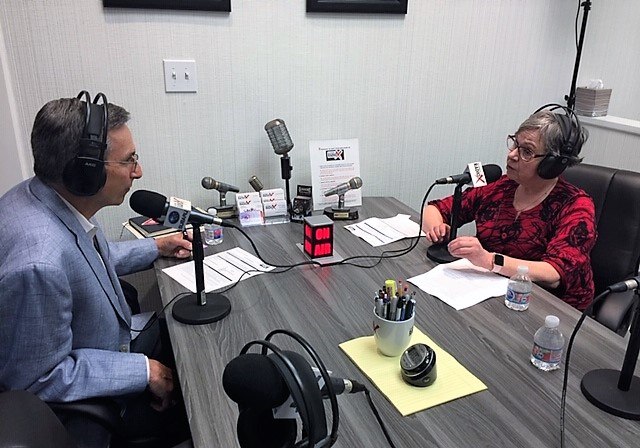
SIMON SAYS, LET’S TALK BUSINESS: Lorraine Edwards with Lorraine Communications, Inc.

April 18, 2019 by Mike

Gwinnett Studio
Gwinnett Studio
SIMON SAYS, LET'S TALK BUSINESS: Lorraine Edwards with Lorraine Communications, Inc.
Loading
00:00 /
RSS Feed
Share
Link
Embed

Download file

Lorraine Edwards and Al Simon

Lorraine Edwards/Lorraine Communications

Lorraine Communications is a strategic communications company. They apply integrative and often non-traditional approaches to solve client communications and marketing issues with work based on extensive research and detailed measurement of results. They focus on complicated subjects and complex situations and frequently work in areas often overlooked by other agencies, such as mid-sized markets and under served populations.

Tagged With: Lorraine Communications, Lorraine Edwards, marketing, Sales, Sandler Training by Simon, Selling, Simon Says Lets Talk Business, strategic communications

MARKETING MATTERS WITH RYAN SAUERS: Marcie Reif with Marcie Reif Photography

April 11, 2019 by Mike

Gwinnett Studio
Gwinnett Studio
MARKETING MATTERS WITH RYAN SAUERS: Marcie Reif with Marcie Reif Photography
Loading
00:00 /
RSS Feed
Share
Link
Embed

Download file

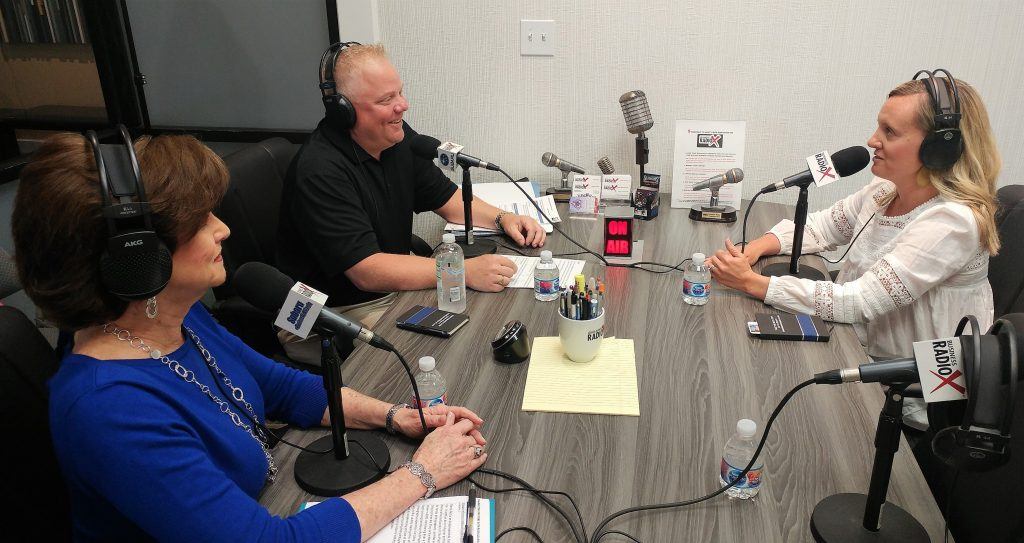
Marcie Reif, Ryan Sauers, Jane Bishop

Marcie Reif/Marcie Reif Photography

Marcie Reif is an in-demand kids, family, and commercial photographer in Atlanta, GA.  In addition to running her portrait business she is also a photography educator.  Marcie is the co-founder of The Photographer’s Retreat, and educational experience for female photographers, and the author of the best selling instructional resource Bringing Home the Story of the Beach.  She started her professional photography career in 2010, transitioning from a hobbyist taking pictures of her own children to begin growing the Marcie Reif Photography brand into the commercial and portrait photography experience it is today. She speaks several times a year at conferences around the country leading other photographers by giving them the confidence and tools to create strong portraits of family and children, as well as motivational strategies on building their photography community.  Her work has been featured countless times by industry-leading companies and has appeared in multiple highly-acclaimed magazines.

Jane Bishop/Take the Next Step

Jane Bishop, is CEO of Take the Next Step which emerged out of her passion to help others “go for their It.” She helps small business owners, entrepreneurs strengthen and align with their inner core for success by using her coaching and training skills. When you work with Jane you will experience accomplishing your “it,” and be a greater influence to those around you.  Jane uses her E4U system to help clients get to the core faster to create and execute a plan for effectiveness.  Jane is also a professional speaker and published author.  Curious? Reach out and book a complimentary session and see where that leads.

Ryan Sauers/President of Sauers Consulting Strategies

Ryan T. Sauers has spent over 25 years leading and/or consulting with marketing, media, and related companies. He is also owner of two Our Town Gwinnett monthly magazines. Sauers is a frequent national speaker and global columnist. He serves as an adjunct university professor teaching leadership courses. Ryan is a Certified Myers Briggs, DiSC, and Emotional Intelligence practitioner. Ryan is working on his Doctoral degree in Leadership. He is author of the best-selling books Everyone is in Sales and Would You Buy from You?

Show Overview

Marketing Matters is a radio show discussing topics as they relate to marketing, communications, sales, leadership and more. Host Ryan Sauers, a best-selling author and national speaker, discusses how these topics play a role in every aspect of our lives. Each episode shares tangible nuggets of information that listeners can easily understand and apply to their everyday life, whether personal or business. The show challenges listeners’ current state of thinking so they can grow to new heights and see new opportunities in business, which is rapidly changing, multi-generational. and noisy in nature.


Tagged With: consulting, Marcie Reif, Marcie Reif Photography, marketing, Marketing Matters, marketing matters with ryan sauers, Photography, portrait photography, Ryan Sauers, Ryan T. Sauers, Sauers Consulting Strategies, small businesses, take the next step, training

Dr. Carroll Turner with the Business Incubator at Brenau University, Al Trembley with WSI Rainmakers, and April Rooks with AMPED Kids

April 3, 2019 by Beau Henderson

North Georgia Business Radio
Dr. Carroll Turner with the Business Incubator at Brenau University, Al Trembley with WSI Rainmakers, and April Rooks with AMPED Kids
Loading
00:00 /
RSS Feed
Share
Link
Embed

Download file

Beau Henderson, April Rooks, Dr. Carroll Turner, Al Trembley, Dr. Bill Lampton

Dr. Carroll Turner/Business Incubator at Brenau University

The Business Incubator at Brenau University fosters market success, student learning, wealth building and job creation. They work with startup companies, inventors and entrepreneurs to develop great ideas into sustainable, standalone businesses. They foster market success, wealth building and job creation. They increase the prospect of a client company’s commercial success in the marketplace, train and educate the business and community leaders of tomorrow, and contribute to the economic development of Northeast Georgia, Gainesville and Hall County.

Al Trembley/WSI Rainmakers

Al Trembley is the owner of WSI Rainmakers based in Gainesville, GA.  Al attended the University of Nebraska at Kearney and applies his 20+ years of experience in business development and lead generation while at organizations such as New York Life.  Today, he helps businesses build relationships and increase revenue by implementing a variety of digital and traditional marketing channels.  Al believes “It’s better to be the author of a well executed plan than to be the recipient of a firing squad”.  WSI Rainmakers is part of the world’s largest digital marketing network, wsiworld.com.

April Rooks/AMPED Kids

April Rooks is a native of Gainesville, GA. She has been married to Nathan for five years this July and is the mother of two children. Preston is seventeen and Cheyenne is two. April grew up in a musical family and began singing at an early age. She studied vocal performance and music education at Gainesville College where she fine tuned her vocal skills, music knowledge and began learning the art of crafting songs. April began teaching private music lessons in 2002.

In 2005, she had a record deal with a Nashville Indie Label and released her first album, Just A Little Country. She has opened for artists such as Shawn Mullins and while working with one of Atlanta’s premier wedding bands shared the stage with Kenny Loggins. She has graced the stage of The Tabernacle in Atlanta.

She loves nature. Going on hikes, camping and picnicking are a few favorite activities. Reading about personal growth and faith studies is also a passion. April’s favorite perks of being a musician are free food and wine!

AMPED Kids Foundation’s mission is to positively impact the lives of foster children by providing access to free private music instruction and other music programs throughout Georgia.

They are dedicated to making a difference in the lives of children through the power of music.  Through growing children’s musical gifts and interests and empowering them through mentorship, discipline and success principles, Amped Kids is lifting up children and giving them a voice.

AMPED Kids dream is to provide hope and vision to children who are undergoing difficult life challenges and empower them for a better future through our AMPED music programs.

Tagged With: digital marketing, Dr. bill lampton, Dr. Carroll Turner, fostering market success, Gainesville, Hall County, marketing, music, music instruction for children, North Georgia, north georgia business radio, private musical instruction, student learning, wealth building

MARKETING MATTERS WITH RYAN SAUERS: Ron Weber with Dogwood Pizza

March 28, 2019 by Mike

Gwinnett Studio
Gwinnett Studio
MARKETING MATTERS WITH RYAN SAUERS: Ron Weber with Dogwood Pizza
Loading
00:00 /
RSS Feed
Share
Link
Embed

Download file

Ron Weber and Ryan Sauers

Ron Weber/Dogwood Pizza

Dogwood Pizza is a local owned and operated family pizza restaurant that serves beer and wine. They also have wings, hoagies, stromboli, salads, bread sticks and more. They offer speedy delivery and provide catering for businesses and events as well.


Ryan Sauers/President of Sauers Consulting Strategies

Ryan T. Sauers has spent over 25 years leading and/or consulting with marketing, media, and related companies. He is also owner of two Our Town Gwinnett monthly magazines. Sauers is a frequent national speaker and global columnist. He serves as an adjunct university professor teaching leadership courses. Ryan is a Certified Myers Briggs, DiSC, and Emotional Intelligence practitioner. Ryan is working on his Doctoral degree in Leadership. He is author of the best-selling books Everyone is in Sales and Would You Buy from You?

Show Overview

Marketing Matters is a radio show discussing topics as they relate to marketing, communications, sales, leadership and more. Host Ryan Sauers, a best-selling author and national speaker, discusses how these topics play a role in every aspect of our lives. Each episode shares tangible nuggets of information that listeners can easily understand and apply to their everyday life, whether personal or business. The show challenges listeners’ current state of thinking so they can grow to new heights and see new opportunities in business, which is rapidly changing, multi-generational. and noisy in nature.

Tagged With: Dogwood Pizza, effective selling, family restaurant, marketing, marketing matters with ryan sauers, marketing tips, pizza restaurant, Ron Weber, Ryan Sauers, Sales, sales advice, sales tips

JOURNEY RADIO Bill Whitmire with Whitmire Holdings Skincare Consultant Elicia Nademin and US Financial Alliance CEO Eza Israel

March 27, 2019 by Karen

JOURNEY-RADIOBill-Whitmore-with-Whitmore-Holdings-Skincare-Consultant-Elicia-Nademin-and-US-Financial-Alliance-CEO-Eza-Israel
Phoenix Business Radio
JOURNEY RADIO Bill Whitmire with Whitmire Holdings Skincare Consultant Elicia Nademin and US Financial Alliance CEO Eza Israel
Loading
00:00 /
RSS Feed
Share
Link
Embed

Download file

JOURNEY-RADIOBill-Whitmore-with-Whitmore-Holdings-Skincare-Consultant-Elicia-Nademin-and-US-Financial-Alliance-CEO-Eza-Israel

JOURNEY RADIO Bill Whitmire with Whitmire Holdings Skincare Consultant Elicia Nademin and US Financial Alliance CEO Eza Israel

Whitmire Holdings is committed to providing world class products and services to its customers. Our purpose is to bring healthy products to the world and to give back to our community through impactful programs that benefit those suffering from substance abuse illnesses.

Bill-Whitmore-on-Phoenix-Business-RadioXBill Whitmire has a professional back ground in healthcare, human services and education. He studied at Arizona State University and received a grant from the Howard Hughes Foundation to perform undergraduate research on genes involved in postponed aging.

Bill’s personal mission to helping others lead him to the teaching profession and addiction recovery fields. Bill is now helping others in a different way through his business. His purpose is to educate the community on a different coffee that helps not harms and to help others to produce multiple streams of income.

Bill is married and has two children, three grandchildren, and another on the way! His burning desire is to build a business organization that benefits his community and the world. Bill’s keys to success are his family and never give up attitude.

Connect with Bill on LinkedIn and follow Whitmire Holdings on Facebook.

Elicia-Nademin-on-Phoenix-Business-RadioXDr. Elicia Nademin has been a practicing psychologist in Arizona since 2009. She is a home-based primary care psychologist at a local hospital and in private practice part time. In 2015, she became board certified in Behavioral & Cognitive Psychology. She teaches Behavioral Medicine, Professionalism, and Diversity to medical students at Midwestern University and volunteers for a number of local and national organizations.

Dr. Nademin has largely transitioned out of her private practice as she expands her Rodan + Fields Skincare business, though remains passionate about giving back to her community thru training and charity. Over the past 2 years and in both of her roles, Dr. Nademin has found great fulfillment in helping people feel more comfortable and con dent from the inside and out!

Connect with Dr. Nademin on LinkedIn, Facebook and Instagram.

Eza-Israel-on-Phoenix-Business-RadioXEza Israel is CEO of US Financial Alliance, LLC, which was founded on the idea that consumers and businesses need a single reliable source they can turn to for their financial needs. Whether it be funding, revenue streams, better credit or a path out of debt US Financial Alliance is the one place that both consumers and businesses can turn for all of these. We at USFA launched our financial firm in which we have had the good fortune to partner with individuals who have 10+ years of experience in various fields of finance.

In doing this we were able to build the US Financial Alliance. This is a group of like minded organizations that help to provide clients with the most well rounded approach to the financial services they need. With this dynamic in place we are able to not only cater to the needs of our clients more accurately but also generate new revenue streams in sectors that were once viewed as lost causes.

We are continuously building and looking for new affiliates and partners who can offer additional services through the alliance, thus making our collective efforts that much stronger so that we can continue to be at the forefront of the industry providing the best service to our clients.

Connect with Eza on LinkedIn.

ABOUT JOURNEY RADIO

Tune into Journey Radio to learn from successful professionals who will provide you with a roadmap for your own Journey to success. Our guests are individuals who want to share stories, tips and guidelines based on their own journey. Listeners will be encouraged to stay the course after learning that a journey that ends successfully is not a straight line but is a winding road of experiences that teaches life lessons that can be built upon, providing us grit and knowledge to complete our Journey.

Journey Radio’s mission is to ensure all listeners have the opportunity to learn from guest’s experiences, failures and successes enabling Journey listeners to complete their “Path to Success” at a faster pace, with fewer failures. Every lesson learned does not need to be through experience, but can be learned by listening and learning from other’s experience.  Journey Radio connects listeners with guests who have completed the journey that the listener is on.

Journey Radio is powered by Divinity Beauty Bar

Tucson’s Leader in Extensions, Color, Healthy Hair and All your Spa Needs. Connect with Divinity Beauty Bar on Facebook and Instagram and via email.

ABOUT YOUR HOST

Journey Radio’s host and sponsor Enid Moore-Cranshaw is a consummate business professional.  Enid holds a Master’s Degree in Finance and Accounting from Regis University. She is the Immediate Past District Director of Toastmasters International, District 3 (state of Arizona) with a membership of over 4,000.  District 3 Toastmasters is ranked seventh in Arizona’s networking and is one of the top organizations for communication and leadership development in the world. She is a Financial Professional and owner of Divinity Beauty Bar.  Divinity Beauty Bar specializes in nails, hair styling, wigs, hair extensions, maintenance and growth. Enid is the Immediate Past Board President of Child Parent Centers (Headstart). Child Parent Centers is a leader in early childhood development and serves Southern Arizona’s underprivileged children. Her passion is early childhood development, community service, personal development, effective communication and empowering others to realize their full potential.

Tagged With: credit, debt, Funding, ganoderma, healthy beverages, healthy coffee, loans, marketing, Mushroom coffee, Reishi, Rodan and Fields, skincare

MARKETING MATTERS WITH RYAN SAUERS: Pat Soltys with Smoke Rise Agents

March 14, 2019 by Mike

Gwinnett Studio
Gwinnett Studio
MARKETING MATTERS WITH RYAN SAUERS: Pat Soltys with Smoke Rise Agents
Loading
00:00 /
RSS Feed
Share
Link
Embed

Download file

Pat Soltys and Ryan Sauers

Pat Soltys/Smoke Rise Agents

Smoke Rise Agents Team Lead Pat Soltys has been in the real estate industry for over 40 years, She is an author with over 300 copyrights, speaker and real estate broker. As team lead with 11 agents, she is a listing broker and innovative resource behind the team’s marketing and production.


Ryan Sauers/President of Sauers Consulting Strategies

Ryan T. Sauers has spent over 25 years leading and/or consulting with marketing, media, and related companies. He is also owner of two Our Town Gwinnett monthly magazines. Sauers is a frequent national speaker and global columnist. He serves as an adjunct university professor teaching leadership courses. Ryan is a Certified Myers Briggs, DiSC, and Emotional Intelligence practitioner. Ryan is working on his Doctoral degree in Leadership. He is author of the best-selling books Everyone is in Sales and Would You Buy from You?

Show Overview

Marketing Matters is a radio show discussing topics as they relate to marketing, communications, sales, leadership and more. Host Ryan Sauers, a best-selling author and national speaker, discusses how these topics play a role in every aspect of our lives. Each episode shares tangible nuggets of information that listeners can easily understand and apply to their everyday life, whether personal or business. The show challenges listeners’ current state of thinking so they can grow to new heights and see new opportunities in business, which is rapidly changing, multi-generational. and noisy in nature.

Tagged With: Leadership, Management, marketing, Marketing Matters, marketing matters with ryan sauers, Pat Soltys, realtor, realty, Realty Associates of Atlanta, Ryan Sauers, Sales, Selling, Smoke Rise Agents

Pensacola Business Radio: Guest- Ari Gunzburg, JTreks / Motivational Speaking Wilderness Liaison

March 14, 2019 by angishields

Pensacola Business Radio
Pensacola Business Radio: Guest- Ari Gunzburg, JTreks / Motivational Speaking Wilderness Liaison
Loading
00:00 /
RSS Feed
Share
Link
Embed

Download file

Ari is a keynote speaker, wilderness liaison, podcast host and more. Ari worked previously in branding, marketing, and web design for more than ten years. As an award-winning international speaker, Ari is now connecting with audiences all over to inspire happiness and spark creativity. Ari enjoys family time, anything outdoors, cycling, rock climbing, yoga and more.

https://jtreks.com
Personal Website
https://arigunzburg.com
Twitter Handle
https://twitter.com/AriGunzburg
LinkedIn URL
https://www.linkedin.com/in/arigunz/
Facebook URL
https://www.facebook.com/AriGunzburg/
Instagram URL
https://www.instagram.com/arigunz/
Other
https://arigunzburg.com/podcast-host/

Tagged With: Entrepreneurship, Expert Interviews, marketing, motivational speaking, motivational speaking about life, motivational speaking about love, motivational speaking academy, motivational speaking activities, motivational speaking activities for lower levels, motivational speaking advice, motivational speaking agencies uk, motivational speaking agency, motivational speaking and christianity, motivational speaking and leadership, motivational speaking and life coaching, motivational speaking apps, motivational speaking articles, motivational speaking as a business, motivational speaking as a career, motivational speaking at high schools, motivational speaking audio, motivational speaking blogs, motivational speaking books, motivational speaking business, motivational speaking business plan, motivational speaking business plan pdf, motivational speaking career, motivational speaking classes, motivational speaking classes atlanta, motivational speaking companies, motivational speaking courses, motivational speaking events, motivational speaking events 2019, motivational speaking fees, motivational speaking for anxiety, motivational speaking gigs, motivational speaking industry, motivational speaking jobs, motivational speaking jobs near me, motivational speaking near me, motivational speaking quotes, motivational speaking seminars, motivational speaking south africa, motivational speaking tips, motivational speaking topics, motivational speaking videos, motivational speaking youtube

Decision Vision Episode 5: Should We Use Data Analytics in Our Business? – An Interview with Angela Culver, Mobile Labs, and Micky Long, Arketi Group

March 7, 2019 by John Ray

Decision Vision
Decision Vision
Decision Vision Episode 5: Should We Use Data Analytics in Our Business? - An Interview with Angela Culver, Mobile Labs, and Micky Long, Arketi Group
Loading
00:00 /
RSS Feed
Share
Link
Embed

Download file

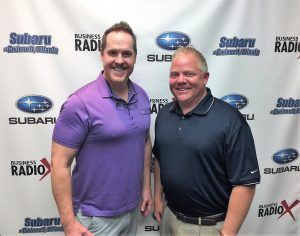
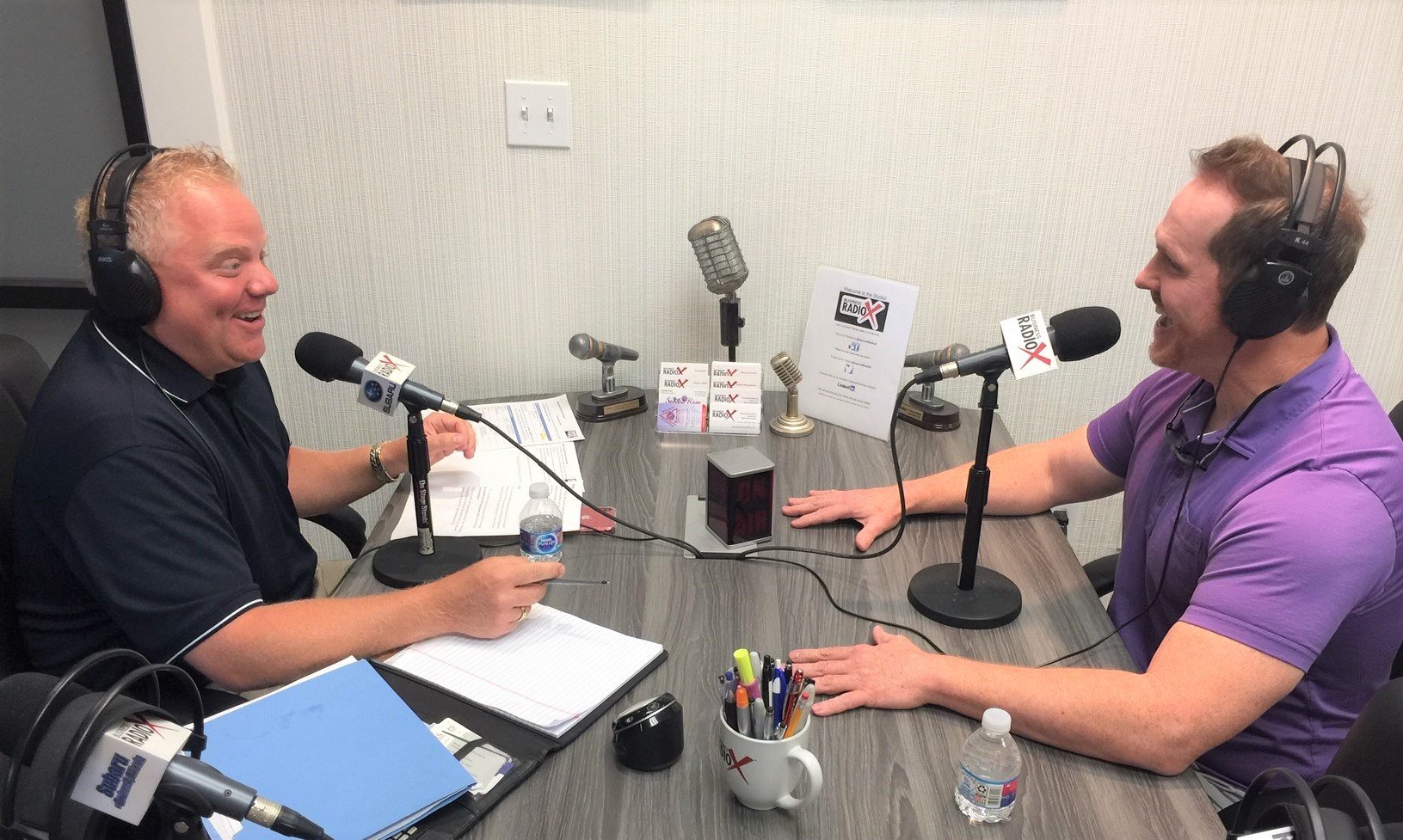
Angela Culver, Micky Long, and Michael Blake

Should We Use Data Analytics in Our Business?

It’s a question for which all businesses should have an affirmative answer. Businesses large and small have all the means to collect and store significant amount of data on every aspect on their business. In this interview with Decision Vision host Michael Blake, Angela Culver and Micky Long argue that business success in coming years will be determined by a company’s ability to analyze the data they collect.

Angela Culver, Mobile Labs

Angela Culver

Angela Culver is the Chief Marketing Officer of Mobile Labs.  Since the first install in 2012, Mobile Labs remains the leading supplier of in-house mobile device clouds that connect remote, shared smartphones and tablets to Global 2000 mobile web, gaming, and app engineering teams. The company’s patented GigaFox™ is offered on-premises or hosted, and solves mobile device sharing and management challenges that arise during development, debugging, manual testing, and automated testing. A pre-installed and pre-configured Appium server with custom tools provides “instant on” Appium test automation. GigaFox enables scheduling, collaboration, user management, security, mobile DevOps, and continuous automated testing for mobility teams spread across the globe and can connect cloud devices to an industry-leading number of third-party tools such as XCode, Android Studio, and many commercial test automation tools. For more information please visit www.mobilelabsinc.com.

Micky Long, Arketi Group

Micky Long

Micky Long is Vice President and Practice Director, Lead Nurturing at Arketi Group. Arketi Group is a public relations and digital marketing firm that helps business-to-business technology organizations accelerate growth through intelligent strategy, public relations, messaging, branding and demand generation. Consistently recognized by Chief Marketer magazine as one of the nation’s “B2B Top Shops” and a “Chief Marketer 200” firm, Arketi helps its clients use marketing to generate revenue. Companies benefiting from this approach to B2B marketing include Cox, First Data, Featurespace, Mobile Labs, NCR and Snapfulfil. For more information, call 404-929-0091 ext. 210 or visit www.arketi.com.

Michael Blake, Brady Ware & Company

Mike Blake, Host of “Decision Vision”

Michael Blake is Host of the Decision Vision podcast series and a Director of Brady Ware & Company. Mike specializes in the valuation of intellectual property-driven firms, such as software firms, aerospace firms and professional services firms, most frequently in the capacity as a transaction advisor, helping clients obtain great outcomes from complex transaction opportunities. Mike is also a specialist in the appraisal of intellectual properties as stand-alone assets, such as software, trade secrets, and patents.

He has been a full-time business appraiser for 13 years with public accounting firms, boutique business appraisal firms, and an owner of his own firm. Prior to that, he spent 8 years in venture capital and investment banking, including transactions in the U.S., Israel, Russia, Ukraine, and Belarus.

Brady Ware & Company

Brady Ware & Company is a regional full-service accounting and advisory firm which helps businesses and entrepreneurs make visions a reality. Brady Ware services clients nationally from its offices in Alpharetta, GA; Columbus and Dayton, OH; and Richmond, IN. The firm is growth minded, committed to the regions in which they operate, and most importantly, they make significant investments in their people and service offerings to meet the changing financial needs of those they are privileged to serve. The firm is dedicated to providing results that make a difference for its clients.

Decision Vision Podcast Series

Decision Vision is a podcast covering topics and issues facing small business owners and connecting them with solutions from leading experts. This series is presented by Brady Ware & Company. If you are a decision maker for a small business, we’d love to hear from you. Contact us at decisionvision@bradyware.com and make sure to listen to every Thursday to the Decision Vision podcast. Past episodes of Decision Vision can be found here. Decision Vision is produced and broadcast by Business RadioX®.


Visit Brady Ware & Company on social media:

LinkedIn: https://www.linkedin.com/company/brady-ware/

Facebook: https://www.facebook.com/bradywareCPAs/

Twitter: https://twitter.com/BradyWare

Instagram: https://www.instagram.com/bradywarecompany/

Show Transcript:

Intro: [00:00:01] Welcome to Decision Vision, a podcast series focusing on critical business decisions, brought to you by Brady Ware & Company. Brady Ware is a regional, full-service accounting and advisory firm that helps businesses and entrepreneurs make visions a reality.

Michael Blake: [00:00:22] And welcome back to Decision Vision, a podcast giving you, the listener, clear vision to make great decisions. In each episode, we will discuss the process of decision making on a different topic. Rather than making recommendations because everyone’s circumstances are different, we will talk to subject matter experts about how they would recommend thinking about that decision.

Michael Blake: [00:00:41] Hi. My name is Mike Blake, and I’m your host for today’s program. I’m a Director at Brady Ware & Company, a full-service accounting firm based in Dayton, Ohio, with offices in Dayton; Columbus, Ohio; Richmond, Indiana; and Alpharetta, Georgia, which is where we are recording today. Brady Ware is sponsoring this podcast. If you like this podcast, please subscribe on your favorite podcast aggregator, and please consider leaving a review of the podcast as well.

Michael Blake: [00:01:06] And, today, we’re going to talk about making customer data analytics an integral part of your business. And this is a topic that, I think, we’re only, as a community, as an economy, scratching the surface of. American society sort of runs away from math. We kind of run away from numbers. We know what the educational data are out there in terms of our general math capability, but the fact of the matter is, now, if you’re running away from numbers, you’re running away from business. And like it or not, if you want to be successful, you’ve got to get comfortable with data analytics, with data collection, with data science.

Michael Blake: [00:01:52] But that’s an intimidating decision because what I’ve observed – and we have experts here that will say if this is right or not – people are having to fundamentally change how they are thinking about their businesses. They’re changing their business models based on data analytics, and they’ve had to move towards kind of a fact-based, scientifically-driven decision making process that the age of, sort of, the crusty executive that just flies by the seat of their pants and makes gut decisions, takes gut decisions on major points of interests or points of issue, that is rapidly disappearing. So, this is a very interesting topic, a very important topic, and one that I hope that you, as a listener, will listen to very carefully.

Michael Blake: [00:02:37] A little bit of data here. With predictions that by 2020, there will be 1.7 megabytes of data created for every person on earth every second. I’m old enough to remember one when all the data would fit on a half of a megabyte floppy disk. I still have a computer that does that. And now that that data is being created at that rapid rate, there’s no doubt that we’re in the age of data-driven business.

Michael Blake: [00:03:08] Businesses of all sizes, all markets, and all customer types simply must get a handle on the information generated by business transactions, internet behavior, and simple day-to-day activity. Those who understand and find ways to manage this endless and growing data flow will flourish. Those who don’t are destined to drown. And I couldn’t agree with that more.

Michael Blake: [00:03:30] We’re being joined by two guests today. Our first guest, not concurrently, but I’m just going left to right as I sort of see across the microphone, is Angela Culver. Since the first install in 2012, Mobile Labs remains the leading supplier of in-house mobile device clouds that connect remote shared smartphones and tablets to global 2000 mobile web gaming and app engineering teams.

Michael Blake: [00:03:55] The company’s patent of GigaFox is offered on premises or hosted and sells mobile device sharing and management challenges that arise during development, debugging manual testing and automated testing, a pre-installed and pre-configured IPM server with custom tools, provides instant-on IPM test automation. GigaFox enables scheduling, collaboration, user management, security, mobile dev ops, and continuous automated testing for mobility teams spread across the globe and can connect cloud devices to an industry-leading number of third-party tools such as Xcode, Android Studio, and many commercial test automation tools. Angela, thanks for joining us today.

Angela Culver: [00:04:35] Thank you.

Michael Blake: [00:04:36] We’re also being joined by Micky Long of Arketi Group. Arketi Group is a public relations and digital marketing firm that helps business-to-business technology organizations accelerate growth through intelligent strategy, public relations messaging, branding, and demand generation. Consistently recognized by Chief Marketer Magazine as one of the nation’s B2B Top Shops and a Chief Marketer 200 Firm, Arketi helps its clients use marketing to generate revenue. Companies benefiting from this approach to B2B marketing include Cox, FirstData, Featurespace, Mobile Labs, NCR, and Snapfulfil. Micky, thanks for joining us.

Micky Long: [00:05:14] You’re welcome. Glad to be here.

Michael Blake: [00:05:16] So, you guys are tag teaming today. You guys, obviously, had a relationship. Talk about that relationship. How did it start? How are you guys working together?

Micky Long: [00:05:26] You want to go first?

Angela Culver: [00:05:28] So, I actually inherited Arketi. I joined Mobile Labs about four months ago, and they were the agency of hire. I know one of the founders of Arketi. He’s been in my network for quite some time and was, actually, introduced to Mobile Labs through Mike Neumeier. I’m a data-driven marketer. Mike is all about numbers as well. He has built a practice, a marketing agency practice around that. So, there has definitely been synergy. I met Micky about four months ago. And we’ve had a great relationship. He is one of the drivers. I see him and his team as my extended marketing team, and they help me execute almost on daily tasks for what we need to get done.

Micky Long: [00:06:22] Yeah. As you say, we are a company that believes in the data. Everything we do is built around data. And having Angela at Mobile Labs has been really refreshing because with her approach, it really, really works much better than if you’re dealing with an organization that perhaps doesn’t have the same focus and commitment to making the data work for you.

Micky Long: [00:06:40] So, marketing has changed. Marketing over the years goes back to the way — I go back as far as to say I remember the days when marketing and advertising was built around I know that of every dollar I spend, I’m going to waste 50 cents of it, but I just don’t know which 50 cents. Well, those days are really gone. We have the tools, we have the data streams, we have all those things today that we can measure it. We just, now, have to figure out how to put it into practice and make it work.

Michael Blake: [00:07:05] Yeah, that’s a great point. So, I’ve heard that expression before. I mean, that’s just not acceptable anymore to say you’re going to waste 50% of your money, right?

Angela Culver: [00:07:14] Yeah.

Michael Blake: [00:07:14] But it wasn’t that long ago when that was sort of considered acceptable losses, right? But, now, for most well-run businesses, if you tell somebody, “Hey, look, I need $5000. We’ll do well to get 2500 bucks of value of.” You’ll be laughed at out of their office at this point, right?

Angela Culver: [00:07:33] Absolutely.

Michael Blake: [00:07:33] For most mature businesses, right?

Micky Long: [00:07:35] Right.

Michael Blake: [00:07:35] There are others, I’m sure, that haven’t gotten the program yet. So, where’s this data coming from? Data is hitting us from everywhere. I’ve got Amazon Echoes in my house, I’ve got a smart home, I’ve got cameras every place. Pretty much anybody on the planet who wants to know anything about my habits, they know it all, right. Where’s the data that you’re working with coming from?

Angela Culver: [00:08:03] So, we’re inundated with data. It truly is coming from all different sources. Everything that we do is tracked, essentially. My iRobot tracks and mops my house and becomes more intelligent on how it needs to vacuum my floors. Your Echo tracks your behaviors and delivers products to you that is more succinct with what you want.

Angela Culver: [00:08:38] It really is coming from everywhere. We are in a situation where we are living in a world, especially in business, where the mindset is the more data I have, the more I rule the world. And we’re about to take a bit of a shift with this. It’s no longer how much data you have. It’s how you use that data and why you’re using that data. And we’re starting to see that shift happen where our big data is just too big for us to manage and for us to actually use intelligently. And, now, we’ve got to focus on the quality of the data.

Micky Long: [00:09:17] It seems to me it’s kind of gotten to the point now there is so much data available. It’s like living in a library where all the books are in a foreign language.

Angela Culver: [00:09:25] Yes.

Michael Blake: [00:09:26] Right? And there’s so much of it that you cannot possibly use at all. And 20 years ago, companies would be begging for this kind of data. They thought they died and gone to whatever heaven it is they believe in. And, now, it’s an embarrassment of riches. They’re so much coming from all sides. Is it fair to say the first step is kind of wrestling that steer to the ground, and hog tying it, and just trying to organize it?

Micky Long: [00:09:56] I think you have to start with the goals of your own business. And this is where we see because we deal with a lot of companies helping them try to figure this out. And what we typically find is companies start at — Usually, they start at step two or three. And what is missing is the initial step of saying, “Okay, I’ve got all these data streams, but what from a business standpoint do I really want to accomplish with this? What can I do? What do I want to do? Assume I have everything, but what do I want to do?”

Micky Long: [00:10:22] And figure a plan based on that because once you have your strategy, then you can plug in what you’ve got. If you don’t do that, you go back to sort of just thrashing about. And we see a lot of thrashing. Companies have not really mastered that yet. That’s one of the things that we’re working with Angela is to figure out how the process is supposed to work. So, I think that’s the key. That’s the first step you’ve got to look at.

Michael Blake: [00:10:43] So, is there a particular kind of data that you find is the most often overlooked? There’s just a goldmine sitting right there in front of people. They just walk by it every day, not realizing they’re walking past a goldmine.

Angela Culver: [00:10:55] Yes. So, especially in B2B, one of the most overlooked data sources or types of data is emotional and behavior data. From a marketer, we all buy from people. We buy products. And for the longest time in B2B, there was a sense that there was no emotion in the buy. There’s always emotion in the buy because you are buying into a relationship with another organization, and you’ve got an entry point of the person.

Angela Culver: [00:11:28] Tracking that type of information, it’s been difficult. It’s much like unstructured data. We’re inundated today with unstructured data. Figuring out how to manage it is a bit reminisce of about 20 years ago, 15-20 years ago, of how you manage transactional data. Everybody wanted very structured data, non-changing. It stayed essentially in its format and didn’t it morph into something else like transactional data. And, now, we’re looking at that in an unstructured data. But within the unstructured data, the gold mine is understanding how to use the emotional behavior components.

Michael Blake: [00:12:17] All right. So, you said something really cool I want to come back to because I think there’s a very important vocabulary point, but this notion of of emotional data is really fascinating. And I’m in finance, and emotions have finally worked its way into what I do. It’s called behavioral economics or behavioral finance where academics and I are asking, “Well, what if everybody doesn’t make the right decision all the time?” Well, we never thought of that. Well, let’s start thinking about that.

Michael Blake: [00:12:43] Is emotional data, is it as simple as, “It’s 10:00 at night, and I stress eat, so I know I’m going to Taco Bell,” or is it, “I’m more likely to make impulse purchase because I’m depressed or I’m an insomniac. I’m up 2:30 in the morning watching QVC or Home Shopping Network”? Is it as simple as that or is it — Where else does that kind of show up?

Micky Long: [00:13:07] From my perspective, one of the things that is really interesting is you, now, with the tools and the ability, you have the ability to track behavior enough that I’ll eventually know more about you than you know about yourself. So, I know what behavior you take. And we often tell people, and this is somewhat overlooked when you’re looking at just crunching the numbers, if you want to find out what people are about sometimes, one of the easiest ways to is to ask them because from a behavioral standpoint, they’ll tell you. If you ask the right questions, they’ll tell you.

Micky Long: [00:13:35] A lot of companies we work with will do why they won analysis of sales, but what they don’t do is they don’t do the loss sale analysis. They don’t say, “Why did somebody either did not buy my product in favor of somebody else’s or just not buy anything at all?” And knowing that information to balance that scale is critical if you want to drive additional sales from learning what the behavior was that was going on in your prospect’s mind when they made the purchase decision, or they didn’t make a purchase decision.

Michael Blake: [00:14:02] And that requires behavioral changes of itself, right, because a big part of what I do is in sales, and learning a new engagement candidly is an endorphin rush. I like it. I never thought I’d enjoy sales as much as I do because I’m a natural introvert. My wife always says if they ever do a Mars mission, I’m going to be first one. Like I’m going to be a tin can with no way to talk to for seven months.

Angela Culver: [00:14:28] Yeah.

Michael Blake: [00:14:28] I am in. Radiation be damned, but that on the other side, it’s human nature to focus on the positive. But as Bill Gates is famous for saying, “Success is a lousy teacher. It’s learning from the places where you failed,” but that’s hard to do. So [crosstalk].

Micky Long: [00:14:45] I think, you learn more about it from why you failed if you really look at it that way because, again, we all believe that what we’re selling is wonderful, and it solves a problem for people, and what have you, and everybody should buy it, but not everybody does. So, learning why they didn’t is really the key thing. To me, that’s the most interesting data points that you can pull out of things. And, now, with the tools we have, we don’t have to do a one-to-one conversation each time. The behavior is out there for us to kind of measure and pull together. And it makes it much easier.

Michael Blake: [00:15:16] But, as a company or as a decision maker, you’ve got to have the courage to dive into the failure.

Angela Culver: [00:15:23] Absolutely.

Michael Blake: [00:15:23] And I think, Angela, you’ve told me stories about that with people that have basically made that kind of change in terms of their attitudes and approaches to things that it really drives it.

Angela Culver: [00:15:34] Yes. Emotional type of data can be seen as abstract. And I’ve learned over the years, I started off my career in technology and business intelligence, BI tools. And I went through the dot com boom, and then immediately the bust. And I realized very quickly that in order to keep my job, I had to become a data scientist. And then, I had to teach my team and my customers how to be that as well. One thing I realized is that marketing has really started taking this shift.

Angela Culver: [00:16:10] I seem to take it probably a little earlier than most folks, but, now, everyone needs to be a data scientist in marketing. And I use the scientific, basically, approach. I create a hypothesis, I formulate what my end result is going to be, I use math to manage and monitor that result that I’m anticipating. And with emotional behavior data, you’ve got to do the same thing. You’ve got to understand how you’re going to use it to make business decisions, and you’ve got to put a stake in the ground to start with. I find that a lot of people find this intimidating initially until they start working through this process. And it is all about a process, putting a process in place.

Michael Blake: [00:17:02] So, you mentioned something a little while back, but I think it’s important vocabulary, structured versus unstructured data.

Angela Culver: [00:17:09] Yes.

Michael Blake: [00:17:09] What does that mean? What is the difference?

Angela Culver: [00:17:11] So, unstructured data would be e-mail, or Slack messages, or Instagram feeds, or video content where you’re — I’m going to throw another word out there, where you’re managing it through metadata, which is essentially data about data. You’re giving a description. But the core information content is not in a table column field format that’s easy to search on. You’re doing more of a, I would say, free-form find and search.

Micky Long: [00:17:52] And the tools are getting better. And there’s a lot of the — We’re starting to see the prominence of artificial intelligence coming into data management and things like that that are giving us the ability to sort of go after this unstructured data and start to pull it together in ways that we didn’t have before. But it’s still early stage on that. But it’s a matter — You still have to do both because there’s a lot of unstructured data that factors into the process that you’ve got to consider.

Michael Blake: [00:18:15] And that unstructured data has a lot of really cool stuff. It’s harder to use because it’s unstructured. But like so many things, the thing that’s most valuable requires the most effort to monetize. So, yeah, I suspect almost anybody who’s listening to this podcast has read an article, Harvard Business Review, McKinsey Quarterly, whatever it is, you got to get on data. You got to get on data. Does that apply to any sized company? Like if I’m a small, three-person, graphic design shop, do I need to get on top of data, or is this something that only applies to the NCRs of the world, the Coxes of the world, and so forth?

Angela Culver: [00:19:02] Yes. Everybody needs to have an understanding of their data. You’re not too small. You’re definitely not too big. The biggest challenge I’ve seen over the course of my career is that companies start too late. They start during a growth acceleration period. And at that point, they don’t have the historical data captured to help them make decisions to properly forecast on growth. How many leads they need to have? How many leads turn into sales opportunities that, then, turn into closed one? They’re having to back step, and capture the data, and hoping that their intuition is going to guide them in the right direction while they’re going through growth acceleration.

Angela Culver: [00:19:50] So, I believe you start the minute that you open your company doors. Do you have to have so much sophisticated technology? No. You can start with a spreadsheet, but you have to have a plan. That’s the number one thing that you have to go to the table with is having a data management plan. And you need to be looking at where you need to go two quarters from now, but also a year from now, versus five years, so that you can grow and manage your data strategy according to the company growth.

Michael Blake: [00:20:27] It’s a whole lot easier when you’re small.

Angela Culver: [00:20:29] Yeah.

Micky Long: [00:20:30] Yeah.

Michael Blake: [00:20:30] … than when you get bigger.

Micky Long: [00:20:30] That’s right. It really is. And so, if you get the right things, it’s like a lot of other things, if you set the discipline up on the early stage, and you put the processes in place that are going to drive it, it’s a whole lot easier than trying to come back and backfill as Angela mentioned when you get larger or when you’re going through a growth stage. That’s a challenge.

Michael Blake: [00:20:50] I don’t know this for sure, but it makes intuitive sense. As you grow the data inflows become exponentially greater, right? And it’s just it’s harder to wrestle that loose firehose off the ground and do something with it. You haven’t developed habits. And then, I’m guessing, I do a lot of work with startups, when you do hit that high growth, when you haven’t put in that discipline of data analytics yet, it’s hard to kind of stop and make yourself do that when you have five prospects wanting to get a proposal right away, right?

Angela Culver: [00:21:22] Absolutely.

Michael Blake: [00:21:22] And the next thing you know, it just never gets done. Until then, it becomes such a big problem you can never tackle, right?

Micky Long: [00:21:27] Yeah. Let me give you a really, really quick example of what you were just talking about. A lot of companies spend a good bit of time trying to make sure they capture their information about prospects into a program like Salesforce. If they don’t have the discipline set up on the early stage to identify, “How are we going to manage the titles of these prospects that we’re using or the functions of these prospects?” and they allow that to go on for a while, you could end up-

Michael Blake: [00:21:54] We had a client, for example, and a couple of years back that will remain nameless that when we went in to try to find out how to segment to do a better job of marketing, they had 375 different types of titles in their Salesforce program because they never forced their salespeople to consolidate. So, if I was the vice president of stuff in my organization, that’s what went into Salesforce. But the vice president of stuff is not really something that you could really sort on.

Micky Long: [00:22:24] So, the reality is as it gets larger, and as your database gets larger, this company had 100,000 people in their database when we started to look at this. It was a phenomenal problem, a very expensive problem to fix. So, if you start early, and put the discipline process in place early, when you have 25 people or 100 people, it’s a whole lot easier to deal with.

Michael Blake: [00:22:45] Yeah. Our firm is a case study as well. We’re starting to go back now and trying to understand basic things about our clients. What industries are they in? And can we associate them with [makes] codes, so we can start doing some kind of categorization, and some geographic analysis, and income levels, very basic stuff.

Michael Blake: [00:23:05] But we’ve been in business 60 years. The easiest thing to do is to cache that stuff and make people put that on the client intake form. But then, you try to go back and capture. You’re trying to ask a partner who’s building it 400 bucks an hour, and it’s busy tax season. Like, “Hey, can you verify these 80 different clients?” Like, “No, I can’t. I mean, I understand you need this data, but I’m not going to tell — which client do I tell their tax return doesn’t get filed because I’ve responded to your data request.” It’s because 65 years ago, nobody thought about this. But, now, we have to go back. It does become 10 times harder.

Michael Blake: [00:23:42] But let’s say you do have a clean slate, and start a company called Donut Shop. What’s the most — What are the pitfalls or how do I get started? Sorry, this. How do I get started doing that, right? I think about data, open the door day one. What’s my to-do list?

Angela Culver: [00:24:04] So, I always advise people to start with the company goals. What are your company goals? What are you trying to achieve within this first calendar year? And then, how do you need to make those decisions whether it’s successful, failure, or neutral? And then, from there, start building an alignment with the type of data that you need to help you manage to those goals.

Angela Culver: [00:24:35] Data is not the only thing that you’re using as a resource, but it should be one that allows you to create predictability. Most of our data is still historical. So, if you’re just starting, then you really need to identify your company goals, so that you can start mapping. And a lot of times, I advise people to start with a free technology. Start with a spreadsheet and just start identifying some of those metrics that will help you move towards that.

Angela Culver: [00:25:09] Being in marketing, I focus more on that. So, I’m looking at, what is it going to cost me to acquire a customer? What’s my cost per lead? What are my retention rates? How many products am I selling by month, by quarter? Do I have any slow periods? What is the actual selling price on average, and the time for payback as well? Not just marketing but overall cost of the company. Those are some fundamentals that I look at initially. As you drill down, you’ll see that you have website metrics that roll up to that. You’ll have advertising metrics that roll up to that. But it all starts with company goals. Micky, what do you think?

Micky Long: [00:25:59] Yeah, you have to have them. And the other part of this is you can’t go too far too fast. What I mean by that is you have to — I would say the way I would put it is you have to figure out the appetite of your company for this because if you try to bite off too much and go way down the path, you’re not going to win. You’re not going to be able to do it, and you get frustrated, and somebody’s going to throw up their hands and say, “Well, that was a wasted exercise.” And it isn’t. It’s just that you tried to do too much. So, the idea of having a plan based on your business goals and taking steps along the way, so you create milestones is really the way to sort of do it in stages, so that you’re not trying to eat the elephant all at one time. So, that’s an important consideration.

Michael Blake: [00:26:40] So, there’s something to be said about being incremental and that-

Angela Culver: [00:26:42] Yes.

Micky Long: [00:26:42] Absolutely, absolutely.

Michael Blake: [00:26:43] Otherwise, you’re so intimidating, like, “Yeah.” You’re just sort of-.

Micky Long: [00:26:44] And if you try to do too much too fast, this is where you run into problems with something that nobody from the marketing side, anyway, wants to hear about, which is the data quality issues. So, that’s a real problem for clients now, for companies that are trying to deal with this because as the data flow comes in, and this data gets into their systems, if it’s not set up right the first way, if it’s not cleaned regularly, what you’re going to end up with is the dirty data issue, which costs companies millions of dollars to sort of struggle through. And that’s a big problem that it’s out there because if you run it too fast, you’re not going to have the discipline to sort of figure it out.

Micky Long: [00:27:22] So, I could be in your system as Micky Long, Micky L. Long, M. Long, or something else, and how do you know it’s all the same person? So, if you don’t have those things figured out, the tools and the processes, you’re not going to get there. So, you really have to make sure that you put the emphasis on ensuring that the data that you have in your system is clean. That’s a big consideration.

Michael Blake: [00:27:44] And the data collection itself, I think, to a degree, needs to be non-intrusive too, right? I’m old enough to remember RadioShack. And RadioShack used to be able to get cool stuff. I want to fix my TV, I want to get a remote-controlled car, you go to RadioShack. But, golly, the thing I always dreaded was that they would insist on taking my phone number every time I went in. Every time, which meant they took it. So, they wanted it, presumably, to know the geographic distribution of their customers, but they never hung onto it. There’s nothing — And, I think, the technology is not available that there is a central database to which they could connect, right?

Michael Blake: [00:28:30] If you think about it, if we had that barrier to kind of mechanically cough up our data every time we bought something, we’d never buy anything. We’d all live on some sort of agricultural economy and just share things with each other because the time costs of going into Kroger, and share, and getting our blood drawn is just not worth it, right?

Angela Culver: [00:28:49] Yeah.

Micky Long: [00:28:50] But the reality of that is I often had this this conversation with my kids, there is more data about you, and there are more people out there that know more about you than you’ll ever imagine. So, we’ve given up a lot of our data freedom, if you will, because of the exchanges we made. So, the reality in my mind is it’s there. Why can’t companies put it together and make sense of it? So, why can’t I walk into a Publix or a Kroger, and as I’m walking down the aisle with my mobile phone, have them immediately start feeding me offers about the dog food that I bought last time I was in the store or the competitor’s dog food with a special opportunity to try it?

Michael Blake: [00:29:29] All of that exists. All of that data is there at all of the stores. This is what Angela’s company does is help companies with these mobile applications. So, the applications are there. The data streams are there. Why haven’t they put it together? That’s, I guess, the big question is, why haven’t they figured out how to join A to B to create a really strong environment? Because they build better customer interactions that way, along with higher revenue.

Michael Blake: [00:29:54] Is part of it because maybe the data tools themselves are just prohibitively expensive, intimidating?

Angela Culver: [00:30:01] So, intimidation is probably one key. So, if we just look at MarTech alone, in 2018, there were over 8000 types of technology in this space. So, if you look at the Loomis Escape, you need a magnifying glass to actually see the logos now on the sheet. About five years ago, I think, we were at about 600 companies. So, the space has grown considerably. So, there’s more options than you know what to do with.

Angela Culver: [00:30:33] And a lot of companies start with, “Okay. I’ve got this huge dataset. I know I have all the answers in this dataset. So, I need to run out and buy the technology to support that, and be able to mine it, and digest it.” The problem is they start with the how. They go out and buy this complex system, multiple systems, integrated together, but they never really understand why they’re doing it and what they’re trying to solve for.

Angela Culver: [00:31:03] So, they put in these systems. They’ve got the technology to find the answer, but they don’t know what the answer they’re looking for. So then, they start breaking it apart and going backwards. So, we see this shift in companies quite a bit just because they didn’t start with the plan initially to figure out what they wanted. So, if I went into a grocery store, and they had an aisle that said, “Angela, here’s all the products you want. And this is what you typically buy,” or they packed my bags for me, they have all that information, and they could manage that if they wanted to create that type of a customer experience for their customers.

Micky Long: [00:31:50] Amazon’s doing it. You look at what Amazon does. When you go to Amazon, you buy something from Amazon. And so, for the next lifetime, you’re going to get recommendations from Amazon based on the products you’re buying. So, they’re using that same kind of technology with the data from previous sales to give you a better user experience. And that’s what it’s all about is trying to make the user feel more comfortable, more personal, and more engaged with the brand of the company.

Micky Long: [00:32:14] And that goes across, I think, companies from the three-person company that starting out as a very boutique-oriented company to a large organization. It’s trying to just keep things going in the middle of the road. So, whether you’re large or small, you really want to build that brand. So, it’s all about customer experience.

Michael Blake: [00:32:32] Now, there’s the tool out there. And that makes sense. I mean, if you have a mismatch tools, it’s like buying a Tesla. And then, all of a sudden, realizing you really like to do off-road stuff, and you think it’s the Tesla’s fault, right.

Angela Culver: [00:32:45] yeah.

Michael Blake: [00:32:46] Well, it’s not. You just you didn’t buy a truck. So, the other side of the coin is the skills, right?

Angela Culver: [00:32:54] Right.

Michael Blake: [00:32:54] Not everybody has taken a course in statistics. And many who did like me 20 years ago in my MBA diploma’s in a caved wall in France someplace, I don’t necessarily remember it. How do you get up to speed or how do you hire for that, find somebody that can make sense of that data and interpret it in a way that becomes useful business information?

Angela Culver: [00:33:16] So, when I’m hiring someone into a marketing operations role, which is traditionally where my data scientists, or analytics person or persons would sit, I am looking for someone that has a science and math mind, and they have a natural curiosity to solve problems with numbers. They’re usually linear in thought, but they’re very flexible to creative ideas. So, they’re a bit different than a financial person that you would see doing accounting or working in the finance department. But I found if — I have discovered that if I find someone that has a knack for science and really likes math, then they can learn the technology and be successful in this job.

Micky Long: [00:34:12] I think, you got to find somebody — Forgive the term. You have to find some that’s a little geeky, somebody that really gets excited over data, the kind of person that kind of runs out of their office and says, “Look what I found,” when they put these two things together, but they really have to I think have a passion for it because if you really want to see what the insights are, you’re looking for something, as you said for that, you want that curiosity, that deep curiosity that says, “If I put A and B together with 1 and 4, what I’m going to show you is this is something you never thought of before, and this is going to help drive our business in a different direction or a different way.”.

Micky Long: [00:34:43] To me, that’s nirvana. That’s what you really want to get out of this is to be able to take these things together in ways people haven’t thought of and say. “That’s going to put us in a new direction. That’s going to really, really light some fires under the sales team to get some high revenue coming in.” And it happens every day. You just have to have the right people.

Michael Blake: [00:35:00] And that sounds a lot like what Angela was describing in terms of that like hybrid of flexibility and linearity. You need the flexibility and creativity to ask the right questions, but then the linearity to answer the question in a process-driven way-

Angela Culver: [00:35:13] Absolutely.

Michael Blake: [00:35:14] … so, that the statistics are meaningful? right?

Angela Culver: [00:35:16] Yes.

Michael Blake: [00:35:16] If we don’t do that, then you get gobbledygook basically.

Micky Long: [00:35:19] Right.

Michael Blake: [00:35:24] What do most companies miss? What are companies most missing out on in data management? What do you think is the most frequent opportunity or biggest opportunity they’re missing out on?

Angela Culver: [00:35:33] I think to go back to when they get started, I think that is a miss that I see quite a bit in a lot of companies where they’re starting too late. They don’t set it as a priority earlier in the business when it can have a huge impact. They’re not treating data as an asset from day one. And that’s a potential mess.

Micky Long: [00:36:02] Yeah. I see two things. Number one, they take the approach that’s incorrect, which is that this is a marathon, it’s not a sprint. You have to be able to do this and have the discipline to do this over the long haul, and not do this as, “Oh, let’s try this for a couple of months. And if it doesn’t quite work, we’ll go back and do something else.” That’s one thing.

Micky Long: [00:36:18] And the other thing is it’s not a marketing exercise for the most part, it’s a revenue exercise, which means you can’t just sort of take the data streams coming in and say, “That’s the prevalence of the marketing organization.” You’ve got to join marketing and sales together for this thing to really work. And that’s something that is still a challenge.

Micky Long: [00:36:36] I remember back in the day when marketing automation tools first started. It was supposed to be the answer to all of our prayers. It was going to be marketing and sales were now, finally, going to get together, and sing Kumbaya around the campfire, and we’re all going to do everything together. And we’re still trying to put marketing and sales people together. And it’s been at least 10 years since that started. So, why has that not happened? It’s because we still have issues. They’re the people issues. They’re not tool issues.

Micky Long: [00:37:00] So, the reality of it is you’ve got to look at this thing holistically and say, “It’s a business issue, not so much that.” So, that’s what people miss, in my mind, that are big things that they don’t look at. It’s the integration.

Michael Blake: [00:37:10] So, do you have a favorite data success story, something really wonderful, spectacular you’ve found that you just did not expect to find in a data exercise?

Angela Culver: [00:37:20] I have two actually. I was working for a company a few years back, and part of what I was hired to do was to increase the brand equity of the company in a relatively short period of time. And when I got into the company, the brand colors were predominantly green and red. And after looking at the customer base, I realized that 80% were male, most of them were between the age of 35 to 50, and 1:10 were color blind, red/green colorblind. So-

Michael Blake: [00:37:59] Oh, yeah. I’ve heard of that statistic. Yeah.

Angela Culver: [00:38:00] Yeah. So, our ads, the call to action were either highlighted in red or green. And the company was losing almost a half a million dollars in advertising cost due to the end user not being able to see the call to action. So, I went into the leadership team, said, “We need to change the brand colors,” presented my data, and within seconds had the approval to change the brand colors. I changed from red/green to essentially green/yellow, citron. And we immediately saw an uptick in the brand value. We went from about 16% to a 25%, which is unheard of, especially with a tech company. So, I wouldn’t have been able to do that without the data.

Micky Long: [00:39:03] So, I can give you one that’s a really simple one hasn’t having to do with database size and the quality of data we talked about before. I had a client that had a base of 100,000 people, and they were doing the classic marketing e-mails and things like that to try to get them in place, and they were having miserable returns, miserable e-mail open rates, and all those statistics you look at. So, what we did was we started doing an analysis. And what we found was there was a large group of these 100,000 that had never opened an email, had never engaged with it, and had never done anything for them.

Michael Blake: [00:39:36] So, what we tried was something very revolutionary for that company, which is we said, “Let’s ignore that 75,000 people in your database that have never touched anything. Just don’t send e-mail to them. Don’t think about them when you’re crafting your messages, and concentrate only on that smaller group, and really refine that smaller group to see what we could do.”.

Michael Blake: [00:39:56] And as you might expect, what’s happening is the company is now seeing a tremendous return on the investment against that smaller group of people. And, now, with better messages and better approaches, they can start to expand out to other people that are like that. And the 75,000 that never did anything, they still sit there, and we don’t do anything with them.

Michael Blake: [00:40:14] So, the reality is it’s a matter of concentrating on the people that are likely to do something and ignore the ones that don’t. And I would predict that most companies, if not all companies, have that same situation in place.

Angela Culver: [00:40:25] We have been dealing with email within our support group. We track at mobile apps, all our support tickets. And we actually get a little worried if we’re not receiving support tickets from our customers because, typically, they’re not using the product daily. One set of support tickets we’ve realized has helped us educate and improve the functionality of the product. So, within our product, we use iPads, telephones, mobile devices. They come in at all different versions. So, you’ll have an iPhone 6, an iPhone 8, and they’re plugged in 24 hours a day.

Angela Culver: [00:41:15] After a certain period of time, you will start seeing battery bloating. And it will slow down the performance of actually testing a mobile application on one of those devices. So, through our support tickets, we started seeing that customers were complaining about battery bloating. So, we actually started sending out information in advance. We knew if they were a customer for six months, and that they were constantly plugged in, that they were most likely going to start seeing deterioration of devices. And we’ve been able to counterattack that through putting out more educational information through emails; where in the past, we would send out promotional materials and emails, and they weren’t getting it, they didn’t want it, but this educational material is actually helping them improve the performance of the product overall. And in the end, it has an impact on retention rates, customer churn. So-

Michael Blake: [00:42:14] Sure, it makes sense. So, okay. So, we’ve talked through a lot of topics here. Some of our listeners are thinking, “Okay, I’m sold. I got to make data part of my business,” where do they start? What’s the what’s the first thing on their to do-list?

Angela Culver: [00:42:32] Start with the goals, set realistic expectations. So, like what Micky has said, you don’t want to try to boil the ocean. Start with what your company can tolerate. So, understanding that if you’re going to set up a marketing data hub, and you need to utilize sales information, understand what the tolerances from your sales team. Putting over 50 required fields in Salesforce for them to fill out every time they have a prospect come in probably might be over their risk tolerance or their ability to handle that initially. Maybe start with five fields if you’re just starting to input data and utilize data. So, setting up expectations would definitely and setting goals would be my first.

Micky Long: [00:43:34] Mine would be just do it. Just stop talking about it, stop thinking about it, stop reading about it. Just go do something because even if the first thing you do isn’t 100% correct, it’s going to get you further than if you just start reading whitepapers about, “Look, I get this data under control.” And that’s what we see is just that inertia is what stops a lot of people because they start looking at all the downsides to it. Just go do it is really what I would recommend.

Michael Blake: [00:44:00] Just rip the Band-Aid off.

Micky Long: [00:44:01] Just rip the Band-Aid off and just go for it.

Michael Blake: [00:44:04] Okay. So, all right. So, again, a lot to unpack here. We’ve only scratched the surface. We could easily make this a three-hour podcast, but not everybody would listen for three hours. So, if somebody wants to learn more, can they contact you and ask you some questions?

Angela Culver: [00:44:21] Absolutely.

Michael Blake: [00:44:21] Would that be okay?

Micky Long: [00:44:21] Sure.

Michael Blake: [00:44:21] So, Angela, why don’t you go first? If somebody wants to ask you about your experience with this, ask you some advice, how would they contact you?

Angela Culver: [00:44:28] So, you can definitely contact me via LinkedIn. That’s my name, Angela Culver, Mobile Labs. Also, my email, angela.culver@mobilelabsinc.com.

Micky Long: [00:44:41] And likewise, my LinkedIn profile is out there for prevalence. And my email is really, really simple. It’s mlong@arketi.com.


Michael Blake: [00:44:53] Okay. Gone are the days, the long strings with nine different numbers behind the at symbol, right? So, thank goodness for that. That’s going to wrap it up for today’s program. I’d like to thank Angela Culver and Mickey Long from Mobile Labs and Arketi Group respectively so much for joining us and sharing their expertise with us.

Michael Blake: [00:45:13] We’ll be exploring a new topic each week, so please tune in so that when you’re faced with your next business decision, you have clear vision when making it. Again, if you enjoy this podcast, please consider leaving a review with your favorite podcast aggregator. It helps people find us, so that we can help them. Once again, this is Mike Blake. Our sponsor is Brady Ware &c Company. And this has been the Decision Vision Podcast.

Tagged With: customer data, customer data analytics, data analytics, data collection, data flow, Data Management, data science, Dayton accounting, Dayton business advisory, Dayton CPA, Dayton CPA firm, marketing, mobile applications, mobile devices, stored data, structured data, unstructured data

Pensacola Business Radio: Spotlight Episode-Tami Wloch SC Marketing

March 5, 2019 by angishields

Pensacola Business Radio
Pensacola Business Radio: Spotlight Episode-Tami Wloch SC Marketing
Loading
00:00 /
RSS Feed
Share
Link
Embed

Download file


Tami Wloch, Social Media Strategist

Strategic & Creative Marketing, Inc.

847-271-4066 * Tami@SCmarketinginc.com

 Facebook   Twitter   LinkedIn

Because I am part of 3 Facebook Advisory Panels, I bring the latest Social Advertising techniques to my clients to increase Brand Recognition and Sales. My team & I have access to the most up-to-date features in the ever changing world of digital marketing to get you more Sales.

For over 15 years, I have created and implemented successful campaigns for clients including Law Firms, Vision Care, Healthcare, Restaurants, Specialty Retail, Non-Profits, Service Industries, and more, & I welcome new clients in all sectors, both B2C and B2B.

I am both a National and International Speaker, teaching business owners ways to get more customers via Social Media. To contact me regarding speaking at your event, please email me at Tami@SCmarketinginc.com

By utilizing Artificial Intelligence (AI) software to run our paid social campaigns, we make sure our clients’ marketing dollars are best used to reach the correct target clients with powerful messages that encourage sales conversions.

Whether you need Marketing via Social Media, Websites, Email Funnels, Employment Branding, PR, Print, etc., Strategic & Creative Marketing can create a comprehensive Marketing Plan using the best tactics for your industry, target market, & messaging, to increase Sales & Brand Recognition.

For more about my background & the company, please go to www.SCmarketinginc.com.

Tagged With: Entrepreneurship, Expert Interviews, Keith Hoffert, Leadership, marketing, Pensacola Business Radio, small business

  • « Previous Page
  • 1
  • …
  • 14
  • 15
  • 16
  • 17
  • 18
  • …
  • 45
  • Next Page »

Business RadioX ® Network


Our Most Recent Episode

CONNECT WITH US

  • Email
  • Facebook
  • LinkedIn
  • Twitter
  • YouTube

Our Mission

We help local business leaders get the word out about the important work they’re doing to serve their market, their community, and their profession.

We support and celebrate business by sharing positive business stories that traditional media ignores. Some media leans left. Some media leans right. We lean business.

Sponsor a Show

Build Relationships and Grow Your Business. Click here for more details.

Partner With Us

Discover More Here

Terms and Conditions
Privacy Policy

Connect with us

Want to keep up with the latest in pro-business news across the network? Follow us on social media for the latest stories!
  • Email
  • Facebook
  • Google+
  • LinkedIn
  • Twitter
  • YouTube

Business RadioX® Headquarters
1000 Abernathy Rd. NE
Building 400, Suite L-10
Sandy Springs, GA 30328

© 2025 Business RadioX ® · Rainmaker Platform

BRXStudioCoversLA

Wait! Don’t Miss an Episode of LA Business Radio

BRXStudioCoversDENVER

Wait! Don’t Miss an Episode of Denver Business Radio

BRXStudioCoversPENSACOLA

Wait! Don’t Miss an Episode of Pensacola Business Radio

BRXStudioCoversBIRMINGHAM

Wait! Don’t Miss an Episode of Birmingham Business Radio

BRXStudioCoversTALLAHASSEE

Wait! Don’t Miss an Episode of Tallahassee Business Radio

BRXStudioCoversRALEIGH

Wait! Don’t Miss an Episode of Raleigh Business Radio

BRXStudioCoversRICHMONDNoWhite

Wait! Don’t Miss an Episode of Richmond Business Radio

BRXStudioCoversNASHVILLENoWhite

Wait! Don’t Miss an Episode of Nashville Business Radio

BRXStudioCoversDETROIT

Wait! Don’t Miss an Episode of Detroit Business Radio

BRXStudioCoversSTLOUIS

Wait! Don’t Miss an Episode of St. Louis Business Radio

BRXStudioCoversCOLUMBUS-small

Wait! Don’t Miss an Episode of Columbus Business Radio

Coachthecoach-08-08

Wait! Don’t Miss an Episode of Coach the Coach

BRXStudioCoversBAYAREA

Wait! Don’t Miss an Episode of Bay Area Business Radio

BRXStudioCoversCHICAGO

Wait! Don’t Miss an Episode of Chicago Business Radio

Wait! Don’t Miss an Episode of Atlanta Business Radio