Business RadioX ®

  • Home
  • Business RadioX ® Communities
    • Southeast
      • Alabama
        • Birmingham
      • Florida
        • Orlando
        • Pensacola
        • South Florida
        • Tampa
        • Tallahassee
      • Georgia
        • Atlanta
        • Cherokee
        • Forsyth
        • Greater Perimeter
        • Gwinnett
        • North Fulton
        • North Georgia
        • Northeast Georgia
        • Rome
        • Savannah
      • Louisiana
        • New Orleans
      • North Carolina
        • Charlotte
        • Raleigh
      • Tennessee
        • Chattanooga
        • Nashville
      • Virginia
        • Richmond
    • South Central
      • Arkansas
        • Northwest Arkansas
    • Midwest
      • Illinois
        • Chicago
      • Michigan
        • Detroit
      • Minnesota
        • Minneapolis St. Paul
      • Missouri
        • St. Louis
      • Ohio
        • Cleveland
        • Columbus
        • Dayton
    • Southwest
      • Arizona
        • Phoenix
        • Tucson
        • Valley
      • Texas
        • Austin
        • Dallas
        • Houston
    • West
      • California
        • Bay Area
        • LA
        • Pasadena
      • Colorado
        • Denver
      • Hawaii
        • Oahu
  • FAQs
  • About Us
    • Our Mission
    • Our Audience
    • Why It Works
    • What People Are Saying
    • BRX in the News
  • Resources
    • BRX Pro Tips
    • B2B Marketing: The 4Rs
    • High Velocity Selling Habits
    • Why Most B2B Media Strategies Fail
    • 9 Reasons To Sponsor A Business RadioX ® Show
  • Partner With Us
  • Veteran Business RadioX ®

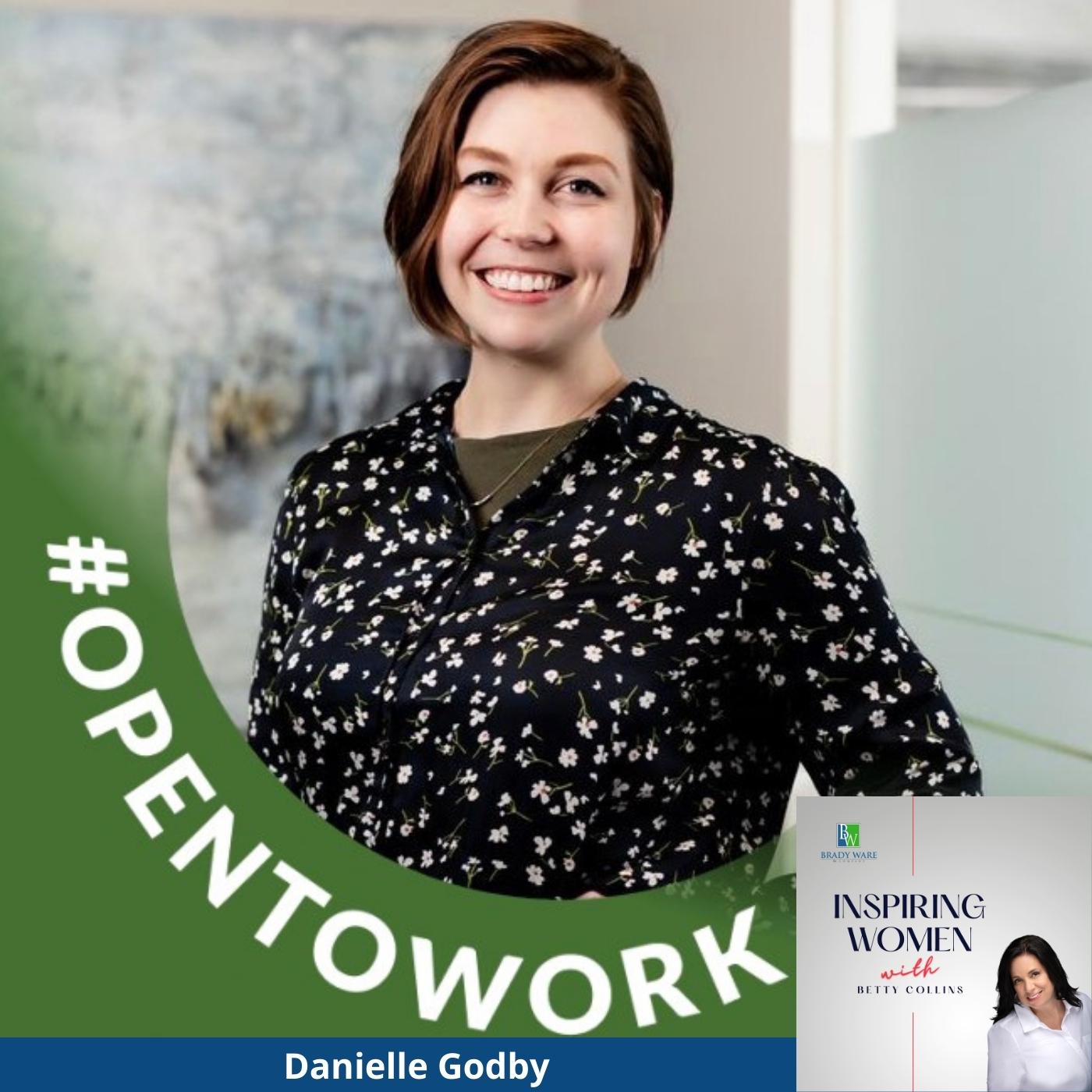
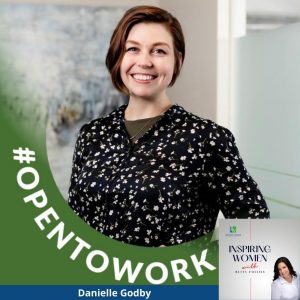
What Millennials Want in a Job, with Danielle Godby

August 15, 2022 by John Ray

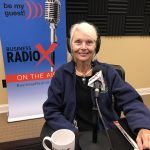
Danielle-Godby-Inspiring-Women
Inspiring Women PodCast with Betty Collins
What Millennials Want in a Job, with Danielle Godby
Loading
00:00 /
RSS Feed
Share
Link
Embed

Download file

Danielle-Godby-Inspiring-Women

What Millennials Want in a Job, with Danielle Godby (Inspiring Women, Episode 49)

Danielle Godby is a millennial retirement planner who talks about how her generation is often unfairly portrayed. She shares her own journey from ballet dancer to fitness instructor to retirement planner, highlighting how she has always been drawn to helping others. Godby discussed with host Betty Collins how job-hopping is often seen as the best way to make more money and get more experience, but she wonders why more employers don’t try to keep their employees happy and engaged. She also emphasizes the importance of offering value before asking for anything in return.

The host of Inspiring Women is Betty Collins and the show is presented by Brady Ware & Company.

Betty’s Show Notes

The millennial generation has been subjected to a lot of criticism – they are perceived as selfish, entitled and demanding, not to mention addicted to technology.

Are these stereotypes true? Certainly not for everyone.

But there are certain tendencies and habits associated with the millennial generation that are more prevalent than in the other generations currently in the workforce. However, bashing any one group of people does more harm than it does it good.

My guest is Danielle Godby, a Retirement Planner at Golden Reserve.

Danielle talks about her generation’s focus on their job search. What’s a priority to them?

When I talk to my friends, it’s a lot about feeling fulfilled by the work that they do, being able to go home at night and know that they helped someone do something better or they can feel better about their contributions to their own community.

Does money come into play?

It’s not necessarily about how much money you can make, which, honestly, it’s quite surprising given all the student loan debt that is saddling my generation. But that’s really not the dialogue that I hear. It’s a lot more about feeling good about what they do and feeling appreciated in what they do.

Among your colleagues and your peers, do you find that they value other job attributes like learning and advancement more than they do income?

There are a few different things that I hear come up in conversation and they’re surprising to me. You would think income would be front and center of the conversation, given that we were taught our whole lives to prepare for college.  But what I hear is they want to make an impact. They want to feel good about what they do. They want to have the flexibility to work from home if they need it or to take mental health days to have a work-life balance.

What can business owners do to motivate them to stay?

I think it’s very basic. If you pull it back to the bare bones, it’s just building a relationship with someone that’s strong, and consistent. You want something that lasts. So you have to invest in that relationship.

Hosted by Betty Collins, CPA, and Director at Brady Ware and Company. Betty also serves as the Committee Chair for Empowering Women, and Director of the Brady Ware Women Initiative. Each episode is presented by Brady Ware and Company, committed to empowering women to go their distance in the workplace and at home.

For more information, go to the Resources page at Brady Ware and Company.

Remember to follow this podcast on Apple Podcasts and Google Podcasts.  And forward our podcast along to other Inspiring Women in your life.

TRANSCRIPT

[00:00:00] Betty Collins
So today we’re going to interview somebody from Golden Reserve and what we really, really like about this person first, she’s a millennial. She’s full of life, she’s energetic, and she’s just been starting her career. And we just really wanted to talk today about her generation. I am not a millennial. I don’t even know what really bracket I’m in. I just know I’m 58. Right. And so we want to talk about millennials. Everyone wants to kind of put them in a box sometimes, you know, so we want to get inside your brain a little bit. But since that what you are. But so first, before we get started to talk about a little bit, two or 3 minutes of just kind of about you, you know, and golden reserve and and just take some time to to introduce yourself to the audience.

[00:00:48] Danielle Godby
Yeah. Hi, I’m Danielle Godby. I’m a retirement planner with Golden Reserve and a millennial. So I’m grateful for this opportunity to talk about things in a light that that might not be. Millennials are killing the cinema industry. What industry are we killing next? You know, I don’t think that’s the impression that my fellow millennials have of ourselves. You know, there’s a lot of intergenerational I won’t call it bullying. It’s all in good fun, you know. But I feel, you know, boomers are very down on millennials and Gen Gen Z is also, you know, so I feel that it’s good to have a representation of us. That is true. So I grew up in Mt. Vernon, Ohio. Oh, okay. Yep. I went to Ohio University down in Athens and I studied exercise physiology. Okay, so that’s something near and dear to me so that I can learn how to improve my own health and to help people around me to improve their health. That’s always been top of mind for me.
Yeah. I love to help people. I, I did ballet for 14 years.

[00:01:51] Betty Collins
Oh, very nice. Wow. How talented. That’s. I mean, that’s that takes strength. That takes a lot of discipline.

[00:01:59] Danielle Godby
Discipline is the word I would use. Yeah, certainly. But I remember finding that, you know, that core of who you are that always follows you and you tell stories about where you started out and where you ended up and have always been teaching people. Yeah, I started in ballet. I was doing we were doing stretches and people nearby would be bent in a certain way. And then like, you know, if you point your toe this way or straighten your leg in this way or or pivot this way, it’s going to feel a lot better. And I’ve always been helping people in little ways like that. So, you know, I found a strange little journey. I don’t know very many people who graduated with their bachelor’s and then continued on in that field. And I had done that for a while. I did fitness for about ten years, managed boutique fitness studios like Row House. And what was the act, the Amanda Kaiser technique. I love kickboxing, so a handful of of different things that I’ve done in the past. But I don’t think that it’s it’s something that I have to do to limit myself to being good at one thing. Yeah. You know, so I.

[00:03:03] Betty Collins
Learn that now do three things well, not ten things average.

[00:03:06] Danielle Godby
Yeah. Absolutely. So.

[00:03:08] Betty Collins
Well, my daughter loves kickboxing, I mean and so for Christmas, I always have my kids give a gift. Their spouse gives them a gift that they don’t know is coming because everything else is done with links. And they give me these lists and they know everything that’s going to be open. So I said, Are you sure you want to buy her boxing gloves? He goes, I can handle it. I got it. Incredible. But yeah, but she loves how it’s a good venting for her. It’s a great plus. She really works out and it’s a good exercise.

[00:03:36] Danielle Godby
A phenomenal workout.

[00:03:37] Betty Collins
Well, let’s talk the one thing millennials and I don’t look as millennials as the enemy, by the way. But, you know, a lot of times you’re known for job hopping. I mean I mean, that is it’s kind of the environment. And in fact, it’s three times higher than than that of non millennials who do the same job. So, you know, I’m a business owner. You really probably are too in what you do. I need to make it easier for millennial prospects to to choose me because I’m a little bit older and choose me over my competition. But what exactly in your mind do many millennials look for in their job search? What’s that priority to them? What’s what are what’s going to attract them? Right.

[00:04:18] Danielle Godby
Well, we have to keep in mind the advice that we’ve been receiving since we were children, like people in your generation have been telling people in my generation to look for something that they love, right? Do something that you love. You’ll never work a day in your life. And then we all laughed collectively because it’s still work. Right? Right. But I think I hear a lot of buzzwords like impact or, you know, what does that really mean? And I think when I talk to my friends, it’s a lot about feeling fulfilled by the work that they do, being able to go home at night and know that they helped someone do something better or they can feel better about their contributions to their own community. And so it’s not it’s not necessarily about how much money you can make, which. Honestly, it’s quite surprising given all the student loan debt that is saddling my generation, but that’s really not the dialogue that I hear. It’s a lot more about feeling good about what they do and feeling appreciated in what they do.

[00:05:13] Betty Collins
Yeah. So when, when, when millennials look in job searching, I know my daughter is is looking to do some job search or to make a change. She. Is more concern first about truly their mission statement and the culture. And she wants to know what they’re doing in the community. Now, that’s coming from my daughter. We didn’t talk about money a whole lot. We didn’t talk about her career aspirations in five years. What do you want to do? She talked about those things first. Talk to me about your generation with those things being mission culture and what are they really do for the community? Is that a driver for you? Is that going to be an attractor to you for a place to work?

[00:06:02] Danielle Godby
I think workplace culture is definitely a priority for me. Yeah, you know, I’ve left I left places because I don’t feel happy or comfortable. I’ve turned down jobs that were six figures because I didn’t like the story they were painting of their workplace culture. Yeah. And it boiled down to, I think the question they asked me was, do you ever lose sleep at night over your work? And I said, No, I do not, because I leave it all on the table every day. And I know that. And I get to go home and I get to close my laptop and feel good about what I did that day. And I thought to myself, that’s not very it doesn’t prioritize my mental health. Yeah. Or my time off. And then what is the point of then having all that money if you have no time to use it or a family or friends to spend it on, you know. Yeah. And so what are they doing in the community? I did not interview Golden Reserve and ask them what sort of philanthropy they were involved in, but it is important to me to know that their mission is to offer people tools to fight back against the financial industry. And what I mean by that is like seniors don’t have as many resources as the rest of us, like we are very well prepared to plan for retirement. But once we get into retirement, the skills are very different. The view is different. And, and it makes me very happy to know that we are doing extra things for that group.

[00:07:25] Betty Collins
Yeah, yeah, that’s good. That’s good stuff. Well, of course, this is a we’ll put you in the box because all of you want ping pong tables and free beer. Right. You know, what about the ping pong tables and the free beer that you hear that other companies are doing? You know, you see that? Is this something that really millennials want? I mean, is that a preference when they’re picking a company that will that help them learn, grow and be better or be who they want to be, to have those that typical ping pong table work? And I can be in flip flops and we have beer at lunch and nobody cares. I mean, is that really a driver for you?

[00:08:05] Danielle Godby
Well, I can only speak for myself. I would I would say no, definitely not. Those things are very novel. I love that we have a fancy schmancy water machine in our office and I can have cucumber water when I want, but I can make cucumber water at home. Right. You know, I think for me, it’s just wanting the resources required to do my job really well. And I want a group of people around me who will assume the best in me and offer me. Accommodations if I need them or, you know. Yes, wearing flip flops. That’s great. I’m wearing flip flops right now. I love that. It makes me feel happy. I know if that’s a dealbreaker for my job, I wonder how serious I am about that job, you know?

[00:08:48] Betty Collins
Yes.

[00:08:49] Danielle Godby
Yes.

[00:08:49] Betty Collins
I like the way you say that. That’s good. Yeah. Now, when you first interviewed for your job, was it a you just knew that this is it. And I’m I’m going and I’m going to jump in and do this.

[00:09:01] Danielle Godby
Well, they had a very different approach on their job posting. So a lot of the job postings in any sales position have to do with commission only. Or what do we need from you? We need top closers, top performers, very disciplined people who know what they’re doing, like that’s the dialogue. As always, this is what I need from you. And if you can’t check these boxes, then move on, you know, take it or leave it. And that’s always what I read. But this one was very backwards. It was this is what we’re prepared to offer to you. This is our 6 to 12 months of training with a partner of the firm. You know, we’re seeking people that don’t have finance backgrounds. And I asked them about that. I said, you know, I have a decade of fitness experience on this resume. Does that give you pause? Yeah. And they said no, because you have you know, you have personality and you have the desire to learn. And we’ll teach you everything else that you need to know. Yeah. And so ping pong tables and free beer, that’s not really my style. But if I have someone who’s willing to look at me in my strengths and my shortcomings and say, Hey, let me meet you where you.

[00:10:02] Betty Collins
Are, yeah.

[00:10:03] Danielle Godby
And let me give you some training where you need it to watch you shine. Like that goes a long way, right?

[00:10:08] Betty Collins
So are millennials getting a bad rap when that’s what we think that they like and that they’re motivated by? I mean, you know what I mean? I mean, is that not a fair assessment? Because, sure. You know, your generation, is that really I mean, you’re speaking for you, but is that not a fair assessment to put everyone in that box?

[00:10:27] Danielle Godby
The best advice I’ve ever gotten is someone else’s opinion of me is none of my business. And so if I look at Gen Z and think they’re the tide pod people, yeah, that’s not maybe a fair representation of their generation. Right? But it’s none of their business. What I have to think about them and vice versa. You know, all I can do is represent myself and what I know to be good and true. And when people get to know me, they see those qualities over time. So, I mean, if I have to pleasantly surprise employer after employer that I don’t want their ping pong tables and they can return them and save a couple of hundred dollars.

[00:11:00] Betty Collins
But we have an audience with a lot of business owners and, you know, and so I’m hoping they’re hearing what you’re saying. I mean, you’re getting to something that we all just think is the thing, right? And it’s.

[00:11:11] Danielle Godby
The novel.

[00:11:11] Betty Collins
Thing. Right? The novel thing. That’s a good way to say it. So so, you know, income is not among millennials. Top five factors when they’re applying for a job. I don’t even know what my daughter, who I’m helping, wants in salary. We’ve never talked about it.

[00:11:26] Danielle Godby
Interesting.

[00:11:27] Betty Collins
Yes, but it still has to matter with the high student debt that you have. But among your friends, among your colleagues and your peers, do you find that they value other job attributes like learning and advancement more than they do income? You’ve already kind of touched on that, but let’s expand on that.

[00:11:45] Danielle Godby
Definitely. There are a few different things that I hear come up in conversation and and they’re surprising to me. You would think income would be front and center of the conversation, given that we were taught our whole lives to prepare for college and then college seemed to be the only option for me. That was the only presentation. My mom, you’re going to college, right? No one in our family did. You are. And I’m like, Well, I guess I am. How will we pay for it? You know? So I would think that would be more more prevalent. But what I hear is. They want to make an impact. They want to feel good about what they do. They want to have flexibility to work from home if they need it or to take mental health days to have work life balance. I think is a really important thing. Or then you can go into the benefits package can really make a big difference. Like if you have health care, that could make a huge difference. I know a lot of potential business owners who are one foot in their job and one foot out because they have health care at that job. Right. And they have benefits that they wouldn’t otherwise have or things like paternity leave. You know, I hear a lot of maternity leave, but how many dads get the chance to go home and spend time with their new babies?

[00:12:57] Betty Collins
Right.

[00:12:57] Danielle Godby
You know, it’s the little things that kind of flag someone’s humanity. For me and again, in one person, I can speak for myself. But when I talk to my friends, they like to leave their job and know they feel good being there. They don’t want to have to vent about their co-workers or their managers or how how the culture there doesn’t align with them. You know, that’s a very stressful experience. It just gets in the way of doing the job. And so it sounds simple, but if you can just be good people to each other and remove the barriers between that person and accomplishing the goal of their job, that’s. That’s it.

[00:13:34] Betty Collins
Right?

[00:13:36] Danielle Godby
That’s it.

[00:13:36] Betty Collins
I know my son has said to me with his children, then they’re three and one and a half. But he’s like, I’m not going to just say college is your only option. There are all kinds of things that you can do, but it all starts with passion for it. And both of my kids, everything was about this is the experience I want to do. She ended up being a teacher. He’s a hospice chaplain and I’m a business person. Yeah, they give me a bad. They give me a bad rap. It’s all good. It’s all good. So business owners want to I think they want to do a better job than retaining millennials. They want that future. They want that next generation. They do. I mean, we we talk about it in Brady. We’re now a lot not just who’s going to replace Betty Collins, but who’s going to replace Betty Collins replace place. You know, it’s not just me. And here’s somebody now. We’re trying to think in two generations. Sure. So they want to keep them. But but investing in in their learning and advancement can be costly. And it can be uncomfortable for us to take that risk to some degree because we’re going, okay, of course, we’re thinking you want the novelties more than substance.

[00:14:45] Danielle Godby
Share.

[00:14:45] Betty Collins
Too, but what can business owners do to motivate them to stay? And then, you know, you’re not looking for the next thing or the next best thing and that kind of thing. How can we do that?

[00:15:01] Danielle Godby
Well, I think it’s very basic. If you pull it back to the bare bones, it’s just building a relationship with someone that’s that’s strong, consistent. You want something that lasts. So you have to invest in that relationship, right? It doesn’t matter if it’s a friendship, a romantic relationship or a work relationship. You know, you have to continue to follow up with these people and and check in with them and offer them choices. But I’ve noticed some of the things that piqued my interest is I’ll hear someone who’s been in a job for a long time and they seem to get these. I’m using air quotes here, promotions. Right. And they’re getting to other people’s jobs, but there’s no pay increase for these people. And so they’re being it feels like a reward. They’re being rewarded with this opportunity, but then it also feels like a punishment. Yeah. Why do I have to do all this extra work just because I’m good at it, you know? And so to me, it’s it might be simple on one side, not being a business owner yet. You know, I have a business mindset, but I don’t have to work with a pal.

[00:16:00] Danielle Godby
Right. So but consistent opportunities for promotions, you know, lateral roles in the same job. You don’t have to leave your workplace, but maybe they’re sick of doing that role. Maybe they want something where they can be paid the same and do something else and contribute in a different way. Or, you know, ultimately, if it’s a good workplace culture, I’ve been hit with a couple of non-compete agreements in my time, and I mean, that’s very common in fitness, it’s common in finance, common and anywhere in the industry. Yeah. So anywhere that there’s sales, you have talented people, you want to retain them and there’s a little bit of fear like I just invested so much time, so many resources into you and your growth. I don’t want you to leave me and that’s reasonable and fair. But if you take that into, let’s say, a romantic relationship, relationship and you’ve invested all this time and dates into this one person, you say, I don’t want to fully commit to you because what if you leave me?

[00:16:57] Betty Collins
Yeah.

[00:16:58] Danielle Godby
And that’s not a very productive or fruitful way to live the great relationship. Yeah, right. But I mean, it’s not easy to be the first one to go first. But one of the things I really liked about Golden Reserve is that they said, Hey, we’re going to take a bet on you and you’re going to take a bet on us, and it’s going to take a lot of work on your part. But we’re here for you and here are your resources, and it’s up to you if you succeed. And they told me one in ten people make it in this industry that I’ve decided to go into. Six months ago.
Right? Right.

[00:17:30] Betty Collins
But you’re making it.

[00:17:30] Danielle Godby
You know, I have the audacity and the boldness to know that’s me. I have to be that one person out of ten. Yeah, but I don’t think I would be that comfortable if they weren’t ready to sponsor my licensure or my certificates or to give me training when I ask for it, you know? So.

[00:17:47] Betty Collins
But you felt like they were all in with you. It wasn’t. Here’s what we’ll do, but here’s what we’ll do. If it was, we’re all in.

[00:17:56] Danielle Godby
Yes. And people don’t want to leave jobs like that because they become family. Yeah. And it’s not like that. We’re all a family here. So we’re going to abuse you mentally? Sort of.

[00:18:06] Betty Collins
Yeah, yeah, yeah. Get.

[00:18:09] Danielle Godby
I’ve seen some some memes as a millennial, we communicate in memes. Right. But the places that are the hardest for me to leave are places that feel like family. The communities that I’ve built in different fitness studios. I was really, really sad to leave those, but I was guided by people who know and love me. That job hopping is how you make more money, and if you leave one job, you get to bump your pay a lot. And if you do that every few years, you get more experience and more skills and more pay. What’s stopping us from keeping that person there and still giving them these bumps and these opportunities to contribute? Yeah, I guess would be my question.

[00:18:47] Betty Collins
Well, let me ask you a few things and see what you mean, because first of all, do you feel like you, your generation. The you guys who are going to take over the world one day and we’re all going to be going. They took over the world. Right. When you hear things like. Do you want a mentor? I want to be your mentor or I’m a mentee. I can’t be a mentor or whatever. What do you think of mentor mentee relationships? Your generation? That. Are you open to being teachable? Are you open to hearing and being part of somebody who just might know more? Or they might really want to generally help you?

[00:19:29] Danielle Godby
Absolutely.

[00:19:29] Betty Collins
Just expand on that a little bit.

[00:19:31] Danielle Godby
I think everybody knows something that I don’t know and you never know unless you listen to them talk and you ask them to tell you their story. And I’m very supportive of any mentorship that I hear about or participate in. I don’t think being a mentee precludes you from mentoring someone else. Because we have diverse skills and we can offer a lot to different groups of people. And I think if you are very closed off to that, you’re going to have a very hard time in and anything that you do. And that’s one of the one of the things that I attribute to my success and being flexible enough to go from one industry to the next is being coachable. Because if I came from a decade of fitness experience and I was closed off to the idea of somebody knowing more than me, I would know a fraction of what I know now, and I wouldn’t have nearly as much success as I do now in this new role. And I would probably be really lonely and anxious about it too. Right. Why is it just my job to do this when there’s a wealth of information around me? I think I’m a little bit. I like to offer value before I ask for anything. So engaging in those relationships can be can be, I don’t know, complex, difficult, I guess, to approach someone and say, hey, can you mentor me? Right. Like, what am I supposed to offer that person? You know? So I think it’s more comfortable in situations where I’ve met people who I know I can help and I say, Hey, you know, I drop a little breadcrumbs for them. I let them come to me. I don’t want to be overbearing at all. Sure, either side of that is a difficult conversation, though. Like I know something that would benefit you. I want to I want to take you under my wing. That’s delicate. But then being the person who wants to know more is delicate, too. So.

[00:21:19] Betty Collins
Right. Because I think there is a huge desire that boomers, which is kind of where I’m in. I was born in 63, so I don’t know where I’m at, but it doesn’t matter to me. I really could care less. But we love to be able to mentor, but sometimes turns into we’re going to tell you all we know and what we think. And and then it isn’t a relationship where you’re going to really get you’re not going to hear us, you know? So sure. But I think your generation, two or generations, that two and three behind me are craving somebody that was willing to jump in with them, whether it’s hard or not, whether it’s a it’s awkward or not.

[00:22:00] Danielle Godby
Right. Definitely.

[00:22:01] Betty Collins
So so interesting thing about you is when we talked just before we started in the podcast, what I find intriguing is that you were a ballerina, I don’t know, very many ballerinas. And you did that for what about you said 14 years and you said, I learned a lot of things about when I was a ballerina. Definitely talk about that.

[00:22:24] Danielle Godby
Well, I’ve always been a dancer. I think that was my mother’s not so subtle way of getting me out in front of people. Okay. Just she says my father is very awkward around people and he’s very is very shy. And she didn’t want that for me. And so, for better or for worse, I was three years old and she stuck me in a.

[00:22:43] Betty Collins
To get on stage.

[00:22:44] Danielle Godby
Right. So I’ve been performing since I was very, very little and I didn’t really know anything else and which is good because I’m pretty extroverted and it would be a strange combination of qualities to be extroverted and also shy. Right? Right. So I think you learn a lot about your limitations and how strong you can be. I think dance is a powerful form of self expression. You know, I didn’t have an outlet for that after college and that’s what prompted me to start Group Fitness. Yeah, and I missed it so much because it helped me feel valued, like I was contributing to my community. I had impact, all these things. And so kind of to bring this back into our earlier conversation. It’s kind of like you can look for these things in a job, but it’s almost the same concept of putting all of your eggs in one basket and looking for the same thing in a romantic partner, for example. Like you want them to be your everything, your whole universe. And that’s just not realistic, right? One job cannot be your whole universe. It’s not realistic. So I think it’s important to sort of pad your life with things that bring you joy and that bring you passion. So I find all sorts of opportunities to dance, whether that’s in my kitchen or at a ballroom dancing studio that I just found, fitness dance classes. I think that brings people out of their comfort zone in a really beautiful way.

[00:24:07] Betty Collins
Well, I will say to you that. It would be good if we just took our labels off. You know, I kind of want to end with a little bit about that, whether I’m a boomer or an X or gen. If we took our we took those names away, it would be so much better. Right. I agree. And then just having these kind of conversations, you’ve been such a delight today. It’s just restores my faith in OC. There are generations behind me that get a lot at at your age. You’re just because I shouldn’t ask this. But how old are you?

[00:24:41] Danielle Godby
I’m 29 inches.

[00:24:42] Betty Collins
49 in July. Oc OC We say we’re 29 again many times.

[00:24:48] Danielle Godby
I’m at the age I’ll always be.

[00:24:50] Betty Collins
Yeah, that’s right.

[00:24:51] Danielle Godby
That’s right. I have arrived.

[00:24:53] Betty Collins
So what would you like to say to my audience who probably looks a lot like me? Oc As a kind of a closing, inspirational thing coming from a millennial that we’re not going to call you a millennial, but what would you want to say to my audience that would just maybe wrap up all this in a nice bow?

[00:25:11] Danielle Godby
Well, I think if you can approach another human being with kindness and curiosity, it goes a really long way, no matter who you’re talking to or what kind of conversation you’re having, because there are many people in every generation that I’ve met who go in with this this thought that they they already know what that person is about to say, and that closes you off to actually listening to them.
And so listening actively being genuinely curious about what that other person has to say is it’s going to solve a lot of problems before they begin. You know, there are a lot of really educated, passionate people out there who just want to meet someone else in the middle. Right. It takes two to tango. I don’t think it’s an easy one. One sentence answer by any stretch. But I mean, I’ll stop making fun of boomers as soon as they start making fun of me. Right? That’s not going to work. I’m going to have to stop first. Yeah, right.
And then boomers can see that and they can say, like, okay, right. Maybe I’ll give this one slack.

[00:26:09] Betty Collins
I have a lot of people under the age of 40 here and they’ll say to me, When your generation keeps using the word you millennials, we shut down immediately. We don’t have we don’t hear anything else. You have to say. True. If we learn something today, it’s like, let’s stop putting everyone in a box. Well, Danielle, it’s been a pleasure to interview you today. I think my audience will get a lot out of what you have to say. Totally invigorating. Totally inspiring. And that’s what we do. Inspiring women.

Automated transcription by Sonix www.sonix.ai
Tagged With: Betty Collins, career, Danielle Godby, Golden Reserve, Inspiring Women with Betty Collins, millennials, retirement planning

Decision Vision Episode 70: How Do I Build My Personal Brand? – An Interview with Jared Kleinert, Meeting of the Minds

June 18, 2020 by John Ray

How do I build my personal brand?
Decision Vision
Decision Vision Episode 70: How Do I Build My Personal Brand? - An Interview with Jared Kleinert, Meeting of the Minds
Loading
00:00 /
RSS Feed
Share
Link
Embed

Download file

How do I build my personal brand?

Decision Vision Episode 70: How Do I Build My Personal Brand? – An Interview with Jared Kleinert, Meeting of the Minds

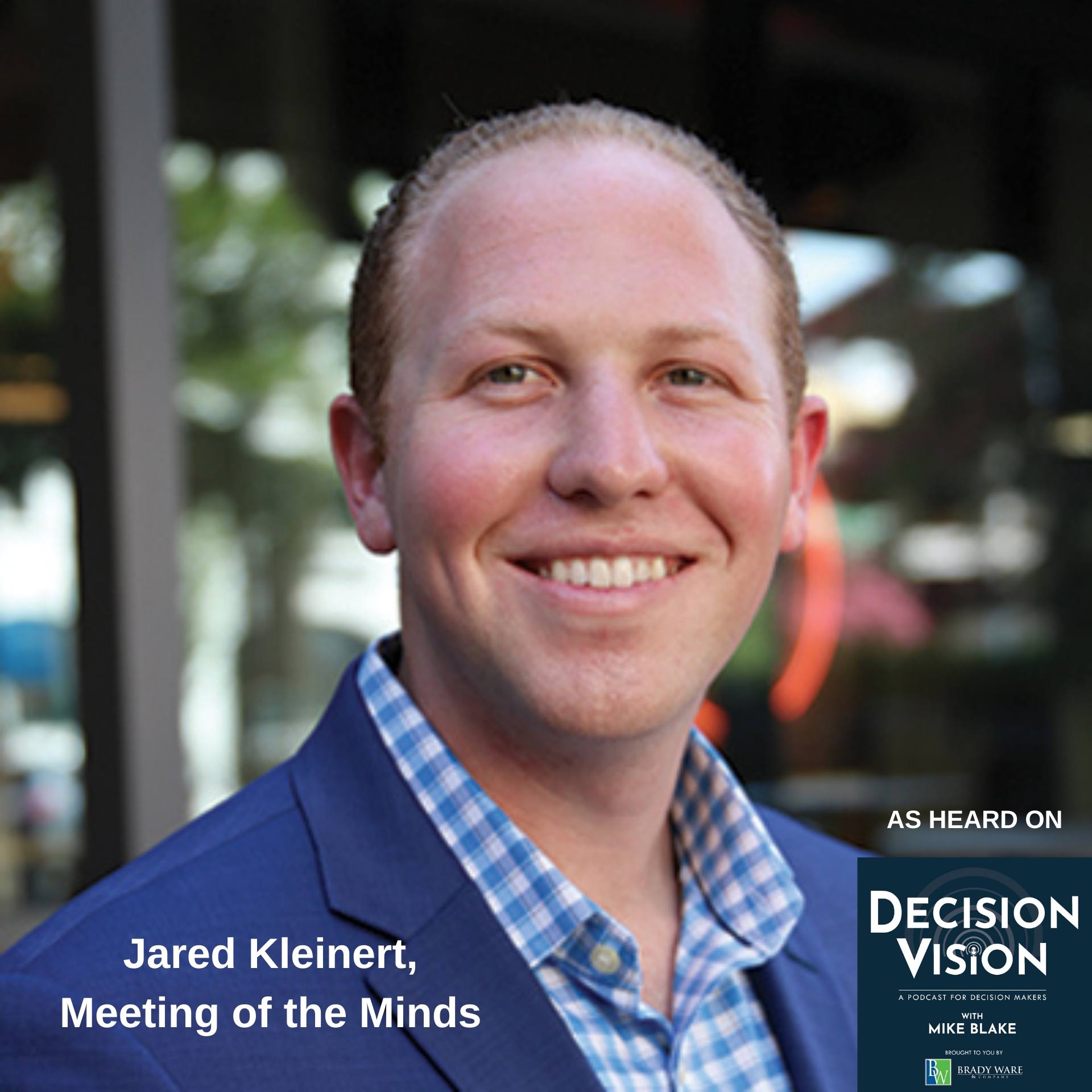
“How do I build my personal brand?” is a question many are struggling with right now. If you’ve been successful at building relationships face to face, how do you pivot in an environment where relationships must be developed digitally? USA Today‘s “Most Connected Millennial,” Jared Kleinert of Meeting of the Minds, joins “Decision Vision” to discuss this issue with host Mike Blake. “Decision Vision” is presented by Brady Ware & Company.

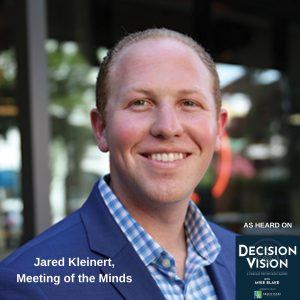
Jared Kleinert, Meeting of the Minds

Jared Kleinert is the founder of Meeting of the Minds, as well as a TED speaker, 2x award-winning author, and USA Today‘s “Most Connected Millennial”.

His invite-only mastermind community, Meeting of the Minds, curates top entrepreneurs, CEOs, and business owners for quarterly summits in places like Napa Valley, Atlanta, Los Angeles, New York, and Bermuda. Members of this network, typically operating 7-figure businesses with no outside investors) enjoy more predictable revenue, increased profitability, and sustainable growth for their companies in addition to new life-long friendships and long-term business partnerships.

In the last two years, Jared has invited over 100 diverse “super-connectors” and subject matter experts into Meeting of the Minds, including CEOs of 7, 8, and 9-figure businesses, creators of globally-recognized brands and social movements, New York Times bestselling authors, founders of pre-IPO tech unicorns, former Fortune 500 c-suite execs, and others.

Jared’s career began at 15 years old when he started his first company, and took off at 16 while working as the first intern, and then one of the first 10 employees, for an enterprise SaaS company called 15Five, which today has raised over $40M and has almost 2000 forward-thinking companies as monthly recurring clients. 15Five is the market leader for software powering continuous employee feedback, high-performing cultures, objectives (OKR) tracking, etc.

Later, Jared would become a delegate to President Obama’s 2013 Global Entrepreneurship Summit in Malaysia, write multiple books including the #1 Entrepreneurship Book of 2015, 2 Billion Under 20: How Millennials are Breaking Down Age Barriers and Changing The World, and speak at TED@IBM the day before he turned 20.

As a highly-sought after keynote speaker and consultant on engaging Millennials in the workplace, Jared’s clients range from organizations like Facebook, Samsung, Bacardi, Estee Lauder, IBM, Cornell, Berkeley, AdAge, and the National Speakers Association. His insights on entrepreneurship and networking have been featured in major media such as Forbes, TIME, Harvard Business Review, Fortune, NPR, Entrepreneur, Mashable, Fox Business and more.

Join Jared’s private email newsletter group at motm.co/newsletter.

Michael Blake, Brady Ware & Company

Mike Blake, Host of the “Decision Vision” podcast series

Michael Blake is Host of the “Decision Vision” podcast series and a Director of Brady Ware & Company. Mike specializes in the valuation of intellectual property-driven firms, such as software firms, aerospace firms and professional services firms, most frequently in the capacity as a transaction advisor, helping clients obtain great outcomes from complex transaction opportunities. He is also a specialist in the appraisal of intellectual properties as stand-alone assets, such as software, trade secrets, and patents.

Mike has been a full-time business appraiser for 13 years with public accounting firms, boutique business appraisal firms, and an owner of his own firm. Prior to that, he spent 8 years in venture capital and investment banking, including transactions in the U.S., Israel, Russia, Ukraine, and Belarus.

Brady Ware & Company

Brady Ware & Company is a regional full-service accounting and advisory firm which helps businesses and entrepreneurs make visions a reality. Brady Ware services clients nationally from its offices in Alpharetta, GA; Columbus and Dayton, OH; and Richmond, IN. The firm is growth minded, committed to the regions in which they operate, and most importantly, they make significant investments in their people and service offerings to meet the changing financial needs of those they are privileged to serve. The firm is dedicated to providing results that make a difference for its clients.

Decision Vision Podcast Series

“Decision Vision” is a podcast covering topics and issues facing small business owners and connecting them with solutions from leading experts. This series is presented by Brady Ware & Company. If you are a decision maker for a small business, we’d love to hear from you. Contact us at decisionvision@bradyware.com and make sure to listen to every Thursday to the “Decision Vision” podcast. Past episodes of “Decision Vision” can be found here. “Decision Vision” is produced and broadcast by the North Fulton studio of Business RadioX®.

Visit Brady Ware & Company on social media:

LinkedIn:  https://www.linkedin.com/company/brady-ware/

Facebook: https://www.facebook.com/bradywareCPAs/

Twitter: https://twitter.com/BradyWare

Instagram: https://www.instagram.com/bradywarecompany/

Show Transcript

Intro: [00:00:02] Welcome to Decision Vision, a podcast series focusing on critical business decisions. Brought to you by Brady Ware & Company. Brady Ware is a regional, full-service accounting and advisory firm that helps businesses and entrepreneurs make visions a reality.

Mike Blake: [00:00:22] And welcome to Decision Vision, a podcast giving you, the listener, clear vision to make great decisions. In each episode, we discuss the process of decision making on a different topic for the business owner’s or executive’s perspective. We aren’t necessarily telling you what to do, but we can put you in a position to make informed decision on your own and understand we might need help along the way.

Mike Blake: [00:00:40] My name is Mike Blake, and I’m your host for today’s program. I’m a Director at Brady Ware & Company, a full=service accounting firm based in Dayton, Ohio, with offices in Dayton; Columbus, Ohio; Richmond, Indiana; and Alpharetta, Georgia. Brady Ware is sponsoring this podcast, which is being recorded in Atlanta per social distancing protocols. If you like this podcast, please subscribe on your favorite podcast aggregator, and please consider leaving a review of the podcast as well.

Mike Blake: [00:01:06] Today, we’re going to discuss the topic, do I need to go all in on building a personal brand? And ever since this coronavirus thing really hit home, and we’ve all been sent scattering to our homes and hastily building work-from-home workstations, complexes, turning dining room tables into corporate headquarters and so forth, I’ve been thinking a lot about this topic because I’m in very much an old-industry firm. Well, let’s face it. I think that some of our firms and us included are actively thinking about how to best adopt and adapt to modern business techniques, practices, methodologies.

Mike Blake: [00:02:00] But the fact of the matter is the world is and has changed. And I don’t think that it’s at all a guarantee that it’s going to go back to the way it was, say, February 1st of January 15th. And as I think about that, I think about my business partners, I think about my colleagues, I think about my clients, I think about people that are in my ecosystem whom I care about, and I wonder what is to become of them if their primary method for building a brand or buildings, not even a brand, but just sort of a circle of people that are helpful to them. I don’t know what the word for that would be, so I’m going to just use that very awkward terminology. But what’s going to become of them, right? What what becomes of you if your primary vehicle for initiating and developing relationships is networking, and exchanging physical business cards and shaking hands with people, or God forbid, hugging them? It’s just what becomes of you if that’s your world? And frankly, that’s how you have been successful for the last 35 years of your career.

Mike Blake: [00:03:23] And the honest, no-sugar-coating answer as I try to do on this podcast is an asteroid has hit. Now, it’s hit on the other side of the planet. So, the shockwave hasn’t really hit. It’s hit in Mexico, but we’re in Eastern Europe. And so, the shockwave hasn’t hit. The fragments of molten lava or volcanic rock haven’t rained down on us yet. So, there’s a little bit of time. But the fact of the matter is an asteroid has hit. And these conferences, these seminars, these professional meetings, trade associations, happy hours and so forth, at a minimum, I don’t know anybody that thinks they’re going to come back tomorrow. And I’m of the camp that I’m not sure they’re going to come back maybe ever, certainly not in the medium term.

Mike Blake: [00:04:21] And so, what do you do? As a company, I don’t care how many costs you cut, there’s not a single company out there that is viable long term if you don’t generate revenue. And I don’t care what ever sort of other things you do in terms of building infrastructure and trying to be else helpful to your company that you work for or that your own. And I’m on record of saying this, if you’re not a profit center, you are expendable. And as I’m recording this on May 8th, 2020, the most recent unemployment figure shows 14.5% unemployment, which is better than I thought it would be. I think we’ll see 20%. And you do not want to be in a position where somebody looks at you as a cost, and you’ve got to be a profit center. A profit center is somebody who, generally, there are exceptions to this, but somebody who is going to bring in revenue.

Mike Blake: [00:05:22] And because the world we’re in now, because that’s sort of active ping that we’re used to is just off the table, what do you do? And I think the answer is about building a personal brand where you don’t have to meet people directly. And I think I’ll say with as much modesty as I can muster, I’ve had some success doing that. And Exhibit A is that I have never met over half of my clients in person. And I think that’s a help. Showing them my face is not going to close deals, I promise. But the fact that my clients really don’t care if they ever meet me in person I think shows that there’s a personal brand out there that’s had some effectiveness. And it’s not because I’m great at it. It’s just because of something that I chose to do.

Mike Blake: [00:06:15] And so, I’m picking this topic and I’m picking this topic now because I think it’s something that everybody out there has to be thinking about, even if you’re not an executive. I received a LinkedIn message from a friend of mine yesterday who has a son that wants a business internship. I know very few people are handing out internships right now. They’re trying to figure out how to keep their 30-year or 20-year employees busy and paid. So, where’s that internship going to come from? And my answer was, if you want to stand out, start building that personal brand. I only came to this party 15 years ago. I wish I would have had the opportunity and the foresight at age 20 to start doing this. I’d be miles ahead. And that’s the way I think you’re going to stand out, even as somebody who’s looking for an internship, have a personal brand, have a reason for people to know you, to remember you, to identify you as a special individual that’s bringing something that’s unique and special to the table.

Mike Blake: [00:07:22] And happily, my thinking on this topic coincides with something that, for me, has been very fortunate. About a year ago, I made a new friend name named Jared Kleinert. And to be candid, I had never heard of him before, but he reached out to me and was introduced to me because at the time, he was planning to move to the ATL, which he has since done and we’re delighted for that, but it turns out that even in his teens, he has understood organically about the importance about building a personal brand. Literally, it’s not hyperbole to say that he’s a genius and a prodigy of doing that. And when I read off his bio, you’re going to see why.

Mike Blake: [00:08:12] He’s a guy that sort of has this in his DNA. And I’m delighted that he’s agreed to come on to talk about this because I cannot think of anybody better. You can have your Gary Vaynerchuks, you can have your Tim Ferris’s, and they’re all great. You can give me Jerry Kleinert every day of the week. So, I want to introduce Jared, whose current deal is he’s founder of Meeting of the Minds, as well as a TED speaker, as a multi-award winning author, and has been named as USA Today’s Most Connected Millennial. Okay. So, maybe maybe you’re kind of getting this now.

Mike Blake: [00:08:53] His invite-only mastermind community, Meeting of the Minds, curates top entrepreneurs, chief executive officers and business owners for quarterly summits. Members of this network, typically, operating seven-figure businesses with no outside investors enjoy more predictable revenue, increased profitability, and sustainable growth for their companies, in addition to new lifelong friendships and long term business partnerships. And we talked a little bit about this topic with Marc Borrelli in a previous episode, where he talked about professional and business peer groups such as Vistage and talked about the value of those sorts of things. What Jared does is the same thing, but I think it’s more exclusive and a little bit more amped up on steroids.

Mike Blake: [00:09:36] Jared’s career began at 15 years old when he started his first company and took off at 16 while working as the first intern, and then one of the first employees for an enterprise SaaS company called 15Five. And we had one of their founders, Shane Metcalf, come on to talk about how to be an effective remote worker. And I hope you enjoyed that podcast because it was terrific, and I’m still begging him to introduce me to Simon Sinek who, as everybody knows, I have a disturbingly high man crush on. And today, 15Five has raised over $40 million and has almost 2000 forward thinking companies as monthly recurring clients.

Mike Blake: [00:10:13] Jared is the author of multiple books, including the number one entrepreneurship book of 2015, 2 Billion Under 20, which I have read,  How Millennials Are Breaking Down Age Barriers and Changing the World. And he spoke at TED at IBM the day he turned before 20. Jared, thank you so much for for coming on.

Jared Kleinert: [00:10:34] Yeah, thanks for having me. And I appreciate the flattery. I’m going to have to take the quote of, “You can have your Gary Vaynerchucks, you can have your Tim Ferris, but I’ll take Jared any day.” I appreciate that.

Mike Blake: [00:10:48] Well, it’s open source. I mean, I’ve already gotten the podcasts. I have no incentive to suck up to you. What you’ve accomplished is remarkable. And you’ve done so in a way where I presume it’s basically self-taught, where there are people my age with gray hair and arthritic ankles and all that we would love to accomplish that in a lifetime. And now, you realize, boy, we really need to accomplish stuff like that in a lifetime. So, having you with your talents and your story here, it’s really, I think, a terrific resource for our listeners. And frankly, I’m going to nag all the partners in my firm to listen to this.

Jared Kleinert: [00:11:33] Yeah. And none of us are completely self-taught. I mean, I’ve benefited from meeting hundreds of the world’s smartest and most talented millennials, and consulting for people who have New York Times bestselling books, and who are Rhodes scholars, and who are really world class of what they do. So, I’ve been very fortunate over time to download as much as I can from the people around me, but I think that’s part of why we’re talking about this topic today is that you are know the average of the people you meet and how high of a quality time you spend with them.

Mike Blake: [00:12:11] So, let’s start at the very beginning. Who needs a personal brand? Why do you need one?

Jared Kleinert: [00:12:18] Yeah. I mean, I think everyone. I started my first business at 15 and didn’t know anyone and didn’t know anything. I really began my career with a series of cold e-mails that I was doing to individuals on the West Coast of the United States when I was living in South Florida where I was born and raised. And so, in a way, I’ve been practicing some of the reach-out methods to influential people in the hustle and the relationship-building efforts that we can all apply during this time of social distancing. And so, started my first business at 15, failed miserably. I didn’t know anything about the industry I was playing in. I didn’t know anything about my competitors. I didn’t have enough capital.

Jared Kleinert: [00:13:10] Biggest mistake I made was poor mentor selection. And I was spending six months hanging out with a guy who I later found out had served time in prison for securities fraud on Wall Street, which is definitely not who you want to associate with if you want a long, prosperous career as an entrepreneur.

Mike Blake: [00:13:29] Yeah, nowhere to go but up.

Jared Kleinert: [00:13:30] Yeah. So, at 16, I had negative connections and negative experience, but I realized that I needed to do a 180 and surround myself with not just high integrity individuals because I think you have to be around great people first and foremost, but also people that were real subject matter experts at what they’re working on. I think that part is really important as well. And so, that’s when I sent a cold email to David Hassell, the CEO and founder of 15Five, Shane’s co-founder. And I reached out because I read about him. He was called the most connected man you don’t know in Silicon Valley, according to Forbes. And when I was thinking about reaching out, I had to think about what I could offer him, why would he give me his time of day. He was a serial entrepreneur, he had a successful business going, and he had a great network and a great brand, or another word we could use for brand is maybe reputation in this conversation. And I was just a 16-year-old kid in Florida who had spent six months learning under a former white collar convict and had a failed startup.

Jared Kleinert: [00:14:45] So, nevertheless, I sent him an email, basically offered to work for free in exchange for his mentorship. And that led to an internship in his company, which led to me being one of the first 10 employees at his company. And from there, that single super connector in David snowballed into a whole network of people that I’m still in touch with today, Advisors of 15Five, some of their clients. In fact, one of their former clients is now speaking at a camp or at an event I’m hosting in about a week at time of recording. And you also build the skillset of reaching out to more people like David.

Jared Kleinert: [00:15:30] You also pick up social proof along the way. Like I reached out to David. I’ve now established some experience in working for 15Five. I can leverage that in a tasteful manner, of course, but I can leverage the fact that he took a chance on me. I can leverage the trust that he’s built with other people in his network when I’m starting to build a relationship with those people off of his introduction or recommendation. When I called and emailed other people, I can leverage the work that I did at 15Five and anything else that I accomplished in the two years I was there, which I’ve done a TEDx talk, I got a book deal for my first book when I was 17.

Jared Kleinert: [00:16:12] And so, I replicated this model. I reached out to Keith Ferrazzi, who’s the author of Never Eat Alone, when I was 18. I sent another cold email. This time, I was able to better leverage some social proof I’d built up, which I think opened the conversation much more easily, but I still was looking to provide value to him as the first matter of business. And that effort turned into him becoming my first ever client of a marketing consulting firm that I ran. Again, I got to meet a ton of new people through him and with that case study.

Jared Kleinert: [00:16:46] So, I think what I’ve been able to do, which is definitely needed now more than ever, is find ways to meet influential people, build deep, meaningful relationships, and do so without relying necessarily on an in-person interaction at first; although, of course, that’s an important part of deepening relationships whenever you can do that. And I think at some point, we’ll go back to normal and we’ll have events. In my company, Meeting the Minds, it is driven by these three-day in-person experiences; although we’re figuring out how we do things virtual in the time being. So, I hope we go back to normal at some point. Yeah, even just the origin story of who I am and who I’ve been able to learn from and work with, it was all through a connections made virtually.

Mike Blake: [00:17:37] So, I want to ask you about the cold emails because I think that’s fascinating. Many people are reluctant to send cold e-mails. And I’m not sure why. The worst that could happen realistically is they’re just not going to respond. Unless you just say something completely just bad, they’re not going to bother to denigrate you with a response and they’ll just say … you might get an autoresponder, whatever it is. But what got you to start sending out cold e-mails because you’re too young to be scared of doing that, or did somebody advise you to doing out, or how did you get to that?

Jared Kleinert: [00:18:22] I think part of it was the pain that I had in having a really terrible mentor at first. So, I hope that you don’t need to have pain before you start cold e-mailing or sending more cold e-mails. And of course, the best cold e-mail is not having to send one at all. It’s to have a mutual connection where there is trust between you and that mutual connection, and then that mutual connection and whoever you’re trying to reach out to, be it a potential client, or mentor, or joint venture partner, vendor, et cetera, potential podcast guests. But if you are resorting to sending a cold e-mail, then how do we do that in the best fashion possible? Because even if you send the perfect cold e-mail, you may not get a response, as you were saying. It may take two, three follow-ups. Maybe they just are awful at e-mail or, perhaps, other things are going on like global pandemics that they have to deal with.

Mike Blake: [00:19:20] Oh, yeah, that.

Jared Kleinert: [00:19:21] Yeah. So, if you are going to send a cold e-mail, I think it’s a great strategy for potentially meeting some new people. And I don’t think there’s a huge barrier to doing it. It’s finding their e-mail address and sending a worthy message. And so, for me, I always start with the social proof that I have to offer. So, nowadays, it’s easy. I met Ted and TEDx speaker, award-winning author. I got this USA Today’s Most Connected Millennial thing. I have a lot of social proof that I can leverage. And then, specifically, for certain industries or individuals I’m reaching out to, I can reference a mutual friend in my subject line or I can reference something that we have in common.

Jared Kleinert: [00:20:07] But if you’re just starting out, then think about in the subject line of an email … before we even write the email, we’re just talking about the subject line. Think about social proof that you can offer, whether it’s awards that your company has won, or that you’ve won, or it’s a mutual connection that you see on LinkedIn. And if you can’t find some social proof, then, at least, try and spark intrigue, so that the other person opens your email. And you could do that by having something mysterious. Like one of my favorite subject lines is, “Quick question …” Or you can find a way to offer your value in the subject line of your email. “Hey, Mike, I have three podcast recommendations for you or three guests that I’d like to introduce you to.” You’re probably going to open up that email even if you had no idea who I was because it’s personal and it’s related to how I might be able to offer you value.

Jared Kleinert: [00:21:04] And so, then in the subject line or in the body of the email, quickly introduce yourself, but do it in a sentence or two. “Hi, I’m Jerry Kleinert,” and insert that social proof that you have or insert what you do. Then, the bulk of that e-mail should really be how you can help someone. And so, to send a proper cold email, you should be doing your research in advance. And that’s where the power of the internet comes into play and where you could actually start better initial conversations potentially than if you met someone randomly at a conference because you have the luxury of stepping back, doing a lot of research on what that person may want or need, what they care about.

Jared Kleinert: [00:21:50] And then, you can craft the perfect pitch or the perfect email to them to show them how you can be valuable, how you can be valuable right now, and what the next step should be, which is, “Hey, let’s …” You should end your email with a call to action like, “Let’s get on a call,” or “When are you available?” or “Let’s hop on Zoom,” something like that. So, I do think the cold email or the art of reaching out to new people digitally does pose some benefits from being able to think about what you can offer as valuable, what the other party is going to find as a trustworthy source of credibility, your social proof, and then the value you can offer them, which is why they’re going to pay attention to you and your message right now when there may be other competing priorities or other people reaching out, other salespeople trying to get money from them, et cetera.

Mike Blake: [00:22:51] So, you’ve built, obviously, a personal brand. I think, for good or ill, I hope this is accurate, but I do think of your personal brand as the millennial who really gets it and has figured out a lot of the secret sauce, secret formula to digital media, to digital relationship building, and so forth. And my question is this, is that at what point did you go from trying to find a mentor that was better than the train wreck that you initially had to becoming a cohesive plan around building a personal brand where you going to be known for X? How did that evolve?

Jared Kleinert: [00:23:39] Yeah. I think the biggest strength of my brand, as you call it, is the quality of my network. And I’ve certainly taken steps to not just build a great network, but then to amass social proof, to let it be known to the world that I am a quality person to connect with. And so, in terms of thinking about that social proof curation process, as we can call it, I would start with what your ideal customers, or what your ideal friends, or mentors would find to be trustworthy. So, things like Ted and TEDx are trustworthy.

Jared Kleinert: [00:24:20] I’m really clear about saying I’m an award-winning author as opposed to a bestselling author because I know that there is a lot of people that can write a book post on Amazon and be a bestselling author with three book buys and an esoteric category in an hour from their friends for 99 cents. I’m really salty about that. So, I say award-winning because it’s a lot harder to win awards. And if I was a New York Times bestselling author, I’d put on I’m a New York Times bestselling author, but I’m not. So, I’ve found different ways to leverage the assets I have and to go acquire those as quickly as possible.

Jared Kleinert: [00:24:57] If you’re part of my business as I’m a keynote speaker and I’m a consultant for major companies occasionally. And so, you have a potential speaking client is looking at me and my body of work, what are going to be the other companies that they’re gonna look at and sort of deem trustworthy? What are the news sources they’re going to look at and deemed trustworthy, the podcasts they’re going to look at, et cetera. So, I even if it’s working for free or taking a reduced fee, I went and tried to get Facebook, Samsung, Bacardi, Estée Lauder, IBM, you know, National Speakers Association, you could you can go to associations as well, those are all groups that I worked with because, in part, I wanted to shine a light on the quality of my work for other people who were interested in connecting with me.

Jared Kleinert: [00:25:48] So, there’s that aspect to it in terms of building my network because I think the quality of my network and the diversity of my network is where my brand and reputation really shine and why people connect with me. I think, again, there was a snowball effect at first with building my network. So, being a good person, looking to provide value up front, and then focusing my efforts on connecting with one super connector in David or in Keith Ferrazzi a couple years later.

Jared Kleinert: [00:26:21] And then, from there, it’s leveraging that connection to connect with more super connectors. And the dirty secret is someone like Keith Ferrazzi or someone like David has dozens, if not hundreds, of friends who are also very well connected, very well regarded in their fields. And so, I, in turn, can meet those people. And when I’m connecting with those individuals, we’re starting at a much deeper level of our relationship because we’re both leveraging the trust of David or whoever that connector is in that situation.

Jared Kleinert: [00:26:56] And so, it’s important to keep your quality of work high. And when I say be a good person, it’s not just Mother Teresa type doing good deeds, but it’s also having high quality products and services, and showing up on time, and working hard, and some of those basic statements. But as long as you’re continually a good person, and you’re continually looking to provide value, then your network is going to grow exponentially when you focus on these super connectors. And you can focus on super connectors in your industry. I’ve made it a particular point of interest to focus on super connectors from diverse industries and fields because that is my leverage in the marketplace as I have perspective across hundreds of industries and access to hundreds of other communities if and when I need it.

Jared Kleinert: [00:27:48] So, hopefully, that’s answering your question, but I think it’s being mindful about who you’re connecting with. And then, it’s also thinking about what’s it going to take for that other person to trust me. And so, that’s going to be a mutual connection. Or if you don’t have the luxury of a mutual connection and/or you want to bolster that mutual connection’s introduction, then you can go and amass social proof in the form of press, and podcast interviews, and all this stuff that you might say is your brand online. And then, make sure you put it in places where people are going to see it, your LinkedIn bio, your email signature, going on different shows that have a decent audience. So, I’ve been interviewed by Larry King and and New York Times bestselling authors like Neil Strauss with a big following in the entrepreneurial community, or have been referenced on James Altucher Show, even though I haven’t done a full interview with him. So, then it’s thinking about from a distribution standpoint, like where are my ideal clients, partners, friends going to hear about me in a one to many fashion, if it’s not through a mutual intro or it’s not through a cold email.

Mike Blake: [00:29:02] So, let me ask you this. So, you’ve done, I mean, the TED talks. And I realize I gotta go back and actually watch. I’m embarrassed I’ve not, but I will. Did did those come before you are in the process of building a personal brand, or did you look back to say, “Hey, I did these TED talks and I wrote this book. That’s pretty cool. I, now, have a personal brand that’s kind of evolving, and I’ve got to figure out a way to be a good steward of it or be a good caretaker”? What was the order of operations there?

Jared Kleinert: [00:29:41] For me, I think it was pretty the personal brand building exercises were centric around book launches and around sort of getting a certain mission out into the world. I think it’s cyclical too. I’m now thinking about how we grow Meeting of the Minds and what are the new assets in my brand that I need to build to better reach more of our ideal clients. And so, I can look back at what I’ve done, and comb through what I have, and maybe pick some of the top interviews, or pick some of the top places I’ve spoken at, or individuals that I’ve worked with, and then reference those.

Jared Kleinert: [00:30:29] I would recommend, if you’re listening to this and you don’t have a lot of social proof built up, I would build that as quickly as possible, so that you can go back to revenue-generating activities and some of the other stuff. I think that the main thing here is you want to spend as much time as possible leveraging your social proof and building your network and your business instead of what some of my peers do, and they spend a lot of time chasing press opportunities and chasing “fame,” for lack of a better word. I’m not really interested in doing too many paid or doing too many speaking gigs right now unless they’re paid. I don’t need more social proof in terms of stages I’ve been on. But at the beginning, when I was looking to build out part of my business or leverage stages I’ve spoken on for Meeting of the Minds or for book launches, it was very important for me to get as many high quality speaking gigs as possible, and get as many names or logos I could reference on my speaking pager or wherever.

Jared Kleinert: [00:31:33] So, it depends on where you’re at. If you’re starting out with a new business, or new industry, or you’re earlier in your career, then I would build that social proof as quickly as possible, so you could spend more time leveraging it. But it also makes sense to view it or look back at it cyclically and make sure that the assets that you’ve had reflects how you can be helpful in the marketplace right now because, a lot of times, even today, I get a lot of references to my books. And while it’s great that people are reading, I want more people to know more about Meeting of the Minds. And so, I need to adjust for that. I need to make sure that what I’m putting out in the world accurately reflects how it would help our ideal member there. So, that’s a good way to think about it.

Mike Blake: [00:32:24] So, I’m going to tear up the script up a little bit here. And I want to focus on-

Jared Kleinert: [00:32:30] Oh no!

Mike Blake: [00:32:32] Such as the script is, but I want to drill down into building social proof, right?

Jared Kleinert: [00:32:37] Sure.

Mike Blake: [00:32:37] That’s dominated this conversation so far. And I get it, it’s important. I’m [indiscernible], but, now, I’m somebody that I know I need to become intentional about building this personal brand, and digital is going to be likely a big part of that. What are the things I should be thinking about now if I feel like I don’t really have a lot of social proof? What can I do that’s intentional to try to build credible social proof relatively quickly?

Jared Kleinert: [00:33:09] Yes. So, for you, we can use you as the guinea pig, you’re-

Mike Blake: [00:33:14] Good.

Jared Kleinert: [00:33:15] You’re at Brady Ware, and you have to think about how to generate new clients, especially now more than ever. But in general, part of your work is is revenue generation. It’s upselling clients that the lifetime value of those clients is higher and higher. And that once you have clients, they need to trust you to do work with them. And then, they should also be excited about referring you and so on and so forth. So, for you, it’s looking at who is your ideal clients, and then thinking about where do those people get their ongoing education. What industry news sources would they regularly read; and therefore, they may trust those sources. It’s thinking about associations that your ideal client might be part of. It can be credentials. I never went to college, so I don’t have the college credential that many people use. But I found other credentials in terms of things I’ve done that showcase. That is hard to do that; and therefore, I had to get skills, and connections, and whatnot. But it’s thinking about your ideal client and all the different things around that person that are important to know.

Jared Kleinert: [00:34:46] And so, you can probably write this down if you took half an hour or an hour to think about it. You can also ask your ideal clients and be like, “Hey, where do you go to get your ongoing education?” or “What podcast you listen to other than mine?” or “Where are you hanging out virtually right now because you can’t go to conferences.” And so, then, it’s how do you … that gives you some of the information that you’re gonna need. And yes, social proof could be being featured in Forbes, New York Times. Those are sort of the wide ranging ones. But then, it’s also getting really specific as to what are the exact places that your ideal audience needs to to hear you and see you in order to trust you and know that you’re like the perfect person for them. If you’re focusing on some sort of book launch or product launch, then you could go even crazier with this and try and book 20-30 podcast episodes. And then, wherever your ideal client is turning, they’re hearing, and seeing you, and you’re sort of a surround sound influencer for them, I think that’s a great strategy as well for a launch of sorts.

Jared Kleinert: [00:34:46] And then, you become just a trusted source. And so, when you finally do reach out with a cold email or get that mutual or get that introduction, you’re going to start your relationship on a much better footing. And then, it’s also reference material. So, it’s when you are reaching out, someone’s gonna Google you, or look on LinkedIn, or see the email signature that you have. And at first, they’re going to be like, “Who the heck is this?” And then, they’re gonna be like, “Oh, they’re actually pretty cool,” or “I could really use their product or services,” or “They’re worth chatting with,” at minimum. So, there’s benefits there from a reference standpoint, but also sort of a marketing standpoint. And I would start with, you know, who you’re trying to influence, which is probably your ideal clients as one of the main buckets of people. And then, thinking what matters to them, where are they going to get their education, and try and be in those places.

Mike Blake: [00:37:02] So interesting. So, to sum up with your advice is to get connected with wherever your target audience gets their education, gets their information because that’s all they’ll be looking and you’ll happen to be there. Interestingly, you did not say go out and write a book. You did not say go out and become a TED speaker. And you didn’t say go get an award from a national publication. So, I’m curious why that is.

Jared Kleinert: [00:37:43] I think those could be indicators of social proof, and they could also be ways that you can offer value to people. But I think the best bang for your buck is is starting with any sort of blog posts, or guest blog posts, or being interviewed on a podcast, or getting featured in some press because those are also quick and easy. And that’s more of a marketing and positioning challenge or exercise; whereas, writing a book is two years minimum of absolute torture before you get something out into the world. And most books are not good. And I think you could use that two years in other ways. So, by all means, go write a book if you are going to dedicate the time and resources to it to make it fantastic and to really serve the needs of your ideal listener. By all means, start a podcast if you think you can put the necessary investment of time, and money, and effort into it, and you’re gonna be able to get interesting guests on a regular basis that are going to serve your ideal listeners’ needs.

Jared Kleinert: [00:38:55] But you also have a business to run for most people listening to this, or you’re running a business within a business, and sort of you’re an intrapreneur. And so, again, I think if this is a conversation about networking, then it’s how do I acquire the social group as quickly as possible, so that I can go on with my life and leverage that social proof. Most of my time is not spent talking to the Ted organization, or it’s not spent talking to Forbes where I used to have a column. It’s talking to potential clients. It’s serving their needs. It’s networking with other peers, and learning from them, and discovering how I’m going to pivot my primarily in-person events business to a virtual format for the next six to nine months and how I can do my pivot in a way that maybe integrates with our long-term strategies that we can do a virtual part of our Meeting of the Minds and also an in-person part.

Jared Kleinert: [00:39:59] I think there’s a lot going on, and your network is is one big part of that, and your social proof for how you find other people in your network should become an increasingly smaller part of that. The ultimate goal is when you reach out to people, they listen. When you get introduced from someone, you immediately get a response. So, over time, you should need less and less social proof or need less to get that connection going and get to the fun stuff.

Mike Blake: [00:40:33] So, anybody who sits down on Google’s personal branding online influencer is going to run into the term “authenticity” early and often. Can you explain to our audience what authenticity means, and why is it important, and how do you project or make sure that your brand does come from a place of authenticity?

Jared Kleinert: [00:41:01] I can share what it means to me. So, it goes back to that being a good person aspect. It’s doing the work required to both have good intentions, and then to reflect that in your work. So, it always starts with the quality of your product, the quality of your service. Being authentic also means if I’m going to then start marketing or broadcasting who I am and what I do, I’m doing it in a way that reflects my values. And sure, occasionally, you may say something that is risque, or unique, or different, but it’s not to put anyone else down. It’s only to reflect who you are and what you’re working on. It’s apologizing when you mess up and providing even more value to deepen that relationship or mend that relationship.

Jared Kleinert: [00:42:04] So, for me, it starts with the work that you’re doing before you ever talk to anyone, and building great products, services, and then getting that out into the world. When you talk about networking, or marketing, or sales, I fully believe that if you have the best solution in the marketplace, then it’s a disservice if your ideal clients aren’t using your or your product or service. But if you’re selling snake oil, and then you’re trying to run a bunch of ads or leverage these social proof tactics that we’ve been talking about, I don’t think that’s authentic. I think that’s when you risk influencing people in a way that’s not in their best needs. Can you really sleep with yourself a night selling a low-quality or detrimental product or service to someone?

Jared Kleinert: [00:43:03] So, I think that’s where authenticity comes in. And I’ve never personally been too afraid of wearing what I want when I’m speaking or talking how I’d like to talk. I mean, those parts can be authentic too if you’re in a more corporate environment, being able to just be you. There’s no difference, really, in how I am sharing with you now versus how I am at home. I’m an open book. So, I guess there’s a version of authenticity there that could be debated or could be implemented or not. I mean, I respect privacy as well. I do have parts of my life that are private, but I’m pretty much the same person 9:00 to 5:00 that I am 6:00 to 9:00 or whenever.

Mike Blake: [00:43:52] So, one thing you’ve done now or you’re doing now as well, I would consider, the advanced classes that you’re evolving from Jared kind of the personal brand of the network building wonder kid into building now online communities. And so, why is that desirable to you? And how do you go about doing that?

Jared Kleinert: [00:44:21] Yes. As I was building what some have called a world-class network in record time, you have a limited amount of time. And so, you have to think about how to help as many influential people as possible with the limited time that you have. You also have to think about how you can offer value to people. And many times, I’ve found that one of the best ways to offer value to other people is by connecting them to other great people. And so, pretty early on, maybe 17 or so, I was actively creating Facebook groups and creating spaces where I was curating, which I think is a really important word and exercise. I was curating great groups of people and giving them an opportunity to meet each other and provide value to one another. And then, that becomes one-to-many networking.

Jared Kleinert: [00:45:20] And you’re also creating an environment where it’s sort of like a neural network of a brain. When two people in your online community connect with each other, they’re going to sort of think back to you as the person who connected them, even if you did nothing other than create the setting for them to connect and maybe put some guardrails in place for who’s in there, how they’re supposed to interact with one another and things like that. So, I’ve been building, I guess, online communities since 17. Nothing massive, like not tens of thousands of people, but hundreds of the perfect people.

Jared Kleinert: [00:45:55] When we were writing Two Billion Under 20 and Three Billion Under 30, we were building online communities of some of the world’s smartest and most talented millennials, so that the same people that were contributing to our book could meet each other. And that was one of the ways that we convinced these book contributors to partake as we said, “Hey, we’re asking you to contribute three to five pages of your formative life experiences to our book. And we’re going to give you access to this entire community of other world-class millennials. And then, of course, we’re going to give you exposure via the book sales and people reading your story. And I, personally, will connect you to as many people as possible or be your cheerleader. However, I can help you, I’m there. And that’s how you convince, like the founder of WordPress, or the co-founder of Duolingo, or champion athletes, or social media influencers to all partake in that work of yours.

Jared Kleinert: [00:46:51] And so, there’s all my communities. I saw it in different lenses when I was, I guess, 22 or so. So, after a few years of writing these books, building a readership, getting to speak at some great places, also building that consulting firm, which started with that connection with Keith Ferrazzi. And then, I had a marketing consulting firm where I worked with other top thought leaders. There’s only so far. You can only scale a consulting business to such capacity. And while the work I was doing with my clients I thought was very valuable, I realized that the most valuable thing I could offer was to take my clients, and to take my book contributors and readers, and bring them together, so they could meet each other because, then, they’re working with me and they’re also working with each other to grow their businesses.

Jared Kleinert: [00:47:43] And so, that’s where we started Meeting of the Minds. I do truly believe in the power of online or the power of in-person connections, even though most this conversation has been about virtual connections. So, the Meeting of the Minds, our core businesses running three-day summits where these people are flying from all over the country, sometimes, even internationally, to hang out in Napa for three days, or Bermuda for three days, or Upstate New York, or Atlanta, and they’re building deep, meaningful relationships with one another where they’re not talking about work. They’re talking about personal hobbies and things that they’re doing to better themselves. Then, they’re talking about pressing problems in their business, or exciting opportunities and projects, and helping one another, and masterminding. But that can be done digitally as well. And we’re doing that now as a way to sort of deal with the pandemic.

Jared Kleinert: [00:48:41] But ultimately, that is one of the best ways I can offer people value is by creating these spaces where someone can get a connection with me and value from me, and they can also meet all these other people that I’ve deemed trustworthy and awesome. And so, I’m now taking the social proof that I’ve built over time and extending it to my clients and extending it to my friends, and creating the space where two new strangers who I’ve curated can leverage my social proof and my relationship with each of them individually, and start a relationship with each other, and do all the things that we’ve talked about, whether it’s work together, partner, support each other, mastermind, things like that.

Jared Kleinert: [00:49:26] So, if you’re listening to this, I think you have to start with how you can best influence your ideal clients or your ideal boss if you’re looking for a dream job. Start with that like first set of connections. Then, you might think about what are all these diverse advisors, mentors, peers I’m going to need to educate me along the way and hold me accountable, make sure I don’t go off the beaten path. And then, after you’ve accomplished that, and you’ve built a great network for yourself, then it’s how do I offer this network and how do I offer what I know to others in a way that will allow my network to grow exponentially but it’ll also provide exponential value. And so, that’s where the online communities come into play. That’s where the in-person event series come into play. And anything where it’s a one-to-many communication channel. Even a podcast, I have an email newsletter that I’ve been pouring a lot of effort and energy into. That’s where the groups come into play and could be extremely valuable.

Mike Blake: [00:50:37] So, you touched upon one issue I want to make sure that we cover. I think a lot of people, even people who are experienced, frankly, can be easily discouraged because you go on YouTube, you see something that’s got 250,000 followers. If somebody’s got a LinkedIn, and they’ve got thousands of followers and so forth. You know what I’m talking about. I’m starting up, I turn on my laptop, I’ve got eight followers. And so, the question is, am I so far behind that I just can’t catch up. Is number of followers even the right metric to be looking at your opinion in most cases?

Jared Kleinert: [00:51:23] I don’t think so, no. I also struggle with the same feelings sometimes. I think it’s all about your goals. I mean, for me, I would rather have a network and a following of very influential people. So, if I have a thousand email list subscribers but they’re all serial entrepreneurs, they’re all community leaders, podcasters, authors and can influence millions of people collectively or tens of millions of people, to me, that’s success. And that’s what I was trying to accomplish with our book series. And we had 75 book contributors to both books. And so, I had a network or a community of 150 of the world’s smartest, most talented millennials. And through them, if I had something that was very compelling and worthy of the masses, we could reach 50 million plus social media followers and we could reach half a million to a million people on their various email lists.

Jared Kleinert: [00:52:21] Such as my personal goal is to be an influencer of influencers in the humblest way possible, I want to work with the the entrepreneurs, business owners, the CEOs who have a vision for how the world should work or how their industry should evolve. And I want to help them get that vision out into the world, grow their company, reach more people. Some other people have business models that are predicated on total amount of viewers or total amount of listeners. And so, then, it should be your goal to get as many people as possible to listen to your stuff. So, it’s all depending on your goals, but I’ve personally focused on the quality of my connections.

Jared Kleinert: [00:53:05] It’s also a lot of people that will take in content that may not sort of raise their hand and tell you that they’re raised or listening to the content. You may have 1000 or 5000 regular podcast listeners, and maybe five of them have told you that your show’s awesome in a review or maybe they’ve reached out on social media, but they’re still influenced by you, and they’re still coming to you every single week. And so, I’ve had countless stories of friends who have seen a Facebook post that I had about like my weight loss journey; and yet, they never liked it, they never commented, they never told me about him. Then, six months later, they’re like, “Oh, yeah. By the way, you made a post on Facebook about how you lost 20 pounds, and I started doing that. And now, I’ve lost 20 pounds.”

Jared Kleinert: [00:53:55] And so, I think it’s important to keep in mind who’s absorbing your content and information, who’s watching you from afar, and just how you’re building your career, and how you’re working who will never raise their hand and tell you that they’re doing that. And that, I guess, is truly your reputation. It precedes you before you ever meet someone. It will allow you to start new conversations with sales prospects much more easily or more difficultly depending on how you’ve built your reputation. So, I wouldn’t be fooled by subscriber counts or lack thereof. I’d really focus on just the quality of your work and the quality of the people taking in your work as you define who is an ideal customer, listener, friend for you.

Mike Blake: [00:54:51] Jared, you were very generous with your time. And I know you’ve got to go because you have a packed schedule today. I want to scratch the surface of what I had hoped to ask. How can people contact you for more information about this? If they have something we haven’t gotten to today, can they reach out to you?

Jared Kleinert: [00:55:08] Yeah.

Mike Blake: [00:55:09] How do they do that?

Jared Kleinert: [00:55:09] Jaredkleinert@gmail.com. You can find me on on social media. I have a private e-mail newsletter that I keep, which for the last 18 months I have not had an opt-in page for, and I’ve added everyone one by one because I want to keep in touch. But now, you can go to MOTM.co/newsletter and join that. I’m not going to tempt you with a free e-book or anything like that but you can see some of the past newsletter updates I’ve sent out before you subscribe. So, that’s that’s the place I’d love people to go to, reach out to me just directly through email. And seriously, I’d love to chat with you. I’ve been on a ton of podcasts, and you’d be surprised even the shows like 250,000, there’ll be two people that would reach out. So, don’t be afraid to reach out to me. You could send me a cold email, “Quick Question …” or “Mike’s podcast,” and let’s start a conversation.

Mike Blake: [00:56:12] So, I actually talked over you. Can you repeat the email address, please?

Jared Kleinert: [00:56:16] Yes. Jaredkleinert@gmail.com. So, just my name.

Mike Blake: [00:56:20] So, K-L-E-I-N-E-R-T.

Jared Kleinert: [00:56:20] Yes, sir.

Mike Blake: [00:56:24] Good. Well, Jared, thanks so much for joining us. I learned a lot, and I know our listeners have too. That’s going to wrap it up for today’s program. I’d like to thank Jared Kleinert of Meeting of the Minds so much for joining us and sharing his expertise with us today. We’ll be exploring a new topic each week, so please tune in, so that when you’re facing your next executive decision, you have clear vision when making it. If you enjoy this podcast, please consider leaving a review with your favorite podcast aggregator. It helps people find us, so that we can help them. Once again, this is Mike Blake. Our sponsor is Brady Ware & Company. And this has been the Decision Vision Podcast.

Tagged With: authenticity, Brady Ware, Brady Ware & Company, build a personal brand, building online communities, email newsletter, influencer, Jared Kleinert, Meeting of the Minds, Michael Blake, Mike Blake, millennials, personal brand, social proof

Decision Vision Episode 40: Should I Align My Business with a Cause? – An Interview with Mollye Rhea, For Momentum

November 15, 2019 by John Ray

Decision Vision
Decision Vision
Decision Vision Episode 40: Should I Align My Business with a Cause? - An Interview with Mollye Rhea, For Momentum
Loading
00:00 /
RSS Feed
Share
Link
Embed

Download file

Mike Blake and Mollye Rhea

Decision Vision Episode 40: Should I Align My Business with a Cause? – An Interview with Mollye Rhea, For Momentum

Does cause marketing really help my business? What factors should I consider in selecting a cause to align with? Answers to these questions and much more come from Mollye Rhea, For Momentum, on this edition of “Decision Vision.” Mike Blake is the host of “Decision Vision,” presented by Brady Ware & Company.

Mollye Rhea, For Momentum

For Momentum unites companies and brands with nonprofits in a way that benefits both organizations. Benefits include enhanced visibility, high-touch relationships with employees, customers and donors and significant social impact. Within the industry, this is referred to broadly as corporate social responsibility (CSR) or more concisely as cause marketing. At For Momentum®, they call these carefully designed partnerships strategic cause alliances.

Mollye Rhea

Founded in 2003 by corporate marketing and nonprofit executive Mollye Rhea, For Momentum has emerged as a leading cause marketing agency that helps companies and nonprofits prosper through partnership. Corporate Responsibility Magazine has recognized For Momentum as one of the top five cause marketing firms in the United States. Their work has been featured in the books Cause Marketing for Dummies and Corporate Social Responsibility: Doing the Most Good for Your Company and Your Cause as well as in numerous other industry publications.

While many factors set For Momentum apart from other cause marketing firms, these are the top five unique selling points (USPs) mentioned most often by their clients and industry experts. For Momentum is 100 percent focused on strategic cause alliances versus offering cause marketing as one service among many public relations, marketing and advertising options.

For Momentum’s accomplished cause marketing consultants possess a deep understanding of national/local dynamics—both corporate HQ/franchise and national nonprofit/chapter affiliate relationships.

For Momentum maintains a hiring criterion that each staff member has experience in both nonprofit and corporate environments, which equips them to provide valuable “translator” skills. Experience on both sides of the table allows them to link shared values and mutual challenges cohesively and meaningfully, leading to strategic, integrated cause marketing programs that achieve nonprofit mission objectives while delivering marketing, sales and PR benefits to the corporation.

No other cause marketing agency offers For Momentum’s proven system of identifying partnership prospects, conducting partner outreach and negotiating corporate partnerships. They customize each strategy and cultivate each pipeline for the specific client or project. With For Momentum, you won’t find cookie cutter plans, stale templates or impersonal outreach using the same tired list of prospects.

For Momentum provides a fresh, outsider perspective to help clients realize strategic priorities and adds a depth of experience and actionable plans that enable agencies, companies and nonprofits to meet their goals more quickly and efficiently.

For more information and to access resources mentioned in the show, go to the For Momentum website.

Michael Blake, Brady Ware & Company

Mike Blake, Host of “Decision Vision”

Michael Blake is Host of the “Decision Vision” podcast series and a Director of Brady Ware & Company. Mike specializes in the valuation of intellectual property-driven firms, such as software firms, aerospace firms and professional services firms, most frequently in the capacity as a transaction advisor, helping clients obtain great outcomes from complex transaction opportunities. He is also a specialist in the appraisal of intellectual properties as stand-alone assets, such as software, trade secrets, and patents.

Mike has been a full-time business appraiser for 13 years with public accounting firms, boutique business appraisal firms, and an owner of his own firm. Prior to that, he spent 8 years in venture capital and investment banking, including transactions in the U.S., Israel, Russia, Ukraine, and Belarus.

Brady Ware & Company

Brady Ware & Company is a regional full-service accounting and advisory firm which helps businesses and entrepreneurs make visions a reality. Brady Ware services clients nationally from its offices in Alpharetta, GA; Columbus and Dayton, OH; and Richmond, IN. The firm is growth minded, committed to the regions in which they operate, and most importantly, they make significant investments in their people and service offerings to meet the changing financial needs of those they are privileged to serve. The firm is dedicated to providing results that make a difference for its clients.

Decision Vision Podcast Series

“Decision Vision” is a podcast covering topics and issues facing small business owners and connecting them with solutions from leading experts. This series is presented by Brady Ware & Company. If you are a decision maker for a small business, we’d love to hear from you. Contact us at decisionvision@bradyware.com and make sure to listen to every Thursday to the “Decision Vision” podcast. Past episodes of “Decision Vision” can be found here. “Decision Vision” is produced and broadcast by the North Fulton studio of Business RadioX®.

Visit Brady Ware & Company on social media:

LinkedIn:  https://www.linkedin.com/company/brady-ware/

Facebook: https://www.facebook.com/bradywareCPAs/

Twitter: https://twitter.com/BradyWare

Instagram: https://www.instagram.com/bradywarecompany/

Show Transcript

Intro: [00:00:02] Welcome to Decision Vision, a podcast series focusing on critical business decisions brought to you by Brady Ware & Company. Brady Ware is a regional full-service accounting and advisory firm that helps businesses and entrepreneurs make visions a reality.

Michael Blake: [00:00:20] And welcome to the Decision Vision, a podcast giving you, the listener, clear vision to make great decisions. In each episode, we discuss the process of decision making on a different topic, rather than making recommendations because everyone’s circumstances are different. We talk to subject matter experts about how they would recommend thinking about that decision. My name is Mike Blake and I’m your host for today’s program.

Michael Blake: [00:00:41] I’m a Director at Brady Ware & Company, a full-service accounting firm based in Dayton, Ohio, with offices in Dayton; Columbus, Ohio; Richmond, Indiana; and Alpharetta, Georgia, which is where we are recording today. Brady Ware is sponsoring this podcast. If you like this podcast, please subscribe on your favorite podcast aggregator and please also consider leaving a review of the podcast as well.

Michael Blake: [00:01:02] So, our topic today is should my business align with a cause? And I was brought to thinking about this topic because it was in the late last year, early this year, I think it was late last year, you know, I observed Nike pretty much going all in with the Colin Kaepernick scenario with the NFL. And I’m not going to comment specifically on that matter, but I did make an observation on social media that, it struck me that if I were a shareholder of Nike, I would at least like to know in advance if a company in which I was invested was going to take a polarizing or potentially polarizing position like that.

Michael Blake: [00:01:52] And I think I was kind of motivated in that viewpoint by the fact that there was a pretty demonstrative response by what turned out to be a very small minority of customers. I know that the massive response is everything from burning shoes to tearing up sweatshirts and wherever it is else that Nike sells. And, you know, quite frankly, most people who looked at that on social media said, “Blake, you’re dead wrong.” And I said, “We’ll see.”.

Michael Blake: [00:02:28] And you know, to a couple of my friends’ credit, they actually went out and bought Nike stock. So I got to give them credit, they put their money where their mouth was. And, well, you can see the history for yourself. Nike is still around. They are doing fantastically. Their stock has never been at a higher level, I believe. I think they had one of their best years ever in terms of return on that stock.

Michael Blake: [00:02:51] And clearly, I was wrong about that. And I owned up on that on social media. Imagine that, somebody saying they were wrong on social media. But, you know, the facts are the facts. And as Bill Gates likes to say, “Success is a lousy teacher.” So I had a great teacher in failure there. But it led me to sort of think about, you know, what goes into the process of a Nike when they decide that they’re going to support, in their case, a polarizing cause?

Michael Blake: [00:03:18] Not all causes are polarizing. There are many cause we can all get behind, whether it’s the United States Olympic movement, whether it is fighting cancer, whether it is stopping human trafficking, right? Not every single cause that people believe in is a polarizing one. But nevertheless, there is also a viewpoint, and Warren Buffet, I think, would agree with us because he’s written about this, that, you know, it’s really not company’s business to engage in causes at all, that business should be in the business of generating return for its shareholders.

Michael Blake: [00:03:51] And if shareholders then want to take their returns and use that to support a cause, then they should do that. And that’s how the economics should work. And again, I’m not going to necessarily debate that directly, but I want to put that out there that that is a widely held view by a person who’s been pretty successful at this whole business thing. And so, that kind of sets the stage as a platform for today’s discussion, because my bringing this on social media showed me very clearly that there’s, you know, something more that I can understand.

Michael Blake: [00:04:22] And many of you who are in business may be thinking the same thing about, you know, is there an opportunity for me to align with a cause, an organization of some kind? Is that the right thing to do? How do I kind of figure that out? And I’m not qualified to talk about that, but I have somebody here in the studio who is very qualified to talk about that. And joining us today is Mollye Rhea, founder and president of For Momentum, a cause marketing agency here in Atlanta.

Michael Blake: [00:04:54] When Mollye founded For Momentum in 2003, she recognized that she was leading one of very few agencies that specialized in cause marketing. I think that’s still true today. Since then, as cause-related marketing and corporate social responsibility have grown to a $2.6-billion industry, For Momentum has grown into one of the leading cause marketing firms in the United States. And they’re doing fantastic.

Michael Blake: [00:05:18] Through work in nonprofit development, brand marketing, and cause marketing, Mollye has acquired a unique 360-degree perspective of what fosters success and strategic cause partnerships. In her over 25 years in the field, she has created and executed cause engagement and marketing programs, strategic fundraising campaigns and organizational development strategies with dozens of nonprofit organizations and hundreds of brands, including the American Cancer Society, Boys & Girls Clubs of America, Habitat for Humanity, International—InterContinental Hotels Group, Lane Bryant, and Novartis to name a few.

Michael Blake: [00:05:53] She is a graduate of the Leadership Atlanta Class of 2012. And by the way, that’s the second best class ever. You had to be an insider of Leadership Atlanta to get that joke, but I was class of 2014. And I did not know that about you. She sits on a bunch of nonprofit boards and holds a bachelor’s degree in economics and psychology from William & Mary. Mollye, thanks so much for coming on the program.

Mollye Rhea: [00:06:18] Well, thanks so much for having me, Michael. I’m excited to be here. And wow, what a provocative promotion you started the discussion with.

Michael Blake: [00:06:26] Well, yeah, you know, you got to do something attention-grabbing to get attention on social media, right?

Mollye Rhea: [00:06:31] Right.

Michael Blake: [00:06:32] And what’s nice about that is that I learned something and it made me think more about this topic. So, thanks for coming in to talk. I don’t think I’m the only person that’s thinking about this question, right? The fact that you have the thriving business you have, I think, is Exhibit A that this is a topic that’s of a lot of interests, but it’s not a cut and dried one. So, why don’t we dive into it? So, what I like to do with a podcast is to sort of set our vocabulary. When we talk about cause marketing, what does that mean?

Mollye Rhea: [00:07:05] Well, I’m really glad you started with that, because so many people, in my experience, come to that term with a different point of view. And so, I think it’s really important to lay that groundwork right from the get go. So, I’ve been doing this type of work for a very, very long time. And back in the olden days, it was called corporate relations or something like that. And it’s really the practice by which a company is supporting a nonprofit as a part of their business practices.

Mollye Rhea: [00:07:35] And I really encourage the listeners today to take a more open-minded viewpoint to realize that that can bring many different—that can come to life in many different ways. So, some of the terminology that you hear, you know, bandied about, you know, corporate relations, community relations, cause marketing, strategic philanthropy. But these days, a really popular term, which kind of plays off of the story you told is social impact marketing. And so, companies today are looking to really engage in generating impact into our society as a side part of their business, but as a primary part of their business as well.

Mollye Rhea: [00:08:18] So, some people think of cause marketing as, you know, I’m going to buy this bottle of water and 10 cents is going to go to a charity. That is one type of cause marketing. It’s a very specific type called commercial co-venture. And we can talk about that more later. But also, different types of cause marketing, I would argue, would be, you know, the Nike program that you talked about. Other campaigns, even in employee engagement these days, in terms of really getting your employees involved in making a difference on a social issue. So, it’s a very broad landscape that we’re talking about.

Michael Blake: [00:08:54] So a question comes up, and I apologize, I’m going off the script right away, but I think it’s—I just got to get your answer on this, because I think it’s so interesting. You know, in recent months, we’ve seen a number of companies pull back in terms of their willingness to sell firearms and firearm ammunition supplies, and so forth. Is that a kind of cause marketing in your mind?

Mollye Rhea: [00:09:21] In my mind, yes.

Michael Blake: [00:09:22] Okay.

Mollye Rhea: [00:09:22] I mean, I put those into the same landscape.

Michael Blake: [00:09:27] Okay.

Mollye Rhea: [00:09:27] Right? So, again, cause marketing itself might be one term within this landscape, but it’s the most commonly used term.

Michael Blake: [00:09:35] Okay.

Mollye Rhea: [00:09:35] So, I think, in fact, I was going to bring up that example based on what you said, you know, about the Colin Kaepernick Nike campaign. You know, there are a variety of societal issues where companies are starting to make a difference through their business decisions, whether to sell something. There’s a local firm called Kabbage that makes business loans and they will no longer loan to anybody who’s in ammunitions-

Michael Blake: [00:10:01] Oh, really? Okay.

Mollye Rhea: [00:10:03] … type of business.

Michael Blake: [00:10:03] Okay.

Mollye Rhea: [00:10:04] So, there’s things like that. So, I think those sorts of deep integrated business decisions are more of the recent trend we’re seeing in this landscape, but you do have to be very careful. And I want to say that I think that we can continue to use this Nike example as a grounding case study, if you will. They did lose a segment of their customers. You know, their overall numbers went up, but there was a segment, just like there was a strong segment who spoke out against it and burned-

Michael Blake: [00:10:34] Yeah.

Mollye Rhea: [00:10:35] … things. And then, there was, you know, on the other end, strong, you know, affiliation with it. You have to really understand your customer base and not make those decisions based on your personal opinions, but really take into account the community that you serve if you want to make sure that you aren’t having that, you know, the tail wag the dog, so to speak, you know.

Michael Blake: [00:10:57] Yeah. And that’s a great point that I think we’re going to get back to. But it does it does bear emphasizing that, you know, cause marketing for its own sake may or may not be a great thing, but it sounds like an integral part of that notion is make sure you understand who your target market is, right?

Mollye Rhea: [00:11:15] Right.

Michael Blake: [00:11:16] And it may not be necessarily the target market that I, as a CEO or board or a decision maker, chief marketing officer, thinks as the right cause, right?

Mollye Rhea: [00:11:25] Mm hmm. That’s right.

Michael Blake: [00:11:26] So, again, using the Nike sort of the platform for this discussion, there was some risk there, I think. That turned out well for Nike, great for them, right? But, you know, because of that risk, why should a company consider taking that risk in embarking on a cause marketing campaign?

Mollye Rhea: [00:11:47] Yeah. And you know what? I think I want to interject here a different example, because I don’t want the listener to think of that as the guiding light of an example-

Michael Blake: [00:11:57] Yeah, please.

Mollye Rhea: [00:11:57] … because it’s an extreme example.

Michael Blake: [00:11:59] Yeah, please.

Mollye Rhea: [00:12:00] So, you know, there are many, many ways that companies can support nonprofit’s, you know, strict sponsorship of events or activities, things like that. They can get behind a campaign that is going to raise funds or awareness for an issue that isn’t controversial. And it doesn’t change their business model, but it’s more of a programmatic way that they can support. So, let’s talk about some of those more standardized types of campaigns, because I don’t want the listener to be frightened that, oh, it’s got to be this big extreme-

Michael Blake: [00:12:33] Yeah, good.

Mollye Rhea: [00:12:33] … you know, thing. So, let’s talk about the business benefits of a company supporting a social impact or a nonprofit mission. You know, either space. Often, they’re very interlinked. There are clear and documented benefits to a company for this type of marketing behavior. And they are things like increased sales, heightened PR, heightened awareness of the company and positive awareness of a company. So, there are a lot of great business benefits. But what I also want listeners to know is that, you know, in the trends in this space, an increasingly important target audience is your employee base. Because today our unemployment rates are very, very low.

Mollye Rhea: [00:13:21] The cost of finding a good candidate and retaining a good employee are real cost that we have to be very careful about. And there’s a mounting amount of evidence that cause marketing or a company’s support of the local community is a positive differentiator for job selection. And that when employees join a company that they feel is doing good things in the community, they’re more likely to be engaged and they’re more likely to stay employed with that company. So, why should a company consider cause marketing? Lots of different reasons. It could be PR, it could be HR.

Michael Blake: [00:13:58] You know, and I want to underscore that point as well. You know, marketing, when many of us think of marketing, frankly, myself included, we think about an outward message, right? How do we get more customers? How do we get the customers we have to love us more, buy more from us, and so forth. But you’re right, there is a marketing element internally, right, to make your employees and your associates feel great about where they are. Because at the end of the day, raising salaries can only take you so far.

Mollye Rhea: [00:14:30] That’s right. Yeah. You know, part of the overall compensation package is psychic income, right? And so, you want to feel good about the work you’re doing and you want to feel good about the company that you’re working for. And this is becoming—you know, we hear a lot about millennials, you know, we’re starting to hear now more statistics from the Gen Z population.

Michael Blake: [00:14:51] Yeah.

Mollye Rhea: [00:14:53] But these younger cohorts are absolutely motivated by community impact. And so, you know, it’s becoming more and more important as companies want to attract those younger talent.

Michael Blake: [00:15:07] And that’s been something of an adaptation for Gen X’ers like myself, right? The Gen X’ers are the, I think, last of the kind of the old school workforce where just put your head down, getting your hours, do your thing, and, you know, get in and get out. And that’s an adaptation outlook that my generation has had to change, right? Because if we try to treat our workforce in a Gen X way, we’re not going to have a workforce very long or at least not one with which we’re very happy.

Mollye Rhea: [00:15:44] Mm hmm. I think that’s right.

Michael Blake: [00:15:45] So, it sounds like you’ve segued again very nicely into the next question, which is it sounds like there’s evidence that cause marketing does have a positive impact on company performance.

Mollye Rhea: [00:15:55] Absolutely. You know, there are an increasing number of studies out there. The most common are from an agency called Cone, C-O-N-E. And if readers are interested, you can certainly Google that and you will find all sorts of different studies on this topic. But I like to cite more resources than just the primary one, because I think sometimes we can get into a rut or a routine and I think their work is fantastic. I’m not dissing that at all.

Michael Blake: [00:16:23] Right.

Mollye Rhea: [00:16:24] I follow that. But, you know, we’ve been able to find many, many other sources of information that point to the validity of this notion. I also want to point out that there are increasing numbers of corporate associations focused on this topic. One of those is the Committee to Encourage Corporate Philanthropy, CECP. And they are a group of CEOs of large organizations that very much track the benefits of this type of investment, because this is not just a, you know, flash in the pan idea.

Mollye Rhea: [00:16:59] This is something they realized they have to pay a lot of attention to. And according to CECP, 87 percent of companies are now measuring and tracking societal outcomes and using that data to inform their program development. And 80 percent of those same corporate leaders think that, they believe, it is enhancing customer loyalty and 89 percent of them feel that it’s enhancing collective purpose amongst their employees.

Mollye Rhea: [00:17:27] So, those are just some of the types of statistics. I could go on and on. I don’t want to do that because probably, a lot of your listeners are driving. And I don’t want them to fall asleep. But, you know, on our website, at For Momentum, we have a variety of resources. We compile this type of research all the time because we’re in it, you know, 365. So, free downloadable tidbits are there if your listeners want to go and download those.

Michael Blake: [00:17:53] Well, yeah, perfect. It’s all about data nowadays. So, let’s shift gears in a little bit. So, let’s say that one of those driving listeners now is saying, “You know what, this cause marketing thing is something I ought to pay more attention to.” I think the next obvious question to my mind is, is my company a good fit for it, right? Is there a profile of a company that has a good or a best fit for cause marketing as opposed to maybe a company that isn’t as good with that?

Mollye Rhea: [00:18:22] Yes and no. I mean, I think that there are some companies that, you know, have an easier footprint into the community. So, like a retailer, you know, where they can really, you know, engage, “Would you like to add a dollar? Would you like to make a donation and get a bounce back coupon?” Things like that. They have a natural affinity. But what I like to say is that when you, whoever you are as a company, are looking at putting your toe in the water on this, think about what companies—or what nonprofits, rather, what social impact mission is going to advance your business and what is the right footprint for you.

Mollye Rhea: [00:18:59] So, if I am a local company based in Atlanta, Georgia and my footprint is 100 percent Atlanta, Georgia, I probably want to pick a comparative nonprofit that impacts that same geographic space. So, you know, I need to find someone who’s like-minded, like-sized, you know, and find the right match for me. So, I’m not, as my company is not going to compete with what Nike is doing.

Michael Blake: [00:19:28] Right.

Mollye Rhea: [00:19:29] Because I don’t have the same profile or footprint.

Michael Blake: [00:19:31] Right.

Mollye Rhea: [00:19:33] So, I really think it can be any type of company, but with the right connection to a cause that makes sense. And another thing I want to point out about that is that sometimes, companies fall into a natural rut, where they just want to pick something that they care about individually. So, you know, I’m going to support, you know, something that matters to me individually, but it has no tie to their brand, whatsoever.

Mollye Rhea: [00:19:58] That’s confusing to the consumer and confusing to the employees, frankly, because it needs to be a charitable choice that matches, I call it, the three-second rule. It’s like, “Oh, I understand why this restaurant is supporting hunger issues because they’re both about food”, you know, or something basic like that. But that can really enhance the validity of the campaign when there’s a natural fit between the brands.

Michael Blake: [00:20:23] It’s almost like a joke. The second you have to explain it, you’re done.

Mollye Rhea: [00:20:26] Right.

Michael Blake: [00:20:27] Right? The joke is just never going to have the impact.

Mollye Rhea: [00:20:30] That’s right.

Michael Blake: [00:20:31] So, one thing that kind of strikes me about cause marketing is that you’re trying to find a partner. You need a partner, probably, in some constraints. I guess you could have a completely unidirectional cause marketing campaign, but I don’t think that’s what you’re all about. What is the role of the partner, the nonprofit or philanthropic partner in the cause marketing relationship?

Mollye Rhea: [00:20:56] Yeah. So, actually, I want to go back and talk about what you’ve just said.

Michael Blake: [00:20:59] Okay.

Mollye Rhea: [00:21:00] Which is that, you know, it doesn’t make sense for it to be unidirectional, but in fact, that is one of the trends we’re seeing, which I am really sad about. You know, I think there are a lot of companies that have decided to do their own—they’ve picked their own issue and they’re going to create their own solution to it. You know, and some companies can do that. I mean, they have enough wherewithal to really, you know, go in there.

Mollye Rhea: [00:21:25] I’m a big proponent that if there is a nonprofit that is working in that issue space, find a way to work with them because it does help to bring multiple voices to an issue and not later get maybe accused of self-dealing or, you know, something that’s self-serving. There are many, many benefits that the nonprofit can bring to the partnership table. And you have to have a really robust business discussion about that. So, it’s really important to find a partner who is going to match your business objectives.

Mollye Rhea: [00:22:02] So, for example, the nonprofit partner brings, first of all, an expertise into the issue space that you are wanting to address. They live in this space 24/7, so they should be bringing some special expertise. With that comes connections with stakeholders and opinion leaders in the space. They bring a level of awareness, a level of authenticity. They can bring marketing benefits. They have followers and they may have social media following or they may have, you know, donors, constituents. So, they do have their own audience that they can bring to the marketing equation.

Michael Blake: [00:22:39] You know, that unilateral element brings to mind something that just came up in the news. Apple just announced they’re going to put, I think, $2 billion into building housing in Silicon Valley because California has a massive housing problem. Basically, their own employees cannot afford to live in the state.

Mollye Rhea: [00:22:57] Right.

Michael Blake: [00:22:58] Facebook is doing something similar. And what struck me about that was, you know, I don’t know that necessarily building houses is the answer. And I hope—it wasn’t clear from what I read that they’re partnering with anybody. But, you know, perhaps, they should be. I certainly hope that they are, because Apple is not in the multi-family real estate business, as far as I’m aware, right? And simply building houses may not be the issue, right?

Michael Blake: [00:23:28] In my view, I think the issue is most likely zoning or something of that nature that prevents homes from being built where they ought to be built. And it would be interesting to see how the Apple initiative unfolds, right? Because they’re clearly targeting a cause somewhat self-serving. But that’s okay, because there is a collateral good that’s coming out of it. But it would be interesting to see if that winds up being part of a partnership or not. Right now, it’s not clear.

Mollye Rhea: [00:23:55] Yeah. And I don’t know because I haven’t studied that particular topic. But I do know of many nonprofit players that could be excellent in that space. You know, I think it’s called Community Enterprise Partners that we did some work with few years ago, whose mission is to talk about the fact with the increasing amounts of rent in key cities and how people can’t afford to live in the places where we need them to.

Mollye Rhea: [00:24:19] So, they obviously are working in this space 24/7 and at least could bring thought leadership to that process. So, that’s a great example, Michael, where I hope that whatever the issue is, I think it’s imperative that companies look to others in the space to see what they can learn before they go running down a path, you know, without all the information available.

Michael Blake: [00:24:42] So, let’s say we go through some process, we identified that nonprofit partner, you know, what are some of the typical contributions a nonprofit partner makes to that relationship?

Mollye Rhea: [00:24:53] So, again, it depends on the nature of the relationship. It can be extremely directed. It could be that the company is funding a specific project of the nonprofit and they are literally delivering, you know, the project. But many times, nonprofits can bring—you know, as I was saying earlier, people are aware of the nonprofits, so they’re bringing awareness to the topic. They are bringing constituency. They are bringing, you know, increase. I’ll give you an example. So, one of our clients is Habitat for Humanity, and they do a program called Home is the Key. And they’re a variety of corporate partners that engage in that campaign.

Mollye Rhea: [00:25:35] And in that case, what Habitat is bringing to it is, you know, obviously, the expertise on the issue. But they are also bringing celebrities to the floor, right? So, the Property Brothers are celebrity spokespeople for this event. They are investing in a big PR campaign that then the companies receive the spotlight of as a part of that initiative. So, instead of building the whole program from scratch on the corporate shoulders, the corporate can engage in a program that the nonprofit is bringing to the marketplace. And they are tremendous amounts of marketing and sales benefits, you know.

Michael Blake: [00:26:11] Okay. So, often, the nonprofit brings their own infrastructure-

Mollye Rhea: [00:26:15] Yes.

Michael Blake: [00:26:15] … basically. And the benefit there is, yeah, you could do it unilaterally, but why are we reinventing the wheel, right?

Mollye Rhea: [00:26:21] Right.

Michael Blake: [00:26:22] And especially in that case, you know, they’ve got celebrities, which, you know, most companies want to line with and so forth. And it sounds like—and I appreciate that it sort of depends. You know, it could be as simple also as simply using, you know, doing co-branding logos, trademarks, things of that nature.

Mollye Rhea: [00:26:41] Absolutely.

Michael Blake: [00:26:41] So, as I understand it, there’s really a sort of a whole spectrum of the sky’s the limit. And of course, another function of that is going to be, you know, how big the nonprofit itself is, right?

Mollye Rhea: [00:26:50] Yes.

Michael Blake: [00:26:50] The united way can do more than, say, you know, the local Chamblee chapter of St. Vincent de Paul, which is a thrift store that, you know, helps people in poverty in the Chamblee area.

Mollye Rhea: [00:27:04] Yeah, but that’s a good example of if I am a company based in Chamblee, you know-

Michael Blake: [00:27:10] Yeah.

Mollye Rhea: [00:27:10] … St. Vincent de Paul is gonna be more attractive to me-

Michael Blake: [00:27:12] Yeah.

Mollye Rhea: [00:27:13] … because there is an authentic connection between my business and that nonprofit’s mission. So, just to kind of tie that back to what I was saying earlier about, you know, finding the right partner, don’t forget those local ones-

Michael Blake: [00:27:27] Yeah.

Mollye Rhea: [00:27:27] … if you’re a local company.

Michael Blake: [00:27:27] Is it hard to mix the for profit and nonprofit cultures? Are there any issues with them sort of having being able to talk the same language? Because there are probably cases where their goals are not 100 percent aligned all the time.

Mollye Rhea: [00:27:43] Yes, absolutely. 100 percent of the time, they are not 100 percent aligned.

Michael Blake: [00:27:48] Okay.

Mollye Rhea: [00:27:49] I can tell you that. They may come together for a common objective in, you know, a particular program or initiative. But it’s very important to take into account the respective needs of each of the partners and their business realities, their business resource mixes, their stakeholders and who they’re reporting to. I would say that you could make the same argument in any business to business relationship building. Whenever you bring two partners together, they’re going to have different goals and different missions. But I will say the nonprofit environment is more starkly different from a corporate environment, you know, just given the fact that it’s a nonprofit.

Mollye Rhea: [00:28:28] However, where you can really bridge that gap is by having very straightforward communication and collaborative planning and really authentic clear conversations. So, you know, Business A wants this set of benefits and the nonprofit needs be able to say, this is what I can do and this is what I can’t. And some of those are regulatory-related. You know, like, for example, a nonprofit can’t overly promote a corporate entity or it becomes unrelated business income tax. There are implications for EBIT. So, you know, the company needs to respect the nonprofit’s, you know, boundaries and vice versa.

Michael Blake: [00:29:08] Okay. And to that end, I believe that some companies will actually create a role inside the company for somebody to be their, in effect, cause marketing ambassador, their person that represents the company for the nonprofits with whom they cooperate. And I suspect that model can work well because then, that person is fluent in both languages, basically, if you will. Is that a necessity in your mind? Is that best practices? Can you live without it? Can you talk a little bit about, you know, how important that role is?

Mollye Rhea: [00:29:43] Yeah. So, I don’t think it needs to be someone’s full time job, but there needs to be someone who’s put in charge, if you will, of managing the relationships. And so, I guess I want to answer this in a couple of different way. So, it doesn’t have to be—you know, I don’t want to dissuade companies that can’t afford a full-time position because you can certainly do this. You can have effective partnerships without it being a full-time role.

Mollye Rhea: [00:30:08] In fact, some of the largest companies that we work with as customers only have a couple of people and they’re doing billions of dollars, sometimes, of good. So, you don’t have to have a full-time person to get engaged in cause. The other thing I want to say is that we’ve been doing a piece of research. We’ve now completed our third cycle of this research with corporate partnership decision makers. And, you know, in the trends and in the way that the landscape changes, there came a time where there was this individual who was responsible. And what we’re seeing now is that that’s not the case, that it’s actually a shared responsibility across many different departments.

Mollye Rhea: [00:30:50] And so, we asked the question in our research, who from your corporate structure is involved in the decision making? And we found marketing, PR, HR, Community Relations, C-suite and sometimes, a special committee. So, I think that the company needs to make those decisions about where the most natural fits are and don’t work in a silo. Recognize that you need to engage counterparts from all those departments that I just mentioned in your planning process or you will end up with a silo, and that’s not good.

Michael Blake: [00:31:24] Okay. So, I want to switch gears a little bit. What are some trends you’re seeing out there that are, for lack of a better term, hot in terms of cause marketing? What are some emerging things that a lot of companies are looking to do? Whether it’s practices, nature of the cause themselves. What are you seeing out there?

Mollye Rhea: [00:31:40] So, let’s go back to your first topic of the morning, which was the, you know, Colin Kaepernick, you know, taking on a social issue. That is a trend. It’s not for everyone. It’s for a select few of brands that have an avant-garde element to their brand personality. But increasingly, we are seeing some companies taking this very strong stance on a particular social impact issue. So, that is a trend. And we actually have some resources on that, if anyone’s interested. But sort of to the more broad-based approach, actually, a trend is that the United Nations came out with some sustainable development goals. And I think it was 18 different areas of impact, where, you know, United Nations members from around the globe identified 18 common areas that any country needs to be sustainable.

Mollye Rhea: [00:32:34] So, poverty, education, hunger, water, you know, et cetera, and health. And what I’m seeing is an increasing trend as that companies are identifying from these sustainable business goals, development goals from the United Nations, they’re identifying we’re going to impact, you know, area 2, 8, and 12, whatever their numbers are that they pick. And companies are starting to speak in lingo, in that lingo of, “Well, in, you know, goal 12, we’re making this, you know, headway, this much headway. So, it’s a way of really working collaboratively across different corporate segments towards mutually beneficial goals. Does that make sense?

Michael Blake: [00:33:19] Yeah.

Mollye Rhea: [00:33:19] And so, that’s a trend. And then, the other trend that I want to highlight sort of as a top three trend is the increasing incidence of digital. So, as our society becomes more and more digitally focused, we are seeing lots more partnership activations in the digital realm.

Michael Blake: [00:33:39] Okay. And actually, to that end, is there a risk to defy, embark on cause marketing? And, you know, I’m not doing it yet. Is there a risk of it being somehow disruptive to my existing conventional marketing efforts? I imagine there must be some integration issues because I think that’s the expertise that you lend. So, if that is true, can you talk about kind of what some of those challenges might be?

Mollye Rhea: [00:34:08] So, how cause could be disruptive to the rest of your business plan?

Michael Blake: [00:34:12] Yeah, or, you know, cause marketing is a different kind of marketing, just like digital marketing has become disruptive to more conventional analog methods, right? I guess I’m posing a hypothesis that cause marketing has the potential to be similarly disruptive because I think the way you have to go about, the skill sets required, the stakeholders are different, right? And so, I guess my question is, is it fair to characterize this cause marketing as somewhat disruptive? And if so, is that something that needs to be actively thought about, managed by a company that is thinking of pursuing it?

Mollye Rhea: [00:34:52] So, I guess where this takes my mindset, Michael, is to think about, you know, all good things in moderation, right? So, if you were to abandon, if a company was to abandon some of their traditional marketing methods toward strictly cause, I think they could lose themselves, frankly, in it, because they need to—it needs to be a piece of your overall communications or employment objectives, not the only thing you do.

Mollye Rhea: [00:35:22] So, that’s something that I think you have to like integrate it into a bigger plan as opposed to, like, for instance, if a company suddenly went 100 percent digital and forgot all their other kinds of marketing, those repercussions will be clear. I think anybody can understand that analogy. So, I’m saying the same thing would happen if you went too top-heavy in cause. And maybe I’m honestly just a little too close to it, but I don’t see it as a risk, in general.

Michael Blake: [00:35:53] Yeah.

Mollye Rhea: [00:35:53] Here’s another example of where it could be risky. It could’ve been risky with Nike. You know, if they don’t understand their audience or if they choose a cause activity that doesn’t resonate with their target audience. That could become disruptive because they’ve suddenly changed their brand personality, probably unintentionally.

Michael Blake: [00:36:15] Right. And another example, we’ve talked about Nike, but Gillette with their “Me too” ad about a-year-and-a-half ago, right? That had some ramifications as well. In some cases, somewhat stronger, I think.

Mollye Rhea: [00:36:26] If you’re thinking of the ad where it was like the gentleman that they were trying to encourage men to be, it wasn’t “Me too.”

Michael Blake: [00:36:37] Well, but they sort of aligned—okay, you’re the marketing expert.

Mollye Rhea: [00:36:42] Yeah.

Michael Blake: [00:36:42] I’m not. I’ve heard it referred to as that.

Mollye Rhea: [00:36:44] Yeah.

Michael Blake: [00:36:45] So if it’s not, then I stand corrected. But I’m referring to the ad where they try to redefine a sense of what it means to be a man.

Mollye Rhea: [00:36:54] Right.

Michael Blake: [00:36:55] Which is a different relationship with women, which is a different relationship with other men, which is different relationships with people who are vulnerable. And I think that—is that a fair characterization?

Mollye Rhea: [00:37:06] Well, you know, it’s interesting. I think that your perception of it is a great example of where it can get dangerous, right?

Michael Blake: [00:37:11] Okay.

Mollye Rhea: [00:37:12] Because the campaign, in its essence, was designed supposedly to educate men to make more responsible choices that consider other people’s feelings more, like, you know, the way they raise their sons or the way that they talk to women or whatever. That is a great example of a campaign that had a really positive and negative reaction in the marketplace. I think they’ve—I haven’t seen it lately, so I don’t know if they’ve withdrawn or gone back to the drawing board or exactly where they stand on that, but I don’t think they expected that big of a reaction on the negative side.

Michael Blake: [00:37:51] Right.

Mollye Rhea: [00:37:52] So, that’s a good example of really needing to understand your target audience. And if a portion of your target audience resonates with that, you know, that could be a strategic decision. It could have been a mistake. And I don’t know because I wasn’t involved. And so, I don’t know the inner workings.

Michael Blake: [00:38:09] Right.

Mollye Rhea: [00:38:10] But I’ll give you another example and I don’t feel comfortable saying who it is because it was a business-to-business conversation.

Michael Blake: [00:38:16] Yeah.

Mollye Rhea: [00:38:17] But it was a, again, company that targets men and they had decided to, in their own way, try to redefine how men relate to their emotions. This was, you know, the stance that this brand took was, “We’re going to teach men that it’s okay to be in touch with their emotions.” And they did some, you know, post-campaign research and their audience didn’t like it. Like, “Don’t tell me how I’m supposed to feel.” So, you really do need to understand your audience. And especially if you’re going for something that’s provocative or brand changing, potentially could have people have a different perception of your brand, those are good examples of where it can be very disruptive. So, what could they have done differently? They could have picked a—those are also cases where there was no cause. There was no nonprofit partner. They’re just stating like, you know-

Michael Blake: [00:39:15] I hadn’t thought about that. Yeah, that sounds exactly right.

Mollye Rhea: [00:39:18] So, if they wanted to generate something, maybe that would have been a good time to find a partner that has a mission that they could say we’re supporting their mission, not we are changing who we are.

Michael Blake: [00:39:29] Interesting. Okay. And to that point about picking partners, I would imagine not all partners are created equal, right? And even if you identify with the partner’s potential cause, they may not be the right partner for you, right?

Mollye Rhea: [00:39:46] That’s true.

Michael Blake: [00:39:48] And sometimes, there can be a size mismatch. You know, an interesting story, you know, one cause I paid some attention to is Lou Gehrig’s disease research, ALS Society—ALS Association. And, you know, as everybody knows, it had the ice bucket campaign, which I did, and boy, ice water’s cold.

Mollye Rhea: [00:40:12] Yeah.

Michael Blake: [00:40:13] But an interesting thing about that was that all of a sudden, the ALS Association of America came into a windfall, about $130 million. They just did not have the infrastructure-

Mollye Rhea: [00:40:23] Right.

Michael Blake: [00:40:25] … to manage that kind of cash, right? Their organization had to completely reorient to make sure that that money was used well, right, and wisely. Can that be an issue in the cause marketing space, too? Maybe there’s a size mismatch or just fundamental characteristics of certain nonprofits that may not make it a good partner, even if you agree with the cause?

Mollye Rhea: [00:40:49] Yeah. So, I just want to go back just to clarify for a moment about the wonderful, fabulous ice bucket challenge phenomenon.

Michael Blake: [00:40:56] Yeah.

Mollye Rhea: [00:40:58] That was not cause marketing.

Michael Blake: [00:40:59] I understand.

Mollye Rhea: [00:40:59] Okay, okay. I just want to make sure your listeners understand that that is an example of a movement that caught wind. And I think every nonprofit in the world dreams of having that problem-

Michael Blake: [00:41:11] True.

Mollye Rhea: [00:41:12] … of creating that magic in a bottle, you know, where they can create something. Another beautiful example of something that was a game changer was cystic fibrosis.

Michael Blake: [00:41:22] Yeah.

Mollye Rhea: [00:41:22] So, they literally invested in research and the research paid off. And so, they became a part-owner of a pharmaceutical product that serves cystic fibrosis. I might not be getting this 100 percent right.

Michael Blake: [00:41:37] I think that sounds right. I’ve read that.

Mollye Rhea: [00:41:39] And it created just a tremendous amount of income. So, I think it’s incumbent on the nonprofit board to be prepared with, “This is our plan and this is our plan if we grow this much and this is our plan if we grow that much”, you know, so that they are strategically staying aligned to their mission and bringing that to life. In terms of a cause program that just has taken off and changes the direction, I think—I can’t think of a real example.

Mollye Rhea: [00:42:07] But I can tell you that, you know, if the nonprofit or if the message of the campaign was focused on a tiny issue and then, you had too much funding and you couldn’t spend all that on the issue, I think it’s really important to make sure that the focus area is broad enough that you’re not going to get into that topic. So, it gives me the chance to say this, many times companies decide that they want to create impact on a particular subset of a bigger issue. And sometimes, it’s better just to help the broader issue and not get so singularly focused on this small little piece.

Michael Blake: [00:42:45] Sure. Yeah. Because even if, say, Coca-Cola decided there is hook of the firehose and dumped, you know, $10 million into that St. Vincent de Paul charity in Chamblee, right? They’d be overwhelmed.

Mollye Rhea: [00:42:58] Right.

Michael Blake: [00:42:58] Most likely. And it wouldn’t work very well for everybody. So-

Mollye Rhea: [00:43:02] Right.

Michael Blake: [00:43:02] … you know, pick not just the cause, there’s a bullet point I want to kind of tease out, I think we’re doing that, is that picking the partner for a match is just as important as picking the cause. Is that fair?

Mollye Rhea: [00:43:14] Picking the partner that is delivering into the mission space that you’re interested in?

Michael Blake: [00:43:21] Correct. That’s right.

Mollye Rhea: [00:43:21] Yes. Yes, I do agree with that. And an example that I wanted to share, you know, when you think about that, so let’s say that your organization, you know, one that many of us know is breast cancer, right?

Michael Blake: [00:43:33] Yeah.

Mollye Rhea: [00:43:33] So, lots of people want to support breast cancer. And, you know, you really need to do homework on your nonprofit partner because, you know, there’s one breast cancer organization that works, let’s say, on funding research. And there’s a different breast cancer organization whose mission is to serve people who currently are dealing with breast cancer and make it easier for them, make it—help them get to their doctor’s appointments or things like that. And yet, a third breast cancer organization is all about prevention messaging and warning signs and things like that. So, really look at what it is you’re trying to accomplish within the mission space and make sure that you’re finding the right partner who will help you with that particular goal.

Michael Blake: [00:44:11] All right.

Mollye Rhea: [00:44:12] Not all nonprofits focus on exactly the same things.

Michael Blake: [00:44:15] Yeah.

Mollye Rhea: [00:44:16] Even if they’re all about, say, breast cancer.

Michael Blake: [00:44:18] Yeah, that’s true. I mean, many of them are new ones and that the cause itself is so big that there are subsectors of that cause and effect.

Mollye Rhea: [00:44:26] That’s right.

Michael Blake: [00:44:27] Well, Mollye, we’re running out of time but this has been great, I’ve learned a lot. And if I’ve learned a lot, I’m confident at least some of our listeners have learned something. So, thank you for doing this. There’s a lot more we could talk about. I’ve only gotten through about half the questions I want to talk about today, but that’s a good thing. How can people contact you if they want to find out more about this and explore maybe this for their own business, their own nonprofit?

Mollye Rhea: [00:44:52] Okay, great. Well, so, you know, I have been working in this space for a very, very long time, so I’m hyper interested in it. And as a part of our return to the community, we conduct research every year into different factors of how to bring a cause partnership to life, what sorts of benefits can you seek and things like that. So, I would hope that some of your listeners might find it of interest to go to our website, to our resource page and download some of our free resources.

Mollye Rhea: [00:45:20] So, that’s For Momentum, formomentum.com/resources. If you have specific questions for us, there’s a Contact Us page. We’d love to hear from you. Be more than happy to help direct you to resources or point—answer questions, things like that. That’s just a part of our giving it back to the industry practices kind of things. But I do want to shout out to a couple of others in the cause landscape that I think produce excellent resources for the listeners. So Engage for Good is the association of people in this profession. And they do a fantastic job of constantly bringing, you know, information to light.

Mollye Rhea: [00:46:00] They have research resources, they have free webinars, they have newsletters for free that listeners can sign up for. And a third one that I would mention is a newsletter called Selfish Giving. And it’s produced by a guy out of Boston named Joe Waters, who’s a pal of mine. And he is really funny. And so, most of his, you know, articles have some entertainment flair to them as well, but really, really great examples. And he tends to focus a lot on small companies. So, you know, some of your listeners, if they’re not the Nikes of the world, but they’re a more moderate-sized company, they might find Joe’s content very realistic.

Michael Blake: [00:46:37] Very good. All right. Well, that’s going to wrap it up for today’s program. I’d like to thank Mollye Rhea so much for joining us and sharing her expertise with us. We’ll be exploring a new topic each week, so please tune in so that when you’re faced with your next business decision, you have clear vision when making it. If you enjoy these podcasts, please consider leaving a review with your favorite podcast aggregator. It helps people find us so that we can help them. Once again, this is Mike Blake. Our sponsor is Brady Ware & Company, and this has been the Decision Vision podcast.

Tagged With: CPa, CPA firm, Dayton accounting, Dayton business advisory, Dayton CPA, Dayton CPA firm, Decision Vision, Employee Engagement, employee retention, Enterprise Community Partners, Facebook, For Momentum, Gen X, Habitat for Humanity, Michael Blake, Mike Blake, millennials, Mollye Rhea, Nike, Non-Profits, social impact, St. Vincent de Paul, sustainable development, United Nations

Decision Vision Episode 30: Should I Implement a Sustainability Program in My Business? – An Interview with Troy von Otnott, Massive Technologies

September 5, 2019 by John Ray

Decision Vision
Decision Vision
Decision Vision Episode 30: Should I Implement a Sustainability Program in My Business? – An Interview with Troy von Otnott, Massive Technologies
Loading
00:00 /
RSS Feed
Share
Link
Embed

Download file

Mike Blake and Troy von Otnott

Decision Vision Episode 30:  Should I Implement a Sustainability Program in My Business? – An Interview with Troy von Otnott, Massive Technologies

How do I start a corporate sustainability program at my company? What do the insurance markets reveal about the necessity of a sustainability program for my business? The answers to these questions and more are covered by Troy von Otnott, Massive Technologies, in this important discussion with host Mike Blake. “Decision Vision” is presented by Brady Ware & Company.

Troy von Otnott, Massive Technologies

Troy von Otnott

Troy von Otnott is the CEO of Massive Technologies, a clean technology and sustainability consulting company in Atlanta, Georgia. Massive is currently pursuing business opportunities in commercial/industrial solar asset financing and deployment in Puerto Rico, development of graphene-enhanced ballistic products for the U.S. and Canadian militaries, and is currently consulting with a major Chinese investment bank on a strategic plan to significantly reduce China’s carbon emissions and pollution by helping to transition some of  their electric generation assets from coal to cleaner burning natural gas.

For more information, you can email Troy directly.

Michael Blake, Brady Ware & Company

Mike Blake, Host of “Decision Vision”

Michael Blake is Host of the “Decision Vision” podcast series and a Director of Brady Ware & Company. Mike specializes in the valuation of intellectual property-driven firms, such as software firms, aerospace firms and professional services firms, most frequently in the capacity as a transaction advisor, helping clients obtain great outcomes from complex transaction opportunities. He is also a specialist in the appraisal of intellectual properties as stand-alone assets, such as software, trade secrets, and patents.

Mike has been a full-time business appraiser for 13 years with public accounting firms, boutique business appraisal firms, and an owner of his own firm. Prior to that, he spent 8 years in venture capital and investment banking, including transactions in the U.S., Israel, Russia, Ukraine, and Belarus.

Brady Ware & Company

Brady Ware & Company is a regional full-service accounting and advisory firm which helps businesses and entrepreneurs make visions a reality. Brady Ware services clients nationally from its offices in Alpharetta, GA; Columbus and Dayton, OH; and Richmond, IN. The firm is growth minded, committed to the regions in which they operate, and most importantly, they make significant investments in their people and service offerings to meet the changing financial needs of those they are privileged to serve. The firm is dedicated to providing results that make a difference for its clients.

Decision Vision Podcast Series

“Decision Vision” is a podcast covering topics and issues facing small business owners and connecting them with solutions from leading experts. This series is presented by Brady Ware & Company. If you are a decision maker for a small business, we’d love to hear from you. Contact us at decisionvision@bradyware.com and make sure to listen to every Thursday to the “Decision Vision” podcast. Past episodes of “Decision Vision” can be found here. “Decision Vision” is produced and broadcast by the North Fulton studio of Business RadioX®.

Visit Brady Ware & Company on social media:

LinkedIn:  https://www.linkedin.com/company/brady-ware/

Facebook: https://www.facebook.com/bradywareCPAs/

Twitter: https://twitter.com/BradyWare

Instagram: https://www.instagram.com/bradywarecompany/

Show Transcript

Intro: [00:00:01] Welcome to Decision Vision, a podcast series focusing on critical business decisions, brought to you by Brady Ware & Company. Brady Ware is a regional full-service accounting advisory board that helps businesses and entrepreneurs make vision a reality.

Mike Blake: [00:00:20] And welcome to Decision Vision, a podcast giving you, the listener, clear vision to make great decisions. In each episode, we discuss the process of decision making on a different topic. Rather than making recommendations because everyone’s circumstances are different, we talk to subject matter experts about how they would recommend thinking about that decision.

Mike Blake: [00:00:37] My name is Mike Blake, and I’m your host for today’s program. I’m a Director at Brady Ware & Company, a full-service accounting firm based in Dayton, Ohio, with offices in Dayton; Columbus, Ohio; Richmond, Indiana; and Alpharetta, Georgia, which is where we are recording today. Brady Ware is sponsoring this podcast? If you like this podcast, please subscribe on your favorite podcast aggregator. And please also consider leaving a review of the podcast as well.

Mike Blake: [00:01:01] So, our topic today is sustainability programs. And whether the issue or the conversation has revolved specifically around global climate change, whether it has been around local pollution, whether it’s been about economic sustainability and recycling materials, whether it’s been about land conservation, some elements of the environmental movement and, by extension, sustainability, I think, is in everybody’s corporat⁠e⁠—everybody’s consciousness.

Mike Blake: [00:01:35] And maybe it’s considered polarizing, maybe it’s not, but it’s not something that nobody has an opinion on. And there’s a sense that companies have⁠⁠—at a minimum, all companies have an opportunity to be constructive in terms of environmental sustainability, and how they impact the environment, and what their footprint looks like, and are they reinvesting back what they’re taking out of the environment to conduct their commerce?

Mike Blake: [00:02:03] And then, I think where there’s a disconnect is, what is the obligation of the corporation to, somehow, either ameliorate the impact that they themselves have on the environment, or even to be a net positive contributor to the environment, even beyond whatever impact that they have? And I don’t think it’s fair to say there’s a right or wrong answer to the question. But if you’re a business leader, you’re faced with the question of, should we be doing something to be promoting the environmental, ecological sustainability of our business? Should we be doing more than we’re already doing? Or in some cases, are we doing too much? Should we be scaling it back? Because there can be a cost to this, at least, in the short term.

Mike Blake: [00:02:50] And that’s particularly noteworthy in the public markets where the public markets reward investors. Frankly, they reward managers based on short-term metrics and short-term gains much more than they do long-term metrics and long-term gains. And so, to some extent, there actually can be a fundamental financial and economic disconnect that maybe, otherwise, prevents some behavior that managers, in fact, would like to do but, somehow, feel constrained.

Mike Blake: [00:03:23] And so, the decision really that’s, then, put before us as business leaders is, should we be thinking about the environment more? Should we be thinking about the environment around us, not just as a publicity exercise, but is this something that we can and should be building into our business plan? And most importantly, we’re often told that there’s a palpable cost, there’s a tradeoff that, well, you can plant some trees, you can save a polar bear, you can help rising sea levels, but this is going to cost you something to do that. And maybe we’re going to challenge a little bit of that perception today or maybe we’re going to confirm it. And that’s about as much as I know. So, I’m going to stop talking about that myself and bring on our guest.

Mike Blake: [00:04:12] I’m very pleased to introduce Troy von Otnott. Troy is the CEO of Massive Technologies, a clean technology and sustainability consulting company here in Atlanta, Georgia. Massive Technologies serves as a consultant to renewable energy and sustainability-focused companies. The company also facilitates sustainable mineral and fuel commodity transactions on behalf of a large Chinese investment bank, helping to mitigate their pollution and climate change challenges, which we know are myriad. And we probably don’t know the full story because they’re not exactly the most transparent country in the world when it comes to their own issues. Troy is also the ambassador for Cleantech Open, a national nonprofit program that encourages entrepreneurs to develop technologies to address environmental sustainability challenges. Troy, welcome to the program. Thanks so much for coming on.

Troy von Otnott: [00:05:02] It’s great to see you, Mike.

Mike Blake: [00:05:04] So, we almost missed the podcast because we are talking so much before the podcast. You got so many interesting things to talk about. And I’m going to dive right into what was a fascinating backstory that I did not know. How did you become engaged as you have been with the sustainability? This is not something you necessarily grew up from as a kid thing thinking, “I’ve got a—this is my thing,” right?

Troy von Otnott: [00:05:27] No, not at all. In fact, I’m from New Orleans. And as you know, Louisiana is one of the largest oil and gas production states in America and a petrochemical production center as well. And so, being an environmentalist in Louisiana is kind of weird, and you’re thought of as a bit of an outlier.

Mike Blake: [00:05:50] Small club, right?

Troy von Otnott: [00:05:51] Yeah. And so, it’s not something that I ever thought about being involved in. In most of my adult life, as I was mentioning before the podcast began, I spent most my life doing event production. New Orleans produces a lot of events, and I was enjoying that career. But in 2005, my world and all my fellow citizens in New Orleans worlds changed due to the impacts of Hurricane Katrina. And we lost a lot. We lost over 2000 lives, billions of dollars of property value. And I, personally, lost an entire career.

Troy von Otnott: [00:06:34] And so, it was at that moment that it made me start to reflect and think about why was this particular storm more damaging, more impactful than others. And after doing a substantial amount of research, I started to understand a little bit more about global climate change and felt like I needed to direct my talents and my skills to try to play a small role and do something to have an impact and try to rebuild the city in a more sustainable way.

Mike Blake: [00:07:09] And I mean, it really was a much more impactful storm because let’s face it, New Orleans gets hurricanes, right? I imagine—I don’t know, I grew up in Boston, we got one hurricane every 20 years, and it’s a category one. I imagine, New Orleans, wake me when it’s a Category IV, and then I’ll start to get excited.

Troy von Otnott: [00:07:26] Absolutely. The complacency for Hurricane Katrina was staggering. In fact, on a personal basis, my sister, and my niece, and nephew were very complacent. And as much as I had a bad feeling about this one and begged them to leave with me, they decided to stay. And for about two weeks after the storm landed, they were lost, lost in the system. And I thought they were dead because the ranch home that they were living in, in a suburb of New Orleans, had about three feet of water over its roofline. And fortunately, they were able to swim to the only two story home on their street and were rescued by helicopters. You probably remember those images from television.

Troy von Otnott: [00:08:08] So, it was, personally, a devastating experience and literally made me just want to completely change gears, switched direction, and try to see if I can add value to figuring out solutions, and become a part of the solution, instead a part of the problem.

Mike Blake: [00:08:26] So, I’ll interject. They said that humor is tragedy plus timing. We’re talking about this before. And I thought I was in Connecticut when this happened. I was not. We, actually, just moved to Atlanta. And when Katrina happened, it occurred at the same time as Dragon Con happened. And I remember being at Dragon Con. For those of you not in Atlanta, that’s basically our Comic Con. So, if you’re into dressing up as a Wookie, Dragon Con is for you, right, Labor Day weekend. And I was actually in a bar. I was not in costume. I don’t do that. But there are actually a couple of folks that had fled the city. And I was sitting next to this guy and he was—we’re watching on TV as they’re doing—just as you said, they’re pulling people out.

Mike Blake: [00:09:10] And here’s a guy whose life is completely uprooted. He’s watching it being uprooted in real time. And in the background behind him, there are storm troopers. There are people in Star Trek uniforms, Battlestar Galactica, Japanese Anime, everything you can possibly imagine. I’m thinking, “Boy, this poor guy next to me must think he cannot catch a break in any—” Either that or he thinks he actually fell asleep somewhere on the road, and he’s still dreaming. It’s a very odd juxtaposition. So, you-

Troy von Otnott: [00:09:44] By the way, not quite as odd as you being an esteemed accountant by day, father of dragons by night, so.

Mike Blake: [00:09:48] There you go, there you go. So, you had the shift, It made a huge impact on you. And was your family okay by the way? I didn’t ask you about that.

Troy von Otnott: [00:10:01] Yeah. Everyone survived. And lost property, but property can be replaced. In fact, that’s exactly what the first thing I did is I started working with the local city planning commission to work on building code improvements because we needed to build structures that we’re going to be able to sustain a Category IV or Category V storm. We don’t have a lot of those structures in New Orleans. We’ve got 150-year-old structures that, actually, did survive the wind loads from the storm but didn’t survive being submerged in 12 feet of water for two to three weeks.

Troy von Otnott: [00:10:34] So, I started building sustainable housing. We created a modular home company and was very successful. And ironically, I wanted to try to build a highly efficient and energy-efficient home. And we accomplished that after a couple of iterations working with our manufacturer. But I got to a point where I couldn’t make the home any more energy-efficient without adding some form of renewable energy. And so, I started doing some research and looking for a solar energy company. And lo and behold, there was not one in the entire state.

Troy von Otnott: [00:11:12] So, I started researching why that was the case. Why is California, why is New York and Northeast leading in the early stages of solar energy development, but we weren’t? I mean, we’re an energy production state, but we’re producing fossil fuels, not clean energy, and that didn’t make any sense to me. So, I worked with a group of of caring and passionate environmentalists, and we actually drafted a bill, which was a Louisiana renewable energy tax credit bill. And when I say we had no idea what we were doing, we really didn’t know what we were doing. But we were bull in China cabinets, and we were just committed to getting it done. And at the end of the day, at the next legislative session, we wound up passing a clean energy bill that in recent memory, none of the politicians could remember when a bill actually passed unanimously in the state legislature. They thought it was like a unicorn, it didn’t exist.

Troy von Otnott: [00:12:10] And so, I remember getting a call from the governor’s office after the bill passed, and they said, “Well, look, you’re the lead guy working on this bill. You need to come to the State Treasurer and meet with him.” And I said, “What did I do?” And he’s like, “Well, you need to tell the government how much money this tax bill is going to cost our state treasury.” And I literally said, “I have no idea.” And they’re like, “Well, you better figure it out because you did this bill.”

Troy von Otnott: [00:12:34] So, I go to the State Treasurer’s office two days later and they said, “Okay, how many individuals, or homeowners are likely to put solar panels on their house?” And I just kind of came up with a number and literally out of the air. And the guy was writing on a notepad, and he’s like, “Okay, so, that is equivalent to about $500,000. Does that sound right?” I said, “It sounds great to me.” And so, he’s like boom, stamp, “It’s good. Governor will sign it tomorrow.” I’m like, “Does this really happen?” And he’s like, “Yeah, it’s happening.”

Troy von Otnott: [00:13:06] And so, two days later, after the governor signed it, I get a phone call. It was from a 303 area code, and it was a guy named Shane. And he’s like, “Hey, are you the guy that did the renewable energy tax credit bill?” And I was like, “Yeah.” And I was like, “Did I do something wrong?” He’s like, “No, you did something extraordinary.” I was like, “What do you mean?” He goes, “Do you know you passed the most aggressive state tax credit in the United States for renewable energy?” I said, “I did?” He’s like, “Yeah. California has about a 10% tax credit. You have a 50% tax credit. How did you do that?” I was like, “I don’t know.” He said, “What business are you in?” I’m like, “I build energy-efficient houses.” He’s like, “You’re not in that business anymore.” I said, “I’m not?” He said, “No.” I’m like, “What business am I in.” He says, “You’re in the solar business now. I’m coming to see you tomorrow.” And I was like, “Okay.”

Troy von Otnott: [00:14:00] Guy gets on a plane, comes and meet me at the local hotel on Canal Street. And after about six hours, he said, “Hey, I’m with a company called SunPower. We’re one of the biggest brands of solar panels in the world. And you’re now our partner in Louisiana.” And literally, within a week, we formed a company called South Coast Solar. And within about six months, it went from me, my old friend, Tucker Crawford, and a solar expert named Scott Oman, and a part time accountant operating in my friend’s second bedroom to a downtown office with about 10 employees and about $3 to $4 million in sales.

Troy von Otnott: [00:14:36] And within two years, we became the largest clean energy company in the southeast. And it was a really interesting and wild ride. And we got indoctrinated into the national scene because people were just so excited to see someone outside of California or the Northeast actually develop a sustainable clean energy business industry. And so, we’re really proud of what we did with South Coast Solar.

Mike Blake: [00:15:00] So, that segues perfectly to the next question, and that is that especially here in the southeast, red state haven, there’s a perception and, really, I think, kind of a knee jerk reaction about when you say sustainability, you’re kind of bracing yourself for pushback, argument, lots of questions. I mean, as it turns out, I drive electric. And I still I remember one of the first times I drove outside of Atlanta, I went to a hotel. That’s where there’s a place to to plug in my car. They said no, but they said no in a way that their eyes said comrade at the end, right. Go back to Russia basically.

Troy von Otnott: [00:15:45] Right.

Mike Blake: [00:15:45] And I think we still—I still think we face a lot of that in certain sectors. And I got to imagine you face some of that in Louisiana, right? Especially a fossil fuel state. Talk about entrenched interests.

Troy von Otnott: [00:15:56] You know, it’s funny. I had a very close friend who was actually the CEO of of Entergy, which is the dominant energy company in New Orleans. And this is a friend that used to sit on my sofa and play Madden football with me. And so, now he’s running the biggest utility company in the south at that time. And he said, “Hey, I’m supportive of what you’re doing. I want you to know that.” He goes, “But you guys have got to get your cost in line because solar is way too expensive, and we can’t buy any of it.”

Troy von Otnott: [00:16:27] Well, flash forward 13 years later, and they’re still singing that same tune, right? So, it’s—and ironically, what’s happened in Georgia, regarding Georgia Power and Southern Company, is when I first moved here in 2010, they were not very supportive of the solar energy industry. In fact, it almost felt like they were running disinformation campaigns to suggest that clean energy doesn’t even work in Georgia. But at the end of the day, what all these utilities come to the realization is they have an obligation to their ratepayers to buy the cheapest form of energy that offers the most stability and that their ratepayers desire, right? Those are the three things. But number one is cost, right?

Troy von Otnott: [00:17:16] So, in 2018, solar is, by far, the cheapest energy outside of coal, natural gas, nuclear. It blows them all away. The only thing that’s cheaper than that is wind, but we don’t have a lot of onshore wind in this part of the country. So, now, even though Georgia is not a renewable portfolio state, there’s no mandate by the government to do this, Georgia Power, with the help of the Public Utility Commission, winds up buying a substantial amount of solar. We have a problem, it’s a problem, but it’s also a blessing that Atlanta is called a city in the forest because there’s so much tree cover that it’s almost impossible to find a home that’s not surrounded by 40 or 50-foot pine trees, right?

Mike Blake: [00:17:59] Right.

Troy von Otnott: [00:18:00] And so, you can’t get a direct line to the sun. So, you have massive shading issues everywhere. So, while there is very little residential solar in the market, in fact, I think in the entire state, only 40 homes last year put solar on their houses-

Mike Blake: [00:18:14] Okay.

Troy von Otnott: [00:18:14] … but utility scale solar has taken off. In fact, I helped Georgia Power put together a construction team to build 17 solar farms just last year. So, the fact is that they are now moving towards greening their own grid. And they’re doing it, not because it’s green, not because it’s sustainable, because it’s the lowest form of stable energy that they can offer the ratepayers.

Mike Blake: [00:18:43] And I’m curious, have they crossed the 1 gigawatt of capacity yet, solar?

Troy von Otnott: [00:18:48] They have.

Mike Blake: [00:18:48] Okay.

Troy von Otnott: [00:18:49] Yeah. In fact, the PUC just put out a new directive for them to buy, I think, another 1.6 gigawatts-

Mike Blake: [00:18:56] Okay.

Troy von Otnott: [00:18:56] … over the next few years. So, while that’s a decent amount of clean energy, I mean, it pales in comparison to what’s happening in California, pales what’s happening up in the Northeast. But it’s so much better than what it was five, six, seven years ago, right? So, at the end of the day, if you pull the ratepayers and ask them, “What form of energy do you want coming into your home or your business?” 80% of them will say, “Give me the clean stuff, right. I don’t want the coal because I don’t want my kid suffering from asthma.”.

Mike Blake: [00:19:31] Right.

Troy von Otnott: [00:19:32] Natural gas, that’s better. It’s a transition. It’s a bridge fuel. Let’s do that because we don’t want to have coal. The nuclear is just so expensive. It’s almost impossible to get a plant up and operating. And then, talk about annual maintenance and then decommissioning, which never gets into the economic model, which is kind of crazy to me.

Troy von Otnott: [00:19:50] But at the end of the day, cities and states are taking lead in the clean energy transformation. And there’s over 125 cities in the United States now that have mandated 100% clean energy sometime between 2035 and 2050. So, it’s coming, and it’s coming a lot faster than most people ever thought it would. ***

Mike Blake: [00:20:12] So, you bring up an interesting point. And I think, if I had asked this question five years ago, the answer would have been very different. What percentage of the sustainability program question now is being driven purely by economics, where it’s a more manifestly positive business case as opposed to, for whatever reason, we feel it’s the right thing to do case?

Troy von Otnott: [00:20:37] I would say 100% of it is, because at the end of the day, the definition of sustainability is having a business that will be around, right?

Mike Blake: [00:20:47] Yeah.

Troy von Otnott: [00:20:47] And so, what sustainability, ultimately, means is driving down cost of your operation, right? And so, when you talk about greening your supply chain, or you’re talking about more efficient lighting, or you’re talking about clean energy, all of those things have a return on investment, right?

Troy von Otnott: [00:21:05] So, at the end of the day, in order to be sustainable it means, you have to be able to turn a profit. And the only way you can turn a profit is to manage your operational cost. And everything that happens, whether you’re recycling, reusing, using smarter forms of energy, more efficient forms of energy, dealing with your waste issues in a more sustainable way, it’s all about saving money. And almost every single sustainability officer at any smaller, or midsize, or even large corporations here in Atlanta will tell you, this is not about politics. This is not about green versus red. This is about being green to make green. And so, if you think about it from that standpoint, everyone should be doing it because if you don’t manage to be profitable, you’re not going to be around to even have this discussion later on down the road.

Mike Blake: [00:22:01] So, I want to go to the flip side now. As I mentioned, we’re in a red state, there are a lot of red states around us. And you and I are roughly the same age. I was not a voting age when Jimmy Carter was president, but I do remember the whole sweater thing, turn the thermostat down, the 55-mile-an-hour speed limits and so forth. But that is because we just couldn’t buy the oil we wanted, right?

Troy von Otnott: [00:22:26] Sure.

Mike Blake: [00:22:26] It was scarcely there. And everybody mocked the solar panels on top of the White House. The first thing Ronald Reagan did was take it down-

Troy von Otnott: [00:22:32] Take it down.

Mike Blake: [00:22:33] … supposedly.

Troy von Otnott: [00:22:36] Yeah.

Mike Blake: [00:22:36] In a conservative environment, has the risk of stigmatizing yourself by being seen as too green, and hippie, and whatnot, is that no longer a concern? Is that sort of an old stereotype that’s gone by the wayside, or is that something that somebody needs to really kind of think about depending on what business they’re in and where they do it?

Troy von Otnott: [00:22:55] So, that question is interesting. And I think you get different answers from different people, right. If you talk to people in our age range, they probably are not as educated about these issues. But if you think in terms of the current generation of workers coming into the workforce, the millennials, the millennials care about this more than anything. They care about the environment more than anything because they are the ones that are going to be living in a completely different environment as they age, right.

Troy von Otnott: [00:23:29] I mean, you can have a political discussion, I guess, to some extent, about whether climate changes are anthropogenic or manmade, right? You can have that conversation if you want to. But at the end of the day, you cannot refute that the climate is changing and that it’s affecting agriculture, it’s affecting refugees, right. It’s affecting access to clean water. It’s affecting transportation systems. It’s affecting our entire global ecosystem, right. So-

Mike Blake: [00:24:01] And public health.

Troy von Otnott: [00:24:01] And public health. Public health is a really big issue that really people should be focusing on, but they don’t. I was just reading an article yesterday that I don’t know how many people died in Japan last week because of the heat wave, but it’s almost unsustainable. And so, if you think about—if you’re developing a workforce, and let’s just say you’re Coca-Cola, and you’re hiring millennials, they care about your environmental and social governance more than any other generation because they’re the ones that are going to have to deal with the ramifications of a changing climate.

Troy von Otnott: [00:24:38] So, if you don’t speak that language, and you don’t address their issues, the next company will. And so, it’s a recruiting issue more than anything. You’re not going to get the best of the best unless you are being environmentally and socially responsible, not just from a greenwashing standpoint, but this is a core tenet of who we are and what we are as a company.

Mike Blake: [00:24:59] And greenwashing is what?

Troy von Otnott: [00:25:00] I mean, greenwashing is a company saying that we’re doing all these amazing, wonderful, green things. But at the end of the day, it’s more of a PR campaign than it is an actual programmatic impact that the corporation is having to the bottom line, right. So, you can—Coca-Cola, actually, got pinged on this in the last few years, where they were making assertions in the global media that they were addressing water shortage issues or water quality issues all over the world. And when it came down to a lot of third-party independent organizations that are charged with understanding water scarcity issues, they realized that those issues haven’t been affected at all, and they haven’t changed their policies and their procedures to really ensure that there’s not an overuse of water in their respective markets where they’re operating their bottling facility.

Troy von Otnott: [00:26:00] So, they took that very seriously and said, “We cannot be looked upon in the world as a company that says what they’re doing and not do what they’re doing,” right? So, that’s what really greenwashing is. It’s just sort of a PR campaign to say we’re green just because it makes everybody feel good, but you can’t sit down and put your your corporate sustainability report out and have confirmed metrics by a reputable third-party organization.

Mike Blake: [00:26:28] Now, you touched on something that harkens back to a conversation we had before we hit the record button that I want to come back to, which is it’s not just about millennials anymore either. The capital markets are now paying a lot of attention to this. I read an article recently where I think something like 78% of Wall Street analysts now are factoring in the impact of climate change-

Troy von Otnott: [00:26:49] Absolutely.

Mike Blake: [00:26:51] … in their valuation models.

Troy von Otnott: [00:26:52] But you know why?

Mike Blake: [00:26:55] I may or may not. Tell me.

Troy von Otnott: [00:26:56] Because of the global insurance market, right? I mean, insurance drives everything, right? And if you can’t insure a business, there is no business. And so, the insurance markets are basically saying, “Hey, this climate change thing is real. It’s now. It’s not something that’s coming 10, 20, 30 years from now. We’re experiencing impacts of it right now. And if we don’t start addressing this issue, we’re not going to be able to insure businesses. And if we can’t insure a business, they cannot operate.”

Troy von Otnott: [00:27:26] But you mentioned financial aspects of this whole industry. And we talked briefly about this part of this—part at the start of the podcast. But, you take an organization like BlackRock, right? I think they’re the largest financial management company in the world. They have several trillion dollars under management. Their CEO last year, Larry Fink, put out a directive to all of their associates globally and said, “You guys better start taking environmental social governance seriously. And if you don’t, and you don’t have verifiable third-party validation of what you’re doing regarding ESG, you’re highly likely not going to get capital from us again.”

Troy von Otnott: [00:28:05] And it’s weird because BlackRock still funds coal plants, and they still fund natural gas, and they still fund oil and gas. And so, you can’t just turn on a dime, right? This is a battleship. It takes a very slow curve to change direction. But when it comes top down from the CEO saying, “You guys better take this seriously, or you’re not going to get capital,” I don’t care how big of a company you are. Apple has probably more cash than anybody in the world and are constantly borrowing money because debt is cheap. They don’t want to use their own capital when they can get 2% money from the bond market.

Mike Blake: [00:28:38] Sure.

Troy von Otnott: [00:28:38] Well, you’re not going to get that bond market money if you don’t have a serious commitment, a verifiable commitment to environmental and social governance all throughout your organization.

Mike Blake: [00:28:49] And part of that goes back to the insurability. You’re not going to get 2% money-

Troy von Otnott: [00:28:55] No way.

Mike Blake: [00:28:55] … if you’re not insured.

Troy von Otnott: [00:28:56] No way.

Mike Blake: [00:28:56] Right? You suddenly go from a-

Troy von Otnott: [00:28:59] Well, you can’t even operate.

Mike Blake: [00:28:59] Right.

Troy von Otnott: [00:28:59] You cannot operate. I mean, I was working on a new business model just last year trying to help Native American tribes do some interesting things that their laws, their sovereignty allows them to do. And unfortunately, we could not get the tribe insured. And we dealt with the top 17 global insurance. I mean, all the big names in the world. And every single one of them, over the course of a year, said, “No, we cannot give you a policy.” And therefore, there was no business. So, I have firsthand experience knowing that if you cannot get insurance, you cannot operate a business.

Mike Blake: [00:29:39] So, let’s say we want to think about setting up a sustainability program for our company for the first time. We often hear that some companies—that companies have a chief sustainability officer or one individual that, at least, ostensibly answers for all these sustainability initiatives. Is that a requisite? Is it such a distinct skill set that even if I’m a small company I, kind of, just going to bite the bullet and hire that? Or are there companies that have successfully rolled that portfolio into other responsibilities that already exist?

Troy von Otnott: [00:30:08] I mean, I think it depends on the size of the company, right. So, if you’re planning on putting out a corporate sustainability report, you’re going to need a CSO. But if you’re just a small to mid-sized business, there are really simple things that every business can do. I mean, really simple things like, reduce your energy load, right. I mean, the cheapest and easiest thing to do is to address your lighting in your building, right. And the technologies are so far advanced now and the short payback period is ridiculously low. I mean, any kind of a major LED lighting conversion in a small office like this or a manufacturing facility, two-year ROI max. A lot of them are coming in at one year. And so, if you can’t fund something on a one-year ROI basis, you’re in the wrong business.

Mike Blake: [00:30:56] Right, right.

Troy von Otnott: [00:30:57] So, there are things you can do to address your supply chain. There’s things you can do to address your waste material resources. There are things you can do to to address more sustainable transportation. I mean, there are many simple things that can be done. You don’t have to have a very complex program. But what I’ve learned in talking to companies and students all over the south over the last couple of years about this issue is, they want to be involved, and they want to be engaged, right.

Troy von Otnott: [00:31:26] So, it’s kind of a—I relate this, not on a really appropriate couple basis, but if you think about XPRIZE, right. XPRIZE does these really interesting challenges, whether they’re medical, whether they’re lunar landings, whether they’re clean energy or clean water, but they create competitions, right? And people like to compete. It’s the very nature of who we are. We always compete with each other.

Troy von Otnott: [00:31:52] And so, smart companies create these little, sort of, sustainability competitions, and they create real incentives and real rewards. So, whoever wins, I’m the most sustainable employee in my group for the first quarter, guess what? I get a trip, and I get to go to Cancun, and lay on the beach for three days with pay time off. So, I mean, I think the more you can engage a, sort of, employee plan that allows them to feel like they’re taking some responsibility and doing something that has impact, and it’s not just truly a top-down directive, it’s literally a bottom up, it becomes fun. You can even gamify it and really create teams. And people care about the stuff, and they want to feel like they’re having impact. That’s the biggest struggle.

Troy von Otnott: [00:32:39] Climate change, the biggest problem with climate change is the enormity of the scope. Every time I talk to someone who’s ill-informed about climate change, I might as well be watching a slow motion train wreck, right, because at the end of the day, their brain just melts down. They just like, “What can I do about carbon emissions in the atmosphere? I can’t go up there and grab those molecules.” And it’s just like if the problem’s too big, people don’t know how to deal with it.

Mike Blake: [00:33:08] Right. So, The good news, I think, is that sustainability is a trend that is accelerating now for various reasons, and some of it we’ve spoken about today. Is there a company or organization out there you think is in a particularly good job that has some lessons to teach other companies to follow?

Troy von Otnott: [00:33:26] Yeah. So, I didn’t even know about this until a few years ago when I heard a chief sustainability officer for Cox Enterprises give a presentation at Georgia Tech. I was speaking on clean energy, and they came in and talked about corporate sustainability. And I was literally blown away at how much impact one of Cox Communications divisions has on sustainability. So, they’ve got a good internal group called Cox Conserves. And this is a really dynamic division of that communications company. Well, they’re more than a communications company now. They’re pretty diversified.

Troy von Otnott: [00:34:03] But this organization does some extraordinary things, not the least of which they actually have their own budgets. So, they’ve created their own entrepreneurial co-working ecosystem within that organization. And they, basically, instead of just saying, “Hey, guys, we’re going to have a competition to see who drives the fewest amount of miles or who recycles the most cans,” I mean, they literally say, “Hey, Bob, do you have a really cool idea about how to save the planet? If so, why don’t you write a little executive summary and submit it to us? And if we like it, we will fund you. We will use our own internal capital resources to turn our employee into a sustainability entrepreneur.”

Troy von Otnott: [00:34:49] Like, that kind of forward thinking is really what’s going to be needed in order to make this transition. Because this problem is so big, it needs a lot of people working on it. And people don’t understand that little things actually add up to big things, right. I mean, to change one bulb, recycle one can, drive one mile less than you did yesterday. I mean, a lot of little things can add up to a big thing. And so, when people say, “I can’t do anything, this problem is too big,” that’s not accurate.

Mike Blake: [00:35:20] You mentioned about gamification, and I think you’re really onto something. So, I drive a Volt, and which is a serial hybrid. First, it’s rated for the first 38 miles on electric. After that, it’a nine gallon gas tank. And there’s a very active Volt community on Facebook, Volt owners basically. And there’s a competition to see how much mileage you actually can get out of that car on battery, right. And so, people are doing all kinds of things. Probably, it may or may not be the safest things in the world, but they’re over inflating their tires, right, like, 48 PSIs. So, you go over a bean bag, and you are jolted, right?

Mike Blake: [00:36:04] Right, right, right.

Troy von Otnott: [00:36:04] Or, how much can you coast, and maybe you don’t turn the air conditioner on. And the most I’ve ever gotten out of was 46 miles an hour, and I was miserable. I’ll never try that again. But it does work, right?

Troy von Otnott: [00:36:17] Absolutely.

Mike Blake: [00:36:18] And I think the Volt’s dashboard is set up for that feedback because it shows in real time how much distance you have left, right? And I’ll tell from my own perspective, because I grew up in a fossil fuel internal combustion engine world-

Troy von Otnott: [00:36:33] Sure, we all do.

Mike Blake: [00:36:33] … because I could put gas into my car but don’t really want to, every day that I—especially, every day that was, sort of, at the outside of my range, I don’t put gas on my car. I don’t feel like I’ve saved a polar bear. I just feel like I stole something for free.

Troy von Otnott: [00:36:49] Sure.

Mike Blake: [00:36:49] Right. And the gamification really works.

Troy von Otnott: [00:36:52] It really does. In fact, the old adage, everything old is new again. You’re probably old enough to have driven the original Model T, right?

Mike Blake: [00:37:01] Almost.

Troy von Otnott: [00:37:01] Exactly. So, the original Model T was electric.

Mike Blake: [00:37:05] I did not know that.

Troy von Otnott: [00:37:06] There you go, boom. Dropping knowledge, baby.

Mike Blake: [00:37:08] No, I did know that. I mean, there-

Troy von Otnott: [00:37:09] There were two versions of the Model T, by the way. One was electric. One was-

Mike Blake: [00:37:13] I do know that, at the time, that internal combustion started to catch on. There was a competing industry than battery. And we know the history—the rest of the history.

Troy von Otnott: [00:37:24] Right.

Mike Blake: [00:37:26] And we flirted for battery for such a long time. Now, it looks like we’re rapidly approaching battery ICE parody.

Troy von Otnott: [00:37:33] We are. I mean, two or three years ago, I think people were saying that internal combustion engine parody level was going to be sometime around 2030.

Mike Blake: [00:37:46] Right.

Troy von Otnott: [00:37:48] Now, it’s 2025. And then, I read a report the other day where it’s like 2023. Like it keeps getting shorter. And it’s because R&D in battery technology is one of the bright shining spots of clean tech. A lot of money is flowing into battery storage. And the amazing work that Tesla is doing, and Panasonic is doing, and others is really the north star. It’s where all the major successes are going to happen.

Troy von Otnott: [00:38:17] And so, the utility companies actually didn’t see this coming, right. And so, now, they’ve got to kind of change their whole mindset and say, “Hey, you know how we were going to build this natural gas combustion system, and we’re going to generate 500 megawatts power?” well, they’re not really economical now that we’ve got battery storage. So, instead of building picker plants, these coal firing plants are now in demand, right? And so, at the end of the day, battery storage gets dramatically cheaper every year. And in a couple of years, none of these plants outside of solar, wind, and storage are going to be able to compete.

Mike Blake: [00:39:00] And oddly enough, I think the⁠—this is off topic, but I’ll throw it out there anyway. The VW diesel scandal, I think actually moved that.

Troy von Otnott: [00:39:10] Dieselgate.

Mike Blake: [00:39:11] Yeah, exactly. I think that moved the needle significantly.

Troy von Otnott: [00:39:16] Absolutely.

Mike Blake: [00:39:17] They went from ICE to electric, really, in a period of two and a half years.

Troy von Otnott: [00:39:23] And by 2025, every model that they make will have an electric version.

Mike Blake: [00:39:27] Yeah, right. And Volvo is following through.

Troy von Otnott: [00:39:29] But that fine they got was painful. It wasn’t a light fine. I mean, they got punched in the mouth.

Mike Blake: [00:39:37] And I think⁠—I mean, I don’t think it hurt him as much in America, but I think in terms of-

Troy von Otnott: [00:39:40] Publishing.

Mike Blake: [00:39:41] … public relation and branding-

Troy von Otnott: [00:39:42] Yeah.

Mike Blake: [00:39:42] … killed them in Europe, right?

Troy von Otnott: [00:39:42] Right. It hurt them bad in Europe.

Mike Blake: [00:39:45] I think they thought⁠—and it costs the CEO’s job.

Troy von Otnott: [00:39:47] People⁠—but not only that, but people felt betrayed.

Mike Blake: [00:39:50] Right.

Troy von Otnott: [00:39:50] I mean, I’ve got a good friend of mine who lives here in Atlanta who is a lifelong Volvo and VW enthusiast. And he literally felt btrayed. He felt like he was completely lied to. And he, not only sold his car, he never bought another car.

Mike Blake: [00:40:08] Wow!

Troy von Otnott: [00:40:09] Like he literally got an electric bike, and does public transportation, he does Uber, and was just so incensed by being lied to by that corporation that it changed his whole relationship with the brand. It ended it.

Mike Blake: [00:40:22] That’s basically breaking up with your boyfriend and keying his car on the way out.

Troy von Otnott: [00:40:24] Absolutely, absolutely. See you.

Mike Blake: [00:40:31] So, I’ve read a literature. You probably have too. There are studies now coming out that companies that have a strong sustainability posture tend to outperform others, kind of, in areas that aren’t directly involved with sustainability also. Have you seen that? Is there credibility or are we getting ahead of ourselves?

Troy von Otnott: [00:40:50] No. So, there’s a study done last year, well, in 2018 that said companies that have embedded ESG programs have a valuation basis somewhere between 175 and 250 basis points better than those that don’t. And I mean, I know that’s financial speak.

Mike Blake: [00:41:11] Right.

Troy von Otnott: [00:41:11] But that’s real money when you talk about-

Mike Blake: [00:41:13] Loss 2% profit margin,.

Troy von Otnott: [00:41:14] … 2% profit margin. It’s really⁠—it’s a big number when you talk about a lot of companies are in single digit profit margin.

Mike Blake: [00:41:23] Yeah. If you improve Coca-Cola’s profit margin by-

Troy von Otnott: [00:41:25] 1%.

Mike Blake: [00:41:25] … 2.5%.

Troy von Otnott: [00:41:26] It’s a Big deal.

Mike Blake: [00:41:27] That’s a lot more electric-powered private jets are getting.

Troy von Otnott: [00:41:31] When I first came to Atlanta in 2010, Coca-Cola was the first company that I met with. And we were working with them on some different recycling technology. And they literally said, “If you move our profit margin by 0.5%, we will do it. That’s all you had to do.” I mean, that’s how big of a scale global operation they had that that’s a tremendous amount of revenue to their bottom line. And so, now, Coca-Cola is, obviously, one of the global leaders in sustainability. I mean, they are almost single-handedly focused on water efficiency because, look, we’ve got problems with the changing climate. It’s not just that it’s getting hotter, it’s not just that seas are rising, but it’s affecting global agriculture. It’s affecting our ability to get potable water. It’s affecting health services. It’s affecting disease. We’re destroying species at a rate that’s never happened in the history of mankind.

Troy von Otnott: [00:42:35] And so, you got to kind of steer the conversation away. “Oh, well, I could just turn my air conditioner up a little bit more. Who cares if it gets a little warmer?” Look, we’ve got a problem with our oceans, right? We’ve got a major problem with plastic in our oceans. But if you think about the biggest global carbon sink that we have is our oceans. And the more acidified those oceans become, the more it destroys aquatic ecosystems. And I promise you, if you haven’t thought about this, a dead ocean equals a dead planet.

Mike Blake: [00:43:05] Yeah.

Troy von Otnott: [00:43:06] Right? And so, at the end of the day, it doesn’t matter how much money you think you’re going to make, or how much money you need to make, you will make no money on a dead planet. And so, we’re all not going to Mars. I mean, God bless Elon, but that atmosphere is not very inviting. I’m not going to Mars.

Mike Blake: [00:43:21] No.

Troy von Otnott: [00:43:21] So, we’ve got to fix this planet. And we owe it to the future generations. I mean, look, at the end of the day, we’re all going to be here. God bless if we were healthy call it 80 to 100 years, right? But that’s just a⁠—it’s a blink of an eye on a geologic timescale scale, right? And it means nothing, but we’ve done more damage in the last hundred years to our global ecosystem that’s ever been done in the history of the world. And so, there’s this old Indian proverb. It’s like, “We don’t inherit the earth from our ancestors. We borrow it from our children.” That’s the⁠—like people, like the minds of men altogether.

Mike Blake: [00:43:58] Yeah, right.

Troy von Otnott: [00:43:58] Think about that for a second. So, even though I don’t have children – you do – I care about your children just as much as I care about a child in Ethiopia, or a child in India, or a child in Europe. It’s like we owe it to them to leave this planet better off than when we found it, or if not, just the same as, not worse. We have a responsibility for people that come after us. If we don’t, when it’s our time to leave this planet, we’re not going to do it in great graces. I promise you that.

Mike Blake: [00:44:31] So, a couple more questions before we wrap up here. Let’s say that I’m a listener, and, now, I’m convinced, we really got to put in some kind of sustainability program. What are the first steps to think about?

Troy von Otnott: [00:44:44] Well, there’s this amazing new invention called the interwebs, and you can-

Mike Blake: [00:44:49] I’ve heard of it.

Troy von Otnott: [00:44:49] Yeah. You can get on the internet. I mean, there’s so much public available information. The good news is that if you Google or search corporate sustainability reports, a lot of the reports are in the public domain. And so, you can get a report from Apple, which has a phenomenal program. You can get a report from Cox. You can get a report from Coca-Cola, from Alliance, from, major insurance companies, anyone. I mean, there’s tons of public available data out there. You don’t have to reinvent the wheel. There’s a lot of great case studies about things that work, being proven, easy to verify, not hard to implement.

Troy von Otnott: [00:45:30] And, the one thing at the end of the day, beyond, sort of, “trying to save the planet” is the the morale impact that you will have on your employees is palpable. I mean, when they feel like they are actually contributing to something good, and social impact is really kind of a broad umbrella, but when they feel like they’re actually adding value, and they can go back and look at their parents, and go back and look at their kids and say, “I did something. Even though it’s small, I did something,” right.

Mike Blake: [00:46:03] Everybody, especially millennials, we  Gen-Xers are okay with slogging for the paycheck, millennials aren’t quite so much into that, right?

Troy von Otnott: [00:46:12] Not at all.

Mike Blake: [00:46:14] And maybe they’re smarter than are we, but-

Troy von Otnott: [00:46:16] They’re not smarter, they’re just more woke, right? I mean, at the end of the day, they know they’re going to be the ones living in a different environment. It’s not us. I mean, yeah, to an extent, if you’re 50 years old, in the next 30 years, by 2050, you’re going to see some pretty bad stuff. But 2060, 2070, 2080, I mean, you’re going to see a real huge problem.

Troy von Otnott: [00:46:41] And, to your point earlier, when we’re talking, it doesn’t matter how many solar panels, or how many wind turbines we put up, or how many efficient lights, we put it on, or how many electric cars we drive, there’s so much legacy carbon in our atmosphere that, a few years ago, geoengineering was a hot topic in the scientific community about should we? It’s no longer about should we? It’s we’re going to have to. We have to remove legacy CO2, or else. And so, when you’re given an “or else,” you better do something because it’s not going anywhere. I mean, like you said, it’s in the atmosphere for a hundred years.

Mike Blake: [00:47:20] Whenever⁠—even as a kid, whenever my parents said, “or else,” I never thought, “You know what, or else is probably the way I want to go.”

Troy von Otnott: [00:47:27] Exactly.

Mike Blake: [00:47:27] Never works out that way.

Troy von Otnott: [00:47:29] Give us some of that or else.

Mike Blake: [00:47:30] Give me a thing. I’ll have a second helping with the or else.

Troy von Otnott: [00:47:33] Exactly.

Mike Blake: [00:47:34] Troy, this has been great. Thank you so much for doing this. If somebody wants to contact you to learn more about this, maybe get some advice about maybe launching a program or tweaking the one they already have, can they do that?

Troy von Otnott: [00:47:44] Sure, yeah. You can contact me in my email. It’s troy@massive-tech.com.

Mike Blake: [00:47:51] All right. Well, that’s going to wrap it up for today’s program. And I would like to thank Troy von Otnott so much for joining us and sharing his expertise with us today. We explore a new topic each week. So, please turn in, so that when you are faced with your next business decision, you have clear vision when making it. If you enjoy this podcast, please consider leaving a review with your favorite podcast aggregator. It helps people find us, so that we can help them. Once again, this is Mike Blake. Our sponsor is Brady Ware & Company. And this has been the Decision Vision Podcast.

Tagged With: Cox Conserves, Cox Enterprises, CPa, CPA firm, Dayton accounting, Dayton business advisory, Dayton CPA, Dayton CPA firm, Decision Vision, Entergy, fossil fuels, Georgia Power, going green, green energy, greenwashing, insurability, Massive Technologies, Michael Blake, Mike Blake, millennials, public health, recruiting millennials, solar energy, solar power, sustainability, sustainability program, transportation systems, Troy von Otnott

ATL Developments with Geoff Smith: Egbert Perry, The Integral Group LLC

September 4, 2019 by John Ray

North Fulton Business Radio
ATL Developments with Geoff Smith: Egbert Perry, The Integral Group LLC
Loading
00:00 /
RSS Feed
Share
Link
Embed

Download file

Geoff Smith and Egbert Perry

ATL Developments with Geoff Smith:  An Interview with Egbert Perry, The Integral Group LLC

Host Geoff Smith speaks with Egbert Perry, Chairman and CEO of The Integral Group LLC, on the the distinction between commercial real estate development and community development, the moral imperative of improving housing affordability, the Assembly Yards project, and much more.

Egbert Perry, The Integral Group, LLC

Egbert Perry

Egbert L. J. Perry, a native of Antigua and Barbuda, is the Chairman and Chief Executive Officer of The Integral Group LLC, a company he co-founded in 1993 with a mission to “create value in cities and (re)build the fabric of communities.” Since then, Integral has become a premier provider of sustainable real estate and community solutions in mature and emerging markets across the United States and, more recently, internationally. The Company is vertically integrated with subsidiaries in the community development, commercial real estate, investment management, property management, and program management fields.

A community development, commercial real estate and construction professional since 1979, Egbert has developed and/or built most project types, including residential, office, retail, institutional and mixed-use projects. For 13 years from early 1980 to late 1992, he helped to grow an Atlanta-based real estate and construction company into the nation’s 3rd largest African-American owned business, with annual revenues of about $200 million.

Integral’s mission was first put on display in 1996 when Centennial Place, a collaboration that also involved another firm and the Atlanta Housing Authority, was created. This forward thinking project was the nation’s first urban mixed-use community, integrating mixed-income housing, early childhood development, K-12 education reform, recreation, health & wellness facilities, and human services. This holistic revitalization approach to community development has since been emulated in Atlanta and scores of cities across the country.

Over almost a quarter century, Integral has implemented scores of public-private partnerships that promote “responsible” community development and commercial real estate. It is well-respected for its expertise in affordable, workforce, luxury, and mixed-income housing solutions, often as components of master planned, mixed-use and Transit Oriented Developments (“TOD’s”).

Today, Integral is a diversified, 300-person organization with projects in the mid-Atlantic, Southeast, Southwest and Western regions of the United States. The Company is headquartered in Atlanta, with offices in San Francisco, Los Angeles, Dallas and Denver. Integral and Egbert have received numerous awards, and are regarded nationally as innovators in the field of urban development and revitalization. Egbert’s policy positions are often sought on issues of housing, community economic development, regional planning and development, public-private partnerships and K-12 education reform.

An honors graduate of the University of Pennsylvania, Egbert received both Bachelor of Science and Master of Science degrees in Civil Engineering from the University’s Towne School, and a Master of Business Administration degree with majors in Finance and Accounting from its Wharton School. In 1990, he was elected as the eleventh graduate in the University’s then 250-year history to be named to the “Gallery of Distinguished Engineering Alumni” of the University’s Engineering School.

Past Board assignments include Federal Reserve Bank of Atlanta, Children’s Healthcare of Atlanta, Atlanta International School and United Way of Metropolitan Atlanta.

Geoff Smith, Host of “ATL Developments with Geoff Smith”

Geoff Smith, Host of “ATL Developments with Geoff Smith”

“ATL Developments with Geoff Smith” covers all things economic development in the Atlanta Metro area. From everything inside the Beltline to Avalon and beyond, Geoff Smith interviews the movers and shakers making the ATL one of the best places to live, work and play. An archive of past episodes can be found here.

Geoff Smith is a mortgage banker with Assurance Financial working with Real Estate agents and homebuyers to help them get happily to their closing table. Geoff is an authority on the latest economic development trends shaping the Atlanta Metro area. His interviews reveal an inside perspective at how things get done in the ATL.

Geoff is an active member of his community serving on the Board of Directors of the Greater North Fulton Chamber of Commerce, as well as holding the position of chairman for the Chamber’s Education Committee. He is also Secretary of the Roswell Youth Baseball Association and coaches his sons in football, baseball and basketball. Geoff enjoys golf, camping and traveling with his wife and two sons. He is a graduate of the University of Georgia.

“ATL Developments with Geoff Smith” is broadcast from the North Fulton studio of Business RadioX®, located inside Renasant Bank in Alpharetta. Renasant Bank has humble roots, starting in 1904 as a $100,000 bank in a Lee County, Mississippi, bakery. Since then, Renasant has grown to become one of the Southeast’s strongest financial institutions with approximately $12.9 billion in assets and more than 190 banking, lending, wealth management and financial services offices in Mississippi, Alabama, Tennessee, Georgia and Florida. All of Renasant’s success stems from each of their banker’s commitment to investing in their communities as a way of better understanding the people they serve. At Renasant Bank, they understand you because they work and live alongside you every day.

Tagged With: Doraville, economic development, Egbert Perry, Fannie Mae, Freddie Mac, Geoff Smith, housing affordability, Integral Group, master planned community, master planned development, Metro Atlanta economic development, Metro Atlanta regional planning, millennials, mixed use, mixed use development, regional development, regional planning, The Integral Group, transit oriented developments

The GNFCC 400 Insider: All Things Alpharetta, An Interview with Janet Rodgers, Awesome Alpharetta (Alpharetta CVB) and Matt Thomas, City of Alpharetta Economic Development

August 23, 2019 by John Ray

North Fulton Studio
North Fulton Studio
The GNFCC 400 Insider: All Things Alpharetta, An Interview with Janet Rodgers, Awesome Alpharetta (Alpharetta CVB) and Matt Thomas, City of Alpharetta Economic Development
Loading
00:00 /
RSS Feed
Share
Link
Embed

Download file

Kali Boatright, Matthew Thomas, and Janet Rodgers

Episode 27, All Things Alpharetta

Why does Alpharetta keep achieving such high rankings for quality of life? What makes Alpharetta such an attractive place to do business, particularly for technology companies? What are some of the signature events which draw visitors to Alpharetta? Join Host Kali Boatright as she poses these questions and more to Janet Rodgers, Awesome Alpharetta, and Matthew Thomas, Economic Development Manager of the City of Alpharetta. The “GNFCC 400 Insider” is presented by the Greater North Fulton Chamber of Commerce.

Janet Rodgers, Awesome Alpharetta, the Alpharetta Convention & Visitors Bureau

Janet Rodgers, Awesome Alpharetta, the Alpharetta CVB

Janet Rodgers is President and CEO of Awesome Alpharetta, the Alpharetta Convention & Visitors Bureau. The mission statement of the Alpharetta CVB is “to position the city of Alpharetta as a regionally, nationally and globally recognized premier tourism destination by developing quality programs and facilities to attract overnight visitors.”

The Alpharetta CVB uses innovative and targeted marketing strategies, along with aggressive sales efforts, to attract overnight visitors to the city. They do this in three key areas:

1.  Increasing the awareness and identity of Alpharetta as a destination for the leisure and individual traveler and raising awareness of the economic importance of the visitor industry to Alpharetta by placing advertisements, writing press releases, utilizing social media and maintaining a technologically advanced website

2. Employing a variety of sales strategies to increase the number of group room nights booked in Alpharetta’s 26 hotels through attendance at tradeshows, association meetings and conferences as well as sales calls and site visits with event organizers

3. Providing leadership for the visitor industry, coordinating activities, encouraging marketing activities and partnerships, and projecting an appealing image on behalf of the city of Alpharetta

For more information on the Alpharetta CVB and their services, call 678-297-2811 and request their brochure, “A Look at the Alpharetta Convention and Visitors Bureau.” You can also visit the Awesome Alpharetta website.

Matthew Thomas, City of Alpharetta Economic Development

Matthew Thomas, City of Alpharetta

Matthew Thomas is the Economic Development Manager for the City of Alpharetta.

There’s a reason why more than 640 technology-based businesses have made their home in Alpharetta, and it’s not just the nice houses and great weather. The city’s fiber-optic network is the most extensive and redundant in the Southeast, and they work closely with state and local economic development agencies to provide tax credits and incentives to complement any brand of business. Some of the biggest and most recognized names in the tech industry are thriving in Alpharetta. With more than 20 million square feet of office space, there’s plenty of room in the neighborhood for you next expansion.

The City of Alpharetta has been recognized nationally in a variety of awards and rankings, including Best Small City to Start Business (Entrepreneur.com), Best Atlanta Suburb (Movoto), Top 25 Best Places to Move (Forbes), 7th Friendliest City (Forbes), and 6th Fastest Growing City (U.S. Census, 2012).

For more information, go to GrowAlpharetta.com, or call 678-297-6024.

About GNFCC and “The GNFCC 400 Insider”

Kali Boatright, President and CEO of the Greater North Fulton Chamber of Commerce

“The GNFCC 400 Insider” (formerly “North Atlanta’s Bizlink”) is presented by the Greater North Fulton Chamber of Commerce (GNFCC) and is hosted by Kali Boatright, President and CEO of GNFCC. The Greater North Fulton Chamber of Commerce is a private, non-profit, member-driven organization comprised of over 1400 business enterprises, civic organizations, educational institutions and individuals.  Their service area includes Alpharetta, Johns Creek, Milton, Mountain Park, Roswell and Sandy Springs. GNFCC is the leading voice on economic development, business growth and quality of life issues in North Fulton County.

The GNFCC promotes the interests of our members by assuming a leadership role in making North Fulton an excellent place to work, live, play and stay. They provide one voice for all local businesses to influence decision makers, recommend legislation, and protect the valuable resources that make North Fulton a popular place to live.

For more information on GNFCC and its North Fulton County service area, follow this link or call (770) 993-8806.

Tagged With: economic development, economic development in Alpharetta, GNFCC, gnfcc podcast, GNFCC President, gnfcc radio, gnfcc radio show, greater north fulton chamber, Greater North Fulton Chamber of Commerce, Iron Kids Triathalon, Kali Boatright, Matt Thomas, Matthew Thomas, millennials, North Fulton, North Point Mall, staycation, Taste of Alpharetta, The Greater North Fulton Chamber of Commerce, tourism, Wire & Wood

The GNFCC 400 Insider: All Things Roswell, An Interview with Andy Williams, Visit Roswell, the Roswell Convention & Visitors Bureau, and Steve Stroud, Roswell Inc.

July 19, 2019 by John Ray

North Fulton Studio
North Fulton Studio
The GNFCC 400 Insider: All Things Roswell, An Interview with Andy Williams, Visit Roswell, the Roswell Convention & Visitors Bureau, and Steve Stroud, Roswell Inc.
Loading
00:00 /
RSS Feed
Share
Link
Embed

Download file

Steve Stroud, Kali Boatright, and Andy Williams

Episode 26, All Things Roswell

What makes the City of Roswell so attractive to millennials, families, and empty-nesters? Why is Roswell such an attractive location for business? What are some of the signature events which draw visitors to Roswell? Join Host Kali Boatright as she poses these questions and more to Andy Williams, Visit Roswell, and Steve Stroud, Roswell Inc. The “GNFCC 400 Insider” is presented by the Greater North Fulton Chamber of Commerce.

Andy Williams, Visit Roswell, the Roswell Convention & Visitors Bureau

Andy Williams, Visit Roswell, the Roswell Convention and Visitors Bureau

Andy Williams is the Executive Director of Visit Roswell, the Roswell Convention & Visitors Bureau. Visit Roswell and the Roswell Visitors Center is the place for “All Things Roswell.” It is a convenient place to start your excursion whether you are looking for historic attractions, trails to hike, nature, entertainment, breweries, or Roswell’s extensive culinary scene.

Knowledgeable staff can assist with arrangements for a fun filled day, overnight stay, or a several day trip. The Roswell Visitors Center is located at the intersection of Hwy. 9 and Sloan Street in Roswell’s Historic District (just across the street from the Historic Town Square.) at 617 Atlanta Street; Roswell, GA 30075.

You can email info@visitroswellga.com, or call 770-640-3253 or 800-776-7935. The Visit Roswell website can be found at http://www.visitroswellga.com/.

Steve Stroud, Roswell Inc.

Steve Stroud, Roswell Inc.

Steve Stroud is the Executive Director for Economic Development with Roswell Inc.

As the economic development and business advocacy organization for the City of Roswell, Roswell Inc. serves as a catalyst for a sustainable, innovative and vibrant business community in the city.

Their vision is for Roswell to be the best place in the region for innovative, community-minded businesses and entrepreneurs, and they accomplish this through four main areas of work—business attraction and recruitment, business retention and expansion, industry support programs, and business development.

As a 501(c)6 nonprofit, Roswell Inc. has worked with the City of Roswell through a public-private partnership since 2012 by serving as an advocate for business and economic growth.

For more information, go to https://roswellinc.org/ or call 678-823-4004.

About GNFCC and “The GNFCC 400 Insider”

Kali Boatright, President and CEO of the Greater North Fulton Chamber of Commerce

“The GNFCC 400 Insider” (formerly “North Atlanta’s Bizlink”) is presented by the Greater North Fulton Chamber of Commerce (GNFCC) and is hosted by Kali Boatright, President and CEO of GNFCC. The Greater North Fulton Chamber of Commerce is a private, non-profit, member-driven organization comprised of over 1400 business enterprises, civic organizations, educational institutions and individuals.  Their service area includes Alpharetta, Johns Creek, Milton, Mountain Park, Roswell and Sandy Springs. GNFCC is the leading voice on economic development, business growth and quality of life issues in North Fulton County.

The GNFCC promotes the interests of our members by assuming a leadership role in making North Fulton an excellent place to work, live, play and stay. They provide one voice for all local businesses to influence decision makers, recommend legislation, and protect the valuable resources that make North Fulton a popular place to live.

For more information on GNFCC and its North Fulton County service area, follow this link or call (770) 993-8806.


Tagged With: craft brewers, economic development, economic development in Roswell, GNFCC, gnfcc podcast, GNFCC President, gnfcc radio, gnfcc radio show, greater north fulton chamber, Greater North Fulton Chamber of Commerce, Kali Boatright, millennials, North Fulton, open carry law, Roswell, Roswell Business Alliance, Roswell Convention & Visitors Bureau, Roswell CVB, Roswell economic development, roswell ga, Roswell Inc., Roswell staycation, Roswell tourism, staycation, Steve Stroud, The Greater North Fulton Chamber of Commerce, tourism, Visit Roswell

The GNFCC 400 Insider: Millennials in the Workplace, An Interview with Hilary Lew, City of Alpharetta, and Sophia Niemeyer, Smile Doctors Braces

June 19, 2019 by John Ray

North Fulton Studio
North Fulton Studio
The GNFCC 400 Insider: Millennials in the Workplace, An Interview with Hilary Lew, City of Alpharetta, and Sophia Niemeyer, Smile Doctors Braces
Loading
00:00 /
RSS Feed
Share
Link
Embed

Download file

Hilary Lew, Tori Kerlin, and Sophia Niemeyer

Episode 25, Millennials in the Workplace

There’s been a lot of conversation about the defining characteristics of millennials, particularly about their impact on the workplace. So why don’t we hear from millennials themselves and get their perspectives? That’s exactly what this edition of the “GNFCC 400 Insider” features, as GNFCC Communications Coordinator Tori Kerlin interviews Hilary Lew, City of Alpharetta, and Sophia Niemeyer, Smile Doctors Braces.

Hilary Lew, Special Events Coordinator, City of Alpharetta

Hilary Lew

Hilary Lew is a millennial living in Georgia, originally from Honolulu, Hawaii. A graduate of Georgia Tech, she currently works with the City of Alpharetta’s special events division to produce annual food, music, and art festivals for one of the fastest growing cities in the state. She lends her experience in event planning to other nonprofit organizations, serving on the Board of Directors for the Atlanta International Night Market and on Concrete Jungle’s event planning committee. Committed to seeking dynamic social environments, she also works part-time at Ameris Bank Amphitheater, her first job out of high school. You can find Hilary on Instagram @hillabalew.

Sophia Niemeyer, Local Marketing Liaison, Smile Doctors Braces

Sophia Niemeyer

Sophia Niemeyer is a 2012 graduate of Milton High School in Milton, GA and a graduate of St. Catherine University in St. Paul, MN with a Bachelor’s of Arts degree in Communication Studies and a minor in History. After graduating college, Sophia returned to North Fulton to begin her career having gained experience in both nonprofit and the private sector. Currently, Sophia is a Local Marketing Liaison for Smile Doctors Braces and helps with local marketing efforts in twelve states, including three clinics in North Fulton. Sophia is a regular at Pro Alliance and other chamber events and firmly believes in the power of community involvement. Outside of the office, Sophia is a 200 Hour certified yoga teacher and practices at Lift Yoga in Alpharetta, GA.

About GNFCC and “The GNFCC 400 Insider”

Tori Kerlin, Communications Coordinator, GNFCC

“The GNFCC 400 Insider” (formerly “North Atlanta’s Bizlink”) is presented by the Greater North Fulton Chamber of Commerce (GNFCC). The host for this episode is Tori Kerlin, Communications Coordinator for GNFCC.

The Greater North Fulton Chamber of Commerce is a private, non-profit, member-driven organization comprised of over 1400 business enterprises, civic organizations, educational institutions and individuals.  Their service area includes Alpharetta, Johns Creek, Milton, Mountain Park, Roswell and Sandy Springs. GNFCC is the leading voice on economic development, business growth and quality of life issues in North Fulton County.

The GNFCC promotes the interests of our members by assuming a leadership role in making North Fulton an excellent place to work, live, play and stay. They provide one voice for all local businesses to influence decision makers, recommend legislation, and protect the valuable resources that make North Fulton a popular place to live.

For more information on GNFCC and its North Fulton County service area, follow this link or call (770) 993-8806.


Tagged With: GNFCC, greater north fulton chamber, Greater North Fulton Chamber of Commerce, Hilary Lew, millennial leadership, millennials, Millennials in the Workforce, millennials in the workplace, Smile Doctors Braces, Sophia Niemeyer, The Greater North Fulton Chamber of Commerce, Tori Kerlin

Charlie Jones, Marshall Jones & Co.

May 28, 2019 by John Ray

North Fulton Business Radio
Charlie Jones, Marshall Jones & Co.
Loading
00:00 /
RSS Feed
Share
Link
Embed

Download file

Host John Ray and Charlie Jones, Marshall Jones
Charlie Jones, Marshall Jones

Charlie Jones is the co-founder of Marshall Jones & Co. Marshall Jones is a 35-year-old Atlanta CPA firm with offices in Alpharetta and the Buckhead area of Atlanta. The firm has 20 professionals who specialize in serving privately owned businesses, nonprofit organizations, and high income or otherwise wealthy individuals. Their corporate clients are in the construction, nonprofit, real estate, professional services and distribution industries. Marshall Jones provides year end financial statement audits, reviews and compilation services. The firm’s tax department provides planning, consultation and tax return preparation services.  The outsourced bookkeeping department provides all back office functions such as bill paying, payroll, bank reconciliation, and general ledger maintenance and financial statement preparation.  The firm’s core values are integrity, technical competence, responsiveness and proactivity.

As Senior Partner, Charlie focuses on client relationships and business development. Charlie has performed peer reviews for other CPA firms since 1990 in 9 states. He performs reviews for firms with 5-50 professionals. He became a member of the Georgia Society of CPA’s Review Acceptance Board in early 2019. Charlie’s career has consisted of auditing, contract controllership, systems and other consulting. He ensures that the firm maintains the critical quality necessary to effectively serve our clients. He holds a strong knowledge in real estate, construction, technology, distribution, government, and non profit industries. Charlie has also lead many projects in Sarbanes Oxley internal control compliance for several public companies. In addition he has been a frequent lecturer and trainer in this and other audit related areas.


“North Fulton Business Radio” is broadcast from the North Fulton studio of Business RadioX®, located inside Renasant Bank in Alpharetta. Renasant Bank has humble roots, starting in 1904 as a $100,000 bank in a Lee County, Mississippi, bakery. Since then, Renasant has grown to become one of the Southeast’s strongest financial institutions with approximately $12.9 billion in assets and more than 190 banking, lending, wealth management and financial services offices in Mississippi, Alabama, Tennessee, Georgia and Florida. All of Renasant’s success stems from each of their banker’s commitment to investing in their communities as a way of better understanding the people they serve. At Renasant Bank, they understand you because they work and live alongside you every day.

Tagged With: contract CFO, CPA Alpharetta, CPA firm, former NFL players, gender diversity, Marshall Jones, Marshall Jones & Co., Marshall Jones CPA, millennials, Millennials successful in Business, outside audit, outsourced bookkeeping, outsourced cfo, payroll, renasant bank, Sarbanes-Oxley, tax advice, tax advisor

  • 1
  • 2
  • Next Page »

Business RadioX ® Network


Our Most Recent Episode

CONNECT WITH US

  • Email
  • Facebook
  • LinkedIn
  • Twitter
  • YouTube

Our Mission

We help local business leaders get the word out about the important work they’re doing to serve their market, their community, and their profession.

We support and celebrate business by sharing positive business stories that traditional media ignores. Some media leans left. Some media leans right. We lean business.

Sponsor a Show

Build Relationships and Grow Your Business. Click here for more details.

Partner With Us

Discover More Here

Terms and Conditions
Privacy Policy

Connect with us

Want to keep up with the latest in pro-business news across the network? Follow us on social media for the latest stories!
  • Email
  • Facebook
  • Google+
  • LinkedIn
  • Twitter
  • YouTube

Business RadioX® Headquarters
1000 Abernathy Rd. NE
Building 400, Suite L-10
Sandy Springs, GA 30328

© 2025 Business RadioX ® · Rainmaker Platform

BRXStudioCoversLA

Wait! Don’t Miss an Episode of LA Business Radio

BRXStudioCoversDENVER

Wait! Don’t Miss an Episode of Denver Business Radio

BRXStudioCoversPENSACOLA

Wait! Don’t Miss an Episode of Pensacola Business Radio

BRXStudioCoversBIRMINGHAM

Wait! Don’t Miss an Episode of Birmingham Business Radio

BRXStudioCoversTALLAHASSEE

Wait! Don’t Miss an Episode of Tallahassee Business Radio

BRXStudioCoversRALEIGH

Wait! Don’t Miss an Episode of Raleigh Business Radio

BRXStudioCoversRICHMONDNoWhite

Wait! Don’t Miss an Episode of Richmond Business Radio

BRXStudioCoversNASHVILLENoWhite

Wait! Don’t Miss an Episode of Nashville Business Radio

BRXStudioCoversDETROIT

Wait! Don’t Miss an Episode of Detroit Business Radio

BRXStudioCoversSTLOUIS

Wait! Don’t Miss an Episode of St. Louis Business Radio

BRXStudioCoversCOLUMBUS-small

Wait! Don’t Miss an Episode of Columbus Business Radio

Coachthecoach-08-08

Wait! Don’t Miss an Episode of Coach the Coach

BRXStudioCoversBAYAREA

Wait! Don’t Miss an Episode of Bay Area Business Radio

BRXStudioCoversCHICAGO

Wait! Don’t Miss an Episode of Chicago Business Radio

Wait! Don’t Miss an Episode of Atlanta Business Radio