Business RadioX ®

  • Home
  • Business RadioX ® Communities
    • Southeast
      • Alabama
        • Birmingham
      • Florida
        • Orlando
        • Pensacola
        • South Florida
        • Tampa
        • Tallahassee
      • Georgia
        • Atlanta
        • Cherokee
        • Forsyth
        • Greater Perimeter
        • Gwinnett
        • North Fulton
        • North Georgia
        • Northeast Georgia
        • Rome
        • Savannah
      • Louisiana
        • New Orleans
      • North Carolina
        • Charlotte
        • Raleigh
      • Tennessee
        • Chattanooga
        • Nashville
      • Virginia
        • Richmond
    • South Central
      • Arkansas
        • Northwest Arkansas
    • Midwest
      • Illinois
        • Chicago
      • Michigan
        • Detroit
      • Minnesota
        • Minneapolis St. Paul
      • Missouri
        • St. Louis
      • Ohio
        • Cleveland
        • Columbus
        • Dayton
    • Southwest
      • Arizona
        • Phoenix
        • Tucson
        • Valley
      • Texas
        • Austin
        • Dallas
        • Houston
    • West
      • California
        • Bay Area
        • LA
        • Pasadena
      • Colorado
        • Denver
      • Hawaii
        • Oahu
  • FAQs
  • About Us
    • Our Mission
    • Our Audience
    • Why It Works
    • What People Are Saying
    • BRX in the News
  • Resources
    • BRX Pro Tips
    • B2B Marketing: The 4Rs
    • High Velocity Selling Habits
    • Why Most B2B Media Strategies Fail
    • 9 Reasons To Sponsor A Business RadioX ® Show
  • Partner With Us
  • Veteran Business RadioX ®

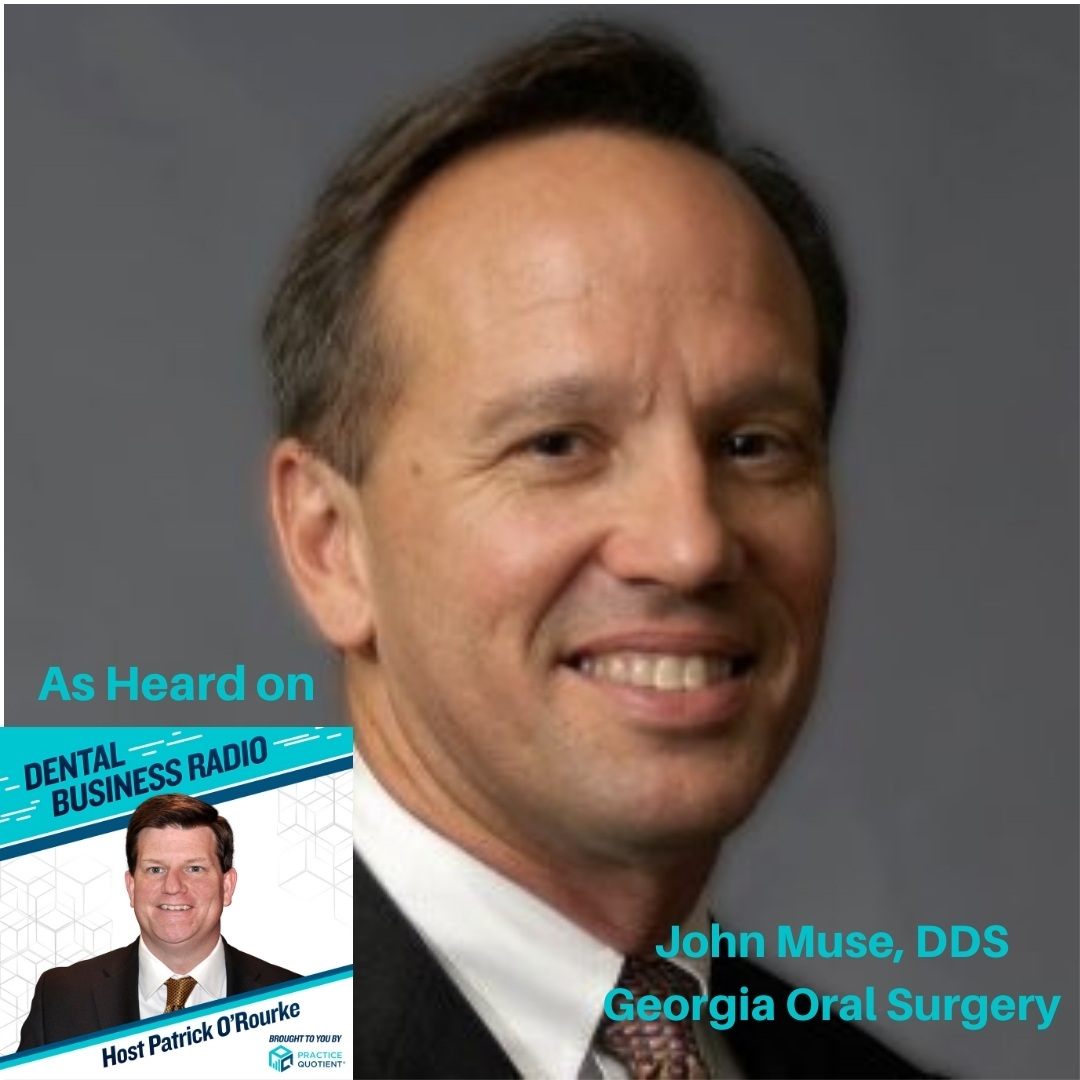
John Muse, DDS, Georgia Oral Surgery

October 8, 2020 by John Ray

John-Muse-Georgia-Oral-Surgery
Dental Business Radio
John Muse, DDS, Georgia Oral Surgery
Loading
00:00 /
RSS Feed
Share
Link
Embed

Download file

Georgia Oral Surgery
Dr. John Muse

Dr. John Muse, Georgia Oral Surgery (“Dental Business Radio,” Episode 6)

On this edition of “Dental Business Radio,” Dr. John Muse joins host Patrick O’Rourke to discuss his practice, Georgia Oral Surgery, why it’s important to understand different patient types, improving carrier reimbursement, and much more. He also shares his near death experience which completely changed his priorities. “Dental Business Radio” is underwritten and presented by Practice Quotient: PPO Negotiations & Analysis and produced by the North Fulton studio of Business RadioX®.

Georgia Oral Surgery

Georgia Oral Surgery practices a full scope of oral and maxillofacial surgery with expertise ranging from biopsies to wisdom tooth removal. They can also diagnose and treat facial pain, facial injuries and perform a full range of dental implant and bone grafting procedures. For more information, visit their website.

Dr. John Muse, DDS
Georgia Oral Surgery
Dr. John Muse, Georgia Oral Surgery

Dr. John Muse is a native Atlantan. He attended Druid Hills High School and received a Bachelors Degree in Biology from Wake Forest University, where he graduated with academic honors and was also a ROTC Distinguished Military Graduate. Dr. Muse received his dental degree from Emory University School of Dentistry, also with honors, and was inducted into the Omicron Kappa Upsilon Dental Honor Society. After graduating from dental school, Dr. Muse joined the United States Army and completed a one-year general dentistry practice residency at Fort Riley, Kansas. He then served as a General Dental Officer for five years in Germany and in the United States. Dr. Muse then completed his surgical residency training at Eisenhower Army Medical Center in Augusta, Georgia.

After completing his residency program, Dr. Muse was assigned to Fort Hood, Texas, one of the largest military installations in the world, where he served as Chief of Oral and Maxillofacial Surgery at Darmall Army Hospital. He also served as Chief of Oral Surgery for the Two-Year General Practice Residency Program. While on active duty, Dr. Muse received numerous awards and honors, to include two Meritorious Service Medals. Dr. Muse left the Army in 1999 as a Lieutenant Colonel, returned home to Atlanta, and bought Dr. Perry Brickman’s practice in June of 2000. Dr. Muse has a special interest in dental implant surgery and he has spoken both nationally and internationally on this subject.

Dr. Muse is Board Certified in Oral and Maxillofacial Surgery and is a Diplomate of the American Board of Oral and Maxillofacial Surgeons. Dr. Muse is a member of numerous professional organizations including:

  • American Association of Oral and Maxillofacial Surgeons
  • Georgia Society of Oral and Maxillofacial Surgeons
  • American Dental Association
  • International Congress of Oral Implantologists
  • The Academy of Osseointegration

Dr. Muse maintains his certification in Basic Life Support (BLS) and Advanced Cardiac Life Support (ACLS).

Connect with Dr. Muse on LinkedIn.

Show Transcript

Intro: [00:00:03] Live from the Business RadioX Studio in Atlanta, it’s time for Dental Business Radio. Brought to you by Practice Quotient. Practice Quotient bridges the gap between the provider and payer communities. Now, here’s your host, Patrick O’Rourke.

Patrick O’Rourke: [00:00:18] Hi there, friends of the dental business community. This is your host, Patrick O’Rourke. Thank you for joining us today. This show is brought to you by Practice Quotient, PPO negotiations and analysis. When you need professional guidance and there’s a lot of money at stake, then you need the best, call Practice Quotient. So, welcome, Dr. John Muse. How are you today, sir?

John Muse: [00:00:41] Thanks, Pat. Thanks for having me. Happy to be here.

Patrick O’Rourke: [00:00:43] It is a real pleasure to see you. John is an old friend and a legacy client of ours. And I met John, probably, in 2012, 2013.

John Muse: [00:00:56] Sounds about right.

Patrick O’Rourke: [00:00:56] Sounds about right. And, first, I met Susie Dean. So, shout out to Susie Dean.

John Muse: [00:01:02] Susie is awesome.

Patrick O’Rourke: [00:01:03] She’s an all-star. And Susie is very protective of you, you know. And Susie was like, “I’m going to get you a lunch meeting with Dr. Muse. But if anything goes bad, I am going to cut you with a scalpel. I want you to know that.” Now, she may not have said that with her words, but she definitely said it with her eyes.

John Muse: [00:01:24] Very protective.

Patrick O’Rourke: [00:01:25] Yeah. So, she’s awesome. So, Dr. John Muse is a respected oral surgeon here in Atlanta, Decatur – the Decatur section of Metro. And he’s been there for quite a while. A retired military veteran, very respected ties to Emory, which we’ll get into later. And John also speaks on a regular basis across the country about balance in life and what’s important, and we’ll get into that a little bit. I think we should probably start the show by kind of what was our origin, the two of us, right? So, when I first met you, I came into your practice. It was down there in – what’s the name of the hospital? Is the hospital still there?

John Muse: [00:02:13] Yeah. Decatur Hospital right there in downtown Decatur.

Patrick O’Rourke: [00:02:16] Okay. And so, I came down there and Susie Dean had said, “Well, listen. We’re having some issues. You know, we’re not getting paid appropriately from the insurance companies.” And I got down there and I looked at the contracts and I was like, “This is awful.” They really took advantage of you, right? And so, I got to know you and then I met you, and I’m like, “Well, this is a retired Army guy. This guy could probably kick my ass.” And I think that you were a little bit suspect of me, at least initially, at that lunch that we had. And I’ve said, “Well, look. Here’s the deal, you’re not being treated fairly.” And I’m being polite when I said it was unfair. I mean, you were getting burned. It made me mad. I was angry about it. And so, I had to go do something about it.

Patrick O’Rourke: [00:03:09] And what we were able to do in your case, really, was part of my purpose, because it makes me happy to see you happy and that we were able to relieve some of that pressure. So, that’s kind of how I tell this story, where you were a fee for service only practice. And then, in 2008, the bottom fell out of the economy. And then, you had to take a bunch of plans. Nobody knew what they were doing. And the insurance companies knew that you were, you know, kind of desperate. And so, you got stuck. And then, over a period of years, you continued to not be paid equitably – I’m being polite – until I got involved. Does that sound about right? What did I get wrong? What am I missing?

John Muse: [00:03:57] No. I think you’re spot on. I got out of the Army in 2000 and started growing my practice there in Decatur and things were going well. It’s fee for service practice and we didn’t work for the insurance companies. We worked with the insurance companies. So, the patient had a bill of $2,000, and the insurance was going to pick up 1,500 of it and the patient was responsible for the remaining 500. And so, I was whole at the end of the day. The recession literally kicked our butts. Practice was going downhill, drastically. I lost a lot of money and I panicked. And that’s a great word, I think that’s the word you used. We signed up for a bunch of plans. Put the forms in front of me and I signed them, you know, which sounds really stupid at the time, but we needed to get people in.

Patrick O’Rourke: [00:04:43] It’s not uncommon.

John Muse: [00:04:45] We just try to get, you know, more about quantity, not quality. And we got involved with all these plans. And, you know, the only thing I would disagree with is that, I looked at you with suspicion. I think I saw the value of what you were bringing almost immediately when you kind of said, “John, you’re getting screwed here.” And I realized that I needed to delegate this to someone who had the expertise, the knowledge, the background, and the personality to fight for me. And I think in that same lunch meeting I said to you, “Hey, I need a lieutenant colonel out there kicking some ass for me. And I don’t have time to deal with this and you’re going to be my guy. And go forth and tell me what to be on, tell me what to be not on, and help me refine this.” And it turned out to be a huge win-win. And so, not only did my income go up, but my peace of mind went up having great people work for me. That’s what it’s all about.

Patrick O’Rourke: [00:05:40] Sure. Absolutely.

John Muse: [00:05:41] So, thank you.

Patrick O’Rourke: [00:05:43] No. t was my pleasure. Thank you.

John Muse: [00:05:44] And just a bit as a side to that or a continuation of that, it has been a great ongoing relationship. And I think our immediate contract was for a year. And I think I came to you and said, “Hey, you figure out a way that I want you on my team on an annual basis. What do I have to pay you to help me modify this every year or every other year?” That went for, like, a couple of years, I think. And then, you came to me after, maybe, two or three years and said, “John, you don’t need to pay me this year. You have no contracts coming up. You’re good to go for a year. We’ll step back. You’re not writing me a check this year. And we’re going to come back and we’ll reevaluate when you need me.” And I don’t know if anything could speak higher to your integrity and the value that you bring to my practice than looking out for me, so thank you.

Patrick O’Rourke: [00:06:30] It’s my pleasure. It is truly my pleasure, John.

John Muse: [00:06:33] It’s been great.

Patrick O’Rourke: [00:06:37] From that particular experience, you introduced me to Hank over at Georgia Society of OMS. Hank is an awesome guy.

John Muse: [00:06:52] Hank is the man.

Patrick O’Rourke: [00:06:54] Hank is the man, that is for sure. And then, we started to work with a couple of other oral surgeons, and then AAOMS called. And then, AAOMS was like, “Who are you?” And I was like, “I’m Patrick O’Rourke. Who are you?” And they’re like, “We’re AAOMS.” And I was like, “Who’s AAOMS?” And so, that has turned out to be a really, really good relationship, of which you were the origin and the catalyst for making that happen, really, on a national level. And so, your story is a case study, in my mind – we’re not going to spend the whole show talking about our business – but fee for service only, panicked, too many plans.

Patrick O’Rourke: [00:07:39] This is happening right now, so this is why it’s important. There’s a lot of fee for service only practices that are feeling pressure that they need to take plans. There’s also a quasi fee for service only movement where people are getting off of plans. You also need to be careful with that. And so, understanding the contracts, this is complex. It really is.

John Muse: [00:08:02] It’s huge. It’s beyond me. And it’s very, very difficult.

Patrick O’Rourke: [00:08:04] And you’re dealing with folks that this is what they get paid to do, they’re professionals. And it doesn’t make them bad people, by the way. It just makes them good at their job. They go to church and have families just like the rest of us. But that’s really what they’re focused on, is bringing their cost of care down or – what I’ve heard lately – best pricing. That was pretty clever marketing department, whoever came up with that.

John Muse: [00:08:23] And best pricing can frequently made 50 cents on the dollar.

Patrick O’Rourke: [00:08:26] Fifty cents on the dollar. So, another thing that’s kind of happened – and this is anecdotal only from my experience – so our clients tend to be more established. And so, I think the practices that we’re struggling pre-COVID are probably struggling now. Our clients, because our job is to convince insurance companies to pay them more than everyone else, which I know it sounds crazy. You’re just not in a hurry to do.

John Muse: [00:08:57] Imagine that.

Patrick O’Rourke: [00:08:58] Crazy. So, most of our clients are established. And for some nutty reason, they were willing to take 50 cents on the dollar before.

John Muse: [00:09:11] Probably, we didn’t know like I was. You know, you don’t really know what you’re getting. You know, you just submitting the forms at the end of the day and you don’t know whether it’s 50 cents or 75 cents. You just know that it’s something. And then, it takes someone like you and your company to dive into and say, “Hey, do you know -” because that’s what you did for me “- do you know that you’re making this on this patient or on this contract?” I go, “No, I didn’t know it was so bad.” So, there’s a little bit of education that’s got to take place there.

Patrick O’Rourke: [00:09:35] Right. And even when we went and said you’re making 50 cents on the dollar or less and then I would go, “Well, what’s your overhead?” You know, overhead is typically 60, 65 percent, right?

John Muse: [00:09:45] Well, yeah. The national average, I think, for a well-run oral surgery practice is somewhere between 65 and 70. So, when you tell people, they say, “Really? You’re overhead is 70 cents on the dollar?” Yeah. That’s not a badly run oral surgery practice.

Patrick O’Rourke: [00:09:59] If you’re paying your people well.

John Muse: [00:10:00] Well, yeah. You got to pay. People are valuable. When you have a good practice, you’ve got to have good people.

Patrick O’Rourke: [00:10:05] Amen.

John Muse: [00:10:05] You know, they’re the most valuable asset. You know, if you’re paying your people 50 cents on the dollar, you probably have good people working for you who are dedicated. So, you got to take care of your people. But, once again, I’m not a finance guy, but if your overhead is 70 cents on the dollar and you’re getting reimbursed 50 to 60 cents on the dollar, you’re better off in your office drinking a cup of coffee. As opposed to taking all the liability, because what we do is dangerous. We’re very well paid ditch diggers at times. We work by the hour, but you got to control your risk. And it’s all about risk and reward.

Patrick O’Rourke: [00:10:37] Ditch diggers. That’s one thing I’ll never forget that you have brought up to me. I’m going to come back to that in a little bit. But there’s always risk in an oral surgery practice, that when somebody comes in, you’re putting them to sleep, right? So, there’s risk, there’s liability. That’s why you have malpractice, et cetera. I mean, this is kind of a dumb question, I guess, but there’s obviously more risk now, right, with COVID?

John Muse: [00:11:07] Well, sure. There’s more risk with COVID. There’s no doubt about it. But we’re used to controlling that risk. The thing with risk for me is that, you know, it’s risk and reward. So, prerecession back in 2006, 2007, whatever that was, you know, you have a degree of risk associated with any job or what you do. And you’re willing to accept that as long as you feel like you’re being compensated for that risk. But if the risk remains the same and the reward is going down, then you kind of start questioning your sanity a little bit. And so, that’s what’s happened to my practice. You know, you’ve certainly helped tremendously with it.

John Muse: [00:11:45] But day-to day, the risk stays the same. And then, day in, day out year-and-year, your reward goes down, it starts to wear on you. And it wears on you – what we do is very physical. I don’t know that a lot of non-dental people realize that, but dentistry or oral surgery is a physical job, it’s tough on your neck and your shoulders, and it’s emotionally tough. And you’re willing to accept that as long as you feel like you’re being rewarded. You know, no one’s going to do something that’s risk free, but you’ve got to be compensated for that. And so, when you have someone like you in my court, then you feel like, “Okay. You know, ideal perfect world, I like to be fee for service.” Well, that’s not the case.

John Muse: [00:12:21] But, now, I’m on these plans or a lot less plans than I used to be – thanks to you -but, at least, I know that I’m getting compensated for that. And I’m not trying to put a dollar sign on anybody’s forehead that’s a patient. It’s patients first. That’s what we do. We’re health care providers, it’s their well-being first. But at the end of the day, we also have to take care of our staff. My landlord likes to be paid. I have kids to take care of, imagine that. So, it is a business. And the less that we can decrease, at least in my personal opinion, the business load on my mind, then I can focus on delivering health care. And that’s why I went into it. You know, I went into this to take care of people.

Patrick O’Rourke: [00:13:02] I don’t think that a lot of people realize the physical and mental toll. I really don’t. To the lay people out there, myself included, you know, I’ve learned a lot over the years. Like now, I know the difference between a coronectomy and a 7240, and why coronectomy should get reimbursed higher.

John Muse: [00:13:22] There you go.

Patrick O’Rourke: [00:13:24] I have a client give me a dissertation on that.

John Muse: [00:13:26] But, certainly, the public doesn’t realize that. So, just to talk around numbers that say the public goes to the doctor 500 bucks. Well, they assume that $500 is going in the doctor’s pocket, and he’s going to go out and buy a new Porsche 911 using that money. I know it’s not a perfect example, but, you know, that doesn’t go to the doctor. Especially if that $500 is really being reimbursed by the insurance company at 70 cents. It gets whittled down real quickly.

John Muse: [00:13:57] I don’t like making health care a financial discussion, but to survive and have good people go into health care, that’s a whole another genre of discussion because you want the smartest and the brightest going in to take care of your family. And that they’re deciding not to go into medicine or surgery or dentistry. Well, who’s going to be taking care of our kids?

Patrick O’Rourke: [00:14:14] Amen. One of my theories about politics is that, the reason that we don’t have any really good people in politics is because it doesn’t pay well.

John Muse: [00:14:21] I’m not even going to touch on that. Can I touch on something else though?

Patrick O’Rourke: [00:14:32] Sure.

John Muse: [00:14:32] Yeah. I do want to circle back to what you said about Hank Holderfield. Hank Holderfield is a lifelong friend of mine. I’ve known him since I was 12 years old. Hank runs multiple oral surgery societies, Georgia, Florida, Tennessee, and runs the Southeastern Society of Oral and Maxillofacial Surgeons. So, he’s very, very well connected in that environment and he’s very well connected with our national organization, AAOMS, you know, American Association Oral and Maxillofacial Surgeons. And so, Hank’s job is to look out for us, the individual oral surgeons. He’s very protective of us. And he’s also known on a national basis among, you know, those people who are highly, highly respected.

John Muse: [00:15:12] So, for Hank – where I’m going with this – to see the value of what you did and to bring you in to his fold so that you can be exposed to his clients is a huge, huge compliment. So, you know, you are able to ascend that ladder, one, because of your personality, your expertise, and your reputation. And Hank was a big facilitator of that. The only reason he did that, he didn’t do that for any – just yahoo is what I’m trying to say.

Patrick O’Rourke: [00:15:39] I picked up on that. And thank you to you and thank you to Hank. Hank, I hope you’ll listen to this show.

John Muse: [00:15:47] We’ll send him a tape, would we not?

Patrick O’Rourke: [00:15:49] And maybe we’ll put you on the show.

John Muse: [00:15:50] You should.

Patrick O’Rourke: [00:15:51] Maybe you should come in here.

John Muse: [00:15:52] He would give a great perspective to what’s going on in health care, especially the dental region or, specifically, the oral and maxillofacial surgery region. And Hank also represents cardiologists and other health care groups. So, he’ll be a great, great guest on your show.

Patrick O’Rourke: [00:16:09] Hank, standing invitation. So, I’m going to switch gears back to where I’m going to combine the two things with the clients that during the shutdown they had more time, okay? And some clients don’t always go hands off like what you had described, what you did. You said, “Pat, I’m going to do whatever it is you say. And trust that it’s going to be fine.” And I wish more clients did that. A lot of times they fret, right? And I understand and there’s no one size fits all solution. But, generally speaking, you know, you can’t take 45 cents on the dollar. That’s Groupon territory. And we had clients that, back in January, I’m like, “Listen, this is just not profitable. You need to get out.” And they’re like, “Oh, we’re going to lose patients.” And I’m like, “Yeah.” “How much? How many?” They’re like, “I don’t know.” Like, “Well, I don’t know either. Do you think you’re going to lose half?” And they’re like, “Oh. That would be a disaster. That would be terrible. Awful.” And I’m like, “No, it wouldn’t. Even if you lost half, you wouldn’t make the same amount of money.”

Patrick O’Rourke: [00:17:20] And so, they didn’t pick up what I was putting down really before. But, now, they’re coming back, they open back up, now they’re slammed. Now, their busy schedule is full. And, now, there’s a perception, at least, that they are putting, not just their usual liability, but also their personal safety now, their family’s safety, their staff’s safety. And they’re just not willing to do that anymore. And so, I’ve seen a material shift, not in all of our clients, but certainly more than half that they’re not willing to do that anymore.

Patrick O’Rourke: [00:17:56] And earlier today, pre-show, you had made a really good point about the types of patients. That, when you’re on all the plans and you’re afraid that you might lose a patient, that there are certain patient types that kind of come in that are picking somebody on their directory. And they may come in and those are the ones that want the cheapest. They may not be accepting of your recommendations – did I kind of pick up on that right? – and/or are the most likely to sue you.

John Muse: [00:18:30] Right. You know, you’ve got to take care of everybody that you can. But at the end of the day, you have to take care of yourself. You’ve got to take care of your family. You got to take care of your staff. And for those people who are on those plans and you’re making 50 cents on the dollar – I know we’re kind of repeating ourselves here a little bit – you’re accepting all the liability without any of the reward. And so, you really are better off not treating that patient in that financial reimbursement scenario. I don’t want to say –

Patrick O’Rourke: [00:19:02] That was good dancing. I love that.

John Muse: [00:19:04] You know, you don’t want to say we’re turning people away because we don’t. I mean, our job -.

Patrick O’Rourke: [00:19:07] No. You can still see them. It’s up to them. It’s their decision. Because a PPO by definition, they can still go out of network.

John Muse: [00:19:12] Well, you don’t go into Kroger and get a gallon of milk and they give it to you for 50 cents when you’re at the counter – or 50 cents on the dollar. And so, health care – we’ll kind of get off the rails here a little bit – because there is a segment of the population that think health care should be for free. And I’m all for that, as long as you want to train me for free and run my practice for free. So, I think one of the struggles with health care today is that we are training our physicians, surgeons, dentists in a capitalistic environment. Dental school is not free. Oral surgery training is not free.

Patrick O’Rourke: [00:19:45] It’s not.

John Muse: [00:19:46] No. No. You pay with blood for that. Nonetheless, so we are educated in a capitalistic environment, but then we’re expected to practice in a socialist system. And I’m very familiar with both sides of that. I worked for the biggest socialistic health care delivery system in the world called the United States Army. And that’s fine. That’s fine. But the Army is going to take care of your salary, and your overhead, and all that kind of stuff. That’s fine. But you cannot expect our doctors to be educated in a capitalistic society and then practice in a socialistic one. Pick one or the other. Well, we’re getting way off the rails on that, so sorry.

Patrick O’Rourke: [00:20:24] Yeah. Well, you know, the great thing about this show is that there are no rails.

John Muse: [00:20:27] That’s good. That’s good.

Patrick O’Rourke: [00:20:28] That’s why I created my own show. And I can talk about whatever I want.

John Muse: [00:20:31] And I don’t like to put my home address because I really don’t want death threats, you know, if I say something.

Patrick O’Rourke: [00:20:37] John Muse is well-armed and he was in the Army, so I don’t recommend that.

John Muse: [00:20:40] Thank you for that. I could go off the rails there, too, Pat.

Patrick O’Rourke: [00:20:43] Right. Ratatat. That’s not a BB gun, baby. So, I’m going to say this and then I’ll bring it back in. Because I do hear this a lot out there, I’m very entrenched in health care and have been my entire adult life. When people say, number one, free and anything should never go together and certainly not health care. There is no free health care. And then, when people are like, “We should have one health care system. You know, single payer.” And I’m like, “Buddy, you already got single payer right now. Okay? All of us, me, you, everybody in Business RadioX pays into it on payroll. In fact, your taxes is called Medicare.”

Patrick O’Rourke: [00:21:28] And Medicare is there right now. And Medicare, between the entire 100 hundred percent – let’s say, here’s the population. And those on the radio can’t see me, but I’m holding up my hands, all right? So, let’s say, it’s about a foot long. And so, here’s the population of the country. How many people are covered under Medicare or Medicaid? So, let’s call it ten percent, maybe. How much of the federal budget right now is spent on Medicare? Not Medicaid, Medicare – well, half of Medicaid. Thirty percent. So, if you multiply 10 by 10 and you multiply 30 by 10, what happens? So then, you don’t have enough money for education, tanks, roads, everything else, parks that you care about. So, there is single payer and it’s going broke and so we already have it. And so, trusting Uncle Sam with something more when they’re already screwing up. It’s like hiring a financial adviser. We lost all of your money and they said, “Hey, you know what? If you just give me some more money, I won’t go to the horse track.” “What? Are you crazy?”

John Muse: [00:22:50] Well, coming to your point about a financial adviser, I think for us, as practitioners at least, you know, somebody really smarter than I am once said to me – and he’s very, very successful. He’s actually not a surgeon, but is in the finance business. I always thought he was a big role model in my life and I always looked up to him. And I thought he was an AA plus, plus plus smart kind of guy. He sent me down one day and he goes, “John, you know, I’m really not that smart. I’m probably B to B plus smart. But I got a great work ethic. I think one of the keys to my success is I try to surround myself by A plus people.” So, I think I’m the same way. I’m a B, B plus kind of guy. I’ll outwork anybody on this earth. But I think it helps and it’s instrumental, it’s essential to surround yourself by A plus people, be that your staff, be that your accountant, the lawyer, Practice Quotient. So, I would know more than negotiate the lease of my office space on my own. I don’t understand those contracts. I would know more if I go out –

Patrick O’Rourke: [00:23:58]  I wouldn’t do that either, negotiate for a living.

John Muse: [00:24:02] Right. And so, for someone to think that they can negotiate with insurance companies to get the best rate on their own, I think they’re smoking dope. Sorry. You know what I mean?

Patrick O’Rourke: [00:24:13] That’s legal in some states.

John Muse: [00:24:16] So, why would you do that, especially when the reward is going to be significant? So, you can go negotiate your lease, but you don’t know whether you’re going to get the right deal or not. In subparagraph 59C, you could say, you know, we own you. You don’t know what you’re signing unless you’re going to spend hours doing that. And so, for me to get on the phone and negotiate a rate with an insurance company, I’m not going to have the patience to sit there and listen to get to the right person. If I can get to the right person, I don’t know the vocabulary to use, I don’t know when to push, I don’t know when to accept, I don’t know when to leave.

John Muse: [00:24:49] And so, to engage with someone like you who has worked on the other side is kind of like, you know these people. And some of them, you know personally. And so, you know what to say, and you know what’s fair, and you know what’s not fair, and you know when to say, “Hey, we’re out of here.” or “We’re staying, John. This is the best we can do. You’re good.” And so, I don’t know why someone just wouldn’t immediately sign up for that. And especially – what’s the number, Pat? I mean, you know my practice better than I do in terms of we’re not talking thousands of dollars here. We’re talking tens of thousands of dollars that you have brought to my bottom line.

Patrick O’Rourke: [00:25:23] Six figures.

John Muse: [00:25:24] Right. Right. That’s six. Yeah. Yeah. So, that’s huge. That’s huge.

Patrick O’Rourke: [00:25:29] Now, I’m not setting that expectation for everybody. But, certainly, if you ever hear me say this is a slam dunk or you’re getting burned, you should move forward immediately. You know, there’s been a lot of other firms that pop up, too, and they do things cheap. And, you know, sometimes I get calls and they’re like, “Well, somebody called and they said they’ll do it for X amount of money and they’ll get it done in six months.” And I’m like, “Really? You know, you want it done cheap and dirty? Well, we’re not the right people.”

John Muse: [00:25:56] You get what you pay for. And I’ve also heard you say to clients, “I’ve evaluated and done initial consultation and, you know, you’re good. You don’t really need me.” And I do the same thing for my patients. I say, “No. You don’t need me. You’re fine.”

Patrick O’Rourke: [00:26:11] So, one thing that I want to talk about today is your experience with Emory. The Emory story, to me, is very compelling in how you became a national speaker on your own now, where you are speaking to groups about balance and work-life balance. And keep in mind that right now, AAOMS, the AAOMS Show, the annual show is going on – the annual event – it’s virtual. So, technically, I’m actually in the booth right this second.

John Muse: [00:26:49] Look at you.

Patrick O’Rourke: [00:26:49] I’m multitasking. And so, we’ll probably send this out. And this could be heard by several of our clients and prospective clients and, really, oral surgeons over there.

John Muse: [00:26:49] I hope so. I hope so.

Patrick O’Rourke: [00:26:49] And it’s not just us though. The message that you deliver about work-life balance, can you, in your own words, just describe what happened back then and your experience with Emory, and why that’s led you to preach the gospel that you preach today?

John Muse: [00:27:25] Well, sure. Thank you for asking. The presentation is called Stress, Life Balance, and Second Chances. It’s usually an hour to tell the story. So, I’m going to try to tell it in two or three minutes.

Patrick O’Rourke: [00:27:40] Well, you need to bring them on. So, just give us, like, the trailer.

John Muse: [00:27:45] The trailer is, I had a massive heart attack in my office on a Wednesday afternoon during lunch. I began running the preliminary aspects of a Navy SEAL US code on myself with my nurse. And I kept myself alive, basically, until we got to Emory Hospital. The paramedics showed up to take me and they’re not used to, I don’t think, a surgeon running their own code and telling them what to do. But I was telling them what to do. They didn’t like that a whole lot at first or so, that I’m told. And they wanted to take me to a hospital that was closer by. And I said, “No. We’re going to Emory.” And they said, “That’s five minutes further away.” I said, “I’m willing to take the chance.” And they go, “We’re going to this other hospital.” I said, “You take me to Emory. If you don’t, I’m going to get off this gurney and my nurse will drive me to Emory.”

John Muse: [00:28:32] So, I won that argument. I got to Emory. I said to my nurse in the ambulance – because she wouldn’t leave my side – I said, “You tell my kids that I love them.” Because I was pretty sure I wasn’t going to make it. I mean, it was bad. It was really bad. And she looked at me and she said, “You’re not dying on me today you son of a bitch.” That was a pretty much a direct quote. She’s great. So, I say that as we head to Emory at the E.R. and had stabilized and I was looking okay. And we had a whole lot going on at that time, you know, they just kind of brought me on the gurney and my nurse, Ann, and was saying, “You got to put him in the room. You got to put him in the room. Something is going to go bad.” And sure enough, I turned around, my eyes rolled up in the back of my head and I went into V-fib, which is a non-perfusing cardiac arrhythmia.

Patrick O’Rourke: [00:29:15] Sorry. That sounds bad.

John Muse: [00:29:18] That’s bad. And so, they started running ACLS on me. And for those of you who’ve been involved in those codes, it’s pretty much controlled chaos. It can be kind of nasty, you know, tubes everywhere, shocking you multiple times. And when you’re running a code, it doesn’t get exponentially better with time nor with the degree of shocks. Usually, as a general rule, if you’ve shocked somebody about the third time, you kind of gone through the list of meds once or twice, it’s pretty much over. And my nurse, Ann, was sitting there watching all this. So, you can imagine it’s pretty traumatic for her and my staff.

John Muse: [00:29:55] The young resident emergency room doc didn’t give up on me. She calls the cath lab and says, “I think we’ve got somebody for a cardiac reperfusion catheterization.” And the interventional cardiologist says, “Does he have a pulse and blood pressure?” And she goes, “No.” And he goes, “Don’t send him up unless you get one.” She kept working on me. And after the seventh shock, they got a pulse and a blood pressure, they sent me up to the cath lab. They almost lost me twice more up there. Long story short, after five days, I walked out of Emory Hospital with no brain damage, which is unusual because they did CPR on me for at least 45 minutes. Well, I like to say there is brain damage, but that existed pre-event, if you will. And I think I have a 0.5 percent muscular damage to some tissue in my heart and that’s unheard of.

John Muse: [00:30:51] So, I’m a big, big fan of Emory University. If I had a billion dollars, I would build them a new wing or whatever they wanted. People over there are amazing. And so, I came out of that event. I missed a week of work. And people said, “Well, why did you go back to work so soon?” I said, “There’s one name on the door. It’s my name. If I don’t go to work, people don’t get paid. People don’t go to college. Payroll don’t get handled.” But it really kind of jolted me.

Patrick O’Rourke: [00:31:15] For sure.

John Muse: [00:31:16] That’s the first time I’ve used that word, pun intended, I guess. And really made me start looking a lot closer at my life. It’s a big wake up call. And a year or two went by and kind of someone said, “Hey, tell your story.” I said, “I don’t do that kind of stuff. It’s pretty personal.” And the presentation gets real personal, much more so that I’m sharing today. And that I realized people really enjoy the message and they got a lot out of it. I got a lot of positive feedback from that. So, I’ve given that message to the various study clubs I’ve taught nationally on it. And I enjoy doing that probably more than I do enjoy oral surgery, because I feel like I’m touching a lot of people at one time and it’s fun.

John Muse: [00:31:53] And when you can kind of tell that with a personal twist, and I kind of go into things that I’ve changed since then, and they’ve been not insignificant reduction of stuff, divorce, I quit doing a lot of my study club and extracurricular activities at Stakeholder Field. I will tell you, I was over committed to multiple organizations and run around with my hair on fire, you know, every night after work to go to boys clubs or surgery meetings or northern district society meetings. And so, I really kind of said, “Hey, life is a little too short to go down this road again.” So, that’s probably in a nutshell. So, life is short. So, I have my golf balls that say “Life is short, play hard.” That doesn’t mean I’m good at golf. It’s just that life is short, play hard. And then, take care of the people that you love and associate with good people.

Patrick O’Rourke: [00:32:43] Let’s give a plug to that wonderful country club that you remember of down there.

John Muse: [00:32:47] Oh, yeah. Druid Hulls is a great place. Good friends down there.

Patrick O’Rourke: [00:32:49] Druid Hills Country Club, also a terrific place to play golf. But you can’t get in there, I guess, without an invitation. They don’t let me in unless I use your name and you have to be there.

John Muse: [00:32:59] Yeah. I did notice that my club bill was significantly higher last month. And they described some yahoo in there, it sounded like you. So, we’ll settle up on that after the show.

Patrick O’Rourke: [00:33:12] I can either – no comment.

John Muse: [00:33:16] No comment.

Patrick O’Rourke: [00:33:17] So, John, thank you very much for being on the show.

John Muse: [00:33:22] Thanks for having me, Pat. It’s been a pleasure.

Patrick O’Rourke: [00:33:25] It’s been my pleasure. And then, you know, for everybody at AAOMS, remember work-life balance. When we went up to the Virginia Society of Oral and Maxillofacial Surgeons – shout out to Dipa Patel, Laura Givens, Frank Yeh, Tim Gocke, everybody up there. And Nova Commonwealth, Sean Rye. Thank you for allowing a little shout out. I love the people in Virginia. So, there’s certain states where people work collectively together, and I think that that’s one of them. And so, what do you think is the biggest concern that folks are worried about in your profession right now?

John Muse: [00:34:20] I think the biggest concern is just adapting to the new norm. The post-COVID new normal and whatever that environment may be. And it seems to change on a daily basis regarding regulations and what’s required, what’s needed, what’s not needed. There’s a lot of unproven science that’s driving a lot of decisions out there that are very politically motivated, in my humble opinion, and not scientifically based. But adapting to that new patient flow and expectations. You know, obviously, keeping the patient safe, keeping ourselves safe, and keeping our family safe, and our staff safe. So, just figuring that out is a big, big concern for everybody.

John Muse: [00:35:04] And just to use myself as an example, and you mentioned like everybody is up and running again. Well, you know, we were shut down for two months. That number would be zero on the income side of the house. And, again, I’m not a finance guy, but when the income is zero and the outgo is still the same, it’s significant.

Patrick O’Rourke: [00:35:22] Zero is not good.

John Muse: [00:35:23] Right. So, we got back up and running. But, you know, just full disclosure, we’re probably 80 percent month-on-month compared to year-to-year. And so, my brother said, “Wow. John, that’s great. You’re back up and running. You’re at 80 percent.” “Yeah. That’s good.” But if you’ve got the preceding two months at zero, then the following six to 12 months don’t need to be at 80. I’m pretty sure they need to be somewhere around 120. So, yeah, we’re back up and running. And I think most practices around the country are. But, you know, we’re still paying for getting shut down. And you say, “Oh, we got PPP money.” Yeah. Well, that helped, but it only kind of slowed the bleeding down. It didn’t allow us to be whole, if you will.

John Muse: [00:36:04] So, I think that new balance to the practice, it’s a challenge. But at the end of the day, I think most surgeons and health care providers, you know, we’re thankful to have a job. And there’s a lot of people in this country that don’t. My staff is thankful to have a job. We’re alive and vertical, right? Nobody’s dying here, you know, at least as far as the buyers goes in terms of my practice and everything. But what I meant by that, just in terms of life, you know, it’s good to be alive. And so, I think I would encourage people to say, “Okay. We’ve got some challenges ahead of us.” But we still have people that love us and we can take care of. And kind of simplify life a little bit. And maybe try to turn something bad into a good message and kind of smell the roses a little bit.

John Muse: [00:36:52] And, of course, I’m preaching to myself as much as I am. I don’t preach to people. I’m not smart enough to preach to anybody. So, I’m looking in the mirror when I say things like this. Like, “It’s going to be okay.” It may be a new norm, but it’s going to be okay. I’ve seen it in my practice, this post-COVID thing, patients are so appreciative of us just being there. Honestly, the patient is not going to get the virus from me or one of my staff members. We’re the ones that are at risk big time.

Patrick O’Rourke: [00:37:21] You guys have been set up in a sterile environment to handle anything, AIDS –

John Muse: [00:37:29] We’re fine. We’re going to be fine.

Patrick O’Rourke: [00:37:31] – like infectious diseases, all of that.

John Muse: [00:37:33] Yeah. You know, and one of my buddies who it’s not in the health care industry goes, “Well, I can assure you’ll have to wear mask, you know, a lot now.” And I go, “Yeah. It’s really interesting. We started wearing masks. And then, last week, we actually started sterilizing our instruments too.” Being smart ass. You know, it’s like, “Come on, come on, come on. We can handle this. It’s going to be okay.” And I think we’ve proven to the public that we can treat people in a safe environment, that they’re going to be well taken care of. And I think we’ve proved to the government the powers of these, that we are an essential service. People need us and. And we’re not going to be shut down again. I’m not going to be shut down again. I’m here to take care of people, to include my staff, and my family. And it’s going to be a new norm. You know, the flow of money is going to be different. Our obligations are going to be different. Our overhead is going to go up. And with that, to circle back around spontaneously, our reimbursement needs to, at least, stay the same because our cost of delivering care is going up.

Patrick O’Rourke: [00:38:33] And they can’t be going down. Do you hear that, my friends in the industry?

John Muse: [00:38:36] We cannot be going down low enough.

Patrick O’Rourke: [00:38:37] I will be calling –

John Muse: [00:38:38] Call Pat. Well, I wasn’t expecting that to tie in to a shout out to you, but there you go.

Patrick O’Rourke: [00:38:43] Well, I think we can probably end on that because we need to thank our sponsor, Practice Quotient, PPO negotiations and analysis, contract review and strategic guidance. Special thanks to Practice Quotient, to my partner, Scott Marquardt, Nikki, and everybody on the PQ team, Melissa, Brianna, Brittany, and Tony, Donald, and Jordan. Thank you from Patrick. Thank you to John Ray and thank you to Business RadioX. This is the first time, actually, that we have done this show live. We are in person down in Atlanta, Georgia with my friend Dr. John Muse.

Patrick O’Rourke: [00:39:25] John, if somebody wanted to reach you – I know not to go to your house – but how would they reach you if they want you to speak at – you know, I know you are going to go to Hyndman, but that got postponed or so this year.

John Muse: [00:39:40] Yeah. I’m speaking there next year.

Patrick O’Rourke: [00:39:41] Yeah. So, how would folks find you?

John Muse: [00:39:45] Oh, it’s easy. Just Google John Muse Decatur and John Muse oral surgery Decatur, something like that, you’ll find me.

Patrick O’Rourke: [00:39:51] All right. So, Dr. John Muse of Georgia Oral Surgery, thank you so much. And thank you all of you listeners. If you enjoyed the content, please hit the five star rating on it and share this with a friend. If you did not like this content, then you can email John Ray at jray@businessradiox. All right. Thank you so much for listening. This is your host, Patrick O’Rourke. Until next time.

Patrick O’Rourke, Host of Dental Business Radio
Patrick O’Rourke, Host of “Dental Business Radio”

Patrick O’Rourke began his career in operations management at a dental & vision insurance company in Florida, which after several acquisitions and mergers, is now MetLife. He spent five years at Humana in Atlanta selling in the large group segment (100+ employees). In addition to several awards throughout his career, he has earned many professional certifications.

Understanding the nuances involved with all aspects of risk management helped business partners rely on his expertise to guide client recommendations. He is an insurance insider that has built dental networks, worked in operations management, designed dental plans, and opened markets.

In 2013, he founded Practice Quotient, which specializes in dental insurance PPO network contract analytics and reimbursement guidance, representing the dental provider.

As a national public speaker, Patrick educates doctors on how dental managed care participation impacts more than 50% of practice revenue, the importance of diligent contract management, and how to develop criteria specific to a patient acquisition strategy for choosing the best carrier business partners.

Questions/Topics Discussed on the Show Include:

  • John’s background and an overview of Georgia Oral Surgery
  • The economics of an oral surgery practice
  • Understanding the different types of patients and how they affect a practice
  • Improving reimbursement from dental insurance carriers.
  • John’s near death experience which led to a reordering of his priorities
  • AAOMS
  • Patrick and John give a shout-out to Hank Holderfield of the Georgia Society of Oral and Maxillofacial Surgeons and Southeastern Society of Oral and Maxillofacial Surgeons

About Dental Business Radio
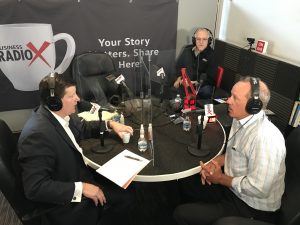
“Dental Business Radio” covers the business side of dentistry. Host Patrick O’Rourke and his guests cover industry trends, insights, success stories, and more in this wide-ranging show. The show’s guests will include successful doctors across the spectrum of dental practice providers, as well as trusted advisors and noted industry participants. “Dental Business Radio” is underwritten and presented by Practice Quotient and produced by the North Fulton studio of Business RadioX®.

Practice Quotient

“Dental Business Radio” is sponsored by Practice Quotient. Practice Quotient, Inc. serves as a bridge between the payor and provider communities. Their clients include general dentist and dental specialty practices across the nation of all sizes, from completely fee-for-service-only to active network participation with every dental plan possible. They work with independent practices, emerging multi-practice entities, and various large ownership entities in the dental space. Their PPO negotiations and analysis projects evaluate the merits of the various in-network participation contract options specific to your Practice’s patient acquisition strategy. There is no one-size-fits-all solution.
Connect with Practice Quotient:

Website

LinkedIn

Facebook

Twitter

Tagged With: AAOMS, DDS, Dr. John Muse, Georgia Oral Surgery, Georgia Society of Oral and Maxillofacial Surgeons, Hank Holderfield, oral surgery, Patrick O'Rourke, PPO Negotiations & Analysis, Practice Quotient, Southeastern Society of Oral and Maxillofacial Surgeons

Dipesh Sitaram, Dental Solutions of Columbus and Marc Cooper, MBC Consultants

October 1, 2020 by John Ray

DipeshSitaramDBRAlbum
Dental Business Radio
Dipesh Sitaram, Dental Solutions of Columbus and Marc Cooper, MBC Consultants
Loading
00:00 /
RSS Feed
Share
Link
Embed

Download file

Dental Solutions of Columbus

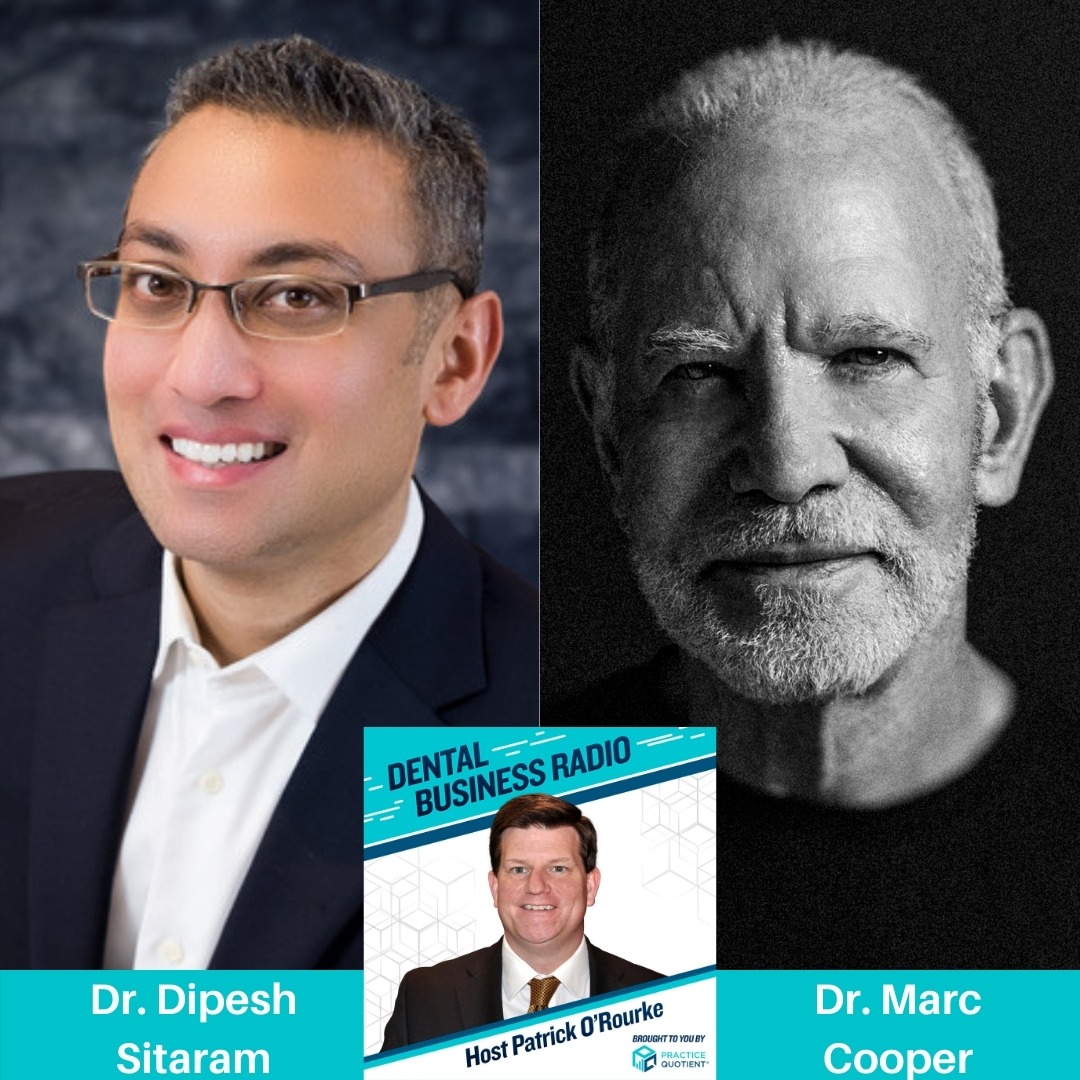
Dr. Dipesh Sitaram, Dental Solutions of Columbus and Dr. Marc Cooper, MBC Consultants (“Dental Business Radio,” Episode 5)

On this edition of “Dental Business Radio,” host Patrick O’Rourke speaks with Dr. Dipesh Sitaram, Dental Solutions of Columbus, on how he got into dentistry, his practice, and his passions for helping other colleagues. Dr. Marc Cooper of MBC Consultants discusses his passion for helping professionals with their leadership skills. “Dental Business Radio” is underwritten and presented by Practice Quotient: PPO Negotiations & Analysis and produced by the North Fulton studio of Business RadioX®.

Dental Solutions of Columbus

Dental Solutions of Columbus is more than just an average dentist’s office. Their modern, high-tech facility allows them to provide an extensive list of services ranging from general dentistry to advanced oral surgery. They offer myofunctional therapy for tongue thrust and snoring conditions, orthotropics for facial development, TMJ therapy for bite alignment (occlusion), and more. Whatever brings you to them, you can rest easy knowing that their skilled team of dental professionals can help you achieve optimal oral health and well-being.

Dr. Dipesh Sitaram, Dentist

Dr. Dipesh Sitaram is passionate about improving the human condition. He expresses that passion in 3 specific ways. He practices cutting edge dental medicine. He builds businesses that benefit patients, customers & employees. And he shares his success with other business owners and medical professionals.

Dr. Sitaram is committed to lifelong learning and continuous improvement. He completes approximately 200 hours of continuing dental/medical education per year. He has completed cirriculae at Spear, Cranial Cervical Dynamics, Face Focused Orthodontics®, The Facial Beauty Institute, Forwardontics, Myotronics, & The Breathe Institute.

He completed a Fellowship and Mastership with the prestigious International College of Craniomandibular Orthopedics (ICCMO) along with a Fellowship with Dr Clayton Chan of Occlusion Connections. He has also studied under Dr. William Hang, Dr. Brock Rondeau, Dr. Chris Simmons, Dr. Steve Gallela, Dr Simon Wong, Dr Marianno Rocabado, Dr Javier Vasquez, and Dr Saroush Zaghi among others.

From a dental perspective Dr. Sitaram’s training has helped him look past the teeth and toward whole health for his patients. He specializes in airway health, TMJ function and comprehensive restorative dentistry.

Connect with Dipesh on LinkedIn and follow Dental Solutions of Columbus on Facebook.

MBC Consultants

Ontological coaching is grounded on the recognized concept that the human mind and consciousness determine how reality is perceived. Ontological coaching is based on the principle “we do not see things as they are, we see things as we are.” Change who you are, changes how you see yourself and others enabling you to become a far more powerful and effective leader.

Marc Cooper, CEO

Dr. Marc Cooper is a highly recognized executive coach and consultant, as well as a wisdom partner. Dr. Cooper has thirty-five years of field experience. His words of wisdom generate new levels of thinking about leadership and management that directly impact an executive’s abilities to deliver on their commitments as well as to become more conscious of areas of themselves and their work; areas that often are obscure or unexamined that block their success.

Questions/Topics Discussed on the Show Include:

  • Dr. Dipesh Sitaram’s journey before entering dentistry
  • Getting stuck in a rut and how to escape
  • Getting through the Covid-19 crisis
  • ADSO Membership

About Dental Business Radio

“Dental Business Radio” covers the business side of dentistry. Host Patrick O’Rourke and his guests cover industry trends, insights, success stories, and more in this wide-ranging show. The show’s guests will include successful doctors across the spectrum of dental practice providers, as well as trusted advisors and noted industry participants. “Dental Business Radio” is underwritten and presented by Practice Quotient and produced by the North Fulton studio of Business RadioX®.

Practice Quotient

“Dental Business Radio” is sponsored by Practice Quotient. Practice Quotient, Inc. serves as a bridge between the payor and provider communities. Their clients include general dentist and dental specialty practices across the nation of all sizes, from completely fee-for-service-only to active network participation with every dental plan possible. They work with independent practices, emerging multi-practice entities, and various large ownership entities in the dental space. Their PPO negotiations and analysis projects evaluate the merits of the various in-network participation contract options specific to your Practice’s patient acquisition strategy. There is no one-size-fits-all solution.
Connect with Practice Quotient:

Website

LinkedIn

Facebook

Twitter

Tagged With: ADSO, Association of Dental Support Organizations, Dental Solutions of Columbus, Dr. Dipesh Sitaram, Marc Cooper, MBC Consultants, Patrick O'Rourke, Practice Quotient

Kevin Cumbus, TUSK Partners

September 4, 2020 by John Ray

KevinCumbusTUSKPartners
Dental Business Radio
Kevin Cumbus, TUSK Partners
Loading
00:00 /
RSS Feed
Share
Link
Embed

Download file

Kevin Cumbus

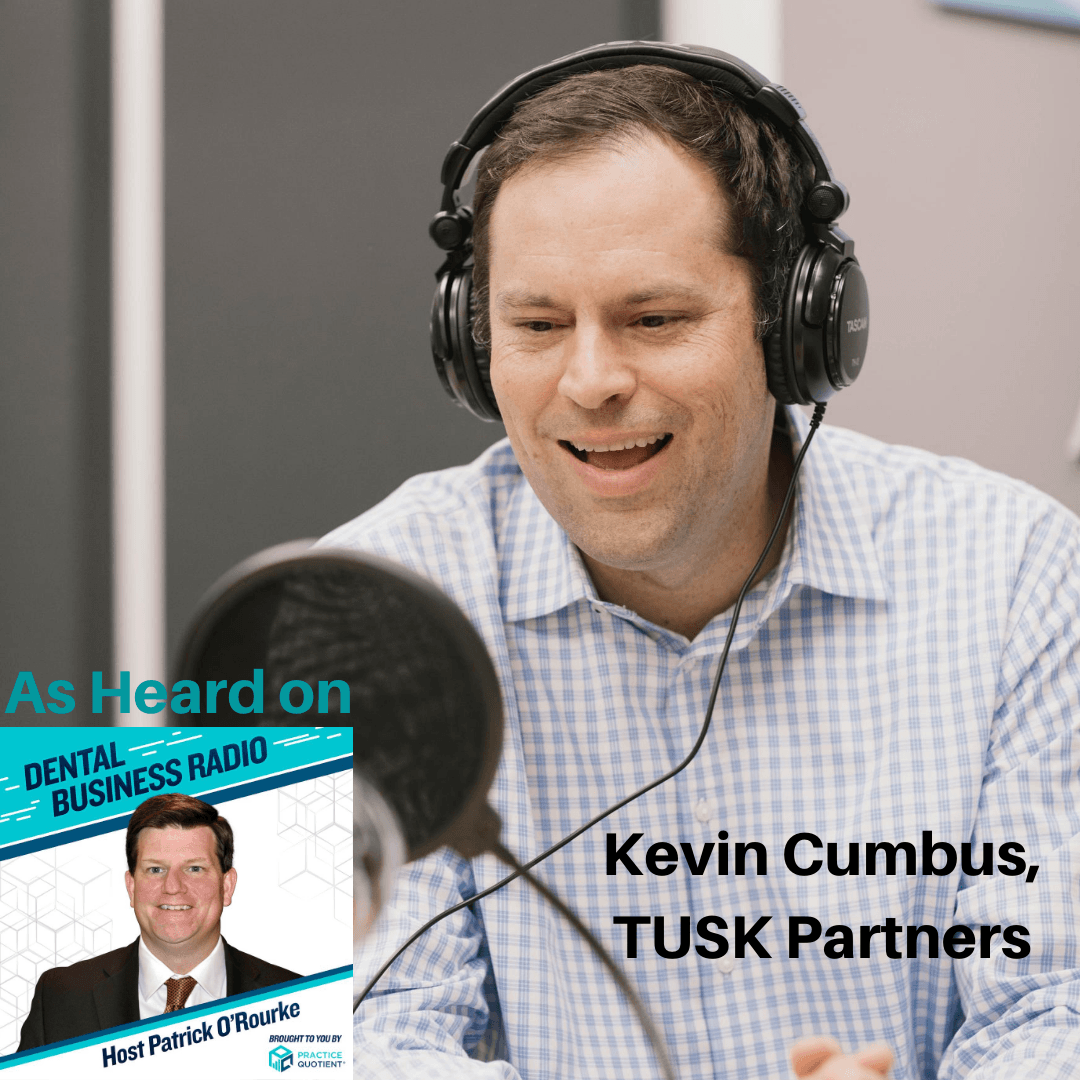
Kevin Cumbus, TUSK Partners (“Dental Business Radio,” Episode 4)

Kevin Cumbus, TUSK Partners, joined host Patrick O’Rourke to explain how dental practices are valued for purchase, the effect of insurance carriers on dental practice values, and various other factors impacting the value of a practice. Additionally, Kevin and Pat have a compelling discussion on the dilemma facing Delta Premier-only status contracted practices during a transition. “Dental Business Radio” is underwritten and presented by Practice Quotient: PPO Negotiations & Analysis and produced by the North Fulton studio of Business RadioX®.

TUSK Partners

TUSK Partners sells large solo practices and Groups to silent investors, DSOs and Private Equity Groups for well over 100% of collections. TUSK currently has over $100M of transactions under LOI and another $50M coming to market in the next 6 months.

Kevin Cumbus, President

Kevin Cumbus is President and Co-Founder of TUSK Partners. TUSK Partners helps dentists START, GROW and SELL their DSO or Group Practice. TUSK provides Sell-Side Advisory Services, Capital Solutions and Strategic Consulting. Since 2016, TUSK has worked with over 120 Group Practices and DSOs nationwide with over 1,000 locations and over $1 Billion in revenue.

Connect with Kevin: Kevin on LinkedIn TUSK Partners on LinkedIn Facebook

Patrick O’Rourke, Host of Dental Business Radio

Patrick O’Rourke began his career in operations management at a dental & vision insurance company in Florida, which after several acquisitions and mergers, is now MetLife. He spent five years at Humana in Atlanta selling in the large group segment (100+ employees). In addition to several awards throughout his career, he has earned many professional certifications.

Understanding the nuances involved with all aspects of risk management helped business partners rely on his expertise to guide client recommendations. He is an insurance insider that has built dental networks, worked in operations management, designed dental plans, and opened markets.

In 2013, he founded Practice Quotient, which specializes in dental insurance PPO network contract analytics and reimbursement guidance, representing the dental provider.

As a national public speaker, Patrick educates doctors on how dental managed care participation impacts more than 50% of practice revenue, the importance of diligent contract management, and how to develop criteria specific to a patient acquisition strategy for choosing the best carrier business partners.

About Dental Business Radio

“Dental Business Radio” covers the business side of dentistry. Host Patrick O’Rourke and his guests cover industry trends, insights, success stories, and more in this wide-ranging show. The show’s guests will include successful doctors across the spectrum of dental practice providers, as well as trusted advisors and noted industry participants. “Dental Business Radio” is underwritten and presented by Practice Quotient and produced by the North Fulton studio of Business RadioX®.

Practice Quotient

“Dental Business Radio” is sponsored by Practice Quotient. Practice Quotient, Inc. serves as a bridge between the payor and provider communities. Their clients include general dentist and dental specialty practices across the nation of all sizes, from completely fee-for-service-only to active network participation with every dental plan possible. They work with independent practices, emerging multi-practice entities, and various large ownership entities in the dental space. Their PPO negotiations and analysis projects evaluate the merits of the various in-network participation contract options specific to your Practice’s patient acquisition strategy. There is no one-size-fits-all solution.
Connect with Practice Quotient:

Website

LinkedIn

Facebook

Twitter

Tagged With: Delta Dental Insurance, Delta Premier, dental industry, dental practice valuations, dental practices, DSO, Kevin Cumbus, Pat O'Rourke, Patrick O'Rourke, PPO Negotiations & Analysis, PPO network contract, PPO network contract analytics, Practice Quotient, specialty dental practices, TUSK Partners

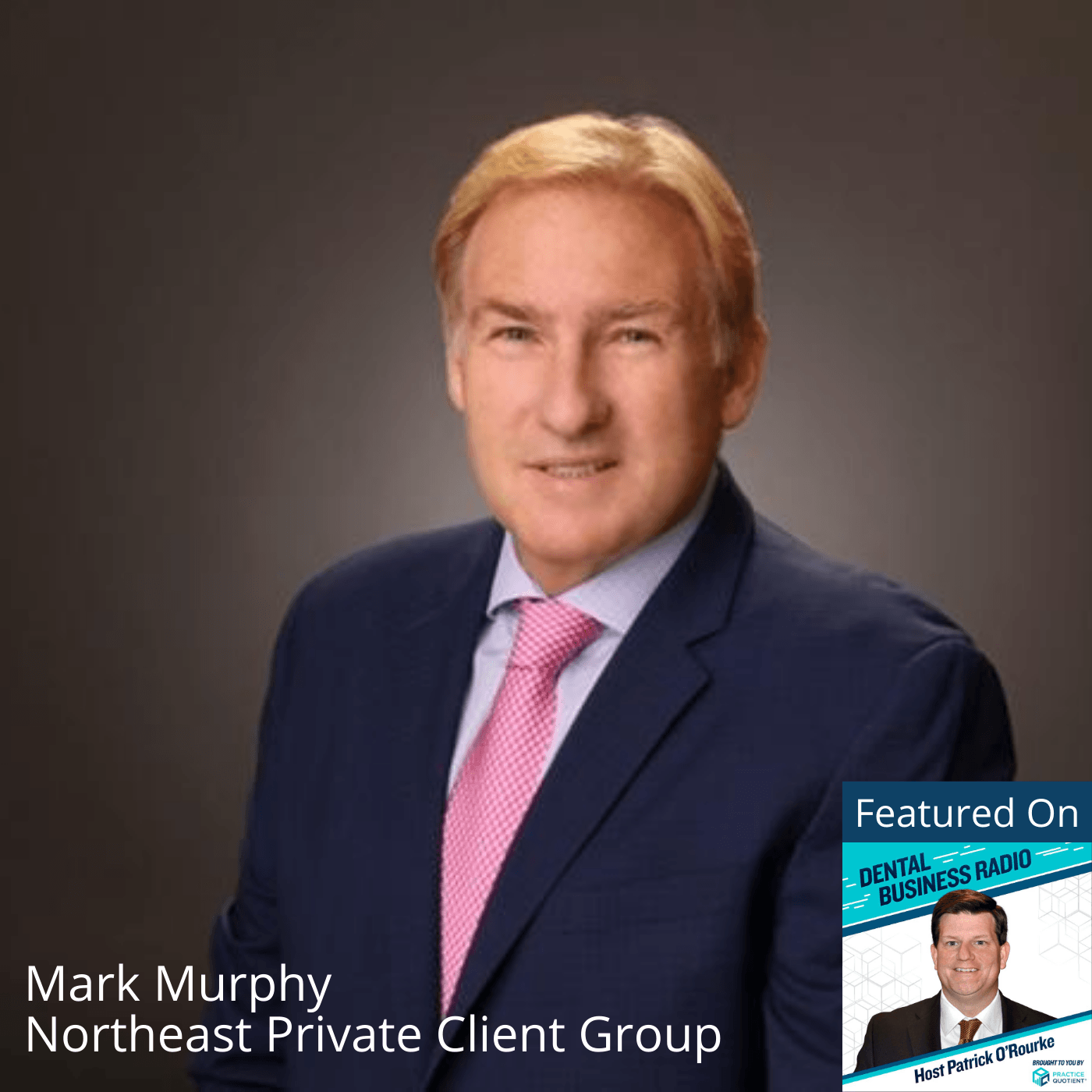
Mark Murphy, Northeast Private Client Group

August 24, 2020 by John Ray

Mark-Murphy-Northeast-Private-Client-Group
Dental Business Radio
Mark Murphy, Northeast Private Client Group
Loading
00:00 /
RSS Feed
Share
Link
Embed

Download file

Mark-Murphy-Northeast-Private-Client-Group

Mark Murphy, Northeast Private Client Group (“Dental Business Radio,” Episode 3)

Mark Murphy joins host Patrick O’Rourke in a wide-ranging conversation which covers the state of today’s dental industry, why active listening is so important to his practice, why he considers relationships the key to success in any business, and much more. “Dental Business Radio” is underwritten and presented by Practice Quotient and produced by the North Fulton studio of Business RadioX®.

Northeast Private Client Group

Northeast Private Client Group is a boutique Financial Services advisory firm. The firm’s principals are key business strategists and inquisitive, critical thinkers. They help entrepreneurs and professionals to create real wealth and, in most cases, multigenerational wealth.

Mark Murphy, CEO

Mark Murphy is the Chief Executive Officer of Northeast Private Client Group and the author of two books The Win-Win Outcome – The Dealmaker’s Guide to Buying and Selling Dental Practices and Extraordinary Wealth – The Guide to Financial Freedom & an Amazing Life.

Northeast Private Client Group is a national financial planning and wealth management firm headquartered in Roseland, New Jersey. Unlike other financial planning firms, Mr. Murphy and his team focus on the process by which clients use financial products rather than the products themselves.

Mr. Murphy feels that true financial wealth is developed by a high level of emotional fitness driven by wealth creation strategies and a plan that will work under all circumstances. Mr. Murphy and his team provide strategic planning and financial engineering to closely held businesses, mid-size companies, celebrities, athletes, hedge fund managers, doctors, dentists and other high net worth individuals.

LinkedIn

Patrick O’Rourke, Host of Dental Business Radio

Patrick O’Rourke began his career in operations management at a dental & vision insurance company in Florida, which after several acquisitions and mergers, is now MetLife. He spent five years at Humana in Atlanta selling in the large group segment (100+ employees). In addition to several awards throughout his career, he has earned many professional certifications.

Understanding the nuances involved with all aspects of risk management helped business partners rely on his expertise to guide client recommendations. He is an insurance insider that has built dental networks, worked in operations management, designed dental plans, and opened markets.

In 2013, he founded Practice Quotient, which specializes in dental insurance PPO network contract analytics and reimbursement guidance, representing the dental provider.

As a national public speaker, Patrick educates doctors on how dental managed care participation impacts more than 50% of practice revenue, the importance of diligent contract management, and how to develop criteria specific to a patient acquisition strategy for choosing the best carrier business partners.

About Dental Business Radio

“Dental Business Radio” covers the business side of dentistry. Host Patrick O’Rourke and his guests cover industry trends, insights, success stories, and more in this wide-ranging show. The show’s guests will include successful doctors across the spectrum of dental practice providers, as well as trusted advisors and noted industry participants. “Dental Business Radio” is underwritten and presented by Practice Quotient and produced by the North Fulton studio of Business RadioX®.

Practice Quotient

“Dental Business Radio” is sponsored by Practice Quotient. Practice Quotient, Inc. serves as a bridge between the payor and provider communities. Their clients include general dentist and dental specialty practices across the nation of all sizes, from completely fee-for-service-only to active network participation with every dental plan possible. They work with independent practices, emerging multi-practice entities, and various large ownership entities in the dental space. Their projects evaluate the merits of the various in-network participation contract options specific to your Practice’s patient acquisition strategy. There is no one-size-fits-all solution.
Connect with Practice Quotient:

Website

LinkedIn

Facebook

Twitter


Mark Murphy is a Registered Representative and Financial Advisor of Park Avenue Securities LLC (PAS). OSJ: 200 Broadhollow Road Suite 405, Melville, NY 11747, ph# 631.589.5400. Securities products and advisory services offered through PAS, member FINRA, SIPC. Financial Representative of The Guardian Life Insurance Company of America® (Guardian), New York, NY. PAS is a wholly owned subsidiary of Guardian. Business RadioX, Dental Business Radio, Patrick O’Rourke and Northeast Private Client Group is not an affiliate or subsidiary of PAS or Guardian. AR Insurance License #741545, CA Insurance License #0B36048 2020-106984 Exp. 8/22

Tagged With: Dental Business Radio, dental practices, Mark Murphy, Northeast Private Client Group, Patrick O'Rourke, Practice Quotient, specialty dental practices, strategic planning

Introduction to “Dental Business Radio,” with Patrick O’Rourke

July 21, 2020 by John Ray

Dental Business Radio
Introduction to "Dental Business Radio," with Patrick O'Rourke
Loading
00:00 /
RSS Feed
Share
Link
Embed

Download file

Dental Business Radio

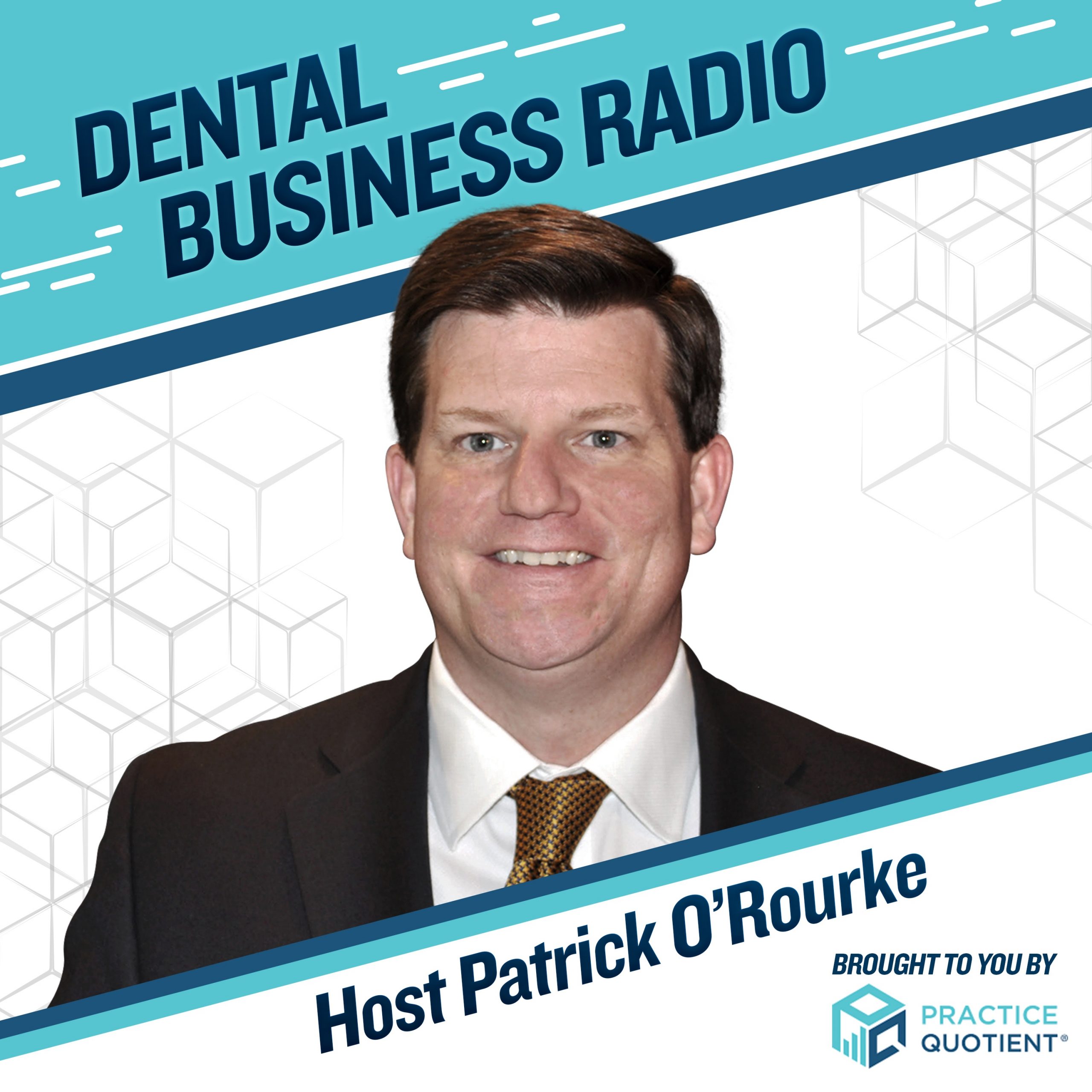
Introduction to “Dental Business Radio,” with Patrick O’Rourke

Welcome to “Dental Business Radio,” the show which covers the business side of dentistry. Host Patrick O’Rourke and his guests cover industry trends, insights, success stories, and more in this wide-ranging show. The show’s guests will include successful doctors across the spectrum of dental practice providers, as well as trusted advisors and noted industry participants. “Dental Business Radio” is underwritten and presented by Practice Quotient and produced by the North Fulton studio of Business RadioX®.

Patrick O’Rourke, Host

Patrick O’Rourke began his career in operations management at a dental & vision insurance company in Florida, which after several acquisitions and mergers, is now MetLife. He spent five years at Humana in Atlanta selling in the large group segment (100+ employees). In addition to several awards throughout his career, he has earned many professional certifications.

Understanding the nuances involved with all aspects of risk management helped business partners rely on his expertise to guide client recommendations. He is an insurance insider that has built dental networks, worked in operations management, designed dental plans, and opened markets.

In 2013, he founded Practice Quotient, which specializes in dental insurance PPO network contract analytics and reimbursement guidance, representing the dental provider.

As a national public speaker, Patrick educates doctors on how dental managed care participation impacts more than 50% of practice revenue, the importance of diligent contract management, and how to develop criteria specific to a patient acquisition strategy for choosing the best carrier business partners.

Practice Quotient

Practice Quotient, Inc. serves as a bridge between the payor and provider communities. Their clients include general dentist and dental specialty practices across the nation of all sizes, from completely fee-for-service-only to active network participation with every dental plan possible. They work with independent practices, emerging multi-practice entities, and various large ownership entities in the dental space. Their projects evaluate the merits of the various in-network participation contract options specific to your Practice’s patient acquisition strategy. There is no one-size-fits-all solution.
Connect with Practice Quotient:

Website

LinkedIn

Facebook

Twitter

Tagged With: Dental Business Radio, dental specialty practices, general dentist, Patrick O'Rourke, PPO Negotiations & Analysis, PPO network contract analytics, Practice Quotient

Patrick O’Rourke, Practice Quotient

May 13, 2020 by John Ray

Practice Quotient
Dental Business Radio
Patrick O'Rourke, Practice Quotient
Loading
00:00 /
RSS Feed
Share
Link
Embed

Download file

Practice Quotient
Patrick O’Rourke, Practice Quotient

Patrick O’Rourke, Practice Quotient (North Fulton Business Radio, Episode 233)

Practice Quotient helps general dentistry practices and other specialty dental practices maximize the reimbursement they receive from dental insurance carriers. Founder and CEO Patrick O’Rourke joins the show to discuss how his firm helps significantly improve the profitability of their clients. The host of “North Fulton Business Radio” is John Ray and the show is produced virtually by the North Fulton studio of Business RadioX® in Alpharetta.

Patrick O’Rourke, Founder & CEO

Patrick O’Rourke began his career in operations management at a dental & vision insurance company in Florida, which after several acquisitions and mergers, is now MetLife. He spent five years at Humana in Atlanta selling in the large group segment (100+ employees). In addition to several awards throughout his career, he has earned many professional certifications.

Understanding the nuances involved with all aspects of risk management helped business partners rely on his expertise to guide client recommendations. He is an insurance insider that has built dental networks, worked in operations management, designed dental plans, and opened markets.

In 2013, he founded Practice Quotient, which specializes in dental insurance PPO network contract analytics and reimbursement guidance, representing the dental provider.

As a national public speaker, Patrick educates doctors on how dental managed care participation impacts up to 50% of practice revenue, the importance of diligent contract management, and how to develop criteria specific to a patient acquisition strategy for choosing the best carrier business partners.

To connect with Pat, you can email him directly or call 470-592-1680.

Practice Quotient

Patient Quotient, Inc. serves as a bridge between the payor and provider communities. Their clients include general dentist, oral surgeons, and other dental specialty practices across the nation of all sizes, from completely fee-for-service-only to active network participation with every dental plan possible.  They work with independent practices, emerging multi-practice entities, and various large ownership entities in the dental space.

Their projects evaluate the merits of the various in-network participation contract options specific to a practice’s patient acquisition strategy. There is no one-size-fits-all solution.
While their team is comprised of many individuals, both clients and carrier representatives always interact with the firm’s leadership team.

For more information, go to https://www.practicequotient.com/.


North Fulton Business Radio” is produced virtually from the North Fulton studio of Business RadioX® in Alpharetta. You can find the full archive of shows by following this link. The show is available on all the major podcast apps, including Apple Podcasts, Spotify, Google, iHeart Radio, Stitcher, TuneIn, and others.

Renasant Bank has humble roots, starting in 1904 as a $100,000 bank in a Lee County, Mississippi, bakery. Since then, Renasant has grown to become one of the Southeast’s strongest financial institutions with over $13 billion in assets and more than 190 banking, lending, wealth management and financial services offices in Mississippi, Alabama, Tennessee, Georgia and Florida. All of Renasant’s success stems from each of their banker’s commitment to investing in their communities as a way of better understanding the people they serve. At Renasant Bank, they understand you because they work and live alongside you every day.

Show Transcript

Intro: Live from the Business RadioX studio inside Renasant Bank, the bank that specializes in understanding you, it’s time for North Fulton Business Radio.

John Ray: And hello again, folk. Welcome to another edition of North Fulton Business Radio. I’m John Ray. And we are coming to you, yes, still virtual Business RadioX studio. No, we’re not in Renasant Bank quite yet. But hopefully, one of these days soon, we’ll be back in our studio there. But in the meantime, we still love the folks at Renasant. They’ve done a great job with the PPP loans and other help for small business. I know that myself because I worked with them on behalf of clients. So, check them out, renasantbank.com. If you want to go into the branch, you can, but you need an appointment ahead of time. So, give them a call or go to renasantbank.com for more information. Renasant Bank, understanding you. Member FDIC.

John Ray: And now I want to turn to an old friend, Patrick O’Rourke is with Practice Quotient. Patrick, how are you? And welcome.

Patrick O’Rourke: Doing awesome, John. How are you?

John Ray: I’m great, I’m great. So, Practice Quotient, tell us about your firm, tell us about you, tell us about what you do and how you serve.

Patrick O’Rourke: Okay. Well, I’m Patrick O’Rourke. I’m the founder and CEO of a firm called Practice Quotient. Everybody calls it PQ for short.

John Ray: I like that.

Patrick O’Rourke: Yeah. Practice Quotient doesn’t roll off the tongue, I guess. So, I was thinking like intelligence quotient, practice quotient. I thought that was quite clever, actually. My wife thought it was silly, but there you go. So, at any rate, our business is called Practice Quotient. And what we do is, really, the formal technical term for what we do is that we do manage dental care network contract analysis and negotiation.

Patrick O’Rourke: What clients and what most folks understand that to be is that we analyze PPO contracts, and we make sure that they’re suitable for our clients, our clients being general dentists, oral surgeons, periodontist, endodontists, anybody in the dental space, prosthodontists. We have some orthotists, and anybody that’s submitting CDT, which are there’s medical codes and the dental codes that have their own codes. So, we analyze all the contracts. And then, we make sure that they are a win/win for both the provider, i.e., our client, and for the network or payer, i.e., the insurance company. And so, I’d like to think that we’re a bridge between the provider and the payer communities.

John Ray: What you’re talking about is something extraordinarily important to a dental practice; yet, this is not something they cover in dental school, right? I mean, what best practices are when it comes to the insurance carriers that you offer through your practice?

Patrick O’Rourke: It does seem to be the case. They do not have any classes in contract reviews, statistical or actuarial analysis. No, they don’t. Or even credentialing or any of the other stuff that’s involved. We don’t do credentialing, but there’s a lot that’s actually involved with this decision, and it’s a very big decision. And so, no, they don’t teach it in dental school. I don’t know. You’d really have to go to intern school, I think. It’s a bit different, and it’s incredibly time-consuming, but it affects it, not a good portion, I would say it. It can affect up to 50% or more of the reimbursement of a dental practice or dental specialty practice.

Patrick O’Rourke: And so, you have to understand, because this is one of your biggest … It’s top two of your costs if you’re in plans. PPOs can be very useful. It just depends. There’s no one-size-fits-all solution. So, every practice kind of has its own patient acquisition and retention strategy, if you will. And well, what is that? And so, sometimes, I ask clients, and they’re like, “I don’t know.” And that’s kind of the wallet. There is one of the symptoms of, well, you’re losing money.
Patrick O’Rourke: So, if you’re outsourcing, if you just sign up for every single PPO, then what happens is you’re always on discount, you’re always on sale, right? Because if you think about what we’re doing here or what the deal is, the proposition is the dental insurance companies go to the providers, and they say, “Hey, listen. Usually, you charge $100 for this service. And if you give us a discount of 30%, we’ll pay 70,” which is great.

Patrick O’Rourke: Terrific, right? “Don’t you want new patients? And then, we’ll send you all these new patients, and we’ll give you the promotional consideration of being on our website”, woohoo, with dozens and dozens of other names, particularly in Northern Metro Atlanta. And you have the patient convenience of having claim paid as a network. You’re getting the added bonus of the full weight and breadth of Fortune 500 companies, marketing power, steering patients your way.

Patrick O’Rourke: And so, that part of it is definitely true. Now, if you’re in a managed care friendly area like, say, a New Yorker in Southern California, it’s critical that you’re in network, but there’s still fee for service, only practices. So, being in network, your dental insurance isn’t like medical insurance. It’s really a big misconception among consumers, and really, the providers as well. Medical insurance, you have to go and network if you want really any coverage.

Patrick O’Rourke: In most cases, like certainly, in HMO, but even your point of service plans. Dental PPO is a PPO by definition. Has out of network coverage, right? And dental PPO, PPOs are by far and away, it’s not even close, 85% of the entire market of dental insurance. And so, you know, it’s a very limited benefit. It’s usually 100% coverage for your preventive. So, I think, you know, office visits, X-rays, routine cleanings, then 80% for your basic, which could be, I think, extractions and fillings, and then 50% for your major works, I think, crowns, dentures, and plants, that type stuff.

Patrick O’Rourke: And that’s the most common plan. And it’s the same in or out of network in most cases. And so, people can go out of network. It’s not really a problem because you only have a thousand-dollar max. But, you know, the consumers, the number one reason why people don’t go to the dentist, or access, or health care is because they don’t have dental insurance, which I personally think is silly. But I’m not going to change the world, just me and you.

John Ray: Right. You know.

Patrick O’Rourke: We have no reason not to go to the dentist if you don’t have dental insurance, just use your HSA, your FSA.

John Ray: Right.

Patrick O’Rourke: And, you know, the number two reason is they don’t know how much it’s going to cost even if they have dental insurance because dental insurance to me is really easy and kind of it’s my bread and butter. I’ve been doing it for 20 years. But, you know, to Johnny Lunch Bucket, when you’re selling the employer group benefits ,and you’re doing an open enrollment meeting, and you just explain the medical benefits, what’s your prescription copay, how is a maternity work, and here’s your deductible, here’s your HSA and your FSA, you know, like their eyes have already glazed over, you know?

John Ray: Right.

Patrick O’Rourke: I’ve done hundreds, if not thousands of these open enrollment meetings. And the only thing I want, Johnny Lunch Bucket, remember, when he walks out of that door is he better go to a participating provider. And so, I say it over, and over, and over again, a different voice, and then we write it, and I say, we, the insurance industry, put on EOBs, put on all the marketing material. And so, you want to steer all of the members out from the insurance company to your participating providers to ensure your cost of care is manageable. In theory, you also want to make sure they go into quality providers. And you want to reward your providers for being in your network.

Patrick O’Rourke: So, that’s what’s in it for the insurance company. And just for your listeners, you know, you know this, but I’m from the insurance industry, so that’s kind of what makes us different. There are a couple of businesses or a couple of firms that do this across the country. And, you know, really, the big difference is I’m from the insurance industry. So, I help build dental insurance companies, worked with Humana for a while. I’m professionally certified in dental benefits, underwriting HIPAA, high tech Medicare, wellness, consumer-driven health care plans, several other things. None of which make me cool or hit at the neighborhood barbecue, unfortunately.

John Ray: So, what that means is you understand the inner workings and the architecture of these plans.

Patrick O’Rourke: That’s correct. Very good observation.

John Ray: Yeah. Because you’ve been there. And what I heard of, I mean, there’s a lot to unpack there, but one of the things I heard is, number one, as a dentist, you don’t automatically default to accepting every carrier that you possibly can. Say more on that.

Patrick O’Rourke: Yeah. And so, in most cases, you have different folks that are in different stages of their business. So, you know, if you’re a startup and you have empty chair time, an empty oratory, so down, at 20, flush down the toilet.

John Ray: That’s right.

Patrick O’Rourke: And so, you know, in kind of to your earlier point, if you just got out of school and you got a mountain of debt, and you open up your practice, the meter’s running and it’s your money, the bullets are alive. You’ve never owned a business before. Welcome to the entrepreneur club. You know, John, can you please get the man or woman their jacket? Now, you’re the butcher, the baker, the candlestick maker, the bookkeeper, the website person, marketing, the janitor. Oh, hey, listen, you’ve got to be a dentist, too, right?

John Ray: Right.

Patrick O’Rourke: And so, that takes an adjustment period, I think. And so, what’s important is cash flow. And so, you need to make sure, you know, step one is you need to survive. Then, you know, that’s a startup. You know, we don’t do a lot of startups, I think we’re not really doing any. I talked to a lot of folks, I’ve been to GRU over in Augusta, and it was very clear to me in the first 10 minutes, you know, I’m like, so here’s kind of the things that you need to think about. And everybody’s staring at me, you know, like I slipped into Portuguese.

John Ray: You’re like the skunk at the wedding, right? You’re bringing all the bad news.

Patrick O’Rourke: Right. And I’m like, you know, do you guys know what I’m talking about? Do you know what credentialing is? And they’re like, uh-uh.

John Ray: Oh, boy.

Patrick O’Rourke: You know, I’m like, so, here’s our contract works and what a network is. No, none of that, huh?

John Ray: Oh, wow.

Patrick O’Rourke: And so, I spent a lot of, you know—I did my talk, and then afterwards, you know, the kids had a lot of questions. I probably stayed there until like 11:00 at night, and answered all the questions, that I really feel like I was like throwing a pebble in the ocean. And so, unfortunately, there’s a lot of stuff, if you don’t do your own homework or you don’t have good advisers around you that you knew, you got to do what you got to do.

Patrick O’Rourke: So, if you’re just fresh out of school, you know, you’ve got to do what you got to do to survive. You learn a lot of things. Once you’re established, if you’re in a established stock, you know, to make this as simple as I can, when you’re looking at PPOs, it comes down to, well, how much access do you want to have as a participating provider to these various pools of discounted insurance patients, right?

John Ray: Right.

Patrick O’Rourke: This is on a scale of one to 10, you know?

John Ray: Right.

Patrick O’Rourke: And so, some clients look at it as access. Some clients look at it as how much discounting do I need to do in order to fill my schedule? Really, the same question, like we’ll give you the answer, but their perspectives are different, if that makes sense.

John Ray: Right. Sure.

Patrick O’Rourke: And so, you know, most of our practices and most of our clients, you know, tend to be top-tier docs. You know, they’re definitely established. And our job is to convince insurance companies to, you know, pay them more than they would usually pay, which I know this sounds crazy, but they’re just not in a hurry to do it, right?

John Ray: Yeah. Right.

Patrick O’Rourke: And so, we need to understand what it is about that practice that makes that practice important and a good partner for the carrier.

John Ray: So, now, if you don’t mind me interrupting, that was really an interesting statement you just made. I mean, so what you’re saying is, if I can put it in another way, you’re really a practice advocate with the insurance company. I mean, you advocate for that practice and why their business is important with the insurance company so that that insurance company will, in effect, pay more to do business with them?

Patrick O’Rourke: That’s correct.

John Ray: So, what does that mean for the bottom line of a practice? I mean, because you obviously help practices, as you say, accept less discounts, you help them pick the right kind of, I guess, portfolio, if you will, of insurance providers to do business with, right? What does that mean for a typical practice that you work with in terms of their bottom line? I mean, if you don’t want to use a real-life example, maybe you can use one that’s without a name, but it would be interesting, I think, for our folks to hear that.

Patrick O’Rourke: If I told you our actual batting average, John, you would probably use profanity and not believe me.

John Ray: Well, we’re not regulated by the FCC, so try me out.

Patrick O’Rourke: Oh, really?

John Ray: Yeah, that’s right.

Patrick O’Rourke: So, I’m going to have to give my official reply here, which is, it really depends, and this is true. So, every project is different, like where were they when they started out? Maybe they are on good contracts already. And so, we’re just doing a tune up. You know, for practices that are writing off, you know, half-a-million dollars, which happens every day, let’s just say that they’re pleased. You know, sometimes, I tell them like, look, if you’re not sending me a Christmas card at the end of this, I must have got hit by a bus, you know?

Patrick O’Rourke: So, it really depends on how bad off they are, whether anybody’s looked at these contracts. It depends on the leverage of that particular practice. You know, the projects, these projects are not easy. They are not short or brief, you know. So, they’re long-term engagements, where you have to understand exactly what the practice is doing and why. You know, this is a big portion of revenue, huge. I mean, this is it, like this is the whole enchilada. This is your wealth. And so, we need to understand how important the carriers are. We have to look at the contracts.

Patrick O’Rourke: You have to do all of the math, and then you have to go to, you know, what I call the market. And, you know, it’s not Wall Street. I’m talking about, you know, the relevant entities, and networks, and carriers that are in any given market, like we’re a national firm. We have clients from Anchorage to LA. Miami to New York, you know, but we’re based right here in Atlanta, Georgia. God bless Georgia. So, everywhere is different. So, the market in Atlanta is different than LA, or Chicago, or certainly, Boise, Idaho.

John Ray: Right.

Patrick O’Rourke: So, you have to understand all of that, then you’ve got to go out to all of these folks, and go back and forth, you know, then the carriers have to understand. And they’re all different, too, like, you know, I think that nobody wants to lump insurance carriers into some bucket. They actually care about different things. Their target client type, or patient type, or employer group varies as well. And their leadership, they’re all different.

Patrick O’Rourke: And so, they care about different things. And so, you know, we try to be as transparent as possible with the insurance carriers. And so, we give some information about the client, like this is why they’re awesome, right? And then, it comes down to numbers and we have an actual variable tool here that is just as good or better than anything the insurance companies have because that’s where I’m from. So, I had to build something.

Patrick O’Rourke: And, you know, whereas we’re using underwriting methodology based on that practice because they’re usually looking at a market. If you look at Atlanta, so they’re projecting claims out to be two or three years where we’re looking at more specific at the experience or the claims history of that specific practice. And so, you have to go out there. So, really, you’re 10 months into this thing before, you know, now, we’re going to start makes some decisions, right?

Patrick O’Rourke: And now, those decisions and the execution of these decisions are what takes the most time. And so, you have to then, you know, how are you going to execute? We usually have most of the game plan done at that point, but we’re very conservative here. And so, we’re very methodical. We want to avoid fire drills and, you know, minimize any turbulence. And by turbulence, I mean, you know, cash flow disruption, patient disruption, claims disruption, or most of all, if not the most important, staff disruption.

Patrick O’Rourke: Everybody needs to be comfortable and confident in what we’re doing and why. And, you know, so, it’s not like our—you know, we provide the guidance, and we do the math, and we provide all of the recommendations that are based on the direction that the client is giving us up to that point. Obviously, things change. Then, when we go and we sit down with the team at the practices, you know, it’s up to them to say yes or no with what their risk tolerance is going to be.

Patrick O’Rourke: If, let’s say, they wanted to—let’s say there is a major carrier, right? You know, I won’t use any names. Let’s just say you’re in a market, there’s a big carrier, and the carrier, you know, it’s 40% of your practice, right? The revenue volume. And then, we do the math. And they’re paying you 50 cents on the dollar. Well, that’s not good because your business overhead is, you know, 60, 65 five if you include your salaries, which you should. I’m sure your spouses want you to and your children.

John Ray: Sure. Yeah, they like that.

Patrick O’Rourke: Yeah. I bet your wife does too.

John Ray: Yeah.

Patrick O’Rourke: And so, if our business overhead is 65, then how can we take 50 cents on the dollar, right? That doesn’t make a whole lot of financial sense.

John Ray: No.

Patrick O’Rourke: And I don’t think you have to be Stephen Hawking to understand that, you know. But let’s say that we do the math, and then it’s 40% of the practice. Let’s just keep easy numbers. It’s a million-dollar practice. So, it’s four hundred thousand. And then, you’re like, well, okay, we’re getting 50 cents on the dollar, and we have 400,000 revenue at 50 cents on the dollar. So, that’s a ton of patients, right? That’s a lot of patients, you know. And the carrier is unreasonable. Let’s say that they’re in Atlanta just because we’re here and they go, you know what, John Ray Dentistry, you know how many dental practices we have in Alpharetta?

Patrick O’Rourke: So, you have plenty. I’m saying, tell John Ray that we appreciate all of his business and we’ll enjoy counting his money for years to come, but he either takes 50 cents on the dollar or he’s out. And we just say, you know, we’re always playing professional, like I understand, I do, like I understand the insurance carrier side. I’m like, okay, fair enough. And so, they then make their business decisions. Now, we come back to you. We’ll use you and call you Dr. John Ray, make your mama real proud.

John Ray: Yeah, that’ll come as a surprise, but anyway, go ahead.

Patrick O’Rourke: And so then, you know, I’ll come back to you, I say, “John, look, here’s the deal. So, we have a carrier X here is paying you 50 cents on the dollar, so you’re losing money, right? You understand this, right?” And then, you know, usually, the client has a few choice words for a little while. You got to wait for that to die down. And then, we say, “Well, you know, they’re not budging, and they’re not going to budge.”

Patrick O’Rourke: This is the worst-case scenario, but I think that this is really important content in case any of the provider community is listening, and even the payer community because we’re very consistent in this particular message. Rule number one is our clients got to break even, you know. So, we’re not losing money unless there’s a damn good reason why, you know. So, at any rate, so we go, okay, so you’re getting 50 cents on the dollar. We’re going to have to cancel that and terminate that agreement. You’re going to go out of network. This is what our recommendation is going to be.

Patrick O’Rourke: So then, we do a cost benefit analysis. And then, you know, then the client’s reaction is like, oh, man. Oh, that would be awful. That would be awful. What do you mean go out of network? That’s terrible. We’re going to lose patients, Pat. And I’m like, yeah, sure will. How many? They’re like, well, I don’t know. I say, “Well, I don’t know either.” If you think you’re going to lose half. They’re like, oh, half, oh, that would be a disaster. That would be a calamity. No, actually, it wouldn’t.

John Ray: Yeah.

Patrick O’Rourke: From financial perspective, you would make more money. You would. I don’t think you’re going to lose half because you told me that you were awesome for all of these reasons, right? Now, are you the Walmart of dentistry or, you know, like you tell me. And so, they either make the decision—it’s up to them, obviously. But, you know, most folks don’t hire us if they’re not going to kind of, oh, I got it, right?

John Ray: Sure.

Patrick O’Rourke: It’s up to them. But, you know, I just give the facts. We’re neutral towards it. And the bottom line is, and this happens all the time across the country, so once they understand that, they see the math, and they’re like, man, half my income is gone. I’m losing money every time I see one of these numbers. The bottom line, you don’t want any more of them, right? You’re losing money, right? Because you’re doing a good job for them, now, you’re getting referred by your patients, right?

Patrick O’Rourke: And you’re getting referred by people that they work with because where does everybody usually spend all their time? At work. Where do they get that dental insurance? At work. And so, now, you’re a victim of your own success. You get referred in more 50 cents on the dollar, now, you’re losing more and more money, right? So, if you’re at 30%, the next year, it’s going to be 40%. What are you going to do when it’s 60%? So, that’s really one of the most important things. When I’m speaking, you know, across the country, I’m like, you can’t take 50 cents on the dollar, you don’t have to hire us, right? Just stop doing that.

John Ray: Right.

Patrick O’Rourke: But that’s the conversation, there’s naturally some anxiety. But, you know, if it’s planned out properly, then I’ll tell you, you know, we’ve done hundreds of projects at this point. And, you know, they never lose half of their patients.

John Ray: Yeah. So, you’ve got the experience to bring to that, and to help, you know, reassure a dentist that life is going to be good on the other side of this project. So, because of all the other projects you’ve done and all the other, I guess, testimonials that you’ve got from satisfied clients, right?

Patrick O’Rourke: Right. Yeah. We don’t have a sales team at all actually. We’re just, now, kind of raising our visibility and, you know, I’ve had some extra time to work on the website. We are exclusively referral-based. So, you know, it’s usually current client that sent you over to us. You know, current client or sometimes there’s somebody that’s involved in an advisory capacity at that practice that cares about their long-term financial success, like maybe a CPA or, you know, a wealth manager with some of the more top-tier dental consultants that are out there.

Patrick O’Rourke: But it’s somebody that’s really invested into that practice and has some sort of stake in that practice being successful. And so then, they call here, you know, they talk to my team, you know. But every single client has to talk to me first, you know. And so then, we have a conversation and I’m fairly direct, you know, in case that’s not immediately obvious. And we talk about it like, what are you trying to accomplish? Sometimes, we’re a good fit. Sometimes, we can help you, and sometimes not. But I’ll tell you that really right up front.

Patrick O’Rourke: So, you know, you never want to jump on a project or, you know, jump into something that’s going to be two years if you don’t understand what you’re getting into. So, you know, what I tell folks, I said, “Look, we’re going to be friends for two years, so let’s make sure everybody’s very comfortable and confident with what we want to accomplish together because at the end of it, if they’re not thrilled, then there goes our marketing plan”, because that’s how we get all of our clients.

John Ray: Yeah. Well, this has been great, Pat. Great stuff from Patrick O’Rourke. He’s the Founder, CEO of Practice Quotient, better known as PQ. Pat, this has been awesome. And we know you got to get on to work with your clients. So, how about before we let you go, give us your contact information. Folks that have heard this would like to be in touch, how can they do that?

Patrick O’Rourke: Sure. You can contact our offices anytime. We’re not close. We have full staff. We haven’t furloughed anybody. We’re at 470, is the area code, 592-1680. That’s 470-592-1680 or you can submit, and contact us, inquiry on our website, which is www.practicequotient.com, P-A-C-T-I-C-E-Q-U-O-T-I-E-N-T-.com. And if you wanted to email me, you can email me at porourke@practicequotient.om. And, you know, we’re here, we’re open, we’re in Eastern Time Zone. So, if you’re listening to this and you happen to be in Anchorage, you know, we’ll send you a link to my calendar, but we can accommodate before or after business hours. Also, one thing before we go, John, I have a question for you.

John Ray: Oh.

Patrick O’Rourke: Right. So-

John Ray: I’m the one that asks the questions here. Come on.

Patrick O’Rourke: I think it’s fair play.

John Ray: Okay. Bring it on.

Patrick O’Rourke: I get one question in.

John Ray: Okay.

Patrick O’Rourke: So, I’m checking out your hair, and I’m wondering, is John like cutting his hair at home? Do you have a Flowbee, or you’re doing it yourself, or what’s going on?

John Ray: You know, when you have headphones on, it kind of takes care of that. So, if I didn’t have headphones on, you know, it’s a natural beret, headphones on.

Patrick O’Rourke: Well, next time, I’m going to be on camera then because I look like Ted Hanson.

John Ray: There you go. I love it. Patrick O’Rourke with Practice Quotient. Pat, thanks for being with us.

Patrick O’Rourke: My pleasure. Thank you, John.

John Ray: Thanks. Folks, if you’ve got headaches that involve administrative tasks, bookkeeping, marketing, presentations, maybe you’ve got a virtual workshop that needs to be planned, well, go engage with smart and reliable Office Angel. They fly in with talent and experience and get the job done, and they fly out. And they’ve been working virtually for, I think they’re 17, 18 years old now, founded by Essie Escobedo. She’s a Chief Executive Angel over there at 770-442-9246.

John Ray: If you’ve got an issue that is holding your business back, give Essie a call and explain to her what you’ve got, and she’s got answers. And if she can’t help you, she always connects you. So, officeangels.us is the website. So, be in touch with Essie Escobedo, Office Angels. And folks, just another reminder that you can listen to this show on all the major podcast apps. We’d love it if you could go on any of your favorites there, whether that’s Apple Podcast, Google Stitcher, TuneIn, Spotify, iHeartRadio.

John Ray: Go on and give us a nice review. It helps us profile great business leaders like Patrick. So, check out any of those, any of those apps and more. And you can also, of course, go to northfultonbusinessradio.com and find our complete archive of shows. Follow us on social media as well, if you would, for LinkedIn, Facebook, and Twitter. We’re at North Fulton BRX. So, for my guest, Patrick O’Rourke, I’m John Ray. Join us next time here on North Fulton Business Radio.

Tagged With: dental, dental insurance, dental managed care, dental plan, dental practices, dental specialty practices, general dentist, general dentistry, general dentistry practices, John Ray, North Fulton Business Radio, oral surgeons, Patrick O'Rourke, PPO network contract, Practice Quotient, specialty dental practices

Pat O’Rourke with Practice Quotient, Mary Becker with Best Deal Movers, and Nick Patel with Salsarita’s

May 31, 2016 by Mike

North Fulton Business Radio
Pat O'Rourke with Practice Quotient, Mary Becker with Best Deal Movers, and Nick Patel with Salsarita's
Loading
00:00 /
RSS Feed
Share
Link
Embed

Download file

Mike Sammond, Pat O'Rourke, Mary Becker, Nick Patel, John Ray
Mike Sammond, Pat O’Rourke, Mary Becker, Nick Patel, John Ray

Pat O’Rourke/Practice Quotient

Patrick O’Rourke of Practice Quotient began his career at a dental and vision insurance company in Florida, which after several acquisitions and mergers, is now MetLife. He spent five years at Humana in Atlanta selling in the large group segment (100+ employees). He was responsible for all lines of insurance coverage for these groups including fully-insured and self-funded (ASO) medical, dental, life, disability, stop loss, pharmacy (PBM), wellness, and worksite/voluntary portfolio. It seemed that spiraling group healthcare costs pushed ancillary lines into the periphery. This tendency became magnified after the PPACA paradigm shift that left everyone on information overload. He positioned himself as an industry resource by earning several certifications, including Disability (DIA) and Dental (DBA). Understanding the nuances involved with all aspects of risk management helped business partners rely on his expertise to guide client recommendations. He is an insurance insider that has built dental networks, worked in operations management, designed plans, and opened markets. This allows him to provide valuable insights to his dental practice clients.

Mary Becker/Best Deal Movers

Best Deal Movers began as a dream that Mary’s son David had. He, along with two of his brothers, had worked at moving companies during the summer when they were home from college. In the spring of his sophomore year, David injured his arm while pitching on the college baseball team. When surgery and rehab did not bring the necessary results to be able to continue in the sport, David had to reconsider what he wanted to do. He brought the idea for a moving company to his dad, and Best Deal Movers was born. They started with one truck and an office in their home. The business has continued to grow. Today they have seven trucks and are continuing to expand. They are proud to provide excellent service to their clients, having been chosen to receive The Best of Kudzu Awards for the past three years and having been voted by Angie’s List members to receive their Super Service Award for 2013 and 2014.

Nick Patel/Salsarita’s

At Salsarita’s Fresh Cantina, they’re building a dynamic and authentically inspired fast casual Mexican brand, offering delicious food that is made the way you want it and prepared every day in-house. From wildly addictive chips that their guests truly rave about, to queso, customized burritos, tacos, salads, bowls, quesadillas, nachos, signature salsas and fresh-made guacamole, Salsarita’s Fresh Cantina thrives on making great Mexican fare fresh daily. Since their beginnings in Charlotte, NC in 2000, they have worked to perfect the notion that a restaurant should not only be fast and friendly, but also casual and delicious like no other. Today, they have locations in 19 states and are rapidly growing.

Tagged With: customer service, dental, dental insurance, food, insurance, Mary Becker, mexican food, Mike Sammond, movers, moving, Nick Patel, North Fulton Business Radio, Pat O'Rourke, Practice Quotient, restaurant, Salsarita's, vision insurance

  • « Previous Page
  • 1
  • …
  • 5
  • 6
  • 7

Business RadioX ® Network


Our Most Recent Episode

CONNECT WITH US

  • Email
  • Facebook
  • LinkedIn
  • Twitter
  • YouTube

Our Mission

We help local business leaders get the word out about the important work they’re doing to serve their market, their community, and their profession.

We support and celebrate business by sharing positive business stories that traditional media ignores. Some media leans left. Some media leans right. We lean business.

Sponsor a Show

Build Relationships and Grow Your Business. Click here for more details.

Partner With Us

Discover More Here

Terms and Conditions
Privacy Policy

Connect with us

Want to keep up with the latest in pro-business news across the network? Follow us on social media for the latest stories!
  • Email
  • Facebook
  • Google+
  • LinkedIn
  • Twitter
  • YouTube

Business RadioX® Headquarters
1000 Abernathy Rd. NE
Building 400, Suite L-10
Sandy Springs, GA 30328

© 2025 Business RadioX ® · Rainmaker Platform

BRXStudioCoversLA

Wait! Don’t Miss an Episode of LA Business Radio

BRXStudioCoversDENVER

Wait! Don’t Miss an Episode of Denver Business Radio

BRXStudioCoversPENSACOLA

Wait! Don’t Miss an Episode of Pensacola Business Radio

BRXStudioCoversBIRMINGHAM

Wait! Don’t Miss an Episode of Birmingham Business Radio

BRXStudioCoversTALLAHASSEE

Wait! Don’t Miss an Episode of Tallahassee Business Radio

BRXStudioCoversRALEIGH

Wait! Don’t Miss an Episode of Raleigh Business Radio

BRXStudioCoversRICHMONDNoWhite

Wait! Don’t Miss an Episode of Richmond Business Radio

BRXStudioCoversNASHVILLENoWhite

Wait! Don’t Miss an Episode of Nashville Business Radio

BRXStudioCoversDETROIT

Wait! Don’t Miss an Episode of Detroit Business Radio

BRXStudioCoversSTLOUIS

Wait! Don’t Miss an Episode of St. Louis Business Radio

BRXStudioCoversCOLUMBUS-small

Wait! Don’t Miss an Episode of Columbus Business Radio

Coachthecoach-08-08

Wait! Don’t Miss an Episode of Coach the Coach

BRXStudioCoversBAYAREA

Wait! Don’t Miss an Episode of Bay Area Business Radio

BRXStudioCoversCHICAGO

Wait! Don’t Miss an Episode of Chicago Business Radio

Wait! Don’t Miss an Episode of Atlanta Business Radio