Business RadioX ®

  • Home
  • Business RadioX ® Communities
    • Southeast
      • Alabama
        • Birmingham
      • Florida
        • Orlando
        • Pensacola
        • South Florida
        • Tampa
        • Tallahassee
      • Georgia
        • Atlanta
        • Cherokee
        • Forsyth
        • Greater Perimeter
        • Gwinnett
        • North Fulton
        • North Georgia
        • Northeast Georgia
        • Rome
        • Savannah
      • Louisiana
        • New Orleans
      • North Carolina
        • Charlotte
        • Raleigh
      • Tennessee
        • Chattanooga
        • Nashville
      • Virginia
        • Richmond
    • South Central
      • Arkansas
        • Northwest Arkansas
    • Midwest
      • Illinois
        • Chicago
      • Michigan
        • Detroit
      • Minnesota
        • Minneapolis St. Paul
      • Missouri
        • St. Louis
      • Ohio
        • Cleveland
        • Columbus
        • Dayton
    • Southwest
      • Arizona
        • Phoenix
        • Tucson
        • Valley
      • Texas
        • Austin
        • Dallas
        • Houston
    • West
      • California
        • Bay Area
        • LA
        • Pasadena
      • Colorado
        • Denver
      • Hawaii
        • Oahu
  • FAQs
  • About Us
    • Our Mission
    • Our Audience
    • Why It Works
    • What People Are Saying
    • BRX in the News
  • Resources
    • BRX Pro Tips
    • B2B Marketing: The 4Rs
    • High Velocity Selling Habits
    • Why Most B2B Media Strategies Fail
    • 9 Reasons To Sponsor A Business RadioX ® Show
  • Partner With Us
  • Veteran Business RadioX ®

Everything You Wanted To Know About SBA Loans

May 1, 2023 by Mike

Gwinnett Studio
Gwinnett Studio
Everything You Wanted To Know About SBA Loans
Loading
00:00 /
RSS Feed
Share
Link
Embed

Download file

Caroline Taylor and J.D. Mealor

Regions Business Radio” covers financial topics such as banking and lending, mortgages, wealth management and more. The program also allows listeners to get to know some of the top executives from Regions Bank.

Hosted by J.D. Mealor, Senior Vice President and North Georgia Market Executive, all episodes of “Regions Business Radio” are available for download on Apple iTunes, iHeartRadio, Spotify, Google Podcasts, or wherever you enjoy your favorite podcasts.

On this episode, J.D. discusses SBA loans with Caroline Taylor, SVP of Credit Products and Head of Small Business Admin with Regions Bank.

Caroline Taylor/Regions Bank

The U.S. Small Business Administration is committed to furthering the growth and development of small businesses. One of the ways it does this is by guaranteeing loans to small businesses made through lending partners nationwide. Regions Bank is both an SBA Preferred Lender and one of America’s most experienced SBA lenders. The SBA does not make loans directly to small businesses. Rather, it sets guidelines for loans, which are made by lending partners nationwide, including banks and economic development organizations. For the SBA(7)a and SBA Express loans, the SBA guarantees a percentage of the loan, minimizing risk to the lending partners and increasing the possibility that small businesses will receive the funds they need. Please contact a Regions banker to discuss qualification criteria, potential fees, and whether an SBA loan can fit your business needs. All loans and lines of credit are subject to credit approval.

About Regions:

Regions Financial Corporation (NYSE:RF), with $145 billion in assets, is a member of the S&P 500 Index and is one of the nation’s largest full-service providers of consumer and commercial banking, wealth management, and mortgage products and services. Regions serves customers across the South, Midwest, and Texas, and through its subsidiary, Regions Bank, operates approximately 1,400 banking offices and 2,000 ATMs. Regions Bank is an Equal Housing Lender and Member FDIC. Additional information about Regions and its full line of products and services can be found at www.regions.com.
This information is general in nature and is provided for educational purposes only. Regions makes no representation as to the accuracy, completeness, timeliness, suitability or validity of any information presented and Regions does not accept liability for any direct or indirect loss stemming from the application of any material. Information provided and statements made by employees of Regions should not be relied on or interpreted as accounting, financial planning, investment, legal or tax advice. Regions encourages you to consult an appropriate professional concerning your specific situation and irs.gov for current tax rules.
Tagged With: caroline taylor, gwinnett bank, j.d. mealor, jd mealor, regions bank, regions bank podcast, regions business radio, SBA, sba loans, Small Business Administration

A Face for Radio E3

May 10, 2022 by Karen

A-Face-for-Radio-feuture
Phoenix Business Radio
A Face for Radio E3
Loading
00:00 /
RSS Feed
Share
Link
Embed

Download file

A-Face-for-Radio

A Face for Radio E3

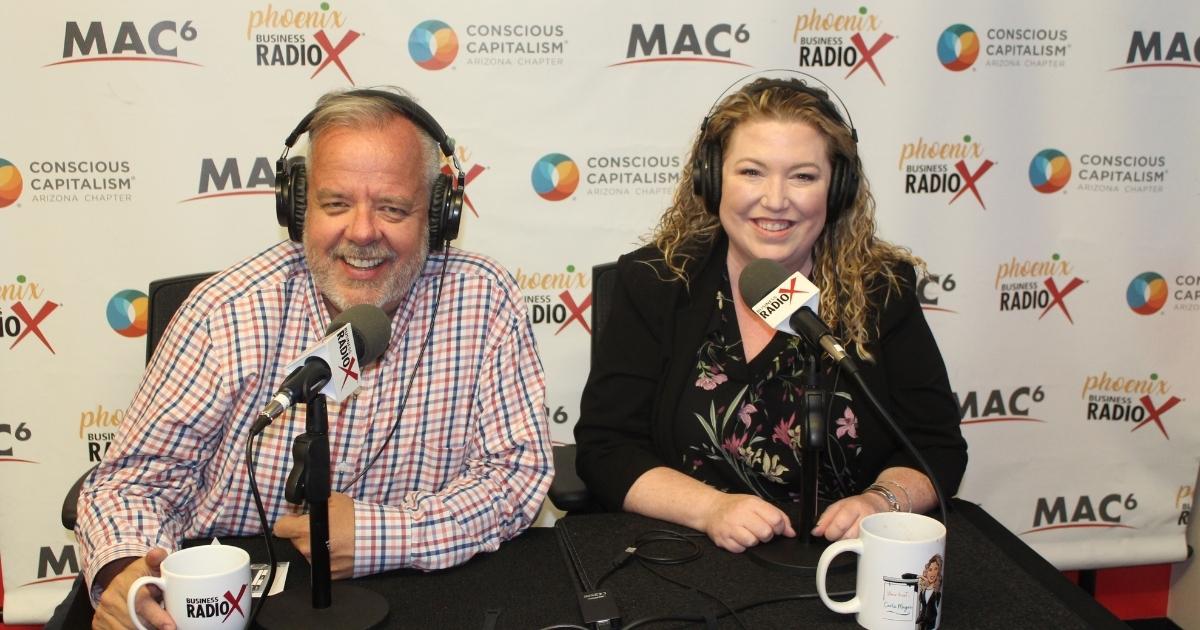
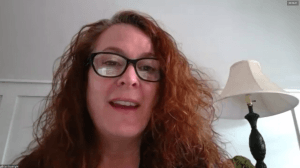
Who is California-ing our Arizona? Is it Ken Starks? Not really, but he is helping all of Arizona get excellent mortgage lending. Ken educates Carla on the mortgage evolution since the meltdown, current commercial financing trends, and some colorful metaphors for what’s happening in our current market.

Whether you’re starting a business, buying a multimillion dollar building, or trying to secure lending after a bankruptcy, Ken has all the financing information you need. And guess what, ladies? He’s single! 

The-Starks-Team-logo

The Starks Team consists of seasoned residential and commercial originators that have consistently ranked in the Top 1% of the business over their 20 + years history.

Ken-Stark-Smashing-Through-WallsSince 2002, Ken Starks has had the opportunity to help thousands of clients buy and/or refinance both their residential and commercial properties all across the country.

Working in all 50 states, he and his team deeply understand the heart and mind of the entrepreneur and know how to navigate complex tax and income structures.

They know just how to work with your chosen Tax, Real Estate and Legal professionals to get to solution, approval and closing!

Connect with Ken on LinkedIn and Instagram and follow The Starks Team on Facebook.

About the Show

Smashing Through Walls is geared toward a guide through complex commercial real estate and finance topics while adding humor and anecdotes along the way. Discover what is going on in the valley and beyond with host Carla Magee, broker at MHG Commercial.

About Our Host

Carla-Magee-MHG-Commercial1Carla Magee’s background is designed with the investor in mind. After obtaining her finance degree from the University of Washington in Seattle, she worked for large corporations like Boeing and Microsoft. With a critical eye and flair for analytics, she was able to shave millions in lost profits, managing cross-functional teams by utilizing her Green Belt in Six Sigma and Masters Certification in Project Management.

Ultimately she realized that she couldn’t be contained in an office environment working for the corporate world. Being an investor herself, she came into real estate as an investment & multifamily property specialist, effectively applying her education & skillset. Carla excels in helping investors make sound decisions for their financial goals, in real estate negotiations, and takes deep pride in educating homebuyers and sellers.

On a personal note, Carla is a busy wife & mother to two daughters. In addition to an ever growing career and podcast, she also enjoys volunteering and being active in the community. She has a deep love for Arizona and although she travels whenever possible, she always finds her way back to the beautiful Sonoran Desert.

Connect with Carla on LinkedIn.

About Our Sponsor

MHG Commercial emerged from the highly successful and innovative residential brokerage: My Home Group. MHG Commercial’s vetted and experienced advisors have a wide range of complementary professional expertise that span over 100 years of cumulative experience.mhg-commercial-logo

Encompassing every aspect of commercial real estate from office to industrial development, raw land to luxury commercial, and multifamily to subdivision development. We excel at out of the box thinking and transactions that require a more hands-on approach and ingenuity.

No matter the property type or service need, our commercial advisors are committed to your objectives. Combined with business finesse and unsurpassed market intelligence, MHG Commercial brokers help you determine and surpass your business goals.

Follow MHG Commercial on Facebook and Instagram.

Tagged With: commercial finance, commercial mortgage, mortgage broker, SBA, SBA 504, SBA financing, small business finance

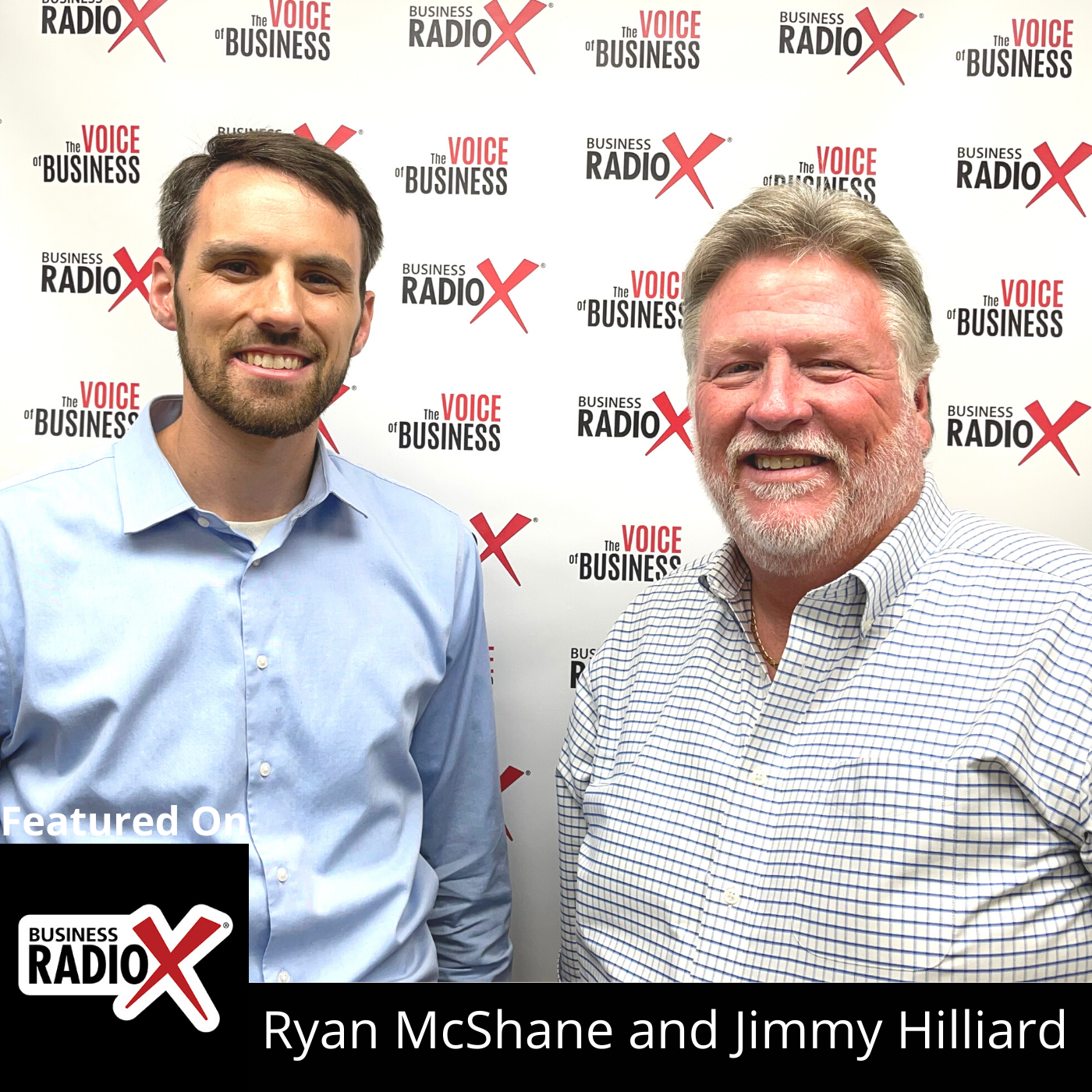
Ryan McShane, Renasant Bank, and Jimmy Hilliard, Swimtime Pools

August 27, 2021 by John Ray

Swimtime Pools
North Fulton Business Radio
Ryan McShane, Renasant Bank, and Jimmy Hilliard, Swimtime Pools
Loading
00:00 /
RSS Feed
Share
Link
Embed

Download file

Swimtime Pools

Ryan McShane, Renasant Bank, and Jimmy Hilliard, Swimtime Pools (North Fulton Business Radio, Episode 384)

On this edition of North Fulton Business Radio with host John Ray, Renasant business banker Ryan McShane gave an update on PPP loan forgiveness, EIDL loans, the North Fulton business climate, how he can help businesses during this time, and more. Jimmy Hilliard of Swimtime Pools also joined the show and shared how the in-ground pool industry has changed and improved since his father founded Swimtime Pools in the 1980s. He talked about the ways Swimtime customizes every pool to fit the family and the house, innovative technology for maintaining pools, and the impact of the pandemic on their business. North Fulton Business Radio is broadcast from the North Fulton studio of Business RadioX® inside Renasant Bank in Alpharetta.

Ryan McShane, AVP, Commercial Banking, Renasant Bank

Ryan McShane, AVP, Commercial Banking, Renasant Bank

Other than a 4-year stint in Milledgeville to obtain a business degree from Georgia College and a 3-year stint in Birmingham, AL,  Ryan has lived in Metro Atlanta since he was born. He started his career in corporate sales in telecommunications and eventually moved into banking as an analyst for a Metro Atlanta community bank that was later acquired by Renasant. He has been with Renasant since 2015 and works as a commercial banker assisting clients with financial services and commercial loans for real estate, equipment, working capital, business acquisitions, and more.

Thirty years before Elvis Presley’s birth put Tupelo, Mississippi, on the map, a group of prominent businessmen from Lee County joined together to form The Peoples Bank & Trust Company, which would one day become Renasant Bank. Through perseverance, leadership, and commitment to their communities, Renasant Bank has withstood the Bankers’ Panic of 1907, the 1929 National Bank Holiday” along with many economic cycles. In 2010 and 2011, Renasant acquired Crescent Bank and Trust of Jasper and American Bank and Trust of Roswell through FDIC banking transactions. This gave Renasant 13 locations in the North Georgia and suburban Atlanta markets. In 2016, Renasant acquired KeyWorth Bank and in 2018 Renasant acquired Brand Bank.

Today, Renasant Bank has 30 branches in North Georgia and more than $3 Billion in assets. Renasant operates more than 200 locations in Mississippi, Alabama, Tennessee, Georgia, and Florida and has approximately $13.9 Billion in assets. Their vision is to be the financial services advisor and provider of choice in each community they serve.

Company website | LinkedIn

Jimmy Hilliard, Owner, Swimtime Pools

Swimtime Pools
Jimmy Hilliard, Owner, Swimtime Pools

The Hilliard family has been a part of the Atlanta swimming pool industry for more than 35 years. Started by Jim Sr., the business has grown to include a second-generation (Jimmy & Doc Hilliard) and now a third-generation. Sure, pool trends and technology have changed over the years, but one thing has remained the same – their commitment to going above and beyond for their customers and their employees!

Swimtime Pools is a full-service pool company with services that include new pool construction, pool repair, and renovations as well as routine pool maintenance. They want to take care of your pool needs, so you can spend more time enjoying your backyard getaway!

They want to earn your business. And then they intend to keep it by being dependable, knowledgeable, honest, and fair in everything we do.

They treat their employees just as well as they treat their customers. Each winter, their repair technicians attend technical training classes provided by the major manufacturers. They stay up-to-date on the latest technology, so they can use that knowledge to keep your pool operating its best. Most of their repair technicians have been with Swimtime at least 10 years; in fact, some of them have now brought their sons into the business.

Swimtime Pools has earned the distinction of being both a Professional Certified Builder and Certified Services Technician by the Association of Pool and Spa Professionals. These distinctions represent our ongoing commitment to quality, safety, and training.

They invite you to talk to our current customers, read our reviews and testimonials. Then give them a call for a free consultation and estimate.

They look forward to meeting you and becoming the best contractor you’ve ever worked with.

Company website | Facebook


North Fulton Business Radio is hosted by John Ray, and broadcast and produced from the North Fulton studio of Business RadioX® inside Renasant Bank in Alpharetta. You can find the full archive of shows by following this link. The show is available on all the major podcast apps, including Apple Podcasts, Spotify, Google, Amazon, iHeart Radio, Stitcher, TuneIn, and others.

RenasantBank


Renasant Bank has humble roots, starting in 1904 as a $100,000 bank in a Lee County, Mississippi, bakery. Since then, Renasant has grown to become one of the Southeast’s strongest financial institutions with over $13 billion in assets and more than 190 banking, lending, wealth management and financial services offices in Mississippi, Alabama, Tennessee, Georgia and Florida. All of Renasant’s success stems from each of their banker’s commitment to investing in their communities as a way of better understanding the people they serve. At Renasant Bank, they understand you because they work and live alongside you every day.

Tagged With: EIDL, in ground pools, Jimmy Hilliard, John Ray, North Fulton Business Radio, PPP, PPP loan forgiveness, renasant bank, Ryan McShane, SBA, swimming pools, Swimtime Pools

GNFCC North Fulton Banking Forum

May 28, 2020 by John Ray

North Fulton Banking
North Fulton Business Radio
GNFCC North Fulton Banking Forum
Loading
00:00 /
RSS Feed
Share
Link
Embed

Download file

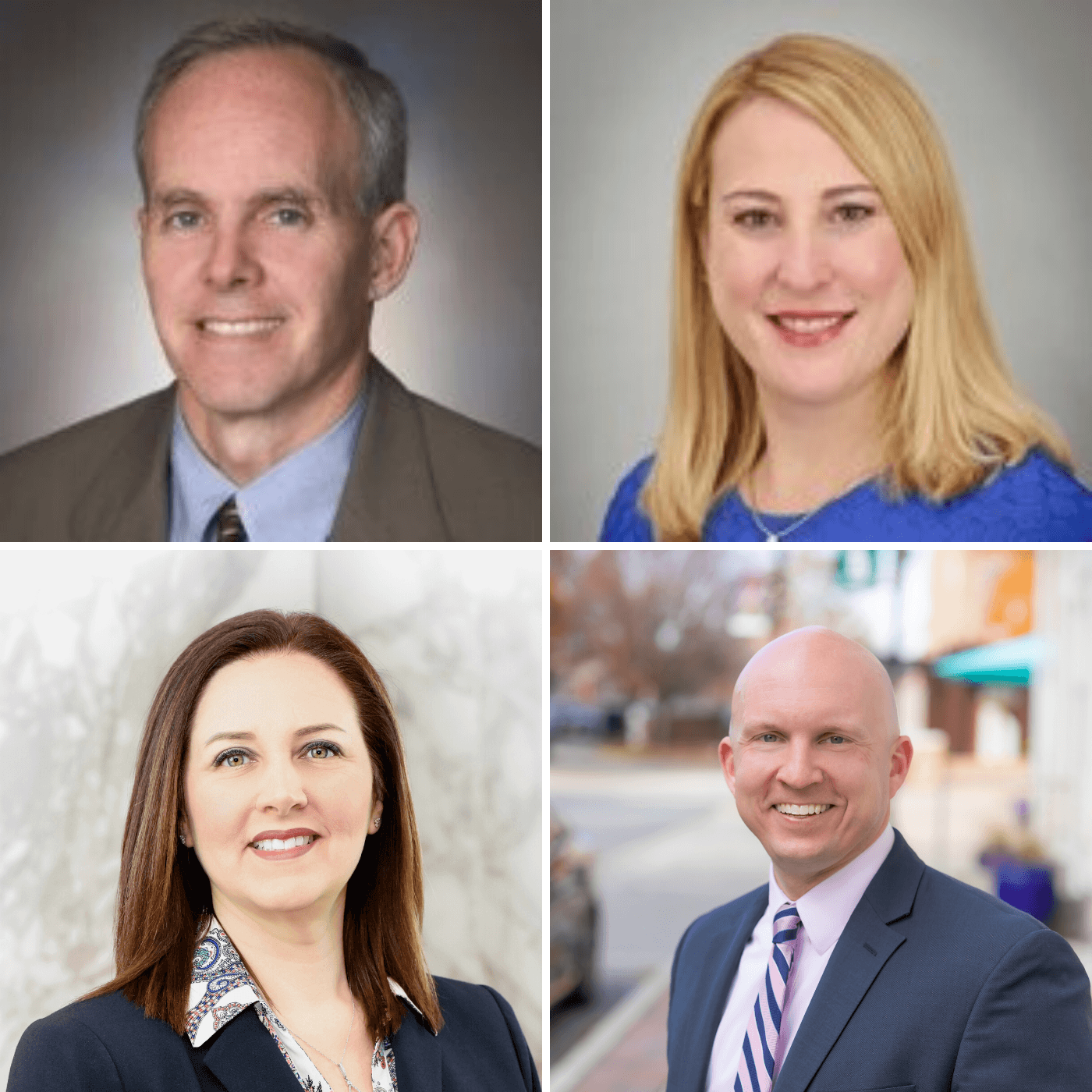
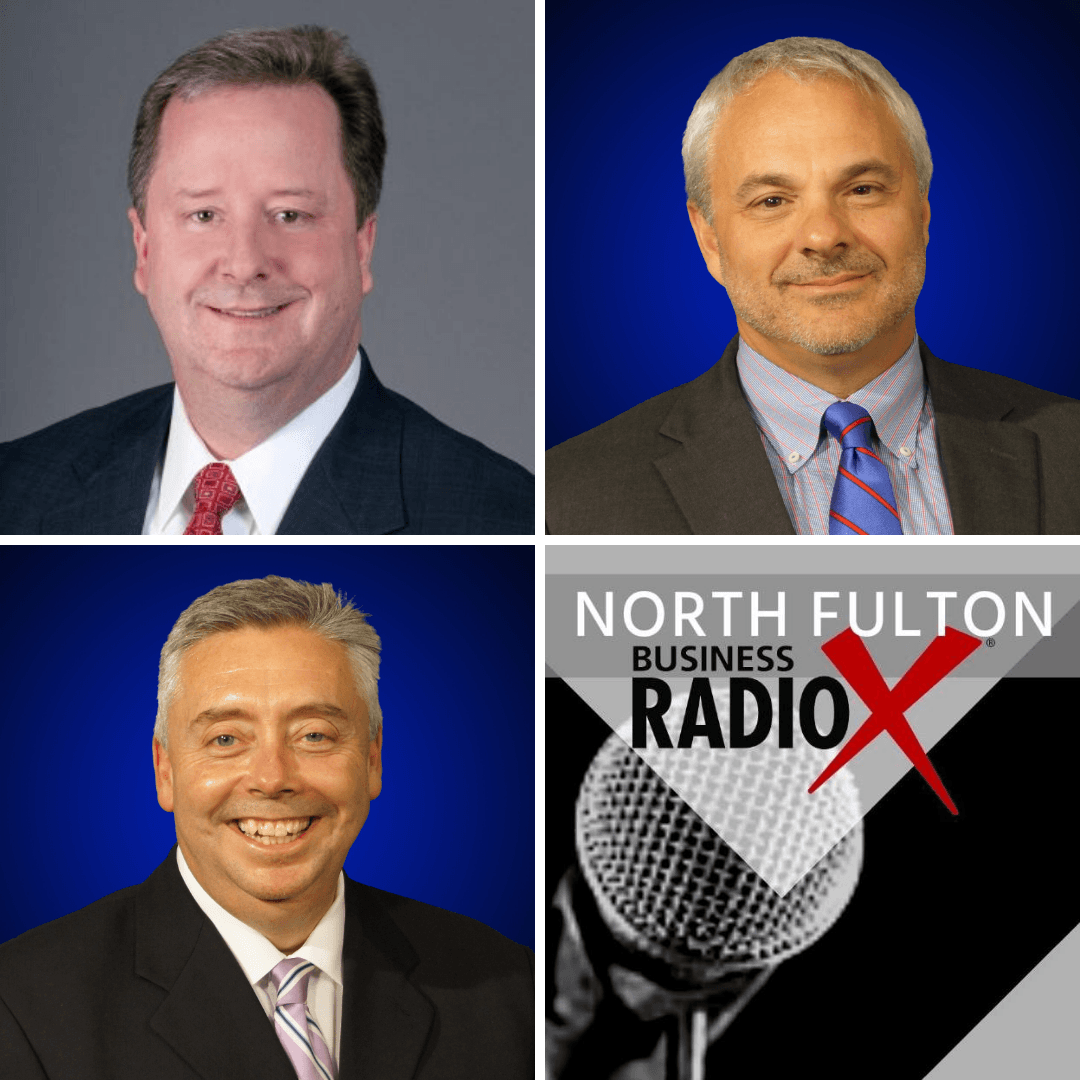
Clockwise: Ken Davis, Anna Brumby, Andrew Bell, Danielle Cheung

GNFCC North Fulton Banking Forum (“GNFCC 400 Insider,” Episode 40)

The North Fulton banking industry has been in overdrive the past few months, processing PPP loans and generally tending to customers. Four experienced North Fulton financial professionals offer insights on recent SBA economic recovery loans and advice on how business owners should manage this environment. Renasant Bank sponsored this forum. The host of “The GNFCC 400 Insider” is GNFCC CEO Kali Boatright, and the show is presented by the Greater North Fulton Chamber of Commerce and produced by the North Fulton studio of Business RadioX®. Business RadioX is the Media Sponsor for this series of Economic Recovery Forums.

Moderator:  Ken Davis, Renasant Bank

Ken Davis

Ken Davis is the President of the Georgia Region for Renasant Bank. Ken is extremely active in the North Fulton community, including serving on the Executive Committee of GNFCC and formerly as Chairman.


Forum Panelists

Anna Brumby, UGA Small Business Development Center

Anna Brumby

Anna Brumby has 15+ years of experience as an influential business leader with a history of designing and executing successful marketing, branding and business development strategies. As a consultant for the SBDC, her areas of expertise include building business growth strategies, designing marketing strategies, competitive intelligence analysis, product development, go-to-market sales strategies and brand design.


Danielle Cheung, Bank of America

Danielle Cheung

With over two decades of experience in commercial banking, Danielle Cheung is Senior Vice President and Market Executive for Metro Atlanta Business Banking at Bank of America, which focuses on delivering financial solutions to middle market companies. Danielle is accountable for business strategy/execution, sales performance and revenue growth.


Andrew Bell, Affinity Bank

Andrew Bell

Andrew Bell is Vice President of Business Development with Affinity Bank. He has a 17+ year career in banking and has held jobs which include regional retail branch management over 12 branches, District Sales Manager for merchant services covering the states of Georgia, Alabama, and Florida, and most recently serving as a Commercial Banker in the North Fulton and Forsyth  County markets.


About GNFCC and “The GNFCC 400 Insider”

North Fulton Mayor's Roundtable
Kali Boatright, President and CEO of GNFCC

“The GNFCC 400 Insider” (formerly “North Atlanta’s Bizlink”) is presented by the Greater North Fulton Chamber of Commerce (GNFCC) and is hosted by Kali Boatright, President and CEO of GNFCC. The Greater North Fulton Chamber of Commerce is a private, non-profit, member-driven organization comprised of over 1400 business enterprises, civic organizations, educational institutions and individuals.  Their service area includes Alpharetta, Johns Creek, Milton, Mountain Park, Roswell and Sandy Springs. GNFCC is the leading voice on economic development, business growth and quality of life issues in North Fulton County.

The GNFCC promotes the interests of our members by assuming a leadership role in making North Fulton an excellent place to work, live, play and stay. They provide one voice for all local businesses to influence decision makers, recommend legislation, and protect the valuable resources that make North Fulton a popular place to live.

For more information on GNFCC and its North Fulton County service area, follow this link or call (770) 993-8806.

For the complete show archive of “The GNFCC 400 Insider,” go to GNFCC400Insider.com. “The GNFCC 400 Insider” is produced by the North Fulton studio of Business RadioX®.

Tagged With: Affinity Bank, Andrew Bell, Anna Brumby, Bank Of America, banking, Danielle Cheung, economic recovery loans, Ken Davis, PPP, renasant bank, SBA, SBDC, uga sbdc

Decision Vision Episode 60, “How Can My Business Survive the Covid-19 Crisis?” – An Interview with Tommy Marsh, Brady Ware

April 14, 2020 by John Ray

Survive the Covid-19 Crisis
Decision Vision
Decision Vision Episode 60, "How Can My Business Survive the Covid-19 Crisis?" – An Interview with Tommy Marsh, Brady Ware
Loading
00:00 /
RSS Feed
Share
Link
Embed

Download file

Survive the Covid-19 Crisis
Tommy Marsh, Brady Ware & Company

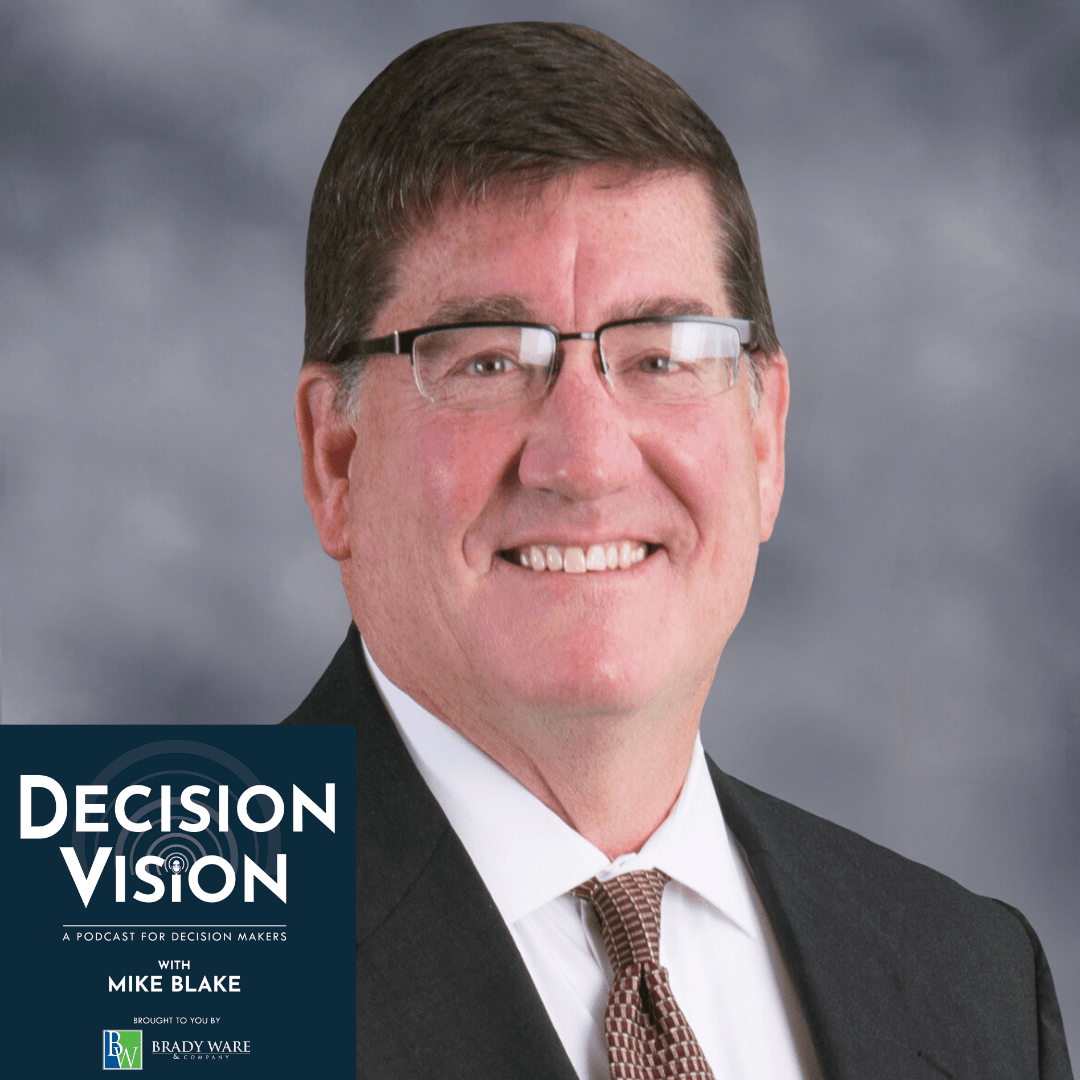
Decision Vision Episode 60, “How Can My Business Survive the Covid-19 Crisis?” – An Interview with Tommy Marsh, Brady Ware & Company

Many business owners right now are asking “how can my business survive the Covid-19 crisis?” In this episode of “Decision Vision,” veteran CPA Tommy Marsh addresses the various SBA relief programs of the CARES Act, how they help business, and much more. The host of “Decision Vision” is Mike Blake, and this series is presented by Brady Ware & Company.

Tommy Marsh, Brady Ware & Company

Tommy Marsh has more than 25 years’ experience in public accounting. Prior to joining the Brady Ware family, he was a tax partner with Marsh & McConnell for 21 years.

Tommy’s responsibilities include general business consulting, strategic planning and tax and audit services. He also specializes in Federal and State income tax laws and regulations as they relate to closely held corporations and partnerships, as well as personal and financial, income and estate planning. He has significant experience in obtaining IRS ruling requests, approval for changes in tax accounting methods, and tax issues relating to problems that arise in connection with complex business transactions.

Tommy is a member of the Greater North Fulton Chamber of Commerce, the American Institute of Certified Public Accountants, as well as the Georgia Society of CPAs.

To get in touch with Tommy, you can email him or call him directly at 678-350-9503.

Michael Blake, Brady Ware & Company

Michael Blake is Host of the “Decision Vision” podcast series and a Director of Brady Ware & Company. Mike specializes in the valuation of intellectual property-driven firms, such as software firms, aerospace firms and professional services firms, most frequently in the capacity as a transaction advisor, helping clients obtain great outcomes from complex transaction opportunities. He is also a specialist in the appraisal of intellectual properties as stand-alone assets, such as software, trade secrets, and patents.

Mike has been a full-time business appraiser for 13 years with public accounting firms, boutique business appraisal firms, and an owner of his own firm. Prior to that, he spent 8 years in venture capital and investment banking, including transactions in the U.S., Israel, Russia, Ukraine, and Belarus.

Brady Ware & Company

Brady Ware & Company is a regional full-service accounting and advisory firm which helps businesses and entrepreneurs make visions a reality. Brady Ware services clients nationally from its offices in Alpharetta, GA; Columbus and Dayton, OH; and Richmond, IN. The firm is growth minded, committed to the regions in which they operate, and most importantly, they make significant investments in their people and service offerings to meet the changing financial needs of those they are privileged to serve. The firm is dedicated to providing results that make a difference for its clients.

Decision Vision Podcast Series

“Decision Vision” is a podcast covering topics and issues facing small business owners and connecting them with solutions from leading experts. This series is presented by Brady Ware & Company. If you are a decision maker for a small business, we’d love to hear from you. Contact us at decisionvision@bradyware.com and make sure to listen to every Thursday to the “Decision Vision” podcast. Past episodes of “Decision Vision” can be found here. “Decision Vision” is produced and broadcast by the North Fulton studio of Business RadioX®.

Visit Brady Ware & Company on social media:

LinkedIn:  https://www.linkedin.com/company/brady-ware/

Facebook: https://www.facebook.com/bradywareCPAs/

Twitter: https://twitter.com/BradyWare

Instagram: https://www.instagram.com/bradywarecompany/

Show Transcript

Intro: [00:00:05] Welcome to Decision Vision, a podcast series focusing on critical business decisions. Brought to you by Brady Ware & Company. Brady Ware is a regional, full-service accounting advisory firm that helps businesses and entrepreneurs make vision a reality.

Mike Blake: [00:00:25] And welcome to Decision Vision, a podcast giving you, the listener, clear vision to make great decisions. In each episode, we discuss the process of decision making on a different topic from the business owners’ or executives’ prospective. We aren’t necessarily telling you what to do, but we can put you in a position to make an informed decision on your own and understand when you might need help along the way.

Mike Blake: [00:00:45] My name is Mike Blake, and I’m your host for today’s program. I’m a Director at Brady Ware $ Company, a full-service accounting firm based in Dayton, Ohio, with offices in Dayton; Columbus, Ohio; Richmond, Indiana; and Alpharetta, Georgia. Brady Ware is sponsoring this podcast, which is being recorded in Atlanta per social distancing protocols. If you like this podcast, please subscribe and your favorite podcast aggregator and please consider leaving our view of the podcast as well.

Mike Blake: [00:01:12] This is the fifth of a subseries of topics regarding how to address the coronavirus crisis. And specifically, we’re discussing managing and leading companies in a shutdown shelter-in-place world. And we’ve gone pretty granular for the first four topics, ranging from data security, to managing remote teams, to being an effective remote worker. And by the time this is published, we may or may not have also published addressing your real estate obligations in a shutdown world.

Mike Blake: [00:01:51] But I want to sort of draw back a little bit and look at this from a 30,000-foot perspective because in addition to managing the very granular aspects of managing a company through a crisis, there is also the broad discussion of just how do you run a company in this environment and how do you lead. And let’s kind of put our cards on the table right now. We are collectively living inside of a horror movie, with the exception of we don’t have the don’t-open-that-door kind of thing. But we’re living in an unprecedented environment. And unless you’ve had – I don’t know – bomb diffusing training or something like that, none of us have specific training in how to handle a scenario like this.

Mike Blake: [00:02:53] And I think the best teacher for this kind of thing, quite candidly, is experience because, again, I don’t think there’s a course that Harvard is offering that is the Coronavirus and You: How to Manage your Company in a World That’s Being Afflicted with a Pandemic. And I think there are just sort of broad questions and conversations that as leaders, as decision makers, we would like to have, we’re trying to have, and maybe we have something in our region, in our network, or our ecosystem that can have that with us; maybe we don’t.

Mike Blake: [00:03:33] And what I want to do with the show is I want to make available too, quite candidly, one of the wisest business people I know and one of the guys you want to be in a foxhole with. And full disclosure, he is technically my boss. So, as a listener, you can decide if I’m sucking up to him or not, but if you’ve known me for more than five minutes, you know I’m not a suck-up guy. But I’ve taken an instant liking to Tommy Marsh ever since I joined the firm almost two and a half years ago. And in the short period of time, he’s become something of a mentor that I wish I’d had much earlier in my career and rarely did have. He just got a common sense to him and a way of cutting through the bullshit, but a way of addressing it with a level of humanity and compassion that you don’t see all that often, including in the accounting industry. And I think you’ll enjoy the next 45 minutes we’re going to spend with him as much as I’ve enjoyed being able to learn from him over the last two years.

Mike Blake: [00:04:45] Tommy has more than 25 years of experience in public accounting and is the managing director of our Alpharetta, Georgia office. Prior to joining the Brady Ware family, he was a tax partner with a firm called Marsh McConnell for 21 years, which, of course, that’s his name. He was co-owner and he was running that, running and owning that firm. Tommy is an involved in general business consulting, strategic planning and tax audit services. He specializes in federal and state income tax laws and regulations. They relate to closely held corporations and partnerships, as well as personal financial income and estate planning, does all this accounting stuff, yada, yada, yada. He’s a member of the Greater North Fulton Chamber of Commerce, AICPA, and the Georgia Society of CPAs.

Mike Blake: [00:05:32] But most importantly, what he does on a daily basis, I think he would tell you himself, he doesn’t do all that much raw accounting stuff anymore. He’s the guy that clients come to when they just got problems, and they’ve got major issues with their company that are potentially company or career-threatening, and they come to him for advice. And that’s the kind of guy that you want involved, that you want to ask these kinds of questions because every business, I don’t care even if you’re making N95 masks and you’re making ventilators, this environment, if you don’t navigate correctly, is an existential threat to us all. And so, great advice is it’s never been more important. And I’m so delighted I could convince Tommy to take some time off the tennis court and join us today. Tommy, welcome to the program.

Tommy Marsh: [00:06:33] Mike, thank you so much. I learned a couple of things about myself in that introduction, and it’s much appreciated. I will leave my ring on your desk because we got to have six feet apart, but I will leave it on your desk in order for you to pay the proper homage. But in all seriousness, Mike, thank you for the introduction, and I’m proud to be your partner. So, job well done.

Mike Blake: [00:07:01] So, Tom, let’s get into some background. When we say that you’re with Marsh & McConnell for 21 years. Were you the owner or and owner of that firm for all 21 years?

Tommy Marsh: [00:07:13] Yes, I’ve been in public accounting for about 38 years. And you sort of sharpen your teeth on the early years, I was with a regional farm. And then, once, I was traveling a lot. And when I started having children, I wanted to be in Atlanta versus being on a plane traveling and consulting. But I hooked up with a guy named Bob Humberstone, and myself, and Margaret McConnell, bought him out eventually. And therefore, I became an owner at about, probably, I don’t know, 20 some odd year, maybe 25 some odd years ago. So, I wasn’t a partner/of Marsh & McConnell for the 20 plus years you’ve indicated.

Mike Blake: [00:08:02] And in your career, how many financial crises have you had to weather, either as a business owner or as an executive that has to make these tough decisions?

Tommy Marsh: [00:08:14] Well, obviously, the two that come to mind, and I’m going to throw you a third one, but basically in 2008, that was the “Great Recession days” that that we all experienced. It was pretty much in the real estate world, but it also impacted banking, and financing, and a lot of industries across the board. That was a tough, tough time for a lot of people, a lot of businesses. So, that was probably the major one. The second one is what we’re experiencing today. I have never seen something like this before. So, this has got to be one of the major financial issues that are facing us today.

Tommy Marsh: [00:09:05] Now, being a CPA for a small practice and in the Marsh & McConnell years, I believe the other financial crisis that we had is with clients. When a client of yours loses a key employee, or they lose a bank funding, or they lose a line on a distributorship, I believe that I’ve had crises along the way. Nothing of magnitude as the 2008 or 2020 crisis that we’re going through today, but I can’t even tell you how many I’ve experienced of that on the front lines with clients.

Mike Blake: [00:09:48] Is this the worst crisis you think you’ve experienced in your career?

Tommy Marsh: [00:09:56] Absolutely. And I think when you talk about the 2008 Great Recession, it’s now behind us. It’s in the rearview mirror. When you talk about the 2020 coronavirus pandemic, we’re still living it. As you said, when we first started talking this morning is that we’re living it, we’re in the middle of it. And my experience has been that I believe that the unknown, most of the time, is worse than the known. And so, we’re still in the unknown part of this, whether it’s a health issue that you’re worried about, a loved one, or your children, or your spouse, or what have you from a health issue, but you’re also in a situation to where from a business owner, what’s going to happen? And so, that’s why I think for right now, it is absolutely terrifying on some stages.

Tommy Marsh: [00:10:55] However, we all know that the unknown is worse than the known. So, hopefully, in the next — and I’m not trying to put a deadline on this, but at the same token, we need to get back to work. Is that 30 days? Is that forty five? Is that 60 or 90? Only time will tell. So, yes, this is absolutely the worst situation I’ve seen in my career.

Mike Blake: [00:11:24] In the past, let’s go back to the ’08-’09 Great Recession, you and I were both advising clients back then. What advice have you given to clients in the past from financial stocks that came to you and said, “Tommy, what’s going to happen? The economy is obviously going to take a massive turn for the worse.” And they’re saying, “What do I do? What do I have to be doing?” What piece of advice that you find yourself most commonly giving out?

Tommy Marsh: [00:11:56] Well, obviously, advice is pretty much client-specific. You may have one client that really has not been impacted. So, our advice to them is, hey, it’s the general discussion and the general consulting that we do on a daily basis. Other clients typically have specific advice, but the over ending advice that I give clients is it is going to be okay. I may not know 100% what it looks like, but I believe with my experience and as much as I’ve been through the last 38 years in my industry, it’s all going to be okay. It may not look like it was prior to this, but at the end of the day, it’s all going to be okay. If we can hang in there long enough, and be healthy, and survive all of this, which I believe we will, we’ll come out the other side, and it’s all going to be okay.

Tommy Marsh: [00:12:59] Way back in my career. I would get nervous, I guess is the word, that if a client got in trouble or one of my largest clients declared bankruptcy, as a business owner, you become nervous, and what’s going to happen next, and am I going to survive and feed my family, and what have you? The reality is at the end of the day, it’s the human spirit that’s going to overcome, and we’re going to come out the other side better. Maybe a little bit different, but we’re going to come out the other side. I’m always betting on me, and you, and the clients, and the human spirit to get through this. And I believe it’s all going to be okay. So, that’s probably the 30,000-foot specific advice is it’s all going to be okay.

Mike Blake: [00:13:54] So, I know you, as I have, have fielded calls and have taken meetings with with clients about this. What are the most common worries that they’re expressing to you right now?

Mike Blake: [00:14:10] Well, it depends on the industry. So, one of the first, about the middle of March when this really was starting to shape up to where the economy was going to get shut down for whatever reason, it really depends upon what industry that you’re at. One of my trade show vendors called up and said, “When will this be over?” And I said, “Well, I’m not sure.” But if you know anything about the trade show industry, they didn’t postpone their trade shows, they canceled them. So, his worry was, “When will it get back to normalcy?” And he thinks it’s going to be in the fall. So, all the planning that we have done is for the fall.

Tommy Marsh: [00:15:01] A charity event client of mine suffered the same type of situation to where, overnight, all of his charity events that he supports were canceled. And right now, they’re pushing to have them in the fall again. So, his biggest concern and his biggest worry was, “I have assembled the best team that I’ve ever put together. How can I keep them all together? How can I keep my my great team together?”

Tommy Marsh: [00:15:33] A project company called me up, and he manufactures large displays for whether it’s a large construction client here in town or what have you. His revenue went from $7 million down to zero. “How am I gonna pay for the rent? How can I keep my my team together? How am I going to survive this and pay for my bills?” So, at the end of the day, even the hair salon that we represent, she called me up and said, “Hey, I closed the shop, sent everybody home. Will unemployment benefits be enough to take care of my team that I’ve had for the last 10 or 15 years?”

Tommy Marsh: [00:16:23] All four of those examples happened within about two and a half days of each other in the middle of March because they saw what was coming, and they were looking at what was gonna happen economically. So, at that point, most of them were just really, really, really worried, not only about their business but really about the people that work with the small business owner that they care about. So, really, it’s specific of what industry that you’re in, but you can give a sampling and a taste of what people are worried about going forward. So, those are some true-to-life examples. Obviously, I could give you probably 10 more. But then we went from 45 minutes to about an hour and fifteen, and I’m not sure we want to do that.

Mike Blake: [00:17:13] So, we, along with the rest of our industry, is scrambling to understand how the recently passed CARES/Payroll Protection Program Act is going to operate. And I think we’re starting to get a handle on it. But the interpretations are still a work in progress. But at the end of the day, I know a lot of, in particular, small businesses are looking at that as a potential savior. In your mind, how helpful do you think that is going to be for small businesses? And are you telling people to, “Yeah, this is going to be great, and it is a true lifeline,” or are you telling them that, “Maybe you should manage your expectations? This is great, but it’s not going to solve the whole thing”? Where do you kind of come down on that?

Tommy Marsh: [00:18:13] Well, that is a great question. So, a couple of comments on the frontend are, is that from about the middle of March and even to the end of March, we kept hearing about the SBA programs, and the CARES Act, and the TPP loans, and what have you. The way I see the world is that there’s really two groups of the CARES Act that is available or you could use it to your benefit.

Tommy Marsh: [00:18:45] The first part of it is your typical, what they call as the EIDL loan. It stands for economic injury disaster loan. And that is an SBA program that you go online and you apply for, which is truly a disaster loan to be able to borrow money from the federal government in order to keep your business open. You have to use the money for overhead, but that’s okay, right? In other words, if we have a good business, and we’re going to come out the other side, this is a great, great means for businesses to borrow money. And this disaster loan is no different than when a tornado hits a small town, they need relief, or a flood, they need relief, or a drought. You’re trying to loan moneys to businesses in order to survive. So, from that first part of this CARES Act, I think that’s very, very, very powerful and very, very good for the government to provide that. So, I highly recommend that. We have a lot of our clients applying for it. And hopefully, we’ll hear success stories of them funding it, and we’re starting to get that right now, is that we’re hearing clients are getting to receive the money.

Mike Blake: [00:20:13] Yeah. Go ahead.

Tommy Marsh: [00:20:16] Go ahead, Mike.

Mike Blake: [00:20:16] I was just going to say I’ve also started to see things trickling through our own internal communications and elsewhere that the money is actually starting to flow. So, in spite of the fact that I think the banks are taken a little bit by surprise that they’re going to be the frontend of processing this, and they’re scrambling to develop intake procedures and capacity. It looks like they’re actually starting to rise to the occasion fairly quickly.

Tommy Marsh: [00:20:43] And they have. And what’s interesting is up until about, again, three days to a week ago, the CPAs, not only myself but other CPAs around the country, are on the frontlines of answering questions that they really don’t know the answers to yet. So, I know it’s frustrating to some clients, but we can only do the best we can with the information that we have.

Tommy Marsh: [00:21:08] However, the other side of it is, of the CARES Act, is really it’s a separate, for lack of a better word, a bucket. And the other bucket, there’s really three things going on in this proverbial bucket that I’ve described. And basically the CARES Act, I believe, and this is my personal opinion, is trying to provide relief to people to survive two and a half months. And the reason I say that is if you break it down further, then the two and a half months, you’ll hear about the stimulus checks that individuals are getting 1200 bucks if your income is under $75,000. If you’re married jointly, you’re getting 2400 bucks. I’m not saying that everybody’s going to survive two and a half months on that kind of money, but from the stimulus side of the government, they are providing these stimulus checks, I believe, to individuals to try to weather the storm for a period of time.

Tommy Marsh: [00:22:15] The second thing that they’re doing is, is that they are maintaining in the CARES ACT, is that an employer that keeps their payroll in place, there are great credits available to them against future payroll taxes, which benefits people to keep their payroll and their team in place. So, that is a great opportunity. See your accountant to help you calculate those credits.

Tommy Marsh: [00:22:45] And then, the last would be the infamous PPP loan, which is the Paycheck Protection Program Loan. And that’s the one that’s getting the most press because if you maintain your payroll for two and a half or two months, you can borrow up to two and a half times your average monthly payroll. But if you can survive the two months of paying your regular payroll, I believe it’s in hopes that the economy gets started again and things get back to normal. So, when you look at the CARES Act, a lot of it is, “Hey, let’s see if we can survive the next two and a half months,” which we will, which we will, but that’s a that’s a high-level summary of the CARES Act in order for businesses to consider to keep going for two and a half months.

Mike Blake: [00:23:42] I agree with that. The math I did was that this is a $2.5 trillion rescue package, and the non-government piece of our national GDP is about $16 trillion of GDP, right? And so, when you work through the math, that does turn out to be 10 weeks or so of GDP in effect that the government is now replacing, right? Give or take what’s being produced by elsewhere in the economy. So, I think you’re right.

Tommy Marsh: [00:24:16] That’s very well put and that’s a great point, I believe, that whatever they’re trying to do and, again, what we’re hearing success stories that clients are now beginning to get some money, but if you think about it, there’s two things going on. What can the government do to help the citizens and small business out to get to the next event to where we’re back outside and we’re not on shelter-in-place type of things, which is under Georgia and what have you? So, that’s the first part of it. The second part of it is that, all of a sudden, we’re going to have this trillion dollar debt, but in my opinion, today, we’re just trying to make it two and a half months, right? I mean-

Mike Blake: [00:25:05] We are.

Tommy Marsh: [00:25:05] Yeah, exactly. So, I believe that the stimulus package and the CARES is really just trying to get businesses and people to, “Let’s figure this out. Let’s give us two and a half months of survival.”

Mike Blake: [00:25:20] So, tax return deadlines have been pushed back. I think it’s to July, I should know this more, but I’m not an accountant. How many full do you think that is for most business owners? Do you think that that’s appreciated – just to take one thing off their plates, they can focus on what’s right in front of them?

Tommy Marsh: [00:25:37] Well, Mike, to be very blunt with you. I think it’s the greatest law ever invented because I’m a public accountant CPA. So, I think it’s very meaningful if you want to know the truth of the matter. Now, on a serious note, it did give us a break because what was interesting was as we all know historically how important the April 15th deadline is, you have all the cartoon characters of the accountant in the white shirt with the 10 key, and the green hat on, and the visor on, and cranking out the numbers, and all that’s true.

Tommy Marsh: [00:26:14] So, what was little disturbing on the front end was we kept hearing about these SBA loans and big breaks given to other businesses, but they really didn’t take their foot off the gas pedal until later on to where they passed it to where CPA firms could defer the filing or actually taxpayers with CPAs are part of helping them prepare their taxes until July 15th. So, you and I know, Mike, because we sent our staff home, right?

Mike Blake: [00:26:47] Yeah

Tommy Marsh: [00:26:47] On a Monday, we sent everybody home to work from home because we didn’t want anybody getting sick or trying not to get them sick. But it was a great, great relief to get the filing deadline. And they’ve just recently come out with more rules to state that a lot of the filings that are normally done between now and July 15th have pretty much all been extended. So, from that aspect from a CPA firm, it was huge.

Tommy Marsh: [00:27:17] Now, from a general business type of client, really, it helps them if they owe tax, right? So, in other words, if you owe tax and you’re trying to survive the next two and a half months, they’re probably not going to make their tax payments anyway because they’re trying to keep the doors open and keep their employees in place. At that moment, it is a huge benefit for the government not to charge the typical 1% interest rate from April 15th until July 15th. They have waived that. So, from that aspect, if you are owing money, that is a great, great benefit and very meaningful to those people who just picked up the interest carry on that.

Tommy Marsh: [00:28:08] If you have a refund, obviously, the group that have refunds are still pressuring the CPAs to get the returns done. And Brady Ware is continuing to do that. We’re still in full production in order to continuously serve the clients that we have. It’s just being done a little bit differently since everybody’s at home. But yeah, in order to get refunds, you should have to file. And we are in the process of doing that. So, from a huge meaning, I think the SBA loans and the CARES package was probably more meaningful than just the “July 15th” filing date. If you want to know the truth of the matter, well, that’s my opinion. That’s totally my opinion.

Mike Blake: [00:28:58] And I’ll say for an aside here, as a shameless plug, but as a semi-outsider because I’m not in the accounting side, my busy season is fourth quarter, not second quarter or first quarter. We’ve done a fantastic job, in spite of this disruption, getting through the workflow that we’ve had to get through. And my impression is that not only has our productivity not dropped, I think it’s actually improved. I don’t know if that sort of industry wide, but that’s my perception.

Tommy Marsh: [00:29:38] Well, and that’s great of you to say because your taxes in his fourth quarter of what you do. But at the same token, I’ve got to give it to our team here. Our leadership here, the managers and the offices, the the staff, the professionalism exhibited by our team has been second to none. And I’m sure CPA firms around the country feel the same way. But right now, our team is still taking phone calls, and e-mails, and production, and reviewing, and I’ll probably at least a handful of tax returns this afternoon and keep the ship going in the right direction. But I got to give it to our team, Mike. We have a great group of of team members here that carry the buckets of water uphill. So, I don’t get credit for that. The managers that put it in place get credit for it.

Mike Blake: [00:30:38] They’ve responded very well. And again, as a clause outside because I’m not doing that stuff, it’s been impressive. So, let’s touch upon this. What have you had to change? I mean, you’re still responsible for our office of 36 people. I know you want us to be safe. I know you want us to be engaged. We also still have a job to do. We still have the public trust to serve. We still have clients that got to get stuff done, especially ones that that have refunds, because they really need those refunds. How are you adapting to changing to this new this new reality?

Tommy Marsh: [00:31:27] Well, you know me pretty well, Mike. And you can tell I’m smiling when I say this, but when we sent our team—let me back up further than that. Even prior to sending our team to work from home, you were on the front lines of this, we were in the process of saying, “Hey, team members, with the Atlanta traffic, why don’t you work one day from home, and just stay in touch, and we’ll see how it works,” right? I mean, for an accounting firm or for me, that was a big change, right, because I’m old school, and let’s get in here, and let’s get your hours done, and the chargability, and all the things that go with that.

Tommy Marsh: [00:32:09] So, for me, personally, I believe sending everybody home has changed, I’m not going to say a lot. Maybe it changes the way I look at it because our team, given the chance to be professionals without being in the office professionally, they have risen to the occasion. So, from that aspect, when we sent everybody home that Monday, I got up on Tuesday, Mike, and the sky hadn’t fallen. I went to my car, the sky was still up in the sky. I couldn’t believe it. I figured we’d be all over the parking lot. But no, the sky did not fall with us sending everybody home.

Tommy Marsh: [00:32:51] Now, that’s a little tongue in cheek because as you know, Brady Ware takes great pride with our IT, and you can log in anywhere, and the things that we do. We were already ahead of the curve of that, in my opinion. But just from a from a leadership viewpoint, obviously, it’s been harder. As you know, if you’re here on a Friday, sometimes – and again, this is rumor – you may have a fireball Friday walking around. So, what’s happened? Rumor has it there may be some virtual happy hours. So, from a leadership viewpoint, what’s happening is, I believe, everyone is incredibly professional. I also believe from a leadership viewpoint that people, our team misses the social interaction of our office. And people are coming in. I’m actually at the office today. Don’t tell Governor Kemp. But I guess I’m essential, though. So, I guess I’m good there.

Mike Blake: [00:33:54] You are essential, Tommy.

Tommy Marsh: [00:33:56] Thank you, Mike. I appreciate that. And so, what’s happening is, I think, people are coming, and they’re missing the social aspect of it, but you still got to run a business, you still got to look at the timesheets, you still got to look at production, you still got to return emails. And we’re still doing the 101 stuff, and the blocking, and tackling that we we need to do in order to take care of our clients.

Mike Blake: [00:34:21] And you’re right about that social interaction. Out of the Atlanta office, at least, we’re doing a virtual happy hour on Friday. And last Friday, half the office participated, which was remarkable. All we were doing was staring at people on the screen. Even one guy who is on vacation dialed in. I mean, I I think we need to get him counseling, but the gesture was nice. You’re right. I mean, it does show that the team has some resilience because they do miss each other. And you do have people like me on one end of the spectrum that will wander into the office once every two weeks or so just to remind people that I need a paycheck. But then, you have other people that really like to be in the office and get a good vibe from there.

Mike Blake: [00:35:11] And this segue nicely to my next question. Maybe one of the lessons, one of the good things that’s going to come out of this is we realize the sky doesn’t fall. We realize that we have hired well. We’ve always thought we hired well. We always thought we hired people that we could trust to be adults. But now, it’s been combat tested and it’s been proven victorious. And one of the things we’ve learned is that we can do this and we don’t need to focus on butts and seats anymore so much as productivity, which can maybe unleash some other good downstream effects down the road.

Tommy Marsh: [00:35:50] I totally agree. I think Brady where can look in the mirror a little bit because as I advise my clients, “Hey, why don’t you use this time to look at your business and to look at what changes you need to make, so when you come out the other side, what did we learn from it? What decisions needed to be taking place to get us to the other side? As well as once we get to the other side, then  what kind of culture and firm can you improve upon in order to be a better firm?” And that’s what I’ve been telling most clients or all clients, “Hey, look in the mirror and look at your business to see what needs to happen.”

Mike Blake: [00:36:36] And that segues, I think, into maybe the most important question I have in this interview. One of my previous interviews with a gentleman out in Silicon Valley named Shane Metcalf, and he runs basically an employee engagement software firm out there in Silicon Valley. And the thing that struck me from that interview – we just published that by the way – was he immediately looked at or turned the conversation to, how are we going to be better after all of this? And true Silicon Valley perspective, it was, “Yeah, yeah, yeah, okay. We got the virus thing going on. It’s going to do its thing. It’s going to visit tragedy among people and families. And we’re doing the best we can. But from a business perspective, it’s also creating disruption, which also means that it creates opportunity.” Very Silicon Valley way of thinking, which I have now blatantly stolen from him because I think it’s the right way to think about it.

Mike Blake: [00:37:47] And I think you think about these things the same way too, right? You’re saying we’re going to come out of this. We don’t know when. We don’t know exactly how. Although I think companies should be planning now for what that looks like, what the restart process is. How do you think companies are going to — you can make this Brady Ware specific if you would like or make it more general. How do you think companies are going to be better? Or maybe how do you think you’re going to be better professionally from all this?

Tommy Marsh: [00:38:19] Well, great question. I’m one of the best tax guys in the city because every answer, it depends, right? So, you can always answer it that way.

Mike Blake: [00:38:29] You’ll make a great economist.

Tommy Marsh: [00:38:30] Yes, exactly. So, to me, it’s a two-step process. And the first step is that like what clients are asking me today, “Hey, what about this?” and “Hey, what can I change?” and “Hey, Tommy, I need your help.” Well, the reality is I took a real estate course at college and it taught me three things, right? Location, location, location, right? We all know that old real estate joke.

Mike Blake: [00:38:59] Yeah.

Tommy Marsh: [00:38:59] Well, what’s happening today is in the coronavirus environment is really it’s cash flow, cash flow, cash flow because we need to figure out the cash flow to get us to the other side. And part of that cash flow analysis is, what moneys do I have coming in. Whether it’s from sales, or SBA loans, or fat claim, or whatever you’re going to do, that’s the first aspect of it is to say, “Hey, what money do I have coming in?

Tommy Marsh: [00:38:59] The second tier is  typically—and again, every business is a little bit different, but a lot of our clients, one of their largest expenses is, obviously, salaries. So, do you rank your owner as number one and everyone else down to number 20 or whatever? And the theory behind it is, hey, if my sales have gone down 30%, do I need to look at 30% of my salaries? That is a question mark, by the way. It’s not a rule out there.

Mike Blake: [00:40:09] Yeah.

Tommy Marsh: [00:40:09] But once you look at it in good times. Mike, what happens? You don’t really address the problem employee. You don’t really hold them accountable like you should hold them accountable because things are good, and why do I have to rock the boat to a degree? Well, when things aren’t good, it is forcing people, companies to look at their business and make those tough decisions. So, once you do that, and you have to say, “You know what, my business is down 30%, I’ve got to get rid of 30% of my workforce in order to survive,” right? We’re trying to get the cash flow to get the other side. Then, at that moment, it’s really easy to let the problem employee go or the team member who really isn’t carrying the water uphill because it’s survival.

Tommy Marsh: [00:41:02] And then, the last thing is that once you do that, you analyze your overhead. And that’s a little bit easier approach because it’s easier to to tell the specialty water person that we can no longer use their services in the break room because it’s not essential. But once you do all of this, and you get to the other side, I believe all businesses are going to be stronger, including Brady Ware. Maybe we have work anywhere policies, maybe we only meet on Mondays, or Tuesdays, or something because it’s been proven if Brady Ware so far that we have a great professional staff without having to repeat all of. that.

Tommy Marsh: [00:41:46] So, to answer your question, what it’s going to look like? I don’t know, Mike, but what it’s going to look like they’re still writing the book while we’re reading it. But I think we’re going to come out the other end a lot stronger in leadership and more trustworthy. Not that we weren’t before, but we’re going to be more professional and let our team grow and blossom where they can grow and blossom.

Mike Blake: [00:42:11] Tommy, this has been a great conversation. We could easily have it go another hour. But I know you got a lot to do, and you got ants in your pants anyway. But if we haven’t covered something that somebody else had a question about or maybe they’d want to follow up on something that we have covered, is it okay if they contact you? And if so, how best can they do that?

Tommy Marsh: [00:42:35] Two ways. The first is  my e-mail address, which is tmarsh@bradyware.com. So, tmarsha@bradyware.com or my direct line is 678-350-9503. Please call.

Mike Blake: [00:43:03] That’s going to wrap it up for today’s program. I would like to thank Tommy Marsh of Brady Ware so much for joining us and sharing his expertise with us today. We’ll be exploring a new topic each week or maybe even more frequently as we do these special episodes, but please to announce that when you’re faced with your next executive decision, you have clear vision when making it.

Mike Blake: [00:43:23] If you enjoy these podcasts, please consider leaving a review with your favorite podcast aggregator. That helps you will find us, so that we can help them. Once again, this is Mike Blake. Our sponsor is Brandy Ware & Company. And this has been the Decision Vision Podcast.

Tagged With: Brady Ware, Brady Ware & Company, CARES Act, COVID-19, covid-19 crisis management, Michael Blake, Mike Blake, SBA, survive the Covid-19 crisis, Tommy Marsh

Nichols Cauley Roundtable on SBA Coronavirus Relief Programs for Businesses, with Keith Daniel, William Sammons, and Tim Veal

April 5, 2020 by John Ray

Nichols Cauley
North Fulton Business Radio
Nichols Cauley Roundtable on SBA Coronavirus Relief Programs for Businesses, with Keith Daniel, William Sammons, and Tim Veal
Loading
00:00 /
RSS Feed
Share
Link
Embed

Download file

Nichols Cauley

Nichols Cauley Roundtable on SBA Coronavirus Relief Programs for Businesses, with Keith Daniel, William Sammons, and Tim Veal (“North Fulton Business Radio,” Episode 209)

Nichols Cauley partners Keith Daniel, William Sammons, and Tim Veal join “North Fulton Business Radio” to discuss the EIDL (Economic Injury Disaster Loan Emergency Advance) and PPP (Paycheck Protection Program), two major components of the SBA’s Coronavirus Relief initiative for businesses.  The host of “North Fulton Business Radio” is John Ray and the show is produced virtually from the North Fulton studio of Business RadioX® in Alpharetta.

Keith Daniel, CPA

Nichols Cauley
Keith Daniel

Keith A. Daniel is a Shareholder in the Atlanta office of Nichols, Cauley, where he performs Audit, Tax and Management Consulting Services for closely held, middle market businesses.  While he has worked with businesses in many industries, Keith is primarily focused on companies with both domestic and international operations involved in manufacturing, distribution, construction,  and healthcare.


William Sammons, CPA, CIA

Nichols Cauley
William Sammons

William Sammons is Managing Partner of the Atlanta office of Nichols Cauley and a 30+ year veteran of the firm. William’s area of expertise cover assurance, tax planning and preparation, tax credit consulting, mergers and acquisitions, debt refinance, and business organization and re-organization. William is an experienced advisor to family-owned businesses, entrepreneurs, construction concerns, manufacturing and distribution companies, and financial institutions.


Tim Veal, CPA, CITP, CIA, CISA, CRMA, CGMA, CRCM

Nichols Cauley
Tim Veal

Tim Veal is a Shareholder in Nichols Cauley and a 30+ year veteran of the firm. His areas of expertise includes audit, internal controls and risk assessment, information technology, regulatory compliance, tax matters, and strategic planning. Tim has noted industry expertise in financial institutions, construction, and family-owned businesses.


Nichols Cauley & Associates

Devoted to the financial success of their clients, Nichols, Cauley and Associates offers a diverse range of financial services. The firm was honored to be named one of Atlanta’s fastest-growing accounting firms in 2018 by the Atlanta Business Chronicle.

Nichols, Cauley, & Associates is a public accounting firm with office locations in Calhoun, Canton, Dalton, Dublin, Kennesaw, Peachtree Corners, Rome and Warner Robins, Georgia and Wildwood, Florida. Although they operate out of several office locations, they work as a team, utilizing the professionals best qualified to perform services for our clients.

This team approach the firm uses in their client relationships is evident in all they do. By utilizing the team approach they become partners with our clients and develop long-term relationships that foster a “win-win”​ environment for all parties.

There is more to accounting than numbers and compliance. Accounting is the language of business. It is the communication between business people who may desire different goals and outcomes. By becoming a useful participant on a client’s team, Nichols Cauley is able to identify what clients desire for their life or their business. They then help develop a plan of action which helps clients communicate and achieve their goals, and measure their performance against those goals.

For more information, go to the Nichols Cauley website. For specific information on email directly.  or email them at a call 800-823-0117.

Questions and Topics in this Interview:

  • CARES Act
  • SBA Coronavirus Relief Programs for Businesses
  • EIDL -Economic Injury Disaster Loan Emergency Advance
  • PPP – Paycheck Protection Program
  • Small Business Administration (SBA)
  • SBA Loans
  • SBA loan processing
  • PPP loan forgiveness

North Fulton Business Radio” is produced virtually from the North Fulton studio of Business RadioX® in Alpharetta. You can find the full archive of shows by following this link. The show is available on all the major podcast apps, including Apple Podcasts, Spotify, Google, iHeart Radio, Stitcher, TuneIn, and others.

Renasant Bank has humble roots, starting in 1904 as a $100,000 bank in a Lee County, Mississippi, bakery. Since then, Renasant has grown to become one of the Southeast’s strongest financial institutions with over $13 billion in assets and more than 190 banking, lending, wealth management and financial services offices in Mississippi, Alabama, Tennessee, Georgia and Florida. All of Renasant’s success stems from each of their banker’s commitment to investing in their communities as a way of better understanding the people they serve. At Renasant Bank, they understand you because they work and live alongside you every day.

Tagged With: CARES Act, Economic Injury Disaster Loan Emergency Advance, EIDL, keith daniel, Nichols Cauley, Nichols Cauley & Associates, Paycheck Protection Program, PPP, PPP loan forgiveness, SBA, SBA loan processing, sba loans, Small Business Administration, Tim Veal, William Sammons

Bill McDermott, McDermott Financial Solutions

March 24, 2020 by John Ray

McDermott Financial Solutions
North Fulton Studio
Bill McDermott, McDermott Financial Solutions
Loading
00:00 /
RSS Feed
Share
Link
Embed

Download file

McDermott Financial Solutions
Bill McDermott, McDermott Financial Solutions

A Special Edition of ProfitSense with Bill McDermott, McDermott Financial Solutions

Bill McDermott of McDermott Financial Solutions offers advice on how business owners can navigate today’s economic turmoil. Additionally, he reviews details of the emergency SBA loan program. “ProfitSense with Bill McDermott” is broadcast from the North Fulton Studio of Business RadioX® in Alpharetta.

Questions and Topics Covered in this Show:

  • Managing Cash Flow
  • Getting Bank Financing
  • Acquiring or Increasing a Line of Credit
  • Mindset
  • There’s Good News to Find in this Chaos
  • SBA Economic Injury Disaster Loan Program

Bill McDermott, McDermott Financial Solutions

Bill McDermott is Founder and CEO of McDermott Financial Solutions. After over three decades working for both national and community banks, Bill uses his expert knowledge to assist closely held companies with improving profitability, growing their business and finding financing. Bill is passionate about educating business owners about pertinent topics in the banking and finance arena.

He currently serves as Treasurer for the Atlanta Executive Forum and has held previous positions as board member for the Kennesaw State University Entrepreneurship Center and Gwinnett Habitat for Humanity and Treasurer for CEO NetWeavers. Bill is a graduate of Wake Forest University and he and his wife, Martha have called Atlanta home for over 40 years. Outside of work, Bill enjoys golf, traveling and gardening.

Connect with Bill on LinkedIn and Twitter and follow McDermott Financial Solutions on LinkedIn. The complete show archive for ProfitSense with Bill McDermott” can be found at profitsenseradio.com.

Bill’s Summary of the SBA Economic Injury Disaster Loan Program

Clearly, the coronavirus is testing everyone’s patience. Yet amid the uncertainty, a resilient spirit thrives and hope will guide us through. If you’ve heard about a government program to help business owners deal with economic injury disaster due to the coronavirus, then this white paper is just for you.

We’re struggling to deal with the daily deluge of information on how to protect ourselves and the businesses we’ve built. This white paper is intended to give you information on the SBA Economic Injury Disaster Program that is part of the stimulus package before Congress. The President has asked for $50 billion of that package to be dedicated to small business owners.

March 17th, the President asked Congress for economic assistance to minimize the disruption to the nation’s 30 million small businesses. This assistance will take the form of economic injury disaster loans if your business is in a declared disaster area and has suffered economic injury.

As a small business, you may borrow up to $2 million for Economic Injury. To qualify as a small business, the SBA has a size standard that is broken out by NAICS code for number of employees and annual revenue. To see if you qualify under the size standard, go to ecfr.gov. There are two stipulations that have to be met. First, your county or state must be declared eligible by the SBA to receive economic injury disaster loans and second, you are unable to obtain credit elsewhere.

Yesterday March 18th, Governor Kemp received approval from SBA Director Fleming that Georgia has been declared a disaster area and is eligible to receive SBA Economic Injury Disaster Loans to the small businesses in the state of Georgia. Loans can be used to pay fixed debts, payroll, accounts payable or other bills that can’t be paid due to the disaster’s impact. Loan amount and terms are considered on a case by case basis with an interest rate of 3.75% and 2.75% for non profits.

To determine eligible disaster areas, apply online or check application status, you can go to disasterloan.sba.gov/ela/.

History teaches us that when communities come together with kindness and mutual respect, there is no limit to what they can accomplish not matter what the challenge. Today’s crisis is no different.

Bill McDermott, CEO and Founder, McDermott Financial Solutions LLC
Email Bill directly

www.mcdfs.com

Tagged With: bank financing, bank line of credit, Bill McDermott, line of credit, ProfitSense, ProfitSense with Bill McDermott, SBA, SBA Economic Injury Disaster Loan Program

Women in Business – Session 5

May 25, 2016 by angishields

Chattanooga Business Radio
Women in Business - Session 5
Loading
00:00 / 01:02:09
RSS Feed
Share
Link
Embed

Download fileDuration: 01:02:09

Mary Sedrick // BrightBridge Inc. Linkedin Facebook 

Mary Sedrick is the Director of the Women’s Business Center at BrightBridge Inc. Her experience lies in years of problem solving which stems from her engineering education. She also possesses a results-oriented customer caring background. Mary offers management consulting services and training sessions and events free of charge for women to not only learn about business but to make those vital connections through networking.

If you would like to contact Mary, call 423-648-9253 or email msedrick@BrightBridgeInc.org

Jacqueline Merritt // U.S. Small Business Administration Linkedin Facebook Twitter 

Jacqueline Merritt is an Economic Development Specialist in the U.S. Small Business Administration. Jacqueline runs workshops, such as the WE (Women Entrepreneurs) symposium, offers formal certification application information and help, provides loans, and even personal counseling with clients at times. She promotes that “the best marketing is quality service and quality products.”

If you would like to contact Jacqueline, call 615-736-7465 or email Jacqueline.merritt@sba.gov

Tagged With: Entrepreneurship, investing, Jacqueline Merritt, Mary Sedrick, SBA, small business, U.S. Small Business Administer, Women in Business

Government Contracting

August 25, 2015 by angishields

Midtown Business Radio
Government Contracting
Loading
00:00 /
RSS Feed
Share
Link
Embed

Download file

Government Contracting

NOWaccount CEO, Lara Hodgson, stopped by the studio to talk about government contracting for small businesses.  I also hosted 3 experts who serve our community by helping children and adults in need of foster care, and help/treatment for developmental challenges and/or mental illness.  Tom Russell and Lori Brickman of Creative Community Services, and Pat Strode of the Georgia Chapter for the National Alliance for Mental Illness (NAMI) joined us to talk about the vital role they play for children in foster care, particularly those who face those developmental issues or mental illness.

Lara discussed a recent event where an SBA representative shared information about doing business with the federal government.  Did you realize there’s over $100 BILLION dollars of federal contracts available?  And that there’s ~23% are earmarked for small businesses who are able to fulfill the need for goods and services?

We talked about what to do to prepare to do business with the government, where to go to register, where to go for information on contracts available, as well as resources available that can facilitate accepting government contracts even if invoices are paid slowly.

I also learned that there are over 11,000 children in foster care in Georgia.  The folks from Creative Community Services and NAMI, came by to talk about how they serve our community by working to help this vast population of children in need of loving, safe environments, along with supportive care they require as well if they’re facing developmental challenges or mental illness.

We talked about how important getting treatment and medication is for patients who are dealing with mental illness is. We also discussed how important it is for first responders to be certified to be able to identify and handle persons suffering from mental illness rather than simply assuming they’re criminals.

Tom explained that many of these children lack any real positive role models or mentors

The groups have regular events to raise funds to enable them to provide support and treatment for patients in need.  Be sure to visit their websites for more information on events as well as opportunities to serve with your time as volunteers or mentors.

Special Guests:

Lara O’Connor-Hodgson, CEO of Nowaccount Network Corporation  Twitter  LinkedIn  Facebook

Nowaccount Network Corporation

Tom Russell, Director of Therapeutic Foster Care at Creative Community Services  facebook_logo_small3  youtube logo  google-plus-logo-red-265px  twitter_logo_small  linkedin_small1

Creative Community Services

Lori Brickman, Volunteer for Creative Community Services and NAMI  linkedin_small1

Creative Community Serivces

Pat Strode, CIT Program Administrator,  National Alliance on Mental Illness  facebook_logo_small3  linkedin_small1  youtube logo  instagram-logo-transparent-png-i11 (16x16)  twitter_logo_small  tumblr logo

National Alliance for Mental Illness

Tagged With: CW Hall, developmental challenges, foster child, government contracting, Lara Hodgson, Lori Brickman, Mental Illness, mentor, Pat Strode, SBA, small business association, Tom Russell

  • 1
  • 2
  • Next Page »

Business RadioX ® Network


Our Most Recent Episode

CONNECT WITH US

  • Email
  • Facebook
  • LinkedIn
  • Twitter
  • YouTube

Our Mission

We help local business leaders get the word out about the important work they’re doing to serve their market, their community, and their profession.

We support and celebrate business by sharing positive business stories that traditional media ignores. Some media leans left. Some media leans right. We lean business.

Sponsor a Show

Build Relationships and Grow Your Business. Click here for more details.

Partner With Us

Discover More Here

Terms and Conditions
Privacy Policy

Connect with us

Want to keep up with the latest in pro-business news across the network? Follow us on social media for the latest stories!
  • Email
  • Facebook
  • Google+
  • LinkedIn
  • Twitter
  • YouTube

Business RadioX® Headquarters
1000 Abernathy Rd. NE
Building 400, Suite L-10
Sandy Springs, GA 30328

© 2025 Business RadioX ® · Rainmaker Platform

BRXStudioCoversLA

Wait! Don’t Miss an Episode of LA Business Radio

BRXStudioCoversDENVER

Wait! Don’t Miss an Episode of Denver Business Radio

BRXStudioCoversPENSACOLA

Wait! Don’t Miss an Episode of Pensacola Business Radio

BRXStudioCoversBIRMINGHAM

Wait! Don’t Miss an Episode of Birmingham Business Radio

BRXStudioCoversTALLAHASSEE

Wait! Don’t Miss an Episode of Tallahassee Business Radio

BRXStudioCoversRALEIGH

Wait! Don’t Miss an Episode of Raleigh Business Radio

BRXStudioCoversRICHMONDNoWhite

Wait! Don’t Miss an Episode of Richmond Business Radio

BRXStudioCoversNASHVILLENoWhite

Wait! Don’t Miss an Episode of Nashville Business Radio

BRXStudioCoversDETROIT

Wait! Don’t Miss an Episode of Detroit Business Radio

BRXStudioCoversSTLOUIS

Wait! Don’t Miss an Episode of St. Louis Business Radio

BRXStudioCoversCOLUMBUS-small

Wait! Don’t Miss an Episode of Columbus Business Radio

Coachthecoach-08-08

Wait! Don’t Miss an Episode of Coach the Coach

BRXStudioCoversBAYAREA

Wait! Don’t Miss an Episode of Bay Area Business Radio

BRXStudioCoversCHICAGO

Wait! Don’t Miss an Episode of Chicago Business Radio

Wait! Don’t Miss an Episode of Atlanta Business Radio