Business RadioX ®

  • Home
  • Business RadioX ® Communities
    • Southeast
      • Alabama
        • Birmingham
      • Florida
        • Orlando
        • Pensacola
        • South Florida
        • Tampa
        • Tallahassee
      • Georgia
        • Atlanta
        • Cherokee
        • Forsyth
        • Greater Perimeter
        • Gwinnett
        • North Fulton
        • North Georgia
        • Northeast Georgia
        • Rome
        • Savannah
      • Louisiana
        • New Orleans
      • North Carolina
        • Charlotte
        • Raleigh
      • Tennessee
        • Chattanooga
        • Nashville
      • Virginia
        • Richmond
    • South Central
      • Arkansas
        • Northwest Arkansas
    • Midwest
      • Illinois
        • Chicago
      • Michigan
        • Detroit
      • Minnesota
        • Minneapolis St. Paul
      • Missouri
        • St. Louis
      • Ohio
        • Cleveland
        • Columbus
        • Dayton
    • Southwest
      • Arizona
        • Phoenix
        • Tucson
        • Valley
      • Texas
        • Austin
        • Dallas
        • Houston
    • West
      • California
        • Bay Area
        • LA
        • Pasadena
      • Colorado
        • Denver
      • Hawaii
        • Oahu
  • FAQs
  • About Us
    • Our Mission
    • Our Audience
    • Why It Works
    • What People Are Saying
    • BRX in the News
  • Resources
    • BRX Pro Tips
    • B2B Marketing: The 4Rs
    • High Velocity Selling Habits
    • Why Most B2B Media Strategies Fail
    • 9 Reasons To Sponsor A Business RadioX ® Show
  • Partner With Us
  • Veteran Business RadioX ®

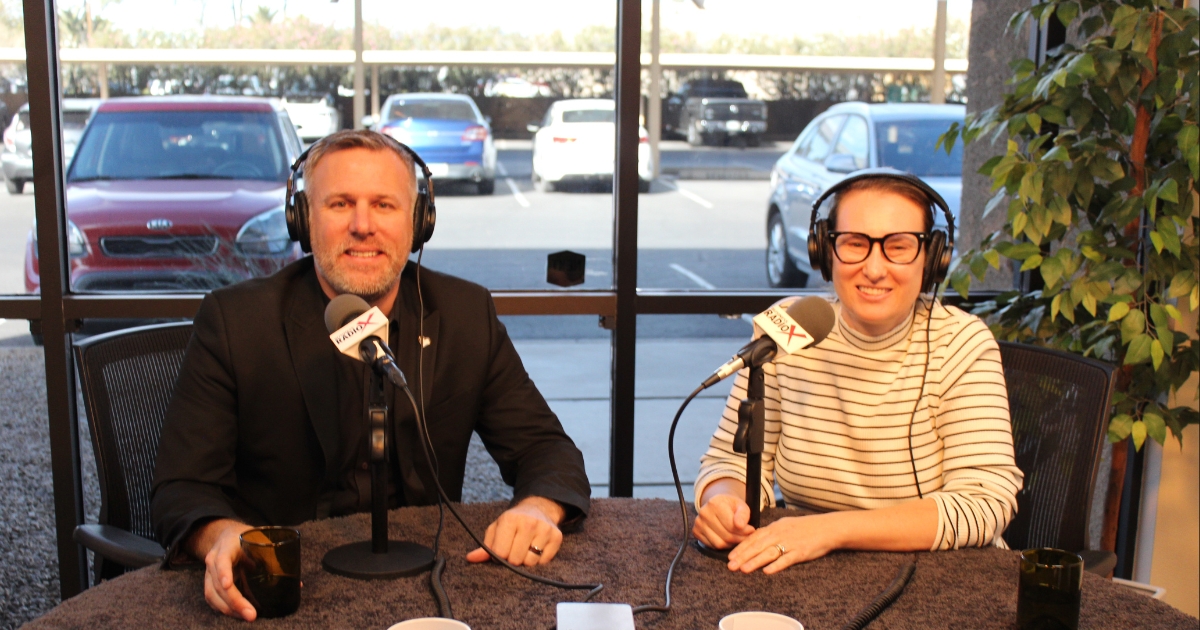
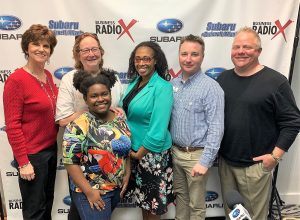
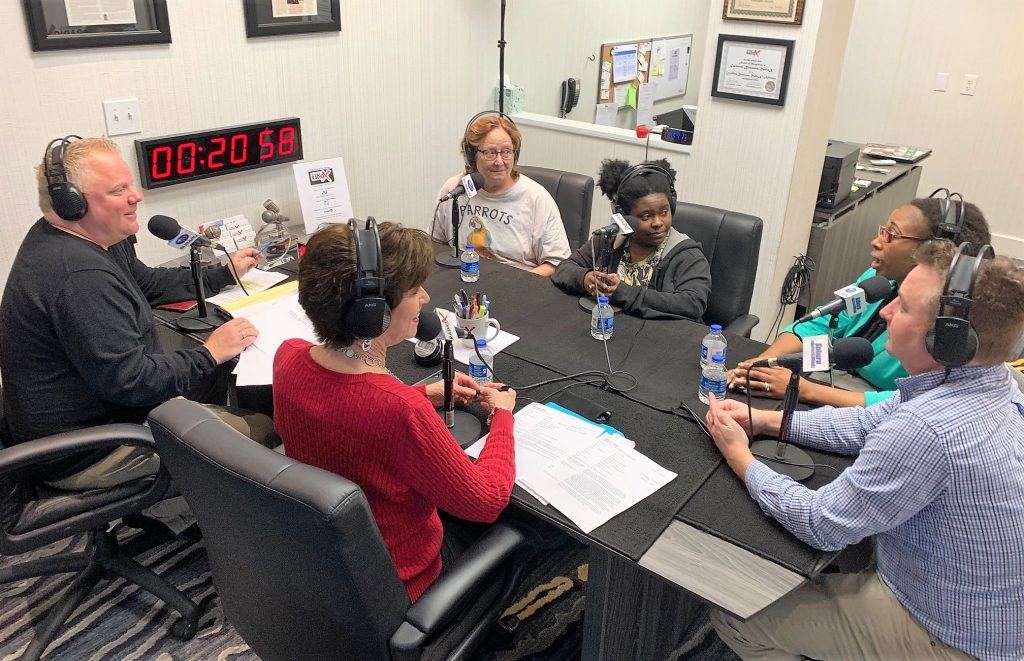
Jennifer Freeman with Arbor Terrace Hamilton Mill and Cindy Sachse with Buford Corn Maze

December 5, 2024 by Mike

Gwinnett Business Radio
Jennifer Freeman with Arbor Terrace Hamilton Mill and Cindy Sachse with Buford Corn Maze
Loading
00:00 /
RSS Feed
Share
Link
Embed

Download file

Cindy Sachse & Jennifer Freeman

Jennifer Freeman/Arbor Terrace Hamilton Mill

At Arbor Terrace Hamilton Mill, their team builds deep connections with every resident. They want to know your story, your interests, your likes and dislikes. The better they know you – and your whole family – the better they can can serve and care for you. Whether they can create a special dish for you or plan a community event you’ll love, Arbor Terrace Hamilton Mill wants to share many special moments and build a wonderful relationship with you.

Cindy Sachse/Buford Corn Maze

The Buford Corn Maze is a community icon in the Buford area and has been there for over 15 years providing Fall entertainment to thousands of families over the years. Now under new ownership, they aim to continue the tradition and build on the opportunity to provide entertainment for all 4 seasons.

Gwinnett Business Radio is presented by

Tagged With: Arbor Terrace Hamilton Mill, assisted living, Buford Corn Maze, business in Gwinnett, Cindy Sachse, corn maze, gwinnett business leaders, Gwinnett Business Radio, Jennifer Freeman, senior living

Bina Colman with Compassionate Callers and Tony Siebers with Parent Projects

November 16, 2023 by Karen

Bina-Colman-with-Compassionate-Callers-and-Tony-Siebers-with-Parent-Projects-feature
Phoenix Business Radio
Bina Colman with Compassionate Callers and Tony Siebers with Parent Projects
Loading
00:00 /
RSS Feed
Share
Link
Embed

Download file

Bina-Colman-with-Compassionate-Callers-and-Tony-Siebers-with-Parent-Projects
Bina Colman with Compassionate Callers and Tony Siebers with Parent Projects

Compassionate-Callers-Logo

Compassionate Callers offers a new way to check in on your loved ones. It is a simple calling service dedicated to connecting loved ones and clients of all ages. Our mission is to provide reliable, affordable and compassion support through up to 5 calls per day, 7 days a week. We offer a wide range of services designed to enhance the well-being and quality of life for our clients.

For individuals in need of regular reminders for medication and meal schedules, encouragement for physical therapy exercises or a true pro-active fall alert. We cater to a diverse array of needs with each client getting their own assessment and care plan which ensures that each call made serves a purpose.

Beyond the practice assistance, our service is a lifeline for the elderly, combating the scourge of loneliness. We go the extra mile by offering a monthly activity kit to engage and enrich their lives to stimulate both their minds and hands. These monthly activity kits provide an invaluable benefit to our aging population.

For busy parents juggling full-time jobs and latchkey kids returning home to an empty house, Compassionate Callers step in to provide reassurance and connection. We call children upon their return home from school and continue to check in throughout the afternoon until their parents return, creating a safer and more connected environment.

Additionally, Compassionate Callers is an invaluable HR benefit for employers looking to support their full-time employees who are also full-time family caregivers. Research has consistently shown that individuals in this dual role face a productivity decline of at least 18%, a number that only escalates with mounting stress at home and work. By assuming up to 5 phone calls, 7 days a week, we help these employees regain their productivity, reducing stress and improving their overall work-life balance.

Compassionate Callers is not just a service; it’s a lifeline, a support system and a solution for a healthier, happier and more connected life for everyone we serve.

Bina-Colman-Phoenix-Business-RadioBina Colman is the Founder of Compassionate Callers. Her dad was diagnosed with dementia in his late 50’s and passed in his early 60’s because of his condition.

With Bina’s education, work experience and being a sandwich caregiver, she knew that there was a piece of the continuous care missing for so many that were not able to place their loved ones in a community or hire full time home care (non-medical caregivers).

She is hopeful that Compassionate Callers can be an affordable resource in the elderly world to give family caregivers some peace of mind!

Connect with Bina on LinkedIn and follow Compassionate Callers on Facebook and Instagram.

Parent-Projects-Logo-Inline-Trademarked

Parent Projects™ is a growing community of verified age-friendly businesses providing families an Ai-assisted lifeline to clarify & simplify the challenge of supporting an aging loved one.

They curate relevant information and industry-expert content into a cohesive and affordable digital marketplace supported by Augmented Intelligence (Ai). Their proprietary smart planner platform, Parent Projects™ Connect, organizes a families effort to tackle the challenges of a Parent Project by delivering the right information at the right time to the right person.

From expert advice to finding an age-friendly business, Parent Projects™ reduces common emotional barriers, conflict and uncertainty in how to care for an aging loved one. Additionally, Parent Projects has a large verified business network, and the connect their business network to the families of this growing marketplace.

Tony-Siebers-Phoenix-Business-RadioFounder of Parent Projects, and Host of the Parent Projects Podcast, Tony Siebers is a contributing member of the Forbes Non-Profit Advisory Council. He’s a nationally credentialed Senior Move Manager and Senior Real Estate Specialist as well as a licensed Realtor in Arizona. Tony is a former law enforcement and military officer with decades of crisis management and team-building expertise.

Tony ventured into positions within Fortune 500 companies where he served as a Corporate Strategy Director. He has also served privately held/family companies as the Director of Real Estate and Development.

Tony and his wife Amey reside in Arizona where they raise five children. Tony continues to serve non-profit and government sectors in Mesa, including the AZ Small Business Development Council, Rotary International, and Catholic Charities of Arizona.

Tony holds a Bachelor’s Degree in Political Science from the University of Oregon, and a Master’s in Business Administration from Marylhurst University.

Follow Parent Project on LinkedIn, Facebook, Twitter and Instagram.

Tagged With: aging parents, call service, Caregiver, compassionate callers, downsizing, elder support, eldercare, home care, how to help mom and dad, senior living

Episode 106: How Culture Drives Financial Performance

May 11, 2023 by Karen

Phoenix Business Radio
Episode 106: How Culture Drives Financial Performance
Loading
00:00 /
RSS Feed
Share
Link
Embed

Download file

Episode-106-How-Culture-Drives-Financial-Performance

Episode 106: How Culture Drives Financial Performance

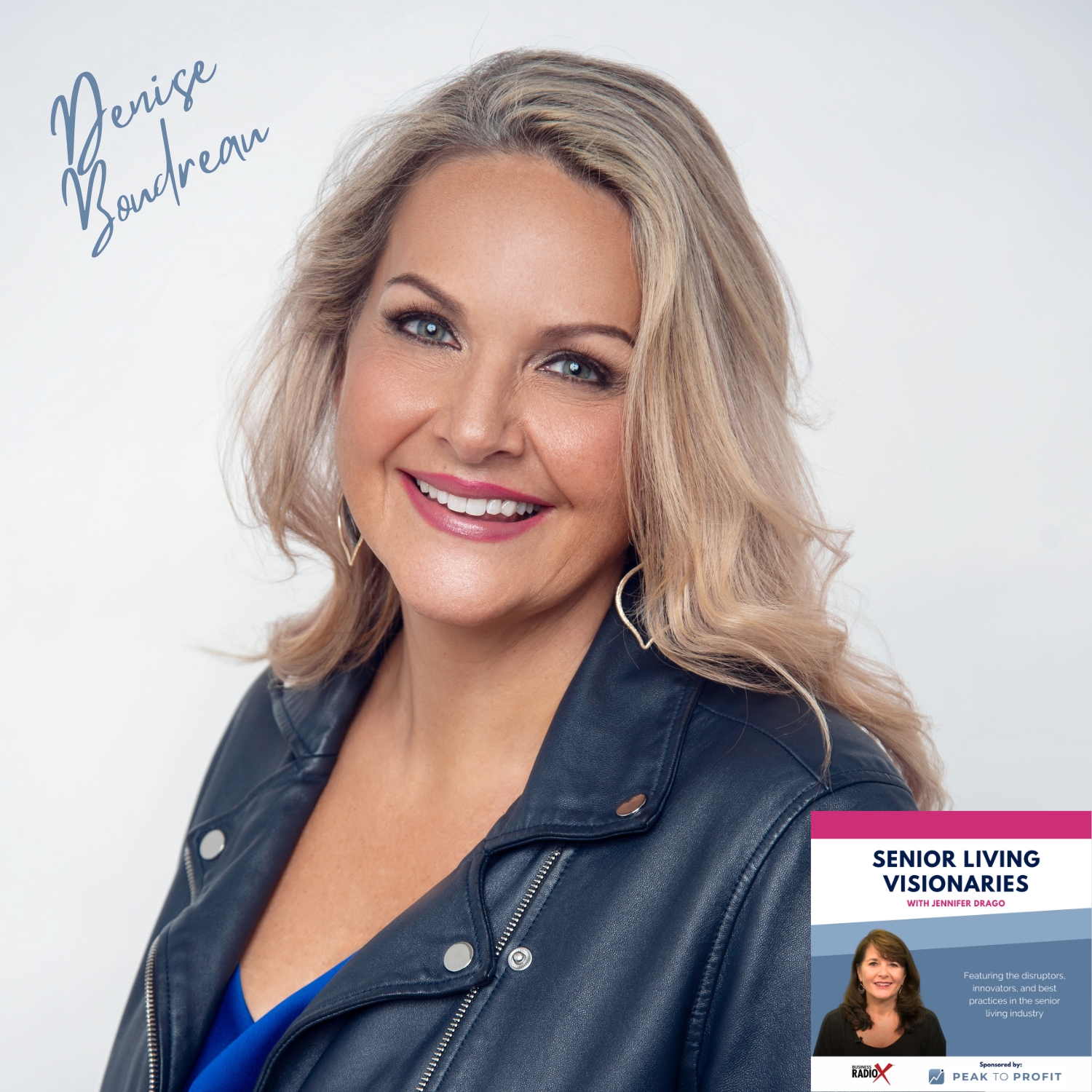
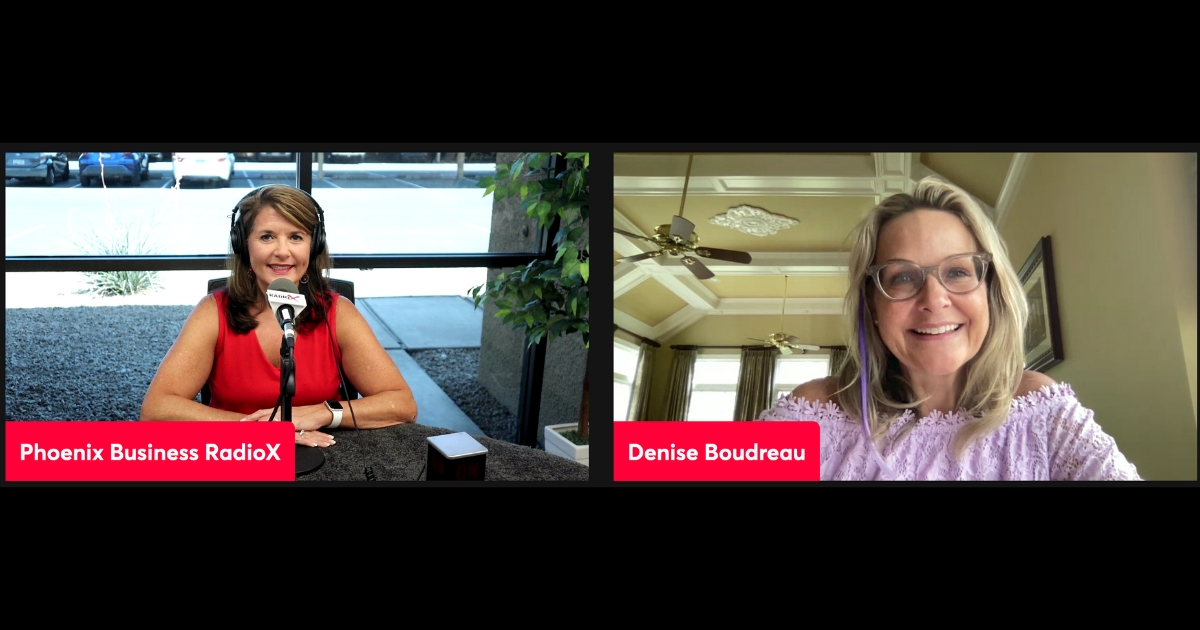
Join host Jennifer Drago as she interviews Denise Boudreau, president of Drive, and learn how organizations can measure and improve their culture to improve recruitment and retention of team members. Even more importantly, Denise shares the drivers of culture and what simple daily actions can have a dramatic impact on your organization’s culture.

Leaders in any industry will be intrigued by Denise’s takeaways on the importance of focusing on your organizational culture and how culture drives your organization’s performance on key metrics including employee engagement, client satisfaction, safety, productivity, and profitability.

Drive-logo

Drive helps senior living and healthcare organizations improve recruitment and retention through organizational culture. Drive will help you improve recruitment, staff retention, and employee engagement with a rock-solid company culture that staff love!

A toxic work culture rots organizations from the inside out… Every year, countless organizations lose millions of dollars due to bad culture. But it gets worse: poor culture also repels top-tier talent, kills workplace productivity and taints customer experience.

Our services: • Create a better work culture through our Culture Assessment. It takes a data-driven, strategic approach to transforming your culture into one that attracts happy, productive staff. And keeps them there. • Develop fundamental leadership skills that keep your staff engaged and you at your best as a leader through on-demand courses, Executive Coaching and Emotional Intelligence Coaching. • Inspire through presentations, speeches and keynotes at your meeting or conference that influence, motivate and connect deeply with your audience.

Denise-Boudreau-ScottDenise Boudreau, MHA, LNHA, is President of Drive, which helps healthcare and senior living organizations measure and improve their culture, resulting in improved recruitment and retention.

A former nursing home and assisted living administrator, she is a serial volunteer serving on numerous state and national boards. Denise received her Bachelor of Science in Gerontology from the University of Scranton and her Master in Health Administration from Cornell University where she currently works as a student mentor.

She is proud to share that she started off her career as a dietary aide and nursing assistant.

Follow Drive on LinkedIn and Facebook.

TRANSCRIPT

Intro: [00:00:05] Welcome to Senior Living Visionaries, a podcast for senior living leaders who are looking to stay ahead of the curve in the industry. On this show, we feature leaders and innovators in senior living who are pushing the boundaries and creating new effective services and solutions. And now, let’s settle in as host Jennifer Drago connects us with today’s guests.

Jennifer Drago: [00:00:30] Well, hello and welcome to Senior Living Visionaries broadcasting live from the Phoenix Business RadioX studio right here in Phoenix, Arizona. And we showcase the leaders in innovative, my goodness, innovators in the field who are shaping the future of senior living. And today is no exception.

I’m your host, Jennifer Drago, fresh off vacation. And apparently, I haven’t let my mouth know that it’s time to come back from vacation. I’m a strategy consultant and CEO of Peak To Profit Consulting, where we help senior living organizations with their strategic and business planning.

And today’s guest is Denise Boudreau. I’m so happy to welcome her here. She is the president of Drive. And Drive is an organization that helps health care and senior living organizations measure and improve their culture, resulting in improved recruitment and retention.

Denise is a former nursing home and assisted living administrator, as well as a volunteer serving on numerous state and national boards. She received her Bachelor’s in Gerontology from the University of Scranton and her Master’s in Health Administration from Cornell University, where she currently works as a student mentor. Important work. She is proud to share that she started off her career as a dietary aide and nursing assistant. So culture from the ground up, it sounds like. And I’m so excited to welcome you here. Welcome, Denise.

Denise Boudreau: [00:01:56] Thanks so much. I’m excited to be here.

Jennifer Drago: [00:01:58] Yeah. And tell us a little bit more about your organization and what you do.

Denise Boudreau: [00:02:02] Yeah. So we help take what is really this sort of, I call it woo woo, or this esoteric topic of culture and really bring data to it. So oftentimes people will say, I have a great culture, or my culture is not so good, it needs some help. And if you ask, how do you know that? People often say, I can feel it in my gut, or I just know it in my bones.

You think about how important culture is. It drives occupancy and turnover and revenue. Literally, every single outcome in an organization. And we’re using our gut to figure out if it’s working or not working. You’d never roll into owner’s meeting or a board meeting and say, we had a great financial quarter. I could feel it in my gut. I didn’t look at any numbers. I didn’t look at any data. I just know it. Right.

Jennifer Drago: [00:02:57] It feels great.

Denise Boudreau: [00:02:57] That would not fly.

Jennifer Drago: [00:02:59] That’s important. That’s important. So I love the idea that we can measure culture and we’re going to talk about that a little bit more, but explain your definition of culture as it pertains to senior living. And I know it’s really important from the recruitment and retention of employees, but I imagine it also affects our residents the way that we’re viewed in the community. So tell me more about how you define culture.

Denise Boudreau: [00:03:24] Yeah. So culture from the staff side is how we work around here. And from the resident side, it would be how we live. And there’s culture everywhere in your life. There’s a culture at your college that you went to. There’s a culture at the place of worship you might go to. In your neighborhood, right, there’s culture and micro cultures everywhere.

And the workplace or living place or a place where people are getting services is no different. And it’s basically just the attitudes, behaviors or the customs that are shaping the decisions. I was not in Tahiti and my mouth is still on vacation, but it shapes the decisions of everybody. So the people working in the organization and the people living there, how we interact with each other, what we do or don’t do is all being shaped by the culture.

Jennifer Drago: [00:04:25] Okay, perfect. That is a great definition. So knowing that senior living providers right now are experiencing significant staffing shortages, it seems like the perfect time to work on culture. However, when you’re short staffed, sometimes it’s hard to devote time to important things because you’re so strapped for time, right? So what would you say to a senior living CEO that says, I don’t have time to work on culture?

Denise Boudreau: [00:04:52] Yeah. You’re working on culture, so you’re working on it, you’re filling open positions, you’re dealing with customers. Maybe it’s residents, families, whatever, clients, whatever you call the people that you are serving and supporting and caring for. You’re dealing with their complaints. You’re probably dealing with financial issues because you’re spending so much money on turnover or an agency or maybe lack of occupancy because of the experience people are having there.

So you’re spending time on it. It’s whether it’s intentional or not. You can’t not have a culture. There’s a culture in your organization and you are intentionally shaping it or somebody else is shaping it. And that might be it’s in good hands and lots of times it’s not in good hands.

And people are creating cultures where it’s harder to recruit because people see what’s happening there and don’t want to be part of it. People might come to work for you and leave very quickly. I hear a lot of that lately, more so than ever. Or people might say this is not the place for me, I don’t want to work here. That’s all culture at work. So you intentionally shape it or you respond to the fact that you’re not intentionally shaping it.

Jennifer Drago: [00:06:07] So it’s always the right time to work on culture, it sounds like.

Denise Boudreau: [00:06:12] Yeah, Yeah. It’s like what’s the best time to plant a tree, right? That saying. Yesterday, last week, or if not today, right. You can start. People sometimes think about culture, and it feels like just so overwhelming. It’s boiling the ocean kind of. And it doesn’t have to be this huge and it shouldn’t be this huge pendulum shift. It can be small intentional changes, or it may be things that you’re doing that you just need to do a little bit more of each day.

And those behaviors are adding up to your overall culture. Culture is not that huge once a year party or if people say, we have a great culture, we raffle a car off to staff. That’s not culture, right? It’s not foosball table in the break room. It’s these small little behaviors that people are noticing and modeling themselves after that are adding up to the culture.

Jennifer Drago: [00:07:08] I’m glad you said that, because I do believe that for many executives and again, executives in a senior living organization or in health care, I know you work in health care, too. Those are really hard jobs and lots of things flying at you, especially when you’re trying to deal with a customer culture. And I shouldn’t have used your word. You’re trying to deal with your customers and their satisfaction, your employees and their satisfaction, regulatory issues. I mean, just they pile on.

And so, it can truly seem overwhelming when you say, oh my gosh, I want our culture to be better. Where do I start? So if you were to — you mentioned small behaviors or small actions can have a big impact. If you were to give our audience today just one takeaway, of one thing, they could do differently that could have a really positive impact on their culture, what would you say that might be?

Denise Boudreau: [00:08:02] Yeah. So when we measure culture, the number one value we’ve seen from our research and the number one value or behavior that we’ve seen from our research that makes a difference, starting foundational is respect. And so no organization could go wrong by focusing more on that value or behavior of respect. After that, it’s employee recognition. After that, it’s accountability. After that, it’s coaching and mentoring. But those things all build on a value of respect.

Employee recognition. A lot of times people focus on that and it’s fabulous. Usually organizations, you can’t give too much thanks or praise. But if you don’t feel respect, it’s like, Jennifer, you don’t think I respected you, and then I come over and tell you how fabulous you are, it seems pretty fake and it doesn’t really feel genuine. Right. And it doesn’t really mean much to you.

And respect, as that foundation, will always serve you and your organization. And we measure culture for a reason so we can see specifically what is needed in each organization and even each site. If you’re in a multisite organization, you know this. Every site has its own little microculture and even every department kind of has it and even shifts have it.

But overall, when we take all of our data and put it together, what we know is that respect is that number one thing. And so if I were you or your listeners, I would be thinking, well, what does that mean? I’m so glad you kind of asked. Right? It means that we, when we ask staff this, what does respect mean to you? It means to people knowing my name, saying hello to me, asking how I am.

Jennifer Drago: [00:09:51] That’s pretty simple.

Denise Boudreau: [00:09:53] Yeah. Like the bar is down here. They’re asking for, say hello, ask me how I’m doing. Show me that I actually matter to you is what people are asking for.

Jennifer Drago: [00:10:04] Wow. Wow. Really achievable. Really doable. That’s great. Yeah. And you’re right, it’s foundational that I was thinking about places where I’ve received recognition, but sometimes that day to day respect isn’t there. And you’re absolutely right, it feels disingenuous. Oh, okay, yeah, I get it. You’re checking a box now, but yeah, but you dismissed me yesterday when I was trying to tell you about a challenge that I’m having in my department. Yeah.

Denise Boudreau: [00:10:33] Exactly. And then the coaching and mentoring people create these incredible programs. Is coaching and mentoring bad? No, absolutely not, but people spend so much time creating these careers like all this other stuff. And if you don’t feel respected again and I come to you and say, hey, Jennifer, you know what, I think you’d be great in this role. You’d be like, oh, now you’re trying to push me out of my job, right?

As opposed to, we have a strong relationship and you’re going to know that I’ve got your back and support you and want you to be the best that you can absolutely be. That’s a very different answer if you want to be part of this program or whatever career ladder that we’ve created.

Jennifer Drago: [00:11:08] Sure, Sure. So I had a question set aside for you about what are the drivers of company culture? Are those the same things we just talked about and are they all truly individual in terms of how we individually treat each employee or? Yeah, tell me more.

Denise Boudreau: [00:11:26] Yeah, yeah, yeah. Great question. You can see I get excited about this. So people come with their personal values in them, what’s important to them. When they can show up true and authentically themselves, they do better, and your organization does better.

What does that mean? Humor and fun. Super important to me, right? So I want to be able to kind of have fun at work and joke around with people. Right? Do I have to be the class clown and get no work done? Nope. But it’s going to be important to me that that part of my personality can come out.

I’m creative, right? I want to bring that to work. Does that mean if I’m the CFO that I get to use creativity all the time in my job? Hopefully not, but maybe there’s something I could be doing outside of my normal role that might bring out that creative. Maybe it’s just some interactions with residents. Or maybe I want to do something for staff that helps be part of a committee that helps bring out that creative side. So certainly, everybody is wired. So knowing what’s important to people personally, credibly important.

Organization also has a culture which is shaped by values. So there’s what’s happening day to day. And I always like to think about it sort of the what’s happening at 3:00 in the morning when a nursing assistant is walking into a resident’s apartment or a resident’s room, when people are interacting with each other and there’s no supervisor or boss “around”. Right.

That’s what culture is. And so are those values and behaviors that are being lived, things that are supporting what we want for outcomes or the things that are working against us, blame and bullying and gossip. And sometimes those things show up when we measure culture. Lots of times we see blame and bullying on the list of current culture values.

People also tell us what they want, which is I always consider the magic question what they want out of their culture. And I love looking at that list. You know what the number one value that people want? And the question, by the way, is if we were performing at our best as an organization, what are the values that you’d want to see and people pick from this list, they pick ten things. You know, the number one answer is on that desired culture?

Jennifer Drago: [00:13:41] What is it?

Denise Boudreau: [00:13:42] Accountability. And I see it. All these reports we get back and every time it’s still amazes me though. Accountability. So when we think that people don’t want structure and that people kind of just want to do whatever they want to do, that is not true. People, when they think about the best organization, they think about a high accountable organization.

And that doesn’t mean, okay, go fire everybody now and go write everybody up. It means personal accountability. How can I own my job? How can I help you as my coworker be more accountable, and you help me because we’ve got each other’s backs. We’re not blaming and bullying. We’re helping each other be the best we can possibly be.

And because of that all, all of that support, that accountability, our organization is being the best that can possibly be. So there’s lots of sort of factors that come into culture, but there are themes that we see across the board for organizations in senior living and aging services and health care.

Jennifer Drago: [00:14:43] Yes. I love that you shared with us kind of the number one value that organizations aspire to be in your survey, or aspire to have, and that is accountability, because I talk a lot about accountability in some of the work that I do, too. When an employee works in an organization or a department where accountability isn’t important or isn’t enforced, and they’re working really hard to do their job and the person next to them isn’t, that is so demoralizing. And so it does not inspire people to want to stay and to continue to do a good job.

And that’s just one aspect of it, right? We need accountable leaders who walk the talk and do what we ask them to do to help clear, sometimes a leader’s job is clearing the obstacles out of the way. Right. And helping me manage this challenge that I’m dealing with. And if they don’t, if our leaders don’t follow through, same thing, just really challenging from an employee standpoint. So I love that theme. I think it’s so important.

Denise Boudreau: [00:15:51] And it goes back to the not having time piece. Right. So would you ever say our occupancy is at 50 percent? We just really don’t have time to talk to people to help them move in here. Right. That’s just, you know, oh, yeah, we’re 50 percent over budget this month. Yeah, we just don’t really have a time to look at those numbers and make sure we’re in budget.

But somehow culture, which both drives occupancy and revenue and expense, all of it, we get to say we don’t have time. So the organizations that we see do the best with culture are those organizations that have high accountability, where the leader has said the CEO or the owner, whomever has said, my expectation is that we — we actually ask people to commit 10 minutes a day. That’s literally it, 10 minutes a day. My expectation is that you are going to do these 10-minute a day tasks or assignment.

And sometimes they take no extra time. So when you’re walking around and talking to people, asking a certain question or whatever it might be, they take no extra time because you’re walking around anyway and talking to people, hopefully. But that accountability, to your point for leaders as well, to culture and what they find in the end is, my gosh, my life’s better as a leader because of this. I’m less putting out fires and more doing the work I’ve always wanted to do.

Jennifer Drago: [00:17:09] Right, Right.

Denise Boudreau: [00:17:10] So it’s a win-win overall, but it’s hard for people to see that, especially in the beginning. But it was true for me when I was an administrator, when I focused on culture, I lived this stuff. When I focused on culture, my job became so much more rewarding because I was doing what I got into the field to do which was support people and not running around like a chicken with my head cut off all the time.

And even though, my last role as an administrator was 12 years ago, so people said it was different. It was different, but turnover was still over 100 percent in that setting. We we didn’t lose a nursing assistant voluntarily in almost three years.

Jennifer Drago: [00:17:50] Wow.

Denise Boudreau: [00:17:51] Can you imagine?

Jennifer Drago: [00:17:52] Wow. That’s amazing.

Denise Boudreau: [00:17:54] Voluntarily for almost three years. And then therefore, you’re able to do so many things that you want to work on rather than that just kind of chugging along on the hamster wheel.

Jennifer Drago: [00:18:06] Right. If nothing else, right, retention is a time suck and a money suck. Right? We know that. So if we can improve retention alone, it’s worth the 10 minutes a day to focus on culture, right?

Denise Boudreau: [00:18:19] Yes, it is.

Jennifer Drago: [00:18:20] Yeah. I love that you’re breaking down for us how simple it can be to really improve our culture. And you’ve already shared with us that your company helps organizations measure their culture. Is that — I’m sure we’ve all been — I’ve never been in an organization that has tried to measure culture. So I want to learn more about that. But tell me how that is different also from measuring employee satisfaction.

Denise Boudreau: [00:18:47] Yeah, yeah, that’s a great question. So culture is driving satisfaction and driving, even employee engagement. So a lot of places are measuring employee engagement. Employee engagement is how we feel about how things work around here. Culture is actually how we work around here, or even we do it sometimes with residents to how we live, right?

And so it’s not just my boss seems to care about me as a person. No, they don’t seem to care about me as a person. There’s job insecurity here. There’s confusion. There’s blame. And now we have an insight into why I don’t think my supervisor seems to care about me as a person. So it’s driving employee engagement. It’s driving all those outcomes.

And like you, I had not heard about measuring culture. I guess it was probably, I don’t know, six, seven years ago now. You mentioned I do a lot of work with Cornell, and I was up there presenting and someone was presenting before me on measuring culture. And I thought, I’ve never heard of this. Like I want to attend this. And she works with high end hotels. Actually, she works with us now, but she works with high end hotels, Ritz, Four Seasons, so forth. And when they were struggling with occupancy at the hotels, the first thing she would do is measure the culture of the staff.

And so I thought, I have got to bring this to our field. And interestingly, three questions. What are your top ten personal values? And I shared a little bit about that. When you show up authentically, you at work, you do better, organization does better.

Thing that’s really neat about this, too, though, are people are changing their job ads. We have a woman that increased her — she’s a director of HR. She increased her applicant pool by over 1,200 percent. I did the math like ten different times, 1,200 percent.

Jennifer Drago: [00:20:30] Wow.

Denise Boudreau: [00:20:30] By taking her Indeed ad and writing it to how people were wired in her organization. So she looked at those personal values and wrote an ad to them and spoke. So people are reading this ad and saying, that’s me, I belong working there.

Jennifer Drago: [00:20:47] What a great idea. What a great strategy.

Denise Boudreau: [00:20:50] Ain’t that cool? I know. And I said like the perfect thing to kind of think about with that is I love everybody in our field, but sometimes I read these ads and I just want to cry because you can take one name out and put another organization’s name in and it’s the same ad.

But if you are selling a Ferrari and you’re selling a minivan, you could in essence, say they’re both vehicles, right? They’re both getting you from point A to point B, but a Ferrari ad is written very different from a minivan ad, and neither one is right or wrong. You’re just going after a different audience. And so it’s the same thing with our job ads, right? Are we writing in a way so if I read an ad that was kind of fun and I’d be like, oh, that’s the place for me, right, they get me.

And so there are things that are the same in every organization compassion and caring to the things we see in almost all the personal values in the organizations where we measure culture. But then there are a lot of things that are different. So humor and fun sometimes shows up. Positivity sometimes shows up. Person values, sometimes it doesn’t. So that’s the first question. What are the top ten personal values?

The second question are what are the top ten values or behaviors that you see in this organization? So what are you seeing today that’s the current culture? And then a list of words. And then, as I said before, the magic question, and I’ve done engagement surveys, I did engagement surveys for years. I usually sat on a shelf, but that’s because I didn’t ever had a destination.

And the destination is that desired culture question. If our organization was performing at its best, what are the top ten values or behaviors you would want to see? And now I’ve not only had everyone, because when we just measure engagement sometimes or do these surveys or whatever it might be, it’s kind of like people vomit on us, everything that we’ve done wrong or everything we’re doing now. And we have to guess what they want.

And so there’s no more guessing. There’s a destination which makes a difference because then we can create a roadmap. When you don’t have a destination, you ain’t getting anywhere, right? You’re going to be where you’re at and guessing where you should go. So those are the three questions, personal values, current culture values, and desired culture values.

Jennifer Drago: [00:22:54] And once you do desire culture and you know where you’re headed, and I’m sure you then work with the organization on, okay, what does this look like? What do we do to get there? Do you go back and measure a year later to say, are we better?

Denise Boudreau: [00:23:07] Yes, yes, yes, yes. Because you want to know the things you were doing are making a difference. And actually, the cool thing about this tool, too, is recently, a few years ago, they added a diversity, equity, and inclusion values in there. They’re just mixed in with all the other words.

You can see sometimes organizations unconscious bias shows up. Sometimes retaliation shows up. So you can get a measure on those diversity, equity, inclusion initiatives that so many organizations are working on right now. So we go back a year later and you’re able to see, okay, we brought down the confusion, we brought up the accountability. Right? So we know we’re going on the right track. And then we see what that current priority is.

The nice thing about this tool, too, is once again, culture feels like this boiling of the ocean. But when you have that data, you can clearly look at it and it becomes so apparent the three or four top things that you need to work on. So you could pick one of those from that.

So if we’re going to focus on accountability first, or maybe we’re going to focus on our leadership development around certain topics, it becomes very clear what we can focus on instead of taking on a lot of things and getting nothing done. And we see by measuring it a year later, are we making a difference? Are we moving a needle?

And the organizations that are actually committing to do this work, they are moving the needle. They’re saying, I’m better off committing a few minutes a day to something positive. And that’s usually fun and interesting and feels good than I am to just constantly putting out fires and being in this sort of rat race that people find themselves tied into.

Jennifer Drago: [00:24:47] Perfect. My final question for you is, and we’ve talked about it in kind of abstract terms so we know that culture drives retention, our ability to recruit and retain, I should say, it can drive occupancy, our resident satisfaction, our staff engagement, all the things we’ve talked about. I feel in my gut that culture increases financial performance of an organization. But is there any research that bears that out that shows that that’s true?

Denise Boudreau: [00:25:16] Yeah. So we actually have a white paper on our website that, this is fascinating, it is a multi site organization and we measured their culture at all their different sites. And the occupancy, the VP of Sales and Marketing was in the room when we were giving them the results, and we would say this site’s got a really strong culture. And she said, oh, they’re always full too. And these guys are kind of struggling a little bit more. Yeah, they struggle with their occupancy and census too.

And then sort of as we went along, it was like, wait a minute. And so we gave it to a researcher who looked at it. And what we found was this is the same organization. So when you think about intentionality around culture, this is why it’s so important that everyone’s not just doing their own thing, that we’re being intentional about it.
The occupancy in the struggling sites was 66 percent on average. The occupancy at the thriving cultures at those sites, the average was 94 percent.

Jennifer Drago: [00:26:15] Wow. Wow.

Denise Boudreau: [00:26:16] 66 and 94 percent. We know turnover, right, so labor is our biggest cost. We know turnover is 38 percent lower, strong cultures compared to weak cultures, 38 percent lower turnover. And I always tell people, if you have 38 percent lower turnover, guess what you get? You get 38 percent less positions to fill, too, right? So now you’ve improved your recruitment by 38 percent.

And that’s got real numbers to it. It’s certainly filling those open positions. I find there’s a huge cost. And sometimes people don’t think about this. Leaders running around to fill those open positions. Leaders that you’re paying a lot of money to doing jobs of people that make a very different salary. And is it great to pop in once in a while and help and assist? Absolutely. But to be paying somebody the salary that they should be making and not focusing on what they should be doing, right, is a complete waste of money. So it’s money out the window in so many different ways.

Productivity, we’ve tied through research the amount of, I call it energy in the organization, the limiting values and behaviors in the organization, whatever that percentage of limiting behavior. And the organization, whatever that percentage is, that has also been researched and studied to show that that is also the amount of unproductive time in an organization.

So if we have 20 percent limiting values in an organization, we have 20 percent unproductive time. Do you know what that means? That means if your labor budget is $10 million, 20 percent of that $2 million is unproductive time and add to it the turnover cost, right? That’s totally separate. And that’s because there’s confusion. I don’t know what I’m doing. And so I’m redoing work or I’m making mistakes or I’m not talking to you because I know you blame me for stuff. So I don’t tell you something that I should tell you that might help have a better outcome for someone, right? So it’s a lot of time wasted when we don’t have strong, thriving cultures.

Jennifer Drago: [00:28:15] And that accountability is missing too.

Denise Boudreau: [00:28:19] Which all adds up to dollars at the end. So you take occupancy, you take turnover, you take the ability to recruit. Even safety is related to this. Literally, every single outcome revenue has been for years, decades, they’ve shown revenue tied directly to culture. And all of these outcomes depending on am I being intentional or am I saying I don’t have time for that, right, I don’t have the time to invest in that.

Jennifer Drago: [00:28:44] So I’m a strategist. I’ve been chief strategy officer of organizations and in the strategy world for years. And there’s this saying out there that culture eats strategy for breakfast. And I believe it, but tell me how you think a good culture helps your strategy.

Denise Boudreau: [00:29:00] I think culture and strategy can sit down and have breakfast together.

Jennifer Drago: [00:29:04] Oh, that’s a nice way to say it. I’m going to start quoting you.

Denise Boudreau: [00:29:08] Don’t quote me. I read it in a book. But yes, right. But I read that and I was like, it’s so true because people kind of go back and forth, right, which is one important, more important. But if you look at your strategic plan, there is nothing on there. I can absolutely 100 percent guarantee it, there’s nothing on there that does not take a strong culture to accomplish. There’s nothing on there that won’t happen easier, faster, with less mistakes, with better outcomes, with a strong culture. Right.

Everything takes culture in order to happen. Whatever is on that plan, whether we’re opening up a new campus, we’re doing a new service line, whatever it takes culture to accomplish that, or it’s going to be culture that could kind of puts the nail in the coffin. We know from lots of research that acquisitions and mergers with so many places are going through right now, you probably see a lot of that in your work, the number one reason they don’t work, culture.

Jennifer Drago: [00:30:07] Culture. Yes. I was just —

Denise Boudreau: [00:30:08] And so we have a pool that compares them but people guess at it.

Jennifer Drago: [00:30:13] Yeah. They use their gut when they can actually measure it. So yes.

Denise Boudreau: [00:30:17] Yeah, yeah. We’ve got a really cool tool that actually shows you here’s where the cultures will match, here is going to be the problems, the red flags, so you can get ahead of it.

Jennifer Drago: [00:30:26] Yeah. So awesome. Yeah. I just came back from Leading Edge California. And we did a session on sustainability where folks were talking about affiliations, mergers, different things that they had gone through, and that came up again and again as the cultures have to match or they have to be at least close so that the organizations are compatible. So something else I didn’t know that you do that your organization does is help organizations that are considering that to figure out where they’re a match or whether they’re a match, perhaps. Is that correct?

Denise Boudreau: [00:30:58] Yeah. Yeah. And on either end, right, it might be we’ve gone down that road already. Okay. But now you can intentionally say, you know what, that change we’re going to make is going to be a little bigger of a deal than we’re anticipating. Or, you know what, we can say we’re making that change and link it to something that the team members wanted.

And we kind of say this is in your desired culture and guess what? We’re doing this thing to help with that, right? So it can be done for the positive, too. It doesn’t just have to be kind of playing defense. I should not be making sports analogies. I am not a sports person. We can — yeah, yeah. We can kind of get ahead of it a little bit.

Jennifer Drago: [00:31:37] Perfect. Well, Denise, I want to thank you so much for all the wisdom that you shared with us today. I’ve learned so much. And tell our audience, if you would, how they can get in touch with you, how they can learn more about your organization.

Denise Boudreau: [00:31:50] Yeah, absolutely. Our website is cultureoutcomes.com. So it’s culture and then outcomes, O-U-T-C-O-M-E-S.com. And you can click on there to connect with us and learn more about what we do. You can also send an email to info@cultureoutcomes.com. We’d be happy to tell you about measuring culture or send you any of the resources, that white paper I mentioned is on there, and lots of other resources that you can connect with.

Jennifer Drago: [00:32:21] Perfect. And we’ll put all the links in the show notes so everyone can have access. And I know you’re on LinkedIn and very active and your company Drive also has a company page that you can follow, so that’s awesome. Well, thank you so much for your time today, Denise, and for sharing all the wisdom around culture and why we should really pay attention to it.

Denise Boudreau: [00:32:42] Fabulous. Thanks for having me.

Jennifer Drago: [00:32:43] You bet. You bet. So this has been another episode of Senior Living Visionaries, where we honor and feature the innovators and executives and advisors who are really shaping our industry for the better. I hope you’ll join us for future episodes.

And you can also subscribe to be on the list to receive information about new episodes as they become available at seniorlivingvisionaries.com or subscribe on your favorite podcast platform. Thanks so much. I’m Jennifer Drago and I’ll see you next time.

Outro: [00:33:19] You’ve been listening to the Senior Living Visionaries podcast and radio show where we showcase the leaders and innovators in the industry who are pushing the boundaries and setting the stage for the future in senior living and services. Join us next time as we share the bold ideas and breakthroughs of the industry’s most forward thinking leaders here on Senior Living Visionaries.


About The Show

Senior-Living-Visionaries-Podcast-Cover

Senior Living Visionaries is a podcast and radio show curated specifically for leaders in the senior living industry. Our guests are among the best and brightest executives, advisors, and service providers in senior living.

These industry leaders have consistently implemented creative solutions, new customer services, and targeted financial strategies resulting in long-term brand impact and increased revenues.

About Your Host

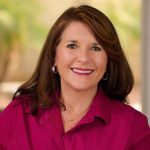
0217JenniferDrago00654squareWith 30 years of experience working with mission-driven organizations in senior living and healthcare, Jennifer Drago is an executive leader who brings creative, out-of-the-box strategies to help organizations amplify their impact and skyrocket their revenues.

As an award-winning strategist, best-selling author, and certified business coach, Jennifer helps corporate leaders and small business owners develop and implement a laser-focused business vision and strategy so they can earn more and amplify their impact.

Jennifer holds a bachelor’s degree in Finance, a master’s degree in Health Services Administration and an MBA from Arizona State University. She is a Life Fellow of the American College of Healthcare Executives.

About Peak to Profit

Peak to Profit serves senior living, healthcare and nonprofit organizations, helping them identify and execute revenue and growth opportunities through strategic, financial and operational consulting. Our core purpose is to help mission-driven organizations amplify their impact by serving more clients and increasing their financial resiliency.

Our proprietary Peak Performance Assessment provides an objective evaluation of your organization on six key dimensions, identifying areas that need improvement and highlighting growth opportunities. With the assessment results, we help you implement an Impact Roadmap – a clear, measurable action plan to execute your strategy.

Learn more at PeaktoProfit.com.

Peak-to-Profit-logo

Tagged With: Coaching, Culture, Employee Engagement, fully staffed, Healthcare, recruitment, retention, senior living

Episode 105: Middle Market Housing Strategies for 2023

April 27, 2023 by Karen

Episode-105-Middle-Market-Housing-Strategies-for-2023-feature
Phoenix Business Radio
Episode 105: Middle Market Housing Strategies for 2023
Loading
00:00 /
RSS Feed
Share
Link
Embed

Download file

Episode-105-Middle-Market-Housing-Strategies-for-2023

Episode 105: Middle Market Housing Strategies for 2023

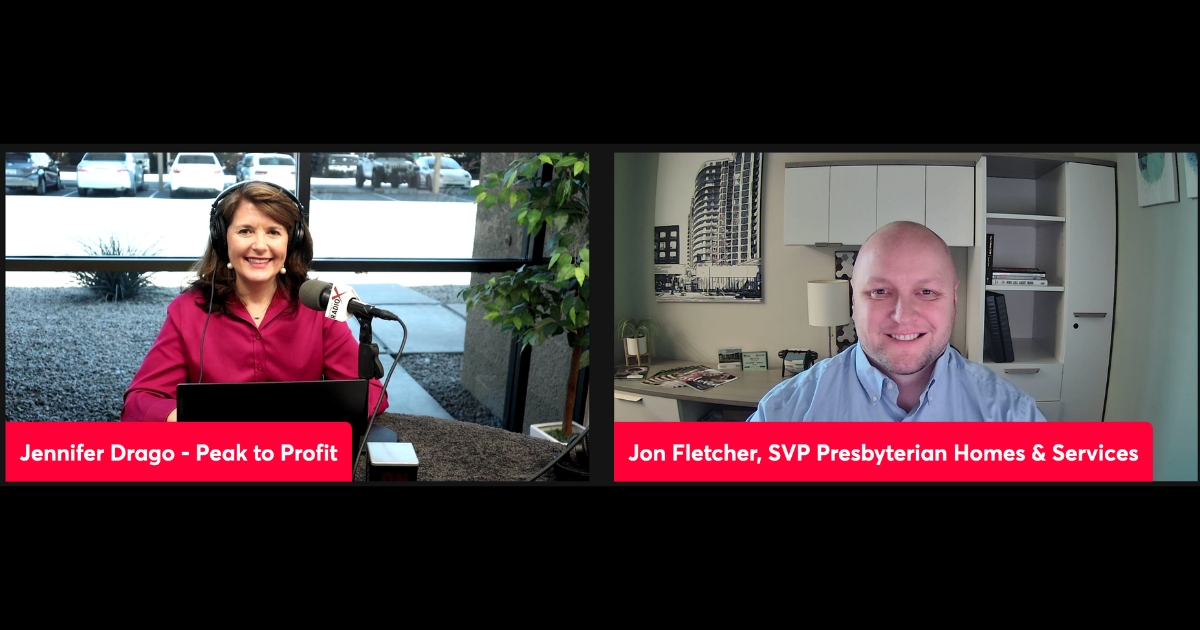
On this episode, host Jennifer Drago interviews Jon Fletcher, Senior Vice President of Senior Housing Partners, a division of Presbyterian Homes and Services. They discussed the financial performance of middle-market senior living projects and strategies for successful middle-market development.

Senior living providers will be interested to hear Jon’s expertise on how these middle market projects can be financed and what the capital stack can look like on these projects. Jon shares how CCRC providers can add middle-market projects to their portfolio without diluting their premiere brand and also discusses alternative strategies that can be considered at this time such as land banking and acquisitions.

Jon offers a white paper on successful tenets of middle market development that can be accessed by subscribing to the Senior Living Visionaries podcast at www.seniorlivingvisionaries.com

Senior-Housing-Partners-logoAs a full service organization, Senior Housing Partners is a nationally recognized leader in turn-key senior housing development. From strategic planning and product positioning to site selection, zoning and regulatory compliance, we work through all the details.

SHP serves as the development arm of Presbyterian Homes & Services, and as development consultant to other not-for-profit sponsors of senior housing, assisted living, and nursing care centers. PHS is the fourth largest non-profit provider of senior services in the country.

phs-logo
Jonathan-Fletcher-Senior-Living-VisionariesJon Fletcher joined PHS in 2018 after serving on its Board of Directors for 2 years.

Jon has $2 billion of project development and financing experience, with specific expertise in multi-unit housing, mixed-use, and suburban/urban development. Jon is a frequent speaker on the topic of multifamily, senior housing, multi-site, brownfield, and middle-market real estate development.

Jon is also an 8-year Army veteran (Operation Iraqi Freedom), a “40 under Forty” winner from the Minneapolis Business Journal, and has previously served on the Board of Trustee’s of Presbyterian Homes & Services, Crown College, The Bridge for Youth, Heritage Academy of Science and Technology, and the Urban Land Institute-Minnesota’s Young Leaders Group.

Jon has a BA in Music Performance from Crown College, an MBA in Finance from University of Wisconsin-Whitewater, and has completed Executive Education coursework at MIT.

Follow Presbyterian Homes & Services on LinkedIn, Facebook, Twitter and Instagram.

TRANSCRIPT

Intro: [00:00:05] Welcome to Senior Living Visionaries, a podcast for senior living leaders who are looking to stay ahead of the curve in the industry. On this show, we feature leaders and innovators in senior living who are pushing the boundaries and creating new effective services and solutions. And now let’s settle in as host Jennifer Drago connects us with today’s guests.

Jennifer Drago: [00:00:31] Hello and welcome to Senior Living Visionaries. We are broadcasting live from the Phoenix Business Radio X studio. And on this show, we showcase leaders and innovators in the field of senior living who are shaping our future. I’m your host, Jennifer Drago. I’m a strategy consultant and CEO of Peak to Profit.

And today, I’m so excited to welcome our guest, someone that I’ve known for a few years now. And it’s Jon Fletcher from Senior Housing Partners, which is a division of Presbyterian Homes & Services. And I’ll let you tell us about Senior Housing Partners in just a second. But Jon joined Presbyterian & Senior Housing Partners in 2018 after serving on its board of directors for two years. He has $2 billion of project development and financing experience.

And honestly, I don’t know anybody who knows this stuff that we’re going to talk about today better than Jon. He has specific expertise in multi-unit housing, mixed use, and suburban and urban development. He’s a frequent speaker on the topic of multifamily senior housing, multi-site brownfield and middle market real estate development. He’s also an eight-year Army Veteran and a 40 under 40 winner from the Minneapolis Business Journal. I’m sure many other accolades to come, Jon. And you’re so young, but you have so much vast knowledge and experience. So welcome.

Jon Fletcher: [00:01:56] Yes. Thank you so much for having me. Glad to be here.

Jennifer Drago: [00:01:58] You betcha. And so tell us a little bit more about your role with Pres Homes and then also with Senior Housing Partners, if you would.

Jon Fletcher: [00:02:05] Yeah, certainly, absolutely. So I’m a Senior Vice President with Presbyterian Homes & Services that lead our strategic growth and real estate development team, which is focused on helping to expand the mission of Presbyterian Homes. But also, we provide services to other organizations across the country, primarily nonprofits, and helping them to expand their senior living. So we provide consulting services and whatever is needed to help these organizations meet their own goals of expanding across the country.

Jennifer Drago: [00:02:34] Perfect. Thank you so much. And that’s actually how we met, through a consulting project. And really interesting. So let’s first set the stage for what’s going on in our industry. In case somebody isn’t in the industry, and just happens to be listening in, we know that the folks who are turning 65 and older today, there’s about 10,000 of them every single day. And we know that they have a different financial status than the generations that came before them. The baby boomers perhaps don’t have as many pensions, may not have as much retirement funding.

And so we have this issue where we have a number of people who are going to need senior housing and senior services, but yet, are in a different financial category. So we call them middle market. So they’re truly middle income. They’ve probably been middle income earners in their life. They probably still fit into the middle-income bracket.

And we as an industry need to figure out where they’re going to live and how we can take care of them, what services we can deliver to them, because there’s going to be so many more of them than there are of the folks who are going to be caring for them and servicing them. And we already know not enough product. There’s not enough housing product. Even if we built every minute of every day from now and then, between now and when they’re already hitting 65. But when they truly need services, we know we can’t fill that gap.

And so what I love about the work that Jon does is they’ve really perfected the model of middle market development as it relates to senior housing. He knows the formulas. He can tell you about how they produce financially. And so as an industry, I think you’re going to find this conversation very helpful today.

So, Jon, let’s start out with — I’m going to — I’ve kind of talked about how I define middle market, but how do you define middle market as it relates to senior housing? What are we really talking about?

Jon Fletcher: [00:04:31] Yeah. That’s a great question and it’s a big one in the minds of kind of everybody in senior living at this point. So much of the product that has been built to date has really focused on kind of the barbell ends of the spectrum in terms of the typical CCRC community, which is maybe targeted towards more upper income households. And then you have obviously a lot, not enough, but a targeted effort towards affordable housing at the lower end of the income spectrum.

And so really the question is what is or can be built for folks that fall in between that. And I would say it’s kind of a simple idea in terms of the missing middle, but it’s complicated to define and complicated to finance or it can be complicated. And so we’ve really tried to boil down how we define middle market by taking the different income bands and not just segmenting them by household income or household resource availability, but instead really trying to focus on that in conjunction with what are the financing sources available.

So we’ve kind of broken down these submarkets into four sections. So really kind of very low income, which would be households that are earning 30 percent or less of median income. And that type of household usually has housing options that are 100 percent subsidized through grants, through tax credits, et cetera. There’s a low-income bracket then that is 30 to 60 percent of median income that’s supported through tax increment financing and then low-income housing tax credits.

And then there’s the high income. And we’ll come back to middle market. But then the high income is what we consider to be 150 percent or greater of area median income. And that’s really market driven. That’s the kind of the luxury housing product that you see kind of being built everywhere.

And so you heard a spend skip or heard me skip from 60 percent to 150 percent. That’s really how we define the middle market. It’s households that are earning 60 to 150 percent of area median income. And so just as an example, if your local market where you’re at has $100,000 median income, that’s households that are earning or are generating annuitized income of $60 to $150,000 a year.

What you run into is the challenge of there aren’t any sort of subsidies or government subsidies targeted towards that. Typically, you’re not able to generate enough income just from market rents to actually pay to support the debt service that’s required. And so you just kind of have this tweener status of all these households. You look at, you know, 20, 30 to 20, 35, all these households coming down the pike and just not enough housing that can be afforded by folks in that. So we generally define it as housing that is affordable to folks earning between 60 and 150 percent of AMI.

Jennifer Drago: [00:07:02] Okay. And that’s annual median income.

Jon Fletcher: [00:07:04] Yep.

Jennifer Drago: [00:07:05] Okay. So it’s going to be market specific as well.

Jon Fletcher: [00:07:07] Correct. Yep.

Jennifer Drago: [00:07:08] And so what I want to point out about that before we go into the senior housing aspect is, you know, middle market, it may be us, it may be the listener, it may be our parents, it may be — I mean, it is the firefighters, the teachers in our community. I mean, we know people in this middle market.

And it’s Jon’s mission to make sure that those folks have a place to live at the time that they need that place to live. And as an industry, it’s our job to figure out also how to provide services to that middle market. So tell me in general, how does operating a middle market community differ from operating a market rate community? What are some of the main differentiators?

Jon Fletcher: [00:07:53] Yeah, it’s a good question. There’s a lot of similarities, but also a lot of differences between middle market versus a classic like type-A community. I think number one is that there needs to be significant focus on operational efficiencies, and a strong focus on resident needs versus organizational wants.

And kind of the funny example is there’s these great communities and organizations that just have a desire to provide all kinds of services and hospitalities for residents. You might have this conversation of, well, if we only had like a director of pickleball success available to our residents, they could be amazing and happy and fully engaged in pickleball. That’s probably true, right? If you had someone just focusing on that.

Is that necessary? Maybe not or maybe it could be an a la carte option. And I’m just saying that in jest. But, you know, it really comes down to how many staff are on site. At the end of the day, for middle market, one of the key goals is to try to keep rents affordable for these households. And rent pricing really comes down to just a simple balancing equation. What can residents afford to pay versus what is required to provide staff with competitive wages that allow them to live and thrive?

And the reality is that the larger the pool of staff is, which is the most significant portion of your operating expenses, the larger that pool of staff is, the bigger your rents need to be. And so we just need to be really realistic around what do residents need versus what do maybe we as an organization feel like residents need or we want to provide in order to provide over the top service?

So staffing is one of them. Also, really trying to fight the urge to over monetize buildings. I like to tell people that with mid-market communities, we want to try to provide, we want to try to achieve a simple and pleasant hospitality. Right. Again, providing what they need going above and beyond in the hospitality when we can.

But just being realistic, I think a great example or comparison is if you think about like in the restaurant industry, you have all different types of restaurants, but in general, you can kind of boil it down to there’s fast food, there’s fast casual or quick service and then there’s fine dining or full service.

We’re trying to hit that midpoint of fast casual and which is going to be providing the healthy meal options and good quality customer service and a lot of a la carte options. But it’s not necessarily bringing the white tablecloth out every single time. And I think that last point, too, on the a la carte options, that’s probably another really key differentiator in mid-market communities as well is just that giving residents choices around what types of service packages and hospitality offerings they want to accept or opt into I think is really key.

You can kind of think of like a cruise ship as well, where the level of expectation around hospitality and services is very high across the entire cruise ship. But the reality is that when you get onto the cruise ship, you can have the choice of do I want to have the largest cabin? Or do I want something more modest? I can maybe choose to have XYZ service brought in versus full service, et cetera. So having a lot of a la carte options I think is really key as well.

Jennifer Drago: [00:11:09] Okay, great. And so this is really important, Jon, I think. And for providers, if they don’t currently operate middle market and when you and I first started working together, I worked for a provider that was a multisite CCRC provider and we didn’t have any affordable, we didn’t have any middle market. And we were really trying to figure out how to bring middle market into our service, our continuum.

And you explained to us very early on this is a very different product. You need to think differently. You need to staff it differently. While we might be able to purchase some services from the parent organization, this is a different staff, a different level of service, if you will. I mean, like you said, the customer service is still great, but the amenities are a la carte and less than you would see in a typical CCRC. Is that something that you work with clients a lot on trying to manage different levels of their housing?

Jon Fletcher: [00:12:07] Yeah, absolutely. I think several years ago, the discussion was a lot more around how do we design the buildings to meet mid-market kind of, I would say standards, but mid-market price points, right? How do we adjust the countertops and the cabinets and the flooring. And those things like all do add up. And we want to be really thoughtful and intentional around what that design is.

But, especially over the last three to five years, the conversation has really shifted from how do we design the buildings to how do we design the operations to make sure that we’re able to maintain the margin that’s needed? I mean, that’s the reality at the end of the day. Again, it’s how do we balance what residents can afford versus what is needed to provide for staff to be able to thrive.

Jennifer Drago: [00:12:51] Yeah. And so let’s jump to that question because to be honest with you, when I was working with my last provider, and we were trying to figure out if middle market fit for our organization and there was a big concern about how it would perform financially. So let’s talk about how mature middle market housing, senior living projects actually perform financially when they’re operated the way that you describe.

Jon Fletcher: [00:13:17] Yeah. What’s really interesting is that middle market communities actually tend to be some of the best performers. And I think a lot of folks when they first get into the discussion of middle market, well, it’s going to take a lot of financial resources. We’re going to have to subsidize this forever. We don’t think we want to go down that route. Can we afford to do it?

But the reality is that in our portfolio of housing, middle market is by far our most stable. It’s our most successful operating platform. In general, it’s stabilization. We expect to achieve EBITDA of 50 to 55 percent on our newer communities, which is great, generates cash on cash returns of 10 to 12 percent. We typically see IRRs in the 16 to 22 percent range.

So very market competitive and we expect those communities to be contributing financially to the organization. They should not be a drain on existing financial resources, or you shouldn’t need to be putting foundation dollars. If anything, your mid-market communities should be able to kick back to the organization to support other benevolence initiatives.

Jennifer Drago: [00:14:22] Wow, that’s awesome. And those numbers are even higher than I remember. I’m sure you’ve told me that before, but wow, that’s amazing. And so what is that period of stabilization from the time you’re developing, putting a shovel in the ground till we actually are stabilized?

Jon Fletcher: [00:14:38] Yeah. I mean, so from first concept to kind of handing over the keys and starting lease up, it’s usually between four and five years just to kind of hand over the keys. Usually, it takes about a year or two on the pre-development side, call it a year or two, depending on the size of the building for construction, another year or two for lease up.

But then once you get into operations, we usually like to see stabilized operations within about 18 to 24 months. So call it by year three of stabilization, you’re seeing positive cash flows and stabilized operations. So fairly quick.

And one of the things that’s really nice, too, about mid-market communities is that because your price points are modest, at least initially they’re modest and very market competitive, you’re typically seeing your stabilized occupancy in the 95 to 99 percent range. We typically see very high occupancy. We actually have many communities that are 100 percent occupancy. And the primary reason is because modest rents have helped to de-risk the investment. Since you have that high occupancy, you can really afford to keep your rents modest over time. It’s just kind of a self-perpetuating, self-fulfilling prophecy of how do we keep our rents low. So it’s really a nice investment.

Jennifer Drago: [00:15:52] And so you’ve shared with me that at Pres Homes, middle market housing represents about 60 percent of your overall housing. So how many properties is that?

Jon Fletcher: [00:16:03] So we have about 65 communities or about 10,000 units in our own portfolio that we own and operate. And yeah, so about 60 percent would be middle income, about 20 percent upper income, and then 20 percent low income or subsidized. And we do that intentionally to provide a diversified stream of income, diversified resident base in terms of who we’re serving. We just try to diversify across different platforms. Also, the diversity in payer source, right? Private pay versus subsidized versus any sort of agency or federal or state subsidies. So it’s a good blend.

Jennifer Drago: [00:16:37] Yeah. And I wanted to point that out because as Jon’s sharing that those EBITDA numbers and that IRR, it’s not one building that had really good experience. I mean, that’s your portfolio, that’s kind of your average performance in your middle market portfolio. And so that’s pretty impressive. I just wanted to point that out.

So let’s talk about current market conditions. What is that doing to middle market housing development in terms of our interest rates or construction costs, our staffing shortages? Where are we at?

Jon Fletcher: [00:17:14] Yeah. Well, there’s no secret that high interest rates and construction costs right now are challenging the entire development industry, not just in mid-market. But especially for nonprofits. You know, basically just margins are getting squeezed. And so on the nonprofit side, while the demand is very high, a lot of folks are pausing their developments. So not necessarily canceling work that’s in project or in process, but they’re pushing pause, waiting to see how the economy stabilizes over the next year.

But what’s been interesting at the same time, folks recognize that we might be going into a bit of an uncertain season. But at the same time, they’re recognizing that pre-development work typically takes one to two years for a project to get ready to go. And so we still have either for ourselves or for our partners that we’re working with, they’re still taking this opportunity now when the market is uncertain to maybe put a shovel in the ground, they’re taking that time to start doing all the pre-development work, the market research work during the plan drawings, because again, that can take one to two years to sell.

So that way, if and when the market returns, you’re ready to go with a shovel in the ground and you can then meet the market. Basically, if you wait until the market looks good to start having this conversation, you’re already late. You’re going to be like three years late. And so we’re fairly big proponents of let’s get rolling on the pre-development work. It’s a fairly low cost of entry in terms of doing the pre-development work, but you could save a ton of time.

Jennifer Drago: [00:18:35] Yeah. And we also are seeing some providers, if they’re fortunate enough to have cash on hand, maybe banking some land that they know they want to develop on and so they can start that planning work as well, right?

Jon Fletcher: [00:18:47] Yeah. Great time to buy land. And obviously it’s site specific, but just in terms of construction costs are high, interest rates are high. And so there’s less competition for buyers out there. And so if you have the wherewithal to put in an offer, a competitive offer, you can usually get reasonable deals now. And I say reasonable just in comparison to what pricing we were seeing, and in comparison to potentially the pricing you’re going to see in the future if interest rates come down. So land banking again in select situations makes a lot of sense.

Jennifer Drago: [00:19:20] Yeah. And that’s something else that Senior Housing Partners helps its clients with is selecting the right piece of land if they don’t already have a piece of land in mind. So good to know. And so let’s bring our crystal ball out for a second. So we know we have lots of people in pre-development and maybe holding on actually getting their construction financing and starting their construction project. Do you anticipate that when interest rates decline, that we’re going to have a kind of a backup in the pipeline and end up with some shortages and needing more construction Labor?

Jon Fletcher: [00:19:55] I think so. And like you said, we’re crystal balling at this point, but at the same time, you can’t help but look at this and say there’s a lot of work that’s been paused that’s going to need to be built at some point. Just like in the last recession, if construction work slows down, there’s certainly concern that you might see another exodus of construction labor.

And if you combine that exodus with this pig in the pipeline of projects that need to get built, it could be a pretty big whiplash in terms of you have high interest rates. And then as interest rates come down, suddenly construction costs skyrocket because all projects want to get in the ground, but there’s not enough labor to execute on it. And you’re just also hoping that supply chain issues have been resolved, we’re still seeing supply chain issues around major mechanical systems for buildings. Electrical switchgear is a big one.

And so it will be interesting to see where things go. And you hate, as a developer, you hate to try to time the market because you never really get it right, but you are just trying to be ready to move quickly. And so I tell folks try to get yourselves in a position where you can move within 120 days of the market conditions looking good.

Again, like I said before, if you wait until the market feels comfortable for you to start working, you’re going to be late. You’re going to wait one to two years until your plans are ready. You’ve got to be able to move in 90 to 120 days, basically the time it takes to close financing.

Jennifer Drago: [00:21:15] Yeah, perfect. So for providers who already know middle market is in their future or additional middle market housing is in their future, you’ve given us a lot of things that we can be doing now while we’re waiting for interest rates to drop so that we’re ready to go. Are there any other strategies we should consider in light of the current market conditions such as acquisitions?

Jon Fletcher: [00:21:37] Yeah, that’s a great point. I mean, so like right now with return on cost spreads being really compressed due to high interest rates, it’s natural to look out there in the market and say, okay, new development can come with some risks around costs and labor et cetera. But if there’s communities that are already operating, it’s already kind of shaken out obviously the development risk. You understand the staffing, you understand how it’s performing, you can make some operational tweaks if you wanted to. But then in terms of expanding your portfolio, you price the acquisition based on how it’s performing currently.

So a lot of risk has been taken out of it. And the reality is like assuming you’re buying an existing middle market community and depending on the quality of the property and the quality of operations, it wouldn’t be out of the ordinary to see a discount of 30 to 50 percent versus new construction. Right.

And that’s assuming you’re buying a ten-year-old building, a 15-year-old building, maybe it’s kind of a B+, A- type building, but perfectly appropriate for a middle market community. Even if you have to invest some money in deferred capital or deferred maintenance, that’s totally fine. Even accounting for any additional investments you need to make to maybe bring it up to date, you’re still acquiring at a cost basis significantly below new construction.

And so even for ourselves at Presbyterian Homes & Services, we are in the process of acquiring communities right now just because it makes sense based on capital markets. But then at the same time, we’re still preparing for when development makes sense in the future.

Jennifer Drago: [00:23:02] So amazing. That’s a really good point that maybe some weren’t thinking about. So I hope that we’ve got them thinking today. So what are some strategies that are important when you’re developing a successful middle market community?

Jon Fletcher: [00:23:17] Yeah. Honestly, I always tell a lot of folks there’s not one magic bullet. It’s a lot of little things. There’s a lot of kind of one percent things that you can do that add up to making 20 to 30 percent difference versus a market rate community. And I think we have a white paper that will be included with this or linked to this that lists about 20 different tips and strategies, but I pulled out just a few kind of key items that I would share with folks as they’re looking to build a middle market community.

And so for the first one, from the get-go, focus on design and operational efficiency. I try to hammer this home as much as I can. You want to be targeting about 60 percent rental efficiency. So about 60 percent of your building square footage needs to be going into rentable space, right? Housing space. And that includes parking as well. So 60 percent. And it’s really funny how specific that number is.

If you get down to like 57 percent, your performance is probably not going to work. So be targeting 60 percent rental efficiency. If it’s less than that, you likely have too much space dedicated to amenities. And if you have too much space, you want to be thinking about how can I consolidate some of those amenity spaces to be multifunctional?

I’ve shared this before. I think they’re — not I think, I know there are too many spaces in buildings that are dramatically underutilized. We think about like community rooms, for example, right? Even if you consider yourself highly programmed and you have two events a day for an hour and a half going on in a community room in your building, that’s every day.

So over 700 events a year, that sounds like a really high utilization. That’s still only about 12 percent of the hours of the year, right? So 88 percent of the time you have this big expensive space that’s just doing nothing. How can you combine that with maybe theater time later in the evening, like play a movie? Or how can you use that large space to do group fitness? So you have to be thinking about operational and design efficiency.

The other thing I would say is, and this is a really key item, is that over time to maintain a successful community, you need to be really focusing on how do you keep your rent increases down. Right? So many folks will try to match their rent increases to what the local market is doing as opposed to maybe what CPI or inflation is doing or opposed to what your operating expenses actually require.

And so we really encourage folks to focus on doing rent increases that match your expenses and not what the market would allow. And what we find is that over time that housing prices and rents are actually increasing. It depends on the market but call it like one to three percent faster than actual expense inflation.

And so over time, let’s say you’re able to save that one or two percent a year over a period of ten years, you might find yourself 15 to 20 percent below market without even having really tried very hard. Right? You just kind of stayed responsible with your expenses and then you just have a natural competitive advantage built in.

And I would say the third one, and this is a little bit more specific and frankly, a little bit more targeted towards CCRCs. But in a mid-market community, think about phasing out or completely eliminating like unit customizations. Right? And I know that’s a really specific item, but things like having to have all of these like one off customizations around the unit turns that can cost tens, if not hundreds of thousands of dollars, and that take weeks and months to turn over, that’s lost revenue. You can’t be that inefficient on your unit terms.

And so when you’re designing and operating communities, trying to focus on picking high quality neutral finishes that appeal to a broad range of tastes and all that combined, it will speed up your construction timeline, it will reduce your variety of materials, it will speed up unit turnover, so more revenue so you can keep your rents lower and it will dramatically simplify the number of maintenance folks you have to have on staff, right?

So that’s just kind of 2 ideas out of 20 in the white paper. And again, some of them are more broad and some of them are more specific, but each one of them kind of adds up to hopefully helping.

Jennifer Drago: [00:27:23] Yeah. Thank you. And thank you so much for offering that white paper to our listeners because your expertise is evident and the fact that you put that all into a paper that we can all absorb and really learn more about how to do this right and how to do this well, I’m thankful that you did that for us. So thanks. Thanks so much.

Let’s talk — I know financing is a big part of your expertise and a big part of the work that you do. And so when an organization is thinking about a middle market housing project, what kinds of finance strategies are you seeing? What does the capital stack look like, so to speak?

Jon Fletcher: [00:27:58] There’s a lot of different ways to finance these projects. Every organization has their own, I’d say called best path based on what their limitations are, how much equity is available, what their credit profile is, the size of the organization, et cetera. But I would say if you have flexibility and if you have options, what we’re typically seeing is that to have a successful middle market community on the nonprofit side, you need to be targeting around 15 to 20 percent cash equity into projects.

On the for-profit side, we would expect folks to need to invest upwards of 30 percent cash equity into the deal in order to get the kind of market required returns. Going back to the nonprofit side, we typically encourage organizations to pursue tax exempt, bank qualified notes as a way to reduce interest rates. Those are usually very competitive as opposed to tax exempt bonds.

And there’s situations when a tax exempt bond makes a lot of sense or it might be even required. But to the extent you can pursue bank financing, we typically prefer that primarily from the reason that you’re able to, during the construction loan process, get a draw down structure. And we’re big advocates of a draw down structure in your construction financing as it helps you to save interest costs depending on the size of the project, that can literally be millions of dollars in savings. If you’re able to do a draw down financing versus a gross financing at the beginning.

And then typically as well on a bank deal as opposed to a tax-exempt bond, there’s a significant difference in the amount of debt service reserve funds that are required. The debt service reserve funds and the tax-exempt bond can add up to millions of dollars on their own. And these are all just, again, little pieces of the puzzle that keep adding up to one more kind of ding on making the deal work.

And again, that’s not to say that taxes exempt bonds are bad. We financed many deals with tax exempt bonds, but it takes a certain situation. So yeah, so if you can pursue a draw down structure, try to avoid significant reserve funds.

We also really try to encourage folks to try to maximize local support, talking with their local officials as to how mid market housing is a key part of the affordable housing spectrum. And then because it’s a part of that spectrum, are there local pots of money that might be available to support additional affordable housing in that 80 to 100 percent of AMI price point range to the extent you can get tax increment financing, that can help to support your project. Fundraising from donors or other organizations or institutions is obviously a great way.

And then also, if organizations are looking to get into the space, depending on their resources available, just taking a look at if there’s opportunities to partner with other joint venture partners that might be able to come to the table with additional cash equity in addition to experience and other resources. But there’s a lot of different kind of pieces to the puzzle. And so we would really just encourage folks, though, to explore all the options early on when they’re trying to build their capital stack.

Jennifer Drago: [00:30:55] Yeah, really good point, sir. You mentioned fundraising, which made me think of benevolence. And so I’m just curious how organizations, you know, are there benevolent funds that help to support when folks outlive maybe residents, outlive their resources and can’t afford their rent anymore? Or what happens in a situation where someone moves in and there truly are middle market, but things happen to their investments or suddenly they can’t afford their rent any longer?

Jon Fletcher: [00:31:24] Yeah, that’s a great and common question. So we’re obviously a nonprofit and so we approach it maybe slightly differently. But I mean, to be fair to a lot of for-profit operators, I see them operating in the same way, we’ll set aside a pool of money that can help to support residents that do run out of financial resources.

But what’s been interesting is that the percentage of folks that actually require support is fairly low. I believe it’s less than one percent or it’s in the single digit percentage. And so it’s not as high as folks might think or as operators, owners and operators might think. And part of that is because, again, the rents are slightly more modest. There’s an a la carte option that folks are able to pick and choose what makes sense in their budget. And so it hasn’t been as big of a challenge as folks might be initially concerned about.

Jennifer Drago: [00:32:15] Okay. You know, we didn’t talk about this early on, but of the projects that you’re developing, when we say developing a middle market community, it can be, and I think usually is a continuum, right? So you generally develop projects that have independent assisted and memory care. Is that correct?

Jon Fletcher: [00:32:34] That’s correct, yep.

Jennifer Drago: [00:32:35] And what’s the spread of units that make kind of the ideal sizing of a community?

Jon Fletcher: [00:32:40] Yeah. So for us, most of our communities are around 150 to 200 units overall. We like to develop what we call a mini continuum. So it usually has around 160 units of independent living, 20 units of assisted living, and 20 units of memory care, you know, plus or minus a few units in each of those. We’ve really found that that particular mix does a great job of allowing for the kind of natural continuum flow of health care needs for residents. Right.

So on a typical annual basis, approximately 12 percent of our independent living residents are going to need to move into an assisted living setting or need additional care in a dementia care setting. And so by sizing those households of assisted and memory care appropriately to the number of independent living units, we’re naturally backfilling any vacancies that we might have.

And so then what’s really nice about that setting is that once you fill up your independent living or at least of your independent living and after the community is stabilized in a few years, the community just kind of self perpetuates its occupancy. And again, that just helps to keep your occupancy high, which allows you to have enough cash flow to keep your rents modest.

Jennifer Drago: [00:33:53] Yeah. And when you talk about a continuum and moving residents through that continuum as appropriate for their needs, do you have staff generally that are like a social services kind of person that’s on the staff of the middle market community? Or what kinds of staffing help with that?

Jon Fletcher: [00:34:13] Yeah. We do have household coordinators that help to assist residents as they transition from one level of care to the next. We do try to obviously keep residents in an independent setting as long as possible for their own benefit, but we do have either care coordinators or household coordinators or social workers that work in the community. As the community ages over time, there might be a need for more social support or social services support. But at least initially, at the outset, I would say there’s only a modest demand.

Jennifer Drago: [00:34:47] Okay. Perfect. And so if you were talking to a CCRC single site or multi site provider that doesn’t currently have middle market as part of its services or continuum, what would you tell them about, you know, we had concerns, we had some land on one of our campuses and we were trying to figure out do we put the middle market community next to a CCRC? Does that make any sense or is that going to be confusing to the consumer.

Could help with some operational issues, right, because we could share maintenance and things like that, but that may not work from a true marketing perspective. So when you work with CCRCs that don’t have middle market today, what kinds of recommendations do you have for them about how to put that new brand into their existing brand, or is it a separate brand?

Jon Fletcher: [00:35:38] We really try to encourage folks to, especially if they have a really strong brand and a really strong local presence to try to lean into that. If you’re able to leverage your existing brand, it adds a lot of value and creates a natural marketing efficiencies and brand awareness. But what you might consider doing is kind of think of it like a hotel, right? How a hotel chain or think of like Hyatt, for example, has 20 some flags that go from super luxury resorts and all the way up and down the food chain to something more modest and a more select service but they’re still all part of the Hyatt ecosystem.

And so there’s a level of expectation around regardless of what the community is, I expect that my bed is going to be made this way and service is going to be provided this way. The love of hospitality is going to be great, but it’s just maybe more options on the additional kind of a la carte pieces. So we encourage folks to think about maybe tiering the services or maybe tiering a brand, but still trying to associate it with that core brand as a way to leverage existing marketing dollars.

And then really, just from an operations standpoint, trying to find ways to leverage your operating infrastructure. So things like accounting, HR, transportation management, I.T., procurement, insurance, whatever it might be, to the extent you can leverage all that, you really kind of have to do that if you’re going to try to maintain price points where we’ve seen some organizations run into challenges that are trying to add a middle market community to maybe a more upscale brand.

Some organizations look at it and say, we need to stand up an entirely other organization because we don’t want to have any crossover, we don’t want any confusion, we want to have dedicated focus, but then you’re duplicating a whole host of kind of corporate infrastructure that just again adds cost. And especially if it’s your first community or you only have two or three of those communities, you just don’t have enough scale to make that work.

We’ve found that in order to get to a level of scale that allows you to regionalize kind of a new brand, you really need to be in that kind of $100 million of top line range that provides enough management fee revenue to be able to support standing up individual directors of HR and regional transportation or regional culinary and regional et cetera. So if you’re just getting started, I would try to leverage the infrastructure that you have, but maybe give it a distinctive subbrand as maybe the way to call it.

Jennifer Drago: [00:37:56] Okay. Really good advice. Jon, I’m going to let you tell us, are there any questions that you get asked a lot in this industry that we haven’t talked about today?

Jon Fletcher: [00:38:05] I think we’ve covered a lot of them. Again, I think the most common question that we get is just from boards that are asking how do we define this middle market? What are we actually trying to accomplish? And then maybe less so about the most common question, maybe more so the most common comment that I’m making is just to continue to remind owners and operators to kind of watch the shop on an operations basis. Right? Be careful not to get carried away with staffing.

And even with all the best intentions when you’re conducting your underwriting and develop proformas, everybody goes in and is really on the same page in terms of this is going to be the best operated middle market community, we’re only going to have 20 FTEs in this community. And inevitably within six months of opening, it will just start to creep, right? It’s just staffing creep.

Well, if we just had one more here or one more here, and then within two years it goes from 20 to 40 and you can’t afford to operate like middle market anymore. And so we just really encourage people to be diligent and to stay focused on what the original intent was as opposed to personal preferences.

Jennifer Drago: [00:39:09] Yeah, really good point. Yeah. So, Jon, I just want to put a plug in for the work that you do because if you are an organization or a board member that is looking at middle market or strengthening your middle market, whether you have it now or you’re just adding it, that’s one of the things I love working about, Jon, is we started first with board education and staff education.

What does this mean If we want to go into middle market? What does it look like financially? What are kind of the tenants of success? Some of the things we’ve talked about today. So you were able to educate us. You were able to tell us, you know, again, help with site selection. You were able to do proformas and tell you based on this size and this mini continuum building, what should this look like at stabilization?

And I mean, you guys have it dialed down in terms of all the development work. You can work as a development partner if the organization needs that, right? So there’s so many things that Senior Housing Partner can do in this space to help providers. And so if you’re looking at a middle market opportunity, I just want to put a plug in for Senior Housing Partners because they really help to get us further faster because of all of your knowledge. And so I want to thank you for that. Thank you for serving our industry the way you do.

But let me let you give a moment to tell us where people can find you and how they can work with you. And of course, again, we’re going to always link those white papers so you can learn a little bit more about Jon’s expertise even from those white papers and reconnect with him later.

Jon Fletcher: [00:40:50] Yeah. Thank you. Folks can find me on LinkedIn or you can shoot me an email at JFletcher@preshomes.com, preshomes.org. And that’s probably the best way to reach me. Like I said, or through LinkedIn. Yeah. My email is JFletcher@preshomes.org.

Jennifer Drago: [00:41:06] Okay. Perfect. Thank you. And we did get a question on LinkedIn, so I’d love to ask you. Our resident’s — this comes from Yanni DeRose and I hope I didn’t mispronounce that name. Our resident’s interested in smart technology in this category, connected experience, voice controls and energy saving type devices.

Jon Fletcher: [00:41:25] Yeah, that’s a great question. I think on the energy saving side, residents have definitely been asking for that and are very interested. On the smart technology side, I think we’re still seeing that, at least the current senior population is still getting used to what the technology might allow them to do. And so I don’t think that operators or residents have been able to really kind of maximize what the technology allows.

And so for us, we’ve been taking a more kind of methodical step around what individual pieces of technology we should be adding in. But we haven’t gone, I would say, kind of full all in on as much smart technology as possible. I think, though, that will change the next 5 to 10 years but we’re just not there right now.

Jennifer Drago: [00:42:11] Yeah, that’s a really good point. Really good point. All right, Jon. Well, thank you so much for your time today and for sharing all your expertise around middle market. I hope the listeners have found this is interesting, as I have. And I tell Jon all the time, every time I hear him speak, I learn something new about this industry. But I’m just so excited because we know it’s such a need.

And to Jon’s point earlier, let’s not take our foot off the gas. Let’s keep going with those development plans. Let’s get these projects ready to put a shovel in the ground so that when the time is right, we can maximize on these opportunities to not only serve our mission for those nonprofits, but to really serve this truly underserved market or what will be a truly underserved market in the future. So thank you, Jon, for your time today.

Jon Fletcher: [00:42:58] Thanks for having me.

Jennifer Drago: [00:42:59] You betcha. All right. You’ve been listening to Senior Living Visionaries. Again, we’re recording live from Phoenix Business Radio X studio here in Phoenix, Arizona. I’m Jennifer Drago. And I hope you’ll join us next time as we continue to feature the innovators, disruptors, and best practices in the senior living industry.

If you would like to be subscribed to be notified when new episodes of Senior Living Visionaries comes out, you’ll get access to a copy of the transcript as well as the recording. In case you can’t grab these episodes when they’re live, you can go to seniorlivinvisionaries.com and sign up to be on our mailing list. Thanks so much. See you next time.

Outro: [00:43:42] You’ve been listening to the Senior Living Visionaries podcast and radio show where we showcase the leaders and innovators in the industry who are pushing the boundaries and setting the stage for the future in senior living and services. Join us next time as we share the bold ideas and breakthroughs of the industry’s most forward-thinking leaders here on Senior Living Visionaries.

About The Show

Senior-Living-Visionaries-Podcast-Cover

Senior Living Visionaries is a podcast and radio show curated specifically for leaders in the senior living industry. Our guests are among the best and brightest executives, advisors, and service providers in senior living.

These industry leaders have consistently implemented creative solutions, new customer services, and targeted financial strategies resulting in long-term brand impact and increased revenues.

About Your Host

0217JenniferDrago00654squareWith 30 years of experience working with mission-driven organizations in senior living and healthcare, Jennifer Drago is an executive leader who brings creative, out-of-the-box strategies to help organizations amplify their impact and skyrocket their revenues.

As an award-winning strategist, best-selling author, and certified business coach, Jennifer helps corporate leaders and small business owners develop and implement a laser-focused business vision and strategy so they can earn more and amplify their impact.

Jennifer holds a bachelor’s degree in Finance, a master’s degree in Health Services Administration and an MBA from Arizona State University. She is a Life Fellow of the American College of Healthcare Executives.

About Peak to Profit

Peak to Profit serves senior living, healthcare and nonprofit organizations, helping them identify and execute revenue and growth opportunities through strategic, financial and operational consulting. Our core purpose is to help mission-driven organizations amplify their impact by serving more clients and increasing their financial resiliency.

Our proprietary Peak Performance Assessment provides an objective evaluation of your organization on six key dimensions, identifying areas that need improvement and highlighting growth opportunities. With the assessment results, we help you implement an Impact Roadmap – a clear, measurable action plan to execute your strategy.

Learn more at PeaktoProfit.com.

Peak-to-Profit-logo

Tagged With: Jon Fletcher, Presbyterian Homes & Services, Senior Housing Partners, senior living

Developing Resilience: How to Bounce Back from Challenges and Changes – An Interview with Dr. Farideh Bagne, Magnolia By The Lakes

July 14, 2021 by John Ray

Farideh-Bagne-Inspiring-Women
Inspiring Women PodCast with Betty Collins

Developing Resilience: How to Bounce Back from Challenges and Changes - An Interview with Dr. Farideh Bagne, Magnolia By The Lakes
Loading
00:00 /
RSS Feed
Share
Link
Embed

Download file

Farideh-Bagne-Inspiring-Women

Developing Resilience – How to Bounce Back from Challenges and Changes, An Interview with Dr. Farideh Bagne, Magnolia By The Lakes (Inspiring Women, Episode 34)

After successfully selling the largest privately-owned conglomerate of cancer centers in the United States, Dr. Farideh Bagne wasn’t done. In this interview with host Betty Collins, Dr. Bagne discussed a unique senior living concept she has developed: a winterless senior resort complex for states with harsh winter. Dr. Bagne discussed the challenges she has faced and overcome in her entrepreneurial journey, balancing life as a business owner and mother, and much more. Inspiring Women is presented by Brady Ware & Company.

Betty’s Show Notes

I speak with Farideh R. Bagne, Ph.D.,JD. She’s one of the most brilliant, successful and hardworking people that I’ve ever met. She has an amazing story, with some great insight on resilience. And she’s built this really cool bridge at Magnolia by the Lakes, the gold standard of senior living, a luxury Independent and Assisted Senior Village on the shores of Cass Lake, overlooking Sylvan Lakes in Oakland County Michigan. I think you’re going to want to hear about the story about this for sure.

As Dr. Bagne states…

You know that thing when you look challenge in the eye and you don’t blink and you even have a smile on your face. That’s what we’re going to talk about. So don’t miss out. My advice to you again is, number one, belief in yourself and do not have a defeatist attitude. Always remember that race, national origin, gender had nothing to do with business, science, medicine or whatever endeavor you are planning to do. It is not what others think of you. It is what you think of yourself. And with that attitude, believe that you should have that axiom of your life that truly everything happens for the best. And at the moment that disaster happens. You don’t know what the best is, but believe that somehow it will be and will become one of the best events of your life unless you follow these three acts and you’ll really become successful throughout your life.

Coming up on July 30th is the 7th annual Brady Ware Women’s Leadership Conference.  Each year, 100% of the proceeds go to support women initiatives through non profit organizations within Ohio. This year our supporting non profits are the Better Business Bureau and the Women’s Small Business Accelerator.

Many months ago when we began planning for this year’s conference, we felt it best to err on the side of safety, so this year’s conference will be held virtually. While this may not be the most ideal situation, it does allow for us to offer participants speakers that are nationally recognized as well as locally recognized women leaders.

We’re excited to be able to present keynote speaker, Peggy Klaus, author of ‘Brag! How to toot your own horn without blowing it’. We’ll start the morning with a lively discussion with a panel of women business owners and leaders.

And to add to the excitement of the day, you’ll be able to network, visit exhibitor tables and win wonderful prizes throughout the day!

I would like to personally invite you to join us on July 30th. Just go to Columbus Women’s Leadership and complete a simple form. We’ll do all the rest!

Don’t miss this opportunity to expand your knowledge! Register now!

Hope to see you there!

This is THE podcast that advances women toward economic, social and political achievement. Hosted by Betty Collins, CPA, and Director at Brady Ware and Company. Betty also serves as the Committee Chair for Empowering Women, and Director of the Brady Ware Women Initiative. Each episode is presented by Brady Ware and Company, committed to empowering women to go their distance in the workplace and at home.

For more information, go to the Resources page at Brady Ware and Company.

Remember to follow this podcast on Apple Podcasts and Google Podcasts.  And forward our podcast along to other Inspiring Women in your life.

TRANSCRIPT

[00:00:00] Betty Collins

So, today, we’re going to talk about developing resilience. And developing resilience, how do you bounce back from challenges and change? And my guest today is very familiar with this topic. She had to live it to have the success that she has. So, developing resilience is key to having success in your life at all levels in circumstances. For me, personally, resilience is the ability to recover from those difficulties and those everyday life challenges.

[00:00:32] Betty Collins

Certainly, 2020 was that, and 2021 is going to be probably that. But prior to 2020 and after, it will still be needed, because life isn’t a matter of if, it’s a matter of when. So, resilience, to me, when I try to define it, is looking at challenges in the eye and not blinking. But some days, it takes everything you have to not blink. It depends on how bad you want to overcome the challenge. And are you willing to look at that challenge in the eye and not blink?

[00:01:02] Betty Collins

It’s very hard to do, right? But this is my life every day as a leader, whether I’m doing accounting or podcasting or whatever it is. But what makes you a leader is that people will follow. So, they need leaders in people in business. You need to be resilient and completely confident in it. And by the way, when you can blink with a smile on your face, it’s even better. So, let me encourage you to be resilient for something that’s worth it, that’s impactful and it makes a difference.

[00:01:32] Betty Collins

Too many times, we’re resilient, giving it all for nothing. Instead, be resilient for a world who need you, like your family, your business, partners, your employees or causes. So, today, this is a first. The podcast is going to be sponsored by ICS Tax, and I’m honored- I’ll start that over. And I’m very honored to introduce to you, Michelle Mackerdichian of ICS Tax. We partner together on all kinds of issues. There’s a lot of aspects to tax.

[00:02:07] Betty Collins

And so, they do some things that are very unique and very good, and they do a fantastic job. And it’s been great to work with the firm, especially her. From the beginning of knowing her, it was really more than business. We just have similar personalities and we’re interested- just connected in the same things. And it was not long after knowing Michelle, that she talked about our guests with such awe. So, Michelle, tell us a little bit about ICS Tax and then introduce our special guest, who will tell her story.

[00:02:42] Michelle Mackerdichian
Thank you so much, Betty, for the beautiful introduction. You are an inspiration for all women, and it has been an absolute pleasure working with you and your team ay Brady Ware. ICS Tax is a specialty tax consulting firm that provides innovative tax planning strategies. We collaborate with tax payers and their tax professionals to identify credits and incentives that reduce tax liabilities and increase profitability. Our services include cost aggregation studies, mixed asset reviews, R&D tax credit and green building tax incentives.

[00:03:16] Michelle Mackerdichian
We serve business owners in numerous industries, including construction and real estate, manufacturing, hotels and lodging, retail and numerous others. Our team brings decades of combined industry experience, assuring great depth of knowledge and expertise. We have offices across the nation with two in Ohio. I work in our Columbus office and our president, Alex Bagne, office is in Cleveland. Today, Betty Collins will be interviewing our president’s mother, Dr. Bagne, who is someone all of us here at ICS have the greatest admiration and respect for. Dr. Farideh R. Bagne is one of the most brilliant, successful and hardworking people I know.

[00:04:00] Michelle Mackerdichian
She founded and operated the largest, privately-owned conglomerate of cancer centers in the United States, which included seven radiation oncology centers in Oakland, McCombe, and throughout counties in Michigan. Ditched into radiation oncology, Dr. Bagne also owned and operated gynecological, oncology surgery, internal medicine and medical oncology clinics. She is indeed a true visionary. After selling all of the medical centers to Century 21st Oncology, a publicly-traded company, Dr. Bagne created a unique concept in senior living, a winterless senior resort complex for states with harsh winter.

[00:04:43] Michelle Mackerdichian
Dr. Bagne’s background is just as impressive. She received her bachelor’s degree with high honors in physics and mathematics at Michigan State University and her Master’s and Doctorate degrees in nuclear physics from the University of Pennsylvania. Dr. Bagne was the first and only female recipient of the National Institute of Health Scholarship in radiological [INAUDIBLE] University. She also has a law degree with magna cum laude from Wayne State University, and is a licensed attorney in the state of Michigan.

[00:05:16] Michelle Mackerdichian
She has been a professor at Duke Medical Center, Dartmouth Medical School, Medical College of Ohio and Wayne State Medical School. Not only is Dr. Bagne highly accomplished and successful, she has a wonderful and close-knit family; two sons, two daughters-in-law and seven grandchildren, whom she is extremely proud of.

[00:05:34] Betty Collins

Thank you, Michelle, and most certainly, thank you and welcome, Dr. Bagne. It’s such a pleasure to have you in here. Going to hear your story, get some perspective and certainly, tie developing resilience. How does it fit into all this? I’m pretty sure that resilience is in your DNA, so let’s get started. So first again, welcome. Could you tell our audience a little background about you and your education, your degrees, family, a simple overview of your career?

[00:06:06] Farideh Bagne
First of all, Betty and Michelle, thank you for inviting me to participate in your wonderful podcast. And I’m truly honored to be on this program. I will be happy to respond to any questions you have and also, go over my past career, present career, as well as my educational background. I received in my bachelor’s degree in two years from Michigan State University and followed that by a Master’s degree and Ph.D. through a scholarship. And after that, it is rather a funny story.

[00:06:53] Farideh Bagne
I was at the University of Pennsylvania Physics Department. It’s a very large physics department, and I was the only female and my first name is not really masculine or feminine. Farideh could be either one because it’s a sort of unfamiliar name. And when I applied to NIH- actually, the chairman of the department applied for me. They didn’t know I was a female, so they accepted me as the first recipient and they were very surprised when they found out that I was a female.

[00:07:33] Farideh Bagne
And so, I got my Ph.D. and I received my scholarship and did my residency at Thomas Jefferson University. And then I started my career at Dartmouth Medical School and I became the director there. And after that, I went to Duke University and did the same. Now, you may wonder why I received also, a law degree and why I’m a licensed attorney. Well, what happened was that after I was about 32, 33 years old and I was a full professor at the Medical College of Ohio, and I felt I couldn’t go any further.

[00:08:27] Farideh Bagne
So, what should I be doing? And at that time, I was the acting director of the therapeutic radiology department at the medical college, and a priest came home, we had treated for cancer, and he asked to meet with me. And I met with him and he said, “I’m a poor priest. I don’t have that much money. You’ve done an excellent job. Because of my birthday, my family and my parishioners have given me $300. And I would like to give this to you, to the department, to medical college and the hospital, and I would like to have- for you to buy a large crystal ball and then routinely fill it up with candies.”

[00:09:24] Farideh Bagne
Now, at the time, at the hospital, there would not be any coffee, any candy, cookies, anything, for cancer patients or for the loved ones that would bring them. And so, he thought that that would be a good idea. So, I took his check, went to meet with the president of the hospital and explained to him. And he looked at me and said, “What? We’re not going to spend money on candies and cookies for people.” But he did take the check.

[00:10:02] Farideh Bagne
So, at that time, I decided that really working in the academics is not what I want to do. And at that point, I decided to go to law school. And so, during daytime I worked at my routine job and at night, I would go to law school at Wayne State University, and that’s how I got my law degree. And also then, I passed the bar exam, and I have been a licensed attorney ever since.

[00:10:42] Betty Collins

Wow, what a background. My goodness. And I’m glad that you could have some insight to say, “I’m not going to do this because you can’t even buy candy and cookies for people- someone asking and sacrificing and giving us money for that.” I’m glad you saw bigger than that but … What an impressive background and education. I’m a little overwhelmed. In reading about you, you’ve been a business owner and built a very successful businesses. In fact, more than one. But you also have a wonderful family as I’ve met your son. How did you manage family and careers, without sacrificing either?

[00:11:25] Farideh Bagne
Well, this is very interesting because when I started going to law school, both my sons were teenagers. And first of all, I asked their permission to go to law school and they both said, “That’s okay.” And every time I went to law school, I learned something. Obviously, being in physics and mathematics and sciences, I had no idea about the law. And so, everything I learned was interesting to me. So, when I would come home, I would sit down and tell them about what I’d learned and discussed it with my sons.

[00:12:14] Farideh Bagne
And the interesting part is that both of them have gone and have gotten their law degrees, and they both are licensed attorneys. But it’s not so much the time you spend with your children, it is the quality that you spend with them and the quality of time you give them and the respect that they give to your kids. And whatever I always did, I asked permission from my kids to make sure that it was okay with them.

[00:12:55] Farideh Bagne
And that respect and that feeling of importance made them part of the whole success of me, and just as much as I am proud of their success, they are proud of my success. And that is what I would like to instill in the young mothers and young fathers, for that matter, that respect your kids and don’t treat them as little pets. Treat them as little adults and always get permission with them, discuss what you’re doing and listen to what they have to say.

[00:13:41] Betty Collins

That is phenomenal advice. And that’s a great way, I guess, of how you did balance all of that going on. And the fact that they both became attorneys, that’s pretty cool show that you had a lot of influence and a great relationship over the years, as you guys shared in all of that. So, that’s phenomenal. You started cancer centers. What motivated you to do that? And how did resilience play a role in that?

[00:14:12] Farideh Bagne
Well, the resilience is very important in this case because I live in, and I still do, in Michigan and I was the director at Medical College of Ohio, which is in Toledo, Ohio. So, every day, I had to travel back and forth and then at night, I would be going to law school. And the resilience was that every time I would become tired or discouraged or felt like there was too much pressure on me, I always looked forward.

[00:14:57] Farideh Bagne
In other words, I always look at any obstacle in life as a temporary obstacle that you jump over it. You go through it and you don’t let it block your progress towards the future. And I had a lot of those, first of all, having two teenagers at home. And we always had homemade food, so I had to cook during the weekend and make sure that we always had fresh fruit and fresh food and never buy frozen dinners. At the same time, making sure that I am there at 7:30 in the morning at my work, because the president of the hospital had a rule that you had to live in Ohio in order to practice and to actually work at the medical college.

[00:16:06] Farideh Bagne
And I didn’t want to move to Toledo, so I explained to him what I was doing and he said, “If you’re late one time, then you have to move to Toledo.” So, that was our bet. And regardless of how bad the weather was or what was going on, I was the first person that would be in the conference room. Every morning, we had a patient review conference. I was there before anybody else, just to make sure that I could live in Michigan and I could have my sons go to the schools they had been going all along.

[00:16:51] Betty Collins

Well, that takes a lot of resilience for certain, as I’m just hearing you. You played a role in these cancer centers. You played a role in building businesses, raising kids and on your terms of, “I’m going to live in Michigan.” But you were there and on time, so they never had a reason to to back you in a corner, I guess. That’s awesome. So, you had your cancer centers and you sold them. And then what- but then you started a very unique senior community after you sold your practices. Again, how did resilience play a role in your starting something all over again when really, you probably could be spending a lot of time on a beach, you know?

[00:17:34] Farideh Bagne
Yes. Well, what happened was that when I sold my cancer centers and all my practice in 2007, it was end of 2007, they had a non- compete agreement with me that I could not practice, I could not own, I could not operate, I could not be on the board. I had- I could not have anything to do with any field of medicine. The only thing I could do was to be a consultant for them. And here I was, trying to figure out, what am I going to do with the rest of my life.

[00:18:17] Farideh Bagne
Yes, I had plenty of money, but what am I going to be doing? And at the time, my sons were gone, they had their own life. And I guess all my life, I had worked, I had gone to school, I had 12 to 16 hours a day doing something else. What was I going to do? So, I decided, well, during the time that I had my cancer centers, I came to respect and love seniors a great deal, particularly for their patience, for their experience and for somewhat, their innocence, compared to the younger people that look at others with a lot of suspicion and- it’s a different world.

[00:19:15] Farideh Bagne
And so, I thought, “Well, if I can’t do anything in medicine, nobody prohibits me from having a senior facility. And that’s when, this was again, in 2007, I started looking around and at first, I started in Michigan. And the standard I had set for myself was I would want to create a place that I, myself, would go. Just the same way that when I started the cancer centers, at the time, there were only two types of cancer centers.

[00:20:02] Farideh Bagne
One were the hospitals that had their radiation therapy in the basement of the hospital, next to the morgue, next to the kitchen or they used little cobalt machines in a tiny little clinics. And at the time, I decided that, I don’t want to have either one of these. I want to create something new to bring in the medical school experience, quality assurance and knowledge of the staff, and combine it with the ease of having a clinic which has windows and doors, and you can park right in front. And that’s how I started building freestanding clinics.

[00:20:48] Farideh Bagne
And now, if you go anywhere, you will see that hospitals all have freestanding cancer centers. They no longer have them in the basement. They no longer have these little cobalt machines. They all have very sophisticated linear accelerators and they all are in freestanding, beautiful clinics. And so, I thought the same thing about the- any incentives that I wanted to have somewhere that if I had to go, I would feel good about it. So, I started in Michigan and I didn’t like anything that I saw here.

[00:21:31] Farideh Bagne
And also at the time, I was, as I mentioned, a consultant for 21st Century Oncology and their headquarters in Fort Myers, Florida. And so, I bought a condo in Naples, Florida. It was a beautiful condo on the Gulf of Mexico, and I get to know a lot of these residents that were there and the majority of them were seniors. And when I would talk with them, “Why did you leave Michigan, New York, Wisconsin, Pennsylvania to come here?” Every one of them would say, “Look at the weather. Look at that beautiful water. Look at the sunset.”

[00:22:20] Farideh Bagne
And at the same time, the next day, they would complain about the fact that they miss their loved ones back at home. They miss the Christmas trees. They they miss the snow and the fireplace. So, I started thinking that the only way that you can be extremely successful in building a senior community is number one, not to have the winter weather affecting the seniors. Number two, have water; to be on the body of the water. And number three, have a beautiful sunset. So, I started looking in Michigan where to find all of that.

[00:23:07] Farideh Bagne
Of course, northern Michigan has beautiful lakes, but it’s very, very cold, and not many people would move up north to go to a senior community. So, I live in Bloomfield Hills and I looked at Birmingham’s Bloomfield Hills area. There are no lakes there. As a matter of fact, it was with Alex, my son, that we were driving around and there was this tiny little town, they call it the city of Keego Harbor, with a population of 3000 that was sitting on two lakes.

[00:23:45] Farideh Bagne
Cass Lake, which is the largest and deepest lake in southeast Michigan, with beautiful sunset and Sylvan Lake, which a beautiful, calm lake that has sunrise every morning. Beautiful. And so, I decided, “Well, that’s where I want to be.” But then I looked around, there are all these little fishing cottages and vacation cottages and little stores. How am I going to find enough property to have my senior community?

[00:24:26] Farideh Bagne
At that time, I knew the mayor of Keego Harbor, Mayor Sidney Rubin, who was a visionary himself. And I talked to him and said, “Well, what do I do?” He said, “Well, just sit tight,” and as you say, “Be resilient and to start buying.” So, I built an office, three-story that two story of it was just dirt, floor, and then the third story was my office, overlooking both lakes. And I was just watching what’s going to happen.

[00:25:05] Farideh Bagne
Well, unfortunately, as well as fortunately for Magnolia, the recession hit in 2008 and everybody was selling. So, I would be just looking around and I had a real estate agent that I said, “Any time you see anything in Keego Harbor, let me know,” and we would buy it. My other son, Stephon, was also an attorney, he’s a partner at Clark Hill law firm. He then would go and we’d just pay the asking price and we buy it. So, I got enough land in Keego Harbor.

[00:25:49] Farideh Bagne
However, there is a major road that belongs to the county, it’s called Cass Lake Road that runs between Cass Lake and Sylvan Lake, and the properties I had bought were on both sides of that street, that road. So, I went back to the mayor and say, “Mayor Rubin, what do I do?” He said, “Well, why don’t you put a bridge over it?” And I said, “How am I going to build a bridge over this?”

[00:26:19] Betty Collins

It’s a great idea.

[00:26:21] Farideh Bagne
And we’ll go to the county. So, I went to the county and I said, “I would like to put a covered bridge over Cass Lake Road, between the two giant parcels. Now, they both were giant because I had bought all these little cottages, businesses, etc., and by the way, that took many years. Now, we’re talking, I started in 2007, this is 2013.

[00:26:54] Betty Collins
Wow.

[00:26:54] Farideh Bagne
And anyway, with my son Stephon as my attorney, we went back and forth and it cost me a million dollars to put a temperature- controlled, beautiful, private bridge between the two parcels and then they started building. And so, Magnolia North, which is the assisted living, was built and completed in 2015- 2014, 2015, and then in end of 2017, we built a five-story building for Magnolia South independent living. So now, we are the only private group that has a major bridge over a major road that is not open to the public.

[00:27:57] Betty Collins
I love it. I love it.

[00:27:59] Farideh Bagne
So, here we are with the most beautiful views in Michigan for our seniors that can enjoy life in the autumn of their lives.

[00:28:12] Betty Collins
Well, I just can’t help but hear resilience through this whole story; from how you raised your kids, how you got your education, how you changed how cancer centers are are put together, built and seen, to now- I love Naples Beach, Florida, I will tell you. But to be at a senior place like that in Michigan, and I will have to come and see it because it just sounds amazing.

[00:28:41] Farideh Bagne
Definitely.

[00:28:41] Betty Collins
I definitely want to come there. So, you have shown and defied- defined resilience your entire career, and I love that. Plus, just the impact that people are having. I want to cross that bridge. I definitely want to do that, so. But looking back and it’s our last question, looking back, I can see where the resilience with the mayor, he was definitely helpful, and you had to weigh time. It wasn’t instant and it was probably a lot of- more money than you thought. But what advice would you give my audience on developing resilience?

[00:29:19] Farideh Bagne
My advice to your audience is number one, believe in yourself and do not have defeatist attitude. Always remember that race, national origin, gender have nothing to do with business, science, medicine or whatever endeavor you are planning to do. It is not what others think of you. It is what you think of yourself. And with that attitude, believe that, and you should have that axiom of your life, that truly, everything happens for the best.

[00:30:06] Farideh Bagne
And at the moment that disaster happens, you don’t know what the best is, but believe that somehow, it will be and will become one of the best events of your life. And if you follow these three axioms, you’ll really become successful throughout your life. That is my advice to particularly, the young people.

[00:30:35] Betty Collins
Great advice. And I’m a young 57, so I’ll still take that advice, so. But again, resilience is looking those challenges in the eyes and not blinking. We’ve obviously heard that from an amazing lady today. And sometimes, you may not have that in you to do it, but you just, how bad you want to overcome and challenge and how are you- how much are you willing to look that challenge in the eye and not blink and make it happen? Because it’s definitely was worth it for this wonderful woman example.

[00:31:11] Betty Collins
Especially for those people who got to enjoy the senior center that- or the senior retirement community that they’re in now, as well as those cancer centers, and then raising two fine young men who I know one of them who is impacting their world as well. So, I thank you for spending time with us today. You’ve given us a lot to think about. Great story; I always loved the story. And I would have never had this opportunity to meet with you if it was not for Michelle and of course, ICS Tax. So, I want her to close out the podcast with just something about ICS and then I’ll close with my saying. So, go ahead, Michelle.

[00:31:50] Michelle Mackerdichian
Thank you so much, Betty. ICS Tax loves being part of the Women’s Inspiring podcast today, as well as partnering with Brady Ware.

[00:31:59] Betty Collins
Well, we thank you guys for just being a great partner with us as well. So, I’m Betty Collins and so glad that you joined us today. Inspiring Women, it’s what I do and I will leave you with this; being strong speaks of strength, but being courageous speaks to having a will to do more and overcome.

Betty Collins, CPA, Brady Ware & Company and Host of the Inspiring Women Podcast

Betty Collins is the Office Lead for Brady Ware’s Columbus office and a Shareholder in the firm. Betty joined Brady Ware & Company in 2012 through a merger with Nipps, Brown, Collins & Associates. She started her career in public accounting in 1988. Betty is co-leader of the Long Term Care service team, which helps providers of services to Individuals with Intellectual and Developmental Disabilities and nursing centers establish effective operational models that also maximize available funding. She consults with other small businesses, helping them prosper with advice on general operations management, cash flow optimization, and tax minimization strategies.

In addition, Betty serves on the Board of Directors for Brady Ware and Company. She leads Brady Ware’s Women’s Initiative, a program designed to empower female employees, allowing them to tap into unique resources and unleash their full potential.  Betty helps her colleagues create a work/life balance while inspiring them to set and reach personal and professional goals. The Women’s Initiative promotes women-to-women business relationships for clients and holds an annual conference that supports women business owners, women leaders, and other women who want to succeed. Betty actively participates in women-oriented conferences through speaking engagements and board activity.

Betty is a member of the National Association of Women Business Owners (NAWBO) and she is the President-elect for the Columbus Chapter. Brady Ware also partners with the Women’s Small Business Accelerator (WSBA), an organization designed to help female business owners develop and implement a strong business strategy through education and mentorship, and Betty participates in their mentor match program. She is passionate about WSBA because she believes in their acceleration program and matching women with the right advisors to help them achieve their business ownership goals. Betty supports the WSBA and NAWBO because these organizations deliver resources that help other women-owned and managed businesses thrive.

Betty is a graduate of Mount Vernon Nazarene College, a member of the American Institute of Certified Public Accountants, and a member of the Ohio Society of Certified Public Accountants. Betty is also the Board Chairwoman for the Gahanna Area Chamber of Commerce, and she serves on the Board of the Community Improvement Corporation of Gahanna as Treasurer.

Inspiring Women Podcast Series

This is THE podcast that advances women toward economic, social and political achievement. The show is hosted by Betty Collins, CPA; Betty is a Director at Brady Ware & Company. Betty also serves as the Committee Chair for Empowering Women, and Director of the Brady Ware Women Initiative. Each episode is presented by Brady Ware & Company, committed to empowering women to go their distance in the workplace and at home. For more information, go to the Resources page at Brady Ware & Company.

Remember to follow this podcast on Apple Podcasts and Google Podcasts. And forward our podcast along to other Inspiring Women in your life.

The complete Inspiring Women show archive can be found here.

Tagged With: Betty Collins, Brady Ware & Company, Brady Ware Women's Leadership Conference, Columbus Women’s Leadership, Developing Resilience, Farideh Bagne, Magnolia by the Lakes, senior living, senior living community

Understanding Your Auto Insurance and What To Do If You Suspect Elderly Abuse

January 20, 2021 by Mike

Gwinnett Studio
Gwinnett Studio
Understanding Your Auto Insurance and What To Do If You Suspect Elderly Abuse
Loading
00:00 /
RSS Feed
Share
Link
Embed

Download file

Injury Insider with Derek Hays” will answer legal questions and debunk personal injury myths with insight and expertise. For nearly 25 years, Derek has exclusively represented injured parties in Georgia. Now, he’d like to put that knowledge to work for you!

On this episode, Derek helps you understand your auto insurance coverage. He also covers what you should do if you suspect elderly abuse.

“Injury Insider with Derek Hays” is brought to you by Status Home Design, your one-stop-shop for all your home and gift needs.

About The Law Office of Derek M. Hays

The Law Office of Derek M. Hays is located in the heart of downtown Lawrenceville at 30 Lumpkin Street, Suite C in Lawrenceville, GA . We are just minutes away from the Lawrenceville Square and Gwinnett Justice and Administrative Center.

Derek Hays, owner and founder of the Law Office of Derek M. Hays, is among Georgia’s elite trial lawyers, recognized for his work on behalf of victims of car wrecks, nursing home negligence and other personal injury claims. He has successfully obtained approximately $125,000,000 in combined verdicts and settlements in his almost 25 years practicing law. Nationally, he is one of America’s Top 100 Lifetime Achievement Award recipients, earned by the most skilled and ethical attorneys. Derek M. Hays has also been honored as Gwinnett Magazine’s “Best of Gwinnett” every year since 2015 as well as being a valued member of the Million Dollar and Multi-Million Dollar Advocates Forum.

Mr. Hays believes communication is key and this sets him apart from other firms. He is committed to clients and manages each case while discussing all aspects of your claim with you from the beginning, answering questions and guiding you through the process to maximize your compensation.

Call for a free, no risk case evaluation – 404-777-HURT

Follow The Law Office of Derek M. Hays on Facebook

Follow The Law Office of Derek M. Hays on Instagram

Follow The Law Office of Derek M. Hays on Twitter

Tagged With: auto insurance, business radio, Business RadioX, Derek Hays, derek m. hays, elder abuse, gwinnett personal injury attorney, law office of derek hays, Leta Brooks, nursing homes, Personal Injury, Radiox, senior centers, senior living, Status Home Design, status life

MARKETING MATTERS WITH RYAN SAUERS: Brenda Bean and Irene Stovall of Parrot Productions & Fancy Feathers and Peppur Lewis and Stacey Donald of The Mansions at Gwinnett Park

February 27, 2020 by Mike

Gwinnett Studio
Gwinnett Studio
MARKETING MATTERS WITH RYAN SAUERS: Brenda Bean and Irene Stovall of Parrot Productions & Fancy Feathers and Peppur Lewis and Stacey Donald of The Mansions at Gwinnett Park
Loading
00:00 /
RSS Feed
Share
Link
Embed

Download file

Jane Bishop, Brenda Bean, Irene Stovall, Peppur Lewis, Stacey Donald, Ryan Sauers

Brenda Bean & Irene Stovall/Parrot Productions & Fancy Feathers

Fancy Feathers is a specialized pet store for pet birds from parakeets to parrots, from canaries to cockatoos, from lories to toucans. Parrot Productions provides hands on educational entertainment with exotic endangered tame performing parrots from all over the world. Brenda and Jack Bean are co-owners of the businesses.


Peppur Lewis & Stacey Donald/The Mansions at Gwinnett Park

The Mansions at Gwinnett Park Assisted Living and Memory Care community opened in February 2020. The Mansions at Gwinnett Park is a brand new beautiful community with large apartments and lots of common areas. But, most importantly, they have built a team of the best of the best including an Executive Chef from Chateau Elan.


Jane Bishop/Take the Next Step

Jane Bishop, is CEO of Take the Next Step which emerged out of her passion to help others “go for their It.” She helps small business owners and entrepreneurs strengthen and align with their inner core for success by using her coaching and training skills. When you work with Jane you will experience accomplishing your “it” and be a greater influence to those around you. Jane uses her E4U system to help clients get to the core faster to create and execute a plan for effectiveness. Jane is also a professional speaker and published author. Curious? Reach out and book a complimentary session and see where that leads.

Ryan Sauers/President of Sauers Consulting Strategies

Ryan T. Sauers has spent 25 years leading and/or consulting with visual communications and marketing related organizations. Ryan is President/Owner of the consulting firm, Sauers Consulting Strategies; Our Town Gwinnett Magazine (2 monthly magazines); and its parent company End Resultz Media.

Key areas of focus of the consulting firm include: sales training, marketing strategy, personal branding, leadership development, and organizational change.

Sauers is a frequent national speaker and columnist. He has been recognized as one of the top 80 CMO’s in the world and achieved the top designation of  Certified Marketing Executive through Sales and Marketing Executives International.

Sauers is an adjunct university professor teaching leadership, marketing, and communication courses to current and aspiring leaders. Ryan is a Certified Myers Briggs, DiSC, and Emotional Intelligence Practitioner.

Ryan is working on his Doctoral degree in Organizational Leadership and is host of the radio show Marketing Matters. Sauers is author of the best-selling books Everyone is in Sales and Would You Buy from You?   More info at: RyanSauers.com or OurTownGwinnett.com.

Show Overview

Marketing Matters with Ryan Sauers is a radio show presented by Athens Orthopedic Clinic and The Heart of What Matters. The show discusses topics as they relate to marketing, communications, sales, leadership and more. Host Ryan Sauers, a best-selling author and national speaker, discusses how these topics play a role in every aspect of our lives. Each episode shares tangible nuggets of information that listeners can easily understand and apply to their everyday life, whether personal or business. The show challenges listeners’ current state of thinking so they can grow to new heights and see new opportunities in business or life: which is rapidly changing, multi-generational, and noisy in nature.

Tagged With: Fancy Feathers, gwinnett assisted living, gwinnett pet store, gwinnett sales consulting, gwinnett senior living, irene stovall, Mansions at Gwinnett Park, marketing, Marketing Matters, marketing matters podcast, marketing matters radio, marketing matters with ryan sauers, marketing podcast, marketing tips, Parrot Productions, Peppur Lewis, Radiox, Ryan Sauers, sales consulting, sauers consulting, Selling, senior living, stacey donald

BEST OF HEALTH Jackie Wargo with Call Jackie and Krystal Naegle with Jubilee in the Desert

October 25, 2019 by Karen

BEST-OF-HEALTH-Jackie-Wargo-with-Call-Jackie-and-Krystal-Naegle-with-Jubilee-in-the-Desert1
Best Of Health
BEST OF HEALTH Jackie Wargo with Call Jackie and Krystal Naegle with Jubilee in the Desert
Loading
00:00 /
RSS Feed
Share
Link
Embed

Download file

BEST-OF-HEALTH-Jackie-Wargo-with-Call-Jackie-and-Krystal-Naegle-with-Jubilee-in-the-Desert

BEST OF HEALTH Jackie Wargo with Call Jackie and Krystal Naegle with Jubilee in the Desert

“Call Jackie” is a Privately Owned, No Cost Referral and Consulting Service for Arizona Families Searching for The Right Assisted Living Communities, Senior Living Communities, Alzheimer’s & Memory Care, and Residential Group Homes for the elderly, both ambulatory and disabled. callJackiesolid

Her services include:

  • Performing in-depth assessments to determine appropriate care needs.
  •  Monitoring and screening of communities and homes to ensure they are providing quality care.
  • Providing information about current costs and services to help simplify the family’s selection.
  • Saving days of time by doing all of the legwork, extensive research, making numerous phone calls to narrow down the possible selection and then setting up appointments for on-site tours.

Jackie personally escorts you to tour the facilities. She doesn’t just hand you a list, like most agencies do.

Jackie-Wargo-on-Phoenix-Business-RadioXJackie Wargo has 14 years’ experience with helping families. Her background includes extensive medical knowledge and an education in Psychology.

One afternoon, she received a call from a local hospital, advising her that her mother, suffering from cancer, would need to go to a nursing home to live out her final days. Stunned, Jackie did not know where to start. She called a few friends and one said that she happened to own an assisted living home and Jackie’s mom would be welcome to stay there.

Mom moved the next day. On the second day she was there, the homeowner called to ask if their mobile geriatric doctor could take a look at Mom. “Of course” was the answer. The doctor looked at Mom’s medications and found that she was taking meds which collided with each other and he took her off most of her meds. Within two weeks, Mom was almost back to normal. Her cancer did finally take her 3 1/2 years later, but she lived a great life until then.

This was a wakeup call to Jackie and she decided on a career change. She left a successful career in television production to turn to helping families who are faced with the sudden need to find appropriate accommodations for an elderly loved one who can no longer live on their own. Her goal, each time, is to match the person in need with the perfect home for them.

Her ethics, her passion and her diligence has allowed Jackie to have a near perfect record of matching the elderly person in need to a place that they are happy to live in. Some have declared her to be “their special Angel” and others have said that they are now living in the best place they’ve ever lived. Jackie has shed a tear or two after reading some of the letters and phone calls that she has received.

Connect with Jackie on LinkedIn and follow Call Jackie on Facebook.

Jubilee in the Desert is a brand new elderly Assisted Living location for Jubilee Assisted Living who has had two locations in Weston, Florida for the past 25 years. They opened this new, beautiful,modern and warm, home-like location this summer in Glendale, Az. 

This is their first home in Arizona. Two generations of women (mother Yvonne and Two daughters, Krystal and Jordan) own and operate the three locations with 35 years of experience. They invite you to check out the next forever home for your loved one who need just a little bit of help to a little more care.

Krystal-Naegle-on-Phoenix-Business-RadioXKrystal Naegle is one of three women who run Jubilee. They have backgrounds in Nursing, Administration, management, Medical Equipment and Business making a great well rounded team of ladies who have grown up with a heart and passion for the elderly and serving others.

They love to bring a beautiful and fun environment to the residents promoting independence as long as possible and encouraging them both mentally and physically through games, nutrition and environment.

They include music therapy, pet therapy, arts and crafts, movement and rest. You are a member of the family at Jubilee and you will feel the warmth of the home and caregivers each time you visit!

Follow Jubilee in the Desert on Facebook and Instagram.

WHY BEST OF HEALTH?

I am a Physician Assistant who has been caring for patients for over 20 years and Family Practice (cradle to grave) is my specialty.

Following the footsteps of three generations of family practice physicians (my father, grandfather and great grandfather) this was a natural and genetic calling that I do not regret.

Given this, I have a unique perspective and it’s time to share that perspective through Ask the PA. As a health care provider, teacher, business owner, patient, and advocate for my family and friends throughout the years, it has been painfully apparent there are disconnects within the current state of health care in the US and throughout the world. It can be confusing and frankly very scary.

It is my goal though this series, Best of Health, to bring people together that are passionate about their roles in the business of health care… and yes, whether or not you want to hear that it’s a business, it is — and that’s the fact. I will introduce to you great, dedicated practitioners and people with a passion for getting the word out about their personal journeys and causes. I will provide information about navigating through a confusing system, asking the right questions and share ways for saving money and time along the way.

It’s time to create change by partnering, empowering, and focusing on the patient, their families and their providers of care. It’s time for you to take the driver’s seat rather than leave your health care solely in the hands of entities such as insurance companies and the pharmaceutical industry.

Stay tuned. Here’s to your Best of Health.

~ Barb 

ABOUT BARB

Barb is a Physician Assistant (PA) and a primary care provider with a passion for education and advocacy. Prior to becoming a Physician Assistant (PA), Barb was an accomplished musician and teacher.  In 1992, Barb made the conscious decision to leave teaching and her musical career in pursuit of a career in medicine. She graduated from AT Still University’s first PA class in 1997 with a Masters of Science in Physician Assistant Studies.

Barb has spent several years working in clinics and family practices. Currently, Barb works for Premise Health at Insight Enterprises in Tempe, AZ as a solo practitioner providing primary care to employees and families on campus. She was also a partner in Renaissance Medical Group and Renaissance Medical Properties in Chandler and Maricopa, AZ and had a dual role of Chief Operations Officer and practicing PA for 14 years.

Along with being a PA, Barb is the author of the book Surviving the “Business” of Healthcare, Knowledge is Power! She is a certified Medical Professional Legal Consultant and Patient Advocate, speaker and influencer for change in healthcare for the patient, provider and family members. Barb is also certified by the National Commission of Certification of Physician Assistants and is an active member of the American Academy of Physician Assistants.

In her spare time, she loves to travel, maintaining an active lifestyle that includes running, biking, swimming. She loves to spend time outdoors with her family and friends, whether it’s walking on the beach or hiking in the desert.

For more information about Ask the PA and to connect with Barb:

Askthepa.com
Facebook: Ask the PA
LinkedIn: Barb Regis, M.S.,PA-C

Tagged With: elderly living, eldery care, group homes, hospice, long term care, quality elder care, second home, Senior Home Placement, senior living, Senior Living Guidance, Senior Living Placement

Making the Right Move

August 14, 2019 by Mike

Gwinnett Studio
Gwinnett Studio
Making the Right Move
Loading
00:00 /
RSS Feed
Share
Link
Embed

Download file

Michael Leguay, Alice Leguay, Victoria Collier

Senior Salute Radio brings timely information to leading age Boomers and Seniors addressing the issues of aging, care-giving and maintaining quality of life. Learn from both professionals and regular people going through the process with their families. This episode will focus on business planning and succession planning for Seniors.

Special guests Alice Leguay and her son Michael join Victoria on this episode to discuss long term care options such as assisted living and nursing homes, why they chose them, and their experiences when “Making the Right Move”.

About The Estate & Asset Protection Law Firm, of Victoria Collier

The Estate & Asset Protection Law Firm was established to serve the legal needs of senior citizens when their health care needs increase. The Firm focuses its entire practice on Asset Protection and Estate Planning matters, which encompasses the areas of Medicaid Planning, VA Benefits Planning, Special Needs Planning, and Estate Planning. Victoria Collier has grown her law practice through her personable nature and good management skills. The office is located in downtown Decatur, GA. The Firm makes house calls to those clients who are unable to come to the office. They understand that you might not be able to make it into the office, so they have no problem coming to you! Take comfort in knowing that it is the mission of Victoria Collier to support her clients in the creation of a long-term care plan for preserving assets, maximizing independence, and enhancing quality of life.

Tagged With: elder care, elder care options, estate planning, long term care, long term care options, longterm care, Making the Right Move, medicaid planning, Michael Leguay, nursing homes, senior living, special needs planning, The Estate and Asset Protection Law Firm, VA benefits planning, Victoria Collier

  • 1
  • 2
  • 3
  • Next Page »

Business RadioX ® Network


Our Most Recent Episode

CONNECT WITH US

  • Email
  • Facebook
  • LinkedIn
  • Twitter
  • YouTube

Our Mission

We help local business leaders get the word out about the important work they’re doing to serve their market, their community, and their profession.

We support and celebrate business by sharing positive business stories that traditional media ignores. Some media leans left. Some media leans right. We lean business.

Sponsor a Show

Build Relationships and Grow Your Business. Click here for more details.

Partner With Us

Discover More Here

Terms and Conditions
Privacy Policy

Connect with us

Want to keep up with the latest in pro-business news across the network? Follow us on social media for the latest stories!
  • Email
  • Facebook
  • Google+
  • LinkedIn
  • Twitter
  • YouTube

Business RadioX® Headquarters
1000 Abernathy Rd. NE
Building 400, Suite L-10
Sandy Springs, GA 30328

© 2025 Business RadioX ® · Rainmaker Platform

BRXStudioCoversLA

Wait! Don’t Miss an Episode of LA Business Radio

BRXStudioCoversDENVER

Wait! Don’t Miss an Episode of Denver Business Radio

BRXStudioCoversPENSACOLA

Wait! Don’t Miss an Episode of Pensacola Business Radio

BRXStudioCoversBIRMINGHAM

Wait! Don’t Miss an Episode of Birmingham Business Radio

BRXStudioCoversTALLAHASSEE

Wait! Don’t Miss an Episode of Tallahassee Business Radio

BRXStudioCoversRALEIGH

Wait! Don’t Miss an Episode of Raleigh Business Radio

BRXStudioCoversRICHMONDNoWhite

Wait! Don’t Miss an Episode of Richmond Business Radio

BRXStudioCoversNASHVILLENoWhite

Wait! Don’t Miss an Episode of Nashville Business Radio

BRXStudioCoversDETROIT

Wait! Don’t Miss an Episode of Detroit Business Radio

BRXStudioCoversSTLOUIS

Wait! Don’t Miss an Episode of St. Louis Business Radio

BRXStudioCoversCOLUMBUS-small

Wait! Don’t Miss an Episode of Columbus Business Radio

Coachthecoach-08-08

Wait! Don’t Miss an Episode of Coach the Coach

BRXStudioCoversBAYAREA

Wait! Don’t Miss an Episode of Bay Area Business Radio

BRXStudioCoversCHICAGO

Wait! Don’t Miss an Episode of Chicago Business Radio

Wait! Don’t Miss an Episode of Atlanta Business Radio