Business RadioX ®

  • Home
  • Business RadioX ® Communities
    • Southeast
      • Alabama
        • Birmingham
      • Florida
        • Orlando
        • Pensacola
        • South Florida
        • Tampa
        • Tallahassee
      • Georgia
        • Atlanta
        • Cherokee
        • Forsyth
        • Greater Perimeter
        • Gwinnett
        • North Fulton
        • North Georgia
        • Northeast Georgia
        • Rome
        • Savannah
      • Louisiana
        • New Orleans
      • North Carolina
        • Charlotte
        • Raleigh
      • Tennessee
        • Chattanooga
        • Nashville
      • Virginia
        • Richmond
    • South Central
      • Arkansas
        • Northwest Arkansas
    • Midwest
      • Illinois
        • Chicago
      • Michigan
        • Detroit
      • Minnesota
        • Minneapolis St. Paul
      • Missouri
        • St. Louis
      • Ohio
        • Cleveland
        • Columbus
        • Dayton
    • Southwest
      • Arizona
        • Phoenix
        • Tucson
        • Valley
      • Texas
        • Austin
        • Dallas
        • Houston
    • West
      • California
        • Bay Area
        • LA
        • Pasadena
      • Colorado
        • Denver
      • Hawaii
        • Oahu
  • FAQs
  • About Us
    • Our Mission
    • Our Audience
    • Why It Works
    • What People Are Saying
    • BRX in the News
  • Resources
    • BRX Pro Tips
    • B2B Marketing: The 4Rs
    • High Velocity Selling Habits
    • Why Most B2B Media Strategies Fail
    • 9 Reasons To Sponsor A Business RadioX ® Show
  • Partner With Us
  • Veteran Business RadioX ®

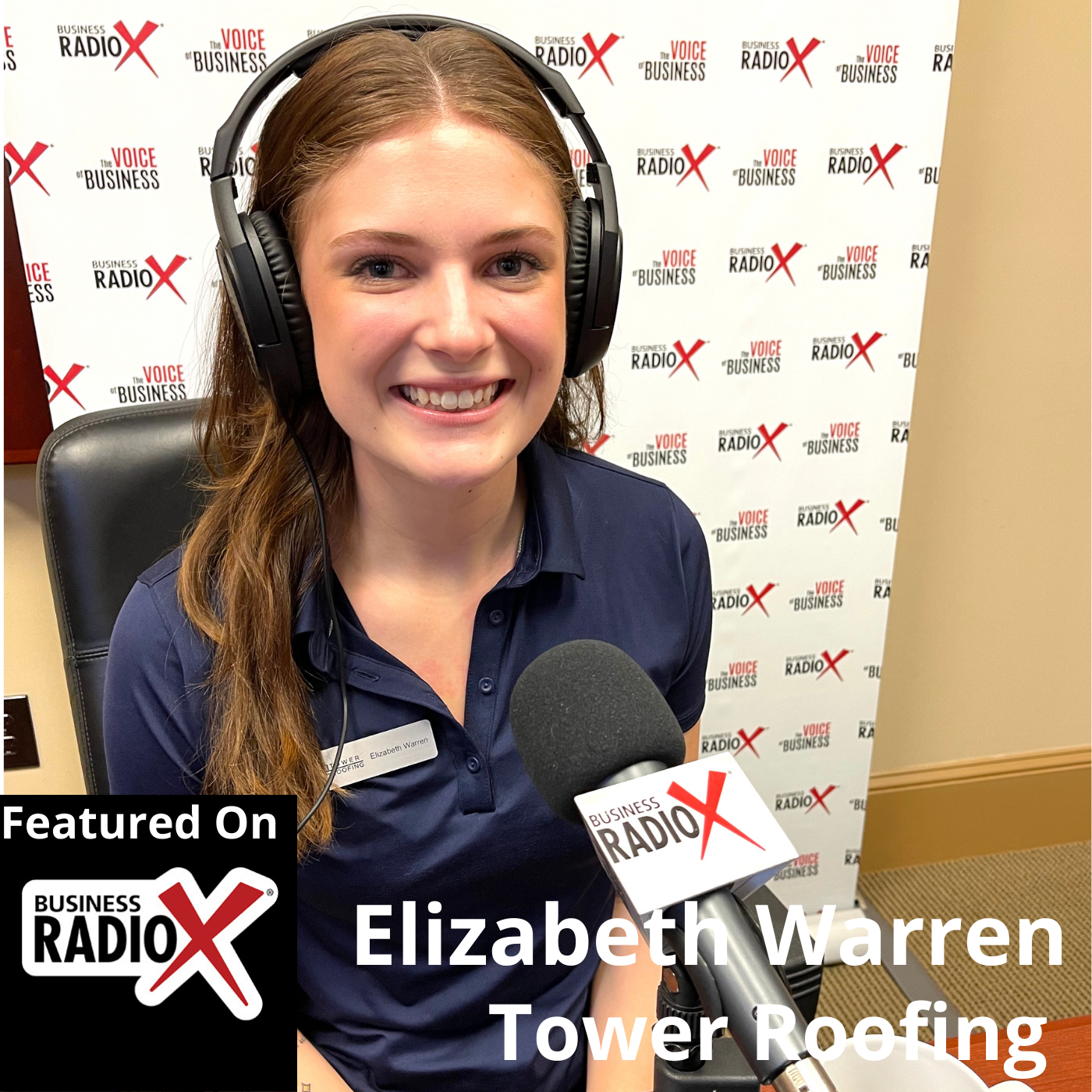
Elizabeth Warren, Tower Roofing

March 25, 2022 by John Ray

Tower Roofing
North Fulton Business Radio
Elizabeth Warren, Tower Roofing
Loading
00:00 /
RSS Feed
Share
Link
Embed

Download file

Tower Roofing

Elizabeth Warren, Tower Roofing (North Fulton Business Radio, Episode 445)

Elizabeth Warren, Director of Business Development at Tower Roofing, talked with host John Ray about the services Tower Roofing offers. She explained when you might need to contact them, their methods of replacing and cleaning roofs, why you should never pressure wash your roof, and much more. North Fulton Business Radio is broadcast from the North Fulton studio of Business RadioX® inside Renasant Bank in Alpharetta.

Tower Roofing

Tower is a specialized commercial, industrial, and residential roofing contractor based in Marietta.

For the past 36 years, they have served our satisfied clients all over Atlanta and the surrounding counties and cities.

Being a leader in the Georgia roofing market since 1985 means we can provide you with the stability, strength, and quality you need. They are dedicated to working with you to implement a solution that meets your needs, from roof system installation to roof repair.

At Tower Roofing, they strive to provide only the best roofing products and services to our customers with an absolute commitment to customer service.

Company website | LinkedIn | Twitter | Facebook

Elizabeth Warren, Director of Business Development, Tower Roofing

Elizabeth Warren, Director of Business Development

After moving back to her home state of Georgia, Elizabeth is Tower’s Director of Business Development. She grew up in Columbus, Georgia, and moved herself to Manhattan to attend college. Elizabeth went to the Fashion Institute of Technology where she studied Fashion Business Management, International Trade Marketing, English, and Product Development.

In her free time, she enjoys being outside and baking!

LinkedIn

Questions and Topics in this Interview:

  • When to call Tower
  • When to replace a roof
  • How do you clean a roof?
  • Issues with gutters
  • Roof vents
  • Commercial roofs
  • The areas Tower serves

North Fulton Business Radio is hosted by John Ray and broadcast and produced from the North Fulton studio of Business RadioX® inside Renasant Bank in Alpharetta. You can find the full archive of shows by following this link. The show is available on all the major podcast apps, including Apple Podcasts, Spotify, Google, Amazon, iHeart Radio, Stitcher, TuneIn, and others.

RenasantBank


Renasant Bank has humble roots, starting in 1904 as a $100,000 bank in a Lee County, Mississippi, bakery. Since then, Renasant has grown to become one of the Southeast’s strongest financial institutions with over $13 billion in assets and more than 190 banking, lending, wealth management and financial services offices in Mississippi, Alabama, Tennessee, Georgia and Florida. All of Renasant’s success stems from each of their banker’s commitment to investing in their communities as a way of better understanding the people they serve. At Renasant Bank, they understand you because they work and live alongside you every day.

 

Special thanks to A&S Culinary Concepts for their support of this edition of North Fulton Business Radio. A&S Culinary Concepts, based in Johns Creek, is an award-winning culinary studio, celebrated for corporate catering, corporate team building, Big Green Egg Boot Camps, and private group events. They also provide oven-ready, cooked from scratch meals to go they call “Let Us Cook for You.” To see their menus and events, go to their website or call 678-336-9196.
Tagged With: attic ventilation, commercial roofing, gutters, North Fulton Business Radio, renasant bank, residential roofing, shingles, Tower Roofing

Shingles Vaccine

October 28, 2021 by John Ray

North Fulton Studio
North Fulton Studio
Shingles Vaccine
Loading
00:00 /
RSS Feed
Share
Link
Embed

Download file

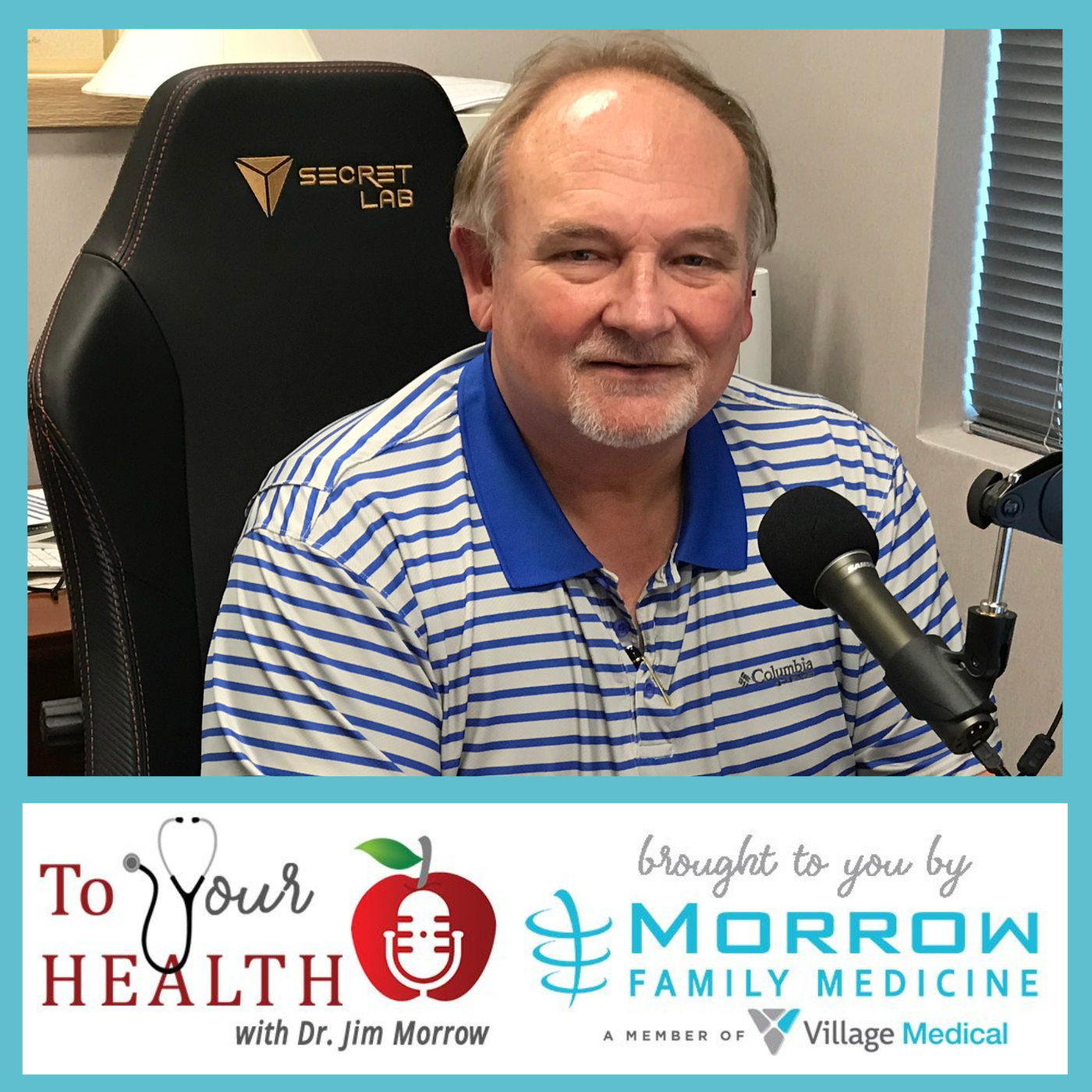
ShinglesShingles Vaccine – Episode 63, To Your Health with Dr. Jim Morrow

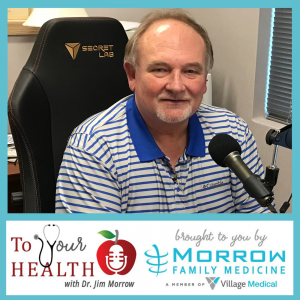
Shingles can be very painful and debilitating–ask anyone who’s had it. On this episode of To Your Health, Dr. Morrow discussed what shingles is and offered details about the shingles vaccine, Shingrex, including its effectiveness. Dr. Morrow also provided an update on Covid vaccine booster shots. To Your Health is brought to you by Morrow Family Medicine, a Member of Village Medical, which brings the care back to healthcare.

About Morrow Family Medicine, A Member of Village Medical

Morrow Family Medicine, a Member of Village Medical, is an award-winning, state-of-the-art family practice with offices in Cumming and Milton, Georgia. The practice combines healthcare information technology with old-fashioned care to provide the type of care that many are in search of today. Two physicians, three physician assistants and two nurse practitioners are supported by a knowledgeable and friendly staff to make your visit to Morrow Family Medicine, A Member of Village Medical one that will remind you of the way healthcare should be.  At Morrow Family Medicine, a Member of Village Medical, we like to say we are “bringing the care back to healthcare!”  The practice has been named the “Best of Forsyth” in Family Medicine in all five years of the award, is a three-time consecutive winner of the “Best of North Atlanta” by readers of Appen Media, and the 2019 winner of “Best of Life” in North Fulton County.

Village Medical offers a comprehensive suite of primary care services including preventative care, treatment for illness and injury, and management of chronic conditions such as diabetes, congestive heart failure, chronic obstructive pulmonary disease (COPD) and kidney disease. Atlanta-area patients can learn more about the practice here.

Dr. Jim Morrow, Morrow Family Medicine, and Host of To Your Health with Dr. Jim Morrow

Covid-19 misconceptionsDr. Jim Morrow is the founder and CEO of Morrow Family Medicine. He has been a trailblazer and evangelist in healthcare information technology, was named Physician IT Leader of the Year by HIMSS, a HIMSS Davies Award Winner, the Cumming-Forsyth Chamber of Commerce Steve Bloom Award Winner as Entrepreneur of the Year and he received a Phoenix Award as Community Leader of the Year from the Metro Atlanta Chamber of Commerce.  He is married to Peggie Morrow and together they founded the Forsyth BYOT Benefit, a charity in Forsyth County to support students in need of technology and devices. They have two Goldendoodles, a gaggle of grandchildren and enjoy life on and around Lake Lanier.

Facebook: https://www.facebook.com/MorrowFamMed/

LinkedIn: https://www.linkedin.com/company/7788088/admin/

Twitter: https://twitter.com/toyourhealthMD

The complete show archive of To Your Health with Dr. Jim Morrow addresses a wide range of health and wellness topics and can be found at www.toyourhealthradio.com.

Dr. Morrow’s Show Notes

Covid-19 Vaccine Booster Update

What is a third dose of the coronavirus vaccine?

  • A third dose of the mRNA COVID-19 vaccines (Pfizer or Moderna) is identical to the first two doses.
    • It can help protect people with weakened immune systems who did not have a strong enough response to the first two doses of one of the mRNA vaccines.
    • Such people can get a third dose as soon as 28 days after a second dose.
    • The FDA has authorized, and the CDC recommends, that those with certain medical conditions that suppress the immune system get a third dose of the same brand of COVID-19 vaccine that they initially received.

Who can get a third dose of a COVID-19 vaccine?

Based on CDC recommendations, third vaccine doses are available now for people who are considered moderately or severely immunosuppressed. These would include those who:

  • Receive active cancer treatment for tumors or cancers of the blood.
  • Received an organ transplant and are taking medicine to suppress the immune system.
  • Have either had a stem cell transplant within the last two years or are taking medicine to suppress the immune system.
  • Were diagnosed with DiGeorge syndrome or Wiskott-Aldrich syndrome.
  • Are diagnosed with HIV and have a high viral load or low CD4 count, or are not currently taking medication to treat HIV.
  • Are taking drugs such as high-dose steroids or other medications that may cause severe suppression of the immune system.

If you are not sure whether you fit into any of these categories, please contact your medical provider.

When can I get a third dose of COVID-19 vaccine?

  • People who have an eligible medical condition that causes a suppressed immune system can receive a third dose of either the Moderna or Pfizer vaccine as soon as 28 days after the second dose.
  • Johns Hopkins Medicine is offering a third dose to those who are eligible.

Why is a third shot of a COVID-19 vaccine needed?

  • The CDC recommends a third dose of the two-shot vaccines (Pfizer and Moderna) for people with certain health conditions to help further protect them from getting severely ill or dying due to COVID-19.
    • Some people have conditions or take specific medication doses that can cause them to have a decreased immune system.
    • Data suggest that two doses of the mRNA COVID-19 vaccine may not have a strong enough response in these individuals, and that they may benefit from a third dose.

How do I know if I need a third dose of COVID-19 vaccine?

  • If you are unsure about whether your health condition or treatment affects your immune system, discuss it with your health care provider, who can help determine if you would benefit from a third dose of COVID-19 vaccine.
  • People eligible for Pfizer’s booster include
  • those 65 and older and those who live in long-term care facilities,
  • have underlying medical conditions
  • or are at higher risk of exposure to the virus because of their jobs or institutional settings,
    • a group that includes health care workers, teachers and prisoners.


Would a third COVID shot have to be the same brand of vaccine I got originally?

  • Ideally, yes:
    • Your third vaccine dose should be the same type (Pfizer or Moderna) you received when you were first vaccinated.
      • The third shot can be given to you when it has been at least four weeks (28 days) since your second shot, if you are considered immunosuppressed based on the criteria determined by the CDC.


Can I get an additional COVID-19 shot if I received the Johnson & Johnson vaccine?

  • Data are still emerging as to whether an additional dose is necessary for individuals who received the Johnson & Johnson COVID-19 vaccine.
    • There is no current recommendation for an extra dose for people who received the Johnson & Johnson COVID-19 vaccine, even if they have a qualifying medical condition.
    • Watch for information from the CDC.

www.hopkinsmedicine.org


Herpes Zoster “Shingles” Vaccine


What Everyone Should Know about the Shingles Vaccine (Shingrix)

  • Shingles vaccination is the only way to protect against shingles and postherpetic neuralgia (PHN),
    • the most common complication from shingles.
    • CDC recommends that healthy adults 50 years and older get two doses of the shingles vaccine called Shingrix (recombinant zoster vaccine),
      • separated by 2 to 6 months,
      • to prevent shingles and complications from the disease.
      • Your doctor or pharmacist can give you Shingrix as a shot in your upper arm.

Who Should Get Shingrix?

  • Healthy adults 50 years and older should get two doses of Shingrix, separated by 2 to 6 months.
  • You should get Shingrix even if in the past you
    • had shingles
    • received Zostavax*
    • are not sure if you had chickenpox
  • There is no maximum age for getting Shingrix.
  • If you had shingles in the past,
    • you can get Shingrix to help prevent future occurrences of the disease.
    • There is no specific length of time that you need to wait after having shingles before you can receive Shingrix,
      • but generally, you should make sure the shingles rash has gone away before getting vaccinated.
    • You can get Shingrix whether or not you remember having had chickenpox in the past.
      • Studies show that more than 99% of Americans 40 years and older have had chickenpox,
        • even if they don’t remember having the disease.
        • Chickenpox and shingles are related because they are caused by the same virus (varicella zoster virus).
        • After a person recovers from chickenpox,
          • the virus stays dormant (inactive) in the body.
          • It can reactivate years later and cause shingles.
        • Shingrix is available in doctor’s offices and pharmacies.
        • If you have questions about Shingrix, talk with your healthcare provider.
  • A shingles vaccine called Zostavax is no longer available for use in the United States, as of November 18, 2020.
    • If you had Zostavax in the past, you should still get Shingrix.
      • Talk to your healthcare provider to determine the best time to get Shingrix.

Who Should Not Get Shingrix?

  • You should not get Shingrix if you:
    • have ever had a severe allergic reaction to any component of the vaccine or after a dose of Shingrix
    • tested negative for immunity to varicella zoster virus.
      • If you test negative, you should get chickenpox vaccine.
    • currently have shingles
    • currently are pregnant or breastfeeding.
      • Women who are pregnant or breastfeeding should wait to get Shingrix.
  • If you have a minor acute (starts suddenly) illness, such as a cold, you may get Shingrix.
    • But if you have a moderate or severe acute illness,
      • you should usually wait until you recover before getting the vaccine.
      • This includes anyone with a temperature of 101.3°F or higher.
    • The side effects of the Shingrix are temporary
      • and usually last 2 to 3 days.
      • While you may experience pain for a few days after getting Shingrix,
        • the pain will be less severe than having shingles and complications from the disease.

How Well Does Shingrix Work?

  • Two doses of Shingrix provides strong protection against shingles and postherpetic neuralgia (PHN),
    • the most common complication of shingles.
  • In adults 50 to 69 years old who got two doses,
    • Shingrix was 97% effective in preventing shingles;
    • among adults 70 years and older,
      • Shingrix was 91% effective.
  • In adults 50 to 69 years old who got two doses,
    • Shingrix was 91% effective in preventing PHN;
    • among adults 70 years and older,
      • Shingrix was 89% effective.
  • Shingrix protection remained high (more than 85%)
    • in people 70 years and older
    • throughout the four years following vaccination.
    • Since your risk of shingles and PHN increases as you get older,
      • it is important to have strong protection against shingles in your older years.


What Are the Possible Side Effects of Shingrix?

  • Studies show that Shingrix is safe.
    • The vaccine helps your body create a strong defense against shingles.
    • As a result, you are likely to have temporary side effects from getting the shots.
    • The side effects may affect your ability to do normal daily activities for 2 to 3 days.
  • Most people got a sore arm with mild or moderate pain after getting Shingrix,
    • and some also had redness and swelling where they got the shot.
    • Some people felt:
      • tired,
      • had muscle pain,
      • a headache,
      • shivering,
      • fever,
      • stomach pain,
      • or nausea.
      • About 1 out of 6 people who got Shingrix experienced side effects that prevented them from doing regular activities.
      • Symptoms went away on their own in about 2 to 3 days.
      • Side effects were more common in younger people.
    • You might have a reaction to the first or second dose of Shingrix, or both doses.
      • If you experience side effects, you may choose to take over-the-counter pain medicine such as ibuprofen or acetaminophen.
    • If you experience side effects from Shingrix, you should report them to the Vaccine Adverse Event Reporting System (VAERS).
      • Your doctor might file this report,
      • or you can do it yourself by calling 1-800-822-7967.
    • If you have any questions about side effects from Shingrix, talk with your doctor.
    • The shingles vaccine does not contain thimerosal (a preservative containing mercury).


When Should I See a Doctor Because of the Side Effects I Experience From Shingrix?

  • In clinical trials, Shingrix was not associated with serious adverse events.
    • In fact, serious side effects from vaccines are extremely rare.
    • For example,
      • for every 1 million doses of a vaccine given,
      • only one or two people may have a severe allergic reaction.
    • Signs of an allergic reaction happen within minutes or hours after vaccination and include:
      • hives,
      • swelling of the face and throat,
      • difficulty breathing,
      • a fast heartbeat,
      • dizziness,
      • or weakness.
      • If you experience these or any other life-threatening symptoms, see a doctor right away.
    • Shingrix causes a strong response in your immune system,
      • so it may produce short-term side effects more intense than you are used to from other vaccines.
      • These side effects can be uncomfortable,
        • but they are expected and usually go away on their own in 2 or 3 days.


How Can I Pay For Shingrix?

  • There are several ways shingles vaccine may be paid for:
  • Medicare
    • Medicare Part D plans cover the shingles vaccine,
    • but there may be a cost to you depending on your plan.
    • There may be a copay for the vaccine,
    • or you may need to pay in full then get reimbursed for a certain amount.
  • Medicare Part B does not cover the shingles vaccine.
  • Medicaid
    • Medicaid may or may not cover the vaccine.
    • Contact your insurer to find out.

·       Private health insurance

    • Many private health insurance plans will cover the vaccine,
    • but there may be a cost to you depending on your plan.
    • Contact your insurer to find out.

·       Vaccine assistance programs

    • Some pharmaceutical companies provide vaccines to eligible adults who cannot afford them.
    • You may want to check with the vaccine manufacturer, GlaxoSmithKline, about Shingrix.
  •   Regardless of the cost, I can assure you that if in the future you were to contract shingles, you would pay three times any amount to have them go away. They are brutal and can be life-altering.

Source: CDC

Tagged With: Covid-19 Vaccine Booster, Dr. Jim Morrow, Morrow Family Medicine, shingles, shingles vaccine, Shingrix, Village Medical

To Your Health With Dr. Jim Morrow: Episode 29, Coronavirus Update and Human Viral Infections

March 26, 2020 by John Ray

North Fulton Studio
North Fulton Studio
To Your Health With Dr. Jim Morrow: Episode 29, Coronavirus Update and Human Viral Infections
Loading
00:00 /
RSS Feed
Share
Link
Embed

Download file

Dr. Jim Morrow

To Your Health With Dr. Jim Morrow: Episode 29:  Coronavirus Update and Human Viral Infections

Beyond the coronavirus, a number of human viral infections affect our health. Dr Jim Morrow discusses these viruses in this episode of “To Your Health.” In addition, he offers an update on the coronavirus pandemic and discusses the new telemedicine option now available at Morrow Family Medicine. “To Your Health” is brought to you by Morrow Family Medicine, which brings the CARE back to healthcare.

About Morrow Family Medicine and Dr. Jim Morrow

Morrow Family Medicine is an award-winning, state-of-the-art family practice with offices in Cumming and Milton, Georgia. The practice combines healthcare information technology with old-fashioned care to provide the type of care that many are in search of today. Two physicians, three physician assistants and two nurse practitioners are supported by a knowledgeable and friendly staff to make your visit to Morrow Family Medicine one that will remind you of the way healthcare should be.  At Morrow Family Medicine, we like to say we are “bringing the care back to healthcare!”  Morrow Family Medicine has been named the “Best of Forsyth” in Family Medicine in all five years of the award, is a three-time consecutive winner of the “Best of North Atlanta” by readers of Appen Media, and the 2019 winner of “Best of Life” in North Fulton County.

Dr. Jim Morrow, Morrow Family Medicine, and Host of “To Your Health With Dr. Jim Morrow”

Dr. Jim Morrow is the founder and CEO of Morrow Family Medicine. He has been a trailblazer and evangelist in the area of healthcare information technology, was named Physician IT Leader of the Year by HIMSS, a HIMSS Davies Award Winner, the Cumming-Forsyth Chamber of Commerce Steve Bloom Award Winner as Entrepreneur of the Year and he received a Phoenix Award as Community Leader of the Year from the Metro Atlanta Chamber of Commerce.  He is married to Peggie Morrow and together they founded the Forsyth BYOT Benefit, a charity in Forsyth County to support students in need of technology and devices. They have two Goldendoodles, a gaggle of grandchildren and enjoy life on and around Lake Lanier.

Facebook: https://www.facebook.com/MorrowFamMed/

LinkedIn: https://www.linkedin.com/company/7788088/admin/

Twitter: https://twitter.com/toyourhealthMD

The complete show archive of “To Your Health with Dr. Jim Morrow” addresses a wide range of health and wellness topics, and can be found at www.toyourhealthradio.com.

Dr. Morrow’s Show Notes

Coronavirus Tips

  • Spend time washing your hands.
    • Take twenty seconds out of your day,
      • several times a day and wash them thoroughly with soap and water.
      • When this is not available, use a hand sanitizer that is more than 60 percent alcohol.
      • The novel coronavirus is very susceptible to that concentration of alcohol.
    • Do not touch your face, including eyes, nose and mouth if you can avoid it.
      • This is the main entryway for this virus to get into your system.
    • If you are sick, stay home.
      • If you feel you need to go to the doctor,
        • please call them first so that they can be prepared for you.
        • Do a telemedicine visit
      • When you do cough or sneeze, cover your mouth and nose or sneeze into the crook of your elbow.
        • When you use a tissue, use it once then throw it away.
        • Then, refer back to number 1 and WASH your hands!
      • Wipe down surfaces that are frequently touched and use a disinfectant wipe to do so.
        • Then, that’s right, throw it away and WASH your hands.
      • If you know people who are sick, avoid them.
        • If they are loved ones and need your help, frequently WASH your hands and wipe down surfaces.
        • Try to stay at least six feet away from anyone right now.
      • With schools and colleges out right now, stay at home.
        • Do not substitute a bar or restaurant for a class.
      • Masks are made for people who are sick.
        • They do very little to keep people from getting sick.
        • The exception is the fancy mask that healthcare providers wear when they deal with infected people.
      • Visit cdc.gov often and follow their advice.
      • Get a flu shot.
        • Influenza A is still around and active, so avoid that.
        • And, when the coronavirus vaccine is available next year, for heaven’s sake, GET IT!
      • Treatments:
        • Hydroxychloroquine has potential
          • Used for malaria, has some antiviral activity
          • For hospitalized patients
          • Remdesivir
            • Did not work well for Ebola,
            • Compassionate use studies show some effect
          • Tosalusamab: immune modulator, but being used for severely ill people
        • If infected, most will resolve spontaneously.
          • Some will start to improve then relapse due to inflammatory reaction in the lungs
          • These people will likely need to be hospitalized
          • Vaccines
            • Will be at least a year


Human Viral Infections

  • Since the first antiviral drug, idoxuridine, was approved in 1963,
    • 90 antiviral drugs categorized into 13 functional groups have been formally approved for the treatment of the following 9 human infectious diseases:
      • HIV infections
      • Hepatitis B virus (HBV) infections
      • Hepatitis C virus (HCV) infections
      • Herpesvirus infections
      • Influenza virus infections
      • Human cytomegalovirus infections
      • Varicella-zoster virus infections
      • Respiratory syncytial virus infections
      • External anogenital warts caused by human papillomavirus infections

Introduction


  • Over the course of human civilization, viral infections have caused millions of human casualties worldwide,
    • Driving the development of antiviral drugs in a pressing need
    • A new era of antiviral drug development has begun since the first antiviral drug, idoxuridine, was approved in June 1963
    • Since then, many antiviral drugs have been developed for clinical use to treat millions of human beings worldwide.
      • Between June 1963 and April 2016, 90 drugs were formally approved to treat 9 human infectious diseases
    • As of April 2016, antiviral drugs have been approved to treat 9 human infectious diseases albeit more than 200 human viruses have been discovered.

Overview of Nine Human Viruses

  • Herpes Simplex Virus
    • Discovered before 1900
    • HSV can be classified into two types:
      • HSV-1 and
      • HSV-2.
      • The former leads to the majority of cases of oral herpes infections that cause skin lesions and cold sores.
      • The latter is mainly responsible for genital herpes infections that cause pain during urination and blistering sores.
      • In the absence of any animal reservoir, HSV circulates exclusively in human populations
      • HSV-1 transmissions are mediated by direct exposure to contaminated aerosols or droplets, such as oral-to-oral and skin-to-skin contacts.
      • HSV-2 is transmitted mainly by direct exposure to genital skin or fluids of HSV-infected patients.
      • During viral infections, the incubation period of HSV-1 or HSV-2 is ∼4 days
      • HSV-1 usually causes pneumonia, keratitis, encephalitis, or orofacial blisters, while HSV-2 typically causes meningitis or genital lesions
      • According to the WHO global health survey, in 2012,
        • 140 million and 417 million people between 15 and 49 years of age lived with HSV-1 and HSV-2, respectively.
      • If you think you have herpes, see your doctor as soon as possible.
        • It is easier to diagnose when there are sores.
        • You can start treatment sooner and perhaps have less pain with the infection.
        • There is no cure for herpes. But medicines can help.
          • Medicines such as acyclovir and valacyclovir fight the herpes virus.
            • They can speed up healing and lessen the pain of herpes for many people.
            • They can be used to treat a primary outbreak or a recurrent one.
          • If the medicines are being used to treat a repeat outbreak,
            • they should be started as soon as you feel any tingling, burning, or itching.
            • They can also be taken every day to prevent recurrences.
            • Acyclovir also comes in a cream to put on sores during the primary stage or during recurrences.


  • Varicella-Zoster Virus
    • Isolated in tissue culture for the first time in 1953
    • In the absence of any animal reservoir, VZV circulates exclusively in human populations
    • VZV is transmitted mostly by respiratory routes, such as by direct contact with respiratory tract secretions (e.g., aerosols and droplets) or lesions.
    • VZV infections, whose incubation period is ∼10 to 21 days are known to cause chickenpox as well as a painful skin rash called shingles or herpes zoster
    • Many clinical complications of herpes zoster in immunocompetent humans have been reported, including pneumonia, cellulitis, neuralgia, encephalitis, myelitis, cranial nerve palsies, or peripheral nerve palsies
    • It has been estimated that 30% of humans have been infected with herpes zoster over their lifetime and the seroprevalence of immunoglobulin G (IgG) antibody to varicella-zoster virus is >86% in children and adults
    • In the United States, VZV infections give rise to 1 million cases or more each year
  • Shingles is often treated with an antiviral medicine.
    • These medicines can reduce the severity and duration of your symptoms.
    • Acyclovir, famciclovir, or valacyclovir are commonly prescribed.
      • Your doctor will decide whether one of these medicines is right for you.
      • These medicines work better if you start taking them in the first 3 days after you get the rash.
    • Your doctor might also have you take a steroid medicine to reduce your pain and swelling.
    • This medicine along with the antiviral medicines may reduce your risk of developing postherpetic neuralgia.


  • Human Immunodeficiency Virus
    • Discovered in 1983 HIV, is the causative agent of AIDS
    • HIV strains can be classified into two types (HIV-1 and HIV-2),
    • A high level of genetic variation has been observed in the HIV genome, making HIV one of the fastest-evolving organisms
    • Regarding the origin of HIV, it can be traced to West Central Africa in the late 19th or the early 20th century, when the butchering and consumption of primate bushmeat were widely practiced
    • Due to multiple zoonotic transfers, HIV is known to be transmitted from
      • Chimpanzees or gorillas to humans
    • As a blood-borne virus, HIV is spread mainly through HIV-contaminated blood or body fluids;
      • thereby, patients can become infected with HIV by
        • sexual contact,
        • needle sharing,
        • blood transfusions, or
        • maternal transmissions.
      • During chronic infection, the incubation period of HIV can be 8 to 11 years.
        • Many clinical complications have been reported:
        • lymphoma, psychiatric disorders, gingivitis, cardiovascular disease, lung cancer, kidney disease, osteoporosis, and dental or salivary gland diseases
        • In the past 3 decades, HIV has caused a great burden to global wealth and health.
        • According to the WHO global health survey, ∼9 million people were infected with HIV, causing 1.2 million deaths a year
      • While originally lethal in 100 percent of cases, patients all over the world now live healthy lives while infected with HIV.


  • Hepatitis C Virus
    • Discovered in 1989
    • Regarding the origin of HCV,
      • it remains a mystery,
      • but nonhuman primates (apes and monkeys) and mammals (e.g., horses and dogs) might have been potential zoonotic reservoirs
      • As a blood-borne virus, HCV is transmitted mainly by
        • sexual contact,
        • needle sharing,
        • blood transfusions, or
        • maternal transmissions.
        • During acute infection, the incubation period of HCV is ∼7 weeks (range, 4 to 20 weeks)
        • Many clinical complications have been observed,
          • including liver cirrhosis,
          • liver failure,
          • portal hypertension, or
          • hepatocellular carcinoma
          • According to the WHO global health survey, HCV causes 500,000 deaths every year, and 130 million to 150 million people were living with HCV in 2014.
        • Treatment now exists and although expensive, is well covered and very effective.

 Influenza Virus

    • Human influenza viruses caused the first recognizable influenza pandemic in the summer of 1510
      • and they were isolated for the first time in 1933
      • Influenza A viruses that cause human epidemics and pandemics
        • (e.g., Spanish flu in 1918,
        • Asian flu in 1957, and
        • Hong Kong flu in 1968)
      • Influenza B viruses
      • Influenza C viruses cause neither epidemics nor pandemics, because they usually infect humans with mild illnesses.
      • Influenza viruses have been discovered in a broad spectrum of animal reservoirs
      • Influenza A viruses can be transmitted from animal reservoirs such as
        • birds
        • pigs or
        • seals to humans
        • Using respiratory routes, influenza viruses spread mostly through direct contact with contaminated aerosols or droplets.
        • During influenza infection, the typical incubation period is ∼1 to 4 days (average, 2 days),
          • and many clinical complications (e.g., pneumonia, bronchitis, dehydration, encephalitis, sinusitis, and ear infections) have been reported
          • According to the WHO global health survey, influenza viruses cause 250,000 to 500,000 deaths every year, and 3 million to 5 million cases of severe illnesses were reported in 2014.
        • Treatment is effective and a few choices as well.

Tagged With: coronavirus, Dr. Jim Morrow, flu, flu virus, Hepatitis B, Hepatitis C Virus, Herpes, herpes simplex virus, HIV, HIV/AIDS, Human Immunodeficiency Virus, influenza virus, Morrow Family Medicine, pandemic, shingles, shingles vaccine

To Your Health With Dr. Jim Morrow: Episode 12, The Case to Vaccinate

July 10, 2019 by John Ray

North Fulton Studio
North Fulton Studio
To Your Health With Dr. Jim Morrow: Episode 12, The Case to Vaccinate
Loading
00:00 /
RSS Feed
Share
Link
Embed

Download file

Dr. Jim Morrow, Host, “To Your Health With Dr. Jim Morrow”

Episode 12, The Case to Vaccinate

On this edition of “To Your Health With Dr. Jim Morrow,” Dr. Jim Morrow makes the case to vaccinate, arguing that vaccines are safe, necessary, and they work. The fears “non-vaxxers” have on the side effects of vaccines are not based in any proven scientific evidence. “To Your Health” is brought to you by Morrow Family Medicine, which brings the CARE back to healthcare.

About Morrow Family Medicine and Dr. Jim Morrow

Morrow Family Medicine is an award-winning, state-of-the-art family practice with offices in Cumming and Milton, Georgia. The practice combines healthcare information technology with old-fashioned care to provide the type of care that many are in search of today. Two physicians, three physician assistants and two nurse practitioners are supported by a knowledgeable and friendly staff to make your visit to Morrow Family Medicine one that will remind you of the way healthcare should be.  At Morrow Family Medicine, we like to say we are “bringing the care back to healthcare!”  Morrow Family Medicine has been named the “Best of Forsyth” in Family Medicine in all five years of the award, is a three-time consecutive winner of the “Best of North Atlanta” by readers of Appen Media, and the 2019 winner of “Best of Life” in North Fulton County.

Dr. Jim Morrow, Morrow Family Medicine, and Host of “To Your Health With Dr. Jim Morrow”

Dr. Jim Morrow, Morrow Family Medicine, and Host of “To Your Health With Dr. Jim Morrow”

Dr. Jim Morrow is the founder and CEO of Morrow Family Medicine. He has been a trailblazer and evangelist in the area of healthcare information technology, was named Physician IT Leader of the Year by HIMSS, a HIMSS Davies Award Winner, the Cumming-Forsyth Chamber of Commerce Steve Bloom Award Winner as Entrepreneur of the Year and he received a Phoenix Award as Community Leader of the Year from the Metro Atlanta Chamber of Commerce.  He is married to Peggie Morrow and together they founded the Forsyth BYOT Benefit, a charity in Forsyth County to support students in need of technology and devices. They have two Goldendoodles, a gaggle of grandchildren and enjoy life on and around Lake Lanier.

Facebook: https://www.facebook.com/MorrowFamMed/

LinkedIn: https://www.linkedin.com/company/7788088/admin/

Twitter: https://twitter.com/toyourhealthMD

Dr. Morrow’s Show Notes

History of Vaccines

  • Edward Jenner used cowpox material to create a vaccine for smallpox in humans in 1796.
  • Louis Pasteur created a rabies vaccine for humans in 1885
  • And then, at the dawn of bacteriology, developments rapidly followed.
    • Antitoxins and vaccines against diphtheria, tetanus, anthrax, cholera, plague, typhoid, tuberculosis, and more were developed through the 1930s.
  • The middle of the 20thcentury was an active time for vaccine research and development.
    • Methods for growing viruses in the laboratory led to rapid discoveries and innovations, including the creation of vaccines for polio.
    • Researchers targeted other common childhood diseases such as measles, mumps, and rubella, and vaccines for these diseases reduced the disease burden greatly.
  • Innovative techniques now drive vaccine research, with recombinant DNA technology and new delivery techniques leading scientists in new directions.

Measles Has Been All Over The News

  • Measles Cases in 2019
    • From January 1 to June 27, 2019, 1,095** individual cases of measles have been confirmed in 28 states. This is an increase of 18 cases from the previous week. This is the greatest number of cases reported in the U.S. since 1992 and since measles was declared eliminated in 2000.
  • Why The Spread of Measles?
    • The majority of people who got measles were unvaccinated.
    • Measles is still common in many parts of the world.
    • Travelers with measles continue to bring the disease into the U.S.
    • Measles can spread when it reaches a community in the U.S. where groups of people are unvaccinated.

Common Misconceptions About Vaccines

  • “Diseases had already begun to disappear before vaccines were introduced, because of better hygiene and sanitation”.
    • Statements like this are very common with the anti-vaccine crowd, the intent apparently being to suggest that vaccines are not needed.
      • Improved socioeconomic conditions have undoubtedly had an indirect impact on disease.
      • Better nutrition, not to mention the development of antibiotics and other treatments, have increased survival rates among the sick; less crowded living conditions have reduced disease transmission; and lower birth rates have decreased the number of susceptible household contacts.
      • But looking at the actual incidence of disease over the years can leave little doubt of the significant direct impact vaccines have had, even in modern times.
  • For example, there have been periodic peaks and valleys throughout the years, but the real, permanent drop in measles coincided with the licensure and wide use of measles vaccine beginning in 1963.
  • Other vaccine-preventable diseases show a roughly similar pattern in incidence, with all except hepatitis B showing a significant drop in cases corresponding with the advent of vaccine use. (The incidence of hepatitis B has not dropped as much because infants vaccinated in routine programs will not be at high risk of disease until they are at least teenagers. Therefore a 15-year lag can be expected between the start of routine infant vaccination and a significant drop in disease incidence.)
  • Haemophilus influenzae type b (Hib) vaccine is another good example, because Hib disease was prevalent until the early- to mid- 1990s, when conjugate vaccines that can be used for infants were finally developed.
  • Are we expected to believe that better sanitation caused the incidence of each disease to drop just at the time a vaccine for that disease was introduced?
    • Since sanitation is not better now than it was in 1990, it is hard to attribute the virtual disappearance of Hib disease in children in recent years in countries with routine Hib vaccination (from an estimated 20,000 cases a year to 1,419 cases in 1993, and dropping in the United States of America) to anything other than the vaccine.
  • We can look at the experiences of several developed countries after they allowed their immunization levels to drop.
    • Three countries —Great Britain, Sweden and Japan — cut back the use of pertussis (whooping cough) vaccine because of fear about the vaccine.
    • The effect was dramatic and immediate.
      • In Great Britain, a drop in pertussis vaccination in 1974 was followed by an epidemic of more than 100,000 cases of pertussis and 36 deaths by 1978.
      • In Japan, around the same time, a drop in vaccination rates from 70% to 20%-40% led to a jump in pertussis from 393 cases and no deaths in 1974 to 13,000 cases and 41 deaths in 1979.
      • In Sweden, the annual incidence rate of pertussis per 100,000 children of 0-6 years of age increased from 700 cases in 1981 to 3,200 in 1985.
  • It seems clear from these experiences that not only would diseases not be disappearing without vaccines, but if we were to stop vaccinating, they would come back.
    • Of immediate interest is the major epidemics of diphtheria that occurred in the former Soviet Union in the 1990s, where low primary immunization rates for children and the lack of booster vaccinations for adults resulted in an increase from 839 cases in 1989 to nearly 50,000 cases and 1,700 deaths in 1994.
    • There were at least 20 imported cases in Europe and two cases in U.S. citizens who had worked in the former Soviet Union.
  • Here’s another thing you should know about vaccines. Older adults need them too.
    • Here’s why:
      • As we age, our immune system weakens. Older adults are more likely to be infected and develop complications from vaccine-preventable diseases.
      • Immunity from some vaccines can decrease over time, which means booster doses are necessary to maintain protection. Also, some bacteria or viruses change over time; this makes some annual vaccinations necessary.
      • Older adults are more likely to have a chronic condition, which can increase the risk of diseases such as influenza. Skipping a vaccine can have serious health consequences.

 Vaccine Safety: The Facts

  • ​​Many people have expressed concerns about vaccine safety.
    • The fact is vaccines save lives and protect against the spread of disease.
    • If you decide not to immunize, you’re not only putting your child at risk to catch a disease that is dangerous or deadly but also putting others in contact with your child at risk. Getting vaccinated is much better than getting the disease.
    • Indeed, some of the most devastating diseases that affect children have been greatly reduced or eradicated completely thanks to vaccination.
    • Today, we protect children and teens from 16 diseases that can have a terrible effect on their young victims if left unvaccinated.
  • Your healthcare provider knows that you care about your child’s health and safety. That’s why you need to get all the scientific facts from a medical professional you can trust before making any decisions based on stories you may have seen or heard on TV, the Internet, or from other parents.
  • Vaccines work.
    • They have kept children healthy and have saved millions of lives for more than 50 years.
    • Most childhood vaccines are 90% to 99% effective in preventing disease.
    • And if a vaccinated child does get the disease, the symptoms are usually less serious than in a child who hasn’t been vaccinated.
    • There may be mild side effects, like swelling where the shot was given, but they do not last long. And it is rare for side effects to be serious.
  • Vaccines are safe.
    • Before a vaccine is licensed in the United States, the Food and Drug Administration (FDA) reviews all aspects of development, including where and how the vaccine is made and the studies that have been conducted in people who received the vaccine.
    • The FDA will not license a vaccine unless it meets standards for effectiveness (how well the vaccine works) and safety.
    • Results of studies get reviewed again by the Centers for Disease Control and Prevention (CDC), the American Academy of Pediatrics, and the American Academy of Family Physicians before a licensed vaccine is officially recommended to be given to children.
    • Every lot of vaccine is tested to ensure quality (including safety) before the vaccine reaches the public. In addition, FDA regularly inspects places where vaccines are made.
  • Vaccines are necessary.
    • Your doctor believes that your children should receive all recommended childhood vaccines.
    • In the United States vaccines have protected children and continue to protect children from many diseases.
    • However, in many parts of the world many vaccine-preventable diseases that are rarely seen in the United States are still common.
    • Since some vaccine-preventable diseases still occur in the United States and others may be brought into the United States by Americans who travel abroad or from people visiting areas with current disease outbreaks, it’s important that your children are vaccinated.
  • Vaccines are studied.
    • To monitor the safety of vaccines after licensure, the FDA and the CDC created the Vaccine Adverse Event Reporting System (VAERS).
    • All doctors must report certain side effects of vaccines to VAERS. Parents can also file reports with VAERS.
  • Some parents are requesting that we space out their infant’s vaccinations because they are concerned that receiving multiple vaccinations at a single office visit might overwhelm the infant’s immune system.
    • Vaccine recommendations are determined after extensive studies in large clinical trials. They include studies on how vaccine recipients respond to multiple vaccines given simultaneously.
    • The overall aim is to provide early protection for infants and children against vaccine-preventable diseases that could endanger their health and life.
    • No scientific evidence exists to support that delaying vaccinations or separating them into individual antigens is beneficial for children.
    • Rather, this practice prolongs susceptibility to disease, which could result in a greater likelihood of the child becoming sick with a serious or life-threatening disease.
    • There could also be added expense (e.g., multiple office visits), additional time off from work for parents, and increased likelihood that the child will fail to get all necessary vaccinations.
  • Many patients are reading The Vaccine Book, in which the author, Dr. Bob Sears, cites studies that he interprets as showing that the amount of aluminum found in certain vaccines might be unsafe.
    • He thinks it is better to separate aluminum-containing vaccines, rather than give them according to the recommended U.S. immunization schedule. There is no science behind this.
  • Does the thimerosal in some vaccines pose a risk?
    • Thimerosal, a very effective preservative, has been used to prevent bacterial contamination in vaccine vials for more than 50 years.
    • It contains a type of mercury known as ethylmercury, which is different from the type of mercury found in fish and seafood (methylmercury). At very high levels, methylmercury can be toxic to people, especially to the neurological development of infants.
    • In recent years, several large scientific studies have determined that thimerosal in vaccines does not lead to neurologic problems, such as autism.
    • Nonetheless, because we generally try to reduce people’s exposure to mercury if at all possible, vaccine manufacturers have voluntarily changed their production methods to produce vaccines that are now free of thimerosal or have only trace amounts. They have done this because it is possible to do, not because there was any evidence that the thimerosal was harmful.
  • Some have expressed concern that some vaccines have been produced in fetal tissue.
    • The production of a few vaccines, including those for varicella, rubella, and hepatitis A, involves growing the viruses in human cell culture.
    • Two human cell lines provide the cell cultures needed for producing vaccines; these lines were developed from two legally aborted fetuses in the 1960s.
    • These cell lines are maintained to have an indefinite life span.
    • No fetal tissue has been added since the cell lines were originally created.
    • Some parents are concerned about this issue because of misinformation they have encountered on the Internet. Two such untrue statements are that ongoing abortions are needed to manufacture vaccines and vaccines are contaminated with fetal tissue.
  • The Failed Threat of Autism
    • An article linking autism to the MMR vaccine was retracted for fraud, but this misinformation persists and has caused long-lasting public health consequences.
    • Multiple studies have found no causal link between vaccination and autism, but the falsified report continues to cause parental concern.

Why Vaccinate?

  • Vaccination’s immediate benefit is individual immunity:
    • It provides long-term, sometimes lifelong protection against a disease.
      • The vaccines recommended in the early childhood immunization schedule protect children from measles, chicken pox, pneumococcal disease, and other illnesses.
      • As children grow older, additional vaccines protect them from diseases that affect adolescents and adults, as well as for diseases they may encounter during travel to other regions.
      • Travelers to certain parts of South America and Africa, for example, are required to receive the yellow fever vaccine, as the disease is still prevalent there.
  • The secondary benefit of vaccination, however, is herd immunity, also known as community immunity.
    • Herd immunity refers to the protection offered to everyone in a community by high vaccination rates.
    • With enough people immunized against a given disease, it’s difficult for the disease to gain a foothold in the community.
    • This offers some protection to those who are unable to receive vaccinations—including newborns and individuals with chronic illnesses—by reducing the likelihood of an outbreak that could expose them to the disease.
    • It also protects vaccinated individuals wh may not have been fully immunized against a disease (no vaccine is 100% effective)
  • When community vaccination rates drop below the threshold of herd immunity, widespread disease outbreaks can occur.
    • The threshold of herd immunity for polio, for example, is estimated to be between 80% and 86%;[1]if the vaccination rate drops significantly below this level, the level of community protection may not be enough to prevent the disease from spreading—primarily to those who have no prior immunity because they haven’t been vaccinated (due to chronic illnesses or vaccine refusal) or because they were vaccinated, but it was not effective.
  • This is precisely what happened in England when MMR (measles, mumps, and rubella) vaccination rates dropped.
    • Measles is extremely infectious; therefore, it has a higher herd immunity threshold than most other diseases.
    • In the late 1990s, MMR vaccination rates began to drop from more than 90% to 80% or lower—well below the level required for herd immunity against measles.
    • In response, the number of cases began to rise: while only 56 cases were confirmed in Wales and England in 1998, 1,348 were confirmed by 2008.
    • A disease whose spread in the country had been halted more than a decade prior was once again endemic.
  • Vaccination does more than just protect an individual; it protects entire communities. Sufficient vaccination levels can provide protection against disease for members of the community who would otherwise be left vulnerable.

            The best reason to vaccinate yourself or your child is, well, SCIENCE!!

Tagged With: Cumming doctor, Cumming family medicine, Cumming family physician, Cumming family practice, Cumming md, Cumming physician, Dr. Jim Morrow, ethylmercury, fda, flu vaccine, Food & Drug Administration, getting vaccinated, Haemophilus influenzae Type B vaccine, herd immunity, individual immunity, iron lung, Louis Pasteur, measles, measles vaccination, Milton doctor, Milton family doctor, Milton family physician, Milton family practice, Milton md, Morrow Family Medicine, pertussis vaccination, polio, polio vaccine, rabies vaccination, rabies vaccine, risk of autism, science of vaccinations, shingles, shingles vaccine, smallpox, smallpox vaccination, thimerosal, To Your Health, unvaccinated, vaccinations, Vaccine Adverse Event Reporting System, vaccine education, vaccine-preventable diseases, vaccines, VAERS, whooping cough vaccine

Business Advisor Elizabeth Gordon interviews Lisa Owen, President of CORE Benefit Solutions and Gina Ragsdale, President of Southern Demolition on The Chic Perspectives Show

July 20, 2010 by angishields

Chic Perspectives
Chic Perspectives
Business Advisor Elizabeth Gordon interviews Lisa Owen, President of CORE Benefit Solutions and Gina Ragsdale, President of Southern Demolition on The Chic Perspectives Show
Loading
00:00 / 0:29:37
RSS Feed
Share
Link
Embed

Download fileDuration: 0:29:37

CIMG3127

Today on The Chic Perspectives Show I had on Established Entrepreneurs Lisa Owen, President & Benefit Specialist, CORE Benefit Solutions, LLC www.corebenefitsga.com and Gina Ragsdale, Founder/President/Southern Demolition  www.southerndemo.com. Both experts in their field, Lisa and Gina shared their stories about starting and building success entrepreneurial enterprises.

Lisa Owen is the founding partner and President of CORE Benefit Solutions, a benefits brokerage firm specializing in health benefits planning and marketing for corporations and individuals.   Lisa has 15+ years of experience in the employee benefits arena for both corporations and individuals.  Her business knowledge and industry expertise, paired with innovative ideas and commitment to client satisfaction, have earned notable credibility in the industry.

Lisa talked about how she started down this path in college with a degree in a related field (risk management) and a college internship in a related field which evolved into a part-time position while in college.

She highly recommends college student get real world experience as early as possible in their field  to help them apply context to college assignments and also evaluate if the potential profession is a good fit.

As a Benefits Specialist and broker for corporations and individuals, Lisa’s company helps corporations of all sizes establish or re-vamp the benefits package (encompassing medical, dental, disability, and workers comp) they offer employees and also serve as an employer’s HR administrative arm as needed.

In addition, CORE Benefits works with individuals who may be self-employed, college students, or out of work looking for individual health benefits options outside the traditional group plan.  They provide clients guidance and market alternatives for benefits plans and make sure that they have the most cost competitive health benefits package available.

The company can serve anyone who needs assistance with health benefits.  Typical clients are mid-size market employers (2-500 employees).

Lisa shared some of the key differentiators that have helped her company stand out –

1. The Importance of Maintaining Ongoing Client Relations

    • Her philosophy is that the client should feel that they are your only client in terms of the service and time that you give them.  Educate yourself on the client and remind yourself of their situation each time before you meet with them.  As your client base builds, do not take this personal touch for granted.
    • Make a point to contact clients you have not been in touch with through the year to check in and make sure everything is okay
    • To the extent possible, treat all clients equally, regardless of size.

2. Build strategic partnerships and alliances

    • Strategic partners are one of the most cost-effective marketing strategies available
    • Strategic partners also provide a good sounding board when you need to devise creative solutions for a client or for your business
    • Network, network, network!  Make sure you have a team within your company or alliances with other firms that can assist you with business development.

3. Structure your business so that it can adapt to change

    • This is probably the most important point for an entrepreneur in this line of business to be able to do right now with the new health care reform law.
    • Shortly after passage of the new health care reform law, we began discussing how we will adapt to changes and diversify ourselves so that we can survive the upcoming changes.
    • Think positively about change and what you will learn both professionally and personally from it.

Checkout CORE Benefits @ www.corebenefitsga.com

and also become a friend on @ Facebook

and link up with Lisa @ Lisa Owen

My next guest was Gina Ragsdale, Founder/President/Southern Demolition and Environmental www.southerndemo.com

Gina is a native of Sandy Springs, and graduated from Terry College of Business at University of Georgia with a Risk Management Degree. She cited the strong emotional family support from her parents, Gene and Beadie Cambardella, who always encouraged her to “do something I like”.

Her husband was also supportive in pursuing a demolition and environmental services company. Now a working mother of one, Gina juggles the demands of existing demolition projects, growing complimentary lines of business, and a full family life like a pro.

Gina talked about how it all started with a request from a neighbor to tear down a house. She quickly realized that the determination of asbestos and proper removal was as equally important environmentally as the disposal of the debris. She became an asbestos inspector in 2007 and then became a licensed asbestos abatement contractor in the state of Georgia.

She’s now estimating demolition projects, inspecting and supervising the removal of asbestos, applying for permits, coordinating the installation of erosion controls, advising the client of permitting and site plan requirements, and deconstructing re-usable building products.

Her company is focused on the diversion of materials from the landfill – everything from usable light fixtures to hardwood floorings to bricks to mantles to cabinets to appliances.

Gina recently started a retail outlet for architectural elements and bricks. The company is called “The Deconstructed House” www.thedeconstructedhouse.com and is her new “baby”.

She talked about the treasures she finds deconstructing wood and other salvageable items from houses and structures.

Gina gave great advice when it comes to doing demolition work – First it’s important it is to hire licensed, insured contractors. If the quote is too good to be true, it probably is – so make sure to ask for references.

Also ask for detailed quotes. Make sure that you as the owner is compliant not only with local permitting requirement but state requirements as well. Just because you have a permit doesn‟t mean all Environmental regulations are being met.

Gina talked about how important it is to encourage legislators to mandate reuse of materials. Nationally, the US manufactures and disposes of approx. 11 million tons of asphalt shingles, which is approx. 8% of the total building-related waste stream. Mandating use of recycled shingles in road paving applications could ultimately significantly reduce the negative environmental impact associated with the extraction, transportation and processing of virgin materials.

You can find more about about Gina’s businesses:

Southern Demolition and Environmental at www.southerndemo.com

The Deconstructed House is www.thedeconstructedhouse.com

Additionally SouthernDemolition and Environmental and The Deconstructed House both have facebook pages.

Thank you to my fabulous guests and to our wonderful listeners.

Until next time wishing you all Chic Success,

Elizabeth

Tagged With: coordinating the installation of erosion controls, core benefits, deconstructing re-usable building products, deconstructing wood, dental, disability, diversion of materials from landfills, employer’s HR administrative arm, Entire Episode, environmental legislation, gina ragsdale, health care reform law, hire licensed, houses and structures, insured contractors, licensed asbestos abatement contractor in the state of Georgia, lisa owen, medical, n health benefits planning and marketing, removal of asbestos, risk management degree, risk management major, salvageable items, shingles, southern demolition, Terry College of Business at University of Georgia, the deconstructed house

Business RadioX ® Network


Our Most Recent Episode

CONNECT WITH US

  • Email
  • Facebook
  • LinkedIn
  • Twitter
  • YouTube

Our Mission

We help local business leaders get the word out about the important work they’re doing to serve their market, their community, and their profession.

We support and celebrate business by sharing positive business stories that traditional media ignores. Some media leans left. Some media leans right. We lean business.

Sponsor a Show

Build Relationships and Grow Your Business. Click here for more details.

Partner With Us

Discover More Here

Terms and Conditions
Privacy Policy

Connect with us

Want to keep up with the latest in pro-business news across the network? Follow us on social media for the latest stories!
  • Email
  • Facebook
  • Google+
  • LinkedIn
  • Twitter
  • YouTube

Business RadioX® Headquarters
1000 Abernathy Rd. NE
Building 400, Suite L-10
Sandy Springs, GA 30328

© 2025 Business RadioX ® · Rainmaker Platform

BRXStudioCoversLA

Wait! Don’t Miss an Episode of LA Business Radio

BRXStudioCoversDENVER

Wait! Don’t Miss an Episode of Denver Business Radio

BRXStudioCoversPENSACOLA

Wait! Don’t Miss an Episode of Pensacola Business Radio

BRXStudioCoversBIRMINGHAM

Wait! Don’t Miss an Episode of Birmingham Business Radio

BRXStudioCoversTALLAHASSEE

Wait! Don’t Miss an Episode of Tallahassee Business Radio

BRXStudioCoversRALEIGH

Wait! Don’t Miss an Episode of Raleigh Business Radio

BRXStudioCoversRICHMONDNoWhite

Wait! Don’t Miss an Episode of Richmond Business Radio

BRXStudioCoversNASHVILLENoWhite

Wait! Don’t Miss an Episode of Nashville Business Radio

BRXStudioCoversDETROIT

Wait! Don’t Miss an Episode of Detroit Business Radio

BRXStudioCoversSTLOUIS

Wait! Don’t Miss an Episode of St. Louis Business Radio

BRXStudioCoversCOLUMBUS-small

Wait! Don’t Miss an Episode of Columbus Business Radio

Coachthecoach-08-08

Wait! Don’t Miss an Episode of Coach the Coach

BRXStudioCoversBAYAREA

Wait! Don’t Miss an Episode of Bay Area Business Radio

BRXStudioCoversCHICAGO

Wait! Don’t Miss an Episode of Chicago Business Radio

Wait! Don’t Miss an Episode of Atlanta Business Radio