Business RadioX ®

  • Home
  • Business RadioX ® Communities
    • Southeast
      • Alabama
        • Birmingham
      • Florida
        • Orlando
        • Pensacola
        • South Florida
        • Tampa
        • Tallahassee
      • Georgia
        • Atlanta
        • Cherokee
        • Forsyth
        • Greater Perimeter
        • Gwinnett
        • North Fulton
        • North Georgia
        • Northeast Georgia
        • Rome
        • Savannah
      • Louisiana
        • New Orleans
      • North Carolina
        • Charlotte
        • Raleigh
      • Tennessee
        • Chattanooga
        • Nashville
      • Virginia
        • Richmond
    • South Central
      • Arkansas
        • Northwest Arkansas
    • Midwest
      • Illinois
        • Chicago
      • Michigan
        • Detroit
      • Minnesota
        • Minneapolis St. Paul
      • Missouri
        • St. Louis
      • Ohio
        • Cleveland
        • Columbus
        • Dayton
    • Southwest
      • Arizona
        • Phoenix
        • Tucson
        • Valley
      • Texas
        • Austin
        • Dallas
        • Houston
    • West
      • California
        • Bay Area
        • LA
        • Pasadena
      • Colorado
        • Denver
      • Hawaii
        • Oahu
  • FAQs
  • About Us
    • Our Mission
    • Our Audience
    • Why It Works
    • What People Are Saying
    • BRX in the News
  • Resources
    • BRX Pro Tips
    • B2B Marketing: The 4Rs
    • High Velocity Selling Habits
    • Why Most B2B Media Strategies Fail
    • 9 Reasons To Sponsor A Business RadioX ® Show
  • Partner With Us
  • Veteran Business RadioX ®

Tremors

August 9, 2023 by John Ray

Tremors
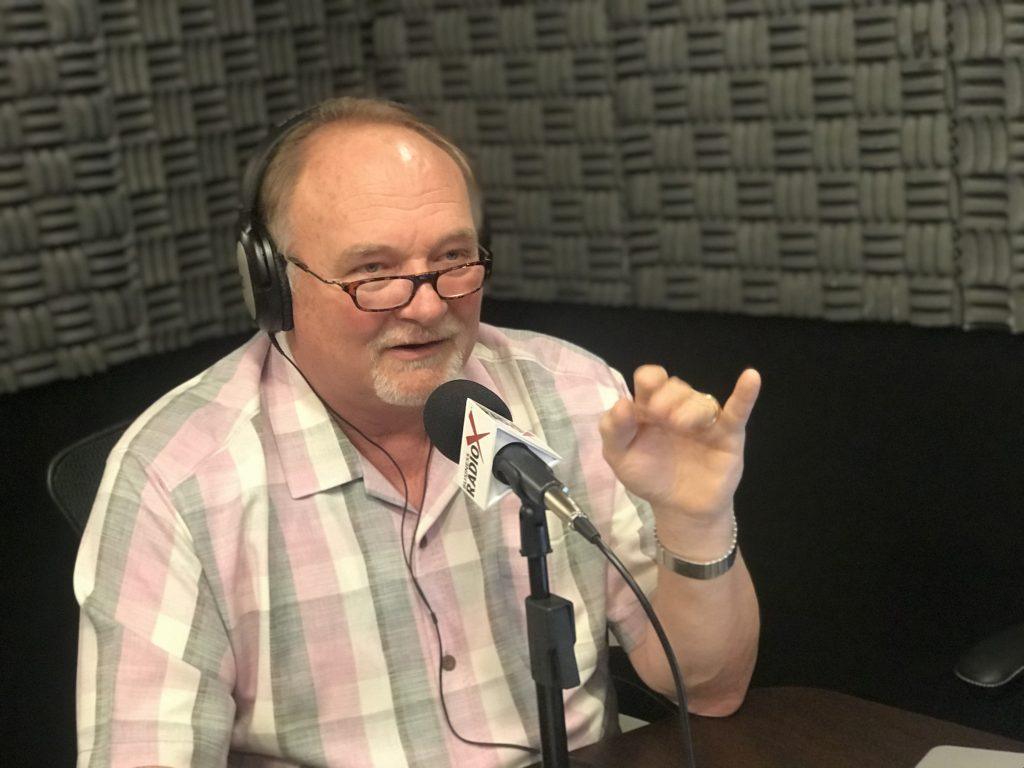
North Fulton Studio
Tremors
Loading
00:00 /
RSS Feed
Share
Link
Embed

Download file

Tremors

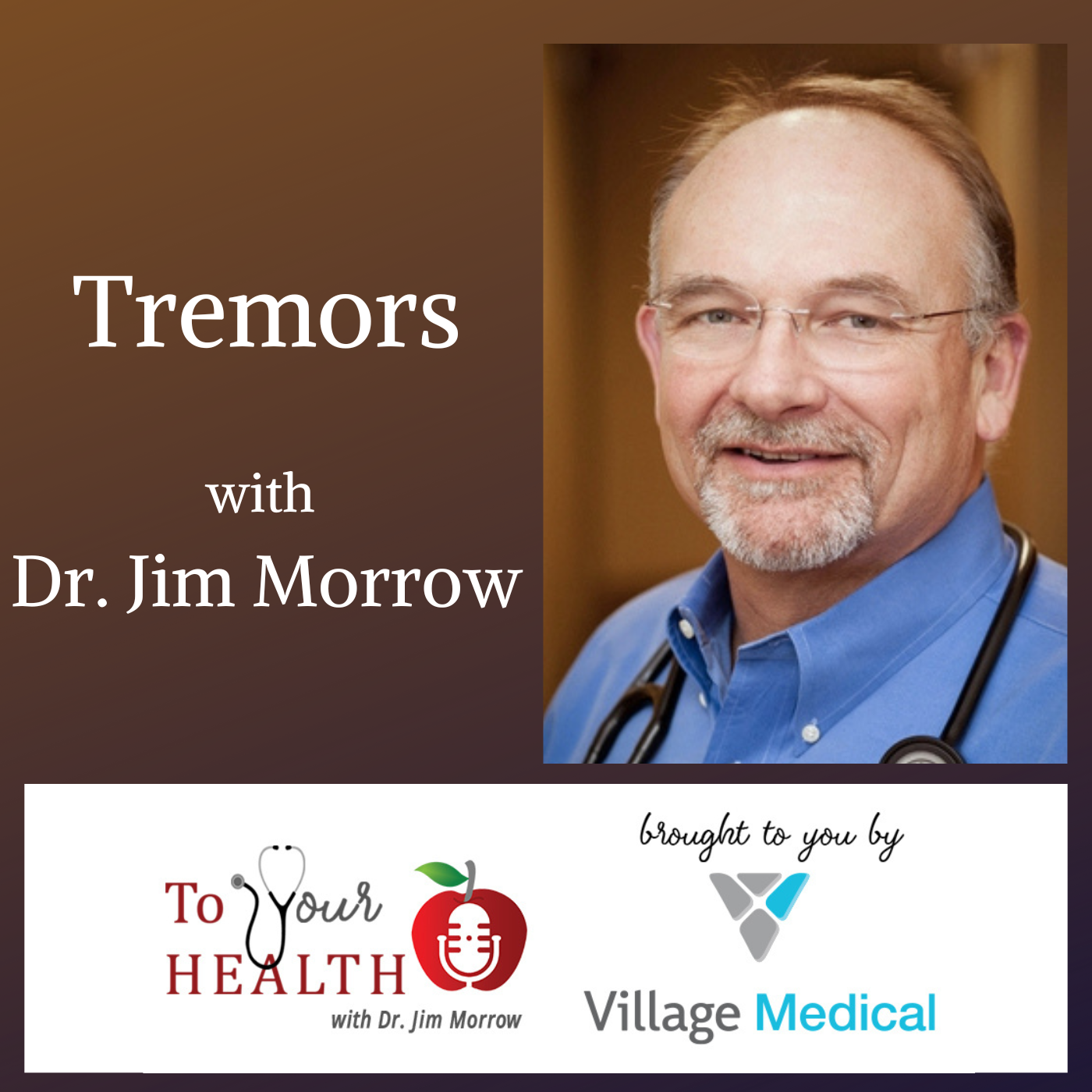
Tremors (Episode 90, To Your Health with Dr. Jim Morrow)

On this episode of To Your Health, Dr. Jim Morrow covers tremors, the difference between benign essential tremors and Parkinson’s Disease, how they are diagnosed, potential causes, what the doctor might do for treatment, and much more.

To Your Health is brought to you by Village Medical (formerly Morrow Family Medicine), which brings the care back to healthcare.

About Village Medical (formerly Morrow Family Medicine)

Village Medical, formerly Morrow Family Medicine, is an award-winning, state-of-the-art family practice with offices in Cumming and Milton, Georgia. The practice combines healthcare information technology with old-fashioned care to provide the type of care that many are in search of today. Two physicians, three physician assistants and two nurse practitioners are supported by a knowledgeable and friendly staff to make your visit to Village Medical one that will remind you of the way healthcare should be.  At Village Medical, we like to say we are “bringing the care back to healthcare!”  The practice has been named the “Best of Forsyth” in Family Medicine in all five years of the award, is a three-time consecutive winner of the “Best of North Atlanta” by readers of Appen Media, and the 2019 winner of “Best of Life” in North Fulton County.

Village Medical offers a comprehensive suite of primary care services including preventative care, treatment for illness and injury, and management of chronic conditions such as diabetes, congestive heart failure, chronic obstructive pulmonary disease (COPD) and kidney disease. Atlanta-area patients can learn more about the practice here.

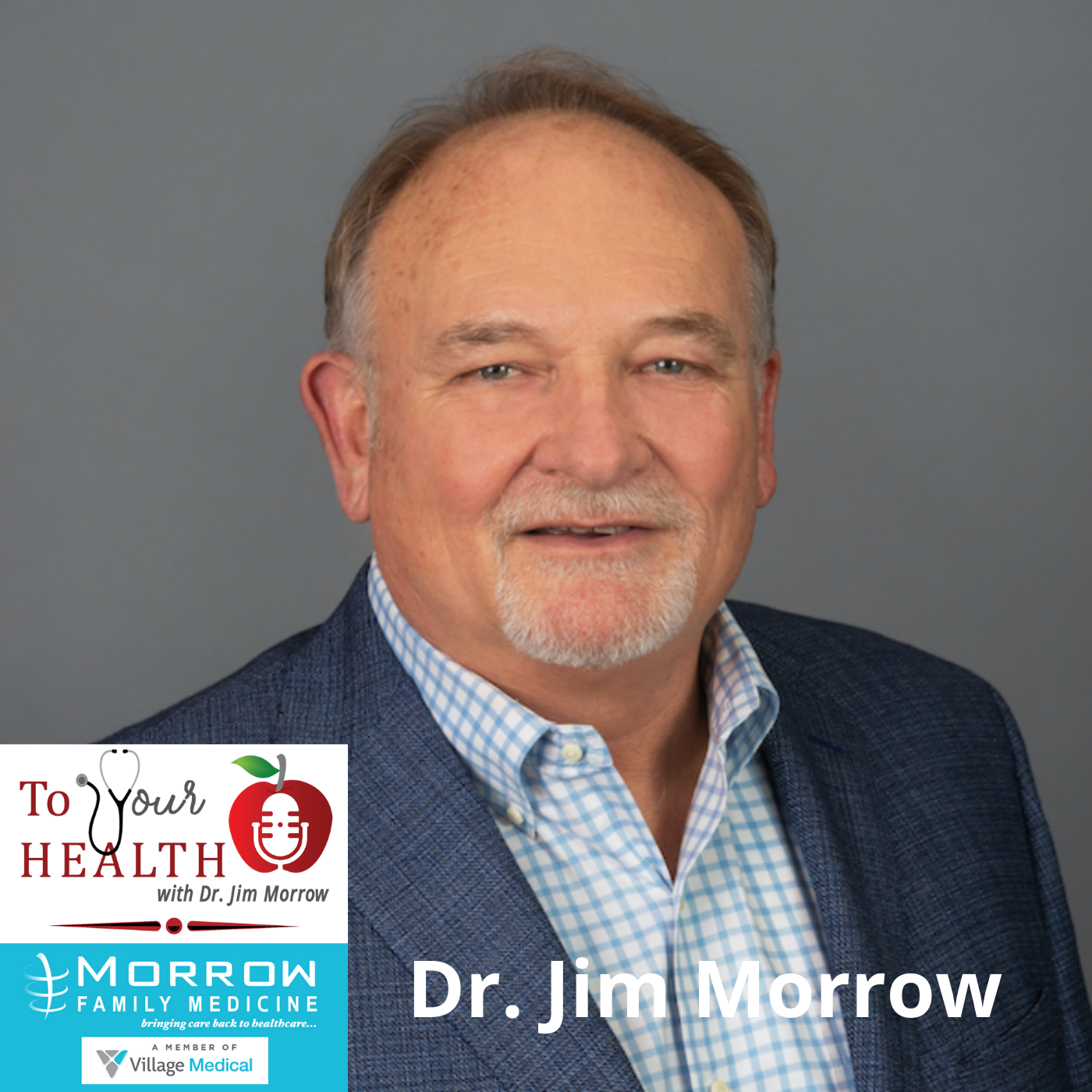
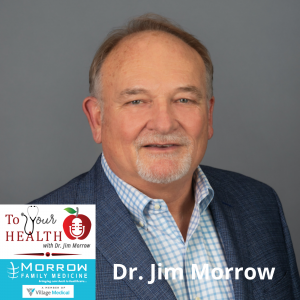
Dr. Jim Morrow, Village Medical, and Host of To Your Health with Dr. Jim Morrow
Covid-19 misconceptionsDr. Jim Morrow is the founder of Morrow Family Medicine. He has been a trailblazer and evangelist in healthcare information technology, was named Physician IT Leader of the Year by HIMSS, a HIMSS Davies Award Winner, the Cumming-Forsyth Chamber of Commerce Steve Bloom Award Winner as Entrepreneur of the Year and he received a Phoenix Award as Community Leader of the Year from the Metro Atlanta Chamber of Commerce.  He is married to Peggie Morrow and together they founded the Forsyth BYOT Benefit, a charity in Forsyth County to support students in need of technology and devices. They have two Goldendoodles, a gaggle of grandchildren and enjoy life on and around Lake Lanier.

Facebook | LinkedIn | Twitter

The complete show archive of To Your Health with Dr. Jim Morrow addresses a wide range of health and wellness topics.

Dr. Morrow’s Show Notes

Types of Tremors

  • Essential tremor (ET) is at least eight times more common than Parkinson’s disease (PD).
  • There are many differences in the presentation, course, and treatment of ET and PD;
    • however, these differences are not always recognized by healthcare professionals and misdiagnoses are common
    • it has been suggested that up to 20 percent of patients with ET may develop PD,
      • but whether ET is a risk factor for PD remains a controversial issue

Diagnosis

  • At this time, there are no tests that can definitively diagnose either ET or PD and it is not uncommon to have the two mistaken for each other.
  • The diagnosis is based on a complete medical/symptom, family and medication history and an examination by a physician,
  • Obtaining a handwriting sample may be helpful in making an accurate diagnosis;
    • in ET handwriting is generally large and tremulous,
    • whereas in PD, micrographia (very small handwriting) is common.
    • DaTscan, a single photon emission computed tomography (SPECT) scan,
      • which measures dopamine uptake, has been approved as a diagnostic aid to help physicians differentiate between ET and parkinsonian tremor.
      • Other imaging techniques are under investigation to determine their utility in differentiating ET and PD.
      • An accurate diagnosis is critical as the treatment regimen is very different for the two disorders.

Differentiating ET and PD

  • Usually ET starts as a low- amplitude tremor but can gradually increase to a coarse, disabling tremor.
    • As ET progresses, tremor frequency (number of repetitions per second) may decrease;
      • however, tremor amplitude (magnitude/strength) may increase.
      • Increased amplitude is associated with a decreased ability to manage fine motor tasks.
      • The amplitude varies up to 23 percent throughout the day, but the frequency usually does not change during the course of the disease.2
    • ET generally presents bilaterally and is primarily seen during action,
      • such as when writing or eating, or when holding a posture, for example, when holding an object against gravity.
      • On the other hand, parkinsonian tremor most often presents unilaterally and later progresses to include both sides of the body.
      • PD tremor most commonly occurs at rest,
        • when the body part is relaxed and not in use,
        • but can also be seen in the postural position, often referred to as reemergent tremor.3
      • ET most commonly affects the
        • hands, legs, head, and voice, and tremor is the primary symptom of ET.
        • In PD, the cardinal symptoms include bradykinesia, rigidity, tremor, and gait/balance issues.
        • It is important to note that although it occurs in the majority, tremor does not have to be present to make a diagnosis of PD.
        • The tremor of PD most generally occurs in the upper/lower extremities and the chin/jaw and generally does not affect the head or voice.
      • ET most commonly onsets during middle age,
        • but can occur at any time in the lifespan, even in childhood.
        • The progression of ET can be variable.
        • In some patients ET remains mild throughout the lifespan and does not result in significant disability;
          • however, in others ET progresses and can cause significant disability,
            • making many daily activities very difficult or impossible to complete.
            • On the other hand, the average age of onset of PD is 60 years although it may be much later and about 10 percent present prior to the age of 40 years.
            • PD is a progressive disorder with virtually all patients having increased disability over time.
          • Although the gene accounting for the majority of ET patients has not been identified,
            • ET is an autosomal dominant disorder with greater than 50 percent of patients reporting a family history of tremor.
              • It is not uncommon to have a patient report multiple family members from several generations that have been affected by tremor.
              • PD is the result of a loss of dopamine in the substantia nigra;
                • however, the cause of PD is currently unknown and it is suspected that it may be a combination of a genetic predisposition and environmental influences.
                • A family history of PD is reported in less than 20 percent of patients.
              • Both ET and PD are affected by stress, anxiety and emotion and it is not uncommon to see an increase in tremor under stressful conditions.


What is essential tremor?

  • So, there different kinds of tremor…
    • Many things can cause tremor.
    • Not all tremors are essential tremors.
    • For example,
      • Parkinson’s disease causes tremor that you might notice when your hands are resting in your lap or at the sides of your body.
      • A stroke can cause tremor that gets worse when you reach for something.
      • Thyroid problems or low blood sugar can cause mild tremor.
      • Tremor can be caused by some medicines.
        • These include
          • heart medicines,
          • decongestants,
          • medicines for breathing problems,
          • and tricyclic antidepressants.
          • Drinks that contain caffeine also may cause a tremor.

How is essential tremor diagnosed?

  • Your doctor will probably perform an exam
    • and tests to look for possible causes of your tremor.
    • These tests rule out other causes and can include
    • a neurological exam,
    • blood and urine tests,
    • and physical performance tests.
    • If they don’t find another cause of your tremor,
      • you may be diagnosed with essential tremor.
      • There is no specific test for essential tremor.

Can essential tremor be prevented or avoided?

  • Doctors don’t know exactly what causes essential tremor,
    • so, it can’t be prevented.
  • If your doctor determines your tremor is caused by medicine or caffeine,
    • you may be able to avoid essential tremor in the future by avoiding those substances.

Essential tremor treatment

  • The goal in treating essential tremor is to provide symptom relief that can improve quality of life.
    • Mild tremors may not need treatment.
    • If your essential tremor interferes with your ability to function or bothers you,
    • there are some treatments that could help.
    • These include medicine, focused ultrasound, or deep brain stimulation.
      • Medicine–
        • Your doctor might suggest oral medicines to help decrease the severity of your tremor.
        • These could include
        • beta blockers,
        • anti-seizure medicines,
        • tranquilizers,
        • or Botox injections.
      • Therapy–
        • Physical therapy can help you improve your muscle strength, control, and coordination.
        • Occupational therapy can help you make modifications to reduce the effects of tremors,
          • such as using heavier glasses to drink out of.
        • Surgery–
          • If your tremor is very disabling and you haven’t had good results with medicine,
            • you could qualify for surgery.
            • Usually this is deep brain stimulation (DBS).
            • Electrodes are implanted into the area of your brain that coordinates muscle control

Living with essential tremor

  • Lifestyle changes are often recommended to prevent the tremor from getting worse.
    • Your doctor will ask you to avoid caffeine, cold medicines, and certain other medicines if they seem to make your tremor worse.
    • These medicines won’t make your tremor go away.
    • However, the medicine may control the tremor enough to allow you to do normal activities without frustration or embarrassment.
    • Symptoms do tend to get worse over time.
      • Eventually you might start having trouble with daily functions, including
        • Holding a glass of liquid without spilling
        • Eating normally
        • Putting on makeup or shaving
        • Talking, if it affects your tongue or voice box

Tagged With: Dr James Morrow, Essential Tremor, health issues, Parkinsons Disease, Stroke, To Your Health, To Your Health With Dr. Jim Morrow, Tremors, Village Medical

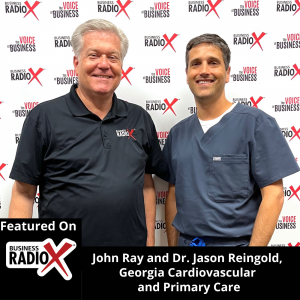
Dr. Jason Reingold, Georgia Cardiovascular and Primary Care

July 12, 2022 by John Ray

Dr. Jason Reingold
North Fulton Business Radio
Dr. Jason Reingold, Georgia Cardiovascular and Primary Care
Loading
00:00 /
RSS Feed
Share
Link
Embed

Download file

Dr. Jason Reingold

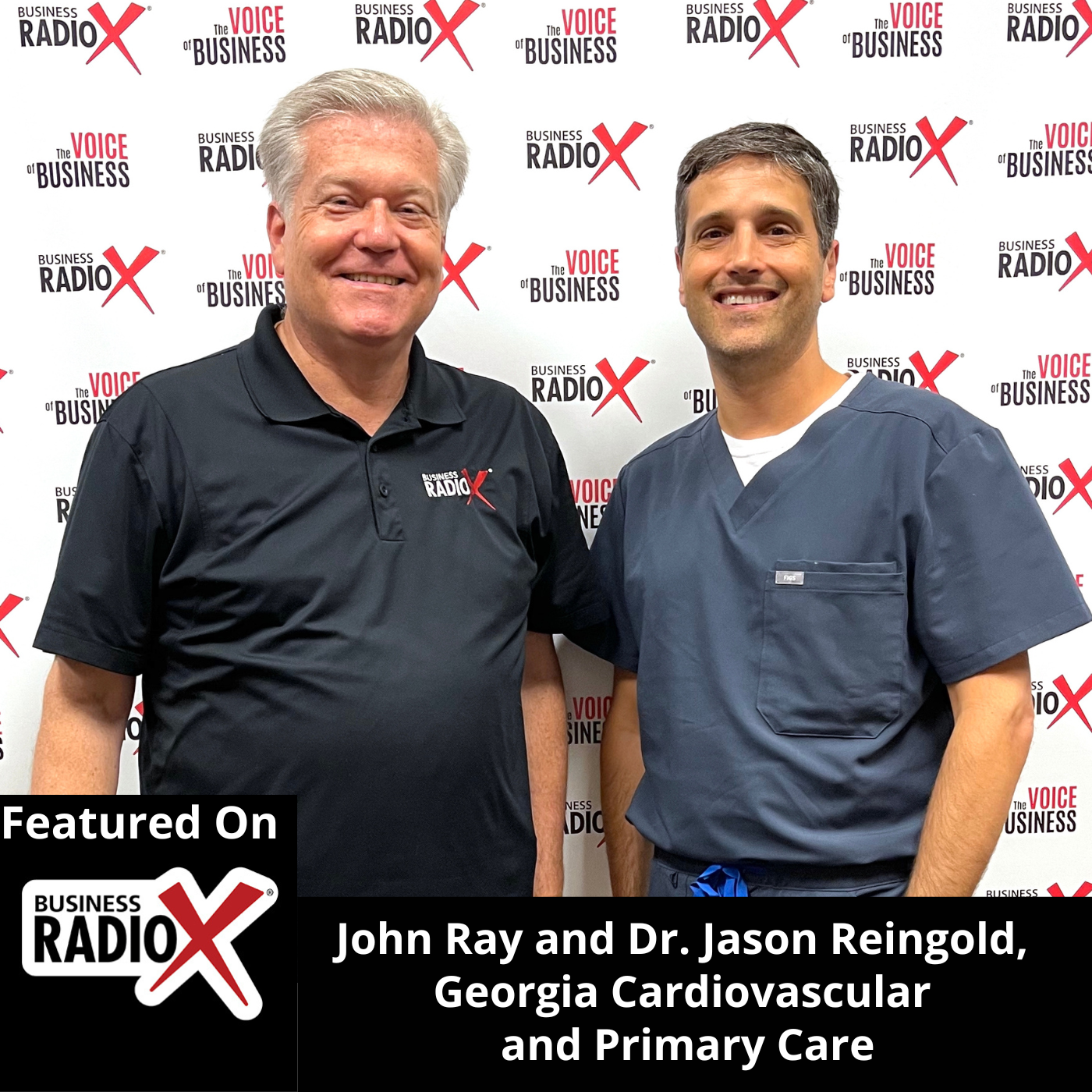
Dr. Jason Reingold, Georgia Cardiovascular and Primary Care (North Fulton Business Radio, Episode 469)

Dr. Jason Reingold of Georgia Cardiovascular and Primary Care joined North Fulton Business Radio to announce the opening of their new flagship office in Alpharetta. He and host John Ray discussed this integrative cardiology practice, the 7% problem, and eight elements of optimal health. Dr. Reingold also mentioned the negative impacts of stress, including heightened inflammation and stress hormones, the steps his practice has taken to provide affordable care options, and much more.

North Fulton Business Radio is broadcast from the North Fulton studio of Business RadioX® inside Renasant Bank in Alpharetta.

Georgia Cardiovascular and Primary Care

Dr. Jason Reingold is a Harvard Trained, Board Certified Cardiovascular Disease specialist empowering patients to reduce complications of heart and vascular disease and to improve overall wellness. He and his team build relationships with patients and their families finding the best combination of lifestyle and pharmacologic treatments for optimal medical wellbeing.

As a recognized expert in heart and vascular diagnosis, Dr. Reingold helps patients choose the best test for their comprehensive health. When possible, he utilizes office-based, noninvasive testing to improve access, comfort, and convenience while reducing the cost of out-of-pocket expenses to patients. If you are experiencing symptoms of heart or vascular disease, need a second opinion, or want to know your risk, contact us to schedule a consultation with Dr. Jason Reingold.

Company Website |Facebook | Instagram

Dr. Jason Reingold, Cardiovascular Disease Specialist, Georgia Cardiovascular and Primary Care

Dr. Jason Reingold, Cardiovascular Disease Specialist, Georgia Cardiovascular and Primary Care

Dr. Jason Reingold is a Harvard-trained, board-certified cardiovascular disease specialist with additional certifications from the American College of Cardiology, National Institutes of Health, National Board of Echocardiography, and National Board of Nuclear Cardiology. Dr. Reingold is an adjunct assistant professor at Augusta University/Medical College of Georgia in addition to leading regulatory affairs for the Georgia Chapter of the American College of Cardiology.

Dr. Reingold graduated top of his class from the University of Georgia and Emory University School of Medicine. He completed his training in internal medicine at the University of California at San Francisco and went on to study cardiovascular disease at Massachusetts General Hospital/Harvard Medical School.

Dr. Reingold focuses on the prevention and reversal of heart and vascular disease in both the young and the elderly populations. He also takes interest in the overlap of cardiovascular disease focusing on weight management, kidney disease, and diabetes.

Additionally, Dr. Reingold offers his patients access to innovative diagnostic and treatment options through his work in clinical research trials. He has served as an investigator for trials through Saint Joseph’s Translational Research Institute, Saint Joseph’s Heart and Vascular Institute., and Atlanta Clinical Research Centers. Jason is married to Jennifer Alper Reingold, a pediatric speech pathologist. They live in Sandy Springs with their 2 daughters, Kaylie and Zoey, and rescue dog Teddy.

LinkedIn | Facebook

Questions and Topics in this Interview:

• It’s 2022: Why do we still need to talk about cardiovascular disease?
• Why did you pick Alpharetta as the location for your new practice?
• What makes your Alpharetta office unique?
• Aside from the physical office, what else differentiates your office from other practices?
• How is your practice philosophy different?
• You talk a lot about vascular health and disease, why is this so important to you
• I know reducing health care costs for employees is important for our listeners, please tell us more.
• What about patients who have insurance, are you in-network with insurance?


North Fulton Business Radio is hosted by John Ray and broadcast and produced from the North Fulton studio of Business RadioX® inside Renasant Bank in Alpharetta. You can find the full archive of shows by following this link. The show is available on all the major podcast apps, including Apple Podcasts, Spotify, Google, Amazon, iHeart Radio, Stitcher, TuneIn, and others.

RenasantBank


Renasant Bank has humble roots, starting in 1904 as a $100,000 bank in a Lee County, Mississippi, bakery. Since then, Renasant has grown to become one of the Southeast’s strongest financial institutions with over $13 billion in assets and more than 190 banking, lending, wealth management and financial services offices in Mississippi, Alabama, Tennessee, Georgia and Florida. All of Renasant’s success stems from each of their banker’s commitment to investing in their communities as a way of better understanding the people they serve. At Renasant Bank, they understand you because they work and live alongside you every day.


Special thanks to A&S Culinary Concepts for their support of this edition of North Fulton Business Radio. A&S Culinary Concepts, based in Johns Creek, is an award-winning culinary studio, celebrated for corporate catering, corporate team building, Big Green Egg Boot Camps, and private group events. They also provide oven-ready, cooked from scratch meals to go they call “Let Us Cook for You.” To see their menus and events, go to their website or call 678-336-9196.

Tagged With: A&S Culinary Concepts, cardiovascular disease, Dr. Jason Reingold, Georgia Cardiovascular and Primary Care, heart attack, heart disease, inflammation, integrative cardiology practice, North Fulton Business Radio, renasant bank, stress, Stroke, vascular health

Atrial Fibrillation

February 11, 2022 by John Ray

Atrial Fibrillation
North Fulton Studio
Atrial Fibrillation
Loading
00:00 /
RSS Feed
Share
Link
Embed

Download file

Atrial Fibrillation

Atrial Fibrillation (Episode 69, To Your Health with Dr. Jim Morrow)

Recalling his wife’s transient ischemic attack (TIA) several months ago in the middle of the night, Dr. Jim Morrow says the ultimate diagnosis was Atrial Fibrillation. Dr. Morrow describes the symptoms, but notes that some people do not experience symptoms and sometimes have events, such as a TIA, which point to atrial fibrillation. Because of the risk of blood clots, he stresses the need to check all symptoms that may arise without delay, discusses treatments, and much more. To Your Health is brought to you by Morrow Family Medicine, a Member of Village Medical, which brings the care back to healthcare.

About Morrow Family Medicine, A Member of Village Medical

Morrow Family Medicine, a Member of Village Medical, is an award-winning, state-of-the-art family practice with offices in Cumming and Milton, Georgia. The practice combines healthcare information technology with old-fashioned care to provide the type of care that many are in search of today. Two physicians, three physician assistants and two nurse practitioners are supported by a knowledgeable and friendly staff to make your visit to Morrow Family Medicine, A Member of Village Medical one that will remind you of the way healthcare should be.  At Morrow Family Medicine, a Member of Village Medical, we like to say we are “bringing the care back to healthcare!”  The practice has been named the “Best of Forsyth” in Family Medicine in all five years of the award, is a three-time consecutive winner of the “Best of North Atlanta” by readers of Appen Media, and the 2019 winner of “Best of Life” in North Fulton County.

Village Medical offers a comprehensive suite of primary care services including preventative care, treatment for illness and injury, and management of chronic conditions such as diabetes, congestive heart failure, chronic obstructive pulmonary disease (COPD) and kidney disease. Atlanta-area patients can learn more about the practice here.

Dr. Jim Morrow, Morrow Family Medicine, and Host of To Your Health with Dr. Jim Morrow

Covid-19 misconceptionsDr. Jim Morrow is the founder and CEO of Morrow Family Medicine. He has been a trailblazer and evangelist in healthcare information technology, was named Physician IT Leader of the Year by HIMSS, a HIMSS Davies Award Winner, the Cumming-Forsyth Chamber of Commerce Steve Bloom Award Winner as Entrepreneur of the Year and he received a Phoenix Award as Community Leader of the Year from the Metro Atlanta Chamber of Commerce.  He is married to Peggie Morrow and together they founded the Forsyth BYOT Benefit, a charity in Forsyth County to support students in need of technology and devices. They have two Goldendoodles, a gaggle of grandchildren and enjoy life on and around Lake Lanier.

Facebook: https://www.facebook.com/MorrowFamMed/

LinkedIn: https://www.linkedin.com/company/7788088/admin/

Twitter: https://twitter.com/toyourhealthMD

The complete show archive of To Your Health with Dr. Jim Morrow addresses a wide range of health and wellness topics and can be found at www.toyourhealthradio.com.

Dr. Morrow’s Show Notes

Atrial Fibrillation

  • Atrial fibrillation (A-fib) is an irregular and often very rapid heart rhythm (arrhythmia) that can lead to blood clots in the heart.
    • A-fib increases the risk of stroke, heart failure and other heart-related complications.
  • During atrial fibrillation, the heart’s upper chambers (the atria) beat chaotically and irregularly —
    • out of sync with the lower chambers (the ventricles) of the heart.
    • For many people, A-fib may have no symptoms.
      • However, A-fib may cause a fast, pounding heartbeat (palpitations), shortness of breath or weakness.
    • Episodes of atrial fibrillation may come and go, or they may be persistent.
      • Although A-fib itself usually isn’t life-threatening, it’s a serious medical condition that requires proper treatment to prevent stroke.
    • Treatment for atrial fibrillation may include medications, therapy to reset the heart rhythm and catheter procedures to block faulty heart signals.
    • A person with atrial fibrillation may also have a related heart rhythm problem called atrial flutter.
      • Although atrial flutter is a different arrhythmia, the treatment is quite similar to atrial fibrillation.

Symptoms

  • Some people with atrial fibrillation (A-fib) don’t notice any symptoms. Those who do have atrial fibrillation symptoms may have signs and symptoms such as:
    • Sensations of a fast, fluttering or pounding heartbeat (palpitations)
    • Chest pain
    • Dizziness
    • Fatigue
    • Lightheadedness
    • Reduced ability to exercise
    • Shortness of breath
    • Weakness
  • Atrial fibrillation may be:
    • Occasional (paroxysmal atrial fibrillation).
      • A-fib symptoms come and go,
        • usually lasting for a few minutes to hours.
        • Sometimes symptoms occur for as long as a week and episodes can happen repeatedly.
        • Symptoms might go away on their own. Some people with occasional A-fib need treatment.
    • Persistent.
      • With this type of atrial fibrillation, the heart rhythm doesn’t go back to normal on its own.
        • If a person has A-fib symptoms, cardioversion or treatment with medications may be used to restore and maintain a normal heart rhythm.
    • Long-standing persistent.
      • This type of atrial fibrillation is continuous and lasts longer than 12 months.
    • Permanent.
      • In this type of atrial fibrillation, the irregular heart rhythm can’t be restored.
        • Medications are needed to control the heart rate and to prevent blood clots.

When to see a doctor

  • If you have any signs or symptoms of atrial fibrillation, make an appointment with your doctor.
  • If you have chest pain, seek immediate medical help.
    • Chest pain could mean that you’re having a heart attack.

Causes

  • To understand the causes of A-fib, it may be helpful to know how the heart typically beats.
  • The typical heart has four chambers —
    • two upper chambers (atria) and two lower chambers (ventricles).
    • Within the upper right chamber of the heart (right atrium) is a group of cells called the sinus node.
    • The sinus node is the heart’s natural pacemaker.
      • It produces the signal that starts each heartbeat.
    • In a regular heart rhythm:
    • The signal travels from the sinus node through the two upper heart chambers (atria).
    • The signal passes through a pathway between the upper and lower chambers called the atrioventricular (AV) node.
    • The movement of the signal causes your heart to squeeze (contract), sending blood to your heart and body.
  • In atrial fibrillation,
    • the signals in the upper chambers of the heart are chaotic.
      • As a result, the upper chambers shake (quiver).
      • The AV node is then bombarded with signals trying to get through to the lower heart chambers (ventricles).
      • This causes a fast and irregular heart rhythm.
    • The heart rate in atrial fibrillation may range from 100 to 175 beats a minute.
      • The normal range for a heart rate is 60 to 100 beats a minute.

Causes of atrial fibrillation

  • Problems with the heart’s structure are the most common cause of atrial fibrillation.
  • Other possible causes of A-fib include:
    • Coronary artery disease
    • Heart attack
    • Heart defect that you’re born with (congenital heart defect)
    • Heart valve problems
      • High blood pressure
  • Lung diseases
    • Physical stress due to surgery, pneumonia or other illnesses
    • Previous heart surgery
    • Problem with the heart’s natural pacemaker (sick sinus syndrome)
    • Sleep apnea
    • Thyroid disease such as an overactive thyroid (hyperthyroidism) and other metabolic imbalances
    • Use of stimulants, including certain medications, caffeine, tobacco and alcohol
    • Viral infections
  • Some people who have A-fib have no known heart problems or heart damage.

Risk factors

  • Things that can increase the risk of atrial fibrillation (A-fib) include:
    • Age. The older a person is, the greater the risk of developing A-fib.
    • Heart disease. Anyone with heart disease — such as heart valve problems, congenital heart disease, congestive heart failure, coronary artery disease, or a history of heart attack or heart surgery — has an increased risk of atrial fibrillation.
    • High blood pressure. Having high blood pressure, especially if it’s not well controlled with lifestyle changes or medications, can increase the risk of atrial fibrillation.
      • Thyroid disease. In some people, thyroid problems may trigger heart rhythm problems (arrhythmias), including atrial fibrillation.
  • Other chronic health conditions. People with certain chronic conditions such as diabetes, metabolic syndrome, chronic kidney disease, lung disease or sleep apnea have an increased risk of atrial fibrillation.
    • Drinking alcohol. For some people, drinking alcohol can trigger an episode of A-fib. Binge drinking further increases the risk.
    • Obesity. People who have obesity are at higher risk of developing atrial fibrillation.
    • Family history. An increased risk of atrial fibrillation occurs in some families.


Complications

  • Blood clots are a dangerous complication that can lead to stroke.
    • In atrial fibrillation, the chaotic heart rhythm can cause blood to collect in the heart’s upper chambers (atria) and form clots.
      • If a blood clot in the left upper chamber (left atrium) breaks free from the heart area, it can travel to the brain and cause a stroke.
    • The risk of stroke from A-fib increases as you grow older. Other health conditions also may increase your risk of a stroke due to A-fib, including:
    • High blood pressure
    • Diabetes
    • Heart failure
    • Some valvular heart disease
  • Blood thinners are commonly prescribed to prevent blood clots and strokes in people with atrial fibrillation.

Prevention

  • Healthy lifestyle choices can reduce the risk of heart disease and may prevent atrial fibrillation.
  • Here are some basic heart-healthy tips:
    • Eat a nutritious diet
    • Get regular exercise and maintain a healthy weight
    • Don’t smoke
    • Avoid or limit alcohol and caffeine
    • Manage stress, as intense stress and anger can cause heart rhythm problems 


Tagged With: Atrial Fibrillation, blood clots, Dr. Jim Morrow, Stroke, TIA, To Your Health, transient ischemic attack, Village Medical

Dr. Ben Zussman, Wellstar North Fulton Hospital

December 20, 2021 by John Ray

Wellstar North Fulton
North Fulton Business Radio
Dr. Ben Zussman, Wellstar North Fulton Hospital
Loading
00:00 /
RSS Feed
Share
Link
Embed

Download file

Wellstar North Fulton

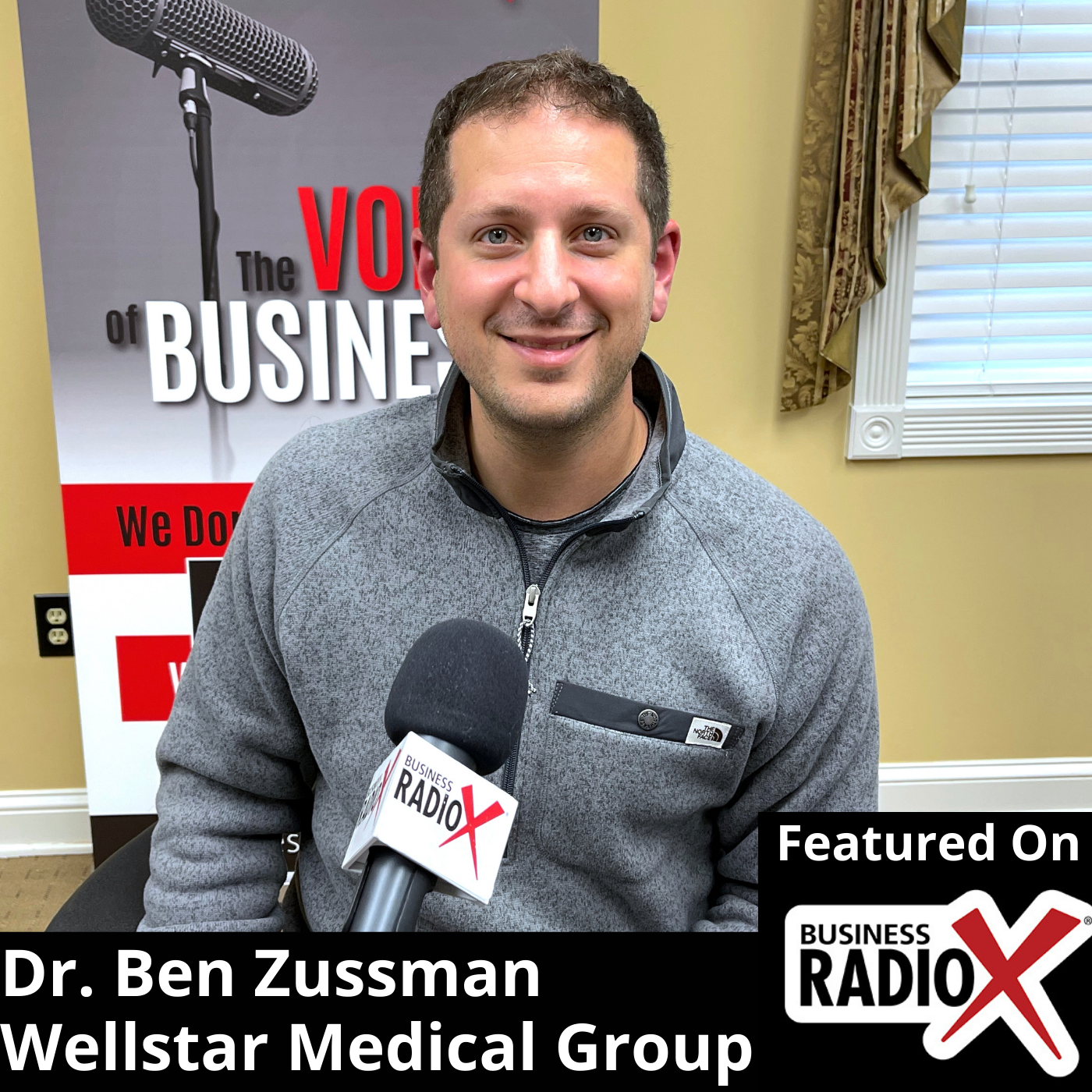
Dr. Ben Zussman, Wellstar North Fulton Hospital (North Fulton Business Radio, Episode 423)

Dr. Ben Zussman, Neurosurgeon at Wellstar North Fulton Hospital, joined host John Ray to share the exciting news that Wellstar North Fulton now offers comprehensive stroke and aneurysm treatments for stroke victims, the first and only facility in the North Fulton region to provide such care. Dr. Zussman discussed what is involved in these procedures, which allow minimally invasive physical removal of a clot and immediate restoration of blood flow to the brain. He also discussed why these treatments are so time-critical for stroke victims, and why Wellstar North Fulton’s capabilities are so important for our region, given our location in the “The Stroke Belt.” North Fulton Business Radio is broadcast from the North Fulton studio of Business RadioX® inside Renasant Bank in Alpharetta.

Wellstar North Fulton Hospital

Equipped with the latest technology and medical expertise, Wellstar North Fulton Hospital is committed to delivering quality, personalized care, tailored to you. From their convenient Roswell location, Wellstar North Fulton Hospital offers the most advanced stroke care and leading therapies, specializing in complicated and complex cases. Count on their dedicated neuro team, state-of-the-art imaging technologies, and neuro-trained intensive care unit (ICU), to treat all types of strokes, including ischemic strokes, intracerebral hemorrhages, and subarachnoid hemorrhages.

Wellstar North Fulton’s team of neurosurgeons, neurocritical care physicians, and neuroradiologists perform thrombectomies, aneurysm treatments and cerebral bypass procedures. In addition, our dedicated hybrid neurovascular suite is equipped with innovative bi-plane technology. This allows neurosurgeons to view highly detailed images of brain vessels, so our experts can customize treatments in real-time. That means you don’t have to go far for expert stroke treatment.

From diagnostic testing to life-saving emergency care to physical rehabilitation, Wellstar North Fulton Hospital provides comprehensive stroke care so you can get back to life, faster.

Company Website | Facebook

Dr. Ben Zussman, Neurosurgeon, Wellstar North Fulton Hospital

Dr. Ben Zussman, Neurosurgeon, Wellstar North Fulton Hospital

Ben Zussman, MD is a cerebrovascular and spine neurosurgeon with the Wellstar Medical Group.  His research on the treatment of cerebrovascular disease has resulted in novel surgical techniques and improvements in patient safety and satisfaction.  Dr. Zussman is passionate about providing safe, high-quality patient care.

His two areas of specific expertise within neurosurgery are cerebrovascular neurosurgery and spine surgery.

He treats the entire spectrum of blood vessel problems in the head, neck, and spinal cord.  Sometimes he approaches the blood vessels from the outside with microsurgery.  For example, he performs clipping of intracranial aneurysms, carotid endarterectomies, and microvascular decompressions. Other times they treat the vessels from within using endovascular techniques. For example, Dr. Zussman performs coiling of intracranial aneurysms, carotid artery stenting, and embolization of vascular malformations. A significant portion of his cerebrovascular practice involves emergency care, including acute stroke interventions and brain hemorrhages. His training in both microsurgery and endovascular surgery enables him to tailor the surgical strategy for each individual patient.
He also treats spinal disorders in the neck, trunk, and low back.  When they operate on the spine they care for the spinal cord and nerves, and also for the bones and discs that make up our skeleton. For example, he performs laminectomies and foraminotomies, and also fusions, discectomies, and arthroplasties.

Finally, he treats many general neurosurgical pathologies as well, including brain and spine tumors, subdural hematomas, hydrocephalus, and carpal tunnel syndrome.

Website | LinkedIn

Questions and Topics Discussed in this Episode

  • Practically speaking, what happens when someone is having a major stroke?
  • How do we treat patients with neuro-endovascular surgery?
  • How do we treat patients with open cerebrovascular surgery?
  • Why is it so important for the local community to have access to the highest level of neuro care nearby?
  • What are we building at Wellstar and why is it special and exciting?

  • How can I work to prevent a stroke in the first place?


North Fulton Business Radio is hosted by John Ray, and broadcast and produced from the North Fulton studio of Business RadioX® inside Renasant Bank in Alpharetta. You can find the full archive of shows by following this link. The show is available on all the major podcast apps, including Apple Podcasts, Spotify, Google, Amazon, iHeart Radio, Stitcher, TuneIn, and others.


RenasantBank


Renasant Bank has humble roots, starting in 1904 as a $100,000 bank in a Lee County, Mississippi, bakery. Since then, Renasant has grown to become one of the Southeast’s strongest financial institutions with over $13 billion in assets and more than 190 banking, lending, wealth management and financial services offices in Mississippi, Alabama, Tennessee, Georgia and Florida. All of Renasant’s success stems from each of their banker’s commitment to investing in their communities as a way of better understanding the people they serve. At Renasant Bank, they understand you because they work and live alongside you every day.

 

Special thanks to A&S Culinary Concepts for their support of this edition of North Fulton Business Radio. A&S Culinary Concepts, based in Johns Creek, is an award-winning culinary studio, celebrated for corporate catering, corporate team building, Big Green Egg Boot Camps, and private group events. They also provide oven-ready, cooked from scratch meals to go they call “Let Us Cook for You.” To see their menus and events, go to their website or call 678-336-9196.

Tagged With: aneurysm treatment, Dr. Ben Zussman, hospital, John Ray, North Fulton Business Radio, Primary Stroke Center, Stroke, stroke treatment, Wellstar North Fulton

Everybody Has a Brain E27

November 9, 2020 by Karen

Phoenix Business Radio
Everybody Has a Brain E27
Loading
00:00 /
RSS Feed
Share
Link
Embed

Download file

Everybody-Has-a-Brain-E27

Everybody Has a Brain E27

Brain-Injury-Alliance-of-Arizona

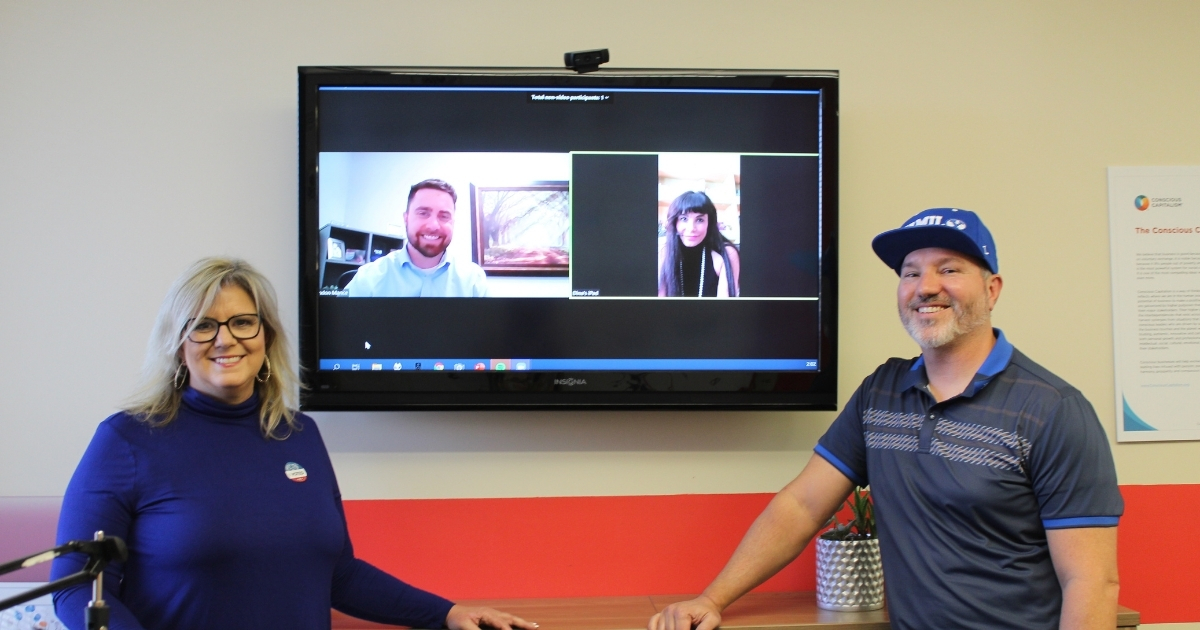
The Brain Injury Alliance of Arizona (BIAAZ) is a social benefit organization dedicated to creating a better future through brain injury prevention, advocacy, and education. They support, connect, and empower survivors and caregivers on their journeys to recovery. Dina Shacknai, next year’s chairwoman also joined the show to discuss what they are working to build for BIAAZ.

If you want to hear from two dynamic ladies who are passionate about the non-profit that they work with and the services that it provides, you will not want to miss this episode as we shift gears a bit for this episode to highlight a non-profit, but still discussed how businesses can and maybe should get involved with BIAAZ.org

Brain Injury Alliance of AZ is a statewide organization that supports individuals with brain injuries and the professional that serve them, through prevention, education and awareness.

Go Big! Enterprise has a focus on nonprofit growth, employee engagement, executive coaching, and will soon be launching Go Big Sustain, an online curriculum using the power of storytelling to reduce staff turnover and strengthen teams.

Dena-Baldwin-Brain-Injury=Alliance-of-ArizonaDena Baldwin, EMSL, Dena received her marketing degree from Arizona State University (ASU) in 1995. During that same year, she began working for the American Heart Association–a premier, national non-profit and philanthropic organization. This began her journey as a nonprofit expert.

In 2006, she began as a business consultant under the name, Baldwin Consulting. Two years later, she, formed Go Big!, a Boutique nonprofit consulting firm. In 2016, Dena received from ASU, her Executive Masters in Sustainability Leadership and pivoted Go Big! to work with companies as a development consultant on issues of high turnover and communication.

Connect with Dena on LinkedIn and follow Brain Injury of Arizona on LinkedIn, Facebook and Twitter and Go Big! on Facebook and Twitter.

Dina Shacknai

About Your Hosts

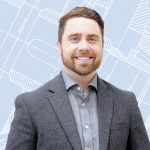
Autsin-Peterson-on-Phoenix-Business-RadioXAustin Peterson is a Comprehensive Financial Planner and owner of Backbone Financial in Scottsdale, AZ. Austin is a registered rep and investment advisor representative with Lincoln Financial Advisors. Prior to joining Lincoln Financial Advisors, Austin worked in a variety of roles in the financial services industry.

He began his career in financial services in the year 2000 as a personal financial advisor with Independent Capital Management in Santa Ana, CA. Austin then joined Pacific Life Insurance Company as an internal wholesaler for their variable annuity and mutual fund products. After Pacific Life, Austin formed his own financial planning company in Southern California that he built and ran for 6 years and eventually sold when he moved his family to Salt Lake City to pursue his MBA.

After he completed his MBA, Austin joined Crump Life Insurance where he filled a couple of different sales roles and eventually a management role throughout the five years he was with Crump. Most recently before joining Lincoln Financial Advisors in February 2015, Austin spent 2 years as a life insurance field wholesaler with Symetra Life Insurance Company. Austin is a Certified Financial Planner Professional and Chartered Life Underwriter.

Austin and his wife of 21 years, Robin, have two children, AJ (19) and Ella (16) and they reside in Gilbert, Arizona. He is a graduate of California State University, Fullerton with a Bachelor of Arts in French and of Brigham Young University’s Marriott School of Management with a Master of Business Administration with an emphasis in sales and entrepreneurship.

Connect with Austin on LinkedIn, Facebook, Twitter, and Instagram.

LandonHeadshot01Landon Mance is a Financial Planner and founder of YourFuture Planning Partners out of Las Vegas, Nevada. His firm came to life in 2020 after operating as Mance Wealth Management since 2015 when Landon broke off from a major bank and started his own “shop.”

Landon comes from a family of successful entrepreneurs and has a passion and excitement for serving the business community. This passion is what brought about the growth of YourFuture Planning Partners to help business owners and their families. At YourFuture, we believe small business owners’ personal and business goals are intertwined, so we work with our clients to design a financial plan to support all aspects of their lives.

In 2019, Landon obtained the Certified Exit Planning Advisor (CEPA) designation through the Exit Planning Institute. With this certification, YourFuture Planning Partners assists business owners through an ownership transition while focusing on a positive outcome for their employees and meeting the business owner’s goals. Landon is also a member of the Business Intelligence Institute (BII) which is a collaborative group that shares tools, resources and personnel, and offers advanced level training and technical support to specifically serve business owners. Your-Future-Planning-Partners-logo

Landon enjoys spending time with his beautiful wife, stepson, and new baby twins. He grew up in sunny San Diego and loves visiting his family, playing a round of golf with friends, and many other outdoor activities. Landon tries make a difference in the lives of children in Las Vegas as a part of the leadership team for a local non-profit. He regularly visits the children that we work with to remind himself of why it’s so important to, “be the change that you wish to see in the world.”

Landon received his B.S. from California State University Long Beach in business marketing and gets the rest of his education through the school of hard knocks via his business owner clients.

Connect with Landon on LinkedIn.

About The Tycoons of Small Biz Sponsor

Whether you’re an established local company, or a brand new start-up, you can count on GBS to be a part of your family.

We’re not just any benefits consulting firm, we’re GBS. We have nearly 30 years of experience in group benefits, a strong sense of purpose and it shows.

Austin Peterson and Landon Mance are registered representatives of Lincoln Financial Advisors Corp. Securities and investment advisory services offered through Lincoln Financial Advisors Corp., a broker/dealer (member SIPC) and registered investment advisor. Insurance offered through Lincoln affiliates and other fine companies. Backbone Financial and Your Future Planning Partners are marketing names for registered representatives of Lincoln Financial Advisors Corp. CRN 3305164-102720

Lincoln Financial Advisors Corp. and its representatives do not provide legal or tax advice. You may want to consult a legal or tax advisor regarding any legal or tax information as it relates to your personal circumstances.

The content presented is for informational and educational purposes. The information covered and posted are views and opinions of the guests and not necessarily those of Lincoln Financial Advisors Corp.

Business RadioX® is a separate entity not affiliated with Lincoln Financial Advisors Corp.

Tagged With: Brain Health, Brain Health Advisory Council, brain injury, Brain Trauma, Non-profit Leadership, Stroke

To Your Health With Dr. Jim Morrow: Episode 3, The Truth About Statins

February 27, 2019 by John Ray

North Fulton Studio
North Fulton Studio
To Your Health With Dr. Jim Morrow: Episode 3, The Truth About Statins
Loading
00:00 /
RSS Feed
Share
Link
Embed

Download file

Dr. Jim Morrow, Morrow Family Medicine

Dr. Morrow’s Show Notes on Statins

  • Before talking about statins, we should talk about high cholesterol.
  • What qualifies as high cholesterol?
    • Has changed a lot over the years.
    • Now, it is LDL > 130 or HDL < 40 if you have no family history of heart disease.
    • It is an LDL > about 75 if you do have a family history.
  • Hard to raise your HDL. No matter what you do.
  • United States Preventive Services Task Force (USPSTF) recommends that adults without a history of cardiovascular disease (CVD) use a low to moderate dose statin for the prevention of CVD events and mortality when all the following criteria are met:
    • (1) they are aged 40 to 75 years;
    • (2) they have 1 or more risk factors (i.e., high cholesterol, diabetes, high blood pressure, or smoking) ; and
    • (3) they have a calculated 10-year risk of a cardiovascular event of 10% or greater
  • So, to determine whether a patient is a candidate for medical treatment, clinicians must first determine the patient’s risk of having a future cardiovascular event.
  • Task Force found adequate evidence that the risk of statins in adults aged 40 to 75 years is small

What are “Statins”?

  • Statins are prescription medications that lower cholesterol to prevent cardiovascular disease (heart attack or stroke), which is the leading cause of death in the United States.
  • These are medicines you have probably heard of, or more likely Googled, like Zocor, Lipitor or Crestor.
  • First line of therapy should be lifestyle changes. Try lifestyle changes for a few months, then on to the meds.
  • Statins can reduce the risk of stroke, heart attack and even death by 25 percent or more.

Side Effects

  • There are two side effects that actually happen from statins.
    • Myalgia (muscle aches or weakness) is a commonly reported adverse effect of statins,
    • Liver irritation or inflammation can occur. Need to have lab work before starting and then regularly when taking them.  Not smart to give a year’s supply.

Myths about statins

  • Myth #1:  Taking Statin Drugs Leads to Diabetes Out of the Blue
    • Truth:  In clinical trials, statins appear to accelerate a diagnosis of adult-onset diabetes because they cause a slight elevation in blood sugar.
    • However, people impacted by this side effect already have higher than normal blood sugar.
    • For those who are borderline diabetic, the mild increase in blood sugar can lead to a diabetes diagnosis about five weeks earlier than it would be otherwise.
    • Fact: Research indicates that statin drugs do not induce diabetes in someone who isn’t already nearing a diabetes diagnosis.
    • Additionally, the benefits of reducing cardiac events in someone who has prediabetes or is a diabetic greatly outweigh the mild increase that might occur in their blood sugar.
  • Myth #2:  Statins Frequently Cause Memory Loss
    • Truth:  In 2012, the FDA changed statin drug labels to include information that some people had experienced memory loss and confusion while taking the medications.
    • Unfortunately, that change was based on some poor-quality studies and evidence. People became seriously concerned that lower cholesterol levels could affect the brain’s function. But in fact, the brain makes its own cholesterol. It doesn’t depend on the cholesterol in the blood.
    • The most rigorous studies show that statins do not commonly cause memory loss. If anything, long-term use of statins might have a beneficial effect on the brain since they help prevent strokes and protect the health of arteries in the brain.
  • Myth #3:  You Could Get Cataracts from Taking Statin Drugs
    • Truth:  Some studies have indicated that there may be a relationship between statin drugs and an increased risk for developing cataracts. However, these investigations have been either conducted in animals or in less-than-rigorous studies.
    • The best evidence we have comes from high-quality clinical trials in humans, which showed that statin drugs do not increase risk of cataract formation. In fact, some studies even performed eye exams in people over time and showed no difference in eye health between those taking and not taking statins.

The Truth About Statins

  • Statins are safe
  • Statins save lives
  • Statins are affordable
  • If you do get side effects, there is a good chance that you can tolerate a different statin or a different dose
  • If all else fails and you are in a high-risk group due to your cholesterol, there are alternatives
    • Red yeast rice – less effective and still could cause same side effects
    • Fish oil or krill oil, etc. – less effective
    • Diet and exercise
    • Praluent or Repatha –monoclonal antibodies that promotes removal of LDL cholesterol from circulation, thereby lowering cholesterol in the blood

If your statin does what we want it to do, you will never know it. It’s one of the mysteries of medicines.  People who have benefited from statins are not sitting at home posting online about side effects that in most cases are not even related to statin therapy.

So… You can take cholesterol medicine, or you can wait and take heart attack medicine – but the ironic thing is: they are the SAME MEDICINE!

About Morrow Family Medicine and Dr. Jim Morrow

Morrow Family Medicine is an award-winning, state-of-the-art family practice with offices in Cumming and Milton, Georgia. The practice combines healthcare information technology with old-fashioned care to provide the type of care that many are in search of today. Two physicians, three physician assistants and two nurse practitioners are supported by a knowledgeable and friendly staff to make your visit to Morrow Family Medicine one that will remind you of the way healthcare should be.  At Morrow Family Medicine, we like to say we are “bringing the care back to healthcare!”  Morrow Family Medicine has been named the “Best of Forsyth” in Family Medicine in all five years of the award, is a three-time consecutive winner of the “Best of North Atlanta” by readers of Appen Media, and the 2019 winner of “Best of Life” in North Fulton County.

Dr. Jim Morrow is the founder and CEO of Morrow Family Medicine. He has been a trailblazer and evangelist in the area of healthcare information technology, was named Physician IT Leader of the Year by HIMSS, a HIMSS Davies Award Winner, the Cumming-Forsyth Chamber of Commerce Steve Bloom Award Winner as Entrepreneur of the Year and he received a Phoenix Award as Community Leader of the Year from the Metro Atlanta Chamber of Commerce.  He is married to Peggie Morrow and together they founded the Forsyth BYOT Benefit, a charity in Forsyth County to support students in need of technology and devices. They have two Goldendoodles, a gaggle of grandchildren and enjoy life on and around Lake Lanier.

Facebook: https://www.facebook.com/MorrowFamMed/

LinkedIn: https://www.linkedin.com/company/7788088/admin/

Twitter: https://twitter.com/toyourhealthMD


Tagged With: Crestor, Cumming doctor, Cumming family practice, Cumming healthcare, diabetes, Dr. Jim Morrow, HDL, HDL cholesterol, heart attack, inflammation, LDL, LDL cholesterol, Lipitor, liver irritation, memory loss, Milton doctor, Milton family practice, Milton healthcare, myalgia, myths about statins, North Fulton doctor, North Fulton family practice, North Fulton healthcare, statins, Stroke, To Your Health

Dr. Scott Beach – Top Docs Radio

February 9, 2016 by angishields

Heart & Vascular Care
Top Docs Radio
Dr. Scott Beach - Top Docs Radio
Loading
00:00 / 00:23:18
RSS Feed
Share
Link
Embed

Download fileDuration: 00:23:18

Heart & Vascular Care
Dr. Scott Beach talks vascular disease.

Dr. Scott Beach

On this week’s show I sat down with interventional cardiologist, Dr. Scott Beach, of Heart & Vascular Care, with offices in Johns Creek, Cumming, and Canton, GA.  I’ve known Dr. Beach for several years through the practice I was working for (Hyperbaric Physicians of Georgia).  Our physicians have worked with him on numerous patients’ cases, both sending him folks who needed to have their blood flow to their lower extremities evaluated, as well as providing specialized wound care for patients he and his colleagues occasionally see in their practice.

Dr. Beach share how he enjoys the fact that his relationship with his patients and their loved ones tends to extend over years rather than being short and limited to a procedure or two.  We talked about vascular disease and some things both patients and doctors need to think about to get problems identified and treated early.

Scott explained how often, symptoms of developing vascular disease are mild and gradually reduce the patient’s tolerance to activity.  In many instances, the patient and their family merely chalk the changes up to “getting older”.  That’s dangerous, because it means the blockage of blood flow that’s causing the symptoms continues to grow until a major event occurs such as a heart attack, stroke, or possibly a limb amputation.

We discussed the fact that there are simple, non-invasive studies that can reveal early vascular disease when it’s easier and more-likely-successful to treat with more options to choose from.  Additionally, we talked about the fact that having pulses that can be felt on a patient’s foot is NOT an accurate means of determining whether a patient has vascular disease that needs attention in many patients.

Additionally, when patients have a wound on their foot or leg that is healing slowly or not at all, it is very important to know whether blockage of blood flow is contributing to the inability to heal.  Too often, these patients go for amputation that could have been readily prevented with one of those non-invasive or minimally-invasive studies he described.  For patients with a wound that’s not healing, it is important for them to have a multiple-specialty team of doctors who help with different facets of the non-healing wound.  Scott and his colleagues certainly subscribe to this approach and get their patients with limb threatening wounds access to all available experts who can help save their foot/leg.

The value in this multi-specialty approach cannot be overstated when you consider that in diabetics (one of the largest groups who experience vascular disease), the 5 year mortality rate for patients undergoing a below-the-knee amputation is just under 50%.  Most patients and many doctors are not fully aware of this risk.

Special Guest:

Dr. Scott Beach, MD, Heart & Vascular Care  facebook_logo_small3  linkedin_small1

Heart & Vascular Care


Tagged With: CW Hall, diabetic foot wound, diabetic ulcer, Dr. Scott Beach, Healthcare, heart attack, heart disease, non-healing wound, Stroke, Vascular Disease, vein disease, venous insufficiency

Cholesterol Isn’t The Bad Guy In Heart Disease – Top Docs Radio

May 11, 2015 by angishields

Top Docs Radio
Top Docs Radio
Cholesterol Isn't The Bad Guy In Heart Disease - Top Docs Radio
Loading
00:00 / 0:55:00
RSS Feed
Share
Link
Embed

Download fileDuration: 0:55:00

Cholesterol Isn’t The Bad Guy In Heart Disease

I recently read an article by a former heart surgeon that talked about the fact that cholesterol isn’t the bad guy in heart disease.  Instead, he argued that inflammation of the lining of the blood vessels caused by sugars and even the “healthy” oils we eat such as corn, canola (Omega-6 oils) is the real cause of what is still the #1 cause of death in America today.

I sat down with Dr. Ellie Campbell of Campbell Family Medicine in Cumming, GA to talk about the article and she was eager to discuss it.  She completely agrees with the premise of the article and shared how the ratio of Omega-3 oils  to Omega-6 oils has grown from ~1:1 or 1:2 to as much as 25:1 Omega-6 to Omega-3.

She also talked about the fact that higher levels of cholesterol in the blood don’t necessarily equate to plaque and heart disease/stroke.  It’s when cholesterol molecules are oxidized and corrupted by inflammatory substances we eat that they become “sticky” and attach to the irritated walls of the blood vessels.

Dr. Campbell shared numerous suggestions for basic changes we can make that will not only serve to reduce our risk for heart disease but in some cases can actually reverse damage already done.

I also brought back Leana Kart, a chiropractor whose practice, Northwest Chiropractic and a member of the Georgia Chiropractic Association to talk about the fact that May is National Posture Awareness Month.  She shared several tips on how to avoid “tech neck”, damage to the spine and neck caused by long periods of chin-down angles to look at a device in our lap.  She also talked about why good posture contributes to keeping us healthy.

Special Guests:

Special Guests:

Dr. Ellie Campbell, DO, Family Practice & Integrative Medicine at Campbell Family Medicine

twitter_logo_small  linkedin_small1  facebook_logo_small3

Campbell Family Medicine

  • Doctor of Osteopathic Medicine, Kirksville College of Osteopathic Medicine
  • Family Medicine Residency, Medical College of Georgia
  • Board Certified Family Medicine

Dr. Leana Kart, DC, of NW Chiropractic  linkedin_small1

kart

  • Doctor of Chiropractic, Life University
  • Owner of NW Chiropractic for over 26 years
  • Board Member, Georgia Chiropractic Association


Tagged With: CW Hall, Dr. Ellie Campbell, Dr. Leana Kart, Ellie Campbell, family medicine integrative medicine, georgia chiropractic association, Health and Fitness, Health Care Radio, health radio, Healthcare, healthcare radio, heart disease, inflammation, integrative medicine, lipids, national posture awareness month, Northwest Chiropractic, omega 3, omega 6, posture, preventive medicine, primary care, Stroke, tech neck, Top Docs Radio, Vascular Disease

Alzheimer’s Research

January 28, 2015 by angishields

Health Connect South
Alzheimer's Research
Loading
00:00 /
RSS Feed
Share
Link
Embed

Download file

Neuro

Alzheimer’s Research

This week we sat down with experts in neurologic diseases and alzheimer’s research.  According to the CDC,

  • In 2013, as many as 5 million Americans were living with Alzheimer’s disease.1
  • The symptoms of the disease first appear after age 60 and the risk increases with age.
  • Younger people may get Alzheimer’s disease, but it is less common.
  • The number of people with the disease doubles every 5 years beyond age 65.
  • By 2050, this number is projected to rise to 14 million, a nearly three-fold increase.1

This devastating disease currently has no cure.  In our ongoing mission to get the word out about important research and health solutions available in our community we focused this week on studies and solutions that will likely have a marked impact on patient outcomes.

We were joined by Dr. Marshall Nash, a neurologist whose practice is focused on investigating a variety of diseases of the brain, including alzheimer’s disease, stroke, Parkinson’s disease and others.  He shared his personal story of how as a teenager he learned a family member was developing dementia and at the time there was essentially nothing that could be done for them.  He talked about how the experience potentially influenced his decision to focus on neurology as his clinical field in medical school.  His practice has transitioned from a neurology practice to one focused on research.  We discussed the Tommorrow Study, in which they are looking to find older adults from 65-83 who are in essentially good health that they can evaluate for potential to develop dementia/alzheimer’s as well as effectiveness of medications to slow/prevent progression if it does occur.

We also spoke with a gentleman in studio whose wife has been a participant in a study with Dr. Nash’s practice, and who has since learned that he also carries genetic markers that place him at risk for alzheimer’s/dementia.  He shared his perspective on how being a part of Dr. Nash’s research helped him and his wife.  He gave advice to folks in the community to talk about changes in mental function/memory with their physicians and his view on the value of knowing if you or a loved one is at risk for developing alzheimer’s/dementia.

Jim Schwoebel, co-founder of Neurolaunch came by to talk about their organization that serves as an incubator/accelerator for start-ups focused on addressing neurologic diseases.  Neurolaunch helps device companies, emerging pharma, and researchers commercialize their ideas to help get them to the community more quickly.  Jim talked about how long it can take to go from idea/research to a product or medication to reach the community in need these solutions serve.  He introduced us to Alex Turjman, CEO of Cognition Medical.

Cognition Medical is a company developing a device to be used in treating acute strokes.  We know that during the acute phase of stroke, the area of damage can be extended in some patients when blood flow is re-established quickly (called reperfusion injury).  Their device helps modulate the rate that blood flow is resumed to the injured area of the brain, preventing the reperfusion injury from occurring.  Alex shared how interfacing with Neurolaunch has helped them make progress on the development of their device, bringing them closer to making the device available to patients in need.

Special Guests:

Dr. Marshall Nash, MD, of Neurostudies.net 


Jim Schwoebel, Co-founder of Neurolaunch 


Alex Turjman, CEO of Cognition Medical 


Bob B., Significant Other of an Alzheimer’s patient 


Tagged With: CW Hall, Diana Keough, Healthcare, marshall nash, medical devices, memory issues, memory loss, mental function, NeuroLaunch, neurologic diseases, neurology, NeuroStudies.net, Parkinsons Disease, pharma, reperfusion injury, Stroke

  • 1
  • 2
  • Next Page »

Business RadioX ® Network


Our Most Recent Episode

CONNECT WITH US

  • Email
  • Facebook
  • LinkedIn
  • Twitter
  • YouTube

Our Mission

We help local business leaders get the word out about the important work they’re doing to serve their market, their community, and their profession.

We support and celebrate business by sharing positive business stories that traditional media ignores. Some media leans left. Some media leans right. We lean business.

Sponsor a Show

Build Relationships and Grow Your Business. Click here for more details.

Partner With Us

Discover More Here

Terms and Conditions
Privacy Policy

Connect with us

Want to keep up with the latest in pro-business news across the network? Follow us on social media for the latest stories!
  • Email
  • Facebook
  • Google+
  • LinkedIn
  • Twitter
  • YouTube

Business RadioX® Headquarters
1000 Abernathy Rd. NE
Building 400, Suite L-10
Sandy Springs, GA 30328

© 2025 Business RadioX ® · Rainmaker Platform

BRXStudioCoversLA

Wait! Don’t Miss an Episode of LA Business Radio

BRXStudioCoversDENVER

Wait! Don’t Miss an Episode of Denver Business Radio

BRXStudioCoversPENSACOLA

Wait! Don’t Miss an Episode of Pensacola Business Radio

BRXStudioCoversBIRMINGHAM

Wait! Don’t Miss an Episode of Birmingham Business Radio

BRXStudioCoversTALLAHASSEE

Wait! Don’t Miss an Episode of Tallahassee Business Radio

BRXStudioCoversRALEIGH

Wait! Don’t Miss an Episode of Raleigh Business Radio

BRXStudioCoversRICHMONDNoWhite

Wait! Don’t Miss an Episode of Richmond Business Radio

BRXStudioCoversNASHVILLENoWhite

Wait! Don’t Miss an Episode of Nashville Business Radio

BRXStudioCoversDETROIT

Wait! Don’t Miss an Episode of Detroit Business Radio

BRXStudioCoversSTLOUIS

Wait! Don’t Miss an Episode of St. Louis Business Radio

BRXStudioCoversCOLUMBUS-small

Wait! Don’t Miss an Episode of Columbus Business Radio

Coachthecoach-08-08

Wait! Don’t Miss an Episode of Coach the Coach

BRXStudioCoversBAYAREA

Wait! Don’t Miss an Episode of Bay Area Business Radio

BRXStudioCoversCHICAGO

Wait! Don’t Miss an Episode of Chicago Business Radio

Wait! Don’t Miss an Episode of Atlanta Business Radio