
Business RadioX ®

  • Home
  • Business RadioX ® Communities
    • Southeast
      • Alabama
        • Birmingham
      • Florida
        • Orlando
        • Pensacola
        • South Florida
        • Tampa
        • Tallahassee
      • Georgia
        • Atlanta
        • Cherokee
        • Forsyth
        • Greater Perimeter
        • Gwinnett
        • North Fulton
        • North Georgia
        • Northeast Georgia
        • Rome
        • Savannah
      • Louisiana
        • New Orleans
      • North Carolina
        • Charlotte
        • Raleigh
      • Tennessee
        • Chattanooga
        • Nashville
      • Virginia
        • Richmond
    • South Central
      • Arkansas
        • Northwest Arkansas
    • Midwest
      • Illinois
        • Chicago
      • Michigan
        • Detroit
      • Minnesota
        • Minneapolis St. Paul
      • Missouri
        • St. Louis
      • Ohio
        • Cleveland
        • Columbus
        • Dayton
    • Southwest
      • Arizona
        • Phoenix
        • Tucson
        • Valley
      • Texas
        • Austin
        • Dallas
        • Houston
    • West
      • California
        • Bay Area
        • LA
        • Pasadena
      • Colorado
        • Denver
      • Hawaii
        • Oahu
  • FAQs
  • About Us
    • Our Mission
    • Our Audience
    • Why It Works
    • What People Are Saying
    • BRX in the News
  • Resources
    • BRX Pro Tips
    • B2B Marketing: The 4Rs
    • High Velocity Selling Habits
    • Why Most B2B Media Strategies Fail
    • 9 Reasons To Sponsor A Business RadioX ® Show
  • Partner With Us
  • Veteran Business RadioX ®

Katie Moore, Sonal Chandler, Diamond Ford, and Teresa Caro on Trademarks, Cybersecurity, Senior Salon Services, and Leadership

July 17, 2025 by John Ray

Katie Moore, Sonal Chandler, Diamond Ford, and Teresa Caro on Trademarks, Cybersecurity, Senior Salon Services, and Leadership, on Family Business Radio with host Anthony Chen
Family Business Radio
Katie Moore, Sonal Chandler, Diamond Ford, and Teresa Caro on Trademarks, Cybersecurity, Senior Salon Services, and Leadership
Loading
00:00 /
RSS Feed
Share
Link
Embed

Download file

Katie Moore, Sonal Chandler, Diamond Ford, and Teresa Caro on Trademarks, Cybersecurity, Senior Salon Services, and Leadership, on Family Business Radio with host Anthony Chen

Katie Moore, Sonal Chandler, Diamond Ford, and Teresa Caro on Trademarks, Cybersecurity, Senior Salon Services, and Leadership (Family Business Radio, Episode 66)

In this episode of Family Business Radio, host Anthony Chen welcomes four dynamic women whose work spans business law, cybersecurity, senior hair salon services, and leadership coaching but whose stories are deeply rooted in family, legacy, and personal mission.

  • Katie Moore, founder of Katherine Moore Law, LLC, shares how childhood exposure to trademark law shaped her path and why intellectual property is essential for growing businesses.

  • Sonal Chandler, founder of Minerva Consulting, opens up about the loss of her father, her pivot from corporate cybersecurity to entrepreneurship, and how small businesses can proactively protect themselves in an age of AI threats.

  • Diamond Ford, founder of Don’t Touch My Hair by Hollywood, shares her journey from childhood beauty salons to creating a luxury experience for seniors, reminding us that dignity and care never grow old.

  • Teresa Caro, founder of Liminist, explains how she helps business owners, and particularly family-led businesses, navigate growth plateaus, generational succession, and team dynamics to build something that lasts.

This episode, spanning from trademarks to transitions, is brimming with practical wisdom and heartfelt insight. Whether you’re building a business, protecting a legacy, or redefining success, these stories will stay with you.

Anthony concludes the show with thoughts on crafting a legacy of memories, reminding us that you can’t buy time or memories.

Family Business Radio is underwritten and brought to you by Anthony Chen with Lighthouse Financial Network. The show is produced by John Ray and the North Fulton affiliate of Business RadioX®.

Key Takeaways from This Episode

Katie Moore, Katherine Moore Law, LLC

  • Trademarks protect the identity, value, and recognition your business builds, not just your logo.
  • You don’t have to wait to register. “Intent to use” filings can reserve your rights as you grow.
  • Descriptive names are weak trademarks; creative, distinctive names offer stronger protection.

Sonal Chandler, Minerva Consulting

  • Small businesses are attractive targets for hackers due to limited cybersecurity defenses.
  • Basic protections like strong passwords, multi-factor authentication, and staff training go a long way.
  • Don’t just chase AI tools. Focus on how they fit your business strategy and strengthen operations.

Diamond Ford, Don’t Touch My Hair by Hollywood

  • Seniors want luxury, dignity, and routine in their grooming just like anyone else.
  • Salon environments using nostalgic music and décor create healing, memory-rich experiences for aging clients.
  • Stories from elders—like a 110-year-old who said “right now” is the best time to be alive—remind us to live gratefully and stay present.

Teresa Caro, Liminist

  • Founders often become the bottleneck to growth when they don’t shift leadership mindsets.
  • Succession planning can take seven or more years. Start before you feel “ready.”
  • Build a business that can thrive without you; systems and strategy matter more than solo effort.

Anthony Chen, Lighthouse Financial and Host, Family Business Radio

  • True legacy means living without regret—making memories, not just money.
  • Overworking can cost you the life experiences you’re working so hard to afford.
  • “You can’t buy time or memories”—use your success to support the life you want to live now.

Katie Moore, Katherine Moore Law, LLC

Katie Moore, Katherine Moore Law, LLC

Katie Moore is an attorney specializing in corporate law, contracts, and trademarks. With a focus on helping business owners protect and grow their enterprises, Katie guides her clients through the legal requirements and best practices that can help them achieve their goals.

In her trademark practice, Katie assists clients in safeguarding their brand identities. Katie’s passion lies in empowering businesses to establish and maintain strong legal foundations for the brands they have worked so hard to build.

Katie’s approach to law is characterized by her dedication to providing personalized attention and tailored solutions to each client’s unique needs.

Katie is a graduate of the University of Georgia and Catholic University in Washington, DC.

Website | LinkedIn

Sonal Chandler, Minerva Consulting

Sonal Chandler, Minerva Consulting

Sonal Chandler is the founder and CEO of Minerva Consulting, a woman-owned business based in Alpharetta, GA. Minerva helps small and mid-sized organizations strengthen their cybersecurity posture and harness the power of AI with clarity and confidence. Her firm specializes in cyber risk management and AI readiness & integration, bridging strategy, implementation, and education to make complex technology feel actionable.

With over 20 years of experience in technology consulting, Sonal’s background spans Fortune 500 enterprises, boutique firms, and high-growth startups. She is the host of the Minerva Meets podcast and author of the Mind Spark blog, where she explores how AI and cybersecurity are shaping the future of work.

Sonal holds a Master’s in Information Technology from AIU and a Bachelor of Science in Marketing and Management from the University of South Carolina. Outside of work, she enjoys hiking, kayaking, cooking, watching sports, especially football, and traveling. Her favorite role of all is being a mother and role model to her two young daughters.

Website | LinkedIn

Diamond Ford, Don’t Touch My Hair by Hollywood

Diamond Ford, Don’t Touch My Hair by Hollywood

Diamond Ford is the visionary founder and CEO of Don’t Touch My Hair by Hollywood, a luxury salon management company revolutionizing beauty care within senior living communities. With nearly a decade of experience specializing in beauty services for seniors, Diamond has built a brand rooted in dignity, consistency, and elevated self-care.

Don’t Touch My Hair by Hollywood is a salon management company delivering luxury pampering and grooming services to senior living communities. Infused with Old Hollywood charm from iconic starlet imagery to the intentional use of music therapy featuring classic jazz, soul, and swing, they create an experience that restores dignity, evokes joy, and celebrates legacy. Through exclusive memberships, they provide not just beauty care but a place to gather, feel seen, and be treated. The team takes pride in serving with excellence, compassion, and purpose, making every appointment a moment of care, connection, and confidence.

In addition to her leadership in salon management, Diamond is a certified trichologist, a specialist in the study of hair loss. Her work blends science, beauty, and heartfelt service to restore dignity, confidence, and personal style to aging adults. She is known for building a brand that marries glamor with purpose and for mentoring other women in business through her journey as a wife, mother, and entrepreneur.

Website | LinkedIn

Teresa Caro, Liminist

Teresa Caro, Liminist

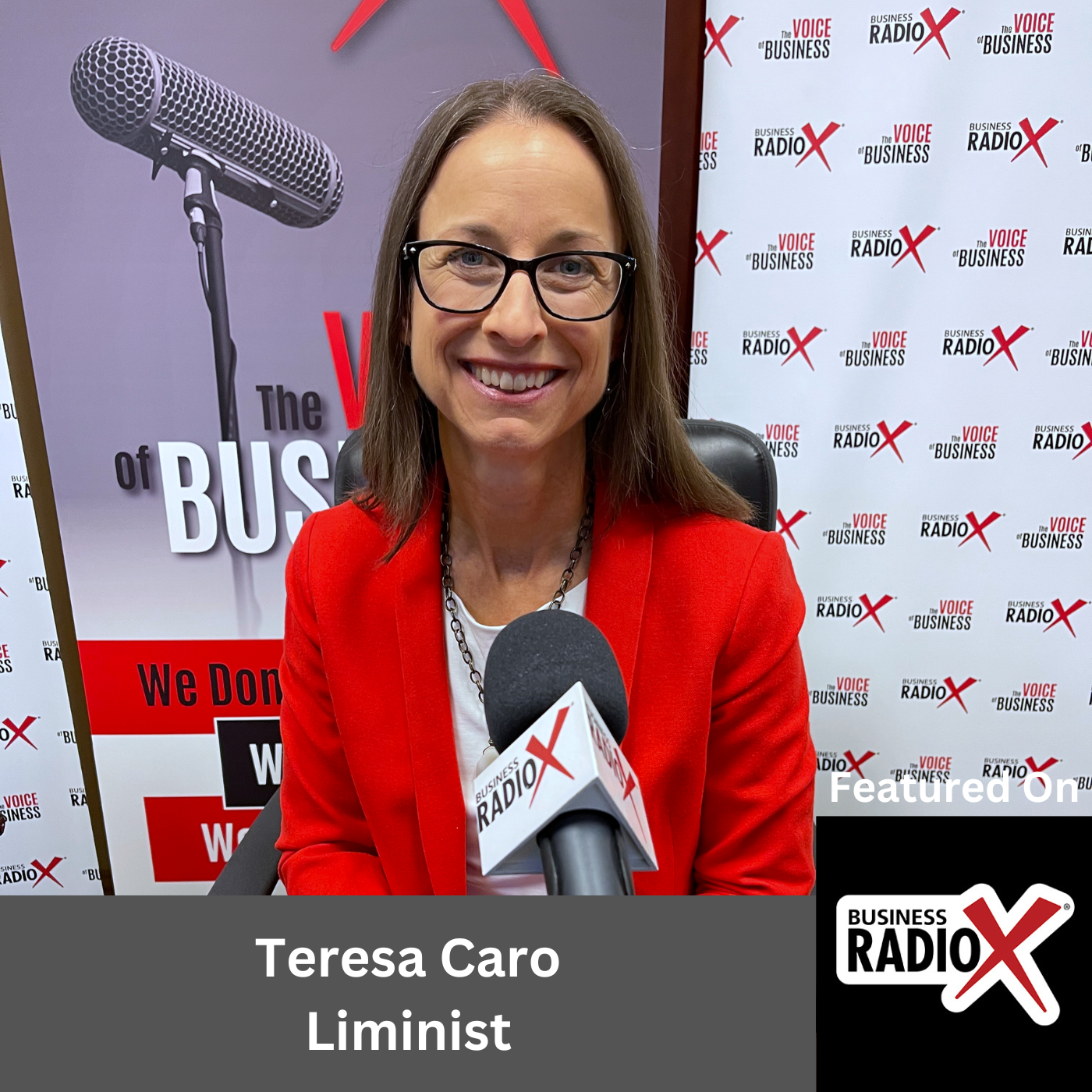
Teresa Caro is the founder and CEO of Liminist, where she utilizes her proprietary LIMINAL methodology—Learn, Investigate, Measure, Innovate, Navigate, Adapt, Lead—to catalyze growth and elevate performance among C-suite executives, senior leaders, and high-potential teams.

With over twenty years of leadership experience in complex environments, Teresa is recognized for her strategic acumen and empathetic, grounded style. Her career includes award-winning work across sectors like CPG, retail, fintech, and B2B SaaS, and she has held notable leadership roles at organizations such as Razorfish, Engauge (acquired by Publicis), and Atlanticus. Her expertise lies in guiding organizations through acquisitions and digital transformations, consistently building strong foundations for success.

Teresa’s commitment to developing future leaders extends beyond her executive coaching, as she serves as a mentor coach for initiatives such as OnBoard and the UGA Digital Marketing Competition. She is a co-author of The Purpose Playbook, which promotes purpose-driven leadership. Teresa’s credentials include an MBA from Georgia State, executive coach certifications from CEC and ICF, and specialized expertise in assessment tools and mental fitness. A devoted golfer and yoga enthusiast, Teresa exemplifies the balance of professional drive and personal fulfillment, encouraging clients to do the same.

Website | LinkedIn

Anthony Chen, Host of Family Business Radio

Anthony Chen, Host of Family Business Radio

Family Business Radio is sponsored and brought to you by Anthony Chen with Lighthouse Financial Network. Securities and advisory services are offered through OSAIC, member FINRA/SIPC. RAA is separately owned, and other entities and/or marketing names, products, or services referenced here are independent of OSAIC. The main office address is 575 Broadhollow Rd., Melville, NY 11747. You can reach Anthony at 631-465-9090, ext. 5075, or by email at anthonychen@lfnllc.com.

Anthony Chen started his career in financial services with MetLife in Buffalo, NY, in 2008. Born and raised in Elmhurst, Queens, he considers himself a full-blooded New Yorker while now enjoying his Atlanta, GA, home. Specializing in family businesses and their owners, Anthony works to protect what is most important to them. From preserving to creating wealth, Anthony partners with CPAs and attorneys to help address all of the concerns and help clients achieve their goals. By using a combination of financial products ranging from life, disability, and long-term care insurance to many investment options through Royal Alliance, Anthony looks to be the eyes and ears for his client’s financial foundation. In his spare time, Anthony is an avid long-distance runner.

Follow this link to access the complete show archive of Family Business Radio.

Tagged With: AI, Anthony Chen, business law, contracts, corporate law, cyber risk management, cybersecurity, Diamond Ford, Don’t Touch My Hair by Hollywood, executive coach, executive coaching, Family Business, Family Business Radio, hair salon, Katherine Moore Law LLC, Katie Moore, Liminist, Minerva Consulting, senior salon services, Sonal Chandler, Teresa Caro, trademarks

Teresa Caro With Liminist

May 5, 2025 by Jacob Lapera

High Velocity Radio
High Velocity Radio
Teresa Caro With Liminist
Loading
00:00 /
RSS Feed
Share
Link
Embed

Download file

Teresa Caro is the founder and CEO of Liminist, where she helps CEOs, CMOs, CPOs, and leadership teams navigate pivotal moments of growth and transformation. Drawing on over two decades of experience in digital strategy, acquisitions, and team leadership across industries like CPG, Retail, Fintech, and B2B SaaS, Teresa blends strategic insight with grounded, empathetic coaching.
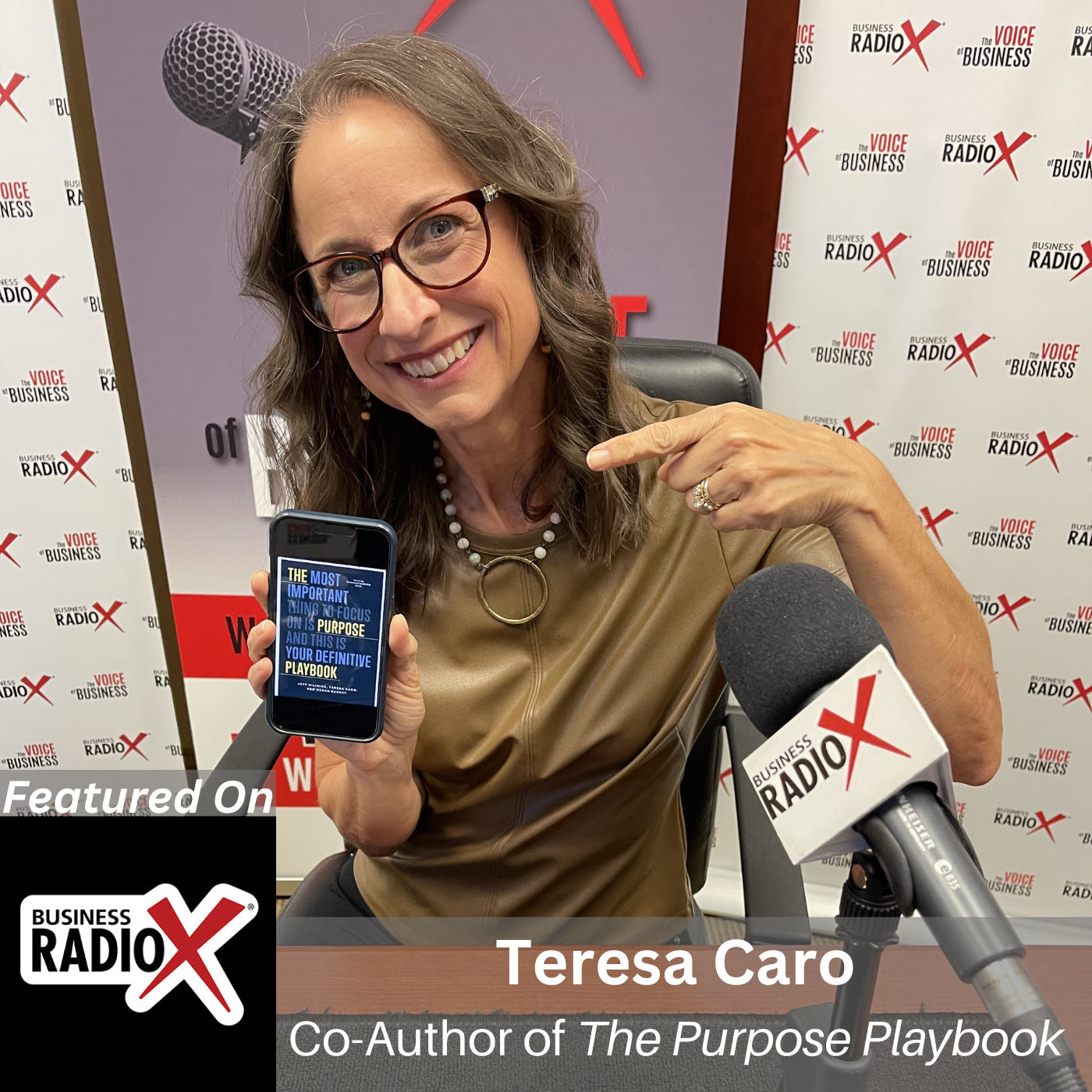
An ICF credentialed executive coach and co-author of “The Purpose Playbook,” she empowers leaders to evolve from functional experts to visionary collaborators. Her clients value her practical tools, human-centered approach, and ability to unlock lasting clarity and connection—both professionally and personally.

Connect with Teresa on LinkedIn.

What You’ll Learn In This Episode

  • The business of coaching
  • Coaching vs. therapy vs. mentoring/sponsorship
  • Tips for finding a coach
  • How to determine how much to spend on a coach (1:1 coaching and team coaching)
  • Results you should expect from a coach

Transcript-iconThis transcript is machine transcribed by Sonix.


TRANSCRIPT

Intro: Broadcasting live from the Business RadioX studios in Atlanta, Georgia. It’s time for High Velocity Radio.

Lee Kantor: Lee Kantor here. Another episode of High Velocity Radio, and this is going to be a good one. Today on the show we have Teresa Caro. She is the CEO and founder of the Liminist. Welcome.

Teresa Caro: Thank you so much. I’m so happy to be here.

Lee Kantor: Well, I am excited to learn what you’re up to. Uh, tell us a little bit about the Limonest. How you serving, folks?

Teresa Caro: So let’s start with what that word even means. It’s a combination, really, of two words liminal and specialist. Liminal is that state of being between and betwixt. So if you think about someone in a liminal state, they’re going from this, this journey of discovery to Realization to action, to something new. And a lot of people and companies tend to get stuck in that middle, in that liminal state. So I am a specialist or myself and limonest. We are specialists and moving people and teams through that liminal state to get them unstuck and move them forward.

Lee Kantor: So when a person’s in flux or maybe transition, what percentage of the time are they in that state, rather than being either in that beginning state or, you know, the state of where they’re doing action or some sort of thing like that?

Teresa Caro: I’m really depends on the situation. If you think of someone that they really want to do something new, yet their day to day is getting in the way and they’re really just looking for an accountability partner. That person is not necessarily stuck, stuck. They just need someone to hold them accountable. So we meet once a month. We have homework assignments knowing that we’re going to meet again, pushes them forward on that extra thing that they want to do. That true state of being stuck is you have a team that has probably been together for a decade, and they’ve been trying to move the company forward or transition to a new way of thinking or a new purpose, and they just can’t figure out how to get there. They keep trying and failing, or they try and they believe that they have come to a decision, but then they fail and holding each other accountable and they’re not seeing the results. That level of stuck now you’re into a bigger level of stuck that that might take you a good six months, maybe even a year, maybe even longer to figure out the the source of what’s causing them to be stuck and then retraining or rewiring our brains or creating new habits to move them forward.

Lee Kantor: So if you just took an average person or an average business leader. Are they in that moment in time? Are they typically stuck or are they? They got a plan?

Teresa Caro: Well, that’s it really depends on the situation. Some leaders have plans and they know how to implement that plan. They have the right team. They have the right people in the right seats doing the right, right things. They’re happy. They have clarity. They have buy in. They have all the things. Those teams are not stuck. They are really pushing things forward. If you have someone completely on the other side and they can’t figure it out, they might not even know that they’re stuck. So a good way for a leader or a team to figure out, even if they are stuck, is if they’re having the same conversations over and over again with no progress, if they’re coming up with big ideas, but then they come up with lackluster results. It’s really being honest with ourselves around what is trying to be accomplished, and what kind of success or lack of success that they are running into.

Lee Kantor: Now is being stuck. Is that something everybody’s going to go through at some point in time, or just some people are just more apt to be stuck periodically, and other people are just are able to avoid that.

Teresa Caro: It just depends on the personality. This concept of stuck. So let’s take it back for a moment. If you think about our brains and how they’re wired, we you know, we think of our brains as just this thing that we use every day. In all actuality, it’s a muscle with nerves and just different ways of firing things. And over time, those pathways become just like highways. It’s the same pathway over and over again, which is great in some ways. It enables us to move quickly, efficiently, effectively, because we’ve been there before and we just know what to do and we can do. It requires very little thought. The challenge is, is if that pathway is one that keeps on ending up in a, in the result that we don’t like, in us not showing up the best way that we can be, or us not taking an action in the way that we would want to take it, then that’s a pathway that needs to be reframed. And much like, you know, muscle memory. I don’t know if you play golf, but I love the analogy of golf is, yeah, your swing could be great. And it gets, you know, you know, your drive gets you a certain amount of yardage. Um, but it maybe isn’t the right way. Um, or it isn’t as best as it could be. And so you have someone come in and break down your swing and give you a new swing, which you tend to use. But then if you don’t practice it over and over again, if you don’t have that person reinforcing that new swing, you get tired. You go back to old behaviors. You end up in a stressful situation. You go back to old behaviors. So the concept of stuck just depends on where we. Where are we in our career? Where are we from a team perspective? What situation is causing pressure on us or triggering us to behave in certain ways? There’s so many things that we need to take into consideration around this definition of stuck, and how to get unstuck.

Lee Kantor: Now, the idea of, I think you referred to it as grooves or these kind of repetitive behaviors that are happening time and time. It sounds like that transcends beyond business. That sounds like it could apply to your personal life, whether it’s your parenting or your relationships. Uh, is all of this a similar thing? But it’s just you would work on it differently if it’s business as opposed to something more personal.

Teresa Caro: Uh. You are. That is just such a great question. Gone are the days, and I’m a Gen Xer. Generation X was taught to leave home at home and work at work, and they will not combine. Um, it’s almost like the Apple TV show severance. Like it must be split. And what we’re coming to realize is that we bring personal to work and we bring work back. And a lot of times, the behaviors, how we lead a team or how we parent a child or how we relate with our spouse or our peers or bosses, uh, a lot of times you can find some common behaviors in those different situations. So, so yes, you know, something you work on at work or something you work on at home, you actually can figure out that it applies in the other, um, but not always. The other thing to think about, too, is we might go home and feel fully supported and understood and appreciated. So we show up as our best selves when we are at home. Yet when we go to work, we may not feel heard or appreciated or have clarity of what is expected of us or all the things. So we may go to work and feel triggered and get stuck and not show up as our best selves, but be fine at home. It again, it just depends on what’s going on around us that’s causing us to be the way that we are, or even from a team perspective. That’s because now you’re looking at a bunch of humans trying to work together to a common goal. What are the things that are tripping them up in the business world? That’s not getting them to move forward?

Lee Kantor: So if an individual is stuck, how do they know the right kind of solution to this? Is it a business coach that’s going to address my business issues? Is it going to be a therapist that’s going to address my personal issues? Like, it seems like there’s a blurring of the lines everywhere. And it’s as an individual, how do you know which is the right path to go on in order to alleviate some of the stuckness?

Teresa Caro: So there’s a few things to approach what you just said. First is, is let’s help people understand the difference between therapy coaching and advising. Slash consulting. Advising slash consulting versus coaching therapy is is very clear. Do you want someone to tell you what to do? Will you hire a consultant? You hire advisor if you pretty much know what you need to do, and you’re just struggling to lay it out, or you’re looking for a thought partner or someone to help you break through all the weeds and help you realize the right answer. Now you’re looking at more of a coach or a therapist. The difference between a coach and a therapist has to do of what’s the source of the issue. Therapists are receive a lot of schooling. A lot of training, a lot of degrees, certifications, all sorts of things. Because if there is an issue that you cannot get behind. Beyond that, issue needs to be resolved with the tools and techniques and the therapies that a therapist brings to bear. Where a therapist and a coach tend to overlap is the creation of the new behaviors. So a therapist can actually work with you and help you figure out. Now that we’ve resolved or the therapist has resolved that core issue, they can partner with you to help you create new behaviors so you don’t go back to that.

Teresa Caro: You’re now moving forward. You’re getting unstuck and moving forward. Coaches do the same thing. We help you create new behaviors so you can get unstuck and move forward. Coaches and therapists a lot of times actually work together because a therapist will help you move forward in everyday life. Whereas a coach might have an area of expertise that helps you do that in a particular area. So for me, it’s business. For me, it’s I tend to work with marketing people and product marketers and product managers. So they know I come to the table with a certain area of expertise. I already understand the language that they speak, the situation that they’re in, and so I have that cognitive shortcut. They don’t have to explain anything to me. And so then I can partner with them in that particular area and help them help their teams, help these people work together more effectively. So that’s I’m a looking forward from a coach perspective. I help them look forward and get unstuck and move forward. A therapist comes in if there’s unresolved issues that they need their certain expertise to resolve.

Lee Kantor: So what’s your backstory? How did you get involved in this line of work?

Teresa Caro: Oh, well, so I had that pivot moment, and my background is I did most of my career in the advertising agency space, leading amazing teams across really amazing advertising agencies. I did some time as a chief marketing officer for a credit card company. And so I have grown up in the marketing product management, product marketing space. I realized when I had that moment to pause and to reflect upon what did I want to do for the rest of my career. I realized, although I will completely nerd out with the best of them, talking about product development and marketing and all the great marketing things, I am very happy to nerd out about those things. I don’t want to do the work anymore. What I do enjoy and what I started doing very well when I was on the corporate side of the world, is mentoring and coaching leaders to make them great leaders, mentoring coaching teams to make them great teams. And so when I had that opportunity to reflect and sort of get myself unstuck and heading into a new direction, get me out of my comfort zone, my liminal state, I chose coaching as the way to go.

Lee Kantor: Can you share maybe that first inkling that you had, uh, when you realized, hey, I’m going to be good at coaching? This is something that I do have the ability to help people get to new levels. Is there was there an aha moment that you were working with somebody and that occurred?

Teresa Caro: Well, it’s pretty easy on the agency space to start realizing that you’re good at something when you. So in the advertising agency world, it’s a service based model. So each person at a different level goes at a as a particular rate. And so everyone’s very mindful of how expensive it is to have me in the room versus someone else. Well, that moment where other leaders on my team, other members of their teams are starting are being requested to show up at meetings. And I’m not. I realized I did my job, that I really set them up for success that people preferred to have them have a seat at the table because they were impactful. They did bring value and oh, by the way, they were less expensive than me. So I sort of accidentally kept putting myself out of a job. Uh, and I kept being recruited to the next company to fix the next thing. So as you think about that, it wasn’t necessarily my marketing expertise at the end of my marketing career that people valued. It was my ability to transform organizations into higher performing organizations. So it was really the reason why people were recruiting me away to join the next company. And so why not do that for multiple companies at once?

Lee Kantor: When that was happening, was there a a point in time when you were thinking, hey, what’s the deal here? Why am I being excluded? Or are you able to, um, you know, have a level of humility and humbleness to say, hey, this is good on me, that I’m able to, um, help these other people reach a new level. And it’s nothing personal about me and my abilities.

Teresa Caro: Oh, yeah. No, my my goal was always to get them the seat at the table. And the moment they were requested, I knew I did my job.

Lee Kantor: And then when you took the leap to go out on your own, was that being in that transition? How did you handle that? Did you have a coach at the time for yourself, or was this something that you felt that you had all the skills that you needed in order to make the leap from going from corporate to being an entrepreneur?

Teresa Caro: I am a big believer that the smartest people know what they don’t know, or know that they don’t know, and you hire the right people. You surround yourself with the right people to ensure your success. So the very first thing I did was hire center for Executive Coaching. Andrew and his team are an exceptional organization, and they helped me, you know. Yeah, I was coaching before, but I didn’t truly understand what it meant to be an International Coaching Federation credential coach and ICF credentialed coach. I didn’t know what that meant. And he and the team helped me get that credential. And now two and now a second level PCC coach because of him and his team. And then I’ve surrounded myself with coaches who have gone before me who really are paying it forward because coaches have helped them in the past. I’ve had mentors. I even within your own organization, I learned from really talented people like John Ray and the generosity mindset. So my recommendation for anybody, it doesn’t matter if you’re a leader or in corporate or if you’re choosing to run your own organization, is make sure you you are aware that you have blind spots and make sure you have people around you, organizations around you that can help you identify those blind spots and then help you learn how to fill those blind spots.

Lee Kantor: Now, when you were looking for that coach for yourself, did you have to kiss any frogs? Or was this something that you just found the right coach right away? Because finding the right fit, I would imagine, is the first major decision that you hope to get right.

Teresa Caro: Well, I would say so. There’s two things for me to that. One is for me. No, I you know, I talked to a lot of coaches. I had a good sense of what kind of coaching program I wanted. And then thankfully, coaching programs do a good job explaining who they are, what they represent. So I’m very much a spreadsheet kind of person. I just put them all in a spreadsheet, put in all the key things I found on the website, and then Ceec was a clear choice for me. When others are looking for a coach, it’s not necessarily kissing a lot of frogs. It’s more just you need to do your due diligence. This person is someone you’re going to bare your soul to. Um, we all follow a code of confidentiality, so you can trust that we’re not going to share anything that happens in that one on one session, but it still is. You almost pretty quickly have to develop a sense of trust. So that’s the first thing is it’s not necessarily kicking kissing frogs. It’s it’s getting a sense for what do you need. What’s your objective. Do you need someone to tell you what to do, or to partner with you to come up with the best decision? What kind of value do you want? Do you want to see out of it? There’s a whole.

Teresa Caro: We could probably have a whole podcast on all the different things you need to think about to select a coach. And the most important thing, though, is trust. And then the second thing is just understanding what kind of results do you want from this relationship. Either a one on one coaching relationship, a team coaching relationship, or even a cohort or group coaching relationship. What value do you want to see and can you in your mind? And you know this isn’t a a soft skills kind of thing, you should be able to sit down and say, this is how much they’re charging. This is the value that I expect to see. And this is the expected return on investment that I expect to get out of that. If you can combine trust with an ROI conversation, a value conversation, and you feel good about your choice, you should be able to to come up with a coach that makes sense for you and your team.

Lee Kantor: And how much time should you give a new relationship with a coach to know if you’re on the right track? Like, are there certain things that happen where you’re like, okay, this seems to be working, but I’m not getting any tangible results, but I feel like I’m on the right path. Like, are there some kind of, you know, yellow lights, red lights, green lights. As the relationship is evolving at the beginning.

Teresa Caro: Well, a good coach is going to make sure that we are all on the same page. So what typically happens is we get hired on for an executive, a team, or even within group coaching to solve a particular issue. And that’s part of the kickoff. So I, I always talk about my program is two months, two months, two months for, you know, just to use one on one coaching as an example, two months of discovery, two months of pushing you out of your comfort zone, two months of results. And we start with, I want to solve this problem. I want to get promoted. I want to show up as a better executive and get better scores. I want to find a new job. There’s different things that they want to do. What typically happens, though, is in the discovery phase, we actually discover something else, and it is at that point that we pause and say, okay, we discovered this. So we can either continue down the path that we have set or we can pause and resolve this first. So we set another near-term goal, and then we head towards that so that persistent check in to make sure that you and your coach or your team and your coach are all heading down the same path and have clarity and buy in around what success looks like over the next period of time.

Teresa Caro: That’s really critical and a sign of a good coach, because you can’t just blindly say, oh, you want to solve this in six months later. It’s like, okay, you really need to continue to to check in and confirm we’re still on the same page. And really, as a leader of teams, you should be doing the same thing with your teams. You may say, okay, the beginning of 2025, these are our goals and objectives. But having making sure everybody’s clear on their roles and responsibilities. What they’re heading towards and how to get there. Starting off with that, getting buy in and commitment, but then doing those regular check ins to make sure that everybody’s still in alignment, to make sure that nothing else has popped up. That’s going to keep them from moving forward. That’s just that’s just typical great leadership kinds of conversations and how we should progress forward.

Lee Kantor: Now, you mentioned several different ways to approach coaching in terms of one on one. I think you mentioned group and maybe cohort coaching. Mhm. Can you explain maybe the trade offs of those.

Teresa Caro: Sure. Um so group or cohort. So group and cohort are the same thing. Group and cohort coaching is typically people with some kind of similar thing, similar goal. So I run um a group or cohort coaching program called living a Prioritized Life. It’s very focused on how do we show up as our best selves, as leaders of teams? Um, both, um, well, professionally and then of course, personal also comes into the mix. It’s a certain level of person, uh, with a certain focus using similar tools. So the benefit of that is you get to value me the, the, uh, operating system or the tools that I teach you. And you can tap into your peers as a form of a, as a form of peer advisory. And you can do that weekly. And it’s very cost effective to do it that way. The shortcoming of that is if you have a particular challenge that you really need to work through, you probably need some one on one time in order to do that. So a lot, a lot of my clients tend to do one on one coaching with me because there’s something that they’re trying to accomplish, and they need that intense one on one time with me in order to work through the latest challenge and come up with the next steps that the new way that they’re going to break down that muscle memory and build new muscle memory. So that’s the benefit of having that one on one with the actual group coaching team is a whole nother thing. So team is all working for the same company, all trying to achieve the same goal at that company. And so a coach is going to come in and make sure that that team is working together the best that they can, working on presence and communication skills and conflict resolution and psychological safety. Enter any business buzzword here. That’s what a team coach is going to help that team do.

Lee Kantor: Now, is there a story you can share that, um, maybe illustrates the power of having a good coach in terms of don’t name, obviously the name of the person or the company, but name the share the the problem they were having and how you were able to help them get to a new level.

Teresa Caro: Yeah. So a common thing that I run into is when a company or a team is shifting their direction. So and this isn’t one company, this is several companies that I work with that all have a common challenge, which is you’re going from a particular organization that I’d like to call a lifestyle organization or a best place to work organization where they prioritize. And I’m a big believer that there’s no such thing as balance, but let’s just use the a balanced life as a as a term for this discussion. So they they prioritize that. They prioritize, um, field trips and volunteering. And it’s just really a great, fun place to work. And yes, the company still does. Well. Um, it may not be growing exponentially, but it’s a good, solid company. Then that leader, for any number of reasons. It might be a family owned business. It might be, um, a particular organization that. Yeah, that was great for 20 years, but now it needs to be sold. There’s a there’s certain things that may happen that shift from that best place to work to more of a growth mentality. Well, when you shift from best place to work to growth mentality, for a lot of people, that means the culture changes. That means that everybody needs to get on board around the fact that they’re going to go from maybe 5 to 10% growth per year to now, 20 to 30% growth per year.

Teresa Caro: They’re going to have to put in longer hours. The intensity of the work, the type of work, the pressure around the work. There’s a whole bunch of things that go into that sort of more of a growth mindset versus a steady state kind of mindset. So with that said, having working with that leader because a lot of them get stuck. Because if you think about it, the people who have been with their companies for 20 or 30 years have they’ve been probably working with the same people for at least ten years. There’s a certain amount of loyalty to them. There’s a there’s an IP. These people know the business. They know how to do the business. And losing these people would, you know, would cause pain. And so helping that leader and these teams shift to this new way of thinking, helping these teams, these leaders figure out, do they want to shift? Are they excited by the fact of, you know what, we have worked really hard to grow this company, and now there’s this potential exit, and we are all going to benefit from that exit. Some people can really step up and be very excited about that and others do not.

Teresa Caro: So I’ve had that in several different times. And so what we tend to do, and this is not a quick change, this is not I’m going to come in at three months, change it. This is a couple year kind of evolution where we come in and do discovery. Who’s on the team. What kind of there’s different data driven assessments you can use to make sure the right people are in the right seats, doing the right things, making. So that was the first step, making sure that all the owners and everybody that’s that’s involved, they are all in alignment with where the next direction is for the organization. So then getting that settled and then it’s going the next layer down and making sure do they have you’re going to be putting these people in a pressure cooker. So do they have the right communication skills. And you know I’m very much a huge fan of Lencioni. Do they truly trust one another? Not just functional trust, but truly do they trust that these people all understand where the organization is heading, and do they trust that these people are all in it together? Do they know how to have a constructive conflict conversation? Because we’re going to be taking them from the nice, happy conversations that they’ve been having that can take a long time to the need of having very efficient, effective, intense conversations.

Teresa Caro: Do they have the tools to do that? Do they know how to commit to a decision? Do they know how to hold each other accountable? Don’t just wait for the owner or the leader to hold them accountable, but to truly hold each other accountable so they can all work together to generate results. And then putting that plan together. So I wrote a book called The Purpose Playbook, which is around purpose and vision tenants, which is another way of saying strategic statements and values. So then the final step is, is running them through what we like to call pdtv and making sure that they have a uniform plan, making sure that people are clear on who is accountable, necessarily responsible for everything, but who’s accountable that it gets done. And then sending them off to do it. And so I’ve had several companies go through this process with me. And yeah, it’s fun because they actually graduate. And yeah, I’m still doing one on one coaching with the leaders. But at the end of the day, the rest of the organization has has graduated and they are off to the races with this this new purpose, this new vision. And they they have clarity on what’s going to do. And that is truly exciting and satisfying.

Lee Kantor: So who is the ideal client for Limonest? Is it a team like you just described? Is an individual? Is it both? And what type of pain are they in right now where it would be a good idea to contact you and your team?

Teresa Caro: So there’s a few ways to look at it. One is I tend to operate more in the advertising marketing, product management, product marketing space. So if you’re looking for a coach who can speak your language in those areas, that would be me. From an advertising perspective, it’s generally a 50 people or more. Once you hit that 50 person mark in the advertising agency space, you’re now running into a new set of challenges, a new price point. You’re looking at different goals and paying more attention to succession planning. And I generally work with independently owned agencies in that space because I want to work with the owners, the decision makers. On the brand side, I tend to work in around the C-suite area. So again, marketing, product management, product marketing, VP and above, ideally people who lead teams. So as you look on the. Com on my website and you see one on one coaching and team coaching that helps you understand who I generally work with. From a cohort group coaching perspective, it’s typically leaders. I have some entrepreneurs in that group. Um, so to me, the cohort and group coaching are really people with a certain certain level of expertise, certain years of experience that ends up deciding to do all group or cohort coaching. And that’s called my Living a Prioritized Life program.

Lee Kantor: And, uh, you mentioned the website, the. Com. Is that the best place to go? If somebody wants to learn more, have a more substantive conversation with you or the team and get a hold of your book.

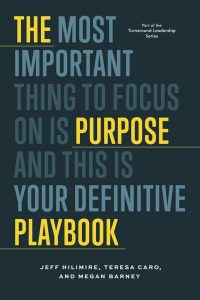
Teresa Caro: Uh, yes. So if you can start there, that gives you an idea of the kinds of products and services that I offer. Uh, also, I highly recommend people follow me on LinkedIn. I am a prolific writer, so if you want to get a sense for who I am and how, I think going to LinkedIn and finding Teresa Caro there and reading some of my content, that’ll give you a good sense of who Limonest is and how we approach different challenges that are out there. The Purpose Playbook I highly recommend you go to Amazon. It has been written by myself, Theresa Caro, as well as Jeff Hillenmeyer and Megan Barney, and it’s called The Playbook. It’s blue and yellow. That’s how you know you have the right one.

Lee Kantor: And Theresa Caro is spelled t e r e a r.

Teresa Caro: Correct. And you’ll see me on LinkedIn as Theresa Caro, MBA, PCC. That’s how you know you found the right one.

Lee Kantor: Well, Theresa, thank you so much for sharing your story today. You’re doing such important work and we appreciate you.

Teresa Caro: Thank you so much for having me. What great.

Teresa Caro: Questions. So much fun.

Lee Kantor: All right. This is Lee Kantor. We’ll see you all next time on High Velocity Radio.

Tagged With: Liminist, Teresa Caro

Building Purposeful Teams, with Teresa Caro, Co-Author of The Purpose Playbook

December 5, 2024 by John Ray

Building Purposeful Teams, with Teresa Caro, Co-Author of The Purpose Playbook, on North Fulton Business Radio with host John Ray
North Fulton Business Radio
Building Purposeful Teams, with Teresa Caro, Co-Author of The Purpose Playbook
Loading
00:00 /
RSS Feed
Share
Link
Embed

Download file

Building Purposeful Teams, with Teresa Caro, Co-Author of The Purpose Playbook, on North Fulton Business Radio with host John Ray

Building Purposeful Teams, with Teresa Caro, Co-Author of The Purpose Playbook (North Fulton Business Radio, Episode 825)

In this episode of North Fulton Business Radio, host John Ray interviews Teresa Caro, the founder of Liminist and co-author of The Purpose Playbook: The Definitive Guide to Building Your Team’s Purpose, Vision, Tenants, and Values. Teresa discusses the significance of her new book in helping leaders develop their teams’ purpose, vision, tenants, and values. She shares insights on the inspiration behind the book, coauthored with Jeff Hilimire and Megan Barney, and the collaborative process involved. The conversation extends to the practical tools and methods of implementing the playbook within organizations, the importance of constructive conflict and accountability, and key success stories from Teresa’s experience. Teresa also emphasizes the detailed steps for ensuring a team is ready for the book’s methodologies and the benefits of maintaining a transformative mindset.

John Ray is the host of North Fulton Business Radio. The show is recorded and produced by the North Fulton affiliate of Business RadioX® inside Renasant Bank in Alpharetta.

The Purpose Playbook: The Definitive Guide to Building Your Team’s Purpose, Vision, Tenants, and Values

Everyone knows that the “right kind” of team includes a clear purpose, clear vision, clear objectives, clear roles, and mutual trust. However, establishing this is easier said than done—especially in today’s ad hoc and asynchronous work culture. So where do leaders of teams or organizations who aim to drive high performance begin?

The Purpose Playbook, a companion guide to the Turnaround Leadership Series, is designed to help teams and businesses alike to develop purpose-driven leadership. The methodology and corresponding activities help teams uncover and craft their Purpose, Vision, Tenets, & Values (PVTV), leveraging Jeff Hilimire’s proprietary leadership concept.

This book was written by co-authors Jeff Hilimire, Teresa Caro, and Megan Barney and developed from their years of experience running this process with their own teams and countless consulting assignments working with partners going through their own journeys.

Whether you’re a seasoned leader or a facilitator, this playbook is designed to help you navigate the meaningful journey of shaping a culture that’s rooted in purpose and clear vision. Part narrative, part roadmap, part execution, The Purpose Playbook uniquely helps leaders and teams picture themselves going through this process, while including practical activities and instruction to help tactically guide them along the way.

This playbook includes the formula for creating a shared objective, instilling a sense of “why” within the team that deepens commitment and engagement, and ultimately embeds purpose at the heart of your operations.

Amazon | Barnes & Noble | Bookshop.org

Teresa Caro, Founder and CEO, Liminist and Co-Author, The Purpose Playbook

Teresa Caro
Teresa Caro

Teresa Caro is the founder and CEO of Liminist, where she leverages her unique LIMINAL methodology—Learn, Investigate, Measure, Innovate, Navigate, Adapt, Lead—to drive transformative growth and performance enhancements in C-suite executives, senior leaders, and high-potential teams.

With a strategic acumen and an empathetic, grounded leadership style, Teresa empowers individuals and teams to achieve excellence, adaptability, and strategic prowess in the face of digital transformations and acquisitions.

Teresa’s career spans over two decades of leadership in high-stakes environments, guiding leadership teams, marketing departments, and agencies toward significant achievements, particularly in acquisitions and digital transformations. As a decorated professional with accolades such as Cannes Lion, Effie, and Clio awards, she has established a reputation for creating solid foundations that foster outstanding work. Her expertise covers essential sectors like CPG, Retail/eCommerce, Fintech, and B2B SaaS. Notable leadership roles at esteemed organizations such as Razorfish, Engauge (acquired by Publicis), and Atlanticus highlight her ability to bring invaluable insights and knowledge to every coaching engagement.

Beyond her professional commitments, Teresa actively contributes to the development of future leaders as a mentor coach for OnBoard and the UGA Digital Marketing Competition. She is the co-author of The Purpose Playbook, a companion guide to the Turnaround Leadership Series, to create purpose-driven leadership and lead teams with transformative mindsets. Her coaching approach, characterized by a blend of empathy and grounded leadership, inspires excellence in the professional sphere and emphasizes the importance of personal fulfillment.

Teresa holds a bachelor’s degree from Villanova University and an MBA from Georgia State University. She is a Certified Executive Coach through the Center for Executive Coaching (CEC) and holds a Professional Certified Coach (PCC) credential from the International Coach Federation (ICF). Teresa also holds certifications in Wiley’s PXT Select Assessments, is a Positive Intelligence mental fitness coach, and is an Authorized Partner of Five Behaviors. These diverse certifications enable her to address a wide range of challenges, guiding leaders and teams toward sustained high performance.

An avid golfer, yoga enthusiast, and a person who cherishes family time, Teresa embodies the ruthless prioritization of professional ambition and personal joy, encouraging her clients to prioritize their lives similarly.

LinkedIn

Topics Discussed in this Episode

00:00 Introduction and Welcome
00:26 Guest Introduction: Teresa Caro
01:43 About Liminist and Its Mission
02:58 Introducing The Purpose Playbook
03:39 The Story Behind the Book
10:43 Key Concepts: Purpose, Vision, Tenants, and Values
13:48 Who Should Use The Purpose Playbook?
20:36 Success Stories and Implementation
26:07 Where to Find The Purpose Playbook
27:42 Conclusion and Final Thoughts

Renasant Bank supports North Fulton Business Radio

Renasant BankRenasant Bank has humble roots, starting in 1904 as a $100,000 bank in a Lee County, Mississippi, bakery. Since then, Renasant has become one of the Southeast’s strongest financial institutions, with over $17 billion in assets and more than 180 banking, lending, wealth management, and financial services offices throughout the region. All of Renasant’s success stems from each banker’s commitment to investing in their communities as a way to better understand the people they serve. At Renasant Bank, they understand you because they work and live alongside you every day.

Website | LinkedIn | Facebook | Instagram | X (Twitter) | YouTube

About North Fulton Business Radio and host John Ray

With over 800 shows and having featured over 1,200 guests, North Fulton Business Radio is the longest-running podcast in the North Fulton area, covering business in our community like no one else. We are the undisputed “Voice of Business” in North Fulton!

The show welcomes a wide variety of business, non-profit, and community leaders to get the word out about the important work they’re doing to serve their market, their community, and their profession. There’s no discrimination based on company size, and there’s never any “pay to play.” North Fulton Business Radio supports and celebrates business by sharing positive business stories that traditional media ignore. Some media leans left. Some media leans right. We lean business.

John Ray, Business RadioX - North Fulton, and Owner, Ray Business Advisors
John Ray, Business RadioX – North Fulton, and Owner, Ray Business Advisors

John Ray is the host of North Fulton Business Radio. The show is recorded and produced from the North Fulton studio of Business RadioX® inside Renasant Bank in Alpharetta. You can find the full archive of shows by following this link. The show is available on all the major podcast apps, including Apple Podcasts, Spotify, Google, Amazon, iHeart Radio, and many others.

The studio address is 275 South Main Street, Alpharetta, GA 30009.

John Ray, The Generosity MindsetJohn Ray also operates his own business advisory practice. John’s services include advising solopreneurs and small professional services firms on their value, their positioning and business development, and their pricing. His clients are professionals who are selling their expertise, such as consultants, coaches, attorneys, CPAs, accountants and bookkeepers, marketing professionals, and other professional services practitioners.

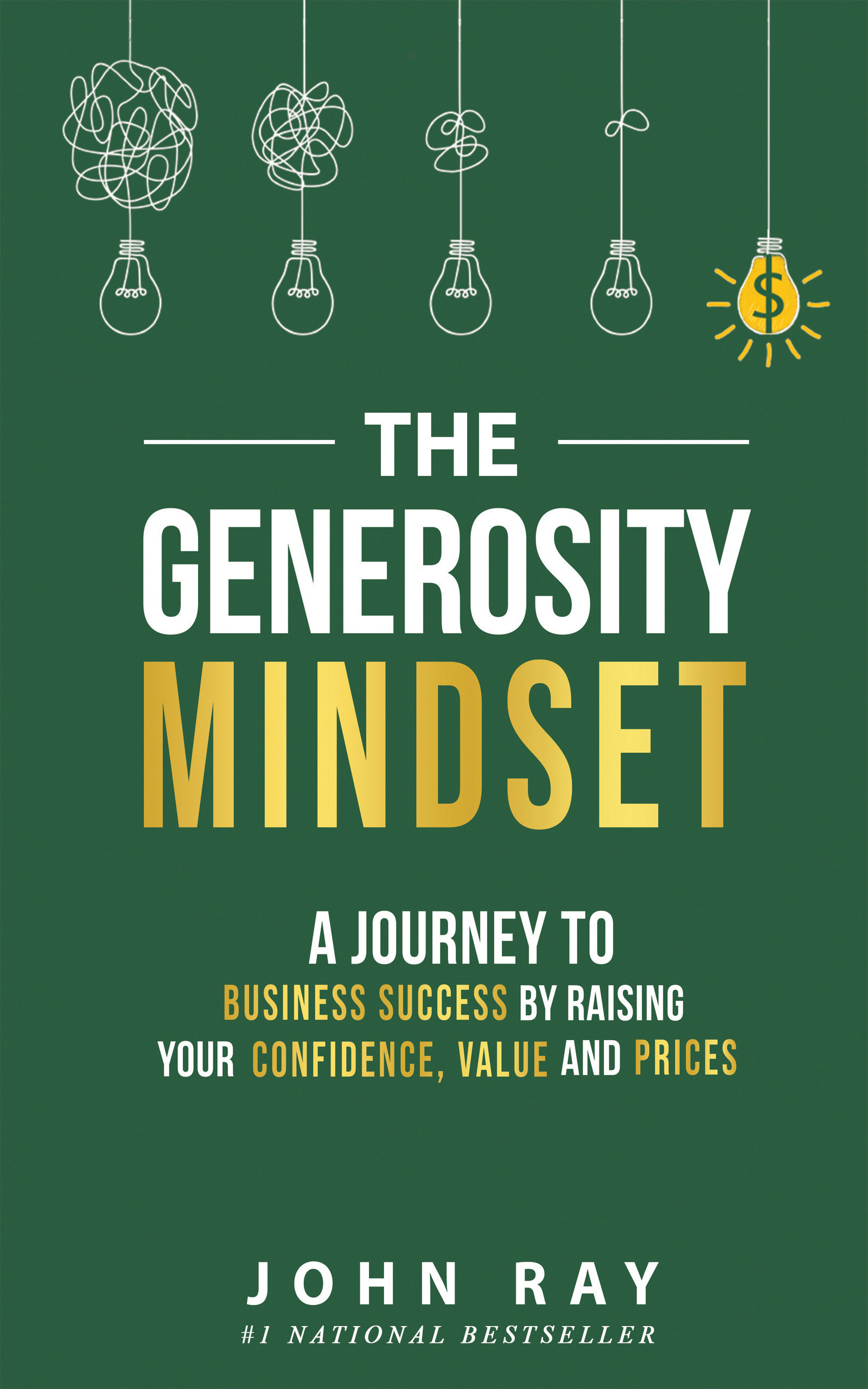
John is the national bestselling author of The Generosity Mindset: A Journey to Business Success by Raising Your Confidence, Value, and Prices.

Tagged With: John Ray, Leadership, Liminist, North Fulton Business Radio, purpose, team building, Teresa Caro, The Purpose Playbook

Managing Change, with Teresa Caro, Liminist

July 26, 2023 by John Ray

North Fulton Business Radio
Managing Change, with Teresa Caro, Liminist
Loading
00:00 /
RSS Feed
Share
Link
Embed

Download file

Managing Change, with Teresa Caro, Liminist (North Fulton Business Radio, Episode 683)

Teresa Caro, Founder of Liminist, joined host John Ray to chat about her innovative approach to executive coaching that helps both executives and companies manage change. Teresa discussed how Liminist got started, defined the term “liminal state” and shared ways to navigate it, talked about the importance of perspective transformation, and much more.

North Fulton Business Radio is broadcast from the North Fulton studio of Business RadioX® inside Renasant Bank in Alpharetta.

Liminist

Through executive coaching, Liminist seeks to create a world where having a transformative mindset is valued over all other skillsets. By embracing the liminal state, they empower leaders and service-based organizations to navigate change, foster innovation, and achieve success.

Their holistic approach to coaching addresses the operational aspects and also the human dynamics that drive success. From navigating complexities to unleashing the creative genius within, Liminist partners with you to create an agile, innovative, and high-performance culture.

Led by their Chief Liminist, Teresa Caro, along with hand-selected partners, they have a proven track record in driving results, fostering innovation, and building cohesive teams, making them a standout option in guiding organizations through change and unlocking your true potential.

Website | LinkedIn

Teresa Caro, Chief Liminist, Liminist

Teresa Caro Liminist
Teresa Caro, Liminist

As a seasoned marketing executive, Teresa Caro has helped many organizations navigate transitions and transformations and achieve lofty goals such as being acquired, exponentially increasing shareholder value, or transforming from a traditional organization to a digital one. Today, as Chief Liminist, strategic advisor, and executive coach, Teresa helps people and organizations master the “art of the pivot,” embrace change and achieve audacious goals.

If you would like to talk more about this podcast or coaching services for marketers, feel free to set up a time with Teresa on Calendly.

LinkedIn

Questions and Topics in this Interview:

  • Can you share with us the story behind the creation of Liminist and how it has evolved to become a transformative force in the world of leadership coaching?
  • What is the essence of Liminist and why is perspective transformation so significant in driving organizational success?
  • In a recent LinkedIn article, you mention the power of a liminal state combined with a transformational mindset. Can you elaborate on how these two elements work together to unlock an organization’s true potential?
  • For visionary leaders who are seeking to navigate organizational change, what specific insights or strategies does Liminist offer to help them overcome challenges and drive innovation?
  • How does Liminist differentiate itself from other leadership coaching approaches in the industry? What sets it apart?
  • In your article, you mention the boundless creativity and growth potential that can be unlocked through perspective transformation. Can you provide some practical guidance or tips for leaders who want to tap into these qualities within their own organizations?
  • Finally, what is your vision for the future of Liminist? How do you see it continuing to make a positive impact in the realm of leadership coaching and organizational transformation?

North Fulton Business Radio is hosted by John Ray and broadcast and produced from the North Fulton studio of Business RadioX® inside Renasant Bank in Alpharetta. You can find the full archive of shows by following this link. The show is available on all the major podcast apps, including Apple Podcasts, Spotify, Google, Amazon, iHeart Radio, Stitcher, TuneIn, and others.

RenasantBank


Renasant Bank has humble roots, starting in 1904 as a $100,000 bank in a Lee County, Mississippi, bakery. Since then, Renasant has become one of the Southeast’s strongest financial institutions with over $13 billion in assets and more than 190 banking, lending, wealth management, and financial services offices in Mississippi, Alabama, Tennessee, Georgia, and Florida. All of Renasant’s success stems from each of their banker’s commitment to investing in their communities as a way of better understanding the people they serve. At Renasant Bank, they understand you because they work and live alongside you every day.

Since 2000, Office Angels® has been restoring joy to the life of small business owners, enabling them to focus on what they do best. At the same time, we honor and support at-home experts who wish to continue working on an as-needed basis. Not a temp firm or a placement service, Office Angels matches a business owner’s support needs with Angels who have the talent and experience necessary to handle work that is essential to creating and maintaining a successful small business. Need help with administrative tasks, bookkeeping, marketing, presentations, workshops, speaking engagements, and more? Visit us at https://officeangels.us/.

Tagged With: coach, executive coaching, John Ray, leadership coaching, Liminal State, Liminist, managing change, North Fulton Business Radio, Office Angels, Strategic advisor, Teresa Caro, Transformative Mindset

Business RadioX ® Network


Our Most Recent Episode

CONNECT WITH US

  • Email
  • Facebook
  • LinkedIn
  • Twitter
  • YouTube

Our Mission

We help local business leaders get the word out about the important work they’re doing to serve their market, their community, and their profession.

We support and celebrate business by sharing positive business stories that traditional media ignores. Some media leans left. Some media leans right. We lean business.

Sponsor a Show

Build Relationships and Grow Your Business. Click here for more details.

Partner With Us

Discover More Here

Terms and Conditions
Privacy Policy

Connect with us

Want to keep up with the latest in pro-business news across the network? Follow us on social media for the latest stories!
  • Email
  • Facebook
  • Google+
  • LinkedIn
  • Twitter
  • YouTube

Business RadioX® Headquarters
1000 Abernathy Rd. NE
Building 400, Suite L-10
Sandy Springs, GA 30328

© 2025 Business RadioX ® · Rainmaker Platform

BRXStudioCoversLA

Wait! Don’t Miss an Episode of LA Business Radio

BRXStudioCoversDENVER

Wait! Don’t Miss an Episode of Denver Business Radio

BRXStudioCoversPENSACOLA

Wait! Don’t Miss an Episode of Pensacola Business Radio

BRXStudioCoversBIRMINGHAM

Wait! Don’t Miss an Episode of Birmingham Business Radio

BRXStudioCoversTALLAHASSEE

Wait! Don’t Miss an Episode of Tallahassee Business Radio

BRXStudioCoversRALEIGH

Wait! Don’t Miss an Episode of Raleigh Business Radio

BRXStudioCoversRICHMONDNoWhite

Wait! Don’t Miss an Episode of Richmond Business Radio

BRXStudioCoversNASHVILLENoWhite

Wait! Don’t Miss an Episode of Nashville Business Radio

BRXStudioCoversDETROIT

Wait! Don’t Miss an Episode of Detroit Business Radio

BRXStudioCoversSTLOUIS

Wait! Don’t Miss an Episode of St. Louis Business Radio

BRXStudioCoversCOLUMBUS-small

Wait! Don’t Miss an Episode of Columbus Business Radio

Coachthecoach-08-08

Wait! Don’t Miss an Episode of Coach the Coach

BRXStudioCoversBAYAREA

Wait! Don’t Miss an Episode of Bay Area Business Radio

BRXStudioCoversCHICAGO

Wait! Don’t Miss an Episode of Chicago Business Radio

Wait! Don’t Miss an Episode of Atlanta Business Radio