Business RadioX ®

  • Home
  • Business RadioX ® Communities
    • Southeast
      • Alabama
        • Birmingham
      • Florida
        • Orlando
        • Pensacola
        • South Florida
        • Tampa
        • Tallahassee
      • Georgia
        • Atlanta
        • Cherokee
        • Forsyth
        • Greater Perimeter
        • Gwinnett
        • North Fulton
        • North Georgia
        • Northeast Georgia
        • Rome
        • Savannah
      • Louisiana
        • New Orleans
      • North Carolina
        • Charlotte
        • Raleigh
      • Tennessee
        • Chattanooga
        • Nashville
      • Virginia
        • Richmond
    • South Central
      • Arkansas
        • Northwest Arkansas
    • Midwest
      • Illinois
        • Chicago
      • Michigan
        • Detroit
      • Minnesota
        • Minneapolis St. Paul
      • Missouri
        • St. Louis
      • Ohio
        • Cleveland
        • Columbus
        • Dayton
    • Southwest
      • Arizona
        • Phoenix
        • Tucson
        • Valley
      • Texas
        • Austin
        • Dallas
        • Houston
    • West
      • California
        • Bay Area
        • LA
        • Pasadena
      • Colorado
        • Denver
      • Hawaii
        • Oahu
  • FAQs
  • About Us
    • Our Mission
    • Our Audience
    • Why It Works
    • What People Are Saying
    • BRX in the News
  • Resources
    • BRX Pro Tips
    • B2B Marketing: The 4Rs
    • High Velocity Selling Habits
    • Why Most B2B Media Strategies Fail
    • 9 Reasons To Sponsor A Business RadioX ® Show
  • Partner With Us
  • Veteran Business RadioX ®

Tremors

August 9, 2023 by John Ray

Tremors
North Fulton Studio
Tremors
Loading
00:00 /
RSS Feed
Share
Link
Embed

Download file

Tremors

Tremors (Episode 90, To Your Health with Dr. Jim Morrow)

On this episode of To Your Health, Dr. Jim Morrow covers tremors, the difference between benign essential tremors and Parkinson’s Disease, how they are diagnosed, potential causes, what the doctor might do for treatment, and much more.

To Your Health is brought to you by Village Medical (formerly Morrow Family Medicine), which brings the care back to healthcare.

About Village Medical (formerly Morrow Family Medicine)

Village Medical, formerly Morrow Family Medicine, is an award-winning, state-of-the-art family practice with offices in Cumming and Milton, Georgia. The practice combines healthcare information technology with old-fashioned care to provide the type of care that many are in search of today. Two physicians, three physician assistants and two nurse practitioners are supported by a knowledgeable and friendly staff to make your visit to Village Medical one that will remind you of the way healthcare should be.  At Village Medical, we like to say we are “bringing the care back to healthcare!”  The practice has been named the “Best of Forsyth” in Family Medicine in all five years of the award, is a three-time consecutive winner of the “Best of North Atlanta” by readers of Appen Media, and the 2019 winner of “Best of Life” in North Fulton County.

Village Medical offers a comprehensive suite of primary care services including preventative care, treatment for illness and injury, and management of chronic conditions such as diabetes, congestive heart failure, chronic obstructive pulmonary disease (COPD) and kidney disease. Atlanta-area patients can learn more about the practice here.

Dr. Jim Morrow, Village Medical, and Host of To Your Health with Dr. Jim Morrow

Covid-19 misconceptionsDr. Jim Morrow is the founder of Morrow Family Medicine. He has been a trailblazer and evangelist in healthcare information technology, was named Physician IT Leader of the Year by HIMSS, a HIMSS Davies Award Winner, the Cumming-Forsyth Chamber of Commerce Steve Bloom Award Winner as Entrepreneur of the Year and he received a Phoenix Award as Community Leader of the Year from the Metro Atlanta Chamber of Commerce.  He is married to Peggie Morrow and together they founded the Forsyth BYOT Benefit, a charity in Forsyth County to support students in need of technology and devices. They have two Goldendoodles, a gaggle of grandchildren and enjoy life on and around Lake Lanier.

Facebook | LinkedIn | Twitter

The complete show archive of To Your Health with Dr. Jim Morrow addresses a wide range of health and wellness topics.

Dr. Morrow’s Show Notes

Types of Tremors

  • Essential tremor (ET) is at least eight times more common than Parkinson’s disease (PD).
  • There are many differences in the presentation, course, and treatment of ET and PD;
    • however, these differences are not always recognized by healthcare professionals and misdiagnoses are common
    • it has been suggested that up to 20 percent of patients with ET may develop PD,
      • but whether ET is a risk factor for PD remains a controversial issue

Diagnosis

  • At this time, there are no tests that can definitively diagnose either ET or PD and it is not uncommon to have the two mistaken for each other.
  • The diagnosis is based on a complete medical/symptom, family and medication history and an examination by a physician,
  • Obtaining a handwriting sample may be helpful in making an accurate diagnosis;
    • in ET handwriting is generally large and tremulous,
    • whereas in PD, micrographia (very small handwriting) is common.
    • DaTscan, a single photon emission computed tomography (SPECT) scan,
      • which measures dopamine uptake, has been approved as a diagnostic aid to help physicians differentiate between ET and parkinsonian tremor.
      • Other imaging techniques are under investigation to determine their utility in differentiating ET and PD.
      • An accurate diagnosis is critical as the treatment regimen is very different for the two disorders.

Differentiating ET and PD

  • Usually ET starts as a low- amplitude tremor but can gradually increase to a coarse, disabling tremor.
    • As ET progresses, tremor frequency (number of repetitions per second) may decrease;
      • however, tremor amplitude (magnitude/strength) may increase.
      • Increased amplitude is associated with a decreased ability to manage fine motor tasks.
      • The amplitude varies up to 23 percent throughout the day, but the frequency usually does not change during the course of the disease.2
    • ET generally presents bilaterally and is primarily seen during action,
      • such as when writing or eating, or when holding a posture, for example, when holding an object against gravity.
      • On the other hand, parkinsonian tremor most often presents unilaterally and later progresses to include both sides of the body.
      • PD tremor most commonly occurs at rest,
        • when the body part is relaxed and not in use,
        • but can also be seen in the postural position, often referred to as reemergent tremor.3
      • ET most commonly affects the
        • hands, legs, head, and voice, and tremor is the primary symptom of ET.
        • In PD, the cardinal symptoms include bradykinesia, rigidity, tremor, and gait/balance issues.
        • It is important to note that although it occurs in the majority, tremor does not have to be present to make a diagnosis of PD.
        • The tremor of PD most generally occurs in the upper/lower extremities and the chin/jaw and generally does not affect the head or voice.
      • ET most commonly onsets during middle age,
        • but can occur at any time in the lifespan, even in childhood.
        • The progression of ET can be variable.
        • In some patients ET remains mild throughout the lifespan and does not result in significant disability;
          • however, in others ET progresses and can cause significant disability,
            • making many daily activities very difficult or impossible to complete.
            • On the other hand, the average age of onset of PD is 60 years although it may be much later and about 10 percent present prior to the age of 40 years.
            • PD is a progressive disorder with virtually all patients having increased disability over time.
          • Although the gene accounting for the majority of ET patients has not been identified,
            • ET is an autosomal dominant disorder with greater than 50 percent of patients reporting a family history of tremor.
              • It is not uncommon to have a patient report multiple family members from several generations that have been affected by tremor.
              • PD is the result of a loss of dopamine in the substantia nigra;
                • however, the cause of PD is currently unknown and it is suspected that it may be a combination of a genetic predisposition and environmental influences.
                • A family history of PD is reported in less than 20 percent of patients.
              • Both ET and PD are affected by stress, anxiety and emotion and it is not uncommon to see an increase in tremor under stressful conditions.


What is essential tremor?

  • So, there different kinds of tremor…
    • Many things can cause tremor.
    • Not all tremors are essential tremors.
    • For example,
      • Parkinson’s disease causes tremor that you might notice when your hands are resting in your lap or at the sides of your body.
      • A stroke can cause tremor that gets worse when you reach for something.
      • Thyroid problems or low blood sugar can cause mild tremor.
      • Tremor can be caused by some medicines.
        • These include
          • heart medicines,
          • decongestants,
          • medicines for breathing problems,
          • and tricyclic antidepressants.
          • Drinks that contain caffeine also may cause a tremor.

How is essential tremor diagnosed?

  • Your doctor will probably perform an exam
    • and tests to look for possible causes of your tremor.
    • These tests rule out other causes and can include
    • a neurological exam,
    • blood and urine tests,
    • and physical performance tests.
    • If they don’t find another cause of your tremor,
      • you may be diagnosed with essential tremor.
      • There is no specific test for essential tremor.

Can essential tremor be prevented or avoided?

  • Doctors don’t know exactly what causes essential tremor,
    • so, it can’t be prevented.
  • If your doctor determines your tremor is caused by medicine or caffeine,
    • you may be able to avoid essential tremor in the future by avoiding those substances.

Essential tremor treatment

  • The goal in treating essential tremor is to provide symptom relief that can improve quality of life.
    • Mild tremors may not need treatment.
    • If your essential tremor interferes with your ability to function or bothers you,
    • there are some treatments that could help.
    • These include medicine, focused ultrasound, or deep brain stimulation.
      • Medicine–
        • Your doctor might suggest oral medicines to help decrease the severity of your tremor.
        • These could include
        • beta blockers,
        • anti-seizure medicines,
        • tranquilizers,
        • or Botox injections.
      • Therapy–
        • Physical therapy can help you improve your muscle strength, control, and coordination.
        • Occupational therapy can help you make modifications to reduce the effects of tremors,
          • such as using heavier glasses to drink out of.
        • Surgery–
          • If your tremor is very disabling and you haven’t had good results with medicine,
            • you could qualify for surgery.
            • Usually this is deep brain stimulation (DBS).
            • Electrodes are implanted into the area of your brain that coordinates muscle control

Living with essential tremor

  • Lifestyle changes are often recommended to prevent the tremor from getting worse.
    • Your doctor will ask you to avoid caffeine, cold medicines, and certain other medicines if they seem to make your tremor worse.
    • These medicines won’t make your tremor go away.
    • However, the medicine may control the tremor enough to allow you to do normal activities without frustration or embarrassment.
    • Symptoms do tend to get worse over time.
      • Eventually you might start having trouble with daily functions, including
        • Holding a glass of liquid without spilling
        • Eating normally
        • Putting on makeup or shaving
        • Talking, if it affects your tongue or voice box

Tagged With: Dr James Morrow, Essential Tremor, health issues, Parkinsons Disease, Stroke, To Your Health, To Your Health With Dr. Jim Morrow, Tremors, Village Medical

Mental Health and Substance Abuse Legislation in Georgia, with Representative Todd Jones, Georgia House District 25

July 27, 2023 by John Ray

Representative Todd Jones
North Fulton Studio
Mental Health and Substance Abuse Legislation in Georgia, with Representative Todd Jones, Georgia House District 25
Loading
00:00 /
RSS Feed
Share
Link
Embed

Download file

Representative Todd Jones

Mental Health and Substance Abuse Legislation in Georgia, with Representative Todd Jones, Georgia House District 25 (Episode 86, To Your Health with Dr. Jim Morrow)

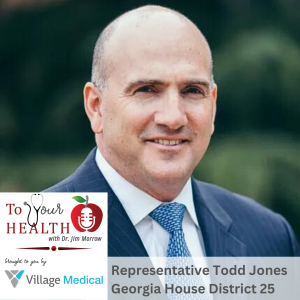
Representative Todd Jones, Georgia House District 25, was Dr. Morrow’s guest on this episode of To Your Health. Rep. Jones discussed the state of mental health care in Georgia, HB 1013, the “Mental Health Parity Act,” which passed in 2022, as well as House Bill 520, which is in Senate committee currently and builds on HB 1013. He also discussed telemedicine, the state’s efforts in workforce development to bring more mental health providers to the state, the mental health hotline, 988, advice for caregivers, and much more.

You can find a video of their conversation here.

To Your Health is brought to you by Village Medical (formerly Morrow Family Medicine), a “New Way to Well.” The show is produced by the North Fulton studio of Business RadioX®.

Representative Todd Jones, Georgia House District 25

Representative Todd Jones, House District 25

Representative Todd Jones represents the citizens of House District 25, which encompasses South Forsyth and North Fulton Counties. He was first elected to the Georgia House of Representatives on November 8, 2016, and sworn into office on January 9, 2017. Todd started his third term representing District 25 on January 11, 2021.

Rep. Jones serves as the chairman of the Appropriations Subcommittee on Education and as the vice chairman of the Science & Technology Committee. Further, Todd serves as a member of the Budget & Fiscal Affairs Oversight, Code Revision, Economic Development & Tourism, Education, Industry & Labor and Judiciary committees.  He also serves on the Special Committee on Access to Quality Health Care.

Todd’s business experience has focused on triple-bottom line companies that focus on social, environmental, and financial impacts. From changing K-12 education worldwide to launching energy projects in the developing world to deploying EHS software, each company created accretive, positive return on investment. During his time as a business executive, he has worked with companies like Johnson Controls, Goldman Sachs, Goodyear, Cardinal Health, John Deere, Walgreens, Morgan Stanley and Cargill.

In 2010, Todd was named “Co-Volunteer of the Year” by the Forsyth County Board of Education. He has also served on a variety of community executive boards including the SPES Dads Club and SFHS Touchdown Club.

Todd holds a Juris Doctor (1994) and Bachelor of Administration in Finance (1989) from the University of Florida(UF). Todd served as his fraternity’s president and treasurer, UF student senator and Greek Council student representative. He was named to the “University’s Who’s Who “at UF.

As an alumnus, Todd has sat on his fraternity’s board of directors, delivered guest lectures at the UF business, law and political science schools, and led a variety of alumni activities.

Todd has been married to his high school sweetheart, Tracey Jones, for more than 25 years. Tracey and Todd have three sons and one daughter. The family has called South Forsyth County home for more than 14 years.

Website | Facebook | LinkedIn 

Village Medical

At Village Medical, your relationship with your primary care provider is the foundation to your health. Their doctors and staff partner with you to understand your needs, and work together to focus not just on treatment, but also education and preventative care.

They combine the tools, technology and people needed to help create healthier, happier patients. More connected care means more complete care.

Village Medical clinics located at Walgreens pharmacies are bringing their vision of exceptional and compassionate primary care even closer to you. With locations throughout the United States, they’re in your neighborhood. And that network means you can visit a doctor at any of their locations, and they’ll have your records available.

With Village Medical at Home, they provide at-home visits designed to give eligible patients the attention they need, in a way that’s best for them and their caregivers.

With your caring team at Village Medical, it’s easy and convenient to stay on top of your health. Maybe more than ever before. Village Medical. The New Way to Well.

Company website | Facebook | Instagram

Dr. Jim Morrow, Village Medical, and Host of To Your Health with Dr. Jim Morrow

Covid-19 misconceptionsDr. Jim Morrow is the founder of Morrow Family Medicine, now part of the Village Medical family of practices. He has been a trailblazer and evangelist in healthcare information technology, was named Physician IT Leader of the Year by HIMSS, a HIMSS Davies Award Winner, the Cumming-Forsyth Chamber of Commerce Steve Bloom Award Winner as Entrepreneur of the Year and he received a Phoenix Award as Community Leader of the Year from the Metro Atlanta Chamber of Commerce.  He is married to Peggie Morrow and together they founded the Forsyth BYOT Benefit, a charity in Forsyth County to support students in need of technology and devices. They have two Goldendoodles, a gaggle of grandchildren and enjoy life on and around Lake Lanier.

Facebook | LinkedIn | Twitter

The complete show archive of To Your Health with Dr. Jim Morrow addresses a wide range of health and wellness topics.

Tagged With: criminal justice system, first responders, Georgia, Georgia House Bill 1013, Georgia House Bill 520, Georgia legislature, House Bill 1013, mental health, Representative Todd Jones, To Your Health, To Your Health With Dr. Jim Morrow, unhoused, Village Medical, Workforce Development

Fatty Liver Disease

June 29, 2023 by John Ray

Fatty Liver Disease
North Fulton Studio
Fatty Liver Disease
Loading
00:00 /
RSS Feed
Share
Link
Embed

Download file

Fatty Liver Disease

Fatty Liver Disease (Episode 88, To Your Health with Dr. Jim Morrow)

On this episode of To Your Health, Dr. Jim Morrow addressed fatty liver disease, which he says is fairly common. He explained what the liver does, what the disease is, and how it manifests itself. Dr. Morrow also covered the difference between alcohol-induced and non-alcohol related fatty liver disease, as well as its causes, diagnosis and prognosis, and more.

To Your Health is brought to you by Village Medical (formerly Morrow Family Medicine), which brings the care back to healthcare.

About Village Medical (formerly Morrow Family Medicine)

Village Medical, formerly Morrow Family Medicine, is an award-winning, state-of-the-art family practice with offices in Cumming and Milton, Georgia. The practice combines healthcare information technology with old-fashioned care to provide the type of care that many are in search of today. Two physicians, three physician assistants and two nurse practitioners are supported by a knowledgeable and friendly staff to make your visit to Village Medical one that will remind you of the way healthcare should be.  At Village Medical, we like to say we are “bringing the care back to healthcare!”  The practice has been named the “Best of Forsyth” in Family Medicine in all five years of the award, is a three-time consecutive winner of the “Best of North Atlanta” by readers of Appen Media, and the 2019 winner of “Best of Life” in North Fulton County.

Village Medical offers a comprehensive suite of primary care services including preventative care, treatment for illness and injury, and management of chronic conditions such as diabetes, congestive heart failure, chronic obstructive pulmonary disease (COPD) and kidney disease. Atlanta-area patients can learn more about the practice here.

Dr. Jim Morrow, Village Medical, and Host of To Your Health with Dr. Jim Morrow

Covid-19 misconceptionsDr. Jim Morrow is the founder of Morrow Family Medicine. He has been a trailblazer and evangelist in healthcare information technology, was named Physician IT Leader of the Year by HIMSS, a HIMSS Davies Award Winner, the Cumming-Forsyth Chamber of Commerce Steve Bloom Award Winner as Entrepreneur of the Year and he received a Phoenix Award as Community Leader of the Year from the Metro Atlanta Chamber of Commerce.  He is married to Peggie Morrow and together they founded the Forsyth BYOT Benefit, a charity in Forsyth County to support students in need of technology and devices. They have two Goldendoodles, a gaggle of grandchildren and enjoy life on and around Lake Lanier.

Facebook | LinkedIn | Twitter

The complete show archive of To Your Health with Dr. Jim Morrow addresses a wide range of health and wellness topics.

Dr. Morrow’s Show Notes

FATTY LIVER DISEASE

What is the liver’s function?

Your liver is an essential organ with multiple life-supporting functions. The liver:

  • Produces bile, which helps with digestion.
  • Makes proteins for the body.
  • Stores iron.
  • Converts nutrients into energy.
  • Creates substances that help your blood clot (stick together to heal wounds).
  • Helps you resist infections by making immune factors and removing bacteria and toxins (substances that can harm your body) from your blood.

What is fatty liver disease?

  • Fatty liver disease (steatosis) is a common condition caused by having too much fat build up in your liver.
    • A healthy liver contains a small amount of fat.
    • It becomes a problem when fat reaches 5% to 10% of your liver’s weight.

Why is fatty liver disease bad?

  • In most cases, fatty liver disease doesn’t cause any serious problems or prevent your liver from functioning normally.
    • But for 7% to 30% of people with the condition, fatty liver disease gets worse over time.
    • It progresses through three stages:
      • Your liver becomes inflamed (swollen), which damages its tissue. This stage is called steatohepatitis.
      • Scar tissue forms where your liver is damaged. This process is called fibrosis.
      • Extensive scar tissue replaces healthy tissue. At this point, you have cirrhosis of the liver.

Cirrhosis of the liver

  • Cirrhosis of the liver is a result of severe damage to the liver.
    • The hard scar tissue that replaces healthy liver tissue slows down the liver’s functioning.
    • Eventually, it can block liver function entirely.
    • Cirrhosis can lead to liver failure and liver cancer.

What are the forms of fatty liver disease?

  • There are two main forms of fatty liver disease:
    • Alcohol-induced fatty liver disease
      • Alcohol-induced fatty liver disease is caused by regular alcohol consumption.
      • About 5% of people in the U.S. have this form of liver disease.
    • Non-alcohol related fatty liver disease
      • Non-alcohol related fatty liver disease (NAFLD) isn’t related to alcohol consumption.
        • The condition affects one in three adults and one in 10 children in the United States.
        • Researchers haven’t found the exact cause of non-alcohol related fatty liver disease.
        • Several factors, such as obesity and diabetes, can increase your risk.

SYMPTOMS AND CAUSES

Who gets fatty liver disease?

  • You have a greater chance of developing fatty liver disease if you:
    • Are of Hispanic or Asian descent.
    • Have completed menopause (your periods have stopped).
    • Have obesity with a high level of belly fat.
    • Have high blood pressure, diabetes or high cholesterol.
    • Have obstructive sleep apnea (a blocked airway that causes breathing to stop and start during sleep).

What causes fatty liver disease?

  • Some people get fatty liver disease without having any pre-existing conditions.
    • But these risk factors make you more likely to develop it:
      • Having overweight/obesity.
      • Having Type 2 diabetes or insulin resistance.
      • Having metabolic syndrome
        • (insulin resistance,
        • high blood pressure,
        • high cholesterol
        • and high triglyceride levels).
      • Taking certain prescription medications,
        • such as amiodarone, diltiazem, tamoxifen or steroids.

What are the symptoms of fatty liver disease?

  • People with fatty liver disease often have no symptoms until the disease progresses to cirrhosis of the liver.
    • If you do have symptoms, they may include:
      • Abdominal pain or a feeling of fullness in the upper right side of the abdomen (belly).
      • Nausea, loss of appetite or weight loss.
      • Yellowish skin and whites of the eyes (jaundice).
      • Swollen abdomen and legs (edema).
      • Extreme tiredness or mental confusion.

DIAGNOSIS AND TESTS

How is fatty liver disease diagnosed?

  • Because this condition often has no symptoms, your doctor may be the first one to spot it.
    • Higher levels of liver enzymes (elevated liver enzymes) that turn up on a blood test for other conditions may raise a red flag.
    • Elevated liver enzymes are a sign your liver is injured.
    • To make a diagnosis, your doctor may order:
      • Ultrasound or computed tomography (CT scan) to get a picture of the liver.
      • Liver biopsy (tissue sample) to determine how far advanced liver disease has progressed.
      • FibroScan, a specialized ultrasound sometimes used instead of a liver biopsy to find out the amount of fat and scar tissue in the liver.

MANAGEMENT AND TREATMENT

How is fatty liver disease treated?

  • There’s no medication specifically for this disease.
    • Instead, doctors focus on helping you manage factors that contribute to the condition.
    • They also recommend making lifestyle changes that can significantly improve your health.
    • Treatment includes:
      • Avoiding alcohol.
      • Losing weight.
      • Taking medications to manage diabetes, cholesterol and triglycerides (fat in the blood).
      • Taking vitamin E

PREVENTION

How can fatty liver disease be prevented?

  • The best way to avoid it is to do the things that maintain overall health:
    • Stay at a healthy weight. If you have overweight/obesity, lose weight gradually.
    • Exercise regularly.
    • Limit your alcohol consumption.
    • Take medications as prescribed.

OUTLOOK / PROGNOSIS

Can fatty liver disease be reversed?

  • The liver has an amazing ability to repair itself.
    • If you avoid alcohol or lose weight, it’s possible to reduce liver fat and inflammation and reverse early liver damage.

Will fatty liver disease kill you?

  • Fatty liver disease doesn’t cause major problems for most people.
    • However, it can turn into a more serious problem if it progresses into cirrhosis of the liver.
    • Untreated cirrhosis of the liver eventually leads to liver failure or liver cancer.
    • Your liver is an organ you can’t live without.

What is nonalcoholic fatty liver disease (NAFLD)?

  • Nonalcoholic fatty liver disease (NAFLD) is a buildup of fat in the liver.
    • It is a common condition.
    • NAFLD can be harmless, but sometimes it may cause the liver to swell.
    • Over time, this swelling can cause scarring in your liver (cirrhosis).
    • The more scarring your liver has, the worse it functions.

Symptoms of NALFD?

  • Many people do not have any symptoms of NAFLD.
    • If you have NAFLD, you may feel fullness or pain in the middle or upper right side of the abdomen.
    • You may feel extremely tired.
    • Your belly may be swollen.
    • You may have yellowing of your skin and eyes.
  • If your NAFLD has progressed to cirrhosis, you may have more serious symptoms
    • including fluid retention,
    • internal bleeding,
    • and mental confusion.

What causes NAFLD?

  • Doctors don’t know exactly what causes NAFLD.
    • They do know that NAFLD is linked to insulin resistance.
    • Insulin resistance is when your body doesn’t respond well to insulin.
    • This makes it more difficult for your body to regulate blood sugar.
    • It is not caused by drinking alcohol.

How is NAFLD diagnosed?

  • To diagnose NAFLD, your doctor may check your blood and order a scan of your liver.
    • If your doctor thinks you may have a more severe liver disease,
      • you may need a liver biopsy.
      • In this procedure, your doctor inserts a needle through your skin and removes a small piece of tissue from your liver.
      • This tissue is looked at under a microscope to check for signs of severe liver disease.

Can NAFLD be prevented or avoided?

  • A wide range of things can increase your risk of NAFLD,
    • including certain medicines
      • and genetic disorders.
    • The most common risk factors for NAFLD are
      • obesity,
      • diabetes,
      • and high cholesterol levels.

NAFLD treatment

  • People who have NAFLD usually do not need treatment.
    • The most important thing is to focus on what has caused your NAFLD.
    • Losing weight gradually (1 to 2 pounds per week) may reduce the amount of fat in your liver.
    • However, losing weight quickly may make NAFLD worse.
    • Ask your doctor for advice on how to lose weight in a safe and healthy way.
    • If your cholesterol and blood sugar levels are high, your doctor may give you medicine to lower them.
    • If a medicine you take is causing your NAFLD, your doctor may consider switching you to a different medicine.

Living with NAFLD

  • For most people, NAFLD is harmless and does not cause serious health problems.
    • NAFLD usually does not affect how well the liver works.
      • However, in rare cases, NAFLD may stop the liver from working as it should.
      • No one can tell for sure who will have liver problems from NAFLD.
      • It is more likely to happen in people who have diabetes or who are very overweight.

credit: clevelandclinic.org

Tagged With: alcohol consumption, Cirrhosis of the liver, diabetes, Dr. Jim Morrow, Fatty Liver Disease, Liver, NAFLD, obesity, To Your Health, Village Medical, Vitamin E

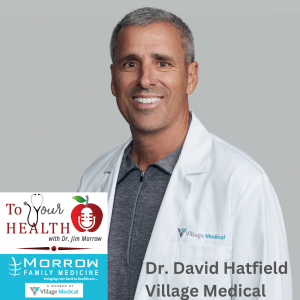
Patient Experience at Village Medical, with Dr. David Hatfield, President of Village Medical

April 21, 2023 by John Ray

Dr. David Hatfield
North Fulton Studio
Patient Experience at Village Medical, with Dr. David Hatfield, President of Village Medical
Loading
00:00 /
RSS Feed
Share
Link
Embed

Download file

Dr. David Hatfield

Patient Experience at Village Medical, with Dr. David Hatfield, President of Village Medical (Episode 86, To Your Health with Dr. Jim Morrow)

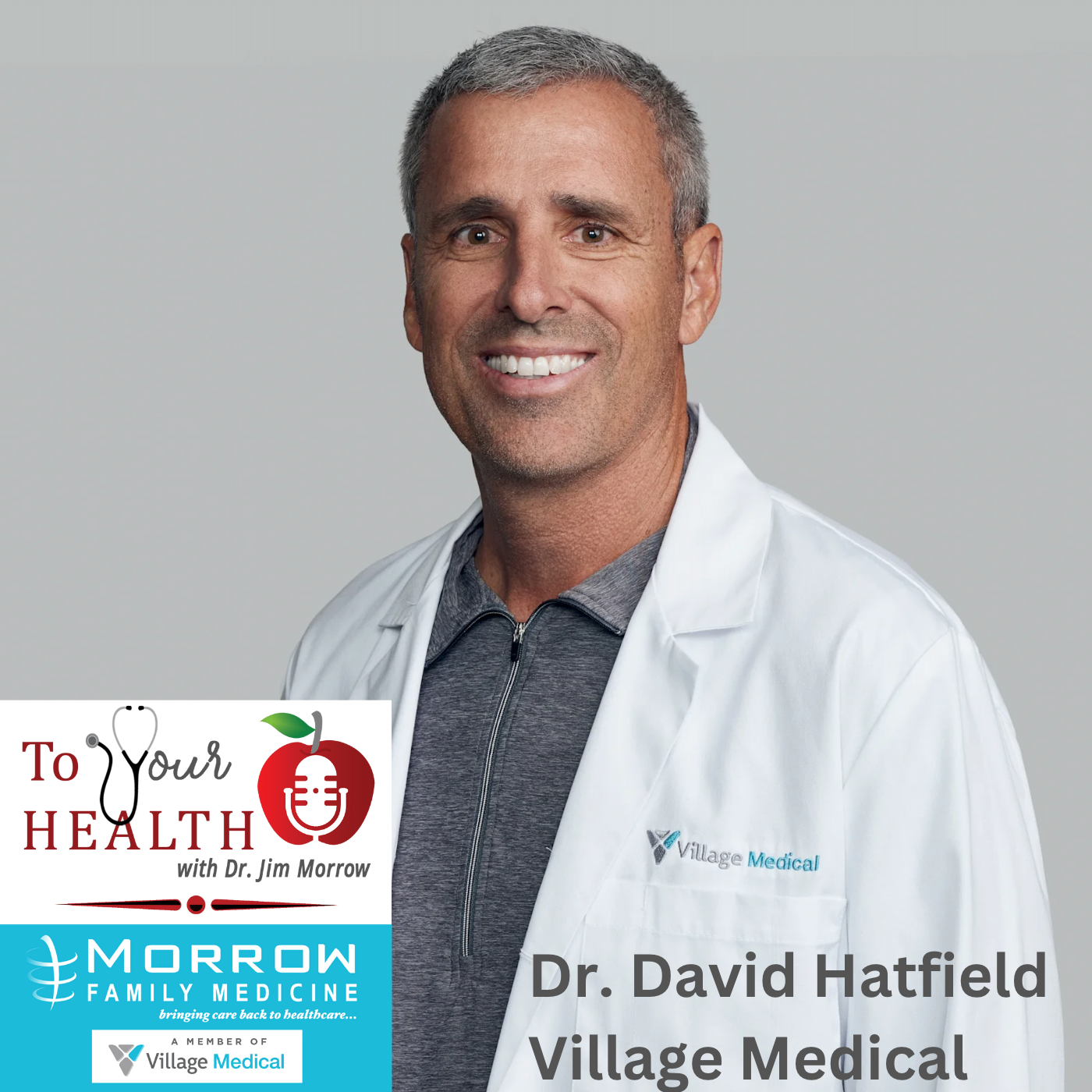
Dr. David Hatfield, President of Village Medical, joined Dr. Jim Morrow on this edition of To Your Health. Dr. Hatfield and Dr. Morrow discussed the Village Medical model, value-based care, addressing gaps in care, their team approach which includes wraparound services like Village Medical at Home, patient experience, and much more.

To Your Health is brought to you by Village Medical (formerly Morrow Family Medicine), a “New Way to Well.”

Village Medical

At Village Medical, your relationship with your primary care provider is the foundation to your health. Their doctors and staff partner with you to understand your needs, and work together to focus not just on treatment, but also education and preventative care.

They combine the tools, technology and people needed to help create healthier, happier patients. More connected care means more complete care.

Village Medical clinics located at Walgreens pharmacies are bringing their vision of exceptional and compassionate primary care even closer to you. With locations throughout the United States, they’re in your neighborhood. And that network means you can visit a doctor at any of their locations, and they’ll have your records available.

With Village Medical at Home, they provide at-home visits designed to give eligible patients the attention they need, in a way that’s best for them and their caregivers.

With your caring team at Village Medical, it’s easy and convenient to stay on top of your health. Maybe more than ever before. Village Medical. The New Way to Well.

Company website | Facebook | Instagram

Dr. David Hatfield, President, Village Medical

Dr. David Hatfield, President, Village Medical

Dr. David Hatfield has been practicing since 1995, with a focus on Family Medicine and a clinical interest in geriatrics.

Dr. Hatfield completed his undergraduate study in exercise science at Arizona State University. He attended medical school at A.T. Still University School of Osteopathic Medicine in Kirksville, Missouri and fulfilled his family practice residency at Mesa General Hospital. Certified by the American Osteopathic Board of Family Practice (AOBFP), he has a Master of Medical Management (MMM) degree from USC.

He is fluent in Spanish.

Outside of work, Dr. Hatfield enjoys snowboarding, golfing and mountain biking. He has ten grandchildren (and counting) and is interested in food.

Dr. Jim Morrow, Village Medical, and Host of To Your Health with Dr. Jim Morrow

Covid-19 misconceptionsDr. Jim Morrow is the founder of Morrow Family Medicine, now part of the Village Medical family of practices. He has been a trailblazer and evangelist in healthcare information technology, was named Physician IT Leader of the Year by HIMSS, a HIMSS Davies Award Winner, the Cumming-Forsyth Chamber of Commerce Steve Bloom Award Winner as Entrepreneur of the Year and he received a Phoenix Award as Community Leader of the Year from the Metro Atlanta Chamber of Commerce.  He is married to Peggie Morrow and together they founded the Forsyth BYOT Benefit, a charity in Forsyth County to support students in need of technology and devices. They have two Goldendoodles, a gaggle of grandchildren and enjoy life on and around Lake Lanier.

Facebook | LinkedIn | Twitter

The complete show archive of To Your Health with Dr. Jim Morrow addresses a wide range of health and wellness topics.

Tagged With: Dr David Hatfield, Dr. Jim Morrow, family doctor, family practice, patient experience, Prevention, primary care, To Your Health, Village at Home, Village Medical, wellness

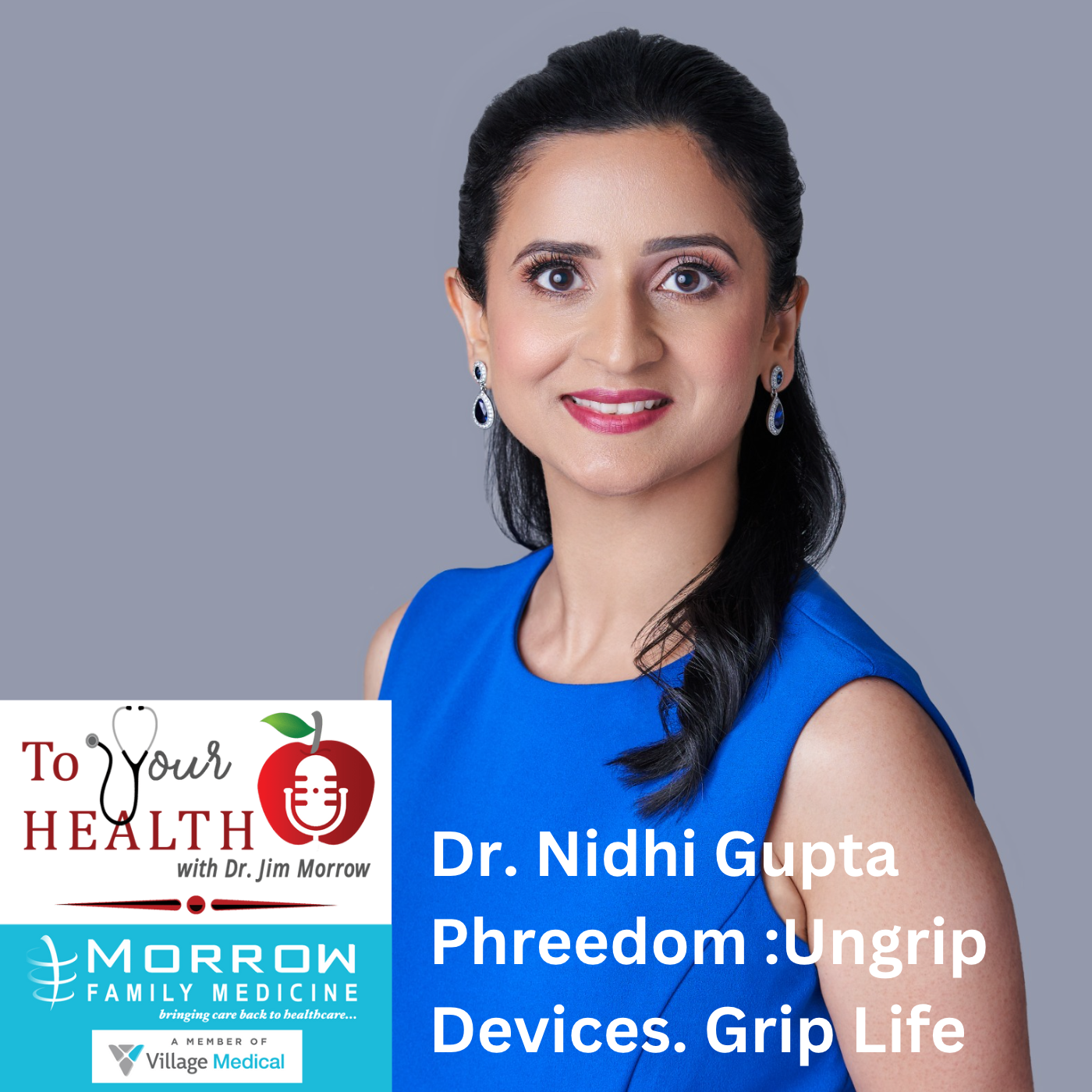
Digital Addiction: An Interview with Dr. Nidhi Gupta, Phreedom: Ungrip Devices. Grip Life

March 23, 2023 by John Ray

Nidhi Gupta
North Fulton Studio
Digital Addiction: An Interview with Dr. Nidhi Gupta, Phreedom: Ungrip Devices. Grip Life
Loading
00:00 /
RSS Feed
Share
Link
Embed

Download file

Nidhi Gupta

Digital Addiction: An Interview with Dr. Nidhi Gupta, Phreedom: Ungrip Devices. Grip Life (Episode 85, To Your Health with Dr. Jim Morrow)

Dr. Nidhi Gupta, pediatric endocrinologist and an award-winning researcher, joined host Dr. Jim Morrow to talk about Phreedom, her movement to mitigate digital addiction. Dr. Gupta explained how our behavior with any mobile wireless device contributes to addiction, explained how that addiction works via the trigger loop, the impacts on health, her advice for digital wellness, and more.

To Your Health is brought to you by Village Medical (formerly Morrow Family Medicine), which brings the care back to healthcare.

Phreedom: Ungrip Devices. Grip Life

Driven by her personal and professional experiences, Dr. Nidhi Gupta launched a movement (Phreedom: Ungrip Devices. Grip Life) to raise awareness about smartphone addiction and enlighten her audience to reclaim their time and attention in this technology driven economy.

Through her research and clinical work, Nidhi is devoted to exposing the dangers of screen addiction. Her work shows that screen time obsession causes or contributes to an array of health challenges such as diabetes, obesity, heart disease, depression, anxiety, addiction, and more.

Nidhi has created a robust digital-wellness workshop that empowers parents, professionals, and students with a deep understanding of smartphone addiction and practical tools to prevent and/or mitigate this behavior.

Company website | Facebook |  Twitter

Dr. Nidhi Gupta, Founder & CEO, Phreedom: Ungrip Devices. Grip Life, & KAP Pediatric Endocrinology

Dr. Nidhi Gupta, Founder & CEO, Phreedom: Ungrip Devices. Grip Life, & KAP Pediatric Endocrinology

Dr. Nidhi Gupta is a pediatric endocrinologist and an award-wining researcher. She has been a featured speaker on several podcasts, including The BMJ, Switch4good, The Daily Huddle and How It’s Done. Nidhi has authored over 100 peer-reviewed articles, book chapters and essays.

Nidhi is speaking at TEDx Tullahoma in April 2023.

Nidhi completed her medical school at Maulana Azad Medical College, New Delhi, India; pediatric residency at Children’s Hospital of Michigan, Detroit and pediatric endocrinology fellowship at Mayo Clinic, Rochester, MN. Upon graduating, she was an Assistant Professor of Pediatrics at Vanderbilt University Medical Center for 4 years, where she was the director of the Pediatric Cystic Fibrosis Related Diabetes Clinic.

She is now the Founder and CEO of KAP Pediatric Endocrinology, a direct specialty endocrine practice in Franklin, TN.

LinkedIn

About Village Medical (formerly Morrow Family Medicine)

Village Medical, formerly Morrow Family Medicine, is an award-winning, state-of-the-art family practice with offices in Cumming and Milton, Georgia. The practice combines healthcare information technology with old-fashioned care to provide the type of care that many are in search of today. Two physicians, three physician assistants and two nurse practitioners are supported by a knowledgeable and friendly staff to make your visit to Village Medical one that will remind you of the way healthcare should be.  At Village Medical, we like to say we are “bringing the care back to healthcare!”  The practice has been named the “Best of Forsyth” in Family Medicine in all five years of the award, is a three-time consecutive winner of the “Best of North Atlanta” by readers of Appen Media, and the 2019 winner of “Best of Life” in North Fulton County.

Village Medical offers a comprehensive suite of primary care services including preventative care, treatment for illness and injury, and management of chronic conditions such as diabetes, congestive heart failure, chronic obstructive pulmonary disease (COPD) and kidney disease. Atlanta-area patients can learn more about the practice here.

Dr. Jim Morrow, Village Medical, and Host of To Your Health with Dr. Jim Morrow

Covid-19 misconceptionsDr. Jim Morrow is the founder of Morrow Family Medicine. He has been a trailblazer and evangelist in healthcare information technology, was named Physician IT Leader of the Year by HIMSS, a HIMSS Davies Award Winner, the Cumming-Forsyth Chamber of Commerce Steve Bloom Award Winner as Entrepreneur of the Year and he received a Phoenix Award as Community Leader of the Year from the Metro Atlanta Chamber of Commerce.  He is married to Peggie Morrow and together they founded the Forsyth BYOT Benefit, a charity in Forsyth County to support students in need of technology and devices. They have two Goldendoodles, a gaggle of grandchildren and enjoy life on and around Lake Lanier.

Facebook | LinkedIn | Twitter

The complete show archive of To Your Health with Dr. Jim Morrow addresses a wide range of health and wellness topics.

Tagged With: digital addiction, distracted driving, Dr. Jim Morrow, Dr. Nidhi Gupta, family doctor, family practice doctor, KAP Pediatric Endocrinology, obesity, pediatric endocrinology, Phreedom, sleep, smartphones, To Your Health, To Your Health With Dr. Jim Morrow, Village Medical, wireless devices

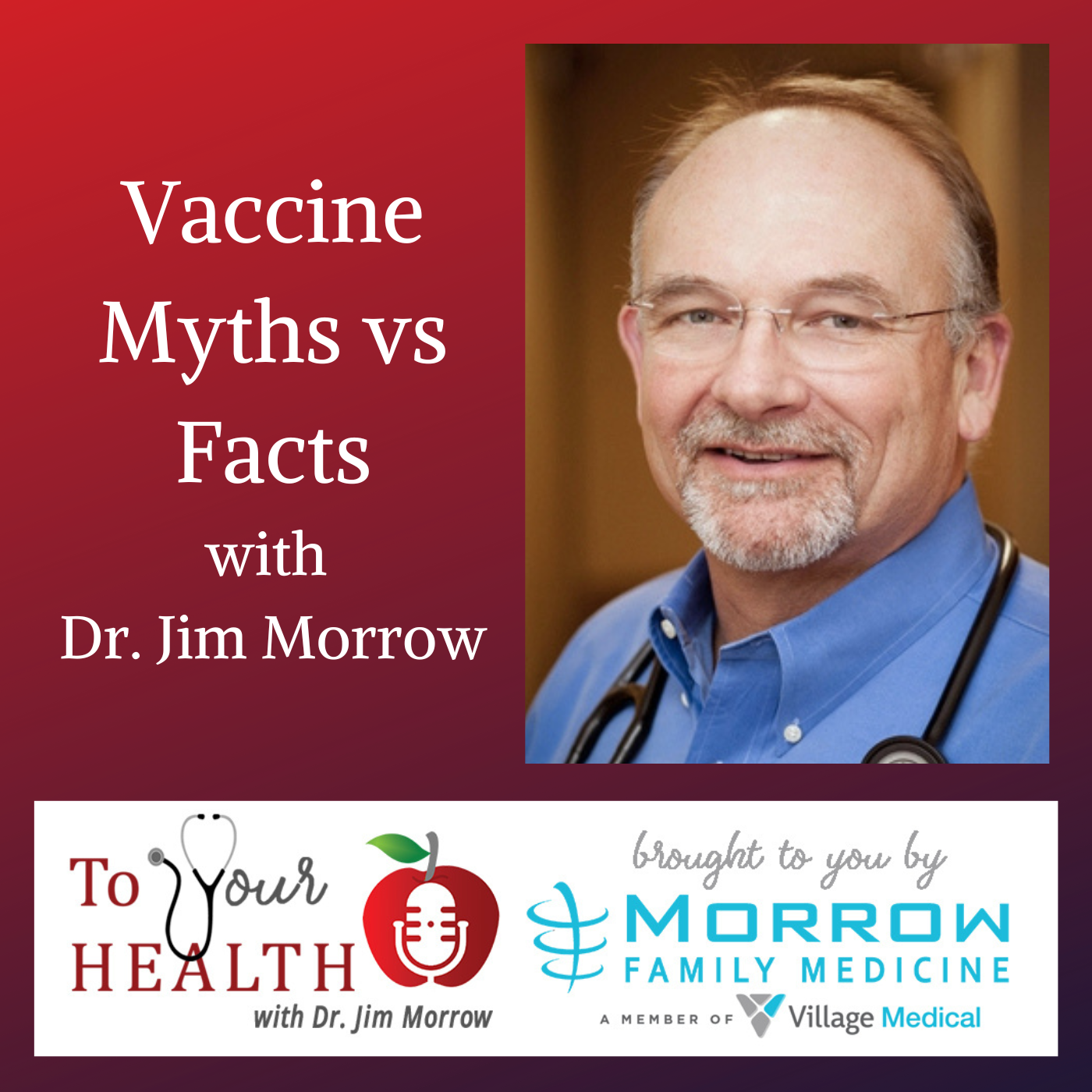
Vaccine Myths vs. Facts

February 9, 2023 by John Ray

Vaccine Myths
North Fulton Studio
Vaccine Myths vs. Facts
Loading
00:00 /
RSS Feed
Share
Link
Embed

Download file

Vaccine Myths

Vaccine Myths vs. Facts (Episode 84, To Your Health with Dr. Jim Morrow)

On this episode of To Your Health, host Dr. Jim Morrow of Village Medical addresses some of the most common myths surrounding vaccines, including myths like vaccines aren’t safe, they don’t work, and that vaccines cause autism spectrum disorder. He also mentions the Georgia Registry of Immunization Transactions & Services (GRITS) as a resource to track immunization records.

To Your Health is brought to you by Village Medical (formerly Morrow Family Medicine), which brings the care back to healthcare.

About Village Medical (formerly Morrow Family Medicine)

Village Medical, formerly Morrow Family Medicine, is an award-winning, state-of-the-art family practice with offices in Cumming and Milton, Georgia. The practice combines healthcare information technology with old-fashioned care to provide the type of care that many are in search of today. Two physicians, three physician assistants and two nurse practitioners are supported by a knowledgeable and friendly staff to make your visit to Village Medical one that will remind you of the way healthcare should be.  At Village Medical, we like to say we are “bringing the care back to healthcare!”  The practice has been named the “Best of Forsyth” in Family Medicine in all five years of the award, is a three-time consecutive winner of the “Best of North Atlanta” by readers of Appen Media, and the 2019 winner of “Best of Life” in North Fulton County.

Village Medical offers a comprehensive suite of primary care services including preventative care, treatment for illness and injury, and management of chronic conditions such as diabetes, congestive heart failure, chronic obstructive pulmonary disease (COPD) and kidney disease. Atlanta-area patients can learn more about the practice here.

Dr. Jim Morrow, Village Medical, and Host of To Your Health with Dr. Jim Morrow

Covid-19 misconceptionsDr. Jim Morrow is the founder of Morrow Family Medicine. He has been a trailblazer and evangelist in healthcare information technology, was named Physician IT Leader of the Year by HIMSS, a HIMSS Davies Award Winner, the Cumming-Forsyth Chamber of Commerce Steve Bloom Award Winner as Entrepreneur of the Year and he received a Phoenix Award as Community Leader of the Year from the Metro Atlanta Chamber of Commerce.  He is married to Peggie Morrow and together they founded the Forsyth BYOT Benefit, a charity in Forsyth County to support students in need of technology and devices. They have two Goldendoodles, a gaggle of grandchildren and enjoy life on and around Lake Lanier.

Facebook | LinkedIn | Twitter

The complete show archive of To Your Health with Dr. Jim Morrow addresses a wide range of health and wellness topics.

Dr. Morrow’s Show Notes

Vaccine Myths vs Facts

  • There are many common misconceptions regarding vaccines.
    • If you find yourself trying to decide if you’re for or against them, here is some evidence-based information offered to clear up any confusion.

Myth: Vaccines don’t work.

  • Fact: Vaccines prevent many diseases that used to make people very sick.
    • Now that people are being vaccinated for those diseases, they’re not common anymore.
    • One example is measles. It used to be a serious respiratory illness that affected children.
      • But once the vaccine was developed and people got immunized, it’s almost completely eliminated.
    • A vaccine helps your body build immunity to a particular disease.
      • Immunity means you’re protected from getting the disease.
        • In order for them to work properly, vaccines need to be given at certain times.
        • That’s because some vaccines take a few weeks or months to create immunity in your body.
        • Therefore, you and your children should get all vaccines per the schedule provided by your doctor.

Myth: Vaccines aren’t safe

  • Fact: The safety of vaccines is important, from beginning to end.
    • When a vaccine is developed, it goes through a strict and detailed process overseen by the U.S. Food & Drug Administration (FDA).
    • The FDA must prove the vaccine is safe before it can be given to people.
  • Vaccines go through many testing phases before they’re given to people.
    • This includes testing on thousands of people and careful analysis of the test data by scientists.
    • Once the FDA decides a vaccine is safe for people, the Centers for Disease Control and Prevention (CDC) joins the FDA in continuing to monitor the vaccine as it’s given to people.
    • They watch for many things, including how well it works and what side effects happen.

  • In addition to watching vaccines, the CDC and FDA monitor the facilities where the vaccines are made.
    • They do this to make sure the vaccines are being produced safely.
    • The two groups also check each batch of vaccines before they’re distributed to the public to make sure they’re safe.
  • If you have questions about vaccine safety, talk with your doctor. Ask to see the CDC’s Vaccine Information Sheet for information about each vaccine.

Myth: I don’t need vaccines. My natural immunity is better than a vaccination.

  • Fact: Many preventable diseases are dangerous and can cause lasting side effects.
    • It’s much safer—and easier—to get vaccines, instead.
    • Plus, being vaccinated helps keep you from spreading the disease to unvaccinated people around you.

Myth: Vaccines include a live version of the virus.

  • Fact: Diseases are caused by either bacterial or viral infections.
    • Vaccines trick your body into thinking you have the infection caused by a particular disease.
  • Some vaccines contain a pretend version of the infection.
    • But your body thinks it’s the real infection.
    • It wants to protect itself from the infection, so it creates antibodies to attack it.
    • Antibodies are infection fighters that live in your blood.
    • After your body rids itself of the pretend infection, the antibodies remember how to fight the real infection.
    • This makes you immune against the disease.
  • Other vaccines contain live versions of the bacteria or virus that causes the disease.
    • However, those infections have been so weakened during the vaccine creation process that they can’t make you sick with the disease.
    • But your body fights the infection as if it’s the strong version of the infection.
    • This creates immunity, too.

Myth: Vaccines have negative side effects.

  • Fact: Side effects can be common with vaccines.
    • In fact, your doctor may tell you to expect minor side effects.
    • However, the benefit of getting vaccines outweighs the possibility of side effects.
    • Possible common side effects include
      • pain,
      • redness, and swelling near the injection site;
      • a low-grade fever of less than 100.3 degrees;
      • a headache;
      • and a rash.
    • Severe side effects of vaccines are rare.
      • If you experience a severe issue after getting a vaccine, let your doctor know right away.

Myth: Vaccines cause autism spectrum disorder.

  • Fact: There is proof that vaccines do not cause autism.
    • A study published more than 20 years ago first suggested that vaccines cause the disability known as autism spectrum disorder.
      • However, that study has been proven to be false.
      • Researchers have studied vaccines and autism and haven’t found anything that links the two.
      • Instead, scientists have found a gene that’s linked to autism.
      • That means children with autism have had the gene for it since birth.
    • Timing may be behind why people believe vaccines and autism are related.
      • Some children begin to show signs of autism spectrum disorder around the same time they receive the vaccine for measles, mumps, and rubella.

Myth: Vaccinations aren’t safe to get while pregnant.

  • Fact: Actually, the opposite is true.
    • The CDC recommends pregnant women get the vaccine for diphtheria, tetanus, and whooping cough.
      • Additionally, if the woman is pregnant during influenza season, it’s recommended she get the flu vaccine, too.
      • These vaccines can protect the mother—and the baby.
    • A baby develops immunity when their mother gets a vaccine.
      • And vaccines can protect the baby for a few months after they’re born.
      • This is especially important because newborn babies don’t have fully developed immune systems.
      • If they become sick, it can be very serious.
        • However, the immunity a baby gets from their mother only lasts for a few months after birth.
        • That’s why it’s important your baby receives all suggested vaccinations from your doctor.

Myth: I don’t have to tell anyone if I choose to not vaccinate my child.

  • Fact: If you choose not to vaccinate your child, you need to tell certain people.
    • These include your doctor and other medical professionals.
      • They need to know so they can best determine how to care for your child if they become sick.
      • Additionally, your child’s daycare, school, or babysitter should know.
    • Vaccines are required for many activities.
      • Not having the appropriate vaccine can interfere with your plans. These instances include:
      • School (K-12 and college dorm life)
      • Travel

Questions to ask your doctor:

  • Can I delay a vaccine?
  • Can I get a disease after I’ve gotten the vaccine?
  • What should I do if I don’t have health insurance, or my insurance doesn’t cover vaccinations?
  • What vaccinations do I need as an adult?
  • How do I know if I had certain vaccines as a child if I don’t have the records?
  • Is my newborn at risk of certain diseases if he or she isn’t old enough to get certain vaccines?

Credit: www.familydoctor.org

Tagged With: Dr. Jim Morrow, family practice, healthcare provider, To Your Health, To Your Health With Dr. Jim Morrow, Vaccine facts, vaccine myths, vaccines, Village Medical

Polymyalgia Rheumatica and Giant Cell Arteritis

October 13, 2022 by John Ray

Polymyalgia rheumatica
North Fulton Studio
Polymyalgia Rheumatica and Giant Cell Arteritis
Loading
00:00 /
RSS Feed
Share
Link
Embed

Download file

Polymyalgia rheumatica

Polymyalgia Rheumatica and Giant Cell Arteritis (Episode 82, To Your Health with Dr. Jim Morrow)

On this episode, host Dr. Jim Morrow describes two related little-known conditions called Polymyalgia rheumatica and Giant cell arteritis, also known as Temporal arteritis. These conditions involve inflammation of the arteries and usually occur in the elderly and affect mostly women. Dr. Morrow discussed symptoms, diagnosis and treatment, and stressed the need to not wait to get symptoms checked out because of the damage that can occur if left untreated.  He also included an update on the latest COVID-19 booster.

To Your Health is brought to you by Village Medical (formerly Morrow Family Medicine), which brings the care back to healthcare.

About Village Medical (formerly Morrow Family Medicine)

Village Medical, formerly Morrow Family Medicine, is an award-winning, state-of-the-art family practice with offices in Cumming and Milton, Georgia. The practice combines healthcare information technology with old-fashioned care to provide the type of care that many are in search of today. Two physicians, three physician assistants and two nurse practitioners are supported by a knowledgeable and friendly staff to make your visit to Village Medical one that will remind you of the way healthcare should be.  At Village Medical, we like to say we are “bringing the care back to healthcare!”  The practice has been named the “Best of Forsyth” in Family Medicine in all five years of the award, is a three-time consecutive winner of the “Best of North Atlanta” by readers of Appen Media, and the 2019 winner of “Best of Life” in North Fulton County.

Village Medical offers a comprehensive suite of primary care services including preventative care, treatment for illness and injury, and management of chronic conditions such as diabetes, congestive heart failure, chronic obstructive pulmonary disease (COPD) and kidney disease. Atlanta-area patients can learn more about the practice here.

Dr. Jim Morrow, Village Medical, and Host of To Your Health with Dr. Jim Morrow

Covid-19 misconceptionsDr. Jim Morrow is the founder of Morrow Family Medicine. He has been a trailblazer and evangelist in healthcare information technology, was named Physician IT Leader of the Year by HIMSS, a HIMSS Davies Award Winner, the Cumming-Forsyth Chamber of Commerce Steve Bloom Award Winner as Entrepreneur of the Year and he received a Phoenix Award as Community Leader of the Year from the Metro Atlanta Chamber of Commerce.  He is married to Peggie Morrow and together they founded the Forsyth BYOT Benefit, a charity in Forsyth County to support students in need of technology and devices. They have two Goldendoodles, a gaggle of grandchildren and enjoy life on and around Lake Lanier.

Facebook | LinkedIn | Twitter

The complete show archive of To Your Health with Dr. Jim Morrow addresses a wide range of health and wellness topics.

Dr. Morrow’s Show Notes

What are giant cell arteritis (GCA) and polymyalgia rheumatic (PMR)?

  • This condition causes inflammation of the arteries in the arms, upper body, and neck.
    • Arteries are blood vessels that carry blood from the heart to the rest of the body.
    • Arteritis is a condition in which the arteries become inflamed (swollen). This reduces blood flow.
      • Giant cell arteritis (GCA) causes certain arteries to become inflamed, red, hot, or painful.
      • It usually affects the arteries above and in front of the ears on both sides of the head (the temples).
      • This type of GCA is also sometimes called temporal arteritis or cranial arteritis.
    • Polymyalgia rheumatica (PMR) is a condition involving inflammation of the muscles in your neck, shoulders, hips, and thighs.
      • This causes stiffness and aching in these areas.
      • It usually develops over time. But for some people, it can start as quickly as overnight.
      • With treatment, PMR usually goes away within a year.
      • It can last for several years in some cases.
      • Both disorders mainly affect people over 50,
        • particularly women.

How are GCA and PMR related?

  • About half of people who have GCA also have PMR. They can have these diseases at the same time, or GCA can develop after PMR.
  • Symptoms of GCA and PMR
    • The symptoms of GCA include:
      • Flu-like symptoms. These can include fatigue, fever, and loss of appetite.
      • Severe headaches.
      • Pain and tenderness in one or both temples.
      • Jaw pain, especially when chewing.
      • Double vision or vision loss.
      • Pain and stiffness in the neck and arms.
      • Unintended weight loss.
    • The symptoms of PMR include:
  • Aching pain and stiffness in the neck, shoulders, hips, and thighs.
  • General muscle weakness.
  • Unintended weight loss.

What causes GCA and PMR?

  • Doctors aren’t sure what causes the inflammation associated with GCA or PMR.
    • Aging and problems with the immune system are possible factors.
    • It also could be related to your genes,
      • or to an environmental trigger like an infection.

Who gets these conditions?

  • You are more likely to develop GCA and PMR if you are older than 50 years of age.
    • The conditions are most common in women between 70 and 80 years of age.
    • For unknown reasons, Caucasian people are more likely to develop GCA and PMR than people of other races.

How are GCA and PMR diagnosed?

  • To diagnose GCA, your doctor will ask about your symptoms and examine the arteries in your temple.
    • He or she will check if they are swollen or tender.
      • They may order blood tests to check for inflammation of the arteries and to rule out other conditions.
        • Often, a biopsy of the temporal artery is needed to confirm the diagnosis.
        • This is an outpatient procedure that involves removing a sample of your temporal artery from your scalp area.
        • To diagnose PMR, your doctor will likely perform a physical exam and ask about your symptoms.
        • He or she may order a blood test.
        • This can help detect inflammation of your arteries and check your blood count.
        • Your doctor could also order a muscle biopsy (removing a small sample of muscle) to check for PMR.
        • Your doctor also can order a c-reactive protein test.
        • This blood test measures the amount of inflammation in your bloodstream but doesn’t identify where the inflammation is located.

Can GCA and PMR be prevented or avoided?

  • There is no known way to prevent GCA or PMR because doctors aren’t sure what causes them.

GCA and PMR treatment

  • Your doctor may prescribe a corticosteroid medicine to treat inflammation and pain.
    • This can help with symptoms of GCA and PMR.
    • These medicines are taken by mouth (in pill form).
    • Once you start taking a corticosteroid, you should feel better quickly.
    • You may need to take this medicine for 6 months up to 2 years.

What else can I do to ease the symptoms of these conditions?

  • Eating a healthy diet and getting enough exercise can help relieve the symptoms of both GCA and PMR.

Living with GCA and PMR

  • Taking a corticosteroid for a long time can raise your blood pressure.
    • It can also increase your blood sugar levels or weaken your bones.
    • Your doctor will need to keep checking you for these side effects during your treatment.
    • Corticosteroids can cause other side effects.
      • These include jitteriness, poor sleep, and weight gain.
      • These symptoms usually get better as you take smaller doses of the medicine.
      • Getting early treatment for GCA is important. If inflamed arteries aren’t treated right away, they could be permanently damaged.
      • This increases your risk of blindness or stroke.
      • Even with proper treatment, GCA and PMR may come back.
        • About half of the time, though, a person who has PMR will experience at least 1 relapse.


Tagged With: biopsy, blood test, COVID-19, Dr. Jim Morrow, Fibromyalgia, Giant Cell Arteritis, Polymyalgia rheumatica, steroids, Temporal arteritis, To Your Health, Village Medical

Acid and Ulcers

September 28, 2022 by John Ray

Ulcers
North Fulton Studio
Acid and Ulcers
Loading
00:00 /
RSS Feed
Share
Link
Embed

Download file

Ulcers

Acid and Ulcers (Episode 81, To Your Health with Dr. Jim Morrow)

On this episode of To Your Health, Dr. Jim Morrow of Village Medical offered information about indigestion, ulcers, and stomach issues. He detailed the symptoms of indigestion that sometimes can overlap with other serious conditions. Dr. Morrow also talked about what causes indigestion, what can be done to treat it, the causes and treatments of peptic ulcers, and more.

To Your Health is brought to you by Village Medical (formerly Morrow Family Medicine), which brings the care back to healthcare.

About Village Medical (formerly Morrow Family Medicine)

Village Medical, formerly Morrow Family Medicine, is an award-winning, state-of-the-art family practice with offices in Cumming and Milton, Georgia. The practice combines healthcare information technology with old-fashioned care to provide the type of care that many are in search of today. Two physicians, three physician assistants and two nurse practitioners are supported by a knowledgeable and friendly staff to make your visit to Village Medical one that will remind you of the way healthcare should be.  At Village Medical, we like to say we are “bringing the care back to healthcare!”  The practice has been named the “Best of Forsyth” in Family Medicine in all five years of the award, is a three-time consecutive winner of the “Best of North Atlanta” by readers of Appen Media, and the 2019 winner of “Best of Life” in North Fulton County.

Village Medical offers a comprehensive suite of primary care services including preventative care, treatment for illness and injury, and management of chronic conditions such as diabetes, congestive heart failure, chronic obstructive pulmonary disease (COPD) and kidney disease. Atlanta-area patients can learn more about the practice here.

Dr. Jim Morrow, Village Medical, and Host of To Your Health with Dr. Jim Morrow

Covid-19 misconceptionsDr. Jim Morrow is the founder of Morrow Family Medicine. He has been a trailblazer and evangelist in healthcare information technology, was named Physician IT Leader of the Year by HIMSS, a HIMSS Davies Award Winner, the Cumming-Forsyth Chamber of Commerce Steve Bloom Award Winner as Entrepreneur of the Year and he received a Phoenix Award as Community Leader of the Year from the Metro Atlanta Chamber of Commerce.  He is married to Peggie Morrow and together they founded the Forsyth BYOT Benefit, a charity in Forsyth County to support students in need of technology and devices. They have two Goldendoodles, a gaggle of grandchildren and enjoy life on and around Lake Lanier.

Facebook | LinkedIn | Twitter

The complete show archive of To Your Health with Dr. Jim Morrow addresses a wide range of health and wellness topics.

Dr. Morrow’s Show Notes

What is indigestion (dyspepsia)?

  • Indigestion, also known as dyspepsia, is a common condition.
    • It can happen when your body has trouble digesting food.
    • It occurs in your gastrointestinal (GI) tract.
      • The GI tract is a group of organs that plays a part in digestion.
      • Anyone can get indigestion.
      • You can get it on occasion,
        • or it can be an ongoing problem.
      • The symptoms and causes vary by case.
      • If there is no known cause for indigestion, it is referred to as functional dyspepsia.

Symptoms of indigestion

  • Indigestion can feel like a stomachache. You can have a range of symptoms including:
    • Pain, discomfort, or a burning feeling in your chest or stomach
    • Burping
    • Bloating
    • Gurgling stomach and/or gas
    • Acid reflux
    • Heartburn
    • Nausea and/or vomiting
  • Talk to your doctor if symptoms continue for more than two weeks. Seek medical care right away if your symptoms are severe, such as:
  • Shortness of breath
  • Trouble swallowing
  • Ongoing vomiting
  • Throwing up blood
  • Sudden pain in the chest, arm, neck, or jaw
  • Cold sweats
  • Thick, black, or bloody stool

What causes indigestion?

  • A lot of factors can cause indigestion. These include:
    • Eating certain foods, such as those that are spicy and fatty, and those with lots of acid or fiber
    • Eating too late in the day
    • Drinking alcohol or too much caffeine
    • Taking certain medicines
    • Smoking
    • Not sleeping
  • Problems in your GI tract or other health issues also can cause indigestion. These include:
  • Acid reflux or gastroesophageal reflux disease (GERD):
    • This is when your food and drink come back up from your stomach after eating or drinking.
    • It’s in the form of acid and can come into your esophagus, the tube-like organ connecting your mouth and stomach.
    • Acid reflux also can produce vomiting.
      • This condition also may cause heartburn.
    • Irritable bowel syndrome:
      • This disorder affects your intestines.
      • Symptoms include stomach pain, bloating, gas, constipation, and diarrhea.
    • Infection:
      • A bacterial infection from Helicobacter pylori (H. pylori) can cause indigestion.
    • Gastroparesis:
      • This condition affects digestion. If muscles in your GI tract stop working, your body slows down or stops the movement of food. Symptoms include nausea, vomiting, stomach pain, bloating, and acid reflux.
    • Ulcer:
      • This is a sore on the lining of your stomach (peptic ulcer), small intestine, or esophagus.
    • Gastritis:
      • This is inflammation of your stomach lining.
    • Stomach cancer:
      • This is a rare condition, but indigestion can be one of its signs.

How is indigestion diagnosed?

  • Your doctor will review your symptoms and perform a physical exam.
    • They may order tests to determine the cause of indigestion.
    • Those tests can include blood work, urine/stool tests, or an X-ray or ultrasound.
    • Sometimes your doctor may perform an upper endoscopy to see inside your stomach.
    • Your doctor will insert a thin tube with a camera on the end into your esophagus.
    • This will be done after you’re given medicines to go to sleep.

Can indigestion be prevented or avoided?

  • There are ways to prevent indigestion.
    • To start, you need to know your body and how it reacts to different food and drinks.
    • Spicy and acidic foods and carbonated drinks can trigger indigestion.
    • Try to avoid those things when possible.
    • Eat smaller meals throughout the day, and don’t eat too late at night.
    • Don’t lie down too soon after eating.
    • Limit the use of alcohol.
    • If you use tobacco, try to quit.
    • Stress and lack of sleep also can worsen symptoms.

Indigestion treatment

  • Your treatment will depend on what is causing your indigestion.
    • Your doctor can help you decide which treatment is best for you.
    • Some over-the-counter medicines may help your symptoms.
    • Check with your doctor before starting something new.
  • Antacids (Tums) work against the acid in your system.
  • Proton pump inhibitors
    • omeprazole and
    • lansoprazole
      • help block the site of acid production in your stomach.
    • Histamine blockers
      • help reduce pain and symptoms, but should not be used long-term.
    • Do not take pain and anti-inflammatory medicines
      • for your symptoms.
      • They do not help and can worsen your condition, especially if used often.
    • If you have a stomach ulcer, you may need to take an acid-blocking medicine.
    • But your ulcer can be cured.
      • If you have an infection in your stomach, you also may need to take an antibiotic.
    • Prevention methods for indigestion also are forms of treatment.
      • These include changing your diet and the way you eat.
        • Also get more sleep and reduce your level of stress.

Living with indigestion

  • Most people who have indigestion lead a normal life.
    • You may need to make some lifestyle changes or take medicine to treat your symptoms.
    • Exercise regularly and maintain a healthy weight.
  • In rare cases, indigestion can be the sign of a serious problem.
    • Examples include a deep stomach ulcer or stomach cancer.
    • If you have any of the following symptoms, contact your doctor right away:
      • You recently lost weight without trying.
      • You have trouble swallowing.
      • You have severe vomiting.
      • You have black, tarry bowel movements.

What is peptic ulcer disease?

  • A peptic ulcer is a sore or raw area in the lining of the stomach.
    • It also can occur near the top of the small intestine.
      • This area of the small intestine is called the duodenum.
      • The lining is damaged by the acids your body uses to digest food.

Symptoms of peptic ulcer disease

  • The most common symptom is a burning pain in your stomach.
    • It usually lasts for a few minutes to a few hours.
    • It comes and goes for days or weeks at a time.
    • The burning typically occurs between meals and at night.
    • Small ulcers may cause no symptoms.
  • Other symptoms can include:
    • A feeling of fullness
    • Difficulty drinking as much liquid as usual
    • Hunger or an empty feeling in your stomach after you eat
    • Mild nausea
    • Stomach pain that wakes you up at night
    • Less common symptoms include:
    • Bloating
    • Burping
    • Poor appetite
    • Bloody or dark stools
    • Chest pain
    • Fatigue
    • Weight loss
    • Vomiting
    • Complications include:
    • Bleeding (this occurs from a broken blood vessel in the small intestine)
    • Perforation (tear)
    • A blockage
    • Peritonitis (infection)

What causes peptic ulcer disease?

  • The main cause is the bacterial infection, Helicobacter pylori (H. pylori).
    • Another common cause is long-term use of nonsteroidal anti-inflammatory drugs (NSAIDs).
    • This includes aspirin, ibuprofen, and naproxen.
    • In rare cases, the disease can be caused by cancerous and noncancerous tumors.
    • A less common cause is a rare disorder called Zollinger-Ellison syndrome.

How is peptic ulcer disease diagnosed?

  • Your doctor will do a physical exam.
    • Your doctor may schedule a special procedure to look at your stomach.
    • This is called an endoscopy.
      • For this procedure, you’ll be given medicine to relax.
      • The medicine may make you fall asleep.
      • The doctor will insert a thin, flexible tube down your throat.
        • A tiny camera on the end of the tube displays the lining of your stomach and duodenum.
        • The doctor may take a sample of your stomach lining (a biopsy).
        • This is done to test for H. pylori.
        • Blood, breath, and stool sample testing can also be used to check for H. pylori.

Can peptic ulcer disease be prevented or avoided?

  • Stress and spicy foods don’t cause ulcers.
    • However, they can make them worse.
    • Smoking and alcohol can cause a peptic ulcer.
    • Men should limit alcohol to no more than 2 drinks per day.
    • Women should have no more than 1 drink per day.
    • Talk to your doctor if you take aspirin, ibuprofen, or naproxen regularly.

Peptic ulcer disease treatment

  • Your doctor may begin by prescribing medicine.
    • Your doctor may suggest other treatments for other causes.
  • If you have H. pylori, your doctor will treat the infection with specific therapy.
  • Your doctor may recommend medicines to neutralize your stomach acid.
    • This will protect the lining in your stomach, too.
    • These include:
      • Protein pump inhibitors.
      • Histamine receptor blockers.
      • Cytoprotective agents. This includes sucralfate
    • If NSAIDs cause your ulcer, you may need to stop or reduce the amount you take.
      • You may need to switch to another type of medicine for pain.

Living with peptic ulcer disease

  • Most ulcers heal within about 8 weeks.
    • Peptic ulcers come and go.
      • You have to do what you can to reduce your risk.
      • If you smoke or chew tobacco, ask your doctor about how to quit.
      • Eat a well-balanced diet.
      • Avoid foods that cause discomfort.
        • These include
          • alcohol,
          • coffee,
          • caffeinated soda,
          • fatty foods,
          • chocolate,
          • and spicy foods.
          • Avoid eating late at night.
          • Talk to your doctor about alternatives to NSAIDs.

Take all medicines with plenty of water.

Tagged With: acid, Dr. Jim Morrow, dyspepsia, indigestion, inflammation, stomach acid, stomach ulcer, To Your Health, Ulcers, Village Medical

Lymphedema: An Interview with Joan White, Lighthouse Lymphedema Network

September 15, 2022 by John Ray

Lymphedema
North Fulton Studio
Lymphedema: An Interview with Joan White, Lighthouse Lymphedema Network
Loading
00:00 /
RSS Feed
Share
Link
Embed

Download file

Lymphedema

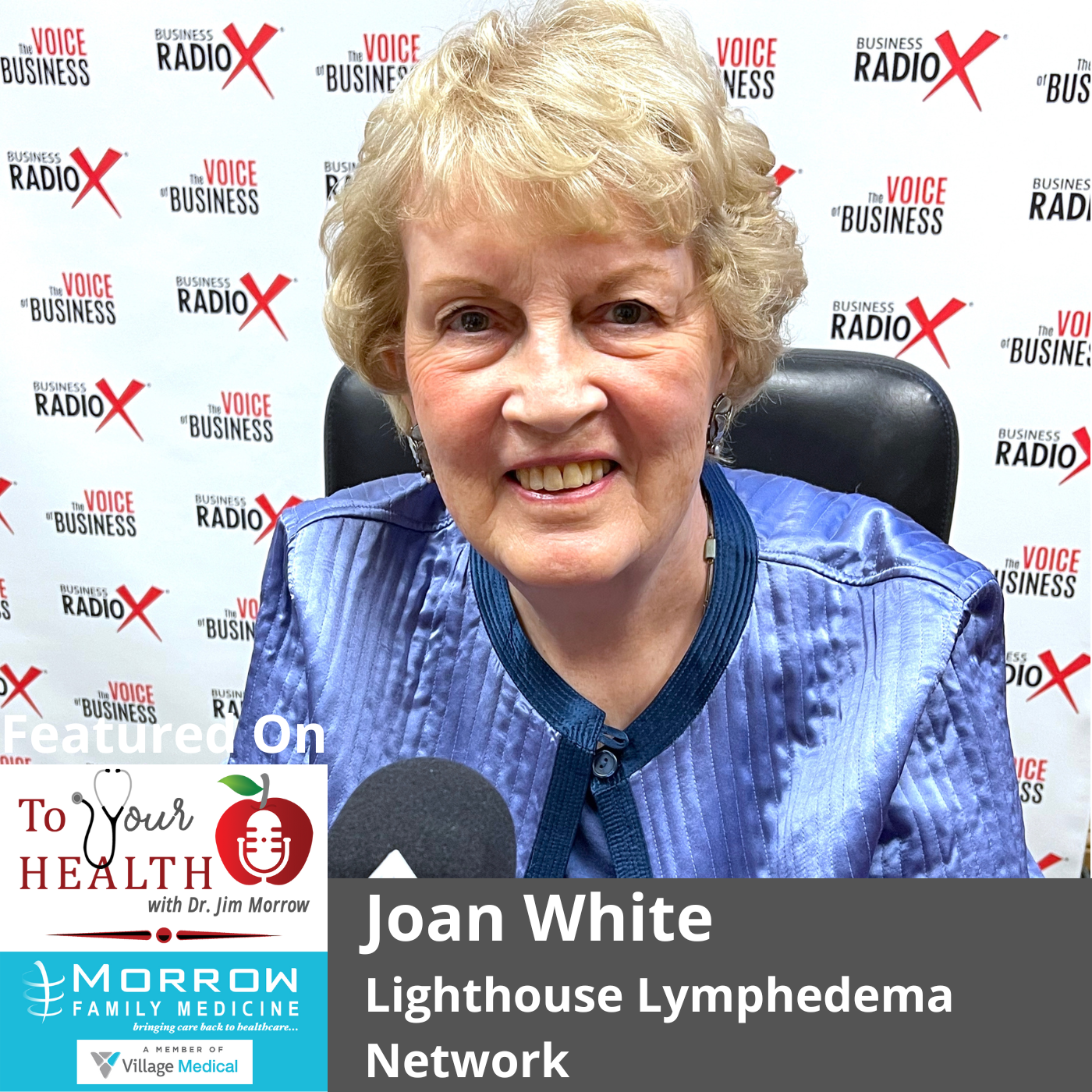
Lymphedema: An Interview with Joan White, Lighthouse Lymphedema Network (Episode 80, To Your Health with Dr. Jim Morrow)

Joan White with the Lighthouse Lymphedema Network was Dr. Morrow’s guest on this episode of To Your Health. She and Dr. Morrow discussed what lymphedema is, what causes it, and the evolution of treatment over the years. They also talked about how to find certified therapists, the need for research on children with lymphedema, the future of treatment, and more.

To Your Health is brought to you by Village Medical (formerly Morrow Family Medicine), which brings the care back to healthcare.

Lighthouse Lymphedema Network

Lymphedema is a chronic medical condition that occurs when a blockage in the lymphatic system prevents lymph fluid from draining well, resulting in swelling. Often in the arms of breast cancer survivors and legs of prostate cancer patients, lymphedema can be located in any part of the body.

Since its founding around a dining room table in 1993, the Lighthouse Lymphedema Network (LLN) has grown to become one of the most recognized, respected and fast-growing non-profit organizations dedicated to promoting education and awareness about this disease we call lymphedema and providing assistance and support, not only for those afflicted with this disease but for their families, friends and even their healthcare providers.

The LLN has many goals and their mission is constantly expanding.

It seems as soon as one project is completed, another slips into its place. The LLN Board of Directors is very dedicated to serving those in the world of lymphatics and lymphatic disorders. They have no paid staff; only patients, medical professionals and community volunteers who donate their time and energy to keep the organization moving in a positive direction.

Company website | Facebook | Instagram | Twitter

Joan White, Director, Lighthouse Lymphedema Network

Joan White is the Director of the Lighthouse Lymphedema Network. The LLN is a highly respected nonprofit that White started in 1993 around her kitchen table.

The organization sponsors an annual medical conference which includes patients, caregivers, family members, and medical professionals. The LLN will be sponsoring the 24th annual medical conference on October 22, 2022 at the ROAM Perimeter, Atlanta, GA. The LLN has a Bandage and Garment Fund to assist underserved patients who cannot afford them. The fund receives assistance from It’s The Journey through a grant and donations from many generous donors to assist patients in getting garments, bandages, and other items to give them the best quality of life.

The LLN publishes a quarterly newsletter, maintains a database of over 1,400 individuals, participates in It’s The Journey annual walk, and has a first-rate website lighthouselymphedema.org.

The LLN has been selected as the charity of choice for the spring golf and cornhole outing that is sponsored by the Southern Loss Association at Chateau Elan. The LLN is thankful for a strong board of directors and volunteers.

About Village Medical (formerly Morrow Family Medicine)

Village Medical, formerly Morrow Family Medicine, is an award-winning, state-of-the-art family practice with offices in Cumming and Milton, Georgia. The practice combines healthcare information technology with old-fashioned care to provide the type of care that many are in search of today. Two physicians, three physician assistants and two nurse practitioners are supported by a knowledgeable and friendly staff to make your visit to Village Medical one that will remind you of the way healthcare should be.  At Village Medical, we like to say we are “bringing the care back to healthcare!”  The practice has been named the “Best of Forsyth” in Family Medicine in all five years of the award, is a three-time consecutive winner of the “Best of North Atlanta” by readers of Appen Media, and the 2019 winner of “Best of Life” in North Fulton County.

Village Medical offers a comprehensive suite of primary care services including preventative care, treatment for illness and injury, and management of chronic conditions such as diabetes, congestive heart failure, chronic obstructive pulmonary disease (COPD) and kidney disease. Atlanta-area patients can learn more about the practice here.

Dr. Jim Morrow, Village Medical, and Host of To Your Health with Dr. Jim Morrow

Covid-19 misconceptionsDr. Jim Morrow is the founder of Morrow Family Medicine. He has been a trailblazer and evangelist in healthcare information technology, was named Physician IT Leader of the Year by HIMSS, a HIMSS Davies Award Winner, the Cumming-Forsyth Chamber of Commerce Steve Bloom Award Winner as Entrepreneur of the Year and he received a Phoenix Award as Community Leader of the Year from the Metro Atlanta Chamber of Commerce.  He is married to Peggie Morrow and together they founded the Forsyth BYOT Benefit, a charity in Forsyth County to support students in need of technology and devices. They have two Goldendoodles, a gaggle of grandchildren and enjoy life on and around Lake Lanier.

Facebook | LinkedIn | Twitter

The complete show archive of To Your Health with Dr. Jim Morrow addresses a wide range of health and wellness topics.

Tagged With: Dr. Jim Morrow, Joan White, Lighthouse Lymphedema Network, lymphatic drainage, lymphatic system, lymphedema, swelling, To Your Health, Village Medical

  • 1
  • 2
  • 3
  • …
  • 5
  • Next Page »

Business RadioX ® Network


Our Most Recent Episode

CONNECT WITH US

  • Email
  • Facebook
  • LinkedIn
  • Twitter
  • YouTube

Our Mission

We help local business leaders get the word out about the important work they’re doing to serve their market, their community, and their profession.

We support and celebrate business by sharing positive business stories that traditional media ignores. Some media leans left. Some media leans right. We lean business.

Sponsor a Show

Build Relationships and Grow Your Business. Click here for more details.

Partner With Us

Discover More Here

Terms and Conditions
Privacy Policy

Connect with us

Want to keep up with the latest in pro-business news across the network? Follow us on social media for the latest stories!
  • Email
  • Facebook
  • Google+
  • LinkedIn
  • Twitter
  • YouTube

Business RadioX® Headquarters
1000 Abernathy Rd. NE
Building 400, Suite L-10
Sandy Springs, GA 30328

© 2025 Business RadioX ® · Rainmaker Platform

BRXStudioCoversLA

Wait! Don’t Miss an Episode of LA Business Radio

BRXStudioCoversDENVER

Wait! Don’t Miss an Episode of Denver Business Radio

BRXStudioCoversPENSACOLA

Wait! Don’t Miss an Episode of Pensacola Business Radio

BRXStudioCoversBIRMINGHAM

Wait! Don’t Miss an Episode of Birmingham Business Radio

BRXStudioCoversTALLAHASSEE

Wait! Don’t Miss an Episode of Tallahassee Business Radio

BRXStudioCoversRALEIGH

Wait! Don’t Miss an Episode of Raleigh Business Radio

BRXStudioCoversRICHMONDNoWhite

Wait! Don’t Miss an Episode of Richmond Business Radio

BRXStudioCoversNASHVILLENoWhite

Wait! Don’t Miss an Episode of Nashville Business Radio

BRXStudioCoversDETROIT

Wait! Don’t Miss an Episode of Detroit Business Radio

BRXStudioCoversSTLOUIS

Wait! Don’t Miss an Episode of St. Louis Business Radio

BRXStudioCoversCOLUMBUS-small

Wait! Don’t Miss an Episode of Columbus Business Radio

Coachthecoach-08-08

Wait! Don’t Miss an Episode of Coach the Coach

BRXStudioCoversBAYAREA

Wait! Don’t Miss an Episode of Bay Area Business Radio

BRXStudioCoversCHICAGO

Wait! Don’t Miss an Episode of Chicago Business Radio

Wait! Don’t Miss an Episode of Atlanta Business Radio