Business RadioX ®

  • Home
  • Business RadioX ® Communities
    • Southeast
      • Alabama
        • Birmingham
      • Florida
        • Orlando
        • Pensacola
        • South Florida
        • Tampa
        • Tallahassee
      • Georgia
        • Atlanta
        • Cherokee
        • Forsyth
        • Greater Perimeter
        • Gwinnett
        • North Fulton
        • North Georgia
        • Northeast Georgia
        • Rome
        • Savannah
      • Louisiana
        • New Orleans
      • North Carolina
        • Charlotte
        • Raleigh
      • Tennessee
        • Chattanooga
        • Nashville
      • Virginia
        • Richmond
    • South Central
      • Arkansas
        • Northwest Arkansas
    • Midwest
      • Illinois
        • Chicago
      • Michigan
        • Detroit
      • Minnesota
        • Minneapolis St. Paul
      • Missouri
        • St. Louis
      • Ohio
        • Cleveland
        • Columbus
        • Dayton
    • Southwest
      • Arizona
        • Phoenix
        • Tucson
        • Valley
      • Texas
        • Austin
        • Dallas
        • Houston
    • West
      • California
        • Bay Area
        • LA
        • Pasadena
      • Colorado
        • Denver
      • Hawaii
        • Oahu
  • FAQs
  • About Us
    • Our Mission
    • Our Audience
    • Why It Works
    • What People Are Saying
    • BRX in the News
  • Resources
    • BRX Pro Tips
    • B2B Marketing: The 4Rs
    • High Velocity Selling Habits
    • Why Most B2B Media Strategies Fail
    • 9 Reasons To Sponsor A Business RadioX ® Show
  • Partner With Us
  • Veteran Business RadioX ®

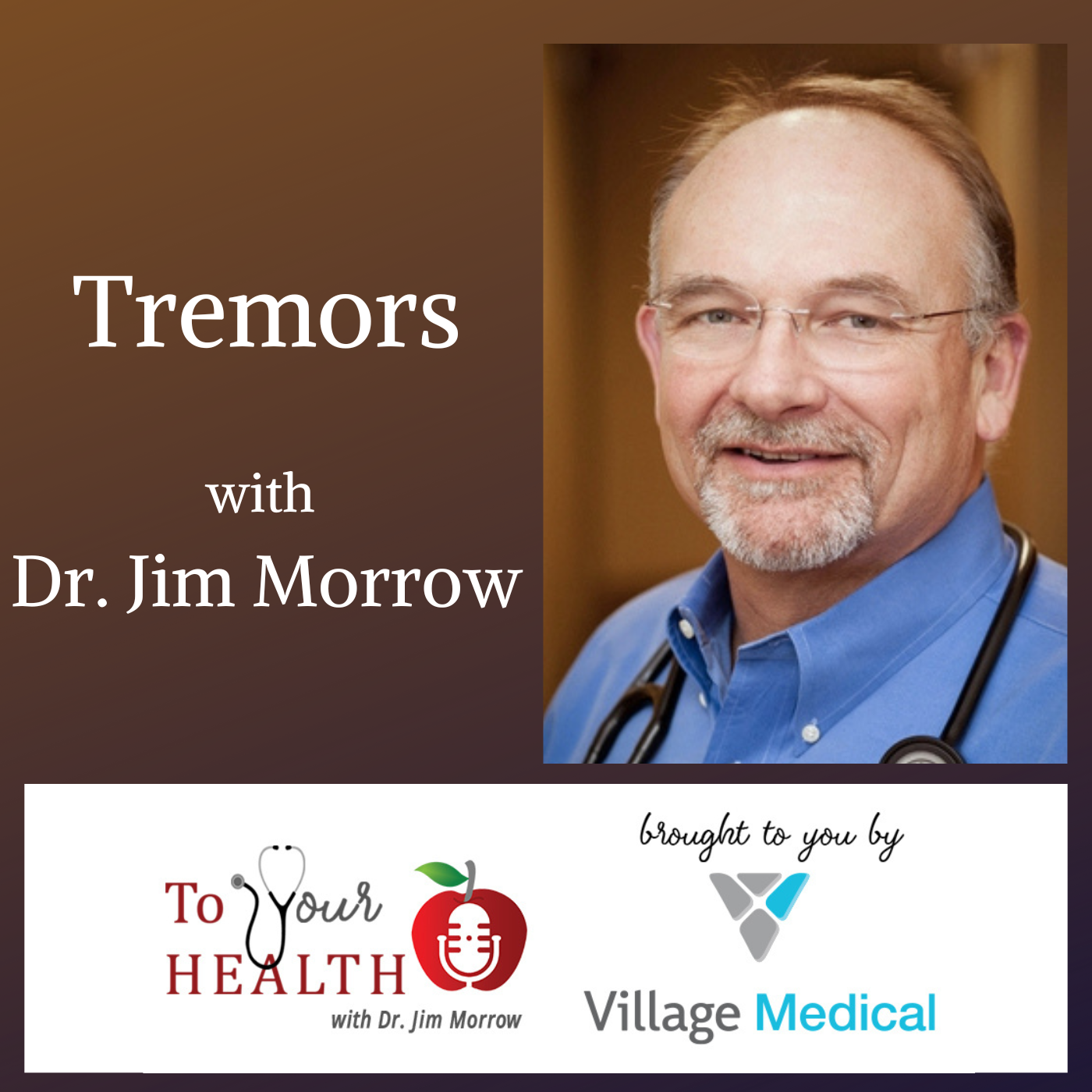
Tremors

August 9, 2023 by John Ray

Tremors
North Fulton Studio
Tremors
Loading
00:00 /
RSS Feed
Share
Link
Embed

Download file

Tremors

Tremors (Episode 90, To Your Health with Dr. Jim Morrow)

On this episode of To Your Health, Dr. Jim Morrow covers tremors, the difference between benign essential tremors and Parkinson’s Disease, how they are diagnosed, potential causes, what the doctor might do for treatment, and much more.

To Your Health is brought to you by Village Medical (formerly Morrow Family Medicine), which brings the care back to healthcare.

About Village Medical (formerly Morrow Family Medicine)

Village Medical, formerly Morrow Family Medicine, is an award-winning, state-of-the-art family practice with offices in Cumming and Milton, Georgia. The practice combines healthcare information technology with old-fashioned care to provide the type of care that many are in search of today. Two physicians, three physician assistants and two nurse practitioners are supported by a knowledgeable and friendly staff to make your visit to Village Medical one that will remind you of the way healthcare should be.  At Village Medical, we like to say we are “bringing the care back to healthcare!”  The practice has been named the “Best of Forsyth” in Family Medicine in all five years of the award, is a three-time consecutive winner of the “Best of North Atlanta” by readers of Appen Media, and the 2019 winner of “Best of Life” in North Fulton County.

Village Medical offers a comprehensive suite of primary care services including preventative care, treatment for illness and injury, and management of chronic conditions such as diabetes, congestive heart failure, chronic obstructive pulmonary disease (COPD) and kidney disease. Atlanta-area patients can learn more about the practice here.

Dr. Jim Morrow, Village Medical, and Host of To Your Health with Dr. Jim Morrow
Covid-19 misconceptionsDr. Jim Morrow is the founder of Morrow Family Medicine. He has been a trailblazer and evangelist in healthcare information technology, was named Physician IT Leader of the Year by HIMSS, a HIMSS Davies Award Winner, the Cumming-Forsyth Chamber of Commerce Steve Bloom Award Winner as Entrepreneur of the Year and he received a Phoenix Award as Community Leader of the Year from the Metro Atlanta Chamber of Commerce.  He is married to Peggie Morrow and together they founded the Forsyth BYOT Benefit, a charity in Forsyth County to support students in need of technology and devices. They have two Goldendoodles, a gaggle of grandchildren and enjoy life on and around Lake Lanier.

Facebook | LinkedIn | Twitter

The complete show archive of To Your Health with Dr. Jim Morrow addresses a wide range of health and wellness topics.

Dr. Morrow’s Show Notes

Types of Tremors

  • Essential tremor (ET) is at least eight times more common than Parkinson’s disease (PD).
  • There are many differences in the presentation, course, and treatment of ET and PD;
    • however, these differences are not always recognized by healthcare professionals and misdiagnoses are common
    • it has been suggested that up to 20 percent of patients with ET may develop PD,
      • but whether ET is a risk factor for PD remains a controversial issue

Diagnosis

  • At this time, there are no tests that can definitively diagnose either ET or PD and it is not uncommon to have the two mistaken for each other.
  • The diagnosis is based on a complete medical/symptom, family and medication history and an examination by a physician,
  • Obtaining a handwriting sample may be helpful in making an accurate diagnosis;
    • in ET handwriting is generally large and tremulous,
    • whereas in PD, micrographia (very small handwriting) is common.
    • DaTscan, a single photon emission computed tomography (SPECT) scan,
      • which measures dopamine uptake, has been approved as a diagnostic aid to help physicians differentiate between ET and parkinsonian tremor.
      • Other imaging techniques are under investigation to determine their utility in differentiating ET and PD.
      • An accurate diagnosis is critical as the treatment regimen is very different for the two disorders.

Differentiating ET and PD

  • Usually ET starts as a low- amplitude tremor but can gradually increase to a coarse, disabling tremor.
    • As ET progresses, tremor frequency (number of repetitions per second) may decrease;
      • however, tremor amplitude (magnitude/strength) may increase.
      • Increased amplitude is associated with a decreased ability to manage fine motor tasks.
      • The amplitude varies up to 23 percent throughout the day, but the frequency usually does not change during the course of the disease.2
    • ET generally presents bilaterally and is primarily seen during action,
      • such as when writing or eating, or when holding a posture, for example, when holding an object against gravity.
      • On the other hand, parkinsonian tremor most often presents unilaterally and later progresses to include both sides of the body.
      • PD tremor most commonly occurs at rest,
        • when the body part is relaxed and not in use,
        • but can also be seen in the postural position, often referred to as reemergent tremor.3
      • ET most commonly affects the
        • hands, legs, head, and voice, and tremor is the primary symptom of ET.
        • In PD, the cardinal symptoms include bradykinesia, rigidity, tremor, and gait/balance issues.
        • It is important to note that although it occurs in the majority, tremor does not have to be present to make a diagnosis of PD.
        • The tremor of PD most generally occurs in the upper/lower extremities and the chin/jaw and generally does not affect the head or voice.
      • ET most commonly onsets during middle age,
        • but can occur at any time in the lifespan, even in childhood.
        • The progression of ET can be variable.
        • In some patients ET remains mild throughout the lifespan and does not result in significant disability;
          • however, in others ET progresses and can cause significant disability,
            • making many daily activities very difficult or impossible to complete.
            • On the other hand, the average age of onset of PD is 60 years although it may be much later and about 10 percent present prior to the age of 40 years.
            • PD is a progressive disorder with virtually all patients having increased disability over time.
          • Although the gene accounting for the majority of ET patients has not been identified,
            • ET is an autosomal dominant disorder with greater than 50 percent of patients reporting a family history of tremor.
              • It is not uncommon to have a patient report multiple family members from several generations that have been affected by tremor.
              • PD is the result of a loss of dopamine in the substantia nigra;
                • however, the cause of PD is currently unknown and it is suspected that it may be a combination of a genetic predisposition and environmental influences.
                • A family history of PD is reported in less than 20 percent of patients.
              • Both ET and PD are affected by stress, anxiety and emotion and it is not uncommon to see an increase in tremor under stressful conditions.


What is essential tremor?

  • So, there different kinds of tremor…
    • Many things can cause tremor.
    • Not all tremors are essential tremors.
    • For example,
      • Parkinson’s disease causes tremor that you might notice when your hands are resting in your lap or at the sides of your body.
      • A stroke can cause tremor that gets worse when you reach for something.
      • Thyroid problems or low blood sugar can cause mild tremor.
      • Tremor can be caused by some medicines.
        • These include
          • heart medicines,
          • decongestants,
          • medicines for breathing problems,
          • and tricyclic antidepressants.
          • Drinks that contain caffeine also may cause a tremor.

How is essential tremor diagnosed?

  • Your doctor will probably perform an exam
    • and tests to look for possible causes of your tremor.
    • These tests rule out other causes and can include
    • a neurological exam,
    • blood and urine tests,
    • and physical performance tests.
    • If they don’t find another cause of your tremor,
      • you may be diagnosed with essential tremor.
      • There is no specific test for essential tremor.

Can essential tremor be prevented or avoided?

  • Doctors don’t know exactly what causes essential tremor,
    • so, it can’t be prevented.
  • If your doctor determines your tremor is caused by medicine or caffeine,
    • you may be able to avoid essential tremor in the future by avoiding those substances.

Essential tremor treatment

  • The goal in treating essential tremor is to provide symptom relief that can improve quality of life.
    • Mild tremors may not need treatment.
    • If your essential tremor interferes with your ability to function or bothers you,
    • there are some treatments that could help.
    • These include medicine, focused ultrasound, or deep brain stimulation.
      • Medicine–
        • Your doctor might suggest oral medicines to help decrease the severity of your tremor.
        • These could include
        • beta blockers,
        • anti-seizure medicines,
        • tranquilizers,
        • or Botox injections.
      • Therapy–
        • Physical therapy can help you improve your muscle strength, control, and coordination.
        • Occupational therapy can help you make modifications to reduce the effects of tremors,
          • such as using heavier glasses to drink out of.
        • Surgery–
          • If your tremor is very disabling and you haven’t had good results with medicine,
            • you could qualify for surgery.
            • Usually this is deep brain stimulation (DBS).
            • Electrodes are implanted into the area of your brain that coordinates muscle control

Living with essential tremor

  • Lifestyle changes are often recommended to prevent the tremor from getting worse.
    • Your doctor will ask you to avoid caffeine, cold medicines, and certain other medicines if they seem to make your tremor worse.
    • These medicines won’t make your tremor go away.
    • However, the medicine may control the tremor enough to allow you to do normal activities without frustration or embarrassment.
    • Symptoms do tend to get worse over time.
      • Eventually you might start having trouble with daily functions, including
        • Holding a glass of liquid without spilling
        • Eating normally
        • Putting on makeup or shaving
        • Talking, if it affects your tongue or voice box

Tagged With: Dr James Morrow, Essential Tremor, health issues, Parkinsons Disease, Stroke, To Your Health, To Your Health With Dr. Jim Morrow, Tremors, Village Medical

Mental Health and Substance Abuse Legislation in Georgia, with Representative Todd Jones, Georgia House District 25

July 27, 2023 by John Ray

Representative Todd Jones
North Fulton Studio
Mental Health and Substance Abuse Legislation in Georgia, with Representative Todd Jones, Georgia House District 25
Loading
00:00 /
RSS Feed
Share
Link
Embed

Download file

Representative Todd Jones

Mental Health and Substance Abuse Legislation in Georgia, with Representative Todd Jones, Georgia House District 25 (Episode 86, To Your Health with Dr. Jim Morrow)

Representative Todd Jones, Georgia House District 25, was Dr. Morrow’s guest on this episode of To Your Health. Rep. Jones discussed the state of mental health care in Georgia, HB 1013, the “Mental Health Parity Act,” which passed in 2022, as well as House Bill 520, which is in Senate committee currently and builds on HB 1013. He also discussed telemedicine, the state’s efforts in workforce development to bring more mental health providers to the state, the mental health hotline, 988, advice for caregivers, and much more.

You can find a video of their conversation here.

To Your Health is brought to you by Village Medical (formerly Morrow Family Medicine), a “New Way to Well.” The show is produced by the North Fulton studio of Business RadioX®.

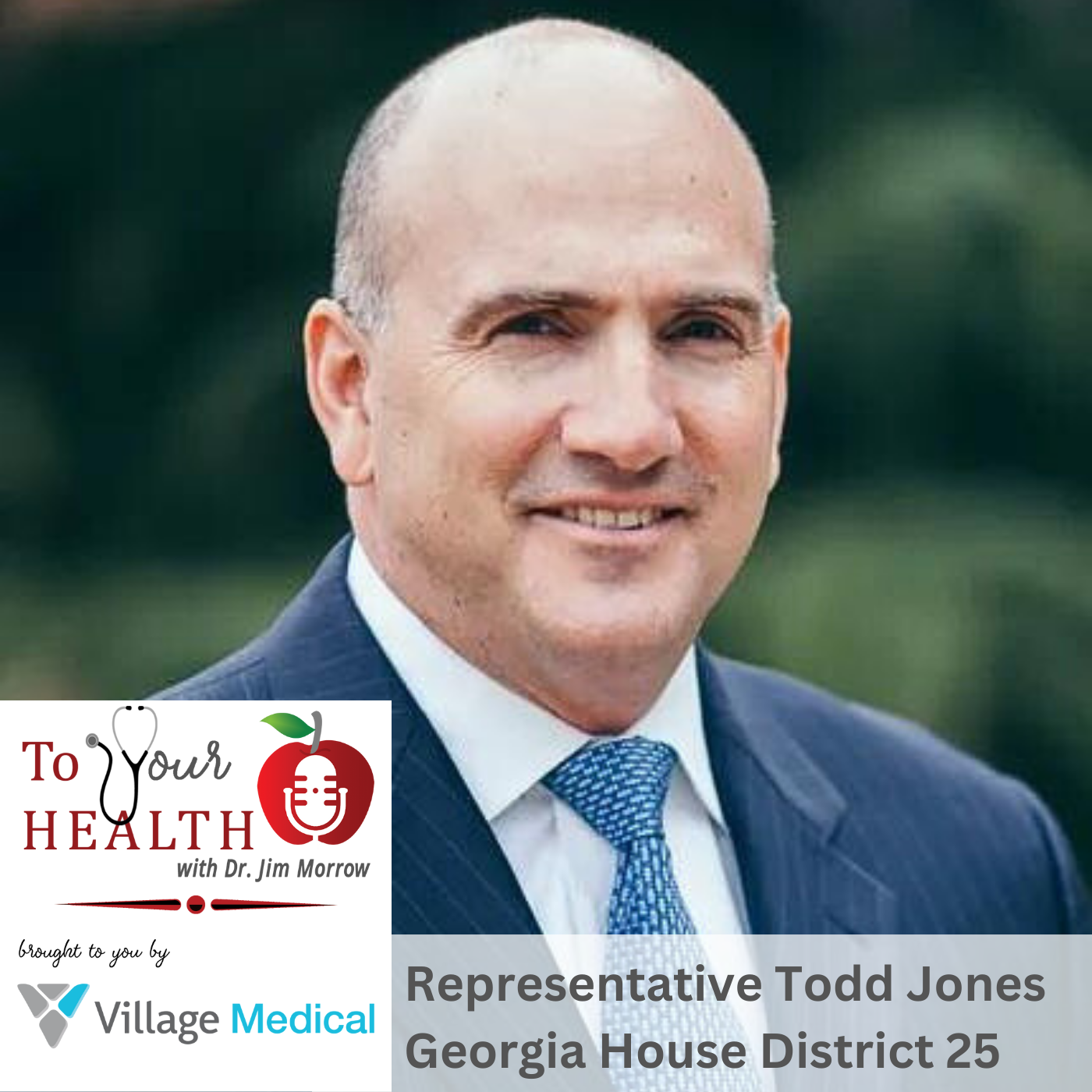
Representative Todd Jones, Georgia House District 25

Representative Todd Jones, House District 25

Representative Todd Jones represents the citizens of House District 25, which encompasses South Forsyth and North Fulton Counties. He was first elected to the Georgia House of Representatives on November 8, 2016, and sworn into office on January 9, 2017. Todd started his third term representing District 25 on January 11, 2021.

Rep. Jones serves as the chairman of the Appropriations Subcommittee on Education and as the vice chairman of the Science & Technology Committee. Further, Todd serves as a member of the Budget & Fiscal Affairs Oversight, Code Revision, Economic Development & Tourism, Education, Industry & Labor and Judiciary committees.  He also serves on the Special Committee on Access to Quality Health Care.

Todd’s business experience has focused on triple-bottom line companies that focus on social, environmental, and financial impacts. From changing K-12 education worldwide to launching energy projects in the developing world to deploying EHS software, each company created accretive, positive return on investment. During his time as a business executive, he has worked with companies like Johnson Controls, Goldman Sachs, Goodyear, Cardinal Health, John Deere, Walgreens, Morgan Stanley and Cargill.

In 2010, Todd was named “Co-Volunteer of the Year” by the Forsyth County Board of Education. He has also served on a variety of community executive boards including the SPES Dads Club and SFHS Touchdown Club.

Todd holds a Juris Doctor (1994) and Bachelor of Administration in Finance (1989) from the University of Florida(UF). Todd served as his fraternity’s president and treasurer, UF student senator and Greek Council student representative. He was named to the “University’s Who’s Who “at UF.

As an alumnus, Todd has sat on his fraternity’s board of directors, delivered guest lectures at the UF business, law and political science schools, and led a variety of alumni activities.

Todd has been married to his high school sweetheart, Tracey Jones, for more than 25 years. Tracey and Todd have three sons and one daughter. The family has called South Forsyth County home for more than 14 years.

Website | Facebook | LinkedIn 

Village Medical

At Village Medical, your relationship with your primary care provider is the foundation to your health. Their doctors and staff partner with you to understand your needs, and work together to focus not just on treatment, but also education and preventative care.

They combine the tools, technology and people needed to help create healthier, happier patients. More connected care means more complete care.

Village Medical clinics located at Walgreens pharmacies are bringing their vision of exceptional and compassionate primary care even closer to you. With locations throughout the United States, they’re in your neighborhood. And that network means you can visit a doctor at any of their locations, and they’ll have your records available.

With Village Medical at Home, they provide at-home visits designed to give eligible patients the attention they need, in a way that’s best for them and their caregivers.

With your caring team at Village Medical, it’s easy and convenient to stay on top of your health. Maybe more than ever before. Village Medical. The New Way to Well.

Company website | Facebook | Instagram

Dr. Jim Morrow, Village Medical, and Host of To Your Health with Dr. Jim Morrow

Covid-19 misconceptionsDr. Jim Morrow is the founder of Morrow Family Medicine, now part of the Village Medical family of practices. He has been a trailblazer and evangelist in healthcare information technology, was named Physician IT Leader of the Year by HIMSS, a HIMSS Davies Award Winner, the Cumming-Forsyth Chamber of Commerce Steve Bloom Award Winner as Entrepreneur of the Year and he received a Phoenix Award as Community Leader of the Year from the Metro Atlanta Chamber of Commerce.  He is married to Peggie Morrow and together they founded the Forsyth BYOT Benefit, a charity in Forsyth County to support students in need of technology and devices. They have two Goldendoodles, a gaggle of grandchildren and enjoy life on and around Lake Lanier.

Facebook | LinkedIn | Twitter

The complete show archive of To Your Health with Dr. Jim Morrow addresses a wide range of health and wellness topics.

Tagged With: criminal justice system, first responders, Georgia, Georgia House Bill 1013, Georgia House Bill 520, Georgia legislature, House Bill 1013, mental health, Representative Todd Jones, To Your Health, To Your Health With Dr. Jim Morrow, unhoused, Village Medical, Workforce Development

Digital Addiction: An Interview with Dr. Nidhi Gupta, Phreedom: Ungrip Devices. Grip Life

March 23, 2023 by John Ray

Nidhi Gupta
North Fulton Studio
Digital Addiction: An Interview with Dr. Nidhi Gupta, Phreedom: Ungrip Devices. Grip Life
Loading
00:00 /
RSS Feed
Share
Link
Embed

Download file

Nidhi Gupta

Digital Addiction: An Interview with Dr. Nidhi Gupta, Phreedom: Ungrip Devices. Grip Life (Episode 85, To Your Health with Dr. Jim Morrow)

Dr. Nidhi Gupta, pediatric endocrinologist and an award-winning researcher, joined host Dr. Jim Morrow to talk about Phreedom, her movement to mitigate digital addiction. Dr. Gupta explained how our behavior with any mobile wireless device contributes to addiction, explained how that addiction works via the trigger loop, the impacts on health, her advice for digital wellness, and more.

To Your Health is brought to you by Village Medical (formerly Morrow Family Medicine), which brings the care back to healthcare.

Phreedom: Ungrip Devices. Grip Life

Driven by her personal and professional experiences, Dr. Nidhi Gupta launched a movement (Phreedom: Ungrip Devices. Grip Life) to raise awareness about smartphone addiction and enlighten her audience to reclaim their time and attention in this technology driven economy.

Through her research and clinical work, Nidhi is devoted to exposing the dangers of screen addiction. Her work shows that screen time obsession causes or contributes to an array of health challenges such as diabetes, obesity, heart disease, depression, anxiety, addiction, and more.

Nidhi has created a robust digital-wellness workshop that empowers parents, professionals, and students with a deep understanding of smartphone addiction and practical tools to prevent and/or mitigate this behavior.

Company website | Facebook |  Twitter

Dr. Nidhi Gupta, Founder & CEO, Phreedom: Ungrip Devices. Grip Life, & KAP Pediatric Endocrinology

Dr. Nidhi Gupta, Founder & CEO, Phreedom: Ungrip Devices. Grip Life, & KAP Pediatric Endocrinology

Dr. Nidhi Gupta is a pediatric endocrinologist and an award-wining researcher. She has been a featured speaker on several podcasts, including The BMJ, Switch4good, The Daily Huddle and How It’s Done. Nidhi has authored over 100 peer-reviewed articles, book chapters and essays.

Nidhi is speaking at TEDx Tullahoma in April 2023.

Nidhi completed her medical school at Maulana Azad Medical College, New Delhi, India; pediatric residency at Children’s Hospital of Michigan, Detroit and pediatric endocrinology fellowship at Mayo Clinic, Rochester, MN. Upon graduating, she was an Assistant Professor of Pediatrics at Vanderbilt University Medical Center for 4 years, where she was the director of the Pediatric Cystic Fibrosis Related Diabetes Clinic.

She is now the Founder and CEO of KAP Pediatric Endocrinology, a direct specialty endocrine practice in Franklin, TN.

LinkedIn

About Village Medical (formerly Morrow Family Medicine)

Village Medical, formerly Morrow Family Medicine, is an award-winning, state-of-the-art family practice with offices in Cumming and Milton, Georgia. The practice combines healthcare information technology with old-fashioned care to provide the type of care that many are in search of today. Two physicians, three physician assistants and two nurse practitioners are supported by a knowledgeable and friendly staff to make your visit to Village Medical one that will remind you of the way healthcare should be.  At Village Medical, we like to say we are “bringing the care back to healthcare!”  The practice has been named the “Best of Forsyth” in Family Medicine in all five years of the award, is a three-time consecutive winner of the “Best of North Atlanta” by readers of Appen Media, and the 2019 winner of “Best of Life” in North Fulton County.

Village Medical offers a comprehensive suite of primary care services including preventative care, treatment for illness and injury, and management of chronic conditions such as diabetes, congestive heart failure, chronic obstructive pulmonary disease (COPD) and kidney disease. Atlanta-area patients can learn more about the practice here.

Dr. Jim Morrow, Village Medical, and Host of To Your Health with Dr. Jim Morrow

Covid-19 misconceptionsDr. Jim Morrow is the founder of Morrow Family Medicine. He has been a trailblazer and evangelist in healthcare information technology, was named Physician IT Leader of the Year by HIMSS, a HIMSS Davies Award Winner, the Cumming-Forsyth Chamber of Commerce Steve Bloom Award Winner as Entrepreneur of the Year and he received a Phoenix Award as Community Leader of the Year from the Metro Atlanta Chamber of Commerce.  He is married to Peggie Morrow and together they founded the Forsyth BYOT Benefit, a charity in Forsyth County to support students in need of technology and devices. They have two Goldendoodles, a gaggle of grandchildren and enjoy life on and around Lake Lanier.

Facebook | LinkedIn | Twitter

The complete show archive of To Your Health with Dr. Jim Morrow addresses a wide range of health and wellness topics.

Tagged With: digital addiction, distracted driving, Dr. Jim Morrow, Dr. Nidhi Gupta, family doctor, family practice doctor, KAP Pediatric Endocrinology, obesity, pediatric endocrinology, Phreedom, sleep, smartphones, To Your Health, To Your Health With Dr. Jim Morrow, Village Medical, wireless devices

Vaccine Myths vs. Facts

February 9, 2023 by John Ray

Vaccine Myths
North Fulton Studio
Vaccine Myths vs. Facts
Loading
00:00 /
RSS Feed
Share
Link
Embed

Download file

Vaccine Myths

Vaccine Myths vs. Facts (Episode 84, To Your Health with Dr. Jim Morrow)

On this episode of To Your Health, host Dr. Jim Morrow of Village Medical addresses some of the most common myths surrounding vaccines, including myths like vaccines aren’t safe, they don’t work, and that vaccines cause autism spectrum disorder. He also mentions the Georgia Registry of Immunization Transactions & Services (GRITS) as a resource to track immunization records.

To Your Health is brought to you by Village Medical (formerly Morrow Family Medicine), which brings the care back to healthcare.

About Village Medical (formerly Morrow Family Medicine)

Village Medical, formerly Morrow Family Medicine, is an award-winning, state-of-the-art family practice with offices in Cumming and Milton, Georgia. The practice combines healthcare information technology with old-fashioned care to provide the type of care that many are in search of today. Two physicians, three physician assistants and two nurse practitioners are supported by a knowledgeable and friendly staff to make your visit to Village Medical one that will remind you of the way healthcare should be.  At Village Medical, we like to say we are “bringing the care back to healthcare!”  The practice has been named the “Best of Forsyth” in Family Medicine in all five years of the award, is a three-time consecutive winner of the “Best of North Atlanta” by readers of Appen Media, and the 2019 winner of “Best of Life” in North Fulton County.

Village Medical offers a comprehensive suite of primary care services including preventative care, treatment for illness and injury, and management of chronic conditions such as diabetes, congestive heart failure, chronic obstructive pulmonary disease (COPD) and kidney disease. Atlanta-area patients can learn more about the practice here.

Dr. Jim Morrow, Village Medical, and Host of To Your Health with Dr. Jim Morrow

Covid-19 misconceptionsDr. Jim Morrow is the founder of Morrow Family Medicine. He has been a trailblazer and evangelist in healthcare information technology, was named Physician IT Leader of the Year by HIMSS, a HIMSS Davies Award Winner, the Cumming-Forsyth Chamber of Commerce Steve Bloom Award Winner as Entrepreneur of the Year and he received a Phoenix Award as Community Leader of the Year from the Metro Atlanta Chamber of Commerce.  He is married to Peggie Morrow and together they founded the Forsyth BYOT Benefit, a charity in Forsyth County to support students in need of technology and devices. They have two Goldendoodles, a gaggle of grandchildren and enjoy life on and around Lake Lanier.

Facebook | LinkedIn | Twitter

The complete show archive of To Your Health with Dr. Jim Morrow addresses a wide range of health and wellness topics.

Dr. Morrow’s Show Notes

Vaccine Myths vs Facts

  • There are many common misconceptions regarding vaccines.
    • If you find yourself trying to decide if you’re for or against them, here is some evidence-based information offered to clear up any confusion.

Myth: Vaccines don’t work.

  • Fact: Vaccines prevent many diseases that used to make people very sick.
    • Now that people are being vaccinated for those diseases, they’re not common anymore.
    • One example is measles. It used to be a serious respiratory illness that affected children.
      • But once the vaccine was developed and people got immunized, it’s almost completely eliminated.
    • A vaccine helps your body build immunity to a particular disease.
      • Immunity means you’re protected from getting the disease.
        • In order for them to work properly, vaccines need to be given at certain times.
        • That’s because some vaccines take a few weeks or months to create immunity in your body.
        • Therefore, you and your children should get all vaccines per the schedule provided by your doctor.

Myth: Vaccines aren’t safe

  • Fact: The safety of vaccines is important, from beginning to end.
    • When a vaccine is developed, it goes through a strict and detailed process overseen by the U.S. Food & Drug Administration (FDA).
    • The FDA must prove the vaccine is safe before it can be given to people.
  • Vaccines go through many testing phases before they’re given to people.
    • This includes testing on thousands of people and careful analysis of the test data by scientists.
    • Once the FDA decides a vaccine is safe for people, the Centers for Disease Control and Prevention (CDC) joins the FDA in continuing to monitor the vaccine as it’s given to people.
    • They watch for many things, including how well it works and what side effects happen.
  • In addition to watching vaccines, the CDC and FDA monitor the facilities where the vaccines are made.
    • They do this to make sure the vaccines are being produced safely.
    • The two groups also check each batch of vaccines before they’re distributed to the public to make sure they’re safe.
  • If you have questions about vaccine safety, talk with your doctor. Ask to see the CDC’s Vaccine Information Sheet for information about each vaccine.

Myth: I don’t need vaccines. My natural immunity is better than a vaccination.

  • Fact: Many preventable diseases are dangerous and can cause lasting side effects.
    • It’s much safer—and easier—to get vaccines, instead.
    • Plus, being vaccinated helps keep you from spreading the disease to unvaccinated people around you.

Myth: Vaccines include a live version of the virus.

  • Fact: Diseases are caused by either bacterial or viral infections.
    • Vaccines trick your body into thinking you have the infection caused by a particular disease.
  • Some vaccines contain a pretend version of the infection.
    • But your body thinks it’s the real infection.
    • It wants to protect itself from the infection, so it creates antibodies to attack it.
    • Antibodies are infection fighters that live in your blood.
    • After your body rids itself of the pretend infection, the antibodies remember how to fight the real infection.
    • This makes you immune against the disease.
  • Other vaccines contain live versions of the bacteria or virus that causes the disease.
    • However, those infections have been so weakened during the vaccine creation process that they can’t make you sick with the disease.
    • But your body fights the infection as if it’s the strong version of the infection.
    • This creates immunity, too.

Myth: Vaccines have negative side effects.

  • Fact: Side effects can be common with vaccines.
    • In fact, your doctor may tell you to expect minor side effects.
    • However, the benefit of getting vaccines outweighs the possibility of side effects.
    • Possible common side effects include
      • pain,
      • redness, and swelling near the injection site;
      • a low-grade fever of less than 100.3 degrees;
      • a headache;
      • and a rash.
    • Severe side effects of vaccines are rare.
      • If you experience a severe issue after getting a vaccine, let your doctor know right away.

Myth: Vaccines cause autism spectrum disorder.

  • Fact: There is proof that vaccines do not cause autism.
    • A study published more than 20 years ago first suggested that vaccines cause the disability known as autism spectrum disorder.
      • However, that study has been proven to be false.
      • Researchers have studied vaccines and autism and haven’t found anything that links the two.
      • Instead, scientists have found a gene that’s linked to autism.
      • That means children with autism have had the gene for it since birth.
    • Timing may be behind why people believe vaccines and autism are related.
      • Some children begin to show signs of autism spectrum disorder around the same time they receive the vaccine for measles, mumps, and rubella.

Myth: Vaccinations aren’t safe to get while pregnant.

  • Fact: Actually, the opposite is true.
    • The CDC recommends pregnant women get the vaccine for diphtheria, tetanus, and whooping cough.
      • Additionally, if the woman is pregnant during influenza season, it’s recommended she get the flu vaccine, too.
      • These vaccines can protect the mother—and the baby.
    • A baby develops immunity when their mother gets a vaccine.
      • And vaccines can protect the baby for a few months after they’re born.
      • This is especially important because newborn babies don’t have fully developed immune systems.
      • If they become sick, it can be very serious.
        • However, the immunity a baby gets from their mother only lasts for a few months after birth.
        • That’s why it’s important your baby receives all suggested vaccinations from your doctor.

Myth: I don’t have to tell anyone if I choose to not vaccinate my child.

  • Fact: If you choose not to vaccinate your child, you need to tell certain people.
    • These include your doctor and other medical professionals.
      • They need to know so they can best determine how to care for your child if they become sick.
      • Additionally, your child’s daycare, school, or babysitter should know.
    • Vaccines are required for many activities.
      • Not having the appropriate vaccine can interfere with your plans. These instances include:
      • School (K-12 and college dorm life)
      • Travel

Questions to ask your doctor:

  • Can I delay a vaccine?
  • Can I get a disease after I’ve gotten the vaccine?
  • What should I do if I don’t have health insurance, or my insurance doesn’t cover vaccinations?
  • What vaccinations do I need as an adult?
  • How do I know if I had certain vaccines as a child if I don’t have the records?
  • Is my newborn at risk of certain diseases if he or she isn’t old enough to get certain vaccines?

Credit: www.familydoctor.org

Tagged With: Dr. Jim Morrow, family practice, healthcare provider, To Your Health, To Your Health With Dr. Jim Morrow, Vaccine facts, vaccine myths, vaccines, Village Medical

Pallavi Ghanta, Help2Breathe

July 14, 2022 by John Ray

Help2Breathe
North Fulton Studio
Pallavi Ghanta, Help2Breathe
Loading
00:00 /
RSS Feed
Share
Link
Embed

Download file

Help2Breathe

Pallavi Ghanta, Help2Breathe (Episode 77, To Your Health with Dr. Jim Morrow)

On this edition of To Your Health, Dr, Morrow welcomes Pallavi Ghanta, a high school senior at Denmark High School, who founded Help2Breathe. As a nonprofit, Help2Breathe repurposes durable medical equipment and provides it to needy and homeless patients who otherwise might not have access to this needed care. They discussed the shortage of CPAP machines, her blog, how people can support Help2Breathe, and much more.

To Your Health is brought to you by Village Medical (formerly Morrow Family Medicine), which brings the care back to healthcare.

Help2Breathe

Help2Breathe (Help2Breathe.com) is a 501(c)(3) charity with the mission of collecting donations of used and unused medical equipment and with the help of medical volunteers providing them to needy and homeless patients.

The charity was started by Pallavi Ghanta, a rising senior at Denmark High School, Forsyth County. Pallavi, while volunteering at nursing homes noticed that medical equipment belonging to recently deceased residents was often disposed of.

Given her volunteer work at the Good Samaritan Health Center, a free clinic in Atlanta, she was well aware of the severe need for such equipment among the poor and homeless served at the clinic. Connecting the dots, she worked to salvage and ensure such equipment got a second life.

Company website | Instagram

Pallavi Ghanta, Founder, Help2Breathe

Pallavi Ghanta, Founder, Help2Breathe

Pallavi is a rising senior at Denmark High School. She has volunteered at several nursing homes, Northside Hospital Forsyth Case Management, and Good Samaritan. She has founded a 501(c)(3) charity Help2Breathe, which collects used and unused medical equipment and donates them to free clinics. She started a blog called Health Care Anxiety, where she interviews seniors who are still working to afford health care.

She is involved in several clubs at school (Debate, Environmental, Finance, Tedtalk). She has earned a Congressional Service Silver Award.

About Village Medical (formerly Morrow Family Medicine)

Village Medical, formerly Morrow Family Medicine, is an award-winning, state-of-the-art family practice with offices in Cumming and Milton, Georgia. The practice combines healthcare information technology with old-fashioned care to provide the type of care that many are in search of today. Two physicians, three physician assistants and two nurse practitioners are supported by a knowledgeable and friendly staff to make your visit to Village Medical one that will remind you of the way healthcare should be.  At Village Medical, we like to say we are “bringing the care back to healthcare!”  The practice has been named the “Best of Forsyth” in Family Medicine in all five years of the award, is a three-time consecutive winner of the “Best of North Atlanta” by readers of Appen Media, and the 2019 winner of “Best of Life” in North Fulton County.

Village Medical offers a comprehensive suite of primary care services including preventative care, treatment for illness and injury, and management of chronic conditions such as diabetes, congestive heart failure, chronic obstructive pulmonary disease (COPD) and kidney disease. Atlanta-area patients can learn more about the practice here.

Dr. Jim Morrow, Village Medical, and Host of To Your Health with Dr. Jim Morrow

Covid-19 misconceptionsDr. Jim Morrow is the founder of Morrow Family Medicine. He has been a trailblazer and evangelist in healthcare information technology, was named Physician IT Leader of the Year by HIMSS, a HIMSS Davies Award Winner, the Cumming-Forsyth Chamber of Commerce Steve Bloom Award Winner as Entrepreneur of the Year and he received a Phoenix Award as Community Leader of the Year from the Metro Atlanta Chamber of Commerce.  He is married to Peggie Morrow and together they founded the Forsyth BYOT Benefit, a charity in Forsyth County to support students in need of technology and devices. They have two Goldendoodles, a gaggle of grandchildren and enjoy life on and around Lake Lanier.

Facebook | LinkedIn | Twitter

The complete show archive of To Your Health with Dr. Jim Morrow addresses a wide range of health and wellness topics.

Tagged With: Dr. Jim Morrow, Help2Breathe, medical equipment, Nonprofit, Pallavi Ghanta, To Your Health With Dr. Jim Morrow, Village Medical

Fitness Trackers and Exercise

April 28, 2022 by John Ray

Fitness
North Fulton Studio
Fitness Trackers and Exercise
Loading
00:00 /
RSS Feed
Share
Link
Embed

Download file

Fitness

Fitness Trackers and Exercise (Episode 74, To Your Health with Dr. Jim Morrow)

On this episode of To Your Health, Dr. Jim Morrow covered the benefits of fitness trackers and wearables to track your heart rate, to improve your chances of exercising, and track your diet. He gave a formula for determining your ideal heart rate during exercise, the best kinds of activity and fitness trackers, and much more.

To Your Health is brought to you by Village Medical (formerly Morrow Family Medicine), which brings the care back to healthcare.

About Village Medical (formerly Morrow Family Medicine)

Village Medical, formerly Morrow Family Medicine, is an award-winning, state-of-the-art family practice with offices in Cumming and Milton, Georgia. The practice combines healthcare information technology with old-fashioned care to provide the type of care that many are in search of today. Two physicians, three physician assistants and two nurse practitioners are supported by a knowledgeable and friendly staff to make your visit to Village Medical one that will remind you of the way healthcare should be.  At Village Medical, we like to say we are “bringing the care back to healthcare!”  The practice has been named the “Best of Forsyth” in Family Medicine in all five years of the award, is a three-time consecutive winner of the “Best of North Atlanta” by readers of Appen Media, and the 2019 winner of “Best of Life” in North Fulton County.

Village Medical offers a comprehensive suite of primary care services including preventative care, treatment for illness and injury, and management of chronic conditions such as diabetes, congestive heart failure, chronic obstructive pulmonary disease (COPD) and kidney disease. Atlanta-area patients can learn more about the practice here.

Dr. Jim Morrow, Village Medical, and Host of To Your Health with Dr. Jim Morrow

Covid-19 misconceptionsDr. Jim Morrow is the founder of Morrow Family Medicine. He has been a trailblazer and evangelist in healthcare information technology, was named Physician IT Leader of the Year by HIMSS, a HIMSS Davies Award Winner, the Cumming-Forsyth Chamber of Commerce Steve Bloom Award Winner as Entrepreneur of the Year and he received a Phoenix Award as Community Leader of the Year from the Metro Atlanta Chamber of Commerce.  He is married to Peggie Morrow and together they founded the Forsyth BYOT Benefit, a charity in Forsyth County to support students in need of technology and devices. They have two Goldendoodles, a gaggle of grandchildren and enjoy life on and around Lake Lanier.

Facebook | LinkedIn | Twitter

The complete show archive of To Your Health with Dr. Jim Morrow addresses a wide range of health and wellness topics.

Dr. Morrow’s Show Notes

Tracking Your Fitness

Exercise

  • The frequency of cardiorespiratory training is limited more often by patient compliance than by physiology.
    • It is not inappropriate for one to exercise daily, but few people do.
  • The ACSM recommends a duration of 20–60 minutes of continuous or intermittent exercise
    • and a frequency of 3–5 days per week for cardiorespiratory fitness and body composition enhancement.
    • Intermittent exercise is described as a minimum of 10-minute bouts accumulated throughout the day.
  • The recommended intensity is 65%–90% of maximum heart rate in healthy adults
    • and 55%–65% in very unfit individuals.
  • The challenge, of course, is to know one’s maximum heart rate.
  • Usual equations for HRmaxis 220—age in years
    • Healthy adults should maintain a subjective rating of perceived exertion (RPE) of “moderate” to “heavy” or about 13–15 on the scale.
    • Beginners can improve compliance by limiting intensity to “light” to “moderate” (RPE 11–13).
    • It is not uncommon for athletes to reach “very, very heavy” (RPE 19–20) for short bursts, particularly during interval training such as wind sprints, but there is little reason to recommend these levels for patients.


Wearable Technology: Activity Trackers and Smart Watches

  • There is a variety of wearable technologies available in the market that monitor energy expenditure and heart health.
    • Physical activity trackers help measure personal metrics involved in fitness,
      • such as the number of steps walked, heart rate, quality of sleep, etc.
    • They come predominantly in the form of wristbands and smartwatches.
      • Wristbands are the most popular brand of activity trackers
      • Other wearable technologies include chest, patches, strips, and shirts (e.g., Zephry Shirt).
    • Activity trackers typically sync to smart devices and/or upload to computers using wireless connectivity.
      • The companion apps, depending on the product, also enable the users to record and track things like food consumption, activities, weight, ECG, heart rate, and temperature;
        • and can share the data with trainers and medical professionals.
      • Researchers have demonstrated that the data from a wearable device and its companion smartphone app can be integrated into electronic health record systems
      • While wearable devices do require certain degrees of user inputs for accurate tracking,
        • research seems to indicate that they may be suitable as physical activity monitoring platforms
        • and are reasonably accurate for estimating heart rate, number of steps, distance, and sleep duration
      • Wristbands have also been shown to be an accurate, reliable, and efficient tool for physicians to track the adoption and maintenance of physical activity programs
      • However, there is some skepticism regarding their benefits for monitoring physical activity and other
        • Research also shows that the heart rate monitoring function is more accurate at rest than during moderately active exercise
          • and may not be suitable in helping clinicians advise their patients about health issues
        • Manufacturers are in a race to make medical-grade monitoring available with wearable devices.
          • A recent partnership between Fitbit and Dexcom is promising to bring continuous glucose monitoring (CGM) by integrating the popular Dexcom G5 sensor to the Fitbit Ionic.
        • Medical equipment manufacturers like Omron are poised to enter the market with their smartwatch that can provide medical-grade blood pressure measurements and sleep tracking.
        • There are also products on the horizon (e.g., Cronovo smartwatch) that can provide accurate heart rate functions
          • along with prescribing fitness regimens based on individual physical characteristics
          • and guiding the user through video tutorials, calorie, and dietary intake tracking, and integrating these functionalities with voice-based recipes
        • Given the risk factors associated with CVD, there are a lot of applications and technology aimed at generic health factors such as diet and exercise that decrease users’ CVD risk despite not being explicitly marketed for this purpose.
        • Activity trackers have huge user bases (recent filings indicate there are approximately 19 million registered users with over 9 million “active” users,
          • and research indicates that usage of wearable devices such as these does show an increase in physical activity
          • Similarly, diet trackers and calorie counters such as MyFitnessPal™ also show efficacy when used on a regular basis,
            • with research suggesting users of this technology were able to maintain dietary changes better than those who did not use them
          • Similar generic applications are also available for blood pressure, smoking cessation, and other associated risk factors.
        • For CVD-specific mobile health applications or devices, the first priority for management needs to be personal risk awareness.
        • While social media is a good medium for improving general awareness, mobile health needs to be more personalized, where the user gains an awareness of his/her own risk factors and identifies what he/she needs to be doing in order to minimize his/her chances of suffering from the relevant condition
          • In addition to personal awareness, ideally, the application or device should provide users with information on what they can do to minimize or mitigate any identified risks.
        • This is a potentially complicated issue to address,
          • as ideally the aim should be to not only provide users with as much relevant information as possible,
          • but also to prompt them to seek advice from their health professional when warranted.
          • Lastly, these applications should have a monitoring component so users can see if they are making progress,
            • and track whether any changes in health behavior lead to changes in the risk of having an adverse event

Electronic Activity Monitors

  • Pedometers continue to be useful tools to monitor physical activity,
    • but are dinosaurs compared to the wearable electronic activity monitoring devices that have been developed in recent years.
  • These sophisticated fitness trackers can be
    • worn on the wrist,
    • clipped to clothing,
    • or incorporated into smartphones.
  • Most utilize an accelerometer to monitor movement, even during sleep,
    • and some versions add GPS technology.
  • Optical sensors for heart rate are common and provide useful data to optimize exercise intensity.
  • Virtually all monitors sync with smartphones or personal computers for tracking and graphic display of physical activity, calorie expenditure, and more.
  • Publications like PC Magazine publish online annual reviews of these tools and can provide comparative data for the latest models.
  • It is worth noting that not all activity monitors are water-resistant.
  • Like most consumer electronics, function increases, and cost decreases almost exponentially each year, so there are devices for patients in all economic groups.


Three Types of Fitness Trackers

  • There are 3 basic types of fitness trackers:
    • Basic fitness trackers
      • Count the approximate number of steps you take and calculate the distance you’ve traveled using that data.
      • These are best for walkers and runners who want to track distance-based activity.
    • Heart rate monitoring trackers
      • Do everything a basic fitness tracker can, but they also have sensors that can monitor changes in your heart rate.
      • These can help you determine the number of calories you’ve burned throughout the day
    • Heart rate monitoring trackers with GPS
      • Can do all of the above, plus communicate with satellites to triangulate your position anywhere on the globe (provided you’re not inside).
      • This is a great option if you’re a cyclist or like to hit the trails.


The 3 Best Fitness Trackers

Garmin Vivofit 3 – Best Fitness Tracker Under $100

Fitbit Charge 2 – Best Heart Rate Monitoring Fitness Tracker

Garmin Vivosmart HR+ – Best Heart Rate Monitoring and GPS Fitness Tracker

Tagged With: activity trackers, CVD, Exercise, fitbit, Fitness trackers, garmin, heart rate, smartwatch, To Your Health With Dr. Jim Morrow, tracking your fitness, Village Medical

Caffeine

April 14, 2022 by John Ray

Caffeine
North Fulton Studio
Caffeine
Loading
00:00 /
RSS Feed
Share
Link
Embed

Download file

Caffeine

Caffeine (Episode 73, To Your Health with Dr. Jim Morrow)

On this episode of To Your Health, Dr. Morrow shared information about caffeine:  from coffee to green tea to energy drinks. He covered the health benefits of consuming caffeine, and that of coffee in particular, such as its impact on exercise and some forms of cancer. He discussed concerns of note when consuming caffeine, particularly for pregnant women, and much more. To Your Health is brought to you by Morrow Family Medicine, a Member of Village Medical, which brings the care back to healthcare.

About Morrow Family Medicine, A Member of Village Medical

Morrow Family Medicine, a Member of Village Medical, is an award-winning, state-of-the-art family practice with offices in Cumming and Milton, Georgia. The practice combines healthcare information technology with old-fashioned care to provide the type of care that many are in search of today. Two physicians, three physician assistants and two nurse practitioners are supported by a knowledgeable and friendly staff to make your visit to Morrow Family Medicine, A Member of Village Medical one that will remind you of the way healthcare should be.  At Morrow Family Medicine, a Member of Village Medical, we like to say we are “bringing the care back to healthcare!”  The practice has been named the “Best of Forsyth” in Family Medicine in all five years of the award, is a three-time consecutive winner of the “Best of North Atlanta” by readers of Appen Media, and the 2019 winner of “Best of Life” in North Fulton County.

Village Medical offers a comprehensive suite of primary care services including preventative care, treatment for illness and injury, and management of chronic conditions such as diabetes, congestive heart failure, chronic obstructive pulmonary disease (COPD) and kidney disease. Atlanta-area patients can learn more about the practice here.

Dr. Jim Morrow, Morrow Family Medicine, and Host of To Your Health with Dr. Jim Morrow

Covid-19 misconceptionsDr. Jim Morrow is the founder and CEO of Morrow Family Medicine. He has been a trailblazer and evangelist in healthcare information technology, was named Physician IT Leader of the Year by HIMSS, a HIMSS Davies Award Winner, the Cumming-Forsyth Chamber of Commerce Steve Bloom Award Winner as Entrepreneur of the Year and he received a Phoenix Award as Community Leader of the Year from the Metro Atlanta Chamber of Commerce.  He is married to Peggie Morrow and together they founded the Forsyth BYOT Benefit, a charity in Forsyth County to support students in need of technology and devices. They have two Goldendoodles, a gaggle of grandchildren and enjoy life on and around Lake Lanier.

Facebook: https://www.facebook.com/MorrowFamMed/

LinkedIn: https://www.linkedin.com/company/7788088/admin/

Twitter: https://twitter.com/toyourhealthMD

The complete show archive of To Your Health with Dr. Jim Morrow addresses a wide range of health and wellness topics and can be found at www.toyourhealthradio.com.

Dr. Morrow’s Show Notes

What is caffeine?

  • Caffeine is a natural stimulant most commonly found in tea, coffee, and a few other plants.
  • It works by stimulating the brain and central nervous system, helping you stay alert and prevent the onset of tiredness.
  • Historians track the first brewed tea as far back as 2737 B.C.
  • Coffee was reportedly discovered many years later by an Ethiopian shepherd who noticed the extra energy it gave his goats.
  • Caffeinated soft drinks hit the market in the late 1800s and energy drinks soon followed.
  • Nowadays, 80% of the world’s population consumes a caffeinated product each day, and this number goes up to 90% for adults in North America.

How it works

  • Once consumed, caffeine is quickly absorbed from the gut into the bloodstream.
  • From there, it travels to the liver and is broken down into compounds that can affect the function of various organs.
  • That said, caffeine’s main effect is on the brain.
  • It functions by blocking the effects of adenosine, which is a neurotransmitter that relaxes the brain and makes you feel tired
  • Normally, adenosine levels build up over the day, making you increasingly more tired and causing you to want to go to sleep.
  • Caffeine helps you stay awake by connecting to adenosine receptors in the brain without activating them. This blocks the effects of adenosine, leading to reduced tiredness.
  • It may also increase blood adrenaline levels and increase brain activity of the neurotransmitters dopamine and norepinephrine
  • This combination further stimulates the brain and promotes a state of arousal, alertness, and focus. Because it affects your brain, caffeine is often referred to as a psychoactive drug.
  • Additionally, caffeine tends to exert its effects quickly.
  • For instance, the amount found in one cup of coffee can take as little as 20 minutes to reach the bloodstream and about 1 hour to reach full effectiveness

What foods and drinks contain caffeine?

  • Caffeine is naturally found in the seeds, nuts, or leaves of certain plants.
  • These natural sources are then harvested and processed to produce caffeinated foods and beverages.
  • Here are the amounts of caffeine expected per 8-ounce (240-mL) serving of some popular beverages:
  • Espresso:240–720 mg
  • Coffee:102–200 mg
  • Energy drinks:50–160 mg
  • Brewed tea:40–120 mg
  • Soft drinks:20–40 mg
  • Decaffeinated coffee:3–12 mg
  • Cocoa beverage:2–7 mg
  • Chocolate milk:2–7 mg


  • Some foods also contain caffeine. For instance, 1 ounce (28 grams) of milk chocolate contains 1–15 mg, whereas 1 ounce of dark chocolate has 5–35 mg
  • You can also find caffeine in some prescription or over-the-counter drugs like cold, allergy, and pain medications. It’s also a common ingredient in weight loss supplements.


May improve mood and brain function

  • Caffeine, once again, has the ability to block the brain-signaling molecule adenosine.
  • This causes a relative increase in other signaling molecules, such as dopamine and norepinephrine
  • This change in brain messaging is thought to benefit your mood and brain function.
  • One review reports that after participants ingested 37.5–450 mg of caffeine, they had improved alertness, short-term recall, and reaction time
  • In addition, a study linked drinking 2–3 cups of caffeinated coffee (providing about 200–300 mg caffeine) per day to a 45% lower risk of suicide
  • Another study reported a 13% lower risk of depression in caffeine consumers
  • When it comes to mood, more caffeine isn’t necessarily better.
  • A study found that a second cup of coffee produced no further benefits unless it was consumed at least 8 hours after the first cup
  • Drinking between 3–5 cups of coffee per day or more than 3 cups of tea per day may also reduce the risk of brain diseases such as Alzheimer’s and Parkinson’s by 28–60%
  • It’s important to note that coffee and tea contain other bioactive compounds (besides caffeine) that may also be beneficial.

May boost metabolism and fat burning

  • Because of its ability to stimulate the central nervous system, caffeine may increase metabolism by up to 11% and fat burning by up to 13%
  • Practically speaking, consuming 300 mg of caffeine per day may allow you to burn an extra 79 calories daily
  • This amount may seem small, but it’s similar to the calorie excess responsible for the average yearly weight gain of 2.2 pounds (1 kg) in American
  • However, a 12-year study on caffeine and weight gain noted that the participants who drank the most coffee were, on average, only 0.8–1.1 pounds (0.4–0.5 kg) lighter at the end of the study

May enhance exercise performance

  • When it comes to exercise, caffeine may increase the use of fat as fuel.
  • This is beneficial because it can help the glucose stored in muscles last longer, potentially delaying the time it takes your muscles to reach exhaustion
  • Caffeine may also improve muscle contractions and increase tolerance to fatigue
  • Researchers observed that doses of 2.3 mg per pound (5 mg per kg) of body weight improved endurance performance by up to 5% when consumed 1 hour before exercise
  • Doses as low as 1.4 mg per pound (3 mg per kg) of body weight may be sufficient to reap the benefits
  • What’s more, studies report similar benefits in team sports, high-intensity workouts, and resistance exercises
  • Finally, it may also reduce perceived exertion during exercise by up to 5.6%, which can make workouts feel easier

May protect against heart disease and diabetes

  • Despite what you may have heard, caffeine doesn’t raise the risk of heart disease
  • In fact, evidence shows a 16–18% lower risk of heart disease in men and women who drink between 1–4 cups of coffee daily (providing approximately 100–400 mg of caffeine)
  • Other studies show that drinking 2–4 cups of coffee or green tea per day is linked to a 14–20% lower risk of stroke
  • One thing to keep in mind is that caffeine may slightly raise blood pressure in some people.
  • However, this effect is generally small (3–4 mmHg) and tends to fade for most individuals when they consume coffee regularly
  • It may also protect against diabetes.
  • A review noted that those who drink the most coffee have up to a 29% lower risk of developing type 2 diabetes. Similarly, those who consume the most caffeine have up to a 30% lower risk
  • The authors observed that the risk drops by 12–14% for every 200 mg of caffeine consumed
  • Interestingly, consuming decaffeinated coffee was also linked to a 21% lower risk of diabetes. This indicates that other beneficial compounds in coffee can also protect against type 2 diabetes

Other health benefits of coffee

  • Coffee consumption is linked to several other health benefits:
  • Liver protection.
    • Coffee may reduce the risk of liver damage (cirrhosis) by as much as 84%. It may slow disease progression, improve treatment response, and lower the risk of premature death
    • Drinking coffee may decrease the risk of premature death by as much as 30%, especially for women and people with diabetes
  • Decreased cancer risk.
    • Drinking 2–4 cups of coffee per day may reduce liver cancer risk by up to 64% and colorectal cancer risk by up to 38%
  • Skin protection.
    • Consuming 4 or more cups of caffeinated coffee per day may lower the risk of skin cancer by 20% 
  • Reduced MS risk.
    • Coffee drinkers may have up to a 30% lower risk of developing multiple sclerosis (MS). However, not all studies agree 
  • Gout prevention.
    • Regularly drinking 4 cups of coffee per day may reduce the risk of developing gout by 40% in men and 57% in women
  • Gut health.
    • Consuming 3 cups of coffee a day for as few as 3 weeks may increase the amount and activity of beneficial gut bacteria
  • Keep in mind that coffee also contains other substances that improve health.
    • Some benefits listed above may be caused by substances other than caffeine.

Safety and side effects

  • Caffeine consumption is generally considered safe, although habit-forming.
  • Some side effects linked to excess intake include anxiety, restlessness, tremors, irregular heartbeat, and trouble sleeping
  • Too much caffeine may also promote headaches, migraine, and high blood pressure in some individuals
  • In addition, caffeine can easily cross the placenta, which can increase the risk of miscarriage or low birth weight.
  • Pregnant women should limit their intake
  • Caffeine can also interact with some medications.
  • Individuals taking the muscle relaxant Zanaflex or the antidepressant Luvox should avoid caffeine because these drugs can increase their effects

Recommended dosages

  • The U.S. Department of Agriculture (USDA) considers a daily intake of 400 mg of caffeine to be safe.
  • This amounts to 2–4 cups of coffee per day
  • That said, it’s worth noting that fatal overdoses have been reported with single doses of 500 mg of caffeine.
  • Therefore, it’s recommended to limit the amount of caffeine you consume at one time to 200 mg per dose
  • According to the American College of Obstetricians and Gynecologists, pregnant women should limit their daily intake to 200 mg

The bottom line

  • Caffeine isn’t as unhealthy as it was once believed.
  • In fact, evidence shows that it may be just the opposite.
  • Therefore, it’s safe to consider your daily cup of coffee or tea as an enjoyable way to promote good health.

Credit to www.healthline.com

Tagged With: caffeine, caffeine and pregnancy, coffee, diabetes, Dr. Jim Morrow, Exercise, liver cancer, tea, To Your Health With Dr. Jim Morrow, Village Medical

Teens and Social Media

February 25, 2022 by John Ray

Teens and Social Media
North Fulton Studio
Teens and Social Media
Loading
00:00 /
RSS Feed
Share
Link
Embed

Download file

Teens and Social Media

Teens and Social Media (Episode 70, To Your Health with Dr. Jim Morrow)

On this episode of To Your Health, Dr. Jim Morrow addressed some of the issues around teens using social media. While there are benefits to social media, such as entertainment, community, and self-expression, there are also risks like bullying, undue peer pressure, and depression.  To protect teens, Dr. Morrow offered several suggestions, including limiting screen time and monitoring your child’s accounts, and he discussed when to involve a health care provider. To Your Health is brought to you by Morrow Family Medicine, a Member of Village Medical, which brings the care back to healthcare.

About Morrow Family Medicine, A Member of Village Medical

Morrow Family Medicine, a Member of Village Medical, is an award-winning, state-of-the-art family practice with offices in Cumming and Milton, Georgia. The practice combines healthcare information technology with old-fashioned care to provide the type of care that many are in search of today. Two physicians, three physician assistants and two nurse practitioners are supported by a knowledgeable and friendly staff to make your visit to Morrow Family Medicine, A Member of Village Medical one that will remind you of the way healthcare should be.  At Morrow Family Medicine, a Member of Village Medical, we like to say we are “bringing the care back to healthcare!”  The practice has been named the “Best of Forsyth” in Family Medicine in all five years of the award, is a three-time consecutive winner of the “Best of North Atlanta” by readers of Appen Media, and the 2019 winner of “Best of Life” in North Fulton County.

Village Medical offers a comprehensive suite of primary care services including preventative care, treatment for illness and injury, and management of chronic conditions such as diabetes, congestive heart failure, chronic obstructive pulmonary disease (COPD) and kidney disease. Atlanta-area patients can learn more about the practice here.

Dr. Jim Morrow, Morrow Family Medicine, and Host of To Your Health with Dr. Jim Morrow

Covid-19 misconceptionsDr. Jim Morrow is the founder and CEO of Morrow Family Medicine. He has been a trailblazer and evangelist in healthcare information technology, was named Physician IT Leader of the Year by HIMSS, a HIMSS Davies Award Winner, the Cumming-Forsyth Chamber of Commerce Steve Bloom Award Winner as Entrepreneur of the Year and he received a Phoenix Award as Community Leader of the Year from the Metro Atlanta Chamber of Commerce.  He is married to Peggie Morrow and together they founded the Forsyth BYOT Benefit, a charity in Forsyth County to support students in need of technology and devices. They have two Goldendoodles, a gaggle of grandchildren and enjoy life on and around Lake Lanier.

Facebook: https://www.facebook.com/MorrowFamMed/

LinkedIn: https://www.linkedin.com/company/7788088/admin/

Twitter: https://twitter.com/toyourhealthMD

The complete show archive of To Your Health with Dr. Jim Morrow addresses a wide range of health and wellness topics and can be found at www.toyourhealthradio.com.

Dr. Morrow’s Show Notes

What’s the impact?

  • Social media is a big part of many teens’ lives.
    • A 2018 Pew Research Center survey of nearly 750 13- to 17-year-olds found that 45% are online almost constantly
      • and 97% use a social media platform,
        • such as YouTube, Facebook, Instagram or Snapchat.

But what impact does social media use have on teens?

Social media benefits

  • Social media allows teens to create online identities,
    • communicate with others
    • and build social networks.
      • These networks can provide teens with valuable support,
        • especially helping those who experience exclusion or have disabilities or chronic illnesses.
      • Teens also use social media for entertainment and self-expression.
        • And the platforms can expose teens to current events,
          • allow them to interact across geographic barriers
            • and teach them about a variety of subjects,
              • including healthy behaviors.
            • Social media that’s humorous or distracting or provides a meaningful connection to peers and a wide social network might even help teens avoid depression.

Social media harms

  • However, social media use can also negatively affect teens,
    • distracting them,
    • disrupting their sleep,
    • and exposing them
      • to bullying,
      • rumor spreading,
      • unrealistic views of other people’s lives
      • and peer pressure.
    • The risks might be related to how much social media teens use.
      • A 2019 study of more than 6,500 12- to 15-year-olds in the U.S.
        • found that those who spent more than three hours a day using social media might be at heightened risk for mental health problems.
        • Another 2019 study of more than 12,000 13- to 16-year-olds in England
          • found that using social media more than three times a day predicted poor mental health and well-being in teens.
        • Other studies also have observed links between high levels of social media use and depression or anxiety symptoms.
          • A 2016 study of more than 450 teens found that
          • greater social media use, nighttime social media use and emotional investment in social media —
            • such as feeling upset when prevented from logging on —
  • were each linked with worse sleep quality and higher levels of anxiety and depression.
  • How teens use social media also might determine its impact.
    • A 2015 study found that
      • social comparison
      • and feedback seeking
        • by teens using social media and cellphones was linked with depressive symptoms.
        • In addition, a 2013 study found that older adolescents who used social media passively,
          • such as by just viewing others’ photos,
            • reported declines in life satisfaction.
            • Those who used social media to interact with others or post their own content didn’t experience these declines.
          • Another study on the impact of social media
            • on undergraduate college students
              • showed that the longer they used Facebook,
                • the stronger was their belief that others were happier than they were.
                • But the more time the students spent going out with their friends, the less they felt this way.
              • Because of teens’ impulsive natures,
                • experts suggest that teens who post content on social media
                  • are at risk of sharing intimate photos or highly personal stories.
                  • This can result in teens
                    • being bullied,
                    • harassed or
                    • even blackmailed.
                    • Teens often create posts without considering these consequences or privacy concerns.

Protecting your teen

  • There are steps you can take to encourage responsible use of social media and limit some of its negative effects.
  • Consider these tips:
  • Set reasonable limits.
    • Talk to your teen about how to avoid letting social media interfere
      • with his or her activities,
      • sleep,
      • meals
      • or homework.
      • Encourage a bedtime routine that avoids electronic media use, and keep cellphones and tablets out of teens’ bedrooms.
        • Set an example by following these rules yourself.
      • Monitor your teen’s accounts.
        • Let your teen know that you’ll be regularly checking his or her social media accounts.
          • You might aim to do so once a week or more.
          • Make sure you follow through.
        • Explain what’s not OK.
          • Discourage your teen
            • from gossiping,
            • spreading rumors,
            • bullying
            • or damaging someone’s reputation —
              • online or otherwise.
              • Talk to your teen about what is appropriate and safe to share on social media.
            • Encourage face-to-face contact with friends.
              • This is particularly important for teens who are vulnerable to social anxiety disorder.
            • Talk about social media.
              • Talk about your own social media habits.
                • Ask your teen how he or she is using social media
                  • and how it makes him or her feel.
                  • Remind your teen that social media is full of unrealistic images.

If you think your teen is experiencing signs or symptoms of anxiety or depression related to social media use, talk to your child’s health care provider.

Tagged With: anxiety, Depression, Dr. Jim Morrow, human trafficking, Social Media, teens, To Your Health With Dr. Jim Morrow, Village Medical

Cancers of the Head and Neck

January 28, 2022 by John Ray

Cancer of Head and Neck
North Fulton Studio
Cancers of the Head and Neck
Loading
00:00 /
RSS Feed
Share
Link
Embed

Download file

Cancer of Head and Neck

Cancers of the Head and Neck (Episode 68, To Your Health with Dr. Jim Morrow)

Head and neck cancers refer to cancers that start in the mouth, throat, voice box, sinuses, and salivary glands. On this edition of To Your Health, Dr. Morrow describes their causes, symptoms, causes, treatments, as well as the side effects of those treatments. To Your Health is brought to you by Morrow Family Medicine, a Member of Village Medical, which brings the care back to healthcare.

About Morrow Family Medicine, A Member of Village Medical

Morrow Family Medicine, a Member of Village Medical, is an award-winning, state-of-the-art family practice with offices in Cumming and Milton, Georgia. The practice combines healthcare information technology with old-fashioned care to provide the type of care that many are in search of today. Two physicians, three physician assistants and two nurse practitioners are supported by a knowledgeable and friendly staff to make your visit to Morrow Family Medicine, A Member of Village Medical one that will remind you of the way healthcare should be.  At Morrow Family Medicine, a Member of Village Medical, we like to say we are “bringing the care back to healthcare!”  The practice has been named the “Best of Forsyth” in Family Medicine in all five years of the award, is a three-time consecutive winner of the “Best of North Atlanta” by readers of Appen Media, and the 2019 winner of “Best of Life” in North Fulton County.

Village Medical offers a comprehensive suite of primary care services including preventative care, treatment for illness and injury, and management of chronic conditions such as diabetes, congestive heart failure, chronic obstructive pulmonary disease (COPD) and kidney disease. Atlanta-area patients can learn more about the practice here.

Dr. Jim Morrow, Morrow Family Medicine, and Host of To Your Health with Dr. Jim Morrow

Covid-19 misconceptionsDr. Jim Morrow is the founder and CEO of Morrow Family Medicine. He has been a trailblazer and evangelist in healthcare information technology, was named Physician IT Leader of the Year by HIMSS, a HIMSS Davies Award Winner, the Cumming-Forsyth Chamber of Commerce Steve Bloom Award Winner as Entrepreneur of the Year and he received a Phoenix Award as Community Leader of the Year from the Metro Atlanta Chamber of Commerce.  He is married to Peggie Morrow and together they founded the Forsyth BYOT Benefit, a charity in Forsyth County to support students in need of technology and devices. They have two Goldendoodles, a gaggle of grandchildren and enjoy life on and around Lake Lanier.

Facebook: https://www.facebook.com/MorrowFamMed/

LinkedIn: https://www.linkedin.com/company/7788088/admin/

Twitter: https://twitter.com/toyourhealthMD

The complete show archive of To Your Health with Dr. Jim Morrow addresses a wide range of health and wellness topics and can be found at www.toyourhealthradio.com.

Dr. Morrow’s Show Notes

What are cancers of the head and neck?

    • o Cancers that are known collectively as head and neck cancers 
      •  usually begin in the squamous cells that line the mucosal surfaces of the head and neck 
        • • (for example, those inside the mouth, throat, and voice box). 
      •  These cancers are referred to as squamous cell carcinomas of the head and neck. 
        • • Head and neck cancers can also begin in the salivary glands, sinuses, or muscles or nerves in the head and neck, 
          • o but these types of cancer are much less common than squamous cell carcinomas (1, 2).
    • o Cancers of the head and neck can form in the:
      •  Oral cavity: Includes the lips, the front two-thirds of the tongue, the gums, the lining inside the cheeks and lips, the floor (bottom) of the mouth under the tongue, the hard palate (bony top of the mouth), and the small area of the gum behind the wisdom teeth.
      •  Throat (pharynx): The pharynx is a hollow tube about 5 inches long that starts behind the nose and leads to the esophagus. It has three parts: the nasopharynx (the upper part of the pharynx, behind the nose); the oropharynx (the middle part of the pharynx, including the soft palate [the back of the mouth], the base of the tongue, and the tonsils); the hypopharynx (the lower part of the pharynx).
      •  Voice box (larynx): The voice box is a short passageway formed by cartilage just below the pharynx in the neck. The voice box contains the vocal cords. It also has a small piece of tissue, called the epiglottis, which moves to cover the voice box to prevent food from entering the air passages.
      •  Paranasal sinuses and nasal cavity: The paranasal sinuses are small hollow spaces in the bones of the head surrounding the nose. The nasal cavity is the hollow space inside the nose.
      •  Salivary glands: The major salivary glands are in the floor of the mouth and near the jawbone. The salivary glands produce saliva. Minor salivary glands are located throughout the mucous membranes of the mouth and throat.
      • • If a squamous cell carcinoma of the head and neck is going to spread, 
    • o it almost always does so locally and/or to the lymph nodes in the neck. 
      •  Sometimes, cancerous squamous cells can be found in the lymph nodes of the upper neck when there is no evidence of cancer in other parts of the head and neck, possibly because the original primary tumor is too small. When this happens, the cancer is called metastatic squamous cell carcinoma with unknown (occult) primary. 

What causes cancers of the head and neck?

      •  Alcohol and tobacco use
    • o (including secondhand smoke and smokeless tobacco, sometimes called “chewing tobacco” or “snuff”) are the two most important risk factors for head and neck cancers, especially cancers of the oral cavity, hypopharynx, and voice box (3–7). 
      •  People who use both tobacco and alcohol are at greater risk of developing these cancers than people who use either tobacco or alcohol alone (8, 9). 
      •  Most head and neck squamous cell carcinomas of the mouth and voice box are caused by tobacco and alcohol use (8).
      •  Infection with cancer-causing types of human papillomavirus (HPV), especially HPV type 16, 
    • o is a risk factor for oropharyngeal cancers that involve the tonsils or the base of the tongue. 
      •  In the United States, the incidence of oropharyngeal cancers caused by HPV infection is increasing, while the incidence of oropharyngeal cancers related to other causes is falling. 
        • • About three-quarters of all oropharyngeal cancers are caused by chronic HPV infection. 
        • • Although HPV can be detected in other head and neck cancers, it appears to be the cause of cancer formation only in the oropharynx. The reasons for this are poorly understood.
        •  Other known risk factors for specific cancers of the head and neck include the following:
    • o Paan (betel quid). The use of paan (betel quid) in the mouth, a common custom in Southeast Asia, is strongly associated with an increased risk of mouth cancers  
    • o Occupational exposure. Occupational exposure to wood dust is a risk factor for nasopharyngeal cancer (17, 18). Certain industrial exposures, including exposures to asbestos and synthetic fibers, have been associated with cancer of the voice box, but the increase in risk remains controversial (19). People working in certain jobs in the construction, metal, textile, ceramic, logging, and food industries may have an increased risk of cancer of the voice box (20). Industrial exposure to wood dust, nickel dust, or formaldehyde is a risk factor for cancers of the paranasal sinuses and nasal cavity 

    • o Radiation exposure. Radiation to the head and neck, for noncancerous conditions or cancer, is a risk factor for cancer of the salivary glands (24–26).
    • o Epstein-Barr virus infection. Infection with the Epstein-Barr virus is a risk factor for nasopharyngeal cancer (27) and cancer of the salivary glands (28, 29).
    • o Ancestry. Asian ancestry, particularly Chinese ancestry, is a risk factor for nasopharyngeal cancer (17, 18).
    • o Underlying genetic disorders. Some genetic disorders, such as Fanconi anemia, can increase the risk of developing precancerous lesions and cancers early in life (30).

What are head and neck cancer symptoms?

    •  Head and neck cancer symptoms may include a lump in the neck or a sore in the mouth
    • o or the throat that does not heal and may be painful, a sore throat that does not go away, difficulty in swallowing, and a change or hoarseness in the voice. These symptoms may also be caused by other, less serious conditions. It is important to check with a doctor or dentist about any of these symptoms.
    •  Symptoms of cancers in specific areas of the head and neck include:
    • o Oral cavity. A white or red patch on the gums, the tongue, or the lining of the mouth; a growth or swelling of the jaw that causes dentures to fit poorly or become uncomfortable; and unusual bleeding or pain in the mouth.
    • o Throat (pharynx). Pain when swallowing; pain in the neck or the throat that does not go away; pain or ringing in the ears; or trouble hearing.
    • o Voice box (larynx). Trouble breathing or speaking, pain when swallowing or ear pain.
    • o Paranasal sinuses and nasal cavity. Sinuses that are blocked and do not clear; chronic sinus infections that do not respond to treatment with antibiotics; bleeding through the nose; frequent headaches, swelling or other trouble with the eyes; pain in the upper teeth; or problems with dentures.
    • o Salivary glands. Swelling under the chin or around the jawbone, numbness or paralysis of the muscles in the face, or pain in the face, the chin, or the neck that does not go away.

How common are head and neck cancers?

    •  Head and neck cancers account for nearly 4% of all cancers in the United States (31).
    • o These cancers are more than twice as common among men as they are among women (31). 
      •  Head and neck cancers are also diagnosed more often among people over age 50 than they are among younger people.
      •  Researchers estimated that more than 68,000 men and women in the United States would be diagnosed with head and neck cancers in 2021. 
    • o Most will be diagnosed with mouth, throat, or voice box cancer. 
    • o Paranasal sinus and nasal cavity cancer and salivary gland cancer are much less common.

How can I reduce my risk of developing head and neck cancers?

    •  People who are at risk of head and neck cancers―particularly those who use tobacco―should talk with their doctor about ways to stop using tobacco to reduce their risk.
    •  Avoiding oral HPV infection can reduce the risk of HPV-associated head and neck cancers. In June 2020, the Food and Drug Administration granted accelerated approval of the HPV vaccine Gardasil 9 for the prevention of oropharyngeal and other head and neck cancers caused by HPV types 16, 18, 31, 33, 45, 52, and 58 in persons aged 9 through 45 years. 
    •  Although there is no standard or routine screening test for head and neck cancers, dentists may check the oral cavity for signs of cancer during a routine checkup.

How are head and neck cancers treated?

    •  Head and neck cancer treatment can include 
    • o surgery,
    • o radiation therapy, chemotherapy, 
    • o targeted therapy, 
    • o immunotherapy, 
    • o or a combination of treatments. 
    • o The treatment plan for an individual patient depends on a number of factors, including the location of the tumor, the stage of the cancer, and the person’s age and general health.

    •  Research has shown that patients with HPV-positive oropharyngeal tumors have a much better prognosis and higher chance of complete cure than those with HPV-negative tumors following the same treatment (32). 
    • o Because of this, ongoing clinical trials are investigating whether patients with HPV-positive cancers can be treated with less intensive regimens, such as less intensive radiation or immunotherapy.

What are the side effects of head and neck cancer treatment?

    •  Surgery for head and neck cancers may affect the patient’s ability to chew, swallow, or talk. 
    • o The patient may look different after surgery, and the face and neck may be swollen. 
    • o The swelling usually improves with time. However, if lymph nodes are removed, the flow of lymph in the area where they were removed may be slower and lymph could collect in the tissues (a condition called lymphedema), causing additional swelling that may last for a long time.
    •  Head and neck lymphedema may be visible or internal. 
    • o In most cases, it can be reversed, improved, or reduced if treated promptly. 
    • o Patients with untreated lymphedema may be more at risk of complications such as cellulitis, or an infection of the tissues. Untreated cellulitis, if severe, can be dangerous and could lead to further swallowing or breathing difficulties.
    •  After a laryngectomy (surgery to remove the voice box) or other surgery in the neck, 
    • o parts of the neck and throat may feel numb because nerves have been cut. If lymph nodes in the neck were removed, the shoulder and neck may become weak and stiff.
    •  Patients who receive radiation to the head and neck may experience side effects during and for a short while after treatment, including redness, irritation, and sores in the mouth; 

    • o a dry mouth or thickened saliva; 
    • o difficulty in swallowing; 
    • o changes in taste; 
    • o or nausea. 
    • o Radiation may also cause loss of taste, which may decrease appetite and affect nutrition, and earaches (caused by the hardening of ear wax). Patients may also notice some swelling or drooping of the skin under the chin and changes in the texture of the skin. The jaw may feel stiff, and patients may not be able to open their mouth as wide as before treatment.
    •  Although side effects will improve slowly over time in many patients, others will experience long-term side effects of surgery or radiation therapy, including difficulty swallowing, speech impairment, and skin changes (33).

    •  Patients should report any side effects to their doctor or nurse and discuss how to deal with them.

Tagged With: Cancer, Cancer of the Head, Dr. Jim Morrow, Jim Morrow, Morrow Family Medicine, Neck Cancer, To Your Health With Dr. Jim Morrow, Village Medical

  • 1
  • 2
  • 3
  • 4
  • Next Page »

Business RadioX ® Network


Our Most Recent Episode

CONNECT WITH US

  • Email
  • Facebook
  • LinkedIn
  • Twitter
  • YouTube

Our Mission

We help local business leaders get the word out about the important work they’re doing to serve their market, their community, and their profession.

We support and celebrate business by sharing positive business stories that traditional media ignores. Some media leans left. Some media leans right. We lean business.

Sponsor a Show

Build Relationships and Grow Your Business. Click here for more details.

Partner With Us

Discover More Here

Terms and Conditions
Privacy Policy

Connect with us

Want to keep up with the latest in pro-business news across the network? Follow us on social media for the latest stories!
  • Email
  • Facebook
  • Google+
  • LinkedIn
  • Twitter
  • YouTube

Business RadioX® Headquarters
1000 Abernathy Rd. NE
Building 400, Suite L-10
Sandy Springs, GA 30328

© 2025 Business RadioX ® · Rainmaker Platform

BRXStudioCoversLA

Wait! Don’t Miss an Episode of LA Business Radio

BRXStudioCoversDENVER

Wait! Don’t Miss an Episode of Denver Business Radio

BRXStudioCoversPENSACOLA

Wait! Don’t Miss an Episode of Pensacola Business Radio

BRXStudioCoversBIRMINGHAM

Wait! Don’t Miss an Episode of Birmingham Business Radio

BRXStudioCoversTALLAHASSEE

Wait! Don’t Miss an Episode of Tallahassee Business Radio

BRXStudioCoversRALEIGH

Wait! Don’t Miss an Episode of Raleigh Business Radio

BRXStudioCoversRICHMONDNoWhite

Wait! Don’t Miss an Episode of Richmond Business Radio

BRXStudioCoversNASHVILLENoWhite

Wait! Don’t Miss an Episode of Nashville Business Radio

BRXStudioCoversDETROIT

Wait! Don’t Miss an Episode of Detroit Business Radio

BRXStudioCoversSTLOUIS

Wait! Don’t Miss an Episode of St. Louis Business Radio

BRXStudioCoversCOLUMBUS-small

Wait! Don’t Miss an Episode of Columbus Business Radio

Coachthecoach-08-08

Wait! Don’t Miss an Episode of Coach the Coach

BRXStudioCoversBAYAREA

Wait! Don’t Miss an Episode of Bay Area Business Radio

BRXStudioCoversCHICAGO

Wait! Don’t Miss an Episode of Chicago Business Radio

Wait! Don’t Miss an Episode of Atlanta Business Radio