GACC South Unplugged – Pat Wilson, Commissioner of the Georgia Department of Economic Development

/
RSS Feed
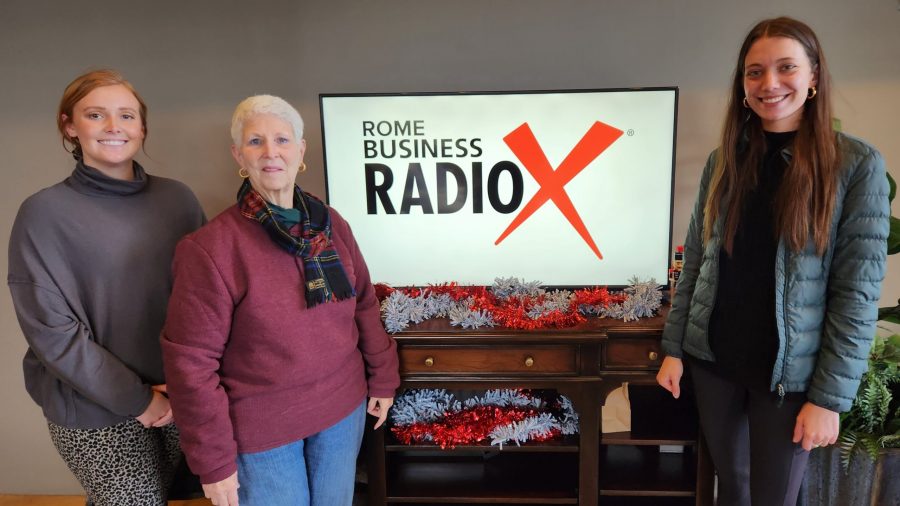
We conducted this podcast in the conference room at the GACC South offices with a beautiful view of Atlanta, Georgia. Our guest is Pat Wilson, the Commissioner of the Georgia Department of Economic Development. Our host, Matthias Hoffman of the GACC South, is sitting in a Strandkorb. You may be able to take this beach cabana home from an upcoming fundraiser. Find out more by listening to the show!
Real Estate Professionals Robert Mason and Stacey Wyatt

/
RSS Feed
Sponsored by Beckshot

Stacey Wyatt is a full-time real estate sale professional committed to offering his clients the best service possible. He is not your average agent, he is one of the top producers in Atlanta and he works tirelessly to find his buyers the best deals and provide his sellers the exposure and expertise they need to net the most money in any market.
Throughout his career, he has personally sold hundreds of homes and managed the sales and development of over 500 homes. That is a total of over $500 Million in real estate deals.
He has always been most passionate about assisting his clients sell their current homes, find their perfect new homes, and the excitement that comes from knowing he was a part of making their dream come true.
Wyatt runs the Stacey Wyatt Group, a full-service real estate team that covers the metro Atlanta area to help people buy, sell, invest, build or renovate. Transactions range from $20,000 to $1.5 million. In 2019, Wyatt’s team completed $33 million in sales on 90 transactions.
Wyatt, who has a degree in architectural/structural engineering, is also a licensed general contractor and is quickly scaling another pillar to his business that buys, holds and flips investment properties.
Connect with Stacey on LinkedIn.
Robert Mason is a full-service Real Estate professional, specializing in Sales and Listings as well as Property Management. His 24 years in this business has shown him a variety of situations and He handled them all.
As a Previous Owner/Broker of RM Property Group, Currently, an Associate Broker with Keller Williams he concentrates on real estate sales. As a former Commercial agent and a 21-year residential real estate vet, he has sold and leased commercial properties, residential homes and participated as an investor and investor/portfolio services.
He has been fortunate enough to have been honored as a Top Producer on many occasions and He has sold millions in real estate throughout his career. Buyers and Sellers will get his honest opinion and that in its own right, is uncommon in their arena.
In a world of uncertainty and real estate flux, your decision to work with a Pro is your choice. There are no cutting corners in today’s business environment and working with the best ensures the Best outcome.
Connect with Robert on LinkedIn.
About Our Guest Host
Randell Beck, Photographer – Cinematographer–and Post-Production at Beckshot
Randell is a former Naval Commander with a background in engineering and special operations. A lifelong outdoorsman and photographer, he also holds an MBA from the University of Texas in Community Planning (joint program between the school of architecture and real estate programs), and extensive experience in logistics and team building.
He applies his business expertise, operational planning background, and award-winning photographic talent to the challenge of producing exquisite marketing materials for his clients. His extensive real estate career spans over 25 years in every aspect of real estate: development, construction, marketing, operations, and design.
He is a member of the Board of Directors of Lutheran Social Services of New York and an accomplished guitarist.
Follow Beckshot Media on Instagram and Facebook
This transcript is machine transcribed by Sonix
TRANSCRIPT
Intro: [00:00:07] Broadcasting live from the Business RadioX studios in Woodstock, Georgia. It’s time for Cherokee Business Radio. Now here’s your host.
Stone Payton: [00:00:24] Welcome to this very special edition of Cherokee Business Radio. Stone Payton here with you this afternoon, and I am delighted to bring back into the business radio studio with Beck Schott, Mr. Randy Beck. He’s going to be our host today. How are you, man?
Randy Beck: [00:00:40] I’m doing great. Stone Thanks for having us back. I’m bringing the gang, actually. Robert Mason and Stacey Wyatt, they’ve been here before, and we’re circling back on real estate topics again. So Stacey Wyatt, owner and broker of EXP over in Roswell.
Stacey Wyatt: [00:00:55] Yes, yes, yes.
Randy Beck: [00:00:56] And Robert Mason, real estate broker extraordinaire with EXP.
Robert Mason: [00:01:00] Yes, sir. I’m here all year.
Randy Beck: [00:01:02] So I guess the topic on everybody’s mind. Let’s get it out of the way right out front. Interest rates, What’s going on?
Robert Mason: [00:01:09] Okay, so historically speaking, interest rates have been anywhere between seven and nine and a half percent. So if you look at since the 1930s to the present day, I know we went through some incredible low periods of time and people were ecstatic. People were the lending institutions were refinancing, a lot of people out of five and six and seven. But there’s been a lot of panic and a lot of people associate the Fed’s mark ups with the with the interest rates and the mortgage industry. And that’s not fair because that’s not parallel. So interest rates I checked today, they’re under 6%, which is a really good a really good percentage. What people are failing to realize is when you’ve got a 1.75 or 2% interest rate on a mortgage, you don’t have a whole lot of deductions when you do your taxes. And so, historically speaking, rates are still low at, say, 5.5 to 6. And now we’re having you’ve got a much bigger income tax deduction when you do your taxes because of the interest rate.
Randy Beck: [00:02:11] So basically what you’re pointing out is that. Even though we had this super low trough of interest rates where we had our two and 3% mortgages or whatever they were, that the fact that they’ve jumped up to five, five and a half, six is not necessarily a big change.
Robert Mason: [00:02:26] No, it’s not a game changer. And I was looking at the numbers of houses that have sold this year as opposed to 20, 21, 20, 22 or 2020. And we are roughly at the same inventory moving the same amount of inventory, irregardless of the interest rates. And, you know, COVID opened up a lot of opportunity for people to move places. And Atlanta, we got about 120,000 people that moved here. And looking at the data, I’m very analytically driven. We’re going to roughly do about the same movements.
Randy Beck: [00:02:55] Now, analytically speaking, you know, an interest rate, it’s a big word. You’re doing leverage on a house, right? It’s like a this is like a bond. The big one, interest rates up, prices. What happens to prices? This is got to affect price.
Robert Mason: [00:03:08] Yeah, well, prices have actually backed down a little bit. The average price in Atlanta four months ago was 400,000. We’re down to about 385,000 as the average number. That’s not me saying that’s not Robert Mason’s numbers. Those are false data numbers that I brought for everybody to look at as well. So yet prices have dipped back down. When my wife and I bought our STR short term rental property at Big Canoe Harley Hideaway a couple of months ago when the house came on the market, it was listed at 550 where there was that big shift in late June, early July, we got the house for 45 because prices had come back down, which was a win for us, and it’s going to be a win for my clients.
Randy Beck: [00:03:50] Did you have an appraisal issue? Is that how you got it back down?
Robert Mason: [00:03:53] Yeah, the appraisal came in at 485 where it was listed at 550. The seller was horrified. We were grateful.
Randy Beck: [00:04:02] I guess that was based on what was going on in market prices, based on interest rates. Yeah.
Robert Mason: [00:04:06] Things had shifted over about a 30 day period and pretty steep.
Randy Beck: [00:04:11] Yeah. Stacey, how are you seeing these effects in the general market? You know, your brokerage covers a lot of ground. Are you seeing the same thing?
Stacey Wyatt: [00:04:19] Yeah, from a sales price, we’ve got to be a little bit careful because if you’re looking at it on a monthly basis, you know, which is I think what Robert is taking a peek at was it does appear the prices have come down. I think the better way to look at sales prices is on a 12 month rolling average. Right. So you can take 12 months. So if you look at it on a 12 month rolling average, prices are still trending upward because I think what we’re seeing a little bit right now is seasonality, right? If you go back and look at 2020 as a little, you got to throw that one out because that was COVID. But 2021, 2019, from June to October, prices have gone down every single year. So I think there’s a little bit of seasonality playing in. But let’s face it, long term with rates, I mean, they’re hovering around seven right now. Soon to we’ll see what the Fed does in November. It’s ultimately going to push prices downward. But, you know, are we we’re definitely not going to see the price growth like last year. What we saw like 20%, you know, is that getting down to 8 to 10 or a little bit lower or are we just going to get back to what has been for the last two decades, which is 3 to 6% growth, which is we don’t have a crystal ball, but at least in Atlanta, Georgia, I think we’re going to get to where prices flatten out and we get back to a little bit of a healthier three, 3 to 6% appreciation.
Randy Beck: [00:05:38] Last time you guys were here, we talked about people moving into Atlanta, like on the order of 150,000 people a year. Nowadays, something like that.
Robert Mason: [00:05:45] It’s 120 and.
Randy Beck: [00:05:46] 20,000 and so. Mai Mai. We talked about the outlook for the market with that many people coming in. Now, it strikes me that some changes happen in the market. You get a little speed up, a little slowdown or whatever. With that kind of demand for housing, there’s no way anybody can keep up. So my feeling is. Will be less affected here than other markets may be. Sure. What do you think?
Stacey Wyatt: [00:06:10] I would agree 100%. Atlanta. I mean, was it was either Fortune or Money magazine just voted. Atlanta’s the number one city to be in. And for all the reasons that we love to live here, it’s what I tell my team. It’s like our rate is going to have an impact. Of course, it’s going to be in the high dollar markets first. It’s going to be in what I call, like the Rust Belt states, you know, the Ohios, the where people are all leaving. Right. Nothing against Ohio or or that is just reality. Everybody’s coming to the Sunshine states from if you drew a, you know, sun belt which to me is like from Phenix draw the smiley face from Phenix to Atlanta. And for all the reasons like I enjoy living here, you know, so low cost of living, housing still relatively cheap. We got access to oceans, to beach, to lakes, to pretty much everything you want. And it’s a very pro-business environment. So that’s why everybody’s moving here. So I do think we’re going to be impacted the least in the country, mainly just because of the demographics and the pro-business environment. So 100%, I think Atlanta is going to survive this better than anyone in the country for sure.
Randy Beck: [00:07:09] Atlanta really hasn’t seen much of a recession compared to the other business markets.
Robert Mason: [00:07:13] As you know, COVID changed things in a lot of different ways. One of the main things that it did for the US in particular is you don’t have to live in New York City to work on Wall Street. You don’t have to live in Chicago to work on the mile. You can go anywhere that you want to go and you can literally walk out of your home. You can go to Florida and have an office or your your main gig in New York City or any state in the union. And that is a big, big plus, especially for us in the real estate business, because just like Stacey just said, people are coming to the Sunshine states or coming down south where the weather’s good. I mean, I’ve got clients coming out of California and they’ve sold a32 that’s 500 square feet and they sold it for 1,000,008. And they say, okay, Robert, where are we going? And I’ll show them something that’s 550 or 650, and they’re like, What’s wrong with it? You know, I’m like, There’s nothing wrong with it. It’s just a scale you’ve got. You’re scaling back pricewise. And so Georgia, Atlanta in particular, the greater Atlanta area. And that’s what we’re here to talk about as has been found, you know, it was that everybody was going to Florida. We see Hurricane Ian, you know, that was a big interrupter down there. And 2008 really took the shine off of Florida for a long period of time. And people you know, there’s a reason to come to Atlanta besides just the nice weather and the low taxes. You look at the Fortune 500 companies that are based here. I mean, we are expanding big, big time and it’s still affordable. I mean, look, average price house right now, 385, 400,000. That’s nothing if you’re in New York or Pennsylvania or New Jersey. And yeah, and back to something that states.
Randy Beck: [00:08:56] California or Washington.
Stacey Wyatt: [00:08:58] Oregon. Right.
Robert Mason: [00:08:59] So getting back to some of those numbers, we talked about growth. Stacy mentioned some of those numbers. My forecast is we could have a minus six price reduction from where we were up to, say a positive 5%. I think we’re going to be in that range. And I could see 18 to 20% appreciation levels like we saw for like two or three years. And so that’s what people are going to have to.
Randy Beck: [00:09:25] Estimate constitute a normal market here when you’re giving those numbers, is that what you would call a normal market or is that still hot or.
Robert Mason: [00:09:32] Well, Atlanta’s hot because of the numbers, right? So there’s a couple of different variables. Is that normal 5% appreciation? Probably, yes.
Stacey Wyatt: [00:09:42] And I would from an appreciation standpoint, absolutely, 3 to 6%. And it depends. Right. Like Metro Atlanta and Total’s been, I think on average, 3%, somewhere between three and six or last couple of decades. Obviously, if you’re in Buckhead, you’re probably going to get a little in-town, always typically pulled a little more or as you go out and maybe the outer stretches of metro Atlanta, maybe it’s a little less like three. But for all the reasons we described earlier, I don’t see how Atlanta really suffers greatly. Even if prices were to pull back a little bit just for everybody’s moving here in Buckhead.
Robert Mason: [00:10:14] It’s an interesting model to look at moving forward. Buckhead is talking about becoming their own city, right, pulling away from Atlanta like so many other folks. Woodstock, I mean, you know, people people are talking about Buckhead becoming their own city. And there’s a lot of variables to that, too. Right now. They’ve got some issues in Buckhead associated with crime. And there’s a lot of people that I know down in Buckhead who are like, I’m getting out of here. And these are people with money and they’re just tired of the nonsense.
Stacey Wyatt: [00:10:43] So pulling up the ten sticks and move into Milton, they’re getting this moving farther north because they I mean, Woodstock, if you can’t comfortably jog down in front of the next mall and not get shot just because you were jogging, which is unfortunate situation there. Yeah. And that was kind of a covert thing, too, where a lot of people are moving up in the northern burbs, getting a little bit of land. They can work from anywhere now. So it’s an interesting dynamic for sure. It is.
Randy Beck: [00:11:06] Stacey, a minute ago you mentioned seasonality. So Atlanta is this great outdoor lifestyle city. We got weather most of the time. It’s never really that cold. It doesn’t rain overly much. It’s a fantastic place for outdoor lifestyle and all that. How much seasonality do you have through the winter here? Typically.
Stacey Wyatt: [00:11:25] Typically, most home sold in Georgia is always second quarter. Second best quarter is fourth quarter. Right? First quarter is always the least. I mean, who’s really out shopping during December to write, you know, to write an offer and close in January, February. And then third quarter typically is the third best quarter and third quarter lands in July. I mean, if you’re in the burbs, you’re finishing vacation, you’re getting ramped up since we start school earlier here. But there really is no is there a seasonality? Of course. Right. Just fewer people that want to buy in the fourth quarter because you got the holidays, your kids are in school, you’re likely not wanting to move. But we’re a very pro-business environment. We get a lot of relocations into Georgia. I mean, I think 20% of our clientele is from California this year. So is there seasonality? Sure. But it’s not like we have to shovel eight feet of snow to show a house in December. I mean, how December here, I’m usually in shorts and, you know, pullover. But, you know, January is usually our cold months. So we do have seasonality, but man, people are buying and selling off for two quarters of a year here.
Robert Mason: [00:12:29] Thanks. I’ve changed. A little bit.
Randy Beck: [00:12:32] Okay. Before we move on to other topics. Accounting for seasonality, interest rates, slowdowns, general business environment, here’s the rapid fire question part Good areas for people moving into. Where should they be looking at?
Robert Mason: [00:12:51] I guess it starts.
Randy Beck: [00:12:51] To make money. Not not the nicest area, but where’s where’s the where’s the economic opportunity at?
Robert Mason: [00:12:56] Well, you would have to ask, do they have a family? Or school is important. So that would be the first question. I’ve got a client that’s coming in from Florida, from South Beach next Tuesday, and she’s like, we want to be in the north Georgia mountains. That is a huge switch for her, six, $700,000 purchase for them and moving to the mountain as opposed to the beach. I would ask what is important And, you know, like your your purchase down and near the beltline, you know that that area, that Pittsburgh area down there is really, really growing. So there’s really good opportunity at the price points that you could buy property down there. And if you’re looking to live there or is it something you want long term wealth on? All these questions are going to come up in the first 5 minutes of us talking to you.
Randy Beck: [00:13:40] When I got here, flips were huge hot. Is that still still a hot market?
Stacey Wyatt: [00:13:47] Yeah. I mean, we’re we’re still flipping quite a bit. We’re we’re being patient. And I tell my team and because, you know we do quite a few flips is we’re definitely making sure we’re buying at a deeper discount right now because we don’t know what price is going to here. I think a lot of flippers are going to get exposed over the next 90 days. For this reason. You got a lot of people that hadn’t flipped before got in the business. They could make a lot of mistakes and they were going to be saved because prices were running out of control. Now that prices have pretty much let’s just say they’ve stalled at, you know, at worst, let’s just say they’ve stalled. I still going to make the argument that they’re slightly going up. We just want to buy at a deeper discount because we know what our what our expenses are. And we we we always buy knowing what our RV or after repair value going into it. And we stick to that. We don’t assume that the market’s going to go up. I think a lot of people have assumed. So I think those are going to get exposed. But to answer your question is this I think it’s a tale of two markets right now, people’s houses that are in great condition and priced right.
Stacey Wyatt: [00:14:50] We’re still probably getting two or three offers on right now. It’s no longer the 15 offers and selling for 50 grand over list. A properly priced house that’s in good condition is still going to garner a few offers because we’ve still only got two months of inventory, which is low. Right. Six months is balanced. One zero months is no supply, which is a heavy seller. So we’re still in a strong seller’s market now. With that being said, here’s the other market. If your house is hasn’t been maintained, you’ve got deferred maintenance. You’ve got a wonky floor plan. Right. Buyers have already suffered their first of all, they have a little bit of PTSD from. Four months ago when there happened to be 50 grand over list, there are no contingencies. Now they’ve got rates that are going sky high, so they’re being a little more picky now. So if your house is not right, so me personally, where I think there’s opportunity from anybody moving into the land market, you’re going to have the 80% of the crowd that wants a house that’s perfectly ready, move in and not have to do any work. If you had an investor hat on or you wanted somebody came in and said, I want a little bit of opportunity, I’m going to tell you, going a little farther outskirts of Atlanta, you know, maybe like Powder Springs to the west, maybe Snellville to the east.
Stacey Wyatt: [00:16:06] Typically in areas that schools might not be as great. Right? Because we know that drives a lot of house values. Look for the little ugly ducklings, because they’re probably sitting. And if you have cash, it’s even better because you’re not affected by rates. Sellers are going to get a little more desperate in that end. And I think some people are going to be able to get some discounted houses for very good price that they could be walk into some equity. Because I think what happens long term here, it’s going to be interesting. I think first quarter is going to be a little bit of a hot mess, especially if rates go up again in November by the end of the year. I think what’s going to happen is there’s going to be a little pent up demand because they’re artificially tamping down. Well, they’re artificially tamping down demand, right. Because we know inflation is out of control. They claim it’s 8%. Last time I checked at the pump, at the grocery store, buying a car, buying a house is 20%. And I don’t I mean, for political reasons, obviously, they’re not going to advertise that.
Robert Mason: [00:16:59] You’re on the radio, though.
Stacey Wyatt: [00:17:00] Yeah, you’re right. You’re advertising.
Randy Beck: [00:17:02] Anybody that ever had an economics course knows you don’t clamp down on supply to kill inflation or print more money to kill inflation.
Stacey Wyatt: [00:17:07] Correct. Yeah. And what have we printed? Like 40% in the last 40% of our money supply in like the last five, six years?
Robert Mason: [00:17:14] Yeah, two years, actually.
Stacey Wyatt: [00:17:15] But yeah, yeah. A lot in that time. So just from that standpoint, I think it’s going to get really interesting next year. I do think maybe towards the end of the next year we’ll see third, fourth quarter somewhere say in second. I just don’t think it’s going to happen that quick, maybe third, fourth next year when they actually are going to have to step off the brake or step off the gas. On pumping the rates. I think there’s going to be a little bit of pent up demand for all these people that have been sitting on the side because inventory still that’s why it’s such a wonky market. Rates are high and an inventory slow. So you’ve got a feeling that that’s going to pop and some people are going to be able to ride that up at a later date.
Randy Beck: [00:17:49] Are the lenders clamping down based on interest rates, too? What’s what’s their strategy now?
Robert Mason: [00:17:53] Well, I think they’re just trying to hold on. I worked out with my lender, Brad Hartman, over at Cornerstone Mortgages this morning. And we talk we’re talking shop all day long while we’re working out. And I’m like, Brad, what what are the lenders thinking about? And he’s like, well, you know, there’s a lot of people that panicked early two months ago. Oh, my God, five, five and a half, 6% interest rates. And then that the the fear factor sets in but kind of tails off and people still need to move, Randi. They just you know, if you’re in Philadelphia or if you’re in California and your tax rates have gone up 16, 20% like New York City, you’ve got to get out. You’ve got to save yourself. So you’re going to look for a market like Atlanta and you’re going to pay the piper, you know, and that’s in the interest rate. But again, I’ll get back to you’ve got a bigger deduction. So that’s a way I soften that. And it’s not just me. It’s just it’s reality. Right? The lenders always fear change. We all fear change. Right. But I think that’s settling down. I think back to your original question on what are we looking for as far as opportunity part of the flipping issue and part of like the STR, the short term rental and investment portfolios.
Robert Mason: [00:19:08] The problem is labor costs, labor availability and being able to get things done quickly. And that has been a real bugaboo for our business for a while. I mean, look at if you’re looking for wood, you know, we’re having all kinds of supply chain issues and inflation and cost of a piece of board has gone up dramatically and people have not put that into their recipe and they haven’t done their homework right. And a lot of cases. And so they end up at the end game. Like when I got my sister, she didn’t expect to spend that much and she did. And it ended up being a case where she had to sell and we got it. Those are problems for people. Here’s something that we’re going to see early next year is we’re going to see some inventory of foreclosures. A lot of companies looking at their stock portfolios. They’re not expanding like they were. A matter of fact, they’re contracting. They’re letting people go. There’s a lot of people out there that are hurting because of inflation. And you’re going to see you’re going to see some foreclosures pop up. And I thought they were going to pop up earlier this summer and it kind of didn’t happen.
Randy Beck: [00:20:13] Even here in a strong business environment, you’re still going to see that even here.
Robert Mason: [00:20:17] And so you’re going to see some opportunity on foreclosures.
Stacey Wyatt: [00:20:19] And.
Randy Beck: [00:20:20] At the low end of the market or the high end or sort of broad based kind.
Robert Mason: [00:20:23] Of both.
Stacey Wyatt: [00:20:24] Yeah. I mean, in any weather. It’s a healthiest market of the worst market. I mean, because we look at foreclosures all the time, I do think there are going to be some foreclosures. But let’s face it, the banks learned a big lesson and eight, nine, ten and 11 working with their clients. Anything that may come out of that, because I get people ask me all the time, well, I’m going to wait market. Some people are going to get hammered. Stock markets got hammered. People are going to lose their jobs. There’s going to be opportunity, right? And there will be a little bit. I just think the banks learned a big lesson and they’re going to just like Robert said, they’re going to spend more time trying to figure work out because they banks don’t want to take houses back. They’re not in the home business, home selling business, nor do they want to dilute house values, which when they dumped all that inventory at mass back in when I got into the market in 2010, it really hurt house prices. Right. And then that’s why we’ve had such a ramp up since it.
Robert Mason: [00:21:15] Was a I.
Stacey Wyatt: [00:21:15] Think you’ll see a little bit.
Robert Mason: [00:21:17] It was an equity of 2008 when let’s just say that’s a crash. Your value went all the way back to 1998 and that was a big sum.
Stacey Wyatt: [00:21:26] And if you look at it, because even if you drew if you look at house prices over the last three decades. Right. And you’re still going to draw a line, you just see that big dip in house. But we’ve since made it up. Oh, right. So we’re obviously well past the oh seven market when when I was at its height before a crash. But to go to your question on the mortgage thing, so here’s a little just some numbers I was looking at. So year over year purchase mortgages are down 39% write refis are down 86%. So we’ve seen mortgage companies lay off some people because they just don’t have the level of refis and nobody’s going to be refined for quite a while. So purchase mortgages are down 40%. That’s a little disconcerting if you’re, let’s say, in the real estate game. However, the one thing that I do know is both in the agent world and the lender world, you’re going to start to separate the pros from the novices. And I don’t mean that to be mean. We are now move. Let’s all face it, it’s been pretty easy to do business in the residential real estate arena over the last couple of years. We’re now moving into a skill based market, right? The savvy mortgage people and the savvy agents are going to be the one that are advising their clients, like, hey, let’s talk about a21 buy down on the mortgage rate.
Stacey Wyatt: [00:22:37] Right? Sellers are going to have to get some concessions right now. And let’s just take a half a million dollar mortgage. Say the buyer puts 20% down. They’ve got a $400,000 mortgage. I can get the seller to pay roughly like 9800 bucks, let’s call it ten grand in seller concessions. And instead of a 7% rate year one, you’re going to get a five year two, it will go up to six, and by year three you’ll be back to your seven. Now we enter. I think we all know that we’re in a recession or I guess it depends how you define it. And you ask, right, What do they typically do to get us out of recession? They have to take their they have to lower rates, at which time you more likely can then refi it. I don’t know what you guys think, but I think rates like you said historically, even if you look since like 90, 1990 to 2022, median interest rates somewhere between five and five and a half. So I think the days at 3% are long gone. 4%. I don’t see a seen. Let’s get back to five, five and a half. That’s what it was before COVID and the market seemed to be really good then. So hopefully we just get back to a reasonable 3 to 6, 3 to 6% appreciation and rates in the fives and life will be good.
Randy Beck: [00:23:45] Now, a skill based market also means the real estate professionals, right? So you’re going to see some weeding out in that market. The survivors are going to be the only real estate, only going to be the real estate people that were smart enough to use like high quality professional imaging and marketing video from big Shot like, you know.
Robert Mason: [00:24:01] So but you laugh at that. But go to the point.
Stacey Wyatt: [00:24:04] There’s not.
Randy Beck: [00:24:04] Laughing at.
Stacey Wyatt: [00:24:05] It. There’s only two reasons a house sells is price and condition. Right? And the number one job of listing agent. First of all, you’ve got to get the house ready. Right? And we all know the job of good listing agents gets people through the door if they’re not using professional photography and the consumer expects high end video At this point, if you’re not doing that well, you’re probably going to be out the business very quickly because that is a skill based.
Randy Beck: [00:24:29] That iPhone video stuff is right out the window.
Stacey Wyatt: [00:24:31] So spine is really good now. I’m kidding.
Randy Beck: [00:24:34] Right? Sure it.
Robert Mason: [00:24:34] Is.
Stacey Wyatt: [00:24:35] I stick to know what I know. Well, and that’s just selling real estate.
Randy Beck: [00:24:38] I see a lot of both. I believe you. I really believe you how good it is. But if you look.
Stacey Wyatt: [00:24:43] At listings, though, right, you could tell a seasoned agent from a non seasoned agent based on the photos in the video, when you when you agree that you’re professional.
Randy Beck: [00:24:50] Absolutely. I can tell I can tell their annual production by looking at how they market.
Stacey Wyatt: [00:24:53] Correct. And those are the ones I’m looking for because I want to pick that listing up when it doesn’t sell because that was an agent that just doesn’t have the skills to be able to or didn’t care. And that’s the market that we’re moving into that I think is going to expose a lot.
Randy Beck: [00:25:05] If you’re thinking about moving to Atlanta, here’s what you want to know. Moving out of New York, Pennsylvania, California. Right. They’re going to sell that million eight house. They’re going to have a 500 and $600 million price, and they’re going to have a pile, a bucket full of change left over to do something else with. Right. So these are potential investor buyers. And I know you’ve been making big strides in short term rentals lately. So let’s talk a little bit about investment properties and short term rentals.
Robert Mason: [00:25:35] Okay. So people make mistake by saying, oh, I’m going to get into the Airbnb business or I’m going to get into the VRBO business. No, you’re getting into the short term rental business. Those are companies. Strs are not something that you’re going to make money just playing around with and doing willy nilly. You have to do your research and literally there are videos for every step of the way to put your story together. So there’s I mean, my wife, she’s an IT and she knows her way around data and I know my way around real estate and values, but I had to watch videos and videos and videos and listen to podcasts of people that have done it. So I wouldn’t make those mistakes. So there’s no excuse to to get it wrong. And I lean on my investors that I’ve represented like Brad and, and five or six of other guys that got four or five stars. I lean on them and I go to and I’m like, okay, guys, I’m going to do this. I’m not only going to sell you that house, I’m going to be investing myself. So what should I be doing? What should my wife and I be thinking about? And the first thing is, okay, here’s a list of videos you need to watch.
Robert Mason: [00:26:46] Just like when I talk to you and I’m constantly saying, Listen to this, watch this, take these notes, use these tools. And there’s a lot of tools for success. But I see I still see some lazy folks out there trying to just throw it out there. And the analytics on let’s just say Airbnb sites have changed and some of that has changed to the point where even seasoned STR folks, I look at their site and I just I’m like, why did they why are the headers like this? Why are they doing this? And the percentages are going down on the bookings because of it, because people don’t understand it. But I mean, I’m building an I’m building a good base of properties. I’m building a good. Base of professionals like yourselves to help me be into this business. And like the client that’s coming up from South Beach. I’m putting all of my pros in the car with her, and we’re going to we’re going to take her to the stage that we got in at. And hopefully there’s not going to be any pause or any hiccups.
Randy Beck: [00:27:47] Are you up on the new Airbnb rule in Atlanta? The ordinance, they passed about two houses and all that.
Robert Mason: [00:27:53] Yeah, I saw that. But that’s that’s City of Atlanta ordinance.
Randy Beck: [00:27:56] City of Atlanta.
Stacey Wyatt: [00:27:57] Right. Specifically. And you have to live in the state. So yeah, they really are.
Randy Beck: [00:28:01] Not allowing a foreign investor essentially from another state.
Stacey Wyatt: [00:28:04] You don’t live in the state in state of Georgia.
Randy Beck: [00:28:06] And I know there’s other.
Stacey Wyatt: [00:28:07] Than too.
Randy Beck: [00:28:07] I know there’s a short term rental association down there and they are recommending not to register yet, not because they’re not enforcing that rule at least until the end of the year. Yeah. And part of the part of the dispute is they make you register at least one of them is your primary house. And I don’t know, my guess is most of the short term rental people are probably not using their primary house now, of course. And so there’s a there’s a point of nonsensical, nonsensical reality in the ordinance, Right. That they’re trying to resolve. But does that apply across anywhere else or is that strictly in Atlanta?
Robert Mason: [00:28:43] Well, right now, that city of Atlanta, now there’s other there’s other provinces. There’s other cities like Big canoe. They’ve got some changes on their poha and they’re just you know, they’ve got 240 rentals at Big Canoe and there’s 3000 homes and big canoe, and they’re all up in arms because of you know, there’s 8% of the big canoe is is rentals, short term rentals and that we should pay more because we’re taxing the system more which.
Stacey Wyatt: [00:29:08] Is along Lake Lanier. Since these come out, that’s become a little bit of an issue, too, because, I mean, I had a friend whose whole strategy was they went and bought like 1,000,002 house, right? Big house. And then they can go rent it out for three days over a weekend for a huge party of 40 for like 1520. K The challenge is the people to the right are the people to the left may be homeowners and they don’t want 40 cars and 40 people and be loud all night. So there are a lot of restrictions that Forsyth and some of those counties have put in there. So you really have got to do your homework. I’ve stayed away from STR not because of all of that. I just didn’t get it in in early enough. But now it seems like as everything’s transitioning, just being very careful.
Robert Mason: [00:29:52] We’ll talk about that afterwards. Your other show.
Stacey Wyatt: [00:29:55] I still think a long term wise, Here’s what I would say too is for me, because I’ve always flipped and I do small holds in the areas that I know if I was to go. The STR game definitely interests me because I am a long term holder. I think the two things people need to know is one, there’s a lot of noise with an Airbnb, right? You’re talking people coming in and out. You’ve got to be a good host. There’s cleaning, there’s all of that. So like you said, I think you’ve got to go into the game knowing that this is a little more of either hire a really good property manager if you’re going to do it, know what you’re getting into. But I have seen cases where I’ve got friends that are making a fortune on the STRs. My point was I just haven’t studied the game enough. If I was going to go buy an STR up in the mountains right now, I’d probably hire you or have somebody go show me, because I just haven’t taken the time to do the homework on it.
Robert Mason: [00:30:42] There’s a lot of details and, you know, there was a there was a big hubbub a couple of years ago. There was a bunch of house parties down in Buckhead in particular, where they were somebody would come in and rent out a nice house and they would have 203 hundred people at this all weekend party. And they were things were getting destroyed and people were getting shot and it ended up being party houses. And so one of the things that I like about Big Canoe is there’s a gate that allows cars in or not and custodian. There’s a lot of subdivisions throughout Atlanta where you have to get through the gate to get through and you have to get a gate code or a gate pass. And that kind of alleviates that kind of a problem, which I’m a man that makes tons of sense. But so.
Randy Beck: [00:31:27] You bought in Big Canoe and Hartmann also has at least one in big canoes.
Robert Mason: [00:31:30] Sold Brad one three weeks ago. One big canoe.
Stacey Wyatt: [00:31:34] Yeah. And the reason I like these str is also, again, from a different perspective, because I don’t own one, right? Is I’m doing a team retreat next week, next Thursday and Friday, and it costs me 2500 bucks for two nights. Wow. Right.
Randy Beck: [00:31:47] I know a great place down in downtown Atlanta. You can use.
Stacey Wyatt: [00:31:49] Oh, you got to let me know.
Robert Mason: [00:31:50] Know a bunch of property.
Randy Beck: [00:31:51] So. So your your Stacy, your exposure to investment real estate a little different. You’re doing construction flips. What all. Tell me about your version of investment real estate.
Stacey Wyatt: [00:32:01] Yeah. So somebody recently corrected me. I always talked about flipping houses as an investment, which it’s not really an investment, right?
Randy Beck: [00:32:09] I like speculation.
Stacey Wyatt: [00:32:10] It’s what I’ve done. Use for wealth, basically wealth acceleration, right? Because it’s taxed like ordinary income. So to me, it’s not really an investment. The investments come into play, which is when you start holding properties because that’s when you get all the advantages of owning real estate, right? Get somebody paying down the mortgage. I’ve. Table. I still write off my taxes. I get to write off my mortgage interest. I get depreciation. When you get really savvy at the whole game, then you can get into special depreciation, depreciate it much quicker, start helping to offset some taxes. And if you’re a real estate professional, there are some carry carry forward losses and some other things you get an advantage of. So. Me Yeah, we use the flips a lot of times to accelerate our wealth because then if I can generate more capital, I can say, let’s say I make 100 grand on a house. Well, now I can take five sets of 20 K if you look at it that way, for 20,000 deposits on five more rentals. So for me getting into I’ve always just long, long term rentals, mainly because that’s just been my comfort level and I hadn’t had time to get on the STR craze, but I am interested in that, especially in the secondary markets like the mountains and around the lakes and everything George has to provide because we’ll talk later. Stacy I don’t think that’s stopping anytime soon.
Randy Beck: [00:33:26] I see Stone over here listening and taking notes. He’s he’s figuring out where to put all that big radio money.
Stacey Wyatt: [00:33:30] Exactly how important to all of us.
Stone Payton: [00:33:32] I’m handing all my money to.
Randy Beck: [00:33:34] The millionaire makers, the market masters right here. Yeah. So short term rentals in Atlanta have some unique features. I just shot one the other day. It’s becoming an Airbnb for 20 $300 a night. Six bedrooms, 9000 square foot place. Right. And house the Cobra kai house, right. Yeah, they can you can add on to that. A private chef. Private jets in and out of Atlanta. Exotic car rentals, limousine rentals. You know, this is a big deal place, right? So they’re going to they’re looking to capture big dollars on every night that somebody’s staying there. And it’s a unique house, not only because of the film set, but also because it’s an old Tuscan style villa and the shower, the shower in the.
Stacey Wyatt: [00:34:19] Main style with it. Right.
Randy Beck: [00:34:20] It’s not an old house. It’s just built like in the shower in the main bathroom is 14 by 14. And it’s two nozzles coming out of the wall, right? I mean, this is a.
Robert Mason: [00:34:29] Cold.
Randy Beck: [00:34:30] In there. It’s a party shower and and every room, you know, it’s built like a villa, right? Every room opens onto a courtyard or the swimming pool or an outdoor space of some sort. So you’re never more than one door away from the outdoors. It’s really neat place.
Robert Mason: [00:34:42] Well, you’ll be shooting the parties at that house sometimes.
Randy Beck: [00:34:46] I don’t know what I’m going to shoot, but that’s.
Stacey Wyatt: [00:34:48] What the house ended up selling for. No, it’s two one, two, two.
Randy Beck: [00:34:51] It was 2.4 million, the owners. So what happened was Cobra Kai has rebuilt those interior sets in a soundstage now. Okay. It’s much easier to control the light, believe me, after being in there and shooting video. So they get more control that way. And and so the owners, they’re still shooting the exteriors there, at least occasionally. So the owners have said, I guess how how do I replace that income? Right. Yeah. So one of their whatever it is, they made the business decision to sell this into an LLC and operate as an Airbnb. So that’s what they did. They put it in an LLC and now it’s now it’s going to become a high end Airbnb.
Stacey Wyatt: [00:35:30] Well, do I think they could have done that ten years ago? Probably no. Why do I think they can do it now? We’re the Hollywood of the East Coast. Yeah, we.
Randy Beck: [00:35:36] Are. Well, that show was.
Stacey Wyatt: [00:35:37] A rap where the rap music hub of the East Coast were all Hollywood stars like a lot of pro athletes have. Like, we’re we are now a super diverse city that anybody that wants something can get in Atlanta.
Randy Beck: [00:35:54] That particular show shoots nearly all of their footage here. Yeah, very, very little of it’s actually shot in California, where it’s set Exactly. A couple of a couple of pieces. But most of it’s here in in that house down in Union City is where his where Danny La Russo’s dealership is. Right. They’re using one down in Union City. Really? So it’s all around Atlanta and there’s a lot more to. They’re hardly the only show shooting around here. Walking Dead was around here somewhere.
Stacey Wyatt: [00:36:21] Yeah. Stranger things. I mean, Ozark, like I don’t think people realize when I say, you know, Atlanta is the we have more major motion pictures shot here than LA, mainly because of Marvel. Right. Marvel Studios is down south of town and they’re building another studio there. And there was a time when they had to bring all of the let’s call them the technical people, right. The grips, the makeup artists, all that stuff. Well, now there is an actual school next to Marvel Studios, so they all get trained. They don’t have to come from California. They just walk next door into one of the two.
Randy Beck: [00:36:56] Studios, walk their way right into the business here.
Robert Mason: [00:36:58] Correct. I just sold the house to a gal that’s a makeup artist for all of that. And she makes fantastic money and she her opportunities are just great. I’ll think about.
Stacey Wyatt: [00:37:08] The cost of living in LA versus Atlanta. Oh, yeah. I mean, it’s crazy. Yeah, well, look.
Randy Beck: [00:37:12] Look at Tyler Perry Studios alone. Look what he did with that old Army base. It’s incredible. And then there’s Treeless down there on the South Side, which is a whole community literally built around the movie industry. Mm hmm. And you can live there and work there on one side of the highway. It’s houses, and the other side it’s soundstages and offices and production suite.
Robert Mason: [00:37:30] And when you bought your place down in Pittsburgh, that’s we had these conversations about these opportunities.
Randy Beck: [00:37:35] Yeah, yeah. It’s two miles from Tyler Perry and you know, draw, draw one mile circle around it. There’s probably 20 studios.
Stacey Wyatt: [00:37:41] All right. That’s funny. Yeah. Just right down the street from you. We just had a client is actually an Internet lead. We bought the house, we renovate it for him, and he just turned it into an SDR. He works in the movie industry, and he’s going to rent it out to, you know, all his connections within there. They all need a place to stay. He’s like, Hey, I got my place. Here you go. Perfect.
Randy Beck: [00:37:59] So and so. So we kind of went down a rabbit trail there. But but that Cobra Kai house is an example of how unique this short term rental business can be and how, you know, how you can find an angle and really play it right. I’ve got to figure if you’re close to a stadium, that’s a good investment. You’re close to the arts and the cultural centers of Atlanta. That’s a good that’s a good investment.
Robert Mason: [00:38:22] And our income is an A-plus and a minus and a B plus. So. Beach properties. Obviously, you got the beach. That’s going to be a something, right? Mountain properties like Blue Ridge, Ella, Jay Bigelow, Helen, those are going to be aged for the most part because it’s destination oriented. Then when you get in kind of the B-plus, which you kind of like down in Pittsburgh, downtown Woodstock, downtown Roswell, I think downtown Roswell is an A-plus because there are no hotels down there. There’s nowhere to stay. And they got all those convention centers, our offices there. And there’s no there’s there’s nowhere to stay down there. And so I personally push my investors to look in downtown Roswell. I’m looking for downtown Roswell all the time. And I think there’s going to be some opportunity in the cities like right around here as well. I’m looking at that house that I was telling you the other day about. That’s downtown Woodstock. You can drive a golf cart downtown.
Stacey Wyatt: [00:39:18] Well, all those cities now are moving to Alpharetta downtown area, like what, seven years didn’t exist. So they’re all moving back to this little because of the only downside of like I’ve just talked about, all the upside of L.A. Like downside is we know it’s traffic. Traffic. So everybody’s moving more to these like Holly Squares is or Holly Square’s Holly Springs is in the process of building a little downtown area. So I’m with you 100% anything down like in a downtown, walkable golf cart. That’s what people want. They want the experience, the shops, the restaurants, and they don’t have to go far for it.
Robert Mason: [00:39:46] If we could just talk East Cobb into doing the same thing. Right.
Stacey Wyatt: [00:39:49] They’re doing the avenue, so we’ll see what happens there at.
Robert Mason: [00:39:51] The Cobra Kai house. We got that.
Randy Beck: [00:39:53] Going for us. Exactly. On on Woodlawn right over there.
Stacey Wyatt: [00:39:55] Yeah, Yeah. Right behind Chick-Fil-A.
Randy Beck: [00:39:57] It’s going to it’s going to fuel.
Robert Mason: [00:39:59] Right behind the 15 banks.
Randy Beck: [00:40:00] The economic recovery of the whole area.
Robert Mason: [00:40:02] Yeah, we got tire stores, so we got that going for us.
Randy Beck: [00:40:05] Well, listen, you guys have been a strong presence on on the show here so far. So let’s take a minute and talk about XP. Sure. Right. This is your chance to recruit or pitch your business or anything you want to do as far as why XP, what’s good about XP and so forth.
Stacey Wyatt: [00:40:21] Well, I’ll throw it out there. So, you know, Robert runs his own business under Robert Mason and then I’ve run mine under CC White flag. Right. And XP there’s been a big shift in let’s call real estate brokerages with technology and a lot of other things. The broker itself doesn’t carry as much value to agents anymore. Right. And that’s not to diminish it. But, you know, if I asked a client this, would you pay me more, more commission if I was my own broker or I was at XP, they’re going to hell. No, I wouldn’t pay you more. My point exactly, XP is basically giving us a platform, a virtual platform that we are more connected with the agent, obviously with the agent community worldwide because XP was a company that went, you know, I’ve been here three years. When I joined, they had 18,000 agents. They then jumped to like 50 and we’re already at 85,000 agents from from 18 to 85. It’s historic growth. The only way they could do that is because it’s not the old franchise system. Right. Which I’m going to likened to Blockbuster. You’ve got to have the master franchiser that then goes sells a region, the regional owner buys and then has to go sell market center or like market centers or franchises. And that takes time and money on a virtual brokerage like and when I say virtual, like we literally have a piece of software, Robert and I make our little avatars that look just like us. And is it wonky out of the gate? Oh, yes, it is a little weird. It’s like Sims world.
Robert Mason: [00:41:48] I don’t have a bald spot on my little guy.
Stacey Wyatt: [00:41:50] Yeah, You know, And I could get my tennis shoes or my fat belly. Just perfect. But the cool thing is, if I have a luxury listing in East Cobb next to, let’s say I wanted to sell Cobra Kai’s mansion, right? I literally can walk into the virtual software and I could talk to somebody in Dubai. I could talk to somebody in Italy, I could talk to somebody in London in my office that could sell that house. And so they’ve turned it where I like an XP. Now to Netflix versus the old school broker model, which is more of a blockbuster type situation. The other piece I’ll add into that is EXP is publicly traded. They actually were a penny stock that has since grown to the Nasdaq and Nasdaq and they’ve got a large larger market cap than Compass Realogy, which includes Sotheby’s, all the major franchises basically combined. So what does that do for the consumer and the agent? Well, for the agent, we’re finally being treated like we’re owners of the company, Right, versus the brokers making all the money. So Glenn is the CEO of the company has built a platform that not only could I build whatever type of business I wanted, it’s allowed me to partner with guys like Robert, Right? Robert and I how we live less than 10 minutes from each other.
Stacey Wyatt: [00:43:01] We work in the same area. So I could look at Robert, say He’s a competitor of mine, right? I take more of an abundance mentality. Robert and I now can work together and help each other with our businesses because he could do 100 transactions. I could do a hundred transactions, and we may never do a deal together. So if you take an abundance mentality in this mindset, XP is now leverage. So the better Robert does and the better I do, the better the stock price does. And since XP gives us stock, we’re now owners. And then there’s some other things you can do. On revenue share and some other things. So the company is really put the agent first versus the broker first, because at the end of the day, even if I likened it to Wall Street, the consumer doesn’t care whose broker in the deal, like if I’m going to buy stocks, I don’t care who’s the clearinghouse to broker the deal. They just want to know that the deal got done. So nobody’s paying us more. The fact that I’m not my own brokerage. So we decided to build our businesses on the expense.
Randy Beck: [00:43:53] It’s not like we’re Sotheby’s. We get extra money for that anymore.
Stacey Wyatt: [00:43:56] No, and that comes up so much and we can make it. I can make an easy pitch on how many luxury homes we’ve sold in comparison to the Sotheby’s or Ainsley’s. We’re in a day of social media. You’re in video. I can be my own spokesperson. I’ve got social media to my advantage. Your brand is stronger than the broker’s brand. First of all, clients work with people. They don’t work with the brokerage. Half the people think on my own brokerage because I’m branded so well. I wasn’t branded so well four or five years ago. Now you’re branded really well. They don’t even know who XP is. Most don’t even bring it up. Most of consumers don’t understand that. So the agents that I feel haven’t developed a really strong brand lean on. Well, I’m with Sotheby’s because they hope it gets some higher sales price. At the end of the day, it’s your network of who’s going to be in your Rolodex, right. To get you that business. And then you better hope you’re branded really strong to be able to compete.
Randy Beck: [00:44:52] We’re in a time where where these market paradigms are shifting. You know, in my world, I talk a lot. You’re playing right into presentations. I make all the time about the fact that the advertising model is becoming largely obsolete, except in radio and content marketing is taken over. So it’s a very comparable subject to what you’re just saying 100% about your branding. Now, Robert, you moved to XP, what, six months ago? Something like that.
Robert Mason: [00:45:17] Yeah, about five months ago.
Randy Beck: [00:45:18] Five months ago. So you came from Keller and Keller.
Robert Mason: [00:45:22] Williams at eight years.
Randy Beck: [00:45:23] And remember, remember, I knew Gary Keller back in Austin. So if you’re blowing smoke up my skirt, I’m going to know it. How’s the transition been for you?
Robert Mason: [00:45:30] Well, I was with Remax back in the early 2000, and Sean Rawls, who started Keller Williams got wind of who I was, and I was doing some pretty good stuff over there. And Remax Atlanta at the time was like the cat’s meow. We were we were doing more business than everybody. And so I came to a couple of meetings with Sean Rawls, and I was really, really impressed with what Keller Williams was doing. And it was the new wave. It did take over from the the axis of the world, the other guys. And so having spent eight years there, being on the leadership Council, helped leading a team that I was a part of for a while, I started to get the impression that the company was moving away from agent friendly, and for years we were called the technology company because nobody else had the training and stuff like that. It started moving away from us. Stacy left a bunch of good agents, left my ex wife who recruited me to Keller Williams ex wife, and she actually recruited me kind of to EXP as well. So we’re still connected there, which is a good thing. But Stacy and I had been doing some deals when we’ve been talking and I’d been bringing some deals to him and I have so much respect for Stacy.
Robert Mason: [00:46:43] I was like, at some juncture I want to hook my wagon somewhat some sorts of way with Stacy Wyatt. And it was the right time. And Stacy and I sat down and he gave me the the the tour, the 5000 foot tour of what the company looks like. And one of the things that that attracted me to XP was brick and mortar costs a lot of money, right? And so all of these real estate companies are spending an inordinate amount of money on brick and mortar office space and employees. And having had a peek behind the curtain when I was with the LLC, I saw the numbers that were being spent on all of this stuff. And what that did, what that did was it was less monies to go to the agents. One of the great things about XP, whenever I have a closing, I had a $16,000 check come out the other day from a closing and a certain amount of percentage of that went towards XP stock. I never saw the amount. I literally don’t even know how much goes out of my check to my stock portfolio. Free XP.
Stacey Wyatt: [00:47:48] At a 10% discount.
Robert Mason: [00:47:49] At a at a discount where stocks right now are being discounted all together. And five years from now, when the stock market goes back up or however long that takes, I’m going to I’m going to be stockpiling all of this stock at cheap prices and it’s going to be worth even more. I like the idea of the virtual platform because I don’t need to go to an office. I don’t need to bump into people, I don’t need to talk to people. I need to be talking to people who can come by and buy and sell. I’d go to Keller Williams and I’d get caught up training people and giving people advice and sitting down with people that want to get to where I’m at, which I love teaching and training and giving people knowledge, right? Because the stronger our industry is, the better they’re going to be, the better we’re going to look. And we get reputation. You know, realtors, I was on a podcast Sunday night and it was talking about the Second Amendment and concealed carry for realtors and I was the expert in that on on that subject matter.
Randy Beck: [00:48:46] Now this is Georgia. Every realtors got their 45 in their pocket or their handbag. Right. You know, and that’s not why not.
Stacey Wyatt: [00:48:52] Glock is my choice.
Robert Mason: [00:48:53] Yeah, I’m a Glock guy, too.
Randy Beck: [00:48:54] Okay. Glock.
Robert Mason: [00:48:55] And this particular show ended up being the number one watched podcast for these guys, two Alphas talk. And it’s with Saber Team Tactical.
Randy Beck: [00:49:05] Where I should say.
Robert Mason: [00:49:07] It was their number one. Show by far. We had 35 people calling in. It was it was impressive stuff and it was great. It was Sunday night, 9:00 till 11:00. That being said, I wanted to hitch my wagon with Stacy. He gave me a lot of reasons why that was a good idea. And all I can say is, man, that was the right decision. And expe is is the new kid on the block. It’s got to be.
Stacey Wyatt: [00:49:31] And if I was just to tie that out, there’s just been a it’s been a shift in the business model. You know, in the 1900s, early 1970s Coldwell Banker high split to the broker low split to the agent because it was there was no technology right broker had all the information then it moved can argue century 21. But then Remax really came in with a high split model. Their agents keep more, but they pay high higher on a monthly. Then Keller Williams came in and brought in new model in Remax model. And I’m not being market resistant. So when the market crashed back in ten, how many agents can pay that high of office bill? Even if they’re getting 95% of their commission? They couldn’t. Many of the Remax offices went talking, talk about Sean Rawls, went belly up. They all came to work for KW because TCW or they brought in the cap where an agent only pays in in Atlanta 18,000. After that for your anniversary, you get to keep rest of your money and they brought profit share. So they brought in a brilliant model. Right? I was KW ten years. You never hear me say a bad thing. But then I saw this new kid on the block come out and seen where the market’s going, the Netflix versus Blockbuster. I’m like, Wow, these guys are commissions are shrinking, expenses are not going down. They’re going up. How long are these blockbusters, these old franchise is going to last? I saw the virtual model being treated like an owner, so I don’t have to go own a blockbuster. And it’s just the new wave. Now you’re seeing all the knockoffs of XP come out, all the new broker. There’s some couple KW agents that left and modeled their new brokerage after the XP structure. Real and some of these other knockoffs have all come in to do that. So I think you kind of know when you’re doing it right was everybody else starts to copy you.
Randy Beck: [00:51:11] So your paradigm is changing from who used to control the information. Now it’s more it’s more and more going about how easy can you make people engage with the information and who’s got the farthest reach on their brand and their and their customer contact, their customer relationships 100%.
Stacey Wyatt: [00:51:28] And that’s why people hire you to do video.
Randy Beck: [00:51:30] It’s exactly what.
Stacey Wyatt: [00:51:30] Because I’m now like I look at the Stacey Wyatt Group is it’s much bigger than me now, right? It’s you know, I’m now responsible for 14 people on my team and it’s no longer about Stacey Wyatt. I’m now a spokesperson for the brand. So I hire somebody like yourself to do video because and this is a perfect example. I’ve got a guy.
Randy Beck: [00:51:48] What a great idea.
Stacey Wyatt: [00:51:49] Great idea. 30 days in my George is another friend of ours. It’s in our group, started a YouTube channel and he has produced 30, I think something like 30 videos and this is less than 30 days. He was already got 11,000 views and he’s already probably got 8 to 10 people off of that. Now he’s got a little bit of a niche because he’s he’s bilingual, putting all his stuff in Spanish. He’s already got three or four leads off of that. That stuff’s working while he’s sleeping, Right.
Randy Beck: [00:52:15] So not only is it working when you’re sleeping, but it’s working everywhere, all at once. Everywhere, no matter where. You know, in Ukraine during the middle of the war, it’s still working for you. If somebody wants to find out about you. You know, it was interesting. When I first started doing video way back, I made this stupid little video for my off roading stuff about how to build an off road trailer frame, Right. Because I was building a.
Stacey Wyatt: [00:52:37] Little camper ahead of your.
Randy Beck: [00:52:38] Time. Yeah, I was pulling a little camper. Building a little camper I could pull behind my 4×4. Right. And and my friend was welding it up because he knew how to weld. And I’m a I’m worse at welding than I am at golf.
Robert Mason: [00:52:51] And would you say.
Stacey Wyatt: [00:52:52] It’s you and I should meet golf partners.
Randy Beck: [00:52:53] So I had smoke and sparks and all that and talked about a little bit about the I’m I’m a former naval engineer. Before the teams, I was on a ship, I was an engineer. And so I kind of had an idea of how to build this, much like a ship is constructed. It made a neat little trailer that only £800 at the end so you could pull it behind a Tesla if you wanted to, and a leaf or a Prius. And and so.
Robert Mason: [00:53:18] Not through saltwater, though.
Randy Beck: [00:53:19] So I put this video on on my I had a YouTube channel for my off road stuff. Right And I put it up there and I kind of forgot about it, you know, and I occasionally get a message and I’d answer it and all that. And one day I was looking and it had 37,000 views on that one thing. And I was like, Well, order some trailers, man.
Robert Mason: [00:53:37] I’ll build them for you. Yeah.
Randy Beck: [00:53:39] But it was really cool. Video has reached that you just, you just don’t expect.
Stacey Wyatt: [00:53:42] And so when you say if you’re comparing kind of the older model brokerages, right. I think the forward looking brokerages understand that the agent is now the brand and the consumer that in you’re the tightest to the consumer. So if they’re not using video, they’re not on social media. We have the ability to have our own. I do think radio is still a huge play. We’re looking into that now. Do you think billboards still have a little bit of play in the. Game. I struggle with everybody in their car staring down at their phone. But those still have pretty great reach, at least for now. But if agents aren’t using video and social media to basically act like their own TV station, have you? That is the new way of everything. And it sets us up to leverage. If I’m sitting in here doing a podcast. I’m not out regenerating, right? And that’s the old school. But if I’ve done 100 videos on what it’s like to be in the land of my fave five of favorite five dog parks, that stuff’s living and operating while we’re here. And I could have three DMS when I get back saying, Hey, I want to move to Alpharetta.
Randy Beck: [00:54:47] You know, commercial brokerages have for so long been a good old boy thing, and it’s all about the Rolodex control of information, right? They’re not they’re not as advanced as the residential people yet on the use of marketing and on videos and on ways of creating contact with their clients. But some are here and there. Michael Burr down in Atlanta found out about him through the group. Hi, Chris Myer and and spoke to him the other day. He’s been doing a panel, you know, a TV style panel, commercial real estate show every day for ten years. He’s been doing it.
Stacey Wyatt: [00:55:23] I think Robert needs to talk to him.
Randy Beck: [00:55:25] Yeah. And he’s and he.
Stacey Wyatt: [00:55:26] Might be a good fit somewhere. Yeah.
Randy Beck: [00:55:27] You know, he’s killing it. Yeah. So, I mean.
Stacey Wyatt: [00:55:30] He gets it. The market is modern day marketing.
Randy Beck: [00:55:32] Yeah, right. It’s changing.
Stacey Wyatt: [00:55:34] Yeah. I mean, I’ve got at this point three Vas in the Philippines that do a ton of stuff for me, right. It’s like, figure out who are your people to build your marketing machine. So.
Randy Beck: [00:55:45] Well, listen, the last time you were here, I drove the whole discussion. Today, I kind of have to. Making you talk about things maybe you wouldn’t rather talk about, like, interest rates. So let me throw it open a little. What do you guys want to talk about?
Stacey Wyatt: [00:55:56] Jump in there, Robert.
Robert Mason: [00:55:57] Go ahead, Stacey.
Stacey Wyatt: [00:56:00] Well, I think to your point earlier, what you’re talking about is just because I do talk to a lot of agents. My friend put it. You think there’s going to be a bloodbath in first quarter for agents, mortgage brokers, just where the things are moving, right. Because the majority of agents have gotten the business in the last five or six years. So they’ve known nothing but a good market, right? So now we are talking a skill based market. So I do think there’s going to be a thinning of the herd both in agents and mortgage brokers which transactions are already down 20%. And so there’s less volume. But as the agents, it’s a tough market, right? Because it’s a weird market and you’re having to give good advice to sellers and buyers. But the beauty of it is and I wrote this down, so I pulled it out the other day, the bright side of this is, you know, real estate is one of three basic human needs, right? Shelter, water, water and food. And for all the reasons and don’t want to come off too trite, but death, debt, divorce, deployment, displacement, meaning like relocation, disease, COVID, and then I say delivery for people having babies. Those are all reasons people need to buy and sell.
Randy Beck: [00:57:02] Like days of the apocalypse there.
Stacey Wyatt: [00:57:05] But, you know, listen, life still happens. People are still going to have to buy and sell. And, you know, you go back and look at the eighties when interest rates were in the teens to high twenties. Real estate is still going to transact. When I got in the business in 210 and I thought that there was nobody buying and selling. Well, everybody in health care and military complex and everybody else needed to buy and sell. So my advice to agents would be it’s like, listen, you need to get an environment that you are learning in a learning based environment, and you better be building some muscles because we are in a skill based market. The good news is there’s going to still going to be people to serve that are going through all of those different life changes. Right. And not to get your head off of Nightline news if you aren’t already like you’re being so programed at that point because 90% of this business is mindset. And when I say it’s between the six inches, between your ears. 10% of skills. So where I am saying we’re moving to a skill based, skill based market. If your mindset is not right, I don’t care if you’re in real estate, mortgage, video, or selling widgets to me is get your mind right or get yourself in an environment that’s going to. Give you the right mindset to succeed regardless, because I actually like down markets more than I like up markets.
Randy Beck: [00:58:18] So as much as I would like to say that my transition out of corporate America into big shot is the best decision I ever made, It’s really only the second best one I ever made.
Stacey Wyatt: [00:58:27] What was your.
Randy Beck: [00:58:27] First getting rid of TV? There you go. Yeah. Robert, what’s on your mind?
Robert Mason: [00:58:32] So I’ll segway on the back of what he just said. I too, think, you know, I’ve already seen it. There’s a big. There’s a big. Negative loss of realtors and mortgage bankers and people that are in the real estate business, whether it be title companies, whether it be attorneys that just got in like 2008, we saw like a reduction of at least 35 to 40% of the actors. And when I say actors, whether it be builders, whether it be closing attorneys, real estate agents, there was a there was a big, big shift in that market. We’re going to see a bunch of that happening now. I try to tell people in Stacy’s already said it’s all about mindset. Life is about mindset. And a lot of people get stuck on what happened or the baggage that they’ve got or a failure that they came through. And one of the simplest things I tell people is the windscreen and your car is bigger than your rearview mirror for a reason. Don’t forget what happened in the past, but keep looking forward. People keep finding ways to move forward and to modernize your business like what we’re doing right here with stone and doing with you with videos and whatnot. And you and I talk about this a great deal. Okay? You’ve got to figure out what is working in the marketplace If you’re going to stay in this market as a realtor or a mortgage person or anything else, and you’ve got to put in the mat time use mat time on an old wrestler, you know, the more I wrestled, the better I was.
Robert Mason: [01:00:06] And the more time you spend figuring out what works, what are the analytics, really know them, don’t just make it up and and keep persevering and don’t listen to the naysayers. There’s a lot of people out there. I wrote a post on Facebook today and I meant to to make people mad. Basically, I have friends and folks around me that they’re just negative. They start with their injuries or their illnesses and everything else. When I call them on the phone or I see him out, Hey, man, how are you doing? And that’s an open invitation to tell me about all your woes. I don’t want to hear that. You know, I got my own woes. I’ve had my own injuries and my own stuff that’s happened. But I’m not going to tell you all that stuff. What I’m going to tell you is what I can do and how we can do it and how we can have fun and how we can move forward. So I definitely think that there’s going to be some challenges next year, but there’s going to be some opportunities because wealth is driven and rough times and I’m going to be there and I can help folks do that. And I appreciate the opportunity to come on air Stone Presents and what you do for us and Stacey saying, come on over, Robert. I mean, I’m in the catbird seat here and I’m going to try to take advantage of it and love while I’m doing it.
Stacey Wyatt: [01:01:16] And to put a bow tie on that. What I’ve been telling people is control what you control you and I can’t control rates, Right? But I can control my attitude and I can control my resourcefulness to be able to go find out and find out how people win. And then a simple one that that I stole the other day was and work works what we’ve been doing for the last few years. We have to double that, right? There’s going to be double the effort. So work works. Just do the work. And then the last is I think a lot because you left corporate. I left I got introduced to out of corporate because when the market crashed last time and you couldn’t pay me, my wife would shoot you if if you told me I had to go back to corporate and take a job. So I am going to say to all this people not to be so tough on them. I think they have to go back to their why and decide why did they get into the business in the first place, put in the work in the effort, because work works right and figure out what it is that’s really driving them to to move through tougher times.
Randy Beck: [01:02:11] Yeah, that corporate thing. You remember Fleetwood Mac, Lindsey Buckingham never going back again. Yeah, I love that. So we talked a little bit about video. You guys should check out TMZ, their website or their Facebook page because they picked up the Cobra Kai shoot in an article yesterday. So those photos are on there too. So love that listing. Architectural style, listing photos. Right. All you really shape people pay attention. There’s a great example on there and it’s getting national attention.
Stacey Wyatt: [01:02:37] So all your work then is on the Airbnb promoting the promoting this.
Randy Beck: [01:02:41] House for that house. It’s an Airbnb. I love it. Or it’s on VRBO. He’s a trip.
Stacey Wyatt: [01:02:46] So what’s all your work?
Randy Beck: [01:02:47] Ralph Remo is the property manager. He’s on a trip broker with a specific territory here, and I do all his work for him. So this. This work is all oriented for the work for this house is all oriented at its Airbnb status. Cool. And we shot a bang in video of it that’s going to be out in a few days and.
Stacey Wyatt: [01:03:05] The photo bang in a photo was in it.
Robert Mason: [01:03:07] He called me and he said, Come on over, man.
Randy Beck: [01:03:09] I can’t help you there. I did invite him to.
Robert Mason: [01:03:10] He did. He did. And I was busy.
Randy Beck: [01:03:12] So let’s use Stone as a proxy for the audience here. Have we left anything out? Is there anything you want to know or that we that we very stupidly forgot to talk about?
Stone Payton: [01:03:20] Well, of course. I don’t know what I don’t know, but to me it was informative. It was inspiring. I think I just want to give Stacie all my money and I just want to hang out with Robert and just like and just go see some of these places, because simultaneously, you guys built my confidence and interest in real estate investing, but you very clearly made it abundantly clear to. Me. If you’re going to do this, you’ve got to do it with some professionals that have some expertise and experience in this. Otherwise, a guy like me, man, I could just absolutely lose my shirt because I’ll get going down the wrong path.
Robert Mason: [01:03:54] Yeah.
Randy Beck: [01:03:55] Diy is the same in video, real estate, home construction, whatever it eventually shows, it starts looking like DIY at some point. And yeah, professionalism shows enough. You care to get it right?
Robert Mason: [01:04:06] Yeah, sure does.
Randy Beck: [01:04:08] All right. Well, that’s a wrap, guys. Let’s wrap there. And thank you guys for coming out. I really appreciate you coming again. Thank you, Stone, for having us on and devoting some of the airtime.
Stacey Wyatt: [01:04:15] Thank you, Big Daddy. And congrats on the TMZ and your hard work paid off.
Randy Beck: [01:04:19] Whoo! Yeah, yeah, yeah.
Stone Payton: [01:04:21] All right. Until next time, this is Stone Payton for our guest host today, Randy Beck, Robert Mason and Stacy Wyatt, and everyone here at the Business RadioX family saying we’ll see you again on Cherokee Business Radio.
Shanna Beavers With Off Your Plate ATL

/
RSS Feed
Sponsored by Business RadioX ® Main Street Warriors

Shanna Beavers, Owner at Off Your Plate ATL
As an accomplished people manager and trainer, Shanna has trained over 200 servers, bartenders and managers, managed high performance sales teams and scaled businesses with the belief that success depends on the way we treat the people around us.
Today she owns a fast growing cleaning organization with a focus on elevating client and employee experiences.
Connect with Shanna on LinkedIn.
This transcript is machine transcribed by Sonix
TRANSCRIPT
Intro: [00:00:07] Broadcasting live from the Business RadioX studios in Woodstock, Georgia. Welcome to Kid Biz Radio. Brought to you by the Business Radio Main Street Warriors program. For more information, go to Main Street Warriors dot org. Now here’s your host.
Renee Dierdorff: [00:00:32] Hello, everyone. Renee here. And I’m here with Amy. We are here to create conversations about the power of entrepreneurship and the positive impact that journey can have on kids.
Amy Guest: [00:00:44] In With us today is a special guest, Ms.. Shanna Beavers with Off Your Plate.
Shanna Beavers: [00:00:50] Welcome.
Renee Dierdorff: [00:00:51] Thank you. Thank you for being here.
Shanna Beavers: [00:00:53] Thanks for asking.
Renee Dierdorff: [00:00:53] So we have a lighthearted topic today. Failure and redefining what that means. So, I mean, it’s hard to jump right into that.
Amy Guest: [00:01:07] Let’s talk a little bit about her business and then we’ll go into that.
Shanna Beavers: [00:01:11] Oh, cool. Okay. So, yeah, I am one of the owners of Off Your Plate ATL. So we’re local residential and commercial cleaning company. Anything else?
Renee Dierdorff: [00:01:22] How long have you been doing that?
Shanna Beavers: [00:01:24] I have personally been doing it for a year. My partner Emily has been doing it for over six years.
Renee Dierdorff: [00:01:30] And. As I say, she we we were hoping we could have her with us today, so.
Shanna Beavers: [00:01:36] Hi, Emily. Good luck with.
Renee Dierdorff: [00:01:38] Everything you’ve got going on. So, yeah, we. Teaching our kids about failure is one of those things that is inevitable. They’re going to go through things in their life that they’re going to be have some setbacks and they’re going to feel pretty crummy. And I was just talking with Amy earlier about how as a parent, you can’t really you can’t shield and protect your kid from those things because they’re going to happen.
Amy Guest: [00:02:10] Despite our best.
Renee Dierdorff: [00:02:11] Efforts.
Shanna Beavers: [00:02:11] The best efforts.
Renee Dierdorff: [00:02:13] So I think. What we’re going to talk about today is kind of understanding that we need to have conversations with our kids about failure and, you know, pushing the drug. You’re fine, you’re fine, you’re fine or.
Amy Guest: [00:02:29] Positive ways to get through it.
Renee Dierdorff: [00:02:30] You learn.
Amy Guest: [00:02:31] That what comes from it.
Renee Dierdorff: [00:02:32] From it, maybe sharing some of the own your own failures, showing them that you’re a real person and things like that. So that being said. I thought maybe you guys could tell me if you don’t have anything to share. But have you guys had to deal with this in your own life with your kids yet so far? And how did you go through that or anything?
Shanna Beavers: [00:02:58] Oh, yeah. So with my daughter, Lily, she’s almost 12. She takes failure pretty hard, so she doesn’t bounce back easily. She takes it very personally. And I’ve I’ve struggled. My husband and I both are one of these, you know, pick yourself, feel sorry for yourself for a moment, then pick yourself back up and get started all over again. And she just doesn’t tend to think about it that way. So I was pretty inspired recently when we saw a short interview clip of a woman who said her father used to encourage her to fail and then basically turn, turn the failure around. And what did you learn and how can you do it better next time? And I thought that would be such a great way to encourage Lily to embrace failing. And you know, her most recent, I guess, failure that absolutely broke my heart was trying out for cheer. So she’s been doing competition cheer and we specifically got her involved with that to help her with her middle school tryouts. And so she and all of her friends tried out and she was one of two cheerleaders that didn’t make it. And then on top of that, she tried out for the school competition team and didn’t make it.
Shanna Beavers: [00:04:16] And so it was really hard on her because her gym was having what they call evaluation. So when you try out at the gym, you actually get put on a team. They just evaluate what team you should be put on. And so we went into those and she kept saying, Try out. What if I don’t make it? What if I don’t make it? And it just killed me, you know? So it was I guess it was good for her to be able to have that win after those two failures. But I wish I could have I wish I’d had that point of view when she didn’t make it the first time in all of her friends made it and could have said, Hey, great, So, you know, you you didn’t make the team. What can we do to make that different next time and what did we learn from it? And that just means that this opportunity is coming instead of maybe that wasn’t the right opportunity. So I really like the idea of encouraging your kids to get out there and and fail and then figure out how do you make that into something that is a good thing.
Amy Guest: [00:05:14] Yeah, absolutely. I think that’s a great idea. A better way of looking at it. I know it tends to be harder when you have the emotions that come with that age range and trying to make that make sense when it is all about what your friends are doing and what you may not be doing. So I imagine that isn’t going to be an easy concept, you know, like initially to try and implement or in that scenario, I think I know for my girls, I imagine at least one or one of them doesn’t take failure very well at all. I have a perfectionist, so I can see how that how hard that is to try and explain that, like find the positive and they just sometimes can’t, you know, for a while until they can wrap their head around it and see the other side. You know, it’s hard.
Renee Dierdorff: [00:06:03] Yeah, that’s why they need to go through those failures so they can see that they can be resilient and then be proud of themselves.
Shanna Beavers: [00:06:09] Yeah.
Renee Dierdorff: [00:06:10] For doing so. And then the next time it happens, they’ve got these coping skills. They feel a little more equipped, right? Because they kind of have to I don’t know if we can guide them on it, but it’s their own personal. Experience that they like, how they process that failure individually.
Shanna Beavers: [00:06:29] Right.
Renee Dierdorff: [00:06:29] And that’s what I think builds that resilience. And because, you know, you have we have our own frame of reference that we’re going through and we’re trying to coach them through it, but. You know, they’re going to be because Lily is different than you, like you said. So she might take a little longer or whatever. But I mean, I’ve known her for a few years now, and I, I think she’s come a long way with all of that. And a lot of that is just growing up, too, of course, because she’s older now, But I think she’s doing great. And you guys are doing great because there was an article I was reading and like kind of what we were talking about, it’s failure is good for kids because there’s a variety of reasons, but it’s a gift of coping. So allowing them to fail and makes them stronger gives them the ability to process natural consequences. So I think we’ve talked about that before. Sometimes if they fail or they get in trouble or something. And I don’t like using the word fail so much because it’s so negative. But when something happens and they might get in trouble or something, it can go the way they wanted it to. They kind of have to sit in it for a minute.
Amy Guest: [00:07:32] Yes. That that one is hard for me. Yeah.
Shanna Beavers: [00:07:35] Yeah.
Amy Guest: [00:07:35] I had to learn to change the way I approach the scenario. Like letting my child who’s upset about a scenario sit in it for a minute because you automatically you want to fix it, right? Like, that’s why I don’t want you to be upset. You can’t hurt. You can’t hurt, You can’t cry like I am here to fix it, but you can’t. And that is so hard. I think personally, as a parent, I had to learn how to teach her that her feelings of negative feelings like sadness or anger, those are okay. And it’s she has to feel them to get to the other side instead of waiting for somebody to fix it and move her to the other side. It’s the powers within herself. So I had to definitely learn the sitting in the SOC part of the feelings. That one was a hard concept for me, like.
Renee Dierdorff: [00:08:22] You’re talking about. So she you’re not going in there and validating her and saying that she’s okay. She has to find it within herself, that she’s okay. And that because we were talking about Bernie Brown and if you’ve listened to any of her stuff, but she talks about shame.
Shanna Beavers: [00:08:36] Love, Brené Brown. I read all of her books.
Renee Dierdorff: [00:08:38] Oh, well, if you still have any hardcovers, I would love to borrow them.
Shanna Beavers: [00:08:41] I do.
Renee Dierdorff: [00:08:41] But she talks about, like, the difference between shame and guilt. You can feel bad about doing something, but it’s not. You are not that bad thing that happened. And so I think processing, giving them that space to process and then they may have questions and you might be able to coach them a little bit, but it’s like you are the thing that happened was not.
Shanna Beavers: [00:09:01] Doesn’t define.
Renee Dierdorff: [00:09:01] You, it doesn’t define yourself who you are. And I think those words and being able to have those conversations are important because another thing she was talking about was when she was growing up, everybody was fine in the house. You didn’t talk about emotions. You just everybody’s fine because and it may just be and that’s within the family unit. It’s not necessarily because from the outside you want everybody to perceive a perfect family.
Amy Guest: [00:09:22] I think that’s also generational.
Renee Dierdorff: [00:09:24] Absolutely.
Amy Guest: [00:09:25] Yep. I think that more I’ve. Trying with raising my daughters, learning how to find my path. Outside of that, the way that I was taught, you know, like we have to come up with another way sometimes so that they are free to feel their emotions and express their feelings and find it within themselves and gain that confident confidence and empower themselves where we because it wasn’t a central focus for the generation prior to us to teach us that because everybody was fine. You do your own, you survive, right? And us having to learn to to rearrange that thought process, to teach our kids to do that, I think, excuse me, is our generation’s like new way, you know, that cycle breaking and trying to come up with a better way to let your kids grow more confident within their emotions and finally figure out how to survive their failures. And not just like not just survive them, but get through them, I guess.
Shanna Beavers: [00:10:26] Yeah, I found that, you know, Lily is my only child, so trying to figure all of it out. Obviously, Firstborn is like, you’re just trying to figure out how to do all this stuff. And I found myself, especially when it came to grades, trying to prevent failure. And my husband and I would go kind of round and round about this and, you know, got to get straight A’s, we’ve got to have straight A’s and B’s, blah, blah, blah. And at one point I was like, you know what? She’s got to figure out how to fail, you know? And if that means failing a grade, that means failing a grade. But I can’t force her to not fail. She has to figure that out on her own. So also part of that, I think, is kind of stepping out of the way. And us as parents trying to control the experience of whether or not they fail and just knowing when the the moment is. It’s okay if she fails this time because she’s got to learn, right. What that’s like.
Amy Guest: [00:11:22] Being the safe space for her to come to once the failure occurs. But knowing that you’re there, but you’re not the one that’s going to solve it, right. Unless, you know, obviously there are situations, but in general, she’s got to learn how to do it. I mean, giving them back that power, I think has been key. Is key rather, to a healthier way of learning this.
Renee Dierdorff: [00:11:43] I like the way you said, giving them back the power, make them feel. I mean, it’s part of independence, but making them you are in control of this, you know, and that sets them up in the future tremendously. And another thing was talking about being a role model. And I think what you were saying about the generational thing is like we had to we have to not unlearn things but learn how so that we can be that role model.
Shanna Beavers: [00:12:10] And.
Amy Guest: [00:12:11] You know, no, you do have to unlearn it. I mean, if you’re taught a certain way, but you want your child to learn a different way, like you first have to figure out what that looks like before you can be that model of that. Absolutely. You do have to unlearn some things or rearrange them, I guess.
Renee Dierdorff: [00:12:28] Redefine it, Redefine.
Shanna Beavers: [00:12:29] School, right?
Renee Dierdorff: [00:12:30] Yeah, Yeah. Redefine the way you think of things. Another thing I know that Brené Brown talks about, and since you’ve read the stuff, you might be able to fix my quote here, but she just talks about. Being curious, being, having the courage to try.
Shanna Beavers: [00:12:44] Things.
Renee Dierdorff: [00:12:45] Helps with. If it’s something new, there’s a likelihood that you’ll fail doing it or have hiccups along the way. So encourage your kids to try new things. Like Layla, for example. She. My oldest. Years ago, she. She did go to a counselor for various things, but she learned coping skills and stuff. But one of the things that they recommended is behavioral therapy. And it was amazing. One of the things they recommended was her to try something that scared her to do, something that scared her because she was rather cautious and she chose to do zip lining.
Shanna Beavers: [00:13:21] Oh, that’s a big jump.
Renee Dierdorff: [00:13:22] Yeah, well, you know, go big or go home. Yeah, but it was there’s a there’s a couple of them and there are parks around and they’re up in the trees and stuff and there’s different levels and everything in your harnessed in and I was safely watching from the ground but it. Gives them the power. She tried it. She had some issues, you know, learning how to do all the things. But when they do it, that just it’s just incredible to be able to. You know.
Amy Guest: [00:13:52] I bet it helps her confidence so much.
Renee Dierdorff: [00:13:55] And she’s wanted to do other things. It kind of stemmed from that. And now she’s, you know, more daring than I ever thought she would be, so encouraging them to try things. And it could be a variety of things. It depends maybe on what that fear is that they have. So, yeah, I mean, if you have a fearful or cautious kiddo, that’s I recommend doing that completely. And I mean, like with our expose, right?
Amy Guest: [00:14:16] Well, yeah, I was going to say that that’s trying something new, like they’re putting themselves out there and they’re learning a brand new way of interacting with people and learning how to communicate on a different level and what And so those the day comes with ups and downs of failures and what works and what doesn’t work and positive and negative things. But they’re doing it and they’re learning from it on. A Yeah, and they’re learning from.
Renee Dierdorff: [00:14:40] It because as we’re going through all of it, we’re, as we’re preparing up for an expo, we talk to the parents and stuff and our Facebook group that we have and you know, we always through the emails that Amy sends out and also those lives, we tell them like the kids are front and center, like you can come and bring a chair and sit in the back, but let them do it because that’s the point. And then another thing would be, I think it’s important and I kind of talked to the generational thing and just things of the past where we show our kids that we’re also human, right? It can be when we fail currently kind of talk them through how we’re processing it with as long as it’s, you know, make it kid friendly. But and then how you’ve maybe in the past you’ve had some failures obviously when they go something like, well when I was this back when I was a kid.
Shanna Beavers: [00:15:33] Back when we were dinosaurs to school. Yeah. Uphill both ways in the snow. No barefoot.
Renee Dierdorff: [00:15:38] Dinosaurs. I like.
Shanna Beavers: [00:15:39] That.
Renee Dierdorff: [00:15:40] So, yeah, I mean, 1900s.
Shanna Beavers: [00:15:43] Yeah. All right. Just like. Oh, no.
Amy Guest: [00:15:48] But learning. Yeah. Showing that your kids at your human and how I know for me as somebody that has anxiety and then also a child that suffers from anxiety, I had to learn that. I have to show. Positive ways that I feel about myself and what I’ve learned. Because if I constantly, I’m like, Oh my God, I did this to God and I failed this. And you know, everything is bad, bad, bad, bad, bad. And I have a kid who’s just like me. She’s going to see it the same way that all of these things about me are bad and they’re not. So you have to also reframe how you present yourself and how you feel about yourself, like letting them see that, like the good and the bad. But they got to see the good too. Like, you can’t only be like, Oh my God, all these things are awful and everything’s falling apart and blah, blah, blah. You know, like, you have to be like, But I got through this and I did, you know, and we’re moving forward, you know, like showing them that, okay, if mommy who has these similar situations or even not, but just seeing that like I’m trying to find the words that I’m explaining, but like, you’re a real person. Yeah. I mean that you’re real, but you have to not let them see. Like, severely beating yourself up about it, Right? You know, they have to ask because then that’s that’s all they’re going to do to, like, practice what you preach. Yeah, I.
Shanna Beavers: [00:17:12] Think that’s part of finding the positive part of failure. There’s always a positive part of failure. It may be hard to see immediately, but as an example with Lily, at some point when I think it, we did handle it properly. Again, back to competition cheer. Sorry. I mean, that’s hard work, right? That’s super hard. Work hard. But in her very, very, very first competition, she was a bass, a side bass, and they did their stunt. And the other two bass has lost control of the flier and she started to crash to the ground. Well, in competition, if your flier touches the ground, the entire team is disqualified. Oh, so, Lily, we watched Lily as she just flung her arm around that girl, and with all of her strength, literally kept her from touching the ground. Wow. And brought her back up. That’s awesome. Well, me, we’re looking at that going, Oh, my gosh, you just saved the team. You know, when we go backstage.
Amy Guest: [00:18:11] And she gave me chills.
Shanna Beavers: [00:18:13] We go backstage. And when they all come back out after the team huddled and everything, she saw us. She lost it, just tears and sobbing. And we’re like, What? What? What in the world What are you crying about? Oh, we dropped her. I dropped her, I dropped her, and I said, Lily, you saved her. You saved the team. And it wasn’t until she she didn’t comprehend that. And then they ended up winning third place. That’s awesome. And after that, when we were in the car, she was like, Okay, yeah, I did that. I did that. Yeah. And I said, Honey, you take the win. Yeah, that’s a big way. Yes, Yes. Your flier fell and yes, you guys lost points over that, but you saved the team from being disqualified. You have to give yourself credit for that. That’s a big deal. Yeah. So. Yeah, but it was funny to us. We didn’t see failure.
Amy Guest: [00:19:06] No, not one bit.
Shanna Beavers: [00:19:06] You know, we were like, wow, she’s eight. But in her mind, she just completely let the entire team down, you know?
Amy Guest: [00:19:15] But seeing that positive, like changing her way of thinking, like she automatically went negative, but then seeing that, wait a minute, that turnaround, like there’s the bad side of that, like you did save the day. Like, that’s amazing. And that I imagine that was a huge boost of confidence to look at it that way. Yeah.
Shanna Beavers: [00:19:33] For her, yeah she was when the look of shock on her face when they announced them as third place winners, that was priceless. I wish I could have gotten it on.
Renee Dierdorff: [00:19:43] You got to talk to her before.
Shanna Beavers: [00:19:44] We did talk to her before. So that’s because we had to continue watching competition. Yeah. And she wouldn’t even sit with her team. She was so embarrassed and so down on herself that she stayed with us instead of sitting with the team.
Renee Dierdorff: [00:19:56] While we talk to her.
Shanna Beavers: [00:19:57] Well, you know. Yeah, but it’s like later. It’s a whole. Nah, I don’t think so, but it’s a whole. Hey, we did great. We did. It’s okay. Don’t let the bad things get you down. That kind of. Yeah. Talk. Yeah, but, yeah, it was. It was. That was a good opportunity.
Amy Guest: [00:20:13] Yeah, that’s a great moment. Oh, I.
Renee Dierdorff: [00:20:14] Love her so.
Shanna Beavers: [00:20:15] Much.
Renee Dierdorff: [00:20:16] She’s such a big heart.
Amy Guest: [00:20:17] That’s it. Awesome. Like to think that quickly. Like, that’s.
Renee Dierdorff: [00:20:21] Awesome. She knew what she was supposed to do.
Shanna Beavers: [00:20:23] Yeah. Yeah.
Renee Dierdorff: [00:20:24] And it was just second nature. But, you know, she didn’t see it in that way right away, right?
Shanna Beavers: [00:20:29] Oh.
Renee Dierdorff: [00:20:30] We love her so much.
Shanna Beavers: [00:20:32] Me too.
Renee Dierdorff: [00:20:35] There are some other there are some other things in this article like. It was the beginning of a. It’s the origin of success. Failure can be like you can talk to your kids about like Abraham Lincoln and everything that he went to before he was went through before he became president. If you look it up, it’s incredible. It takes you long to explain it now. But all the things he ran for in the Senate and whatever else and just didn’t win, didn’t win, didn’t win, didn’t win, but kept going. Family stuff happening and everything. And and obviously that time period, you know, there was a lot of death and things that happened. But just Albert Einstein and the light bulb and all the things, you know, and just showing them how it’s inevitable and. People throughout time have been doing this. But that’s that’s the only way to innovate.
Shanna Beavers: [00:21:27] Well, yeah, it is to.
Renee Dierdorff: [00:21:28] Try new things.
Amy Guest: [00:21:29] Probably the majority of all businesses that run our day to day life started in a completely different direction. That all stems from how it’s going to circle into a different area, you know, and it essentially is a failure. But then what comes from it? Yeah, something else that now we rely on, on a daily basis, you know.
Renee Dierdorff: [00:21:49] Well, we’re all business owners. So is there anything, any kind of business failures or lessons that you’ve learned along the way that you would like to share that you’ve overcome?
Shanna Beavers: [00:22:00] Oh, my gosh. So, yeah, when I shared this yesterday on Facebook, I made a joke about how I’m an expert at failure. And to be quite honest with you, I am an expert at failure. I do believe I am. It’s not my middle name, like I said. But I mean, I have had so many businesses and some of them have been successful and some of them haven’t. And so people you know, I had a restaurant at one point that I stupidly opened in the middle of the was the crash like 2007 0809. Yeah. Oh, gosh, young and stupid. But anyway, I went into that making all kinds of bad decisions. And because it was a dream of mine, right? I had worked so long in the restaurant industry and I thought, Oh, here’s this opportunity, it’s time. And everybody kept saying, But you don’t have enough money and you don’t have this and you don’t have that, I’ll forget it. I’m just not that I’m not that kind of person. I’ll figure out how to make it work once I get into it. So anyway, it did end up failing and, you know, it crushed me for for two years. I wouldn’t cook a meal. I just I wouldn’t it just I was like, I’m done with food. I literally just walked away from food. And many people are like, Well, do you regret it? No way. I don’t regret regret a single thing about it. I learned so many things about business.
Shanna Beavers: [00:23:19] I joked with Rene the other day. I for the longest time I’ve said I should write a book about how not to start a business because that’s probably brilliant. I’ll do it. I know how not to start a business. So, yeah, I mean, even like with Lily, she was when I got laid off in 2018, she was at an age to watch me for the next two years, try one thing after another and fail and fail and fail and fail until I finally did come across something that worked, you know, it just worked. And so, yeah, she’s seen the me, the ups and the downs and the and feeling bad, talking bad about myself and all of that kind of stuff. But I feel like personally, as her mother, I’m a good example of, you know, what comes out of failure. And I know a friend of mine, her mom commented on the post I shared about this and she kind of suggested maybe the word is stumble, not failure. And to a certain extent I disagree because we don’t talk in terms of, oh, well, you stumbled now what are you going to do? It’s failure. That’s you know what I mean? The word failure has a specific meaning for a reason. And so I think that if we glossed over what failure actually is and how failure actually feels, then we’re not doing ourselves or our kids any good.
Amy Guest: [00:24:42] Makes sense. Yeah, absolutely. If you don’t know what the word even means and how to understand what just happen, then how can you feel it and soften it and get past it?
Shanna Beavers: [00:24:51] Yeah.
Renee Dierdorff: [00:24:52] Don’t put lipstick on it.
Shanna Beavers: [00:24:53] Right.
Renee Dierdorff: [00:24:54] It is what I mean. It’s.
Shanna Beavers: [00:24:55] I get it. I get where she’s coming from. Their kids. Right. So maybe we don’t want to be used what we feel is such a harsh word, but that’s the whole paradigm shift that I think has to be made is failure should not be a negative, dirty word, Harsh, dirty word. It shouldn’t be because there is no successful person that I know of that didn’t fail at something. Absolutely.
Renee Dierdorff: [00:25:17] I think it’s the communication around it like we’re trying to do. And we’ve heard more about, obviously in the last five, ten years trying to not normalize it. Maybe that’s the right word. I don’t really know. But just make it more commonplace that you can talk about this. It’s not taboo. It is a part of it. You’re not going to get around it. It will happen is not if and I know Brené Brown talked to one time about how she goes and talks to leaders of companies and, you know, she’s like, well, what are you going to do when you fail? And they’re like, Well, we’ll just strategize around it. She’s like, You can’t strategize your way out of failure. It’s going to happen. And they just she’s trying to change the way they think from a high level corporate world setting to be prepared for the inevitable. Yeah, because it’ll happen. Yeah. And it’s okay.
Shanna Beavers: [00:26:04] You can’t be, like.
Amy Guest: [00:26:06] Invisible from it, you know?
Shanna Beavers: [00:26:07] Like, yeah.
Amy Guest: [00:26:08] You can’t hide from it.
Renee Dierdorff: [00:26:09] So you got to learn how to cope with it, right? Yeah. And when we talk about kid biz and why we. Or why we started this to begin with. One of the things is to learn failure and learn resilience and then therefore be proud of yourself and grow your confidence. I mean, there’s so much that comes from it.
Shanna Beavers: [00:26:31] Mm hmm.
Renee Dierdorff: [00:26:32] Like the Phenix rising out of the ashes, as I say, you know, I mean, like, you, you, it it adds to your personality. I mean, it makes you who you are. I mean, there are so many positive things. I mean, you know, you talk you start dating, right? When you’re, I don’t know, a teenager and you’re it’s very superficial. And, you know, there’s not a whole lot to you yet, you know, like there’s not there’s no depth necessarily. And then as you gain experiences throughout your life, those conversations you have with dates and stuff become a little more interesting. And, you know, I mean, it’s important to have those experiences. And like we were saying, like, have your kids try new things that helps with that, like something totally off the wall and different. That’s what we try to use the summers for. Yeah. Is try to go do something that maybe none of us have done before and just have the experience.
Shanna Beavers: [00:27:20] That’s one of the things I love about Kid Bizz Expo is, you know, most business people are going to try something and figure out it doesn’t work for them and try something else. And so, you know, they’re they’re kids, so they’re not like you and I where we’re like, Oh, this is my business. And now you go out and you just advertise and you market and blah, blah, blah. And then if it fails, it’s super embarrassing. And then you have to show up at the networking group and go, okay, that didn’t work in business. Just kidding. Yeah. So for them, they don’t have that yet. It’s. Oh, well, making jewelry wasn’t as good as I thought it was going to be. So let’s bake Dog biscuit.
Renee Dierdorff: [00:27:54] I didn’t enjoy it.
Shanna Beavers: [00:27:55] Let’s try that now, which is.
Amy Guest: [00:27:56] A great way to look.
Shanna Beavers: [00:27:57] At it. Yeah, I think that that Kid Expo is a the perfect outlet for children, even if they’re not born entrepreneurs to feel comfortable and safe in trying new things and then understanding why it didn’t work and then having the opportunity to try again.
Amy Guest: [00:28:15] Absolutely. And like we always say, they’re not going to like, rule the world with their cookies or jewelry, but they’re understanding all the concepts that come with it by trying these things and seeing what their passions actually are.
Renee Dierdorff: [00:28:28] Mm hmm. Having the courage to try it. Courage is an important word, I think.
Amy Guest: [00:28:32] Which I would say. I was thinking when you were saying you were like a master at failure. Maybe you’re just, like, incredibly brave at trying new things.
Shanna Beavers: [00:28:41] That’s what I was like.
Amy Guest: [00:28:42] You can reword the way that you see yourself in that situation as well. And yeah.
Renee Dierdorff: [00:28:47] And you show up to the like if it’s one thing or the other, you show up to those meetings with your head held high like this is you can laugh it off or you just, you know, you’re like, you accept it and it’s what it is. And I think a lot of what can be said for that.
Amy Guest: [00:28:59] Yeah, yeah. That’s incredibly brave. I think personally.
Shanna Beavers: [00:29:03] Thank you. I tend to operate that way. Emily and I both. One thing that makes us a good partners makes us good partners for each other and then bad partners for each other, because we both are like, I have an idea. Let’s throw it out and see if it sticks. And when it sticks, we go, Oh, crap. We got. We gotta figure out how to make that work. Oh, no. So you can ask anybody. In my life, I’ve always been like that. And Renee and I are very opposite in that way, where I’m like, okay, I think I’m going to do this. And she’s like, But don’t you? You need something. Like you need to play. Nope, nope, Throw it. Yeah, that worked.
Amy Guest: [00:29:35] I feel that I get like, super crazy, like, thoughts and like, I need somebody to bring me. I get very excited and, like, this is going to work and it’s going to be amazing. And let’s like all of the things in Rene’s like, or.
Shanna Beavers: [00:29:47] What if we just.
Amy Guest: [00:29:49] You know, map it out like step by step and link? But that also makes sense.
Shanna Beavers: [00:29:56] But that’s fun though.
Amy Guest: [00:29:59] But it works.
Shanna Beavers: [00:30:00] It does work.
Renee Dierdorff: [00:30:01] But sometimes I need y’all’s personality. Both sides push me to do things that I might be too scared to do. So yeah, it’s.
Shanna Beavers: [00:30:11] A good balance.
Renee Dierdorff: [00:30:13] I mean, we’re here doing this right, like we’ve gotten this far and it’s a lot to do with.
Amy Guest: [00:30:17] It’s funny because then like the things that like I may be like, overly like crazy about or whatever are the things that you’re like, more conscious about and then like, reverse like then there’s like, this is like in your wheelhouse, like this. No fear for this. Like, this was like, totally fine for you. And this is like, I’m like, What? What are we doing? Yeah, What? It’s just like the dynamic of needing that balance.
Shanna Beavers: [00:30:41] Emily was the same way. I was like, We’re going to do a radio interview. And she was like, Really? Really? I was like, Come on, both of us. We need to go on. Okay.
Amy Guest: [00:30:52] Yeah.
Shanna Beavers: [00:30:53] So I’m sure she’s not feeling too terrible that she wasn’t able to make it today.
Renee Dierdorff: [00:30:57] She would have done great.
Shanna Beavers: [00:30:58] She would have done great. But yeah, it’s that’s one of those again, things that makes us good as partners is she thinks she likes going out and networking and stuff like that. And then she doesn’t she’s like, Hmm, no, it doesn’t feel like, yeah, you do that. I’m good.
Amy Guest: [00:31:11] Yeah. Muscle.
Shanna Beavers: [00:31:13] Yeah. I go to the thing.
Amy Guest: [00:31:15] It really does.
Renee Dierdorff: [00:31:16] But see, she’s grown so much.
Shanna Beavers: [00:31:17] You’ve grown so much. Amy I try.
Amy Guest: [00:31:22] Being this whole role model thing. I kind of have to.
Renee Dierdorff: [00:31:26] Here.we just did this. We did vision boards last week at the Ball Ground Business Club and, you know, I guess that can tie into the whole thing because people, I guess we started talking about it. They said, you know, is there anything from your vision board last year that didn’t happen and that kind of thing? And not that those are failures, but, you know, you had these goals that maybe you didn’t. Disappointments, disappointments, things like that.
Amy Guest: [00:31:50] On DeLay.
Renee Dierdorff: [00:31:51] That was interesting. But the fact that we were there and doing them, you know, making one for next year and in October, you know, and planning ahead and stuff. And I think that’s, you know, like I said, you can’t like she was saying Brené Brown was saying you can’t strategize yourself out of failure, but you can plan for the things.
Amy Guest: [00:32:08] That you’re going to.
Renee Dierdorff: [00:32:09] Try, you know, and and hope for the best, but then pivot or adapt and be flexible and pivot whatever you need to do when those things happen.
Shanna Beavers: [00:32:20] Speaking of Bernie Brown, if there’s one thing I could say that I would recommend to parents and I work on this with my husband and he’s been pretty good at being open to this concept because he was raised with a lot of shame. You shame the child into doing what you want the child to do. And I really struggle with that with my mother in law. And she doesn’t mean any harm. It’s just the way that that they were raised. But I think that if when our kids fail, if parents can take a step back and make sure that they’re removing the shame from the situation, the kids will develop better coping skills and they’ll come out of it a lot quicker. That I could do an entire other interview with you guys on Bernie Brown and Shame and Courage.
Renee Dierdorff: [00:33:06] It’s incredibly interesting.
Shanna Beavers: [00:33:07] Her work is amazing. It completely, fundamentally changed the way that I that I look at myself and the way I look at the world and how I view people when they make mistakes and that kind of thing. So, yeah, if you if you could figure out how to, you know, the guilt, making them feel guilty for having done something wrong and taking the shame out of failure, I think that that would really help make it less of a negative experience.
Amy Guest: [00:33:36] Yeah, absolutely. Just acknowledge it for what it is.
Shanna Beavers: [00:33:39] And it’s not from.
Renee Dierdorff: [00:33:40] The person.
Amy Guest: [00:33:41] Right? It’s not the person. It doesn’t define you. It’s just. It’s a moment in time and it is what it is. And now where we at kind of thing.
Renee Dierdorff: [00:33:48] What does it say? You can follow me. You have to. You just get up again. I think that’s where it makes a difference in. I think people, if you fail and you fall. People can cheer you on when you get up and move forward. That’s the you part.
Shanna Beavers: [00:34:05] Yeah.
Renee Dierdorff: [00:34:05] What happened is right there, right? The you is you moving forward. And I think that can give you a sense of pride and take the shame out of it. Yeah. And separating it.
Shanna Beavers: [00:34:16] Well Lilly tried, Lilly went and did her evaluation and she got herself on a good team. And now she looks back at all of that and like, no offense to sideline or anything, but she kind of watches at the games and she’s like, No, I’m good. I’m in a much better place. You know, she’s her skills are, you know, significantly better than a lot. And she knows that she’s getting a lot more time and investment put in her. And she’s she’s like, yeah, okay, that turned out the way it should have turned out. That’s awesome.
Renee Dierdorff: [00:34:50] Did she did she figure that out? Did she start talking about that on her own or did you kind of point things out at all or do you?
Shanna Beavers: [00:34:57] She figured that out after we went to a game recently to go support her friends, you know? Yeah. And she sat back in the stands and was kind of watching and was like, you know, again, the girls are great. Like.
Renee Dierdorff: [00:35:11] You know what I mean? Yeah. But like.
Shanna Beavers: [00:35:12] She really puts it up.
Renee Dierdorff: [00:35:13] For her.
Shanna Beavers: [00:35:14] Far more hours of conditioning and training and blah, blah, blah. So it’s only natural for, you know. But yeah, it was, she’s watching it going. It’s just not the environment for me, you know.
Amy Guest: [00:35:25] And that makes sense. And the fact that she’s able to figure that out and see that, that’s that’s great. That’s what that means. She became like she overcame it essentially. That’s incredible resilience.
Renee Dierdorff: [00:35:37] Yes. Found the positive.
Shanna Beavers: [00:35:39] And I was very proud of her for I’ll never forget sitting in the car right before it was time to go in and four to do the evaluation. And she was just, mom, I hope I make it. I don’t I don’t know what I’m going to do if I don’t make it. That’s hard, you know. But she got out of that car and she went in. It meant enough to her, you know, to go out and do it. So. Yeah.
Amy Guest: [00:36:02] It’s so hard because you’re like, okay, you just want to be like, No, you don’t have to do anything that makes you sad. I know. Then the other side of you is like, Oh my God, make her do it. Yeah, she has to do it.
Shanna Beavers: [00:36:11] Go in there. Try out. Excuse me, Coach. Yeah? What do we need to do to make sure she gets on the team?
Renee Dierdorff: [00:36:18] I was reading something where it talks about failure Friday, and I think maybe we should embrace that.
Shanna Beavers: [00:36:24] Ooh, that sounds fine.
Renee Dierdorff: [00:36:26] You know where you can in a variety of ways. But Philly Friday, maybe you post on social media, it’s like, what? Did you fail it this week? Yes. And what did you learn from it? You know, then, you know, and then the.
Amy Guest: [00:36:38] Dinner was planned.
Renee Dierdorff: [00:36:40] And then I mean, but if you say it straight up like that, it’s like, wait, what? Like that kind of catches attention. And then you can also say at the dinner table.
Shanna Beavers: [00:36:47] And.
Renee Dierdorff: [00:36:48] Encourage your kids to talk about it and be open because we try to put conversation starters on our page to encourage conversation. Because if you get in the car after school or they come coming off the bus and you’re like, How is your day? Like at my oldest, she’s even said she’s like nobody. Like, you know, somebody says, How are you? No one really wants to know how you are. They’re just it’s just pleasant. It’s just they don’t want you to just all your baggage on the table. That’s not the expectation. So when you say it that way, when they get in the car, they’re like, It was fine. That’s why they say it. Because there’s no like if you let them decompress from the day and then in their own dinner dinnertime, even if it’s just driving to practice because you’re you’re eating in the car, it doesn’t have to be around the table. But those times in the car really matter. And if you that can be a thing that you talk about on Fridays, I wouldn’t want to do it every day because that’s like focusing too much on negative, but just finding things to learn.
Shanna Beavers: [00:37:38] That little short interview that we saw, that’s what she said her father did every day. She’d come home from school and he would be like, All right, so what’d you fail out today? And it was a very, like, energetic, positive, you know, celebration, celebration. And she said it just got to the point where it was like I was just able to look at mistakes I made and stuff throughout the day and not feel like it was the end of the world, you know, is a.
Renee Dierdorff: [00:38:01] Training.
Shanna Beavers: [00:38:01] Exercise. Yeah.
Renee Dierdorff: [00:38:02] To look at the world differently.
Shanna Beavers: [00:38:03] Instead of being like, Oh, honey, what’d you fail at today? It was more like, Okay, so what did you fail at today? Let’s talk about it, you know? Yeah, I mean, there’s no celebrate with an ice cream.
Renee Dierdorff: [00:38:13] Yeah. Shame can’t find its way in that.
Shanna Beavers: [00:38:15] It can’t find its way in there.
Renee Dierdorff: [00:38:16] No, no I can’t. I like that.
Amy Guest: [00:38:18] It’s just reshaping the mindset.
Renee Dierdorff: [00:38:20] Yeah. Growth mindset. Yeah. Super important. I like.
Shanna Beavers: [00:38:23] Failure Friday. Let’s do that.
Renee Dierdorff: [00:38:24] Yeah.
Shanna Beavers: [00:38:24] Is it Friday yet? Because I’ve got something I can talk about.
Renee Dierdorff: [00:38:27] We can have some wine on the back porch and talk about failures. Woo! Sounds fantastic. That’s probably all I’m good for on Friday because I’m just so tired.
Shanna Beavers: [00:38:34] Oh yeah.
Renee Dierdorff: [00:38:37] We were just talking about like letting failure happen. Emphasize failing forward. Learning from your mistakes. Teaching a mindful approach. The link between mindfulness and resilience is very well documented. With practice, kids can learn to respond to strong feelings about failure rather than simply reacting, respond rather than react like that. That makes sense. I like.
Shanna Beavers: [00:38:59] That. Hmm.
Renee Dierdorff: [00:39:03] I was just looking at some other stuff that I had that I found the other day. And none of it is the same things that happen over and over again.
Shanna Beavers: [00:39:11] Yeah, well, there’s little bitty little ones, you know, fail to test today. You know, failed to get on the bus today. You’re going to different levels.
Renee Dierdorff: [00:39:24] There’s gratitude journals, Right. And then when you do a gratitude journal. You starts with the big things and then it gets harder and harder to come up with things that you’re grateful for. So the thing thing would be a failure. It’s hard to find a nitpick the things, but maybe sometimes it’s like you’ve just so become so accustomed to being adaptive. You didn’t even realize it anymore, that.
Shanna Beavers: [00:39:44] You’ve.
Renee Dierdorff: [00:39:45] Just coping. It was like survival mode, you know? And I know we went I was at the business club this morning and we were talking to the mayor of Canton, and we were kind of talking about, I guess he’s been in business since 89 and his ups and downs along the way. And I think a question was asked or, you know, are you always this optimistic, optimistic person or how do you deal with all this? And, you know, you talk about being optimistic and I think he just he’s like, I’ve just learned to be adaptable and, you know, that kind of thing. So I think that’s where that comes from is when you’re a small business owner, you do have to if you’re going to continue, you’re going to hit those things and you have to learn to be that way. Yeah. And they may just become more optimistic and less cynical over time.
Shanna Beavers: [00:40:31] Bronson asked them, Have you ever wanted to quit? And he was like, Yeah, like we all feel that way, But if I quit, then what am I going to do?
Amy Guest: [00:40:41] Yeah, then what?
Shanna Beavers: [00:40:42] You know, so we just have to adapt and move on, you know?
Renee Dierdorff: [00:40:45] He’s like, I’m not going back to the corporate world, you know, because he had been working for himself for so long. He’s like, No, thanks. So well and talk about celebrating their progress, too. So. Maybe with like the Expos, we always talk about the certain things that they’re doing to lead our workshops, help lead up to the Expos. And like when you did the one on sales pitch and stuff, but even going backwards like building their inventory. So I think maybe it would be good if we helped, like maybe maybe make a checklist of some kind or like a goal sheet where they can check off or have some fun way with stickers depending on their age or whatever, like. You’ve done this yet. Have you done, you know, like celebrate that you’ve finished your inventory or celebrate that you’ve done this and like along the way to encourage that progression?
Amy Guest: [00:41:35] Yeah, because those are still accomplishments. I mean, we don’t. Not only can you just, like, find a way to be resilient from the failures, but you still have to celebrate your accomplishments. You still have to maintain the positives in what you have done, not necessarily only finding it in what you didn’t do or what failed, but you also have to find it in what you actually have accomplished.
Shanna Beavers: [00:41:58] Yeah, yeah, yeah. That’s definitely important. It dawned on me just now that I used to ask when Lily would come home from school, I would ask her what went well and what didn’t go so well. You know, and she would have a hard time thinking like, what didn’t go so well. It was like she was uncomfortable talking about it.
Amy Guest: [00:42:17] Yeah. I always asked him, like, okay, so did we have a good day? And then I was like, Yeah. And I’m like, okay, well, what was bad about today? Or what was like boring or what was good and what wasn’t good, you know, just like trying to pull it out of her, like describe it in a different.
Shanna Beavers: [00:42:30] Way, getting them to talk about it. Lily’s Lily’s go to line is. I don’t know. Yeah, I don’t know.
Amy Guest: [00:42:35] I don’t remember.
Shanna Beavers: [00:42:36] Yeah.
Renee Dierdorff: [00:42:37] I mean, like, I get it. Like you’re done with that part of your day. I get it sometimes, you know, But I try not to write. When they get off the bus, I try to let them decompress or whatever for. For a minute, because I know I need that. Need some space from it.
Amy Guest: [00:42:47] What was hard or did a subject go better or worse than you thought? Like just trying to.
Renee Dierdorff: [00:42:52] I’ll think I say to my nine year old, I’d be like, So what? What’s something that happened today that was awesome?
Shanna Beavers: [00:42:56] Yeah.
Renee Dierdorff: [00:42:57] You know, like, or funny or whatever. And I know Laila. There’s a couple of class clowns. Well, actually, yesterday she came home with a bright orange piece of paper, and she was like, Well, thanks to the seventh graders, now we have to have a hall pass just to go to the bathroom. Oh, So what are they doing and what were they doing? She said like half the class was like loitering in the bathroom. Oh, my God. And I don’t want to tell you what she said, but she was being very negative.
Amy Guest: [00:43:19] No, not an eighth grade girl.
Shanna Beavers: [00:43:22] 13 year old.
Amy Guest: [00:43:23] That’s insane.
Shanna Beavers: [00:43:24] Yeah. Yeah.
Amy Guest: [00:43:26] And that’s.
Renee Dierdorff: [00:43:26] All I asked is.
Amy Guest: [00:43:28] So hard to battle that with. Trying to maintain the positive mindset and teach them that when they physically like, that’s just where they are emotionally and physically, that’s where their brain is. And so you have to be patient with that and trying to they’re not going to be positive 100% of the time. It’s just literally impossible for their brains at this point in life.
Renee Dierdorff: [00:43:53] We aren’t either.
Amy Guest: [00:43:54] Granted, but we can still, as an adult, we can turn it around and be like, I know it’s going to be okay for them. They don’t.
Shanna Beavers: [00:44:01] Know.
Amy Guest: [00:44:02] I know it’s going to be okay.
Shanna Beavers: [00:44:03] Remember that? Oh so well. I remember.
Amy Guest: [00:44:06] World could literally end. Yeah, because of what somebody said to them.
Shanna Beavers: [00:44:10] Yeah. My mom would be like, okay, this isn’t that big of a deal. And I remember thinking, Do you not see the chaos? But I think that’s bad. The kids.
Renee Dierdorff: [00:44:20] When they say something like that, it can feel dismissive to the kids. So it’s like, how else can.
Amy Guest: [00:44:25] We I know.
Shanna Beavers: [00:44:27] We know.
Amy Guest: [00:44:27] That. It’s like, okay, well, I mean, just like.
Renee Dierdorff: [00:44:31] You know, like saying like, don’t feel that feeling. Like I understand that.
Shanna Beavers: [00:44:34] That.
Renee Dierdorff: [00:44:35] Feels that way right.
Amy Guest: [00:44:36] Now for now. But also in a few minutes when we’re over feeling that, let’s look at this or whatever. But explain that to a 13 year old tends to be the most challenging.
Shanna Beavers: [00:44:47] Yeah, I’m going to give it a few hours. No, Explaining it to my 46 year old husband is pretty challenging. Yeah, Lilly will do, you know, some kind of emotional, you know, lash out and the look like deer in the headlights. He’s just standing there like, what does that say? You know, he wants to say, stop it. There’s nothing to cry about. And I’m just like, okay, stop. You know, I remember this feeling. It’s not logical. Walk away, you know? Yeah.
Amy Guest: [00:45:12] Yeah, yeah. Always like that. Our husbands just, like, live in that logic based.
Shanna Beavers: [00:45:18] Constant Boys don’t feel like that. We don’t ever get like that.
Amy Guest: [00:45:21] Yeah, like, just. I always call my husband the dream killer because he’s the one that has to be realistic and logical. So, yeah, when you come at him with a 13 year old drama, he’s like, No, we’re going to not talk. Do that. You need to calm down. And it’s like, okay.
Shanna Beavers: [00:45:36] Yeah.
Renee Dierdorff: [00:45:37] It’s like you come out of the wolf’s den. Good luck. See you later. Yeah. My my husband joked around. He’s like, when all that stuff goes on, you can. I’ll just go fishing. I’ll see you later. You know, he knows he just needs to remove himself. But yeah. So all of our husbands are girl dads and bless them.
Shanna Beavers: [00:45:52] Yeah, no kidding.
Renee Dierdorff: [00:45:53] And our husbands. So bless them.
Shanna Beavers: [00:45:54] Yeah.
Renee Dierdorff: [00:45:55] They’re very patient with us. And, you know, they’re all really good dads, and all of our daughters are very lucky to have them.
Shanna Beavers: [00:46:00] I completely agree.
Renee Dierdorff: [00:46:02] For sure, because they care a lot.
Amy Guest: [00:46:04] But they do offer that different perspective that they do that does help bring them down to earth when necessary.
Shanna Beavers: [00:46:12] The stable.
Renee Dierdorff: [00:46:13] Thing that.
Amy Guest: [00:46:14] They need, I mean, they need that. Everybody needs that. Not just just in general. Like you need both sides of the coin, right? Yeah. You have to find. Yeah, good and bad, stable and dreams and chaos and also consistency. Like you got to find the balance.
Renee Dierdorff: [00:46:28] And when we were talking earlier about trying to take a subject, but. We tell them we have them sit in it for a minute, you know, sit in and think and learn or whatever, sit and suck. And then it may not be that same day, but maybe whenever it’s appropriate, go back and say, well, what did we learn from that? Kind of come full circle with it and wrap it up because I know you like with her catching the flier, you guys had the opportunity to do that and then she’s even still learning from it. But being able to have them see the big picture, see it come full circle is really important with anything but specifically that because it kind of reiterates the fact that it’s okay to talk about it and it’s completely normal and human. You know it’s going to happen and. Have them remember that they’ve overcome that. Right. And what they learn from it.
Amy Guest: [00:47:19] And I think them learning different levels of quote unquote, failures. Right, is important. Like I know for one of my kids who can have panic attacks and anxiety about a lot of things, she gets caught up in her head and it becomes like a snowball of emotion and and then it becomes a snowball of shame on herself because she hates that she’s causing distress. She thinks to me or to anybody else that’s having to deal with her not being able to solve her own problem. So just trying to I’ve had to learn a lot about helping her understand and empower her feelings and different levels of failure or what she sees as failures and what don’t define her. And that’s where I got that term, like sitting in the SOC, like from therapy, teaching you that it’s okay. You can just because you’re feeling like this or things look like this or you’re overwhelmed, it doesn’t make you wrong or bad or different. If this is how your brain wants to comprehend the situation, then we’re going to let it for a minute and then we’re going to figure out within ourselves how to pull us out of it.
Shanna Beavers: [00:48:34] Yeah, I think it’s important to sit in the SOC. It’s like the grieving process. You can’t skip the grieving process. And if you try to skip the grieving process, it’s going to come back to you later. It’s true and it’s going to be much worse.
Amy Guest: [00:48:45] So manifest.
Shanna Beavers: [00:48:46] Yeah. So it’s, you know, I guess in a way, failing does have its own grieving process. So just letting your kid take that that night or that 24 hours and just sit in it and then, you know, give them an opportunity to get it out and then be there to be the person that’s like, okay, now that we’ve done that, what are we going to do differently? You know, how are we going to get up and do it again?
Amy Guest: [00:49:10] Yeah, because you’re there safe space to help them when they fall. You’re not going to stop them from falling. You just are there for them when it happens and they need somebody to lean on.
Renee Dierdorff: [00:49:19] Have you seen Inside Out?
Shanna Beavers: [00:49:22] Yes.
Renee Dierdorff: [00:49:23] So they need a character for. I don’t know. Shame, character, failure, character. I don’t know because they have sadness. And the whole point of the movie is you learn that you can’t be happy all the time. You have to have the sadness to.
Shanna Beavers: [00:49:36] Appreciate the happy.
Renee Dierdorff: [00:49:37] The happy. So it’s just and how at the end there were more islands, more her personality grew out of that experience, right? So I thought that movie was brilliant and very creative. That’s what blew me away. I was like, Who thought of it? You know? It was.
Shanna Beavers: [00:49:51] Just the way it was That.
Renee Dierdorff: [00:49:52] To kids. Yes. Yeah, I think it’s fantastic. But another thing you were talking about was. Coming back to them later. I was listening to something on the way this morning to the business club where I think when we get older kids, when your kids get older and they come to you with a problem or something they think they failed at or whatever. Letting them just talk to us and then just say or do do you want are you looking for my advice or you’re just looking to vent?
Amy Guest: [00:50:22] Yeah, listening, actually, just listening.
Renee Dierdorff: [00:50:24] Just listen sometimes and not try to fix and stuff like that because that’s super important to.
Shanna Beavers: [00:50:29] That’s the hardest.
Renee Dierdorff: [00:50:30] Part. Ask them what they want, but ask them what they’re looking for. Right? Right. Because that you’re not talking at them at that point. And I think if you develop that now, they’ll be more likely to come to you in the future for when they have problems and stuff because they know that you’re not just going to try to fix it or you’re not going to just do this every single time, like you actually care what they have to think about or what they have to say about it and are willing to take the time to walk you through that process like the grieving part, you know, whatever it is to get to the solution instead of just trying to quickly move on from it.
Shanna Beavers: [00:51:00] Right.
Renee Dierdorff: [00:51:01] Because, you know, feeling dismissed is not that brings shame. You makes you feel bad about even feeling bad. You know, that you failed or whatever it is, It just.
Amy Guest: [00:51:10] Becomes a cycle.
Renee Dierdorff: [00:51:11] Yeah, it’s just awful.
Shanna Beavers: [00:51:12] When somebody jumps straight into the solution, it’s like, Oh, I didn’t hear anything. I just said, Yeah, there you had.
Renee Dierdorff: [00:51:18] Yeah, yeah. And I’m not there yet. Yeah, that’s super important. Do you guys have anything else you want to wrap up and say about the topic?
Amy Guest: [00:51:25] I think we covered a lot our.
Renee Dierdorff: [00:51:28] Whole TED talk on.
Amy Guest: [00:51:29] There’s just so many different avenues and you almost feel like you’re saying the same thing over and over again. Just, you know, at the same time, essentially. Not to say that I don’t know, but you can you just have to remember there’s different levels and it relates. It all relates and it just it is kind of a cycle in a circle. But anyway.
Renee Dierdorff: [00:51:48] Yeah, I mean, the topic was redefining it for kids and I think it comes back to we have to redefine it for ourselves.
Amy Guest: [00:51:55] First. Well, yeah, that’s the only way that you can be a role model if you can act out what you’re saying and actually believe what you’re saying.
Renee Dierdorff: [00:52:03] Yeah, target practice.
Amy Guest: [00:52:04] Harder, more. I think for us to believe what we’re saying than to actually show it. Yeah.
Renee Dierdorff: [00:52:09] I mean, together. I know I’ve told this to Layla before. I said, you know, I’ve never had a 13 year old before. I’m learning how to parent you at the same time you’re learning how to be 13. Oh, yeah. You know, just trying to get her to understand that I’m a person we’re all trying to learn, just like you are. So, you know, giving each other some grace sometimes goes a long way and understanding each other for sure. And sometimes it’s better. Just take a step back. Give each other a second. Well, I can I’ll just wrap it up by saying that if you need your house cleaned, I can tell you you have.
Amy Guest: [00:52:41] Failed at cleaning your.
Shanna Beavers: [00:52:43] House.
Renee Dierdorff: [00:52:43] That’s right.
Amy Guest: [00:52:44] That’s right. And you would need assistance.
Shanna Beavers: [00:52:46] And we won’t shame you in any way. No, they will not.
Renee Dierdorff: [00:52:49] Tired speak from experience. They will do a fantastic job. So, Shana, if you want to let everybody know how they can reach out to you guys.
Shanna Beavers: [00:52:56] Yes. So you can find us on Facebook. Off your plate, ATL. You can also email us at info at Off Your Plate ATL and check out our website. On the website, you there’s there’s a form that we’ll have you fill out that’ll give us the information we need to give you a quote.
Amy Guest: [00:53:12] Awesome. And you do residential and commercial.
Shanna Beavers: [00:53:14] Yeah, we do both.
Amy Guest: [00:53:16] Perfect.
Renee Dierdorff: [00:53:17] Thank you for being here and having this wonderful conversation with us and sharing all of your thoughts.
Amy Guest: [00:53:22] And I would like to say that you are the queen of courage, of trying not failure you. So we’ll go with that 100%.
Shanna Beavers: [00:53:30] Thank you. Thank you.
Jeremiah Cundiff with Property Management Inc.

/
RSS Feed
Jeremiah Cundiff has fourteen years of franchising experience, growing a broad range of franchise systems, from start-ups to large franchise systems with hundreds of millions in systemwide revenue.
In his leadership role at Property Management Inc. , he’s laser-focused on the two most important things in franchising: 1) Franchisee Satisfaction and 2) Franchisee Profitability. He is passionate about helping franchise owners advance the economics of their franchise.
As the Chief Operating Officer, he works diligently on integrating the vision of the brand internally across all departments and externally across the operating franchise units.
Jeremiah and his wife Kristi are the parents of six children. In his spare time, he enjoys fly fishing, golf, skiing, and spending time with his family. Jeremiah has a bachelor’s degree in Business Management with an Entrepreneurial Management emphasis from Brigham Young University – Idaho.
Connect with Jeremiah on LinkedIn.
Anna Kawar with Boys and Girls Club of America

/
RSS Feed

Boys & Girls Clubs provide a safe haven for more than 4 million youth, giving them an opportunity to discover their great futures. Their mission is to enable all young people, especially those who need us most, to reach their full potential as productive, caring, responsible citizens.
Anna Kawar is a recent transplant to Georgia and originally grew up overseas in Ireland and the Middle East. She currently serves as a Senior Director of Implementation & Impact at Boys & Girls Clubs of America.
She has dedicated her career to supporting non-profits from diverse sectors in producing measureable outcomes for the people they serve.
She is passionate about continuous quality improvement, compassionate leadership, and ultimately, bettering the American social sector.
Connect with Anna on LinkedIn.
This transcript is machine transcribed by Sonix
TRANSCRIPT
Intro: [00:00:05] Coming to you live from the Business RadioX studio in Woodstock, Georgia. This is fearless formula with Sharon Klein.
Sharon Cline: [00:00:15] Welcome to Fearless Formula on Business Radio, where we talk about the ups and downs of the business world and offer words of wisdom for business success. I’m Sharon Cline, your host, and I am thrilled to welcome back Anna Kawar because she’s got not only was she a great first guest, but she has some serious wisdom that I just kind of like would go back and listen to some of the words that she said. And it’s like, I want to touch on that. Want to touch on that. We only have so much time. So anyway, I’m really happy to have her back and I kind of wanted to ask her opinion about some of the shows that we’ve done, at least I don’t know. We’ve got about eight or so behind us, but I kind of wanted to ask her, you know, some of her opinions about some of the guests that we’ve had and maybe, you know, expand upon some of the the great wisdom that she has from working in various different industries. But mostly the coolest part is that she really has a heart for helping people and working in nonprofits. And I don’t know, I always kind of admire people who are like the greater good. I always think just about myself, just so you know. Thank you.
Anna Kawar: [00:01:21] Sharon Yeah, it’s awesome to be back. It’s been fun to listen to some of the shows that you’ve been doing and all the guests. It’s so happy that people have been coming on and talking to you, and I think you’ve always done a really great job of pulling out really great experiences and stories from everybody.
Sharon Cline: [00:01:38] Oh, thanks. Well, I mean, you’re like a perfect person to sort of be a template for that as well. And I think what’s cool about the show is that we’ve had so many different kinds of people in different areas and lengths of businesses. It’s like some people are just brand new getting started, like the LA monica’s with Ants inspections and then some people have been a couple of years and then some have. This is what they’ve been wanting to do their whole life. So it’s really cool. It’s it’s it’s interesting. Most of the themes are the same no matter where you are. Yeah. In your.Journey.
Anna Kawar: [00:02:10] Yeah. I mean, I think I think sometimes we underestimate the people component of business and really organizations are just a, an amalgamation of different egos and personalities and mindsets, right? I mean, every organization in the world is made up of people first and foremost, so. Well, I guess unless you’re an automatic factory or something like that. But still, people built it. People coded it. All of the all of the people are represented in there somewhere. So yeah, there’s always going to be those common patterns and stories and journeys, and it’s pretty fascinating to watch that.
Sharon Cline: [00:02:48] It is. And I like that you talk about that because it’s I always think it’s people, right? People first. But it’s it’s the personalities that can be just so varied and you just don’t know, like what when you hire someone, whether it’s going to be a good fit or not, or when you work with someone, whether or not you’re going to click and you hope you do and work is so much a part of our day that we hope that we don’t make a mistake in the kind of people who are interacting with most of our day, you know? But at the same time, I mean, I kind of like like what you’re going through right now. You’re kind of I know you’re about to hire someone and you’re kind of examining the different personalities and who who you think would fit best. But isn’t it so challenging to know?
Anna Kawar: [00:03:28] Yeah, I mean, I’m actually hiring three. Well, I had one person accept an offer last night.
Sharon Cline: [00:03:33] So.
Anna Kawar: [00:03:34] I have two positions. So if anybody is looking for to work in a nonprofit doing national large scale strategy, let me know. But I yeah it’s it’s been it’s it’s terrifying honestly because you don’t get to spend a lot of time with people when you’re interviewing and you don’t get to see them in action. In reality, you can do simulations and presentations and all of that. But you know what people are going to bring to the table in terms of their in terms of their, you know, how they approach things, how they approach problems is always the unknown. But I I’ve been thinking about this a lot for myself and I and I think just reflecting on the conversations you’ve had with people as well, I think it it really comes down to, at the end of the day, finding people who are willing to do the hard things and collaborating on finding those problems and working through whatever issues you have. You know, I that’s just been become one of my favorite things in people, whether it’s work, friendship, romantic, whatever. If you’re willing to just do what needs to get done to move the whole collective forward, then you really can’t go wrong, you know? I mean, you really can’t. Like if you’re willing to solve problems and do the best for the people around you, it’s you can still have conflict, but you’ll move through it.
Sharon Cline: [00:04:59] Do you know when you’re hiring someone that they’re not putting, just like they’re giving you word salad or they’re just giving you like, I don’t know, catch phrases that make it seem like I’m a great collaborator, but in general, like, I don’t know, I guess I think about this a lot. Like we’ve talked about this recently, about what it’s like to kind of try to almost pick apart someone’s personality above and beyond what they’re even saying in those moments. You know.
Anna Kawar: [00:05:22] I mean, the interview I don’t know the right answer to that. And there’s I don’t I’m sure there’s a whole science. I know there’s a whole science. Is there? I mean, there probably is. How you hire and how to figure it out. And it depends on the industry as well. I know for myself, I, I listen for certain things. So one thing is how many questions they ask and the quality of those questions, because if they’re if they ask kind of those canned questions or they talk a lot, then I already know that whether they’re nervous or not, their inclination is to is to take up a lot of space, and that’s fine. But that is a little bit of a warning sign that they that you’re either going to have to coach them to kind of step back and get curious and ask questions or that that’s their personality and they they that’s how they like to operate. So and then the quality of the questions matters because then I get to see what are they, what are they curious about, what are they thinking about? What problems are they already noticing? Because when I tell them this is the work we’re going to do, you know, what are they picking up on? And you can tell a lot from those questions they ask that tells you what experiences they have, what knowledge they already have, and in how their mind works in terms of tackling that. So that’s been some of the stuff I’ve been doing a little bit so far. And then we do some group panel interviews and just how they kind of interact with the whole group and their, you know, how warm they are. They’re, you know, do they laugh? Do they? You know, and again, I know some people are nervous, so it’s not fair to judge initially. So I don’t I don’t I always question that and give people a second or third chance if I think they’re qualified. But but yeah, that’s a little bit of what I’ve been doing for that piece.
Sharon Cline: [00:07:13] What are some other red flags that you see flying?
Speaker2: [00:07:16] I mean, I’m not.
Anna Kawar: [00:07:18] I’m not an HR expert by any means. It’s funny that we’ve gotten on.
Sharon Cline: [00:07:21] I know I’m kind of curious, too, because this applies to business in a major way, especially if a small business owner is looking to hire someone. What are some of the red flags they should be looking out for as well?
Anna Kawar: [00:07:31] I mean, what else I and again, this is me. I really, if not sending a thank you note after an interview is a is just really bothers me.
Sharon Cline: [00:07:45] Does it require planning for my previous job. Have I done that.
Anna Kawar: [00:07:49] Because it’s it’s it’s I think it’s a sign of thoughtfulness and it’s a sign of and also like how they write emails.
Speaker2: [00:07:59] Oh, this.
Anna Kawar: [00:08:00] Is I’m this is where I know my boyfriend’s probably listening, thinking this is her being a micromanager.
Speaker2: [00:08:06] But no.
Anna Kawar: [00:08:06] No, it’s just you. I don’t know. I just feel like you can pick up things sometimes.
Sharon Cline: [00:08:10] What do you mean? With writing emails? Is it using speech a certain like instead of writing the letter, the word you, they write you. Is that text speech?
Anna Kawar: [00:08:19] Yeah. Well, that that’s one thing. So just and this again, this is my industry, my company. I there are, there’s a lot of what we call field facing work so you have to be out working with our affiliates and working with a lot of different people. So there’s a certain way professionalism you need in your communication. So if that’s what your business is looking for, then you you need to find, you know, you need to find things like that. So I wouldn’t I wouldn’t hire somebody who with me, when you know who’s interviewing for position and won’t take the time to write a a proofread, properly structured professional email, for example. Right. You know, like if we’ve gone back and forth a couple of times, then those one liners are fine. But that first note, you know, can tell you a lot about just the person’s effort that they are. And also and also people’s effort they’re putting into the application. And, you know, some people I definitely got resumes that had like I’m so excited to apply for this position as a something that’s not the role that you’re actually applying for, you know? Yeah, that was always funny.
Sharon Cline: [00:09:29] Wow.
Anna Kawar: [00:09:31] But yeah, it’s, it’s, it’s hard because I don’t, I don’t I don’t know. It’s funny. I’m thinking in my brain about the connection to, like, online dating or something like that where it’s so hard to know who people really are.
Sharon Cline: [00:09:43] I was going to ask you that was my next question. Is so in someone’s first impression that you’ve had with with an email or a resume, have you ever been surprised at how they’ve come across in?
Anna Kawar: [00:09:54] Oh, yeah, Yeah. I mean, you know, like I said, I in my mind kind of rank things, so. Maybe. Maybe I get a little red flag on this, but this other thing is really great. Or so I kind of say, Okay, well, I still want to talk to this person. And then that’ll be my my third or fourth impression of them through different means. And then I have the conversation and then it tells me even more. So I’ve had both where I’ve been not super impressed by just the on paper, but then I’ve talked to them and been really impressed or vise versa. On paper they’re really great. And then I talk to them in person and it’s the opposite. So it’s a it’s an interesting you just that the key for me that I’ve been trying to do is, is you have to trust yourself that you know what you’re looking for and trust your gut. Also be aware of your biases because we all have them. So being aware of the things that are giving you a bad feeling and question those like, is that true? Like, is that actually something that’s a red flag or am I just being a little biased or making assumptions? So staying open to that.
Anna Kawar: [00:10:55] So I’ll, I’ll challenge those. And then and then if you have any question in your mind, then give that person a chance to talk to you and see how it goes. And if and if after that first conversation, you still have questions, have another conversation. There’s no harm in having more conversations, but you don’t want to regret letting somebody go in early, too early in the process. So it’s always just being open to letting somebody surprise you. And it’s funny, again, with online data, I tell some of my friends when we talk about dating, like give them a chance to surprise you. But that that doesn’t that’s not just about the amount of times that you interact with them and providing more chances, but also keeping your mind open and walking in without preconceived notions of what’s going to happen and and looking for data to disprove what you’ve already decided. You know what I mean?
Sharon Cline: [00:11:51] As opposed to looking for things to prove exactly.
Anna Kawar: [00:11:53] A confirmation bias.
Sharon Cline: [00:11:54] Which is.
Anna Kawar: [00:11:55] Very human thing that we all do. Yes, We always look for things to prove what we already believe. But and this applies to everything in life. You know, I, I make a game out of it for myself, of looking for things to disprove what I have already decided to be true. Yeah.
Sharon Cline: [00:12:11] How often do you find that you are wrong?
Anna Kawar: [00:12:15] I mean, many, many times. I mean, not. Not. I wouldn’t say. I don’t know. I’ve never tried to put a percentage on it.
Sharon Cline: [00:12:22] I’m curious because I haven’t done that. So then I wonder how how many opportunities am I missing to see something from a different point of view? Like the world to me is just through my own eyes?
Speaker2: [00:12:33] Well, it depends.
Sharon Cline: [00:12:34] Very much on.
Anna Kawar: [00:12:35] Reality. Yeah, it depends on the topic. Like I know, I know with just with like today’s political climate, I have been proven wrong many times with my the assumptions I make about what what a person believes. And y. So that’s that’s been a big journey over the last few years. Good for.
Sharon Cline: [00:12:56] You. That’s that’s open minded for sure. I tend to think negatively. I don’t know why I sound like.
Anna Kawar: [00:13:01] A I mean, it’s such a toxic climate generally that we have. So people have, I think, gotten more comfortable with making assumptions and believing them to be true and refusing to disprove them. And the same with, again, I don’t know why I’m bringing up online dating so much. I think it’s just that I’ve been having these conversations with people, but that’s a big one where people are just they will refuse to give somebody another chance just because one little thing goes wrong or whatever.
Sharon Cline: [00:13:27] What do you think of that, though?
Anna Kawar: [00:13:30] I mean, I think it depends on the person. Like if if you’re really I just I think if you’re really looking for someone, it’s the same with hiring, dating or whatever. If you really are looking to make a connection, you just have to make that choice. If you’re not, then it’s fine. Let people go. Don’t, you know, be a perfectionist or whatever, or or, or don’t give people chances. That’s fine. It’s your choice. But if you’re really looking for something, you have to be aware of your inclination to not. Right.
Sharon Cline: [00:14:02] Right. It’s awareness. Awareness, awareness.
Anna Kawar: [00:14:05] Awareness. Yeah. So it’s the same for me with the hiring piece. Like, I could be super picky about every little thing, but if I actually want to hire somebody, I’m going to have to start.
Sharon Cline: [00:14:14] You know, do your hierarchy, your things you need, and then like the lesser value things. Yeah, I understand that. Have you have you dealt with any ageism? And I don’t mean personally, I just mean like in the hiring process. Do you look at someone’s age and does it affect your thoughts? I think for myself, you know, I was an older person going into the corporate world and worried about my age, but no one treated me like that, which is a happy surprise. But I was wondering how much does that. Impact you.
Anna Kawar: [00:14:44] It’s funny because I’ve I’ve actually been looking for folks with probably more experience than is typical for the role. Like for the for the title. Like the title is just director, but I’m actually looking for people with some more extensive experience. So there were a couple of of women who were probably ten years older than me that I was interested in, and they were interested in the role. And I, I had some fear about being their manager because I’m younger. And so I, you know, I had a couple of conversations with my my supervisor about that and just kind of my own insecurities around it. But but I wasn’t it didn’t deter me. That was about me, not about them. For me, it was it’s really about experience. But I did get nervous, you know, if I’m hiring somebody, would they be okay with me being younger than them? How would that dynamic play out? So those are some questions I had. But but yeah, I think that we didn’t they one of them didn’t end up taking an offer in the other one and pulled herself out of the running. So. But it’s yeah, it was, it was an interesting question to kind of play around with.
Sharon Cline: [00:16:06] Yeah. I mean some of my managers have been younger than me, but it’s, it’s doesn’t bother me or anything. But I always kind of like chuckle, you know, because I’m just like, Oh yeah, get that out of your head. They’re just people. It was similar to when I went back to college. I went to Kennesaw State University like ten years ago or 12 years ago and Go Owls. But anyway, they everyone was younger, I swear. Every person and I walked into class the first time. I was like, I’m so much older and like, so smart and I’m totally not. And, you know, I have to say I did them a little like disservice by thinking that I somehow with my, you know, my age and my wisdom of being a stay at home mom that was somehow going to translate to life experience or smarts. And it really didn’t. You know, there were there were a lot of incredibly smart people that were like 20 years old where I was like, oh, my God, Oh, yeah, shame on you, Sharon, for thinking that. But it’s interesting. It’s like you start to just relate to people as just people.
Anna Kawar: [00:17:06] Exactly. And I think that’s really at the end of the day, like, I try to I try to hold the mantra that there’s something I can learn from everyone. It doesn’t matter any anything, nothing, Nothing is every human being has something, something to teach me, whether it’s how they see the world, something they’ve lived through, something that they’ve learned and and are an expert at or whatever. So it doesn’t matter how old they are or where they’re from or anything like that.
Sharon Cline: [00:17:34] I love that. I really appreciate that aspect of it because you’re in the active phase of hiring someone. You’re seeing all kinds of people with all kinds of experience. And like you said, if you had a bias, you may miss some of the gifts that they are bringing to you. What’s something that you would consider kind of a general bias of yours or like as a general statement about people who are being hired or in the hiring process?
Anna Kawar: [00:17:57] Well, I know one thing I’ve been so one thing I’ve been trying to do on purpose is hire people that think differently than I do in terms of how their mind works. I’m I’m a very so it’s funny I get frustrated by people who are very in the weeds and talk you know you know the difference between storytelling. Right. Some people will tell you every detail of a story and they tell you all of the nitty gritty stuff and it goes on and on and on. And it’s it’s a it’s wonderful because you’re really if it’s engaging and they’re a good storyteller, then you’re in it and you’re like, you’re really feeling it and you can smell the smells and see the sights and all that. I’m not good at that. I’m much more of a connector idea connector, you know, putting the dots together. And so you.
Sharon Cline: [00:18:44] Don’t tell a long story.
Anna Kawar: [00:18:45] Oh, no, I’m sure I do. I mean, I talk a lot. No, no, no.
Sharon Cline: [00:18:48] I just mean, like, it’s interesting because this is huge to me, because these different personalities are important. I mean, I appreciate a good storyteller, but I also appreciate someone who gets to the point quickly. And I’ve never noticed about you either one. Like, I’ve never come up on my radar.
Anna Kawar: [00:19:02] I think. Well, I just I like to at least in a work environment, I’m much more likely to listen to what people are saying and then can find connections between what they’re saying versus going down one rabbit hole. Gotcha. And so I sometimes I’ve at least as I’ve been developing my career, I’ve noticed like that frustrates me, but it frustrates me because I just do it differently, right? So I’ve actually been looking for people who are much more detail oriented and go down those rabbit holes because I know it’ll balance me out and I can pull them out of that when they when I need to and they can pull me down into the rabbit hole with them when I need to go. But I won’t do it for myself. And they won’t. Do, they won’t connect the dots for themselves. So. And then also people who are very analytical and very need a fact and a figure for every decision. I’m not like that either. I’m much more like gut driven and I love data, but I balance it. Some people just want data. They just want the facts and figures. So I’m also looking for somebody like that.
Sharon Cline: [00:20:06] It’s so smart. And because you’re going to balance out everybody so well, you know, and move forward. And it does take a.
Anna Kawar: [00:20:12] Village, right? Well, I’m hiring for three, so it’s going to be a team of four. And I want it to be a well rounded team. Yeah.
Sharon Cline: [00:20:18] Wow. Well, I think it’s cool. It’s that you’re appreciating something that could make you uncomfortable, if that makes sense.
Speaker2: [00:20:26] Something that could drive me nuts. Yeah, but at the end of the day, will be a good thing.
Sharon Cline: [00:20:30] Yeah, I mean, because it’s not about me.
Anna Kawar: [00:20:33] It’s about the work. And if we’re. This is very complex work. And so if we’re going to be solving complex problems, we need all of the different ways of looking at those problems. And I cannot do it on my own. And the way that I look at the problems is, is one side of the cube. So I need all sides. The cubes covered the cube.
Sharon Cline: [00:20:56] All sides of the cube. Cube. The cube. Well, no, you know, it’s funny. We were going to come on the show and talk about fearless, funny things, but this is actually hugely important, I think. And since you’re in the weeds of it and the thick of it right now, it’s and you’re this is what kind of occupies your thoughts. You know, you’ve you’ve really given yourself time, devoted yourself time to what it even feels like to have to go through the process of hiring.
Anna Kawar: [00:21:16] Yeah, yeah, it’s been fun. But I think yeah, I just, I think the people aspect of, of business is so interesting and that’s really what you’re pulling out here on the show. So can I ask you a question?
Sharon Cline: [00:21:29] Oh, my gosh. This is unexpected. Yes, you can. Will.i.am, sir, I’m curious.
Anna Kawar: [00:21:36] What what are there any patterns that you’ve noticed across your guests that’s interesting, Like life lessons that you’ve pulled away from the the number of shows you’ve done so.
Sharon Cline: [00:21:47] Far? Yes, I have. One of the biggest ones is I always ask people, you know, what what advice would you give people out there? And almost everyone invariably says, keep going, keep going, don’t give up on it. Figure out a way around it, but keep going. And if that isn’t doing something in the face of fear or feeling the fear, but doing it anyway, you know, I don’t know what else is. And I appreciate that because I apply that to my life when I’m feeling very overwhelmed. Like like a day like today. It’s been a nonstop boom, boom, boom. And I’m like, What am I doing with my life? As I ride my motorcycle? I’m like, What am I doing? Everything right? I don’t know. I swear my thoughts. But I appreciate that everyone kind of has that notion of of what is it called? Fortitude, you know, where you’re just going to keep going no matter what. One gentleman I had, Chris Sevilla, he has a jujitsu studio in Woodstock, and he was talking about how difficult it was for him to have a business in a different state. And then COVID hit, and it just really challenged him even emotionally. But to come back and just have the faith that it will work out if you try again.
Sharon Cline: [00:22:58] You know, I really appreciated that. I think about that interview a lot. Not only that, but the fact that he said that there were days he would just didn’t want to get out of bed. And I loved he was vulnerable enough to even say that, you know, that was yeah, like, really it was surprising. And in an endearing I sort of was like, you go, yeah, you go, I’m so glad you’re doing so well. You know, it made me happy for him. And I think the main theme that it seems to be is that people’s lives can go this way and then they take another turn and then they take another turn. But we’re all kind of our own hero journey. You know, we’re trying to all save ourselves a little bit or try to be our own saviors in many ways. And no one is exempt from things that that will set someone back. No one is just got golden parachute. It’s all going to be fine. The money’s going to appear. You know, no one’s kind of got this feeling of it’s all going to work out no matter what. And I’m not afraid like, everyone has that fear and I, myself included, all day long.
Anna Kawar: [00:24:01] Yeah. And it’s no matter where people, quote unquote, end up in their life, it’s never been a linear path. It’s always been if you talk to them and you know, they may they may in their commercial spiel, say, I learned this lesson, this happened to me, and then, woo, I got successful. But really it was up and down and hard days, easy days and back and forth and two steps forward, one step back. And I think just being vulnerable and open about that helps other people realize like, Oh, okay, this isn’t this isn’t going to be easy no matter what.
Sharon Cline: [00:24:39] No, you’re right. And I think too, it’s so true. And it feels like. Everyone’s trying to find their happy like they thought they were on one path that would make them really happy. And then eventually they just really weren’t. And when you’re faced with a crossroad where you go and some people have made their own businesses and some people have done something else, it’s just kind of interesting. I mean, I think people’s lives are interesting and I always compare myself, like if I were in that person’s shoes, what I’ve made that decision. And if I wouldn’t, then why? You know, or if I would have, why? I’m kind of always analyzing myself. So this is just a vehicle for that.
Anna Kawar: [00:25:14] Well, I mean, what you said kind of got back to what we were talking about in the beginning is that you and you’re you’re speaking to a a pre-selected group of people who have who have built businesses who are doing amazing things. And so you’re you’re already they’ve they’ve self-selected into this group of people who have that understanding of persistence. And but in the general population, that’s not an easy quality to find people who understand that that that you have to struggle through the you have to just keep what is it, put your faith in the process and not in the outcome. Right. If you have the process and you know that if like if I’m trying to walk from this wall to that wall, all I have to know is that if I keep putting one foot in front of the other, I will eventually get there. Maybe I can’t see it anymore. Maybe it’s covered in fog, maybe it’s whatever. But if I just keep putting one foot in front of the other, some days I’ll see the wall and I’ll realize I’m getting closer. Other days I won’t know where it is and I’ll feel like I’m walking backwards. But I just keep putting one foot in front of the other. And I don’t know. That’s been a big that’s that’s been a great lesson for me too. And I.
Sharon Cline: [00:26:23] Have that. I have a plaque in my kitchen and it says that it’s a martin Luther King Jr quote, and it says, Faith means taking the first step before you see the staircase. And I really appreciate I keep that in my head a lot because I don’t know what life will bring. And I think I worry that I won’t be able to handle my emotions because sometimes I don’t handle them well and I tend to want to numb everything and not look at so but it is it is a journey. That’s something I’m even dealing with right now, is that this this journey that I’m on is it’s not about am I am I going to be happy when I finally get this or do that or achieve this? I mean, yes, I’m sure I will. But am I going to defer the happiness that I could have in this moment? That’s part of the journey, you know? Yeah. Amari is just going to wait until that one thing may happen or may not. I mean, I’m trying to live in the moment and be very mindful. And I think it’s that’s a challenge, especially in business, because when people have so much on the line, it’s like, well, the money’s going to run out in two weeks. You know, what are we going to do? I can’t imagine that pressure. I haven’t been brave enough to have that kind of.
Anna Kawar: [00:27:27] Pressure on me. Yeah, Yeah, me neither. Well, I tried once, and I. I’m not a I’m not. Yeah, it was hard, but I think, I think it’s, it’s. Yeah. It’s admirable to not know what’s going to happen but to keep taking those steps.
Sharon Cline: [00:27:42] It’s true. It’s true. And I think the big thing for me is, and I think most people in business is like knowing that today they believe, they believe in their process, they believe in their business, they believe in what they’re doing enough that they just keep going. A plumber or a jujitsu person or electrician or whoever, hiring managers, you know, they believe enough to just know that today these are my problems to handle. And it really is a microcosm of of kind of what life is, You know, in business is like a version of it, I suppose.
Anna Kawar: [00:28:14] Yeah. Because it’s Yeah, business is made of people. Yeah.
Sharon Cline: [00:28:17] And any time living lives.
Speaker2: [00:28:19] Yeah.
Sharon Cline: [00:28:20] It’s Real Housewives of whatever. I don’t know. I think in the drama of it, you know, the different personalities and the drama of it. But yeah, I mean, this has actually been a really fascinating conversation. I know it’s a little bit of a short, fearless formula, but I just want to thank you for stopping by and giving me kind of, I don’t know, some interesting insight into what it’s like for you and maybe someone out there will listen to it and find some nugget of wisdom as well, which is the whole goal.
Anna Kawar: [00:28:45] Yeah, No, I appreciate it. It’s always fun and it’s been great to to listen to everybody that’s come in. And I think it’s Yeah, always having great conversations. So and I’m looking forward to some motorcycle riding this weekend.
Sharon Cline: [00:28:58] Oh, we’re heading out to North Carolina. We’ll have a good time, I think.
Anna Kawar: [00:29:02] Yes, we will.
Sharon Cline: [00:29:03] All right. Well, listen, I don’t know if my fearless formula outro is going to play, but this is the journey. This is the journey. I’m happy nonetheless. This is sharing Cline reminding you that with knowledge and understanding, you too, can have your own fearless formula. Have a great day, everyone.
Reuben Swartz with Mimiran

/
RSS Feed

Reuben Swartz is the founder of Mimiran, the fun CRM for independent consultants who love serving clients but hate “selling”.
He’s also the host and chief nerd on the Sales for Nerds podcast. He went from a background in computer science and software engineering to sales and marketing consulting for the Fortune 500, while struggling with sales and marketing for his own firm.
His mission is to help other independent consultants make a bigger dent in the universe and get more clients by using their talents to teach instead of market, connect instead of network, and help instead of sell.
Connect with Reuben on LinkedIn and Twitter.
What You’ll Learn in This Episode
- The biggest mistake Reuben sees consultants making with their sales and marketing
- How you can make your podcast generate more leads and clients
- How people who don’t like sales and marketing can do a better job at it
- Why prospects take that proposal you spent so much effort on and just jump straight to the price
This transcript is machine transcribed by Sonix
TRANSCRIPT
Intro: [00:00:04] Broadcasting live from the Business RadioX studios in Atlanta, Georgia. It’s time for High Velocity radio.
Stone Payton: [00:00:14] Welcome to the high velocity radio show where we celebrate top performers producing better results in less time. Stone Payton here with you this afternoon. This is going to be a fantastic conversation you guys are in for such a real treat. Please join me in welcoming to the broadcast with Mcmorran. Mr. Reuben Schwartz. How are you, man?
Reuben Schwartz: [00:00:38] Oh, it’s great to be here. Thanks for having me.
Stone Payton: [00:00:40] Stone. Yeah, I’ve really been looking forward to having you on the air. I got a ton of questions. I’m sure we won’t get to them all, but I’m thinking maybe the best place to start is if you could help us get a little bit of a handle on mission purpose. What are what are you and your team out there really trying to do for folks?
Reuben Schwartz: [00:01:00] Well, I’m out there trying to spare people from going through the pain that I went through when I started consulting and realized that while I could deliver for the projects, I was pretty bad at doing sales and marketing to get new clients. And I was sort of dependent on word of mouth and did a whole bunch of things just terribly wrong. And it took me years to kind of undo the damage I did. And so my whole mission is to make it easier for folks who are great at serving clients, but maybe think of the sales and marketing as being a little bit icky to be able to have actually have a good time with it, make it effective, make it fun so they can help as many folks as possible without having to go through some of the struggles I went through.
Stone Payton: [00:01:40] I’ll bet you in your work you probably see some consistent patterns. What are some of the things that you see? Consultants, the mistakes that they’re making with their sales and marketing and maybe what are what are one or two of the biggest mistakes in your opinion?
Reuben Schwartz: [00:01:56] Well to that I made that I see over and over again. In some ways, I’m glad to see that I’m not alone. On the other hand, I’m like, Gosh, we got to stop folks from making these mistakes. One, you don’t have to be a sales rock star or a marketing genius to be an effective business development person for your own consulting firm. You’ve already got what you need, part of what you need to actually let the world know about that is to define your ideal client profile with enough specificity that the right people can say, Oh, finally, Stone Where have you been all my life? And people can refer and say, Oh, Ruben, you got to talk to my buddy Stone. He does exactly what you need. What we tend to do is go too broad. And as we get panicky about sales and marketing, we think, gosh, I’ve got to go broader to get more people in the door. And unfortunately, that’s exactly the wrong response, because you end up with folks who aren’t a great fit that you have to kind of struggle to sell a little bit. And you don’t attract the real ideal clients because you can’t attract you can’t attract everybody with the same power. So if you try to to to get everybody in the door, you kind of have a weak magnet, if you will. I like to think of it as you got to dial up the strength of that magnet so that you attract the ideal prospects really powerfully and at the same time you’re repelling the folks who belong elsewhere, not because they’re bad people, but because they would be better served somewhere else.
Stone Payton: [00:03:18] So early in the conversation, early in your work with with new clients, do you sometimes get a little resistance pushback to this idea? They pretty good about embracing it pretty quickly.
Reuben Schwartz: [00:03:30] I get pushback almost all the time. And it’s funny because I went through the same process myself, and there are a lot of folks who intellectually say, Yes, I totally need to do that. And then when it comes time to actually doing it, they get very hesitant. And then there are other folks who are like, No, but I serve these people and those folks and these people and so on and so forth. And I was the same way. And I think we are wired by evolution to view this as somehow giving up food choices, basically, Like we don’t like to do that as human beings, no matter how much it makes sense intellectually. And so the trick that I used on myself to get around this was to say, Well, I know that even if I get super narrow, I can’t even serve that whole audience anyway. So I’m not really missing out on anything. But do I want sales and marketing to be easy or hard? You know, when you get that ideal prospect, you have that meeting. Maybe it’s a repeat client or it’s a perfect referral and it doesn’t even feel like there’s any sales of marketing involved. You’re just chatting and the next thing you know, you have a client and everybody’s happy. That’s great versus the folks who aren’t quite the right fit and you’re trying to convince them and talk to them and shoehorn them. Like, I don’t like that. I’m not looking for a sales and marketing challenge I’m looking for to help people and to exert as little energy and effort on sales and marketing as possible. So if I can convince myself, hey, I’m not dialing small versus large market or narrow versus broad niche, I’m dialing easy versus hard on sales and marketing. Well, gosh, let me crank it all the way to easy, and I think that’s a useful way to look at it.
Stone Payton: [00:05:08] I think that’s a great way to frame it. So in your own practice, are you finding that you are gravitating more and more to a certain type of firm, a certain type of practitioner or an industry or other set of characteristics?
Reuben Schwartz: [00:05:25] Yeah, great question. So for folks who don’t know what mentoring is, it is an anti CRM specifically targeted for solo consultants and coaches. So if you have a sales team, if you have if you’re a lawyer, if you’re anything that’s not a solo consultant or coach, real estate person, whatever, like technically it might help you, but it’s not for you. It is for this tribe. And that tribe is more than big enough. I can’t serve the whole tribe anyway, but if I try to do too many other things, then I lose the special magic that’s important for this tribe, right? The whole reason they’re turning to me is because the more traditional tools designed for big sales teams are kind of clunky and don’t do the right stuff for them. So I always encourage folks. Crank things down to make it as easy as possible. And and it’s not easy. It took me years, even with this particular business, to figure out, Hey, my audience is really who I was a decade ago. It’s not all these other because I had other firms, including like big firms, giving me money for this happy and eager to give me more money than than solo consultants do. But it wasn’t quite the right fit. It wasn’t something that was always going to make them happy. It wasn’t something that I was necessarily happy delivering. All right. We got to think about not just do they like what they’re getting from us, but do we like giving it to them? So it’s a process. And I think it’s also very hard to do inside your own head. You’ve got to get feedback. You’ve got to go talk to, talk to your favorite clients and find out what did they really buy from you, What were they struggling with? Because sometimes it’s not what we think we’re selling, what they’re really buying. And it’s also helpful to have a buddy or two that you can bounce ideas off of, because sometimes when it’s our own business, it’s like you’re just staring at it too closely and you can’t really see the forest for the trees.
Stone Payton: [00:07:15] Yeah. So what are some of the features or characteristics of this apparently very unique CRM system that some of us independent folks might really appreciate?
Reuben Schwartz: [00:07:27] Well, it’s funny because we’re talking about all this positioning stuff. One of the things that I haven’t seen in another CRM is there’s a whole screen where it talks about, Well, who’s your ideal client and what are their attributes and what do you do for them, and how is that different than what they would do if they don’t hire you? And what would that look like in terms of an elevator pitch? And what should your homepage look like and your LinkedIn profile and your LinkedIn connection requests and so on, trying to make sure that we are taking advantage of that foundation of having really strong positioning. Because when you’re on a traditional sales team with a traditional CRM, the VP ASL says, Hey, here’s our playbook, here’s our talking points, right? When it’s your business, you get to have to come up with that. And then there’s a bunch of things in there that’s all really designed around. If we can leverage that positioning to have good conversations with the right people, then good things are going to happen. So a whole different take on lead magnets that’s really designed for the solo consultant versus sort of the enterprise like HubSpot lead magnet system and a call mode system so that you can kind of just sit there and have conversations with folks. And I know that as an introvert, this has been really great for me because I used to stare at lists of people and think, Gosh, I know I need to talk to all these folks, but who do I talk to next? And I’d kind of spend half my time organizing the list instead of just actually having conversations with people.
Reuben Schwartz: [00:08:44] So I really like just being able to go in there and say, okay, start commode. Right now I’m going to just focus on talking to Stone. Let’s have that conversation and then move to the next person and so on. And I never thought as an introvert that I could actually really enjoy spending my time having conversations with people all day. Well, it’s because I’m talking to awesome people about stuff that I care about and they care about, right? Instead of me trying to always be closing with some list of prospects who aren’t really a great fit. And then of course, there’s proposal automation built in as well all the way to e-signature. And that’s actually kind of how I started down this whole crazy path. It wasn’t like I said, Hey, let me go build another CRM. The world really needs one of those. I just wanted to know if and when people had read my proposal. So I wasn’t just sitting there leaving those crazy voicemails like, Hey, just wonder if you got my proposal. Just let me know if you have any questions.
Stone Payton: [00:09:32] Waiting on that phantom phone call. Man, that is that is a tough place to be. So. Well, let me ask you about proposals. So, I mean, is it your experience? And if so, why do you think I mean, we spend all this time we’re crafting the language and we make it visually appealing and the framing and then, you know, don’t they just go straight to the price page so often, don’t they?
Reuben Schwartz: [00:09:57] Well, I hear that time and time and time again, and here’s why. Because most people don’t send a proposal. They send a brochure with a quote at the end of it. And so the only thing that applies to the reader is the quote, It’s the price. Instead, we want to craft the proposal as a story, not a brochure. And the hero of the story is the buyer, not the seller. And when you craft a proposal this way, you set up the story. Why the stakes are important, what you’re going to do to help them resolve it. Right? Think about like, you know, you walk into Star Wars and the the letters crawl up the screen and set the the scene for Grand Struggle, and then you’re Obi-Wan help and Luke Skywalker become the real hero. You can do all this in a couple of pages and they’re going to read every word and be very happy to read it. And then when they get to the price, it should look like a wonderful investment for them.
Stone Payton: [00:10:57] You clearly find the work very, very rewarding. You can hear it in your voice. I you have a great deal of passion for this work. What are you enjoying the most at this point in your work?
Reuben Schwartz: [00:11:12] Well, there’s so much of it really. I’m really blessed in that I get to work with people directly, which again, even as an introvert, I actually enjoy it. If I could do it on my terms and I’m a software guy, so I like being able to build solutions that actually when we see these problems again and again, being able to say, okay, let’s go make it so that that particular thing is easier. And I think the overall thing, the reason I’m so passionate about what I do is I struggle with this stuff for years, and I was a frickin sales and marketing consultant. I was helping some of the most successful companies on the planet get better at sales and marketing. And I was terrible at my own sales and marketing. And the more I tried to learn from my very successful clients because I was like, Well, I’m getting paid to sit in these meetings. Like, This is great. I’m going to I’m going to learn from the best, but you can’t apply that to your independent consulting business. The more I tried to do that, the worse things got because I wasn’t being myself. And for a while I just thought, Gosh, I’m just not cut out for this. I’m just too dumb or just too introverted or whatever it is. And I realized instead that there’s sort of this like sales and marketing industrial complex that is geared towards these big companies that I was part of because that’s where the big money is. But if you learn those things, you don’t necessarily learn what’s going to work for you as an independent consultant. And I wasn’t the only one in that boat. I learned that there’s lots of us out there struggling with the same thing and it’s not necessary to go through it as badly as I did. So my whole mission is let’s make it easier for folks so that they can learn the easy way instead of the way that I learned it. And that’s why I’m excited to get up and go to work in the morning.
Stone Payton: [00:12:47] One of the things I just love about your story is you live this and then you you crack the code on on how people who don’t like sales and marketing aren’t enjoying it can do a better job at it. That’s got to that’s got to feel great. Yeah.
Reuben Schwartz: [00:13:05] Yeah it’s it’s really nice. I think we absorbed these lessons from the media and our own experience like we can all think about in our head that crappy, icky, slimy salesperson. We can all bring that up, no problem. But we’ve probably had as many or more great experience with with the salesperson who we never realized we were dealing with a salesperson. It was just someone helping us solve a problem. It could even just be the waitress at dinner the other day, right? Somebody who’s helping you get what you need, taking care of you, your doctor, etc. There’s all these people who are basically doing sales all the time, but we don’t put them in that bucket because it doesn’t feel icky. I’m like, Well, let’s just sell that way.
Stone Payton: [00:13:49] I, I was reviewing the show notes or that I had on you from the from the conversation you and I got to have a few weeks ago, and I’m going to quote at least part of it. And it’s it starts by helping other independent consultants make a bigger dent in the universe and get more clients by using their talents to teach instead of market connect instead of network and help instead of sell. I just absolutely love the way that you’ve framed that up. But that’s what your work in this tool equips you to to do for folks, isn’t it?
Reuben Schwartz: [00:14:29] That’s exactly right. And that was sort of the big mental shift that really helped me. It’s like instead of trying to be the best salesperson on the portrait 100 sales team that I’m consulting with, if I’m just showing up as me, right? I’m a problem solver. I’m an engineer. I just want to help. I’ve got a totally different vocabulary and way of thinking about the world than the guy who’s like, got to make quota, got to always be closing. And it doesn’t mean that one’s writer, one’s wrong, but one was definitely wrong for me. And so when I had Bob Burg, the Go Giver coauthor on my podcast, he said, Reuben, you don’t hate selling. You hate what you mistakenly think sales is. And I think, of course, he’s absolutely right. But for me, it’s just easier to think of it as helping rather than selling and teaching instead of marketing and connecting it to the networking. That way I can just show up as me. And lo and behold, not only is a lot more fun, but it’s much more effective at business development because I’m being authentic and I bring good energy to the table instead of trying to impersonate somebody that I’m not.
Stone Payton: [00:15:28] Well, of course we should all walk our talk. Or as my daddy would say, the audio’s got to match the video. But you perhaps more so than than than other practitioners, you really have to eat your own cooking. You have to be when you’re engaging with these folks, you have to be doing them. So I’m operating under the impression that you’re using the CRM and you are doing these things. You’re teaching instead of marketing, you’re connecting. Instead of networking, you’re helping instead of selling. And one of the ways that you’re doing that is you have your own show. So you have a show where you get a chance to interview people like the Fantastic I’d know of and have met Bob. Bob Burg Tell us a little bit about that experience. What’s that been like for you?
Reuben Schwartz: [00:16:15] It’s been really wonderful and originally I started because I noticed I was getting a lot of questions. This is when I was like, Oh, maybe I know something about sales and marketing that’s actually useful to small business people because I get a lot of the same questions over and over again. Ruben, can I take you to coffee and blah, blah, blah, blah? And I thought, you know, I really like doing this, but this isn’t very time effective for me. I should really write a book and just to answer all these questions, right? And then I was like, Oh, I’m too lazy for that. That seems like an awful lot of work. Why don’t I just bring a bottle of wine and go interview people who are really smart and would be really helpful? And we’ll mix things up in a way that it’s not just Ruben talking all the time, and also that I’ll get to have great conversations with it I probably wouldn’t get to have otherwise and call it a podcast. And so it’s been really fun. And I tell people it’s a good excuse to have a glass of wine with people and call it work, but also to learn. One of the things that I like to focus on is how did people get where they are? It’s not like they stand on the mountaintop and someone gives them some tablets. They arrived in a very human way, the same way we all do. We just have these journeys. And I think that’s really important for folks trying to apply that lesson. It’s not like they just like got enlightenment at some point and suddenly they could do sales brilliantly or something like that. They learn piece by piece, and being able to retrace some of those steps I’ve heard from listeners has been really helpful in letting them figure out how to walk down that path as well.
Stone Payton: [00:17:41] And how much fun it is and the lifelong, genuine, deep relationships that you build on either side of the microphone or at least that’s been my experience. Just a ton of fun. And you learn so much and you you get to know people in a in a deeper way than you do. In my experience over a cocktail at the at the local networking thing, right?
Reuben Schwartz: [00:18:04] That’s right. You have a cocktail on the podcast. It’s like the best of both worlds.
Stone Payton: [00:18:07] That’s right.
Reuben Schwartz: [00:18:09] Well, that’s so true. And I think that’s one of the things I appreciate about you. There are so many people who now are getting into podcasting, and so it’s real transactional. Like I get all these folks requesting to come on sales for nerds who clearly just did a search for sales in a podcast directory and just bombarded everybody that came up in the search results. And I like just like you do, I want to talk to someone first. Let’s just see kind of who this person is and what kind of energy we have together. So I knew when I saw this in my calendar for today, we were going to have a great conversation because we had such a great conversation last time.
Stone Payton: [00:18:39] So some of our listeners, actually many, if they’re not incorporating a podcast or some sort of channel to to reach out and educate folks and build relationships and all the things that we’re talking about, they probably ought at least consider it for those who are doing a podcast or considering it. What kind of counsel, what tips do you have for helping them really use the platform to generate more business? Man To to get more, more leads and clients?
Reuben Schwartz: [00:19:12] Well, I think part of it is what we talked about at the beginning. Let’s make sure you’ve really focused in on your niche. I think it’s tempting to go for who’s going to give me the most audience downloads or things like that, but it’s really a quality game versus a quantity game, especially when you’re getting started. There’s so many podcasts out there, there’s so many choices. How can you position yours so that it is the one that somebody in your audience will really want to listen to versus yet another sales podcast or whatever? And then depending on the nature of the podcast and the nature of your business, you can use it to basically prospect directly with your guests if that fits with your business model and or make sure that when you’re discussing things on the podcast, people can go to the show notes and get a lead magnet that’s going to give them a worksheet, a checklist, whatever it is that’s going to tie in naturally to the episode and let them come into your world. Because the great thing about podcasting is there’s someone who’s actually listening to your voice and sort of getting to know you, which is a little spooky because you’re not getting to know them at all until they come into your world. And so you want to make it really easy for them to open that door the other way and say, Give me that lead magnet and then open the door to a conversation.
Stone Payton: [00:20:31] I am really glad that I asked because I’m asked that question often and I would like to think that I could be as eloquent and as you just were. But boy, just amen to what you to what you said. And again, my experience is that once that relationship is forged, I mean, I really feel like I could reach out to you in a couple of months. And even if I didn’t do this, if I sold office furniture, I could reach out. You’re going to take my call. And if I want, you’ll entertain a conversation about my products and services with an open mind. And and even if for whatever reason, it didn’t make sense to do business with me, Your cousin sells office furniture or you don’t need any. You’re going to try to help me any way you can, because it goes back to we have that real relationship now as opposed to this transactional stuff. So yeah, if you can’t tell me and Ruben, we’re big fans of podcasting or we.
Reuben Schwartz: [00:21:31] Yeah, I think it’s wonderful on so many levels and I think even in between like the podcast and the sale, that relationship and that that follow up conversation which is so important instead of it being, Hey, do you want to buy some office furniture, you have a natural segue into whatever the right topic is, right? Maybe it is the impact of back to work, back to the office in terms of productivity or I don’t know, standing desks or whatever. Right. That that was a subject of an episode. You’re now having a conversation about that instead of can you buy my stuff?
Stone Payton: [00:22:04] Exactly. All right. So let’s talk a little bit more about this, this CRM tool. Is there a way to get your toe wet, kind of look it over or talk with you about it? Or how does someone kind of begin to to to adopt this thing and start using it in their practice?
Reuben Schwartz: [00:22:23] Sure. I guess. Go to CNN.com. Am I am I are a CNN.com and make sure it looks like it’s right for you. Right? If you’re an independent consultant or coach, there’s a reasonable chance that it is. If you’re running a big sales team, it is not the tool for you. And then you can start a free trial from there. And then you’ll get an email from me saying, Hey, let’s hop on a zoom and make sure we can get you set up and all squared away so you can kind of hit the ground running.
Stone Payton: [00:22:47] I love it. And again, you just heard Ruben living into everything he was just espousing here. Go try it out. This is who it’s really for. You know, take it for a little bit of a test drive and then let’s talk it through. I just I just I absolutely love that about this product and about you, man. Well, this has been a very informative, inspiring and invigorating conversation. I, I can’t thank you enough for investing the time and energy to hang out with us for a little while. Okay. Before we wrap, let’s make sure let’s leave these folks with whatever coordinates make sense, make sure they’ve got that website. And if they want to reach out and have a conversation with you, whatever you think is appropriate, email, LinkedIn, website. I just want to make sure these folks can have a conversation with you or someone on your team and tap into your work. Man.
Reuben Schwartz: [00:23:39] That’d be great. Yeah. Go to America and Miami are a CNN.com that’ll take you to LinkedIn free trial. And then there’s also a whole bunch of free resources on there proposal templates, lead magnet ideas, questions to ask and a sales cycle, etc. So even if you’re not looking for a CRM, might be some stuff that would be helpful for you.
Stone Payton: [00:23:58] Well, keep up the good work, man. The work you’re doing is so important, Ruben, and we so sincerely appreciate you.
Reuben Schwartz: [00:24:07] Well, thanks so much for having me on, Stone. I appreciate you.
Stone Payton: [00:24:10] All right. Until next time, this is Stone Payton for our guest today, Reuben Schwartz with Maimaron and everyone here at the Business Radio X family saying we’ll see you in the fast lane.
Matt Teifke with Teifke Real Estate

/
RSS Feed

Matt Teifke is the Founder Teifke Real Estate (TRE), Longhorn Construction & Development, TRE Property Solutions, and TRE Homes Property Management. As the Principal Broker of TRE he employs over 150 agents and staff.
Matt also holds a Masters in Real Estate, Valuation, Analysis, Investment from Texas A&M University. Recently, he has returned to the classroom as a Professor at Austin Community College, teaching Real Estate courses with focuses in Law and Mathematics.
Teifke Real Estate was founded by Matt Teifke and Alex Coffman. Together, they seek to create the most enTREpreneurial real estate brokerage in the universe where there are no limits to what agents can do.
They prove a solution for those that want to make massive change. This is Opportunity City! Current locations in Texas include: Austin MSA, Houston, Dallas and Corpus Christi.
As a huge believer in the power of connecting and adding value, Matt seeks to shine light on what is possible and grow with others.
Matt earned his real estate license 13 years ago, at 18 years old, and is still just as passionate now about the Real Estate industry as ever. He grew up in Round Rock, Texas, and currently has two baby boys and is married to Lexi.
Follow Teifke Real Estate on LinkedIn, Facebook, Twitter and Instagram.
What You’ll Learn in This Episode
- What it means to be enTREpreneurial
- See the value of people on your team
- We are looking for new partners to open TRE in new markets
This transcript is machine transcribed by Sonix
TRANSCRIPT
Intro: [00:00:04] Broadcasting live from the Business RadioX studios in Atlanta, Georgia. It’s time for High Velocity radio.
Stone Payton: [00:00:15] Welcome to the High Velocity Radio show where we celebrate top performers producing better results in less time. Stone Payton here with you this afternoon and you guys are in for such a real treat. Please join me in welcoming to the broadcast with Teifke Real Estate. The man himself, Mr. Matt Teifke. How are you, man?
Matt Teifke: [00:00:38] I’m doing great, man. I really appreciate you having me on. I’m excited and here to be of value and add as much value as I possibly can.
Stone Payton: [00:00:46] And you know, I believe every word of that. You and I had a chance to visit briefly a few weeks ago. I could hear it in your voice. The passion and a sincere commitment to genuinely serving, serving first, serving early, serving often. And I can’t think our mutual friend Josh Carnes enough for for getting us connected. And because of that, I have so been looking forward to doing this interview. I got a thousand questions. Matt. We’re not going to get to them all. But but maybe a good place to start. How would you articulate mission purpose? What are you and your team really, really out there trying to do for folks?
Matt Teifke: [00:01:23] Yeah, I love it. Great question. Start with the core values and the core focus and then I’ll give you the the dream and the vision that we are trying to accomplish. So core values as a company, we believe, number one, that there’s opportunities for everybody, no matter your race, your gender, anything. There’s an opportunity at TRE in real estate for you. We believe that everybody works with us and not for us. So we’re a team and we’re in the trenches with you to figure out how to grow together. And then lastly, we believe in having a no fear attitude and just jumping in headfirst and taking on challenges and the core focus as a business, we say in and on make money in and on real estate in as far as commissions, wholesaling management on as far as owning properties, flipping on, building generational wealth. And so the vision and the dream is for tree to be the brokerage where you come to get more out of real estate for yourself and to do that with others. And we say, Hey, come build your brand, build your team, be a real estate professional, utilize your license as one tool, but look for opportunities constantly. And I just believe that you have to be owning properties. And I think there’s a niche of people that get their license, that want to focus on the investing side, and then they really don’t find anybody who supports them to be an agent and an investor at the same time.
Matt Teifke: [00:02:59] And so all we want to do is help people create the life that they want with real estate for everybody. That’s something a little different. Some people only want to do leasing or they only want to do retail or traditional real estate. And so we say, Come here. Recognize that it’s your own small business at the end of the day, but have a built in partner that really cares and wants to help you get wherever you want to go. And I want to be able to go around the room and talk to 100 different people and say, Hey, are you getting what you need? Are you on fire? Yes. Are you? Yes. Next person, Are you? Yes. And those two be completely different paths or aspects of the business that they’re focusing on. And so come build what you want at TRE and let’s grow together. We currently have 180 agents that are with us. Wow. We do property management, we’ve got a fund, we have construction company and all different ways to add value. So we say come and drum up conversations. Talk to everybody and then let’s figure out ways that we can grow together.
Stone Payton: [00:04:08] So I got to know, man, what is the back story? How in the world did you get into this line of work?
Matt Teifke: [00:04:16] Yeah, great question. So my mom moved to Austin when I was two years old. I was born in Cleveland, Ohio, and she came here single mom with my brother and myself growing up. She raised us and she started cleaning houses when she got here. And over a 13, 14, 15 year time period, she would buy one or two properties a year. She would save up every dollar she could. She’d buy property. Eventually she got out of cleaning houses and she was working at a family business. And my uncle started doing sales for striping and paving for concrete company and asphalt. And she then she was able to buy three or four a year because she was making a better salary. And so I was very blessed to see how can somebody acquire assets and what does it look like to acquire assets? And by the time I was 20 years old, I think she had 17 properties and by no means was she raking in the money and making tons of money every month. But she was building something for the long run. And so I got to see what does it mean to own these properties? It doesn’t mean that you’re ready to retire. It means that you’ve got to prepare and manage these and have a good plan. And then also, what does it take to buy these properties? And it’s just a significant amount of sacrifice. There’s definitely a high level of risk involved, and I was very blessed to see her do that. And so 18 years old, I got my real estate license and went all in with the goal of Let me learn how to help other people buy and then let me go and buy my own properties over time.
Stone Payton: [00:05:53] Well, shout out to mom. That is a fantastic story. So this has got to be mine. I can hear it in your voice. It must be incredibly rewarding work. What are you enjoying the most about it now?
Matt Teifke: [00:06:10] I love the ability to make new relationships and help people break out of barriers that they thought existed and to do that with them. And I get to have them teach me as well. So I just constantly get to talk to people, see them grow, grow with them, take on challenges, take on risk. I get to build with people that I love and trust, and we have an amazing team in place, people that I’ve known my entire life. And there’s an energy that people really understand and they realize, like these guys truly are here to help support me. Nobody’s ever waiting on us. We almost overly check in, Hey, you’re good. You need anything? How can we help? Yes, Matt, I told you I was good yesterday, but we ere on. Hey, we care. And if you want to get more, we’re here. I’ll meet you here 7 a.m.. I’ve got a fire in my eyes and a deep drive that came from my mom. Subconsciously, you know, seeing a single mom raise two boys and hustle. It’s like I don’t know any other way. Almost to a fault where I got to, like, slow down sometimes and find some balance, which I’m. I’m in the process of learning that in a big way right now, but just very motivated to grow with people and to do things different. And I have a businessman and I study other brokerages. I read their financials, I see how they’re operating. And I’m constantly with my partner, Alex, thinking, what can we do to be better every day? What can we be doing that nobody else is doing? Whether that be the way we approach our social media or the way we buy real estate with agents that are partners with us. And I just feel blessed, man. You know, I don’t think everybody is clear on exactly what they want to do with their life and business life and a lot of ways. And I don’t have that question. And so all I got to do is wake up and start getting after it, which nobody has to tell me to do that. I really enjoy it.
Stone Payton: [00:08:02] And it’s also. Professor Matt. Yes, that’s another way that you express your talent and purpose and passion, isn’t it?
Matt Teifke: [00:08:11] Hey, man, I’m teaching tonight at 6:00 at Austin Community College. I teach real estate, math and also law of contracts. And that’s just something that I really enjoy. I my focus is to support and build the people on the team. And, you know, that might be helping them write a contract. Although we have somebody that’s full time for that, or it might be helping motivate them or going to a listing or meeting an investor. And I grew up playing baseball and I’ve realized I was a catcher, right? I was the guy behind the plate in some sense, kind of the heartbeat of the team, you know, not I didn’t need to have all the fame or the glory, but I was I was a workhorse and I was a grinder. And I look at what we’re doing and I’m like, Guys, I’m the catcher here. Like, I don’t I might not have all the answers, but I’ll do anything to support you. And when the is at the plate, I’m not going to drop the ball so you can count on me for that and just solely focused on me supporting. And then we have other people that have different roles. And back to the with, not for even the people that are full time employees, they don’t feel like they work for us. They just feel like they work with us. Which it’s almost like a pet peeve now when I hear people say, you know, I’ve got 100 people that are my agents or that they work for me, and other people can say or operate however they want, but it makes me cringe to think these are they’re not my agents, right? They don’t work for me. And so it’s a deep meaning on Come build what you want, and we’re here to support you and we’re going to grow together.
Stone Payton: [00:09:48] Now, there is a unique way that you utilize the word entrepreneurial. Speak to that for a moment, if you would.
Matt Teifke: [00:09:57] Well, it’s at the core is to be an entrepreneur. I mean, that’s why people want to get into real estate, I feel like, and a lot of them get put down these certain paths and they forget why they got into it. And I was always kind of drawing out our logo and being a little artistic on how we want to design things. And then the tree right in the middle of Entrepreneur just popped out and it just looked so perfect. So let’s entrepreneur capitalize the tree right in the middle of it and it means something. We got it trademarked, you know, we own that and come be an entrepreneur and represent clients. Absolutely. But also represent yourself and create properties that you’re going to pass on to your kids and your grandkids. And think of a 100 year business type mindset where this company is still around and not just, hey, how do we go make as much money as we can right now?
Stone Payton: [00:10:51] So was it a catalytic moment or more of an evolution that made you such a huge believer in the power of connecting and and adding value?
Matt Teifke: [00:11:05] Over time. I mean, it started when I was a commercial broker right out of college. I got my master’s degree in real estate and went and worked for a company called Edge. And my my boss would say, go get the information on these five properties, and nobody would call me back. These commercial brokers are notorious. They’re not going to call you back. And so I started to reach out in other ways because I could never go to my boss and say they didn’t answer. I don’t have. They’re like, Well, what do you mean they didn’t answer? Did you? Did you call them ten times? Did you text them? Do you show up at their office? So I started buying people coffees and then I enjoyed it. I enjoyed talking to people, I enjoyed hearing things and getting these puzzle pieces and learning how the different aspects of the business worked. And I was I went all in. I mean, I was having 4 to 6 coffees or lunches scattered throughout every day, like six meetings, 4 to 6 a day. And I would get their number. I would I would say, how can I help you? I would say, give me a challenge.
Matt Teifke: [00:12:11] One guy was trying to buy a landscaping business. I slid everything off the desk and for the next two days, tried to help him buy a landscaping landscaping company. And I just realized if you help people and you support people, not only do you get this amazing fulfillment and you do something good, you also will almost always see that come back around. It might not be today, tomorrow it could be in 20 years, but it means something. And I try very hard to be a person who’s not going to be a fly by night, who’s still going to be here, who you can count on. And those are principles that nowadays it seems like everyone’s just on to the next. And so we really think about things in a very long term mindset and you only have to see it work out a couple of times to realize that it’s extremely powerful to build relationships. And as many people that you can have in your foxhole that have your back and vice versa and you can treat them and lead with integrity, then everything becomes possible.
Stone Payton: [00:13:12] So how does the whole sales and marketing thing work for an organization like yours that is so focused on bringing on and providing opportunity for other agents? And do you have to have some discipline, some rigor, some structure to your marketing, or how do you approach that?
Matt Teifke: [00:13:34] Well, we run our entire business on an operating system called Traction, where everybody has KPIs daily. They have quarterly goals that they set for themselves and they go accomplish. But we’re every day, every platform, multiple videos, got a full staff, three full time people commenting, recording, editing, drumming up new opportunities. We teach this month. Right now, we have a class every single day for the agents that work with us. And so you can tap into it as much as you want. You don’t have to show up. You’re not required to. All we really ask from people. It’s to treat other people the way we try to treat you. Meaning? I have a new agent, and she. She just joined with us and she said, I’m trying to find investors. Well, I gave her my phone book and I said, Type in the word investor. Here you go. There’s literally 600 names. And I said, Take every number you want. You know, they might not remember me. Maybe they do, but call them. And that’s just a matter of time until an opportunity arises. So it’s not a structured path where you have to do this, but it’s there when you need it.
Matt Teifke: [00:14:42] You’re never going to be waiting on us and just get the lines in the water. I’ve still I don’t brag about this. It’s just, I think, a very interesting thing. I’ve never met anybody who had even close to as many contacts as I have in my phone. I store everybody I talk to. I store their number or store their information, and I scroll to the bottom of my phone and there’s 8649 contacts. Wow. And I talk to people and I’m like, Do you have a lot? And they’re like, Yeah, I got a ton. And people that think they have a ton will have like 2000 or 3000. The only one that’s ever come close, ironically, is my mom and she’s got around six, 6000. And so it’s just fascinating that there’s a differentiator there that has really led to a big database and there’s no secrets to what we’re doing. You know, it’s marketing, sharing the vision, but then executing when those leads or opportunities come our way.
Stone Payton: [00:15:41] So what’s on the horizon, I’ll call it near term, you know, maybe 6 to 18 months. Are you looking for for new partners you want to open try in new markets? What’s on the what’s on the project plan these days?
Matt Teifke: [00:15:55] Yeah, that’s the dream. We want to build this out all over the world, but we don’t want to go and say, hey, we’re tra we’re here in New York. Who wants to come work with us? We want to find the local partner first. You know, there’s limited time in this life, and we don’t want to just say, let’s go open up in all 50 states. But we would if we found 50 people that we really felt were aligned and knew who we were. So it’s a Trammell Crow old school real estate mentality of let’s get aligned with somebody that’s really entrenched in that market, that’s a student of the game that wants to build and let’s build together. So we’re constantly looking for people that like the vision. They get it, they understand it, they’re motivated, they’re driven, they’re value add, they’re long term, they’re students of the game. And then how do we go team up and build out a new market together?
Stone Payton: [00:16:48] I just love your energy and I know our listeners do as well. And in the same breath, you know, I also know that you’re that you’re human. So I’m curious when the batteries do start to run a little bit low, where do you go? And I don’t necessarily mean a physical place, but where do you go for for inspiration to recharge those batteries?
Matt Teifke: [00:17:13] Yeah, I mean, just I’m big into nature. I have a very strong faith in God. Did a Bible study this morning. You know, brothers and cry sisters and Christ is a huge component for me. I got two young boys, four and two have tons of fun with them. Married with an amazing, beautiful wife that supports me. But there’s a lot of people here at at Terry that handle different roles. And so, like this morning I woke up and I went on a run. I did a Bible study, I walked around the park, did some phone calls, I had one meeting, and now I’m doing this and then I’m done for the day. And so for a long time and this is my my new realization is like, I don’t have to constantly be here and show people that I’m here. They know that I’m here. I’ve proven that to them, and I’ll continue to do that. But almost I can do less and do more. I don’t have to be at the office. I could be at the park and run across people or just find inspiration and creativity. Like sometimes ideas just kind of hit me and I’ll just come up with 50 ideas, you know, every 30 days or so. And I pass them on to Alex, my partner, and maybe he likes three of them, or he says, Hey, we’re already working on some of those. But I’m I am really in the visionary role, and so I’m not required to do much. I don’t have to hold down certain roles of the company. I’m very blessed to have people that hold down different aspects, which allows me to be more creative and plug in where and how I want to on a daily basis.
Stone Payton: [00:18:48] So before we wrap, I would love to leave our listeners with a couple of actionable items. I’ll call them Pro Tips. And rather than about real estate, I think I’d like to get a couple of protests from you on on building culture, building an organization like the one you’ve you’ve described. Just a couple things we should be reading or thinking about or doing or not doing Anything you could offer on that front, I think would be incredibly valuable, man.
Matt Teifke: [00:19:18] Yeah, absolutely. I would say number one is just get to a point where you truly believe in what you’re doing and you love it and just lead by example. Show people that you’re doing this, that there’s no secrets. Be vulnerable. Show people that you’re not perfect. I’m not sitting in a glass tower telling you what to do. I’m in the trenches with you and to show people through, checking on them and having a little bit more of a conversation of, you know, they got a quick question When they call us like, hey, everything else good? You need anything that means something. And treating people with respect. I think that if people focus a little bit more on the long run and think about ten, 20 years down the line, although we have challenges today, still constantly build for that long run approach and get yourself around people that have positive energy and that will be in your foxhole and support you no matter what. So just constantly leading by example, create the life that you want. Daily life short. So I don’t think we have to just constantly be running a sprint, although you do, in my opinion, which I think a lot of people fail at, is treat this like a job for 2 to 3 hours a day.
Matt Teifke: [00:20:36] Force yourself to do things rather than just going with the flow all the time. Go with the flow most of the time, but for 2 to 3 hours, do something that is going to build your business that you can build upon. And then also I always think, how can I be different? How can I do things that nobody else is doing? And what can I do that nobody else can? Like for us, for example, we’ve got a full marketing team, so maybe our videos have a different component that most people can’t because they don’t have three people sitting there where you have a drone shot, you know, camera shot and another angle. So like do things that have a little bit of a spin that’s different and unique and just, you know, like I started with whatever that is that you really dream of or you’re clear on, then it just becomes fun and, you know, no one has to ask you to do it.
Stone Payton: [00:21:27] I am so glad that I asked what marvelous counsel. I want to make sure that if someone would like to have a more substantive conversation with you or someone on the team or tap into some of your work, I want to leave them with some coordinates. An easy way to get connected with you guys and and tap into your work. So whatever you feel like is appropriate Website, email, LinkedIn. Let’s make sure that they can do that.
Matt Teifke: [00:21:54] I’m the easiest guy, man. Cell phone number 51291448065129144806. Matt Typekit gmail.com type real estate dot com. We’re on YouTube, Instagram, Twitter, Facebook, Tik tok. We’re so easy to get a hold of and we want to be a resource. We want people to reach out, we want to support them and we do truly want to grow together. Hear your voice is heard like you got an opinion. Let us know. We’ll implement it.
Stone Payton: [00:22:28] Well, Matt, it has been an absolute delight having you on this show. Man, Thank you for investing the time and energy to share your perspective. And it’s a it’s been informative. It’s been inspiring. I have thoroughly enjoyed the conversation. You’re. You’re doing great work, man. Keep it up and know that We sincerely appreciate you, man.
Matt Teifke: [00:22:48] Thank you, sir. I really appreciate you as well. Thank you for having me on. And yeah, thanks for doing this show.
Stone Payton: [00:22:53] My pleasure. All right. Until next time, this is Stone Payton for our guest today, Matt Typekit with Tyvek Real Estate. And everyone here at the Business RadioX family saying we’ll see you in the fast lane.
Irwin Stromeyer with Sterile Space Infection Defense

/
RSS Feed
Sterile Space Infection Defense provides a unique and necessary service in today’s ever-infected world to seriously inhibit the issue known as Cross Contamination Infection. Now, more than ever before in modern history, our good health is hunted by bacteria, viruses, fungus, mold, algae, and worst of all, Adaptive Organisms or Superbugs. 
It’s important to understand how and why deadly infections that used to be found only in hospitals and nursing homes have gained access to the public arena. The worst part is that our children and elderly are the easiest victims of these diseases because of their developing or dwindling immune systems.”
Irwin Stromeyer is a credentialed and experienced professional in the field of public infection control and germ eradication and a leader in the field of public or community-acquired infection prevention services.
He has the technology to SIGNIFICANTLY REDUCE the survival of invasive microbes in any space or facility. Most of these microbes are transported from surface to surface by human hands. There is no other company in the region that offers this service.
As an associate member of the Association for Professionals Infection Control and Epidemiology (APIC), Irwin is uniquely qualified to discuss the best way to reduce the communal spread of these microbes by infection prevention through control and eradication.
Follow Sterile Space Infection Defense on LinkedIn, Facebook, Twitter and Instagram.
What You’ll Learn in This Episode
- What is Sterile Space and what services does it provide?
- The pandemic and ways the decontamination provides a safer biological environment for your home, your office, your car, etc.
- When was Sterile Space established?
- What types of illness does the service protect against?
- How did Covid reinforce the need for the services you provide?
This transcript is machine transcribed by Sonix
TRANSCRIPT
Intro: [00:00:04] Broadcasting live from the Business RadioX studios in Atlanta, Georgia. It’s time for High Velocity radio.
Stone Payton: [00:00:15] Welcome to the High Velocity Radio show where we celebrate top performers producing better results in less time. Stone Payton here with you this afternoon. This is going to be a marvelous conversation. Please join me in welcoming to the broadcast with sterile space and fiction defense, Mr. Irwin Stromeyer. How are you, man?
Irwin Stromeyer: [00:00:37] I’m doing well. Stone. How are you doing today?
Stone Payton: [00:00:39] I am doing fantastic. Really Been looking forward to this conversation. Got a ton of questions. I know we won’t get to them all, but maybe a great place to start would be for you to articulate for. For me and our listeners. Mission purpose. What are you in your team really out there trying to do for folks, man?
Irwin Stromeyer: [00:01:01] Well, I got to back up a little on that one. The first thing is we’re not a cleaning company. A lot of people confuse sterile space infection defense with a cleaning company. We are an infection prevention control and eradication service. We kind of work like the infection control department in a hospital where they should be keeping the areas near the patients clean and germ free, the patients rooms and all that. But I mean, since my father died from three, three or four super infections in the hospital, we don’t work with hospitals, but we do work with public facilities. We go in, we do a deep decontamination of everything in the facility. And since we do mostly child care centers, what that means is we decontaminate all the high frequency hand touchpoints, all the furniture, all the doorknobs, all the lights, which is all the chairs, all the toys, everything. So that when we finish with the first step of our process, which is decontamination, everything is as clean as clean can be and not like clean from a cleaning company, cleaning it because they don’t come anywhere near what we do. We go deep. So after that’s accomplished, we do a terminal disinfection of all of those high frequency touch points and a lot of the other surfaces as well.
Irwin Stromeyer: [00:02:25] And then we apply an antimicrobial coating, which lasts quite a while on the surfaces and can’t be washed off. And what that does is it creates a situation where as microbes land on the surfaces, whether they’re sneezed or coughed or touched onto a surface, those microbes become impaled on the coating and electrocuted because of the coating. And what that does is essentially render those microbes inert, harmless. In other words, dead. And basically, it’s a real simple concept. The fewer germs that are around you on the surfaces where you are, the fewer opportunities to pick up those germs and introduce them into your body and thus get sick. And the way I like to explain it is on average, a cleaning company might come into a room. And if there were 100 tax points up on that floor, they might sweep them up really quick and try and get to the next room. Maybe they get a quarter of them, maybe they get a half of them, but they don’t get anywhere near all of them. When we come in first, we decontaminate that room to get as much of the debris and biologics off the surfaces. Then we terminally disinfect that room to kill whatever we couldn’t get because germs are too small to be seen with the human eye.
Irwin Stromeyer: [00:03:53] And then we apply a specialized antimicrobial coating which binds to the surface with a covalent bond, and therefore, it can’t be washed off. I mean. It could if you use something like soft scrub and one of those green scrubby sponges, but then you’re going to destroy the surface of whatever you’re cleaning it off of. So by applying that coating and that coating lasting for quite a while and we warranty the efficacy or the effectiveness of our service for 12 months from the date of service. So basically what we’re saying is we’re going to give you a warranty after we’ve done our work, that you will have significantly fewer germs on your surfaces from people leaving them there. And for people to pick up for at least a year. And I’m going back to the tack example. If we were to come in and clean up 80% of those tacks, so out of 180 of them are gone, right? And we leave 20 of them spaced out all over the place, there’s a much lower chance of you stepping on one of those tacks with a barefoot and hurting yourself than if we didn’t do our service. Fewer germs on a surface, fewer germs to catch. I think it’s pretty simple to understand.
Stone Payton: [00:05:11] Well, yes, it is, at least the way that you describe it. So I got to know, man, what is the back story? How in the world did you get into this line of business?
Irwin Stromeyer: [00:05:21] Well, I grew up very fortunately as the son of a very well liked and very well respected dermatologist in North Jersey. So I’ve always somehow had my finger in the game of of the medical community, whether it was hanging out at night watching my father and his friends play poker once a month, or whether it was hanging out in the office or what have you. And as the years went by and I went to school, I did not become a doctor because I could not look at what my father looks at every day or looked at every day. I should say. He’s unfortunately at the great beyond at this point. But he got sick back in. 2009, right after my mom passed away. And not that that’s uncommon, but he had to go back and forth into the hospitals and he would get all these different infections. And a colleague of mine, I was in the surgical instrument business at the time. A colleague of mine came to me and said, Hey, I heard about this new thing about how you can reduce the germs in any space like exponentially and therefore make it healthier to be there. So that kind of clicked with my dad always getting sick and yeah, having to be careful, all that. So I went and I looked it over and I found it very interesting and I showed it to my father. I said, Look, there’s a lot of a lot of medical terms in here that are like two vowels and 54 consonants.
Irwin Stromeyer: [00:06:48] So you know what those words mean. So do me a favor. Here’s all the paperwork on this product that I’m thinking of getting involved with. Can you tell me if, since it’s written in medical leaves, is it true what it’s saying or is it B.S.? Because the last thing I want to do is waste my time. So he read it over and he went through all the information. He said, everyone of this stuff does what they say it does. We needed it 50 years ago. Well, surprise, we had it 50 years ago, made by a company called Dow Corning, which is now known as Dow Chemical and Corning Optics. They did they created, I should say, this solution, which is referred to as an organic saline or a quaternary xylene, which if you look at it on a surface in a microscopic level, it looks like zillions of little swords sticking up so that when a cell. So if you think if you think of taking railroad ties, nails that the landscaper would use and sharpening them to a pinpoint and getting them, if you could, to stand on the head of the nail and fill a room with that so that they’re like giant pins and you throw balloons that you blow up regular party balloons, you throw them up and you let them sink to the ground in that room. As soon as they hit those points, what’s going to happen? They’re going to get destroyed.
Irwin Stromeyer: [00:08:13] So the nice thing is, is that that’s how the coating works. 24 seven And with the way my father was, was not doing well and constantly getting sick, I thought this might be something to look into. And then, of course, he looked it over and said, if it’s real, it’s definitely something to consider. But the only the only caveat he had is it’s kind of like insurance. You can’t see it, smell it, taste it or touch it, but you have to have faith that it’s there when you need it. And in a manner of speaking, it’s very similar to that. So I got involved with initially just spraying this coating on surfaces without really realizing that there was a hole before that section that I didn’t know about and wasn’t trained on. When I got trained on how to use the solution, after a while, maybe a year, we realized that when we spray it. The surfaces of everything we spray it on have to be virgin clean. And that means no dirt, no dust, no dry juice, no dried anything on it, and no germs on it. Hmm. That would virgin clean surface allows the specialized coating to bond with the surfaces. If there’s something on the surface, like a dried previous liquid or dirt or dust, it’ll bond to that. But the first person to come along with some Windex and a rag is taking it all away. So that’s why it’s got to be on. Whatever you’re going to spray it on has to be virgin clean because no matter how much they clean it with that, as long as they don’t use soft scrub and a scrub sponge, they’re fine.
Irwin Stromeyer: [00:09:51] You can pour any regular cleaner on it straight and it won’t harm it. And the nice thing is it really works. As I said earlier, we work with a lot of child care centers. We’ve done some other types of facilities as well as doctor’s offices or restaurants or public areas of hotels, things of that nature, as well as residential homes. But the thing is, it’s nice. Since I’m in the child care industry, I work with people every day. And the one thing they say is they love the service because the service works. And when I say the service, I’m encompassing all of our pre spray decontamination work, which gets all their stuff looking brand new again and the spray and then the time after the spray where they get to see the number of six students or teachers drop and drop and drop and drop. So much so that they’ve said year over year they see between a 50 and 70% decrease in illnesses and infection issues in their schools. So that means that only 30 to 50% of the kids are getting sick as often as they did. That’s a big difference because especially in the child care field nowadays and even prepandemic, you had fathers and mothers needing to work to pay the mortgage, to pay the electric kids.
Irwin Stromeyer: [00:11:22] Child care became a bigger business as both mommy and Daddy had to go work. And so, you know, the worst thing a parent can hear that drops their kids off at daycare in the morning, get a phone call an hour and a half later, you know? Yeah, it’s a stone. I’m sorry, but little Johnny is has got a temperature and a runny nose and he’s got a nasty cough and we’ve had to put him in the sick room. But you need to come pick him up because you cannot stay at school today and he cannot come back to school until you’ve got a doctor’s note that says he’s through whatever it was and that he’s healthy enough to come back to school. Well, parents hate that because now they’ve got to leave work. And if they’re on an hourly job instead of something that allows them where they could work from home if they had to. If it’s an hourly job, like a like somebody who works in a warehouse or a store or whatever, if they’re not there, they’re not getting paid. And if they’re not getting paid, something on the other end of life has to give. So now when I go into schools and I say, Look, you want to make far fewer, come pick up your kid phone calls and have far fewer pissed off parents. You want a service like ours because it’s good on every side of the equation. So go ahead.
Stone Payton: [00:12:42] How does the whole sales and marketing thing work for a business like yours? How do you get the new business?
Irwin Stromeyer: [00:12:49] Okay, so let’s look at Prepandemic, because as we both know, the pandemic screwed up everything. It threw everybody’s method of operation out of whack. So let’s go back to how I used to do it and how since things have calmed down a lot with the pandemic, I’m starting to be able to go out and do that more. Which was. I would say, Och on Tuesday. I want to go into Bloomfield, New Jersey, let’s say. So I will bring up Bloomfield, New Jersey, on maps, on my computer. And then in the search field, I will say child care centers in Bloomfield, New Jersey. And the computer will do its thing and go out and ask the Internet for that information. And it will come back with a populated map with these little red marks on it saying, okay, this is ABC Preschool, this is XYZ preschool, this is Mrs. Johnson’s preschool, blah, blah, blah, blah, blah. Then what I would do is I would go online and research those schools. Now, if they were regular, stand alone, multi room child care centers, then they were a good quote unquote, sales target if they were what is called in-home child care, which I think you can only have ten or 12 children maximum is as your enrollment. That’s usually in somebody’s home. They’ve converted their living room or they’ve converted their basement and they put a jungle gym out in the backyard.
Irwin Stromeyer: [00:14:17] And it’s it’s a way of having a child care center in a neighborhood without a lot of expense because you’re usually using your own property. You’re not having to pay rent on that, you’re not having to pay utilities on that. You’re not having to pay for all kinds of other things associated with a standalone building. So we we deal not with home child care, but more with commercial child care. That being said, I would go around with my little map in my hand and I would go from location to location to location, and I would knock on the door and I would have my business card and my brochure and I’d say, Hi, I’m Irwin from Sterile Space Infection Defense. We work with child care centers in reducing the vast amount of infectious germs that are on the surfaces of the toys and the furniture and everything else so that you can have a healthier and happier school for the next 12 months. So a lot of times people would say, Oh, we don’t need another cleaning company, thank you anyway. And then we’d close the door and then knock, knock, knock. It’s still me and sorry, but I’m not a cleaning company. Well, you said you cleaned the surfaces and you. You spray it. Disinfect. I said, No, no, no. I didn’t say any of that.
Irwin Stromeyer: [00:15:31] I said, We work in infection prevention, control and eradication. It means we go after what no one can see with their eyes. Which are the germs. Your cleaning companies don’t do what we do. Do they spray 409 or whatever cleaner they’re using on your tables and your counters and your doorknobs and. And maybe some of the bigger toys. Like Ride on toys? Yes. Have they gotten them clean and I mean clean, meaning biologically clean, etc.? No, they haven’t done that. And they haven’t done anything to protect them for the germs that are coming into the space tomorrow. So then they would say, hmm, all right, come on in. Or they would say, look, I don’t have a lot of time today. Can we do something next week or the week after? And we’d make an appointment and I’d go back and most times I would get a yes. And then I would prepare. I would take measurements, prepare a proposal, send it in. And, you know, I can tell you that the clients, not all clients have stuck with the company over the last almost ten years. It’ll be ten years in May. But the ones that have. Do not. Most of them usually do not let me and my team leave the day of service if they’re there. That is until we have them in the schedule for next year.
Stone Payton: [00:16:51] Oh, wow.
Irwin Stromeyer: [00:16:52] That’s incredible. I have this one client. She’s just an amazing client. I remember just about eight and a half years ago. She signed up with her little three room school. And it was it wasn’t in her house. It was in a space she rented from a church. And I called her up and I, I gave her a quote and everything. And in the beginning she was like, well, I don’t know if I need that. You know, there was no fear of any kind like there was when somebody got on television and said the word pandemic and everybody just about lost it in their pants. But that said, you know, probably about six months later, I was at a conference, a child care conference here in New Jersey, and I saw this owner again and she came to say hello. And two of my original clients were talking to me at the booth. And so we all got talking together and we broke for lunch and we sat down and they this woman asked these other two clients a lot of questions. And when we got done at the show that day, she said, Is that proposal you gave me still good? I said, Yeah, as long as you haven’t added like two or three more rooms.
Irwin Stromeyer: [00:18:05] She goes, I don’t know. It’s the same exact thing. I said, Yes, the proposal is still good. She goes, Come to my office tomorrow and get a deposit from me. She now has six locations and the three newest of four newest ones are some of the the most beautiful child care centers you’ve ever seen. And this is not a franchise. These are privately owned schools where this woman has worked her ever 11 tail off, hiring good people, taking wonderful care of people’s children, educating them and preparing them to go into first grade and beyond. And so now I just did her proposal for this year, two days ago, and it’s going to be about somewhere in the neighborhood of 16 to $18000 this year for her to do all six schools. Hmm. And you know what? Last year, when we did all five schools, she sent me back the sign proposal, which she always does. With a check for full payment and the jobs weren’t scheduled for at least a month out. And last year it was more like 12,000.
Stone Payton: [00:19:22] That’s the kind of client we all wish we had.
Irwin Stromeyer: [00:19:24] So what can we do?
Stone Payton: [00:19:27] What? What geography are you serving there? What? How far do you go, realistically speaking?
Irwin Stromeyer: [00:19:35] I service all of New Jersey east, the eastern third of Pennsylvania, the lower left quadrant of Connecticut, Delaware, and southern New York State. The width of the top of the state of New Jersey.
Stone Payton: [00:19:56] Okay.
Irwin Stromeyer: [00:19:56] Now, I used to do I used to go wherever the business was. And the reason I say it that way is my daughter, who I love very much, who is married to a great guy who’s a full time military reservist. They move around every few years. And so initially what I did was I made a miniature kit to go do service wherever they lived. So I would schedule a week out there, go see them, stay with them. But during the days the kids are in school, my daughter and son in law are working and I would work those areas. And what made it easy for me to do it was because I was already vetted and accepted by a corporation called the Little Gym. It’s a children’s gym franchise. I don’t know if you’ve ever heard of it.
Stone Payton: [00:20:40] I think maybe.
Irwin Stromeyer: [00:20:42] Yeah. And you know, kids go, it’s kind of like modern Gymboree. Got it to Gymboree. Yeah. And so I would go in there and I would do a few of them in the eastern Pennsylvania area and a few of them here in Jersey. But when I started to travel around because my daughter was moving so, so many times, I would see if they had little gyms in that state in her area and I would call them and talk to them and schedule an appointment and go out and see them. And then if they said yes, I’d schedule another little vacation to go visit my daughter and go out and do the job and spend some time with them and come home and write the whole damn thing off.
Stone Payton: [00:21:27] Nice. Now, you mentioned franchising earlier. Do you have any designs on replicating your business, growing it either through franchising or some other way?
Irwin Stromeyer: [00:21:37] Initially, for the last several years, I felt, you know what, I don’t want to be a franchisor. I don’t want people calling me up every day and either bugging me that, oh, they didn’t know about this or they didn’t know about that, or how should they handle this? I mean, I don’t mind sharing my knowledge. I give a lot of my knowledge away for free. But, you know, I thought about licensing it for a while and I licensed it to one or two people out of the northeast area. And like a friend of mine who was in the medical business but lived in in western Florida on the west coast of Florida, I signed him up. I got him all set up. I got him everything. You know, he paid for everything he needed, but I got it for him. And I went down and spent two weeks with him training. And the following week, a massive hurricane hit Naples, Florida. And of course, a lot of the surrounding area and worked its way across the state. And the problem was that area was so devastated for like four months that people didn’t I mean, so many things were closed. Yeah, there was just no business to go after. So he continued doing what he was doing previously and we just wrote it off to God, didn’t want him to do that, and the other person just wasn’t a business person and I couldn’t be flying back and forth to Kansas to hold their hand.
Stone Payton: [00:23:09] Yeah. So what’s the competitive landscape like for you? Are there viable competitors in this space?
Irwin Stromeyer: [00:23:16] Well, some of the OC. To my knowledge, there are extremely few companies out there that do the level of decontamination we do because cleaning companies do not touch us. We leave them so far in the dust. It’s not even funny. I mean, not. Don’t get me wrong, there’s some really good cleaning companies out there, but the cleaning company industry is so overloaded with competitors and everybody’s trying to get everybody else’s customers by lowballing that you can’t pay people a decent wage. And if you can’t hire the right people, you can’t get the quality of work you want. So cleaning companies are in a competition for us because the most clean companies used to do was come in, spray and wipe and maybe spray some disinfectant of one brand or another. And that was it. When the pandemic broke out, a lot of people whose businesses who they worked for their business is either shuttered or shut down for a while or shuttered. You know, they started their own little cleaning companies and they all promoted COVID 19 cleaning and disinfection. And a few of them I’ve heard of have since started trying to work with anti-microbial coatings as well. But, you know, just like anything else out there, you want to spend your money on a product that’s going to work. And I did a lot of research before I got into this, so I truly know that I’ve got the best products in my hands. The other thing is there’s a lot of education to do what I do. Yeah, you need to understand how to do all the work the proper way.
Irwin Stromeyer: [00:24:54] That’s one to yes, you do have to learn a little bit about biology, how and why certain things happen with cells and things of that nature. I mean a lot. I have asked a number of people who work for cleaning companies. Do you guys even understand how fast germs spread? Well, they spread pretty quickly. I said, That’s not what I asked. How fast do germs spread? Now replace the word with How fast will germs colonize a surface? In other words, take over the surface where the germs have come in and literally they’re there and you’re not getting rid of them. Well, I don’t know. I mean, it’s got to be, you know, I mean, they’re living things, so they probably, you know, a couple of weeks. Well, how’s this one for you, Stone? A single bacterium and an example of the most prevalent bacteria in child care is E coli. And I’m sure you’ve heard of E? Yeah. Yeah. And you know what it is, right? Or where it’s most likely coming from. Right. Which is what comes out the back end of us. And the thing is, if you take a single one cell of bacteria, according to the CDC and multiple health sites, the average bacterium doubles in quantity every 20 minutes through a process called mitosis. And what that means is it’s a single cell that as it matures and they mature very quickly, instead of having to do anything with another cell to make a third cell, just like humans would have to do every 20 minutes, that cell literally bisects itself into.
Irwin Stromeyer: [00:26:45] And it makes an exact copy of itself every 20 minutes. So in the first 20 minutes, the one cell has become two. In the next 20 minutes the two cells have become four, etc., etc., etc.. So under average conditions and cells need for things to replicate. They need a friendly surface, they need warmth, moisture and a food source. Kind of like what we need. But on a much smaller level. Yeah. So if they have those four things and they have optimal or close to optimal conditions, which is actually very prevalent. A single bacterial cell can become well over a million cells in an eight hour period. Well, once and it’s never it’s never one cell. If you’ve got a diaper changing table in a in a in an infant classroom. And yes, you put your gloves on and yes, you try to be as careful as possible. And yes, you spray the whole table down after the child’s back in their playpen or on the floor playing with a toy and you wipe everything down. I guarantee you you’re not going to get all that stuff A, you’re not going to get it all cleaned off with the cleaner. And B, even if you spray disinfectant, you’re probably not going to get 100% of it. So that means whatever’s been left behind in 20 minutes is twice as much as after you did your work. Okay. And the thing is, even if you’re like, let’s say from the previous person who cleaned or who used that diaper changing table and everything, maybe a little something that was on the pinky pinky of their glove.
Irwin Stromeyer: [00:28:40] All right. Got transferred to the wooden edge of the table. And then somebody came by and their sleeve brushed on that section of that table. And then they went and sat down to read some children a story at another little table with a few chairs. And they rested their wrists on that table while they’re holding the book. And story time is over and some other children come by and sit at that table, and one of the children or even an adult puts their hand where that person’s wrist was and then rubs their eyes, nose or mouth. That’s how germs get into the body. Over 80% of the time. As a matter of fact, the CDC lovingly calls human hands the germ bus because germs get on your hands and they ride from surface to surface to surface to surface. And that is how they are spread. And the way people get sick most often is by something called cross-contamination infection, which means you took germs from point A and you deposited them at point B, Somebody else touched point B and then touched their face, their eyes, nose or mouth. Now, here’s another thing, and this just blew my mind. You know, an average workday. Say, 10 hours. How many times do you think you touch your face, whether it’s rubbing your eyes, running your finger into the edge of your nose because it’s tickled, tickled from something or whatever, or just wipe the corners of your mouth? How many times a day in a ten hour period would you think the average person does that?
Stone Payton: [00:30:20] Well, I have no idea. But I’m getting the sense that it’s probably happens a great deal more than we realize.
Irwin Stromeyer: [00:30:30] Uh. Pull the number out of the air?
Stone Payton: [00:30:36] I don’t know. 50 maybe.
Irwin Stromeyer: [00:30:40] Let’s put it this way. You missed the target by about 400,000 miles. Holy moly. The average person touches their face between 2004 thousand times a day. Wow. And so here, let’s say you come back. You went out to lunch at a restaurant in town. You come back from lunch? Yeah. You’ve most likely washed your hands or used hand sanitizer or whatever, but. You sit down at your desk and you know for a moment, you know how people just take their whole hand open and grab their whole foods and just like, wipe off the front of their face, so to speak.
Stone Payton: [00:31:23] Yeah.
Irwin Stromeyer: [00:31:25] Granted, you did that with one hand in one shot. But that’s not one touch. That’s three. Because you wound up touching your eyes, you wound up touching your nose, and you wound up touching your mouth. So when we talk about things like child care and how many things they’re handling and how often they’re rubbing their eyes or how often they’re sticking their finger four inches up their nose or how often they’re putting their hands somewhere else and then sticking their fingers in their mouth. So that’s one one way to look at it. Another way to look at it is, according to I forget if it was CDC or NIH or if it was an independent lab. I read this like years ago. How many live bacteria do you think are in a square inch of average residential carpeting?
Stone Payton: [00:32:24] You’re scaring me, Irwin.
Irwin Stromeyer: [00:32:27] Leave me when I get done with you on this call, you’re going to wrap yourself in heat, shrink plastic.
Stone Payton: [00:32:35] All right, well, drop this number on us. And then before we wrap, I want to make sure our listeners know how to reach out and learn more.
Irwin Stromeyer: [00:32:41] Yeah. According to the research, the average square inch of home carpeting has over 200,000 live bacteria. Now, think about that newborn you have at home or the grandchild your kids brought over and that little bundle of love is laying on their belly, on the on on the carpet or on the area rug and driving their fingertips into the pile of the carpet to pull themselves forward, to go from grandma to grandpa or to their favorite toy to play with the dog or whatever. And then they stick those fingers in their mouths all the time. Yep. All right. So, you know, yes, germs are all around us. Yes. We’ve gotten along, so to speak, with germs for a very long time. But germs just like us. Develop with age. They they adapt with time as to what they’re exposed to. So that’s why we have certain things called super infections like Mersa, VR and stuff like that. So the problem is these adaptations of different pathogens is never going to stop. It’s going to keep happening, which means we’re going to continue to get sick. And if you want to get sick less, you have to keep the environment you work in traveling or reside in cleaner and safer from the ability of germs to multiply.
Stone Payton: [00:34:06] Yeah.
Irwin Stromeyer: [00:34:07] And that’s what our company does. I’ll be honest, I’ve been doing this for just under ten years, nine and a half years at this point. And I can tell you that in this region, I don’t have a single. Competitor that does what we do. Yes, there are companies that are out there that clean very well. Yes, there are companies that clean and disinfect very well. All right. But I have not seen any companies that do it. A lot of other companies will hire companies to come in quite often, even monthly or sometimes every other week to spray disinfectants. The problem that people that don’t realize what they don’t realize about disinfectants is unlike the anti-microbial coating, we work, as soon as it disinfectant dries or evaporates, yes, the surface may be clean and yes, the service may be free of any biologics, but as soon as that disinfectant dries or evaporates, there is no more killing capability on that surface. So the next person to come by and cough, sneeze or touch that surface has just started microbial colonization all over again.
Stone Payton: [00:35:15] Oh, my goodness.
Irwin Stromeyer: [00:35:16] I think of those because most child care centers are open from 6 a.m. to 6 p.m. or some variation thereof. So after they leave, even though maybe they wipe things down and even maybe even though maybe they sprayed some of their disinfectants, you know, they didn’t get everything. And over the next 6 hours, whoever is left is going to multiply like there’s no tomorrow.
Stone Payton: [00:35:40] All right. Where can our listeners go to have a conversation with you or someone on your team or learn more about these topics?
Irwin Stromeyer: [00:35:48] My direct number and it’s available 24 seven. But please, if it’s not an emergency, don’t call between 10 p.m. and 6 a.m.. But basically you can reach me at 9737148288 or you can reach me via email at Irwin i r. W i n. The little symbol the word sterile s t e. R. I. L. E. Followed by the word space. Space dot com. Some people think it’s like sterile and then a space. And then the word space. No, it’s Irwin. Sterile space dot com website is WW dot sterile space.com and there’s oodles of information on there. Our our home page video will show you what we do when we do these jobs. It’s it’s video of a bunch of different jobs all put together and it will show you how how we decontaminate. It will show you how well we decontaminate. It will show you how we do a variety of different things to provide our clients with a space that is as germ free as can be.
Stone Payton: [00:37:09] Well, Irwin, thank you so much for joining us this afternoon. I got to be honest, you scared me a little bit, but I think it’s important that we’re all aware of these things. And I sincerely appreciate you investing the time and energy to visit with us and keep up the good work, man. You’re you’re doing important work. And we we sure appreciate you.
Irwin Stromeyer: [00:37:28] One last thing. When I told the things that I told you that just grossed you out, when I told those two, my web designer guy, he went home and he put a big sign in the front foyer saying no shoes for anyone beyond this point.
Stone Payton: [00:37:48] Oh, wow. All right. Thanks again, man. We really appreciate.
Irwin Stromeyer: [00:37:53] It. It’s no problem. Stone Anytime you want to talk, I’m here for you.
Stone Payton: [00:37:57] Okay, MAN All right. This is Stone Payton for our guest today, Irwin Stroh meyer with sterile space and facts and defense, and everyone here at the Business RadioX family saying, we’ll see you in the fast lane.