


GWBC Radio: Keely Herrick with KHerrick, LLC


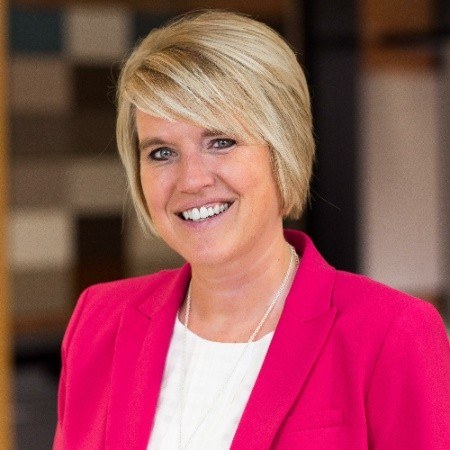
Keely Herrick, Managing Partner with KHerrick, LLC, focuses her practice on intellectual property law, including domestic and global trademark prosecution, clearance, opposition and cancellation actions, enforcement, and licensing as well as domain name disputes and copyright matters.
Prior to her current position, she worked in the intellectual property department of Katten Muchin Rosenman in New York City and Parks Wood LLC in Atlanta. While at Katten, she received the firm’s annual pro bono award in 2008 for her work in connection with obtaining music licenses for the ballet company Dances Patrelle.
Keely has extensive experience in the food and beverage and fashion industries, and some of her favorite past work experiences include legal internships at the BMG and EMI music labels and an internship in the writers’ office of the daytime drama “One Life to Live.” Please see her intellectual property blog on LinkedIn.
Connect with Keely on LinkedIn.
Transcript
Intro: [00:00:04] Broadcasting live from the Business RadioX studios in Atlanta, Georgia, it’s time for GWBC Radio’s Open for Business. Now, here’s your host.
Lee Kantor: [00:00:19] Lee Kantor here. Another episode of GWBC Open for Business. And this is gonna be a good one. Today, I have with me Keely Herrick, and she’s with KHerrick LLC. Welcome, Keely.
Keely Herrick : [00:00:30] Hi. Thank you for having me.
Lee Kantor: [00:00:32] Well, before we get too foreign to things, tell us a little bit about KHerrick. How are you serving folks?
Keely Herrick : [00:00:37] So, I am an intellectual property attorney, and I specialize in trademarks on the transactional side. So, I’d like to say I help people select and protect their brand. I help them choose a brand that, hopefully, not going to get them into trouble with anyone else. And if somebody steps into their line, we try and clear up those conflicts quickly and easily.
Lee Kantor: [00:01:06] Now, you mentioned the words “intellectual property.” Can you share with the listener what that means exactly? Because people throw around that phrase or the initials, IP, but a lot of people don’t really understand what that means.
Keely Herrick : [00:01:19] Right, yeah. So, intellectual property is kind of an umbrella term that covers patents, and trademarks and copyright. So, patents protect an idea, typically for invention. And trademarks really protect your brand. It can be a word mark or it can be a slogan like “Just do it” for Nike, or it can be a logo without words if you think of like the Nike swoosh, things like that. So, it can be anything that is your brand signifier. And then, copyright protects expression. So, if you think of like “gone with the wind,” it protects the actual language of the book, or paintings, or photographs, or images, things like that. Once it’s actually expressed somehow, then you can register a copyright and protect it that way.
Lee Kantor: [00:02:14] And that’s for the content of the book. But like a title of a book specifically, is it true that those are not protectable?
Keely Herrick : [00:02:22] Generally. Certainly a title of a magazine can be protectable as a trademark if you’re using that in commerce. And then, many things can be protected in one or more ways. So, yeah. So, typically, the title of a book, we don’t protect. But if you have a series of them, like a series of children’s books or something like that, then you might also have characters come out of that that could be protected in one or more ways. You could merchandise it. We try to look at a business from a lot of different angles and see what there is that we could be protecting.
Lee Kantor: [00:03:04] But the basics for most businesses is to start with the trademark of something, right, to get some protection of some part of your brand under wraps that you control?
Keely Herrick : [00:03:14] Right. Everybody has a brand. Everybody’s got a business name. Everybody has a product name. So, ideally, before you’re going to launch that product into the world, you should do some trademark searching, talk with a lawyer to make sure that you’re not going to invest your time, and money, and energy in a brand that might already be owned by somebody else because the worst thing is if you’re very excited, emotionally invested in this great brand, and then you put stuff on shelves, and then all of a sudden, you get a cease and desist letter in the mail, and you might have to start all over, and scrap everything. And that can really disrupt the flow of your business.
Lee Kantor: [00:03:56] Now, hypothetically, say, I have a business, say, it’s a yogurt shop, and it’s like, whatever, Abracadabra Yogurt. And then, I’m in business, say, 10 years or 20 years. And I’d say, “You know what? I’m going to franchise. I want to lock down that name.” And then, I look that last year, somebody else opened a yogurt shop. Do they win because they trademarked it, even though I’ve been using it actively for 20 years? Like, how does that come into play?
Keely Herrick : [00:04:26] Yeah. So, we would typically look and do sort of a comprehensive trademark search and see if there are any other Abracadabra Yogurt shops around the country. It might be that each of you have rights that are narrowly confined to your specific geographic area, whether that means the state that you’re in or whether it could even be the county. If there’s another one a couple counties over, and you’ve coexisted for a long time, and people know, the consumers know that these are two different businesses, then it would be hard to force either of you at that point to change your name.
Keely Herrick : [00:05:05] With regard to expanding, if somebody else has rights already established in a particular area, then you might not be able to expand into that area. And if they have a federal trademark registration, which covers the whole country, then it would be difficult for you to expand beyond what you’ve been doing. So, that’s why it’s better to do searches and know what’s out there before you start using your mark. But if there are a lot of you out there, then that sort of affects the calculation. It might be that we can work something out where people use different logos, and different colors, and things like that to sort of stay out of each other’s way.
Keely Herrick : [00:05:47] The big concept with trademark infringement is we want to avoid consumer confusion. So, we don’t want a consumer to see these two different restaurants and think that they are both co-owned by the same company if they’re not. And because we want people to be able to make their purchasing decisions relying on knowledge of the source behind a product. So, that’s the main concept that we keep in our minds when we’re evaluating how to handle a situation like that. Our consumer is used to seeing these two restaurants out there coexisting, so they know that they’re different. Are there so many out there that use one or more terms that are in common that people know that they’re not owned by the same? Or is really something that’s a unique term and allowing them to coexist would confuse people? Those are the big concepts we keep in our head.
Lee Kantor: [00:06:44] So, that’s why there could be a Delta Airlines and a Delta Faucet, the same name, that there is not confusion that one is the other?
Keely Herrick : [00:06:52] Exactly, exactly. That’s the typical example we get. You don’t think your airline is trying to sell you a faucet. But if it was Delta clothing, and then somebody came out making Delta handbags, that would be much more likely to be confusing because companies that make clothing also typically make handbags.
Lee Kantor: [00:07:13] Now, what about I’ve seen like the letters TM next to some words. I’ve seen an R next to some words. Like are those the same thing? Are they different? Or an SM? Like what is kind of the meaning of those? It seems like those symbols are trying to tell me something.
Keely Herrick : [00:07:31] Yes, they are, they are. It’s a code. They’re all related. The big one is the R and the circle is used to indicate that that is a federally registered trademark. So, you’re not supposed to use the R in a circle next to a term unless you have a current registration for that mark, for the goods that it’s being used on. To use it when you don’t have that, even if it’s just an application and it hasn’t been registered it yet, it hasn’t gone through the process, that could be considered fraud. So, that’s the one we want to avoid making a mistake on.
Keely Herrick : [00:08:08] But the TM and the SM are really things that you can use at any point just to indicate that you consider this your brand. The TM means trademark and the SM means service mark. People use them somewhat interchangeably. The real difference between a trademark and a service mark is that trademarks are used in connection with goods and a service mark is used in connection with services. So, typical example I give for that is McDonald’s can be both because when it’s used on hamburgers or French fries, then it’s a trademark. Those are goods, tangible physical goods. But when it’s used in connection with providing restaurant services, then it’s a service mark. So, it’s a distinction that a lot of people mess up and might not understand. And that’s upsetting if you don’t get that technically right. But you use that just to let other people know, “I might not have a registration yet but I consider this to be my brand. So, back off and don’t use a similar mark,” basically.
Lee Kantor: [00:09:13] Now, what happens, like, say like my company is Business RadioX, and we have that registered with a circle R. Now, what if we decide to change the colors or kind of dramatically shift the look of it, but it’s keeping the same Business RadioX, does that require a whole new trademark application? Or is that an addendum to the existing one? How does that work?
Keely Herrick : [00:09:39] It depends on how you registered it. If you registered it just as a word mark, so just for the words without any stylization, then it doesn’t matter, you can use it in whatever stylization you want in order to maintain the registration. But if you registered it in a specific style, then if you change that, you update your logo, the consideration that the Trademark Office would look at is whether or not what you’ve done is a material alteration to the mark as it was originally registered. So, that’s sort of in their hands to decide, but we would look at it and see whether or not … like if you add or remove a word, unless it’s something like “Co.” or “Inc.,” something really insignificant like that, but if it’s adding a real word or really changing the logo, then it might be considered a material alteration, and then you might need to refile if you filed in a stylized form. But like I said, if you filed, the broadest protection is to register it just as a word mark.
Lee Kantor: [00:10:48] Now, what’s the sweet spot for your business in terms of a client? Do you work primarily with brand-new companies that are just starting out, so they can get everything right to begin with? Or do you work with existing companies and maybe have a new product line? Or who’s your client?
Keely Herrick : [00:11:05] So, yes, all of that. Yeah. Now that I have my my own practice, I really enjoy having a mixture of working with the really large corporations, and being a part of their team, and providing them with sort of an efficient service that a small firm can provide. But also, it’s great to work with startups who are so excited and to help them. Really, they really can’t afford a lot of times to invest in a brand that they have to end up scrapping and reworking. So, it’s exciting to work with them as they are initially launching a business.
Keely Herrick : [00:11:49] But the larger companies as well, they always have new products coming out, and new slogans, and new ad campaigns, and all of that. They’re in a different position because they have so much exposure. Everybody sees something that a really large company does and people think they have deep pockets. And so, you have to take that into consideration when advising them versus a smaller company may have much less exposure but they may have much less risk tolerance. So, we try and and keep everybody out of trouble, and try and keep everything running smoothly, so that the businesses can do what they do.
Lee Kantor: [00:12:32] Now, how does a business kind of protect their trademark once they have it? Like, how do you even know? Like, if I’m based in Atlanta, Georgia, how would I even know if somebody in like Wichita is using my marks?
Keely Herrick : [00:12:44] Yeah. These days, the world is smaller and smaller, right? With social media and all of that, people may tell you, first of all. They may get in touch with you and say, “Hey, I didn’t know you had a business here,” or something like that. But there are also watch services that we can set up that will sort of let us know and monitor things like that. Also, that can monitor the Trademark Office filings to let us know if somebody’s filed an application that’s similar to a mark that we have registered or a mark that we’re just watching. So, there are services in place that we can use to help us with that. But often, your own clients are going to provide you that service as well.
Lee Kantor: [00:13:35] So, now, registering a mark, is that something that’s $100,000? Is it $10,000? Like how much does it cost to kind of register, at least, your own brand name?
Keely Herrick : [00:13:47] Yeah, generally no. Generally, it’s not that expensive. I do as much as I can on a flat-fee basis. So, we work with our clients to do things in a way that’s affordable to them. And it’s more the timing issue, I think that people may be surprised by if you’re trying to register a mark federally. So, get protection throughout the US. The fastest that that may happen from the date of application would be about 9 or 10 months. And it typically can take significantly longer than that. So, that’s something people may think that you can file an application, and then the next week, you get a registration, but that’s not going to happen.
Keely Herrick : [00:14:39] But in terms of cost, no. It can be easily just a couple of thousand dollars. The only way that it gets expensive is if somebody files what’s called an opposition against your application. And at that point, then you could get into what’s like a mini litigation back and forth if you fight over who has superior rights to the mark. That said, you don’t have to go forward with something like that. If you get an opposition and you decide you’d rather not pursue it, you can just stop. You can abandon the application and stop spending money. And then, choose a different mark at that point and start over. So, it can get expensive, but only if you’re really engaging in a battle that you’re choosing to continue to engage in.
Lee Kantor: [00:15:33] Now, tell me about your relationship with GWBC. How long have you been involved with them? And how have you benefited from the relationship?
Keely Herrick : [00:15:43] Yeah. We got registered very quickly after we formed the firm in 2015. Yeah. So, a few years now. And I’ve enjoyed. I like doing their Tables of Eight, their networking events over lunch. Those are pretty fun. It’s nice to meet the other business owners. And I’ve found that a few of the larger corporate clients like to see the certification because they like to know for the record that they’re using a certain number of women, minority and women-owned businesses as part of their team. So, it helps that way.
Lee Kantor: [00:16:23] Now, if somebody wanted to learn more about your firm or have more substantive conversation, do you have a website?
Keely Herrick : [00:16:30] I do. It is www.kherricklaw.com. And my contact information is on there. So, you can send me an email and set up a time to talk.
Lee Kantor: [00:16:41] Well, Keely, thank you so much for sharing your story today.
Keely Herrick : [00:16:44] Yeah, no problem. Thank you for having me.
Lee Kantor: [00:16:47] All right. Once again, if you want to get a hold of Keely, her website is kherricklaw.com. Once again, Keely, thank you so much for being part of the show.
Keely Herrick : [00:16:58] Thank you.
Lee Kantor: [00:16:59] All right. This is Lee Kantor. We’ll see you all next time on GWBC Open for Business.
About Your Host
Roz Lewis is President & CEO – Greater Women’s Business Council (GWBC®), a regional partner organization of the Women’s Business Enterprise National Council (WBENC) and a member of the WBENC Board of Directors.
Previous career roles at Delta Air Lines included Flight Attendant, In-Flight Supervisor and Program Manager, Corporate Supplier Diversity.
During her career she has received numerous awards and accolades. Most notable: Atlanta Business Chronicle’s 2018 Diversity & Inclusion award; 2017 inducted into the WBE Hall of Fame by the American Institute of Diversity and Commerce and 2010 – Women Out Front Award from Georgia Tech University.
She has written and been featured in articles on GWBC® and supplier diversity for Forbes Magazine SE, Minority Business Enterprise, The Atlanta Tribune, WE- USA, Minorities and Women in Business magazines. Her quotes are published in The Girls Guide to Building a Million Dollar Business book by Susan Wilson Solovic and Guide Coaching by Ellen M. Dotts, Monique A. Honaman and Stacy L. Sollenberger. Recently, she appeared on Atlanta Business Chronicle’s BIZ on 11Alive, WXIA to talk about the importance of mentoring for women.
In 2010, Lewis was invited to the White House for Council on Women and Girls Entrepreneur Conference for the announcement of the Small Business Administration (SBA) new Women Owned Small Business Rule approved by Congress. In 2014, she was invited to the White House to participate in sessions on small business priorities and the Affordable Care Act.
Roz Lewis received her BS degree from Florida International University, Miami, FL and has the following training/certifications: Certified Purchasing Managers (CPM); Certified Professional in Supplier Diversity (CPSD), Institute for Supply Management (ISM)of Supplier Diversity and Procurement: Diversity Leadership Academy of Atlanta (DLAA), Negotiations, Supply Management Strategies and Analytical Purchasing.
Connect with Roz on LinkedIn.
About GWBC
The Greater Women’s Business Council (GWBC®) is at the forefront of redefining women business enterprises (WBEs). An increasing focus on supplier diversity means major corporations are viewing our WBEs as innovative, flexible and competitive solutions. The number of women-owned businesses is rising to reflect an increasingly diverse consumer base of women making a majority of buying decision for herself, her family and her business. 
GWBC® has partnered with dozens of major companies who are committed to providing a sustainable foundation through our guiding principles to bring education, training and the standardization of national certification to women businesses in Georgia, North Carolina and South Carolina
Whitney Bennett with CallRail

Whitney Bennett is the VP of Talent & Culture at CallRail.
With a decade of experience in Human Resources and a specialty in rapidly growing SaaS start-ups, Whitney expertly balances the needs of employees with the needs of the business. She is passionate about fostering a culture where people are excited about the work they do and the team they’re working with.
Whitney is an Atlanta native that spends her free time with her husband, 3 children, and dog, Bacon. She enjoys true-crime podcasts, live music, good coffee, and a sarcastic sense of humor.
Connect with Whitney on LinkedIn and follow CallRail on Facebook and Twitter.
What You’ll Learn in This Episode
- CallRail has recently been recognized as a top workplace by the Atlanta Journal-Constitution and Forbes. Find out how CallRail is creating an inspiring place to work for their employees
- The types of initiatives that have impacted CallRail’s culture the most
- How CallRail’s culture impacts the Atlanta community holistically
- The year ahead for CallRail
About Our Sponsor
OnPay’s
payroll services and HR software give you more time to focus on what’s most important. Rated “Excellent” by PC Magazine, we make it easy to pay employees fast, we automate all payroll taxes, and we even keep all your HR and benefits organized and compliant.
Our award-winning customer service includes an accuracy guarantee, deep integrations with popular accounting software, and we’ll even enter all your employee information for you — whether you have five employees or 500. Take a closer look to see all the ways we can save you time and money in the back office.

Brad Park with HR Starters


Brad Park, CEO, and Founder of HR Starters, grew up in Toronto Canada in the household of a failed business owner. It wasn’t until years later that he realized how much that affected him. There was a lot of animosity in the household and lost hope.
Brad went into the workforce and went from job to job until 1990 when he started selling promotions. He was attracted to the growth opportunity and the chance for self-development.
Over the next two decades, Brad focused on the development of leaders in the fields of recruiting, sales, and leadership.
Connect with Brad on LinkedIn.
What You’ll Learn in This Episode
- How HR Starters helps people
- How HR Starters has been affected by COVID-19
- How they plan to come out of it
About Our Sponsor
OnPay’s
payroll services and HR software give you more time to focus on what’s most important. Rated “Excellent” by PC Magazine, we make it easy to pay employees fast, we automate all payroll taxes, and we even keep all your HR and benefits organized and compliant.
Our award-winning customer service includes an accuracy guarantee, deep integrations with popular accounting software, and we’ll even enter all your employee information for you — whether you have five employees or 500. Take a closer look to see all the ways we can save you time and money in the back office.
BRX Pro Tip: Relationships Matter

BRX Pro Tip: Relationships Matter
Stone Payton: [00:00:00] And we are back with BRX Pro Tips. Stone Payton and Lee Kantor here with you. Lee, it’s probably true in virtually any business but particularly with respect to the Business RadioX platform, relationships matter. Say more about that.
Lee Kantor: [00:00:16] Yeah. People kind of intuitively know relationships are important and connections are important in business, but our platform allows for us to build a lot of relationships quickly and really leverage the connections that we’ve made throughout the entire network. So, I would say that when you’re running a Business RadioX studio or your hosting a Business RadioX show, then those relationships and connections are really the most important asset in the business. And you really have to be mindful on how you manage and nurture them, so that they can grow in a manner that helps your business grow as a whole.
Lee Kantor: [00:00:54] So, some of the things you can be doing to manage those relationships and nurturing those connections are have regular touches. You connect with them regularly, make sure that you’re putting an effort in place every week to touch the people that matter most. And some ways that you can interact with them is, one of your favorite things, is ask them for a favor. Ask them to help you do something, or ask how you can help them do something. And then, make sure that you’re spending some time each week connecting the different people in your ecosystem with each other because most people have a difficult time kind of cross-pollinating between diverse industries. And you’re in a unique place that you’re able to do that pretty easily and pretty effectively.
Stone Payton: [00:01:40] And because it really is the relationship that matters, that’s the focus before, during and after the interview. It’s not just about the content of the interview. And that’s why we encourage people to stay focused on the real prize here, and it is building and cultivating the relationship.
GWBC Radio: McKeeman Communications CEO Kim McKeeman

Kim McKeeman founded McKeeman Communications more than 25 years ago with a single passion: help businesses and non-profits solve problems and succeed. From creating a virtual agency model against the odds in the ’90s, and growing her team members to be true business partners, “there has to be a way” is just the way Kim thinks.
She’s incessantly curious and loves new challenges. Maybe that’s why she works with her leadership team daily to continue to evolve their agency. Yes, daily. “I’m one day smarter than I was yesterday” is her approach to work and life, and she encourages the same with colleagues. Oh, and she’s pretty darn good at PR and communications, including crisis management.
Family life is critically important to Kim, and probably why she’s always referred to “the McKeeman Boys” as her most valued client.
Connect with Kim on LinkedIn and follow McKeeman on Facebook.
Transcript
Intro: [00:00:05] Broadcasting live from the Business RadioX studios in Atlanta, Georgia, it’s time for GWBC Radio’s Open for Business. Now, here’s your host.
Lee Kantor: [00:00:19] Lee Kantor here. Another episode of GWBC’s Open for Business. And today is going to be a fun one. I have with me today Kim McKeeman, and she’s with McKeeman Communications. Welcome.
Kim McKeeman: [00:00:29] Thanks so much. Happy to be here.
Lee Kantor: [00:00:31] Well, Kim, before we get too far into things, tell us about McKeeman Communications. How are you serving folks?
Kim McKeeman: [00:00:37] Yeah. So, we actually are a public relations and integrated marketing communications agency. And so, when I first started out, and it was a guest bedroom of our starter house, we were really focused on just working with the news media for our clients, community outreach. And over the years, what we’re doing now, our marketing’s really evolved with social media, with messaging, with internal and external communications. So, we’ve kind of almost serve as like a business’s marketing quarterback, kind of calling the plays. but making sure that all of their marketing is kind of working hand in hand.
Lee Kantor: [00:01:13] Now, do you find over the years that marketing, advertising, PR, that communications really is the best word to describe all that? There’s a blurring of the lines of where one begins or one ends now.
Kim McKeeman: [00:01:25] Yeah, you are speaking my language. Yes, no doubt. And just having seen it evolve over the years, extremely blurred. I think communications, actually, is probably the best way to describe it because that involves not only what you’re doing in a paid capacity, and that’s really an area we don’t specialize in but, also, the earned, what you do by like us doing interviews like this. And some of the other ways that you really show up for your customers, so much of communications can be tied back to just so many different realms from social media, to internal communications, to external. So, it’s definitely been a wild ride as it evolves, but it’s been fascinating at the same time.
Lee Kantor: [00:02:15] Now, as part of your work, since you mentioned not kind of leaning into the paid part of the work, how do you manage the expectations of your clients when it comes to earned where there’s some things that are just not out of your control no matter how good the story is or how interesting the client is? How do you kind of help them understand that you just got to keep working at this and this is something that is a long-term kind of investment?
Kim McKeeman: [00:02:42] That’s a million-dollar question, right? So, it is. It’s basically really … what we find so much of what we do as educating our clients into what makes a story. And right now is a great example where like, “Oh, I’ve got this really great promotion going on,” and we’ve got to kind of say, “Hey, that’s not where folks’ heads are at.” And I think part of that, to your question, is we start out with a good relationship with our client. And that’s how we kind of vet our best-fit partners is to make sure folks are open to really the expertise that we bring, and open to being educated and learning about really what makes news. And then, by the same token, knowing that there’s breaking news, all bets are off. Those are, to your point, outside of our control.
Kim McKeeman: [00:03:42] So, I will say we’ve had some really good experiences over the years. And not only ensuring that they’re clear about that going in but really delighting them when we’re able to really hit on a story that folks really want to hear more about and getting our clients to really hone their messaging, so they’re good spokespeople.
Lee Kantor: [00:04:07] Now, how is McKeeman Communications counseling your clients regarding the pandemic in terms of … Some people are going underground and waiting this out. Some people are saying ,”We’ve still got to let people know we exist.” Other people are like, “Well, that’s not appropriate to really be salesy nowadays.” Some people are like, “Well, I’m going to just be educational.” But then, you get some people who are feeling overloaded with how much COVID-19 information can a human consume. How are you kind of threading the needle here?
Kim McKeeman: [00:04:39] Yeah. And it’s interesting because one of the things that we’ve always told our team, and we’ve got a great team, is we’re our own client. So, we are living through this as well, along with a lot of our clients. Interestingly enough, we specialize in food, restaurant, beverage, retail. So, kind of a little foreshadow on, yes, we’ve taken our hits too. We’ve been working on parallel paths and saying how they need to show up. And by the same token, we’re taking that same medicine, if you will, and saying, “This is how we need to show up.”
Kim McKeeman: [00:05:18] So, it has evolved where my initial counsel to them was now is not the time to sell. And I started thinking about that a little bit more like, “No, actually, people need some of what our clients have.” And I think the key thing that I think is a key takeaway that our customers have said is like they really appreciate it. We say, “You have a unique gift, skill, or ability, or talent, or asset. And in some cases, that’s food. How do we connect that food with the need at hand?” And I think that’s really the biggest thing. And that’s the thing that kind of gets us really excited is figuring out how to connect somebody’s God-given talent, gift or asset with where the need exists right now. And then, use your marketing and your storytelling to support that and to connect those dots.
Lee Kantor: [00:06:14] Now, how was the remote part? Had you already been working with your team in a remote capacity or was this a new transition for you?
Kim McKeeman: [00:06:22] Yes. So, that’s another interesting thing. I keep telling my team like, “We were built for this.” So, when we started our business, gosh this is our 25th anniversary year, but when we started our business 25 years ago, we started as a remote, part-time, work-from-home agency, which was well against the grain at the time, but I had just a wonderful talent pool that I was able to pull of other and primarily working moms or moms that that wanted to balance it. So, we operated remotely, although we would get together. We were all in the same state. We would get together, but we worked remotely with our clients for a good 12 years.
Kim McKeeman: [00:07:07] So, we had been doing this. And then, to this day, even though we have physical offices, we still have a cadence of working from home two days a week. And it’s kind of just based on what I like to do, and I figure it’s something that we can afford to other people. So, it hasn’t been that challenging for folks. It’s actually been kind of fascinating to watch our clients adapt to it and have them realize, “Gee, I don’t need to have Kim and her team in person for us to really connect, and understand, and get the work done.”
Lee Kantor: [00:07:44] Now, any lessons or tips you can give to the new manager and leader that’s dealing with a remote situation? What are some kind of must dos and some don’t dos?
Kim McKeeman: [00:07:56] Yeah, great question because we have a lot of clients that are in that boat right now. And it’s funny, we developed, even with us already being remote in a heartbeat, we developed a business continuity plan that involved really focusing on your people, your customers, and how you want to show up for your community. So, in terms of people and working remotely, I think everybody and their brother has, at least, one in account now. So, as much as we’ve leaned on in-person and conference calls, I think that’s one of the beautiful things that comes out of this is that turn on that camera and get face-to-face, and let’s kiss the conference call goodbye. Right now is a good time to really flex that muscle and be comfortable with showing up on camera.
Kim McKeeman: [00:08:54] And again, internally for your teams, they don’t care that you haven’t had a shower yet. They don’t care. They want to be reassured by seeing you in person. So, I think that’s definitely thing one. Definitely overcommunicate at this point. People need to be reassured. So, when you’re working from home, and you’re not able to be right next to your normal work mates, being able to open. We’ve been leaning heavily on Slack. That’s another communication channel that is a lot more informal, but it also kind of separates things. As much as you can, overcommunicate without inundating.
Kim McKeeman: [00:09:33] And then, lastly would be just encourage open, honest feedback and conversation. That’s something that we do ongoing anyway, but you’ve got to look for where … your folks may be coming across some pain points either working from home or just dealing with everything that’s going on. We do the same thing with our clients. So, we’re doing a very high touch point with them, and look for those pain points where we can, at least, relate, listen and possibly support.
Lee Kantor: [00:10:04] Now, how do you help your team and your clients avoiding some of this burnout that’s beginning to happen where like this new normal is just becoming the normal and that all the days are coming together, it’s hard. Someone said Monday is Memorial Day, what are you doing? And it’s like, every day is Memorial Day, it feels like. It’s hard to tell the weekend’s different.
Kim McKeeman: [00:10:26] Like Groundhog’s Day.
Lee Kantor: [00:10:26] Right. It’s hard to say the weekend’s different than the weekday. It’s like a big blur. How do you prevent that 24/7 kind of mentality to creep in for some folks?
Kim McKeeman: [00:10:37] And that’s such a great point. And I think, for anybody out there who’s a business owner, we all kind of have that type A personality, and we tend to hire some of those type A personalities where we’ve got to actually say, “Okay, folks, it’s time to turn it off, close the computer and step away.” And it’s interesting because when I first put together our continuity plan, and I have a wonderful VP that I’m able to bounce things off of, I was actually going to say, “Okay, we’re good, man. We’re going to mandate that people take time off and it’s just going to be extra time off.” And I went, “Well, I don’t know that I can really do that. I’m not sure that’s really legal.” But what we have done though is it’s funny, we all keep each other accountable. And if we see somebody who is sending emails into the evening or working too early, we will very nicely call them out on that.
Kim McKeeman: [00:11:29] I will tell you one thing that we did recently because I could tell, it was wearing on me, and I could tell it was wearing on our team, we had our normal Monday morning call with our company ops team, and I said, “I need a vacation.” I think everybody else said the same thing. I said, “Why don’t we do this? Why don’t we do a … Guess what? It’s going to be a gift of grace that we give to our entire team on Friday. We’re gonna call it Happy Friday. And we’re all taking it off.” And I think that just gave everybody kind of like this nice big breath, granted folks still to check their emails. But I think sometimes, you have to set that tone and say, “It’s okay. We all are feeling the burn and churn the world. And it’s okay. And we have to kind of like say, “It’s time to step away and take a break.”
Lee Kantor: [00:12:21] Right. And being the leader, and giving them permission, and then letting them know that you’re doing it, it kind of gives it that okay. Like it really is okay. It’s not like just people saying it’s okay.
Kim McKeeman: [00:12:33] Right. I’m not just talking about this. We’re actually doing it, people.
Lee Kantor: [00:12:37] Right. So, now, tell me about GWBC. How did you find out about them? And why was it important for you to get involved?
Kim McKeeman: [00:12:46] Yeah. So, this is great. Again, having been in business for a while, we did go for our certification, the women-owned business certification. And that was a fabulous process that we went through, having folks come actually to our location, and then just learning about all the benefits. And for any of the business owners out there that feel like they are really just having to learn so much about everything on the fly, it’s really important to use your resources. And that’s what we’ve really seen with – sorry – GWBC. It’s just the proactive information that’s been shared. And whether it’s just networking with some of the other businesses, whether it’s having to to navigate this PPP thing, I have learned more about tax law and finance than I have ever learned. And much of that is due to the information that you all have been providing. So, I just think it, again, have really been of a wealth of information and would encourage folks to seek that out. Even if you are members, and you’re not using the resources, definitely do that. You will cut a lot of time out of your daily schedule. And again, it’s always about maximizing your resources, and this is a really good one.
Lee Kantor: [00:14:19] Now, getting back to McKeeman Communications, what’s your recommendation for your clients now? Is there some people that are kind of just saying, “I just want to survive this” and there’s other people who are saying, “Hey, there’s opportunity here to grow”? Like, how are you kind of helping each of your clients kind of get the most out of the situation?
Kim McKeeman: [00:14:39] Yeah. And that’s great. And of course, I’m going to use that. I think there’s probably 15 dreaded words right now that we just keep hearing over and over and one of those is pivot. And I, at one time, said I don’t want to hear that word again. I said I should embrace it. It’s what we’re doing. And so, basically, it’s been interesting. And I guess I’m in business because I find so much of like what you do in times of uncertainty fascinating. And so, we’re encouraging that just like we are for ourselves. We’re leaning in and doing things a little bit differently, but we’re also being very mindful of if you are an industry that largely has been selling hamburgers and you’re a quick-service restaurant, it’s not time to get into full service. Like some pivots just don’t make sense. But really making sure that any of the changes that they’re doing are fulfilling those needs. It kind of goes back to taking the gifts that you have, the assets, your God-given talents, and making sure they fulfill a need.
Kim McKeeman: [00:15:47] So, we have a restaurant company or a restaurant independently-owned business that’s headquartered in Charlotte, and they’ve got 30 locations. And I love to this. They started doing grocery essentials because, let’s face it, who knows why, but toilet paper is like gold now, and some of the other things that you just can’t find. And they started doing a grocery essentials program. And it really was a godsend for a lot of folks in the greater Charlotte area.
Kim McKeeman: [00:16:19] McKeeman Communications has another client that has been doing water and mold remediation. Don’t be jealous people. I know, it’s a very interesting, different client for us, but water and mold remediation, but they are set up as an essential business because they’re used to treating biohazardous situations. So, now, they’re offering a deep cleaning, sanitizing opportunity that basically was to use the same solutions and chemicals, same EPA-approved processes that was used in treating places that had experienced SARS. So, we’ve seen some really fascinating ones, but I would say the one thing, again, just to kind of go back to that one message, which is make sure whatever they’re doing in marketing fulfills a critical human or essential need right now that people are really hungry for.
Lee Kantor: [00:17:20] And if it aligns with your superpower, all the better.
Kim McKeeman: [00:17:24] Exactly. Exactly. That’s a win all the way around.
Lee Kantor: [00:17:28] So, if somebody wanted to learn more about McKeeman Communications and get on your radar, is there a website?
Kim McKeeman: [00:17:35] Yes, indeed. We are mckemancommunications.com. And the other thing, obviously, you can find us on any of the social channels. @McKeemanComm on Instagram. And interestingly enough, we’re doing … this is obviously one of our changes that we’ve been doing. We started doing an Instagram live after lunch every week, which is brand spanking new for us, and we’ve had to really lean into it, but any of our social channels. You Google McKeeman Communications, we will pop up.
Lee Kantor: [00:18:12] Good stuff. Well, Kim, thank you so much for sharing your story. And that’s McKeeman, M-C-K-E-E-M-A-N Communications dot com.
Kim McKeeman: [00:18:22] Correct, yes. Yeah, thanks so much and appreciate the opportunity to kinda share our experiences, and definitely have loved hearing about the other ones as well that you guys have been sharing.
Lee Kantor: [00:18:33] All right. This is Lee Kantor. We’ll see you all next time on GWBC Open for Business.
About Your Host
Roz Lewis is President & CEO – Greater Women’s Business Council (GWBC®), a regional partner organization of the Women’s Business Enterprise National Council (WBENC) and a member of the WBENC Board of Directors.
Previous career roles at Delta Air Lines included Flight Attendant, In-Flight Supervisor and Program Manager, Corporate Supplier Diversity.
During her career she has received numerous awards and accolades. Most notable: Atlanta Business Chronicle’s 2018 Diversity & Inclusion award; 2017 inducted into the WBE Hall of Fame by the American Institute of Diversity and Commerce and 2010 – Women Out Front Award from Georgia Tech University.
She has written and been featured in articles on GWBC® and supplier diversity for Forbes Magazine SE, Minority Business Enterprise, The Atlanta Tribune, WE- USA, Minorities and Women in Business magazines. Her quotes are published in The Girls Guide to Building a Million Dollar Business book by Susan Wilson Solovic and Guide Coaching by Ellen M. Dotts, Monique A. Honaman and Stacy L. Sollenberger. Recently, she appeared on Atlanta Business Chronicle’s BIZ on 11Alive, WXIA to talk about the importance of mentoring for women.
In 2010, Lewis was invited to the White House for Council on Women and Girls Entrepreneur Conference for the announcement of the Small Business Administration (SBA) new Women Owned Small Business Rule approved by Congress. In 2014, she was invited to the White House to participate in sessions on small business priorities and the Affordable Care Act.
Roz Lewis received her BS degree from Florida International University, Miami, FL and has the following training/certifications: Certified Purchasing Managers (CPM); Certified Professional in Supplier Diversity (CPSD), Institute for Supply Management (ISM)of Supplier Diversity and Procurement: Diversity Leadership Academy of Atlanta (DLAA), Negotiations, Supply Management Strategies and Analytical Purchasing.
Connect with Roz on LinkedIn.
About GWBC
The Greater Women’s Business Council (GWBC®) is at the forefront of redefining women business enterprises (WBEs). An increasing focus on supplier diversity means major corporations are viewing our WBEs as innovative, flexible and competitive solutions. The number of women-owned businesses is rising to reflect an increasingly diverse consumer base of women making a majority of buying decision for herself, her family and her business. 
GWBC® has partnered with dozens of major companies who are committed to providing a sustainable foundation through our guiding principles to bring education, training and the standardization of national certification to women businesses in Georgia, North Carolina and South Carolina
Mike Neumeier with Arketi Group

Mike Neumeier, APR, is CEO of Arketi Group, a public relations and digital marketing agency serving a wide range of B2B technology clients that include well-known brands as well as up-and-coming tech challengers. Under Mike’s leadership, Atlanta-based Arketi, which he co-founded, helps these companies apply intelligent strategy, messaging, PR, and digital marketing to generate revenue and accelerate growth. The firm’s track record prompted the TechnologyAssociation of Georgia (TAG) to name Arketi Group its DigitalMarketing Agency of the Year. The agency has also been repeatedly recognized by Chief Marketer magazine as one of the nation’s “B2B Top Shops” and is a fixture on the “ChiefMarketer 200” list.
For the past 25 years, Mike has pushed the limits of B2B marketing – inciting clients and colleagues to challenge, innovate, and drive for measurable results. Named PRSA’s Technology PR Professional of the Year in 2013, Mike counsels clients on smart strategies that get their message across to markets and media influencers. He has an enviable track record of creating and executing communication plans that help clients build the bottom line. In 2019 he was inducted into the PRSA Georgia The Order of the Phoenix and the Georgia PRSAHall of Fame.
Mike serves on several boards, including FinTech Atlanta, TAG, TAG’s executive committee, and the Advisory Council of the College of Charleston Department of Communication. He is past chair of PRSA’sCounselors Academy, past president of the Georgia PRSA chapter, past chair of the University of Florida’s Public Relations Advisory Board, a founding member of the National Advisory Board for Kennesaw State University’s Department ofCommunication, a founding member of the Atlanta PR Interfaith PrayerBreakfast, and executive committee member of HealthMPowers’Board of Directors. A 2010 inductee of the National PRSSA Hall of Famer, Mike graduated from the University of Florida with a Bachelor of Science degree in public relations.
Connect with Mike on LinkedIn and follow Arketi Group on Facebook and Twitter.
What You’ll Learn in This Episode
- How communications professionals can get involved in developing recovery readiness strategies their organizations will need in the coming weeks.
- The four critical areas that communications professionals need to be thinking about – and leading discussions about within their organization.
- 4 I’s: INSIGHTS, INTERNAL, IN MARKET, IMPACT (I’ve included an attachment on this too.)
- How HR and communications leaders should work together to put in place a successful return-to-work framework.
About Our Sponsor
OnPay’s
payroll services and HR software give you more time to focus on what’s most important. Rated “Excellent” by PC Magazine, we make it easy to pay employees fast, we automate all payroll taxes, and we even keep all your HR and benefits organized and compliant.
Our award-winning customer service includes an accuracy guarantee, deep integrations with popular accounting software, and we’ll even enter all your employee information for you — whether you have five employees or 500. Take a closer look to see all the ways we can save you time and money in the back office.
Follow OnPay on LinkedIn, Facebook and Twitter.
Dayton Business Radio: Jeff Hannah with Exhibit Concepts

Jeff Hannah is VP of International, Interiors, & Creative for Exhibit Concepts, Inc. He podcasts, consults, writes, and speaks about engagement strategies, cultures, and trade show differences between countries. For over 25 years he has led multicultural teams in the strategic development of complex projects in over 50 countries for many of the world’s top brands. Hannah hosts The Global Exhibitor Podcast, with its supporting website, www.GlobalExhibitor.com, an educational resource for international marketers.
As a serial entrepreneur & creative, Hannah founded companies in London, Abu Dhabi, and Atlanta – and specializes in international marketing and cross-cultural engagement strategies. He is a recognized expert in the global trade show industry, having worked with hundreds of brands such as Nike, Boeing, Cisco, Colgate-Palmolive, and Etihad Airways. Hannah has been honored with the coveted IDSA’s Silver IDEA Award, the Business Marketing Association’s Pro-Comm Award, and SEGD’s Exhibit Design Award.
Hannah enjoys sharing his insights through podcasting, speaking, teaching, and writing across various forums, such as ExhibitorLIVE, Exhibitor Magazine, Global Exhibitor Blog, Exhibit City News, The Global Exhibitor Podcast, Tradeshow and Exhibit ThoughtLeaders Journal, Biz LABS Podcast, and others.
He enjoys spending time with his wife of over twenty-nine years, and their three adult children. He also leads a cultural think tank, works in the local community, and serves in ministry in his local church. Hannah holds a B.S. in Industrial Design from the Georgia Institute of Technology in the USA.
Connect with Jeff on LinkedIn and follow Global Exhibitor on Facebook.
Anne Lackey with HireSmart Virtual Assistants


Anne Lackey loves starting and running businesses. Mark Lackey has always been fascinated with making things work better and run smoother.
Together they have co-founded and run multiple businesses for 2 decades. They have generated over 15.7 million dollars in revenue for their service-based businesses in the past 4 years alone.
By coaching and consulting with hundreds of CEOs and Executives, they have found 3 common core business problems: Owner Overwhelm, Staff Turnover, and Poor Customer Service or Lack of Follow-Up/Through.
In 2014 Mark & Anne found an alternative to traditional hiring and have been helping other business owners grow and get control over their businesses while saving an average of 50-75% over traditional practices by sourcing quality employees from the Philippines. They have evaluated over 20,000 applicants and come up with the successful formula for any client needing help with: Customer Service, Sales Support, Marketing Support, Administration, and Accounting. If it can be done by a computer & a phone, they can source the right hire for their clients.
They believe in a high level of professionalism and are guided by an unwavering set of Core Values. Every virtual assistant they place agree to these maintain these core values as well as agree to these a Standard of Professionalism. It is fundamental to our business that everyone agrees to maintain a high level of ethics and professionalism.
Connect with Anne on LinkedIn, and follow HireSmart on Facebook and Twitter.
What You’ll Learn in This Episode
- About HireSmart Virtual Assistants
- How VA’s can help your business during the COVID-19 pandemic
- How to streamline virtual work
- What’s needed to thrive in the virtual workplace
About Our Sponsor
OnPay’s
payroll services and HR software give you more time to focus on what’s most important. Rated “Excellent” by PC Magazine, we make it easy to pay employees fast, we automate all payroll taxes, and we even keep all your HR and benefits organized and compliant.
Our award-winning customer service includes an accuracy guarantee, deep integrations with popular accounting software, and we’ll even enter all your employee information for you — whether you have five employees or 500. Take a closer look to see all the ways we can save you time and money in the back office.