Business RadioX ®

  • Home
  • Business RadioX ® Communities
    • Southeast
      • Alabama
        • Birmingham
      • Florida
        • Orlando
        • Pensacola
        • South Florida
        • Tampa
        • Tallahassee
      • Georgia
        • Atlanta
        • Cherokee
        • Forsyth
        • Greater Perimeter
        • Gwinnett
        • North Fulton
        • North Georgia
        • Northeast Georgia
        • Rome
        • Savannah
      • Louisiana
        • New Orleans
      • North Carolina
        • Charlotte
        • Raleigh
      • Tennessee
        • Chattanooga
        • Nashville
      • Virginia
        • Richmond
    • South Central
      • Arkansas
        • Northwest Arkansas
    • Midwest
      • Illinois
        • Chicago
      • Michigan
        • Detroit
      • Minnesota
        • Minneapolis St. Paul
      • Missouri
        • St. Louis
      • Ohio
        • Cleveland
        • Columbus
        • Dayton
    • Southwest
      • Arizona
        • Phoenix
        • Tucson
        • Valley
      • Texas
        • Austin
        • Dallas
        • Houston
    • West
      • California
        • Bay Area
        • LA
        • Pasadena
      • Colorado
        • Denver
      • Hawaii
        • Oahu
  • FAQs
  • About Us
    • Our Mission
    • Our Audience
    • Why It Works
    • What People Are Saying
    • BRX in the News
  • Resources
    • BRX Pro Tips
    • B2B Marketing: The 4Rs
    • High Velocity Selling Habits
    • Why Most B2B Media Strategies Fail
    • 9 Reasons To Sponsor A Business RadioX ® Show
  • Partner With Us
  • Veteran Business RadioX ®

Strategy Advisor Donte Shannon

May 30, 2022 by Jacob Lapera

Association Leadership Radio
Strategy Advisor Donte Shannon
Loading
00:00 /
RSS Feed
Share
Link
Embed

Download file

DonteShannon

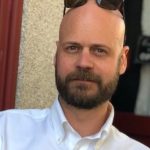
Donté P. Shannon, FASAE, CAE, has 16 years experience in association management, 7 of those years include experience in the C-suite. Donte has worked with professional and trade associations, across many different industries. He’s served in numerous CEO roles ranging from state associations to national associations with global impact.

Donté is a highly recognized influencer in the association community, having led over 20 association management presentations, ranging in topics from strategic leadership and organization rebranding, to career development. Additionally, he has been featured in, and co-authored, numerous articles related to association management. A devoted professional, Donte recently served as Chair of the CAE Commission, the governing body of the global CAE credential and was pivotal in launching the credential in Australasia. He also contributes his industry expertise as a member of for-profit and nonprofit Boards and Councils. His career highlights include being selected as a 2020 digitalNow Leader of Distinction, a 2020 ASAE Fellow, and a 2011-2013 Diversity Education Leadership Program (DELP) Scholar.

Donte is a strong advocate for diversity, equity and inclusion and enjoys giving back to the various communities and industries he touches. Donte earned his Bachelor of Science degree in Education from the College of Charleston in 2003 and received the Certified Association Executive (CAE) credential in 2015.

What You’ll Learn In This Episode

  • The future of the Association Profession
  • The Great Resignation
  • Executive Recruiting
  • DEI in Exec. Assoc. Roles

This transcript is machine transcribed by Sonix

TRANSCRIPT

Intro: [00:00:02] Broadcasting live from the Business RadioX studios in Atlanta, Georgia. It’s time for Association Leadership Radio. Now, here’s your host.

Lee Kantor: [00:00:17] Lee Kantor here another episode of Association Leadership Radio, and this is going to be a good one. Today on the show, we have Donte Shannon, who has been a CEO and a strategy advisor for associations for a minute or two. But we’ll get into that shortly. Welcome, Donte.

Donte Shannon: [00:00:34] Thank you so much, Lee, for having me.

Lee Kantor: [00:00:36] Well, I’m so excited to get your thoughts about the the future of the association profession. So why don’t we dig right in and get a little bit about your backstory? How long have you been serving the association world?

Donte Shannon: [00:00:50] I’ve been in associations for about 17 years now, and I got started in associations back in 2007, I believe, or eight or six or seven. And I was referred into my first association job by a colleague at the time. And I tell you, within a week of starting with the association, I knew I had found my professional home.

Lee Kantor: [00:01:17] So what about that world kind of excited you?

Donte Shannon: [00:01:20] So I got to get my start in associations doing member facing activities. So I my role I started a very large association so my role was mostly comprised of managing committees. So I managed three or four committees at the time and I really loved being able to engage with the volunteers, engage with the membership. There was a component of my job that involved meeting planning and program development, education, curriculum. I just love the way it really allowed me to use utilize many different aspects of my brain. But my favorite part was the volunteer engagement piece.

Lee Kantor: [00:02:05] Now talk about kind of the impact you make in an association for the young people out there listening that maybe they’re they hadn’t really considered association work as a career direction. It’s not usually top of mind for, you know, the young kid out there going one day I’ll run an association.

Donte Shannon: [00:02:25] You know? Right. Yeah. And if you talk to a lot of people, most of the stories you’ll hear, they will tell you they kind of fell into associations, right? Like you just kind of stumble upon it. But the great thing about associations is that and why I also love it is because you are truly impacting industries and professions. You are really influencing and transitioning the world literally, because everybody in some way, shape or form is going to be associated with an association or knows about an association in their profession, whether they join or not, and use that association for resources, for professional, for continue professional development, career development. And so to be able to work for an association and have that kind of impact on someone else’s professional life for me is extremely rewarding and it’s an opportunity. I’ve always thought about it as a way to give back for what associations have given to me and my career growth and development.

Lee Kantor: [00:03:34] Now, do you find that as we are, you know, I guess they’re terming it this great resignation where there’s a lot of upheaval in employment nowadays and and folks just don’t have the patience to be a cog in the machine. They want to make an impact. They want to see the effect of their work be meaningful. And I think there’s no better place than an association to really attract some of these folks, to get them on board, because I think that’s what you do every day.

Donte Shannon: [00:04:00] I can agree morally, I think for people who are looking for more meaningful work and who are looking when they get home every day from their job to say, what did I what how did I make a difference today? Association should be one of the top places that they are looking to get that type of fulfillment from. Because like I said, you’re impacting people’s professional lives and even sometimes their personal lives as well. Because some of the work that associations do, you’re you’re impacting their lives. And, you know, it’s very rewarding to to really know that you’re making a difference in that way and not just working to increase someone’s bottom line or to make someone else rich, you know, or for someone to to get more money for some sort of non influencing cause or something. Associations are definitely should definitely be a very viable option for people who are looking for meaningful work. I think the great resignation is well is an indicator number one of how our times are changing is shifting, which some people are still ignoring and how we are going to associations soon are going to have to be looking at themselves because as we start to get an influx of people who are resigning from these roles that are not meaningful, associations are going to have to look at the work that they’re doing to and and how our profession is changing, especially in the next ten years and how we we don’t let the same thing happen to our profession, where we have people leaving because of some sort of grievance that they have with the profession.

Lee Kantor: [00:05:44] So now put on your CEO hat. If you were to advise some of these association leaders right now and give them advice for maybe kind of squeezing some juice out of this great resignation to attract some of these folks into their world and to get some of that talent that maybe has been in the private sector to at least consider joining forces with an association or at least, you know, kind of checking them out a little bit. What would you tell the the leaders of an association today in order to be more attractive to that group, number one? And number two, to make sure you’re not leaving anybody behind, because a lot of industries, if you look at the demographics of the industry, their leadership is not looking like their demographics. And how do you help them kind of attract some of those people into the fold as well?

Donte Shannon: [00:06:41] Yeah. So, wow, that’s a loaded question. Lee and I have had this conversation with myself in the shower, but have imagined that I’m talking to an audience of other CEOs because I do feel like the association profession and many and not just the association profession, but many professions are really missing what is happening. Meaning right now and in our world. So what I would say to CEOs is you want to be able to sell what you’re doing for the future of whatever industry or profession you’re representing or whatever cause you’re trying to further in the world. You need to be able to talk and speak passionately and quickly to to how you are impacting that for the future. So when we think about the younger generation, we want to be talking to them about the world we envision for them and for their children. Right. And how our associations are doing work to make the world better for them and for their children. I think that’s going to be a selling point to attract younger people into association management. I think what we have to do also is understand the times we’re in. I have talked I’ve talked with one of my dear mentors, Cynthia Mills, in which she always refers to the time we’re in now as a turbulent twenties. And I completely agree with her, because what we are realizing and witnessing now are shifts in generational workforces. We’re witnessing shifts in generational power. And not only like a transition in the next generation of people who hold wealth coming into coming into power, taking over for wealth for their families or things like that. We’re also witnessing transition and generational power from younger people stepping into executive roles, right? So baby boomers, retiring, people who have been who are seasoned executives leaving those roles and now a different generation stepping in as you see Xers and Zinnias, as I call them, millennials, stepping into these roles now.

Donte Shannon: [00:09:02] Then we are also seeing shifts and buys for power in in the world. Right. So countries who are who are trying to achieve world dominance and become the number one country or the number one power dynamic in the world and all of these things that we’re seeing happening is going to impact every industry, every profession at some point or another, in some sort of way. And so we’ve got to be paying attention and associations have got to take their head out of the sand and hit and get their head out of whatever they’re focused on right now and whatever they’re dependent on right now for revenue or for relevancy. And they’ve got to start looking at where what is what are we doing to impact our profession, our industry, our world in 2035, 2040, 2050? What are we doing now that we want to bring to fruition at that point? And I think the more passionately, the more vivid you can make your vision for what that is going to look like in the future years and communicate that back to the younger generations is going to be compelling for them to to join your to join your association or join whatever cause your association is working towards in the future. And you’re right, we cannot forget about diversity, equity and inclusion and and how our executive teams and our leadership of these organizations need to reflect more, more diversity and then the culture really advocating and cultivating inclusivity within those organizations as well.

Lee Kantor: [00:10:54] Yeah, I think that associations have a unique opportunity to be the role models for the industries they serve and and to be aspirational. This is what it could be. And if they’re not role modeling that behavior, it’s hard for the members of the association to think, Oh, I’m going to be the one that set it up. If my own association isn’t kind of walking the walk, it’s it’s kind of giving me cover to not walk the walk myself as a member. So I think it’s almost, you know, they should be the true north of what could be in the industry, not just keep the status quo. The status quo.

Donte Shannon: [00:11:34] You’re absolutely right. But some of the sometimes the problem with that is that even our members don’t know where we need to be. Right, or where we need to be heading as an association. Sometimes our membership can be so comfortable in how things have always been and they can be comfortable in how they’ve been benefited from the things that the association has done in the past, that they are not quick for change or quick for how things have to be different in the future. And so I think you’re right. We as associations have an opportunity to be the leaders, but it’s going to take really bold, strong leadership from CEOs and executive teams to even say listen and say to their membership, I know, I know this isn’t what you want, but this is going to be what you need from our organization in the future. And while you may not see it now, we have to make changes for the benefit and the longevity of our association in the future and for the industry we represent or for the profession we represent.

Lee Kantor: [00:12:41] Right. And that’s called leadership. That’s the definition of leadership is to be able to kind of see into the future a little bit, have a vision, and then just, you know, get people to buy in and move the ball. And I’m not saying that you have to flip a switch and say this is how future us is going to look like, but you better be doing pilot programs and you better be, you know, at least playing around the edges somewhere.

Donte Shannon: [00:13:03] Yeah. Yeah. It is a transition, not a light switch. You’re right. Yeah.

Lee Kantor: [00:13:07] So so now in your work over the years, what has been kind of maybe look back a little bit and share what has been kind of an impact that you’re most proud of, that you came into a situation that maybe was struggling and you were able to make a difference.

Donte Shannon: [00:13:24] Oh, wow.

Lee Kantor: [00:13:25] You don’t have to name the association, but just maybe, maybe talk about the challenge that they had and how you were able to help them overcome that.

Donte Shannon: [00:13:32] Yeah, it was. I will say I had an opportunity in my career to make a huge leap from being a manager to a first time CEO. And it was rewarding for me because when I came to that organization, I really can say after three years of working with them, I left them better than I found them. Now, again, as we talk about members not really understanding where the organization’s where organizations need to be or understanding the future of the organizations. I had those challenges with members as well. Right. But I’m a strategist. I’m a visionary. And I stayed true to that and I stayed true to my leadership. And luckily I had a board that supported me and had my back when a lot of the changes we needed to make to make that organization viable again and also to attract the younger start attracting a younger demographic there future members of that organization. And so we were able to make we try bold experiments with our trade show. We started to see significant changes in our membership and in our membership demographic changes. We started to offer some programing that started to be extremely receptive to to members. We changed the financial trajectory of the organization. So for that to be my first CEO Executive Director experience, I knew that experience as much as I was trying to. Give all I had to help that organization. They were also helping me at the time because it was a sink or swim type of moment in that situation. So it was really sort of a as I gave to them, they gave back to me in my career.

Lee Kantor: [00:15:30] Now. Any advice for that association leader right now? And let’s talk specifically about attracting younger or maybe a more diverse member base. Like what are some things they can do? Is there anything you can share that’s actionable where they can say, you know what, let let’s take this baby step. What are some baby steps somebody that’s leading an organization can do to attract this younger, more diverse member?

Donte Shannon: [00:15:54] Yeah, the first thing I would say is don’t assume you know what they want or what they need. I think if there’s a younger demographic or a different membership demographic that you’re trying to attract, you need to go where they are. Learn as much as you can about them. Do research and find out what they need and what they want from an organization. If they were to join it, or if they were to get involved in an organization and then slowly work to build those things or those products or their services, are the types of engagement that they’re looking for. Slowly don’t I would say don’t do it in a rush. And as I think we mentioned earlier, these are the things you want to do focus groups for, right? So bring a few of them together and say, hey, we’re trying to launch this program or we’re thinking about doing this. What is your feedback for us or what? What would you do differently? I would say do small nuggets of engagement, but definitely start working to build your association or make your association attractive to those people because again, those are your future members. Those are the future board members, the future of the profession that you’re serving or industry that you’re serving. So yeah, that would be my first monumental piece of advice is don’t assume you know what they want or what they need. Go to where they are, meet them where they are, and do some research on what what it is they need and want in an organization. In a membership organization.

Lee Kantor: [00:17:30] So now are you are you bullish about the association industry and the association profession? Is this something that you’re optimistic about? Like, where do you think they are right now and what’s trending ahead?

Donte Shannon: [00:17:42] I am extremely optimistic about the association. I always, in the back of my mind know and understand the power of a is a say is coined. I think associations are extremely powerful and we haven’t even I don’t even think we’ve tapped into that power yet or the fullness of the power that we have to change the world as representatives of our industries and our professions, we have power to influence people. And I think even when we think about our elected officials and things, the policies that are impacting our world and impacting people, associations, I think, have an opportunity to have extremely large leverages or things to leverage in those conversations and in those discussions when those policies are created or talked about or get made. And so for the future, I think we’ll see associations really start to lean more into that impact and power, especially as they start to draw in younger demographics of people who are more vocal about what is happening, happening in the world and who want to see certain things and shifts and in the world. I think associations will will find an opportunity to really lean into that power and utilize it more. So I’m optimistic about where associations are going, especially also as we try to get more diverse executive leaders, CEOs and executive directors into roles of power. I think we’ll see we’ll continue to see a driving force into a positive trajectory for the association management profession.

Lee Kantor: [00:19:33] Yeah, I agree. I’m optimistic as well. And with people like you out there battling, I think that that’s a dream that can come true.

Donte Shannon: [00:19:41] Well, thank you. I appreciate it. And I do, too. And I think it’s platforms like this, too, that help us get our voices out and express what can be done in the possibilities of our future.

Lee Kantor: [00:19:55] Now, if somebody wants to connect with you, have a conversation about maybe help in their association. What’s the best way to get ahold of you?

Donte Shannon: [00:20:03] The fastest and quickest way is to reach me on LinkedIn. You can just search me at Don Shannon. You can also email me at Dante Shannon DPS at gmail.com.

Lee Kantor: [00:20:15] Well, t, thank you again for sharing your story today. You’re doing important work and we appreciate you.

Donte Shannon: [00:20:21] Thank you, Lee, for the platform and the opportunity.

Lee Kantor: [00:20:24] All right. This is Lee Kantor. What’s your next time on Association Leadership Radio?

Tagged With: Donte Shannon

Spencer Packer With 360º Painting of Kennesaw

May 27, 2022 by Jacob Lapera

360painting
Franchise Marketing Radio
Spencer Packer With 360º Painting of Kennesaw
Loading
00:00 /
RSS Feed
Share
Link
Embed

Download file

Brought To You By SeoSamba . . . Comprehensive, High Performing Marketing Solutions For Mature And Emerging Franchise Brands . . . To Supercharge Your Franchise Marketing, Go To seosamba.com.

360

Spencer Packer, Owner at 360º Painting of Kennesaw

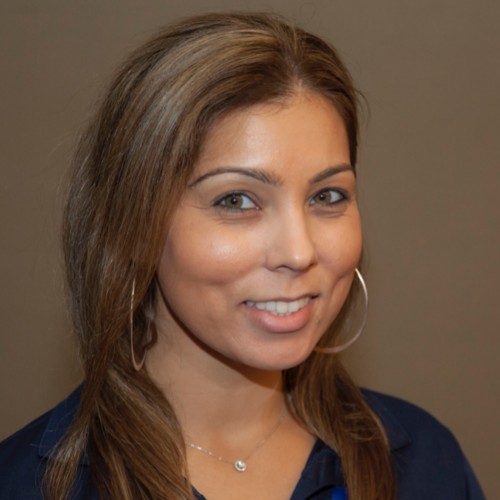
Spencer Packer is an MBA from Brigham Young University. He worked for CIA for several years out of Graduate School, transitioned to the private sector, and worked for Target and The Home Depot in leadership roles.

He purchased 360 Painting franchise and went live in February of this year (2022). He is married with 4 kids (2 boys and 2 girls) ages 12 – 21.

Follow 360º Painting on Facebook and LinkedIn.

This transcript is machine transcribed by Sonix

TRANSCRIPT

Intro: [00:00:07] Welcome to Franchise Marketing Radio. Brought to you by SeoSamba comprehensive high performing marketing solutions for mature and emerging franchise brands. To supercharge your franchise marketing, go to seosamba.com. That’s seosamba.com.

Lee Kantor: [00:00:32] Lee Kantor here another episode of Franchise Marketing Radio, and this is going to be a fun one. Today on the show we have Spencer Packer with 360 painting of Kennesaw. Welcome, Spencer.

Spencer Packer: [00:00:43] Hey, thank you. I appreciate you having me.

Lee Kantor: [00:00:45] Well, I’m excited to learn what you’re up to. Tell us a little bit about 360 painting. How are you serving folks?

Spencer Packer: [00:00:50] So we are a painting business. We do exterior and interior painting both for commercial and residential sectors. We also do fences, decks, garage floors, concrete staining. So anybody, whether they’re commercial or residential, they need some some painting work done. That’s where we come in.

Lee Kantor: [00:01:09] So now tell us a little bit about your story. You’re the franchisee in Kennesaw. Were you always in interested in painting?

Spencer Packer: [00:01:19] So I’ve always been interested in owning and running my own business. Just a little slow to act on it. I actually worked for the government, actually for the CIA for a number of years out of a graduate school did that, was away from the family for a long time and returned did some work for Target as well as the Home Depot. Just kind of always had that dream to want to run and own my own business. I finally decided to act on it and really look to this this type of business. I fell in love with premium service brands, which is the company that owns 360 painting, just had a great business model, easy to scale. And but I’ve always I’ve done painting. I’ve done a lot of that in my life. So look, something I was pretty good at and could feel like I could excel from a customer service perspective.

Lee Kantor: [00:02:03] So now walk me through kind of the thought process. When you decide, okay, I am want to do something else. I’ve been working with these large enterprise businesses over the years and now I want to venture out on my own. Did you ever consider, Hey, why don’t I open up my own? You know, Shingle Spencer, the consultant, I can, you know, figure out something to sell somebody. Did you ever want to do something like that?

Spencer Packer: [00:02:30] I did. I looked at a number, different franchises. I looked at doing stuff on my own. But really, since I’ve never ventured out into the entrepreneurial world, I felt like it was probably the smarter thing to do to look at established companies with good reputations that I could follow a proven system. I felt like that was probably more kind of what I would be good at, what was suitable for me at the time. And so I did a lot of investigating, looked at a number, different franchises, a number of different businesses, even those I could run myself, but just so far really happy with with 360 painting and premium service brands and the support that they that they provide and just a proven business model, I could go in and provide outstanding customer service and build on that that that brand awareness and that that reputation that they’ve built for a number of years now.

Lee Kantor: [00:03:18] How did you kind of narrow it down to them? Like you said, there’s lots and lots of choices when it comes to choosing, which once you decide to, you know, go down the path of franchise. Right. It’s not like there’s only three to pick from. Like there’s thousands.

Spencer Packer: [00:03:33] That’s right. And there were a number of good ones. I felt like with this one, it was one where I could get into. There weren’t a lot of barriers to entry. I felt like I could go in with a professional appearance, a professional presentation, and make an immediate difference, since it’s an industry that’s not really heavily regulated or dominated at this point by just a few different companies. There are a lot of painters out there, some good, some not so good. And so I felt like this was one where I could really make an immediate impact, an immediate difference and really start to scale it quite quickly. That’s really what did it did for me. There were a number of other viable good options for me as well, but I really felt like having just done a ton of painting in my life where I can really assess the quality and as well as the type of customer service and be able to feel like I could beat my competition in that respect. That’s kind of what what really did it for me in terms of helping me make my decision to go with 360 painting.

Lee Kantor: [00:04:24] Now, did you always go in with the mindset of, okay, I’m here to build an empire? I’m not just here to build one painting, you know, location here in Kennesaw.

Spencer Packer: [00:04:36] Correct? Yeah. I’ve always had that mindset that I want to scale and like you said, build an empire and quickly get to $1,000,000 business and keep going from there and and purchase other territories, purchase other businesses. So this is this is sort of my first foray into it. It’s been going really well so far and excited to, like said, build an empire.

Lee Kantor: [00:04:57] So now when you kind of first said, okay, now I’ve narrowed it down to franchising, now I’ve narrowed it down to the 360 painting. So now I’m really going to I’m really considering doing this. Were you was it the only kind of choice left or had you kind of did you have a couple you were considering? And then eventually just obviously went with 360.

Spencer Packer: [00:05:23] Yeah. No, there were a number I was considering. I kept narrowing it down a little by little. I was working with a franchise consultant really for several months at least, I think four months by the time I finally. Well, probably three months, three and a half months or so. And then I whittle it down to just 360. But there were there were was a ten at first, then it was five and then it was then it was really between three and really 360. I did the discovery days at each of those. I really dove in and it really made the most sense for me to do 360 from a number of different perspectives. Just feel like my ability to to become profitable, make a difference in the community, really sell my business and establish my reputation. Early on, I feel like 360 was was the one that was going to be the best fit for me and I, having done that for a few months, I feel even stronger about that.

Lee Kantor: [00:06:16] So now when you were going through the narrowing down process, what were some of the things that after you kind of as you’re doing that process, you’re obviously educating yourself of what’s out there and how people present themselves. And and things probably started going, okay, this is a red flag or this is a must have. Can you share a little bit about what are some of the red flags for you and what are some of the must haves?

Spencer Packer: [00:06:40] Well, for me, the red flags were, if it takes a while to be profitable, if I looked at as I’m looking at KPIs, I’m looking at some of the the the documents and from from some of the franchisees and looking how long it takes for them to become profitable. Really, it was one thing to to to create a great revenue stream, revenue stream for three 1624 premium service brands. But I wanted to kind of be like, okay, how soon can I be profitable? What are my margins? So I wanted to see what is what is my ability to become profitable. That was one, I think, to just the level of support hearing from other franchisees. I didn’t get a sense that they were receiving outstanding support from the parent company or from the franchise and that they were kind of there every step of the way to kind of get them moving with the right help marketing production, just the administrative staff providing financial help, not in terms of like necessary financial assistance with loans, but with with regards to bookkeeping and just some some basic business principles that will help the franchisee become successful. So I really sensed that that was there were some red flags there when I was looking at some of the other other businesses and talking to some of the franchisees and just felt like, oh, I that’s I can tell they’re frustrated.

Spencer Packer: [00:07:51] I can tell they’ve, you know, they’re inundated and they’re not necessarily getting the support they need from from the parent company or the franchise. So I think to just just the amount of debt some people are taking on, I think also just the level of kind of feeling weighed down when they initially go into this franchise. Obviously, with 360, it’s one where it’s it’s it’s a painting business. So there’s not a buy in comparison. There’s not a ton that goes into it. In terms of the franchise fee, I mean, it’s it’s less than most that there’s there’s not as many barriers to entry. So really for me, the red flags were the things that would I felt like we’re going to preclude me from becoming profitable quickly, as well as just not providing me the level of support in terms of marketing, bookkeeping, any kind of level support that I needed to to to be successful.

Lee Kantor: [00:08:44] Now, did something happen where you were like, okay, I get this. This makes perfect sense. This is the one for me. Like, did was there something that was like an epiphany moment for you that you were like, okay, I’m in the right place. These are my people.

Spencer Packer: [00:08:57] I don’t know if there was necessarily one. I think it was just talking to the franchisees one, one on one and even going out and having had lunch with with a couple of them and just really getting a sense of their day to day activities. I mean, like, okay, can I can I do this is something that do you have to really just sort of just get lucky? Do you have to just sort of be just the exact right personality? Is there something super unique to to a successful franchisee, or is it something that I feel like not only I, but a lot of people can do just by putting in a lot of hard work and following the system? And so I think after probably talking to my third franchisee and and this was this was in the midst of going to the discovery days, too, and getting to know the team up there in Charlottesville, Virginia, that would be supporting me. And so I think all those kind of combined, I guess really once I took my wife up to Discovery days and also had her meet with a couple of the franchisees once she was on board because she’s a little harder to convince, more conservative in terms not wanting to take chances. She was really once she was kind of convinced like, yeah, this is this is going to be a good deal for you. That’s I guess that even though I was convinced that was that really is what I guess was the the biggest aha decision maker for me is like, okay if she’s, she’s really excited about it, she’s into it, then this is a no brainer. We got to do it.

Lee Kantor: [00:10:14] So now you go through the process, you sign on the dotted line and then you’re off and running. So you went live, what, the early this year. Right?

Spencer Packer: [00:10:23] Yes. In mid mid-February. Correct.

Lee Kantor: [00:10:25] So now it’s day one or day zero. What are you doing to ensure a successful launch? And what are they doing for you to ensure a successful launch?

Spencer Packer: [00:10:36] So I have weekly calls with my coach. We have a coach there that really looks at all of our KPIs. They’re looking at all of our performance indicators or metrics. You know, how many estimates are we doing each week? How many leads are we getting each week? How many? How many jobs are we getting each week? What’s our average job size? What are the cogs? The cost of goods sold? What what what kind of customer feedback are you getting? So they we have a number of different systems. One of them is, is listen 360 and we get feedback from every person we do a painting job for and they provide detailed feedback on what kind of job we’re doing. So also, too, I have a call periodically with my with our marketing director to kind of go over just the cost per lead, the cost per estimate, the cost per job, how much I’m spending versus how much I’m getting back in it. So there’s a lot of support and they have a number of different programs. Right now. I’m using Scorpion for my website and Google Marketing. I’m using a bunch of different lead aggregators, a company called Clarity. I’m also using a company called Pro Leo to really just do a lot of social media ads for me to get the word out.

Spencer Packer: [00:11:45] I’ve also joined a BNI network. Also, I’ve been in with the Kennesaw Business Association. I’ve been out there to get my name and our business profile out doing some events there. So really a lot. I mean, I’ve spent probably even more than the recommended amount of marketing. We are asked to spend a certain amount in the first three months. I’ve gone even above and beyond that, just to really kind of push hard at first, to get to get our to get our name out what we do or our reputation. And then we, we have a referral program to that we use with the customers. And so we certainly use that extensively. But it starts with the coaching call that we get each week and really going over all everything that’s working for us, how much money is being allotted to it to make sure we’re on on target, not only to to generate revenue and generate sales, but more importantly, to make sure we’re profitable. And we’re not just not just earning money, but but going bankrupt in the process by by doing some foolish things.

Lee Kantor: [00:12:48] Now, you mentioned that kind of that level of support was important to you and that level of, you know, kind of watching your back as you progress. Right. Are you it sounds like the coaching is helpful as an accountability partner. Are there are they giving you kind of levers that you can consistently pull that are going to bubble up the leads you need in order to make the sales you need? Like, do you have do you feel confident that if I do these three things every day, then success, eventually it has to happen?

Spencer Packer: [00:13:22] Well, they are. And I’ve already I’ve already seen that. I’ve been like I’ve been pretty successful. We’re starting up in this area, brand new. We’ve done quite well. Obviously, we want to keep pushing. But as far as the levers go, yes, that’s one thing we talk about extensively during our coaching calls, just putting certain amount of money into at least initially certain lead aggregators, which we’ve always kind of monitored, which lead aggregators are working because not all the aggregators work the same in each areas. I talked to some of my 360 colleagues in Texas. I use a little bit more of one. They use a little bit more of other because they haven’t had as much success with one I’ve had success with. So that is a little bit region specific and then also varying success with related to some of the business networking groups that you associate with. So we do kind of look at that and we have reports that we kind of dove into extensively to see what how many jobs have come from certain marketing campaigns. What’s our is it so really, I’m kind of looking at what’s the cost per lead and what is the cost per estimate and does that making sense to keep using? And so I found in just the first few months I’ve done this, I don’t even know if I’ve quite been.

Spencer Packer: [00:14:33] Well, I guess I’ve just barely passed my three month mark that I have even already. I get that we’re going to see much more of this going forward. But when I have done certain things, put more money into certain programs that I’m seeing, more and more jobs come from it. I think I’ll see more results from like a direct mail campaign. I haven’t seen the results from that specifically yet, but I’m starting to put more money into that and I’m already getting a lot of leads and a lot of estimates from that. But I don’t know. It’ll be interesting to see what the average job size from those from that campaign, from the direct mail, what that results in. And we’ll kind of have to see. But so far as I’ve done certain things with Google as well as with them with some of my social media campaigns, as well as the lead aggregators I’ve seen, I’ve already seen, okay, this pull this lever, this is what I’m getting from it. And so it’s been kind of fun to be able to test out certain things and see what works and what doesn’t.

Lee Kantor: [00:15:30] Now, as you kind of progress in the business, is it primarily a B to C play? Is it like you’re doing residential homes or is it B to B play as well where you’re going into businesses and doing work there.

Spencer Packer: [00:15:45] It is a B to B play. I’ve done a little bit of that, but it’s mostly for to start out and this is kind of the advice for my coach as well as some of the others there at 360 up in Charlottesville is to start out mainly with with residential and with just the customer. So I’ve been then primarily targeting a marketing to new homeowners or people moving as obviously. But I have been working a lot too with, with real estate agents, some interior designers, some. People are more in other home services and construction people just to get more get my foot in the door. And that’s and that’s work. We’ve received a few jobs from from some real estate agents. And and so I’m going to start pushing that more and more as I get a little more seasoned a little I guess a little better at this. But it’s been kind of fun to to tap into the commercial market just a little bit.

Lee Kantor: [00:16:35] Now when you’re starting a venture like this or any kind of venture really is getting those first wins. How was that to your family, to your team, like when you first got that first estimate or the first person that’s, you know, was a sale or the first person that referred you to another sale. Like how has that been in terms of in your career, you’ve had wins. How has that feeling differed from maybe some of the previous things you’ve experienced so much more?

Spencer Packer: [00:17:05] I just I’ve just enjoyed it so much more. I mean, there were so many things I did in my previous work experience. I really it was nice to receive some accolades from recognition based on, you know, getting a cost out for your company or certain things that were, that were certainly satisfying. But, but when you’re building this on your own and you actually see the profits and you see the checks coming, that, oh, I just I’m building up my business bank account. It was just so satisfying. I told my dad the other day, I’m like, I don’t I just kind of left my other job, but I don’t know how I can ever go back to something like this. This is so much more enjoyable and so much more thrilling when you’re able to to make the sale. It really what does it for me is when you really create that customer satisfaction, they really feel like, wow, you you said you have integrity. You said you did what you said you were going to do. You were really professional. And you get that referral, that recommendation to others, and they’re really satisfied with your performance. I think that’s that’s the biggest intrinsic reward or intrinsic value for me is as a business owner is just to know that, hey, we’re we’re on the right track, we’re doing the right thing. And this is we can we can go places with this. Now, we’ve got the team in place. We’ve got the crews, we’ve got the painters. We we’re we’re living up to the 360 values to 60 painting values. And and everybody always needs something painted. There’s always painting that needs to be done. So we really want them to kind of look to us and know that if they go with us, they’re they’re going to be satisfied and we’re going to make sure we’re not going to stop until they are satisfied with with the work we do.

Lee Kantor: [00:18:41] And it’s that feeling of this is something I created. You know, this wasn’t here before and now it is. And now these people are happy customers and they benefited from my efforts. And it’s you’re not a cog in the machine. You’re the machine.

Spencer Packer: [00:18:55] Exactly right. And I think I mentioned this before. Now it’s kind of limitless. We can keep going. Whereas when I was of my former job, it was it was sort of just, hey, good job, Pat on the back. Or here’s a sort of minor monetary reward, but there was nothing really. I was like, so I was in some big organizations. So it was really kind of hard to to move upward as fast as you want it to. So here it’s nice because it’s limitless now that we can keep building this building this and and the the extrinsic the money is going to keep growing as well as the the business, the the sense of being involved in the community and getting our word out. And it’s just limitless. And that’s that’s kind of what I like. Is there just so much potential and and it’s not like, hey, good job, you know, here’s your limited bonus check or here’s here’s your here’s your plaque or whatever it is, it’s, it’s we can really grow this and make make a lot more money and then establish a greater and greater reputation.

Lee Kantor: [00:19:53] Now, what about from the hiring standpoint? It’s a tough hiring market now, or is that a challenge for you?

Spencer Packer: [00:19:59] It is, yes, it is. And so it’s that’s been where I have I’m going to keep pushing because is is I keep recruiting crews and recruiting people. It’s I want to make sure the quality is always top notch. And there have been times where I’ve had to kind of move on from different crews because the quality wasn’t exactly where I needed to be. And so I’m growing fast enough now where I’m going to be needing some production managers. So I’m actually interviewing the process of interviewing some people as well, some administrative people. And it’s I’m already. You know, I’m very much understanding. I mean, I understood before trying to find the right crews, the right painters to actually go in and do the jobs. But I’m finding out now it is to get some some quality production managers. I’ve got a few who I’m looking at that I think I want to keep progressing with. But but it is tight out there. That’s that’s certainly that’s certainly the biggest challenge for me right now. And I’ve noticed I knew it would be I mean, I remember going into my wife and I talked about it and said, yeah, this is this is what we’re going to really have to to be smart and to work hard and to persist because there’s great workers out there. There are people who are going to really make a lot of be a great asset to my business. That’s just up to me to make sure I do the due diligence and and the work to find these people. And so I’ve been doing that for the last few weeks and really narrowed it down. But but I could already sense that some of the people I was interviewing and. Little uncertain with the reliability issues as well as just how committed they would be to. To to my. To our business.

Lee Kantor: [00:21:35] Yeah. It’s it’s going full circle. Right. When you were going to those other potential franchisees at the beginning, you were vetting them. And that’s and now it’s here we go again. It’s a never ending process. You know, that activity is forever.

Spencer Packer: [00:21:49] Right. That’s right.

Lee Kantor: [00:21:50] Especially if you want to be that high quality provider. You know, you’re not trying to do any job for any money. You’re you’re trying to do good work every time. So it takes.

Spencer Packer: [00:22:01] A special.

Lee Kantor: [00:22:01] Person to deliver.

Spencer Packer: [00:22:03] Yep, correct. And that’s where we feel the feel some pressure is to make sure we have people that are always going to deliver for us and kind of what we promise and what our reputation is. We want to make sure that every single person is associated with this. This business with my business has that vision and will some customers are going to be a little harder to satisfy than others. But we’re that’s our goal. We’re always going to still make sure we satisfy them with the high the highest quality work possible. And and want to make sure whoever we have on board is is committed to that.

Lee Kantor: [00:22:34] Well, congratulations on all the success. If somebody wants to learn more, what is the website?

Spencer Packer: [00:22:40] Yeah, it’s is 360 painting of Kennesaw. Anyway, they they can find me. My name is Spencer Packer. We’re. We’re kind of everywhere on the Internet now. Yeah, just 360 painting. Exactly. I’m sorry. 360 painting forward slash Kennesaw.

Lee Kantor: [00:22:57] Yeah, I’m sure if they get to 360 painting. That’s right. They’ll be able to find you. Well, thank you again for sharing your story. You’re doing important work and we appreciate you.

Spencer Packer: [00:23:07] Hey, thank you so much. Sure. Appreciate you having me. Thank you so.

Lee Kantor: [00:23:09] Much. All right. This is Lee Kantor crucial next time on Franchise Marketing Radio.

Tagged With: 360º Painting, Spencer Packer

Ted Laatz With SUCCESS Space

May 26, 2022 by Jacob Lapera

TedLaatz
Franchise Marketing Radio
Ted Laatz With SUCCESS Space
Loading
00:00 /
RSS Feed
Share
Link
Embed

Download file

Brought To You By SeoSamba . . . Comprehensive, High Performing Marketing Solutions For Mature And Emerging Franchise Brands . . . To Supercharge Your Franchise Marketing, Go To seosamba.com.

TedLaatzTed Laatz, President at SUCCESS Space

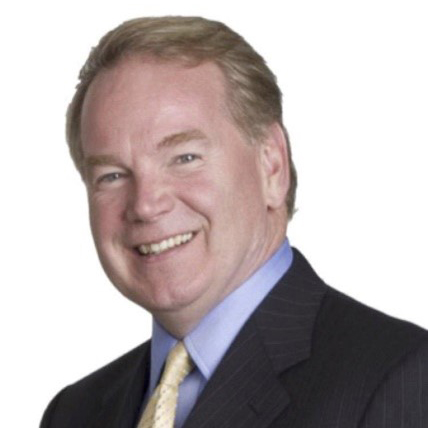
Ted Laatz holds a BS in Business Administration from Bradley University, an MBA with a dual emphasis in Entrepreneurship and Stategy, Execution & Valuation from DePaul University, and a Certificate in Franchise Management from Georgetown University.

He has been with eXp Holdings since 2020, and heavily involved in the real estate industry for over 20 years.

Follow SUCCESS Space on LinkedIn.

What You’ll Learn In This Episode

  • About SUCCESS Space
  • The core mission and values

This transcript is machine transcribed by Sonix

TRANSCRIPT

Intro: [00:00:07] Welcome to Franchise Marketing Radio. Brought to you by SeoSamba comprehensive high performing marketing solutions for mature and emerging franchise brands. To supercharge your franchise marketing, go to seosamba.com. That’s seosamba.com.

Lee Kantor: [00:00:31] Lee Kantor here another episode of Franchise Marketing Radio and this is going to be a good one. Today on the show we have Ted Laatz and he is with Success Space. Welcome, Ted.

Ted Laatz: [00:00:42] Hey, good morning, Lee. Thanks so much for having me.

Lee Kantor: [00:00:44] Well, I’m excited to learn what you’re up to. Tell us a little bit about Success Space. How are you serving folks?

Ted Laatz: [00:00:49] Yeah, most definitely so. Success. Spacex is a cafe coworking and coaching facility, and we’re doing things a little differently in terms of the coworking section, whereas most of the time a co-working facility that you would think of would be, let’s say, 15 or 20,000 square feet downtown, a major MSA. What we’ve decided in light of the new the new way people are working is to have the success space facilities be approximately 5000 to 6000 square feet in the suburbs, basically where people used to get on the highway to go downtown, the MSA. We we want to be in that area. We want to be in the strip mall where they’re getting their groceries and where they’re dropping off their laundry, dry cleaning and that type of thing. So we’re taking a little bit of different approach to to the coworking industry.

Lee Kantor: [00:01:54] Now, is this because of coming out of the pandemic? You think this is a better model or you think that’s an untapped area? I mean, historically co-working has been in, like you said, large metros and maybe taking up ten floors of a, you know, a huge building.

Ted Laatz: [00:02:10] Correct. Yeah. And so both to answer your question. Right. So number one, the way people are working is definitely different. Now you’re seeing a lot of that where people don’t want to go back to the office or just are not going back, they’re not being asked to come back. And so a lot more people are working out of their house. And they still need a spot, though, to go to to have calls like this or to get away from the dog that might be barking or focus, whatever it might be. And so we wanted to have a facility that’s very close to their home that they could go to to work now.

Lee Kantor: [00:02:48] So that means kind of the the ideal client or member is a little different than because some of those larger co-working spaces, they were targeting big companies that had maybe remote offices and they were using that as kind of the funding. And it was less about the entrepreneur that that individual business owner.

Ted Laatz: [00:03:09] Well, so for us it’s both right. So again, the the corporation might still have an office downtown. The MSA, they might ask might not be asking people to come in as much though. Right. You’re hearing some companies now taking a hybrid approach, come in for a couple of days, work from home for a few days again. Others go ahead and work from home full time. So it takes advantage of that situation and offers a solution to that situation. But conversely, you brought up entrepreneurs and we are focused on entrepreneurs as well. And that’s our our coaching program is very unique in that we have a coach on premise and that coach serves two purposes. So one is business development and business coaching, and that’s more along the lines of an entrepreneur and helping them grow their business. And then the other side is for that corporate employee executive that might need personal development coaching or something along those lines. So we’re definitely targeting both in our facilities.

Lee Kantor: [00:04:22] Is that coach the franchisee or is that a revenue stream for the franchisee?

Ted Laatz: [00:04:28] It’s a revenue stream for the franchisee and the actual coach could be the franchisee themselves or someone they hire.

Lee Kantor: [00:04:36] And then which that’s pretty innovative. I haven’t seen any other co-working spaces kind of go that way. What what spurred that?

Ted Laatz: [00:04:47] Well, our sister company is Success Enterprises. Success magazine been around for 125 years, a personal development magazine. And part of that company is coaching as well. And so we were able to tap into that piece that’s already existing and bring that into our facilities also.

Lee Kantor: [00:05:12] Now, at what stage are you as you’re an emerging franchise right now? Are there some up and running?

Ted Laatz: [00:05:19] We’re emerging right now. So we have sold nine franchise locations with expecting to sign another two or three here in the next couple of weeks. We have three facilities that are about to go under lease and so they should be completed in the next 90 to 120 days for our first openings.

Lee Kantor: [00:05:44] And what part of the country are they?

Ted Laatz: [00:05:49] Southeast mainly, but Texas. We have some in Texas, Louisiana, Alabama. So kind of that southeast area.

Lee Kantor: [00:05:59] Now, is the person opening these franchises? Are they kind of the professional franchise in that? This is a complementary brand to a portfolio that already exists or these first time franchisees.

Ted Laatz: [00:06:12] They are first time franchisees that tend to be entrepreneurs, tend to be focused on personal development and willing to to to join us in this exciting ride.

Lee Kantor: [00:06:28] So you so what came first, kind of the profile of this ideal franchisee or the concept and then finding people that were attracted to it?

Ted Laatz: [00:06:40] So our parent company is XP World Holdings. And so XP World Holdings actually has a little over 80,000 real estate agents now as part of that company, and it is a 100% remote company. They’ve been working out of the metaverse for since their inception in 2009. And so with that, they do not have any brick and mortar locations. But this is a nice complementary offering to XP World Holdings in that agents can utilize these spaces to work out of. So that’s what spurred the thought of, all right, this works well for agents, but it actually works really well for everybody else also, especially in light of COVID and everything that’s going on. And so it all kind of spawned out of that initial conversation.

Lee Kantor: [00:07:42] So then how did you get involved because of franchising background?

Ted Laatz: [00:07:48] A little bit of both. I tend to my background is starting and launching brands and so I’ve launched a national real estate franchise in my past, then been around franchising quite a bit, have a certificate franchise management from Georgetown. So, you know, franchising is in my history, but real estate is as well. And so I worked with XP World Holdings, launching a number of initiatives for them. And when this one came up, since I have the franchising background as well, I was tapped to do this also.

Lee Kantor: [00:08:30] It’s an interesting concept to leverage that success brand into the coworking space and then offer coaching. This is very unique and it’s it must be pretty exciting to go out there with that. Most new emerging franchises don’t have that in their back pocket.

Ted Laatz: [00:08:49] Exactly. I mean, to to have this iconic brand that’s been around for 125 years as our as our brand is definitely an exciting way to start.

Lee Kantor: [00:08:59] So now when you’re going to market with this, I mean, is just the success name enough to at least get people interested in this?

Ted Laatz: [00:09:07] Well, I think it’s both. I think it’s the success name, but I think it’s also the unique offering. Right. I mean, people are recognizing it that it really is an opportune offering for this time in history, you know, and to to have multiple revenue streams, you know, lower overhead with the the smaller square footage. I mean, I think it’s the the entire package that people are attracted to.

Lee Kantor: [00:09:37] So now in that space, how many actual offices are there?

Ted Laatz: [00:09:43] Well, sort of describe the space. The first 1500 square feet is our cafe area. And so that cafe here is a full service cafe. Someone someone early on said to me, you know, Starbucks is a co-working facility. They just do it one latte at a time. And that that really struck struck me and stayed with me. So that first 1500 square feet full service cafe, you could if you think of Starbucks or if you think of Panera or anything along those lines, that that first 1500 square feet will be comparable from there, you’ll walk back through some glass doors and and by the way, that cafe is open to the public. So it’s not a membership or anything along those lines. Anybody can come into the cafe, enjoy their coffee, sandwiches, whatever it might be. From there, you’ll walk through glass doors to the 3500 square foot co-working facility. And again, the coach will have a ten by ten office or so in there, and then the rest will all be the co-working offices. We’re designing them to be again in light of COVID and and just the change in work style altogether smaller offices, most of them will be either one person or two person offices down to a phone booth size that people can just come in and work all the way up to a two person office a little bit larger. And then another unique offering that we have is that we’ve designed a billing system that is by the minute rather than the typical facility that might do by the month. And so literally somebody could be come into the cafe, get a coffee, a pastry, whatever it might be, working in the cafe and decide, you know, I’d rather have a change of environment. I’d rather have a little quieter environment. I need to make a phone call, whatever it might be. And they can walk into the co-working facility and they can stay for five or 10 minutes or hours or days, whatever it is. But we have that unique offering in our billing system as well.

Lee Kantor: [00:11:57] Now, is it possible to have, you know, kind of a permanent, quote unquote, space where I know I’m going to this, I can leave stuff there? Or is everything just mentally so.

Ted Laatz: [00:12:07] Yeah. Most definitely. So we do we do offer the monthly as well, just like other facilities, you know, and we’re probably estimating maybe a third to a half might actually go that route, whereas the other, let’s say half or so might go the by minute route.

Lee Kantor: [00:12:28] Now, you also mentioned the metaverse. Is there kind of a virtual membership as well where I can have access to all of the success ecosystem wherever they are?

Ted Laatz: [00:12:39] There is. There is. And that’s really you know, I appreciate you bringing that up. That’s a whole other exciting aspect of this. So as I mentioned, our sister company, XP Realty, has been working out of the metaverse for since 2009 on a platform called Ver Bella and which is also owned by XP World Holdings. And so we’re able to tap into rubella as well and have a metaverse available for our clients. And so imagine, you know, you walk in to our co-working facility, you have someone somewhere else in the world that you’d like to communicate with. You can do so in our metaverse, meet them in our metaverse, you can have an office space in our metaverse. So it’s a it’s a whole nother layer to this that’s pretty exciting. You can almost think of it as the metaverse, the our platform being the hub with all of the coworking franchises, being the spokes.

Lee Kantor: [00:13:40] Now, as a member, do I have access to all of the success spaces wherever they are? Or is this something that I you know, I’m in wherever you said, like Dallas or City in Texas. So that’s my home base. And then if I’m traveling and there’s another one in, you know, Des Moines, I can go to Des Moines.

Ted Laatz: [00:13:59] Correct? You can.

Lee Kantor: [00:14:01] And is there additional fee or that I’m just in the club, so I get access?

Ted Laatz: [00:14:06] Well, there’ll be a membership fee, write a monthly membership fee and then again you can we build by the minute. Right. And so if you wanted to walk into that facility and use an office, you could work into that office by the minute. We do have kind of common area that you could just sit in if you wanted to do that. But if you’d like an actual office space, you know, again, our unique offering, you could do that by the minute.

Lee Kantor: [00:14:30] So it’s that by the minute really serves multiple purposes.

Ted Laatz: [00:14:35] It does. It does.

Lee Kantor: [00:14:38] So congratulations on all the success you mentioned. That you’re kind of clear on this ideal franchisee. Can you describe like, are they somebody from corporate America that just maybe is into their second act? Or is this somebody that you have to have restaurant experience because there is a café in the front? Like, what is the kind of profile?

Ted Laatz: [00:14:59] You don’t have to have a restaurant experience. We have a very robust LMS and team. We have multiple members on our team that are from the OR I’m sorry, the restaurant industry as well as we have members from the coworking industry, the coaching industry. So we’ve built a very robust team. They’re there to help our franchisee franchisees when they are on board with ongoing operation. But we also have I’m pretty proud of the LMS that we’ve put together that that really is there to help our franchisees. I would say that our LMS is comparable to any anyone out there for franchisees, franchises that have been around for much longer, obviously. So we’re here to support you ask about the profile, the profile we’re really looking for, and it could be someone’s second act coming out of corporate. But what we’re finding is that that entrepreneurial spirit is really important as long as well as that that personal development kind of understanding. Right. If you have both that entrepreneurial and personal development understanding, then you really believe in our model and and are able to go from there.

Lee Kantor: [00:16:19] But are you looking from a personality standpoint, somebody who is kind of a community builder because this is a space, a cafe space, which is, you know, kind of you need that. Ted Danson from Cheers. Right, to get that kind of community built. But also you need that person that’s going to help business people. You know, you’re you’re investing in them in terms of coaching. You’re saying, I’m going to help you become better and I’m going to help you grow your business and things like that. So it’s a really it takes a special person to kind of pull that off, I would think.

Ted Laatz: [00:16:52] Well, so two things there. The coaching, again, we have a coaching certification so the franchisee can hire a coach that kind of meets that profile and we’ll run them through a certification to help with that. And then we have a coach of the coaches that actually helps coach our coaches, provide them with monthly training that they can then pass along to their clients and things along those lines. For the the coach themselves, the franchisee, you’re absolutely right. That community builder is is ideal. I mean, somebody that can really go out and represent the brand in the community, let, again, both entrepreneurs and corporate employees know what’s there and available. And again, I think a lot of it will also be organic, right? Our cafe will be a very robust cafe competing at the highest level. And so I think, you know, from a marketing standpoint, that’s somewhat serves as a top of funnel in that people will organically come into the cafe and from there, see if you can picture glass doors that say welcome to success or this way to success in the towards the back. And that café will serve as an organic to the the coworking and coaching.

Lee Kantor: [00:18:22] Right but you need a relationship driven person. This isn’t a person that, you know, isn’t caring. They have to be kind of a servant leader type person that is caring about the community that wants them to do better and be better and to help.

Ted Laatz: [00:18:39] 100%, 100% agree. Right. You can’t have someone sitting behind a desk waiting for sure.

Lee Kantor: [00:18:44] Right. So they have to be immersed in the community and really have a heart of service.

Ted Laatz: [00:18:48] It’s 100%, you know, to give you an example. One of our franchisees very involved in their church. Their church happens to be located across the street from where they’re going to put their facility. You know, the church is excited that they’ll be able to utilize that facility as well for overflow, for their meetings, for their events. All of those different things. This person also very involved in the Chamber of Commerce. So to your point. Right, very, very immersed in that local community and excited to help grow it.

Lee Kantor: [00:19:29] Well, if somebody wants to learn more, have a more substantive conversation with you or somebody on the team what’s the website.

Ted Laatz: [00:19:36] Success franchise dot com we keep it simple success franchise dot.

Lee Kantor: [00:19:40] Com. Well Ted, congratulations on all the success. Thanks for coming on and sharing this story. You’re doing important work and we appreciate you.

Ted Laatz: [00:19:49] And I appreciate the opportunity to speak with you. Thank you so much.

Lee Kantor: [00:19:52] All right. This is Lee Kantor. We’ll see you next time on Franchise Marketing Radio.

Tagged With: SUCCESS Space, Ted Laatz

Anthony Joiner With Blooksy

May 26, 2022 by Jacob Lapera

Startup Showdown Podcast
Anthony Joiner With Blooksy
Loading
00:00 /
RSS Feed
Share
Link
Embed

Download file

AnthonyJoinerAnthony ‘AJ’ Joiner is a radio personality, entrepreneur, 3x Best-selling author, and is the founder of Blooksy – the software platform that makes writing books simple.

AJ has published over 200 authors and helped thousands more through start writing their books over the last 5 years.

His hobbies include reading and listening to story-telling podcasts. He’s a passionate New Orleans Saints fan, and proudly represents the #1 HBCU in America – Southern University.

A native of Leesville, Louisiana, AJ loves nothing more than, eating authentic Louisiana food, and yelling WHODAT during football season.

Connect with Anthony on LinkedIn and Twitter.

What You’ll Learn In This EpisodeBlooksy

  • How it’s important for entrepreneurs to share their story
  • Book is a powerful asset
  • The struggles people face when they decide to write a book

This transcript is machine transcribed by Sonix

TRANSCRIPT

Intro: [00:00:04] Welcome back to the Startup Showdown podcast, where we discuss pitching, funding and scaling startups. Join us as we interview winners, mentors and judges of the monthly $120,000 pitch competition powered by Panoramic Ventures. We also discuss the latest updates in software web3, health care, tech, fintech and more. Now sit tight as we interview this week’s guest and their journey through entrepreneurship.

Lee Kantor: [00:00:38] Lee Kantor here another episode of Startup Showdown, and this is going to be a fun one. But before we get into it, it’s important to recognize our sponsor Panoramic Ventures. Without them, we couldn’t be sharing these important stories. Today on Startup Showdown, we have Anthony Joiner and he is the founder of Blooksy. Welcome, AJ.

Anthony Joiner: [00:00:57] Thank you for having me.

Lee Kantor: [00:00:58] Well, I’m excited to learn what you’re up to. Tell us a little bit about Biloxi. How are you serving folks?

Anthony Joiner: [00:01:05] Okay. So I have helped over 230 people write and published books. And I saw a gap in the marketplace. And the gap was. There are tons of book writing tools out there, but there’s nothing that manages the process from start to finish. So I started initially by Googling like, is there software to manage the book writing process? It wasn’t there, so I built it. And that’s the story of Biloxi to end to end book writing, publishing and distribution tool. And we have right now we’re about 300 people in, but we’ve made a small pivot and we can talk about that a little bit as our conversation goes on.

Lee Kantor: [00:01:39] So how did you get involved in publishing books at the very beginning? Was this something you did for yourself?

Anthony Joiner: [00:01:45] Total coincidence. So I took actually a book writing course, and the first book that I published was called Instagram Marketing on Fire, and it was totally coincidental, but I published it right around the time that Facebook purchased Instagram. So when I published it, I think I sold two or 3000 copies like in the first couple of days. Again, total coincidence. And when I saw that happen, I thought to myself, okay, well. Let me take advantage of this opportunity. So I published a second book called Instagram Marketing for Restaurants. Then I published a third book called Instagram Marketing for Barbershops and Beauty Salons. And when I did that, more and more people started asking me, AJ, how are you publishing all these books? And my secret was I had a process, but then I hired ghostwriters to do all the heavy lifting after my first one, which I did myself. But the second and third I hired ghostwriters, and I put a system in place so that I could very quickly and easily get books out of my head and publish.

Lee Kantor: [00:02:44] Now, you mentioned early that the first book sold a few thousand copies. That number is an unusually large number, and I don’t think our listeners understand that. Can you share a little bit about some of the stats of a typical book? There are so many books on Amazon and out there, but the numbers that actually get sold is very few per book, right?

Anthony Joiner: [00:03:07] Absolutely. So most books never hit. 200 sales people go into the publishing process thinking that if they build it, they will come. And it doesn’t work like that for books. And if you think about your purchasing habits, most of the books that you purchase probably come from a few different ways. Number one, someone refers you to the book. Number two, there’s something that you’re trying to figure out. So you go and buy a book, a book for that specific problem. But most of the time, and most of the books that I see people write are more books about their life story. And most people, we are interesting, but more so to our friends and family. And most people don’t have more than 200 friends and family that will purchase their books. So, yes, you’re absolutely right. 2000 books is is a large number.

Lee Kantor: [00:03:54] And then you said that a lot of folks want to tell that kind of story, that personal story about their journey. And what types of books are you typically working with the nonfiction business books, or are you doing those kind of personal stories or fiction books?

Anthony Joiner: [00:04:11] I do. I do mostly nonfiction, right? So I work with a lot of experts who are have achieved a certain level of success in a particular field. And they want to share that success and show other people how they can sort of shortcut that success. Those are typically the most successful if you can take your life experience and you can wrap it into sort of a how to or a step by step guide or a shortcut to do what I have done. Those are really successful because everyone wants a shortcut to success.

Lee Kantor: [00:04:42] And then do you find that this is it becomes almost a must have if you’re an entrepreneur or business owner to have some sort of book as you’re calling card, as your kind of credibility and authority as an expert in your space in today’s world.

Anthony Joiner: [00:04:59] Absolutely. So. And here’s the example that I use. So if you’re moving to a new city, would you rather purchase a home from a real estate agent who has billboards all over the city? Or would you purchase a real estate agent who says, Here are the top ten neighborhoods of our city? And these are the things you should look for in each neighborhood, right? It immediately positions you as an expert. And again, you nailed it. It’s the calling card or it’s the business card that will open doors for you. Because once you write a book, it’s solidified your expertize because so much work goes into understanding your area of expertize. Then you have to do the research and you have to structure it and you have to do all the things to publish it. And most people don’t do that. So when you step out and do that, especially if it’s about your expertize, it’s sets you up in a class of your own.

Lee Kantor: [00:05:46] Now in your system, is this something that I don’t have to have my idea fully fleshed out? I just know that, hey, I’m an expert in X and if I kind of plug into your world, I can you can kind of tease out that that secret sauce, that thing that’s going to make my book special and maybe stand out.

Anthony Joiner: [00:06:09] Absolutely. So let me share with you my thought process. When we built this, prior to launching my publishing company, I traveled around the country doing something called Books Across America, where I would travel to different cities and I would help people structure their stories. Then I would have people tell their stories based on their experience, and I would record them telling their stories. I sent it away to a transcription company, and that would become the dirty first draft of that particular chapter. So when I built the software, I duplicated the exact same process. So when you log in, you can structure your book in an outline very quickly. And again, when you log in, it’s very user friendly. So you literally add chapters by clicking at chapter, right? Then when you add a chapter, you can click on the record button and you can speak your story directly into the book. Another thing that we did was we built artificial intelligence into the software. So if you’re writing a book about a specific thing and it’s a nonfiction, it’s factual information or a process, you can type into the AI a few sentences about what you want it to create, and it will automatically create original content for you. Right now, the goal is not for you to copy and paste that content into your book.

Anthony Joiner: [00:07:22] The goal is for you to use that content as a baseline because the thing that people struggle with most when writing a book is the blank page and Google Docs, Microsoft Word. They’re built for desktop publishing, not necessarily writing books, right? My user experience, when you log in, it feels like you’re in a book, right? The front matter is all there. The copyright page is already done. Your acknowledgment page, your dedication page, your introduction. They all have instructions on exactly what to write in those sections. And when you get to your chapters, you can outline them very quickly. Add chapter, you click record, you say This chapter is going to be about X, Y, Z. Here’s a story that I experienced when I was doing this in my professional career. You just tell the story, it’ll record it for you. And if you run out of ideas, you can say, What are four different ways that people can accomplish X, Y, Z based on these three or four facts, and it will write it for you. Then you can take that content and you can rewrite it in your own language so that it fits the voice that you want to communicate to your your customer or your client.

Lee Kantor: [00:08:24] Now, at the end of that, is there something that kind of professionally edits it to make it sound cohesive?

Anthony Joiner: [00:08:32] Okay, so here’s where we’re going with it. We’re building out a marketplace so that you can hire an editor from inside the platform. We’re not there yet. Most of the people that are writing right now, they’re probably anywhere from 10 to 80% done. But when they finish and we’ve had several people finish, we take them through the rest of the process manually. We introduce them to editors and we give them several to choose from. Those editors then edit their book by logging in because it’s collaborative. So you just give them, they give you their email address, they can log in without creating their own account and do their edits inside the software. When you’re done, you can export it. It’s already pre formatted to the right size. So if you want five by eight, five and a half by eight and a half, six by nine, you choose the size that you want. Then you can actually hire a designer for your book cover and then you publish. So we again, we’re bringing everything under one roof.

Lee Kantor: [00:09:24] And so this is a turnkey process. So what would be the length of time if I have an idea of a book and I’m like, okay, I’m going to check out Booksy to see if that’s the way for me to execute this. What would be the length of time, you know, maybe personal, best length of time from idea to, you know, it’s on Amazon.

Anthony Joiner: [00:09:43] Okay, so here’s what I tell people. If you can dedicate 30 minutes three times a week, you can finish your book in about 10 to 12 weeks. So 60 to 90 days, that’s typically the time that we see people specifically if it’s a book on your expertize, because once you have your outline done now it’s a matter of going back and sharing a story or two about each specific thing that you want to communicate. Then you summarize that by saying, Okay, so here are the actionable things that you can do for this particular chapter. Then you move on to the next chapter. So 10 to 12 weeks from idea to book.

Lee Kantor: [00:10:20] And then is there an area that folks typically struggle? Is it the actual writing part or is it like I’ve written it and I’m never think it’s good enough, so I’m afraid to pull the trigger and like put it out there to the world or is it the distribution of it? Where is usually the the hurdle that keeps people from following all the way through?

Anthony Joiner: [00:10:39] The biggest hurdle is the writing of the book, right? Because sitting down to a blank pages, you know, it’s scary. Right, because you’re in your head, you’re writing, and then you’re deleting and you’re like, That’s not good enough. That’s why we built the transcription. So you don’t have this. You don’t have to sit there and look at a blank page. You can start to articulate your thoughts out loud and it will transcribe it. Now you have something to work with. Then you can take what you articulated out loud, add it to the AI and it will create something else for you. So the biggest hurdle is sitting in front of the blank page. We eliminate that in our software.

Lee Kantor: [00:11:14] Now, what was it like kind of in your career to go from the entrepreneur to the founder of a company that’s helping other entrepreneurs? Was that a difficult transition?

Anthony Joiner: [00:11:27] So the only thing that was difficult was in the beginning I coached people through the writing process. Once I started a publishing company, I hated it from day one, literally hated it from day one because there were so many moving pieces in parts. But once I decided to build the software to solve that problem, it wasn’t hard because I’ve spent 15 or 16 years managing software projects for the CDC and Department of Transportation for in Georgia. So I had experience building software. And the hardest part, I think, has been maybe bootstrapping it before I ended up winning a panoramic pitch competition. But I think that was the struggle in the beginning. I already had a market of people who were interested in the software, and before I started building it, I asked the people that I was working with, Hey, if I built this thing, would it make your life easier and would you pay for it? And I said in the beginning, I didn’t know what to charge, right? I looked at all the other tools and I said, okay, it’s going to be 20 bucks a month. And I had people sign up and I was like, okay, well, I’m on to something.

Anthony Joiner: [00:12:31] Then I had the fortunate opportunity to meet Seth Godin, who’s like the God of marketing in my eyes. And he actually reached out. I saw an email and I was like, Wait a minute, is that Seth Godin or is that spam? So when I met with him, he said, AJ, I think you’re really onto something. You should charge $100 a month and you shouldn’t look backwards. Right now. I don’t have the confidence to charge $100 a month yet because there’s so much more that I want to add to the software. But once we build it and we built it in a way to where publishers can manage their authors, and we already have that. We’re publishing companies, they’re sending their authors to Booksy, and they can actually see the progress of the author. But there is so much more functionality that I want to add. So right now it’s 39 bucks a month, but eventually it will get to 100 bucks a month. So the hardest part was, you know, having the confidence to go out and build it with the nervousness of thinking, well, someone paid for it. So once I saw that I was in I was in business.

Lee Kantor: [00:13:29] And then once you started getting sales, that obviously gives you confidence to continue on the project. What gave you the confidence to say to, I’m going to go and start pursuing outside investment and not just rely on the sales that I’m getting to fund the venture.

Anthony Joiner: [00:13:47] Through different things. So when I built it, I thought, okay, if I’m going to build this, what are the other edge cases that we can solve with the same software? And I thought, Well, writing a dissertation is a lot like writing a book. So we built dissertation templates and then I thought, Hmm, what about a cookbook? So we built cookbook templates and we’re building different templates that solve different problems. And once I realized that this is actually publishing as a system or publishing as a software, it’s more than just books. You can write dissertations, white papers. Then I thought, okay, this is a lot bigger, or it has the potential to be a lot bigger. So let me at least give it a shot and see what venture capitalists would think about it. And I’ve had an amazing response, even talking to different VCs, they all they all say, AJ, this is a seven figure business. I’m sorry, this is a nine figure business in 5 to 7 years. Right. The real question is, are you going to take it there or are you going to exit early? So once I saw that and I realized it was a bigger it’s more than just publishing books. That’s when I thought about outside money.

Lee Kantor: [00:14:53] And then what kind of led you to startup shutdown?

Anthony Joiner: [00:14:58] So I had a friend. His name is Joey. He’s Over Goody Nation. He’s actually based in Atlanta. He told me about the competition, along with a few other people. So I applied and luckily I was accepted. It was intense, right? Because the feedback that they give you is very honest and it’s sometimes brutally honest. And my pitch, the deck that I presented to them, it was it wasn’t good in the beginning. Right. But based on their feedback, I made the changes and the deck from the beginning to end was totally different and I ended up winning the competition. So I was introduced to it by Joey. I took the feedback from all the different judges and coaches and I ended up winning it. So it’s been great.

Lee Kantor: [00:15:44] And what has been kind? The biggest benefit of having gone through that process and actually winning.

Anthony Joiner: [00:15:52] One of the big benefits that I see right away is the credibility that it lends, because now it’s it’s this amazing company. They see what you’ve built. They believe in what you’ve built. And they’re willing to introduce you to other people to help move you further down the train tracks, if you will. So it’s the confidence and the credibility that they lend and then the the network that they provide. So it’s when I say that I’ve been invested in by panoramic, it turns heads immediately. Right. So that’s been that’s been huge for me, the confidence and the credibility.

Lee Kantor: [00:16:30] Now, you mentioned Seth Godin as somebody that was inspirational, if not maybe a mentor in some ways on this journey. Has there been other mentors that have helped you get to this level?

Anthony Joiner: [00:16:42] Absolutely. So I’m to Atlanta Tech Village and a pre incubator called It Takes a Village. And I’ve met with so many different people, Paul Gomes, James Summer and he’s he’s over at Ernst and Young. He’s been extremely beneficial from day one. He reached out, introduced himself to me, and he’s offered some of the most amazing advice that I’ve ever had. Paul Gomes, he’s at Atlantic Village as well. He helped me sort of focus and go from I’m going to serve all these different audiences to choosing a specific audience to focus on. And he calls it so small. I think he’s actually been on your podcast, but he’s been incredible. James Summer, Paul Gomes, Brandon over at Atlantic Village and the entire Atlantic Village family.

Lee Kantor: [00:17:31] Now, any advice for other startup founders out there, whether it’s being, you know, participate in this type of startup showdown or just kind of get talked to some people to just kind of vet out your idea and poke holes at it. It sounds like you spent a lot of time in that kind of mindset of just trying to really make this as good as it can be. As you’ve you know, you’ve been very coachable. You haven’t just said, this is my thing and I’m going this, you know, I’m not listen to anybody. It sounds like you’ve been getting a lot of input and been able to translate that input to incremental, you know, achievements that have been helping you grow.

Anthony Joiner: [00:18:11] Yes. So I think the the most beneficial thing for anybody who wants to start a company is to get it in front of potential buyers early because everyone thinks that their idea is solid. But if you don’t get market validation early, you can spend and actually waste a lot of time building something that no one is actually interested in. So I would say as early as possible, you know, build, build, build a prototype. And actually I wouldn’t even say build a prototype, but I would say is build a landing page with some mock ups that you can get done somewhere like fiber and show people that and say, would you be interested if I build this right? So spend less than $100, go to fiber, get get the mockup done. And then if people are willing and they say not only do they say they will buy it, but if they’re willing to swipe their card, then I think that’s the opportunity for you to go ahead and go forward. So as early as possible, get market validation.

Lee Kantor: [00:19:10] Yeah, I see how many. I’m sure this happens to you a lot since you’ve been involved in business for a minute. People with all these great ideas that are just afraid to take that first step, it’s always kind of, yeah, I’m doing more research or I’m thinking about this more. I’m planning to plan instead of just put something out there to see if somebody will pay a dollar, you know, to see if this is something that’s going to work or not.

Anthony Joiner: [00:19:35] Absolutely. And again, people will say they will buy something, but will they actually swipe their card? Right. Because there’s a huge difference in the two. So, yeah, early on, get validation.

Lee Kantor: [00:19:47] Yeah. And I think that that goes hand in hand with what Biloxi’s about. You’re making it as easy as possible for someone to make that dream of being a published author come true if they just put a little effort in skin in the game.

Anthony Joiner: [00:20:01] Absolutely. So, again, if you have an idea, you can very quickly and very easily take it from idea to book using the either you can leverage our voice, the text which is 90% accurate, or you can leverage the AI. And actually, our AI doesn’t roll out to next Monday to the public, but we’ve been using it a lot in staging. And I have some people that are using it and staging and they’re getting amazing results.

Lee Kantor: [00:20:25] So now what’s next? What what’s kind of on your roadmap for the next, you know, maybe the rest of the year, the next 12 months?

Anthony Joiner: [00:20:33] Yeah. So we have seen we’ve made a small pivot, right? We went after being in the market a bit. We saw an opportunity to get this in front of universities for academic articles and they are absolutely loving it because they write lots of academic articles and when they talk. I did a demo last Monday for University of South Florida with three professors in the room, and I literally they started clapping when they put their the lady, the one professor in particular, she spoke her abstract into Lucy. Then she copied her abstract and pasted it into our artificial intelligence. And it created 12 I’m sorry, 12 paragraphs based on a two paragraph abstract copy and paste it and said, Oh my God, you just made my research. You took it down from 6 to 8 weeks to a few seconds, right? So in under 60 seconds it provided so much content for her and she’s off and running, right? So we made a pivot and focused on universities. They start their testing or pilot program in a week. We have a few other universities in the pipeline. We talked to UGA, we talked to Auburn, we’ve talked to Mercer. So there are other universities that are interested. So that’s the pivot we made. So yes, we’re still serving authors, but our university use cases seem to be sort of because they really, really want it. So that’s the pivot we made from specific authors to entire universities. Sorry, could you say this again?

Lee Kantor: [00:22:07] Well, if somebody wants to learn more about Biloxi, maybe explore the software and or just talk to you or somebody on your team. What is the website?

Anthony Joiner: [00:22:17] Yes, they can go to Biloxi. That’s a block Viacom sign up. And if they type in half off forever, just like that lowercase, they can actually pay 50% of the $39 that it is a month. So if you type in half off forever, you get a discount for $19 and change a month and you’ll pay that forever. So it’s Biloxi at Lipscomb, and if you type the code half off forever, no spaces, you’ll get a 50% discount code.

Lee Kantor: [00:22:47] Well, AJ, thank you so much for sharing your story. You’re doing important work and we appreciate you.

Anthony Joiner: [00:22:52] All right. Thank you so much. I appreciate you.

Lee Kantor: [00:22:54] All right. This is Lee Kantor. We’ll see y’all next time on Startup Showdown.

Intro: [00:22:59] As always, thanks for joining us. And don’t forget to follow and subscribe to the Startup Showdown podcast. So you get the latest episode as it drops wherever you listen to podcasts to learn more and apply to our next startup Showdown Pitch Competition Visit Showdown Dot VC. That’s Showdown Dot VC. All right, that’s all for this week. Goodbye for now.

Tagged With: Anthony Joiner, Blooksy

David Feldman With 3 Owl

May 25, 2022 by Jacob Lapera

DavidFeldman
Atlanta Business Radio
David Feldman With 3 Owl
Loading
00:00 /
RSS Feed
Share
Link
Embed

Download file

DavidFeldmanDavid Feldman is the founder of 3 Owl, an award-winning creative agency that crafts nimble brand identities and elegant digital experiences to equip clients for success. With a small core team and a carefully curated network of seasoned contractors, 3 Owl has generated tens of millions of dollars in added revenue for Fortune 500 and small business clients, transformed communities, and helped address the largest public health crisis in a century.

In addition to being a consistent contributor to Forbes, Feldman is a regular presenter at industry-leading events, and a popular guest lecturer in marketing at Emory University’s Goizueta Business School, where he earned a unique dual degree in music and business. His first book, “Small By Design: An Entrepreneur’s Guide to Growing Big While Staying Small” will be released by Morgan James Publishing in May. He currently resides in Atlanta, GA.

Connect with David on LinkedIn.

What You’ll Learn In This Episode

  • Entrepreneurship
  • How have things changed for Small Businesses & B2B services businesses since the pandemic
  • How to scale up and down as a small business to take on big projects but not get bogged down by overstaffing or hurting your profitability
  • Rethinking/Tinkering/Failing Fast

This transcript is machine transcribed by Sonix

TRANSCRIPT

Intro: [00:00:04] Broadcasting live from the Business RadioX studios in Atlanta, Georgia. It’s time for Atlanta Business Radio brought to you by onpay Atlanta’s new standard in payroll. Now here’s your host.

Lee Kantor: [00:00:24] Lee Kantor here, another episode of Atlanta Business Radio. And this is going to be a fun one. But before we get started, it’s important to recognize our sponsor on pay. Without them, we couldn’t be sharing these important stories. Today on Atlanta Business Radio, we have David Feldman and he is with 3 Owl. Welcome, David.

David Feldman: [00:00:42] Hey, Lee, great to be here.

Lee Kantor: [00:00:44] Well, I’m excited to learn what you’re up to. Tell us a little bit about 3 hours. How are you serving folks?

David Feldman: [00:00:49] Sure. So 3 hours is right at the intersection of design and technology. So we’re there to imagine your brand build out your brand guidelines, translate that into a beautiful website or app design, and then code it all in-house and measure the results afterwards. So we really believe that having all of that handoff within one company yields much better work.

Lee Kantor: [00:01:11] And the folks who aren’t doing it that way, how are they typically doing it? Are they just cobbling together kind of resources to do each of those things kind of in a siloed individual manner?

David Feldman: [00:01:22] Yeah. This comes up a lot when we’re pitching branding work, for example, we’ll pitch against a branding agency and the potential client will say, so the branding agency is going to find another shop that’s going to take what we did and try to turn it into a website. So I think there’s some cobbling together. We just have a deeper understanding of how it all connects. So even early on as we’re working on the brand, we’re thinking about things like ADA compliance. Is the color contrast going to work on a button? How are these patterns and backgrounds going to scale on mobile devices? So I think there’s just that understanding start to finish. So very early on in that branding process, we’re already thinking about a final digital product.

Lee Kantor: [00:02:01] Now. Is your solution best for kind of startups who have a blank sheet of paper they’re working off of, or are these already established brands?

David Feldman: [00:02:11] Now we’ve gone both ways, and the process, the branding process for us always starts with a daylong workshop where we really learn a lot about the business. If it’s an established brand, we usually are not working with the people who are as close to it as founders or working with marketing directors or working typically at SEO or SEO could be in that meeting too. So really taking a step back and working on a on an entity that the client is not as deeply connected to. But we’ve done everything from renaming organizations that have been around for a long time, so you can’t be too precious about it or tinkering with and improving existing businesses like Fortune 500. On the startup side, we’re usually working with founders, so they’re very, very close to the business. So I think it usually takes a lot more care. Again, that brand workshop means we really deeply understand what our client wants rather than diving right into a website, we know what their goals are. We also know what they’re going to be pitching to potential investors, what current what their current market is saying. So I think process wise is the same. We definitely know there’s more handholding with startups, but it can also be a lot more fun with startups.

Lee Kantor: [00:03:26] Now what’s your back story? How did you get into this line of work?

David Feldman: [00:03:31] I graduated in 2008, which was a very tricky time to graduate. I took a job at a large marketing firm and very early on was not feeling it. I just remember looking down the long corridor and seeing my career path essentially laid out in front of me, like side office, corner office, big office at the end of the hallway. So I never corporate life was never for me. I ended up going off on my own and just doing a lot of independent contracting work and doing really just about anything marketing related I could get my hands on. So that was taking photos, video building, websites, copyrighting designing. I was really into all of that, doing it for very much bottom barrel pricing, but I learned a ton in those first few years when I was getting started and I realized pretty early on I didn’t want to become this really awesome independent contractor and specialize in anything specific. So I made that first decision, I think two years into running my business, to hire a full time designer, and I barely had the funds to do it, but it was that leap of faith that I took that we would grow. So I never looked back from that. I always wanted to build a company and not just be an independent contractor. So that’s always been the goal is really find people who have common values and find people who are experts in their field and luckily can direct a lot of it because I’ve done a little bit of all of it, but I’m certainly not a master at any of it.

Lee Kantor: [00:05:00] But it seems their heart is in this kind of scrappy entrepreneurial entity. Your book that’s just released Small by Design and Entrepreneur’s Guide to Growing Big While Staying Small. Talk about that and where that philosophy kind of ties in to what you were saying.

David Feldman: [00:05:18] In March of 2020, I was at a crossroads with my company. We had actually grown to be a little bit less small by design that I wanted to be. I had a lot of full time employees, a lot of juniors on my team. And the the profit was or the the revenue was going up or the costs were as well. And I realized that the company was not operating in a way that made me happy. And when we hit the when we started seeing, I think the NBA season canceled and the world really changing, I saw an opportunity to really take advantage of that moment and made a really hard decision and fired most of my team except for the senior folks, and decided to rebuild and really embrace being small. So we work with a lot of full time contractors. Some that we’ve had for six, seven plus years have a smaller team that is more senior level. But a funny thing happened, I think a month into the pandemic. We had a couple of clients come to me and say, Hey, we are we’re looking at firing or agencies of record and moving forward with you guys on all of our marketing work because we like how small you are.

David Feldman: [00:06:29] And I realized there’s this paradigm shift happening where when we stop pretending to be bigger than we are and actually embrace smaller clients, really liked it because they saw the extra fees they were paying to big agencies. Process is taking a long time, etc. So once we started owning it, we started getting more work and better work. And I’ve really built the agency around it and realize there’s just a lot of learnings and principles that have happened since. We’ve really rethought the agency to be small by design. You know, we can scale up as needed when bigger projects come in because we’ve got an amazing bench of part full time and part time contractors and we need to be small. We’re small. So it’s really it’s made me a lot happier and we operate so much more efficiently and our clients feel it too. It’s translated in our prices and our turnaround times and quality of work.

Lee Kantor: [00:07:18] So if somebody listening says, You know what, that really resonates with me, I’d like to, you know, kind of have the small core and be able to flex larger if need be. How would you recommend them going about doing that? How do you kind of, you know, get that true north, get the people on board, the key people that enable you to scale when you have to and then to cut back when you need to as well.

David Feldman: [00:07:44] For it to truly feel like a cohesive company. Start with your values. We did this in March of 2020. The team that I had left, we would sit in the park six feet apart and just talk about what went right with real and what didn’t. And really just when the team would start small, we were able to talk about everybody’s personal values. They were all really aligned and we use those to build out to the values of our company. So that’s that was the baseline. And we knew that any hiring decisions we would make would be based on shared values. Same with what kind of clients we bring on. We can tell early on if a client is going to be a good fit. Same thing with contractors. So that’s the baseline. So that way it still feels like very much a cohesive team. The second layer was really getting our processes tight, so having a tight onboarding process, a very well outlined branding process, website process. So it’s really repeatable. So when we do need to bring in an outside resource that we need to bring in a contractor, we just plug them right into our system. So that’s why it still feels really cohesive and it’s really about growing big while staying small. The systems are tight, the values are there, so we can scale up and it still feels very much like 3 hours. So that’s the advice I’d give everyone is start with the values, build your systems and then plug people in versus trying to adapt to the values of your contractors or clients. Does that can that can really set you off track.

Lee Kantor: [00:09:06] Now how do you make it kind of less transactional for the people you bring on a contract basis? Because it’s easy to say plug and play, be part of the team, but when they’re not really part of the team and they might have three other projects going simultaneously, how do you get them to kind of emotionally buy into what you’re talking about?

David Feldman: [00:09:27] You know, there’s a chapter in my book called Elasticity is Essential, and it really talks about how we get our contractors aligned with us. I’d say our least involved contractor is still 50% with three owl. I will invite them to events. The three outputs on course share our values with them. I’ll also just open up about where three owl is at financially, what we have coming down the pipeline and also build relationships with those contractors and ask them how their business is doing, how we can help connect them to more work so they start to see it as a partnership. I know that I’m succeeding with a contractor when they win a new project, not with three owl and call me up. It’s want to celebrate and say, David, I’m so excited I got this project. I want to share it with you first. And at the same time, I will. If there’s a project that comes across three Owls table, that’s not the right fit for us. I’ll just pass it over to one of the contractors. Always give them first rights of refusal so they see how invested I am into their business and I see them come back and invest in mine. I’ve seen us putting together proposals and I’ll reach out to one of our contractors and say, Hey, would you can you help me write out this section around your specialty? I’ll pay you for your hours, and they rarely ask me to pay them for the hours because they’re so bought into getting into work and really believing in what we do. So very much important to me never to treat a contractor like a vending machine, but really make them feel bought into what three owl does. And knowing that we have their back as professionals outside of contractors helping three owl.

Lee Kantor: [00:11:03] Now, you mentioned also one of the things that happened when you made this switch was that you were getting better clients. What is a better client look like for you? Like, what are the qualities of a great client?

David Feldman: [00:11:18] It’s a client that trusts the work that we do. I never want to have a client that’s paying us to argue with us. So we’re seeing that we have clients that have really impactful work for their company, and these are digital transformations where you have a multi unit restaurant switching to a major new online ordering platform that is going to create an entire shift and in their operations in their marketing dollar usage. So when we have projects that are going to impact the client to that degree. They’ve been coming to us for those projects and our existing clients too. They are seeing how quickly we get work done. And we’re also because we’re smaller, we really keep our finger on the pulse of what’s happening with the client. So I’ll send an email saying, I remember a conversation we had a few months ago about how you’re looking to switch to this this loyalty vendor. Here’s an interesting article I found about it. Let me know if you want to talk. So they also see that we’re never transactional with them. We’re really thinking about their business, and we can do that because we have those real conversations with our clients. So they’re really happy that they’re not paying extra dollars for a fancy office because I think clients can feel that and they get access to leadership like me or creative director or development manager. If they need to talk to people who are high level, we’re one email away.

Lee Kantor: [00:12:42] Now when you’re working with a new client, are they typically kind of biting off the whole big project or are they coming in with a small project to kind of just get a taste of what 3 hours can do? And then that just expands organically over time.

David Feldman: [00:12:58] It depends on the size of the company. If we’re working with a very large company, it’s usually one project and I will always earmark that project as an opportunity to impress them. The biggest clients we have worked with have been the ones that, for example, we had a major restaurant brand that wanted to have direct to consumer e-commerce sales and their existing agency said, You can’t do this in ten weeks. And they came to us and I told my team, if we knocked this out in ten weeks, do you know how many opportunities this will open up for this one client? So we did it and we have become the digital agency of record and they’ve connected to a lot of other clients of that size. So on that very large end, no, I just see the opportunity to do great work and impress them. If it’s a smaller sized company, typically the project will be brand website, etc. because they don’t have other agencies they’re working with. So it’s either a big project for a smaller client or a starter project that’s smaller for a bigger client, but always, always hoping to convert that into something bigger.

Lee Kantor: [00:14:00] Now, who should be reading your book?

David Feldman: [00:14:05] I’ve been thinking through this a lot. I actually have my book launch party on Saturday and I got that question about if somebody is working at a bigger company, does the book still have any validity? So I’m seeing really three audiences. If you’re a small business owner, like if you’re if you’re looking for a life of abundance, if you’re looking to figure out how to run your business without your business running you, this book is definitely for you. I’m also hoping that people who are leaders at large companies read the book and just see that they should give a chance to the smaller companies. They could really make an impact. And then I was also thinking a lot about big companies tend to create small teams within their company. So why you might be working for a Fortune 500 company, you’re likely still running a department. So I think this is a great book for folks who are overseeing smaller teams and there’s still a lot of learnings to run your team in a really nimble way. That’s really impactful.

Lee Kantor: [00:15:02] So if somebody wants to learn more about three aisle the agency or get a hold of your book, what’s the website?

David Feldman: [00:15:10] 3 hours agency is our company URL and if you want to read more about the book, it is small by design dot co. The ebooks are available now and paperbacks will be available June 28th.

Lee Kantor: [00:15:25] Well, David, congratulations on all the success. You’re doing important work and we appreciate you.

David Feldman: [00:15:31] Yeah, thank you so much.

Lee Kantor: [00:15:32] All right. This is Lee Kantor all next time on Atlanta Business Radio.


About Our Sponsor

OnPay’sOnPay-Dots payroll services and HR software give you more time to focus on what’s most important. Rated “Excellent” by PC Magazine, we make it easy to pay employees fast, we automate all payroll taxes, and we even keep all your HR and benefits organized and compliant.

Our award-winning customer service includes an accuracy guarantee, deep integrations with popular accounting software, and we’ll even enter all your employee information for you — whether you have five employees or 500. Take a closer look to see all the ways we can save you time and money in the back office.

Follow OnPay on LinkedIn, Facebook, and Twitter

Tagged With: 3 Owl, David Feldman

Roz Lewis With Greater Women’s Business Council

May 24, 2022 by Jacob Lapera

GWBC Radio
GWBC Radio
Roz Lewis With Greater Women's Business Council
Loading
00:00 /
RSS Feed
Share
Link
Embed

Download file

RozLewisRoz Lewis is President & CEO at Greater Women’s Business Council (GWBC®), a regional partner organization of the Women’s Business Enterprise National Council (WBENC) and a member of the WBENC Board of Directors.

Previous career roles at Delta Air Lines included Flight Attendant, In-Flight Supervisor and Program Manager, Corporate Supplier Diversity.

During her career she has received numerous awards and accolades. Most notable: Atlanta Business Chronicle’s 2018 Diversity & Inclusion award; 2017 inducted into the WBE Hall of Fame by the American Institute of Diversity and Commerce and 2010 – Women Out Front Award from Georgia Tech University.

She has written and been featured in articles on GWBC® and supplier diversity for Forbes Magazine SE, Minority Business Enterprise, The Atlanta Tribune, WE- USA, Minorities and Women in Business magazines. Her quotes are published in The Girls Guide to Building a Million Dollar Business book by Susan Wilson Solovic and Guide Coaching by Ellen M. Dotts, Monique A. Honaman and Stacy L. Sollenberger. Recently, she appeared on Atlanta Business Chronicle’s BIZ on 11Alive, WXIA to talk about the importance of mentoring for women.

In 2010, Lewis was invited to the White House for Council on Women and Girls Entrepreneur Conference for the announcement of the Small Business Administration (SBA) new Women Owned Small Business Rule approved by Congress. In 2014, she was invited to the White House to participate in sessions on small business priorities and the Affordable Care Act.

Roz Lewis received her BS degree from Florida International University, Miami, FL and has the following training/certifications: Certified Purchasing Managers (CPM); Certified Professional in Supplier Diversity (CPSD), Institute for Supply Management (ISM)of Supplier Diversity and Procurement: Diversity Leadership Academy of Atlanta (DLAA), Negotiations, Supply Management Strategies and Analytical Purchasing.

Connect with Roz on LinkedIn.

TRANSCRIPT

Intro: [00:00:04] Broadcasting live from the Business RadioX studios in Atlanta, Georgia, it’s time for GWBC Radio’s Open for Business. Now, here’s your host.

Lee Kantor: [00:00:18] Lee Kantor here. Another episode of GWBC Open for Business. And this is going to be a good one. Today on the show, we have the president of the GWBC, Roz Lewis. Welcome, Roz.

Roz Lewis: [00:00:28] Hello, Lee. How are you? Hello, everyone. Hope everyone’s having a great week.

Lee Kantor: [00:00:35] I am doing well. I’m so excited to catch up with you. As the president of GWBC, you’re over — all the markets GWBC serves Georgia, North Carolina and South Carolina, you must have been pretty busy these last several months since the last time we connected.

Roz Lewis: [00:00:52] Absolutely. You know, I thought that during COVID, you know, with all the pivoting and swiveling, that that was a challenge. But actually, the biggest challenge, I think, for everyone is how do we transition to the next normal. And so, that has been interesting. As a matter of fact, I just got back from being out of town in South Carolina at a Sonoco supplier diversity event and supplier event that was actually very good of how they’re encouraging their prime suppliers to join our organization and identify women’s businesses to do business with. So, it’s always great to have those type of corporate champions with us.

Lee Kantor: [00:01:41] And I think that’s what makes GWBC unique, for any women-owned business to have an advocate and a partner that’s helping connect you with these enterprise-level organizations. It can catapult your business into a whole new level just by being part of, you know, the team and getting involved with GWBC in your area.

Roz Lewis: [00:02:03] Absolutely. You know, and I just mentioned Sonoco, but there’s a host of corporate champions that are a part of our organization, as well as our phenomenal board of directors, our staff, you know. And, you know, we often talk about doing business with corporations, but it’s also important for our women businesses to support each other, you know. And with Greater Women’s Business Council, we have about 1100 now, over 1100 certified women businesses throughout the three states, with revenues up to almost half a billion dollars. So, when you look at that, all of that experience is really great to share in building this phenomenal community of women businesses. So, we encourage women businesses to help other women businesses too.

Lee Kantor: [00:02:57] Right. And it’s businesses of all sizes. And I think that throughout the pandemic is really where the benefits of being part of a community like that really come into — become clear, because you have the association kind of giving information, education, and the latest and the truest information to their members. And you have the women helping each other kind of, you know, collaboratively get through this pandemic together. And then, now, like you said, we’re in this new phase where it’s critical, where everybody is kind of rowing in the same direction, and everybody is helping each other get through this.

Roz Lewis: [00:03:36] Yeah, you’re absolutely right. You know, just — here’s the interesting thing, a part of all of this too. Lee, when you think about it, it’s the supply chain challenges that are occurring. You know, no one is immune to them, right? Whether you’re a large corporation, or a small or diverse business, everyone is being affected by the supply chain, including the consumer, right? So, how do we connect, get innovative, think of ways in order to bring that product or service to market?

And, you know, I constantly say our women businesses are very smart, intuitive, understand, they’re also consumers, too. You know, we can’t forget that. And they are probably one of the best focus groups for any corporation to have in understanding how do we manage all the challenges that we are dealing with today. And that, we have to realize is just a norm. It’s just different challenges that we’re facing. So, I just think this time is a great opportunity for people to reinvent themselves, look at other opportunities out there in order to grow their business, elevate their business or product or service.

Lee Kantor: [00:05:01] And I think that there needs to be really a lot of evangelizing about the importance of becoming a certified woman-owned business. It’s fine you’re a woman-owned business, but take that step to become certified so you can tap into communities like GWBC and reap all of the benefits that a member gets by being part of this.

Roz Lewis: [00:05:24] Absolutely. You know, women network differently, you know, in the sense. And the certification is just a tool. It is just so that we know that you are who you say you are as far as operating, controlling and being independent in your business. And it doesn’t mean that we don’t certify women businesses who have male partners. You know, that is fine, that’s okay. But at the end of the day, she has to have that final decision regarding the trajectory of her business and the decisions that are made in her business.

And more importantly, what GWBC provides is that environment of being able to build relationships, because that was key more than anything else in the procurement arena is your relationship with that target customer, your relationship with that strategic partner, you know, or that joint venture? All of those are very key in how you maximize your opportunity to become a supplier of that target corporation or partner with that other woman-owned business or minority-owned business or small business.

Lee Kantor: [00:06:46] And I think another-

Roz Lewis: [00:06:47] Or even sometimes — and sometimes, you’re partnering with another corporation.

Lee Kantor: [00:06:52] Right. And I think another benefit that people don’t talk about is having a place, a community of people that are going through a similar thing you’re going through, so that you can ask them a question that you might be uncomfortable asking maybe a male business owner that you can ask another female business owner that maybe has navigated that same water and has kind of gone through that before you. And you know, you don’t have to have that learning curve that is so steep for so many people. You have a safe place to kind of collaborate, and to communicate and to educate.

Roz Lewis: [00:07:29] You’re absolutely right. You know, the one thing I always remember, there’s a church marquee that I would pass by on my way home, and I’ll never forget this one statement it had on it, “There are enough mistakes that have been made. You don’t have to create new ones,” you know. And when I saw that, I thought, “Oh, my goodness,” you know. So, how do we, to your point, capitalize on all of the challenges or issues that the businesses have gone before you, and being in a safe zone to be able to talk about what your challenges are? And do they have any solutions to that, so that you aren’t trying to navigate other landmines that may be coming down the road for you? How do you prepare, you know, for them?

And so, I agree with you, too, is that this is an opportunity for you to share information about what you feel were the success initiatives. But I will also say it’s important to talk about what I call your failures, right, which is actually just failing forward. It’s another opportunity for you to understand how in going through that experience, you’re going to be able to come out on the other side just fine. And I think that’s what’s important than anything else, is people being able to look long term at how they’re going to be successful.

Lee Kantor: [00:09:01] Yeah, I like to look at failure. I try to reframe it to learning that you’re — everybody is constantly learning. And just because something didn’t work out, you’ve learned something, and how can you take that learning and move forward with it, and not let it just stop you? You know, that’s the key.

Roz Lewis: [00:09:18] Exactly.

Lee Kantor: [00:09:18] The stopping is the problem. It’s the learning and moving forward is the objective. You can’t stop. Nothing should be insurmountable. And especially when you have a community like the folks at GWBC behind you and with you, it makes it a lot easier not to stop because to me, you only fail when you stop.

Roz Lewis: [00:09:38] I agree. You know, they always say just when you’re about to give up, success is around the corner. So, those are the things you have to get up every morning. And I would tell you, that’s the one thing that I admire so much about our women businesses. They are risk takers. And, you know, they’re strategic risk takers, but they are. Anyone that goes into business is one. And the fact that they also care about their communities because they’re also employers, they’re hiring, they’re giving back their leaders, you know, in their community, but at the same time, they are also human beings.

And if COVID didn’t teach us that more than anything else, there were so many other challenges that took place, you know, with women businesses as it relates to their families and then also trying to keep their business above water, you know, as well. So, I agree with you. It is continue to get up every morning and look at it as a new day. You know, look at it as a gift in order for you to be able to go ahead, and work on that business plan, and actualizing it, so that you can also be successful.

And successful, you know, I see success is at different levels. So, it’s not always about thinking that, “I’m successful when I reach $10 million.” You can be successful at a million dollars. You can be successful at half a million dollars. You can be successful at $100,000. So, it just depends on how you view that and look at, you know, the big picture of what you’re trying to do.

Lee Kantor: [00:11:27] Now, you mentioned earlier about the community the GWBC kind of brings together. GWBC is part of a larger organization, WBENC, and they’re having their national conference here in Atlanta June 7th through 9th. Can you talk about why — first of all, that’s probably the first conference they’ve had in a few years in person, I would think. And then, why any woman-owned business should think very strongly about attending this event.

Roz Lewis: [00:12:00] Well, you know what, I’m so glad we’re talking about this. In a few weeks, yes, we’re going to be welcoming over 3000 women businesses and major corporations here in Atlanta, Georgia, at the Georgia World Congress Center. And that’s June 7th through the 9th. And you’re absolutely right, this is the first in-person conference that has been held since 2019. The last conference was held in Baltimore. What WBENC does is rotate their national conference across the country, giving visibility to the local or regional women businesses as well.

So, we’re very excited about hosting this event, and we’re actually co-hosting this with the Ohio River Valley Council. So, it’s the Women’s Business Enterprise Council Ohio River Valley. WBEC ORV is who we’re going to be hosting that with. So, Sheila Mixon is the executive director of the WBEC ORV. And so, we’re looking forward to welcoming all of these WBEs and corporations who have not seen each other in person in over two years. We’ve only seen each other in a box, you know, through a Zoom or Microsoft.

And so, I would say this is going to be an exciting time for you to come to this event. We’re doing something a little bit different than we have in the past. We have designed an ecosystem of a huge arena where there a re going to be several activities going on over the three day period. So, as far as exhibiting, it’s exhibiting all three days, so you don’t have to worry about trying to get to that target corporation in one day. You’ll now have three days to be able to access them. There will be a business networking opportunity where you’ll be networking with women businesses and major corporations from all over the country and international as well who comes to this conference because it is the largest women’s business conference in the country.

And so, we’re very excited about all the opportunities we’re going to have. There’s going to be different learning labs and stages that are going to be giving subject matter information and experts. And the arena, is what we’re calling it, the WBENC arena – excuse me – WBENC arena is going to be divided up as well into industries. So, if you are targeting one industry, you’ll be able to go in that area and talk to corporations or other WBEs.

But the other thing I want to share is the fact that we are not doing all of this without the assistance of our co-chairs who are Accenture, AT&T, The Coca-Cola Company and UPS. Those are our corporate co-chairs, as well as our WBE co-chairs, and they are Accel, ALOM, Ampcus, and BoldHaus. And so, we’re going to be welcoming all of those women businesses here.

And then, we have what’s called our Regional WBE Host Committee. And on those committees, we have here at GWBC, we have Avacend, who is led by Kanchana Raman, and she’s also co-chair. Other WBE host committee, Kayla Dang of GMI, Anita Davis of Praxis, Paula Edwards of Lexair Electronics, Marlene Kelly of Exhibit South, Sarah Webb of InTandem Promotions, Tammy Cohen of InfoMart and Alison O’Kelly of Corps Team. So, we are going to have a huge welcoming committee as well for all of the WDEs. And guess, what? You don’t necessarily have to be certified. We’re hoping that by you coming and enjoying this experience, you will see the value of why certification is a tool, a resource to give you access to the opportunities to grow your business.

Lee Kantor: [00:16:39] Yeah, this is a chance for you to get to know thousands of women business owners, hundreds of exhibitors. There’s going to be speakers, dozens of speakers. You are going to be — the people that kind of make the decisions in supplier diversity and procurement, and get to know these people, and see them face to face for the first time in years. So, if you’re thinking about owning a business, and you’re a woman, or you’re a student, or you’re anybody that’s thinking to go along this path, this is a must-attend event. This isn’t something that’s going to come along next year. They travel around the country. So, for it to be in your backyard today or even in the southeast, you’re going to have to wait a period of time for this to happen again. So, if you’re in the Southeast, I would highly recommend making the trip to Atlanta to attend this event. It’s a three-day event. And you’re going to learn stuff, you’re going to meet people, and this could change the course of your business.

Roz Lewis: [00:17:43] I agree. You know, it’s interesting that you said that. I always take it from the economic standpoint. Just think how much it would cost you to travel to meet that target customer, where you’re going to have all of these corporations and women businesses under one roof. And again, to your point, Lee, it’s in our backyard, right? It’s right here in our backyard. It’s a short distance travel from the Carolinas as well, or even the bordering states, right, of Alabama, or Tennessee or Florida. So, I would highly encourage any woman business that’s even thinking about the fact that she’s looking at expanding and growing, especially beyond the local market to attend this event. It’ll be well worth your marketing dollars.

Lee Kantor: [00:18:36] Yeah, this is — I mean, just think about it, if you just meet one contact that can give you business over the three days or learn one thing that can help your business, it pays for the whole event. I mean, it doesn’t take a lot to make this financially make sense to attend this event.

Roz Lewis: [00:18:57] No. And you will be able to identify and look online as well, you know, to map out. It’s called map your show, where you’re going to be able to even map out where those particular customers are that you’re targeting. That’s the beauty of it. You’ll get to experience pitch sessions that are going to take place, you know, as well.

The other thing, too, because I know people are thinking, “Well, wow, if all of this is happening in one space, you know, what about the noise?” Well, thank goodness for technology, we will have that taking care of too, where you’re going to basically receive an app and then earbuds, so that you can listen to the different inspiring and innovative, you know, keynote speeches that are going to take place at the different stages as you walk around.

So, again, I think more importantly, what you need to prepare for besides your capability statement is your energy level, because that’s something you’re going to need in order to navigate through the next three days. Or if your calendar doesn’t allow you to attend all three days, we do have day passes. But we encourage you to register. And registration for online closes on May 30th. So, keep that in mind. And if you miss that date, of course, we have on-site registration as well. So, please visit our website for more information about the conference, and that is www.gwbc.org for more information or wbenc.org for more information about the conference. But we hope we’re going to see you there.

Lee Kantor: [00:20:57] Yeah, G-

Roz Lewis: [00:20:57] We look forward to seeing you there.

Lee Kantor: [00:20:59] GWBC.org will get you to the GWBC website, and you can easily — on the front page is the link to get you over to the WBENC website to register for the event. And like I said before, if you’re a woman-owned business, if you are thinking about, you know, getting into your own business, maybe you’re in a corporate side right now and you’re thinking about getting into a business as a second act of your career, you have to attend this event. This is an event that can change your business. So, I highly recommend you go to GWBC.org, register for the event, and meet this wonderful community that’s so supportive, that’s so collaborative that it’s a bunch of women that are trying to help each other be better and be successful.

Roz Lewis: [00:21:48] Exactly. And, you know, one of the things, I know we’re constantly on women, women, women. You know, we have a he’s for she’s to lead. So, I want men to also understand and know, you know, this is information, yes, they can share with their wives or their significant others, their sisters, you know, or other female business partners. But, you know, this is an inclusive environment. So, we want to make sure that people understand that as well, is come and experience this opportunity right here that’s going to be held in Atlanta June 7th through the 9th, you know, this year. And again, to your point, it will move around the country. So, this would be the most economical time for you to take that opportunity to find out more about the Greater Women’s Business Council, the WBENC network of fabulous women businesses and corporate champions.

Lee Kantor: [00:22:52] Well, Roz, thank you so much for the work that you do. It’s so important to this community, to the GWBC members, to just — it’s so inspirational to be able to chat with you today and to hear your story. Thank you so much for the work you do. It’s important and we appreciate you.

Roz Lewis: [00:23:13] Well, thank you, Lee. And one more note I’m going to say, Business RadioX will be there at the conference.

Lee Kantor: [00:23:22] That’s right. We’ll be broadcasting, telling the stories of the members, sponsors and the key leaders that are going to be part of this event. So, we’re excited to be there, but this is a must-attend event. I can’t emphasize it enough. I’ve been telling so many people about it. I just hope people take advantage of this opportunity because, you know, when it comes to your backyard, this is when you’ve got to take action.

Roz Lewis: [00:23:47] Exactly, I agree. So, thank you, Lee.

Lee Kantor: [00:23:50] All right.

Roz Lewis: [00:23:51] I really appreciate it. And thank you to your audience.

Lee Kantor: [00:23:53] All right. This is Lee Kantor for GWBC Open for Business. We’ll see you all next time.

Tagged With: GWBC, Roz Lewis

Tina Morris With AAPS

May 24, 2022 by Jacob Lapera

tinamorris
Association Leadership Radio
Tina Morris With AAPS
Loading
00:00 /
RSS Feed
Share
Link
Embed

Download file

aaps

tinamorrisDr. Tina Morris is the Executive Director of the American Association of Pharmaceutical Scientists (AAPS).

She leads the staff team that supports all operational aspects of the Association and works with the AAPS Board of Directors and other Volunteer Leadership Committees on the strategic and direction-setting activities that guide the work of the scientific society. Prior to that, she was Vice President of Scientific and Regulatory Affairs at the Parenteral Drug Association (PDA).

Until 2018, Dr. Morris held several scientific senior leadership positions at the United States Pharmacopeia (USP), including as the Global Head of Biologics and Senior Vice President of Compendial Science. Before joining USP in 2003, Dr. Morris worked in the biopharmaceutical industry, with an expertise focus on analytical development and product characterization.

She completed her postdoctoral research at the National Institutes of Health. She holds a Ph.D. in molecular virology from the Medical University of Luebeck, Germany, and a master’s degree in biology from the Carl von Ossietzky University of Oldenburg, Germany.

Connect with Dr. Morris on LinkedIn.

What You’ll Learn In This Episode

  • Leading a scientific association at the interface of academia and industry – bringing the two worlds together
  • Leading an association in a changing association and business environment
  • Narrow vs. wide audience/membership
  • Building a scientific leadership pipeline with a diverse background

This transcript is machine transcribed by Sonix

TRANSCRIPT

Intro: [00:00:02] Broadcasting live from the Business RadioX studios in Atlanta, Georgia. It’s time for Association Leadership Radio. Now, here’s your host.

Lee Kantor: [00:00:17] Lee Kantor here, another episode of Association Leadership Radio. And this is going to be a good one. Today on the show, we have Tina morris and she is with American Association of Pharmaceutical Scientists. Welcome, Tina.

Dr. Tina Morris: [00:00:31] Thank you, Lee. It’s a pleasure to be here.

Lee Kantor: [00:00:33] Well, I’m excited to learn what you’re up to. Tell us a little bit about AARP’s. How are you serving folks?

Dr. Tina Morris: [00:00:39] So APS is a great association that was founded in 1989. We are an individual member based association of over 7000 members that span the entire pharmaceutical sciences, field industry, academia, regulatory and from students to executives.

Lee Kantor: [00:01:08] So it has its own unique challenges, I would guess, kind of when you’re trying to be the bridge between academia and industry. How do you kind of, you know, make everybody happy?

Dr. Tina Morris: [00:01:22] Well, that that’s the miracle everybody’s trying to achieve. Right. I always call it our our secret superpower, that we are so broad. But it’s a huge opportunity to really connect people across the career spectrum. It is a an area where we can really foster innovation because often, as you know, people work in silos and really don’t get to connect their science, their business with the folks they need to meet. But of course, it comes with its unique challenges because academicians and industry folks have their unique viewpoints, and that that sometimes creates very interesting discussions and challenges, especially when it comes to association governance sometime.

Lee Kantor: [00:02:17] So now any advice for other leaders of associations that are trying to kind of navigate a similar bridge between academia and industry or there are some things that you’ve learned that you’re like, Oh, I’ll do more of this and I’ll do less of this.

Dr. Tina Morris: [00:02:33] I think what we found with my team is the most important thing is really as as in in many situations, good volunteer training expectations, setting clarity around really what’s what the mission and the plan for the association is. We we were very fortunate that we had a we had an excellent strategic planning exercise recently. And if you end up with a good plan that everybody can get behind, it’s really, really helpful. And communication, communication. Communication, I think very important. It’s also important to have good balance in your leadership and good balance in your pipeline. Balance and diversity in your pipeline leadership is really important, but of course, sometimes also hard to achieve.

Lee Kantor: [00:03:33] Now, you mentioned that part of your constituents are students. How do you kind of include them in the pipeline and in the path to creating engagement for them at the beginning of their career so that they do see a path to stay connected and to engage with the association as they progress in their career.

Dr. Tina Morris: [00:03:55] A lot of it, of course, depends on in the academic with our academic members who are more senior to be very supportive of their students presenting at our conferences for students many times, and APS Conference is their first ever poster presentation submitting abstracts. We do also have a student support committee that really fosters the the student support and the student interaction and fellowship. We have student chapters at at many university hubs across the country. I think what is sometimes more challenging is not losing these members once they enter their careers, whatever those are. Because obviously if you finish graduate school and all of a sudden you have your first job, be it in academia and industry, you have other worries than being an association member. And so making sure that they stick with us and see the value, that’s that’s really important. We do offer a lot of career development and mentoring advice at APS. At our big conferences, we have mentoring breakfasts. We offer entry level volunteer opportunities for students to make sure that they do get connected to more senior leaders and really have the opportunity to build their own network within the association.

Lee Kantor: [00:05:35] And I think those mentoring opportunities are so important for young people to take advantage of because as they progress in their career, at some point they’re going to be the mentor. So for them to learn what a good mentor, how a good mentor behaves and how a bad one behaves, and to kind of be able to say which one they want to be, I think is super helpful as no matter what, like you said, no matter what direction their career goes in.

Dr. Tina Morris: [00:06:02] Exactly. That’s completely right. And I’m very fortunate, I have to say, that our our especially our board of directors, but also our some of our more other committees are very interested and committed to student mentoring. We never have trouble finding enough volunteers for that. More recently, a lot of conversations have circled around what we what we call nontraditional career paths, really, where people may start in academia, then they’ll jump into industry in the pharma side, sometimes jumping from the innovator into the supplier side. And what all those challenges are that now that career paths are not as straightforward as they used to be in our field. And I think there’s a lot of interest in young and even mid-career professionals to network and find mentors to help them navigate a very rapidly evolving career challenge.

Lee Kantor: [00:07:12] So do you feel that the industry and academia are kind of up for that challenge when there is this? Maybe it’s a different type of workforce in today’s world than there was pre-pandemic time?

Dr. Tina Morris: [00:07:25] Oh, it sure is. I think the the pandemic has created an entirely new set of challenges. Right. And in terms of it has made the employment market much, much more dynamic. It’s, of course, created a situation where lots of folks have worked remotely and virtually for an extended period of time. They typical networking venues and ways to connect with their peers and are not there or they’re only just now coming back. So yeah, it has, it has really changed the industry and it’s it’s changed how the associations, I think have to support their members. We have really made a big emphasis at APS during the pandemic to have meaningful year round virtual and digital offerings for our members, because that was a very challenging time. And just because you. You can have your big conferences or your workshops. Doesn’t mean you can’t just drop off the air. So we were actually since we’re on the radio, one of our one of our internal mantras was APS has to stay on the air during the pandemic. And I think our members really appreciated that.

Lee Kantor: [00:08:53] Right. And that’s what I’m I had a conversation this morning with an executive director of an association, and it was the same. These are as we come out of the pandemic, you have now the ramifications of so many remote workers now coming back and now they’re coming back not totally all the way that it’s a hybrid. So, you know, you have a whole new bucket of challenges to navigate. You know, as the the workplace has shifted so much and the value that the association brings to the table has shifted before, you know, you probably weren’t doing as much online, virtual, you know, as much as you were through the pandemic. And now that the pandemic is waning now, do you keep up that pace and the in-person like now you’ve got to find the balance there as well?

Dr. Tina Morris: [00:09:39] Yeah, for us it’s really been it’s been a fantastic laboratory and we have really developed a lot of and developed an increasing amount of value from that, not just for the interaction with our members. And in science, it’s actually extremely important to enable like a year round dialog and to be able to advance those scientific topics through different kinds of venues. And digital has been just fantastic for that. But we’ve also really it’s it’s really accelerated the way we interact with our partners because obviously we have not had a large conference during the pandemic. Our corporate partners couldn’t exhibit. And we have it’s really accelerated our transition to more a thought leadership consultative based approach where we’ve done webinars with our corporate partners, each talks and other content, and it’s enabled them to communicate with our members in a different way as well.

Lee Kantor: [00:10:53] Now, having gone through this and are coming out of this, how did you kind of keep everybody focused on the same true north? That was the mission of the association to begin with.

Dr. Tina Morris: [00:11:07] That’s a that’s a great question. I think we had an advantage because I think it helped that we were committed to our strategic planning exercise. So like right before the pandemic, our we had a leadership retreat in New Orleans and literally two weeks later, the pandemic hit and the board of directors and the entire association leadership stayed committed to really doing a strategic planning exercise. And it was incredibly hard. We did everything virtually. We had a wonderful facilitator, Richard Chang. But when you have those discussions during a changing environment, it really helps you focus. It really helps you focus on what are we all about, what do we need to do? And our mission is to bring scientists together across the development spectrum to really accelerate the development of medicines from from laboratory to patient. And that that was really incredibly strengthening. And it helped us a lot. It helped us focus through all the logistical and other challenges. But it is not easy now.

Lee Kantor: [00:12:27] Once you kind of land on that and you get buy in, what was the next step like? How did you kind of then have that messaging trickle down to everybody in the organization association?

Dr. Tina Morris: [00:12:41] We we have a community platform at APS. We actually have 42 online communities. Our community leadership gets together regularly and we’ve even through the pandemic, we’ve had the we’ve continued to have our leadership retreat. We did it virtually. But it really is it takes some time to for these messages to really sort of take root at every level of the organization. One of the best outcomes, I think, of our planning exercise was that we strengthened our governance a bit. We created several new committees that help the board be more effective in our governance. We created a scientific advisory committee, a DEI committee, and also really a strategy committee, which is called Horizon Planning Committees. So we’re trying to very much build continuity of thought and deliberateness into our governance. So also that there is not sort of this every time you have a board or a presidents rotation, you have these tectonic shifts in how the strategy or the path forward is interpreted.

Lee Kantor: [00:13:58] So now you mentioned DEI. Can you talk about how that’s going from a whiteboard to kind of a practice that’s happening in real life nowadays?

Dr. Tina Morris: [00:14:11] Yeah, we have one is to understand where where our members head is. And so we’ve we’ve done a survey exercise in 2020 and we refreshed that data very recently. The DEI committee also has they have liaisons in in our different committees where selections and nominations are made. And we talked earlier about assuring that we have a diverse pipeline. So for example, our nominations committee that deliberates our future board candidates, our awards committee that looks at our award nominations and our fellows committee that deliberates the candidacies for our highest honor, our designation as a society. Those committees all have liaisons from our DEI group, and they kind of they’re there. They’re following the discussions and sort of bringing back how that interaction is going. And I have to say that this has been really great because we see an increasing awareness in those groups to to really look at those slates and say, are we balanced? How can we have a better balance? I think what is what is more challenging for the long term and it’s going to really require a dedicated effort is really building that pipeline and making sure that across our spectrum of science, we really have we have members represented from diverse backgrounds. We pay much, much closer attention. When we recruit volunteers, that we blind the applications. We have a blinded application process and questionnaires so that when folks are being picked, there’s people can’t call up just their buddies or their favorite people. That assures that new voices are in the mix. But it’s a process. It’s a journey.

Lee Kantor: [00:16:31] Yeah, that’s always tricky because you want to be inclusive, but you also have to fill the slot.

Dr. Tina Morris: [00:16:38] Right?

Lee Kantor: [00:16:38] And and, you know, sometimes speed overrides being inclusive and it’s just making it a priority and just saying, no, this is not an area, you know, we have to and I love the idea of making it a blind, making it blind that way. It is, you know, kind of the fairest possible way. But also you’re not kind of just taking sometimes easy way out is go with the usual suspects that are the people that are closest to you.

Dr. Tina Morris: [00:17:06] Exactly. And that was not uncontroversial. Of course, as you can imagine, in a scientific society, we have a lot of folks who have a a deep professional network and everybody knows sort of their their set of experts in the area. But you can only keep an organization like this fresh if you really if you have mechanisms to to bring new, new voices into the mix.

Lee Kantor: [00:17:36] Yeah. And I think that that’s really wise of you to, to be aware of that because a lot of people, they don’t you have to be kind of mindful of this and and put systems in place to address it. Otherwise, the easiest thing is going me going to the person I know I can count on that I always go to. And then if everybody’s always doing that, you are getting the same kind of faces around the table where if you do it with intentionality like you’re talking about, you bring in fresh faces that keeps the association thriving and you’re adding people that aren’t necessarily always the regulars. So I think that’s fantastic.

Dr. Tina Morris: [00:18:17] Yeah, that’s one of the things we have we have implemented a couple of years ago. And I would say in general, I think it’s important to make sure that the governance mechanisms and policies are regularly reviewed. I joined APS on staff two years ago. I’ve been a member for a long time, but one of the asks from the board at the time was that all our contracts and services be reviewed that we currently have on the operational side, which is completely reasonable. But at the same time you have to treat your volunteer mechanisms the same way. I feel like because our the environment is evolving, the goals of the association have to evolve with it and you have to make sure that the governance mechanisms really support you in carrying that out, because otherwise it’s a battle every single time you make a change.

Lee Kantor: [00:19:17] So when you took over as leader, was there a moment where you were like, okay, I have a good handle on this. I’m starting to get traction. I feel like that I’m going to make that impact that I envision making.

Dr. Tina Morris: [00:19:30] It’s that’s an interesting question because my my first week on the job was already in the pandemic. So there has been not a single, quote unquote, normal day on my job. I think my my senior staff team had had a very organized plan for me for the first week in the office, and that all went out the window once COVID hit. And we had to pivot very, very quickly to to deal with the evolving situation. So I think we’ve made a lot of progress. It’s. I think in general, I never feel like I can just settle in and and, you know, things are things are on autopilot. I don’t know if anybody can do that these days in the association space, but it’s been a wonderful it’s been a wonderful journey. And there’s never a dull moment at APS, that’s for sure.

Lee Kantor: [00:20:34] Now, any advice? We talked a little about young people, but it’s so important for me to to get young people to pay attention to this, because I think associations are critical, part of a successful career no matter what industry you’re in, really, because the association to me is the center of influence that are kind of role modeling behaviors. They should be ahead of the curve. They should be the ones that are giving the best example of how to be and what you could be. And it’s a place to collaborate and to educate yourself. So I’m always for young people getting involved in their association and leaning into it. So any advice for that young person who, like you said, they get they get it. The importance when they’re young, you know, in college, because, hey, this is where all the people are in the jobs are. But once they get the job, they’re like, well, I’m busy. I got, you know, a life here. I don’t have time to go to these meetings. But what advice would you give that person to stay involved in their association and to kind of lean into the leadership opportunities there? Because I think that it’s critical for a successful career. And really that gives you a mechanism to give back and to really pay it forward in your career.

Dr. Tina Morris: [00:21:45] Right. I would say you never know what you don’t know. And I think going going out there, engaging in your association, networking with your peers sometimes across disciplines or areas, is so important because it opens your eyes to what you maybe should be doing or should be learning. And I would just say a career has many turns and you never know if that connection or that skill that you learn because you involved yourself in something that you you were able to do it. Your association sometimes may pay you back ten, 15 years down the road because you met people or you you learned a skill that you never thought you’d need. And it’s there and you have it because you’ve got involved in something that may not have been directly related to what you’re doing right now. And that’s what I that’s what I tell our members and especially scientists in some areas of pharma development get very, very deep and very narrow. And I always tell them, go, go into a track where you know nothing. If you’re an analytical scientist, go, go, listen to a clinical study, go, go, go to regulatory, do something completely different. And you may discover that maybe I should change something, maybe I should get involved with that. Maybe I should learn that. Maybe I should meet people in that space. Right. And it’s a really it’s a huge growth opportunity, both in terms of leadership, but also other aspects of your professional life. So I always encourage that.

Lee Kantor: [00:23:34] So what do you need more of? How can we help you?

Dr. Tina Morris: [00:23:38] We always we always would love to see more members, people get involved with apps. We think we really have great value to provide. We’re great association. You know, pharmaceutical scientists are not as nerdy as you think. And also we have we have a great team. I’m going to make a small pitch at the end. Two of my senior staff, Troy Davis, who’s our managing director of member products, and Eric Burns, who’s our senior director of corporate engagement. They’re going to be at the mid-Atlantic Society of Association Executives at their mid-year meeting in Philly in June. So if you have listeners who want to want to meet them there, they’re fantastic. They I would say they’re key architects in of change at apps and keeping us at the leading edge of association leaderships. So they’re out there, they’re doing a dynamic duo presentation. I can only recommend it. They’re fantastic. Yeah. Anybody who is out in our field check us out. We’re great association. I’d love to have have you on board.

Lee Kantor: [00:25:03] Well, you’re doing important work. And we appreciate you, Tina, if somebody wants to connect with you. Or learn more about the association. What’s the association’s website.

Dr. Tina Morris: [00:25:15] It’s apps dot org and on Twitter we are at at apps comms can find us on LinkedIn. I’m on LinkedIn as well. And yeah, we have I think our our website is the key to all our offerings, e-learning, our peer reviewed journals, our conferences for potential corporate partners in our space. We have a business development page. There’s a lot of resources right there at apps dot org.

Lee Kantor: [00:25:49] Well, thank you so much again for sharing your story. Like I said, you’re doing important work and we appreciate you.

Dr. Tina Morris: [00:25:55] Thank you so much, Lee. Thanks for having me.

Lee Kantor: [00:25:57] All right. This is Lee Kantor. We we’ll see you next time on the Association Leadership Radio.

Tagged With: aaps, Tina Morris

John Palumbo With A&W Restaurants

May 23, 2022 by Jacob Lapera

JohnPalumbo
Franchise Marketing Radio
John Palumbo With A&W Restaurants
Loading
00:00 /
RSS Feed
Share
Link
Embed

Download file

Brought To You By SeoSamba . . . Comprehensive, High Performing Marketing Solutions For Mature And Emerging Franchise Brands . . . To Supercharge Your Franchise Marketing, Go To seosamba.com.

AWRestaurants

JohnPalumboJohn Palumbo, Sr. Director Franchise Development at A&W Restaurants

Throughout his 20-year career, he has had the great opportunity to work with some remarkable brands and companies in the QSR, Finance, and Education categories.  Still to this day, the most amazing part of what he does remains to help people.  The joy of watching new franchise owners gain entry to entrepreneurship is still as exciting as it was 20 years ago.

He had the great fortune to learn under some wonderful leaders and mentors.  He led large teams and small teams.  He developed new restaurants both domestically and internationally in both the traditional and non-traditional space.  His area of responsibilities and expertise include New Development, Real Estate, and Franchise Financing.

He is truly blessed to do what he does every day for a remarkable, Legacy Brand like A&W Restaurants, the best is yet to come!

Connect with John on LinkedIn.

What You’ll Learn In This Episode

  • The Century-Old Franchise Brand Continues To Find Opportunities For Growth As It Nears Its 1,000th Franchise Location
  • Success And Growth Strategy

This transcript is machine transcribed by Sonix

TRANSCRIPT

Intro: [00:00:07] Welcome to Franchise Marketing Radio. Brought to you by SeoSamba comprehensive high performing marketing solutions for mature and emerging franchise brands. To supercharge your franchise marketing, go to seosamba.com. That’s seosamba.com.

Lee Kantor: [00:00:32] Lee Kantor here another episode of Franchise Marketing Radio and this is going to be a good one. Today on the show we have John Palumbo and he is with A&W Restaurants. Welcome, John.

John Palumbo: [00:00:43] Hey, Lee, thank you so much.

Lee Kantor: [00:00:45] Well, for the two people out there who aren’t familiar, tell us a little bit about AMW restaurants. I mean, this is a brand that’s been around for probably a is it over 100 years or it’s close to 100 years?

John Palumbo: [00:00:58] Yeah. Yeah. Thank you. And so you’ve heard the saying as old as sliced bread. Well, we may be older, actually. We’re over 100 years old, 102 years old now, and have reinvented ourself, like most folks do over the course of a decade, let alone ten decades. And so we’re excited about where we are today. And yeah, we are over 100 years old.

Lee Kantor: [00:01:22] So can you tell us about the history of the brand? It’s like how did it originate and how did it get to the point where it is today?

John Palumbo: [00:01:30] Yeah, sure, sure. So we we started in 1919 and it’s hard to get those words out 1919. And I started out as a as a hamburger and root beer stand. And after a few years or so, we wound up going into the franchising business. And ironically, one of the first franchisees, a little known fact, was J.W. Marriott. And so once we began the franchising of the brand, it just took off from there. And we’ve been through quite a few different iterations of this brand in terms of geography, in terms of the look, in the feel of it, in terms of ownership. And really all of it has brought us to where we are today. Lee And again, just a phenomenal brand, a legacy brand. And we couldn’t be more proud of this of this opportunity and where we are.

Lee Kantor: [00:02:35] So how does the beverage tie into this?

John Palumbo: [00:02:39] Yeah. So A and W root beer is made fresh in our stores every day. And so if you come into an A and one of our restaurants, you will get a craft beverage in a frosty mug poured out of a tap. That’s consistent today as it was many years ago. When you see our AMW in the can, so to speak, on the shelves, it’s just a different product, obviously, because it’s not made fresh in-store and and served to you as a customer and a frosty mug. So that is a real big differentiator, frankly, not just between the and canned beverage, but just really the beverage in general that you’ll get in a restaurant. It’s phenomenal. And it’s what folks most recognize about us. It’s iconic, as is the frosty mug. And it’s what, probably the single most well, not probably it is the single most recognizable attribute of our brand that folks talk about.

Lee Kantor: [00:03:44] And so that’s been around since the very beginning.

John Palumbo: [00:03:47] It has. Yep.

Lee Kantor: [00:03:48] So the which came first, the root beer or the restaurant?

John Palumbo: [00:03:53] Okay. That’s a good question. The chicken or the egg? Yeah. So kind of parallel paths, really. You know, I, I guess you could suggest the root beer. However, again, they sort of came down the same track together, neck and neck, so to speak. But certainly the delivery of the beverage and the menu innovation over, over 100 years has certainly changed. I mean, it’s changed over the last five years, you know, but what’s remained consistent is the is our beverage is our AMW root beer made it store.

Lee Kantor: [00:04:35] Now as you kind of near your thousandth, I think, franchise location, how has the franchising industry changed for you guys? Has it always you know, I’m sure at the beginning you were partnering with brands like J.W. Marriott. So, I mean, you must have been thinking big. Or from go, you know, most brands start out with, you know, their cousin two states down.

John Palumbo: [00:05:01] Hmm. Yeah, well, I wish I wish I could tell you that we had the roadmap in 1919 to where we would be today, and we knew it then, but we did. And I think our first franchisee, as I mentioned, Mr. Marriott, was it was just by happenstance, you know, and so we kind of crawled into franchising like a lot of brands do. You know, you start with a great concept and an idea and next thing you know, someone really enjoys what you’re doing. And then they want to they want to do it as well and be their own boss. And next thing you know, you have two or three restaurants and then then you’re franchising. And so truly that that path is not so unique for us as many others. But but yeah, we definitely have had a few different roles. We’ve traveled as a, as a, as a brand and as a company. And so where we are today as we are owned, owned and operated lead by our franchise partners, and that’s been for the past ten years. So it’s a very unique ownership structure, not always the case. As you probably know, we’ve started as an independent and went through a couple of different structures. And most recently before we became an independent brand, we were owned by Yum! Brands is where you’ll see some of our and still co-branded with some of the Yum Yum entities. And then ten years ago, we’ve just over ten years we are franchise community got together and with our largest international partner and brought the brand back. And so when we say we have franchise partners, we really do have franchise partners that have a voice and everything we do. And that’s a unique structure and again, a very different path than we were on over 100 years ago.

Lee Kantor: [00:06:59] So now when you are, that is a unique way to kind of do business. Can you talk about how practically that works when when all of the franchisees are the franchise owners? Is what franchise owners how does that you know, how do you do your job? Like, who’s your boss?

John Palumbo: [00:07:17] Yeah, sure. Excuse me? Yeah, sure. So we have a board, right? And so there’s elections and franchise partners run for elections to have voices and and a say on the board. And so. Rw Our restaurant support center, our executive team has a seat on the board as well, and it becomes a collaborative effort with voting privileges. And, and really it works, works unbelievably well because our, our focus every single day is how do we increase our same store sales in a profitable manner, and how do we grow our footprint and add in a responsible growth manner new restaurants that are profitable. And that’s our only focus. And our franchisees, again, have a voice in some of that. And so it’s it’s been a wonderful ride for us. We couldn’t be happier with the structure. In fact, our same store sales are up over 67% over the last ten years. So that’s pre and post COVID, right?

Lee Kantor: [00:08:25] So yeah, that’s amazing. Is that so like if I’m a new franchisee, I am also the franchise or I’m part of that collaborative group as well.

John Palumbo: [00:08:36] Yeah. And so right. So you have a co-op as a co-operative and you have a folks again get a vote in different initiatives with the brand. It’s not a simple process in terms of hiring and necessarily hiring and firing on the executive level. Right. But but yeah, absolutely. We’re going to switch out a bun or we want to change our fry manufacturer. We have our National Franchise Association on the board that will have a say and a voice in all of that. Absolutely. We don’t typically just make unilateral changes. And I’ll tell you, you know, in terms of the we have differences and there should be some good healthy debate among in any work environment. But we’re really singing from the same songbook, so to speak, because our interests are all aligned. It’s not about how much top line sales, how fast can we grow top line sales so we can generate that royalty revenue for us as a franchisor, it’s how fast can we raise our top line profitable sales. And so that’s really our focus. It’s every day, it’s what we do. We live and we breathe it. And again, it’s a structure that. It’s unique to me. I’ve been doing this for 20 years and in the QSR world, and I wouldn’t change to change it. Frankly, the structure we’re in here, it’s just it’s been phenomenal.

Lee Kantor: [00:10:12] Well, it sounds very refreshing. I mean, like because you you hear sometimes in this industry, there’s some adversarial relationship between the franchisor and the franchisee. But if everybody is in the same boat and everybody’s winning when everybody’s winning, I mean, that’s a game changer.

John Palumbo: [00:10:28] It is it is a game changer. And there’s some some some nuances, of course, to the to the structure. But but yeah, 100%. I mean, it’s it doesn’t benefit any of us to just increase top line sales without having our franchisees be profitable. And that’s intuitively you say, well, sure, of course, John. You know, but it’s not always the case. And we don’t our distribution channel isn’t a revenue stream. We don’t have rebates that come to us. It’s a very different refreshingly is a good word environment to be a part of it. And quite frankly, where the brand is growing at a rate now that we haven’t seen and it’s not by accident. But again, we’ll go in attracting the right types of franchise candidates or existing franchise owners who have been, in some cases quite literally for generations, are growing still. And there’s no bigger endorsement for the brand when you have a third or fourth generation franchisee looking to do something new and develop a new restaurant.

Lee Kantor: [00:11:42] So now do you think that other QSRs are going to follow this path?

John Palumbo: [00:11:47] I don’t know. You know, I think it’s. You know, I think it’s it’s possible. Sure. I don’t have the pulse of necessarily of some of the folks in the industry that we network with to say. But I mean, I, I would imagine it’s an option. You know.

Lee Kantor: [00:12:09] What’s it like? What’s it like when you’re talking to a franchisee and you explain this configuration? I mean, if they’ve been in the business for any length of time, this is kind of it’s news to them, right, about how this is operated.

John Palumbo: [00:12:22] Yeah, it’s a different kind of deal. Right. So it’s and to be clear, it’s the the part the ownership in the as a franchisee with our company, when we say franchise partners, again, it’s there are some nuances to the agreement which we won’t necessarily dove into in great detail in an effort not to bore everybody. But but but yeah, there is it’s a different deal when we see common stock. What I don’t understand. So I got to sign up for common stock, you know. Well, yeah, because you have an ownership stake and you have a say and you have a voice. You’ll have an elected official who will vote for your region. We have regional if you think about it as a a Congress, US Congress, you have a House of Representatives that represents a district. It’s no different than there’s voting privileges. And you vote that person in and they vote on behalf of this group of stores for different things. And, and yeah, it’s a real collaborative effort and it’s not, you know, has not gotten in the way like even one iota of growth or decision making.

Lee Kantor: [00:13:29] It’s an amazing story and it’s fascinating to me that you’re able to pull this off. Congratulations. So now you mentioned that things are are going pretty well right now. Like, can you talk about any like where I guess we’re now into the second quarter and coming out of a pandemic? What what’s kind of your growth path looking like, you know, as we move forward in this year?

John Palumbo: [00:13:55] Yeah, sure. So we again, we our same store sales continue to climb and they have again 21 over 20. And then as I mentioned earlier, 67, 67% over the last ten years. But as we come out of Q1, as it relates to new franchise growth, we have seven new awards that were issued in Q1 or franchise agreements, and we do call them awards purposely because we feel like that’s we don’t just look to sell something to someone. We want to award a franchise to someone. And and so we we have aq1. We did seven new awards and we have a very humble and very conservative growth goals when it comes to development. And so we’re actually ahead of our quarterly year to date growth, and we anticipate 20 to 25 new commitments this year and we’ll open up over ten new restaurants across the country. And for us, that’s a real good pace. It’s hopefully ten profitable restaurants that are in the right parts of the country where people want us. And so our pipeline of new openings that are on the horizon and our pipeline for new candidates I want to come into the brand are both very strong. And so we couldn’t be really we couldn’t be more excited for where we are right now. And the nice thing is there’s a lot of green grass. So as folks learn more about AMW and it’s crazy to say right at 100 years old, but there are some some folks that are just coming around at second, third generation to AMW and we’re excited to reintroduce them and their families to our brand again. And and so that’s been has been wonderful, our product innovation. So our chicken tenders are fresh, they’re not frozen, they’re hand-breaded to order. They’re the best in the industry. And I don’t say that because I’m working here talking to you, but I will tell you, they are the best in the industry. They literally are fresh hand-breaded and served to you hot out of the fryer. It’s a real difference. We’re we’re a quality proposition. We’re not a value proposition for the consumer. And that’s really resonated now.

Lee Kantor: [00:16:20] Has the pandemic changed, like the footprint of the store with the delivery, with carryout, with drive thru, like? Is anything changed from that standpoint?

John Palumbo: [00:16:29] Yeah, it’s interesting. Right. So we, we’ve, we’ve certainly engaged all third party delivery platforms and we have as you look back at some of the data kind of post pandemic, I say that carefully post pandemic. But we didn’t have a. Huge percentage of of our sales that were delivery. That said, once we reopened our dining rooms, our business came back into the dining rooms almost to in some cases, more to a higher level where it was pre-pandemic. And a big driver of that, again, Lee, is the frosty mug. Every every patron, every customer, we call them fans of the brand come up when they place an order and they get a frosty mug where they get to pour their AMW out of a tap that was made that morning. And that’s hard to duplicate out of a drive thru window. So. So to answer your question, our footprint has stayed the same, actually more 2176 square feet. That’s our building. We’re on about three quarters of an acre property. We do have a nontraditional platform. So we can go smaller. We can go into some malls where we have a first and going into a Walmart location in Rock Hill, South Carolina. But for the most part, what our brand is a is a freestanding drive thru destination. Folks that come on in and try not only our root beer float but our full sweets and treats line. And again, that’s just hard to do outside of a window. So we don’t expect to shrink down our footprint really anytime soon.

Lee Kantor: [00:18:14] So has the ideal kind of franchisee changed?

John Palumbo: [00:18:21] Yeah. No, I mean, not not necessarily really know. We have always looked for the same type of person, really. And it’s that someone who has some sort of leadership experience, it doesn’t have to be food experience. Folks who are open to learning and embracing a franchise or franchisee relationship. Someone looking to be in business for themself, not by themselves. All of that remains the same, you know, in terms of the financial DNA of our candidates. That changes a little bit. But then again, it changes really every year with every Fed increase or decrease or, you know, liquidity injection requirements in the bank, things like that, that kind of bobs and weaves a little bit. But at the end of the day, financing aside, what we’re looking for is still that someone who’s excited and passionate about the industry and our brand and and someone who wants to learn and wants to be hands on. We’re not a passive investment for sure. So so it has to be someone who really wants to roll up their sleeves and come together with a team. And and maybe it’s not the franchisee who’s the day to day, but they would have an operator with them who’s a day to day person. And so that’s kind of what we look for. So I think the profile has really stayed the same.

Lee Kantor: [00:19:49] Now, you mentioned the previous partnership with Yum, is that person that’s buying now. Do they have complementary brands that this is just added to their portfolio or are you getting kind of the the super fan? A and W I’m all in on AMW.

John Palumbo: [00:20:06] Yeah. So we get both really, which is is great. So we have folks who are multi unit candidates. In fact, we just had a discovery day yesterday with a large group over 25 restaurants and with a different, different non competing brand that is looking to do something on a larger level with AMW in the Upper Midwest. And so then we have folks, to your point, us love the brand. They grew up with the brand and maybe they’ve done something else in their life and they want to transition. Now, when they decided AMW was right for them and and then so they they came in with a one store opportunity and and that’s great, too, right? One at a time. And so we’re open to all types of structures in that way as long as that those basic requirements that get outside of the financial stability, of course. But those traits that we talked about previous, the willingness to learn and the ability to get be hands on and work with people and things like that are just super important.

Lee Kantor: [00:21:11] Now are you looking to grow only here in America, or is this kind of the world’s your oyster at this point? And you just you know, if somebody has an interest anywhere on the planet, you guys will have conversation.

John Palumbo: [00:21:23] Yeah. So one of our we do have international development and that’s actually a separate arm of AMW call us. So we have over 400 stores now internationally to do very well, actually. And so so I guess the answer is yes, we are growing internationally, but it isn’t through the US arm and we feel the interest internationally and that gets sent. Which by us partners who are one company is all still one company, but it’s just handled separately. And so yeah.

Lee Kantor: [00:21:57] So you’re in the US, you’re looking at the entire country. I’m sure you have a presence everywhere right now, right or no.

John Palumbo: [00:22:05] Yeah, we do. We have we have this this is about five states or so we’re not in yet. However, predominantly in the southeast, though, we do have restaurants scheduled to open in some of them. And so but yeah, and we’re more heavily penetrated in the upper Midwest for sure. But yes, we do have a presence in some way, shape or form throughout the US, but we have opportunities to grow our freestanding drive thru restaurant or base platform in every state across the country. And and what’s nice about that too is we when we separated from Yum! Brands and again now it’s just over ten years, we maintain the distribution contact. And so we’re we’re still part of the RSC’S, which is the Restaurant Support Center. And it’s it’s just been a phenomenal relationship. It’s the largest purchasing co op in the food world, QSR world. And so what that means to us is when we buy our ground beef or chicken, we’re buying it with the buying power of the entire system. And so that’s a little known fact. But when you talk about food costs and you’re really getting in the weeds of it all, that’s invaluable to our franchisees profitability. And so and something we’re proud, happy to be still be a part of and maintain that relationship. And it’s again, you couldn’t you couldn’t enjoy the buying power of a brand our size without the risks.

Lee Kantor: [00:23:38] Yeah, it’s a little thing that’s a big thing.

John Palumbo: [00:23:41] It’s a little thing that’s a really big thing. And also consistency through the distribution challenges and supply chain. Having some folks that are kind of ahead of the ahead of the curve a little bit on some stuff is helpful. Not that we haven’t had distribution challenges everyone has, but we were far less impacted, quite frankly, than some other folks, unfortunately. And I do mean that unfortunately even though the competitors. But so that’s a huge advantage to getting product in a door and getting it at the right price for us and for our franchisees has been invaluable with the RSC as well.

Lee Kantor: [00:24:19] Congratulations on all the success. If somebody wants to learn more, have a more substantive conversation with you or somebody on your team, what’s the website?

John Palumbo: [00:24:27] Yeah, so it’s a W franchising dot com. We love to chat with some folks or certainly they can email me at Jay Palumbo at eight restaurants dot com.

Lee Kantor: [00:24:40] Well, John, thank you so much for sharing your story today. You’re doing important work and we appreciate you.

John Palumbo: [00:24:45] Thank you, Lee. Thank you so much.

Lee Kantor: [00:24:47] All right. This is Lee Kantor. We’ll all next time on franchise marketing radio.


Tagged With: A&W Restaurants, John Palumbo

Richard Hawkes With Growth River

May 20, 2022 by Jacob Lapera

RichardHawkes
Association Leadership Radio
Richard Hawkes With Growth River
Loading
00:00 /
RSS Feed
Share
Link
Embed

Download file

growthriver

RichardHawkesRichard Hawkes, MBA, is the founder of Growth River LLC, an international consultancy that systematically guides change journeys to higher performance in businesses and organizations. Its practical mission is to make unleashing people-centric performance easier.

He has worked with hundreds of leaders and teams to improve clarity of purpose, collective happiness, team alignment, business growth, and competitive advantage. He sees purpose-driven, customer-focused, multi-stakeholder businesses as our best bet for solving the big problems. His recent book “Navigate the Swirl” is widely available.

Connect with Richard on Facebook and LinkedIn.

What You’ll Learn In This Episode

  • “Navigate the Swirl”
  • Many of the approaches to getting companies “unstuck” treat businesses like machines
  • “High-performing teams” are the “secret agents” of transformation
  • The first step to take if your organization is caught up in the Swirl

This transcript is machine transcribed by Sonix

TRANSCRIPT

Intro: [00:00:02] Broadcasting live from the Business RadioX studios in Atlanta, Georgia. It’s time for Association Leadership Radio. Now, here’s your host.

Lee Kantor: [00:00:17] Lee Kantor here another episode of Association Leadership Radio, and this is going to be a good one, so make sure you got a pad of paper and a pencil handy because you’re going to learn some stuff and take some good notes. Today on the show, we have Richard Hawkes and he is with Growth River and he’s here to talk about his new book, Navigate the Swirl. Welcome, Richard.

Richard Hawkes: [00:00:38] Hi. Welcome. Thank you.

Lee Kantor: [00:00:39] Well, I’m excited to learn about Growth River. First, let’s start there. How are you serving folks?

Richard Hawkes: [00:00:46] So we provide consulting services to take leadership teams on transformational journeys. And what that really means is we help them come together as in teams, and then we help those teams lead their organizations with other teams through radical change, restructuring the organization, digital transformation. And we touch on all of the topics related in there, especially around leadership and culture, capabilities and roles, strategies and customer experience that full dimension.

Lee Kantor: [00:01:24] So what is the type of pain that they’re having when they go, you know what, maybe we should call the growth river folks.

Richard Hawkes: [00:01:32] Well, it depends on what lifecycle stage they’re in, but very often they’re in a in a in a caught up in a situation where they are feeling the swirl of the book. The book that I’ve written is called Navigate the Swirl. And the Swirl is that feeling of being caught up in always another drama, always another priority. But do we all know where it’s really headed? Is it worth it? So, so we get brought in when teams are in that kind of a situation and they really need to be able to get their head heads above water and get on the same page with each other so they can be on a on a journey together. So that’s the pain point.

Lee Kantor: [00:02:12] So now you call it the swirl. I’ve heard a lot of folks call it being stuck. You know, they get into this I don’t want to say it’s a death spiral, but it’s it’s kind of a Groundhog Day kind of situation where it doesn’t feel like they’re making that much progress. So they’re doing a lot of work and they’re busy, as all can be. And that but but there could be kind of systemic problems. How do you kind of jump in to kind of get the lay of the land so you can help them get back to their true north, which sometimes they kind of lose track of?

Richard Hawkes: [00:02:47] Well. So the first thing to know is. Is that these are social systems, right? So people are often caught up in a swirl because leadership or management think of a company as as as a machine. Right. So so what happens is, is there’s they’re thinking, okay, so the small group at the top is kind of they’re sort of be the engineers and then everyone else is like a part. And then what happens is, is that. Those parts really need to comply with their roles and and and not really change too many things. What happens is when you’re caught up in the swirl, it’s usually because the conversations about what changes need to happen, how they need to happen, and how we’re going to do them together. The capacity for that is missing. So the first thing we end up doing, we start with is helping them understand their organization as a social system and understand how that system changes and how it changes through conversations. How do you have those conversations? What are those conversations? And then we introduce an approach called the Seven Crucial Conversations, which basically says, had the first two of those are about purpose. And well, first three purpose and focus in mindset. They’re about how do we navigate all this together? And then that takes you into other ones around roles and capabilities and interdependencies and then into strategies and implementation. And so as. Leaders and teams go through these conversations, they actually begin to create all the agreements with each other that enable them to get out of this world. And and that’s sort of how it happens. It happens person to person, individual to individual, group to group, alignment occurs, agreements are created, and you find yourself being able to get out of this world. Because the thing about the swirl is you can’t escape it alone. You can only escape it by talking to other people and figuring out a way to get out of it together, because it’s really caused by the systems within which you are all participating together.

Lee Kantor: [00:04:59] Now, is this just an inherently human situation in terms of when you have like if you’re a solopreneur and it’s just you, there’s no issue with communication, right? You know what you’re going to do? You know what you’re responsible for. There’s pretty good clarity there. Now you bring on a second person and you might have a division of labor and then that, you know, you could have some friction, but there’s clarity there. But once your organization gets to a certain size, is this just kind of built in? Like, it’s not a bug, it’s a feature of just having lots of humans together, no matter what the task is that communication is going to break down, people are going to communicate, they’re going to not have clarity and that they need to kind of reset or put kind of proactively put systems in place to help keep that part running smoothly, or else you are liable to kind of get into that swirl sooner than later.

Richard Hawkes: [00:05:55] So yeah, I mean, you’re exactly right. So there are definitely points in time as organizations grow where the complexity kind of has a leap and you need to figure out how to organize in different ways. And they definitely occur when you have one or two people. It’s a different game than suddenly when you have five. Exactly where those breakpoints are. I’m not sure. I remember somebody saying, you know, for their business, there was a breakpoint at three people and then there was a breakpoint at nine people. And then there was a really significant breakpoint when they got to be around 20 people. What I can say is that that I’ve taken worked with organizations on their entire life cycle. So I started out with one company and we started with four scientists in a lab, and over 18 years we grew that company into one of the largest global players in its space. And in the end, they had. Facilities all over China and Europe and the US. And you know, at each of these break points as the company got larger and larger. The real challenge was, well, how do we organize to handle greater degrees of speed and complexity? And the real challenge, once you get past one or two people.

Richard Hawkes: [00:07:23] The challenge is it’s always the same challenge, which is how do you get better at distributed leadership? How do we get better at all of us playing full out from the perspective of from the roles that we play, playing those roles full out, having those roles align with our own purposes and how do we play them in relationship to the other roles in the system for the good of the whole, and what is the good of the whole even mean? So that’s those are sort of the questions that come up no matter what. When you’re alone, you can answer them for yourself. Get two people together. You have to answer it for both of you. Get five people together. It’s a little harder to answer those questions. But what I can say is that unless you answer those questions, well, you’re you’re going to be unable to adapt and move and sort of fly in formation with each other. And the book lays those out. And it actually lays out that that journey as well from small company or small association to to something much, much larger. And it helps you sort of see the different ways in which you would need to organize, depending on how big the challenge is.

Lee Kantor: [00:08:39] Now, is this an issue that ideally should be handled like before you hire the leader to make sure that that everybody is on the same page and that everybody knows what is expected and what they want to accomplish? Or is this something that if you hire a leader, you can kind of move them into this proper mindset in order to be successful within the organization?

Richard Hawkes: [00:09:07] So leadership is really, really important. And so the very first of those seven conversations, the activating purpose conversation, a big part of that is actually about leadership. And you need to teams need to have leaders and the leaders need to be accountable for the team’s performance and accountable for the working environment within within the team, how the team members interact with each other. If you don’t have that, you don’t get a team, you get something more akin to a work group. But you don’t really unlock this kind of let’s work independently in a highly effective way. That typically doesn’t happen without a leader in charge. So if you’re an entrepreneur, a single shingle, and you start building a team, the place you have to really start is looking at your own, your own leadership and your own capacity to lead. And you need to start taking accountability for for building that team. And one other thing is there’s this thing called leadership clearing. And clearing is a really interesting idea. So, so way to think about it is imagine you’ve got a jungle and and, you know, in the middle of the jungle, somebody clears away the trees.

Richard Hawkes: [00:10:25] So there’s this sort of shaft of light that comes down you’re clearing. And all the people who are stuck out in the darkness of that jungle are getting attracted to this clearing. That clearing is your purpose. That clearing is is the the purpose of your organization, that thing you’re there to do together. The moment you own a clearing and people start coming into that clearing and you’re the leader, you’ve got a bunch of choices to take. You’ve got to decide, Well, how do we organize everybody to keep the jungle from devastating it? How do I make sure someone doesn’t take this clearing and hijack it for another purpose? And, you know, and how do I create the conditions for people to come into the middle and sit and bask in the sunshine but don’t help? How do I exit them? These are just the basic choices. And without that kind of leadership mechanism in place, you really don’t you can’t really build an organization or even a team.

Lee Kantor: [00:11:25] Now, as a leader of an organization or leading a team, how important is it to instill that philosophy of leadership within each of your team members to give them the opportunity to lead if they so desire, but also the opportunity to be, you know, kind of that good soldier, if that’s the path they desire.

Richard Hawkes: [00:11:48] Well. Right. So. So. So. On one end you have. The quest is for distributed leadership. So the optimal situation would be everybody is a leader and it’s all leaders, leading leaders, right? We’re all able to both be leaders and followers and we’re all able to really step up and and and lead others to to greater levels of performance that would be ideal. Usually that’s you know, that’s what you want. But usually you don’t have as many people who have that skill set, right? That’s usually a limited or a scarce skill set. So you’re on the other side of the spectrum with one leader and who’s more capable and other other folks who are less able to lead. And so what you ideally need to be able to do as a leader is find ways to develop the leaders around you so they can lead to, and that allows you to grow and scale your company. And it also ideally unlocks innovation, creativity, participation, because the whole reason that we come together to work is so that we can accomplish more together than we could alone. If the whole thing is, it’s just everyone’s just a straight extension of your thinking. Are you really creating a situation where the whole is more than the sum of the parts? That’s the that’s the promise of of leadership. So did I answer your question?

Lee Kantor: [00:13:21] Yeah. I’m just trying to get clear in today’s world where there’s so much remote work happening and people are kind of in this free agent mindset, at least where they want to have flexibility, they want to do what they want to do. Their their place of work is for a lot of people, a place of work. And they want to it’s almost as a project, the leader of a project more so than the a, you know, a part of a larger organization. They might be part of several organizations. So if the intention is to find leaders within that subset of your workforce, a lot of them, I would think, don’t want to be leaders. They just want to, you know, just give me my bag of Cheetos and Red Bull and let me do what I do, and then I’ll deliver what you need me to deliver.

Richard Hawkes: [00:14:10] Yeah. I mean, so so it’s all a conversation. So, yes, there are going to be people who want their Cheetos and Red Bull. Is that any different than people who wanted to show up at the factory and spend X number of hours a day on the assembly line and then go home and never wanted to be the foreman or the it’s it’s it’s this that that dynamic of some people wanting to be leaders and some people just wanting to be workers has existed for existed forever. I think the question is, is for those who do want to be leaders and some people, that’s actually what they want and it’s not everybody. The question is, is how do you recognize them and how do you have a conversation with them that actually allows you as a as the owner of a company or the leader of a company or of an organization to to then give those people a chance to develop as leaders.

Lee Kantor: [00:15:13] Right. And I’m not disputing that part. I think that from an organization standpoint, I would I agree with you wholeheartedly. I want all of my people to be leaders and give them the skills to be as good of a leader as they possibly can be. I mean, I don’t think anybody is arguing that. But in an organizations today and especially in associations today, there are some people that just want to get paid, do their job and leave me alone. You know, like I understand what you need from me. I will do that. And you might wish that I was a leader and that I’m excited about going down this career path within the organization and lead people and do all that stuff. But for me today, I just want to do my job and then call it a day.

Richard Hawkes: [00:16:01] So. So I think what you’re pointing to is actually another word, which is which is the word manager. Right. And it’s funny how people tend not to use that word as much today, but, you know, in a situation where you have workers, you just want to show up and just do the work. Then you need a manager to organize all of that work and to basically enable those workers to do that. And so. Right, so so that’s what you do. You just need managers. You need managers who are going to actually manage the work, organize the work, track the work and enable the business or the association or the to get a fair return on on on those those workers doing that work. I think what is what is interesting is that that I think there’s sort of a. There is a different social contract then than than than the time in which those words were really where they really come from. And something has changed about people’s expectations, about the work they do, their ability to do work that aligns with their own personal purposes and their willingness to just move and ability to just move to if their needs aren’t getting met to something else. And it feels like that might be what you’re pointing to.

Lee Kantor: [00:17:25] Well, I’m just trying to understand, because you said the optimal is everybody’s a leader, that I’m training a bunch of leaders to be leaders. And is is that if that’s the if that’s the objective, then how do you account for some portion of your workforce that really doesn’t want to buy into that, that they just want to just do what they’re doing? And is that something that maybe I shouldn’t hire those people? Maybe that’s the answer, is that, look, maybe that’s part of your problem while you’re in this world is you got too many of those people and you need to aim a little higher.

Richard Hawkes: [00:17:58] No, I think I think that’s that’s exactly right. So so but here’s the challenge. So we start this is different when you’re talking about really small companies, but as they get as they get larger, you’ve got to have people leading different areas. You have to have people leading and managing. Otherwise it doesn’t hold together. And and the question is, is how do you create roles for those folks and and and scale that so often what happens is right. So I’ll start out with one team. The team has a leader, a little company, and it’s just just us, just our management team. And then the team gets to be the organization gets a little bit bigger. And I actually now have a senior team and some sub teams, right? So the leader of a member of the senior team is now the leader of another team. And, and, and, but notice every team has to have its own has to have its own separate. Later. Right. You’ve got to have someone who manages each of these domains and is making sure that that, you know, that they’re run there’s somebody running HR or there’s somebody running finance or somebody running all of these things. You’ve got to have someone who’s leading each of them or you can’t scale an organization. It’s just the fundamental challenge. And those workers that you’re talking about could be scattered across all of that, but they have to be in the context of somebody’s team or some or somebody managing them. And and that capacity to attract people to play those leadership roles is usually the major constraint for growing and scaling companies. It’s like, that is the puzzle. That is the challenge.

Lee Kantor: [00:19:48] And then is today’s workforce kind of forcing you to kind of get out of this world faster? Because it seems to me that today’s workforce is different than even, you know, pre-pandemic workforce.

Richard Hawkes: [00:20:06] I think. I think there’s a lot of things that have changed with. With today’s workforce. I think there’s a different social social contract around what people are. Are willing to do and how loyal they’re willing to be. And I think that has that has that has changed. And I think what that means is if someone is going to be if somebody wants to play a leadership role and they’re going to be offered a leadership role. They’re going to need to take some. They have to take some choices in the company needs to take some choices that solidify that relationship in a way that maybe it didn’t need to be solidified in the past. Whether that becoming a part owner or some option to participate. There needs to be there’s a there’s an expectation that it isn’t just understood that you come and work for a company and you stay there. And it isn’t just understood anymore that some folks that that will be asked to perform leadership duties and will not be differentially, differentially compensated for that. I do think those things are are really front and center in people’s minds. I think it’s probably something that’s healthy. I think I think the clearer we can have these relationships be between employees and employers or gig economy, independent contractors and employers, I think I think the clearer it is, the more likely we are to to to actually have. Happy, healthy, rewarding relationships with each other.

Lee Kantor: [00:22:02] Yeah. I think now that if companies aren’t at least thinking about this and and having conversations about this, they’re in trouble. This is something that is it’s right in their face today. And they have to do something about it. They have to be proactive. They can’t just wait. And I think a company like yours that can go in and help them have these conversations and help them kind of see the forest for the trees, it’s not a nice to have. It’s a must have for any type of growing organization.

Richard Hawkes: [00:22:33] I think that’s yeah, I think that’s right. I mean, I think and I think there’s been a seismic shift. I think we’re just coming these trends that you and are talking about with change in the social contract between employees and employers working remotely, globalization working anywhere, the boundary between having a company where you can hire all your resources externally. I think these are seismic shifts. And what I can say in our work is that the only way to deal with these shifts is to actually talk about them. The. The most dangerous conversation for any leader to lead in an organization is the conversation around capabilities and roles. That’s the conversation where capabilities would be. These are the things my company needs to be able to do really well. These are the strengths we need to have in order to win in the marketplace and to be successful as a firm. And then the roles would be, Well, who owns what? How do we divide that up so that every key capability has an owner has someone who’s representing that in our firm, in our company, so that so that we can grow and scale our company. And the reason that’s the most dangerous conversation is it’s a place where individual aspirations crash into the needs of the business.

Richard Hawkes: [00:24:01] And then the business capabilities all suddenly seem like higher math to everybody because they’re all about, well, we need this capability because of fill in all of the rationale. And for somebody in their role, they look at that and they say, What are you talking about? I just want to make more money here. That’s not a job that I want or that’s not a role that I want to play, or why should I sacrifice that or all the things associated with that. So this is a really significant flash point. The. The challenge is to create the conditions so that you as a leader, as a team, as an organization can can navigate those flash points around people, what roles they’re playing and how they play those roles. You know, you can navigate them in a way that that everyone is aligned. And it’s not it’s not destructive conflict. It’s actually constructive, creative tension between between people. And the secret to doing that is I mentioned the seven crucial conversations, the first three conversations excuse me, the first three conversations. Activating purpose, driving focus and shifting mindset are all about. Creating the conditions so that you can have that most dangerous conversation. And then the fourth conversation is capabilities and roles, and then that takes you into streamlining interdependencies, aligning strategies and implementing initiatives.

Richard Hawkes: [00:25:30] And those four conversations are down in the weeds. That’s where everybody has to negotiate kind of the the details of how they’re going to work together and how how they’re going to actually be productive. But what I can say is, if you don’t get the first three, those leadership, those ones about leadership and culture, purpose, focus and mindset, you don’t get those right now. You’re not going to have a basis of trust that’s necessary for you to actually navigate the really tough conversations. And so most of our clients, who we work with or the associations we work with, the various organizations we work with, they’re stuck wanting to do something that’s really, really important. And they don’t have the alignment among people or the skills among their people to actually sort through all the conflicts and misunderstandings and discussions. Required to trust each other enough to take the decisions to to do that, to do whatever the thing is they’re trying to do. And I’ll just simply say that demand is increasing as speed goes up, the speed of all these changes go up. The demand for help around these kinds of conversations is just growing exponentially.

Lee Kantor: [00:26:46] Yeah, I think that the leaders of an organization have to get this foundational stuff right, because as the workforce becomes more chaotic and disjointed and remote, you have to have systems in place to bring everybody together and communicate with clarity. It’s one thing if you’re all in the same office and you see each other all the time, but if you’re spread out around the globe and you’re trying to lead and you don’t have good communication and and trust, it’s next to impossible.

Richard Hawkes: [00:27:22] Exactly. Exactly. And so an example would be of a of a best practice would be. There’s time for people to come together and really just talk about work, right? Ideally, if you can get people together physically and this doesn’t necessarily work globally, but you get maybe it’s a resume call, you would set aside time for people to actually not talk about work, but actually talk about working together, which is a different conversation. And, you know, I’m not talking about a cocktail hour, although that’s sometimes a wonderful idea. I’m really talking about pausing and and having people be able to share what is what do they need from each other? What experience are they having with each other? Where are they feeling charged and excite? They’re really positive. And where are they feeling like they’ve got some constraints. And you need to create space for people to have those conversations. Where it’s not time box like a lot of meetings are because sometimes people don’t actually know what they want to say. They need to have a little bit of space to sort of feel things out and do that. It’s really tempting in an online environment to pretend like those conversations aren’t necessary. I think those kinds of those kinds of conversations where people really connect in that way are a lot easier to do in a physical environment, in a virtual environment. I think it’s important. I’ve seen it as essential. To intentionally create them. There are lots of creative ways to do it, but I think it’s really important. I think that goes to what you’re talking about.

Lee Kantor: [00:29:11] Well, Richard, congratulations on all the success. If somebody wants to get a hold of you, get a hold of navigate the swirl, learn more about your practice. What is the website? What is the best way to do all that?

Richard Hawkes: [00:29:22] So you can go to our website growth river dot com. That’s easy. The book is widely available in most bookstores and of course on Amazon and it’s available in Kindle versions and hard copy versions. I think there’s an audio book that’s just about to come out, so that’s the place to look. And then on our website, there’s access to to quite a lot of materials to sort of dig into some of the ideas that I shared with you.

Lee Kantor: [00:29:55] Well, thank you again for sharing your story. You’re doing important work, and we appreciate you.

Richard Hawkes: [00:29:59] Thank you.

Lee Kantor: [00:30:00] All right. This is Lee Kantor. We’ll see you next time on Association Leadership Radio.


Tagged With: Growth River, Richard Hawkes

  • « Previous Page
  • 1
  • …
  • 65
  • 66
  • 67
  • 68
  • 69
  • …
  • 116
  • Next Page »

Business RadioX ® Network


Our Most Recent Episode

CONNECT WITH US

  • Email
  • Facebook
  • LinkedIn
  • Twitter
  • YouTube

Our Mission

We help local business leaders get the word out about the important work they’re doing to serve their market, their community, and their profession.

We support and celebrate business by sharing positive business stories that traditional media ignores. Some media leans left. Some media leans right. We lean business.

Sponsor a Show

Build Relationships and Grow Your Business. Click here for more details.

Partner With Us

Discover More Here

Terms and Conditions
Privacy Policy

Connect with us

Want to keep up with the latest in pro-business news across the network? Follow us on social media for the latest stories!
  • Email
  • Facebook
  • Google+
  • LinkedIn
  • Twitter
  • YouTube

Business RadioX® Headquarters
1000 Abernathy Rd. NE
Building 400, Suite L-10
Sandy Springs, GA 30328

© 2025 Business RadioX ® · Rainmaker Platform

BRXStudioCoversLA

Wait! Don’t Miss an Episode of LA Business Radio

BRXStudioCoversDENVER

Wait! Don’t Miss an Episode of Denver Business Radio

BRXStudioCoversPENSACOLA

Wait! Don’t Miss an Episode of Pensacola Business Radio

BRXStudioCoversBIRMINGHAM

Wait! Don’t Miss an Episode of Birmingham Business Radio

BRXStudioCoversTALLAHASSEE

Wait! Don’t Miss an Episode of Tallahassee Business Radio

BRXStudioCoversRALEIGH

Wait! Don’t Miss an Episode of Raleigh Business Radio

BRXStudioCoversRICHMONDNoWhite

Wait! Don’t Miss an Episode of Richmond Business Radio

BRXStudioCoversNASHVILLENoWhite

Wait! Don’t Miss an Episode of Nashville Business Radio

BRXStudioCoversDETROIT

Wait! Don’t Miss an Episode of Detroit Business Radio

BRXStudioCoversSTLOUIS

Wait! Don’t Miss an Episode of St. Louis Business Radio

BRXStudioCoversCOLUMBUS-small

Wait! Don’t Miss an Episode of Columbus Business Radio

Coachthecoach-08-08

Wait! Don’t Miss an Episode of Coach the Coach

BRXStudioCoversBAYAREA

Wait! Don’t Miss an Episode of Bay Area Business Radio

BRXStudioCoversCHICAGO

Wait! Don’t Miss an Episode of Chicago Business Radio

Wait! Don’t Miss an Episode of Atlanta Business Radio