Business RadioX ®

  • Home
  • Business RadioX ® Communities
    • Southeast
      • Alabama
        • Birmingham
      • Florida
        • Orlando
        • Pensacola
        • South Florida
        • Tampa
        • Tallahassee
      • Georgia
        • Atlanta
        • Cherokee
        • Forsyth
        • Greater Perimeter
        • Gwinnett
        • North Fulton
        • North Georgia
        • Northeast Georgia
        • Rome
        • Savannah
      • Louisiana
        • New Orleans
      • North Carolina
        • Charlotte
        • Raleigh
      • Tennessee
        • Chattanooga
        • Nashville
      • Virginia
        • Richmond
    • South Central
      • Arkansas
        • Northwest Arkansas
    • Midwest
      • Illinois
        • Chicago
      • Michigan
        • Detroit
      • Minnesota
        • Minneapolis St. Paul
      • Missouri
        • St. Louis
      • Ohio
        • Cleveland
        • Columbus
        • Dayton
    • Southwest
      • Arizona
        • Phoenix
        • Tucson
        • Valley
      • Texas
        • Austin
        • Dallas
        • Houston
    • West
      • California
        • Bay Area
        • LA
        • Pasadena
      • Colorado
        • Denver
      • Hawaii
        • Oahu
  • FAQs
  • About Us
    • Our Mission
    • Our Audience
    • Why It Works
    • What People Are Saying
    • BRX in the News
  • Resources
    • BRX Pro Tips
    • B2B Marketing: The 4Rs
    • High Velocity Selling Habits
    • Why Most B2B Media Strategies Fail
    • 9 Reasons To Sponsor A Business RadioX ® Show
  • Partner With Us
  • Veteran Business RadioX ®

Learning from a Martial Arts Studio

May 16, 2022 by John Ray

Learning from a Martial Arts Studio
North Fulton Studio
Learning from a Martial Arts Studio
Loading
00:00 /
RSS Feed
Share
Link
Embed

Download file

Learning from a Martial Arts Studio

Learning from a Martial Arts Studio

A flyer from a martial arts studio offers a lesson to professional services providers who want better results from their business development activities:  focus on client outcomes, not inputs such as certifications or experience.

The Price and Value Journey is presented by John Ray and produced by the North Fulton studio of Business RadioX®.

TRANSCRIPT

John Ray: [00:00:00] Hello. I’m John Ray on the Price and Value Journey. Recently, I ran across a flyer for a local martial arts studio. Now, here are the bullet points this flyer prominently displayed to attract parents who are interested in possibly enrolling their children. Better academic results. Now, to reinforce this point in the background of this flyer behind an image of smiling children was a report card with straight A’s. Improve self esteem, develop discipline, character development, respect for others, increased concentration and focus.

Now, what’s missing from this list? Well, there was nothing about the experience of the instructors. nothing about the belt level of the instructors, whether even the instructor uses deodorant or is pleasant to be around. There wasn’t anything about the instructor. The point is that this martial arts studio understands what parents are looking for as they buy for their children. Parents are looking to help their kids get ahead. They’re looking for transformation, for outcomes for their children. It’s not that the instructor isn’t important. It’s just that the experience and expertise of the instructor is assumed, as is, of course, the use of deodorant.

Clients of professional services firms are no different in the way they assess services providers. They are looking for improvement in and transformation of themselves and their business. It’s not that our certifications, degrees or even our experience don’t matter, but what gets us to the table with our best-fit clients is demonstrating an understanding of what they’re looking for. You see, clients buy outcomes, not inputs.

And what else was missing from that flyer? Well, there wasn’t any mention of price. No exclusive offer, no discounts, no freebies. If we understand the wants, dreams, problems and hang-ups of our clients, we don’t need to lead with price.

I’m John Ray on the Price and Value Journey. Past episodes of this series can be found at Price Value Journey or on your favorite podcast app. We’d be honored if you’d subscribe to the series, and we’d love to get your feedback. You can email me John@JohnRay.co. Thank you for joining me.


About The Price and Value Journey

The title of this show describes the journey all professional services providers are on:  building a services practice by seeking to convince the world of the value we offer, helping clients achieve the outcomes they desire and trying to do all that at pricing which reflects the value we deliver.

If you feel like you’re working too hard for too little money in your solo or small firm practice, this show is for you. Even if you’re reasonably happy with your practice, you’ll hear ways to improve both your bottom line as well as the mindset you bring to your business.

The show is produced by the North Fulton studio of Business RadioX® and can be found on all the major podcast apps. The complete show archive is here.

John Ray, Host of The Price and Value Journey

John Ray The Price and Value Journey
John Ray, Host of “The Price and Value Journey”

John Ray is the host of The Price and Value Journey.

John owns Ray Business Advisors, a business advisory practice. John’s services include advising solopreneur and small professional services firms on their pricing. John is passionate about the power of pricing for business owners, as changing pricing is the fastest way to change the profitability of a business. His clients are professionals who are selling their “grey matter,” such as attorneys, CPAs, accountants and bookkeepers, consultants, marketing professionals, and other professional services practitioners.

In his other business, John is a Studio Owner, Producer, and Show Host with Business RadioX®, and works with business owners who want to do their own podcast. As a veteran B2B services provider, John’s special sauce is coaching B2B professionals to use a podcast to build relationships in a non-salesy way which translate into revenue.

John is the host of North Fulton Business Radio, Minneapolis-St. Paul Business Radio, Alpharetta Tech Talk, and Business Leaders Radio. house shows which feature a wide range of business leaders and companies. John has hosted and/or produced over 1,300 podcast episodes.

Connect with John Ray:

Website | LinkedIn | Twitter

Business RadioX®:  LinkedIn | Twitter | Facebook | Instagram

Tagged With: Business Development, certifications, client outcomes, inputs, John Ray, martial arts, martial arts studio, outcomes, Price and Value Journey, pricing, professional services, professional services providers, solopreneurs, value

Your Price is Not the Client’s Cost

May 13, 2022 by John Ray

Your Price is Not the Client's Cost
North Fulton Studio
Your Price is Not the Client's Cost
Loading
00:00 /
RSS Feed
Share
Link
Embed

Download file

Your Price is Not the Client's Cost

Your Price is Not the Client’s Cost

Your price and what the client mentally weighs as their cost are two different figures, a vital concept for us as professional services providers to understand. (In this episode, I quote from Kevin Kelly’s post, 103 Bits of Advice I Wish I Had Known. You can find that post here, and there’s a ton of value in it, guaranteed.)

The Price and Value Journey is presented by John Ray and produced by the North Fulton studio of Business RadioX®.

TRANSCRIPT

John Ray: [00:00:00] Hello. I’m John Ray on the Price and Value Journey. Kevin Kelly is the Founding Executive Editor of Wired. He’s a prolific writer, and a wise observer, and commentator of all things technology. For his 70th birthday, Kelly offered 103 bits of advice I wish I had known. What he calls Bits of Unsolicited Advice he’s compiled and added to over time.

One of those bits of wisdom involves pricing. What you actually pay for something, he writes, is at least twice the listed price because of the energy, time, money needed to set it up, learn, maintain, repair, and dispose of it at the end. Not all prices appear on labels, he says. Actual costs are two times listed prices. Now, these wise words are written from a buyer’s point of view, of course. Whatever business you’re in, it’s important to apply this buyer’s perspective to your own product or service.

What’s the cost of purchasing, which a buyer may be considering? What are not only the hard dollar cost, but as Kelly references, the cost, which are intangible as well? As professional services providers, if we’re not considering the cost of change and addressing it up front in our conversations with prospects, we’re missing out. Most prospects haven’t thought it through enough to think of actual cost being twice the listed price, but that prospect sitting in front of us knows intuitively there’s a cost premium, which is more than the check they’re writing to us.

For example, small business owners thinking about making a change with accounting services providers are inevitably thinking about what they’ve got to do to pull the records together for their new provider. The intangible cost that they are mulling could include the time necessary to get a new services provider up to speed, the unknown. It’s the devil I know versus the devil I don’t syndrome. The aggravation and frustration of making a change. It could be embarrassment about how shoddy their books are. Maybe it’s the fear of telling the current accountant that they’re getting replaced. Some of these intangible costs can be actively lowered by any of us as the services provider.

Technology has made transfer records, for example, quite easy. We can lower fear of the unknown and a potential aggravation by covering the onboarding process we have for new clients. Even for the embarrassment-related intangible, we can lower the burden, the intangible cost the prospect might be feeling by discussing how there’s nothing they have that’s going to shock us. So, they need not feel shame or guilt.

If this thought exercise is brand new to you, then talk with your clients and ask them what their reservations were when they brought their business to you. The value you receive from these conversations, I assure you, will exceed the intangible cost of them.

I’m John Ray on the Price and Value Journey. Past episodes of this series can be found at PriceValueJourney.com or on your favorite app. And we’d be honored if you’d subscribe to our series. You can also contact me directly. John@JohnRay.co. Thank you for joining me.


About The Price and Value Journey

The title of this show describes the journey all professional services providers are on:  building a services practice by seeking to convince the world of the value we offer, helping clients achieve the outcomes they desire and trying to do all that at pricing which reflects the value we deliver.

If you feel like you’re working too hard for too little money in your solo or small firm practice, this show is for you. Even if you’re reasonably happy with your practice, you’ll hear ways to improve both your bottom line as well as the mindset you bring to your business.

The show is produced by the North Fulton studio of Business RadioX® and can be found on all the major podcast apps. The complete show archive is here.

John Ray, Host of The Price and Value Journey

John Ray The Price and Value Journey
John Ray, Host of “The Price and Value Journey”

John Ray is the host of The Price and Value Journey.

John owns Ray Business Advisors, a business advisory practice. John’s services include advising solopreneur and small professional services firms on their pricing. John is passionate about the power of pricing for business owners, as changing pricing is the fastest way to change the profitability of a business. His clients are professionals who are selling their “grey matter,” such as attorneys, CPAs, accountants and bookkeepers, consultants, marketing professionals, and other professional services practitioners.

In his other business, John is a Studio Owner, Producer, and Show Host with Business RadioX®, and works with business owners who want to do their own podcast. As a veteran B2B services provider, John’s special sauce is coaching B2B professionals to use a podcast to build relationships in a non-salesy way which translate into revenue.

John is the host of North Fulton Business Radio, Minneapolis-St. Paul Business Radio, Alpharetta Tech Talk, and Business Leaders Radio. house shows which feature a wide range of business leaders and companies. John has hosted and/or produced over 1,300 podcast episodes.

Connect with John Ray:

Website | LinkedIn | Twitter

Business RadioX®:  LinkedIn | Twitter | Facebook | Instagram

Tagged With: cost, John Ray, price, Price and Value Journey, pricing, professional services, professional services providers, solopreneurs, value

Allergies

May 12, 2022 by John Ray

allergies
North Fulton Studio
Allergies
Loading
00:00 /
RSS Feed
Share
Link
Embed

Download file

allergies

Allergies (Episode 75, To Your Health with Dr. Jim Morrow)

On this episode of To Your Health, Dr. Jim Morrow discussed allergies, which can affect a lot of people in the Southeast U.S. He covered the symptoms, why you would not want to get an x-ray, the best treatments for allergic rhinitis, diagnosing food allergies, the use of an EpiPen and much more.

To Your Health is brought to you by Village Medical (formerly Morrow Family Medicine), which brings the care back to healthcare.

About Village Medical (formerly Morrow Family Medicine)

Village Medical, formerly Morrow Family Medicine, is an award-winning, state-of-the-art family practice with offices in Cumming and Milton, Georgia. The practice combines healthcare information technology with old-fashioned care to provide the type of care that many are in search of today. Two physicians, three physician assistants and two nurse practitioners are supported by a knowledgeable and friendly staff to make your visit to Village Medical one that will remind you of the way healthcare should be.  At Village Medical, we like to say we are “bringing the care back to healthcare!”  The practice has been named the “Best of Forsyth” in Family Medicine in all five years of the award, is a three-time consecutive winner of the “Best of North Atlanta” by readers of Appen Media, and the 2019 winner of “Best of Life” in North Fulton County.

Village Medical offers a comprehensive suite of primary care services including preventative care, treatment for illness and injury, and management of chronic conditions such as diabetes, congestive heart failure, chronic obstructive pulmonary disease (COPD) and kidney disease. Atlanta-area patients can learn more about the practice here.

Dr. Jim Morrow, Village Medical, and Host of To Your Health with Dr. Jim Morrow

Covid-19 misconceptionsDr. Jim Morrow is the founder of Morrow Family Medicine. He has been a trailblazer and evangelist in healthcare information technology, was named Physician IT Leader of the Year by HIMSS, a HIMSS Davies Award Winner, the Cumming-Forsyth Chamber of Commerce Steve Bloom Award Winner as Entrepreneur of the Year and he received a Phoenix Award as Community Leader of the Year from the Metro Atlanta Chamber of Commerce.  He is married to Peggie Morrow and together they founded the Forsyth BYOT Benefit, a charity in Forsyth County to support students in need of technology and devices. They have two Goldendoodles, a gaggle of grandchildren and enjoy life on and around Lake Lanier.

Facebook | LinkedIn | Twitter

The complete show archive of To Your Health with Dr. Jim Morrow addresses a wide range of health and wellness topics.

Dr. Morrow’s Show Notes

Allergies

  • When you hear someone talk about having allergies, usually they mean rhinitis or upper respiratory symptoms (runny nose, watery eyes, itching eyes and ears and nose, sneezing).
  • Allergies also can be due to food, medications, animal dander or plants.

Allergic Rhinitis

  • The diagnosis of allergic rhinitis should be made when history and physical findings are consistent with an allergic cause
    • g., clear rhinorrhea,
    • pale discoloration of nasal mucosa,
    • red and watery eyes
    • and one or more of the following symptoms:
      • nasal congestion,
      • runny nose,
      • itchy nose,
      • or sneezing.
    • Individuals with allergic rhinitis should be assessed for the presence of associated conditions such as
      • asthma,
      • atopic dermatitis,
      • sleep-disordered breathing,
      • conjunctivitis,
      • rhinosinusitis,
      • and otitis media.
    • Specific testing (blood or skin) should be performed for patients with a clinical diagnosis of allergic rhinitis
    • who do not respond to empiric treatment,
    • or when diagnosis is uncertain,
    • or when determination of specific target allergen is needed.
  • Sinus imaging should not routinely be performed in patients presenting with symptoms consistent with allergic rhinitis.
  • Intranasal steroids should be prescribed for patients with allergic rhinitis whose symptoms affect quality of life.
  • Oral second-generation/less sedating antihistamines should be suggested for patients with allergic rhinitis and primary complaints of sneezing and itching.
  • Intranasal antihistamines may be prescribed for patients with
    • seasonal,
    • perennial,
    • or episodic allergic rhinitis.
  • Oral leukotriene receptor antagonists should not be prescribed as initial therapy for patients with AR.
  • Combination pharmacologic therapy may be prescribed for patients with allergic rhinitis who have inadequate response to monotherapy.
    • The most effective combination therapy is
      • an intranasal steroid
      • and an intranasal antihistamine.
    • Immunotherapy should be prescribed for patients with allergic rhinitis who have inadequate response to pharmacologic therapy.
    • Avoidance of known allergens or environmental control may be considered in patients with allergic rhinitis who have identified allergens that correlate with their clinical symptoms.

Allergy Testing

  • There are many types of allergies:
    • environmental,
    • foods,
    • drug,
  • An estimated 10% to 30% of the global population has an allergic disease.
  • Clinical presentations of allergic diseases, respiratory infections, and autoimmune conditions have similar features.
  • Allergy and immunologic testing can help clarify the diagnosis and guide treatment.
  • The allergens suspected in an allergy are identified through
    • antibody
    • or skin testing.
  • For patients with an inhalant allergy, skin testing is preferred.
  • In patients with food allergies, eliminating the suspected allergenic food from the diet is the initial treatment.
  • If this is ineffective, antibody or skin testing can exclude allergens.
  • Patients with an anaphylactic reaction to an insect sting should undergo specific antibody or skin testing.
  • Skin testing for penicillin can help when penicillin administration is indicated
    • and there are limited alternatives.
    • Testing for other drug allergies has less well-determined sensitivity and specificity,
      • but can guide the diagnosis.
    • Patch testing can help identify the allergen responsible for contact dermatitis.

Food Allergies

  • Patients with suspected food allergies are commonly seen in clinical practice.
  • Although up to 15 percent of parents believe their children have food allergies,
    • these allergies have been confirmed in only 1 to 3 percent of all Americans.
  • Family physicians must be able to separate true food allergies from
    • food intolerance,
    • food dislikes,
    • and other conditions that mimic food allergy.
  • The most common foods that produce allergic symptoms are
    • milk,
    • eggs,
    • seafood,
    • peanuts,
    • and tree nuts.
  • Although skin testing and blood assays may help in the evaluation of suspected food allergies,
    • they should not be performed unless the clinical history suggests a specific food allergen to which testing can be targeted.
  • Furthermore, these tests do not confirm food allergy.
    • Confirmation requires a positive food challenge
      • or a clear history of an allergic reaction to a food
      • and resolution of symptoms after eliminating that food from the diet.
    • More than 70 percent of children will outgrow milk and egg allergies by early adolescence,
      • whereas peanut allergies usually remain throughout life.
    • The most serious allergic response to food allergy is anaphylaxis.
      • It requires emergency care that should be initiated by the patient or family using an epinephrine auto-injector,
        • which should be carried by anyone with a diagnosed food allergy.
  • There are no recommended medications to prevent allergic reactions to food.
    • Allergen-specific immunotherapy or immunotherapy with cross-reacting allergens
      • is not recommended to treat food allergy.
    • Some environmental allergens cross-react with foods, such as:


ENVIRONMENTAL ALLERGEN                  CROSS-REACTIVE FOODS
Birch pollenCarrots, celery, fresh fruit (e.g., apples, cherries, nectarines, peaches, pears), hazelnuts, parsnips, potatoes
Grass pollenKiwi, tomatoes
Ragweed pollenBananas, melons (e.g., cantaloupe, honeydew, watermelon)


Nonallergic Rhinitis

  • Chronic nonallergic rhinitis encompasses a group of rhinitis subtypes
    • without allergic or infectious etiologies.
  • Although chronic nonallergic rhinitis represents about one-fourth of rhinitis cases and impacts 20 to 30 million patients in the United States,
    • its pathophysiology is unclear
    • and diagnostic testing is not available.
  • Characteristics such as no evidence of allergy or defined triggers help define clinical subtypes.
  • There are several subtypes with overlapping presentations, including:
    • nonallergic runny nose,
    • senile or geriatric rhinitis,
    • gustatory rhinitis,
    • drug-induced rhinitis,
    • hormonal rhinitis, and
    • occupational rhinitis.
  • Treatment is symptom-driven and similar to that of allergic rhinitis.
    • Patients should avoid known triggers when possible.
  • First-line therapies include
    • intranasal corticosteroids,
    • intranasal antihistamines,
    • and intranasal ipratropium (a drying agent).
  • Combination therapy with decongestants and first-generation antihistamines can be considered
    • if monotherapy does not adequately control symptoms.
  • Nasal irrigation and intranasal capsaicin may be helpful but need further investigation.

Tagged With: allergic rhinitis, allergies, asthma, congestion, Dr. Jim Morrow, epipen, Food allergies, To Your Health, Village Medical

Vi Bean, SinglePoint Acquisitions Group, and Ryan Hammock, Pinnacle Bank

May 12, 2022 by John Ray

Pinnacle Bank
North Fulton Studio
Vi Bean, SinglePoint Acquisitions Group, and Ryan Hammock, Pinnacle Bank
Loading
00:00 /
RSS Feed
Share
Link
Embed

Download file

Pinnacle Bank

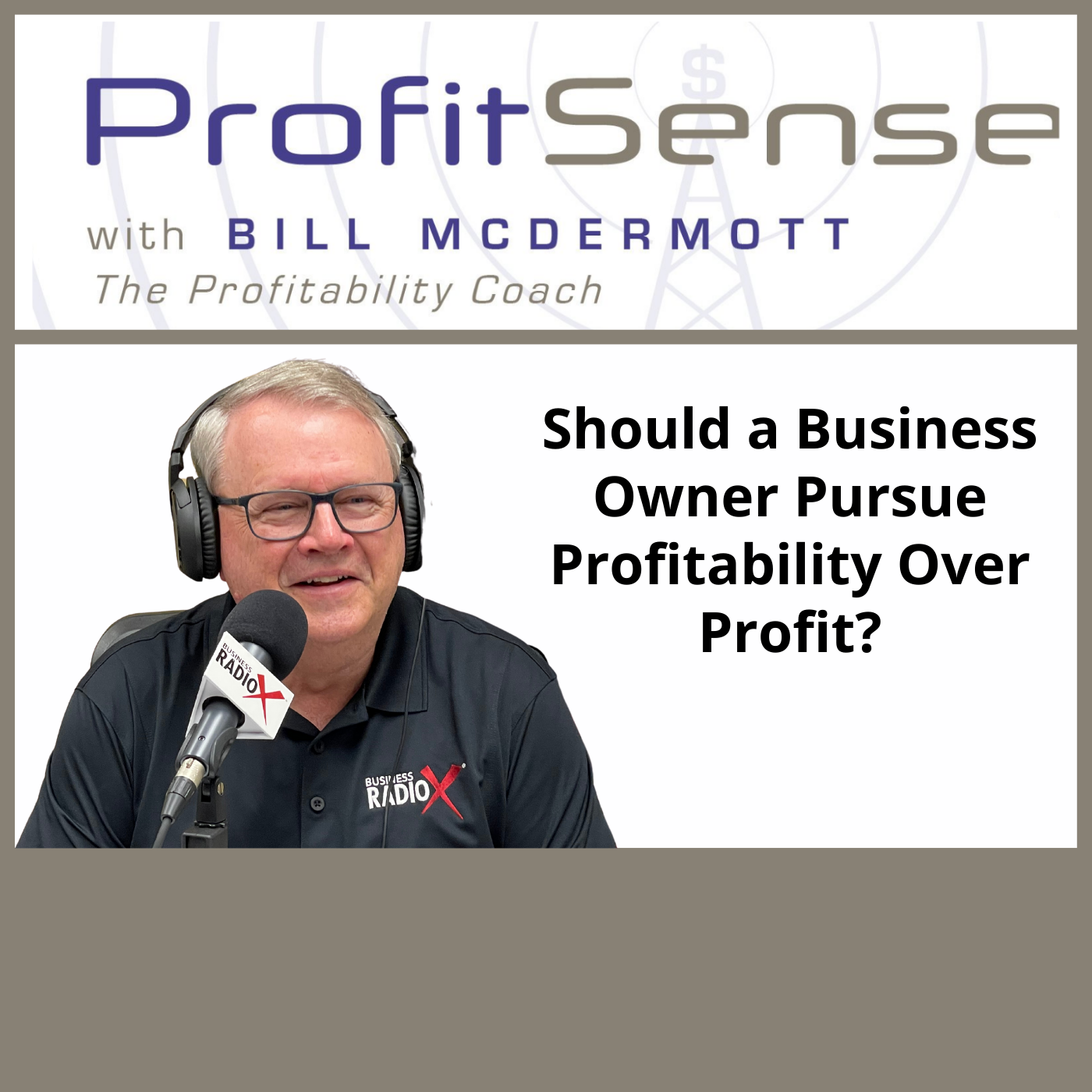
Vi Bean, SinglePoint Acquisitions Group and Ryan Hammock, Pinnacle Bank (ProfitSense with Bill McDermott, Episode 32)

On this edition of ProfitSense with Bill McDermott, Bill was joined by Vi Bean, CEO of SinglePoint Acquisitions Group, and Ryan Hammock, VP at Pinnacle Bank. Vi talked about SinglePoint’s mission and his experience in fielding offers to buy his business. He and Bill talked about the issues involved such as reconciling the perceived value of the company with both seller and the buyer, selling to insiders, and operating in a niche market. Ryan Hammock talked with Bill about how Pinnacle Bank serves the middle market, his work helping businesses owners sell their companies, the considerations in funding a business acquisition, the importance of a business owner’s “why,” and much more.

ProfitSense with Bill McDermott is produced and broadcast by the North Fulton Studio of Business RadioX® in Alpharetta.

SinglePoint Acquisitions Group

SinglePoint Acquisitions Group is a Land Management and Right of Way Consultant Group to the utility industry across the Southeastern US. They also provide land surveying in support of these activities.
They provide clients with a concise and seamless management approach to property and easement acquisitions. They are a multidisciplinary team that also provides engineering, environmental, appraisal, and legal services through third-party providers for capital and O&M projects.
SinglePoint Acquisitions Group was founded in 2007 by Louis V (Vi) Bean, III. Vi has over 36 years of experience in the Energy, Real Estate and Utility industries.

Company website | LinkedIn | Facebook

Vi Bean, Founder and CEO, SinglePoint Acquisitions Group

Vi Bean, Founder and CEO, SinglePoint Acquisitions Group

Louis V (Vi) Bean, III is the Founder and CEO of SinglePoint Acquisitions Group. He has over 36 years of experience in the Right of Way profession. He is an International Right of Way Association Member (since 1985). He was the President of the IRWA Georgia Chapter 22 in 2000 and earned the title Professional of the Year for the Chapter in 2000, 2010, and 2011.

In 2007, he started SinglePoint Acquisitions Group to provide right of way and land acquisitions to utility companies in the southeast United States and now has over 50 employees. In 2019, SinglePoint Acquisitions started a survey group to complement the acquisition services.

He currently holds Real Estate Brokerage licenses in Georgia and Florida.

LinkedIn

Pinnacle Bank

Chartered in 1934, Pinnacle Bank has 24 locations in more than 15 counties of Northeast Georgia. Pinnacle is a locally owned, independent community bank and offers a wide range of financial services.

Headquartered in Elberton, GA, they believe our consumer and business banking services and experts can inform and inspire their customers, leading to personal and business growth and wealth.

One of the ways a community bank can help people is to give them more security in financial planning and navigating economic headwinds like inflation. Financial planning is vital for anyone, no matter the stage of life. We all need to take into consideration financial goals and budgeting. And depending on where someone is in life, they should consider insurance, estate planning, college planning, retirement planning and business planning. These decisions are something Pinnacle Bank is happy to help with. Whether an overview or a detailed conversation with one of our experts, that’s what makes their day.

Company website | LinkedIn | Facebook | Twitter

Ryan Hammock, Senior Vice President – Middle Market Manager, Pinnacle Bank

Ryan Hammock, Senior Vice President – Middle Market Manager, Pinnacle Bank

Ryan Hammock is a native of Chestnut Mountain (Hall County), Georgia, and has lived in the Clarke & Oconee County area for the past 14 years. Growing up on a 4th Generation farm, Ryan graduated from Johnson High School in Oakwood Georgia before completing his B.B.A. in Marketing from The University of North Georgia in Dahlonega Georgia followed by his MBA from The Terry College of Business at The University of Georgia.

Before joining Pinnacle Bank in 2019, Ryan spent nearly 16 years with Wachovia Bank/Wells Fargo Bank. From 2015  to 2019 he led the Wells Fargo Commercial Banking Teams for Northeast Georgia and for Middle & South Georgia.

LinkedIn

About ProfitSense and Your Host, Bill McDermott
Bill McDermott
Bill McDermott

ProfitSense with Bill McDermott dives into the stories behind some of Atlanta’s successful businesses and business owners and the professionals that advise them. This show helps local business leaders get the word out about the important work they’re doing to serve their market, their community, and their profession. The show is presented by McDermott Financial Solutions. McDermott Financial helps business owners improve cash flow and profitability, find financing, break through barriers to expansion, and financially prepare to exit their business. The show archive can be found at profitsenseradio.com.

Bill McDermott is the Founder and CEO of McDermott Financial Solutions. When business owners want to increase their profitability, they don’t have the expertise to know where to start or what to do. Bill leverages his knowledge and relationships from 32 years as a banker to identify the hurdles getting in the way and create a plan to deliver profitability they never thought possible.

Bill currently serves as Treasurer for the Atlanta Executive Forum and has held previous positions as a board member for the Kennesaw State University Entrepreneurship Center and Gwinnett Habitat for Humanity and Treasurer for CEO NetWeavers. Bill is a graduate of Wake Forest University and he and his wife, Martha have called Atlanta home for over 40 years. Outside of work, Bill enjoys golf, traveling, and gardening.

Connect with Bill on LinkedIn and Twitter and follow McDermott Financial Solutions on LinkedIn.
Tagged With: Bill McDermott, business acquisition, land aquisitions, Pinnacle bank, ProfitSense with Bill McDermott, Right of Way, Ryan Hammock, SinglePoint Acquisitions Group, Vi Bean

LIVE from RISKWORLD 2022: Mitch Dunford, The National Alliance

May 12, 2022 by John Ray

National Alliance
Minneapolis St. Paul Studio
LIVE from RISKWORLD 2022: Mitch Dunford, The National Alliance
Loading
00:00 /
RSS Feed
Share
Link
Embed

Download file

National Alliance

LIVE from RISKWORLD 2022: Mitch Dunford, The National Alliance

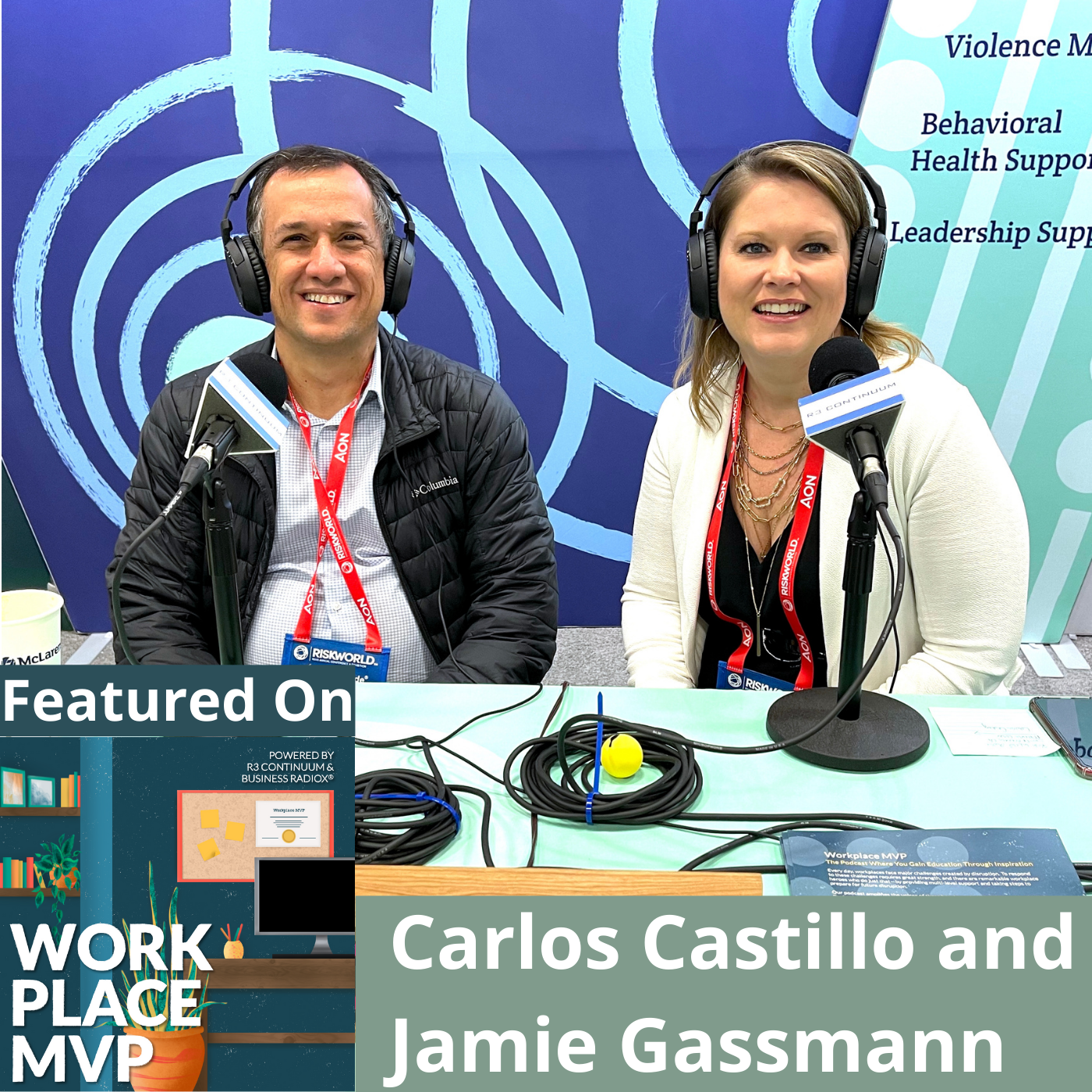
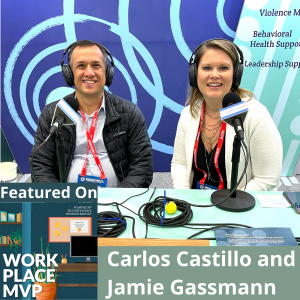
Mitch Dunford, Chief Marketing Officer at The National Alliance, was Jamie Gassmann’s guest in the R3 Continuum booth LIVE from RISKWORLD 2022. Mitch shared the course offerings and programs from The National Alliance, the national insurance marketing group, IMCA, trends they are seeing at The National Alliance, and more.

Workplace MVP is underwritten and presented by R3 Continuum and produced by the Minneapolis-St.Paul Studio of Business RadioX®.

This show was originally broadcast from the RIMS 2022 RISKWORLD Conference held at the Moscone Center in San Francisco, California.

Mitch Dunford, Chief Marketing Officer, The National Alliance for Insurance Education and Research

Mitch Dunford, Chief Marketing Officer, The National Alliance for Insurance Education and Research

Mitch Dunford is the Chief Marketing Officer for the National Alliance.

For over five decades, The National Alliance has set the standard for quality, practical continuing education and for delivering what insurance and risk management practitioners want. Over 150,000 respected professionals, across the U.S. and worldwide, have used and continue to use their programs as the foundation upon which they build their successful careers and businesses.

The educational programs and research conducted by The National Alliance were built on a foundation of integrity, innovation, and imagination. These qualities commit them to act responsibly, to be accountable for their actions, to fulfill their obligations, and to inspire others with their relentless determination to achieve a standard of excellence in every endeavor.


The National Alliance began with a request from a small group of independent agents in Texas who were seeking a first-of-its-kind educational program for insurance practitioners. It has grown to become the nation’s leading professional insurance and risk management education resource. From the inception of the very first CIC institute, conducted in 1969 in Austin, Texas, they have had two very simple goals:

  • To provide excellent programs of practical value to the best insurance and risk management practitioners, and
  • To continually work to bring greater recognition and value to their achievements.

Mitch Dunford LinkedIn

Company website | Company LinkedIn

About Workplace MVP

Every day, around the world, organizations of all sizes face disruptive events and situations. Within those workplaces are everyday heroes in human resources, risk management, security, business continuity, and the C-suite. They don’t call themselves heroes though. On the contrary, they simply show up every day, laboring for the well-being of employees in their care, readying the workplace for and planning responses to disruption. This show, Workplace MVP, confers on these heroes the designation they deserve, Workplace MVP (Most Valuable Professionals), and gives them the forum to tell their story. As you hear their experiences, you will learn first-hand, real-life approaches to readying the workplace, responses to crisis situations, and overcoming challenges of disruption. Visit our show archive here.

Workplace MVP Host Jamie Gassmann

Jamie Gassmann, Host, “Workplace MVP”

In addition to serving as the host to the Workplace MVP podcast, Jamie Gassmann is the Director of Marketing at R3 Continuum (R3c). Collectively, she has more than fourteen years of marketing experience. Across her tenure, she has experience working in and with various industries including banking, real estate, retail, crisis management, insurance, business continuity, and more. She holds a Bachelor of Science Degree in Mass Communications with special interest in Advertising and Public Relations and a Master of Business Administration from Paseka School of Business, Minnesota State University.

R3 Continuum

R3 Continuum is a global leader in workplace behavioral health and security solutions. R3c helps ensure the psychological and physical safety of organizations and their people in today’s ever-changing and often unpredictable world. Through their continuum of tailored solutions, including evaluations, crisis response, executive optimization, protective services, and more, they help organizations maintain and cultivate a workplace of wellbeing so that their people can thrive. Learn more about R3c at www.r3c.com.

Company website | LinkedIn | Facebook | Twitter

TRANSCRIPT

Intro: [00:00:03] Broadcasting live from Riskworld 2022 at the Moscone Center in San Francisco, it’s time for Workplace MVP. Brought to you by R3 Continuum, a global leader in helping workplaces thrive during disruptive times. Now, here’s your host.

Jamie Gassmann: [00:00:24] Hi, everyone. Your host, Jamie Gassmann here at day two at Riskworld 2022 in the expo hall, in R3 Continuum’s booth. And joining me is Mitch Dunford, he’s with The National Alliance.

Mitch Dunford: [00:00:37] Hey.

Jamie Gassmann: [00:00:37] Hi, Mitch.

Mitch Dunford: [00:00:38] Hi. Thank you for having me.

Jamie Gassmann: [00:00:40] Yeah, welcome to the show.

Mitch Dunford: [00:00:41] It’s great.

Jamie Gassmann: [00:00:42] So, talk to me about, what does the National Alliance do?

Mitch Dunford: [00:00:45] We are just over 50 years old. We are one of the leading educators in the insurance industry. We do continuing education. We also have five different designation programs for insurance and risk management professionals, three on the insurance side and two on the risk management side.

Jamie Gassmann: [00:01:03] Wonderful. And then, what kind of platform are those educational resources available and is it online learning?

Mitch Dunford: [00:01:09] Yeah, good question.

Jamie Gassmann: [00:01:10] Yeah.

Mitch Dunford: [00:01:10] Yeah, so it’s all of the above. Historically, we have provided live classroom events across the country—across the world, as a matter of fact. And then, obviously, with COVID, that all shifted and we moved it 100% online. So, we have live instructor-led online courses, and we have a number of self-paced courses, where you can log on to our website and experience an educational program on your own time, make your own progress.

Jamie Gassmann: [00:01:42] Yeah. So, if one of the insurance carriers here is looking to offer training or seeking training from your organization, what are some of the topics and educational content you have available for-

Mitch Dunford: [00:01:53] Oh, runs the gamut across property casualty insurance, commercial lines, personal lines, life and health. We have an introductory series for new people that introduces them to some of just the fundamentals of the insurance industry, the language, then we have a program for CSRs. It’s called the CISR. And then, we have a program for producers, principals to earn the CIC. And then, there are two risk management designations, the CRM, the certified risk manager, and then a special risk management program for risk managers who focus on education or schools.

Jamie Gassmann: [00:02:35] Fabulous. And you’re also a part of a marketing organization that are—marketing organizational group, kind of like a networking group, where marketers and PR representatives of these various companies here at the RIMS World are able to participate in, do you want to tell me a little bit about that?

Mitch Dunford: [00:02:52] Sure. Yeah. It’s the IMCA, the Insurance Marketing and Communications Association. I’m on their board. I’m also currently the Chair of their CMO Council. And in fact, this June in Orlando, we’re holding a live annual event, where I’m hosting a panel that focuses on what we’re calling the new normal, post-COVID. What’s our work life like now, post-COVID? What are the expectations of our employees? What are the expectations of our employers in this new normal after COVID?

Jamie Gassmann: [00:03:28] Interesting. And so, that group of panel members, who are they among? Like are they representatives from different carriers?

Mitch Dunford: [00:03:37] Right. We’ll have representatives from some carriers, we’ll have representatives from agencies, and we have some HR people there.

Jamie Gassmann: [00:03:44] Fabulous. So, you’ll have like a really nice mixture of kind of expertise helping to comment in that area. That’s fantastic.

Mitch Dunford: [00:03:50] Right. And I roped in one of my colleagues, Jeff Buck, who works on our marketing team. He’s a millennial, and I said, “We need your voice on there, Jeff, to represent the younger people and how they see themselves in this new work environment”.

Jamie Gassmann: [00:04:05] Yeah, absolutely. So, with, obviously, the networking group you’re in, and you’re touching on some trending things in terms of that new normal, and especially with a bunch of workplaces looking at that return to the office, the training that National Alliance is providing, are there trainings that you’re providing that help to tap into some of that from a risk perspective? Is there any trending that you’re seeing that’s different from before, or is it all pretty much status quo?

Mitch Dunford: [00:04:33] Well, what we’re hearing right now, we’re hearing it at the National Alliance is our people are more interested now than they ever have been in their work-life balance. They discovered that, hey, we don’t need to drive into the office every day, I don’t need to sit in traffic, I don’t need to burn up fuel, we can be just as effective, or sometimes, even more effective working remotely. So, at The National Alliance, we’ve tried to respond to that.

Mitch Dunford: [00:05:04] We’ve done some remodeling at our office, making workspaces where people can come in when they want to come in, just plug in their laptops, collaborate, go to work. We’ve built some meeting spaces and our employees are really excited about having that option. We also have built a new recording studio, a podcast studio and a new video studio at our headquarters to use audio and video in our educational content. It’s kind of fun.

Jamie Gassmann: [00:05:35] Yeah, that’s awesome. Like trying different techniques of ways to communicate, right? Because that’s one of the things I’ve noticed as a marketer myself, is that that easier to digest content is just what people are craving, kind of that quick audio medicine.

Mitch Dunford: [00:05:51] Right. And this younger generation, I mean, that’s how they learn. In fact, I have a son who’s in his late 20s, very successful young man, on his resume, when it asks for his educational experience, he puts YouTube on there, because he’s learned so much. He’s a marketer, he’s a PR guy, he’s learned so much from YouTube, he lists it as one of the educational organizations that has helped him build his career. Isn’t that amazing?

Jamie Gassmann: [00:06:21] That is amazing. I’ve never heard of that, but it makes sense. It’s like I think of like around the house, you want to fix something yourself, go to YouTube.

Mitch Dunford: [00:06:31] When you want to know how to build a website or something like that, go to YouTube.

Jamie Gassmann: [00:06:34] Yes, go to YouTube. Wow. That is fascinating. So interesting. And I know that like work-life balance, I know my team, I’ve got a few, including myself, we like to take afternoon runs, like use that as your lunch break. I know you and I both participate in this 5K this morning, oh, the views of the Golden Gate and Alcatraz, wow, unforgettable. So, I mean-

Mitch Dunford: [00:06:55] But wait a minute.

Jamie Gassmann: [00:06:55] Yeah.

Mitch Dunford: [00:06:56] So, you guys, in the afternoons, your team, you stop what you’re doing and you guys go out on a run?

Jamie Gassmann: [00:07:02] Well, they go on their own individual, but they take their lunch break and they do that.

Mitch Dunford: [00:07:06] That’s amazing.

Jamie Gassmann: [00:07:06] Yeah. And I do the same thing. It just breaks up that workday and I like it. In fact, we’re planning a team 5K at some point this summer. We’re going to all get together and go run something together.

Mitch Dunford: [00:07:16] I love what you guys do. I mean, you’re focused on the mental wellbeing, and how an employee’s emotional state impacts their productivity, their happiness in their jobs.

Jamie Gassmann: [00:07:30] Yeah, it makes a huge difference.

Mitch Dunford: [00:07:32] Huge.

Jamie Gassmann: [00:07:32] It really does. Yeah. Because it’s like if your employee is not happy, either, A, they’re not going to stay, or B, you’re not going to get the full potential out of them. And so, ensuring that you’re supporting their wellbeing, particularly following something catastrophic in that work environment they’ve never maybe experienced before in their life, can make a huge difference in how they view you as their employer.

Mitch Dunford: [00:07:54] Huge. And I think employees are wanting more of that. In their relationship with their bosses and their careers, they want to feel appreciated and like their whole person is important.

Jamie Gassmann: [00:08:07] Absolutely.

Mitch Dunford: [00:08:08] And as we express that, their job satisfaction increases, everything, all the productivity, the quality of the work goes up.

Jamie Gassmann: [00:08:19] Yeah. And as humans, by nature, following something that happens in the work environments, like a disruption of some sort, a lot of times, people don’t really quite know what they need in that moment or how to process that. And having somebody come in that helps them to just like talk through how they’re feeling or even just for them to hear how others might be feeling can be really supportive overall as an organization. So, it does make a huge difference.

Mitch Dunford: [00:08:46] I know for me, my father passed away back in November and it wasn’t unexpected. He was in his late 80s, had dementia, but I was surprised how much it impacted me, and just my work, my thought processes. I even expressed it to Will Hold, our CEO, just, “Will, this is really getting to me”, and chatted about it. But you’re right, an employee’s emotional wellbeing really impacts their performance at work.

Jamie Gassmann: [00:09:20] Yeah. And it’s not always a mental illness, per se, it’s just that things happen, and sometimes, you just need an outlet to process it.

Mitch Dunford: [00:09:30] Right.

Jamie Gassmann: [00:09:30] Yeah, absolutely. It’s been really great chatting with you.

Mitch Dunford: [00:09:33] Oh, thank you.

Jamie Gassmann: [00:09:34] If somebody wanted to get a hold of you and learn a little bit more about the National Alliance or about the marketing organization that you said-.

Mitch Dunford: [00:09:42] The IMCA.

Jamie Gassmann: [00:09:42] IMCA. I just didn’t want to mix up my letters there.

Mitch Dunford: [00:09:45] Yeah. It’s the insurance industry, there are acronyms for everything.

Jamie Gassmann: [00:09:47] Absolutely. So, if anybody wanted to learn a little bit more about that or get information about your June conference that’s coming up, how would they be able to do that?

Mitch Dunford: [00:09:55] So, the website for the IMCA is imcanet.com. Just visit their website. And like I said, the annual event is in June this year in Orlando. If you’re interested in The National Alliance, or any of our designation programs, or CE, you can visit our website at www.scic.com.

Jamie Gassmann: [00:10:18] Wonderful.

Mitch Dunford: [00:10:19] Yeah.

Jamie Gassmann: [00:10:19] Well, thanks again so much for joining me, Mitch.

Mitch Dunford: [00:10:21] Thank you. My pleasure.

Jamie Gassmann: [00:10:21] It’s been so great talking with you.

Mitch Dunford: [00:10:23] So fun to see you and congratulations on the run this morning.

Jamie Gassmann: [00:10:25] Oh, you as well. Yeah, we were big finishers.

Mitch Dunford: [00:10:27] Yeah, we got through it.

Jamie Gassmann: [00:10:28] It was a blast.

Mitch Dunford: [00:10:30] Yeah. Thank you, Jamie. I appreciate it.

Jamie Gassmann: [00:10:31] Yes. You’re very welcome. Thank you.

Outro: [00:10:37] Thank you for joining us on Workplace MVP. R3 Continuum is a proud sponsor of this show and is delighted to celebrate most valuable professionals who work diligently to secure safe workplaces where employees can thrive.


Tagged With: continuing education, Jamie Gassmann, Mitch Dunford, R3 Continuum, RIMS, RISKWORLD 2022, The National Alliance, Workplace MVP

Decision Vision Episode 168: Should I Adopt the Entrepreneurial Operating System (EOS)?- An Interview with Billy Potter, Snellings Walters Insurance Agency

May 12, 2022 by John Ray

Billy Potter
Decision Vision
Decision Vision Episode 168: Should I Adopt the Entrepreneurial Operating System (EOS)?- An Interview with Billy Potter, Snellings Walters Insurance Agency
Loading
00:00 /
RSS Feed
Share
Link
Embed

Download file

Billy Potter

Decision Vision Episode 168: Should I Adopt the Entrepreneurial Operating System (EOS)? – An Interview with Billy Potter, Snellings Walters Insurance Agency

Billy Potter, CEO of Snellings Walters Insurance Agency, joined host Mike Blake to discuss the successful outcomes his firm achieved after implementing the Entrepreneurial Operating System (EOS). They discussed what EOS is, the role of values, the impact of EOS not only on the bottom line but in one’s personal life, the challenges implementing such a system brings, and much more.

Decision Vision is presented by Brady Ware & Company and produced by the North Fulton studio of Business RadioX®.

Snellings Walters Insurance Agency

Snellings Walters has been providing honest advice & protecting what you value most for more than 69 years. They are the smartest way to protect your business & family. They identify the critical issues facing your company. Survival of your business requires managing risks. In today’s environment, these risks are rapidly changing and becoming more complex. They have built a customizable platform to provide you with the security you need.

Company website | LinkedIn | Twitter 

Billy Potter, CEO, Snellings Walters Insurance Agency

Billy Potter, CEO, Snellings Walters Insurance Agency

Billy Potter’s career in insurance spans more than two decades. In 2011, he joined Snellings Walters to head the Employee Benefits Division and quickly proved to be an effective consultant. His superior consultation contributed to his winning various awards within the agency, and in 2018, he was nationally recognized as “Broker of the Year” by BenefitsPRO Magazine.

His reputation as both a top consultant and engaged team leader resulted in an invitation to become an owner at Snellings Walters in 2018. As Chief Sales Officer, Potter led his team to produce record sales for the agency. The combination of his knowledge, experience, character, and passion resulted in his transition to Chief Executive Officer in 2022.

In addition to his expertise and technical know-how, Billy’s personal philosophy aligns with the core values that drive the Snellings Walters vision: engagement, accountability, curiosity, and authenticity.

By cultivating and nurturing an agency culture that allows its employees to feel empowered and supported, Billy’s mission is to inspire the next generation of successful business people at Snellings Walters and beyond.

LinkedIn

Mike Blake, Brady Ware & Company

Mike Blake, Host of the “Decision Vision” podcast series

Michael Blake is the host of the Decision Vision podcast series and a Director of Brady Ware & Company. Mike specializes in the valuation of intellectual property-driven firms, such as software firms, aerospace firms, and professional services firms, most frequently in the capacity as a transaction advisor, helping clients obtain great outcomes from complex transaction opportunities. He is also a specialist in the appraisal of intellectual properties as stand-alone assets, such as software, trade secrets, and patents.

Mike has been a full-time business appraiser for 13 years with public accounting firms, boutique business appraisal firms, and an owner of his own firm. Prior to that, he spent 8 years in venture capital and investment banking, including transactions in the U.S., Israel, Russia, Ukraine, and Belarus.

LinkedIn | Facebook | Twitter | Instagram

Brady Ware & Company

Brady Ware & Company is a regional full-service accounting and advisory firm which helps businesses and entrepreneurs make visions a reality. Brady Ware services clients nationally from its offices in Alpharetta, GA; Columbus and Dayton, OH; and Richmond, IN. The firm is growth-minded, committed to the regions in which they operate, and most importantly, they make significant investments in their people and service offerings to meet the changing financial needs of those they are privileged to serve. The firm is dedicated to providing results that make a difference for its clients.

Decision Vision Podcast Series

Decision Vision is a podcast covering topics and issues facing small business owners and connecting them with solutions from leading experts. This series is presented by Brady Ware & Company. If you are a decision-maker for a small business, we’d love to hear from you. Contact us at decisionvision@bradyware.com and make sure to listen to every Thursday to the Decision Vision podcast.

Past episodes of Decision Vision can be found at decisionvisionpodcast.com. Decision Vision is produced by John Ray and the North Fulton studio of Business RadioX®.

Connect with Brady Ware & Company:

Website | LinkedIn | Facebook | Twitter | Instagram

TRANSCRIPT

Intro: [00:00:01] Welcome to Decision Vision, a podcast series focusing on critical business decisions. Brought to you by Brady Ware & Company. Brady Ware is a regional, full-service accounting and advisory firm that helps businesses and entrepreneurs make visions a reality.

Mike Blake: [00:00:21] Welcome to Decision Vision, a podcast giving you, the listener, a clear vision to make great decisions. In each episode, we discuss the process of decision-making on a different topic from the business owners’ or executives’ perspective. We aren’t necessarily telling you what to do, but we can put you in a position to make an informed decision on your own and understand when you might need help along the way.

Mike Blake: [00:00:42] My name is Mike Blake, and I’m your host for today’s program. I’m a director at Brady Ware & Company, a full-service accounting firm based in Dayton, Ohio, with offices in Dayton; Columbus, Ohio; Richmond, Indiana; and Alpharetta, Georgia. I’m a managing partner of the Strategic Valuation and Advisory Services Practice, which brings clarity to the most important strategic decisions that business owners and executives face by presenting them with factual evidence for such decisions. Brady Ware is sponsoring this podcast.

Mike Blake: [00:01:09] If you would like to engage with me on social media with my Chart of the Day and other content, I’m on LinkedIn as myself and @unblakeable on Facebook, Twitter, Clubhouse, and Instagram. I also recently launched a new LinkedIn group called Unblakeable’s Group That Doesn’t Suck, so please join that as well if you would like to engage.

Mike Blake: [00:01:26] Today’s topic is, should I adopt the entrepreneurial operating system or EOS? And according to Wipfli, almost 9000 companies now run on the EOS system that was presented and popularized by Gino Wickman in his book called Traction. And, I have a particular interest in this discussion because you may have – if you’re a long time listeners of the show, you may have noticed there’s a subtle change in the intro of the podcast, whereby we’ve spun off my practice group into a separate company and I was named managing partner. And in doing so, when something like that happens, you are both excited for the opportunity and terrified of the responsibility.

Mike Blake: [00:02:13] And, one of the things that I realized very quickly as this was happening was that I needed to have some kind of operating system, if you will, for my company, because this is my first time in that role. I’ve managed before. I’ve led before, but I’ve never sort of been at the top of the org chart before. And candidly, that’s a very different kind of responsibility and a different kind of opportunity. And, about a year ago, I ran across Gino Wickman’s book. Somebody recommended it to me, and really have fallen in love with it, have studied it, and we’re in the initial stages of implementing EOS in this new company. So, I know a tiny bit about it.

Billy Potter: [00:02:58] And so, to talk about this, and so that I can mooch off of somebody else’s expertise, I’ve invited somebody that’s actually been living the EOS life and has been successful in doing so, also in a professional services context. So, I’m very pleased to introduce to you Billy Potter whose career in insurance spans more than two decades. In 2011, he joined Snellings Walters to head the Employee Benefits Division and quickly proved to be an effective consultant. His superior consultation contributed to his winning various awards within the agency, and in 2018 he was nationally recognized as Broker of the Year by BenefitsPRO Magazine.

Mike Blake: [00:03:37] In addition to his expertise and technical know-how, Billy has a personal philosophy that aligns with the core values that drive the Snelling Walters vision, engagement and accountability, curiosity and authenticity. I think we’re going to hear those words a lot in the next hour. By cultivating and nurturing an agency culture that allows its employees to feel empowered and supported, Billy’s mission is to inspire the next generation of successful business people at Snellings Walters and beyond.

Mike Blake: [00:04:07] Snellings Walters leads complex businesses into safety and security through commercial insurance and employee benefits and they focus on their values of core delivery of process, energy, and growth. For more than 60 years, they’ve been advising clients on business, personal, and life/health insurance. They’re the only commercial insurance and employee benefits company that energizes with a proven process. Growth is personal for them. Billy Potter, welcome to the Decision Vision podcast.

Billy Potter: [00:04:34] Thank you, Mike. Happy to be here.

Mike Blake: [00:04:36] So, not enough people know about the EOS and surely some people who are listening have never heard of it before. So, you’re a guy that’s living and having success with it. How would you describe the entrepreneurial operating system or EOS to somebody else?

Billy Potter: [00:04:51] I think the easiest way to paint a picture of what it does for your business is EOS is an assembly line for small businesses. The assembly line allowed them to be more effective and more efficient with manufacturing product. And, this has the same impact to running your business. A lot of us in small businesses we get to where we’re at because we’re good at our craft, whether it be manufacturing or offering a service. And many of the times, we don’t get an actual chance to work on our business, to make the business – allow the business to have a better impact to our product or our service. And the opposite occurs where we’re incapable of delivering our product or service because we’re so poor at developing structures to run an effective business. So, I like to look at EOS as an assembly line for your organization. And that’s been our experience. In fact, I’m a direct product of EOS. They implemented it right when I got here. So, I’m the benefactor of that efficiency.

Mike Blake: [00:06:09] So, the operating system sounds kind of cheeky maybe to somebody who’s not familiar with it. Is the name apt? Is it truly an operating system?

Billy Potter: [00:06:18] I would say yes, it is. So as, you know, it’s not a sexy term at all, EOS. We commonly refer to it as a language that we all speak, a language of efficiency and smoking out issues. That’s what we commonly refer to. In our L10 meetings is let’s smoke out the issue. So, these are the things that we speak of, or maybe that we know about that we’re not openly sharing, that the operating system has a good way of shaping your conversation so that the issue is a safe thing to address. So, from a communication perspective, which I think is the most powerful component of EOS, it sounds a little cheesy, but it’s true. It allows you to speak with one another. And it also allows you data points that should align with what you’re saying.

Mike Blake: [00:07:15] So, you know, the back story is kind of interesting in that – and if I understood correctly, you walked into EOS. It wasn’t necessarily that you were running a company and chose EOS, but rather you came from one situation, I presume, that was not an EOS organization and you walked into one. As you did so, what were some of the immediate – what were some of the differences that you might have noticed immediately or very quickly after making that transition?

Billy Potter: [00:07:45] Yeah. So, I came to this organization December 1, 2011, and the only thing I brought to the company was debt. And I had to work my tail off to get square of the house. But I would say sometime in mid to late 2012, they decided to implement EOS and we were not a young company at that point. We were 60 years old, but we had a ceiling that we couldn’t get through. And, the owners at that time thought that pursuing EOS was a fix to breaking through that ceiling.

Billy Potter: [00:08:22] The first thing that we saw, and this is going to sound a little negative, but we found people that didn’t want to be in a culture of accountability. And, I don’t know what’s worse, having people that don’t want a culture of accountability in business or not knowing that you have people that don’t want a culture of accountability. That is even worse. So, that was a big shocker.

Billy Potter: [00:08:52] The second thing that I think that really jumped out at us is I believe that this operating system, it provides an environment that protects your highly engaged employees. So, the numbers are somewhere like 30% of your organization is highly engaged. I think, if I remember correctly, 50% is disengaged and 20% is actively disengaged. So, the actively disengaged means these people are trying to ruin your business. So, you’re fighting for the 50% and you’re trying to protect the 30%. The 50% are in the boat without a paddle. The 30% are not in the boat. They’re in the water with a rope pulling the boat, swimming in the river. And then, the 20% are in the back of the boat, rowing in the other direction. That was just a very polarizing picture for us.

Billy Potter: [00:09:49] And, once we started implementing EOS and having some traction with it, we realized that all the metrics that we thought that were valuable, they quadrupled in productivity. It was unbelievable; a 60-year-old firm quadrupled in productivity. We had single people that single-handedly shaped an entire division with how we run service. And these are not like industry veterans. These are rookies just like me that came in, that were highly engaged, that were attracted to a system. And honestly, it kind of unchained them and unleashed their potential.

Mike Blake: [00:10:32] And, I’m curious about that process. How long did it take to start showing results that dramatic?

Billy Potter: [00:10:40] You know, I’m not completely – I can’t completely remember. I’d say that we had some turnover that we experienced probably within the first two years.

Mike Blake: [00:10:50] Which is by design, right?

Billy Potter: [00:10:51] Which is – well, the book said it. The book said you’re going to lose really good people that know insurance. It doesn’t say that in the book, but that know that your product or know your service, they’re industry veterans. We didn’t really believe it.

Billy Potter: [00:11:07] The second thing is, I would probably say that those productivity scores probably jumped up about 2 to 3 years as well, where we were like, holy cow. But I think the squishier, the more the subjective impact, the things that you didn’t see in the scorecard is the harmony that started to create in our leadership team. And honestly, I think that that’s what the biggest plague is in most small businesses. It arrests the ego that’s driving the business.

Billy Potter: [00:11:40] So, if Mike and I are running a company, and Mike wants to do X and Billy wants to do Y, and then your employees can’t serve two masters, and there’s a lot of end-arounds, which is what the book refers to it. It’s an actual thing. It’s like, “I know Mike told you to do this but do that.” And there started to get alignment within our leadership team of what’s your role and responsibility? What’s my role and responsibilities? Let’s be accountable to that, which fostered a greater community.

Billy Potter: [00:12:14] The word conflict is kind of funny. We were implementing Patrick Lencioni’s Five Dysfunctions of a Team at the same time of EOS, which is really a dynamic duo because – we might get into this later – healthy conflict is certainly a part of EOS. It’s not like a fight club. You know, conflict is a positive word. That’s how we look at it.

Billy Potter: [00:12:37] So, when you talk about immediate results, I’d say it opened our mind that conflict is a sign of progress, not a negative for a business if you think about conflict in your life. Probably the greatest conflict I’ve had is with family, maybe my spouse. But it’s because we have trust and we started to seeing more of that in our leadership dialogue.

Mike Blake: [00:13:03] Yeah. And, you know, there’s a thought that conflict is where ideas come from. And there’s a school of thought. I don’t remember who put this forward, but it suggests that truth only comes out of conflict, right, where at some point, there needs to be a conflict of ideas and that needs to be resolved. One of the things you’re kind of getting at, I think you’re getting at, feel free to correct me if I’m wrong, is EOS is sort of the interferon for passive aggression. Like, passive-aggressiveness just cannot survive in an EOS implementation. It’s passive-aggressive killer.

Billy Potter: [00:13:46] Yeah. And Traction, the first chapter of Traction, I believe, is titled Letting Go of the Vine.

Mike Blake: [00:13:54] Yep.

Billy Potter: [00:13:54] And so, you know, I’d like to believe that most issues of most organizations start with leadership. And, you know, we work with a guy that likes to say that you are ridiculously in charge. And I love that. That saying, it just resonates with me that we’re ridiculously in charge. We are ridiculously responsible for employing employees that don’t want to be accountable. You know, that’s on us. That’s a product of leadership.

Billy Potter: [00:14:21] And so, once you drop this model and you start fostering, “Well, Mike, what do you think is best for the business? Why do you think that’s best for the business?” That kind of conflict and that rub. You’re right. That’s what births truth, and perhaps hopefully a better process for your business, which is where we’re both aligned. We both want a successful business. And that allows kind of the ego to be, “Okay, well, maybe Mike’s not attacking me. He’s making a logical argument of the business and what we have a shared goal on.” And that’s what EOS really does a good job of not making it about the person, but making it about the company.

Mike Blake: [00:15:01] One of the things I find seductive about EOS is how it ties in to so many other ideas. And you mentioned the word conflict. I want to stop on that for a second because I think that’s really important. And it ties in with part of my introduction, which talks about how much you value curiosity. Right? And if I’m not mistaken, the EOS, EOS system is about converting the anger of conflict and the threat of conflict into curiosity. Right? Because you can still get to the same place but if you phrase the debate away from you’re an idiot for thinking that to why do you think that, right, and you really listen to the answer, that’s such a much more constructive platform for that conflict to take place.

Billy Potter: [00:15:52] I couldn’t agree more. We implemented it for two reasons. And all of our core values, which was such a fun process that EOS suggests you follow, it was fantastic. It helped bring our leadership team closer together. But we also came up with little phrases to help us be centered on what the core value means. So, for example, curious is seek to understand. And so, the reason we did –

Mike Blake: [00:16:17] [Inaudible] it’s a highly effective people. Right?

Billy Potter: [00:16:18] There you go. There you go. And honestly, that’s one of our favorite values because it’s a little unique too. You don’t see curious as a core value in many organizations but it really does two things effectively. First, it attacks ego. And, I think a lot of the times, I don’t want to listen because I know better, right? And, when I’m forced to think, okay, we’ll seek to understand. Why is Mike bringing this up? And you know what? This is the fourth time he’s brought it up in a meeting. Let’s smoke out that issue. What is the issue behind the issue?

Billy Potter: [00:16:55] And then, secondly, assumptions. How much conversations we have on a daily basis where we assume that we understand and we don’t? Is it George Shaw, George Bernard Shaw, maybe, who has a phrase something along the lines of the most challenging thing about the communication is the illusion that it’s taking place?

Mike Blake: [00:17:18] I don’t know who said it but it certainly sounds wise.

Billy Potter: [00:17:20] It’s brilliant. And it’s like once you start becoming a student of this and realizing I don’t understand, I am assuming what Mike means by that, it’s incredible the dialogue it promotes within your teams and within your community. And it makes it more about someone other than you when your focus is understanding their message. And once you do a good enough job of understanding, I think the really the solution presents itself. I don’t think it’s really hard to solve the issue once you understand the issue, but it’s understanding the right issue, which is the yeoman’s work.

Mike Blake: [00:18:00] And, to me, the flip side of that is that that also requires vulnerability to admit when you don’t understand something and going back to your discussion of ego. And now, there’s sort of – at least people are writing about it. I don’t know if people are doing it. People are writing and talking more about authentic management, vulnerable leadership, and so forth. And it strikes me that that’s really the flip side of curiosity. It has to be, right?

Billy Potter: [00:18:31] Amen. And authenticity, which is another core value. So, you are kind of striking here why are we aligned with those core values. So, curiosity, seek to understand. Authenticity. Authentic is the core value; your true self.

Billy Potter: [00:18:46] Look, we want to create an environment where you’re allowed to disagree. You’re allowed to have an opinion. It’s incredible. Like, when we onboard a new employee and we ask for their candid feedback, they’re like wounded animals. They look at us and be like, “You really want to know? Are you sure?” And, we have to literally position it to the point where if you don’t tell us – if you tell us that everything’s right, we know you’re lying. The only way you’re going to get in trouble here is if you’re a silent sufferer. That’s it. And, we need you to love us enough to tell us when we have broccoli in our teeth.

Billy Potter: [00:19:27] And, new employees are actually really critical because these are uncontaminated people. They have a fresh perspective on what we’re doing. We’re drinking the Kool-Aid, we’re making the Kool-Aid, and we’re swimming in the Kool-Aid. So, having that fresh perspective to create a more vulnerable and authentic environment, it’s crucial. It allows us to not be aspirational.

Mike Blake: [00:19:50] It sounds a lot like something of one of my philosophies for what it’s worth is that I want our frontline people, when we’re delivering work product, everybody can, anybody can stop a work product going out. It can be an intern. If they see something that isn’t right, they don’t like, they don’t understand and they see it going out, I’m not going to kill you for stopping the work product. I’m not even going to kill you if we miss a deadline, if it isn’t too critical. Right? But, boy, what I’m going to lose it over is if you saw something that was wrong and you didn’t mention it to anybody. That drives me crazy.

Billy Potter: [00:20:30] Yes.

Billy Potter: [00:20:30] And that gets to – one of my, what I hope is our core value, is honesty and integrity, not just to our clients and not just to each other but to yourself. And if you don’t have that, then you’re not going to – you’re not going to stop that blunder from going out that everybody else overlooked, even though you’ve read the report four times. Right? Somebody else is going to find some of that fifth time. But the bargain for that is you got to create the safe space for that, right?

Billy Potter: [00:21:00] Yeah. And the way that we word it for a similar reason is accountable. And the tagline is, own your part. So, we don’t want somebody saying, “Well, what was Mike’s report? Mike sent it out. Yes, I did see the flaw in it, but that was Mike’s responsibility.” No, it’s not. Own your part. What is your responsibility in that incorrect report going out?

Billy Potter: [00:21:22] The former CEO of Ritz Carlton, he allowed any employee to spend up to $2000 on the spot to fix the customer’s problem. That’s a lot of money.

Mike Blake: [00:21:35] Yeah.

Billy Potter: [00:21:36] But – I mean, how empowering that is for them to be a part of the solution on whatever they’re touching. And, I’m so thankful for EOS and just forget about the business for allowing them to allow me time to reflect on how important some of these qualities are in my own personal life, in my marriage, with the children I’m raising. What a gift this structure, this operating system has given to help me live a more fulfilling life at work.

Mike Blake: [00:22:09] So, I want to pause on that because I do think that’s a really important facet of this conversation, in that if you’re not familiar with EOS, one might be tempted to jump to a conclusion, it’s just a way to make more money or just a way to squeeze more productivity. Right? Whatever. Productivity hacks, life hacks, whatever you want. But the thing that strikes me about EOS and I think why people such as yourself who have embraced it are so passionate about it is because it’s not just about your job, right? If you do it right, it has a virtuous cycle kind of knock-on effect of every element of your life. That’s what I’ve observed from people who’ve kind of made that journey and why I’m so excited and intent on starting it for our firm.

Billy Potter: [00:23:02] I couldn’t agree more with you. Truett Cathy said if you make people better, bigger is inevitable, and, you know, the whole concept of we’re a for-profit entity. So, just to be clear, we’re in business to become more successful. We want to grow. These are reasons that we want to be held accountable to something bigger than ourselves, and it’s okay to want to make more money. But that’s a lagging indicator, not a leading one. Making more money is a result of something.

Billy Potter: [00:23:32] And it’s almost like, I think most businesses are saying, we want to get an A on the test. Let’s not talk about our preparation for the test, you know. That’s what EOS does. It allows you a study guide to make sure that you get an A. Actually, it allows you to study guide to redefine what an A is. And that’s what all the metrics are that we have.

Billy Potter: [00:23:56] And so, of course, we want to make more money in the end or be more successful. We want to pay employees more money in the end. We want to do all those things. But, you know, it came down to what makes us unique, which again is a product of EOS. And the first one that we have of three uniques is growth is personal. And so, if we are winning at work and we are not winning at home, we’ve lost. We’ve missed the point. We want your personal life to benefit with your professional life. We want both to be enhanced. And, honestly, in the end, we’re going to get a better product, a better result, a better service, a better experience because we are open to improving both. It can’t just be one or the other.

Mike Blake: [00:24:41] And, you know, the way when you say things like the money is the result not the goal, I hear Simon Sinek talking.

Billy Potter: [00:24:49] Yeah. That’s exactly right.

Mike Blake: [00:24:51] People listening to the podcast, now I’m basically a cyberstalker of his. Like, Simon, please come on the show at some point. I haven’t gotten a restraining order yet, but I probably will. But again, another tie-in where the EOS comes in. Knowing your why, I think, is critical to understanding, to successfully adopting an eOS.

Billy Potter: [00:25:08] Mike, I almost feel like you’re stalking us. When you walk into our office, you’re going to see Simon Sinek’s Golden Circle taking up an entire wall.

Mike Blake: [00:25:19] Really?

Billy Potter: [00:25:20] Yes. I swear to you.

Mike Blake: [00:25:21] I may visit. I want to see that and take a photo.

Billy Potter: [00:25:23] You’re welcome. Any time you want, buddy. In fact, part of me wants to take the Zoom call right now and show you the wall. But he says, people don’t buy what you do; they buy why you do it. So, all of these things were coming together at once for us. We had Simon Sinek. It starts with the why. Honestly, the video is really all you need to see, the TED Talk. It’s 18 minutes long. How Great Leaders Inspire Action is the name of the TED Talk. And so, that influence combined with Patrick Lencioni’s Five Dysfunction of a Team and Gino Wickman’s Traction. All of those things came together at once for our organization, which was like bottling lightning, you know,

Billy Potter: [00:26:01] And, my partner, Steve Harmon, went on a trip with other people in our industry and they said, “Why do you do what you do?” And you want to know what he was told? Man, it’s great money. Man, it’s a well-known secret, you know, this industry. It’s just great. The substance of what he was looking for wasn’t being shared by his peers. So, then he came back to us and said, “Hey, why are we getting out of bed in the morning? Why is God waking us up?”

Billy Potter: [00:26:27] His name is Steve Harmon. He’s had a phenomenal impact on our culture and was really one of the thought leaders in inspiring us to go down this journey. And, you know, we do have a why statement from EOS, and it’s “we lead to inspire confidence so we can unleash your potential.” And that’s super important, especially when you’re thinking growth is personal. You know, it has nothing to do with insurance.

Mike Blake: [00:26:54] I was going to say that noticeably absent is the word insurance.

Billy Potter: [00:26:58] Of course. Yes, Chick-fil-A. They want to become the most caring organization in the world. Where do you see chicken in there? It just doesn’t – it’s not there. It’s not Care-fil-A.

Mike Blake: [00:27:11] Yeah. Yeah.

Billy Potter: [00:27:11] So, it’s inspiring. And they were describing all of this, not even EOS. They didn’t know it exist when I was interviewing them in 2011. And as skeptical as I am, I thought, if they deliver on 20% of what they’re describing, this will be pretty cool. And we knocked it out of the park. I mean, EOS has more than quadrupled our business in a decade. We’re a 70-year-old company. It’s more than quadrupled it in a decade. That’s incredible. That’s the lagging indicator that gets everybody’s attention. And what’s powerful about this experience is like, “Oh, wait a minute. How I’m leading the company could lead to better revenue? Like, that’s amazing.”

Mike Blake: [00:27:53] Who knew?

Billy Potter: [00:27:54] Yeah. That’s crazy. I just thought I needed a longer whip.

Mike Blake: [00:27:58] Yeah. And again, another tie-in. I mean, that’s classic good to great, right? That’s classic flywheel stuff, the EOS – before I encountered EOS, I had an inkling of this but it wasn’t – I didn’t – nobody’s buying my book. I didn’t even write one. They wouldn’t buy it if I wrote one. But I did have an understanding or an idea that what really matters is not key performance indicators, but [inaudible] key performance drivers. Right? What I care about is, are you doing the things that you need to be doing consistently and faithfully? Right? And if you do those, eventually the results are going to show.

Billy Potter: [00:28:35] That’s it. You’re right.

Mike Blake: [00:28:36] It may take a while. It may take a while, but, man, if you have the mental toughness and tenacity to do that and the faith that it’s going to work out. Just like a farmer, right, you’ve got to have faith that all that work is going to result in growing things. You can’t just start yanking carrots out of the ground two days after you put the seed in. That’s where the action is, isn’t it?

Billy Potter: [00:28:57] Amen. And, the leading indicators, you know, and the leading and the lagging indicators were a gift from EOS. And it’s fun to even come up. Well, what are the leading indicators? What are the things that we need to report on a weekly basis to let you know that I’m rowing the boat, man? We’re not at the destination yet, but we are well on our way. And, that was a fun dialogue. And it constantly evolves. You know, like once it was no longer an issue anymore or once that habit is formed, we move on to a new leading indicator. And then, suddenly you look back and you’re like, “Oh, my goodness. We’ve quadrupled the business. How did this happen?”

Billy Potter: [00:28:57] When I got here, we were 21 employees and we had a lot of attrition. I mean, this is the valley of EOS. We did have a lot of attrition. Some employees said, “Hey, I love where you’re going. It’s not for me.” And so, we helped some of them find a job. We were sad to lose some of them, but that’s the truth of it. And then, the peak that followed that valley was a level of operational excellence that we didn’t really think was achievable. Our employees helped develop that. That’s what EOS creates, a ground-up movement.

Mike Blake: [00:30:16] So, we’ve talked a lot in this conversation so far about value so I want to come back to that because I think values – I think a lot of people cringe when they hear the word corporate values because they’ve often been abused, frankly, and employees have been abused in the name of so-called corporate values. How do you get – how do you sort of get past that? How did you find, identify and articulate your company values, one? And then, what did it take to establish a credibility that it wasn’t just more PR speak, but there was a real – there is a real substance and authenticity behind it?

Billy Potter: [00:31:03] This is a phenomenal process. We locked the door, the four owners locked the door. And, we said, who are the two people in your life that you could take over the world with? And then, you describe them. What are their adjectives?

Billy Potter: [00:31:20] For me, the two people that I said were my father and a lady named Jennifer Goodwin. And I enjoyed, like, just reflecting on what are all the characteristics of these individuals that I love, that I hold so precious. And everybody in the room does that in their own little space. And then, we come back together and we throw all of our adjectives up on the board, and then you group the adjectives.

Billy Potter: [00:31:47] So, for example, you say honesty and I say transparency. And we settle on a word that encompasses integrity. Okay? And so, we whittled the board down to maybe eight adjectives. So, we started with what? I mean, probably something like 60. Okay? And then, we whittled it down. We paired all the adjectives, grouped them together into maybe eight, and then you evaluate one another round. And, the evaluation of these adjectives, these core values are three grades. A plus, meaning you usually demonstrate; you mostly demonstrate that behavior. A plus-minus, you sometimes do, you sometimes don’t; or a minus, you consistently do not demonstrate that behavior.

Billy Potter: [00:32:34] So, any value that any one of our leaders had a negative in, we threw the value out. You could not do it. Because if you have an owner or a leader or whatever your group is that’s deciding the core values not defend one of those behaviors, then you’re aspirational. And far too often, I think that is what occurs within an organization. They say these things or they have 11 of them, or nobody can remember all the core values. And the truth of the matter is, you shouldn’t have to remember them. You should see them on a weekly basis from your people, and it should be modeled mostly by your leadership.

Billy Potter: [00:33:19] And that was a really fantastic experience and something that you can be proud of. You know, there’s a personal connection within our ownership to each one of those core values, and there’s a beautiful story behind it as well. So, we had fun. It was probably a full-day exercise where we say, “Hey, tell me why specifically your dad. You know, what about your experience with your dad? Did you feel like you could take over the world with?” That was a joy to share. And it brought the team closer together.

Mike Blake: [00:33:52] I want to change – I want to change gears here because I just thought of a question I want to get out because I hope it’s interesting. And that is, I’ve been reading a lot recently about return-to-office and everybody’s talking about return-to-office, but one of the features of return-to-office is that it’s bringing back – it’s bringing back sort of the Peter principle guys, the people that tend to rise to the level of incompetence, the people who tend to get by more because of the relationships they develop with their superiors more than their objective capabilities and accomplishments. There’s probably a catch-all word for those types of people. I don’t know what that is, but I think you know what I’m talking about. And it led me to wonder as I sort of think about U.S. and our organization’s entirely virtual. I mean, you can come to the office if you want, I don’t care. It’s not necessary. And, I wonder if EOS is actually potentially easier to implement in a virtual environment because by necessity you have to be so much more intentional about how you communicate. It offers more opportunities for measurement and it frankly blunts the people that are getting by, by frankly schmoozing, for lack of a more polite better term. Do you think there’s anything to that, or am I smoking something from Colorado?

Billy Potter: [00:35:25] So, I don’t think you’re smoking Twinkies, although they’re not made anymore in Colorado. So, here’s what comes to mind when you ask that question. First and foremost, throughout COVID, everything that’s meaningful in our organization peaked. Record sales year. Record operational efficiency. We monitor tasks and activities within our client management record production of that. So, again, I don’t think that has to do with necessarily like in the office or outside of the office. I think it has to do with being a talent magnet of highly engaged people. Okay? And the truth of the matter is, when you have a highly engaged person, they want to do a good job, not for you but for them. And that’s pretty special. So, that’s the first thing that comes to mind when I think about the impact of working from home and things of that nature.

Billy Potter: [00:36:18] Secondly, I would actually say that there is a negative to EOS. And, the negative is you have a 90-minute meeting that your people sit in and it’s the same day, same time every week. Okay? And, I was a meeting snob. Well, actually, hold on, I am a meeting snob now. If I’m sitting in a meeting now and it’s not an EOS meeting, all I think about is, “Oh, my gosh. This is so inefficient.” So, I’m grateful for that structure and I’m not a structure guy, so I’m more of like a caged animal when you drop a structure on me. So, the fact that I welcome those 90-minute meetings says something about how much I appreciate the process.

Billy Potter: [00:37:00] But here’s the negative, Mike. The negative is of that 90 minutes, 60 of it is spent on identifying, discussing, and solving issues. And, people in America are not welcoming of conflict. That is not something that is, like, second nature. So I do believe there’s value in having face-to-face interaction and developing rapport and trust with your team. That is, it takes longer to do it remotely unless you’re like Simon Sinek.

Billy Potter: [00:37:34] Simon Sinek with his people has a call, like, every Monday where they all get on a Zoom call and the one rule is you can’t talk about work. It’s just to build rapport. It’s that lost time we have in the workplace where I’m going to get a cup of coffee and I’m like, “Hey, Mike, how was your kid’s baptism? How did it go, you know?” It’s that interaction that we lose virtually that we have to be intentional. It’s like a long-distance relationship. You have to be intentional about making it work.

Billy Potter: [00:38:07] And so, if there’s a negative to the effectiveness of EOS, it’s not like it’s less effective. But if you’re going to have juicier meetings, you’ve got to have trust so you can have healthy conflict. And I think the remoteness means you just need to be more intentional about creating that trust. Does that make sense, Mike?

Mike Blake: [00:38:26] Yeah. It does. It does make sense. You talked about sort of a downside of EOS, and one of the things that Wickman talks about in the book is that some companies just aren’t ready for EOS yet. They need to do some work before they’re there. He’s even talked about basically firing people, firing clients that want to do EOS. But once he got in there, he just realized they weren’t ready for it yet. And, I see you’re nodding. What makes a company – what does a company need to do to be ready for EOS? Or what are they lacking when they’re not ready?

Billy Potter: [00:39:03] So, if you have a desire to build a better business, go EOS. Okay? Now, here’s the whammy. You might be thinking that you don’t have a better business because of other people, which is the problem. You’re going to eat some serious humble pie throughout EOS. But you’ll gladly eat it because, in the end, you want to build a better business. And if that’s truly at your heart, building a better business, building a better environment, attracting better talent, making your employees want to be at work, then I would say EOS is for you.

Billy Potter: [00:39:44] But the truth of the matter is if you can’t find your part in the problem, you won’t be a part of the solution. And EOS does that. It helps you identify what the problem is. And if you want to foster an environment where there’s vulnerability and people can feel open and honest in sharing where you’ve let them down or how the process can be better, many times that’s leadership’s fault. And that’s hard to do. That’s why the book starts off with letting go of the vine and delegating and elevating. And what you hope is that I will delegate a duty to somebody else and they will elevate in their seat wanting to do that task or that service or that project on my behalf. But the hard part is letting me let them do it and letting them be better than me at it or letting them fail at it. That’s hard to do. And that’s just the humble pie that comes with operating the system.

Billy Potter: [00:40:43] And I’ll tell you when you’re aligned with wanting to build a better business, it’s like a spoonful of sugar. It helps the medicine go down. But if you’re not aligned with wanting to build a better business, there’s a potential chance that you’re going to take that personally and you will refuse to let go of the vine.

Mike Blake: [00:41:06] There’s so much to unpack there. I mean, number one, it goes – it really gets down to what do you define as a better business, right? If a better business is one that delivers on its mission that delights its customers, that it’s a great platform for people’s careers, etc., EOS may be a good fit. If, on the other hand, the goal is -the definition of bigger, of a better business is to show everybody that I’m right, it’s about as effective as dragging your spouse to marriage counseling for the sole goal of having them lecture your spouse and how they’re wrong about everything.

Billy Potter: [00:41:44] That’s right. That is a great analogy. We’re here, doctor. Could you please tell my spouse everything she’s doing wrong?

Mike Blake: [00:41:51] Yeah. I wouldn’t get so mad if you weren’t just so damn stupid.

Billy Potter: [00:41:57] That’s exactly right. Yeah. You have to look internally first. And so, when you work with an implementer, most of the time, I think they have you work the process of EOS just within your leadership first. I know – I was not a shareholder at the time and they did it for maybe six to eight months. And then, they rolled it out to sales and then they rolled it out to the entire company over the course of like a year or so, but to learn the cadence and get comfortable with how the meetings should be run and really adopt and embrace, you know, implementing this system. And, you know, Gino says that. He says, “You know, even if you don’t adopt EOS, just commit, commit to doing it.” You know, that’s the key. And that means sometimes you’ve got to take your medicine.

Mike Blake: [00:42:45] Yeah. I hope I’m not being too forward with this question, but I do think it’s really important so I hope you’re willing to answer it. But if not, we’ll let it out.

Billy Potter: [00:42:45] Okay.

Mike Blake: [00:42:56] My question is, you alluded pretty heavily to how adopting the EOS not only has helped your professional life but it’s also filtered back into your personal life. Would you be willing to share a couple of examples on how it’s done that? Because I think that would be very inspiring to some of our listeners.

Billy Potter: [00:43:14] Hundred percent. So, the first one that jumps out at me is, you know, EOS has a 1310. So when you create – there’s this thing called a VTO, vision traction organizer, that EOS has you fill out and it says, “Hey, what is your business going to look like in 10 years? What is it going to look like in three years? And then, what do you have to do in the next year to be on track with those goals?”

Billy Potter: [00:43:40] I did it personally for myself. We had our sales team do it personally. How old will your kids be in 10 years? What will be your expenses? What are – what’s the life you want to be living in 10 years? What’s the life you need to be living in three years to marry that 10-year vision? What’s the life you want in one year? And when I looked at my results and I thought about what I was doing, I was like, am I going to make it? I’m recognizing right now how I will fall short on the vision that I want to create for my family. And that was – that stunk. I wasn’t doing enough. I quantified how I was falling short on the Billy I wanted to be.

Billy Potter: [00:44:22] And EOS talks a lot about putting the right people in the right seat, and they have several tools that they suggest in helping you find the right people to be in the right seat. One of the tools that we use, and it came from the book Rocket Fuel, is this system called Culture Index.

Mike Blake: [00:44:43] Yep.

Billy Potter: [00:44:44] And so, the Culture Index kind of, it tells me who I was since I was age 12. And it is unbelievably accurate. It’s incredible. So, long story short, it told me who I needed to be in my prospect engagement with some of the people I was trying to make in clients. And it let me know that I needed to be a little bit more logical. I was too emotional. I would make a sarcastic joke. I’d show a level of humor that was inappropriate to be trusted with millions of dollars worth of their investment. And I was like, “What was that matter?” Well, I listened to it. I listened to the feedback, and I applied it. And, I saw my numbers soar. I smoked my 10-year vision, smoked it. It was incredible. And, it was all because I started finding my part in the problem. And, I’m a very high – I have a high A trait, which can be a big threat to other people.

Billy Potter: [00:45:48] And, I had my wife fill out the same tool that we use in our business. And, I realized in my marriage, the way that I engage in conversation was challenging and hurtful in my marriage. I was speaking to others as I want to be spoken to. And, that’s not appropriate. The golden rule, do unto others as you would have done unto you, doesn’t work with communication. What I’ve learned as a product of this system is I have to speak so that my audience can receive it, not how I want to say it. How do I have to convey my issue or my concern so that it’s appropriately received by my audience?

Billy Potter: [00:46:29] And, when I saw my wife’s results, I said, “Honey, have I been crushing you for 15 years?” And she goes, “It’s been rough.” And I felt so bad because I had a blind eye to it. But on paper, if I looked at how she was aligned to her seat, if she worked for me, I’d have an intervention. And, I’m coming home every day and I’m thinking to myself, she didn’t ask me about my day, you know. And, that was some serious humble pie about the man I could be that I’m not being at home. Now, I would become that man at work because my work was helping me become the man that I needed to be to hit my 10-year vision. But then I would check out at home and think that none of those principles apply.

Billy Potter: [00:47:18] And, look, I have EOS to thank, but growth is personal. It has benefited every relationship in my life and I use that word with great intention, every relationship in my life, solely because I’ve learned more about who I am and who I don’t need to be. Because the way that issues work – and I think about that, IDS, identify, discuss and solve issues – when we uncover an issue about Billy at work, which we have, it’s not like I don’t take that issue in every other one of my relationships. Of course, I do. And so, once we figure that out here, I’m able to solve it everywhere. What a gift.

Mike Blake: [00:47:59] I’m talking with Billy Potter, and the topic is should I adopt the entrepreneur operating system or EOS. So, you mentioned Rocket Fuel. In fact, I got into this, the concept of EOS, backward. Somebody recommended Rocket Fuel to me first and then I figured out, “Oh, this is the sequel. I’m basically watching the Star Wars movies out of order.” I’m not even sure the order they’re supposed to be in anymore, but I guess there is one. But anyway, are you a visionary or an integrator?

Billy Potter: [00:48:28] I’m a visionary.

Mike Blake: [00:48:30] Yeah.

Billy Potter: [00:48:31] Yeah. And honestly, whoever gave you that advice, I think is brilliant. Because now after reading those books myself, I encourage people to read, well, certain people to read the Rocket Fuel first because –

Mike Blake: [00:48:45] Do you really?

Billy Potter: [00:48:46] I do. Because think if you’re speaking to the visionary and/or the integrator, they’ll have a greater appreciation of the impact they can have on their business. And Traction is a brilliant book, but it is the blueprint. It’s not as wonderful of a read as Rocket Fuel. It’s not written in a story format. But I’ll tell you, if you’re a business owner, every issue that’s identified in Traction or that blueprint addresses almost every issue you have in your business. But Rocket Fuel is just a great appetizer, I think, because the most crucial – it only names to seats in your organization, visionary and integrator. And when you look back, just like Jim Collins did, when you look back at every great business in America, more than likely they had a wonderful dance between the visionary and the integrator, just a rock-solid relationship.

Mike Blake: [00:49:36] Yeah. Well, that’s exactly what my appetite and also what it made me realize that even though I’m a visionary type, which means I tend to look much more 5 miles ahead in the road and not necessarily the road that’s 10 feet in front of me and the pothole there, it made me realize I’m not a bad person or a bad executive. It just means that I’m normal and that I need to be paired with an integrator in order to achieve that – to realize my full potential.

Billy Potter: [00:50:06] Not only that, we need to hang scores on it. So, for example, one of my scores is, have I spent 4 hours this week thinking about our business, where we need to go, and what I need to solve in order for us to get there down the road? That is crucial. It’s part of my favorite score. When I actually carve out the time each week to think about growing our business, I love it, and that is using my gifts. That’s where I want to be. And so, you’re costing your business when you’re not in that seat, when you’re not looking down the road.

Billy Potter: [00:50:39] And it’s just so clear and crisp when you see what they call the accountability chart, we define all the roles and responsibilities by seat, and then we tie each role and responsibility to a score, usually a leading indicator. And then, monthly we do, we report on lagging indicators. But I love that. And, I took the test. Are you a visionary? Are you an integrator? All that stuff. And, I’m fulfilled by the work. I’m energized by it. So, your company is benefiting when you are working more out of your strengths, and that’s the key.

Mike Blake: [00:51:13] Yeah. I think that’s right. I read a book by Gallup called Focus on Your Strengths and made a very compelling case that ideally, you’re better off focusing on what you do really well because you can – the sky’s the limit on the things you do well, but you can only overcome the things you’re lousy at to a limited extent. Right? There are just certain things on my best day I’m going to be mediocre at.

Billy Potter: [00:51:40] Yeah. That’s right.

Mike Blake: [00:51:41] That’s an important function that’s going to hold the company back.

Billy Potter: [00:51:43] And it drains your energy.

Mike Blake: [00:51:45] It does.

Billy Potter: [00:51:45] You know. And I could work, you know, not that this is the goal, but I could work twice as many hours. But if I’m working on things that I’m gifted at, I’m fulfilled. Like, I could run home, versus, you know, no offense, but I couldn’t be an accountant. I just I don’t –

Mike Blake: [00:52:03] Neither can I.

Billy Potter: [00:52:03] I don’t have the bandwidth. I don’t have the appreciation or the level of execution on details. Could I do the job? Of course. Of course, I could do the job. But would I be good at it? Would it make me want to do more? That’s not my skill set. And conversely, we have other people that would be in more of a visionary or CEO seat that would be intimidated or not want to do the job. Like, I’d be fearful of making all kinds of mistakes as an accountant. I couldn’t do it.

Mike Blake: [00:52:32] Billy, this has been a great conversation. I could go another hour with you, but that’s not fair to you or your family, for that matter. There are probably topics that either our listeners wish we would have spent more time on or wish that we’d cover we didn’t get to. If somebody wants to ask more, ask you about the EOS and your experience with it, can they, and if so, what’s the best way for them to contact you?

Billy Potter: [00:52:53] Absolutely, they can. I’ll give you my direct line. So, the number is 470-660-8880.

Mike Blake: [00:53:06] That’s going to wrap it up for today’s program. I’d like to thank Billy Potter so much for sharing his expertise with us.

Mike Blake: [00:53:13] We’ll be exploring a new topic each week, so please tune in so that when you’re faced with your next business decision, you have clear vision when making it. If you enjoy these podcasts, please consider leaving a review with your favorite podcast aggregator. It helps people find us that we can help them.

Mike Blake: [00:53:28] If you would like to engage with me on social media with my Chart of the Day and other content, I’m on LinkedIn as myself and @unblakeable on Facebook, Twitter, Clubhouse, and Instagram. Also, check out my new LinkedIn group called Unblakeable’s Group That Doesn’t Suck. Once again, this is Mike Blake. Our sponsor is Brady Ware & Company. And this has been the Decision Vision podcast.


Tagged With: Billy Potter, Brady Ware & Company, Decision Vision, EOS, Gino Wickman, Mike Blake, Snellings Walters, The Entrepreneurial Operating System, Traction, values, vision

Jordyn DiOrio, JDP Consult

May 11, 2022 by John Ray

JDP Consult
Minneapolis St. Paul Business Radio
Jordyn DiOrio, JDP Consult
Loading
00:00 /
RSS Feed
Share
Link
Embed

Download file

JDP Consult

Jordyn DiOrio, JDP Consult (Minneapolis-St. Paul Business Radio, Episode 39)

On this edition of Minneapolis-St. Paul Business Radio, Jordyn DiOrio, CEO of JDP Consult, joined host John Ray to discuss her entrepreneurial journey, her consulting work that helps businesses reform their operational efficiency, being a millennial business owner, who she works with, how she helps clients with marketing, and much more.

Minneapolis-St. Paul Business Radio is produced virtually by the Minneapolis St. Paul studio of Business RadioX®.

JDP Consult

JDP Consult’s approach to a winning marketing and communication strategy help companies adapt, learn and hit their goals.

Marketing Strategy Includes:

– Marketing Plan: Create detailed marketing strategies aligned with marketing goals including online marketing campaigns and optimization approaches to achieve revenue goals.

-Content Strategy: Advise on marketing content, navigation architecture, social media, and email campaigns.

-Performance Analysis: Identifying and assessing the performance of KPIs and metrics.

JDP Consult believes being an operationally succinct company is the key to growing a successful business. Operations Strategy Includes:

-Operational Assessment: Reviewing business operations to improve operational efficiency

-Strategic Planning: Creating a feasible plan and taking the necessary steps for implementation

-Process Improvement: Fine-tuning your operational processes and procedures

– Develop Internal Strategy: This strategy will be tied to employee engagement, cultural assessment, company share values and business goals.

JDP Consult’s business strategy and coaching is for those who want to transform from a “boss” to “owner” within the company. Business Strategy Includes:

– Advisor: Providing clients with advice on new plans and strategies.

– Accountability: Keeping clients accountable and motivated.

-Goal Planning: Communicating with clients to better understand their vision and goals.

– Personal Development: Assisting clients in using their personal skills for the betterment of their business.

Company website | LinkedIn

Jordyn DiOrio, CEO, JDP Consult

Jordyn DiOrio, CEO, JDP Consult

Jordyn DiOrio is a fiery entrepreneur with an insatiable passion for helping businesses of all sizes grow. Whether you’re just getting started or have been around the block, she can help move your business forward.

Her three key offerings include marketing strategy, project management, and public relations strategy.

Her diverse skill set ensures that we find solutions tailored specifically to your needs.

Jordan has worked with startups and created her own ventures in the past five years. She has successfully launched two ventures, one receiving investment funding and scaling to six figures in less than two years.

In her time in corporate America, Jordyn wore many hats as a public relations communications strategist and project manager for a top-tier technology company leading their largest multi-million-dollar acquisition. She continues to work alongside businesses as a fresh set of (four) eyes to help deliver on company-wide initiatives.

Her blend of entrepreneurial & business development will help you achieve success, too.

LinkedIn

Questions and Topics Discussed in this Episode

  • What was your key driving force to become an entrepreneur?
  • How do you market your business, and which tactics have been most successful?
  • First sales story
  • What differentiates your business from others?

Minneapolis-St. Paul Business Radio is hosted by John Ray and produced virtually from the Minneapolis St. Paul studio of Business RadioX®.  You can find the full archive of shows by following this link. The show is available on all the major podcast apps, including Apple Podcasts, Spotify, Google, Amazon, iHeart Radio, Stitcher, TuneIn, and others.

Tagged With: JDP Consult, Jordyn DiOrio, marketing plan, MEND Jewelry, operational efficiency, strategic planning

The Immensely Valuable CPA

May 11, 2022 by John Ray

The Immensely Valuable CPA
North Fulton Studio
The Immensely Valuable CPA
Loading
00:00 /
RSS Feed
Share
Link
Embed

Download file

The Immensely Valuable CPA

The Immensely Valuable CPA

What are the characteristics of an immensely valuable CPA, one who clients cannot do without? The answer goes beyond degrees, designations, and even technical expertise. A story here not just for CPAs but all professional services providers.

The Price and Value Journey is presented by John Ray and produced by the North Fulton studio of Business RadioX®.

TRANSCRIPT

John Ray: [00:00:00] Hello. I’m John Ray on the Price and Value Journey. Recently, I sat with an older business owner who is a 50/50 partner with a relative. They’re getting closer to that inevitable time when they are transitioning out of the business and there are problems. The relative’s behavior is erratic, and the business has some unique characteristics, which will make a sale challenging. This owner was wondering how he could navigate all this, a situation which could turn into a quagmire, if not handled just right.

I asked him who among their professional services providers could help mediate and walk through with the two of them this business transition. It had to be someone both he and his relative trusted implicitly. We agreed that having the right person there to smooth any friction would save a lot of hurt feelings, anxiety, and maybe a bunch of legal bills if everything descended into a legal fight. The business attorney had just passed away, but the long-time CPA for the business was still active. Do both of you trust – I’ll call him – Joseph? “Do you value Joseph’s opinions?” I asked him. Do both of you listen to him? How’s his bedside manner? I asked several questions like this about Joseph, and all the answers led to a conclusion this man agreed with, that. Joseph, the CPA was the ideal person, possibly the only person to companion the two of them through the looming transition.

Now, what makes Joseph not just important, but immensely valuable to these two business partners? What is it that makes Joseph seem irreplaceable at this point? Is that his knowledge of the tax code? His ability to help them craft a business transition, which saves both a large tax bill? His accuracy in filing tax returns? The fact that he’s been through 40 or more tax seasons? No, it’s none of these things, actually. All his experience and his qualifications are important, to be sure, but that’s not what makes Joseph more than just important. What makes Joseph immensely valuable here? What makes Joseph seem priceless as an advisor?

Joseph’s value as a professional services provider lies in his experience with these two partners. The trust he has engendered with them over time, his demeanor and his ability to mediate tough situations. All of these factors are intangibles. Intangibles that are not available with anyone else, it seems. Intangibles that these two partners can’t find with a Google search. It’s yet another example of why, ultimately, your content, your experience, your certifications as a professional services provider is not, ultimately, what drives your practice. Whether it’s your knowledge of the tax code if you’re a CPA, or social media platforms if you’re a marketing or branding expert, or the law if you’re attorney, your value lies in intangibles that, sometimes, you’re not able to see if we don’t understand what the client sees. Your value lies in more, much more than just your experience, certifications and the content that you give the world. So, what are those intangibles your clients see in you, which make you priceless to them? Do you know? If not, maybe it’s time to start asking them those questions.

I’m John Ray on the Price and Value Journey. Past episodes of this series can be found on your favorite podcast app, or you can find the entire show archive at PriceValueJourney.com. You’re welcome to send me a note, John@JohnRay.co. Thank you for joining me.

About The Price and Value Journey

The title of this show describes the journey all professional services providers are on:  building a services practice by seeking to convince the world of the value we offer, helping clients achieve the outcomes they desire and trying to do all that at pricing which reflects the value we deliver.

If you feel like you’re working too hard for too little money in your solo or small firm practice, this show is for you. Even if you’re reasonably happy with your practice, you’ll hear ways to improve both your bottom line as well as the mindset you bring to your business.

The show is produced by the North Fulton studio of Business RadioX® and can be found on all the major podcast apps. The complete show archive is here.

John Ray, Host of The Price and Value Journey

John Ray The Price and Value Journey
John Ray, Host of “The Price and Value Journey”

John Ray is the host of The Price and Value Journey.

John owns Ray Business Advisors, a business advisory practice. John’s services include advising solopreneur and small professional services firms on their pricing. John is passionate about the power of pricing for business owners, as changing pricing is the fastest way to change the profitability of a business. His clients are professionals who are selling their “grey matter,” such as attorneys, CPAs, accountants and bookkeepers, consultants, marketing professionals, and other professional services practitioners.

In his other business, John is a Studio Owner, Producer, and Show Host with Business RadioX®, and works with business owners who want to do their own podcast. As a veteran B2B services provider, John’s special sauce is coaching B2B professionals to use a podcast to build relationships in a non-salesy way which translate into revenue.

John is the host of North Fulton Business Radio, Minneapolis-St. Paul Business Radio, Alpharetta Tech Talk, and Business Leaders Radio. house shows which feature a wide range of business leaders and companies. John has hosted and/or produced over 1,300 podcast episodes.

Connect with John Ray:

Website | LinkedIn | Twitter

Business RadioX®:  LinkedIn | Twitter | Facebook | Instagram

Tagged With: accountants, bookkeepers, CPa, CPA firm, cpa's, John Ray, Price and Value Journey, pricing, professional services, professional services providers, solopreneurs, value

The R3 Continuum Playbook: The Interplay of Stress and Burnout: What they are, How they Relate, and How to Combat Them

May 10, 2022 by John Ray

Stress and Burnout
Minneapolis St. Paul Studio
The R3 Continuum Playbook: The Interplay of Stress and Burnout: What they are, How they Relate, and How to Combat Them
Loading
00:00 /
RSS Feed
Share
Link
Embed

Download file

Stress and Burnout

The R3 Continuum Playbook: The Interplay of Stress and Burnout: What they are, How they Relate, and How to Combat Them

Linda Saggau, Chief of Staff and Chief Strategy Officer at R3 Continuum, is the presenter in this webinar excerpt on the intersection of stress and burnout.  While some stress can be positive, negative stress can lead to health impacts: both physical and mental. Stress also directly correlates to burnout. Although they are different, the two often go hand in hand. Linda highlighted the differences between the two, explained the magnitude of burnout and its impact, and more.

The full webinar can be found here.

The R3 Continuum Playbook is presented by R3 Continuum and is produced by the Minneapolis-St.Paul Studio of Business RadioX®. R3 Continuum is the underwriter of Workplace MVP, the show which celebrates heroes in the workplace.

TRANSCRIPT

Shane McNally: [00:00:00] Broadcasting from the Business RadioX studios, here is your R3 Continuum Playbook. Brought to you by Workplace MVP sponsor, R3 Continuum, a global leader in workplace behavioral health, crisis, and security solutions.

Shane McNally: [00:00:13] Hi there. My name is Shane McNally, Digital Marketing Project Lead at R3 Continuum. On this episode of The R3 Continuum Playbook, we’re going to hear a segment from a recent webinar that was done with R3 Continuum Chief of Staff and Chief Strategy Officer, Linda Saggau. This webinar was titled The Interplay of Stress and Burnout: What They Are, How They Relate, and How to Combat Them. It may not be widely understood the differences between stress and burnout as they often go hand in hand, but they can have some significant differences. This webinar highlighted these differences and took a deeper look into the impact and effect that burnout can have on your employees and your organization as a whole.

Shane McNally: [00:00:53] And kind of like on that of doing self-assessments, we’re seeing it in other people, can you kind of go over what like the magnitude of all of burnout is in the workplace?

Linda Saggau: [00:01:04] Yeah, for sure. We put together this little slide for you all. The sources are stated down below. But this is pretty recent. This is research over the last maybe a couple of years. So, now that we understand what burnout is, it’s just important that you understand the magnitude. So, 75% of workers have experienced this. My guess, it’s probably more. The pandemic didn’t help, right? 40% specifically said they experienced it during the pandemic.

Linda Saggau: [00:01:40] So, you think about what our frontline healthcare workers have faced, again, burnout is complete exhaustion due to repeated exposure to emotionally demanding situations. Think about what they’ve been going through, and if you are one of them, thank you for everything you do, everything you’re going through, everything you’ve experienced. If you are experiencing burnout, don’t dismiss it.

Linda Saggau: [00:02:12] Take time to take care of yourself and put together a strategy to ensure that you can get out of it. 67% of workers said that increased over the pandemic. I can’t imagine why. Fortunately, my son was launched off to college, but so many of my coworkers had a new puppy, two children that they were homeschooling, cooking and household chores increased. There weren’t offices to have two people or two partners doing their conference calls.

Linda Saggau: [00:02:49] There were a lot of emotionally demanding situations over the pandemic, and they continue. We still have to be very, very cautious. And then, managers and individual contributors, they saw the pressure increase as well and their burnout increased as well. So, there was a quarter of them pretty equally that reported burnout. And as we look at the convergence of what’s going on, the news is emotionally demanding. Give yourself permission to take a rest from it.

Linda Saggau: [00:03:28] It doesn’t mean that we bury our heads to the needs of other people and the issues going on in the world, but give yourself permission to step away. Give yourself permission to step away from this thing and stop scrolling on Twitter, or Instagram, or LinkedIn, or whatever it is. There’s a moment where you’ve got to put it down. Pay attention to your sleep hygiene. If you can, resist the urge to bring this thing into bed with you. It’s one of the best things you can possibly do.

Shane McNally: [00:03:59] I absolutely—go ahead.

Linda Saggau: [00:04:00] Go ahead. Sorry.

Shane McNally: [00:04:01] I was going to say, I absolutely agree with the news and the Twitter. I was going to bring up Twitter, because sometimes, even I’ll catch like I’ll read something on there, and be like, nope, I can’t go into this, I can’t go down that rabbit hole type of thing, and give myself a break. I think that’s very relevant to me. So, I thought that was funny, you brought that up. So, we see obviously the magnitude, 75% of workers have experienced burnout. Can you kind of talk to us a little bit about the impact that that’s truly having?

Linda Saggau: [00:04:29] Yeah. Well, we’re seeing it in the great resignation, right? Not all of our companies, but we’re seeing it in many organizations. So, almost three times, well, I round up easily, 2.6 times, if you’re burned out, to seek a different job, and what these folks probably don’t understand is that their burnout is going to go with them, because the behaviors and the habits, maybe not taking care of oneself or whatever, are just going to go with them.

Linda Saggau: [00:05:03] So, you might want to consider, if there are good things about your job, and you’re being treated fairly and compensated fairly, you might want to stay there and just see like, okay, what happens if I deploy a self-care or burnout strategy? 63% are more likely to take a sick day and 23% are more likely to visit the emergency room. So, workplace stress and burnout costs a lot, and globally, it costs over 500 billion per year and there’s 550 million workdays lost. So, it is not only a devastating thing for people, but it’s a devastating thing for organizations, and our communities, and our economies.

Linda Saggau: [00:05:54] So, again, I kind of like to—when I talk about this topic, whoo, tempting to boil the ocean, but I want to just remind you that the change actually starts with you, taking care of yourself, noticing your own signs and symptoms, and kind of educating others when it’s appropriate, and helping them understand what they can do to help themselves. And then, they get to share and they get to share, they get to share, because waiting to see change to happen is not going to get at this problem. We just have to look at this as individuals in our communities, our workplaces, our families, and have productive, healthy conversations about it.

Shane McNally: [00:06:47] Yeah, absolutely. And I think it’s really interesting hearing the sharing pattern, it’s that trickle effect. It’s, I’m not a clinician, but here I am listening to you, and now, I’m understanding things and I can go tell my buddy that’s in healthcare that I know is struggling, but he’s just continuing to go. And now, you don’t have to be a clinician, I know you mentioned armchair therapists and all that, but you can lead them to different resources that we’ve kind of discussed throughout this as well. So, I appreciate that comment, too.

Linda Saggau: [00:07:17] Right. And that’s really the core of things like mental health first aid, it’s about sitting down with somebody, and saying, hey, I care about you. And I’ve noticed that it appears that you might not be doing well. How are you? And then, the opportunity is just to gently make suggestions to doors for help that people can walk through. And it’s how we serve others, but also if I ever slid into burnout again and I needed to have an intervention, I would hope that my colleagues, Shane, no pressure, would pull me aside, and say, hey, I’ve noticed, and it’s always done with the greatest care and compassion.

Linda Saggau: [00:08:10] It’s not about judging somebody. And I’ve literally seen people do those gentle interventions at work with their families and do them without judgment, and it’s actually helped people get closer. It’s not driven wedges. It actually helps people get closer, because you’re actually expressing care and concern, and you’re leading people to resources that are viable. You don’t want to send people to any resources that are not viable.

Shane McNally: [00:08:47] I’m sure most of us can relate to feeling stress while working. In fact, it’s very normal. Over time, however, if that stress is growing little by little, it can slowly lead to burnout. It’s important to understand how burnout can impact your organization and what can happen if it’s left unaddressed. R3 Continuum can help. Connect with us and learn about our services at www.r3c.com or email us directly at info@r3c.com.


Show Underwriter

R3 Continuum (R3c) is a global leader in workplace behavioral health and security solutions. R3c helps ensure the psychological and physical safety of organizations and their people in today’s ever-changing and often unpredictable world. Through their continuum of tailored solutions, including evaluations, crisis response, executive optimization, protective services, and more, they help organizations maintain and cultivate a workplace of wellbeing so that their people can thrive. Learn more about R3c at www.r3c.com.

R3 Continuum is the underwriter of Workplace MVP, a show which celebrates the everyday heroes–Workplace Most Valuable Professionals–in human resources, risk management, security, business continuity, and the C-suite who resolutely labor for the well-being of employees in their care, readying the workplace for and planning responses to disruption.

Connect with R3 Continuum:  Website | LinkedIn | Facebook | Twitter

Tagged With: burnout, Linda Saggau, pandemic, R3 Continuum Playbook, stress, Workplace MVP

  • « Previous Page
  • 1
  • …
  • 136
  • 137
  • 138
  • 139
  • 140
  • …
  • 276
  • Next Page »

Business RadioX ® Network


Our Most Recent Episode

CONNECT WITH US

  • Email
  • Facebook
  • LinkedIn
  • Twitter
  • YouTube

Our Mission

We help local business leaders get the word out about the important work they’re doing to serve their market, their community, and their profession.

We support and celebrate business by sharing positive business stories that traditional media ignores. Some media leans left. Some media leans right. We lean business.

Sponsor a Show

Build Relationships and Grow Your Business. Click here for more details.

Partner With Us

Discover More Here

Terms and Conditions
Privacy Policy

Connect with us

Want to keep up with the latest in pro-business news across the network? Follow us on social media for the latest stories!
  • Email
  • Facebook
  • Google+
  • LinkedIn
  • Twitter
  • YouTube

Business RadioX® Headquarters
1000 Abernathy Rd. NE
Building 400, Suite L-10
Sandy Springs, GA 30328

© 2025 Business RadioX ® · Rainmaker Platform

BRXStudioCoversLA

Wait! Don’t Miss an Episode of LA Business Radio

BRXStudioCoversDENVER

Wait! Don’t Miss an Episode of Denver Business Radio

BRXStudioCoversPENSACOLA

Wait! Don’t Miss an Episode of Pensacola Business Radio

BRXStudioCoversBIRMINGHAM

Wait! Don’t Miss an Episode of Birmingham Business Radio

BRXStudioCoversTALLAHASSEE

Wait! Don’t Miss an Episode of Tallahassee Business Radio

BRXStudioCoversRALEIGH

Wait! Don’t Miss an Episode of Raleigh Business Radio

BRXStudioCoversRICHMONDNoWhite

Wait! Don’t Miss an Episode of Richmond Business Radio

BRXStudioCoversNASHVILLENoWhite

Wait! Don’t Miss an Episode of Nashville Business Radio

BRXStudioCoversDETROIT

Wait! Don’t Miss an Episode of Detroit Business Radio

BRXStudioCoversSTLOUIS

Wait! Don’t Miss an Episode of St. Louis Business Radio

BRXStudioCoversCOLUMBUS-small

Wait! Don’t Miss an Episode of Columbus Business Radio

Coachthecoach-08-08

Wait! Don’t Miss an Episode of Coach the Coach

BRXStudioCoversBAYAREA

Wait! Don’t Miss an Episode of Bay Area Business Radio

BRXStudioCoversCHICAGO

Wait! Don’t Miss an Episode of Chicago Business Radio

Wait! Don’t Miss an Episode of Atlanta Business Radio