
Business RadioX ®

  • Home
  • Business RadioX ® Communities
    • Southeast
      • Alabama
        • Birmingham
      • Florida
        • Orlando
        • Pensacola
        • South Florida
        • Tampa
        • Tallahassee
      • Georgia
        • Atlanta
        • Cherokee
        • Forsyth
        • Greater Perimeter
        • Gwinnett
        • North Fulton
        • North Georgia
        • Northeast Georgia
        • Rome
        • Savannah
      • Louisiana
        • New Orleans
      • North Carolina
        • Charlotte
        • Raleigh
      • Tennessee
        • Chattanooga
        • Nashville
      • Virginia
        • Richmond
    • South Central
      • Arkansas
        • Northwest Arkansas
    • Midwest
      • Illinois
        • Chicago
      • Michigan
        • Detroit
      • Minnesota
        • Minneapolis St. Paul
      • Missouri
        • St. Louis
      • Ohio
        • Cleveland
        • Columbus
        • Dayton
    • Southwest
      • Arizona
        • Phoenix
        • Tucson
        • Valley
      • Texas
        • Austin
        • Dallas
        • Houston
    • West
      • California
        • Bay Area
        • LA
        • Pasadena
      • Colorado
        • Denver
      • Hawaii
        • Oahu
  • FAQs
  • About Us
    • Our Mission
    • Our Audience
    • Why It Works
    • What People Are Saying
    • BRX in the News
  • Resources
    • BRX Pro Tips
    • B2B Marketing: The 4Rs
    • High Velocity Selling Habits
    • Why Most B2B Media Strategies Fail
    • 9 Reasons To Sponsor A Business RadioX ® Show
  • Partner With Us
  • Veteran Business RadioX ®

Workplace MVP: John Baldino, Humareso

December 2, 2021 by John Ray

Humareso
Minneapolis St. Paul Studio
Workplace MVP: John Baldino, Humareso
Loading
00:00 /
RSS Feed
Share
Link
Embed

Download file

Humareso

Workplace MVP: John Baldino, Humareso

In an engaging conversation, John Baldino, President of Humareso, and host Jamie Gassmann review changes in the HR landscape changes over the last two years, important trends, and look ahead to 2022. They discuss flexibility in work arrangements, compensation and inflation, cultural fabric, diversity, equity and inclusion, and much more. Workplace MVP is underwritten and presented by R3 Continuum and produced by the Minneapolis-St.Paul Studio of Business RadioX®.

Humareso

Humareso is able to strategize with your company and develop plans to manage talent, recruit for skill gaps based on employee inventories, assess markets for growth, develop long-range succession plans and influence a culture of enthusiastic buy-in. Humareso handles all facets of employee engagement and business development. Humareso provides HR solutions and administration for small businesses trying to manage budget and growth.

Humareso sits strategically to support an organization’s vital talent needs. Talent is what they believe in cultivating. They look to drive organizational health through true employee engagement, strategic workforce planning and invested management training. Having a culture that values people, policy, and performance in the right measures is the differential needed to stand apart from other organizations. Whether your organization has 10 or 100,000 employees, dynamic human resources will build corporate strength and recognize talent contribution.

Company website | LinkedIn

John Baldino, MSHRD SPHR SHRM-SCP, Founder and President, Humareso

John Baldino, MSHRD SPHR SHRM-SCP, Founder and President, Humareso

With 30 years of human resources experience, John’s passion of setting contributors and companies up for success is still going strong.  John is a keynote for US and International Conferences where he shares content and thoughts on leadership, collaboration, and innovation, employee success, organizational design and development as well as inclusion and diversity.

He is the winner of the 2020 Greater Philadelphia HR Consultant of the Year award. John is currently the President of Humareso, a global human resources consulting firm, and the proud dad of 3 amazing young adults.

LinkedIn

R3 Continuum

R3 Continuum is a global leader in workplace behavioral health and security solutions. R3c helps ensure the psychological and physical safety of organizations and their people in today’s ever-changing and often unpredictable world. Through their continuum of tailored solutions, including evaluations, crisis response, executive optimization, protective services, and more, they help organizations maintain and cultivate a workplace of wellbeing so that their people can thrive. Learn more about R3c at www.r3c.com.

Company website | LinkedIn | Facebook | Twitter

About Workplace MVP

Every day, around the world, organizations of all sizes face disruptive events and situations. Within those workplaces are everyday heroes in human resources, risk management, security, business continuity, and the C-suite. They don’t call themselves heroes though. On the contrary, they simply show up every day, laboring for the well-being of employees in their care, readying the workplace for and planning responses to disruption. This show, Workplace MVP, confers on these heroes the designation they deserve, Workplace MVP (Most Valuable Professionals), and gives them the forum to tell their story. As you hear their experiences, you will learn first-hand, real-life approaches to readying the workplace, responses to crisis situations, and overcoming challenges of disruption. Visit our show archive here.

Workplace MVP Host Jamie Gassmann

Jamie Gassmann, Host, “Workplace MVP”

In addition to serving as the host to the Workplace MVP podcast, Jamie Gassmann is the Director of Marketing at R3 Continuum (R3c). Collectively, she has more than fourteen years of marketing experience. Across her tenure, she has experience working in and with various industries including banking, real estate, retail, crisis management, insurance, business continuity, and more. She holds a Bachelor of Science Degree in Mass Communications with special interest in Advertising and Public Relations and a Master of Business Administration from Paseka School of Business, Minnesota State University.

TRANSCRIPT

Intro: [00:00:04] Broadcasting from the Business RadioX Studios, it’s time for Workplace MVP. Workplace MVP is brought to you by R3 Continuum, a global leader in workplace behavioral health, crisis, and security solutions. Now, here’s your host, Jamie Gassmann.

Jamie Gassmann: [00:00:30] Hi, everyone. Your host, Jamie Gassmann, here, and welcome to this episode of Workplace MVP. As we near the end of 2021 and gear up for 2022, I thought it would be a great time to reflect on what we, as business and H.R. leaders, have navigated over this last year. Some of the challenges and complexities experienced in 2020 followed us into 2021 and really never left. But just like with any year, 2021 brought focus and importance in areas of our business that needed to be focused on.

Jamie Gassmann: [00:01:03] And today, we will be talking with Workplace MVP John Baldino, President of Humareso, to share from his perspective when looking at the human side of business, what are the key areas of focus for H.R. and business leaders in 2021, and what does he see as areas of importance going into 2022. So, with that, welcome to the show, John.

John Baldino: [00:01:28] Hey, Jamie. Thanks so much for having me.

Jamie Gassmann: [00:01:30] Absolutely. I’m looking forward to connecting with you on this topic. I think you bring some great perspective. So, with that, let’s start out with learning a little bit about your career journey to being President of Humareso.

John Baldino: [00:01:45] So, yeah, thank you. It is one of the things that you alluded to, looking back on 2021, it’s 30 years for me involved this year with H.R., leadership development, organizational design and development. It’s frightening for that 30 years. I can’t believe it. But I’ve had a really great journey in terms of the kinds of organizations I’ve been able to be a part of. And so, through retail and restaurant, nonprofit, education, banking and finance, distribution and manufacturing, just so many areas of industry.

John Baldino: [00:02:26] And I got the privilege of starting Humareso in 2012, so it’s been a little over nine years, and it’s been a great time. Really, I’m thankful to say, a smart move to start the H.R. consulting firm that I did. And we’re just having a blast, honestly, with the work that we get to do with companies across the country, also in a variety of industries. So, it’s really fun.

Jamie Gassmann: [00:02:50] Yeah. And probably a great time right now, obviously. I’m sure your services are called upon even more as people are navigating different complexities and challenges that maybe they haven’t thought that they would experience. So, with that, tell us a little bit about Humareso, and what your organization does, and some of the services that you provide.

John Baldino: [00:03:13] Yeah. I try to tell people, we are as much of an all-in-one for everything H.R. as possible. And the way that we can do that is because we have some wonderful people on staff who are just phenomenal and they represent disciplined areas of H.R. And so, we support companies with a lot of, say, blocking and tackling, compliance administration, direct hire, recruiting, things that they need to get done day in, day out for that employee experience and life cycle.

John Baldino: [00:03:49] But we’re also involved with things that are a little beyond. So, technology, really an interesting path to constantly travel because technology changes so much. And what makes sense for a company at its particular genesis. So, you might use something today that when you double in size, you might not use next year. And so, helping navigate through that. But then, areas of mergers and acquisition, organizational development, learning management, executive coaching, just things where sometimes we overlook those components and think that they are nice to have.

John Baldino: [00:04:24] But, really, in the competitive marketplace today, they’re a must-have. You can’t just kind of put things aside anymore. You can’t ignore compensation. You can’t ignore employee sentiment. What’s happening with our people? Are they engaged? It’s not just how do you feel. It’s how are you productive. And so, I think organizations are much smarter about that than ever before. And so, we get a lot of opportunity to support companies doing a lot of that work.

Jamie Gassmann: [00:04:55] Yeah. Absolutely. It’s like the human side of business has become even more of a focal point and level of importance for businesses, particularly over this last year.

John Baldino: [00:05:06] For sure. For sure. And it’s funny, I mean, you and I have talked about this before, right? When people first connect with Humareso, they’re like, “I’m not sure how to say the name.” And I’m like, “It’s Humareso. It’s Italian for human resources.” And people are always like, “That’s fantastic.” That’s a total lie.

John Baldino: [00:05:27] But the focus for me is to get people to be thoughtful about that idea of human resources. It’s actually a global consideration. I appreciate the fact that in the U.S., we think of it as sort of a department. But, really, it’s a functional relational component of how organizations exist and thrive across the globe.

John Baldino: [00:05:49] So, you’re right, that human-centered perspective is not merely emotional. And I hate to say it, I still get to talk to some CEOs who, “This is all kind of fluff, blah, blah, blah.” And usually, they’re the CEOs that are struggling the most. And I want to just say to them, “Listen. Relax. It doesn’t mean that you have to get a warm blanket and sit in front of a fireplace and just get in touch with your feelings. That’s not what this means. It means you have real people with real concerns and real desires to contribute in their work and in the organization. So, don’t overlook that. Pay attention.”

Jamie Gassmann: [00:06:27] Absolutely. And they want to do good work for you, especially if you show that care and compassion and value that they’re seeking.

John Baldino: [00:06:35] Absolutely.

Jamie Gassmann: [00:06:36] And, obviously, you kind of already mentioned, we’re going to be talking about trending over the last year. So, from your perspective, just to level set as we kind of get into this dialogue, if you were going to look at over this last year, what were some of the key trends that you feel were most impactful to the human side of business?

John Baldino: [00:06:58] I mean, listen, we can be buzzword and trendy for at least an hour, right? Certainly, I think from a new term, we saw this year that the phrase The Great Resignation being used, and people struggling to find talent to fill open roles, and all of the perspective that went along with that. It’s because of unemployment. It’s because people are lazy. And everybody is an armchair coach to tell you exactly what’s wrong with the world.

John Baldino: [00:07:33] In many ways, though, I think that I’ve also heard probably a better phrase, instead of The Great Resignation, I look back and see it as a great reshuffle. And I think what talent has chosen to do this past year is say, “Where can I best thrive? Where can I best invest? Who’s going to like the fact that I’m bringing what I bring to the table? Who will like it the most?” And that may mean that I take my toys and go to another company in order to do that. And so, the talent is still in the marketplace. It’s just reshuffled. It’s out of where it was and onto someplace else.

John Baldino: [00:08:13] And if your organization winds up being one of the organizations whose bench has cleared, you may need to look in the mirror long and hard as to why your organization is the one reshuffled out of as opposed to into. And so, I think for sure that’s something that organizations have had to pay attention to this past year differently.

John Baldino: [00:08:39] And let me just add this, too, I want to be respectful of data. There’s absolutely data that would say this past year – and I’ll try to do this. I might say it twice – there’s jobs that people are filling right now and open jobs where we need people. If you add that number together, it’s more than the number of people available to work. That there’s less people available for all the jobs that are possible, both currently filled and opened. Our birthrate is down. For every two adults, we’re trending at about 1.7. So, we’re not regenerating the same number and haven’t for years. And so, we’re seeing a little bit of that catching up with us, for sure. I’m not ignoring the data.

John Baldino: [00:09:27] But I would also say, there are companies that are able to hire and they have hundreds of people this past year, hundreds of people this past year. Well, where are they coming from? They may be coming from your company if you haven’t paid attention to what’s happening with your team.

Jamie Gassmann: [00:09:43] Yeah. Absolutely. And there were a couple of other areas, too, you mentioned, like from an entrepreneurial spirit with that next generation of workforce.

John Baldino: [00:09:53] I mean, you and I know, we have this spirit even within us. And I’ll speak for myself, I’m not a young person anymore. I pretend I am. I think like I am probably to the chagrin of my spouse. But I’m not really a young person.

John Baldino: [00:10:11] We’ve encouraged a very entrepreneurial approach to commerce. There are so many younger – and I do mean younger by age – who are coming out of school, who very much feel like I don’t ever want to work in-house for someone. I want to start my own company,” whether that’s a product or a service, whether it’s tech based or not. There are just opportunities all over the place. You can start your own website and have product delivered to somebody for $199. I mean, this dropship stuff is just like easy peasy now.

John Baldino: [00:10:49] And so, there’s people who are like, “The heck with that. I’m not working for Baldino. I’m going to work for myself.” And that entrepreneurial spirit you can’t ignore. And so, what has that done this past year? It’s actually taking people out of the workforce as well who don’t desire a W-2 relationship with a company. They don’t want it.

Jamie Gassmann: [00:11:09] So interesting. And I’ve seen that. And I think you and I will talk about it a little bit later about that shift to consulting work. And that we’ve seen some of the writing on the wall for that years before, even pre-COVID. And I’m always kind of looking at, “Well, pre-COVID that was already happening. It just expedited it.” Which we’ve seen across a lot of different other areas.

Jamie Gassmann: [00:11:35] And another area, too, that we’re going to talk about a little bit later is that diversity, equity, and inclusion focus in workplaces. And I think you have some really exciting things to share on that different perspectives of how a workplace can be looking at that within their own space as well.

John Baldino: [00:11:53] Absolutely. We’ll talk more about that. But for sure to at least whet the appetite, honestly, we’re watching verbal responses followed by physical movement from people who are saying, “You say you’re about these things -” organization “- but you’re not. And so, I’m calling you out on it. And if you don’t change it, I’m leaving because I can go somewhere where the value around equity and fostering a sense of belonging is real. It’s active. We can talk about it. I can point to it. And you just want me to know we hired diverse talent.”

John Baldino: [00:12:35] Well, first of all, what does that mean? And second of all, how long are they staying? Because you can hire diverse talent, let’s say, in certain buckets. But in six months, there’s a good chance they won’t be there if your organization isn’t prepped for it. And other people are now going out the door with those folks who’ve been brought in just because they represent some sort of diverse group. That’s not the way to do it.

Jamie Gassmann: [00:12:57] Yeah. No, it’s so exciting to talk about that with you in terms of some of your perspective of how you helped workplaces to really embrace that in a way that’s helpful and really demonstrating what it’s meant to demonstrate. So, that’ll be really exciting.

Jamie Gassmann: [00:13:15] So, diving into The Great Resignations, and we’ve all heard about that and the impact of that. And I think in some ways we probably saw that, but maybe differently than, you know, just hearing some of the data that you shared, probably maybe differently than what we maybe anticipated. I think maybe some retired earlier than they anticipated. And with that, we had people leaving the job market that would have maybe stayed, like, five years longer. But then, to your point, just having less amount of that employee candidate pool based on just there aren’t as many workers out there. So, talk to me a little bit about that trend of the great reshuffle and share kind of some of your perspective a little bit deeper on that.

John Baldino: [00:14:01] For sure. It’s really interesting, honestly, even with what you just shared, that, certainly, there were people who COVID amplified their desire to get out of the workforce. There are definitely people who took early retirement. There are people who were furloughed or laid off from their organization.

John Baldino: [00:14:22] And when the opportunity presented itself to return, they self-selected out and said, “This whole pandemic thing isn’t done yet. I’m not interested in trying to navigate what this means, masks, no masks, vaccines, no vaccine. I just don’t want to be involved with it. And so, I’m not coming back or certainly I’m not coming back to the degree that I used to work. I’ll come back part time -” which we’re seeing that as well “- not full time. I only want to take a role where I can work from home completely because perhaps I’m immunocompromised or I’m a caretaker and I’m concerned about being a carrier for some of these things.”

John Baldino: [00:15:05] So, from a health perspective, absolutely, that’s impacted some of that reshuffle. I’d also say from an opportunity standpoint. So, what do I mean? There are plenty of professionals pre-pandemic who were involved in the – I’m going to use the big industry title – hospitality industry, so that would be things like hotel, restaurants, concierge-based services, spas, all of those areas, who were laid off and laid off for months. And when they were able to come back, came back at a very constrained schedule because it just wasn’t busy enough. People were not getting massages. I mean, think about some of that. You might be worried about health issues. Who wants to come and have a massage? Not as many as once did, let’s say, or other kinds of treatments.

John Baldino: [00:16:01] So, those folks decided, “I got to shuffle myself out of hospitality and into something that is not going to be as influenced by what’s potentially happening in the world, mandates that may yet come down the pike. I’m going to get into something else.” And so, right now, for sure, I’m seeing hospitality-based organizations struggling to find talent, struggling to find talent.

John Baldino: [00:16:26] Add to that the way in which some organizations – think about cities like New York, where so much hospitality happens in New York City. I mean, my goodness, so much of the economy is based on it – people are saying, “You want me to to not only do the work that I’m supposed to do, but now also be a representative of the city’s health mandates, and help to tell people what it’s supposed to be, and don’t sit here, and put your mask on.”

John Baldino: [00:16:54] People have chosen to say, “I am not interested in any of that. I don’t get paid enough for that. I’m not a professional in that degree. I want to use my professional expertise in a different way.” And so, they’ve reshuffled themselves, again, out of that vein of work.

John Baldino: [00:17:09] And lastly, you know, I also want to make sure I give a shoutout to some of the reshuffle as well, for those roles where you have to be in-person. You can’t do it remotely. And I think that we have to be really careful in the business community – because I think we’ve done this – to not make people feel badly for having work that they have to do physically. Just because your organization cannot give you a fully remote job doesn’t mean your organization is barbaric. That is not what it means.

John Baldino: [00:17:46] And we know that there’s going to be a lot of people listening to this while they’re having a meal and maybe you ordered that meal from somewhere. Well, who in the world cooked it and delivered it to you? People. Real people. And so, they couldn’t do it through Zoom. That sandwich would not taste as good if it was only through Zoom. It had to be physically done. So, let’s stop giving people a hard time because I do think that’s influenced the reshuffle as well. We’ve made some of our own employees feel badly as if they had some substandard job. That’s ridiculous.

Jamie Gassmann: [00:18:23] That’s such an interesting point. I mean, when you think about that, it’s like the people going in to make your coffee. Yeah, I could have made a pot of coffee at home, but there’s something about that Starbucks cup that just gives me a little satisfaction for the day.

John Baldino: [00:18:45] And hopefully you’re not going up to that drive-thru window saying, “Thank you so much for this coffee.” Isn’t it terrible that you had to come into work? Wouldn’t you rather have a job where you can work at home? I mean, again, I know that sounds ridiculous, but I think that we have unintentionally sort of made sort of a caste system between what it means to work from home and not being better than having to go in and work somewhere.

Jamie Gassmann: [00:19:08] Yeah. I mean, because there are some employees who they like to work in the office and they want to get back in the office. And, yes, there’s going to be some who are like, “I really prefer to work at home.” But that’s the beauty of our employees, is that difference and what their likes and dislikes and those types of things. So, yeah, interesting points all around.

Jamie Gassmann: [00:19:32] And so, when we talked previously, you indicated there is also another kind of business trend with larger organizations where they’re paying substantial salaries for some entry level or just above entry level positions, that is increasing some of the pay structure that’s having an impact on some of the smaller businesses that might be trying to hire. Can you talk a little bit to some of that trend that you’re seeing?

John Baldino: [00:19:57] Yeah, for sure. I mean, that is absolutely a trend. And I would say, I get asked about compensation a ton this year. Compensation from an external competitive standpoint and then pay equity from an internal standpoint. What are we doing with our own people? Forget about what’s happening externally. Are we paying people equitably for similar work within our company? Well, there’s a good chance that if you are bringing people in at this point, you’re bringing them in higher because you’re trying to compete.

John Baldino: [00:20:31] And all of a sudden, those legacy employees who’ve been there are trending downward because you’re starting people so much higher. So, what are we doing about that? That then becomes now your legacy employees start to feel some sort of way about your company and may think about exiting the company because of that. So, compensation on both sides has been really difficult.

John Baldino: [00:20:51] What we’re seeing is, you know, a large organization could easily say, “We’re just going to throw a bunch of money at this problem. And so, we need people at this particular level -” and I’ll make up something just for the sake of it being easy “- customer service rep. And we’re going to pay this much per hour.” And you’ve got a smaller organization that has a few customer service reps and they can’t compete at that hourly rate the way that Amazon or Verizon or Aramark or just pick whatever large, large enterprise level organization you would like to. And so, they price themselves out of the competition, those smaller companies. They can’t compete at that level.

John Baldino: [00:21:33] And if you are a job seeker, whether active or passive, and somebody calls you and says, “Hey, I got a job for you and you’re going to make $6 more an hour, $10 more an hour than you’re making right now.” Honestly, I see people leave for 50 cents, let alone the numbers that I just mentioned. Holy cow. You think that employee is going to come back to you and say, “Hey, John. I love working for you. They’re going to pay me $6 more an hour. Can you match that?” If I’m a small business, there’s a great chance I’m going to say, “No, I can’t. I can’t do it.” And so, now I’m losing talent because I can’t afford to compete at that compensation level.

John Baldino: [00:22:16] But the risk on the other side, as I see it, is at some point, this compensation thing is going to level out. We’re going to have to right size it a bit because it’s unsustainable. It can’t go on forever. It’s very much, in my opinion, like the housing crisis going back to ’07, ’08, ’09. Things are going to just eventually kind of crash. You just can’t keep saying this is worth more, worth more, worth more, worth more.

John Baldino: [00:22:41] So, what will happen for those people who went to those large companies? They’re likely going to do a riff. They’re going to do a reduction in force. You’re going to get your pink slip, whatever phrase you’re used to. And Verizon will right size. I’m not saying anything out of turn, we’ve seen Verizon, as an example, do this in years past, lay off a number of people, wait a few months, and start to rehire people. And they’ll rehire them at the new lower readjusted rates of pay. And, now, we’ve got all kinds of people on unemployment waiting for that readjustment to happen. And we watch that take its toll on our system.

John Baldino: [00:23:24] And I think organizations need to be wise to kind of wait for that. Take your time. I know it’s going to be stressful right now, but take your time that’s coming sooner than you think.

Jamie Gassmann: [00:23:35] So interesting. I’m guessing that’s contributing to some of the reshuffle, too, is just the opportunities out there for other workers. And, you know, being in the crisis response arena – that our sponsor is part of – some of the things I’ve heard spoken about is just when a situation like the pandemic happens, people start to rethink their situation. And so, some of that pricing that you’re saying probably are more in tune to what’s going on because they’re starting to look at what’s better for me and what should I do for myself, and it becomes enticing.

John Baldino: [00:24:14] Yeah. I mean, it’s hard to say no. Let’s be honest, you’re 26 years old and you’ve got a couple of years under your belt, maybe, of some professional work, and someone wants to pay you 20 percent, 25 percent, 30 percent more than you’re making right now, how are you saying no to that? That would be really hard. You’ve got student loans that you know you’re going to have to pay for. I mean, you just have things that are just realistic.

John Baldino: [00:24:39] And if my grandfather were still here, he’d say, “Get what’s yours as fast as you can get it.” That’s kind of the perspective that some people, for sure, are hearing. And it’s hard to talk them out of that.

Jamie Gassmann: [00:24:53] Yeah. Especially when you’re younger in your career, too, a lot of people say, “Now is your time.” You’ve got a whole 40 years left to work kind of mentality. So, looking at that and talking 40 years out, what is the long term impact that maybe some of that pricing for salaries impact is on, maybe the individual, but also on the organizations?

John Baldino: [00:25:20] Well, I mean, it’s such a great question. You know, I wish I knew in full. So, obviously, I’m anecdotal a little bit with some of the answer. But I would say, I mean, first of all, we have to realign expectations.

John Baldino: [00:25:37] I spoke to somebody about a-week-and-a-half ago, literally, 27 years old, and has a job making $150,000 a year. I’m like, “Are they hiring?” I mean, I have my own company, but I don’t even know what I would have done at 27 years old with $150,000 a year, nothing good. Let me just actually say that, I could at least say nothing good.

John Baldino: [00:26:05] Now, let’s say that the market readjusts, as I just shared. Like, what do you want that person at 29 years old to expect now? They’re going have a hard time going back into the job market and take even 90,000 as a salary, because it’s just going to seem so low compared to what they got used to quickly. That’s where I think we’re going to see a longer term impact because there’s a better chance of those individuals saying, “The heck with this. You’re not paying me what I’m worth. I’m going to go do my own thing. I’m going to go start my own thing. I’m going to go partner up with somebody and try to get something done differently.”

John Baldino: [00:26:44] Some of that may work. As an entrepreneur, obviously, I believe in that, because I started a business as well. But not everybody is going to be able to do that. And, certainly, the reality is, especially for those who’ve started companies, you don’t start making $150,000 your first year. I mean, you don’t. So, if you think starting your business is a guarantee to get you that kind of money right away to match where you’ve been, you’re going to be disappointed.

John Baldino: [00:27:14] And even now, I see entrepreneurs with those who are trying to be entrepreneurial get out of it because the expectation hasn’t been aligned correctly. So, I think long term, we’re going to struggle with that individually.

John Baldino: [00:27:28] As far as organizations are concerned, I think organizations are going to have to be honest about budgets. Because one of two things is going to happen, you’re going to have that huge reduction in force that I mentioned or we’re going to continue to see past the long pricing to cover for these things. I mean, we all go into that grocery store. Holy cow. Holy cow. Who’s paying for that? Or the gas line or whatever, we see what the prices are right now. That’s not sustainable, either. I mean, when you start looking at chicken as being expensive, don’t even bother putting the steaks out. Just don’t bother, because how could I afford it? And that’s where I think that markets are going to have to readjust as well. It’s just not sustainable.

Jamie Gassmann: [00:28:18] Yeah. Because that additional cost to cover those salaries, it’s got to get passed on to somebody.

John Baldino: [00:28:26] Somebody and it’s just you and me, right? It’s when we start saying 6.99 a pound is cheap. And you’re like, “Wait. What am I saying? What am I saying?”

Jamie Gassmann: [00:28:36] Years ago I said, “If they ever moved the coffees to over $5, I’m not buying them.” Well, they’re over $5 and I’m still buying them.

John Baldino: [00:28:44] I just got one this morning.

Jamie Gassmann: [00:28:49] I just got one this morning. So, you bring up a really good kind of points, so segueing into that next trend that we talked about, that entrepreneurial spirit and just seeing this next generation of workforce, you know, having more of that spirit and wanting to look at moving into more kind of consultancy or starting their own businesses. You had indicated when we talked before that this has been taught in us, and it makes me think about my 11-year-old at home who’s like, “I’m going to be a YouTube star someday, mom. They make good money.” And I’m going, “Oh, boy. Yes, they do.” But to get to that, how did they do that? So, what changes are you seeing with this shift of that entrepreneurial spirit? I mean, there’s got to be some pros and cons to that.

John Baldino: [00:29:38] Sure. I mean, look, we’re in the Shark Tank generation. I mean, we’ve encouraged people in this. And listen, I, for one, am not pooh-poohing it. I’m glad we have. Like, there have been some phenomenal inventions and ideas that have come forward as a result of people taking risks. One of my favorite shows to watch, honestly, is The Profit with Marcus Lemonis, and he’s just so smart in his approach to the entrepreneurial game. It’s right on the money.

John Baldino: [00:30:09] And so, I’m not badmouthing it. But what I’m saying is, we watch those people come forward on Shark Tank. And I know you sit on your couch and think, “What the heck is this? Who would buy this? Why do they think this is a great idea?” And we’re right, The Sharks, nobody invests in that company, right? But what we forget is, for that one person who’s standing there, that person represents another hundred who are doing the same thing, trying to put together service or product in an entrepreneurial way that they think the world wants. And they won’t. There are lots of products and services that are by the wayside or the distribution of those things that didn’t happen the way that it was meant to.

John Baldino: [00:30:54] So, disappointment has to be put together in a way to help people learn from it and encourage people back into the job market. Once again, as opposed to just thinking I’ve got to always go back to what could be the next product, the next product, the next product. Not everyone should do that. And I know that might be hard to hear as people listen to this. You know, “John, you can’t crush people’s dreams.” I’m not here to be a dream smasher. That’s not what I’m saying.

John Baldino: [00:31:27] But we need people to work in the disciplines that are functional components of how our economy is put together. We need medical professionals. We need hospitality professionals. We need retail professionals. We need food professionals. We need distribution professionals. We need folks that are understanding logistics and supply chain. And we need people who are going to understand technology in different ways. We need all of that. That has to be encouraged right now in our high schools, in our colleges.

John Baldino: [00:32:03] One of the saddest things for me – and this is a true story. So, this is a couple of years ago – someone who was actually working for my organization in marketing, and he was a recent college grad. He was a marketing associate. And I had him sign up for a digital marketing course. Humareso will take care of it. We paid for it. Just go learn a bunch of stuff. The deal was he had to present back on it to a few of us. And he came back after six weeks and presented on it.

John Baldino: [00:32:35] And he started by saying, “Thanks for letting me take this class. I just want to tell you, I’m so angry.” And I was like, “Oh, my gosh. This isn’t going to go well. Why are you angry?” He said, “Oh, no. I’m not angry at you. I’m grateful that you had me take this course. But I’m angry because I recently finished a four year degree in marketing and I learned nothing that I just learned in six weeks in this marketing course. Not one thing that I learned in these six weeks in practical marketing that I learned in my four year program that I’m now still paying for in my student loans. For that, I’m angry.”

John Baldino: [00:33:17] And I found that to be obviously sad. I was not happy for him. But what does that tell us? It tells us that we also have to realign better what’s happening in our educational system with what’s happening in our entrepreneurial outlets and in the business community. Because there’s a misalignment. It’s not where it needs to be.

Jamie Gassmann: [00:33:36] Oh, that’s such really good points. A lot of what people learn is on the job, in that hands-on, tangible, kind of real-world atmosphere. And you brought up a really interesting point with the entrepreneurs that, I think, too, maybe an employer could reframe it a little bit. I mean, that entrepreneurial spirit I could see as like an absolute benefit to a business, especially if you’re working for a smaller business. Because you want your employees thinking entrepreneurially because that helps to drive a smaller business to even more success when they treat it like it’s their own business.

John Baldino: [00:34:17] So, reframing it, maybe, for the workforce, how could an employer do that in a way that kind of attracts some of those individuals that have that spirit within them that maybe you can kind of bring them over to a company as opposed to trying to start their own gig?

John Baldino: [00:34:39] And as a small business owner or, honestly, even a mid-market company, you have to be willing to put in a little bit of the effort into that to help people have that bridge. You know, I get to talk to business owners all the time of various-sized organizations, and they will sometimes be intimidated by entrepreneurs coming back into the workforce. Or think that, “They’re only going to stay with me a year to make some money and then leave.”

John Baldino: [00:35:07] First of all, you don’t have anybody right now. Take 12 months from somebody, let’s see what happens. You have no idea what’s going to happen in 12 months. Take the 12 months. Relax. The other thing is, if you can reform that drive towards something, as you’re saying, Jamie, that benefits the organization as well without categorizing somebody in a negative way.

John Baldino: [00:35:31] I try to tell people, “Listen, you’re talking to me as I started a consulting firm. Let me paint a picture for you. I was one of those – what you would term – a corporate H.R. person for years, and I’m entrepreneurial. I don’t make sense. There shouldn’t be people like me. But guess what? There are.” And so, you can be entrepreneurial in any kind of industry, in any discipline. It’s about how to encourage it and how to define it.

John Baldino: [00:36:03] When I started Humareso, people – besides making fun of the name – were saying, “Why would you make a name? You should call it John Baldino Consulting, because everyone knows you. That’s what’s going to drive business to you.” And my response was, “If I make it about me, it will be seen smaller than I intend it to be. And so, I want to make sure I highlight the talent that I know will come.” For the first year, I was the only employee of Humareso – for the first year. But, now, all this time later and all these employees that I’m privileged enough to have be a part of the team, I’m glad I knew better than to call it Baldino Consulting, because it is much grander and larger than just me.

John Baldino: [00:36:53] So, if you can keep that long-term perspective in play as a business owner, look at your talent similarly, how can they be a part of the process for as long as they’re part of the process? And how do I encourage that? And, honestly, give them an opportunity to give me the very best that they can give me. That’s what we need to do.

Jamie Gassmann: [00:37:10] Yeah. That is such a good point. Even if it’s just for the 12 months and giving them a stepping stone, they may stay way longer than what they originally anticipated, especially if you give someone with an entrepreneurial spirit some flexibility to be able to work that spirit within the organization. It’s amazing what you can get out of it.

Jamie Gassmann: [00:37:32] And kind of touching on our last trend here in terms of over the last year, the diversity, equity, and inclusion focus that business and H.R. leaders had, you shared the term cultural fabric with me on our last conversation. I just thought that was such a great way to think about this topic. And so, can you elaborate a little bit more on what that means and how a leader can leverage that within their organization?

John Baldino: [00:38:00] Yeah. Thank you. I would say, it’s something that’s going to fight up against, I think, what some people have sort of adopted into their brains for a lot of years. We talk about cultural fit, right? And so, “I didn’t hire that person. They weren’t really a fit. The way that we are, this person isn’t really going to be able to succeed. I’m thinking of that person when I say this,” things like that.

John Baldino: [00:38:28] And what I think we know now is, there’s a bit of bias baked into cultural fit. What we’re saying is, there’s something about that person that isn’t like us. And the like me bias has been around forever. Instead, I think that what we’re smarter to do is look at the individual and say, “What would they add to what we already have?”

John Baldino: [00:38:54] And the picture that I try to give people who want to fight for cultural fit, this is what we need to be about, I try to encourage cultural fabric. Look at your organization like a tapestry. What is it that’s been woven to date? And it could be a beautiful picture on this tapestry, for sure, but where it is today? Couldn’t we be ready for a new thread to be added to this picture on the tapestry? Couldn’t we be ready for that? And we ought to be. And maybe we think it’s too scary. It might mess up the picture overall. It might. It might. It might.

John Baldino: [00:39:34] But, really, we don’t have much of a choice these days. Because if you think you’re just going to find a whole lot of people like you to do what you do the way that you do it, you’re going to be disappointed. So, this isn’t about, “Well, I guess I have to have substandard qualifications.” No. This is about how do we get work done better, wider, differently, with more innovation and creativity, and add a different colored thread to this tapestry of what we’ve built. Oh, my goodness. Now, in a couple of years when I step back, I see the picture more vibrantly. It’s even more beautiful than it was two years previous.

John Baldino: [00:40:15] And I think when we think about inclusion and equity, as for sure, areas that we have to pay attention to, that needs to be a bit more of our attention, is, what kind of fabric are we weaving? What are we ready for? What might we not be ready for but need to get ready for? And to take the risks associated with that.

John Baldino: [00:40:38] I find it really disconcerting when I’m talking to business owners who want to tell me, “John, we’re committed to diversity.” And I believe them. But you have to be committed to a much more holistic view of that word you’re using. Diversity, what does that mean for you? Is it just about persons of color or ethnicity? Is it about a particular gender? Diversity is even more than that. I’m not ignoring those often visible, diverse characteristics. Yes. Yes. You have to be open to that.

John Baldino: [00:41:12] But even beyond that. Even areas of like hiring veterans or disability. Or here’s a couple we don’t talk about enough, socioeconomics, educational backgrounds. Why on earth is it a bachelor’s degree required? Tell me why. When I look at your department and you have five people in that role, and the best one out of the five has an associate’s, does not have a bachelor’s, tell me why it’s required. Tell me why it’s required. “Well, that person is an exception.” How do you know that? You won’t hire anybody who’s like that person according to your standards. Be wider in the way in which you approach people. It’s possible. There are so many talented people out there who just haven’t had the chances that you may have had. So, don’t limit that.

Jamie Gassmann: [00:42:02] Like, most opening it up so that you can attract more of an audience with different backgrounds, different perspectives. Because keeping an open mind about the value that they can bring to that team could be really eye opening.

John Baldino: [00:42:20] For sure. One of my favorites – and when they listen to this, they will crack up laughing – there’s a pair that work at Humareso. And I’m saying a pair. And I won’t say the names. But there is one of the pair who is a 60 something black woman and the other pair is a 20 something white male. They are two peas in a pod. They are for each other like nobody’s business. You cannot get between them.

John Baldino: [00:42:54] And I’m going to tell you, they would not have a reason for their paths to intersect were it not for the opportunity of an open organization who looks at individuals with the skills or competencies, whatever you want to categorize those, with skills, knowledge, abilities, aptitudes, all of that. If we didn’t just look at that, their paths would not have crossed. And, now, they love each other, love each other, and that’s how it should be.

Jamie Gassmann: [00:43:26] Yeah. Absolutely. That’s such a great, great story. I love that. So, we’re going to just take a moment to hear from our show sponsor.

Jamie Gassmann: [00:43:35] Workplace MVP is sponsored by R3 Continuum. R3 Continuum is a global leader in providing expert, reliable, responsive, and tailored behavioral health disruption and violent solutions to promote workplace well-being and performance in the face of an ever changing and often unpredictable world. You can learn more about how R3 Continuum can tailor a solution for your organization’s unique challenges by visiting r3c.com today.

Jamie Gassmann: [00:44:03] So, now, we’re going to shift gears a little bit, John, and we’re going to talk about 2022. And I’m going to ask you to look into your crystal ball and give us some of your future predictions of what you think 2022 is going to look like. So, if we were going to identify and kind of narrow in to, like, some key areas that H.R. and business leaders need to watch for or even, to your point, focus on as they move into this new year, what would those areas be?

John Baldino: [00:44:35] This is so funny, because these are the moments where in the back of my mind, I’m like, “Six months from now, someone’s going to play this for me and tell me you were so wrong.”

Jamie Gassmann: [00:44:46] Isn’t that the risk of any predictive show, right? Or I could just do a follow up show to show how right you were.

John Baldino: [00:44:55] I like that one. Let’s prep for that. I think for sure, one of the things that has been very evident over the last couple of years is the need to be an encouragement towards overall health for our individuals who support our organizations. And I mean, overall health. More than just offering medical benefits, although that’s important. More than just offering ancillary benefits, again, that’s important. But all areas of health, so that’s physical, mental, emotional, spiritual.

John Baldino: [00:45:32] What are the ways in which we can foster opportunities for individuals to latch on to any and all of these areas and be supported? I want to make sure I paint both sides of this. We do know that if those individual contributors are healthier, they’re going to be better employees. That’s just how it is. I know that might not seem as altruistic as some may want. But it is a benefit on both sides of the equation. And that’s okay.

John Baldino: [00:46:03] So, I think that organizations coming into next year, how can they better give people opportunities and start spending money a little differently instead of maybe throwing it all into an HSA or an FSA? Can you use some of that money to go towards – I’ll call it – like a cafeteria type opportunity for people to choose areas of health that they want to focus on? Again, in those areas that I just mentioned, it’s got to be more than just here’s 150 bucks toward your gym membership. I mean, that’s great and all, but not everybody goes to the gym. Not everybody consistently goes to the gym.

John Baldino: [00:46:40] And what we sometimes do for people is if that’s really the primary benefit that we offer as an ancillary, and then they sign up and never go, then they feel guilty because they’re not going. So, we’ve we’ve actually made another problem. And so, what I would say is there are opportunities to be more customized. Let people choose how they can spend that money every month towards areas of mental health. Maybe they can chat with somebody for a few sessions over Zoom, a mental health professional. Maybe they can do a yoga class. Maybe they can do some sort of walk through the spiritual religions of the world.

John Baldino: [00:47:24] I mean, all kinds of things where people are like, “I’ve never been exposed to this kind of information. I’m really interested to know. It’s making me more centered, more aware, more compassionate, and considerate of others.” Again, how is that not going to help your organization? So, I think that that’s an area, for sure, that people who are in positions of authority or influence could encourage their organizations in, in providing that to their people. So, whole health consideration, for sure.

John Baldino: [00:47:55] I’d also say that we talked about flexibility. You mentioned it, Jaime, too, just a little while ago as well. Well, what does flexibility mean? And, again, when I talked about this before, I have staff even that are like, “I don’t want to work from home. Can I work in the office every day? I know you tell me I can work hybrid. Can I work in there every day? Because I bore a bunch of children that I love, but I’d rather not be with them 24/7 all the time. I think it’s healthy for me to have a little bit of a break, be with some adults.”

John Baldino: [00:48:28] My wife, we have three awesome young adults. They are in college and older and they’re great. My kids are all two years apart, so it was a little crazy in the early years. And my wife, we were fortunate enough that she wanted to stay home, especially with the third one, to stay home with all three. But she took two days a week to go work at Ann Taylor. She’s been there almost 18 years, I think at this point. Because she said to me, “I just want to talk to some other adults. I don’t want to be in the house.” That’s fair.

John Baldino: [00:49:06] So, how do we have some flexibility in the way in which we give people opportunities, either hybrid work, work from home, those considerations? How do we give people flexibility even in hours? Could they be full time? Does it have to be 9:00 to 5:00? Oh, my goodness. What if we did 12:00 to 8:00? Oh, no. That’s crazy. No. Actually, it’s not. For some of our organizations that are listening, your global or at the very least, your coast to coast. 8:00 p.m. on the East Coast is 5:00 p.m. on the West Coast. So, why? Let them work 12:00 to 8:00 and cover West Coast shift. Who cares? Give people opportunity and flexibility in that way. You’d be surprised how well that gets responded to.

Jamie Gassmann: [00:49:50] Yeah. Well, some people aren’t morning people. They don’t want to get up early.

John Baldino: [00:49:54] I’ve heard of them. And I will tell you the truth, I’m actually on the other side of that. I’m absolutely a morning person. I mean, I’m up at 4:30 to get to the gym. And people will look at me and say, “You’ve got something wrong with you to do that.” But I’m wired as a morning person. But come, you know, late afternoon, I got to really push myself forward because I’m crashing a bit.

Jamie Gassmann: [00:50:21] I’m a morning person too. I totally support that.

John Baldino: [00:50:25] We stand together. We’re going to stand together.

Jamie Gassmann: [00:50:27] Yes. We’re partners at the morning crew. I love it. But on the flip side, I have a husband who is a total night owl, so I totally get it. And I think creating that flexibility for employees, you know, you brought up an interesting point on our call about some people don’t want to be in that remote setting because they might be embarrassed about what comes across via their Zoom screens. And just having some kind of appreciation where the employee and understanding where that employee might be coming from because there might be something they don’t want to say in terms of why they don’t want to be in that remote world.

John Baldino: [00:51:05] And we have to remember that people didn’t buy their home or rent the apartment that they’re in thinking that they were going to have to now be on display for everybody in the office. I mean, try to remember that.

Jamie Gassmann: [00:51:18] Yeah. Absolutely. So, a couple of other areas I know we were talking about – I know we’re probably running out of time because you and I could talk for probably hours on various topics – we covered kind of the whole health of the organization and the individual and the flexibility. And then, we also talked about some tolerance for people coming into work sick. And we’re all probably starting to see that.

Jamie Gassmann: [00:51:40] You know, if you’re out shopping at the grocery store and somebody next to you starts coughing, I think we all are kind of like, “Why are you out?” But the reality is, is that, everybody has different things that they’re working through. So, how, in your opinion, is that being at work sick going to look going into this new year?

John Baldino: [00:52:03] I mean, I’ve been somebody who, even pre-pandemic, would always say to someone, “If you are sick, stay home.” There are plenty of companies that are offering personal time, sick time, that you’ve accrued or can take, so take it. That’s why it’s there. There’s nothing wonderful about you hacking up a lung in order just to be there and help to take care of it. There’s nothing wonderful about that. Go home, rest, get better, so you can be back here 100 percent. I’d rather have one day of 100 percent than two days of 50 percent. Get home and get better.

John Baldino: [00:52:38] I would also say, we also have to be thoughtful about how we force people to feel a certain way about using sick time. And I think sometimes managers are the worst when it comes to that. They make you feel badly for being sick, as if you planned on it. And always, I’ll have a manager who wants to tell me the story about someone who said they were sick and then they saw their Facebook pictures of them on the beach. And I’m like, “Listen, that’s one example. Do you want me to tell you about a hundred where people actually were really sick and needed to stay home and feel better? Let’s not make it be about the one example that you want to give me.”

John Baldino: [00:53:15] Give people the opportunity to have the freedom to use the time that they’ve earned and accrued. Be sick. Don’t work. Do you want to tell me it’s okay, “I’ll go home and I’ll log in right away.” No. Be sick and get better. Logging in at home is the same thing. You’re going to work at 50 percent. It doesn’t help me.

Jamie Gassmann: [00:53:33] Yeah. And I think your coworkers would appreciate you going home. They don’t want to catch it, even if it’s not COVID, please. So, great conversation overall. I mean, obviously, you have lots of great advice to share, lots of interesting trends that we discussed over this last year, and things that we’re looking at potentially being on the radar for 2022. If listeners wanted to get a little bit more information out of you or kind of learn more about your services, how can they get a hold of you?

John Baldino: [00:54:06] Yeah. Thank you, Jamie. Obviously, they can go to humareso.co, H-U-M-A-R-E-S-O.com. And that’ll take them right to, I would say, the bible of everything we do. I’m pretty active on social media, so please feel free to connect with me on LinkedIn. Just look for John Baldino, H.R. Or Twitter, actually, is pretty active, and that is @jbalive. As in not dead but alive, @jbalive.

Jamie Gassmann: [00:54:33] Wonderful. Well, thank you so much, John, for being on our show, and for letting us celebrate you, and for sharing your great advice and information, and your predictions for 2022. We really do appreciate you as a guest and thank you so much for your time today.

John Baldino: [00:54:47] Thank you, Jamie. I appreciate it as well.

Jamie Gassmann: [00:54:50] And we also want to thank our show sponsor, R3 Continuum, for supporting the Workplace MVP podcast. And to our listeners, thank you for tuning in. If you’ve not already done so, make sure to subscribe so you get our most recent episodes and other great resources. You can also follow our show on LinkedIn, Facebook, and Twitter at Workplace MVP. And if you are a workplace MVP or if you know someone who is, we want to hear from you. Email us at info@workplace-mvp.com. Thank you all for joining us and have a great rest of your day.


Tagged With: diversity, Diversity Equity and Inclusion, Employee Engagement, HR, Human Resources, Humareso, Jamie Gassmann, John Baldino, R3 Continuum, The Great Reshuffling, workers compensation, Workplace MVP

Molly Welch, A Second Later

November 30, 2021 by John Ray

A Second Later
North Fulton Business Radio
Molly Welch, A Second Later
Loading
00:00 /
RSS Feed
Share
Link
Embed

Download file

A Second Later

Molly Welch, A Second Later (North Fulton Business Radio, Episode 414)

Molly Welch, Founder of A Second Later, joined the show to share her story of how a head-on collision in college, caused by distracted driving, resulting in a traumatic brain injury. She tenaciously fought to recover, finished her college education, and founded A Second Later to spread her story and to warn of the dangers of distracted driving. She and host John Ray discussed her accident, recovery, her work, and much more. North Fulton Business Radio is broadcast from the North Fulton studio of Business RadioX® inside Renasant Bank in Alpharetta.

A Second Later

It was winter her junior year of college and Molly was writing for “The Plainsman” at Auburn University.A Second Later

She had completed an interview on a hand-held recorder and was driving back to campus to write her article. Eager to start her latest assignment, Molly briefly looked down to hit the record button on her device, recording the entire accident on tape.

“A second later,” her entire life changed.

n 2017, she produced a public service announcement together with key individuals to help spread her message to drivers everywhere. It aired in several states. From there, she was inspired to start her own non-profit, motivational speaking company, A Second Later. Through her organization, she has been able to tell her story to schools, businesses, professional organizations, civic groups, and even legislators in the State of Georgia.

Help her stop distracted driving by inviting her to speak to your organization, purchasing a car magnet, or simply donating to A Second Later.

Company Website | LinkedIn | Facebook | Twitter
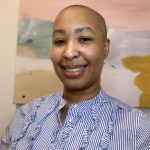
Molly Welch, Founder, A Second Later

A Second Later
Molly Welch, Founder, A Second Later

Molly Welch, the founder of the non-profit organization, A Second Later, has dedicated her life to ending distracted driving.  Her mission is to bring awareness to the dangers and realities of distracted driving.

In 2008 while traveling down the highway close to Auburn University, Molly briefly looked away from the road and wound up in a head-on collision. She sustained a traumatic brain injury, and to this day has no use of her right arm, limited use of her right leg, and a softer voice. Since her accident, she has worked tirelessly to help others avoid such a fate.

LinkedIn

Questions and Topics Discussed in this Episode

  • Tell us about your story
  • What made you choose to start a nonprofit?
  • What does A Second Later do?
  • What groups do you speak to?
  • What’s ahead for you?


North Fulton Business Radio is hosted by John Ray, and broadcast and produced from the North Fulton studio of Business RadioX® inside Renasant Bank in Alpharetta. You can find the full archive of shows by following this link. The show is available on all the major podcast apps, including Apple Podcasts, Spotify, Google, Amazon, iHeart Radio, Stitcher, TuneIn, and others.

RenasantBank


Renasant Bank has humble roots, starting in 1904 as a $100,000 bank in a Lee County, Mississippi, bakery. Since then, Renasant has grown to become one of the Southeast’s strongest financial institutions with over $13 billion in assets and more than 190 banking, lending, wealth management and financial services offices in Mississippi, Alabama, Tennessee, Georgia and Florida. All of Renasant’s success stems from each of their banker’s commitment to investing in their communities as a way of better understanding the people they serve. At Renasant Bank, they understand you because they work and live alongside you every day.


Special thanks to A&S Culinary Concepts for their support of this edition of North Fulton Business Radio. A&S Culinary Concepts, based in Johns Creek, is an award-winning culinary studio, celebrated for corporate catering, corporate team building, Big Green Egg Boot Camps, and private group events. They also provide oven-ready, cooked from scratch meals to go they call “Let Us Cook for You.” To see their menus and events, go to their website or call 678-336-9196.

Tagged With: A Second Later, distracted driving, John Ray, Molly Welch, Non Profit, North Fulton Business Radio, texting while driving, traumatic brain injury

Maggie DeCan, Children’s Development Academy

November 30, 2021 by John Ray

Children's Development Academy
North Fulton Business Radio
Maggie DeCan, Children's Development Academy
Loading
00:00 /
RSS Feed
Share
Link
Embed

Download file

Children's Development Academy

Maggie DeCan, Children’s Development Academy (North Fulton Business Radio, Episode 413)

The Children’s Development Academy, founded fifty years ago, focuses on high-quality early education and childcare for low-income families in North Fulton. CEO and Executive Director Maggie DeCan joined host John Ray to talk about their mission, why their work is such a compelling long-term investment for the North Fulton community, how she moved from corporate to nonprofit work, and much more. North Fulton Business Radio is broadcast from the North Fulton studio of Business RadioX® inside Renasant Bank in Alpharetta.

Children’s Development Academy

The Children’s Development Academy (CDA) enjoys a rich history of broad support, built over the past five decades.CDA

Focused on low-income working families in our community, the CDA can serve 156 children each day ages 12 months through 5 years in our full-day early care and learning program, including three Georgia Pre-K classes.

The CDA is NAEYC-accredited (National Association for the Education of Young Children), the highest level of accreditation available to any education program, with a curriculum committed to preparing children to be “ready by five” for school success.

In July 2015, the CDA received the highest rating of three stars from Georgia’s Quality Rated program. The Quality Rated system was designed so that any parent selecting a program participating in Quality Rated can feel confident that they are enrolling their child in a program that is committed to continuous quality improvement and higher quality standards.

Company Website | LinkedIn | Facebook | Twitter

Maggie DeCan, CEO and Executive Director, Children’s Development Academy

Maggie DeCan, CEO and Executive Director, Children’s Development Academy

Maggie DeCan took the helm at the CDA in November of 2016 with considerable experience in both corporate and community leadership as well as having been an active volunteer and financial contributor to the CDA and its mission. With an active board, she has led organizational rebranding as well as driving strategic priorities focused on increased enrollment, sustainable giving, and quality outcomes.

Prior to taking the helm at the CDA Maggie ran day-to-day operations for the HoneyBaked Ham national system as president and COO leading a team responsible for $500MM annually of system sales in 500 corporate and franchise operating units. Her leadership style is built on a focus on the customer and those who serve them. Prior to assuming the role of President and COO, Maggie served as Chief Human Resource Officer.

Before HoneyBaked, Maggie served in human resources for well-known retailers Circuit City, Belk, and Macy’s. Maggie graduated with a bachelor’s degree in political science and communications from the University of Michigan. Maggie’s leadership experience extends to the community where she has become a respected educational advocate, receiving an award from the State of GA PTA for visionary leadership. In 2014 she was a finalist for the Turknett Leadership Character Award and in 2015, she was honored by the Georgia Diversity Council as a “Most Powerful and Influential Woman” and in 2016 was a Womentics P.O.W. winner.

She has served on the Advisory Board for the Children’s Restoration Network and as Chairman Emeritus Roswell North Elementary Education Foundation, a 501(c) 3 that she helped found in 2009. She is also past president of the Woodstock Junior Service League.

Maggie’s free time is spent first with her family. Her husband of 35 years, Bob, is a high school economics teacher, son Riley a junior UGA and son Brady a freshman at UTK.

LinkedIn

Questions and Topics Discussed in this Episode

  • How did the CDA get its start?
  • Why is the mission of the CDA important to the North Fulton community?
  • What are the benefits of early childhood education?
  • How can the community get involved and help with your mission?
  • Why did you make the switch from the corporate world to running a nonprofit?
  • Tell us more about the partnership with Be Rich that you are launching today for Giving Tuesday

North Fulton Business Radio is hosted by John Ray, and broadcast and produced from the North Fulton studio of Business RadioX® inside Renasant Bank in Alpharetta. You can find the full archive of shows by following this link. The show is available on all the major podcast apps, including Apple Podcasts, Spotify, Google, Amazon, iHeart Radio, Stitcher, TuneIn, and others.

RenasantBank


Renasant Bank has humble roots, starting in 1904 as a $100,000 bank in a Lee County, Mississippi, bakery. Since then, Renasant has grown to become one of the Southeast’s strongest financial institutions with over $13 billion in assets and more than 190 banking, lending, wealth management and financial services offices in Mississippi, Alabama, Tennessee, Georgia and Florida. All of Renasant’s success stems from each of their banker’s commitment to investing in their communities as a way of better understanding the people they serve. At Renasant Bank, they understand you because they work and live alongside you every day.


Special thanks to A&S Culinary Concepts for their support of this edition of North Fulton Business Radio. A&S Culinary Concepts, based in Johns Creek, is an award-winning culinary studio, celebrated for corporate catering, corporate team building, Big Green Egg Boot Camps, and private group events. They also provide oven-ready, cooked from scratch meals to go they call “Let Us Cook for You.” To see their menus and events, go to their website or call 678-336-9196.

Tagged With: CDA, Children's Development Academy, daycare, early childhood, early childhood education, excellence in early childhood education, John Ray, Maggie DeCan, North Fulton, North Fulton Business Radio

Rachel Silberman, Luxjoy and Comfort

November 29, 2021 by John Ray

Luxjoy and Comfort
Minneapolis St. Paul Business Radio
Rachel Silberman, Luxjoy and Comfort
Loading
00:00 /
RSS Feed
Share
Link
Embed

Download file

Luxjoy and Comfort

Rachel Silberman, Luxjoy and Comfort (Minneapolis-St. Paul Business Radio, Episode 26)

Rachel Silberman of Luxjoy and Comfort joined host John Ray to discuss her company’s unique gift boxes for personal, corporate, and holiday gifting. Luxjoy and Comfort offers a wide variety of themed gift boxes, such as LGBTQIA+ Pride, Gourmet Foodie, and Baby and Kids, as well as custom gifting. Minneapolis-St. Paul Business Radio is produced virtually by the Minneapolis St. Paul studio of Business RadioX®.

Luxjoy and Comfort

Luxjoy and Comfort was founded in the Twin Cities, Minnesota, by Rachel Silberman in 2019, with the goal of fostering connection and bringing joy and love to people of all ages.

Gift boxes are the perfect way to say, “I’m thinking of you,” bringing a smile to someone’s face, while encouraging them to slow down and take some time for themselves.

She was inspired by monthly subscription boxes and the excitement of getting a surprise full of special items that make us feel pampered and unique, offering a moment of joy to escape into. Luxjoy and Comfort expanded on that idea, putting the focus back on connections and relationships. The end result? Beautifully and thoughtfully designed gift boxes that are customizable and wonderfully unique and special for every giftee.

They specialize in gifts of all kinds – from spa baskets to foodie bundles, to luxury executive gifts, to tea and novels for that special bookworm sister-in-law – you name it, they’ve got you covered!

Choose from dozens of pre-designed gift boxes or shoot us a message to make your box truly unique. Everyone needs a little pick-me-up now and then, and Luxjoy and Comfort is here to bundle up the goodness with care & love.

Website | Facebook | Instagram

Rachel Silberman, Owner, Luxjoy and Comfort

Luxjoy and Comfort
Rachel Silberman, Owner, Luxjoy and Comfort

Rachel has a degree in web design and experience in the digital marketing arena. After a stint in New York City, she returned to Minnesota to find a business that interested her.

When she was unable to find any LGBTQIA+ gift boxes for her orientation, she decided to make customized gift boxes for anyone’s orientation so they feel loved and included.

She has developed that concept through Luxjoy and Comfort, and with each box contributes to a chosen nonprofit.

Rachel started Luxjoy to offer a full range of customized gift boxes and hopes in the future to offer subscription boxes.

LinkedIn

Questions and Topics Discussed in this Episode

  • Why she started her business
  • Why she started Pride gift boxes
  • What non-profit she donates to when people buy pride gift boxes
  • Holiday gifting
  • Corporate gifting

Minneapolis-St. Paul Business Radio is hosted by John Ray and produced virtually from the Minneapolis St. Paul studio of Business RadioX® .  You can find the full archive of shows by following this link. The show is available on all the major podcast apps, including Apple Podcasts, Spotify, Google, Amazon, iHeart Radio, Stitcher, TuneIn, and others.

Tagged With: corporate gifting, corporate gifts, custom gift baskets, gift boxes, LGBTQ, LGBTQIA+, Luxjoy and Comfort, Rachel Silberman

Marijuana and delta-8 THC

November 26, 2021 by John Ray

Delta-8 THC
North Fulton Studio
Marijuana and delta-8 THC
Loading
00:00 /
RSS Feed
Share
Link
Embed

Download file

Delta-8 THCMarijuana and delta-8 THC (Episode 65, To Your Health with Dr. Jim Morrow)

On this episode of To Your Health, Dr. Morrow discusses delta-8 THC, one of the cannabinoids from the hemp plant. It is not FDA evaluated or approved, and Dr. Morrow covers its risks and adverse effects. To Your Health is brought to you by Morrow Family Medicine, a Member of Village Medical, which brings the care back to healthcare.

About Morrow Family Medicine, A Member of Village Medical

Morrow Family Medicine, a Member of Village Medical, is an award-winning, state-of-the-art family practice with offices in Cumming and Milton, Georgia. The practice combines healthcare information technology with old-fashioned care to provide the type of care that many are in search of today. Two physicians, three physician assistants and two nurse practitioners are supported by a knowledgeable and friendly staff to make your visit to Morrow Family Medicine, A Member of Village Medical one that will remind you of the way healthcare should be.  At Morrow Family Medicine, a Member of Village Medical, we like to say we are “bringing the care back to healthcare!”  The practice has been named the “Best of Forsyth” in Family Medicine in all five years of the award, is a three-time consecutive winner of the “Best of North Atlanta” by readers of Appen Media, and the 2019 winner of “Best of Life” in North Fulton County.

Village Medical offers a comprehensive suite of primary care services including preventative care, treatment for illness and injury, and management of chronic conditions such as diabetes, congestive heart failure, chronic obstructive pulmonary disease (COPD) and kidney disease. Atlanta-area patients can learn more about the practice here.

Dr. Jim Morrow, Morrow Family Medicine, and Host of To Your Health with Dr. Jim Morrow

Covid-19 misconceptionsDr. Jim Morrow is the founder and CEO of Morrow Family Medicine. He has been a trailblazer and evangelist in healthcare information technology, was named Physician IT Leader of the Year by HIMSS, a HIMSS Davies Award Winner, the Cumming-Forsyth Chamber of Commerce Steve Bloom Award Winner as Entrepreneur of the Year and he received a Phoenix Award as Community Leader of the Year from the Metro Atlanta Chamber of Commerce.  He is married to Peggie Morrow and together they founded the Forsyth BYOT Benefit, a charity in Forsyth County to support students in need of technology and devices. They have two Goldendoodles, a gaggle of grandchildren and enjoy life on and around Lake Lanier.

Facebook: https://www.facebook.com/MorrowFamMed/

LinkedIn: https://www.linkedin.com/company/7788088/admin/

Twitter: https://twitter.com/toyourhealthMD

The complete show archive of To Your Health with Dr. Jim Morrow addresses a wide range of health and wellness topics and can be found at www.toyourhealthradio.com.

Dr. Morrow’s Show Notes

Covid-19 Vaccine Booster Update


Get a darn booster.

If you wanted to be immune badly enough to get the vaccine, you clearly need a booster to stay as immune as possible.


What is this “Delta-8” that everyone is talking about?!?


  • Delta-8 tetrahydrocannabinol,
    • also known as delta-8 THC,
    • is a psychoactive substance found in the Cannabis sativa plant,
    • of which marijuana and hemp are two varieties.
      • Delta-8 THC is one of over 100 cannabinoids produced naturally by the cannabis plant
        • but is not found in significant amounts in the cannabis plant.
        • As a result, concentrated amounts of delta-8 THC are typically manufactured from hemp-derived cannabidiol (CBD).


  • It is important for consumers to be aware that delta-8 THC products
    • have not been evaluated or approved by the FDA for safe use in any context.
    • They may be marketed in ways that put public health at risk and should especially be kept out of reach of children and pets.


Here are 5 things you should know about delta-8 THC


  • Delta-8 THC products have not been evaluated or approved by the FDA for safe use and may be marketed in ways that put the public health at risk. 
  • The FDA is aware of the growing concerns surrounding delta-8 THC products currently being sold online and in stores.
  • These products have not been evaluated or approved by the FDA for safe use in any context.
  • Some concerns include variability in product formulations and product labeling,
    • other cannabinoid and terpene content,
    • and variable delta-8 THC concentrations.
    • Additionally, some of these products may be labeled simply as “hemp products,”
      • which may mislead consumers who associate “hemp” with “non-psychoactive.”
      • Furthermore, the FDA is concerned by the proliferation of products that contain delta-8 THC and are marketed for therapeutic or medical uses,
        • although they have not been approved by the FDA.
        • Selling unapproved products with unsubstantiated therapeutic claims is not only a violation of federal law,
          • but also can put consumers at risk, as these products have not been proven to be safe or effective.
          • This deceptive marketing of unproven treatments raises significant public health concerns because patients and other consumers may use them instead of approved therapies to treat serious and even fatal diseases.


  • The FDA has received adverse event reports involving delta-8 THC-containing products. 
  • From December 2020 through July 2021,
    • the FDA received adverse event reports from both consumers and law enforcement
    • describing 22 patients who consumed delta-8 THC products;
    • of these, 14 presented to a hospital or emergency room for treatment following the ingestion.
    • Of the 22 patients, 19 experienced adverse events after ingesting delta-8 THC-containing food products (e.g., brownies, gummies).
      • Adverse events included vomiting, hallucinations, trouble standing, and loss of consciousness.
    • National poison control centers received 661 exposure cases of delta-8 THC products between January 2018 and July 31, 2021,
      • 660 of which occurred between January 1, 2021, and July 31, 2021.
    • Of the 661 exposure cases:
      • 41% involved unintentional exposure to delta-8 THC and 77% of these unintentional exposures affected pediatric patients less than 18 years of age.
      • 39% involved pediatric patients less than 18 years of age
      • 18% required hospitalizations, including children who required intensive care unit (ICU) admission following exposure to these products.


  • Delta-8 THC has psychoactive and intoxicating effects.


  • Delta-8 THC has psychoactive and intoxicating effects,
    • similar to delta-9 THC (i.e., the component responsible for the “high” people may experience from using cannabis).
    • The FDA is aware of media reports of delta-8 THC products getting consumers “high.”
    • The FDA is also concerned that delta-8 THC products likely expose consumers to much higher levels of the substance than are naturally occurring in hemp cannabis raw extracts.
    • So, historical use of cannabis cannot be relied upon in establishing a level of safety for these products in humans.


  • Delta-8 THC products often involve the use of potentially harmful chemicals to create the concentrations of delta-8 THC claimed in the marketplace. 


  • The natural amount of delta-8 THC in hemp is very low,
    • and additional chemicals are needed to convert other cannabinoids in hemp, like CBD, into delta-8 THC (i.e., synthetic conversion).
  • Concerns with this process include:
    • Some manufacturers may use potentially unsafe household chemicals to make delta-8 THC through this chemical synthesis process.
    • Additional chemicals may be used to change the color of the final product.
    • The final delta-8 THC product may have potentially harmful by-products (contaminants)
      • due to the chemicals used in the process,
      • and there is uncertainty with respect to other potential contaminants that may be present or produced depending on the composition of the starting raw material.
      • If consumed or inhaled, these chemicals, including some used to synthesize delta-8 THC and the by-products created during synthesis, can be harmful.
    • Manufacturing of delta-8 THC products may occur in uncontrolled or unsanitary settings, which may lead to the presence of unsafe contaminants or other potentially harmful substances.


  • Delta-8 THC products should be kept out of the reach of children and pets.


  • Manufacturers are packaging and labeling these products in ways that may appeal to children
    • (gummies, chocolates, cookies, candies, etc.).
  • These products may be purchased online, as well as at a variety of retailers,
    • including convenience stores and gas stations, where there may not be age limits on who can purchase these products.
    • As I said, there have been numerous poison control center alerts involving pediatric patients who were exposed to delta-8 THC-containing products.
      • Also, animal poison control centers have indicated a sharp overall increase in accidental exposure of pets to these products.
      • Keep these products out of reach of children and pets. 


Why is the FDA notifying the public

about delta-8 THC?

  • A combination of factors has led the FDA to provide consumers with this information. These factors include:
    • An uptick in adverse event reports to the FDA and the nation’s poison control centers.
    • Marketing, including online marketing of products, that is appealing to children.
    • Concerns regarding contamination due to methods of manufacturing that may in some cases be used to produce marketed delta-8 THC products.
    • The FDA is actively working with federal and state partners to further address the concerns related to these products and monitoring the market for
      • product complaints,
      • adverse events,
      • and other emerging cannabis-derived products of potential concern.
      • The FDA will warn consumers about public health and safety issues and take action when necessary when FDA-regulated products violate the law. 

How to report complaints and cases of accidental exposure or adverse events:

  • If you think you are having a serious side effect that is an immediate danger to your health, call 9-1-1 or go to your local emergency room.
  • Health care professionals and patients are encouraged to report complaints and cases of accidental exposure and adverse events to the FDA’s MedWatch Safety Information and Adverse Event Reporting Program:
  • Call 800-332-1088 to report a problem.


Credit:  http://www.fda.gov/

Tagged With: adverse effects, cannabinoids, Delta-8 THC, Dr. Jim Morrow, fda, Hemp, hemp plant, Marijuana, Morrow Family Medicine, Village Medical

Decision Vision Episode 144: Should I Be Thankful? – Mike Blake, Brady Ware & Company

November 25, 2021 by John Ray

Mike Blake
Decision Vision
Decision Vision Episode 144: Should I Be Thankful? - Mike Blake, Brady Ware & Company
Loading
00:00 /
RSS Feed
Share
Link
Embed

Download file

Mike BlakeDecision Vision Episode 144:  Should I Be Thankful? – Mike Blake, Brady Ware & Company

Decision Vision host Mike Blake reflects on 2021 and shares what he is thankful for this season. He discusses his family, events from the past year such as SpaceX, guests who’ve appeared on the show, and much more. Decision Vision is presented by Brady Ware & Company.

Mike Blake, Brady Ware & Company

Mike Blake
Mike Blake, Host of the “Decision Vision” podcast series

Michael Blake is the host of the Decision Vision podcast series and a Director of Brady Ware & Company. Mike specializes in the valuation of intellectual property-driven firms, such as software firms, aerospace firms, and professional services firms, most frequently in the capacity as a transaction advisor, helping clients obtain great outcomes from complex transaction opportunities. He is also a specialist in the appraisal of intellectual properties as stand-alone assets, such as software, trade secrets, and patents.

Mike has been a full-time business appraiser for 13 years with public accounting firms, boutique business appraisal firms, and an owner of his own firm. Prior to that, he spent 8 years in venture capital and investment banking, including transactions in the U.S., Israel, Russia, Ukraine, and Belarus.

LinkedIn | Facebook | Twitter | Instagram
Brady Ware & Company

Brady Ware & Company is a regional full-service accounting and advisory firm which helps businesses and entrepreneurs make visions a reality. Brady Ware services clients nationally from its offices in Alpharetta, GA; Columbus and Dayton, OH; and Richmond, IN. The firm is growth-minded, committed to the regions in which they operate, and most importantly, they make significant investments in their people and service offerings to meet the changing financial needs of those they are privileged to serve. The firm is dedicated to providing results that make a difference for its clients.

Decision Vision Podcast Series

Decision Vision is a podcast covering topics and issues facing small business owners and connecting them with solutions from leading experts. This series is presented by Brady Ware & Company. If you are a decision-maker for a small business, we’d love to hear from you. Contact us at decisionvision@bradyware.com and make sure to listen to every Thursday to the Decision Vision podcast.

Past episodes of Decision Vision can be found at decisionvisionpodcast.com. Decision Vision is produced and broadcast by the North Fulton studio of Business RadioX®.

Connect with Brady Ware & Company:

Website | LinkedIn | Facebook | Twitter | Instagram
TRANSCRIPT

Intro: [00:00:02] Welcome to Decision Vision, a podcast series focusing on critical business decisions. Brought to you by Brady Ware & Company. Brady Ware is a regional full-service accounting and advisory firm that helps businesses and entrepreneurs make visions a reality.

Mike Blake: [00:00:23] Welcome back to Decision Vision, a podcast giving you, the listener, a clear vision to make great decisions. And, last year, about this time I recorded, I guess, what amounts to an address, if I’m really honest about it, regarding the question, should I be thankful? And, as it turned out at that time, that was the most listened to episode of the podcast, which, you know, I’m a data guy that tells me that for whatever reason you are interested in what I’m thankful about and I’m certainly interested in sharing that with you.

Mike Blake: [00:01:03] This is not an attempt to be a knockoff of Oprah and her favorite things sort of stuff. It’s really just, you know, an opportunity to sort of take stock of the last year and pull something positive out of it, even though the things that are going on around us and in our lives aren’t necessarily always positive.

Mike Blake: [00:01:26] And so, I want to – what I’d like to do is I’d just like to express the things that I’m thankful for and I hope that you’ll find some value in it. Some things to think about, some things to find hope and positivity, and to give you a – you know, to give you an opportunity to kind of see through the fog, if you will see through the smoke of a lot of things that are negative, that surround us and find the good in things. Because if you don’t do that as we approach the holidays, at least here in the United States and most of what we would call the Western world, this is an important time for reflection. It’s a time of, for many of us, heightened spirituality. And, hopefully, you find this – hopefully, you find this useful and resonates in some way.

Mike Blake: [00:02:20] So, the first thing I want to be thankful for, express my thanks for is my family. You know, it’s a cliche, but, you know, those things are cliches for a reason. And, my family has been very supportive of my career. They have been very supportive of my doing this podcast, which takes some time.

Mike Blake: [00:02:41] They’ve been very supportive of the boundaries that I’ve had to set that in spite of the fact that I am at home, I’m not really at home, I’m not really available because I do have a job to do and there are people who are counting on me to do it.

Mike Blake: [00:02:55] And I’m grateful that all of them have cooperated in observing the coronavirus protocols that we have as a family have agreed upon. And that has, I think in no small part resulted in the fact that, knock on wood, nobody in the immediate family has contracted coronavirus, which, of course, is a good thing and particularly a good thing, because only just recently did my youngest son become eligible for the vaccine, and we do have a person close to us that visits us quite frequently, who if he did contract the virus, it would be a grave prognosis. So, I am thankful for that.

Mike Blake: [00:03:41] And, I’m thankful for a family that is more or less stayed unified, not just the immediate family, but the extended family. And in times like these, discussions such as race, such as the vaccine, science overall, policy, politics have divided families. They have disrupted family bonds. They have destroyed friendships.

Mike Blake: [00:04:09] And, I am thankful for the fact that that we have largely been unscathed in that regard, not that we are monolithic in our thinking. We are not. We have healthy debates all the time and sometimes I learn something and , I’ll change my mind if I’m presented with a compelling argument and in particular compelling thoughts and data to support that argument. But I am thankful for that.

Mike Blake: [00:04:36] And, as an extension, I’m thankful for my health. I’m thankful for the fact that vaccines that protect us, at least partially from coronavirus, are now effectively available to anybody who wants them whenever they want them. I need to get my booster shot and I will be doing that in the next few days and I guess I’m one of the fortunate ones. I don’t tend to react to those, unlike my wife, who unfortunately is very sensitive to them. But, you know, she grits her teeth and she gets vaccinated anyway.

Mike Blake: [00:05:09] If you choose not to be vaccinated, I don’t judge you for that. I don’t judge anybody for that. There’s really no point in judging you for that. I disagree with it. I may have a different personal risk profile than you, but it’s your risk profile. And, you know, at the end of the day, we all have the power to take whatever protections we see appropriate, at least, for the most part, to protect ourselves from the coronavirus and make our own decisions in terms of risk-reward. And I only encourage people to be vaccinated because it does seem to be, does seem to be effective. That’s how I interpret the data that I see. And I would rather people not get sick and die rather than have people get sick and die. So, it’s really as simple as that.

Mike Blake: [00:05:09] I’m thankful for SpaceX. I’m thankful, in spite of the fact that I’m on record as saying, you know, I think Elon Musk is both a genius and an inspired one as that and he’s probably a little bit nuts. And maybe those two things go hand in hand.

Mike Blake: [00:06:15] But thanks to SpaceX. There now exists a privately funded or privately derived, I guess, technically the government funds, but it’s privately operated crewed space flight program. And, I think that’s an important – an extremely important step for humanity.

Mike Blake: [00:06:36] I think that the fact that we have not returned to the moon since the early 1970s is really a shame. I think it’s something that has held American society back. I understand it was expensive to do that. I understand the main reason for getting there was so that the Russians wouldn’t or the Soviets wouldn’t, or at least get there before then.

Mike Blake: [00:06:58] But, you know, we do need to expand. We need the resources of extraterrestrial bodies. We need to understand what it takes to colonize other worlds and adapt to space flight, I’m sorry, life in space and new generations in space. And, you know, it’s such an extremely important step for all of human civilization what SpaceX is doing, you know.

Mike Blake: [00:07:24] And hopefully, Blue Origin will follow. They’re not there yet. They’re sort of doing the go outside the atmosphere fall back down, and that’s fine. But it ain’t what SpaceX is doing, where they actually have crewed missions that achieve orbit and ferry people to and from the space station. And they do so in a way that is economical. So, I’m very thankful for that.

Mike Blake: [00:07:49] I’m thankful for those who ask me for help. I serve in a volunteer capacity in a number of ways. I serve – have done office hours [inaudible] get back to that. But there are companies I coach informally that have decided that probably against their better judgment but have decided that I can help them achieve whatever it is that they want to achieve.

Mike Blake: [00:08:14] And, I’m mainly thankful for the opportunity to serve, to learn about new – about businesses that I don’t know a whole lot about and to support people as they grow and that includes my staff and my own company that has entrusted their careers – have entrusted their careers collectively to me. And, it’s an awesome responsibility and honor to do that.

Mike Blake: [00:08:43] I’m thankful for the fact we are having a very important discussion in a very, I think, listened-to discussion about the changing relationship between labor and employers. I don’t think the data suggests that people are leaving the workforce because of generous government benefits, though I remain open to being convinced. As I say very often, economics is a slow science. You know, it takes us a year to figure out if we’re in a recession, another year to figure out if we’re out of it. That’s just the way economics goes. It’s getting better. But economics is a slow science, and maybe we won’t really know the full effect of extended government benefits until early next year. But the data right now that I see indicates that there’s something more secular going on. It’s not simply about paying people not to work anymore. It’s about changing priorities. It’s about people deciding that if they don’t have to work, if they’re a second income in the family, at some point it’s not worth it. They’d rather take a step back in their so-called economic standard of living to get back a part of their life that they’re missing.

Mike Blake: [00:09:59] And I’m not – I’m neither cheering those people nor am I denigrating them in any way. I just think that it’s a very important discussion that needs to be had, and I’m grateful for the fact that both employees and employers are engaged in it. And, you know, it’s a scenario that’s been exacerbated by the fact that we have chosen to make immigration into the United States harder than it has been.

Mike Blake: [00:10:29] It’s been exacerbated by the fact that roughly 2 million people retired earlier than they would have because of the coronavirus pandemic. It’s exacerbated by the fact that roughly 350,000 working-age Americans are now dead that would not have been dead if not for the virus, and it’s a classic supply shock to go on top of a steadily declining workforce in terms of sheer numbers. And you know, that’s just we’re looking at.

Mike Blake: [00:11:01] And, I’m glad we’re having this conversation because it’s giving a chance to reopen the discussion of what we want the relationship of labor in our economy to be. Now, maybe it’s time to go back to right where it was in 2019. Maybe, we were all going right back to offices and cubicles and we’re going back to the hours we worked and, you know, pushing mental health aside and maybe not changing boundaries at all. I don’t think that’s the case, but I acknowledge the fact that it could happen. But if it does happen, at least it’s happened as a result of an intentional, society-wide conversation, which means there’s an implicit choice as opposed to millions of people feeling like that has been forced upon them.

Mike Blake: [00:11:45] I’m immensely grateful to you, the listeners, or at least the downloaders. You know, I can’t track who listens to this thing. That’s the way podcasts go. But I do know that I’m pretty sure over 30 million downloads have occurred since we launched this thing about 20 months ago. And, that’s a big number any way you slice it. And, you know, we’ve been consistently hitting now 40,000 downloads in the first 30 days after a new podcast is released. That puts us in the top 1% of at least business podcasts and maybe all podcasts altogether.

Mike Blake: [00:12:22] And it’s nice to get that feedback. It’s nice to feel like you’re having an impact. You know, the thing about podcasts is that it’s one of the least engaging social media formats out there. I talk in a microphone. You may or may not listen. That’s it. There’s no conversation that happens except for when I have the guests on. All I know is the download. So, the fact that you’re downloading and presumably you’re not all just downloading without listening.

Mike Blake: [00:12:56] I appreciate, at least, your willingness to take up valuable storage space on your cell phones, your smartphones, and that you find what we do useful. And as long as you find what we do useful, I think we’re inclined to keep doing it.

Mike Blake: [00:13:12] I’d like to thank the guests who’ve come on and have provided just a ton of expertise and, as I’ve said many times on this program, this is a way of my institutionalizing mooching from guests and their particular areas of expertise. You know, they come on, they’re not compensated. I don’t think they get a lot of referrals from the podcast. The podcast – podcast doesn’t really work that way. They do it because I asked them to, and they do it because they feel like they have something they want to share with the world and they want to share with our listener base and they take the time to do this. And, I’m enormously grateful to our guests or when they want to do that.

Mike Blake: [00:14:01] I’m grateful for political stability relatively speaking. I didn’t think I’d have this on the list at some point. Maybe, I always should have, but you don’t take – I guess you take things for granted until they’re not there anymore.

Mike Blake: [00:14:18] You know, the incidents of January 6. I don’t know how you view that as anything other than an insurrection. It was a minor one. It was one that had no chance of actually overthrowing the government. Nevertheless, it was an insurrection. Just the fact it was ineffective doesn’t mean that it wasn’t that; still met the definition.

Mike Blake: [00:14:43] And, you know, what happened afterwards were extraordinary events. Our president, whether you voted for him or not, our president was sworn in under circumstances of having to be surrounded by 25,000 National Guardsmen. We did not have a peaceful transition of power. They try to – they try to dress it up as such I guess because nobody threw a rock at the president during his oath – taking his oath of office and the vice president. But we do not have a peaceful transition. There’s a reason we needed those National Guardsmen there.

Mike Blake: [00:15:21] And, I’m thankful that at least in the first election since we’ve not had a repeat of anything like that, and, you know, our political environment while still highly divided, highly charged, highly unpredictable, at times irrational on both the left and the right. But we are, for the moment, enjoying political stability, and I’m thankful for that because I have no interest in – I have no interest in being put in a position where there’s martial law. I have no interest in picking up a gun because I have to defend my family. I don’t own a gun. I don’t want to own a gun. I don’t want my – my preference is to be in a scenario where I don’t need to have one. And, I think most people agree. Even those who own guns I think would agree with that.

Mike Blake: [00:16:16] So, I’m grateful for the relative political stability that we’ve had, and I hope that it – I hope that it continues, and that goes also for other insurrections, and I know that in other places in the country, they’re still going on. Portland, Oregon being one of them. But at least here in Atlanta, it’s a fairly safe place physically, and I am grateful for that.

Mike Blake: [00:16:43] I am grateful for digital transformation. This is not a new thought. It’s been said before and not by me but by others smarter than I am. The pandemic forced us to swallow ten years of digital transformation in about 18 months. We are learning to adopt new technologies. We are getting over Zoom fatigue. We’re starting, you know, I think most of us are starting to see Zoom calls as just simply something we do now. And, I wonder if there was ever a telephone fatigue where people were fatigued when they had their first phone call. I don’t know, I wasn’t alive back then. Sometimes it feels that way, but I wasn’t alive back then.

Mike Blake: [00:17:27] And, you know, companies are evolving to accommodate this in the ways they feel are most appropriate to accomplishing their missions. And, managers and leaders like myself are learning every day on the fly. How do you lead and engage teams digitally? How do you engage your audiences digitally? How do you maintain relationships digitally? And, I’m grateful that this has happened because I do think it was something that had to happen. It was more comfortable – more uncomfortable than we wanted to because of the suddenness of the transformation. We weren’t ready for it. But I think we’re going to find that we’re a better society for it.

Mike Blake: [00:18:10] I’d like to thank those who have engaged with me on LinkedIn, particularly with my content. It’s rewarding to write and to have people respond and feel like they’ve learned something and feel like they’ve been led to a thought that they hadn’t thought of before that there are some intellectual value.

Mike Blake: [00:18:27] And, I started a LinkedIn group recently that I’ll tell you about in a minute because the LinkedIn algorithm has become, I think, a form of alchemy at this point. And, I got tired of writing things that not everybody was seeing, just because it didn’t get enough likes in the right time period. So, now there’s a more consistent way to engage with my content.

Mike Blake: [00:18:52] I like writing. I like the way writing forces me to think. I like the way writing forces me to organize my thoughts, and I’m very thankful for the opportunity to do that for you.

Mike Blake: [00:19:05] And finally, I’d like to thank Brady Ware and Business RadioX for supporting this program. You know, Business RadioX has been a fantastic partner. There’s no way we have 30 million downloads without them, and it just ain’t happening. And you know, they do a lot of work behind the scenes, particularly in helping us schedule guests and get all those moving parts set and publishing this on social media and taking care of all the nice details to make sure that our guests feel like they’re appreciated and well treated and that the show has the high production quality that it does.

Mike Blake: [00:19:42] And so, you know, the folks at Business RadioX, in particular John Ray who’s been my recording partner for most of these programs, you know, has just done a fantastic job. And, you know, if you’re thinking about doing podcasting in a serious way, I cannot recommend them enough. We are where we are because of our partnership with them. And, it would be very hard to convince me otherwise.

Mike Blake: [00:20:11] And, Brady Ware deserves a lot of credit here too. Brady Ware pays Business RadioX to do this. John is not doing this out of the goodness of his heart. He has a good heart, but ain’t that good. And, it shouldn’t be. But Brady Ware does spend some significant money to produce this podcast. And, they don’t do it because they think it’s a massive business generator, it’s not. That’s not what podcasts are for. They do it because they have a commitment to increasing body of knowledge and business to help people become better business decision-makers.

Mike Blake: [00:20:52] And, my fellow shareholders have agreed that this is a good investment, that this is a way to give back to the community. This is a good vehicle to carry that knowledge forward. You know, and they, in effect, relieve me of some of my other duties as a shareholder in the firm so that I can invest the time and energy to do this and to do it at least well enough so that you’re inclined to listen to it.

Mike Blake: [00:21:22] So, to my partners at Brady Ware, I’m immensely grateful that you give me this platform to do this show.

Mike Blake: [00:21:32] So, that’s going to wrap it up for today’s program. Starting next week, we’ll go back to the normal format. I should know which one that is, what episode it is, but I don’t, but it’ll be awesome like all the other ones. So just, you know, tune in and keep tuning in so that when you’re faced with your next business decision, you have clear vision when making it. And, again, if you like these podcasts, please leave a review. Your reviews really help us because they help people find us. That helps us help them. We can’t help them if they don’t listen to us. They don’t listen to us, they don’t know we’re out there.

Mike Blake: [00:22:06] And, if you like to engage with me on social media, I published a chart of the day on LinkedIn and I’m also @unblakeable on Facebook, Twitter, Clubhouse, and Instagram. And, also check out my new LinkedIn group called A Group That Doesn’t Suck. And I call it that because most LinkedIn groups do suck and this one sucks a little bit less because we have more control over it. And, you know, I moderate it. I make sure there’s more content in there every day. I archive some of my old content because otherwise it disappears. And, again, if LinkedIn didn’t see fit to show it on a given day, it goes away. But there was some stuff that people thought was pretty cool.

Mike Blake: [00:22:43] And it’s also a place where other people are expressing their ideas and starting conversations, which I just really dig because that’s how I learned. It’s not about – it’s not a vehicle for Mike Blake to go out there and try to show off how smart he is. That would be a fool’s errand. But it is a vehicle for other people to share, I think, smart things and engage with smart ideas. And that, I think is, for me, is the primary attraction of any social media asset.

Mike Blake: [00:23:16] So with that, I’m going to wish you all a happy thanksgiving in 2022 whether you celebrate it or not. And this is Mike Blake. Our sponsor is Brady Ware & Company. And this has been, once again, the Decision Vision podcast.


Tagged With: Brady Ware & Company, Business Radio X, Decision Vision podcast, grateful, gratitude, John Ray, Mike Blake, thankful

Workplace MVP: Thanksgiving Edition

November 25, 2021 by John Ray

Jamie Gassmann
Minneapolis St. Paul Studio
Workplace MVP: Thanksgiving Edition
Loading
00:00 /
RSS Feed
Share
Link
Embed

Download file

Jamie Gassmann

Workplace MVP:  Thanksgiving Edition

Reflecting on the launch of Workplace MVP and its many guests over 2021, host Jamie Gassmann shares her gratitude for all who make the podcast a success, including guests, subject matter experts, listeners, and supporters. Workplace MVP is underwritten and presented by R3 Continuum and produced by the Minneapolis-St.Paul Studio of Business RadioX®.

About Workplace MVP

Every day, around the world, organizations of all sizes face disruptive events and situations. Within those workplaces are everyday heroes in human resources, risk management, security, business continuity, and the C-suite. They don’t call themselves heroes though. On the contrary, they simply show up every day, laboring for the well-being of employees in their care, readying the workplace for and planning responses to disruption. This show, Workplace MVP, confers on these heroes the designation they deserve, Workplace MVP (Most Valuable Professionals), and gives them the forum to tell their story. As you hear their experiences, you will learn first-hand, real-life approaches to readying the workplace, responses to crisis situations, and overcoming challenges of disruption. Visit our show archive here.

Workplace MVP Host Jamie Gassmann

Jamie Gassmann
Jamie Gassmann, Host, “Workplace MVP”

In addition to serving as the host to the Workplace MVP podcast, Jamie Gassmann is the Director of Marketing at R3 Continuum (R3c). Collectively, she has more than fourteen years of marketing experience. Across her tenure, she has experience working in and with various industries including banking, real estate, retail, crisis management, insurance, business continuity, and more. She holds a Bachelor of Science Degree in Mass Communications with special interest in Advertising and Public Relations and a Master of Business Administration from Paseka School of Business, Minnesota State University.

R3 Continuum

R3 Continuum is a global leader in workplace behavioral health and security solutions. R3c helps ensure the psychological and physical safety of organizations and their people in today’s ever-changing and often unpredictable world. Through their continuum of tailored solutions, including evaluations, crisis response, executive optimization, protective services, and more, they help organizations maintain and cultivate a workplace of wellbeing so that their people can thrive. Learn more about R3c at www.r3c.com.

Company website | LinkedIn | Facebook | Twitter
 

TRANSCRIPT

Intro: [00:00:04] Broadcasting from the Business RadioX Studios, it’s time for Workplace MVP. Workplace MVP is brought to you by R3 Continuum, a global leader in workplace behavioral health and security solutions. Now, here’s your host, Jamie Gassmann.

Jamie Gassmann: [00:00:25] Hi, everyone. It’s your host, Jamie Gassmann, here, and welcome to this special Thanksgiving edition of Workplace MVP. Thanksgiving is a time of year that gives us all an opportunity to stop and reflect on what we are thankful for and to celebrate key moments from the last year.

Jamie Gassmann: [00:00:44] So, in the spirit of giving thanks and celebration, I would like to share who I am thankful for and to celebrate some of the special moments we have had over the last seven months here on the Workplace MVP show.

Jamie Gassmann: [00:00:58] So, starting with giving thanks, I would like to give a big thank you to all of our Workplace MVP show guests. Thank you for sharing your time, your expertise, and your stories with us. You are a pivotal component to each episode and we appreciate you.

Jamie Gassmann: [00:01:16] And along with that, a big thank you to our listeners for your continued support of our podcast and for sharing your suggestions for topics and workplace MVPs with us. This show is for all of you. We go into each and every episode hoping to inspire you and to introduce you to a new resource, tool, or idea for how to better navigate the complexities and challenges you, as a business leader, face within the workplace.
Jamie Gassmann: [00:01:44] Also, I can’t forget to give thanks to our producer, John Ray, at Business RadioX, and Arlia Hoffman, you are my right and left hands in this show. Thank you for your guidance and support over the last seven months.

Jamie Gassmann: [00:01:58] And a special thank you to our show sponsor, R3 Continuum. In particular, I would like to thank the President of R3 Continuum, Jim Mortensen, for his support and contributions to the show. And to the subject matter experts at R3 Continuum: Dr. George Vergolias, Medical Director, Dr. Tyler Arvig, Associate Medical Director; and Jeff Gorter, Vice-President of Crisis Response Clinical Services, for sharing their expertise on the educational playbooks.

Jamie Gassmann: [00:02:27] Now, for celebrating firsts and some key successes, wow, what a fun year we have had so far. I know there’s only a month left, but we have had a lot of great firsts that have happened on our show. I’d like to first celebrate the launch of Workplace MVP, which took place on April 1st. And since that date, we have recorded a total of 37 shows and 17 live shows, giving us the opportunity to celebrate and showcase 46 workplace MVPs.

Jamie Gassmann: [00:02:59] These MVPs represent various industries and businesses of all sizes. And in addition to the shows, we have released 17 educational playbooks showcasing leadership tips across various topics that have been provided by our show sponsor, R3 Continuum. We also held our first in-person live event at this year’s SHRM Annual Conference, where we interviewed over 20 amazingly talented H.R. leaders and professionals right inside R3 Continuum’s booth on the exhibit floor at the conference.

Jamie Gassmann: [00:03:32] And across all of our episodes, we have covered some amazing topics that workplaces are navigating daily. So, I wanted to take a moment to share with you all the variety of content that we’ve provided throughout this year on the show.

Jamie Gassmann: [00:03:47] Now, looking out over the last seven months, we have covered second chance hiring, hiring of veterans, navigating the challenges of COVID, workplace violence, return to office, will it be hybrid, remote, or onsite in the office, leading through crisis situations, how to create a culture people stay at and thrive in, leave of absence management, mental health in the workplace.

Jamie Gassmann: [00:04:17] And coming the first week of December, we will be releasing our final episode of the year, which covers workplace trends in 2021, which includes the great reshuffle, diversity, equity, inclusion, and employees with an entrepreneurial spirit. And along with that, our guests on that show covers some things to expect going into 2022 for H.R. leaders.

Jamie Gassmann: [00:04:45] In honor of the 9/11 20th Anniversary, we also had the privilege and honor to interview Army Colonel (Retired) Garland Williams, who shared with us his survival and recovery story from being stationed and working in the Pentagon on the day of 9/11 when the terrorist attacks happened. Personally, I know that this will be an interview I will never forget, just like we will never forget the events of that day.

Jamie Gassmann: [00:05:08] And there’s been so many memorable moments over 2021 on the Workplace MVP podcast, and I’m so thankful. And I look forward to the many moments we will continue to have and the amazing workplace MVPs we will continue to celebrate on our show. So, definitely stay tuned. From all of us here at Workplace MVP, thank you and we wish you a wonderful Thanksgiving and holiday season.


Tagged With: Business Radio X, gratitude, Jamie Gassmann, Jim Mortensen, R3 Continuum, Thanksgiving, Workplace MVP

Allison Jarrell, Metro Music Makers

November 23, 2021 by John Ray

Metro Music Makers
Business Beat
Allison Jarrell, Metro Music Makers
Loading
00:00 /
RSS Feed
Share
Link
Embed

Download file

Metro Music Makers

Frazier & Deeter’s Business Beat: Allison Jarrell, Metro Music Makers

On this episode of Frazier & Deeter’s Business Beat, Founder and CEO of Metro Music Makers Allison Jarrell discussed her firm’s work in music education and music therapy. They offer students many instruction options from a wide variety of instrument lessons, sound production, both online and in-person instruction, as well as music therapy for children and memory care patients. Joining Roger Lusby and Donna Beatty, Allison shared her entrepreneurial journey, success stories, and much more. Business Beat is presented by Alpharetta CPA firm Frazier & Deeter.

Metro Music Makers

Since beginning with a focus on in-home private instruction, Metro Music Makers has expanded to offer our services online all over the country, and to schools and healthcare providers as well. Their team of trained, dedicated, and passionate teachers have all received extensive training in teaching online and in-person, and they bring their passion for music and education into homes and lives everywhere.

MMM’s mission is to extend the benefits of musical ability to people of all ages and abilities through superior music instruction and therapy. Their students can study virtually any instrument, and they offer multiple performance opportunities throughout the year, including traditional recitals, festivals, and community events, as well as virtual recitals and showcases for our online students.

They believe that music is for everyone and that any individual is capable of learning how to play an instrument regardless of age, gender, skill level, disability, and ethnic background. To ensure that they uphold the highest standards in music education, they provide a professional development program for their instructors to cover topics related to music and the fine arts, teaching music, learning styles, child development, online teaching, and business basics for professional musicians.

Company website | Facebook | LinkedIn

Allison Jarrell, Founder and CEO, Metro Music Makers

Allison Jarrell, Founder and CEO, Metro Music Makers

Allison Jarrell founded Metro Music Makers as a private Atlanta-based music studio offering in-home music lessons. She has been teaching since 1992 (sometimes as many as 78 students per week herself), with students ranging from 3 years of age to senior citizens, and those with special needs. In addition to overseeing a variety of instructors in the Metro Music Makers family, she is a board-certified Music Therapist licensed in the State of Georgia. Allison’s music therapy experience includes working in special needs classes, in private behavioral therapy and research with children diagnosed with autism, in music therapy and research with neonates, as a music therapist at a drug and alcohol rehab for teens, and as a music therapist in mental health settings working with adults diagnosed with a range of disorders including schizophrenia, PTSD, depression, bipolar disorder, anxiety, and dissociative disorders.

Originally from Easley, South Carolina, Allison attended the Greenville Fine Arts Center, and earned her Bachelor of Music in Music Therapy from Florida State University (cum laude). She also served a six-month internship at San Antonio State Hospital (a mental health institution). Allison pursued a career as a singer/songwriter after college, recording three EPs and one full-length album. While touring, she was hired by Mars Music, Inc. to implement the Babies Make Music program in the metro Atlanta area.

In addition, Allison was a finalist in the Greenville Symphony Orchestra Russian Music Festival Piano Competition in 1990 and a semifinalist in the Young Keyboard Artists Association International Piano Competition in 1990. She toured with the band Life As Mary from 2000-2003, including an exciting showcase with A & R exposure at the 2002 Atlanta Music Conference.

Allison’s flexibility working in diverse positions and environments gave her the training needed to begin Metro Music Makers in 2002. As parents learned about her music therapy background, she began to get requests for adaptive lessons for students who might not otherwise find success in traditional lessons.

Allison is currently a member of the National Guild of Piano Teachers, the Music Teachers National Association, the Georgia Music Teachers Association, the North Fulton Music Teachers Association, and the Music Therapy Association of Georgia. Additionally, Allison serves as a judge for events sponsored by the National Guild of Piano Teachers and the Georgia Federation of Music Clubs.

Allison’s students have achieved many honors over the years. She has seen over 225 of her students make top marks in the National Piano Guild Auditions and National Federation of Music Clubs Festival since 2003.

Allison believes that the process of learning how to play a musical instrument and learning how to create music relates to everything else that we accomplish in life. “We are teaching the future leaders and innovators of tomorrow,” she says. “As a teacher, when I really think about that and about the influence that lessons may have in my students’ lives, I’m overwhelmed with gratitude for the opportunity to work one-on-one with young people over the course of many years.”

In fact, now that Allison has been teaching for a number of years, her favorite times are catching up with prior students over lunch or coffee. “It’s exciting to see what my former students do with their lives as they grow into adulthood,” she says.

Allison also was a one-time snake handler (a long story involving removing a baby snake from her house that turned out to be a copperhead!) and a one-time opera singer, (I Pagliacci) in 1991). She and her husband David have an adorable young son, Elliott, who began music classes at the age of six months. Elliott loves strumming the family’s guitars and playing the piano keys.

LinkedIn

Frazier & Deeter

The Alpharetta office of Frazier & Deeter is home to a thriving CPA tax practice, a growing advisory practice and an Employee Benefit Plan Services group. CPAs and advisors in the Frazier & Deeter Alpharetta office serve clients across North Georgia and around the country with services such as personal tax planning, estate planning, business tax planning, business tax compliance, state and local tax planning, financial statement reviews, financial statement audits, employee benefit plan audits, internal audit outsourcing, cyber security, data privacy, SOX and other regulatory compliance, mergers and acquisitions and more. Alpharetta CPAs serve clients ranging from business owners and executives to large corporations.

Roger Lusby, Partner in Charge of Alpharetta office, Frazier & Deeter
Roger Lusby, Partner in Charge of the Alpharetta office of Frazier & Deeter

Roger Lusby, host of Frazier & Deeter’s Business Beat, is an Alpharetta CPA and Alpharetta Office Managing Partner for Frazier & Deeter. He is also a member of the Tax Department in charge of coordinating tax and accounting services for our clientele. His responsibilities include a review of a variety of tax returns with an emphasis in the individual, estate, and corporate areas. Client assistance is also provided in the areas of financial planning, executive compensation and stock option planning, estate and succession planning, international planning (FBAR, SFOP), health care, real estate, manufacturing, technology, and service companies.

You can find Frazier & Deeter on social media:

LinkedIn | Facebook | Twitter

An episode archive of Frazier & Deeter’s Business Beat can be found here.


Tagged With: Allison Jarrell, Business Beat, Donna Beatty, Frazier and Deeter, Inspire Together, Metro Music Makers, MMM, music classes for young children, music education, music instruction, music therapy, Roger Lusby

Julie Kostic, JK Creative

November 22, 2021 by John Ray

JK Creative
Orlando Business Radio
Julie Kostic, JK Creative
Loading
00:00 /
RSS Feed
Share
Link
Embed

Download file

JK Creative

Julie Kostic, JK Creative (Orlando Business Radio, Episode 1)

An award-winning Art Director, Julie Kostic moved her firm JK Creative to Orlando in 2019 and has found a warm welcome and a great environment for business.  She and host John Ray talked about what makes for eye-catching, brand-building design, how to keep it fresh and supportive of your business, and much more. Orlando Business Radio is produced virtually by the Orlando studio of Business RadioX®.

JK Creative

Your brand deserves to shine. Their skilled team can develop eye-catching creative such as logos, branding, invitations, packaging, and much more.

Stand out in a sea of competitors with high-quality collateral. Print ads, brochures, direct mail, and signage are great ways to attract new attention to your brand.

Things move fast in this digital age, keep your brand forward-thinking with solutions such as websites, SEO, social media, and motion graphics.

Their headquarters are located in Orlando, FL with a satellite office in Baltimore, MD. JK Creative is a Certified Woman Owned (DBE) business in both Florida and Maryland. They also work with clients across the nation (and sometimes even internationally).

Company website | LinkedIn | Facebook | Instagram

Julie Kostic, Founder & Creative Director, JK Creative

Julie Kostic
Julie Kostic, Founder & Creative Director, JK Creative

Julie Kostic is an award-winning Art Director with 15+ years of experience in design and strategy. She has worked for some of the Mid-Atlantic’s best advertising agencies as well for top in-house brands such as Under Armour. Julie graduated Cum Laude from Towson University where she studied both Visual Communications and Advertising, the perfect balance of creativity and business.

Her work has won ADDY Awards, a Communicator Award, and has been published in American Corporate Identity. Julie founded JK Creative in 2016 and provides creative services to a variety of clients across the nation.

She also owns Ever Ella, an event-focused branding company and blog brand theorlandodinks.com.

LinkedIn

Questions and Topics Discussed in this Episode

  • What is your backstory?
  • How did you decide to launch a company?
  • What kind of clients/projects do you work on?
  • What is the difference between creating/designing for fun vs for business?
  • What is the difference between using an agency vs something like Fiverr?


Orlando Business Radio is hosted by John Ray and produced virtually from the Orlando studio of Business RadioX® .  You can find the full archive of shows by following this link. The show is available on all the major podcast apps, including Apple Podcasts, Spotify, Google, Amazon, iHeart Radio, Stitcher, TuneIn, and others.

Tagged With: creative agency, graphic design, JK Creative, John Ray, Julie Kostic, Orlando Business Radio, web design

  • « Previous Page
  • 1
  • …
  • 168
  • 169
  • 170
  • 171
  • 172
  • …
  • 282
  • Next Page »

Business RadioX ® Network


Our Most Recent Episode

CONNECT WITH US

  • Email
  • Facebook
  • LinkedIn
  • Twitter
  • YouTube

Our Mission

We help local business leaders get the word out about the important work they’re doing to serve their market, their community, and their profession.

We support and celebrate business by sharing positive business stories that traditional media ignores. Some media leans left. Some media leans right. We lean business.

Sponsor a Show

Build Relationships and Grow Your Business. Click here for more details.

Partner With Us

Discover More Here

Terms and Conditions
Privacy Policy

Connect with us

Want to keep up with the latest in pro-business news across the network? Follow us on social media for the latest stories!
  • Email
  • Facebook
  • Google+
  • LinkedIn
  • Twitter
  • YouTube

Business RadioX® Headquarters
1000 Abernathy Rd. NE
Building 400, Suite L-10
Sandy Springs, GA 30328

© 2026 Business RadioX ® · Rainmaker Platform

BRXStudioCoversLA

Wait! Don’t Miss an Episode of LA Business Radio

BRXStudioCoversDENVER

Wait! Don’t Miss an Episode of Denver Business Radio

BRXStudioCoversPENSACOLA

Wait! Don’t Miss an Episode of Pensacola Business Radio

BRXStudioCoversBIRMINGHAM

Wait! Don’t Miss an Episode of Birmingham Business Radio

BRXStudioCoversTALLAHASSEE

Wait! Don’t Miss an Episode of Tallahassee Business Radio

BRXStudioCoversRALEIGH

Wait! Don’t Miss an Episode of Raleigh Business Radio

BRXStudioCoversRICHMONDNoWhite

Wait! Don’t Miss an Episode of Richmond Business Radio

BRXStudioCoversNASHVILLENoWhite

Wait! Don’t Miss an Episode of Nashville Business Radio

BRXStudioCoversDETROIT

Wait! Don’t Miss an Episode of Detroit Business Radio

BRXStudioCoversSTLOUIS

Wait! Don’t Miss an Episode of St. Louis Business Radio

BRXStudioCoversCOLUMBUS-small

Wait! Don’t Miss an Episode of Columbus Business Radio

Coachthecoach-08-08

Wait! Don’t Miss an Episode of Coach the Coach

BRXStudioCoversBAYAREA

Wait! Don’t Miss an Episode of Bay Area Business Radio

BRXStudioCoversCHICAGO

Wait! Don’t Miss an Episode of Chicago Business Radio

Wait! Don’t Miss an Episode of Atlanta Business Radio