
Business RadioX ®

  • Home
  • Business RadioX ® Communities
    • Southeast
      • Alabama
        • Birmingham
      • Florida
        • Orlando
        • Pensacola
        • South Florida
        • Tampa
        • Tallahassee
      • Georgia
        • Atlanta
        • Cherokee
        • Forsyth
        • Greater Perimeter
        • Gwinnett
        • North Fulton
        • North Georgia
        • Northeast Georgia
        • Rome
        • Savannah
      • Louisiana
        • New Orleans
      • North Carolina
        • Charlotte
        • Raleigh
      • Tennessee
        • Chattanooga
        • Nashville
      • Virginia
        • Richmond
    • South Central
      • Arkansas
        • Northwest Arkansas
    • Midwest
      • Illinois
        • Chicago
      • Michigan
        • Detroit
      • Minnesota
        • Minneapolis St. Paul
      • Missouri
        • St. Louis
      • Ohio
        • Cleveland
        • Columbus
        • Dayton
    • Southwest
      • Arizona
        • Phoenix
        • Tucson
        • Valley
      • Texas
        • Austin
        • Dallas
        • Houston
    • West
      • California
        • Bay Area
        • LA
        • Pasadena
      • Colorado
        • Denver
      • Hawaii
        • Oahu
  • FAQs
  • About Us
    • Our Mission
    • Our Audience
    • Why It Works
    • What People Are Saying
    • BRX in the News
  • Resources
    • BRX Pro Tips
    • B2B Marketing: The 4Rs
    • High Velocity Selling Habits
    • Why Most B2B Media Strategies Fail
    • 9 Reasons To Sponsor A Business RadioX ® Show
  • Partner With Us
  • Veteran Business RadioX ®

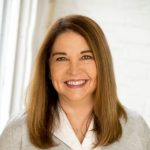
Kim Nagle, Speaker, Coach, and Author of The DAMN Plan

April 9, 2021 by John Ray

Kim Nagle
Minneapolis St. Paul Business Radio
Kim Nagle, Speaker, Coach, and Author of The DAMN Plan
Loading
00:00 /
RSS Feed
Share
Link
Embed

Download file

Kim Nagle

Kim Nagle, Author of The DAMN Plan, Speaker, and Coach (Minneapolis-St. Paul Business Radio, Episode 1)

Speaker, coach, and author Kim Nagle joins host John Ray to share the elements of business success she outlines in her just-released book, The DAMN Plan. “Minneapolis-St. Paul Business Radio” is produced virtually by the Minneapolis St. Paul studio of Business RadioX®.

The DAMN Plan, by Kim Nagle

To realize your business dream and succeed wildly on your terms, you need a DAMN attitude and a DAMN plan.

As you work your DAMN plan, you gain confidence and resolve by tracking, analyzing, and understanding the impact of your decisions and your actions. If you are an existing business owner or have been dreaming of becoming an entrepreneur and are willing to do what it takes, this is the book for you.

The DAMN Plan is laced with stories, reflections, decision-making tools, and homework to guide you as you plan and build a business that fits you and your lifestyle. Kim Nagle motivates you and kicks you in the backside with love, inspiring you to quit making excuses and go after your dreams.

Website | Purchase The DAMN Plan

Kim Nagle, Speaker, Coach, and Author of The DAMN Plan

Kim Nagle
Kim Nagle, Author of The DAMN Plan

Kim Nagle truly believes that people are capable of taking authority over their lives and deserve the life they have always dreamt of – they just need a DAMN Plan and the courage to work the DAMN Plan. She knows this for a fact. She wrote the book. Kim is the author of The DAMN Plan How To Find Freedom, Love, And Money In Your Business which some of described as “equal parts practical workbook, a letter from your BFF, and personal development journal.”

She has trained and coached 1000’s resulting in 100’s of clients launching successful businesses. Whether inspiring from the stage or sharing next steps and tools as a coach and trainer, Kim is an energetic guide for those who want to build profitable businesses they love.

When she isn’t helping others achieve their dreams, she spends as much time as she can with her grandkids. She delights in showing them that it is never too late or too soon… now is the best time to live your dreams.

Kim’s website | LinkedIn | Facebook | Instagram

Questions and Topics in this Interview

  • Tell us about who you are and your entrepreneurial journey
  • Kim’s book, The DAMN Plan, and the principles of D (Determined Decisions), A (Act Consistently), M (Mind Your Business), and N (No Excuses)
  • There are so many business owners that are struggling due to the pandemic, what’s your advice for business owners right now?
  • What’s the most important lesson you’ve learned throughout your entrepreneurial journey?
  • Lessons Kim took away from a friend’s funeral
  • How can people contact you and where can they buy your book?


“Minneapolis-St. Paul Business Radio” is hosted by John Ray and produced virtually from the Minneapolis St. Paul studio of Business RadioX® .  You can find the full archive of shows by following this link. The show is available on all the major podcast apps, including Apple Podcasts, Spotify, Google, Amazon, iHeart Radio, Stitcher, TuneIn, and others.
Tagged With: Author, business coach, Kim Nagle, speaker, The DAMN Plan

Paul Klein, Klein Consulting and “Pricing Is Positioning” Podcast

April 8, 2021 by John Ray

Paul Klein
Nashville Business Radio
Paul Klein, Klein Consulting and "Pricing Is Positioning" Podcast
Loading
00:00 /
RSS Feed
Share
Link
Embed

Download file

Paul Klein

Paul Klein, Klein Consulting and “Pricing Is Positioning” Podcast (Nashville Business Radio, Episode 1)

His own experience as an independent consultant led Paul Klein to build a practice in which he coaches other consultants and coaches on effective pricing strategies in their own businesses. He joined host John Ray to discuss value pricing, the inadequacies of hourly pricing, offering options, anchoring, and much more. “Nashville Business Radio” is produced virtually from the Nashville studio of Business RadioX® .

Paul Klein, Klein Consulting and “Pricing Is Positioning Podcast”

Paul Klein
Paul Klein, Pricing Is Positioning Podcast

Paul Klein is a business consultant and entrepreneur. From his days as 1980s hair band guitarist and lifelong entrepreneur to starting and scaling a successful SAAS company to consulting for some of the biggest brands including Target, Neiman Marcus, Starbucks, Holiday Inn, and other global brands, Paul helps Consultants, Freelancers, and Solopreneurs price their services, stop undercharging in order to build 7 figure businesses. Paul is the host of the “Pricing Is Positioning” Podcast and The Rock Your Pricing Online Course and Community.

More on the Pricing Is Positioning podcast.

How does your pricing stack up? Take Paul’s Pricing Quiz here.

Paul’s website  | Facebook | Instagram | YouTube

Questions and Topics in this Interview

  • What do you mean by pricing is positioning? Tell me more about this.
  • Tell me a little more about value or how value can affect pricing in the marketplace.
  • What about charging hourly for service?
  • If hourly is not ideal, what are some other pricing arrangements?
  • Tell me more about using anchoring and options and how this can be used.
  • You talk about choice overload and using a one-page proposal, tell me more about this.
  • Why did you make the move to Nashville?


“Nashville Business Radio” is hosted by John Ray and produced virtually from the Nashville studio of Business RadioX® .  You can find the full archive of shows by following this link. The show is available on all the major podcast apps, including Apple Podcasts, Spotify, Google, Amazon, iHeart Radio, Stitcher, TuneIn, and others.
Tagged With: hourly pricing, John Ray, Klein Consulting, Nashville Business Radio, Paul Klein, pricing, Pricing Is Positioning

Workplace MVP: Geoff Topping, Challenger Motor Freight, and Sara Rose, Hennepin Healthcare

April 8, 2021 by John Ray

Challenger Motor Frieght
Minneapolis St. Paul Studio
Workplace MVP: Geoff Topping, Challenger Motor Freight, and Sara Rose, Hennepin Healthcare
Loading
00:00 /
RSS Feed
Share
Link
Embed

Download file

Hennepin Healthcare

Workplace MVP: Geoff Topping, Challenger Motor Freight and Sara Rose, RN, MVN, Hennepin Healthcare

The pandemic created unique and acute workplace challenges for both trucking and healthcare enterprises. Geoff Topping, Challenger Motor Freight, and Sara Rose, Hennepin Healthcare, joined host Jamie Gassmann to reflect on their experiences of both difficulty and hope over the past year. “Workplace MVP” is underwritten and presented by R3 Continuum and produced by the Minneapolis-St.Paul Studio of Business RadioX®.

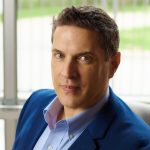
Geoff Topping, Vice President of People & Culture, Challenger Motor Freight Inc.

Geoff Topping, Challenger Motor Freight

Geoff Topping has been in the trucking industry for over 25 years and has held many roles in that time. Geoff started his career as a Driver and has since held positions in Operations, Sales, Recruiting and Human Resources. Currently, Geoff is Vice President of People & Culture including Safety, Recruiting and Risk Management for Challenger. Geoff has also served Industry associations such as the Truck Training Schools of Ontario where he acted as the Chair of the Carrier committee and is currently the co-chair of the Recruiting, Retention and HR committee at TCA as well as a Commissioner for the Niagara Bridge Commission. In 2018 Geoff was awarded the HR Leader of the year by Trucking HR Canada and is 2017 was also recognized as the HR Innovator.

Challenger Motor Freight Inc.

Challenger Motor Freight is a total supply chain provider to a large and diverse customer base in Canada, United States, and Mexico. Challenger employs more than 1,500 people with locations in Toronto, Montreal, Vancouver, Atlanta, Chicago, Dallas, and Long Beach.

Since its inception in 1975, Challenger Motor Freight Inc. has continually set new standards of quality and performance. Their unwavering commitment has earned us some of the highest accolades in the transportation industry and an impressive record of customer satisfaction.

From its earliest days, Challenger has made innovation a part of its corporate culture. The Challenger team has always been on the forefront of operational and technological advancements that have significantly changed the nature of the transportation industry. These innovations continue to take them in new directions by allowing the company to offer enhanced services to meet their customer’s increasingly diversified needs.

With a full range of transportation, warehousing, and logistics services, Challenger can meet client requirements and transport your goods between Canada and anywhere in North America.
Their modern fleet serves truckload, less-than-truckload, special commodities and expedited needs. A team of professionally trained drivers and state-of-the-art electronic monitoring and on-board tracking systems help ensure the highest quality standards and timely arrivals.

At Challenger, they are proud of our history and excited about their future, but their greatest pride lies in helping customers reach new heights.

Leading the Way. Challenger Motor Freight is a company that shares your drive to outperform the competition.

Company website | LinkedIn | Facebook

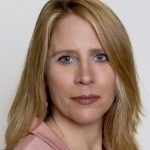
Sara Rose, RN, MSN, Hennepin Healthcare

Hennepin Healthcare
Sara Rose, RN, MVN, Hennepin Healthcare

Sara Rose is an energetic and visionary hospital leader with thirty-two years of healthcare experience including fourteen years in a nursing leadership role. Sara has experience in smaller critical access hospitals as well as urban, academic medical center environments. Sara is passionate about maintaining a strong focus to provide support and well-being resources for her teams. She sees staff as the most valuable resource in any healthcare organization.

LinkedIn

Hennepin Healthcare

Hennepin Healthcare is a network of inpatient and outpatient services across the Twin Cities in Minnesota.

Their flagship, Hennepin County Medical Center (HCMC), is a 400-bed Adult and Pediatric Trauma Center, Comprehensive Stroke Center, Verified Burn Center, and Verified Bariatric Center in the heart of Minneapolis.  As an academic medical center and safety net hospital, their mantra is “Every Life Matters.”  The Critical Care and Heart and Vascular divisions oversee adult intensive care and cardiology services.  HCMC is accredited by the Joint Commission.

Company website| LinkedIn |Facebook | Twitter

About “Workplace MVP”

Every day, around the world, organizations of all sizes face disruptive events and situations. Within those workplaces are everyday heroes in human resources, risk management, security, business continuity, and the C-suite. They don’t call themselves heroes though. On the contrary, they simply show up every day, laboring for the well-being of employees in their care, readying the workplace for and planning responses to disruption. This show, “Workplace MVP,” confers on these heroes the designation they deserve, Workplace MVP (Most Valuable Professionals), and gives them the forum to tell their story. As you hear their experiences, you will learn first-hand, real life approaches to readying the workplace, responses to crisis situations, and overcoming challenges of disruption. Visit our show archive here.

“Workplace MVP” Host Jamie Gassmann

In addition to serving as the host to the Workplace MVP podcast, Jamie Gassmann is the Director of Marketing at R3 Continuum (R3c). Collectively, she has more than fourteen years of marketing experience. Across her tenure, she has experience working in and with various industries including banking, real estate, retail, crisis management, insurance, business continuity, and more. She holds a Bachelor of Science Degree in Mass Communications with special interest in Advertising and Public Relations and a Master of Business Administration from Paseka School of Business, Minnesota State University.

TRANSCRIPT

Intro: [00:00:04] Broadcasting from the Business RadioX Studios, it’s time for Workplace MVP. Workplace MVP is brought to you by R3 Continuum, a global leader in workplace behavioral health, crisis, and security solutions. Now here’s your host, Jamie Gassmann.

Jamie Gassmann: [00:00:26] Hi, everyone. Your host, Jamie Gassmann, here. And welcome to this edition of Workplace MVP. Every day around the world, workplaces of all sizes face disruptions, such as loss of employees, business interruptions, natural disasters, workplace violence. And, yes, a pandemic. Within those workplaces are everyday heroes whose role calls for them to ready the workplace for and respond to those disruptions. This show features those heroes we call Workplace MVP’s, otherwise known as Most Valuable Professionals. While we celebrate their inspiring work, we also hope to learn from their experiences as well.

Jamie Gassmann: [00:01:09] Today, we have two wonderful MVP’s to celebrate. Geoff Topping, Vice President of People and Culture from Challenger Motor Freight, and Sara Rose, Senior Director, Critical Care from Hennepin County Medical Center, also known as HCMC. They will be sharing with us today the amazing work they have done for their organizations and their people as they navigated the twists and turns brought on by the various challenges of 2020.

Jamie Gassmann: [00:01:35] Our first workplace MVP is Geoff Topping, Vice President of People and Culture at Challenger Motor Freight. Hi there, Geoff.

Geoff Topping: [00:01:43] Good morning.

Jamie Gassmann: [00:01:45] So, you’ve been named the accidental H.R. Manager. Can you share with me how you got that title?

Geoff Topping: [00:01:51] Yeah. Absolutely. So, I am the Vice President of People and Culture here at Challenger. That kind of came about in a strange way. I started my career in the trucking industry at the age of 18 as a driver. I was a driver and owner-operator. I worked in operations and I worked in sales. And then, back in, I guess, it was about 2016 or 2015, somewhere in there, I was kind of tapped on the shoulder and asked to move in to the recruiting and retention side of the trucking business.

Geoff Topping: [00:02:26] And it was kind of an odd thing for me because I don’t have any postsecondary education in H.R. I had never worked in the H.R. field. In fact, I used to pick on the H.R. people, I called it the hug department, actually, lots of times. And so, it was kind of an odd thing for me to be put into the H.R. role. Yeah, it was a very unconventional way of getting here. But I think I’m pretty proud of the way things have turned out. It’s been an exciting time. And we’re going to talk a bit about that a little more as we go through things here today.

Geoff Topping: [00:02:58] But I’ve often said now, I wish it was what I’d done all my career was working the H.R. side of things. But it’s been pointed out to me by many people, a couple of mentors that I have that, you know, if I hadn’t done all the different roles I have within the industry and within the school of hard knocks, I guess we’ll call it, then I wouldn’t be able to fulfill the role the way I do. So, kind of a weird pattern or way to get here, but it’s been exciting.

Jamie Gassmann: [00:03:24] Definitely. So, tell me a little bit about, you know, the career journey you’ve had. You know, your mentors pointed out that it helped you in your current role. In your opinion, how has that helped you be more effective at what you do?

Geoff Topping: [00:03:37] Well, I think in our industry, because I’ve worked in basically all areas of our industry, I can really empathize with the drivers, with the mechanics, with the people in the operations floor, the people in the admin sections of the business. I’ve done a lot of the same roles they are currently doing. I’ve faced a lot of the same challenges, it gives me a good perspective of what they might be dealing with.

Geoff Topping: [00:04:03] It’s also really helped where I can relate and kind of tell the story, or I joke and call it translate. I can translate what the other departments might be dealing with. You know, when you put in an order, for example, you’re putting in an order for a load to pick up somewhere. That information that’s put in there is not only important to the driver, it can be important to the billing department. It can be important to the safety department. It can be important to the risk department. And because of all my different roles, I’m able to kind of share with everybody what you do and how it affects other people throughout the supply chain.

Jamie Gassmann: [00:04:36] Great. Now, over the last year, I’m sure it helped out a lot to have some of that background, but what were some of the hardest parts of your role over this last year?

Geoff Topping: [00:04:48] Since the pandemic started in March the 11th at about 1:15 in the afternoon – I’ll never forget it – in 2020, getting people answers has been the hardest part, I think. People were dealing with fear in a lot of ways. I mean, if we look at Maslow’s Hierarchy of Needs, you know, those basic needs were in question for a lot of people. They didn’t know if they were going to have a job. They didn’t know what this might mean for their health. They didn’t know what it might mean for their loved one’s health. And so, there was a lot of fear. And, you know, we still go through waves of that as the pandemic continues. And we’re in wave 3 of it here now in the Province of Ontario.

Geoff Topping: [00:05:33] But I think getting people answers was the hardest thing because people were scared. They were having emotions that they didn’t understand. I mean, none of us have been through a pandemic before. This is something new and unprecedented. So, coming up with answers fast enough for people and ones that weren’t going to change, I mean, this was a very fluid situation. The health care professionals, which we have one of them on the line here with us today, we’re learning about this virus. It was a changing virus and still changes to this day. So, how it was being handled, what the medical professionals, what the the boards of health or the Departments of Health were requiring was constantly changing. And I think just getting people the answers to make them feel safe and make them feel comfortable was the biggest challenge.

Jamie Gassmann: [00:06:25] Now, you’ve mentioned fear and we’re going to talk a little bit more about that in a little bit. But tell me a little bit about what was it like for your staff? What were you experiencing? You know, you’ve heard stories of every employee kind of responded differently. Some were really afraid. Some were not. Kind of like almost like a spectrum of fear. What was it like for your staff over this last year with all of the different twists and turns, cases rising, cases falling? What was it like for your team?

Geoff Topping: [00:06:59] It’s been a time of constant change, I’ll say that. I could not be more proud of the way our organization has handled it. I mean, from the frontline, the drivers out on the road, the mechanics, all the admin staff back here in the offices supporting everybody, people have handled it amazingly. I mean, the challenges they faced have been things we’ve never dealt with before.

Geoff Topping: [00:07:25] And, you know, I take the drivers, for example, out on the road. That’s a tough job to start with. You’re away from home. It’s a lot of hours. You’re dealing with different weather, different traffic, all those kind of things. But the drivers had a real interesting challenge. Again, I can’t be more proud of the way the organization handled it. But the drivers, you know, restaurants were closed for a long time. They didn’t have access to restaurants. So, they were having to pack extra food with them or eat fast food out of their truck. Getting into shippers and receivers was an issue. They weren’t allowed on the dock. They weren’t allowed in the office. They couldn’t use the washroom facilities due to COVID. I mean, for those drivers, it was a real tough situation.

Geoff Topping: [00:08:11] I mean, all of us back in our offices or working from home, sure, we had all those fears to deal with as well. But we had some comfort and we were going home at the end of every shift or we were at home. Well, the drivers were living on the road in a very fluid situation with, you know, again, lack of access to rest areas, to washrooms, to restaurants. It was a tough time for them.

Jamie Gassmann: [00:08:37] So, we kind of have talked about the fear of the employees and, obviously, the struggles that all the drivers went through. Talk to me about, in your role, how did you support the well-being and encouraged self-care? Because obviously those are some trying times. How did you help them to kind of keep their mental health as well as their physical health intact through this?

Geoff Topping: [00:09:04] Yeah. Sure. So, communication, I think, was the biggest thing. And we started right away. Back on March the 11th, 2020, we started a communication plan that still continues to this day. We’re actually working on COVID communication number 73, we started working on it this morning. Then, they were going out kind of every other day for a little while. Then, we switched it to weekly, then biweekly, and as needed. But very detailed communication that went out. We sent it out to all the drivers in the trucks. We have the satellite system. We sent it to every drivers’ email. We sent it to every employees’ email. We sent it to all of the mechanics. We posted it on our social media pages.

Geoff Topping: [00:09:47] But a very detailed communication that kind of explained what’s happening, what’s changed since last week, here’s what we’re hearing in dealing with the various levels of government, various industry associations. We really tried to keep people up to date on what we knew at the time with the caveat that, you know, this is a very fluid situation that changes and we’ll update you as we can.

Geoff Topping: [00:10:10] Mental health is something I’m concerned about, for sure, still to this day. I kind of refer to it as the mental health hangover, that could come from this pandemic. And we’ve tried to share a lot of resources with people, resources that our EAP providers gave us, resources that are available online for people, whether that be just websites with information or access to virtual counseling, virtual doctors, to get medical appointments, all those kind of things. For the drivers, that’s certainly something that’s helped them a lot because they can’t always get home to get to the doctor at a certain time.

Geoff Topping: [00:10:49] But every one of those communications, we not only shared what we’re doing, health and safety wise just to reiterate all the protocols and safety measures, but we tried to share as many resources as we could for people to access to help them or their family or their friends. We also sent out messages to the leadership team and the managers on a biweekly basis during the initial phases of the pandemic with how to help manage your team or how to help coach your team through this situation. We just tried to provide a lot of extra information.

Geoff Topping: [00:11:26] We also made a point of doing management by walking around, I’m a big fan of that. And I tried and still do try to take a lot of the the full building at least once a day and just kind of check in with the various departments, see how people are doing, and kind of keep my ear to the ground of what might be the pinch points so that we can address that in those communications as well. In a time like this, communication, I think, is the key. I’m sure we’ve over communicated in some ways, but I felt it was important to keep people up to date on what’s going on.

Jamie Gassmann: [00:12:01] So, what is something that you’re most proud of within your career? It could be something maybe over the last year that you’ve done or just in your career in general, you know, within your role at Challenger Motor Freight or other roles that you’re just most proud of, you know, of your accomplishment.

Geoff Topping: [00:12:23] I hate kind of talking about myself, but I think one of them would be when I first got into the recruiting and retention role of things on the H.R. side. I was asked to be the face or the voice of our culture change program. And we’d done a lot of work as a company on focusing on our culture. And we believe there’s three pillars to a business, and that’s people, customer, and profit. And if we take care of the people, they’ll take care of the customers, and that will ultimately take care of the profit.

Geoff Topping: [00:12:57] And we did a a good to great – we call it – a good to great journey, where we went out and did a discovery where we met with about 40 different people one-on-one, and did intense interviews with them on what they thought was going well with the company and what they thought needed improvement. We did about 25 sessions at all days, hours, and shifts where anybody could attend any role in the company and ask those same questions. Through the help of a consultant, we boiled all that down into the main themes that we needed to address. And then, we went back out and did another road show where we said, this is what we heard, this is what we can do about it today, this is what we’re going to work on next year, the year after, et cetera. I still think that’s one of my most proudest accomplishments was working on that.

Geoff Topping: [00:13:48] And I had a lot of support. It was by no means a one man effort. You know, it was a team of people. But I got to be the voice of it, which I felt pretty privileged of. And it’s been something that’s worked very well. I think that all put us in a great spot for what we had to deal with during the pandemic, because we had proven to people that we’ll go out and ask for your opinions. We might not be able to change everything exactly the way you want, but we will give you an answer on what we’re going to do, what we can do, or what we, unfortunately, might not be able to do to affect something. So, I think combine those two, the first one put us in a great spot to handle the pandemic and the situation that we’re in today.

Jamie Gassmann: [00:14:28] Wonderful. Well, thanks, Geoff, for all that great information. We’re going to come back to you after we talk with Sara Rose now. So, our next Workplace MVP is Sara Rose, Senior Director, Critical Care, Heart and Vascular at Hennepin County Medical Center. We’ll be referring to Hennepin County Medical Center throughout the rest of the show as HCMC. So, welcome, Sara.

Sara Rose: [00:14:53] Hi, Jamie. Thanks for having me.

Jamie Gassmann: [00:14:55] So, you oversee a number of areas at HCMC, can you walk us through what those areas are and your role within the hospital?

Sara Rose: [00:15:04] Sure. I’m a nurse and I’m a patient care director, so I have several departments that report up through me in, actually, two divisions. In the Critical Care Division, I have the Adult ICUs, and the Burn Unit, and Respiratory Therapy. We are a Level 1 Trauma Center, so those are very busy areas. In the Heart and Vascular Division, I have all the procedural areas that report up through cardiology. So, the cardiac cath lab, where you might go if you have a heart attack, the echocardiography lab, and those smaller departments.

Jamie Gassmann: [00:15:47] Great. So, looking at the last year, obviously health care has been hit pretty hard in terms of being the frontline responding to patients with COVID, what for you has been the hardest part of your role over this last year?

Sara Rose: [00:16:03] Yeah. Well, I can echo some of what Geoff said too. You know, I think the hardest part was asking staff to trust us and be flexible as we moved forward. It was a year where we didn’t have the answers. And in health care, we like to have those answers. Things were changing with our personal protective equipment every day. They were changing in the way we isolated patients with COVID, the medications we gave them, the protocols, and the treatments. And that was the hardest part, really. Health care is an environment where you’re asked to change all the time, but we are very protocolized. And that’s how we keep patients safe. We have standard work and we follow it. And so, turning on a dime is not our strong suit. But staff did, we all got through it together.

Jamie Gassmann: [00:17:05] Yeah. And so, talk to me a little bit about the staff. I know when we talked earlier, you know, you shared kind of some of the ups and downs and the changes. Talk to me a little bit of what was the last year like for your staff?

Sara Rose: [00:17:21] Well, it started out before the shutdown. We knew this was coming. I don’t think any of us knew the tsunami that we were headed for. But we started by looking at our elective procedures and we started shutting those down. And focusing on what was absolutely necessary to do. So, during that time, we had furloughs, we had a loss of business because we were shutting down those elective procedures and staff went home. And at the same time, the other half of the organization was really busy building up for what was to come, building out extra care spaces to take care of overflow patients. So, it was a real dichotomy. Nurses were asked to work in different areas. Maybe your area was shut down, but you’re a critical care nurse and you could be utilized in the ICU. So, again, we were asking staff to be very flexible.

Sara Rose: [00:18:27] Then, when we hit our first surge around the March or April timeframe, it was crazy. We did not have enough staff. We were out taking care of patients in areas we hadn’t cared for them before. And we were working with our local business partners, the other hospitals, to try to load level and make sure that none of us were overly burdened, while others were status quo. It was a crazy time.

Sara Rose: [00:19:00] And going into the summer, we saw the COVID numbers go down a little bit. People were outside. However, there was a lot of civil unrest in our community that took the violent injuries up quite a bit. And so, we saw, I think, about 300 percent increase in our penetrating trauma over the summer. And so, that was another stress on the staff.

Sara Rose: [00:19:34] Then, we had another surge in October where we were asked again to change our nursing ratios, do things differently to accommodate the influx of patients. So, it’s been a real roller coaster from feast or famine. And that creates a lot of emotional drag on staff, and I can still feel it today.

Jamie Gassmann: [00:20:01] Sure. So, you kind of touched on it a little bit with the unexpected patient increases, obviously, in the violent injuries. What other increases did you see as a result of people kind of changing how they live? A lot of people working remote, maybe being home all day. What were some of the other areas that also increased along with, obviously, COVID patients at your hospital?

Sara Rose: [00:20:30] You know, mental health resources in this country are really stretched. And we saw that there were an increase in demand for counseling. And we shut down a lot of our group therapies and had to do those on line. So, we saw people getting sicker with their mental health. But we also saw across the country and at HCMC an increase in the burns, especially in the pediatric population. Parents working from home, trying to homeschool their kids, young kids maybe not being as supervised, so coffee burns. And this was a country-wide phenomenon.

Jamie Gassmann: [00:21:18] Interesting. And those were the things that we weren’t really hearing about because there’s so many other things to report on. So, it’s interesting that both you and Geoff shared areas that we maybe hadn’t thought about as increases or challenges that each of your industries faced. So, you kind of touched on this a little bit, your hospital is located in downtown part of Minneapolis. So, how has the civil unrest impacted your team? I know you mentioned the increase in violent injuries, but what other impacts have you had to manage as a result of that civil unrest being so close to home?

Sara Rose: [00:21:57] Well, we’re a very multicultural and diverse organization. And so, you know, what goes on in our community is often brought inside our doors because we live and work in the community. There’s been a lot of anxiety. As a leader, my job is to make sure that people are safe and that patients are safe, that staff can get to and from their cars safely, and that the patients we’re taken care of inside our walls are safe. You know, there have been necessary conversations that have been sparked because of the civil unrest. And so, emotions are raw. But, again, these are things that we have to go through.

Sara Rose: [00:22:46] I’m really proud as an organization that from the top down, we’re really committed to equity in the care we deliver and how we treat each other. And so, we’re on the road on that journey actively pursuing it. But I would say in wrapping up this question, it’s an emotional time and we’re trying to understand each other. And I think we need to have these conversations, but they’re hard in the midst of a busy workday.

Jamie Gassmann: [00:23:20] Evidently. So, now, your team on a normal workday – and year – see a lot due to being a Level 1 Trauma Center. This last year, as you kind of mentioned, is a roller coaster, especially taxing, so what approaches have you used to support the well-being and encourage self-care within your team?

Sara Rose: [00:23:42] Much like Geoff, we have a portfolio of offerings for staff. We have employee assistance and we have online trainings. We also have a critical incident support team that we can call on to come and help our staff members get through a crisis or a critical time, something that’s really affecting them in the moment. I think we struggle a little more looking back and saying we realize people need help, but what do we do for them? And that’s really where we are today.

Sara Rose: [00:24:21] For me, it’s important for me to show up. I think a leader shows up for their team even on a day that they don’t want to be face-to-face with people. And Geoff alluded to it as well, getting out there and walking around. It’s so important to staff that they know that we know what they do. Right? And so, for me, being present, stepping up, having an open door policy. But I still feel like we have some room for improvement in really getting to our team members and making sure that they’re doing okay. And that’s a passion of mine and something I hope that we can continue to work on here at HCMC in my career time.

Jamie Gassmann: [00:25:13] Great. And so, what is something that you are most proud of within your career and your role at HCMC?

Sara Rose: [00:25:23] I’ve always been proud of the teams I’ve worked with. I can look back on every team, whether I was a staff member or a leader, and I’ve been proud to be part of those teams. But I would say, especially in this last year, everyone in this hospital, from environmental services, to nursing, to respiratory therapy, to facilities, we really pulled together. And I’m proud of the team we became. We became a different team. A team that had no bounds and no barriers. And we just worked to get the job done. No politics. No long conversations. We just did the work. And looking back, I wouldn’t want to go through it again. But looking back, I’m very proud of them and I would work with that team any day. And I’m fortunate to be here still working with them.

Jamie Gassmann: [00:26:22] Wonderful. So, real quick, we’re going to a little word from our Workplace MVP’s underwriter, R3 Continuum. R3 Continuum is a global leader in providing expert, reliable, responsive, and tailored behavioral health crisis and security solutions to promote workplace well-being and performance in the face of an ever changing and often unpredictable world. Learn more about how R3 Continuum can tailor a solution for your organization’s unique challenges by visiting www.r3c.com today.

Jamie Gassmann: [00:26:57] So, now, I’d like to open up a conversation with both of our MVP’s. So, first question I have for the two of you is, looking at your employees today, a year after the start of the pandemic, what would you say are some of the challenges that you might be still facing or are new challenges that you’re facing as a result of the last year or just as we continue to move forward into 2021, having started the year out with some of the same of what we went through in 2020? So, I’ll open up with whoever wants to kickoff that answer.

Geoff Topping: [00:27:32] I can go ahead first. I guess the first thing I wanted to say before we get into that was, a big thank you to Sara and her team and all the health care professionals across Canada, the U.S. and, really, everywhere. I know we’re all stressed in this time, but I think the health care professionals are doing an amazing job of keeping us all safe, keeping us all healthy, and helping everybody navigate through it. So, my hat is off to you and everyone that does the kind of work you do. So, thank you.

Sara Rose: [00:28:01] Thanks, Geoff.

Geoff Topping: [00:28:01] I think the biggest thing now that people are still dealing with is not work related issues as much as it is personal issues and home issues. There’s compound stress due to kids being at home from school, online learning. People haven’t been able to see their family. They haven’t been able to take vacations. All those things that we kind of take for granted on a normal level. So, I think the stress outside of work is probably the biggest thing, I think, that we still need to focus on and help people deal with. And that comes back to mental health for sure. But all of those things are compounding on people.

Geoff Topping: [00:28:39] In the climate where I live and where Sara is, there’s that whole thing called winter. That certainly doesn’t help the situation. You know, it’s hard for people to get outside. It’s hard for them to get fresh air and sunlight and those kind of things. So, it’s really helping people kind of live their whole life, I think is the important thing right now. Work is a part of it for sure. We all spend a lot of hours at work everyday. But there’s more to a person than just them being at work. We need to make sure that the people are getting the tools and resources they need to help them with the other parts of their life, which I think is where the bigger stresses are right now.

Sara Rose: [00:29:18] And I can say for me, my staff, they’re just starting to bounce back. Resilience is an issue. We felt a large lift when we started getting vaccinated. You could almost feel the tempo or the temperature. People were a little more relaxed just knowing that we were getting vaccinated. But, still, we have a lot of emotional baggage that we’re carrying around and a lot of emotional injury.

Sara Rose: [00:29:53] As an organization and across the Twin Cities, we’re really trying to judge when is the best time for us to open up to visitors. This has been hard. The caregivers at the bedside, really have had to be the family for patients because family hasn’t been able to come in. And so, when is it safe to open up? And there’s a whole bunch of emotions attached to that. We want families here, and yet we’re afraid, you know, to have possible COVID positive people walking through our doors. So, yeah, they’re struggling, but I see glimmers of hope. People supporting each other and high fives and elbow bumps and all the things, you know, that you can do when you walk into work that really start the day off well.

Jamie Gassmann: [00:30:44] So, over this last year, what do you feel has helped you to navigate the year successfully? You know, even though, obviously, there’s hardships with the various challenges, but what would be something that helped you to navigate it?

Geoff Topping: [00:31:00] I think the big thing for us was the communication, keeping people informed and sharing communication over and over and over. The other thing that really helped was, we did have a crisis management team in place prior to this. And I know many people thought I was being a little too serious and taking things a little too far by pushing having that crisis team in place. But we had put that in place a-year-and-a-half, two years ago with members of each department. And information on teams that people could access remotely, phone numbers, procedures, plans, all those kind of things. And I think having that in place really proved successful and proved that we could hit the ground running as soon as it started.

Geoff Topping: [00:31:47] And that was a huge team effort. I mean, there was people from every department, every office, every location we have that really jumped in and and did what needed to be done. And to serious point, there wasn’t long conversations. It was, “This is what we know right now. This is what we’re going to do.” What we know ten minutes from now might be totally different, but we have to act. We have to act swiftly and we need to get going right away. So, that was really helpful.

Jamie Gassmann: [00:32:13] How about you, Sara?

Sara Rose: [00:32:14] Yeah. I agree with a lot of what Geoff said, that resonates with me. Personally, you know, I had to remain grounded to show up for my team. So, the shelter in place was really a gift to me. It afforded me the time that I needed to recharge at the end of the day. And as an organization, you know, I think the biggest thing was having a psychology presence on each of our units. The psychologists went above and beyond. They have patients to see and they’re hired to see patients. But they actually took care of the staff, too. And we had them somewhat embedded in our units so that staff could talk at huddles or at any time of the day and reach out to this person. And I think that was a huge help going forward to keep us moving.

Jamie Gassmann: [00:33:16] Great. So, a question that I have for the both of you as well is, you know, we talk a lot about employee well-being and self-care, but we also know that it’s important for leaders themselves to be following some of those same guidelines. So, across the last year, what were some of the approaches you did for yourself as a leader so that you could, as you say, show up and be present for your staff? You know, what types of self-care and well-being did you do for yourself throughout the year or continue to do?

Geoff Topping: [00:33:47] So, one of the things I’ve tried to do is, I mean, obviously, it’s more difficult to get to gyms and fitness facilities. So, I’ve tried to make sure I, at least, get out and walk every day and try to get a half-hour in weekdays and maybe do a couple of those everyday on the weekend. And I think being out and some fresh air certainly helps. The exercise helps. I have a theory, you can’t walk and worry at the same time. So, it kind of takes your mind away from things. Try to eat as healthy as I can. And I really believe in taking some quiet time every morning to sit and read something, sit and meditate, sit and think, whatever you want to call that. And I believe everybody has their own version of what they like to do that.

Geoff Topping: [00:34:32] And one of the things I do and I know some people kind of think it’s kind of funny or hokey, but I think a gratitude journal has massively helped me. It’s something I did on and off prior to the pandemic. But as I was doing some research, you know, I was under a lot of pressure and still am, and by no means it isn’t just me. Everybody’s under a lot of pressure right now. And I was reading about doing a gratitude journal again and picked up the habit and really focused hard on it. And I believe that has really helped me. It’s helped me first thing in the morning put a positive spin on my life and on my day, and give me some good thoughts to get the day started.

Sara Rose: [00:35:13] I agree, Geoff. I mean, nature for me is very healing. So, I tried to be active, get out in the woods, get to the spots in my life that really fill my cup. I, too, do some meditation. I know not everyone can meditate and so I think it’s important for people to just do what fills them up. And quite frankly, there were nights that I came home and went to bed at 6:00 p.m. and slept until I got up the next day, and that was what was needed.

Jamie Gassmann: [00:35:47] Yes. I think we’ve all had those nights for sure.

Geoff Topping: [00:35:51] Well, it wasn’t just me.

Sara Rose: [00:35:52] No.

Jamie Gassmann: [00:35:52] Definitely. Wonderful. So, if you were going to give one piece of advice to our listeners, what would that piece of advice be?

Geoff Topping: [00:36:06] During the pandemic?

Jamie Gassmann: [00:36:08] During the pandemic or just in general leading through kind of a crisis situation or challenging situations, what would that be?

Geoff Topping: [00:36:16] Mine would be just be honest, be empathetic to people. Try and understand the things from their point of view and what they’re going through, because everybody is going through something a little different. And be honest with what you know. And I know sometimes people are disappointed that you can’t give them the answer they want or sometimes you can’t even give them an answer, but give them a time when you’re going to have them an answer. And say, “I’ll look into this and I’ll get back to you with something at X, Monday at noon, Tuesday at noon,” whatever that might be.

Geoff Topping: [00:36:47] Again, during this time, it was so fluid. Things were changing so fast that it was hard to give those answers. But I believe being honest like that lets people know that you will give them an answer when you can and that you’re not going to make something up. And to make something up in a situation like this, it could spiral out of control terribly. It just would not be the right thing to do.

Sara Rose: [00:37:12] I agree, Geoff. Authentic leadership is really important. For me, I guess, I wouldn’t be able to leave this podcast as a health care provider and not say my advice would be get vaccinated. It’s the way out of the pandemic. Get vaccinated and wear your mask.

Jamie Gassmann: [00:37:37] Great. Well, you both are amazing. And, you know, a big thank you for letting me celebrate you, letting us celebrate you, and for all of the hard work and tenacity that you guys went through over the last year in keeping things moving in both your respective industries. And for sharing your stories and giving great advice with our listeners. We appreciate you. And I’m sure your organizations and staff do as well.

Jamie Gassmann: [00:38:06] So, you can find Geoff Topping and Sara Rose on LinkedIn, if you would like to connect with them both. We also want to thank our show underwriter, R3 Continuum for supporting the Workplace MVP podcast. And to our listeners, thank you for tuning in. If you have not already done so, make sure to subscribe so you get our most recent episodes and our other resources. You can also follow our show on LinkedIn, Facebook, and Twitter, @Workplace MVP. If you are a Workplace MVP or know someone who is, we want to know. Email us at info@workplacemvp.com. Thank you all for joining us and have a great rest of your day.


Tagged With: Challenger Motor Freight, Geoff Topping, healthcare industry, Hennepin Healthcare, Human Resources, human resources support, Jamie Gassmann, R3 Continuum, Sara Rose, trucking industry, workplace culture

Decision Vision Episode 111: Should I Retire? – An Interview with Brian Falony, Director of Marketing, Brady Ware & Company

April 8, 2021 by John Ray

Brian Falony
Decision Vision
Decision Vision Episode 111: Should I Retire? - An Interview with Brian Falony, Director of Marketing, Brady Ware & Company
Loading
00:00 /
RSS Feed
Share
Link
Embed

Download file

Brian Falony

Decision Vision Episode 111: Should I Retire? – An Interview with Brian Falony, Director of Marketing, Brady Ware & Company

On the eve of his retirement from Brady Ware & Company, Brian Falony joined host Mike Blake to discuss the considerations he weighed as he made the decision to retire from the workforce. “Decision Vision” is presented by Brady Ware & Company.

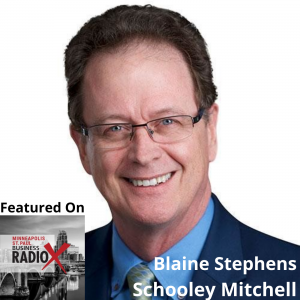
Brian Falony, Director of Marketing, Brady Ware & Company

Brian Falony
Brian Falony, Director of Marketing, Brady Ware & Company

Brian joined Brady Ware in 2017 and has more than 25 years of experience helping accounting firms grow their practices. He led the marketing functions for two of the top 50 CPA firms in the U.S. and has consulted with firms across North America on improving their marketing programs. Brian will lead the firm’s overall marketing efforts with a focus on growth.

Brian is a member of the Association for Accounting Marketing where he has served on several committees as well as the Board of Directors. He is also a member of the Association’s Hall of Fame.

LinkedIn

Mike Blake, Brady Ware & Company

Mike Blake, Host of the “Decision Vision” podcast series

Michael Blake is the host of the “Decision Vision” podcast series and a Director of Brady Ware & Company. Mike specializes in the valuation of intellectual property-driven firms, such as software firms, aerospace firms, and professional services firms, most frequently in the capacity as a transaction advisor, helping clients obtain great outcomes from complex transaction opportunities. He is also a specialist in the appraisal of intellectual properties as stand-alone assets, such as software, trade secrets, and patents.

Mike has been a full-time business appraiser for 13 years with public accounting firms, boutique business appraisal firms, and an owner of his own firm. Prior to that, he spent 8 years in venture capital and investment banking, including transactions in the U.S., Israel, Russia, Ukraine, and Belarus.

Brady Ware & Company

Brady Ware & Company is a regional full-service accounting and advisory firm which helps businesses and entrepreneurs make visions a reality. Brady Ware services clients nationally from its offices in Alpharetta, GA; Columbus and Dayton, OH; and Richmond, IN. The firm is growth-minded, committed to the regions in which they operate, and most importantly, they make significant investments in their people and service offerings to meet the changing financial needs of those they are privileged to serve. The firm is dedicated to providing results that make a difference for its clients.

Decision Vision Podcast Series

“Decision Vision” is a podcast covering topics and issues facing small business owners and connecting them with solutions from leading experts. This series is presented by Brady Ware & Company. If you are a decision-maker for a small business, we’d love to hear from you. Contact us at decisionvision@bradyware.com and make sure to listen to every Thursday to the “Decision Vision” podcast.

Past episodes of “Decision Vision” can be found at decisionvisionpodcast.com. “Decision Vision” is produced and broadcast by the North Fulton studio of Business RadioX®.

Connect with Brady Ware & Company:

Website | LinkedIn | Facebook | Twitter | Instagram

TRANSCRIPT

Intro: [00:00:01] Welcome to Decision Vision, a podcast series focusing on critical business decisions. Brought to you by Brady Ware & Company. Brady Ware is a regional full-service accounting and advisory firm that helps businesses and entrepreneurs make visions a reality.

Mike Blake: [00:00:21] Welcome to Decision Vision, a podcast giving you, the listener, clear vision to make great decisions. In each episode, we discuss the process of decision making on a different topic from the business owners’ or executives’ perspective. We aren’t necessarily telling you what to do, but we can put you in a position to make an informed decision on your own and understand when you might need help along the way.

Mike Blake: [00:00:41] My name is Mike Blake, and I’m your host for today’s program. I’m a director at Brady Ware & Company, a full service accounting firm based in Dayton, Ohio, with offices in Dayton; Columbus, Ohio; Richmond, Indiana; and Alpharetta, Georgia. Brady Ware is sponsoring this podcast, which is being recorded in Atlanta per social distancing protocols. If you would like to engage with me on social media with my Chart of the Day and other content, I’m on LinkedIn, and also @unblakeable on Facebook, Twitter, Clubhouse, and Instagram. If you like this podcast, please subscribe on your favorite podcast aggregator, and please consider leaving a review of the podcast as well.

Mike Blake: [00:01:17] Today’s topic is, Should I retire? And our guest – that I’m going to bring on in just a minute – is a dear friend, and professional colleague, and mentor of mine, who has reached the stage of his life where he is going to retire from our firm. I don’t know if it’s been formerly announced, so I’m not going to mention it right now, but soon. It’s a known quantity by the time this thing gets published, I’m sure it’s going to be more known.

Mike Blake: [00:01:51] But, you know, it occurs to me that retirement is one of the most consequential decisions that all of us, we hope, will make in our lives. It’s consequential from a business perspective. It’s, of course, consequential from a personal perspective. And a decision to retire is so weighty and is so complex and is intertwined with the hard material discussions and considerations as well as the emotional and profound personal considerations.

Mike Blake: [00:02:30] And, you know, we’ve been thinking about retirement as a society for a while. I remember ten years ago or 15 years ago that we thought for sure there was going to be this wave of businesses that was going to be up for sale, and this wave of executives that were going to have to retire. And interestingly, they, largely, didn’t. I mean, some did, of course. But, you know, first of all, with the profound financial implications of the financial correction of 2008 and 2009, simply for many people moved the goalposts for retirement back from a financial perspective and did so in a significant way.

Mike Blake: [00:03:17] But, also, sort of a funny thing happened is that, the human lifespan and the human useful lifespan has increased significantly since World War II. And I’m not going to get into a big discussion as to why that is. There are lots of theories. But you just can’t deny the fact that more people are living into their 90s. You know, renowned children’s author, Beverly Cleary, just passed away at 104. I didn’t even know she was still alive. But when I was in my single digits and in the 70s, I was reading her books right along with everybody else. And that’s just an example. But not only are people living longer, they’re living longer in a state of greater health and in a state of greater vibrancy. And in particular, if we ever really get a handle on Alzheimer’s, watch out, because, you know, I don’t know that 65 is going to be the bogey for retirement. I don’t know that it’s necessarily economically sustainable. And again, that’s a different podcast, so maybe the Chart of the Day.

Mike Blake: [00:04:19] But coming back to where we are, you know, regardless of the social implications and the economic implications, at the end of the day, our podcast is about making critical decisions. And usually ones that are hard to reverse. And when you really get down to it, it’s hard to think of many personal decisions that are much more impactful, that have much greater and far reaching implications than should I retire. So, that’s why I want to cover this today. And I hope many of you will find this of interest and helpful.

Mike Blake: [00:04:57] And joining us today is my longtime friend and mentor, Brian Falony, who is Director of Marketing for my firm, Brady Ware & Company. We actually met when we are working with another accounting firm. I went back and checked, it’s actually about 12 years ago. And I suspect that we grew a friendship quickly because I was an accountant that actually was interested in marketing. But, ha, the joke’s on you. I’m not really an accountant. I just have to work for an accounting firm so the record is unblemished.

Mike Blake: [00:05:28] But, you know, he and I have maintained a long relationship, a great relationship now across two firms. He actually recruited me into Brady Ware. And I hope that’s not one of the reasons he’s being put into retirement. It might be, we’ll get into that. And as I said, he’s retiring soon. So, I thought, what a cool idea to get into the head of somebody who is actually in retirement, not thinking about retirement, not did it a year ago, but is actually sort of in process, kind of like watching an eclipse as it’s happening.

Mike Blake: [00:06:05] Brian has more than 30 years of experience helping accounting firms grow their practices. He led the marketing functions for two of the top 50 CPA firms in the U.S., and has consulted with firms across North America on improving their marketing programs. Brian leads the firm’s overall marketing efforts with a focus on growth – at least he will until he retires. Brian is a member of the Association for Accounting Marketing, where he has served on several committees as well as the board of directors. He is also a member of the Association’s Hall of Fame – which I did not know. And, again, this is one of these things, just like last week, you get into somebody’s bio, you find some cool things about them you didn’t know in spite of how long you knew them.

Mike Blake: [00:06:45] And I think it’s worth saying that, also, Brian has been one of the thought leaders that helped put this podcast together. It was he, in a lot of ways, helped make this possible and rallied the support of the firm behind it. And it’s a fair statement to say, this podcast would not be here, I think, without Brian’s help. And to him, I’m very grateful for that. And I hope our listeners will acknowledge that. Brian, thank you so much for coming on the program.

Brian Falony: [00:07:13] Well, thanks, Mike. That was a great introduction. I’m not sure that I’ll live up to all of it, but I’m ready to talk about it.

Mike Blake: [00:07:22] Well, you are retiring. You are retiring, right? I mean, you are qualified to talk about that because you are, in fact, retiring. You don’t reverse that decision, right?

Brian Falony: [00:07:30] That is true. That is true.

Mike Blake: [00:07:32] So, you know, talk about your career as you kind of look back and you’re talking to somebody about what you have done over the course of your business life, how would you summarize it?

Brian Falony: [00:07:44] Well, actually, I had two careers. Right out of college, I started working for the office furniture industry. My dad was actually working in that industry. And he kind of got me an entree into it. And I worked for firms like Herman Miller and Haworth for about 17 years. And then, in, I think, 1989, Herman Miller, being a public corporation, had a big cutback. And, suddenly, there I was without a job and had a family and a house and all of that. So, I started searching around, landed a job, and had to move from West Michigan down to South Bend, Indiana, sold the house, moved the family. Six months into the new job, I decided I would have been better off staying unemployed. So then, I started searching again.

Brian Falony: [00:08:29] And there was a firm called Crowe Chizek down in South Bend, Indiana. And I had an opportunity, go in and talk to them about their marketing director position. They took a chance on me and I had no idea about working in accounting, but I took a chance on them. I found out that I absolutely loved working with accountants, working in a less hierarchical structure, and working in an area where I could make a meaningful impact on the growth of a firm. I worked for them for a few years.

Brian Falony: [00:09:04] I took another job which moved me to Atlanta, consulting. I worked for an association of accounting firms and consulted with them for a number of years. And then, had a great opportunity to go back into a firm. And so, I’ve been in firms. I’ve been consulting with firms. I’ve been with a company that’s no longer in existence, Peachtree Software. They were bought up. But for the last 30 years, I’ve been working with accounting firms and have just absolutely loved what I do, helping these firms grow and helping individual accountants find new clients and develop relationships with those clients.

Mike Blake: [00:09:45] So, you’ve done all that. You’ve enjoyed and produced, you know, the success that you have. What goes into the decision to decide you’re going to retire?

Brian Falony: [00:09:59] I think there are a couple of things, and I’m going to speak for me here. But I started over the last couple of years, I started to realize that there were parts of the job that I really, really liked. But then, there were other parts of it that it just wasn’t my main interest. And my interests were changing a bit. And so, when you start to get that feeling that – gosh – it’s just not exactly what you wanted to do. And that started me thinking about it.

Brian Falony: [00:10:35] And then, the other thing that went into that decision is, I’m a relatively older person. I did not grow up with the internet. I did not grow up with a lot of the technology that we have today. And I started to think, you know, the way marketing is going within CPA firms, it may require a different skillset than what I bring to the table. And maybe it’s time for the firm to start looking for somebody that has that skillset that can take them to the next level, can take them over the next few years, and really embrace the technology that is taking over our world.

Mike Blake: [00:11:21] You know, that’s interesting, and I think there’s a very visible analogy to that, and that is in sports coaching. I know you follow sports, at least, a little bit. And I’m sure you’re cognizant of the fact that many sports, particularly baseball but has spread to others, have gone deep into data analytics in terms of how they build teams on field, decision making, and so forth. And what we saw, about, starting ten years ago in baseball and maybe five to seven years ago in the other sports, were the old school coaches retiring. Not because they had lost the ability to coach a football game and select players and train players per se, but they started to recognize that in order to be successful or to get that next job, they were going to have to embrace analytics.

Mike Blake: [00:12:19] It means going back to school for computers, which means having to go back to school for some form of data science. Which, just is not the kind of thing that say, you know, Don Shula was going to do, right? It’s not what Joe Torre was ever going to do, right? And so, rather than retool – it didn’t mean they all of a sudden become bad coaches, but it simply was a scenario in which their industry evolved in a direction where you have to make a decision. (A) You don’t want to do it. And (B) is it worth doing, given the fact that I may not necessarily have that many working lives left. Does it even make sense to do that from an ROI perspective?

Brian Falony: [00:13:03] Yeah. And I think it’s not only the internal looking that you just described. But I think if an executive is really dedicated to the firm that they work for, I think they also have to, in their mind, ask that question, is the skillset that I have what is needed to take my firm to where it needs to go?

Mike Blake: [00:13:32] Yeah. But I guess, also, the other consideration, too, I mean, you could have simply left Brady Ware and moved to another accounting firm. So, it’s not just about the need for that firm, I imagine, but it’s also sort of the needs of the market generally. And that doesn’t mean that what you bring to the table is obsolete – I’ll just call it sort of old school, if you will, or OG marketing – it’s still very valuable. And it’s going to come back with a vengeance. So, say, I’ll get vaccinated and start meeting each other again. But it’s going to be one tool as opposed to the tool.

Brian Falony: [00:14:10] Yes. I agree totally.

Mike Blake: [00:14:14] And a tool that’s more relied upon, I think, by certain demographics, one versus the other. Again, as you mentioned, just based on how people grow up and what their comfort level is with different kinds of marketing platforms.

Brian Falony: [00:14:26] Absolutely.

Mike Blake: [00:14:28] So, I’m going to quasi-out you a little bit. I know that you’re not 65. I know that you’re older than 65. I’ll let you disclose your age if you choose to. But I know you didn’t retire exactly at 65, which is our firm’s ostensible mandatory retirement age. And that’s sort of a frequent finish line for many people’s careers, I’m not sure how long term sustainable that is given the economics. But, for now, it is what it is. Why didn’t you just retire at 65, kind of like everybody else? What kept you wanting to continue?

Brian Falony: [00:15:07] Well, at the time, I was working for a company called Thomson Reuters. And I had started out working for a company called BizActions, which was then bought by Thomson Reuters. And I had the opportunity to help CPA firms use a tool, an electronic newsletter tool, to help develop their business. And when Thomson Reuters bought it, my job changed significantly and became a little bit less fun. But I wasn’t ready to hang it up yet.

Brian Falony: [00:15:39] And so, one day, I was talking with one of my customers, Brady Ware & Company. I was talking to my contact with Brady Ware. And I’d seen on LinkedIn that they were looking for a marketing director, and I said, “Gee. I see you’re looking for a marketing director.” She says, “Yeah. Do you know anybody?” And I said, “Well, as a matter of fact, I do.” And because we had developed such a good relationship, I started working for Brady Ware.

Brian Falony: [00:16:08] But, really, at the time I was 65 years old, I wasn’t ready to hang it up at that point in time. I knew that I really loved going into an accounting firm and bringing my skills into their marketing program. And getting them to the part where they’re directed, and they’re growing, and everybody is being successful in growing the firm. So, I thought this was a great opportunity. I did, however, say to the managing partner who is doing the hiring, I said, “I want you to realize I am 65 years old. I plan on retiring at age 70. So, just understand that this is a five year maximum gig. And I’ll be happy to work with you in that transition when the time comes.”

Brian Falony: [00:16:54] Well, that was a number of years ago. And, now, that I am 70 years old, it is time to actually put that in place. And so, he and I started talking, probably, about a year ago on the transition. I let him know that 70 was coming up and that we had discussed this. And so, we’ve been working on the transition for about a year.

Mike Blake: [00:17:18] So, as you approach this decision, other than the financial peace – and financial, I think, concerns everybody to some extent. Maybe not. I don’t want to put words in your mouth – but what concerns you most about the decision to retire, if anything? Was there anything that worried you, concerned you, bothered you, made you hesitate in any way?

Brian Falony: [00:17:39] Well, it’s something that I’m still having to deal with in my head. And that is for, roughly, 47 years, ever since I graduated college, I have been in marketing. I have progressed through marketing up to the director level. I have been the breadwinner for my family. I can’t tell you the last time I took more than about two weeks off from work. And so, I think there is a little bit of a loss of identity. Like, “Who am I going to be in this new career?” And I’m still working on that. I think I’ve got a solution for it. And I’m hoping that it all works out well. But that is still a concern. And I think for a lot of people that have had a good long career and really loved what they’re doing, that loss of, “Well, this defines who I am. How do I get that new definition?” can be a pretty significant issue that needs to be considered.

Mike Blake: [00:18:49] Yeah. And, you know, I spoke with a friend, that you and I both know, last week. And she retired, actually, about a year or almost a year ago. And I’m going to have another conversation with her next week. But she wasn’t overly thrilled with her retirement either. And the thing that she told me that she’s really struggling with is building that identity. You know, there’s only so many books you can read, if you’re the most voracious reader in the world. And so, like I said, I got on the phone with her and helped her brainstorm and kind of think about what might be next. And, you know, I think it is jarring.

Mike Blake: [00:19:32] My dad, he retired, I guess, about eight, nine years ago. And he’s a very good retiree. He had no desire to go back to work. He’s a little bit a nonprofit. He’s a big time bridge player, that sort of thing. But, you know, I can appreciate for a lot of people that’s not easy, especially if you’ve been sort of in an intense environment where your whole day, your week, your month, your year is structured around work. You just have that become a vacuum. It’s almost an embarrassment of riches in terms of time. It’s a different kind of time management problem.

Brian Falony: [00:20:08] Yes, it is. And we’ll see how that goes.

Mike Blake: [00:20:12] So, how would you characterize your retirement planning process? When did you start to get serious about it? Was it phased? Was it consistent? Was it, “Oh, crap. I’m behind. I got to hurry up.” And it’s probably sort of different for different aspects of retirement. But how would you characterize it in your particular case?

Brian Falony: [00:20:38] Well, it was pretty well planned. And if you ever talk to my wife, she’ll tell you that I’m very annal about process and planning and all of that. So, you know, as I alluded to earlier, I had told the managing partner of Brady Ware when he hired me that there was a limit on this. So, I had already started thinking about what does this look like. And then, I kind of put off any kind of planning until about a year ago. And when I turned 69, I said, “You know, I really have to be in a position to make this a successful and a smooth transition, so I better start planning now.”

Mike Blake: [00:21:22] And so, I talked to the managing partner, like I said, a year ago. And then, we got serious about putting a plan together, probably, starting six months ago. And we have a structured plan that laid out dates for hiring a consultant to determine what kind of a transition we wanted to make in sourcing, hiring, putting up the ads for candidates, evaluating the candidates. So, there was a pretty good plan there.

Brian Falony: [00:22:01] On the personal side, I’ve also been planning and talking to a couple of my contacts within the industry about possible consulting work and things like this. So, there’s that other side of the plan, the personal side of the plan. But I’ve been working on that for probably about the last year just to make sure that it is a good, smooth transition.

Mike Blake: [00:22:28] So, you’ve been involved, you said, in helping to choose your successor. How much involvement have you had? And do you think that involvement is likely going to be best practices for many firms? Or maybe best practice is more or less involvement?

Brian Falony: [00:22:48] That’s a really interesting question. As you said, I have been involved. I have interviewed some of the candidates. I definitely interviewed the successful candidate. But I think part of that is going to depend on the personality of the of individual retiring. I went into this with an idea that within the accounting marketing profession, most times marketing directors don’t retire. They leave and get another job, they get fired, whatever. And it’s a very difficult transition. One of the things I wanted to do in this is, try to make a smooth transition to see what goes into making that happen. So, I had the mindset that I really wanted to help with that.

Brian Falony: [00:23:46] Other people that may have a different attitude, may have the attitude that I’m the best one that’s ever been in this position, it would be a little harder for them to step back and say, “All right. Who is going to be a great person to replace me? Do some of the things that I can’t do and take the firm to the next level.”

Brian Falony: [00:24:07] So, I think going back to your original question, how involved should the person be in bringing their successor, I think if they’ve got the attitude that, this is a process that I can significantly help move my firm to the next level by doing this, then they ought to be very involved. If it’s, on the other hand, a person who thinks that they can’t be replaced, they probably ought to not be terribly involved because they’re going to look for the negative sides of anybody that’s going to come in and replace them.

Mike Blake: [00:24:39] Right. There are, in fact, the process. So, I imagine the other piece of this, too, is the circumstances under which the retirement is occurring. In your case, you know, you’re managing an orderly retirement. You’re obviously departing from the firm or separating from the firm on very good terms. Not every retirement occurs in that direction that way, right?

Brian Falony: [00:25:01] That’s true. That is true.

Mike Blake: [00:25:03] You know, you don’t necessarily want to have the person that you’re effectively booting out, trying to be involved in the successor. It’s hard to see how that would be a constructive conversation and relationship.

Brian Falony: [00:25:15] Yeah. Yeah. The plan is to have my successor in place and for me to work with him for probably about four weeks. And I’ve given this some thought and I’m thinking that, like, the first week, I’m still going to be the marketing director and he’s going to be learning from me. The second week, it might be kind of half and half. And by the third week, he’s going to be the marketing director and I’m just going to be there as a resource to him for a couple of weeks.

Mike Blake: [00:25:42] Okay. Now, you really gave the firm five years notice, when you really get down to it, right? But then, you sort of reminded our managing partner – I don’t know if I should say his name, but I guess not. I don’t know if it matters or not. People can look it up – you gave him notice saying, “Hey, look. You know, we’re sort of at the fourth quarter here. You know, we need to start acting.” So, in effect, that was a year long runway. Do you think a year is best practice in your ideal world might you have started a transition process earlier? Is it perhaps too much that maybe a year just seems so far away in retrospect? What’s your view on that?

Brian Falony: [00:26:34] I think a year is probably good. I wouldn’t make it less than six months. But then, I wouldn’t make it longer than a year either. And one of the things that I’ve noticed particularly, probably, in the last couple of months, is that, in interactions with some of the folks in the firm, I get the feeling that they’re looking at me as a lame duck. And so, I think if you start this process too soon, like more than a year out, the person could find themselves in that lame duck position a lot earlier than they need to be. So, I would say probably somewhere in the six months to one year range, at least from my experiences, is a pretty good amount of time.

Mike Blake: [00:27:25] Right. Right. And, of course, we’re talking about an executive position too. A position that’s more of a staff position. You may not necessarily need that long a transition. But the bulk of our listeners are in that executive position, so I think that answer is most relevant to them.

Mike Blake: [00:27:47] The question I’d like to ask is, a lot of people – and I’m starting to get to this age now where people are very fixated on it – have sort of a magic financial number. Where their basis is, you know, if I hit this, I’m going to retire. In government, if I hit 20 years of service, I’m out. Or, you know, for the rest of us mere mortals, if I have this much in the bank, that said, I’m out. You know, how important was that to you in terms of the timing and decision to retire?

Brian Falony: [00:28:15] It was a factor, but I don’t think it was the major factor. One of the things that I considered is – and this may change, but for right now -you’ve maxed out your Social Security at age 70. So, I knew 70 was kind of where I wanted to be. What was more important to me was having zero debt going into it, so that was a goal. But, you know, I don’t think there was a specific financial number in mind.

Brian Falony: [00:28:58] I wanted to make sure that I had enough in between my retirement savings and my Social Security that we’re not going to have to significantly downsize our lifestyle. That’s probably the biggest consideration, just having enough to enjoy the time that I have left, and provide for my wife, and just do some of the things that we have not been able to do because I’ve been tied up with work for all these years. But there wasn’t a magic number out there. There was a lot of factors that went into it. I don’t know if that helps, but that was kind of what was going in my mind.

Mike Blake: [00:29:47] Well, I think it’s interesting. This is one of those answers that I think is going to differ person to person. I know some people that they look fanatically at their brokerage accounts or savings accounts, whatever it is, their total assets, and they say, “If I hit this number, then I can basically give the world a finger. And then, my whole world changes after that time.” And, you know, of course, we all hear about government employees that the saying is, they know to the day when they’re eligible to receive full retirement.

Mike Blake: [00:30:22] And I was just curious, in your perspective – it sounds like it’s not – it doesn’t sound like you’re fixated on a number that basically was your “freedom number”. Obviously, you want to retire at a time when you can provide for yourself. That doesn’t make any sense not to do if you can help it. But at the same token, it doesn’t sound like you hit a finish line. I’ve made the number. And, therefore, I’m just going to sort of hit a switch and go into retirement mode. It’s much more holistic than that.

Brian Falony: [00:30:52] Yeah. I think that’s a fair description, Mike.

Mike Blake: [00:30:57] So, I see retirement as falling into one or two buckets. And I think I know the answer to this question, but I don’t want to assume. And one of those buckets is, retirement just simply closes a book. It’s a big ending that transitions into something just entirely different. And, again, my father was this way, my grandfather was this way for sure, my mother was this way. They just retired and just never looked back in any way, at least as far as I could tell.

Mike Blake: [00:31:39] And then, there’s another school of thought that says, “Well, this is just a different chapter where I’m still going to be around. I’m still going to be doing stuff. I’m not going to necessarily have ‘being retired’ as my identity. It’s simply a financial status,” if you will. I’m curious as to which bucket you would like to see yourself in and what’s attractive about that to you?

Brian Falony: [00:32:03] I think I would up for bucket number two as opposed to bucket number one. As I said earlier, when I fell into this career of professional services, marketing, and particularly marketing for accounting firms, I found something I really loved. And you mentioned earlier that I’m a member of the Association for Accounting Marketing and I’ve served on the board of directors and a number of committees there. And that association has been critical to my career. And I love the people in the organization. I love the organization.

Brian Falony: [00:32:42] So, I plan to stay involved with that organization even after I retire. And through that organization, I’ve met a number of people, some of whom have gone out into the consulting world. And I’ve talked to a couple of them about possibly working with them on some part time consulting engagements, things like that. Because, like I said, I love this profession and I do have, I believe, some things that I can give back to some other firms. So, I plan to keep my hand in at least a bit, not full time, but at least a bit, and just give back a little bit to this profession that has been so good to me.

Mike Blake: [00:33:24] You know, one of the things that I’ve seen some organizations do, and this is something I believe they have borrowed from academia, is, they established an emeritus role. And I think that’s actually really smart because one of the things I think that firms make a mistake on, you know, we have these well-intentioned retirement ages. And the goal mainly of the retirement age is to make room for the next generation, basically. But hitting the ejector seat on people that have potentially a-half-a-century of experience – I don’t care how much technology has changed – there’s going to be value to that half century of experience, for sure. You know, to have a role for that emeritus, whether it’s in a firm, whether it’s in an organization – hopefully AAM has something like that available for you. If not, they should – what do you think about roles like that? I mean, is that a real thing or is it just window dressing or am I making something that really isn’t a big deal? How do you kind of react to that?

Brian Falony: [00:34:28] Actually, I hadn’t thought about that until you brought it up. But I think it’s a really good idea. It’s certainly not going to be for everybody. But I think there is a lot of experience that goes out the door, and firms and individuals could benefit from that. I think there’s a tremendous opportunity for mentorship relationships within firms that could be enhanced by that person not being in a direct reporting relationship.

Brian Falony: [00:35:05] That’s one of the things that I found interesting about CPA firms, is, most of them that are at the partnership type have a defined retirement date where people have to sell back their ownership, and it’s usually 65. And there’s a lot of experience that walks out the door when that 65 hits and they have to sell their shares back. It’s experience that the firms themselves, I think, could benefit from in some fashion if they had what you call an emeritus type position. So, in hearing you talk about that, I think that’s probably not a bad idea.

Mike Blake: [00:35:48] Yeah. And maybe it’s something I’ll bring up with the other partners in the firm. So, we’re talking with Brady – I’m sorry. We’re talking with Brian Falony of Brady Ware & Company. And the topic is, Should I retire? Did the pandemic impact your decision to retire at all? And if so, how?

Brian Falony: [00:36:07] Not really. I’m one of these people that I’ve never been particularly concerned about the pandemic per se. So, I haven’t altered my work style much because of it. Now, the big change for me when the pandemic hit was, I was flying up to Dayton, Ohio usually about once a month. And I don’t think I’ve been up there since January of 2020. So, I’m not getting those Delta miles anymore. But the pandemic really didn’t have a lot to do with it. In fact, if the pandemic had had any effect, the only effect I could see is I might have postponed it another year since I won’t be able to do some of the traveling I wanted to do in retirement. But the pandemic really has not affected my decision one way or the other.

Mike Blake: [00:37:02] And that’s interesting because in considering what you said at the outset of our conversation, you talked about the approach to marketing being much more technologically focused as one of the motivations to retire. And I would have anticipated you saying that, clearly, marketing as much as anything has been forced to undergo a massive digital transformation. Because we can’t go to the conferences, and trade shows, and networking meetings, and coffees, and after dinner drinks and happy hours, all that good stuff. And I was curious if the sudden reliance on that – and I may be putting words in your mouth, so feel free to tell me to go jump in the lake – knowing the kind of person you are, how much personal contact means to you, and how much relationships means to you, you know, I wonder if kind of just the pandemic and the digital transformation for somebody like you would just take a lot of the fun out of it.

Brian Falony: [00:38:13] Maybe. But I think one of the things that the pandemic did, going back to what you just said about the change and the greater use of technology, is, it really spurred me to dig in and learn better how to use this technology that I’m not a native to and have not grown up with. It reminds me of something I got from my old aunt who just passed away, she was 98 years old. I last saw her, probably, about five years ago. And she said, one of the things that kept her going at that point in time was when she got up every day, her goal was to read something and learn something new every day. And as long as she did that, then she felt she was living well.

Brian Falony: [00:39:08] And so, when I reflected back on that, I said, “Here’s an opportunity for me to really dig in and learn something new, and see if I can enhance my skillset with it.” And so, rather than being a turn off and losing that contact – yeah, I do miss the personal contact. I do miss the face to face. I miss sitting down in your office with you and talking over your huge screen – but on the other hand, it has also spurred me to really dig in and learn new things. And so, I think there’s pluses and there’s minuses.

Mike Blake: [00:39:44] What are you looking forward to most in retirement?

Brian Falony: [00:39:50] One of the things is, as I noted before, giving back somewhat to my profession and trying to help and mentor some younger folks in the accounting marketing profession, because it can be a tough profession. But I’m also looking forward to exploring some other interests. I have a strong interest in science, and particularly astronomy and things like that. And I plan to spend some time reading and learning about that. And I might even dust off my log book and go out and go back to flying a little bit. You know, get current back so that maybe I can take my grandkids up for a flight one of these days.

Mike Blake: [00:40:34] Well, I’m sure they love that. For somebody who went to pilot training myself for a while, the navigation is a lot easier now, so you might want play with that. Brian, this has been great. I really appreciate you taking some time to talk to us. And I think our conversation is going to help a lot of people who are thinking about retirement sometime in the short to medium term. If people want to follow up on a question I didn’t ask or maybe want to go deeper on something that we talked about, can they reach out to you? And if so, what’s the best way to do so?

Brian Falony: [00:41:07] Yes, they can. And Mike, thank you. This has been a fascinating discussion. But if people need to get a hold of me, probably, since I will not be at Brady Ware for more than another few weeks, best thing would be to email me. And my personal email is F as in Frank-A-L-O-N-Y-B@earthlink.net.

Mike Blake: [00:41:33] Well, thank you, Brian. And that’s going to wrap it up for today’s program. I’d like to thank Brian Falony so much for joining us and sharing his expertise with us.

Mike Blake: [00:41:41] We’ll be exploring a new topic each week, so please tune in so that when you’re faced with your next business decision, you have clear vision when making it. If you enjoy these podcasts, please consider leaving a review with your favorite podcast aggregator. It helps people find us that we can help them. If you like to engage with me on social media with my Chart of the Day and other content, I’m on LinkedIn, and @unblakeable on Facebook, Twitter, Clubhouse, and Instagram. Once again, this is Mike Blake. Our sponsor is Brady Ware & Company. And this has been the Decision Vision podcast.


Tagged With: accounting firm, Brady Ware, Brady Ware & Company, Brian Falony, career, marketing career, Michael Blake, Mike Blake, retirement, retirement planning

Dr. Simone Phipps, Middle Georgia State University

April 7, 2021 by John Ray

Dr. Simone Phipps
North Fulton Business Radio
Dr. Simone Phipps, Middle Georgia State University
Loading
00:00 /
RSS Feed
Share
Link
Embed

Download file

Dr. Simone Phipps

Dr. Simone Phipps, Middle Georgia State University (North Fulton Business Radio, Episode 347)

In a conversation with host John Ray, Dr. Simone Phipps discussed her research on innovative yet overlooked African American women entrepreneurs such as Maggie Lena Walker, their successful adaption of the philosophy of cooperative advantage, and much more. “North Fulton Business Radio” is produced virtually from the North Fulton studio of Business RadioX® in Alpharetta.

Middle Georgia State University

Middle Georgia State University educates and graduates inspired, lifelong learners whose scholarship and careers enhance the region through professional leadership, innovative partnerships, and community engagement.

Middle Georgia State University has a history that is unlike most other institutions of higher education in the United States. Not only is it Georgia’s newest university — as of July 2015 – it’s also one of Georgia’s oldest institutions. Its origins go back to the late 19th century, and its name has been changed several times.

In 1884, the New Ebenezer Baptist Association established New Ebenezer College, a junior college in Cochran, Georgia. The first classes were held in 1887. However, just 12 years later the association discontinued its support, forcing the college to close in 1898.

In 1919, the Georgia State College of Agricultural and Mechanical Arts – a division of the University of Georgia – opened a branch on the old Ebenezer campus. In 1927, the college’s name was changed to Middle Georgia Agricultural and Mechanical Junior College, and in 1929 the name was changed to Middle Georgia College, which remained as a two-year junior college operated by a board of trustees.

Two years later, in 1931, the college became a junior college unit of a new organization called the University System of Georgia.

Middle Georgia College continued to move forward, building athletic programs and new facilities. The college’s baseball team won four national junior college championships. The college opened a campus in Dublin; large student dormitories were constructed on the Cochran campus; and in 2007 the Georgia Aviation Technical College in Eastman was merged with Middle Georgia, giving the college three campuses.

Meanwhile, about 40 miles to the northwest in Macon, a new junior college was established by the University System. Macon Junior College opened in 1968 with more than 1,100 students — the largest enrollment ever for a new college in Georgia. In 1987, it became Macon College when the USG dropped the word “junior” from its two-year institutions.

The college continued to grow, and in 1997 when the college began offering bachelor’s degrees the name changed to Macon State College. The college had established teaching facilities at two locations in Warner Robins, and in 2003 a new campus opened about one-half mile from the main gate at Robins Air Force Base. An apartment complex adjacent to the Macon Campus was acquired in 2010, giving Macon State College its first student housing.

In 2012, the Board of Regents voted to consolidate Macon State College and Middle Georgia College; the new college was named Middle Georgia State College, which incorporated all facilities and all five campuses of the two previous institutions.

University website

Dr. Simone Phipps, Associate Professor of Management, School of Business, Middle Georgia State University

Dr. Simone Phipps
Dr. Simone Phipps, Associate Professor, Middle Georgia State University

Simone T. A. Phipps, MBA, PhD, SPHR, SHRM-SCP is an Associate Professor of Management in the School of Business at MGA, where she has taught Organizational Behavior, Entrepreneurship, Principles of Management, Human Resource Management, and Strategy at the undergraduate level, and Leadership at the graduate level. Her research interests are management and labor history, entrepreneurship, HR practices, and leadership.

She has published in a number of scholarly, peer-reviewed journals, including the Journal of Business Ethics, Journal of Management History, International Journal of Leadership Studies, and Journal of Leadership, Accountability and Ethics. She also presents her research at conferences such as the Academy of Management Annual Meeting (AOM), Southern Management Association (SMA) Annual Meeting, United States Association of Small Business and Entrepreneurship (USASBE) Conference, Labor and Employment Relations Association Conference (LERA), Academy of Human Resource Development (AHRD) Conference, International Council for Small Business (ICSB) Conference, and the Business History Conference (BHC).

In addition, she serves as an Editorial Board Member for the Journal of Management History (JMH). She is also the founding advisor of the Society for Advancement of Management (SAM) at Middle Georgia State University (MGA), and the founding coordinator of the annual Knights’ Business Battle, a business plan competition sponsored by the School of Business at MGA. As regards community service, she is a volunteer with the Boys and Girls Clubs of Central Georgia.

Dr. Phipps holds a Bachelor’s degree in Management Information Science (MIS) from Claflin University, earned her MBA from Ohio University, and Ph.D. in Human Resource and Leadership Development from Louisiana State University. She is also a certified Senior Professional in Human Resources (SPHR) and Society for Human Resource Management Senior Certified Professional (SHRM-SCP).

LinkedIn | Twitter

Questions and Topics in this Interview:

  • Tell me a bit about yourself and your professional interests.
  • Considering your research interests, why is gender, and the intersection of gender and race such an important topic when it comes to leadership?
  • Lessons to be learned from accomplished entrepreneurs such as Maggie Lena Walker and Annie Turnbo Malone
  • What can be done to increase the number of women, and particularly Black women in leadership?
  • In your co-authored book, the main theme is cooperative advantage. How does this concept fit into addressing the disparities in leadership?
  • Your research interests also include management history. Are there any figures from history that stand out to you as advocates for women and especially Black women in leadership?

“North Fulton Business Radio” is hosted by John Ray and produced virtually from the North Fulton studio of Business RadioX® in Alpharetta. You can find the full archive of shows by following this link. The show is available on all the major podcast apps, including Apple Podcasts, Spotify, Google, Amazon, iHeart Radio, Stitcher, TuneIn, and others.
Renasant Bank has humble roots, starting in 1904 as a $100,000 bank in a Lee County, Mississippi, bakery. Since then, Renasant has grown to become one of the Southeast’s strongest financial institutions with over $13 billion in assets and more than 190 banking, lending, wealth management and financial services offices in Mississippi, Alabama, Tennessee, Georgia and Florida. All of Renasant’s success stems from each of their banker’s commitment to investing in their communities as a way of better understanding the people they serve. At Renasant Bank, they understand you because they work and live alongside you every day.

Tagged With: African American Management History, Annie Turnbo Malonee, cooperative advantage, Dr. Simone Phipps, Maggie Lena Walker, Middle Georgia State University

Dr. Richard Madow, The Madow Center for Dental Practice Success

April 5, 2021 by John Ray

Rich-Madow-DBR-Album
Dental Business Radio
Dr. Richard Madow, The Madow Center for Dental Practice Success
Loading
00:00 /
RSS Feed
Share
Link
Embed

Download file

Rich-Madow-DBR-Album

Dr. Richard Madow, The Madow Center for Dental Practice Success (“Dental Business Radio” Episode 17)

Dr. Richard Madow joined host Patrick O’Rourke to discuss his dental consulting practice, why dental practices should focus more on retaining existing patients instead of acquiring new ones, and much more. “Dental Business Radio” is underwritten and presented by Practice Quotient: PPO Negotiations & Analysis and produced by the North Fulton studio of Business RadioX®.

The Madow Center for Dental Practice Success

The Madow Center for Dental Practice Success works with practices from all across North America to help them increase revenues, provide better patient treatment, increase team communication, and make dentistry fun!

Dr. Rich Madow, Principal, The Madow Center for Dental Practice Success

In 1989, Dr. Richard Madow along with his brother Dr. David Madow, founded The Madow Center For Dental Practice Success with the goal of helping their fellow dentists achieve success and happiness in their practices. Having been named a “Leader In Dental Consulting” by Dentistry Today for many years running, his publications, articles and blogs are some of the most popular in the dental profession and have reached over 100,000 practices across the world!

Known for his hilarious and spontaneous style, Rich has lectured to standing room only crowds in practically every major city in The United States and Canada, teaching dentists and team members how to enjoy their careers, supercharge their practices, define and create their own personal success, increase profitability, and have more fun than ever before.

The Madow Center For Dental Practice Success has a unique approach to coaching – instead of modules and pre-written programs, each practice is individually guided to overcome their weaknesses and grow their strengths in order to obtain greater income levels and enjoy dentistry more. For more information, please check out www.madow.com.

On a personal level, Rich is a life-long and award-winning musician, having performed in many venues across North America. He is currently writing and recording new material, and his latest album, “Coming Through With Static,” can be found on Spotify, Apple Music, and all of the regular streaming sites. Among his other achievements, Rich’s book “Is Your Frog Boiling” was an amazon.com bestseller for two full days, and he has traveled to 56 countries.

Join The Madow Center in their Facebook group to hangout with like-minded Docs and team members.

About Dental Business Radio

“Dental Business Radio” covers the business side of dentistry. Host Patrick O’Rourke and his guests cover industry trends, insights, success stories, and more in this wide-ranging show. The show’s guests include successful doctors across the spectrum of dental practice providers, as well as trusted advisors and noted industry participants. “Dental Business Radio” is underwritten and presented by Practice Quotient and produced by the North Fulton studio of Business RadioX®.

Practice Quotient

“Dental Business Radio” is sponsored by Practice Quotient. Practice Quotient, Inc. serves as a bridge between the payor and provider communities. Their clients include general dentist and dental specialty practices across the nation of all sizes, from completely fee-for-service-only to active network participation with every dental plan possible. They work with independent practices, emerging multi-practice entities, and various large ownership entities in the dental space. Their PPO negotiations and analysis projects evaluate the merits of the various in-network participation contract options specific to your Practice’s patient acquisition strategy. There is no one-size-fits-all solution.

Connect with Practice Quotient

Website | LinkedIn | Facebook | Twitter

Tagged With: dental practice management, dental practices, Dr. Rich Madow, Dr. Richard Madow, Patrick O'Rourke, PPO Negotiations & Analysis, Practice Quotient, specialty dental practices, The Madow Center for Dental Practice Success

Fulton County Schools Update with Superintendent Dr. Mike Looney

April 5, 2021 by John Ray

Fulton County Schools
North Fulton Studio
Fulton County Schools Update with Superintendent Dr. Mike Looney
Loading
00:00 /
RSS Feed
Share
Link
Embed

Download file

Fulton County Schools

Fulton County Schools Update with Superintendent Dr. Mike Looney (GNFCC 400 Insider, Episode 60)

Superintendent Dr. Mike Looney shared updates about the Fulton County School System, including Finish Strong, an effort to stress the importance of graduating high school, plans for in-person learning, the support of the community in the last year, and much more.

Dr. Looney joined the host of “The GNFCC 400 Insider,” GNFCC CEO Kali Boatright, on this edition of The GNFCC 400 Insider, presented by the Greater North Fulton Chamber of Commerce. The show is produced by John Ray and the North Fulton studio of Business RadioX®.

Fulton County Schools

Fulton County Schools (FCS) is the fourth largest school system in Georgia with more than 14,000 full-and part-time employees, including more than 7,500 teachers and other certified personnel, who work in 106 schools and administrative and support buildings.During the 2019-20 school year, approximately 93,500 students will attend classes in 59 elementary schools, 19 middle schools, 18 high schools (includes two open campus high schools) and 10 charter organizations (some charters have multiple campuses but are considered one school).

School System website | Facebook | Twitter

Dr. Mike Looney, Superintendent, Fulton County Schools

Fulton County Schools
Dr. Mike Looney, Superintendent, Fulton County Schools

Dr. Mike Looney joins Fulton County Schools after recently serving as Superintendent of Williamson County Schools in Tennessee, where he was named 2015 Superintendent of the year by the Tennessee Organization of School Superintendents (TOSS).

He earned his Bachelor’s Degree in Business Management and Master’s degree in Education from Jacksonville State University in Alabama. Dr. Looney earned his Educational Specialist Degree and Doctorate in Educational Leadership from the University of Alabama.

Dr. Looney’s work has been presented for regional and national audiences on a wide range of educational and leadership topics.

He has served on several distinguished panels including President George W. Bush’s National Reading Leadership Panel in Washington D.C.

Dr. Looney also served as Superintendent of the Butler County School District in Alabama. Under his leadership the school district realized significant student achievement gains, improved the graduation rate, and established the district’s first magnet school. In recognition of his work there, he was selected as Greenville, Alabama’s Citizen of the Year in 2008.

Before arriving at Butler, he was Assistant Superintendent for Curriculum and Instruction in Montgomery Public Schools. Under his leadership, the district of 61 schools and 31,000 students received national notoriety for its improvement in reading achievement scores.

Dr. Looney, a public educator since 1994, has also served in the roles of classroom teacher, assistant principal and principal. During his tenure as principal, his school was recognized for closing the achievement gap for underprivileged and minority students. His school was highlighted at both the state and national levels and was named a National Title I Distinguished School.

Prior to entering the field of education, he served as finance manager for a privately-held corporation with fifty employees in Anniston, Alabama. His responsibilities included corporate finance, marketing, and human resource management.

Dr. Looney is a military veteran having served for seven years in the United States Marine Corps before being honorably discharged with a service-related injury. His military service was distinguished by four meritorious promotions which included his being selected as the Marine of the Year for MCRS Montgomery serving Alabama, Mississippi and Florida. In addition to other medals and ribbons, Dr. Looney was the recipient of the Navy and Marine Corps Achievement Medal. His military duties took him all over the world and included a six-month tour on the USS Raleigh with the 2nd Marine Division, II Marine Amphibious Force. He is the father of four grown children.

LinkedIn | Twitter

About GNFCC and “The GNFCC 400 Insider”

Kali Boatright, President and CEO of GNFCC

“The GNFCC 400 Insider” is presented by the Greater North Fulton Chamber of Commerce (GNFCC) and is hosted by Kali Boatright, President and CEO of GNFCC. The Greater North Fulton Chamber of Commerce is a private, non-profit, member-driven organization comprised of over 1400 business enterprises, civic organizations, educational institutions and individuals.  Their service area includes Alpharetta, Johns Creek, Milton, Mountain Park, Roswell and Sandy Springs. GNFCC is the leading voice on economic development, business growth and quality of life issues in North Fulton County.

The GNFCC promotes the interests of our members by assuming a leadership role in making North Fulton an excellent place to work, live, play and stay. They provide one voice for all local businesses to influence decision makers, recommend legislation, and protect the valuable resources that make North Fulton a popular place to live.

For more information on GNFCC and its North Fulton County service area, follow this link or call (770) 993-8806. For more information on other GNFCC events such as this North Fulton Mayors Appreciation Lunch, follow this link.

For the complete show archive of “The GNFCC 400 Insider,” go to GNFCC400Insider.com. “The GNFCC 400 Insider” is produced by John Ray and the North Fulton studio of Business RadioX®.

Tagged With: Dr. Mike Looney, education, Fulton County Schools, GNFCC, Greater North Fulton Chamber of Commerce

Wellstar Chamber Luncheon Series: COVID-19 Vaccine Update from the Centers for Disease Control

April 1, 2021 by John Ray

Centers for Disease Control
North Fulton Studio
Wellstar Chamber Luncheon Series: COVID-19 Vaccine Update from the Centers for Disease Control
Loading
00:00 /
RSS Feed
Share
Link
Embed

Download file

Centers for Disease Control

Wellstar Chamber Luncheon Series: COVID-19 Vaccine Update with the CDC, with Amanda Cohn, MD, and Michelle Wilson, Centers for Disease Control (GNFCC 400 Insider, Episode 59)

CDC Chief Medical Officer Dr. Amanda Cohn offered an update on the Covid-19 vaccine rollout and CDC Senior Advisor Michelle Wilson joined the call as well. Today’s program was sponsored by The City of Alpharetta and Logic Speak. The host of “The GNFCC 400 Insider” is GNFCC CEO Kali Boatright, and the show is presented by the Greater North Fulton Chamber of Commerce and produced by the North Fulton studio of Business RadioX®. John Ray and North Fulton Business RadioX served as the media sponsor for this event.

Amanda Cohn, MD, Chief Medical Officer, COVID-19 Vaccine Task Force, Centers for Disease Control and Prevention

Centers for Disease Control
Amanda Cohn, MD, CDC

Dr. Amanda Cohn currently serves as the Chief Medical Officer of the National Center for Immunizations and Respiratory Diseases (NCIRD) and Executive Secretary of the Advisory Committee on Immunization Practices.  She previously served as the Deputy Director of NCIRD’s Immunization Services Division. Dr. Cohn came to the CDC in 2004 as an Epidemic Intelligence Service Officer and joined the Meningitis and Vaccine Preventable Diseases Branch in 2006, where she focused on prevention and control of meningococcal disease, both domestically and internationally. She is board certified in Pediatrics and is a fellow of the American Academy of Pediatrics.

She obtained her medical degree from Emory University School of Medicine and completed a residency in pediatrics at Boston Children’s Hospital and Boston Medical Center in Massachusetts.

CDC website | Amanda Cohn LinkedIn

Michelle Wilson, Senior Advisor, Centers for Disease Control and Prevention

Michelle Wilson, Senior Advisor, CDC

Michelle Wilson is a Senior Advisor at the Centers for Disease Control and Prevention (CDC) in the Office of the Chief Operating Officer. Her work focuses on strategic external relations as she directs CDC’s Georgia Relations work. Michelle has worked at CDC for 20 years, including the past seven years in the Office of Appropriations, most recently serving as Congressional Team Lead – leading activities related to the Agency’s appropriations outreach strategy with Congress.

During her CDC tenure, Michelle has worked in policy at all levels of the Agency, including time in Washington, D.C.  – focusing on government relations, budget, appropriations, and non-federal partnerships. Prior to coming to CDC in 2001 as a Presidential Management Intern, Michelle worked at several large health related non-profits and practiced front-line social work in California in Los Angeles and Yolo Counties.

She is a graduate of the University of California at Davis and received her master’s degree in social work from the University of Southern California.

CDC Website | Michelle Wilson LinkedIn

Lindsey Petrini, Board Chair, Greater North Fulton Chamber of Commerce

Lindsey Petrini, Board Chair, GNFCC

Lindsey Petrini is the Chief Operating Officer of WellStar North Fulton Hospital. WellStar North Fulton Hospital is a 202-bed facility located in Roswell, Georgia.

The hospital is recognized for its accredited cancer program, trauma and primary stroke center designations, and for providing a continuum of services through its centers and programs, including neurosciences, pain management, cardiology, women’s services, rehabilitation, surgical services, and oncology. For more information click here.​


About GNFCC and “The GNFCC 400 Insider”

Kali Boatright, President and CEO of GNFCC

“The GNFCC 400 Insider” is presented by the Greater North Fulton Chamber of Commerce (GNFCC) and is hosted by Kali Boatright, President and CEO of GNFCC. The Greater North Fulton Chamber of Commerce is a private, non-profit, member-driven organization comprised of over 1400 business enterprises, civic organizations, educational institutions and individuals.  Their service area includes Alpharetta, Johns Creek, Milton, Mountain Park, Roswell and Sandy Springs. GNFCC is the leading voice on economic development, business growth and quality of life issues in North Fulton County.

The GNFCC promotes the interests of our members by assuming a leadership role in making North Fulton an excellent place to work, live, play and stay. They provide one voice for all local businesses to influence decision makers, recommend legislation, and protect the valuable resources that make North Fulton a popular place to live.

For more information on GNFCC and its North Fulton County service area, follow this link or call (770) 993-8806. For more information on other GNFCC events such as this North Fulton Mayors Appreciation Lunch, follow this link.

For the complete show archive of “The GNFCC 400 Insider,” go to GNFCC400Insider.com. “The GNFCC 400 Insider” is produced by John Ray and the North Fulton studio of Business RadioX®.

Tagged With: Amanda Cohn, CDC, Centers for Disease Control, City of Alpharetta, Covid-19 vaccine, GNFCC, greater north fulton chamber, Greater North Fulton Chamber of Commerce, Kali Boatright, Lindsey Petrini, Logic Speak, m&d, Michelle Wilson, North Fulton

What Do I Need to Do to Restore Trust and Credibility Toward Leaders in My Organization?, with Darlene Drew, Leadership Conditioning, Personal & Professional Development, LLC

April 1, 2021 by John Ray

DarleneDrewAlbumpng
North Fulton Studio
What Do I Need to Do to Restore Trust and Credibility Toward Leaders in My Organization?, with Darlene Drew, Leadership Conditioning, Personal & Professional Development, LLC
Loading
00:00 /
RSS Feed
Share
Link
Embed

Download file

DarleneDrewAlbumpng

What Do I Need to Do to Restore Trust and Credibility Toward Leaders in My Organization?, with Darlene Drew, Leadership Conditioning, Personal & Professional Development, LLC

John Ray: [00:00:00] And hello again, everyone. This is John Ray with Business RadioX, and I’m here with Darlene Drew. Darlene is the CEO of Leadership Conditioning, Personal and Professional. And she is a leadership trainer, speaker, and executive coach. Darlene, my question for you is, what do I need to do to restore trust and credibility toward leaders in my organization?

Darlene Drew: [00:00:27] Well, John, here’s what I would say, first, I want to say that I have a belief about leadership. And that belief is, to have the opportunity to lead people is a privilege. And I put emphasis on opportunity and I put emphasis on privilege. And I say it because leader’s impact upon people was tremendous. So, with that being said, what I also want to add to it is this, the best leaders to restore trust and credibility are those who haven’t lost it. And they would be the prime leaders to work with other leaders, emphasizing the importance of their actions, those being serving, helping people, and simply making things better, that’s ultimately what people who are showing up and working in their organizations want more than anything.

Darlene Drew: [00:01:26] And the other important point that I recommend are all values driven. I call them the list of aims. And here’s what it includes, simply, valuing people, listening to what people are saying including their complaints, learning from staff at all levels, making themselves available, being available to people, being transparent, owning our mistakes, telling the truth, and being invested in the growth and the development of those that leaders have the opportunity to serve. And when those things are demonstrated, that is the segue that opens the door for people to restore trust and credibility because they’re paying attention to what leaders are doing. So, the short answer is, to restore trust and credibility, simply be a demonstration of what trust and credibility looks like in a leader.

Darlene Drew

Darlene Drew is a public servant.  She’s a Leadership Trainer and the CEO/Owner of Leadership Conditioning, Personal & Professional Development, LLC.  She’s a Certified Leadership Trainer, Professional Speaker and Executive Coach with the John Maxwell Team.  Darlene helps businesses, companies and organizations by helping leaders develop leaders.  She has made a tremendous impact on the lives of many people.  “How great it is to greet each day doing what you love to do equipping people with training that helps them grow,” she says.  Over the course of my journey in leadership, it’s allowed me to train thousands of people. Training is my purpose, passion and a priority in my life. My early learnings about leadership was taught in my home from my dad and my large, loving, imperfect family of eleven children.  Such family dynamics brought leadership lessons that would equip me for a lifetime.”

Darlene has been a public servant through employment in law enforcement which began as a Correctional Officer where she was initially told, “You’ll never make it!” Having decided to “make it,” she continued this career path with a focus on making the field better for staff and inmates.  Throughout it, she was asked interesting questions, some of which were: “Why are you here? What should we call you? Why do you do it?” These were all learning and teachable moments from Darlene’s perspective to do what she loves: learn, teach and train.   She placed her focus on effecting change, mentoring and developing staff and inmates.

In August 2019, Darlene was one of ten winners of  2019 Stage Time at the International Maxwell Certification Conference.  In the public sector, she earned the distinction of Senior Executive Service.  Darlene served as Warden of three Federal prisons.  She’s the first and only female to serve as Warden at the United States Penitentiary, Atlanta. Darlene served as Adjunct Professor at Lewis University, in Romeoville, Illinois. She is a member of the Rotary Club of Peachtree City and serves on the Board of Georgia Laws of Life.

Darlene earned her Bachelors Degree from Illinois State University and Masters Degree from Governor State University.  She was awarded a Certificate of Completion for the Women and Power Program, Harvard University, John F. Kennedy School of Government, Executive Education.  She is a Harvard Kennedy School Executive Education alumni (HKS EE alumni).  Darlene is the recipient of the prestigious Attorney General Award and Susan M. Hunter Award from the Association of Women Executives in Corrections.

Darlene’s passion is “building up people,” through teaching, training and speaking.  Her guiding life and leadership principle is, “Don’t teach what you don’t know, Don’t lead where you won’t go and Don’t ask for what you won’t give.”  Lead Well!

Point of Contact for Darlene Drew

Website

Facebook

LinkedIn

Listen to Darlene’s full North Fulton Business Radio Interview here.


The “One Minute Interview” series is produced by John Ray and in the North Fulton studio of Business RadioX® in Alpharetta. You can find the full archive of shows by following this link.

Renasant Bank has humble roots, starting in 1904 as a $100,000 bank in a Lee County, Mississippi, bakery. Since then, Renasant has grown to become one of the Southeast’s strongest financial institutions with over $13 billion in assets and more than 190 banking, lending, wealth management and financial services offices in Mississippi, Alabama, Tennessee, Georgia and Florida. All of Renasant’s success stems from each of their banker’s commitment to investing in their communities as a way of better understanding the people they serve. At Renasant Bank, they understand you because they work and live alongside you every day.

Tagged With: Darlene Drew

  • « Previous Page
  • 1
  • …
  • 206
  • 207
  • 208
  • 209
  • 210
  • …
  • 282
  • Next Page »

Business RadioX ® Network


Our Most Recent Episode

CONNECT WITH US

  • Email
  • Facebook
  • LinkedIn
  • Twitter
  • YouTube

Our Mission

We help local business leaders get the word out about the important work they’re doing to serve their market, their community, and their profession.

We support and celebrate business by sharing positive business stories that traditional media ignores. Some media leans left. Some media leans right. We lean business.

Sponsor a Show

Build Relationships and Grow Your Business. Click here for more details.

Partner With Us

Discover More Here

Terms and Conditions
Privacy Policy

Connect with us

Want to keep up with the latest in pro-business news across the network? Follow us on social media for the latest stories!
  • Email
  • Facebook
  • Google+
  • LinkedIn
  • Twitter
  • YouTube

Business RadioX® Headquarters
1000 Abernathy Rd. NE
Building 400, Suite L-10
Sandy Springs, GA 30328

© 2026 Business RadioX ® · Rainmaker Platform

BRXStudioCoversLA

Wait! Don’t Miss an Episode of LA Business Radio

BRXStudioCoversDENVER

Wait! Don’t Miss an Episode of Denver Business Radio

BRXStudioCoversPENSACOLA

Wait! Don’t Miss an Episode of Pensacola Business Radio

BRXStudioCoversBIRMINGHAM

Wait! Don’t Miss an Episode of Birmingham Business Radio

BRXStudioCoversTALLAHASSEE

Wait! Don’t Miss an Episode of Tallahassee Business Radio

BRXStudioCoversRALEIGH

Wait! Don’t Miss an Episode of Raleigh Business Radio

BRXStudioCoversRICHMONDNoWhite

Wait! Don’t Miss an Episode of Richmond Business Radio

BRXStudioCoversNASHVILLENoWhite

Wait! Don’t Miss an Episode of Nashville Business Radio

BRXStudioCoversDETROIT

Wait! Don’t Miss an Episode of Detroit Business Radio

BRXStudioCoversSTLOUIS

Wait! Don’t Miss an Episode of St. Louis Business Radio

BRXStudioCoversCOLUMBUS-small

Wait! Don’t Miss an Episode of Columbus Business Radio

Coachthecoach-08-08

Wait! Don’t Miss an Episode of Coach the Coach

BRXStudioCoversBAYAREA

Wait! Don’t Miss an Episode of Bay Area Business Radio

BRXStudioCoversCHICAGO

Wait! Don’t Miss an Episode of Chicago Business Radio

Wait! Don’t Miss an Episode of Atlanta Business Radio