Business RadioX ®

  • Home
  • Business RadioX ® Communities
    • Southeast
      • Alabama
        • Birmingham
      • Florida
        • Orlando
        • Pensacola
        • South Florida
        • Tampa
        • Tallahassee
      • Georgia
        • Atlanta
        • Cherokee
        • Forsyth
        • Greater Perimeter
        • Gwinnett
        • North Fulton
        • North Georgia
        • Northeast Georgia
        • Rome
        • Savannah
      • Louisiana
        • New Orleans
      • North Carolina
        • Charlotte
        • Raleigh
      • Tennessee
        • Chattanooga
        • Nashville
      • Virginia
        • Richmond
    • South Central
      • Arkansas
        • Northwest Arkansas
    • Midwest
      • Illinois
        • Chicago
      • Michigan
        • Detroit
      • Minnesota
        • Minneapolis St. Paul
      • Missouri
        • St. Louis
      • Ohio
        • Cleveland
        • Columbus
        • Dayton
    • Southwest
      • Arizona
        • Phoenix
        • Tucson
        • Valley
      • Texas
        • Austin
        • Dallas
        • Houston
    • West
      • California
        • Bay Area
        • LA
        • Pasadena
      • Colorado
        • Denver
      • Hawaii
        • Oahu
  • FAQs
  • About Us
    • Our Mission
    • Our Audience
    • Why It Works
    • What People Are Saying
    • BRX in the News
  • Resources
    • BRX Pro Tips
    • B2B Marketing: The 4Rs
    • High Velocity Selling Habits
    • Why Most B2B Media Strategies Fail
    • 9 Reasons To Sponsor A Business RadioX ® Show
  • Partner With Us
  • Veteran Business RadioX ®

Search Results for: kids care

Robert Danna with Global Curiosity Institute

October 20, 2025 by angishields

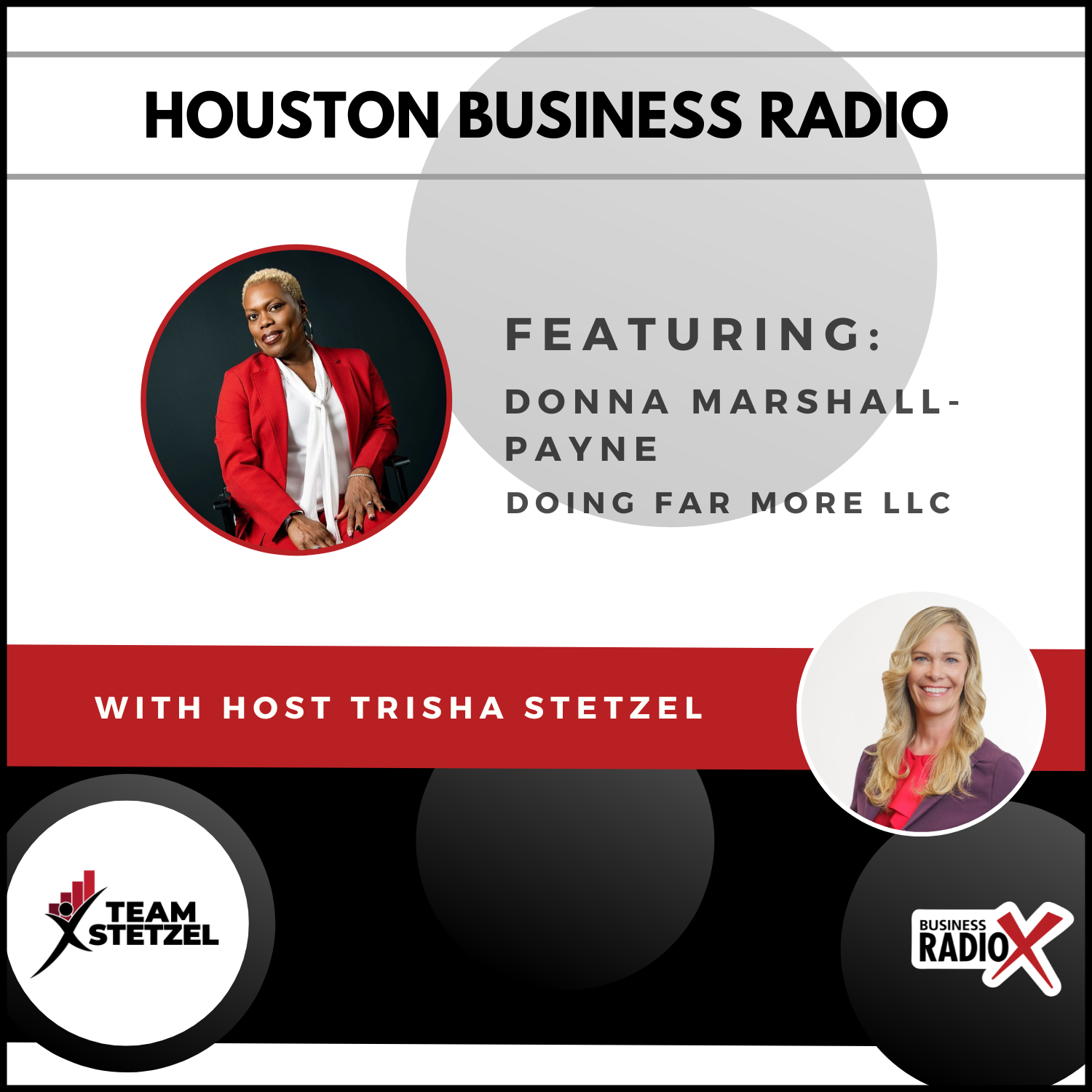
HBR-Global-Curiosity-Intitute-Feature
Houston Business Radio
Robert Danna with Global Curiosity Institute
Loading
00:00 /
RSS Feed
Share
Link
Embed

Download file

Robert-DannaRobert Danna brings over 50 years of diverse leadership experience across science, engineering, military service, technology, and human capital strategy.

A former U.S. Navy Lieutenant Commander, physicist, consulting engineer, and executive at Deloitte, Bob’s journey reflects a “career lattice” shaped by his unwavering curiosity and adaptability.

Now retired, he serves as a Fellow at the Global Curiosity Institute and continues to advise, invest, and mentor across industries.

In April 2024, Bob released his memoir, My Curious Life: If My Grandkids Ask About Me, Tell Them This, which Kirkus Reviews praised as “an engaging, curiosity-driven journey from the 1960s to the present.” The book—and his life—celebrates personal growth, exploration, and the power of asking questions. Front-Cover-Robert-Danna1

With humor and wisdom, Bob offered encouragement for lifelong learning and living with purpose.

LinkedIn: https://www.linkedin.com/in/bobdanna
Website: http://www.mycuriouslife.net

Transcript-iconThis transcript is machine transcribed by Sonix


TRANSCRIPT

Intro: Broadcasting live from the Business RadioX studios in Houston, Texas. It’s time for Houston Business Radio. Now, here’s your host.

Trisha Stetzel: Hello, Houston. Trisha Stetzel here bringing you another episode of Houston Business Radio. My friend Bob Danna is back, fellow at the Global Curiosity Institute and author of the memoir My Curious Life. If my grandkids ask about me, tell them this. With more than five decades of leadership experience as a physicist, US Navy officer, consulting engineer, and senior executive and human capital management, Bob’s career is a true example of how curiosity fuels growth and reinvention. Bob, welcome back to the show.

Robert Danna: Thank you Trisha. I really appreciate the the, the Re-invite and I’m really looking forward to our conversation.

Trisha Stetzel: I am too. I’m really excited to hear about what you’re working on right now. Bob.

Robert Danna: Yeah, Trisha, there are some really exciting things going on as as everyone, uh, in your audience knows, uh, AI you know, you can’t you can’t read anything, tune into anything and not hear about AI. Um, so, yeah, I’m an old guy. I’m 70, 74, uh, but still very curious. So. And as I think the listeners may know from our last conversation, uh, I retired now about a year and a half ago. Uh, and so at this point, it’s all give back. Uh, you know, I’m not looking to, uh, to make money, make investments, do any of that stuff. That’s all behind me now. It’s the real question is, you know, where is the impact, uh, that an old person can make, uh, in actually doing something that is going to be beneficial to the next generations. So especially the Gen Z and Gen alphas. I think that’s that’s the place that I’m really trying to focus on these days. And so, uh, a couple of interesting things. Obviously, uh, Trisha, you mentioned the Global Curiosity Institute still very involved with that, uh, really pushing the envelope of, uh, of promoting the power of curiosity, uh, the fact that, you know, most people are not, uh, at this point, uh, in their lives, you know, once you’re probably past 14 or 15, uh, you know, a lot of that curiosity has been beaten out of you.

Robert Danna: Uh, and so, you know, at this point, it’s like, you know, it’d be good actually, to, uh, to maybe reinvigorate that, uh, that muscle that you now have lost. And I’ve actually lived that that and honed that muscle over my entire lifetime. Uh, so we’re still working on that. Uh, but what I’d like to kind of chat with you about is, is actually, uh, the whole possibility of of AI in all of its different dimensions. So I think I mentioned last time that I was working with, um, with Ray, uh, he’s working on what he’s calling the Young Professionals playbook. Um, and so that actually now has all 25 episodes, all 25 podcasts done. You can actually go to young professionals. Professionals playbook. All, all one word.com. Uh, and it’s free. Uh, you can go and, uh, especially as a Gen Z or Gen Alpha, uh, take, uh, uh, take a look at the podcasts. Uh, they’re all AI generated, including Bob. Danna is in there, uh, several times being interviewed. But it’s not me. It’s, uh, it’s it’s it’s an AI. Me. So it’s it’s really cool. Uh, so, uh, and so, you know, it’s I think there’s some real, real insights there, because what we did was we tried to, um, and, uh, Lacey lo, you can have on your program here.

Robert Danna: Uh, probably in October. Uh, she and I work with Ray to generate content, but also to try to pick subjects. So actually, curiosity is one of the podcasts. Uh, and there’s also one on on being a skeptic and managing up, uh, and you know how to. Yeah. So there’s all kinds of things that are practical for, uh, Gen Z as they’re now entering the workforce. Uh, and so one of the things we wanted to do is not just kind of, you know, do onboarding stuff, you know, the normal stuff. It’s like, you know, what did we learn, okay, over all these years that if I can, if I can, you know, give you that now that may really help, uh, in terms of, of your ability to, to grow in an organization. So, uh, so anyway, I’ll give you one, one snippet and then I’ll let you ask questions, but, uh, the actual, uh, structure is unique. Um, so the podcast is again 100%, um, uh, AI. So we wrote the content, uh, but then, uh, the actual host. You okay? Uh, would actually be, uh, an AI generated person, uh, from all over the world, all the all different accents. Uh, it’s all spoken in English, but but with heavy accents from from Southeast Asia or from Europe or whatever.

Robert Danna: Whatever. Uh, all, you know, very diverse, uh, group of hosts. Um, and so they’ll introduce the podcast, introduce the topic, uh, and then actually kind of bring on a guest. Me uh, but I’m going to be I’m going to be AI, too. Uh, so, uh, my voice etc. is all they got it for me. They got an old guy, uh, voice from Long Island. Uh, so so it actually doesn’t quite sound like me, but it’s close enough. Um, and then, uh, they regenerated a song because it’s like, okay. Oh thanks, Bob. Now we’re going to take a quick break and we’re going to go to a song on the on the subject. And he wrote with AI a song. And then, you know, they have callers who are calling in. Well, the callers are all AI generated. Uh, and then there’s a kind of a practical, uh, uh, kind of scenario based exercises at the end to kind of test your thinking. So it’s all 30 minutes. It’s all packed into 30 minute. Yeah. Just like this. Um, and so. But there’s 25 of them. I encourage you. It’s it’s been one of the really fun projects that we’ve done over the last year.

Trisha Stetzel: Wow. That is amazing that you’ve been able to create something like that and generate it all with AI. Um, all right. So young professionals with an S playbook. Com is where everyone can go and find that resource. It sounds really cool. I’m doing that as soon as we finish here. I’m just saying, because I want to hear. Bob.

Speaker4: I want to hear your voice. Bob.

Trisha Stetzel: Yeah.

Speaker4: Bob sounds a lot better.

Robert Danna: Than the real Bob.

Trisha Stetzel: I love this. So really important that we’re giving this kind of information back to our younger generations. You and I talked about that in our last episode, how important it is for us to be sharing the knowledge and even the stories that we have and creating this legacy for our young professionals as well as our families. So, Bob, we were talking before we started recording today about how important it is to tell our stories, and you were telling me how this AI generated Bob, uh, now knows all of, uh, not all of it, but a lot of content where you’ve gone out and told your stories and you’ve talked about the things that you’re doing. How important is it that we tell our stories for our younger generations.

Robert Danna: I think it’s absolutely critical, Trisha. Absolutely critical. Because because at this point, you know, we we’ve spent a lifetime kind of, you know, bumps, bruises, kind of lessons learned. A little insight here and maybe a tiny bit of wisdom there. Um, and yeah, you can kind of sit down and and have a chat. Uh, but it’s, I think, going to be really, really important. Uh, because, you know, when we’re gone, the only thing that we really have that that we can leave, um, is our story. Uh, and so I think it’s critical to be able to capture that. And let me tell you what I’m doing, which is really going to be, I think, interesting to to the audience, uh, is, um, number one, I wrote the book, obviously, it’s a memoir. Okay. Uh, so it’s 270 pages of, of of me trying to kind of recollect the last 74 years and put into perspective, uh, everything, everything in the book tries to to effectively kind of disassemble and then reassemble. Bob. Danna. So it’s like, you know, you mentioned all these different parts of me, okay, the physicist and the engineer and the business person, etc. but what did I learn in all those different things? Um, and then, uh, be able to, to convey that. So that’s what the book does. Uh, but then I’ve also been doing, uh, some podcasts and obviously, uh, quite a number of radio shows and uh, and being a guest on other other podcasts and blogs and, and other things.

Robert Danna: Well, we took all of that, which was about 600 pages of stuff. Okay. And uploaded it, uh, into ChatGPT, which you hear all the time. Uh, and so, uh, kind of took that and then actually had to tell ChatGPT who I am, you know, what’s my personality? What’s my demeanor? Uh, what are the guardrails? What? You know, if I went into the internet and did a search. Okay, uh, how much would I be questioning what I’m seeing? You know, how much evidence, how many facts, how much do I need to look at before I would conclude? Okay, fine. I’m going to convey this to somebody else. You can actually tell ChatGPT all of that stuff. So now you got your story, okay. And actually you got your personality and attitude and kind of the essence of you, you know, put it all in a Cuisinart press, you know, mix, um, and where we are right now, which is really, really crazy. Um, I, I call the thing but Bob, um, uh, so, uh, and actually the joke around here and all of our friends who have been looking at this, uh, is, you know, if you ask Bob. Bob, you know, who are you? Okay. Uh, Bob, Bob would say, well, I’m Bob. Uh, yeah. So it’s like, I don’t know who this guy is. Okay. Uh, what we’re.

Speaker4: Calling we’re calling.

Robert Danna: Me now is meet Bob. Bob. Okay. So.

Speaker4: But Bob.

Robert Danna: Bob thinks he’s Bob. Okay. So, uh.

Speaker4: And so you.

Robert Danna: Can actually have a conversation with Bob. Bob. I mean, just you press a button. Okay. And you speak into your microphone, and then Bob. Bob speaks back. Okay. Um, with my voice. Because, uh, we actually, um, put my voice into, uh, 11 labs is the is the technology. Uh, and then you speak for a half an hour, upload that, and then it creates that whole library. And so even the words may not be there. It will then have created an actual conversation, and it’s real time. It’s like one second. So you ask a question and one second back. But then Bob, Bob asks you a continuing question. So you actually have a conversation. Uh, and so it’s, it’s it’s so, so the story. Okay. Is the important part. You got to start with your story. But now for all of the old people that are on your, on your on your, on right. Uh, I’ll tell you. You know, you can actually create an AI agent of yourself, uh, that will allow you to leave that legacy to your children, your grandchildren, your friends who can now continue to have conversations with you. You know, sooner or later, we’ll all be gone. Uh, but, uh, maybe not. Maybe there’ll be a, uh, you know, an AI agent that you, uh. PaTrisha. Yeah. Uh.

Trisha Stetzel: I know that sounds kind of scary, Bob. I’m not sure about it, but.

Robert Danna: I will tell you the thing I’m looking forward to, because we still. I’ve been working with this guy, Joe DiDonato, who’s putting it all together. And, uh, my objective is next year. Okay. You don’t have meet Bob on, uh, this, uh, this, this, this radio show for a conversation. But we will actually set up Bob so you can you can have a conversation with the AI agent in real time. Uh. Ask questions. Get answers. Have have have, you know, ask you questions, etc. and have a conversation with with a with a me AI agent. So I’ll stop there.

Trisha Stetzel: Wow. All right mom. My mind is blown right now that I might be having a conversation with Bob. Bob, the next time we have an opportunity to get together. Tell me. Tell me this I know. Um, curiosity has always been an important part of everything that you’ve done. And particularly as you do your work with the with the Curiosity Institute. What what is it about this bot? And leaving a legacy and using the technology that you find is important and a reason for doing this work?

Robert Danna: Yeah. I think in a in a word, uh, it’s, um, It is the word legacy. I think that’s that is that is the whole thing. It’s. Yeah, you know what? Because you can leave property. You can leave money, you know, you can leave leave stuff. Okay. I’m not a stuff kind of a guy. Okay. Uh, you know, I want to be able to leave something that actually has real value, uh, and not material value, but real value, uh, so that, uh, you know, my my, my, my grandkids, the four of them, uh, you know, between Lacey and I are, you know, between, I don’t know, five and 8 or 9. So. So, you know, they don’t understand anything when I tell them the story, or at least he tells, uh, tells the story. It’s like, you know, uh, you know, no, no, no, no, no, no understanding whatsoever. So by the time they really will understand the story, which is 25 years old, 30 years old, 35 years old, I mean, I’m going to be long gone. Um, so, you know, I want to be able to actually have something that that is meaningful. Okay. And I think all of us want to do that is meaningful and actually might even in future generations, have some kind of impact. Um, and so that’s kind of that story that and the technology will allow us to do that. Uh, and so it’s that.

Trisha Stetzel: Okay. Yeah, absolutely. So, Bob, it’s no secret that you’re 70 for this, because I’m pretty sure you said it before I did. Um, what if people who are listening are. They don’t know anything about technology. They don’t know how to leave their story behind. They’re they think to themselves, I’m never going to create a bot to create this kind of legacy that Bob is leaving behind. What would you say to them?

Robert Danna: Well, you can you can do several things. Um, uh, number one, even if you’re sitting sitting there in your living room, uh, you know, everybody’s got smartphones these days. Um, so there’s a there’s a microphone, there’s a recorder there and just say, hey, 15 minutes a day. I’m going to just sit down and press the record button, uh, and uh, and just, you know, tell a story of, of, uh, you know, growing up in the 1960s or, you know, what I learned on my first job or, I don’t know, whatever. Okay. Uh, and do that, you know, once a day for the next, I don’t know, like 3 or 4 weeks, maybe. Think about it. Okay? 15 minutes a day. Times that you actually have captured an enormous amount in all of these files. Um, and so, uh, those can be transcribed. Those can be, you know, but but I’ll tell you what else. It can be done. You know, you could actually take those and then have someone or yourself or maybe get one of your kids or, or whatever to, to to be a little bit useful to you. Uh, and so, you know, maybe take them and get it to a point where they can put it into a story that’s a written story could turn into just some legacy that you want to be able to pass on to future generations.

Robert Danna: But that’s what I started with. Now, whatever it was been two, two and a half years ago, and then it evolved into, you know, chapters into a book into whatever. And that’s where we are right now. So I would say, you know, don’t don’t say, well, I’m going to leave next Thursday open and I’m going to spend next Thursday capturing, you know, my story. No, you do do 15, 20 minutes a day. That’s all you need to do. But then you’re going to have all of these files. And you know, if you don’t know how to do it, somebody can explain it to you in about 15 seconds. Um, and so start there. Okay. But then get it into something that is valuable. And then, you know, you may find that you go say, okay, fine, I’m going to find somewhere where I can upload this and, and now actually do something. So maybe 5% or 10% of your audience that gets to that point, but 95 or 90% of your audience certainly can have a kind of a recorded, uh, you know, recorded narrative of their story. That in itself would be incredibly valuable, uh, to, uh, their kids and grandkids and great grandkids.

Trisha Stetzel: Yeah, absolutely. So, Bob, uh, you and I spoke before we started, uh, the show today about leaving that legacy. Leaving that story is so important. Why did you start down this path in the first place? Why is this leaving a legacy of Bob so important to you?

Robert Danna: Yeah, I think that it’s not so much just Bob. Okay. Um, I think the key was, um, when I started thinking about, you know, uh, all of the things that I had learned. And then I think, Trisha, you and I chatted that, you know, probably now, maybe five years ago, maybe a little bit longer. I started to, um, to do volunteer coaching and especially mentoring of Gen Z’s. Okay. So I did a lot of mentoring of Gen Z’s. So not really coaching per se, but really kind of helping them think through, you know, some initial career choices and then where they are in their initial activities on their first job and maybe looking at the first promotion and whatever. So there’s a bunch of them. And actually the conversations were really useful and the feedback was, hey, this actually helped. So I think that’s really kind of capturing Bob, per se, but it’s really being able to capture, you know, those little, little highlights, those insights. You know, that little, you know, tiny bit of wisdom so that they don’t have to go and kind of reinvent it and go through all the problems and then, you know, go down all all the dead ends, uh, you know, which I did and you probably did. Well, maybe we can solve or, you know, a little bit, you know, a little bit better, better choices.

Trisha Stetzel: Yeah, absolutely. So for those of you who are listening today and thinking, gosh, you know, somebody in your life, uh, had a story to tell and that story was never captured. I want you to think about that moment now and decide to go tell your story. I think that’s such great advice, Bob, to do it in small chunks, and then you have a whole book. If you wanted to go write a book or a memoir, or you could do a video library or an audio library that you could leave behind with all of your stories, not just your stories, but your knowledge. And like you said, all of the times that you maybe fell down and skinned your knees and open up that store on your elbow for the fourth time, doing the doing the hard thing. Yeah, we’ve all been there, but we don’t. We, uh, don’t capture those stories. And particularly Early a generation that didn’t grow up with recorders and computers and things that were accessible in our homes. I mean, I’m not 74 yet, Bob, but we didn’t have a computer when I was growing up, so there wasn’t necessarily a way to capture stories as we were. Right. Uh, as we were coming up. And I think that’s so important that we capture those stories. Okay, Bob, uh, talk to me about what’s next. So I know you guys are still working on this bot Bob project, and that’s something that you’re going to continue to work on. You’ve finished up the Young Professionals playbook. It’s out there and ready to be used. What’s next?

Robert Danna: Yeah. What’s next is actually I’m working. In fact, um, Lacey and I are going to go and meet with a company that’s actually in town here. Everybody comes to Las Vegas, right, for the conferences and the like. So we have a big conference here called HR tech. Uh, that that’s just starting, um, today. So a company we’ve been working with is called baryons. Baryons AI um and so they produce, uh, AI agents. Um, and so what what we are doing is, uh, kind of helping them think through, um, what kind of AI agents that are mentors. Okay. They’re designed to be mentors. Now. They’re not designed to be Bob mentor. Okay. They’re they’re they’re generic mentors. Um, but the beauty is that, you know, once you start to, to engage with, uh, with, with, with, with, with what they call my baryons, uh, so it’s a phone call, you make a phone call, and when when, uh, when my baryons answers the phone, uh, my baryons goes, oh, hi, Bob. Okay. It knows my phone number. Okay. Uh, you know, how are you doing today? How the last time we had a chat last. Last week or yesterday or this morning. You know, you you said that you wanted to to to explore, blah, blah, blah, blah, blah. So, uh, one of the things that that we’re doing is trying to work with them to kind of understand for they to understand what what we’re thinking about in terms of the power of, uh, a, an AI agent that’s designed to be a mentor for, again, especially Gen Zs and alphas and millennials. Uh, and so how do you how do you construct that? Uh, and then what kind of things are you trying to have as objectives for that interaction? Uh, you know, is it coaching or is it in fact mentoring or some combination thereof? So, so, uh, I think that’s the next big thing.

Robert Danna: Uh, so we’ve been working with them now for probably the last, oh, I don’t know, 2 or 3 months or so, um, as kind of informal advisors. But today it’ll be the first day that we’re going to have a, uh, a physical face to face. Uh, you know, we’ve obviously been on multiple zoom calls and, uh, you know, yeah, Google Meet and whatever. Uh, but now we’re actually going to sit down with them and have a chat with them since they’re at the conference. And, and we live in town, so we’re going to go over and meet with them so that I think the baryons is the next big, big exciting thing is getting to have this available effectively to everybody. So, you know, you’re not paying big bucks to get a mentor or whatever. Uh, you actually it’s a small, small, you know, subscription fee. And now suddenly you have this intelligent agent that knows you and can kind of build on all the conversations that you’re going to have to guide you through, um, your, your decision making and your thinking. So it’s it’s crazy interesting stuff these days. I will tell you, I am so excited about what’s going on with AI. You know, everybody’s you know, they’re they’re oh, the world’s burning down. Ai is coming to kill us or whatever. No no.

Trisha Stetzel: No no no it’s not. It’s not so. So let’s tackle that. Uh, Bob. So for those who are listening in today and thinking, oh my gosh, my job or my work or my profession is going to go away because it’s going to be replaced by AI or some bot. Where does the intersection of human and AI come together, and what does that look like in the future, do you think?

Robert Danna: Yeah, Trisha, I think I think AI will take over the mundane. Okay. It’s it’s actually going to, you know, the drudgery of work. We all know the drudgery of work, right? I mean, it goes on every single one of our lives. Okay, so AI is going to take away the drudgery, uh, of of our jobs. Okay. And in fact, be a tool if you think about it, as a tool. And now what it’s going to do is free you to be able to contribute the human part. Okay. Your brain. Okay. The real thinking part there. The reasoning part. Okay. What is it? You know, kind of the logical part of your brain that that, that have been is not being used too much because you’re doing all this drudgery stuff. Okay.

Trisha Stetzel: Right.

Robert Danna: So, you know, I think if everybody’s kind of thinking about so, so if, in fact, I can get rid of all this drudgery stuff, where’s the real value that I can add in terms of, you know, advising or consulting or kind of helping my client actually leverage all of this stuff that now the AI is doing, but only I, the AI can’t give, you know, kind of the wisdom. Okay. It hasn’t lived. Okay. Um, uh, but you have. Okay. Uh, and so I think, you know, where are all of those lessons learned and all of the really, really all of that, um, kind of insights and wisdom? And how do you now, uh, be able to, to really provide that to your customers, your clients, your your colleagues, etc. I think it’s going to it’s going to be incredible in terms of the the opportunity that AI is going to and it’s going to get rid of the drudgery, which is is the thing that all of us hate anyway. So now it’s work with it. It’s like like, okay. Don’t resist. Okay. Figure out how to actually move forward and kind of bring that, uh, to the forefront and, and, and effectively say, okay, fine, okay. This is what I’m going to be able to do. This is what the machine is going to be able to do, and we’re going to do it together.

Trisha Stetzel: Yeah. So as you were talking through that, I’m thinking AI is actually going to elevate us to use more brain power beyond right, what the bot can do. So we’re going to start, um, engaging more parts of our brain and doing more thinking and analyzing and computing up here versus just changing trash can liners. Right. Uh, and doing the, the mundane things like time management or whatever it is that I do over here with my sticky notes and all of the things that I could use automation and AI for. Right. Um.

Robert Danna: Ai, AI agent as your assistant doing all of that stuff. And now the real thing is, you know, all the value that Trisha brings to the brings to the table is going to be more like, you know, 80% rather than 20% of what you’re doing now.

Trisha Stetzel: Absolutely. Okay, Bob, our time went by so darn fast. I know this happens all the time. What is one last thought around AI humans interacting with AI, leaving a legacy? What is one final thought that you would like to leave with the audience today?

Robert Danna: Uh, I think if everybody in the audience can think about, um, you know, what is the possible, um, you know, it isn’t. Oh, no. You know, I’m going to have to fight this or I’m going to have to resist it, or I have to. The real question is what is the possible. And each each person is going to have a different. What is the answer to that? What is the possible. But once you kind of zero in on that I’d say, you know be curious. And it actually actually just. Yeah. Oh, my. Um, but, uh, do some investigation. Yeah. Isn’t like, it isn’t like you can’t, can’t investigate. And then, like I said, I would definitely, definitely recommend to everyone to think about their story, think about capturing their story. Think about 15 minutes a day. I’m a big 15 minutes a day kind of a guy. I do a lot of things, but in 15 minute chunks. Uh, so I don’t wait until, you know. Oh, I’ve got a programed in two and a half weeks from now I’m going to spend, you know, Thursday the blah, blah, blah to to, uh, to do. No, I never do that. It’s like I’m going to do something today and then something tomorrow and something. But but by the time I get to that Thursday, two and a half weeks from now. Uh, the thing is, is, is actually got a life of its own at that point. So, uh, I’d say do that. Okay. And start capturing your story. Uh, even if you’re even if you’re younger, even if you’re, you know, in your 30s, you know, you still have you live 30 years. Okay. Uh, you know, it’s still good to do that. And if you’re doing it in ten, 15, 20 minute chunks, uh, you can just have all of these files sitting on your, on your smart device or on your computer, and you’re going to be really happy in a year.

Trisha Stetzel: Yeah. Or in ten years when you can’t remember what you did ten years before, right?

Robert Danna: Yeah. That would be less for me. Uh, so it’s good. Maybe it’s probably 20 or 30 years for you. It’s probably, you know, next year for me, so.

Trisha Stetzel: Oh, my goodness, this has been awesome. Bob, I’m so glad that you came back and, uh, spent this time with me today. Really focused on this space that’s so important to all of us. What’s the best way for people to connect with you if they want to learn more or just have a conversation. Bob.

Robert Danna: Sure. Uh, a couple of ways. Number one, you can go to my website. So my curious life dot net. My curious life net. Then you’ll see actually a bunch of the, um, the radio shows and podcasts, uh, that I was guests on, including Trisha’s the last one. Uh, so you can go to that or, uh, just, uh, connect with me on LinkedIn. That’s always a great place. So, uh, Bob. Danna. Two n’s. D a n n a, uh, so, Bob Danna on, uh, on LinkedIn. And if you put Bob down in my curious life or something like that, then there’s kind of, I think only one of me anyway, on, on, on LinkedIn that you’ll find. But anyway, you can connect me with me on LinkedIn. Um, uh, or um, I am I am now on Substack. Uh, so I actually I’m contributing quite a bit on Substack and then I’ve got a Facebook site. I mean, so there’s other, other places that you can find me, but, uh, Bob, Danna. And again, Bob, Danna, my curious life usually, usually kind of gets, uh, gets, gets to me pretty quickly. Uh, but definitely website, LinkedIn. And I, um, as you can imagine, uh, I am very open to conversation and sharing. And because I got, I actually have I don’t work so.

Trisha Stetzel: So well and I, I appreciate that you want to get out there and have conversations and tell stories. It’s so important. I that’s really what we’ve been focused on today. So I hope that I get the real Bob Danna next time. Not the Bob Bob Bob Bob.

Robert Danna: I absolutely that’s my goal in life now is actually to turn this over to Bob.

Speaker5: Bob turn it over to Bob. Bob.

Trisha Stetzel: Bob, thank you so much for being with me today. It has been my pleasure to host you. Two.

Robert Danna: Oh, Trisha, thank you so much.

Trisha Stetzel: Absolutely. All right. Team Bob Deanna, fellow at Global Curiosity Institute and author of the memoir My Curious Life. If my grandkids ask about me, tell them this. Bob, thank you again. It’s been my pleasure. That’s all the time we have for today. If you found value in this conversation that I had with Bob today, please share it with a fellow entrepreneur, a veteran, or a Houston business leader. Ready to grow. Be sure to follow, rate, and review the show. It helps us reach more bold business minds just like yours and your business. Your leadership and your legacy are built one intentional step at a time. So stay inspired, stay focused, and keep building the business and the life you deserve.

 

Igniting Pride and Purpose: How Self-eSTEM is Transforming Girls’ Lives in STEM Fields

October 20, 2025 by Jacob Lapera

Bay Area Business Radio
Igniting Pride and Purpose: How Self-eSTEM is Transforming Girls' Lives in STEM Fields
Loading
00:00 /
RSS Feed
Share
Link
Embed

Download file

Leah-Davis-Ambassador-logo1In this episode of Bay Area Business Radio, Lee Kantor interviews Adamaka Ajaelo, Executive Director and Founder of Self-eSTEM, a nonprofit empowering girls and women in STEM. Adamaka shares her personal journey in STEM, inspired by her Nigerian immigrant father, and discusses the organization’s programs that build digital, technical, and leadership skills. She highlights the challenges girls face in maintaining confidence in STEM, the importance of early encouragement, and Self-eSTEM’s new AI consulting initiative for small businesses. Listeners are invited to support and get involved with Self-eSTEM’s mission.

Adamaka Ajaelo is an Oakland native, mathematician, and STEM trailblazer with an unshakeable passion for the social, emotional and economic empowerment of young women of color.

She is the Founding Executive Director of Self-eSTEM, a non-profit organization on the mission to ignite pride, purpose, and possibility among BIPOC girls and women through STEM by providing culturally relevant education, training & mentorship, and a network of support to thrive within the talent pipeline.

Since 2014, Self-eSTEM has unleashed the brilliance & self-esteem of 1,325+ girls through STEM. Celebrating 10 years of impact, she is on a quest to ensure BIPOC women are recognized as top talent and innovation in STEM.

She pivoted out of tech from her role as a Director of Strategic Workforce Planning & Analytics at Visa, and where she provided insights and recommendations influencing global workforce plans and talent development strategies.

She has worked at large companies such as Kaiser Permanente, Cisco Systems, Workday, Meta (Facebook) and Adobe in the areas of Finance, Workforce Planning & Analytics and Business Continuity. She has 17+ years of experience in the areas of Finance, Operations, People Analytics and Workforce Planning for top global companies.

She has managed a budget of $110M+, shaped a $5.0B global tech workforce through talent insights, and is an Angel Investor via Pipeline Investors. Adamaka received her B.A. in Mathematics from Occidental College in Los Angeles, CA and her M.B.A. in Finance and Leadership-Management from Holy Names University in Oakland, CA.

When she is not working, she enjoys attending Warriors basketball games, wine tasting and traveling.

Connect with Adamaka on LinkedIn, Facebook and Twitter.

What You’ll Learn in This Episode

  • Empowerment of girls and women in STEM fields
  • The mission and history of the nonprofit organization Self-eSTEM
  • Overview of the Early STEM Immersion Program for girls aged 7 to 17
  • The need for diversity in innovation and technology
  • Initiatives to address digital and AI literacy gaps in education and small businesses

Transcript-iconThis transcript is machine transcribed by Sonix


TRANSCRIPT

Intro: Broadcasting live from the Business RadioX studios in the Bay area. It’s time for Bay Area Business Radio. Now here’s your host.

Lee Kantor: Lee Kantor here, another episode of Bay Area Business Radio, and this is going to be a good one. Today on the show we have Adamaka Ajaelo and she is the executive Director and founder of Self-eSTEM. Welcome.

Adamaka Ajaelo: Thank you for having me. I’m excited to be here. Lee.

Lee Kantor: Well, I’m excited to learn what you’re up to. Tell us about Self-eSTEM . How you serving folks?

Adamaka Ajaelo: Yes. So Self-eSTEM is a nonprofit organization that was founded in 2014 with the mission to ignite pride, purpose and possibility among girls and women by providing digital, technical and leadership skills that strengthens and sustains their Stem identities. The organization was really started throughout my own journey of navigating the Stem pipeline, going from high school into college and really seeing sort of the gaps in the the ecosystem of providing supports for young girls and then often girls from what I call untapped and overlooked communities. And so my background is in strategic workforce planning and analytics. And what I had in my career is really an understanding of where companies are going. What are they looking for in talent? And so with self-esteem, it’s really reverse engineering that that talent pipeline in that funnel to ensure that they have the skill sets not only to to thrive in these Stem fields, but also to thrive in the future of work, in the future of work is basically something that is continuously evolving, but it’s really evolving due to the technology advancements in particular that we’re seeing the AI fields.

Lee Kantor: Now having grown up and lived through this personally. And then did your career involve Stem? Were you involved in a career in Stem?

Adamaka Ajaelo: Yes. So my undergrad, I majored in math. So I actually became a math major by default. As I was going through my my journey, I wanted to become a civil engineer. However, unfortunately, through my experience in college of not having that support and actually having people in roles in positions actually putting up roadblocks, I then became a math major, and then I pivoted into my career in corporate America, and I was doing finance for HR. So that’s using, you know, data analytics and looking at financial data. And then when I think about my role as strategic workforce planning, that’s also using my math background. It’s around data and analytics. But the data that you’re analyzing is not marketing data or information by the computer. It’s human capital data. So analyzing information about employees and about the workforce, that’s really where I built my career of what I call the number side in the analytics and the data storytelling side of HR. And so that’s where I really built my career. Analyzing the workforce plans and labor trends for companies such as. At the time, it was Facebook but now known as meta, Cisco, visa, Adobe and Kaiser Permanente, and as well as workday.

Lee Kantor: Now, when you were going through school, elementary and high school and then college, you were still on a Stem track, right? Like you were you were the exception to the rule that was sticking with Stem. As a woman, as you progressed?

Adamaka Ajaelo: Yes. Correct. And what really kept me grounded was my childhood and upbringing. But that was also something unique. Um, so stem for me has, um, this, uh, personal connection in the sense that, um, my father came to this country from Nigeria as an immigrant to study chemical engineering, and Stem was an everyday part of my, my life. We were doing homeschooling before homeschooling, um, was a thing. And so I was really immersed in the stem, um, fields. And my father really encouraged me to not have any limits or bounds of what I could do and achieve in the Stem fields. So that really grounded me and had, uh, this support system. Although I experienced challenges in navigating my educational and career path, I knew that I had that Stem identity, uh, locked in. But when I think about the ecosystem, I thought, well, how many young girls don’t have that personal connection? And for me, I saw Stem provide this social and economic mobility for my father and my family. Um, him coming from a rural and remote village in Nigeria, coming to the United States to study chemical engineering and working for the oil companies. I saw the connection of the impact that it can have on your life. But I was also curious. I had the Stem curiosity, and so really taking a this solid foundation that I had in my childhood, also integrating some of the things that my father taught me were also incorporating, um, those activities within our programing of actually providing exposure, not just in a traditional classroom setting, but getting outside of the classroom. Seeing Stem and engaging in Stem activities outside of the classroom is also something that really helped me reinforce, um, my Stem identity. And I and I attribute that to my father really providing that grounding, um, and rooted experience early in my childhood.

Lee Kantor: Because he was it was in your household. It was you were doing this like, this wasn’t negotiable. It was just part of how you lived your life. Right? It was just it was part of the fabric of your family.

Adamaka Ajaelo: Yes. You you you are correct. Um, I remember doing math and physics problems in the living room. We had a chalkboard in my house. Um, and then there were certain days I couldn’t go outside and play. It was just a day, you know, to study. My father had the saying, there’s a time to play and there’s a time to study. The time now, unfortunately, is the time to study, or fortunately, it’s the time to study.

Lee Kantor: And then when you grow up in that kind of environment, it isn’t really, um, a discussion whether you’re going to do this or not. Like this is it’s kind of non-negotiable, right? Like you, you’re going to do this and you’re going to follow this path. And, and and it’s going to be hard and difficult and there’s going to be challenges. But this is just how we do things in this family.

Adamaka Ajaelo: Uh, yes. Um, my my father. That is correct. My father said, um, um, I also have a creative, creative side, and I share it with my father that I wanted to be an artist. And then he said, you know, um, do you know when artists make money? Um, when they die? Um, there he was saying basically mathematically and statistically that, you know, going into this career field wouldn’t be necessarily lucrative. Um, and so that’s initially what made me wanted to become sort of a civil engineer, where I can create designs, um, and, you know, using tools such as AutoCAD or create designs from a drafting table, whether I’m designing buildings or are designing some type of apparatus that was leaning into my creativity and my creative side. Um, so yes, Stem was an everyday part of my life. Yes, it was a non-negotiable in my household. But there were also some, some guardrails, um, in what, you know, sort of career paths, um, that, um, will return the best, um, will provide the best impact for, uh, the life that I, uh, style that I’m looking to live or just, you know, wanting to thrive in, in, in my future career.

Lee Kantor: Right. And then now you’re trying to create an ecosystem for young people, young, uh, girls and women in Stem that will afford them those choices. Right?

Adamaka Ajaelo: Yes. Correct. So with self-esteem, um, we are we have two tracks in our program. So we have our early Stem immersion program, which is for young girls age 7 to 17. And with that we’re providing exposure and actually training, um throughout the year, um, on topics such as robotics, AI and coding. Um, and so it’s a journey where the girls are able to come back year over year. Um, when we we kick it off with our intensive one week summer camp, and then we have fall activities, typically in robotics and math. And then in the springtime they’re focusing on digital and AI literacy. So enhancing and developing those skills, um, what sets us apart is that we’re we have this tiered approach, um, an tiered curriculum that builds upon each other, that takes them from curiosity to mastery in a certain, um, subject. Um, in addition to that, our program is multi year, so the girls are able to return year over year from age 7 to 17 until they aged out. And now we also are, um, enhancing our infrastructure for what we call our innovator sustainment program, in which it is a program for alumni thinking about the age group 18 to 24.

Adamaka Ajaelo: And with that program, it’s really focusing on, um, how do you advocate and navigate your own educational and career path? So we’re providing training on intellectual property. If you’re creating something, how do you have ownership of that? How do you advocate for yourself? Um, with, you know, if you’re in college, a higher education advocate for yourself? Um, when you think about even financial aid or just financial literacy, but also too, about networking, one of the key things that we learned and observed is that this next generation and it could be due to the information age, but there’s a gap in in the human connection and networking with people. And so we’re also showing them how do you network, how do you actually build up a community of support to ensure that you’re thriving in your your career path? So those are the two key, um, uh, programs, um, that we have, um, within self esteem. But all of this is really rooted in ensuring that they have the skill sets, the knowledge and the network and the mentoring to thrive in the future of work and whatever career path they choose.

Lee Kantor: And I’m assuming by the fact that you named it self-esteem, you feel that if you’re able to develop these skills in math and science, technology, um, that that’s going to improve your self-esteem.

Adamaka Ajaelo: Correct. Um, there is a study that shows that, um, when we think about girls, um, and we think about their ability to, uh, perform. And again, perform is, uh, subjective. But in this case, thinking about it from an academic standpoint in test scores, um, early on girls have confidence. But as they transition from more of the elementary school and to go to middle school and then middle school to high school, we see that confidence drop. And so what that tells me is that the the narrative that it’s a skills and capability issue is not true. Rather it’s a lack of confidence and it’s a lack of, uh, exposure and encouragement. There was a study that shows that girls um, or actually I would say boys are 2 to 4 times more likely to be encouraged to take more advanced math courses, um, within um, uh, middle school and high school in comparison to their female counterparts. And so with that knowledge and information, we’re really, really trying to cultivate an environment where girls feel safe, they feel seen and they feel heard. Because for me, I had that in my childhood and that really locked in my Stem identity. And this Stem identity is this internal and self-belief that no matter what it’s happening in the external world or no matter the, the messaging or, um, the signals that I’m receiving, I believe that I belong in Stem, and I also believe that I can thrive and create within, um, within the industry.

Lee Kantor: Yeah. I think that, um, when kids are young, it’s so important to really instill, um, that confidence because there was a study. I know we’re talking about Stem today, but this is about the arts. But, um, somebody told me there was a study that said that if you ask a kid, like in kindergarten, if they’re an artist, they’ll say, yeah, I’m an artist. And they draw and they do stuff. But by like second grade, only the people who know how to draw well consider themselves artists. And everybody else kind of is like, nah, like they’ve already kind of given up. And I just think it’s so important that these kind of really, um, young ages to not be a dream killer in any area and, and to be the ones that, you know, telling everybody they can do it and give them a path to do it.

Adamaka Ajaelo: Yes. I really like that, um, example that you provided, uh, with the art. Um, and it applies to any, uh, subject or area. But what I really like with that example is that it’s also, too, is how you see yourself as you’re seeing that early on. Um, and a lot of times people think like, oh, no, people, um, are having this self-awareness. Um, maybe in high school. And I said no, as young as the age of seven. Um, eight and nine. Nine year olds, they’re starting to form these ideologies in, I say, these beliefs, sometimes these beliefs are expansive, and then sometimes these beliefs are, uh, contractive that they have constraints. But the example that you just provided is like, yes. Um, what if you actually invested time? You can still be an artist, you know, um, maybe your art is something different. Maybe it’s abstract art, but they’re starting to say like, hey, I’m not good at this. And then the data shows that this typically occurs in young girls, primarily in what we talk about in the math fields as well as the computer science fields. There’s all other fields, too, underneath the umbrella of Stem, but those are the two fields in which your analogy or your example applies, um, very, uh, concretely with young girls in those two two fields. So completely agree. Providing that encouragement and that exposure and, um, and providing those pathways that will open up more girls saying, hey, I feel that I belong in Stem. And then they start to select different career paths within the Stem, um, industry.

Lee Kantor: And it’s kind of a shame because there’s such consumers of technology. You’d think they’d also want to be involved in the creation of the technology that they consume so much.

Adamaka Ajaelo: Exactly. We actually have that, uh, saying is that, um, when you think about the products that are in the world and I always say that it shouldn’t be, and it’s nothing wrong for Elon Musk to dream for the world. But if we have the same people dreaming for the world, and we don’t have that diversity of thought, meaning that we have people who are active participants and consumers of the products, um, even the digital products, project products or technical products of the world, we need everybody’s input in shaping that, because once you have one group, then innovation doesn’t happen. I’ve worked for so many companies in which they started off as a, you know, a startup, and they had all this growth and they started to plateau. And I said, why? It’s because they started to have group thinking. But innovation by definition, is almost something what we call net new. It doesn’t exist in the marketplace. So if we’re thinking about these different products and we’re thinking about, hey, I’m a company, I stand on innovation, I want to drive innovation. If you don’t have net new thinkers and net new thoughts and net new ideas, then are you truly driving innovation? There’s a misalignment in the gap. And so that’s how I also lean in aligning to your your message that you just mentioned here. Uh, Lee is telling the young girls is that we need to hear your thoughts and ideas. We need your innovation. You have to be active participants in the innovation economy and not just consumers of the products being created.

Lee Kantor: So, um, what do you need more of? How can we help you?

Adamaka Ajaelo: Um, definitely. Um, uh, one of the things that we just had, um, was this past October 4th Saturday, we had our innovator showcase. Um, and this was more than just a fundraiser, but it was a platform for students, um, in our what we call our innovators in our program to showcase the impact of our, um, our, our story. Um, and so one of the things that we are really focusing on, um, with our organization is everybody’s talking about, um, AI and the future of work is that we are really trying to address this, uh, digital and AI literacy gap. So, one, many schools are not built to teach AI skills, leaving many students unprepared for the future of work. And so with our curriculum, we designed a multi-tier curriculum that incorporates all this insights that I’ve gathered from my experience of working at these leading and global tech companies. Um, taking the insights that I’ve gained in workforce planning, data analysis and machine learning for these major Silicon Valley companies. And so what we need help is, um, really people to support us for giving Tuesdays for initiatives. What we’re trying to do is take our curriculum and expose it to all of these students, um, in the school environments and in these after school programs, um, and youth development centers. So we we definitely need support of this Giving Tuesday for people to keep us in mind. Um, the, um, with your help, we’ll be able to equip more students with the AI skills they need to support themselves. But we’re also taking it a step further. We also understand through this AI revolution, um, that small to medium sized business as well as social enterprise need also support of integrating and adopting AI into their businesses.

Adamaka Ajaelo: And so with the training that we’re providing to participants in a program. We actually want to do a multiplier effect where they can actually provide that training to small and medium sized businesses. We understand that these businesses may not have a large budget, but if we think about a cash flow of investing in integrating AI into your company, your business, this is a way where you can do it as a tax deductible item because we are a nonprofit entity, but you’re also helping the young girls, and then you’re also getting something in an investment for your own business. So it’s a multiplier effect of investing in their future but also investing in yours. And so as we think about the year end giving season, giving season and giving Tuesday being on December 2nd, um, and then year end giving of December 31st, making that investment into self esteem as we’re focusing on one, building our AI training internally, but also to how do we actually take our learnings and training to businesses, showing them how they can incorporate tools that are using AI. Can you do AI agents, which is basically automating process and workflows. And so we’re looking to build that curriculum in-house, but then train our innovators to be those AI consultants for small and medium sized businesses. But that is something how people can help us. And this aligns to our three year strategic plan to really grow and and, and and really see ourselves as a sustainable organization. Uh, I’m sorry, not sustainable organization, but as a leader, um, in the Stem and AI fields.

Lee Kantor: Now for this AI initiative, is this something that if a small business has an AI need or is it or could you isn’t using it as much as they’d like? They can go to you and you would help them create an AI strategy, and it would be implemented by some of the girls in your program.

Adamaka Ajaelo: Exactly. Lee, that is, uh, spot on. So exactly. Um, one of the, um, major trends. And we’re even seeing companies, large enterprise companies. So I’ll give an example with Salesforce. So Salesforce one started at the enterprise level. So it was for large companies at the enterprise level was to use a tool. They gradually started to say, okay, let’s have AI for nonprofits. Now we’re seeing other um, uh, software saying, okay, how do we actually take our tools and go down to the individual business level, small to medium sized businesses? Maybe it’s a sole proprietorship. Um, and they need to adopt and use AI. So exactly what you described, this is where we want to step in and say, hey, we can help you with your AI strategy. We can help you, um, uh, adopt and integrate AI tools within your business. And then also too, if there is a custom need, uh, whether it’s a custom chatbot or an AI agent workflow, this is something that we can also provide, uh, some type of solutioning. So think of us as your AI consultant for your business. Um, and our goal is to really not only Mean do internally with their organization, but ensure that other organizations are using these tools as well.

Lee Kantor: And um, if somebody wants to learn more, what is the best way to connect?

Adamaka Ajaelo: Yes. So if anyone is interested in learning more about our organization and ways to connect and support, they can visit our website at WW. Dot and that is s e e e.org. And then they can also email us at info at Self-esteem. Org. And someone on our team will definitely reach out. Um, we’re I just wanted to say that we’re really excited for this AI, um, um, initiative because we know that if businesses are not utilizing and integrating AI into their processes or into their, their workplace, um, there is a huge risk. And I say it’s a risk to, um, not necessarily their business going away, but it’s a risk to new opportunities. It’s a risk to operational efficiency. Um, and then it can also be a risk to long term sustainability, um, and potential, um, opportunity cost of, you know, not capturing, uh, new clienteles in new in new markets. So I’m really excited about this, uh, AI initiative that we, that we have.

Lee Kantor: Well, congratulations on all the momentum. And thank you so much for sharing your story. You’re doing such important work and we appreciate you.

Adamaka Ajaelo: Thank you.

Lee Kantor: All right.

Adamaka Ajaelo: Thank you.

Lee Kantor: All right. This is Lee Kantor. We’ll see you all next time on Bay Area Business Radio.

Tagged With: Adamaka Ajaelo, Self-eSTEM

Juvo Jobs: Bridging the Gap Between Local Talent and Employment Opportunities in Your Community

October 17, 2025 by Jacob Lapera

Atlanta Business Radio
Juvo Jobs: Bridging the Gap Between Local Talent and Employment Opportunities in Your Community
Loading
00:00 /
RSS Feed
Share
Link
Embed

Download file

In this episode of Atlanta Business Radio, Lee Kantor interviews Mark Emery, co-founder and CEO of Juvo Jobs. Mark discusses how Juvo Jobs connects job seekers with nearby employment using a location-focused mobile app and video introductions. He highlights the platform’s growth, upcoming microlearning features, and partnerships with schools, governments, and apartment complexes. The conversation covers Juvo’s commitment to inclusivity, supporting users from students to retirees, and its unique approach to job matching. Mark also shares ways users can connect with Juvo Jobs for support, emphasizing their community-driven, human-centered mission.

Mark Emery is a seasoned entrepreneur and HR technology expert, with 40 years of experience in the hiring and HR tech space. A 4-time founder, he has built and exited successful businesses, becoming a well-respected voice in the industry.

He’s led numerous workshops and webinars for employers, sharing his deep knowledge of the hourly hiring space.

While his titles also include Investor and Board Member, Mark’s current passion lies in his role as CEO of Juvo Jobs, where he’s focused on revolutionizing the way hourly workers and employers connect.

Connect with Mark on LinkedIn and follow Juvo Jobs on Facebook.

What You’ll Learn In This Episode

  • Focus on geographic proximity in job searching.
  • Unique features such as video introductions to employers.
  • Two-sided marketplace connecting job seekers and employers.
  • Emphasis on user control and convenience in the application process.
  • Discussion of job types available, primarily under $80,000 salary.
  • Importance of local talent and reducing long commutes for employees.

Transcript-iconThis transcript is machine transcribed by Sonix.


TRANSCRIPT

Intro: Broadcasting live from the Business RadioX studio in Atlanta, Georgia. It’s time for Atlanta Business Radio, brought to you by Kennesaw State University’s Executive MBA program. The accelerated degree program for working professionals looking to advance their career and enhance their leadership skills. And now, here’s your host.

Lee Kantor: Lee Kantor here, another episode of Atlanta Business Radio. And this is going to be a good one. But before we get started, it’s important to recognize our sponsor, CSU’s executive MBA program. Without them, we wouldn’t be sharing these important stories. Today on the show, we have the Co-founder and CEO with Juvo Jobs, Mark Emery, welcome.

Mark Emery: Hey, thank you very much, Lee.

Lee Kantor: Well, I’m excited to learn what you’re up to. Tell us a little bit about Jeuveau jobs. How are you serving folks?

Mark Emery: Sure. And thanks a lot for having us. We’re excited. So Juvo Jobs is a mobile application that when you are in the throes of looking for work or not happy with the current job that you have, you download the Juvo Job app, create a profile, and we’ll actually show you jobs in your immediate vicinity. Or if you’re traversing through town, if you’re on your way to work and you’ve got a long commute, you’re having, you know, commute issues, you just open the app and you can see work right around you. So it’s it’s geography first. And then once you tell us what type of work that you’re looking for, pay rates, so on and so forth, we help connect you with work in your immediate vicinities.

Lee Kantor: And what’s an example of the kind of work that you all have on your platform?

Mark Emery: So we have hundreds of thousands of of jobs all across the country. Primarily, I would say they’re all under $80,000 a year, although we do have some in the healthcare world, nursing and so on and so forth. That might be above that. But I would say, you know, under $100,000 a year jobs.

Lee Kantor: And are these jobs that person could kind of go in and learn pretty quickly, like it doesn’t require a lot of training.

Mark Emery: Yes. Obviously, if there’s, you know, the higher the pay range, typically there’s more specific information necessary, whether it’s education or training or some type of experience. But we do have all kinds of different types of jobs, ranging from restaurants, hotels through healthcare, leasing for apartment complexes, specialty HVAC, all the above.

Lee Kantor: And then when a person like, how are you doing? It’s a two sided marketplace, right? You have the employers on one side and the potential employees, the workers on the other side. So how does it work? If I’m a worker, if I just click on a job and I got the job, or is this a now I have an interview for the job.

Mark Emery: Yeah. Juvo connects you with the employer. So one of the things that we realize is geography especially we’ll use Atlanta. We’re both here in Atlanta is is very important. You can you can work five miles away, but it could take you an hour to get there depending on on the commute. So what jumbo does is really try to identify work within your immediate location. And then we encourage you to do a video introduction, which the employer will see. That gives you an opportunity to kind of showcase your personality and talk a little bit about how you’re different, more than just a typical application and or resume. However, we do capture all that profile information, if you will, and share that with the employer as well as your video.

Lee Kantor: So is that something? If I go on and there’s three opportunities, I have to do that three times. And then the next day I go on. Or next week I go on. I have to do it again three times.

Mark Emery: Nope. You create one profile. Um, and or one video. And through that video, you’re actually you can scroll through and look at multiple questions and decide which two questions you want to answer. And you’ve got about 15 to 20s to answer each one of those questions. But no, it’s it’s one profile. And we’ll share that with, uh, the multiple employers that you ask us to connect you with.

Lee Kantor: And then how how are you like, what’s the difference between this and, say, a job board or something where you, you know, put your name in the hat and you’re in a portal and then it sends it out to a bunch of places.

Mark Emery: Yeah. I appreciate you asking. So number one, we just don’t send your information out. You request to be connected. Now. We will push those jobs to you. So one of the things that Juvo did very differently was we do not expect our job seekers to come to our website or come to the app all the time and look for work. You can come there once. Create your profile one time and then tell us what type of work that you’re looking for, or how far away you want us to look for jobs for you. And then we’ll push notifications to you about the opportunities that you pass that day, or earlier that week, or what’s in your immediate vicinity. Now, obviously, you can go on and look at it. Um, but it’s it’s very, very different. Um, we don’t like I said, we don’t expect you to fill out an application or a resume per connection request. Inevitably, our job and we feel very passionate about this is to give you the best opportunity to get an interview. You do not work for jeuveau. We do show you their W2 jobs, um, from all these different employers. It’s not like you’re trying to find a gig, um, job or anything like that, but it’s W2 work both full time and part time, and our job is to try to help you get the best opportunity to show your personality and tell that employer why they should interview you.

Lee Kantor: Now, since it’s a two sided marketplace, is there a fee for both sides or is it just the employer pays?

Mark Emery: Yeah. No no no no there’s no fees for job seekers at all. At any point in time. There’s no ads in the app. We’re not trying to upsell any of those kind of things. That is not uh, no, our our business is just to help connect you with work opportunities in your immediate vicinity.

Lee Kantor: So now, what advice do you have for job seekers out there right now that are kind of struggling to find the right opportunity? Like, what’s the best way to leverage Jeuveau?

Mark Emery: Well, first thing I always tell people is it’s always easier to find a job when you have a job. Um, so and there’s a lot of people who are not happy in their current roles, um, or looking for a higher paying work opportunity or, you know, in a lot of cases with us, something that they don’t have such a long commute for. So, um, we always say, first of all, get a job. Uh, second of all, try to find a better job at whatever point that it’s necessary for you. We also have a lot of our job seekers who work multiple jobs. Uh, because they may have, you know, pick up for hours here. Um, on a weekly basis. I work for this company. That’s my primary, that I work 15 hours a week. You know, you mentioned your sponsor, Kennesaw State. We have, um, hundreds and hundreds. And I don’t know what the numbers are of, um, students who look for work around campus during, you know, whatever days that they’re on campus and are in class, and they may live 15 miles away and want to work when they’re not having to go to campus, find a job close to where they currently live. So, um, again, we’re all about trying to be convenient and helpful to the job seeker.

Lee Kantor: Now, um, as you probably know, I interview a lot of business owners all over Atlanta and all over the country. And, um, and, you know, talent acquisition and reliable talent is usually on the top of their to do list. And the things that keep, uh, typical business person up at night. Um, what would you say to maybe a franchisor or a franchisee in a local market? Um, how should they at least consider leveraging, um, jeuveau? Because I would imagine this solves one of their biggest headaches. Yeah.

Mark Emery: So there’s a couple of components to it. And I’ve been around the block and in the business for, uh, many decades. Uh, and I’ve had millions of people get hired through our technology. Um, you know, I would say to employers, first of all, be human. Um, in today’s world, with AI and everything else, it’s easy to throw yet another tool, um, in front of job seekers when the reality is a resume or an application does not meet your customer service needs, it does not ring the register, uh, in terms of servicing your customers. So I would I would always encourage employers to really try to, um, understand the people and be flexible with the people that they want to hire because there is a tremendous amount of good willing talent out there. You just have to be able to be flexible with it and run your business around it. You know, a lot of people all the time are saying, well, this is the way I do things. Well that’s fine. Um, the workforce today requires a little bit more flexibility. And, you know, we should strongly suggest you do that now with jumbo and employers A lot of times commute creates a lot of problems. People showing up late. Uh, I got stuck in traffic. So we really take proximity very seriously. And that’s one of the primary things on our app that we utilize is finding talent local to your business. If you got to be there, they need to be there.

Lee Kantor: Now, um, you’ve mentioned several times proximity and the importance of proximity. Um, when looking for employers, looking for workers and for workers looking for opportunities, how did you kind of land on that as being really a key point of differentiating a key point of differentiation for Jeuveau, and you’re really emphasizing it in your, um, kind of value proposition.

Mark Emery: So the reality is, my last technology company, we had millions of people get hired through it all around the country from thousands and tens of thousands of employers and in my own household. My youngest daughter was driving almost 14 miles to go to work on a Sunday morning, and she would get home early because she worked in a breakfast place and it wasn’t busy. And I said to her, I said, you put more money into your gas tank than you going to and from work for that two hours that you were there. And we got in the car and we drove between here and her employer, and there were like 13 different restaurants that were closer to where, where she lived to home, where she would have spent less money, less time on gas, getting there and then working with hundreds of thousands of employers. We always hear, oh, well, I’ve got a I’ve got these screening tools and I have all these things and keyword search and now AI in place. And I always say to someone, well, let’s assume that you used all those screening tools. Let’s say that you’ve gotten through that whole process. You’ve actually got that person on the phone, you did an interview and you love them. It’s a $18 an hour job, $17 an hour job, and you think they’re a perfect fit. I have one more piece of information for you. So first of all, would you hire them? And 90% of the time they say, absolutely. You know, barring a bad background check or something, I say, here’s one more piece of information. They live 15 miles from your place of employment, and almost 100% of the time there’s this long pause and they go, no, that’s not going to work. So in reality, that is the most important thing. Almost every time when you talk to an employer, it’s location first. So that’s where we decided to focus first. Secondly, it was the video personality matters. The what we’re looking for in people matters, and we’ve tried to bring that human element back to the back to the process.

Lee Kantor: So when you’re talking to your. So let’s get into kind of the ideal fit for you when you’re looking for, um, the people to use jeuveau and I’m sure, you know, getting all the individual mom and pops that, that makes a lot of sense. But if you’re going for, uh, franchisees or groups or organizations have multiple units, how who who is kind of your ideal client in regards to that when it comes to somebody who is a multi unit, um, company or has a has multiple offices, what what’s the avatar for you for an ideal client.

Mark Emery: So really any location based business, um, is an ideal client for us. We go to market primarily through partnerships, where we’re integrated into a lot of technologies that that those employers already use, for example, payroll systems. Um, but when an employer is looking to come to us directly, obviously the more locations they have, the more we can be helpful. Um, our typical employer isn’t somebody who’s got 3000 employees in one location only. Um, you know, we work with organizations. You had mentioned the franchisors or franchisees that have tens, hundreds, thousands of locations around the country. That’s really where we’re able to be extremely effective, not just for the employer, but for the for the job seekers and the people in those communities who might not know that the that a particular employer or job opportunity is one block off of Main Street, because when you go to a job board, you start searching, you. Scroll page after page after page. And they’ll show you. They’ll tell you, hey, this job is five miles away. Five miles or within the zip code. Well, in Atlanta, the zip code of Dunwoody is the same as the same zip code as Stone mountain. In some instances, that could be two hours in the car.

Lee Kantor: Now, you talk about the importance of partners. Um, who are the ideal partners for you?

Mark Emery: So we work a lot, um, on the the job seeker side. We work a lot with organizations like Kennesaw State, um, for profit universities, uh, community schools. We work a lot within, um, the counties like City of Atlanta is a great example. We do a lot of work with, um, the school system there as well as, um, apartment complexes. The number one reason that somebody leaves one apartment and goes and rents from another apartment across town is because of work. It’s almost 50% of the reason that there’s apartment turnover. So we work a tremendous amount with apartments to say, look, keep your people local, help them pay rent. And we’ve had we’ve got story after story after story of success stories on helping those apartment ownership groups lower the late rent notices and increase the retention on their apartments.

Lee Kantor: So buy the apartment then can offer like, hey, here’s a heads up, here’s these places are hiring just that are nearby.

Mark Emery: Yep.

Lee Kantor: That’s a that’s a super clever way of, um, being sticky in your brand, in their, in their business making keeping their client the clients client happy.

Mark Emery: Well. Thank you.

Lee Kantor: Um.

Mark Emery: And then we try to be. We’re very much a common sense. Um, which obviously is.

Lee Kantor: It’s not always common. That’s right. Well, I think that you’re you’re really kind of looking at it through the lens of, you know, through the people using your service rather than what’s best for my service. So you’re, you’re looking at it through what’s going to be most useful and helpful for them, and then we’ll figure it out.

Mark Emery: Yeah. Another quick example is, uh, you asked about, you know, how are we different than a job board? So we heard all the time employers talking about how nobody reads my job descriptions. I’m wasting my time interviewing people and all these other things. And I realized, okay, well, with video, we help the job seekers. And if nobody reads the job description on a job board, how do you fix that? And they would say, well, I put it in bold and put it at the top that nobody reads. So we just implemented video for the employer side where they can actually tell the person what they’re looking for. Hi, this is Mark. You know, I work here. It’s we’re excited to to to talk with you. You have to work Fridays. You gotta work Saturdays. We work hard. We have a lot of fun. But we’re, you know, we’re a great environment. Now, the job description can be a part of my, for lack of a better term, posting. But what we have found is now employers. Nobody has to read the job description. You can tell them what they have to do.

Lee Kantor: Now how is your company? Um, kind of leveraging AI. I’ve seen some people in the, uh, out there using AI as maybe the first interview where the first interviews with an AI kind of chatbot or an AI avatar, that’s, that’s kind of doing that first pass.

Mark Emery: Yeah. So we use AI more, not as a, for lack of a better term, our service. We use it to be more communicative within our own organization to help us scale. I mean, we’re closing in on over 12 million job seekers on our on our network. Um, so we’re using it internally. We don’t feel that pushing it out in front of the employer or the job seeker today truly adds value. What we’re trying to do is make sure that that employer and that job seeker are able to communicate back and forth to each other in the most efficient way. So AI has a place right now. We don’t feel that it’s in a in a position to truly add value to either side, necessarily, without impeding the process of getting to talk to each other.

Lee Kantor: So now, um, in your growth, you you mentioned kind of, um, launching from Atlanta. Are you in all 50 states or are you nationwide at this point?

Mark Emery: Yes. Yeah, absolutely. And have been for for quite a few years.

Lee Kantor: So you’ve been doing this a while and you’re already serving a kind of a lot of, uh, a lot of the United States. And then are you at the point, um, like, where are you kind of in the growth of the company? Obviously it’s not a startup, but are you looking for more funding? Are you like, what are you looking for? And how can we help you?

Mark Emery: Well, to help support the growth we are actually doing, um, an additional, um, capital infusion to the business. Um, you know, our goal, we have a roadmap of micro learnings, you know, with having millions and millions of people on the platform, we know that we can help these individuals with micro learnings by knowing what type of jobs that they’re looking for, knowing what areas that they live in geographically and knowing what employers look for. So we’re going to be building within our ecosystem, of which I mentioned to you, the the apartment stuff, where we’re able to help deliver micro Learnings to say, hey, you know what, Lee? You’ve been on the network, here’s some jobs that you if you take these five, five minute video courses and take a little test, you might get a certification that helps you make 2 or 3 more dollars an hour. Um, you know, Lee, you love your job. Here is daycare options that are available between where you live and the job that you go to. So we’re expanding our ecosystem, if you will, and being able to find additional partners, uh, to help us do that is always, always, um, something on our horizon and something we’re looking for.

Lee Kantor: Now, you mentioned kind of, uh, Kennesaw State University and college students. Um, are you also making this available to high school students? I’ve seen a lot of employers now targeting high school students and giving them a path to employment.

Mark Emery: Uh, without a doubt. You know, the blessing of what we do is that we’re able to help at whatever age or state of life that you’re in. Um, you know, we look at it and go, there’s age, there’s state, and there’s status. You and I might be 25 years difference in age. We might work at the same organization doing somewhat of the same thing. But I might be a young parent with five kids. You might be a single person who’s never been married and is living the dream. So we’re always, um, enjoying the opportunity to go to the high schools, go to the colleges. Uh, demographic we have is the over 60 year olds retirees who want to get back into the market. And when we go to those high schools, a lot of times we’re there at night. And we’ve had high school students bring their parents over because their parents either need another job or a better paying job, or a job that’s closer to to where they live. So they don’t, you know, the kids aren’t home by themselves as much because of the commute. So it is we are blessed to be able to help regardless of age, state, or stage of life.

Lee Kantor: So if somebody wants to learn more, have more substantive conversation with you or somebody on the team, what’s the website? What’s the best way to connect?

Mark Emery: So they can go to Juvo Jobs.com. And we have, uh, you know, a contact us button there. Um, on the app, we have multiple ways to communicate, whether it’s through the intercom system within the app or, um, go on ratings. We reply to all ratings. We are always, you know, our email address of support at juvojobs.com, juvo360 is our corporate email address, so we would we’d love to hear from anyone with ideas, specific things. We have a whole department. That’s our what we call seeker support. If we don’t have an employer that you want to work for, you can reach out to us and we have a team who will actually reach out to that employer on your behalf to try to help you get an interview.

Lee Kantor: And that’s juvojobs.com.

Mark Emery: That’s us Juvo Jobs.

Lee Kantor: All right, Mark, well, thank you so much for sharing your story today. You’re doing important work and we appreciate you.

Mark Emery: Lee. Thank you for taking the time. And we appreciate the efforts that you bring for both the the local community and the business community.

Lee Kantor: All right. This is Lee Kantor. We’ll see you all next time on Atlanta Business Radio.

Tagged With: Juvo Jobs, Mark Emery

Flourishing in Leadership: The Four Principles of Growth, Authenticity, Meaning, and Excellence

October 17, 2025 by Jacob Lapera

High Velocity Radio
High Velocity Radio
Flourishing in Leadership: The Four Principles of Growth, Authenticity, Meaning, and Excellence
Loading
00:00 /
RSS Feed
Share
Link
Embed

Download file

In this episode of High Velocity Radio, Lee Kantor interviews Sophia Toh, executive coach and author of The Game of Life. Sophia discusses her transition from corporate finance leadership at Procter & Gamble and Kraft Heinz to founding Illuminate U Coaching. She explains the differences between mentoring, coaching, and sponsoring, and shares practical advice for new managers and executives. Sophia also highlights how coaching empowers individuals to unlock their potential and drive positive change in organizations. The episode concludes with ways to connect with Sophia and access her coaching services and book.

Sophia Toh, is a CFO-turned executive coach, leadership trainer, and keynote speaker, dedicated to empowering individuals to achieve excellence and flourish.

She currently serves as the National Board Chair of Mothers Against Drunk Driving (MADD) and as a director on the global Professional Coaches Board of the International Coaching Federation (ICF).

With over 30 years of business experience—20 of those in corporate finance and strategic leadership roles at Procter & Gamble and Kraft Heinz—she has served as a three-time Vice President and two-time Business Unit CFO. She now leverages her expertise, experience, and empathy to meet her clients’ needs.

A bilingual executive and team coach, she is credentialed as a Professional Certified Coach (PCC) by the International Coaching Federation (ICF). She is also a proud 21-year member of the Institute of Management Accountants, holding the designations of CMA, CSCA, and CFM.

She trains on a wide range of topics, encompassing areas such as psychological safety, leadership in a VUCA (volatile, uncertain, complex, and ambiguous) world, emotional intelligence, decision-making, thought clarity, executive communication, team leadership, and life excellence.

She holds multiple degrees and certifications in finance, accounting, strategy, nonprofit leadership, and diversity and inclusion. She is certified in Gallup CliftonStrengths (her top 5: Strategic, Activator, Achiever, Positivity, and Maximizer), Hogan Assessments, the Four Stages of Psychological Safety™ framework, DISC, Enneagram, and 16-Types.

Currently, her life is centered around her “3M” focus areas: Making Memories, Meaning, and Money (derived from fulfilling work). She cultivates quality time with family and friends, actively volunteers and leads efforts to serve global, national, and local communities, and continually strives to grow her career as a coach, trainer, and speaker.

She offers complimentary coaching sessions for laid-off employees and free mentoring sessions for employees of nonprofit organizations, first-time people managers, and undergraduate or graduate business students.

Her philosophy is simple yet profound: Our greatest impact comes not from the paths we walk alone, but from the trails we help others blaze.

Connect with Sophia on LinkedIn.

What You’ll Learn In This Episode

  • Insights and themes from Sophia’s book, The Game of Life
  • The importance of authenticity and personal growth in leadership
  • Practical advice for first-time managers and the significance of a coaching mindset
  • The value of coaching in overcoming mindset challenges and enhancing leadership effectiveness
  • Different coaching delivery formats and client profiles
  • Common challenges faced by executives and when to seek coaching
  • The role of coaching in fostering positive workplace culture and organizational change

Transcript-iconThis transcript is machine transcribed by Sonix.


TRANSCRIPT

Intro: Intro: Broadcasting live from the Business RadioX studios in Atlanta, Georgia. It’s time for High Velocity Radio.

Lee Kantor: Lee Kantor here, another episode of High Velocity Radio and this is going to be a good one. Today on the show we have Author and Executive Coach with Illuminate U Coaching, Sophia Toh. Welcome.

Sophia Toh: Hi, Lee. How are you doing?

Lee Kantor: I am doing well. I am so excited to learn about your practice. Tell us about Illuminate U Coaching. How are you serving folks?

Sophia Toh: Yes, yes. So my name is Sophia Toh. T O H. I am an executive coach and my company’s name is Illuminate U Coaching. I’m also a leadership trainer, and I also spend a lot of time in the nonprofit sector. And basically what I do is I coach executives, but at the same time, I also mentor a lot of early career professionals and business students as well. And now separately, on top of that, a lot of coaches do training, leadership training, and I do that too. So I work with companies to help train their executives and also the people leaders so that they they can become better, better people managers and people leaders. Yeah.

Lee Kantor: So what’s your backstory? How’d you get involved in this line of work?

Sophia Toh: Yes. So I have a close more than 20 years of corporate experience in corporate finance and accounting. I spent 15 years with Procter and Gamble, and when I left, I was the CFO for their chief financial officer for their one of their subsidiaries. I also was the, uh, was the VP and CFO of one of the Kraft Heinz, uh, 5 billion business units. So I spent 20 years in corporate. And when I left, I decided that I wanted to actually leverage my experience and also what I learned in leadership to help coach the executives, because I definitely believe that this is a job that is not only fulfilling personally to me, but can also create positive ripple ripple effects to actually benefits the workplace, because I believe good bosses will create a positive work environment for the people. And then they’ll people will in turn deliver for their business, and business will help to improve the environment.

Lee Kantor: Now, when you were at Procter and Gamble, did you get to have coaching yourself? Had you ever experienced being coached?

Sophia Toh: Uh, yes for sure. Now at Procter and Gamble, I actually mentor a lot of, uh, people. I joined Procter and Gamble in my mid 30s, which is kind of unusual. I was an exception because Procter and Gamble is famous for promoting from within, where they hire people out of college. But I joined Procter and Gamble as an experienced new hire. So when I joined right away, I got assigned a few, uh, younger employees as my mentees. And I’ll say, over the course of my career at Procter and Gamble, I probably mentor more than 50, between 50 to 60 mentees at Procter and Gamble, and when I was there, I also received coaching training. Right before I left. So. So at the time, right after the pandemic was ending, I decided that I’m just going to transition into coaching. They will allow me to flexibility for my time at my life stage because I’m a I’m an empty nester, so I want to live in a career with flexibility and also allow me to give back to nonprofit world. Yeah.

Lee Kantor: Now, for organizations that are deciding between a mentoring program and a coaching program, can you share a little bit about the trade offs of each of those, since you’ve got to experience both of them?

Sophia Toh: That’s a great question. That’s a great question. Yes. Uh, the A company can have both. Definitely. Um, so Procter and Gamble has very robust mentoring program, but they also have in-house coaching program that are very beneficial to their the employees too. And the way that you think about the difference between mentoring and coaching is that mentoring is more, uh, the mentors are serving more as a guide by sharing their experience, uh, with the mentees, somebody who has been through the, the kind of the grind. And so who can share advice to the mentees and coaching in a strictest sense of the definition of coaching is actually co-create with the the coach will co-create with the coachee so, so that they can figure out, uh, an action plan to work toward their goals. So coaching as a coach, I believe that everyone is creative and full of resources, but I’m just there serving as someone who serve as their external thought interrupter to try to ask questions, to help guide them, to come up with an action plan that they own themselves. So you can see, uh, giving advice and then coaching is more serving as a partner with the person to to work toward their goals.

Lee Kantor: So when you have a mentor relationship, is there kind of maybe an unsaid or unspoken expectation from the mentee that you might help them get promoted or find new opportunities or grow kind of within the organization?

Sophia Toh: No, because you actually brought up another relationship, which is sponsors. So a mentor will give advice. A sponsor will be somebody who advocates for that individual, maybe creating opportunities for them or give them promotions to, uh, promotion opportunities or also recommend them for like projects or programs that they may get involved in. So a sponsor is different from a mentor. A mentor may become a sponsor, right. So you can have many years of relationship with someone as as mentors and mentees. And then maybe you trust this individual, and then you feel like, okay, I’m going to help this person to get a job or a promotion or recommend them to someone else. So it can be. So most of the time it’s either or a mentor or sponsor. But a mentor can evolve into a sponsor. But there shouldn’t be any expectation that your mentor has to help you to get a job or to to help you promote it.

Lee Kantor: And that’s probably very important for the mentee to understand kind of the the what are the expectations of a mentor relationship versus a sponsor relationship?

Sophia Toh: Yes. Yes. And I have helped quite a few companies to put in mentoring programs. And typically I actually do train the mentors and mentees to set the expectations so that they are clear going into the relationships, because there shouldn’t be expectations that your mentor has to help you to get a job or to get promoted. Yeah.

Lee Kantor: So now let’s talk a little bit about your book, The Game, The Game of Life. Um, what inspired you to write that?

Sophia Toh: Yes. So I have been doing a lot of, uh, like, talking engagement, speaking engagement and training, and I have actually been leveraging the concepts. So when I actually put my hand on the book and start writing, it actually wasn’t that hard at all. It didn’t take me a lot of time. The the idea comes from Aristotle’s, uh, eudaimonia concept. Eudaimonia means, uh, flourishing or living. Well, human flourishing. So typically we think about the survival mode, and then we are surviving, and then we move from surviving to thriving. Thriving is more personal wellness, but flourishing is actually a concept that is a step above thriving, where not only are you thriving as an individual, you’re doing well. As an individual, you’re also helping your environment to get better and help others to get better. And I love that concept because I do. One of my values is service. And so when, uh, when I learned about the Aristotle’s concept, I started to think about, okay, I can make this into an acronym, The Game of Life. So game G stands for growth, authenticity, meaning and excellence.

Lee Kantor: And then when you started writing about those concepts, um, it came pretty easy to you because I guess you were living these principles.

Sophia Toh: Oh, yes. For sure. Uh, because I do think my friends will say that I’m someone who lives with joy, and I’m always who has a zest in life, even when I’m facing adversity in life. I do think that for the most part, when I think about making decisions in life, I actually look into these four areas. Um, like, am I growing in? Am I growing with something that I’m working on? Uh, is it authentic to me? Does it does it fit with my values? What does it mean to me? The meaning of it. And then I always give it my all and then give it my best. So that excellence part is where I figure out how to give it my best once I choose to do something or invest in something.

Lee Kantor: When you started your coaching practice, did something occur early on that gave you kind of the inkling that, hey, I’m going to be good at this. This is I’m definitely kind of living into my values. This is allowing me to kind of be the best me, and it really is aligning with my skills and values.

Sophia Toh: Uh, yes. For sure. So what I did not mention was that before my corporate career, I was I owned a restaurant for six years. So people will say that you have a job or you have a career, and then you have a calling, right? And if I think about my three stages, the three types of careers that I have had, my restaurant career probably was a job, and then my corporate career was probably a career that I paid very much intentionally trying to grow it and develop it. And then what I’m doing right now gives me so much joy and fulfillment that I dare to call it a calling. And if I think about how it came about, I. I’m from a big family. I’m the oldest of six children. I have 52 cousins who are all younger than me. So I feel that all my life I’ve been playing this mentor and coaching role, and then I mentor a lot when I was at P&G and also Kraft Times. And then I got my coaching training. So I definitely feel that it’s a natural progression for me to move from a mentor to a coach and really enjoy what I’m doing right now.

Lee Kantor: Now, can you share a story that maybe illustrates the impact a coach can have on someone. Uh. Can you? You don’t have to obviously name the name of the person, but maybe share the challenge they came to you with and how you were able to help them get to a new level.

Sophia Toh: Yes, yes. Um, so lately I have just coincidentally because I coach executives, but I do have people who are on the verge of becoming executive or in the top talent pool or hypertension pool, where both of them told me that they didn’t want to make it to C-suites. And I said, why? Uh, so both of them told me that they’re going to have to sacrifice their work life balance and harmony. They’re going to give up so much sacrifice to get to that level. So what I was able to help them to challenge the assumption that if you if you make it to C-suite, you’re going to be giving up your personal life. It’s actually to help them to rethink the their scope and also the authority that that can have in impacting the cadence and business. Operations in their company, where they can actually now have the power to design a system within the company that is going to actually make life a lot easier for everyone within the system. For example, because this is from my personal experience to, for example, let’s say you need normally you have ten reviews before you submit your budget to the C-suite. If you’re in a C-suite, you can actually now make the call and say, I only need five reviews. I don’t need ten reviews, right? You actually do have that authority and autonomy. Now that you can make the call to help make the life easier for the whole ecosystem within your organization. And for them, that is that that was the paradigm shift, right? Because where before they thought that there would be part of the system where from their vantage point right now everyone is suffering personally because of their position in the C-suite. Now, they felt empowered because they know that I can actually make something that will work for me and for many people.

Lee Kantor: Now, is that something that maybe people don’t realize how much agency they have and how much control they have over things, that they just kind of go with the flow and they don’t really, um, you know, take the control that maybe they do have access to.

Sophia Toh: Yes. Yeah, absolutely. That’s why I believe coaching is so important. Yes. Uh, because most of the time we’re just going with the flow and we’re so busy in our life, we don’t slow down and actually ask ourselves tough questions, or we don’t want to ask ourselves tough questions, right? When you’re working with a coach, a coach because somebody who is not you, right, who doesn’t have that internal conversations that you’re trying to convince yourself not to do something So somebody who can actually ask questions that can help you to unlock that disempowering belief that you may have about something or about yourself.

Lee Kantor: Now, within your book, do you share some of the life lessons that kind of you have personally kind of gone through it?

Sophia Toh: Yeah, yeah for sure. I didn’t realize how much I shared until my, the my friend who wrote the preface, uh, for me said that it was part memoir. I was like, did I share too much because she just mentioned memoir? I definitely share a lot of the stories about myself, because I do think that, um, not only am I sharing techniques, tools, things are different ways to think about different topics. I’m definitely using myself as the example who has lived through, uh, the, the, uh, the techniques, the tools and the, the experiences that I have shared in my book. Yeah. So it’s very personal to me. Yeah.

Lee Kantor: Yeah. So what is. Do you mind sharing one of those lessons with our listeners?

Sophia Toh: Okay. Uh, so let me think about a fun one. Uh, so a is authenticity, right? Uh, people always talk about how you want to show your whole self or your authentic self to the world, but not necessarily. You probably want to share your authentic best. Uh, not not necessarily the, the the the whole self. Right. So I share an example where when I was in my 20s, I went to a restaurant with, uh, karaoke and, uh, I love children. And there were two children there in the midst of people singing karaoke and having dinners. And because I wanted to entertain those two little kids, I went on stage to sing the, uh, the the song Do-Re-Mi from The Sound of Music and started to belt out the Showtune channeling Julie Andrews. And everyone was looking at me with their eyes open. Everyone just stop and like, what is she doing? Uh, so from so that was, uh. So I still cringe, uh, now that I’ve thought about this experience, uh, and, uh, and but I believe that we can be authentic, but we also need to pay attention to the context and the environment that we’re into. And authenticity is not so much, uh, just showing the world everything that you have, but really an a habit or practice on how you can express yourself in a way that is aligned with your values. So depending on the environment and the context, you can still be authentic in a way that doesn’t really, uh, show up as, uh, how do I say it? Unusual right to the environment. Yeah. So I probably would still do the same thing because I wanted to entertain the kids, but I probably will give some warnings to the to the people at that restaurant.

Lee Kantor: Now, a lot of your work is around folks maybe in transition or maybe their first time being managers. Can you share a little piece of advice that might help that first time manager, um, kind of get the most out of their role?

Sophia Toh: Yes. Uh, I actually have more than one, but I. So when you think about someone transitioning, uh, from being an individual contributor to a people manager is a rite of passage for them, because where they used to be rewarded on their technical expertise, they now actually have to rely on someone else to do the job for them. So. So it’s a scary transition. It’s a rite of passage. So what I have, uh, kind of, uh, mentor and also coach a lot of the, uh, early career professionals and also some executives, too, who may have come from individual contributors background but got promoted really quickly. Play is that you have to remember that now that you are managing someone, you actually have to spend time to get to know that person first. You want to go slow, to go fast, and also you. You are now playing almost like a coach role to help develop that person. Because if you successfully can kind of unleash the potential in your direct reports, you now are actually empowering yourself to to do bigger things. You now have, uh, developed expanded brands for yourself to right. Someone else can also think alongside you that can actually expand their thinking. So I do think that a big transition for, uh, being, uh, a individual contributor to a manager is really understanding that you are now you cannot be a know it all. You are now actually working with this individual here you where you actually have to spend some time understanding them to go slow. Then you can go fast with them. Because once you turn them into someone who is unleashing the potential, you are actually growing capabilities that you can help yourself as well. So it’s a win win. It’s a win win solution. It’s a triple win solution because it helps the company and organizations too.

Lee Kantor: Now how do you deliver your coaching? Um, do you work primarily with organizations that bring you in to do talks or trainings, or do you work one on one with folks? How do you deliver your, uh, coaching?

Sophia Toh: Uh, both. So if I think about, uh, I do a lot of one on one coaching, but I also do, uh, training, uh, with organizations. I sometimes I do, uh, team coaching and group coaching, too. And, and many times my training comes with, uh, the options of one on one coaching. So let’s say if I’m training people on a certain topic, I will offer the organizations, let’s say ten, uh, 30 minutes, uh, coaching sessions for people who participate in the in the training to sign up with me, because a lot of the time you go to a training, it’s one size fits all, and then your situation is different and uniquely yourself. And they need some follow up coaching session. And typically I actually do offer one on one coaching after my training, but separately I do. I do have a lot of one on one coaching that I’m doing with executives. Yeah.

Lee Kantor: So what, um, is kind of that ideal client profile from you. You mentioned nonprofits. Are there types of companies that, um, your work kind of gravitates towards?

Sophia Toh: Uh, yes. Uh, I do want to say yes. I do have, uh, some nonprofit clients, but for, for the most part, my clients are coming from, uh, from corporates. Because of my 20 years of experience in corporate, I have a lot of corporate clients from finance and accounting. Engineering design. Actually all over the board. Actually, I have coached for more than 1500 sessions since I left corporate, and it’s pretty. I would say that it’s pretty diverse in terms of the functions that they are in, uh, and industries to and, but for the most part, I do think I get a lot of, uh, finance and accounting clients because they, they feel that I understand their life and also and also from different functions to HR, design, engineering, um, just because of my tenure in corporate.

Lee Kantor: And what is the challenge that they’re typically having where they’re like, I better call Sofia.

Sophia Toh: Um, getting over their mindset, uh, let’s say, uh, perfectionism. That is a big one. Um, and it ebbs and flows depending on the hot topics in the, uh, in, the industry to. So I will say two years ago is returns return to office. And now I do want to say that there there is a common theme across, uh, organizations that are typically matrix where people have to, um, streamline their communication, uh, unclear roles and responsibilities. So many times I’m helping my clients to really helping them to manage the, uh, the complexities within the environments. And many times influencing is a big one influencing up, influencing down, motivating their employees. So just typical typical topics that, uh, an executive will have to be worried about. Yeah.

Lee Kantor: So if somebody wants to learn more about your coaching or get a hold of the book, what is the best way to connect with you and learn more?

Sophia Toh: Yes. Well, they can connect with me on LinkedIn. Uh, Sofia to s o p h I a t o h, and I’m the one with the Chinese characters on it because I put my Chinese name on, uh, on on LinkedIn. And they can also go to my website. Uh, illuminate I u m I n a t e dash u the letter u dash coaching c o a c h I n g.com.

Lee Kantor: And then the book is at the Game of Life book net.

Sophia Toh: Yes. Yeah. So the the website for the book is the Game of Life book dot net. Yes.

Lee Kantor: Well thank you so much for sharing your story today. You’re doing such important work and we appreciate you.

Sophia Toh: Yes. Thank you so much, Lee.

Lee Kantor: All right. This is Lee Kantor. We’ll see you all next time on High Velocity Radio.

Lee Kantor: Thank you.

Tagged With: Illuminate U Coaching, Sophia Toh

Rise8: Empowering Veterans Through Meaningful Software Development

October 14, 2025 by angishields

VBR-Rise8-Feature
Veteran Business Radio
Rise8: Empowering Veterans Through Meaningful Software Development
Loading
00:00 /
RSS Feed
Share
Link
Embed

Download file

In this episode of Veteran Business Radio,host Lee Kantor talks with Bryon Kroger, founder and CEO of Rise8. Bryon shares his journey from U.S. Air Force intelligence officer to tech entrepreneur, discussing how his military experiences inspired him to improve software delivery for the Department of Defense and Veterans Affairs. The conversation covers overcoming bureaucratic hurdles, building a mission-driven company culture, and supporting veterans transitioning to civilian tech roles. Bryon also highlights Rise8’s commitment to hiring veterans and offers advice on battling imposter syndrome, emphasizing the importance of recognizing achievements and fostering community support.

Bryon-KrogerBryon Kroger is the Founder and CEO of Rise8, spearheading initiatives to deliver software solutions 25x faster than traditional methods.

A former US Air Force targeteer with firsthand experience of the devastating impact inadequate software has on mission success, Bryon co-founded Kessel Run, the DOD’s first software factory, where he served as COO leading acquisitions, development, and operations for the enterprise-scale software lab that defined DOD DevOps.

While there, he pioneered the first continuous Authority to Operate (cATO). Frustrated with the lack of industry partners capable of leading defense digital transformation, Bryon founded Rise8 to fill that gap.

Today he is the leading expert on cATO and the bureaucracy hacking necessary to continuously deliver valuable software users love. Rise8-logo

Connect with Bryon on LinkedIn.

Episode Highlights

  • Transition from military service to entrepreneurship
  • Challenges faced in software development during military service
  • Importance of rapid software deployment in government contracting
  • Overcoming bureaucratic hurdles in software delivery
  • Building a company culture focused on mission impact
  • Strategies for recruiting and retaining top talent in a startup environment
  • The significance of closing the feedback loop between developers and end users
  • Addressing imposter syndrome among veterans transitioning to civilian careers
  • The role of training programs like SkillBridge in supporting veterans
  • Commitment to delivering measurable outcomes for warfighters, veterans, and clinicians

Transcript-iconThis transcript is machine transcribed by Sonix.


TRANSCRIPT

Intro: Broadcasting live from the Business RadioX studios in Atlanta, Georgia. It’s time for Veterans Business Radio, brought to you by ATL vets, providing the tools and support that help veteran owned businesses thrive. For more information, go to ATL vetsource. Now here’s your host.

Lee Kantor: Lee Kantor here another episode of Veterans Business Radio and this is going to be a good one. But before we get started, it’s important to recognize our sponsor, Veterans Business Radio ATL vets, inspiring veterans to build their foundation of success and empowering them to become the backbone of society after the uniform. For more information, go to ATL vets. Today we have a great show on it. We have the founder and CEO of Rise8, Bryon Kroger. Welcome.

Bryon Kroger: Thanks for having me.

Lee Kantor: Well, I’m excited to learn what you’re up to. Before we get too far into things, tell us about Rise8. How are you serving folks?

Bryon Kroger: So we provide continuous software development to the DoD and Veterans Affairs. Our focus is on shipping mission outcomes into production. So we want to make sure that the software we build very quickly gets into the hands of warfighters, veterans and clinicians.

Lee Kantor: So what’s your backstory? How’d you get involved in this line of work?

Bryon Kroger: Well, I spent ten years active duty Air Force. So for the first seven years I was an intelligence officer, I did almost entirely targeting operations assignments. And as I like to tell people, it’s not like what you see in the movies. I had really terrible software to work with, and I was conducting very critical missions. And sometimes I saw our bad software caused missions to fail and people to die. And so I got pretty frustrated towards the end of my time. So around year seven, I applied for acquisition Intel exchange, and I got assigned to the program office where they made my terrible software. The targeting program office. And from there I launched an initiative called Kessel Run, a project inside the Air Force big digital transformation initiatives. Probably one of the most successful ones in the department. And yeah, from there I spent three years building that up, scaling it. It was very successful, and I decided I wanted to help other people do software better and critical mission spaces.

Lee Kantor: So you were were you a technologist? You were actually doing the coding?

Bryon Kroger: Yeah. So early on in my career, like I said, I was an intelligence officer targeting. I did teach myself some basic programing skills to try to solve some of my own problems when I was out in the field, but it wasn’t until the last three years that I really got deeper into that. But very quickly, I transitioned from writing code, which I will say I’m not. I’m not a great software developer. I’ve got like a fifth grade software programing level, but managing the delivery of software is what I became really passionate about. I called myself a bureaucracy hacker. I’m really good at figuring out how to get the software that great engineers build into the hands of of users.

Lee Kantor: So that’s what you sensed as the kind of root cause of the problem. It was just either there wasn’t efficiencies or there weren’t. There were communication issues, like what was kind of at the heart of why this was so difficult.

Bryon Kroger: Yeah, the root cause is definitely around the actual deployment of the software. And so I think there’s a few things at play. One is oftentimes when contractors or even blue suiters are writing code, they don’t know what environment they’re targeting, like where is the software going to live? And so they have to make a lot of assumptions. And when those assumptions prove false, it’s hard to deploy your software. That’s maybe one class of problems. A bigger one though was the the ATO process, the cybersecurity and privacy compliance process that the DoD uses. Um, and so we figured out how to hack that bureaucracy and make sure that we can go fast. Deploying software on demand, sometimes multiple times a day, while still meeting all of the compliance requirements. And this would include for. You know, we did secret top secret environments. Uh, so really stringent compliance requirements. And we’re able to meet those requirements and go fast at the same time.

Lee Kantor: So by being on kind of both sides of the table, it gave you an insight and maybe the ability to understand where where speed can be found.

Bryon Kroger: Yeah, absolutely. And I realized something there. And this is why, you know, I don’t know if I knew it was the root cause going in, but I also sensed other issues, like the developers were really disconnected from the actual end users and how they were going to be using their software. Uh, as one example. And, you know, it turned out that was just a symptom of slow software delivery, because once you speed up software delivery, now the time from code written to in the hands of users goes from years like in the DoD. This takes years sometimes, uh, to, you know, now we could do it daily. And so this gives you a really tight feedback loop with your end users. They want to talk to you because they get software quickly. And you want to talk to them because it helps you build better software. And so a lot of the other issues kind of melted away once we established those really fast feedback loops by delivering software quickly.

Lee Kantor: And then I would imagine once you did that then kind of the culture improves, right? Everybody is seeing, you know, their their efforts pay off in getting information quickly as opposed to being this bureaucratic kind of black hole.

Bryon Kroger: 100%. And this crosses all industries, right? One of the most famous examples that I always love is the Nummi auto manufacturing story. There’s a This American Life podcast episode about it. That’s that’s fantastic. But it was essentially GM’s worst performing plant in the US. Toyota said they’d do a joint venture with MGM. Gave them that plant to work with. Um, they brought those people out to Japan. And just instead of trying to indoctrinate them or do what we do in the military, which is put everybody in front of computer based training and tell them what their values should be and hope that changes the culture. They just said, come and work with us in a different way. And once people saw the results of working in a different way, it changed values, attitudes and beliefs. It changed the culture. It became the highest performing plant in the United States within a few weeks. And so similarly, we saw those same results. And everywhere I go with Rise8, we see that culture improves once delivery improves.

Lee Kantor: So then once you left the military and then started rising, was that kind of just the next logical step in your progression, or was this kind of a thing that you were like, you were kind of debating or struggling with making this kind of decision?

Bryon Kroger: Yeah, it was the obvious thing that I needed to do based on the mission I have, because I’m passionate about creating a future where fewer bad things happen because of bad software. You know, I’ve seen the worst of the worst. Um, I think, uh, to say that it was an easy decision, though. It’s not true. I was, uh, you know, I had three kids at the time. We ended up having a fourth shortly after I started receipt. Um, you know, I spent ten years in the military. I didn’t really know what it meant to have a civilian career, let alone to start and scale a company. So those are all really scary decisions. And I had almost no runway, like, I, um, it’s a funny story. Well, sad story, but, uh, you know, my my father had passed away, uh, about four months before I was getting out of the military, and, um, he he had stashed some money in a coffee can in his, in his trailer. And, uh, that became my runway to start rising. It wasn’t much, um, but it was enough to get me off the ground.

Lee Kantor: So when it was, um. So now you’re in kind of the civilian workforce, and you have a company that is working with the government. Was that something that, um, you know, the early days? Were you getting kind of early wins because you had said you had made such powerful relationships and had demonstrated so much value. Was it kind of not that difficult to get those early opportunities, or was this something that you struggled with? Because a lot of firms, you know, a lot of people come out of the military and they’re like, I’m going to do this thing based on what I did. And for some people that, you know, that’s a that’s a big lift.

Bryon Kroger: Yeah. Um, I’m fairly risk averse. So I like to have a really solid plan going into things. I would say certainly my, my connections and my reputation from starting Kessel Run inside the military helped, like a lot of people said, hey, help me build a Kessel Run. Um, but, uh, as you probably well know, government contracting is very difficult even if somebody wants to work with you. And so I had to learn a whole new skill about how to go after and win contracts, um, and how to do those in ways where I could actually deliver what I was selling, right? Which is something very transformative. As you can imagine, when you’re doing this high end kind of software development, it’s not the cheap butts and seats kind of approach that the government is used to. And so you’re trying to convince people, you know, even though I had my success at Kessel Run, it’s like, well, can Bryan run a company? Can he hire the, you know, elite talent that can help me from the outside? Uh, can he scale? There’s, you know, all of these doubts that they have and rightfully so. And so, you know, you got to start over. I was leading Kessel Run, which was like a 1500 person organization, and I started over as a company of one. Right. Um, and you just build bit by bit and keep stacking wins until you have a stack of proof that you are who you say you are.

Lee Kantor: So what were kind of the early challenges? Um, was it kind of just learning the language on how to do an RFP, or was it, um, you know, I got to get some more talent in here that I trust that can, you know, actually deliver the things that I’m telling them I’m going to deliver.

Bryon Kroger: Yeah. Um, you know, getting the talent in the early days is always difficult. Especially that first employee. You know, when you’re a company of one going to two, it’s like convincing somebody to risk their livelihood on you is is a challenge. I think the reputation helped. Um, and because I, I knew that I wanted elite talent and I didn’t I say this is like good advice to anybody going into the civilian workforce, but especially if you’re striking out on your own, even if it’s as an independent consultant, is like, know your value and stick to it. All of these prime contractors, like when you first start, you’re probably going to have to subcontract. It’s hard to win prime contracts until you have some demonstrated past performance, and they will try to get you to, you know, give discounts and lower your rates. And, uh, you know, you got to do what you’ve got to do to survive. But I would tell people, you know, at the end of the day, if you make a sacrifice on rates, for instance, that translates to lower salaries, which translates to lower talent. And that means you probably can’t deliver as much as you want to. And so I just had a policy of like, I’m not going to discount my prices. My prices are my prices. And they are that way because I know that’s what people are willing to pay. It’s worth it. It’s actually extremely valuable. And that’s hard to do in the early days. But it paid off because I was able to, uh, command the kind of rates that were able to get me the kind of talent to reinforce that virtuous cycle of hiring really great talent, crushing it on a project, and then winning more work. Um, and I think other people get stuck in a doom loop where they lower their prices, they don’t deliver well, and they have to lower their prices even more.

Lee Kantor: So what were your other non-negotiables?

Bryon Kroger: Oof! Uh, we have we have a number of them. You know, I, uh, you never know this at the outset, but I, I screen customers, I guess I should say, for, uh, our ability to ship outcomes to end users. And so if I don’t believe that the customer either has a path to production or is willing to let me build one, I wouldn’t take them. So there were a ton of people that wanted to work with us, but, you know, they’re perfectly complacent with, uh, you know, marketing and PR stunts and fake delivery. And, uh, I just said no to a lot of those opportunities. And, um, it’s hard it’s hard to walk away from, you know, multi-million dollar, uh, contracts, especially ones that will come with good PR but we just kept focusing on where can we actually deliver value to war fighters and veterans and clinicians.

Lee Kantor: So you were kind of clear with your true north and you just stayed focused on that. It’s either a hell yeah or no.

Bryon Kroger: Yep. And like I said, that’s hard to do in those early days. You know, uh, it’s like very attractive to look at $1 million contract or even a $500,000 contract. And to say no to that in the early days is hard. But again, something that definitely pays off in the long run if you’re trying to build long term value.

Lee Kantor: So when it comes to leading a team, um, as a civilian, what is the difference between that and your time in the military? Like how or is it the same?

Bryon Kroger: Uh, it’s generally the same. I think in a lot of ways, the military prepared me well to lead a team in a company. Um, maybe the one thing that I’ll say is very different from building this from the inside at Kessel Run. Uh, as a as a military member versus being on the contractor side. Twofold. One is at Kessel Run. I was, you know, I guess operating with other people’s money, the taxpayers money. And so I took that very seriously, like, I care about doing right by the taxpayer. But, uh, you know, I didn’t have to worry about, you know, if we messed up, we’re five civilians going to get fired, right? Like, people’s jobs weren’t generally at risk. I didn’t have to deal with HR and payroll and all that stuff, you know, um, coming to the other side, it’s like you make mistakes and it can cost people their livelihoods. Um, and, and, uh, it’s just the gravity of the situation is much different. And then the other one is just control, right? Uh, when when I was leading Kessel Run, I had full control over the decisions because I was the government. Um, now I face inherently governmental decisions, and I have to rely on my champions and stakeholders to do the right thing.

Bryon Kroger: Uh, so it’s a lot more influence where it used to be, uh, just like command authority and being very directive. And along with that, there’s maybe a another aspect that I’ll mention and that’s that, you know, uh, you can’t, uh, operate with the same, um. Kind of, uh, scaling model. So, you know, at Kessel Run and the reason why I wanted to leave government and start rising, you know, I had an assignment cycle that was coming up, and I was going to have to go to a new place and I could start a new Kessel Run, but it was always going to be one by one by one. Right? You can vertically scale wherever you’re assigned. But I was never going to be able to really, in a direct way, help, uh, several Air Force programs, let alone Army, Navy, VA. Right. And so coming out and starting rising the trade off, even though I have less control, I’m able to scale horizontally and have more horizontal impact. And so that was a trade off worth making for me.

Lee Kantor: So are you. Is are you getting the outcome you desired?

Bryon Kroger: Yeah, absolutely. So I mentioned that I am passionate about creating a future where fewer bad things happen because of bad software, uh, that, you know, drive, uh, for us. We talk about that in terms of outcomes. So mission impact with software is created through user outcomes. So user outcome would be a change in human behavior that produces some mission impact. Maybe we can generate more space support requests or we can operate a mission with five fewer people. Um, those are the kinds of things we aim for. And as software developers, we have direct control over those changes in user behavior that we can create through software. And so I’ve organized my entire culture around putting outcomes in production right into operations. And, uh, our goal is by the year 2040, we want to put 50,000 outcomes into production for critical missions. And right now we are we are on track. Uh, we have an annual goal every year. We’ve met it every single year. And, uh, I’m just really excited that I get to keep doing this. It’s like I pinch myself sometimes. It’s hard and it can be scary sometimes, but, uh, it’s definitely impactful. And, um, something I’m really passionate about.

Lee Kantor: So do you have any advice for veterans Leaving Service today? Is there anything that you would like to share about your journey that might make it a little easier for them to drive impact as they, you know, enter a new chapter?

Bryon Kroger: Yeah, absolutely. I think, you know, in the tech community, there’s this concept of imposter syndrome that gets talked about a lot. It transcends the tech community. But I think it’s talked about a lot there. And I think it’s something every veteran faces when they’re leaving the service. Uh, they go into the civilian job market and they feel like an imposter. And, uh, I think the, the antidote to that is being able to I mentioned this earlier, in fact, have a stack of proof, like an undeniable stack of proof that you are who you say you are. And I think that there’s two things that can be true. One is you don’t actually have that proof, so you need to go get it. And you got to look in the mirror and get really honest of like, do I have the stack of proof or am I just not taking account of it? If it’s you don’t have it, go get the training. Like the skill bridge program, for instance, is a phenomenal way to get a six month, uh, you know, DoD paid internship with a commercial company, learn skills, and use that time to build that stack of proof. Um, or if you’re on the other side of that, you actually do have the stack of proof going into this, this thing that you want to do is you’ve got to be able to accept it.

Bryon Kroger: And I think a lot of times people are like, oh, but it’s different because I was in the military. It’s not, uh, you have a stack of proof that you are who you say you are, and you just have to take account of it. And I think one way or another, uh, you can get over that imposter syndrome. And that’s where the magic happens. And, you know, I would say, uh, the thing that people overlook or maybe underestimate is just getting the reps in, like, don’t focus on, uh, you know, everybody can be guilty. And I love going. Bowling is important. It’s great to look out ten years and five years and one year. But I think it’s easy to get stuck in the trap of of doing that and not just putting one foot in front of the other and, uh, stacking those small wins until you get to that big picture. And, um, yeah, I would just say put the reps in and, uh, you’ll get get over that imposter syndrome and you’ll get to where you’re going.

Lee Kantor: Yeah. I think it’s so important to, to just do capture those wins in some sort of visible manner where you see it, at least, so that you don’t forget. Because I think a lot of people, they just forget the day to day victories. And then when asked about it, they don’t, you know, they discount it or they, like you say, underestimate the impact that they’ve made. So I think it’s important to kind of visually see some of those victories. So you, you don’t have that imposter syndrome because it really is kind of Self-sabotage. Um, because it’s not necessary.

Bryon Kroger: 100% agree.

Lee Kantor: So what do you need more of? How can we help you? You need more talent. It sounds like you got this kind of figured out on how to get the work. Um. What, you need more, uh, funds to grow. What do you need?

Bryon Kroger: Right now? We are growing 50% year over year. That’s our target. Or that’s actually the cap that I set on the company. I don’t want to grow faster than that so that we can maintain our culture and our quality level. But, um, that means we are always hiring. So if there are veterans out there, I would say, um, help me help you. I love doing the skill bridge program that I mentioned earlier. We’ve had I think just over 20 veterans come through our program. Um, we’ve either employed them ourselves. I think over half of them. We’ve employed ourselves and we’ve found employment for everybody else. We don’t have anybody that did not get employment. And then, um, you know, we’re, uh, I think upwards of 40% veterans at Rise8. So, um, that said, if that’s not for you, uh, and you just care about this ecosystem like I do, and you want to make a difference and create better software for warfighters and veterans and clinicians, uh, happy to just be an ally in the community. Um, people can follow me on LinkedIn. I talk a lot about it there and share the good word and get people to focus on this problem.

Lee Kantor: And if somebody wants to connect and learn more about rise, what’s the website? What’s the best way to connect with you or somebody on the team?

Bryon Kroger: Yeah, you can find me on LinkedIn, shoot me a DM or, uh, rise US is our website. Uh, that’s the number eight. Us. Uh, and there’s a form there that you can contact our team.

Lee Kantor: Well, Brian, thank you so much for sharing your story. You’re doing important work, and we appreciate you.

Bryon Kroger: Thank you.

Lee Kantor: All right. This is Lee Kantor. We’ll see you all next time on Veterans Business Radio.


Tagged With: Rise8

Designing Brands That Connect: Insights from SAW Design Studios

October 13, 2025 by angishields

CBRX-SAW-Feature
Cherokee Business Radio
Designing Brands That Connect: Insights from SAW Design Studios
Loading
00:00 /
RSS Feed
Share
Link
Embed

Download file

CBRX-SAW-Banner

Brought to you by Diesel David and Main Street Warriors

CherokeeSponsorImageDieselDavidMSW

In this episode of Cherokee Business Radio, Joshua Kornitsky interviews Sarah-Anne Wildgoose, CEO of SAW Design Studios. Sarah-Anne shares her journey from industrial design to founding her own branding and marketing firm, discussing the importance of visual storytelling and strategic branding. She explains how effective design blends art and science, and emphasizes viewing marketing as an investment. The conversation covers her experiences in product and graphic design, the value of consistent branding, and practical advice for businesses seeking to connect with their target audiences and grow through thoughtful marketing strategies.

SAW-Logo

Sarah-Anne-WildgooseSarah-Anne Wildgoose, CEO and Founder of SAW Design Studio, is a master visual storyteller with over 35 years of graphic design expertise, bridging the communication gap between client and customer. She has partnered with start-ups and prominent brands like Schick Razor, Georgia Pacific, and Birdsey Construction.

Sarah-Anne is passionate about accelerating business visibility in an oversaturated marketplace and shapes the design process in 3 ways:  Capitalizing on the fact that 80% of the population are visual learners. 

Blending graphic design, branding, and marketing to identify the digital and print media to position clients in front of their target audience.  Designing marketing tools that work like magnets, attracting, engaging and connecting her clients to their customers. Her strategy is graphic-driven messaging to create clear, concise, and consistent brand stories that are memorable.

Since emotions drive over 90% of decisions, color, font, and imagery are used very strategically. As a brand security officer, she ensures that all the marketing pieces fit and work together, because unity builds the know, like, and trust. 

Working as a partner, a team extension, and collaborating with marketing and sales, her clients receive image-driven digital and print media to keep the brand top of mind, which results in improved revenue.

Connect with Sarah-Anne on LinkedIn.

Episode Highlights

  • Sarah-Anne’s professional journey from industrial design to branding and visual storytelling.
  • The significance and definition of visual storytelling in effective communication.
  • The relationship between branding and visual storytelling, including the importance of brand identity.
  • The blend of art and science in design and branding processes.
  • The perception of marketing as an investment versus an expense for businesses.
  • Strategies for effective marketing, including the importance of understanding target audiences.
  • The role of visual elements in enhancing marketing materials and engagement.
  • The value of long-term partnerships between marketing professionals and businesses.
  • The challenges of rebranding and the importance of thoughtful, research-driven approaches.
  • The impact of data and measurement tools on modern marketing strategies.

Transcript-iconThis transcript is machine transcribed by Sonix.


TRANSCRIPT

Intro: Broadcasting live from the Business RadioX studios in Woodstock, Georgia. It’s time for Cherokee Business Radio. Now, here’s your host.

Joshua Kornitsky: Welcome back to Cherokee Business Radio. I am Joshua Kornitsky, a professional implementer of the entrepreneurial operating system. And your host here today. Uh, before we get started, we’ve got a fantastic guest in studio. I just want to make sure everybody remembers that. Today’s episode is brought to you in part by the Community Partner program, the Business RadioX Main Street Warriors defending capitalism, promoting small business, and supporting our local community. For more information, go to Mainstreet Warriors and a special note of thanks to our title sponsor for the Cherokee chapter of Main Street Warriors. Diesel David Inc. Please go check them out at diesel. Com today in studio. I’ve got an amazing guest. My guest is Sarah-Anne Wildgoose, the CEO and founder of SAW Design Studios. They specialize in visual storytelling and they span design, branding and marketing. So she’s here today to share her journey, her perspective on the value of design, and how she helps businesses stand out and connect with their visual identity. Welcome, Sarah-Anne, it’s really a joy to have you here today.

Sarah-Anne-Wildgoose: Well, thank you so much, Joshua. I am so happy to be here and I value that you’re having me as a guest. Thank you.

Joshua Kornitsky: It’s truly a pleasure. I love learning and have always had a soft spot for things related to the universe of marketing. Uh, and I say related to because that’s just not a single drop in the bucket. It’s it’s quite a big ripple when you drop that that that drop in. Yes. So can you tell us let’s start at the beginning. Tell us about your journey, about what got you to where you are.

Sarah-Anne-Wildgoose: Okay, well, I’m going to go way back briefly. That’s right. So my mother was a fine artist and my father was an engineer.

Joshua Kornitsky: Oh, wow.

Sarah-Anne-Wildgoose: So then when I chose to study industrial design, I basically married the two disciplines. And I always joke that my designs have the creative flair from my mother. But the logic and the value from my father. So they are grounded solutions.

Joshua Kornitsky: That’s great.

Sarah-Anne-Wildgoose: And then from there, obviously, as I said, I started in industrial design, which is product design, and I worked in that discipline for about 15 years.

Joshua Kornitsky: Oh, wow.

Sarah-Anne-Wildgoose: And, um, I really enjoyed product design, but just felt, um, when I came to a crossroads after being with Tupperware and once again, they were going to leave Rhode Island, where I was at the time.

Joshua Kornitsky: Okay.

Sarah-Anne-Wildgoose: And moved to Florida. I decided, you know what? I need to put my career and my hands not in the corporate system. And that’s when I started my first business.

Joshua Kornitsky: Really? Okay. And and during I mean, 15 years is is almost a career into itself. During that time, what were some of the things that you worked on?

Sarah-Anne-Wildgoose: So I ended up in the medical field twice.

Joshua Kornitsky: Okay.

Sarah-Anne-Wildgoose: There were two Johnson and Johnson companies I worked for. Both, I would say were probably my most favorite jobs. And the reason being is in the healthcare industry, there are real problems. And I would say instrumentation bottom line is more about the cost. Also, you’ve got human beings using the products, right? So you’ve got to focus on user interface. But then also from the patient side that is interacting with the system. So when I was with Technicare and Johnson and Johnson Orthopedics. Both were ergonomic nightmares. So when you’re designing ultrasound equipment, you have scan texts that are five foot two and you’ve got others that are six foot four, right? So in the middle, how does that person interact with the system and wheel it down the hallway? Right.

Joshua Kornitsky: So it’s that what do they call it, the design of everyday things. Right. It’s people don’t realize that thought has to go into that.

Sarah-Anne-Wildgoose: Right.

Joshua Kornitsky: So I as I said, it’s always amazed me. But you did share one other thing that you that you worked on that I have to ask about because it was my favorite part of the story. Uh, a little bit about toys.

Sarah-Anne-Wildgoose: Oh, yeah, that that was a lot of fun. So, uh, I went to the University of Cincinnati, okay. And they have a co-op program, so that means it’s a work study. You’re at work, and then you go back to school, and then you’re at work, and then you go back to school. So I landed at Tupperware, and, uh, they just threw us right in and they gave us project briefs. And two of mine was was a, one was a Bell system, a Bell telephone truck because Bell was still around.

Joshua Kornitsky: Absolutely. I remember.

Sarah-Anne-Wildgoose: Uh, maybe I shouldn’t have said that the dating myself. But anyway, um, so it was fun because they gave you a project brief, but they didn’t define everything. And I looked at the way I was designing it, and they wanted the truck guy, Pete, the truck guy, to have his little pylons and little extra equipment. So I designed in a drawer that could slide to either side of the truck, but not be removed, because if you remove and lose the drawer.

Joshua Kornitsky: Right.

Sarah-Anne-Wildgoose: There goes the play value. Right, right. Yeah. So that was a lot of fun. And, uh, the other one was a car carrier. So if you think about a race car going off to the racetrack, they’re usually carried on something. And so the truck was a car carrier. And I think my favorite memory from being there was the smash test.

Joshua Kornitsky: So I think I spent most of my childhood smash testing.

Sarah-Anne-Wildgoose: So you’d go out to the hallway that they had a giganto super sized rubber band, so to speak, that you could pull about ten feet away from the wall. So you’d put the toy in the slingshot, going, okay, and you’d let it go and smash up against the wall and see literally where the pieces would fall. But then it would show weaknesses within the design.

Joshua Kornitsky: I spent some time in software design, and in many ways we mirrored that. Except without the rubber band, right? Um, but nonetheless, that’s. I love that visual. But the fact that that was actually done. Uh, it makes it even better. Um, but that was all really designed focus for for 15 odd years. And then you shifted into, um, branding and visual storytelling. So, so help me understand, because number one, I’d love if you would give us a basic explanation of of what visual storytelling means and what. And I know this is the the hardest question in the world what branding means, but at a high level, because one of the things that I often find is I make assumptions too often that people understand exactly what I’m talking about. Right? And you’re in an industry that everyone thinks they understand that very few people probably know the nuances of. Would you share first? What is branding? What is visual storytelling in whichever order makes the most sense?

Sarah-Anne-Wildgoose: So visual storytelling is. I think a lot of people don’t realize they’re visual learners, but at least 80% of us are visual learners. So what that means is you need words and you need pictures to really send the message and have it solidify with someone. So we’ve all been there before. You’re sitting in a conference room and someone opens up PowerPoint and bada boom.

Joshua Kornitsky: Sorry. You nod off.

Sarah-Anne-Wildgoose: Yes, you lose them at hello.

Joshua Kornitsky: Right? You really do.

Sarah-Anne-Wildgoose: Because everything is words. So now if you pictorial lies. So that’s the visual storytelling part of any story. If it’s a sales pitch, if it’s your actual brand, which we’ll get into in a minute, but it’s really pictorial izing with visuals to help comprehension. And it’s been proven statistically that when there are images on a PowerPoint. People get it.

Joshua Kornitsky: And they connect more.

Sarah-Anne-Wildgoose: Yes. And remember it. So I always make the analogy back to your picture books, your childhood, your favorite picture book. We all remember them well. Why? Well, they were visual. They had a message. So what that did, is it engaged us, right? And then it connected. And then we remember. And then I think either as kids or as parents, you’ve read that story a gazillion times because.

Joshua Kornitsky: That’s why I was just smiling. Yeah. My oldest daughter is named Madeline for the book Madeline, and I know the opening of the book by heart.

Sarah-Anne-Wildgoose: Yes. Yes, exactly. I mean, I think for me, Where the Wild Things Are.

Joshua Kornitsky: Or Sendak.

Sarah-Anne-Wildgoose: And, you know, Doctor Seuss with his crazy characters, but he knew what he was doing, right? So When I talk about visual storytelling, that’s that’s what I’m saying.

Joshua Kornitsky: And that makes much more, um, that that provides a clearer insight and an understanding for someone who’s not sure, because I do feel like it’s a term that’s used a lot but not defined a lot.

Sarah-Anne-Wildgoose: Right?

Joshua Kornitsky: Right. So then again, knowing that this term is is literally 30 miles wide. Yeah. What is branding and how does it relate.

Sarah-Anne-Wildgoose: So I’m going to turn it a little bit. What is your definition of brand.

Joshua Kornitsky: Ooh. Um, broadly speaking. And I wasn’t, you know, and I wasn’t prepared for it.

Sarah-Anne-Wildgoose: I know, but that’s why I’m asking.

Joshua Kornitsky: So broadly speaking, it’s the identity of the product or service. And identity is is loaded and vague, but just simply, uh, you know, the shape of the bottle for Coca-Cola, right? Is that branding or is that storytelling, or is that both? Because I don’t actually know the the answer to that.

Sarah-Anne-Wildgoose: Well it’s both. So they developed an iconic bottle Well, if it didn’t even have Coca-Cola on it, you would immediately know what it was.

Joshua Kornitsky: Oh no question.

Sarah-Anne-Wildgoose: Right. So it’s interesting that when people talk about brand, they often think, oh, it’s the logo. Well, it is, but it doesn’t stop there. So the brand is anything that you’re really going to create to tell the story. So if you do a brand style guide, which I label that as your insurance policy, because if you are a large group and maybe you employ ten graphic designers, how do you keep them on track? How do you not just have them going off whimsical and designing pieces? So the largest brand style guide I did was about 38 pages.

Joshua Kornitsky: And, and that sort of acts as the source for anyone doing anything related to the design. To go back to you to say as simple as. This color, this font, but also these images, not these.

Sarah-Anne-Wildgoose: Correct. And then it. Went deeper in this particular instance because I developed two templates that were going to be used as infographic style communication.

Joshua Kornitsky: Okay.

Sarah-Anne-Wildgoose: And so not only did I have to say here’s the layout and what the template looks like, but if you have two pictures and text, this is the layout two pictures above the text below. The next page might be okay. You’re allowed to use four images, but then here’s where you position the text. Because again, if you gave it to a graphic designer, they’re going to take artistic license upon the content that fills the template.

Joshua Kornitsky: Absolutely. Because they’re going to only look at it from what lines up for the eye.

Sarah-Anne-Wildgoose: Exactly.

Joshua Kornitsky: And that may or may not align, I guess, right, to what’s the established. Right. And on the subject of sort of that established brand guideline, that’s what you called it, a guideline.

Sarah-Anne-Wildgoose: It’s a brand style guide.

Joshua Kornitsky: Brand style guide. Um, is so you shared your own background, right? Art and science, so to say, is that more art or science or both? When you’re creating that style guide?

Sarah-Anne-Wildgoose: Well, it’s actually both because then you can pull in, um, the logic side, how does someone process information? I mean, naturally, we read from left to right, at least in our culture, we read left to right and top to bottom. So that’s going to give you what is called hierarchy. What are you going to put at the top of the page. The most important stuff because someone may not read to the bottom.

Joshua Kornitsky: Particularly these days. Just short attention span. Right?

Sarah-Anne-Wildgoose: Right.

Joshua Kornitsky: Right. And that makes sense to me. And I’d never really thought of that. But there really is both art and science to it, because you have to understand what’s going to engage fastest. And you can tell the rest of the story on the page if they come back to it. But at least you’re going to leave the impression that you want them to have.

Sarah-Anne-Wildgoose: Exactly. Exactly.

Joshua Kornitsky: Thank you for for giving me marketing 101. But I want to go back to my question of what brought you from the world of of much more strict design.

Sarah-Anne-Wildgoose: Right.

Joshua Kornitsky: Into now that you’ve explained it, uh, visual storytelling and branding. What was there a specific event or was it. Yes, please.

Sarah-Anne-Wildgoose: It’s all a client’s fault. So I actually walked in to a talk through a potential product design project, and of course, I’m carrying my brochure and I hand it to the gentleman, and he literally started doing backflips right in front of me. And he said, who did this? And I said, I did. And he goes, oh, you do graphics too. And there was a pause, just like I’m doing now. And I said, yes.

Joshua Kornitsky: Yes I do.

Sarah-Anne-Wildgoose: But as I was thinking about my answer, it was true because all those years of product work, I still had to create two dimensional layouts, whether they be presentation boards or a mix of boards and PowerPoint, or eight and a half by 11 sheets that communicate use. I was doing graphics. I had just never thought of it in that light.

Joshua Kornitsky: Because it was just part of your creative process, right?

Sarah-Anne-Wildgoose: Right.

Joshua Kornitsky: And so it turned out you had this hidden skill that was just already there.

Sarah-Anne-Wildgoose: Yes. It was just waiting to emerge. And so, um, I just discovered at that time there were a lot of entrepreneurs. I mean, there always are, but, uh, they needed logos. They needed business cards. The landscaper needed at that point, um, magnets for his truck. He needed a brochure. He needed advertisement. He needed T-shirts. Because those are walking around live billboards.

Joshua Kornitsky: Right?

Sarah-Anne-Wildgoose: And the yards for the signs.

Joshua Kornitsky: That makes sense.

Sarah-Anne-Wildgoose: So, you know, I just started doing all the pieces that fit and work together for somebody. Marketing strategy.

Joshua Kornitsky: So is is this strategy putting it in in the biggest container. Is it how is it usually perceived. So I work with entrepreneurial businesses. Some of them most of them view a marketing strategy specifically as as an expense.

Sarah-Anne-Wildgoose: Yes.

Joshua Kornitsky: Um. Is that the right way? It’s just a budget line item. What’s what’s how should they be viewing it in order to really recognize what it represents to the organization?

Sarah-Anne-Wildgoose: So they need to look at the end first.

Joshua Kornitsky: Okay.

Sarah-Anne-Wildgoose: And what I mean is the output that a program, a graphic design marketing strategic program can offer them. So the old adage out of sight, out of mind.

Joshua Kornitsky: Sure.

Sarah-Anne-Wildgoose: So verbal referrals are great, but that’s only one chapter. So if you are not being strategic and creating the right graphic design tools to be in front of your target audience, then you’re not going to get a return on investment. But really, the marketing tools are magnetic. They attract.

Joshua Kornitsky: React, right?

Sarah-Anne-Wildgoose: They engage and they connect. And lastly, they build a company’s reputation.

Joshua Kornitsky: Well, all of that makes sense. But I want to latch on to something you said. You said that that marketing is an investment rather. And I’m extrapolating from that rather than, I gather, than as an expense. And I’m just thinking about my own limited investment portfolio. Right. Is, is I don’t just buy a stock and ignore it forever. Right? Right. I have to pay attention to it. I’ve got to watch it. Hopefully it goes up and it might go down. And I got to make decisions accordingly. But when when someone views marketing as an investment rather than as an expense, does that typically do you help them see the value of looking at it as a longer term thing? Because to me, an expense is an expense. You know, we we we have to buy paper plates for the kitchen. That’s an expense. It’s just a line item. But if I treat it that way, it’s never going to change. And it seems to me that marketing can’t function as a set it and forget it function.

Sarah-Anne-Wildgoose: No. And that’s why you often hear the word campaign, a marketing campaign. And I would recommend that someone is doing digital and print media. And back to knowing your target audience. If you understand where they’re spending time right, then you design those pieces, the marketing pieces, to be in front of them consistently or regularly. You know, think about postcards. There’s a lot of power in a postcard. So it comes to your mailbox. You don’t need it right now. So what do you do? You chuck it.

Joshua Kornitsky: Right, right.

Sarah-Anne-Wildgoose: But then it comes in next month, and you go, I’ve seen this before. And you chuck it because you don’t have the need right now. Then the third, fourth or fifth month, something happens in your lifestyle and that postcard comes in. It’s like, oh.

Joshua Kornitsky: I need a plumber.

Sarah-Anne-Wildgoose: Yeah, I need that service. So whether you’re appearing on LinkedIn or other social media channels, which are some of the digital sides, right. It’s that constant repetition of being seen.

Joshua Kornitsky: So how here’s the the the multi-million dollar question. Right. And it impacts me I imagine it impacts you who can help a business find where their market is, because I believe I know where my target clients are. And belief is a wonderful thing depending on the context. Yes, but but if I believe that all my customers are at McDonald’s at 6 a.m. on a Tuesday, that’s not going to necessarily make it so. So how how do you help people discover where to find their clients? I guess is is the best way I can ask that.

Sarah-Anne-Wildgoose: So the first place I like to start is understanding what they’re doing for marketing today, because there may be some channels that they’re using that they’ve seen some success with.

Joshua Kornitsky: Right?

Sarah-Anne-Wildgoose: Okay. So I would say that’s not broken okay. But again, uh, I guess this is a good story. Um, let’s say you’re over 65. You’re looking for Medicare, right?

Joshua Kornitsky: Would one I’m not.

Sarah-Anne-Wildgoose: I would one be would one be on social media looking for Medicare?

Joshua Kornitsky: I would think less likely.

Sarah-Anne-Wildgoose: Correct.

Joshua Kornitsky: So maybe watching TV.

Sarah-Anne-Wildgoose: Well, right. So it’s understanding where your audience, you know, are they surfers on the web and if so, where are they going on the web? Right. Are are your clients receptive to email, you know, newsletters? Now if the open rate isn’t high, it could also be a content issue. So I have to look at both habits of target audience their behavior where they are.

Joshua Kornitsky: Right.

Sarah-Anne-Wildgoose: Along with. Again, if you’re sending a newsletter that’s 100% words or maybe one little picture up in the corner, right? Or if it’s a hard core sales pitch which no one likes, then your open rate is going to be low. So it’s understanding all those pieces and where words are making sure the verbiage content tent is going to attract.

Joshua Kornitsky: So does that makes sense to me. Is that visual storytelling? Well, is that an aspect?

Sarah-Anne-Wildgoose: It’s an aspect. I mean, storytelling is a marriage between the right word content and the right graphics.

Joshua Kornitsky: Okay. So to help me understand, is there an example or a story that you could share that maybe explains where the visual storytelling really hits home?

Sarah-Anne-Wildgoose: Um, yeah. Um, there was a construction company that I did work for, and they were, um, looking to land two of the biggest mortgage mortgage companies worldwide. They wanted to be the preferred vendor for remodeling, and they had to go through an exercise of three digital documents that were submitted, and there were certain elements that had to be in there. There were specific questions. So you’ve got words in there, right? So what I did is pictorialist where I could also structuring a layout that was welcoming and engaging for someone to actually want to read through the content. And so they made it to the third round and they attended the face to face meeting. It was at 9:00 in the morning. By the end of the meeting, they got the handshake and.

Joshua Kornitsky: Said, wow.

Sarah-Anne-Wildgoose: We understood you. We understand all of the expertise that work for you. We understand what you deliver, how you deliver some of the tools, the the AI tools that are out there that we believe you are going to bring us success.

Joshua Kornitsky: That pretty well illustrates.

Sarah-Anne-Wildgoose: It.

Joshua Kornitsky: Well. But but that’s the thing. Yeah. We’re talking about more esoteric concepts. And when you can make them more concrete, which is virtually making your point for you, when you can make them understandable and, and people can grasp them better. Right. Um, that makes them much more tangible. And I feel like I just answered the next question I was about to ask by, by using my own example, not because I’m brilliant, but because everything you’ve said has, has, has largely spoken to me. So let me ask then, because now I have a much better grasp on on the visual storytelling, the the brand strategy aspect. Let me ask this. What size organizations do you typically work with?

Sarah-Anne-Wildgoose: Right now it’s medium size and larger companies, but I have a soft spot being an entrepreneur myself. For people who are just getting started To bring the conversation full circle, then you’ve got that expense.

Joshua Kornitsky: Right.

Sarah-Anne-Wildgoose: Versus investment. So even at the onset, if a logo is done, business cards are done and they’re like, okay, we are maxed on our budget. Let’s still go through the exercise of understanding what would be the proper way to market yourself so we can identify the tools. I can identify the costs that the campaign would entail.

Joshua Kornitsky: Understand it on the front end.

Sarah-Anne-Wildgoose: And then they can work towards that.

Joshua Kornitsky: That that is gracious and kind, but also, uh, shows where your passion lies because it’s, it’s about, uh, helping them grow, which will ultimately help our community grow. And, and other companies will grow alongside them. Yeah. So where do you think the next step is for your organization? Where do you want to take your growth? What direction?

Sarah-Anne-Wildgoose: So right now I am looking for partnerships. And what that means for me is working with a company, you know, long term, six months a year, or even extending it after that. And what that does is that helps us build the relationship that brings me inside long term. So I understand the brand or develop the brand for them so that we would kind of go on autopilot after a block of time when the brand is set up, because you’re not having to educate me. Every project or someone you know, if if you’re using four different designers and every time they come in, you have to bring them up to speed.

Joshua Kornitsky: Right.

Sarah-Anne-Wildgoose: You know.

Joshua Kornitsky: Well, and I think about just, you know, memorable ad campaigns going back to, to sort of the segments that you educated me on. Memorable ad campaigns don’t change very often. And that consistency requires consistency. I imagine on the data side, on the creative side, on the storytelling side, on the branding side, because if if you suddenly radically change into your point, bring somebody a new designer in who wants a different look, who, you know, we like classical design and somebody like, no, no, no, it’s all got to be modern and sleek and bear. You can run the risk, I imagine, of confusing your customer.

Sarah-Anne-Wildgoose: Right, right. And then I think if a company. Because sometimes it is worth taking that pivot that we started out as a classical look. I guess you could talk about Cracker Barrel, right? Sure, sure. And for me, I really didn’t see what all the drama was about on that logo. I mean, companies have been rebranding over time and let’s face it, personally, I felt like that was an outdated logo.

Joshua Kornitsky: I have without going down this rabbit hole. I had read lots of articles prior to the rebranding that their core customers were disappearing because of age. Yeah, and and it’s sort of I joke, I have a 17 and a 22 year old daughter. Uh, I don’t understand how Flintstones vitamins are still marketed. And they are. Yeah, because my daughters have no idea who the Flintstones are. That’s right. I imagine my parents do, and I certainly do. Yes. But to my kids.

Sarah-Anne-Wildgoose: Right.

Joshua Kornitsky: They’re not anywhere in their social, uh, lexicon.

Sarah-Anne-Wildgoose: Yeah. So they probably did a lot of analysis. It wasn’t like they woke up one morning and said, we’re going to do a rebrand, you know.

Joshua Kornitsky: Change that.

Sarah-Anne-Wildgoose: But I commend them for being open to realizing there’s been a pivot in their market share and that they have a choice. They can stay exactly where they are, and we know where that’s probably going to lead.

Joshua Kornitsky: Sure.

Sarah-Anne-Wildgoose: Or pivot.

Joshua Kornitsky: Well, and that leads back, I think, to kind of your your core message around the consistency, going even back to the style guide of yes, change is necessary at some point in design and look in in every aspect. But you can’t just wake up and flip the switch one morning and say, okay, tomorrow. Our colors are green and blue and they’ve been yellow and white until now, right? Keeping it simple, you have to plan for that. You have to have a strategy for that.

Sarah-Anne-Wildgoose: And so a smart move would be and let’s go back to the logo. Perhaps they had three different logos that they had been contemplating. They could have put it out there in the world of social media, gotten feedback and gotten feedback, and maybe they did that internally. They could have done. We used to call them focus groups back in the product day.

Joshua Kornitsky: What are they called now?

Sarah-Anne-Wildgoose: I don’t know, I call them focus groups.

Joshua Kornitsky: That’s what I thought. They were still called.

Sarah-Anne-Wildgoose: But anyway, they may have done that. And that’s really none of our business, you know, because it’s, um. But I think it would have, uh, let us as a larger audience understand that they were getting ready to make a change.

Joshua Kornitsky: In a heads up goes a long way towards quelling panic.

Sarah-Anne-Wildgoose: Right?

Joshua Kornitsky: Right. Not that I’m not. I still don’t know why them changing their logo would impact my life. Yeah. You know, if they got rid of their biscuits, that would impact them, but not their logo, right? So. So how how can we help? And we work with similar size organizations. How can we help more For small, medium sized businesses understand marketing as an investment and brand storytelling and design as an investment rather than as just an expense, because I think giving it the the moniker of expense makes it very disposable. And as we all know from any touch in corporate life you’ve ever had. You know, we cut when it comes to times to tighten the belt. They cut what they consider disposable first. But there’s really no there is no business if marketing ceases to exist, because word of mouth will not keep you busy.

Sarah-Anne-Wildgoose: Well.

Joshua Kornitsky: And forever.

Sarah-Anne-Wildgoose: Yeah. And I mean, if you think about the big box stores, everybody knows who they are.

Joshua Kornitsky: Sure.

Sarah-Anne-Wildgoose: Yet they still market as if they never existed. So to answer your question more specifically is let’s have the conversation. To me, the me, the conversation is the relationship. Having the conversation doesn’t cost anything. It’s let’s talk about your business. Let’s talk about where you are. Let’s talk about where you want to go. And then, of course, how marketing and design can help you get there.

Joshua Kornitsky: It sounds very much like you lead with something that’s that’s near and dear to my heart, which is simply a help first mentality. Right? And and if you’re willing to offer that to folks, I think that that would go a long way towards helping them better understand, but also build that idea of it of of brand storytelling and marketing as an investment. Right. Um, and it’s funny, I grew up in the car business, and we used to joke that 50% of our advertising worked. We just didn’t know which 50%. And and that came from the fact that we tried, uh, a shotgun approach. But the problem was at that time there was no real measurement metric. Now we have more measurements than we do. Yes, metrics.

Sarah-Anne-Wildgoose: Yes we do.

Joshua Kornitsky: It’s. But, you know, I imagine coming full circle around back to your own parents now, it has really become a science and an art.

Sarah-Anne-Wildgoose: Yes.

Joshua Kornitsky: Um, because we have measures, we have mechanisms by which we can gauge effectiveness. And that means that it’s a lot. It ultimately every everything that you invest in is a risk. Yep. But it can be less risky, I presume if you have real data that allows you to tell you, that tells you what’s resonating versus what isn’t right.

Sarah-Anne-Wildgoose: Exactly. And, you know, we all use the term call to action. You know, that is the age old best way to track.

Joshua Kornitsky: Sure.

Sarah-Anne-Wildgoose: Because if it’s an offer on something, Right. Or if it’s a QR code that’s leading them to fill something out. It is so easy to track what is working and what isn’t.

Joshua Kornitsky: I found this incredibly insightful. I enjoy the subject matter, but I think that your expertise on this really brings it to life and it makes it tangible. Um, and I would encourage anybody that wants to learn more. You’ve made the offer, Sarah. And so I got to put it out there. Uh, she she she’s willing to talk. I am. Uh, and I mean that in a not desperate, but wanting to help kind of way. Um, because the aspect of marketing particularly, and with a focus on medium to growing businesses, the larger you grow, the more of a necessity and the less of an option marketing becomes. Yes. And, um, my background, as I mentioned earlier, was the automotive industry. My background was also in software and software design and technology, and I bring all of that up to tell you that at a certain point, you clap out and hire a pro, and the reason you do that is you can’t do the everything aspect as an entrepreneur that you think you can and succeed, while also running your organization or organizations to grow. The value of bringing expertise is that you can then focus on your business and the things you do well. You know, it’s kind of like if you were getting audited by the IRS, would you go and become a CPA or would you hire one? Right? At a certain point, it just makes sense. And I think you bring a an amazing pedigree and a in a great outline for how best to succeed. So I can’t thank you enough. Sarah and Wild Goose, um, CEO and founder of SAW design. But let me stop because I forgot to ask, how do people get Ahold of you?

Sarah-Anne-Wildgoose: Well, I would say the best place to go is LinkedIn.

Joshua Kornitsky: Okay.

Sarah-Anne-Wildgoose: Uh, so Sarah-Anne Wildgoose on LinkedIn because all my contact information is right there. So my email, my phone number, obviously, if you Google Sarah-Anne Wildgoose, it would come up as well. Um, but that’s the best way to find me. I mean.

Joshua Kornitsky: I will also share with you that when we publish, we will have all of those links as well. Great. So that people can get that when, when they go to get the podcast download. Um, obviously it’ll be on LinkedIn. So now I’ll bring it back around and say Sarah-Anne Wildgoose, CEO and founder of SAW Design, uh, studio specializing in visual storytelling, um, in really spans design, branding and marketing. You’ve shared your journey with us just a little bit, and I appreciate that. But really, you’ve given us a great perspective on how design helps businesses stand out and connect. And for that I thank you.

Sarah-Anne-Wildgoose: Well, and I want to say thank you so much. I have really enjoyed my time and conversation with you today.

Joshua Kornitsky: Thank you. So I just want to remind everybody that today’s episode was brought to you in part by the Community Partner Program, the Business RadioX Main Street Warriors Defending Capitalism, promoting small business, and supporting our local community. For more information, please go to Mainstreet Warriors. And a special note of thanks to our title sponsor for the Cherokee chapter of Main Street Warriors. Diesel. David. Ink. Please go check them out at diesel. David. Com. I’m your host, Joshua Kornitsky. I’m a professional implementer of the entrepreneurial operating system. It was my pleasure to have you here again today. Sarah-Anne and I look forward to our next show.

Sarah-Anne-Wildgoose: I do too.

Joshua Kornitsky: Thanks so much.


Tagged With: SAW Design Studio

From Coverage Gaps to Culture Shifts: Guiding Businesses Through Change

October 13, 2025 by angishields

CBRX-100725-Featue
Cherokee Business Radio
From Coverage Gaps to Culture Shifts: Guiding Businesses Through Change
Loading
00:00 /
RSS Feed
Share
Link
Embed

Download file

CBRX-100725-banner

Brought to you by Diesel David and Main Street Warriors

CherokeeSponsorImageDieselDavidMSW

In this episode of Cherokee Business Radio, Joshua Kornitsky welcomes Harrison O’Neal of Snelling Walters to discuss commercial insurance and risk management, emphasizing proactive client education and the importance of tailored coverage. Later, Sue Dunlap, founder of Hitch HR Services, shares her journey in HR and explains how strategic, flexible HR support can help businesses of all sizes build strong cultures and manage growth. Together, the guests provide valuable insights into protecting and empowering businesses through expert risk management and human resources solutions.

Harrison-ONeal-bwHarrison O’Neal grew up in Roswell, Georgia and is a graduate of Georgia College with a degree in business administration. After starting in the insurance industry as a commercial lines underwriter, he transitioned to the agency side, following in the steps of both his father and grandfather.

Harrison is an advisor and advocate for a wide variety of middle market commercial clients, seeking to simplify the insurance process and reduce their total cost of risk. Harrison enjoys learning the people and the story behind the business, then working to craft an insurance program to protect exactly that: the people and the story of the business.

He is committed to bettering himself professionally and personally. Professional and spiritual mentorship have made him the man he is today, and he seeks to extend that impact to others.

Harrison lives in Marietta with his wife Melissa, and is active at Christ Covenant Church. Outside of work, Harrison enjoys playing soccer, mountain biking, and spending time with family and friends in the outdoors.

Connect with Harrison on LinkedIn.

Sue-Dunlap-bwSue Dunlap, MBA, PHR, SHRM-CP, is a seasoned Human Resources executive based in Atlanta, Georgia.

With a distinguished career spanning over two decades, Sue has a proven track record of transforming organizational cultures, developing corporate infrastructures, and driving employee engagement across various industries, including healthcare and private equity-backed firms.

She holds an Executive MBA from Georgia State University and certifications in Human Resources and Lean Six Sigma, which underscore her commitment to excellence and continuous improvement.

Sue’s background spans a variety of industries, with extensive work in healthcare, multi-site operations, and professional services. She has led full-cycle HR initiatives including M&A integration, compliance risk audits, organizational design, culture alignment, and HR technology optimization for businesses undergoing transformation. Her practical and consultative approach is grounded in operational execution, leadership development, and long-term value creation. Hitch-HR-logo

Sue is deeply involved in her community and continues to contribute to the field of Human Resources through her active participation in professional organizations like the Society for Human Resource Management (SHRM) and a Board Member with Side by Side Brain Injury Clubhouse.

Her comprehensive experience, coupled with her strategic vision, makes her a dynamic leader committed to fostering inclusive and high-performing workplace environments.

Connect with Sue on LinkedIn.

Episode Highlights

  • Business risk management and its importance for companies.
  • The complexities of commercial insurance and challenges faced by business owners.
  • Proactive insurance management and understanding coverage needs.
  • The role of insurance in protecting businesses from financial losses.
  • Human resources support for small to medium-sized businesses.
  • Misconceptions about HR as merely administrative versus its strategic role.
  • The significance of organizational culture and leadership’s role in shaping it.
  • The value of data in measuring HR effectiveness and organizational culture.
  • Flexible HR solutions for businesses lacking full-time HR resources.
  • Strategies for improving employee engagement and retention through effective HR practices.

Transcript-iconThis transcript is machine transcribed by Sonix.


TRANSCRIPT

Into: Broadcasting live from the Business RadioX studios in Woodstock, Georgia. It’s time for Cherokee Business Radio. Now, here’s your host.

Joshua Kornitsky: Welcome back. I’m Joshua Kornitsky, professional EOS implementer and your host for this edition of Cherokee Business Radio. Before we get started with the great guests we have in studio, I’m going to tell you that today’s episode is brought to you in part by our community partner program, the Business RadioX Main Street Warriors Defending Capitalism, promoting small business, and supporting our local community. For more information, go to Mainstreet Warriors. And as a special note of thanks to our title sponsor, the Cherokee Chapter of Main Street Warriors Diesel David, Inc. Please go check them out at diesel. Com. Thanks again for joining us today. I’ve got two fantastic guests here in the studio with me and I’m really excited to get started. So first I’d like to introduce Harrison O’Neal. Harrison, welcome to the show.

Harrison O’Neal: Thanks, Joshua. Thanks for having me.

Joshua Kornitsky: It’s great to have you here. So Harrison is a risk consultant with Snelling Walters, where he works with commercial clients to help them navigate complex insurance needs. He brings a strong focus on clarity and trust in the industry, and it’s an industry that’s often viewed with skepticism. Harrison joins us to share his approach to demystifying the risk, building strong relationships, and leading with culture. Welcome, Harrison.

Harrison O’Neal: Thanks for having me.

Joshua Kornitsky: Thanks for being here. So come a little closer to the mic if you would tell us what what drew you into this universe?

Harrison O’Neal: Um, so like a lot of people, um, kind of fell into insurance, um, wasn’t something I set out to do. Um, but I do have a strong background. My granddad actually owned an agency in Atlanta that my and my dad, um, is also in the industry as well. So kind of got out of it into college and then soon realized it’s just a great industry and just a lot of opportunity, especially for young people.

Joshua Kornitsky: So it’s really been a building block for you. How long have you been involved in it?

Harrison O’Neal: So ever since college, um, graduated, got my first job as an underwriter and then really just, um, built, built from there and then got into the sales side in the middle of Covid during 2020 and haven’t looked back.

Joshua Kornitsky: So was that was that a good thing or a bad thing to to come in at that time?

Harrison O’Neal: So it ended up actually being a really good thing. Um, because just with Covid and just kind of all the chaos in 2020, a lot of people, business owners were out there and they just were kind of abandoned and weren’t being taken care of. And so I kind of was the new kid on the block out there and get my name out there. And it worked out really well.

Joshua Kornitsky: Well, good, good. I’m glad that that led you to some early success. Right. Because that’s what builds the momentum and gets us going. Um, so as you’ve gotten to know this, this industry, what are some of the things that get misunderstood or challenges that you help some of the business leaders that you work with deal with?

Harrison O’Neal: Sure. Yeah. So, I mean, in general, insurance on the business side is just extremely difficult right now. Georgia is actually one of the most litigious states. And so business owners are just getting hit really hard from a pricing standpoint. And then at the end of the day, also insurance, they’re being sold a piece of paper. And so it’s just very challenging. Um, they’re having to trust someone that this piece of paper that they pay a lot of premium for is actually going to cover them.

Joshua Kornitsky: So and I don’t know if you know the answer to this, why are we such a litigious state? Is is it our laws or is it just the way that it’s viewed as an industry here?

Harrison O’Neal: Yeah, I mean, it’s a little bit of both. I think we are really pro-business, um, growth and a lot of good businesses here. And so a lot of attorneys and lawyers have moved in and they’ve gotten some very favorable rulings. So it just kind of ramps that up and it continues to go down that path.

Joshua Kornitsky: That’s that’s unfortunate because it ends up costing all of us more money, doesn’t it?

Harrison O’Neal: Exactly. Yeah.

Joshua Kornitsky: Excuse me. So when you first engage with a client, um, you know, are they viewing you at this point as a necessary evil, as a required business expense, or do they see it? For what? I try to picture it as, as sort of an investment in the future of their business. I know it’s a necessity in almost all cases.

Harrison O’Neal: Yeah, exactly. I mean, we we do have some people that approach it, um, seeing the value right away, but most people, um, see it kind of as a commodity and something that, you know, they just need to give us their numbers and we’ll come back with something. And hopefully by the end of our engagement, we show them there’s a lot more value, um, that their business can, can get out of it.

Joshua Kornitsky: Do you have any stories from just your experience and your time working with any of your clients that might resonate for, for how it really is going to help them?

Harrison O’Neal: Sure. So I mean, the biggest, the biggest one is a claim. So you have a situation where, um, we had a nonprofit that had works with a lot of schools, and they had a situation where someone ended up getting hurt when they were supervising, and it was this huge lawsuit, and the insurance company ended up paying, um, over $1 million to help cover that. And so when they see that, that’s that’s just a huge level showing that it did come through for them, because for them to go out of pocket on that would be would be detrimental.

Joshua Kornitsky: Sure. So it definitely saved the day, as it were.

Harrison O’Neal: Yes, exactly.

Joshua Kornitsky: All right. Um, with the business clients that you work with, is there any specific industry you work in?

Harrison O’Neal: Yeah. So I would say there’s kind of three. I’d paint it as there’s three categories. Um, the most broad would be um, would be kind of contractors, restaurant groups and manufacturers kind of in that 5 million and up space, 20 plus employees.

Joshua Kornitsky: Okay.

Harrison O’Neal: And then moving on to a little bit more specific, some of our larger clients. So 100 plus employees, um, when they’re kind of just stuck in the rut of traditional insurance and getting hit really hard, we have some captive, uh, focus and expertise that we help them out with. And then the last one, which is very specific, is we have a niche in security system integrator. So think like alarm contractors, people who are helping with security access control. We have a program built out for that.

Joshua Kornitsky: And is that because of anyone’s previous experience or just the the luck of having found success in that industry.

Harrison O’Neal: That one there’s another guy, one of the partners that I work with. He’s actually based out of Athens, but he got involved in a couple associations. And so from that, we’ve kind of grown it to writing insurance for in all 50 states for, for that industry.

Joshua Kornitsky: So you found yourself a nice little niche, which is fantastic. Um, can you share across your, your clients or prospective clients, you know, what are some of the common misconceptions? Because in my mind, I, I imagine people come with a whole bag of of things they think that insurance does or doesn’t do, and seems to me either side of that coin could be expensive for them if they’re wrong.

Harrison O’Neal: Sure. Yeah. I mean, it’s there’s just so much out there and a business owner, I mean, they look at their insurance policy, it’s got hundreds of pages. So there’s kind of a lot of times they just throw their hands up. They don’t know what to do. Um, but what we want to really encourage business owners is to empower them and, and to set standards of, hey, this is when, um, we can get our renewal. We have control of, of our, of our insurance rather than kind of just sitting back and getting things late. What we what we find is there’s a lot of business owners that get their renewal and their insurance terms very late in the game where they can’t do anything. And, um, they’re not really getting to dictate the terms, if that makes sense.

Joshua Kornitsky: So they’re just sort of stuck with you get what you get.

Harrison O’Neal: Exactly.

Joshua Kornitsky: But that’s due to their, um, I don’t want to say poor planning, their lack of prioritization.

Harrison O’Neal: Perhaps it’s a little bit of everything. I mean, they have there there’s so many things that pull them in different directions. So a little bit of just making the time for it. But also I think a lot of them don’t even know what they can have. So they’re just so used to I would say just kind of like the, the standard average or sometimes even below average service and help. And so they don’t even know that they can have a proactive approach and get, get better results.

Joshua Kornitsky: So is that something you try to work with them on?

Harrison O’Neal: Yes. So we’ll um, really, when I engage with either a client or potential client, just want to be very upfront with them and kind of figure out where they are and what they how their setup is. And then just from there, give them feedback right away. And so, you know, sometimes that can actually be from what I’m hearing from you, you’re actually in a good place. I think your program is really good. What you’re telling me that your current person is, is that current agents helping you out, that we think you would actually be good continuing on with them? Um, and then other times when we do see where we can add value or get get them a better result, then we’ll we’ll bring them on board and work with them.

Joshua Kornitsky: So it sounds like you’ve got to do a fair amount of discovery on the front end to make sure that it’s a good alignment for them and for you.

Harrison O’Neal: Yes. And I try to go more high value looking at the big picture of the the business rather than right away, um, getting into just providing them a quote, because I feel that if we’re just gathering the revenue, their payroll, their claims history and shooting out a quote, we’re not necessarily providing them value. So we’re really trying to take a step back before all of that, um, and make sure that we’re able to add value before just taking their time and.

Joshua Kornitsky: Just being a number cruncher, that that throws back a quote that they can probably do online. And that really brings me to the question of, of what kind of sets you and your organization apart. And we talked a little bit about kind of culture earlier in, in when we spoke on the phone. And if you could share a little bit about that, because I do think it’s a really key differentiator.

Harrison O’Neal: Sure. So I think the best, best tagline, um, is the chick fil A of insurance. And I know that’s a pretty, pretty bold statement. Um, but, uh, just the way the culture is from the employees that I work with, um, even the, the type of clients that we take on and then also just the, the upper management, how they handle things. Um, and right off the bat, um, when I was hired, we, they ran me through something called the culture index. And what that does is it really kind of gave me understanding of how I operate and then also how I interact in the, uh, the workplace. And then once they did that, I what we do is each everyone’s desk space and then also their, um, their office. It’s out there. So when I go to talk to somebody I know, um, exactly kind of how they want to be communicated with. So it really helps us communicate together as employees. And then we’ve even had, um, some of our clients take it. They’ve enjoyed doing that. And I actually, when I was dating my wife, we both took it nice. And it was actually. Really?

Joshua Kornitsky: That’s a dangerous game.

Harrison O’Neal: Yeah. Yeah. It was. Yeah. We were. Yeah, it was, uh, but it was helpful because we saw one. It was encouraging to see. Okay. We got a lot of similarities. So that’s that’s good. But there were some differences and they weren’t they weren’t bad, but it just was for us to realize that. So that way we can work through those. And kind of.

Joshua Kornitsky: It’s learning about those complimentary skill sets. Exactly. And I say that with humor because I worked with my wife for five years, and we went through a similar personality analysis as part of our work. And, um, I will share with you that it is, uh, a source of insight. How about that? We’ll go with that. It’s nice and clean and simple and, um, it never hurts to better understand how someone hears, because we’re always focused on, on, uh, on how we say it. Sometimes you got to pay attention to how they’re going to hear it. So out of curiosity with the, the the customers that you work with, with the clients that you try to help, that may or may not be a good fit. Are there some blind spots? Are there some things that they should look for or think about? So say say I’m, you know, writing in your range. I’m a couple of million dollar business. I’ve got 20, 30 employees. And I’m thinking about looking around on on insurance. What are some of the things that I should consider or think about?

Harrison O’Neal: Sure. Yeah. So I mean, a lot of times it’s the, the things that you don’t think about, um, that can catch you. So, I mean, there’s a lot of these miscellaneous coverages out there, um, from a coverage standpoint, like cyber liability that a lot of businesses are like, hey, I don’t really need that. I don’t get on the computer that much. And then, you know, they have a they have an issue and realize, hey, I really wish we we could could have gotten that. So it’s really trying to give them real world examples to other small businesses to show that they they need to purchase that versus learning that after the fact they have a big loss and then really just trying to stay, you know, high level, take a step back and just figure out from a from a risk standpoint, you know, where are they most vulnerable because there’s some some areas that, hey, maybe worth them taking a higher deductible or self-insuring it where there’s other areas where if they have a claim there that’s going to shut down their business. So just taking a big, big picture, look at it and figure out where, you know, where’s where do we need to make sure we have insured and let them know.

Joshua Kornitsky: And when you go through that, is that, uh, in and of itself, sort of a process to help them identify all those sort of nooks and crannies of, of things they haven’t thought about.

Harrison O’Neal: Yeah. I mean, I know this question probably is overused, but it’s kind of like what what keeps them up at night and that can help uncover, hey, we got this this exposure here where these guys are young guys are hopping into vehicles, and I’m worried that one of them texts and drives, gets in an accident. We get sued. So it starts to uncover, Um, they’re real issues.

Joshua Kornitsky: Sure. And unfortunately, uh, in most instances, they only uncover those issues after they’ve had to write a big check for something they didn’t realize they needed coverage on. Exactly. And that’s it’s amazing to think about all of the exposure when you look at what modern businesses have to deal with. Um, so if you’re talking, if you have, uh, 60s to talk to anyone thinking about why they might want to consider reaching out to you, what what would you say is just something that they should take away from our discussion and take into consideration when they think about their business insurance?

Harrison O’Neal: Sure. So, I mean, I think my why, when I’m sitting face to face with business owners is, um, to provide clarity and margin. And so clarity. I want to sit down with them, whether we’re going to work with them or not, and let them know, you know, how their current program is, if they’re in a good place, and so that they have that peace of mind that they either need to stay where they are or look for a change. And then creating that margin, they’re extremely busy. They have so many things to worry about. So I can basically take on me, and my team can take on that burden of the insurance and also drive those those results for them.

Joshua Kornitsky: That sounds like it’s a pretty good thing to keep in mind. Well, Harrison, what’s the best way for folks to get Ahold of you?

Harrison O’Neal: Yeah. So the best way would be by phone. And my my direct is (404) 556-7439 or by my email, which is H O’Neal. So h o n e@snellings.com. And that’s s n e l l I n g s w a t e s.com.

Joshua Kornitsky: And we’ll also share those links in that phone number with your permission, so that folks know how to get Ahold of you. I can’t thank you enough for your time again. That was Harrison O’Neal, a risk consultant at Stelling Walters. He works with commercial clients to help them navigate complex insurance needs. Thank you. Harrison.

Harrison O’Neal: Thanks, Joshua.

Joshua Kornitsky: And I’m going to now switch to my second guest. And I’m so happy to have you in the studio. I’d like to say good afternoon to Sue Dunlop. How are you Sue? Is it Dunlop or Dunlap?

Harrison O’Neal: Dunlap.

Joshua Kornitsky: Dunlap. I want to make sure I get it right. Sue is the founder of Hitch HR services. It’s an HR consulting practice based in Atlanta. She offers fractional interim and project based, project based HR support to organizations of various sizes. Her work experience spans industries and company stages. Forgive me, I misspoke. Her work spans industries and company stages, often stepping into environments where HR infrastructure is missing or underdeveloped. Her focus is on relationships, clarity, impact, providing real answers to help businesses move forward. Forgive me. I occasionally stumble over myself. I think I must need another cup of coffee. Sue.

Sue Dunlap: So you’re doing great.

Joshua Kornitsky: Well thank you. So if you’ll come in a little bit on the microphone and don’t worry about the, the cameras in the room and just tell me, you know, how did tell me about your career journey. Pardon me. How did you get here?

Sue Dunlap: Yeah. Um, so I takes me all the way back to the age of 15, when I started my first job and I worked in a hospital. My mom was a nurse there.

Joshua Kornitsky: Okay.

Sue Dunlap: And she, um, got me my first job, um, transcribing doctor’s orders in in the hospital there. And I worked in various departments, um, all the way through college to where, um, I thought I was going to go to med school and realized quickly that I was doing that for the wrong reasons. Um, I was in my last semester of pre-medicine and finished it, um, but wasn’t sure where I was going to go. What was I going to do? And there was a role open in the HR department at the hospital where I worked at. I had no idea what HR was, and but I needed a job. And so I took it.

Joshua Kornitsky: An auspicious beginning.

Sue Dunlap: Yeah. And, um, that’s how the birth of my HR profession slash career started.

Joshua Kornitsky: So you started in in the hospital.

Sue Dunlap: In the hospital universe, in the HR department, as a front desk receptionist, um, answering phones and having people come in and apply for jobs that just kind of ages me a little bit, um, before online jobs was a thing. Um, and then on the job training worked my way up into various roles of recruiting, um, employee benefits. Um, you know, I managed a team, a recruiting team, and, um, just grew up in the ranks of HR, and, um, you know, had really great mentors that I was able to lean on and help learn all the different facets of HR and went back to get my MBA. Um, but in all of that, a lot of my experience has been in the healthcare HR space.

Joshua Kornitsky: Which has got compliance issues, you know, for employers to be aware of, it’s got all kinds of legal implications. Uh, the, the HIPAA acronym that makes everybody sort of tense up. But I mean, it’s it’s all there as protection for both sides of the equation. Right.

Sue Dunlap: That’s right. Yeah. So, uh, hospitals, um, orthopedic. Uh, I was in orthopedic space. So we’re resurgens. Orthopedics is one of the largest orthopedic practices here in Georgia.

Joshua Kornitsky: I take my mom there every couple of weeks.

Sue Dunlap: Yeah. So, um, I oversaw HR there. Um, I did, um, step out of healthcare briefly and worked at One Digital, which is a competitor of Snelling Wolters.

Joshua Kornitsky: I, I’m sure there are fine.

Sue Dunlap: Yes, yes. Great group. Um, and then, um, returned back into the healthcare space. So I’ve been in home care, um, hospice. Um, the last role that I was in before I started my own HR consulting practice was acquiring plastic surgery practices in medical spas. Wow. Um, yeah. So now I’ve started my own.

Joshua Kornitsky: Well, so. So what led to that decision? Because that’s a big leap.

Sue Dunlap: Yeah, absolutely. Um, I had always wanted to go into this, and timing was never right. Um, you know, the my kids were small. Um, I had I was in a job. I wasn’t ready to leave it, and it was just the right time, right? Alignment and being in the HR space now for over 22 years, I was like, okay, I think I have enough street cred now to try this on my own.

Joshua Kornitsky: Absolutely.

Sue Dunlap: And, uh, jumped into it, took a leap of faith.

Joshua Kornitsky: And and do you work specifically in sort of the medical vertical or across the, the spectrum?

Sue Dunlap: Across the spectrum? Uh, that’s the one thing that I have really enjoyed is being able to dabble in different industries and companies that I would have never otherwise been able to get into, and so been really fortunate to. My first client was is in the electrical supplier distribution space.

Joshua Kornitsky: Okay.

Sue Dunlap: And I have never dabbled in that at all. And so but I have found that HR is is HR. Um, this was an organization that was really small. Um, unfortunately, the finance leader was doing HR on the side of their desk, and, um, you know.

Joshua Kornitsky: What could go wrong?

Sue Dunlap: Yeah, exactly. They know exactly what they’re doing. Um, but, you know, it’s not to their their own fault, right? They don’t know what they don’t know.

Joshua Kornitsky: Well, and that’s a great jumping off point to ask the question if, if, if we’re starting from the assumption, kind of like when we talked with Harrison that they don’t know what they don’t know with HR, I think there are a lot of assumptions that people make about what is and isn’t correct, what are and are not the rules. Never mind the fact that I don’t know how you keep up with every state that has its own rules, right? Um, when you look to engage, what’s the ideal type of client for you? Are you looking for an organization without HR that needs to get set up? I know you can handle that. Or you better suited to slot into where HR needs support.

Sue Dunlap: Yeah, um, I have the ability to support pretty much any all levels, all sizes, all industries. But I guess where my passion and what I love is being able to support small, medium sized businesses that can’t otherwise afford an HR person or an HR department because, um, they’re kind of underserved, right? They just don’t, again, don’t know what they don’t know, and they don’t realize that there is, um, services like what I have to offer, um, to be able to provide an a la carte, basically, however little hours or as many hours as they may need support on. And so my, my goal is to provide value for them, um, in any way that they can, whether that’s their excuse me, they’re trying to get out a compliance issue or they’re they’re now in a stage of growth and they, they, you know, want to, you know, grow up or make sure they have policies and procedures in place or they’re looking to be bought, and they want to make sure that they’re providing value at exit, things like that. Um, and you know, so I have the ability to come in on an interim basis as well as fractional. All right. Um, so if somebody abruptly leaves an organization and they, you know, have a gap until they find a permanent person, I can help with that. And then also on a project basis. So if they do have an HR, existing HR department, but they need to implement something, um, but they don’t have the manpower internally. I can help with that.

Joshua Kornitsky: That makes sense. So that you’re able to step in with a I’m using the word in the wrong context, but with a compliance level understanding.

Sue Dunlap: Exactly.

Joshua Kornitsky: To be able to, to help them roll out.

Sue Dunlap: So for instance, like if they were, um, moving from one hr payroll system to another system, some somebody to help project manage that, if the HR leader has a million other plates they’re spinning.

Joshua Kornitsky: They likely.

Sue Dunlap: Which they typically do. Yeah I can help project manage that to to to um success.

Joshua Kornitsky: So that’s a that is a pretty wide spectrum of, of services that you offer. But let me, let me step back sort of to that sweet spot. You were talking about those small to medium businesses. Um, again, sort of going off of what we were talking about with Harrison. What are some of the assumptions that get made when you’re a small to medium sized company about HR? Because I’ve started mentally to frame things as, is it an expense or an investment? And I know how I feel about it, but I’d be curious. What do you encounter?

Sue Dunlap: Yeah, yeah. Um, you know, the perception is, uh, we’re just paper pusher people. Um, we just do administrative tasks, and we. We pay people, or we just onboard them. But it’s just so much more than that. It’s, um, making sure that your people strategy is aligned with your company, you know, initiatives and what goals they have in place or vision 3 to 5 years from now, because that does impact your people strategy. Um, yeah. So being able to be thoughtful and making sure that’s aligned, um, you know, making sure that there are policies and procedures created as a reference tool or a template so that, you know, you have that as an ongoing on an ongoing basis. So if your company doesn’t hire a whole lot, you have a reference manual to go back to. If it’s not me that I’m directly helping you with, you have something to reference. So there’s some consistency, and they have a good onboarding experience from day one so that they are engaged, that they do stay up and you are able to retain that employee and hopefully they’re folded into your company culture. So, you know, it all is a bigger picture. And I think Covid really brought that to life as far as people HR being a really strategic partner to organizations and making sure that you’re just being intentional about that.

Joshua Kornitsky: And, and I can share with you in, in the time that I’ve been a host here as well as in my life as, as an EOS implementer, uh, I’ve observed a massive upsurge in what I’ll just broadly call culture. But culture’s usually driven within an organization by HR. Mhm. Um, and I’m curious to know in Your universe where you’re directly tied in. Is there more focus now on that type of thing, or has it always been there and we weren’t listening?

Sue Dunlap: Yeah, I think that’s the the misconception, unfortunately, is that that HR is the culture owner, right. Um, but that’s not the case. It really has to start from the top down. Hr can help facilitate and help communicate and help make sure that that’s cascaded from the top down. Um, because companies companies have culture regardless if it’s a good culture or bad culture, it’s, you know, there is a culture in each company. Sure. And, you know, if you don’t dictate it from the top and you’re not intentional about it, um, the employees will dictate it for you. And that’s good or bad or indifferent, but you have no control unless you have the upper hand and you are able to control that from the top.

Joshua Kornitsky: We share with our clients, in my universe that the good news is everything that’s wonderful in your organization. You’re responsible for that. But the bad news is, is everything that’s horrible in your organization. Well, you’re responsible for that, too. And that’s very much true of culture. And when it comes to the culture within any organization, it does start at the top. Because what you’re going to tolerate and allow at the top level just it’s literally like having children. To equate being a good leader to being a good parent is not. I’m certainly not the first guy to do that. Um, but they’re the employees of any organization will see what’s allowed and accepted and they’ll in a respectful way, they will push their boundaries to align with what they’ve what they’ve seen. Mhm.

Sue Dunlap: Exactly.

Joshua Kornitsky: At least to my experience I’m, I’m outside of the HR industry.

Sue Dunlap: You’re absolutely.

Joshua Kornitsky: Right. Um but now swinging back around. So we talked a little bit about the, the sweet spot the small to medium size. But I know from previous discussion that you’ve also worked with some very very large like very large organizations, and what are some of the needs that you have seen in? And I’ll let you quantify very large organization by giving a size or what have you. It’s not for me to say, but how are those needs different than small to medium?

Sue Dunlap: Yeah. As far as the services that I can offer. Um, again, really depends the dynamics or the needs. But just reflecting on a most recent client, um, 17,000 employees in 38 states, um, they have a team of 130 plus people in their HR department alone. But being able to help come in and do a culture assessment, um, being a third party, you know, um, objective person coming in from the outside can be helpful, right? Because if you already have somebody internally doing that assessment, they’re going to have their own biases and opinions based on the experiences that they already have. So being able to come in as an outside resource and perspective can be helpful in that type of engagement.

Joshua Kornitsky: Well, in, uh, because it’s funny, Harrison touched on on culture as well. And I’m sorry, what was the name of the the cultural.

Harrison O’Neal: Yeah, it was, uh, culture index.

Sue Dunlap: And I’ve actually taken it through you guys. Oh, yeah. So I’m actually a daredevil. Okay. Um, which is good or bad. I think it’s good for the company, for the fact that I am starting. Have started my own HR consulting practice.

Joshua Kornitsky: I think it’s fantastic. And where I was going to ask was essentially with things like that. My presumption, and I’d be curious for your perspective, is that the employees would be much more comfortable taking a cultural assessment with a third party as opposed to, you know, Joe from HR that they see every week in the lunchroom. You know, there is an assumption of trust. There is an assumption of anonymity. But I don’t know, particularly in this day and age when people can tell not only that I opened an email, but what time I opened it and how long I looked at it. I imagine there’s a fair amount of skepticism when the call comes from within the house, right?

Sue Dunlap: Absolutely. And so being able to be, uh, telling them up front, you know, I’m a consultant, I’m just collecting things on a broader basis, you know, to pick up patterns or, um, and just make sure that I’m capturing everybody’s opinions. Um, without naming names, um, they feel very comfortable sharing with me.

Joshua Kornitsky: Well, and you had shared with me. And if you would share a little bit here about sort of that cultural investigation process, because I don’t know that a lot of people are aware that that exists.

Sue Dunlap: Yeah. Um, you just have to be intentional about, um, taking a look at the metrics that they’re already measuring, the organizations already measuring, uh, like engagement surveys, uh, turnover data, uh, exit exit surveys. What’s the onboarding data looking like? And what does that show? But align it with the, um, focus groups that you’re also talking to in the different departments, the different levels, and then putting that all together to really come up with an assessment of where are your strengths, what’s working really well right now, but what other opportunities does the organization have and what action plans can you put to just strengthen that culture? Or if it’s not good, um, blatantly, you know, report that back, but also provide those action items to help improve it.

Joshua Kornitsky: And that’s something that you can help a larger organization start to finish with.

Sue Dunlap: Absolutely.

Joshua Kornitsky: That’s that’s really incredible because it’s ironically we we always come back to data and analysis. But I think that, you know, things like marketing, things like HR, we simply lacked the tools to measure. And now we have those tools, uh, in, in multiples of multiples.

Sue Dunlap: Absolutely different resources. Yes.

Joshua Kornitsky: But at the end of the day, is it about data or is it about people?

Sue Dunlap: It’s both. I mean, you have to have both of them to tell the story.

Joshua Kornitsky: Um, that’s a great that’s a great answer.

Sue Dunlap: Yeah. I mean, absolutely. So, like with turnover, for instance, there’s going to be the nuances of is it voluntary turnover. Is it involuntary turnover. Um, so those numbers are skewed. And then, you know, you have to talk to a manager to find out okay. What was the dynamic. Did somebody maybe somebody had to move because their husband or their spouse had to move. So it wasn’t because they wanted to leave. You know, they left because they had no choice. Right. So all those dynamics come into play.

Joshua Kornitsky: And that’s something that I imagine, uh, again, swinging back to the smaller side, that’s an education for you to give and to help people see. Um, although in a smaller company, sometimes it’s closer to them, but they’re no less enlightened about it.

Sue Dunlap: That’s right. Absolutely. You’re right.

Joshua Kornitsky: That’s fantastic. Well, um, what’s the best way for people to reach you?

Sue Dunlap: Yeah. Um, find me on LinkedIn. So, um, Sue Dunlap, um, comma MBA, that’s in my LinkedIn profile. Or you can look up HR services. That’s my business page. Um, I like to equate, even though that’s not the intention of why I created HR services, but I like to equate it to the Will Smith Hitch movie.

Joshua Kornitsky: I know it well.

Sue Dunlap: Yeah. So, you know, I’m I’m typically behind the scenes and and helping to coach companies um, with, with the retention that they need and you know want to have and, and overall HR strategy. Um, so you know, I’m just happy to help in any way, uh, fractional interim or project based.

Joshua Kornitsky: And you’re intentional, but you’re intentional behind the scenes to ultimately make the the Kevin James’s of the world.

Sue Dunlap: That’s right.

Speaker5: That’s right. Wow. Do the Q-Tip.

Sue Dunlap: Dance and everything.

Joshua Kornitsky: That’s that’s amazing. Well, Sue Dunlap, thank you so much for sharing your wealth of knowledge and experience. Sue is the founder of HR services. It’s an HR consultancy, uh, really based out of Atlanta. But she offers fractional interim and project based HR support. I’d also like to thank my other guest, Harrison O’Neal. Harrison, thank you so much for being here with us today and sharing all that you did to help people understand what they need and they don’t even know they need from a business perspective. I am your host, Joshua Kornitsky. Before we go, I just want to remind everybody that today’s episode was brought to you in part by the Community Partner Program, the Business RadioX Main Street Warriors Defending Capitalism, promoting small business, and supporting our local community. For more information, go to Mainstreet Warriors. And a special note of thanks to our title sponsor for the Cherokee chapter of Main Street Warriors Diesel, Inc. Please go check them out at diesel. Com. Again, I’m Joshua Kornitsky professional EOS implementer and your host for this episode of Cherokee Business Radio. Thanks for joining us.

Anneliese Vance with Never Miss a Moment Consulting

October 12, 2025 by angishields

HBR-NMAMC-Feature
Houston Business Radio
Anneliese Vance with Never Miss a Moment Consulting
Loading
00:00 /
RSS Feed
Share
Link
Embed

Download file

headshot-NeverMissaMomentConsultingAnneliese Vance—also known as the Neurospicy Mommy—is a dynamic fractional CMO, marketing vendor broker, podcaster, and self-proclaimed human jungle gym to her two young children. As the co-founder of Never Miss a Moment Consulting, LLC, she helps fathers of family-owned businesses shift from feeling torn between providing financially or emotionally, to a place where they no longer have to choose.

Anneliese’s entrepreneurial roots run deep. She’s a fourth-generation female business owner who started working in her family business at the age of 11. Now, alongside her husband, she co-leads their own family business, bringing both personal and professional empathy to the table. She’s felt the experience of being the child of a busy father—and now, as a mother and wife—she deeply understands the other side too.

Her mission is heartfelt and clear: to help dads be home and present, by taking the weight of marketing off their shoulders. In her words, “so if their kids are small enough, they can be on their shoulders instead.” NVMAMLOGOFINAL-02-NeverMissaMomentConsulting

In her conversation with Trisha, Anneliese shared her journey as a neurodivergent entrepreneur, discussed how she leverages her lived experience to help clients navigate business and family life, and emphasized the importance of building nurturing home environments. She spoke candidly about the reality of balancing priorities, supporting dads in leadership roles, and matching businesses with marketing vendors so they can grow without burning out.

With her unique blend of strategy, empathy, and lived experience, Anneliese helps family-owned businesses thrive—without missing the moments that matter most.

LinkedIn: https://www.linkedin.com/in/anneliesemvance/
Website: http://www.nevermissamomentconsulting.com

Transcript-iconThis transcript is machine transcribed by Sonix


TRANSCRIPT

Intro: Broadcasting live from the Business RadioX studios in Houston, Texas. It’s time for Houston Business Radio. Now, here’s your host.

Trisha Stetzel: Hello, Houston. Trisha Stetzel here bringing you another episode of Houston Business Radio. Today’s guest is Anneliese Vance, also known as the Neurospicy Mommy, co-founder of Never Miss a Moment Consulting as a fractional CMO, marketing vendor, broker, podcaster and yes, even a self-described human jungle gym for her two kids, Anneliese knows firsthand the challenges of running a business while raising a family alongside her husband. She built Never Miss a moment consulting to help fathers of family owned businesses stop feeling torn between providing financially or being present at home by taking marketing off their shoulders, she empowers them to reclaim their time, strengthen their family connections, and truly never miss the moments that matter most. Anneliese, welcome to the show.

Anneliese Vance : Thank you Trisha. I’m so excited to be here.

Trisha Stetzel: I am too. This is a long time coming, and…

Anneliese Vance : I Know, I know, we’ve had so much come against us. I’m like, this must happen.

Trisha Stetzel: There’s a reason because you actually have something new to share that you wouldn’t have been able to share had we not pushed this back just a little bit. Okay, so before we dig into everything else, tell us a little more about Anneliese and never miss a moment consulting.

Anneliese Vance : Okay. Um, so I always like to pay tribute to where I came from. And I am, um, fourth generation female owned, uh, to start with, um, family owned business. Um, and the reason I say to start with is recently in January, my husband and I, we changed our operating agreement to a partnership because honestly, it had been that way the whole time. Um, I won’t get into the back story of why it took almost five years to do that, but, um, it’s really a it’s a step forward from where I came from. Um, just it being a partnership. I’ll just. And that kind of will go into our topic today. Um, let’s see, I am, as you said, you said a lot of it. So, um, I’m a mom of two under six. I am a wife. Um, I am a business owner. Um, we own another business that we, um, have owned since we were dating and engaged and then never miss a moment. Um, really was born out of my daughter. Was eight months. Um, I was watching her grow up before my eyes as I was sitting making calls because it was during Covid and so I couldn’t go out. So I had to make calls. And I’m like, I do not want to miss moments anymore. Um, and my husband actually encouraged me to start the company.

Anneliese Vance : And I just I hope it’s okay to say this, but God has really built the business the last four and a half going on five years. It’ll be five years in November, um, with some of the stuff we might get into without his help, there is really no way that it would have worked without him. Um, and we do, uh, serve dad owned businesses, family owned businesses, uh, trades. Um, and we, we help those people that, um, they just carry the weight on their shoulders. And I don’t know if you said this, but I always like to say that we take marketing off your shoulders so that if your kids are small enough or your grandkids, um, they can be up there instead and, uh, work with a lot of marketing vendors. I can get into that if you want, just wherever you want to take the conversation. But, um, we built a business that was literally the antithesis of where I worked for 14 years. Um, it was a great foundation, literally, like majority of our clients that followed us? I would not have without them. I’m very grateful for it. But we just saw things we we knew the family owned business needed that wasn’t being provided, and so we decided to provide it.

Trisha Stetzel: Yeah, I love that. So, Annalise. And by the way, I think you should tell your joke about your name so that everyone remembers. Before we. Before I ask you my first question.

Anneliese Vance : Okay, so, um, on the day that my husband asked my dad permission to marry me, and he was very, very nervous, um, my dad said she’s on a lease with option to buy. You can take her off the market. Um, and my husband did do that 18.5 years ago. I did have to kick him under the table to let him know it was a joke. Because my husband has warmed up to dad jokes. My dad’s a chemist. My mom’s a biologist. They met an organic chem. They’re really, really smart. So. Yeah, um, it helps people pronounce my name. Right. So I’ve. I’ve learned to laugh at myself and tell it. Um, and people always pronounce my name right after I tell it so, and it fits into the whole dad owned dad joke thing I love to do too, so it all works.

Trisha Stetzel: So now we don’t have to kick each other under the table. It’s okay.

Anneliese Vance : Yeah. Good, good.

Speaker5: All right, so you talked.

Trisha Stetzel: About a family owned business. Not only did you grow up in a family owned business, you now co-run or co-own or in a partnership with your husband in this family owned business, and you homeschool and all of the other things around, just being a mom. What have those experiences taught you about the realities of blending family and business?

Anneliese Vance : Not starting deep, are we? Trish. At all? Good grief. Um. Oh. Um, if I have to say, the biggest thing is it’s okay that it’s hard sometimes and it is okay to prioritize family. Um, and to really be very clear on who your audience is. I think one of the beautiful things that God did. Because we serve family owned businesses, we like to say that we get you because we are you. Um, with with our background, I either grew up in experienced what you’re going through, heard it from my mom and what she experienced growing up, or have experienced it up until almost age six. Um, with my kids and our our customers get it. And it’s just this beautiful community of us getting when they’re struggling, them getting when we’re struggling, and just a trust that it’s going to get taken care of. It just may not look like the traditional route and that that’s okay. Um, that the people that were meant to serve are going to understand, um, that it just looks a little different, but know that we, for them really are the best people to handle it, because we then showed them the same grace when they go through situations.

Speaker5: Um, I’d.

Anneliese Vance : Say that’s quickly. There’s a lot of lessons I’ve learned in five years, Trisha, Trisha. But I would say that’s the overarching umbrella of what what I’ve learned that.

Trisha Stetzel: So the question that comes up for me, Annalise, is how do you do it all? How do you find balance in doing what you do?

Anneliese Vance : Yeah, the answer is I don’t do it all. Um, which I think is the testimony to my husband and I doing it as a partnership. And I love my mother and my grandmother. I never met my great grandma with all of my heart. Um, but they were more. I’m going to do it. Um, and this is public knowledge on LinkedIn, so it’s it’s not me throwing my parents under the bus, but their business didn’t make it. Um, and my dad had to go back to work at a critical age of, I think I was 14. It was just a horrible time to have dad have to travel again, because it’s when a girl really needs her dad, not when she’s in diapers. Need they need you in teens, dad. So do the business now. Be there for when they need you. Older little side note, but, um, my husband and I, we really have each other’s backs. Um, on on Monday and Tuesday, I take the kids out. Um, we have, um, they’re actually starting dance and acrobatics. Um, is going to be new this fall, so they start that next week. Um, I have a moms group and that provides childcare where I get filled back up on Tuesdays, and that’s very structured. And I don’t know if we’re going to get into the neuro spicy part, but structure and routine is very, very important.

Anneliese Vance : And then my husband, the reason I can be on this call with you right now, um, actually has the kids out. So Wednesday, Thursday we trade off. Um, and then also I don’t do everything in the business. Um, you mentioned the marketing vendor broker, and I feel like explaining that term may be helpful. Um, so one of the things that bothered me when I was in sales and had to sell things is it would get outsourced, but it would get outsourced to an employee. Well, nothing against employees, but you’re only going to work so hard on it. And the thing about working with marketing vendors, which is just other business owners that do marketing other than we do, is they have a vested interest. They want to be referred to the next time they own their business, they’re going to bring their A plus game. Um, and then in return, they come back to us to bring our A-plus game. So we do Google ad management in-house. Um, my husband is brilliant, and that’s part of his, um, neurodiverse ness. And, um, it he’s like, I can do this. And I’m like, fantastic. Um, I do a lot of, um, the business development. Well, all of the business development, um, the, um, data analysis, the, the CMO work, um, the, um, that’s where my neurodiverse ness comes in is, um, finding patterns.

Anneliese Vance : And so we really get to blend our gifts together. Um, but we don’t have to do what the other person is good at. And then we have people that offer what we don’t. And so I had to make a decision when we first started. Am I going to try and fake this and like hold it in and like onto that money? Or am I going to let someone who’s going to do a really good job for them? And what I always say is, I would rather take my percentage and let them win as well and go spend time with my kids. Um, and so that’s what I do, um, is I don’t do it all. And, um, we do say no to some things. We we are very much in our lane. And it’s interesting right now, um, we have a client who we’re trying to figure out if they’re they’re in our lane. We we love them very much, but, um, I think we’re both on both sides trying to decide if it’s a good fit and and being willing to step away sometimes if it’s not. Um, we’ve. And it always seems to be in December, but we’ve at very critical times said no to people that just aren’t in our lane anymore.

Anneliese Vance : And it allowed our business kind of like pruning a rose bush. My parents are gardeners. Um, to just flourish and grow back and just be very, very clear and to not be afraid to say no. Like, hey, we’re not a good fit for you, but this person might be. And then we can get a percentage. We still win. Um, their business still wins. So, uh, yeah, the answer is I don’t. Or I would be, I would be in a pillow room somewhere because I literally I think that’s also my, my message to business owners is you can’t handle it. Like we really do like to take it off their shoulders. Like if you’re in trades, you’re really good at your trade. And if you’re not good at marketing, it is okay. It is okay to have someone else handle that. It doesn’t mean you suck or you’re not good at your business. And, um, I don’t think my I think my parents would have received help if it had existed back then. Um, but learning to ask for help has been so critical and admitting, and I think people respect it, too, that I don’t do everything and I’m very open about that.

Trisha Stetzel: I love that, and it’s so important that we step back and really do the things that we’re exceptional at and don’t do the things that we’re not or we don’t even enjoy doing. Right.

Anneliese Vance : I agree 1,000%.

Trisha Stetzel: Yeah. So, um, I would expect nothing less than for you to know your ideal client market because, well, you are a CMO after all. Uh, so you’re very focused. You know exactly who you want to serve. Tell me more about the passion behind your business. Really driving, helping fathers of family owned businesses. Where does that passion come from?

Anneliese Vance : Thank you so much for asking this question. Um, so I love my father very much. We’re very close. Um, we actually, if you go on LinkedIn, we write a post together every Monday under Hashtag Monday moments. Um, I will not get into that and get distracted because I love my father very much. But, um, my dad was born in 1950. Typical baby boomer provider. Um, and so he has always just had that if I need to be an employee to provide, if I need to travel, to provide, that’s a way that I’m loving my family. And it took me a very long time to understand that, um, I think the older my kids got, the more I understood that that that was just him and how he did things. Um, but as I mentioned, you know, at 14, my dad did go back to work, and I won’t get into the details here, but it just it made things more challenging. Um, and so I just have some personal experiences where I just know the importance of a father being present and that providing their time, um, can be just as important as providing financially, if sometimes not more important. Like my kids, they never like, man, I wish I had this. They’re like, no, they’re running to see daddy. Um, and just living that for the last five and a half years.

Anneliese Vance : Um, because all but for 18 months, my husband has been home with our kids. Um, my son never remembers my husband leaving because I’ll tell you a quick funny story. So he would watch my husband walk out the door every morning, and then at nap time, he would go to daddy’s office door, which was right by his bedroom, and say, you know, he wanted to say good night to him before nap. And I was like, oh, daddy’s working. Which was true. My husband or my my son never understood that my husband left. He’s always been home. Um, and my daughter has this very mature appreciation for what daddy does. Just she’s, you know, a little older. And she lived it, lived through it with us. Um, but I’ve watched my kids are so confident and so just they’re everyone’s kids are amazing. But, um. Without getting into all of the background of neurodiversity, it routine and, um, being able to depend on certain things is just so critical. And I’m just I’m so grateful that we were able to provide that for our kids. And something about me is, I’m not that person’s like, great, I’ve got it. Like I’m someone who loves to pay it forward. Um, it just lights me up.

Anneliese Vance : And so I love that I can get texts, um, from my clients. Actually, a funny story. So we have two clients that are both have the same name, and one of them was texting me and I thought it was the other. And I thought it was kind of weird that he was texting me because I knew everything was going okay with his account, and he texted me. He’s like, um, I’m at the post office, like, I’ll call you in a couple minutes. And he called me. He’s like, Annalise, everything’s going great. Like, we don’t need to talk. And that’s kind of our joke is like, he doesn’t want to hear from me, you know? Like, I don’t want to hear from him, because if I do, it means something is wrong. And so, um, you know, and on the same token, the customer that did call us was just. He’d had a horrible experience and was just very, very afraid to step out again. And I was able to reassure him. But I love being able to come from that place of empathy and get texts from my clients of like, I’m on my vacation. I know you’ve got it handled, and they’re with their kids and they’re fully present, and you know, they have little girls and they have little boys.

Anneliese Vance : Like little girls need to see how their future husband, in my opinion, how their future husband should treat them. And sons, I can’t raise a man, um, and I can nurture him. I can comfort him. But I cannot raise my son up into a man. And he’s going to be four in December. And it’s just very, very evident. I was telling my husband just a couple days ago that I don’t feel equipped, and he’s like, he needs time with me. And I’m like, I know. Um, but just that he can provide that, you know and I can we can cover for each other and give our kids what they need in the moment that they need it because it changes. Um, and so, you know, personally, it’s very important to our family. But like I said, I love being able to pay that forward and them knowing like they’ve got this, they get us, um, you know, they’re living it or like I said, like I lived it growing up, um, and really being able to provide that place that people can come to trust, know that it’s handled, um, and that they can go only they can raise their kids. I can’t raise their kids. I can handle their marketing, but I can’t raise their kids.

Anneliese Vance : I can raise mine. I always say, I love my kids. I’m not sure about yours. Um, I’m sure they’re great, but, um, I wouldn’t do for your kids what I do for my kids sometimes. Like, bless the world. Last night with my son was a funny story. But anyway, um, it was a very long answer to your question, but, yeah, I’m just. I’m so passionate to be able to provide that opportunity for other dads and the moms. Um, you know, I always say that the the husband and the dad is the, um, the thermostat in the house, right? So a thermometer goes up and down, but a thermostat, you set it and it stays there, or it should, um, and my husband really is that he walks in and, you know, peace comes into the room. And I just love being able to provide that opportunity for other dads to be able to do that, because then that takes pressure and stress off the wife. So it really just is like a full circle for the kids, the wife, the husband and everybody. So I feel like I’m making an impact, um, and not just handling their marketing. Not that that doesn’t make an impact, but the family stuff, I think, makes a a lasting generational impact.

Trisha Stetzel: Absolutely. Yeah. Thank you for sharing that and being so vulnerable to tell, um, so much of your story. And I think it will resonate with people who are listening. So, um, if folks are already ready to connect with you. They want to learn more. They just want to get to know you. What’s the best way for them to reach out online?

Anneliese Vance : Yeah. So two ways. One, I’m on LinkedIn. Um, and I answer all of my own DMs. It’s not AI. Um, so I always tell people this little trick if you’re on LinkedIn and sometimes they limit your DMs. And I’m not saying this to get more comments on a post, but if you comment on a post and say, hey, I heard you on Houston Business Radio, I can then message you back. Um, so if you’re if you’re out of DMs, that’s one way. The other is never miss a moment consulting. Com if you go to the last page on the right. Um we just updated I think it’s called Let’s connect. Um, but I answer all of those messages so you can send a message there. It goes right to my email. Me personally, I will answer it, not AI. Um, as you can tell how I feel about AI, I might have lost some people there, but, um, I’m a human and I am a, Um, I’m going to connect back. So. Yeah.

Trisha Stetzel: I love that. Thank you. And by the way, I know, um, Annalise told this joke about on a lease, but that’s not how you spell it, so I’m just going to spell it for you guys. It’s a n n e l I e s e so that you guys can find her. Annalise. Dance, not Annalise.

Anneliese Vance : Yeah, and I’m, like the vice president. No, we’re not related. Okay, if anyone’s wondering.

Trisha Stetzel: And just in case anyone’s wondering. All right.

Anneliese Vance : What about once a week.

Trisha Stetzel: That you do? Uh. All right. Annalise, you have talked a little bit about, um, neurodivergent, and you shared something with me this morning that you just learned, which is why we had to push our our. Yeah. Back, uh, to have this conversation this morning. And you shared with me, uh, about being gifted and neurodivergent. So can you talk a little bit more about that, if you don’t mind?

Anneliese Vance : Yeah, absolutely. And I’m still learning about it. Um, I actually learned about it in my moms group yesterday and I laughed. I’m like, oh, this is why our this is why our meeting got pushed back. I was thinking about you yesterday. I love that. Um, but if anyone wants to look it up, it’s called twice. Exceptional. Um, so it is either a child with autism. Um, which is what my daughter is, um, what I was. Now, I’m an adult with autism, um, and, uh, giftedness. Um, and then my son and my husband are actually both, um, have attention challenges. So their brain goes really, really fast and is gifted. So their brain goes like, on turbo. Um, like my friend called my son the Flash. Um, he literally he’ll be doing one thing over here, and his body is here. You can’t see my hands. His body’s here. And then his brain goes over here, and it’s like, what just happened? Um, but, um, they are going to struggle with, um, different emotional regulation. Um, they’re going to be really good at problem solving and puzzles. And so, um, actually, my son’s, um, Sunday school teacher is in the moms group because it’s at my church. And, um, she just gave me this great advice of just to follow his giftings, um, which is what we did with my daughter. Um, and so I think a lot of stuff with Neurodivergence can overlap. It’s not always the same.

Anneliese Vance : But my daughter danced since six months old. She literally danced on beat to, like, music that was playing before she walked. Um, and she, like, she will choreograph dances. She’s in ballet and tap and, um, acro. Like I said, they’re starting that next week. Um, and then my son will be in the middle of target and he’ll be dancing, um, to the beat. And he’s more hip hop. So, like, at his age, all he can do is ballet. But we’re getting him into acro, which I think is going to be really good for him because he just I call him monkey because he just is always climbing and jumping and flipping. And I don’t know that this is the speed of his brain, or if it’s just a boy, but like he will act without thinking. It seems like. Like he just like, trusts himself. I think it’s somewhat of a boy thing, whereas my daughter is very analytical and processing like, she’ll still do it, but you can watch that she’s processing before it happens. Um, and so yeah, just knowing that them compounded, um, just provides unique challenges. Um, so I’m honestly still learning about it, but I was just really grateful to know, oh, there’s a term for this. Um, and still learning, as always. Um, but to be. Because as we are heading into homeschool, as you mentioned, um, people are like, so how are you going to handle a gifted child with homeschool? I’m like, he’s just going to do kindergarten with my daughter.

Anneliese Vance : Um, because he already knows everything for preschool. Um, he was memorizing books at 18 months. Funny story. So I read to my kids before every bedtime and every nap time. So every time they go to bed, um, though my son is not napping, pray for me. Um, and, uh, so he’s like, mommy, I read to you. And I went, oh, haha. Okay, Trisha. He read the entire book like he was reading it word for word. This was not like a I can read book. This was like. And I was like, honey, come here. And at that time I was like, oh, okay. Um, and his memory, that’s another thing with twice exceptional kids, um, that you might recognize kids, his memory, he will remember something from like four weeks ago. And I’m like, yeah, we did say that. And my husband have to look at each other like, okay, let me go back in the memory bank. Like, what is he referencing? Because it happened? Because he’s remembering it. So it obviously happened and go, oh yeah, buddy, I remember that because he’ll remember sometimes better than we do. Um, so we ought to be on our game of what we say and what we do, what we say we’re going to do for him, because he will hold us to it. Um, yeah. So, okay.

Trisha Stetzel: So not only do you want a business with your husband, I have heard most of you, if not all of you, are twice exceptional.

Anneliese Vance : All of us.

Trisha Stetzel: And you’re going to homeschool. That is a lot for one couple to carry as business owners. So I’d like to go back to the term neuro spicy, because I have a feeling that that is part of what we’re bringing together here, right? So let’s talk about the neuro spicy mommy and how that came about.

Anneliese Vance : Okay. Well, um, I cannot take credit for the term. It’s one I’ve heard from some people on LinkedIn, and I just think it’s fabulous. It’s another way to say neurodivergent and just, you know, got a little attitude. Um, I think it’s if I have to say, my definition of it is, I own it. Um, it’s not a negative. Um, it’s not anything I’m ashamed of. Um, I have a friend that says, you know, you have a beautiful brain, and I do, um, I have some challenges that I have to kind of get ahead of, um, like, when technology doesn’t work and I have to reschedule with Trisha, I have to not freak out on the back end and tell myself there’s a reason for this. It’s okay. Um. And just really do that faith over fear. Um, I can get very fearful and controlling. Um, and so I have to get ahead of that and decide I’m not going to be that way and ask myself, like, what is this costing me as a wife, a business owner and a mom? And just decide, like, I’m not going to do that. Um, and then, uh, let’s see. Yeah. So I found out at 40 that I had autism. Um, I always kind of had hints of it. But in watching my daughter and my husband made the comment. He’s like, it’s like looking in a mirror. And I’m like, so I just started doing more research and I just accepted.

Anneliese Vance : It’s like, you know what? A lot of people are neurodivergent. It’s okay. Um, it means I’m really smart. I’m really good at patterns. I’m, um, I think sometimes autism can get a bad rap because it’s a spectrum, right? That’s something I always like to say. Um, not everyone. Is that, like, prototypical, like what you might think of? Um, and I’m very my daughter and I are both very empathetic off the charts, which is kind of atypical of like what you would think about with autism. Um, and so just kind of figuring out what our flavor was. Um, but it’s I’ve had so much empathy for my daughter. Um, and when I’ve done stuff for myself, it’s helped me slow down with my son, because my son can be very emotional. Um, and I hope it’s okay that I tell this story, but last night, my son was constipated. Um, he just had too much cheese for his little body. And so we were doing the midnight pees, and he felt like he had to do something else, and it never happened. And he was just. He was just really upset about it. Um, and it took almost an hour till 1 a.m. in the morning to calm him down. And, um, just because I take care of myself for my neurodivergence I have that I’m filled up to take care of my kids.

Anneliese Vance : Um, I’m filled up to go to respond versus react and go, okay, where are they coming from? Or to say like, hey, buddy, like, we really need to find a new way to handle this. But he’s three, you know, um, so it’s it’s this beautiful story of like, because I accepted it for myself and Honestly stepped back. That was a lot of where the partnership came from. It let my husband take on a little bit more responsibility, which he was already doing and fully capable of. Um, but again, relinquishing that control, um, and not being fearful. Um, so that’s why it’s just such a beautiful testimony for it to be a partnership versus the female owned. Nothing against female owned businesses, rocket girls. Uh, nothing against. It just wasn’t our story. I just I could not keep going at that pace. I had to take some stuff off of my plate and realize, like you said, like my gifting really is with my kids, really is empathizing with them. Um, my husband’s learning a lot. Um, but with him being actually gifted in ADHD, that is actually part of his challenge is processing and expressing emotions. So giving him grace. Um, yeah. So it’s just it it all worked out into this beautiful picture of where. What could seem negative really became the beauty of it. So.

Trisha Stetzel: So, so much that we’ve unpacked today on Elise. And as we close up, is there one thing that we haven’t tackled or one thing that we have that you’d like to just reiterate to the audience today about having a family owned business and going through so many amazing things together as a family.

Anneliese Vance : Um, I think one thing I would say is your family doesn’t have to look like anybody else’s. Um, it’s really okay to, you know, accept where your family is at and that you’re going to grow together. Um, because, you know, what used to be challenges aren’t. And then life presents you more, right? Um, and I think, I mean, you mentioned my vulnerability, which. Thank you. Um, because that is something I’ve really been working on. Um, but really, just to admit, like when you need help, whether it is for marketing, um, or whether it is, you know, I’m going to throw my kid against the wall if I don’t go grab a cup of coffee. Um, you know, and like, it’s nothing against my kid. It’s me. That’s my self-care lacking at that time. Um, but just like when you’re aware that you need help to just ask for it, and it it it takes incredible strength, in my opinion, not weakness. And I think, um, especially for the dads that we serve, admitting weakness is a big stigma. Um, with dads and I, a lot of dads that I follow and support on LinkedIn are breaking that stigma. And I love that. Um, but just yeah, it it’s strength and it’s loving your family and yourself all the things and your wife um, to say, like, I don’t have it, you know.

Anneliese Vance : I need help, and then we can do that for each other. And then we can do that for the people. Um, in our business. And, um, you don’t always have to have the answer either, you know, like, sometimes you can be like, you know, let me get back to you on that. Like, take a pause. You really just if I don’t have peace about something, I normally take a pause. Um, so I don’t know who that was for because that was just dropped in my head. Um, but yeah, just own your story and let it play out, and the right people will be attracted to your story. Um, I have a couple friends. I’m not trying not to name drop on here because I. I follow so many people on LinkedIn. Um, but that your vibe will attract your tribe. Um, it’s the best I’ve ever heard it put. And you don’t have to be afraid if you’re yourself, that you’re going to turn people away because they weren’t going to be attracted to you anyway. Um, so it’s just easier to just be yourself. And then you don’t have to pretend to be anybody else because that’s exhausting.

Trisha Stetzel: So it is, says the master marketer, I am.

Speaker6: Thank you.

Trisha Stetzel: She’s not surprised at all.

Speaker6: Thank you.

Trisha Stetzel: Amazing things, um, that we’ve talked about today. I really appreciate you being on the show. You guys, you need to go connect with Annalise. And the ways you can find her is her website at. Never miss a moment consulting. And her name is spelled a n e l I s e Vance. And you can find her on LinkedIn, which is how she and I found each other. Uh, as a matter of fact. So it’s never miss a moment consulting com where you can find that information. You guys connect with Annalise for just her personal story and just to meet her as a person, but also as a master marketer. Like, I hope that every, um, man and wife who own a business together can see how important having, um, taking the burden of marketing off their shoulders so they can put their kiddo on it, I think I didn’t say it exactly right, but that’s okay. So thank you again for being on with me today, Annalisa.

Speaker6: It’s been. You’re welcome. Sure.

Anneliese Vance : Thank you.

Trisha Stetzel: That’s all the time we have for today. If you found value in this conversation that I had with Anneliese, please share it with a fellow entrepreneur, veteran or Houston leader ready to grow. Be sure to follow, rate and review our show. It helps reach more bold business minds just like yours and your business. Your leadership and your legacy are built one intentional step at a time. So stay inspired, stay focused, and keep building the business and the life you deserve.

 

Pat Abernathey With Caring Senior Service

October 10, 2025 by Jacob Lapera

Franchise Marketing Radio
Pat Abernathey With Caring Senior Service
Loading
00:00 /
RSS Feed
Share
Link
Embed

Download file

Pat Abernathey is the owner of Caring Senior Service of Boulder. He joined Caring Senior Service in 2005 as the Marketing Director. After holding many positions within the corporate structure — most recently as Franchise Business Consultant — he opened his own franchise office in Boulder. He later began managing offices in Lakewood and Fort Collins.

As the owner of Caring Senior Service, it’s his goal to give seniors in Boulder the control needed to live safely at home and to give their families peace of mind. Pat and his staff believe that every senior should be able to remain healthy, happy, and home.

Connect with Pat on LinkedIn and Facebook.

What You’ll Learn In This Episode

  • The factors that initially drew him to Caring Senior Service in 2005 and the reasons she has remained with the organization for nearly two decades
  • The philosophy of helping seniors stay healthy, happy, and home — and how that philosophy is put into practice
  • The ways he and his staff work to maintain independence and control for the seniors they serve
  • The biggest challenges currently facing seniors in Boulder and the surrounding areas
  • The methods he uses to work with families to build trust and provide peace of mind during emotional transitions

Transcript-iconThis transcript is machine transcribed by Sonix.


TRANSCRIPT

Intro: Coming to you live from the Business RadioX studio. It’s Franchise Marketing Radio.

Lee Kantor: Lee Kantor here. Another episode of Franchise Marketing Radio and this is going to be a good one. Today on the show we have Pat Abernathey. He is an agency director with Caring Senior Service. Welcome.

Pat Abernathey: Thank you for having me.

Lee Kantor: Well, I’m excited to learn what you’re up to. Tell us about Caring Senior Service. How are you serving folks?

Pat Abernathey: Yeah. So we’re a non-medical home care company. We’re the franchise is based out of San Antonio, Texas. I am a franchisee. I own three locations in Colorado Northern Colorado, Fort Collins, Boulder County, Colorado, and Lakewood, which is a western Denver area. So three three territories all together Other. They’re here in Colorado.

Lee Kantor: So what’s your backstory? How’d you get involved in this line of work?

Pat Abernathey: You know, Leah, actually, it’s it’s an accident. Uh, my, uh, background had been in, uh, marketing. Sports marketing for a university and had been working at a local university there in San Antonio, Texas. And, uh, was also I was involved in, uh, the local rugby community and a couple people who were involved in rugby as well. Uh, Jeff Salter and Ian Claeys, we knew each other. And Jeff had a company called Caring Senior Service that he had just started franchising. Not and this would have been 2005 when this was taking place. And Jeff and I were having a conversation and unrelated to business, in all honesty. See, and we hit it off. And he invited me to come work for the franchisor and I. And my job was to go teach franchise owners how to how to market their business, how to sell, how to get referrals. And I traveled around the country and that’s my that was my background. That’s how I came to Caring senior service.

Lee Kantor: So what did you learn about kind of that? Because you were kind of in the early stages of the franchising part of the equation. And, and your background wasn’t in franchising, but you had some experience in marketing. So how did you kind of blend the two to, uh, come up with a plan that helps people be successful as a franchisee? Because those being a franchisor is one kind of a business. You know, you start something, you have an idea, you replicate it. But running a franchise, being that franchisor is no longer really in the I gotta care for one individual person anymore. Now I’m trying to make my franchisees successful, that the business kind of shifts a little bit. So what are some of the things you learned about how to take a great concept and then kind of make it so that people in other markets can be successful with that same kind of playbook?

Pat Abernathey: Sure. Well, one part of that is I came from a coaching background as well. So teaching franchisees how to grow their business was was really coaching. Uh, no different from coaching on the athletic side. So, um, but taking a proven model of, um, and in the home care business, we use the word marketing. And this is also home health and hospice, when really we mean sales. We’re, um, but marketing has has a better connotation in the healthcare world, I think. So people prefer that word over sales, but we’re talking face to face sales, trying to, um, get referrals, convince people to refer to our companies. Other healthcare professionals. So what we were doing was going out, um, and teaching people how to make fake, how to make cold calls, how to make face to face conversations. Um, and using a proven method that Jeff had developed, uh, with the help of others, but also just over time, um, because he had been in the business since 1991. And when I got there in 2005, I mean, he had been running his locations not as franchise locations, but just as his, um, kind of corporate offices or home offices for a long time. And he knew how to get business, and we were implementing his model. Um, so what I, what I really learned is sales, whether you’re trying to sell advertising for, um, a, an athletics. Um, program or you’re trying to get referrals is very similar. You’re making you’re making calls, you’re making face to face visits. And we were teaching franchisees those types of skills, which they often did not come to us with. Um, you know, they might have come from the corporate world where they were managers, or they may have come from other, other sales opportunities or sales jobs, but not not face to face kind of hardcore getting referral, um, jobs. So what I, what I really learned is sales is sales. I know that sounds kind of simplistic, but it’s true.

Lee Kantor: But it’s about relationships. Like, this is a hard business to do without kind of having human relationships with other human beings. This is not a, you know, somebody who’s who’s deciding whether to put their mother or grandmother Somewhere to get service for them. They want to talk to a human. This is. You’re not going. I don’t know if you’re going to make that buying decision based on a billboard or a a banner ad on a website.

Pat Abernathey: Well, and and one reason we don’t spend a lot of money on advertising in our, our particular company, um, is because you’re absolutely right. You make a meal decision three times a day. So advertising for a, for a restaurant may have a lot of effect on, on people. Um, even buying a car or buying a house is something that happens generally more often in someone’s live life than choosing home care, whether it’s for themselves or for for a parent, an aging parent. So no one out there is thinking about home care in your general day to day life until you have to think about it. Um, so that’s a lot of wasted advertising dollars just out there in the ether. Um, and you’re absolutely right. When it comes time, they don’t want to they may use the internet as a validation tool, but they want to talk to a human right.

Lee Kantor: Because this is personal. This is this isn’t like you. You don’t want to screw this one up. You know, the stakes are too high.

Pat Abernathey: Exactly, exactly.

Lee Kantor: So, um, so you’re doing your work there, and, uh, what brought you to Colorado to to do your own thing and and say, okay, that’s good. I’ve helped a lot of people out there. Now it’s time for me to kind of take this machine and work it for myself.

Pat Abernathey: Yeah. Um, well, I first and foremost, I believed in the model 100% had been teaching it, um, had seen a lot of success and a lot of failure. I mean, it’s franchising, Um, but a lot of success and people are respected. Other owners, um, had had a lot of success implementing the model and working hard. And also I, my family was young and I was I was traveling a lot. I was kind of tired of traveling. Um, and being from Texas, we thought about initially staying in Texas, but the a lot of the territories were already already bought up. We needed a metro area. Um, Colorado provided a metro area, a good, good, um, way of life for us. Um, good quality of life. And I wanted to stay home. So but I believed in the model, so I traded everything in for to become a franchisee. Um, because I knew I would be successful if I implemented the model and worked hard. And that has been the case.

Lee Kantor: Now, you mentioned an important point, and I think a lot of folks in franchising, they think that, oh, I buy a franchise, then this is like a guarantee, you know, for success. But there’s still a lot of variables. Do you find that the people who don’t find success with franchising, they they didn’t really understand what they bought. Like, maybe they thought they bought something that it really wasn’t like, this isn’t something that you buy the franchise and then you you pay for it and then you just sit at home and then it successful. Like you still have to do some work like this is it’s not a magic box that you can just, uh, you know, put it on the table and walk away. And then it’s going to create this kind of passive income. Like, this is absolutely this is this is a you know, you’re not it’s not I don’t want to say it’s a job, but it’s definitely work.

Pat Abernathey: Yeah. And the I think the biggest misconception on the on the franchise buyer, um. Side is that you are buying some sort of, you know, magic box, like, like you said, like the franchisor is going to do all the work for me and I’m, I’m investing some money and then I’m going to get this, this good return without having to put too much work into it. And that cannot be farther from the truth. Anyone buying a franchise needs to understand that, um, especially most franchise franchise models out there are small businesses. They’re not, you know, uh, and you’re and most people are buying one one unit at a time. Um, and they, they are trying to become their own bosses, which is admirable, which is very good. Uh, but when you become your own boss, whether you’re buying a franchise or you’re hanging a shingle and starting up, you know, Dave’s auto repair, um, you will, unless you have a lot of capital to pay someone to do the work for you, which which has its own problems. Um, you’re going to do a lot of the work until you stabilize your business and until you are experienced enough to train your replacement, um, and make those things happen. But but it is a lot of work up front, and no one’s going to do it for you. The franchisor is not going to do it for you. Their representatives are not going to do it for you. Um, and that’s that’s not really what you’re buying when you buy a franchise. Uh, the work is still you. And it all comes down to owners. And that’s a huge misconception.

Pat Abernathey: And also something that needs to be, I think spread is any franchise location of any probably any model. It really comes down to the dedication of the owner, how much they’re willing to put in, especially at the beginning, and how much they’re willing to work on their business. Some at the beginning, you got to work in it, get all your systems down, make sure they’re there. And the thing is, you get the systems from the franchisor, but someone still has to implement those systems. It’s not. They don’t just happen, um, you know, by themselves. So the, the work, the I always liken it to the mom and pop store. You still got to sweep the floor, mop the floor. You still gotta clean the restrooms. You need to put in the work, um, to, you know, to keep your business going and, and and then grow it and identify where you’re growing it. Personally, I also think that gives the owner the knowledge, the wherewithal to understand that you know this business better than anyone, um, better than any of the people you’re going to hire because you’ve done it. You’ve been in, you know, you’ve rolled up your sleeves and, and put in that work to, um, to then be able to teach someone how to do it properly. Your ethos, your, um, and you may they may not be 100% you, but they’re going to give you a pretty good, um, facsimile of yourself and get the job done, at least to, you know, 80, 85%, 90% of what you need. Um, then you can start scaling your business and growing from there.

Lee Kantor: Now, what was it like when you were making the transition? So you’re like, okay, I’m going to do this now. I’m going to be the franchisee. I’m moving to Colorado. I’m going to set up shop. I’m going to, you know, I know this playbook inside out. I’ve been coaching it for a while. I, I know you know what needs to be done. But what was it like when it now it’s your name that’s getting the call. You’re the one who has to deal with things. You know, at two in the morning, you’re the one who is is kind of the boots on the ground there. You’re not. You’re no longer the coach, but you’re the. You’re the quarterback.

Pat Abernathey: Yeah. Um, it’s funny, the even though I had all this background and experience and believed in everything 100%, there was still a tiny bit of self-doubt in would this would this actually work? I’m moving to a state. I have no contacts, no. No ties to Colorado. Um, would this actually work? Um, and the why? I had that doubt, I will never know because I, I saw it, I saw other people do the exact same thing. You know, open a business that they had no experience in. Um, I had experience, but they and and do well and I but there was still just that little seed. Um, until until I answered the phone correctly, signed up my first client. Then I and then and and placed a caregiver exactly the way that Jeff Saltzer and the franchisor and I had been teaching people how to do when until that happened, there was always just a little bit of reservation of, you know, am I? But then when it worked exactly the way it was supposed to work, that’s when I that that feeling of, you know, just a little bit of self doubt that went away. It went away. It was like this, this, this, this works exactly the way it’s supposed to work. Um, and now and there’s no difference between Denver, Colorado or San Antonio, Texas, or Houston, Texas, or, um, Bergen County, new Jersey in terms of. There’s a need and we’re filling that need. The need doesn’t change.

Pat Abernathey: The workforce really doesn’t change. Um, the accents change, you know, depending on where you are in the country. But other than that, the workers are the same. The referral sources are the same. The clients are the same. They have the same needs. And you’re meeting that those needs, um, in the exact same way. And that that was very helpful just to, just to reinforce, um, just to reinforce. But but again, it only, it only took a month or two, you know, once we got on the ground to start that process and get, get clients and, and it then it then all doubt was removed. I mean then it was yeah. This everything I’ve been talking about is actually I mean yes, I’ve seen it work, but now it’s I’m, I can feel it working. Right. Um, but I’ll say I’ve made I’ve still made a couple of mistakes. You know, I, I got caught up in a couple of things. I advertised a little bit when I knew I wouldn’t. I shouldn’t have advertised. No need, no need to advertise. But of course a new business owner every now and then wants to do something, and I, um, and I wasted a few dollars on on something that I should not have wasted on. And I quickly learned my lesson and went, trust the process, trust the process, trust the process. Um, but I’ll freely admit that even even I went out on my own just a tiny bit.

Lee Kantor: Now, um, obviously the the senior population is growing dramatically, and there’s the need. There’s no kind of shade of gray when it comes to, uh, the need for these types of services. Is it becoming more of a challenge nowadays in terms of finding the right talent to be the ones you’re deploying to serve these seniors? And how are you kind of managing that side of the equation?

Pat Abernathey: You know, I wouldn’t call it more difficult. It’s always been a challenge. Um, the, you know, even even 30, 30 something years ago when Jeff started, uh, he, you know, he’ll talk about the challenge, the. Finding the right caregivers is is a challenge. And it’s a constant. It’s, um, similar to maybe the restaurant business where you’re you’re trying to find talent, but also, you know, you have a built in, um, sort of there’s a constant you’re you’re you’re constantly hiring. You cannot stop. You can’t. There’s no sweet spot if you will. Um, but I mean, we, for example, and because I have three locations that are, are all in one group, We we’ve refined our hiring process to be able to hire across the three territories. Um, and we’re lucky in that way. But we have a full time person who’s just recruiting, recruiting, recruiting. It’s so, so really, it’s your volume. You’re filling your hopper with just a huge amount of volume and then shaking that that volume out to meet our standards. Um, and it just never, never stops. And you’re lucky, you know, if you’re getting one, two, three good people a week, um, then you’re you’re actually lucky. Um, some days, some weeks, you don’t get anybody who meets our standards. So it’s just it’s a it’s really the cost of doing business. You have to you have to really fill up that hopper and, um, and be thorough. So, so I would say that the the and that hasn’t changed. That has not changed the the numbers. You know, we’re looking for a certain person, a quality caregiver. And um, and we’re able to find those people, but you just it’s a lot of weeding out, working through that. Um, and we have to know our expectations, you know, know what numbers we’re looking for and and be okay. We can’t we, um, we can’t lower our expectations and lower our standards in order to get higher volume. Um, we just have to and we we the process just has to be really adhered to religiously.

Lee Kantor: So, um, in the areas that you’re serving, what are kind of some of the challenges that seniors are facing that you’re able to help them with?

Pat Abernathey: Um, cost of living? Colorado has a has a pretty high cost of living. Uh, so you’ve got a lot of we’ve got a lot of seniors. Their houses have. Gone up in value quite a bit. So they’re, they’re often um, sitting on a, on a big resource. But they, they have challenges maybe uh, accessing some of those resources. Um, so there’s because so there’s, there’s some cost of living issues there also because of the cost of living here in Colorado, our hourly rates are a little higher than, um, some other states. So, so cost of doing business is a little bit bigger, and the cost of service is a little bit bigger. Not, not too much and not, um, not prohibitive. But it is a, it is a challenge. Um, also because of the cost of living, certain parts of Colorado are underserved because the workforce is having a hard time living in those areas. Um. The affordability. So then that increases the cost of service quite a bit because you got to pay someone to to go somewhere. Um, or they have to make more to be able to afford to live in certain spots. Um. So, for example, in Boulder, Colorado, the workforce is, is limited. Um, and a lot of the, the caregivers live on the periphery of Boulder, um, and even further away because of, because of the housing prices, um, and the cost of living. So there’s some and that trickles down and affects the seniors because it affects pricing, things like that. Right.

Lee Kantor: It becomes one of those spirals.

Pat Abernathey: Yes, absolutely. Absolutely. And, um.

Lee Kantor: But still, you know, aging at home is less expensive, typically, than going aging elsewhere, right?

Pat Abernathey: Yes. Yeah, absolutely. And, um. You get you get a lot more, um, a lot more for your dollar in with one on one care than you would in a, um, in a community sometimes because you’re getting one to many care as opposed to one on one and that so your quality of life, your ability, also your freedom. You, you know, you’re not waiting on a bus to and and someone else’s schedule to do the things you still want to do. You have someone who can provide you with that type of freedom and that flexibility to go do what you want to do when you want to do it, um, and give you some physical help so you can really not, Um, not less than your quality of life. As much as you may think you need to. So that’s those are also, um, a huge benefit that really can’t be totally, um, quantitative.

Lee Kantor: Now, is that one of the challenges? Also on the flip side of, okay, there’s issues, obviously, with the caregivers being able to get to where they got to get to. But on the other side is you have the the individual, the senior who might be hesitant to pull the trigger and work with you guys, just maybe out of an ego or pride situation where they really do need some help and the families may be oblivious to it because especially in today’s world where families are so spread out, you know, it’s not like back in the day when all the kids lived near the parents who lived near the grandparents, like we’re all in the same kind of area now. The kids can be anywhere in the country. So is that hard to kind of help the senior kind of make the decision to, hey, you’re independent. We’re not debating this, but you might need some help a little bit, you know, a few hours just to just to kind of cover some of the bases that maybe are challenging to you and that maybe you should, like, you shouldn’t maybe be getting on the roof to blow the leaves, you know.

Pat Abernathey: Like, yeah.

Lee Kantor: Back in the day you could do that. But maybe today you can.

Pat Abernathey: It’s an epidemic right now in the elderly community of waiting too long to get help and I. And that could be not just waiting. If someone did eventually want to move into an assisted living type situation, which is absolutely their choice. They’re still there, waiting longer to do that as well. And, um, and we all respect our parents or our elders. We’ve all, you know, if you grew up with your your one of your parents being a dominant figure in your life? Um, in a good way or bad way. You and or if you respect them, you respect their individuality, respect their independence. You don’t. If they say they’re okay, it’s natural for us to to as children to go, yeah, okay. Mom or dad have they’ve always been a rock for us or independent. And if they say they’re they’re okay, they’re okay. But like you said, we do not live in, um, tight knit family communities like we like. We’re in the past, so we don’t see people every day. Um, also, sometimes when you see someone every day, you don’t you’re not you don’t see the gradual decline. Um, it doesn’t it doesn’t jump out at you quite as much. So what is happening is people are forced to get care or move because an emergency happens. And one one thing we’re trying to spread the education about is getting help earlier, especially home care, to help us avoid some of those emergencies.

Pat Abernathey: If we if you had a little bit of help and keeping, you know, keeping a loved one from doing some, some work around the house that they’re not maybe not able to do anymore, like, um, being on the roof or something like that to of which might avoid a fall, which a fall is catastrophic. So um, and can some, some home care a couple times a week allow for some of those chores to be done or allow for, um, someone just to have an extra set of eyes and extra set of helping hands to avoid that emergency situation. That then because what happens is you have freedom of choice until you don’t have freedom of choice. And what some sort of physical, um, I want to age in place or and in some sort of physical. Or mental problem then forces you to do to not do what you want to do. If you want to age in place, getting some help earlier can help avoid that emergency that forces you to move when you really didn’t want to move. And that’s happening often in not just here in Colorado, but just all over the United States, where, um, parents, aging parents and their children are avoiding getting some help and then they’re stuck there, they’re hit with an emergency that forces them out of their choice system.

Lee Kantor: Right. Like it’s one of those gradually, then suddenly, like, you know, the parent might be missing, not taking their medication regularly and no one’s noticing, and but they’re not getting better or they’re having side effects, and then all of a sudden, you know, a bigger problem happens. Or or if they’re not, you know, checking to see if the food’s expired and no one’s noticing, and then all of a sudden they get sick and it’s like, how did this happen? It’s like you’re missing kind of subtle clues, uh, where if somebody was there a little bit, they would pick up on it. But because a lot of these families are so spread apart, no one’s there enough to kind of catch some of these minor things that turn into major things because no one’s, you know, there’s not good eyes on it.

Pat Abernathey: Yes. And what happens with elderly people a lot is they we often and this happens to everybody, we forget. Um, but then people just forget. Sometimes they forget what they ate or how much they ate, and there they end up eating once and or they eat very small amounts and their, their strength begins to fail because they’re not or dehydration.

Lee Kantor: How much of a problem is dehydration? That’s a tremendous problem. And if if someone’s not there a little bit, that can really turn into a big problem pretty quickly.

Pat Abernathey: Absolutely. I can tell you a hundred stories, Lee, of someone who dehydration led to a major issue, um, with either a urinary tract infection that caused tremendous, um, mental, you know, instability that then led to either a fall or some sort of near catastrophic episode, um, that led to a hospitalization that then led to, you know, almost a forced relocation. And that and it was all had to do with someone if someone were just reminding someone to drink more water, that the whole situation could have been avoided or mitigated and that that’s that’s a great example. Um, it happens all the time.

Lee Kantor: So if somebody wants to learn more, if they have issue in Boulder, um, or Colorado about senior care, what is the best way to contact you there? And, and where should they go if they want to learn more about the, uh, caring senior Service franchise?

Pat Abernathey: Uh, both the Caring Senior Service website, uh, will get you to both to the three my three locations Lake Caring senior service, Lakewood caring senior service, Boulder caring senior service, Fort Collins. Um but that also that website uh caring senior service. Com will also get you to the franchise system. Um, I’ve been very happy with our franchise system. Our support is excellent. Um, we’re still. We’re a good size franchise system, but we still are small enough where all the owners know one another. We get together on a regular basis. Um, you know, we know all the corporate people very well. So we we do feel like we’re we’re a little family in our own way. Um, but I would I would start with caring senior service and its caring senior service singular. Um, so, um, that’s where I would start.

Lee Kantor: All right. Pat, well, thank you so much for sharing your story. You’re doing such important work, and we appreciate you.

Pat Abernathey: Yeah. Lee, thanks for having me.

Lee Kantor: All right. This is Lee Kantor. We’ll see you all next time on Franchise Marketing Radio.

Tagged With: Caring Senior Service, Pat Abernathey

  • « Previous Page
  • 1
  • …
  • 15
  • 16
  • 17
  • 18
  • 19
  • …
  • 162
  • Next Page »

Business RadioX ® Network


Our Most Recent Episode

CONNECT WITH US

  • Email
  • Facebook
  • LinkedIn
  • Twitter
  • YouTube

Our Mission

We help local business leaders get the word out about the important work they’re doing to serve their market, their community, and their profession.

We support and celebrate business by sharing positive business stories that traditional media ignores. Some media leans left. Some media leans right. We lean business.

Sponsor a Show

Build Relationships and Grow Your Business. Click here for more details.

Partner With Us

Discover More Here

Terms and Conditions
Privacy Policy

Connect with us

Want to keep up with the latest in pro-business news across the network? Follow us on social media for the latest stories!
  • Email
  • Facebook
  • Google+
  • LinkedIn
  • Twitter
  • YouTube

Business RadioX® Headquarters
1000 Abernathy Rd. NE
Building 400, Suite L-10
Sandy Springs, GA 30328

© 2026 Business RadioX ® · Rainmaker Platform

BRXStudioCoversLA

Wait! Don’t Miss an Episode of LA Business Radio

BRXStudioCoversDENVER

Wait! Don’t Miss an Episode of Denver Business Radio

BRXStudioCoversPENSACOLA

Wait! Don’t Miss an Episode of Pensacola Business Radio

BRXStudioCoversBIRMINGHAM

Wait! Don’t Miss an Episode of Birmingham Business Radio

BRXStudioCoversTALLAHASSEE

Wait! Don’t Miss an Episode of Tallahassee Business Radio

BRXStudioCoversRALEIGH

Wait! Don’t Miss an Episode of Raleigh Business Radio

BRXStudioCoversRICHMONDNoWhite

Wait! Don’t Miss an Episode of Richmond Business Radio

BRXStudioCoversNASHVILLENoWhite

Wait! Don’t Miss an Episode of Nashville Business Radio

BRXStudioCoversDETROIT

Wait! Don’t Miss an Episode of Detroit Business Radio

BRXStudioCoversSTLOUIS

Wait! Don’t Miss an Episode of St. Louis Business Radio

BRXStudioCoversCOLUMBUS-small

Wait! Don’t Miss an Episode of Columbus Business Radio

Coachthecoach-08-08

Wait! Don’t Miss an Episode of Coach the Coach

BRXStudioCoversBAYAREA

Wait! Don’t Miss an Episode of Bay Area Business Radio

BRXStudioCoversCHICAGO

Wait! Don’t Miss an Episode of Chicago Business Radio

Wait! Don’t Miss an Episode of Atlanta Business Radio