Business RadioX ®

  • Home
  • Business RadioX ® Communities
    • Southeast
      • Alabama
        • Birmingham
      • Florida
        • Orlando
        • Pensacola
        • South Florida
        • Tampa
        • Tallahassee
      • Georgia
        • Atlanta
        • Cherokee
        • Forsyth
        • Greater Perimeter
        • Gwinnett
        • North Fulton
        • North Georgia
        • Northeast Georgia
        • Rome
        • Savannah
      • Louisiana
        • New Orleans
      • North Carolina
        • Charlotte
        • Raleigh
      • Tennessee
        • Chattanooga
        • Nashville
      • Virginia
        • Richmond
    • South Central
      • Arkansas
        • Northwest Arkansas
    • Midwest
      • Illinois
        • Chicago
      • Michigan
        • Detroit
      • Minnesota
        • Minneapolis St. Paul
      • Missouri
        • St. Louis
      • Ohio
        • Cleveland
        • Columbus
        • Dayton
    • Southwest
      • Arizona
        • Phoenix
        • Tucson
        • Valley
      • Texas
        • Austin
        • Dallas
        • Houston
    • West
      • California
        • Bay Area
        • LA
        • Pasadena
      • Colorado
        • Denver
      • Hawaii
        • Oahu
  • FAQs
  • About Us
    • Our Mission
    • Our Audience
    • Why It Works
    • What People Are Saying
    • BRX in the News
  • Resources
    • BRX Pro Tips
    • B2B Marketing: The 4Rs
    • High Velocity Selling Habits
    • Why Most B2B Media Strategies Fail
    • 9 Reasons To Sponsor A Business RadioX ® Show
  • Partner With Us
  • Veteran Business RadioX ®

Search Results for: kids care

From Stage to Psychology: How Creativity Can Transform Parenting Practices

December 12, 2024 by angishields

WIM-Julie-Robinson-Feature
Women in Motion
From Stage to Psychology: How Creativity Can Transform Parenting Practices
Loading
00:00 /
RSS Feed
Share
Link
Embed

Download file

On today’s Women in Motion, Lee Kantor interviews Dr. Julie Robinson, founder of Undercover Productions. Dr. Robinson shares her journey from performing arts to psychology, emphasizing the importance of mental health. She discusses her book on the negative impacts of physical discipline on children and offers practical advice for managing stress and anxiety through techniques like reframing thoughts and deep breathing. The episode highlights the intersection of creativity, mental health, and personal development, encouraging listeners to adopt positive, non-physical methods of discipline and stress management.

Julie-RobinsonDr. Julie Robinson, President and Founder of Undercover Productions, is celebrating the 26th year of the business and the exciting growth the company is experiencing in it’s offerings in the Wellness space.

Julie completed her doctorate in Psychology in 2024 and is also a licensed marriage and family therapist, and with her master of Education degree focused on Positive Psychology, she has created Wellness options that go beyond what anyone is offering now which can genuinely and positively affect the attendees.

Not just at the event, but in substantial ways that will positively affect how they think about something that could have been holding them back, in a new way. Undercover-Productions-logo

Dr. Robinson has authored her first book titled, Parent’s Please! Stop Spanking Your Children, Physical Discipline Isn’t the Best Way which is scheduled for release before Thanksgiving.

Connect with Julie on LinkedIn.

Music Provided by M PATH MUSIC

Transcript-iconThis transcript is machine transcribed by Sonix
 

TRANSCRIPT

Intro: Broadcasting live from the Business RadioX studios, it’s time for Women In Motion. Brought to you by WBEC-West. Join forces. Succeed together. Now, here’s your host.

Lee Kantor: Lee Kantor here. Another episode of Women In Motion. And this is going to be a good one. But before we get started, it’s important to recognize our sponsor, WBEC-West. Without them, we couldn’t be sharing these important stories.

Lee Kantor: Today on Women In Motion, we have Dr. Julie Robinson with Undercover Productions. Welcome.

Dr. Julie Robinson: Hey. Good morning. Thank you so much for having me. I’m happy to be here.

Lee Kantor: I am excited to learn what you’re up to. You have your fingers in a lot of pots, and I’m excited to get an understanding of all of them. But let’s start with Undercover Productions. How are you serving folks over there?

Dr. Julie Robinson: Undercover Productions is my baby. This is my 26th year in business with this company, and I started it because I was a performer in shows. I was a Marilyn Monroe performer in a show, and the event producer was a woman, and she was in the corner crying. Things were not working out, and I noticed a gap that there was a need for someone who understands the performing side as well as the production side. So, Undercover Productions was born out of that.

Lee Kantor: So, what’s the backstory to getting even involved in that level of performing? I mean, that’s not just somebody who’s dabbling. You have to be pretty good to be doing what you were doing.

Dr. Julie Robinson: Oh, thank you. Yes. Before that – actually, I’ll start. When I was 18, I got my first job performing in Las Vegas, and I was dancing and singing at the Union Plaza Hotel downtown when it was called the Union Plaza with Lou Merrick’s Rainbow Express. So, I was singing and dancing at 18, and then I went to my next show with Sammy Davis Junior and Jerry Lewis at Bally’s, and I was a tap dancer in that show. And that show led to other connections that led me to Legends in Concert, where I was a singer and dancer, and also began the Marilyn Monroe impersonation work.

Dr. Julie Robinson: And after that, I danced in the show for years. I danced in Splash at the Riviera Hotel that is no longer there, and I danced in many shows around town, and that is when I made my transition to starting Undercover Productions, when I got pregnant with my first child and was no longer performing, and then started performing as Marilyn. And that’s when I discovered this need for an event producer who’s actually walked the walk, knows what mic you need, knows when you need to show up in your costume and when you don’t so that you don’t waste the professional’s time. I try to treat the professionals as I would want to be treated and it’s worked out very well.

Lee Kantor: Now, do you find that that’s kind of an unusual path that most performers kind of wear that performer hat and they don’t really get into the side of the production side, and that’s almost like a different brain, your portion of your brain you’re using to do that side of things?

Dr. Julie Robinson: Yes, I agree. And it’s interesting because I have a creative brain in that I feel like I have a choreographer’s brain. I love choreography, that’s one aspect of what I do that I love, and it’s kind of the way I feel like I look at the world, is I’ll look at a situation, I’ll look at a business now or a, you know, a client and see what needs to be accomplished and the best way to orchestrate that, to choreograph the event, to choreograph the pieces of it and then pulling all those pieces together is what I really love. So that’s kind of how the performing side turned into the creative business side.

Dr. Julie Robinson: And again, like you say, these are all kinds of different channels in thinking and skill sets because then on top of it, you need to know how to do business. And that’s something I did not know how to do at all. I was creative and was doing my thing and learned the hard way in some instances. And that is truly where WBEC-West stepped in in my professional life because one of my clients suggested I find out about them, and that provided the component that I was missing. It was how to do business with these corporations. How should I communicate? How often should I communicate? What should that communication look like? You know, what’s the process of building these relationships? It was a whole nother area that helped me in my own business, you know, in addition to helping me meet other corporations I could work with.

Lee Kantor: Now, what lights you up the most? Is it kind of on the stage with the adulation of the audience and the energy of fans cheering? Or is it the hey, we just did that killer production and high fives all around, we really made a lot of people happy?

Dr. Julie Robinson: Yes. The second. I mean, who doesn’t love a little adulation here and there, but definitely the second when a team comes together and we’re all standing there, which happened recently because I produced the entertainment for the WBEC-West Convention this past September in Las Vegas, at Lake Las Vegas.

Dr. Julie Robinson: And when you see the audience standing up and clapping and thrilled with what’s going on and feeling it, that is truly the moment that our group effort, the vision that we had, the steps that we took, the months of preparation and then on-site when anything can happen, I love actually, that’s the part that I guess lights me up too, is that I like being able to solve problems in the moment.

Dr. Julie Robinson: So, the last-minute nature of it and needing to fix this and make this work and then seeing it all come together and everyone love it, that truly is the best part.

Lee Kantor: And if it wasn’t enough that you were building a successful performing and production business in your free time, you decided to get a doctorate in psychology. Like, what was the kind of thinking there?

Dr. Julie Robinson: Yeah, it doesn’t hurt anybody to do that. But, well, the path to that was, as my company was doing well in the middle of that process and thriving, I did have more time to focus on other things, and I decided to focus on continuing my education. I had not finished my bachelor’s degree at that point, in 2012 when I started.

Dr. Julie Robinson: So, due to online learning, which I’m so grateful for, I was able to finish my bachelor’s degree. And then once I finished that, I realized I love online learning. I’m kind of geeky in that way that I like posting and then seeing people’s responses and engaging and learning information. So, I went on and got my first master’s degree in counseling psychology from the University of Missouri.

Dr. Julie Robinson: I love that program. It was a focus on positive psychology, and that really lit me up that, hey, I could actually work in this field and focus in a positive way and not just on the disease model of psychology but on the positive side, the other spectrum. How can we thrive? How can we individually and help others thrive? So that was very exciting.

Dr. Julie Robinson: So, once I finished that program and realized I couldn’t really do anything with it as far as working, I went and I got my master’s in marriage and family therapy from Touro University Worldwide online, and loved that program. Actually, for a year while I was running undercover, I was doing an in-person practicum, which is seeing clients unpaid, learning the ropes before you can actually get licensed.

Dr. Julie Robinson: So, I do like the variety in life, so it didn’t seem like too much. I kind of enjoy it, that part of my brain when I’m over undercover and planning events and I’m coordinating and solving last-minute problems, and then I’m at school, and then I’m actually seeing people in therapy, which was very exciting to be such a personal part of someone’s journey.

Dr. Julie Robinson: And then after I finished and got licensed, I went right on and went into my doctorate in human and organizational psychology. And I just finished my dissertation this May with a focus on explanatory style, which very briefly is just the power that we have as human beings is how we’re explaining what’s happening at any moment. And so when you seize upon that moment and become fully conscious of that moment, you have extraordinary power to create what you want in your life.

Dr. Julie Robinson: So with that program, I’ve actually continued my learning. I’m in another master’s program now in forensic psychology, which I’m really enjoying. It’s fascinating. It’s bringing to life another aspect of psychology that I hadn’t focused on before. So I’m loving that.

Lee Kantor: Now, can you share with the listener, maybe some of your, maybe some advice or some key learnings or low-hanging fruit for an individual who maybe hasn’t gone through therapy, but some nuggets that you’ve learned from going through so much education in psychology and especially positive psychology, which I think is so important? Some advice or some nuggets that can help somebody who maybe is stressed out or is dealing with something that they don’t even know how to process themselves, but maybe something that you can share that can help them get through a tough time.

Dr. Julie Robinson: For sure, and I appreciate that because everybody’s going through a tough time one day or another. So we all are going through our struggles. And what I just spoke about, the explanatory style, that is an easy way to change how you’re feeling at any moment because it’s the explanation you provide of what’s happening that then provides how you feel about it.

Dr. Julie Robinson: So if you’re explaining, let’s say, from a business owner’s perspective, I haven’t received that payment, I have people to pay. What am I going to do? Right? That’s a real-life situation. And you can’t just produce money if you don’t have it. So how can you ease the stress on your body in that moment? And that is to use reframing, which is a cognitive behavioral therapy strategy and ties into the explanatory style. You’re going to reframe how you’re explaining what’s happening.

Dr. Julie Robinson: So, for example, you could say, “This always happens to me. Checks are always late. I’m always in this situation.” That’s very pessimistic. And that is not going to help you feel better. That’s going to lead to anxiety and depression symptoms. Instead, if you reframe it, “I know I’m waiting a long time, but it is on the way. I have taken all the steps that I can to check and make sure it’s on its way.”

Dr. Julie Robinson: So any further focus or worry on this is not going to be helpful. So reframing that that you’ve done everything you can is then going to leave you in a more positive emotional state. You’re not going to be as stressed because you reminded your brain that you’ve taken action, and you’ve done everything you can in the moment, which will then help you to have more space and energy for conscious thought about other things.

Dr. Julie Robinson: And one other tool for decreasing anxiety, it sounds so simplistic, but deep breathing. There are all kinds of breathing strategies. Infinity breathing, where you visualize the infinity symbol to stretch out and elongate your breaths. But we as a culture breathe very shallowly. When you see your chest rising up and down, you’re breathing too shallowly. We should be breathing from our diaphragm, which, if you lay on the ground and breathe, you can see rising up.

Dr. Julie Robinson: So consciously breathing in and out through your diaphragm, in your nose, and out through your mouth multiple times per, you know, throughout the day will genuinely reduce the level of anxiety and stress you are feeling. Biologically, it changes you chemically, breathing in and out. The oxygen circulates and you genuinely do feel more relaxed. So it’s such a simple thing that you can do easily at any time.

Lee Kantor: Well, thank you for sharing that. And that breathing is so obvious in that you’re doing it without thinking every day. And I think you bring up a great point just by thinking about it a little bit and breathing deeper, you could make a big change in your physiology like it’s science. It’s not – this isn’t some woo woo thing. This is just a fact.

Dr. Julie Robinson: Exactly. No. Exactly.

Lee Kantor: It’s involuntary. But it’s very – I mean, you’re doing it whether you’re mindful or not. So you might as well be mindful.

Dr. Julie Robinson: Exactly. No. Exactly. Because when you’re not mindful, that’s when your emotions can take over and then you can become completely dysregulated, say something you don’t want to say, do something you don’t want to do. And the way I’ve weaved all of this together with Undercover, I’m excited about is because, you know, in addition, we offer special event planning. We can create the event of your dreams. Anything you can imagine. We have all types of talent. Of course, Elvis singers, dancers, and again, I’m a choreographer. So any kind of custom show, Cirque performers, any type of talent you can imagine, and the production to go along with it, we do all of that.

Dr. Julie Robinson: And then we also do model hospitality services. So everything to do with your convention coming into town, your – the setup, the event registration staff, directional staff. Any type of talent you need to run your convention, we also do that, and then business and individual development, which is where these skills I’ve learned as a therapist and with my degree in psychology, is to help people thrive. So that can be done in lots of ways.

Dr. Julie Robinson: And the most common problem is how we’re thinking. So I can help people adjust how they’re thinking and looking at situations to then see opportunities where they didn’t see them before, to take their own career, their own life, their dreams, their business to new levels. And when your employees are thriving and feel focused on and feel cared for, the entire business will do better.

Lee Kantor: And if that wasn’t enough, you’ve also found somehow the time to author your first book. Can you talk a little bit about that?

Dr. Julie Robinson: Yes. Thank you so much. I’m very excited about that. And it’s called Parents, Please! Stop Spanking Your Children. And it comes from the lens of living as a therapist and hearing these stories of adults who live with the aftereffects of spanking. It, again, can seem insignificant. “Oh, yeah, I was spanked, but I wasn’t beaten,” people will say. And then they’ll experience anxiety, hypervigilance, people-pleasing tendencies, negative self-talk. Those are all aftereffects of being spanked, physical discipline.

Dr. Julie Robinson: So with this book, I have created a five-step process, which is to help people stop automatic reactions, so not only can it help them not spank. Anybody can use it. Business – anybody to stop an automatic reaction, which our emotions can get in the way and cause us, again, to say something we don’t intend and then cause a bigger problem.

Dr. Julie Robinson: So quickly, the five-step process is to, first, pause. And this sounds simple, but that is your job. And people will say, “Oh, it’s just an automatic reaction, I can’t stop.” Well, nobody else can stop you either. That is your job to become conscious in the moment. I don’t care if a truck runs over your foot. You do not have to respond. You can choose how you react, so your power is in consciously pausing.

Dr. Julie Robinson: Then, breathing. As we just discussed the power of breathing and decreasing your physiological state, so you can have a different reaction. So pause, breathe.

Dr. Julie Robinson: Then, ask yourself, what is actually going on here? So, to help you now reframe the situation, you’re going to say, “Is this a big threat? Do I need to react in this manner? What’s actually happening?”

Dr. Julie Robinson: And then, listen. Listen to yourself. Listen to the situation, the cues from the environment.

Dr. Julie Robinson: And then, reframe. That’s the fifth step, to reframe. Find a different explanation of what’s happening so that it’s not so upsetting. Yes, a truck just ran over my foot, but I was crunching up my toes and it didn’t hurt me.

Dr. Julie Robinson: So, the book is there to help people stop their automatic reactions, and specifically with not spanking, because it breaks my heart to see people dealing with these effects. And parents don’t even really want to do it. It’s – they’re tired, which we can all understand. They’re overworked and their kid isn’t listening, so they just instinctively reach out and swat them or hit them. And that’s not helping anyone.

Dr. Julie Robinson: So I think if we could just stop this one practice and with people stopping their automatic reactions, it will help their lives in general, definitely in big ways.

Lee Kantor: Yeah, a lot of times they just don’t have the tools. They think this is the way to do this, and they don’t even know of an alternative.

Dr. Julie Robinson: Exactly. Because we all grew up with it. It was normalized. And even with comedy routines on TV, you know, “I brought you into this world. I’ll take you out,” or, “I’ll knock you into next week.” It’s made funny and that has been twisted, that the parent, that discipline equals hitting when discipline actually means to teach, to become disciplined, not to hit. So I think it’s been twisted and we can clarify that and help some people, like you said, who didn’t intend to hurt their kids, to realize the impact and to make a new decision.

Lee Kantor: Right. There is another way.

Dr. Julie Robinson: Definitely yes.

Lee Kantor: So if somebody wants to learn more, have a more substantive conversation with you or somebody on the team, what is the best way to do that?

Dr. Julie Robinson: Yes. You can reach out to me at julie, J-U-L-I-E, @uplv.net. That’s my direct email address and I’m even – I’m happy to give my phone number, (702) 461-8845. I would love to hear from you and talk to you about any of these variety of things that we do, or anything else that’s going on. I’d love to connect with people.

Lee Kantor: And the website for the company is uplv.net?

Dr. Julie Robinson: Yes, it is. Thank you so much for helping me add that in. Yes.

Lee Kantor: Well, thank you so much for sharing your story today. You’re doing such important work and we appreciate you.

Dr. Julie Robinson: Thank you so much, Lee. I appreciate your time and this opportunity to talk with you. And I love WBEC-West, so I’m always happy to be a part of anything that has to do with WBEC-West.

Lee Kantor: All right. This is Lee Kantor. We’ll see you all next time on Women In Motion.


Staffing Success: The Art of Finding the Perfect Fit

December 10, 2024 by angishields

WIM-Laura-Nowlan-Feature
Women in Motion
Staffing Success: The Art of Finding the Perfect Fit
Loading
00:00 /
RSS Feed
Share
Link
Embed

Download file

On today’s Women in Motion, Lee Kantor is joined by Laura Nowlan, owner of See Us Now Staffing in Las Vegas. Laura shares her 18-year journey in the staffing industry, emphasizing the importance of building long-term client relationships and quality placements. She discusses her agency’s operations, which range from filling janitorial to executive positions, and highlights the adaptability required during the COVID-19 pandemic. Laura offers advice for aspiring entrepreneurs, stressing the value of community resources and cautioning against non-family business partners.

Laura-NowlanLaura Nowlan is President of See Us Now Staffing, Inc. Laura’s experience ranges from project management to staffing for many properties along the Las Vegas Strip.

Laura’s background in sales, operations and customer service positions her to provide platinum standard service to clients and associates at all levels.

Laura created See Us Now Staffing, Inc. with a unique approach in creating business partnerships to attribute developing personalized relationships with clients.

The organization is in tune with their client’s needs and will work with them in a forward thinking and consultative manner, becoming an extension and a support system to their local Human Resource Department in all aspects.

She holds a Bachelor of Science degree in Business from California State University in San Bernardino and an Associates Degree in Business from San Bernardino Valley College. See-Us-Now-Staffing-logo

Follow See Us Now Staffing on LinkedIn, X and Facebook.

Music Provided by M PATH MUSIC

Transcript-iconThis transcript is machine transcribed by Sonix
 

TRANSCRIPT

Intro: Broadcasting live from the Business RadioX Studios, it’s time for Women In Motion. Brought to you by WBEC-West. Join forces. Succeed together. Now, here’s your host.

Lee Kantor: Lee Kantor here, another episode of Women In Motion and this is going to be a good one. But before we get started, it’s important to recognize our sponsor, WBEC-West. Without them, we wouldn’t be sharing these important stories. Today on Women In Motion, we have Laura Nowlan who’s with See Us Now Staffing. Welcome.

Laura Nowlan: Yes. Thank you so much for having me on the show. Appreciate it.

Lee Kantor: Well, I’m excited to learn what you’re up to. Tell us about See Us Now Staffing.

Laura Nowlan: Yeah. So, we’re a staffing agency. We basically staff seasonal, temp to hire, direct hire positions anywhere from janitorial to high executive positions.

Lee Kantor: So, tell us a little bit about your backstory. How long have you been in the staffing industry?

Laura Nowlan: Oh, yes. Thank you. Great question. So, I’ve been in the staffing industry here in Las Vegas, Nevada for the last 18 years. And for the last ten years, I’ve owned my own staffing company. We started October 24th of 2014, so we just earned our ten year stripes.

Lee Kantor: Now, when you own a staffing agency, it’s kind of like a double-sided marketplace. Like on one hand, you need the people to place and you also need the clients that need people to place, so how do you go about building an enterprise like that?

Laura Nowlan: Yeah. So, I’m going to say that we’re always more in the need of looking for the companies, that’s basically our client base. Us finding the right people, we don’t struggle doing that. Where we want to continue growing is in finding the companies that need us to be an extension of their HR manager team, their HR department team, or working with general managers or departments that are struggling to find the right people that they need.

Lee Kantor: So, that’s a symptom that if a company is struggling to attract and retain talent, then you’re a good person to partner with?

Laura Nowlan: Exactly. Those are the partnerships that we look for. I always say I’m not a one night stand. We’re looking for a long term business relationship that we basically create a win-win for everyone involved, including the person that we’re placing along with the company that we’re representing.

Lee Kantor: So, when you start working with a client, do they start off maybe asking for somebody in one department, like say it’s a manufacturer and they need some line workers, and then it might evolve, “Well, we also need a secretary. And, oh, by the way, my marketing guy just left, so I need help.” Is that how kind of you work within an organization, it starts small and then it expands?

Laura Nowlan: Yes, or not necessarily start small. It could be like you said, they need warehouse workers, but they need a hundred of them. And then, after that, maybe they only need one marketing person. So, yes, that’s the way the partnership starts. It could be a few positions that they need us to fill or one or it could be 100.

Lee Kantor: So, sometimes people come to you and they need 100 people?

Laura Nowlan: Yes. So, during COVID, Nevada was very closed. So, I took a risk and I went out to Irving, Texas and opened up a branch there because I wasn’t the type of person that was just going to roll over and play dead. After 30 days being there, I actually landed a logistics national account. Once I placed all their 60 people that they needed in Texas, then they asked me if I could go to Plainfield, Indiana and do the same, so I did that. And then after that, they asked me if I can help them open a brand new facility in Phoenix, Arizona, so I helped them do that as well.

Laura Nowlan: When I was in Plainfield, Indiana helping this logistic company, then there was another logistic company that wanted us to place 100 people there. They actually needed 300, but they brought in three agencies, and each of us had 100 positions that we needed to fill. So, that’s very common in our industry.

Lee Kantor: And then, when you’re filling these positions, is it like for 90 days or is this like kind of fulltime employment for these people?

Laura Nowlan: Yeah. Great question. So, typically they are for tempt to hire. And we’re at about a 95 percent conversion, so 95 percent of them get hired on after about three to four months, sometimes six months on.

Lee Kantor: And you’re perfectly okay with that, that’s just how it works?

Laura Nowlan: Yeah. I’m there to help them. So, I kind of fire myself, but at the same time that’s literally the way a staffing agency should work. We should try to send the best quality worker out, and so it could be a win-win for everyone.

Lee Kantor: Now, when they say I need 100 of these people, how do you kind of get the person ready for that specific organization? Because I would imagine you have a skills fit, but there’s also a soft skills fit or a culture fit that also has to come into play.

Laura Nowlan: Correct. So, when we’re doing all our prescreening, we’re looking for do they fit the culture, do they have the right skillsets, is it a trainable type of position because they do meet the culture based on their personality. So, it’s basically a good conversation that you need to have in a partnership with the company that you’re working with.

Lee Kantor: Now, how do you kind of differentiate yourself from other staffing agencies?

Laura Nowlan: We truly create business partnerships. Business partnerships where we’re there to make sure that we place the right person for the position. We are not body shufflers. A lot of agencies out there are body shufflers. They’re sending a warm body for a position. We don’t. We have to send the right person, because we want it to be a win-win for everyone involved, and we want that person to get hired on. Those are success stories that we have.

Laura Nowlan: You know, I have someone that I placed, he was on a student visa from India in California. I placed him as a project manager in a training position in California, and then we were able to relocate him to Phoenix – I mean, to Las Vegas, Nevada. He’s been there for five years. I mean, those are success stories that I like. I place someone at World Market Center, International Market Center over 14 years ago. That person is still there. Those are successful hires. That’s what I look for.

Lee Kantor: And the reason that they’re successful is because you did the work on the frontend to make sure that it was a right fit going in, rather than just hoping it was going to work out.

Laura Nowlan: Correct. Correct.

Lee Kantor: Now, where did you get kind of this philosophy, because it sounds like a lot different than most other staffing agencies? How did this come to you and how were you able to bottle it so that you can deliver those results to your clients?

Laura Nowlan: Well, being in the staffing industry for the last 18 years, when I worked for other staffing companies, what I did is I took everything that I liked from those staffing companies, and everything that I didn’t like, I changed. Like, I didn’t believe that I should have to work 24/7, which I did for these other staffing companies. So, our company doesn’t operate 24/7. We operate Monday through Friday, 8:00 in the morning until 5:00 p.m.. I don’t want to burn out my team. I force them to take a lunch. We close for lunch from 12:00 to 1:00.

Laura Nowlan: We ask our clients, the companies that we staff with, it’s okay to have an emergency here and there, and you have access to me 24/7. But at the same time, let’s plan, because I don’t want to just send you a warm body, and I don’t want my team to do that. We want to make sure that we’re sending you the right person. We drug test, we background check, we E-Verify before we even place them out to any properties. Right now we have over 50 people working at the airport. We had to get them all past a 20 year FBI background check. We’re good at what we do.

Lee Kantor: Right. And it seems like you’re giving them this white glove service that is going to ensure that it’s a better chance for the right fit. And I’m sure when things happen, as they always do, you’re right there to make sure that you can fix it.

Laura Nowlan: Correct. I mean, because we are dealing with people, we will never be 100 percent on because we can never predict what a person’s going to do. But you have to have that partnership, that relationship that’s strong enough that you’re going to overcome if somebody does something that they’re not supposed to do. We are dealing with people.

Lee Kantor: So, now, what has it been like for you building this company from scratch, were you able to enlist help maybe from your family or trusted partners?

Laura Nowlan: Yeah. So, I have three kids and all three of them had involvement when I first started the staffing company. One of them, the oldest one, he’s been a silent investor since day one. He’s like, “Mom, I don’t really want to work in the staffing industry. I worked for you in the past – ” which he had. I sent him out to his first jobs “- so I don’t really want to work for you, but I want to invest in you. I believe in you and I know that you have what it takes to make this company successful.”

Laura Nowlan: My middle son, he was actually in Afghanistan in the army, and we were writing to each other. And he’s like, “I want in mom. I want something that I can come home to once I come back home.” And it kept him going. In a battlefield, that’s what was feeding him is the email – I’m sorry – the letters that we were writing to each other. You know the logo that I would send him, like, “I’m going to use this logo.” And he’s like, “I don’t like it. But when I get back, I’m changing it.” And he has, our logo has changed. But my son has been involved since day one and he started in a combat field.

Laura Nowlan: My daughter, she’s been in the business in and out since she was younger. For the last 18 years, I was training her throughout the time. She ended up getting married. She had three kids. I have allowed her to tap in and tap out. She has a nine year old, a two year old, and a three year old, and she’s my VP of operations and so right now she works hybrid. So, my kids have been involved with the business ever since I started. I did not start alone.

Lee Kantor: And that’s great that you have this legacy now.

Laura Nowlan: Yes. Yes. As a matter of fact, I just interviewed my grandson yesterday, a nine year old who started his own little business, a little entrepreneur he is.

Lee Kantor: So, any advice for budding entrepreneurs out there? Anyone looking to start a business, are there some to-do’s and some to-don’ts that you can recommend?

Laura Nowlan: Yes, yes. There are so many resources in our community, WBEC-West being one of them. There’s the SBA. There’s SBDC. There’s a Women’s Business Center. There are so many chambers. Don’t start alone. Go out and look for these resources. SCORE, I started with SCORE. I mean, I really needed someone to push me off the fence and say you can do it, you’ve got everything you need. You know, sometimes you just need that, but you need to bounce your ideas off with someone else.

Laura Nowlan: I will tell you that I brought in someone with me when I first started because I was scared. And so, I brought her in as a partner, which I shouldn’t have. I should have brought her in as an employee. But let me tell you, bringing in a partner, think about it twice. If it’s not a family member, maybe one of your kids that you’re really wanting to start this legacy with them, I would think twice about bringing in a business partner. Try to start alone, even if it takes you a little bit longer. It’s very difficult to buy out partners. I will tell you that it’s taken me a lot of years to buy everybody out, but I’m 100 percent owner now of the company.

Laura Nowlan: That would be my advice, is, go get all the free services you can get out there in the community. And if you can, do not bring on a business partner, bring them on as employees instead.

Lee Kantor: Right. Yeah, that’s a good life lesson in a lot of areas. You want to choose your partners wisely.

Laura Nowlan: Yes, absolutely.

Lee Kantor: Now, you mentioned communities and you mentioned WBEC-West, can you share a story about WBEC-West, maybe how it’s impacted your business.

Laura Nowlan: So, I’ve had the opportunity, actually. I just finished a course with Cox Communication and Southwest Gas. I got a sponsorship through WBEC-West, a grant to be able to take a leadership course. And they’re great resource partners. And so, there’s a lot of different benefits that large corporations are looking to work with WBEC-West members who are either DBE certified, women-owned certified. And so, to me, that was one of the biggest things that happened for me is that I was able to receive a scholarship to be able to complete the Cox Communication course of advanced leadership.

Lee Kantor: Well, congratulations. That’s a big deal.

Laura Nowlan: Thank you. Thank you. I think we graduate the first week of November, so we’re looking forward to the date and the graduation.

Lee Kantor: Did you learn a lot?

Laura Nowlan: I did. Actually, I’m going to say that the accounting course was huge, and then the other one on AI. Those were my biggest takeaways that I took from the course. And I also have a show of my own called Business Matters, and I have the person that does AI who I’m going to get to interview on my show as well. So, I just think I met a lot of great people through WBEC-West. I also got to interview the leader that’s here for Las Vegas.

Lee Kantor: So, what do you need more of? How can we help you in your business?

Laura Nowlan: We’re always looking for business partners, so if there is someone out there that maybe is struggling to fill certain positions and just wants to go out and have coffee or have lunch and just build a good relationship with us, I would say that that would be a great referral for me. So, that’s how you can help me.

Lee Kantor: And then, it’s industry agnostic, right? It doesn’t matter what type of business it is.

Laura Nowlan: Correct.

Lee Kantor: And do you have kind of a specialty or an area that you do more business in than others or is it pretty much you’ll place anybody in any position?

Laura Nowlan: Place anybody in any position. But I will tell you that there are peaks and seasons. And so, if you would have asked me where were you at in 2023, I would say in logistics I was very huge, and that’s what we were specializing then. And right now, my biggest bulk is in janitorial. So, it just changes. Also, in customer service reps doing hospitality. So, it just changes. It all depends on what’s happening in our community, what type of business partners we’re creating, that we’re building.

Lee Kantor: Now, from the candidate side, what is the best way for a candidate to get on your radar so that they can be one of the people that you place?

Laura Nowlan: Yes. Go to our website and apply basically to work for our company, and then call our office at 702-902-2448 and schedule to meet with a recruiter.

Lee Kantor: And then, you’re taking people of all skills, so if they’re looking for work, they should definitely contact you because you never know, you might be able to place them.

Laura Nowlan: Exactly. And every day changes, so I may have a position today and by tomorrow I’ve already filled it. So, it just goes up and down. And so, I just want to encourage not just to apply with us as a staffing agency, but multiple staffing agencies, because we all seem to have sometimes a different type of positions available.

Lee Kantor: Now, if somebody wants to learn more and have a substantive conversation with you or somebody on the team, can you share the website and maybe the best way to connect with you all?

Laura Nowlan: Yes. It’s the name of our company, see, S-E-E, us, U-S, now, N-O-W, staffing, S-T-A-F-F-I-N-G.com. You can also follow us on Facebook. We’re on Instagram, we’re on X, and we’re on LinkedIn. And then, our office number is 702-902-2448. We do drug testing, we do background checks, and we do E-Verify before we place anyone out to work.

Lee Kantor: Right. So, that’s good to know upfront so you can not waste anyone’s time.

Laura Nowlan: Exactly.

Lee Kantor: Well, Laura, thank you so much for sharing your story today. You’re doing such important work and we appreciate you.

Laura Nowlan: No, thank you for this opportunity.

Lee Kantor: All right. This is Lee Kantor, we’ll see you all next time on Women In Motion.


Tagged With: See Us Now Staffing

Dave de Csepel With TCA Venture Group

December 9, 2024 by Jacob Lapera

Pasadena Business Radio
Dave de Csepel With TCA Venture Group
Loading
00:00 /
RSS Feed
Share
Link
Embed

Download file

Dave de Csepel is the current Chairman of the TCA Venture Group and Chairman Emeritus of the Pasadena Angels. Both organizations invest and mentor early stage companies. The group’s 500+ members have expertise in a wide variety of industries. He serves on a variety of boards and as an advisor to many of these start-ups, where he and the TCA Venture Group have taken an interest.

He has been a serial entrepreneur for the past two decades. He currently serves as a lead investor and consultant at BioCorRx Inc, a publicly-traded healthcare solutions company with a leading-edge treatment for alcohol and opioid addiction.

Previously, he was an Owner and Founding Member of Veritas Realty Investments, a real-estate development group which owned and operated multi-family residential projects across Greater Los Angeles. In this role, he led design, project management and sales and marketing for a portfolio of apartment buildings and condo-conversion projects.

In 2003, he launched his Real Estate Development Company, Veritas Realty Investments in the Los Angeles area in 2003. Prior to relocating to the West Coast, he worked in New York City and Chicago leading teams in advertising sales for the Discovery Networks, Turner Entertainment and ESPN.

Dave graduated from the University of Wisconsin with Bachelor of Science Degrees in Economics and Political Science.

Connect with Dave on LinkedIn and follow him on Facebook.

What You’ll Learn In This Episode

  • What the Tech Coast Angels Venture Group is and how it relates to the Pasadena Angels
  • How much of an influence their group is to the start-up community
  • How they assist Founders and CEOs in Southern California
  • How their group meets the goals for investors

Transcript-iconThis transcript is machine transcribed by Sonix.


TRANSCRIPT

Intro: Broadcasting live from the Business RadioX studios in Pasadena, California. This is Pasadena Business Radio. And now here’s your host.

Lee Kantor: Lee Kantor here, another episode of Pasadena Business Radio. And this is going to be a good one. This episode of Pasadena Business Radio is brought to you by Xavier Inguanzo, realtor, Berkshire Hathaway HomeServices California Properties. Today on the show, we have Dave de Csepel. He is with Tech Coast Angels Venture Group. Welcome.

Dave de Csepel: Thank you Lee, it’s good to be here.

Lee Kantor: Well, I am excited to learn what you’re up to. Tell us about Tech Coast Angels. How you serving folks?

Dave de Csepel: Sure. Well, tech Angels, we started as individual angel groups back in 1997, in Southern California, here there were three angel groups which started from MIT. Professors actually were milling around and trying to figure out the best way to invest in startups and how to analyze those startups and make smart investments. And so investment groups started in Irvine, California, as well as the west side of LA and in Westwood, near UCLA and Santa Monica, and then also right here in Pasadena. And we we grew early. It started with about a dozen members for each of those chapters. And, and today we have about 120 members for each of these chapters, still trying to make smart investments, but having a much wider funnel now to attract a lot of founders. And if it makes sense, we are quick to pull the trigger and quick to invest and mentor along the way.

Lee Kantor: Now, do you mind educating our listeners a little bit about maybe the differences between angels versus venture capital or private equity or, you know, incubators, accelerators. It seems like there are so many players in this ecosystem. So can you share a little bit about what makes angels maybe different than the others?

Dave de Csepel: Oh, sure. As angels, we we and you’re right to say ecosystem. We’re all part of a larger ecosystem. Typically when when founders come across an idea or they try to develop their idea before getting it out the door, they need a little bit of funding to help them, to help them along, to help them kind of get their legs and to get their prototype out the door. And so typically that might involve getting some family or friends to, to give to their cause. And of course, at this point, that’s the most risky money right now because we don’t know if that’s going to make it. But if they show some progress and they start to actually prove their most viable, viable product. So that would be your MVP, as we say in our circles, if they get that out the door and they start making a little bit of money testing it in a pilot program. Typically, an angel group will come along and take an interest in investing to get it to the next level. Typically, the valuations that those founders would then put on their companies would be in the range of about 4 million to about 1520 million.

Dave de Csepel: That’s all negotiable with the angel groups that they speak to. If that then becomes successful and they scale up to several different markets or depending on how they’re laid out, we would then make introductions to venture groups for venture capital to get involved in. Venture capital will come along. You know, the $20 million valuation or more. And typically those raises would be in the neighborhood of about 3 million to 6 million. Backing up the angel groups. We would be looking at rounds of about 500,000, up to about 2 million. That’s kind of the center of what an angel or a seed round would entail. If venture groups are then successful. Sometimes that might, um, that might elevate itself above 40 or 50 million to a private equity group might come in, and then they would be on their way to perhaps getting acquired or having an IPO, and that would be the exit of that. Or they would just grow and grow like like Uber and Facebook has. So there are lots of examples out there, but it’s an exciting world to be in, and I’m glad that I’m a part of it now.

Lee Kantor: Can you share a little bit about why, the reason why somebody would kind of work with an angel group rather than using a crowdfunding app, or like you said, just keep going to their friends and family or bootstrapping based on existing sales in order to kind of launch and to test the concept.

Dave de Csepel: Oh good question. Um, from a founder’s perspective, you would want to you would want to present yourself to an angel group so you could get strategic money in again out of just an individual group. It’s 120 members. Within that there are accountants. Uh, there are IP attorneys. I’m just throwing out examples. We’re here in Pasadena. I’m located right next to Caltech, so there’s quite a bit of brilliant engineers who are also being in Pasadena. There’s 3000 employees here at Jet Propulsion Labs, and so our members include just brilliant engineers and and software folks that can really help a company achieve the next level. So it’s not, you know, our our slogan at the Pasadena Angels, it’s more than just the money. And that really that holds true. So that’s an attractive element for a founder to get involved with. Investment from our group, much like the other TCA groups, um, have expertise in life sciences and medical devices and such. So we’re attractive again as a strategic investment on that front. And plus, as I said earlier, we can then if successful, we can then make introductions to venture capital, which will help them along the way. Uh, from an investor’s point of view, it’s great to not just make investments as if you’re in a silo. It’s great to, uh, to look to the chair next to you and learn interesting things about IP, whether it’s strong or not, or whether the accounting is strong or whether the engineering is solid. So what we like to know that we don’t know everything, but we count on our members to fill in the gaps. And so we’re not venture capital and we’re not we’re not paid to analyze these deals. However, we do involve other volunteers to kind of help suss out what’s a good investment and what’s not a good investment.

Lee Kantor: Now, you mentioned, um, I guess, something some people call smart money and dumb money. Um, and like you said, all money is not the same. If it comes with connections and leverage, then that can really help accelerate a startup’s growth. Can you talk a little bit about kind of is there any mentoring involved or any kind of maybe connecting the startup with beta clients or are people that might be good use cases to demonstrate the value of the startup. Is that included in part of the way you guys work together, or is that something separate?

Dave de Csepel: Oh, absolutely. That’s included and much more. But to answer your first question, um, we are all, you know, as investors, we are all we’ve all done well in our careers. We’re all at a point to have this extra money to make these angel investments. And so many times that includes many of us who have been started, businesses ourselves, who have made right the right investments or succeeded, whether it’s in real estate or small businesses. So once a company is formed and ready to take on clients, um, we’re an important resource for introducing those to clients, whether it be municipalities or whether it be just other firms to help them along. Um, another way we connect is and this is the strength of the Tech Coast Angel venture Group. We are six, um, groups out there where six important angel groups. So if you come and apply to one group and we like that, one group likes what, what your presentation is and figures out a good valuation, then we are very quick to introduce you to the other five angel groups. So if one angel group might make an investment of 300,000, it might very quickly turn into 1 million or 1,000,002, uh, through quick introductions to our other angel groups. And that’s our value to investors as well, that we get great referrals from groups that have done the due diligence, that have established a personal connection with the founders and believe in those founders enough to refer them to our other groups.

Lee Kantor: And then you mentioned a few of the kind of sweet spots for your group specifically, but is that like when you look at the whole kind of six, uh, angel group that you’re all a part of? Is that cover pretty much the entire, uh, economy in terms of industries and expertise, because I would imagine it covers a lot of ground.

Dave de Csepel: Um, uh, to answer your question, yes. I mean, we cover a lot of different, um, a lot of different businesses come our way. Some of our groups are more, uh, have more expertise than others. So we would refer that, we would first, uh, for instance, medical devices or life science startups. We have a group based out of Washington, DC called Meta Angels. That’s m e d a angels, and they comprise of 40 or so, uh, medical researchers or doctors that would quickly analyze any kind of startup and then kind of get back to us to say whether it was an investment worth pursuing. Uh, here in Pasadena, we specialize in software and, and SaaS plays, um, and in Los Angeles, in the West side of Los Angeles, obviously, they’re very strong, not just in software plays, but also entertainment, type startups in Orange County has is pretty strong in life sciences and medical devices themselves. So each of our chapters does have a bit of an expertise, and we’re quick to kind of analyze and see if it’s an investment that’s right for our group.

Lee Kantor: Now, what’s your backstory? How did you get involved in angel investing? Is this something you’ve done throughout your career?

Dave de Csepel: No, no, it’s I’ve had to kind of earn my way up to this, you know, to this point to be able to invest and invest smartly. It hasn’t always been the case. My career has been in the business side of television. Um, I started out actually my very first job out of school was in 1988 with ESPN. And ESPN was so young at that point, I was in the ad sales department in New York, and we would trade golf clubs for advertising. And, and every Wednesday the the fence would come to pick up our golf clubs and we would trade, you know, we would we would get $0.30 on the dollar for all the golf clubs that we would deliver, uh, to them. And that was the way to fund ESPN as we were growing and, and had just kind of minor sports. And so I was happy to be that really kind of taught me a little bit about the excitement of being part of a startup. I know 1988 ESPN had been around just for a few years at that point, but it was fun to see how it operated. I then moved on to working with Coca-Cola and McCann Erickson and Foote, Cone and Belding as well. And then finally I spent about ten years at Discovery Channel, uh, part of Discovery Communications, uh, doing other advertising sales in New York and in Chicago, uh, with my end of the year bonuses in those days and more luck than anything because the cable TV market was growing, uh, pretty well at that point.

Dave de Csepel: I used those bonuses to invest in Southern California real estate in the form of apartment buildings. And finally, uh, in 2003, I made the move to the West Coast and fully developed a lot of these properties and even got into some development, developing apartment buildings into nice condos and so forth. Um, doing well in that. Then I transitioned to small businesses, and as of about, uh, ten, 12 years ago, I got into, um, investing into some small businesses, serving as a part time CFO for a couple of them and learning about this market. I met up with, uh, the Pasadena Angels, oh, about ten, 11 years ago. And I found out it was much more valuable for myself and strategic for me to invest side by side with some experts in various ventures, uh, than to try and do it on my own. And I’m glad I made that decision. So that’s how I came about, in a roundabout way to, uh, Texas Angel venture Group and the Pasadena Angels. And today I’ll just throw in also that I, I teach a course in entrepreneurship at a local college here at the Art Center College of Design, which is a well regarded art and design school, and I enjoy teaching grad students, uh, in, in entrepreneurship.

Lee Kantor: Now, do you have any advice for people who are new to angel investing? Is this something that it’s best to become part of a group, find a group in your area and then kind of immerse yourself in it and try to get involved that way, rather than kind of going at it alone, because I would imagine, you know, going from risking, uh, your finances on things like real estate or things you might know or be familiar with is a lot different than investing in a startup.

Dave de Csepel: Uh, yeah, that would be my advice. I’m always attracted to people who know what they don’t know. And, um, and I found in the angel group in the early days of making angel investments, I admit, I made a couple of mistakes in looking at companies getting swayed by what I think is a great idea, but successfully investing into a startup takes several factors. It’s a little bit of luck, but it’s very much the team that’s involved. It’s very much the product. Is it different than what’s out there already? And and with all those things, you just see a more clear picture. If you can do it with colleagues and and and folks that can help you, you know, answer questions. Obviously that founder always wants to position their company in the best possible light, but it’s up to that angel investor to find out the answers whether it’s truly viable for success. And so I found that I’ve had many more successes after I joined the angel groups because of that collaborative approach to investing.

Lee Kantor: Can you share a little bit about what it’s like to kind of pitch to your group, like if I, if I am a startup founder and I have an idea that I think is viable and I hear about Tech Coast Angels, like what is the process? How would you kind of vet my opportunity? And can you share a little bit about what those early steps, those early conversations look like?

Dave de Csepel: Sure. Um, well, I would encourage, if you believe that you are ready for a seed round or an angel round, um, I would encourage you to visit the TCA venture Group website and and apply for funding. Um, now, not all applications are the same, but I would say what is in this market of high interest rates? Uh, we tend to look at companies that have some revenue, some monthly revenue per month. And so that will get the most attention. It doesn’t have to have a lot, but it has to be successful in one market or another, and it has to start showing some success. Uh, right now seed investment, we’re we’re in the stage of looking at companies that we can help scale up. Not so much get out of the idea stage, but really start to drive more revenue than you already have. We don’t mind if there’s a loss right now. It doesn’t have to be cash flow positive, but we do like to see some revenue right now, and you can read more about it again on the Tech Coast Angel venture Group website.

Lee Kantor: So are there some questions that are. You must be able to answer like do you have to be clear on okay, this is my ideal client. I know who that is. It’s just a matter of I got to just reach more of them or, you know, my, um, my service or product has been at least tested somewhat. And I know that somebody will pay money for this. Not just like it or share it.

Dave de Csepel: Sure. I mean, come on in and make that point. You know, we all have that process. And if you get to the stage where you would be interviewed by 3 or 4 members of our groups, that would have some experience around your area and ask you questions for 15 minutes. We don’t want to waste the founders time, and we don’t want the founders to waste our time. So we’ll get right to the meat of the matter right now. Uh, I’m making generalizations when I say you need to have monthly revenue. That tends to. I’m kind of looking at our results of what we’ve been funding this past year here in 2024, and I tend to, you know, with, again, with a high interest rates, the expectation of raising more money a year from now is, is, uh, you know, it’s difficult when there are lower interest rates. Investment was money moved a lot more smoothly. And so garnering investment seemed to be a lot easier. Um, but if it’s a certain area, such as life sciences or medical device, it’s well understood that that needs FDA approval or some regulatory approvals. And so we’re willing to bypass looking at, you know, revenue perhaps at that point. But if it’s if it’s software or if it’s a granola bar or something, you know, of that nature, then yes, we probably would need to see some revenue if we were going to take you to the next stage. Um, every if you, if you come on to the website, everything is open for applying. It’s I’m just trying to set expectations as to what gets funded.

Lee Kantor: Now, is there a story you can share about a startup that made it to a new level? Is there, you know, maybe name, not name the name, but maybe come share a little bit about the challenge they came to you with and and how you were able to help them get to a new level.

Dave de Csepel: Uh, sure. We’ve just had a couple of exits, which I think are going quite, which have gone quite well. Uh, there was a, um, there was a company out of Santa Barbara called Parents Square. Now Parents Square, uh, they offer an interface between, uh, between schools and parents regarding, uh, you know, a child’s progress and so forth. It’s it’s the interface which might provide report cards, might, uh, also, uh, tell you, if you have a snow day, all sorts of communications that go on when passing angels. When angels overall first invested into Parentsquare, they just had 1 or 2 school districts out of Santa Barbara. Their local, um, their local area evaluation at that point was about 5 or $6 million. And, uh, this founding couple, they did a terrific job of, um, of developing their website and selling it through the rest of California. We invested again once they had one market down, and we started started speaking to those customers and finding out, you know, whether they were happy with the results that Parentsquare had offered them. Uh, once that investment went through, we helped them along. We made some introductions, but they did a lot of the work themselves.

Dave de Csepel: And today they’re in about one 12:45 third of all California school districts, and they’re nicely spread throughout the country, having, uh, about one 12:45 third of all school districts in Connecticut, New York, Indiana, and really throughout the country. Uh, they’re quite well known. So what does that mean for evaluation for our investment? Well, private equity firm came in and put a valuation of about 60 million on them, uh, just a few years ago. And that gave investors a chance to get out at, uh, at 100% of their money at about 11 x return, or investors were allowed to stay in for two thirds of the shares and only take out one third. Well, all of us investors really did believe and still do believe that the company would be in good hands, and the founders were still in charge. So we all made 12 X on our money on the basis of just one third of our shares now keeping two thirds of our shares. And we believe now the company is at a valuation of about 150 to 200 million. So we’re really we’re quite pleased with that, uh, success and seeing that growth of, of that company.

Lee Kantor: Wow. That’s an amazing story. Um, so what do you need more of? How can we help you?

Dave de Csepel: Well, we just would love if investors, if you were an angel investor out there and you’re looking to, uh, have great access to deals and to see pitch presentations, and, you know, we my kids ask me all the time about the Pasadena Angels and about Tech Coast Angels and I, my short answer to them is we’re respective Shark Tank. Um, we’re very respective to the founders that come our way. We offer them, even if we don’t invest, we we might offer them some advice. We’ll keep them on a short list and continue to mentor them. If it’s an area that we believe in, um, and, and then when we do make an investment, we like to stay involved with those companies and help them achieve success. So from an investor’s point of view, you know, you side by side some very bright minds. We’re not venture capital. If you wanted to invest, take less of a risk, maybe find a great venture capital group and you would pay the fees that are associated with that. But truly we’re about we’re a co-op investment club for the most part, where folks can come in and, uh, and make investments and hear the pitches just like, just like all of us, and then decide themselves whether that’s something they would like to invest in. So we’re we are a way to organize, um, investors, um, when founders come to visit us and make their pitches.

Lee Kantor: So if somebody wants to learn more, have a more substantive conversation with you or somebody on the team, what’s the website one more time?

Dave de Csepel: Uh, TCA venture group.com.

Lee Kantor: Well, Dave, thank you so much for sharing your story today. You’re doing such important work and we appreciate you.

Dave de Csepel: Thank you. Lee. Thank you for the time.

Lee Kantor: All right. This is Lee Kantor. We’ll see you all next time on Pasadena Business Radio.

Tagged With: Dave de Csepel, Tech Coast Angels

Yoga for Everyone: Transforming Lives in Underserved Communities

November 26, 2024 by angishields

WIM-Yogas-Arc-Feature
Women in Motion
Yoga for Everyone: Transforming Lives in Underserved Communities
Loading
00:00 /
RSS Feed
Share
Link
Embed

Download file

In today’s Women in Motion, Lee Kantor is joined by Kary Sinkule, founder of Yoga’s Arc, a mobile yoga company serving underserved communities. Kary shares her journey from personal healing through yoga to establishing Yoga’s Arc, emphasizing the importance of making yoga accessible to everyone, regardless of physical abilities or backgrounds. The discussion covers the diverse populations Yoga’s Arc serves, including homeless shelters, corporate offices, and addiction recovery centers. Kary also highlights the business and nonprofit aspects of her work, demonstrating yoga’s profound impact on mental and physical health.

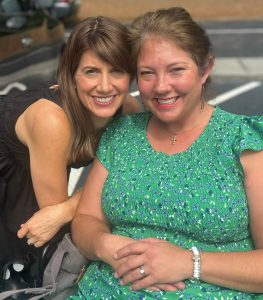
Kary-SinkuleKary Sinkule has dedicated the last 30 years of her life to health, wellness, and education, and has been teaching and practicing yoga for over 25 years.

Kary spent 20 years in Public Education, which she has since retired from to follow her passion for sharing yoga through her Yoga’s Arc’s Mobile Yoga Company, Yoga’s Arc’s Foundation for Non-Profit, and 5 Yoga Teacher Training Schools. We have over 100 teachers in our communities serving to fulfill our purpose of bringing more Yoga to more people.⁠

Kary will always have the passion to teach yoga even though she has taken a back seat, giving all of our Yoga’s Arc Instructors a chance to shine through our ongoing Schools and Mentoring Programs. She truly cares and it shows in her ability to help her students and teachers feel comfortable in their yoga journeys.

Follow Yoga’s Arc on LinkedIn, X and Facebook. Yogas-Arc-logo

Music Provided by M PATH MUSIC

Transcript-iconThis transcript is machine transcribed by Sonix
 

TRANSCRIPT

Intro: Broadcasting live from the Business RadioX studios, it’s time for Women In Motion. Brought to you by WBEC-West. Join forces. Succeed together. Now, here’s your host.

Lee Kantor: Lee Kantor here. Another episode of Women In Motion. And this is going to be a good one. But before we get started, it’s important to recognize our sponsor, WBEC-West. Without them, we couldn’t be sharing these important stories.

Lee Kantor: Today on Women In Motion, we have Kary Sinkule with Yoga’s Arc. Welcome.

Kary Sinkule: Thank you for welcoming me. It’s a pleasure to be here.

Lee Kantor: Well, I am so excited to learn what you’re up to. Tell us about Yoga’s Arc.

Kary Sinkule: Well, Yoga’s Arc came about because I was a yoga teacher. Well, I am a yoga teacher. It’s been 28 years. At the time, I was about 20 and I had to retire from school, teaching, and counseling to take care of my grandmother with dementia. And when she passed away, I felt like I needed a purpose, and I was so tired of bringing yoga to the elite in studios, I decided to create a mobile yoga company where we can deliver yoga to people, and it has exceeded my expectations. And we’re really serving so many people in places like homeless shelters, corporate offices, prisons, sex trafficking places, and parks. We do – I mean, it’s just endless. We have so many great, great clients.

Lee Kantor: Can you share a little bit about why yoga is so important to you, and why you think it’s so important to be sharing this with others?

Kary Sinkule: Absolutely. Because I know in the world we live in today, sometimes yoga is intimidating or it looks intimidating, but yoga is as simple as breathing and moving our body to really tune into ourselves and to get to know ourselves.

Kary Sinkule: And 30 years ago, I started yoga because of all the trauma I endured as a child. And I give credit to yoga for saving my life. And it’s important to me to bring the benefits of what breath and movement can do to others. And it’s as simple as just moving our our spine in the six directions that we don’t usually move in during a workday. We really just need to move a little bit. It doesn’t have to be anything huge.

Lee Kantor: Now, for folks who’ve never done it or like you said, intimidated because they see people, you know, super flexible, doing flexible things and they can, you know, they’re looking at a computer screen all day and maybe they’re hunched over and they can barely, you know, get in and out of a chair, what is some kind of easy entry point for that person to even enter a yoga studio, or watch a yoga video, or go to one of your classes?

Kary Sinkule: That’s a really good question. So the first thing I would recommend is joining our YouTube channel that we created during COVID. We paid our teachers to create classes. And so we have so many of these accessible classes on our free YouTube channel.

Kary Sinkule: We also provide classes on our Instagram channel. We have some of our teachers in training that are finishing up. We have amazing chair yoga classes and really accessible all levels classes.

Kary Sinkule: We also – if you are local in Arizona, we have a lot of like public, really accessible classes in farmers markets and you can access our calendar, but you can really just go on any channel or any, you know, YouTube and start to watch different yoga classes and maybe look for beginner yoga or yoga for corporate and start to explore watching so it’s not as intimidating as you find things that look accessible.

Lee Kantor: Now, is yoga something that works for every body type? Because a lot of times when you’re seeing someone do yoga or watching an instructor do yoga, they have a certain body type that may not match what, you know, the public’s body type.

Kary Sinkule: Correct. And that is something that I’m passionate about changing. We’ve created teacher trainings here in Arizona, and we also have them on demand. So any of you that are interested, and we’re recruiting people that have physical challenges. We have we’ve we’ve certified teachers that have hip replacements that have overcome cancer surgeries and cancer treatments.

Kary Sinkule: We have a police officer that fell, and she ended up with 37 surgeries and a reconstructed elbow, and we certified her. And she delivers chair yoga to seniors and some police officers that need recovery.

Kary Sinkule: So I recruit people that don’t think they can, but really want to see if they can. Because if you have a willingness to learn, that’s who I want. So, if you look on our website at the teachers, we’re starting to change what the typical teacher looks like. And that’s part of my mission.

Lee Kantor: Now, for a person who says, “Okay, I’m in, I’m going to do this,” how quickly do they start seeing some sort of a health benefit or result? Is it something like if you’re, you know, you go to a strength training facility, you start seeing muscle growth? If you go and do cardio, maybe you lose some weight. Like, what do you see, you know, kind of physically when you start doing yoga?

Kary Sinkule: I’m going to give you the answer I give to my teachers and training when I teach them that drives them nuts. And the answer is it depends. But the reason why I say that is because sometimes we are coaxed or encouraged to go to a studio with a friend, and we’re there the whole time. Our nervous system is dysregulated because we’re not comfortable and we’re probably not going to get much out of it.

Kary Sinkule: But like, for example, the other day I was at a WBEC event in Mesa and they put on a beautiful celebration catering for us. And they had asked me to do like a five-minute guided meditation. And I stood up and I had them soften their eyes and just I started to take them through their body parts and have them connect with each body part. And after it was over, they were like, “Oh, my gosh. Can you keep going? I feel so much better.” Right.

Kary Sinkule: So the nervous system when we just breathe slower, for example, if we during the day, anytime we think of it, when we start breathing in and out for five seconds in and five seconds out versus quick or holding our breath like we do when we concentrate, our nervous system will regulate. So just by breathing slower, we probably will feel a little better.You add some neck circles when you’re sitting at your computer every, you know, 25 minutes, your neck will probably feel better. So it doesn’t need to be this whole big thing.

Kary Sinkule: However, if you jump down the yoga path, right, it’s like suture number one, 1.1, you now begin when you’re introduced to yoga, it is your beginning. And for those that dive in and maybe do it two to three times a week or become more regular, the results, I have heard so many stories that would blow your mind because I’ve been in this industry for 30 years. But the most important thing is the consistency, right?

Kary Sinkule: And when we think of yoga, it doesn’t have to be something really physical. So if someone decides they want to do something consistent three times a week and they decide on Friday the third day, they’re way too tired, well, maybe they don’t do the physical yoga. Maybe they just sit and do a meditation for rejuvenation.

Kary Sinkule: So in yoga, you can make it really rejuvenating if you’re feeling really run down, or if you need that physical outburst, you can go to like a strength class or do more of like a a strength class. It doesn’t have to be a lot of movement, but just standing on, you know, in a pose and holding for ten breaths can be very powerful. So it’s beneficial in so many ways.

Lee Kantor: And then it can be part of and maybe it should be part of kind of a whole wellness program. Right? Like there is a place for strength training, cardio, and yoga. They can all play nicely side by side.

Kary Sinkule: Very much so. And that’s where we came in, where we go into communities, corporate offices, addiction recovery centers, and we create the yoga program. We have over 80 teachers. So we go in and we find out what’s their budget, how – like, what do you need? Are you a group of painters? Is it your shoulders? Do we need to do shoulder rehabilitation? Is it addiction recovery? And then we tailor the program within that wellness center. And whether it’s five classes a week, 15 classes a week, we provide all the teachers and we do virtual as well so we can create those programs.

Lee Kantor: So do you find the need or the demand from businesses that are looking to provide a benefit to their employees? Or like you were saying, you’re serving a lot of underserved communities as well. And there’s a nonprofit element to this in your business.

Kary Sinkule: Correct. That nonprofit came because I am a servant at heart and I don’t like to say no. I was a special needs teacher and counselor for junior high, and so when people started coming to me without money and wanting our services, I was like, we’ve got to do something. So we created the nonprofit.

Kary Sinkule: We have the most successful nonprofit story, is our prison project, and we have two women that have been incarcerated. They are now in our teacher training. One of them is our sales manager, and both of them teach yoga for us. So we are really making a difference in the world. And I know that was a tangent. Back to your question.

Lee Kantor: Well, I think you answered some of the questions, but when you’re working – let’s take them separately. When you’re working with the business, they’re looking at an employee benefit. I would imagine they’re looking for some sort – and they’re looking at it in business terms of return on investment. Is this increasing productivity? So you have to answer those questions when you’re dealing with corporate people, right?

Kary Sinkule: Correct. So we do have a corporate landing page that kind of has a lot of the statistics. There’s a lot of studies and research out there. But anecdotally, what I’ll say is what I love about a 30-minute yoga class that we call like no stretch, no change in corporate wellness, sometimes it’s 25 minutes because you don’t want to take their whole lunch break. They should – you know, we do it in chairs and you’re literally moving their spine, which is good for your physical body. You’re helping them breathe, which is good for clarity and the nervous system. You’re empowering them with affirmations and such so you’re building their confidence. And then you can do strength, stretch.

Kary Sinkule: So literally in yoga, you can get your life coaching, your movement, your breathing. So it’s one and all. And then you can have one teacher serve 20 people at a time, per se. That’s why it’s so economically beneficial for mobile yoga company. We go in, we bring one teacher, we provide it for 30 of your people. The cost per person, it’s like $2 per person when it comes down to it. And the more classes people put on the calendar, the more percentage they get. So it’s just been a win, win, win in those aspects for the the ways people feel so much better when they go back to their desks. After lunch, we’re usually feeling really bogged down. Our brains are shutting down, and we need a nap. But just doing 25 minutes in a chair can change everything now.

Lee Kantor: What was it like kind of selling this into your first corporate client? What – had you had experience doing this type of corporate sales, or was this a referral of somebody who knew you and then they gave you a chance? Like, what was the kind of the early sales like for you?

Kary Sinkule: That’s a great question. Because I was a 20-year yoga teacher in the community and a school teacher, I built this huge following and I would be asked to do baby showers, bridal showers, backyard parties myself personally. But I couldn’t do it all with just me. And because I was a network marketer for ten years, I saw the vision of duplication, and if I created more teachers.

Kary Sinkule: And then what happened was we started saying yes to like farmers markets where we’re out there actually doing the yoga instead of just trying to sell it. We went down a path of trying to sell it, marketing online. But yoga is so intimidating that we really – we needed to show up in front of the people. And from there you got two or three people that run companies or work for companies, and it started to trickle effect.

Kary Sinkule: The biggest surprise is, I would say 70% of our clients are addiction recovery centers, where we’re providing 3 to 15 classes a week for their programs, whether they’re in-patient or out. And that’s been really beneficial as well.

Lee Kantor: Was that something that surprised you, or did you have a gut feeling that, hey, this is a good fit for folks going through addiction?

Kary Sinkule: Well, I lost my mom to alcohol and she was an alcoholic my whole life. And when she passed away, that’s when I had to take care of her mom. I really feel like she’s been the angel over my shoulder.

Kary Sinkule: And I did not know that this one woman that was in my yoga classes at one of the local gyms for five years was the top admin for all addiction recovery out here, and when she saw that we went mobile, she insisted that we went into these programs and they just spread like wildfire because one teacher in addiction recovery, you just can’t do it yourself because that teacher is going to get sick or pregnant or a flat tire or move. So we have 70 teachers where we can keep the program going no matter what happens. And that’s been the biggest benefit.

Lee Kantor: Now, as part of your program, every teacher has a different personality. Do you have a kind of a curriculum that you’ve developed that goes company wide, that they adhere to, or is everybody kind of doing their own thing?

Kary Sinkule: That’s a great question. So we have created – we have a YouTube channel of probably a thousand training videos. We have a 200-hour teacher training, a 300-hour teacher training, 500 hours like a master yoga teacher. So we provide all four of those schools in-person on demand.

Kary Sinkule: And then we have trainings that are specific to what are the tips to bringing yoga to addiction recovery? What are the tips for bringing yoga to adolescent behavioral, kids with behavior disorders? What do you do in prisons? How do you bring it to -we have partners where we’re helping in bringing yoga to the teens that are rescued from sex trafficking. Right? So that’s a whole other hat.

Kary Sinkule: So we train the teachers ahead of time. If they don’t have time to go to the class first to see it happen, we have them talk with the teacher. And it’s just very organic. But we have systems to everything to make sure our teachers get all of the materials and the trainings before they even start.

Lee Kantor: So, are your clients typically people – this is kind of a, one of the first yoga experiences they have. Or do you have some things for the, you know, the hardcore? I want to just be the best yoga person in I-can-be classes.

Kary Sinkule: I love that question. We, 99%, are bringing it to underserved people that can’t get to it because of finances, ability, time, whatever it may be. But there are a few that come and they want that really intense training. The great thing is, I have many studios and partners and friends in this community that have that.

Kary Sinkule: So if I have someone that wants that level, I’ll refer them to one of our local studios where they can get that level of experience. We really are bringing trauma-informed yoga and this new word somatic, somatic movements. That’s pretty much what we do. We’re bringing it to people that maybe can’t get out of chairs. They just had knee surgery. They maybe have one leg. They are a veteran and are afraid to close their eyes because of trauma. We’re really looking to bring it to the people that really need the benefits, but don’t know how to access it.

Lee Kantor: And that’s a great lesson for entrepreneurs out there who are starting their business. You have to know who your client is and who to say yes to, and also who to say no to and refer them to a different resource.

Kary Sinkule: Yes. Correct. Like, we don’t do the bachelorette parties at the Airbnbs anymore. We refer them to our independent teachers because it’s a lot of work for our company for just one event. We’re now building big, you know. We’re building programs and it’s been great.

Lee Kantor: Now, why was it important for you to become part of the WBEC-West community, and what have you gotten out of it?

Kary Sinkule: I love that question. So, I’m a very thorough person and I follow directions. When this idea came from God in 2017, in the middle of the night, literally woke me up on August 5, 2017, and told me to buy yogasarc.com at 2 a.m. and I literally got my credit card and bought all the things and put it away. And my husband’s like, “What did you do?”

Kary Sinkule: And from there I, you know, thought of this idea and I was told to get a business coach. So I signed up, got a business coach, SBDC. And Paula, my coach, said a lot of things. And one of the things is you must become women’s business certified eventually. And this was in 2017, 18 when I was starting it out. And I looked at the application.

Kary Sinkule: And because I’m a Yogi and I understand and I live in the present moment, I’m not one to take on a project and stress my team out and run and get it done and put all these unrealistic due dates on it. I like to look at it and say, you know what, let’s give it a few years, right? Let’s build it organically with a solid foundation. I don’t want to just pull together a group of – what do you, what do you call it when you have to have your team, your foundation, your board of directors. Right? So I took the time. I really took the time, and three years later we were ready and I applied, and the journey was so beautiful because it went right along with building my company. And then when I jumped in, I did the same thing. As soon as IU got the certification, I said, “I’m not going to just sit and wait for the phone to ring. I’m going to see what they have to offer me.” And that’s my biggest recommendation to anybody listening to this.

Kary Sinkule: Set your timer or your asana or whatever your task is once a week for 15 minutes. Go through all your WBENC emails, go through your WBENC West and your WBENC, you know, portals and see what’s out there and sign up for things. So I kept signing up for things and I kept applying for things. I even tried the pitch contest. I was horrible at it. But guess what? I got picked and I tried. It’s something I tried.

Kary Sinkule: My biggest exciting thing that I suggest everyone does is WBENC offers a training. I think it’s called Ignite, but it’s the entrepreneurial operation systems. And I didn’t even know what I was applying for. But I applied for a three-day WBENC conference, was accepted – there were 60 of us in Chandler, Arizona – and literally was trained in the EOS systems on how to scale. And it’s changed everything in my company. So thank you WBENC just for that.

Kary Sinkule: And I’ve only been in it for six months. I’ve been going to all the local events and they’ve asked me to be part of, like, certification process. I got to do the five-minute breathing exercise. And it’s not because I’m jumping in and saying, what’s in it for me. I’m jumping in, going, how can I serve WBENC and what can I do to add to WBENC? And just from doing that, it comes twofold. I have an ambassador, and we had a great time the other night, and I just look forward to the future.

Lee Kantor: So, what do you need more of? How can we help you?

Kary Sinkule: Well, I think what we need to do is spread the message that yoga is not scary. And if anyone listening is interested in a program, I want you to call me, and I will talk to you and help you. Because even if you’re not local, we can get you a virtual yoga program. And if there’s something that you want to do within your community, I can even coach you through that as well.

Lee Kantor: And if somebody wants to learn more and connect with you or somebody on the team, can you share the website, maybe some of those social links that you mentioned?

Kary Sinkule: Thank you. Everything Yoga’s Arc, Y-O-G-A-S-A-R-C. And you can reach me at info@yogasarc.com. That’s me. Direct goes to me. Or my first name K-A-R-Y, @yogasarc.com. Myself, (480) 861-3788. And everything, yogasarc.com. We have our Instagram, our Facebook. You follow us. And if you sign up for our emails, I write beautiful Sunday vibes every Sunday and share my heart with the community and everyone seems to really enjoy them.

Lee Kantor: Well, Kary, thank you so much for sharing your story today. You’re doing such important work and we appreciate you.

Kary Sinkule: Thank you so much for letting me share my story, Lee.

Lee Kantor: All right. This is Lee Kantor. We’ll see you all next time on Women In Motion.

Tagged With: Yoga's Arc

Cheryl Mckay with Stone Impact Media

November 22, 2024 by angishields

FF-Cheryl-McKay-Feature
Cherokee Business Radio
Cheryl Mckay with Stone Impact Media
Loading
00:00 /
RSS Feed
Share
Link
Embed

Download file

FF-Cheryl-McKay-banner

Cheryl-McKay-headshotCheryl McKay Price is the Chief Creative Officer, Writer and the creative force behind Stone Impact Media and the These Stones TV Series.

Since 1997, Cheryl’s inspirational screenplays for television, cable TV, new media, and feature films have attracted multiple awards, nominations, as well as top star talent like James Garner, Brian Dennehy, and Abigail Breslin. Among her credits includes writing the screenplay for The Ultimate Gift and co-writing the feature films, Indivisible and Extraordinary.

McKay’s most recent writings include a screen adaptation and an eight-episode series (both for Pure Flix) and a children’s animated series for CBN. Additionally, she has authored Gigi and numerous fiction and nonfiction books, including co-authoring the Carol Award Winner for Best Women’s Fiction novel, Never the Bride, which Cheryl has adapted into a multiple movie screenplay franchise and slated for future development by Stone Impact Media.

Cheryl is excited to helm the creative development, producing, and writing of projects as a co-founder and executive for Stone Impact Media and These Stones, LLC. Cheryl’s heart from the beginning of her writing journey has been to impact others in positive ways through the telling of inspirational stories.

Cheryl and her husband reside in Woodstock, GA and enjoy disc golf, kayaking, and taking day trips to small mountain towns.

Follow These Stones on LinkedIn, Facebook and Instagram.

Transcript-iconThis transcript is machine transcribed by Sonix
 

TRANSCRIPT

Intro: Broadcasting live from the Business RadioX studios in Woodstock, Georgia. This is fearless formula with Sharon Cline.

Sharon Cline: Welcome to Fearless Formula. I’m Business RadioX, where we talk about the ups and downs of the business world and offer words of wisdom for business success. I’m your host, Sharon Cline. This is a surprise Tuesday version, which is usually on Friday, but I love mixing things up a little bit. Still getting used to my new intro, which I’ve had for maybe like three months and I’m still like it’s new! Anyhow, I’m so happy to have in the studio today the Chief Creative officer, writer and the creative force behind this, a TV series called These Stones. So lucky that this woman lives in Woodstock and can come into the studio and chit chat with us today. Her name is Cheryl McKay. Price. Welcome to the studio.

Cheryl McKay: Well, thanks for having me today, Sharon.

Sharon Cline: I’m so happy to chat with you. Interestingly, I love your story because you used to live in Los Angeles, where I always think of, you know, the Mecca of TV and and movies. And then you come here to Woodstock, which is like the little baby version of it. And you found some really great success here. Yeah.

Cheryl McKay: Well, when I was training to be a screenwriter back in like around 1999, I asked all those teachers, do I need to live in Los Angeles to do this? And at the time they were all like, yes, you do. You have to get known and break in and get contacts. And so I packed up my stuff from Charlotte, North Carolina, and I moved there, and I did live there for 15 years. And I do think they were right that at that time it was important. But the great thing is it didn’t stay important and that once I had other successes, like on other movies that had been made and released in theaters, it didn’t matter anymore where I lived because all of my jobs, ironically, were from other states like, I don’t think I hardly ever worked for a California client until I moved here.

Sharon Cline: Oh, funny.

Cheryl McKay: So here in Georgia. So it was just kind of funny. That. And also when I moved to California, my first job was from North Carolina, where I had just left. And so it’s like it kind of just shows you that when the job is right for you, that it’s going to follow you no matter where you are.

Sharon Cline: It is very interesting. I always think about this with even the voiceover world. It’s who you know. It’s the contacts you make and the networking that you do. It’s it’s the person to person as opposed to just a name. So I’m wondering if that’s really what kind of impacted your your success. It’s not just having gone out there to, um, you know, be successful in your own way in movies, but meeting the right people to even bring you back this way. Yeah.

Cheryl McKay: Yeah. Well, our move here was driven. Not it had nothing to do with the industry in the sense that we were living in California. Like, I got married, um, four years before we moved here, and we realized we weren’t seeing our family. They were in North Carolina still, and I was like, I don’t think it’s okay to see everybody once a year now. And so we thought, well, let’s get closer. But we don’t want to live in Charlotte because at the time there was not a lot of production there. And we had, of course, been hearing about this place called Little Hollywood, as you alluded to earlier, which isn’t so little anymore. Um, and we were like, well, why don’t we at least move where things are happening? Even though I wouldn’t say my so-called success here has anything to do with here so much as it’s when the doors opened, I said, hey, I want to make this TV show here. And so that was partly driven by me already living here and knowing I love the place. And then because I did have a part in producing the show, I had a say and I was able to persuade them by showing them pictures of how gorgeous it is here in Cherokee County, Georgia.

Sharon Cline: What I love about Cherokee County in general is that there’s there’s just such a diverse landscape. You can feel like you’re part of the city if you want, or you can feel like you’re in the mountains and you can be by a river, and it’s just you kind of get a lot of all of it.

Cheryl McKay: That’s why we picked up here rather than like down by Trilith Studios, where it was Pinewood at the time, because I’m like, I’m not going to be working on Marvel movies or studio movies. I’m going to work on independent stuff, so why not go where it’s already gorgeous and where this landscape is so varied. And I mean, I probably have 10,000 location photos just in this area. Every where I go, I’m like, oh, this is another location. I want to put that in a movie or that in a TV show one day because it’s gorgeous or cute or unique.

Sharon Cline: So you get to almost your your pre-scouting. Yes, yes, yes.

Cheryl McKay: And then sometimes I’m like, I don’t know when I’m going to work something in, but then I find a way to do so. Like I’d say my favorite example of that is Circle of Friends, the local cafe that hires adults with developmental disabilities. I told them two years ago I was like, before we had shot. I mean, I’m like, hey, I want to put this in a project one day. And then sure enough, when these stones came up, I made one episode about that outreach.

Sharon Cline: Oh, I love it. Well, I wanted to go back a little bit to when I know you have been since I want to say 97 is when you did your first screenwriting. When? When did you know you really wanted to get into this industry? Had you always been creative?

Cheryl McKay: Yes. Well, my aunt will joke that I was always writing as a five year old on my grandmother’s roof. And so I had this. I had a book like. I mean, now today you just call it a journal, but it was called the Next to Nothing book. And I would write stories and I would draw pictures, even though I’m terrible at drawing. And so also I was writing things that we could act out for our neighbors, and I put on little plays and force everybody in the neighborhood to sit on the grass, and we’d act things out, partly because I had an interest in acting as well as writing. And then I went to college for theater. However, my teachers were all telling me, you are not a good enough actress to chase this, and you’re really good behind the scenes. And I always try to joke that I’m like, I hope that wasn’t a knock on what I look like to say, get behind the camera. And. But they were right. And at the time I thought I would one day leave and prove them wrong. But it was such a good I call it my best rejection, a God redirection of my life into what I was really meant to do. And now you couldn’t pay me enough to become an actress. Like I like doing little teeny parts in my own shows, but I would much rather be alone behind a computer and not with anybody. And I like to act out the characters at my computer when I. If I make myself laugh and myself cry as I’m working on them, I think that’s where the acting has come in really handy.

Sharon Cline: You can identify with those emotions so easily. Yeah. Why wouldn’t you want to be an actress these days?

Cheryl McKay: Because I look at what we put these people through and it’s like take after take after take because you need all the angles. And can you cry again? Oh, I know you just spent the past hour crying, but could you keep crying? And that was actually the part that I was the worst at. It was I could cry alone in my room in front of the mirror doing a monologue. But you put me on a stage or in front of a camera and I would freeze up. I would be nervous, and it’s just like I could never really tap into the way that actors need to be able to be vulnerable in front of other people. Like sometimes a crew of 50 people. And so knowing that I wasn’t good at that was just I didn’t want a life of being nervous all the time.

Sharon Cline: Yeah, I get that. Yeah. So. Well, it’s interesting too. It’s like, I love how you say that. You embraced a different path. Like you didn’t fight it. Maybe a little bit. But you really did embrace. You embraced where you believed you were meant to be and that you were really glad. There’s so many. Even myself. I’m like, this is where I think I should be. And I fight so hard to stay somewhere where I think I should be when it’s really not meant to be mine. Like a surrender you have. Like a surrender to it. Yeah.

Cheryl McKay: Well, and I can tell you, it’s. I’m much happier doing that. Like, honestly, I was that weird actress who never wanted to be in the spotlight. So it was like, please put me in the chorus role, give me a dance role, give me a singing role. But put me in the background and I liked being with other people in that way. I might have been more introverted then too. Um, but I never wanted the lead roles. I know, that’s that’s weird. Usually actors are always like, I want the lead.

Sharon Cline: Yeah.

Cheryl McKay: You know, but I would much rather have had a small role and I enjoyed doing my own, even if it’s no speaking lines. I like doing that on my own shows.

Sharon Cline: I love that you have had some major stars work with you. In 2007, you had a movie come out that had Brian Dennehy in it. Abigail Breslin? Yes, um.

Cheryl McKay: James Garner’s.

Sharon Cline: James Garner.

Cheryl McKay: It was his last movie. Oh.

Sharon Cline: You’re kidding.

Cheryl McKay: I know his daughter really wanted him to be able to do the sequel, but by then he’d had a stroke.

Sharon Cline: Oh my goodness, what was that like? How? Okay, first of all, when you found that you were going to be, you know, interacting with these people, what did that feel like to you?

Cheryl McKay: Well, it’s a little different when you are just the writer for hire. Like, so these stones was the first time I actually produced my own project, and I had a giant say in the casting, whereas in those other jobs it’s like, hey, take this book, what’s your take on it? Like, that’s what happened with Ultimate Gift. And quite a few writers auditioned on paper for the job And then eventually I got that job to do the adaptation. And then your your job is over. So you have nothing to do with the filming, the casting choices or anything interesting. And the you’re lucky if you’re a writer and you can get yourself invited to set, which I’ve been blessed that my producers and or directors have supported that. Um, the producer who hired me for the ultimate gift was the one who let me come for two weeks. And my other directors that I co-wrote scripts with, like for Indivisible and Extraordinary. They, of course, were very welcoming and they would always throw me in as extras as well. So I’d have my little mark on a scene. But you don’t have anything to do with the casting. So like James Garner, Brian Dennehy, Abigail Breslin, um, I didn’t actually meet James Garner.

Cheryl McKay: His scenes were all shot on one day, and I wasn’t there yet because I wasn’t able to come home to Charlotte was where it was filming, and it was for the. I was there for the final two weeks of five, and James Garner had already wrapped by then, but I wanted to be there for all of Abigail Breslin scenes, and that’s what I made it in town for, because that was my favorite part of the whole story, was because she was the heart of the movie for me. And so her and then the girl who played her mom. Turns out we had done plays together when we were teenagers, and when I found out she got cast, I’m like, what the heck? Like, I had nothing to do with that. It’s just it was such a random thing. We both were in Charlotte at the time, so. Oh, wow. And she had also moved to LA. So it was fun getting reunited with her on set because she hadn’t even noticed my name on the script. Oh, wow. Cause I guess actors don’t care. Yeah. Actually, who writes a project, you know. True.

Sharon Cline: It’s interesting. I haven’t really put that together in my head. How much a writer really isn’t included in the whole production part.

Cheryl McKay: A lot of times they’re shut out because they think writers are going to be too possessive of their words, and they’re just going to get mad if people try to change things. I mean, there’s other situations like television is a little different because it’s like directors are king and features, but writers are king in TV, and so they have a lot more control and a lot more say, and they will be on set a lot more often if you’re doing a television series. So because directors are more director for hire Usually, except in my case, I hired my favorite person ever to play me the director.

Sharon Cline: You know, but.

Cheryl McKay: Normally they’re right there. Director for hire. They just show up for an episode and they’re told what to do because they’re being handed a show that already exists.

Sharon Cline: Got it. What was it like to see the actors saying the words that you wrote or, you know, I know ultimately it was somebody else’s story, but you actually put into a screenplay?

Cheryl McKay: Yes. Well, it can be different with each one. Like some of them. You go and it’s very recognizable, and then there’s others and you go, I don’t remember that scene. And so it got added later, you know. And it really varies because as you know, film is a very collaborative medium and I don’t always see the scripts or I, and sometimes I don’t want to read them before, but I am happy to visit the sets and see how everything is coming together. And I’m just there basically to sit, watch, be quiet and eat craft services and have fun. But the difference was with the stones, we hardly changed a word before we filmed and everything just flowed and we didn’t have actors coming to us and saying, oh, I can’t say this line or this doesn’t fit my character or anything. I think they were all they had. They had meetings ahead of time with the director, which was unusual. They had 2 to 3 hours. Each actor she spent time with to talk through character, just to make sure there wasn’t anything we needed to change so that by the time they got on set, they were very prepared. And I think that’s why everything went as well as it did.

Sharon Cline: So let’s talk about these stones. Can you tell me the history of how this came to be?

Cheryl McKay: Well, I was going through a season in life where I was very irritated about never being able to produce any of my own work, and I was complaining to my buddy Jeannette Towne, who had never been a part of producing films either. Um, she had hired me to write something for her a few years ago, and we stayed friends. And when she asked me, well, what do you need in order to be able to produce your own stuff? And I said, well, I kind of need that structure of a production company and people who know how to raise money, because that’s something I’ve never had. And she had just retired from a big business in California. And she said, well, I would know I would be able to do that. So we ended up teaming up, forming Stone Impact Media, and she was very supportive in the whole way of like the content. Originally we were going to make my passion project. Never the Bride, which we had to put on hold in favor of. We’re in a Covid era and people weren’t going to theaters. And so when her pastor had written a play called These Stones, and a lot of that was like two person scenes where someone being helped by a Bible character through a problem that matches what they went through in the past. And then he expanded it into a book manuscript that I was given to read over. And she’s like, what do you see in this? Could we make a movie or whatever out of this? And I’m like, it’s a series.

Sharon Cline: You already knew.

Cheryl McKay: Yeah, I’m like, because there’s no shortage of Bible characters. You could pair with people with problems based on his original concept. And so, um, I said, well, let me blow it up into a show. And I created the whole family that goes through this drama together. And then the device of how this young girl, who’s played by Madeleine Carroll, is helping match the right Bible character to the people who need help. And so all of that was really fun. And I got to sit through and think of, well, I want to do six episodes for the first season because that’s commonly done in some of the streaming channels. And I was like, what are the six problems I want to tackle? And so I just got to brainstorm through that whole thing and then come up with, I did a show Bible first, which would show like the scope of the show if we did multiple seasons, and then from there did the proposals for all six scripts and then wrote them and my director would polish them off while I would move on to the next episode. And then I invited her to co-write the finale with me, because I had created all of these questions I didn’t know all the answers to yet, and I’m like, help me figure this out.

Sharon Cline: So can you kind of even believe when you think about it, it’s like, this is impacting who knows who in the whole world, but that it so much of it came through your brain and your creativity. Isn’t that kind of amazing?

Cheryl McKay: It is really fun. But also it’s I’m a Christian and I pray through everything that I write and I always like in this case, I’m like, God, what are the stories that people need to hear today? What are people grappling with today that’s going to be relatable? What’s also cool is that you can show it to people, and everyone’s going to get something different out of it. Someone might migrate toward episode two, while another really hit home for episode four. Episode four is one that I knew I wanted to write first. I knew it wasn’t the first episode, but it was the first story that I’ve always wanted to do. And it’s the one about a singer songwriter who is a cutter, who has low self-esteem because of promiscuity. And she’s in high school still, and that was one that I always wanted to do that story. But one of the most meaningful stories that I read online was a 70 year old who was impacted by that episode, big time, of her feeling like she’d been cutting herself emotionally her entire life for some mistakes she’d made that God had forgiven her for. And I would not have expected my teen episode about physical cutting.

Sharon Cline: Yes. Yeah. I never thought about that either.

Cheryl McKay: So it was really. That meant a lot to me. And that that’s the kind of thing that someone can walk away from this from by. But it’s going to be different for everybody.

Sharon Cline: And if I saw an episode, excuse me today, I may, you know, five years from now see that episode and be impacted differently as well. Yes. You know, depending on where, what season I’m in or what I’m experiencing.

Cheryl McKay: Right. Well, and we also wanted to and I was very thankful she gave me permission to do this because we took a chance on an episode by, um, what happens when you get a no. What happens when life doesn’t turn out the way you want? And we had to be careful that it didn’t come across as hopeless. But I was like, well, this is the episode that I needed to see when I was going through things in my life where I got to know. And I’m like, I find that encouraging because then I know I’m not alone. And that’s the tagline on our poster. And somewhere in every one of our episodes, we have that line in some way to tell the person that’s dealing with something, you are not alone in this. And it’s like, you may think you’re unique in the sense that no one else is going through this trial, but that’s not true. And we don’t want people to feel like they’re dealing with things by themselves.

Sharon Cline: I like that you’re talking about universal truths about being a human, you know? Yes. It’s all of the different ways that we can relate to each other and that we’re more alike than we are different. And of course, no one’s exactly like me or exactly like you. But I know what it feels like to be, you know, despondent or to discouraged or in love, or all of those different emotions that just make us a whole human being. So it’s wonderful to know that we can all unite that way and connect that way.

Cheryl McKay: Yeah. Well, another really cool thing that we did with this is the Bible. Characters are not put up on pedestals every episode. They’re going to tell you what they did wrong because they’re not going to relate because of what they did right all the time. You know, most of the time, I mean, yes, there are definitely inspiring people in the Bible, but that’s like even on the episode about Sarah of Sarah and Abraham. She’s very upset to find out she’s not here to give a girl her happy ending that she got. She’s here as I marry him. Um, played by Karen Abercrombie. Says you’re here because of your messy middle. That’s what she’s going to relate to, not your happy ending. Because miracles are unique. They’re not the common. And so we all usually live in the common. Not that miracles can’t happen every day, but you know what I mean, I.

Sharon Cline: Do, I do. The main huge miracles that are life changing are not the are not. That’s that’s that would be news. Yes. That’s not what we deal with every day as I’m going to the grocery store and, you know, dealing with weather or whatever, and.

Cheryl McKay: I don’t want to imply to someone watching that, well, you’re going to get the same miracle that this person got and have them hold out hope for something that might not be for them. Like, I don’t want to hurt people that way either.

Sharon Cline: So there’s a sense of like moral responsibility that you have when you’re making these episodes.

Cheryl McKay: Yeah. And I understand that there’s going to be good things that do happen in these. I mean, it’s certainly is a series that has a lot of hope at different times. That’s kind of why we do this. But at the same time, I think there’s hope in knowing that when things don’t work out well, that that’s okay too. And how how do you respond to that and how do you move forward in life and not be so devastated that you want to give up on life?

Sharon Cline: Gosh, it is so true and everyone is in a different stage. I get that, but just the notion of wanting your happy ending and my idea of a happy ending may be very different from whatever God’s idea of a happy ending would be. And I only have my human brain to really deal with and then, you know, just faith and hope. But fascinating to think that it doesn’t all mean that everything’s going to get tied up with this little ribbon. It is the human condition, you know. And how do you how do you persevere and have the strength and resilience to find whatever joy you can, even though it doesn’t look the way you want, right?

Cheryl McKay: I mean, we start off the entire show with the mom saying, if you’re watching me on this video, I’m gone. So you know that there’s a huge loss that this young girl has experienced. Um, but her mother didn’t leave those videos to leave her hopeless.

Sharon Cline: Oh, wow. So you had, um, obviously you had gotten the funding, got the cast, made these episodes. How did you find your way to having them be on a network?

Cheryl McKay: Well, that was a lot of work, because when you. The good part about making them independently is we got to make the show that we wanted. And so and we also wanted to prove we could make the show we wanted so that we could set the tone for what it should be, so that if in the future to do future episodes, we have other partners come to the table, there’s at least a template that we’re going to be trying to go by of what we had established, including people we had already cast, or the style of how we handle biblical content. Got it. And also in hopes to keep it in Georgia. That would be the other thing, because.

Sharon Cline: Look how beautiful it is here.

Cheryl McKay: Yeah. Yeah. It would be hard to move and duplicate that beautiful farm property that we use, among other places. But to answer your question, um, when after we finish post-production, it took about a year of going to different conferences, to pitch fests, to places where there were distributors seeking content and meeting with all of those people and meeting with them again at the next conference longer. Like sometimes you do those little speed dating pitch fests where you get like five minutes to show a trailer talk. Hi, what’s your name and and what do you like? Like, I mean, it’s just kind of funny how that works in doing go to the next table. And so it’s a lot of collecting of info. And then when we went to the next one, I was able to reach out to the ones that had interest and say, can we have a half hour meeting? Not at a pitch fest. Yeah. And then we met with all of those key people again. Um, and then from there it’s just becomes the how do you pick the best partner? Um, at least for the start. And what we felt very comfortable going with up Faith and family, which is the streaming part of Up television. Like they have a cable station called up TV. And one of the things I loved about them is they believed in us. They loved us. They weren’t going to chop up our show. They were just going to put it on their streaming service, and if we gave them a window of exclusivity, then that also came with marketing push. And they did a really good job getting us an audience. And just like even just ads and you could see people interacting with that, saying they’d seen episodes, they wanted more. Lots of complaints that season two is already out.

Sharon Cline: Are you serious?

Cheryl McKay: No pressure. I don’t know. Like. Oh, okay. Because to them it’s new. And I’m like, yeah. To us it’s like, okay, we better hurry up and get started. Um, and so but the nice thing is, I mean, you know, talking through with them of how well it’s done, they knew by episode three that it was a hit with their audience. And so we’re furthering the conversation of expanding with them. So we’ll see how all of that plays out. But my hope is that we’ll be able to continue.

Sharon Cline: Did you know when you were making it? Did you just have that feeling of, oh, we’re on to something big? Do you know that feeling? Yes.

Cheryl McKay: Um. It is. And what’s really. This is such a strange way to describe this. There’s the part of like some of us knew that you could tell some people working with us could not tell. And it’s partly because and I kind of tried to look at it from the point of view of like, let’s say you have a production assistant who’s there to help you, and they don’t see the scripts. They’re just watching these little snippets of scenes and going, what the heck are these people doing? Like day two, we’re shooting Sara’s reveal scene in front of like, first she’s in normal clothes and talking with her accent or whatever. Then you put a green screen behind her and all of a sudden she’s in biblical garb. And then I remember hearing behind the scenes, they were like, what are we making? Like, this seems so weird. And then so somebody slipped them the first two episodes of the script and said, you need to understand what we’re making. And when they read them, they were like, oh. And I thought, oh, I guess that would be weird if you hadn’t read the script and you’re watching it because you shoot out of order. And we’re in the middle of episode three on day two and they’re like, what is this? You know, and then we’ve gotten notes from people after the fact going, I had no idea we were making a show this good while we were making it. Oh, and I’m like, well, we did. Yeah, we had the whole picture, though. I mean, when you’re the writer and the director and the producers, you know, but it’s been nice to get those after the fact responses of people realizing that we really were making something special.

Sharon Cline: Do you ever kind of look back at your path to where you are now, and can see the different parts of you that learn different things that all lent so well to this, to this project?

Cheryl McKay: Well, I definitely think with every project I might grow as a writer, but I also never want to stop learning. And so I still take classes, I teach them and I take them. But also I think what helps is relationship, because there’s people that were on this show that I knew from other productions that I don’t know how I would have gotten them because you’re doing like a lower budget production. They’re used to working on higher budget productions, but they happen to like me enough to read the script. And they loved the script and said, I’m in. And so, like I worked with Karen Abercrombie, who’s most famous for playing Miss Clara on War Room and then Cameron Arnett, who has just finished The Forge, which was perfect timing for us because he’s like the lead in that. And it came out in August and we came out in September. But he’s also a very good friend of ours. He and his wife BJ, and then Madeleine Carroll had worked with me on indivisible, and she impressed my husband and I so much backstage that I was like, I have to work with her again. And so when this came up, I’m like, I’m going to write something that she’s right for and then see if she’ll come play. Um, and so it’s that’s what has helped me with the past. And because we pre-cast a lot of our cast before we ever had our casting director put people up in the, in the auditions and then the callbacks, I think eventually we used relationships to bring in about 19 of our 27 actors, and then the other 8 or 9 we found through casting, which we found some gems through casting. So I’m very glad that we were able to do that as well.

Sharon Cline: Not everybody can say that they were able to cast or even have a series written for them to, you know. Yeah.

Cheryl McKay: Well, you know, it was absolutely awesome about that. And this is one of those little behind the scenes miracles to me, which was that when Madeline was doing a talk show, um, doing PR for I Can Only imagine a lady brought her backstage after and prayed over her and she said, when you turn 26, someone’s going to come to you and say, they wrote a project for you. And so when she read the script, I say those words to her and she’s like, I’m 26. She knew this was the project. No, which helped because she had a better offer at the same dates.

Sharon Cline: Really?

Cheryl McKay: And so it really helped her say, yes, thank God. And she’s so good. Like, that girl can just act. And then she’s funny because she’ll be bawling her eyes out and then like, oh, where’s the snack? Like. And she looks away from the camera and she’s totally back to normal being as silly buddy, you know.

Sharon Cline: What has surprised you the most about this series?

Cheryl McKay: Well, it still makes me cry. Like, I can watch it and remove myself and forget that I’ve seen it a hundred times, you know, and I’m still moved by what they did. I think we were. We were blessed with such a tremendous cast that really knew how to dig deep but not overact. And I think when when actors know how to pull back, it actually brings out more emotion from your audience because they’re not over doing it. And the way that they all just cared about it as we were going through it. And I mean, one of my favorites is in episode four, The Girl that was the cutter who also wrote the song that’s in the episode. She did so much research about people who were cutters. She interviewed them. She put out an ad at her her university and said, I want to talk to people who are through it. She said she didn’t want to talk to anyone who was still in it, because she didn’t want to be a cause of, um, triggers for them. But she wanted to talk to people who had healed so that she could play the role with as much authenticity as possible.

Sharon Cline: Wow. Her heart was in it, and I’m sure it comes across. Yeah. It does.

Cheryl McKay: Yeah. It does.

Sharon Cline: So now that you have had success with this, and now that you know that there’ll be another like season two, we hope it’ll be season two.

Cheryl McKay: We’re not quite to the yes yet, but you’re.

Sharon Cline: Getting there, right? You you had when we had spoken on the phone, you were talking about how you had all these different people that you’re like speaking with executives. And what is it like to be in that world where, you know, you have this amazing, amazing product and that you’re protective of? Um, what is it like to have it out there in, in the world and have to deal with? Not I don’t know if deal with people, but interact with people who are potentially wanting their part of it as well.

Cheryl McKay: Well, I know we all, like I said before, we know that film is collaborative and you can’t do this without other people. You just have to be discerning over who the right partners are and what are their motives. And do they really see the value in your show so that they’re not necessarily in it to try to make it their own for the sake of making it their own? I love when people come to the table with ideas that aren’t mine. If they’re good and they serve the project, so that’s okay. And that can come from any crew member, no matter. I mean, it can come from a grip if they have a great idea, you know? Um, but when you it’s like you have to be careful what kind of contracts you sign and make sure that they really do believe in your vision. I’ve had that problem a lot on Never the Bride, and it’s why I’ve said no to so many offers to make it.

Sharon Cline: Let’s talk about Never the Bride, if you don’t mind, for context of of listeners.

Cheryl McKay: Well, you know how well, that’s also one of my stories. Like mine, like me as a story when I was single, annoyed at God for, as I call it, being asleep on the job of writing my love story. And then within the context of this romantic comedy, he shows up to face the charges and says, I can’t write your love story for you if you don’t surrender your pen, the one you clutch and write all of the love story the way you want your love story to go. So it’s kind of like a tug of war story between a girl and God. And really, it’s about her getting to know that her love relationship with a human is not the most important thing, but that doesn’t mean God doesn’t care about that part of her heart. But the challenge that we’ve run into with that one is, I won’t say what the twist is, but there’s a huge twist of what God is up to, because God is not predictable and the script is not predictable. And it’s not because I’m a good writer. It’s because he gave me a brilliant idea.

Sharon Cline: And I love that you’re not even taking credit.

Cheryl McKay: I was shocked when I asked him a question and he gave me an answer. Doesn’t happen that often. But when he did and I’m like, no one is going to guess that. And we just did a table read for it that I just won from winning Best Screenplay at the Faith and Film Festival, and they cast with a lot of very recognizable people to do this table read for me. And you could see on their faces the ones that only read their parts, that they had no idea that the twist was coming. The challenge is like even our really early days, we were at a studio that wanted to make it. They brought us to a big agency for packaging, and the first thing they say is, let’s make God an old woman.

Sharon Cline: Oh.

Cheryl McKay: As soon as you do that, the twist is gone. And so it’s like they’re all like, we love this. We love this. It’s like the sixth sense. No one’s going to see the ending coming. Everyone’s going to have to see the movie twice. But that would have wrecked it. And then the next one, one of them twice, three years apart, the same studio said they love the script, but they said, but will you diminish God’s role? Oh no kidding, I said, no. And when they came back three years later, they said, is that we can’t stop thinking about it as it’s still available. And I’m like, are your notes still the same? And it was end of conversation, really. And it’s not me being a bratty writer. It’s that’s you are going to ruin the integrity of that story if you don’t preserve and protect how God has portrayed. So another group wanted to make him another old man or, you know, just. And I’m like, no, there is a certain way this one needs to be made, you know?

Sharon Cline: So you’re holding steady to what your vision is. Um, interesting how many people and companies want to change? Yeah, yeah.

Cheryl McKay: It’s like, take the thing they loved most and wreck it. I can’t tell you. I could tell you more of those stories on that same thing. And I’m like, no, I would rather not make it than have that happen to it.

Sharon Cline: Isn’t it nice to know you don’t have to? Yeah.

Cheryl McKay: I mean.

Sharon Cline: There’s something about that that’s just so pleasing to me that you don’t have to give compromise.

Cheryl McKay: Well, I mean, there’s times where you’re like, I could sure use the money. I could sure use another project. But that was the convo I was having with Jeanette that turned into these stones, because I said I was in the middle of yet another one of those. I won’t tell you what they told me to do to God, but they told me to do something really ridiculous to God. And I was telling her about it and I’m like, so yet again. And that was money on the table. And I’m like, I am not doing that. And so we that was when we were forming our company to make that. But I voluntarily set it aside and I said, I don’t think this is the right project for us to make. First, I don’t know if I’ll get to make that movie with this group, because I think we should be focused on season two of These Stones, naturally. And I want to. I love these stones. Um, but I felt like it was not the right time to make it in 20, like we started the company in 2021, you know. So and even now I’d be happy to make it for cable. I really don’t care. As long as we get to preserve the integrity of it and the messaging of it. And that is just that. God is madly in love with us.

Sharon Cline: Like.

Cheryl McKay: That. He cares. But he’s not going to compromise on being first in your life. Like, just.

Sharon Cline: Like you’re not going to compromise how it’s being made. You know, it sounds like it was like the correct me if I’m wrong, that the way that it came to you and the way that the story is, was a gift to you. And you don’t want to change that. Yeah. You know, or let anyone change that. Yeah.

Cheryl McKay: Well, and I had written it. I mean, I’ve had it 40 drafts. It’s not like I’m opposed to rewriting. Trust me, I’ve rewritten that thing over and over and over again. Um, but it’s like when it came to me, I was still single. I was still irritated. So it’s very relatable to people who have been through this journey of being single too long. And when I sold it to random House to be done as a novel with partnered with Rene Gutteridge, a writer who I really love, and we’ve done like six books together now. I was still single, and then I didn’t start dating my husband for a year after. So it turned out a lot of the stuff I wrote in that happened with me and him after I’d written it, and it was like, oh, I wrote my own life story without realizing.

Sharon Cline: No kidding.

Cheryl McKay: Yeah.

Sharon Cline: Like you made your own screenplay? Yes. Of real life? Yes. I can’t.

Cheryl McKay: Yeah. It was funny, um, of how that happened. So it’s it’s great, you know.

Sharon Cline: So you’ve also written several books, right? You mentioned. Do you want to talk about how all those happened or in a general sense.

Cheryl McKay: I, I wish I was a better novelist. And it’s one of those things I joke about when I’m when I’m ready to retire from the film industry. I want to just go be a novelist and self-publish and not care if anybody reads it or not. Um, I’m actually taking some novel writing classes right now, and it’s not because I’m about ready to retire. I just am bored and I want to do something creative. Yeah. And so while I’m waiting for that thing to break through with our season, but, um, I have some nonfiction books, some novelizations of scripts that I wrote first, that we turned into novels as well as some nonfiction. Like it’s in My Heart. Like, if I’ve gone through something difficult that I went through different phases of life, like the very first autobiography ever, it’s called Finally Fearless, and it was about my journey through panic disorder. And then finally the bride is Journey Through Singlehood. It’s kind of that nonfiction version of Never the Bride, but I didn’t actually publish them until I got married. And then the most recent, we wrote the devotional for These Stones because we’re hoping, like my director, Susan Rohrer, and I co-wrote it, hoping that people can just dig deeper into the episodes that we came up with and maybe form groups and start talking about things that we came up with a lot of discussion questions to go with each one.

Sharon Cline: I it’s funny how my mind works. I think I’ve gotten into like a commercialization of things so much, but I’m like, maybe they’ll be shirts and tote bags and things.

Cheryl McKay: To come.

Sharon Cline: Out. Are they really? Yes.

Cheryl McKay: It’s going to be on CafePress. We’re just waiting on the approval of the logo. Like we have to prove we own our own logo. And because we’re trying by Christmas, you know? Right. Oh, I want stuff for Christmas. I’m going to buy myself a few gifts.

Sharon Cline: Of my own. Yes.

Cheryl McKay: So the only thing we’re not doing yet are the stones, because those are very expensive to custom make for. Like in each season we have six new words will be introducing. And so even though we’ve had people ask about them, I’m like, we spent a couple hundred dollars on those for the show. I don’t see why people would want to order them.

Sharon Cline: Have you had to do any of your own marketing or like you said, it’s the production company has some thinking about things like there’s a book series that my daughter loved so much, and there was a and it hasn’t been made into a movie yet or anything, but it’s there’s a whole TikTok world about it and people and on Etsy they make products that are associated with this book series. And I’m thinking maybe.

Cheryl McKay: That’s where we got our stones was through an Etsy creator. Oh, wow. That’s interesting. Yeah. But yeah, I mean, Jeannette has done a lot of our social media posts. My husband did all the BTS videos, and so as much as he has time to edit is what comes out, we probably have more footage of BTS than we.

Sharon Cline: Do at the show. Like.

Cheryl McKay: I think the hard drive space is a lot, but we just don’t have the time and the and the manpower to put it all together. There’s some pieces he’d love to do. Sure, sure. But, uh. But yeah, but other than that, it’s the upside up. Actually, did these really sweet blogs to go with each episode, like there was a girl there that wrote them, not us. And that about look at the deeper meanings. And then she would point people to the book. But took one question from our devotional, um, for each episode. That’s actually how I saw the comment about the person who was touched by that fourth episode that was older. You know.

Sharon Cline: I don’t know why, but my brain loves understanding history. Put in a fictional characters like Titanic or, you know, any anything. I love history, but I get a little bogged down with facts. I like the imagined story, the Outlander, you know, because I get to kind of understand what it would be like in the 1700s in Scotland. You know, I never really would get that same feel or impact in my brain without having, like, the fiction part. So it’s it’s interesting to me to imagine, you know, I understand what the characters are, you know, and the different characters in the Bible, but to interact with them in a way that is so personal and relatable and human completely impacts differently, I think.

Cheryl McKay: Yeah. And our idea of that is we we have a disclaimer at the beginning of the show to say we’re not trying to say that this is still happening today. This is just a what if. But what we’re trying to show is that they are their stories are still applicable today. It’s just that we’re letting you hear from them rather than having to read. But what we’re hoping will happen is when someone sees an episode about Rahab, they’re going to be like, I want to know more about Rahab’s story. What can I can I read more? Um, you know, because and putting it in more like modern day language, like, I don’t know about you, but when I try to read the Bible, I have a very difficult time understanding it. My comprehension is not very good. I’m the same. And I mean, I may be a good writer, but I’m a terrible reader. And so, I mean, you know, the standardized tests, I would fail the reading and I’d do wonderful in the math. Go figure. Right. Writer.

Sharon Cline: And so.

Cheryl McKay: And so. It’s it’s so hard for me to just sit and focus, but I can watch. I love that we modernized it. We do get you a peek into what they might have looked like back then, during what we call the reveal moment. Oh, I gotcha. Kind of like touched by an Angel when they’re like, I can tell you I’m actually from Bible times.

Sharon Cline: Yeah.

Cheryl McKay: You know, it’s fun writing the jokes in there. Like saying you’re you look really young and, like, I’m a lot older than I look.

Sharon Cline: Yeah. Yeah.

Cheryl McKay: Because I’m really. I’m like, from 2000 years ago or 3000 years ago, depending on the person’s story. And it’s like an inside joke. The audience finds humor in, you know, um, but our hope is that people will want to dig deeper and learn more. And some people, we may only take a piece of their story as it applies to this episode, and we can use them again in a future season, sharing a different shade of like, think of David. We haven’t used him yet, but I’m like, my goodness, we could probably put him in ten episodes into all the different things that he has been through. And then there’s others who weren’t in long enough. And one is enough.

Sharon Cline: I like what you’re talking about is regarding like wisdom that is shared, um, from experience and how people from different parts of their lives, they can glean the wisdom and take it if they want it or not. Because that’s kind of what I like about this show, is I like people to come in, tell me what you’ve learned, tell me what you would do different. Tell me what you wish you had known before you got started following whatever dream you or yours was. So that someone who’s listening can understand that there are experiences that people have that maybe they have already problem solved. There’s a reason why. Maybe they’re not following their dream. Well, here’s an answer to why that may impact you and hopefully give someone encouragement, courage, um, inspiration to be able to do what they feel like they’re supposed to do while they’re here on this planet. And so that’s kind of why I like talking to you, because it through the pandemic in particular. I mean, so many people became voiceover artists and like did their own podcasts and things because they could be home, which is great. But what if there are I mean, just in Woodstock? What if there are a million writers who wish they could have their story put into a movie? And so I guess what I’m wondering is, what advice would you give to people who are in that mindset, where they wish they had the connections that you had, or if they got started without everything that you had put together, where would they go? Well.

Cheryl McKay: If someone even thinks they might have their own talent for that, my suggestion is learn as much as you can so that you can do it. Because the hardest part about this job is finding somebody to hire you to do it. And so or if you don’t think you’re qualified finding how can I fundraise for this? Find people who believe that my story should be told, and then going and finding the right writer for the project. And I do mean the right writer, not just me, because I happen to be here, the right person for that story. Because there are some times I’ll hear someone saying, hey, would you write this? And they only want it because of a credit, and I’ll look at it and go, I don’t really think my heart would be in this, you know? And so it could be a great story, but find the person that’s right for it, but also be willing to learn and put in the time. You know, like I, I don’t there was a time that I used to say I had written 40 scripts. By now it’s probably 80. Like, I don’t know, I’ve stopped counting. And it’s like I learned on a lot of those and a lot of them are crap. They’re in a drawer that I’ll never see again. Um, but even in an acting realm, like, kind of try to always be willing to practice. Like when I was so bored right out of grad school, I shot my portfolio script in Charlotte on weekends on a hi eight camera with $3,000 worth of equipment that I paid for, and I dragged the youth group at my church to be because it was a high school story.

Cheryl McKay: Even my husband, who was my friend at the time in the singles group, I made him pretend to be a high schooler in these scenes. Thank God it was long before we started dating. And so. But that led me to the ultimate gift, ironically. So you just never know. It’s like, go and do stuff instead of just sitting at home because there’s outlets, you can put stuff on YouTube. Something will catch the eye. And I don’t mean my show caught anyone’s eye because it’s it’s very bad, badly made and blurry now because of the quality of videotape back then. But the I was using a school that had a drama group. One of the girls in that class is Rick Aldridge’s daughter, who is the producer of Ultimate Gift. Oh, wow. She goes, my dad makes movies. You want to meet him? And I’m like, yes, I would love to meet your dad. And then he ended up hiring me to write kids shows like audio dramas with Frank Peretti. They’re called the wild and wacky, totally true Bible stories. I got that job. I think it was three days after I got to LA, even though I had been pitching for it and trying for it.

Cheryl McKay: It was funny to be like, I landed in LA and I have a writing job. Everybody liked that story, you know? And I’m like, well, there’s six months of pitching first, but it just happened to get greenlit. And so. But you just never know when doing something on your own, finding friends who believe in what you’re doing. That could be that stepping stone. I mean, I’m not a huge fan of making short films, I’ll be honest, because I don’t know how you make money that way, but if you do something that could be like the pilot for a web series, that makes more sense to me because it could have a future life to it. But the if unless it’s just a short, that’s a short version of a longer movie and it’s your pitch piece, like, um, like Angel Studios has what they call, um, torches and it could be a seven minute version and you have to it’s not a trailer. You have to make sample scenes. It’s a real one. So if you’re doing stuff like that, that can lead you someplace else, great. If it’s just a one off story, that’s ten minutes. I was never interested in trying that route, but a web series, even ten minute episodes, I know one that’s on a faith and family. That’s adorable. It’s a teen detective show that is a ten minute webisode, and they picked it up for up Faith and family.

Sharon Cline: Wow. That’s amazing.

Cheryl McKay: Yeah.

Sharon Cline: So I had another really good question for you, but I got all distracted. So sorry. This happens to me all the time because I don’t plan. I’m just like. It’s like a conversation with you and me. Yeah, that’s exactly what happens. Um, so, um, when we were talking about how you’ve obviously you pitched your series and you’ve, you’ve had it successful in its own way. You’ve also won a lot of awards through it. Can you talk about the awards that you’ve won? I mean, it’s like the list is really long. I was so impressed.

Cheryl McKay: Um, yeah. It’s funny, we we stopped using the individual laurels and decided to just make a one of that has the title, because then it just kind of gets laurel and.

Sharon Cline: Laurel and laurel.

Cheryl McKay: Like our, our beloved executive producer who’s kept up with the Stone Impact Media website. After a while, he’s like, this is just starting to look messy. And so our director is the one who made him the all encompassing 23 wins and 18 nominations now. Um, wow. And it’s it’s been very it’s been very awesome to see that the little show that almost no one could have ever heard of. I think that’s one of God’s vehicles to get us known. And I really feel like we had a lot of favor there. And our actors, like, I think Madeline has won four of those and one is a nomination, or she got bronze, I think, on one of them. And, um, so she’s been honored quite a few times. Karen Abercrombie and one of the more recent ones was at the Content Festival that that there was one of the only ones that nominated scripts like, I don’t know what it is about TV, but most of these festivals don’t do that. But that fourth episode I told you about, the teenager won best TV series because I use that as a sample and and the pilot. But they chose that one for best series, and they chose that one for best storytelling. Um, plus two of our actors that we had 13 nominations at that because they loved the girl who was a singer.

Cheryl McKay: So she is a nomination. So that’s why we have some on the nomination column, you know? But it’s neat because I like seeing other people honored as well for what they did for us. So I have a lot of actors who are like, thank you for honoring me because I did all of that. I researched all of the, um, the contests and tried to pick what were the ones that I thought would be helpful. And what helped was those conferences. When I told you that I sold, I was able to get the meetings to sell the show at conferences. Those are the same conferences where your nominee. Oh, wow. And so when you’re in there and you’re like, hi, I’m here this weekend. That’s the show that’s up for an award tomorrow night. And then they see you win or they see you get bronze, silver, gold. Whatever the case may be, it helps because then they hear, oh, well, they liked it too. And then credibility. Yeah. So it really did help us a lot. Um, one of our wins actually helped us snag, um, a foreign contract. So starting in April next year will be available internationally. And that person from that distributor was in my screening of episode three, where the girl gets a no.

Sharon Cline: So got, you know.

Cheryl McKay: So.

Sharon Cline: When you think about it, it has its own momentum. Right.

Cheryl McKay: Yeah, it did help us, I think, a lot. So it seemed a little bit like I was entering too many at first, and then I realized it was helping us a lot. So we’re almost done with that. Like, I have a handful that are left or that were in the nomination category that just haven’t been decided yet. So we’re actually going to NB, which is a very big conference in February, because the show is up for best series and one of my actresses is up. So we all just booked our trips. So we get to go out and mingle a little more, but that’ll be nice and easy because we don’t have to sell it anymore. It’s just so fun.

Sharon Cline: So what is next for you?

Cheryl McKay: Well, I certainly hope it will be future seasons. Um, and we also are trying to figure out how to make Never the Bride. Um, and then I teach for Regent University. That’s where I do most of my screenwriting teaching. And then we’re talking about collaborating on some projects. And so I don’t know what that’s going to be yet. What I wish I could break into is doing Christmas movies, too. Like, I would love that to be my side gig in between other jobs. So sometimes I talk to those players and I’m like, can you hire me to write a Christmas movie?

Sharon Cline: I’m sure you could write it.

Cheryl McKay: It’s hard, though, because a lot of those networks are like, no, we just want to see finished scripts and I don’t want to write a bunch of Christmas scripts. I have one, and it’s called O Little Town of Bethany. No.

Sharon Cline: Close enough. You never know. I mean, it certainly seems like the connections that you’re making and the ideas that you have are landing where they should. Yeah. Yes. How does that feel?

Cheryl McKay: Well, it’s good. It’s. But there’s a lot more downtime in between than I would like, you know, because especially like this being my first time of producing a show, the writing season ended in June of 2022, and then we were filming by September. And so then the producing side has taken me a little by surprise. How long the job lasts. It’s almost like the job that never ends. And then you’re also when you’re in, when you’re in a small production, you end up doing a bunch of jobs that you never really thought you were going to need to do, like fixing closed captions and.

Sharon Cline: Oh wow, you know.

Cheryl McKay: And mentoring my lovely nephew into helping us with our foreign dialog scripts because I’m like, I just can’t do this anymore. So thankfully, I have a generous executive producer who said, okay, hire your nephew to help with that, because it’s like taking speaker names of who’s talking every single line and adding it to the closed caption so they can translate those lines into another language for next year. So it’s 600 lines an episode.

Sharon Cline: Oh, no.

Cheryl McKay: I was like, I just don’t feel like doing that.

Sharon Cline: Yeah. So thankfully you can hire some family.

Cheryl McKay: Sometimes, yes. But a lot of the stuff, it’s like myself, the director and the executive producers and my husband have done it all like ourselves. After wrapping, we’ve had to do a lot of it ourselves.

Sharon Cline: I don’t know, there’s something about that, though, that feels so true. Like you believe in it so much that you’ll just do whatever is necessary and and you just want it to be good no matter what it takes.

Cheryl McKay: Yes. And that is definitely the hope, you know. So and we’ve had some really fun fans like I love this radio show. We got to do that. The guy who was connected to me because we won an award, and the lady from that festival said, interview her the week the show comes out. It turned into eight interviews on his show, half an hour shows, and it started with me and ended with me. And I had six actors in between. And he interviewed one, 1 or 2 people a week based on the episode because he just fell in love with the show, and he’s a guy and he’s like, you know what? He goes, I have more guy listeners that like your show than I hear from females, which we always thought it would be more of a female driven show. But and he’s like, and I’m sitting there on the couch and I’m crying with my wife. And um, anyway, so his name is Joe Inman. He’s great. So and then he’s been re-airing those episodes on Friday nights in syndication. Oh, wow. So I mean, he’s like, I want another season. So I’m going to spread the word. And I love that because it’s someone that I didn’t go after who believes in us and wants to help us succeed.

Sharon Cline: Lands where it’s supposed to. Yeah. So well, if anyone wanted to watch the series, where can they get. Where can they watch it?

Cheryl McKay: They can go right now on up Faith and Family.com and they can if you if they’re willing to sign up on a computer instead of like going Amazon Prime has an Up app and Roku has an up app, but the coupon code won’t work if you try it that way. So that’s why I’m telling you. But if you go on a laptop and you type in up faith and family.com, there will be a box for a coupon code and they could put in stones 30. So that’s spelling out in capital letters S t o n e s and then three zero. Okay. And they’ll get 30% off that first month. And all six episodes are already there. So they could just look up the name of our show These stones. And they can watch they can binge watch all six. For those who want to watch it fast, I say watch three a night. Like, don’t try to watch all six. It’s 3.5 hours. It is hard to stop watching once you hit them, but then if you start four, you’re not going to stop til you get to six, because there’s a big thing that continues from 4 to 6, okay? It makes it harder to stop.

Sharon Cline: Look at you trying to help us with our time management. Yeah, well.

Cheryl McKay: I want you to enjoy the ride. So, like, we there’s a lot of shows, like we just like to watch. We’re like, all right. Once a week, we’re not going to binge.

Sharon Cline: It’s hard. It’s discipline. Discipline. Yeah. And then if anyone wanted to get in touch with you specifically to talk about any of the things that you’re doing, how can they do that?

Cheryl McKay: Um, I have a writer page on Facebook. It’s called Cheryl McKay. Mckay. Um. And Cheryl c h e r y l. Um, because that’s my writing name. My married name is price, so that’s the difference. But they can write to me over that. Um, Facebook page. Um, I also have a website, Purple Pen Works.com. And then they can follow Stone impact Media.com. And we have a big site for the show that has like all bios on the actors and some of the awards they’ve won, their laurels are up there.

Sharon Cline: Oh, that’s so exciting. Yeah. Well, I want to thank you so much for taking some time out of your very busy world to come and talk with me here. Having me here? Sure. It’s been a pleasure. Um, and I’d love to have you come back as time goes on and things are growing and just learning about what your experiences have been as as it grows, what you wish you had known before you even got started writing all of these things. I really love that giving people an A normalcy for the the non-smooth road, the bumpy road, or the or the pivots that we all have to take. That doesn’t mean you’re on the wrong path. And I love the idea of having a real life example of that for and in a very big media way, not even just small, but lots of people can witness it and hopefully find encouragement for it. Yeah. So that’s.

Cheryl McKay: Awesome. Thank you so much for having me.

Sharon Cline: Sure. And thank you all for listening to Fearless Formula. I’m Business RadioX and again, this is Sharon Cline reminding you that with knowledge and understanding, we can all have our own fearless formula. Have a good day.


Tagged With: Stone Impact Media, These Stones

Lauren Bayne Distinctive Personal Branding

November 21, 2024 by angishields

HVR-Lauren-Bayne-Feature
High Velocity Radio
Lauren Bayne Distinctive Personal Branding
Loading
00:00 /
RSS Feed
Share
Link
Embed

Download file

Lauren-Bayne-Distinctive-Personal-Branding-logo

Lauren-BayneWith a remarkable 25-year track record of developing award-winning advertising campaigns for Fortune 500 companies and innovative startups, Lauren Bayne has evolved into Austin’s premier Personal Brand Creative Director.

She now dedicates her expertise to designing distinctive personal brands that transform accomplished professionals into industry icons. Lauren’s signature approach centers on what she calls the “Unicorn Factor” – the unique intersection of who you are, who you serve, and how your expertise creates transformation.

Unlike template-based solutions, her deep discovery process and custom brand development methodology draws from her extensive advertising background to create ownable intellectual property for her clients.

As the founder of her namesake brand studio, Lauren works exclusively with accomplished professionals who are ready to be known for their unique value. Her comprehensive service suite includes Custom Brand Essence development, distinctive verbal and visual Brand Expression, and strategic Website Design that turns visitors into believers.

Lauren continues to challenge conventional approaches to personal branding. Her mission is clear: to put the actual branding in personal branding, helping experts develop unforgettable brands that reflect their true value and create lasting impact.

Connect with Lauren on LinkedIn and Instagram.

Transcript-iconThis transcript is machine transcribed by Sonix.
 

TRANSCRIPT

Intro: Broadcasting live from the Business RadioX studios in Atlanta, Georgia. It’s time for High Velocity Radio.

Stone Payton: Welcome to the High Velocity Radio show, where we celebrate top performers producing better results in less time. Stone Payton here with you this afternoon. Please join me in welcoming to the broadcast with Lauren Bayne Distinctive Personal Branding. Lauren Bayne. How are you?

Lauren Bayne : I’m great. Thank you so much for having me on. I’m excited to talk with you today.

Stone Payton: Well, it is absolutely my pleasure. I’ve really been looking forward to this conversation. Lauren, I’ve got a ton of questions. We probably won’t get to them all, but I think a great place to start would be if you could share with me and our listeners mission. Purpose? What? What is it you and your team are really out there trying to do for folks?

Lauren Bayne : Well. Thank you. I, um, I’m an award winning creative director that’s spent the last 25 years in the traditional branding and advertising space, working on fortune 500 companies all the way down to local startups. And I recently became very fascinated by the world of personal branding. And folks, just like the founders of businesses I used to work on with the dream to make an impact in the world through their entrepreneurial product or service. These are humans, just like you and I, wanting to make impact with the expertise that we’ve garnered over years of working in different industries and now have basically a service that we can give back to help make an impact on other people and transform them in some way or another. And so what I say is that I turn experts into icons through distinctive personal branding. And so what I feel like I’m doing now is carving out a niche for myself that once you’ve developed kind of your who, your strategic positioning and what you want to do with your expertise and as as a quote from Larry Winget, one of my mentors always talks about is he has this beautiful quote that says, find your uniqueness and exploit it in service of others. And so I really, really love that. And there are personal brand strategy firms that can help you find that uniqueness and put all that together. And then when it’s time to go to market, I’m your girl to help turn you into a distinctive personal brand that sets you apart from the herd.

Stone Payton: What was taking that leap like? That transition from the larger corporate environment to going out on your own? Was there anything scary about it or surprising? Or was it pretty smooth?

Lauren Bayne : Oh, this. We don’t have enough time for me to take you through the last 25 years, but. Scary. Yes, but I love a challenge. I think, you know, I went the traditional route of going to college with the University of Texas in Austin. I got my degree in advertising. I started my internship at the first agency that hired me on after I completed college, my internship there, they hired me on. I was doing corporate advertising, winning awards, making commercials and big campaigns for AT&T and Chili’s and Southwest Airlines. And all of a sudden, at about 26 years old, I kind of checked all the boxes and I really was having like a quarter life crisis. It’s crazy to think about, but I was reading a book called Quarter Life Crisis, and at the same time, entrepreneur magazine had just come to our office and it was a free thing that we could have as employees. And I just didn’t know much about the space or the industry of entrepreneurial ism. And it made a bunch of sense that my whole life, what I was always drawn to were people doing really cool things and selling really cool things, and I wanted to help them get that out to the world through my skill set and my gift of uniquely advertising them. And so what ended up happening was I wanted to be an entrepreneur, to explore that world. So I started my own businesses, and then the next 25 years from there was like starting a business and becoming a mom and going through the ups and downs of that and then going back to an agency, then starting another business and starting a blog.

Lauren Bayne : Then going back to the agency. And so I got to see almost every single aspect of a brand because of the unique places I was had the privilege of being able to explore throughout my career. And so, yes, it’s a long way to answer your question. Was it scary? Absolutely. But I’ve never been scared off by fear. I guess I’ve just seen it as exhilarating. I love change, I love the launch, which is why what I’m doing now is so fun, because I’ve really just developed a service and a product that helps these experts launch their brand into the world and get them out there, and then they go forth, you know? And so I’ve never been great in like a maintenance mode type of job. And so that’s why entrepreneurial ism is so exciting because there’s always something new you’ve got to figure out and something on the horizon that you hadn’t thought about. So, um, yeah, I’ve, I’ve been blessed that I’ve been able to explore it all, but I really feel like now taking this pivot at 48 years old. And just tell your audience too. You’re never too old. You can always start something new. This is a starting over, basically, with this new offering and this new service and this new audience. So scary, but also exciting.

Stone Payton: Well, we can certainly hear the enthusiasm and passion for the work in your voice. What are you finding these days? The most rewarding? What’s the most fun about it for you at this point?

Lauren Bayne : Every single one of my clients stories I it it’s like and I and I do have a podcast coming out in 2025, but it is basically I get to sit with these dreamers. I get to sit with these people that are so excited about what they have to offer, about the gifts that they want to package up and turn essentially into a business. I mean, I call it like the direct audience business. Now we can basically be a walking, talking entrepreneur with the services we already embody. And sometimes you just need help with teaming up with the right people so that they can put that together for you. Because a lot of these people aren’t entrepreneurs. They come from corporate settings. Or maybe they never had to work a corporate job, but they’re at a stage of life where they’ve garnered a bunch of expertise and they want to share it with others, but they don’t really know how to package that up like a business. So it’s this kind of perfect harmony of both of my worlds of creative advertising and branding, plus the entrepreneurial ism world, and all the founders I worked with over my career combine it to help people to get out there. So yeah, did I answer your question?

Stone Payton: Absolutely, absolutely. So let’s dive into the the work a little bit. You talk about the unicorn factor. Help us understand what you mean by that and kind of walk us through, if you would, what it looks like to, to work with you, especially in the early stages.

Lauren Bayne : Okay. So a unicorn is my personal brand. I, I love iconography, I suggested, even if you’re a product or service and a personal brand, having some kind of visual sticky like the Nike swoosh for you, what is that for you and what is it conceptually so that it actually ties back to the transformation or the the promise that you’re giving to your audience so that you can be remembered for that. And so for me, a unicorn has always just mythically been known as some magical creature that may or may not exist, but it exists as far as in the storytelling realm of sticking out and being different and not being seen very often. Kind of like a pot of gold at the end of a rainbow. And so what I felt like that represented was that little spark inside each of us. And to answer your earlier question, the thing that gets me so excited about these stories is that when I sit down with each of my clients to hear their origin story, to figure out where they’ve been, where they came from, to get that long corporate work story that meets the point in their life that caused them to go in a different direction. Some of that pain and and stuff they went through in life, and then that becomes a service offering that they want to give back to people, or a message that they want to deliver to people. I uncover what I call that unicorn factor another way, Another way is to say it is like your unique selling proposition. That’s the more corporate branding way of saying it, your USP. So, um. Oh, I should call it the unicorn selling proposition.

Stone Payton: There you go. You’re welcome.

Lauren Bayne : Thank you, thank you. So yeah. So working with me, I start, like I mentioned earlier, there’s a wonderful brand strategy firm that I learned from and I cut my teeth on with them. Um, who will start at the beginning to strategize and really figure that out for you? If you’re in the early stages of trying to figure out how to turn your reputation into revenue, and so they do that really well. And so what I do is either take that if you’ve been able to work with them and come over to me, or we can work on some strategy as well. And I come at it from a different lens of more of the branding and advertising business, entrepreneurial lens of packaging you up and figuring out what that unique thing is and what that one thing you can be known for is. And then we take that into visual and verbal expression. And so how that comes to life for me through my creative mind. And then I work with my design team to bring that to life uniquely so that not one brand looks like another. And I say a lot that you are not a template, and I get a little bunchy about templates. Sometimes it’s a great way to be able to go to market and download a website template and throw your information in there, but from my point of view, to be able to stand out and really own your uniqueness digitally as well, that it’s more than just logos and fonts and colors. It’s really an entire brand architecture experience. Just like Yeti turned coolers into adventure and Tiffany turned jewelry into love stories. Like, that’s what I try to do. I really look at these people as actual brands.

Stone Payton: Well, I can see where just having an initial conversation with you, sharing, like our origin story at Business RadioX, walking through some of what we do and why we believe it works, you would see things through that lens that you describe that that you would be like, wow, you should really capitalize on that or really underscore that that we don’t see right, have that that objective third party lens on it.

Lauren Bayne : Exactly.

Stone Payton: Yeah.

Lauren Bayne : That’s exactly right. And I didn’t really know how to it was professionally packaged, I guess, at school and college and then translated into the advertising agency framework. But um, as far as it being like a personality trait of mine and a gift of mine, I didn’t really understand that that is something I was doing for people my whole life, and that’s some of the feedback I would get to from friends and family. It’s like, oh, we come hang out with you and you always like, fire us up and make us want to go do more with our life and go do this and go do that. And I’m like, yes, because I just see so much potential in people sometimes, and I’m able to see and I have kind of this YOLO. I’ve always had this about life, just this YOLO outlook that we don’t know how long we’ve got. So I kind of am like, never waste a moment that all our moments are precious. That can be exhausting. And I get that. But. And I’ve had to work on that a little bit. But I also just see all of us as unique gifts, and that we’ve been given a very unique skill sets and gifts and passions that I have always just been able to look at and be like, now, how can you go make money off that? How can you turn that into a business so that you never feel like you’re working?

Stone Payton: You’ve obviously invested so much energy, and I’m sure resources in learning about the small business, the entrepreneurial person, the professional services, these folks that need and want to create that, that unique brand. But I get the sense that you genuinely feel, aside from your personal gifts, that you were likely born with to a great degree, that that having the corporate advertising experience does serve you and your clients well, doesn’t it?

Lauren Bayne : Absolutely. Because my my very first mentor, Roy Spence, he was the S and M where I had my first job and they still feel like family to me. He was carving out and trailblazed purpose based branding when I was starting out my career there, and I loved it so much. And when he was telling a story about how Herb Kelleher hated that people couldn’t go see their grandkids and fly across the country because it was expensive in the 70s to get an airplane ticket and fly. And so he was buddies with Roy and he’s like, I think I’m gonna start a discount. Airlines called Southwest Airlines and you’ll be my ad agency. And Roy’s like, yeah. And then when they came to market him, Roy’s belief system and advertising was that businesses can have purpose beyond just discount airline tickets. And so he translated that into freedom. He’s like, they’re in the freedom business. That’s their purpose. And then that turned into a creative expression of you’re now free to move about the country and their tagline and the audio mnemonic. And so, um, all of that training. And when I got to see through that lens, I just loved it so much and just made so much sense to me from a soulful level too, because I did start seeing early on in my career too, that I was taught all this creative skill set to win awards and to make my clients happy.

Lauren Bayne : But big picture, when I was working on Chili’s, I was like, I’m just selling baby back ribs for a living. Like the device that I have and that’s not terrible. There’s nothing wrong with that. But just for someone that really felt that purpose, connection to wanting to make sure whatever I was doing with my gifts made an impact beyond just like restaurant sales, you know? Um, so I really wanted to work with founders like that, and I was lucky enough to work in agencies that had businesses that already felt that way to those founders did. So I got to see how that advertising worked for those brands and what you could say creatively so that it made business sense and kind of purpose sense. And so most personal brands that are out there today have some type of mission or impact or transformation they want to give back to their people. And so that aligns perfectly with the kind of businesses I loved so much when I was in advertising.

Stone Payton: So do you sometimes find, especially early in your consultation, your conversations that you’re up against? I don’t know, misinformation, incomplete information, uh, ill conceived notions about branding that you have to kind of approach an attack with some education before you can really consult effectively.

Lauren Bayne : Well, we do do some some of my calls are a little bit like I do a free dream catchers call is what I call them. Um, and that’s, that’s also like, it’s for me to catch your dreams. Just like a little dream catcher in the window. I think they’re technically supposed to, like, filter out bad juju, but I kind of have reinterpreted it to be like, well, it also catches your dreams. Um, but it’s also kind of a shim check as well, to see if we align and leave the same kind of philosophy on branding, because it is subjective and my style is is very unique and creative as well. And so I’m probably not going to do a brand or a website that just looks good just to look good. You know, it’s not just going to be well designed. It’s going to be very conceptual because I’m a creative and that’s a different level of training and an agency of an art director and a copywriter. And those two work together to come up with, you’re not you and you’re hungry. Snickers satisfies hilarious Betty White commercials and Brady Bunch commercials. You know, like the creatives are trying to come up. I don’t know if you know what I’m referencing.

Stone Payton: Oh, yeah.

Lauren Bayne : Yeah. So I that’s what I’m doing with these personal brands is I explain that to them too. I’m like, we’re going to come up with your unique positioning, your unicorn factor, and then I’m going to interpret that. So for one of my clients who just helps women live their dream lives, honestly, that’s what she does. She was an interior designer. And I was like, well, you actually design dream lives. And so you are kind of navigating them and you’re guiding them. And so your logo should be this compass rose. She does a faith Driven service. And so inside the compass rose is a really small cross. And then because it’s a visioning exercise that she takes them through her entire design and her entire website is like this giant, beautiful vision board. And then her tagline is give your dreams their coordinates so that it kind of all ties back together conceptually. And so, you know, if you are a brand that will wrap your arms around your you’re not you and you’re hungry and take that through all your publicity and through your marketing and through your landing pages and your offers. And really stay true to I help women give their dreams coordinates. If that’s what she sticks to, then people will know her. It’s like, oh, that’s that woman that guides you. And so it becomes this sticky branding asset that is distinctive to you and only you.

Stone Payton: So how does the whole sales and marketing thing work for you and your practice? I get the distinct idea that A you got to eat your own cooking, as we would say down here? Uh, but, uh, and that maybe a lot of your work. Maybe you don’t have to get out there and shake the trees like a lot of us, because, uh, maybe it’s a lot of. It’s referral based. You know, you just. There’s nothing that sells, like doing good work, right?

Lauren Bayne : Yeah, I agree. Uh, well, I just got this started about six months ago, and I have had eight clients, um, in the six months, and it’s been great. And I have a few that want to start up in 2025. A lot of that is referral, I think, to my skill set too, like I was. I did an event branding as well and like event production. I love throwing events and doing that. I think curating talent and the curation of the people I want to work with is also a skill set of mine, and so I will definitely have to probably end up doing funnels and sales and marketing traditional stuff. But right now I’ve been curating people that I either meet and I do my own bizdev myself that I can say, you know, have you ever thought about becoming a personal brand. But right now, it’s been a lot of referrals from clients that like working with me. And so that’s kind of the best thing that I could do. I love that right now. And I have a I only really want like 24 to 30 people a year right now. But again, I’m just getting started and I’m figuring it out. And I think having done entrepreneurial endeavors and been around some really successful ones and a true entrepreneur just goes out and starts, you know, like just does it and tries it and validates their idea. And it’s usually there’s some kind of insecurity that this isn’t going to be right. But they let the marketplace kind of help them pivot and polish it. And so that’s what I’ve been doing with a lot of my clients too, and I’ve been very transparent with that and said, like, let’s build this thing together. You’re building you. I’m building me. We’re learning along the way. And it’s been great. I’ve loved it. All of my clients are amazing and it’s just been so fun.

Stone Payton: You’ve mentioned a couple times already in this brief conversation, mentors say a little bit more about mentors being mentored. Your take on on that, because I get the sense that it’s had a real impact on you.

Lauren Bayne : Thank you. Yes it has. Actually, I wish I had known more about mentorship when I was younger. It’s like everything I’m screaming at my teenage sons now in my college age son, I’m like, you’re in, you’re a sophomore in college. You’ve got to go find a mentor. Maybe some of them I got without even realizing it. So consciously that it wasn’t labeled that way. But, um, I would say yes. I had mentors as my in my job, the owners of the business, and they became mentors in that way. The ones you seek out now that we have the ability to kind of find mentors anywhere and they’re they’re a marketplace of mentors out there, I strongly, strongly advise it. It is the fastest way to get the knowledge you need to get. And you there’s so many niches and targets and so finding out like this is the direction I want to go. I want to do x, y, z. And you can find those masterminds and those workshops and those webinars and those memberships. And so I just started doing this when I wanted to make this pivot last fall of 2023. And I just started investing in myself for the first time ever, really in my career.

Lauren Bayne : Um, and so I just got into it and you just start asking a bunch of questions. And what’s fun is everyone that’s in a mentorship or a mastermind or a membership as well, is in the same place as you a little bit, you know, so there are different levels of business growth, but they’re all wanting to learn and grow too. So you’re around a lot of aspirational people that you end up forming your own business network off of. And so there’s been a lot of that as well. There’s like internal referrals and everyone kind of scratching each other’s backs or using each other’s services. So there there’s plenty out there. I’ve done a lot. You can do a lot of free mentoring on Instagram if you start following the right accounts, but I strongly believe in it and think that the investment is hugely beneficial, and then you end up getting expertise that you definitely got in a college setting. But for me, it’s been it’s been a minute since I’ve been in college. Um, but anywhere where you can just constantly be getting more knowledge about a topic that you want to have an expertise in. I highly recommend you.

Stone Payton: Spoke about bringing your unique lens to the relationship. I gotta believe that in the course of doing that, you must have to endure a great deal of trust and really do a pretty deep dive and get get your client to to just, you know, share who they are and who they’re trying to serve and all that kind of stuff. Can you speak to that a little bit?

Lauren Bayne : Yeah, I just actually had a kick off call with my client now today before this call actually, and it takes a little bit of time. And she was a referral and I don’t know her that well. And so there is a little bit of a warming up time it takes. But it’s also the questions and I think you know better than anyone, there’s a way to talk to people and have a conversation with people and prompt them in a way to get to the those questions answered. But I think my process taking 8 to 10 weeks, which is on average, about how long it takes, also helps because I get to know them and I have. I’m like, text me anytime. We’ll text each other all day long. These are all very entrepreneurial people, so there’s no hard stops? No, I’m off on the weekends. If I text them in the morning and they don’t answer, so I do get to know them really well. In fact, I have a conference call today with one of my client’s wives. She wants to weigh in on some stuff, and so I was like, yeah, bring her in. Let’s all the opinions count. Um, so yeah, I and then I also have to ask them questions.

Lauren Bayne : It’s a lot of personal development too, that they have to kind of go deep on on questions they hadn’t thought of. And so we have to spend some time unpacking those a little bit, because their lens of how they’re seeing it is different than maybe how I’m seeing it. So sometimes it’s like charades, you know, if the if the thing you’re trying to get someone to guess is brain and you’re pointing to your head and they’re saying hair, scalp, forehead, noggin, and you’re like, oh my gosh, it’s brain, I’m pointing to it, but it’s not working. And you have to figure out a different way to get them to get to brain. Um, that’s how I look at this too. If I’m trying to get a certain answer or uncover something about these people. Um, it’s just you come at it from a different angle, but some of it’s my desire to find out. What do you want? That’s why I call it a dream catcher. I’m like, this is a blank canvas. You can do anything and everything you want. And I will not be someone to tell you no. In fact, the woman I just spoke to, I was pushing back a little bit to say, why wouldn’t we talk about that story? Is it not something you want to share? And she said, well, I guess I never thought about it.

Lauren Bayne : I didn’t see the value of it, of it being actually an asset. Um, so like sometimes it’s just me pushing is what I through the lens I see and just seeing what they’re comfortable with and something to in the products and services world. We had to create personas for inanimate objects or inanimate services. So like the Southwest Airlines I mentioned earlier, you know, what was the persona of that? That a lot of it did come from its founder, but that advertising agency that I worked at had to kind of come up with, what is it going to feel like? What is the story of it? What’s the tone and the personality of this brand, but with personal brands, it’s already cooked, it’s already baked in, and it’s really cool because I don’t have to do a bunch of work contriving something that I think the audience will love. I just have to creatively express this person authentically and uniquely to them. And then to me, the attraction and the magnetism, magnetism, magnetism. How do you say it?

Stone Payton: Magnetism. I don’t know.

Lauren Bayne : Magnetism. Thank you. Magnetism will hopefully organically happen. And that kind of goes back to your earlier question about sales and marketing. If you have no audience, of course you’re going to need to invest some money in that stuff. But I also say give it a second to marinate because brand is a long game, and if you stay consistent with it and you let people know about what you’re doing and people have a great experience with you, ultimately I think you would organically attract your ideal customer based off of those elements. But yes, I see the role of sales and marketing. It’s just not my my bucket I swim in.

Stone Payton: I came across in my notes as I was reviewing this paperwork earlier this morning. This idea of Ownable intellectual property. Can you share more about that? Maybe even share a use case? You’d have to name names or anything, but how that plays into this.

Lauren Bayne : Well, essentially all these branding, distinctive brand assets are your intellectual property. Like you get to own that. That is your unique visual and verbal identity. Your taglines, all of that. So it becomes your own brand identity. It’s not just pretty designs like this was created custom for you. So the definition I would give to that is some intellectual property. I’m not a lawyer, I don’t know. I don’t want to go into any of that.

Stone Payton: Right.

Lauren Bayne : Don’t take my word for it. But that is um, that’s how I was seeing these assets through a business lens. You know, having being more than just this is a nice to have. This is an investment in your business. And now you have some distinctive brand assets. So the last company I was a chief brand officer of, you know, we talked a lot about if one day you go to sell and other founders that I know that have created sellable businesses, and a lot of the reason these companies wanted to buy them was because of the brand. And people loved the brand so much. That’s what I was trying to do at the last company I worked for. It’s like eventually you may want to sell this short term rental vacation business. And so the name, the logos, the icons, the experience we have with the front door of every home that’s unique to your brand, that’s just uniquely you. So that becomes your intellectual property that you get to maybe sell one day. So that’s how I see it.

Stone Payton: Yeah, well, I think I see it that way too now.

Stone Payton: So early in the conversation, you kind of zipped by it. But, you know, I gotta ask about this podcast that you mentioned, 2025.

Lauren Bayne : I know, I’m so excited.

Lauren Bayne : I’m still working on the name. It’s in my brain, but I have already some guests. I just I love this format so much. I know you’ve been doing it forever. Um, so I know you must love it. And I can talk to you about it one day, for sure, but I just. I consume it. But I also love sitting down and having conversations with people like this. And so I just think being able to have a platform for other people to see impact makers and what they’ve done with their expertise and how they’ve become iconic for it, is what I would love to do. I’d love to share those stories of these, basically these personal brand unicorns that stand out in their field for what it is they do. And so these would be people that have already achieved some level of success. And then I think also having my clients on is another great opportunity for them to amplify and talk about what they do, and then talk about the importance of personal brand and just and my version and my POV on it. And I just think it could be fun. And so, um, it might be just the expert to Icon Diaries secrets of personal brand unicorns.

Stone Payton: I love it.

Lauren Bayne : Working title.

Stone Payton: I am so excited for you and really look forward to to following your efforts on that. And I have no doubt that it will be wildly successful, so please keep us posted on that.

Lauren Bayne : Definitely, definitely. You’re gonna have to come on to.

Stone Payton: Oh, I’d love to. So I’m gonna switch gears on you for just a moment, if I could. Passions, interest, pursuits, hobbies outside the scope of your branding work. You know, most of my listeners know that I like to hunt, fish and travel. Anything else you nerd out about?

Lauren Bayne : I love it. I know it’s so sad that I nerd out over business stuff because it is what I’ve always loved talking about. It’s like most of my friends all have like run a business or own a business, or doing something cool with their expertise. But, you know, so much of my last 18, 19 years, actually, of motherhood was that I loved being a mom. Not that I’m not still a mom, but I loved the role. I let my career take a little bit of a backseat, and I prioritize raising my boys and being at every game and every performance and on the PTA and doing all those things. And that was such a fun season of life for me. But I love nature. I love the outdoors. I’ve recently started getting up like every hour and a half or so when I like. When we wrap this, I’ll probably go for a mile walk and I’ve just taken these mile loops now. I’ve never thought of breaking up exercise into like little 15 to 20 minute chunks. Um, and I found myself walking five miles a day, and now. And I never probably would have done that because five miles would have felt like so daunting.

Lauren Bayne : And one. So I love being outdoors. I love the sun, I love nature, I love hanging out with my family. I in 2021, both my parents got kidney cancer at the same time, and my mom had already been diagnosed with dementia earlier that year. So that was a lot of the reason I had to take a pivot a couple years later. But I’m their caregiver. I’m actually over taking care of my mom right now. Um, so that’s kind of that takes up a lot of time in my life. And I wouldn’t say that that’s a a self-care or a hobby or something like that. But I do think I used to pick on myself a lot about not having that. Those hobbies, as much as you listed off that, I do as much. But I started realizing that my hobby is taking care of others and helping others and being a mom and being a caregiver, and that is something that really brings me joy. And so outside of work, that’s what I do. Or being outside in nature and hiking, I also am addicted to Zillow. Is that a hobby?

Stone Payton: Yes, I think so. My wife was until we got in our new place.

Lauren Bayne : Yes. I just love looking at real estate and saving my favorites and imagining I’d be there someday. So I love real estate. I love real estate. One day, one day I’ll be.

Speaker4: A thanks for.

Stone Payton: Bringing them up. I’ll send them an invoice. That’s fantastic. I would love before we wrap, if we could leave our listeners with a couple of branding pro tips and look, gang, the number one pro tip is reach out and have a conversation with Lauren or somebody on her team, but to to hold them over between now and then. Lauren let’s give them something to chew on.

Lauren Bayne : Okay. Well, first of all, I say you are not a template, so you have a unique set of gifts that can’t be templatized. So that’s a pro tip. So just think about that of like, oh, I’m a custom design like I should be. And it’s not just a custom design to turn to for me to make a sale. It really, truly is a philosophy of like, not templatizing yourself and just sticking with best practices and thinking about coloring outside the lines like the the soul of creativity, which is just my whole career, and then lead with transformation, not the transaction. Think about like, okay, what is the problem I solve? Let’s talk about the problem I solve, not the product I’m selling. So what transformation am I giving my audience? And then also starting with your who you know, who do you want to serve? Who is your are the people that you want to help with this transformation. And so that’s those are some of the tips I love talking about is not being a template transformation. You’re who and then sharing your unique gifts with the world. And then the the income will come with the impact.

Stone Payton: I am so glad that I asked. That sounds like marvelous counsel. All right. What’s the best way to connect with you? Tap into your work website. Whatever. Uh, LinkedIn. Let’s let’s give them some coordinates.

Lauren Bayne : That’s perfect. Well, you can find me at my name at Lauren Bain. That’s B as in boy a y n e. So Lauren Bain. Com and then I’m on LinkedIn under Lauren Bain. And then on Instagram I’m hey hey Lauren Bain. And I’d love to talk to anybody. So I would love your audience to schedule a free dreamcatcher call with me. It’s 30 minutes. There’s no there’s nothing. I’m not going to sell you on anything. I just want to talk and see if you’re a fit for personal branding. If you’re a fit for me, if I can give you resources. I truly, truly am in this for giving people that same level of like what you hear in my voice and passion to get out there in the world and to seize the day with their skills and figure out a way to turn their expertise into an iconic brand and make some money doing it. If that’s the the goal they’re trying to attain.

Stone Payton: Well, Lauren, it has been an absolute delight having you on the broadcast. Thank you for your insight, your perspective, your enthusiasm. You’re a breath of fresh air. And you’re you’re obviously doing so much great work for so many. We we sure appreciate you.

Lauren Bayne : Thank you so much. It’s been my pleasure.

Stone Payton: Mine too. Alright, until next time. This is Stone Payton for our guest today, Lauren Bain and everyone here at the Business RadioX family saying we’ll see you in the fast lane.


Tagged With: Lauren Bayne Distinctive Personal Branding

Taylor Thomas with Journey Through Finance and Kory Luebke with PrivateSomm ATL

November 21, 2024 by angishields

CBRX-111924-Feature
Cherokee Business Radio
Taylor Thomas with Journey Through Finance and Kory Luebke with PrivateSomm ATL
Loading
00:00 /
RSS Feed
Share
Link
Embed

Download file

CherokeeeBusinessRadio111924bannerv2

Brought to you by Diesel David and Main Street Warriors

CherokeeSponsorImageDieselDavidMSW

Taylor-Thomas-bwTaylor Thomas – An Atlanta native who has always had a love for numbers. I remember my mother teaching me how to balance her checkbook before I even started school. Naturally, math became my favorite subject in school and led me to graduate with honors from Tennessee State University with a Bachelor of Business Administration and Accounting.

Jumping into the world of corporate accounting immediately after college left me always wanting more. Yes, I loved the numbers and analytical thinking that came with accounting work, but that side of the number’s world didn’t fulfill me.

What did bring me fulfillment was tracking my personal expenses, creating budgets, hitting my savings goals, and encouraging my friends to do the same along the way. After nine years in corporate accounting I put my trust in God and leaned into my current role as a Financial Coach. Journey-Through-Finance-logo

The reward of being a Financial Coach is being able to help people who are just like me. Living with the struggles of adulting and a constant increase in everyday living expenses, the thought of your finances can be overwhelming. As a Financial Coach I help everyday people get a clear picture of their current financial situation, provide tools to create healthy money habits, and build confidence around their finances!

Connect with Taylor on LinkedIn and Facebook.

Kory-Luebke-bwKory Luebke – I have spent the past 15 years in the hospitality and wine industry. As a Certified Sommelier through the Court of Master Sommeliers, I was involved with prestigious restaurants in Atlanta for many years before becoming one of the sommeliers at Augusta National Golf Club.

I have since started PrivateSomm ATL, a high level wine concierge company that focuses on bringing the most optimal enjoyment of wine to my clients. Throughout my career, I have had the privilege of being around and tasting wine from the greatest wineries in the world.

I have traveled to some of the most famous wine regions so that I could better assist private clients, restaurant guests and all manner of wine lovers. My knowledge of wine, beverage and all things service is where I become a vital asset to any wine collector, beverage program or wine centered product. Private-Somm-ATL-logo

Connect with Kory on LinkedIn.

Transcript-iconThis transcript is machine transcribed by Sonix.

 

TRANSCRIPT

Intro: Broadcasting live from the Business RadioX studios in Woodstock, Georgia. It’s time for Cherokee Business Radio. Now, here’s your host.

Stone Payton: Welcome to another exciting and informative edition of Cherokee Business Radio. Stone Payton here with you this morning, and today’s episode is brought to you in part by our Community Partner program, the Business RadioX Main Street Warriors Defending Capitalism, promoting small business, and supporting our local community. For more information, go to Mainstreet warriors.org and a special note of thanks to our title sponsor for the Cherokee chapter of Main Street Warriors Diesel David, Inc. please go check them out at diesel david.com. You guys are in for a real treat. First up on Cherokee Business Radio this morning. Please join me in welcoming to the broadcast with Journey Through Finance. Taylor Thomas, how are you?

Taylor Thomas: Good morning. I’m good. Stone how are you doing today?

Stone Payton: I am doing well. I’ve really been looking forward to having you in studio and having this conversation. I enjoyed our conversation on the on the zoom, but this is this is going to be so much more in depth and and fun. So I got a ton of questions. Taylor. We probably won’t get to them all, but maybe a great way to start would be if we could paint a little bit of a picture. Share with me and our listening audience. Mission. Purpose. What are you and your team really out there trying to do for folks?

Taylor Thomas: Yeah, so my business is Journey Through Finance, and it’s exactly what it sounds like. It’s the journey to through your finances. It starts very much so with your mindset. Right. So how you think about money, how you approach money on a daily basis. And from there we are helping individuals learn how to manage their money in healthy ways so that they’re able to get through their day to day. Because even now, in today’s society, you know, things are crazy. So a lot of questions around money and how to budget and how to manage their money well. So we’re helping individuals with that, providing the education, providing coaching, as well as helping them learn how to invest in their future and where to put their money to. Everyone wants to put their money somewhere that’s going to grow and make it work for them. So we’re educating there and coaching on on that piece as well.

Stone Payton: It sounds like noble and rewarding work if you can get it. I got to know the back story. How in the world did you find yourself doing this kind of work for these kind of people? Yeah, of.

Taylor Thomas: Course. So I am a graduate of Tennessee State University, where I received my bachelor’s in business administration in accounting. I’ve always loved numbers. I always loved math. So the first thing is like, okay, you like numbers. So let’s go into accounting. So I went into accounting, graduated from college and did ten years in corporate America. But I always knew that something I just wanted more. I was like, this isn’t really fulfilling for me. I can do the work. And it became monotonous, you know, and it’s just I just needed something different. And I’ve always loved saving money. I always love making my own, you know, financial plans and budgeting and all of my own financial goals. And one day I read last year I read a book, The Black Girl’s Guide to Financial Freedom by Paris Woods. And as I was reading that book, everything that she mentioned in the book is something that I already knew and how I also manage my own money. But I knew that the world didn’t know. Like I knew like some of my friends probably didn’t know this same information. And it was at that moment it was just like, oh, I can do this. I can educate people on money and finances. I can coach people on how to manage their money well. So I’ve been doing this work now for a little over a year and it’s been so rewarding. I’ve helped people save $8,000 or pay off $8,000 worth of credit card debt. Wow. Pay off cars. Buy their first home. Let them build their confidence in asking their job for an increase in salary, a raise or promotion. So it’s been very rewarding. I’ve just loved the work that I’ve been doing.

Stone Payton: So a year in. What are you enjoying the most these days about? What is the most rewarding aspect of the job, do you think?

Taylor Thomas: Definitely getting on a call with a client and they’re very nervous, like, oh, I don’t know. I have all these questions. And then at the end of the conversation it was like, oh, well, that all makes sense. That all makes sense. I had a client last week and we were talking and she was just, I want to change jobs. I don’t know what to do. I don’t know how to shift from this industry to the next industry. And I told her, okay, well, just pull up one of the jobs that you don’t think you’re qualified for. Let’s read. Let’s read through it. So I was like, read it out loud, read it all out to me. And she started from the top of the page and she got to the bottom and she was like, oh, well, I think I might be qualified for this job. I think I might be able to get this job and add more money into my household so that I can pay off credit card debt so that I can build a savings fund so that I can learn how to invest for me and my children. So that’s the most rewarding part. Get on the phone with a client who’s very nervous, and at the end they’re like, oh, okay. It doesn’t sound that doesn’t sound so bad.

Stone Payton: So do you find that there are some patterns, some things that you see over and over, at least in the initial stages of trying to help out a client?

Taylor Thomas: Yeah, definitely. It’s definitely the mindset. Definitely the mindset. That’s a big piece for me in my in my business, um, helping them shift your mindset because everyone’s just like, I don’t want to talk about money. There’s a lot of shame about their money and their finances and how they manage their money on a daily basis. Um, so definitely shifting their mindset first, making them understand that it’s not just them. People feel very isolated in their financial situation, so making them feel a little more comfortable and let them know that they’re not alone. And there is a way out. And I think a lot of people just don’t think it’s a possibility to get out of their current financial situation. So allowing them to see that there is a light at the end of the tunnel and it is possible for them.

Stone Payton: So I’m trying to picture you working with a couple. Okay, I got to imagine that has a whole nother set of dynamics for sure. They probably maybe approach it differently, but there’s that communication and getting on the same. Yeah. Say more about that.

Taylor Thomas: Yeah. So with the couple it’s definitely they both raised in two different households by two different parents who brought in two different incomes, who had two different values and, um, set of goals for their own lives. So they came into a marriage with different backgrounds, right. So now you’re trying to get them on the same page so that they can achieve goals as a unit, right? So from there you have to ask them, okay. So what are your goals as a couple. You know you might have your own individual goals, but as a unit what do you guys want to do. And then from there trying to put in some steps, you know, to help them get to that goal for them.

Stone Payton: Yeah. All right. So let’s dive into the work a little bit. Okay. Yeah. How does the relationship start. And then what do you do, especially in the early stages, is just kind of get going down the right path.

Taylor Thomas: So the relationship starts mostly just someone hearing me teach or educate, do workshops, things of that nature. I was like, oh, I heard you mention about budgeting. Oh, I heard you mention high yield savings accounts. How do I get that? I heard you mention a Roth IRA. Why is that so important? And that’s kind of how the relationship begins. And from there, once they become a client again, I go through that mindset shift. Okay. How did you witness money in your childhood? Did you witness your parents struggle or argue about money? Was it always something in the household where, oh, we can’t afford that or we don’t have that money right now? I can’t purchase that for you. Like those little things are embedded in our subconscious. They’re called money scripts. There’s a psychologist that actually coined that term money scripts that are that follow us through our life. So by the time we become adults, we’ve already had these many scripts embedded in our subconscious that we don’t know are really there. So by the time we’re adults and needing to manage our money as well, all of those things from my childhood are still kind of haunting us, and we don’t think that we can push past those things. So once we get towards the through the money mindset shifting, we can then go through the review of your finances because a lot of people don’t know their numbers.

Taylor Thomas: I think that is so crazy. They don’t know how much money they’re bringing into the household. They don’t know how much they’re spending in bills. They don’t realize they have 12 subscriptions and they only use two. A lot of people don’t know those things, just they just go through day to day and just spending money. So going through a review of their finances, a complete assessment of their finances, and they see, oh, okay, I’m spending way too much money on Uber Eats every week. I can use that same amount of money to pay off a credit card bill to get me out of debt. I can use that same amount of money to put into a Roth IRA and build some type of retirement fund for me, you know? So there’s just so many things that you can do with your money, and money is a tool I think we’re so used to using money as just buying items and being a consumer in this country, and we’re not using the money to be an investor and to put ourselves in place for our future.

Stone Payton: It sounds like in a lot of situations, just right out of the box, you can help them identify what I would characterize as low hanging fruit. Yeah, it’s not like you have to make this big, huge change this week, right? Just kind of nibble at it and take a look at this and take a take a look at that.

Taylor Thomas: Yeah for sure for sure. It’s the small things that people don’t realize that makes a huge difference.

Stone Payton: I’ll bet. And I love it that you’re you’re setting the foundation with the mindset shift. That’s that’s the key that’s going to sustain the effort. Right. As opposed to this one magic strategy.

Taylor Thomas: Right. And everyone always wants the the quick shortcut to get to a destination. It’s like, well, in order to get there, like you said, you got to get the low hanging fruit first and then we can set a plan to get to where you’re trying to go.

Stone Payton: So do you find I know the answer to this is yes, but I’m going to get you to talk about it anyway. But I’ll just ask it that way. Do you find that there’s that you that you have to battle sometimes some incomplete information or misinformation about helping people and making money?

Taylor Thomas: Yeah, of course, of course. It’s a lot of asking those those deep questions. Right. So I can ask a question like, um, okay, so how did you again witness money in your, your childhood. Right. And then once they give me an answer, it’s like, okay, how do you see that show up in in your life today? And then they have to sit there and think about like, oh, no one’s ever asked me that question. Okay, let me let me figure out how to how to answer that to you. And then from there, it’s just a lot of digging. Right. And you’re listening for the answers that they don’t know that they’re giving you, that actually represents their current lifestyle and how they’re approaching their money.

Stone Payton: Yeah. Kory? Kory is going to be our next guest in the next segment, but I’m feeling wealthier already. How about you?

Kory Luebke: I’m right there with you.

Stone Payton: So you touched on it a moment ago. Uh, but the whole sales and marketing thing for you. It sounds like education is a big component of it. Say more about the teaching and the way you get new clients and bring them into your circle.

Taylor Thomas: Yeah, definitely. So I do a lot of community work where we do workshops within the the libraries of the city of Atlanta. And with that, you, you gain clients from there as well. I also have a YouTube channel where I give a lot of information on the education of how to get through that mindset shifting and how to go through the assessment of your finances and how to use that to leverage where you’re trying to go your your goals. Right. A lot of that is also goal setting. A lot of people oh yeah, I want to be a millionaire tomorrow. But okay, how are you going to get there? How can you get there with the mindset that you have today? So those kind of conversations is where people are like, oh, I need this help. I understand that I need a shift in my life, or I’m tired of dealing with my financial situation, and I know something needs to change, and the only way to do that is to get somebody to come help me. And I think she’s the person for me.

Stone Payton: Oh, neat. So I’ve bumped into the term, the phrase financial literacy and what it calls up for me. My folks were teachers. Okay. So I just wonder if we can’t get to these, to these kids when they’re kids and get them. There’s got to be a way, right?

Taylor Thomas: Yeah, well, Georgia became the 13th state to require financial literacy for high school juniors and seniors last year. So that’s a great thing. We’re we’re making strides. Right, right. Um, but definitely it can definitely start at the young at a young age. You can teach your kids at home how to save, how to manage money. Um, I’ve seen plenty of people on social media where they give their kids, you know, chores around the house, and then once they pay them the chores, they make them pay a dollar for rent. You know, it’s like, okay, let me teach you how to manage your money. Well, you know. Yeah, you get paid, but you also have to pay some things.

Stone Payton: My kids are grown and out, but I wish I’d had that strategy, I like that.

Taylor Thomas: Right. So teaching them young. Right. So that’s that’s a good way to start. But if you missed that opportunity because financial education isn’t in school system. Right. Or at least it wasn’t when I was in school. They’re starting to add it now. But you get that information from online these days. You know, you can go on social media and just type it in, and a video is going to pop up to teach you something. So that’s another reason why I got into this space, because it’s so easy to to just go about your day and not even think about your money. But if you just go and research and look for some information, you’ll see my face pop up and I can help you out.

Stone Payton: So let’s get a little bit tactical for a moment and let’s just, let’s say budgeting strategies, you know, particularly for people, it sounds like a lot of people don’t operate on a budget. I’m blessed in a lot of ways, not the least of which is my wife is very budget conscious. She’s she used to work at IBM. She’s got the spreadsheets. And, you know, if because if it was me, you know, I’d go buy something I had to do with hunting or fishing. And she goes, no, you know, you can have that in August.

Taylor Thomas: Right, right.

Stone Payton: If that’s something you really want. You know, she’s got it in these, uh, virtual envelopes. I’ll call them.

Taylor Thomas: Right. Yes, yes.

Stone Payton: But, yeah, just walk us through. Are there some budgeting strategies that are that you pretty much lean on and and share with them?

Taylor Thomas: Well, the first thing about a budget, everybody hears the word budget and gets scared. They’re like, oh, I don’t want to budget. That means I can’t spend my money.

Stone Payton: Back to mindset. Okay.

Taylor Thomas: It’s like, I don’t want to spend my money. I don’t want to do a budget because that means I’m restricted and I can’t have fun with my money. But that’s not necessarily true because the budget is yours and that’s your money. So you fit the budget to your lifestyle and you fit the budget to your goals. Right. So that’s the very first thing with the budget. Don’t think of it as like, oh, well, I can only spend my money on bills. It’s like, well, you create the budget and you make space in your budget room for things that you enjoy for entertainment. If you want to go to the movies, you make room for that in your budget. Um, so having that mindset that it’s not just restricting, it’s actually a framework of how you can manage your money for the next month, the next 2 to 3 months or whatever however you want to set up your budget. Another thing that I do with budgeting is, again, know your numbers. A lot of people just don’t know their numbers. Once you know your numbers, you know what you’re working with. You can see how much is coming in and how much is going out, and if an adjustment is needed. A lot of us pay insurance every year, and it keeps going up every year and don’t realize we’re paying $300 worth of insurance, of a car insurance, and we don’t take the hour and a half to call them and just change it. You know, that’s another thing they don’t want you to do. They don’t want you to call because you’re going to be on the phone forever. So they just keep raising your prices. But if you just take an hour out of your day, hour and a half out of your day just to call around, you could save $150 on car insurance, and that’s an extra hundred and $50 you have in your budget to use for something else.

Stone Payton: The the level of trust that you must have to endure with your clients. And pretty quickly is it. It’s incredible. There’s very little, if anything, that’s transactional about your work. And again, go back to mindset. When I hear the word financial, I’m thinking transactional, right? But man, for for an individual or a couple to or even business partners to open up and have that conversation with you, you must be an absolute master at cultivating that trust. How do you do that?

Taylor Thomas: Yeah, you have to definitely build a space of comfortability, because you have to be very vulnerable when you have to talk about your money, right? Yeah. And again, people don’t like to talk about it. That money is the one thing that we all use that no one talks about. Like we all use money. We all have our own struggles with money, but no one wants to talk about I’m having an issue right now, or I have debt that I want to pay off, and I don’t really know how to do it. No one talks about that. So it is a work to get the client comfortable. Um, that’s why asking those questions and digging a little deeper, because they’ll give you a surface level answer like, oh, yeah, I have credit card debt. How much is your credit card debt? Oh, it’s just $7,000. Okay. Well, what did you get for those 7000? For the $7,000? Oh, I got this, I got that. Okay, now, from there, I’ll dig in a little deeper. Like, what did that mean to you? What value did that? Did that provide to your life? So I had a client once, and she had this outstanding credit cards, and she was just feeling so ashamed about it. And I had to go through go through the transactions with her like, okay, what transactions are on your credit cards? She bought flights to California to go visit her. Her nephew and her mom. It’s like, okay, yeah, your credit card bills are high, but you bought a flight to go see your family, and I’m sure that’s valuable to you. You know, don’t feel so shameful about wanting to go spend time with your family. So definitely having to break down those barriers so they can feel a little more comfortable so they can get a little more vulnerable so they can get to some solutions for them.

Stone Payton: So I’m gonna switch gears on you for a moment. Okay.

Taylor Thomas: Let’s do so.

Stone Payton: I don’t know when you’d find the time. Sounds like you’re busy helping a lot of folks. Uh, passions outside the scope of your work and what we’ve been talking about. Almost anybody that taps into our work knows that I like to hunt, fish and travel. How about you? What are you nerd out about when you’re not doing this?

Taylor Thomas: I love to cook, I love cooking, Pinterest is my best friend. I get on Pinterest every day and find a new recipe to try. I’ve learned how to make bread from scratch, so that’s been fun. I learned how to make cheesecakes a couple of weeks ago. That was a lot of fun. So definitely cooking. I love to cook. Um, I’m a dancer. A retired dancer, I should say. So. I love to find a dance class every now and then and put on my dance shoes and go dance every now and then and then. I just love spending time with my friends and family. That’s probably the big things for me.

Stone Payton: So you know, we’re earned media. We never charge guests to appear on the show, but I think we’ll have you back. But I think maybe we will charge a cheesecake or something.

Taylor Thomas: I would love to do that.

Taylor Thomas: I would love to.

Stone Payton: So what’s next for you? You want to continue to grow the practice? Do you want to dive into a certain aspect of it? Is there a book in you? What what, what’s next and what can we do to help?

Taylor Thomas: It’s funny, a lot of people have told me to write an e-book, so I need to put that on the list somewhere to remind myself that people have been asking me for that, but definitely want to continue to grow the practice. I am at the top of the year going to launch a group coaching program. I’ve found that people are a little more comfortable once they hear that other people are going through the same struggles that they are. So a group coaching program to to teach, you know, the basic of financial education, the basics of personal finance. And it’s also going to allow them to, again, shift their mindset. They’re going to be able to open their very first high yield savings account. So not just saving in a traditional bank account where you’re just getting that penny every month. Because I know me, it bothers me every time I saw that penny. I wish someone told me about high yield savings account a long time ago. Why not get paid to save? So definitely want to help individuals that are part of that group coaching open their first high yield savings account and also teach them about investing in different ways, whether it’s life insurance, whether it’s their Roth IRA opening a brokerage account. There’s just a lot of information and a lot of terminology when it comes to finances. And money is very intimidating and I try to make it very digestible for the average person.

Stone Payton: Yeah. So I’d love to leave our listeners, if we could, with a couple of pro tips, a couple of things to be thinking about. Maybe some do or don’t or and look, gang, the best pro tip for you is reach out and connect with Taylor, have a conversation with her. But to to hold them over between now and then. Taylor let’s give them a little something to chew on.

Taylor Thomas: Okay, so a couple things that I would leave you guys with is very first, the next time you spend money, check in with yourself and ask yourself why. What is the what is the purpose for for spending the money? A lot of people spend emotionally. So see if it’s an emotional spending. Is it an emotional trigger? Are you upset? Are you happy? And then if you have to spend that money today, is there a financial need for yourself in that moment that you can use that same money to put towards a credit card debt or towards a savings goal? And then after that, I would do a great assessment of your finances. Know your numbers, know your numbers. That’s very important for sure. Yeah. And if you want to follow me, I am a financial coach. Taylor on Instagram, on YouTube. I am journey through finance on YouTube and just reach out to me. I’ll be happy to share all the information that I can.

Stone Payton: Well, Taylor, it has been an absolute delight having you in the studio. Keep up the good work. Thank you for your insight, your perspective. I think the work you’re doing is so important for so many.

Taylor Thomas: Yes. Thank you so much. I appreciate you having me here today.

Stone Payton: Hey, how about hanging out with us while we visit with our next guest?

Taylor Thomas: Of course.

Stone Payton: All right, next up on Cherokee Business Radio this morning, we have with us with PrivateSomm ATL, Kory. Now, Kory, a professional radio host would have asked you how to pronounce your last name before we went on air. I didn’t do it. Why don’t you give them your whole name.

Kory Luebke: For sure. So it’s Kory Luebke.

Stone Payton: Luebke. All right.

Kory Luebke: PrivateSomm ATL.

Stone Payton: Fantastic. So tell us a little bit about the work you’re doing. How are you trying to help folks?

Kory Luebke: Yeah. So, you know, I’m in the wine industry. Um, so one thing that everybody loves to drink wine, right? Everybody. I know it is an easy thing to find someone that likes to drink wine. Um, the the thing that I try to help people the most is how to enjoy those wines. Um, the most they possibly can. Whether it’s finding the right wine, um, finding a wine that has the right amount of age on it, um, that is the the overarching theme is how how can I help people enjoy their wine more, have good experience with wine? Um, because the people that don’t like wine, they’ve tried it, but they had a bad experience. Maybe they were 21 and they had something really cheap, and really they were like, oh, this is wine. This is terrible. And I, you know, there’s so much out there and I want to bring people in. And because it’s such an amazing beverage. It’s so much fun. And that’s kind of that is the again, the overarching theme of what I do, how to help people enjoy their wine more.

Stone Payton: Oh, I love it. So how did you get started in this world?

Kory Luebke: So I, um, I got started in the wine industry through Starbucks. So thank you. Starbucks. Um, I was a Starbucks store manager in Louisville, Kentucky. I worked with Marriott and I was in the hotel and my my Starbucks was on one side of the lobby. And every day I would see the fine dining Italian restaurant across the lobby. And, and I would always be like, you know, here I am at 530 in the morning. These are all people get to go in at 2:00 in the afternoon. They get to sleep in and they get to drink wine. And I’m dealing with people that are not happy until they have their cup of coffee. Um, I need to switch this. And so I, as I started kind of, um, running the Starbucks, I started reaching out to the food and beverage director at the hotel, trying to get into the the other side, get into the fine dining atmosphere. Um, one of the biggest things I saw that I was missing was I had zero wine knowledge. We were in Louisville, Kentucky. People don’t go there to drink wine.

Stone Payton: That’s bourbon country.

Kory Luebke: They want their bourbon.

Kory Luebke: But I wanted to start exploring and start learning. And I do credit Starbucks to this, because when you start learning about coffee, it opens up the world of beverages around the world, whether it’s coffee from different countries, how these different coffees are made. I started to kind of geek out over this, and then I was like, okay, well, the the ceiling for coffee, I felt like wasn’t I felt like I got to a point where I knew a lot about coffee and it didn’t take too long. So I was like, well, maybe bourbon’s more in depth. I started doing the same thing with bourbon, but I wanted to keep pushing. So I started getting into wine and the wine world is always changing. There’s always something new, exciting, interesting, different. And so that was like, okay, this is it. This is the this is the beverage that I want to dedicate my life to. Wow. Um, and start learning about. And so I dove in head first. Um, ended up in Atlanta working with a restaurant in Atlanta. Um, and became a sommelier here in Atlanta.

Stone Payton: I’ll say that word again, because if we don’t accomplish anything else here today, I am going to learn how to pronounce that word.

Kory Luebke: So, sommelier. Um. It is. You will hear it pronounced. I don’t know, five, six, seven, eight different ways. Um, so because of that, us in the industry, we decided that somm is a better.

Stone Payton: Thank you.

Kory Luebke: It’s a better easy. Everybody says that, right?

Stone Payton: Have you met my somm Kory?

Kory Luebke: I like it. Exactly. That’s perfect.

Kory Luebke: So, I mean, think about it. PrivateSomm ATL. If it was Private sommelier ATL, I’d no one would ever call me. So I got into becoming a sommelier at one of the restaurants in Atlanta. Through that, got connected to Augusta National Golf Club, became a sommelier at Augusta National Golf Club.

Stone Payton: You know, I’ve heard of them. Wow. Talk about a pedigree.

Kory Luebke: And it was, um, you know, sadly, as is the mystique of Augusta National Golf Club, that’s about all we can talk about that.

Stone Payton: Got it. I understood.

Kory Luebke: But, learned a lot. Um, it was such an educational, enlightening experience. Um, and that kind of pushed me to where I’m at today. Moving back to Atlanta, leaving Augusta. Um, all of that was accredited to. I’ve got two beautiful children, and the wine industry happens at night. Um, and I wanted to spend time with my kids, and so I had to make a transition.

Stone Payton: So I’m trying to envision that conversation. You come home, you’ve got this great job. I mean, just a cool job, honey. I am going to cut that tether and go out and do this thing on my own. What was that conversation like?

Kory Luebke: So that was an interesting conversation because, um, so she she was from, um, from California, but moved to to Atlanta when she was young, so brought her to Augusta when she was like, this is a small little town. What is this? And but she was pregnant and I had a job, so I was like, so you’re pregnant? About a month away from giving birth to our daughter. Uh, let’s start a company.

Stone Payton: Oh, yeah. Sure, baby.

Kory Luebke: No stress. Oh, and let’s move. So, um, you know, I appreciate my wife.

Stone Payton: Oh, let’s give her a shout out. Shout out to what’s her name?

Kory Luebke: Michelle.

Stone Payton: Michelle, shout out to you, babe. Oh my goodness. All right, so a day in the life of Kory. Like, what will you do this week or next Related to this for sure.

Kory Luebke: So so the company is I like to describe it as a high level wine concierge service. So there’s a whole lot out there, whether it’s working with private clients and their sellers. Um, in regards to that, what I do is I help people say they’ve got 500 bottles, say they’ve got 5000 bottles, 15,000. Doesn’t matter. Um, you get to a point where you’re buying wine and you forget about what you bought. Um, it goes back into the back of the cellar and then it dies out. Because wine, you know, the idea is that wine ages, and that’s that’s a good philosophy. But only about one, two, 3% of the world’s wine is actually intended to age. Um, a lot of it is. A lot of it is made to be consumed young. Um, a lot of it is kind of mass produced, but these high level fine wines. They also have a lifespan, um, depending on the vintage, depending on the location where you know. Is it a Cabernet Sauvignon from Napa Valley? Is it a Pinot noir from Burgundy in France? They all have a different lifespan. And so it’s helping people because at the end of the day, you’ve bought a thousand bottles of wine. Um, you’re busy doing your your job, your career, your everything else that you’ve got going on. You don’t have time to sit down and study. What was this vintage like in this tiny little region of the world? And that’s where I come in and I tell you, okay, this wine needs to be consumed in eight years. This wine needs to be. You should drink this right now. Drink this one next year. And I kind of roadmap their wines because the kind of it’s an investment in a sense.

Kory Luebke: It’s a lot of money that goes into having a wine cellar going and having these wines. And the thing I hate the most is if you spend, say you bought a bottle of wine that was $500 and you were like, I need to age this because everybody’s telling me to age this. And then you age it. But you age it too long and you open it. It’s not good anymore. There goes $500. I’d rather you enjoy that and not miss out on that opportunity. So that’s what I do with private clients. I work with restaurants as well. I’m helping a restaurant in Memphis, Tennessee right now build their program. Um, because from a restaurant standpoint, wine is a make or break. Um, alcohol sales in general for restaurants, especially to operate in the evening. That is such a life, a lifeline for that restaurant. Um, so making sure it’s managed correctly, making sure everything is priced correctly, making sure you are bringing wines in that it’s not you want to, you know, you want to bring wines in that are unique. It’s not like, oh, I can go get this at Kroger as well, right? Like, where’s the where’s the uniqueness to that. So it’s consulting with restaurants, consulting with private clients and doing dinners. And those are the most fun. I get to go all over the country, do private dinners. Um. Oh, wow. Open wine for people. And it’s taken me anywhere from North Carolina, Florida, Alaska. Um, I did a dinner in Alaska in September, which was so much fun. It was a little cold, but that’s okay.

Stone Payton: So yeah. Tell us, what is a private dinner experience like when you’ve got Kory on board with you?

Kory Luebke: So, you know, it’s it is ultimately it’s however the client wants to see it. Do they want something that’s more educational where we are diving into a group of say it’s six wines and I work with a couple private chefs. I did a dinner and this is a great example. I did a dinner in Huntsville, Alabama, and the chef and I came over from from here in Atlanta, and we created this beautiful menu, paired it with, I think there were eight wines and each course, different wine, different pairing. And it was really educational. It was an opportunity for me to talk about a region of the world, the wines that come from that region, the different vintages, how these wines are, are showing, how they’re kind of playing with the different foods. Um, to kind of that whole wine and food pairing is so integral to history. You know, you look at all of these places that that make amazing wine. They all make amazing food as well. And they have unique dishes that come from these places. And so that’s something we like to bring people in. So there’s dinners like that, but there’s also dinners where, you know, what if it’s a really important, um, client meeting. Um, and it’s a good opportunity for someone to say that, you know, they own a company and they’re meeting with a high profile client. They don’t want to go out to dinner and be bothered, to be interrupted all the time, and I can come in and do a dinner for them. And it’s like no one’s ever there. And they get to have that meeting and really focus on that client.

Stone Payton: Yeah.

Kory Luebke: So it’s kind of a few different ways we can do dinners.

Stone Payton: Oh, it sounds marvelous.

Stone Payton: And we’re not videoing this. This is audio. But I got to tell you guys who are listening. Taylor is on the edge of her seat, hanging on every word. And it occurred to me, if you’ll listen to Taylor, one day you’ll be able to work with Kory. Yeah.

Stone Payton: That’s a good team.

Stone Payton: Sales and marketing for you. How do you get the new clients? Is it all referral? Is there some marketing aspect to your world at all?

Kory Luebke: So, you know, that’s a that’s a that’s an interesting question. Um, because when I started the company last year, I had no idea. I was like, I don’t know how this is going to happen. I’m just going to throw myself out there. Um, you know, dinners are the best marketing. Um, I get one client that wants to do a dinner. Um, that’s how this whole restaurant in Memphis happened. It was a client brought me to do a dinner. He brought eight friends. And four of those friends are now clients of mine. I did the dinner with the chef that I’m now working with, building this restaurant and wine list. So, though that is the the biggest thing about marketing, what’s unique about this, um, this industry and wine itself and being a luxury item, people like, um, exclusivity. And so I would rather word of mouth advertising. I would rather in person I can, you know, my business cards don’t. They don’t have a whole lot of information. It’s got my name on the back. It’s got my logo on the front and my cell phone number. And that’s about it, because my philosophy with that was, if someone has my business cards because I shook their hand and I had a conversation with them and they know exactly what this means.

Stone Payton: Right, right. So you mentioned earlier in the conversation that the wine business is always changing. Talk about changes, trends. What are you seeing out there? Yeah.

Kory Luebke: So, you know, there was a long time where wine, especially here in the US, was, um, you either drink high alcohol Cabernet sauvignons or big, rich, buttery Chardonnays. That’s all you drink. And that’s changing. Um, you are getting wines that are more, um, the acidity level is higher on it. They’re crisper. They’re refreshing. Um, we should have done this in the afternoon so we could drink some wine.

Stone Payton: You are both coming back? That’s for sure.

Kory Luebke: Um, but we’re seeing. So we’re seeing a lot of, you know, people want wines that are lower in alcohol. Um huh. They want wines that, you know, there’s a lot of there’s a lot going on with the world and the focus on on health, um, and wines that maybe they’re a little bit lighter. Um, a little bit easier to drink. You have two glasses, you feel fine versus you have one glass of a 16% alcohol massive red from California. And it’s tough. And so we’re seeing we’re seeing a lot of trends and we’re seeing red wines coming out of regions that are known for making white wine. Um, interesting. And so if you think about that and you think about the climate and some of these whites that do better in these cooler climates, um, then someone makes a red wine from that. It’s, you know, the, the, the red wines that have lower alcohol are cooler climate, red wines, lower alcohol, lower sugar content. Um, and so we’re seeing that a lot. Um, and we’re seeing unique varietals, not your standard normal things. Maybe it’s a grape that’s normally grown in Italy and they’re trying it out in California, not necessarily trying it out. They’ve been doing it for a long time, but they’re really pushing it now. And you’re seeing expressions of varietals that aren’t normally associated with a specific region starting to become interesting players in the game. And I would say those are kind of the really big trends in the industry right now is seeing people kind of push the envelope a little bit, be unique. And then also the push for organic and biodynamic natural winemaking is something that’s kind of forefront of of everybody’s minds.

Stone Payton: So can red and white start from the same grape?

Kory Luebke: Can it? You know, a lot of it comes down to, um, what they decide. Well, so okay, so I think the best answer to that question would be, um, like Pinot noir.

Stone Payton: Okay.

Kory Luebke: Pinot noir. It’s a red, red wine. Um, it gets the, you know, your red wines get their color from, um, interaction with the skins during the winemaking process. Um, that’s why they get the color that they get. Um, the juice is all clear for the most part. There’s a couple varietals. There’s some in southern France that have, um, kind of this purple juice that, um. Yeah, but they’re very unique. Um, but for the most part, juice is clear, so it’s not like they’re gonna, um, it’s not like they have a Chardonnay grape, and they’re, they’re deciding if they want to make a white or red. That’s a white wine. And it’s going to stay a white wine. Um, but there’s some things that they can do. You’ll see some people making, um, like a white Pinot noir. It’s more of like a rosé tint to it. It’s a little pink. Um, and there’s kind of. It’s not really. It’s unavoidable at that point. Um, but for the most part, you know, I would say you have your grape varietals that make your white wines, your grape varietals that make your red wines, and then those kind of stick to that for the most part.

Stone Payton: I’m sure this answer changes from time to time, but what are some wines that you personally enjoy?

Kory Luebke: You know, someone asked me that question. They said like, what is your favorite thing to drink? And I was I don’t I have no discrimination against a bottle of wine like I don’t, um, you know, I like I like wines that are made with, with passion and quality. Um, I like, like anybody the story behind the wine. And that’s what. That’s what sells the wine. Um, because at the end of the day, I could. I could set ten glasses in front of you and not tell you anything about it. And it’s kind of just it’s not really all that exciting. But when we start talking about the people behind it, the passion behind it, um, the anything from people that were maybe in corporate America that went to they’re like, we’re done with this. We want to go make some wine or people that flee persecution and start making wine. Um, leaving countries like, um, Lebanon and making wine. The Dao and Paso Robles, that’s kind of their story. Um, and there’s so much so when it comes to like, what I, what I like to drink. Um, and this is such a it’s such a terrible answer, but really, I, I am not necessarily like, I’ll drink white wine, I’ll drink red wine, I’ll drink Riesling, I’ll drink Chardonnay, rosé, Pinot noir, Cabernet. Um, but if I had to, if I had to have a bottle of wine right now, um. And I could pick anything, um, Burgundy, France, um, whites and reds. But Pinot noir from Burgundy, the reds, they’re my favorite thing to drink. Probably.

Stone Payton: So if I’m a client of yours and I’m kind of on the hunt for either a specific wine or a specific type of taste or experience, is that do I go to you and is that you’ll hunt it down, or is there some, you know, the guy that can go get it or.

Kory Luebke: So yeah, there’s lots of lots of avenues to that. Um, but yes, I that’s one, one service I provide to my clients is um, it doesn’t matter how rare the bottle of wine is, and it doesn’t matter the cost. If there’s a specific bottle of wine that they’re looking for, I will find it. Um, and whether it’s contacts that I have in in different states that can, um, you know, the shipping of, of wine and alcohol is always a unique. It is interesting.

Stone Payton: It is. We ran into that with trying to get some to some family

Kory Luebke: Yeah. It’s it’s not easy. Um, so, you know, a lot of times I have to work with some of my contacts out in California because they’re allowed to ship. Um, uh, Texas is allowed to ship. So I’ve got contacts in Texas. Um, but then I’ve also got contacts here locally, and I’ve got a lot of local clients that, um, that use me to, to to find the right wines. Um, you know, because because that’s something I think that I always encourage people is there’s a lot of wine professionals. First of all, you got to find one you can trust. Yeah. Um, a lot of places just try to push and just try to push you into something, and they’re not really listening. Um, you know, budget. We’ll talk about budget. If you say your budget’s 50 bucks for a bottle of wine and someone’s trying to sell you $80 a bottle of wine, they’re really listening to you, you know? Know. And then if they’re not listening to you, they don’t have your best interest. Then how do you trust that the wine that they’re telling you is amazing is really going to be amazing? Um, they’re just trying to make a sale. So what I would like to do is if someone says their budget is $50 and say they like Napa Cabernet, And I tell them, well, what if we go to a different region and we take that $50? I’m going to find you a wine that you’re going to like based on what you’re telling me, but you’re going to get so much more value for that $50. We find something different, and that’s where the trust and who it is you’re, you’re dealing with to get these wines is so important. And that’s where it’s relationships. It’s establishing trust and it’s building those relationships.

Stone Payton: Absolutely. So what’s next for you near term 1218 months out? Are you going to try to build out a team, or are you just going to dive deep into really providing that that core experience, or have you thought that through yet?

Kory Luebke: For sure. Um, you know, I think that that is the next year, potentially year, two years, um, is building this this the way that it needs to be built? Um, and right now, um, I have a absolutely fantastic wife that’s a support system for me and allows me to push and do this. Yeah. And, um, the hiring process is going to happen. Um, and it’s going to happen down the road. It might be in 2 or 3 years. Mhm. Um, and I view it as just like I was saying about trust is it’s got to be the right person and it’s got to be the person that shares that same passion for wine that I do, but also, um, has hospitality as their, their, their blood and they are going to treat their clients, um, the way that they need to be treated. I there was an opportunity that I had for a client of mine was trying to sell a lot of his wine, and I had an opportunity to connect him with a buyer. And, um, they were they again, following all the, the legal and right processes. And a company was going to buy some of his wine and and it was at the end of the day, it was a lot of wine, it was a lot of money, and I had an opportunity to make a great commission. But I saw what they offered him and I gave him a call and I told him I was like, this is a terrible idea.

Stone Payton: Oh, wow.

Kory Luebke: Don’t do it. And, um, and he knew and he understood. He was like, so you’re passing up the opportunity to make some money, and not just a little bit, but because you don’t believe in this opportunity, you don’t believe this is a good option for me to sell. So I need people like that on my team that are going to, at the end of the day, do what’s best for the client.

Stone Payton: Wow.

Stone Payton: I absolutely love that. Uh, pro tips. And you can aim it at, you know, a guy like me that’s got 20 bottles of wine or, you know, you’re, uh. What do you call that in the marketing world? Uh, tailored to the avatar, like the I, you know, the the profile. But let’s leave people with a couple pro tips.

Kory Luebke: Yeah. Um, I think number one is buy wine from someone that you can have a conversation with. Um, there’s a lot of great wine shops in most cities across this country. Um, in Atlanta. I mean, I can think of numerous. And you go into these shops, and I think the perception sometimes is that these wines are going to be a lot more expensive than if you go grab a bottle from your local, local grocery store. Um, but that’s not that’s not always the case. And, um, yeah, they have those options, but they also have the options that might be right into what you’re looking to spend. Um, so go to a place like that and it might be an extra stop after you get your groceries or whatever, but I promise that it will be worth it, and you’ll build a relationship, and they will start to get to know you and your taste preferences, and they can make recommendations for things. Um, so that’s number one. And number two is all of all of the Preconceived notions about wine and the fanciness of wine. Um. Just drink it. You know.

Kory Luebke: Sitting in a restaurant, or I was sitting in a barbecue place. Okay. It was. It was fun. Little barbecue spot. And who drinks wine at barbecue? Except me. And so I was bringing this bottle of wine, and someone was like, I don’t I don’t, I don’t know, like, you’re a som. I’m nervous to taste in front of you. I was like, don’t taste it. Just drink it. Like, I know what it tastes like. You don’t have to describe it to me. Just enjoy it and that’s it. Just enjoy wine. Because it’s. It really is all about the people you’re drinking with, the experience you’re having. And just don’t make it more complicated than, ah, than it already is.

Stone Payton: I am so glad I asked. Good stuff. Is there a website? What are some good coordinates to lead so people can tap into?

Kory Luebke: So, uh, private som etl com som for som Instagram and and online. Um. Best way to find me um, reach out, ask questions. I love talking wine, I love it. It’s such it’s a passion of mine. Um, and it’s not. You know, I’m so blessed and fortunate that what I get to do for a living is something that I just absolutely love to.

Stone Payton: I can tell I can see it in your eyes. I know everybody can hear it in your voice. Thank you so much for joining us this morning. Man. This has been a real.

Kory Luebke: Thank you for having me.

Stone Payton: Yes, sir. Thank you both. This has been a fantastic way to invest a Tuesday morning. All right, until next time. This is Stone Payton for our guest today. And everyone here at the Business RadioX family saying we’ll see you again on Cherokee Business Radio.


Somia Farid Silber With Edible Brands

November 21, 2024 by Jacob Lapera

Atlanta Business Radio
Somia Farid Silber With Edible Brands
Loading
00:00 /
RSS Feed
Share
Link
Embed

Download file

Somia Farid Silber serves as the Chief Executive Officer of Edible Brands®, a role she assumed in October 2024 after her transformative tenure as President. As CEO, she leads the company into its next era, steering the strategic direction for both Edible Brands and its subsidiary, Edible®, with a focus on innovation, growth, and expanding the brand’s market presence.

Under her leadership as President, Edible introduced a hybrid retail model that combines its robust e-commerce platform with a renewed brick-and-mortar presence. Her vision includes developing Edible’s Next Gen retail stores, expanding product offerings, and launching initiatives like the new subscription-based service FreshFruit.com. These efforts are geared toward reaching a new generation of gifters and enhancing customer experiences.

Her journey with Edible began in childhood, and she officially joined the company in 2016. Her previous roles as Vice President of Ecommerce and General Manager of Netsolace®, Edible’s technology arm, were instrumental in driving digital transformation and operational excellence.

In 2024, she was recognized as one of Georgia’s top 100 C-level executives by Titan 100. Somia holds a bachelor’s degree in business administration from Babson College and has served on its Board of Trustees since 2021.

Connect with Somia on LinkedIn.

What You’ll Learn In This Episode

  • Her vision for the future of Edible
  • How Edible is modernizing to attract the next generation of consumers
  • How has Atlanta’s business environment and community shaped Edible’s growth and her vision for the company

Transcript-iconThis transcript is machine transcribed by Sonix.

 

TRANSCRIPT

Intro: Broadcasting live from the Business RadioX studio in Atlanta, Georgia. It’s time for Atlanta Business Radio, brought to you by Kennesaw State University’s Executive MBA program, the accelerated degree program for working professionals looking to advance their career and enhance their leadership skills. And now, here’s your host.

Lee Kantor: Lee Kantor here, another episode of Atlanta Business Radio. And this is going to be a good one. But before we get started, it’s important to recognize our sponsor, CSU’s executive MBA program. Without them, we couldn’t be sharing these important stories. Today on Atlanta Business Radio, we have Somia Farid Silber with Edible Brands. Welcome.

Somia Farid Silber: Thanks so much for having me, Lee. Happy to be here.

Lee Kantor: I am so excited to learn what you’re up to. For those who aren’t familiar, can you share a little bit about edible brands? How are you serving folks?

Somia Farid Silber: Yeah, so Edible Brands is the parent company of a brand we all know and love called Edible Arrangements. We’ve been around since the late 90s, started out in East Haven, Connecticut, and quickly grew to 800 locations today, doing about half a billion in sales and helping people celebrate moments that matter with our delicious food, gifts and treats.

Lee Kantor: So what was the genesis of the idea? How did the concept come about?

Somia Farid Silber: Yeah, so my dad was actually a florist. He had a flower shop in Connecticut. You fruit has always been the central to our family. Fruit is dessert, as we like to say. At home, he’d seen the concept of fruit cut into fancy shapes and said, let’s see if we can do something that we can bring to people very easily. And Edible Arrangements was born in the back of the flower shop. We started franchising in 2001, opened our first franchise location in Waltham, Massachusetts and happy to say we are about 99% franchise today with a couple corporate locations here and there.

Lee Kantor: So at first was the main driver of business, using the fruit as flowers, like a substitute for flowers.

Somia Farid Silber: Yeah, it’s we we love flowers. So we actually recently got back into flowers and have, you know, traditional flower bouquets as an offering at Edible Arrangements too. But it was, you know, how do you create something that everyone can enjoy beyond flowers that, you know, you might get to see sitting at your table for a couple of weeks? We started out with, you know, all of the fruits that we enjoy, like strawberries and grapes and pineapples started dipping them in chocolate. Chocolate dipped fruit is actually one of our best sellers today and has been since since we launched that in the 2000.

Lee Kantor: So how have you been able to expand the occasions for where edible is the right solution for consumers challenge or whatever they’re dealing with?

Somia Farid Silber: Great question. Our top occasion that people use edible for is birthdays has been since day one. We’ve actually recently seen an uptick in just because gifting, and our data is showing us that 1 in 4 purchases is usually just because whether it’s, you know, a treat that you’re picking up on your way home or, you know, surprise and pick me up for your friends really liking that occasion. Starting to take more life. But birthdays continues to be a hit. Anniversaries are top, holidays are Valentine’s Day and Mother’s Day. We see a lot of happy, significant others and moms and moms and motherly figures during that time. Um, yeah. And just continuing to hit home on just because gifting. Um, we are seeing a very big uptick in sales with millennials and Gen Z as well. So one of my main priorities as I’ve jumped into this role and really since I joined the company, is how do you start to introduce the brand to that next generation of trendsetting consumers? Um, and we’ve been able to do that by increasing our our product offering and expanding the categories and moving beyond just the fruit arrangements to, like I mentioned, flowers. We’ve got a whole bake shop line. Um, chocolates and so much more.

Lee Kantor: Now, when you were younger, was this something that was on your roadmap that at some point you were going to come and take over for your father?

Somia Farid Silber: I think it was always in the back of my mind. I’ve grown up in the business. The first store opened when I was six years old. Um, I used to go there after school almost every day. Uh, I went to used to go to visit franchisees, opened their stores, and all through college, you know, whenever we were working on a case study or a group project, I was always thinking about how whatever we were learning could impact edible. Um, I did a brief stint in advertising after I graduated college and then joined the company full time in 2016, and have worked my way through a variety of departments since then.

Lee Kantor: So, um, what is it like kind of now leading the organization? Are you obviously there’s a lot of things going just like they should, but I’m sure you have your own kind of vision on what this could be.

Somia Farid Silber: Yeah. For me, the biggest priority is is continuing this brand refresh and turnaround. And like I said, bringing in that next generation of consumers and really understanding what they’re looking for. So we have a very strong e-commerce platform and we also have a really incredible retail destination. So over the last year, we’ve worked on roadmaps for each one of those channels. And, you know, with e-commerce, want to introduce more personalization to the platform, really let customers shop how they want to shop, whether it’s by category or by occasion, show them promotions and offers that are relevant to them. So that’s, you know, one side of the house and then the other side of the house with retail, it’s continue to continue to bring in new franchisees into the system and then building best in class destinations. And really excited to share that. We’re actually working on building out a flagship location here in Atlanta, right on Roswell Road. Soon?

Lee Kantor: Yeah. Um, as full disclosure, as a consumer of edible over the years, in multiple occasions, a variety of occasions, some of which you discussed. Um, I’ve seen a shift for myself as a consumer that at first it was I would just call them to get something sent for something that has occurred. And now I’m noticing that there’s, uh, an effort to make the store more of a drop in and come in and kind of explore there, rather than just a place to call to fulfill an order.

Somia Farid Silber: Definitely. Yeah. And what we’ve realized is the online shopper is very different from a call and shopper, um, who’s different from a, you know, stop by stop in the store shopper. So we definitely want to create different ways for customers to interact with the brand. Um, a lot of that has to do with making sure that the product offering is unique for each one of those platforms and channels. So in our stores you can find smoothies, you can find small treats under $1,520 to go. But then you can also buy that that arrangement for a birthday or an anniversary.

Lee Kantor: Now, how do you kind of marry the the two things you mentioned? One, you said franchising, which is an important part of the company, but also there’s an online component. How do you keep your franchisees okay with you also having an online presence and, you know, online sales through that avenue?

Somia Farid Silber: Yeah, yeah, I’d say the beauty of our system is that the online, the the online system and our website is actually feeding orders to our franchisees. So all of the orders that get generated online are actually fulfilled by our locally owned and operated franchise locations, which is great because that gives them an immediate revenue stream. So they actually work very hand in hand. Both of the channels are incredibly dependent on each other. Um, our franchisees, uh, not only are they selling all of the stuff that you see online, they’ve got their own offering, but it allows us to have that that personal touch with the the customer and the recipient. So Edible Arrangements gifts don’t show up in a brown box on your doorstep. They’re actually every single one of them is actually hand-delivered by a delivery ambassador from our stores.

Lee Kantor: Now, why was it important to kind of land here in Atlanta? And how has kind of that shaped edible in the growth and the vision for the future?

Somia Farid Silber: We so we actually had one of our IT companies based out of Atlanta beginning 2014 or 2015. So when we started to explore, um, moving out of Connecticut, Atlanta was top of mind and it actually made the transition down here easy since we already had a presence. And so that was one factor, two, really great transportation hub. Um, I’ve lived in Atlanta for six years now, and I’ve come to really enjoy traveling out of Hartsfield Jackson and really like that I can get anywhere in one hop. So that was a big driver for us, especially since we have remote employees in the field working with our franchisees. Um, and then of course, the franchise and the tech talent. Atlanta is a fantastic franchise hub. It’s a tech hub. And it was really important for us to be able to draw on that talent. Um, and we’re really happy with the the decision to move down here. I was the first one to move down from the team in in 2018 and have helped build our, our tech and E-com and now franchise teams here.

Lee Kantor: So you mentioned, um, a new store in Roswell Road. Can you talk a little bit about what that flagship is going to be like and look like and how the community, you know, the community’s going to interact with it?

Somia Farid Silber: We’re still in very early stages. We actually do have a store on Roswell Road today in the Tuxedo Plaza Center. Um, so we’ll be moving that location about a mile and a half up the street to the Chastain Square neighborhood. Um, and the goal is to really turn it into a flagship retail destination like we were talking about. And, uh, your comment on stores becoming more of a place where people can come in and order. We wanted to have the, of course, the fruit arrangements and the food gifts, but then also have a retail component where you can come in and get a gift basket. You can get a gift for a party, you can get treats for your kids, whatever it may be. So really excited to have a location somewhere with a lot of foot traffic, a lot of eyeballs, and a lot of traffic, um, and start to integrate more into the community.

Lee Kantor: Now, having grown up in an entrepreneurial family and you kind of embracing entrepreneurship at early on in your life and your career, how do you see edible kind of contributing to the entrepreneurial community here in Atlanta?

Somia Farid Silber: We yeah, we I’ve, I’ve grown up in an entrepreneurial household. My dad instilled entrepreneurial leadership and the entrepreneurial spirit in me from a very young age. I went to Babson College, which is one of the best schools for entrepreneurial leadership. Um recently joined the Endeavor Advisory Council. It’s a group that works with high impact entrepreneurs in the southeast. Um, so really excited to be a part of that and continue to find opportunities to get integrated into the the business and entrepreneurial community here.

Lee Kantor: So any advice for maybe second generation entrepreneurs taking over a parent’s business, anything you’ve learned or anything you can share that might help make that path a little smoother?

Somia Farid Silber: Um, yeah, I, my dad and I, we work very well together. Um, our leadership styles complement each other. Um, I think, you know, what we’ve we’ve learned very quickly is very open lines of communication, right? So we’re constantly talking not just as father or daughter, but also as business partners. Um, and it’s really important that we have transparent conversations and open lines of communication with how the business is doing, where it’s going. And, you know, sometimes it can be a little challenging, right? When you’re spending time as a family, we’re usually talking shop, but I think that’s what’s helped me be the leader and individual that I am today is just being a sponge at a really young age and just taking a lot in. Um, and, you know, there’s, there’s trust between us, but the trust is there because we know whenever there is a challenge or a situation, we’ll be able to tackle it together and make sure we have each other to rely on. So, um, yeah.

Lee Kantor: Now I’ve had the, um, fortune to have worked on several, uh, family owned business shows over the years and family owned business. I wasn’t aware of it, but they have their own unique challenges. Is there anything you can share about how to manage that kind of separation between the business and the family, and then the family and the family? Because sometimes, you know, not everybody in the family is involved in the in the business. And it can dominate conversations and it can dominate kind of time if you let it to. How do you kind of manage both of those things?

Somia Farid Silber: I think one thing that I learned pretty early on is that when you’re in a family business, business is personal. So there really is no such thing as, you know, leaving work at work and then coming home and forgetting about it. And part of that’s just because, like I was saying, you’re you’re in it all the time. You’re thinking about it all the time. Um, so, you know, for us as a family business is very personal, but, um, we, whoever’s in the business and operating it, um, we find ways and avenues to talk about it and make sure we’re having discussions and making informed decisions. Luckily for us, it’s really just my dad and I and one of my sisters who works with us on our franchise development team. So we’re a small crew, and we meet regularly to talk about what’s going on and how we can all help each other out. Um, so we’re fortunate in the sense that there aren’t a lot of, um, operators from the family, um, within the business today. Um, but, you know, I think something that’s important to us is when we are together as a family, we do spend time together and talk about other interests and other things. And luckily, you know, I have a daughter, I’ve got nieces. So when the kids are around, they are exposed to the business. But at the same time, when we’re home, it’s really time to enjoy them and be together as a family.

Lee Kantor: Now, you touched on this a little bit, but can you share a little bit more about this new subscription service, Fresh Fruit? Com and um, what’s that going to be like from a consumer standpoint? What can they expect?

Somia Farid Silber: Super excited about it. So if you go to fresh fruit com today you’ll see you know staple produce that’s available um on a subscription basis. You can order it for a weekly subscription or a monthly subscription. We’ve got boxes that start at right around $40 and and increase from there. And it’s all about ease and convenience. Right? I’m a busy parent. Many. There’s many, many busy parents and people who are looking for easy and convenient ways to to get whole fruit and and help all things health and wellness to their families. So we’re really excited about this offering. Um, and hope you get a chance to to check out Fresh fruit com.

Lee Kantor: And.

Lee Kantor: That’ll be it’s kind of on a subscription basis. It’s not something you just go or I guess you could just go and order one time, but it’s meant to be kind of a regular.

Somia Farid Silber: You could order one time and if you like it, you can turn it into a subscription as well. Uh, today it’s a lot of staple fruits like pineapples, strawberries, blueberries, bananas, apples. Really excited about introducing seasonal offerings as well as early as springtime next year.

Lee Kantor: And then what do you need more of? How can we help you? Are you looking to get more franchisees? Are you looking just more folks checking out the brand? What do you need more of?

Somia Farid Silber: Yeah, I always love it when people check out the brand and visit us on Fresh fruit. Com and Audible.com. We’re excited about kicking up all things franchise development and sales with the the next gen store rolling out. We have a couple that are in build right now between Connecticut, Atlanta and Orlando, Florida. So if there’s any interest for next gen edible franchising, give us a shout.

Lee Kantor: And do you have a story you can share, maybe of a franchisee that came into the system and then has, you know, edibles impacted their life and they’ve been able to kind of build their own edible empire within your brand.

Somia Farid Silber: There’s so many, there’s so many that come to mind. I’ll share. We have a franchisee in Ohio. Um, his name is John Grover. Uh, he actually started out as a delivery ambassador in one of our stores in Ohio, and slowly worked his way up to manager and recently became an owner, um, with, with the new franchise partner who took over that enterprise. So he’s he’s a fantastic franchisee. We’ve loved seeing him grow from working in the store, um, to now being an owner of of six locations. Um, you know, those franchising is so powerful because it creates small business owners all over the country. And we’re excited to have people like John within our system.

Lee Kantor: And then one more time, if somebody wants to connect with the brand website.

Lee Kantor: Uh, you.

Somia Farid Silber: Can find out more about the brand at Audible.com. Um, fresh fruit. Com is our, uh, new subscription platform. Um, and then if there’s ever any interest in franchising, you can visit us at franchising.com.

Lee Kantor: Well, thank you so much for sharing your story today. You’re doing such important work and we appreciate you.

Somia Farid Silber: Thanks so much for having me, Lee.

Lee Kantor: All right.

Lee Kantor: This Lee Kantor we’ll see you all next time on Atlanta Business Radio.

Tagged With: Edible Brands, Somia Farid Silber

From IT Sales to Acting: Mastering the Art of Authentic Communication

November 14, 2024 by angishields

SSBRX-Laura-Doman-Feature
Sandy Springs Business Radio
From IT Sales to Acting: Mastering the Art of Authentic Communication
Loading
00:00 /
RSS Feed
Share
Link
Embed

Download file

SSBRX-Laura-Doman-Bannerv2

On today’s Sandy Springs Business Radio, Lee Kantor and Rachel Simon chat with Laura Doman, a former IT sales professional turned actor. Laura now helps corporate leaders improve their on-camera presence and communication skills. The discussion covers Laura’s career transition, the importance of authenticity in leadership, and practical tips for effective communication. Laura emphasizes active listening, personal storytelling, and embracing vulnerability to build trust and engagement. She also addresses overcoming camera anxiety and the significance of dynamic delivery in video content, particularly on platforms like LinkedIn.

Laura-Doman-logo

Laura-DomanLaura Doman is a former tech industry sales exec turned actress, voice over artist, author, and public speaker. She appears regularly in films, TV, commercials, corporate industrials, and print, and voices everything from commercials to corporate and training videos to animated characters for film.

Additionally, Laura coaches business professionals and entrepreneurs who need to become more comfortable and charismatic on camera themselves for videos, Zoom presentations, and other online appearances. Her On Camera Confidence program integrates the best of business sales practices and entertainment techniques to help her clients create videos that “stop the scroll.”

Connect with Laura on LinkedIn, X and Facebook.

Transcript-iconThis transcript is machine transcribed by Sonix.
 

TRANSCRIPT

Intro 00:00:07 Broadcasting live from the Business Radio studios in Sandy Springs, Georgia. It’s time for Sandy Springs Business Radio. Now, here’s your host.

Lee Kantor 00:00:24 Lee Kantor here with Rachel Simon in another episode of Sandy Springs Business Radio. And this one is brought to you by Connect the Dots Digital. When you’re ready to leverage LinkedIn to meet your business goals, go to Connect the Dots dot digital. Rachel, what a show we got planned for today.

Rachel Simon 00:00:42 Yeah, we’re going to have a fun conversation. I’m really happy to have actually a friend of mine joining us today that we met through good old fashioned networking. So always fun when you get to meet your, you know, networking and LinkedIn pals in person. But I’m very happy to welcome Laura Doman here to join us. Hi, Laura.

Laura Doman 00:01:03 Hi, Rachel. Thank you so much for having me.

Rachel Simon 00:01:06 we’re thrilled to have you here. And you have such a fun story. So let’s start with your background. So you used to be a IT sales professional, and you transitioned into professional acting, helping corporate leaders show up on camera with confidence.

Rachel Simon 00:01:24 So tell us a little bit about how do you get from point A to point B?

Laura Doman 00:01:28 Yeah, it’s a bit of a right turn in there, isn’t there? Well, you start off with somebody who loves two very different things business and entertainment. I was the kid that was always putting on the shows, and I was behind the mic in high school reading the morning announcements. But I love business, and my parents weren’t crazy about any kind of a career in the entertainment industry. In fact, they went so far as saying, we’re not putting you through college to be an actor. So I followed the business route and I enjoyed it. I always liked tech and I liked sales, marketing, finance, and I put it all together and I did that for a number of years. But on the side, if I ever could sneak out of a sales meeting, I was doing a commercial or I was doing, you know, a little film role in the weekends, I would be doing some stage.

Laura Doman 00:02:19 The big turn happened when I had my first child. I thought that I would be traveling around with a little kid on my back and no problem. And reality hit because I had a travel job ten states. There was no way I was going to ever be home, and I just decided I’m going to be a stay at home mom. And which I did, and I did other work on the side. But when it came time to realize it, I got a lot of ambition left over. I want to do something. I want my own business. I decided, you know, I think I’m going to follow my passion. I’m going to turn things on the head. Instead of having all my theatrical flair supporting a sales career, I’m going to have that business acumen supporting an entertainment career. So I launched into acting on screen, followed by voiceover. And then when I realized that there are a lot of business people out there who need to use videos and to show up as uniquely human and be engaging and get comfortable, oh, there we go.

Laura Doman 00:03:14 Brainstorm. Let’s see what I can do to help them too.

Rachel Simon 00:03:17 That’s I love that story. And I think that, you know, it’s interesting when you kind of let your passions, but also the things you’re really good at kind of help push you down a certain path. And obviously, you know, our listeners can tell you’ve got a great voice we can hear, you know, you could absolutely picture you, and I always listen for commercials of like, could that be Laura on there? so yeah, it’s great. I know you’re going to share lots of good tips for the audience today. So let’s talk about why it’s so important for leaders, for business leaders to be able to show up authentically. And we use that word, you know, in the online space all the time, and sometimes it has lost a little bit of its meaning. But realistically, why is it so important to be able to show up and be able to connect with your target market?

Laura Doman 00:04:10 Well, I think essentially everybody’s BBS meters have ratcheted up ten levels or more.

Laura Doman 00:04:17 We are inundated with all kinds of schemes and scams and come ons, people we don’t know telling us, oh, our LinkedIn profile needs help and our SEO is failing and this or that. And the other thing, and there are very few true professionals like yourself who can really help people. And people are on the defense. They are not sure what is real, what isn’t. You see all kinds of things being done with technology. You see, I what is written by human, what is authentically coming from somebody else. And so we have our guards up. We don’t know what’s true and what isn’t. Now, what are some of the best ways to show that you are a real person. That is through video. There’s also the audio component. Now some people will say, I is getting awfully good with AI voices, but they yet cannot show that human spirit behind it. The emotion, the connection to the material, to the person who’s sitting, let’s say, right across the table from you.

Laura Doman 00:05:17 But on video, and I think LinkedIn shows this better than anything else. That is how you’re going to really forge a relationship. That’s how you’re going to communicate. And it’s not just outward facing to your leads or your clients, but it’s even inward to your own employees. Let’s say that you are a corporate executive, and you have a staff, and you are trying to get them to adopt some new initiatives, or there’s a change of mission. They don’t want to see a talking head, somebody who seems disconnected. They’re just up in their ivory tower. They have no idea what it’s like for us. But if you know how to use video properly and show that you’re a real human being with real concerns, and you do care for them, and I certainly hope that they do. That comes across in the same thing is true whether you’re dealing with the outside world or with people in your own work area.

Lee Kantor 00:06:10 Now, in your work in sales, can you explain maybe some of the low hanging fruit or the tactics that you use, like to bridge acting and communicating as an actor that a sales person might be able to utilize when they’re talking to a prospect or a customer?

Laura Doman 00:06:29 Oh, absolutely.

Laura Doman 00:06:30 Because the fear and the anxiety permeate, no matter what type of public speaking you’re doing. And face it, when you’re in sales, that’s publicly speaking to another human being or a group of people. So how do you come across as a real person and not somebody who’s just going to be very, very stiff and and disconnected? First of all, relate to the other person. Now when you’re in sales, hopefully you’ve done a little bit of homework and you understand the company and you understand the business and the role they have? Talk to them from their perspective. What are the problems that they are facing? What are the challenges? And most people love anybody who listens. Asking good questions is always paramount. And then you take in what they’re saying and you could capitalize it and offer some suggestions. Now, when I was with IBM, we learned the art of the consultative sale. That’s not your used car salesman saying buy this, buy that, buy, buy, buy, buy, buy. It’s listening to where somebody is seeing where they want to go.

Laura Doman 00:07:31 And maybe there is a way that we can help you go and bridge from one to the other. So I would say careful listening. Talk to somebody else. And when you are talking to somebody, really listen. Don’t think about the next thing you’re about to say. Look at their eyes. Get some cues, don’t be fake and say, oh, I see a picture of the family there, or let’s talk about sports. I mean, that’s a nice way to start off, but the real connection is when you get to understand why you’re meeting and you let them know you understand that too.

Rachel Simon 00:08:04 I would imagine, too, that like the ability again as a using the acting skills to pick up on non-verbal cues can be very informative in those conversations as well.

Laura Doman 00:08:15 Acting is reacting. That’s really all it is. They don’t want somebody going out there just performing and they’re all in their own head and it’s over the top. Just like when you’re talking to an individual or group of people, they don’t want presentational.

Laura Doman 00:08:32 The goal is to be more conversational, which is where everything is going in voiceover right now, so that you feel like you’re hearing somebody talking to you like a best friend. And again, you’re listening and you’re caring, so you’re not so much concerned with yourself. You’re focused in on the message. You don’t worry so much whether you’re talking to a person in sales or whether you’re going to be doing a voiceover or putting together a video and you’re on camera. Do not worry about how do I look? How do I sound? you know, worrying about me. Me? Me. What am I going to say next? React to what they have to say and might take you off to a different tangent, but you might find it much more effective.

Lee Kantor 00:09:13 Now, is that kind of a mistake? You see, maybe younger people or newer people to sales make is they’re so focused on memorizing every feature and that the product or service has that they’re just kind of focused in on that rather than doing that active listening and understanding the problem that your prospect has.

Lee Kantor 00:09:32 So you can possibly provide a solution rather than just kind of spew out a bunch of facts and figures.

Laura Doman 00:09:39 If we want somebody to regurgitated, we can just program Rosie the robot set her off, and she could probably say it very articulately and just as quickly as you want. Or you could pick up a brochure and see the same thing. I can read what’s in front of me. Just like people, If you’re ever giving a presentation, please do not put the words on the slides and read from the slides. Nobody likes being read to unless maybe you’re five years old and there’s a fairy tale involved there. It doesn’t work. You have to put it in your own experience. So whether you’re talking to a sales prospect or people you don’t even know who’ll be watching you, take the information and think about it. How I can serve you. This is your issue. Now let me repackage it. But don’t go reading down a whole list. And as far as memorization, that’s helpful when you’re training so you really understand what your company’s products and services are.

Laura Doman 00:10:30 But you’ll be so busy trying to remember every single word that you’re going to lose connection with the person. You’re going to lose the context that it makes sense. And all it is does sound like is a long, long recitation. In fact, I would even say for actors, when you have super long monologues and you are self taping an audition, which is the way it works in film and TV these days. You can hold that script, know it very, very well if you want to memorize it, fine, but you can still speak from your own experience and have your eyes glanced to make sure you’re following along and you haven’t missed an important point that is true. Whether you’re going to be talking to somebody across the table and you have your papers, you can look down, oh, look. Yeah, see, this is what we have and you can point to it. Or if you’re giving a presentation that you’re going to be able to speak from your knowledge and just refer to a few key phrases up there, or have something on hand that you can look at as well.

Rachel Simon 00:11:26 Let’s no, that’s really helpful. And I think it’s so important to kind of again, remember that we’re trying to build trust in those conversations. And so if you’re just worrying about saying the next thing that you’re supposed to say that does not, does not help build that, the the level of trust that you need to get to that. Yes. I want to shift a little bit to, to the leaders. And, you know, when you’re working with your your clients, your C levels who want to show up better, what is the barrier? What is scaring them about video or just being more confident when speaking?

Laura Doman 00:12:09 Well, it depends on the individual and where they’re coming from. And you’d be surprised by how many executives have forgotten the art of in-person networking and conversation. and you have to keep that in mind when you’re speaking on camera as well. I think a lot of them think that I have these bullet points to cover, and they forget about showing the human element. Sometimes they’re more focused on getting all the words right instead of with the meaning.

Laura Doman 00:12:37 And maybe they are nervous. And so you have people who use a lot of filler words, and you could tell what they are by generation, like, like, like before that you had, you know, you know, every other word. And before that was

Rachel Simon 00:12:51 Mine is so.

Laura Doman 00:12:54 So that I know there’s all kinds of stuff you could throw in, and it’s a matter of slowing down if you really want to be effective. Take your time. Have you noticed I’m using pauses? Most people, like even hunting, are going to lean and say. Now what? You don’t have to be overly dramatic, but don’t get all those words out in a spew. Nobody needs a torrent thrown at them. Give people time to process it. You can also vary your pacing and even your volume. A lot of executives are afraid to allow their personal stuff, their emotion, to come through. People love to see the human being behind the facade, especially if you’re in a position of power, which is why you’re going to see.

Laura Doman 00:13:40 And I hate to bring it up because we just finished the selection political season where they are going to show their real people, just like you and me. Whatever it is, hopefully it’s real and not Contrived a people like to see the real human being, and they feel then that this is somebody I can relate to. If you’re talking about authenticity, about being genuine, about being human, you want to be a little vulnerable. Now, that doesn’t mean you have to share your secrets with your spouse or any of the major problems you’re dealing with, but you can just kind of say, yeah, like I was talking to my daughter or we just saw this movie, little things like that. Don’t be afraid to be a real human being, because especially with the younger generations, they want somebody that they can trust. You know, you say the know, like and trust. Sometimes that trust has to come first before they want to get to know you, before they decide they like you, and whether or not you’re credible in their minds.

Rachel Simon 00:14:37 That’s so interesting. Do you think that there’s any, challenge, again, with leaders getting so concerned about making sure they’re hitting all their corporate communication talking points? Because I know it The larger you get in a, you know, size company, the more control often marketing wants over the the messaging, but then it kind of makes it harder to personalize and make more engaging.

Laura Doman 00:15:06 And that’s where I would say throwing a little personality. If you’ve got somebody who’s got a natural sense of humor, as long as it’s good natured and well-intentioned, a little humor can be quite disarming. You do have to get your talking points in. And I was, in fact, speaking to a group of executives back last spring, and it was very much on this subject. Don’t be afraid to put in a little personal story. don’t be afraid to call out other people in a positive way. Give credit to those who are supporting you. They often work ignored or they’re relegated to the back. And maybe they are the credits at the final bottom of some story.

Laura Doman 00:15:47 But say, look, for example, let’s talk about John and what he’s done to bring his department from 10%, up to 12% greater efficiency. Or I want you to hear the story of, you know, Eloise who joined us, and now look where she is. Recognize your people. That’s also a sign of good management. But bring them into the conversation. They don’t have to be physically on the call with you or on the video with you, but let them know that they’re included and there for other people will see that you do care about your people, whether you’re an employee or a client, and that you’re thinking beyond yourself. And you can still include all those talking points. Just keep them there in front of you. But don’t be afraid of thinking. I only have ten minutes and I’m going to be in and out like that and boom, that’s the end they’re going to see of me. That’s that’s not good. Take the time, especially with these younger generations.

Lee Kantor 00:16:39 Now, what challenges your next client having right now where you’re the best solution for them? Is it that they have a talk they have to give? Is it they just had a talk and it didn’t go the way they wanted.

Lee Kantor 00:16:51 Like, what is kind of the mindset right before they hire you?

Laura Doman 00:16:56 I see people coming to me for all different reasons. And I’ll just give you one example, a small business owner who needs to be on social media and needs to promote, let’s say, her business, but doesn’t have a great budget to do it. What I would do is, first of all, saying, I can walk you from soup to nuts. If you ever have done any videos before, let’s take a look at what you’ve got. How can that be improved? What are you doing right? What? You know, maybe we want to tweak a little bit and then find out. How comfortable are you on social media? How comfortable are you in front of the camera? Do you need to know how to set it up for yourself? Do you know basic editing? There are ways of being able to do this very inexpensively, and while there’s some outstanding video production companies out there, you don’t need to spend a fortune.

Laura Doman 00:17:42 In fact, the best videos going on right now are the short vertical ones that you see in stories or reels, and these are 60 to 90s. They can even be only 10s. I prove my point by creating a video series I call mom isms. There are these little sayings when you walk into a gift shop and you see them on towels and cocktail napkin, silly things like and I act them out like I’m a mom in the kitchen making a chocolate cake, and I’ll look up at the camera and say, good moms let you lick the beater. Great moms turn them off first. It gives you a chuckle, but it makes you memorable and it doesn’t have to be very long. So whatever their strength or weakness is, we can work around that. They don’t even have to be the person speaking on camera. They don’t even have to be the person on camera. But if they are, then I’m going to help them figure out what is your core message and how can we get it across in a unique, memorable way? Because 80% of all content out there pretty much is video, or at least that’s what people are watching.

Laura Doman 00:18:42 LinkedIn has its own video feed now of vertical. If you’re going and wondering why we’re not seeing more television shows in movies. That is because most people in the Gen Z and even young millennial are going to YouTube for their content, and they’re going to Instagram and they’re going to TikTok. And guess what? If you’re making up something that’s memorable and interesting, that’s what they will see. That’s what they will remember. The commercials, the ads I’m in tend to be humorous because they want to grab people’s attention. So I will help people understand that when you’re making a video, you have to hit it right out of the gate. You’ve got 3 or 4 seconds, maybe tops, to get their attention. It doesn’t have to be whiz bang, but you’ve got to get right to what they are wanting to know at the very, very beginning. And people need to learn how to do it. You also have to look like you’re comfortable on camera. So there are a lot of people who just say, like my sister, oh my gosh, I don’t even want to be on a zoom call.

Laura Doman 00:19:41 I sit there with the camera off and I hope they don’t call on me. There are ways of getting comfortable beforehand with the food, the beverages that you’re drinking or not drinking. how you can even relax into your body with some exercises, vocal warmups? There are all kinds of things like that. And then understanding how to use the camera itself. A lot of people want to know, how is that different from just talking, let’s say, to Rachel across here. Well, small is big when you’re looking on camera. Take a look at your movie theater where somebody’s face fills up the whole screen, and you never know what they’re going to see you on. It could be a cell phone. It could be a giant TV screen. So I help people understand the media and be able to conquer any problems they might have, like using filler words and stumbling, shifting weight, not knowing where they should be looking. moving out of frame so I can take them anywhere and then I can. I love to focus on dynamic delivery, how to really be able to pace yourself, how to make people lean in and listen.

Laura Doman 00:20:43 Not just what you say. That how you say it. So it’s bringing a lot of acting techniques right to the business world.

Rachel Simon 00:20:51 Yeah. The there’s so many things that you said, I mean, to unpack there. So, you know, I love the tips of hitting it out of the gate because so many people start their video and go, hi, it’s me, Rachel Simon with blah blah, blah. And like, you’re wasting people’s attention, right? Just get into the topic. but I know for myself personally, like video is challenging. It is not my favorite medium. looking at this iPhone camera is it’s not so easy.

Rachel Simon 00:21:24 To like, where exactly am I supposed to look? It is not that easy nor intuitive now for for our generation, not for our kids. They know what they’re doing. so just being able to have those tips can be, I can imagine is tremendously useful.

Laura Doman 00:21:42 Yeah. Can I give you one tip for everybody out there that will save you a lot of aggravation when you are talking to the camera, talk to one person because it’s a very intimate environment.

Laura Doman 00:21:55 Usually you are watching a video on your own and you are seeing somebody close up, and if you talk to somebody like they’re sitting in front of you and it’s a friend or somebody who’s really supportive of you, you’re going to come across so much better than if you were just speaking from a script and just getting the words out. You could tell the difference in the tone. There’s warmth and emotion versus, all right, this is what I’m going to cover and I can’t wait to be done. That kind of attitude.

Rachel Simon 00:22:20 That’s a really good tip. That’s a really good tip. I do want to ask your opinion on the videos on LinkedIn because I, and if you’re not aware of what we’re talking about on your mobile app, there’s a video tab now. So similar again to vertical videos you can scroll through. I personally have found them to be tremendously dull, and not and there’s a lot of like, this is a day in the life of a project manager, blah blah blah. what do you think of those videos? And, like, how can we improve them?

Laura Doman 00:22:53 Well, they’re not going to stop the scroll, are they? I just go past them and if I see too many of them, I’m not going to want to bother with that video feed.

Laura Doman 00:23:01 But if I see something where somebody is doing something different and unusual and they get to the point and they tell me something I want to know within a few seconds that made my time worthwhile, because we only have so much time. And personally, I like to gather information or I want to be entertained. I just don’t need somebody who’s just dithering about what they had for dinner. I mean, that’s one reason I have my mom isms out there, and I hope they make the feed because it’s just like a quick little laugh. Boom. And five seconds later you’re on your way. They are.

Rachel Simon 00:23:31 Entertaining. I will watch the ones if I recognize a friend who’s on there, but most of them so far have been uninspiring, to say the least.

Lee Kantor 00:23:39 Now, do you have a feel for how many videos a person should be releasing and what rhythm should they be releasing them?

Laura Doman 00:23:46 It depends on what they’re doing it for. now, if you want to grow your LinkedIn presence, Rachel’s the expert, and she might just tell you that you want to be posting or at least appearing online on LinkedIn at least three times a week, 2 to 3, whatever you could do if you can only do once a week, fine.

Laura Doman 00:24:06 Don’t scare yourself, or put yourself with a bar so high that you’ll never attain it. Or worse, never even get started. You do what’s comfortable. Now, if the important thing is to do it consistently and to have a regular schedule. So if you only want to do like one longer video maybe once a month, that’s fine. If you want to do a short video once a week or once every two weeks, that’s okay too. But know what you’re going to be speaking about. Set yourself a schedule and your audience will know to look for you. The other thing I would tell people is to keep a YouTube channel handy. It is an enormous repository for everything you’re doing, you could create your playlist. And furthermore, YouTube is the number two search engine after Google. Incidentally, Google owns YouTube and they will find you both for short and for long videos there. And it’s a way to repurpose your content. So if it’s scary to put out a video and you only want to do it, let’s say once a week, once every two weeks, know that it can be used in multiple places and you don’t have to reshoot it.

Laura Doman 00:25:11 Just when you post it on LinkedIn, you’re going to give it a business slant. When you’re going to be putting it on TikTok, you’re going to give it more of an entertainment one. It’s geared to your audience, wherever they might be.

Lee Kantor 00:25:22 Now, when you’re saying long and short, what is kind of the time window of long and what’s the time window of short?

Laura Doman 00:25:27 Typically long would be anything that’s more than one minute. I think short videos pretty much now have kind of bled into that. Short videos have always been considered under one minute because that’s how, let’s say, Instagram would cap it. You only had one minute to create a vertical short video. Now they’re extending it to 90s. So a long video is typically, let’s say, a couple minutes to ever long. You want it, but just keep in mind that you don’t want to make anything overly long, because if you want to do well, and if you want your videos to be pushed out, be aware of the analytics.

Laura Doman 00:26:03 And the analytics look good when people see as much of that video as possible. All of it if you can. And if you could take a big subject and divide them up into two shorter videos, each one will get more eyeballs. You’ll have more consistency and presence, and chances are people will watch it to the end. Furthermore, if you make them very short and people are interested, the thing will recycle and you’re going to get extra numbers where somebody might have end up watching it 2 or 3 times. So it’s a matter of what you’re trying to explain, and each type fits a particular purpose.

Rachel Simon 00:26:38 Yeah, nothing is like a.

Laura Doman 00:26:41 One size fits all.

Rachel Simon 00:26:42 Well, that’s true, but I was going to say nothing makes me kind of just keep scrolling on LinkedIn than if I see a video of just somebody talking and the timestamp is three, 4 or 5 minutes long, like, no, I’m not gonna watch it.

Laura Doman 00:26:55 Our attention spans are way too long, which is why I’ve been experimenting to see how short I can get it, to still make it valuable without a sounding rushed, because I tend to pack a lot of value into things.

Laura Doman 00:27:05 And I’ve looked over some of my older stuff for one minute videos and it’s like I’m just, you know, spitting it all out. And I probably could have broken that into 2 or 3 instead and taken more time and had more fun with it.

Rachel Simon 00:27:16 But the trends change over time, right? And, you know, the functionality changes. So now we have, you know, automatic, captions on LinkedIn that we didn’t used to have auto captions. You know, the other thing I get, oh, God, I keep saying, you know, now I’m like, so aware of it. not double captioning your videos as well, because that is very distracting.

Laura Doman 00:27:41 It is. It’s double vision visioning, that’s for certain. In fact, I was just uploading a video last night to LinkedIn. And make sure you always turn off that captions. Now, I personally prefer captioning it outside of LinkedIn or outside of a tool, just because I’m a stickler for accuracy. And I don’t like to see some of these automatic captioning tools, misspelling people’s names or taking a word wrong.

Laura Doman 00:28:05 And there are so many great tools out there. In fact, for my super short ones, I’ll even use Instagram because I can use different styles or cap cut is great.

Rachel Simon 00:28:13 Yeah, I use Instagram if I do a video because I like the look of the captions on there, and then just I don’t post it on Instagram because I don’t do much on there, but we’ll download it and then upload it to LinkedIn.

Laura Doman 00:28:24 That is the trick. If you’re going to use Instagram or TikTok or anything else for that kind of captioning, download it before you post it so you don’t get their watermark. But they have fun little stickers and little gifts that you could put in there. They even had a font for Halloween. So when I had a Halloween themed Theme video. It looks spooky.

Rachel Simon 00:28:43 Yeah, I mean, it is a lot easier to make nice looking videos today than even 2 or 3 years ago, I think.

Laura Doman 00:28:52 Absolutely. And just keep in mind how people will look at it on their phones, or if they’re going to be putting it on the desktop, make sure that it still translates well for the mobile device.

Laura Doman 00:29:03 So if you’re going to be creating a video, it’s very important to have an attractive thumbnail. That’s a picture that’s like a placeholder for it and a title, and you want to use keywords, but you want to make it attention grabbing and make the words. If you’re having words, show up on that thumbnail large so people can see it at a glance. And don’t overdo it with too many words on a thumbnail.

Rachel Simon 00:29:27 And you can create that thumbnail in Canva or something.

Laura Doman 00:29:29 Absolutely. That’s what I do. Or you can even grab a screenshot of a video, use that and then overlay it with some text.

Rachel Simon 00:29:37 That’s a great tip. Great tip. well, we covered a lot of ground here. Lots of really fantastic tips and guidance for again showing up more confidently. The video video is not going to go anywhere. I think we’re only going to see more and more, focus and dependence on video content, for many, many reasons. But the trust factor, I think is, is a big one of those, reasons to expedite that relationship with our audience.

Rachel Simon 00:30:09 So thank you for all of your tips.

Laura Doman 00:30:11 My pleasure. Thank you for having me.

Lee Kantor 00:30:14 Now, if somebody wants to learn more, have a more substantive conversation with you. Is there a website? Is there a best way to connect? There sure.

Laura Doman 00:30:21 Is. My website is Laura Domain.com. they can also find me on LinkedIn at Laura Domin and I even have a YouTube channel. Laura Domin so I try to go for consistency here.

Lee Kantor 00:30:35 And that’s dumb and dumb. And like.

Laura Doman 00:30:38 Roman. Yeah, like Roman with a D. Very good. Yeah. LA radio man and I even have a free offer if anybody would like to have that. if you go to my website and you can even do at the end of law Domain.com slash consulting, or you can find it on the tabs if you just go to the main website, I’m offering a couple of things. One, you can download a PDF of my top ten tips for looking great on camera for being dynamic. And also, if you’ve got a question or you just like to explore and see how I can help you, I am offering a free 15 minute consult.

Laura Doman 00:31:14 We can assess the current video, talk about something you’re dealing with or whatever you like, even about the acting and voiceover industry.

Rachel Simon 00:31:21 That’s great. And those are two fantastic resources I would highly encourage people to take advantage of, and I love the idea of being able to come to you with a video and say, what worked here, what didn’t work, and how can I improve it?

Lee Kantor 00:31:36 Now, Rachel, usually we do a LinkedIn tip. Do you think we got one in there or. Sure. I mean, we talked a lot of video.

Rachel Simon 00:31:43 We got a lot. I would suggest my tip is, challenge yourself to try video if you’ve never done it before. We all have these studios in our hands with our, you know, mobile phones. And, I’ll make a deal. I’ll do it if you do it. Because I don’t love making videos, but I will make a video. so I’m going to challenge the audience to do it as well. And if you do, tag me on LinkedIn, right.

Lee Kantor 00:32:09 They tag you, and then you’ll make another one. Right?

Rachel Simon 00:32:12 I’ll just keep doing it.

Lee Kantor 00:32:12 Keep doing it until you keep tagging her or.

Laura Doman 00:32:15 Tag me and I’ll nudge her.

Lee Kantor 00:32:17 There you go. Good stuff. Well, thank you, Laura, for sharing your story today. You’re doing such important work, and we appreciate you.

Laura Doman 00:32:23 Oh, thank you so much.

Lee Kantor 00:32:24 All right. This is Lee Kantor for Rachel Simon. We’ll see you all next time on Sandy Springs Business Radio.

About Your Host

Rachel-SimonRachel Simon is the CEO & Founder of Connect the Dots Digital. She helps B2B companies close more business by leveraging the power of LinkedIn.

Rachel works with professionals, both individuals and teams, to position their authentic brand on LinkedIn so they can connect organically with ideal clients, attract the best talent, and stand out as a leader in their industry.

Connect-the-Dots-Digital-logov2

Connect with Rachel on LinkedIn.

  • « Previous Page
  • 1
  • …
  • 36
  • 37
  • 38
  • 39
  • 40
  • …
  • 162
  • Next Page »

Business RadioX ® Network


Our Most Recent Episode

CONNECT WITH US

  • Email
  • Facebook
  • LinkedIn
  • Twitter
  • YouTube

Our Mission

We help local business leaders get the word out about the important work they’re doing to serve their market, their community, and their profession.

We support and celebrate business by sharing positive business stories that traditional media ignores. Some media leans left. Some media leans right. We lean business.

Sponsor a Show

Build Relationships and Grow Your Business. Click here for more details.

Partner With Us

Discover More Here

Terms and Conditions
Privacy Policy

Connect with us

Want to keep up with the latest in pro-business news across the network? Follow us on social media for the latest stories!
  • Email
  • Facebook
  • Google+
  • LinkedIn
  • Twitter
  • YouTube

Business RadioX® Headquarters
1000 Abernathy Rd. NE
Building 400, Suite L-10
Sandy Springs, GA 30328

© 2026 Business RadioX ® · Rainmaker Platform

BRXStudioCoversLA

Wait! Don’t Miss an Episode of LA Business Radio

BRXStudioCoversDENVER

Wait! Don’t Miss an Episode of Denver Business Radio

BRXStudioCoversPENSACOLA

Wait! Don’t Miss an Episode of Pensacola Business Radio

BRXStudioCoversBIRMINGHAM

Wait! Don’t Miss an Episode of Birmingham Business Radio

BRXStudioCoversTALLAHASSEE

Wait! Don’t Miss an Episode of Tallahassee Business Radio

BRXStudioCoversRALEIGH

Wait! Don’t Miss an Episode of Raleigh Business Radio

BRXStudioCoversRICHMONDNoWhite

Wait! Don’t Miss an Episode of Richmond Business Radio

BRXStudioCoversNASHVILLENoWhite

Wait! Don’t Miss an Episode of Nashville Business Radio

BRXStudioCoversDETROIT

Wait! Don’t Miss an Episode of Detroit Business Radio

BRXStudioCoversSTLOUIS

Wait! Don’t Miss an Episode of St. Louis Business Radio

BRXStudioCoversCOLUMBUS-small

Wait! Don’t Miss an Episode of Columbus Business Radio

Coachthecoach-08-08

Wait! Don’t Miss an Episode of Coach the Coach

BRXStudioCoversBAYAREA

Wait! Don’t Miss an Episode of Bay Area Business Radio

BRXStudioCoversCHICAGO

Wait! Don’t Miss an Episode of Chicago Business Radio

Wait! Don’t Miss an Episode of Atlanta Business Radio