
Business RadioX ®

  • Home
  • Business RadioX ® Communities
    • Southeast
      • Alabama
        • Birmingham
      • Florida
        • Orlando
        • Pensacola
        • South Florida
        • Tampa
        • Tallahassee
      • Georgia
        • Atlanta
        • Cherokee
        • Forsyth
        • Greater Perimeter
        • Gwinnett
        • North Fulton
        • North Georgia
        • Northeast Georgia
        • Rome
        • Savannah
      • Louisiana
        • New Orleans
      • North Carolina
        • Charlotte
        • Raleigh
      • Tennessee
        • Chattanooga
        • Nashville
      • Virginia
        • Richmond
    • South Central
      • Arkansas
        • Northwest Arkansas
    • Midwest
      • Illinois
        • Chicago
      • Michigan
        • Detroit
      • Minnesota
        • Minneapolis St. Paul
      • Missouri
        • St. Louis
      • Ohio
        • Cleveland
        • Columbus
        • Dayton
    • Southwest
      • Arizona
        • Phoenix
        • Tucson
        • Valley
      • Texas
        • Austin
        • Dallas
        • Houston
    • West
      • California
        • Bay Area
        • LA
        • Pasadena
      • Colorado
        • Denver
      • Hawaii
        • Oahu
  • FAQs
  • About Us
    • Our Mission
    • Our Audience
    • Why It Works
    • What People Are Saying
    • BRX in the News
  • Resources
    • BRX Pro Tips
    • B2B Marketing: The 4Rs
    • High Velocity Selling Habits
    • Why Most B2B Media Strategies Fail
    • 9 Reasons To Sponsor A Business RadioX ® Show
  • Partner With Us
  • Veteran Business RadioX ®

Search Results for: kids care

Rebecca Strobl with New Day Education and Motivation

May 20, 2024 by angishields

KBR-Rebecca-Strobl-Feature
Cherokee Business Radio
Rebecca Strobl with New Day Education and Motivation
Loading
00:00 /
RSS Feed
Share
Link
Embed

Download file

KBR-Rebecca-Strobl-banner

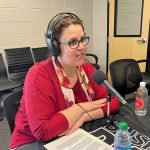
Chief-Rebecca-StroblAs the Founder and President of New Day Education and Motivation, Chief Rebecca Strobl has dedicated her life to serving her community since 2007 through Fire and Emergency Medical services as a volunteer.

Rebecca’s qualifications include being a licensed State of Georgia EMT-Intermediate and a certified Health and Safety Institute (HSI) instructor. She has also contributed as an Advisor for Cherokee County Fire and Emergency Services Explorer Post 469 since 2012. In addition, she made history as the first female fire chief in the Lake Arrowhead Volunteer Fire Department’s and Cherokee County’s history. Rebecca’s dedication to serving her community and fellow volunteers remained steadfast until she retired from the volunteer fire department in 2020.

Rebecca’s professional background extends beyond emergency services with over two decades of experience in new business development, client retention, employee engagement, training, team building, and motivational speaking. She has captivated audiences worldwide with her ability to weave knowledge, enthusiasm, and humor together in an engaging manner. Her various skills in Corporate America and grassroots volunteerism have honed these skills. Her passion lies in inspiring others to embrace learning and personal growth. New-Day-Education-and-Motivation-logo

She holds a Bachelor of Science Degree and has completed FEMA – Incident Command and Management Systems Courses 100, 200, 300, 400, 700, 701, 702, 703, 704, 706, 775 and 800. Over the years, she has been recognized with multiple awards and honors for her contributions to training, new business development contributions, and exemplary service as a volunteer firefighter.

Furthermore, Rebecca holds the prestigious Certified Protection Professional (CPP) certification from the American Society for Industrial Security (ASIS). This global “gold standard’ certification demonstrates her expertise across the seven key domains of security. Rebecca has the privilege of serving as the Chair of the Greater Atlanta ASIS International Chapter, where she continues contributing to the security management profession.

Connect with Rebecca on Facebook.

Kid-Biz-Radio-Austyn-GuestAustyn Guest is a young entrepreneur from the The Kid Biz Expo program.


Layla-DierdorffLayla Dierdorff is a young entrepreneur from the The Kid Biz Expo program.


Transcript-iconThis transcript is machine transcribed by Sonix.


TRANSCRIPT

Intro: Broadcasting live from the Business RadioX studios in Woodstock, Georgia. It’s time for Kid Biz Radio. Kid Biz Radio creates conversations about the power of entrepreneurship and the positive impact that journey can have on kids. For more information, go to Kid Bispo. Com. Now here’s your host.

Layla Dierdorff: Hello. Welcome to Kid Biz Radio. I’m Layla.

Austyn Guest: And I’m Austyn.

Layla Dierdorff: And today we have an awesome guest with us in the studio, Rebecca, with New Day Education and Motivation.

Austyn Guest: Hi, Rebecca. Thank you so much for being with us here today.

Rebecca Strobl: Thank you very much for having me. I really appreciate it.

Layla Dierdorff: Of course. Can you tell us a little bit about yourself and your business?

Rebecca Strobl: Yeah, absolutely. So again, Rebecca, I am an actually retired volunteer fire chief. I’ve made history in this county by becoming the first female fire chief. So my volunteer department up in Lake Arrowhead in this county, little did I know, I was making history. I. Yeah, I just raised my hand to help my community. And the next thing I know, I’m getting letters of accommodation from congressmen and all these other people telling me. So that was cool. And then I also have been in the physical security world for the last 20 years. I’m a licensed security professional. So when you think of security guards, you think of cameras. Yeah, I’ve been selling those services, running sales teams that sold those services. So I’m just all I’m also an advisor for the Cherokee County Fire and Explorer Explorer program. Okay. So all kinds of different hats.

Layla Dierdorff: All kinds of things.

So how did you get started in this business?

Rebecca Strobl: So with my current company, New Day Education Motivation, I actually started that because on a sales call cool story I love this. So I was on a sales call, I was working for a staffing company, and I was trying to convince him to use our staffing company to get him forklift operators and those types of people very quickly. In a conversation, I realized that that really wasn’t going to go anywhere and we weren’t the right fit for him. So he started talking about his workers. And I had mentioned at the time I was running the fire department, I was a fire chief, and I was doing CPR and AED and first aid classes for my community. So he’s like, oh, you do those classes? I said, yeah. And he goes, well, the people we have suck.

Rebecca Strobl: He’s like, well, you know, again, these this is like, you know, construction HVAC industry. They don’t beat the bush. So he said that they had had some incidents and he didn’t feel people were prepared. So he’s like I would love for you to teach us. And I was like, well, number one, we technically shouldn’t be having this conversation.

Rebecca Strobl: Because I’m supposed to be trying to get you to sign a staffing contract.

Austyn Guest: Yeah.

Rebecca Strobl: And I’m like, I would love to, but it would have to be on a Saturday because the full time commitments. And so he basically told me, well, I want you to do it. And are you available on this Saturday? I’m like, sure, you okay? So I’m going to have you do it. I’m going to have you teach my guys. And by this date, I need you to be a business. I need you to have your tax ID number. I need you to be registered with the state of Georgia.

Layla Dierdorff: Very, like, direct?

Austyn Guest: Yes, very.

Rebecca Strobl: So I did it. So that’s how I started my business. And I’ve still maintained as a client. And then I picked up a couple of more and maintained those for the last six years.

Austyn Guest: And that’s really impressive. Yeah.

Rebecca Strobl: And then last August I decided that instead of just doing this as a Saturday business, I realized after the last 20 plus year journey started my working career at 16, working at McDonald’s. Yeah, yeah. So I’ve been working for a long time.

Austyn Guest: Yes.

Rebecca Strobl: What I realized last fall is that I’m good at sales, but I’m passionate about educating people to be prepared in emergencies. Yeah, and to make a difference in their life and others. Yeah.

Layla Dierdorff: So on this journey, what have you done that has helped you become a successful entrepreneur that you are today?

Rebecca Strobl: Having conversations with other entrepreneurs?

Austyn Guest: It always helps. Yeah.

Rebecca Strobl: And being in the security industry the last 20 years, there’s a bit of a progression in that world where you get into it because you just got out of the military, or you just got out of law enforcement, and then you do that for a while. You work for somebody else, you work in a security company, and then you get to the point where, you know what, I have enough experience.

Austyn Guest: Certifications, do it myself. Let me do it myself. And so there’s like.

Rebecca Strobl: A plethora of people to talk to that have started their own companies. And it was actually one of my good friends that when I was running a sales team, I managed people that reported to his business unit. Okay, he’s the one that encouraged me to start, you know, to really focus 100% of my efforts. And after that conversation, he’s like, you need to go for it.

Austyn Guest: Just do it. You know, you’re.

Rebecca Strobl: Getting to the point where, like, you’re getting to that age where if you don’t, you’re not going to do it. So just jump off the cliff.

Layla Dierdorff: And yeah, I like that.

Rebecca Strobl: And he connected me with his marketing person that set up my website and then other people. So really it was those relationships that I’ve been developing over the last 20 years, okay, that I was able to reach out to and bounce things off of.

Austyn Guest: That’s very cool.

Layla Dierdorff: Love it, love it. Okay.

Austyn Guest: We have had several different kinds of answers to this question, but what do you define success as?

Rebecca Strobl: I define success as doing what you absolutely love and making a difference in other people’s lives. And I firmly believe that when you do that, the money and the finances will follow. But ultimately, I can tell you, running emergency calls and having to face death and see things that in those final moments of people’s lives, they are not asking us as EMTs and firefighters and telling us what’s in their bank account. No, they’re calling out for loved ones. They’re running through their mind what they did or what they didn’t do. Mhm. And that’s how I want to live my life. That in my last moments there’s not going to be regrets because I might not have a penny to my name, but by God I.

Austyn Guest: Know that I gave it my best.

Rebecca Strobl: And I helped as many people as I could.

Austyn Guest: That’s a good way to go or.

Rebecca Strobl: Decide what happens on the end. That’s a good.

Austyn Guest: I mean, if you do what you love, you don’t work a day in your life, or so they say. But yeah. So speaking of some regrets you hope not to have in the future. Do you have any regrets, um, in your journey to becoming an entrepreneur or maybe like setbacks that you had?

Rebecca Strobl: One of the regrets I would have is that when I decided to jump in and focus on this full time, I wish I would have prepared a little bit better before I just jumped off, because I had been working for a security company and I resigned from that position in April. Then I went to work for another one for a little bit, and then all last summer I was like, oh, I’ll just get back on the hamster wheel, I’ll work for somebody else. And then last fall I decided to do it. So I really wish, looking back, that I had taken those months and.

Austyn Guest: Built a little bit more of a pipeline for myself. Yeah. That’s fine.

Layla Dierdorff: That’s smart. Um, do you have any advice for any aspiring entrepreneurs to help prevent some of those regrets, or just any advice in general?

Rebecca Strobl: Talk. Find people that are doing what you want to do and that love what you want to do.

Layla Dierdorff: Yeah.

Austyn Guest: So story does help. Yes. So yeah.

Rebecca Strobl: Don’t find an entrepreneur that’s like hating life.

Austyn Guest: Yeah.

Rebecca Strobl: And it’s like, you know, Oscar the Grouch is like a positive person compared to this person you’re talking to. Okay. Find someone that really loves it and is story time about that is when I was elected to be the volunteer fire chief of Lake Arrowhead. Again, my background is sales, security, sales. Before that, I was had a nursing background. I worked as a CNA and I was on that. My my dream as a little tiny thing was to be a medical missionary to go overseas somewhere. Africa, India somewhere. Yeah. And just plant and help a bunch of people. Yeah. You know, so I’m doing that in a different way.

Austyn Guest: I’m just not in a village in.

Rebecca Strobl: India right now. Yeah. You know.

Austyn Guest: Yeah. It’s more local.

Rebecca Strobl: Yeah, exactly. So when I was elected as a fire chief, I thought to myself, I don’t know anything about being a fire chief. I mean, I know how to be a firefighter. I know how to be an EMT. I know how to train people. I know how to train my firefighters. So I actually started reaching out to my former instructors that put me through fire school and EMT school, and then just started looking on the internet for other female fire chiefs. So I started making phone calls and emailing and getting anybody to talk to me. And so the few ladies that did call me back, I’m like, hey, hello, honey.

Austyn Guest: Yeah, this is this.

Rebecca Strobl: Is what I’m doing, what advice you can give me. And so I literally I filled, uh, notepads full of notes from these ladies as far as what books to read, what to do. And they were a tremendous help.

Layla Dierdorff: I like that a lot. Yeah. So we’ve talked about the past and the present. Let’s talk about some future things. Um, do you have any future goals for your business? Short term, long term, long term anything?

Austyn Guest: Yeah, I.

Rebecca Strobl: Would say a long term goal that I have. And depending on how hard I work and what happens, it may not be long term. But the one goal I have is to get to a point where I’m so busy with CPR, first aid, bloodborne pathogens, fire safety classes that I have to hire other instructors to keep up with the demand, and then I can move over to the more motivation part of my.

Austyn Guest: Company.

Rebecca Strobl: And do more speeches and be in more media opportunities like this to inspire others. Because I can tell you that when I was in your shoes and your age, um, there was very few people, if I can think of maybe one individual, but I had nobody in my life that was encouraging me and inspiring me to be my best being an entrepreneur. Oh lord. No, that was yeah, that was not. That wasn’t an across the ocean.

Austyn Guest: Yeah, my mom always said that. Like, as her generation growing up, it was always the one thing you had to do was go to college. That’s how you’ll be successful in life. That’s what you were supposed to do. And now here she is running kid biz with Renee. So.

Layla Dierdorff: Yeah, my mom’s always talked about how she just regretted regretted not being an entrepreneur sooner because of just the pressures that was put on her. So she’s like, made sure to never put those on anyone like me or Harper.

Austyn Guest: So that’s incredible. Okay, so these are kind of more in depth questions. So take your time with answering. Um, if you had the attention of the whole world for five minutes, everyone was paying attention and listening to what you were saying, what would you say?

Rebecca Strobl: I would say every single person that’s on the planet. You were designed for a purpose. You have unique talents, you have unique skills, and you have the power to make a massive difference and bless other people’s lives. So use those, figure out what those are, whatever just excites you and you’re passionate about and use them. Don’t let anybody tell you that it’s it’s wrong or anybody tell you that, well, you’re not good enough. Yes, you are good enough because you have a talent I don’t have. You have a talent I don’t have. And that’s what I would do because I see that time and time again. Especially being an advisor with the explorer posts is everyone has so much potential, and we spend too much times in our lives telling ourselves and letting other people tell us about how all this isn’t right. And you can’t do this and you can’t do that. Yes, we can, but we can do what we were designed to do.

Austyn Guest: Yeah.

Layla Dierdorff: Um, another question. If you woke up tomorrow without your business, what would be your first steps to recovery if you even wanted to recover?

Rebecca Strobl: I would figure out why I don’t have a business anymore.

Austyn Guest: It just disappeared out of thin air. You have no idea where it went. It as if it never existed.

Rebecca Strobl: Well, I would be doing a lot of praying.

Austyn Guest: And I would.

Rebecca Strobl: Reevaluate, think. Okay, well, I thought that that was a good business plan, but maybe not. And sort of like what I did when I became fire chief. Start making a whole lot of phone calls and talking to people. Yeah.

Layla Dierdorff: Communication, networking, all the things.

Austyn Guest: That always helps. Mhm. Okay. So after said deep more in thought questions. We have a quick this or that answer as quick as you can. It’s going to be just simple this or that. All right. Cats or dogs.

Layla Dierdorff: Cats Spider-Man or Batman.

Austyn Guest: Batman books or movies. Books.

Layla Dierdorff: Waffle or curly fries.

Austyn Guest: Curly fries. Mountains or the beach.

Rebecca Strobl: Oh, man. That’s a mountains.

Layla Dierdorff: Sweet or salty?

Austyn Guest: Salty chocolate or fruity candy?

Layla Dierdorff: Chocolate cake or pie? Pie.

Austyn Guest: Okay. This question every time. Lower high rise jeans.

Rebecca Strobl: I don’t even know the difference, so I’ll just take one. Low rise jeans.

Layla Dierdorff: Comedy or.

Austyn Guest: Horror? Comedy? I personally would have said horror, but that. Okay. Well, thank you very much, Rebecca, for hanging out with us today. We really appreciate it. Can you tell everyone how they can get in touch with you and check out what you’re doing in the future?

Rebecca Strobl: Absolutely. You can go to my website. It’s newday education and motivation.com. And if I want to tell everybody that’s listening, if you’re having a rough day and you’re feeling discouraged with life or you need to pick me up, go to my website newday. Education and motivation. Com go to the Be Inspired page and you’ll see some of my poems and motivational quotes.

Layla Dierdorff: Very nice. Well, fantastic! We really enjoyed our time with you today, and we know our audience will get so much out of hearing your story. Thanks for listening and we’ll see you on the next one.

Austyn Guest: Awesome!


Tagged With: New Day Education and Motivation

Author Diana L. Sharples

May 14, 2024 by angishields

FF-Author-Diana-Sharples-Feature
Cherokee Business Radio
Author Diana L. Sharples
Loading
00:00 /
RSS Feed
Share
Link
Embed

Download file

Diana-Sharples-banner

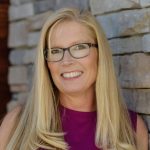
FF-Author-Diana-Sharples-headshotDiana L. Sharples lives with her husband and daughter, and a house full of rescued pets. She holds a degree in communication design/illustration from the Atlanta College of Art and has won awards for her work in science fiction and fantasy illustration. She has been writing stories, however, since her early teens, and switched genres from fantasy to contemporary young adult when her daughter was a pre-teen.

She brings her artist vision for details and her love of characters to her writing. She won several pre-publication awards for her debut novel, Running Lean, which was released by Zondervan/Blink Books (a division of Harper Collins) in 2013.

After battling breast cancer, Diana resurrected her writing career in 2018 with five new novels, including the sequel to Running Lean (Running Strong), the first of a new series of mystery-infused novels (Finding Hero) and a series of independently published YA mystery novels (Because…Anonymous, Because…Vengeance, and Because…Paranoid). The prequel to the Because series (Because…Broken) was published in April, 2020, and she plans to publish several new books in the near future.

Diana is a Christian, a Harley rider, a sometime percussionist, and the super proud mother of a professional dancer.

Connect with Diana on Facebook.

Transcript-iconThis transcript is machine transcribed by Sonix


TRANSCRIPT

Intro: Coming to you live from the Business RadioX Studio in Woodstock, Georgia. This is fearless formula with Sharon Cline.

Sharon Cline: Thank you for joining us on Fearless Formula on Business RadioX. We talk about the ups and downs of the business world and offer words of wisdom for business success. I’m your host, Sharon Cline. And today in the studio we have an author who also has a degree in art. She combines her love of art and storytelling and has won numerous awards for her work. And just now, today has the second book in a series, uh, published today. So I’m very excited to have Diana Sharples on the show. Welcome.

Diana Sharples: Thank you. Thank you for having me today.

Sharon Cline: I’m excited to talk to you about these books because they have motorcycles in them, and it makes me so happy. And it’s interesting too, because I met you this past weekend at International Female Writers Day. There was an event in canton and you had a booth set up, which was so smart, uh, to find a writing day to focus on some writing books.

Diana Sharples: It it was very serendipitous. I had walked into the store the day before, and I had a motive. I was looking at motocross clothes because I’m going to a conference at the end of the month, and I’m thinking they have a costume thing going on. They do. So I’m looking into clothing and all that. Um, and they mentioned that they were having this thing and I went, can I set up? And the manager said, yes. And so I just came. So one day, one day notice.

Sharon Cline: I mean, that is it was amazing. Yeah.

Diana Sharples: It was so much fun, you guys. You made it fun. Oh, that whole group of women that were there.

Sharon Cline: We do have. Yeah, we do have a really wonderful group of of writers. And it’s not a motorcycle club. It’s just a collective of women called the leader’s. The leader’s Atlanta. And we’ve been really lucky to have just some of the best people join and kind of go through life a little bit together. Once a month we have a ride and then we have a bike night. Um, if.

Diana Sharples: I still had my Harley, I’d be with you, I promise you that.

Sharon Cline: Well, we were talking about that a little bit on Saturday. Um, you know how important it is when you really have an opportunity to ride that, you take it. It’s easy for life to get in the way. Yes. And and I know that. And weather and and weather. And it did rain on Saturday, too. Um, but you were talking about how you have, like, a physical limitation right now and how much you miss riding. And it actually is important for me to keep in mind that when I, I’m healthy, I need to take advantage of when I, when I can ride. So I get that completely. Um, but how cool is it that you were able to come and kind of highlight a genre of book that is very interestingly not considered publishable or advantageous to publish? How do you want to phrase this? I’m not sure how we want to talk about it.

Diana Sharples: The publishing industry has its tropes, and especially with romantic suspense and any sort of romance novels, but with romantic, romantic suspense, um, they have what I call hero heroes. And those are male characters, sometimes female, that just by the sake of their occupation, you go, oh, that’s a hero. And this is like police officers or military or cowboys or Coast Guard or K-9 units or whatever, you know, whatever happens to be trending, um, at that particular time. And they seem reluctant to get away from that because it sells. And that makes sense that they would do that. If it sells, then why? Why break it? You know, um, so coming at it with my hero being a professional motocross rider, uh. Okay.

Sharon Cline: It’s just thrown them.

Diana Sharples: Off a bit, it throws them off a bit. And so I had a I had to self-publish because I could not get an agent to even look at my work. And I had an editor a year ago when I was working on the first book, tell me it would never be published.

Sharon Cline: Really.

Diana Sharples: Because of the motocross. And I’m like, y’all don’t see what I see. When every weekend I see stadiums, football stadiums, professional football stadiums filled with motocross fans watching a supercross race. There are readers in that group.

Sharon Cline: There are, and I love that you focus a lot on women, too, because the the demographic of women writers grows every year. Yes, which is amazing. I love hearing that. It’s not so much the, you know, grizzled sort of biker guy with the long beard. It’s it’s a lot of different people. Yeah.

Diana Sharples: Um, I started writing when I was, um, in my early 20s, and I had my silly little one, 85 Suzuki. You know.

Sharon Cline: It’s a legit bike if you’re getting started. It was a street bike. It was, you know.

Diana Sharples: It was not even a dirt bike or anything. It was a street bike. It was legal. It had headlights and turn signals and electric start, for pity’s sake.

Sharon Cline: Wow. You didn’t even have to do the.

Diana Sharples: Didn’t even have to kick start.

Sharon Cline: It started, you know?

Diana Sharples: So, um, yeah, I got that in my early 20s and, and then it was very unusual for a woman to be writing, and I was.

Sharon Cline: That made you want to ride then? You know.

Diana Sharples: Um, I was with a guy who wrote, and I really enjoyed it. Of course, I always wrote on the back with him, and I want, I want to do this. It felt freeing. It felt, um, like I was in control more than sitting in a car. Um, and. Yeah, so I started off with that little bitty bike and went for a long time.

Sharon Cline: What other bikes have you had since then?

Diana Sharples: Um, I had a 350 Honda. Nice. And then I quit for a while. I had a scary accident. Oh, and didn’t get badly hurt, but it was scary. And so I kind of lost my nerve for a little while. And this is a very funny story. Um, I was writing my first book, Running Lean, in which the character rides a, um, an old Yamaha 250. It’s an enduro enduro bike. Um, and he had restored it and all this kind of stuff. Um, and so I always went to the bike shop here in, in, up in canton to find, to ask stupid questions because I know how to write, but I didn’t know how to fix a carburetor or something, you know, and, um, so that was at the time when the gas prices were $4 a gallon. Oh, wow. And my husband had many miles to travel to go to work, and he’s a computer programmer, or he was he’s retired now. But, um, and he was like, looking at all these bikes going, I’m thinking about getting a scooter. He saw that tag that said, 100 miles to the gallon. And I went, honey, do you really want to perpetuate your geek image? I said, if you can ride, get a real bike.

Sharon Cline: Did he get a Harley?

Diana Sharples: Then he didn’t get a Harley. Then we started off slow. We went to this place that has used bikes and, um, he got a Suzuki and I went, he said, and you can ride on the back and be my motorcycle. Mama and I went, no way, Jose, once you had your hand on the throttle, you can’t sit in the back.

Sharon Cline: I would think so, yeah.

Diana Sharples: So yeah, we both got bikes and, uh, I had a little, uh, Kawasaki 500 called it baby blue because it was blue. And, um, that was a great little bike. But when we went riding with the, the, the people from church on their Harleys, I had it wide open just to keep up with them.

Sharon Cline: Oh, I know, right.

Diana Sharples: And. Yeah. And so, you know, um, so I graduated up to a 900 Suzuki or Kawasaki. Excuse me. Oh. Um, a little.

Sharon Cline: More power there.

Diana Sharples: Yeah, that was more power. Yeah. And all of a sudden, my bike is 100 cc’s bigger than my husband’s. He’s like.

Sharon Cline: Right.

Diana Sharples: And so we rode around on those for a year or so, and then we went to this Harley shop. Just stopped in and, and I was sitting on this heritage and, um, the saleswoman came up and said, you know, I can bring the paperwork right over to here to you so you don’t have to get off the bike. And I said, oh, can I just have a test ride? And my, our friend said, told my husband, if she comes back smiling, you’re in trouble. I came back smiling. And you know, I did the heritage for a couple of years and then I fell in love with this deluxe CVO. And those are nice bikes.

Sharon Cline: I have a 2005 Fatboy that very much looks like a heritage. It has the passing lights on the side and everything. So yeah, it’s got a same look and feel. I think, um, they’re great bikes to ride. Oh yeah, they’re big bikes.

Diana Sharples: That, that deluxe that I had was a dream. Yeah. Oh my goodness. Yeah I miss it so much.

Sharon Cline: So you got to use all of this motorcycle riding knowledge that you have. In your books, which the first book is called Power Shift, which came out? Was it last year that it came out?

Diana Sharples: No, it came out in April.

Sharon Cline: April? Oh, so you’re doing them kind of back to back, I got you.

Diana Sharples: I planned it that way.

Sharon Cline: Got you. Well, what’s cool is Double Clutch came out today, and then I like that you have two more books coming, and they all have that same sort of, uh, play on motorcycle riding, like the titles of them. Um, but so interesting to me that there is such reluctance to publish this kind of book, given that you are a published author. I mean, we can talk let’s talk about some of the books that you already have published out there with Harpercollins. I know your your first book, Running Lean, which is an interesting it’s a young adult. I don’t want to speak for you, but I know it’s a young adult novel, and it has a themes of anorexia in there, which is such an it was in 2013 that it came out such an interesting sort of look at teenager ness. It’s not just romance, it’s actual real problems that a lot of teenagers face, right?

Diana Sharples: My young adult books are are really just dealing with, um, teen issues or, or just writing young adult is so much fun because they.

Sharon Cline: Ask you.

Diana Sharples: They have permission to be, um, to do dumb things and to do wild things. You know, it’s not as it doesn’t feel as restrictive as adult fiction.

Sharon Cline: You can be irresponsible because kids are. Yeah. So you can pretend for a little while. Yeah, but that was a very well received book. Um, Running.

Diana Sharples: Lane did fairly well. Yeah. Um. It wasn’t as much as the publisher had hoped for because they were branching into a new market. It was a Christian publisher, Zondervan, and they were trying to branch into the general market, and they were just starting this and didn’t quite know how to do it. Gotcha. So, you know, it didn’t take off the way they had hoped, but it did pretty well.

Sharon Cline: Was it challenging to find a publisher? How how did you approach that? Because you were a new author at the time. How did you approach, uh, being published?

Diana Sharples: That was um, I went to a lot of writers conferences and, um, met with editors and talked to agents and took a lot of classes and improved my craft. And it took a while. Um, about five years, I think. And, um, then I entered my, um, story running lean into a contest, and it didn’t win, but it was nominated. Amazing. And, um, so yeah, that was that gave me a little bit more of an in to talk to an editor. And I talked to the editor from Zondervan and they were saying, yes, we want, um, we want stories that are sort of Christian lite is what they say, right?

Sharon Cline: Not heavy.

Diana Sharples: On it. Right. Um, that they could take into the general market where there was a broader audience, and they also were looking for male protagonists, um, like. I’m here. Here I am, yes. And so with, um, with the nomination for this award and this completed novel, um, she wanted to see it. And that’s how it all worked. And it’s like I hit a home run my first time at bat.

Sharon Cline: So you have what? You’ve got a really cool history because you are also, um, you have your degree in. It’s like a communication but drawing as well.

Diana Sharples: Communication design.

Sharon Cline: Design. Right. Yeah. And but you’ve been you’ve focused on a whole other kind of genre with your drawings and design. Correct?

Diana Sharples: I do all sorts of things. I worked for, um, some time with a, with a couple of companies here in Georgia, um, doing graphic arts for them. And, um, then I kind of, I went back to school is what I did. I was going to.

Sharon Cline: Ask you, how did how did you did you always have this story about running lean in the background of your life? And that’s kind of the impetus for writing or how did the story come about?

Diana Sharples: Um, I didn’t, but I was writing. I used to write fantasy. Oh, amazing. And, um, and then I decided when my daughter was about 11 years old and I saw her approaching an age where she was going to be dealing with not child like in, you know, issues. Um, and so I wondered how I might be able to help her. And sorry for getting a little religious here, but the Lord had something greater in mind. Not just her, but others. And it was right at that time when I was praying, when I got the idea for the first book.

Sharon Cline: Amazing.

Diana Sharples: And, um, the first book is not the not running lean. It started out with a different story. Um, so that was part of the growth process over those five years. Was I had the first book, and I had to figure out what was working and what wasn’t working and fix things. And running Lean kind of came out of that whole series scenario.

Sharon Cline: It’s interesting. I love that you had legitimacy because you had won, but nominated had been nominated for some awards. So it’s it’s something, I’m sure many local authors here because you live on the outskirts of Calhoun, Georgia, it’s nice that you’re local, and there are a lot of local authors here who I’m sure would want to be able to have the same experiences as you to become more, um, um, widely distributed. So it’s great that you had that, that support that way. And then you learned along the way and studied a lot. It sounds like.

Diana Sharples: Yeah, well, writers conferences are very helpful, very helpful. It gives you, um, helps you to network and make contact with other people in the industry who can help you or, you know, taking classes or making, you know, professional contacts, editors and agents, that sort of thing. Do you still.

Sharon Cline: Go to them?

Diana Sharples: I’m going to one at the end of this month.

Sharon Cline: Oh, you were talking about that at the end of this month. So where is.

Diana Sharples: It? It’s, um, it’s up near Asheville. Oh no way. Um.

Sharon Cline: What’s cool too, is that your regional, like you used to live in, um, Andrew Murphy. Murphy. Murphy, North Carolina I was like, it’s not Andrews, right? But that whole area, that’s also part of where your books are set, right?

Diana Sharples: Yes. The new books. Um, I have one novel called Finding Hero, which I have to republish because the publisher went out of business. So I’m going to be republishing that as soon as I can. It’s ready to go. I just need to push the button. Okay. But, um, yeah. And that was inspired by Andrew’s amazing. Um, and I have a lot of, um, the character we were talking about this a little bit earlier. Um, the male character in that ended up being Cherokee. Wow. And so that’s a perfect area for him to come from.

Sharon Cline: So this whole area. So if you’re from this area, I’m sure it’ll be really nice to be able to read a book that you can identify some local places.

Diana Sharples: Yeah. And then the, the new books. I just envisioned a motorcycle motocross training facility in the mountains, and there’s plenty of places where it could actually exist. So, um, and even though we’re not living there anymore, I love Murphy. Murphy is just a wonderful place. Well, the mountains are many times.

Sharon Cline: Yes. So lovely. It’s good writing, for sure. Um, so interestingly, you also have some other books the because series. Correct. So you started with one sort of young adult teen novel and, and it translated to six or 5 or 6 more. Right.

Diana Sharples: I think a friend of mine called me the Queen of series recently. Are you? Because it seems like I write one book and then another idea will come out of that book or character that I really want to do something with. And Noah in the because books was one of those characters. He was the bad boy in Running Lean. I mean, he was a bad boy. And so I’m like, okay, I’m going to take him. I’m going to take him out of the place where he’s comfortable, put him someplace where he’s never been before with people he doesn’t know. So he’s not the popular kid anymore and then make him an amateur sleuth.

Sharon Cline: Redefine him, redefine him. What is it like to put that mind on, if that makes sense, that personality on as you’re writing as somebody else? Um.

Diana Sharples: It’s hard to explain it. I’ve done it my whole life. Um, from the time I was pretending as a kid, I used to make up scenarios of, you know, okay, you’re this person. And we did not play house. I had elaborate story ideas for what we were playing.

Sharon Cline: It’s a saga, not a house.

Diana Sharples: So it was not like I’ll be the mommy and you be the daddy, and here’s the doll. And would we be, you know, none of that. None of that. I was not into dolls. I’m into dolls now. But not then. Um, yeah. So, um, it just, I mean, it’s just imagination. And when I sit down to write, I kind of get into a zone. You know, and one thing I like to do is like, go to a restaurant or go to a park, you know, someplace where I don’t have my dogs barking at me and I don’t have dishes in the sink, and I don’t have chores that need to be done or phones that are ringing, and I can just focus on nothing but me and the computer and what I’m writing. That’s my favorite thing to do.

Sharon Cline: Do you have set times that you write? There are some authors I’ve had on the show where they’ve had to really make a very disciplined schedule for themselves to write.

Diana Sharples: Yeah, um, I’m not disciplined like that. I don’t think discipline is really part of my vocabulary.

Sharon Cline: Whatever you’re doing, it works, though. So, um.

Diana Sharples: You know, it’s it’s a passion. More than a discipline. And so, um, lunch time, obviously, when I can get out with my computer. But from there, I’ll, I can find a library and continue writing or Starbucks or whatever. And if I have to write in the evening, um, I can do that, and I can go till 2:00 in the morning. If I’m in the zone, that’s where I’m at.

Sharon Cline: Well, if you’re just joining us, I’m speaking to Diana Sharples. She is an author, a published author, and has a the second of a series of books that just got published today. Um, so when you are, um, I’ve heard authors talk about characters almost writing themselves in a certain way. Is that is that what you’ve been taking over the street? Yes. Like they have an idea of what they want the character to do, but what they wind up doing something else, which is so fascinating.

Diana Sharples: It’s when you’re in that zone and you’re just chick chick chick chick chick typing, typing away, and you’re trying to get from A to B, and something happens along the way and you think, uh oh, that’s kind of cool, you know, let’s see where that takes us, because there’s all you can always edit it out if it doesn’t work, you know? Um, so yeah.

Sharon Cline: It’s not wasted time, right? You’re just exploring.

Diana Sharples: And if nothing else, you find out something about the character that maybe you didn’t know before.

Sharon Cline: It’s like a real human in some way. A real person, definitely.

Diana Sharples: And in fact, um, I find that that’s necessary as part of the writing process to make the characters like real people in your head. You know, so that, um. I don’t know. You don’t force them to do something that they might not normally do. You know, it’s it’s fun. I’m sorry.

Sharon Cline: It’s just fun. It sounds like you’re to be so authentic to who they are. Do they have are they characters that you are writing? Do they sort of have an archetype to them, like you were saying, the bad boy or the ingenue or something like that?

Diana Sharples: To a certain degree, yeah. And to a certain degree, I’ll take bits and pieces from people I know. Um, the book that just came out today has a double clutch, double clutch clutch. It has a character in there that I don’t know where she came from.

Sharon Cline: Really?

Diana Sharples: Oh my gosh, she’s so evil. Oh my.

Sharon Cline: Goodness.

Diana Sharples: She she is, um, disturbed. And I’m as I was writing writing her I just was like, where is this coming from? This isn’t me. You know, isn’t.

Sharon Cline: It fascinating that you can have these different aspects of personality? I mean, even access, you know, a masculine side of yourself to write from a masculine perspective.

Diana Sharples: Yeah. Well, um, as I told you before, I grew up with three brothers. So the males perspective is second nature to me, you know, and I have a good idea how they talk and why they do things and how they do things. And, you know, especially with the teen teen fiction and Noah. Teenage boys do some really crazy stuff for no other reason than, okay, we’re bored, we’re going to go do this, you know? And that’s so much fun to write.

Sharon Cline: Have your brothers read your books.

Diana Sharples: Um, no they haven’t.

Sharon Cline: That’s okay though.

Diana Sharples: Um, yeah. One of my brothers passed away. Oh. I’m sorry, at age 59, he had brain cancer, and he was the one who would have read the books. Um, and another one is just. I don’t know what he likes to read, but I don’t think he’s read. I don’t know if he’s read my books or not. If he has, he hasn’t mentioned it.

Sharon Cline: So I’ve recorded 17 audio books, and I don’t think really anyone that I know has listened to any, which is completely fine because some of them are really can be really graphic and it’s like uncomfortable. And I’m like, my kids can’t listen to these. It’s fine. But it’s interesting how you’re either into it or you’re not. No matter if there’s a family member or what. Um, yeah. And so your demographic typically has been the young adult, and they and they do have some romance to them, but they’re pretty clean romance, right?

Diana Sharples: Yeah. The the young adult books are, are very clean, but also the I mean, they, they still deal with the things that teens are dealing with the, the, you know, um, hormonal pressures, let’s call it that. Sure. That exists, but, um, yeah, they’re they’re pretty clean.

Sharon Cline: But also the motorcycle books are they’re romance, but they’re not, like super graphic either. Correct?

Diana Sharples: No, no, I couldn’t write like that.

Sharon Cline: Some people can I don’t know. It’s very interesting.

Diana Sharples: I know I could I could probably make a lot more money if I did, but I, you know. No, you’re.

Sharon Cline: Staying true to yourself. Yeah. Which is awesome. Yeah. So where so you’ve got two more books that are, that are going to be coming out. You’ve got one next month and one maybe right after that.

Diana Sharples: Um, that one. I don’t even know what happens yet. So it’ll be a little while, but yeah. Um, Enduro Ridge is the next one, and it’s, um, I’m just waiting to get feedback from my beta readers, um, and to make the final edit, and it’ll get out.

Sharon Cline: You’re doing the editing, correct? Yeah. How is that?

Diana Sharples: Um. I tend to be hard on myself. So, um, you know, if something needs to be cut, it’s going to be cut. Um, if something isn’t phrased properly, I’m going to rephrase it. Is it tough.

Sharon Cline: To look at it from a third party perspective, or do you access a different part of your brain?

Diana Sharples: It’s accessing a different part. Yeah, I, I can’t sit down and write like first draft one day and edit the same day. You know, I have to. Put one book aside and start on the next. Come back and edit. Come. Go back and edit the second one. That’s how going back and forth like that.

Sharon Cline: And you have your readers who help inform.

Diana Sharples: I have I have some better, better readers.

Sharon Cline: Yeah, that’s amazing that they’d be willing to give you, you know, their opinion which which makes it more successful, I guess in the end.

Diana Sharples: Yeah. Yeah, absolutely. Their, their opinions are very valuable to me. Even if they say something I don’t agree with, it’s still kind of sinks in and I go, well, maybe, you know, do.

Sharon Cline: You sometimes change things or not change things.

Diana Sharples: You mean I yeah, sometimes I change, I say, no, you know that’s not right. I’m just going to keep it the way it is. And other times I’ll think again and go, oh, maybe I should change that. So yeah, it’s really helpful.

Sharon Cline: So how do you market yourself? You know, you are a self publishing these books. You obviously came to that event on Saturday. What is the what do you do on the other days that you don’t have an event to actually show up?

Diana Sharples: That’s the hardest question you could ask me. No, no, marketing is a bear, and I’m currently going through a thing with a writer’s group that I belong to, a wonderful group of women writers, um, and we’re calling it, um, Taming the Beast. And it’s all about marketing. Oh, wow. Yeah. And, um, social media marketing and, uh, Amazon ads and Facebook ads and, you know, all this kind of stuff. And there’s a lot of myths surrounding that. What are some of the myths? Well, for one thing, publishers, they want to know what kind of platform they have that you have. And, um, this is especially and actually important if you’re writing nonfiction. But if you’re writing fiction, your platform is your readers, you know, but they still want to they want to see that you have at least 10,000 followers on, you know, Twitter or whatever. And that’s not really necessary. Um, because fiction, a lot of it is word of mouth. And so what you really need first off is a good product, a well edited product, a good cover, a good blurb, and every step that that your reader would take to decide whether to buy or not buy has to be a positive experience. So that’s work that goes in upfront. And um, then I’m doing I’m doing Amazon ads. Um, I’m looking into Facebook ads. I’m looking into figuring out how I can sell something on Instagram. I’ve heard it can be done, but I’m still in the process of figuring all this out. And, um, my big challenge is not so much just to have my Amazon ads start working, but reaching those people who go to those motocross events. And so I’ve gone to two already this year. I’ve got another one planned for next for the, um, in September, we’re actually going to Las Vegas to the finale. Oh my.

Sharon Cline: Goodness. Oh, it’s.

Diana Sharples: Going to be awesome and exciting. Gosh. And I may go to some of the outdoor motocross events this summer if I can swing it. And um, just really talking to people there and hopefully, um, this is my dream. Anyway, they have a, um, they do a daytime program while all the guys are out qualifying for the nighttime race, um, called Race Day Life. And I’m hoping they often interview, like, businesses and stuff like that. I’m really hoping I can sneak in there somehow. Yeah.

Sharon Cline: Did you have to learn just a tremendous amount, obviously, about motocross riding, which is different from like, you know, street riding, what we do. Yes.

Diana Sharples: It is another animal altogether. There’s just two wheels. That’s the only similarity. Yeah, really. And you got a brake and a clutch in the same place. Um.

Sharon Cline: And romance men and women.

Diana Sharples: So it’s a totally different thing.

Sharon Cline: Learn about.

Diana Sharples: It. I asked a lot of questions. I went to these races and I said, okay, I can’t be shy. And I went and talked to these riders, and I talked to their mechanics, and I talked to whoever would give me two minutes of their time. And I met some people who were extremely helpful. And if I can plug someone, please do. Um, AJ Catanzaro has a, um, a business he calls Moto Academy. And he trains writers. And he’s a he was a writer, I guess this year he’s retired. I don’t know. Um, but, um, yeah. And he was awesome. And his academy is awesome. And he posted, uh, YouTube videos and there’s all kinds of information in there. And so really, just for me, just watching that and getting information wherever I could find it and really be being observant during the races. So I come at it from a fan’s point of view, I don’t claim to be an expert at all, but it works.

Sharon Cline: Well if you did not take that initiative though, when you think about that, like that opened up a bunch of different doors for you. And it did. I just love that you didn’t sort of say, I have this dream and then you didn’t do it. You actually took you were brave. It takes a lot of guts to go in front of people and say, you know, I’m writing this book. I know you don’t. This isn’t your deal. But, like, would you mind sharing some information? You know, I mean, how wonderful that people are generous with their time as well. Oh, yeah.

Diana Sharples: And the funny thing is that, um, and a friend explained this to me. I was like, kind of amazed by it. And she said, well, um, they were so thrilled to talk to me. Oh, and I’m thinking, wow, these are really nice guys. And they are. But my friend told me, well, to them, you’re the celebrity. Oh, oh.

Sharon Cline: Interesting and interesting dynamic.

Diana Sharples: Altogether, I’m just me. I didn’t think of it that way, you know? So, um. Yeah. And so that was that was really great.

Sharon Cline: I’m thinking what it would have been like to approach these people and, and say, you know, would you mind? It’s what they love to, you know, it’s a subject they love to, to talk about if they’re in it. So it must have been really nice to hear what they had to say. Yeah.

Diana Sharples: Oh yeah. Yeah. And I found the same thing with cops. Oh. Because, you know, it’s a romantic suspense. Crimes happen. I need to know what the police are doing, you know? True. So, um, in fact, I’ve got one, um, gentleman in Murphy who’s going to read all of Enduro Ridge for me to make because one of the characters is a cop in that, um, so he’s going to make sure I get everything right, and they’ve every time I’ve gone to talk to them, you know, you think, oh, they’re going to be really busy and they’ve got much more important things on their.

Sharon Cline: Minds to solve.

Diana Sharples: Yeah, crimes to solve and stuff. But they have just been so open and and friendly.

Sharon Cline: Well, you know what? It’s interesting too when I because I read a lot. And so if something has a ring of inauthenticity, it does take you out of the book. And it’s kind of amazing how that can be. So I love that you care enough to make sure that as much whatever you are doing rings true.

Diana Sharples: I was reading a reading a book recently, um, that the author got something wrong on page one.

Sharon Cline: Oh no.

Diana Sharples: And it was something that Google could have fixed. Oh, and it completely took me out of the story. I’m like, oh, what a what a shame.

Sharon Cline: I think one of the best things about reading is how immersed I can become in another life, you know? And so when something kind of does take me out of it, I’m just like, oh man, I will skim the rest of it. Like, I’m just I’ve lost some things. So I don’t know, I think I can be kind of critical that way just for myself, because I read so much and so and I have since I was a kid. Um, so that’s what’s kind of fun about today, is to talk about not just a love of books and what it’s like to be you and being an author, but but riding motorcycles, too. It’s like a marriage of several things that make me super happy. And it’s interesting too, that that I’m just sort of flabbergasted that there is not this belief that this kind of genre of book would, would be publishable or worth publishing, you know, in a in a larger sense, I mean.

Diana Sharples: A while back it was unheard of to publish vampire novels. And then Twilight came, right. You know. Um, you know, before that there was a stint with Anne Rice, and she did great, but not a lot of other people were writing that, and especially not for kids, you know? And it really just takes the first book breaking out to start a trend.

Sharon Cline: What was this that sort of what was the impetus for this motocross theme for you?

Diana Sharples: Well, um, okay, I was researching the other books. Um, not running lean, but Running Strong, which is the sequel. And, um, the kids were riding motocross bikes, and I was like, okay, I need to I need to get some of this on me. As a friend of mine says, you got to get some on you. And so I just what.

Sharon Cline: You mean by that.

Diana Sharples: That’s I found a motocross training facility in that part of North Carolina where the books take place. And I went, well, my characters could come here. So I went there on a weekend. They let me stay for free in one of their cabins. This was the Jimmy Weinert training facility in in Mooresville, North Carolina. Awesome people. And, um, yeah, they let me stay for free and I just got some of it on me. I woke up hearing the bikes going by, and I smelled the, the two-stroke fuel and and got the dust on me, and and I realized while I was there that this is a there’s a lot more to this than I thought, you know, and that was kind of the start. And I met a friend there, a new friend. And, um, it just got me started. And then I started watching supercross, and Ryan Dungey was winning everything. And so I just got drawn into it. And that’s where every Saturday, you know, tell me, I got to do something on Saturday. I got to check. When are they racing? You know? So, um, yeah, I just became a super fan. You know.

Sharon Cline: I can imagine it’s like, um, putting on new clothes or something. Do you know what I mean? Like, you start to become almost a character itself in that world, and then do the characters just kind of unfold for you?

Diana Sharples: They do. They do now, um, power shift. There’s an interesting story behind that. My daughter was in college and she was taking a class where they were reading the Greek tragedy Antigone, and she had to write a paper, and she’s like, I don’t even know what to write about, you know? And my daughter’s not a writer.

Sharon Cline: So she’s a dancer, professional dancer.

Diana Sharples: She’s a professional dancer. And, um, so, you know, obviously I couldn’t write the paper for her, but I sat down and I read the read the play, and as I was reading it, I got excited. I really there’s a cool story here. There’s some stuff going on here, some human psychology stuff that’s really interesting. And I wonder if I could put this in a modern setting now. Antigone, people die. It’s a tragedy. Everyone dies. Um, but there are two brothers and they battle to the death. Well, I can’t have that in the modern setting, you know? But what if one of them is accused of killing the other, and it’s sort of evolved from there? And I tied it in with motocross and it all came to life.

Sharon Cline: Sounds like a perfect, I don’t know, mix of alchemy, I guess. Things.

Diana Sharples: Yeah, yeah.

Sharon Cline: What do you think people don’t really know about authors? What do you think people don’t appreciate enough about what it’s like to be you.

Diana Sharples: How hard it is and how much time it takes and how much devotion it takes, especially to do it well. Um, you know, the so many people say, oh, I’ve got a great idea for a book. Okay. What are you going to do? You know, sitting down and actually doing the work is very hard. Even if you’re just starting out and you’re writing your sloppy copy, and it doesn’t matter if it’s good or bad, you’re just getting it out there. It’s still hard. It takes a level of, um, focus and dedication that not everybody can do. And, um, yeah, that’s that’s one of the things. And when people go out and, um, they buy book cheap books, cheap $0.99 for an ebook or something, I’m not sure they always realize what is behind that book, the amount of work that went into it. And, um. I don’t know, I think that’s. That’s what.

Sharon Cline: Kind of. It’s like a sadness, too, because it’s like, do you? So when I have an audiobook that I listen to, I feel like I. Because when I read, I speed read, um, an actual physical book. Um, my brain is just going way too fast sometimes. And so an audiobook slows me down and forces me to experience the book the exact way the author had intended. And I actually have a different appreciation for an audiobook that way than when I have a physical book that I’m like, I don’t. I don’t need to hear the description of this, you know, or something, because I get impatient. Um, so it’s very interesting to me, and I it’s, it’s, uh, it’s a whole appreciation for a book that I, I actually value tremendously because if it’s up to me, I just want to know more and more. So I go through faster. But when I’ve actually listened to an audiobook, I feel like I, I have that sense of, wow, that they really cared enough to describe and to set up the background so that it’s a real, full understanding of a character, as opposed to my saying, okay, she’s a woman, she’s a cop, whatever. You know, I don’t appreciate I mean, I have to make myself slow down, but that’s just my brain is fast. So, yeah, I think that’s interesting that I don’t know that when I have a physical book in front of me, that I actually take the time to really appreciate every little aspect of it. But you are having pointed that out to me, makes me want to. So thank you for sharing that.

Diana Sharples: Well, that’s an interesting perspective on the audiobook too, that I hadn’t heard before. Um, I hear a audiobooks are becoming more and more popular. Oh yeah. And people are using them while they’re driving or while they’re doing housework or, you know, whatever. And, um, so, I mean, that’s that’s great.

Sharon Cline: I know it’s actually something I appreciate. And audiobooks have actually that listening to them was what got me started in the voiceover world anyway, because I thought these characters, you know, I’m listening to these people read and I’m like, I wonder if I could do that. You know, in my head when I read, I imagine my own voice. So that’s what got me started in that world. And, um, yeah. So if it weren’t for audiobooks, I don’t think that I’d be even sitting here right now talking to you. Yeah. I mean, it’s definitely something that I, I have an appreciation for and, um, for sure, uh, I know it’s become a bigger and bigger part of the market, and I do actually clean and listen to books as well, because now I’m lost. I would get excited to get in my car to drive home from wherever I was, because I couldn’t wait to hear the next part. You know, it made driving like a happier experience for me when I used to drive every day downtown. So, um, for sure. But stories like this, I think what’s kind of cool about it is, again, like having having it set here in a local area that I could actually even imagine and knowing it’s got some motorcycles to it, and also knowing you and kind of what makes you feel, um, thank you. Like satisfied with what you’re doing? Um, I don’t know. I’m excited to read them because I feel like I can imagine being you for just a little bit and imagine what it’s like to play around in your brain, you know? And also, I like learning something new. So for me to understand what it’s like in the motocross world, that’s really cool. You’ve done that work. So I get to appreciate that side as well. Okay. All right. Great. You’ve got one book, another book that came out today, and then you’ve got another book and then one more. Right?

Diana Sharples: Yeah. Um, Enduro Ridge will be out next month and, um, brake check will be out someday. Well, probably hopefully before the end of the year.

Sharon Cline: Was there anything that you think would be really important for an author who’s getting started in this industry that you would like to share with them before we wrap up?

Diana Sharples: Keep going. Yeah. Um, I’ve known so many people, especially young people who think, oh, I’m going to write a book, and they think it’s going to be fun and great and all that. And then they they get to the part in the middle that’s sagging. And they’re not, as you know, excited by the story as and and they quit and they drop it and they start something else or they drop it all together. So the first advice is keep going, finish it, even if it doesn’t go anywhere. You’ve got that accomplishment because so many people will start a story or start writing a book and never finish. So that’s the first advice is just finish it, just finish it.

Sharon Cline: Even if you don’t love it.

Diana Sharples: Even if you don’t love it, yeah, get it done. And then you’ve got that under your belt. And that’s an accomplishment. It really is. And the second advice is, um, well, like I said earlier, attend writers conferences. If you’re serious about this, be serious about it. Don’t don’t treat it as a hobby. That’s my biggest advice is don’t treat it as a hobby. Treat it as a job, even if you’re only doing it for an hour a day. Make it important.

Sharon Cline: Like I was saying, it’s so easy for anything to come into my life that seems to be more important than some of the things that I do on the side, as well as, I mean, voice over auditions for sure, but also even riding my bike, I can find a thousand things to do that could take that place. But I guess you do make time for what you really think is important. That’s really great advice to look at it as a job and not just a hobby.

Diana Sharples: And it’s really hard because so many people seem to think any sort of creative endeavor is a hobby. You know, I’m also an artist and, um, you know, I’ve had conversations with people, oh, I don’t want to buy that piece of artwork. I’ve got to make my car payment this month. And I’m like, so do I. Yeah. And, you know, hey, that that painting took me 40 hours, you know, and I spent so much money on my education and, um, you know, my husband is a musician, and that’s how we met. We were both in. We were in a band together. I used to play the drums. I do not anymore, but I used to play the female drummer. I love it. And, um. Yeah, there was this thing about growing up with three brothers. Yeah, I guess so.

Sharon Cline: It it did well for you, you know, rubbed off a little.

Diana Sharples: Yeah. Um, yeah. And, um, so he’s, he’s. And his father was a musician, too, and it was like, people don’t want to pay you because they think, well, you’re just having fun, right? It’s just a hobby, right? You could be sitting.

Sharon Cline: On a front porch playing or whatever. It doesn’t matter. I shouldn’t have to pay you. Yeah. Interesting.

Diana Sharples: And, you know, all the all the hours that my, my husband still put, he’s been playing, I don’t know, since he was 12 or something. And he’s still putting in at least an hour a day just practicing.

Sharon Cline: What does he play? Bass. Bass.

Diana Sharples: Bass guitar.

Sharon Cline: So what was the kind of music that you did?

Diana Sharples: Oh, we did rock and roll.

Sharon Cline: You had to with the motorcycle. I don’t know, I just picture it. That’s amazing.

Diana Sharples: Yeah, I was in a wedding bar band up in Illinois, and then I moved down to Georgia because it’s nice down here. Yeah. It is.

Sharon Cline: Yeah, it is.

Diana Sharples: And then I met him and we we were in a band together, and it just kind of blossomed out of that. So romantic. Yeah, yeah, it was romantic. Um, but people still appreciate.

Sharon Cline: Sort of like the effort. I guess that’s another side of of being a creative that I think people need to have an understanding of is that this is not just a hobby, not just, you know, in my spare time, but if it’s something you have passion for, it’s a reflection of your soul, you know?

Diana Sharples: Absolutely, absolutely. And but you’ve got schools cutting arts programs out of their agenda and, and, um, you know, parents who are telling their kids who do art or writing or music or whatever, no, you need to go to college and study something that’s going to pay the bills. And that’s all very logical and, you know, thoughtful and caring advice. But I spent years working as a secretary because my dad, who I loved dearly, told me, no, I know you want to be an artist, but you’ve got to learn something you can that’ll pay the bills. So I spent all that time working as a secretary and hating it or hating it, and I just kind of lived for lunch time when I could take a pen and paper and scribble out a couple of pages. This hurts.

Sharon Cline: My heart to hear or.

Diana Sharples: You know, go home and and sit at my drawing table for an hour and, you know, um, so I got to a point in my life, I said, this isn’t working. You know, I need to do something else. And someone gave me an opportunity with a publishing company to to do their graphics, you know? So I’m just doing typesetting or whatever, but it was so much better.

Sharon Cline: You were happy to create something?

Diana Sharples: Yes.

Sharon Cline: Yeah. That’s out there in the world.

Diana Sharples: Yeah, yeah.

Sharon Cline: And now you get to do it in a different way. You still get to create things that are out there in the world. Yeah.

Diana Sharples: And my husband, God bless him, um, he has allowed me to do this. He is he’s a musician, but he’s not an artist. But he has an appreciation for anything like that. So with me and with my daughter and her desire to dance, we let her choose. We didn’t force her. We let her choose. As long as she loved it, you know, she could do it. And we sent her to college. And college is a lot more expensive now. Yeah, yeah, we sent her to college and watched her go on tour. And now she’s living her best life and she doesn’t make a lot of money, but she is happy.

Sharon Cline: Well, there is something to be said about, you know, there’s. You can’t buy happiness that way. Do you know what I mean? If you’re like being a secretary, you can have all the money in the world. But yeah, you know, the joy of life isn’t there for you. It’s a different price to pay, you know? Yeah.

Diana Sharples: And it’s also for a creative person. It’s also being told, okay, you do this, this, this, this, this, this and this way, you know, and this is your boss and this is how you speak to these people, and this is how you have to dress. And da da da da da da da. And it’s corporate. Yeah, yeah. And so it’s like a sense of being restricted and creative. People just want to be free.

Sharon Cline: And you are free. I look at the fact that you get to just play, you know, in your mind and how how fun that must be.

Diana Sharples: It is fun. It’s also hard. Yeah. I’m not going to lie. It’s hard, you know.

Sharon Cline: But it’s worth it hard.

Diana Sharples: It’s worth it hard. Yeah.

Sharon Cline: Ah. I have just so enjoyed having you on the show today. Diana. Thank you so much for coming.

Diana Sharples: Oh, it was my pleasure.

Sharon Cline: If someone wanted to get in touch with you, how could they do that?

Diana Sharples: Um, my website is Diana sharples.com, and there’s a contact form on there. Um, I saw.

Sharon Cline: You on Facebook.

Diana Sharples: Too. Look me up. Facebook. Facebook has my middle initial. Diana L Sharples um, yeah.

Sharon Cline: Hopefully. Um, if there’s anything I can do to help you along the way. I’m just such a champion for people following their dreams. And I think it’s so inspiring to hear just this, just.

Diana Sharples: Being able to put this information out there about the two new books. Powershift double clutch.

Sharon Cline: I love the name Endura Ridge. Yeah.

Diana Sharples: Um, you know, that’s people hearing about the books. That’s what’s important. That’s that’s marketing. So yeah.

Sharon Cline: Well, I’m honored to be part of it. And I feel it was so much serendipity that I got to meet you this past weekend and hear about what you’re doing. And I hope that this gives you just, just this experience of being able to put these books out and seeing where they go, that this gives everyone a belief in a different kind of genre of book that is marketable and who knows where it will land. I mean, like you said, one one new kind of genre can open up a whole other world, but someone has to be the first. So I hope it’s you.

Diana Sharples: Thank you. Thank you so.

Sharon Cline: Much. You’re welcome. And thank you all for listening to Fearless Formula on Business RadioX. And again, this is Sharon Cline reminding you with knowledge and understanding we can have our own fearless formula. Have a great day.


Tagged With: Author Diana L. Sharples

WBE Feature – Women’s Health Awareness: How Women Are Making a Difference

May 14, 2024 by angishields

Women in Motion
Women in Motion
WBE Feature - Women's Health Awareness: How Women Are Making a Difference
Loading
00:00 /
RSS Feed
Share
Link
Embed

Download file

In this episode of the Women in Motion with Lee Kantor and Dr. Pamela Williamson, the focus is on mental health awareness. Michelle Beltran, a spiritual teacher and intuitive life coach, shares her journey from being a therapist to helping clients globally tap into their intuition through her podcast, The Intuitive Hour. She emphasizes the importance of reconnecting with childhood passions and discusses her own transformative period that led to her current path.

Tamika Lewis from Women of Color Therapy talks about the recent opening of her wellness center, which offers counseling and wellness services to women of color. She shares her personal catalyst for starting her organization—losing friends to suicide—and highlights the growth of her team and the community’s increasing openness to therapy. Both guests stress the significance of self-care and authenticity in their work and lives.

tamika-lewisTamika Lewis is the Clinical Director and founder of Women of Color Therapy. WOC Therapy is a thriving mental health and wellness community uniquely designed for teens and women of color. We are committed to providing a safe and nurturing space where our clients can feel seen and supported throughout their healing journey.

The women we support go on to pursue their dream careers, experience deeper and more meaningful relationships, and learn ways to manage stress more effectively. Our services include counseling, energy healing, body work, school-based advocacy, and corporate wellness. Clinicians with WOC Therapy are trained in Somatic Therapy, Cognitive Behavioral Therapy, the Grief Recovery Method, Liberation Psychology, and Eye Movement Desensitization and Reprocessing (EMDR).

Connect with Tamika on LinkedIn.

Michelle-BeltranMichelle Beltran is a best-selling author, globally celebrated intuitive expert, transformation trailblazer, and spiritual teacher. She has become a leading international authority in the spirituality arena specializing in intuitive functioning, performance mindset coaching and remote viewing.

Having appeared at numerous spirituality and wellness summits, in magazines like USA Today, Forbes, and Hay House World Summit, and hosting a popular psychic development podcast, The Intuitive Hour: Awaken Your Inner Voice, she has worked with thousands of people across the globe. Michelle’s greatest joy is seeing people engage in more fulfilling lives and teaching them how to awaken, amplify, and trust their inner voice.

Currently, Michelle is based in Northern California. When she is not deeply immersed in authoring her next engaging read, you’ll find her dancing the West Coast Swing to the current jams of the day or on her Orbea, summiting the biggest mountain she can find.

Connect with Michelle on LinkedIn, Facebook, X and Instagram.

About Our Co-Host

Pamela-Williamson-WBEC-WestDr. Pamela Williamson, President & CEO of WBEC-West,  is an exemplary, dedicated individual, and has extensive experience as a senior leader for over twenty years.
She has served as the CEO of SABA 7 a consulting firm, overseen quality control at a Psychiatric urgent care facility of a National Behavioral Health Care Organization where she served as Vice President and Deputy Director,and has served as the CEO of WBEC-West, since 2008.

Her extensive experience in developing and implementing innovative alliances with key stakeholders has enabled the organizations to reach new levels of growth and stability. Her ability to lead and empower staff members creates a strong team environment which filters throughout the entire organization.

She takes an active role in facilitating connections between corporations and women business enterprises and sees a promising future for WBENC Certified women-owned businesses.

Dr. Williamson holds a Doctorate in Healthcare Administration, a Master’s degrees in Business Administration, and bachelor degrees in both Psychology and Sociology.

Connect with Dr. Williamson on LinkedIn.

Music Provided by M PATH MUSIC

Transcript-iconThis transcript is machine transcribed by Sonix


TRANSCRIPT

Intro: [00:00:07] Broadcasting live from the Business RadioX Studios, it’s time for Women In Motion. Brought to you by WBEC-West. Join forces. Succeed together. Now, here’s your host.

Lee Kantor: [00:00:27] Lee Kantor here with Dr. Pamela Williamson. Another episode of Women In Motion, brought to you by WBEC-West. This month’s theme, Women’s Health Awareness Month, and today’s topic, mental health awareness. Dr. Pam, exciting show.

Dr. Pamela Williamson: [00:00:44] You know what? I am so excited for this broadcast today because mental health is something that I am very passionate about. And I guess I should frame that is mental health wellness I am very passionate about. For those of you who don’t know, my background is I came from mental health. I was a therapist for years and a counselor, so it’s just something that I have a passion for.

Dr. Pamela Williamson: [00:01:10] I am very excited for our two guests today. We have Michelle Beltran from RWM,LLC, and we also have Tamika Lewis from Women of Color Therapy. And as everybody knows, women have a very unique set of mental health care issues because we are balancing so many things at the same time, tend to be caregivers, and a lot of times we don’t take care of ourselves, especially with mental health issues. So, I’m excited for both of you to be on the show.

Dr. Pamela Williamson: [00:01:45] Michelle, I’m going to start with you. Can you tell us a little bit about your company, what you do? And I am so interested in how you incorporate what you do into corporate America.

Michelle Beltran: [00:01:54] Yeah. Thank you. Thank you. It’s a pleasure to be here. I am a spiritual teacher. I am an intuitive life coach. And I’ve been doing this formally for about maybe 13 or 14 years. No surprise. It’s sort of been integrated and woven in my whole life calling since an early age to support and help and guide and influence. And I just love being able to do that and walk alongside people and support them in their life journey.

Michelle Beltran: [00:02:25] I have a podcast called The Intuitive Hour, where I teach people to tap into that source that we all have, that inner kind of gut sense about who we are and our next steps in life. And I also have written a book on the topic. And I’ve been inspired on this topic of tapping into that subconscious and using it in life since an early age. No surprise, then here I am doing it in life, in any event. So, my clients are global, and clients that come in, we talk about all manner of issues from health and wellness, to career, to subconscious development and learning, and accessing that intuition.

Dr. Pamela Williamson: [00:03:07] Okay. Thank you. Tamika Lewis, can you tell us a little bit about your company, what you do and how you incorporate what you do into corporate America?

Tamika Lewis: [00:03:19] Yes. Thank you so much for having me on the show. It’s so timely because we are literally coming off the heels. Last night was the grand opening of our WOC House, which is a wellness center that we just opened for teens and women of color here in Valley Glen. And we provide counseling, we provide retreats, yoga classes, a menu of wellness services for women. And it’s targeted to women of color because we need safe spaces, I think, to come and process some of the unique challenges that we experience as women of color.

Tamika Lewis: [00:04:04] And these are some of the services that we bring to the corporate experience as well, whether it’s a workshop or working with employee resource groups to help offer just a place for folks to be able to process and talk about some of the challenges in their workplace.

Dr. Pamela Williamson: [00:04:23] I think both of the services that you provide are very unique in this marketplace, and so I’d love to hear both of your journeys around how you came up with the concept, how you incorporated it into a business. Because it sounds like for both of you, this is really a passion, and I think our listeners would love to hear about how you turned such a passion that appears to be such a personal passion into a business. Michelle, can you [inaudible] that?

Michelle Beltran: [00:05:00] Yeah. It’s interesting how when I’m working with clients, I guide them to go back to what they were doing when they were 9, 10, or 11 years old because so often that’s what they’re doing in life now going forward. That’s where our passions really were and they don’t always though then evolve. So, I formerly raced a bicycle professionally, and a woman that I raced with at nine years old, for example, drew herself with an Olympic gold medal around her neck and went on to win several gold medals. So, that’s such an important time in life I always go back to.

Michelle Beltran: [00:05:38] And that was the same for me at that young age, as I mentioned earlier, I was just so intrigued with the mind and the power of our mind and accessing that. So, again, this passion has always been in life where I’ve noticed that people were coming to me for support. I worked as a probation officer for years, so I was offering supportive care in that field as well, in coaching, bike racing as well.

Michelle Beltran: [00:06:08] And then, though, in my 30s, I went through a time where just one thing after another was kind of falling apart. I was in a career change, relationship change, financial shift, move all at once. And as is often the case, those sorts of things in life, they rattle us from the core, and it certainly rattled me. And so, it made me go within and I started to think about what do I really want to do, how do I really want to show up in the world, how do I want to be perceived, what is my calling.

Michelle Beltran: [00:06:45] And that was the catapult for me into creating. I just put it all together. I put life together and I created this life coaching business and just never looked back, and then forth came the podcast and the book and clients. And, for me, it was nothing more rewarding than being able to help others find their own passions and callings. And so, for me, it was that pivotal time where I was sort of cracked open. But, you know, I think we need to be cracked open. The world needs to see us open. We go through tough times sometimes and it reshapes us. And so, that was the catalyst for my business launch.

Dr. Pamela Williamson: [00:07:26] Tamika, what about you?

Tamika Lewis: [00:07:29] Yeah. I love that word, Michelle, catalyst, because it’s usually like some life event that creates the shift, that kind of sparks the shift. For me, it was the loss. I lost two very dear friends, college mates. They both passed from suicide. And these were women who were highly perfectionistic on the surface. And I think, you know, again, as women in business, entrepreneurs, we can understand what it’s like to feel like you have to go above and beyond and to kind of keep this presentation of functioning and perfectionism.

Tamika Lewis: [00:08:15] And I decided that I wanted to create a space for us to have this conversation about the disconnect between who we really are as women and who we’re presenting to the world and how can we find a way to integrate the two and live more honest easeful lives. And so, that was really the catalyst for me creating Women of Color Therapy. And it’s a proven concept because we’ve just grown. We opened in 2019 and we started with a team of two therapists, and now we’re a team of nine. So, I think I’m just so excited that our community is more and more responsive to seeking healing services and therapy. And it’s just we’re simply meeting the demand. That’s really kind of what’s happening, so it’s really exciting.

Dr. Pamela Williamson: [00:09:13] And then, I’ve always been curious around what do you really feel is the secret sauce to your success?

Tamika Lewis: [00:09:29] That’s a really great question. And I think as leaders, a couple of mantras that I use or we use in our practice is being human first, leading with being human. And that means that before I’m the expert, I’m the therapist, I’m all the roles, I am simply human. And from that place, I think we’re able to forge authentic connections with clients because we’re just two women sitting across from each other, one who is in the role of the guide, sort of, but both being equally open to learning and growing together.

Tamika Lewis: [00:10:14] And I think that is the mark when we talk about culturally competent therapy, it is creating an open for someone else to be the expert on their life and to be able to offer information about what shapes them and to honor that their lived experience and wisdom and to invite that into the healing space.

Dr. Pamela Williamson: [00:10:43] I like that response. I think as women, sometimes we shy away from that, and so I would love to hear from you, Michelle, what are some things that our audience can do to kind of step into that space fully?

Michelle Beltran: [00:11:01] Yeah. So, I feel like intention is so huge for me. And even without all the knowns of a business and the structure in place, which are very important for launching a business and such, just having that intention, that desire, that commitment, tapping into what your true calling is, and just what makes you grin ear to ear and do it, find that and do it. There’s things like commitment and tenacity and fortitude and being driven that are part of business launch and success as well. But I feel like these are things that are sort of embedded within. They aren’t things we put on. You know, it’s not an emotion that bursts out from us. They’re innate things that we pull forward in who we are that help us to create and build the business.

Michelle Beltran: [00:12:02] I would also say that one of the fundamental things I’ve always had in place with the business growth is continued learning and development. My own learning and my excitement about that and helping others and this topic, it’s just, as I’ve shared, such a passion, so I’m always giving to the continued growth for myself as well as a means to help those that I’m working with and for.

Dr. Pamela Williamson: [00:12:32] Well, I think listening to you, one of the things that I’m struck by or one of the things that goes through my head is that failure is so scary and success sometimes you have to get through the failure, and I think that as women, we internalize so much. I’m curious from both of you what advice you have for women who are thinking about starting a business, who get paralyzed because of failure, and then suggestions on how they work through that failure?

Michelle Beltran: [00:13:09] Yeah. I feel like you have to be kind of queen of plan B, right? Because there have been many things in the business that I’ve started and didn’t quite go as I wanted, but that’s okay, plan B got shifted into place. And so, I’m not sure I would call it a failure. I would say they are opportunities that you stepped into and maybe didn’t quite go the way you wanted so now you just sort of redirect. So, I feel like there’s got to be somewhere in there where there’s a mindset of being able to put in plan B and redirect when you need to.

Dr. Pamela Williamson: [00:13:52] Tamika, I see you nodding your head, so I’m excited to hear your thoughts.

Tamika Lewis: [00:13:57] This is very fresh topic for me around because, you know, in trying to raise the funding to get this house, it was challenging learning that when you talk about venture capitalists and investments and funding that’s available out there, it’s not readily available or given to women, especially women of color. And so, I learned a lot. The learning curve, there’s just so much that I immediately had to discover.

Tamika Lewis: [00:14:32] And one of them being organizations like WBENC because I realized, well, I need to move in circles among more women, more successful women. And it’s truly been those connections and then just keeping a circle of other strong ambitious women around me who set a bar, truly, and who allow me to see all of the struggle and some of the strides that I’ve had to go through. Some aspects of that is normal because that’s exactly what they’re doing. We’re all doing the same thing. We’re all operating at a similar frequency. So, I think as you’re growing, you want to be very mindful about who you’re surrounding yourself with and to what extent they are lending to all of the things that you need to be able to build and grow or detracting from that and being very discerning about that.

Tamika Lewis: [00:15:37] And I like what Michelle said, it’s just the reframe on failure. I am very eager to learn quickly what’s not going to work so that I can get on with the business of redirecting and finding the path that is going to work. So, I don’t even flinch anymore about, you know, doors closing. Actually, just show me the door that’s going to close so that I can get to the door that’s going to open.

Michelle Beltran: [00:16:04] Yeah. I love that. Can I add really quickly, too? In terms of funding and seed money, it’s so important to launch a business. But I didn’t start that way. I started with testimonials for my offering and I also had referrals from my teachers and educators, and then it just took off from there. So, seed money is important, but don’t let the fact that you don’t have money necessarily stop you. There are other means for that.

Michelle Beltran: [00:16:30] The other thing I would add is that you have got to stay seen in this business venture, and it can be a little scary, you know, getting yourself out there on social medias and networking and so forth. But it is so important to get seen. And I think a lot of entrepreneurs, maybe they would be so well served to create a budget or else make sure that, you know, blog writing, they’ve got a podcast, maybe they’re speaking or networking. They’re really getting out there and being visible because, you know, we have to work that angle. It doesn’t cost a lot of money. It’s just, again, that intention inside and that passion to just be known and be seen and share your message and just not be afraid to.

Michelle Beltran: [00:17:17] I would say that it’s scary. And if someone would have told me, you know, 15 years ago that I was going to be doing what I have, I might have said don’t sign me up, because to think then what I have done now in terms of authoring and speaking and so forth and various opportunities, it would have been a little scary. But I think that you come to these things when you’re ready. And so, let them find you and I think they come in time and seize the moment in terms of being visible with it.

Tamika Lewis: [00:17:48] I really love that. It reminded me like on those times when I did want to retreat and just disappear, you know, because there are those days where you’re like, “Oh, my God. This is not happening.” Let’s retreat and I want it to shut it down. And I just said, “Tamika, you have to keep moving. You have to stay in motion, even if it’s just a tiny, tiny move.” And that’s actually part of the title of a book that I’m working on, Tiny Moves. But if you can just stay in motion because then you can continue with the momentum and you feel like there’s forward movement.

Tamika Lewis: [00:18:28] But with that, there are times where silence and stillness are key. Because you also have to be able to tune in and listen to your own body wisdom and what it’s telling you, how it’s telling you to move. So, I think it was the balance of that. The tiny moves just keep going, but then not being afraid to sit in the silence and the stillness of hard thoughts and hard decisions so that my body could register and know the right thing to do.

Dr. Pamela Williamson: [00:19:06] I love what you said about tiny movements, because I think at times people feel that it has to be this drastic big motion to have an impact, and that’s not always true. So, sometimes the biggest impact is the smallest things that you do. And I think as women, we tend to just want to make a splash because we feel like that’s going to have the biggest impact or the biggest momentum to where we want to go. So, I love how you said that. And then, just sitting still and letting some things come to you. So, I’m wondering if you have any advice on how to get to that point because we are always in motion. And if we’re not in motion, we feel like something’s wrong.

Tamika Lewis: [00:20:01] Well, listen, I am still working on that. Being able to just making a practice of sitting down, I think, some of the work that’s been helpful is the work of Tricia Hersey, who is the amazing thought leader behind The Nap Ministry and this movement, especially among black women to be able to rest, to be able to invite rest back into our daily language and how we move throughout our days or weeks. It is usually about overextending and hustling and overcompensating. But what about if we can just slow it all down and take a nap and rest on occasion so that our bodies, our nervous systems are not perpetually revved and anxious, but then we can actually find pockets of peace and space to be able to sit still.

Tamika Lewis: [00:21:10] So, I think that’s been a very important lesson for me to learn about. And a lot of what we’ve been talking with our own clients about, who all of us are quite similar, we’re all often powerhouse, ambitious women who want to do great things in the world, but we’re tired. We’re tired and we want to feel human and we want to feel held and we want to feel valued. So, how do we strike the balance among all of those desires and rest.

Dr. Pamela Williamson: [00:21:47] And not feel guilty. Not feel guilty about resting.

Tamika Lewis: [00:21:50] Yeah, yeah.

Dr. Pamela Williamson: [00:21:53] And so, I am probably one who always feels guilty when I’m resting. I feel like I always have to be constantly doing something. And so, I know I would love some advice on how not to feel guilty about resting. So, I’m going to take the stance that if I have that question, our audience has that question. So, what suggestions or thoughts do you have around that to help women not feel guilty when, you know, 2:00 in the afternoon, they’re overwhelmed and they need a nap?

Michelle Beltran: [00:22:27] Yeah. You know, I’d love to respond to that. I feel like your own personal quality rest time is non-negotiable. And everyone is going to have that time for themselves different – of course, for me it’s sport and athleticism – but it’s non-negotiable. And to me here’s why, I don’t feel like we can be 100 percent for those around us that we’re serving if we’re not 100 percent within first. So, I need to feel full and then come to the table, otherwise I’m giving you 70 or 80 percent.

Michelle Beltran: [00:23:04] So, I’ve just learned over the years that time is non-negotiable. And I made the mistake early on. I was working around the clock with clients coming in globally, and I was so driven that it was okay, but for a while it did come to a point where the measure became, is this sustainable? And I need to be able to do that, something that’s healthy and sustainable for the long term. And relationship was coming in and life changes with relationship and various things and family, so I had to strike that balance.

Michelle Beltran: [00:23:40] And for me, it just became making that quality time for myself as just a way of actually giving self-love and care. But, also, for me, the meditation, quieting the mind – I think we touched on that a little bit earlier – and just being in that quiet space is so valuable. And what’s so ironic is that when we really want to tap into that gut sense or that intuitive side of us that we all have, that subconscious self, the way to access that very easily and clearly and allow that in is in this kind of no thought space where we’re at ease and peace.

Michelle Beltran: [00:24:23] And we can call it meditation, but meditation can be achieved, runner’s high is a similar sort of meditation, a walk in the park, what have you. But definitely I would also support that quieting of the mind sort of space. I achieve that on my bicycle, so that helps me find that space and then I’m filled up to go forward.

Tamika Lewis: [00:24:51] I would add that let’s be flexible with what the idea of rest looks like. So, I think about my grandma, I called her Big Mama, and she would just sit in her chair and sway a little bit, sometimes she’d read scripture, sometimes she’d hum. And those were moments of rest for her, or maybe it’s a walk.

Tamika Lewis: [00:25:21] So, Dr. Pamela, I imagine you and many women, you think about resting, it means you have to stop, carve a time out of the day to do this thing called rest. When rest could be that you take a few extra steps in a walk to your car in the morning, or you do some things that allow the body to settle a little bit more, and for your mind, the thoughts to stop kind of racing.

Tamika Lewis: [00:25:53] And so, rest looks different for everyone. It’s same with meditation. It doesn’t mean sitting for 20 minutes and just being in thought. It could just be swaying or just folding other kind of creative somatic things into your day and that could be the beginning of it.

Dr. Pamela Williamson: [00:26:16] I love that. So, to share a little bit about me, I used to belong to a drum circle, which I absolutely loved. That was probably one of the most relaxing things I did in my lifetime. And so, I love the whole thought of rethinking, rewiring, and really just figuring out what works for you in order for you to have that stillness or that relaxation time.

Tamika Lewis: [00:26:44] So, just a funny thing I love to do with my son is we play Bananagrams, and I think it’s such a silly random thing, but that’s rest for me because it’s play. I think that play is in that same cluster with rest and letting the body restore. And so, laughter and play I think are really key parts. Especially as women entrepreneurs, we can’t take it all so seriously. My therapist actually had me set an alarm on my phone that goes off and says at noon, “Girl, it’s not that serious.” And it’s a reminder in the day with all the things that feel so epic that it’s just all not that serious.

Dr. Pamela Williamson: [00:27:35] Yeah, yeah, yeah. Well, and you mentioned your son, and so children, elderly, animals, there’s such ease and no thought and fun and play in that space, so I appreciate that. I echo that as well. It’s just a place to just kind of just laugh. I feel like, you know, as we’ve all heard, laughter is kind of one of those best medicines. So trite, but so true, so true.

Lee Kantor: [00:28:05] Now, for the listener out there that’s never gone to see somebody kind of human to human, but maybe they read a lot, they listened to podcasts, but they’ve never actually gone and seen somebody to help them with whatever they’re struggling with, are there some symptoms or breadcrumbs that you’ve learned over the years that kind of are signals that, hey, maybe it’s time that you have to go and you’d be better served by seeing a human or having a relationship, like with a caregiver or provider like one of you. Michelle, you want to go first?

Michelle Beltran: [00:28:46] So, I find clients are usually coming in to visit and sit in session with me because they’re at a stuck juncture in life, and it could be career, it could be relationship, health. And so, they’re kind of in this lull. And maybe stuck isn’t even the best word. It’s more like a lull or a rest period or they’re spinning their wheels. So, I would say that if anyone’s feeling any of that spinning of the wheels, not knowing what’s next, those are all indicators.

Michelle Beltran: [00:29:21] Because we all know what that yes energy is about life and what we’re doing. And if we’re not feeling that, then we’re just at this space where, again, we’re spinning our wheels, we just need some support and direction. That’s not a bad thing at all. But that’s where it seems like clients will come in to me and we just sort of brainstorm and look at things in terms of planning ahead and such.

Michelle Beltran: [00:29:47] And by the way, I have had points in my life where I feel like I’m in this rest. And I know about myself that I just pay attention and kind of know what to look for personally. And so, I know that that knowing will come and it will feel like, yes, there it is. And if it’s not there, it’s okay. But sometimes it takes a year or two and we don’t always have time. But I would say if you’re feeling any of those emotions of spinning your wheels, that’s the time to invite someone into your circle and just see what’s there, and don’t be afraid to do that.

Lee Kantor: [00:30:36] Tamika?

Tamika Lewis: [00:30:37] I really like that question just because I think what I see happen is either the two extremes, the person that’s constantly over diagnosing themselves and kind of pathologizing everything. So, we like to say, instead of asking the question what’s wrong with me, ask the question what’s happened to me. Why does it make sense that I’m feeling x, Y, or Z? And then, the other extreme is those who minimize what they’re experiencing and just go far too long without reaching out for help.

Tamika Lewis: [00:31:15] So, another mantra that I live by is let nothing compromise your sanity or your sexy. And what that means is your sanity, your mental health, if there’s relationships, if there’s a job, if there’s any life circumstance that is impairing your mental wellness to a point where you’re not sleeping, you’re not eating, all the basics are being compromised, then it’s time. It’s time to try something different. And you’re sexy, how you show up in the world, how you feel, how you look. It’s the only thing that we can really control, our confidence.

Tamika Lewis: [00:31:53] If that’s starting to feel compromised, then it’s time for a shift. And I don’t know if that means reaching out to a therapist, or reaching out to an amazing coach, or reaching out to start doing some yoga, whatever the entry point is, there has to be some shakeup in what you’re doing because the current mode of operating isn’t working.

Lee Kantor: [00:32:19] Is there a story you can share that maybe kind of is the most rewarding – I don’t want to say success story, but maybe the most rewarding moment of your practice where you did make a difference? Obviously don’t name the name, but maybe share the challenge that they were having and how you were able to help them get to a new level. Tamika?

Tamika Lewis: [00:32:45] Yeah, sure. Yes, I think I’m still just reveling from last night, because in the audience, there were friends, there were family, there were clients. The person standing next to me co-hosting this event was a client who is now 27, 28, and I started with her when she was 16. And to watch the arc of transformation unfold in that way to where now I’ve watched her kind of evolve and go on to accomplish so many incredible things, and then for me to be able to reach out to her and ask her for her support, and for her to be fully equipped and just so well adjusted and ready to be able to do something like that and to stand next to me in front of almost a hundred women who are all seeking, for us to be able to do that, there was so much synergy and just beauty and the arc and witnessing the arc of healing happen right before our eyes. And I think it is the part of what we get to do is to be firsthand witnesses of that arc of transformation in people on a daily basis.

Michelle Beltran: [00:34:21] Nice. Yeah. So, I would add – gosh – so overall, I tend to work a lot with women who are in relationship. And there’s often a sense of losing who we are and our sense of autonomy and our personal power and what we’ve got going on in the world when it comes to relationships. So, from overall, generally, I just had a number of clients who I so appreciate seeing the shift of reclaiming that sense of autonomy and who they are and knowing that they create their happy within, not someone else. Sure, a partner might help us be happier, but at the end of the day, it’s who we are and feeling tree top tall and showing up that way in the world. And so, from a general perspective, I love to see that shift routinely among women and men that come into session with me.

Michelle Beltran: [00:35:22] And I want to go back to a specific example and this has been years ago that just came to mind, where I was in a session with someone, and it was a few sessions, and I don’t remember all the details, but when we were done, this person came back and said, “Thank you. Before this, I didn’t want to live. I just didn’t want to live.” And they said, “I want to live now.” And it gives me chills now even today to talk about it, to be walking alongside that person and help them make that shift, to know that life is just so full of opportunity and goodness. And so often it’s our our perspective about things or our beliefs or our thoughts we’re telling ourselves. So, that was long ago, but I’ve never forgotten it as a very meaningful session.

Lee Kantor: [00:36:20] Now, is there anything actionable somebody could do right now regarding their mental health if they are struggling today? Like what would be kind of a go-to first step for somebody that is struggling right now?

Tamika Lewis: [00:36:40] I would share personally when I was going through the roughest patch in my life coming out of my marriage, I was now facing single motherhood with two kids, and it was a really critical time for me. And I remember the first thing important for me to do was to sit down and create some kind of visual of every person that’s in my life who’s going to be on my team. And that was everyone. That was folks that were kind of the medical team, folks that were on the emergency babysitter team, parents, family. I think sometimes we forget who is actually in our orbit who’s there ready to help, and for whatever reason, we’re not reaching out.

Tamika Lewis: [00:37:42] And so, we can immediately grab a piece of paper and start to reflect and write down who is there for me right now, who is really there for me, and who can I, in this next hour, pick up the phone and call to just let them know what’s going on. Just to have the courage to be able to do that initial step is huge. And it’s a tiny move that will likely lead to the next layer of support and it will just build from there.

Michelle Beltran: [00:38:22] Yeah, nice. I would definitely echo that whole team dynamic for sure. And I think that ripples out in business as well. As I was sort of sitting and pondering today, one of the things I wanted to share was that don’t try to do it alone and create that team and those alliances. Particularly in business, when you’re not the expert at something, hire out, bring in that team and create those long term relationships with those folks. So, definitely, I would concur that the team around you, we’re not alone. We’re not alone in business. We’re not alone in life. We have that immediate resource around us.

Michelle Beltran: [00:39:05] Sometimes I do have clients who actually don’t have or feel like they have someone right there. And there’s the organizations out there that support counseling local, state, and otherwise, or depending on their various issues, so I will refer out organizations that are right there ready to help as well.

Michelle Beltran: [00:39:26] One of the things I did also, though, as I was coming out of this time where my world seemed like it was sort of tumbling in all these areas I mentioned earlier, the idea of actually therapy wasn’t something that came to me right away, but what did and I find actually it also is very meaningful for clients are books and learning and reading on your own. I’m a big fan of The Gottman Institute. They do great work on therapy and counseling. So, reading books and learning about what’s happening.

Michelle Beltran: [00:39:59] I work with a lot of people who are grieving through loss, and they just don’t understand that they’re grieving. And there’s actually steps in this process of loss. And once they understand that, they say, “Oh, okay. Here’s what I’m going through.” And that’s helpful for a lot of people to just know what’s happening. It’s much less scary for them.

Lee Kantor: [00:40:19] Now, you mentioned books, and, Michelle, you are an author of a book, and, Tamika, you said you’re in the process of writing a book, why don’t we start with Michelle, can you share maybe some lessons about the process of writing a book that you’ve learned from going through that, and maybe that’ll help Tamika, but also explain why that was an important decision to invest that much time and energy to author a book.

Michelle Beltran: [00:40:47] So, it was a combination of clients coming forward asking for development tools to learn more about their intuition and their spiritual self and how to grow in that aspect. And, also, a lot of writings that I had created and just started putting together and passion and so it all went into the mix. And here came this book about tapping into that resource, that internal knowing that we do have to guide us. I would say that definitely it’s an investment in time. I had to redirect a couple times in there.

Michelle Beltran: [00:41:33] I didn’t do this alone. I had a team, for sure. A book will take a village. So, I had editors working with me, designers. And so, definitely it was not something that was a solo thing. I don’t really feel like there were necessarily mistakes, but I would say it takes a village, take your time.

Michelle Beltran: [00:41:57] And, personally, I didn’t do a mainstream publisher. I worked with a private publishing. And for me, that worked. The next book will be probably through more mainstream. So, it’s definitely a journey, but it will push you and it will help you grow. It certainly did me.

Tamika Lewis: [00:42:28] Michelle, I’m curious, like, how did you stay disciplined just with you know just the follow through.

Michelle Beltran: [00:42:35] The follow through, you know, it was just a passion to get that book published and get it out there. And by the way, I published it and I just put it out on my podcast. It was never about money. Because sometimes I think people do think that when they publish a book, lots of money is going to come in, and that is a possibility. But it also takes time and effort and expense and advertising. I just decided to put my book on my podcast and offer it as free material to those coming in wanting to know more about this because I was so passionate about this topic.

Tamika Lewis: [00:43:16] I’ve heard that as well, I mean, it’s not about making money around the book. The book is your platform. And it’s like [inaudible].

Michelle Beltran: [00:43:29] Yeah. You end up teaching it. Yeah. You definitely you end up teaching it, for sure.

Tamika Lewis: [00:43:36] Well, I started my book in 2020, if you can believe it, or 2021, and I’m still working on it. And I think it’s because at some point and the story behind the WOC House is I went on a plant medicine journey in Peru a couple years ago and I felt a calling. Because it was so beautiful to do all the healing that we did in the garden and outside and in the Sacred Valley and I felt this calling to come back and bring that experience to our clients. And then, it all lined up with a friend of mine who was selling his house, who ended up selling me the house way below market value. Doors were just opening and aligning for me to answer the call for me to do this house and that just took over. So, I sort of had to pour everything into building that.

Tamika Lewis: [00:44:33] And now I feel like that’s done and it’s time for me to come back to the book. And I think what’s challenging and what I’m learning is it comes back to sitting with yourself, just being with yourself. Because that can be a scary thing when you’re writing a book, especially when you’re sharing about your life, is you got to sit in all this stuff and be with all the things, and actually move through it again and talk about it. And so, I think I’m excited to get back to it.

Tamika Lewis: [00:45:10] It’s tiny moves and the defining moments that change us. And it’s a collection of stories of other women who, because of a tiny move or those sliding door moments when they made a choice, a choice that at the time it could have been small, it could have felt big, but it changed the trajectory of their entire life. And for me, that was when I made the choice to go it alone and leave my marriage, and in a succession of other choices. But I’m excited to celebrate the stories of other women and to continue finishing out my own story. But it definitely requires discipline and the ability to be with yourself and to make time for that.

Michelle Beltran: [00:46:00] Yeah. But let it be fun. Let it be fun. And let it find you. Because we are those driven women and we just want to push and rush and get her done. But I think the magic is in space to let it create, and I think you probably know that. But anyway, I’m excited to know more and read it.

Michelle Beltran: [00:46:26] One of the things for me is I thought, Well, who’s going to want to read my book? Really? You want to you want to know my story and my journey? And people do. They really do. They want to know who you are, and I realized that fairly early on. And so, it’s the epitome of putting yourself out there. But it’s beautiful. Beautiful. Find that. Yeah.

Tamika Lewis: [00:46:50] Right. You tell people you’re going to do something, I think that’s that’s maybe a tip, right? If you’ve been sitting on an idea, as soon as you declare it and you tell someone that this is coming, then folks around you, they hold you accountable. They want to know. They want to see it. So, I always say, don’t wait. Set a date. Just set a date for the event or set a launch date or whatever it is, because then you have to deliver.

Lee Kantor: [00:47:22] So, Tamika, if somebody wants to learn more about your practice, what is the coordinates, website, social media?

Tamika Lewis: [00:47:29] Yes. You can visit us at W-O-C-Therapy, woctherapy.com, and you’ll learn more about all of our services, you can watch a video where you can see the new WOC Wellness Center. You can also follow us on Instagram, @woctherapy or @wochouse.

Lee Kantor: [00:47:51] Michelle?

Michelle Beltran: [00:47:53] Yes. And so, I’m at michellebeltran.com and all my services are there, the book is available there. I teach intuitive development and offer sessions, of course. And I’m excited to share, I recently launched a Body Mind page at the website, which integrates health and wellness with our intuitive development and tapping into that inner source we have through our senses. And so, that’s a program, the Body Mind page at michellebeltran.com. I invite everyone to come take a look at as well. The focus is on mental mindset performance coaching and so I think that might be an interesting place for listeners to go visit.

Lee Kantor: [00:48:40] Dr. Pam?

Dr. Pamela Williamson: [00:48:42] Yeah. Great episode. I want to thank you both for joining us today. And I think my biggest takeaway was that it’s okay to sit still and it’s okay to take a break. And whatever that break or moment of rest looks like for you, it’s your moment and you should embrace it and enjoy it and just be okay with it. So, I appreciate your wisdom and just your willingness to share who you are and what you do with us today, so thank you.

Tamika Lewis: [00:49:21] Thank you. Thank you for this space. It’s just more of what we love, so thank you.

Michelle Beltran: [00:49:29] Thank you. Thank you. Yes, Dr. Pam. Appreciate it. Wonderful time.

Dr. Pamela Williamson: [00:49:34] And, Lee. any last words?

Lee Kantor: [00:49:36] No. I think that’s a wrap. Thank you both again for sharing your story. You’re both doing important work and we appreciate you. This is Lee Kantor for Dr. Pamela Williamson. We will see you all next time on Women In Motion.


Tagged With: Michelle Beltran, Tamika Lewis, The Intuitive Hour Podcast, Women of Color Therapy, Women's Health Awareness

Navigating Addiction: Education, Intervention, and Support

May 13, 2024 by Karen

Navigating-Addiction-Education-Intervention-and-Support-feature
Phoenix Business Radio
Navigating Addiction: Education, Intervention, and Support
Loading
00:00 /
RSS Feed
Share
Link
Embed

Download file

Navigating-Addiction-Education-Intervention-and-Support

Navigating Addiction: Education, Intervention, and Support

Host Karen Nowick leads an engaging discussion on addiction with guests Carey Davidson and Stephanie Siete, who emphasize the urgent need for education and intervention to combat substance abuse. Highlighting the rise of opioid-related deaths, particularly among youth due to fentanyl-laced pills, they stress the importance of providing support to affected individuals and families.

Carey and Stephanie introduce the NarStop™ device, advocating for its installation in public spaces to raise awareness and provide easy access to naloxone, underscoring the interconnectedness of societal issues and the collective responsibility to address drug abuse. NarStop-Unit-Straight-on-768x601

Introducing the launch of NarStop™, a new way to combat the fentanyl opioid crisis by creating awareness, education and a “ready to save a life at risk” rescue unit.

Like a wall mounted AED defibrillator, NarStop™ is compact, easy to install, and provides a permanent location to get help in case of the event of life-threatening exposure to fentanyl or other opioids.

Despite the existence of life-saving opioid overdose medication, there is currently no organized public emergency response system for an overdose emergency beyond calling 9-1-1. It is a critical problem because there may be only seconds to save a life. This led to the development of the patent pending NarStop™ overdose rescue units. NarStop™ units make instructions and medication immediately accessible to the public in an overdose emergency.

Carey-Davidson-Phoenix-Business-RadioCarey Davidson holds a master’s degree in counseling and addiction studies. He is an Internationally Certified Advanced Drug and Alcohol Counselor (ICADAC) and a Certified Intervention Professional (CIP), along with several other certifications in his field of study.

Carey was formerly the President of the Network of Independent Interventionists. He also served on the Arizona Board of Certification of Addiction Counselors and the Therapeutic Consultants Association Board, and he is currently a member of the Association of Intervention Specialists.

For more than 20 years, Carey has been helping families overcome drug and alcohol dependency. In the course of his work, Carey’s mission is to make Narstop overdose rescue stations a common companion to AED devices and other life-saving equipment in public spaces.

CBI-Logo

Community Bridges is a behavioral health organization in Arizona with a 40 year history of saving lives from the devastation of substance abuse. They work with individuals assessing mental health and behaviors, while focusing on prioritizing quality of life. There is also a big effort on teaching prevention before the problem, by educating the general public about drugs of abuse.

Fentanyl is deadly and can kill with one pill. There is no room for experimentation. Vaping is a dangerous behavior and young people are burning the lining of their lungs with nicotine, marijuana and opioids. Community Bridges exists to prevent, intervene and treat people struggling with these poisons destroying America.

Stephanie-Siete-Phoenix-Business-RadioStephanie Siete is an educator and motivator. She began her career with Community Bridges, Inc. (CBI) in 2002 and is currently the Public Information Officer (PIO). She has spent her career training and networking with local and national police and fire departments, healthcare providers and governmental agencies about community drug issues.

She has hosted seminars for the Federal Bureau of Investigation (FBI), Arizona School Resource Officer Association (ASROA), High Intensity Drug Trafficking Area (HIDTA) in Florida and Ohio, International Narcotics Interdiction Association (INIA), and International Latino Gang Investigators Association (ILGIA). Her work with the FBI earned her the honor of the 2016 FBI Director’s Community Leadership Award – Phoenix Division.

Stephanie was recognized in Washington DC by former FBI Director, James Comey, in April 2017.  And in late 2017 also received the Sierra Tucson Hope Recognition Award from her colleagues in the field of addiction. She became a member and speaker for PAVE (Parents Against Vaping and E-Cigs) and TFK (Tobacco Free Kids) in 2020. She works with area coalitions and national organizations to change tobacco laws with goals of protecting children from becoming addicted to these flavored poisons.

Follow Community Bridges on LinkedIn and Facebook.

Tagged With: drug prevention. drug treatment. fentanyl education. opioid addiction.

WBE Feature – Women’s Health Awareness: On Point Beauty

May 9, 2024 by angishields

WIM-Priya-Burkett-Feature
Women in Motion
WBE Feature - Women's Health Awareness: On Point Beauty
Loading
00:00 /
RSS Feed
Share
Link
Embed

Download file

In this episode of Women in Motion, Lee Kantor welcomes Priya Burkett, founder of On Point Beauty, who discusses her journey in creating a natural hair care line. Inspired by her Indian heritage and her family’s experiences, Priya emphasizes the importance of healthy ingredients and caters to diverse hair textures. She collaborates with a cosmetic chemist to combine traditional and modern health practices, aiming to improve women’s health outcomes.

Priya-BurkettPriya Burkett is a wife, mother, leader, and business owner based in Denver, Colorado. She is the founder of On Point Beauty, a hair and scalp care product line that integrates Ayurvedic and Black techniques and ingredients.

Ms. Burkett retired from her corporate role in 2019 after the passing of her grandmother who lost her life to cancer, and her younger brother who lost his battle with mental illness. She revaluated her priorities and set a path to achieve her aspiration to be available for her three kids during their teen years.

Previously, she led the Sales team for American Express Global Commercial Services for the West Region of US. Prior to that, she was with Xcel Energy for 15 years, with her most recent role as the Director of Strategic Accounts.

Ms. Burkett, who is Southeast Asian born in Washington DC, graduated from The George Washington University with a double major in Finance and Information Systems. Upon graduation, she worked for a multi-national consulting firm in New York City to program financial systems for investment banks, and her work has taken her to over 14 countries in Europe and throughout India leading business transformation projects.

Ms. Burkett moved to Denver from New York City, in 1999 with a consulting company, and subsequently worked for three start-up companies. She earned an Executive Master of Business Administration from the University of Colorado. In 2018 she graduated from the Harvard Business School with a Certificate in Leadership Excellence.

She has served as a Board Member for Denver Public Library and Board Member and Chair for Denver Public Schools Foundation, among other nonprofits.

She has been named one of Denver Business Journal’s Outstanding Women in Business in 2021, Top 25 Most Powerful Women by Colorado Women’s Chamber in 2018 and was a Finalist for 9 News Leader of the Year in 2018.

Follow On Point Beauty on Instagram.

Music Provided by M PATH MUSIC

Transcript-iconThis transcript is machine transcribed by Sonix


TRANSCRIPT

Intro: [00:00:07] Broadcasting live from the Business RadioX studios. It’s time for Women in Motion, brought to you by WBEC West. Join forces. Succeed together. Now here’s your host.

Lee Kantor: [00:00:27] Lee Kantor here, another episode of Women in Motion and this is going to be a good one. But before we get started, it’s important to recognize our sponsor, WBEC West. Without them, we couldn’t be sharing these important stories. Today on Women in Motion, we have Priya Burkett with On Point Beauty. Welcome.

Priya Burkett: [00:00:45] Thank you. Thank you for having me.

Lee Kantor: [00:00:47] I am so excited to learn what you’re up to. Tell us a little bit about On Point Beauty.

Priya Burkett: [00:00:53] Absolutely. While during Covid, I invested in a hair salon in a historically black neighborhood in Five Points Denver. And basically through that, I launched a scalp and hair care line. And here we are in 2024, um, with a strong e-commerce site selling on Walmart.com and just completed the Target Accelerators program.

Lee Kantor: [00:01:19] So what’s your backstory? How did you get into this line of work?

Priya Burkett: [00:01:22] Well, basically, when I left corporate in 2019 due to just having some instances that occurred in my life, one which was unfortunate, where my grandmother and my younger brother passed, and as a result, I had an opportunity to invest in a hair salon and learned that there’s a lot of ingredients in our hair care products that contain what we call acceptable levels of carcinogens that ultimately, as we know, could contribute to cancer. And as a result, I decided to take matters into my own hands and develop a foundational scalp and hair care line that was rooted in my Indian heritage. And as a result of my husband being black and me raising three black and Indian kids wanted to ensure that they had great ingredients for their hair care, which was more textured than mine.

Lee Kantor: [00:02:23] And then so what was kind of your baby steps into the industry? Like, did you learn like, I know it sounds like you were kind of thrown into this situation, but did you like how did you educate yourself on how best to serve this group?

Priya Burkett: [00:02:38] Yes. No. Great question. One of the things that I did was I did a lot of research on what was out there today. And when you go into your grocery store or Ulta, Sephora and other places, there’s a lot on the shelves. There’s a lot of confusion. And don’t get me wrong, I am one of those people that are super confused and always trying to figure out the next best product. I was not into necessarily looking into making styling products, but looking into ensuring that we had a healthy scalp that promoted like hair growth. And so coming from an Indian background, one of the foundational elements that we have that we grow up on is scalp massage, as well as using hair masks and hair oils and things of that nature. And so when my grandmother had passed, as I had mentioned, I had went to India and to close out her things. And as a result of that, I was more drawn to that culture. It was almost like came full circle from having grown up there as a child to now going back there as an adult and mother. And when I came back and, um, the opportunity to invest in a hair salon fell into my lap. And then looking into products that, um, add to our shelves, which is where I then learned there were many great options out there. I literally googled how to develop, you know, a hair and scalp care line.

Priya Burkett: [00:04:08] And I found, um, a website called the Society of Cosmetic Chemists. And I wrote to all the ones that I found intriguing, and I found one that had a background in, um, Ayurvedic hair care. And she’s based in Canada, so she was like, I love your mission. I love where you’re going with this. I am also, um, Indian. I am also a mother. I also want to be on this journey with you. And as a result, we took two years about to develop the whole line. Um, and we had the opportunity to test the different products on our clients at the hair care salon. Of course, them understanding and knowing what we were doing, um, because they too wanted to be a part of this journey of having foundational, um, hair and scalp care products. And so after that, we started selling them like crazy in our salon, which was amazing. Um, and then launched it on our website and word spread and realized that we may have something here. Um, and because of that, we then found a manufacturer, and now we’re making upwards of 5000 per SKU. And we are looking to now grow from here as to what that means. And I’m still working through what that means because, um, I am trying to figure out now how to make the right investments to get into stores such as target, which is the target accelerator program, which I just completed now.

Lee Kantor: [00:05:44] I think, um, something you said really struck me and I think is a great opportunity for other entrepreneurs out there. Um, when you went out to the world and you started trying to reach out to other experts in areas that maybe you weren’t that wasn’t your superpower, you were able to find somebody that was kind of philosophically aligned, and you were able to kind of work together and maybe create something that was bigger than both of you individually. Can you talk about, um, just kind of. The mentality it takes to do something like that, because that’s something that sounds easy, but I think it requires a humbleness and vulnerability that a lot of entrepreneurs aren’t willing to do. And I think they would benefit greatly if they did take the steps that you took.

Priya Burkett: [00:06:32] Yes. Thank you for that. I appreciate that very much, because at the time when I was looking into this and, um, decided to go forward, I knew it wasn’t going to be easy. And but I was so determined to make this happen. And so I drafted, you know, just opened notes in my, um, on my computer and just started typing, like, what is it that I want to accomplish? And, um, after I did that, I realized, you know, what’s it going to hurt? Like what? What do I have to lose? Right. And so, um, a lot of I think a lot of that determination also comes from, from my experience, a loss in my life. And like I had already mentioned about my grandmother and three months later, unfortunately, my brother took his own life. So I was in this mental state of like, what do I have to lose? Like I’m gonna go for it. And so that was definitely a catalyst that made me go towards my passion and not. For lack of a better word. Stay. You know, in where I was, which was in corporate. And don’t get me wrong, fortunately I had a great corporate career. Um, but that made me reevaluate my, um, direction. And so I drafted an email, and I sent it to, like, all the cosmetic chemists, um, that association that I felt was aligned with natural holistic care. And I would say out of like, the, I don’t know, I’m going to maybe 75 to 80 emails. Seven wrote me back and out of the seven, three were interested in like pursuing it further because, you know, who was I? Nobody like a woman in Denver, Colorado, right. That invested in a hair salon. Um, and one was really like, as you had mentioned, philosophically aligned. Um, and that was something that now, um, brought me to where I am today, where I am only doing this full time and working towards figuring out how to take it to the next level.

Lee Kantor: [00:08:41] So yeah, I think that’s amazing. And it’s one of those things in hindsight, it seems like, oh yeah, of course those two would work together, right? Like they’re doing a similar thing. So that makes sense. And then but to the journey to get there isn’t always as simple as that.

Priya Burkett: [00:08:57] Correct. And she had a love for Ayurveda. But, you know, Ayurveda, which is a natural system of medicine that originated in India more than 3000 years ago. Um, and it’s derived from Sanskrit. Iyer means life and Veda means science or knowledge. So Ayurveda translates to the knowledge of life. And as I mentioned, as I was like going through this. Traumatic time at the time. Um, I was trying to figure out how to balance myself. Um, and a lot of it was like finding my center and finding time to carve out self-care for myself. And let’s be clear, women are more in the process of ensuring that we’re caring for others and are available for others. And your own self-care kind of gets moved to the side. At least. I don’t want to speak for all women, but from for me and my experience, that’s how I was. And so, um, this brought me back to recentering myself so that I could be then even more present for my loved ones.

Lee Kantor: [00:10:08] And then how do you kind of see these kind of cultural factors intersecting with, uh, this type of health awareness?

Priya Burkett: [00:10:17] Yeah. So. Um, there’s a lot of factors that intersect with women’s health awareness from cultural beliefs and practices to, as I mentioned, are gender norms and roles. Um, and many cultures have rich traditions of herbal medicine, alternative therapies, and holistic healing practices that still work and hold true. And my whole thing is, how can we integrate traditional medicine with modern health care systems, right. That can then enhance women’s health outcomes and promote care. So one of the things that I really want to strive to do through my brand, through my, um, through on point beauty, is to develop a culturally tailored self-care routine that, um, practices. Um, like being connected to our heritage where we are. Um, our practices are also backed by science.

Lee Kantor: [00:11:19] So how do you find this entrepreneurial journey compared to your corporate journey? It seems like there are a little two different hats really, to wear when you’re in a corporate setting, as opposed to a entrepreneurial setting.

Priya Burkett: [00:11:33] So yeah. So that’s been quite a learning process. I would say. One is that I don’t just get a check at the end of the pay period, which I at times do miss. Um, however, understanding financials, um, having solid business acumen, relationship building and being consistent daily on the task that you have to complete continue to, um, resonate regardless of which hat you’re wearing, whether it’s on the corporate side or the entrepreneurial side. And it basically all falls on me. I don’t really have a team, per se. I do bring on contractors here and there as needed. Um, but a lot of my corporate background I have been able to rely upon as I work towards my entrepreneurial venture.

Lee Kantor: [00:12:23] Now, what compelled you to get involved with WebEx West? Why was that important to you?

Priya Burkett: [00:12:29] Um, it was important to me because I have realized that, at least from my experience, um, after or during Covid, um, there were a lot more, um, companies that were seeking women owned businesses and black and Brown owned businesses. So minority owned businesses and, um, as a part of their portfolio, right from Amazon to the targets to Ulta, they are all trying to meet a goal of bringing on these, this category. And so one of the ways that you can qualify to even participate and be a part of that portfolio is to come through programs like WebEx, um, and WebEx provides amazing opportunities to connect with other like minded women like myself that are also trying to navigate this very complex system where we barely get any percentage of, um, venture capital dollars. And a lot of it is bootstrapped through our own savings and, um, like through our families. So coming through WebEx, I’m able to, um, develop and find relationships of other women that are trying, you know, that have found, um, avenues that have worked for them that I can then work on and I can share what has worked for me, for them.

Lee Kantor: [00:13:53] Now, at this stage, um, is your products primarily hair care? Is that the niche that you’re in, or is it going to expand to other, um, products?

Priya Burkett: [00:14:05] Yep. So my niche is foundational scalp and hair care. Um, in the beginning when I was starting out, I was considering and did try to launch a curl cream and, um, a styling gel. Um, and what I’ve realized is that although those sold, the other five that I am currently selling now were my best sellers, they were like flying off the shelf. And, um, I continue to have great retention of my customers, um, of those same products. And so one of the things I learned from um, Target Accelerators program is you don’t want to be everything to everybody, and people want to come to you for what you believe you’re the best at. And I believe that as a result, I am the best at that scalp and hair care that are foundational. And so I decided not to pursue the styling care line. Um, because there’s so much out there that’s already amazing.

Lee Kantor: [00:15:05] Yeah. Lean into your superpower. That’s another good piece of advice for entrepreneurs.

Priya Burkett: [00:15:10] Yes, exactly. And I continue to refine my superpower. Right. Because now all my time is invested in, uh, the latest developments related to ingredients and practices and what people may be saying out there and how I can continuously improve my products and share that to my audience through whether that be Instagram or my website or a blog, so that they are up to speed. Um, because that’s where all my time goes, right?

Lee Kantor: [00:15:41] So you can go deep into that subject and then you can become that go to in that space.

Priya Burkett: [00:15:47] Exactly, exactly. And I think once people utilize our products and they kind of, you know, they understand, they see the difference and they know that there’s, um, longevity to their mental health, their, um, physical health because, um, there are studies that show that mental wellbeing and hair health are directly interlinked. Um, and so that is one of the key things that I’m like continuing to, I don’t know, highlight. Um, and also there are studies that show that, you know, healthy hair is the ultimate beauty accessory, um, and that people prefer to look natural and that their hair is the most important, creating their overall look. Um, and lastly, that people prefer a no fuss like beauty or grooming routine. And so those are all the, I don’t know, lovers or, um, like major things that we are focused on.

Lee Kantor: [00:16:52] So what do you need more of? How can we help?

Priya Burkett: [00:16:56] Um, I would love for people to follow me on my Instagram, which is shop on Point Beauty. Um, it’s also my website, so it’s shop on Point Beauty. Com um, and give it a try, you know, and you don’t have to. You can wait till your, you finish using whatever it is that you’re using. But I would venture to say many people are not using foundational haircare. They’re basically washing their hair, conditioning their hair a little bit too much because you don’t want to over wash. Um, and then they’re putting styling products on. Right. And that would be fine. In most cases. I would say, um, back in the old school kind of way of thinking, but from our heritage of many cultures, um, mine being Indian, my husband’s being black and other cultures, there’s something to be said about taking a minute and giving yourself a scalp massage, or giving it to others in your family that helps stimulate your scalp and your hair follicles, um, and ensuring your moisturize. And then, um. Also using things like leave in conditioners, which help with, um, heat protection if you use heat tools or even UV rays, um, and things of that nature. So it would be great for people to, you know, realize that linkage between mental health and hair health and that, I don’t know, like, I like the no fuss natural look as much as possible. Right. Um, and so there’s a time and a place to style your hair, and then there’s also like, something to be said to, um, value your natural beauty.

Lee Kantor: [00:18:34] Well. Priya, thank you so much for sharing your story today. You’re doing such important work and we appreciate you.

Speaker4: [00:18:40] Thank you so much. I appreciate all that you’re doing to highlight.

Priya Burkett: [00:18:45] Um, the work that we women are out here making happen on a daily basis.

Lee Kantor: [00:18:49] All right. This is Lee Kantor. We’ll see y’all next time on Women in Motion. No.


Jennifer Edmondson with Baby of Mine 4D Ultrasound 

May 6, 2024 by angishields

FF-Baby-of-Mine-Feature
Cherokee Business Radio
Jennifer Edmondson with Baby of Mine 4D Ultrasound 
Loading
00:00 /
RSS Feed
Share
Link
Embed

Download file

FF-Jennifer-Edmondson-bannerBaby of Mine 4D Ultrasound is Dawsonville, GA’s premier ultrasound imaging center. Our 2D ultrasound allows you to see the traditional black-and-white images of your baby in the womb, while our 3D ultrasoundprovides a three-dimensional view of your baby, allowing you to see more detail and contour. And our 4D ultrasound takes it even further, providing you with real-time footage of your baby in the womb, allowing you to see their movements and facial expressions.

Jennifer-EdmondsonJennifer Edmondson, owner and founder of Baby of Mine 4D ultrasound.

Between a rock and a hard place, that’s where I found myself in 2016. Things were changing, and I needed to pursue a different career. I began my journey as a banker at the age of 17. It was a good job, but I didn’t view it as a long-term option. I knew I wanted to start a family and be able to stay at home to take care of my kids during their early years. I’m a proud mom of three! My youngest was two when I returned to banking. In 2016, lifestyle changes led me to a situation where I knew I couldn’t make enough and stay where I was.

Snowed in at the hospital, waiting for the arrival of my niece, my sister and I got to talking about it all. Being in that moment and experiencing things from the opposite side of the hospital bed, I became more excited. I knew what I wanted to do! It would be challenging, but I prayed about it and knew I had to at least try. The next morning, I called a school that offered a two-year program for ultrasound. Not only did I get in earlier than expected, but I also fell in love with sonography!

Follow Baby of Mine 4D Ultrasound on Facebook and Instagram.

Transcript-iconThis transcript is machine transcribed by Sonix


TRANSCRIPT

Intro: [00:00:07] Coming to you live from the Business RadioX Studio in Woodstock, Georgia. This is fearless formula with Sharon Cline.

Sharon Cline: [00:00:18] And thank you for listening to Fearless Formula on Business RadioX, where we talk about the ups and downs of the business world and offer words of wisdom for business success. I’m your host, Sharon Cline, and today in the studio, I’m very excited to speak to this founder and business owner of Baby of Mine 4D Ultrasound. She serves a bunch of different places in North Georgia. Please welcome Jennifer Edmondson. Hello.

Jennifer Edmondson: [00:00:41] Hello. Thank you for having me.

Sharon Cline: [00:00:42] You’re welcome. Thank you for coming on the show. I’m excited to talk to you because I love everything about what you do, which is you are giving all kinds of patients and mothers a inside view and an early preview of what their babies could possibly look like, which is the dream. When you’re pregnant, it’s like all you think about is like, what’s this baby going to be like? And then you actually give them that.

Jennifer Edmondson: [00:01:05] Yeah, it’s so much fun. Like, well, first of all, thank you for having me.

Sharon Cline: [00:01:09] You’re welcome. Of course.

Jennifer Edmondson: [00:01:10] I’m a little nervous here now that we’re live, like I said, but, you know, here we go. But, um, I just want to say that I’ve been through this experience three different times, but actually never through. Did I see my kids through 3D or 4D. So this was really interesting. Whenever I saw my first 3D or 4D, like I said, when my own kids. But even the 2D is really cool. Whenever you just get to see your baby boy or your baby girl, you know for the first time and hearing their heartbeat for the first time, um, having the grandparents in there, I mean, it’s just the whole experience is is just really fun, what I do.

Sharon Cline: [00:01:42] Well, I had initially thought I would be a nurse at one point, and I, I did go to nursing school for a couple years, and I wanted to be in labor and delivery because I always considered that to be the happiest place in a hospital, you know, as opposed to people being sick. But I really had a problem. I mean, ultimately I had a problem with blood, which is a huge problem if you’re a nurse. Anyway, I didn’t wind up, but I love the notion of what you’re doing is you are giving people that like that joy that they have knowing this little family member is coming. You are part of that. Which is why I loved labor and delivery because I’m like, look, a little baby, you know? But there’s a lot of other sides to it. Of course, it’s not just all happy all the time, but in my ideal world, I thought it would be. So what I like, though, is that you really are giving those that moment, that joy to them that they’ll always remember. And do you also give them a copy of of the ultrasound that they take?

Jennifer Edmondson: [00:02:33] Um, it depends. I have different packages that you can go through. Oh, cool. And so like my minimum one would be the 45 peekaboo session. Right. And that’s like for ten minutes and you get to hear a baby’s heartbeat. You get the 2D grayscale imaging. You get two prints of that. So it depends on what service that you come to. But we do the 3D and 4D. And then there’s one that you can get the flash drive. Or you’re going to always go out with, you know, at least a black and white photo or email that’s sent to me right now. I’m being open. For the last two and a half months, I’ve been doing a lot of emails, just sending them that way, and a lot of people seem to like it. And then perfect, you know? Yeah. Easy fun. Yeah.

Sharon Cline: [00:03:09] Well, when I think of ultrasounds, I think of the old school, you know, black and white fuzzy. You might know what the gender is. You might not. But tell me what it’s like to actually see if a listener doesn’t know what it actually sounds or looks like. What would what would you describe it as?

Jennifer Edmondson: [00:03:25] Um, let’s see. Well, the 2D grayscale imaging part is the black and white photo, and it depends on to what you’ll see how far along you are. So I don’t usually start scanning until the woman is at least ten weeks pregnant because I just do above the abdomen. Right. And so you should wait at least 10 to 11 weeks to come in. So it all depends on the stage of the pregnancy and what you’ll get to see when you’re that early. You may just not be able to really know what you’re looking at. But a blob.

Sharon Cline: [00:03:54] Like a peanut, they call it like a little peanut in there. Oh, I got you. Well, I bet there are people that still just would love to see as much as they could from the very beginning.

Jennifer Edmondson: [00:04:01] Oh, definitely. And then, you know, just like and I’ll do it for entertainment purposes. So it is just all fun. I don’t do any of the anatomy or anything like that. The scan where seeing if anything is going on, um, I don’t do anything like that, but um, but it is just for fun and entertainment and hear a baby’s heartbeat, um, get to see them in 3D, which usually that’s the stage where you want to wait until you’re about five months along, right? Six, seven months along. So that way the baby has more fat. They’re not as transparent. It’s not as scary. You don’t want to do an ultrasound or a 3D or 4D when they’re like 11, ten, 11 weeks. So even though I think it’s really cool looking, it might scare some. Um, because I do, I do that as well. But um, but usually wait until about five months and then you can wait too long as well. I don’t think a lot of people know about that. Yeah, because after a certain point, especially if the woman, you know, if they’re smaller and the baby is all crammed in there anyways, you can wait too long where you can’t see the baby’s face as well, because.

Sharon Cline: [00:04:58] They’re all kind of.

Jennifer Edmondson: [00:04:59] They’re all just crammed.

Sharon Cline: [00:04:59] In there in that fetal position.

Jennifer Edmondson: [00:05:01] Exactly. Or the placenta is there in their face. So if you’re even dehydrated, that could that could cause some problems too, to be able to see the 3D 4D of baby. But but yeah, there’s that certain stage that you want to come in and you can get the best pictures. We can still do it and we can still try it. Um, but you might, just might. Yeah. Yeah. So I would say about five months to about seven and a half months is the best time for the 3D, 4D.

Sharon Cline: [00:05:23] What is the difference between 3D and 4D?

Jennifer Edmondson: [00:05:26] The 3D is more of a still picture, so you’ll be able to see baby’s features a lot clearer. But the 4D is just basically live, so you’ll be able to see Baby Move and everything. And there’s that loop that you can see, baby, you know, putting his her little hand up to their nose. I’ve had some that you can see. Just their feet. Both of their legs are right in their face. And that’s whenever they’re really crammed in there, you know, at that stage. But it still is really cool to see. And you can always hear baby’s heartbeat. And, you know, if nothing else, you’re there and you’re able to experience to hear that the baby’s heartbeat.

Sharon Cline: [00:05:59] That’s always such a magical thing, especially if you know you can’t hear that on your own unless you’re in that kind of like medical setting. And there is just something so amazing about hearing, you know, brand new life like that. Oh, yeah.

Jennifer Edmondson: [00:06:10] I had, um, a few people come in, uh, two weeks ago with the lady that was, you know, with child, and the grandparents were there, and they just bald. Bald, you know, it made me start crying. I know. Right? She’s such a sweet moment. But yeah, they’re just like, that’s our grandbaby, you know? And being able to hear that heartbeat, it’s just really precious.

Sharon Cline: [00:06:30] So had you always wanted to be in this industry?

Jennifer Edmondson: [00:06:34] Um, I could say yes, but actually this this didn’t happen until about 2016 that I decided on, um, there’s just a change that happened in my life. And I went to school for two years to do what I’m doing now. Um, all an ultrasound. I was taught every type of ultrasound, and, um, ended up going into cardiology, which I love. But my passion has always been to open up my my own place and to see, you know, these babies and welcome them into the world and have their pictures all along. And, you know, you can just see the different stages and, and just match it up. And it’s a great photo album, right?

Sharon Cline: [00:07:10] It is. And it’s like.

Jennifer Edmondson: [00:07:11] For babies, even here in this world with their own breath.

Sharon Cline: [00:07:14] So it is amazing because like to be able to really see their face. And but I always thought that after I had kids is, you know, it’s all such a mystery. And then you have your baby and you’re holding your baby as you get to know them as they’re growing. There was always this wish that I could just, like, be as close to them. Like, I didn’t appreciate the different parts about them yet until after they’re born. So you can’t do anything about that. But this way you actually get a little. I love the idea of having a preview of what what they’re going to look like. I mean, I saw one recently. A friend of mine, Anna, her sister, had a baby, um, like two months ago. And her, she has, like a little cleft in her chin. That is a family cleft. And you could see it so clearly that they were just like, this is our, you know, family member, our baby. Look at it was just kind of amazing because it’s the technology has just grown so much.

Jennifer Edmondson: [00:08:01] It is. I had one last week that you could see her eyelashes just as clear as day. She’s got the longest eyelashes. And so whenever she’s here in this world for everyone to see, we’ll just get to see those pretty long eyelashes.

Sharon Cline: [00:08:13] It’s amazing that you can see eyelashes like that. Yeah, that’s fascinating to me. What has technology been like as you’ve been in the sonogram world? How has it progressed?

Jennifer Edmondson: [00:08:24] Um, I mean, it’s definitely progressed. Um, but, uh, the 3D, 4D images have definitely become more clear, and you can actually put the different colors. I mean, this might sound a little weird, but you can do, like the Fleshlight colors. Oh yeah, it’s just more, even more realistic and high def. So I would say that the high definition part of it, of it all, but um, but yeah, that’s amazing.

Sharon Cline: [00:08:46] I, I keep thinking about if I, if I could be in that world right now, I would want all the information, you know, just for my own peace of mind to, to be able to see things and know ahead of time. Can you also tell the I’ve heard that you can tell the gender of a baby really, really early, like ten, 12, 12 weeks, I guess. Is that something that you all do as well, or is that something that still is, like when you’re halfway through the pregnancy is when you can tell, you.

Jennifer Edmondson: [00:09:11] Know, I think the, the whole gender thing now that people can tell through blood work, oh, is that how.

Sharon Cline: [00:09:17] They do it?

Jennifer Edmondson: [00:09:17] I think that I think that’s mainly what’s going on now that people because you don’t find out through ultrasound until, um, safely about 14, 15, 16 even some places 18 weeks, 20 weeks because you don’t want to you want to tell them something and then, you know, not 100% sure because they still have a little bit more development or maybe their legs in the way or something like that. Something’s going on that you’re not quite 100% sure. But a lot of people have been just getting this done, like so early. Now I know it’s amazing.

Sharon Cline: [00:09:44] I’m confused even how it is amazing because, like, they don’t even look pregnant.

Jennifer Edmondson: [00:09:47] Yeah, it’s it is amazing. But, um, but it’s still fun. You know, like, some people want to wait. Some people think they’re going to wait, and then they get in there and they’re like, no, I just want to go ahead and find out which is what I did with my third child, my son. Um, since we had our boy, our girl, I’m like, okay, I’m good. I’m not going to find out this time and then go in there and it’s like, no, I can’t wait. They’re like, you just want to.

Sharon Cline: [00:10:08] Know, yeah, yeah, yeah, I know, I think that’s so amazing. Now that we can, you really just can know as much as much about this baby. Yeah, I think it’s amazing. I want all that information for my. Myself. Yeah. Um, so I can imagine this being a really successful business for you because you are highlighting such an emotional part of someone’s life, a family’s life. So what is that side like for you? The emotion side.

Jennifer Edmondson: [00:10:30] Um, well, just to back up a little bit, what you were saying was I was always interested in this. I will say I was a banker. At first, I didn’t really choose that job. It chose me. And then lifestyle changes happened and I went back to school. You know, it had been years and years since I had went to school and already had my three children. And it was it was a rough time. It was hard, but I felt led to do this. And what happened was I actually got snowed in in the hospital in January, and it was like the next morning is when I called, um, Cambridge and applied there. But my little sister had my niece, Kinley. Oh, I made it. I was the only one on my side of the family that made it to the hospital before. It was just too bad outside for them to try to come because of the snow and everything. And, um, so I got to stay in there with her all night and, well, most of the night. And, you know, they’d come in and check on her everything. And we were talking back and forth, and I just wanted to do something new. And it was always been interesting to me anyways. And I always loved the experience, getting to go in there and see my baby, you know, and, and then getting to see my niece, like right there in front of me the next morning. There she is from one place to another. And just like you said, you talked about like the joy that it brings. And it was just so much joy. And it’s fun. I just, I want to go to work, and I want to enjoy what I do and be able to help everyone else. And just to see that, you know, it’s just fun to go into work. I love it.

Sharon Cline: [00:11:49] I love that you know what feeds your soul and you. It’s like the American dream of being able to do something that you love and make money at it. And there’s obviously always going to be babies being born. Exactly right. So it’s such a good business to go into because you always are going to have clients and especially where you are. You said there really aren’t other 3D or 4D ultrasound companies that are in your area. Yeah, I’m.

Jennifer Edmondson: [00:12:12] Actually other than maybe like the hospital itself, I’m I’m the only one that does the entertainment side of it. And, you know, a lot of people, they just wanted a peace of mind. And they don’t want to wait until they have to wait until the doctor says, okay, this is when you’re going to have your ultrasound, because I think that everyone has like two most insurance that only do like two. And and so some people just want to come and hear that heartbeat, you know, if they wouldn’t have a good day or if they had some doubts or whatever, just come in, get that peace of mind, you know. So it’s not just the side of the fun part about that, but also that peace of mind that you get when you come in there and say, okay, everything’s all right.

Sharon Cline: [00:12:45] Yeah. You know, you see the baby, the baby’s moving. I remember at 1.1 of my babies was not moving very much, and I had a complete panic attack because, you know, at a certain point, you keep track of the movements, right? Um, and it had been several hours and I was like, oh, no, but my insurance would not actually cover another ultrasound unless there was something clinically wrong. And so they kept telling me to eat things that were like, high in sugar or just try to wake the baby, like, smack the side of my belly to wake my baby up. And yeah, it was so stressful. It was a horrible feeling. So I can imagine if I had another option, I would have gone for it. Because that peace of mind, it’s priceless. Exactly. You know, when you have such precious cargo. Yeah.

Jennifer Edmondson: [00:13:25] Especially if you’ve gone through something like that before and you just just like I said, it’s just a really good thing to go to. And I’m opened, um, basically five days a week. Amazing. Yeah. So. And I’ve been trying to since I am a new business, just come in when I can. You know, I try to work around everybody. Like I had one lady that came in last Monday, a week ago Monday, because she couldn’t make it on Tuesday and Thursdays in the evening times when, you know, I would be open for her. And so I just worked it in there and she just felt so much better. She just had that relief, you know. And that right there is another part that I love about my job. Just them leaving, you know, you can see them come in how they look and then they leave out like that happy.

Sharon Cline: [00:14:06] Yeah. I would want to be part of that too. Like just knowing that I had a little hand in someone’s peace and joy. I mean, that’s kind of a why wouldn’t you want that in your life? So what was it like to become a business owner to, to start, you know, even find a name and a logo and all of that. What was that like?

Jennifer Edmondson: [00:14:23] Um, overwhelming. Yeah. I think it is exciting. Very exciting, but overwhelming as well. Um, connections. You know, it’s really nice to have connections. Yeah. Um, I have my little sister. She actually knows a lot of the people that I got my logo done, the door done. Um, and that that has helped a lot. Just being able to trust the person that you have all this in your faith in, because this is something that is hopefully going to work out at the end, but you just don’t know. And so you have to have the people that you trust to make it a little bit less overwhelming.

Sharon Cline: [00:14:58] Everyone that I’ve had on the show, that is a universal theme. Um, and I’ve been doing this show almost two years. They all say to surround yourself with good people. That is like the actually crucial to your business success, which I, I mean, I get it, especially when you’re, you don’t know all of the ins and outs of business. So it’s like you’re it’s wonderful to. Have resources, of course, like Google or whatever, but to be able to have someone in your corner that’s helping to guide you, it’s pretty invaluable. Yeah.

Jennifer Edmondson: [00:15:24] And a lot of people that that I ended up, you know, that did help me is local, like the person that did my business cards. He’s got his own, um, own place. And we went to school together, you know, and so it’s nice seeing them succeed. And you win.

Sharon Cline: [00:15:40] They win, you know.

Jennifer Edmondson: [00:15:41] Exactly, exactly. And I try to, like, go to different avenues and to help, like I had the logo done, I had my business cards done. I had the logo put on the door all by three different people. Um, just, you know, just to help each other out and to spread the word. That’s what we got to do.

Sharon Cline: [00:15:55] You help each other? Exactly right. I love it because you’re also a native of Dawsonville, I saw. So how is it? How have you seen Dawsonville change? I’m just curious. I know it’s a little side note, but.

Jennifer Edmondson: [00:16:06] Don’t get me started on that. Oh, no. Really?

Sharon Cline: [00:16:08] No.

Jennifer Edmondson: [00:16:09] I mean, it’s good. It’s growing. It’s growing a lot, which is great for business owners. Exactly right.

Sharon Cline: [00:16:13] Yeah, that’s exactly right.

Jennifer Edmondson: [00:16:14] But it’s different than than what I remember and what I grew up in for sure. There’s there’s just a lot more population, a lot more going on, which some people like that life, you know. But I’m more of a small town, right.

Sharon Cline: [00:16:25] Especially if that’s what your normal. But it’s kind of cool to think that, you know, as more people are going more north, you know, and it’s going to be considered an outskirt of Atlanta, I guess. Um, yeah. You’ll have more people having babies that are. That’s right.

Jennifer Edmondson: [00:16:37] It’s a double edged sword there. Right? Yeah. Because the traffic is like, oh, it took me five minutes. It’s now taking me 15 minutes. Oh wow. So you know the ups and downs of that. But but no but it’s definitely growing. It’s growing fast. Dawson County is growing very fast.

Sharon Cline: [00:16:50] Well I mean what I love though is that, um, what you’re doing is and I always think of this with people who are business owners is having you’re creating a legacy for your family, too. So as you start your business and get going and get more clients, people will always say, oh, I had my ultrasound at that place, you know? Or I just love the notion of that. Like such a champion for people who want to live a life like their their choice, they want to live a life that they find the most satisfying to them. And that’s like what you’re doing. Exactly.

Jennifer Edmondson: [00:17:19] It’s funny you said that because, um, my daughter and my sister, my big sister, they’ve already been fighting over the receptionist job. I’m like, listen, it’s just me, myself and I. It’s just me. But, um, but maybe one day, you know. So. Chloe, my daughter. Yeah. She’s already talked about that. My son Reece, my youngest one, he’s like, mama, I can scan. I’m like 20 hours of schooling and all this other stuff, and, you know, a little bit of age and height, and we’ll get there. But. But it is. It’s sweet to see them so interested. And they are my, my biggest, you know, warriors. My I love I love my kiddos. And that’s why I think I love what I do too. Just because, you know, being around just giving life, you know, birth to to. Yeah.

Sharon Cline: [00:17:56] Just all those emotions are so high and heightened and so I’m it must be a challenge to, to kind of keep yourself in that mindset of professional when you’re seeing people all around you. So emotional. And it is joy, of course. Um, but I also was wondering if there’s something that, as you got started in your business or now that you’re, you know, a few months in, is there something that you sort of wish you knew before you got started? Is there anything that’s happened where you’re like, wow, I had to learn that the hard way.

Jennifer Edmondson: [00:18:23] Um. I guess, uh, being a little bit more patient, um, making sure that you have everything laid out. And, um, the biggest thing, of course, starting anything is finances. Right? So, you know, just know that sometimes things take a little time to, to ignite. And it’s not going to happen overnight unless it’s like a really good sushi place. I heard the other day that the one that opened up in Dahlonega is just, is just packed, like every night, you know? I’m sorry, I don’t have food. I mean, I can get food if that’s going to draw you forward. I’ll even get sushi, which I don’t really like. But, you know, I’ll do that. Um, but no, that just to just to realize that it does take time. I guess that would be another thing, is just that it patience and time. Um. And just keep on, keep on going. Yeah.

Sharon Cline: [00:19:11] Faith of knowing that what you’re doing is what you really believe you should be doing, you know, and that the joy that you have with it, there’s like an energy around something that I believe that you really love to do, and you’re doing it for all the right reasons. Um, whatever is supposed to happen will happen.

Jennifer Edmondson: [00:19:25] And if you want it bad enough, you’ll get it. It just might take that time. But if you want it bad enough, you just work hard.

Sharon Cline: [00:19:31] Do you have any mentors or people that you sort of look to to say, okay, this is how I would want to model my business.

Jennifer Edmondson: [00:19:39] Um. Mentors would be. I mean, more of who I look up to would be my dad. His work ethic, he’s always going, always going. He’s almost 71 years old and he’s just just all the time. So you got you got to, you know, have that work ethic for sure, because it does take a lot of work to to be able to have your own business. And so my dad would be one. Um, well, Presley would be another one. Um, common friend that we have, um, he opened his own business, and you actually had him on here a few months ago. I know, and that’s someone that I would go to and talk to, because I know he knows the struggles of a newly opened business. And, um, so actually, you know, we were talking the other day and he’s just like, keep going, you know, so people that also in kind of along the lines of entrepreneurs. Right. And um, just kind of getting advice from them and everything.

Sharon Cline: [00:20:28] So yeah, I love that. It’s because it’s like a community, you know, it’s a collective. You all are trying to help each other, right? You know, and I think there’s enough room for everyone. One of the things that is really cool about some of the networking groups that I go to is like, if I need a plumber, I know who I’m going to call. If they need someone to do voiceover work, they ask me, it’s like we get to help each other, just try to succeed because it’s so hard when you just by yourself doing so much.

Jennifer Edmondson: [00:20:53] And then I also have, um, my brother in law, he’s had his own business for years and years and years, and I know how stressful that that can be. I’ve seen from an outside view, both sides of it, where it can bring a lot of joy and it can bring a lot of, you know, downside the heartaches and everything. So but again, it all goes back to if you want something bad enough, you got to stay with it through even the hard times.

Sharon Cline: [00:21:17] So but I think that’s important for anyone who has a dream, a potential business that they would like to open. Yeah, is that they really need to have that belief, that work ethic, surround themselves with really good people and have faith that what they’re doing, they really believe in, it’ll go where it’s supposed to go. Um, I think a lot of business owners don’t, or people who would like to own their own business don’t follow that dream because it is so scary. You know, it’s like a huge leap of faith. What was it about you that kind of made it okay? This is a real thing that I’m going to do. I’m not going to dream about it anymore.

Jennifer Edmondson: [00:21:51] Funny you should ask that. I’ll maybe I’ll give you a little insight on that. Um, so I’ve been working at this one place for quite a while. Um, after I graduated and something happened there that kind of pushed started me. But I knew that when I went to school in 2016 that this is what I wanted to do.

Sharon Cline: [00:22:06] Ultimately, you had this in your mind already. Oh, interesting.

Jennifer Edmondson: [00:22:09] And I blinked and it’s like, all this time’s gone by and I just needed a push. So I got that push and I was just in the car one day, and, um, I just felt like the Lord was telling me this is not what you’re supposed to do anyways. Jennifer, this is not what you went to school for, and it’s time to just step out and have that faith.

Sharon Cline: [00:22:30] So we were talking yesterday just briefly about coming on the show and everything. I was saying to you that so many people get their life structured around what they make in whatever current job they have. And oftentimes, like you said, something will choose them as opposed to them choosing because it’s just life. This is how you’re building your your whole life around what you’re making, and that they stay because they know how much they’re making. They know the job or something comfortable. Comfortable. It’s familiar and normal. Um, but yes, I guess it does sometimes take a moment where you are at a crossroad, you know, and that’s what happened to you. Yeah.

Jennifer Edmondson: [00:23:03] That’s what happened to me. Yeah. So here we are, I know.

Sharon Cline: [00:23:06] So what is what is a normal schedule like for you? Like you said, you will work around other people’s schedules, which is awesome because. Right, if you can’t come during the day, you could do something in the evening, right?

Jennifer Edmondson: [00:23:16] Exactly. Yeah. So, um, I still work at a place in cumming just about two and a half days a week. And so that’s the only reason why I’m not open every single day. I want to get to the point where I’m open every single day, and that’s the only thing that that I do. But right now, you know, I’m still working there. And that’s why I try to work around when I can, because I have noticed that more people are more interested in coming whenever their husband or, you know, their boyfriend, when they get off their partner gets off from work. Yeah. And so it’s in the evening time.

Sharon Cline: [00:23:46] It’s smart to do that. Yeah. Because it is like it’s such a sacred moment, you know, that you want to share it with someone. Yeah. Or family.

Jennifer Edmondson: [00:23:53] Yeah. So and then there’s also those times where maybe, um, the grandmas in just visiting from somewhere else and it’s like she’s here and it’s just her and her daughter. I just want to let mom hear, you know, the baby’s heartbeat. Just see the baby have had that, you know, and and so, yeah, it’s just whatever I can do if I’m, if I’m not working, then I’m going to be there working.

Sharon Cline: [00:24:15] I like because you’re doing kind of what I’m doing where I have my voice over business, but I can’t quit my normal job yet. But at some point I’m hoping there’ll be a little balance where it’s like 5050 and then I can like do, do a leap of faith, like what you’ve done at some point, but you’re just trying to make it work.

Jennifer Edmondson: [00:24:30] Right? Exactly.

Sharon Cline: [00:24:31] So how do you advertise your business now that you have your logo, you’ve got your Facebook page. What are the different ways that you get the word out?

Jennifer Edmondson: [00:24:38] It did start mainly with. Facebook with my business page, and then I’m now on a couple of other sites, social medias. Um, Instagram. I think I have Twitter or X or whatever. Actually, actually, um, I’m not the one doing all of those. I’m the one that’s over the Facebook business page. But I have Google right now working for me, and they’ve put out a website where it takes you to the main website, and they are supposed to be posting different things for me here and there. And I have actually had friends screenshot through Facebook ads that Google has has run for me. And oh my gosh. So that’s really exciting when I first got the first one. Yeah. Um, yeah. That’s amazing I love that. So hey, you know, keep it going. And um, but that that’s what I’ve got going is, is just me. And then Google’s helping me some.

Sharon Cline: [00:25:27] I heard a statistic on NPR this morning that, um, Google, uh, covers 90% of all search engine searches, which is a ginormous. Oh, yeah. So if you are investing in getting advertisement with Google, that would be the way to go. I mean, you have every reason to know that it would actually work. We actually talked a little bit about this yesterday with this media company that I had, um, I guess about a year and a half ago, their Google Analytics. And there are people that have their degree like Google degree, um, which is amazing to me. It’s actually very difficult for, for that to, for you to have that certification. But that’s why.

Jennifer Edmondson: [00:26:03] I don’t that’s why they do it for me. I know.

Sharon Cline: [00:26:04] Right? I pay somebody it’s like confusing in my brain. But I’m so glad that there are smart people out there that can handle that. But it’s it’s interesting to me how they can really advantageously put your ad, you know, during a, during a time where people are driving or whatever time would work best for moms, you know, if it’s a preschool or something. Exactly. I love that they can kind of put all of those analytics together and make it so easy for you to be found. Yeah.

Jennifer Edmondson: [00:26:30] And to, um, family and friends. I mean, word of mouth is a big thing. And, um, since growing up in Dawsonville, you know, we do know a lot of people and we don’t know all the pregnant women, especially as much as Dawsonville has grown. Right. But, um, but that that’s helped a for sure. And, um, just friends spreading the word and family. Family spreading the word and appreciate it, by the way.

Sharon Cline: [00:26:52] Oh, of course. And you know, what’s so nice is you don’t have to have a billboard out there. You don’t have to put an ad in a magazine like a paper magazine. Can you remember the last time I actually looked through one? I mean, I know there are important still, but it’s just not the same thing as opening up your Facebook and seeing that ad. Um, so how did did you actually go on to Google ads and figure out how you wanted that all to work?

Jennifer Edmondson: [00:27:12] Yeah. And then eventually I just got in contact with them and just talked to a person, and we talked for quite a while. You know, it’s a process for sure at the beginning. But, um, again, if you’re not really that savvy on it or have time to do it. Yeah, because it takes time to do all this. Um, then that’s it’s a great way to go because.

Sharon Cline: [00:27:32] Any, any business owner that’s listening, you know, would want to know exactly what your steps were. If it’s working for you and you are getting business this way. Well, that’s the.

Jennifer Edmondson: [00:27:41] Dream I have. I’ve gotten I got two from last week that actually through through Google. Um, so yeah, I’m just I’m giving a try. It’s worth it. I’ve done it for about three weeks now. So two out of three weeks, I mean, again, it’s new and and it takes a little bit, but with their help it’s going to speed it up a little bit too I.

Sharon Cline: [00:27:59] Think it’s an investment isn’t it.

Jennifer Edmondson: [00:28:01] Yeah for.

Sharon Cline: [00:28:01] Sure. It’s hard I’m sure it’s hard to part with money like that.

Jennifer Edmondson: [00:28:04] That’s what you have to do though. That’s the thing about any business owners, they know that it is going to take some. Some businesses may not take as much as other businesses do. But I tell you that ultrasound machine is not cheap.

Sharon Cline: [00:28:15] So I bet I can’t even imagine. Yeah. So of course all of the money that you’re investing in the beginning, but as you’re obviously getting clients, then it all kind of pays itself out. And when I have.

Jennifer Edmondson: [00:28:26] Good scans, man, I’m the happiest in the world. You know, everybody’s happy when they’re bad scans. It’s like the horrible it’s like one of my doing, you know? But you have to come realize that again, it’s like it depends on there’s different factors that go on. So it could be a really good one. It could be a bad one. But um, hopefully the majority will go out smiling and laughing and we’ll all have a good day.

Sharon Cline: [00:28:47] So if you were going to tell anyone who’s listening, sort of your your service area that you would like to draw from you, we were talking just briefly before the show, you were saying coming obviously Forsyth County.

Jennifer Edmondson: [00:28:58] South County, um, Dahlonega, um, Gainesville, white, white County. Yeah, I mean anybody heck, you can be in Atlanta if you want to just come see me, I’ll scan your baby. You know I will do it. I will come in at 5 or 6:00 in the evening. 7:00, I don’t care. It’s fun.

Sharon Cline: [00:29:15] I really love that you’re talking about something that’s so joyful. Because I feel like if more people loved what they did, you know, and did it for that joy and not I mean, obviously you’re making money, but the the idea of doing something that you love so much and find such satisfaction out of, it’s like such a beautiful thing.

Jennifer Edmondson: [00:29:32] Oh yeah. Because I’ve had it where when I was in the banking banking business, it wasn’t that it was bad, it was all horrible, but I just that wasn’t what I wanted to do. And so there would be a lot of mornings. It would just be hard to get up out of the bed just to go into work. And, you know, I’m fortunate, thankful, and I’m very thankful and blessed that that I get to do what I do. Now that I was able to go back to school because I had the family support to, you know, it’s a big thing. And when you have children. Yes, exactly. And I had a lot of family support and I’m just I’m really thankful and blessed for sure.

Sharon Cline: [00:30:04] Well, this is like such a beautiful story of perseverance, belief in yourself. Um, knowing what’s the most important thing to you in the end, which a lot of people I don’t even, you know, you can just get up and go to work and go to go home and you don’t really have that sense of satisfaction. But I like that you really had a real clear vision and knowledge about yourself enough to know that this is what’s going to satisfy my heart at the end of the day, right?

Jennifer Edmondson: [00:30:29] Right. And it’s taken a while. Oh yeah, it’s a journey. I’m not a spring chicken, but I know it’s taken a while and it’s still going to be a while too. Um, but hopefully, hopefully it will all pay off in the end. And, um, you know, get over that hump of being a new business and just have it every day. Like I said, that’s what my goal is, is just to be open every day and to be busy every day.

Sharon Cline: [00:30:52] I was going to say, like, do you have do you think far ahead, like three years, five years or something? Like, what would you love to see happen?

Jennifer Edmondson: [00:30:59] Oh, definitely. Um, I’d like to see maybe in about two years, um, hiring somebody else, you know, young stenographers and having them scan and be able to, you know, see what I see. And the joy that that I get to have to go into work. And, um, I would love to have that to be able to have an office that has maybe three people going at one time. And, um, because, you know, it’s not only like I love my job, I also know that to have more job opportunities for other people, because I was in that position one time where I was in school, but I didn’t know if I was going to have a job when I got out of school or not. School is not cheap. No, college is not cheap. But as long as you’re going there with that goal and you’re not just going there and being like, oh, I might do this, I might do that, you have to be set on it for it to be worth anything. And so I’m very thankful that I was able to get through those two years. It was hard, but it’s definitely been worth it if, I mean, even the past six years, seven years that I’ve been working, um, I have loved what I’ve done, you know, but now I just get to hopefully continue to be my own boss. And yeah.

Sharon Cline: [00:32:01] I love the idea of being my own boss. There’s something so nice about that. I know. I just love that at some point I think I will be. I hope so if I put it out there in the universe.

Jennifer Edmondson: [00:32:09] There you go. That’s what you have to do too. That’s right. Put it out there.

Sharon Cline: [00:32:12] What do you think? That, um, women who are pregnant don’t know about, um, 3D and 4D ultrasound? That would be really important for them to have an appreciation for.

Jennifer Edmondson: [00:32:23] Um, probably what we talked about a little bit earlier. Um, just how well you can see your baby and the different stages that if you go in and, and at 12 weeks, at 20 weeks, at 28 weeks, they grow so much within the nine months, you know, and and just to have that appreciation of having that little photo album because you don’t you used to not get to do this. You used to not get to go in there and be like, okay, I’m going to get to see my baby this week and ultrasound is safe. You can you can go in there. You don’t have to worry about anything. Um.

Sharon Cline: [00:32:54] Safe technology a lot of people have. I remember at one point they were saying, yeah, we only do two ultrasounds because there’s a potential of it’s not the radiation, but there’s some kind of wave or whatever that can affect their ears or something. Right.

Jennifer Edmondson: [00:33:07] And it’s all through. It’s all through sound waves. Um, that’s that’s what ultrasound, 3D, 4D is. It’s all through sound waves. But, yeah, it’s safe technology. You don’t have to worry about that. Um, and my sessions, they last from five minutes to up to 30 minutes. Um, recommendation, I believe is like 35, 40 minutes. But even so, I mean, they they say it’s safe, so, um, but yeah, it’s just a fun thing to do. And, um, also just to, to make sure that you go in knowing that to drink water like that is a big thing that people don’t really think about just to stay hydrated, because that does really help get the better pictures, because the sound waves, how they hit and they hit through the fluid like that. That’s what projects off and brings back the reflections of the images. And if it’s not there, if the placenta is right on the baby’s face, that’s again what we went into. If they’re like eight and a half months, it’s just so crammed in there. The legs are in the face, so there’s no fluid in between. And that could just really hinder the picture. So just make sure that you stay hydrated because that’s you’re going to get a lot better pictures that way.

Sharon Cline: [00:34:06] My last baby. I was dehydrated and I went into labor early, and I didn’t even know that that was something that could happen. So yeah, I definitely could. Imagine if that’s how you can see a baby, you would want them to be drinking as much as they could, right?

Jennifer Edmondson: [00:34:19] Right. And when you come in, maybe you know, before, if you want the baby to be moving some, just drink a little bit of orange juice or something. Just eat a little bit before you come in as well. But, um, but yeah.

Sharon Cline: [00:34:28] This is the dream, I love it. I’m excited for you because just knowing that you’re doing something that you really love and believe in and know that you’re giving a service to people who who just will eat it up because that’s like the best thing they could possibly have in the moment. It’s all the good things of life, you know.

Jennifer Edmondson: [00:34:45] It’s the fun part of life, right?

Sharon Cline: [00:34:47] It’s all the fun.

Jennifer Edmondson: [00:34:47] And it’s before baby comes. It’s the safest place that baby’s going to be.

Sharon Cline: [00:34:51] You know it is. What a good thought. I never thought about that. Yeah. Oh, that’s so sweet. Well, I can’t thank you enough, Jennifer, for coming to the studio. I know it was kind of a trek down here, but I’m so excited to to be able to talk about all the good things that you’re doing for and services that you’re offering people, and the fact that you’re one of the only ones in North Georgia. I just I’m going to tell everybody all about you and hopefully help to grow your, your business. Like I said, there’ll always be babies. Yeah.

Jennifer Edmondson: [00:35:20] So come see me. You know, if you’re not pregnant yet, you know, I can see you in 3 or 4 months, ten, 12 weeks from now, you come see me.

Sharon Cline: [00:35:28] Where is your office located?

Jennifer Edmondson: [00:35:30] It’s in Dawsonville. Um, it’s actually right behind the urgent care. So there’s an OB right there. And basically in front of our in front of our office. So any ladies that are going there definitely stop by and I’ll get a picture of your baby there. But it’s 135 Providence Court suite 140 and that’s in Dawsonville.

Sharon Cline: [00:35:49] And if someone wanted to schedule an appointment with you or find out more about you, how can they do that?

Jennifer Edmondson: [00:35:55] Um, definitely check out the Facebook page. It’s like I said, that’s the one that I’m personally running myself. So I put specials on there all the time. You know, like right now you can, um, come in for one service and the next service that you have, the next package is going to be half off. So that’s pretty cool, especially like one of our bigger packages of 110. So if you come in for the peekaboo session for 45, you get half off of the 110. So you get to see baby twice, right? Yeah. But um, but what was the other question? Oh, my website baby of mine 40.com. So check out baby and monforti.com. And that’s where you can actually schedule your appointments. And you can see all of our different packages that we have. And I just want to mention the sweet lady that goes to church with me, Miss Janna. She’s actually the lady that’s on my website. She took the pictures, but she’s also was my first client.

Sharon Cline: [00:36:43] Oh no kidding.

Jennifer Edmondson: [00:36:43] Yeah, and little Johnny’s here now. He was born, I believe, a week or two, maybe ago. Time flies. Oh, wow. But he’s here now with us. But she was my first client, and she’s the one that you see actually on, on that website.

Sharon Cline: [00:36:55] So you got to see his little face. Yes. And now he’s got a real little face out in the world.

Jennifer Edmondson: [00:36:59] That’s right.

Sharon Cline: [00:36:59] Oh, sweet. Jennifer Edmondson, thank you for coming into the studio. And I’m so excited to see where you go. And if you ever want to come back and talk about your journey some more as life goes on. I always think these lessons that you learn are very important for anyone out there who has a dream and would like to follow it as well, because the more you know, you know, um, it’s like I was saying, we’re all helping each other to just try to succeed. I think that’s just a very important for people to feel like they’re not alone on their journey. So when we share like that, that’s what the whole show is about.

Jennifer Edmondson: [00:37:29] That’s right. Thank you for having me once again. Welcome.

Sharon Cline: [00:37:31] And thank you all for listening to Fearless Formula on Business RadioX. And again, this is Sharon Cline reminding you with knowledge and understanding we can all have our own fearless formula. Have a great day!


Tagged With: Baby of Mine 4D Ultrasound

Katie Bowling and Ethan Davis with LGE Community Credit Union

May 6, 2024 by angishields

ABR-LGECCU-Feature
Atlanta Business Radio
Katie Bowling and Ethan Davis with LGE Community Credit Union
Loading
00:00 /
RSS Feed
Share
Link
Embed

Download file

Katie Bowling and Ethan Davis with LGE Community Credit Union

Brought to you by Diesel David and Main Street Warriors

CherokeeSponsorImageDieselDavidMSW

In this episode of Atlanta Business Radio, Stone Payton chats with Katie Bowling and Ethan Davis from LGE Community Credit Union. They discuss the credit union’s growth and commitment to community involvement, highlighting their upcoming branch grand opening in Roswell.

Ethan talks about their member-focused approach, showcasing unique offerings like high rewards checking accounts and free business checking. Katie shares the importance of building trust through active participation in local events and supporting charities. Their genuine dedication to serving the community shines through, making it clear that LGE is more than just a financial institution—it’s a partner in community development.

LGE-Community-Credit-Union-logo

LGE Community Credit Union is dedicated to the health and advancement of members’ financial lives and its communities. They are a not-for-profit, member-owned financial institution with a strong commitment to the local community. Profits made by LGE are returned back to the members in the form of better rates and lower fees. LGE is governed by a volunteer board of directors who are also members of the credit union.

Follow LGE Community Credit Union on LinkedIn, Facebook, Twitter and Instagram.

Katie-BowlingKatie Bowling

Business Development Officer at LGE Community Credit Union.


Ethan-DavisEthan Davis

Financial Center Manager


Transcript-iconThis transcript is machine transcribed by Sonix


TRANSCRIPT

Intro: [00:00:02] Broadcasting live from the Business RadioX studios in Atlanta, Georgia, it’s time for Atlanta Business Radio, spotlighting the city’s best businesses and the people who lead them.

Stone Payton: [00:00:17] Welcome to another exciting and informative edition of Atlanta Business Radio. Stone Payton here with you this afternoon, and today’s episode is brought to you in part by our Community Partner program, the Business RadioX Main Street Warriors Defending Capitalism, promoting small business and supporting our local community. For more information, go to main street warriors.org and a special note of thanks to our title sponsor for Main Street Warriors, Diesel David Inc. Please go check them out at diesel. david.com. You guys are in for a real treat this afternoon. Please join me in welcoming to the broadcast and back to the Business RadioX microphone, Business Development Officer with LGE Community Credit Union in Roswell, Ms. Katie Bowling, how are you?

Katie Bowling: [00:01:11] I’m great. How are you?

Stone Payton: [00:01:12] I am doing well. I’m refreshed. I’m rested. Got a little bit of jet lag. Just got in from Paris yesterday, but I knew that we were going to get a chance to visit and have you guys in studio. I’ve really been looking forward to this conversation. I got a ton of questions. I know we’re not going to get to them all, but maybe a good place to start is to just get caught up with what’s been happening since I talked to you last. Seems like every time I turn around, you guys are opening new branches, offering new services. So maybe mission purpose of LGE in general and what’s going on here more recently?

Katie Bowling: [00:01:45] Yeah, sure. So last time I was here, we were talking about Sandy Springs and got that branch up and running and it’s doing great. And now we have our Roswell location that has recently moved, and we’re having a big grand opening in May that we’re really excited about. It’s at Holcomb Bridge. And Alpharetta Highway gets much better visual than where it was previously. So that’s something we’re really looking forward to because this is actually our ten year anniversary being in the Roswell City. So now that we have a better spot, we’re excited and hoping to see, uh, more members come in and join us in celebrating.

Stone Payton: [00:02:23] And so we’re going to have tropical punch Katie cakes. Yeah, balloons.

Katie Bowling: [00:02:27] Well, we’ll always have our Nothing Bundt Cakes, Bundtinis®, because we’re a big fan of them. Um, and then we’ll have some charcuterie, a lot of fun things going on. Giveaways. Just be a big celebration.

Stone Payton: [00:02:40] Neat. So Background on LGE started out as a credit union for the folks out there building airplanes.

Katie Bowling: [00:02:45] That’s right. Yes. So we were Lockheed Martin in 1951 is when they started Lockheed Credit Union. And um, over the years, we started opening up our field of membership and went to the acronyms LGA for Lockheed Georgia employees. And we can now it was more focused on what businesses that you worked with, like if you were lucky, Cobb EMC, whereas now it’s where you live or even where you work. Um, you can join LGE. Uh, we are in eight counties and we have 16 branches in Georgia. Wow. Yeah. So we’re really growing, doing a lot of work to get our name out and, uh, let people know that we want to be a community partner.

Stone Payton: [00:03:32] Well, the bar is low and the service is great. I say the bar is low because I’m a customer and everybody has what really attracts them. Right. And some of it’s, you know, fees or not, fees, access, location, all that stuff for me here locally at the, uh, one here in Town Lake that, uh, my buddy Wesley works at. It’s the coin thing because. Yes. Oh, it just irks me to go to the grocery store and pay the extra fee, right, to count the coins. And we’ve got this Folgers coffee can, and that’s, you know, we put our change in it all the time. I just, I that’s what got me. Well that and Wesley’s personality. So shout out to Wesley.

Katie Bowling: [00:04:08] That definitely helps. I will say when I was a branch manager I several years ago, the coin machine goes nonstop. I a lot of people love the coin machine. You don’t have to roll the coins, you just drop them in. So that makes it very convenient.

Stone Payton: [00:04:21] Oh it’s awesome. All right. Who’d you bring with you today?

Katie Bowling: [00:04:24] So I have Ethan here. He’s our Roswell branch manager, and, uh, I know he’s got a lot of exciting news to talk about with the Roswell location and, um, a promotion that we’re having. All right.

Stone Payton: [00:04:35] So, Ethan, before we dive into that, I got to know the backstory. How does one find themselves in this line of work, doing this kind of thing for these kind of people? Like when everybody else was playing cowboys and Indians were you’re like, I’m going to be a branch manager.

Ethan Davis: [00:04:51] Actually, Stone, sometimes the business chooses you instead of you choosing the business. Because honestly, when I moved here 21 years ago, I was working for an enterprise, rent a car, and picked up customer. Um, she was wowed by my customer service, so she said, how about you trying to do something a little bit different? So I applied for a, uh, one of the big banks. I’m not going to say the name. Um, and that’s how my career got started in banking. So I’ve been here ever since. And then I just love helping members, uh, taking care of their financial needs. And, you know, just seeing how we can truly impact customers and members throughout the community.

Stone Payton: [00:05:33] All right. So give us your perspective on LGE in general and this this branch that you that you’re managing.

Ethan Davis: [00:05:41] Great company, great company, great people. Um, it’s founded on people helping people. And it’s truly that’s what they truly do. And, you know, we had the grand opening next Thursday, so we expect a big turnout. Yeah. Beautiful facility. So if you got a chance to come by there, come out and see it. Um, and you’ll be you’ll be pleasantly surprised.

Stone Payton: [00:05:59] So you’ve been doing this for how many years now?

Ethan Davis: [00:06:02] Actually been in banking. Almost 20 years. Almost 20 years. Yes. Combined.

Stone Payton: [00:06:07] So now that you got a little bit of time under your belt, what’s the what’s the most rewarding, man? What’s the most fun about it for you?

Ethan Davis: [00:06:14] Um, most fun about it. Just you meet you meet different people every day, and you build those relationships with the members that come in. But you also build relationships with your team members as well. Um, like Katie, um, um, me and Katie, we go out through the community. Uh, she asked me, Ethan, hey, are you available to do this? Hey, my schedule is open. Let’s do it. So, you know, whenever you whenever you have that good partnership. Uh, that’s what makes the job a lot less tedious.

Stone Payton: [00:06:38] So I got to say, I enjoy going to the branch and visiting, and I, you know, I feel like Norm in that old. You’re not old enough to remember this, but there used to be. Okay. Yes.

Ethan Davis: [00:06:46] Norm and Cliff.

Stone Payton: [00:06:46] Right. Norm.

Ethan Davis: [00:06:47] Right there. Right. Sit there. Right there at the edge of the bar as soon as they walk through the door.

Stone Payton: [00:06:50] That’s right. Okay, so you are, uh. But I feel that way when I go into the branch. But I’m around the community a lot, you know, being the radio guy in the community, I know a lot of the small business people and that kind of thing in the local community leaders. And I see large people at every thing, every thing. So you guys, it’s not just a slogan or a poster. It’s, uh, I mean, it is the it’s it’s a key part of your culture or your ethos is to genuinely invest in and be part of the community day to day. Yeah.

Ethan Davis: [00:07:23] Absolutely. That’s what we’re about. We’re about the community, um, because we support the school, the local schools where we have our branches, um, we support, support local charities. Um, we have our special. No holiday celebration in December, where we highlight those different charities and let them come up and speak and tell, uh, what they’re about and what we do for them to help them stay, um, in the place of where they are. And they truly appreciate what we do for them. And we appreciate, uh, what they do for us as well.

Stone Payton: [00:07:57] So banking strikes me as a very competitive arena. So so these things surely would help you distinguish yourself. But I, I asked this almost in every interview, but I’ll ask you guys to maybe get a little bit from both of you on this, the whole sales and marketing thing. I mean, how how does that work? Because you’re talking about for most of us anyway. You’re talking about my money, right? How does the whole you don’t just pick up the phone and say, you know, would you like to come bank with or do you I don’t know.

Ethan Davis: [00:08:29] Well, with credit unions, um, we’re a member owned, so we don’t have stockholders. So whatever we do generate, we give that back to the members and dividends and interest rates. So we don’t compete with other banks and things like that. We just focus on taking care of the member and giving those benefits back. That’s the reason why you see us out in the community, because I worked on both sides. So I worked for the bank for almost 15 years, and plus I worked for a credit union. So pretty much everything you do for a bank, you know, there’s something tied to it. So it’s always stockholders that you got to take care of. So when you talk about generating money, we don’t we you know, we’re not for profit, but we’re not for loss either. So.

Stone Payton: [00:09:08] Oh I’m going to use that. So good.

Ethan Davis: [00:09:10] Point. Yeah. So great. Uh, yeah. So with with that being said, we, you know, we get we pass those benefits on to our members.

Stone Payton: [00:09:18] I like it. So, uh, anything to add to that, Miss Katie? On on just I guess it’s being out in the community, building real relationships. That’s the that’s the core of this whole thing, isn’t it?

Katie Bowling: [00:09:29] Right? The more they see you, the more top of mind you are, the more they become to trust you that you’re out sponsoring events, and they see that you really have that connection with the community and the people there. They see that you care about them, you care about what they care about, and they want to come and see you because they know you’re going to take care of them personally, their finances. And that’s what we want. We want to build that trust.

Stone Payton: [00:09:51] And that same value system that you’re speaking to. It also starts at home. You touched on it a moment ago, I think, Ethan, uh, the people inside the branch, your your team, you’ve, uh, uh, talk to me from a leadership perspective. Uh, how do you live into, you know, the stuff that is on the poster and is in the manual and is like. But how do you. Well, I would back up all the way to recruiting and selecting to developing, to sustaining. Speak to that a little bit if you would.

Ethan Davis: [00:10:22] Well, whenever you have a team and if you’re familiar with sports, everyone has a role. But you also when you’re in a leadership position, you have to manage personalities. You can’t have all of the same type of person in a branch. So it’s it’s about blending that unique group of people and leading them to a common goal. And some days it’s easy. Some days it’s hard because, you know, you’re dealing with personalities. So some personalities are easy to deal with, some personalities are harder to deal with. But the goal is to just to find, uh, find a way to, to take care of making sure your team is taken care of first. And if your team is taken care of, they got a positive attitude, positive vibe. Then whenever someone walks through the door, they’re going to feel it. They’re going to know it, and then they’re going to enjoy coming in. Then. All the great things. That’s when the magic happens then. So it’s easier to ask them to open up an account, do a loan, um, open up a, you know, maybe a Christmas account for you, for your kids, a vacation account, things like that. So you want to make sure you got the right people there in the right environment, and which will produce those results that are desired.

Stone Payton: [00:11:32] I got to believe just sitting here, hanging out with you in the studio, some of this was just born in you. I could I just I feel that and I sense that this behavior, this value system, this ethos was also modeled really well for you somewhere along your career. Is that accurate?

Ethan Davis: [00:11:50] Very accurate. I’m the oldest of three, so I had a younger brother and sister, but both of my parents, my dad worked for Southwestern Bell, AT&T, Bell South for like 35 years. My mom worked for Sanyo Manufacturing Company for 40 years. So while they were at work, I had to make sure I had to take care of my younger brother and sister then. Plus, my dad was a Sunday school teacher. So, um, there were certain things that, uh. We’re not going to fly in his house. Easy way to put it. So, um, when you’re the oldest, a lot is put on your plate, a lot is put on your table, and you just rise to the occasion.

Stone Payton: [00:12:26] You spoke about roles, so you guys are in a different roles. Kind of make the distinction for me, Katie.

Katie Bowling: [00:12:33] Sure. So with me doing business development, I have a region and, um. Roswell is part of my region. I do North Fulton and East Cobb. And so my job is to go out in the community, be active and involved, build these relationships. And when that person is looking for an auto loan, looking for a mortgage, wanting to switch over their main accounts for a new checking account, I will send them to our branches. They build that trust, I build their trust up and I will set them up with whichever location is nearest to them. So that’s my job is just to really bring the business to the branches. Whereas Ethan being the branch manager, his main focus is Roswell because that’s his office. It’s the Roswell location. So he’ll go out with me to different Roswell events and the branch manager for Alpharetta, she’ll go with me to the Alpharetta events. But, um, it’s it’s actually a very fun role because I do a lot of lunches and meeting and just talking with people, and I’m like, wow, I never thought this was going to be a career for me. It’s fantastic.

Stone Payton: [00:13:42] If I had your job, I’d weighed 300 pounds.

Katie Bowling: [00:13:44] Yes, that happens very easily. You have to be very, in control or have a good mindset like, okay, we don’t want to go there. Dessert. Every meal is not a good idea.

Stone Payton: [00:13:59] Oh my goodness. All right, Ethan, talk to me about products, services. There’s probably an awful lot I suspect, that is available to a customer of LG that they don’t. It’s not on their radar necessarily. Oh, yeah. I hadn’t thought about this or that.

Ethan Davis: [00:14:15] Right. So we have our specialty product. Our main product is our high rewards checking account. Okay. Um, and so with that particular account you can earn up to 3%.

Stone Payton: [00:14:25] But I didn’t know you could earn percent anymore. I thought I thought those days were gone.

Ethan Davis: [00:14:29] And see, that’s the difference between a credit union and a bank. See, we won’t charge you just to put your money in the account with a monthly maintenance fee.

Stone Payton: [00:14:39] Another old show. You remember Beverly Hillbillies, where Drysdale was so nice to the clampetts because he didn’t charge. Right? Right.

Ethan Davis: [00:14:45] So we’re going to give you money if you put money in the account and meet certain criteria. So that’s the difference we don’t want we’re not going to charge you a monthly fee. We’re just going to give you some money, a certain percentage, if you bring your money to us and and do certain criteria. So that’s the reason why you should come to LG.

Stone Payton: [00:15:02] I like it it sounds like he’s said that before. Maybe.

Katie Bowling: [00:15:06] Yeah, I think he’s well trained.

Stone Payton: [00:15:10] And so, uh, the small business owner, that’s a lot of the folks who tap into our work. Uh, what are some things they should be on the lookout for or see in their environment that says, you know what? I really ought to go talk to the LG folks. You know, I’m I’m I don’t know what it might be. You know, I’ve got this line of credit over here. I’ve got these kind of account. I what are some things I should be looking for that say, you know, I probably ought to have a conversation with Ethan or somebody on this team.

Ethan Davis: [00:15:37] One word, four letters. Free, free business checking account.

Stone Payton: [00:15:42] Oh, wow. That’s a very attractive word.

Ethan Davis: [00:15:45] Very attractive word. Free. So we just rolled that out maybe a month or so ago.

Stone Payton: [00:15:51] Oh, okay.

Ethan Davis: [00:15:52] Yeah. So if someone has a small business and they want to, you know, see what it’s like, see what we have to offer, just come in and sit down with one of our financial service specialists and enroll in our free, free business checking account.

Stone Payton: [00:16:06] Got it. And you guys are very, uh. What’s. Take technologically adapted. Or you can do a lot on a computer, correct? Right. With and move money around and set stuff up online banking. You can see how fast all I am.

Ethan Davis: [00:16:21] Yeah, yeah. Our online banking plus uh, the mobile banking and online banking so you can be able to transfer in between accounts. Nice. Um, also we have a snap deposit where you can do your mobile deposits from your phone. Do you have a ATMs? Uh, some branches have multiple ATMs where you can make your deposit at ATM after hours. If we’re not open to make sure you know your cash and deposit checks and get into the account, then you also do withdrawals as well.

Stone Payton: [00:16:45] All right. There was something that I needed signed. Not signed, um, notarized the other day. And I went in and harassed Wesley and, uh, or somebody in there, and they got that done for me, too. There’s a lot you can get done.

Ethan Davis: [00:16:59] A lot, a lot. So, yes, we offer notary services. Uh, we also offer medallion services as well. So whenever you have stock, which you can’t use a notary for, you set an appointment and then want to more than likely to be the branch manager financial center manager. And we’ll take care of that notary service, uh, that medallion service for you as well.

Stone Payton: [00:17:16] See, I guess you got to have a certain amount of money to even know what medallion service is. But that’s not.

Ethan Davis: [00:17:21] Necessarily as long as you have some stock and you want to do some transfers and move something around or redeem something, yes, we can take care of that.

Stone Payton: [00:17:26] For you. Well, that’s good to know. So what is the plan? Are we going to keep opening branches and keep doing it? Because you guys just seem like you’re on fire? Katie.

Katie Bowling: [00:17:36] Yeah, absolutely. That is the plan is to keep growing. And we have, uh, like we are looking at Douglasville. That’s been another area that we are looking to put a branch, uh, wherever we see the need, where we see that our members are going and like, we have to constantly have reports coming to us, showing us where our members are, where they’re going, where they’re shopping because we want to be convenient to them. And, I mean, there is most things you like to do in the comfort of your own home or be able to bank up through your computer. But when they need a branch, we want to be there for them. So as many branches are not as big as what you would normally think, like a bank branch would look like. Mhm. Um, because there’s just not really a need for the big bank branch anymore, having a long line of tellers. Um, back when I was a branch manager, I had four tellers and they were twiddling their thumbs because most people have direct deposit, snap deposit or go to ATM or use their debit card. So it’s just we felt that it’s better suited to have smaller branches but have more locations.

Stone Payton: [00:18:47] I love it and I do. We didn’t mention it earlier, but I have a large beer card. Um, that’s because I well, it’s just reformation here. Here in Woodstock. You got reformation in Queens in that same space, and Queens doesn’t take cash. Okay. And so, um, so I always make sure I have plenty of change deposited over there. And then that card, that’s my reformation slash queens card. So I go get beer and barbecue.

Katie Bowling: [00:19:11] Oh, that’s a good plan. We like it.

Stone Payton: [00:19:13] So why the focus? Why the interest in local charities? I understand enlightened self-interest, maybe to a point of, you know, being out there with the business people. You know, Ashley is, uh, always at the Young Professionals of Woodstock meeting here locally. But, yeah. Um, what is the impetus? What is the the driver for being so invested in supporting, um, charities?

Katie Bowling: [00:19:37] Well, as being a nonprofit ourselves, we want to support a nonprofit. And it’s, you know, sometimes these smaller charities or foundations are forgotten about, and we don’t want them to feel forgotten about. We want to take care of them. They are a big part of our community, and what they do for our community is huge and supporting the less fortunate. Just different things for the schools, for public safety. It’s all of that is so important for everyone to feel supported and we want to do our part. And I mean not just because we want to see business in return. We want them to feel like they really have someone that has their back, whether that is on a financial level or just on a personal level. We’ll take it whatever way we can get it. Just it’s, um, we got to help each other out, be like a true community together.

Stone Payton: [00:20:32] Well, you’re certainly seeing in my song. From a media perspective, my observation is that traditional media is not typically knocking their door down to cover their stories. And that’s one of the things that we enjoy with our community Partner program is to give these folks an opportunity to share their story and promote their work. And it sounds like you’re very invested in that as well.

Katie Bowling: [00:20:52] Absolutely. And we love that you all do that too. Thank you. Yeah.

Stone Payton: [00:20:55] No, it’s our pleasure. Beats the hell out of working.

Ethan Davis: [00:20:59] That it does.

Stone Payton: [00:21:00] Speaking of which, when you’re not working outside the scope of your work and serving the community interests, passions, hobbies, my listeners know I like to hunt, fish and travel. How about anything you have a tendency to nerd out about? Well.

Ethan Davis: [00:21:18] And when you’re married, you have, uh. Was it what did it called? Honey do list. So. So I spend most of my weekend doing doing things like that. So. Okay. Um, painting rooms or putting together a swing or.

Stone Payton: [00:21:31] Oh, my.

Ethan Davis: [00:21:32] Building a fire pit, anything. Anything that anything that she says that needs to be done, that I can actually do and not pay someone for it. I will do it.

Stone Payton: [00:21:41] So it’s like a Home Depot, Lowe’s brand ambassador. I’m the exact opposite. I have no I have two tools at my house, even a telephone and a checkbook. I will write important tools.

Katie Bowling: [00:21:53] We all need those.

Stone Payton: [00:21:54] Oh, good for you. So, Katie, what do you get into when you’re not out in the community or you just are you or do you manage to do it while you’re in the community? You just do both.

Katie Bowling: [00:22:04] Yeah, I mean, definitely with my position with LG, I do a lot of community events on the weekends as well. Oh yeah, which I love. I really, truly enjoy it. Uh, but I also have two daughters that, um, one in elementary and one in high school, so they keep me pretty busy as well. Um, but my husband and I, we also like to play golf together, so when we get some free time, we’ll go out and play 18 holes, or maybe nine, depending on how we feel.

Stone Payton: [00:22:31] I don’t think I have the temperament for golf or the budget because I would I would have to buy a lot of balls.

Katie Bowling: [00:22:37] Yeah, well we do that. We definitely have to, uh, go searching for mini balls and it’s fine.

Stone Payton: [00:22:44] All right, let’s talk about this event again because it’s coming up great.

Ethan Davis: [00:22:49] Uh, May 9th. At 1:00.

Katie Bowling: [00:22:52] That’s right.

Ethan Davis: [00:22:53] 655 Holcomb Bridge Road, Roswell, Georgia 30076. All right.

Stone Payton: [00:22:58] And let’s talk about that cake company again so I can send them an invoice. No I’m kidding.

Katie Bowling: [00:23:04] Nothing Bundt Cakes. They are the best.

Stone Payton: [00:23:05] They are. Yeah. They do some good work over there. All right. What’s the best way for our listeners to tap in. Is it to swing by, stop in their local, uh, branch there in in Roswell? Is it, uh, reach out and connect with you on a on a LinkedIn or what’s the best way? I’ll website whatever.

Ethan Davis: [00:23:22] Yes. You can go to the LG website. And then, um, there’s a tab at the top where it says locations, and you’ll see a picture of myself and a branch, and it gives our address plus the email address. You can drop by any time. And if it’s and if it’s not convenient for you to drop by, you can always schedule an appointment and we’ll we’ll take care of you or.

Stone Payton: [00:23:40] Just go to some community event and people are going to be there. Right?

Ethan Davis: [00:23:43] Right. Yeah. And pretty much if you go to any, any community event, uh, in those uh, eight counties that we’re in, you will see someone from LG there.

Stone Payton: [00:23:52] Just look for the LG e blue right.

Ethan Davis: [00:23:54] Look for the LG blue.

Stone Payton: [00:23:56] Katie, thank you so much for coming back to the studio and introducing us to Ethan. You guys are doing such important work and we we sure appreciate you.

Katie Bowling: [00:24:04] Well thank you. We really appreciate you taking the time to talk with us.

Stone Payton: [00:24:07] Yeah Ethan man, just keep doing just keep it up. I am I’m inspired by what you’re doing. And, uh, we really do sincerely appreciate your your contribution, your commitment to community and your change machine.

Ethan Davis: [00:24:22] All right. Not a problem. Great meeting you. So.

Stone Payton: [00:24:25] Oh, it’s my pleasure. Alright, until next time. This is Stone Payton for our guest today, Katie Bowling and Ethan Davis and everyone here at the Business RadioX family saying we’ll see you again on Atlanta Business Radio.


Tagged With: LGE Community Credit Union

Navigating the Evolving Landscape of Marketing: Insights from the American Marketing Association

May 3, 2024 by angishields

Association Leadership Radio
Navigating the Evolving Landscape of Marketing: Insights from the American Marketing Association
Loading
00:00 /
RSS Feed
Share
Link
Embed

Download file

In this episode of Association Leadership Radio, Lee Kantor interviews Bennie F. Johnson of the American Marketing Association (AMA). Bennie discusses the AMA’s mission to support marketers in their career development and the organization’s long-standing history and global reach. He also emphasizes the importance of understanding customers and market opportunities in association leadership. The conversation covers the AMA’s proactive stance on AI in marketing and the need for ethical guidelines, and Bennie touches on the broad nature of marketing skills and the challenges young marketers face in the job market, advocating for personal branding and authentic connections.

American-Marketing-Association-logo

Bennie-F-JohnsonBennie F. Johnson is the Chief Executive Officer of the American Marketing Association (AMA). AMA is the largest community-based marketing association in the world, trusted by marketing and sales professionals to help them discover industry trends.

AMA’s community of local chapters spans more than 70 cities and 320 college campuses throughout North America. AMA is home to award-winning content, PCM® professional certification, five premiere academic journals, and industry-leading live and virtual training events.

He most recently served as the Executive Director of AIGA, the largest professional association for design. AIGA grows the power of design as a professional craft, strategic advantage, business driver and catalyst for positive impact. While at AIGA, Bennie hosted the acclaimed Design Adjacent podcast and the design leadership fireside chat series from 2020 to 2022.

Currently, he serves on the Board of Overseers for Columbia University’s School of Professional Studies, as a Trustee of the Smithsonian Archives of American Art and is a former Board Chair of the Smithsonian’s Anacostia Community Museum. Bennie is also a special advisor to the People’s Graphic Design Archive. Additionally, he was recently named to the Board of the Phillips Collection in Washington, DC.

Bennie thrives on the connections between marketing, technology, education and innovation. With experience in strategic and consumer marketing, brand management and innovation management, he is drawn to opportunities that allow him to lead and create new modes for business engagement.

He has broad experience growing brands, businesses and organizations with a special focus on venture launch and brand relaunch business environments.

Bennie graduated from Yale University with a B.A. and from Columbia University’s School of Professional Studies with a M.S., Strategic Communications.

Connect with Bennie on LinkedIn.

Transcript-iconThis transcript is machine transcribed by Sonix


Intro: [00:00:02] Broadcasting live from the Business RadioX studios in Atlanta, Georgia, it’s time for Association Leadership Radio. Now, here’s your host.Lee Kantor: [00:00:20] Lee Kantor. Here, another episode of Association Leadership Radio. And this is going to be a good one. Today on the show, we have Bennie F. Johnson with the American Marketing Association. Welcome, Bennie.Bennie F. Johnson: [00:00:33] Hey, welcome. Thank you. Thank you for being here. And thank you all for listening.

Lee Kantor: [00:00:37] Well, I am excited to learn what you’re up to. For folks who aren’t familiar, can you share a little bit about American Marketing Association? How you serving folks?

Bennie F. Johnson: [00:00:45] You know, we are, as we like to say, and work towards our mission. We are the essential community for marketing, and that really sums up kind of our world. We represent all of the development points, career, personal, professional that marketers need in order to be successful. In our current world. We are the oldest marketing association we’ve been around for almost 100 years. We have 75 professional chapters across the US, another 330 collegiate chapters, and we have membership covering the entire globe. We are also the publishers of five of the world’s most renowned journals, dealing with marketing, marketing, research, and global marketing. So that that’s where we are at at AMA. It’s an incredibly rich community. Professionals and practitioners, students, entrepreneurs who are all committed to advancing marketing.

Lee Kantor: [00:01:41] So what’s your backstory? How’d you get involved with the association? Did you come from marketing? You come from the association world.

Bennie F. Johnson: [00:01:48] You know, a little bit of both. I am I am the marketing kid who grew up and has the enormous task and humble opportunity to be CEO of the Marketing Association. So my background in training was entrepreneurship and marketing. As a part of that, I’ve worked in startup brands, relaunches, uh, you name it, and global marketing and strategic roles. And a few years ago, I had someone who became a mentor who actually tapped me to rebuild a global marketing function for an association. And it was the first time that I had really kind of stepped in the association space. And that kind of opened up a new door career wise. So always still with marketing being my first business language, but over the last 15 years, having the chance to lead and grow in contemporary associations. That leads me here.

Lee Kantor: [00:02:35] So how does somebody with a marketing bent, like you have kind of attack a role as leading an association?

Bennie F. Johnson: [00:02:44] You know, I think it starts one of the beautiful things about having a marketing background is you always start with understanding the customer, understanding the marketplace, understanding the business and the opportunity. And I think those are incredibly good ways to start to think about leadership and strategic leadership as an executive, as a chief executive officer.

Lee Kantor: [00:03:06] So when you think about the customer in your case, who is that customer? Is it that young person who is aspiring to be a marketer? Is it kind of that corporate person that is just trying to keep things, you know, moving and, and just kind of withstand all the turmoil that seems to be around it. Uh, it seems like you have different constituents.

Bennie F. Johnson: [00:03:27] You really do. And the answer to that is yes, yes and yes. Right. When you think about, uh, the beauty of professions or they’re made up of all those parts and pieces, right. That’s it’s the person who’s just starting the career, the one who is pivoting in the career, and those who are starting executive leadership that make up a full fabric of a profession. And we offer resources and training connections and really kind of, uh, a comprehensive approach to helping marketing professionals grow and excel, both for their own careers, for their teams, for their organizations, for their missions. And so we see a broad mix of backgrounds and, uh, experience levels in our membership community. And it’s really dynamic to see, you know, we have executive marketers, CMOs working in networking with each other in safe spaces where only the executives are kind of connected to each other. We’re a growth area for them. But those same executives may serve as mentors to younger students who are coming up or may serve as subject matter experts. For those who are thinking of making career or functional changes, you know, likewise, some of the great kind of innovation that you see in marketing is happening with younger participants in our profession who are coming in with unique backgrounds and opportunities and are really pushing the profession forward. So I see at times where a member of our community can be both an expert in a novice at the same time, and I think that’s the beauty of a contemporary profession where there’s there are things that you learn that are part of how you excel. And grow. But there’s also these opportunities to shape new technologies, new learnings and new opportunities. And so our goal is to continue and to create a space within AMA in which all those things are possible starting middle, you know, executive level, your career. This is a space for you.

Lee Kantor: [00:05:18] Now, you mentioned new technologies and one of them is AI. And that is something that is affecting or at least uh, could be affecting soon or if it’s not already impacting and disrupting a lot of different industries. How does an association like the AMA kind of lead in this regard? Are we at a stage right now where we’re just still learning and we don’t really know what it is, so it’s a little premature to make recommendations? Or are we at a point where we can kind of understand some of the, um, trade offs that might be kind of coming down the road?

Bennie F. Johnson: [00:05:55] Well, I will say this. It’s never too premature to lead. You know, when you think about the role as a profession in the space, in there as things are being written, developed, imagined, there is always a role for the profession and leaders within the profession to help shape what that reality is. So are there component parts of what is AI in terms of technology and platform that’s ever evolving? Uh, we had a panel discussion recently, and we talked about the fact that the contemporary version, the version of AI that you see today is the dumbest AI you will ever encounter. Right. And that’s that statement is really about how advanced and how dynamic the growth space will be. You know, so as a profession and as professionals, we need to understand how to harness the tool and what are the things that we can do. You know, machine learning, algorithmic learning, AI and generative form have all been a part of marketing for the last few years. If you know, if you look at digital marketing spaces, we were using AI in other ways, um, that will continue to grow and evolve and there’ll be places in there. But there’s also a space as a profession where we have a role in shaping the practice and the policy that goes around it. You know, I’m a fond of saying just because you can do something doesn’t mean you should do it. So where are the ethical guide rails? Where are the practice standards that come in? That’s a role for the profession and the professional association to help, you know, our members in the industry start to shape that. Will it evolve? Yes. Will it be a work in progress? Absolutely. Should we step in and be a part of this work? We must.

Lee Kantor: [00:07:32] But is it also should we let it just kind of. Grow to see what’s what before we hamstring anything, or before we start pruning something, we don’t even know how it’s going to be. I don’t think.

Bennie F. Johnson: [00:07:46] It’s a question of pruning, right. But I do think it’s a question of being involved in the growth. So if we were to wait, you know, then I would be happening to us, not us. Harnessing the potential of AI. Right. There’s there’s guidance and rules that are being structured right now that marketing should have a conversation in a place at that table. You know, there’s no value in the profession waiting to not help to shape this. You know, it doesn’t mean it’s going to be perfect. And I’m not saying that we offer kind of false regulations and guardrails in that sense, but we need to be a part of the conversations of understanding how this evolves in our professional space, because we’re being discussed whether we step up in that space or not. You know, you look at AI, their ethical concerns, their structural concerns, their privacy regime concerns. These are all things that are actively happening in the marketing space. And so as a profession, can we sit back and wait? Yes. And we’ll wait ourselves out of a leading space.

Lee Kantor: [00:08:47] But sometimes when large institutions get involved early on in the technology, um. They might not be open to having some sorts of this disruption that might impact them as a whole, that sometimes they’re kind of territorial about, um, kind of limiting the opportunity when it comes to allowing something like this to grow a little bit before making moves to constrain it.

Bennie F. Johnson: [00:09:18] Yeah. This I, you know, my conversation or my approach to this isn’t about a constraint, but it is about the fact that we as a profession need to be involved. Right? And I’m not pre-scripting any one way in which we’re involved. But I am saying that we should be there’s, you know, we’ve seen from past technological innovations, there is not value in opting out right in the space in there and the transformative moment in there, you know, because these are when I listen to our community and our members and the scholars. These are questions that they’re dealing with every day. It is very real. It’s not I it’s happening in the future. This is happening now. Right.

Lee Kantor: [00:09:55] And I know, like, I, I think that it’s one of those things like I mean, I’m sure you’re old enough and I’m old enough to remember when we first when calculators came into the scene, there was a hubbub about should we allow kids to have calculators? Um, because they’re never going to learn math if there’s calculators. And then the same was with the the internet, you know, like Wikipedia can’t replace encyclopedias, which obviously it has. So sometimes the, the status quo, um, is wants to pump the brakes and not let things just kind of go and then prune. They’d rather start making kind of changes, uh, before we even know what it’s going to be.

Bennie F. Johnson: [00:10:44] Right. Well, that is the nature and definition of the status quo. Right? So the status quo defends what has existed, what we have enough to see in terms of looking at history and looking at more recent history, is that disruption is real, and it shows up in unexpected creative ways in which we have a community. We’ve talked about this as well that sometimes definitions getting your own way right, definitions seek to control and curate, and sometimes before understanding the creative space. We have a lot of new people coming into marketing who never would classically consider themselves marketers, but the techniques and tools that they’re using and the the function that they are is all about marketing. You know, our language has to expand because there are things that our profession is learning from new entrants, and also things that the established profession can teach in order to continue the profession to grow in a healthy way. So yeah, we’re gonna the fallacy is that anybody in any one of us can control these innovations. That’s not what we’re discussing, right? It’s not about the controlling of innovation, but it is positioning us to understand and adapt, to change right positioning, to understand and say, hey, there should be a voice that we raise as a marketing profession about what things are valuable in terms of protecting, you know, our access to customers and consumers and our business organizations. We are keepers of the brand and customers, and all of those success measures that can be adversely impacted by this. So we should have a role in shaping the way that our organizations, our tools and our strategies show up.

Lee Kantor: [00:12:21] Yeah, I mean, you definitely have to be part of the conversation. That goes without saying. I mean, because, um, you know, there’s a saying about branding, your branding, whether you’re being proactive about it or not, you know, you’re you’re leaving an impression, uh, in the consumer’s mind, whether you’re investing a minute of thought into it or not.

Bennie F. Johnson: [00:12:41] It really is. And to think that, you know, new technological advances that are happening today or planned for tomorrow or next week won’t have a critical impact on what you’re doing. And your audience is really kind of a naive space. And so what we’re trying to encourage as a profession is facing there is how do we step in fully into these dynamic spaces, you know, because that’s what our members are asking. That’s what they’re looking at. You know, some of the things we’ve talked about in AI are changing the very tools that marketing marketers use, but they’re also policy changes that are happening that are then on top of that, changing the tools. So where do we show up as marketers who have these devices to use to delivering against our goals for our organizations and our missions?

Lee Kantor: [00:13:26] Now, are you finding that the marketing as a as a career has, um, is just kind of growing and growing because, like you said, it’s now permeating almost every aspect of business. You know it even if you’re an engineer, you’ve got to be a marketer, too, nowadays.

Bennie F. Johnson: [00:13:47] You really do? I mean, you see, marketing’s expanding. Kind of like our solar system, right? It continues to grow and expand on itself. The beauty of it and what I get excited about marketing is the profession is very different than it was 25 years ago when I started. Right. And it’s going to be very different 25 years from now. There are constant new ways and approaches and new entrants. You know, there are things that may be established, principles that we kind of remix and, and look at again today because as our consumer audience changes and its behaviors and needs changes, so does marketing. As our toolsets change, so does marketing as the future of business and work change. Guess what? Marketing changes as well. And so there are students who we have coming into profession. Some are coming in with PhDs in specialized market research fields, and they have a phenomenal path ahead of them. We have some who are coming out of college who didn’t study marketing, but find that this is a space that makes sense and and it’s an incredibly robust space. We also have students coming in from two year programs, or influencers or creators who have no formal education, but have something to say about how companies and organizations shape their marketing practice. I mean, we’re a really dynamic profession in which you can enter in all these points. You know, we don’t have licensure, but our organization offers certification and training for just in time resources and more, you know, long tail critical skill sets as well. And we have members, as I mentioned, who range from PhDs and CMOs to new creators who are using some of the great platforms and doing more socially driven connection points to, you know, traditional strategic marketing managers who are coming in with MBAs or masters in marketing management. All of them have a place in a contribution to our profession.

Lee Kantor: [00:15:36] Now, are you seeing a blurring of the lines of all kind of the industries within the industry, like marketing is kind of now a catch all for what used to be advertising or PR or media. Now there’s kind of a blurring of the lines, like, where does one of those end and another one begin? Or is everything marketing now?

Bennie F. Johnson: [00:15:55] I think it it always was right. I think sometimes the definitions get in our own way, right. When you look at the purview, especially if you look at organizations as you ladder up, each of these items end up influencing and tying in. So if you have a really strong marketing leader, they’re going to understand branding. They’re also going to understand marketing analytics. They’re going to understand content marketing and digital. They’re going to get paid media and advertising but also own created media. You know, now you can argue that any of those fault that I mentioned fall into somebody else’s budget line or category. But when you step back, these are all skills that successful marketers need to understand, hone and be able to deliver against. You know, our business and organizations are requiring, you know, that the marketing leader be in an expert or have a facility with technology, understand data, understand good business management practices, while also honing creativity of brand and social engagement. You know, the marketing role requires all of those things in service to delivering against the brand and the company and organization mission.

Lee Kantor: [00:17:02] Now, um, what is kind of the the job market look like nowadays for a young marketer? I’ve been hearing local. I’m in Atlanta and I’ve been hearing some, uh, I don’t want to say horror stories, but some frustrations by, uh, candidates where they’re being ghosted by some companies, they apply. They it feels like they’re not getting any, you know, they’re having a difficult time getting their foot in the door. Sometimes they get asked to do, um, you know, projects without getting paid as a way to kind of, um, you know, see if they’re a worthy candidate and then they their fear or some people say this has happened where they’re taking their materials and then using them and not hiring them. Uh, how would you, if you were a young person, navigate the world if you were trying to get in, uh, get a job in marketing?

Bennie F. Johnson: [00:17:53] Yeah. Well, I will say that some of the things you’re describing are some of the horrors of contemporary job market. So they’re not unique to marketing or that space in there. Sadly, you’re seeing that, as, you know, companies and organizations pursue job markets. And this is where we talk about what are your kind of ethical responsibilities and spaces in there and understanding how you build out an organization, you know, so those are some bad practices that we see across the board. Um, what you’re describing in terms of the work in my last organization, we took some very harsh stances on that. That’s the category of spec work in which you would do things on spec to kind of prove in space in there. And it’s not a really it’s not a great practice. And it leads to exactly what you just described, a feeling of vulnerability or exploitation. If you’re in the market space in there, you know, if I if I’m advice to a young person working in marketing space in there is to really work on strengthening your personal brand. Work on strengthening your connection points that allow you to distinguish yourself in authentic ways from others who are in the marketplace. We see a lot of success in terms of working through networks and organizations like your professional association, the AMA, both at a local, regional and national level is a great way to continue that network. We just had our major collegiate event, and a big part of it was an open house for employers looking to hire, train and grow marketing professionals. And so as a professional association, we can provide that kind of entry point, um, to help people move along in that, you know, it’s you want to be cautious before you put out your work in the marketplace in there because you want to, you know, protect yourself against that risk. But I think going into established organizations, as you said before, um, really distinguishing your value and experience and building on your ongoing network are important things that serve you well, whether it’s your first job or your 10th.

Lee Kantor: [00:19:48] Yeah, I agree 100%. That’s my advice to any young person is join your associate, the local association, for whatever industry or niche that you’re working in, and lean in. And don’t just pay money and join and think you’re done, but then volunteer, take leadership positions, demonstrate so so the people that can hire you will see with their own eyes what you can and can’t do. And that’s your best chance of standing out and getting a job. I mean, by throwing your name in the hat in one of these kind of algorithm driven, you know, uh, search engines, you know, good luck. That, to me, is a lottery ticket.

Bennie F. Johnson: [00:20:24] Yeah. But to your point, it’s a great way to think about your engagement with a professional association. It’s not just membership sign and done. It is being actively involved in that. I know in this organization, in the past, organization, volunteer leadership is one of the things that people use to distinguish themselves for advancement, promotion and distinction at their 9 to 5, if you will. Right? Because often you may not get an opportunity to lead a robust project that has impact at work, but you get a chance to be a part of a robust project in your professional association, and that allows you to work with other peers. It allows you to be seen and noticed and how often if you are. I have this now and the Professional Association of Marketing. So people in my network reach out to me and say, hey, we need to hire marketers, right? And that gives you an opportunity both locally, regionally and nationally to connect with resources where people are going. First. If I want to hire a quality marketer, um, it’s a great assumption to assume they’re connected with the high quality Marketing Association.

Lee Kantor: [00:21:23] Now what do you need more of? How can we help you?

Bennie F. Johnson: [00:21:27] Well, we always need more championing the fact that being a part of an association matters, that being able to grow both personally and professionally, but also to network and help others grow, is essential to associations, right? It’s essential to how we push the profession forward. It’s an incredibly dynamic time period to be in marketing, and it’s a fun space to be. We want to spread that word for those who are considering marketing or are marketing adjacent, right? Because marketing, as you said before, it’s such a part of success. Any successful organization, campaign for profit nonprofit has marketing at its heart.

Lee Kantor: [00:22:06] It should. Because if people don’t know who you are, that’s not going to help. And you better be delivering value to your constituents or you’re not going to grow. I mean, so.

Bennie F. Johnson: [00:22:17] And it’s got to be an ongoing conversation and exchange, right? It can’t be. Rest on who we’ve been and who we were, but it has to be that ongoing, what we represent and what value we show up in your professional personal lives as we think about brands for all spaces, I mean, we’re marketing missions, we’re marketing ideas, we’re marketing services and products, but it all comes back to that relationship.

Lee Kantor: [00:22:42] And and you’ve been around for 100 years, and that doesn’t happen. Uh, by accident or mistake, I mean, to be around for 100 years shows that you’re providing value and you’re you’re growing an organization that’s doing important work.

Bennie F. Johnson: [00:22:56] Yeah, it does, but it also gives us a challenge that in order to be around for the next ten years or 20 or 30 years, we still have to be intentional of understanding how our profession grows and evolves and being able to provide support as we navigate that as well.

Lee Kantor: [00:23:11] Good stuff. Well, thank you so much for sharing your story today, Bennie. You’re doing such important work and we appreciate you.

Bennie F. Johnson: [00:23:17] Well, thank you for having me. And I thank everyone for listening. And once again, uh, Bennie Johnson, CEO of the American Marketing Association and the.

Lee Kantor: [00:23:25] Website, if somebody wants to connect with you or learn more about the association.

Bennie F. Johnson: [00:23:29] We are AMA. Org and you can follow us and connect with us on LinkedIn as the heart of our professional space. And if I may give a plug, you can also listen to my new podcast, which is marketing. And and we’re talking to unexpected marketing leaders about the impact and future of the profession.

Lee Kantor: [00:23:48] Good stuff. And is that started or that’s coming?

Bennie F. Johnson: [00:23:51] It is started. It is. We are well into season three recording and season one just dropped.

Lee Kantor: [00:23:58] Well congratulations on that. And um, and they can find that I’m sure on any podcast platform.

Bennie F. Johnson: [00:24:04] Any place you get your podcasts you can find it. Uh, AMA marketing and with Bennie Johnson.

Lee Kantor: [00:24:10] All right, Bennie, thank you.

Bennie F. Johnson: [00:24:13] Thank you so much.

Lee Kantor: [00:24:13] All right. This is Lee Kantor. We’ll see you all next time on Association Leadership Radio.

TRANSCRIPT

Tagged With: American Marketing Association

Brian Biro With Brian Biro Enterprises

May 3, 2024 by Jacob Lapera

High Velocity Radio
High Velocity Radio
Brian Biro With Brian Biro Enterprises
Loading
00:00 /
RSS Feed
Share
Link
Embed

Download file

Brian Biro is America’s Breakthrough Speaker of Brian Biro Enterprises.

He has delivered nearly 1,900 presentations around the world over the last 34 years. The author of 16 books including his bestseller, Beyond Success, and his brand-new Lessons from the Legends, he was rated #1 from over 40 Speakers at 4 consecutive INC. Magazine International Conferences.

With degrees from Stanford University and UCLA, he has appeared on Good Morning America, and CNN.

He was recently honored as one of the top 10 interactive keynote speakers in North America, and one of the top 50 Motivational Speakers in the world!

Connect with Brian on LinkedIn and follow him on Facebook.

What You’ll Learn In This Episode

  • What is breakthrough leadership
  • Critical key to a richer life

Transcript-iconThis transcript is machine transcribed by Sonix.


TRANSCRIPT

Intro: [00:00:05] Broadcasting live from the Business RadioX studios in Atlanta, Georgia. It’s time for High Velocity Radio.

Lee Kantor: [00:00:15] Lee Kantor here, another episode of High Velocity Radio and this is going to be a good one. Today on the show we have Brian Biro. He is America’s breakthrough speaker with Brian Biro Enterprises. Welcome.

Brian Biro: [00:00:28] Hey. Thanks, Lee. It’s great to be with you.

Lee Kantor: [00:00:30] Well, I’m so excited to learn what you’re up to. Tell us about life as America’s breakthrough speaker. How you serving, folks?

Brian Biro: [00:00:38] Well, you know, I absolutely love what I do. That’s the starting place. I’ve been a professional speaker, speaking mainly to organizations, corporations, associations for 34 years. I can’t it seems like yesterday that I started and, you know, my whole my whole deal is about helping people break through, break through fears, obstacles, and organizations break through to a better performance or better culture, and that the keys to breakthroughs are repeatable, simple, powerful. And they apply not only in your work, but in your family and your health and your life. So I think the starting place is to love what you do. It’s not even like work. It’s really my passion.

Lee Kantor: [00:01:16] So now how do you move from, I would imagine, a career as a traditional business person for a period of time to a career as a speaker. How do you make that transition?

Brian Biro: [00:01:29] Well, you know, I’ve actually had three really neat careers and each was a kind of progression. My first career, I went to Stanford University a long time ago. We went much, many years, and I came out of school and knew that what I loved was what I had done to put myself through school, which was coaching swimming. I was a swimmer myself, and I loved it. And so it was really the foundation of of working with people. Had a great run as a US swimming coach, working with young athletes to rise to their potential. When I went into the corporate world after getting an MBA at UCLA, I was in a pretty large transportation company, moved up pretty fast, but our team was not a team at that time. We were really siloed as it so often in many organizations, you know, operations didn’t get along with sales. Sales didn’t get along with operations. They both hated the Home Office just a little bit more. And so I had risen quite rapidly, become vice president in charge of kind of our culture called performance planning. And I talked to my CEO. I talked him into letting me go out and start doing team building in my own company.

Brian Biro: [00:02:33] So that’s really using some of the principles I learned at the swimming coach, which people think swimming is an individual sport. It’s a team sport. We have no idea how much we impact each other. And so I started doing these programs. We were we had locations all around North America. I spoke at every one of them, and that really did the trick. And I said to my wife, at the peak of this, it led to a tremendous turnaround. Our company did extraordinarily well on the bottom line in terms of growth, but more importantly, we really started to work together. Tremendous internal support, people having fun, great service. And so I said to my wife, at the peak of that, hey, hon, we’re doing great. Let’s quit. I got to go do this. This is what I was meant on Earth to do. And so that was kind of the springboard, really, that that team building element, which really to build a team, each person has to take responsibility for their part to contribute to that team.

Lee Kantor: [00:03:27] So, um, now when you’re working with organizations, are you coming in to give a speech or are you coming in to, um, you know, kind of solve a problem that may require more than, you know, an hour, uh, talking?

Brian Biro: [00:03:42] Well, yeah. Yeah, it’s kind of both. Um, every organization is is kind of the same and different. We it’s all the same in that it’s all about people. I don’t care what business you’re in. You’re in the people business. But it’s different in terms of where they are in this particular moment in time, in terms of what are their biggest challenges. So though I am giving a talk, giving a presentation that could go either from one hour up to a full day, although these days mostly they’re shorter, they’re kind of a acceleration of of time in, within my business what used to take four hours you need to do in one. Um, but each organization is unique. So I’m, uh, the process starts with a kind of in-depth interview to find out what are your desired outcomes, what are your challenges right now? Um, what’s the state of mind of your team? Um, where are the places where you really feel that you need to break through? So it really is a combination. That’s a great question, because there is that, that massive effort to customize so that it’s not something that you’re just pulling off a shelf as a presentation. Um, and yet there are foundational elements that are so important to every breakthrough and every people organization. So it really combines both that customization and and the presentation. And today’s world. You’ve got to you’ve got to entertain, entertain as much as you educate. So it’s kind of, you know, entertain is what we need to do. Because if you can’t grab people’s engagement, you’re not going to grab their spirits, you’re not going to grab their minds, you’re not going to grab their hearts.

Lee Kantor: [00:05:18] So what are some symptoms that organizations are having that they might have a need for additional team building? Is there any things you see that are maybe. Happening that they’re not kind of elevating to a, hey, this this is a priority. We really have a team building issue here.

Brian Biro: [00:05:36] Yeah, I think that, you know, one of the things is what I encountered in my own organization where we have different functional groups, operations, sales, sales and marketing, and then we’ve got maybe the administrative parts and and they’re separated, they’re silos. There’s a lot of silos. That’s. And until we pull together, you know, it’s when you think about it logically, operations doesn’t want to do sales. Sales does not want to do operations. And yet we’re constantly kind of internally blaming each other. So breaking through those, you know, moving from silos to synergy is a is a common one. Uh, another one that I think is really accelerated since Covid is just a feeling of connection, a feeling of are we on the same track? Um, you know, there was a lot of people switched from coming into an office or coming into a location and having that, that connection that isn’t necessarily so much even conscious as, as subconscious where you’re just collecting and, you know, passing each other chat and feeling a sense of connection. And so I find at this in the last couple of years, one of the biggest things of just holding an event is getting people in the same room, in the same space, instead of only on their computers. Doing only virtual um really creates a springboard. It creates an acceleration to becoming more of a team. Um, and I think finally, it’s just the sense of that, you know, together we may be many, you know, separately we may be many, but together we can be much. We can do so much more when we bring in and start to understand that different. I don’t want a team of people who are exactly like me, because then we’re only going to see a little bit that we need to value and honor the different approaches, different talents, different focuses, and merge them together towards a common, common goal. That’s when we can actually, uh, create the most, the most exciting results.

Lee Kantor: [00:07:34] Now, do you believe that, um. That there’s a leader within everyone at just a matter of getting it out of them. Or do you feel that some people kind of just naturally gravitate to leadership positions and other people gravitate to kind of the, um, you know, kind of worker bee, do the grind type person?

Brian Biro: [00:07:58] You know, that is a wonderful question. The foundation of everything I teach is that everyone is a leader. Um, and we can’t hide from the fact how we show up every day. That’s a big part of the way that we lead. Um, we’re all constantly teaching. How do we deal with adversity, with challenge, with change, with prosperity. That’s another another expression of our personal leadership. But probably most important of all, what kind of impact do we have on the people around us? Do we elevate them by who we are, by the choices that we make? So I believe that we’re all leaders and that we all have the capacity. Um, it may not be necessarily in terms of a hierarchical form of leadership, but we are teaching and leading and in the way that we that way we respond, the way we deal with it, with everything in our lives. So, uh, a lot of what I teach, I call breakthrough leadership because, uh, every event I speak at Lee is an event that’s held to break through. Whether it’s a breakthrough, we want to increase our sales. We want to increase our our operational productivity. Uh, we want to increase our teamwork. It’s a breakthrough from where we’ve been to where we want to get to. And so really, that what I want to help people to understand is that breakthrough personal self leadership is about controlling your controllables. Um, and there’s three that are most foundational. One is to shape your future. So that’s about vision. And I want to help people understand that what you focus on is what you create. So focus on what you want to create instead of focusing on what you don’t want. How many of us spend more time worrying about what will go wrong than focusing on what we want to create to go right? So start with shaping your future.

Brian Biro: [00:09:36] Second right is to energize and engage yourself in your team. Um, when you talk about any organization, whether it’s a business, whether it’s a sports team, whether it’s entertainment, so much of what will separate and differentiate us is our level of energy. And I want to help people understand energy is a choice. It’s a choice about the way that you move. It’s a choice about how much you focus on purpose. Whenever you’re full of purpose, you’re full of energy. So helping people understand that a controllable is your energy. And you can you can elevate your energy through choice. And finally, the third controllable is to build people, build teams and build relationships. As I said, every business ultimately is a people business. It’s it’s how much you grow and help others grow that determines how far you can go. And so by focusing on working on those three controllables, shaping your future, energized and engaging yourself and really working to build relationship by being present, by really focusing on recognition, acknowledgment, appreciation, kindness, those kinds of things will generate breakthrough results. And that’s where breakthrough leadership really grabs a hold of each person. And man, if I can get each person I ever speak to to know that they’re a leader, I mean, if you’re a mother, if you’re a father, I hope you find yourself being a leader. If you’re a student, you have a choice about what you’re going to go grow and and the study and focus on. We’re all leaders, and we have the opportunity to be breakthrough leaders.

Lee Kantor: [00:11:08] Now with a lot of young people suffering from anxiety and, um, and maybe frustrated with where they are on the planet, maybe because they’re immersed in social media and seeing other people doing better than them. Is there anything that you would recommend that’s actionable that gets this person that maybe isn’t feeling like a leader today to become the leader that they could be?

Brian Biro: [00:11:33] Yes. Great question. I would start with their self-talk. Um, when you’re feeling that kind of anxiety, you are living from a perspective that says, I have to do this or I have to not do this, or else something terrible will happen. We’ve learned that when we were children, and it was important when we were kids to protect us. You know, you need to do this or else something bad will happen. And those two words or else are fear based. So when you first thing I would do with young people, it sounds like a silly little thing, but it can be transformational. Find out in you. Start to ask yourself how often in your self-talk or even out loud, you say, I have to do this because when you get down to it, you really only have to do one thing that’s die. Everything else is a matter of choice and shift that self-talk from I have to do this, which has within it those hidden words, or else something bad will happen. Shift it to I want to, I choose to, I like to, I can’t wait to. And what happens is you begin to recognize that you have that you ultimately have a chance to live life from a place of choice. That yes, every choice will have consequences. But when you come from that place of I choose to, I want to, I. I’ve decided to you start to to start to take charge of your life.

Brian Biro: [00:12:52] You start to take charge of your choices. And ultimately, that’s really where you have an opportunity to to be a self leader. Um, so that’s really a foundational key. And once you do that, you recognize you do have a choice. You know, when I shifted from being a swimming coach to going into business. I didn’t know what I was going to do, but I had really lived my life with the decision, I’m going to do the things I love and and as you do that, you start to become more alert for opportunities. I call it seizing the Wu, seizing the window of opportunity. So as you use that, that forward momentum choice of self-talk, I choose to, I want to I can’t wait to you’ll open your eyes to and become alert to all the resources that were already there, but you had previously missed because you were coming from a place of fear. Every breakthrough ultimately comes down to breaking through, from fear to love and faith. And that really is the message for young people, is that you do have choices, and you can choose to live your life in a forward motion. You live your life driving in the rear view mirror means you’re going where you don’t want to get to. You know, start focusing on where you’re going you want to get to.

Lee Kantor: [00:14:03] Now, you mentioned that in your career, there were you’ve kind of had three major transitions and that, um, at the time making those changes, I’m sure there was um, it wasn’t obvious, but maybe now looking back, the all these, uh, these dots are connected in a, in a logical manner. Um, is there anything you can share about when you are contemplating making a change or a shift, maybe some clues that you’re that this is the right move to make, that you should kind of lean into it rather than, um, maybe feel like any apprehension in pursuing this.

Brian Biro: [00:14:46] Yes. And I think it kind of relates to your previous question as well. Many of us are frozen and terrified because we have such a need for comparison and approval. And when you are driven by, uh, the need for approval, you’ll never get enough. And so, uh, my mentor, the man who wrote the foreword to my first book, the man, one of the two legends I write about in my newest book called lessons from the legends, was John Wooden, who was, uh, you probably know Lee. Uh, but a lot of young people don’t know who he was. Uh, John Wooden, unless they watched, uh, Ted Lasso. Then they know, uh, John Wooden was the greatest men’s college basketball coach of all time. And Coach Wooden was an even better person teacher than he was a coach. And he was the greatest there ever was. Ten national championships. And Coach Wooden taught that success is peace of mind, and it comes from knowing that you’ve given the best of what you’re capable. And in that definition, there is no comparison to other people. There’s only only a focus on am I doing the best of which I’m capable and and the only one who can know that is yourself. And so when you get right down to it, when you focus on the things you do control your effort, your energy, your attitude, you’re going to move.

Brian Biro: [00:16:03] You’re going to get the closest to creating the results you want. So when it comes to making that shift in your life where something is, when you start to get that bug that says, I really need to do this when I would. I have loved being a swimming coach, but in the last year or two that I was coaching, I knew that I wanted something more in my life, something different. I wanted to because I only knew myself as a coach. I wanted to know myself as a person. I had no family, no prospects for family. And I listened to that inner voice that was saying, you know what? It’s time for you. It’s time for you to break through. It’s time for you to go to the next, the next level. Same thing happened when I left the corporate world to go into doing what I’ve been doing for 34 years. I knew inside, after teaching those team building events that this is who I am. This is this is not only what I want to do, this is who I am. But when I went forward, I wasn’t doing it to compare myself to others. I was seeking to be my best and pursue my passion. Um, the biggest change in my life really came down to one word.

Brian Biro: [00:17:07] Uh, as a young person, I always was, was hunting and and striving and driving myself crazy to be the best. Because like a lot of people my age, I had a dad who was had a hard time ever saying, I’m proud of you. And I was starving for approval and I was no fun. And I put incredible pressure on myself because I felt like I. I had to beat you at everything. I had to be the best. I was totally driven by comparison. One day, in the lowest point of my life, I realized that I realized that I had lived my whole life chasing something that was out of my control, and instead I. I made the switch to becoming my best, which was only about looking in myself. Did I give my best effort? Did I seek to be the best that I could be? And it transformed my life? Um. I’ve lived my life ever since I was 21 years old, and since that time it has been just an incredible transformation so that each of those changes wasn’t because of comparison or worrying about what other people think. It was about following my passion and really pursuing that which my heart said was the right thing to pursue. We can all do that.

Lee Kantor: [00:18:15] Now, you mentioned your book lessons from the legend. This is, I believe, your 16th book. Is that correct?

Brian Biro: [00:18:23] That’s correct, that’s correct.

Lee Kantor: [00:18:25] Yes. Now how important. Obviously it’s it’s part of your repertoire is writing books. But, um, was this something early on you discovered that I’m going to get into a rhythm of writing books regularly as just part of, uh, me sharing the knowledge as I’m getting it. Like, like how did, uh, book writing become part of kind of the, the mix that you offer to people and, and to why did you include them?

Brian Biro: [00:18:50] Great question. Nobody’s ever asked me before. Thank you. Well, I always love to write. Uh, I love stories. To me, stories are are the essence and the heart of what really connects, uh, presentations and books. You know, we read books for the story. Um, and, um, I’ve always been a storyteller, and I’ve really researched studies, stories. Stories like this will blow you away. The stories are 2200 times more powerful than simply giving people information. In other words, when you want to deliver a lesson, do it through a story. And so I’ve always loved to write stories, um, and write about my real stories, the things that I’ve learned in my life. And so, uh, my book writing started with my, my favorite story that I’ve told in many, many events over these years. I’ve done 1900 events, was a story about one of the swimmers that I coached who had a, uh, incredible breakthrough, transformation, um, and that I wrote that story. And then it was a springboard to man, I want to I want to take these, these key concepts in the story and turn it into a whole book. And so, uh, that was my first one that was called Beyond Success. Uh, the foreword was written by John Wooden, um, the great coach. And I used his what he called Pyramid of Success, um, which was the structure that he taught life to his athletes. Um, as the, as the structure for the stories I wanted to tell. Um, that first book took me 18 months to write, and, uh, I worked at it every day. Um, and some days I would spend ten hours to write -22 words. I would actually make no forward progression. But, um, it taught me that writing a book is is just like building a house.

Brian Biro: [00:20:36] If you you just got to do it piece by piece, inch by inch, sometimes you’re going to have to pull out some nails because you nailed it and wrong. Put it back in. Each of the books that I’ve written since then has taken progressively less time, because I kind of have figured out how my how I work to write a book. Everyone’s different, and, um, I really write books when I have something that I really feel driven, uh, to bring to people. Uh, this last book, lessons from the legend I Wrote, because it’s a book about character that your characters, who you are, your reputation, only what others think you are. So I wrote this book about two of the greatest coaches and teachers and people of of my life, uh, John Wooden and Pat Summitt. Pat Summitt was the greatest, uh, was what to to women’s basketball, what John Wooden was to men’s basketball. But more than anything, they were people of extraordinary character. They were humble. They were, um, they gave credit and took responsibility. Um, they were always seeking to learn. They never felt. They knew it all. Knew it all. Um, they were driven by hard work, but also balanced work. They were family oriented. And so this book was written because I feel that in the last few years, we haven’t focused on character in the way we should, um, the last seven, eight years. And, and I want I wanted to help people get back to how important it is, um, to live with dignity and respect, to be humble, to give others credit. And because it’s amazing what’s accomplished when nobody cares who gets the credit.

Lee Kantor: [00:22:13] Now, do you feel that character is kind of in the eye of the beholder, or is there some universal kind of tenants of good character nowadays?

Brian Biro: [00:22:24] Oh, I really believe that there are some very foundational keys to character. Um, and, and they are exemplified by Coach Wooden and and Coach Summitt. Um, starting with the one that’s never talked about, in fact, which in some circles these days almost has a bad rep. And that is humility. Um, many people can confuse they think that if you’re humble, you’re not really confident that that and that in business, humility is somehow soft or weak. It could not be further from the truth. Uh, because being humble, you can be very humble and very confident, because being humble doesn’t mean you think less of yourself. It means you think of yourself less. But the reason why humility is so crucial to your character, to your personal leadership, if you think about it, only those who are humble are actually lifelong learners, because only those who are humble would rather make a mistake and learn from it than pretend they’re always right. Um, so I think that that, that, that being a person of character starts with that, that hunger to learn. Um, next it’s about we go, not ego. Um, when we shift from me to we, we, we bring out the best thing about human beings. What’s the best thing about people? That that will will do more for others than we’ll do for ourselves. The service is love and action. And so one of the things I love about John Wooden and about Pat Summitt, about this book is it gets us back to stop talking about how wonderful we are individually, instead, to really look for the best in others, because what you focus on is what you create. So I believe that that there is there are foundational keys doing the right thing when nobody’s around. Um, giving credit and taking responsibility. These are foundational keys character. Um, being being a person who is is eager to tell the truth, even when it’s difficult. Um, those kinds of things are very powerful and more important than they’ve ever been before. Um, and so, um, I think that, yes, character is universal in its foundation.

Lee Kantor: [00:24:35] Now, if somebody wants to learn more about what Trap Tube may be, book you, or just get a hold of one or all of your books, is there a website? Is there kind of a place to connect with you?

Brian Biro: [00:24:46] Absolutely. My website is just my name. It’s Brian biro.com and it’s Brian Biro. I would love to come and speak to your organization. It’s as I say, it’s what I was put on earth to do. Uh, I, you know, I joke about it when I’m. When I’m on stage. Lee, I’m 25 years old again. I get off stage. I’m still 69, but I truly feel 25 up there. My energy shines. And that’s really a universal key when you’re when you’re doing what you love to do and you’re doing what you’re put here to do, uh, your energy is just fluid, authentic, joyful and contagious.

Lee Kantor: [00:25:26] Well, Brian, thank you so much for sharing your story today. You’re doing such important work and we appreciate you.

Brian Biro: [00:25:32] I appreciate you. You do, you do the same. You really bring out the best in and help people through all your shows. It’s an honor to be with your show. Thank you so much.

Lee Kantor: [00:25:40] All right. This is Lee Kantor. We’ll see you all next time on High Velocity Radio.

Tagged With: Brian Biro, Brian Biro Enterprises

  • « Previous Page
  • 1
  • …
  • 44
  • 45
  • 46
  • 47
  • 48
  • …
  • 162
  • Next Page »

Business RadioX ® Network


Our Most Recent Episode

CONNECT WITH US

  • Email
  • Facebook
  • LinkedIn
  • Twitter
  • YouTube

Our Mission

We help local business leaders get the word out about the important work they’re doing to serve their market, their community, and their profession.

We support and celebrate business by sharing positive business stories that traditional media ignores. Some media leans left. Some media leans right. We lean business.

Sponsor a Show

Build Relationships and Grow Your Business. Click here for more details.

Partner With Us

Discover More Here

Terms and Conditions
Privacy Policy

Connect with us

Want to keep up with the latest in pro-business news across the network? Follow us on social media for the latest stories!
  • Email
  • Facebook
  • Google+
  • LinkedIn
  • Twitter
  • YouTube

Business RadioX® Headquarters
1000 Abernathy Rd. NE
Building 400, Suite L-10
Sandy Springs, GA 30328

© 2026 Business RadioX ® · Rainmaker Platform

BRXStudioCoversLA

Wait! Don’t Miss an Episode of LA Business Radio

BRXStudioCoversDENVER

Wait! Don’t Miss an Episode of Denver Business Radio

BRXStudioCoversPENSACOLA

Wait! Don’t Miss an Episode of Pensacola Business Radio

BRXStudioCoversBIRMINGHAM

Wait! Don’t Miss an Episode of Birmingham Business Radio

BRXStudioCoversTALLAHASSEE

Wait! Don’t Miss an Episode of Tallahassee Business Radio

BRXStudioCoversRALEIGH

Wait! Don’t Miss an Episode of Raleigh Business Radio

BRXStudioCoversRICHMONDNoWhite

Wait! Don’t Miss an Episode of Richmond Business Radio

BRXStudioCoversNASHVILLENoWhite

Wait! Don’t Miss an Episode of Nashville Business Radio

BRXStudioCoversDETROIT

Wait! Don’t Miss an Episode of Detroit Business Radio

BRXStudioCoversSTLOUIS

Wait! Don’t Miss an Episode of St. Louis Business Radio

BRXStudioCoversCOLUMBUS-small

Wait! Don’t Miss an Episode of Columbus Business Radio

Coachthecoach-08-08

Wait! Don’t Miss an Episode of Coach the Coach

BRXStudioCoversBAYAREA

Wait! Don’t Miss an Episode of Bay Area Business Radio

BRXStudioCoversCHICAGO

Wait! Don’t Miss an Episode of Chicago Business Radio

Wait! Don’t Miss an Episode of Atlanta Business Radio